

Inheriting property is always complex, and perhaps just a bit more complex in New York City. Whether you have been gifted a townhouse, condo, co-op, or multi-unit home, each property type poses different legal requirements and tax liabilities. If you inherit a co-op in New York City, there will also be an added layer of negotiations with the co-op’s board. This article, relevant to heirs, potential heirs, and anyone considering leaving a local property to a loved one, offers guidance on the complex process of inheriting a residential property in New York City.
In this article:











Legal and Board Regulations in NYC Property Transfers
The first thing to understand is that in New York City, not all real estate is transferred as “real property.” Single-family homes, condos, and most small multi-unit homes are treated as “real property.” However, when you inherit a co-op (which is likely given that the majority of owned units in NYC are co-ops), you’re technically not inheriting a property but rather shares in a property. As a result, it is important to understand the different implications and steps involved in each type of transfer.
Single-family dwelling (e.g., an undivided townhouse)
If you have inherited a single-family home in New York City, it is treated as real property. Like all properties, it must go through probate. Assuming you are the named executor in the will, you—with the help of an attorney—will file for probate. Following this, a petition is filed in the Surrogate’s Court in the deceased’s NYC home borough. Only once this is approved will the court issue Letters Testamentary or Letters of Administration, which give the executor or administrator legal authority to manage the property.
Notably, the authority to manage a property doesn't give you immediate access to it. First, all liabilities must be cleared, including liens on the home, outstanding HOA or co-op fees, and unpaid utilities. Once this is done, the executor or administrator will execute a new deed transferring the property. At this time, the NYC Department of Finance and any mortgage holders (if the property is still financed) must also be notified of the ownership change.
If there is no will and you are the intended inheritor of a NYC property, the process is likely more complex. The first step will be to petition to become the administrator—a process that can take months or longer.
Multi-unit Property (e.g., a duplex, triplex, or fourplex)
While the steps of transferring a multi-unit property are generally similar to transferring a single-family dwelling, it is more complex. If the building has existing tenants, you will be inheriting the property and the leases, which means you will assume all the responsibilities of an NYC landlord. If the home includes rent-stabilized or rent-controlled tenants, it is important to know in advance that these tenants generally have strong legal protections that survive any change in ownership.
The best advice is to consult an experienced real estate attorney and decide as soon as possible whether you want to become a landlord or sell. Either way, inheriting a multi-unit dwelling will bring additional complications that may delay both the transfer and the potential sale of the property.
 Lobby at 1105 Park Avenue on the Upper East Side
Condo
Inheriting a condo in New York City also follows the same probate process applied to single-family dwellings because condos, like single-family homes and smaller multi-unit dwellings, are considered “real property.” Once again, the key steps include applying for probate, obtaining Letters Testamentary, clearing any outstanding common charges or liens, and executing a new deed.
However, there are a few additional steps that follow this initial process. To begin, if you have inherited a condo, you’ll also need approval from the condo board. This usually simply entails completing an application, submitting financial documents, and attending an interview. Once the transfer is complete, the inheritor is expected to meet all the obligations of condo ownership, including monthly common charges, and to uphold all building regulations.
Co-op
In contrast to the scenarios above, when you inherit a co-op, you inherit shares, not real property. As a result, the process is considerably more complex. In addition to filing for probate and obtaining Letters Testamentary, you also need to notify the co-op board, potentially submit an application to the board, and eventually transfer the stock certificate and the co-op's lease, which gives you the right to reside in the unit, into your name.
While some buildings have an estate exception clause to facilitate the transfer, especially to spouses or close family members, this isn't always the case. If the board rejects the transfer—and this is more likely in a co-op than in most condos—you may be forced to sell the shares rather than have them transferred. But this raises an obvious question: how do you sell shares you don't technically own? During the estate process, the shares are held by the estate, so the executor (who may or may not be the inheritor) has the legal authority to sell them and pass the proceeds along to the rightful inheritor.
Even when a transfer is approved, there are other considerations to keep in mind. Many co-ops have strict subletting rules that may prohibit subletting altogether or grant the privilege only after a minimum period of ownership, such as two years.
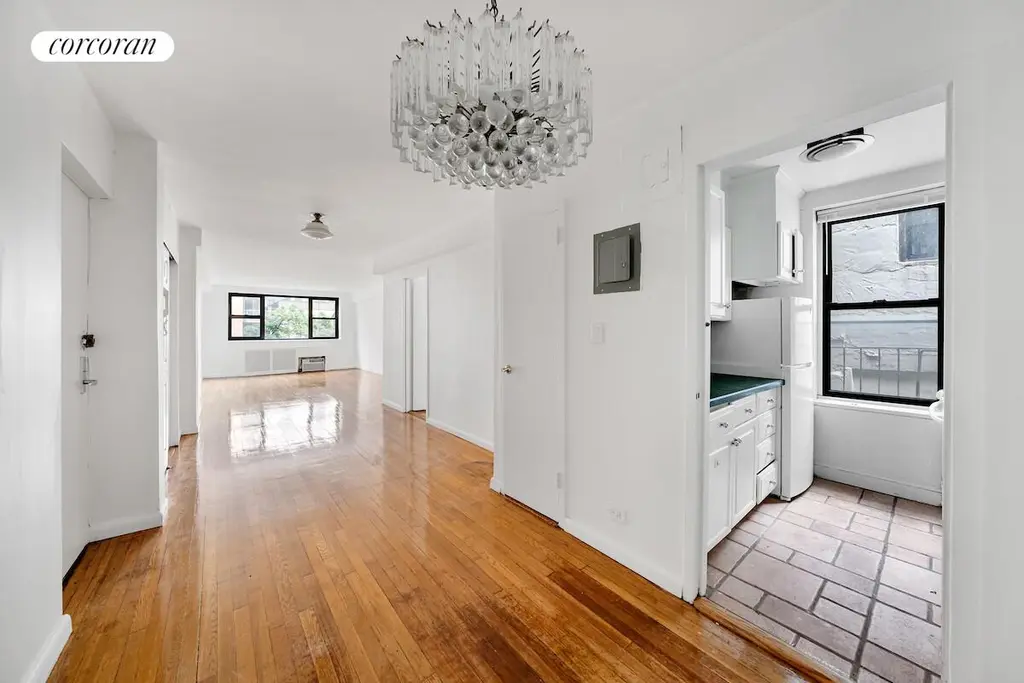
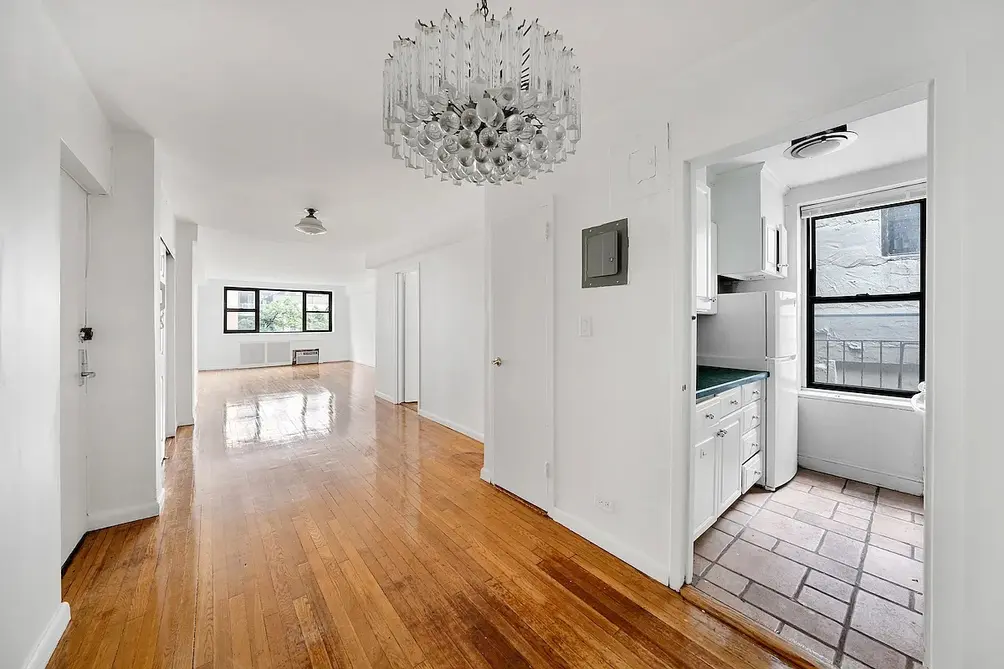 Estate sale listing at 305 East 72nd Street, #5GN | https://www.cityrealty.com/nyc/lenox-hill/charing-cross-house-305-east-72nd-street/6235/5GN/AnApaGxttaN
Tax Liabilities
In addition to the complexity of transferring inherited property in New York City, heirs, potential heirs, and anyone considering leaving local property in their will need to consider the tax implications for the inheritor.
Estate tax
Would you like to tour any of these properties?
Just complete the info below.
Or call us at (212) 755-5544
Unlike many states, New York does impose an estate tax, and given NYC property values, this is worth understanding. The good news is that most homes don’t qualify since the New York State estate tax exemption for 2026 is $7.35 million. However, if one’s inherited home exceeds the exemption by more than 5% (that’s about $7.72 million), the entire estate becomes taxable, not just the portion above the $7.35 million threshold.
Given that the top tax rate in New York State is 16%, this generally leaves heirs with a very hefty tax bill. There is now also a small chance that this tax bill could increase significantly. While the current legislation only penalizes New Yorkers inheriting luxury properties, Mayor Mamdani is urging state lawmakers to lower the current tax exemption threshold on estates from $7.35 million and to $750,000 and to increase the top taxation rate from 16% to 50%. Despite being unlikely to gain approval from lawmakers in Albany, if the proposal is adopted, nearly all inherited properties in New York City would be subject to taxation and heirs of luxury properties would be forced to share a significant proportion of any gains with the state.
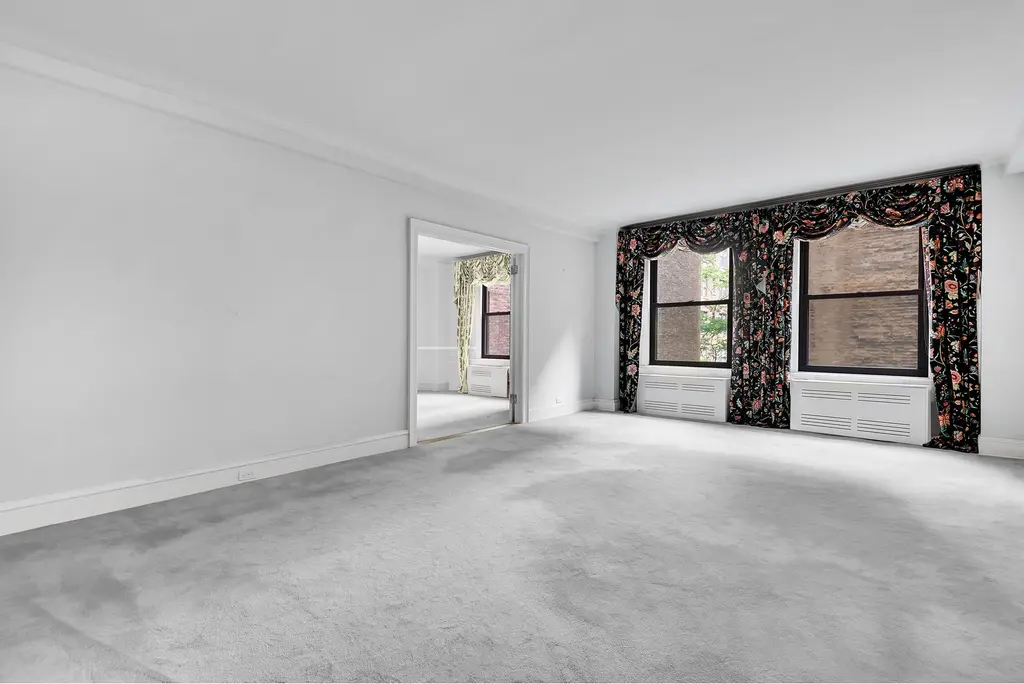
 Apartment being sold by the estate at 1105 Park Avenue, #3D | https://www.cityrealty.com/nyc/carnegie-hill/1105-park-avenue/7216/3D/aWhAYlNXGT
On the federal level, however, only estates above $15 million under the newly enacted One Big Beautiful Bill Act (OBBBA), which permanently raised and inflation-indexed the federal exemption effective January 1, 2026, are subject to estate tax.
Whatever happens in the future, it is important to know that estate taxes are always paid out of the estate, so heirs are not expected to come up with the funds themselves—even if they have just inherited a multimillion-dollar home. That said, if the estate is largely illiquid—consisting mostly of real estate—they may still face cash-flow challenges.
Capital gains tax
One of the most significant tax implications of inheriting a property is the step-up in basis. Under this provision, heirs don’t pay capital gains on the growth of an asset that happened before they owned it. So, let’s say a parent bought a co-op for $250,000 in 2000, but in 2026 it's worth $1.5 million. Thanks to the step-up in basis, an heir will not be responsible for the significant capital gain that has occurred over the past 26 years of ownership. If the parent had sold the property prior to death, however, they would generally have been liable for the capital gain—either in full (for investment properties) or subject to the primary residence exclusion of up to $250,000 for single filers or $500,000 for married couples filing jointly. Notably, this is also one reason it is generally better for heirs to inherit property than to have it gifted while the owner is still alive.
Property Tax and Other Ongoing Obligations
Inheriting a property does not automatically change its property tax assessment in New York City, but it may impact eligibility for some exemptions held by the previous owner. For example, programs such as the Senior Citizen Homeowner Exemption (SCHE) and Disability Homeowner Exemption (DHE) are tied to the individual owner, not the property. As the new owner, you will need to reapply for any exemptions for which you may qualify. For co-ops, property taxes are rolled into monthly maintenance fees, and eligible owners can apply for exemptions such as SCHE or DHE, which, if approved, are passed through to owners as a reduction in maintenance charges.
Plan ahead - if you can
While inheriting NYC residential property is often a life-changing experience for individuals, given the high value of local properties, it can also be a time-consuming, complex, and even costly process, depending on the type of property, its value, current use, and other factors.
For heirs, the best advice is to start by finding an attorney—ideally one with expertise in both estate and real estate law. For anyone considering leaving a property to a loved one, take steps to ensure the process is as straightforward as possible. This starts with having a proper will—otherwise, your intended heir could spend months simply petitioning for the right to manage the estate and property. Finally, for potential heirs who know they may eventually inherit a property, have frank conversations with the owner while they are still alive to understand the property, its condition, and financial status. The more you know in advance, the easier the transfer will be in the end.
Estate Sale listings on the market
Priced from highest to lowerst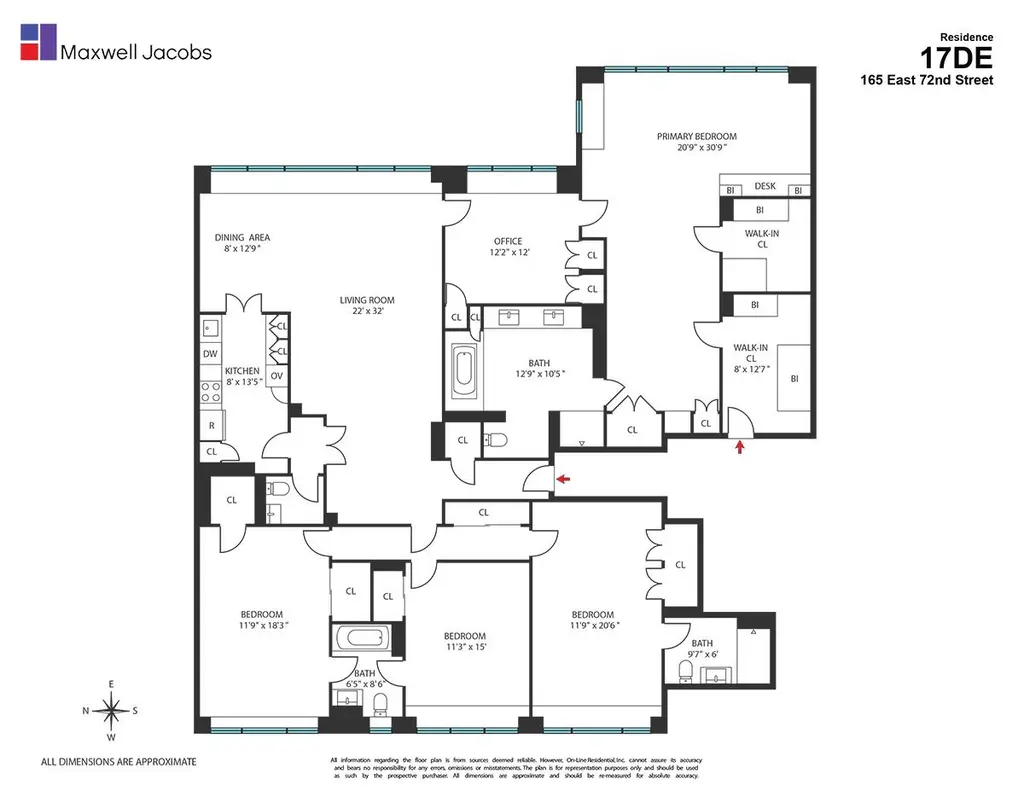
165 East 72nd Street, #17-DE (Maxwell Jacobs Inc)

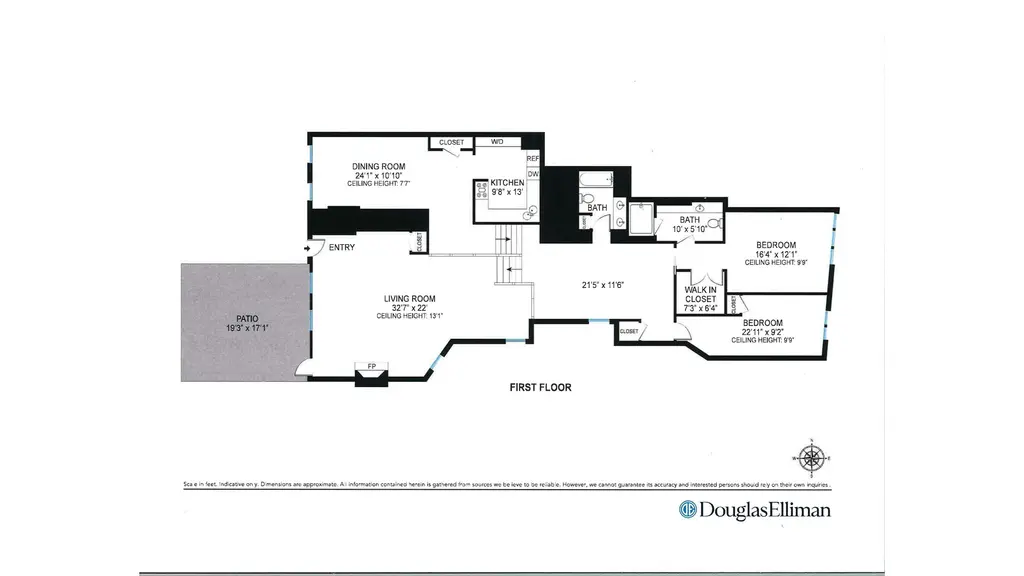
The Stafford Mews, #1D (Douglas Elliman Real Estate)

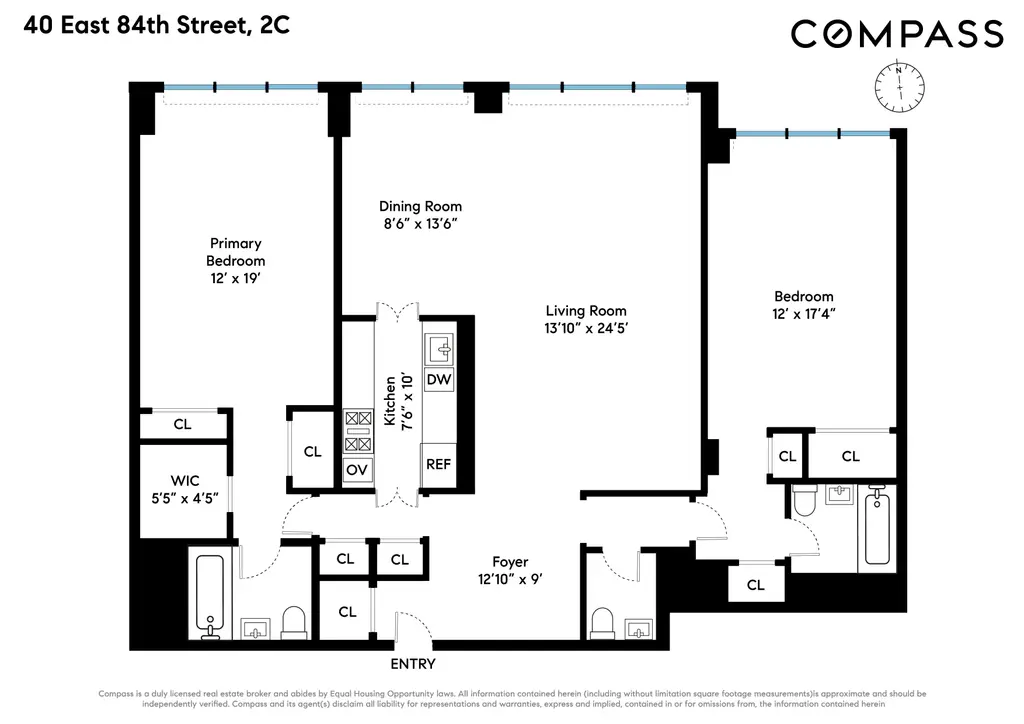
40 East 84th Street, #2C (Compass)

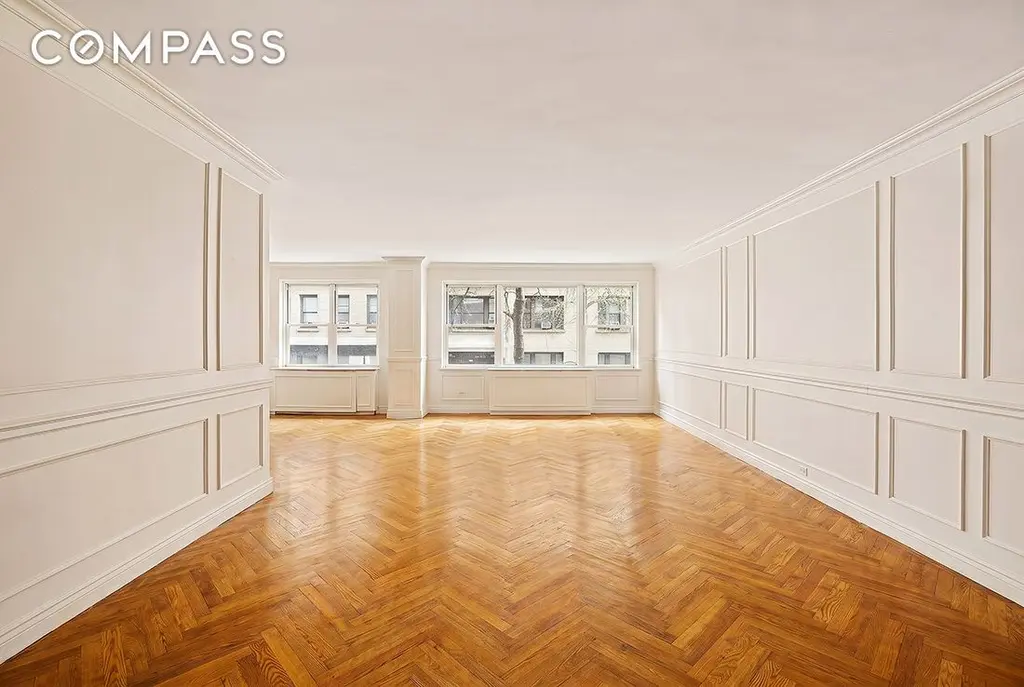

New West, #5K
$1,625,000 (-3.6%)
Riverside Dr./West End Ave. | Condominium | 2 Bedrooms, 2.5 Baths | 1,280 ft2
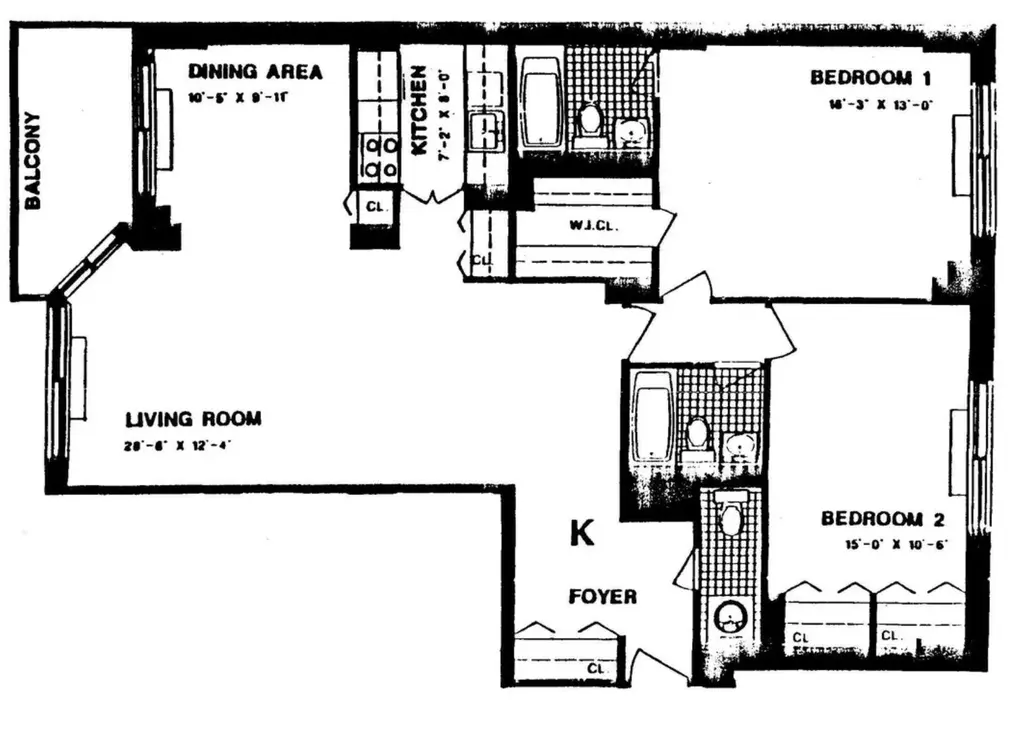
New West, #5K (Stephen P Wald Real Estate Associates Inc)


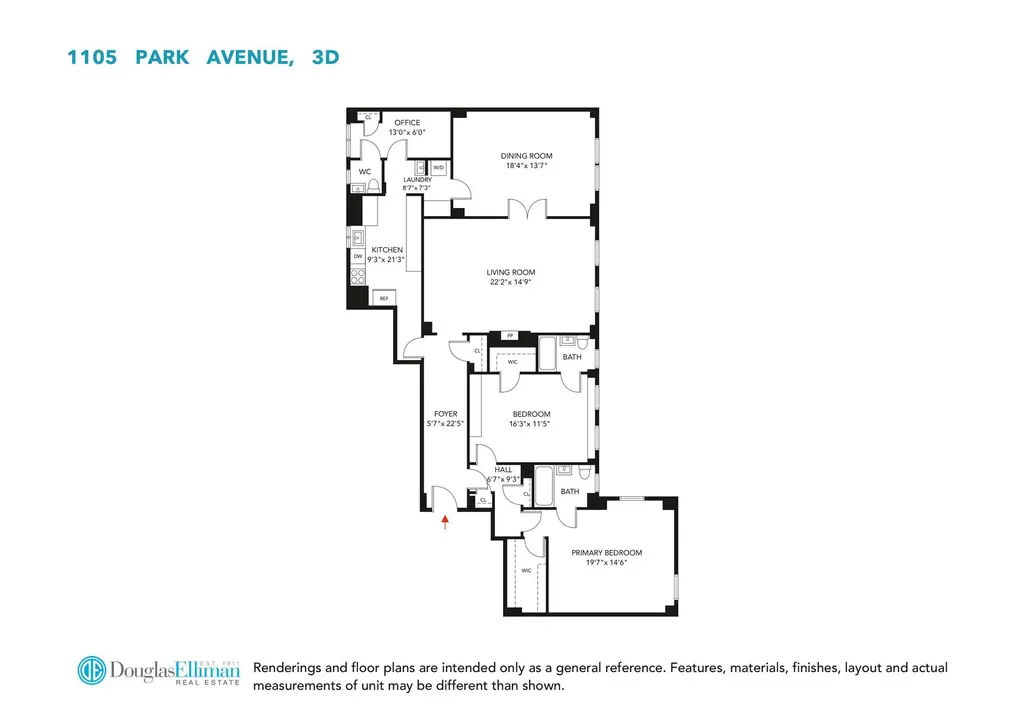
1105 Park Avenue, #3D (Douglas Elliman Real Estate)
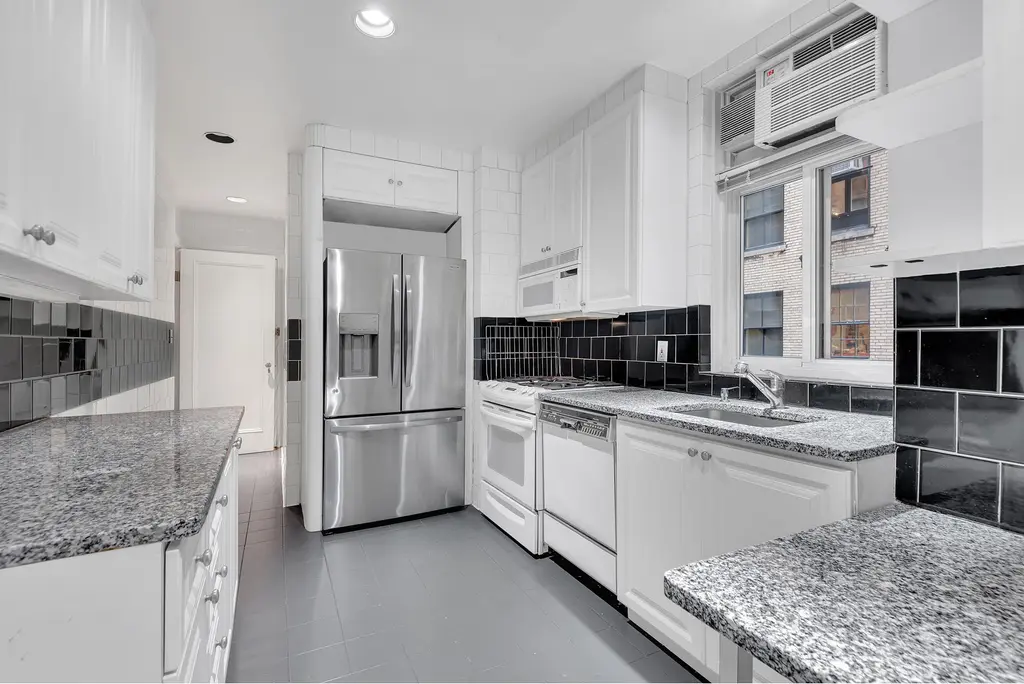
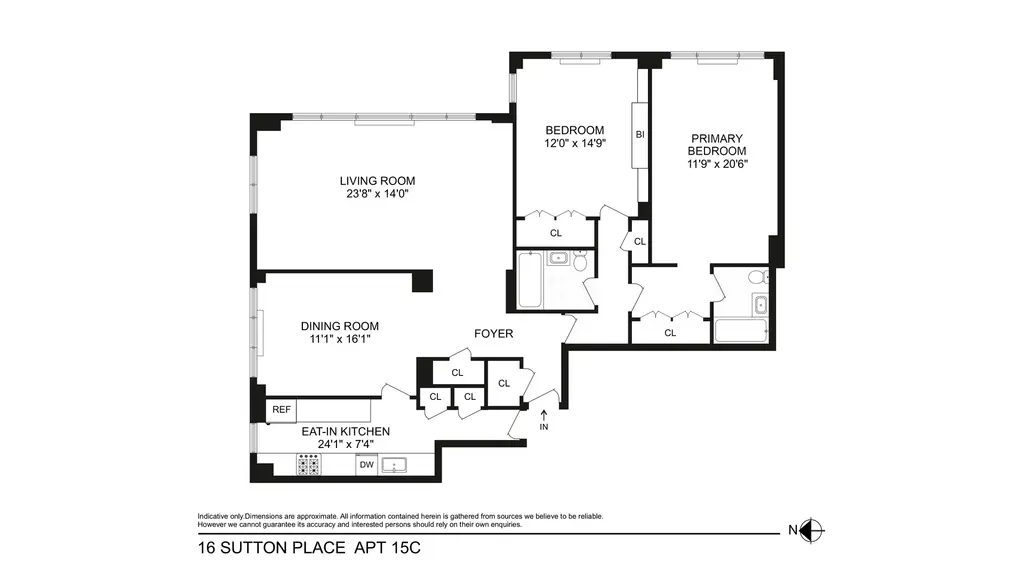
16 Sutton Place, #15C (Douglas Elliman Real Estate)

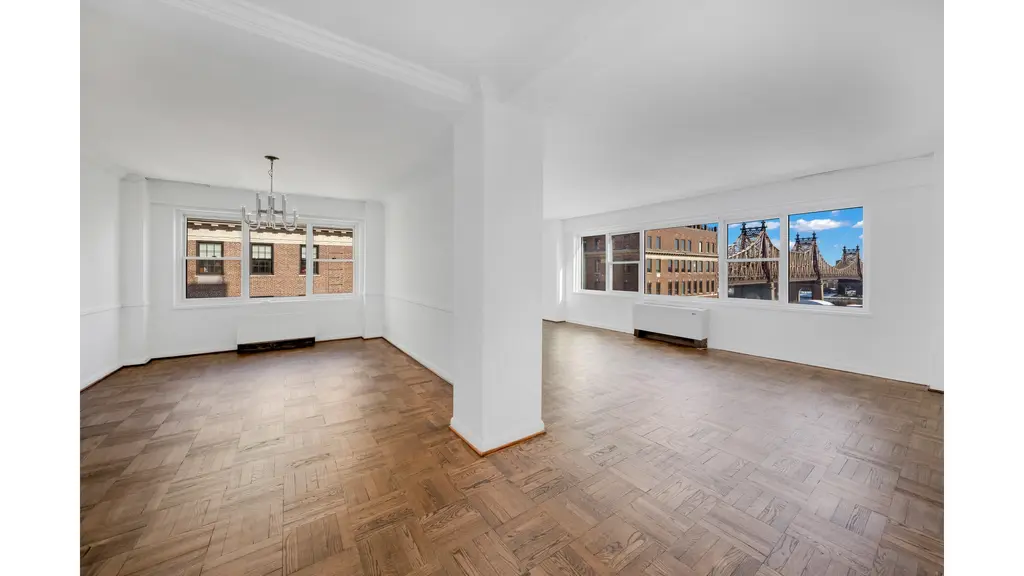

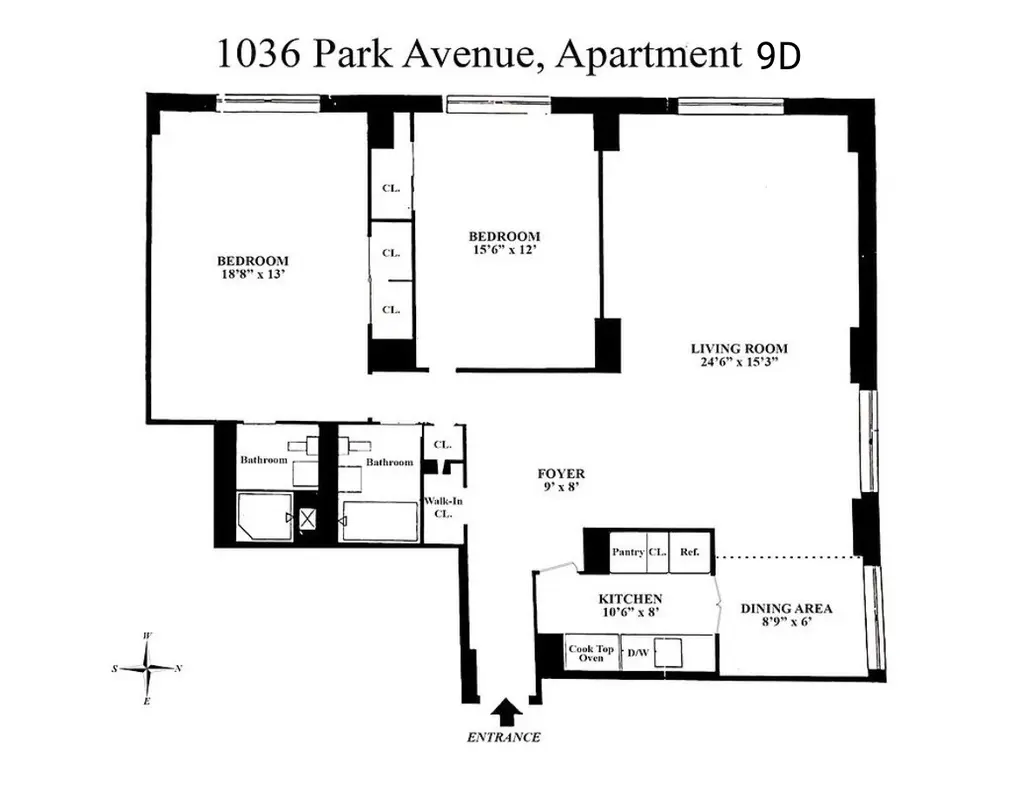
1036 Park Avenue, #9D (Corcoran Group)

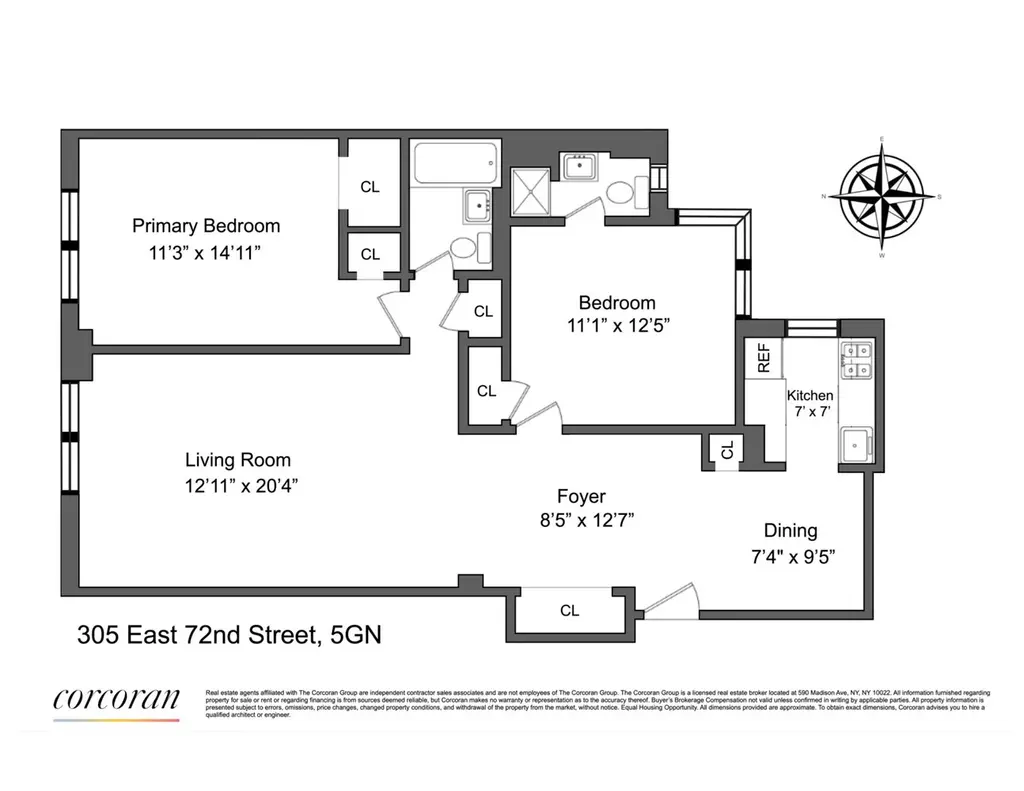
Charing Cross House, #5GN (Corcoran Group)

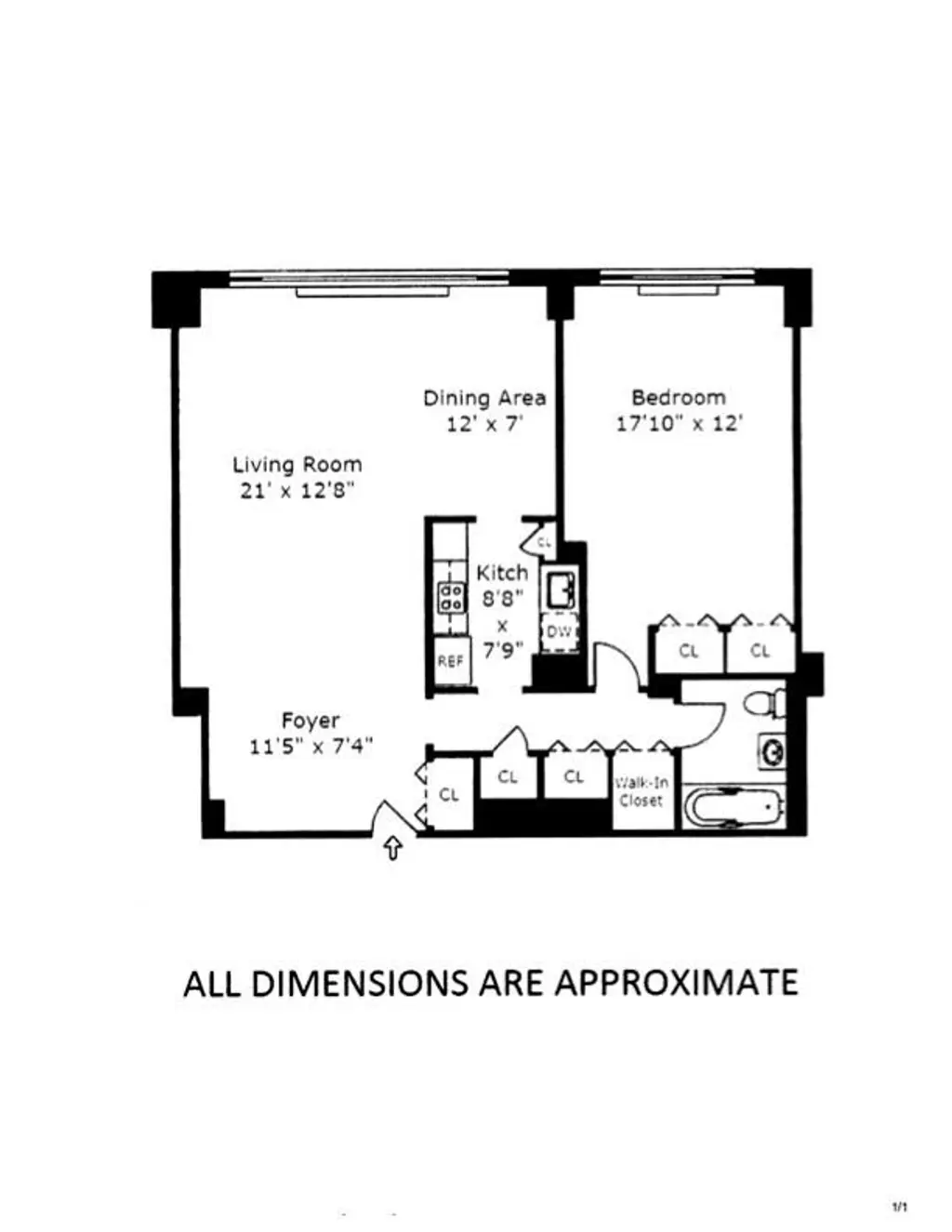
Lenox House, #10E (Corcoran Group)


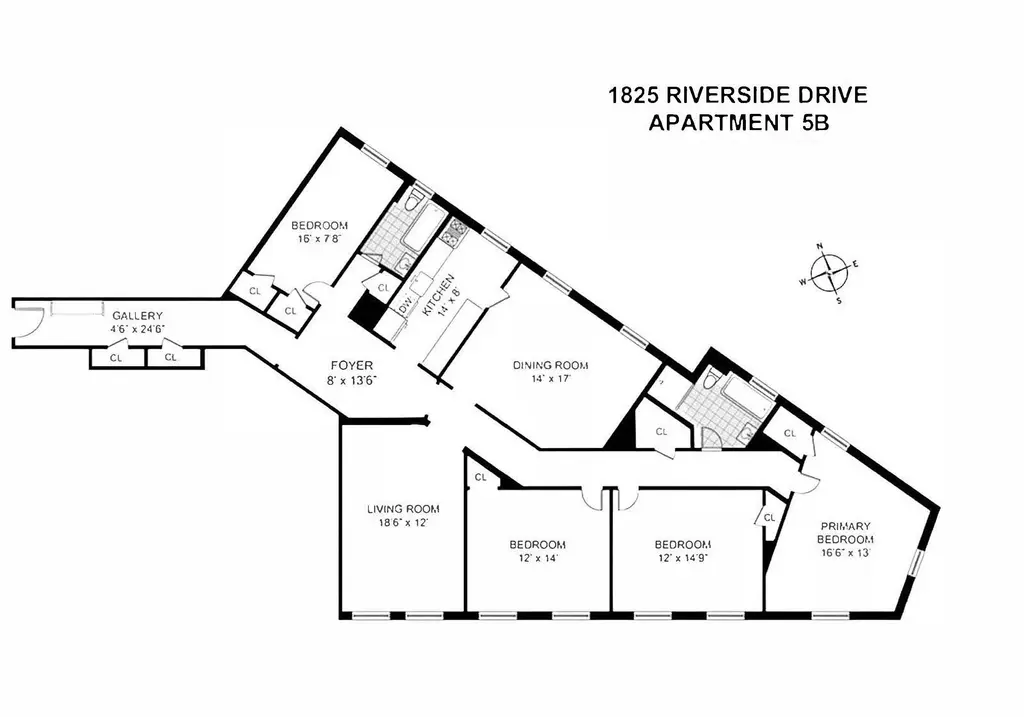
1825 Riverside Drive, #5-B (Stephen P Wald Real Estate Associates Inc)



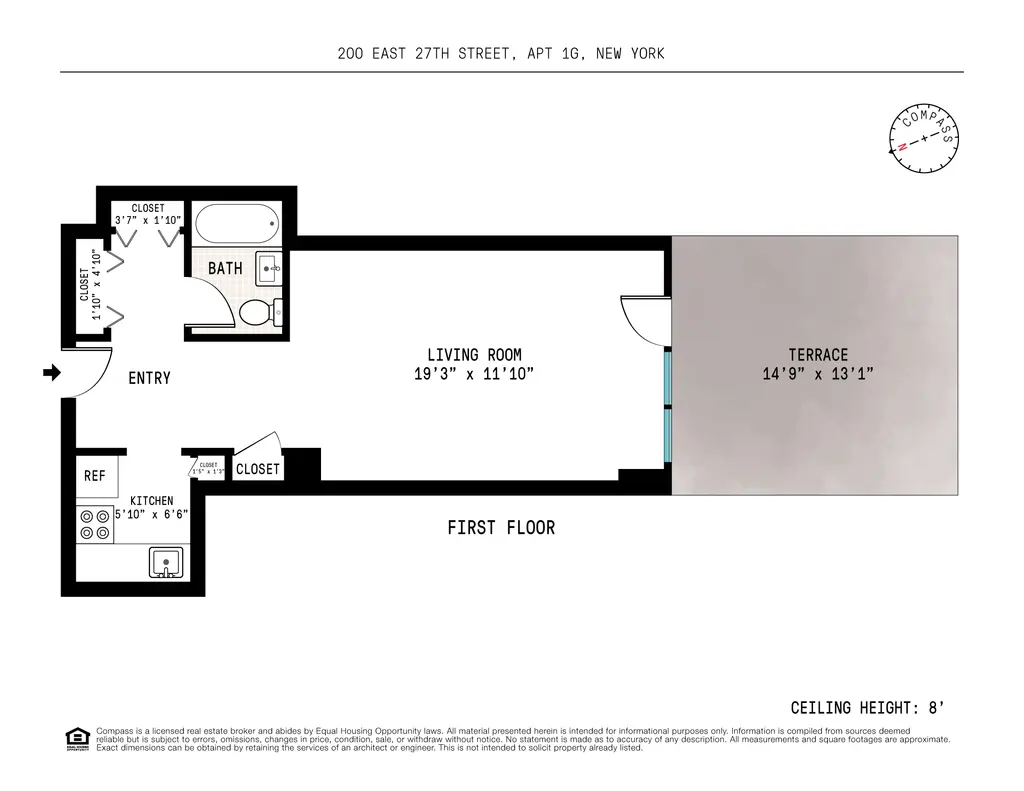
Victoria House, #1G (Compass)


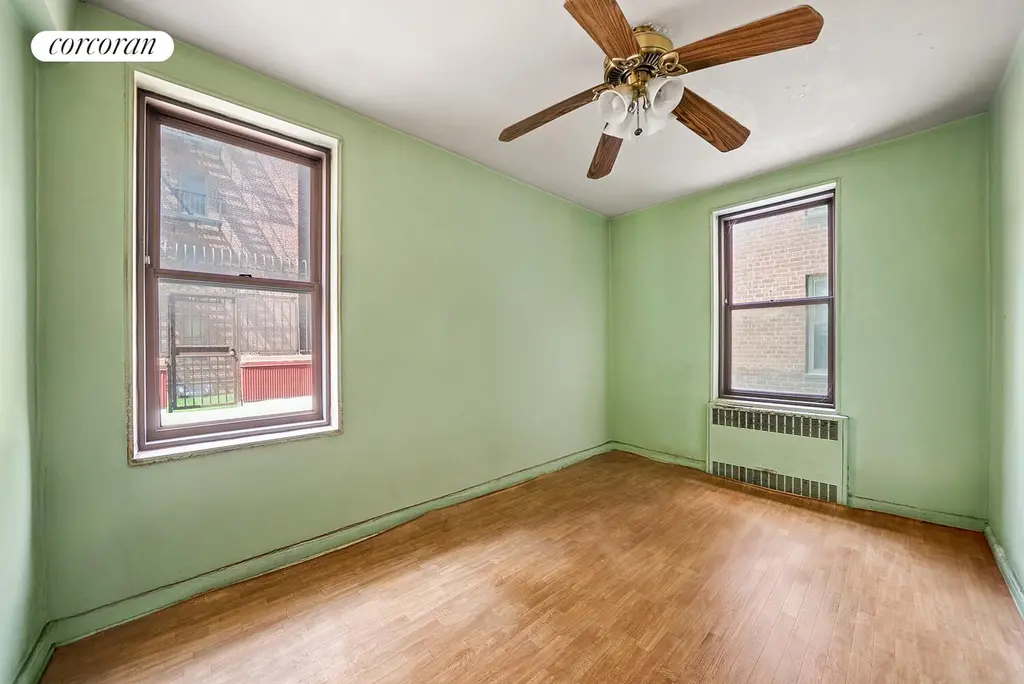
2170 Brigham Street, #1D (Corcoran Group)
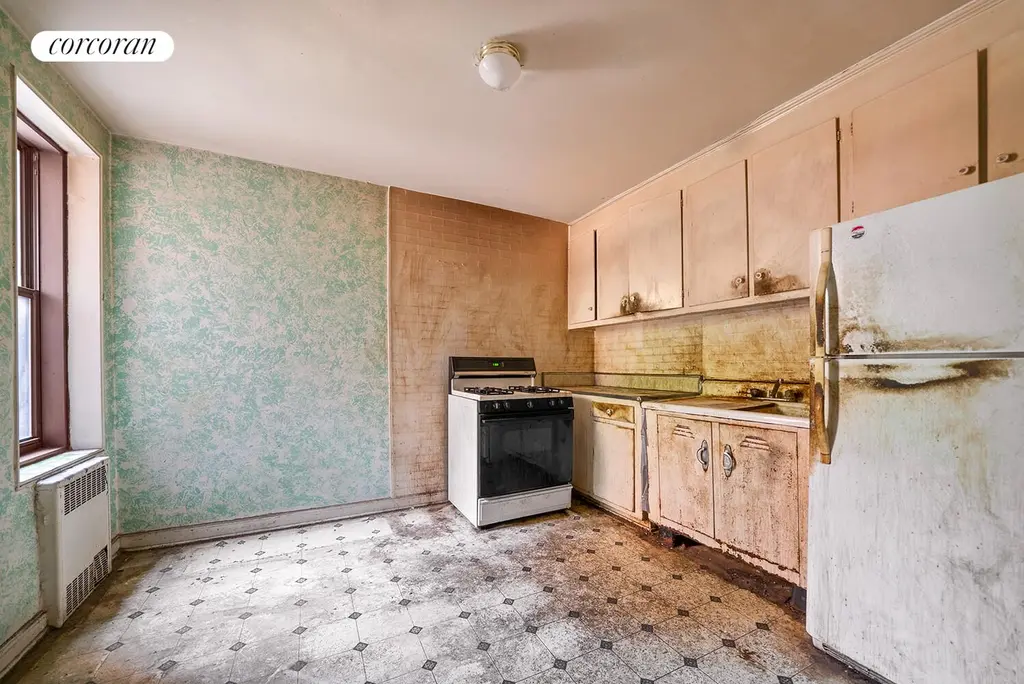
Would you like to tour any of these properties?
Just complete the info below.
Or call us at (212) 755-5544
Would you like to tour any of these properties?
Related Articles

Get To Know
What is a sponsor unit? Pros, cons, and NYC apartments with no board approval required from $165K
Tuesday, June 23, 2026
Get To Know
Seven tips for getting past NYC's toughest co-op boards + Prewar gems with open houses
Friday, June 5, 2026
Get To Know
Pre-war vs. Post-war: Pros, cons, and featured listings
Wednesday, May 27, 2026
Get To Know
How property values are assessed in NYC + Great new listings with open houses from $445K
Saturday, June 20, 2026
Get To Know
Swim with a View: 30 Manhattan buildings with high-floor swimming pools and fitness centers
Saturday, June 20, 2026
Future New York
What's old is new again: Mass timber construction in NYC as Timberburg readies to launch sales
Tuesday, June 16, 2026
Get To Know
What New York’s transparency bill could mean for whisper listings + Public listings with open houses
Friday, June 12, 2026
Get To Know
What the pied-à-terre tax could mean for Manhattan prices + NYC penthouse listings from $499K
Friday, June 12, 2026
Contributing Writer
Cait Etherington
Cait Etherington has over twenty years of experience working as a journalist and communications consultant. Her articles and reviews have been published in newspapers and magazines across the United States and internationally. An experienced financial writer, Cait is committed to exposing the human side of stories about contemporary business, banking and workplace relations. She also enjoys writing about trends, lifestyles and real estate in New York City where she lives with her family in a cozy apartment on the twentieth floor of a Manhattan high rise.

 6sqft delivers the latest on real estate, architecture, and design, straight from New York City.
