- Apartments
- Overview & Photos
- Maps
- Building Specialists
- Floorplans
- Sales Data & Comps
- Similar Buildings
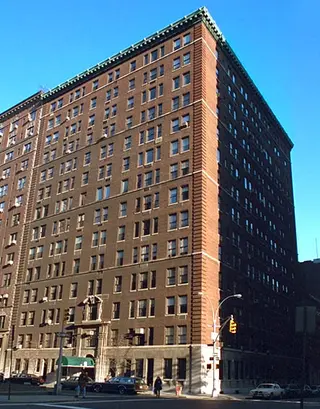
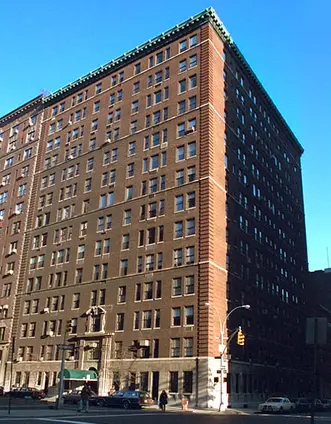
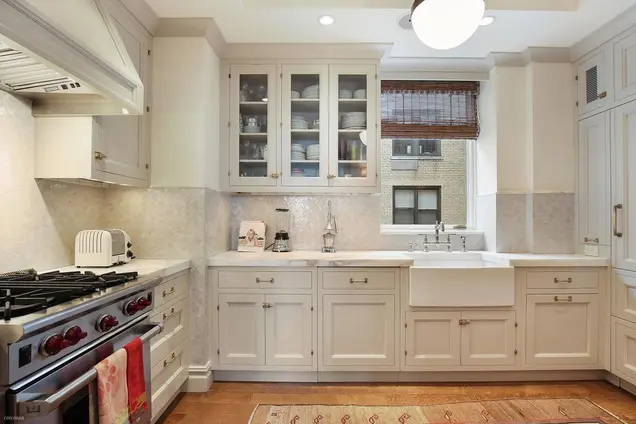
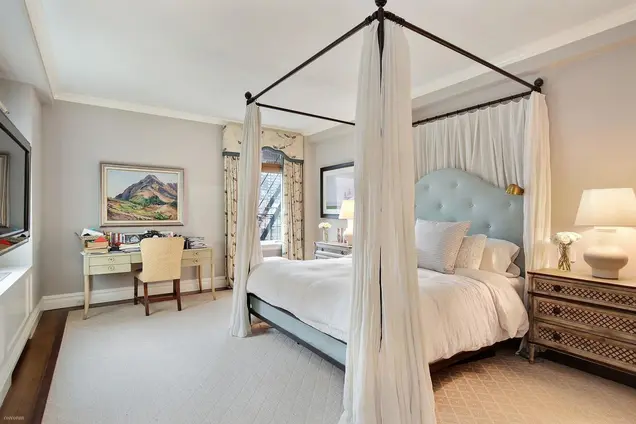
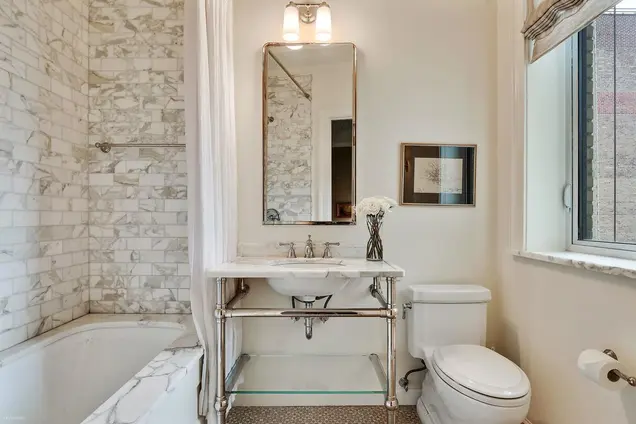
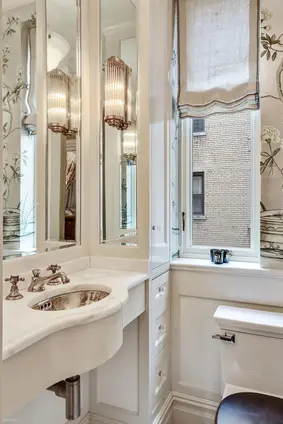
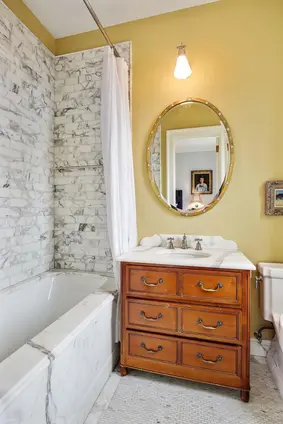
1105 Park Avenue is a prewar cooperative building designed by Rosario Candela in 1923 with attentive staff and amenities. The building features a fitness center, central laundry room, private storage for each apartment, and welcomes pets.

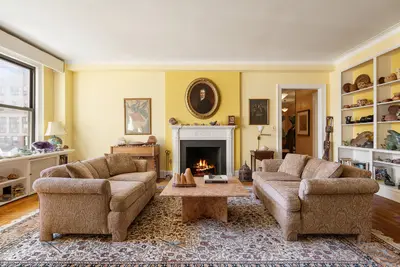
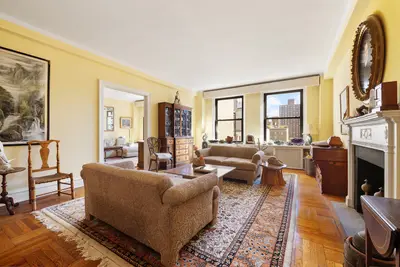
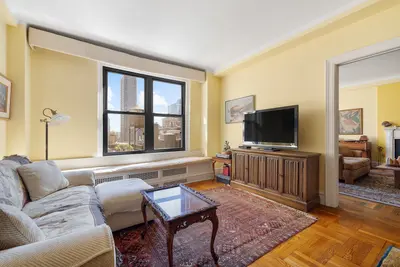
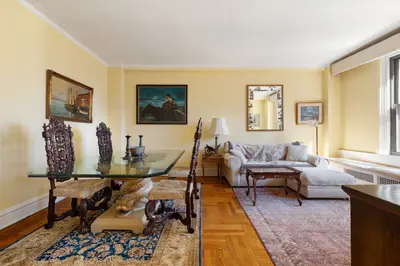
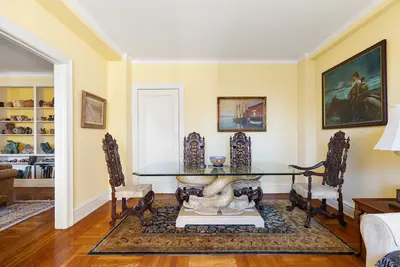
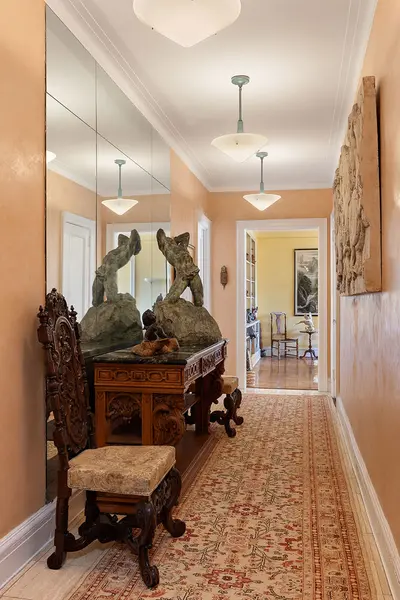
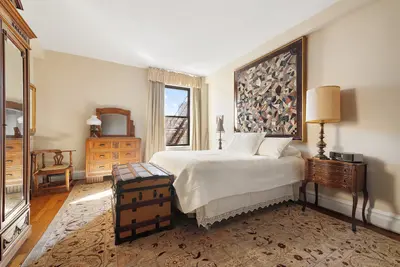
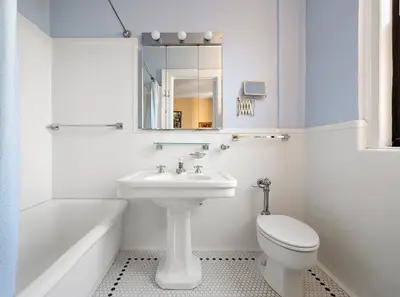
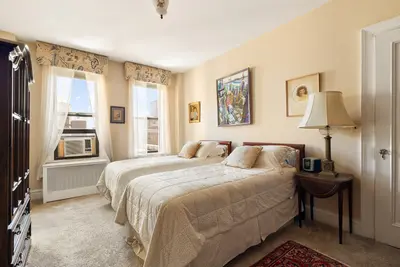
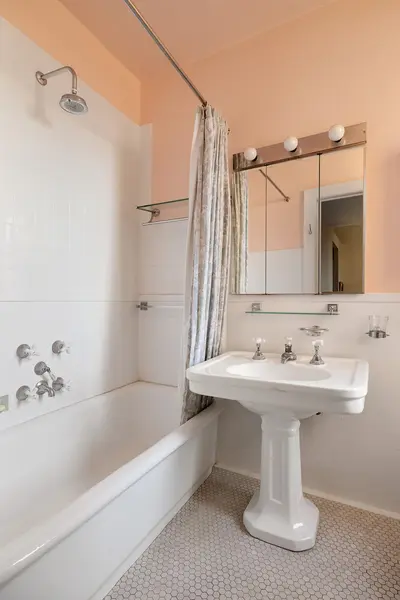
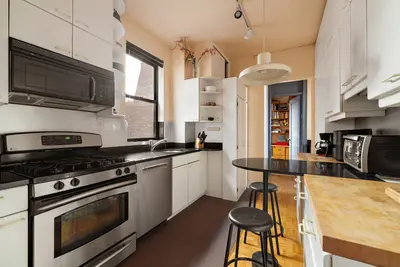
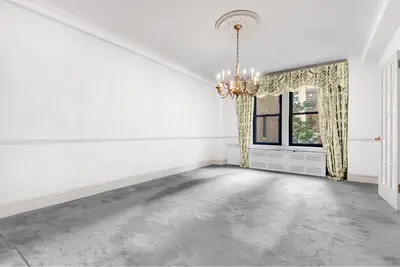
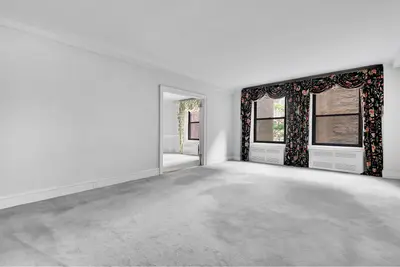
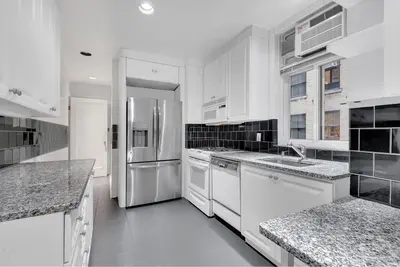
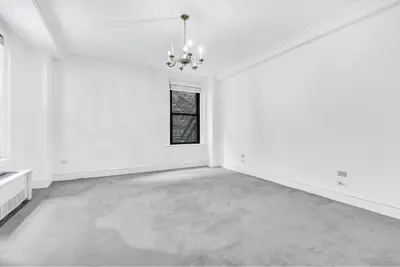
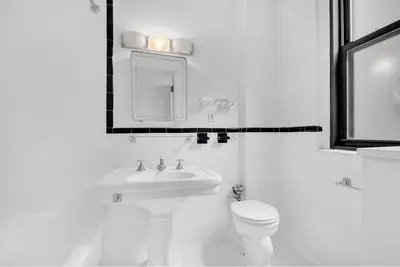
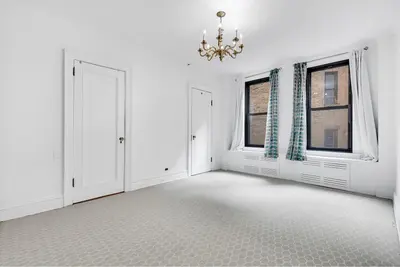
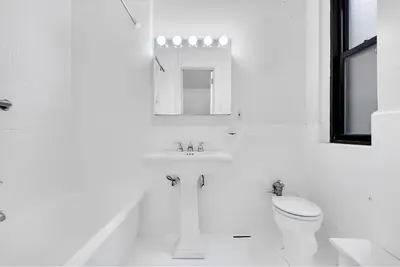
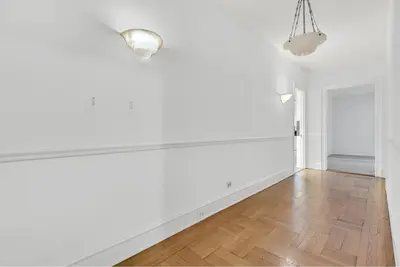
1105 Park Avenue is a 15 story prewar co-op designed by renowned architect Rosario Candela in 1923 and converted to cooperative ownership in 1951. Located on the northeast corner of Park Avenue and 89th Street in Carnegie Hill, this red brick building houses 61 apartments and represents one of Candela's earlier works. The building features an impressive limestone entrance adorned with ornate female figures described as "suggestive of expectant caryatids" supporting a broken pediment with developer Michael Paterno's "P" shield at the center.
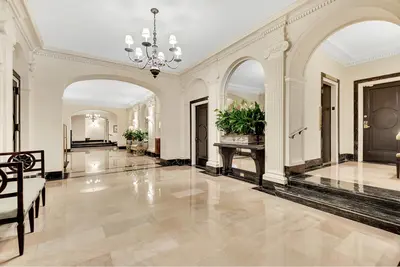
The architectural details reflect Candela's signature style, though Christopher Gray of The New York Times noted it was "a modest achievement" relative to the architect's later super-luxury buildings. The lobby, however, stands out as "an elegantly reserved space" with polished marble and plain plaster walls that was considered much more tasteful than average for its time. The building showcases typical prewar features including rusticated limestone base, stringcourses, and masonry quoins, though it has inconsistent fenestration.
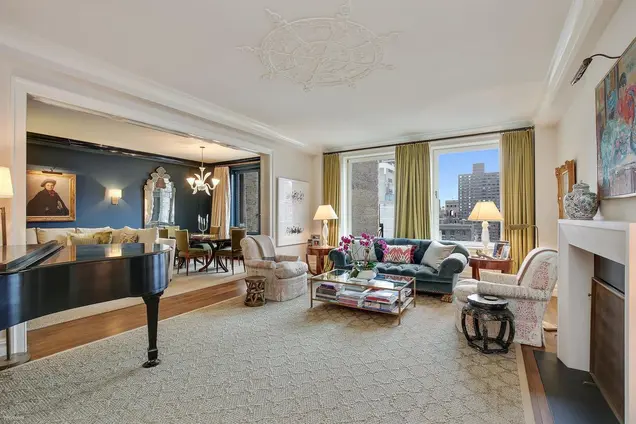
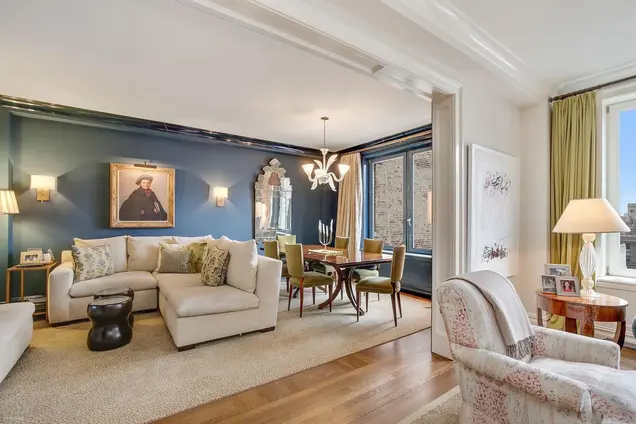
Apartments range from classic six room layouts to expansive corner units and a rare penthouse with 1,600 square feet of planted and irrigated terrace. Many units feature the hallmarks of Candela design: gracious entrance galleries, wood burning fireplaces, formal dining rooms, and well proportioned rooms with high ceilings.
The building offers white glove service with 24 hour doorman and concierge, on-site resident manager, fitness center, bicycle room, central laundry, and private storage for each apartment. Pets are welcome, and the building permits pied-à-terre ownership on a case by case basis. Notable former residents include Hugh D. Auchincloss Jr., stepbrother of Jacqueline Kennedy Onassis. The Carnegie Hill location provides proximity to excellent schools, cultural institutions, and retail while maintaining the prestige of a prime Park Avenue address.
View school info, local attractions, transportation options & more.
Experience amazing 3D aerial maps and fly throughs.
For some co-ops, instead of price per square foot, we use an estimate of the number of rooms for each sold apartment to chart price changes over time. This is because many co-op listings do not include square footage information, and this makes it challenging to calculate accurate square-foot averages.
By displaying the price per estimated room count, we are able to provide a more reliable and consistent metric for comparing sales in the building. While we hope that this gives you a clearer sense of price trends in the building, all data should be independently verified. All data provided are only estimates and should not be used to make any purchase or sale decision.

 6sqft delivers the latest on real estate, architecture, and design, straight from New York City.
Like us on Facebook to keep up with the trends and
6sqft delivers the latest on real estate, architecture, and design, straight from New York City.
Like us on Facebook to keep up with the trends and 