
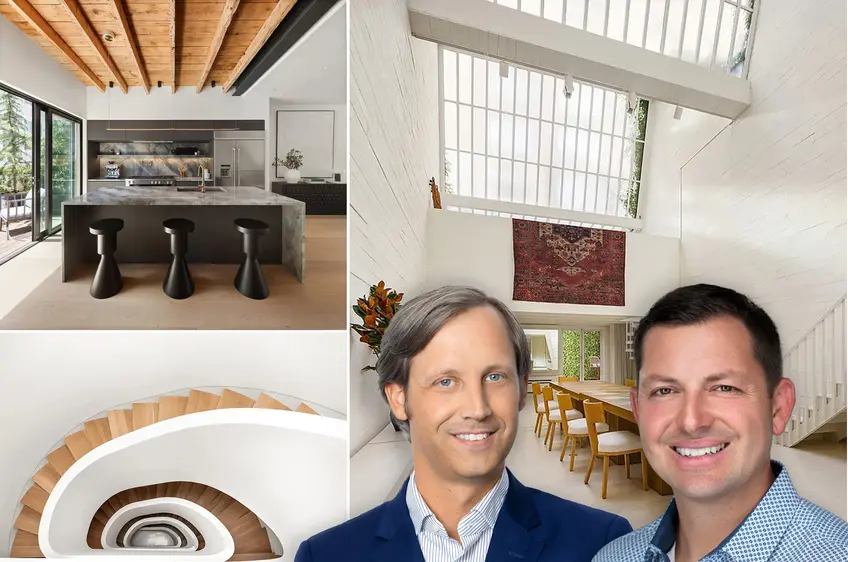
As the residential market moves through a prolonged period of adjustment, agents are being forced to rethink how they operate, plan, and stay financially resilient. In this conversation, Ricky Carruth and Briggs Elwell of RLTYco discuss where housing fundamentals truly stand, why time and pent-up demand matter more than short-term headlines, and how a new support model aims to help agents survive now and thrive when the market turns.
In this article:
Q: Ricky, can you start by explaining
your role and how you became involved with RLTYco?
Ricky Carruth: I’ve been in real estate for more than 20 years. I retired from active sales and shifted my focus to building a brand and helping agents scale their businesses. Over time, that evolved into a partnership role with RLTYco, where I serve as Chief Housing Analyst. My focus is on interpreting national and local market data, educating agents, and helping connect the dots between what’s happening in the market and how agents should position themselves.
Q: How would you describe the national
housing market right now?
Carruth:
Nationally, we’re closer to balance than many people realize. Prices are up about 1.2 percent year-over-year, and we’re still near all-time highs. However, roughly 53 percent of markets are down, but those declines are concentrated in areas that saw massive price spikes during the post-COVID boom.
Markets like Miami and parts of Florida are under pressure because supply ballooned so quickly. Meanwhile, markets that didn’t experience extreme COVID-era appreciation are actually still trending upward.
However, markets that boomed during COVID will eventually come back strong. People wanted to live there for a reason. When those markets turn, they tend to turn hard. Dallas, for example, is seeing strong relocation tied to job growth. Energy markets and corporate migration continue to drive housing demand in parts of Texas.
Markets like Miami and parts of Florida are under pressure because supply ballooned so quickly. Meanwhile, markets that didn’t experience extreme COVID-era appreciation are actually still trending upward.
However, markets that boomed during COVID will eventually come back strong. People wanted to live there for a reason. When those markets turn, they tend to turn hard. Dallas, for example, is seeing strong relocation tied to job growth. Energy markets and corporate migration continue to drive housing demand in parts of Texas.
Q: What’s the biggest factor holding
the market back right now?
Carruth:
Time, more than anything. Mortgage rates, wages, and prices are still adjusting. We don’t have a mechanism to quickly increase housing supply, and rates aren’t coming down fast enough to unlock movement.
A lot of homeowners are sitting on 3 to 4 percent mortgages and don’t want to move, even if they’re unhappy with their homes. That’s created massive pent-up demand. When rates finally ease meaningfully, the rebound could be substantial.
"When rates finally ease meaningfully, the rebound could be substantial.”
Q: Do you expect mortgage rates to fall significantly in 2026?
Carruth: I don't see a lot of movement in 2026. The real story is the spread between the 10-year Treasury and the 30-year mortgage rate. Historically, that spread is around 1.5 to 1.7 percent. The spread got up to 3% over the last three years and now is closer to 1.8 percent.
If that spread narrows, rates could fall even without major changes to the Treasury yield. That spread was really the story of 2025, and it will continue to matter in 2026.
If that spread narrows, rates could fall even without major changes to the Treasury yield. That spread was really the story of 2025, and it will continue to matter in 2026.
Q: Are you seeing differences between
luxury and entry-level housing?
Carruth:
Yes. Luxury has been remarkably resilient. What we’re seeing more pressure on is the lower end of the market, where affordability is tight.
Builders are responding by constructing smaller, more efficient homes to bring prices down. In places like Houston, where supply is growing rapidly, affordability looks better than in many other metros.
Q: Briggs, from your perspective, what
challenges do agents consistently struggle with?
Briggs Elwell:
A lot of agents approach real estate with a W-2 mindset. They expect consistency without building systems. Historically, most agents close very few transactions. Even in 2024, about 71 percent of agents didn’t close a single deal.
Technology has widened the gap. Agents who adopt tools to become more efficient are capturing more market share, while others are being left behind.
Technology has widened the gap. Agents who adopt tools to become more efficient are capturing more market share, while others are being left behind.
Q: Do you expect the number of agents
to decline?
Elwell:
Yes. Over the next five to ten years, the agent population will shrink. But the agents who remain will handle more transactions, supported by better tools, better systems, and better education.
Ironically, this slower market is one of the best times in history to build inventory. Agents who stockpile listings now will be in an incredible position when activity accelerates.
"This is the only time in history an agent can touch 50 to 100 active listings. When the market flips, the agents who stocked inventory are going to win.”
Q: How do commission advances actually
help agents in practice?
Elwell:
Liquidity is often the issue, not income. We’ve had agents use commission advances to bridge shortfalls on real estate investments, cover tax obligations, or manage long development timelines where closings are uncertain.
Because advances are scenario-based, they’re flexible. In many cases, fees are tax-deductible depending on how the agent is structured.
Q: There’s been a lot of discussion
around commissions lately. What’s your take?
Carruth: The narrative around commissions is often wrong. Agents are advisors managing the largest financial asset most people will ever own. Pricing strategy alone can mean hundreds of thousands of dollars in value.
Ironically, recent lawsuits have actually pushed agents to become more transparent and better educators. Buyers now better understand how agents are compensated and what they’re paying for.
Long-term, there will be fewer agents, but the ones who remain will likely earn more, operate more professionally, and deliver clearer value.
Ironically, recent lawsuits have actually pushed agents to become more transparent and better educators. Buyers now better understand how agents are compensated and what they’re paying for.
Long-term, there will be fewer agents, but the ones who remain will likely earn more, operate more professionally, and deliver clearer value.
Q: Final thoughts on where the broker industry is headed?
Carruth: We’re moving toward a more professional, transparent, and efficient broker industry. Technology, education, and market cycles will force that evolution. It won’t be easy, but the agents who adapt are going to come out stronger than ever.
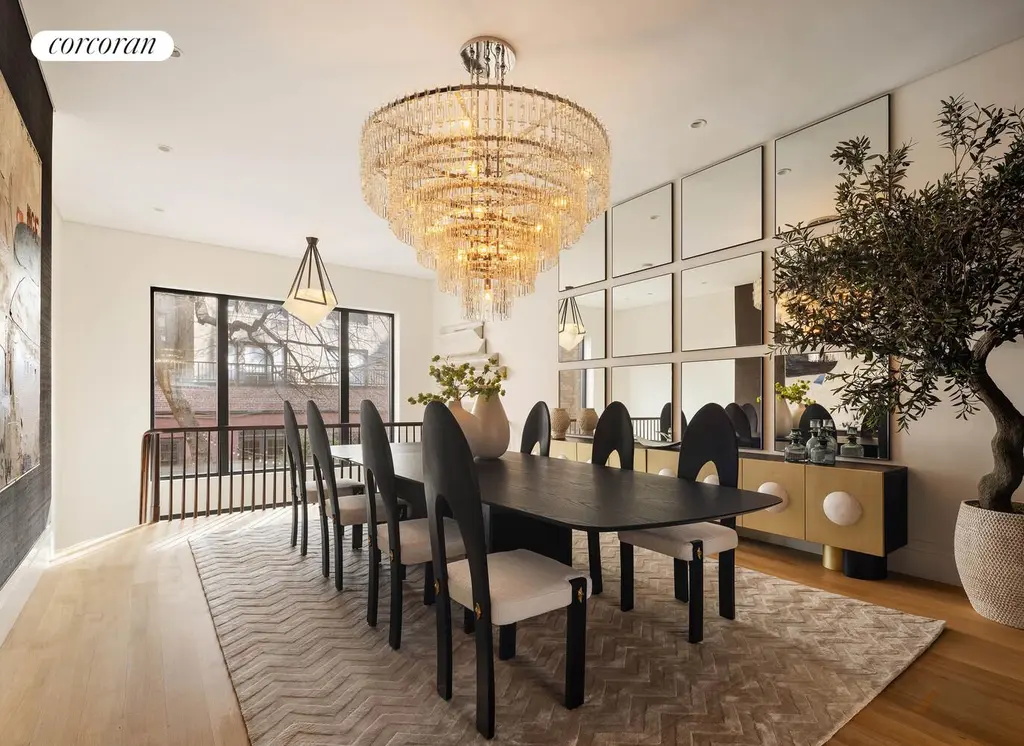
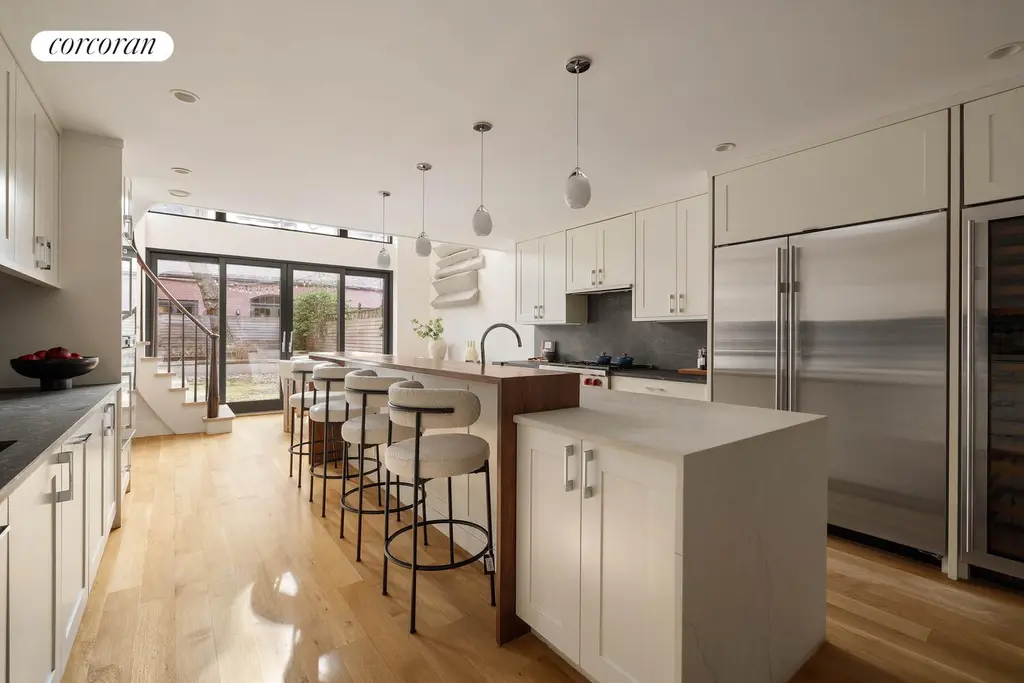
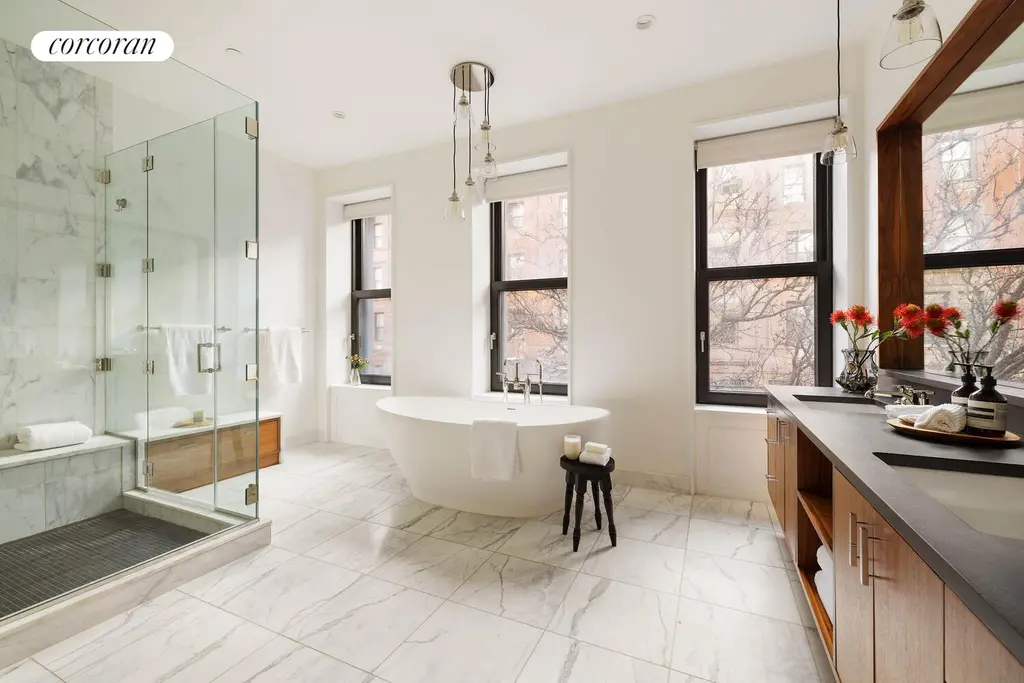
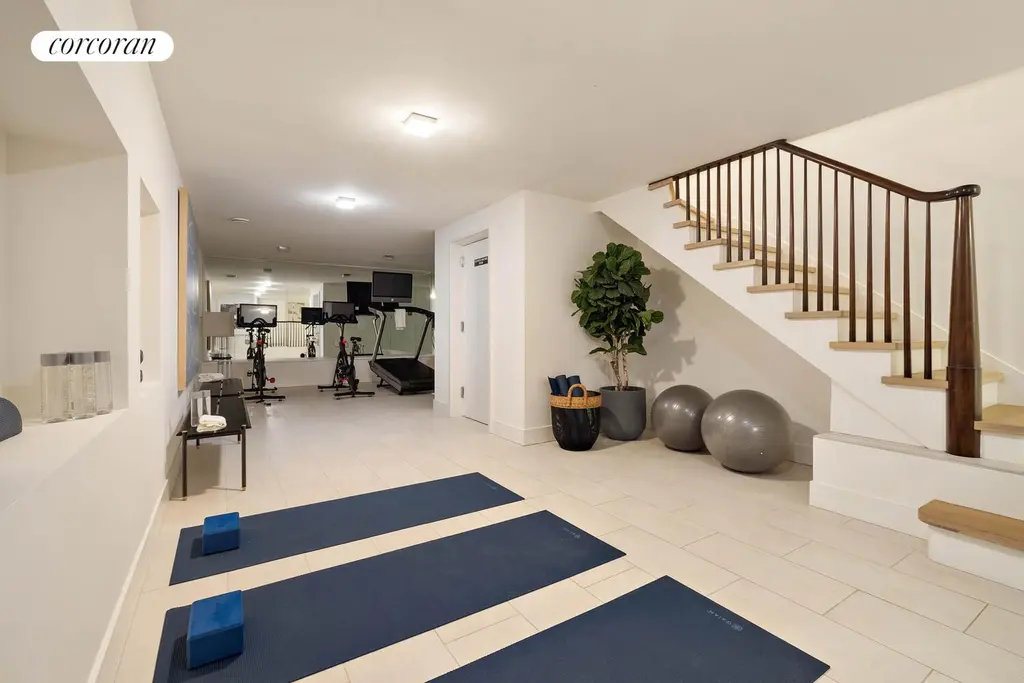
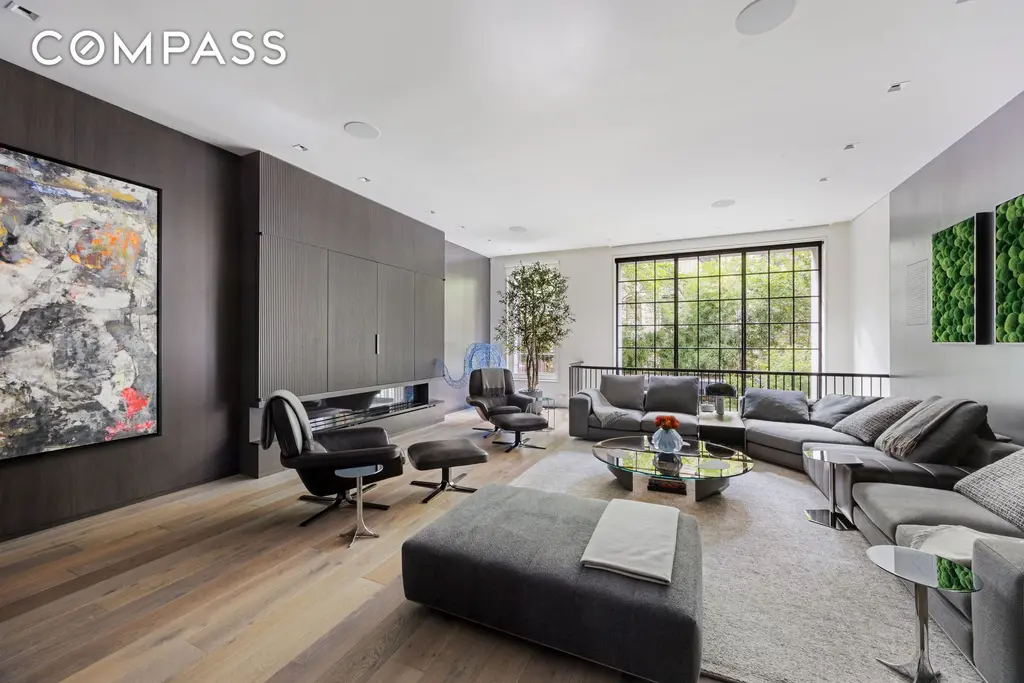
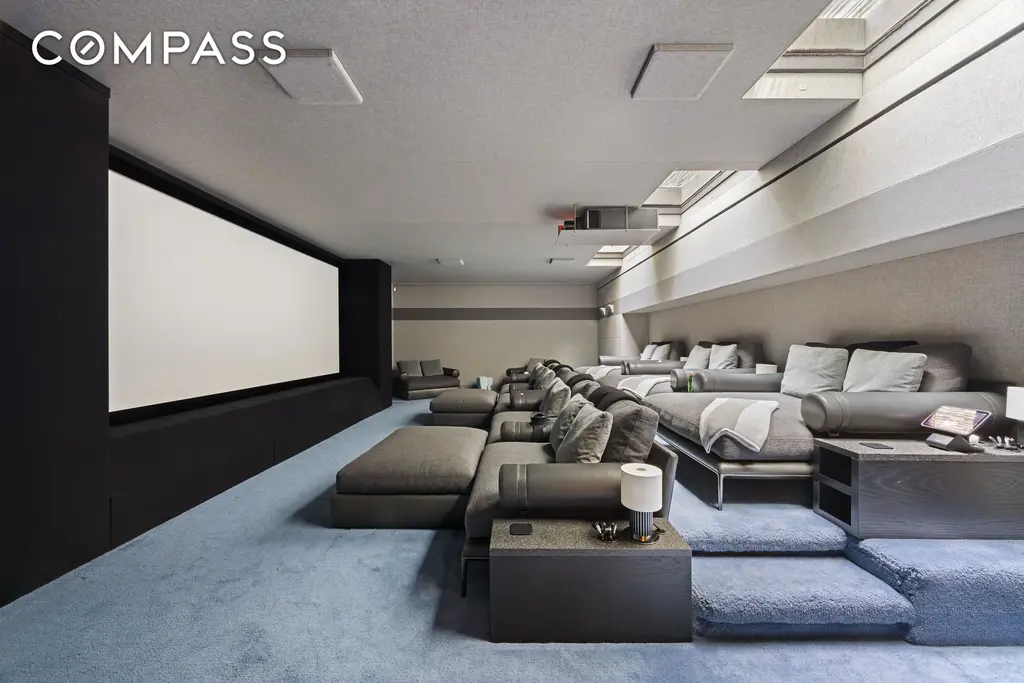
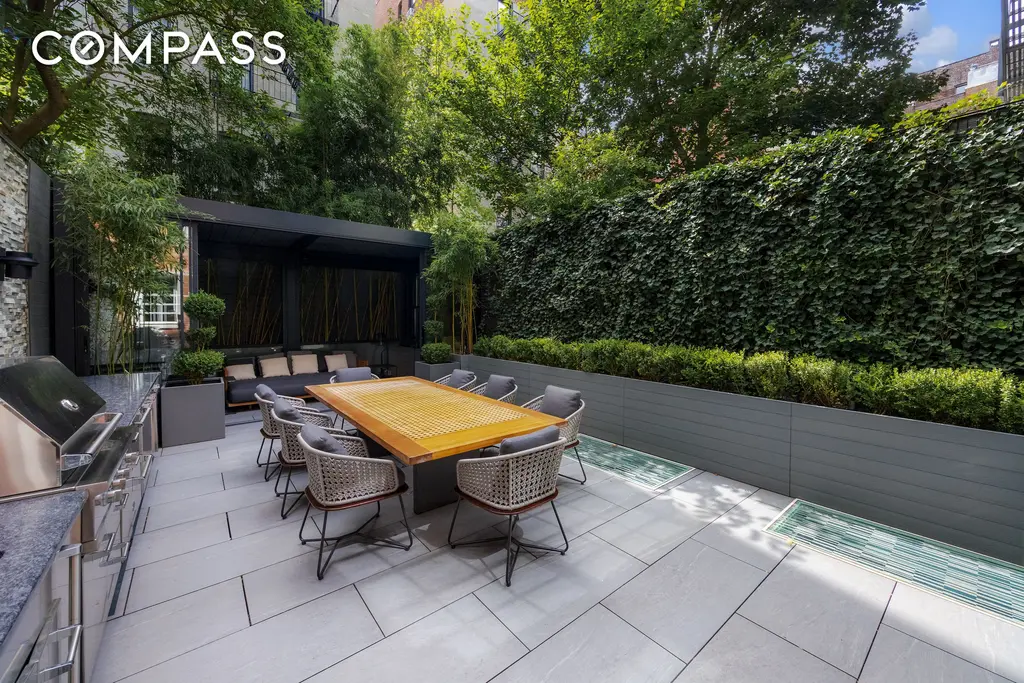
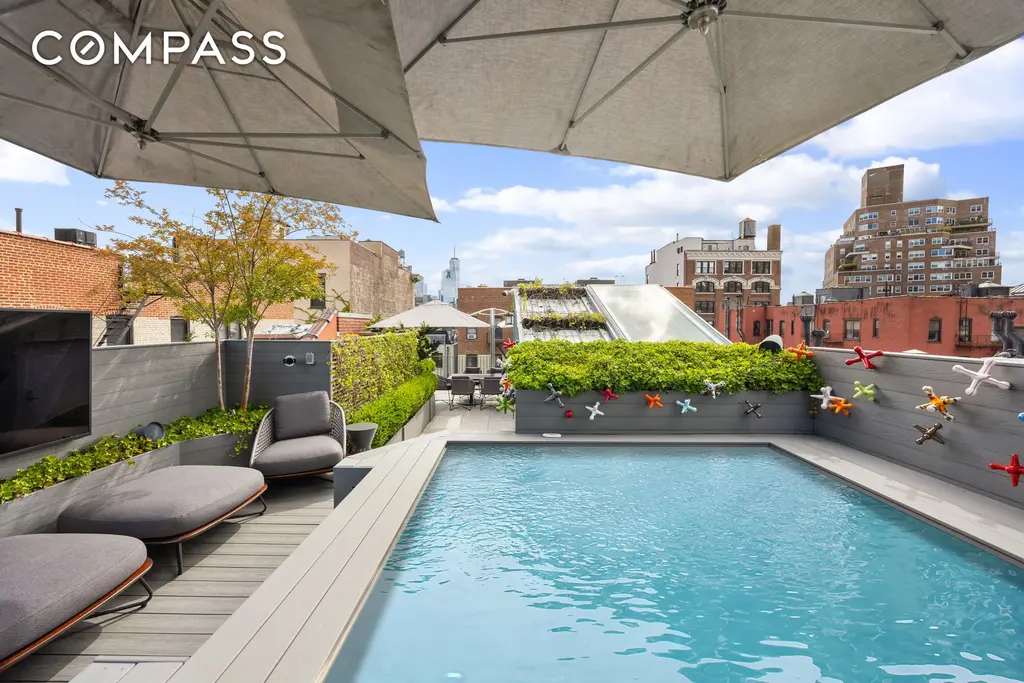
As we wait to see what 2026 will bring to the housing market, one segment that best reflects the themes Ricky and Briggs touch on is the modern townhouse. These ultra-luxury homes often require more time to find the right buyer, testing both pricing discipline and agent stamina. Yet when they do trade, they reward that patience with outsized satisfaction for buyers seeking privacy and architectural distinction, and for agents who understand that in a market defined by timing, the longest plays can be the most meaningful.
Select Contemporary Townhouses for sale in NYC
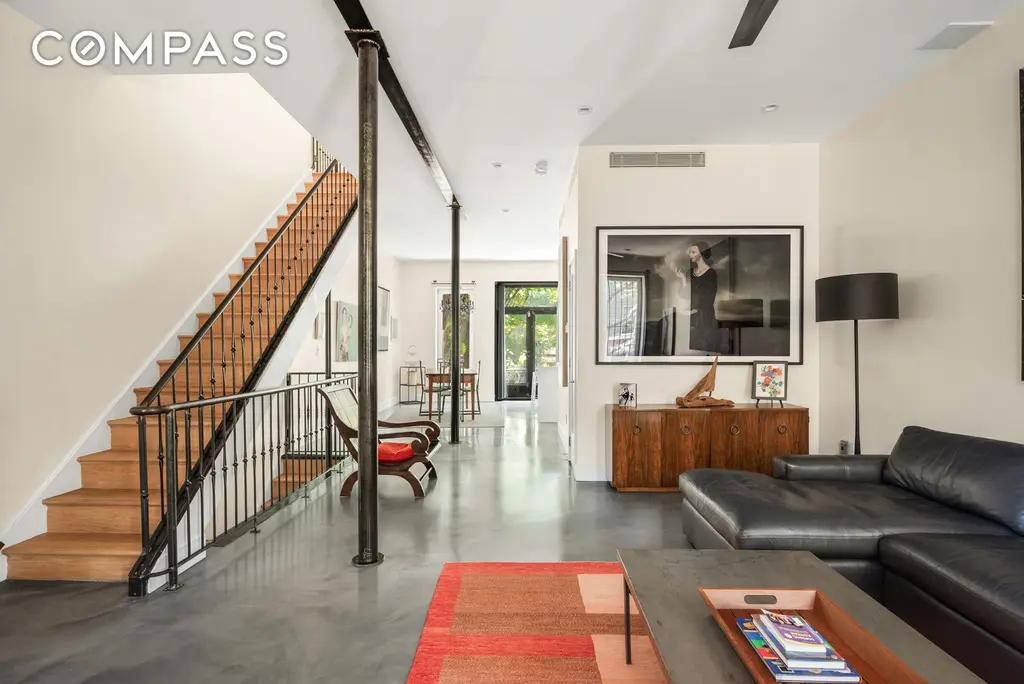
827 Marcy Avenue, # (Compass)
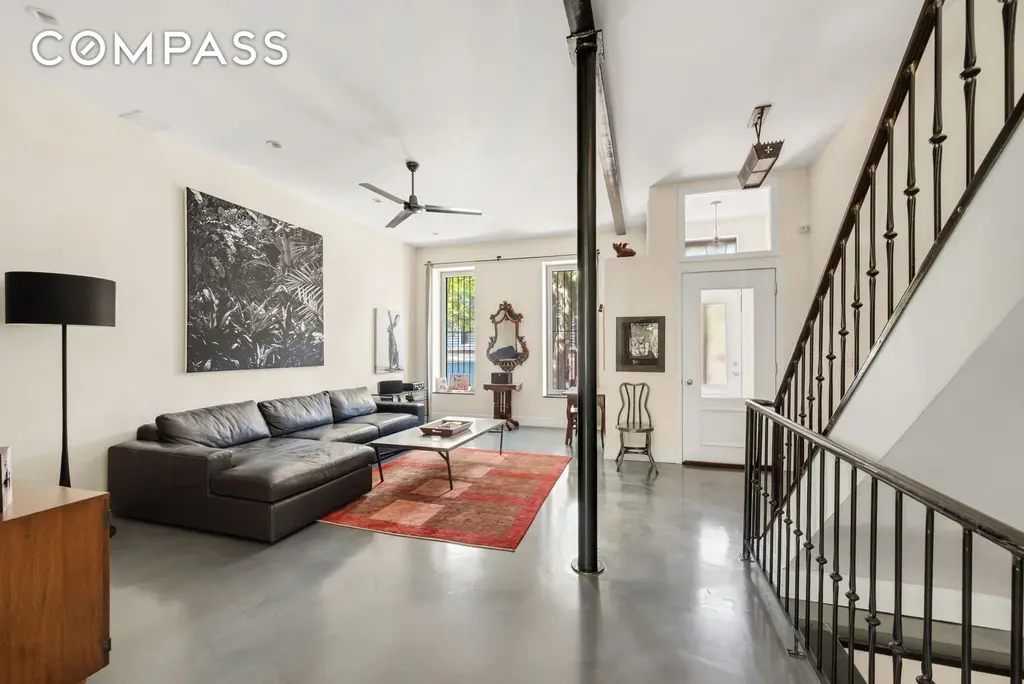
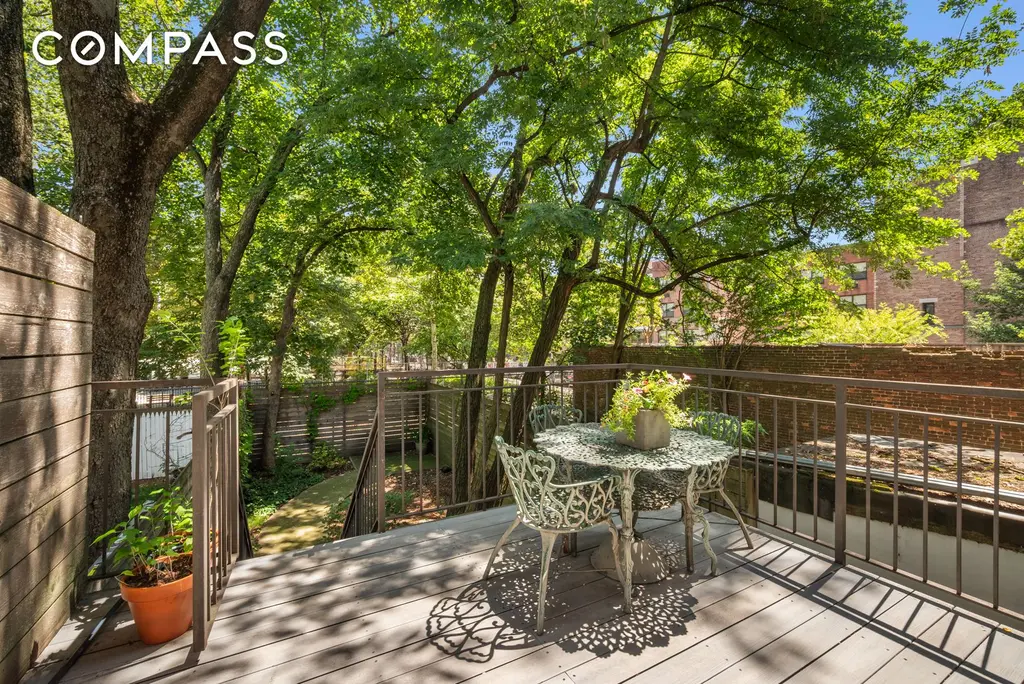
47 Wolcott Street, # (Compass)

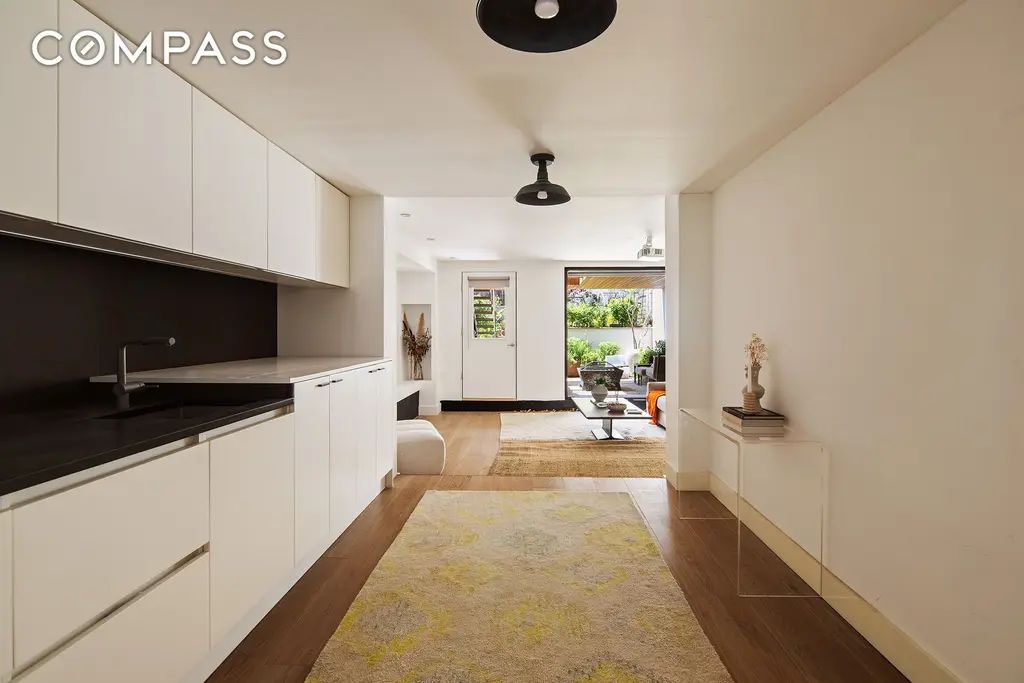

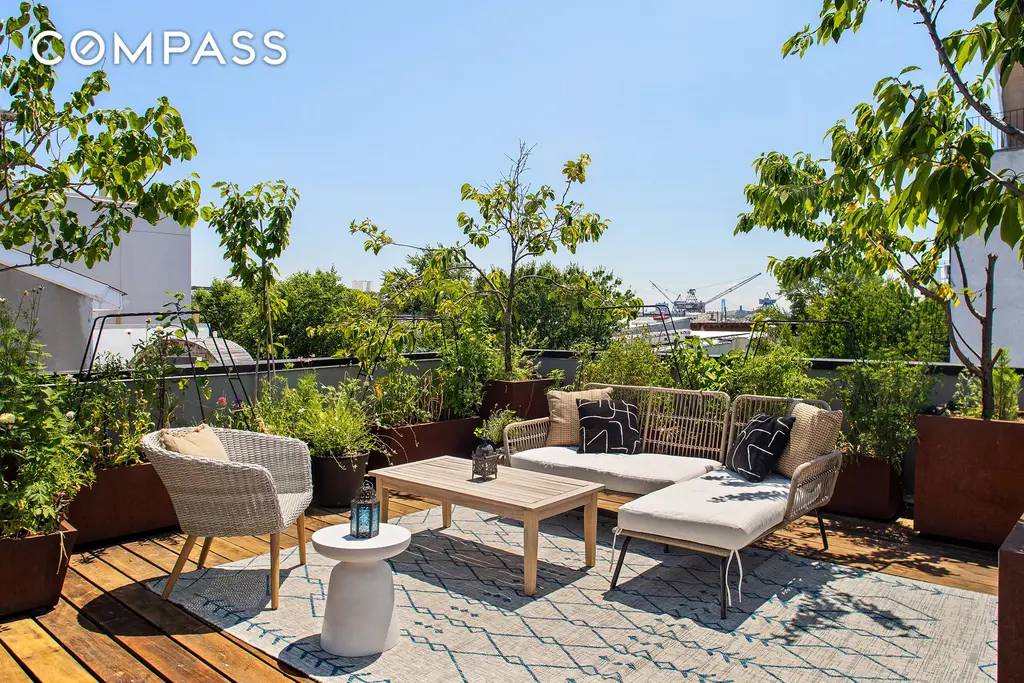
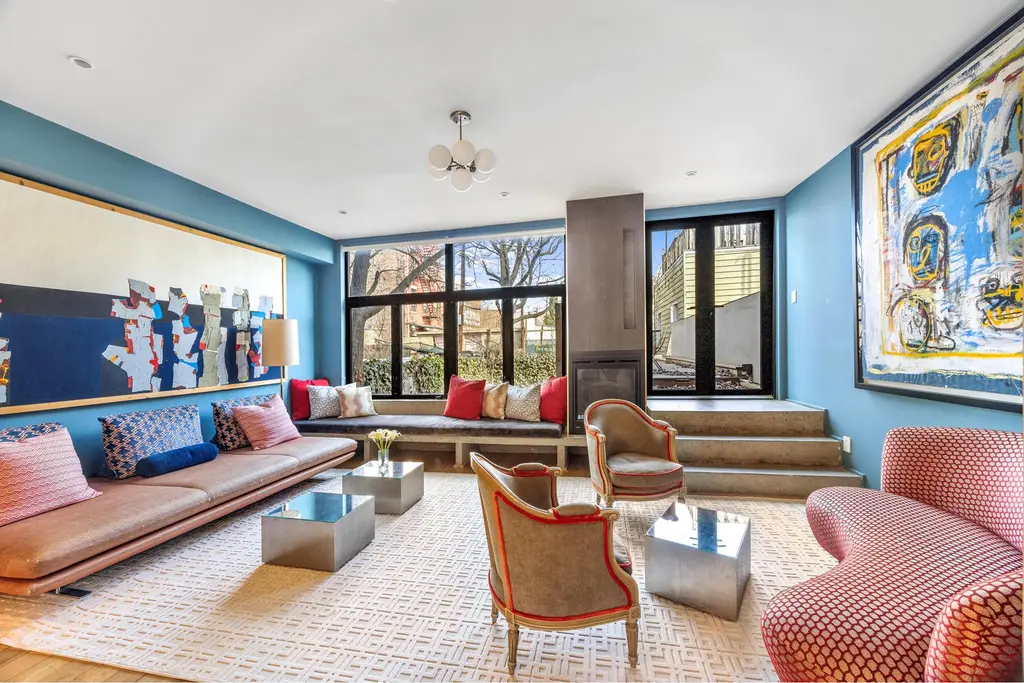
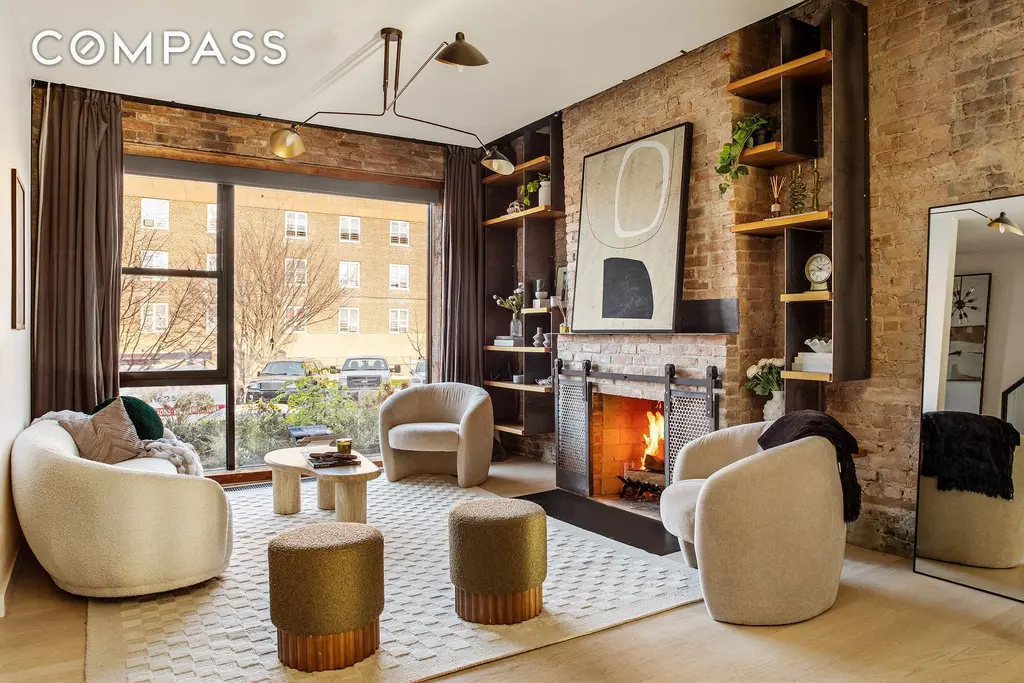
512 Lorimer Street, # (Douglas Elliman Real Estate)
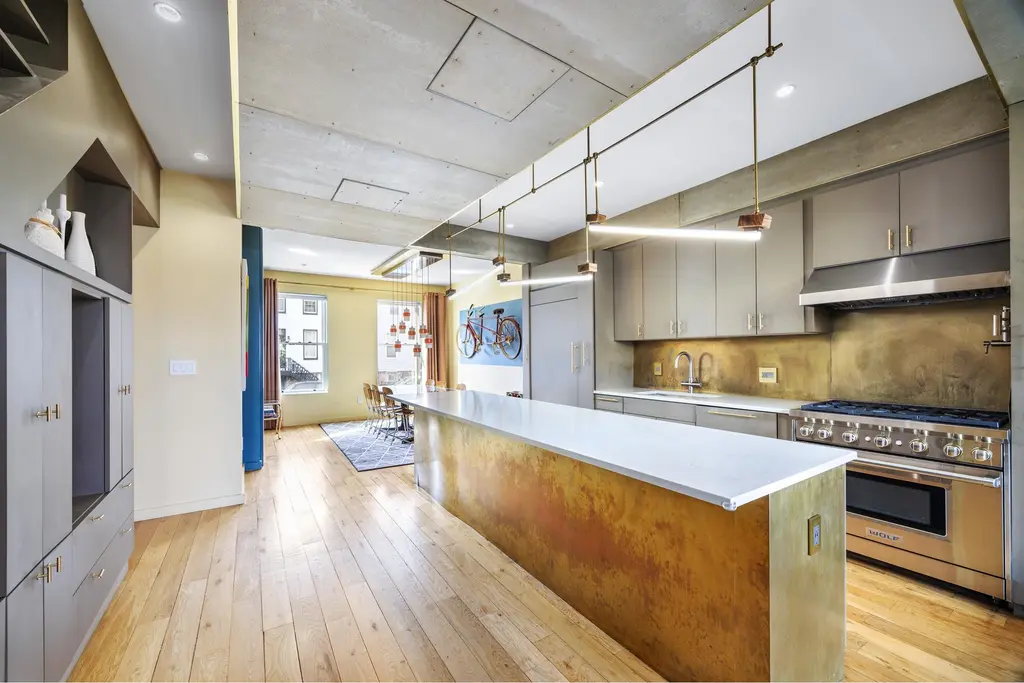
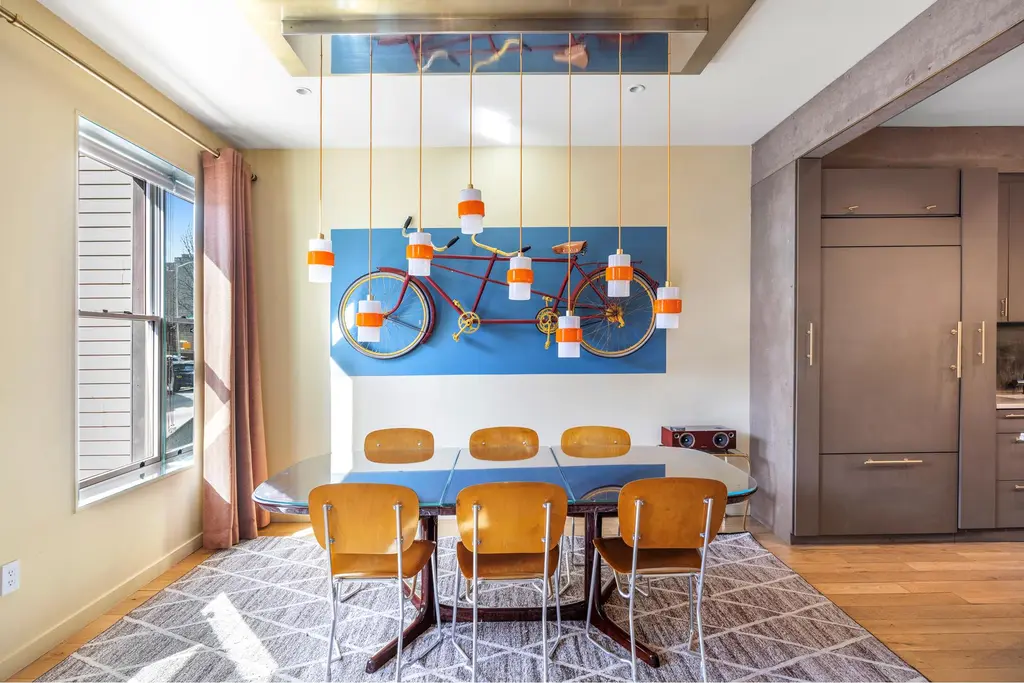
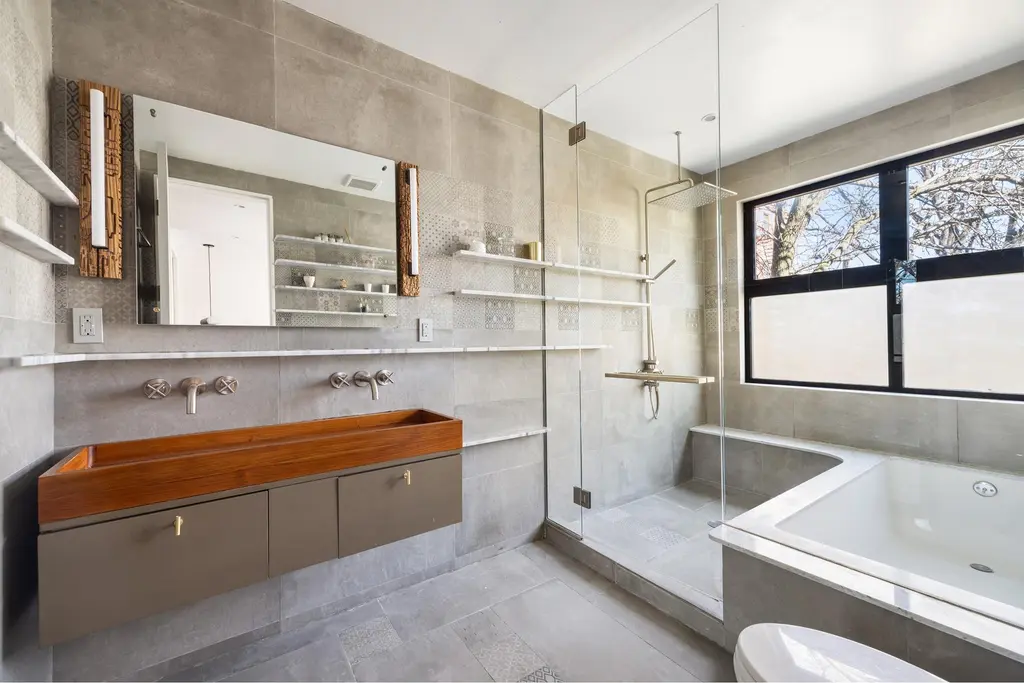
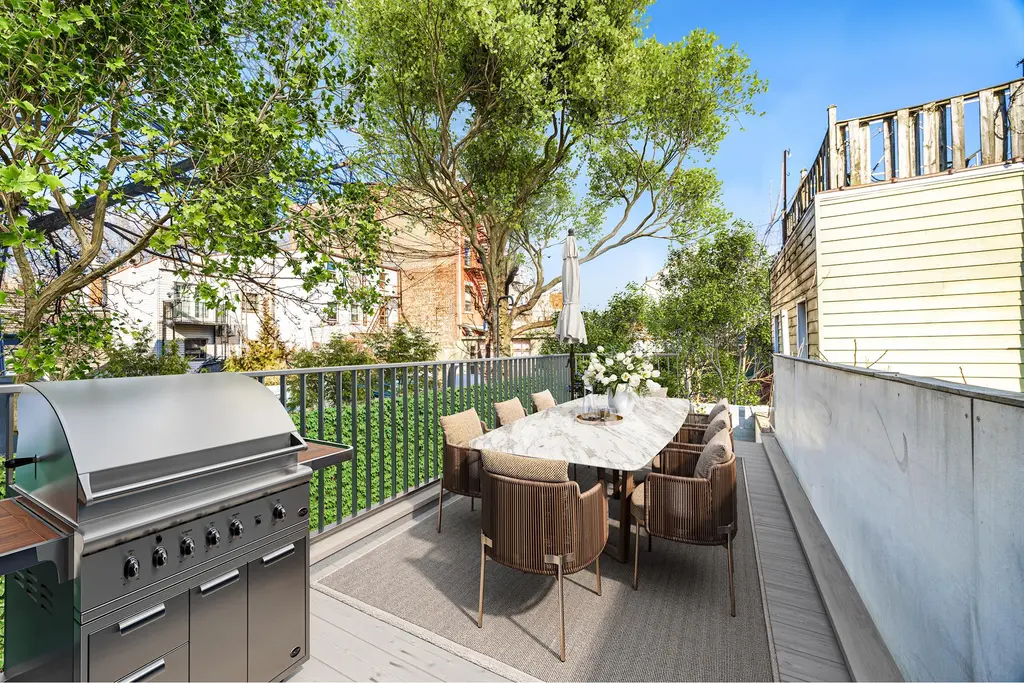
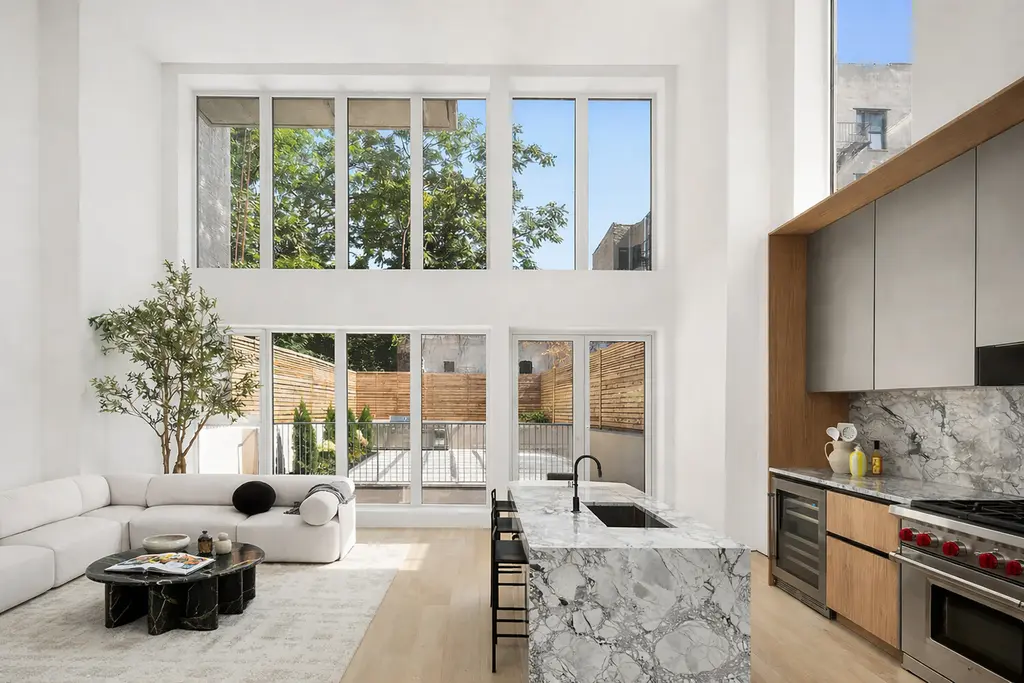
79 South 2nd Street, #THA (Serhant)


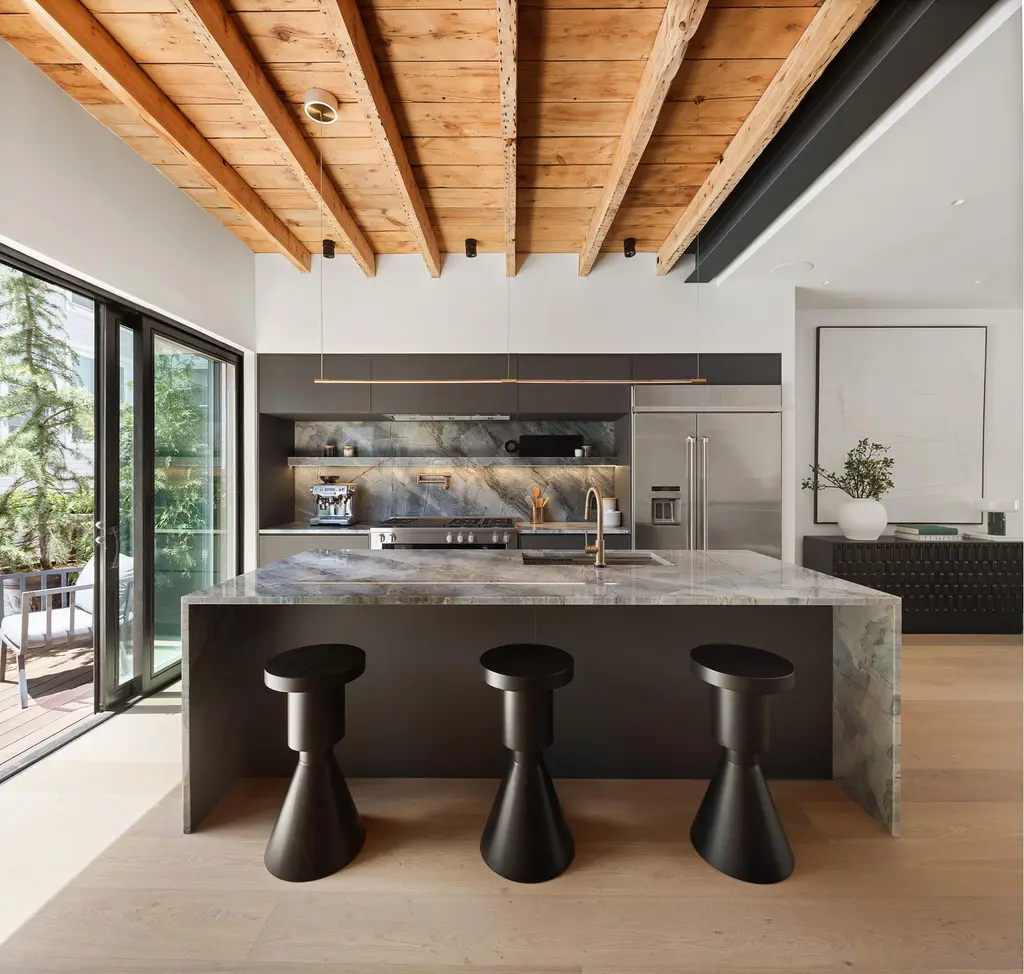
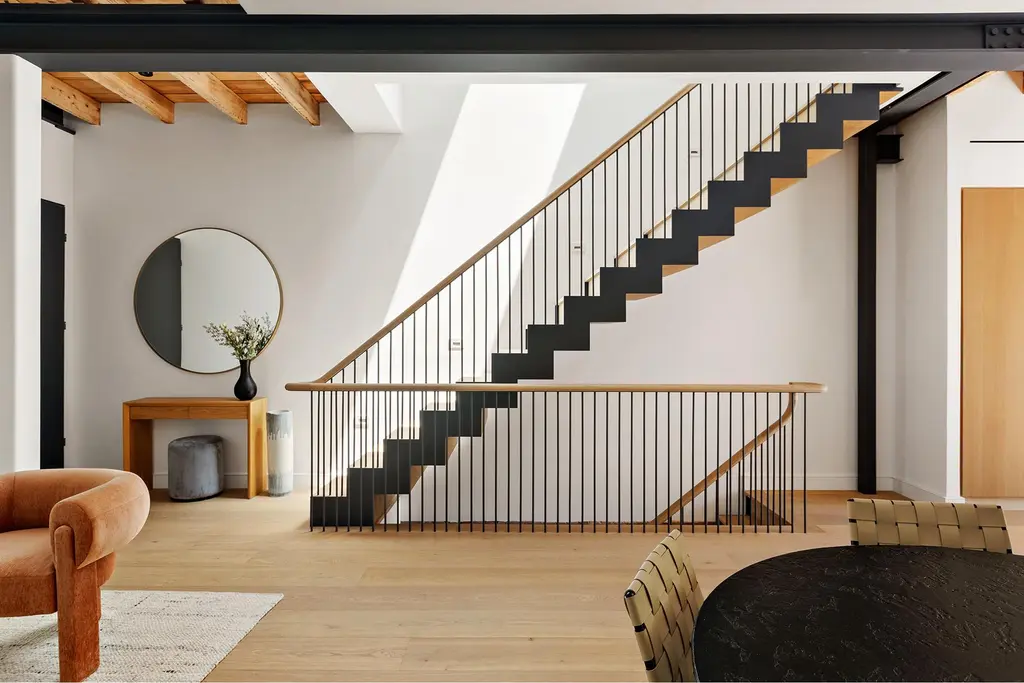
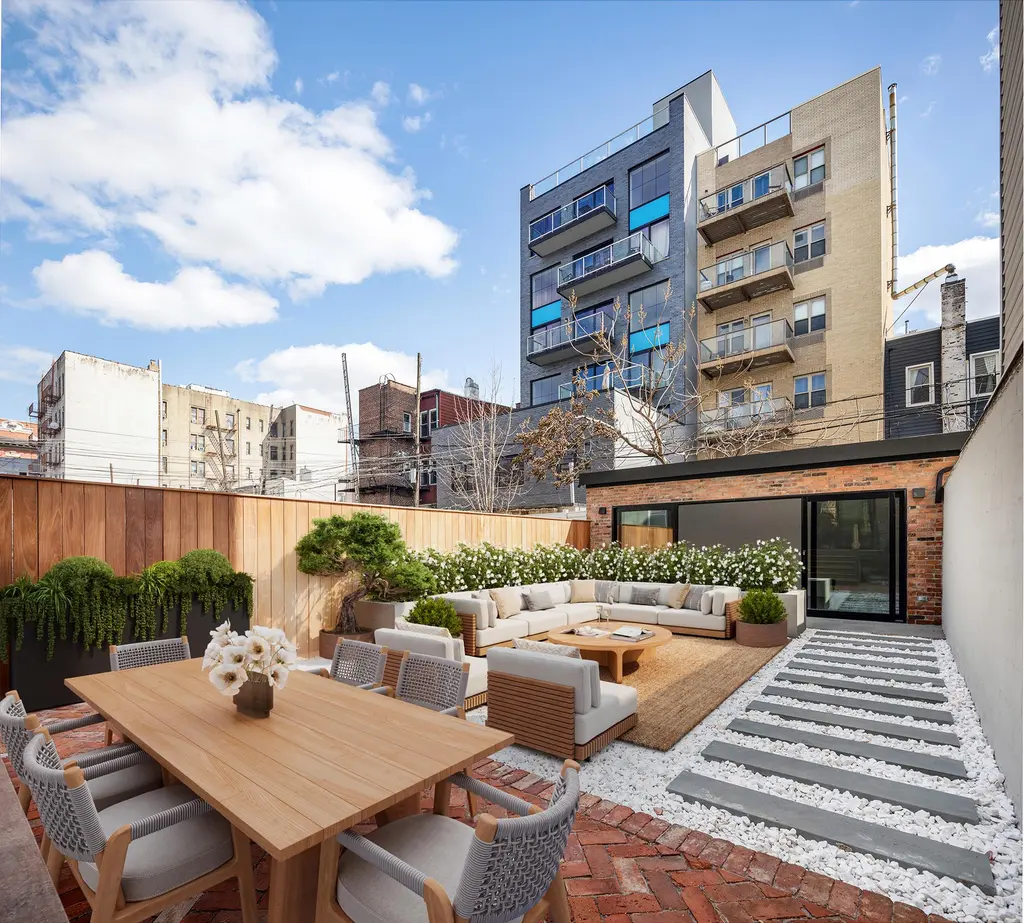
98 Conselyea Street, #TH
$4,600,000 (-3.2%)
Williamsburg | Townhouse | 5 Bedrooms, 3.5 Baths | 3,400 ft2
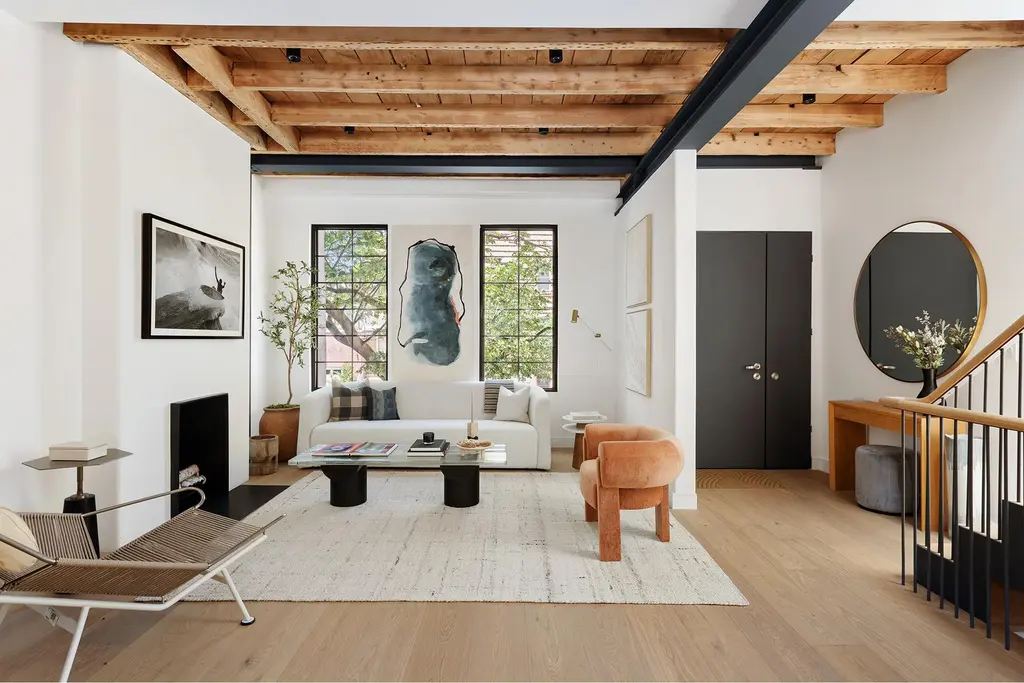
98 Conselyea Street, # (Douglas Elliman Real Estate)
76 South 2nd Street, #TH
$5,850,000 (-9.9%)
Williamsburg | Condominium | 4 Bedrooms, 3.5 Baths | 3,800 ft2
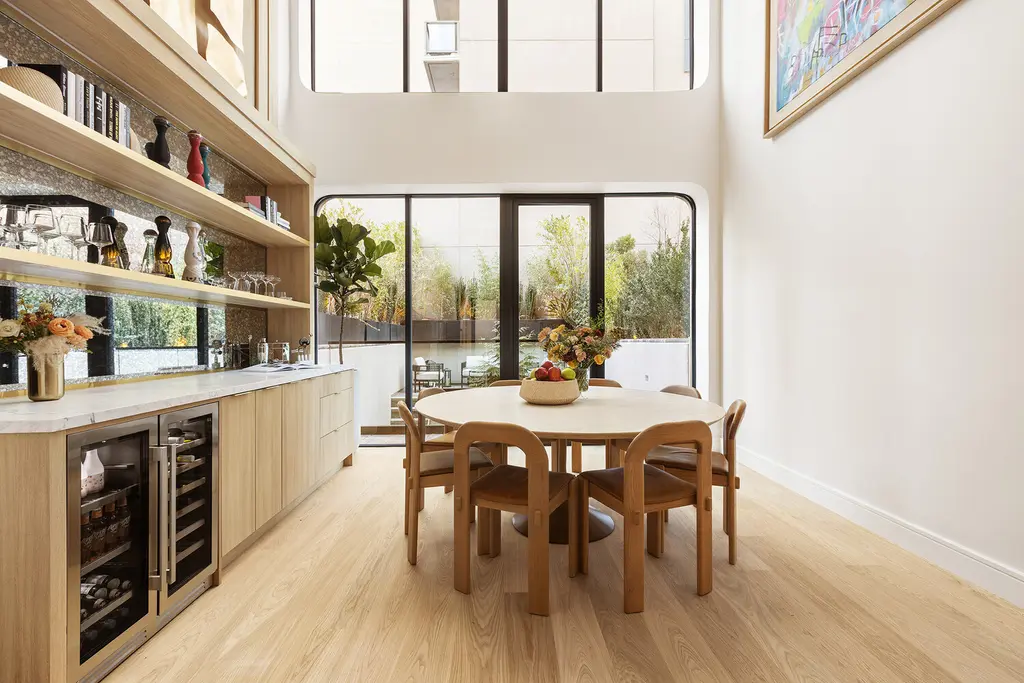
76 South 2nd Street, # (Serhant)
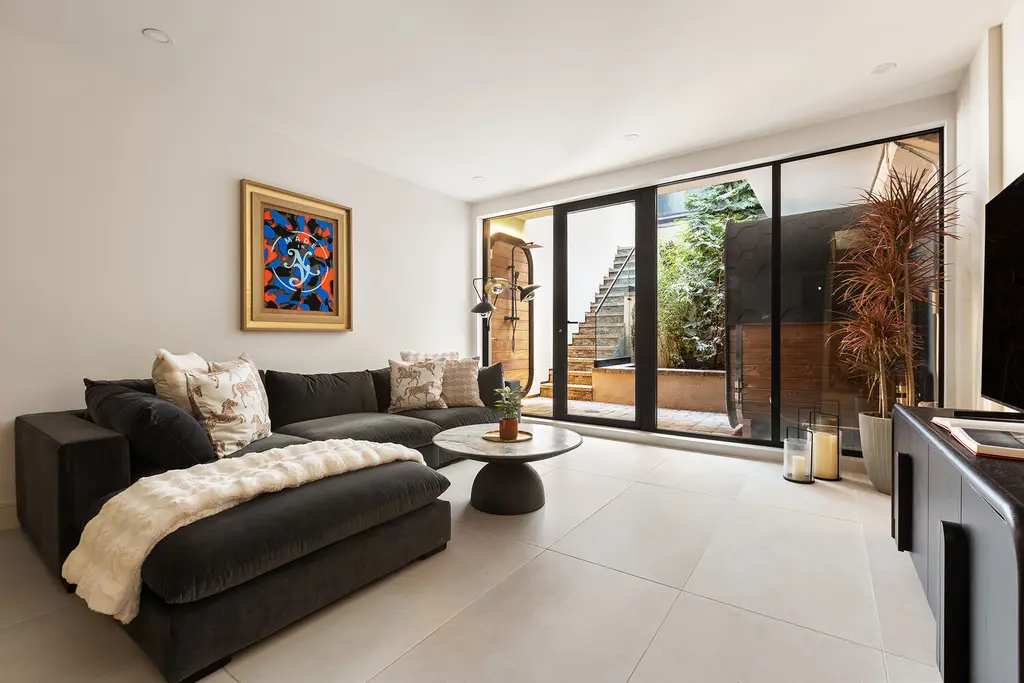
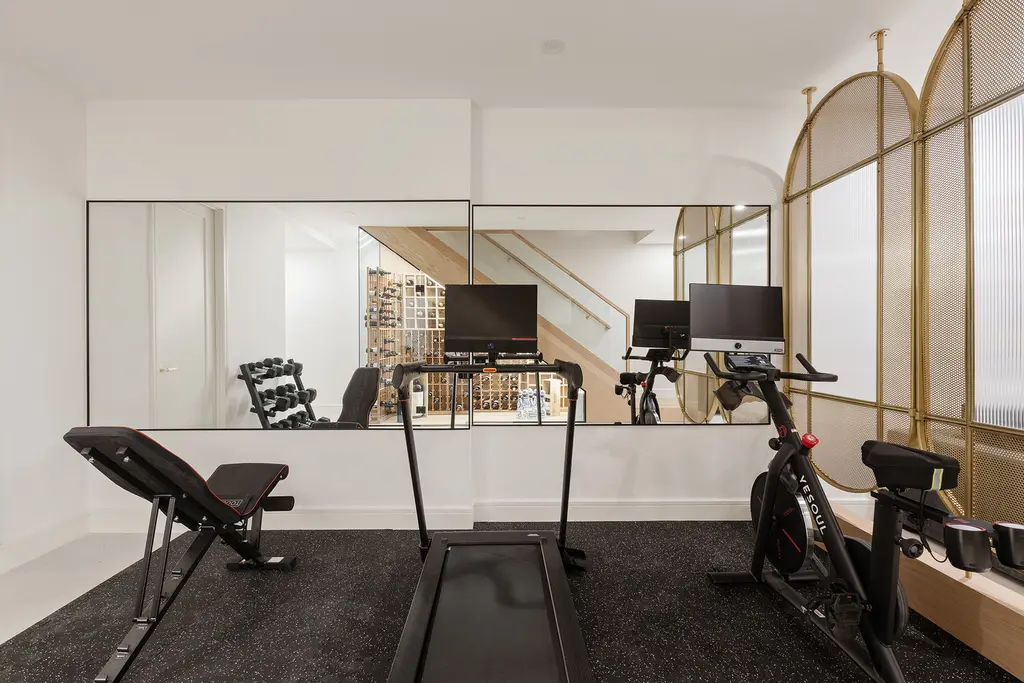
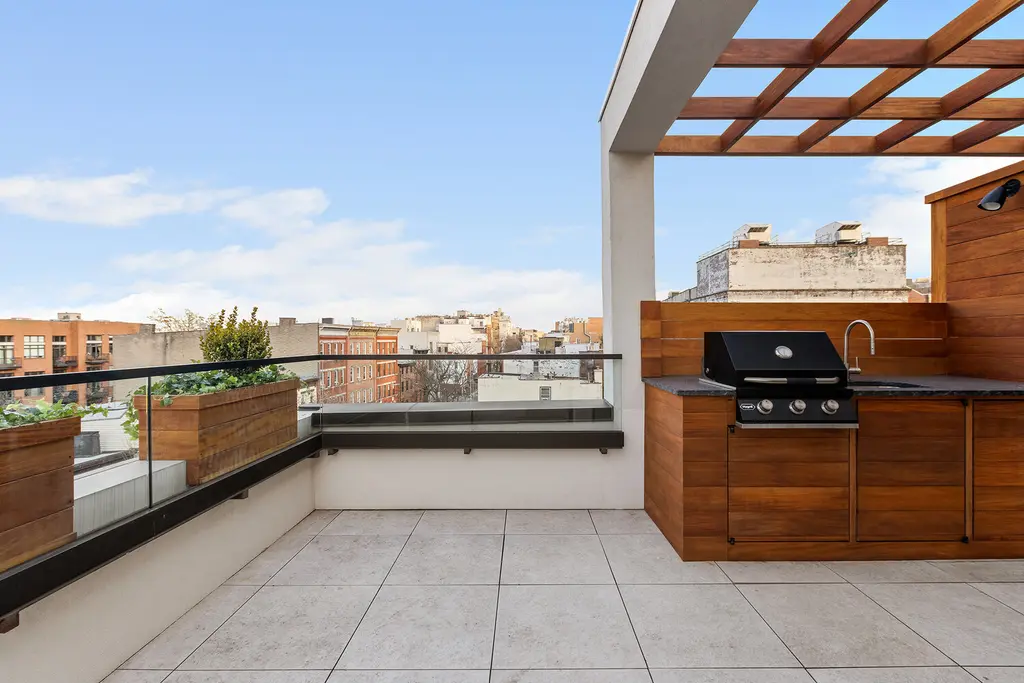
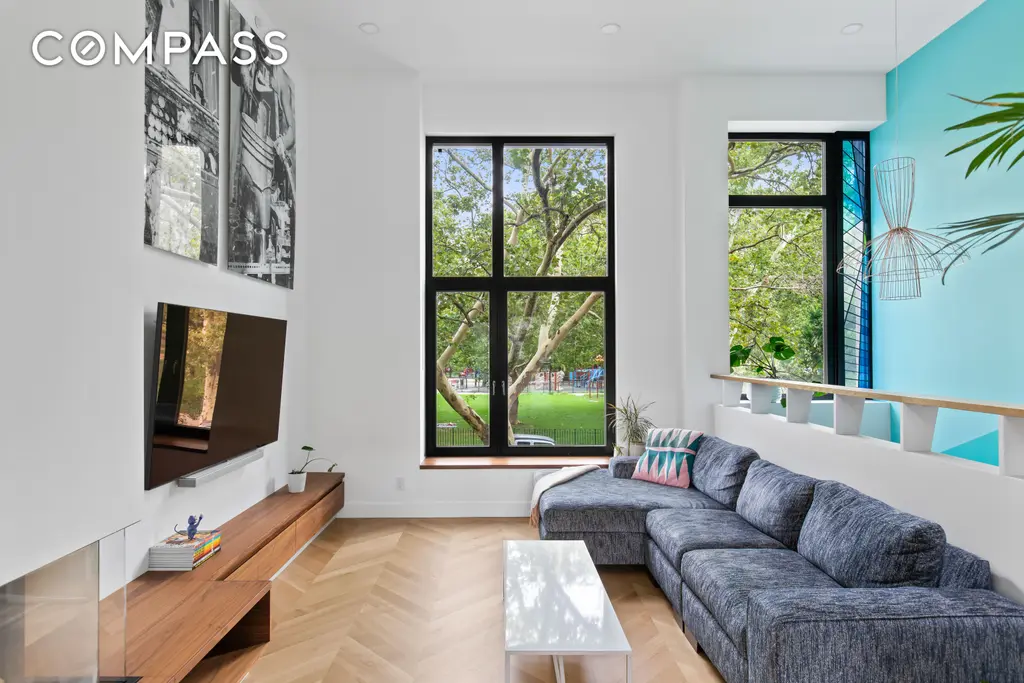
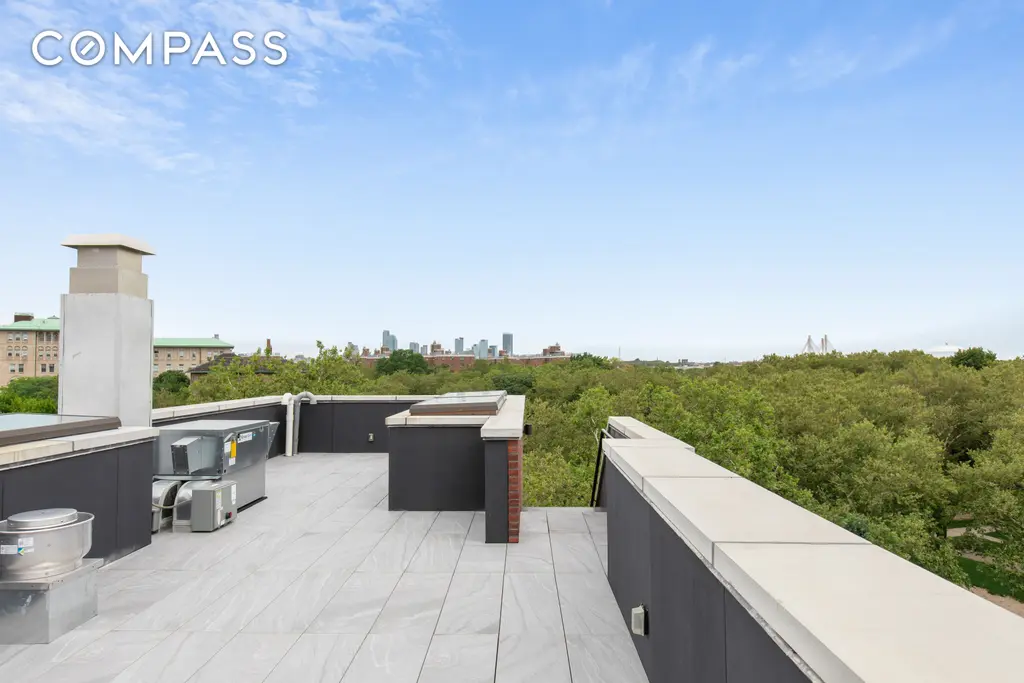
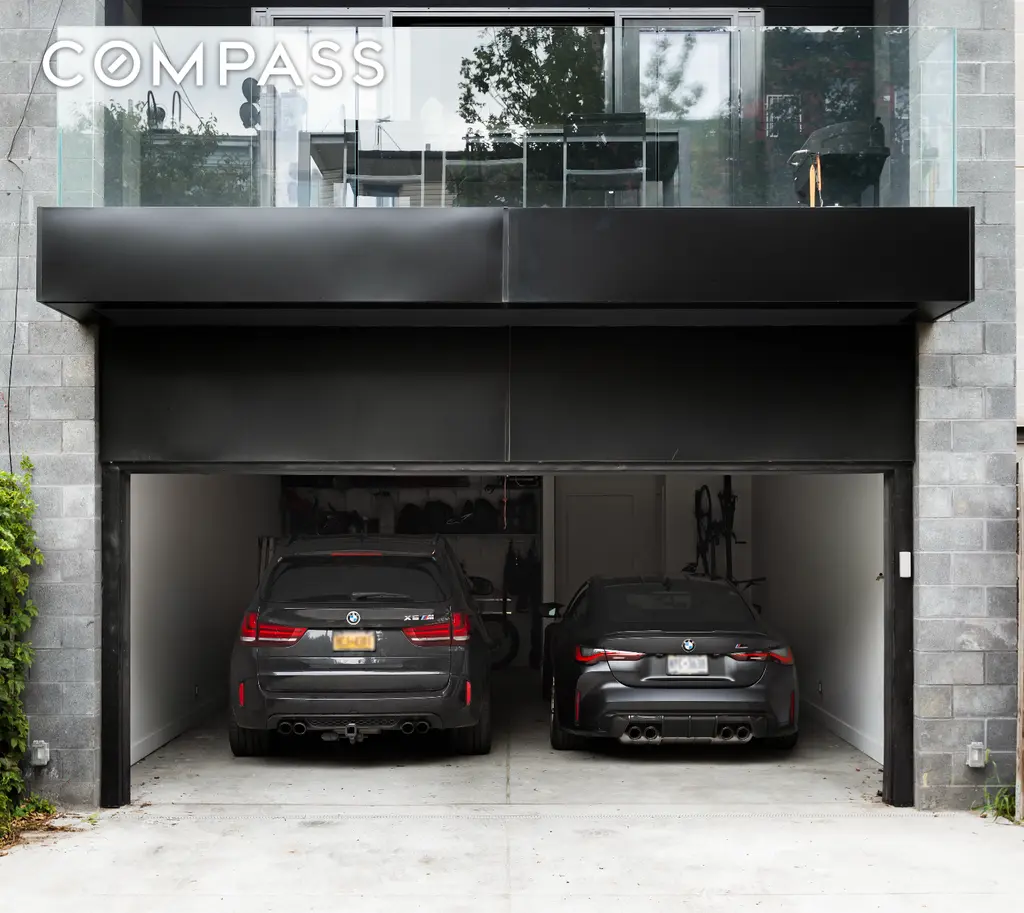
42 Sharon Street, #TH
$5,995,000 (-7.1%)
Williamsburg | Townhouse | 5 Bedrooms, 3.5 Baths | 5,053 ft2
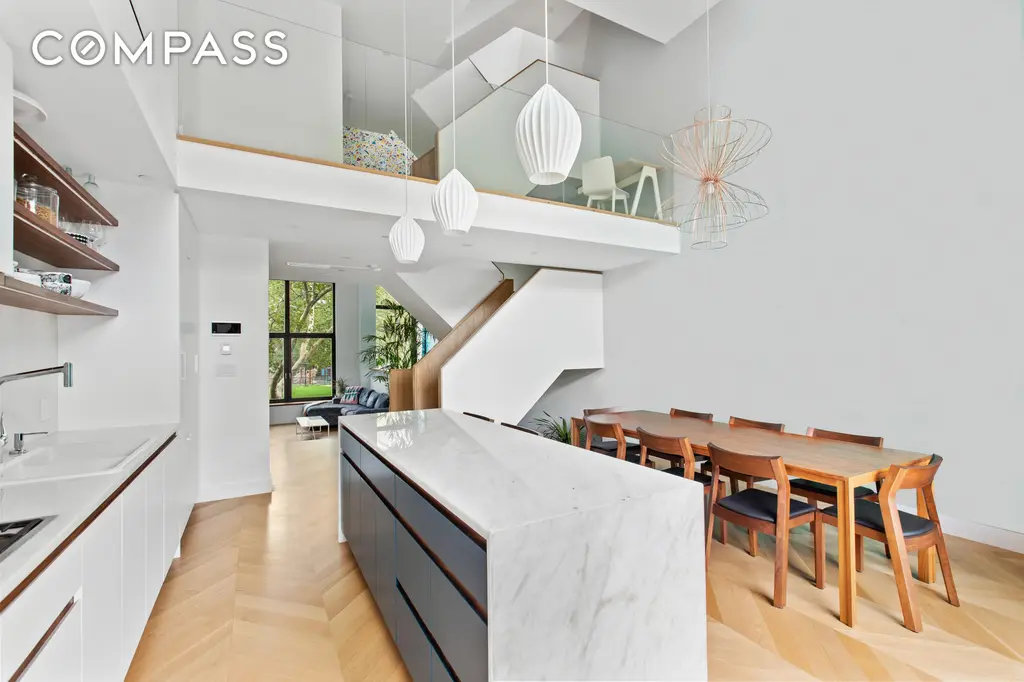
42 Sharon Street, # (Compass)
53 West 71st Street, #TH
$9,600,000
Central Park West | Townhouse | 5 Bedrooms, 4.5 Baths | 5,139 ft2

53 West 71st Street, # (Corcoran Group)
56 East 1st Street, #TH
$9,935,000 (-25%)
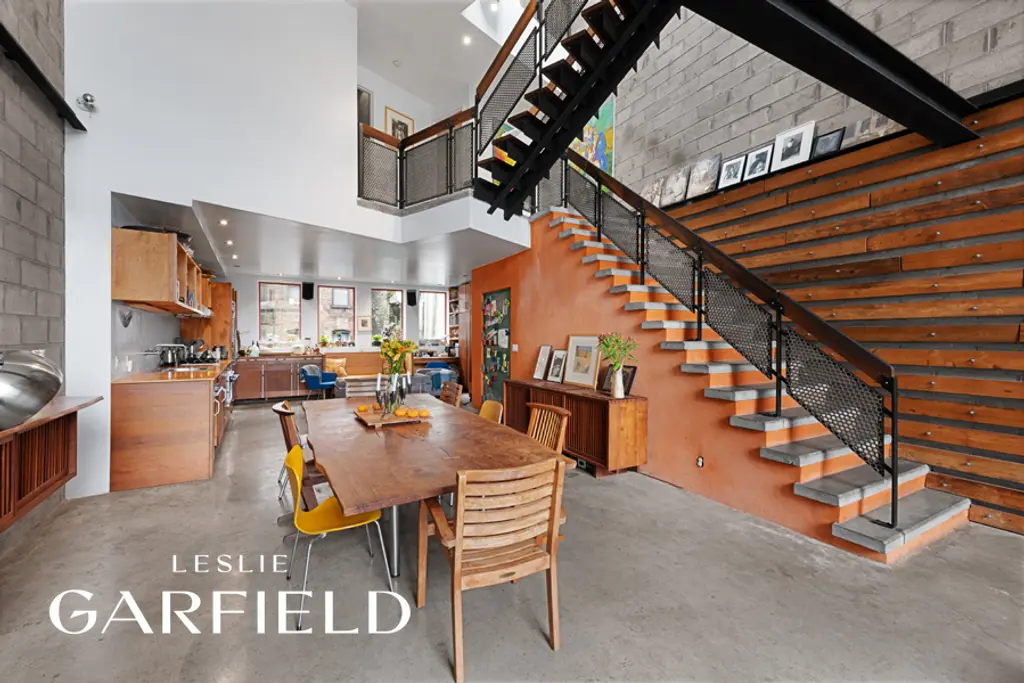
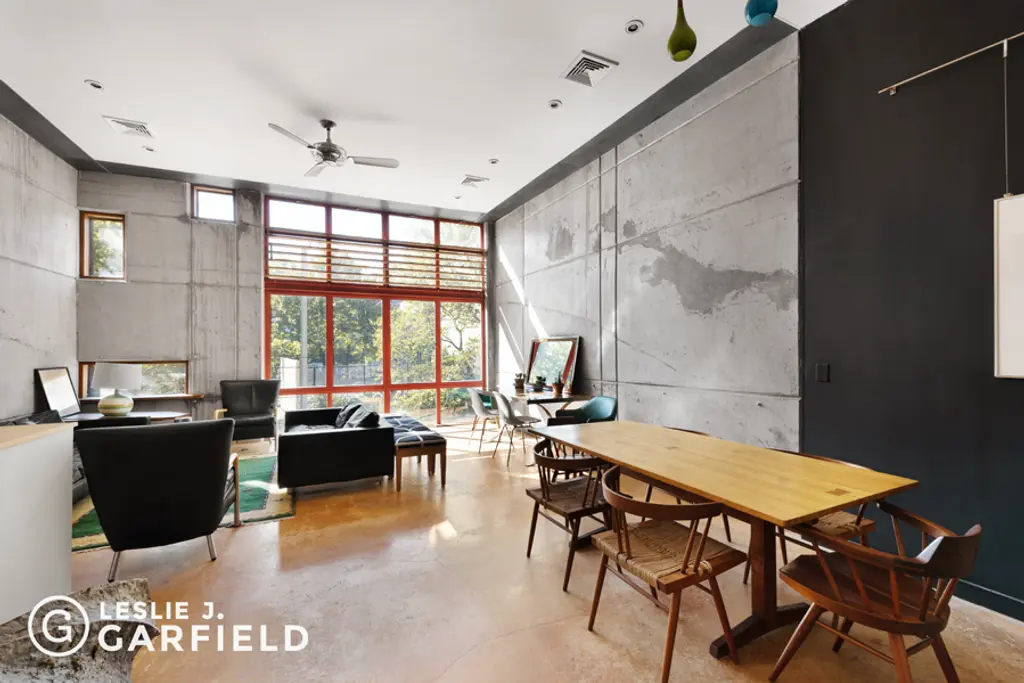
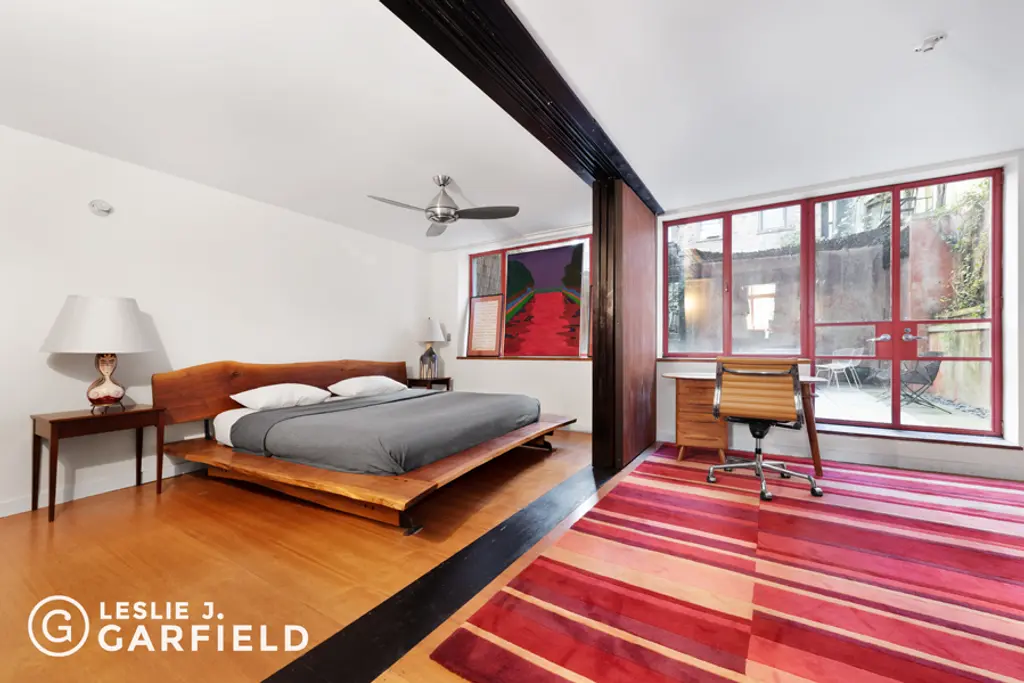
East Village | Townhouse | 6+ Bedrooms, 6+ Baths | 6,090 ft2
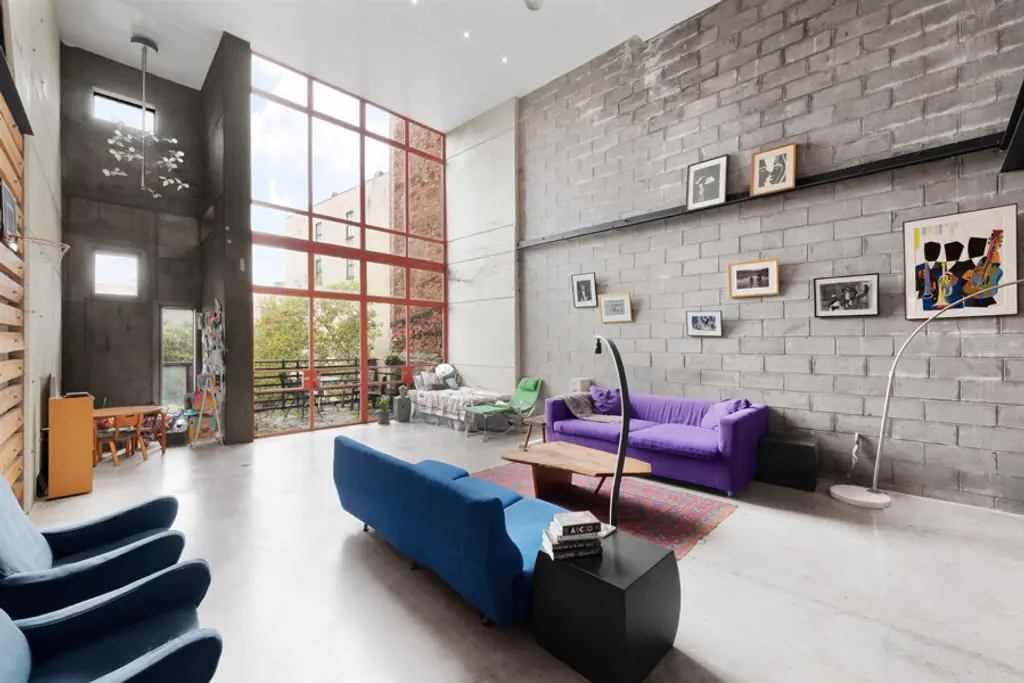
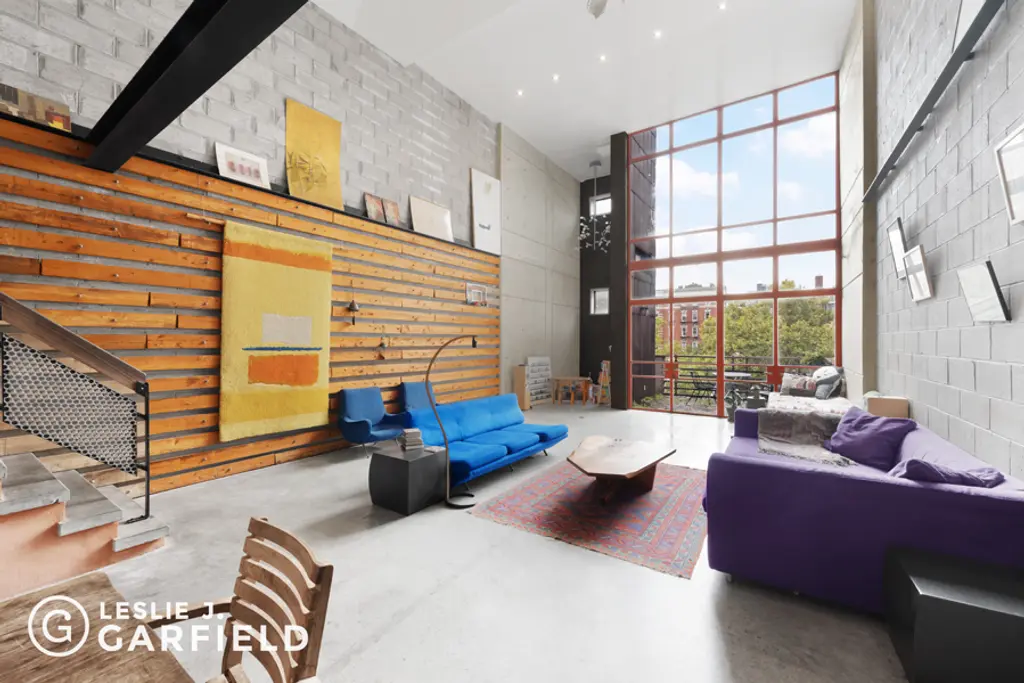
56 East 1st Street, # (Leslie J Garfield & Co Inc)
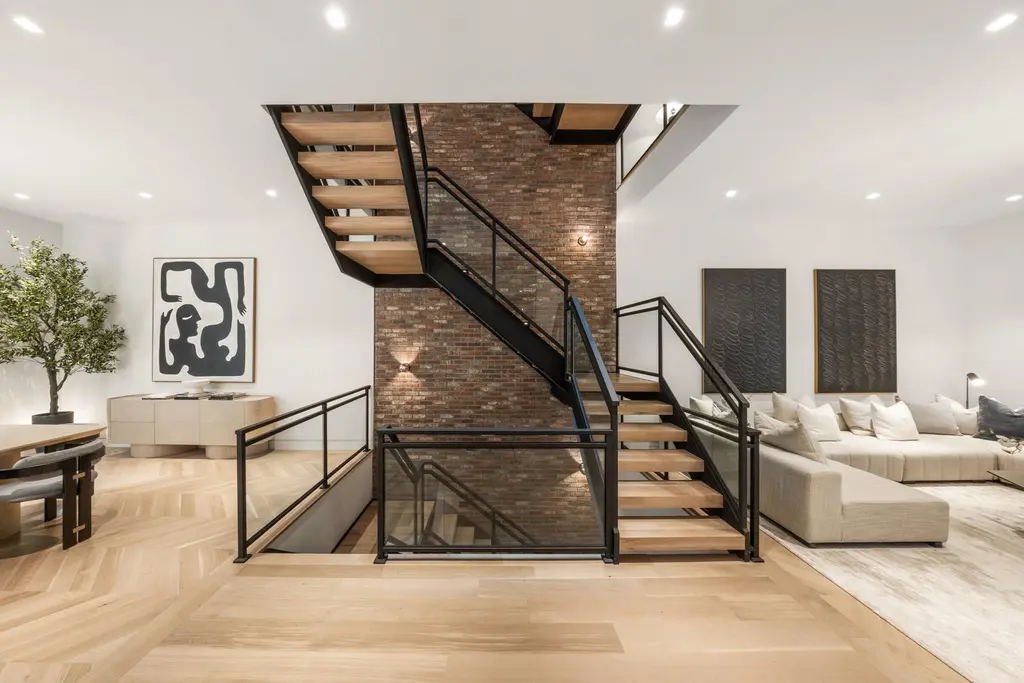
250 West 73rd Street, #TH
$15,495,000 (-3.1%)
Broadway Corridor | Townhouse | 6+ Bedrooms, 6+ Baths | 7,800 ft2

250 West 73rd Street, # (Find Properties)
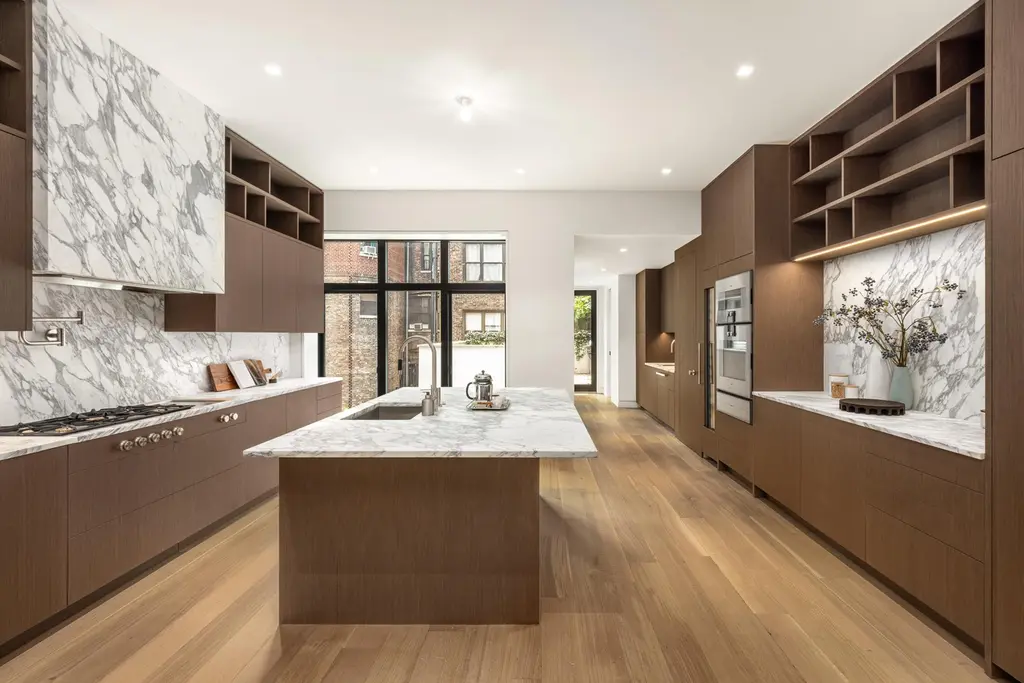

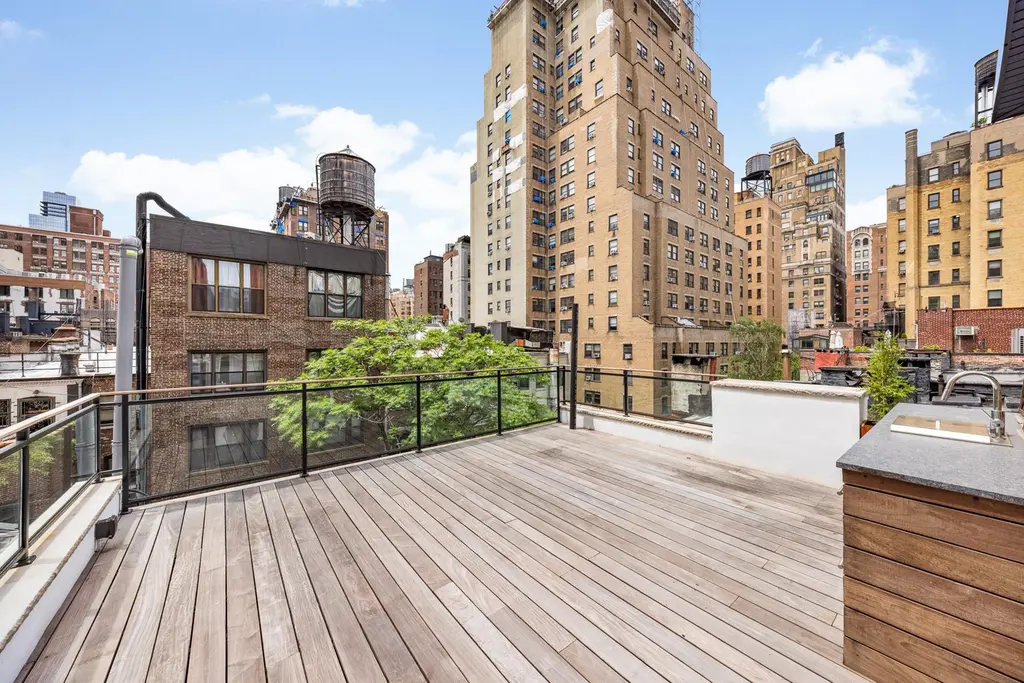
248 West 71st Street, #TH
$19,900,000 (-23.5%)
Broadway Corridor | Townhouse | 6+ Bedrooms, 6+ Baths | 7,110 ft2

248 West 71st Street, #NA (Corcoran Group)
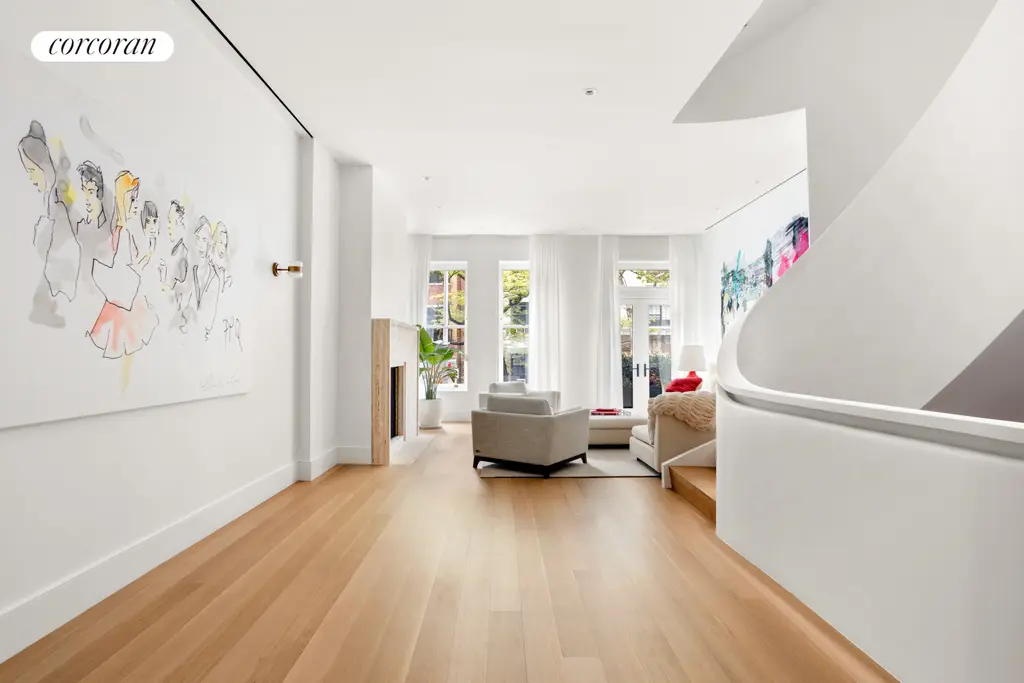
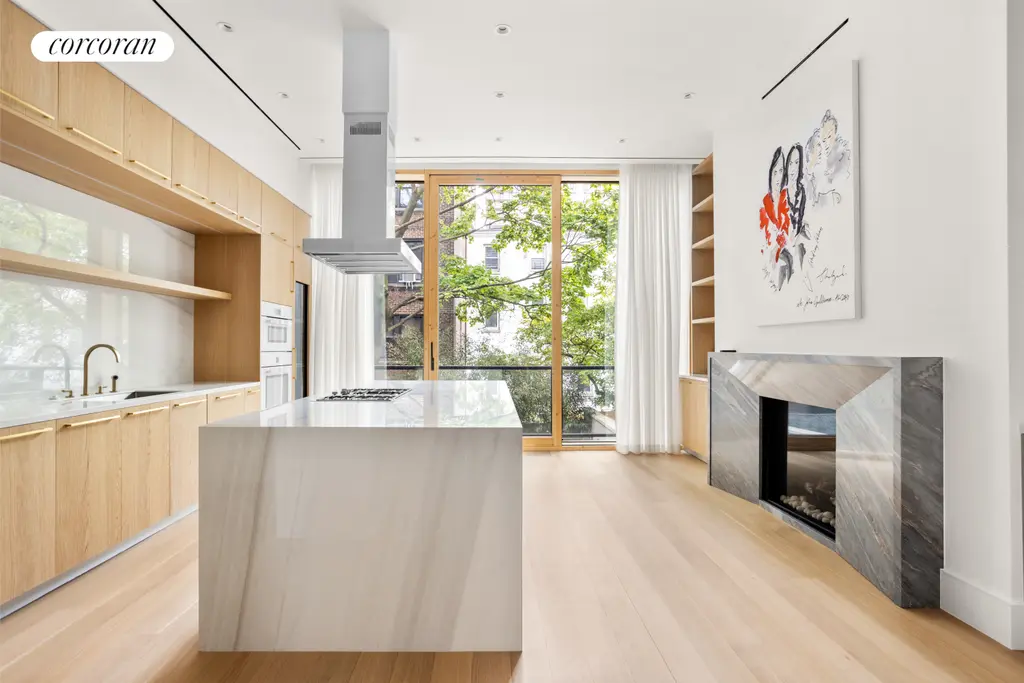
601 Washington Street, #THE
$19,950,000
West Village | Condominium | 4 Bedrooms, 4.5 Baths | 5,838 ft2
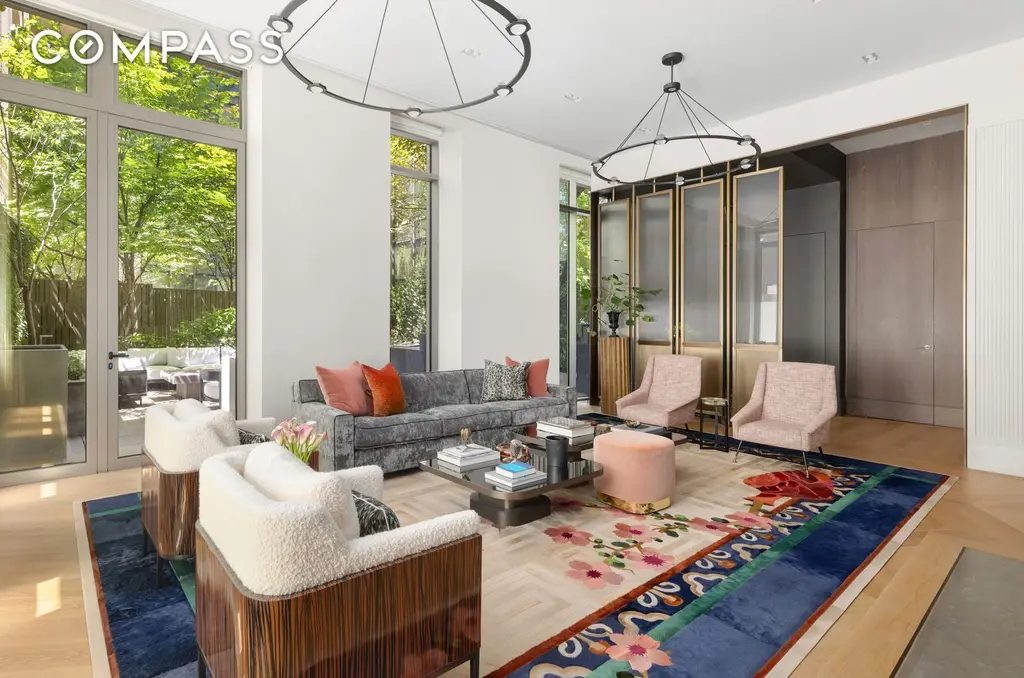
601 Washington Street, #THE (Compass)

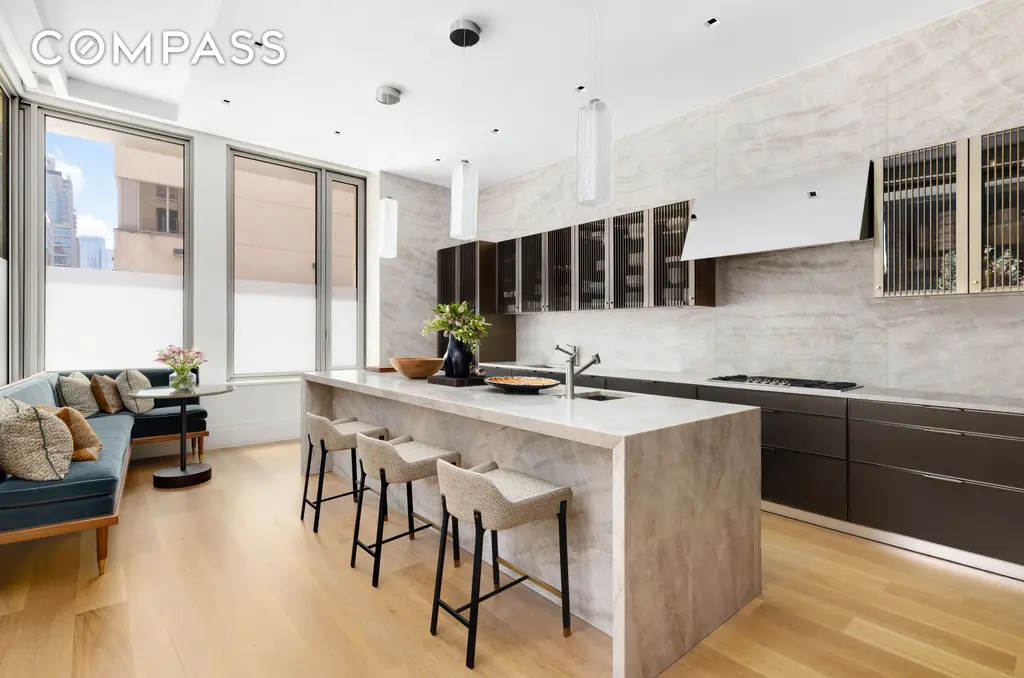
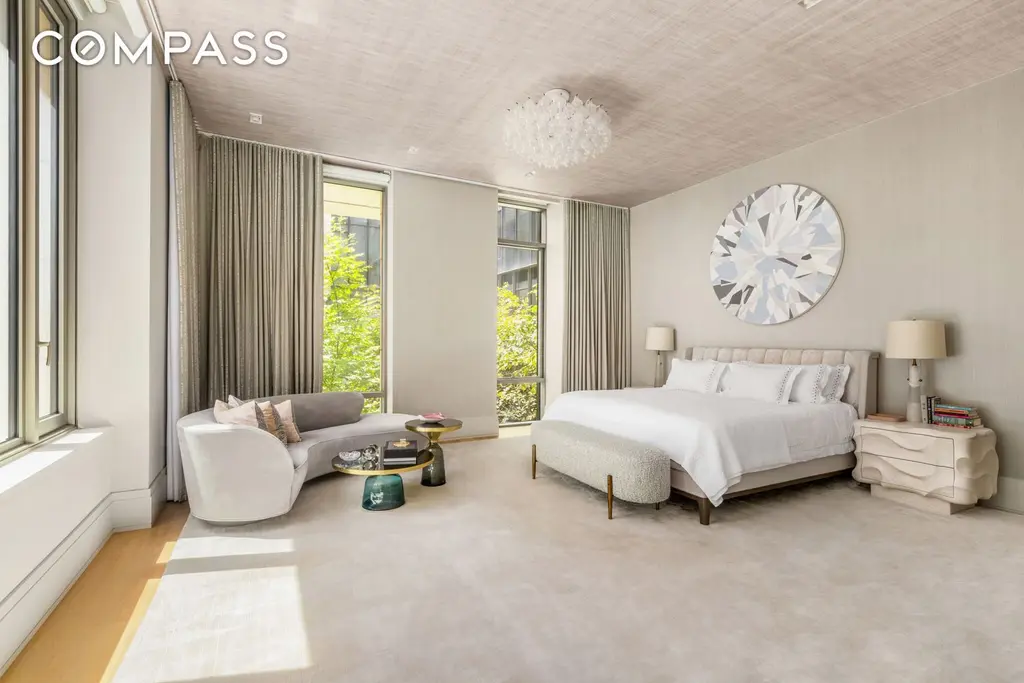
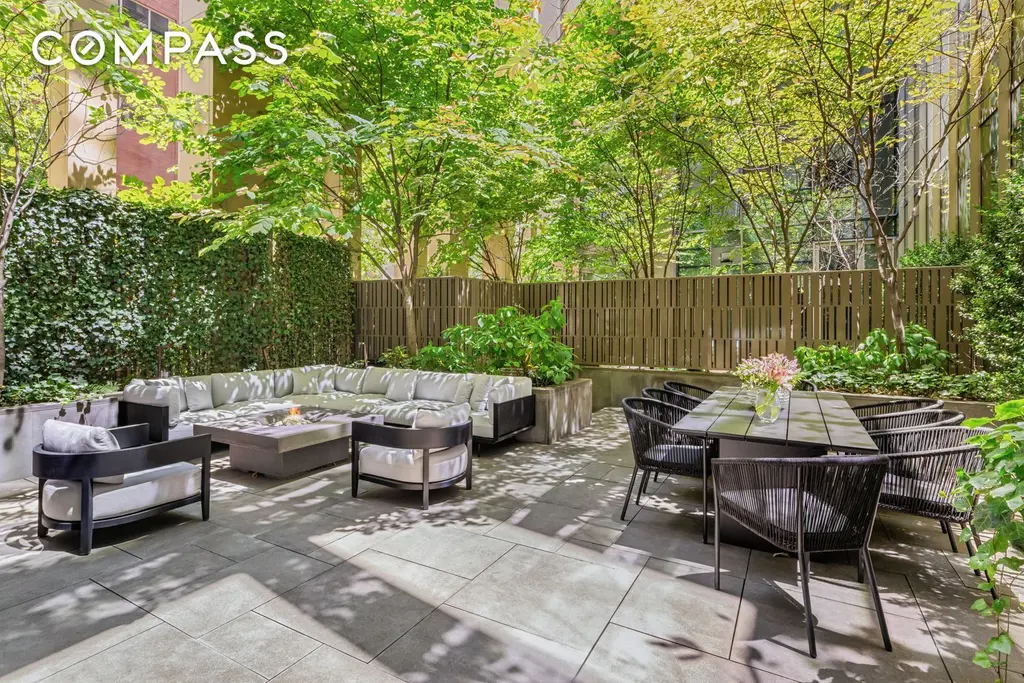
125 West 11th Street, #TH
$21,500,000
Greenwich Village | Townhouse | 5 Bedrooms, 5.5 Baths | 7,876 ft2
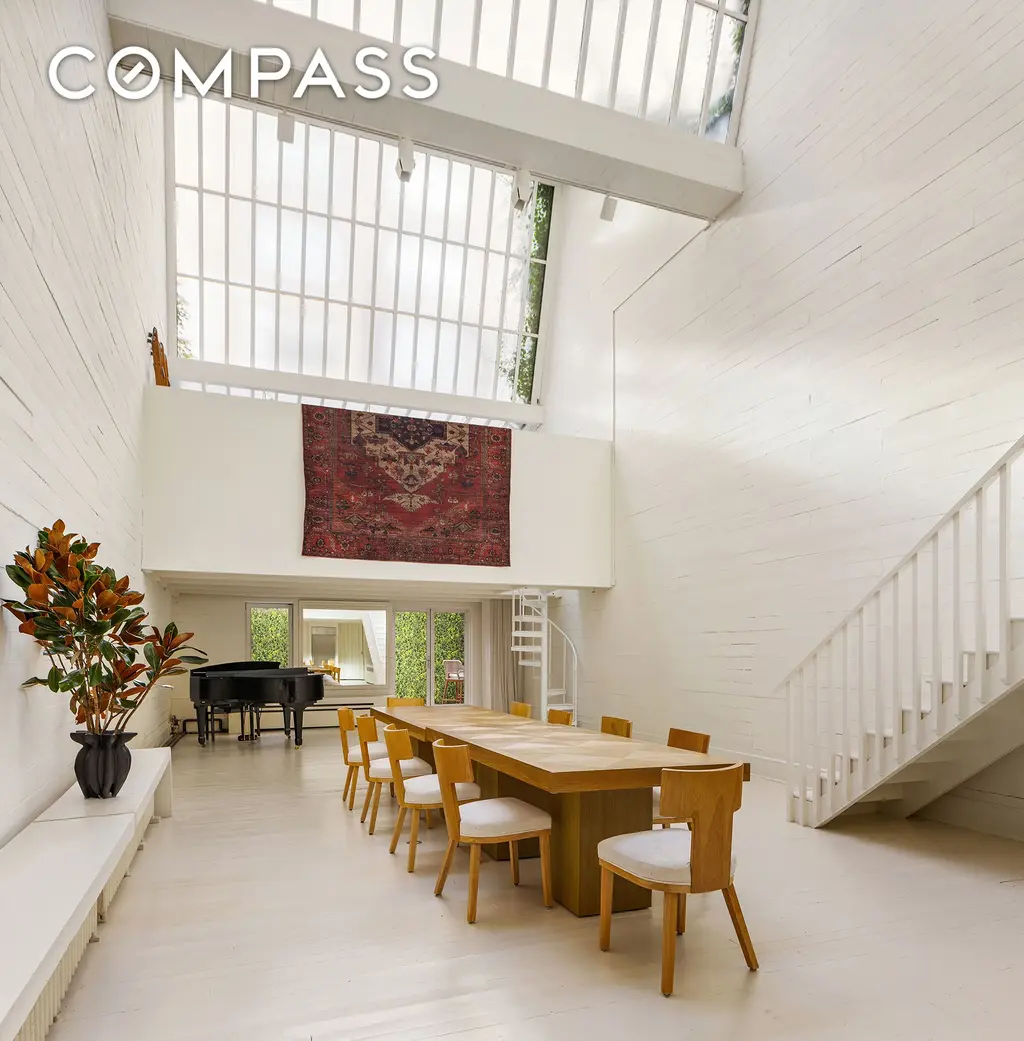
125 West 11th Street, # (Compass)
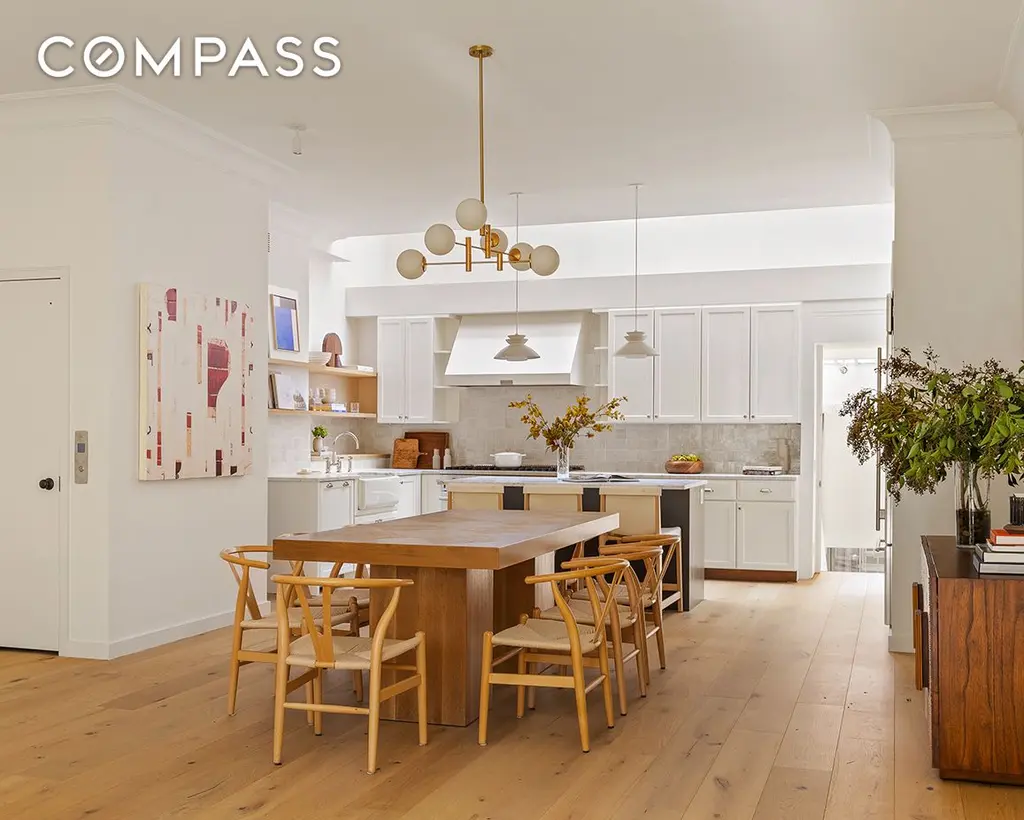
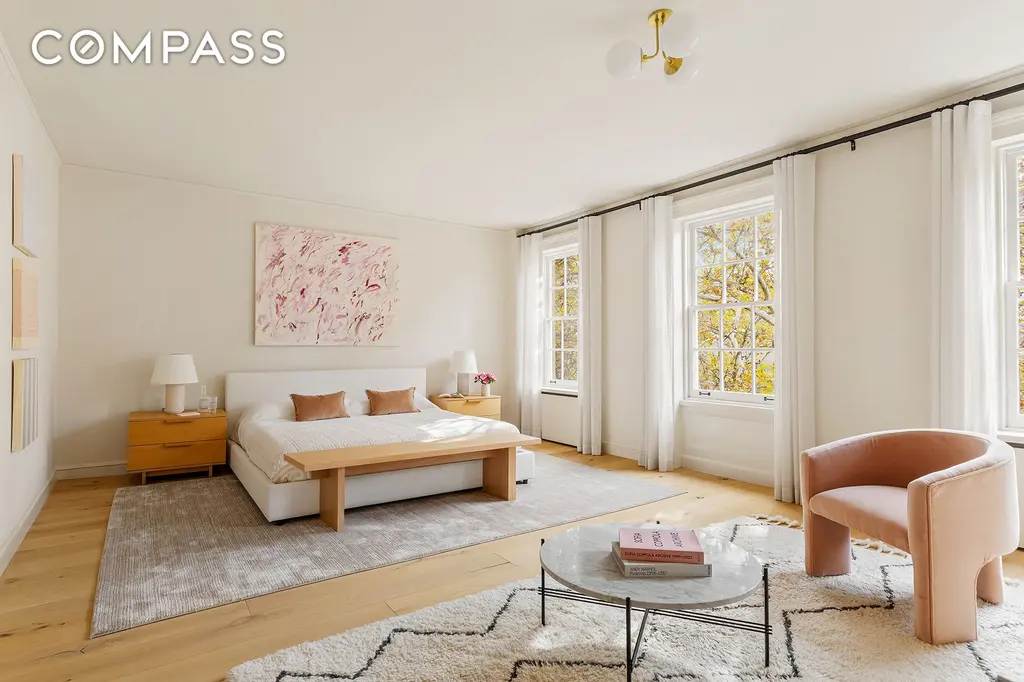
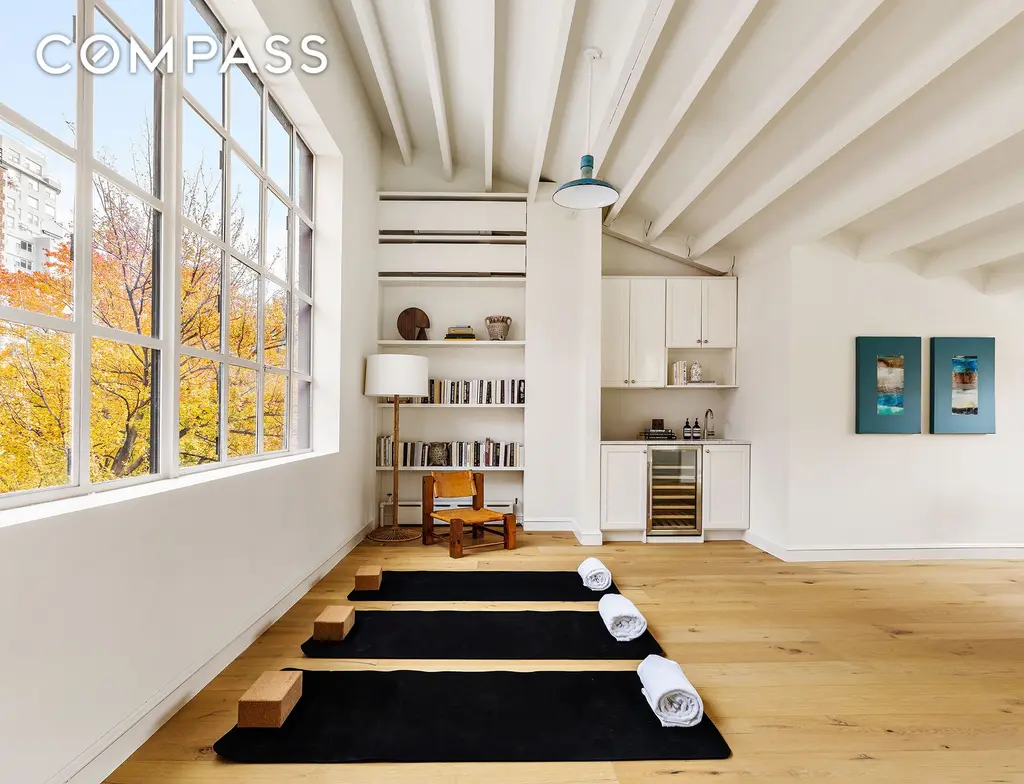
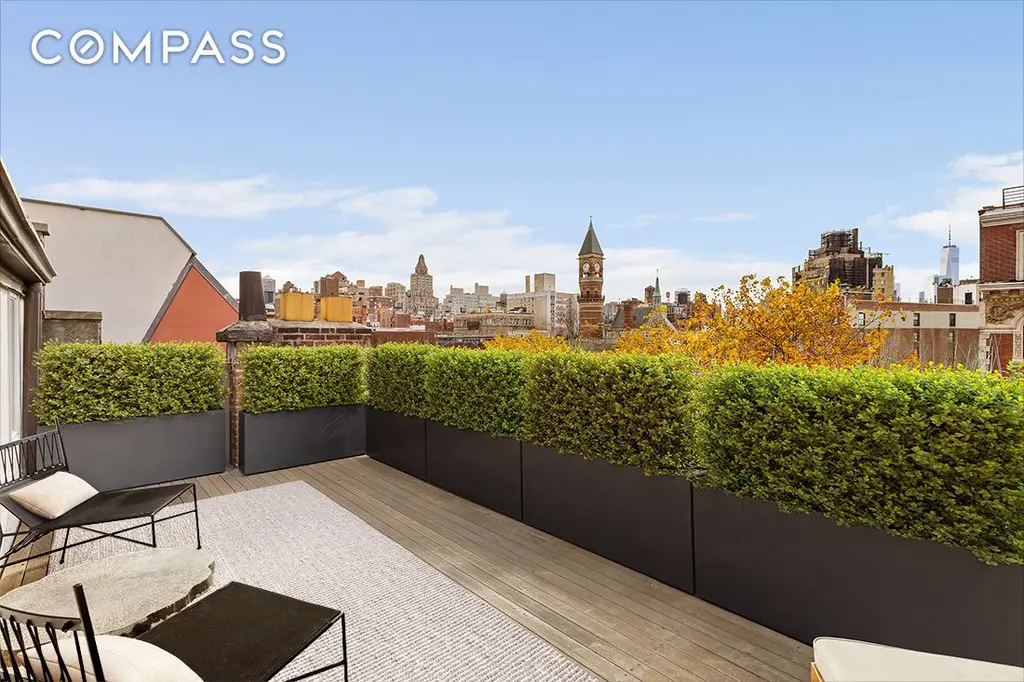
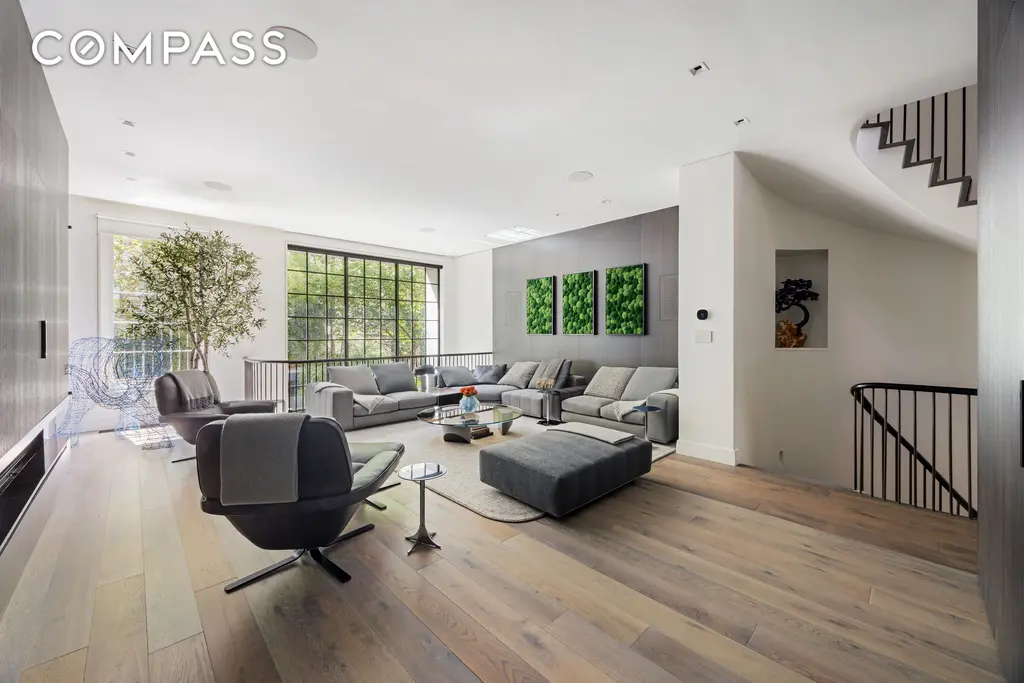
146 Waverly Place, # (Compass)
Related Articles
Future New York
"Tower of Power" duplex leads Manhattan sales; Phish frontman Trey Anastasio nets 35% profit on Eldorado co-op
Tuesday, April 14, 2026
Get To Know
What is a sponsor unit? Pros, cons, and NYC apartments with no board approval required from $165K
Today, June 23, 2026
Get To Know
How property values are assessed in NYC + Great new listings with open houses from $445K
Saturday, June 20, 2026
Get To Know
Swim with a View: 30 Manhattan buildings with high-floor swimming pools and fitness centers
Saturday, June 20, 2026
Coney Island
Knicks in Five: 35 NYC condo and rental buildings with basketball courts
Thursday, June 18, 2026
Future New York
Price Cuts: Baz Luhrmann’s Gramercy townhouse slashed by $7M; New discounts at Brooklyn and Queens’ tallest towers
Thursday, June 18, 2026
New Jersey
Willow House: Boutique rental in Hoboken's resurgent North End launches with two months free rent
Thursday, June 18, 2026
Future New York

 6sqft delivers the latest on real estate, architecture, and design, straight from New York City.
