- Apartments
- Overview & Photos
- Maps
- Building Specialists
- Floorplans
- Sales Data & Comps
- Similar Buildings
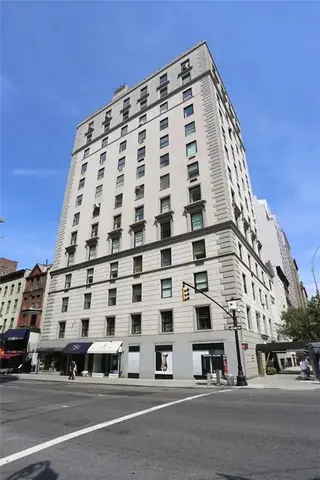
31 East 72nd Street is a prewar cooperative in the Upper East Side with white-glove staff and amenities like a wine cellar and private storage. Located near Central Park, luxury shopping, and museums, the building allows pets and pied-a-terres with board approval. Currently, 1 apartment is for sale.


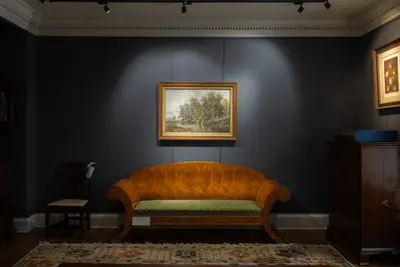
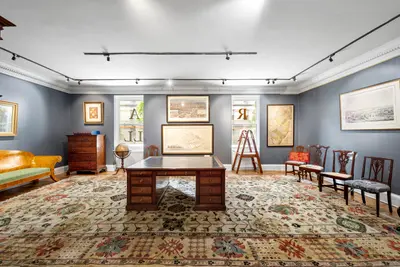
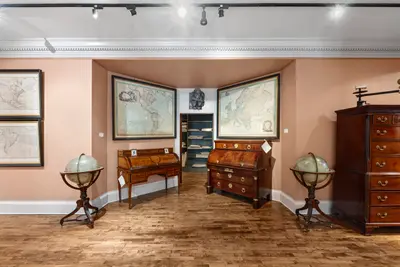
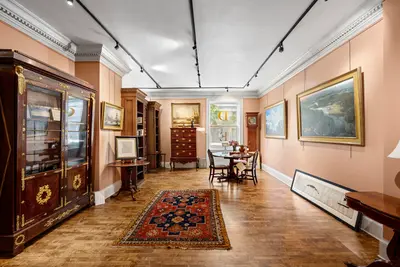
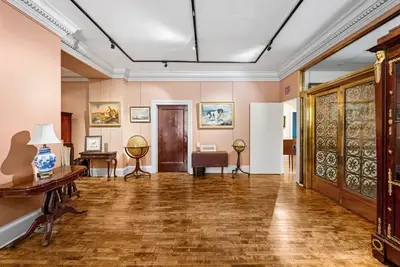
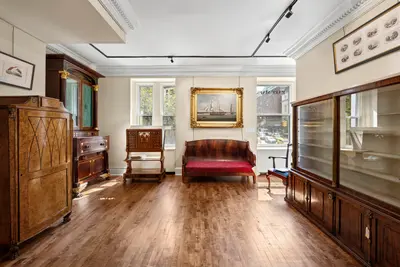
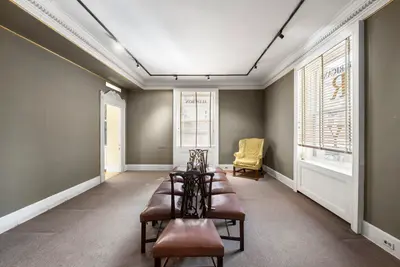
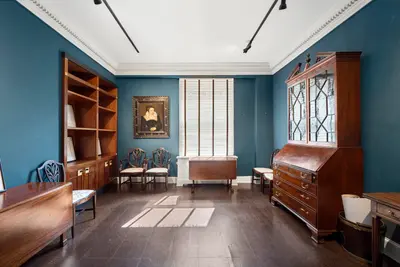

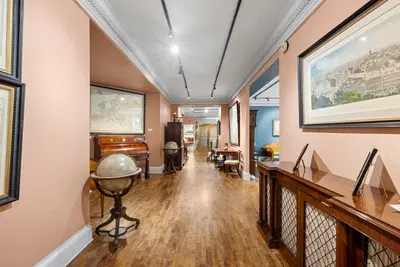
31 East 72nd Street is a distinguished prewar cooperative located at the corner of Madison Avenue in the Upper East Side's Gold Coast. Designed by renowned architects W.L. Rouse and L.A. Goldstone, the building was completed in 1916 and converted to a co-op in 1958. It features a limestone façade, a canopied entrance, and a frieze across the roofline. The building offers a range of amenities including a 24/7 doorman, elevator operator, superintendent, wine cellar, central laundry room, and private storage.
With only 35 apartments, residents enjoy a sense of exclusivity and privacy. The apartments are characterized by high ceilings, oversized windows, and a variety of layouts that allow for customization. Many units feature wood-burning fireplaces, spacious living and dining areas, and flexible room configurations that can accommodate home offices or additional bedrooms. The building permits pied-à-terres and welcomes pets with board approval.
Located just one block from Central Park, 31 East 72nd Street is surrounded by luxury shopping, fine dining, and prominent cultural institutions, making it a prime location for those seeking the best of Manhattan living. The building's proximity to major museums and art galleries enhances its appeal, while the convenience of cross-town bus service adds to its accessibility. Notably, the building has a 1.5% flip tax paid by the buyer and allows for 30% financing.
Overall, 31 East 72nd Street represents a unique opportunity to own a piece of New York City's architectural history in a vibrant and sought-after neighborhood.
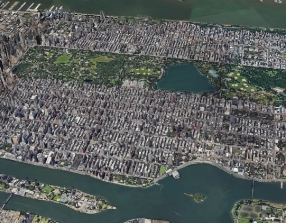
View school info, local attractions, transportation options & more.
Experience amazing 3D aerial maps and fly throughs.
For some co-ops, instead of price per square foot, we use an estimate of the number of rooms for each sold apartment to chart price changes over time. This is because many co-op listings do not include square footage information, and this makes it challenging to calculate accurate square-foot averages.
By displaying the price per estimated room count, we are able to provide a more reliable and consistent metric for comparing sales in the building. While we hope that this gives you a clearer sense of price trends in the building, all data should be independently verified. All data provided are only estimates and should not be used to make any purchase or sale decision.

 6sqft delivers the latest on real estate, architecture, and design, straight from New York City.
Like us on Facebook to keep up with the trends and
6sqft delivers the latest on real estate, architecture, and design, straight from New York City.
Like us on Facebook to keep up with the trends and 