- Apartments
- Overview & Photos
- Maps
- Building Specialists
- Floorplans
- Sales Data & Comps
- Similar Buildings
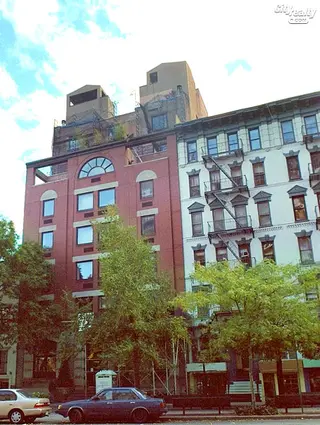
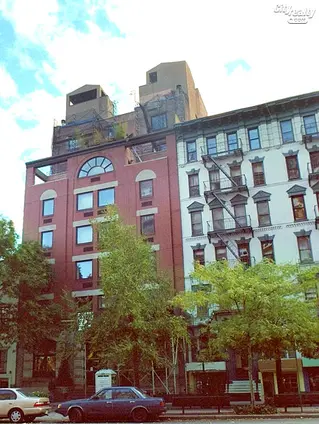
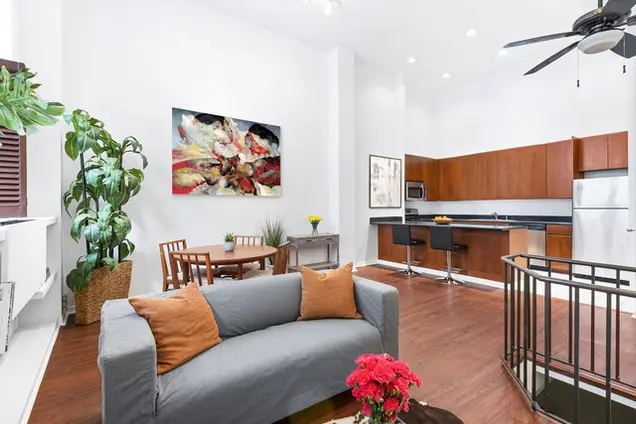
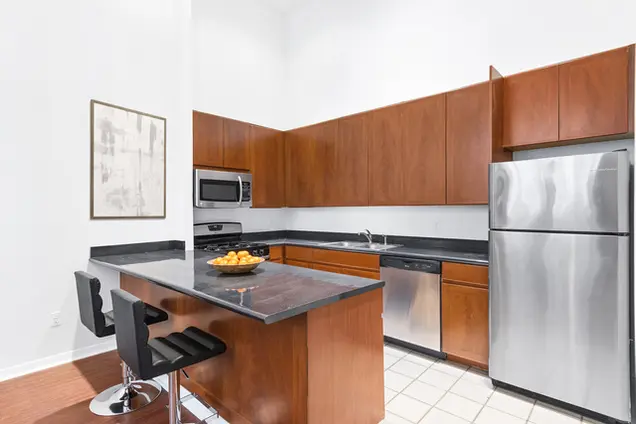
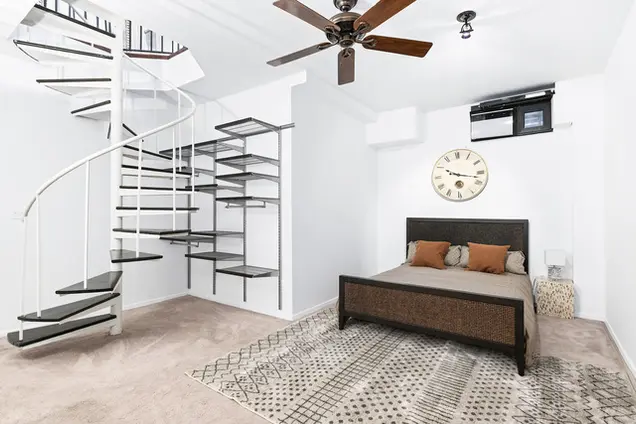
This 9-story apartment building at 196 Sixth Avenue in SoHo was originally constructed in 1893 as the police department's 10th Precinct and converted to a cooperative in 1984. The distinctive red-brick building features a rusticated limestone base, arched windows, and a large fan window on the sixth floor, and offers amenities such as fireplaces, high ceilings, and a convenient location. Currently, 1 apartment is for sale.

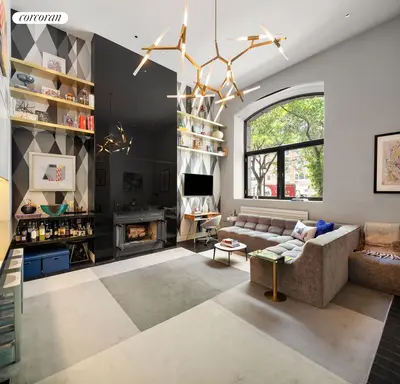
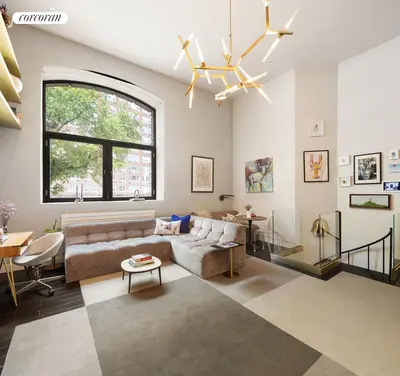
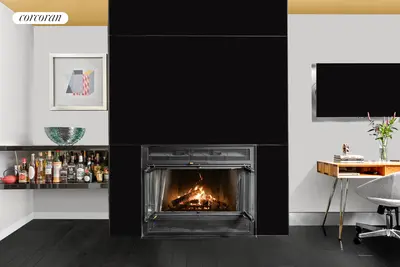
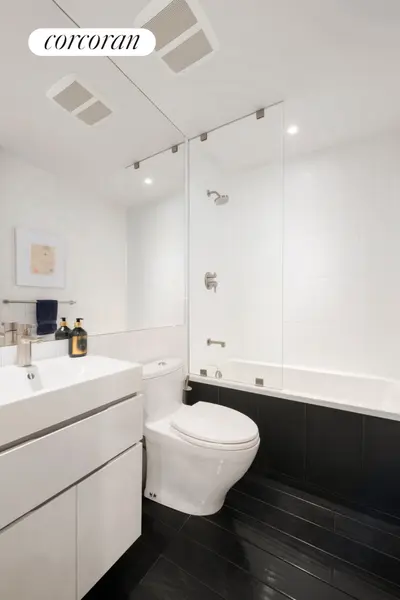
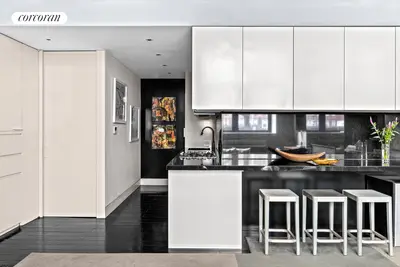
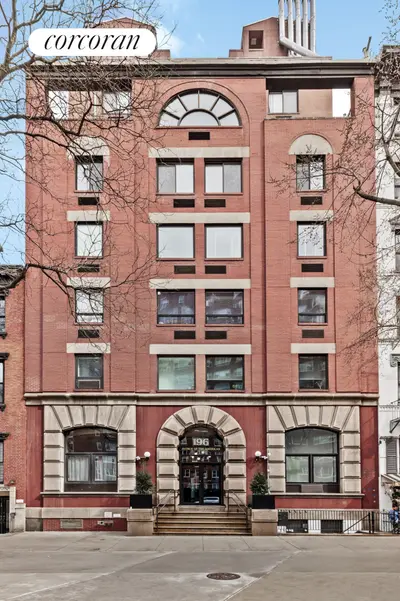
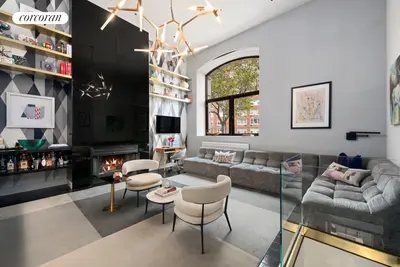

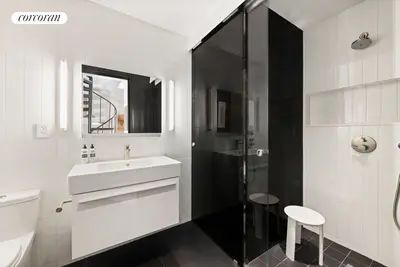
A former police station at 196 Sixth Avenue, this nine story pre-war co-op was originally built in 1893 for the Police Department’s 10th Precinct and converted for cooperative use in the 1980s. Its red brick façade has a rusticated limestone base with arched windows, a six step entrance, and a large fan window at the sixth floor setback. The 20 unit building sits between Prince and Spring Streets in the Sullivan Thompson Historic District, set back from Sixth Avenue beside tree lined Father Fagan Park.
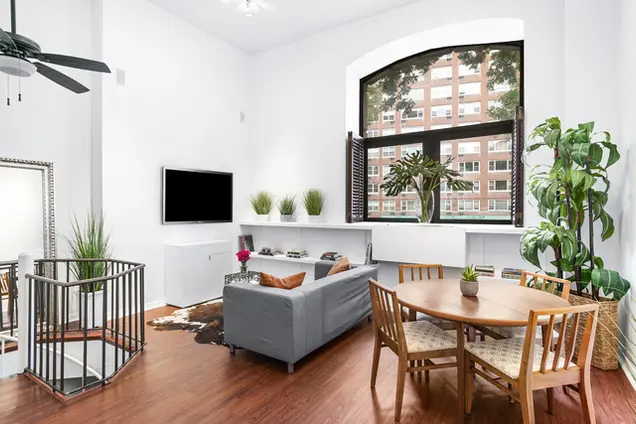
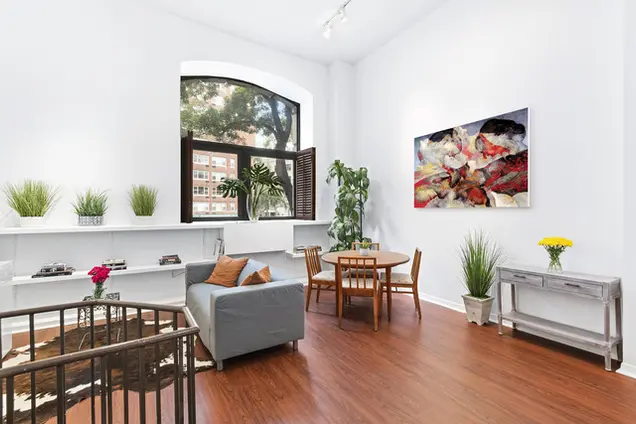
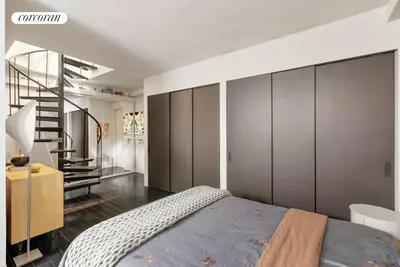
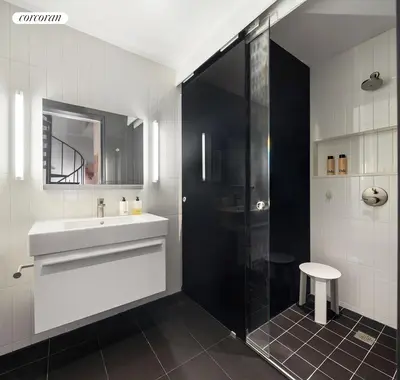
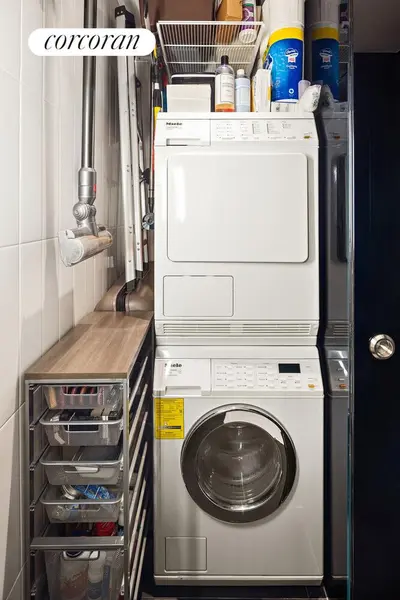
The apartments reflect the building’s former institutional and commercial character, with duplexes, triplexes, and lofts among the layouts. Tall and double height ceilings, oversized or arched windows, exposed brick, skylights, and working fireplaces recur across the homes, while private terraces and roof terraces are part of the residential mix. Many apartments also have central air conditioning and in unit laundry, and some layouts place bedrooms or additional living space on upper or lower levels.
At the building level, services include a part time superintendent, intercom, mail room, common laundry, and bike storage. The co-op is pet friendly, and board approved subletting, pied-à-terre arrangements, and joint purchases are permitted. The location places SoHo boutiques and restaurants east of the building, with the West Village and Hudson Square nearby; Trader Joe’s is across Sixth Avenue, and Hudson River Park is several blocks west.
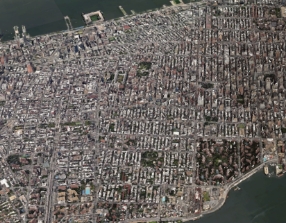
View school info, local attractions, transportation options & more.
Experience amazing 3D aerial maps and fly throughs.
For some co-ops, instead of price per square foot, we use an estimate of the number of rooms for each sold apartment to chart price changes over time. This is because many co-op listings do not include square footage information, and this makes it challenging to calculate accurate square-foot averages.
By displaying the price per estimated room count, we are able to provide a more reliable and consistent metric for comparing sales in the building. While we hope that this gives you a clearer sense of price trends in the building, all data should be independently verified. All data provided are only estimates and should not be used to make any purchase or sale decision.

 6sqft delivers the latest on real estate, architecture, and design, straight from New York City.
Like us on Facebook to keep up with the trends and
6sqft delivers the latest on real estate, architecture, and design, straight from New York City.
Like us on Facebook to keep up with the trends and 