- Apartments
- Overview & Photos
- Maps
- Building Specialists
- Floorplans
- Sales Data & Comps
- Similar Buildings
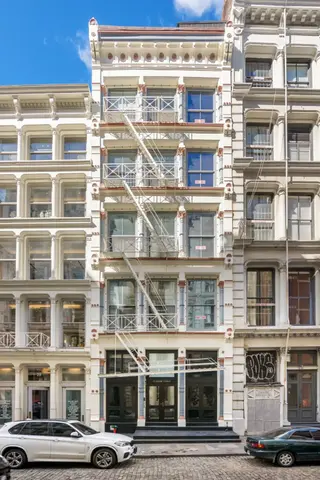
31 Greene Street is a 5-story pre-war co-op building in SoHo, Manhattan, completed in 1900. The building contains 5 units and offers amenities including an elevator and intercom system.

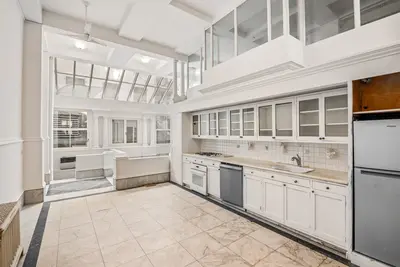
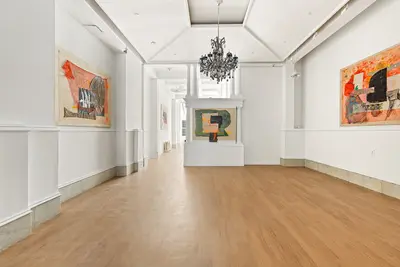
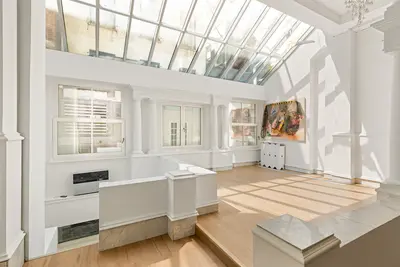
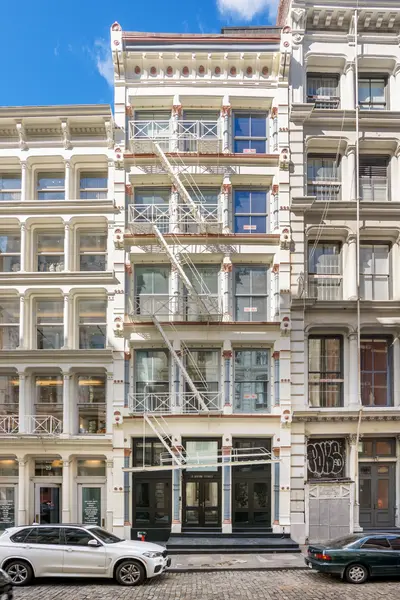
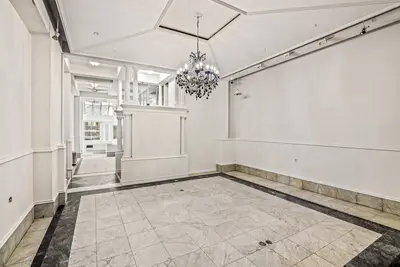
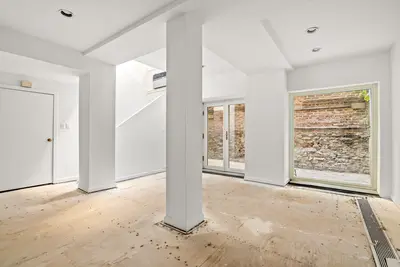
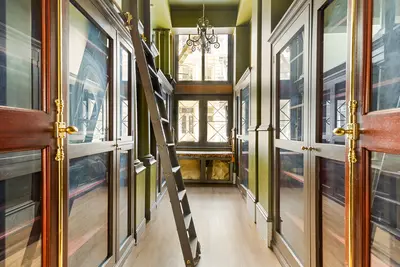
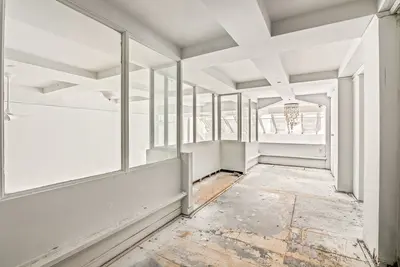
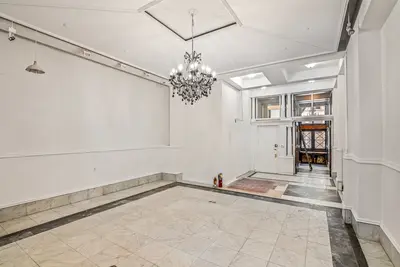
31 Greene Street stands as a distinguished example of cast-iron architecture in the heart of SoHo, constructed in 1868 by renowned architect George W. DaCunha. This five-story landmark building, featured in the American Institute of Architecture's guide to New York City and described as "extraordinarily ornate," contains just five units positioned between Canal and Grand Streets. The building's historic significance and architectural merit make it a notable presence on one of SoHo's most iconic cobblestone streets.
The building operates as a pre-war cooperative with practical amenities including a manually operated elevator that services all floors, intercom system, basement storage, and a ground-floor bike room. The structure maintains its authentic loft character with JLWQ (Joint Live-Work Quarters for Artists) zoning, technically requiring owners to be artists, which preserves the neighborhood's creative heritage and allows for flexible live-work arrangements.
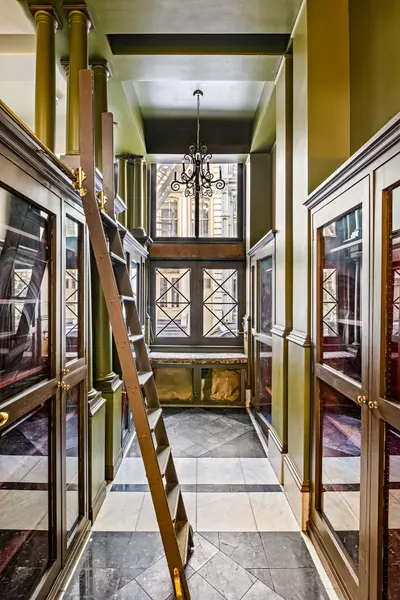
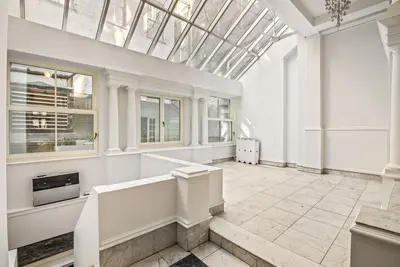
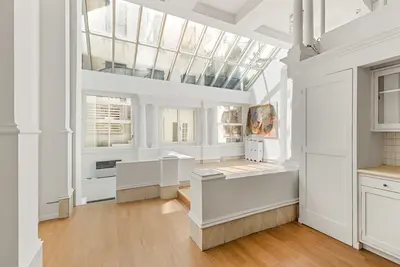
Apartments throughout the building showcase impressive loft-style features, with soaring ceilings ranging from 12 to 15.5 feet and expansive windows that flood the spaces with natural light. Units typically feature original architectural elements including exposed brick walls, new oak flooring throughout, and generous open layouts. Many apartments include sleeping lofts, multiple closets, and in-unit washer/dryer hookups, with some offering unique details like Italian grotto-style bathrooms and claw-foot tubs.
The building's apartments demonstrate remarkable versatility, with spaces that have served as artist studios, galleries, and sophisticated residences. Several units feature multi-level configurations with library/office spaces, private patios, and flexible layouts suitable for entertaining or professional use. The penthouse unit notably comes with 500 square feet of air rights, allowing for potential roof deck installation and stair access.
Located at the crossroads of SoHo and Tribeca, 31 Greene Street offers residents access to one of Manhattan's most desirable neighborhoods while maintaining the authentic loft living experience that has become increasingly rare. The building's combination of historic architecture, artist-friendly zoning, and prime location creates a unique residential opportunity that embodies SoHo's creative legacy and architectural significance.
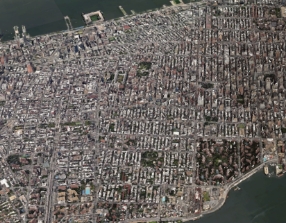
View school info, local attractions, transportation options & more.
Experience amazing 3D aerial maps and fly throughs.
For some co-ops, instead of price per square foot, we use an estimate of the number of rooms for each sold apartment to chart price changes over time. This is because many co-op listings do not include square footage information, and this makes it challenging to calculate accurate square-foot averages.
By displaying the price per estimated room count, we are able to provide a more reliable and consistent metric for comparing sales in the building. While we hope that this gives you a clearer sense of price trends in the building, all data should be independently verified. All data provided are only estimates and should not be used to make any purchase or sale decision.

 6sqft delivers the latest on real estate, architecture, and design, straight from New York City.
Like us on Facebook to keep up with the trends and
6sqft delivers the latest on real estate, architecture, and design, straight from New York City.
Like us on Facebook to keep up with the trends and 