- Apartments
- Overview & Photos
- Maps
- Building Specialists
- Floorplans
- Sales Data & Comps
- Similar Buildings
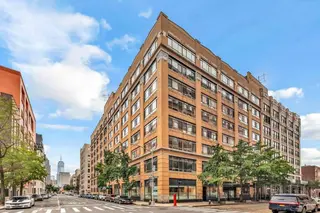
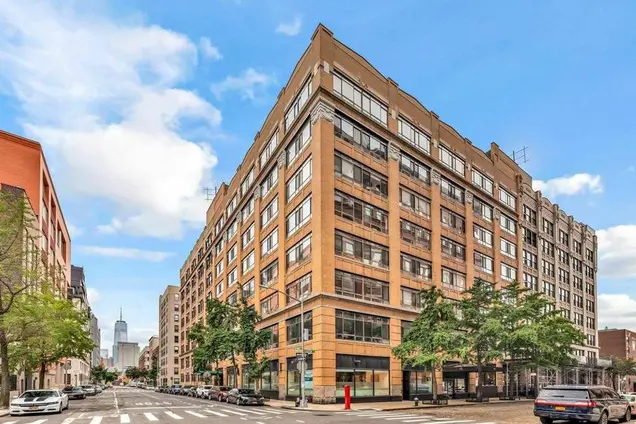
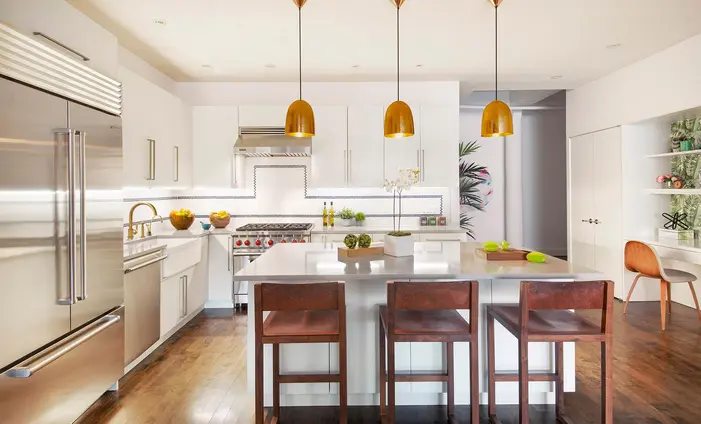
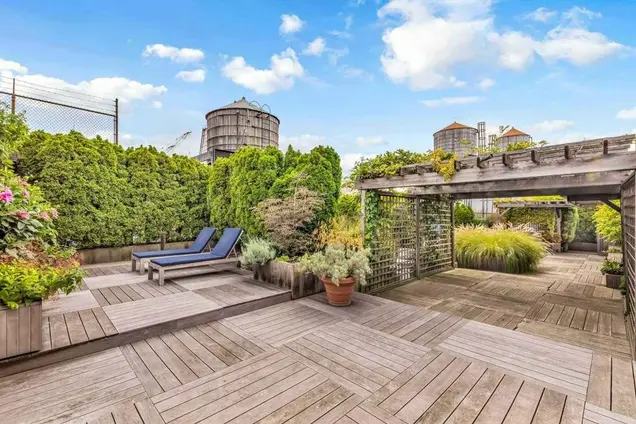
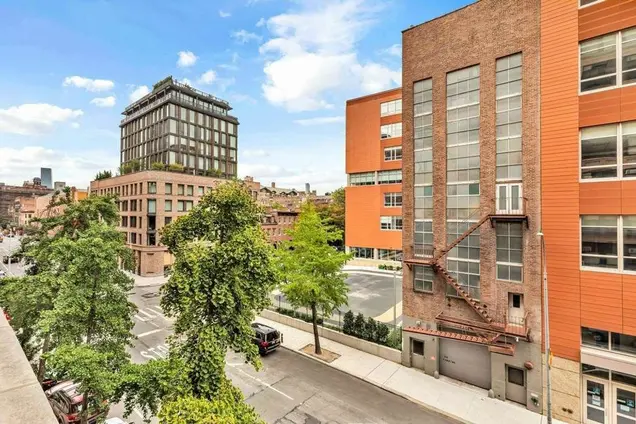
111 Barrow Street is a former herring factory converted to a cooperative in the West Village. The 8-story building offers 39 apartments with amenities including a doorman, laundry, storage, and a rooftop deck, situated near popular attractions. Currently, 1 apartment is for sale.

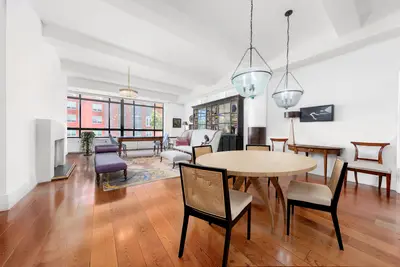
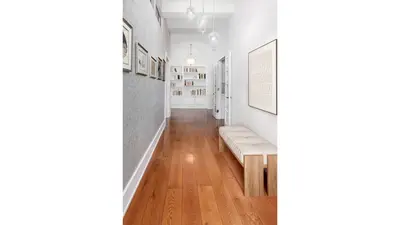
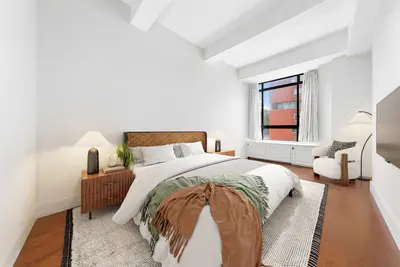
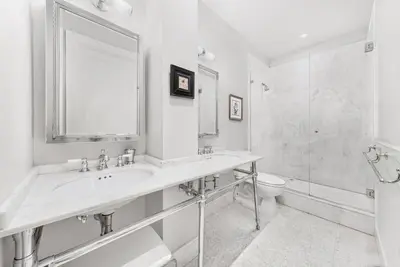
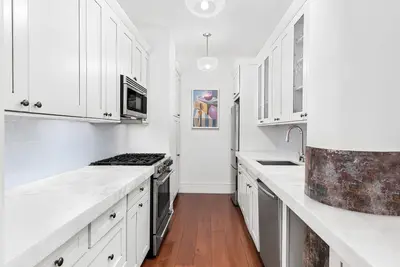
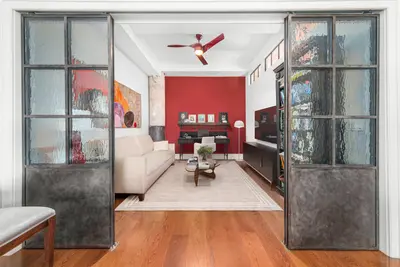
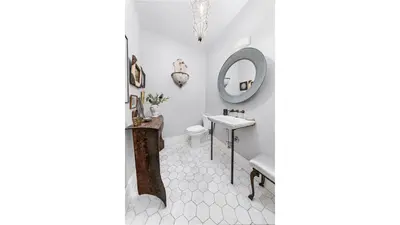
111 Barrow Street was built in 1920 as the Vita Herring Factory and converted to a residential co-op in 1987. The intimate 8-story beige brick building contains 39 apartments on a cobblestone street in the heart of the West Village. Architectural details include a two story rusticated base, consistent fenestration with wide multipaned windows, bandcourses at the third and eighth floors, and a crenellated roofline. The building is financially sound, pet friendly, and allows pied-à-terre ownership.
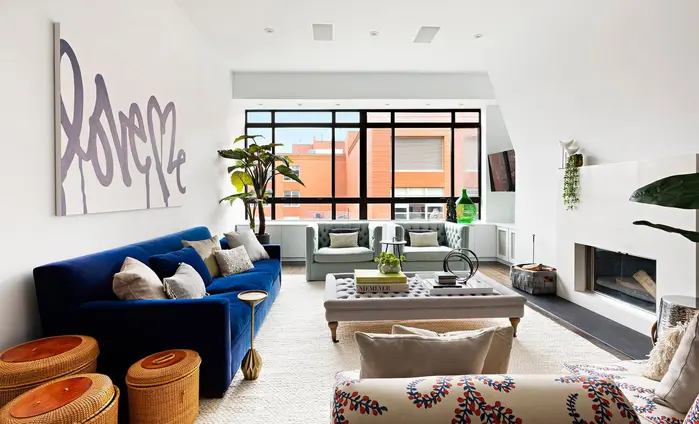
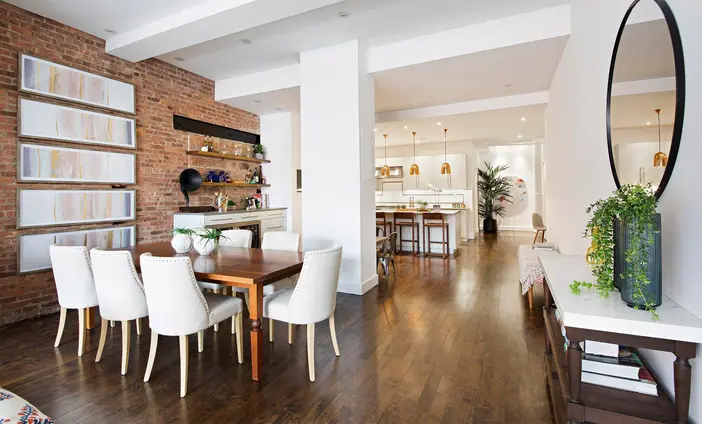
Apartments retain their loft character with soaring 11 to 12 foot beamed ceilings and oversized windows, many measuring over 6 feet tall. Wood burning fireplaces are a common feature across units, along with open or passthrough kitchens and flexible layouts that often include interior bonus rooms or office spaces. One bedroom apartments typically range from 1,150 to 1,500 square feet, with some featuring loft spaces above the main living areas. High end renovations showcase custom cabinetry, spa like bathrooms, and hardwood or oak plank flooring, while deeded basement storage units are included with most apartments.
Building amenities include a 24 hour doorman, resident superintendent, and laundry facilities on every floor. The landscaped roof deck stands out as a major attraction, featuring multiple seating areas, a children's playground, a shared herb garden, and open city views. Additional conveniences include bicycle storage, private basement storage units, and an elevator.
The location places residents on a quiet, tree lined cobblestone block just 1.5 blocks from Hudson River Park, with Brooklyn Fare grocery store directly across the street. The building is within close proximity to St. Luke's Gardens and School, the Whitney Museum, the Highline, Chelsea Market, and the Meatpacking District, surrounded by some of the neighborhood's best restaurants and shopping.
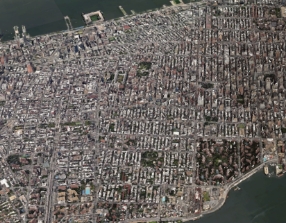
View school info, local attractions, transportation options & more.
Experience amazing 3D aerial maps and fly throughs.
For some co-ops, instead of price per square foot, we use an estimate of the number of rooms for each sold apartment to chart price changes over time. This is because many co-op listings do not include square footage information, and this makes it challenging to calculate accurate square-foot averages.
By displaying the price per estimated room count, we are able to provide a more reliable and consistent metric for comparing sales in the building. While we hope that this gives you a clearer sense of price trends in the building, all data should be independently verified. All data provided are only estimates and should not be used to make any purchase or sale decision.

 6sqft delivers the latest on real estate, architecture, and design, straight from New York City.
Like us on Facebook to keep up with the trends and
6sqft delivers the latest on real estate, architecture, and design, straight from New York City.
Like us on Facebook to keep up with the trends and 