- Apartments
- Overview & Photos
- Maps
- Building Specialists
- Floorplans
- Sales Data & Comps
- Similar Buildings
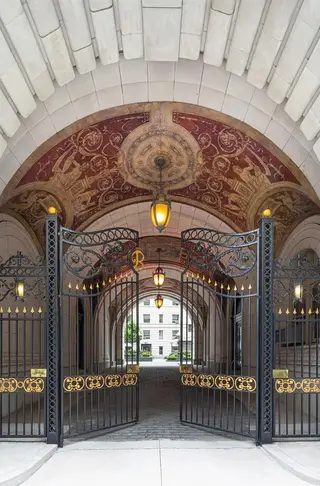
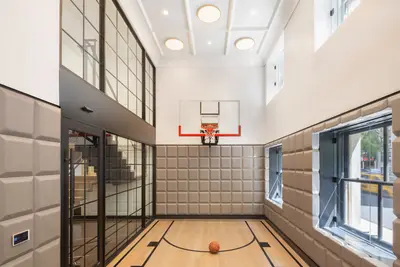
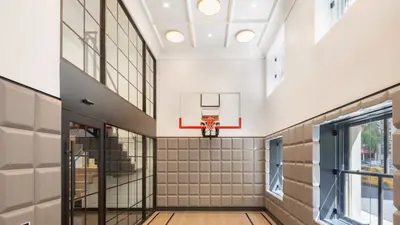
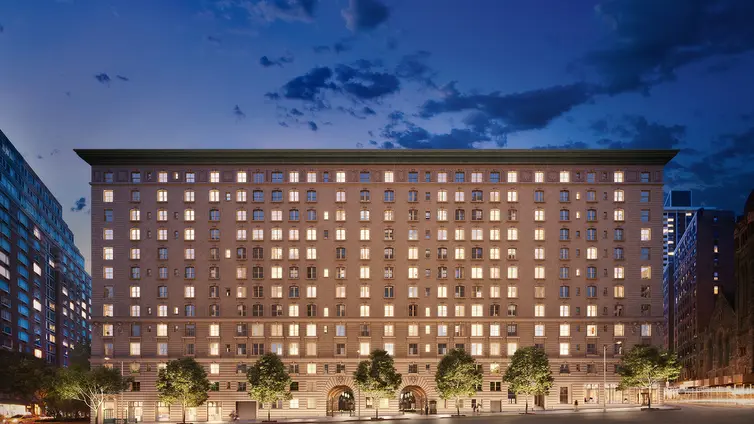
The Belnord is a landmark condominium complex on Manhattan's Upper West Side, occupying an entire block and featuring 215 apartments across 14 stories. The building offers 30,000 square feet of amenities, including a landscaped courtyard, fitness center, and sports court, and is located between Central Park and Riverside Park with easy access to local attractions and transportation. Currently, 5 apartments are for sale.

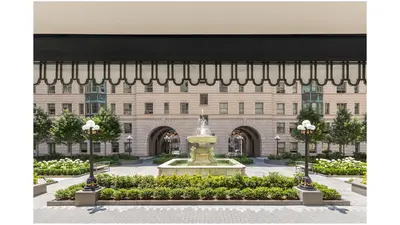
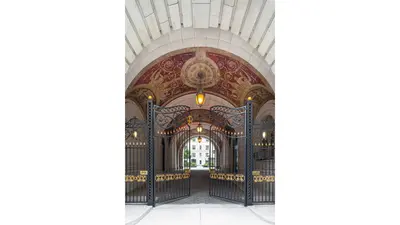

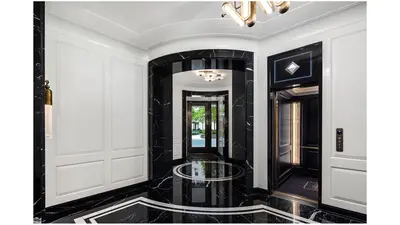
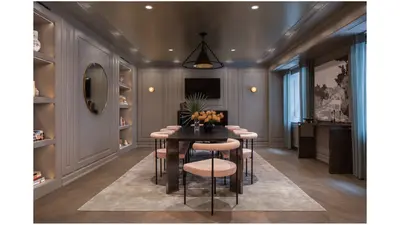
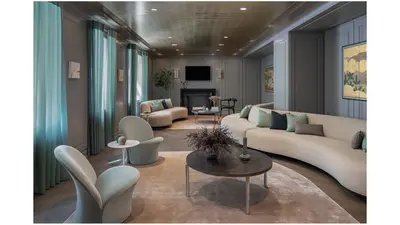
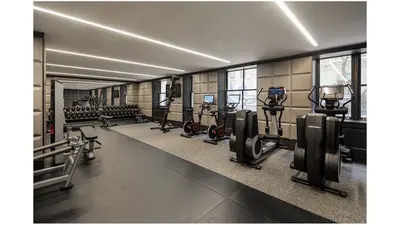

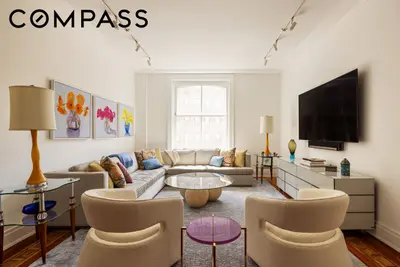
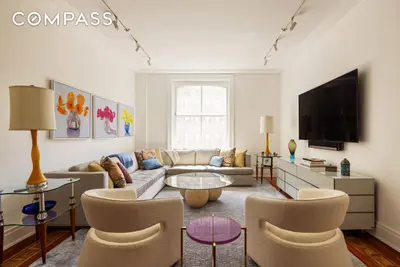
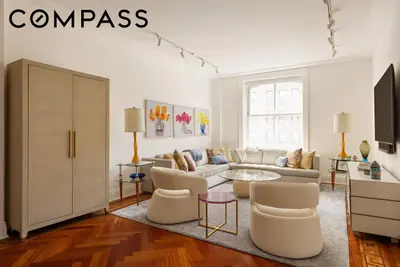
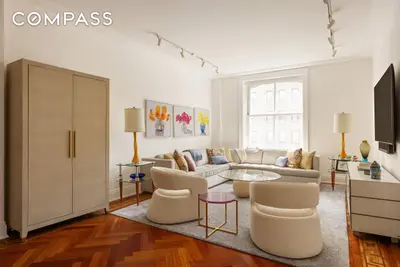
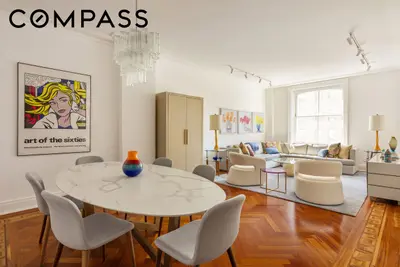
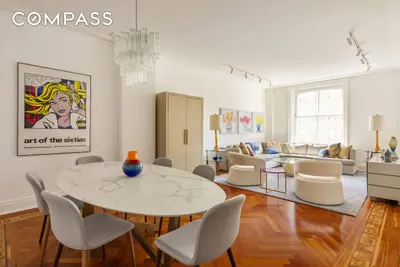
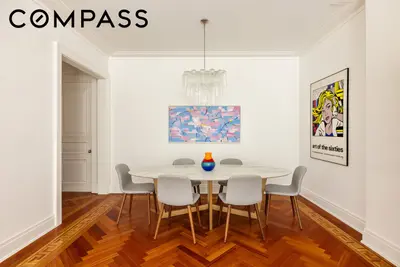
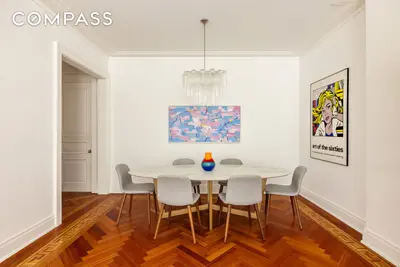
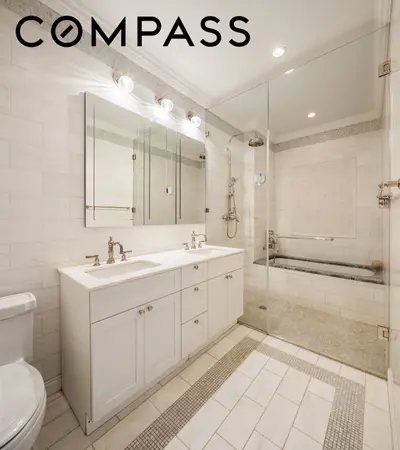
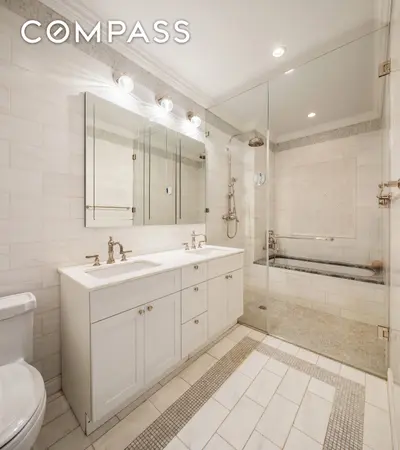
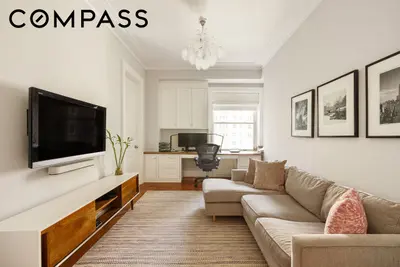
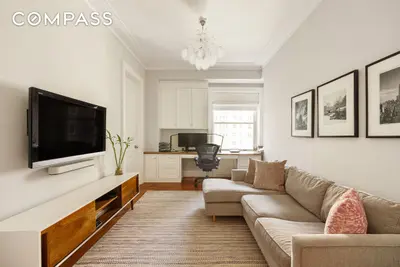

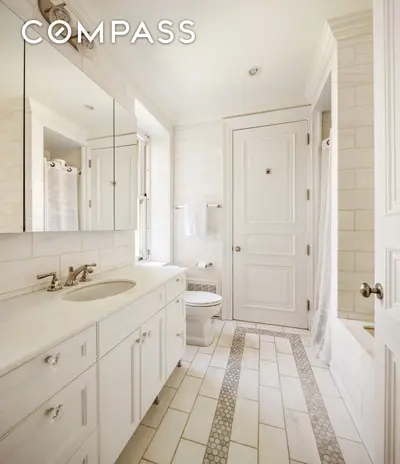
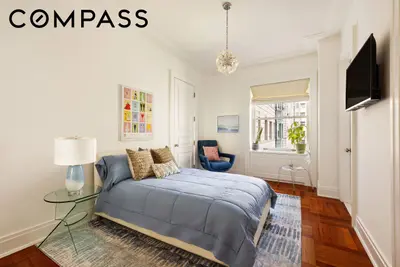
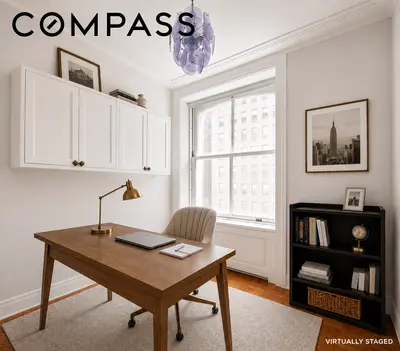
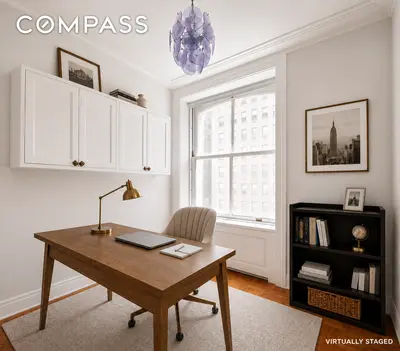
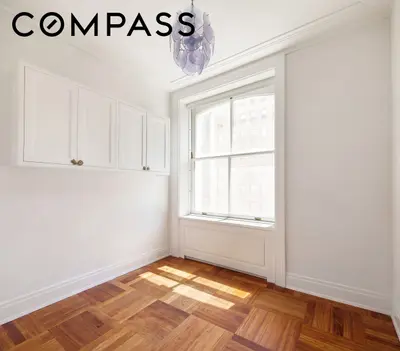
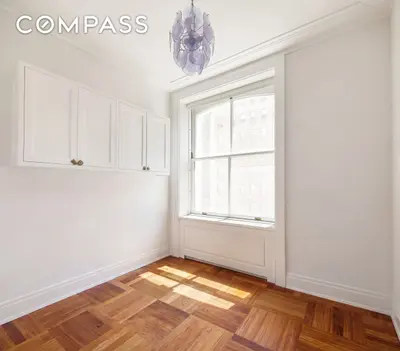
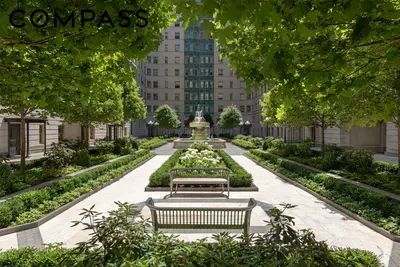
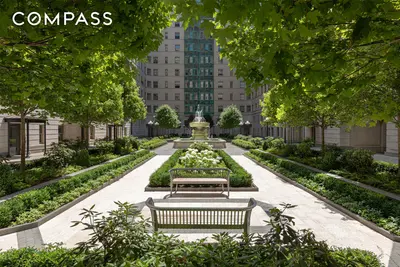


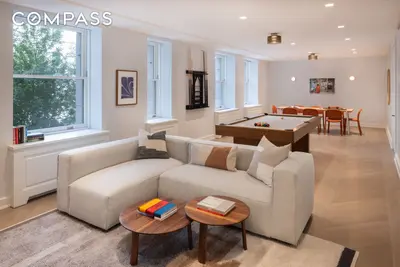
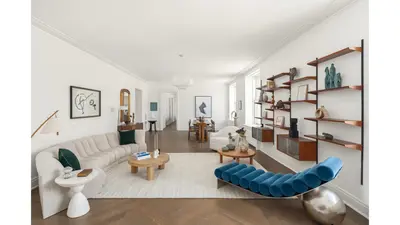
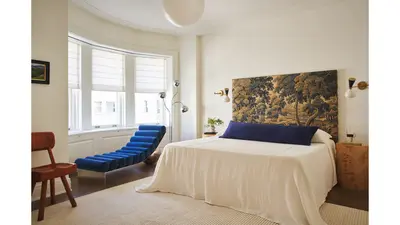
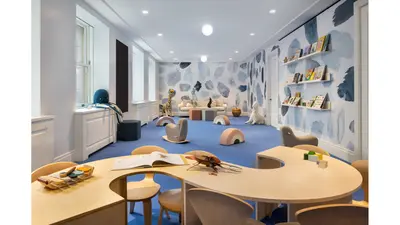

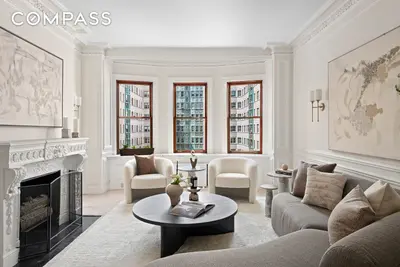
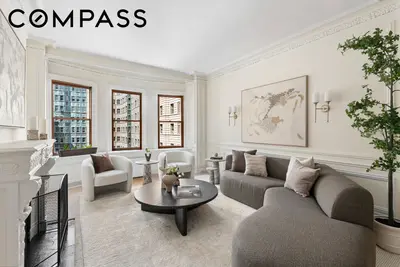
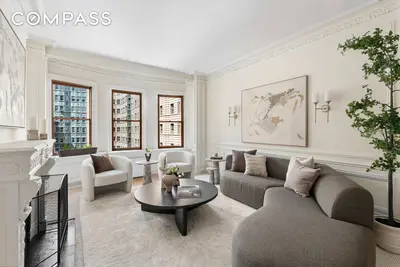
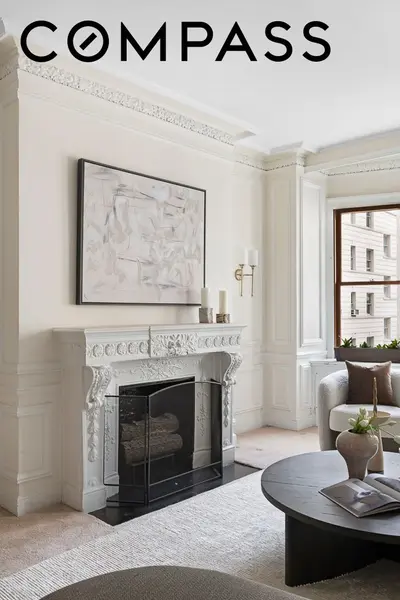
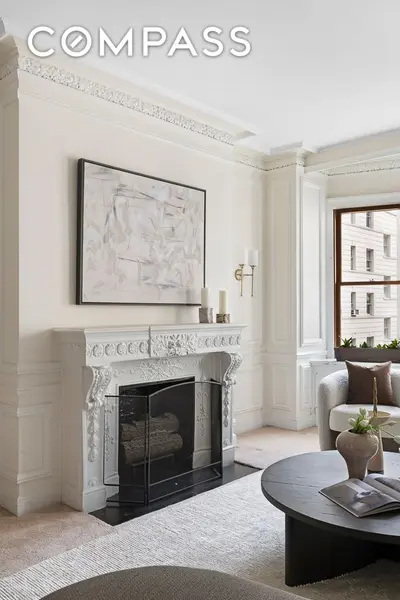
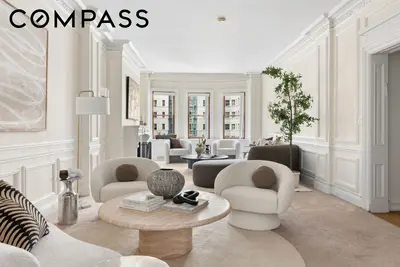
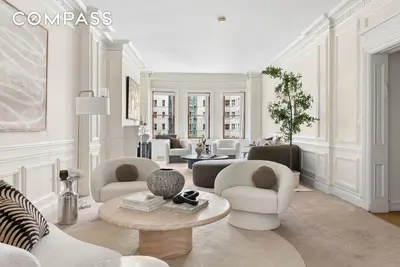


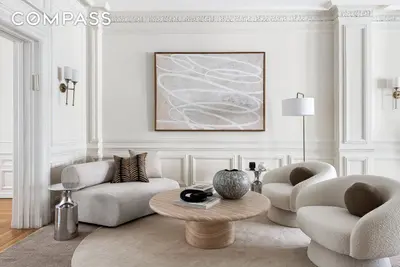
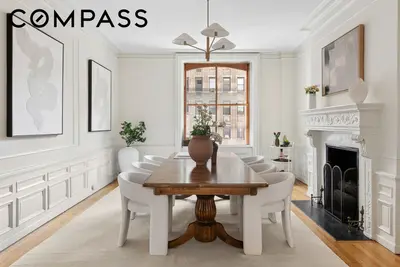
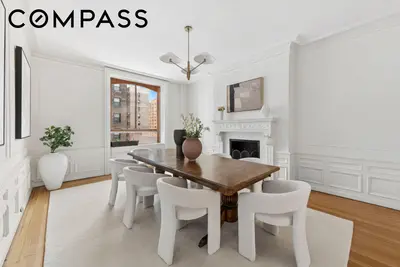
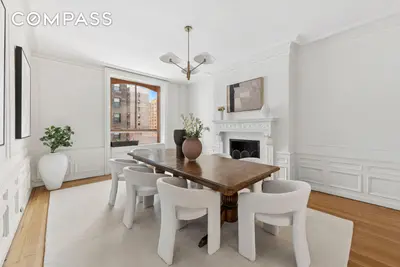
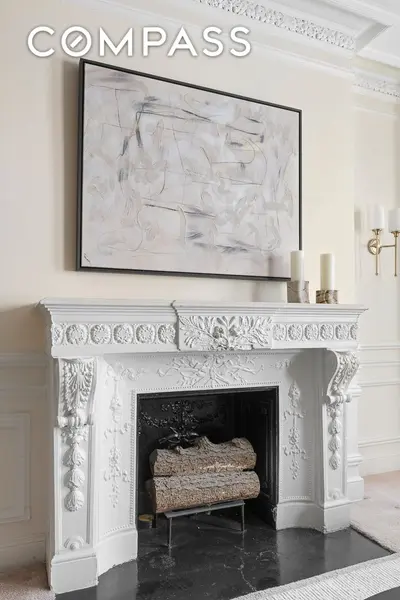
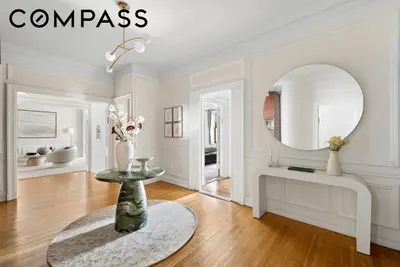
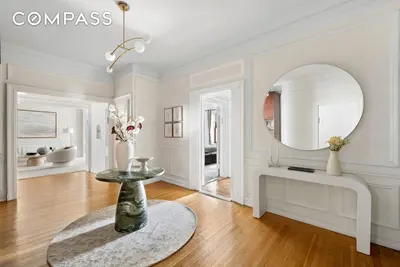
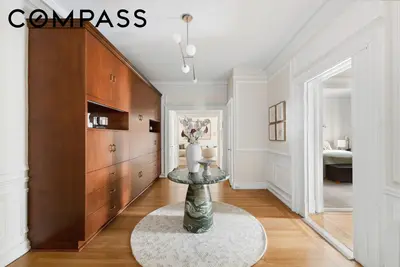
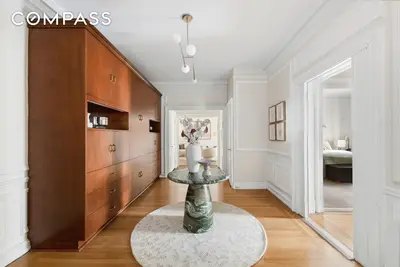
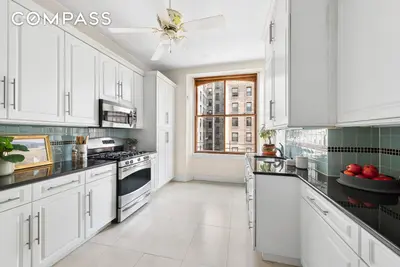
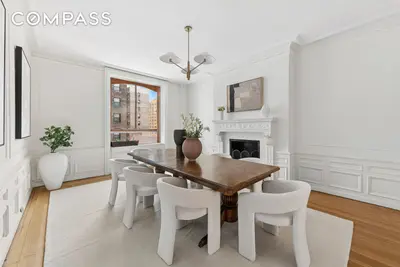
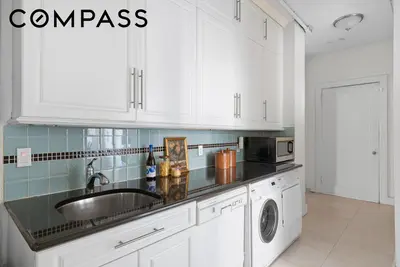
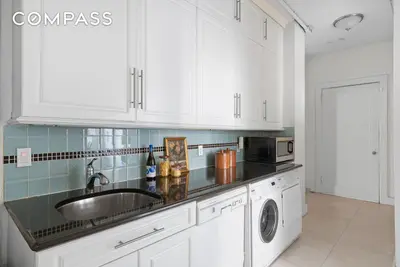

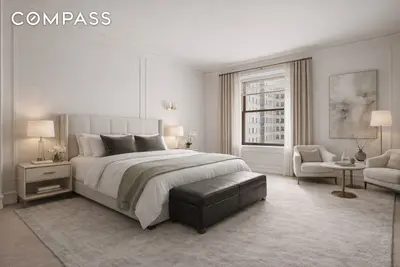
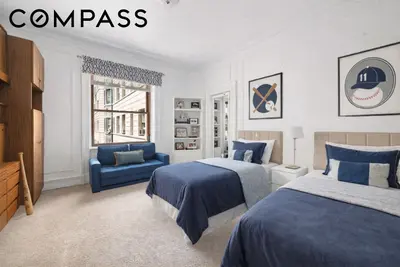
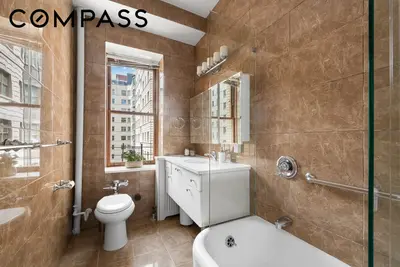
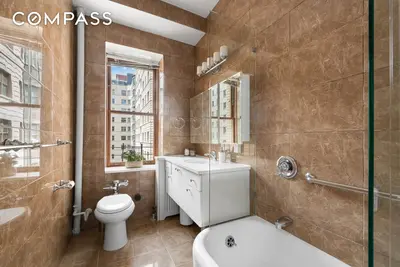


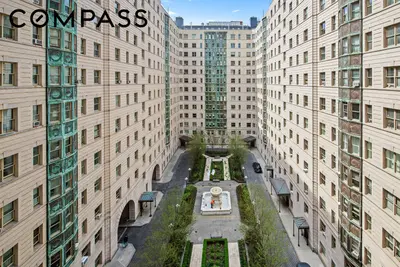
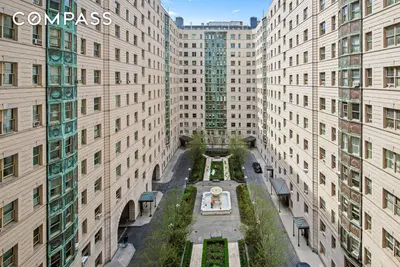
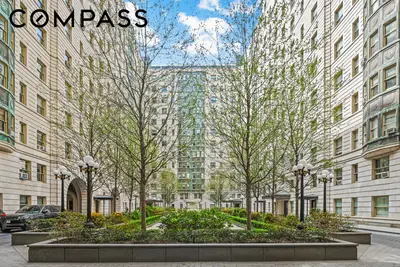
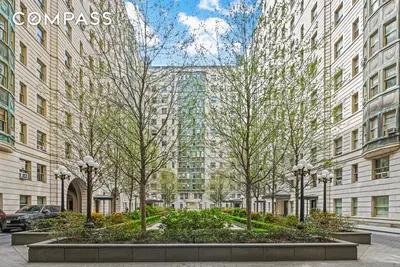


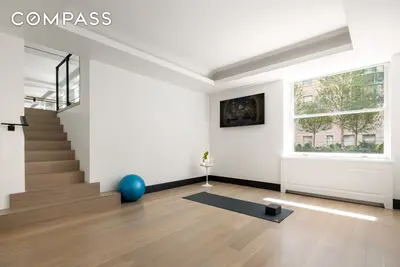


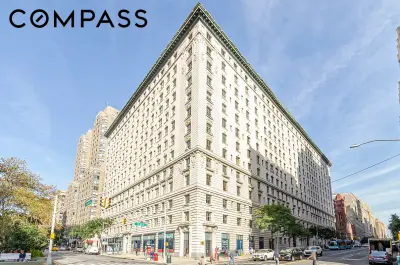
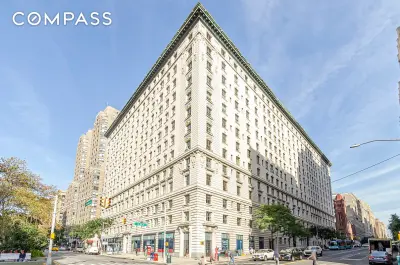
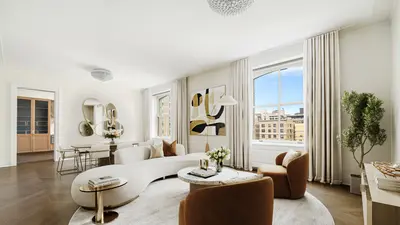
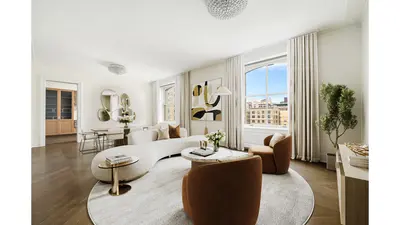
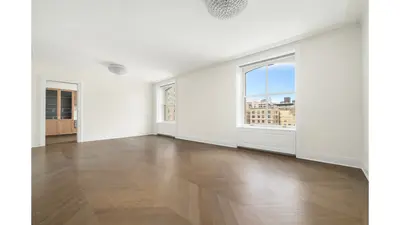
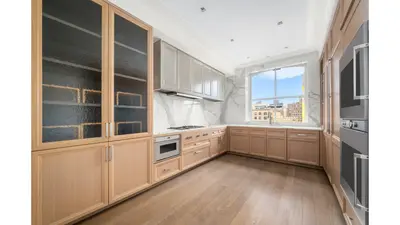
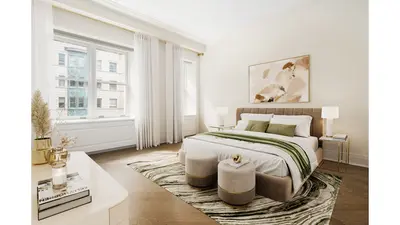
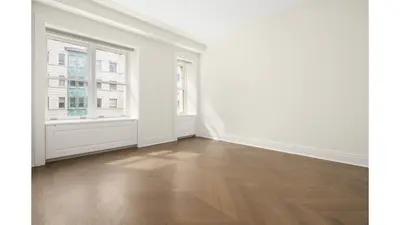
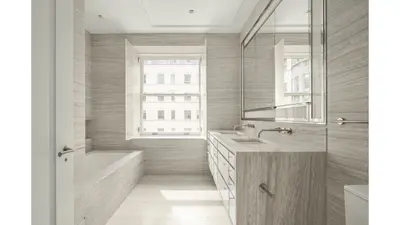
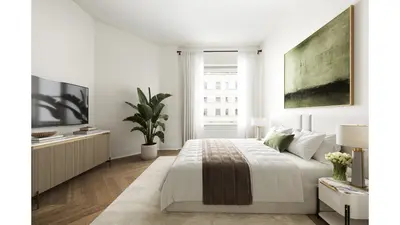
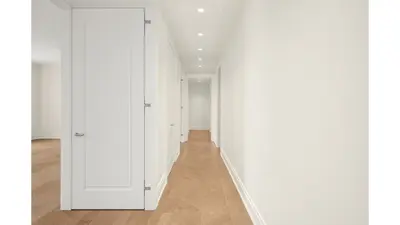
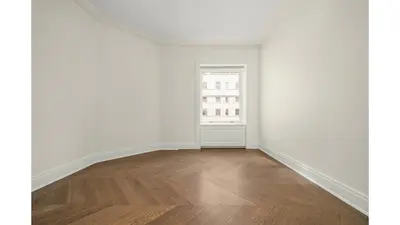
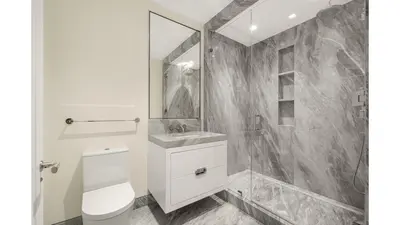
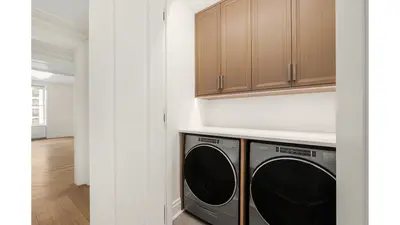
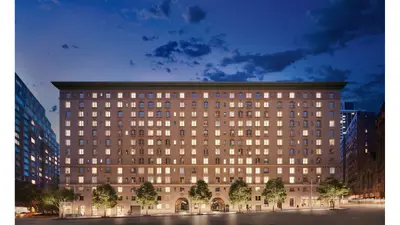
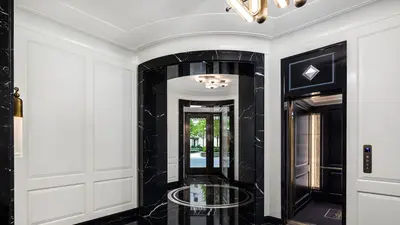
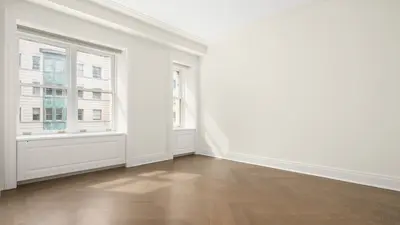
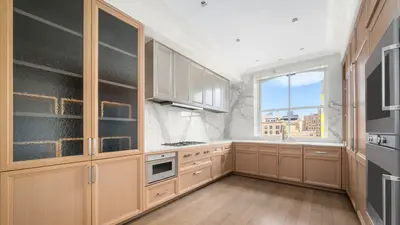
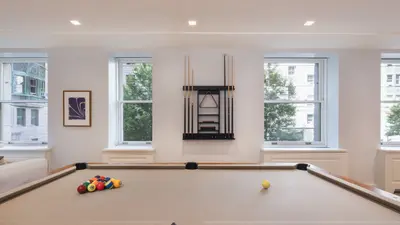
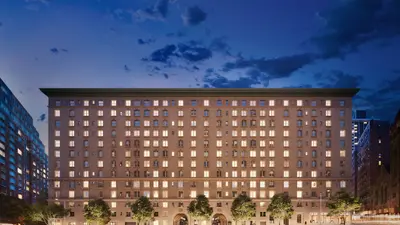
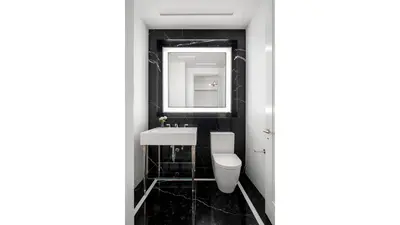
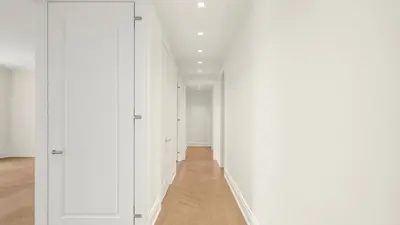

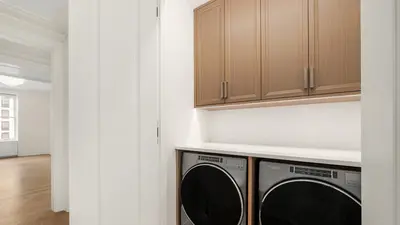
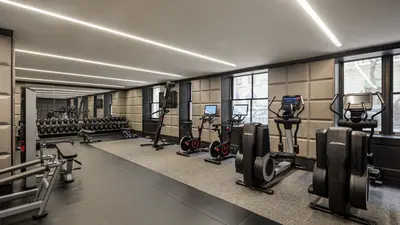
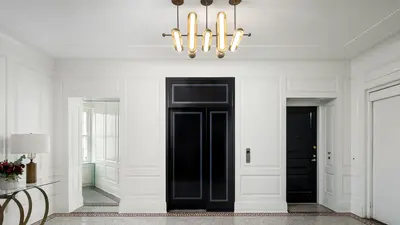
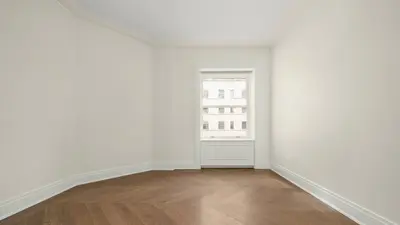
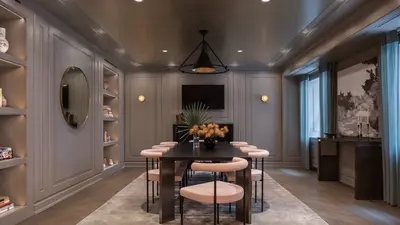
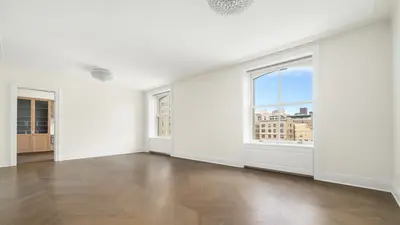
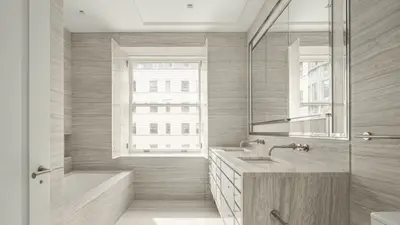

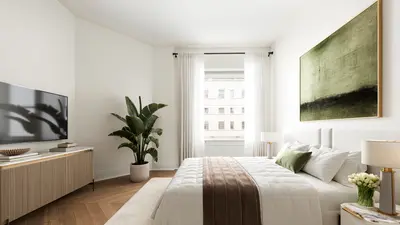
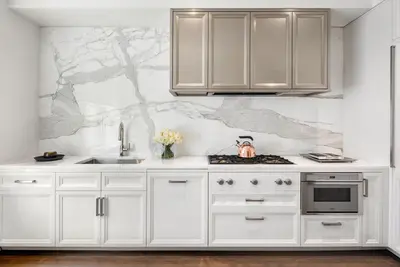
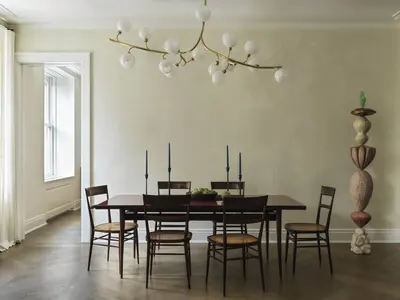
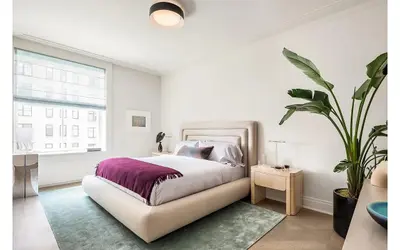
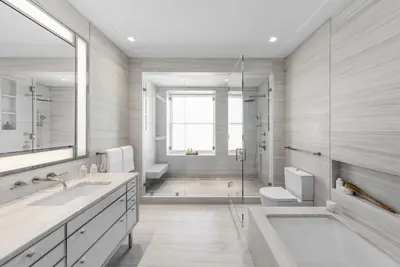
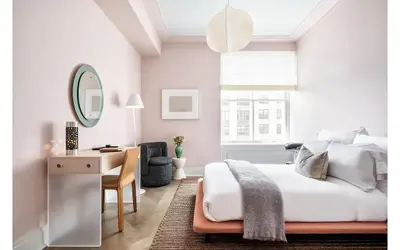
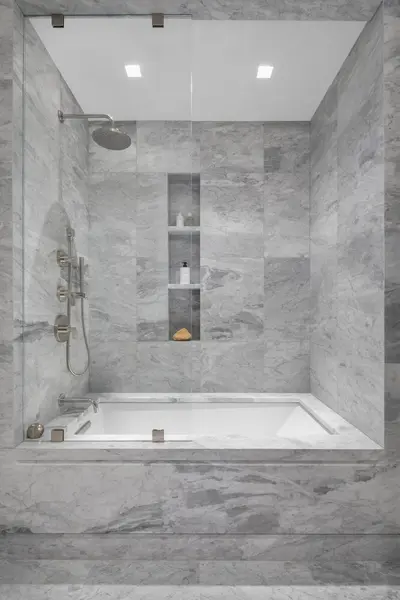
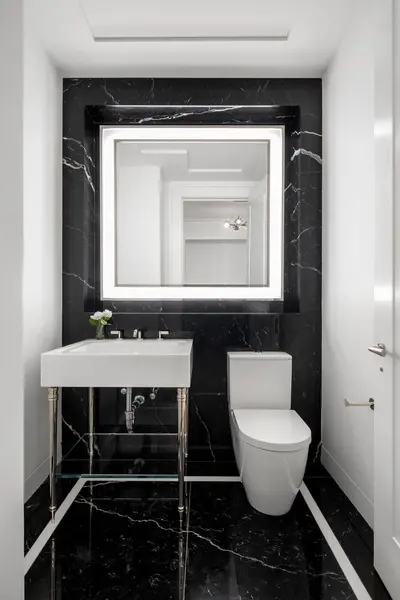
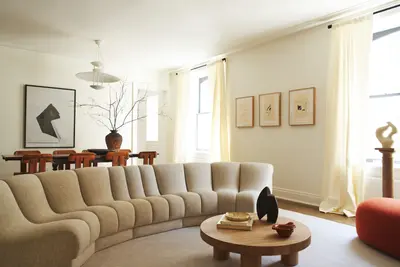
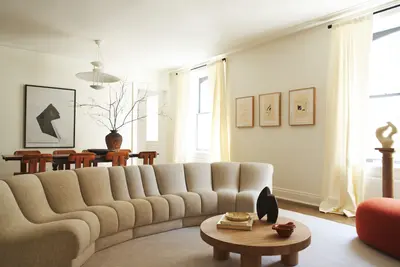
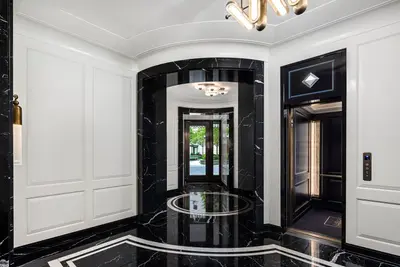
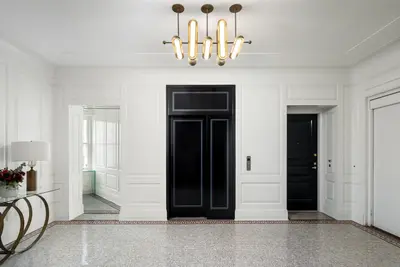
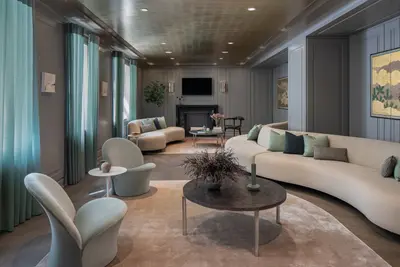
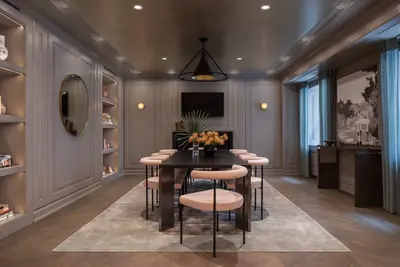
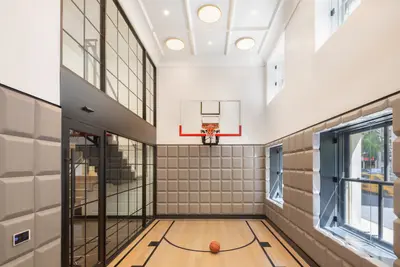
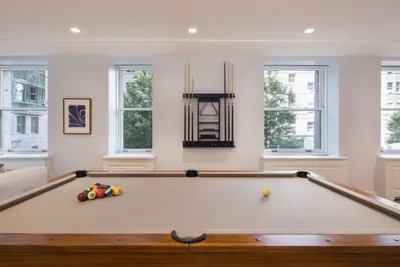
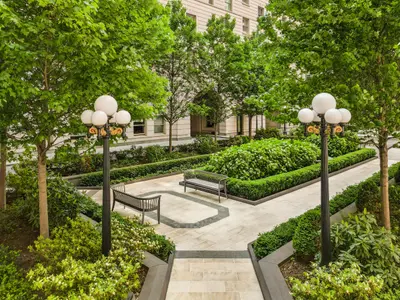
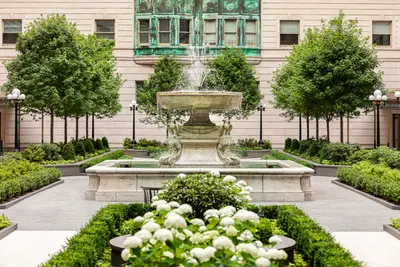
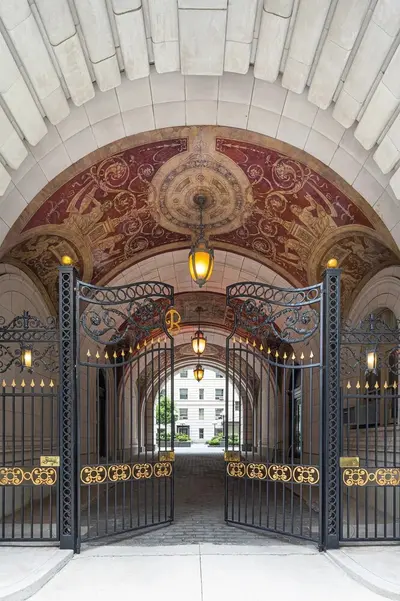
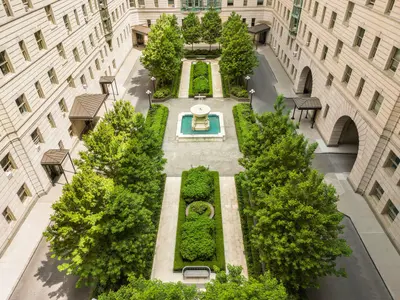
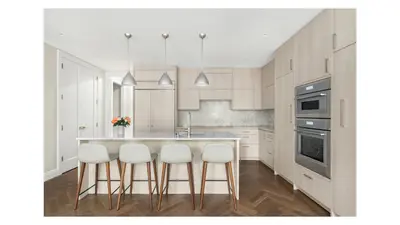
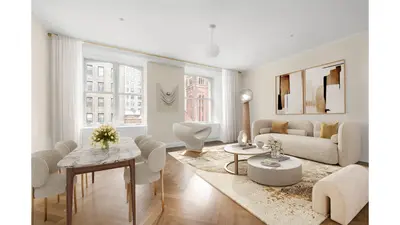
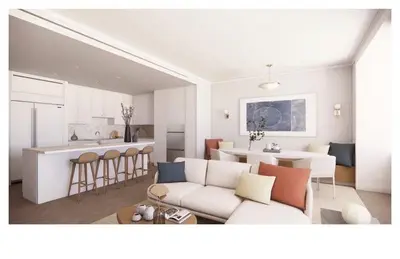
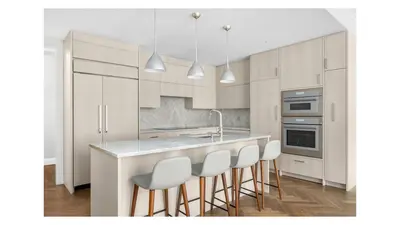
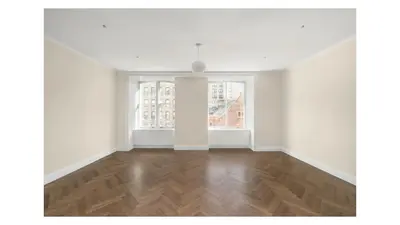
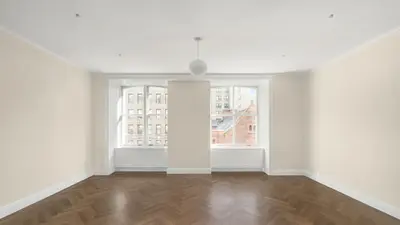
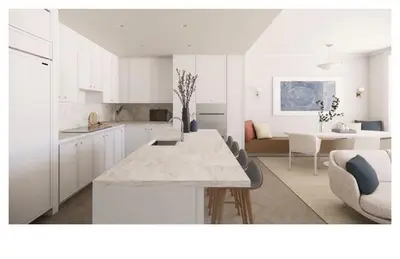
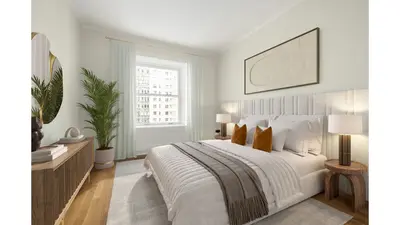
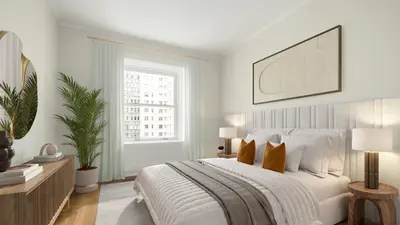
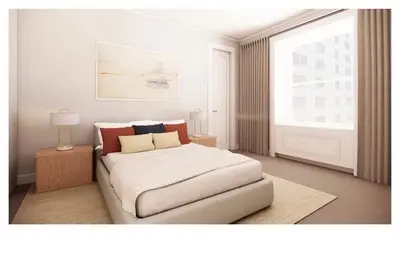
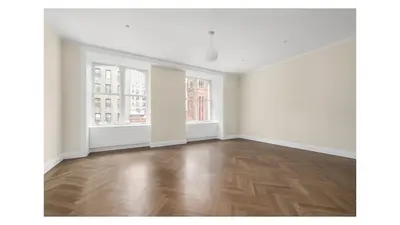
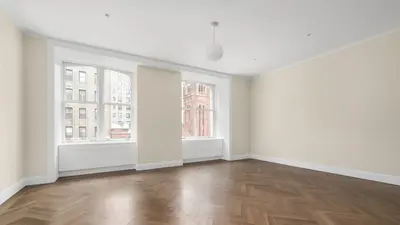
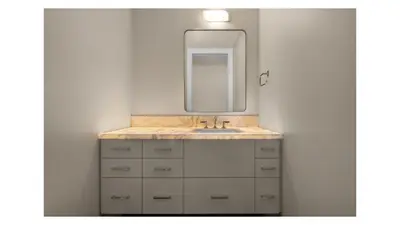
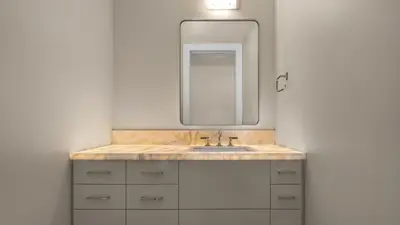
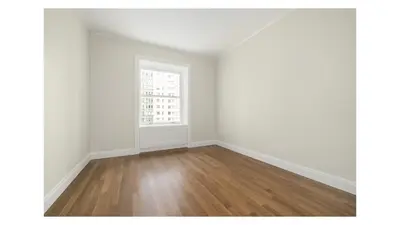

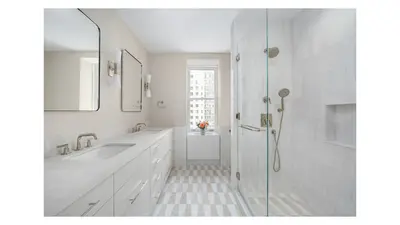
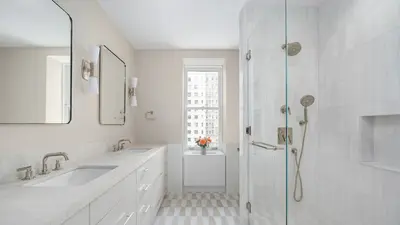
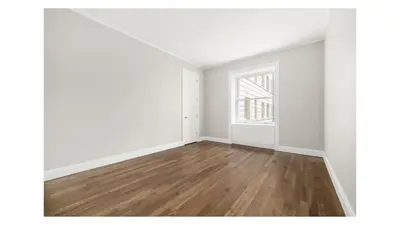
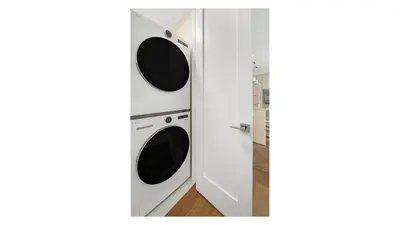
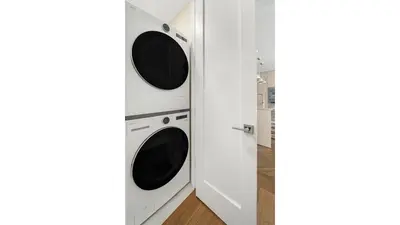
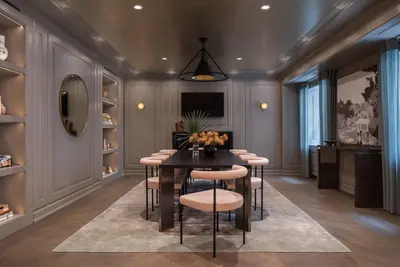
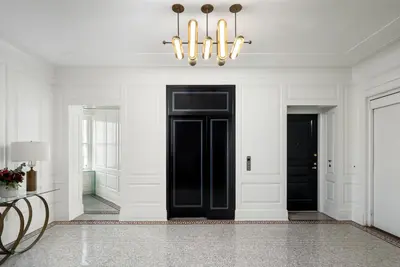
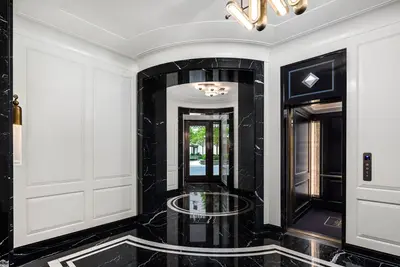

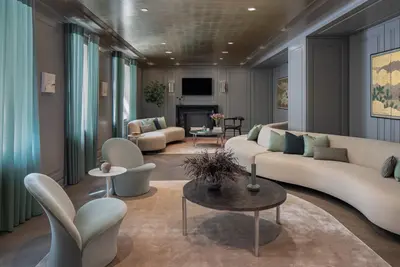
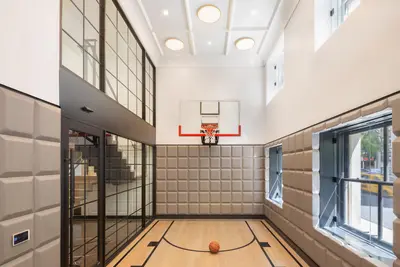
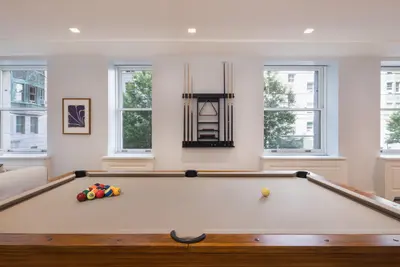
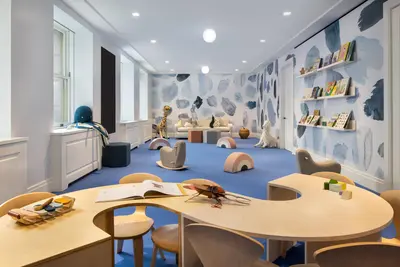

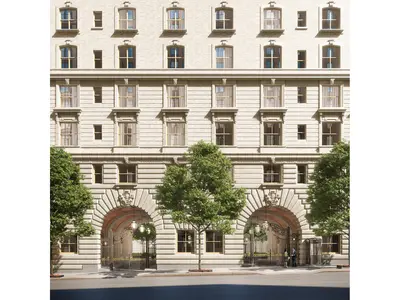
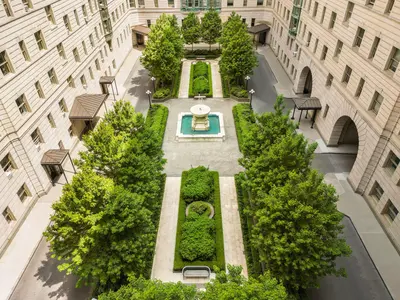
The Belnord stands as one of Manhattan's most magnificent residential landmarks, a full block Italian Renaissance palazzo built in 1908 by architect H. Hobart Weekes. Occupying the entire block between 86th and 87th Streets and Broadway and Amsterdam Avenue, this 14 story building originally featured the largest interior courtyard in the world at 94 feet wide by 231 feet long. The building's scale and grandeur made it one of the great urban wonders of its era, though it didn't reach full occupancy until World War II due to its vast number of very large apartments.
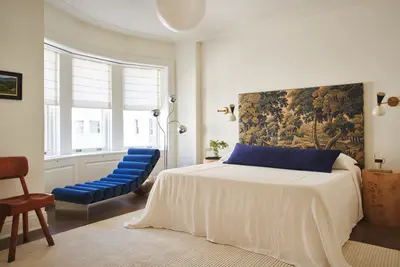
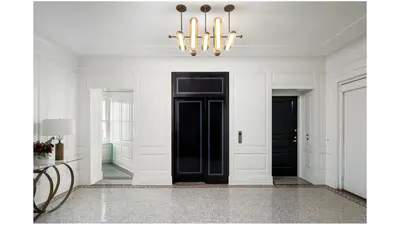
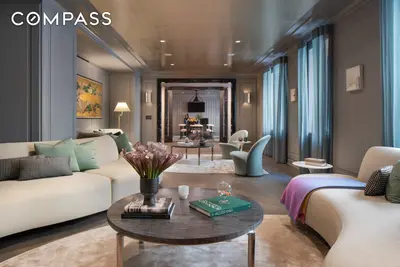
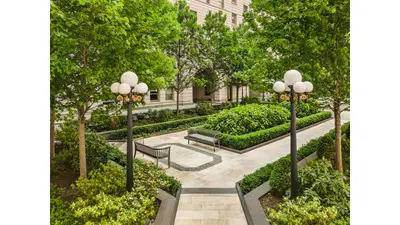
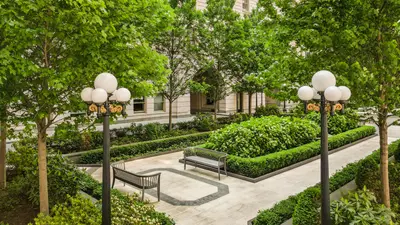
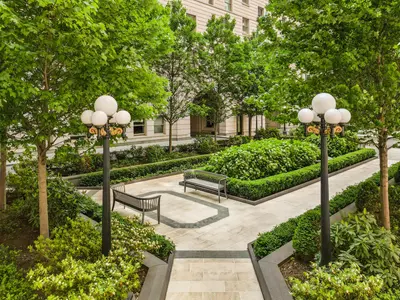
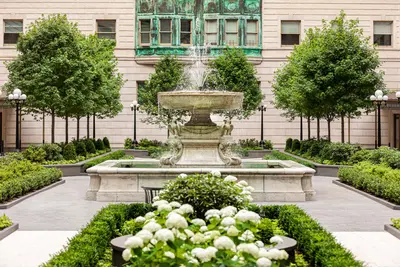
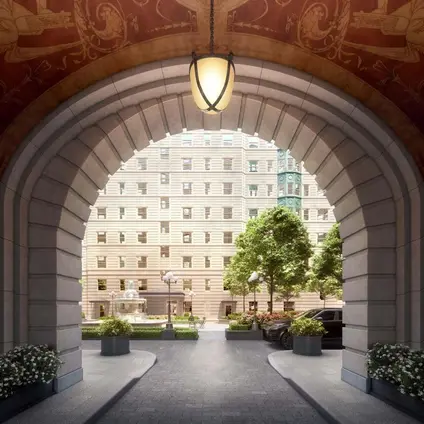
In 2015, HFZ Capital Group acquired the building for $575 million and embarked on a luxury condominium conversion with a sellout goal of $1.35 billion, overseen by renowned architect Robert A.M. Stern. Stern's renovation masterfully combines Gilded Age glamour with 21st century luxury, preserving the building's pre war character while introducing modern conveniences. The conversion transformed the 215 rental units into sophisticated condominiums, with Hollander Design reimagining the lush landscaped courtyard that remains centered around its impressive fountain.
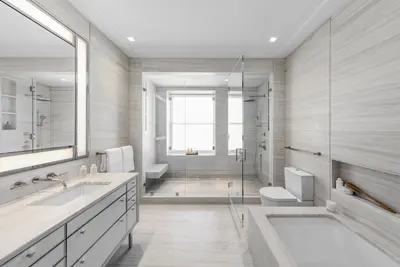
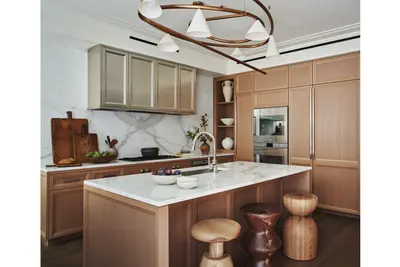
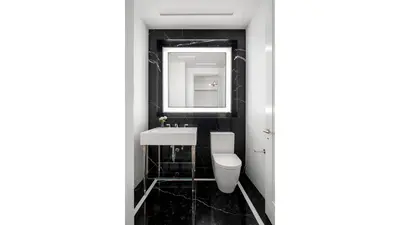
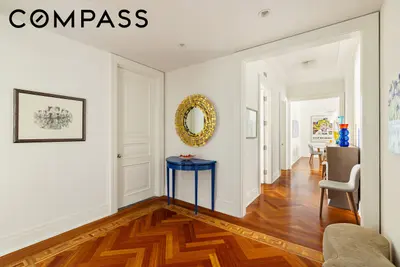
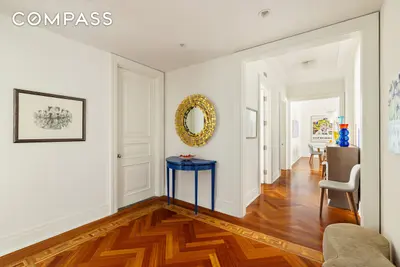
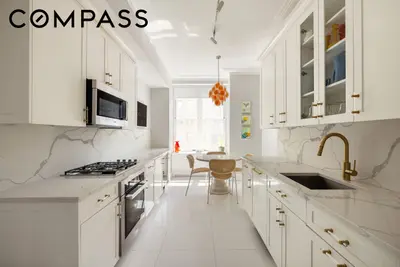
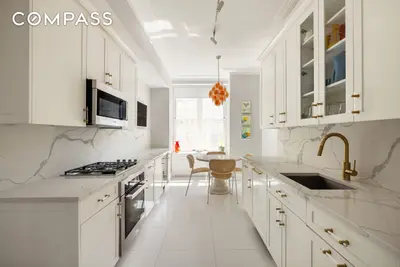
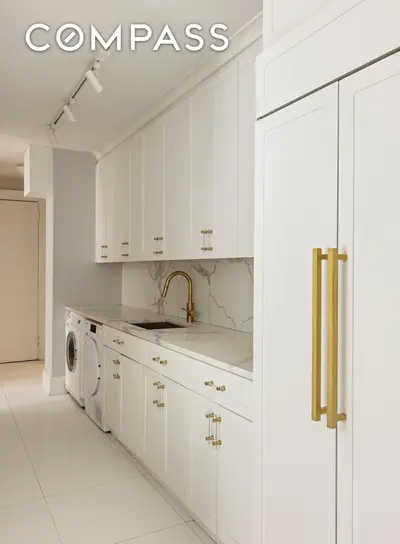
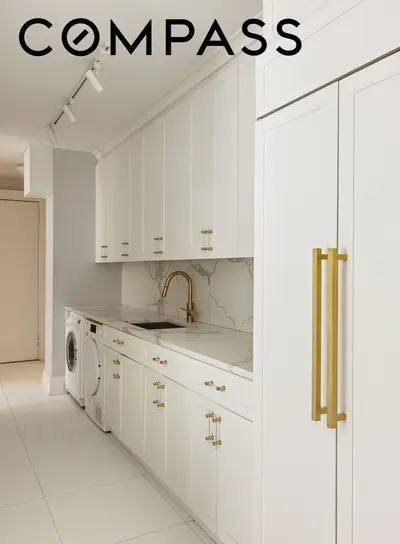
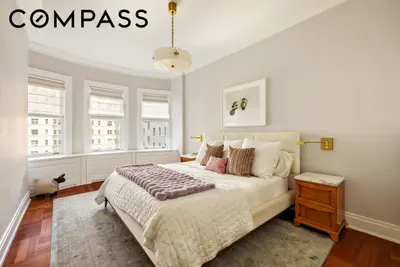
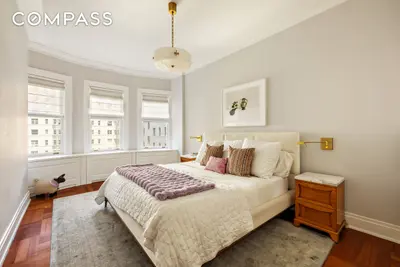
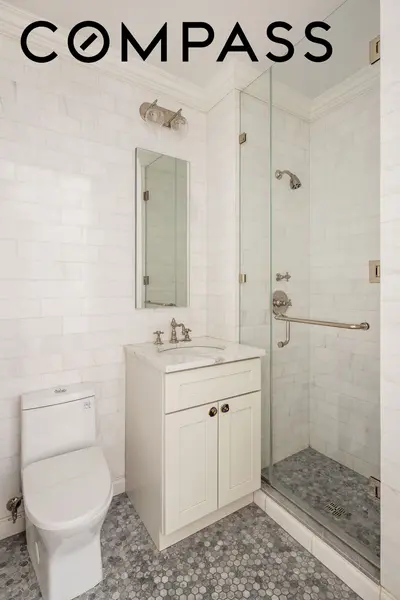
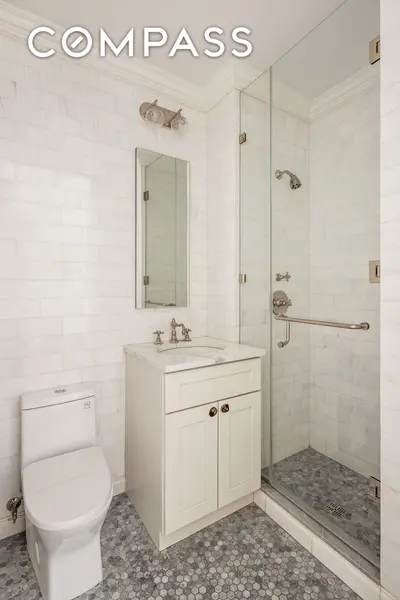
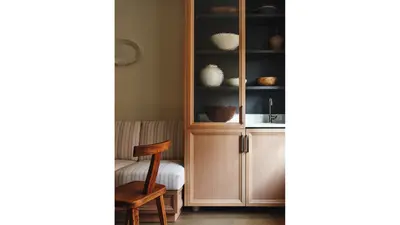
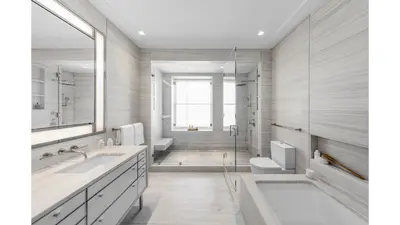
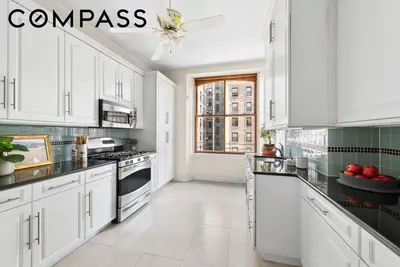
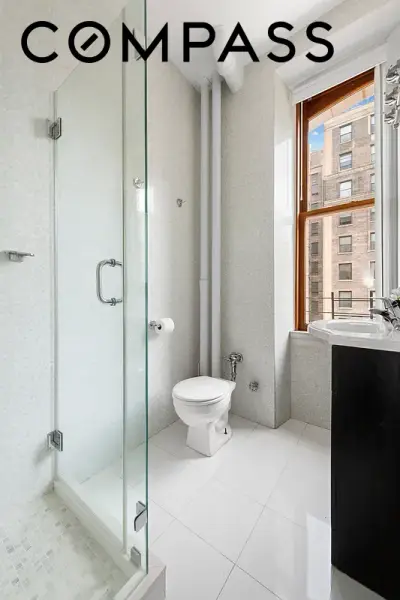
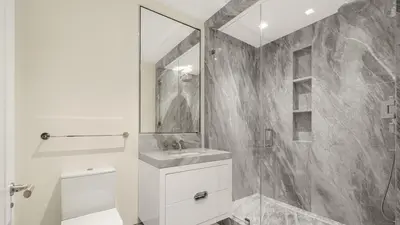
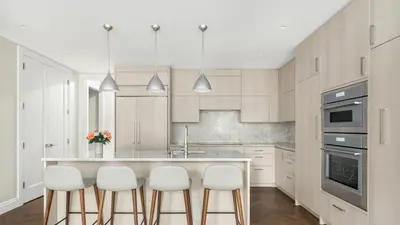
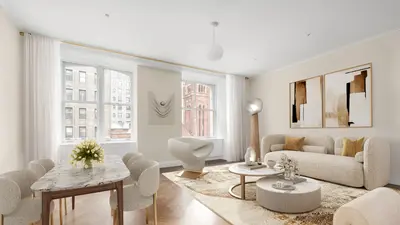
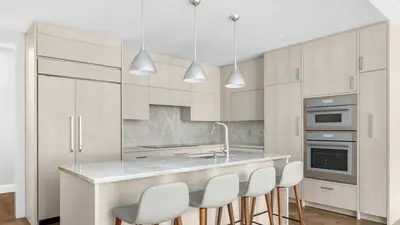
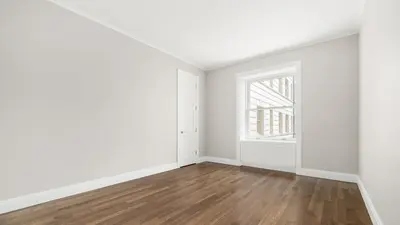
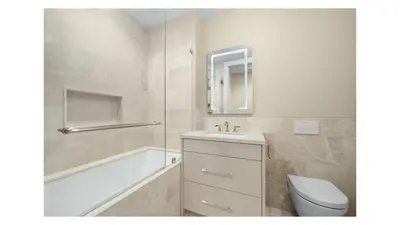
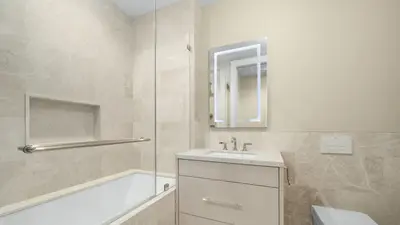
The converted residences showcase exceptional craftsmanship and materials throughout. Apartments feature soaring 10 to 12 foot ceilings, fully restored oversized mahogany windows, and elegant white oak floors laid in chevron and plank patterns. Kitchens are custom designed by Molteni in collaboration with Robert A.M. Stern Architects, featuring Calacatta Gold marble countertops, cerused oak cabinetry, and state-of-the-art Gaggenau appliances with Sub-Zero wine refrigerators. The spa like bathrooms are appointed with premium materials including Siberian white slab marble, Grigio Nicola stone, and Nero Marquina marble, all with radiant heated floors and custom vanities by Molteni.
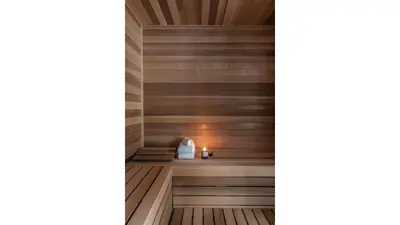
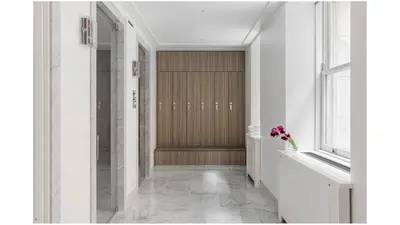
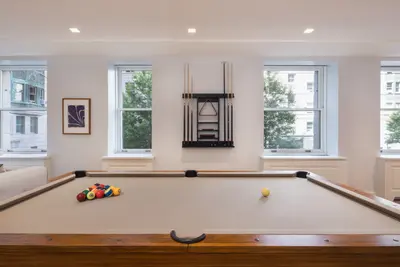
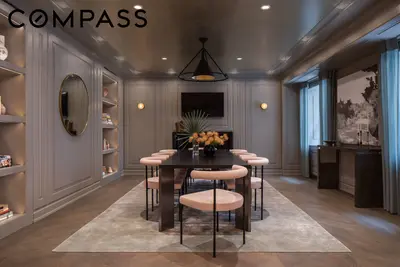
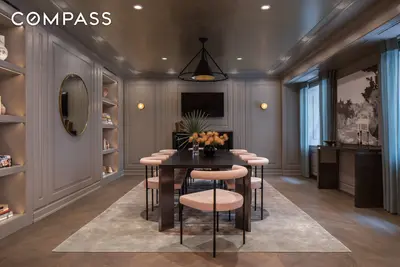
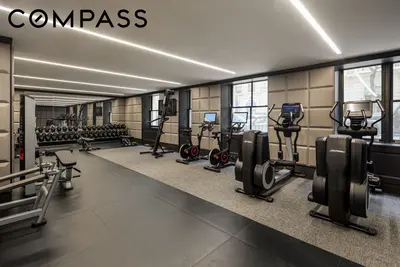
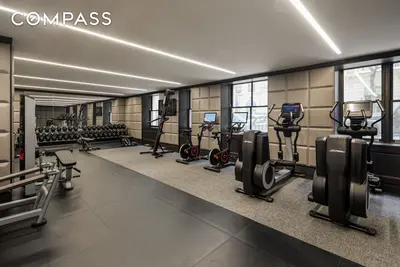
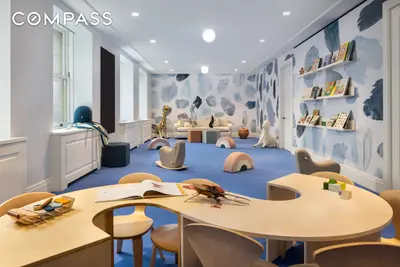
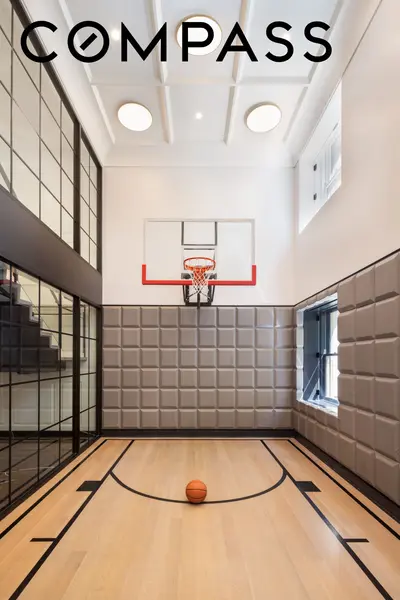
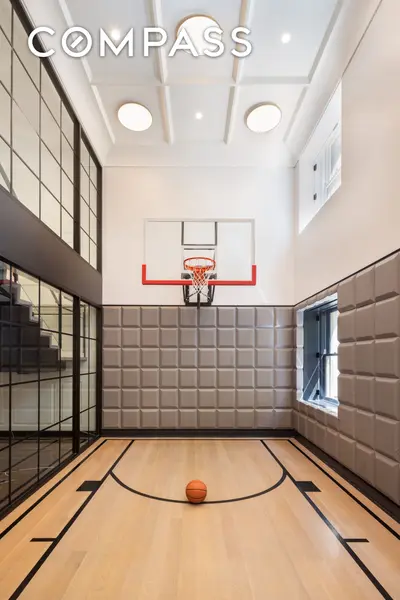
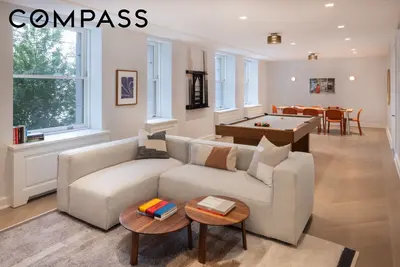
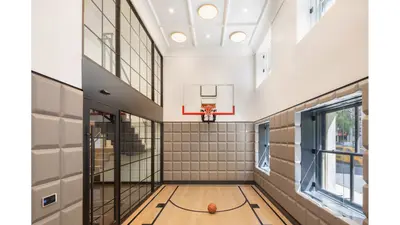
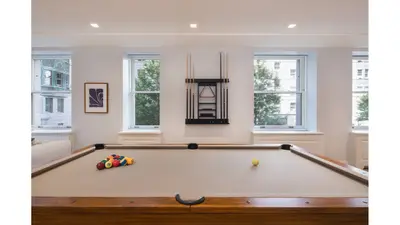
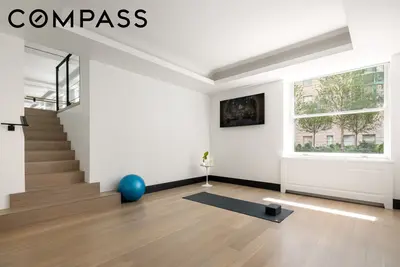
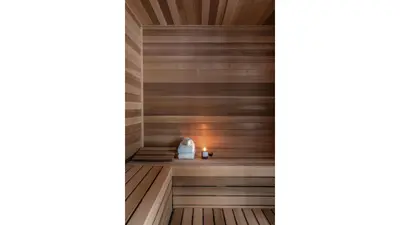
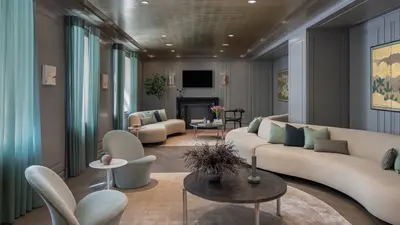
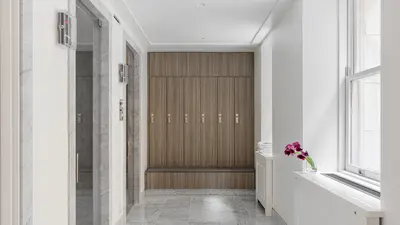
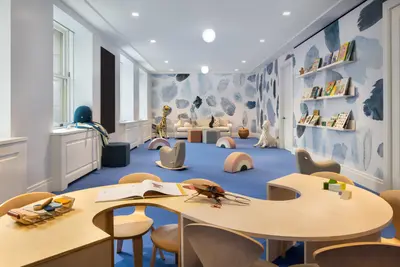
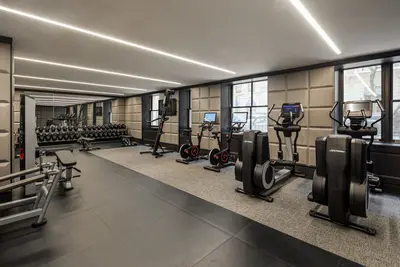
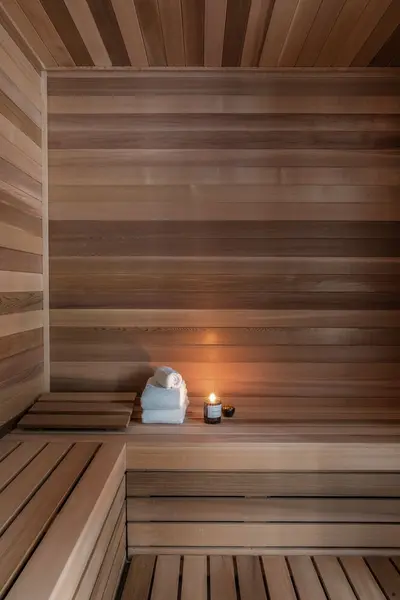
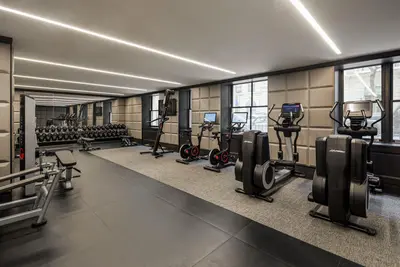
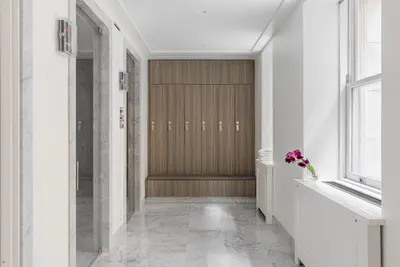
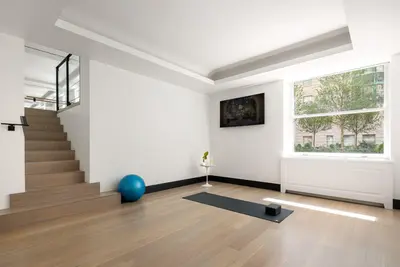
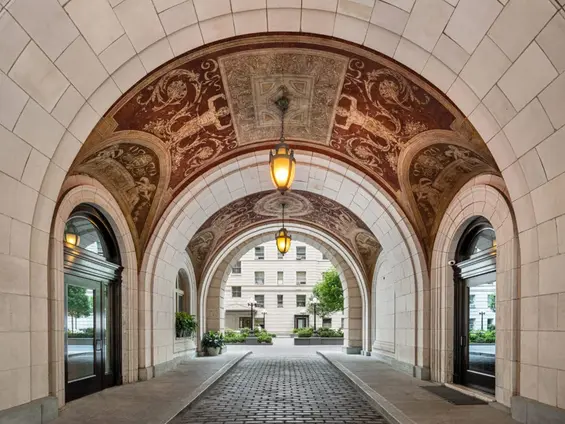
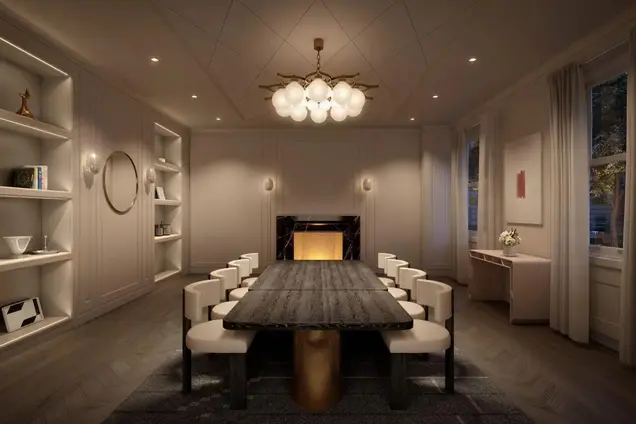
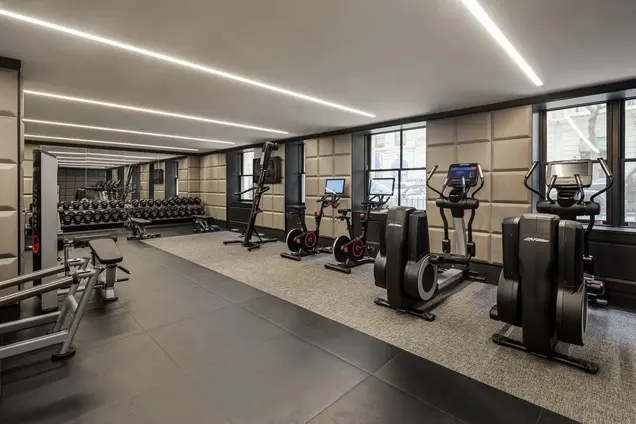
Residents enjoy an impressive 30,000 square feet of indoor and outdoor amenities, anchored by the magnificent 22,000 square foot courtyard and garden that provides remarkable privacy and tranquility in the heart of Manhattan. The two story Belnord Club offers a state-of-the-art fitness center, double-height sports court, club lounge with fireplace, private dining room, children's playroom, and teen room. The building maintains a 24 hour attended lobby with an expansive porte cochere, providing white glove service befitting its prestigious status.
Situated in the heart of the Upper West Side between Central Park and Riverside Park, The Belnord offers an enviable location steps from the 1,2 subway lines at 86th Street. The building has attracted notable residents including Matt Damon and gained additional fame as the filming location for the hit television series "Only Murders in the Building." Neighbors include iconic establishments like Zabar's, Sarabeth's, and Barney Greengrass, while the building's proximity to both major parks and the Broadway corridor makes it one of Manhattan's most sought after addresses.
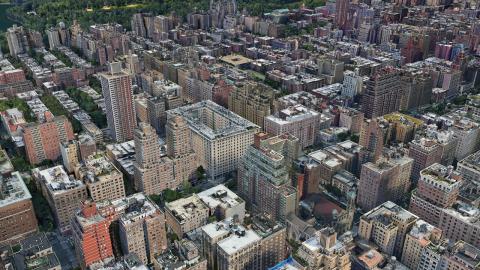
View school info, local attractions, transportation options & more.
Experience amazing 3D aerial maps and fly throughs.

Notable past and present residents at The Belnord

 6sqft delivers the latest on real estate, architecture, and design, straight from New York City.
Like us on Facebook to keep up with the trends and
6sqft delivers the latest on real estate, architecture, and design, straight from New York City.
Like us on Facebook to keep up with the trends and 