- Apartments
- Overview & Photos
- Maps
- Building Specialists
- Floorplans
- Sales Data & Comps
- Similar Buildings
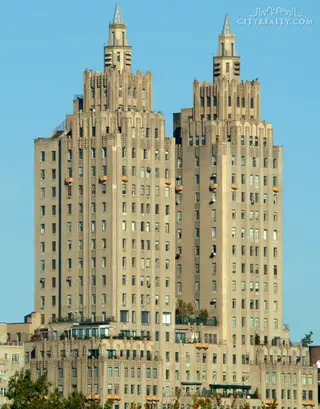
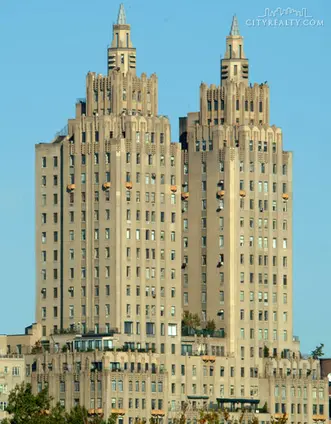
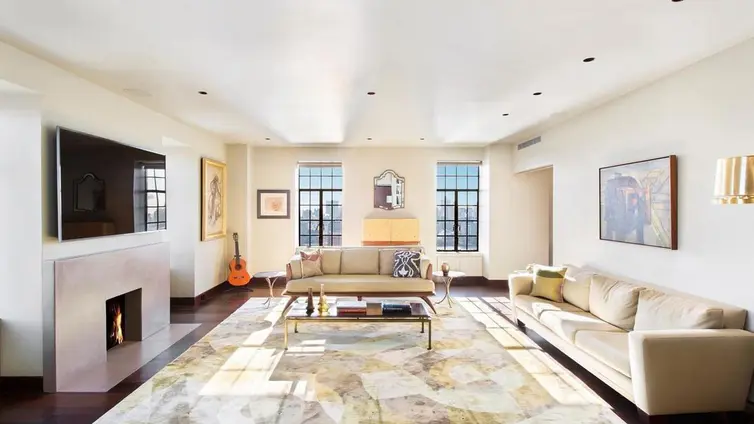
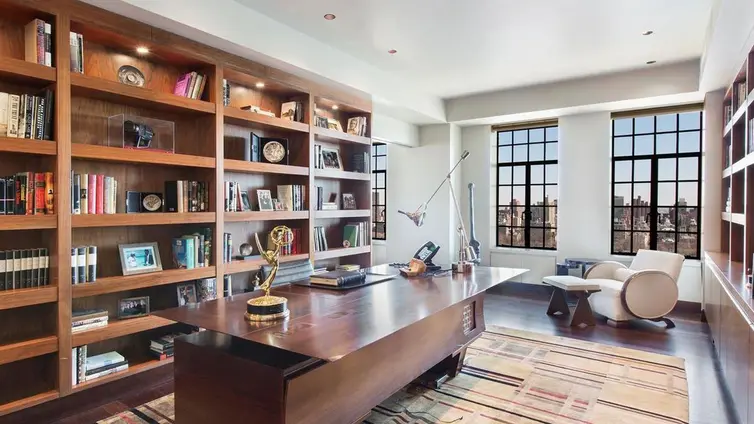
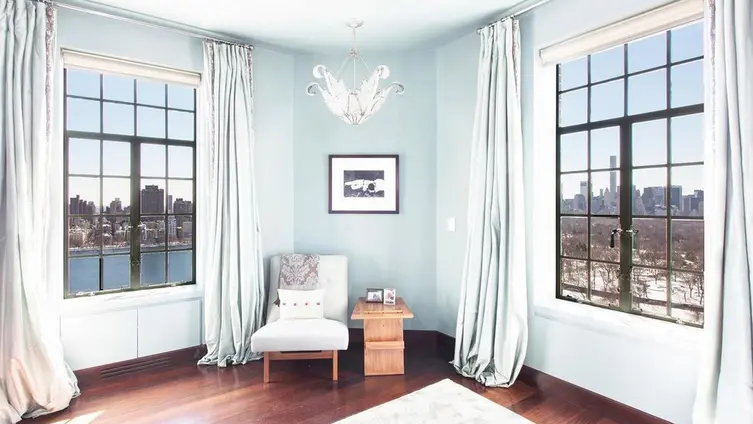

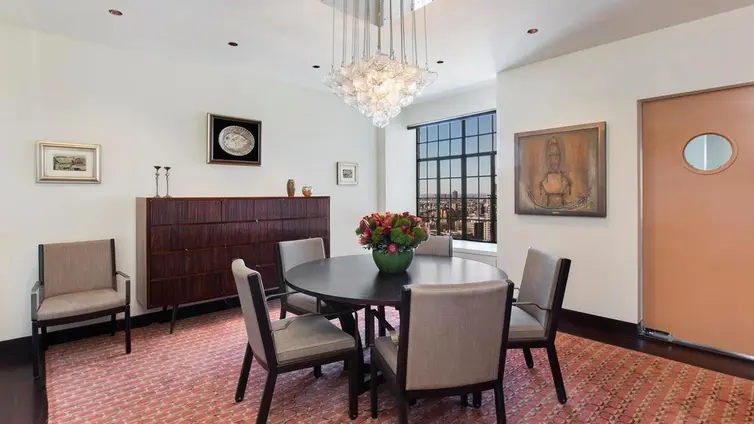
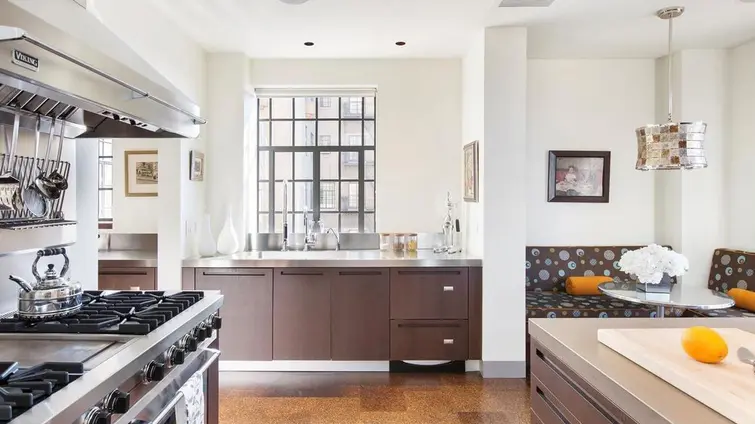
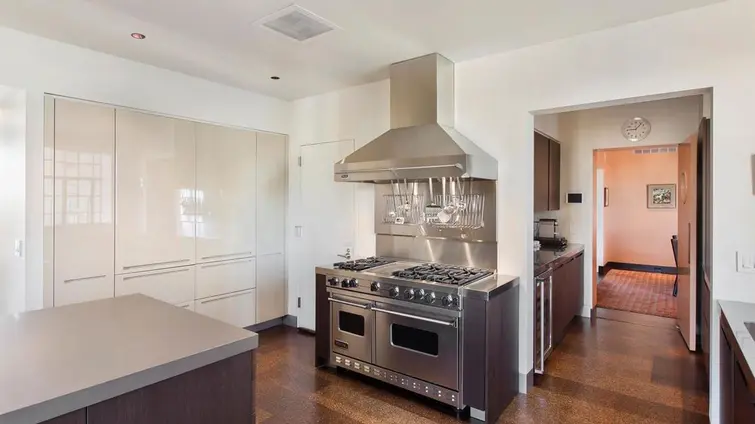
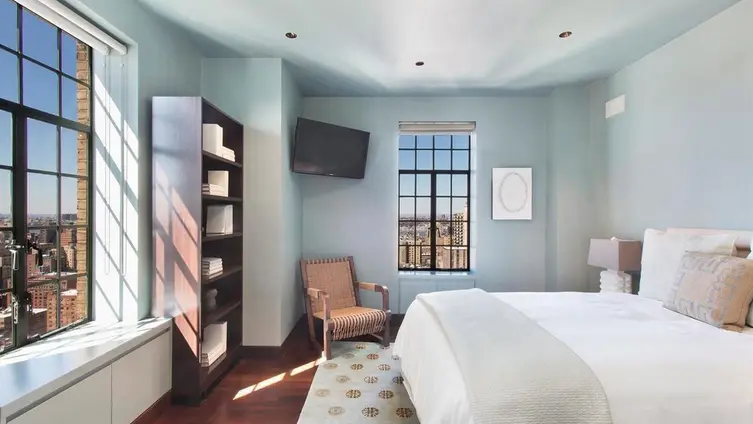
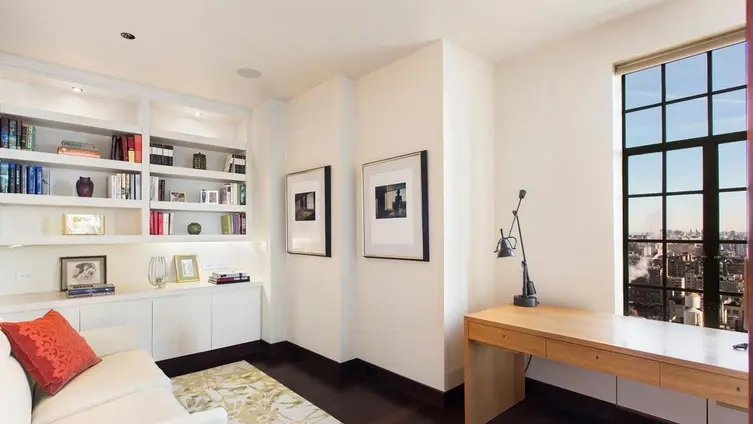
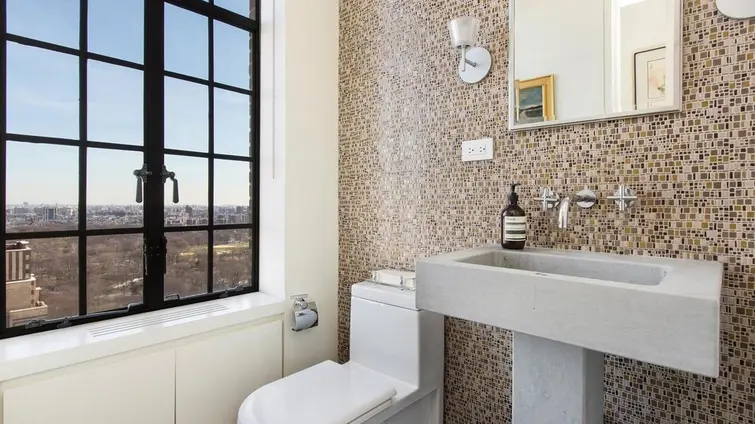
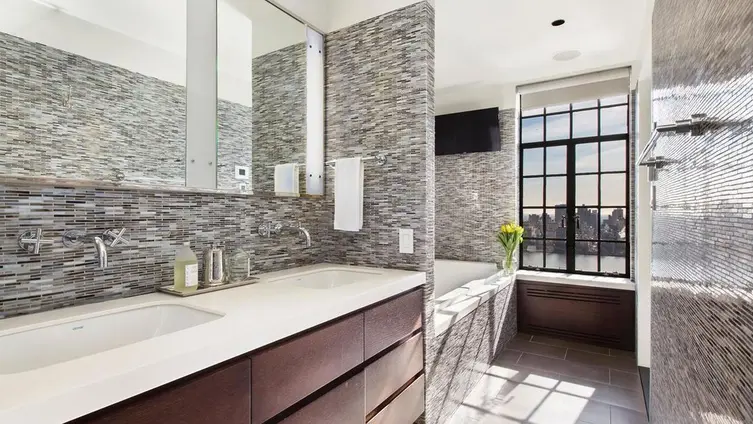

The El Dorado is a prestigious Art Deco landmark in Manhattan designed by Emery Roth, overlooking Central Park. It offers luxurious amenities including doormen, gym, and playroom, and welcomes pets, pieds-a-terres, and international buyers. Currently, 1 apartment is for sale.

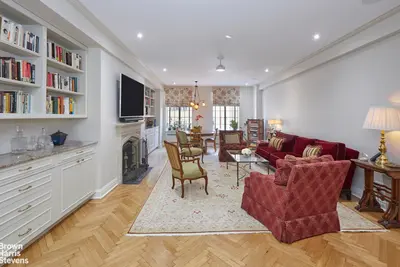
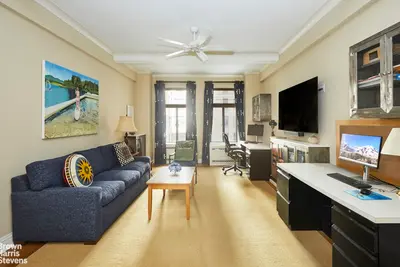


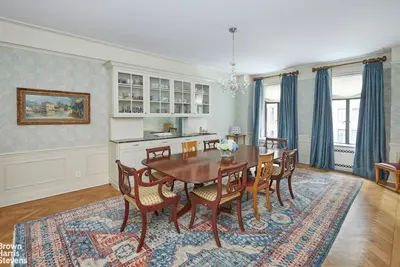
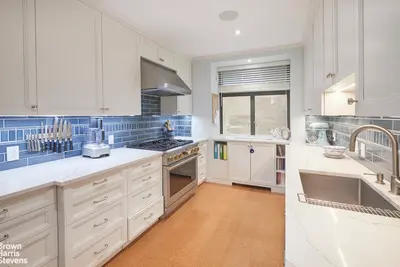
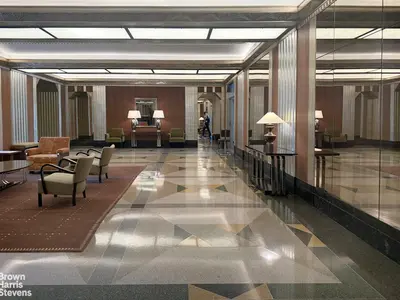

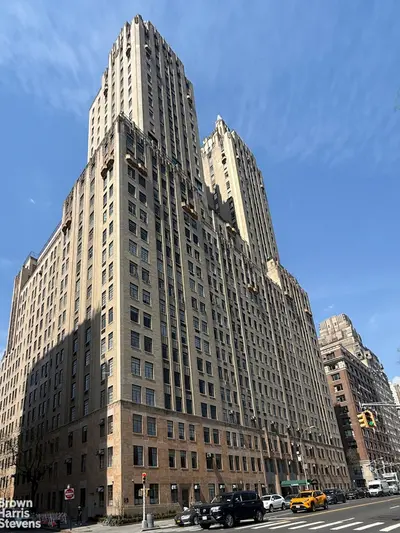
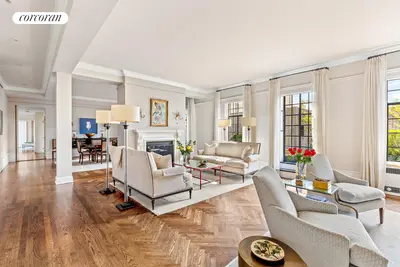



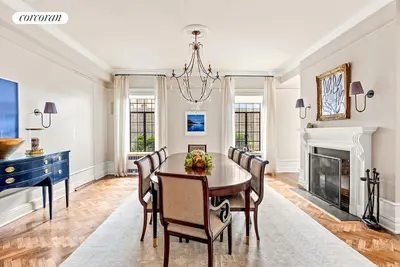
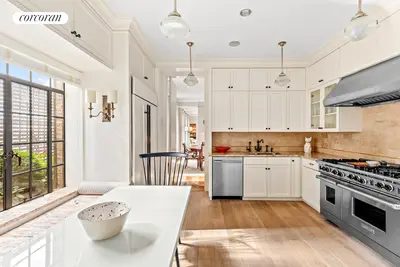
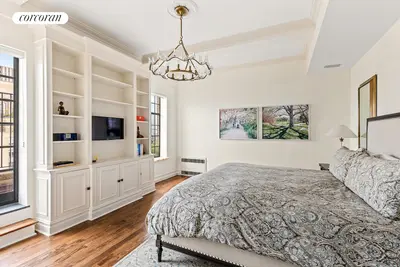
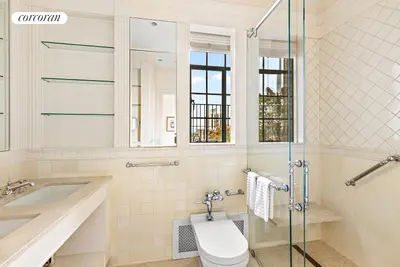
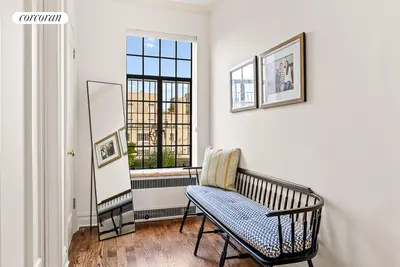
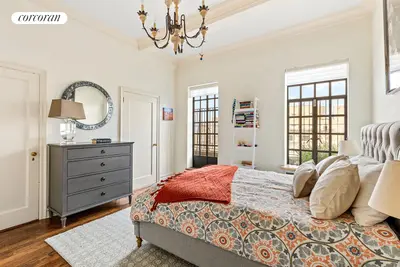
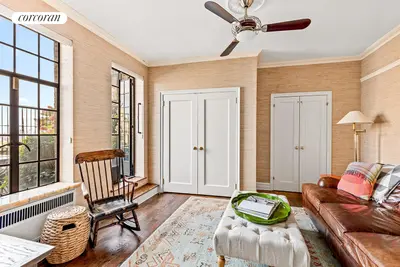
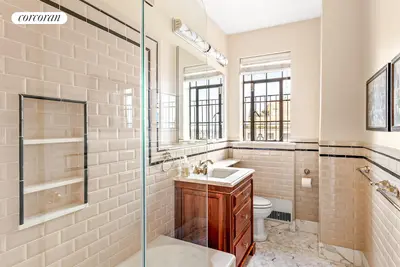
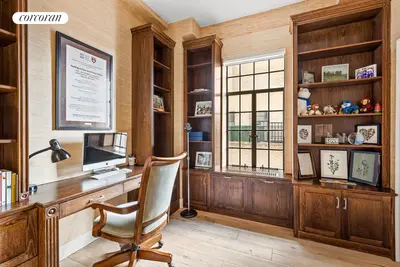
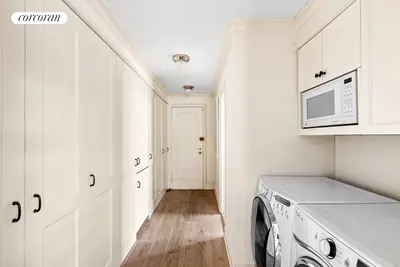
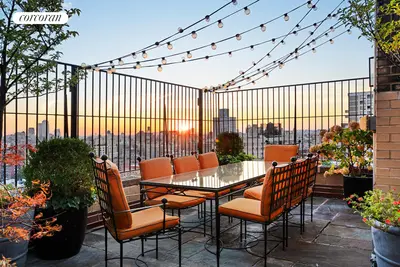
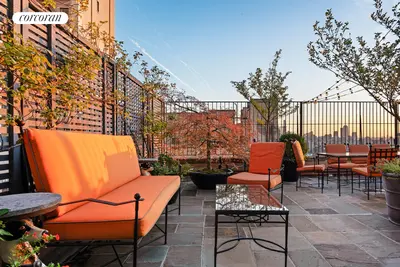
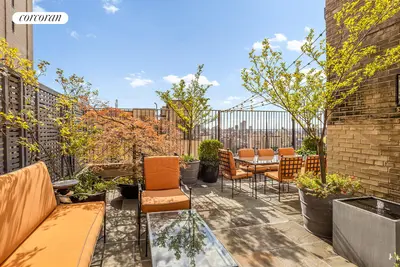
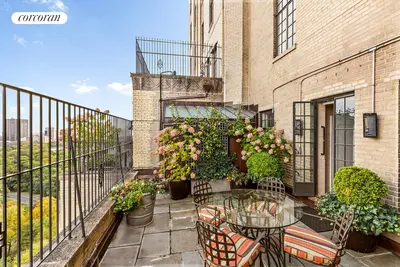
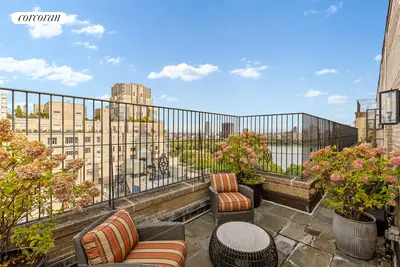



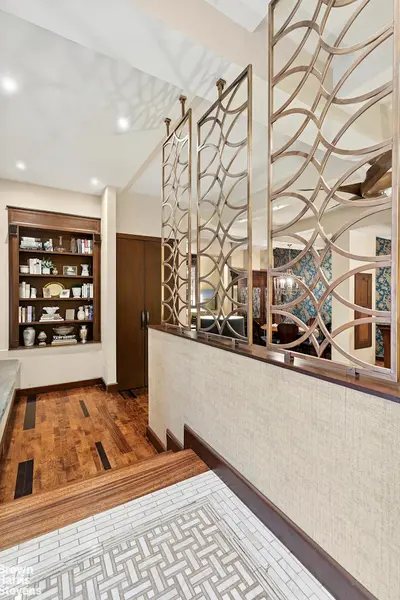
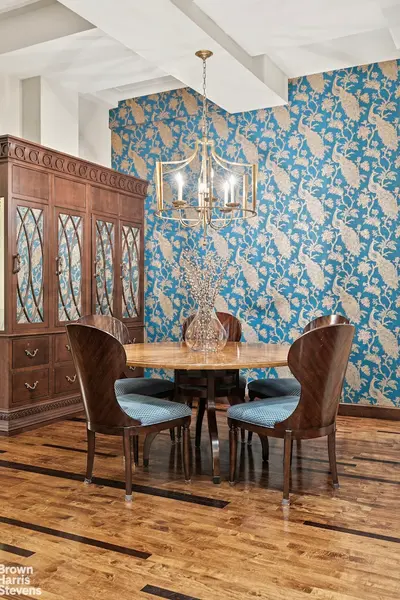
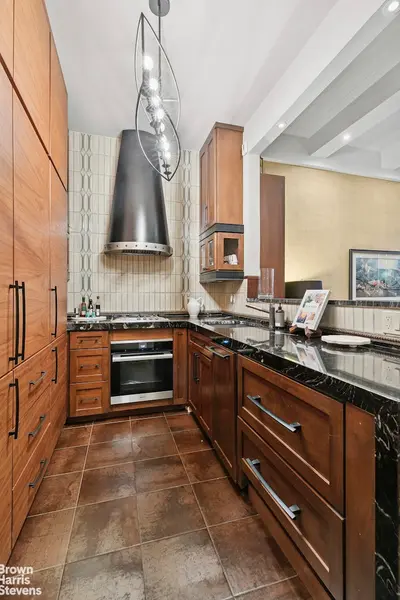
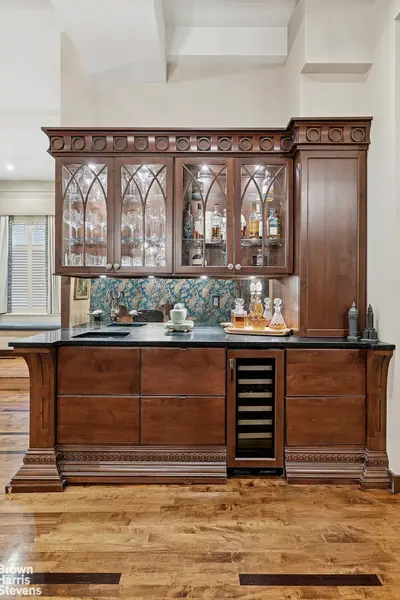



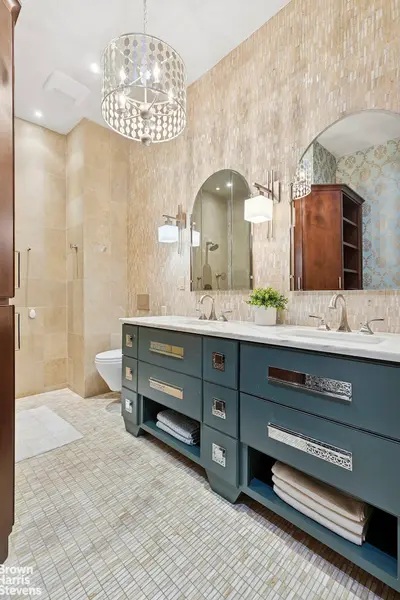
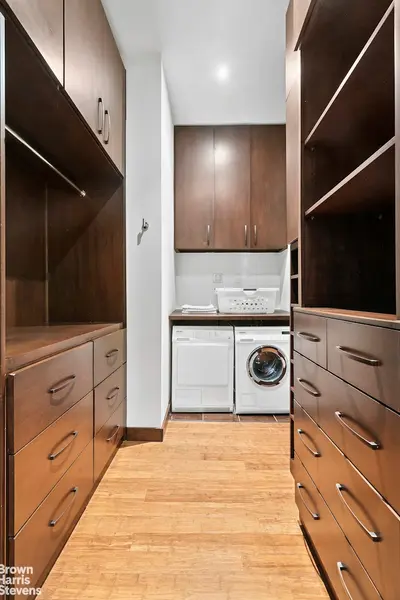
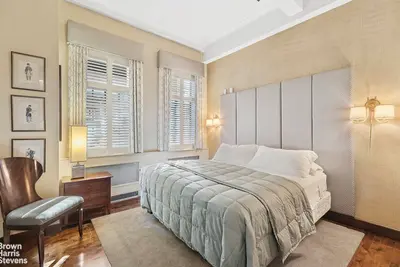
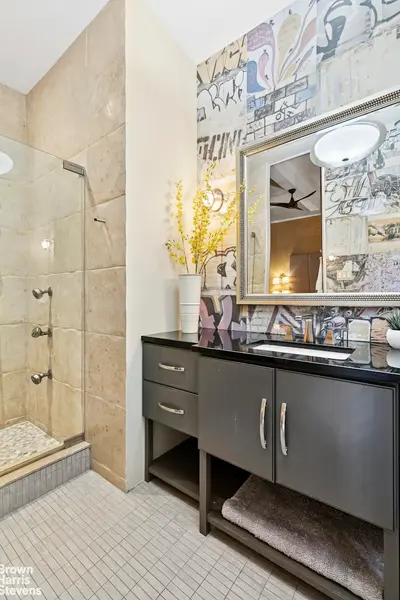
The El Dorado, a landmarked Art Deco building at 300 Central Park West, was designed by renowned architect Emery Roth in collaboration with Margon & Holder. Completed in 1931, it is one of the grand twin-towered residences that define the Central Park West skyline. Overlooking the Jacqueline Kennedy Onassis Reservoir, the building is recognized for its distinctive geometric ornamentation and futuristic spires, which have drawn comparisons to Flash Gordon-era designs.
This 31-story cooperative houses 186 apartments, which tend to be smaller than those in Roth’s nearby San Remo and Beresford buildings. The two towers each contain 14 floors of single-residence apartments featuring 10-foot ceilings and fireplaces, while the base of the building offers a variety of layouts, including duplexes and smaller units. The building was converted to a co-op in 1982 and has been home to notable residents such as Alec Baldwin, Faye Dunaway, Michael J. Fox, and author Sinclair Lewis.
Residents enjoy white-glove services, including full-time doormen, a concierge, and an on-site superintendent. Amenities include a newly renovated gym, a half basketball court, a bike room, a children’s playroom, and a central laundry facility. A parking garage is also available. Pied-à-terre ownership and pets are permitted, and international buyers are welcome.
Situated between 90th and 91st Streets, the El Dorado offers immediate access to Central Park and nearby attractions such as the tennis courts, the American Museum of Natural History, and the dining and shopping options of the Upper West Side. Well-connected to public transportation, it remains one of the most recognizable and historically significant residential buildings in New York City.

View school info, local attractions, transportation options & more.
Experience amazing 3D aerial maps and fly throughs.
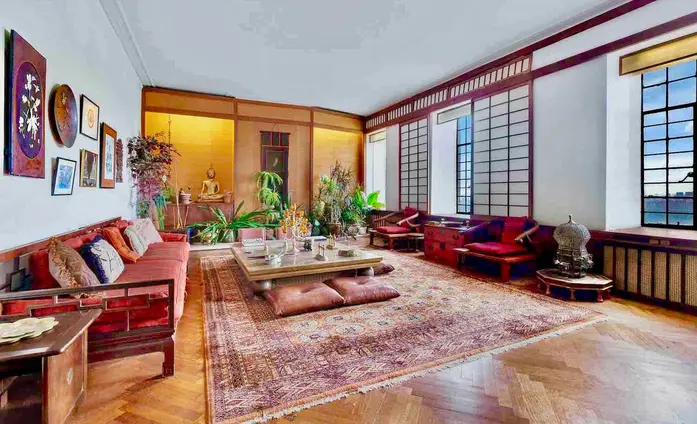
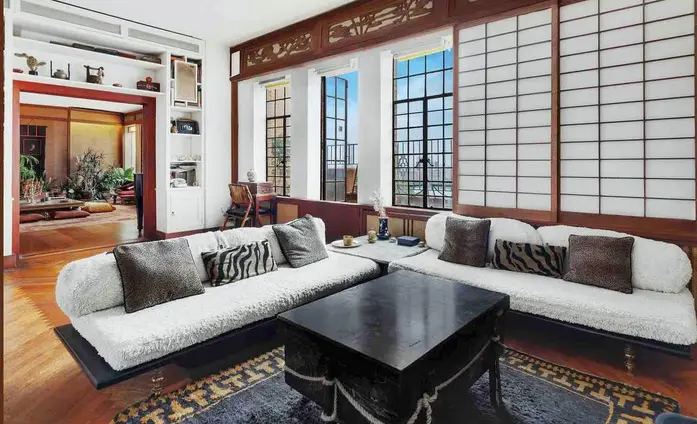
In February 2026, public records identified Phish guitarist Trey Anastasio and his wife, Susan Anastasio, as the buyers of a two-bedroom apartment at The Eldorado. The $4.7 million sale was recorded shortly after the couple listed a three-bedroom in the building they had owned for years; that apartment is now in contract with a $3.3 million asking price.
For some co-ops, instead of price per square foot, we use an estimate of the number of rooms for each sold apartment to chart price changes over time. This is because many co-op listings do not include square footage information, and this makes it challenging to calculate accurate square-foot averages.
By displaying the price per estimated room count, we are able to provide a more reliable and consistent metric for comparing sales in the building. While we hope that this gives you a clearer sense of price trends in the building, all data should be independently verified. All data provided are only estimates and should not be used to make any purchase or sale decision.
Notable past and present residents at The Eldorado

 6sqft delivers the latest on real estate, architecture, and design, straight from New York City.
Like us on Facebook to keep up with the trends and
6sqft delivers the latest on real estate, architecture, and design, straight from New York City.
Like us on Facebook to keep up with the trends and 