Username:
Password:

How City Realty Works:
· For Buyers>
· For Renters>
· For Brokers>
· For Building Owners>
· The City Realty Advantage>
· Buyers Guide>
· Renters Guide>
· Co-op & Condos>
· Luxury Condo Guide>
· New Developments>
· Rental Buildings>
· Relocation Guide>
· Neighborhood Guide>
Register now to find the perfect apartment - it's easy and it's free >>
To buy, rent or sell
an apartment
please call us at:
2 1 2 - 7 5 5 - 5 5 4 4
or email us at:
contact@cityrealty.com
The Ansonia > 2109 Broadway
located between West 73rd Street & West 74th Street
Bookmark and Share
  

Pricing Information


Approx. Prices for Apartments at The Ansonia, 2109 Broadway

5 Bedrooms from $5,500,000 (updated 06/12/2009)
3 Bedrooms from $3,995,000 to $4,000,000 (updated 05/29/2009)
4 Bedrooms from $2,895,000 (updated 11/13/2009)
2 Bedrooms from $1,153,000 to $1,995,000 (updated 05/29/2009)
1 Bedroom from $725,000 to $1,495,000 (updated 11/18/2009)
Studio from $525,000 (updated 05/29/2009)


Overview

   About The Ansonia, 2109 Broadway

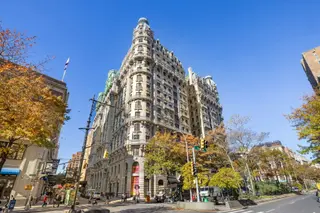
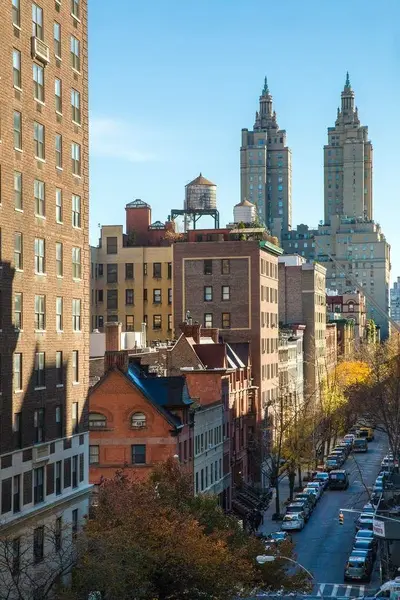
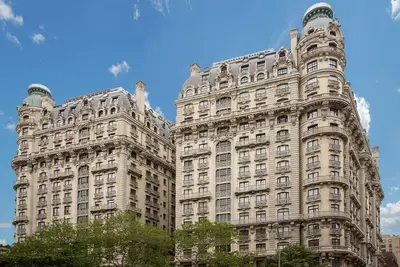
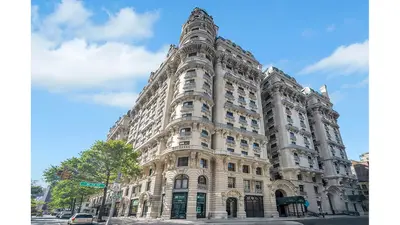
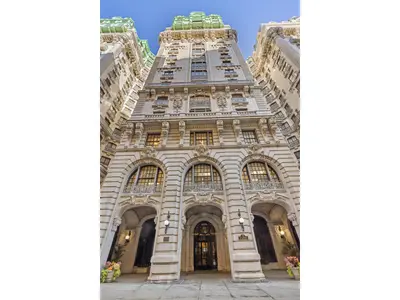
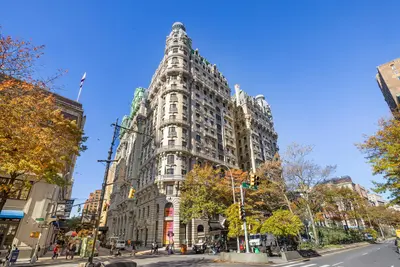
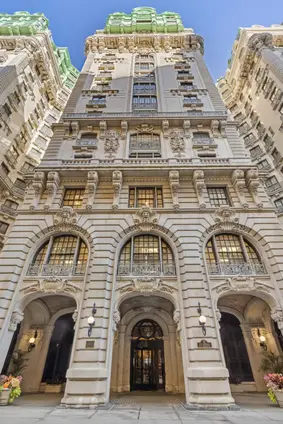
The second most famous building on the Upper West Side after the Dakota, the Ansonia hints at the glories of a mid-rise Paris that never was.

It exudes cosmopolitanism and is the city's most European building.

Despite the ravages of time, the building still reeks of sophistication and romance and a mannered luxury more of decadence than gentility. It is exuberant rather than exotic, courtly rather than stately.

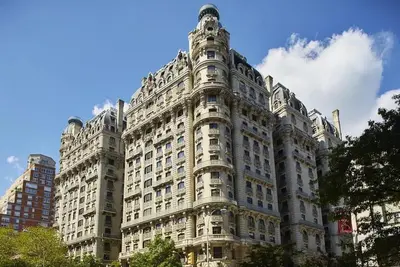
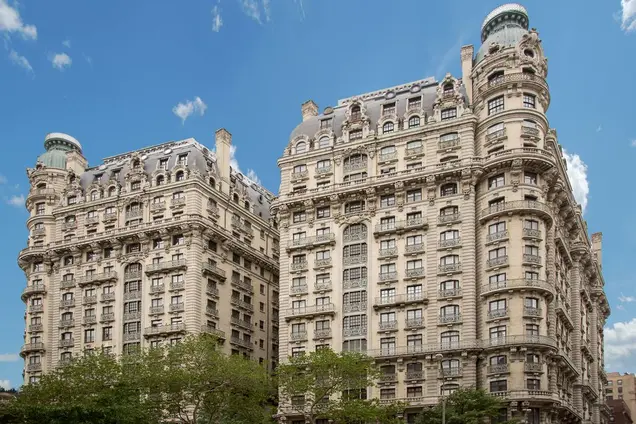
Designed as the city's largest and grandest apartment hotel by Graves and Duboy for builder William Earle Dodge Stokes, the 2,500-room building, erected between 1899 and 1904, now misses the tall lantern-like finials atop its corner turrets that look a bit like empty egg holders. It does not take too much imagination to visualize how much more graceful the finials made the building's composition, but it takes quite a bit more to realize that the building's central tower was, sadly, never executed.

The ornate tower would have been especially potent visually, an odd combination of baroque grandeur and Beaux-Arts articulation. "The building's composition was to have been resolved by a vast baldachino rising the equivalent of ten stories above the roof garden, an amazingly extravagant gesture evoking the roofscape of Chambord," the great French chateau, observed Robert A. M. Stern, Gregory Gilmartin and John Massengale in their book, "New York 1900, Metropolitan Architecture and Urbanism, 1890-1915," (Rizzoli International Publications Inc., 1983), which has a full-page reproduction of a rendering of the building with the tower.

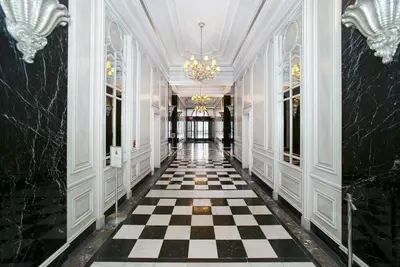
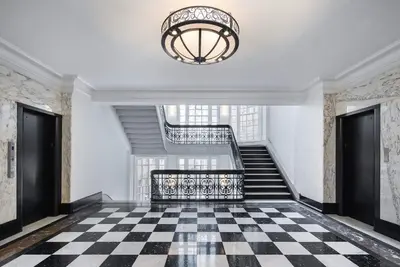
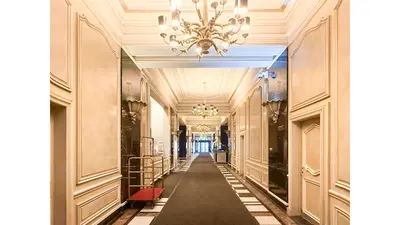
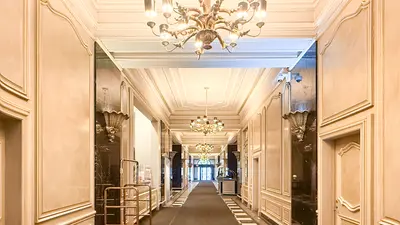
"The Modern French bravado of the Ansonia's façades also informed the interior. The main entrances were on the side streets, linked by a robustly decorated through-block gallery to the elevator lobby and the major public rooms: the Assembly room, the Palm Garden, the grille Room and, at the center of the Broadway arcade, a public restaurant with a glass and metal roof. A swimming pool and a garage were provided in the basement. The individual suites reflected both the exigencies of the oddly shaped lot and an extraordinary variety of room shapes," the authors wrote.
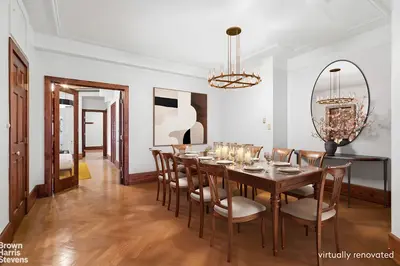
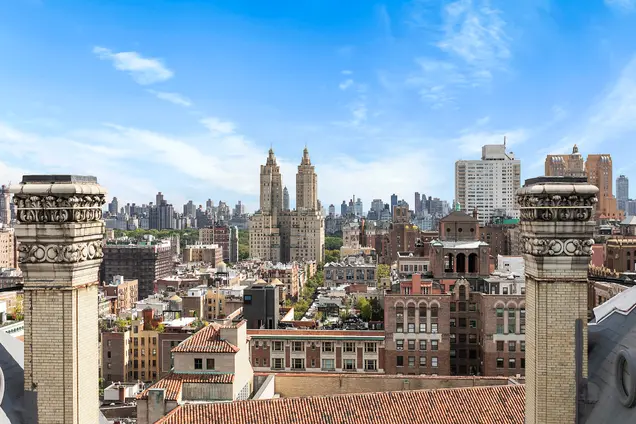
Located at a major bend in Broadway, the Ansonia is highly visible up and down the famous boulevard.
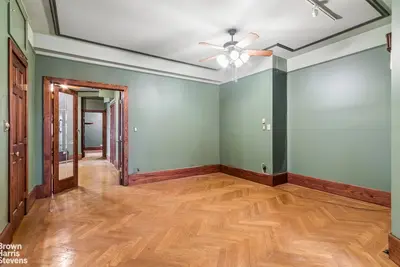
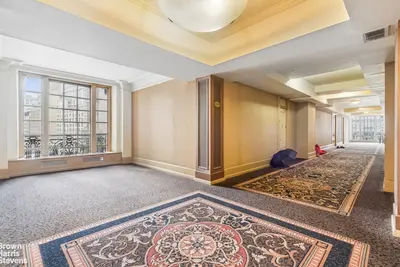
The plan of the Ansonia is quite unusual as it is asymmetrical, because of the angle of Broadway, and indented by two light courts on its north and south façades and one each on its east and west façades. Its corridors form an "H" running east to west.

"It looks like a baroque palace from Prague or Munich enlarged a hundred times, with towers, domes, huge swells of metal gone green from exposure, iron fretwork and festoons. Black television antennae are densely planted on its round summits. Under the changes of weather it may look like marble or sea water, black as slate in the fog, white as tufa in sunlight," observed novelist Saul Bellow in his 1956 book, "Seize The Day."

In his book, "Upper West Side Story," (Abbeville, 1990), Peter Selwen recounts that Stokes, an heir to the Phelps-Dodge copper and manufacturing fortune, "decided he would build the world's grandest hotel...with a great central tower...and his own apartments, like an eagle's nest, on the topmost floor." For several years, Dodge, who held unpleasant views on immigration, kept some farm animals on the building's roof, Selwen wrote.
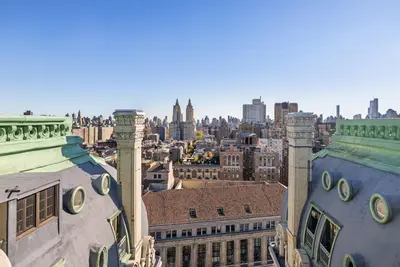
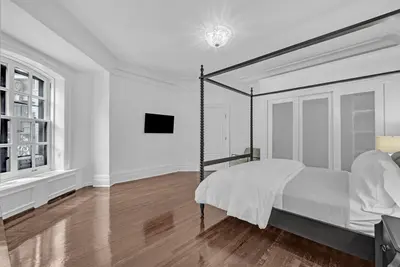
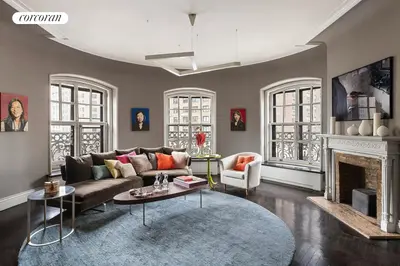
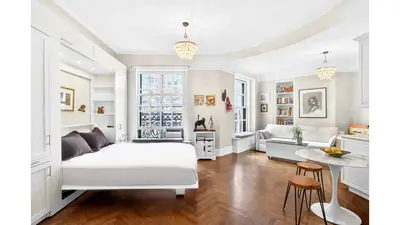
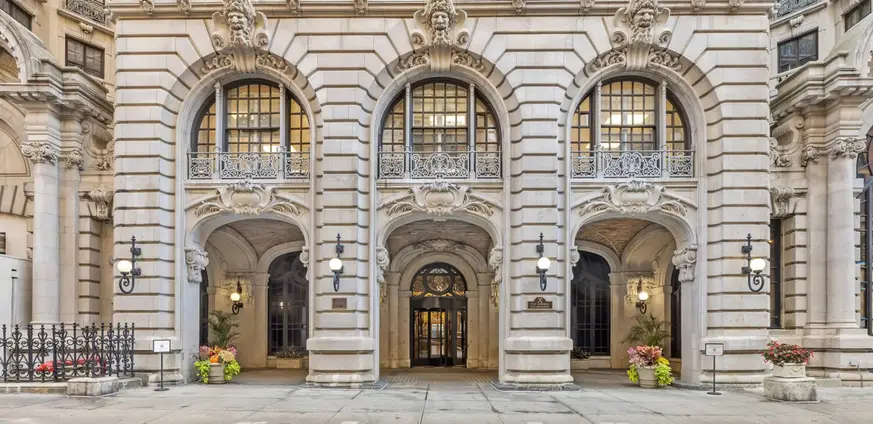
Describing the building as "a rich, startling mass of scrolls, brackets, balconies and cornices, with leering satyrs over the doorways," Selwen wrote that "The apartments were sumptuous, many with oval or circular rooms giving panoramic views over the city. Standard furnishings included specially woven Persian carpets, ivy-patterned 'art glass' windows, and domed chandeliers inset with mosaic. There was a Grand Ballroom and several cafés, tea rooms, and writing rooms, a lobby fountain filled with live seals, a palm court, a Turkish bath, and the world's largest indoor swimming pool."
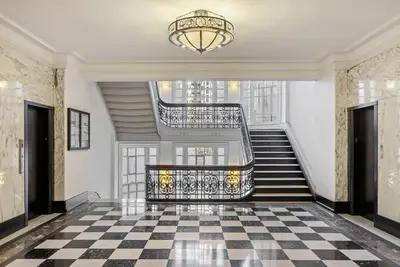
The Ansonia, which was named after the town in Connecticut where the developer's grandfather, Anson Greene Phelps, founded the Ansonia Brass & Copper Company, was built solidly: "the walls are so massive you could shoot yourself there, as one poor fellow did in 1910, and the sound wouldn't even reach your family in the other room," Selwen wrote.

In his book, "Essential New York, A Guide to the History and Architecture of Manhattan's Important Buildings, Parks and Bridges," (Holt Rinehart and Winston, 1979), John Tauranac wrote some of the interior masonry walls were three feet thick.

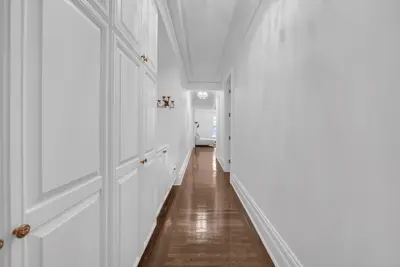
The building's guests and residents over the years comprise a most impressive cultural roster: opera stars Geraldine Farrar, Feodor Chaliapin, Lauritz Melchior, (who Selwen maintained "practiced archery in the 110-foot corridors"), Ezio Pinza, Lily Pons, musicians Arthuro Toscanini, Igor Stravinksy, Mischa Elman, Yehudi Menuhin and impresarios Florenz Ziegfeld and Sol Hurok, authors Theodore Dreiser, Cornell Woolrich, and Elmer Rice, athletes Jack Dempsey and Babe Ruth, among others.

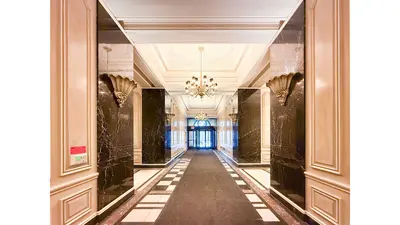
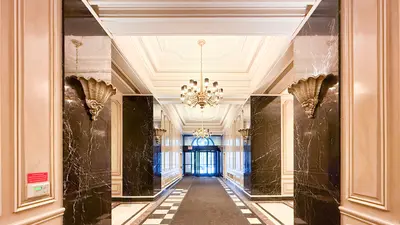
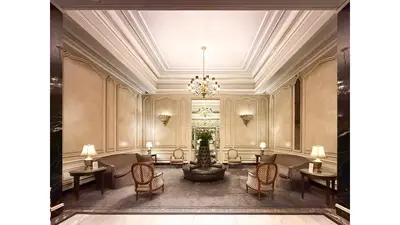
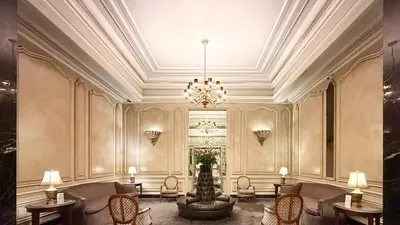
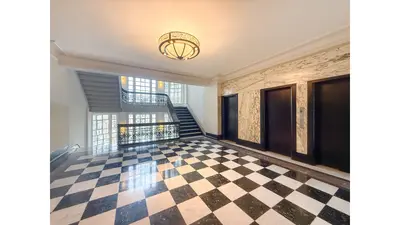
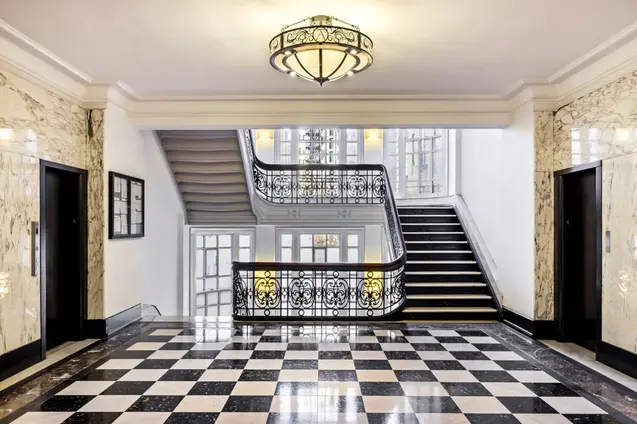
"This building, like a well-endowed soprano, sings with a grace that belies its size. That the ground floor has been altered and the lobby turned into a drab gathering place for a set of characters that resembles a George Price cartoon is a sadness, but one that does not destroy the Ansonia's lyrical glory," chimed Paul Goldberger in his book, "The City Observed, New York, A Guide to the Architecture of Manhattan," (Vintage Books, a division of Random House, 1979).

"By the mid-1960's, when a new owner threatened to raze the building, one resident estimated that at least three-quarters of the apartments were used by musicians, as homes, studios, classrooms, or all three," Selwen wrote, adding that official New York City landmark designation did "not come in time to protect the building or its residents from a series of predatory owners: one removed fifty tons of copper ornament, including majestic rooftop lanterns; another was ultimately jailed for embezzling the tenants' rent money."

The building experienced several rent strikes and was given a $400,000 fine for illegal removal and handling of asbestos before its conversion to a condominium in 1992 with 430 apartments.

Before moving to a midtown location, Keene's Chop House was on the ground floor as was the Child's Restaurant where famed bank robber Willie Sutton was arrested.

In the 1970's, the building's steam room was converted into the Continental Baths where Bette Midler entertained, and before long the baths became Plato's Retreat, the city's most famous sex club.

The building's site was formerly occupied by the New York Orphan Asylum.

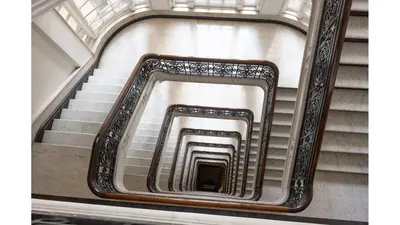
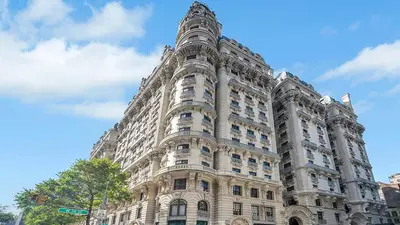
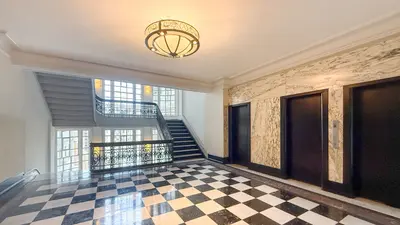
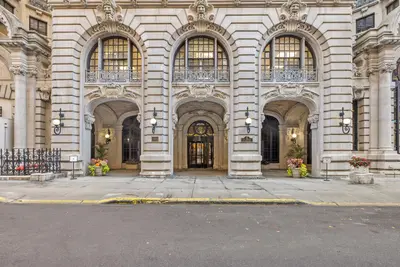
With its rounded corners, the filigree of its many handsome balconies and its lantern-less widow's walks, the Ansonia still evokes the elegance of the Belle Époque.

Its saga is pure and definitive New York.


For More Information

For more information about buying an apartment in The Ansonia, please call us at 212-755-5544, or contact us by email  »

Building Summary

Features Amenities

Building Features

>Condominium
>Built in 1904
>Located in Broadway Upper West Side
>462 Apartments
>18 Floors
>10% Down
>Full-time Doorman
>Hi Rise
>Pre War
>Full Service Garage
>Health Club
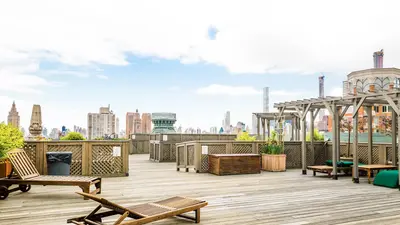
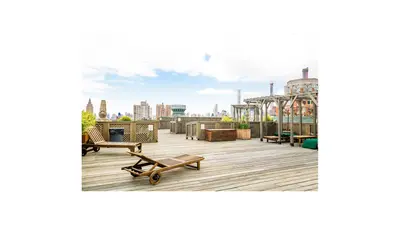
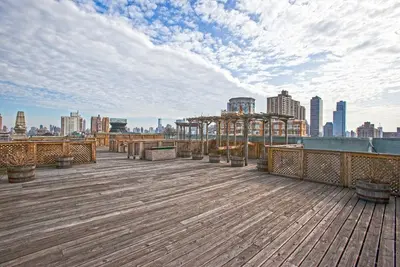
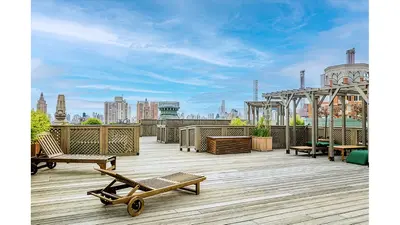
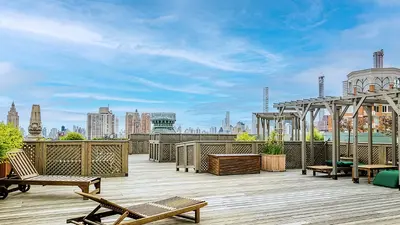
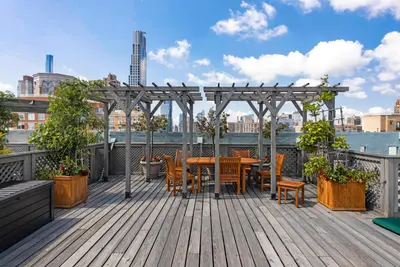
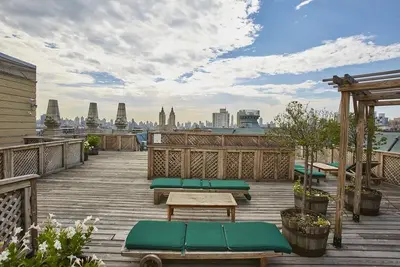
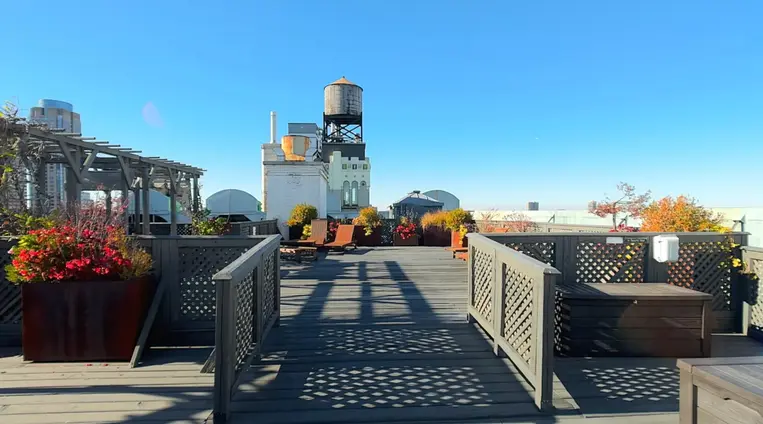
>Roof Deck
>Washer/Dryer in building
>Elevator
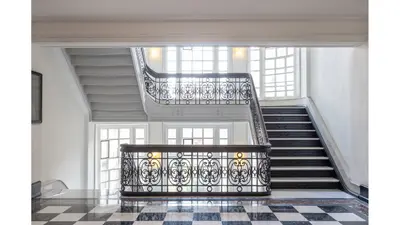
>Architectural masterpiece even without its lanterns and central tower
>Prime location
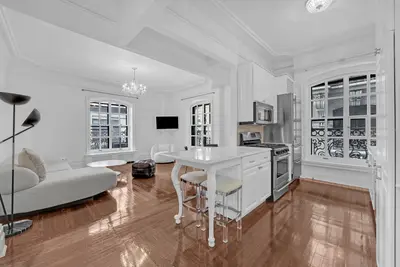
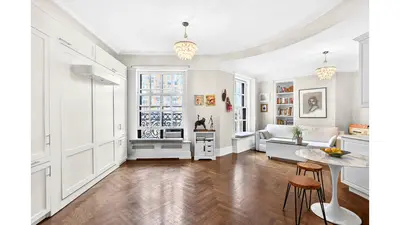
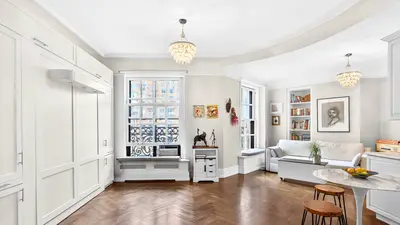
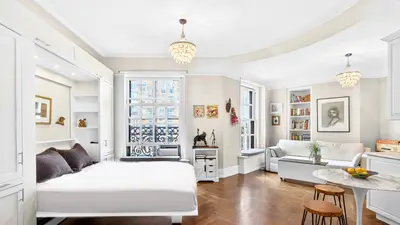
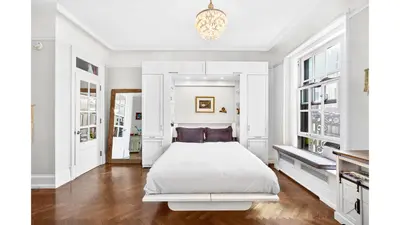
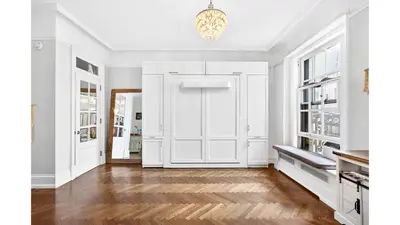
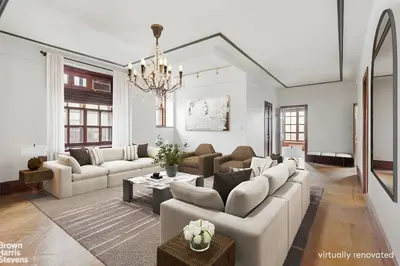
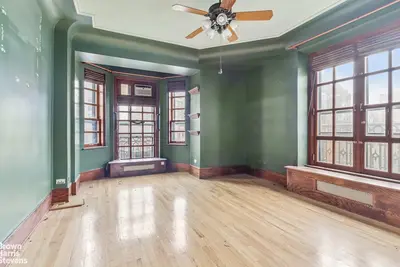
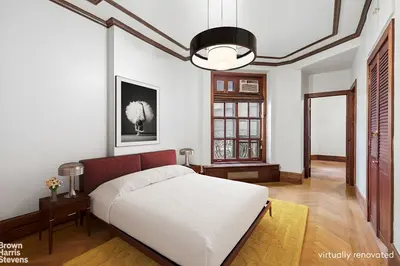
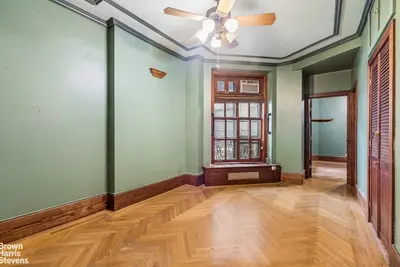
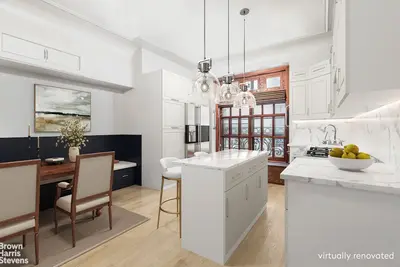
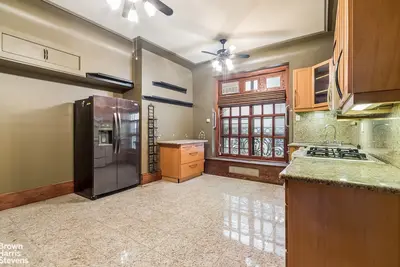
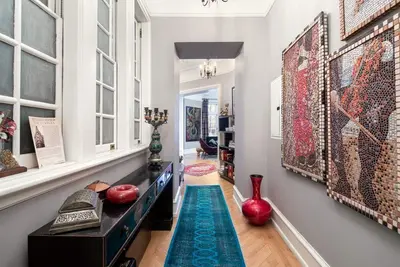
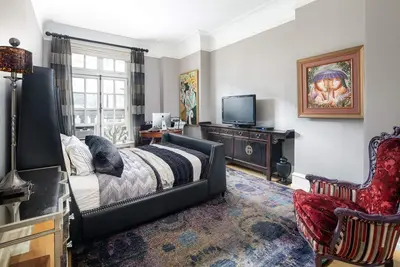
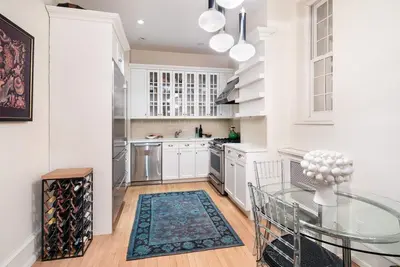
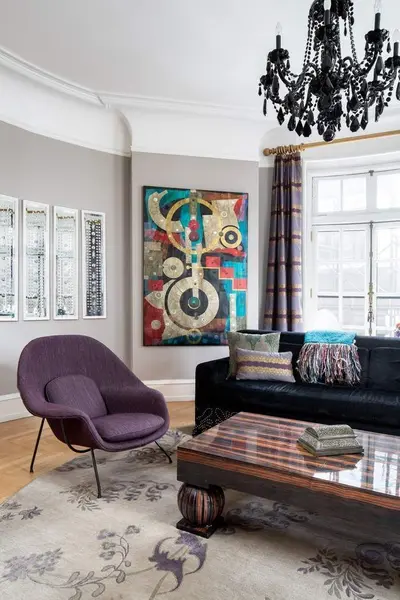
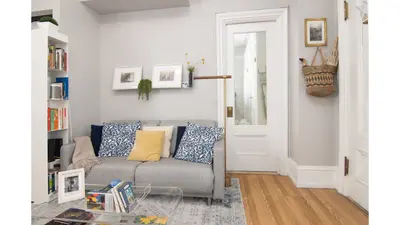
>Unusual layouts
>Rich history
>Landmark
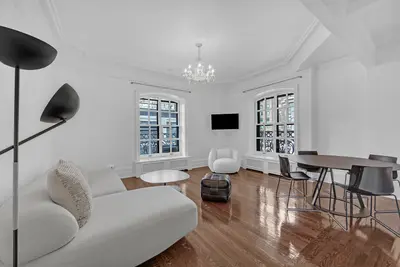
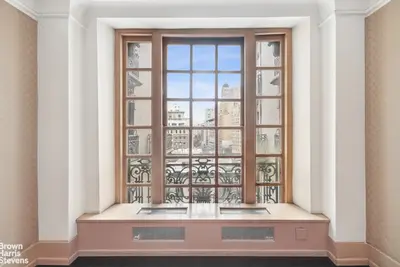
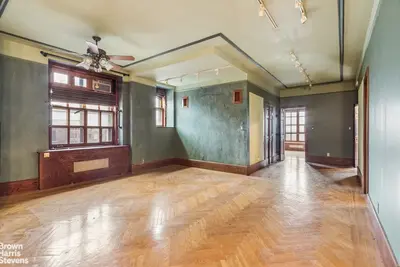
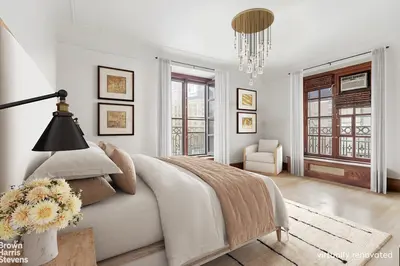
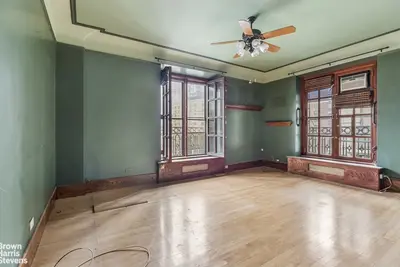
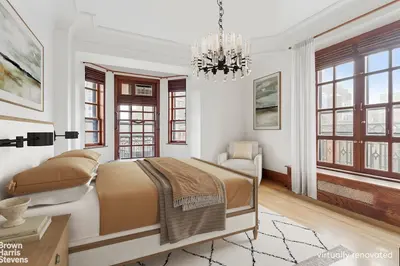
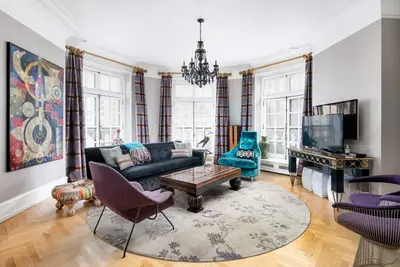
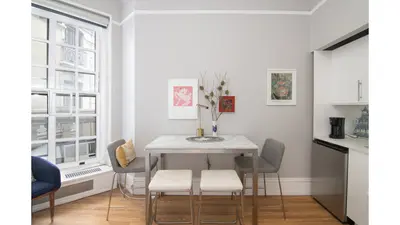
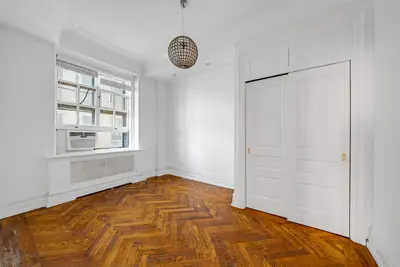
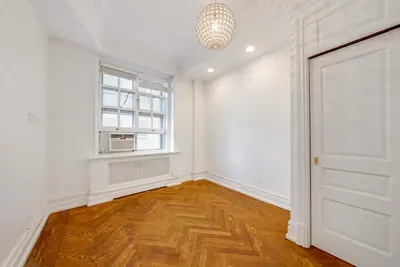
>Excellent light with new and oversized windows

The Ansonia > 2109 Broadway

Apartments For Sale  »
Schedule An Appointment  »
Save Bldg. (Email Updates)  »
Peer Buildings  »
Area Maps  »
Building Ratings  »
Pros & Cons  »
Sell Your Apartment  »
Inquire About Buying Here  »

Peer Buildings


Barbizon 63

The Alexandria

The Dorilton

The Level Club

Cipriani Residences


Comments or questions? · Phone: 212.755.5544
Copyright © 1994-2009 CITY REALTY.COM INC. All Rights Reserved.
568 Broadway, Suite 802 New York, NY 10012
Terms of Use · Our Privacy Policy · About CITY REALTY.COM · Advertise With Us · Site Map
Developed by REOL Services


An equal housing opportunity.

All information furnished regarding New York City property for sale, rental or financing is from sources deemed reliable, but no warranty or representation is made as to the accuracy thereof and same is submitted subject to errors, omissions, change of price, rental or other conditions, prior sale, lease or financing or withdrawal without notice. All dimensions are approximate. For exact dimensions, you must hire your own architect or engineer.