- Apartments
- Overview & Photos
- Maps
- Building Specialists
- Floorplans
- Sales Data & Comps
- Similar Buildings
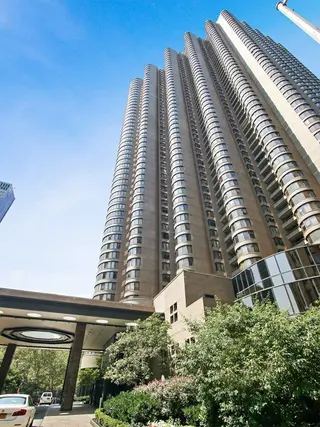
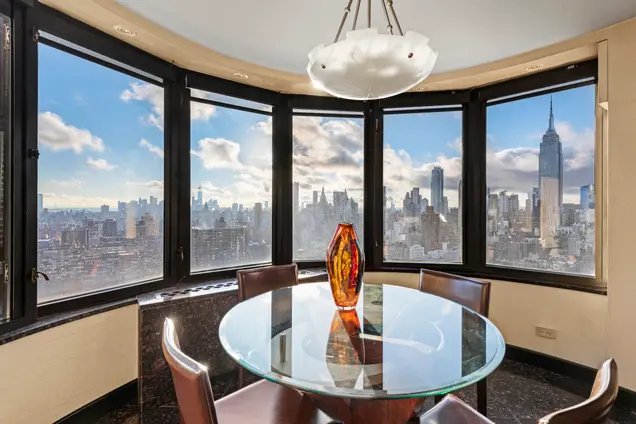
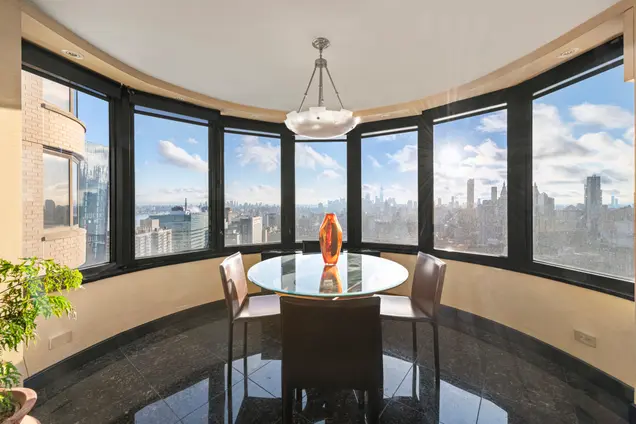
The Corinthian at 330 East 38th Street is a distinctive building occupying an entire block, featuring bundled cylinders and offering city and river views. Completed in 1988, it contains 865 units on 54 residential floors and boasts numerous amenities including a health club, pool, and landscaped outdoor space. Currently, 24 apartments are for sale and 1 for rent.



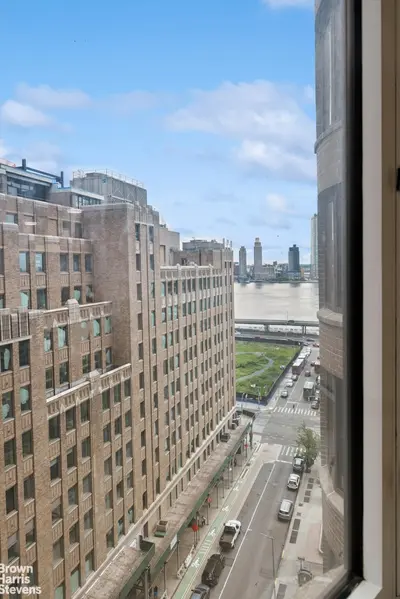


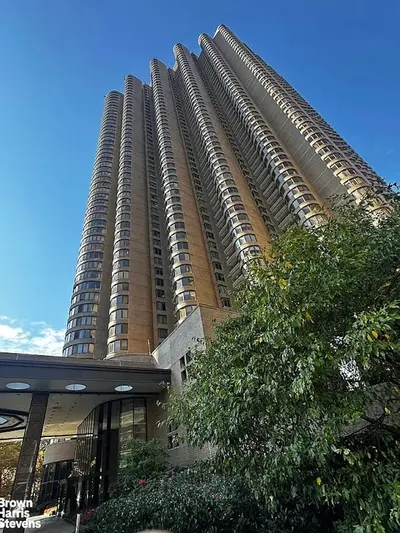
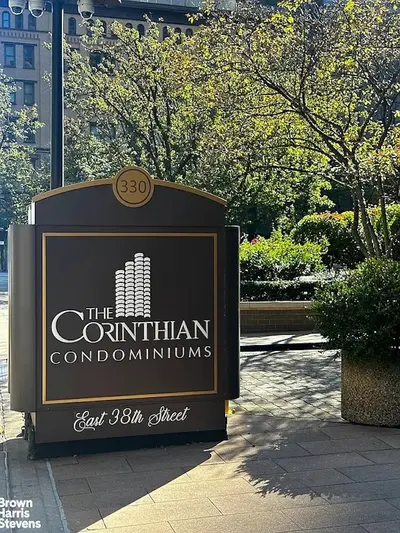


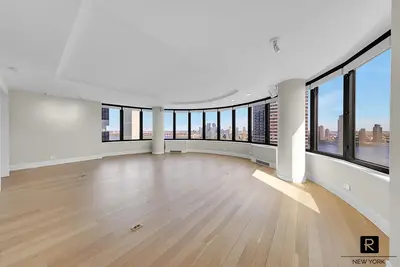
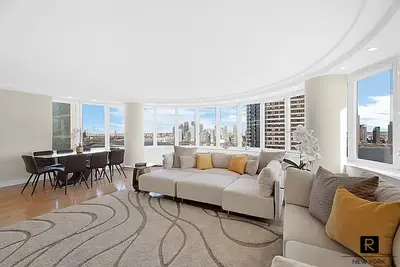
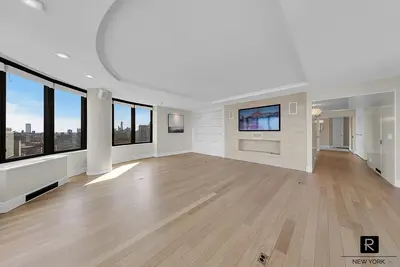
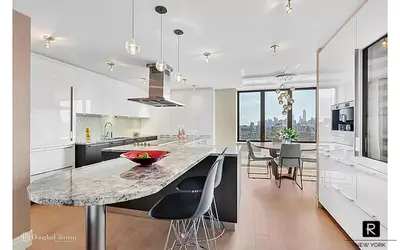
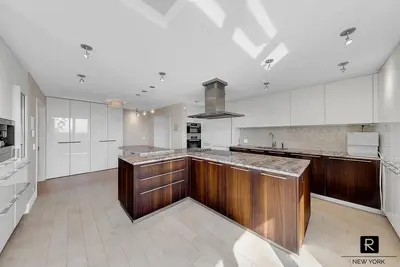

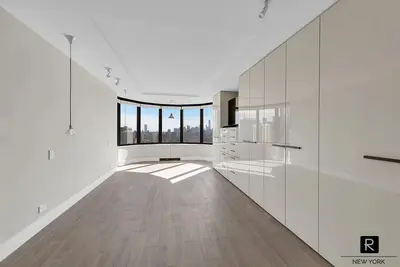
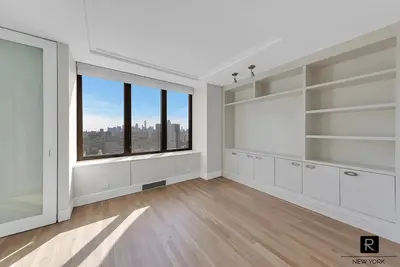
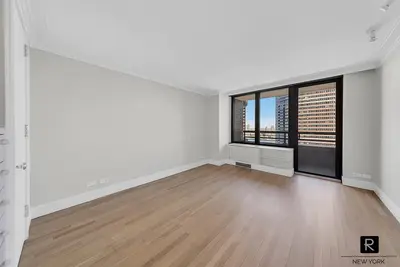
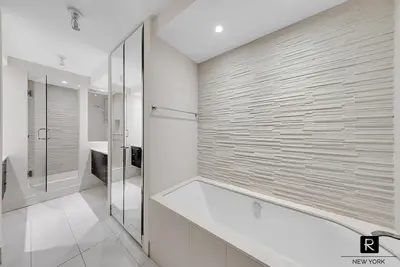
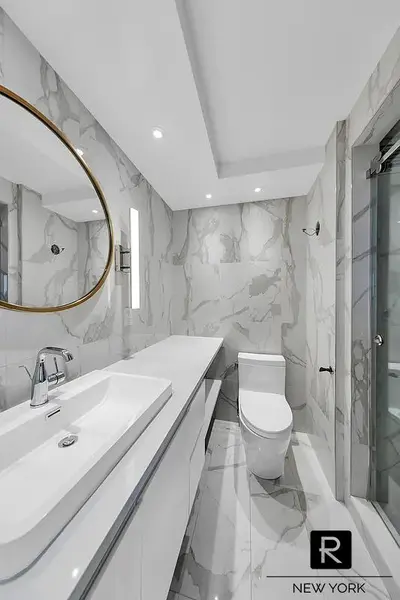
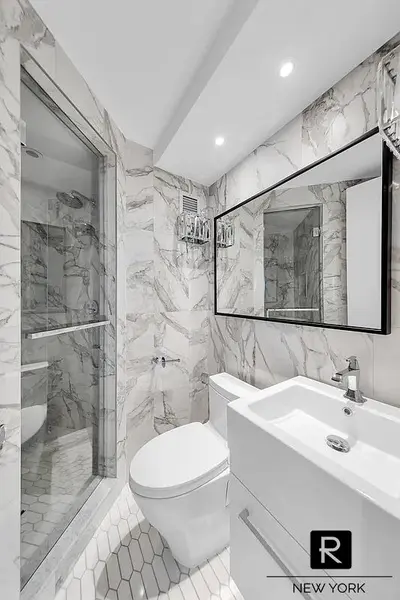
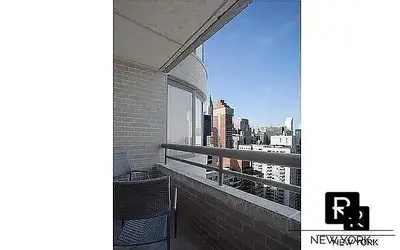



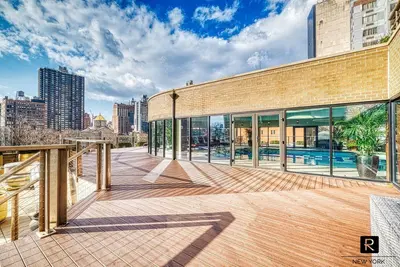
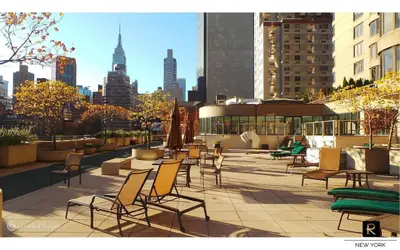


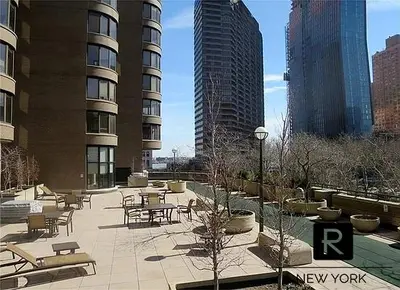
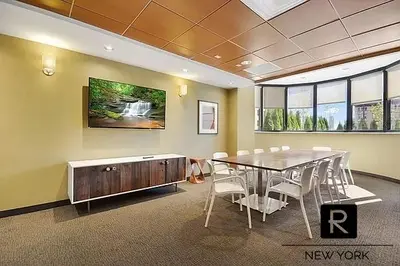

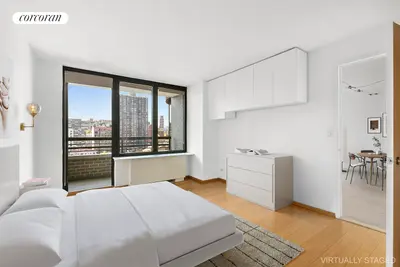
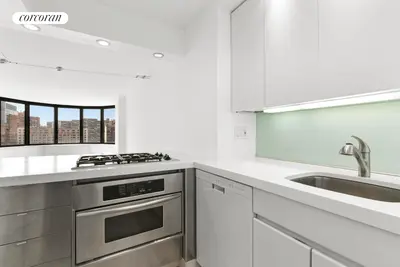
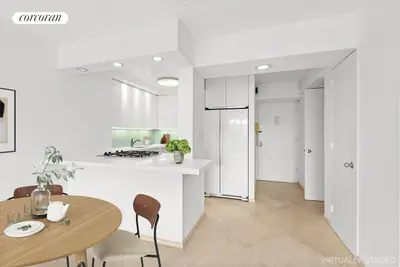
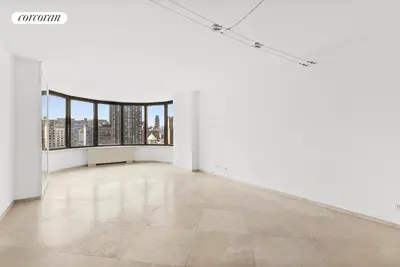
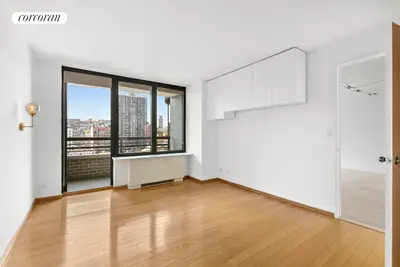
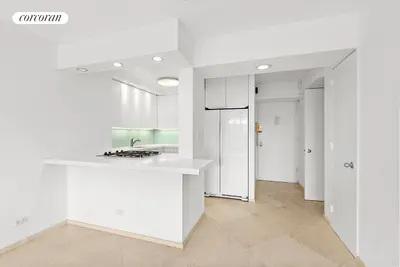













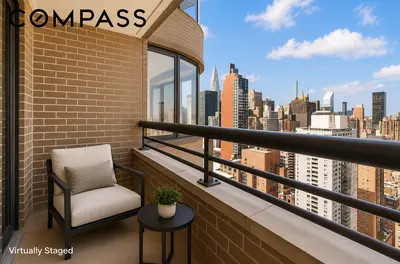
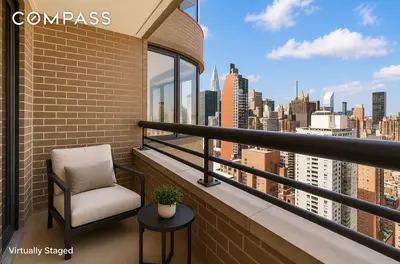






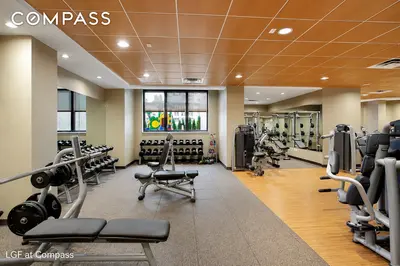




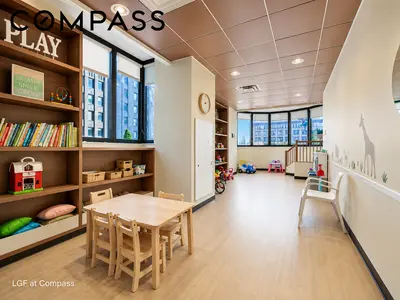
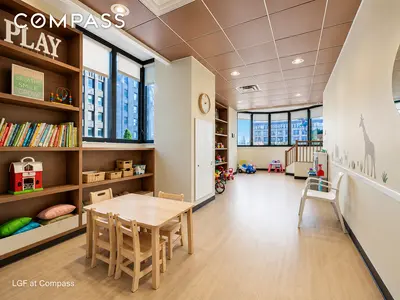
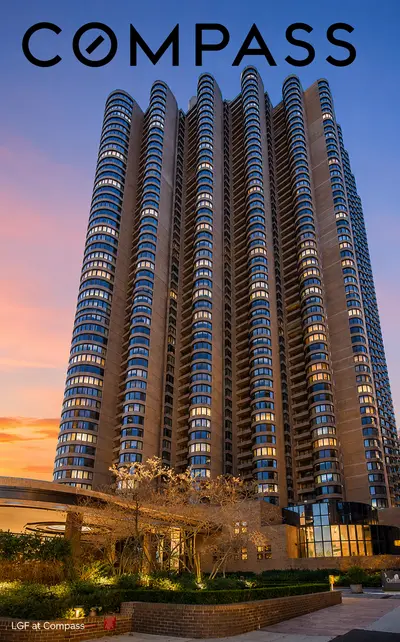
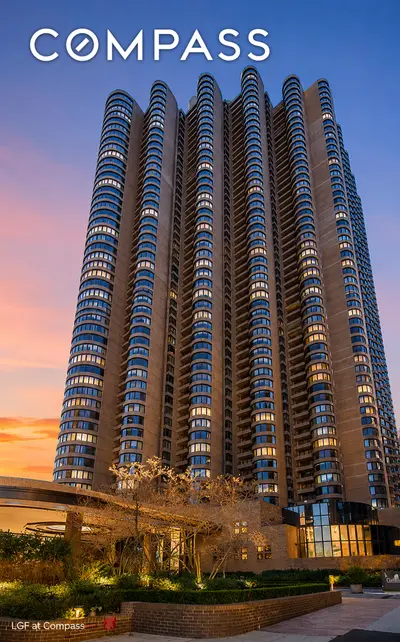


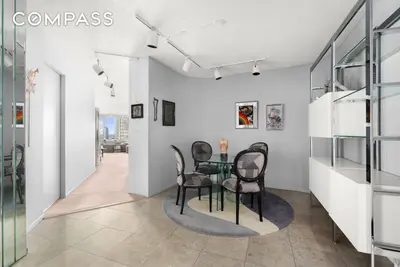
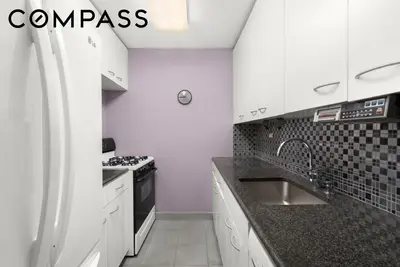




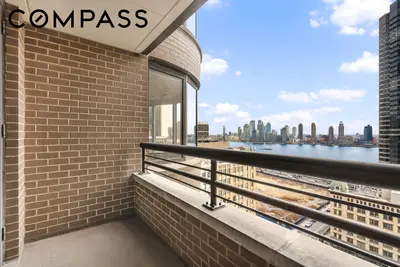
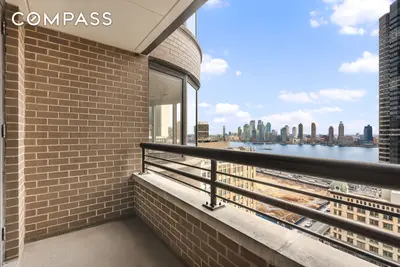



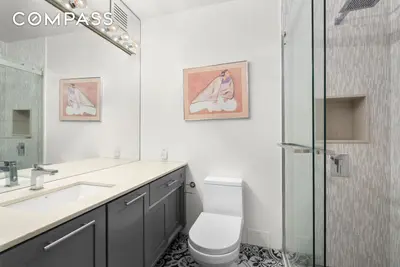


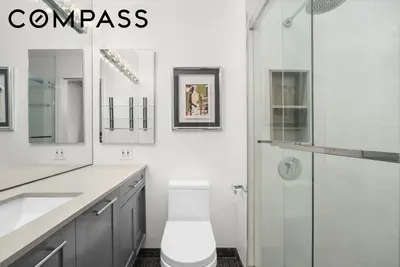
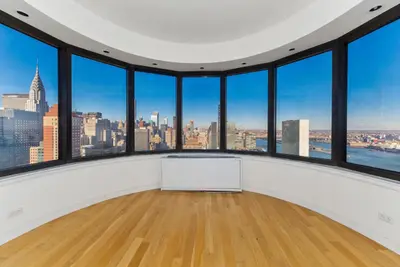
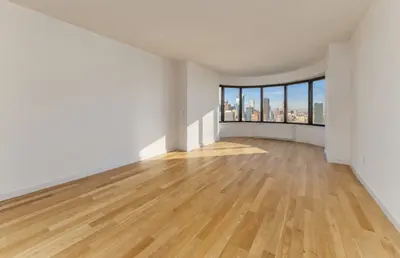

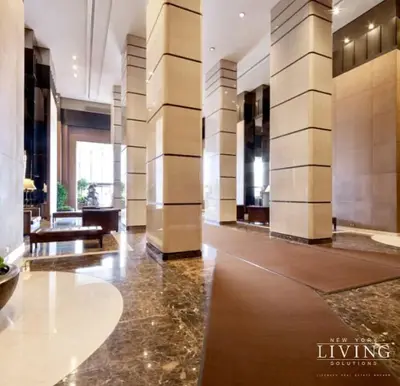
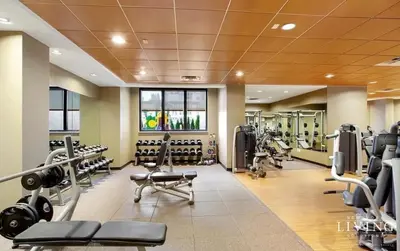










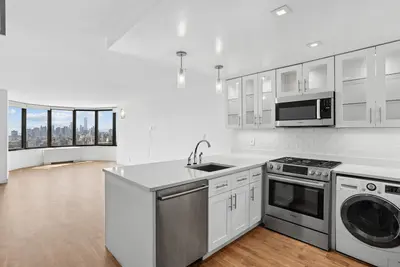

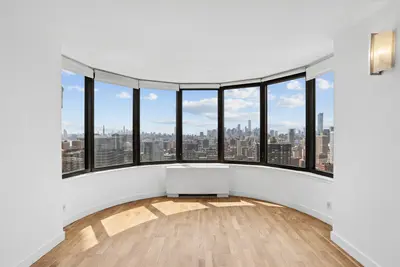
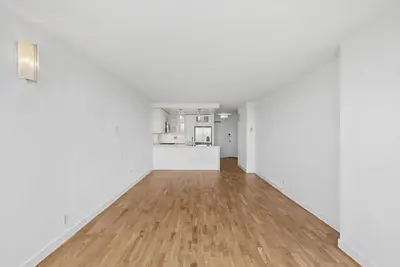



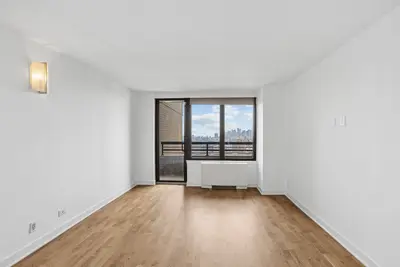








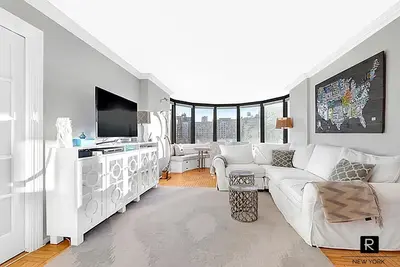

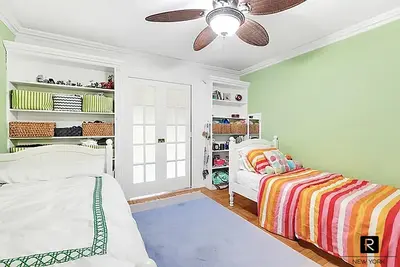

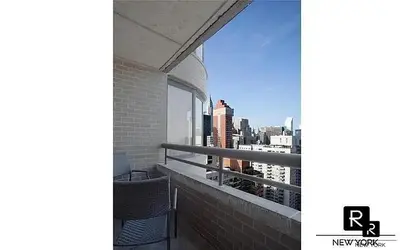
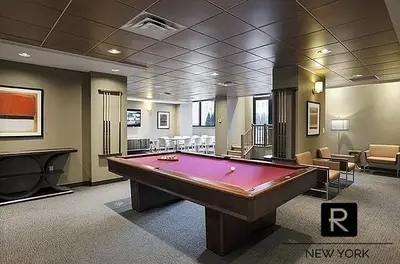
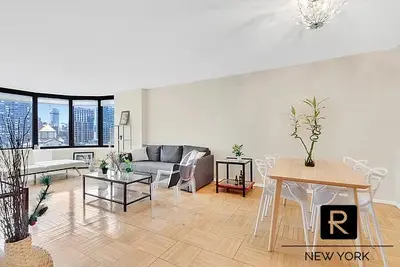

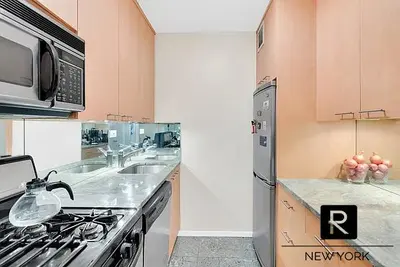
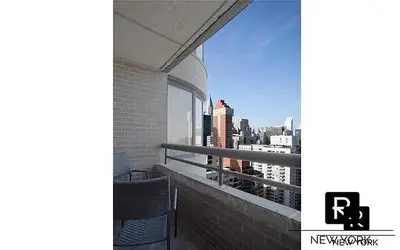
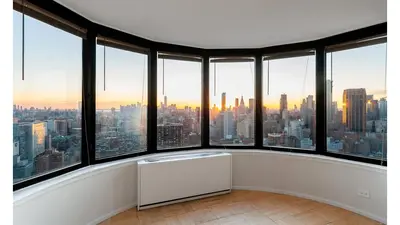
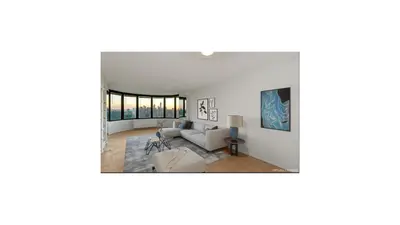






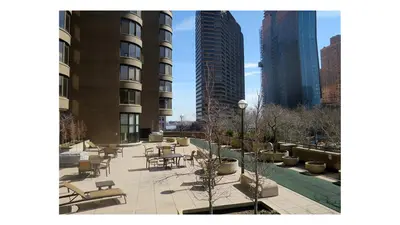
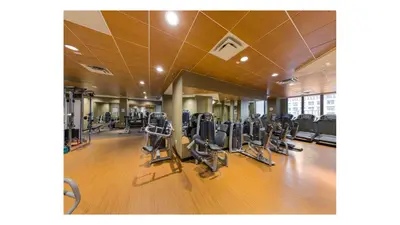
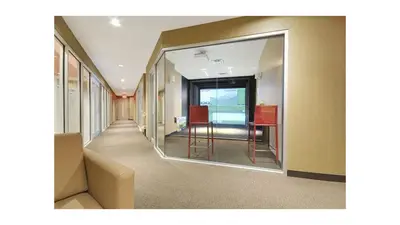
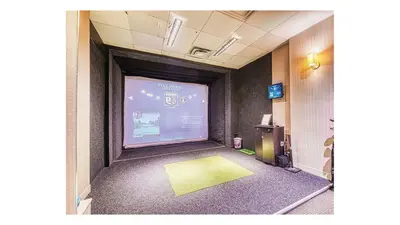
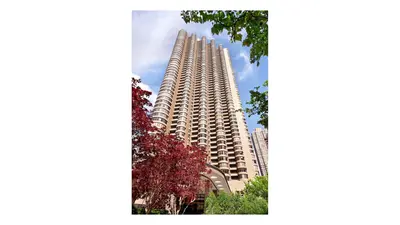
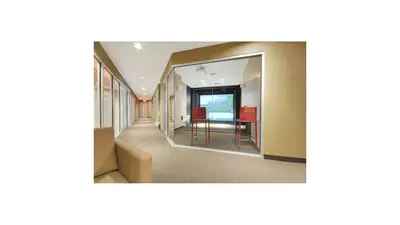



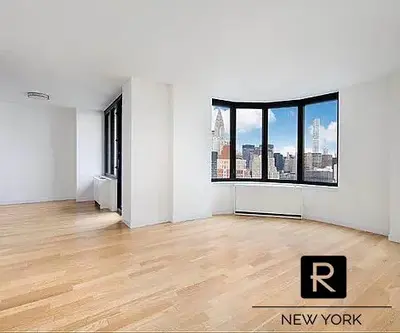
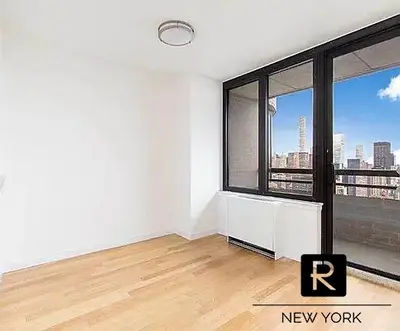
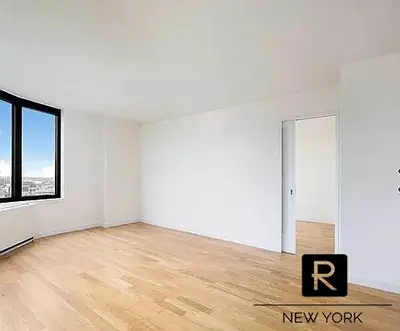
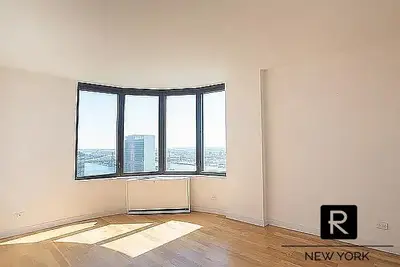
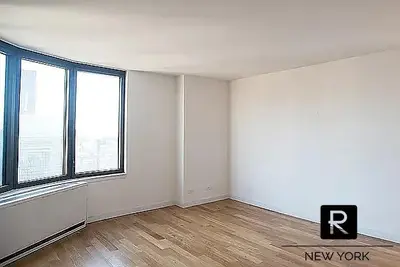



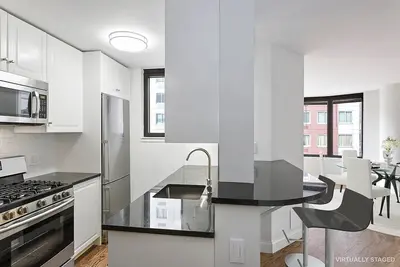




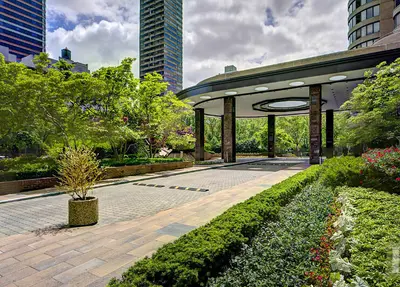




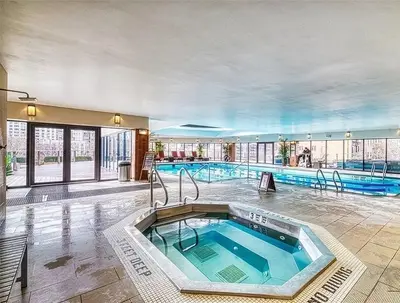

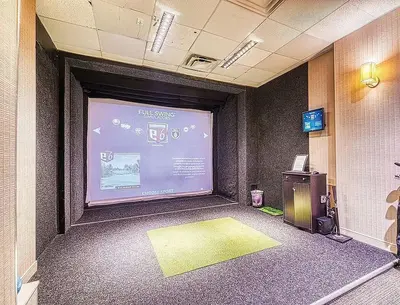




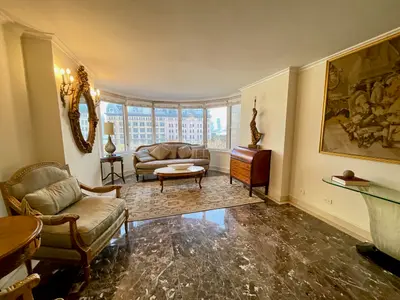


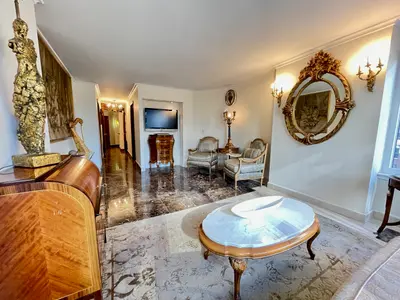
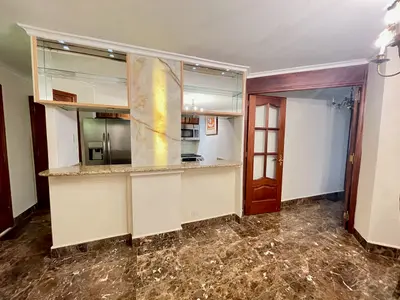
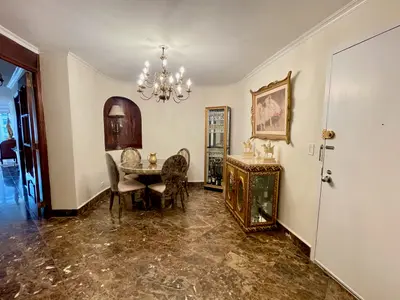
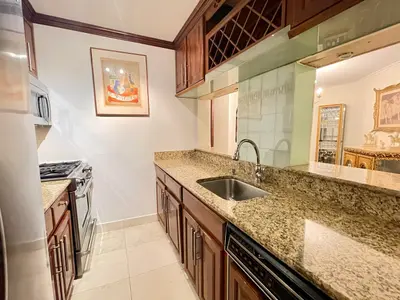
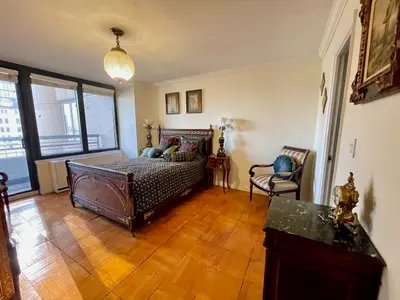
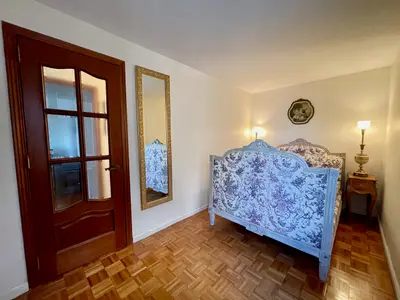
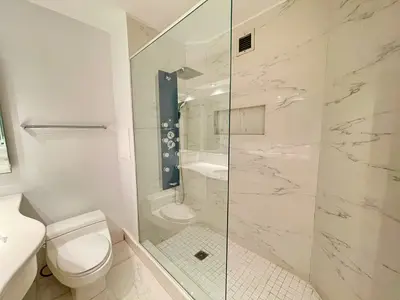
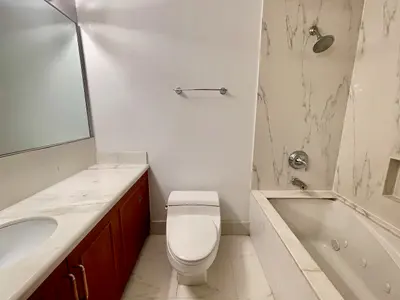



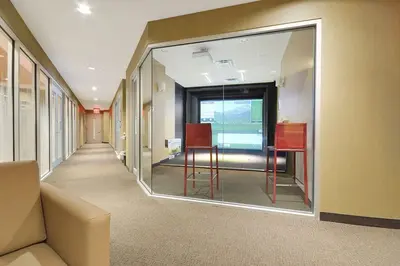

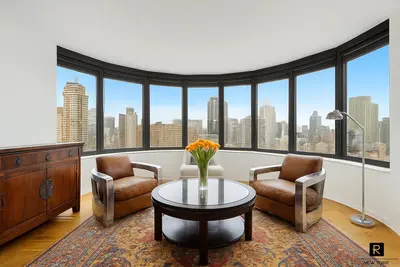

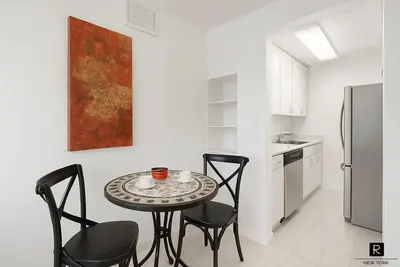



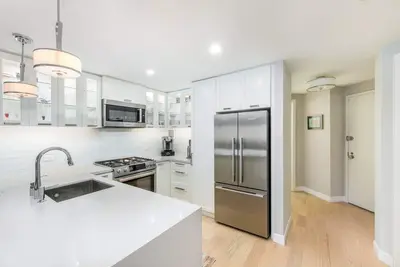
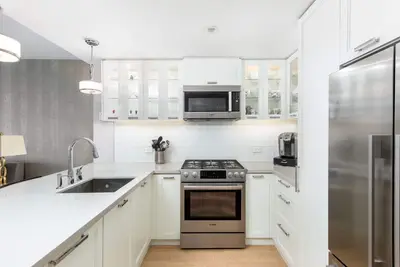



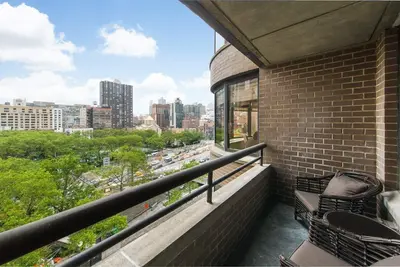



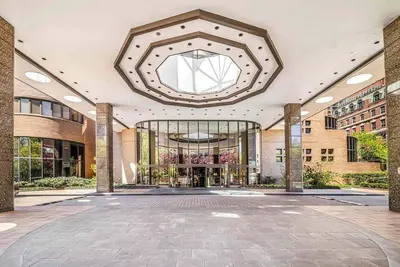

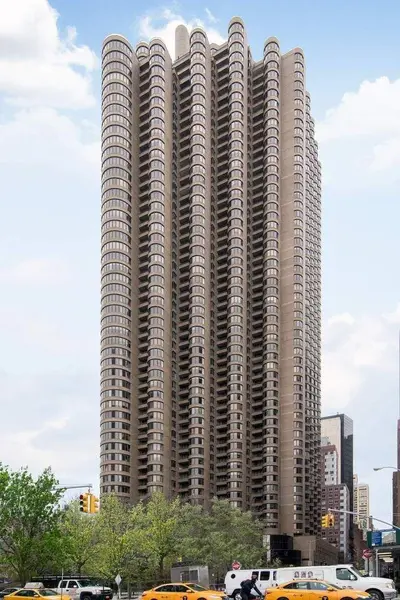




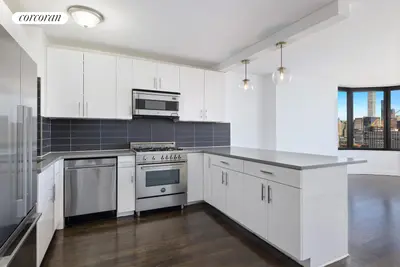

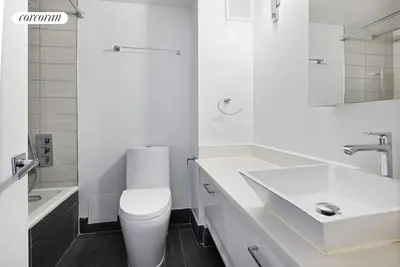
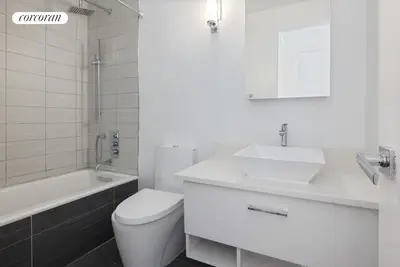
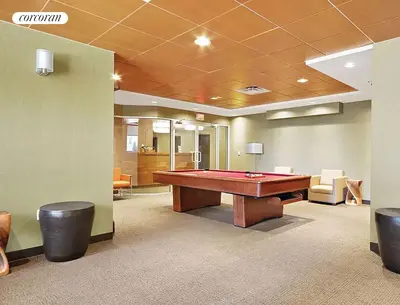
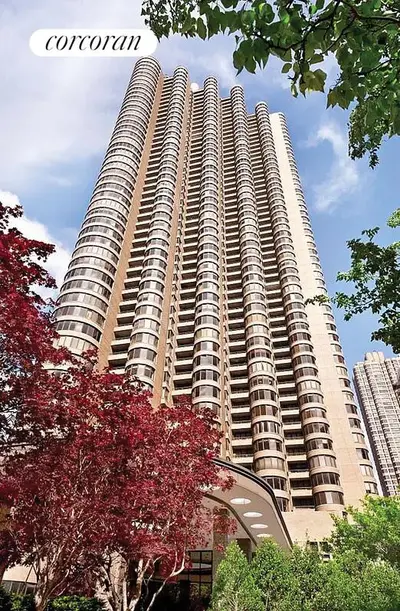
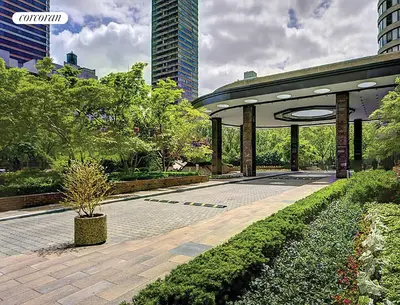
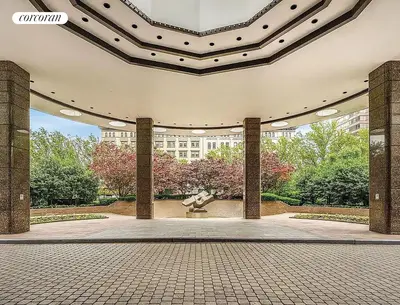


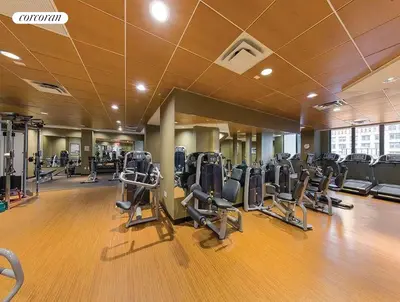
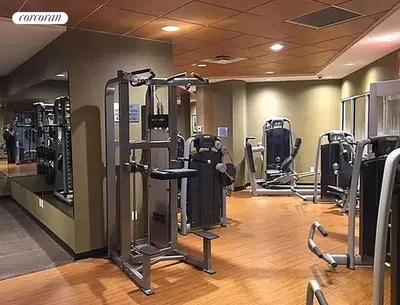
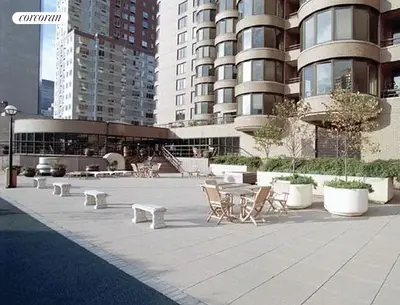

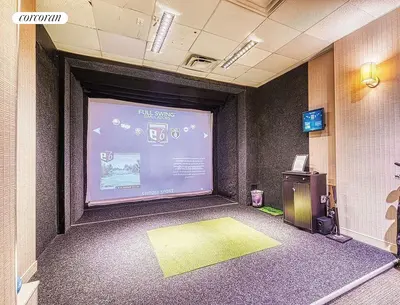









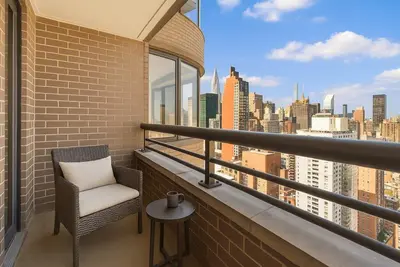


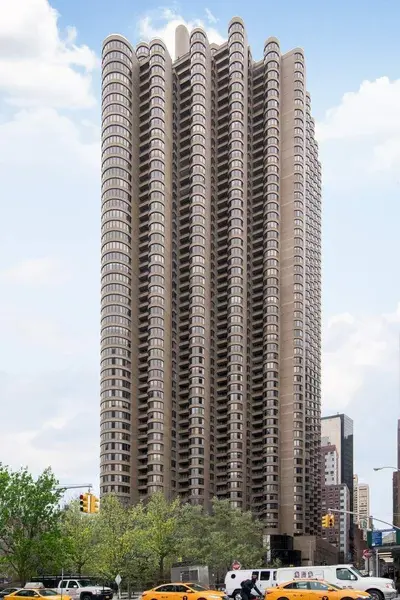
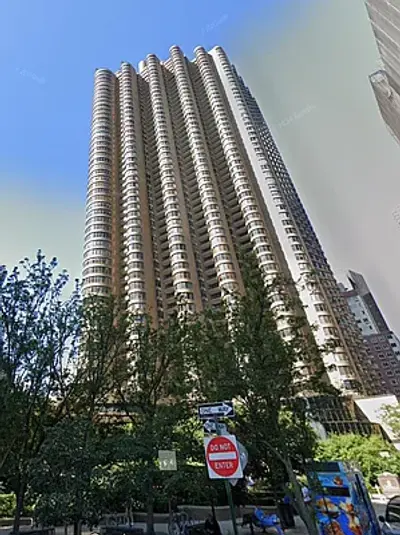
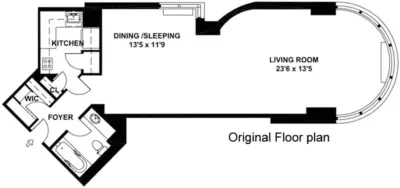
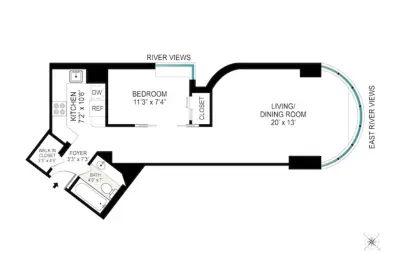
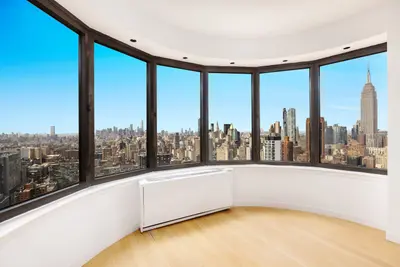
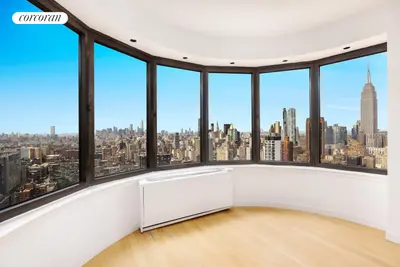








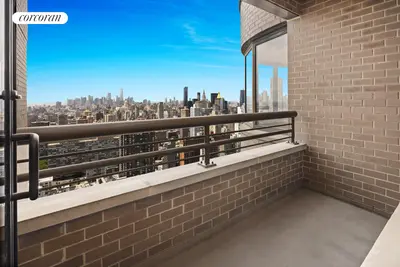
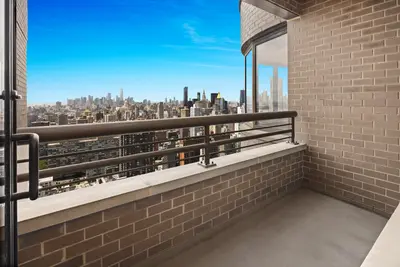


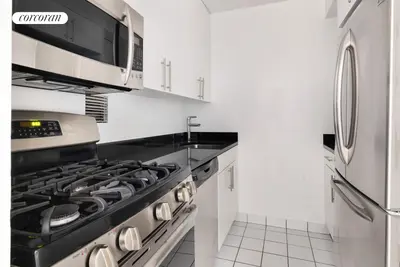




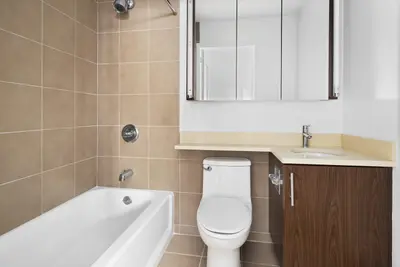
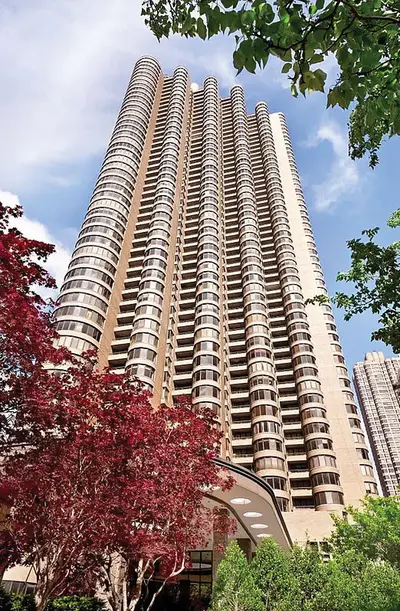
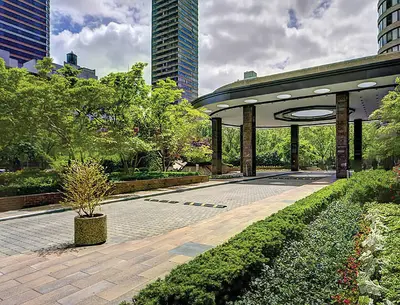


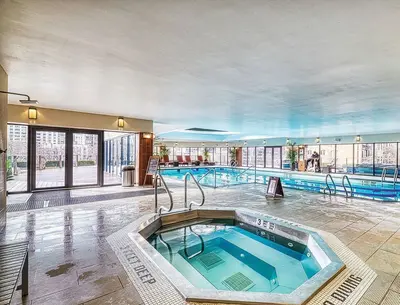

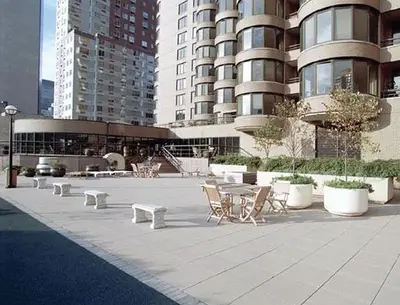

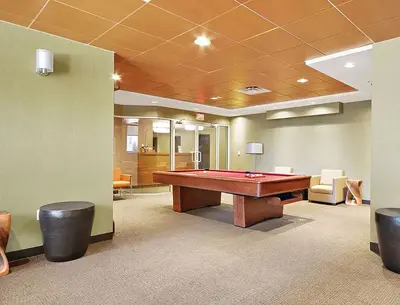
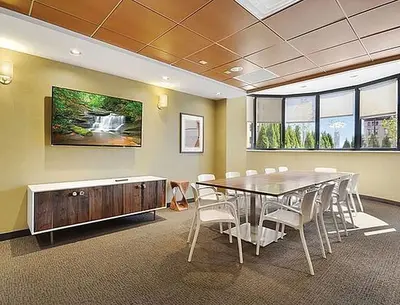
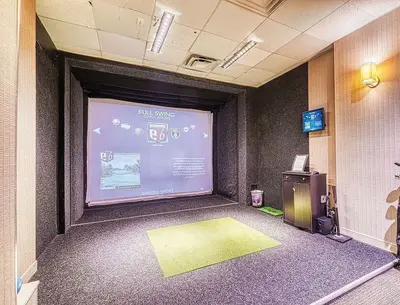

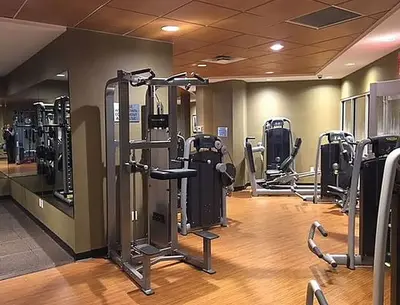




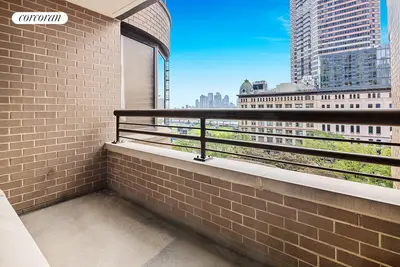
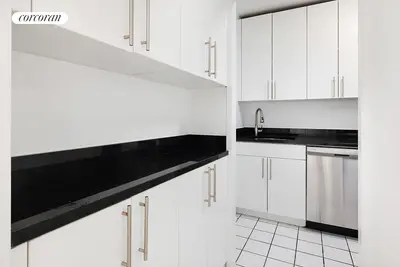
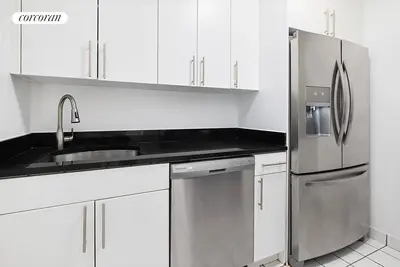

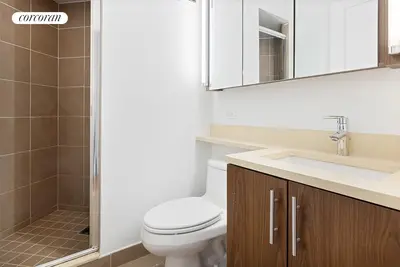


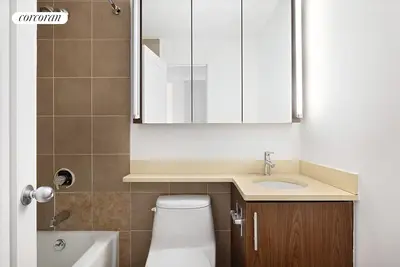
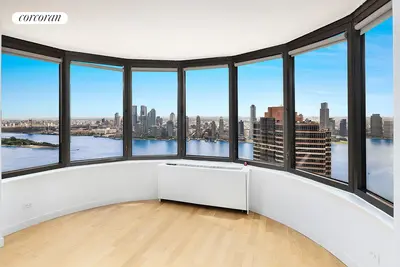



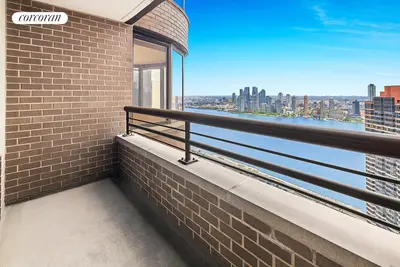
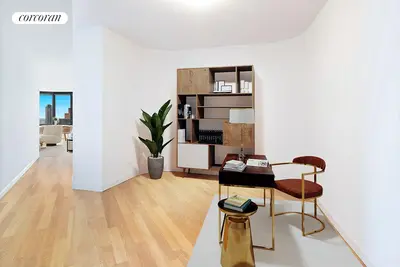





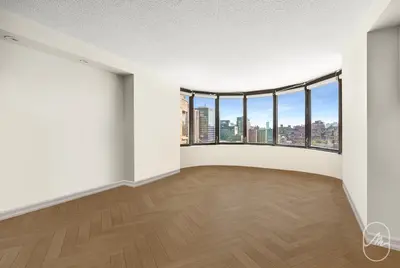
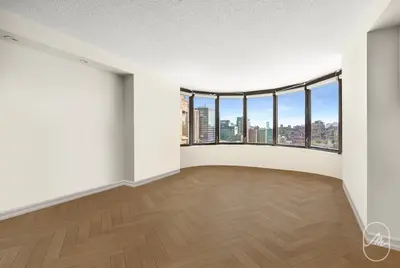
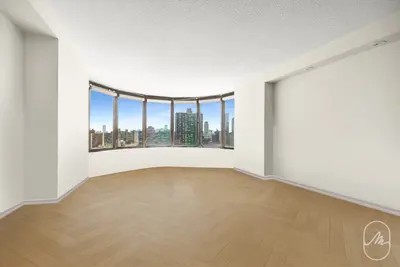
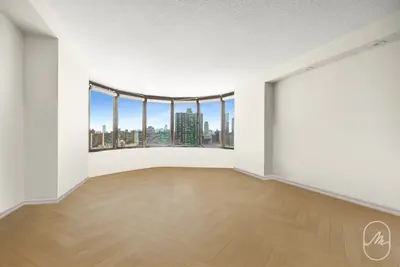


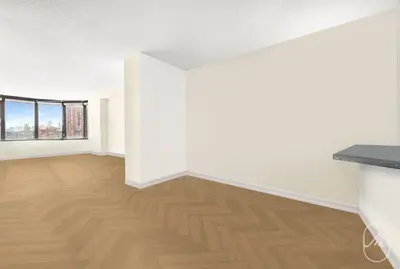
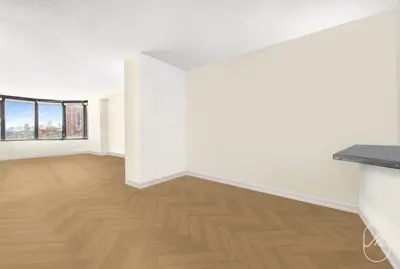
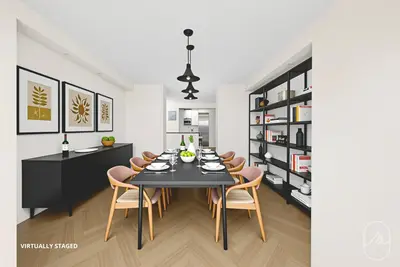
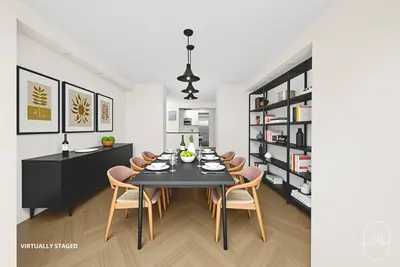
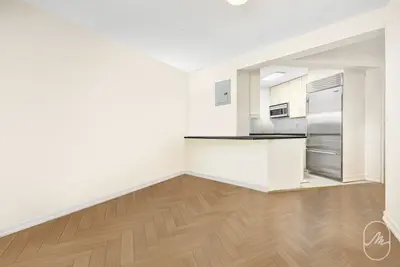
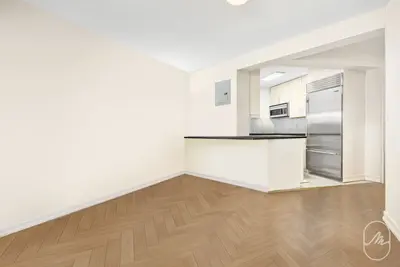



















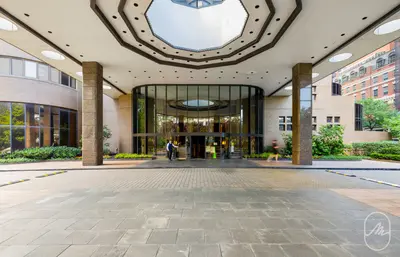
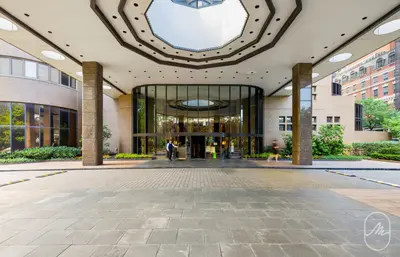



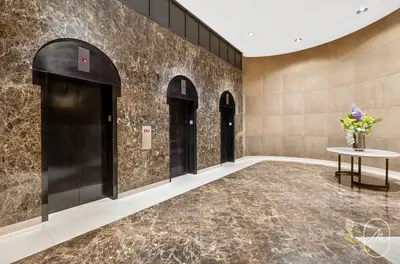
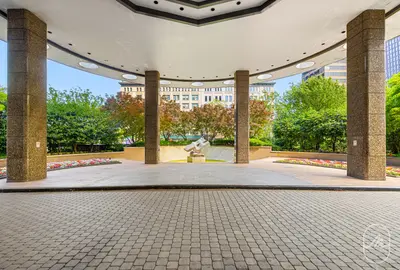
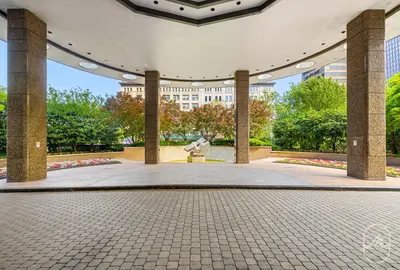
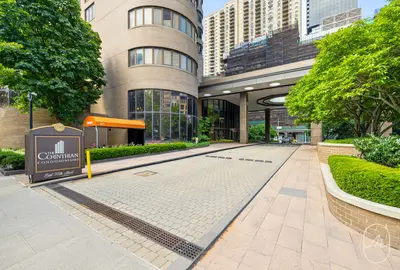
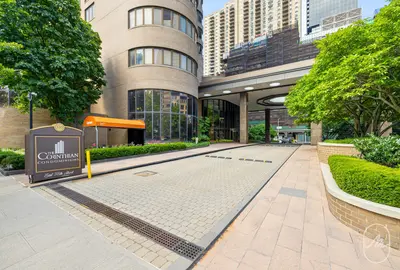


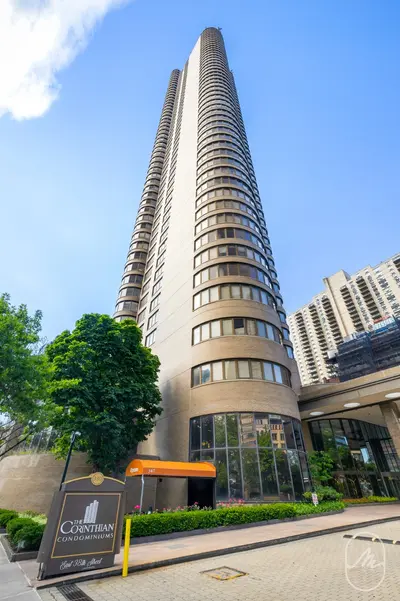
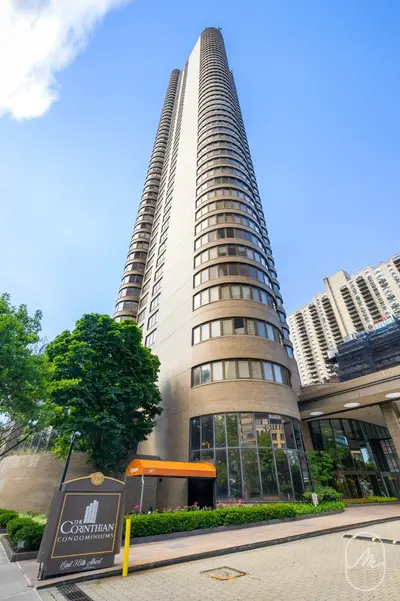
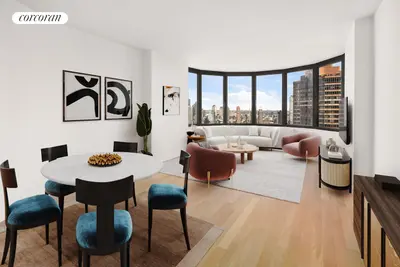


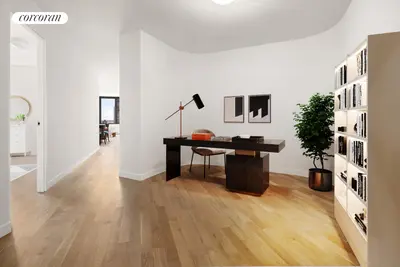


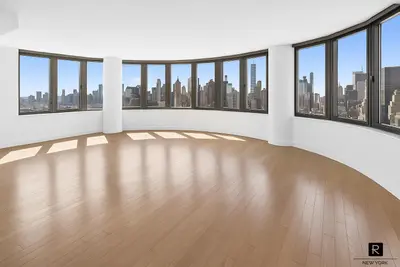

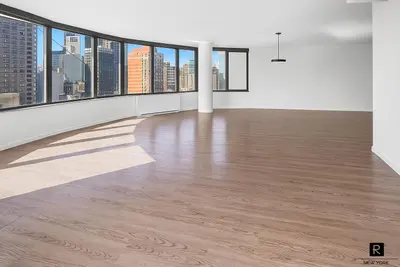
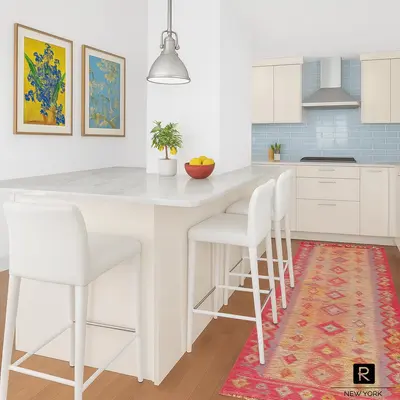
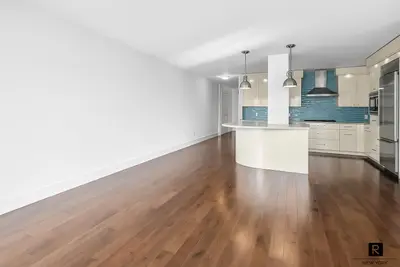

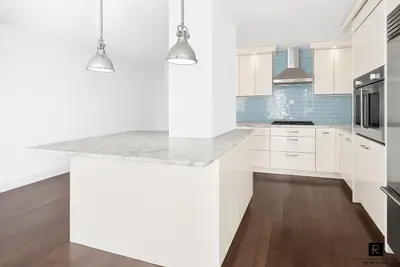

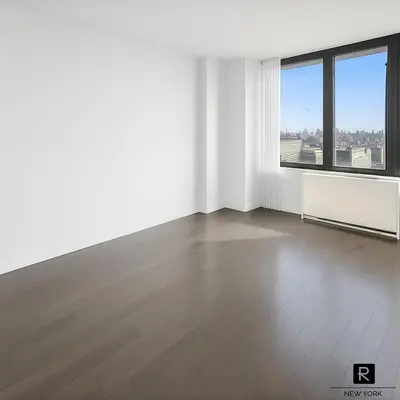

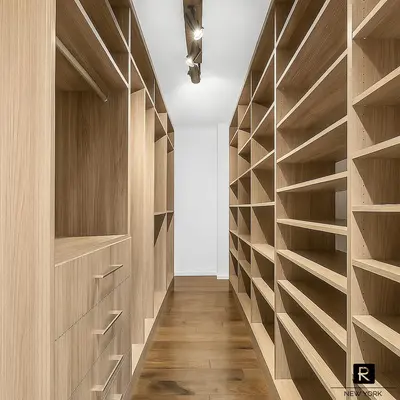

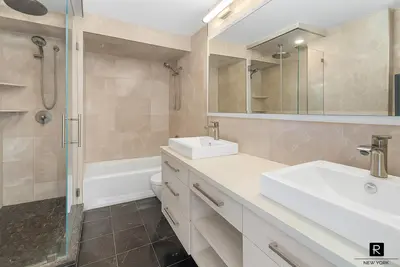

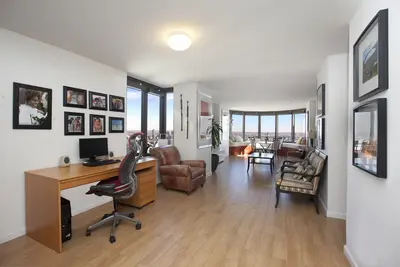
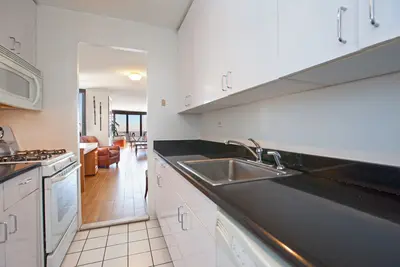

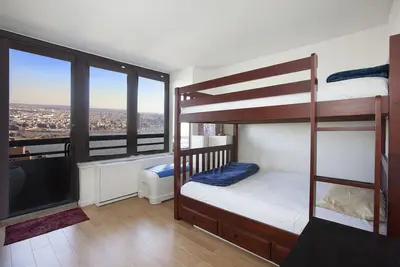




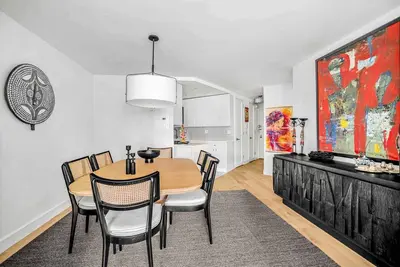
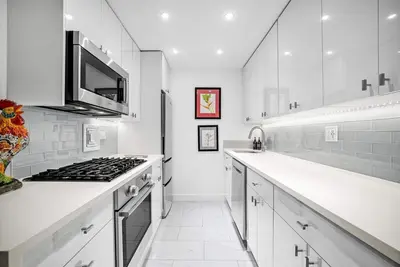


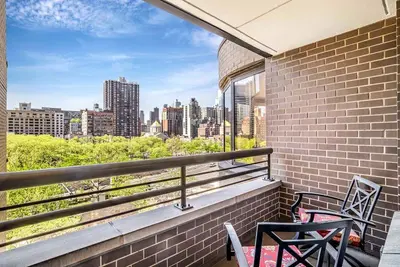
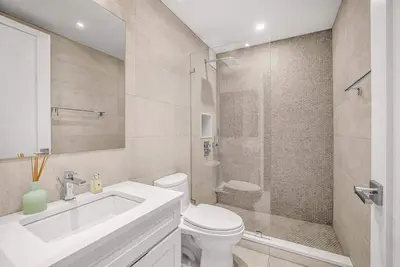

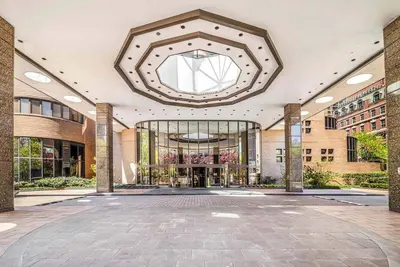









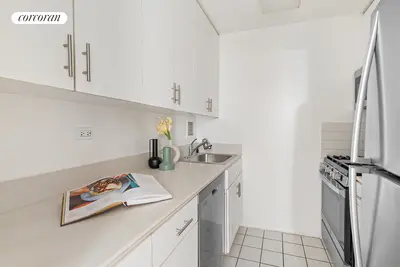
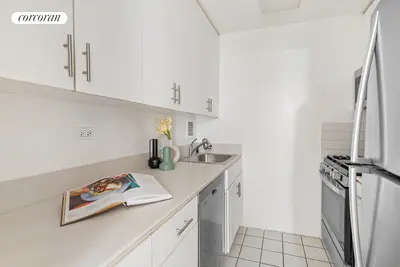


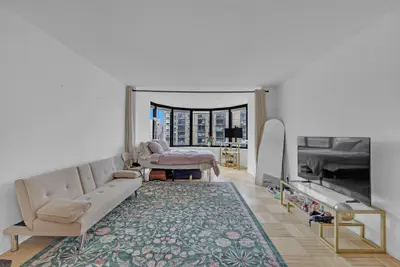
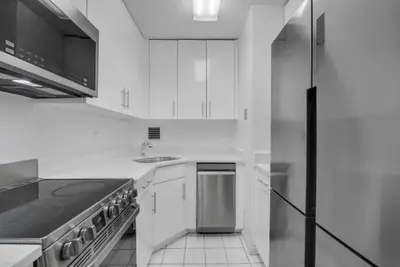
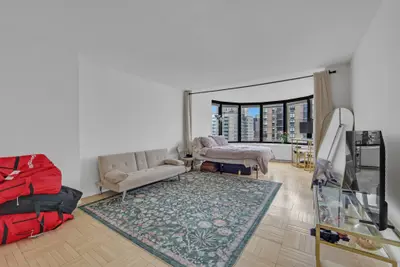
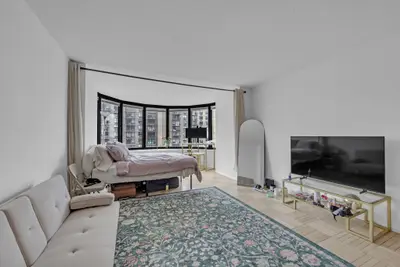
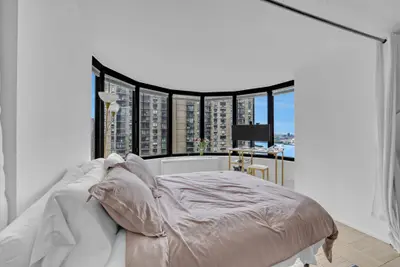
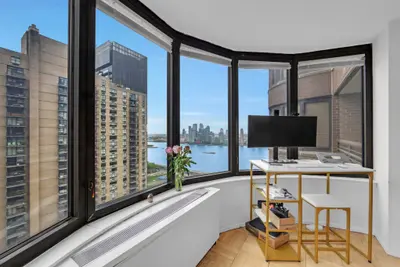

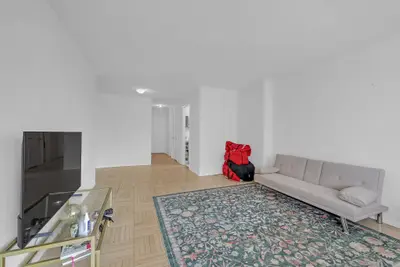
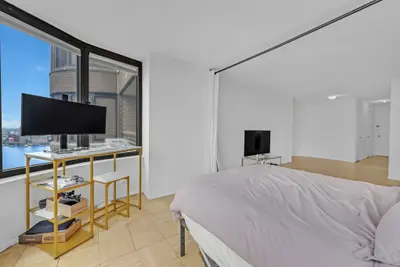
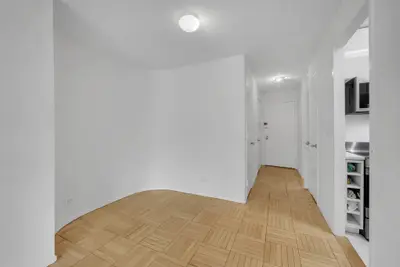

The Corinthian at 330 East 38th Street is distinctive and occupies an entire block. Built on the former East Side Airlines site and completed in 1988, it has a distinctive shape of bundled cylinders and offers city and river views.
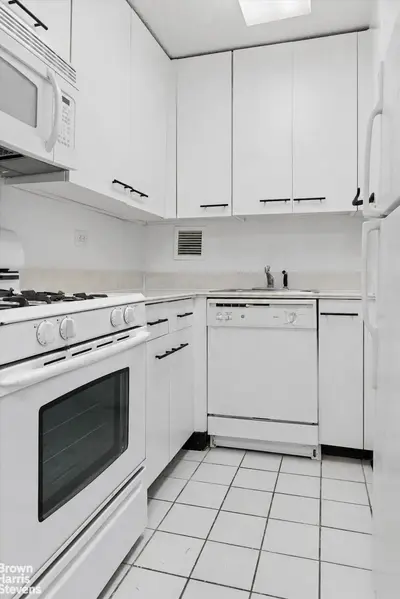
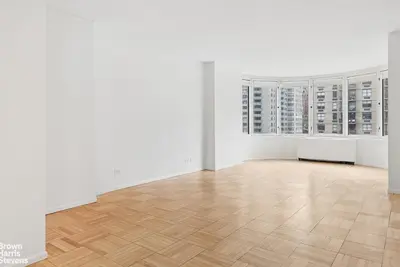
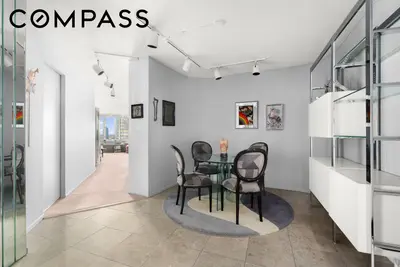
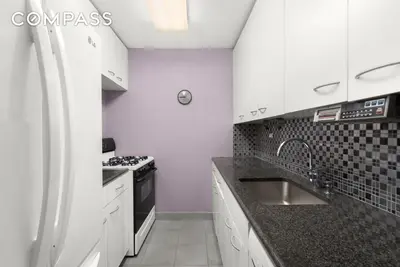
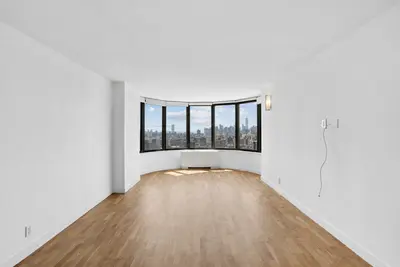
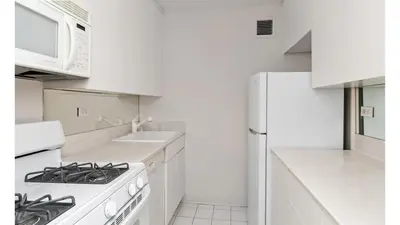
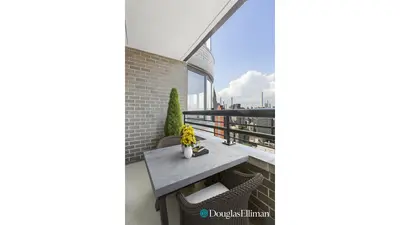
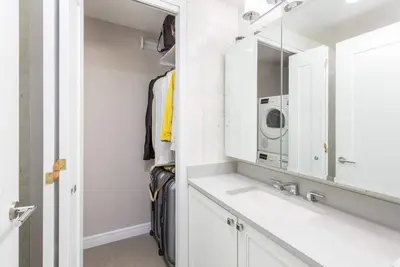
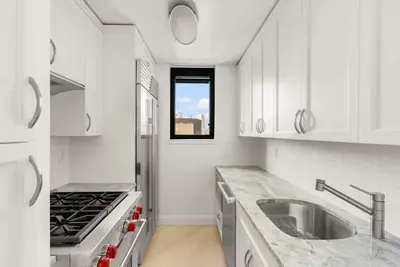
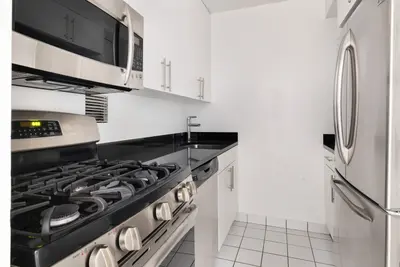
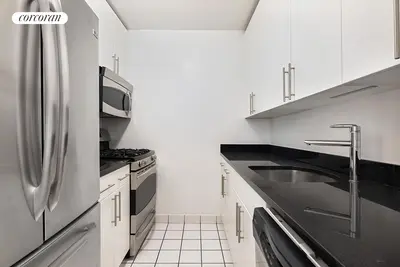
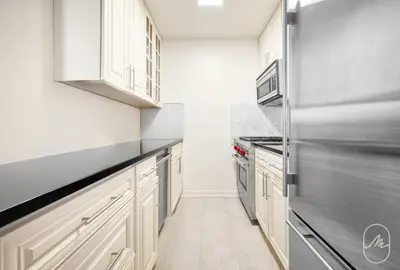
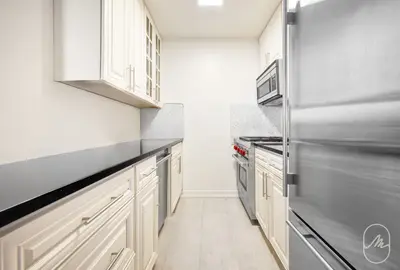
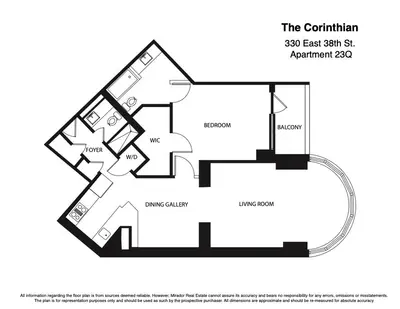
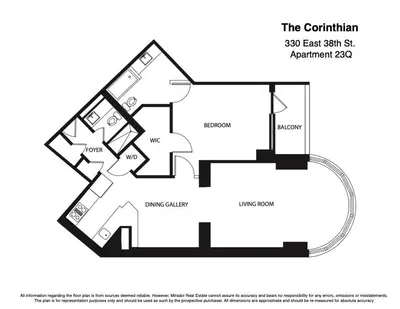
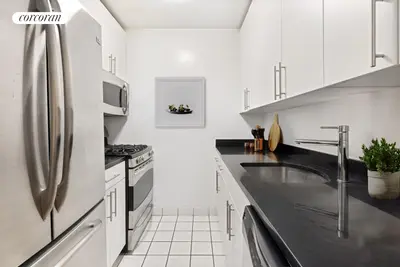
The Corinthian contains 865 units on 54 residential floors that feature hardwood floors and such architectural details as large columns and curved walls. French doors open on to rooms that can be used as libraries or dens. Kitchens have granite countertops and units are equipped with walk-in closets, spacious galleries, washers and dryers and manywindows. Every apartment – with the exception of studios – has a balcony, and some of the larger residences have more than one. Many apartments have been updated to include state-of-the-art appliances.
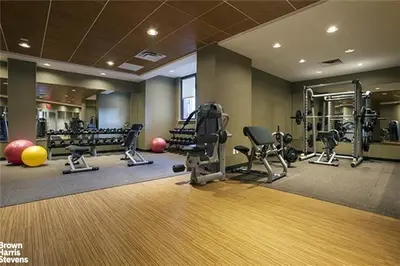
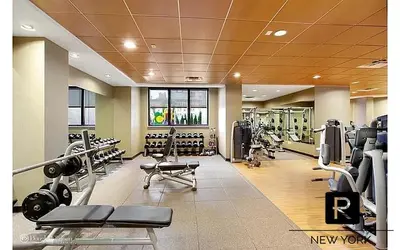
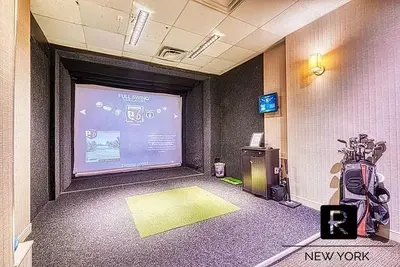
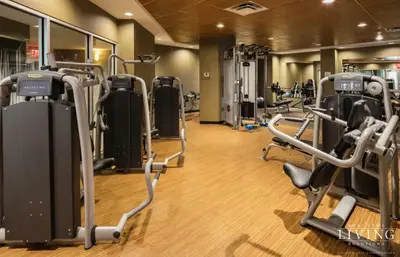
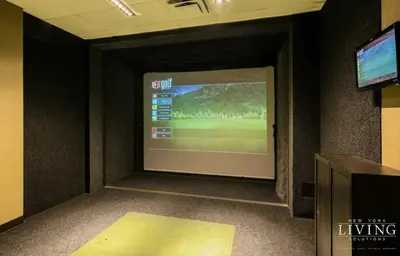
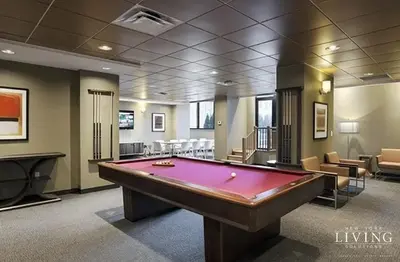
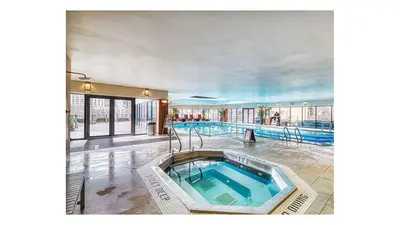
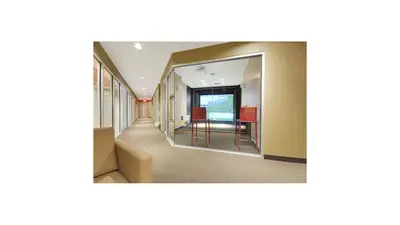
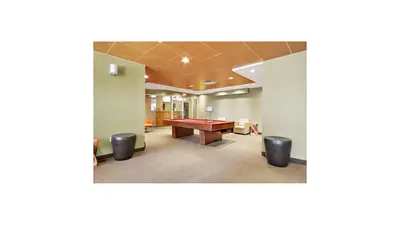
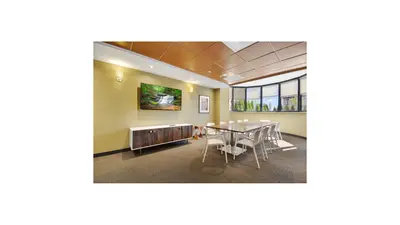
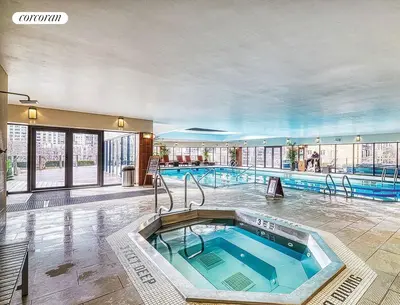
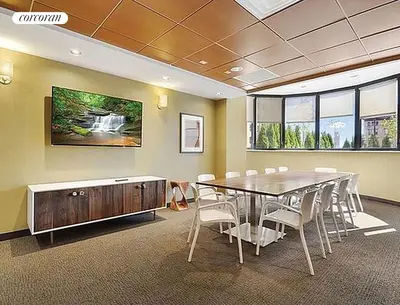
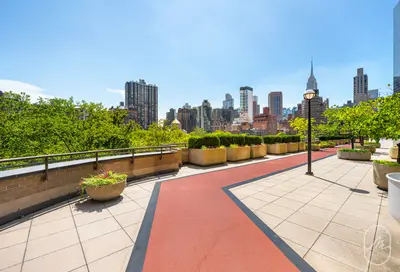
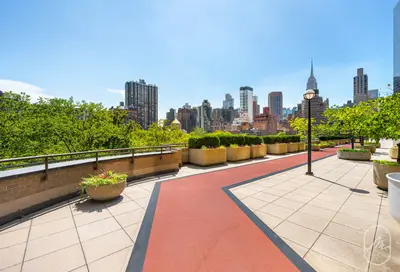
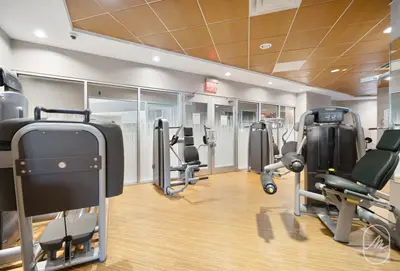
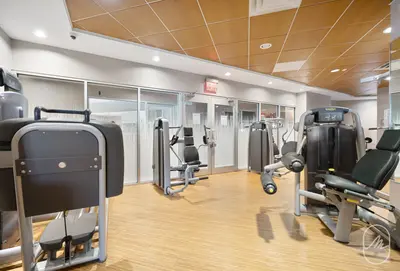
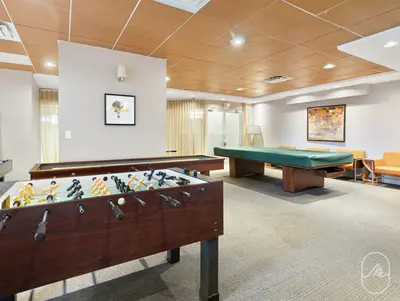
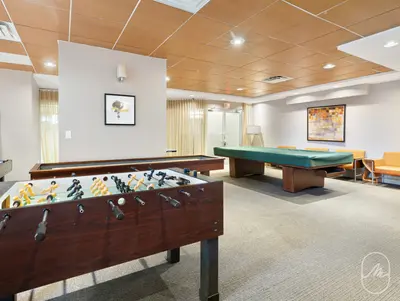
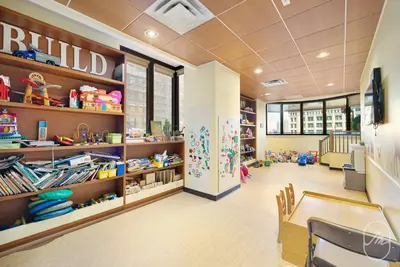
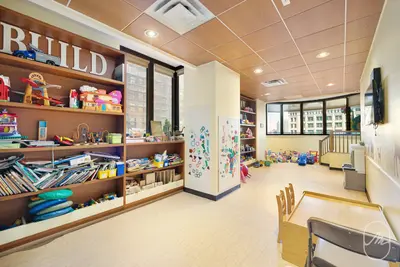
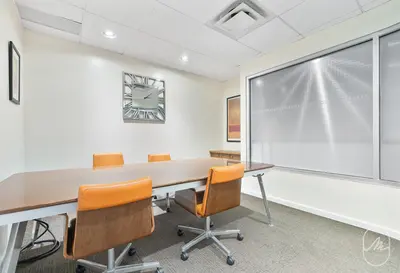
The Corinthian is a full-service, pet-friendly building with 24-hour doorman and concierge, 17,000-square-foot health club with 56' lap pool and yoga studio, sauna and steam room, landscaped outdoor space with running track, playroom, event room, golf simulator, valet, and garage.

View school info, local attractions, transportation options & more.
Experience amazing 3D aerial maps and fly throughs.





 6sqft delivers the latest on real estate, architecture, and design, straight from New York City.
Like us on Facebook to keep up with the trends and
6sqft delivers the latest on real estate, architecture, and design, straight from New York City.
Like us on Facebook to keep up with the trends and 
Broker & Buyer Comments