The Pulitzer Mansion, 11 East 73rd Street - Upper East Side
- Apartments
- Overview & Photos
- Maps
- Floorplans
- Sales Data & Comps
- Similar Buildings
- All Units
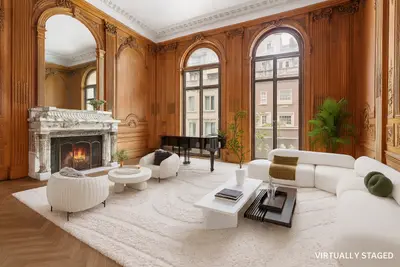
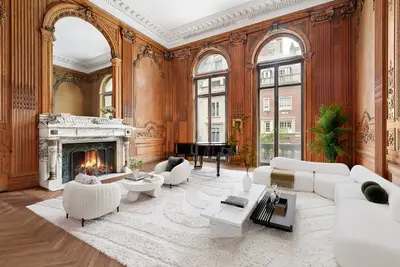
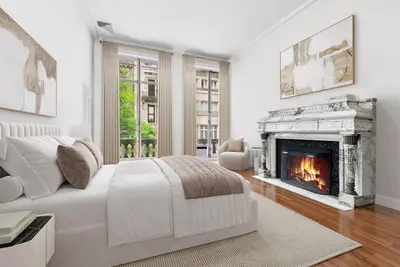
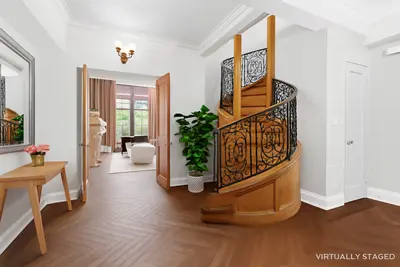
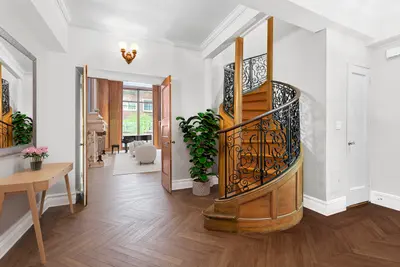
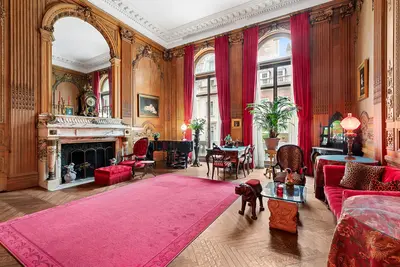
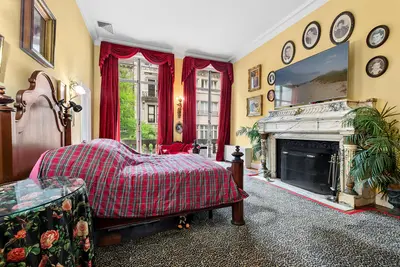
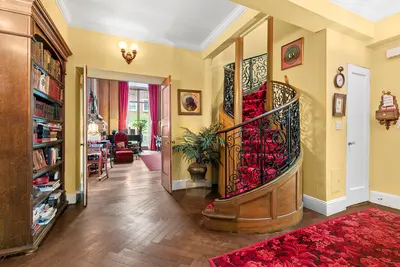
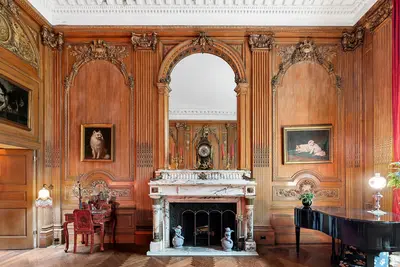
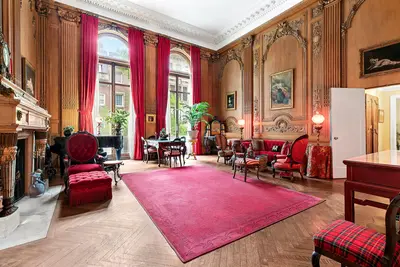
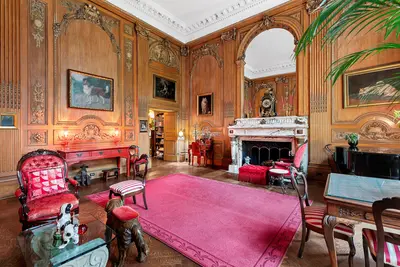
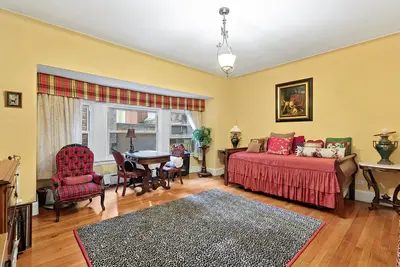
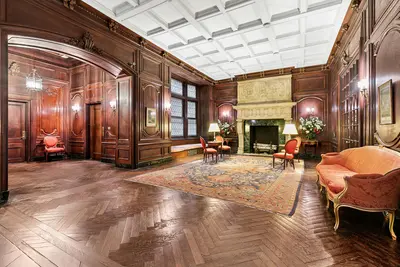
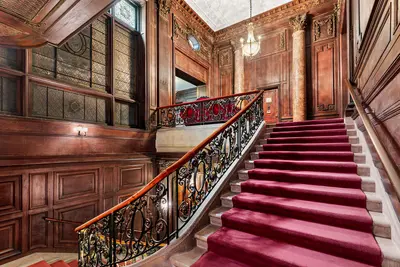
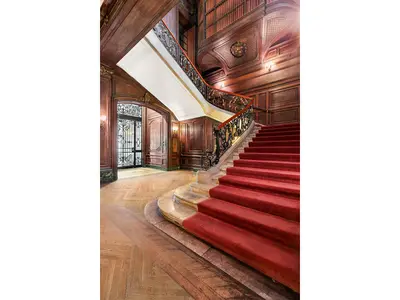
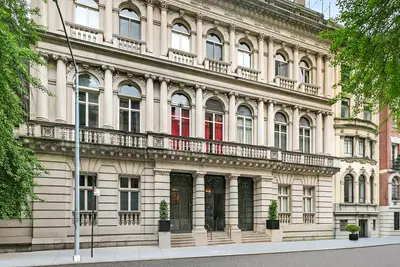
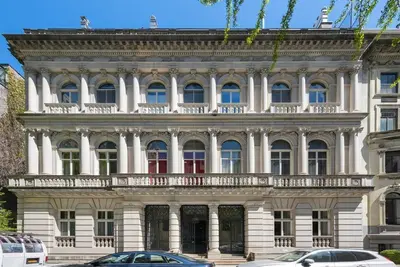
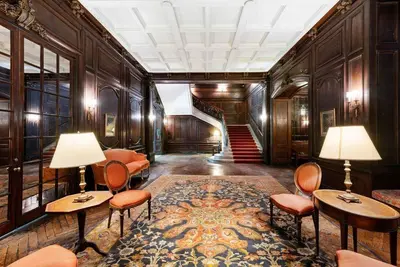
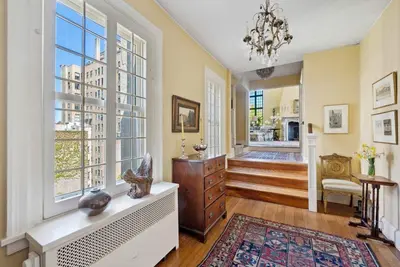
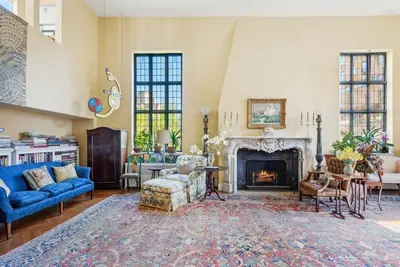
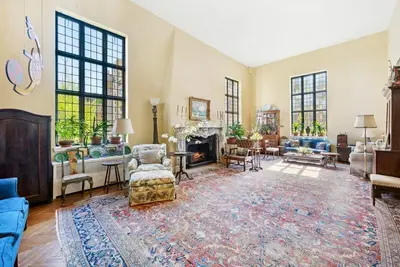
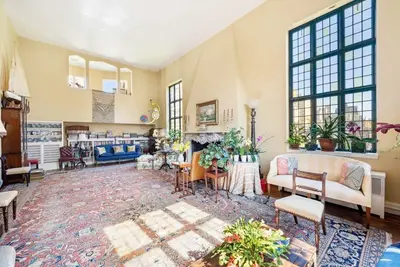
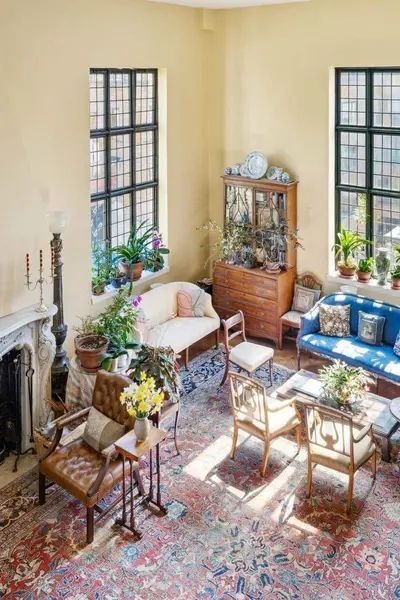
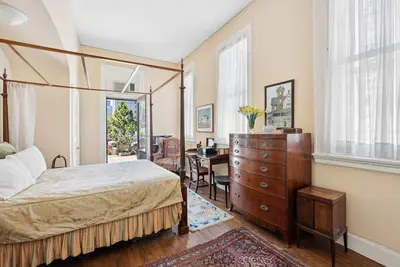

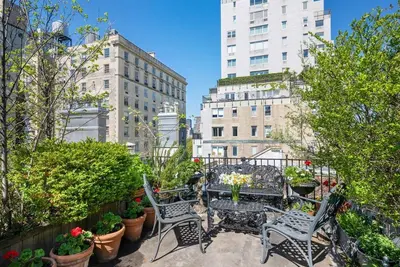
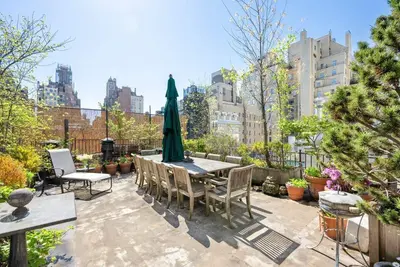
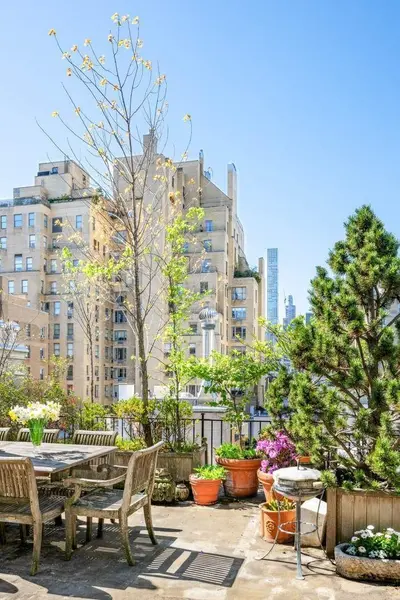
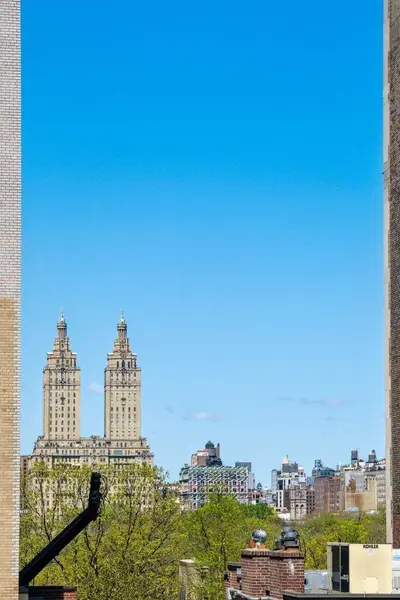
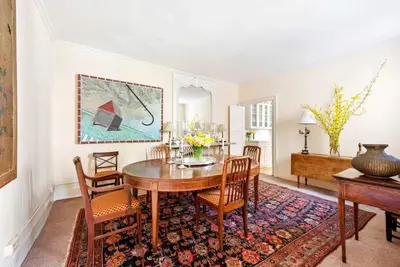
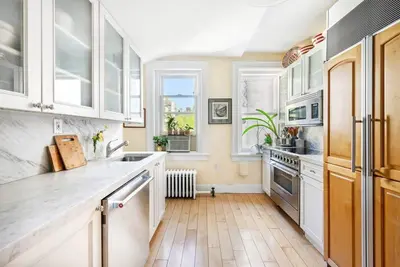
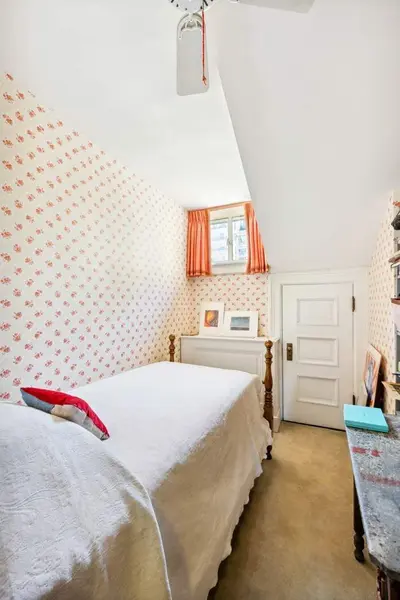
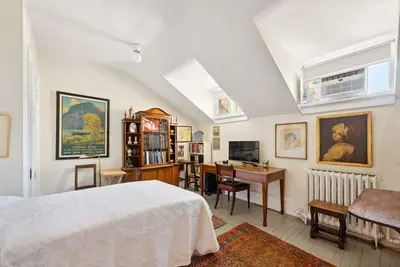
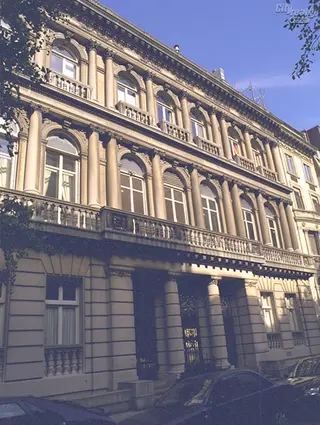
The Pulitzer Mansion, located at 11 East 73rd Street between Fifth and Madison Avenues, is a remarkable example of Gilded Age architecture. Completed in 1903, this impressive residence was designed by renowned architect Stanford White for Joseph Pulitzer, the famed publisher of The St. Louis Post-Dispatch and The New York World. The design is said to be inspired by two 17th-century Venetian palaces, showcasing a blend of elegance and grandeur.
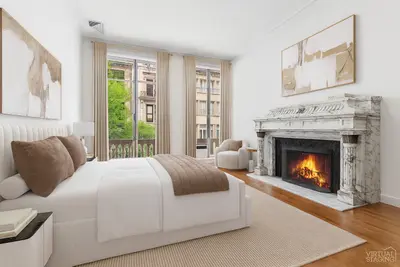
Originally a family home, the mansion was converted into a cooperative in 1952, with the Pulitzer family having divided it into separate apartments in the 1930s. The architectural features of the building have been meticulously preserved, including the entrance lobby, grand staircase, and second-floor gallery, all of which reflect the opulence of the era.
The mansion includes 17 residential units and boasts amenities such as a live-in manager and a doorman available from 4:30 PM to midnight. Additionally, 30% financing is permitted, making it a more accessible option for potential residents. Unlike many historic mansions in New York City that have been repurposed into schools, clubs, or museums, the Pulitzer Mansion remains a unique residential building.
Notably, the building was home to Roy Chapman Andrews, the first owner of the penthouse apartment (Apartment 6A), who gained fame as a prominent explorer and the inspiration for the legendary Indiana Jones.
The mansion’s limestone façade features a rusticated base and impressive architectural details, including large arched windows and balustraded balconies. Although Pulitzer's eyesight had deteriorated by the time of the mansion's design, White crafted the exterior to accommodate this, while the lavish interior was designed to be a visual feast, rich in period styles.
Despite Joseph Pulitzer living in the mansion for only eight years before his death, it has remained a significant part of New York's architectural landscape, illustrating the potential for historical residences to maintain their grandeur while adapting to modern living.
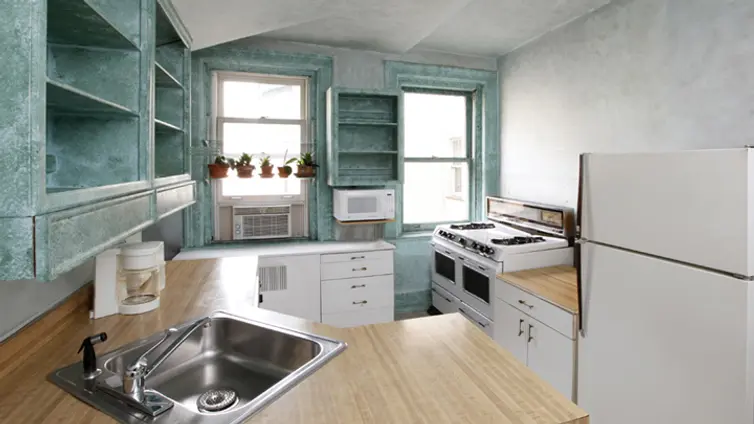
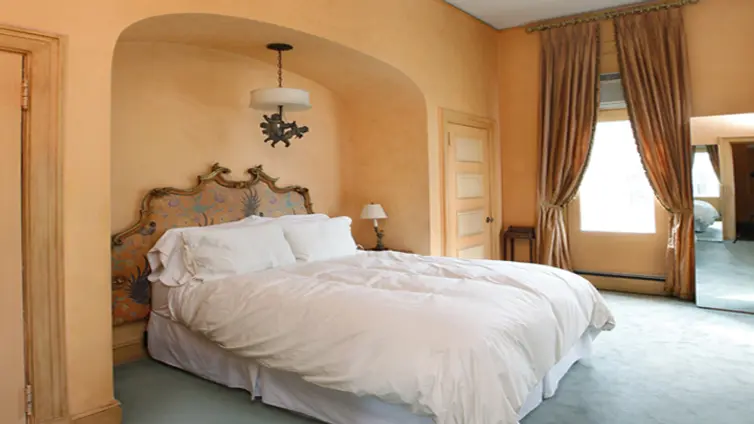
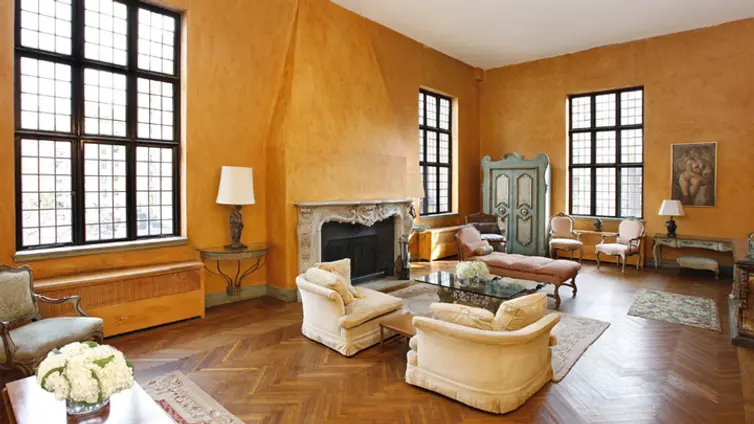
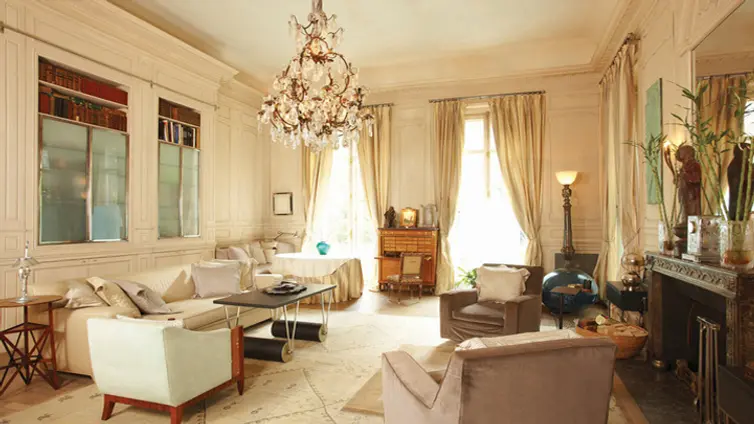
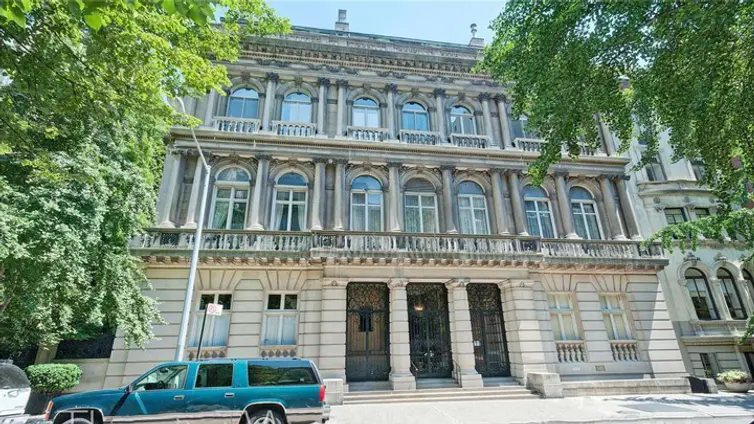
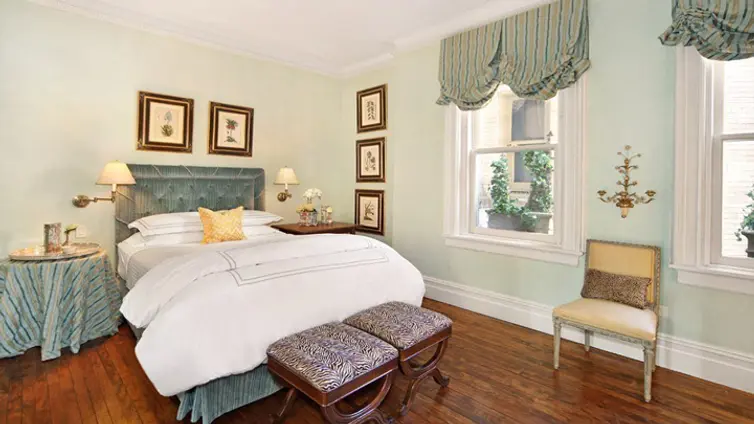
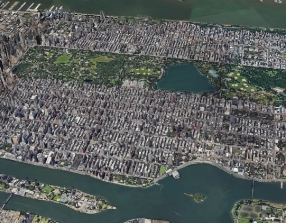
View school info, local attractions, transportation options & more.
Experience amazing 3D aerial maps and fly throughs.
For some co-ops, instead of price per square foot, we use an estimate of the number of rooms for each sold apartment to chart price changes over time. This is because many co-op listings do not include square footage information, and this makes it challenging to calculate accurate square-foot averages.
By displaying the price per estimated room count, we are able to provide a more reliable and consistent metric for comparing sales in the building. While we hope that this gives you a clearer sense of price trends in the building, all data should be independently verified. All data provided are only estimates and should not be used to make any purchase or sale decision.
Notable past and present residents at The Pulitzer Mansion

 6sqft delivers the latest on real estate, architecture, and design, straight from New York City.
Like us on Facebook to keep up with the trends and
6sqft delivers the latest on real estate, architecture, and design, straight from New York City.
Like us on Facebook to keep up with the trends and 