- Apartments
- Overview & Photos
- Maps
- Building Specialists
- Floorplans
- Sales Data & Comps
- Similar Buildings
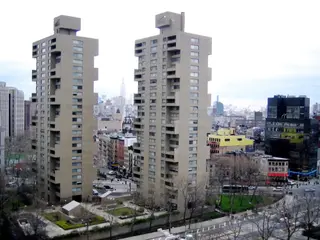
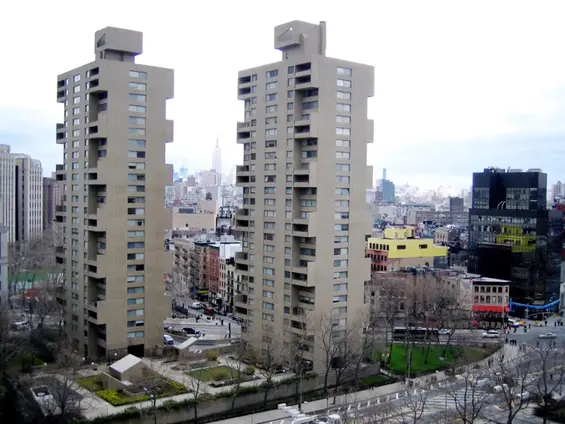
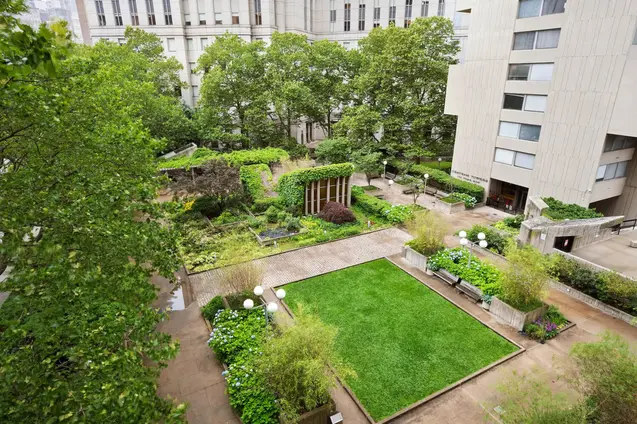
Landmark 1964 Brutalist towers featuring 240 co-op units with exposed concrete design and innovative double-glazed windows. Full-service building at Chinatown-Tribeca-Financial District nexus offers doorman, parking, and landscaped plaza with bridge and skyline views. Currently, 2 apartments are for sale.




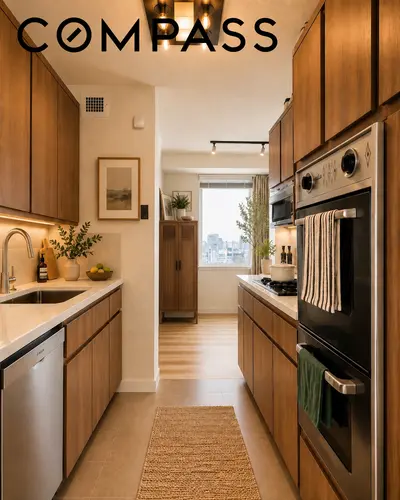
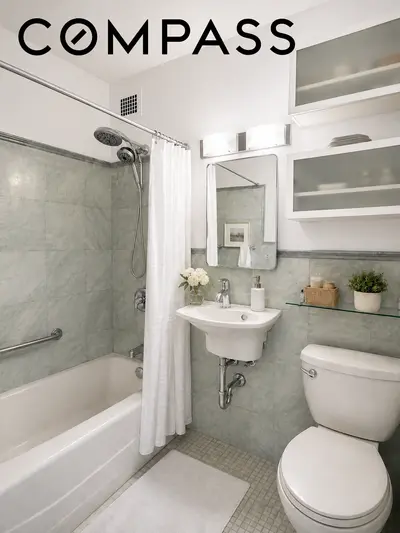
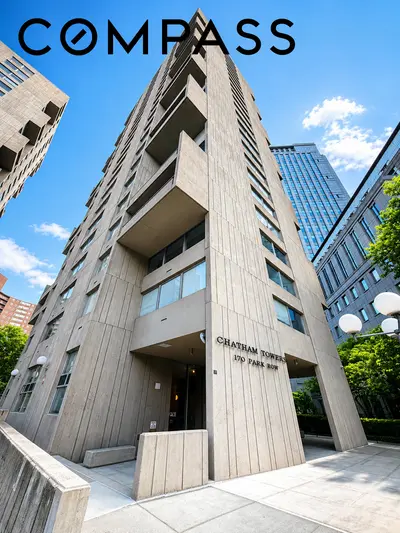
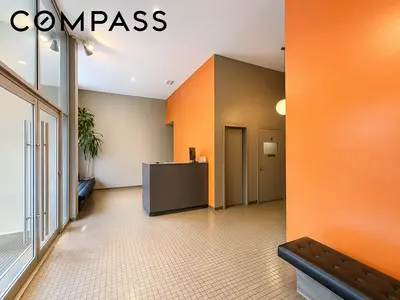
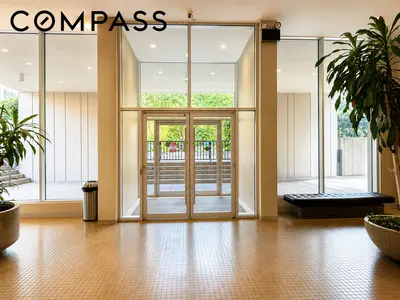

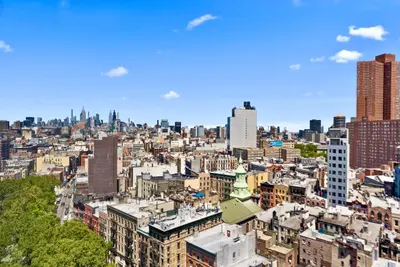
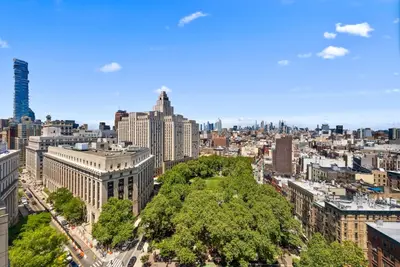
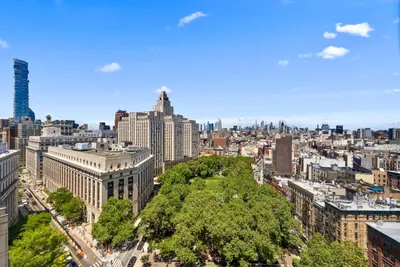
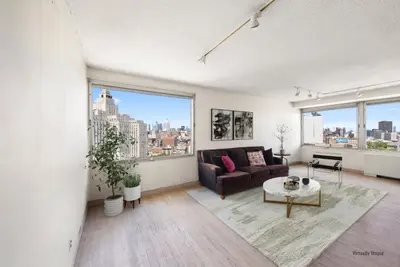
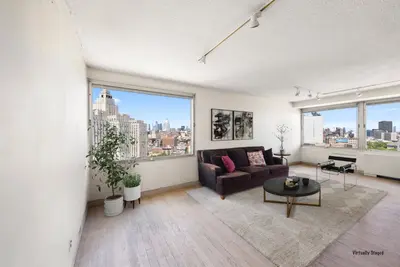
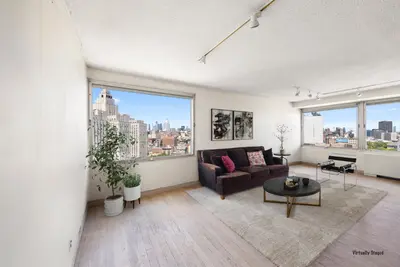
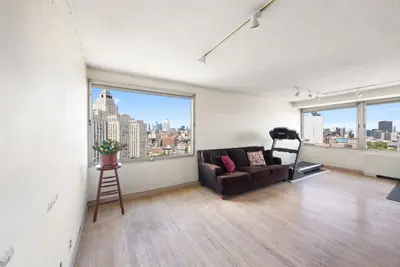
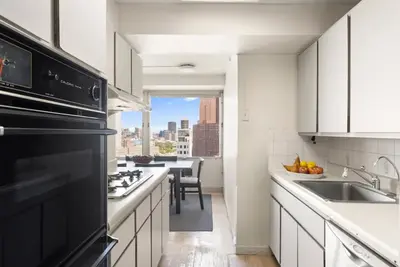
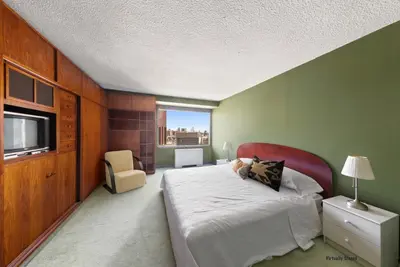
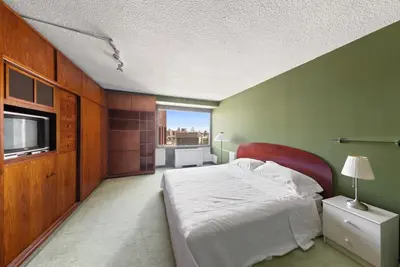
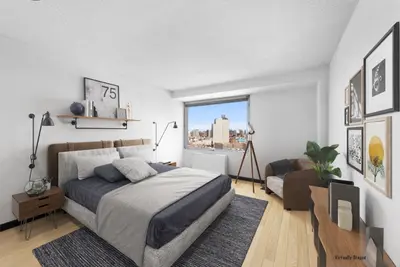
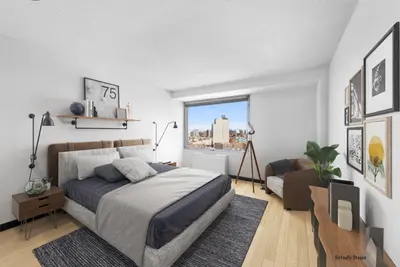
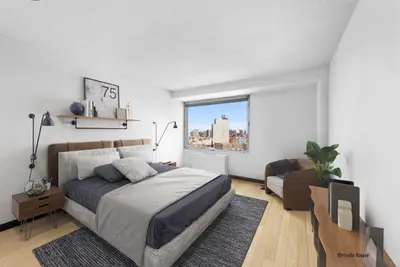
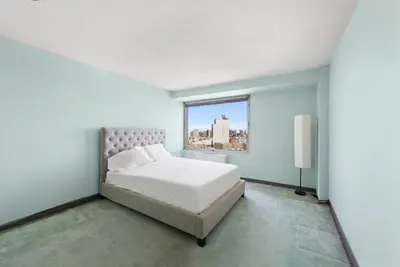
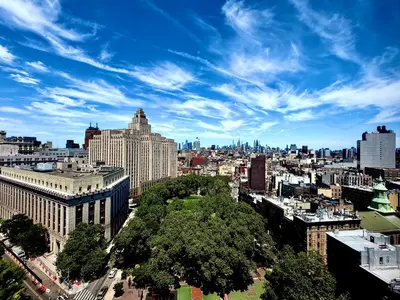
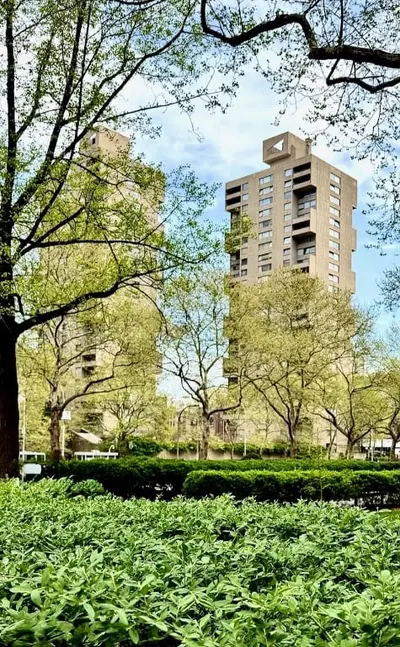
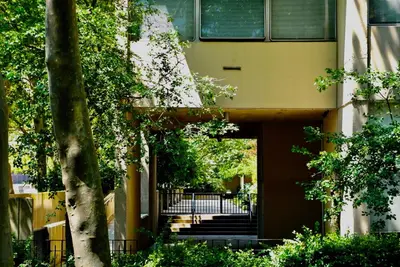
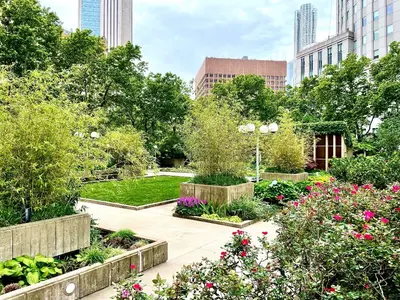


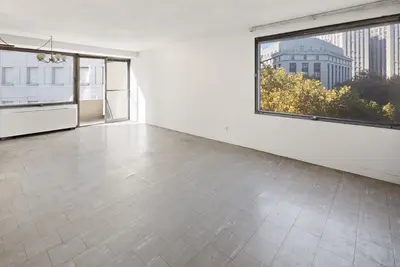
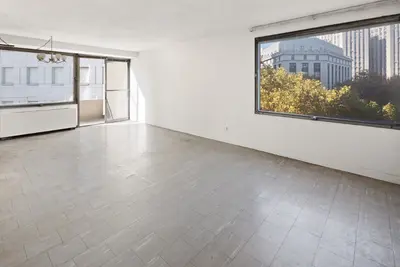
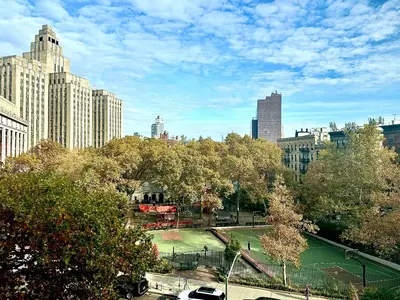
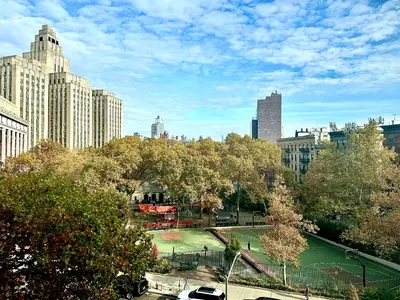
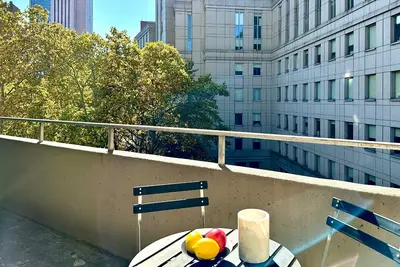
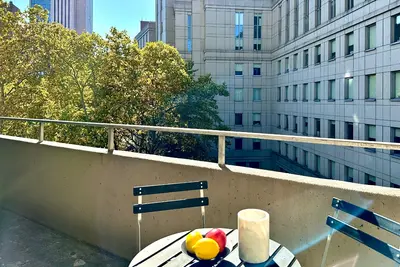
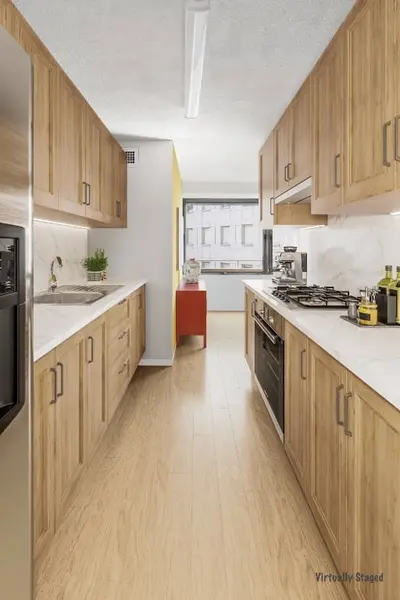
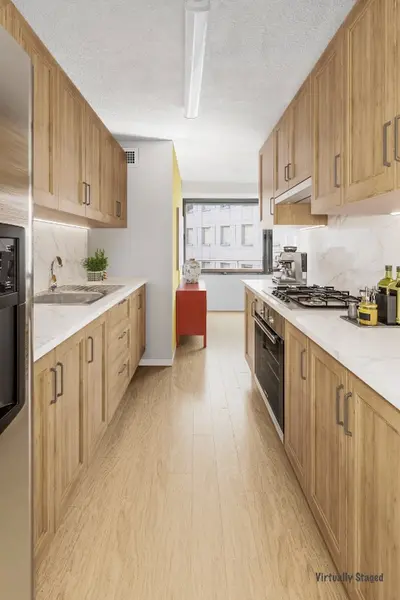
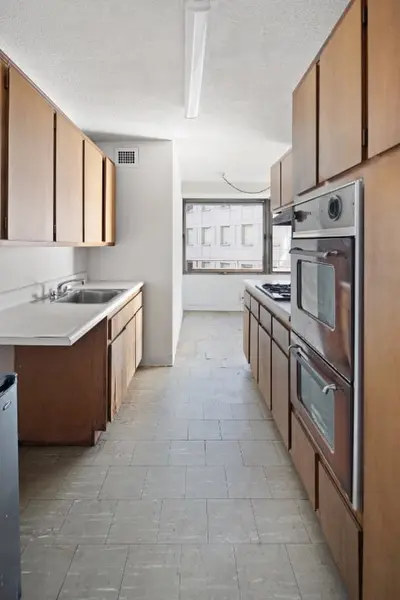
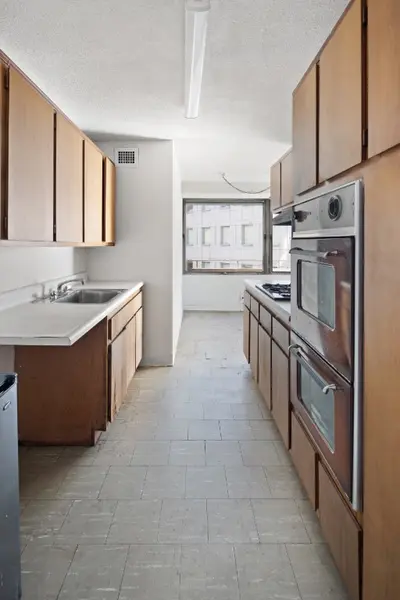
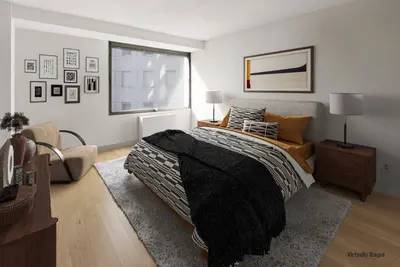

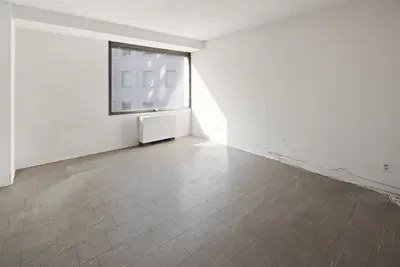
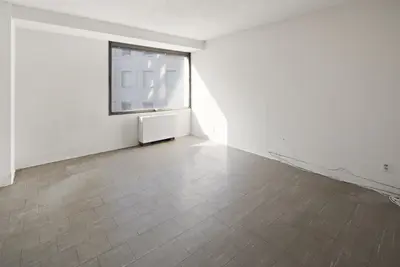
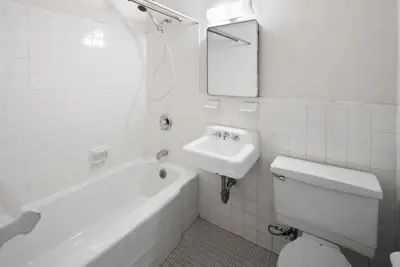
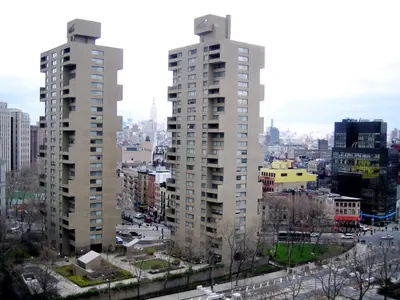
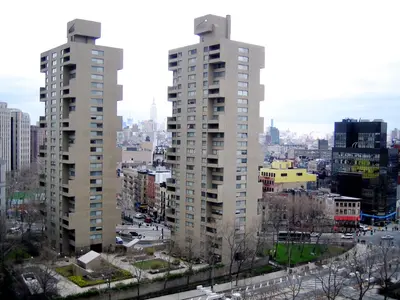
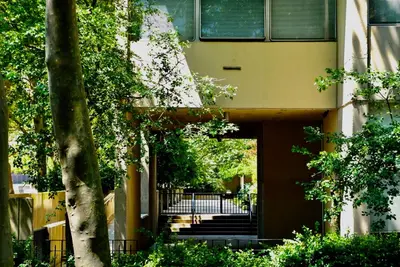
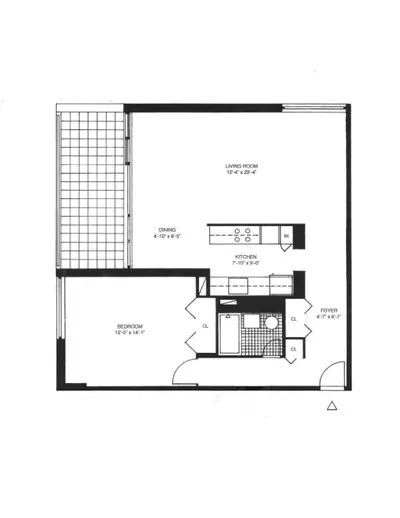
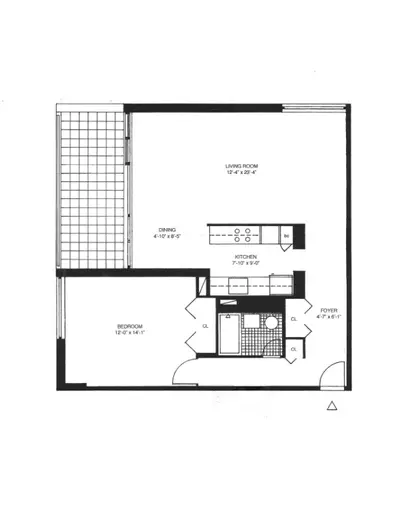
Chatham Towers stands as one of New York City's most significant examples of Brutalist architecture, completed in 1964 alongside landmarks like the Whitney Museum and MetLife Building. The complex consists of two bold 25 story towers at 170 and 180 Park Row, designed by Kelly & Gruzen for the Association for Middle Income Housing. This 240 unit cooperative development was revolutionary as Manhattan's first residential housing built with exposed concrete poured on site, introducing a raw, sculptural presence that continues to command attention despite its controversial architectural style.
The towers showcase distinctive design elements that set them apart from typical residential buildings. Notable features include trapezoidal openings in the rooftop water tank enclosures and a unique balcony pattern where two floors of corner balconies alternate with two floors without balconies. The buildings were technological pioneers, being Manhattan's first to use double glazed windows with built in venetian blinds and the first to use drywall instead of traditional plaster. The corner balconies feature fully walled corners, which limits views somewhat but enhances the buildings' robust, sculptural quality.
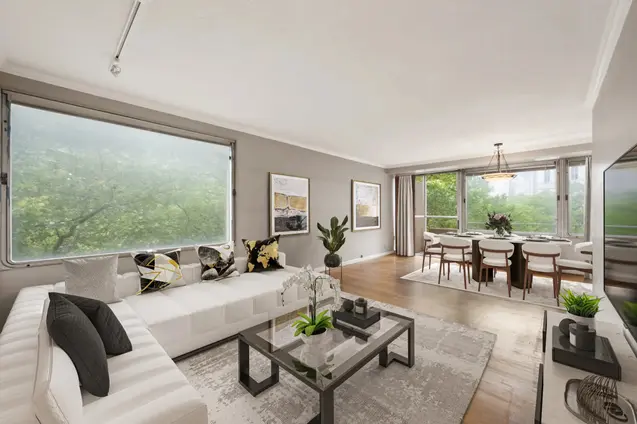
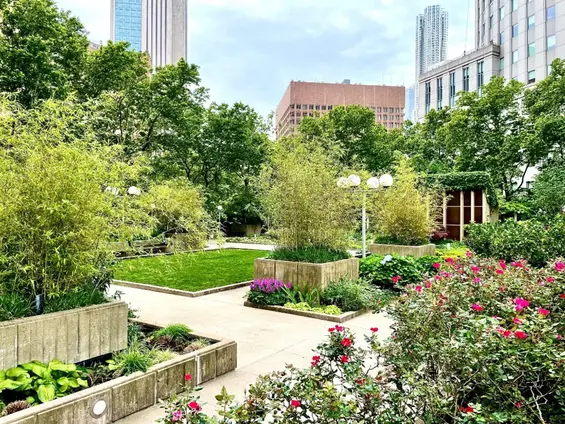
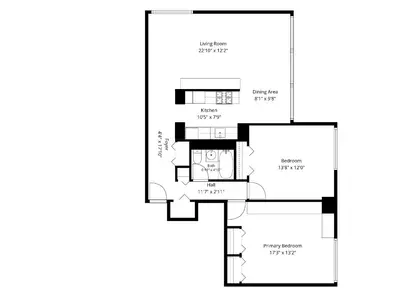
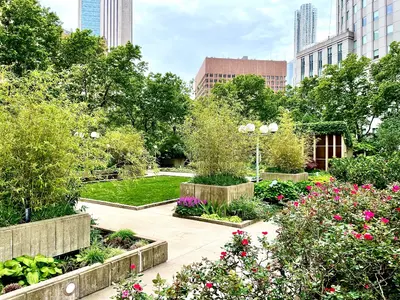
The development occupies only 15% of its triangular site, which includes an underground 125 car garage and outdoor spaces designed by renowned landscape architect M. Paul Friedberg. Each tower contains five apartments per floor, with most units featuring corner exposures that provide multiple directions of natural light. Current listings reveal apartments ranging from alcove studios of approximately 550 square feet to spacious penthouses, with many units offering spectacular views of the Empire State and Chrysler Buildings and Columbus Park. Corner units are particularly sought after for their expansive picture windows and private terraces.
Located at the intersection of Chinatown, Tribeca, and the Financial District, Chatham Towers was built on historically significant land that was part of the notorious Five Points neighborhood. The site, bounded by Park Row, Worth and Baxter Streets, and Mulberry Street, was previously proposed for a "China Village" development that never materialized. The location provides residents with direct access to the Manhattan and Brooklyn Bridges and proximity to multiple subway lines, making it exceptionally well connected to the rest of Manhattan.
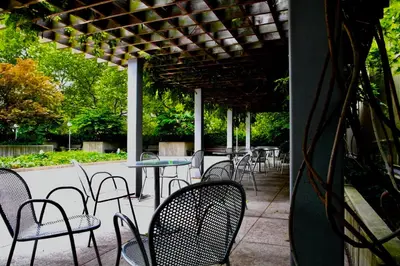
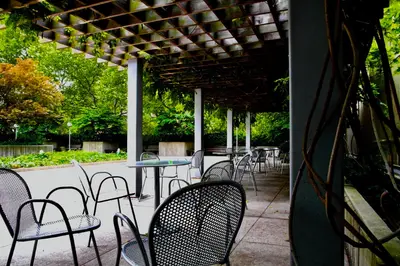
The full service building offers comprehensive amenities including 24 hour doorman service, a live in superintendent, central air conditioning, and laundry facilities. The development features both bike and regular storage facilities, with parking available at discounted rates for shareholders at $235 per month. The monthly maintenance includes electricity costs, and the building is pet friendly with sublets permitted for three out of any five year period after one year of ownership. The beautifully landscaped garden plaza, built atop the two story parking garage, provides residents with a tranquil retreat in the heart of downtown Manhattan.
Despite initial criticism about its apparent incompleteness and insular nature, Chatham Towers has proven its lasting significance in New York's architectural landscape. The same firm responsible for the nearby undulating Chatham Green apartment building created these towers as part of a broader vision for modern urban living. The complex represents a bold departure from traditional subsidized housing design, successfully conveying luxury and sophistication through its innovative use of materials and thoughtful site planning, while maintaining its status as an important example of mid century Brutalist architecture.
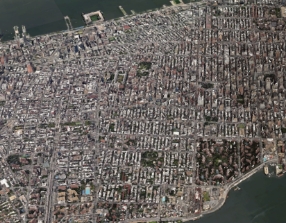
View school info, local attractions, transportation options & more.
Experience amazing 3D aerial maps and fly throughs.

 6sqft delivers the latest on real estate, architecture, and design, straight from New York City.
Like us on Facebook to keep up with the trends and
6sqft delivers the latest on real estate, architecture, and design, straight from New York City.
Like us on Facebook to keep up with the trends and 
