
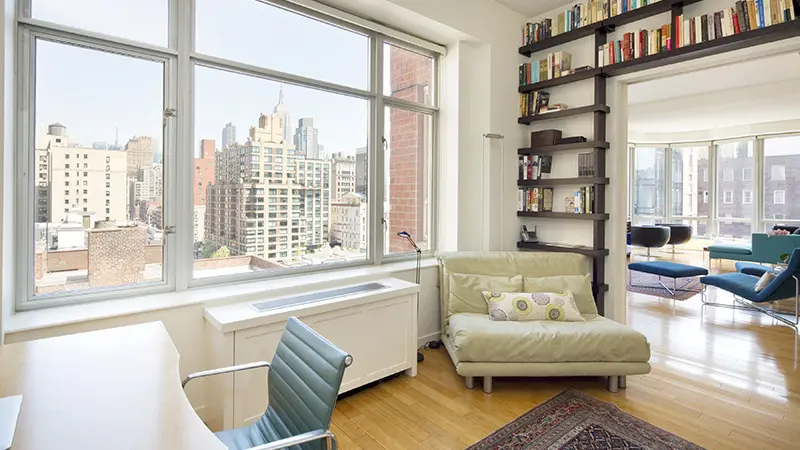
Vesta 17, located at 201 West 17th Street, is a 12-story condominium in Chelsea featuring 37 units. Converted from a loft building in 2001, this red-brick building with a rusticated limestone base and a double-height lobby with a glass canopy entrance, is named after the goddess of the hearth.
Residents enjoy a dedicated 24-hour doorman, a beloved full-time resident superintendent, and a porter. Each floor houses no more than four apartments, all equipped with their own washer and dryer, large windows, high-speed Internet access, and bathrooms with limestone floors and rainhead shower spouts.
The building offers attractive retail spaces, though it lacks sidewalk landscaping, a garage, and balconies. It is in close proximity to the Xavier School and benefits from an excellent Chelsea location with great local shopping, numerous restaurants, and good public transportation at 14th Street.
Vesta 17 also provides two fully landscaped, Wi-Fi-enabled roof decks with panoramic city views, multiple lounges, a heated pergola dining section for 12, and a movie screening area. These roof decks can be reserved for private events. Additional amenities include a bike room and a pet-friendly policy. The building is conveniently located near public transportation, the new 20th Street playground, Whole Foods, and Trader Joe’s, with easy access to the West Village, Flatiron, Meatpacking, and the High Line.
For screen reader users all content above is visible so you may ignore the show more button below.
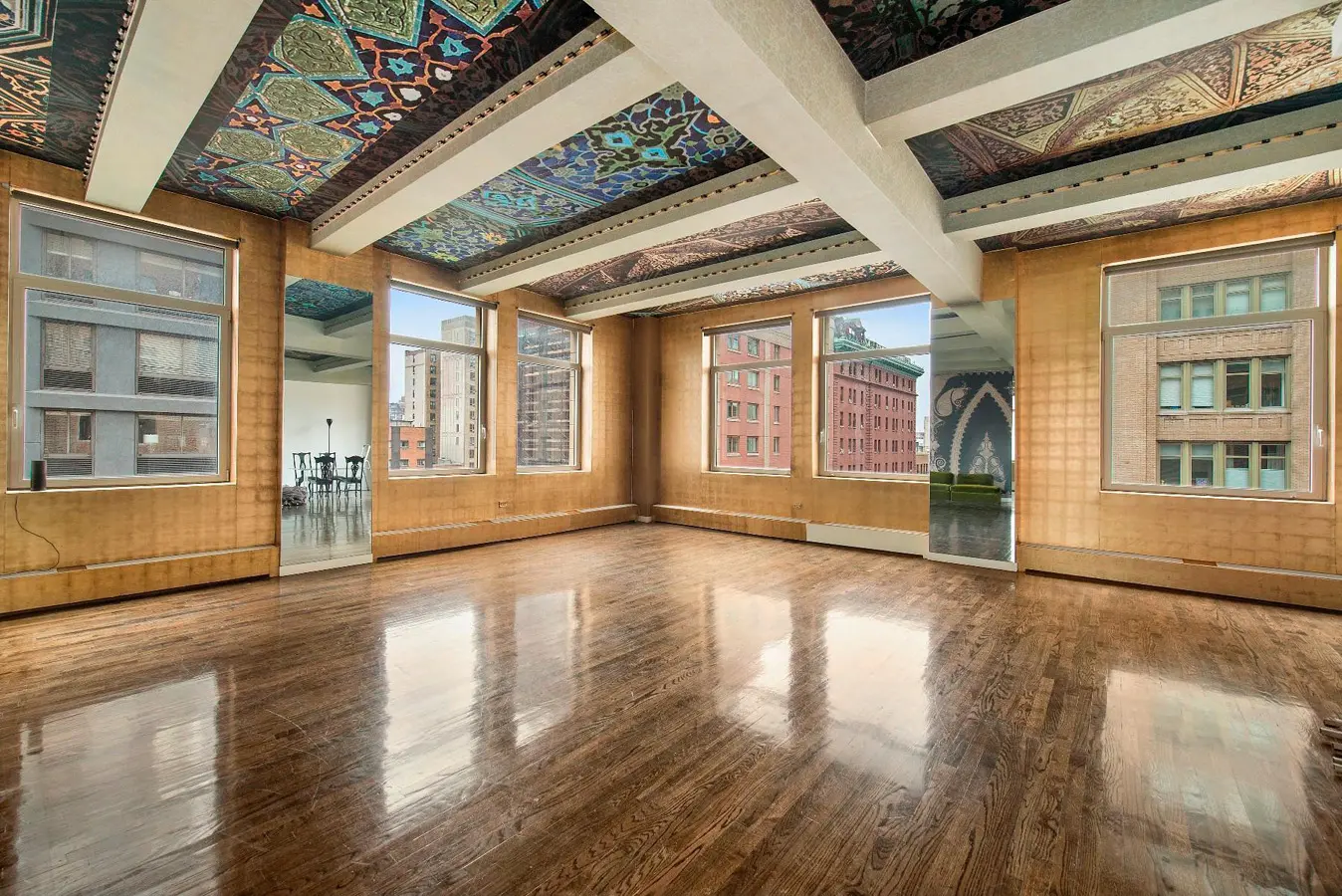
Chelsea Atelier is a boutique condominium located at 245 Seventh Avenue in Chelsea, New York City. Originally built in 1911 and converted into residential condominiums in 1997 by Harry Macklowe, the building features 12 stories and 33 residences. It offers a range of amenities including a full-time doorman, on-site superintendent, bike room, and resident storage, with a pet-friendly policy.
The architectural design, crafted by Squires & Wynkoop, showcases a blend of pre-war charm and modern living. The building's façade features a brownstone base with decorative elements, while the upper levels are characterized by beige-brick façades and a distinctive flared top. Residents enjoy proximity to Whole Foods, the High Line, and various dining and transportation options, making it a prime location for urban living.
Apartments in Chelsea Atelier are known for their spacious layouts and high ceilings, with many units featuring in-unit washers and dryers. Notable residences include a three-bedroom duplex penthouse previously owned by fashion designer Thierry Mugler, which sold for $7,890,000 in 2012. Other units range from one to three bedrooms, often showcasing open-concept designs, modern kitchens with high-end appliances, and ample natural light from oversized windows.
In addition to its luxurious living spaces, Chelsea Atelier has attracted notable residents, including fashion designer Reem Acra. The building's intimate setting, with only three apartments per floor, enhances its appeal, providing a unique blend of comfort, style, and convenience in the heart of Chelsea.
For screen reader users all content above is visible so you may ignore the show more button below.
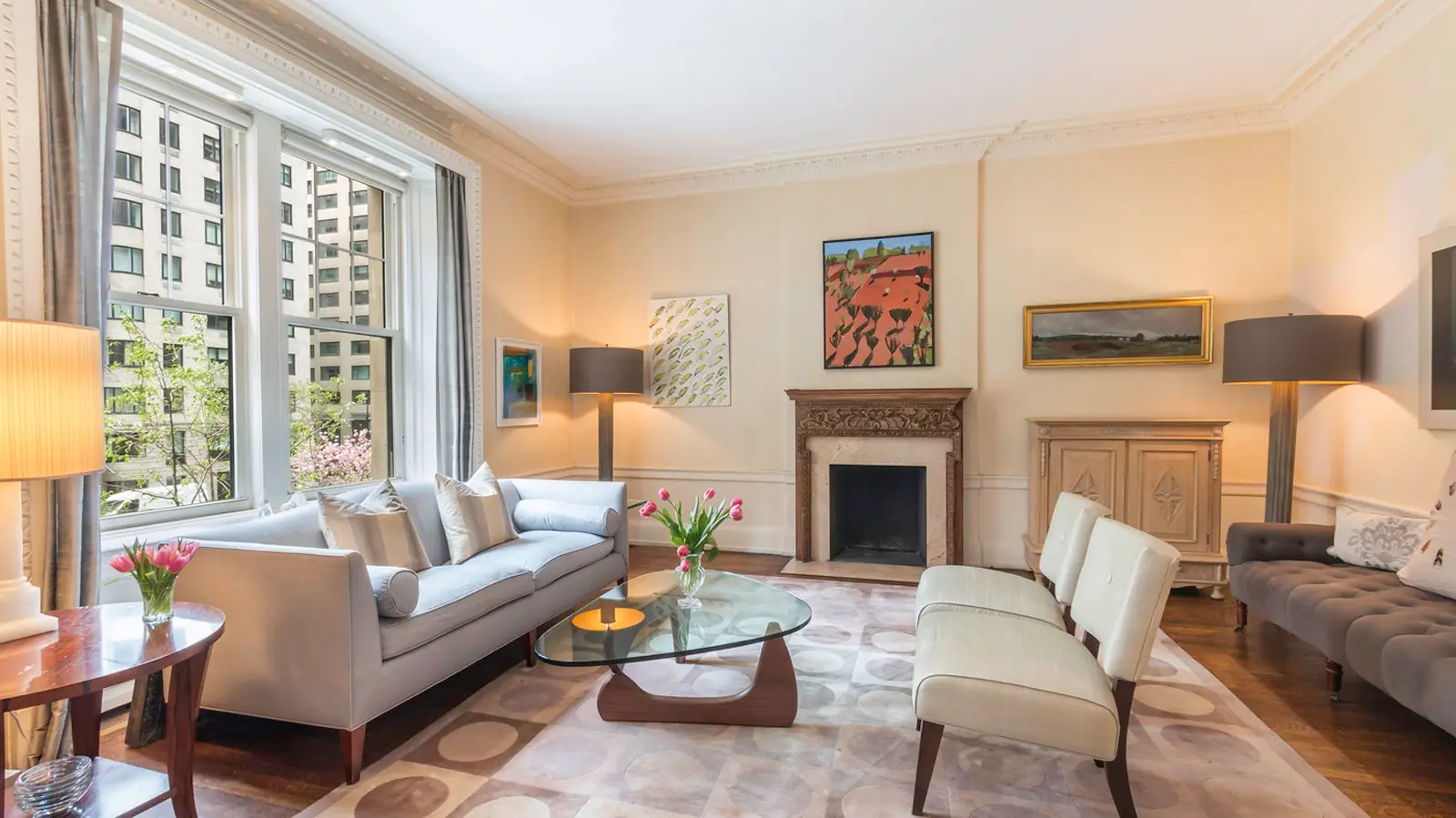
521 Park Avenue was designed by William Boring, an American-born architect who studied architecture at the Ecole des Beaux-Arts before returning to New York and joining the firm of McKim, Mead and White. The limestone building has been honored with numerous international design awards, including a gold medal for architecture from the Exposition Universelle in Paris in 1900.
521 Park Avenue was constructed as a cooperative in 1911, converted to a condominium in 1987, and currently has 24 units. The building has a full-time doorman, a live-in superintendent, a fitness center, and private storage that transfers with each unit. It also benefits from a location near Central Park, world-renowned restaurants, and top shopping. Pets, pied-a-terres, and flexible financing are allowed.
For screen reader users all content above is visible so you may ignore the show more button below.
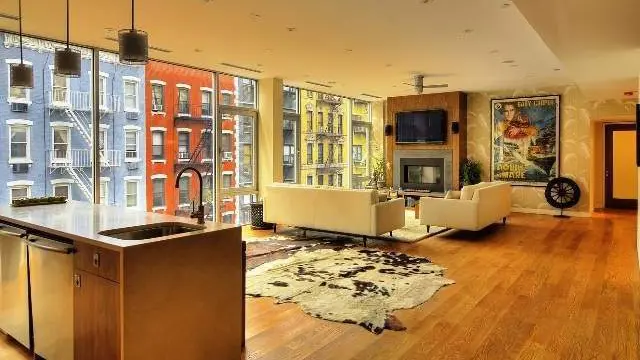
This mid-block condominium at 433 East 74th Street stands as one of the most elegant post-war buildings on the Upper East Side. Known as Lux 74, the 7-story building, completed in 2008, features 12 apartments, including a duplex maisonette. Developed by Josh Guberman of Core Development Group, the same team behind Union Square Lofts, the building was designed by Chris Caranno of ADG Architecture and Design, PC.
Lux 74 offers 24-hour concierge service, a landscaped roof deck, a spa club, and a resident lounge and dining area with a fireplace. The building is also staffed by a full-time superintendent and porter.
The kitchens are outfitted with custom Italian walnut cabinetry, Viking appliances, Sub-Zero refrigerators, Giallo Elena limestone countertops and backsplashes, and Thermador ovens. Bathrooms feature walnut vanities, wall-mounted faucets, radiant heated floors, Toto Ultimate toilets, Dranch Rain shower heads, and limestone walls.
The building also boasts an expansive rear garden, framed by a wall of tall bamboo trees, offering a serene outdoor retreat for residents.
For screen reader users all content above is visible so you may ignore the show more button below.
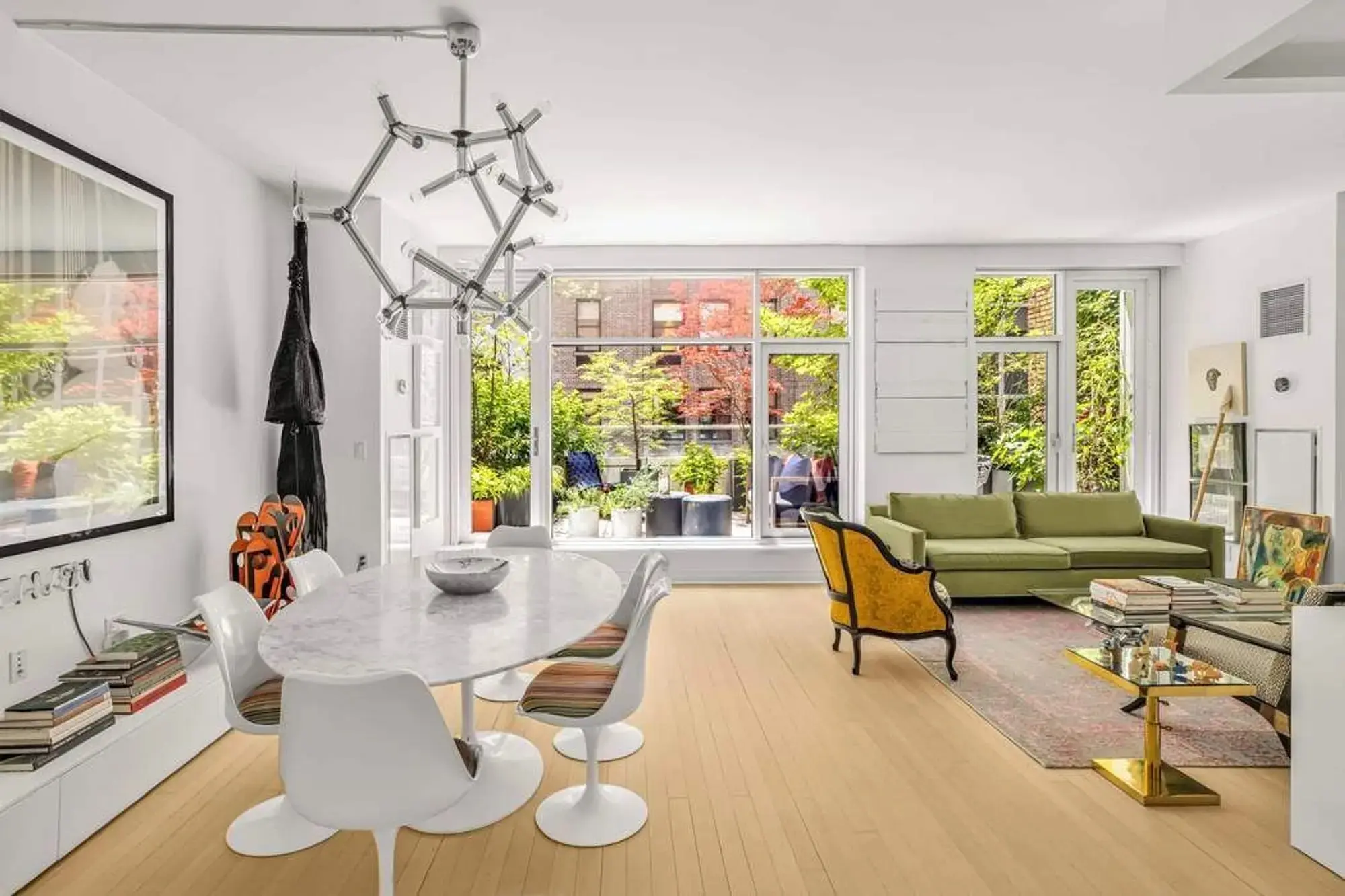
Located at 5 East 44th Street between Fifth and Madison Avenues, Number 5 is a distinctive 20-story condominium tower stands as one of Midtown's narrowest "sliver" buildings, designed by Alan Ritchie of The Office of Philip Johnson. Known for its bold and modern façade, the building combines off-white metal panels with striking red and yellow accent columns, making it a lively addition to the mid-block streetscape.
Developed by Sam Suzuki of The Vintage Group and completed in 2009, the building contains 20 apartments, most of which are full-floor residences. Each apartment is thoughtfully designed, with features like high ceilings, Bulthaup kitchens, and Toto fixtures. Floor-through layouts typically include a spacious living/dining area, an open kitchen, and a private gallery leading to the bedrooms. Select units offer private terraces.
The building’s amenities include an attended lobby, central air-conditioning, and a live-in superintendent. its excellent Midtown location provides easy access to the New York Public Library, major clubs, and Grand Central Terminal just a block away.
Historically, the site was once home to Canfield’s Gambling House, one of the Gilded Age's most prestigious establishments until its closure in an anti-vice campaign in 1901. Today, it’s two doors from the Art Deco tower at 535 Fifth Avenue, adjacent to J. Press at 11 East 44th Street, and in the same block as Brooks Brothers, positioning residents close to Midtown’s best shopping, dining, and transport options.
For screen reader users all content above is visible so you may ignore the show more button below.
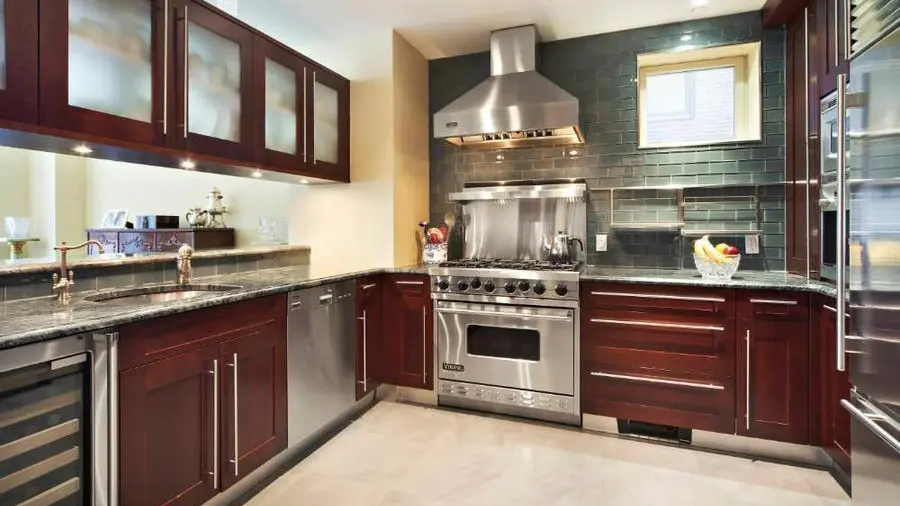
330 East 72nd Street is a boutique condominium featuring only 12 units, providing a sense of privacy and exclusivity. Built in 2004, the building showcases a striking red-brick façade with angled brick piers and a two-story white stone base and top. Residents enjoy a full-time doorman, a fitness center, and a children's playroom, enhancing the living experience in this central Upper East Side location, which is conveniently close to shops, restaurants, and the Q train.
The apartments at 330 East 72nd Street are characterized by their spacious layouts, with many units offering full-floor or duplex configurations. Common features include high ceilings—often around 9 to 10 feet—wood or gas-burning fireplaces, and luxurious kitchens equipped with high-end appliances such as Sub-Zero refrigerators and Viking ranges. The residences also boast ample storage, including walk-in closets and private storage units, catering to the needs of modern living.
Notable apartments include a 3-bedroom, 3-bathroom full-floor unit that spans 2,334 square feet, featuring a private elevator, expansive great room, and a chef's kitchen designed for entertaining. Additionally, duplex options provide generous living spaces with multiple exposures and modern amenities, making them ideal for families or those seeking a sophisticated urban lifestyle.
While the building is pet-friendly with board approval, it also maintains a quiet atmosphere, thanks to triple-pane windows that reduce noise. The combination of elegant design, high-end finishes, and a prime location makes 330 East 72nd Street a desirable choice for discerning buyers.
For screen reader users all content above is visible so you may ignore the show more button below.
For screen reader users all content above is visible so you may ignore the show more button below.
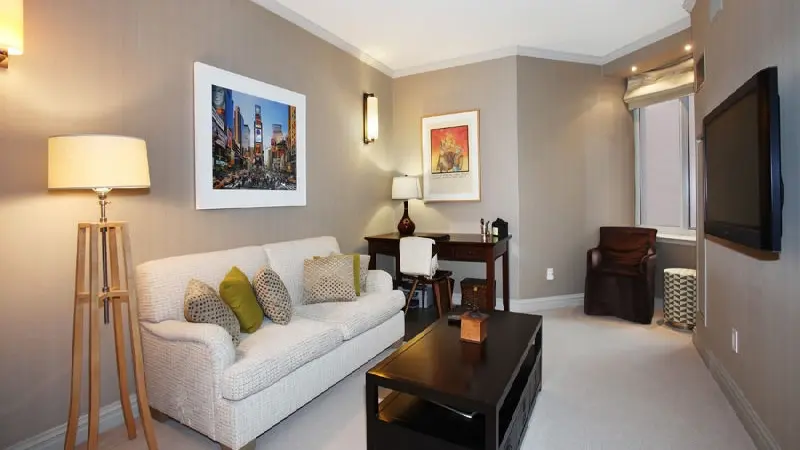
Designed by Costas Kondylis, 90 East End Avenue was completed in 1998.
With only 38 residences on 21 floors, 90 East End Avenue apartments are sprawling, with the smallest well over 1,000 square feet. All units have mahogany herringbone patterned floors, large entry foyers, nine-foot ceilings and separate dining rooms, while some feature wood-burning fireplaces and expansive terraces. Large, gourmet eat-in kitchens have raised-panel cherry wood cabinets, granite countertops and backsplashes and top-of-the-line appliances. Master bathrooms have black marble accents, double sinks, and deep soaking tubs. Oversized windows offer spectacular views of Carl Schurz Park and the East River.
Amenities at 90 East Avenue include a full-time doorman, a live-in building manager, valet parking, a state-of-the-art fitness center, children’s outdoor and indoor play area and storage bins.
Gracie Square is a residential and quiet area around the handsome Carl Schurz Park. There is no bus service on East End Avenue.
For screen reader users all content above is visible so you may ignore the show more button below.
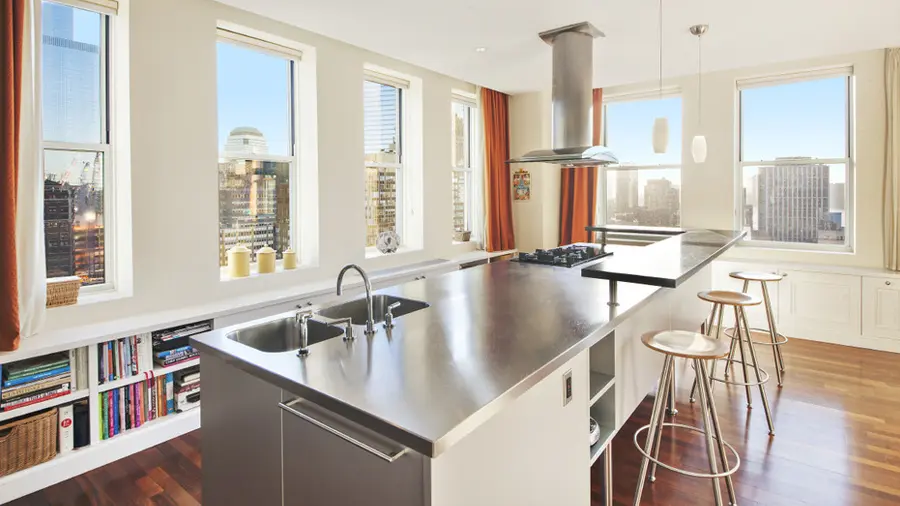
Tower 270, also known as 80 Chambers Street, is a 28 story building erected in 1930 at the southwest corner of Broadway and Chambers Street. Originally serving as the Arthur Levitt State Office Building for various New York State departments, it was sold by the state in 2000 for $33.6 million, the highest valued property sale ever consummated by New York State at that time. In 2003, developer RAL Companies converted the top 13 floors into 39 condominium apartments ranging from 1,998 to 8,117 square feet, with Studio Petrarca designing 17 different floor plans. The building retains approximately 100,000 square feet of offices on floors 2 through 7 and 48 rental apartments on floors 8 through 15. A notable piece of history: in 1942, the 18th floor housed the Army Corps of Engineers division that oversaw the Manhattan Project.
The condominium residences feature dramatic loft proportions with 10 to 10.5 foot beamed ceilings and oversized windows providing multiple exposures and panoramic views spanning from the Hudson River to the Brooklyn Bridge. Common finishes include open chef's kitchens with islands, Sub-Zero refrigerators, Miele and Wolf appliances, and Bulthaup cabinetry. Bathrooms typically feature Philippe Starck soaking tubs, Dornbracht fixtures, and honed limestone or marble. Floor plans range from one bedroom units around 1,000 square feet to a triplex penthouse with an 800 square foot private terrace. Many apartments include in-unit washer/dryers and private storage units on the same floor.
Tower 270 operates as a full service condominium with a 24 hour doorman, concierge, and live-in resident manager. Amenities include three fitness centers, laundry facilities on every floor, a children's playroom, teen media lounge, conference room, bike storage, and a landscaped rooftop terrace with 360 degree views of the city skyline and Hudson River. The building recently completed lobby renovations and Local Law 11 façade work. The property is pet friendly and features an Art Deco lobby that reflects its prewar heritage.
The location directly across from City Hall Park offers residents proximity to TriBeCa's dining and shopping scene, Whole Foods, Target, Brookfield Place, and the World Trade Center complex. Transportation options are exceptional, with R/W, A/C/E, 1/2/3, 4/5/6, J/Z and PATH trains all within two blocks. The building provides views of the Municipal Building, Brooklyn Bridge, and City Hall, positioning residents at the convergence of the Financial District, TriBeCa, and Lower Manhattan's civic center.
For screen reader users all content above is visible so you may ignore the show more button below.
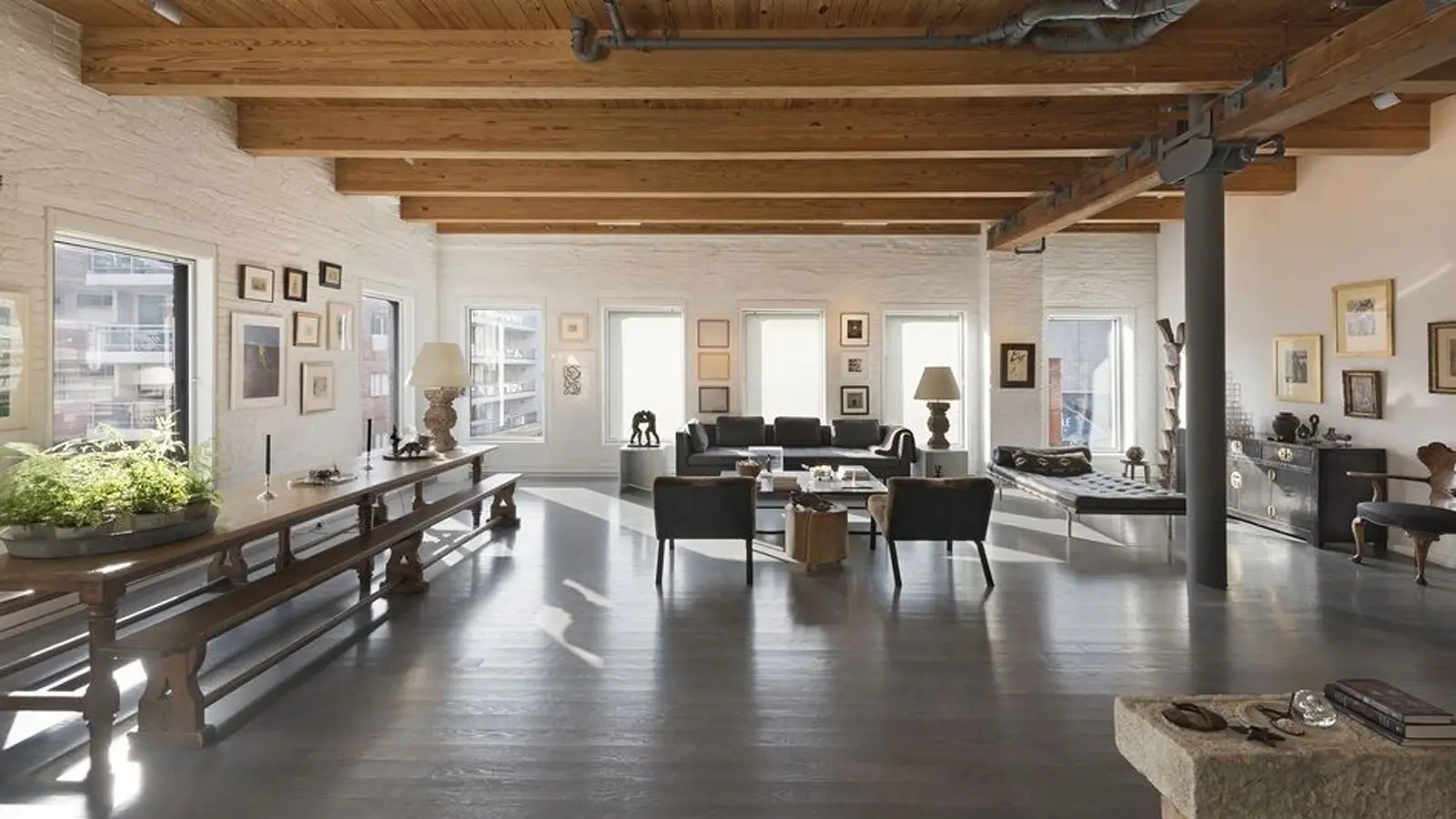
The Machinery Exchange, located at 136 Baxter Street, was originally built in 1915 as a horse stable for the nearby Beaux-Arts Police Headquarters. The building underwent a significant transformation in 2007, converting it into a boutique condominium with just 14 units. This seven-story structure is situated at the intersection of SoHo, Nolita, and Chinatown, providing residents with easy access to vibrant dining and cultural experiences.
Architects Ohlhausen Dubois preserved the building's historical character while incorporating modern amenities. Residences feature high ceilings—ranging from 10.5 to 14 feet—exposed brick walls, and original timber beams. Kitchens are equipped with high-end finishes, including Valcucine cabinetry, Miele appliances, and Sub-Zero refrigerators, ensuring a blend of historic charm and contemporary convenience.
Notable units include spacious lofts with flexible layouts, ideal for both living and working. The building offers amenities such as a virtual doorman, a full-time resident manager, and deeded storage units. Among its notable residents is actor Norman Reedus, adding to the building's appeal as a sought-after residence in downtown Manhattan.
With its unique architectural history and prime location, the Machinery Exchange stands out as a distinctive option for those seeking a blend of character and modern living in one of New York City's most dynamic neighborhoods.
For screen reader users all content above is visible so you may ignore the show more button below.
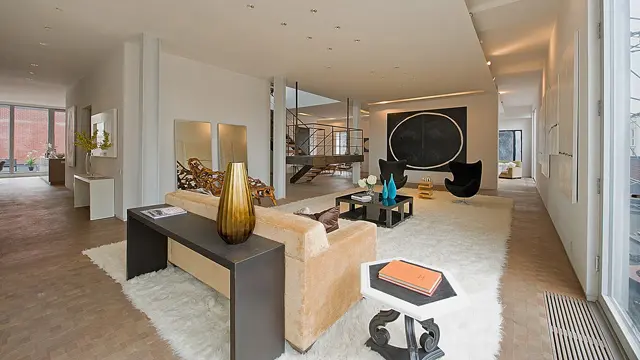
213 West 23rd Street is a boutique pre-war condo that was transformed into twelve lofts in 2004, features a newly renovated lobby, part-time doorman and on-site superintendent. The condo permits immediate unlimited sublets, live/work, investors, foreign buyers, pieds-a-terre, co-purchasing, gifting, guarantors and pets.
The building is just blocks from Madison Square Park, Chelsea Piers, and the High Line Park. It is close to nightlife with an array of fine dining options, cozy cafes and world-class shopping with Eataly, Whole Foods, and Trader Joe's just around the corner. It offers easy access to major transportation lines.
For screen reader users all content above is visible so you may ignore the show more button below.
For screen reader users all content above is visible so you may ignore the show more button below.
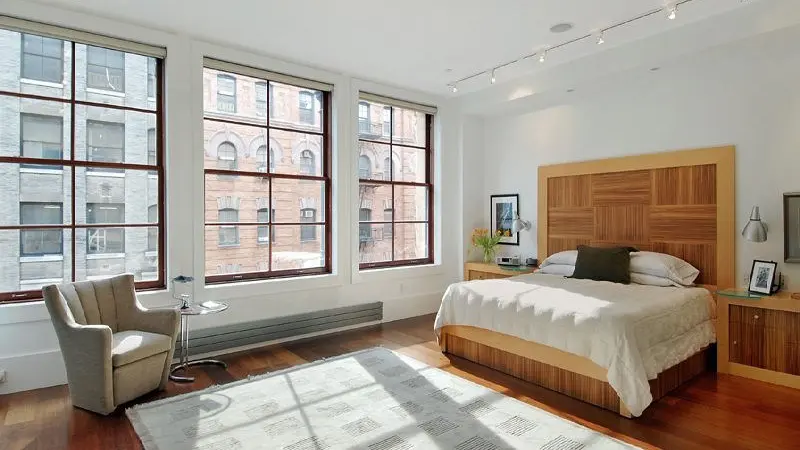
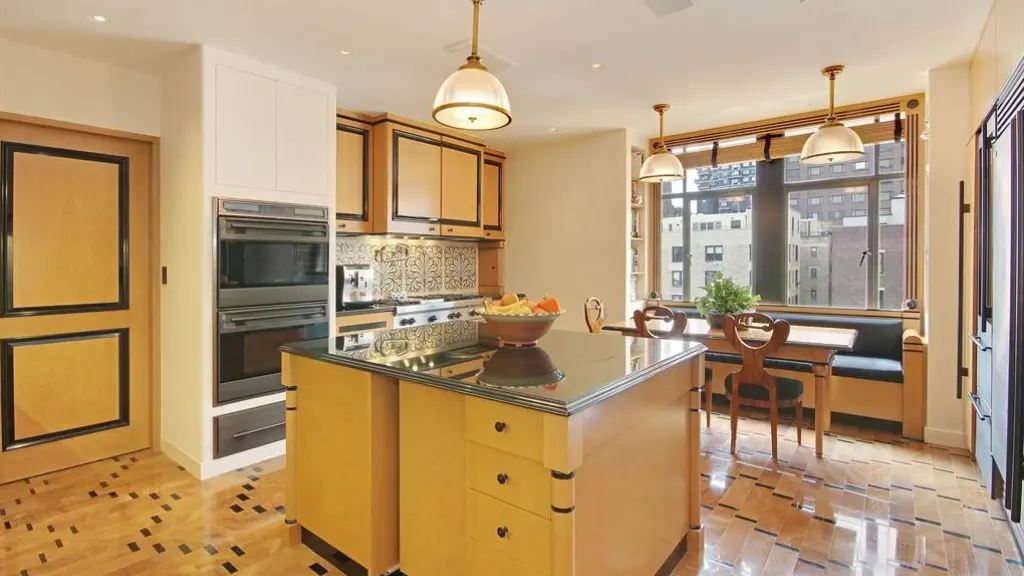
140 Franklin Street is one of central Tribeca's most distinguished residential conversions, housed within a Romanesque Revival masterpiece designed by Albert Wagner in 1887. Wagner, who also created the iconic Puck Building, originally designed this cream-colored brick structure for wrapping paper magnate D.S. Walton & Co. The building's façade features balustraded rooflines, large arched windows on the fifth floor, strong rustication on the ground level, and a particularly notable protruding corner element on the top floor that showcases Wagner's architectural prowess.
Converted into a 14 unit boutique condominium by Sanba International Inc. under architect Aldo Andreoli, the building maintains its historic grandeur while offering modern luxury amenities. Residents enjoy 24 hour doorman service, a full time superintendent, and a lobby featuring an original mural by renowned conceptual artist Sol LeWitt, making it one of the few residential buildings downtown to showcase work by this celebrated American artist. The building also includes a water filtration system and comprehensive security features.
The residences within 140 Franklin Street are characterized by their exceptional scale and authentic loft features. Most apartments boast soaring ceilings ranging from 11 to 14+ feet, original cast iron columns from the 1887 construction, wide plank hardwood floors (typically Brazilian wood or oak), and dramatic skylights that flood the spaces with natural light. Wood burning fireplaces serve as focal points in the grand living areas, while oversized windows, many reaching 10+ feet in height, frame views of Tribeca's historic streetscape.
The building houses several spectacular penthouses, including multiple duplex units with private landscaped terraces exceeding 2,200 square feet. These outdoor spaces feature custom sound systems, outdoor kitchens, and panoramic views of downtown landmarks including the One World Trade Center, Woolworth Building, and 56 Leonard Street. One particularly notable residence spans 6,300 square feet with a 100 foot long great room, while another penthouse designed by renowned architect Winka Dubbeldam offers over 5,000 square feet of interior space.
Kitchens throughout the building reflect chef caliber standards, typically featuring Sub-Zero refrigeration, Wolf ranges, and Gaggenau appliances. Many units include butler's pantries, wet bars with temperature controlled wine storage, and custom millwork by high end firms like Poliform. Bathrooms showcase luxury finishes including Bisazza glass mosaic tiles, Dorn Bracht fixtures, steam showers, and soaking tubs, while many residences feature Swiss engineered radiant heating systems and Lutron lighting controls.
Located on a cobblestone street in the heart of Tribeca's historic district, 140 Franklin Street offers proximity to the neighborhood's renowned dining scene and cultural attractions, with convenient subway access at the corner. The building's prestigious resident roster has included Mickey Drexler, former CEO of J. Crew.
For screen reader users all content above is visible so you may ignore the show more button below.

 6sqft delivers the latest on real estate, architecture, and design, straight from New York City.
Like us on Facebook to keep up with the trends and
6sqft delivers the latest on real estate, architecture, and design, straight from New York City.
Like us on Facebook to keep up with the trends and 