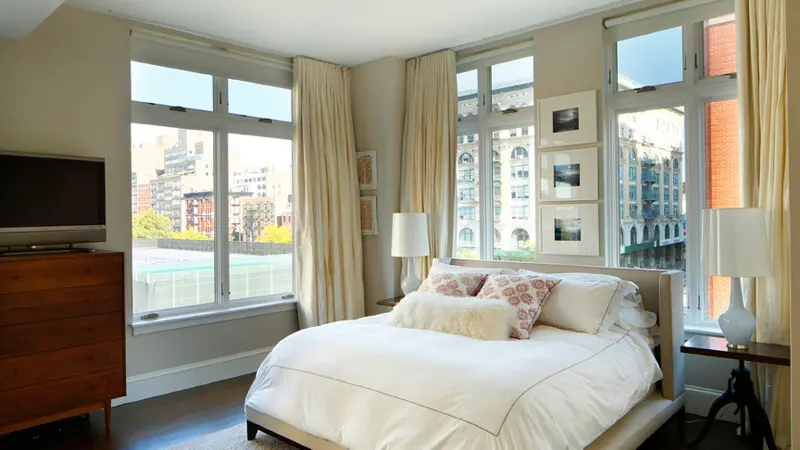
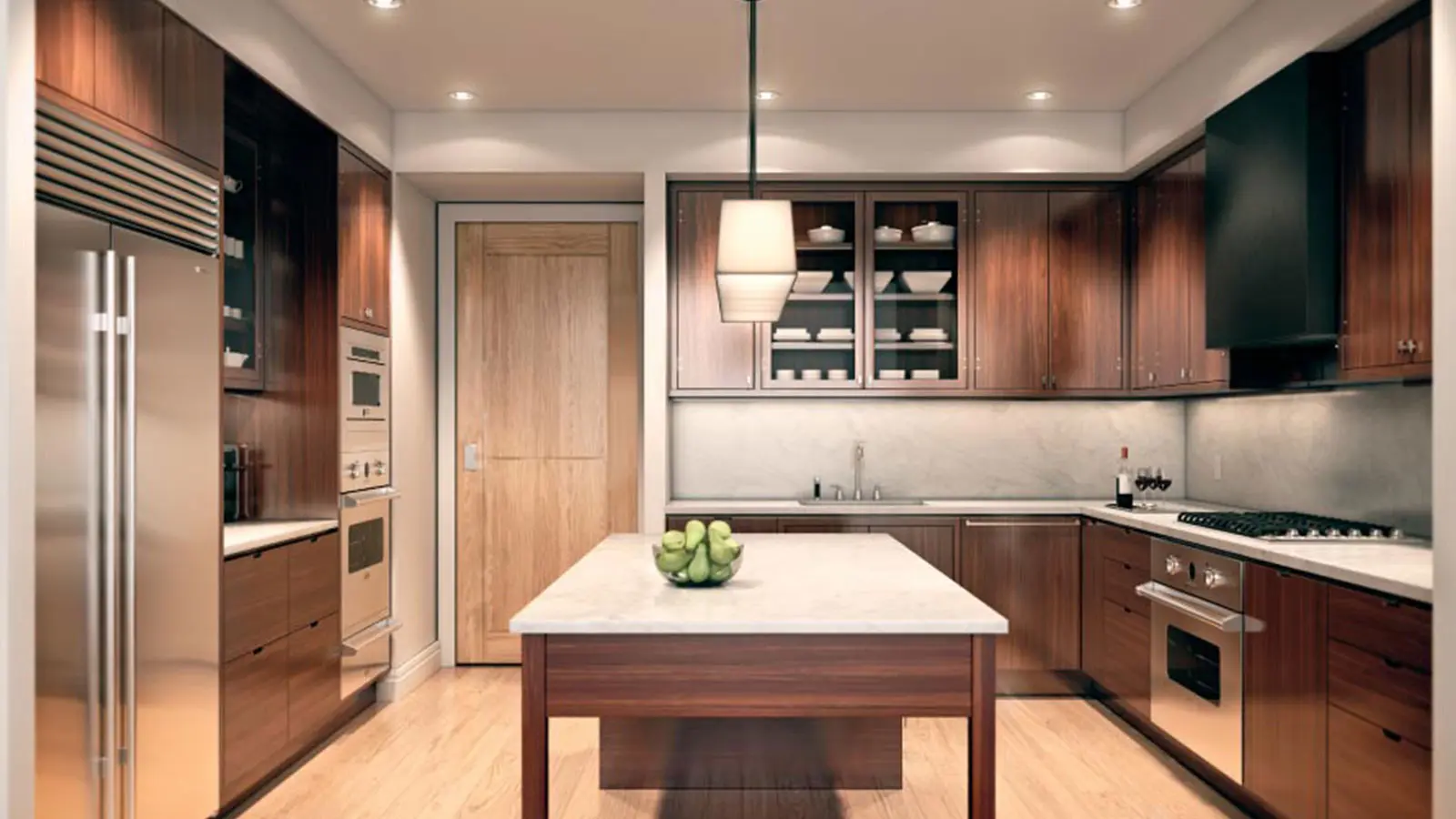
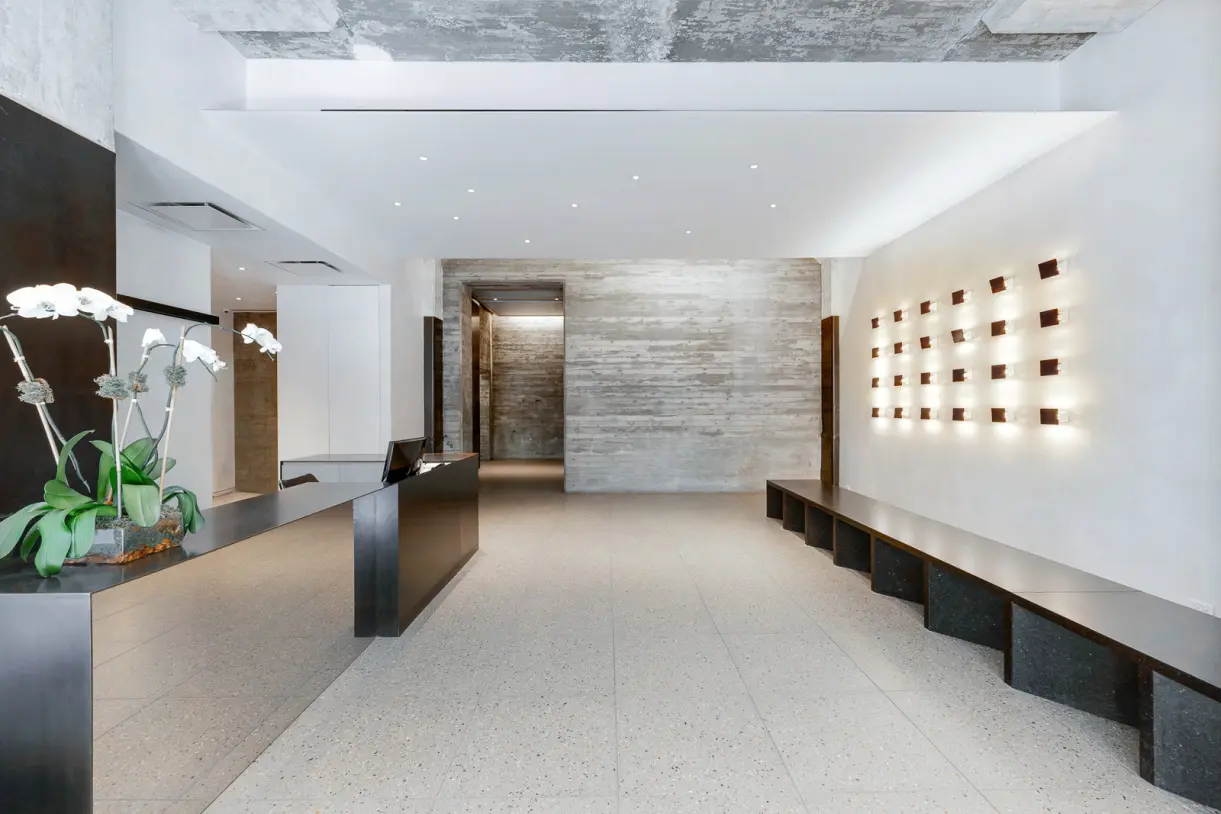
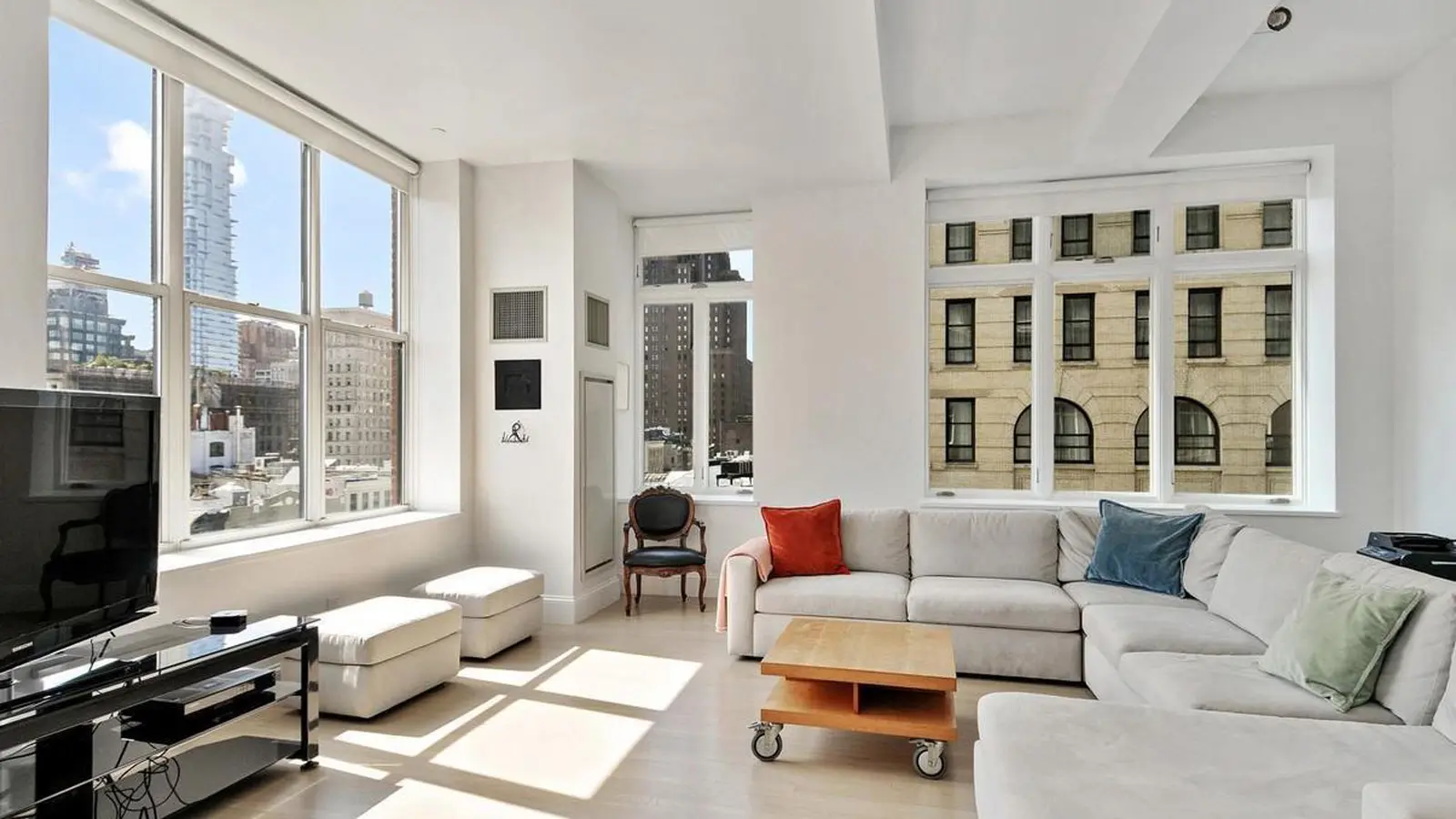
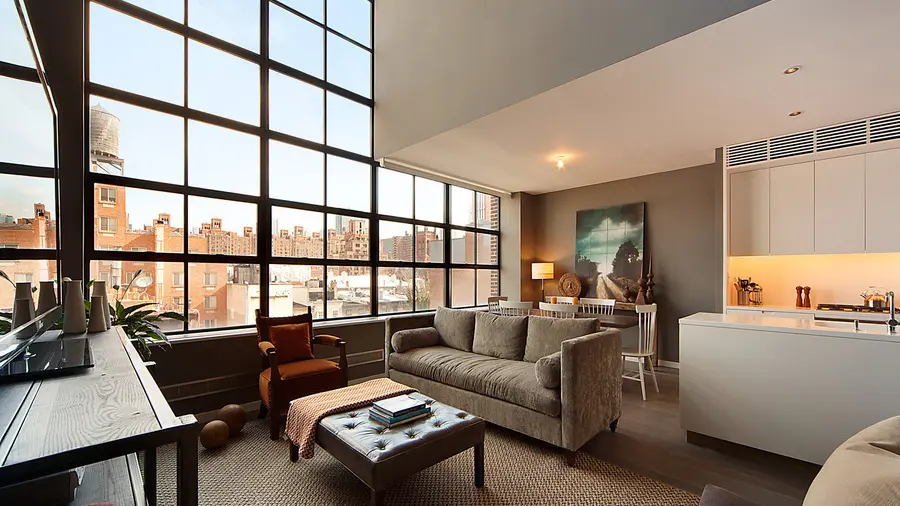
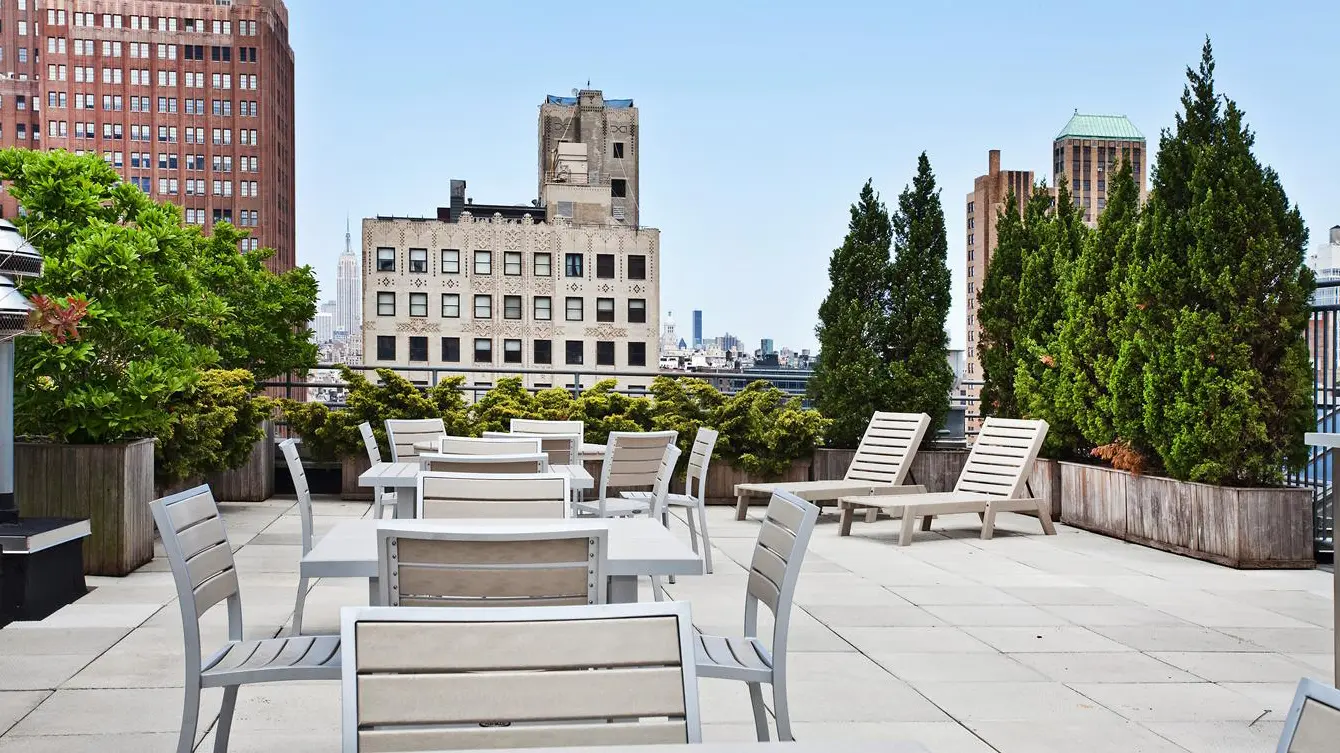
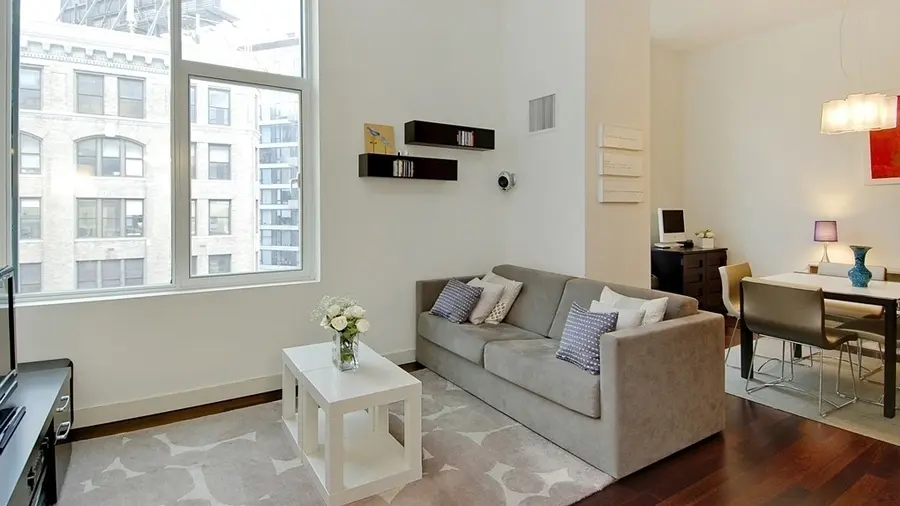
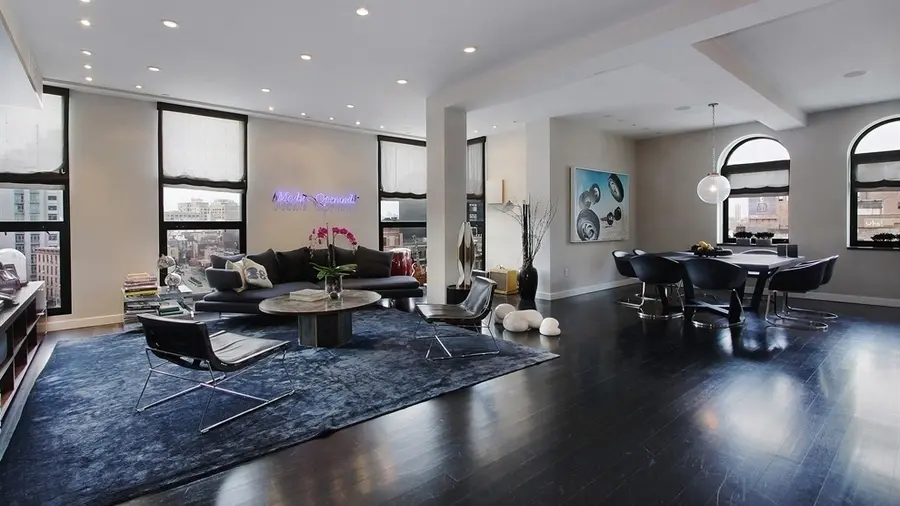
The North Moore is a noteworthy cast iron and brick warehouse originally erected in 1881 for the estate of John Castree, a prominent grocer and developer, and initially operated as a papermill. Converted to a 49 unit condominium in 2001, this 8 story building sits on one of Tribeca's most coveted cobblestone blocks at the corner of North Moore and Hudson Street in the heart of the Tribeca Historic District. The pet friendly building offers full service amenities including a 24 hour doorman, live-in superintendent, skylit lobby, three elevator banks, and furnished roof decks with breathtaking views.
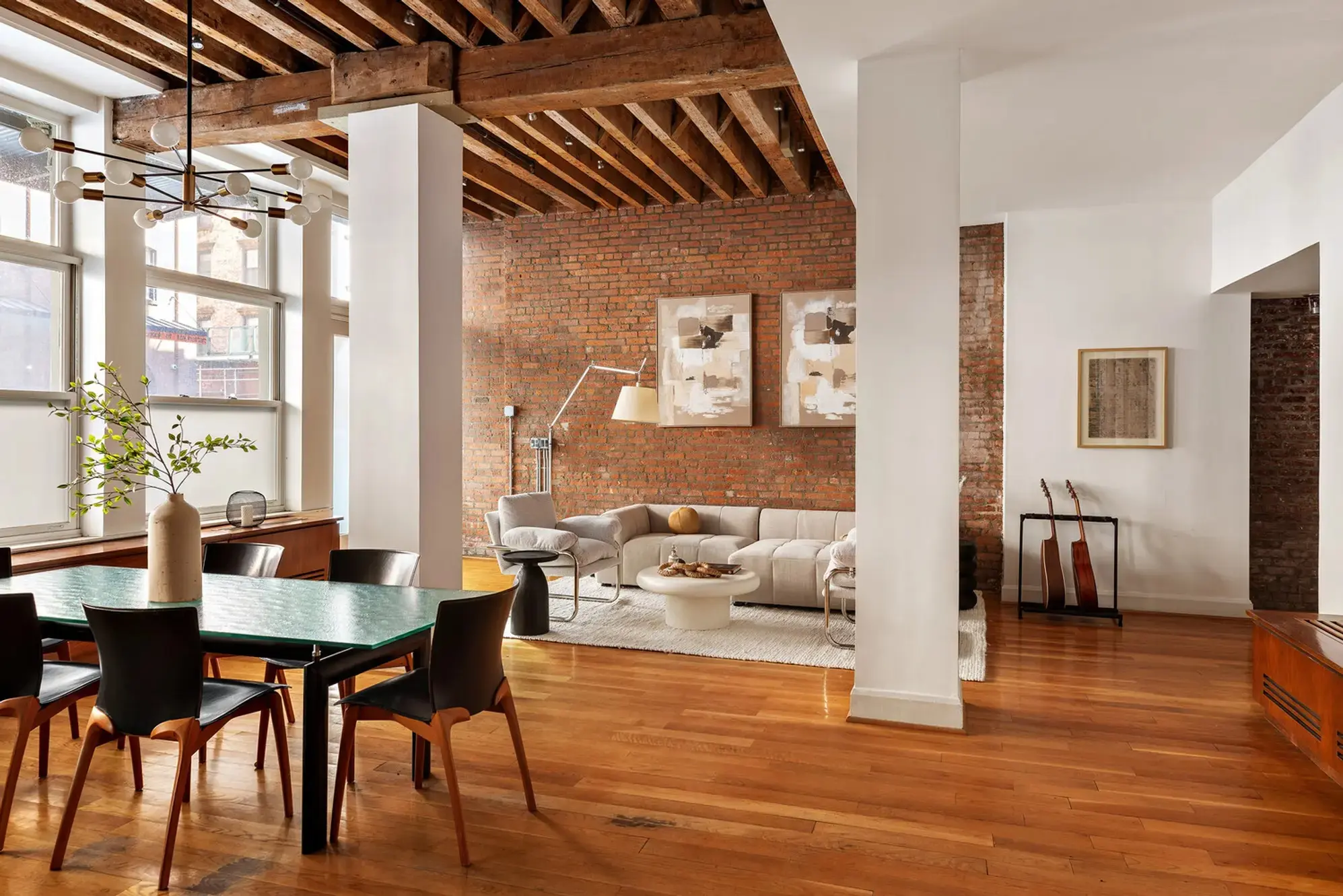
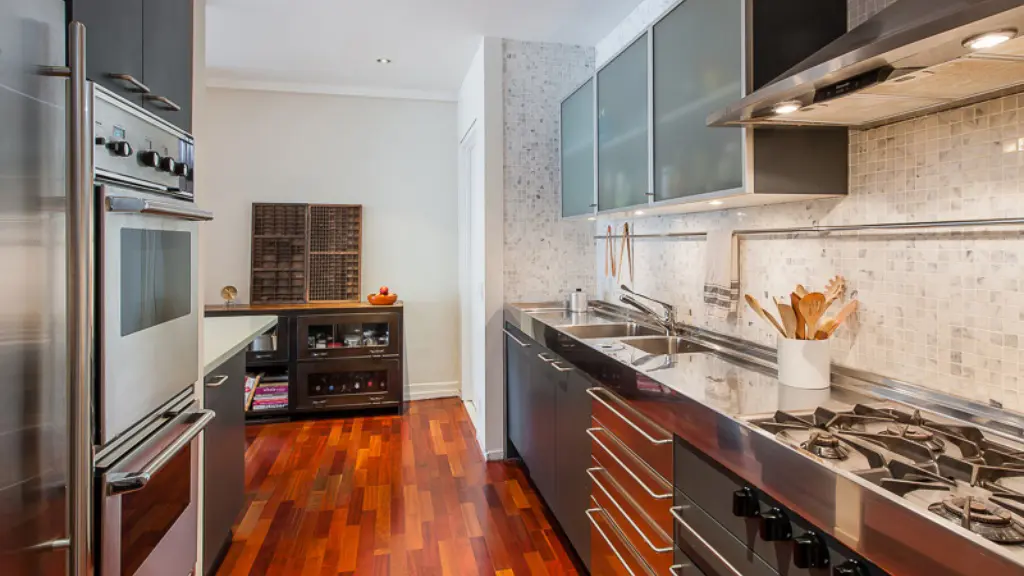
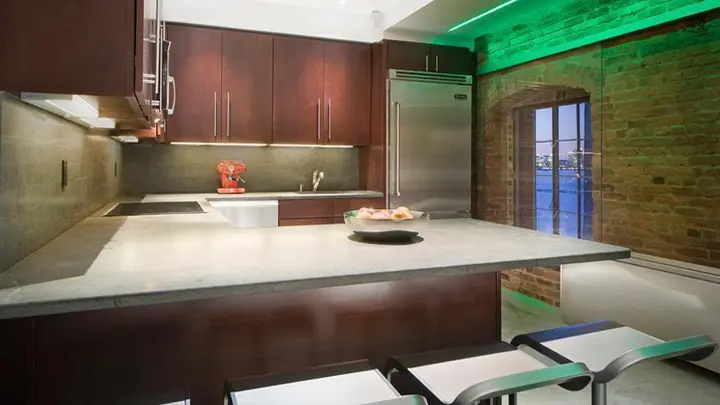
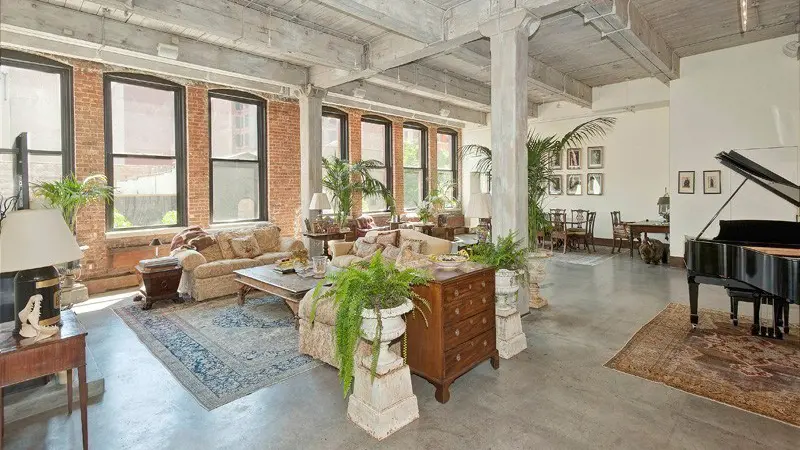
The loft style apartments range from 1,083 to over 2,450 square feet, featuring the classic warehouse conversion elements of soaring ceilings from 9 to 13 feet, oversized windows, and open floor plans. Most units include in-unit washer/dryer, central air conditioning, hardwood floors, and abundant custom built in storage. The building's corner units are particularly sought after, offering multiple exposures and exceptional natural light.
The location places residents in the epicenter of Tribeca's dining scene, with Mr. Chow directly downstairs and Michelin starred restaurants like Jungsik and Bâtard within blocks. The building provides easy access to Hudson River Park and Piers 25 and 26, while multiple subway lines (1/2/3, A/C/E, N/Q/R/W, J/Z, and 6) ensure excellent transportation connectivity throughout Manhattan. One notable unit was even featured in Luxe Magazine, highlighting the building's reputation for sophisticated urban living in one of New York's most prestigious neighborhoods.
For screen reader users all content above is visible so you may ignore the show more button below.
The Sugar Warehouse at 79 Laight Street was built in 1853 by the Grocers Steam Sugar Refining Company and later sold to the United States Sugar Refining Company. At 10 stories, it was one of the tallest buildings in New York City when constructed. In 2000, the landmarked structure was acquired by Alex Forkosh of Forkosh Construction and converted into a 34 unit condominium by architect Joseph Pell Lombardi, who described it as "one of the more complex" conversions he had undertaken due to the building's varying heights—10 stories in the core but only five or six stories in other sections. The 2002 restoration preserved the building's distinctive red brick façade, black metal window shutters on the lower floors, and the painted white signage displaying the building's name and address.
The building's conversion required installing an entirely new structural system behind the historic façade to accommodate modern split level and duplex layouts. Two interior courtyards were created to bring natural light into the building. The slightly arched windows and charming exterior details, carefully restored to meet Landmarks Preservation Commission requirements, give the building significant street presence along its lengthy façade extending to West Street. The building sits on cobblestone Laight Street at the corner of West Street in prime North TriBeCa.
All 34 residences are configured as two or three bedroom apartments, with most featuring split level or duplex layouts. Units range from approximately 2,000 to 4,000 square feet, with ceiling heights reaching 14 to 16 feet in many apartments. Several penthouses include skylights and private roof deck access. Common features across units include spacious great rooms, open kitchens with high end appliances from brands like Miele, Sub Zero, Viking, and Gaggenau, marble bathrooms, custom millwork and closets, and vented washer/dryers. Many apartments offer Hudson River views through the building's signature arched windows, and select units feature wood burning fireplaces and private keyed elevator access.
The Sugar Warehouse offers full service amenities including a 24 hour doorman, live-in superintendent, fitness center, two common rooftop decks, children's playroom, bicycle storage, conference room, and private storage units for each residence. The building is pet friendly and zoned for PS 234. There is no parking garage on site. The building has undergone major capital improvements including waterproofing, fireproofing, lobby renovation, and playroom updates.
The location directly across from Hudson River Park and Piers 25 and 26 provides immediate access to waterfront recreation. The building sits in one of TriBeCa's most desirable blocks, with close proximity to the dining and shopping of TriBeCa, SoHo, and the West Village. The cobblestone streets and historic warehouse architecture define the neighborhood's character, which transformed from the former Washington Market produce district into one of Manhattan's most sought after residential areas.
The Sugar Warehouse stands as one of only three historic condominium buildings on the entire TriBeCa waterfront and represents one of the neighborhood's most significant conversion projects from the early 2000s. The building's industrial heritage, combined with its landmarked status and full service amenities, has made it a cornerstone property in the area. The conversion preserved an important piece of New York's 19th century commercial architecture while creating distinctive loft style residences that blend prewar character with modern luxury.
For screen reader users all content above is visible so you may ignore the show more button below.

456 West 19th Street is located in Chelsea between Ninth and Tenth Avenues and was designed by Cary Tamarkin. It is distinguished by its top half, which is set back and curved.
It is near the High Line, an elevated park that stretches along the Hudson River, and, after two years of construction, opened in 2010. 456 West 19th Street contains 22 duplex units that are light-filled and spacious, ranging from 1,100 to 3,000 square feet. Residences also feature large windows offering expansive views of the Manhattan skyline and Hudson River and kitchens and bathrooms equipped with modern appliances from Miele and Sub Zero and premium, Arne Jacobsen fixtures.
456 West 19th Street amenities include an attended lobby, central air conditioning, a roof deck and washer and dryer units. It is also located close to the neighborhood’s shops, restaurants and art galleries, as well as the Chelsea Piers entertainment complex.
For screen reader users all content above is visible so you may ignore the show more button below.
141 Fifth Avenue stands as one of the Flatiron District's most distinguished architectural landmarks, originally constructed in 1897 as the Merchants Bank of New York. This Beaux Arts masterpiece was designed by Robert Maynicke for the southern portion, with Henry Edwards Ficken completing the northern extension in 1900. The building's most striking feature is its distinctive domed cupola and curved corner that follows the street's contours, complemented by white brick façades with elaborate terracotta decoration, banded columns, and circular windows that create a truly iconic presence at the corner of Fifth Avenue and East 21st Street.
In 2009, the top ten floors of the 12 story building were converted into 38 luxury condominiums by SL Green and Savanna Partners, with Cetra/Ruddy handling the residential conversion. The developers meticulously preserved the building's historic character while introducing modern luxury finishes. A particularly notable feature is the triplex cupola apartment, which was highlighted in The New York Times as one of the most recent dome conversions in the city, originally marketed for $12 million and featuring 3,200 square feet plus three terraces totaling 780 square feet of outdoor space.
The residences showcase impressive scale with soaring 10 to 11 foot ceilings and wide plank solid walnut flooring throughout. Kitchens feature a consistent English style design with custom hand painted cabinetry, walnut and marble islands with hand turned balusters, and top tier appliances including Wolf six burner ranges, glass door Sub-Zero refrigerators, and built in Miele coffee systems. Bathrooms are luxuriously appointed with Waterworks fixtures, custom mosaic floors, and many feature freestanding soaking tubs. Several units boast private terraces of 500 square feet or more, while the split bedroom layouts provide optimal privacy.
Building amenities include a 24 hour doorman and live-in superintendent, along with a restored roof deck offering panoramic city views, a fitness center, and basement storage. The location provides exceptional convenience to Madison Square Park, the Ladies Mile Historic District, Union Square, and the vibrant dining and shopping scenes of Flatiron, Chelsea, and Gramercy neighborhoods, with multiple transportation options nearby.
For screen reader users all content above is visible so you may ignore the show more button below.
The Zinc Building is a 7 story, 21 unit boutique condominium at 475 Greenwich Street, completed in 2008 by Douglaston Development and designed by Greenberg Farrow Architects. Occupying a triangular site directly over the Holland Tunnel, the building is one of the few freestanding new developments in Manhattan. Its modern glass façade features slightly angled windows along a quiet cobblestone street at the intersection of TriBeCa, Hudson Square, and SoHo. The developers agreed with Community Board 1 not to lease any of the building's 8,000 square feet of retail space to nightclubs or bars.
Apartments range from approximately 1,500 to 3,000 square feet and share several signature features: soaring 10 to 11 foot ceilings, expansive floor-to-ceiling windows, and Brazilian wenge wood floors. Open chef's kitchens are outfitted with Sub-Zero and Miele appliances, poured concrete countertops, and Italian white oak cabinetry. Most units include in-unit washer/dryers, central air conditioning, and generous custom closet space. Primary suites typically feature large walk-in closets and windowed spa bathrooms with Italian marble and porcelain tile, double vanities, deep soaking Jacuzzi tubs, and glass enclosed rain showers. The duplex penthouses are particularly notable, with wood burning fireplaces, wraparound terraces of approximately 770 square feet, and private rooftop terraces spanning 981 square feet with panoramic city and Hudson River views.
The building offers full service amenities including a 24 hour doorman, porter and superintendent services, a fitness center, bike storage, and refrigerated storage for grocery deliveries. The building is pet friendly and provides private storage for residents. Located just one block from Hudson River Park and within the P.S. 234 school district, the building offers convenient access to multiple subway lines including the 1/2/3, A/C/E, N/Q/R, and 4/5/6 trains, placing residents at the center of downtown Manhattan's dining, shopping, and cultural offerings.
For screen reader users all content above is visible so you may ignore the show more button below.
The Apple Bank Building at 2112 Broadway stands as one of the Upper West Side's most distinguished landmarks, occupying an entire city block between Broadway and Amsterdam Avenue from 73rd to 74th Streets. Built in 1928 by the renowned architectural firm York & Sawyer in the Italian Renaissance palazzo style, this limestone-clad building originally housed the Central Savings Bank (formerly the German Savings Bank, founded in 1859). The building's four-story banking hall with cast-iron bats designed by Samuel Yellin remains intact at its base, while the top four floors were converted into an exclusive residential condominium in 2006 by Stahl Real Estate.
The building contains 28 unique condominium apartments, each designed by SLCE Architects with completely different layouts and spacious entry galleries. Residences range from 1,200 to over 4,000 square feet, featuring dramatic ceiling heights between 9 and 18 feet. Six apartments are duplexes with private roof terraces ranging from 284 to 461 square feet, while all units boast premium finishes including marble bathrooms with radiant heated floors, high-end appliances, and abundant closet space. The apartments showcase impressive proportions, with living rooms spanning up to 30 feet and some featuring multiple walk-in closets and house-sized laundry rooms.
Building amenities reflect its luxury status, including 24-hour concierge service, a fitness center located within the original bank vault, a pet grooming station, and secure bicycle storage. Notable residents have included NBA player Emeka Okafor and legendary entertainer Harry Belafonte. The building's prime location offers residents easy access to Central Park, Lincoln Center, and excellent public transportation via the nearby 1/2/3 subway lines at the 72nd Street station, though the building does not include a parking garage.
This full-service condominium represents a rare opportunity to live within a designated landmark that commands one of Manhattan's most prominent corner locations, overlooking the attractive Verdi Square Park and its express subway pavilion. The building's conversion preserved its historic grandeur while creating some of the most spacious and uniquely configured apartments on the Upper West Side.
For screen reader users all content above is visible so you may ignore the show more button below.
129 Lafayette Street was originally built as a printing facility in 1911 and converted to a luxury loft condominium in 2004. The limestone-clad building is marked by a grand lobby with 24-hour doorman service, private on-site storage, and a 2,000-square-foot landscaped roof deck with panoramic views. It is located at Lafayette Street and Howard Street near Soho, Chinatown, Nolita, the Bowery, and Tribeca. Pets are allowed.
For screen reader users all content above is visible so you may ignore the show more button below.
The Carl Fischer Building at 62 Cooper Square faces Cooper Square, a green plaza and promenade at the confluence of some of Manhattan’s most exciting neighborhoods - NoHo, the Bowery, East Village, Greenwich Village and Union Square. The property consists of three pre-war buildings - a 12-story loft and two four-story buildings next door. The loft holds a shared roof deck with dramatic skyline views, with a private penthouse with a hot tub taking up the roof of one of the smaller buildings.
The Carl Fisher Building offers a 24-hour doorman/concierge, an on-site superintendent, and resident storage. A Life Time Fitness gym is located in the base of the building. Some of the city’s liveliest dining and nightlife abounds on the surrounding blocks; the campus of Cooper Union, one of the country’s most prestigious art and architecture universities, sits next door and across the square; up the block, the Astor Place station of the 6 train puts both Downtown and Midtown within a ten-minute commute.
For screen reader users all content above is visible so you may ignore the show more button below.
Originally constructed in 1912 as the Hawley & Hoops chocolate factory, 285 Lafayette Street underwent a complex conversion in 1999 that transformed it into one of SoHo's most distinctive luxury condominiums. The ambitious renovation, led by developer Allied Partners, required building a fireproof structure over the existing non-fireproof base—a three-year engineering feat that involved hanging steel beams from tubular grillage spanning up to 70 feet. The 10-story building now houses 31 apartments above 30,000 square feet of retail space occupied by the New York Public Library and Ralph Lauren.
The building's loft-style residences showcase authentic industrial details including original cast iron columns, exposed wooden beams, and soaring ceilings that reach up to 26 feet in the eight penthouses. Apartments range from approximately 2,100 to over 4,000 square feet, featuring Brazilian cherry hardwood floors, chef's kitchens with high-end appliances, wine refrigerators, and luxurious bathrooms with six-foot soaking tubs. Many units boast private terraces, and the penthouses include wood-burning fireplaces. The building's design, crafted by architect Costas Kondylis, seamlessly blends prewar architectural elements with modern luxury finishes.
285 Lafayette Street gained considerable cachet through its celebrity residents, most notably David Bowie and his wife Iman, who purchased one of the penthouses. Other notable residents have included Courtney Love, Studio 54 co-founder Ian Schrager, actor Saul Rubinek, tennis player Patrick McEnroe, and members of the Murdoch and Nederlander families. The building's full-service amenities include 24-hour doorman and concierge service, a professionally landscaped rooftop garden, and two entrances—one on Lafayette Street and a more discreet entrance on Mulberry Street for enhanced privacy.
Strategically positioned just south of the iconic Puck Building at the intersection of SoHo and NoLiTa, the building offers residents immediate access to world-class dining, shopping, and cultural attractions. The 800-square-foot lobby features a striking 10-foot white onyx countertop, setting the tone for the building's sophisticated aesthetic. With its combination of historical significance, architectural distinction, and prime location, 285 Lafayette Street represents one of downtown Manhattan's most coveted residential addresses.
For screen reader users all content above is visible so you may ignore the show more button below.
The Greenwich Street Project at 497 Greenwich Street is a former industrial space in SoHo that was converted and expanded in 2003.
It is one of the most distinct new developments in Lower Manhattan, with a rippling glass façade and six small protruding parapet balconies. It offers residents varied floor plans and modern loft living. Apartments are spacious, with some rooms measuring longer than 30 feet. Kitchens and master bathrooms are equipped with topnotch appliances and fixtures and distinguished by impressive architectural details.
Amenities at the Greenwich Street Project include a multi-level fitness center, an endless swimming pool, a sauna, storage space, a screening and meeting room, a private garden and wine storage. It is convenient to many restaurants, retail stores, art galleries and nightlife and is close to TriBeCa.
For screen reader users all content above is visible so you may ignore the show more button below.
535 West End Avenue is a distinguished 29-unit condominium that opened in 2011, developed by Extell Development and designed by Chicago architect Lucien Lagrange, formerly of Skidmore, Owings & Merrill. The 20-story building stands at the southwest corner of West End Avenue and 86th Street, featuring a distinctive curved red-brick façade with limestone accents that was specifically designed to complement the architecturally significant Church of St. Paul and St. Andrew directly across the street. This church, designed by R.J. Robertson in 1897, provides a dramatic focal point that every apartment in the building overlooks.
The building exclusively offers enormous half-floor and full-floor residences ranging from 3,740 to 8,450 square feet, making it one of the most spacious residential buildings on the Upper West Side. Full-floor apartments typically feature 7+ bedrooms and span approximately 8,400 square feet, while half-floor units offer 5 bedrooms around 3,700-4,400 square feet. Notable features include custom Smallbone of Devizes kitchens equipped with La Cornue ranges, Sub-Zero refrigerators, and Miele appliances, along with herringbone hardwood floors and luxurious marble bathrooms. The 16th floor is unique as the only apartment with a private wraparound terrace (1,814 square feet), while the penthouse boasts 6,500 interior square feet plus a 1,900-square-foot landscaped rooftop terrace with outdoor kitchen and fireplace.
Amenities rival those of the city's most exclusive buildings, including a 24-hour doorman and concierge, heated indoor swimming pool with steam rooms and saunas, state-of-the-art fitness center, billiards and ping pong room, children's playroom, library with kitchenette, and an elegant entertaining space with catering kitchen and outdoor courtyard. The building also offers valet garage parking and is pet-friendly.
The location is particularly coveted, situated just one block from Riverside Park and steps from the cultural attractions, gourmet shops like Zabar's and Fairway, and renowned restaurants that define the Upper West Side. With convenient access to the 1, B, and C subway lines and excellent crosstown bus service on 86th Street, residents enjoy both the tranquility of tree-lined West End Avenue and easy connectivity to the rest of Manhattan.
For screen reader users all content above is visible so you may ignore the show more button below.
Completed in 1987, this modern 28-story limestone-clad tower is a distinctive addition to the Upper East Side, offering a clean and contemporary aesthetic just one block from Central Park. Designed by Leibman Leibman Associates, P.C., the building stands out with its striking slanted roofline, reminiscent of the iconic Citicorp Center, angled toward Central Park to maximize views.
A hallmark of its design is the limestone façade, a thoughtful nod to pre-war elegance while embracing modern architectural sensibilities. Its unique features include several rare double-height units facing a charming sidestreet, which adds a sense of openness and sophistication uncommon in the neighborhood. These double-height "studio" spaces highlight the building's innovative approach to Upper East Side living.
Developed by Alvin Dworman, Aaron Waxman, Shepard Forest, and others, the tower offers generously sized windows, intrusion alarms, and TV security in all units, with select residences featuring whirlpool baths and bidets. At street level, the building provides excellent retail spaces and a welcoming sitting ledge at its base—an uncommon and practical feature in the area.
This condominium project is one of the most recent towers near Central Park on the Upper East Side, rivaled only by a similarly styled limestone tower a block and a half north on Madison Avenue. Its combination of contemporary design, premium location, and rare architectural details make it a highly desirable residence.
For screen reader users all content above is visible so you may ignore the show more button below.