
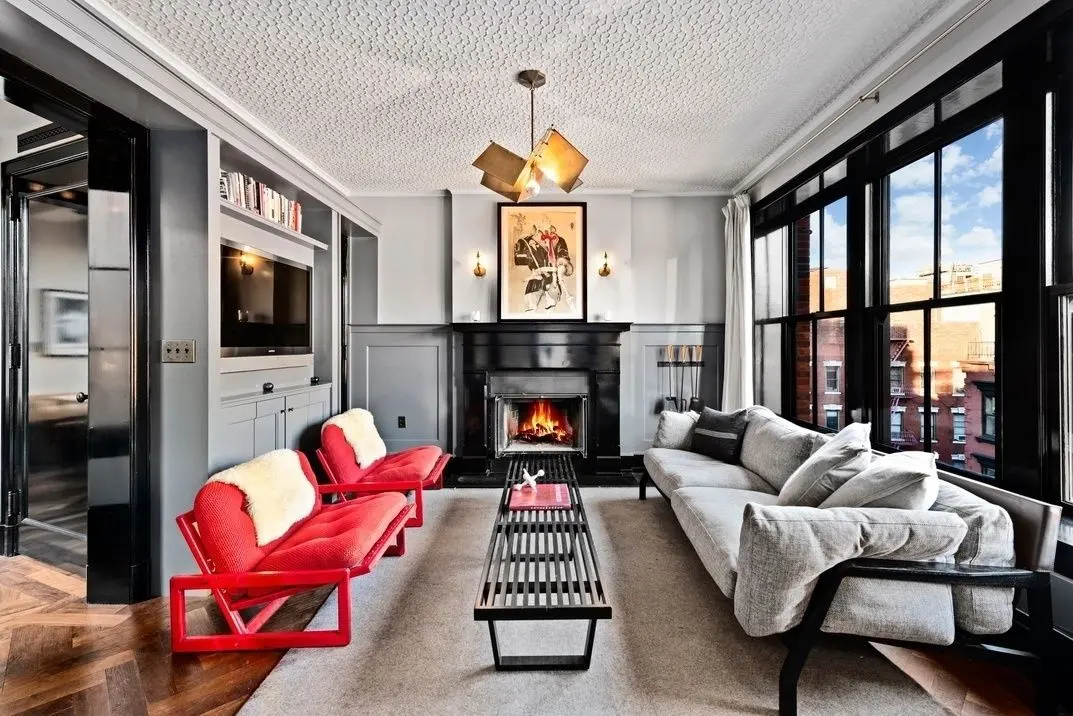
211 Elizabeth Street is a seven-story red brick boutique condominium on the corner of Prince and Elizabeth Streets in Nolita, designed by Roman and Williams as their first ground up residential project. The building contains just 15 residences and won the 2010 Palladio Award for its handcrafted brick façade, which was laid by traditional Irish masons. The developer, 16 Prince Street LLC, is led by Robert A. Siegel and Peter Manning, a Tony Award winning producer. The design intentionally echoes late 19th and early 20th century New York residential architecture, with Stephen Alesch noting the building scores a 6 out of 10 in design complexity compared to landmarks like the Puck Building.
Residences feature solid walnut herringbone floors throughout, wood burning fireplaces with oversized mantles, and grand double hung windows. Kitchens are trimmed in walnut with hand painted black cabinetry (some units feature cerulean), Danish oiled wood countertops, custom Roman and Williams designed brass hardware, and Sub-Zero refrigerators alongside Viking ranges and Miele appliances. Nine-foot-high French doors typically separate living and dining areas, while all trim, casings, windows, and doors are finished in high gloss black oil paint. Bathrooms are clad in Calacatta Gold marble with solid brass fixtures, separate showers, and deep soaking tubs with radiant heated floors.
Notable apartments include Residence 2N, the largest two bedroom at 1,688 square feet with the building's highest ceilings at 11 feet and a unique six-sided living room layout. Residence 4S served as the developer's model home and showcases the full range of bespoke details and craftsmanship. Unit sizes range from 788 square feet for one-bedrooms to over 1,600 square feet for two bedrooms, with select units including washer dryers and private storage cages.
The building offers white glove services including a doorman, concierge, and full-time superintendent, along with a fitness center, bicycle storage, private basement storage, and a landscaped roof terrace with 360-degree views of lower Manhattan. The location provides immediate access to the Elizabeth Street Garden, world class dining and shopping in Nolita, and multiple subway lines. Notable residents have included Billy Joel, Gabriel Byrne, Karlie Kloss, and Josh Kushner.
For screen reader users all content above is visible so you may ignore the show more button below.
For screen reader users all content above is visible so you may ignore the show more button below.
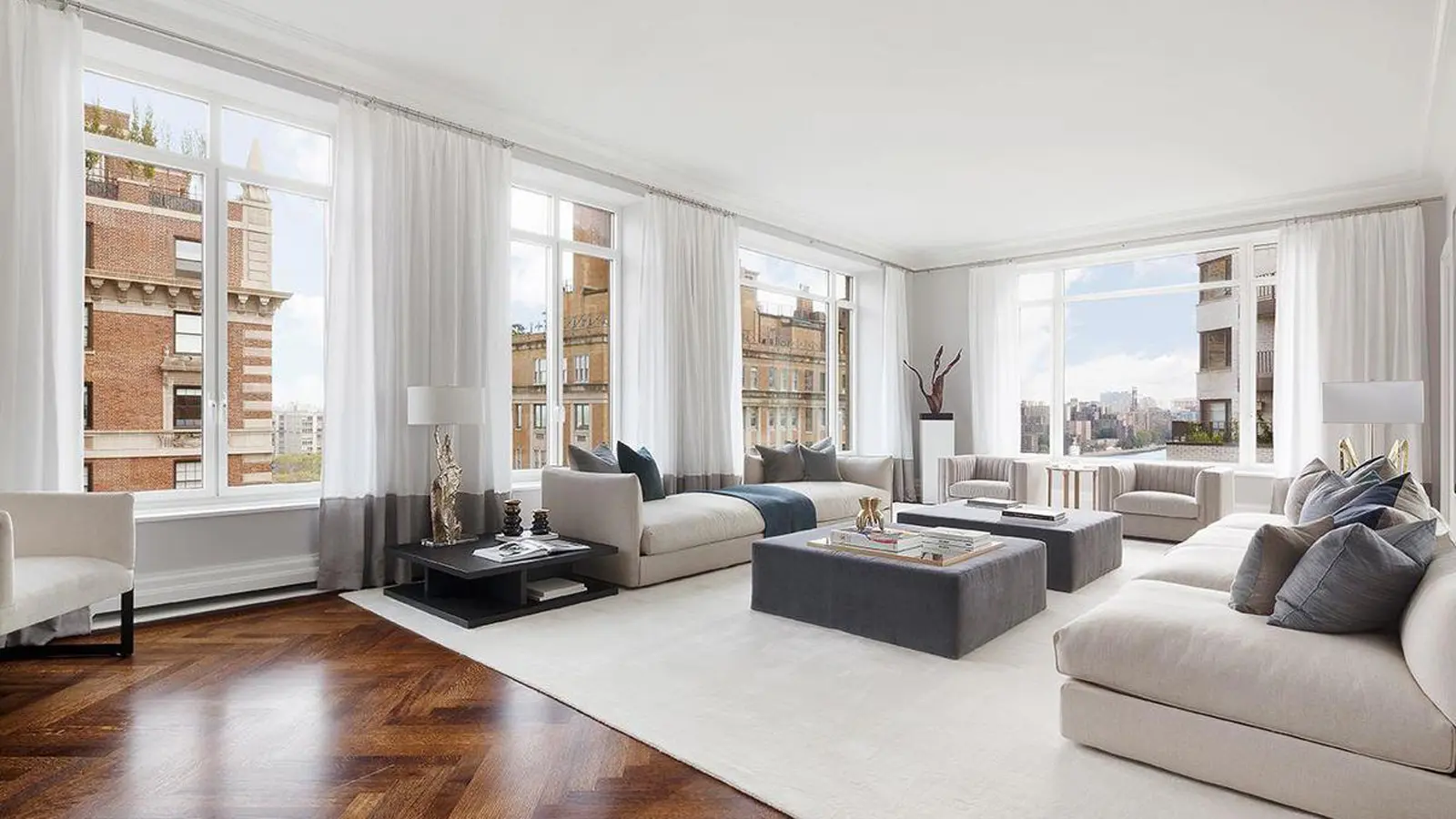
20 East End Avenue is a modern interpretation of a classic pre-war building at the tranquil East River edge of one of the most coveted neighborhoods in the world. Envisioned with careful attention to detail, grand proportions, and marriage of historic detail and current sensibility, the Robert A.M. Stern-designed condominium offers residents a haven from the city bustle along its East End Avenue confines.
A stately porte-cochère and motor court afford residents a discreet arrival, placing 20 East End Avenue in the upper echelon of Manhattan architecture. The most striking façade detail is the remarkable scale and proportion of the casement windows that enhance every residence. Many homes are fitted with Juliet balconies overlooking the Manhattan skyline and the East River. Honed by Robert A.M. Stern, exceptionally crafted residences enjoy sweeping views and brilliant light through oversized casement windows.
The 17-floor tower is located near Carl Schurz and John Jay Park as well as many excellent restaurants, markets, and schools. The building has many wonderful amenities that were designed to be those which you would find in a personal mansion. Residents enjoy a 24-hour concierge, graciously-appointed library, billiards room, game room, private dining room, fitness center and spa, playroom, bicycle storage, and a gated port cochere.
For screen reader users all content above is visible so you may ignore the show more button below.
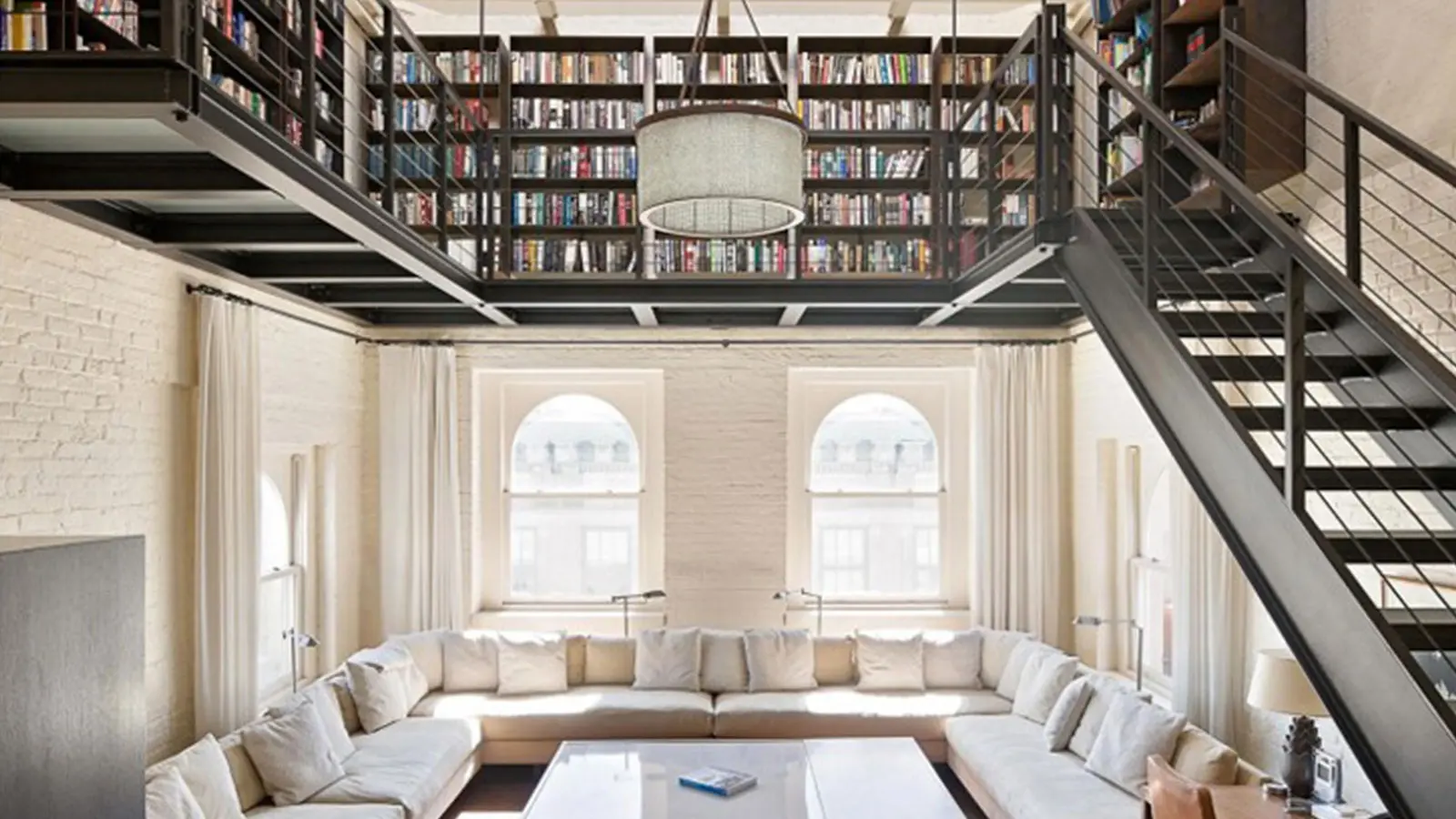
The Dietz Lantern Building, located at 429 Greenwich Street in the Tribeca North Historic District, stands as a testament to New York City's industrial heritage. Originally constructed to manufacture lamps for horse-drawn carriages, this historic structure has been thoughtfully converted into a luxury residential building containing 28 condominium units.
The building's location places residents in a neighborhood characterized by well-preserved 19th century architecture, offering easy access to premier restaurants, shopping destinations, and the Hudson Waterfront Park. The area is also served by highly rated schools, making it attractive to families.
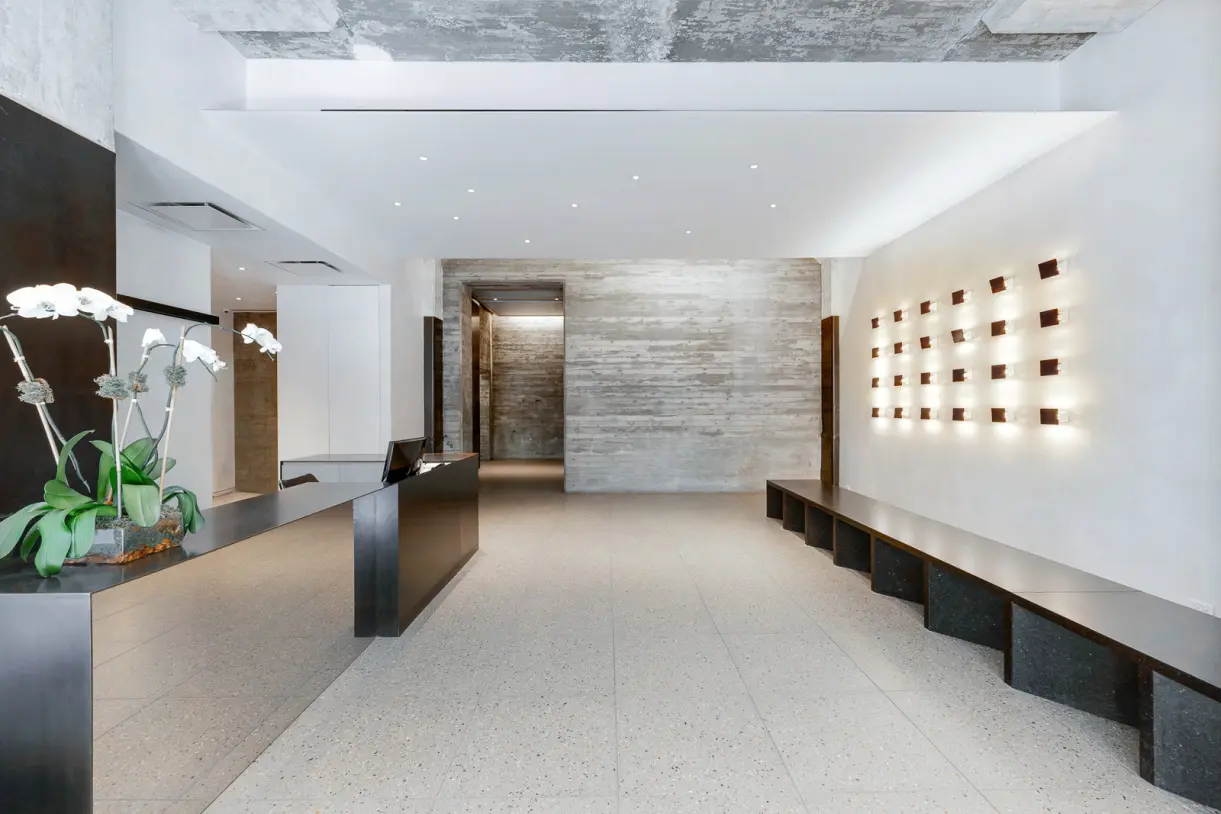
Residents benefit from a comprehensive suite of modern amenities, including 24-hour doorman service, an on-site live-in superintendent, and a recently renovated lobby. The building also features practical conveniences such as an on-site parking garage and dedicated bike storage room.
The Dietz Lantern Building represents a successful adaptation of New York's industrial past into contemporary luxury living while maintaining its historic character in one of Manhattan's most sought-after neighborhoods.
For screen reader users all content above is visible so you may ignore the show more button below.
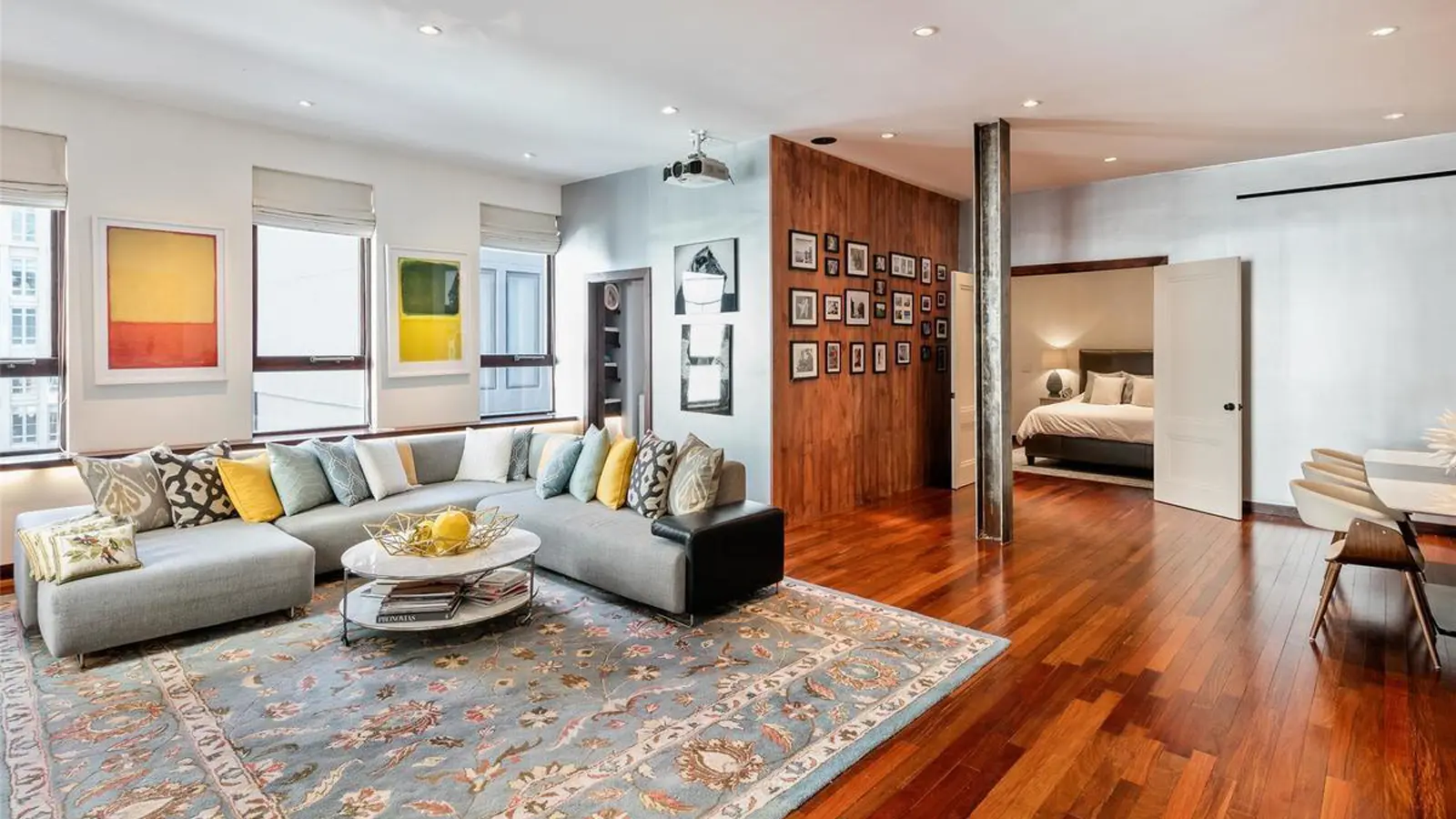
Built in 1924, the Atalanta at 25 North Moore Street in TriBeCa is a 17-story former warehouse for butter, cheese and eggs that was converted into loft apartments in 2001.
It has three lofts on each floor that range in size from 1,914 to 2,926 square feet. Atop the Atalanta are two terraced, duplex penthouses of 4,500 square feet and 5,200 square feet, one of which has outdoor space in the form of an addition on top of the building. Units were sold as raw space, allowing the owners to get creative with the interior design and layout.
Amenities at the Atalanta include a 24-hour doorman, resident manager, state-of-the-art wiring, and a sundeck with gas grill and panoramic city views. 25 North Moore Street is situated close to restaurants and shops, as well as Washington Market, Hudson River Park, and the 1/2/3/A/C/E trains.
For screen reader users all content above is visible so you may ignore the show more button below.
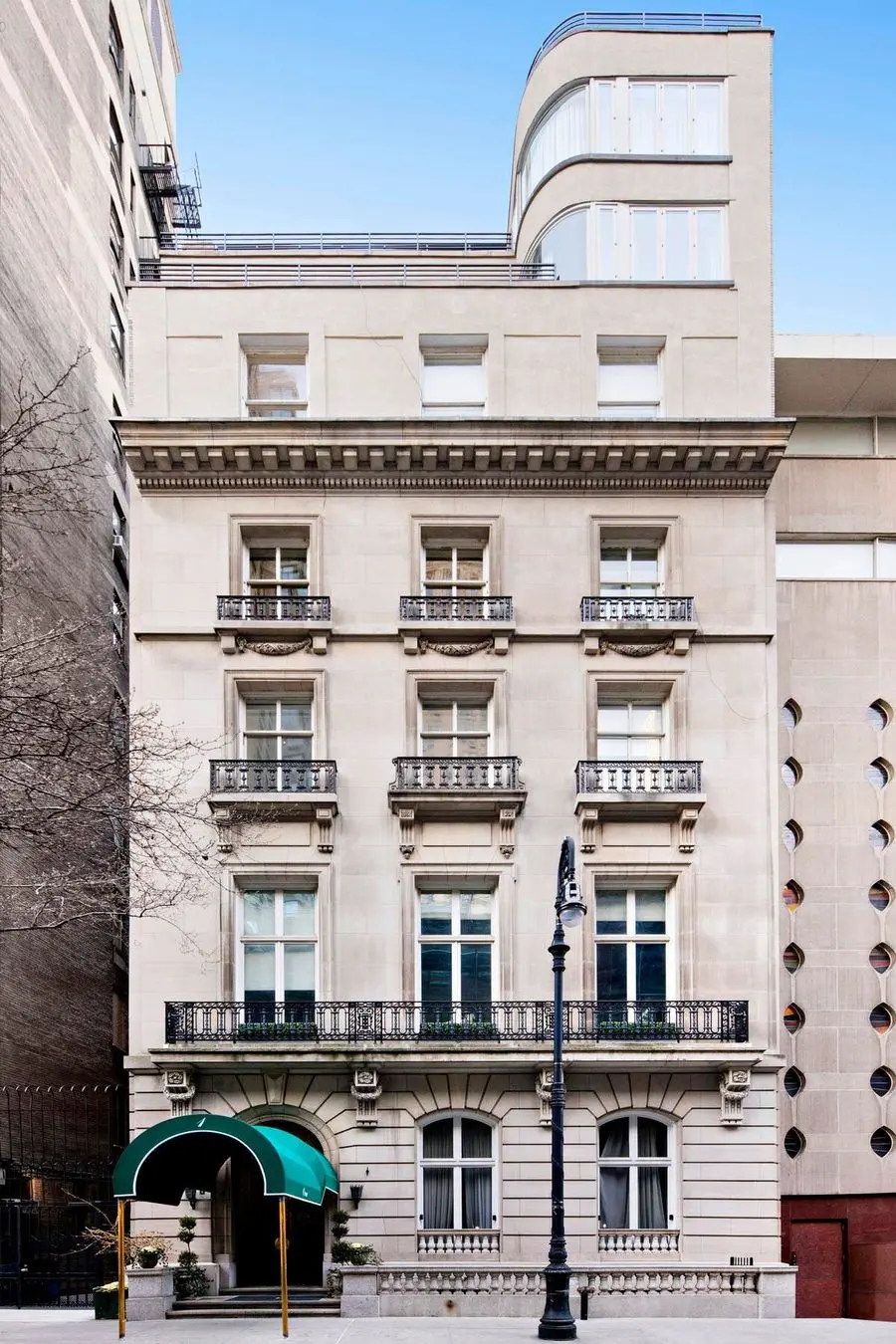
Spencer House, located at 1 East 62nd Street, is a magnificent limestone mansion designed in 1904 by esteemed architect Horace Trumbauer for John and Alice Troth Drexel. This 42-foot-wide townhouse is now home to 12 condominium apartments, including a legendary triplex penthouse that once belonged to comedian Joan Rivers. Known for its curved bay window with sweeping Central Park views, this penthouse featured a dramatic 23-foot-high living and dining room that reflected Ms. Rivers’ opulent yet authentic style.
Originally built as a single-family home, Spencer House was converted into apartments in the 1930s. Throughout its storied history, it has been home to notable residents, including Ernest Hemingway and Henry B. Clews. Trumbauer’s design legacy extends far beyond Spencer House; his other works include Lynnewood Hall in Pennsylvania, The Elms in Newport, and prominent Fifth Avenue mansions for James B. Duke and James Speyer.
The building's canopied entrance is flanked by landscaped sidewalks and a balustraded moat, leading into a spacious lobby that hints at the grandeur within. Its first floor features arched windows, and the building includes modern amenities such as a full-time doorman, central air conditioning, and an elevator. Pets are welcome, adding to its appeal.
Situated in a prime Upper East Side location, Spencer House offers residents not only elegant architecture but also proximity to Central Park, upscale shopping, and world-class dining.
For screen reader users all content above is visible so you may ignore the show more button below.
The Greenwich Street Project at 497 Greenwich Street is a former industrial space in SoHo that was converted and expanded in 2003.
It is one of the most distinct new developments in Lower Manhattan, with a rippling glass façade and six small protruding parapet balconies. It offers residents varied floor plans and modern loft living. Apartments are spacious, with some rooms measuring longer than 30 feet. Kitchens and master bathrooms are equipped with topnotch appliances and fixtures and distinguished by impressive architectural details.
Amenities at the Greenwich Street Project include a multi-level fitness center, an endless swimming pool, a sauna, storage space, a screening and meeting room, a private garden and wine storage. It is convenient to many restaurants, retail stores, art galleries and nightlife and is close to TriBeCa.
For screen reader users all content above is visible so you may ignore the show more button below.
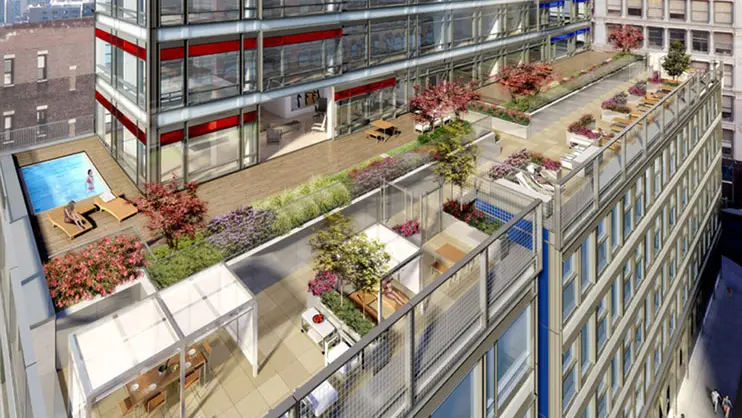
40 Mercer Street stands as one of SoHo's most architecturally significant residential buildings, designed by Pritzker Prize-winning French architect Jean Nouvel in collaboration with renowned hotelier André Balazs. Completed in 2006, this 14-story, 41-unit luxury condominium occupies an entire blockfront on Grand Street between Mercer Street and Broadway. The building's striking glass façade features distinctive red and blue fenestration and a deep blue rooftop that makes it an unofficial landmark of the neighborhood. Originally conceived as a hotel, the project was converted to residential use following the September 11 attacks, with Balazs adding two additional stories to accommodate the change.
The building's apartments showcase Nouvel's innovative design philosophy, featuring 11-12 foot ceilings and massive floor-to-ceiling windows, some of which are electronically retractable - a rarity in New York residential buildings. Units range from 1,800 to over 3,000 square feet, with many featuring dramatic great rooms up to 57 feet in length, custom sliding walls that can expand living spaces, and chef's kitchens designed by prestigious European firms like Bulthaup and Molteni. The penthouses are particularly notable, offering private pools and nearly 1,600 square feet of landscaped terraces with mature trees, creating what's described as "a private park in the sky." Celebrity residents have included Meg Ryan.
The building's amenities rival those of a five-star hotel, reflecting Balazs's hospitality expertise. Residents enjoy 24-hour white-glove concierge service, underground valet parking with direct building access, and the exclusive M40 club featuring a 50-foot T-shaped lap pool with Carrara marble walls, a fully equipped fitness center with Pilates reformer, and spa facilities including sauna, steam room, and 12-person Jacuzzi. Additional amenities include landscaped rooftop and courtyard spaces, private storage, and a residents-only lounge with catering bar and projection screens.
Located on a quiet cobblestone street in prime SoHo, 40 Mercer Street represents a successful fusion of cutting-edge architecture and luxury hospitality. The building's use of massive glass panels up to 7 by 12 feet was considered the most advanced residential glass application in the United States at the time of construction. With its combination of architectural pedigree, exceptional amenities, and prime location among SoHo's cast-iron architecture and high-end boutiques, the building has established itself as one of downtown Manhattan's most prestigious addresses.
For screen reader users all content above is visible so you may ignore the show more button below.
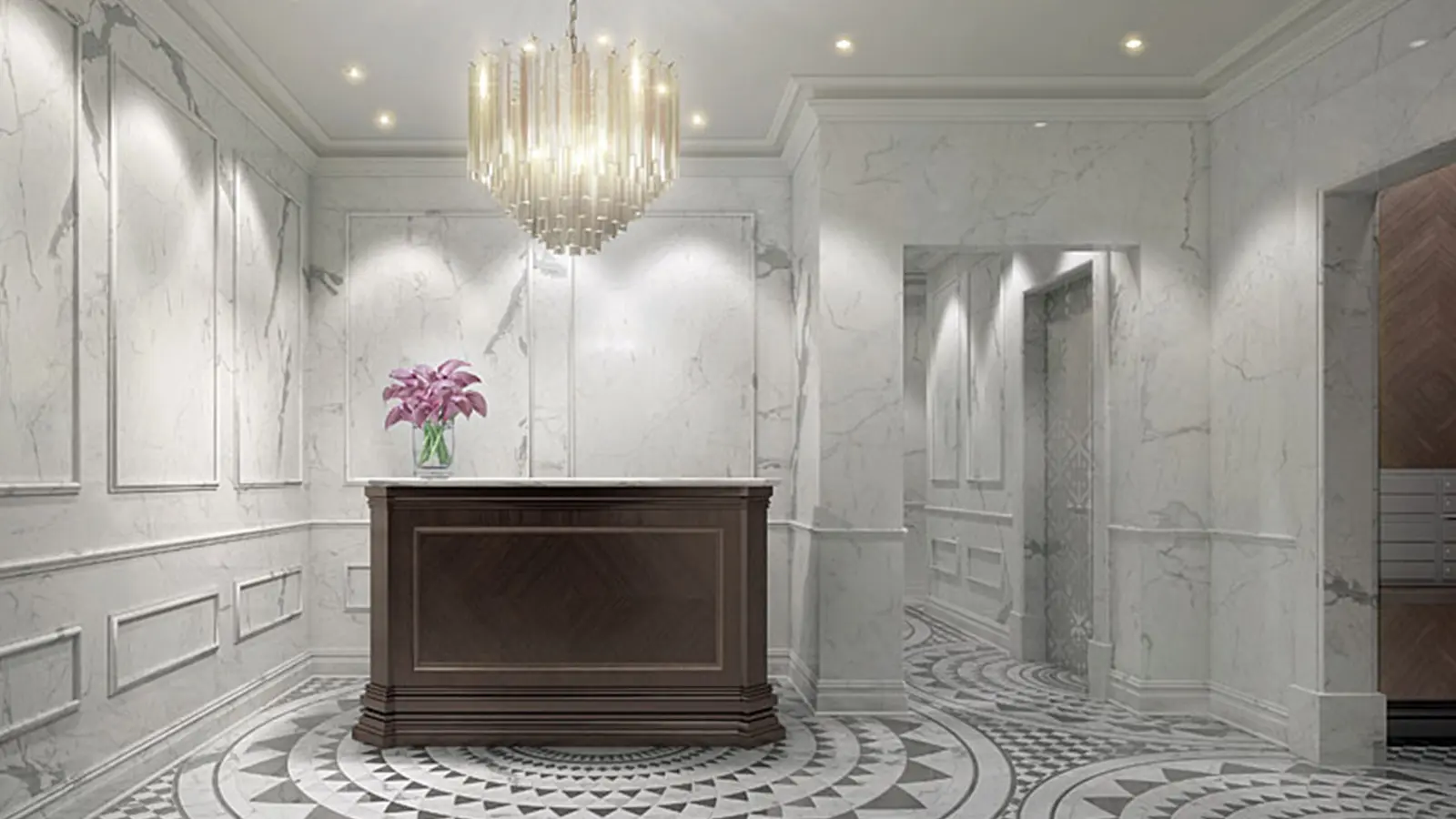
22 Central Park South is a marvel of modern luxury with the most spectacular Central Park views. Built in conjunction with The Plaza Residences, this private enclave offers the finest in exclusivity and concierge living with seven extraordinary full floor and duplex condominium residences. Enjoy all the Plaza amenities while maintaining the privacy and discretion that only 22 Central Park South can offer with your own 24-hour doorman and concierge. Located at the crossroads of Fifth Avenue and Central Park South, this luxury condominium is perfectly located to enjoy the best that New York City has to offer. Have it all with extraordinary restaurants, luxury shopping, theatre, ballet, fine art galleries and world famous museums only moments away.
For screen reader users all content above is visible so you may ignore the show more button below.
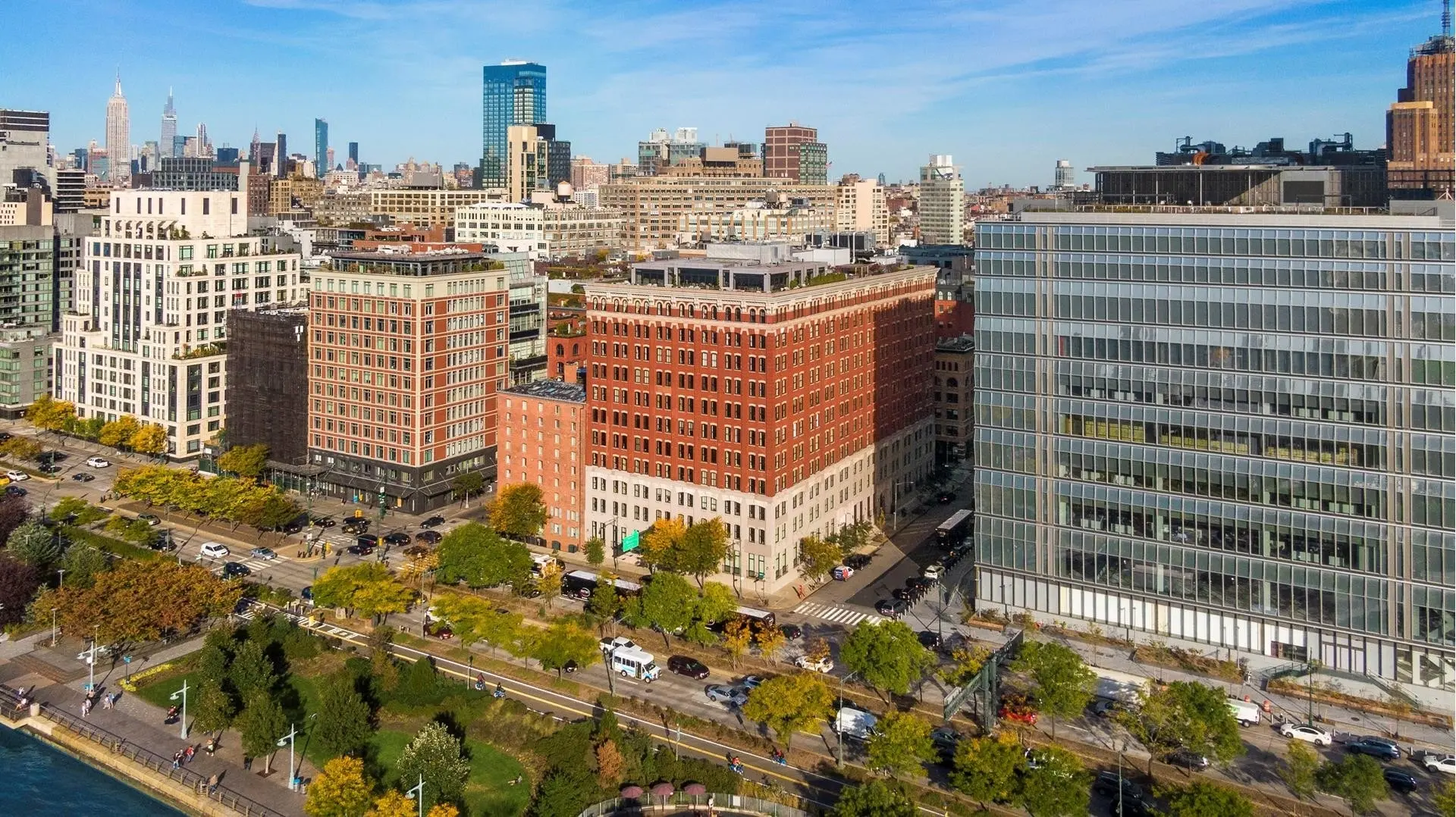
250 West Street stands as a distinguished example of early 20th-century industrial architecture transformed into luxury living. Originally built in 1906 as a warehouse designed by William H. Birkmire, this full-block, 11-story building spans from West to Washington streets in Tribeca's historic district. The El Ad Group converted the landmark structure into 106 luxury condominiums in 2012, with GNA Architects carefully preserving its character while adding modern amenities. The building's striking façade features a three-story limestone base with arched pediments, red-brick masonry with rusticated piers, and two grand entrances with 10-foot-high iron gates.
Residents enjoy an impressive array of amenities centered around a 61-foot swimming pool and state-of-the-art fitness center. The building offers 24-hour doorman and concierge services, a children's playroom, sauna, and library lounge. The crown jewel is a 5,000-square-foot rooftop terrace with panoramic views, complete with sundeck, dining area, and vegetable garden. A center courtyard was created during the conversion, and the building maintains a live-in superintendent while remaining pet-friendly.
Apartments feature soaring ceilings ranging from 10 to 16 feet, with many units showcasing the building's original arched windows. Standard finishes include Poggenpohl cabinetry, Sub-Zero and Bosch appliances, marble bathrooms, and 5-inch plank oak hardwood floors throughout. Units range from loft-style one-bedrooms to expansive four-bedroom residences, with many offering Hudson River views. The penthouse features a private elevator and 4,350-square-foot terrace. Corner units are particularly coveted for their multiple exposures and abundant natural light.
The building's location directly across from Hudson River Park's Piers 25 and 26 provides residents with immediate access to recreational amenities including miniature golf, beach volleyball courts, and children's playgrounds. This prime Tribeca positioning places residents within walking distance of the neighborhood's renowned dining scene and cultural attractions, while offering convenient access to multiple subway lines and the waterfront's 500 acres of parkland.
For screen reader users all content above is visible so you may ignore the show more button below.
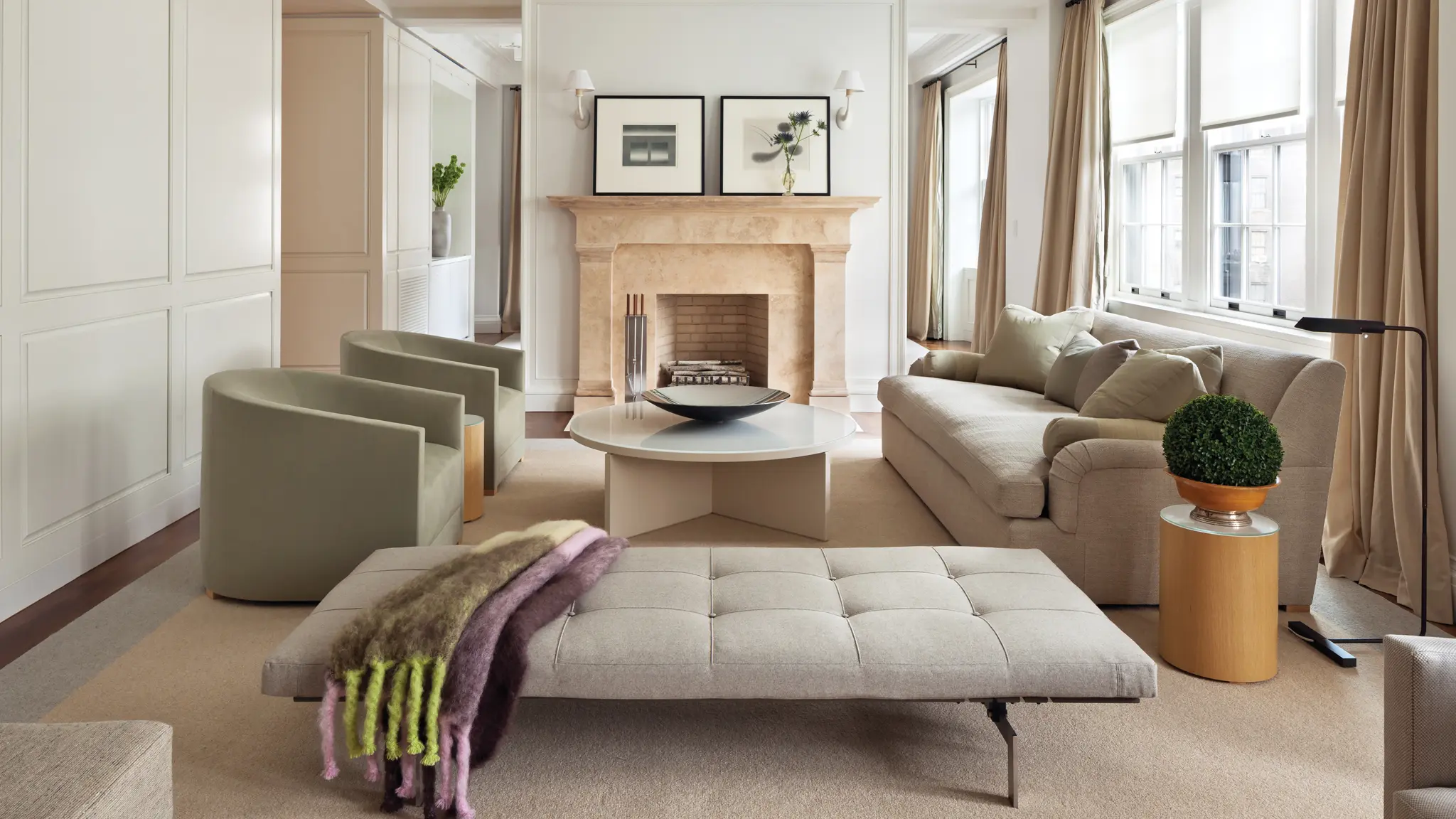
The Marquand stands as a distinguished example of early 20th century New York architecture, constructed in 1913 in the elegant Beaux-Arts Revival style. This architectural approach, popular during the City Beautiful movement, reflects the grandeur and classical influences that defined luxury residential construction of the era. The building represents a significant piece of Manhattan's architectural heritage from this important period.
The building has undergone a meticulous restoration and modernization process overseen by two highly regarded architectural firms: Shelton Mindel & Associates and Beyer Blinder Belle Architects. This collaboration between award winning firms ensures that the building's historic character has been preserved while incorporating contemporary living standards and modern conveniences. With only 26 apartments, The Marquand offers an intimate and exclusive residential experience that stands in contrast to larger Manhattan developments, creating a boutique living environment where residents can expect personalized attention.
Residents enjoy a comprehensive suite of amenities designed for modern urban living, including a 24 hour doorman and concierge service, a fitness center, and a children's playroom for families. The building also features a live-in resident manager, providing an additional layer of personalized service and immediate attention to building matters, further enhancing the white glove service experience.
The Marquand's prime location provides convenient access to some of Manhattan's most desirable destinations. Proximity to Central Park offers residents easy access to green space and recreational opportunities, while the nearby Madison Avenue shopping district provides world class retail and dining. The building's strategic positioning also offers access to several subway lines, ensuring seamless connectivity throughout the city.
For screen reader users all content above is visible so you may ignore the show more button below.
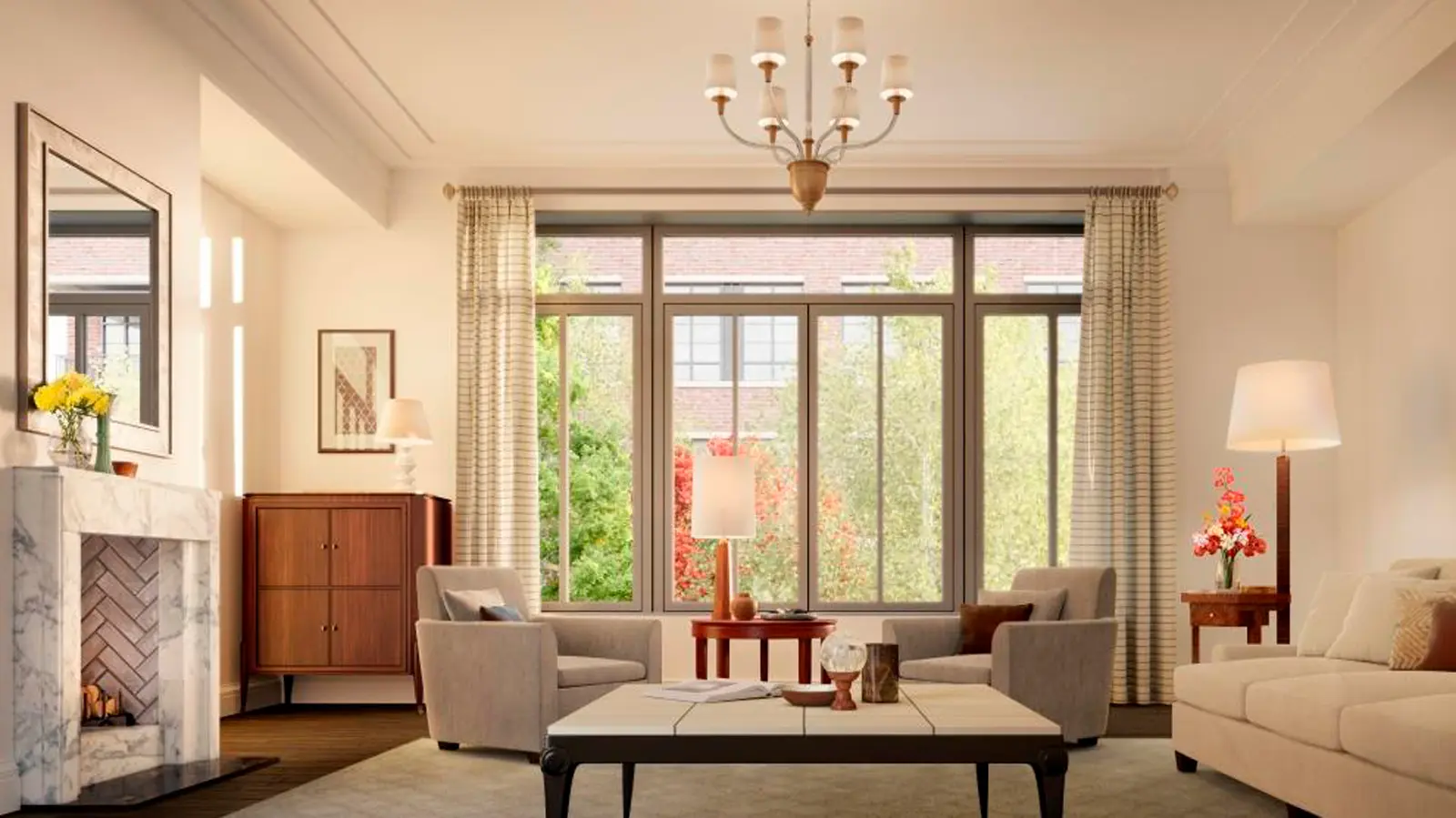
The Greenwich Lane Townhouses is a post-war townhouse building in downtown Manhattan's West Village neighborhood finished in 2017. Situated at 133 West 11th Street, between Sixth Avenue and Seventh Avenue, the building contains 5 units and rises 6 stories. The elevatored building's amenities include: basement storage, central ac, full service garage, garden, pool, video intercom, elevator, children's playroom, lounge, fitness center, rooftop terrace, on-site parking, outdoor entertainment space, laundry room, in-unit washer/dryer, bike room, fireplaces, game room, library, screening room and terraces / balconies.
For screen reader users all content above is visible so you may ignore the show more button below.
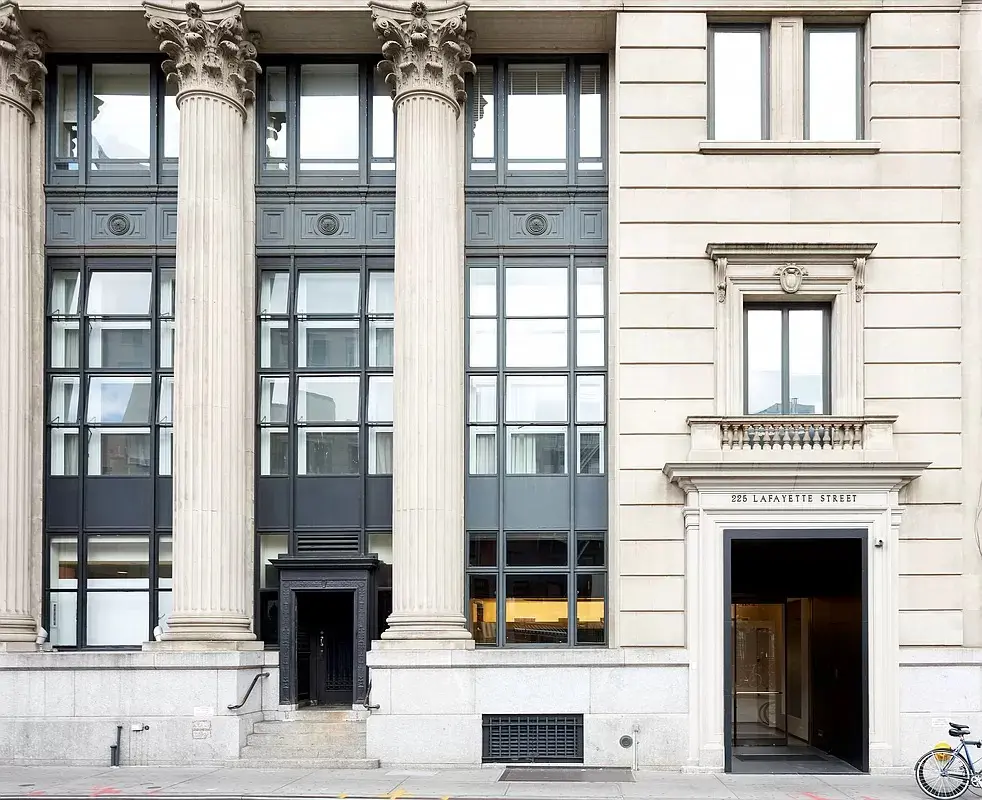
Spring at 225 Lafayette Street was designed by Cass Gilbert, the architect of the legendary Woolworth Building.
Africa Israel Investments converted the 14-story former East River Savings Bank Building into 40 residences and 12,000 square feet of retail space in 2004. A rooftop penthouse with a wrap-around terrace was added in the conversion. Modern residences range in size from one to three bedrooms and offer sleek and sophisticated styling that reflects the neighborhood’s fusion of fashion, design, entertainment and recreation. Apartments have high ceilings, large walk-in closets and state-of-the-art kitchens with topnotch cabinets, appliances and counters. Master baths include Kohler fixtures and deep, two-person soaking tubs.
Residents of Spring have access to such amenities as 24-hour concierge service, a private roof deck and basement storage. 225 Lafayette Street is close to several subway lines as well as the great shops, restaurants and night life in SoHo and NoHo.
For screen reader users all content above is visible so you may ignore the show more button below.

 6sqft delivers the latest on real estate, architecture, and design, straight from New York City.
Like us on Facebook to keep up with the trends and
6sqft delivers the latest on real estate, architecture, and design, straight from New York City.
Like us on Facebook to keep up with the trends and 