
In this article:








































Building Temperatures
These regulations were originally implemented to safeguard New Yorkers during the city's chilliest months. While well-intentioned, they can inadvertently lead to overheated apartments. Maintaining a consistent temperature throughout an entire building, especially considering variations in floor levels, and the older nature of the city's housing stock presents challenges. To prevent units from dropping below 62 degrees overnight, building superintendents often raise the heat to sweltering temperatures, as fines may be imposed for insufficient heating but not for overheating. This practice can leave occupants on higher floors uncomfortably warm, even in the depths of winter, leading to the opening of windows and wasted energy.
 Image via NYC Department of Housing and Preservation
Water Temperatures
In addition to the heat regulations that apply during heat season, year-round, owners must provide their tenants with access to hot water at a constant minimum temperature of 120 degrees Fahrenheit. That’s right—if you constantly find yourself enduring cold showers or lukewarm faucet temperatures, you have the legal right to complain and to have the problem fixed in a timely manner.
Other Heat Season Obligations
During heat season, property owners must adhere not only to building temperature regulations but also address various seasonal obligations, including leaf, ice, and snow management. It's important to note that these responsibilities apply to both multi-family building owners and private townhouse owners.
Leaf Removal: Technically, owners don’t have to clear leaves in New York City, so one shouldn’t expect to receive a summons if a few leaves are scattered on the sidewalk outside their building. But the moment those pretty leaves become mixed with trash and other debris, property owners are responsible for their removal since they will then constitute “debris” rather than “organic waste.” To be on the safe side, it’s advisable to remove leaves on a regular basis.
The best place to dispose of them is in a composting bin. Compost separation is now mandatory in all five boroughs, and bins may also be found in public parks and curbsides.
Ice and Snow Removal: While leaf removal is voluntary, ice and snow removal are not—failure to comply will lead to hefty fines. As per NYC Administrative Code, whether you’re an “owner, lessee, tenant, occupant or other person having charge of any lot or building,” the snow and ice on all adjacent sidewalks is your responsibility.
Also, don’t procrastinate. The city even regulates how long you can sit inside before you go to tackle the ice and snow on the sidelines surrounding your building.
• If it stops snowing between 7:00 a.m. and 4:49 p.m., you must clear the sidewalks within 4 hours;
• If it stops snowing between 5 p.m. and 8:59 p.m., you must clear the sidewalks within 14 hours.
• If it stops snowing between 9 p.m. and 6:59 a.m., you must clear the sidewalks by 11 a.m. the next day.
Finally, don’t just push the snow onto the street! Covering a crosswalk, for example, is also a violation. Also, watch out for fire hydrants—you’re also responsible for ensuring they are visible and accessible to emergency crews. For more information, review the Department of Sanitation’s complete guidelines.
Central Air and Heat in Older Buildings
Central air doesn’t always solve that. In many older buildings, central air was added during a renovation as a cooling-only system, while heat still comes from the original radiators. Listings that mention “central air conditioning” don’t necessarily mean the system heats, and many co-op boards allow central air only with approval, so it may not be installed at all.
The homes with the most control tend to have full HVAC systems or heat pumps that both heat and cool, often with individual thermostats in each room or zone. With Local Law 97 pushing buildings to cut emissions, these electric systems are showing up more often in renovated prewar apartments. Buyers who want true year-round climate control should ask the listing agent directly whether the system handles heat, how it’s billed, and whether radiators remain in service.
Support for Building Owners
Owners can find out everything they need to know about heat season and their obligations on the NYC Housing and Preservation site. If you’re an owner struggling to pay your bills and keep your heat at the regulated level, you may be eligible for help. For more information, explore the Home Energy Assistance Program.
Support for Tenants
If you are a tenant without heat or hot water, the first step is to contact your owner or management company. If no one responds or the owner or manager doesn’t fix the problem, contact 311 to launch a complaint. The next steps in the process are outlined here. To find out if there is already an open complaint in your building or to check on the status of your own complaint, visit HPDONLINE.
Prewar Listings with Central temperature control



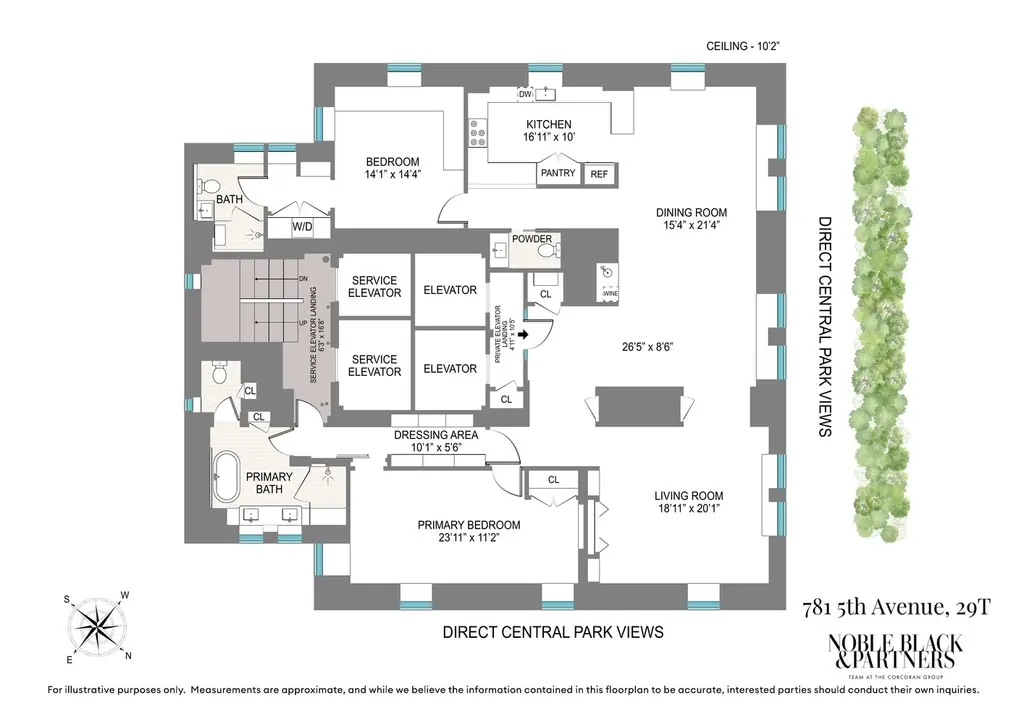
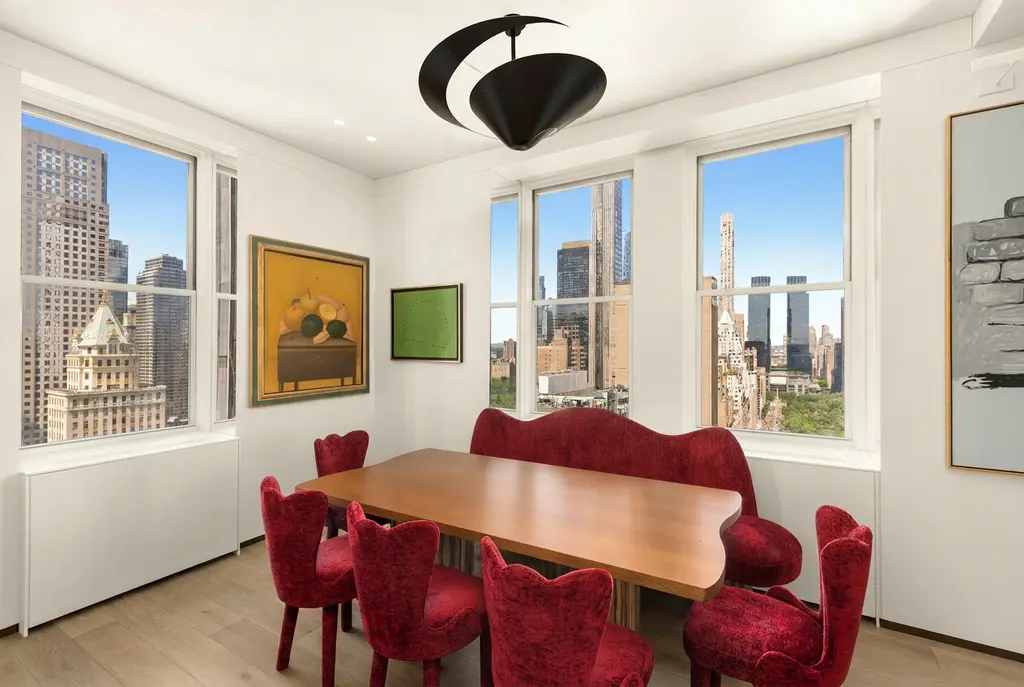
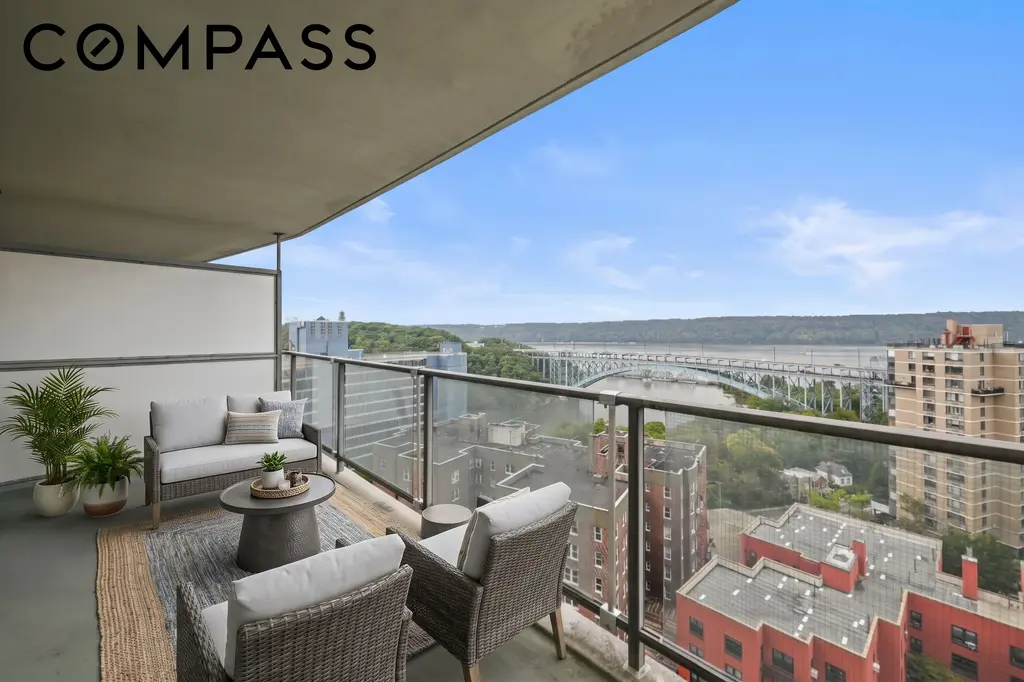
The Sherry Netherland, #29T
$11,500,000
Park/Fifth Ave. to 79th St. | Cooperative | 2 Bedrooms, 2.5 Baths | 2,356 ft2



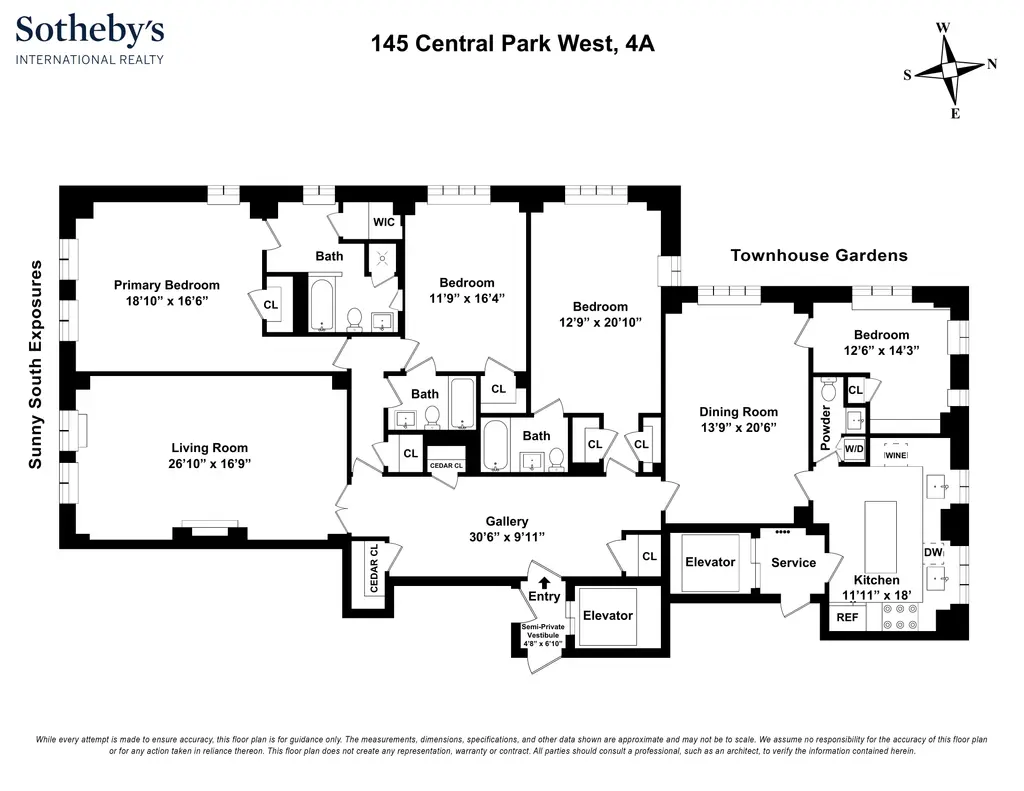



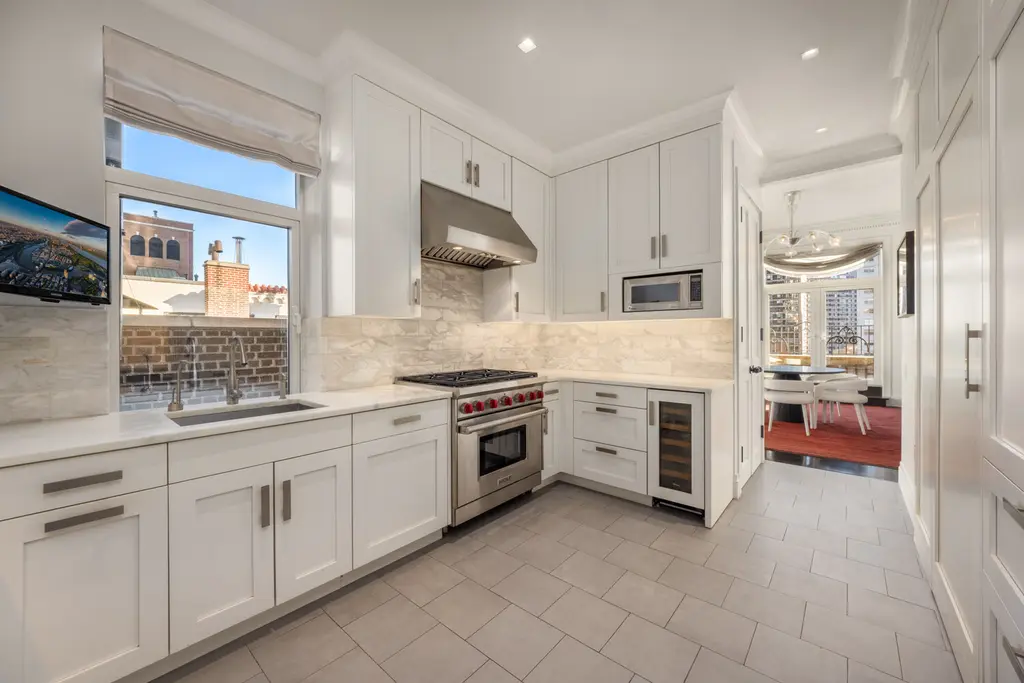



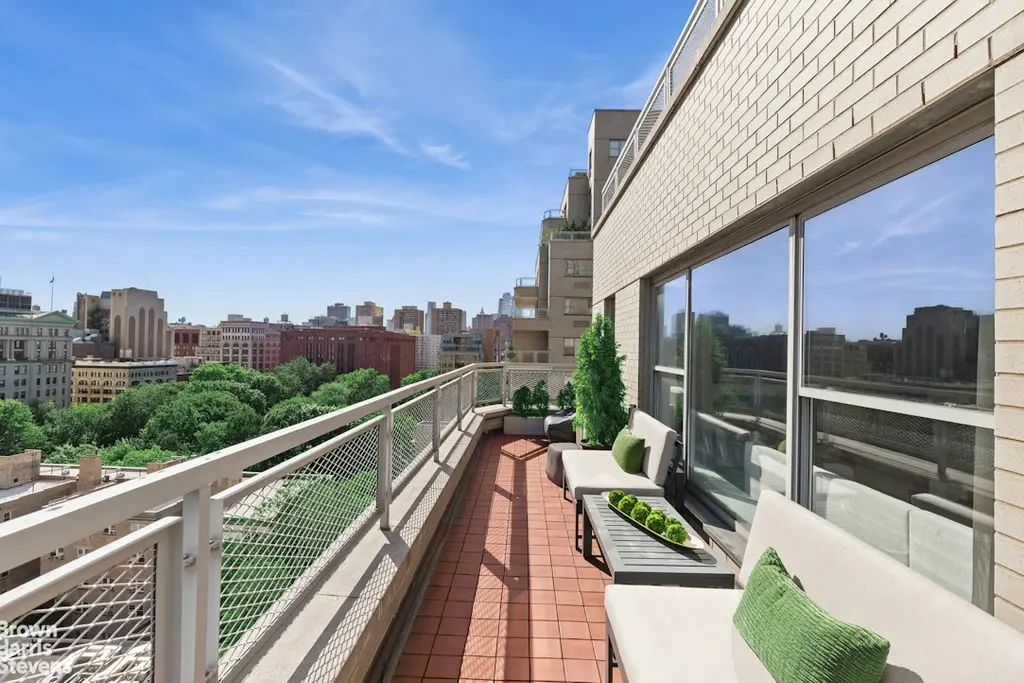








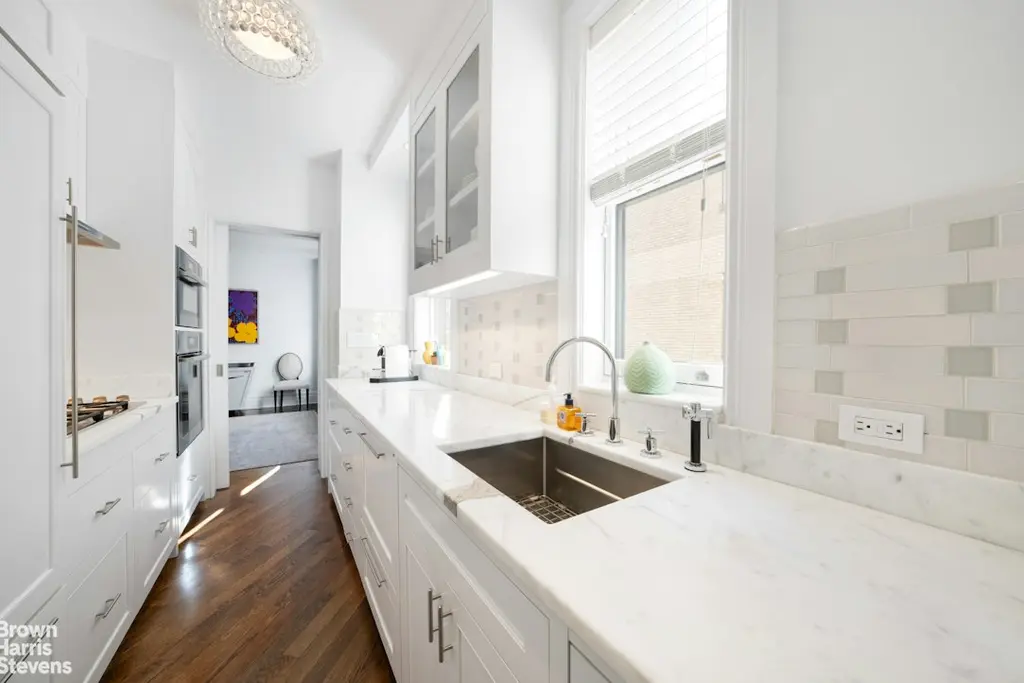




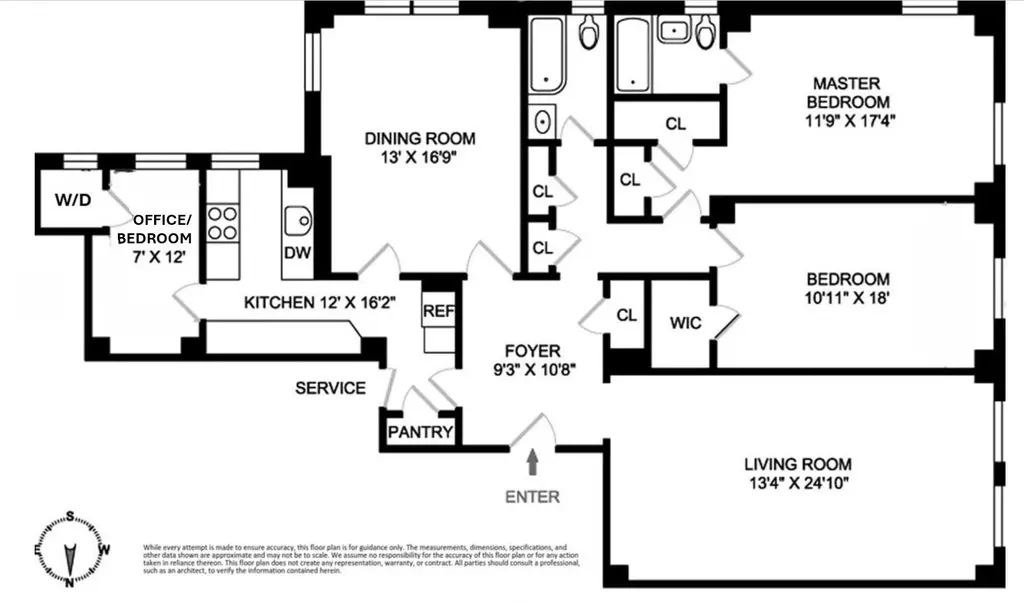

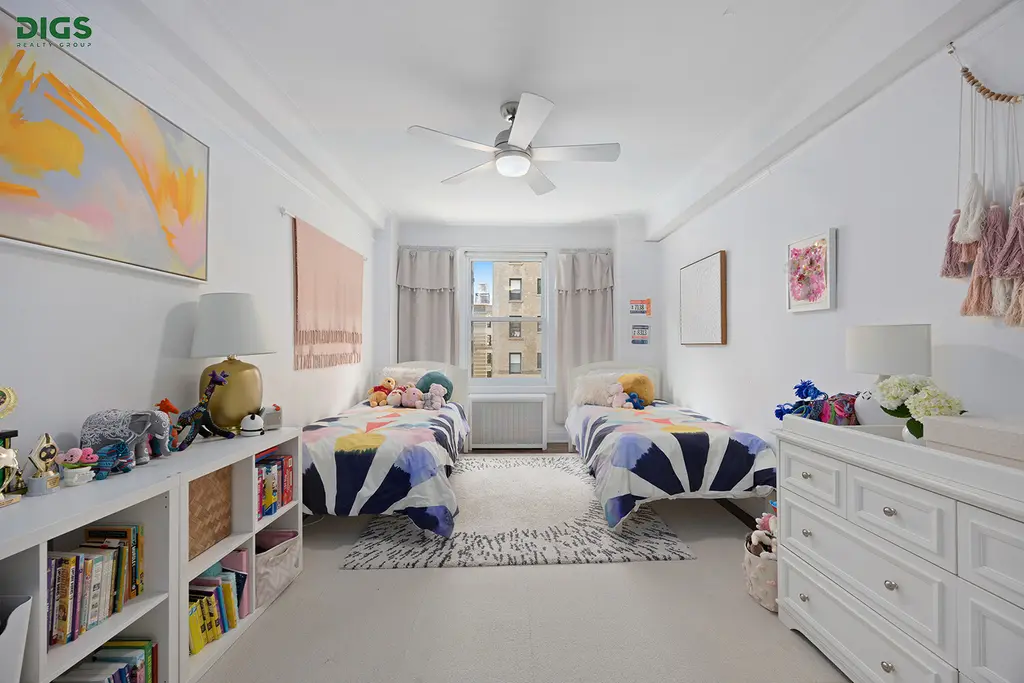
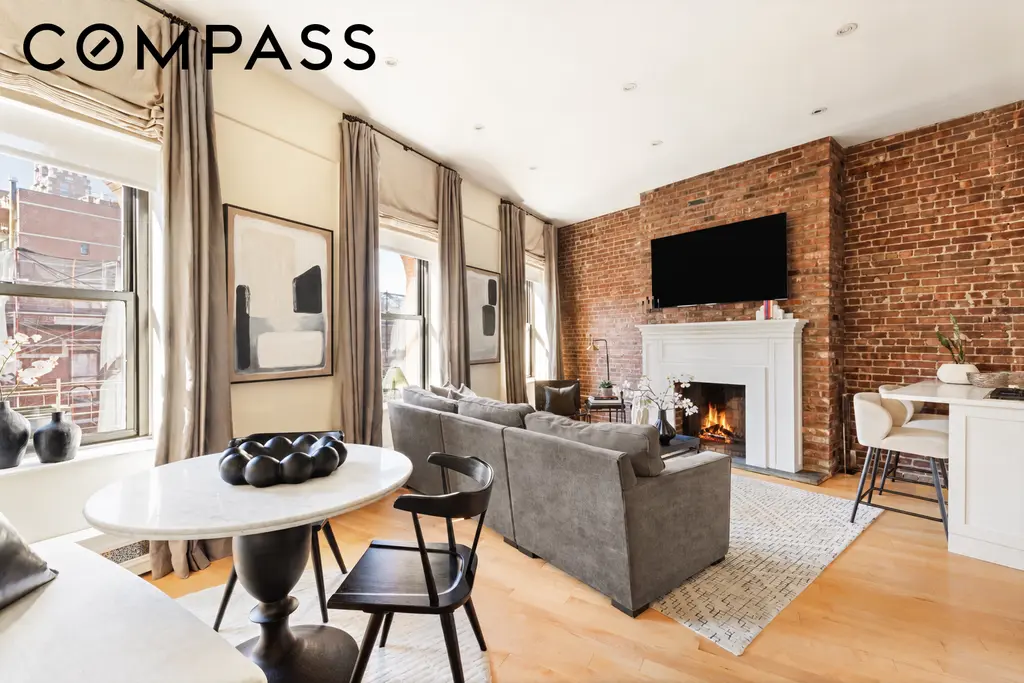
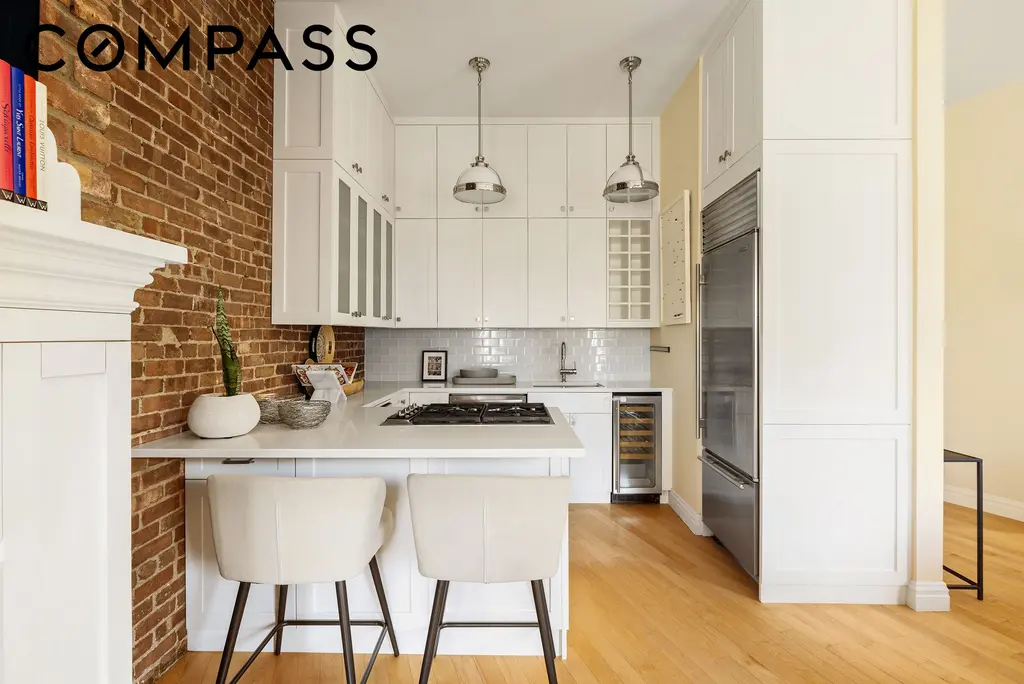


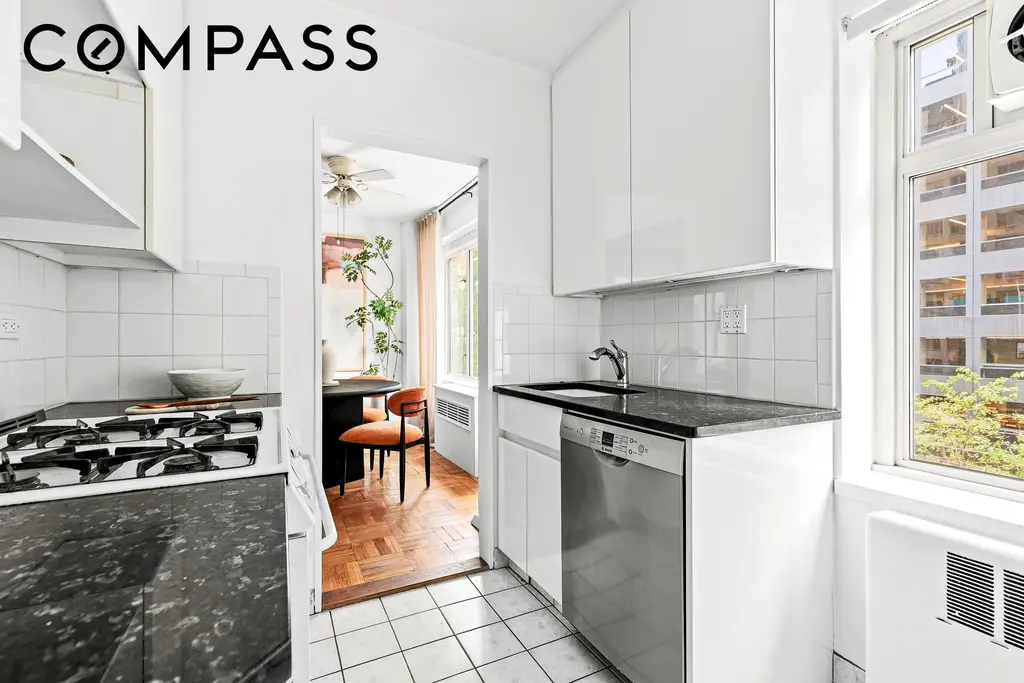
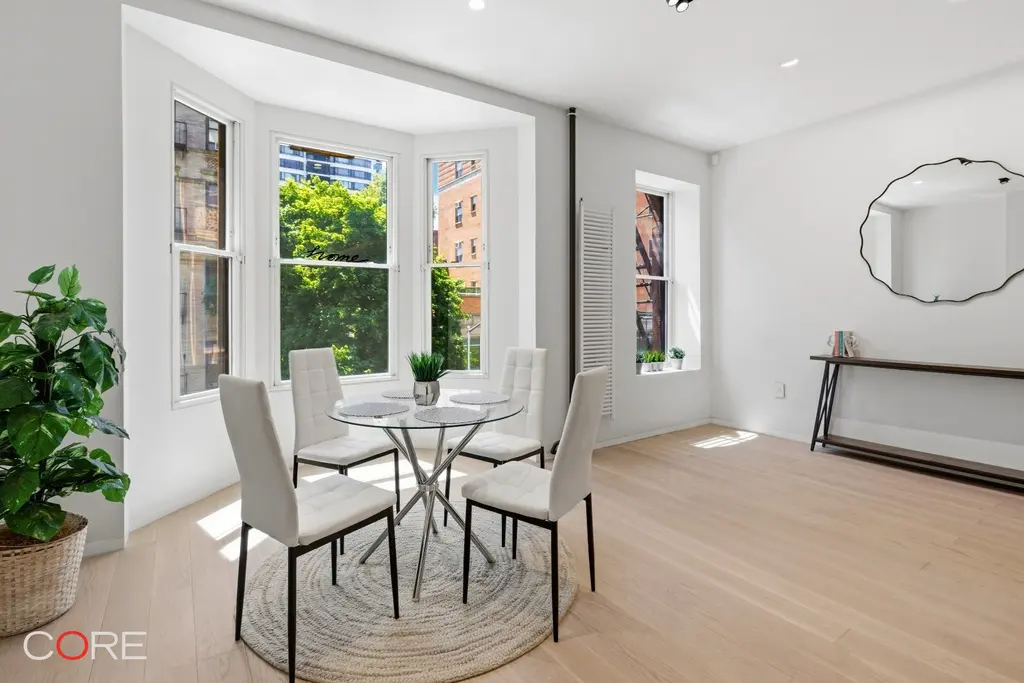
The International Tailoring Company Building, #3I
$1,450,000
East Village | Cooperative | 2 Bedrooms, 1 Bath | 1,000 ft2














Related Articles

Renovation ROI in NYC + Turnkey apartments from $485K
Tuesday, October 27, 2026
Fireplaces in NYC homes: The romance, reality and listings to warm up to
Sunday, October 25, 2026Scary Good Listings: Availabilities in haunted NYC properties
Saturday, October 24, 2026
Leaf peeping from home: NYC apartments with direct Central Park views
Tuesday, October 13, 2026Gallery Gossip Girl: The art of a long weekend + Perfect listings to hang your art
Saturday, October 10, 2026
Open House New York: Our Must-See Picks + NYC Listings to Tour This Weekend
Saturday, October 3, 2026
Skylit Listings: From a former synagogue to a Gramercy penthouse with a park key, these NYC homes are made for sunlight
Tuesday, September 29, 2026What is a classic six apartment? Why NYC buyers still covet this prewar layout
Tuesday, September 22, 2026

 6sqft delivers the latest on real estate, architecture, and design, straight from New York City.
