The Dakota

1 West 72nd Street At the Northwest corner of Central Park West
PRICING INFORMATION FOR The Dakota
Four Bedrooms from $14,500,000 (updated May 23, 2012)
Three Bedrooms from $5,650,000 (updated May 22, 2012)
Two Bedrooms from $3,900,000 (updated May 17, 2012)

FOR MORE INFORMATION ABOUT The Dakota
Contact us about buying or selling an apartment in The Dakota .
Email Us OR Call (212) 755-5544


The Dakota - 1 West 72nd Street: CARTER'S REVIEW


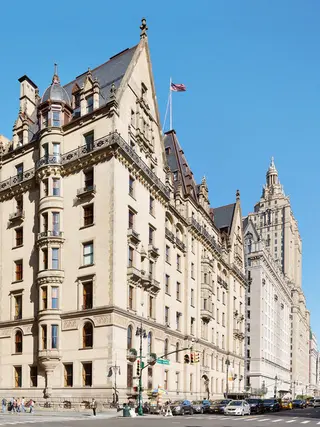
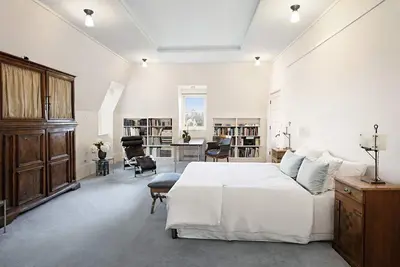
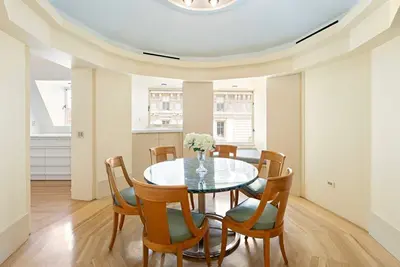
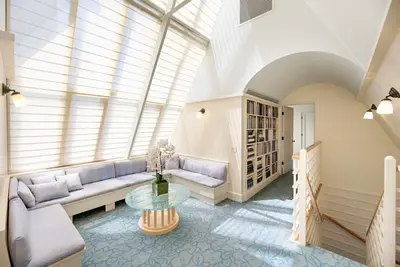
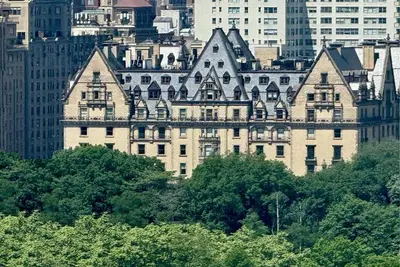
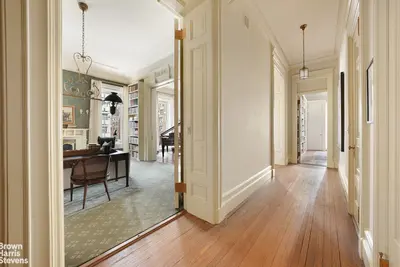
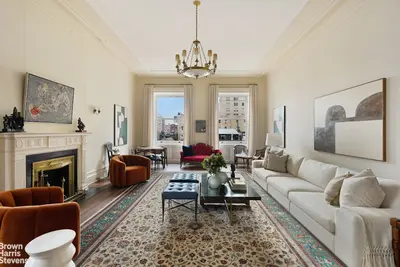
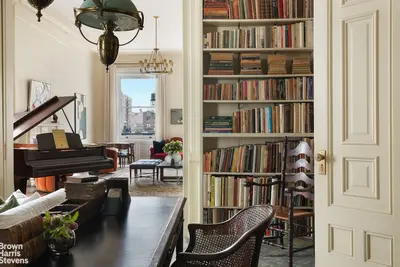
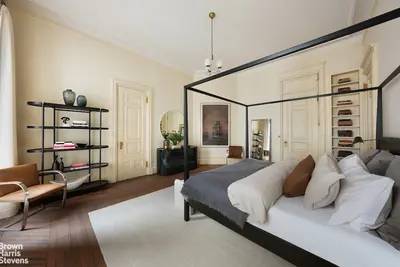
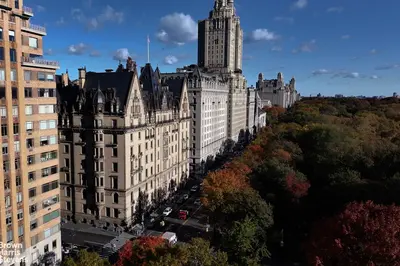
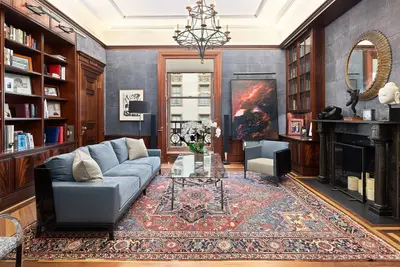
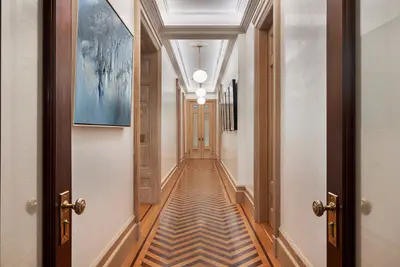
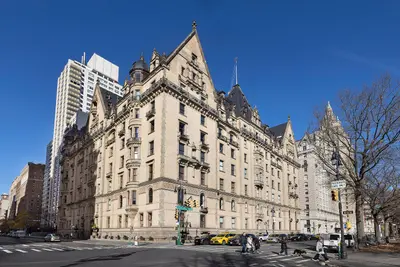
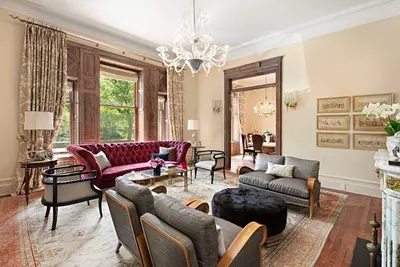
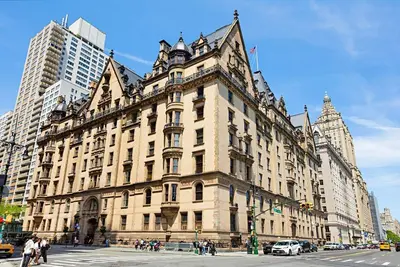
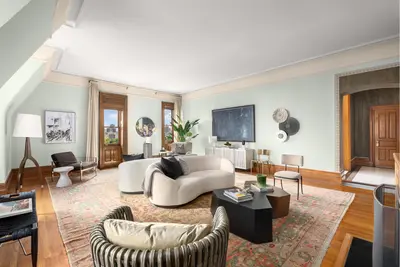
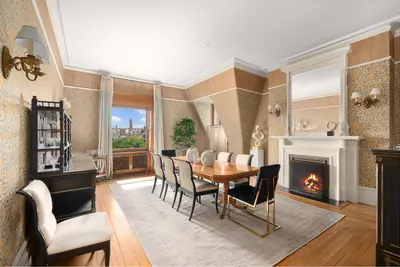
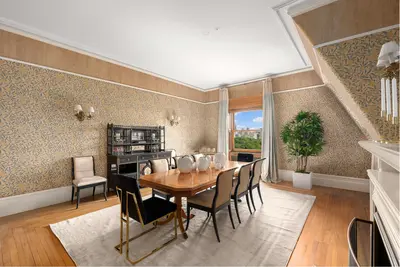
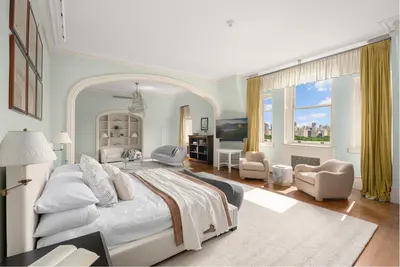
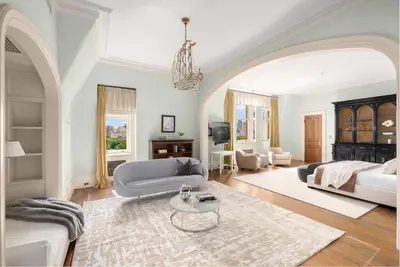
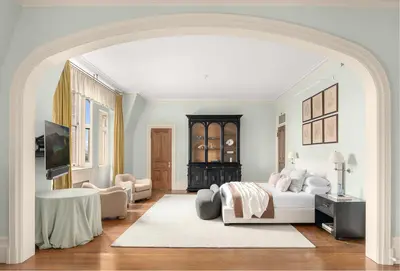
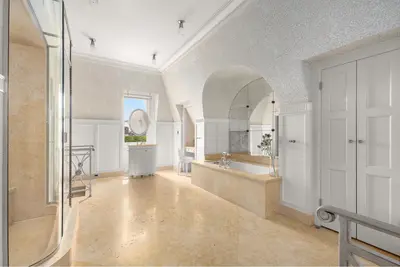
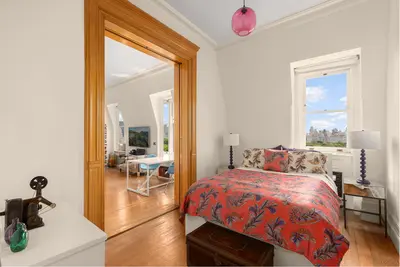
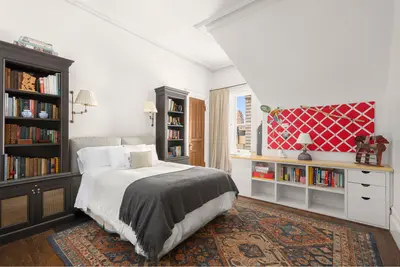
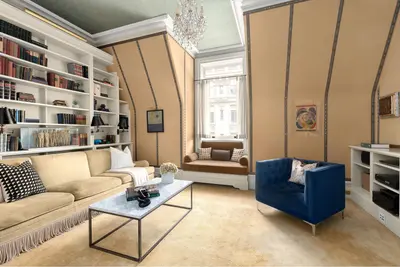
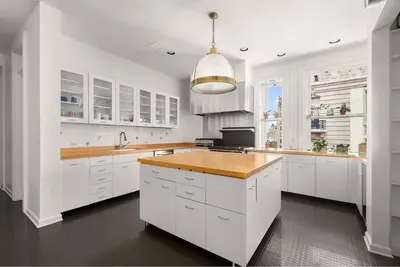
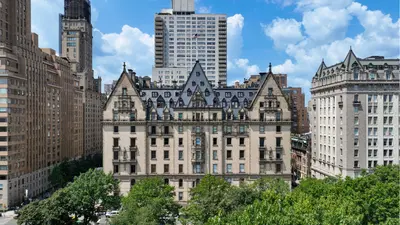
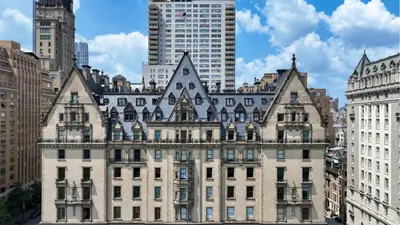
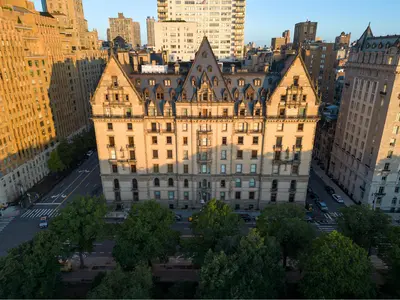
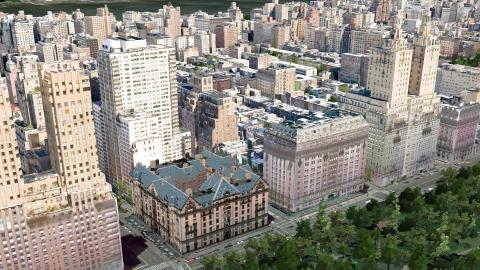
The city's most legendary apartment building, the Dakota is a massive, fortress-like building with a large center courtyard and very large apartments with very high ceilings.

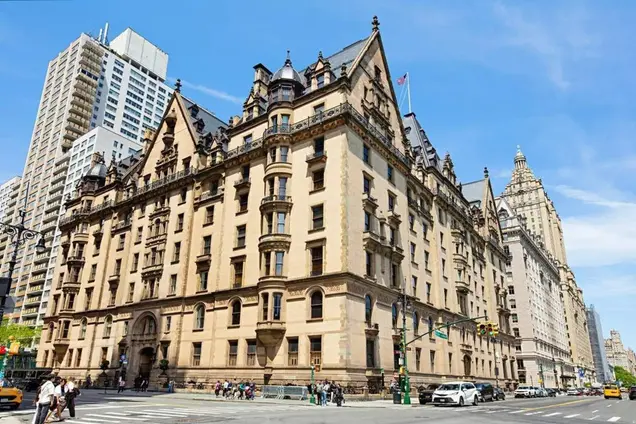
With an impressive, arched entrance with sentry box flanked by large planters, the buff-colored building is surrounded by a very attractive and dramatic low cast-iron fence in front of a "dry moat." The four corners of the courtyard, which has a fountain, lead to separate lobbies and passenger elevators. (Service elevators run up the middle of each side of the building.)

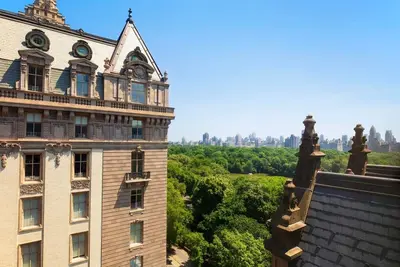
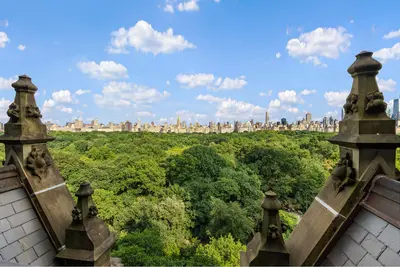
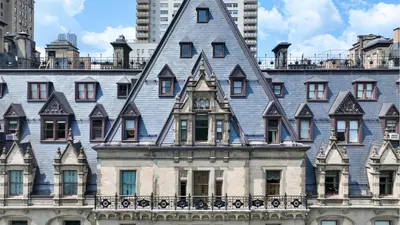
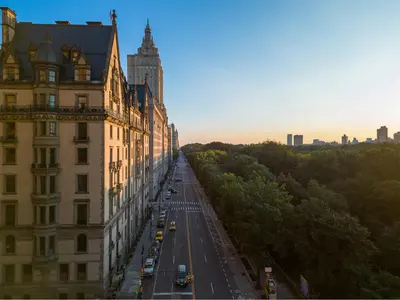
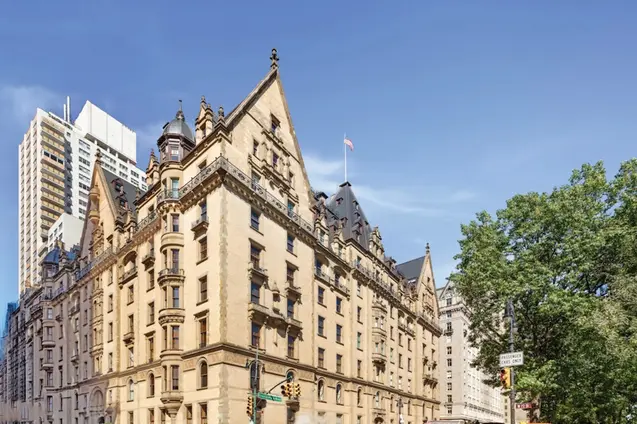
The building exudes solidity as well it should since its bottom walls are 28 inches thick, but its profusion of architectural elements and pale yellow brickwork that contrasts with dark brown masonry at the corners produce a lively and graceful appearance of considerable visual interest because of the mix of gables, arches, balconies, oriel windows, dormers, finials and other ornamentation including a flagpole at the top of its park facade.
When it was built in 1884, it towered over the Upper West Side and was an immediate success with all its apartments rented on opening day. Its developer, Edward Severin Clark, an heir to a sewing machine fortune, died two years before it opened. The building's name allegedly reflected the fact that the building was so far removed from the city's established luxury residential areas that it might as well be in the Dakota territory. Its 72nd Street fa??ade, indeed, has an image of a Native American carved on its fa??ade.
Designed by Henry J. Hardenbergh, who would later design the Plaza Hotel, the building had tennis courts and a croquet field on the adjoining 175-foot-long lot on West 72nd Street that was later developed after World War II as a separate apartment building.

Many of residents of its cooperative apartments have been celebrities including John Lennon, the Beatle who was slain in 1980, Leonard Bernstein, the composer and conductor, Lauren Bacall, the actress, Judy Garland, the singer, William Inge, the playwright, Jo Mielziner, the stage designer, Rex Reed, the columnist.

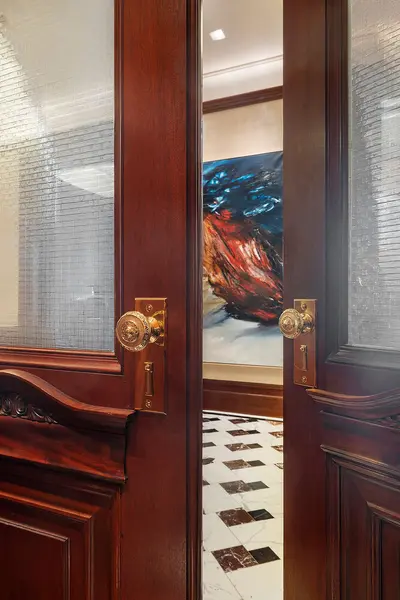
"The Dakota," Elizabeth Hawes wrote in her excellent book, "New York, New York, How the Apartment House Transformed the Life of the City (1869-1930)," (An Owl Book, Henry Holt and Company, 1993), "was a daring building and a daring venture. Although its situation seemed enviable - the peace and quiet, the unobstructed light, the country air, the boundless vista - many New Yorkers thought the view to a vast greensward was a lonely prospect. Others condemned the intrusion of a bulky nine-story silhouette into the precious arcadian landscape of the park. There was, in fact, no other significant shape on the western horizon. The Upper West Side was still a patchwork of small sleepy settlements and vacant lots, interrupted here and there by a country house, an inn, an asylum or a saloon. In 1880, the Sixth Avenue Elevated had been extended up Ninth Avenue to 155th Street, which Clark hoped would spur development in the area. That year, Riverside Drive had been officially opened too....The most daring aspect of Clark's scheme was the extravagance of his building....Behind a fa??ade described as Brewery Brick Victorian neo-Gothic Eclectic, the building was shaped like a huge hollow square, with a large open courtyard, 55 by 90 feet, planned as a carriage drive at center, and separate entryways to its apartments at the corners. Inside, the building was immense and contained 65 suites and 623 rooms in all....The largest room was the public dining room on the ground floor, which was fashioned after an example in an English manor house, with a baronial fifteen-foot fireplace, an inlaid marble floor, and an elaborately carved, quartered-oak ceiling. Adjacent...was a smaller private dining room, fitted with mahogany and large beveled-glass windows, and a ladies' reception room, which...featured a frieze of clematis painted by the famous Greatorex sisters."

Because elevators were quite new at the time and as was the concept of apartment living for the well-to-do, the eighth and ninth floors of the building were originally used for servants' quarters and laundry and storage rooms, although they would eventually be converted to apartments, and the tenth floor included a roof garden and a children's playroom.

The 93-unit building's Victorian and Gothic architectural details and ambiance were featured in the popular spooky movie, "Rosemary's Baby," but it is famed more now for its spectacular apartments.

An article by Peter Lattman and Christine Haughney in the February 2, 2011 edition of The New York Times reported on a racial discrimination and defamation suit brought against the building by Alphonse Fletcher Jr., a former president of its board of directors.

Mr. Fletcher, 45, a prominent Wall Street investor, according to the article, has lived in the building since 1992 and filed the lawsuit after the board denied his application to buy an adjacent unit to accommodate his family.

The lawsuit's allegations include claims that board members made ethnic slurs against prospective residents, including describing one couple as part of the "Jewish mafia" and suggesting that a Hispanic applicant was interested in a first-floor apartment so that he could more easily buy drugs on the street. The applicant, who was rejected, was married to a "prominent financially well-qualified white woman," according to the suit, and though neither is named, the timing and circumstances suggest that it was Antonio Banderas.

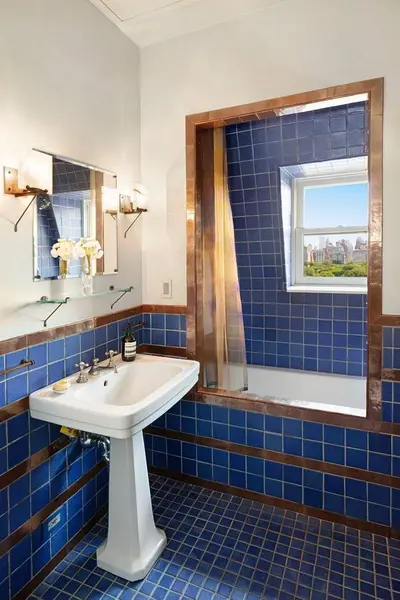
"The suit accuses the board of several other instances of treating minorities unfairly," the article continued, "including repeatedly denying another black owner - the singer Roberta Flack - permission to install a new bathtub and then joking about it. Mr. Fletcher also accuses the board of self-dealing: shortly after his request was denied last year, a member of the board who lives on the same floor put her own apartment up for sale, offering it as a package deal with the apartment Mr. Fletcher wanted to buy.

"Although such conduct by a co-op board on the Upper West Side of Manhattan at the beginning of the 21st century may seem surprising, this behavior was consistent with the defendants' extensive pattern of hostility toward nonwhite residents of the building," said the lawsuit, which was filed on Tuesday in State Supreme Court in Manhattan.

In a statement, the Dakota's board said that it had not yet reviewed the lawsuit, but that "Mr. Fletcher's application to purchase an additional apartment in the Dakota was rejected based on financial materials he provided."

"Mr. Fletcher...grew up in Waterford, Conn., and he and his two younger brothers all earned their undergraduate degrees from Harvard. Geoffrey Fletcher, the youngest, won an Academy Award last year for his screenplay for the movie "Precious." Todd Fletcher is an accomplished composer. In 1991, Alphonse Fletcher, then 25, sued Kidder, Peabody & Company, his employer, accusing the Wall Street bank of paying him only half of the $5 million in annual compensation that he said he was due. He claimed the bank considered the amount 'simply too much money to pay a young black man.' An arbitration panel eventually awarded Mr. Fletcher $1.3 million. Mr. Fletcher founded Fletcher Asset Management in 1991.

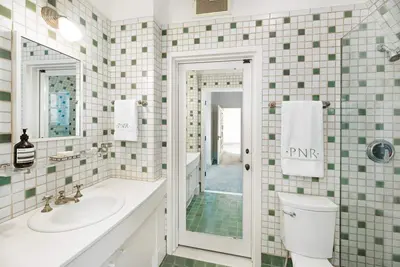
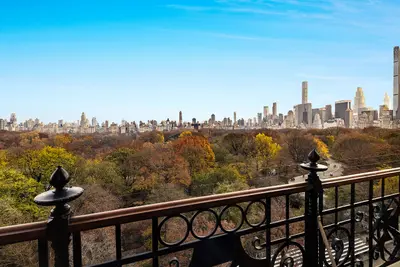
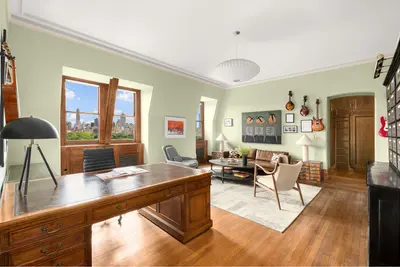
Mr. Fletcher currently lives in an eight-room, 2,600-square-foot apartment with three bedrooms, three and a half baths, two maids rooms and Central Park views.

"When Mr. Fletcher tried to buy another apartment for his mother in 2002," the article continued, "the building approved the deal on condition that no one else ever stay in her apartment, even overnight, without board approval, a requirement that the suit said had never been imposed on the unit before. Mr. Fletcher decided to sue because he said he had been blocked from buying a neighboring two-bedroom apartment he planned to use to accommodate his growing family; he is married and has a 2-year-old daughter. He signed a contract to buy the unit for $5.7 million, without a mortgage, from the estate of its former owner, Ruth Proskauer Smith. Mr. Fletcher said that the board began questioning his finances, and that it unfairly concluded he was overleveraged with business loans even though he provided documentation that his net worth was $80 million. It also questioned whether he had made good on his philanthropic commitments and, according to the lawsuit, began spreading rumors that his finances were shaky."


BUILDING SUMMARY
  • Cooperative
  • Built in 1882
  • Located in Central Park West
  • 103 apartments
  • 10 floors
  • Approx. avg. price per sq ft: $2,477
  • Approx. price per sq ft range:
    $1,732 - $3,222
  • #1 rated co-op - West Side
  • #41 most viewed co-op in Manhattan (past 30 days)
  • #11 most viewed co-op in West Side (past 30 days)
  • Most popular co-op in Manhattan among people in Germany, Japan, United States, Canada
FEATURES & AMENITIES
  • FT Doorman
  • Pre War
  • Garden
  • Elevator
PROS & CONS
PROS
  • Legendary address
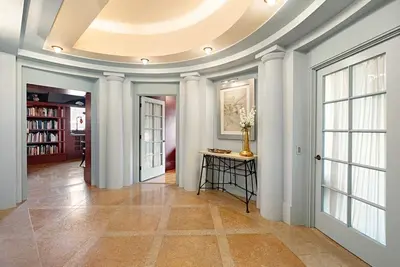
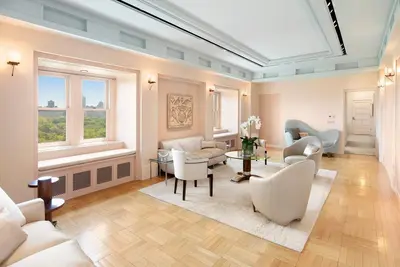
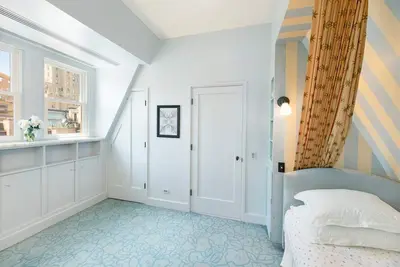
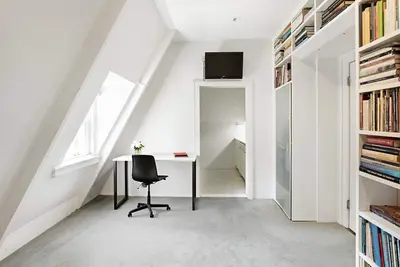
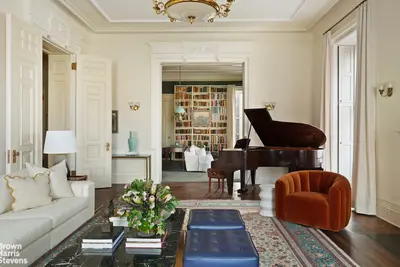
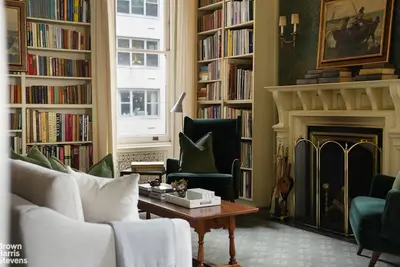
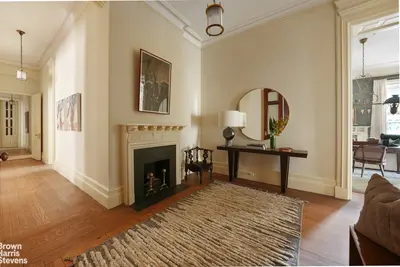
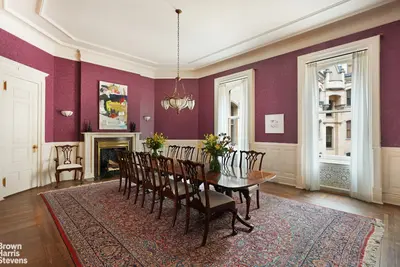
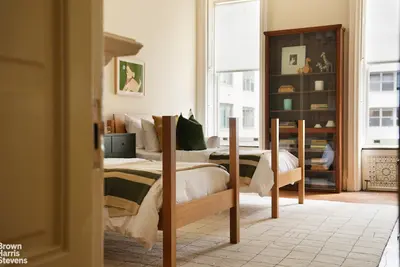
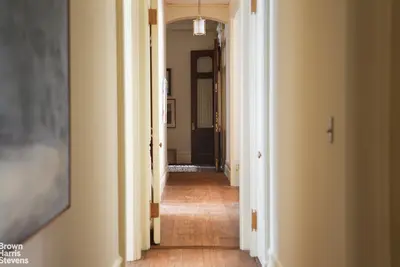
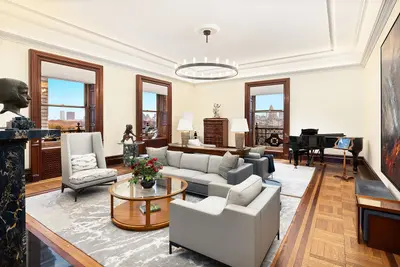
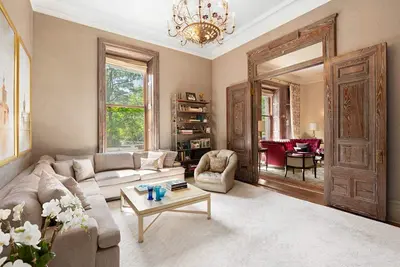
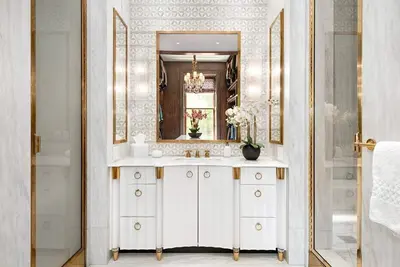
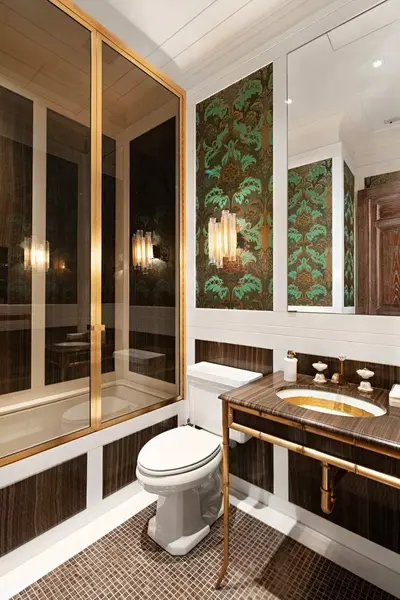
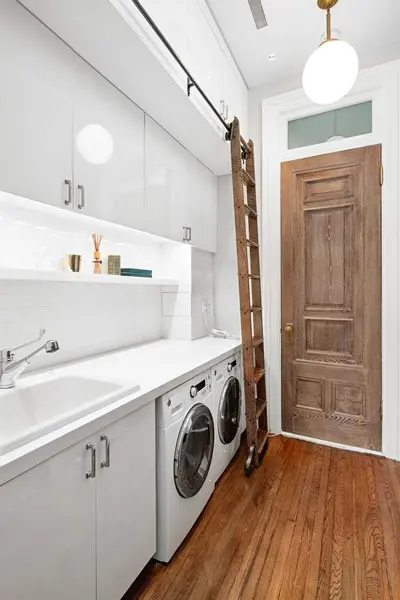
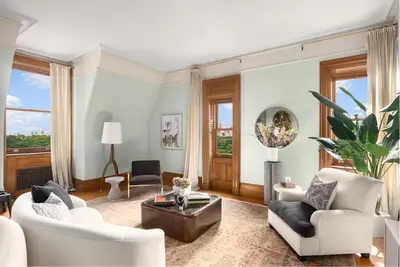
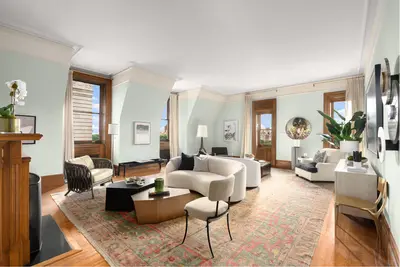
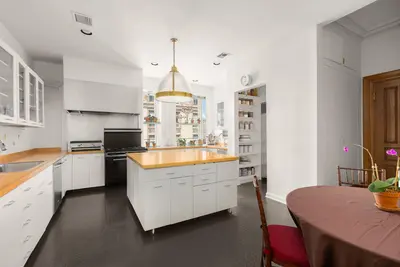
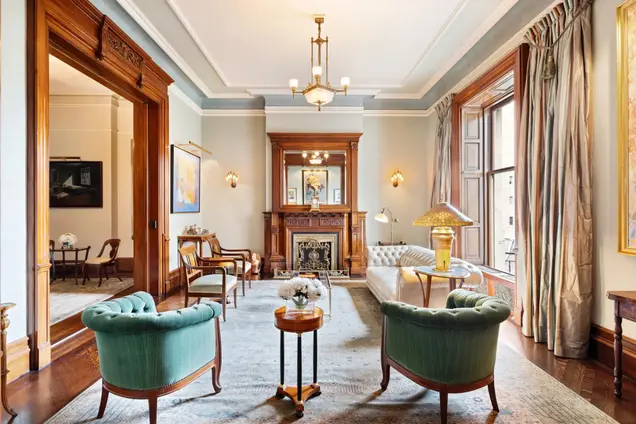
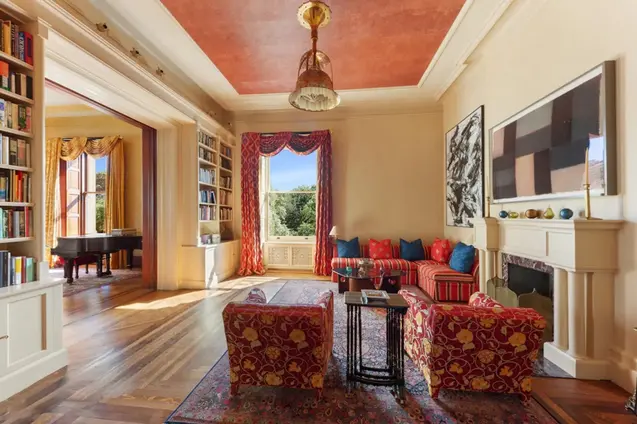
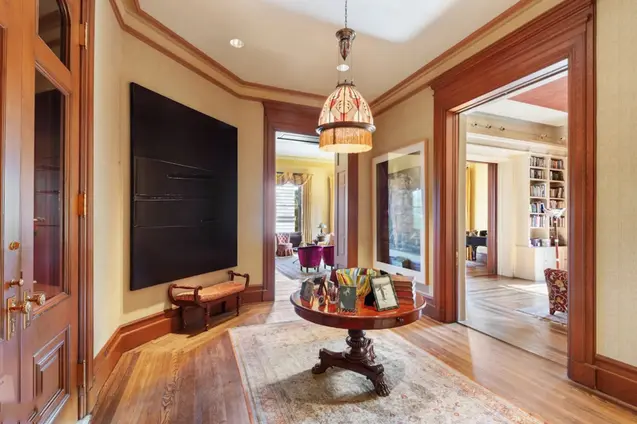
  • Very spacious apartments
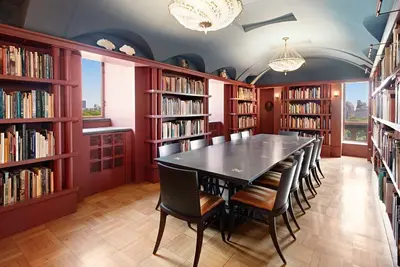
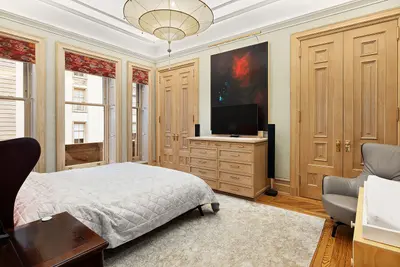
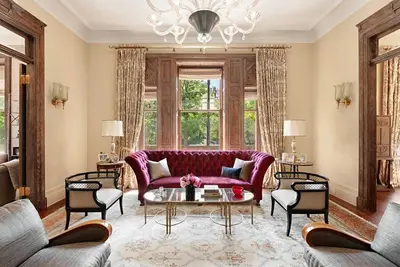
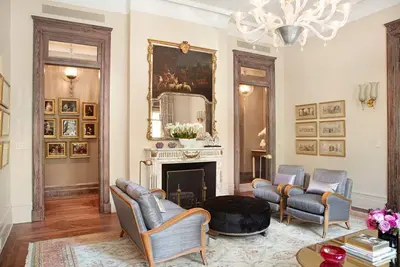
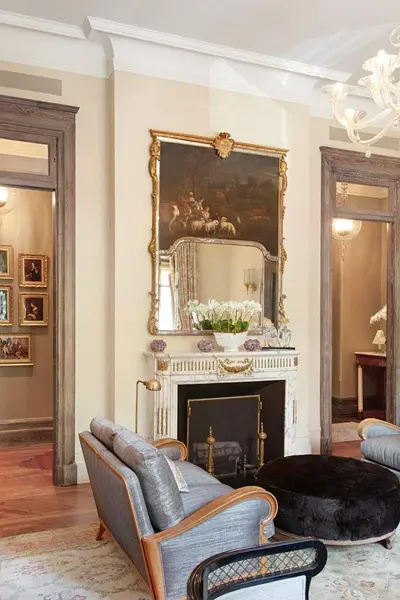
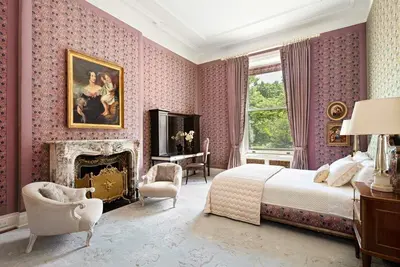
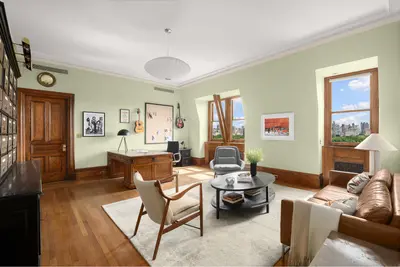
  • Very high ceilings
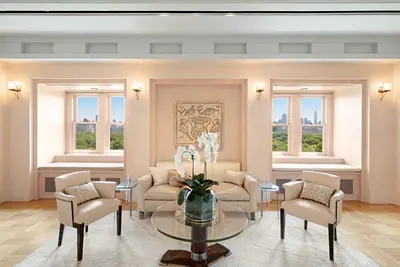
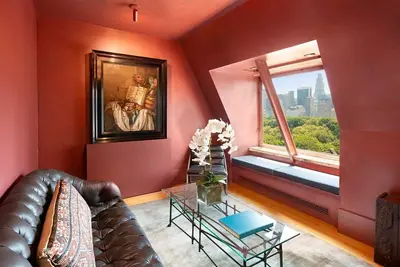
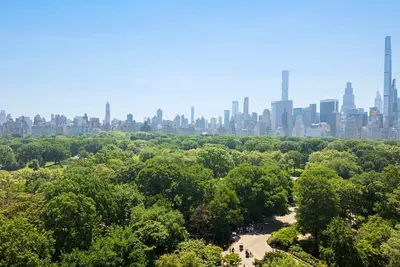
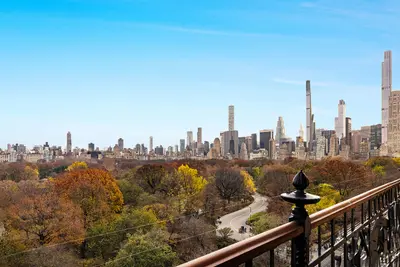
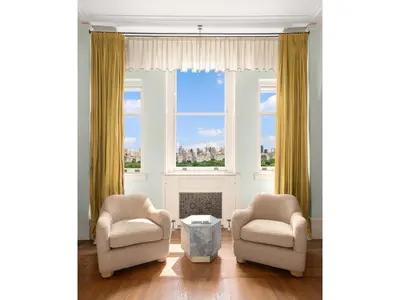
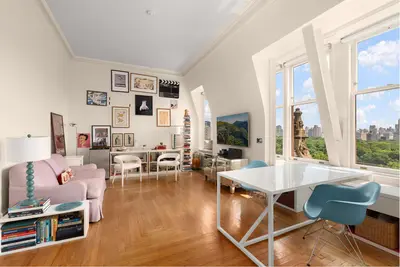
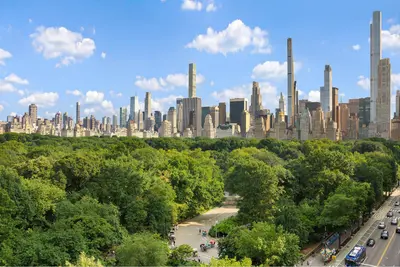
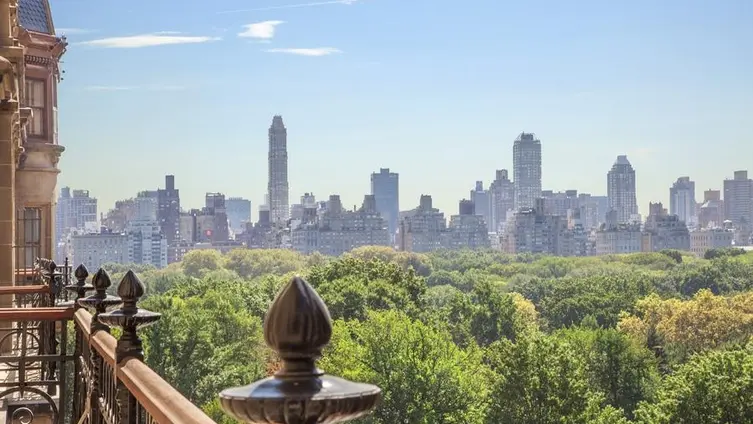
  • Sensational Central Park views
  • Prestigious resident roster
  • Impressive entrance
  • Large center courtyard with fountain
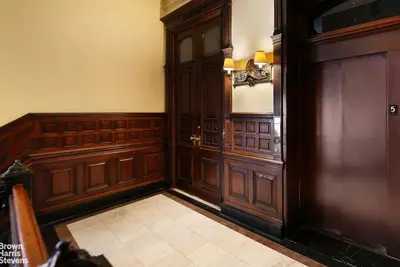
  • Four separate lobbies at corners of courtyard
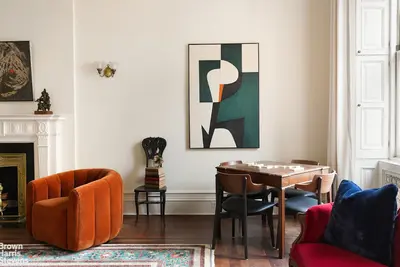
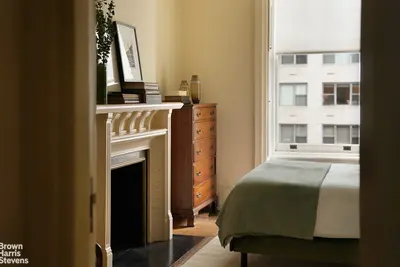
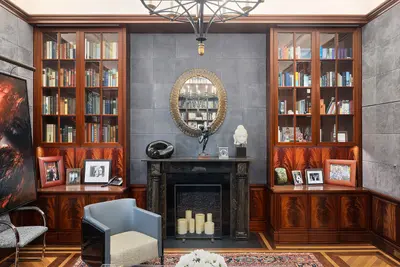
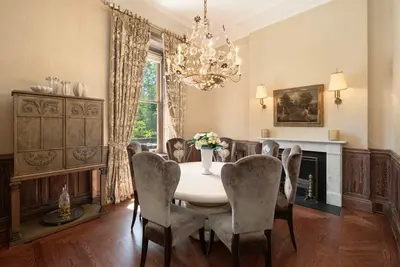
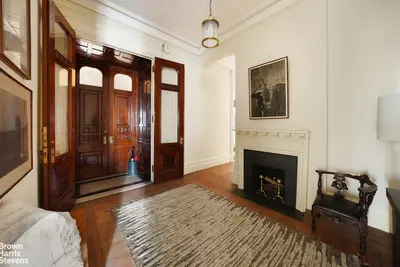
  • Many fireplaces
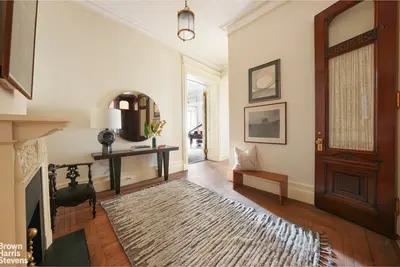
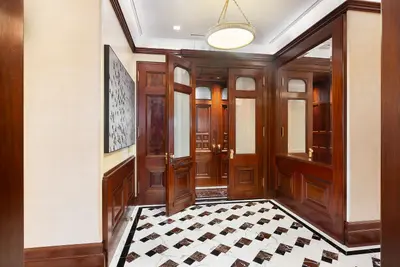
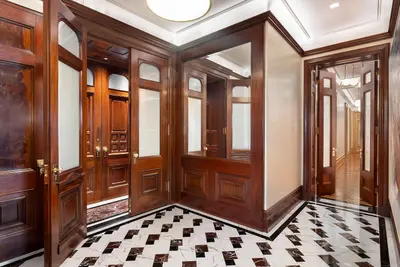
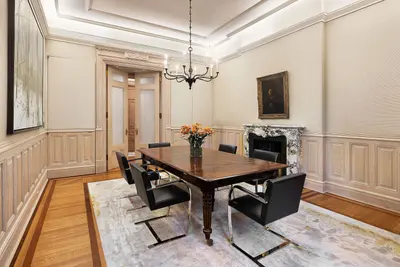
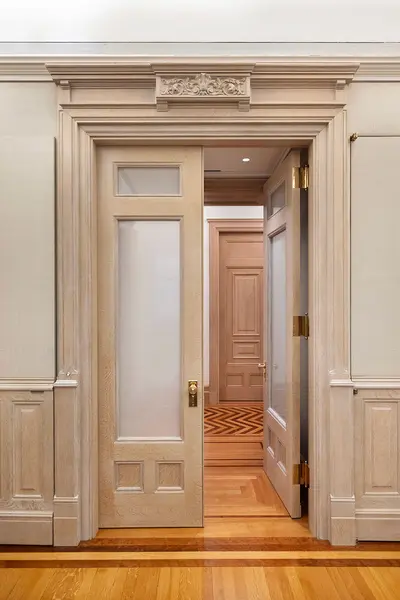
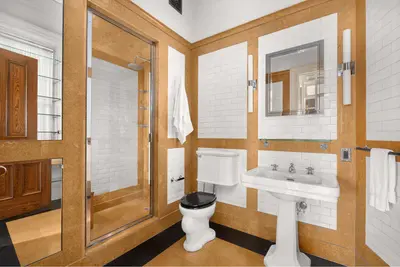
  • Impressive wainscoting
  • Doorman

CONS
  • Several blocks from cross-town buses
  • Tourist attraction for John Lennon fans
  • Busy intersection
  • Not close to supermarket

SPONSORED BY

Comments or questions? · Phone: 212.755.5544
Copyright © 1994-2012 CITY REALTY.COM INC. All Rights Reserved.
568 Broadway, Suite 802 New York, NY 10012
Terms of Use · Our Privacy Policy · About CITY REALTY.COM · Advertise With Us · Site Map
Developed by REOL Services


An equal housing opportunity.

All data is deemed reliable but is not guaranteed accurate by the REBNY / RLS or CityRealty. See Terms of Service for additional restrictions. All information furnished regarding New York City property for sale, rental or financing is from sources deemed reliable, but no warranty or representation is made as to the accuracy thereof and same is submitted subject to errors, omissions, change of price, rental or other conditions, prior sale, lease or financing or withdrawal without notice. All dimensions are approximate. For exact dimensions, you must hire your own architect or engineer. The number of bedrooms listed on this website is not a legal conclusion. Each person should consult with his/her own attorney, architect or zoning expert to make a determination as to the number of rooms in the unit that may be legally used as a bedroom.