
Wainscoting originated in northern Europe during the late Middle Ages, particularly in England and the low countries. Wainscot originally referred to high quality oak imported from the Baltic region, and the word "wainscot" has its roots in Middle English and Middle Dutch and derives from the Dutch word waeghe-schot (later wanschot), which roughly translates to "wall partition" or "wooden paneling." This word is a combination of "waeghe," meaning "wall," and "schot," meaning "partition" or "barrier."
In the 15th and 16th centuries, wainscoting served practical purposes rather than decorative ones. Stone and brick buildings were cold and damp, and wood paneling installed along the lower portion of interior walls helped insulate rooms, protect plaster from damage, and create a barrier against moisture. Over time this functional feature became associated with craftsmanship and status. By the 17th century, especially in Tudor and Jacobean interiors, paneled walls with carved detailing became fashionable in wealthy homes and wainscoting evolved into a decorative architectural element.
In this article:


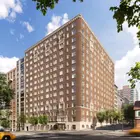
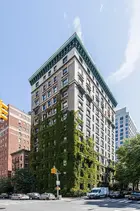
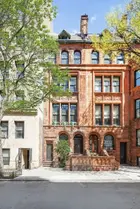

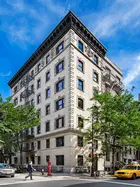
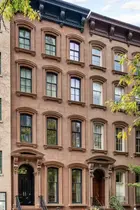
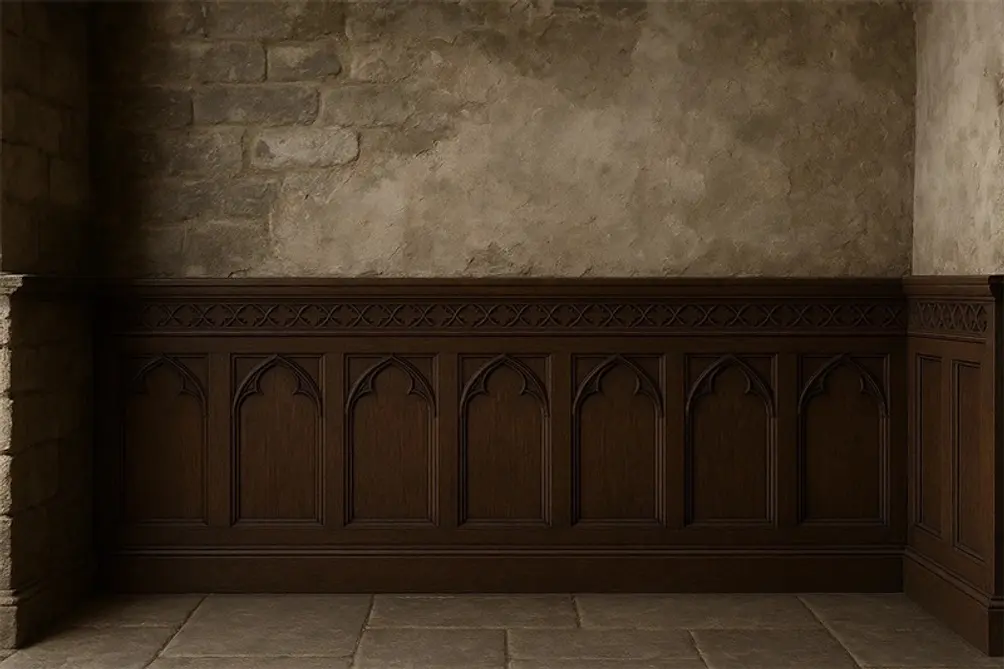 The early uses of wainscotting was more for practical insulation purposes rather than decorative.
During the 18th century, particularly in the Georgian period in Britain and colonial America, wainscoting took on the form that is still widely recognized today. Instead of covering entire walls, paneling was typically installed along the lower third of the wall and capped with a chair rail, creating balanced proportions and a refined appearance. Also, during this time, raised panel designs became popularized. The combination of baseboards, panels, and molding created a layered wall treatment that conveyed craftsmanship and permanence.
In the 19th century, advances in industrial manufacturing made decorative millwork more accessible. Victorian homes frequently incorporated wainscoting in hallways, staircases, dining rooms, and libraries. Styles such as beadboard and elaborately carved panels became common in middle class houses throughout Europe and the United States.
Wainscoting began appearing in American apartment buildings in the late 19th century as urban housing evolved to accommodate wealthy residents who had previously lived in private homes and townhouses. Early upscale apartment houses sought to replicate the elegance of private homes, and the quality of their architectural detailing and level of craftsmanship were key in conveying a home's gravitas.
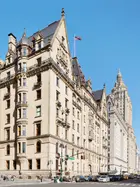
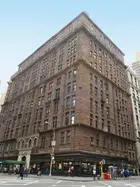
In New York City, landmarked buildings such as The Dakota, completed in 1884, and The Ansonia, completed in 1904, incorporated extensive wood paneling in lobbies, corridors, and common spaces to evoke the grandeur of European residential architecture.
As apartment construction expanded during New York's prewar building boom from about 1900 to 1940, wainscoting became one of the defining design features of upscale apartments. Entry foyers, dining rooms, and hallways frequently featured raised panel woodwork paired with crown molding, built in cabinetry, and decorative fireplaces.
These interiors were influenced by Beaux Arts, Georgian Revival, and Renaissance Revival architecture. The paneling reinforced the idea that apartment living could offer the same architectural richness as a townhouse.
Because of this association with luxury and craftsmanship, wainscoting became closely tied to the identity of classic prewar New York apartments. Buildings along Park Avenue, Fifth Avenue, and Central Park West often included paneled entrance galleries and formal dining rooms that created interiors that felt stately yet domestic.
Even when painted rather than left as natural wood, the paneling adds depth to otherwise simple plaster walls. By the 1930s, wainscoting and other decorative millwork were must-haves within high-end New York residences.
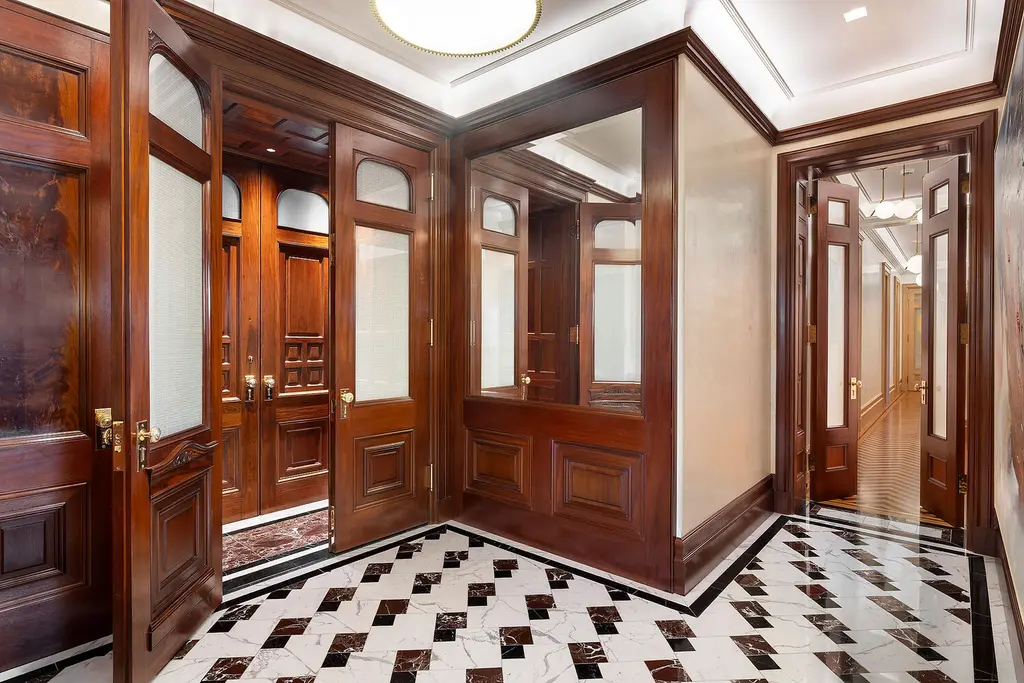
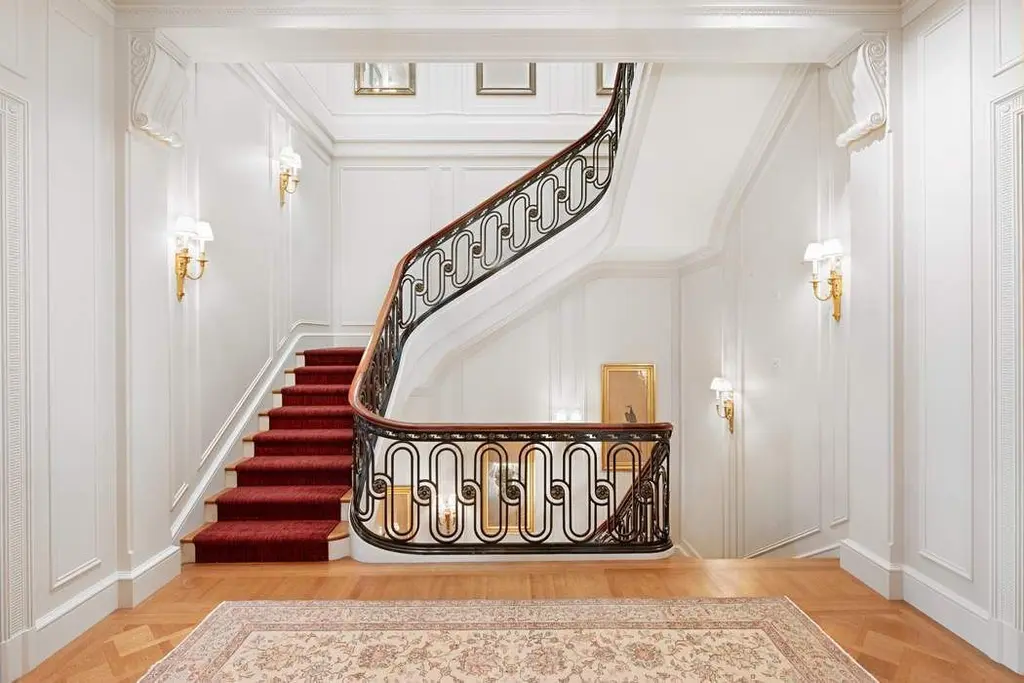
The Dakota, #74 (Douglas Elliman Real Estate)
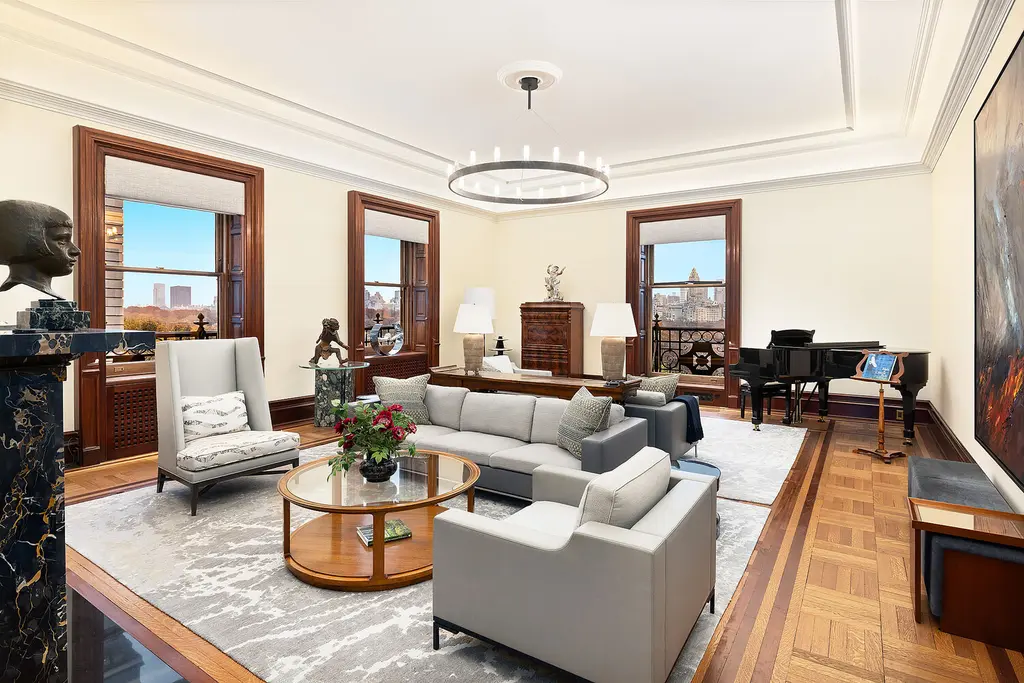
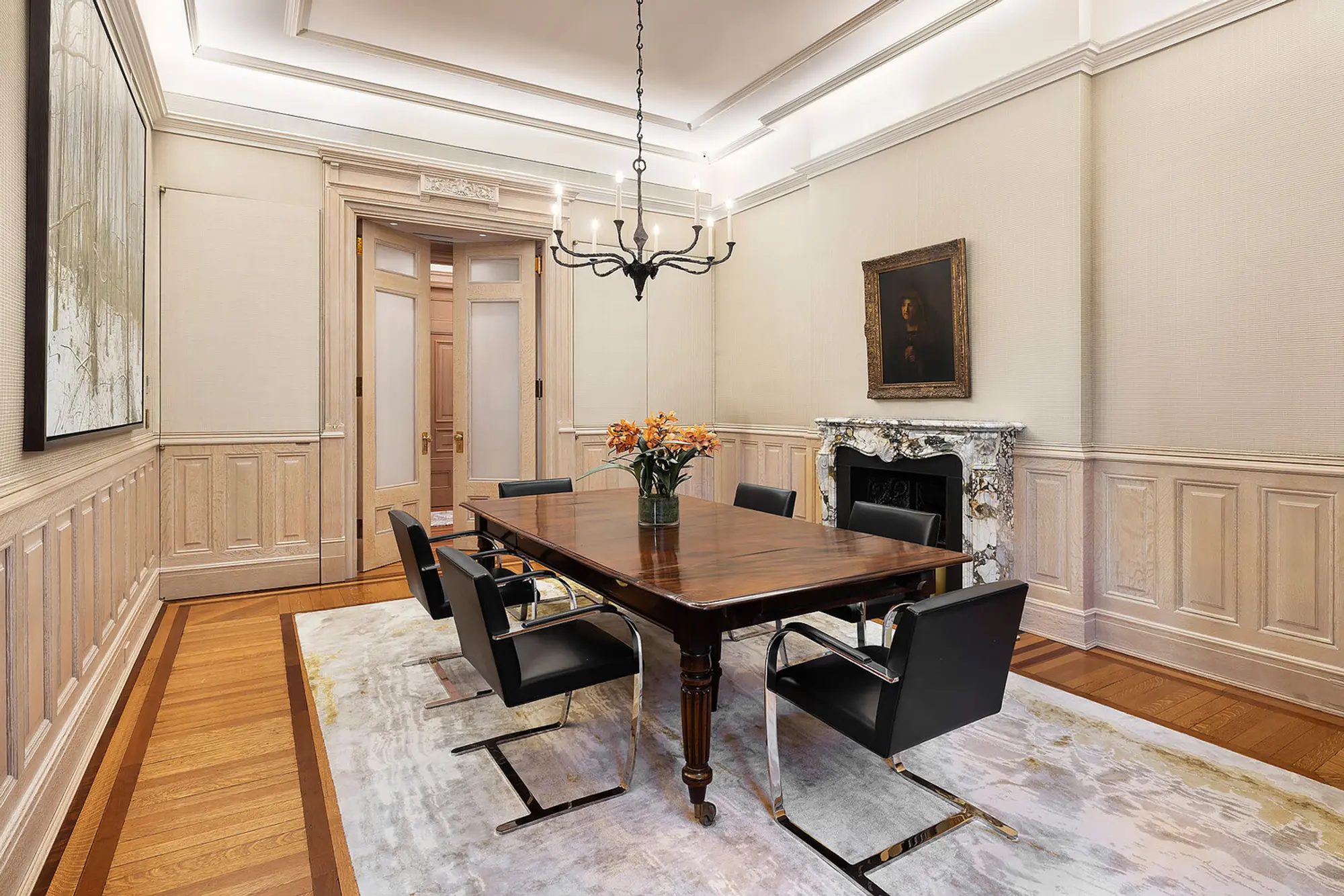
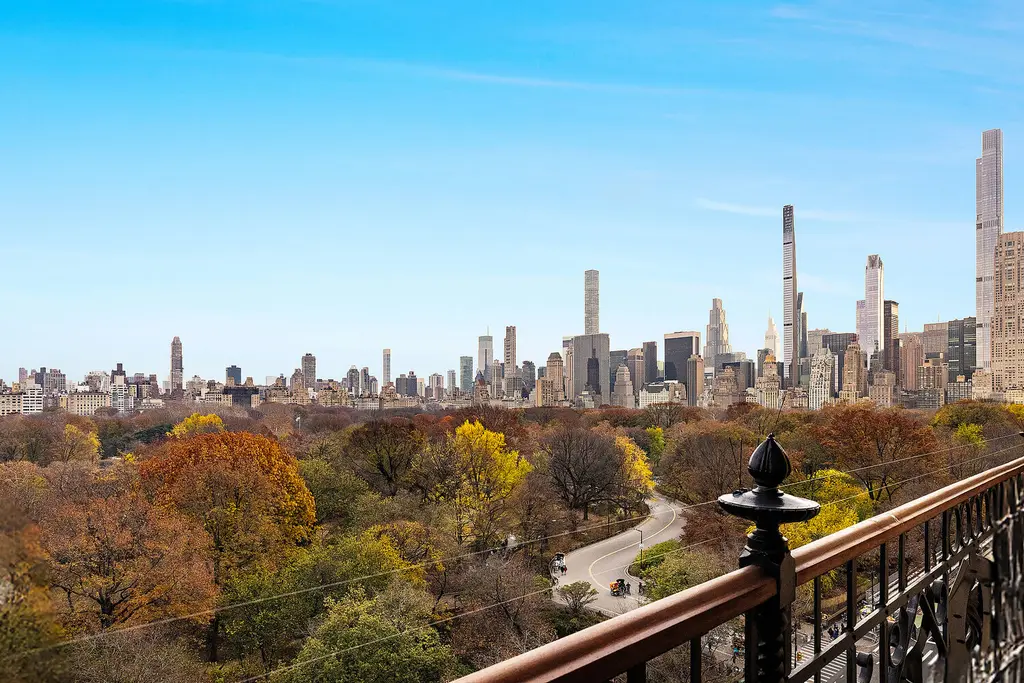
The popularity of wainscoting declined after World War II as modernist architectural styles began to dominate residential construction. Mid-century design emphasized minimalism, clean surfaces, and the removal of ornamentation. Large postwar apartment developments focused on efficiency and cost savings. Traditional paneling largely disappeared from buildings constructed between the 1950s and the 1980s, replaced by plain drywall interiors with little decorative detailing.
The revival of wainscoting began in the 1990s as developers and interior designers noticed the appeal of prewar architecture and it details to buyers, who increasingly valued the historic character and craftsmanship of earlier apartments.
The revival of wainscoting began in the 1990s as developers and interior designers noticed the appeal of prewar architecture and it details to buyers, who increasingly valued the historic character and craftsmanship of earlier apartments.
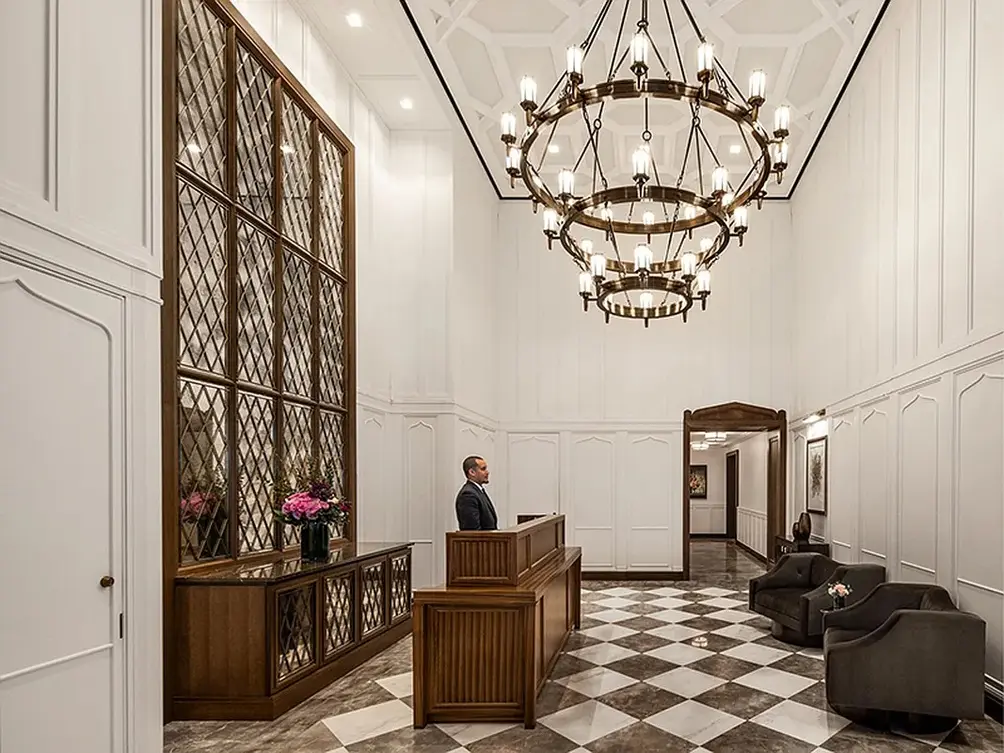 Various kinds of wainscotting are found throughout both the private residences and common spaces at Claremont Hall, including the frame molding in the lobby | https://www.cityrealty.com/nyc/morningside-heights/claremont-hall-100-claremont-avenue/172671
New residential developments began incorporating traditional millwork to evoke a prewar atmosphere. However, contemporary versions of wainscotting are often simpler and may use picture frame molding or flat panels applied directly to drywall.
In new condo developments today such as the Waldorf Astoria Residences New York, 720 West End Avenue, and Claremont Hall, wainscoting often appears in entry galleries, hallways, dining areas, lobbies, and common areas as a way to create a sense of timeless elegance. Even when newly installed, some designers and brokers describe these details as heritage millwork or classic paneling.
In new condo developments today such as the Waldorf Astoria Residences New York, 720 West End Avenue, and Claremont Hall, wainscoting often appears in entry galleries, hallways, dining areas, lobbies, and common areas as a way to create a sense of timeless elegance. Even when newly installed, some designers and brokers describe these details as heritage millwork or classic paneling.
Adding or restoring wainscoting in a New York City apartment can vary widely depending on materials and craftsmanship. Basic picture frame molding applied to drywall may cost roughly $20 to $40 per square foot installed, while more traditional raised panel millwork can range from $50 to $150 per square foot or more when custom carpentry is involved.
For a typical room, homeowners might spend $3,000 to $10,000 for simpler decorative paneling, while historically accurate restoration in a prewar apartment using custom woodwork could cost $15,000 to $40,000 or more, especially if matching original millwork profiles. The value wainscotting adds to room or apartment may vary, and the refined look may not be suitable for all layouts, proportions, and the taste of buyers in a particular market. For instance, the value of wainscotting in a Long Island City or Williamsburg condo is likely different than in same layout in Carnegie Hill.
For those who value this refined look, find below two dozen active listings around the city with wainscotting installed.
For those who value this refined look, find below two dozen active listings around the city with wainscotting installed.
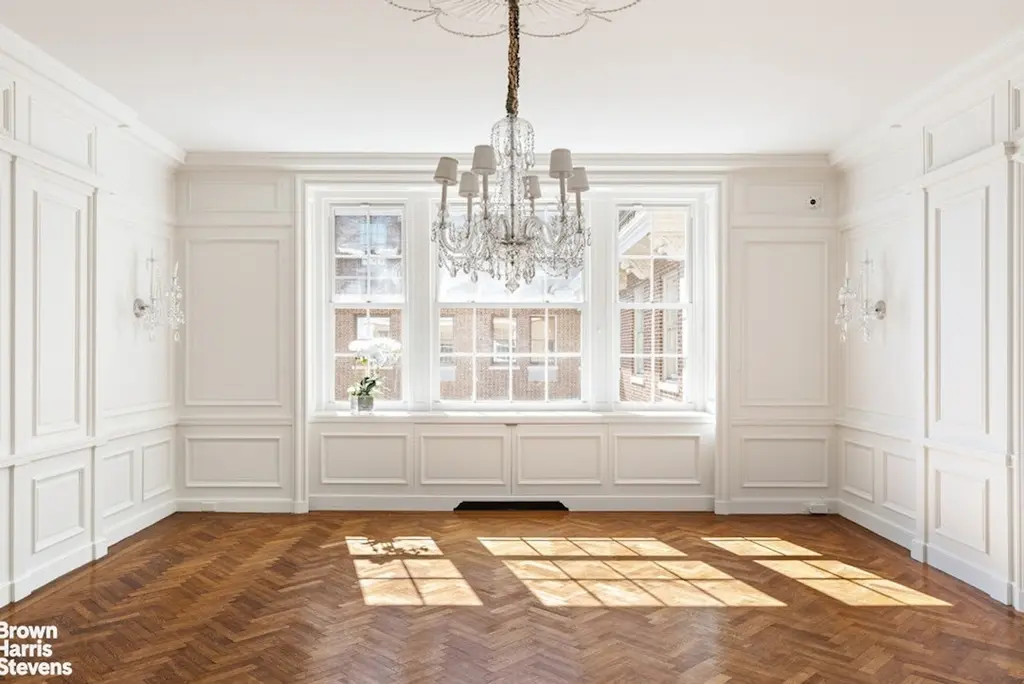
Select listings with wainscotting and framed panels
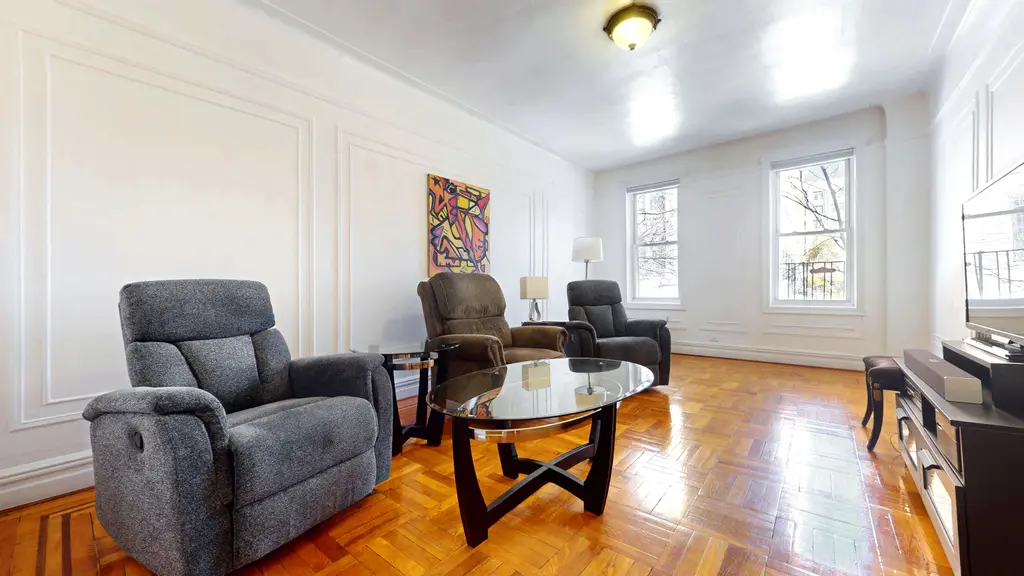
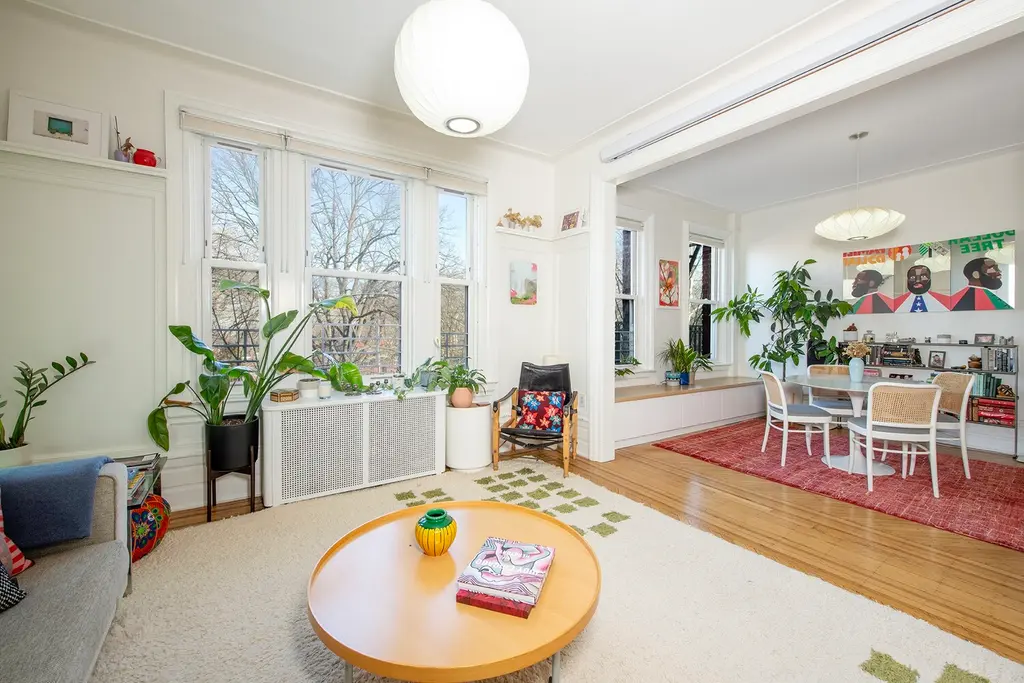
The Wade Hamptons Apartments, #2K (Bizzarro Agency LLC)
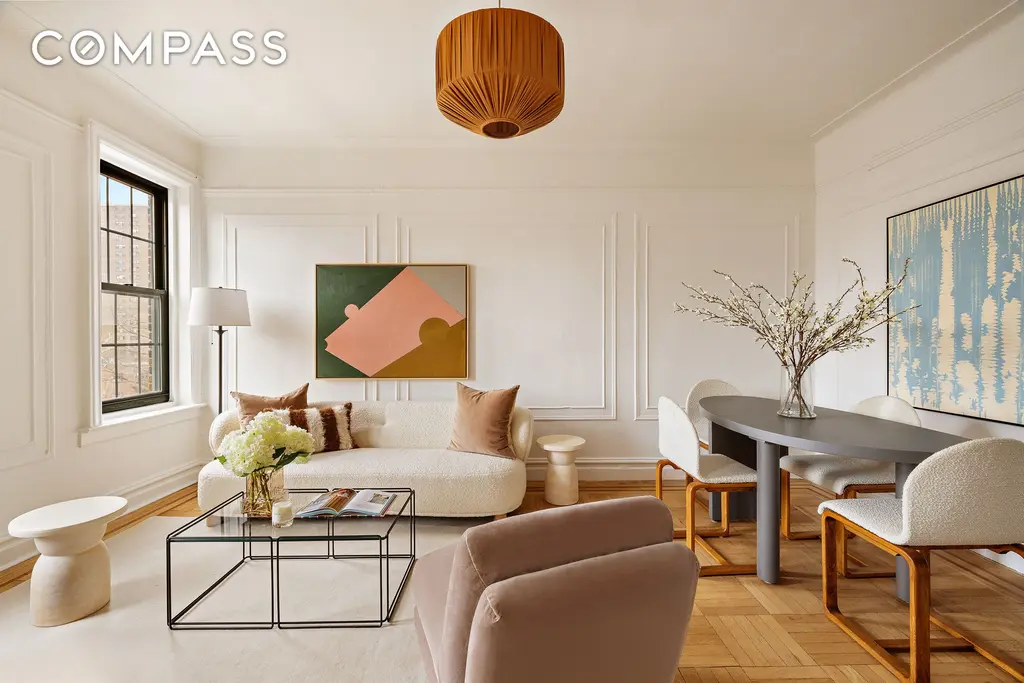
Francine Towers, #5J (Compass)
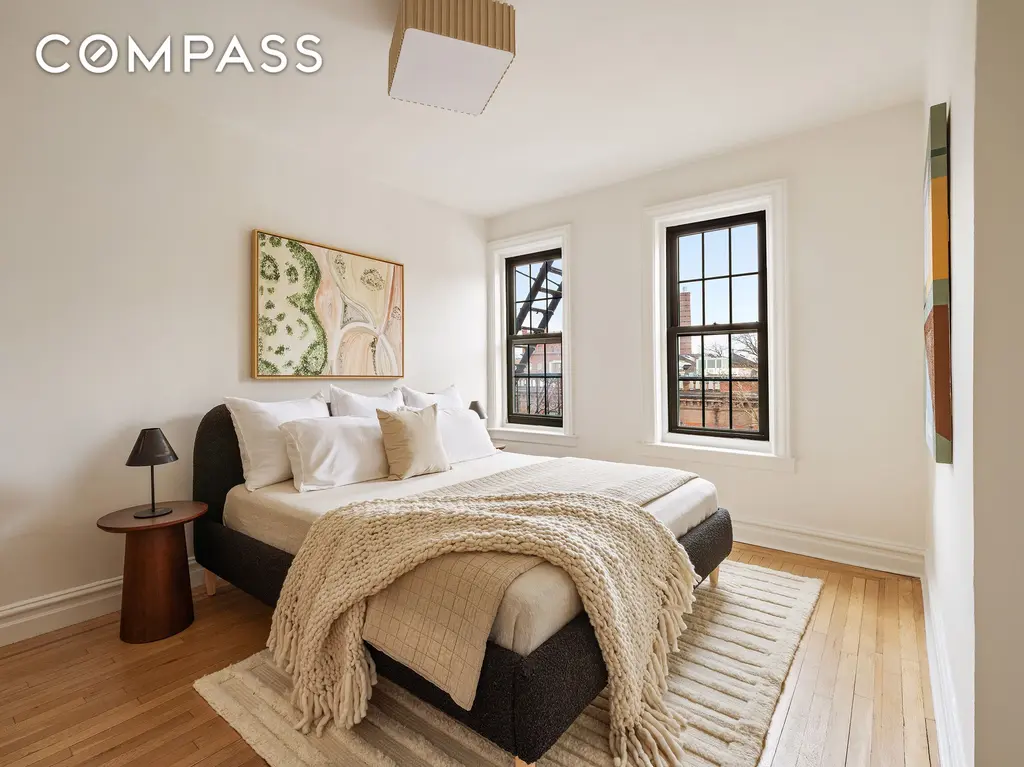
Would you like to tour any of these properties?
Just complete the info below.
Or call us at (212) 755-5544
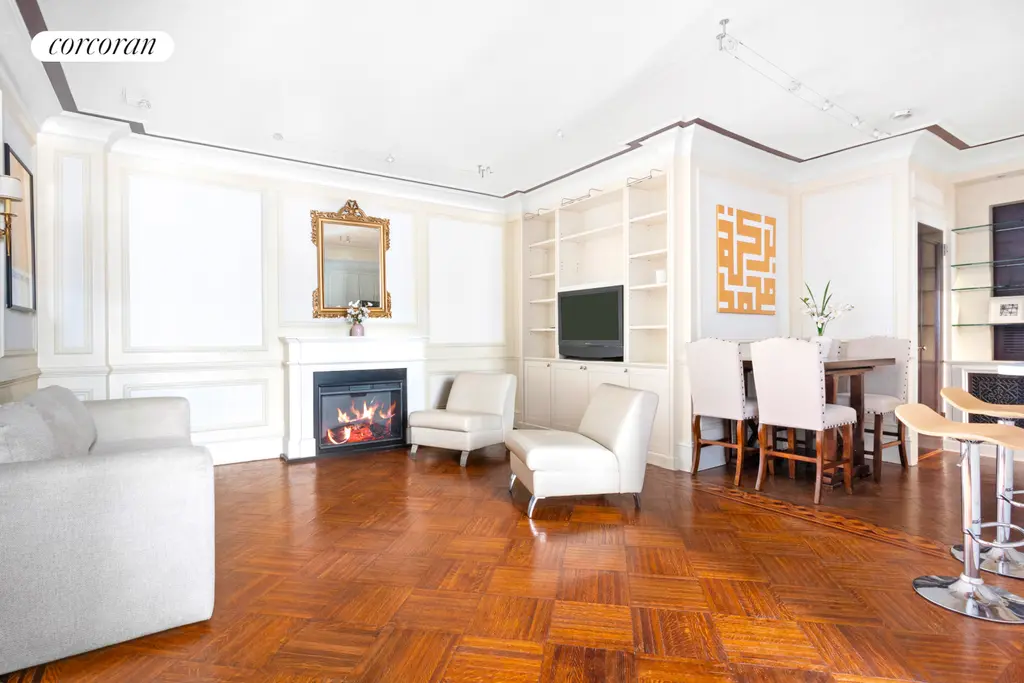
The Osborne, #3DC (Corcoran Group)
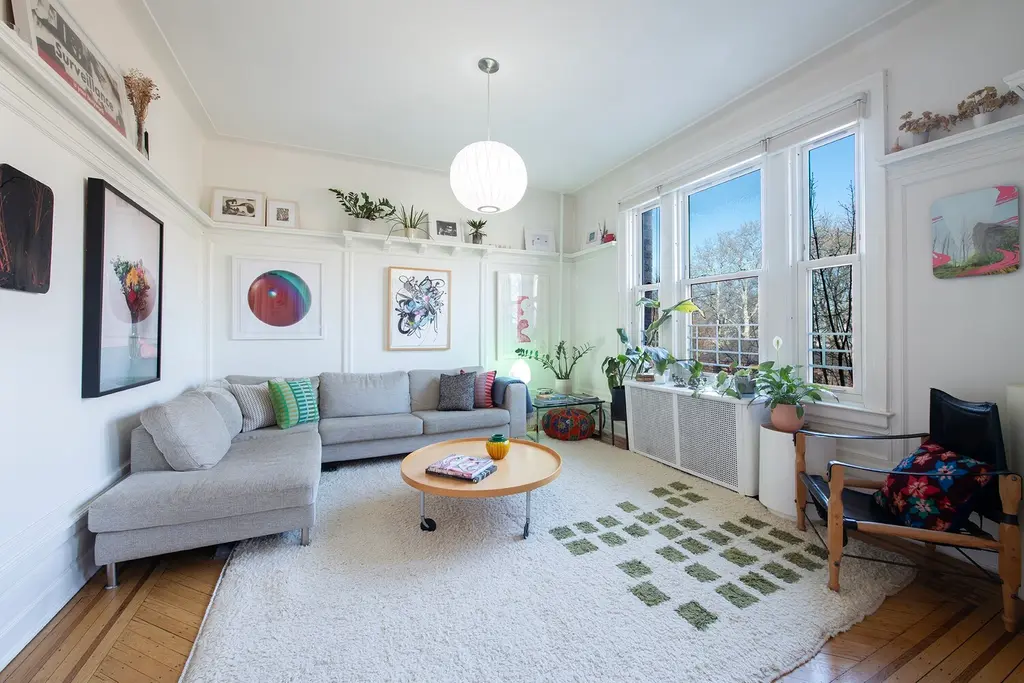
574 44th Street, #3C (Douglas Elliman Real Estate)
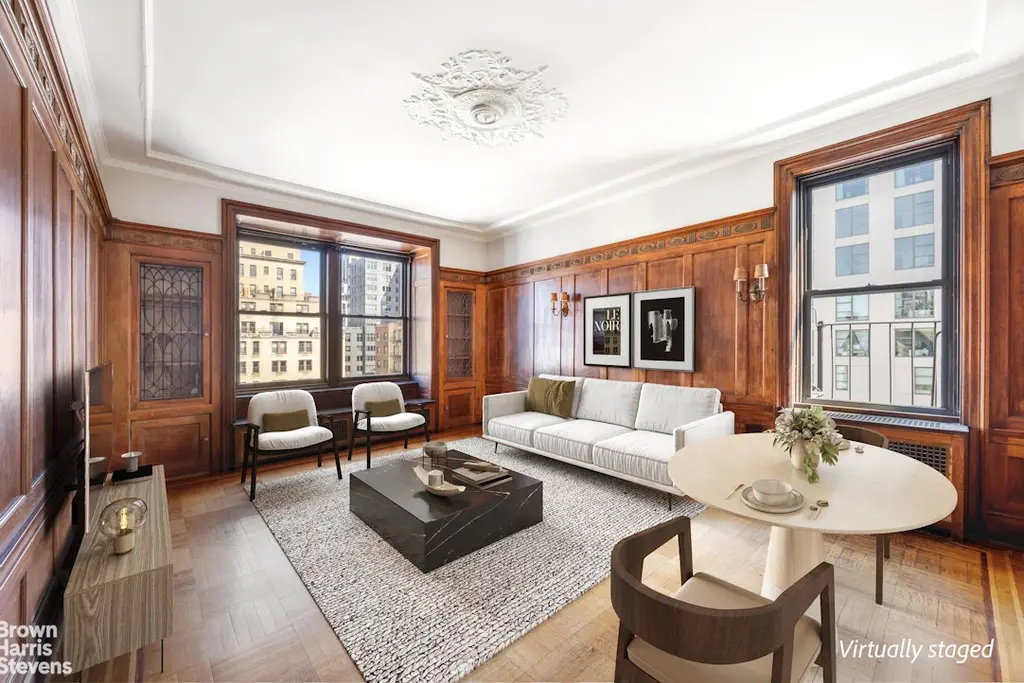
640 West End Avenue, #12C (Brown Harris Stevens Residential Sales LLC)
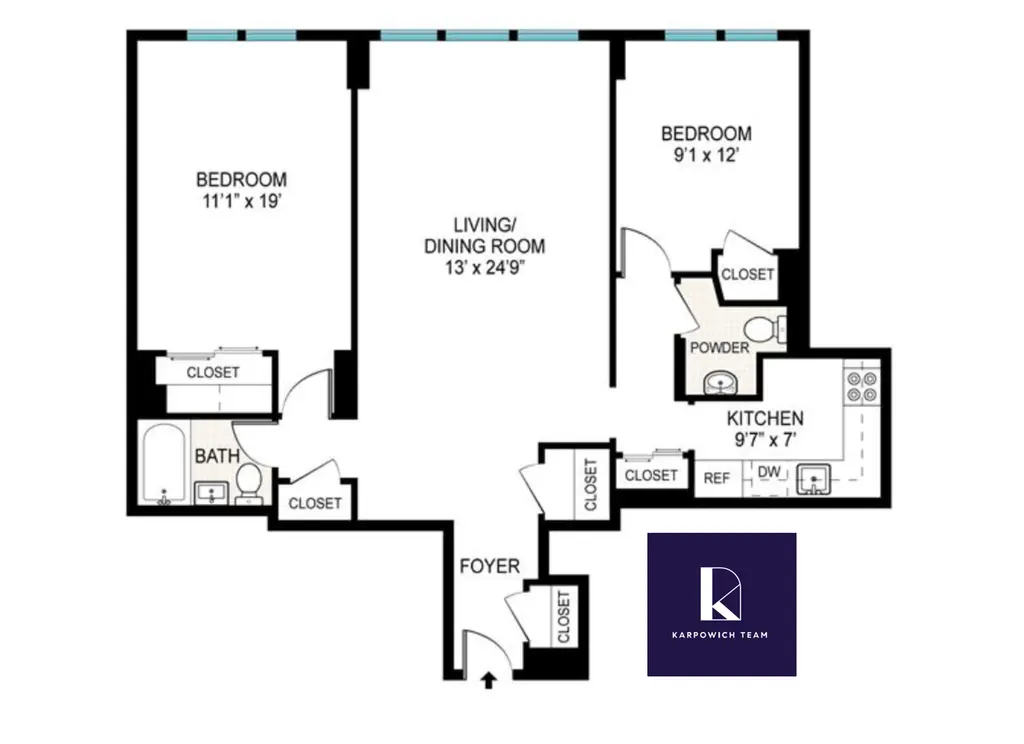
Parker Gramercy, #414 (Compass)
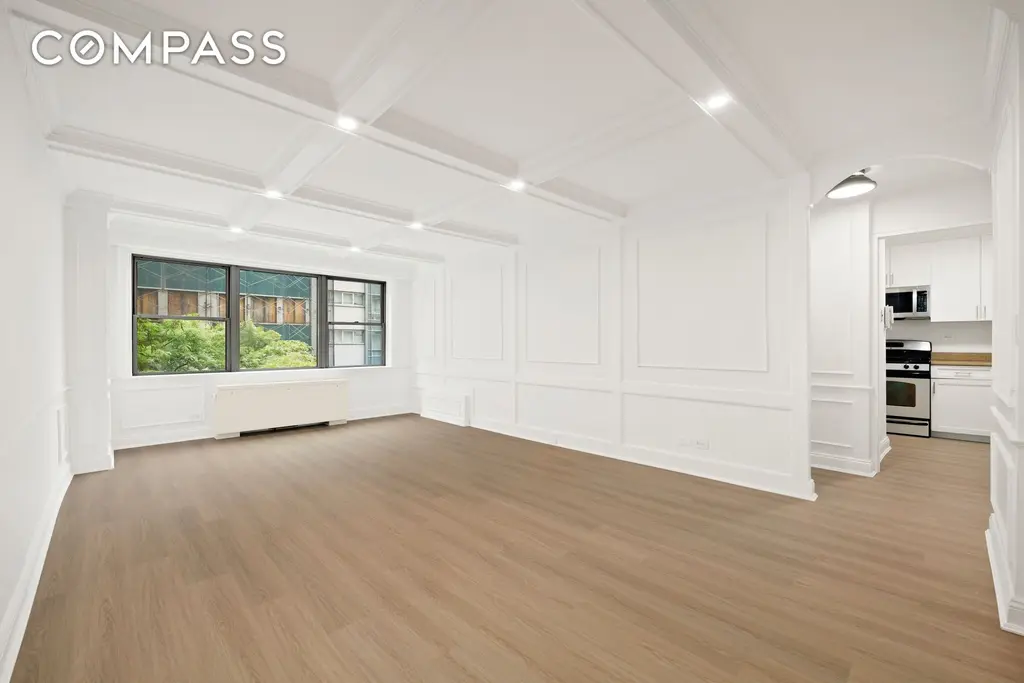
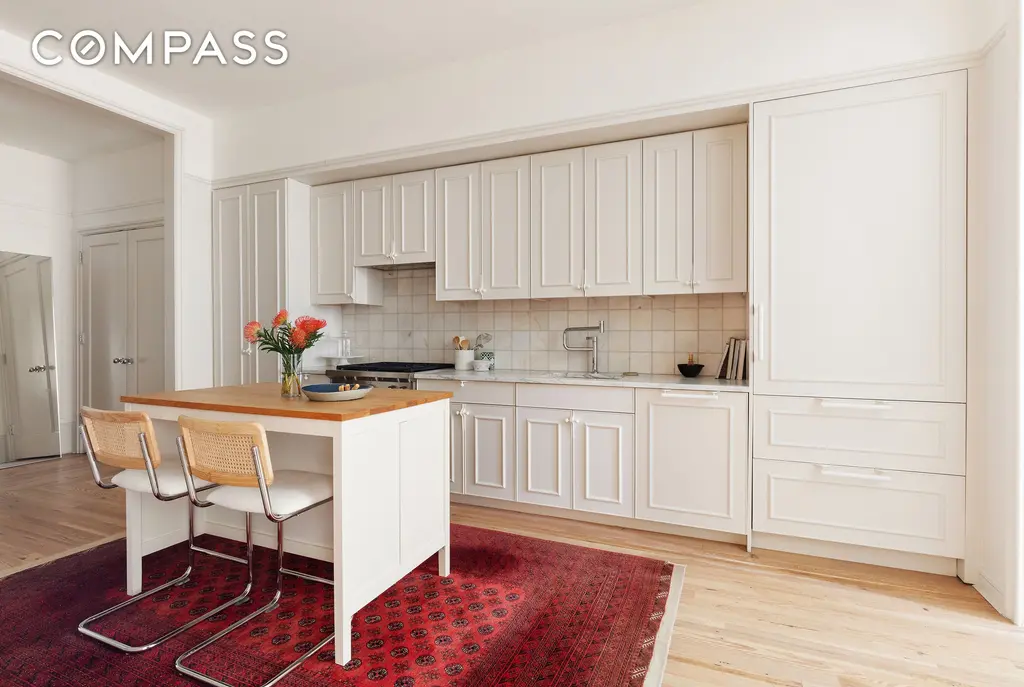
One Prospect Park West, #2E (Compass)
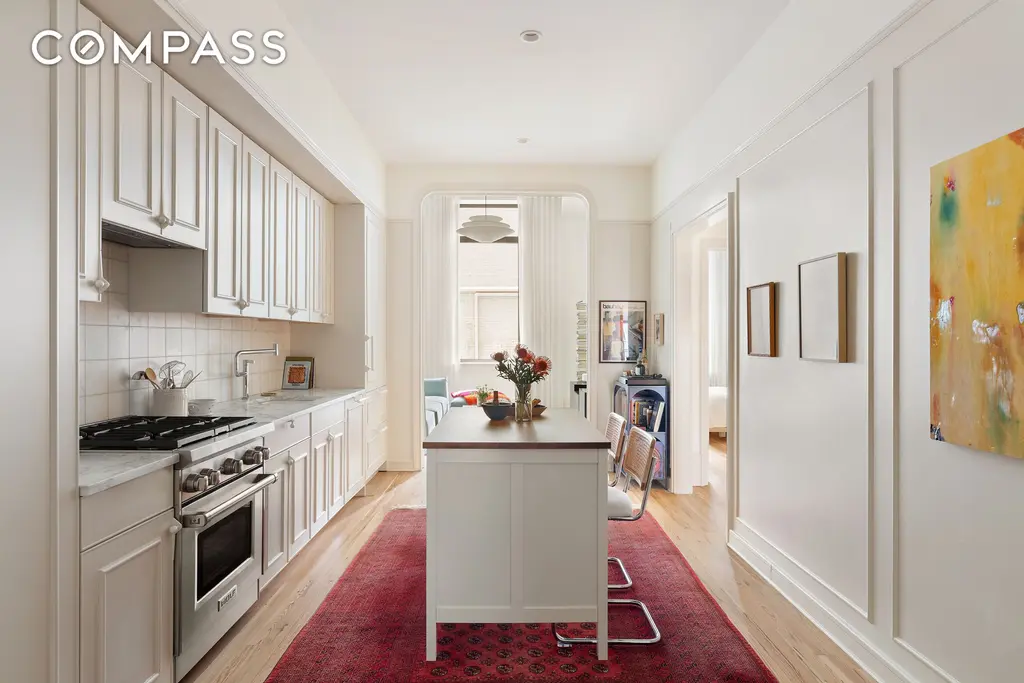
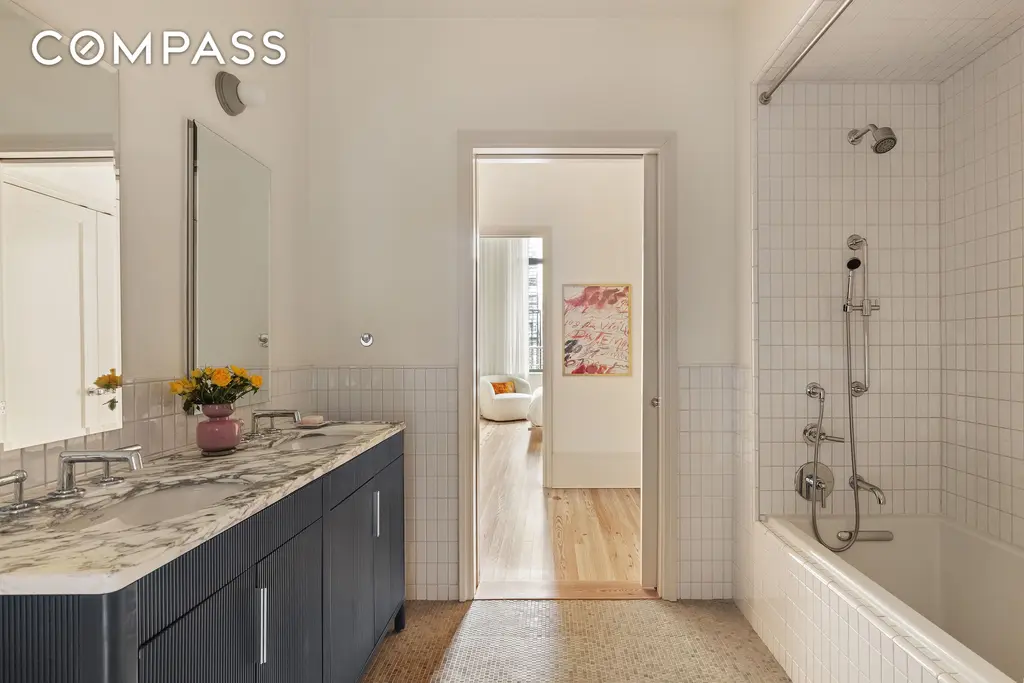
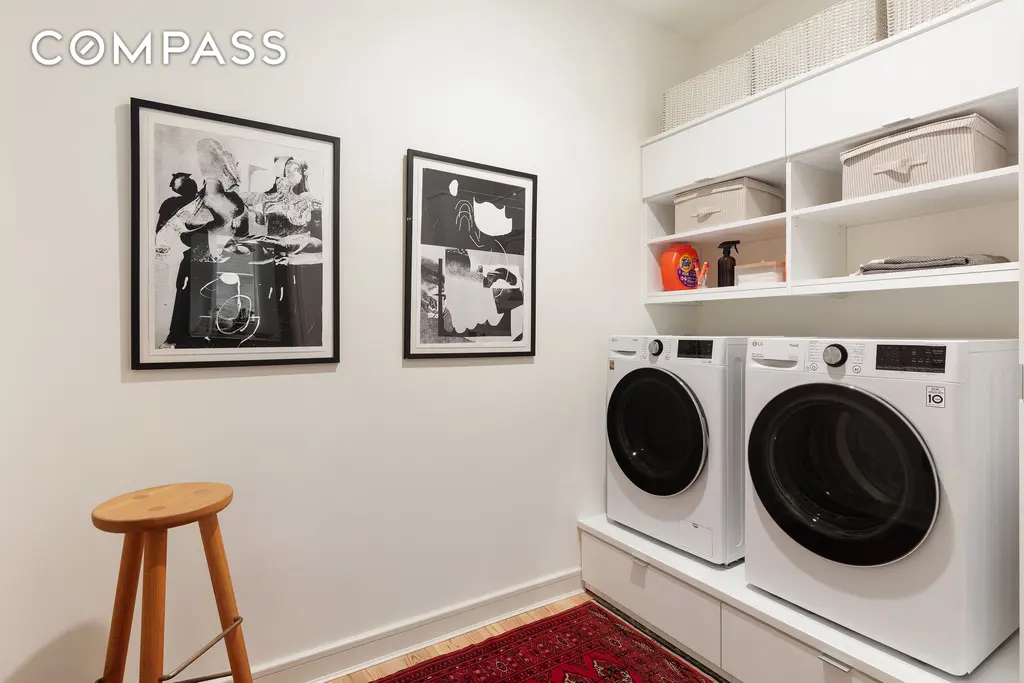
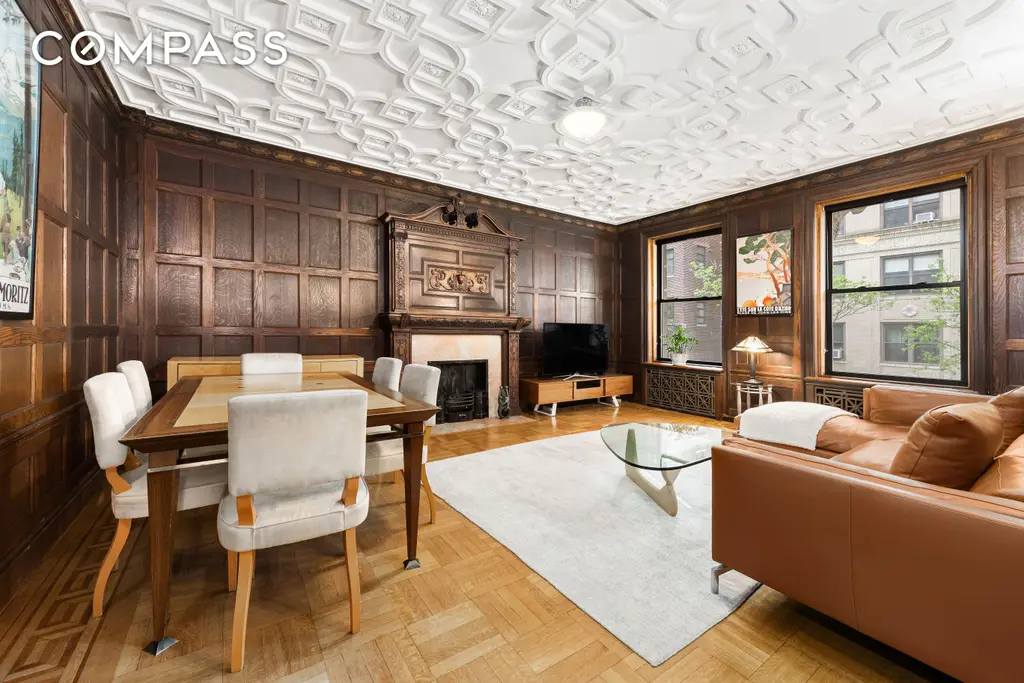
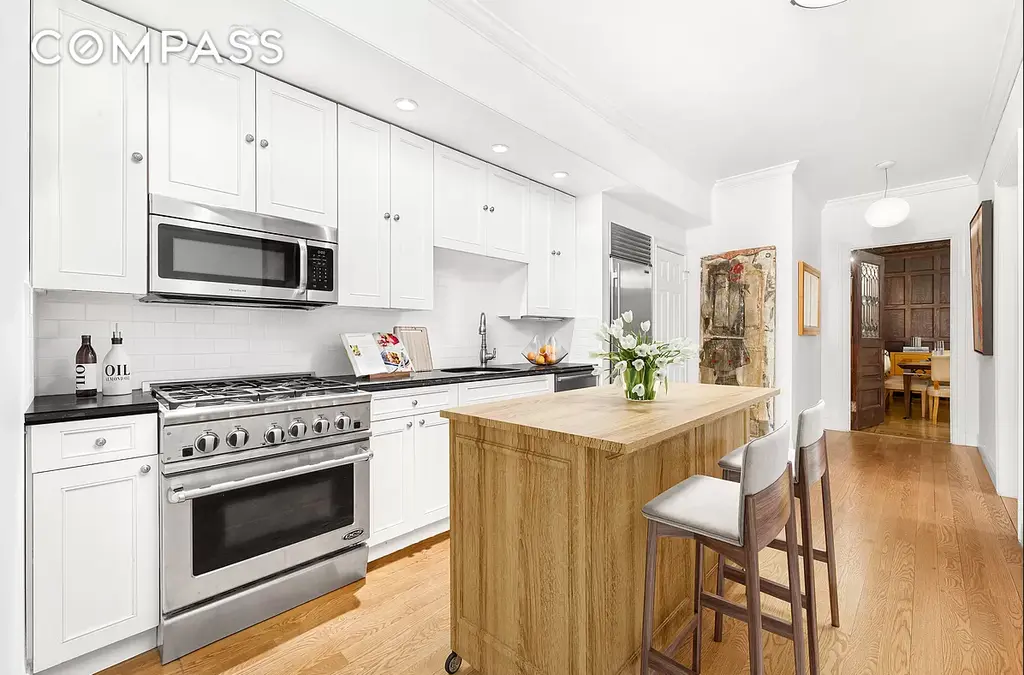
190 Riverside Drive, #2B
$1,495,000
Riverside Dr./West End Ave. | Condominium | 2 Bedrooms, 2 Baths | 1,378 ft2
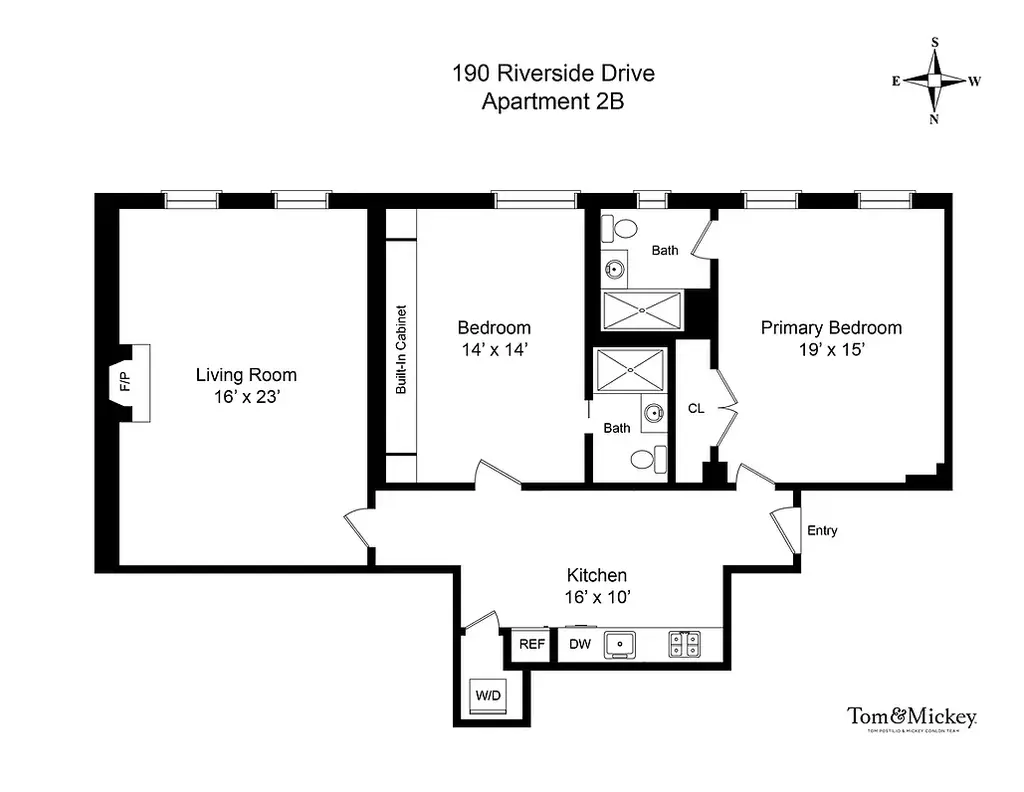
190 Riverside Drive, #2B (Compass)
470 Park Avenue, #5C
$2,500,000 (-24.1%)
Midtown East | Cooperative | 2 Bedrooms, 2 Baths | 1,700 ft2
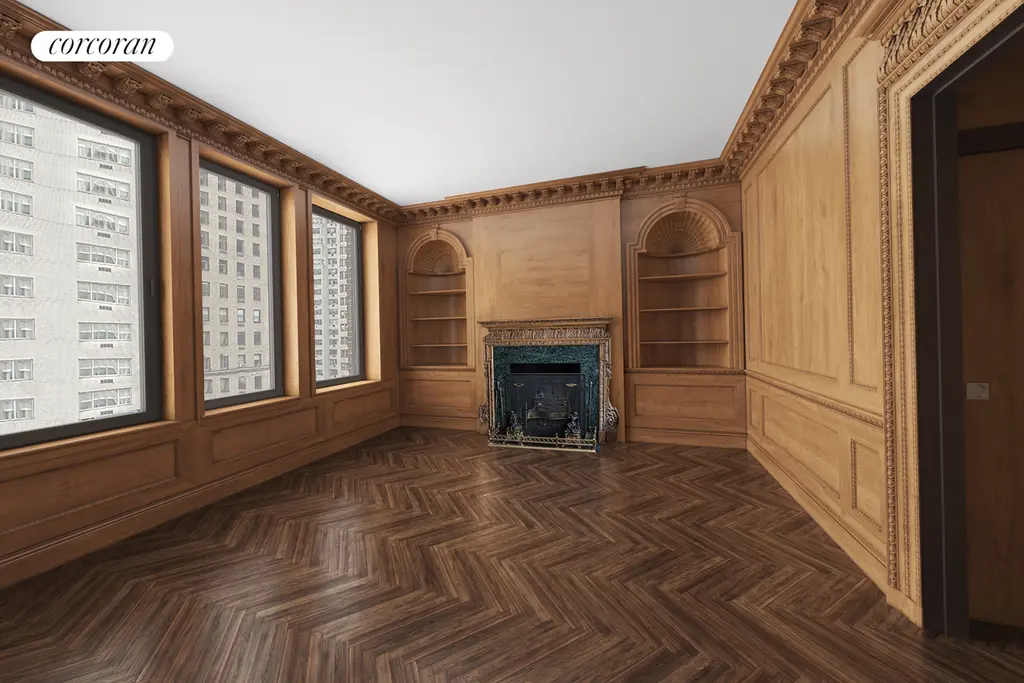
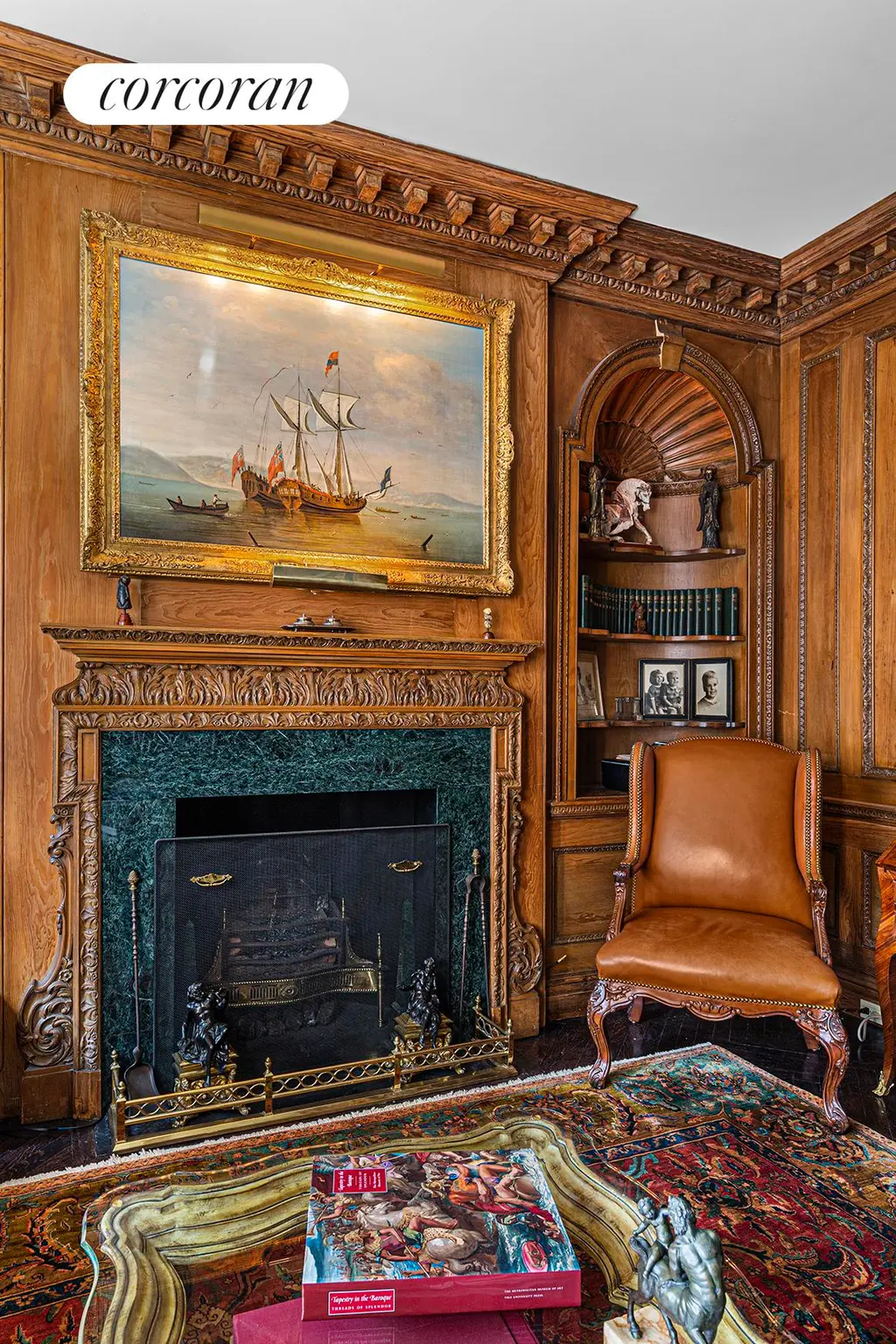
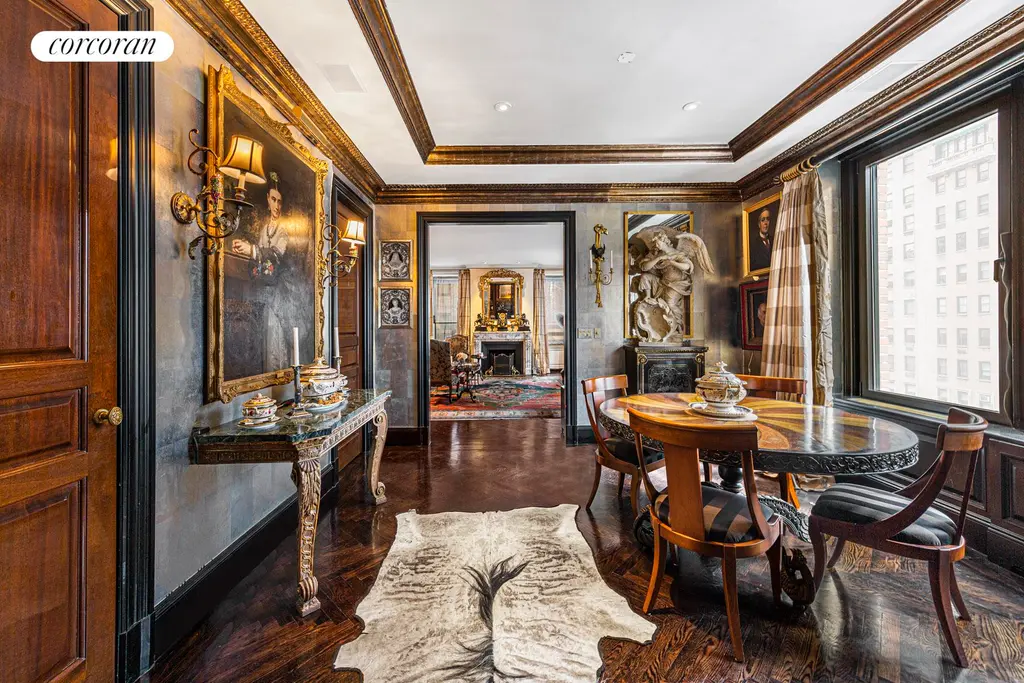
470 Park Avenue, #5C (Corcoran Group)
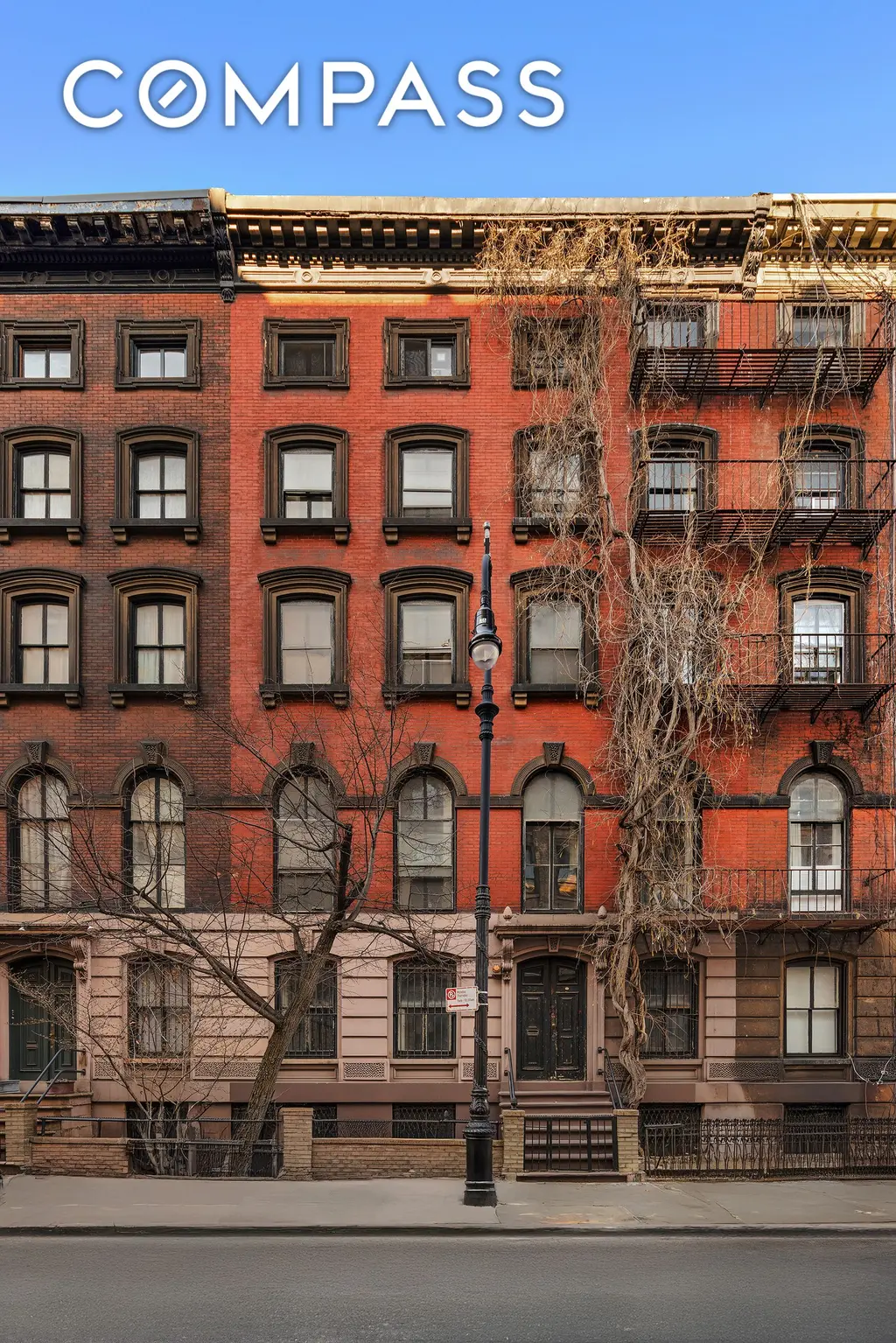
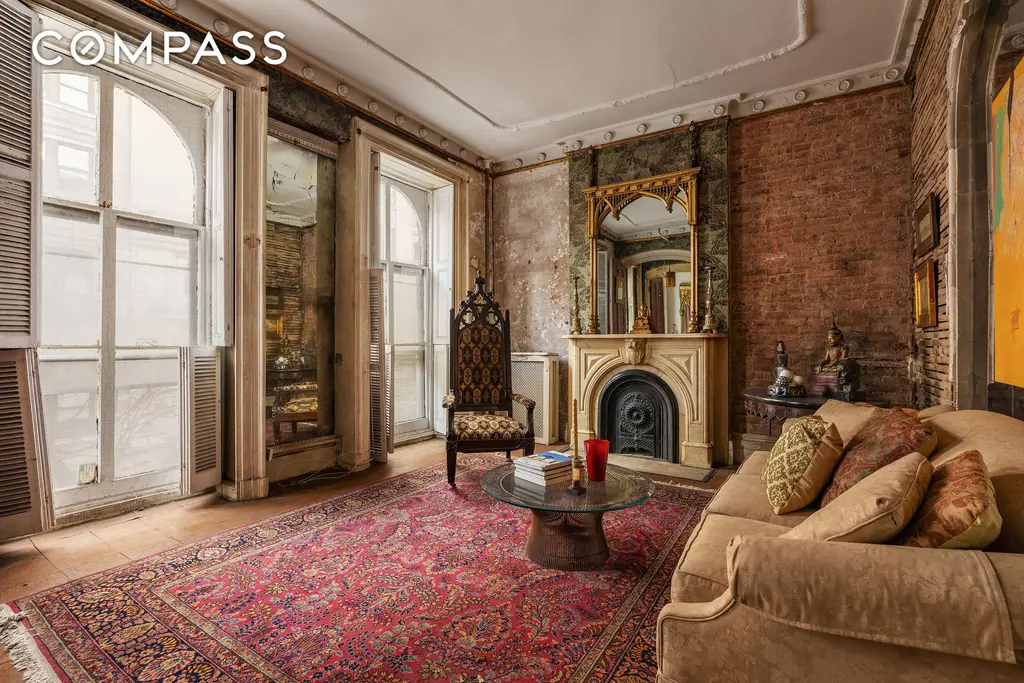
35 Stuyvesant Street, # (Compass)
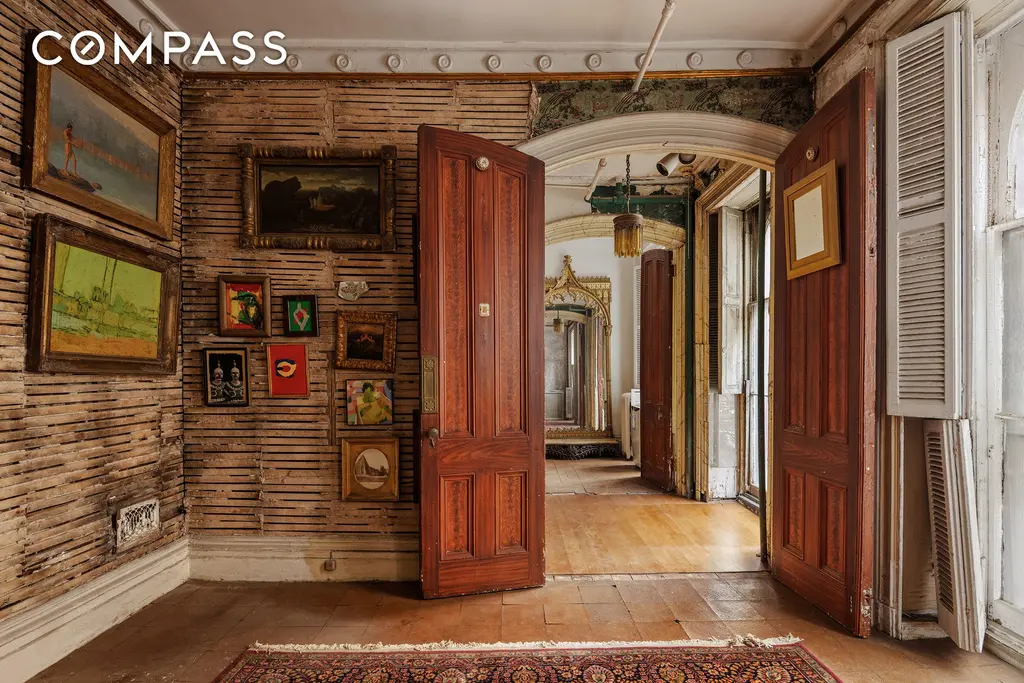
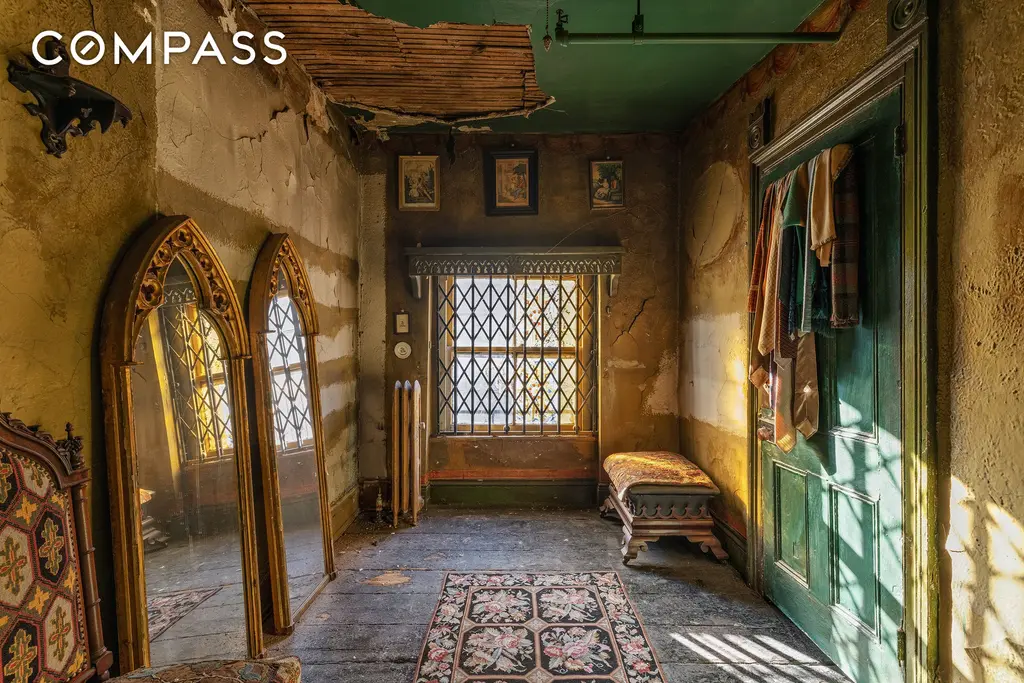
116 East 63rd Street, #4C
$4,250,000
Park/Fifth Ave. to 79th St. | Cooperative | 3 Bedrooms, 2.5 Baths
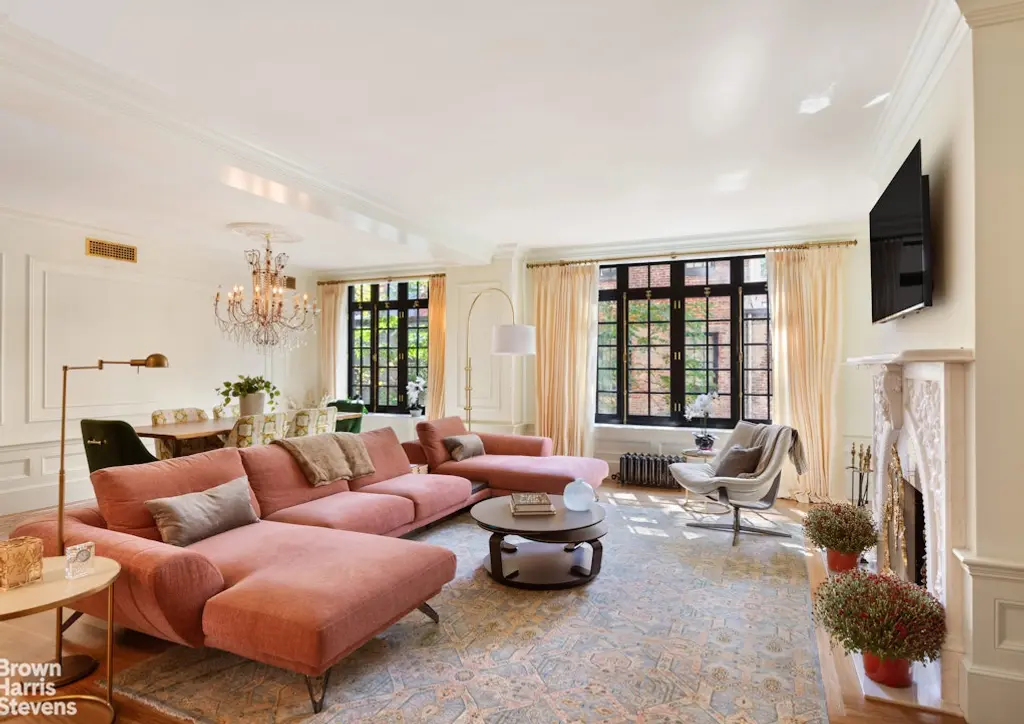
116 East 63rd Street, #4C (Brown Harris Stevens Residential Sales LLC)
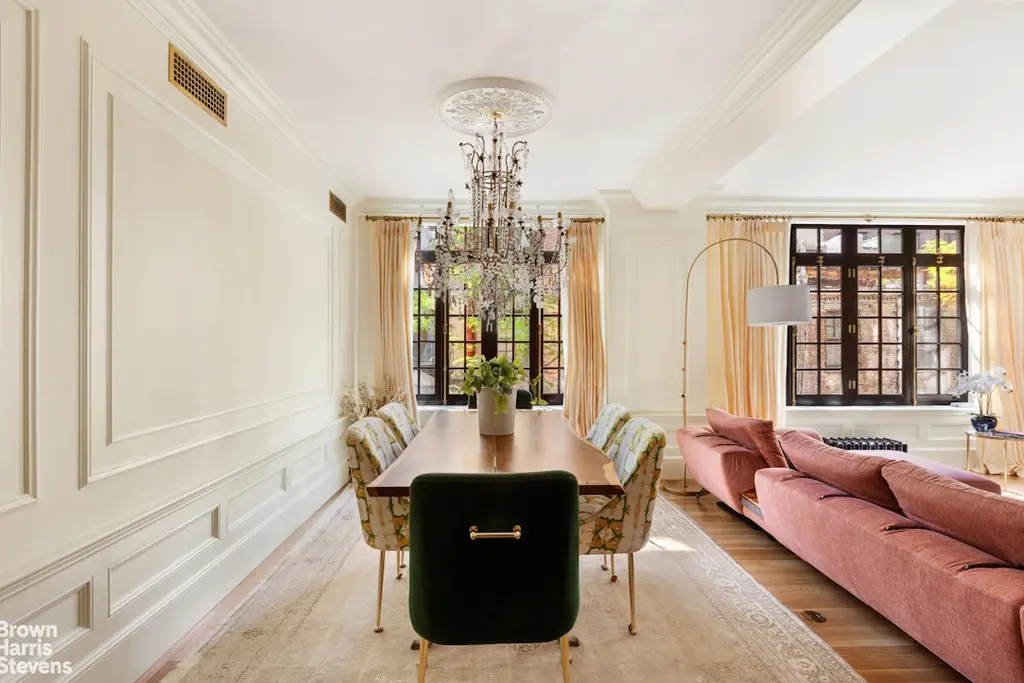
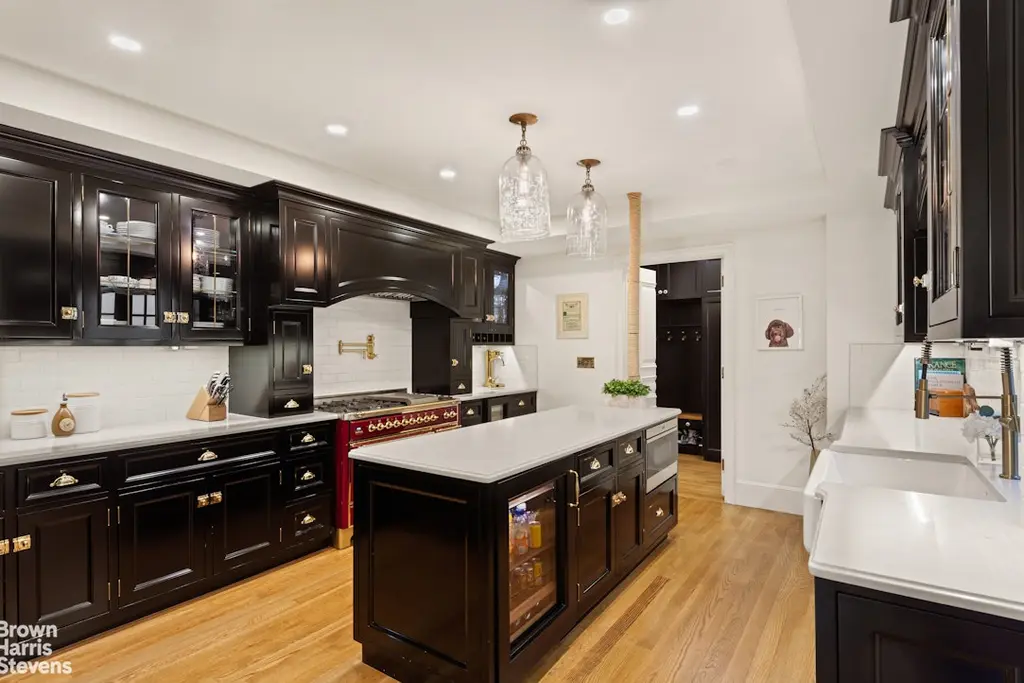
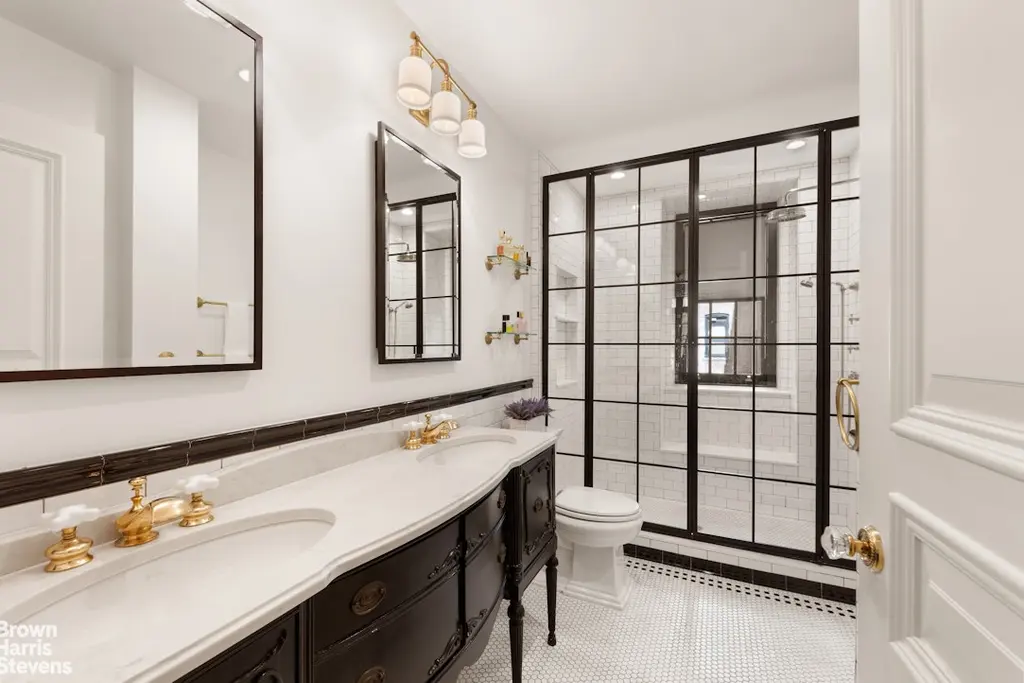
One Sutton Place South, #11C
$4,500,000 (-9.9%)
Beekman/Sutton Place | Cooperative | 4 Bedrooms, 4.5 Baths
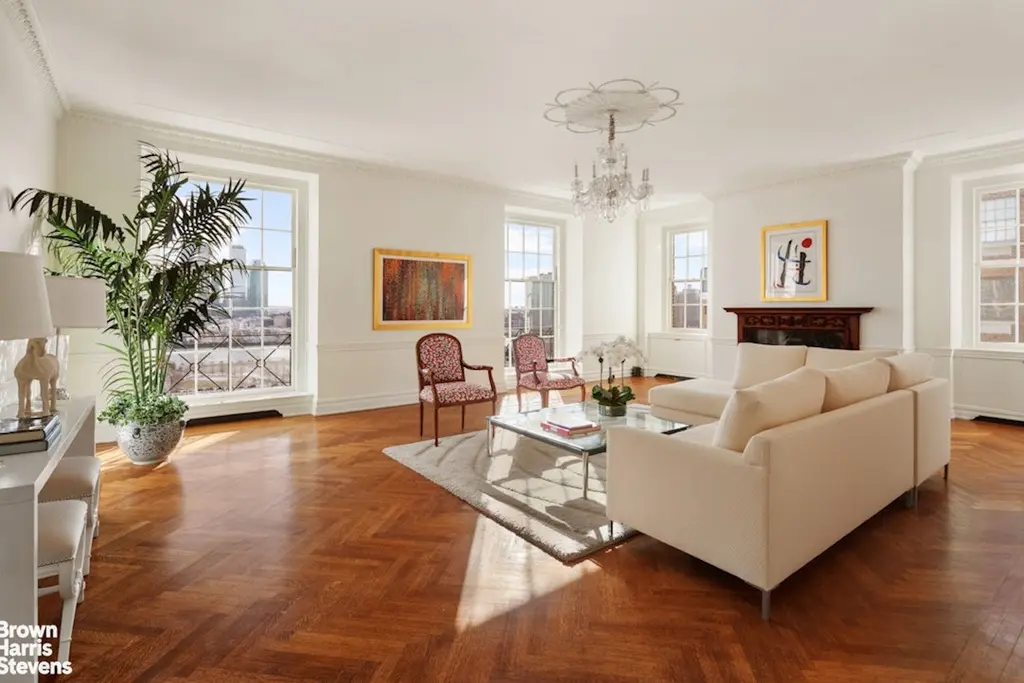
One Sutton Place South, #11C (Brown Harris Stevens Residential Sales LLC)
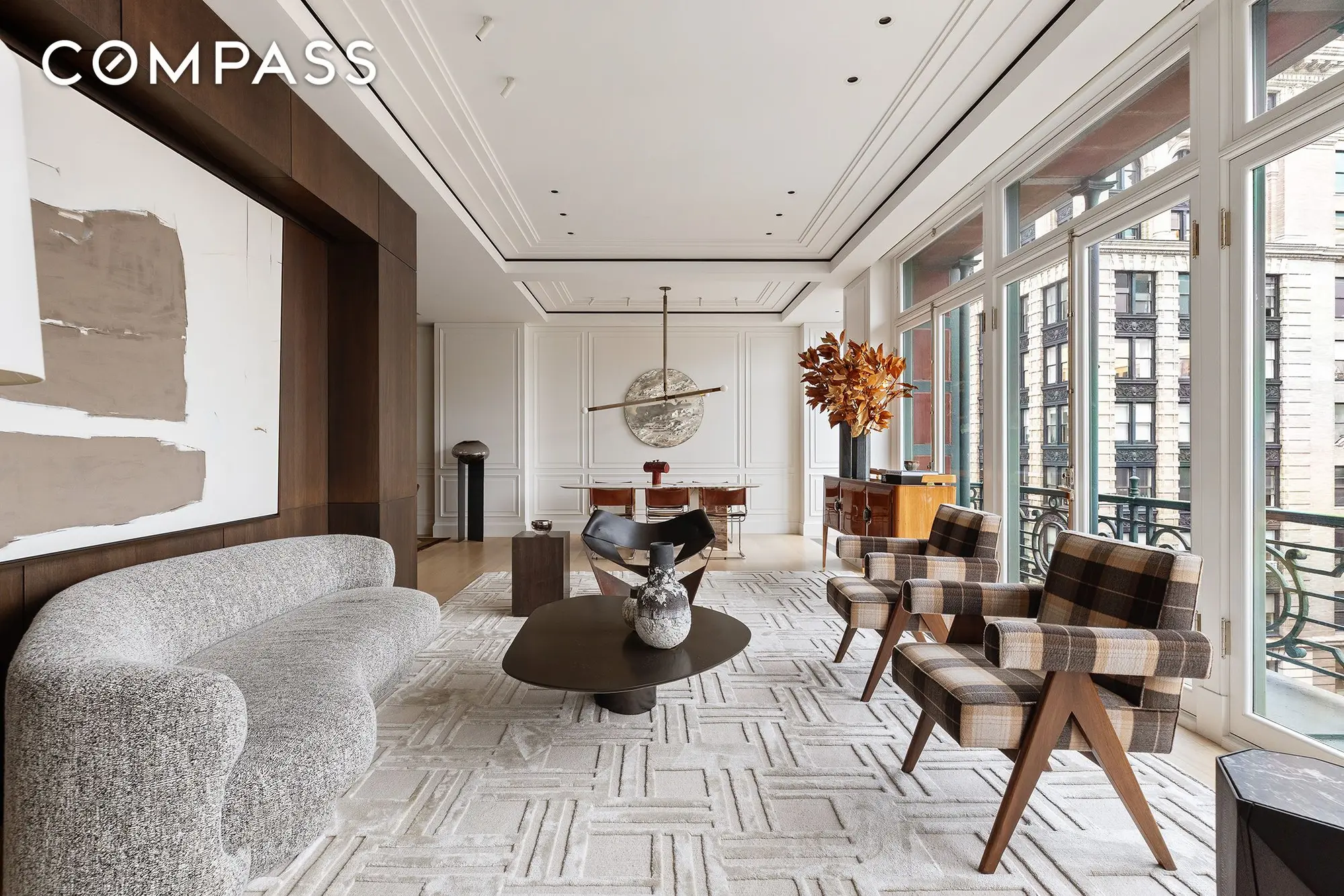
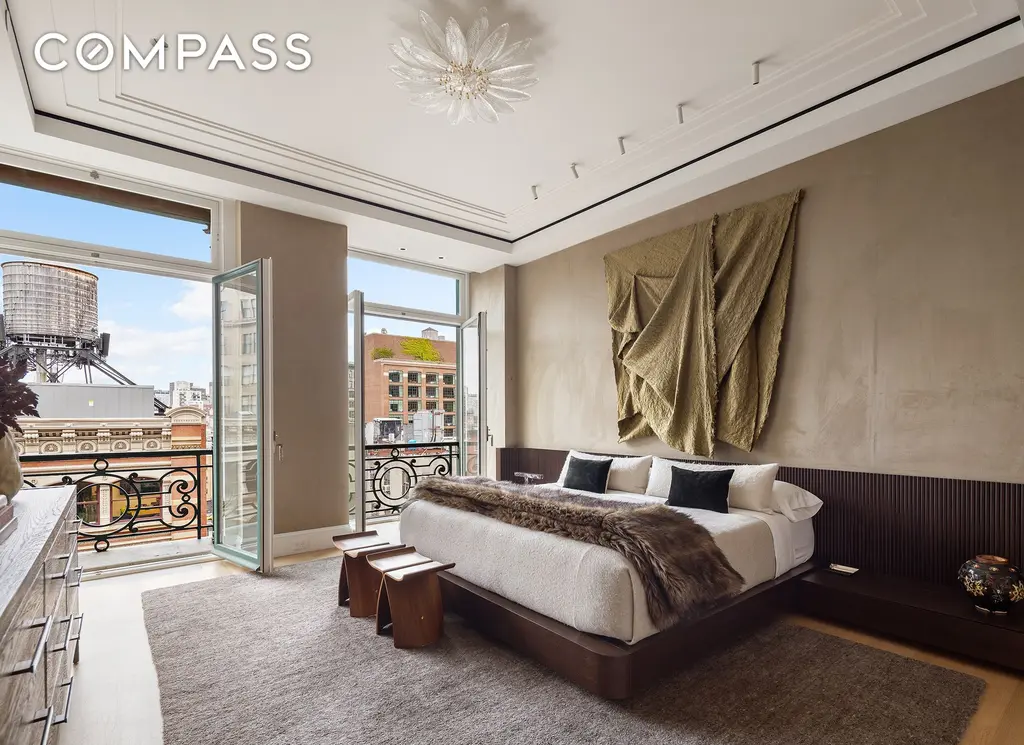
Little Singer Building, #8A (Compass)
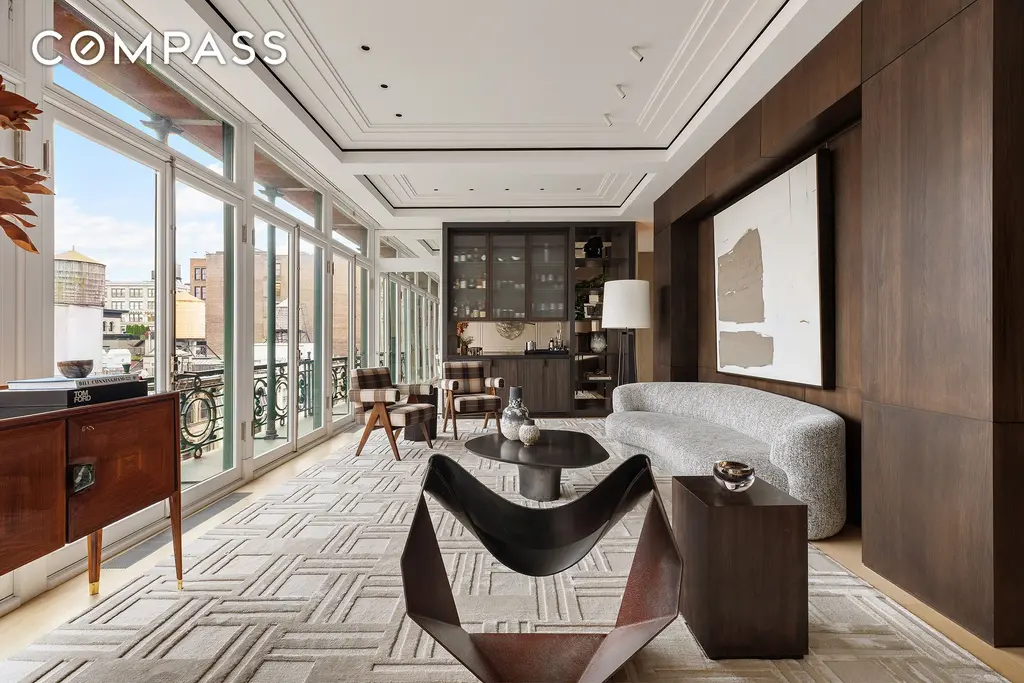
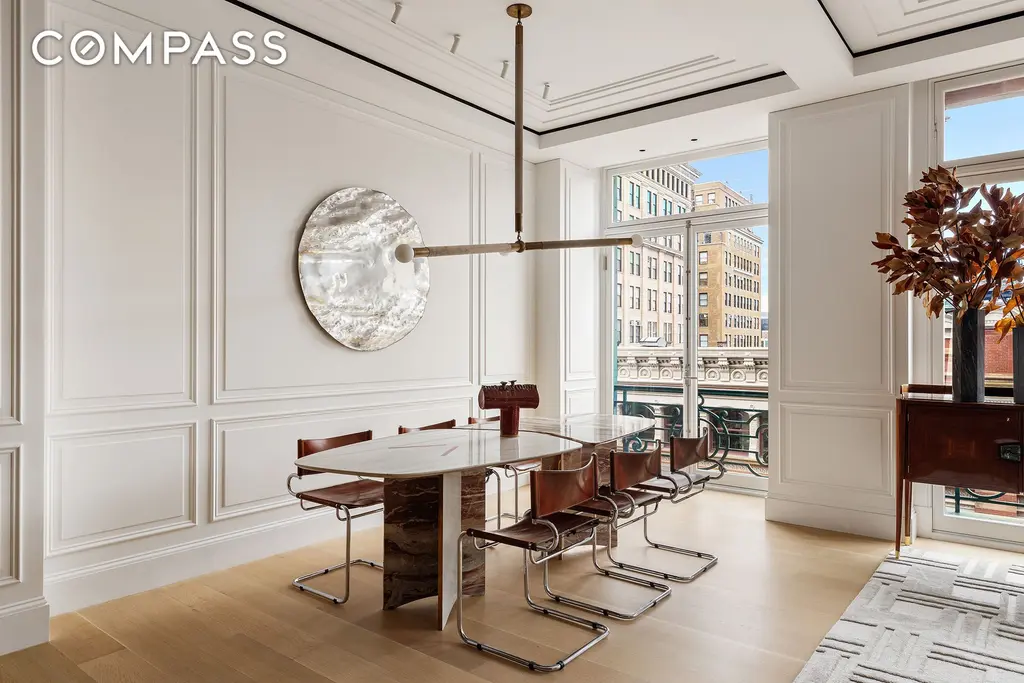
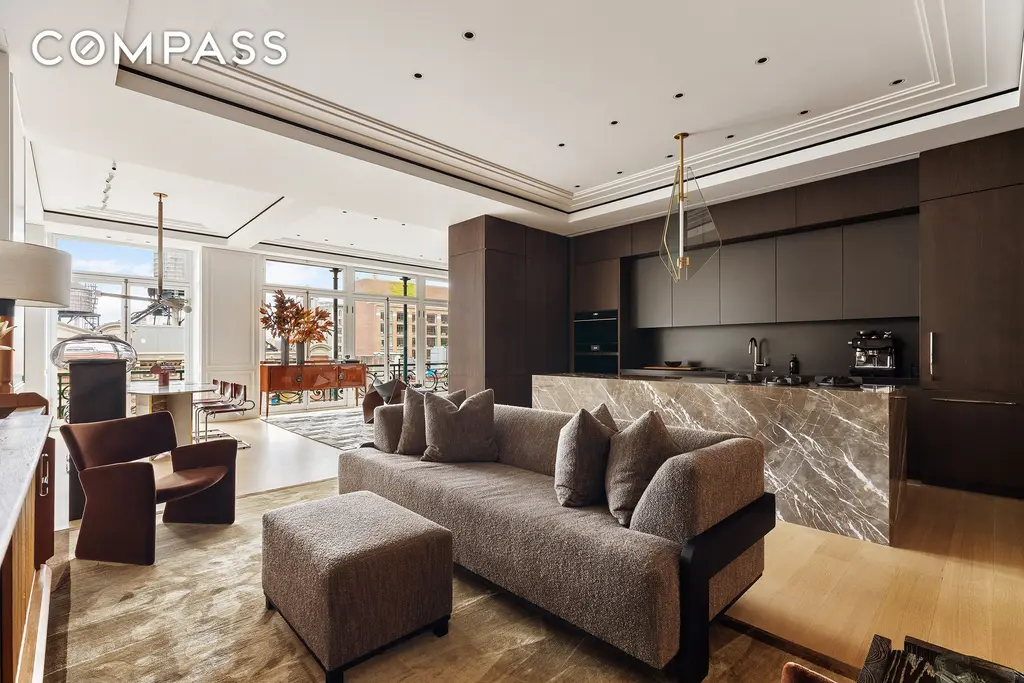
321 West 77th Street, #TH
$5,950,000 (-10.5%)
Riverside Dr./West End Ave. | Townhouse | 4 Bedrooms, 3.5 Baths | 5,079 ft2
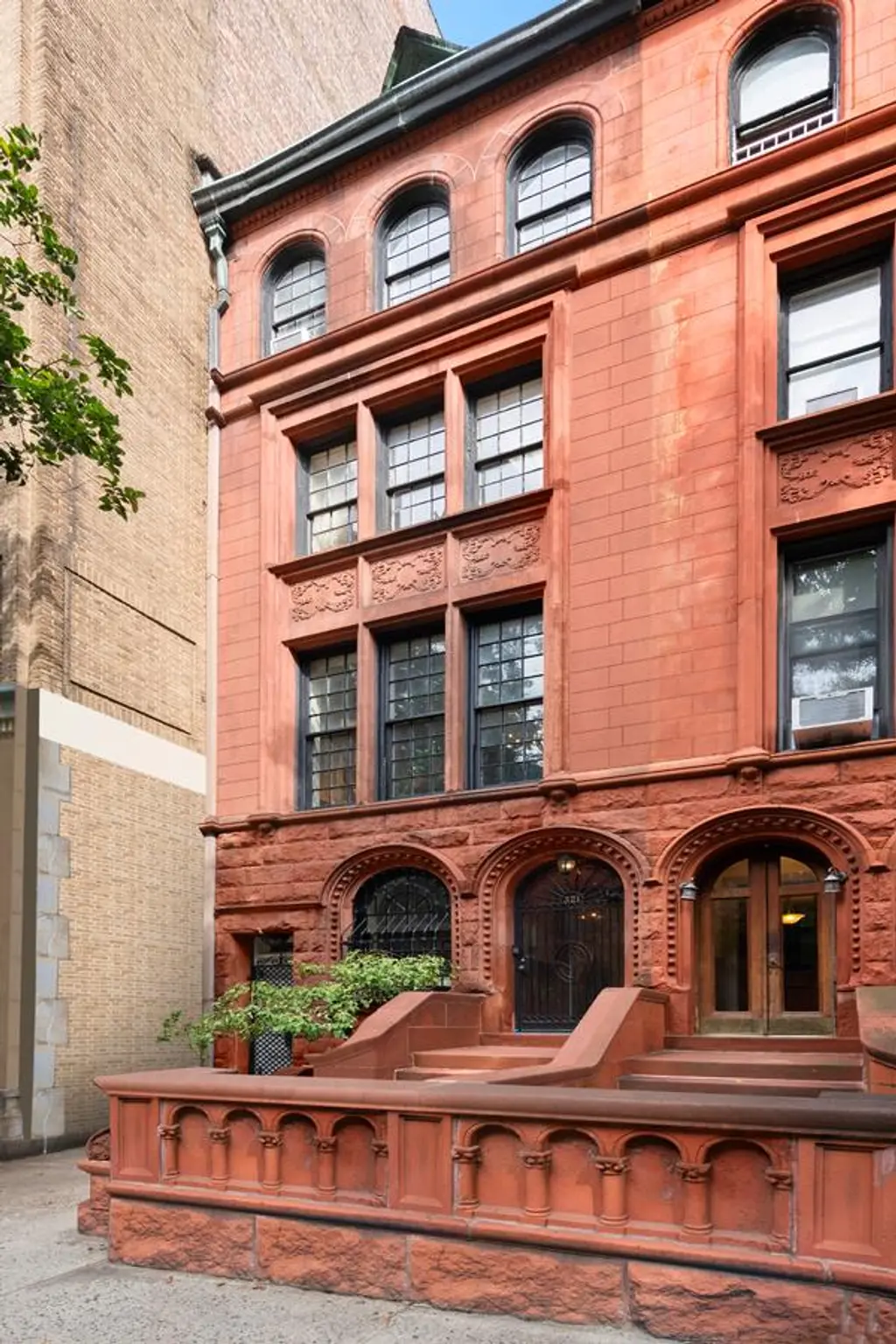
321 West 77th Street, # (Vandenberg Inc)
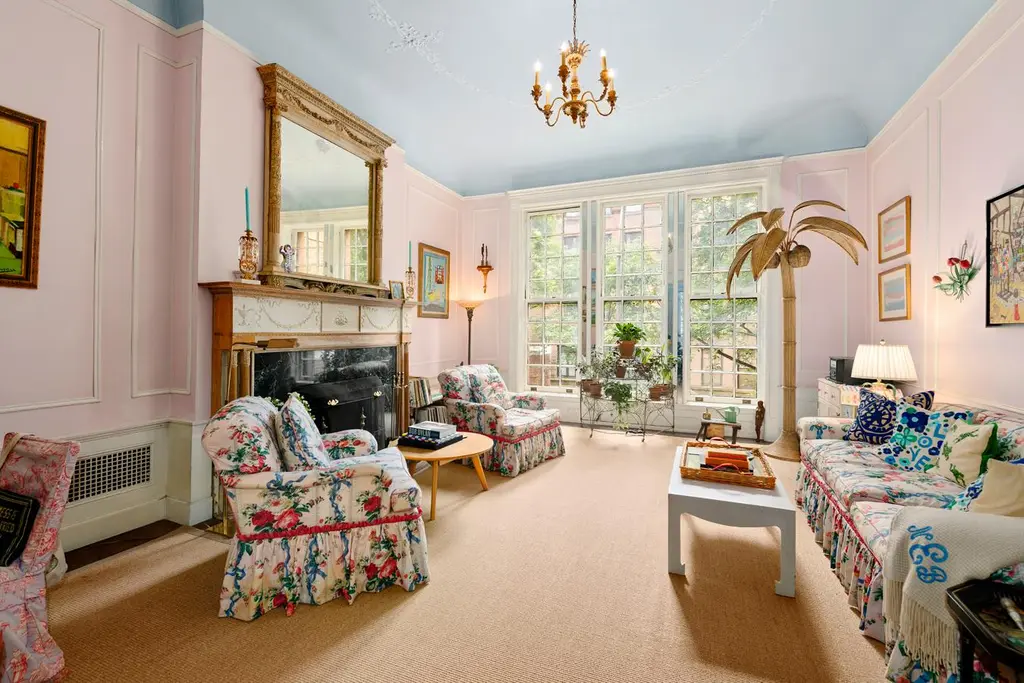
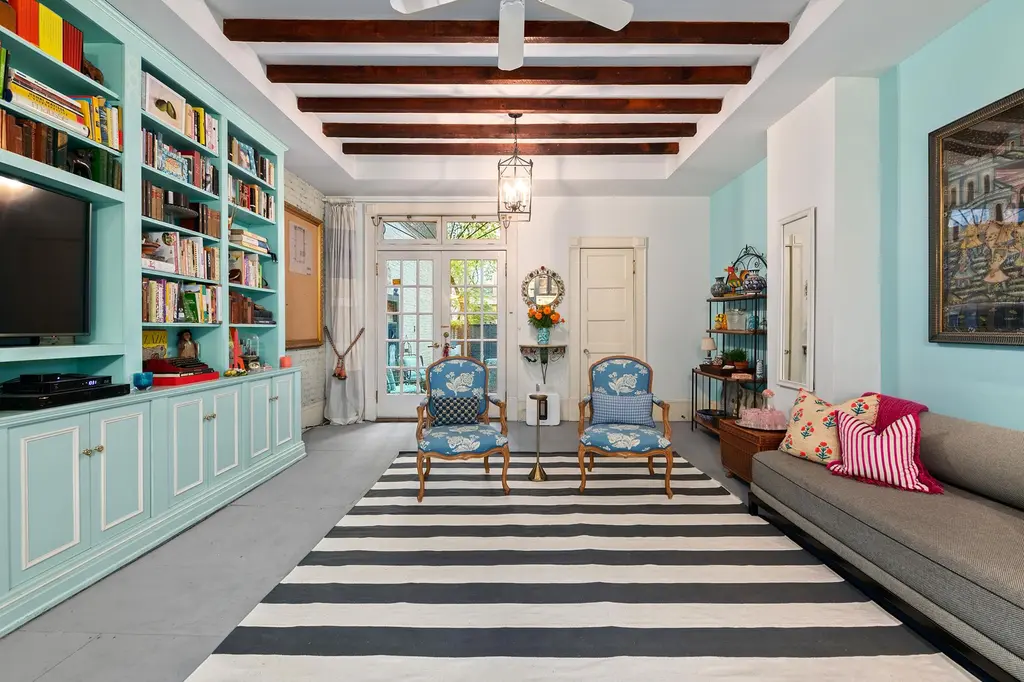
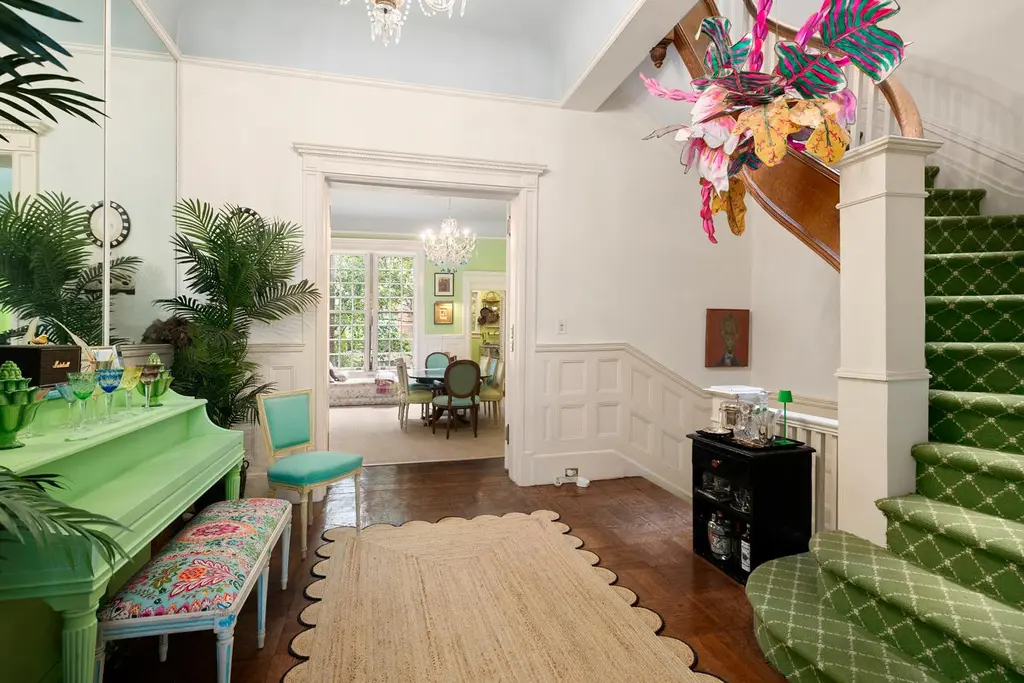
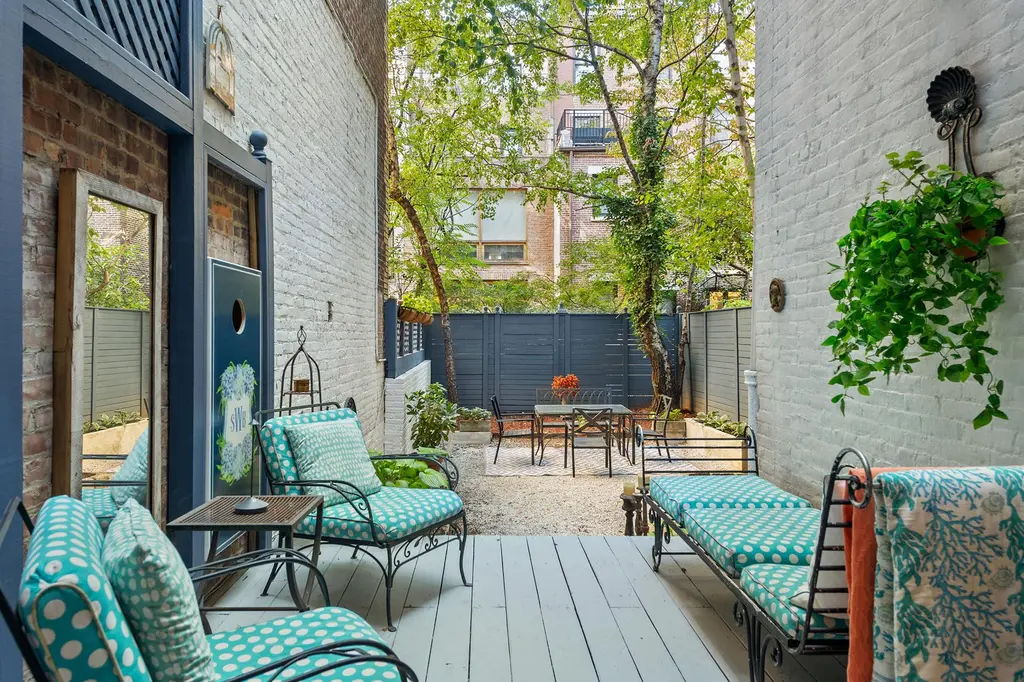
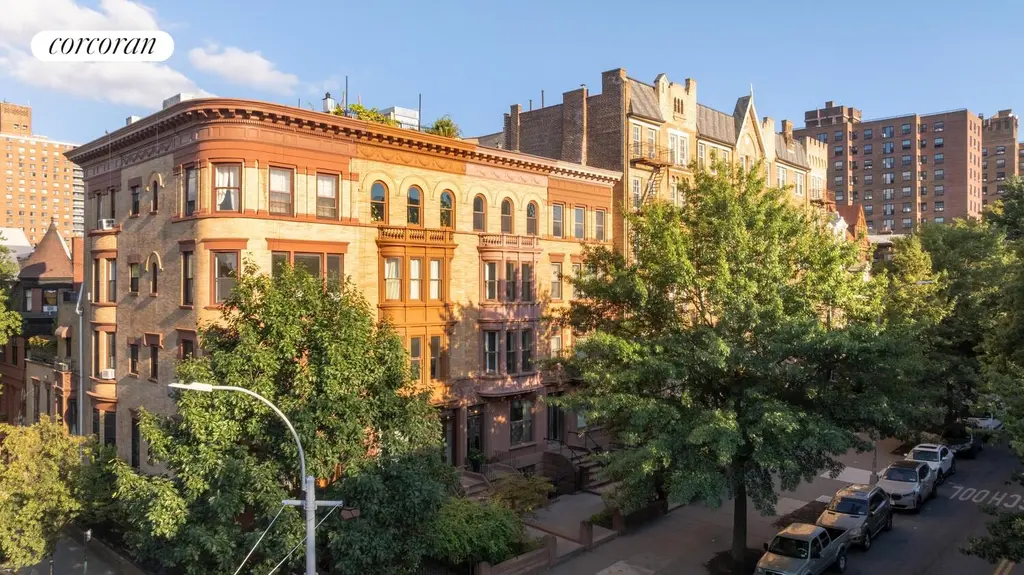
291 Clinton Avenue, # (Corcoran Group)
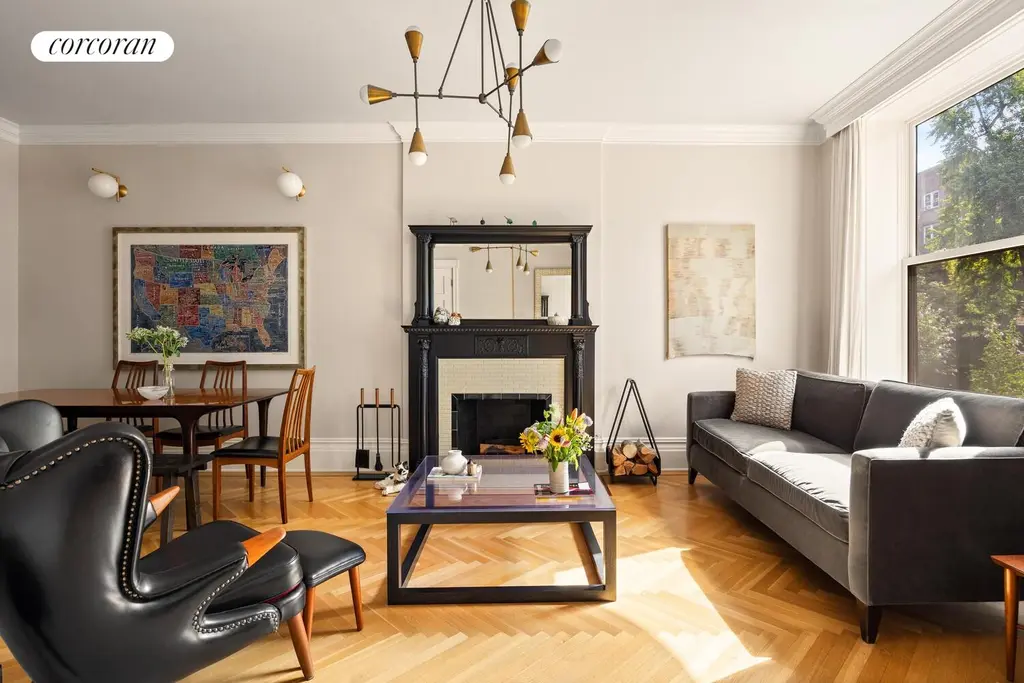
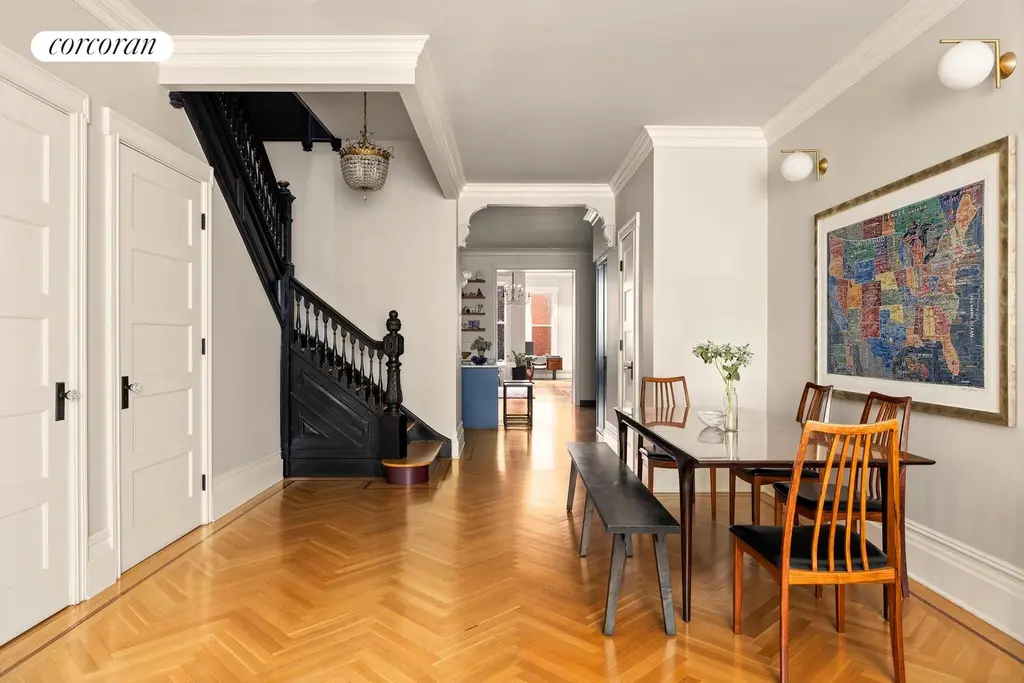
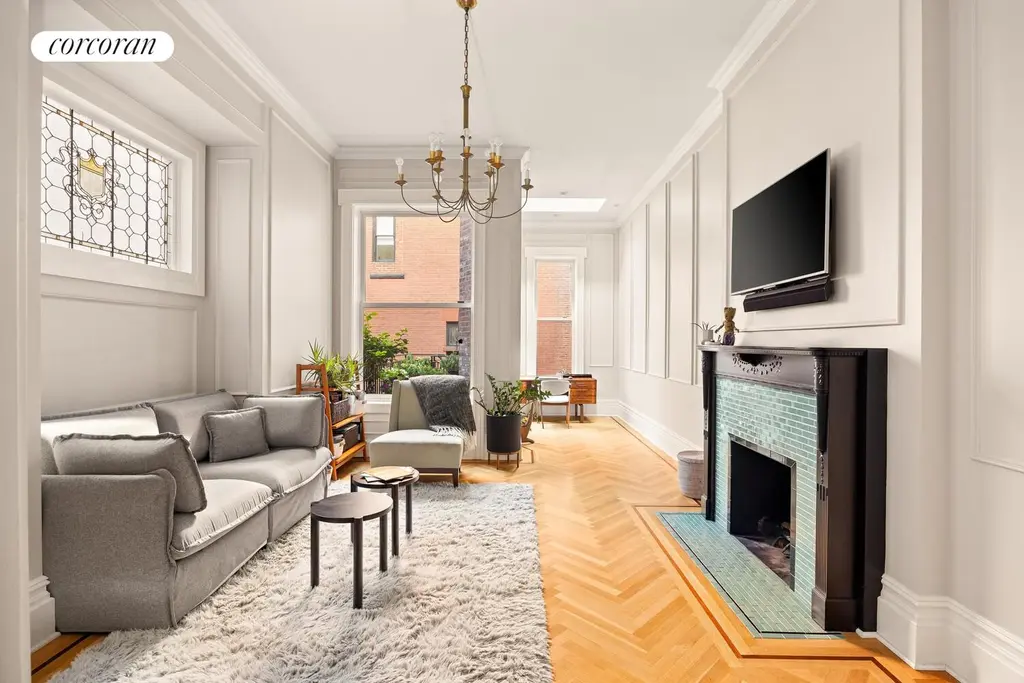
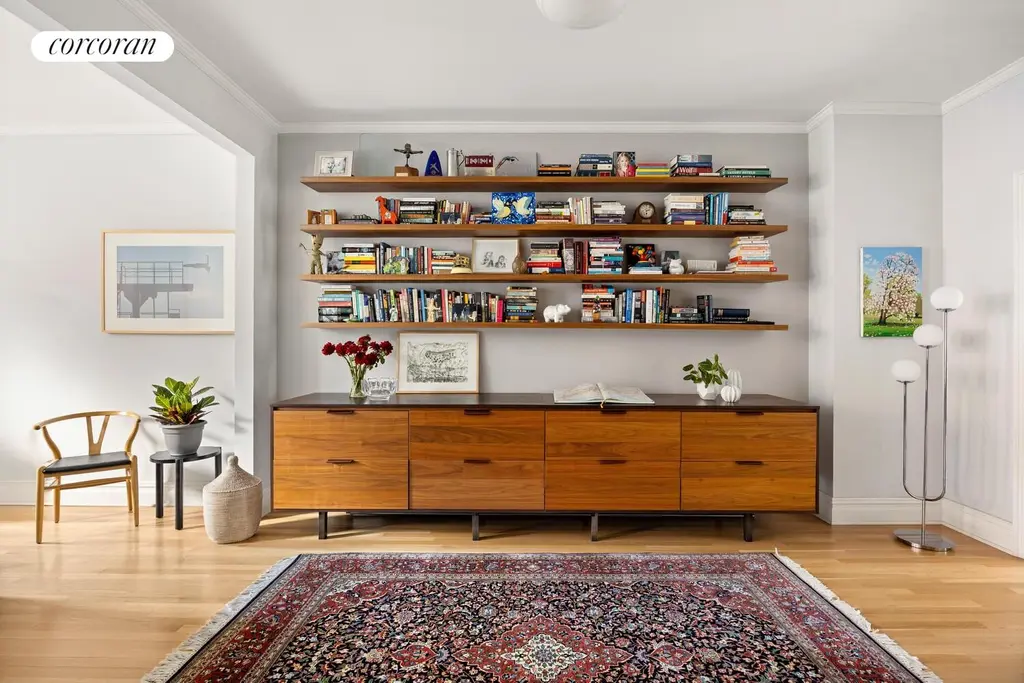
860 Fifth Avenue, #910JK
$6,950,000
Park/Fifth Ave. to 79th St. | Cooperative | 4 Bedrooms, Unknown Baths
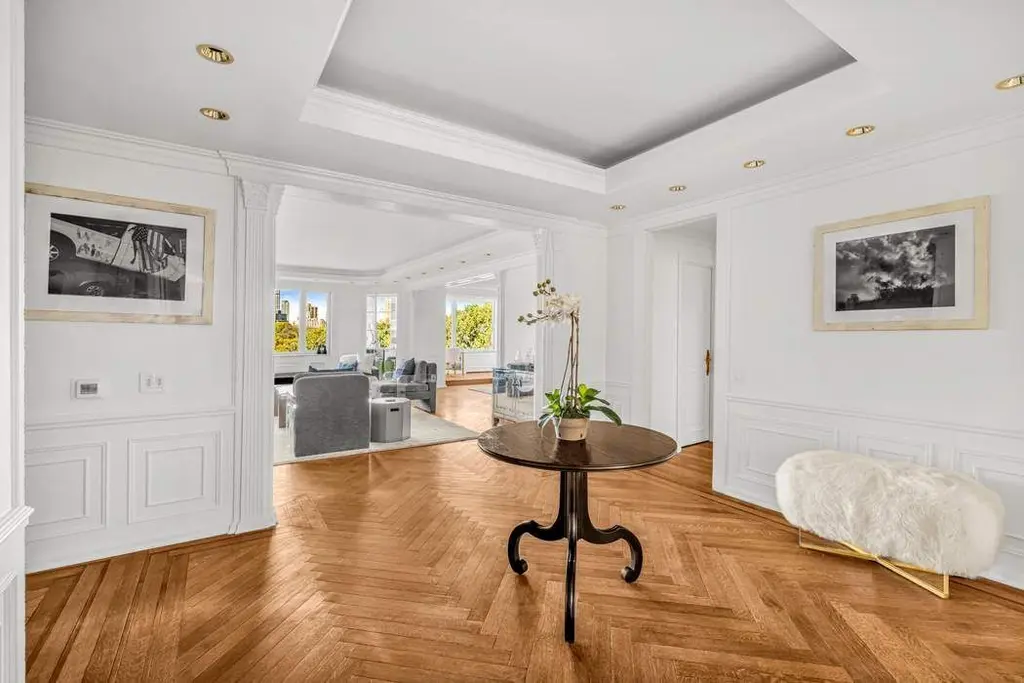
860 Fifth Avenue, #910JK (Sothebys International Realty)
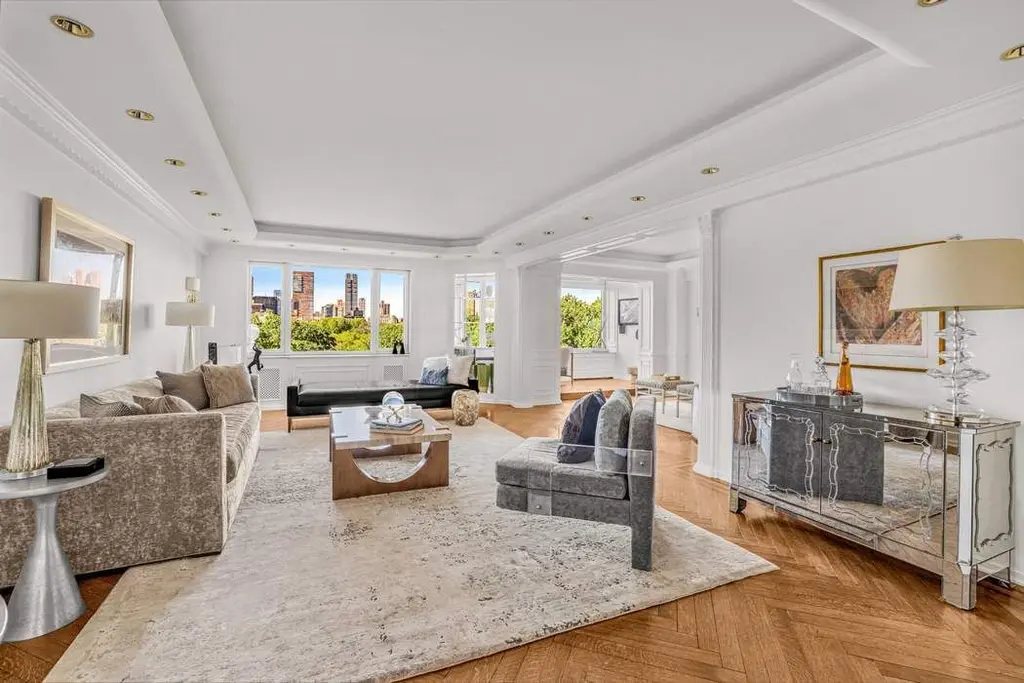
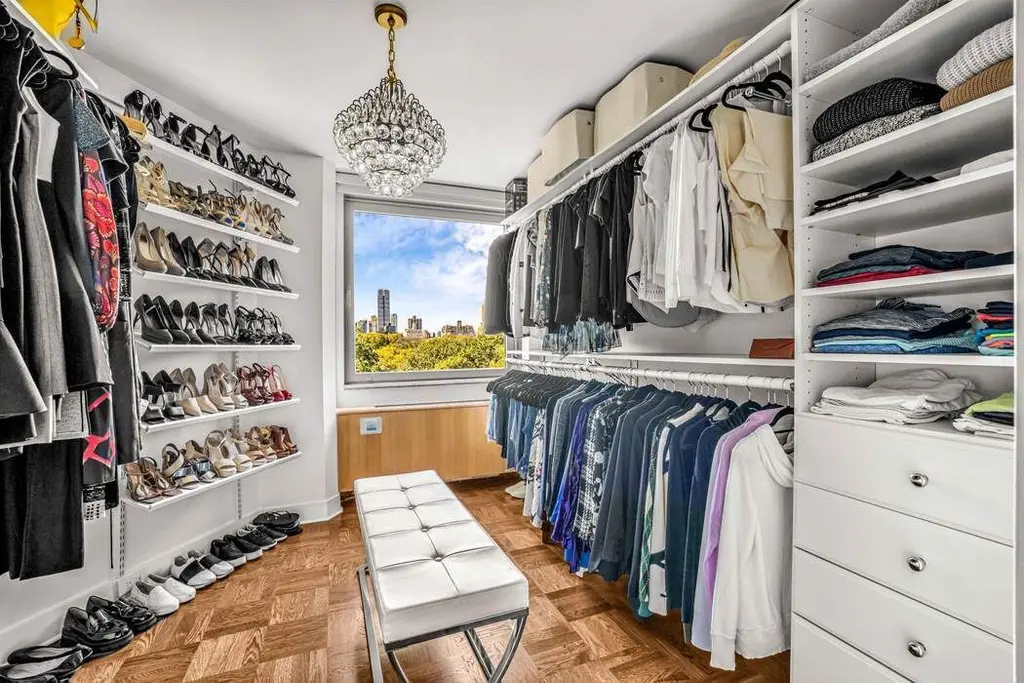
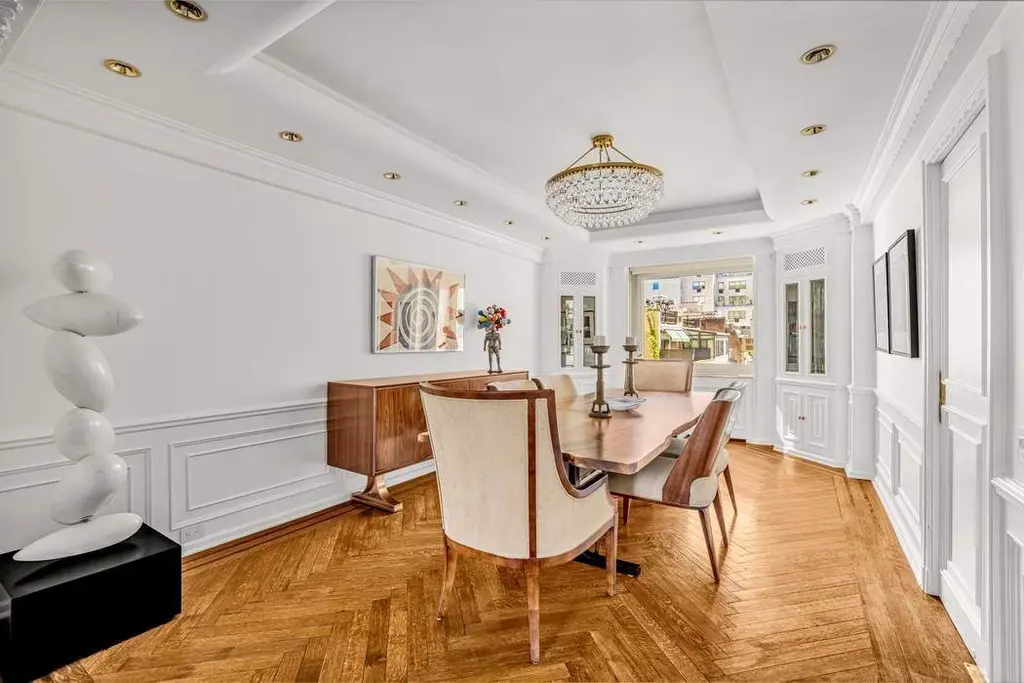
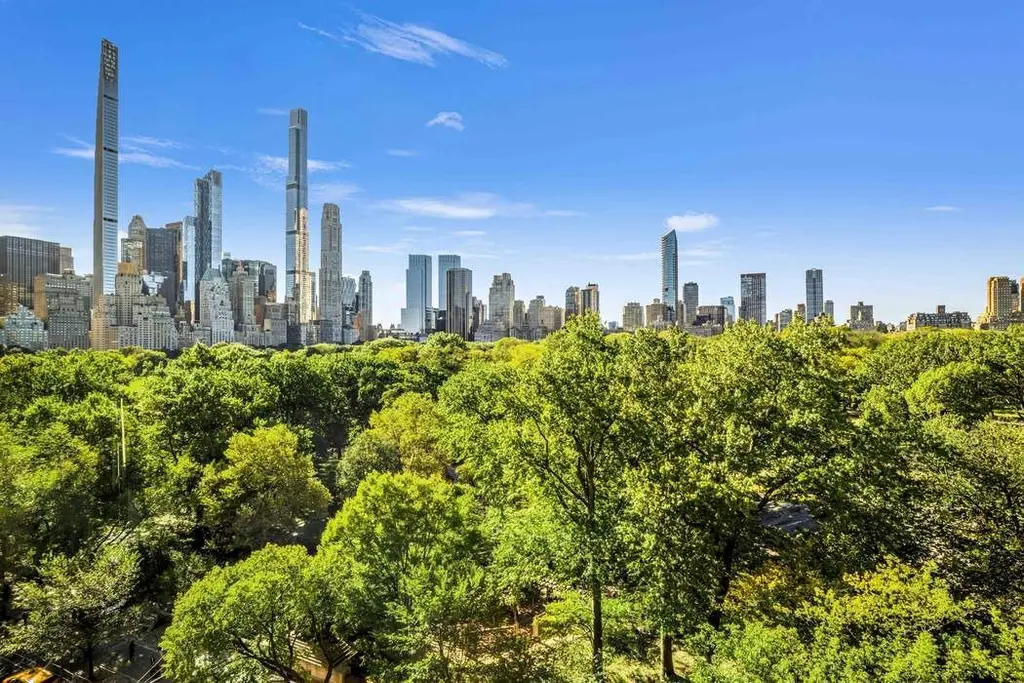
The Gale Mansion, # (Compass)
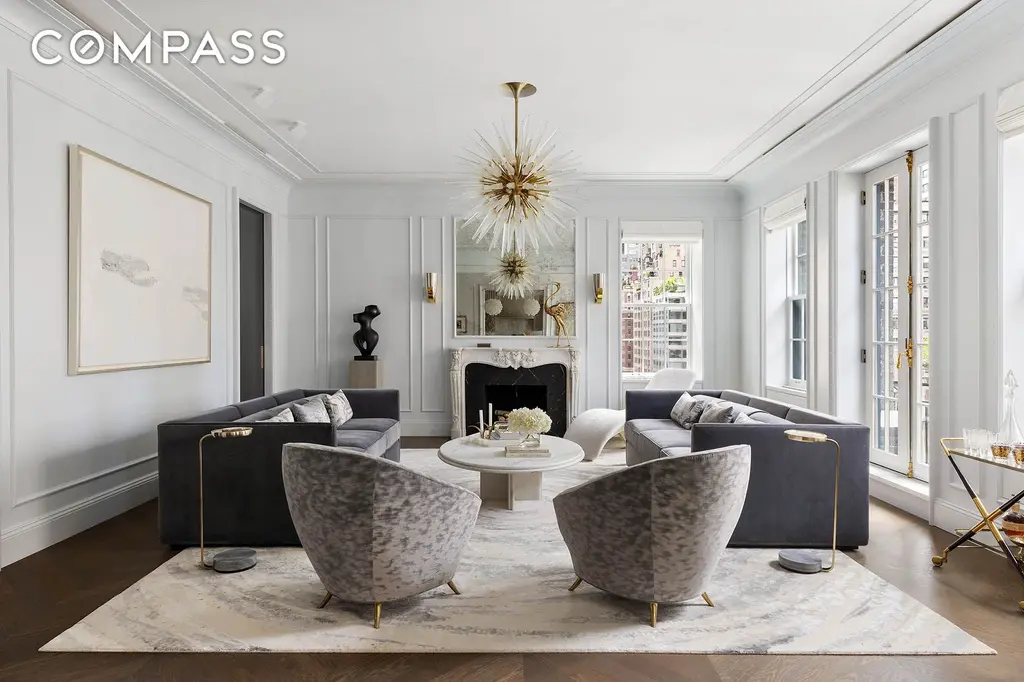
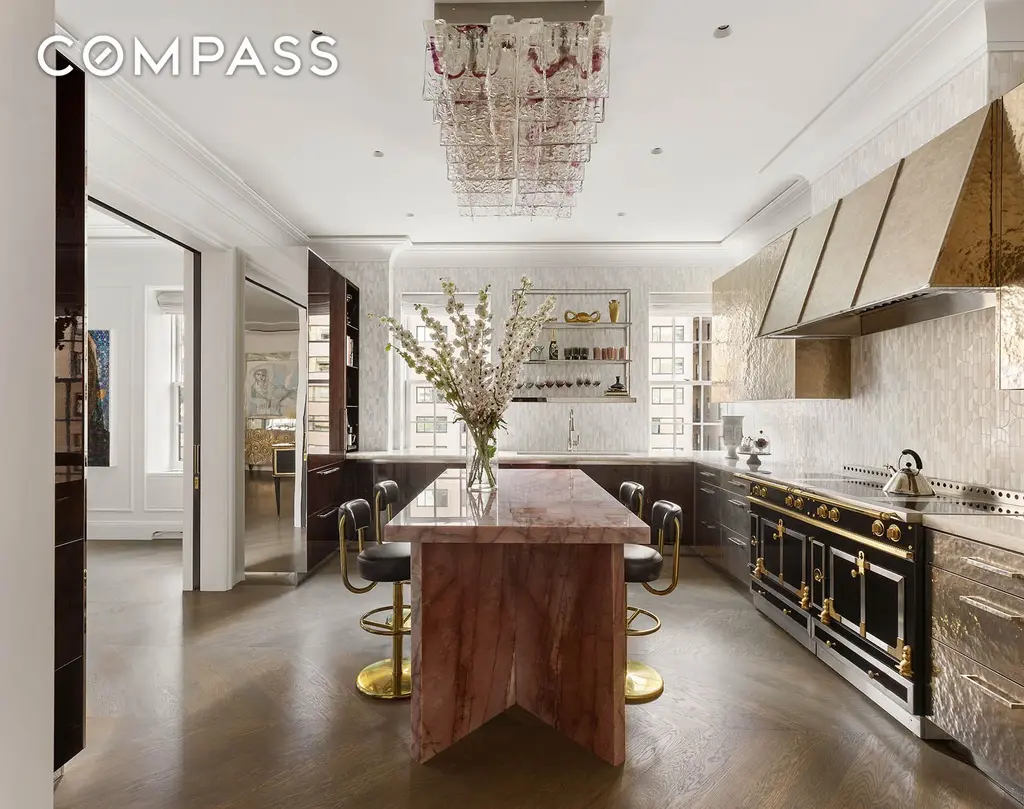
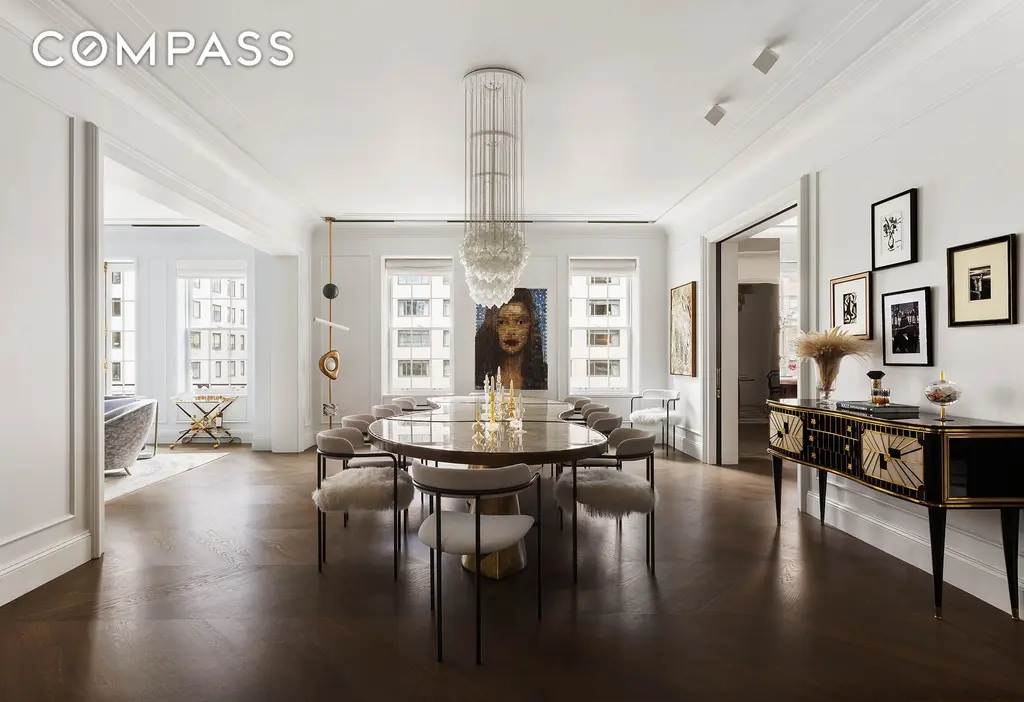
535 Park Avenue, #8AB
$12,500,000
Park/Fifth Ave. to 79th St. | Cooperative | 3 Bedrooms, 4.5 Baths | 3,250 ft2
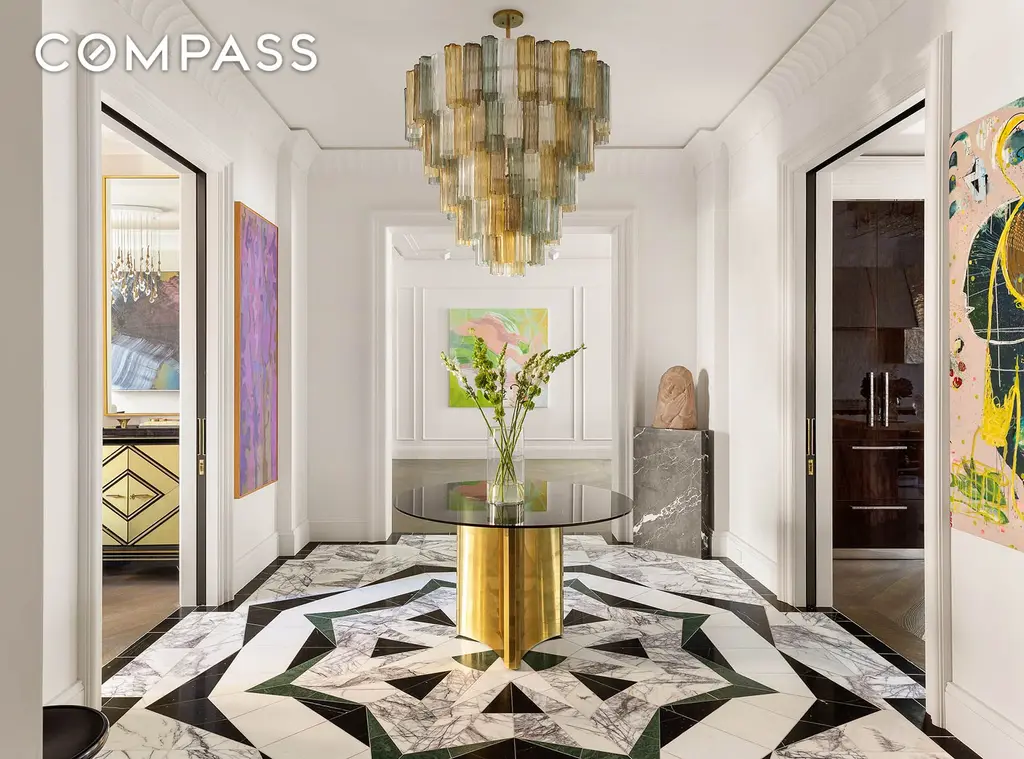
535 Park Avenue, #8AB (Compass)
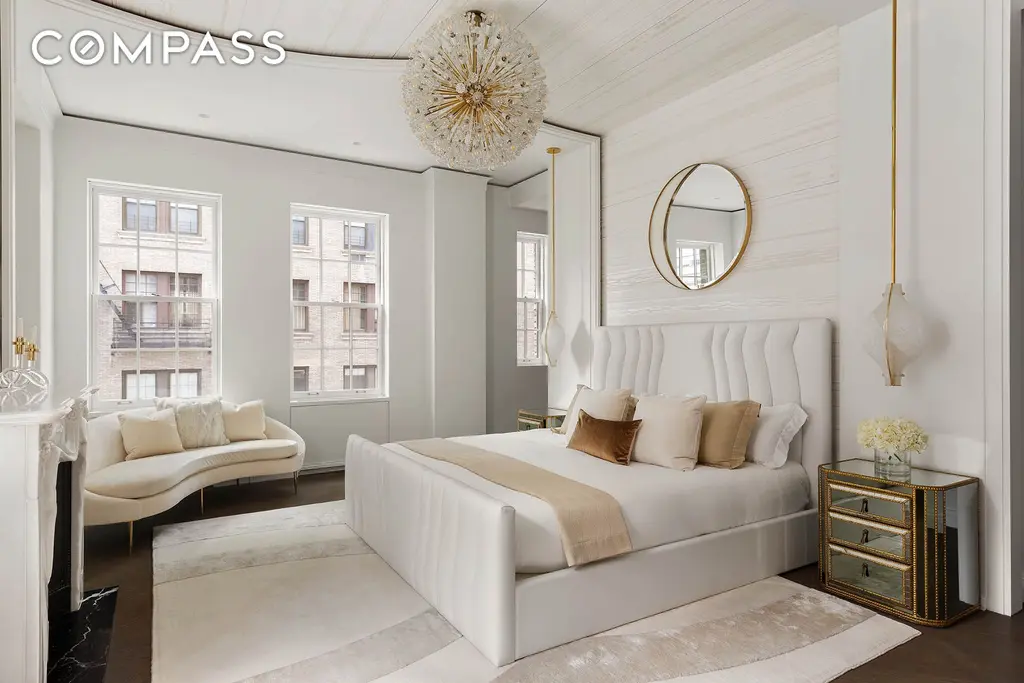
19 East 92nd Street, #TH
$16,950,000 (-8.4%)
Carnegie Hill | Townhouse | 5 Bedrooms, Unknown Baths | 5,225 ft2
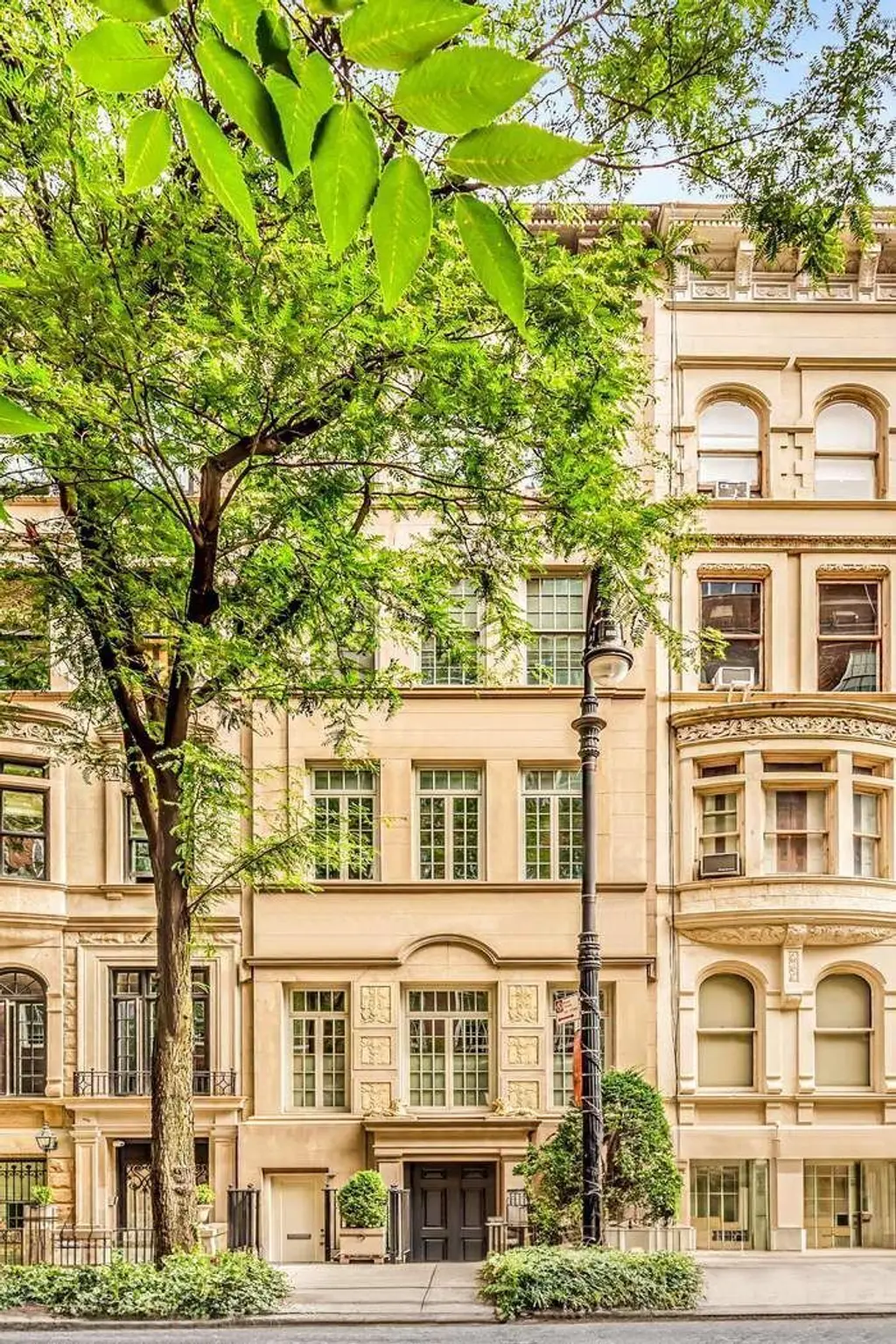
19 East 92nd Street, # (Sothebys International Realty)
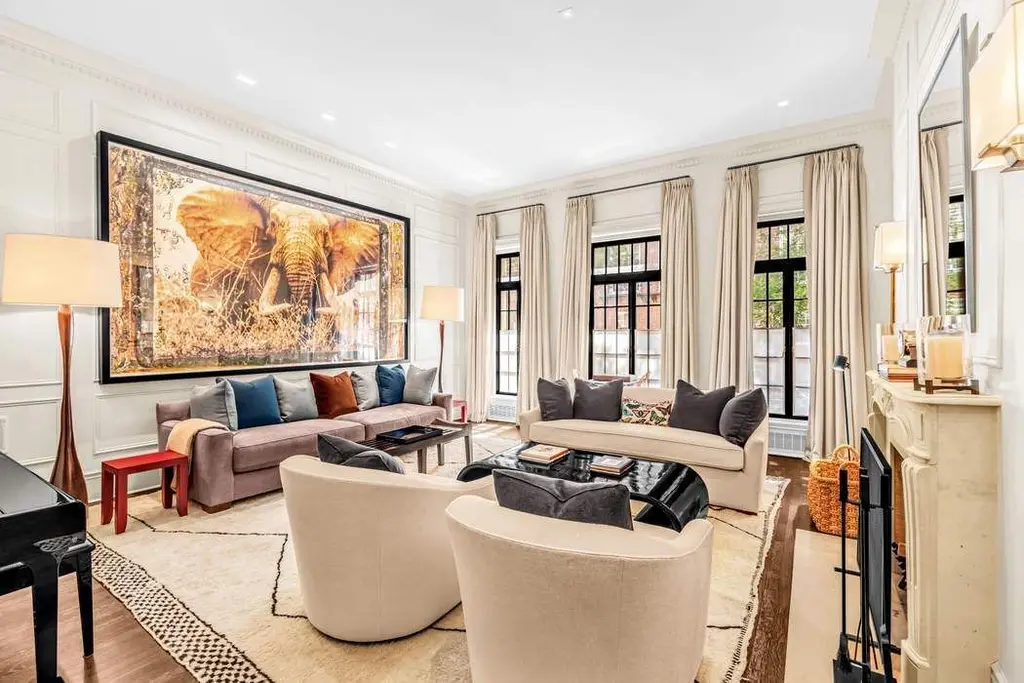
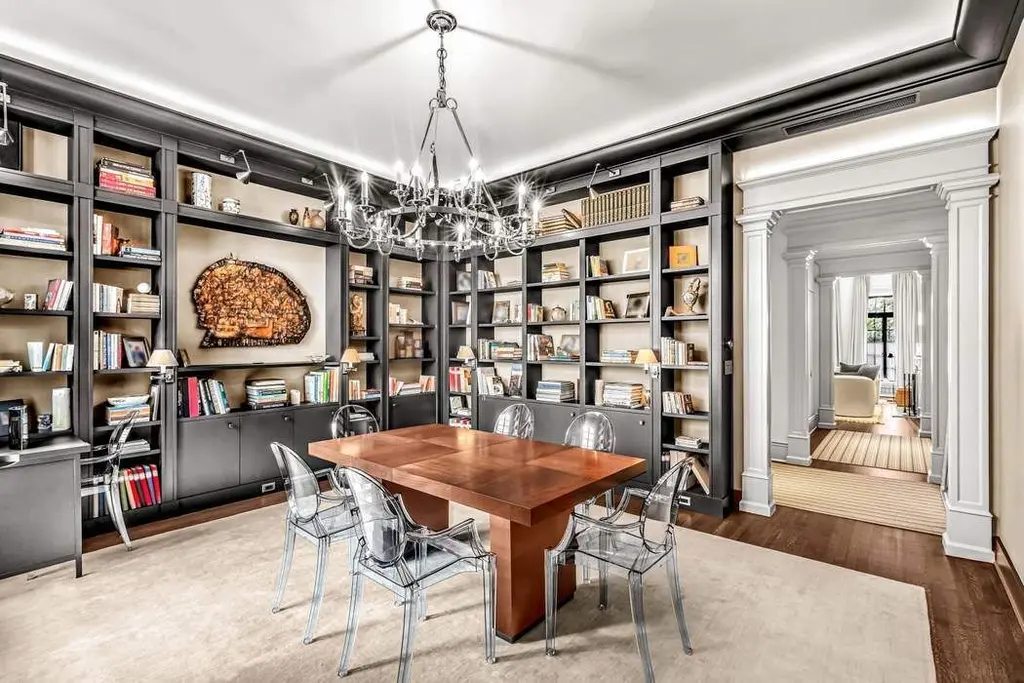
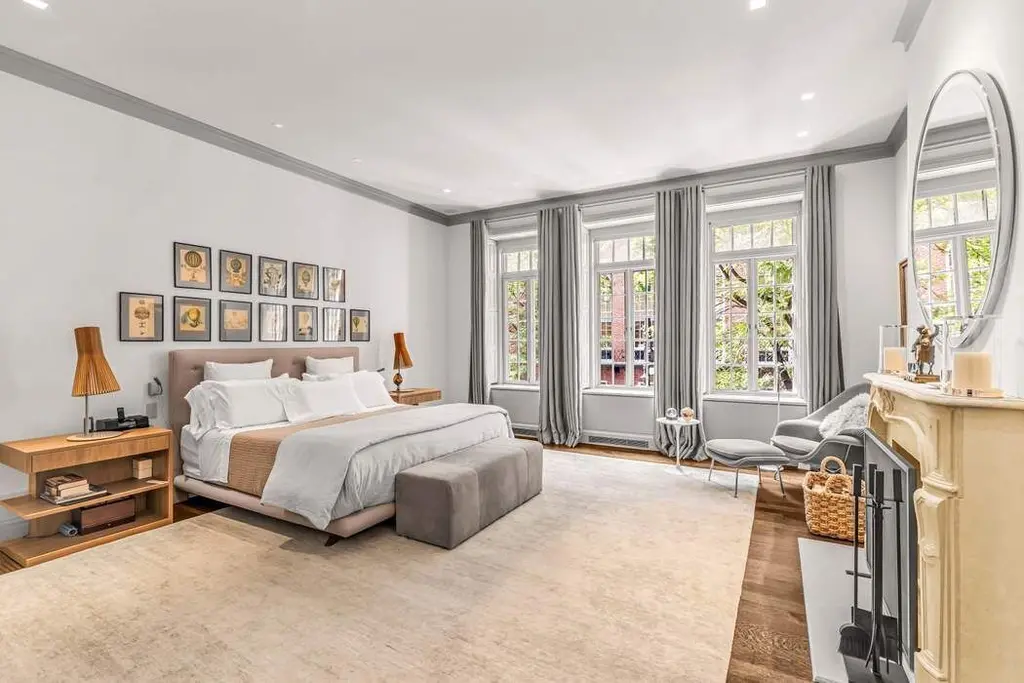
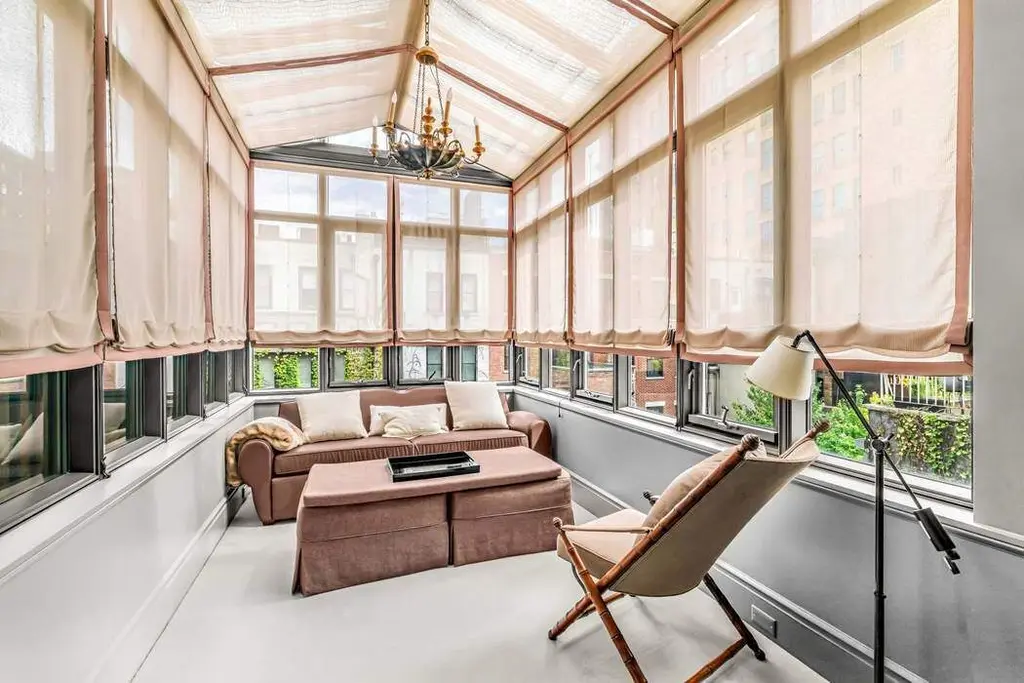
78 Irving Place, #PH
$19,750,000 (-13.2%)
Gramercy Park | Condominium | 5 Bedrooms, 5 Baths | 6,630 ft2
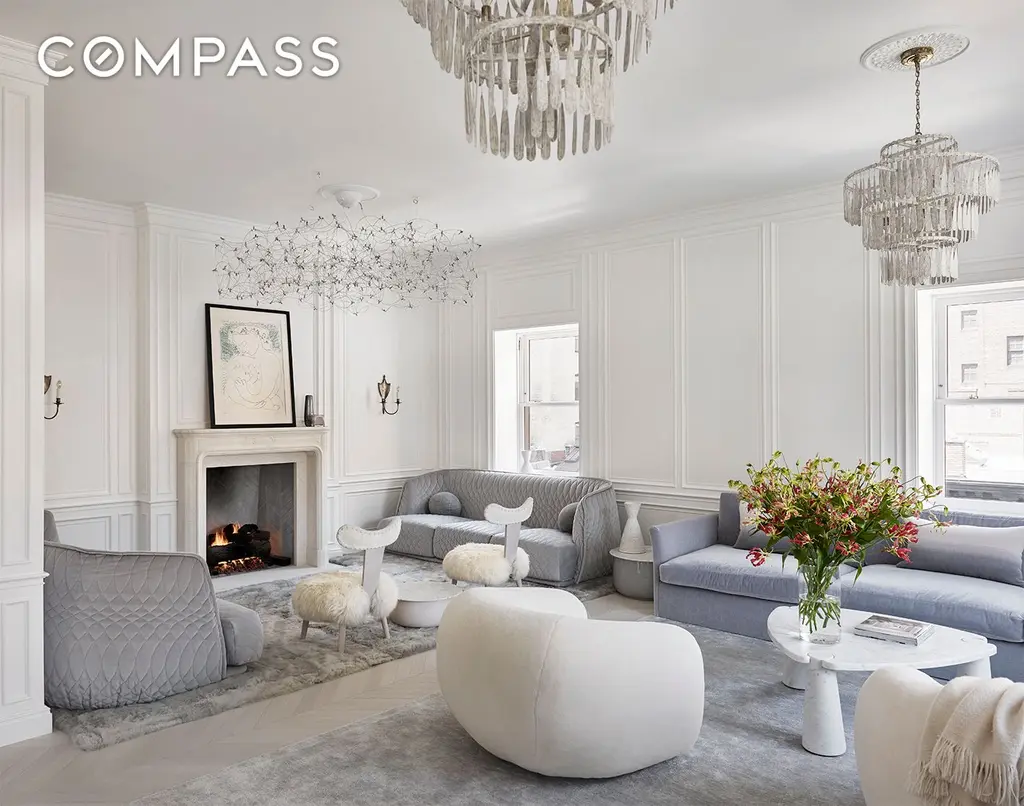
78 Irving Place, #PH (Compass)
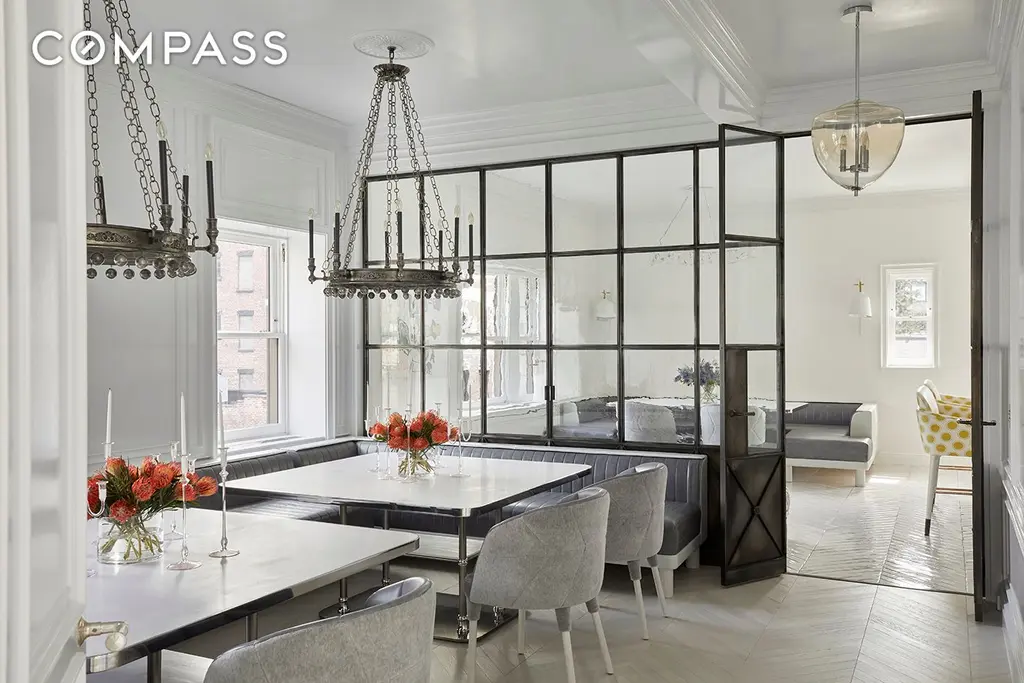
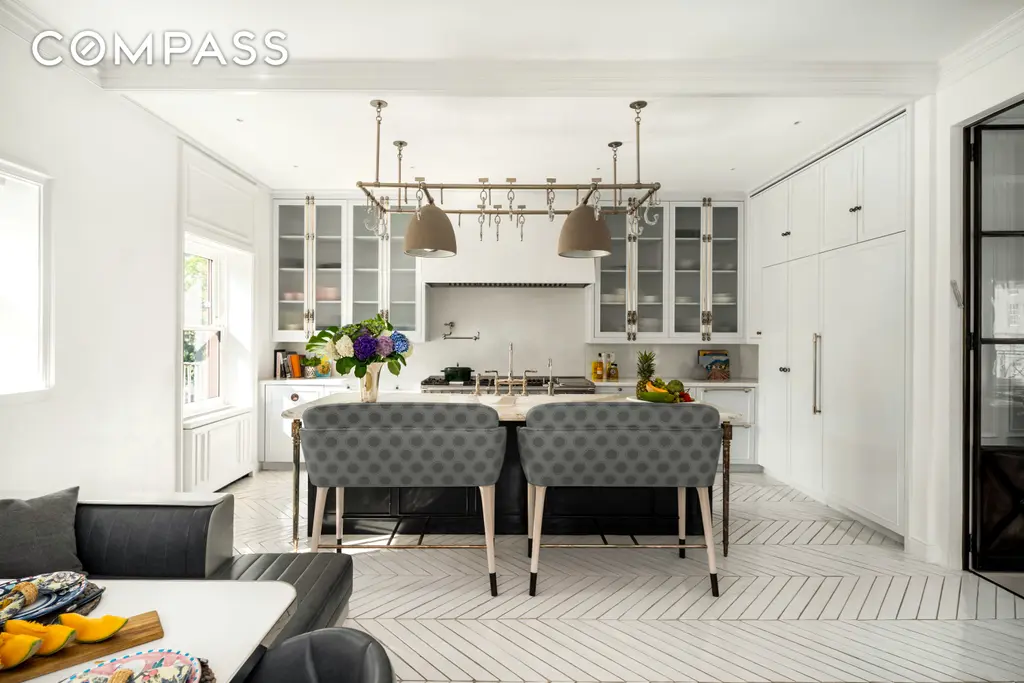
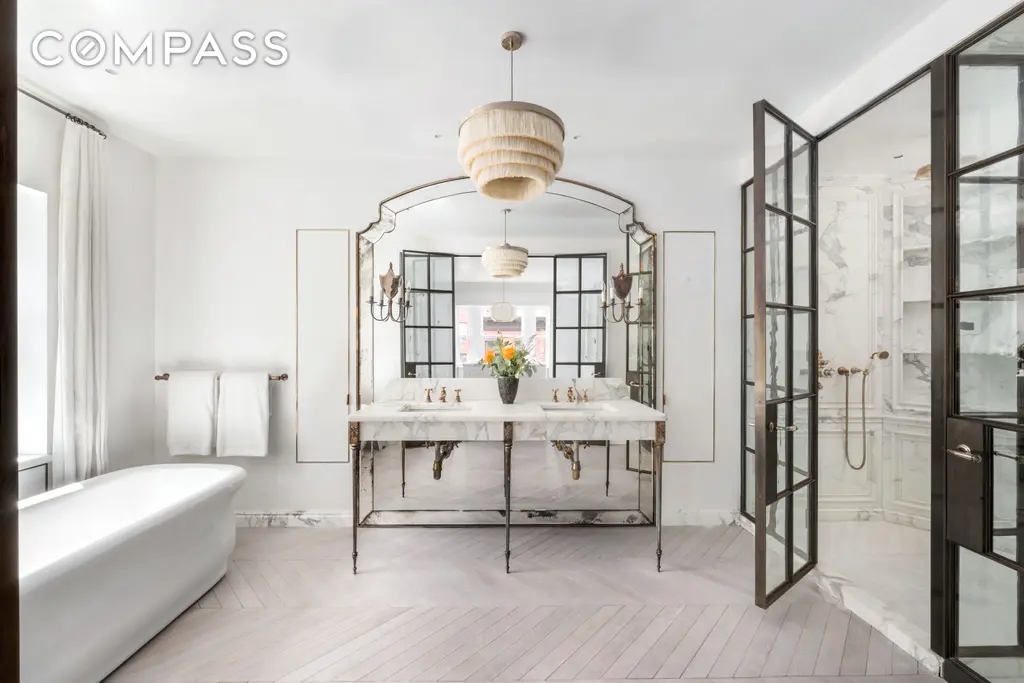
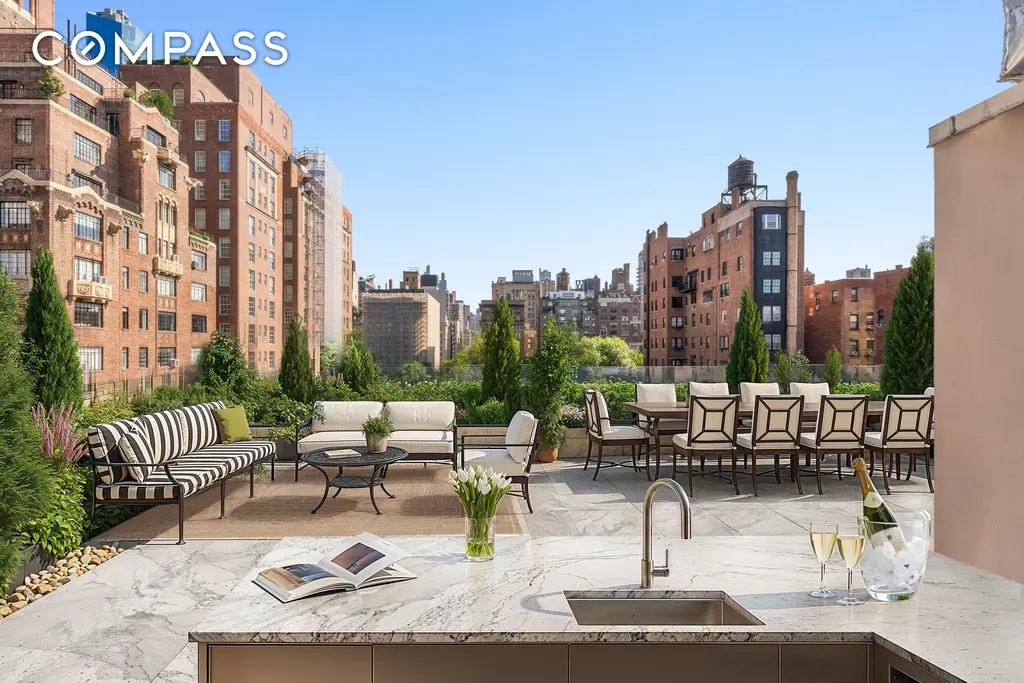
21 Beekman Place, #TH
$27,500,000
Beekman/Sutton Place | Townhouse | 5 Bedrooms, 6+ Baths | 7,226 ft2
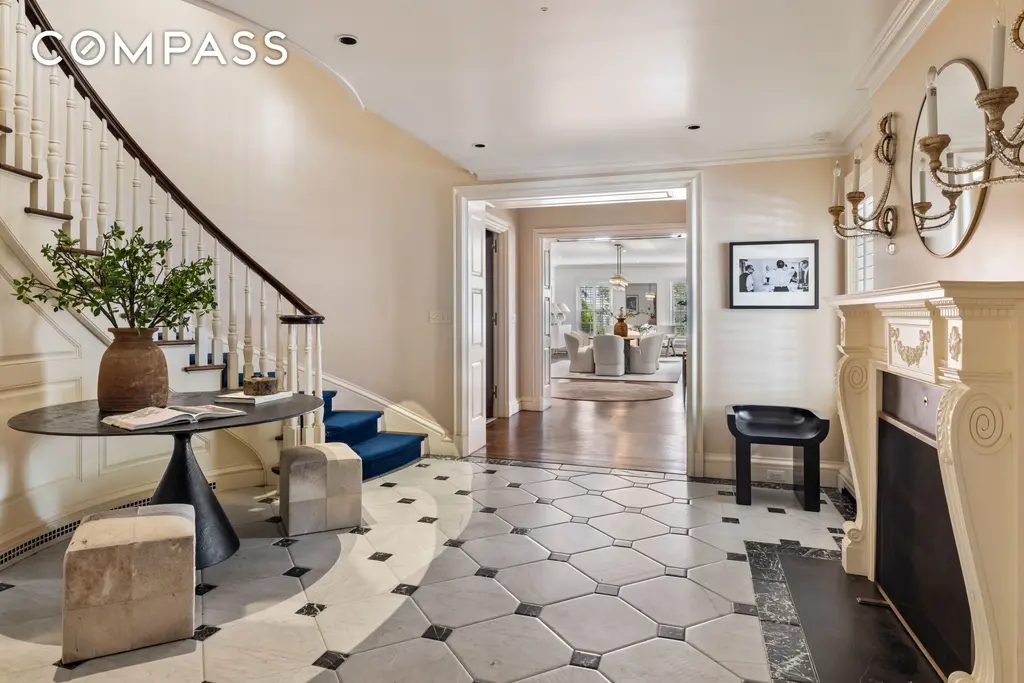
21 Beekman Place, # (Compass)
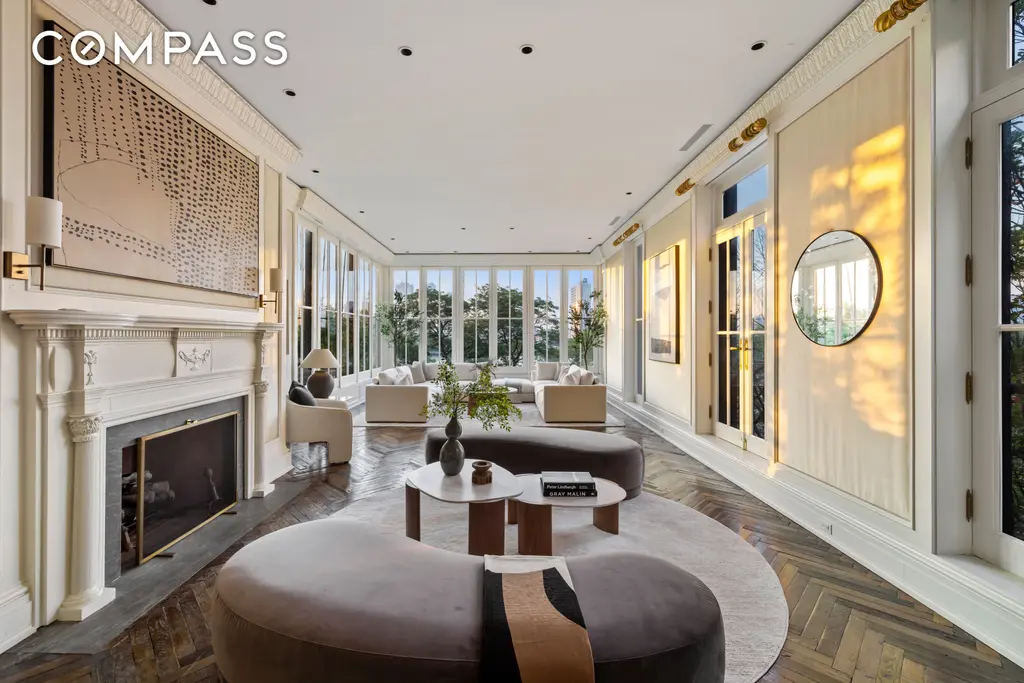
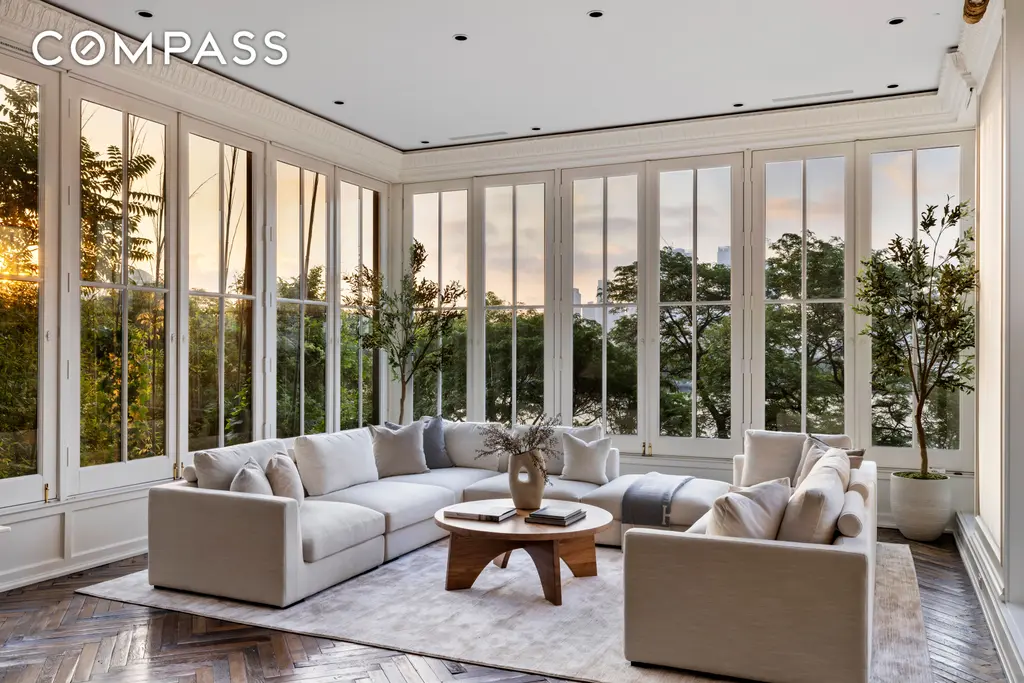
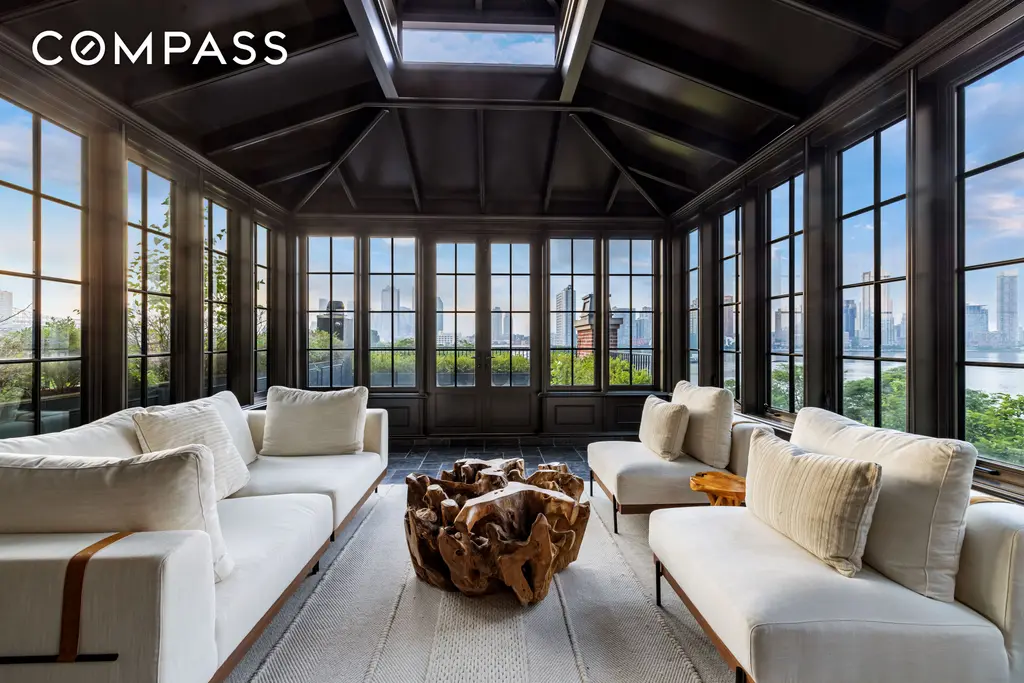
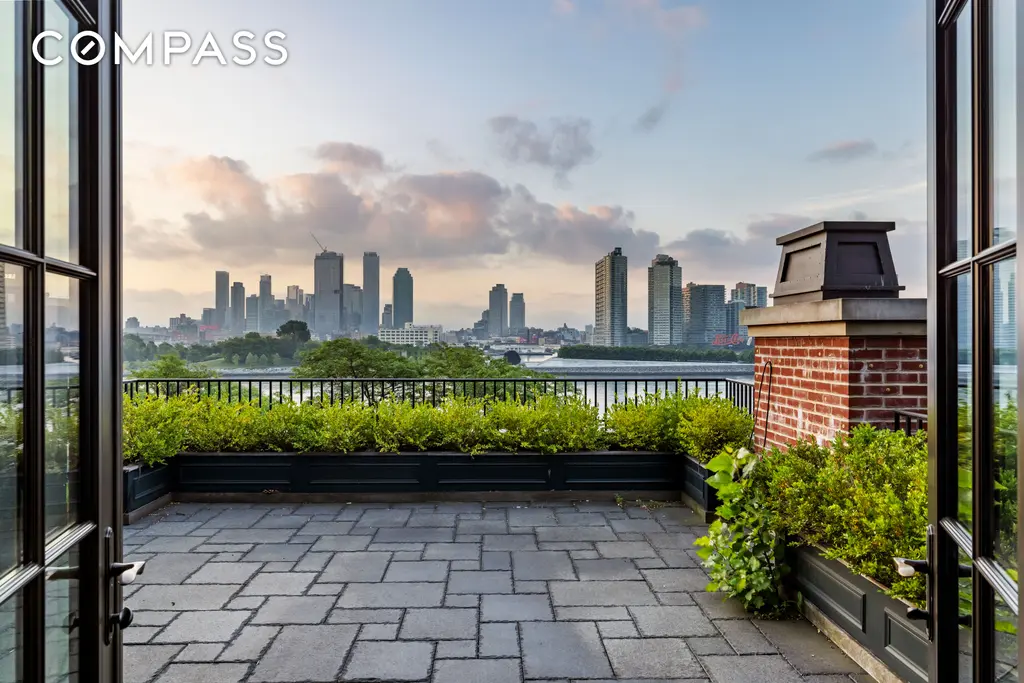
34 West 12th Street, #TH
$29,995,000
Greenwich Village | Townhouse | 5 Bedrooms, 5.5 Baths | 7,373 ft2
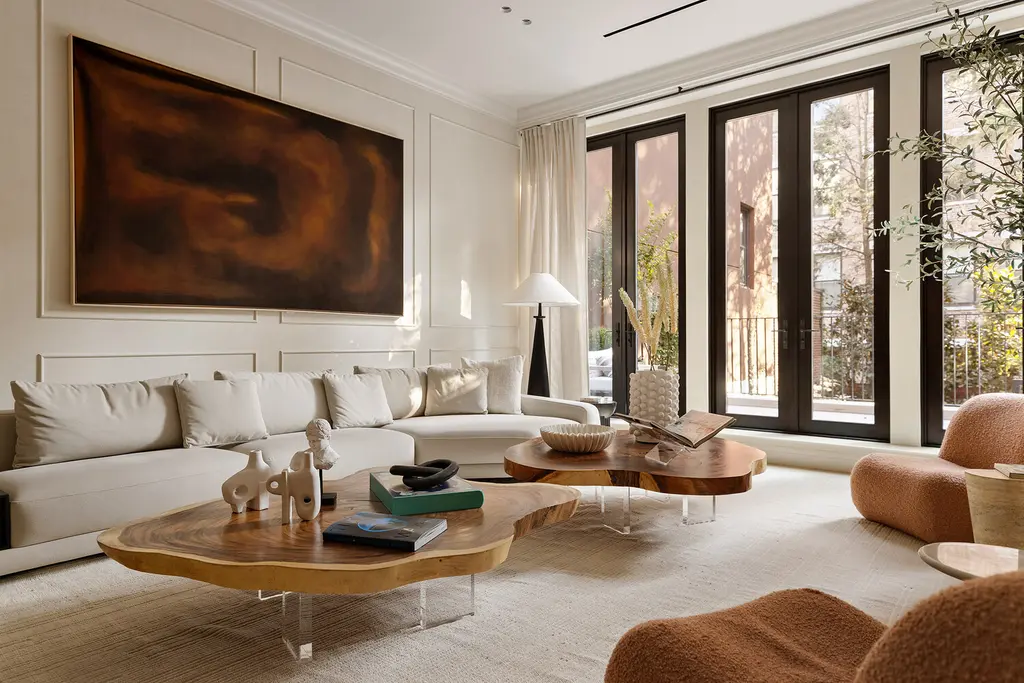
34 West 12th Street, # (Serhant)
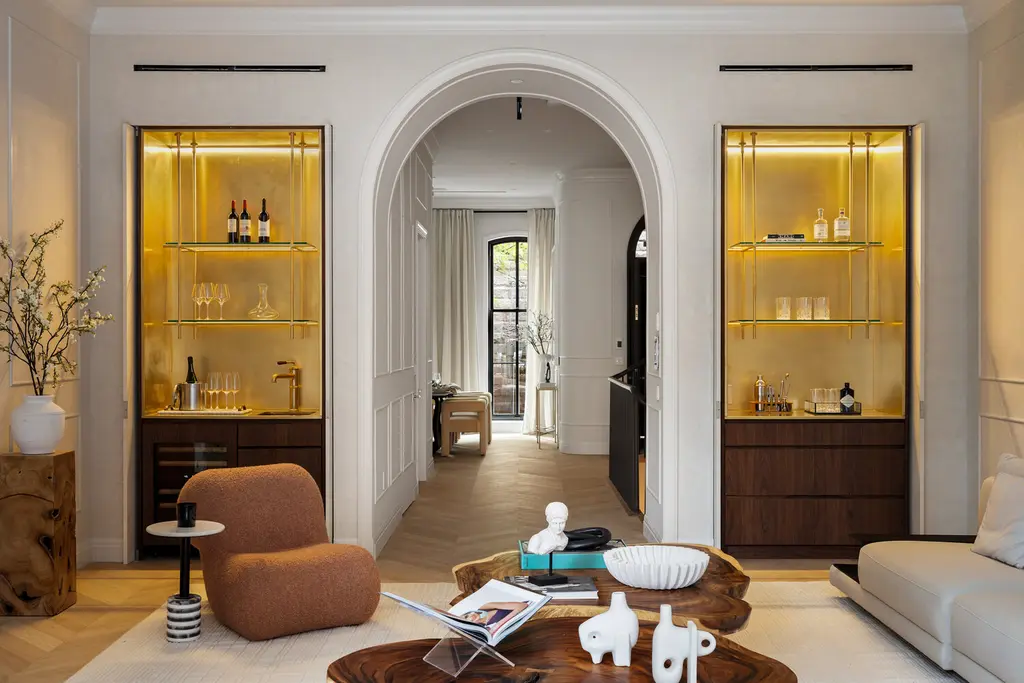
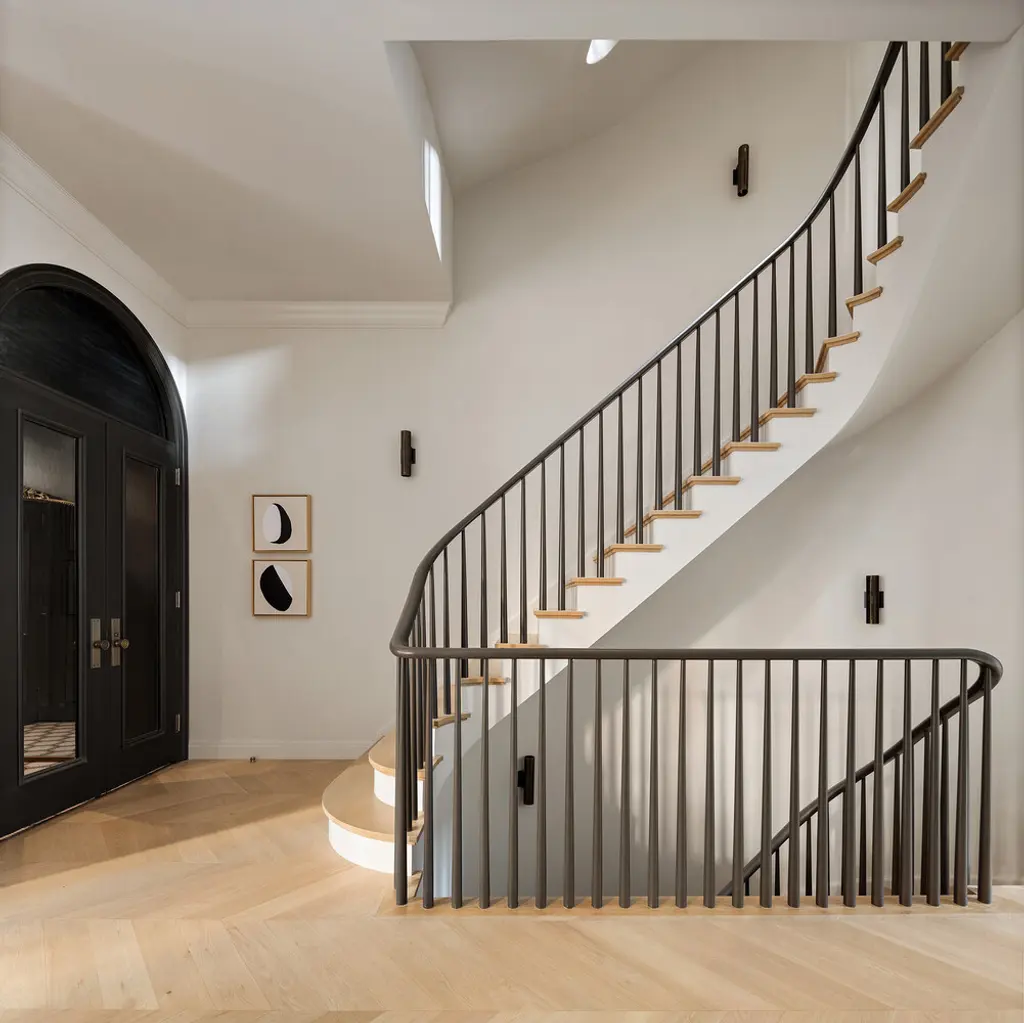
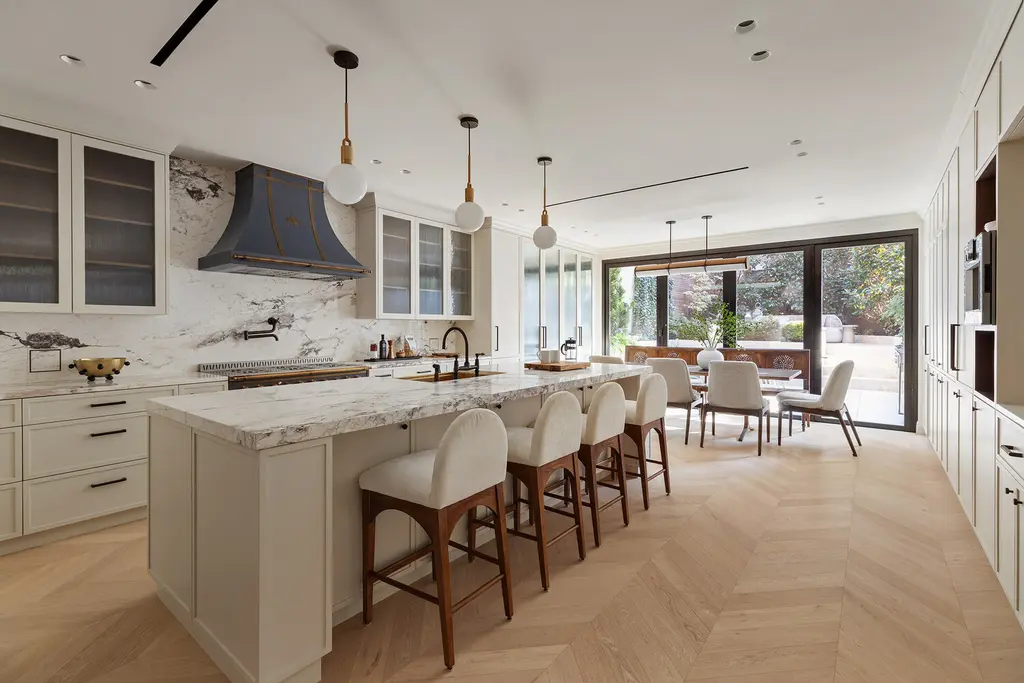
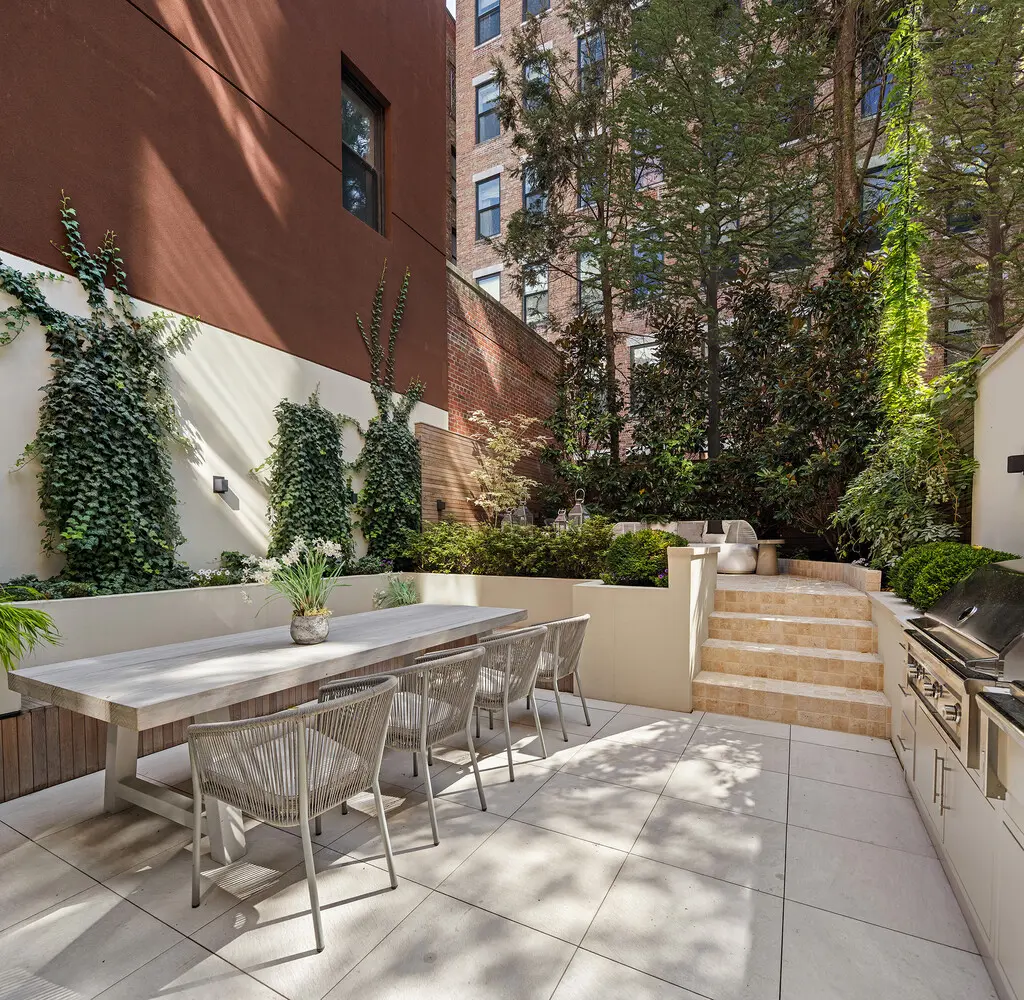
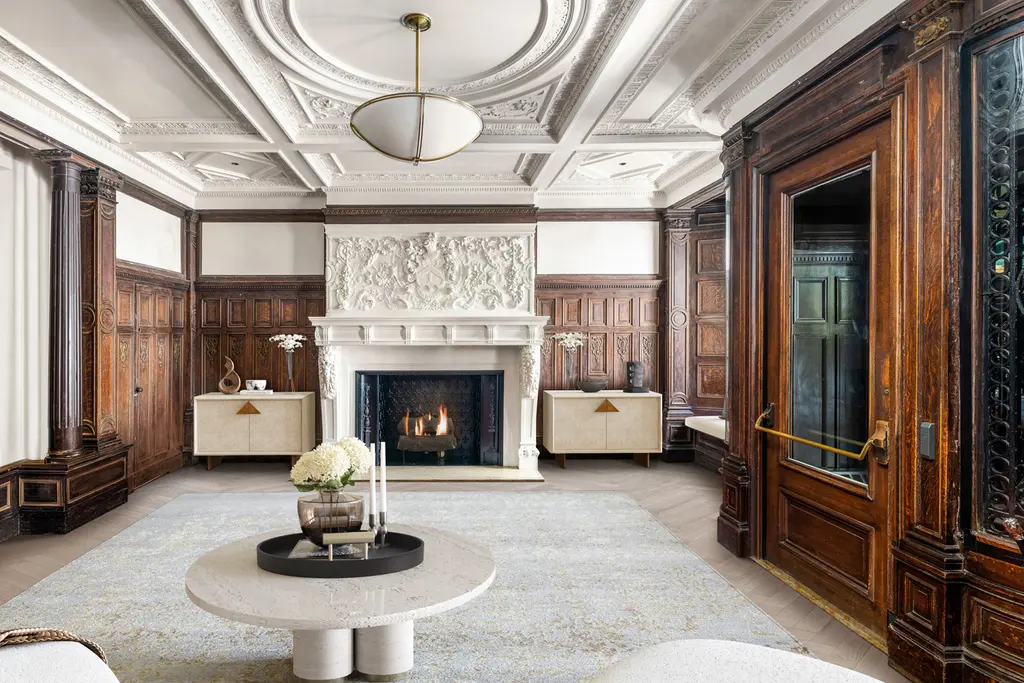
2 East 82nd Street, # (Modlin Group LLC)
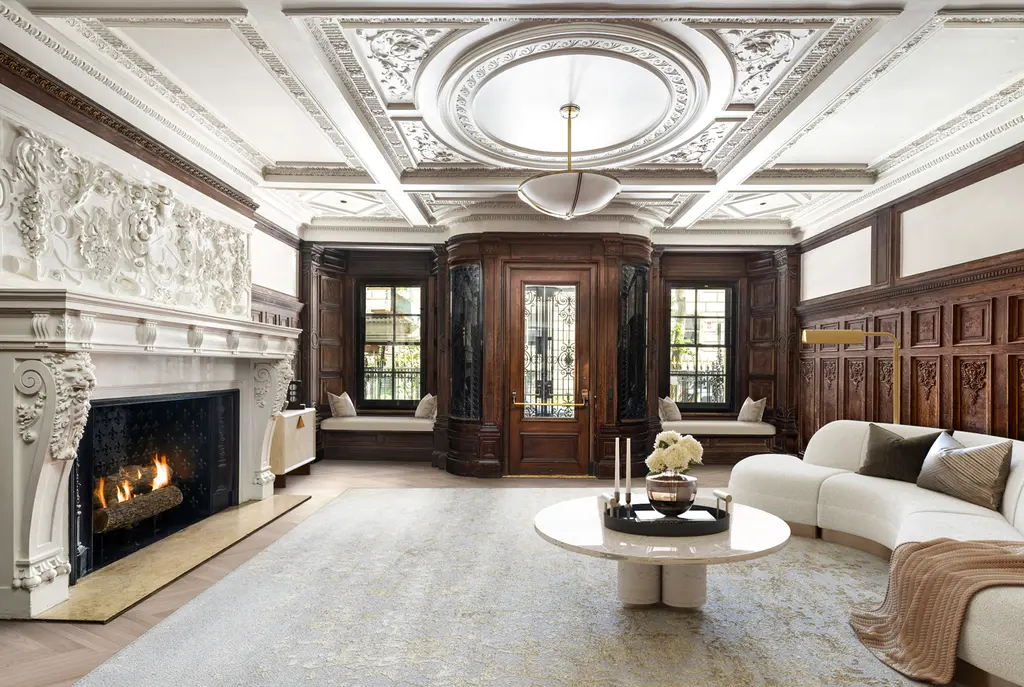
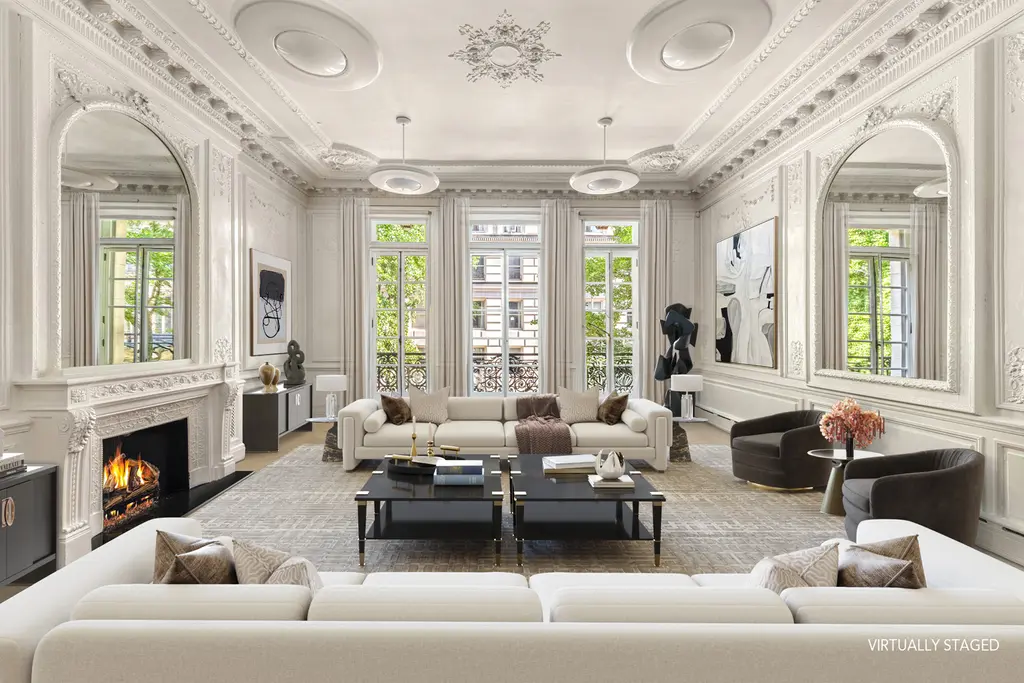
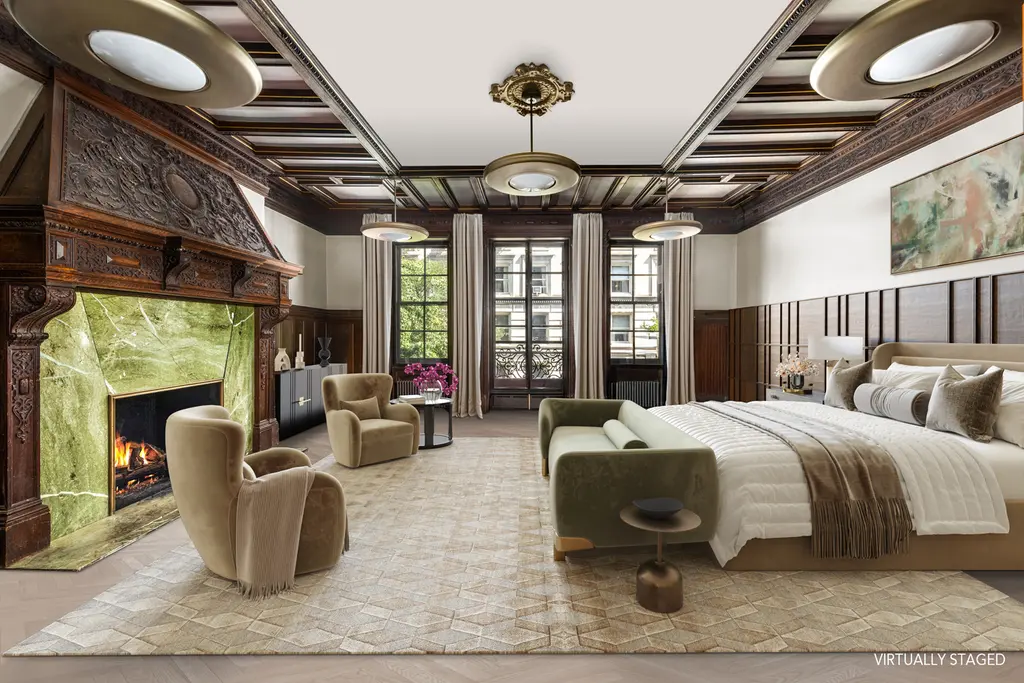
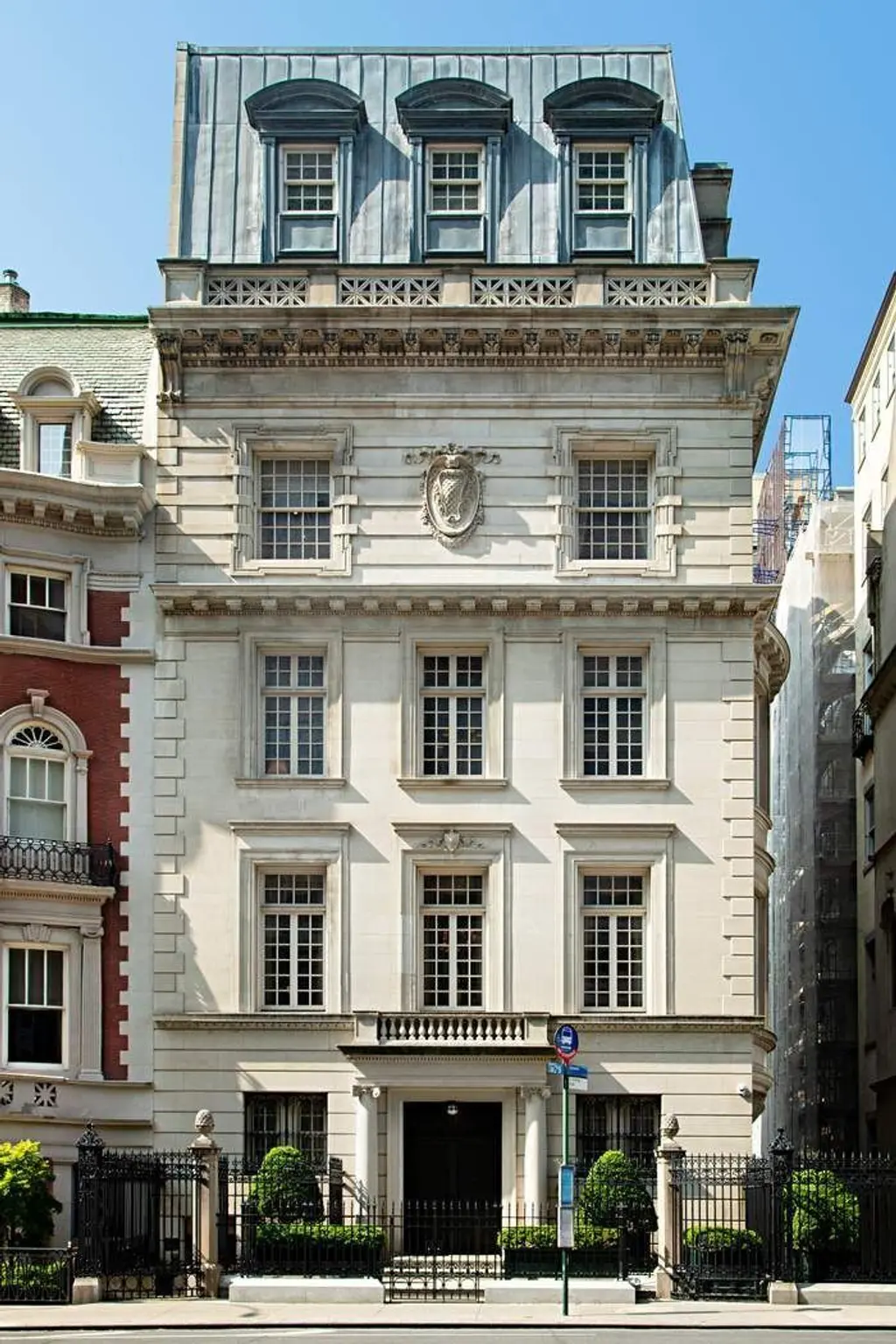
4 East 79th Street, # (Sothebys International Realty)
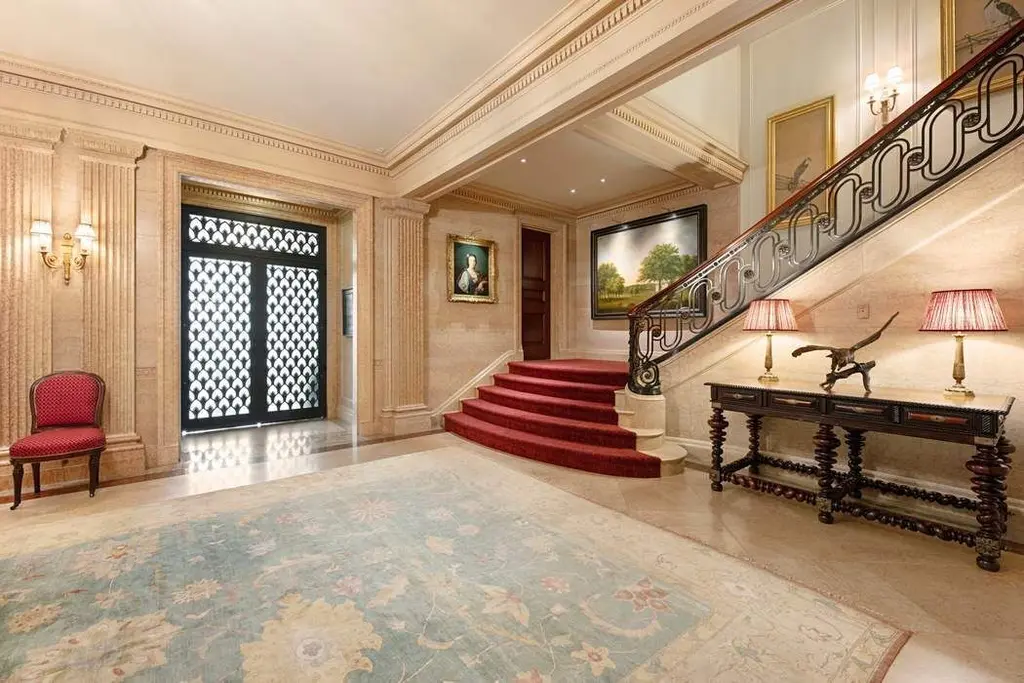
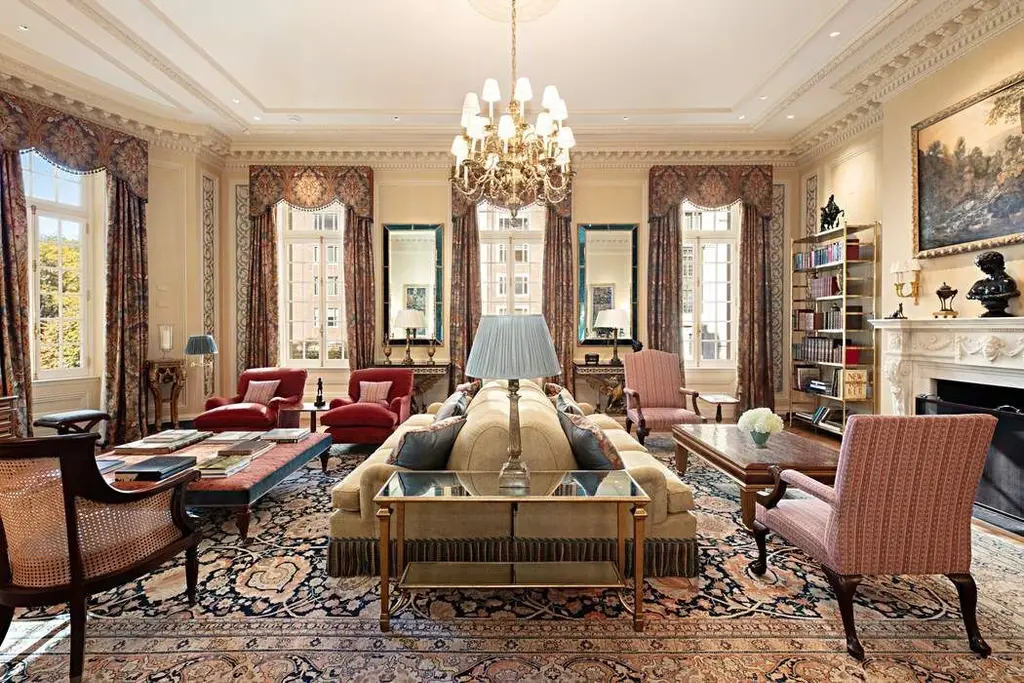
Related Articles
Future New York
Fire up the grill in these new developments with outdoor kitchens
Monday, September 7, 2026
Get To Know
Luxurious New York City homes with chevron floors; why the classic pattern is making a comeback
Thursday, September 3, 2026
Future New York
Top 25 NYC condos with the best playrooms and kid-friendly amenities
Thursday, September 3, 2026
Financial District
As CityPicklePalooza takes over Times Square, see NYC buildings with pickleball and padel courts
Wednesday, August 26, 2026
Get To Know
What to know about combining two (or more!) NYC apartments + Unique combination residences available now
Tuesday, August 25, 2026
Great Listings
Protected Views: NYC apartments overlooking individual landmarks
Wednesday, August 19, 2026
Future New York
Price Cuts: Mary Trump’s 565 Broome SoHo condo reduced; West Village townhouse once home to The New Yorker founder drops $1M
Thursday, August 13, 2026
Get To Know

 6sqft delivers the latest on real estate, architecture, and design, straight from New York City.
