- Apartments
- Overview & Photos
- Maps
- Building Specialists
- Floorplans
- Sales Data & Comps
- Similar Buildings
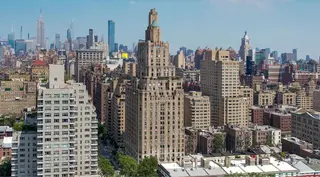
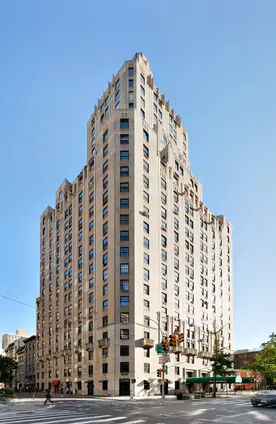
One Fifth Avenue is a 1927 Art Deco co-op in Greenwich Village designed by Harvey Wiley Corbett and Sugarman & Berger. The 27-story building offers white-glove service, panoramic views, and an unbeatable location near Washington Square Park. Currently, 1 apartment is for sale.

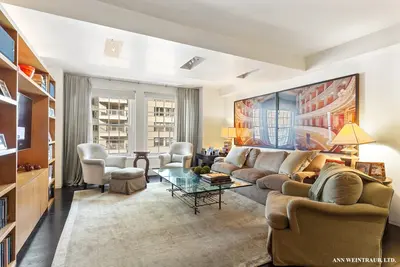
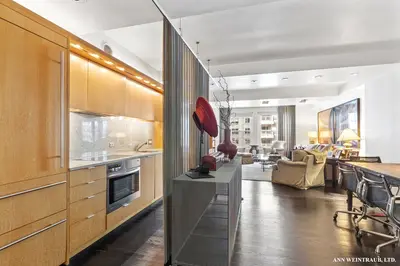
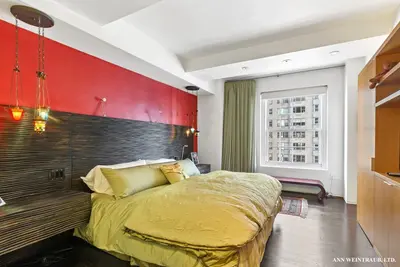
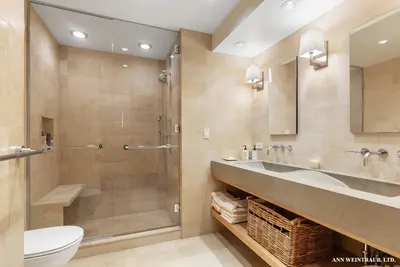
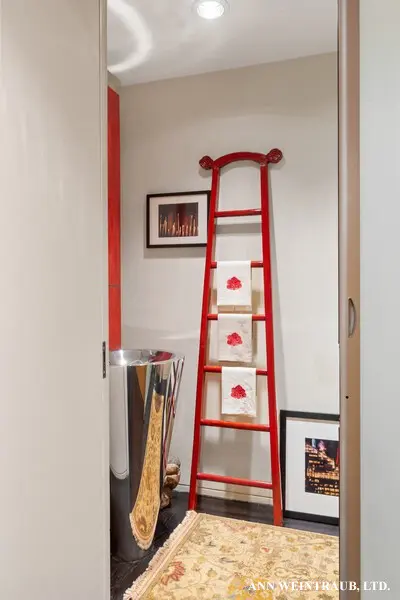
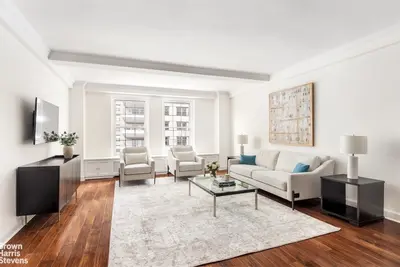
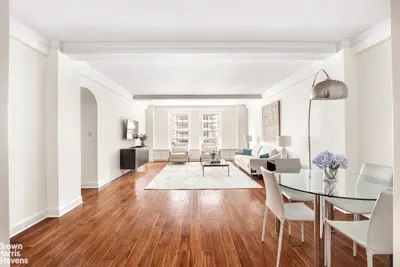
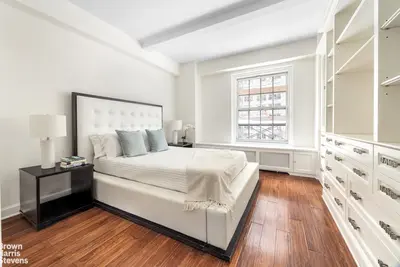
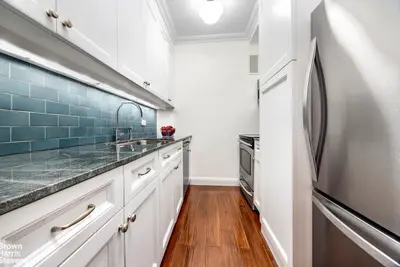
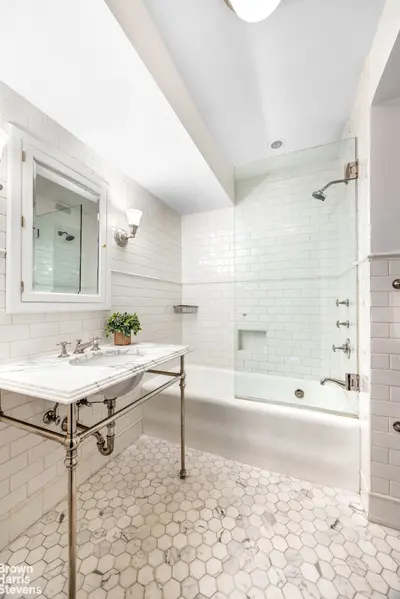
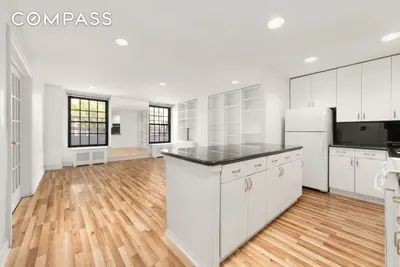
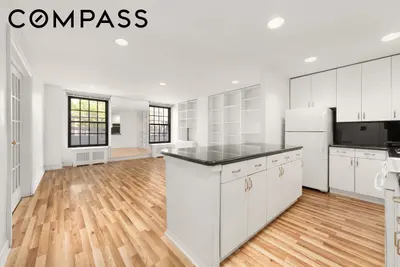
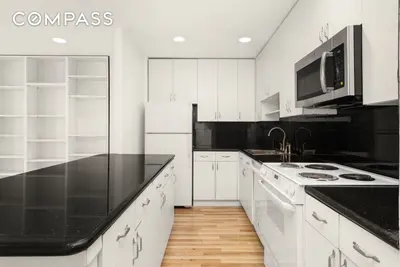
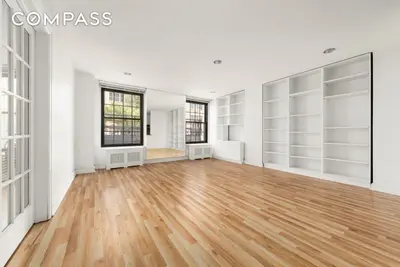
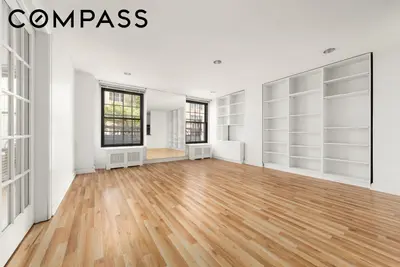
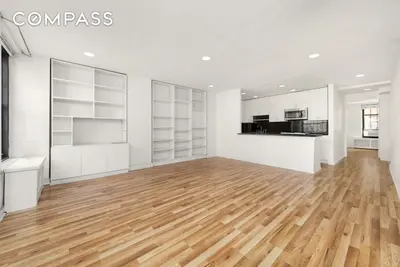
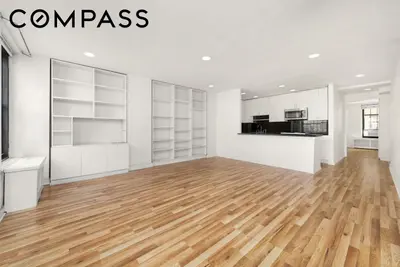
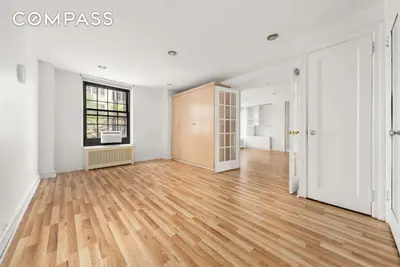
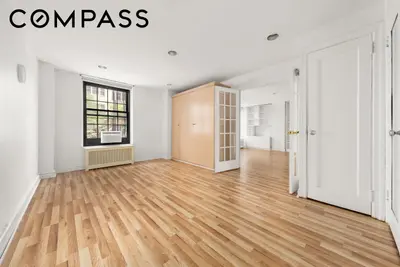
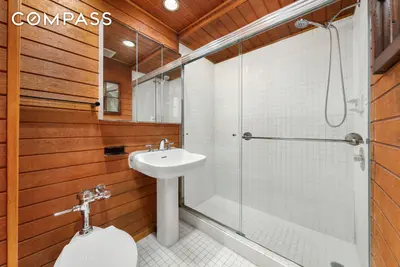
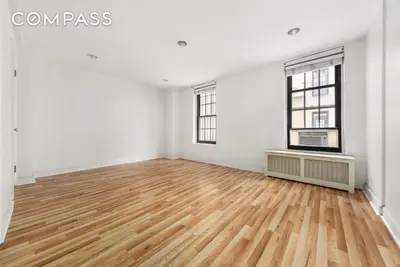
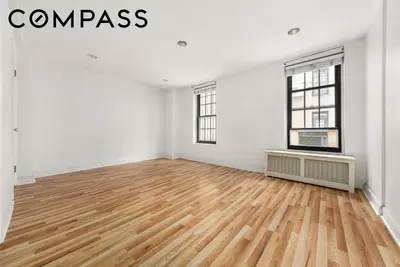
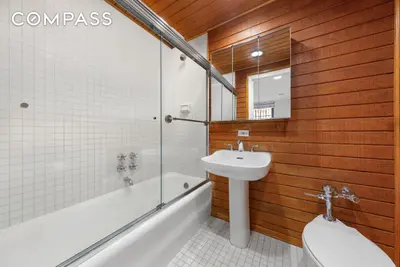
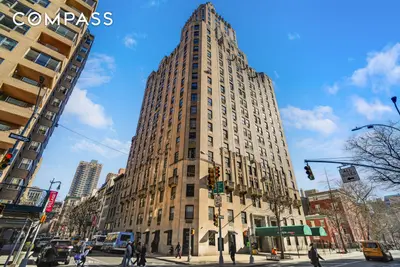
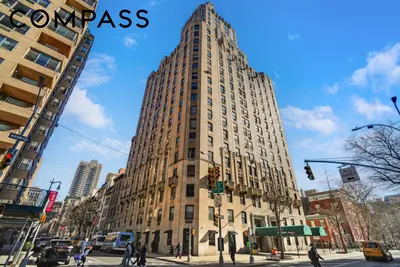
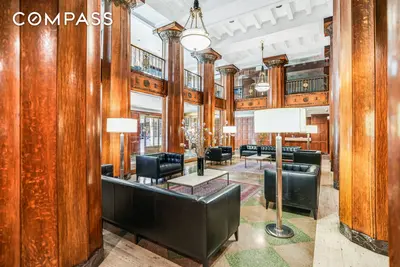
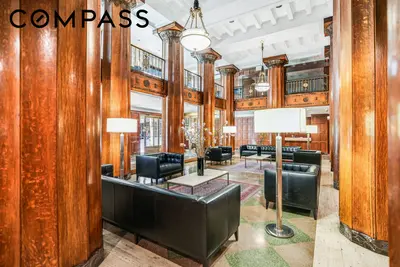
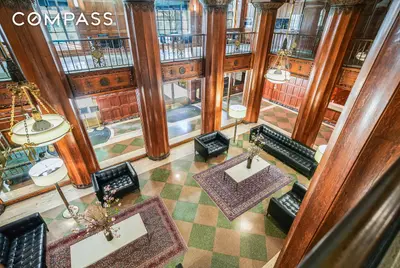
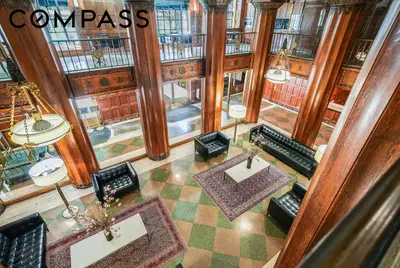
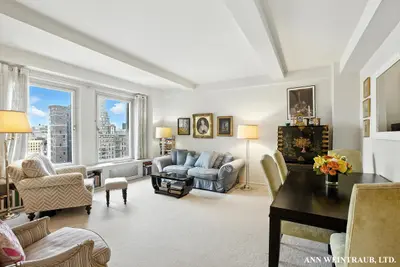
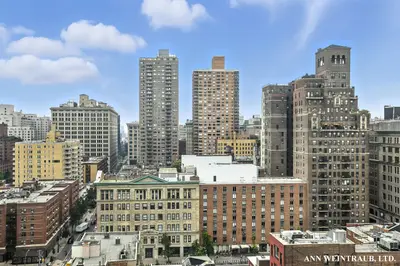
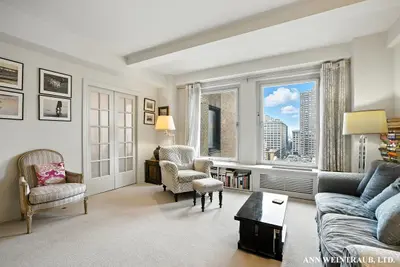
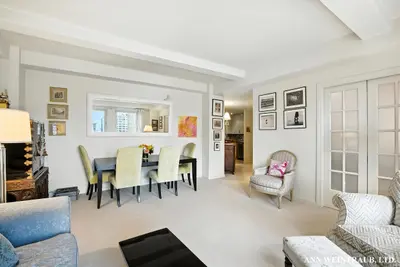
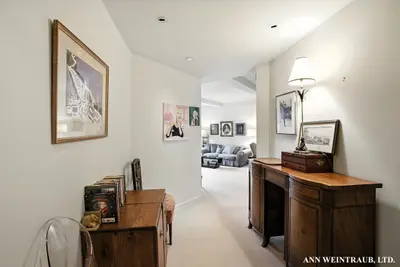
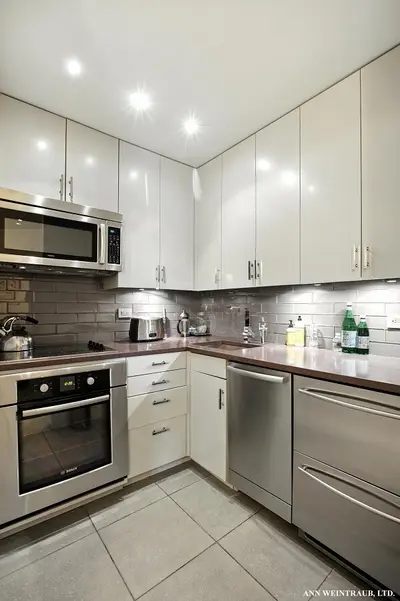
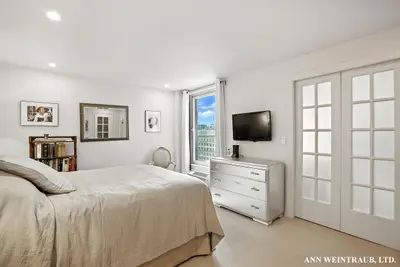
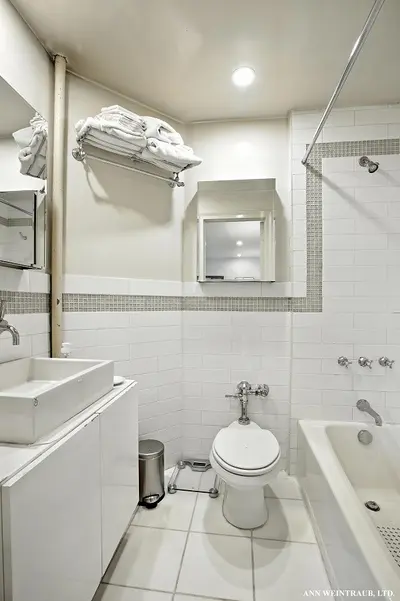
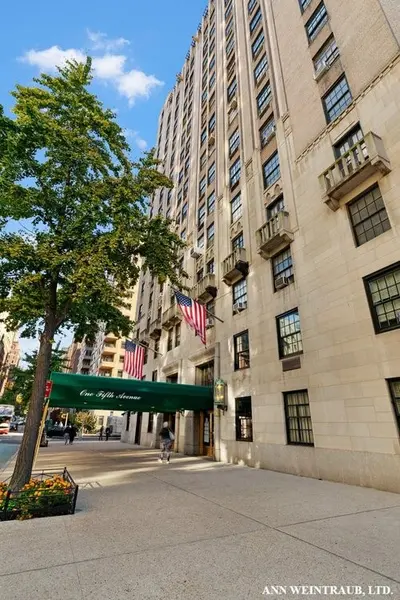
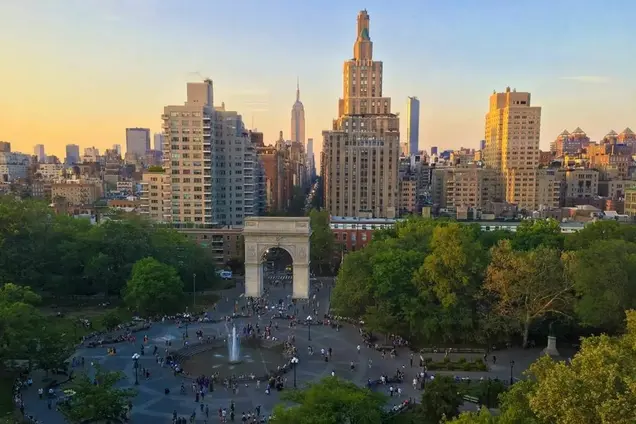
One Fifth Avenue is a Greenwich Village icon that is as much a centerpiece of classic views of Washington Square Park as is the park’s triumphal arch. The 1927 co-op was designed by visionary architect Harvey Wiley Corbett in partnership with esteemed architecture firm of Sugarman & Berger in bold Art Deco that incorporates novel elements such as chamfered corners with angled windows, which add light, air, views, and grandeur to apartments; telescoping setbacks that house spacious terraces; and a lively, light-hued exterior that combines Gothic architecture with a vertical Jazz Age style.
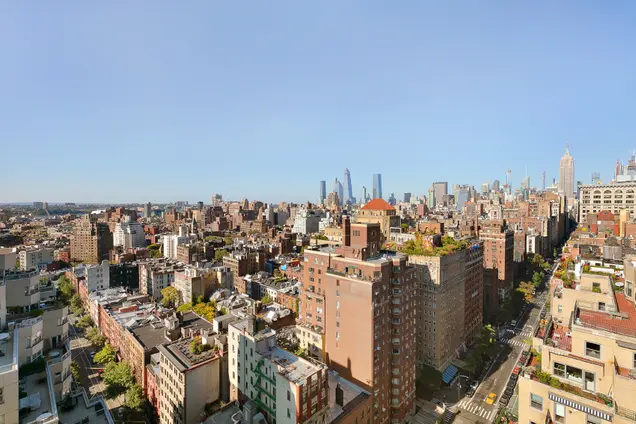
As befits the singular address at the helm of one of New York’s most prestigious residential thoroughfares, One Fifth Avenue offers white-glove service by a 24-hour doorman/concierge, as well as a bike room (useful for taking the adjacent Fifth Avenue bike lane), laundry room, and a live-in superintendent. The 27-story tower soars high above the historic district where it is located and offers panoramic views of Washington Square and the skyline even from lower-level units. To the south, the building faces Washington Mews, a gated, cobblestone-paved alley lined with historic townhouses.
Without exaggeration, one would be hard-pressed to find a better residential location in all of New York City. In addition to lively Washington Square situated immediately to the south, the building also sits several blocks away from Union Square and within walking distance of famed shopping, dining, arts, and entertainment in Greenwich Village, SoHo, NoHo, the East Village, and Chelsea. Both Downtown and Midtown lie within a five- to ten-minute commute via a multitude of nearby subway options.
The pet-friendly co-op requires a 35% down payment and allows pied-a-terres.
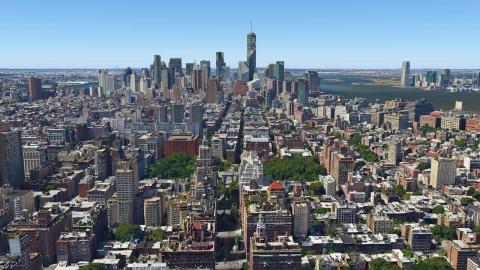
View school info, local attractions, transportation options & more.
Experience amazing 3D aerial maps and fly throughs.
For some co-ops, instead of price per square foot, we use an estimate of the number of rooms for each sold apartment to chart price changes over time. This is because many co-op listings do not include square footage information, and this makes it challenging to calculate accurate square-foot averages.
By displaying the price per estimated room count, we are able to provide a more reliable and consistent metric for comparing sales in the building. While we hope that this gives you a clearer sense of price trends in the building, all data should be independently verified. All data provided are only estimates and should not be used to make any purchase or sale decision.
Notable past and present residents at 1 Fifth Avenue

 6sqft delivers the latest on real estate, architecture, and design, straight from New York City.
Like us on Facebook to keep up with the trends and
6sqft delivers the latest on real estate, architecture, and design, straight from New York City.
Like us on Facebook to keep up with the trends and 