- Apartments
- Overview & Photos
- Maps
- Building Specialists
- Floorplans
- Sales Data & Comps
- Similar Buildings
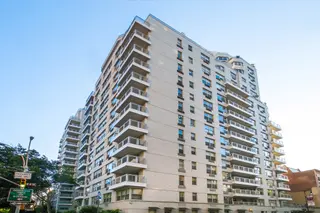
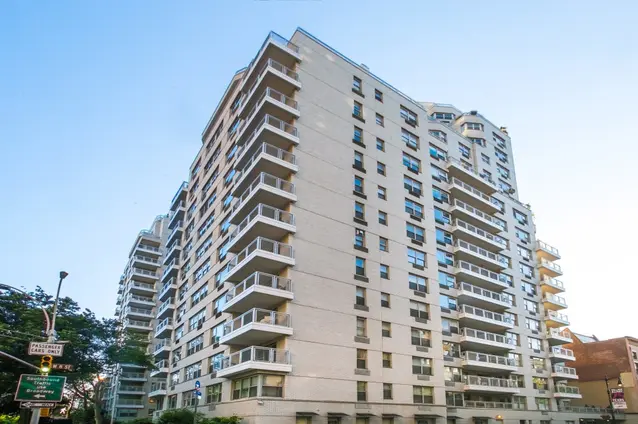
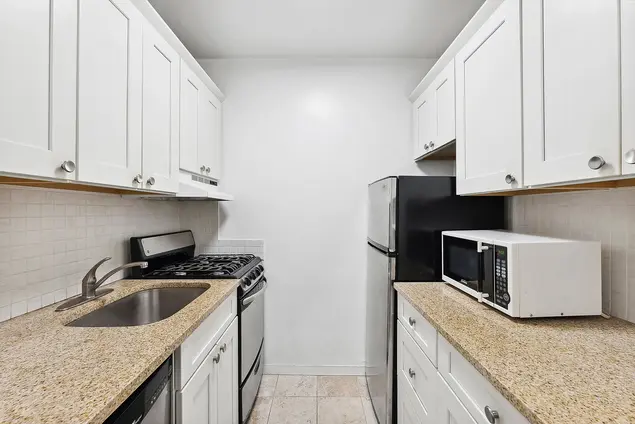
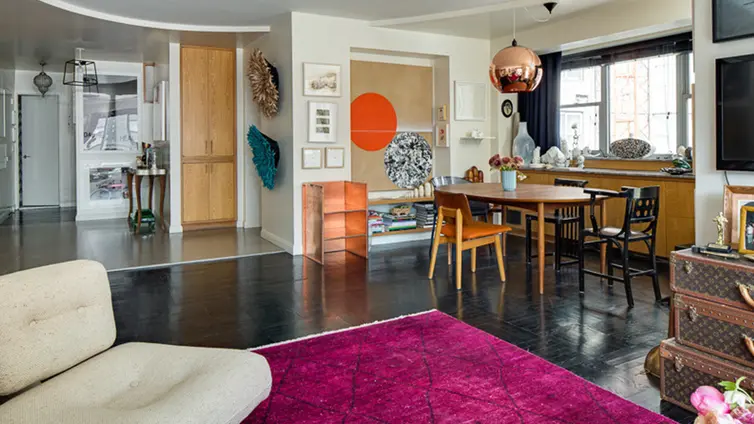
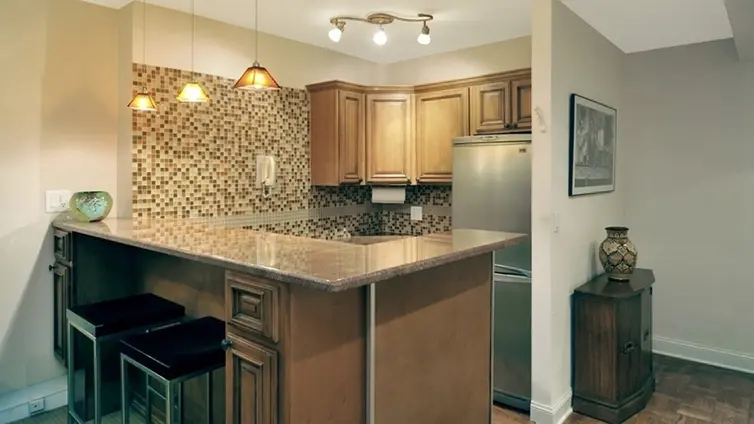
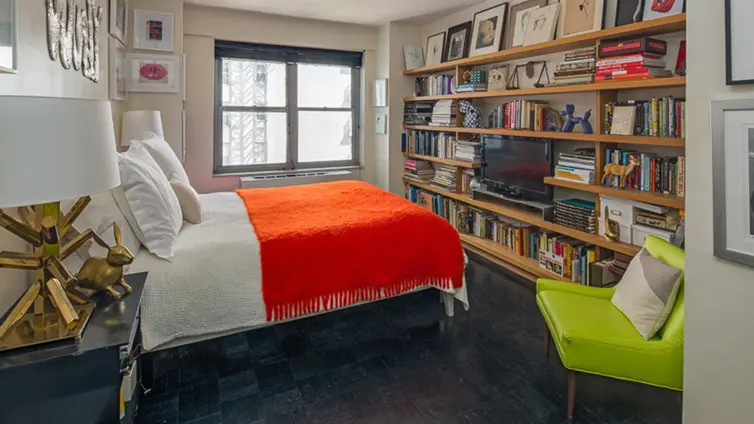
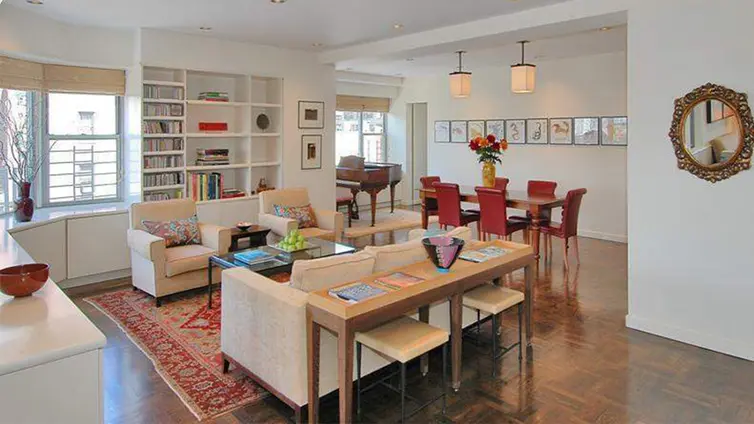
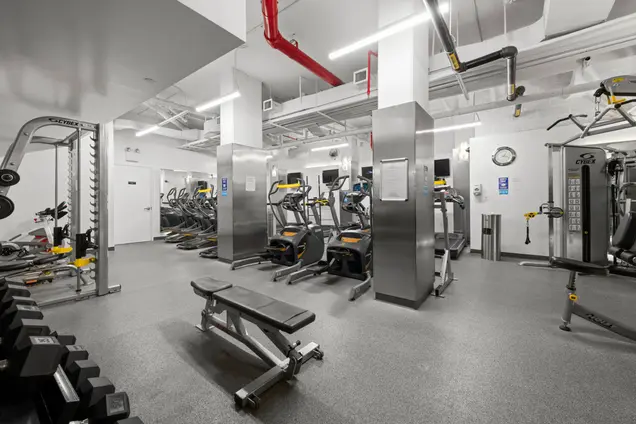
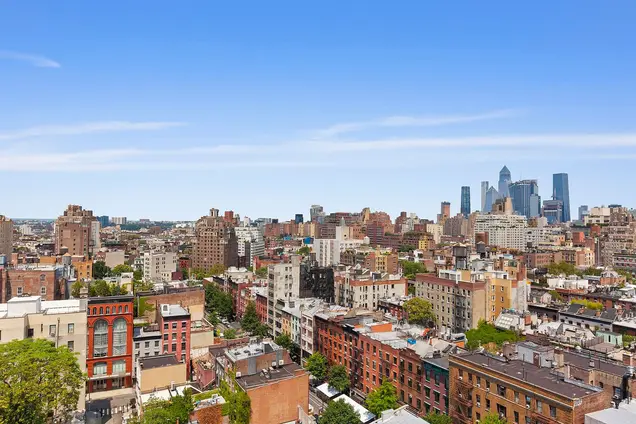
2 Fifth Avenue is a 20-story post-war cooperative with 343 units located on the north corner of Washington Square Park, offering various amenities and services to residents. The building allows pets, has recently renovated common areas, and is situated in Greenwich Village near excellent dining, shopping, and cultural attractions.

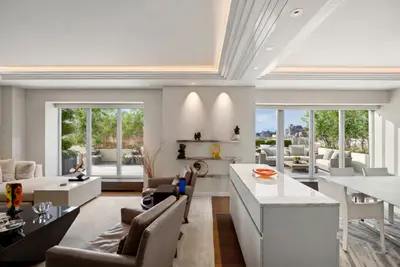
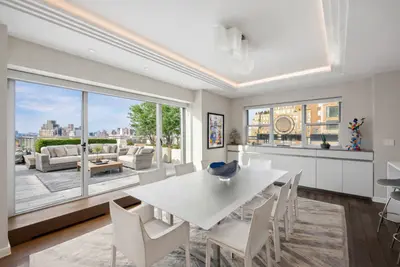
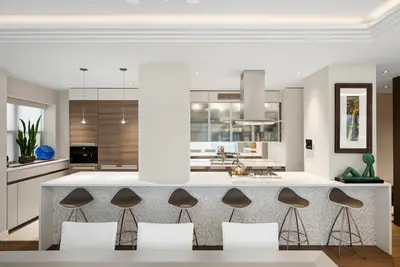
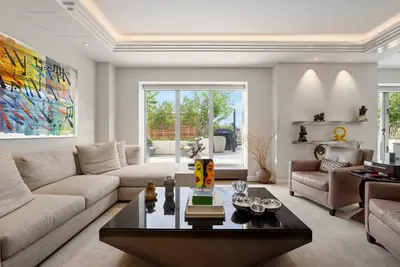
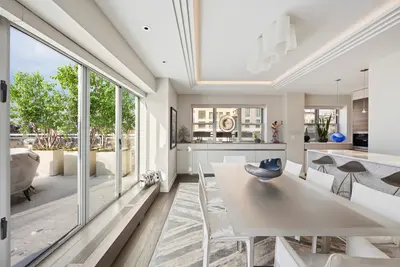
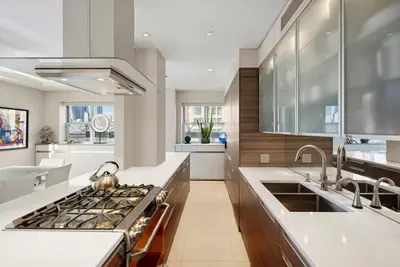
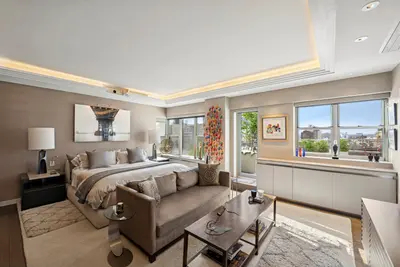
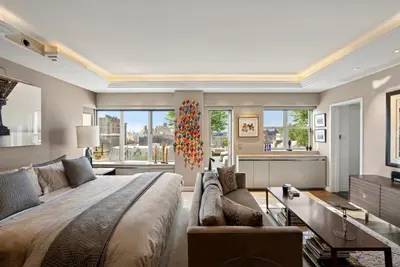
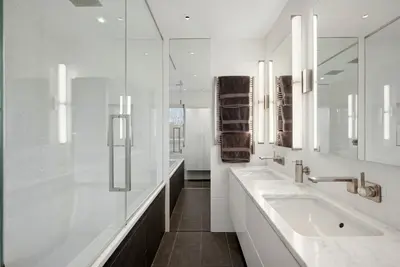
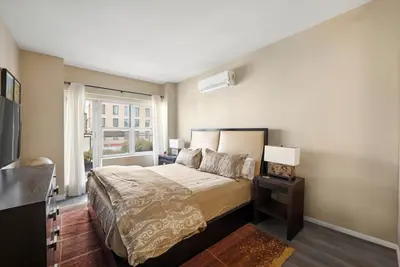
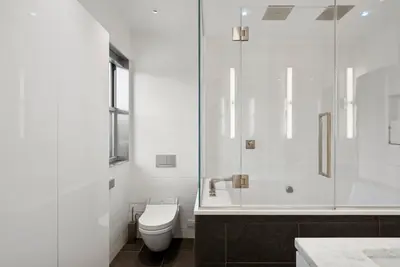
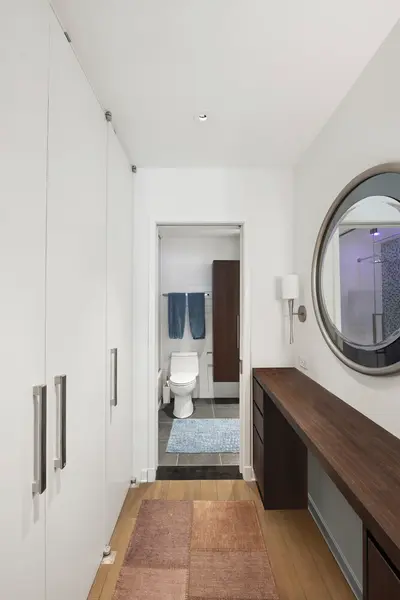
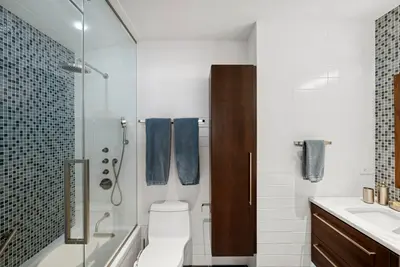
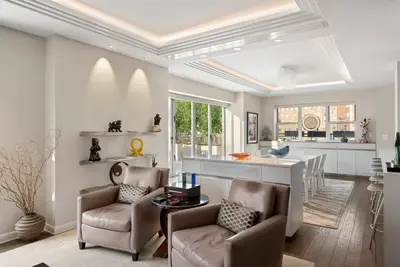
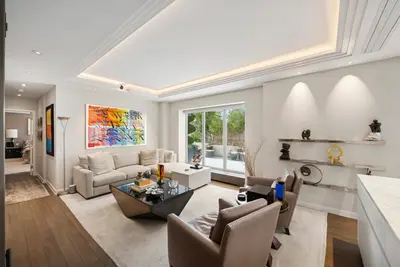
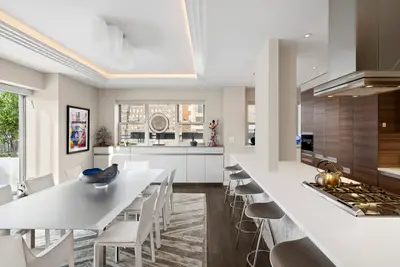
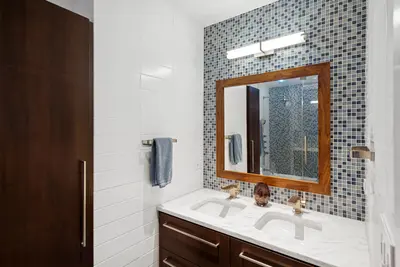
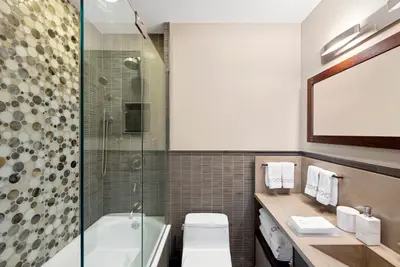
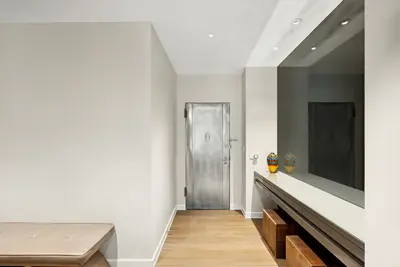
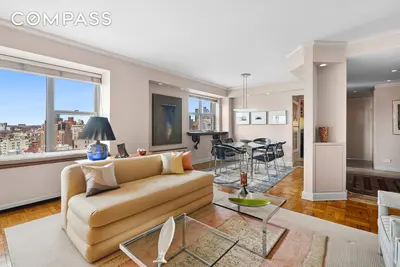
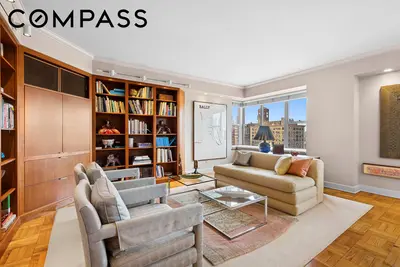
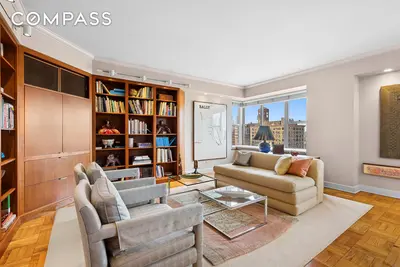
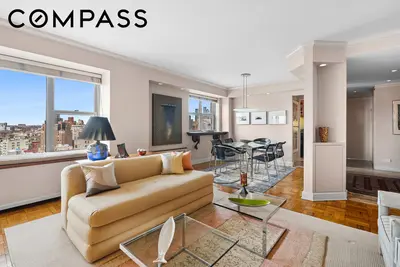
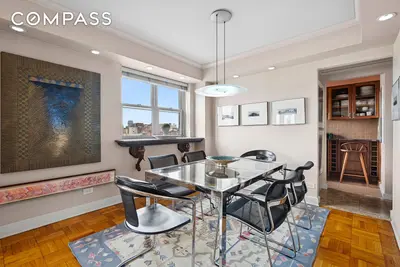
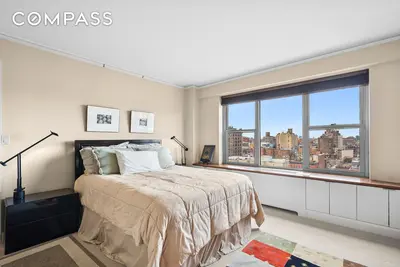
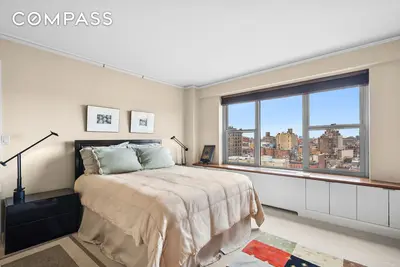
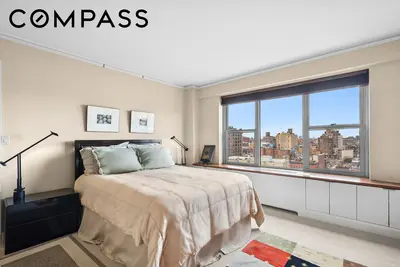
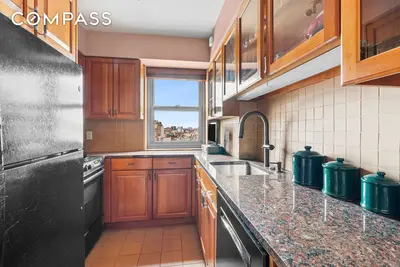
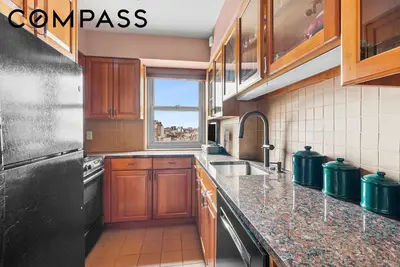
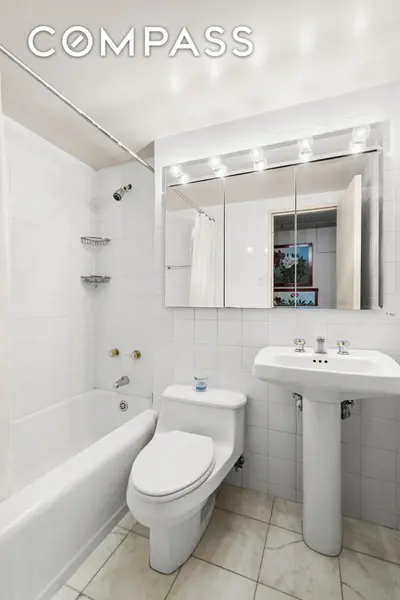
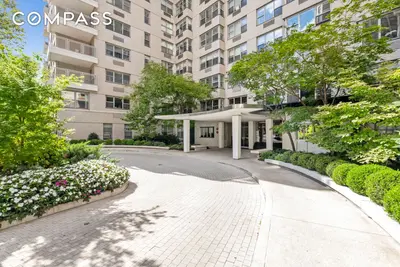
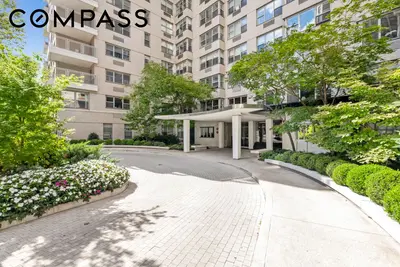
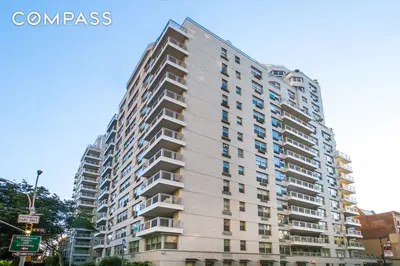
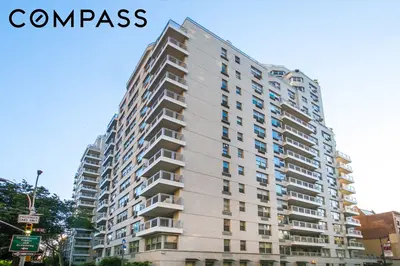
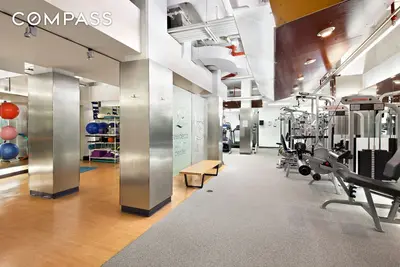
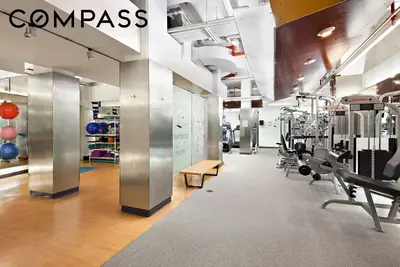
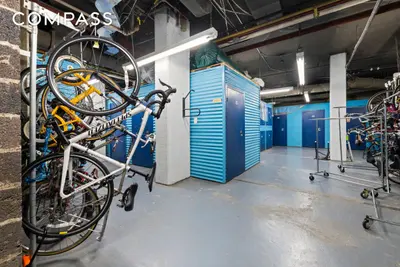
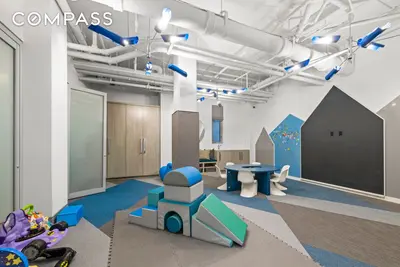
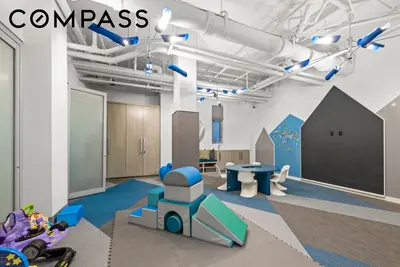
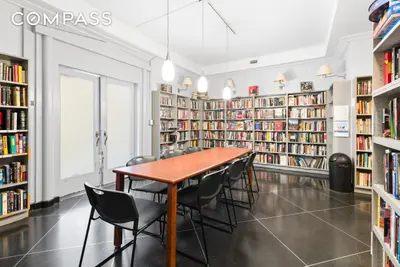
2 Fifth Avenue is a distinguished 20-story cooperative building designed by the renowned architectural firm Emery Roth & Sons, prominently located at the northern corner of Washington Square Park in Greenwich Village. This iconic structure, which houses 343 units, is celebrated for its blend of modern amenities and historic charm, making it a coveted residence in one of New York City's most vibrant neighborhoods.
The building's construction was a significant event in the 1950s, sparking community debate over the preservation of the Rhinelander brownstones that previously occupied the site. The developer, Samuel Rudin, faced considerable opposition from local residents and civic organizations, leading to a compromise that resulted in the building's unique design, which includes a low-rise wing that harmonizes with the surrounding architecture.
The architectural design features a striking gray brick façade with subtle modulations, and the building's bulk is thoughtfully set back from the street, allowing for a more inviting streetscape. The interior layouts vary, with many units offering private outdoor spaces and expansive views of the park and city skyline.
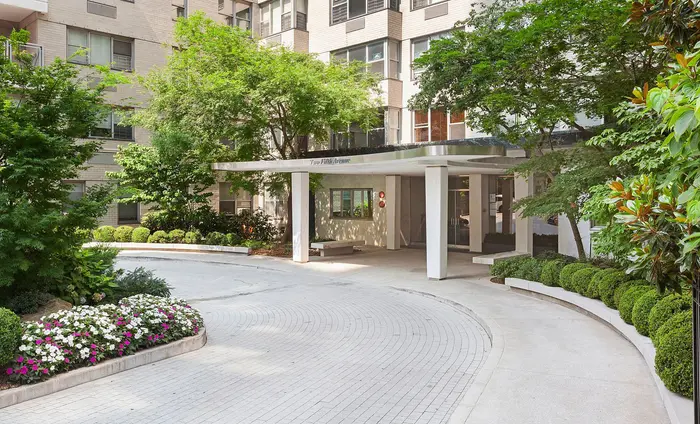
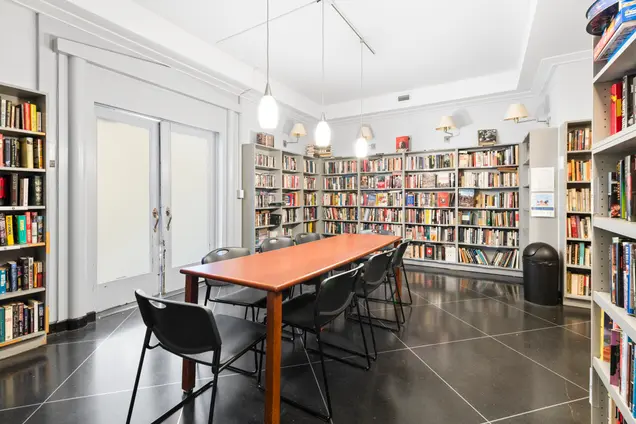
Recent renovations have modernized the common areas while preserving the building's classic appeal, reflecting the cooperative's commitment to resident comfort and aesthetic integrity. The building features a range of amenities, including a 24-hour doorman, live-in resident manager, health club, children's playroom, and a landscaped semi-circular driveway, enhancing the living experience for its residents.
2 Fifth Avenue is pet-friendly and allows for various purchasing arrangements, including pied-a-terres and co-purchasing, making it particularly attractive to families and professionals alike. The building's prime location offers immediate access to a wealth of dining, shopping, and cultural attractions, as well as convenient transportation options.
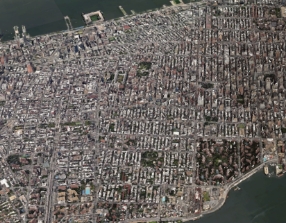
View school info, local attractions, transportation options & more.
Experience amazing 3D aerial maps and fly throughs.
For some co-ops, instead of price per square foot, we use an estimate of the number of rooms for each sold apartment to chart price changes over time. This is because many co-op listings do not include square footage information, and this makes it challenging to calculate accurate square-foot averages.
By displaying the price per estimated room count, we are able to provide a more reliable and consistent metric for comparing sales in the building. While we hope that this gives you a clearer sense of price trends in the building, all data should be independently verified. All data provided are only estimates and should not be used to make any purchase or sale decision.

 6sqft delivers the latest on real estate, architecture, and design, straight from New York City.
Like us on Facebook to keep up with the trends and
6sqft delivers the latest on real estate, architecture, and design, straight from New York City.
Like us on Facebook to keep up with the trends and 