- Apartments
- Overview & Photos
- Maps
- Building Specialists
- Floorplans
- Sales Data & Comps
- Similar Buildings
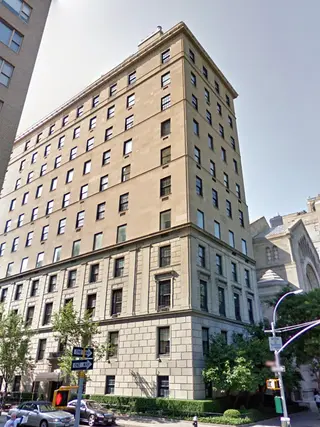
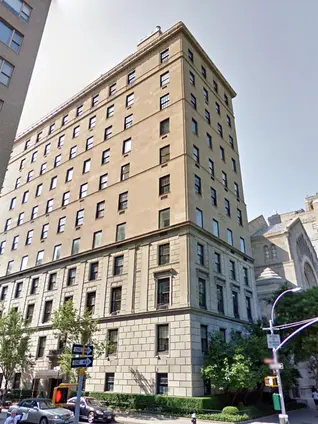
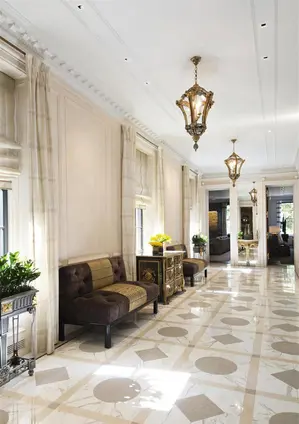
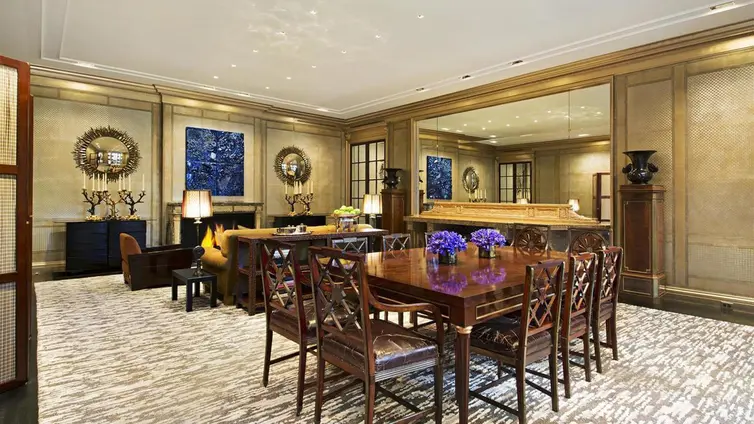
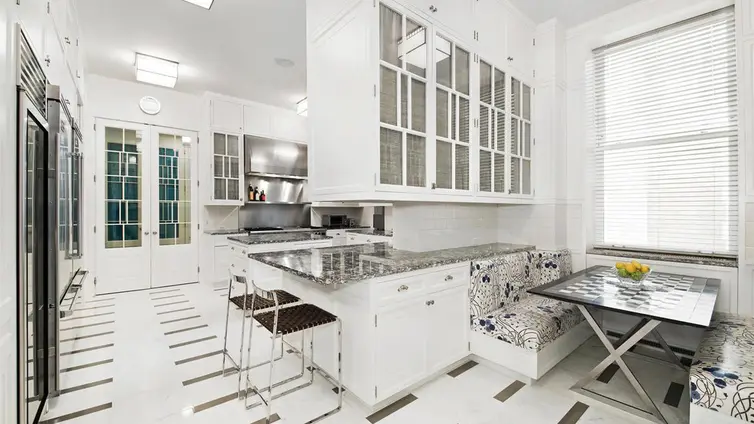
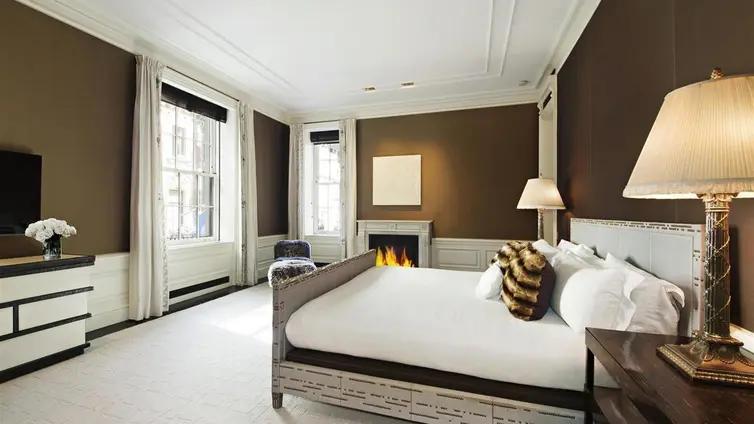
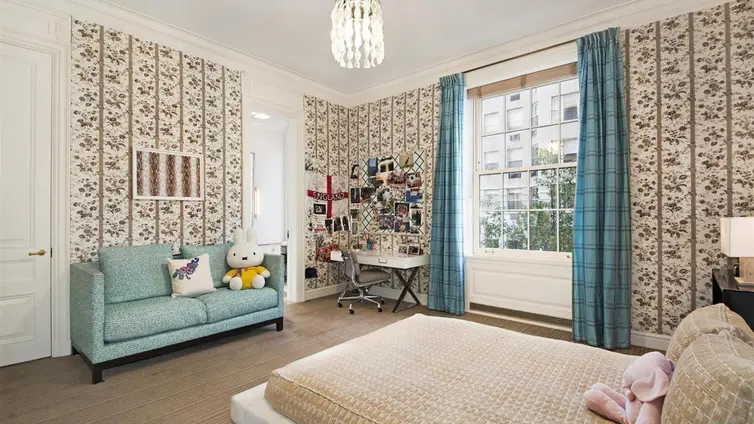
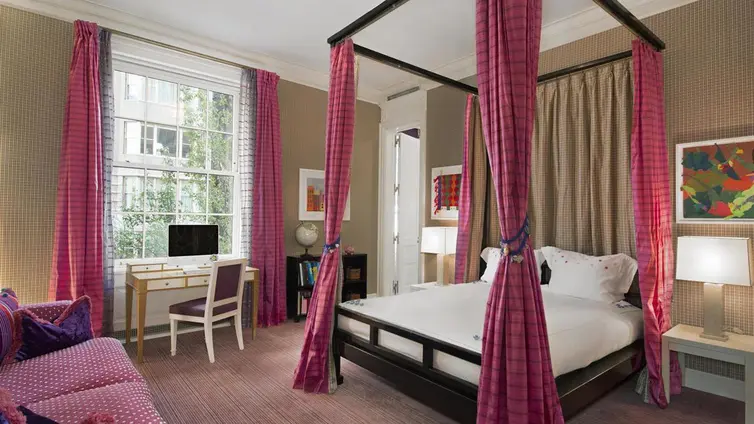
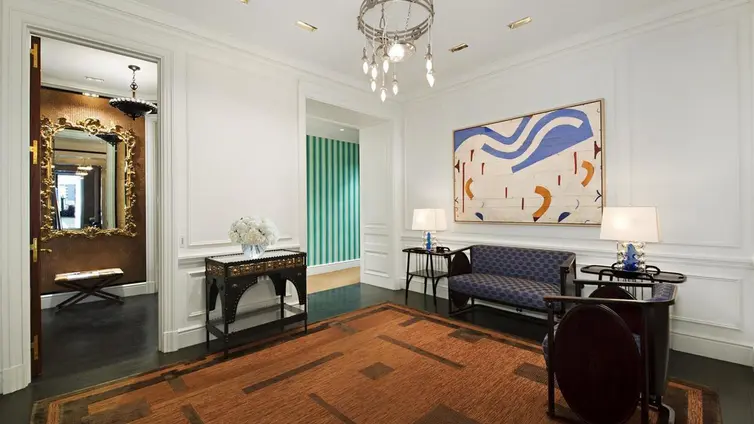
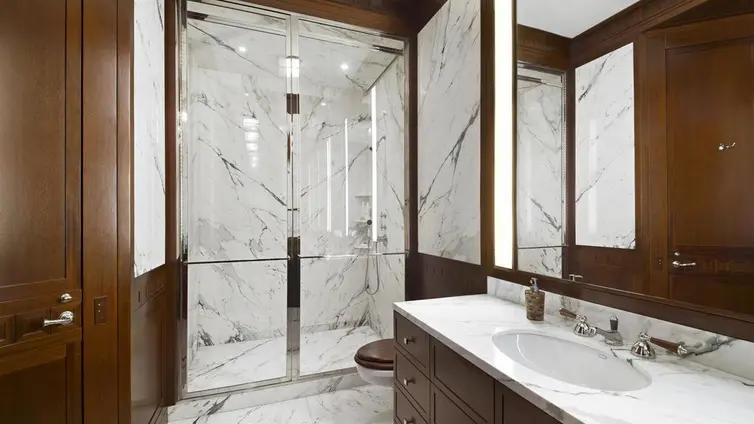
This 11-story limestone cooperative apartment building at 4 East 66th Street is relatively plain externally but has substantial internal glories. Originally featuring one 18-room apartment per floor, the building has only 18 apartments and was designed by J. E. R. Carpenter for William Henry Barnum.

Completed in 1920 and designed by J.E.R. Carpenter with Cross & Cross as associated architects, 4 East 66th Street is an 11-story limestone co-op on the southeast corner of Fifth Avenue and 66th Street, directly north of Temple Emanu-El. The building originally contained just 18 apartments, with one full floor residence per level, each comprising 18 rooms. Though a few apartments were later subdivided following its completion, the building retains its reputation as one of Manhattan's most distinguished white glove cooperatives. Carpenter, who designed over a dozen important Fifth Avenue buildings, created this structure at a pivotal moment in the avenue's history, successfully challenging height restrictions that had protected the era of grand family mansions. The building was converted to a co-op in 1949.
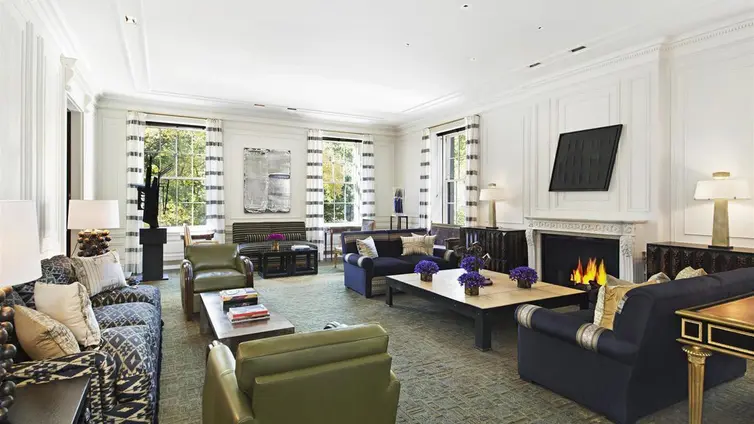
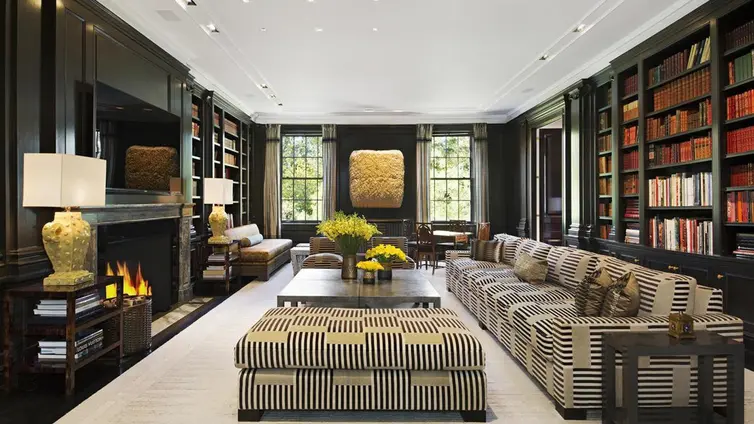
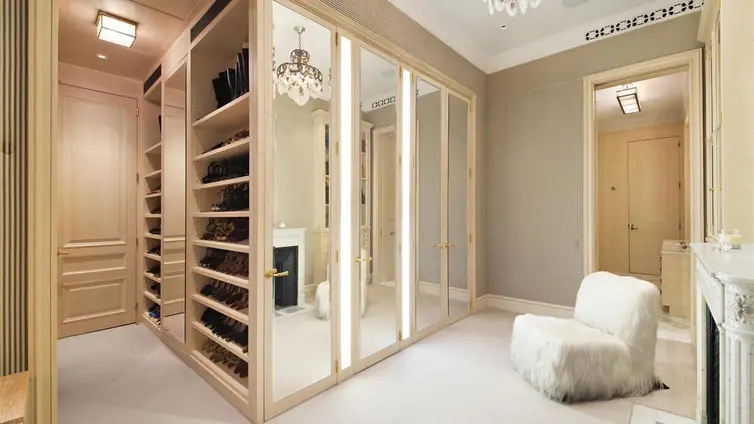
The full floor apartments are defined by their extraordinary scale and Central Park views. Ceilings soar to 11 to 13 feet, and the principal entertaining rooms typically span the entire Fifth Avenue frontage, with living rooms and libraries stretching up to 50 feet combined. Most apartments feature five wood burning fireplaces, 37-foot entrance galleries with south facing windows, and formal dining rooms with wood burning fireplaces and Juliet balconies. Originally, each apartment included seven servants' rooms. Many residences have been renovated by world renowned architect and interior designer Peter Marino, combining the building's original 1920s architectural details with contemporary luxury. Common features include marble kitchens with breakfast rooms, multiple bedroom suites with en suite bathrooms, staff quarters, laundry rooms, and gyms or playrooms.
The building's resident roster has included financier Bernard Baruch, who lived on the second floor for many years, as well as Paul Allen (Microsoft co-founder), Veronica Hearst, Millicent Hearst, Ace Greenberg (Bear Stearns), Charles Lindbergh and Anne Morrow, Sid Bass, Ezra Silkha, and Chase Coleman of Tiger Global Management. The building's relatively plain limestone façade, with rusticated stone on the bottom four floors and a balustraded bandcourse above the tenth floor, belies the splendor of the residences within.
The building offers full time doorman and concierge service, is pet friendly, and provides private storage for shareholders. However, it has no garage, health club, or roof deck. There is considerable traffic in the area as 66th Street at this location is a cross town bus route. One listing notes a ground floor guest apartment that transfers with a particular sale, configured as a spacious studio with distinct bedroom and living room areas.
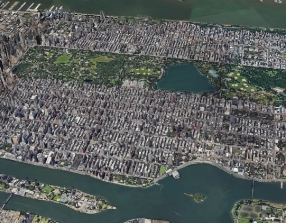
View school info, local attractions, transportation options & more.
Experience amazing 3D aerial maps and fly throughs.
For some co-ops, instead of price per square foot, we use an estimate of the number of rooms for each sold apartment to chart price changes over time. This is because many co-op listings do not include square footage information, and this makes it challenging to calculate accurate square-foot averages.
By displaying the price per estimated room count, we are able to provide a more reliable and consistent metric for comparing sales in the building. While we hope that this gives you a clearer sense of price trends in the building, all data should be independently verified. All data provided are only estimates and should not be used to make any purchase or sale decision.
Notable past and present residents at 4 East 66th Street

 6sqft delivers the latest on real estate, architecture, and design, straight from New York City.
Like us on Facebook to keep up with the trends and
6sqft delivers the latest on real estate, architecture, and design, straight from New York City.
Like us on Facebook to keep up with the trends and 