- Apartments
- Overview & Photos
- Maps
- Building Specialists
- Floorplans
- Sales Data & Comps
- Similar Buildings
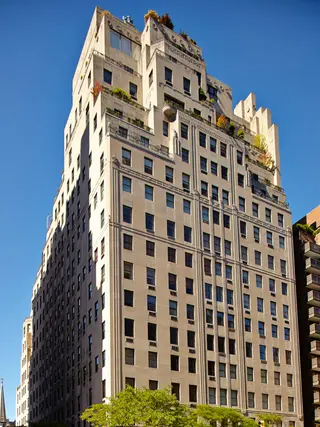
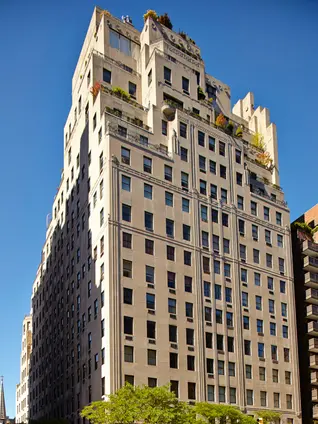

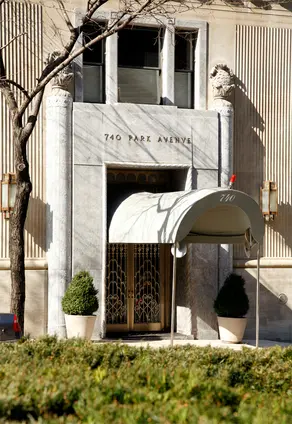
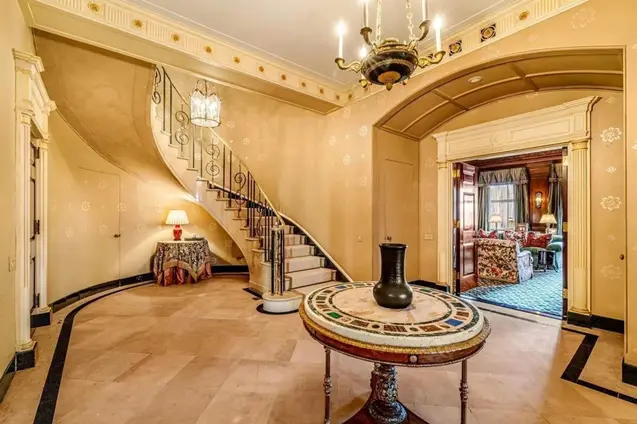
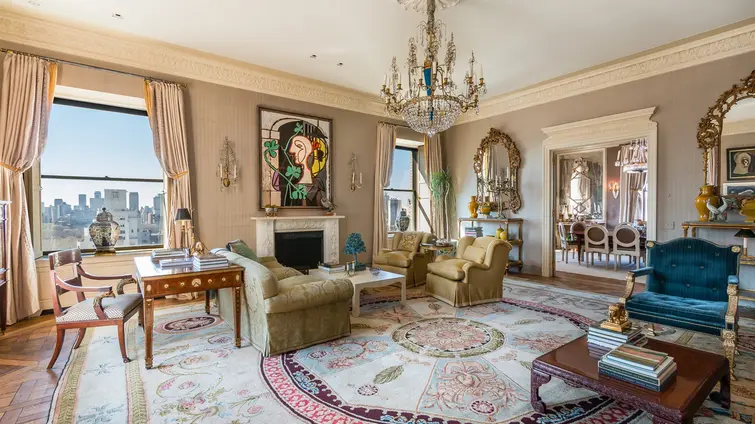
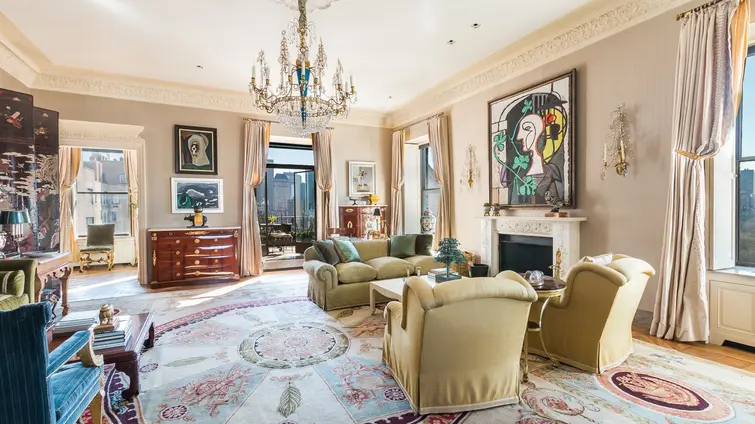
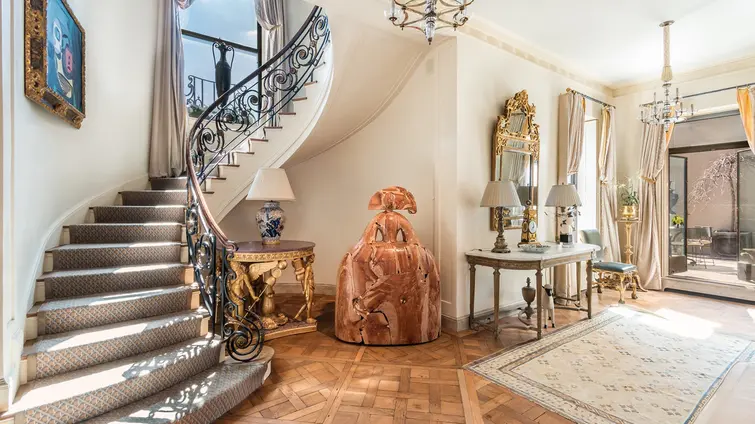
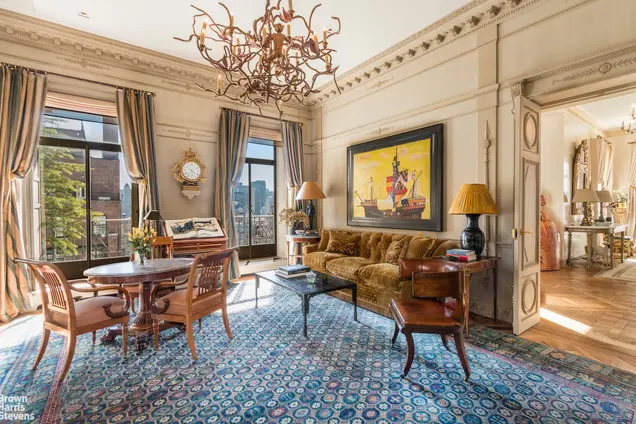
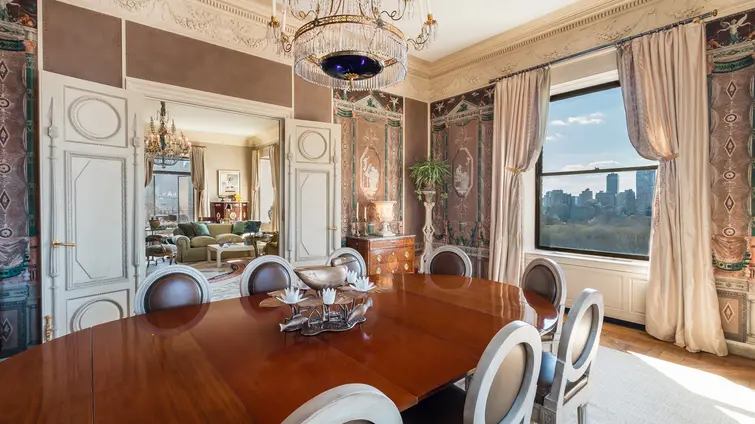
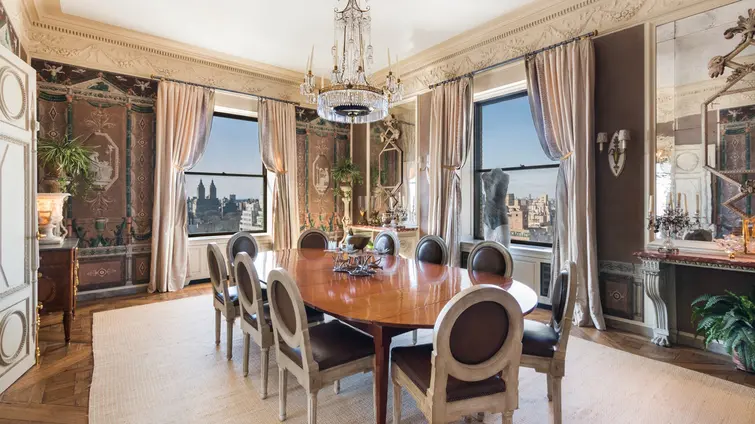


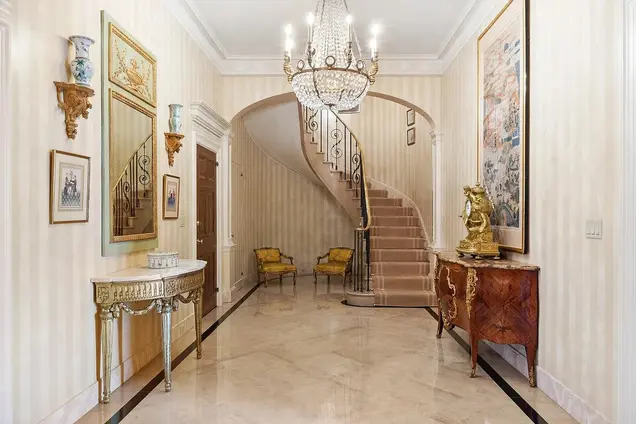
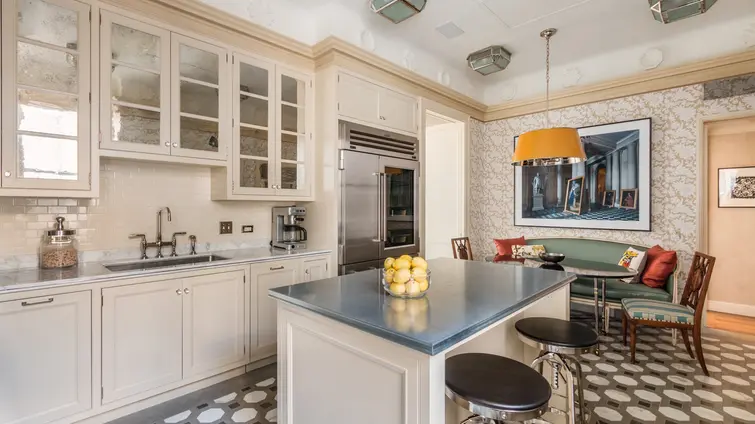
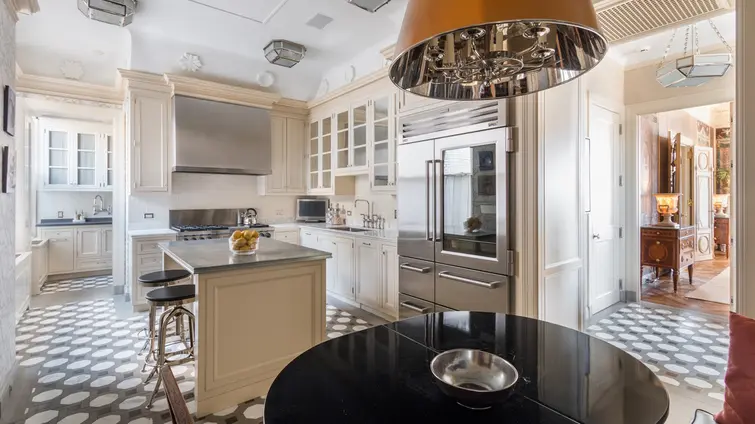
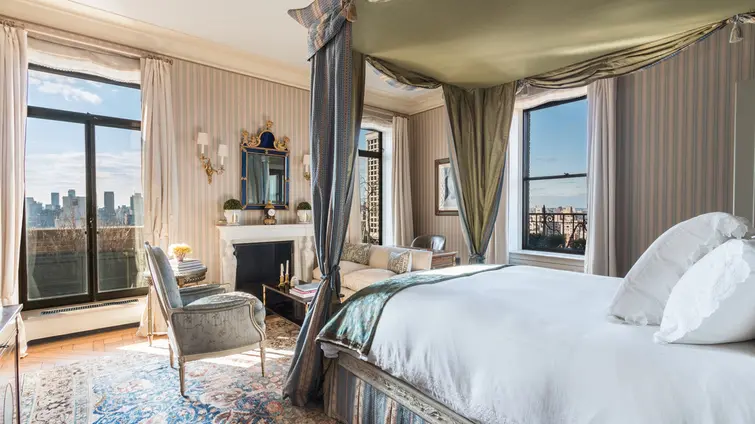

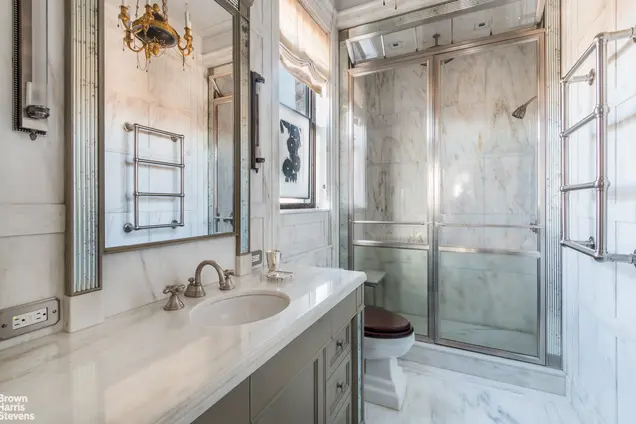
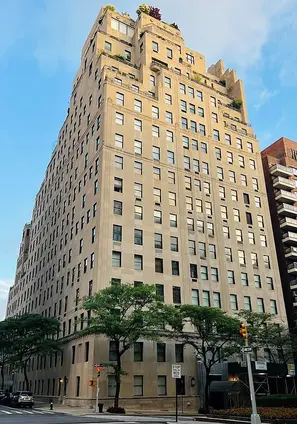
740 Park Avenue is a prestigious pre-war co-op building known as a 'Tower of Power' and one of the world's most coveted addresses. Completed in 1929, the limestone-clad edifice has attracted high-profile residents and offers exceptional amenities including a full-service staff, fitness center, and private storage.

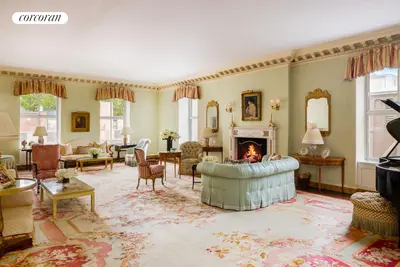
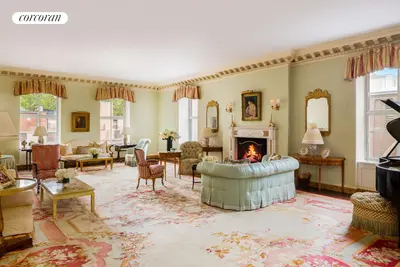
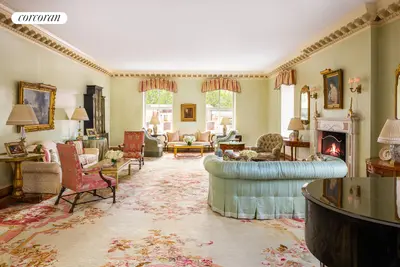
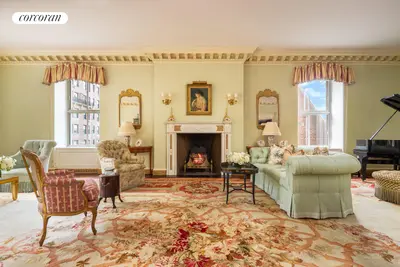
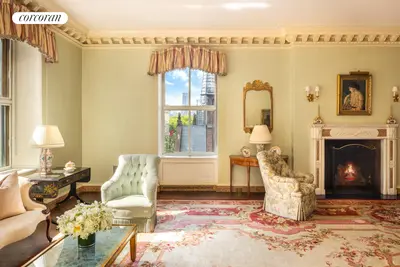
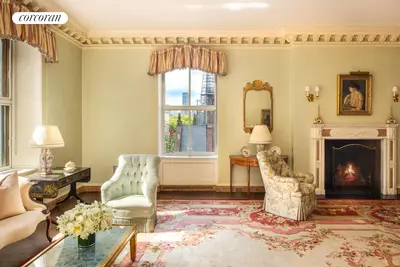
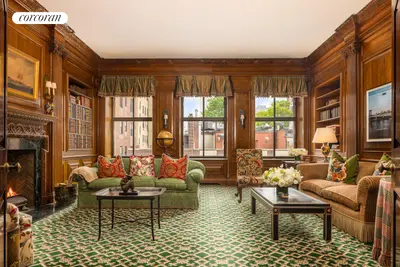
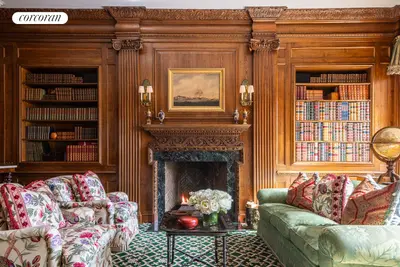
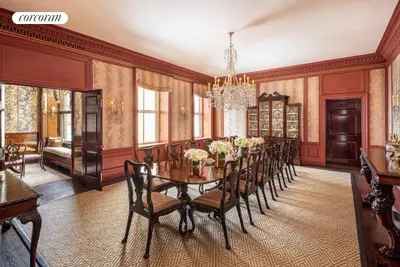
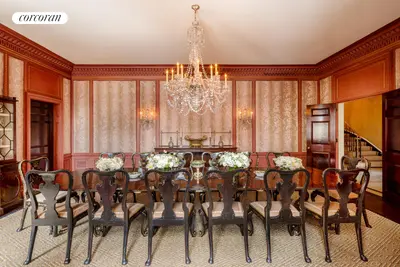
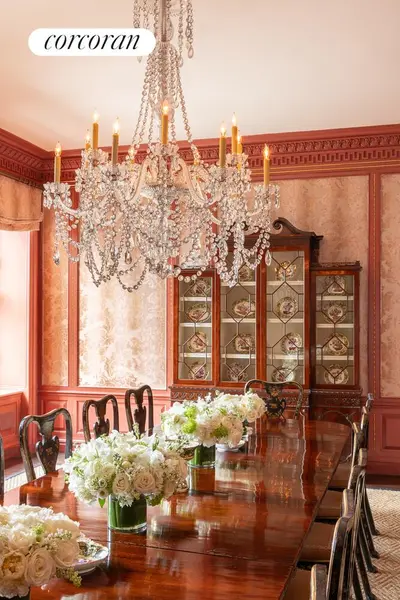
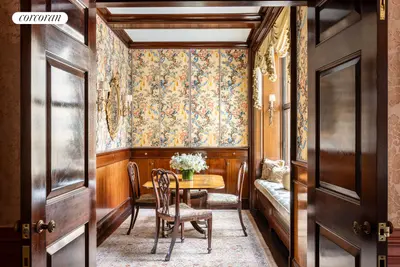
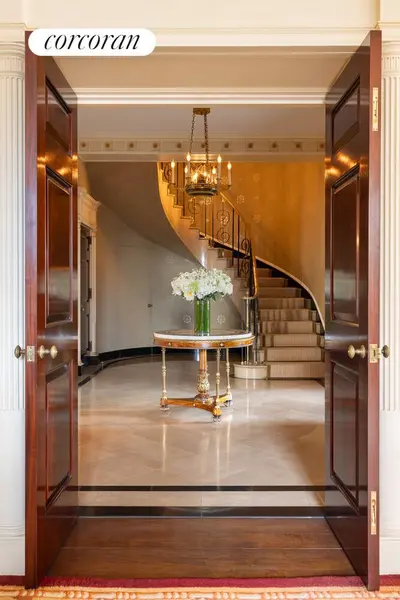
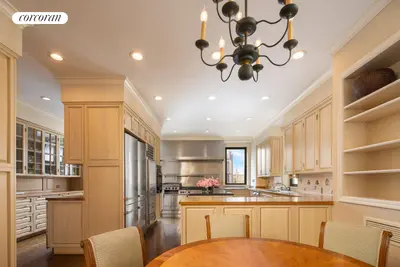
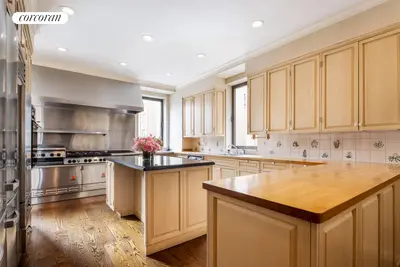
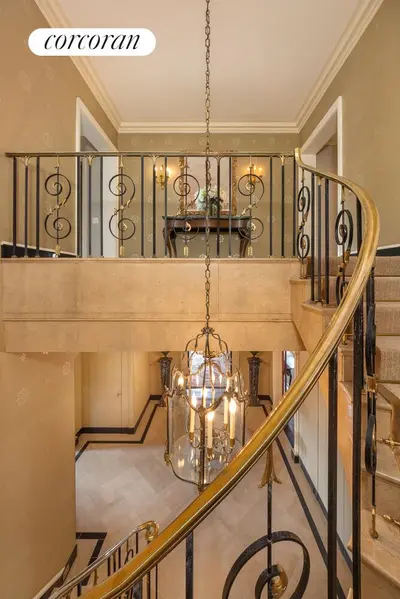
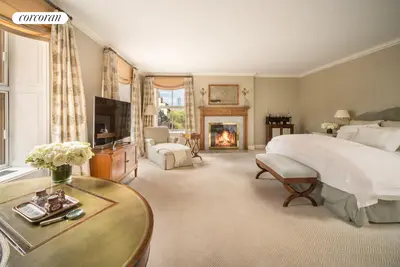
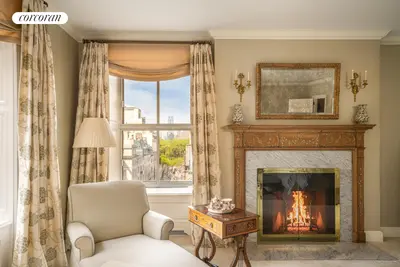
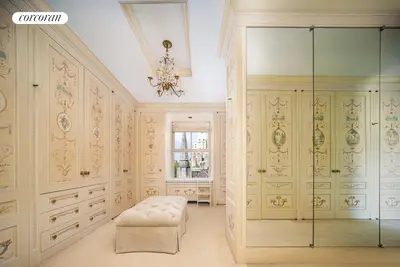
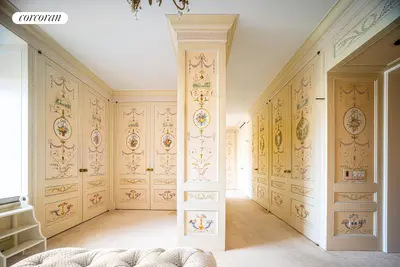
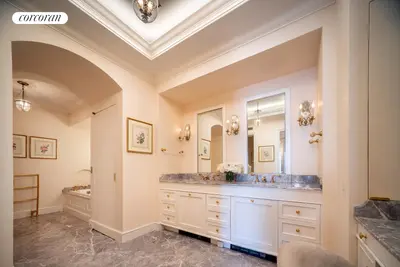
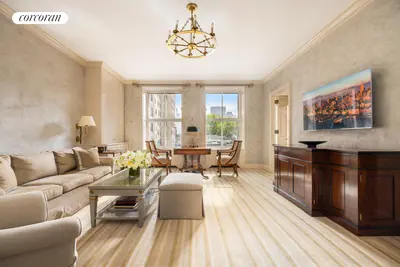
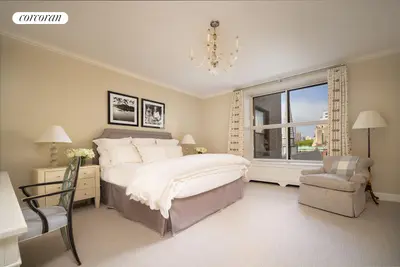
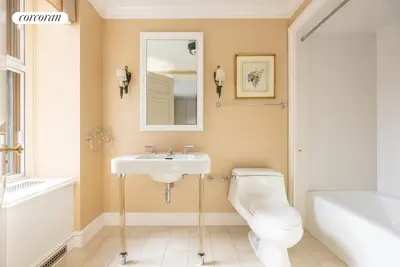
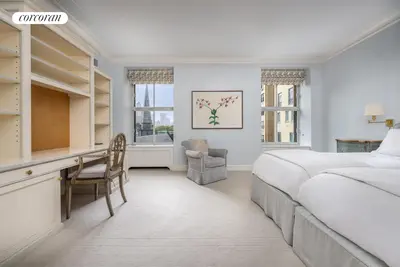
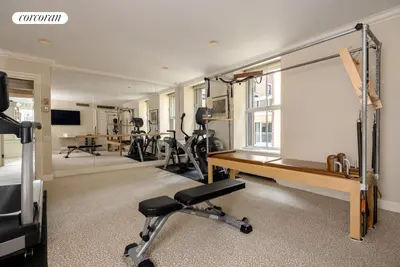
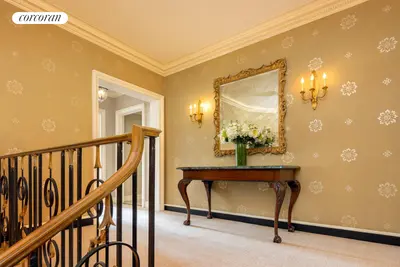
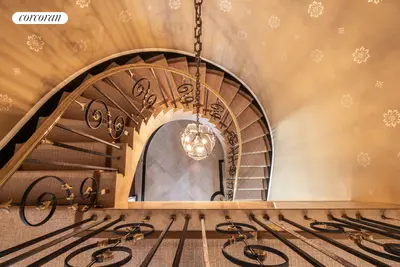
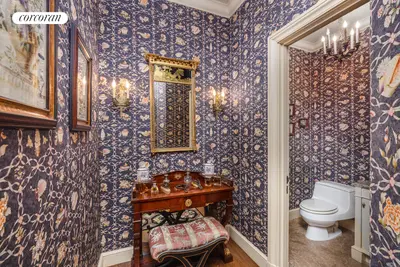
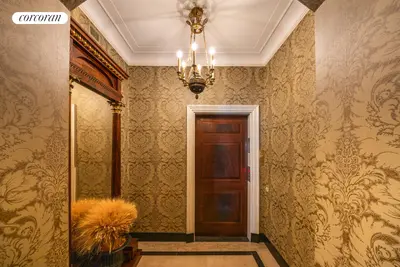
740 Park Avenue, completed in 1929, stands as one of New York City's most prestigious residential addresses. Designed by renowned architects Rosario Candela and Arthur Loomis Harmon, this 19-story, 31-unit limestone-clad building was developed by James T. Lee, grandfather of Jacqueline Kennedy Onassis, on the site of his own private house.
The building's history took a significant turn when John D. Rockefeller Jr. purchased it from William Zeckendorf in 1952, subsequently converting it to a cooperative in 1953 for $3.8 million. Rockefeller himself occupied a triplex apartment that was later reconfigured as a duplex.
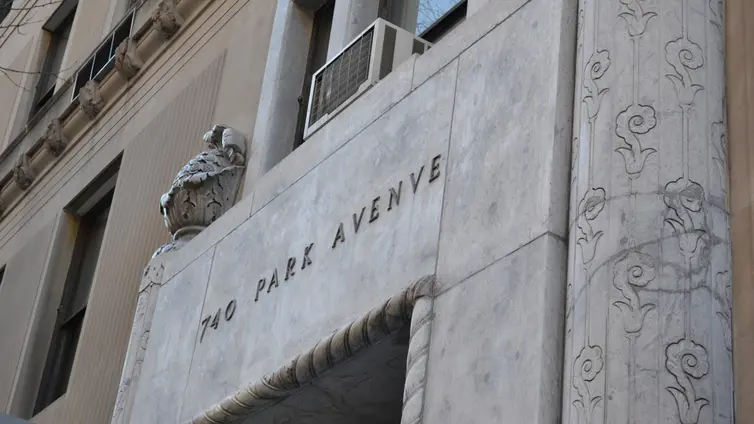
Architecturally, the building is distinguished by its Art Deco influences, featuring fluted pilasters, peacock balcony railings, cartouches, and an impressive granite entrance. The structure demonstrates Candela's signature approach to design, emphasizing both functionality and luxury, with most units configured as duplexes.
The building has housed an extraordinary roster of residents including Jacqueline Kennedy Onassis, John D. Rockefeller Jr., Stephen Schwarzman, Henry Kravis, David Koch, Vera Wang, and numerous other notable figures from finance, industry, and society. This concentration of wealth and influence led to Michael Gross's 2005 book dubbing it "The World's Richest Apartment Building."
Typical apartments feature grand proportions with ceiling heights reaching 11 feet, multiple wood-burning fireplaces, and elegant pre-war details. The building's floor plans are considered among Candela's finest work, with some units spanning over 8,500 square feet.
Residents enjoy white-glove service with full-time doormen, porters, and a resident manager. Modern amenities include a private fitness center and dedicated storage units, while maintaining its reputation for privacy and discretion that has attracted elite residents for nearly a century.
View school info, local attractions, transportation options & more.
Experience amazing 3D aerial maps and fly throughs.
For some co-ops, instead of price per square foot, we use an estimate of the number of rooms for each sold apartment to chart price changes over time. This is because many co-op listings do not include square footage information, and this makes it challenging to calculate accurate square-foot averages.
By displaying the price per estimated room count, we are able to provide a more reliable and consistent metric for comparing sales in the building. While we hope that this gives you a clearer sense of price trends in the building, all data should be independently verified. All data provided are only estimates and should not be used to make any purchase or sale decision.
Notable past and present residents at 740 Park Avenue






 6sqft delivers the latest on real estate, architecture, and design, straight from New York City.
Like us on Facebook to keep up with the trends and
6sqft delivers the latest on real estate, architecture, and design, straight from New York City.
Like us on Facebook to keep up with the trends and 