|
About Cityspire, 150 West 56th Street
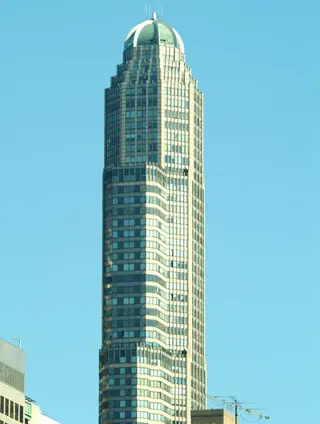
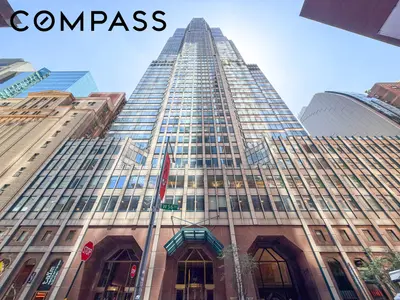
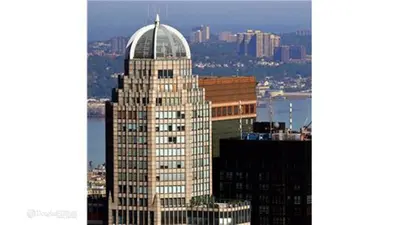
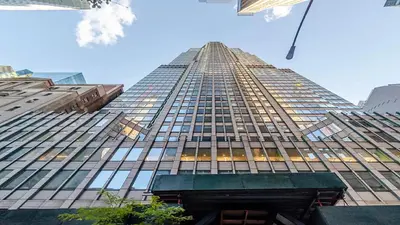
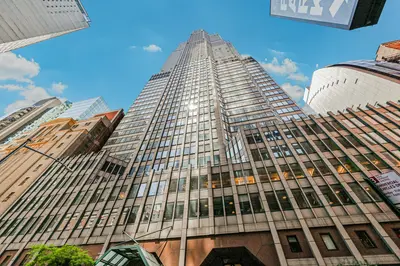
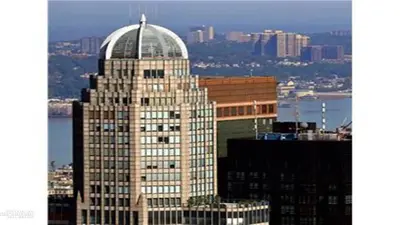
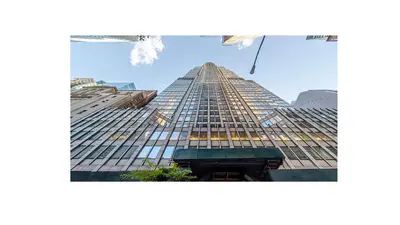
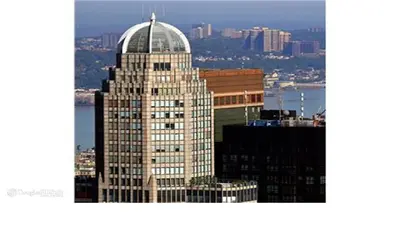
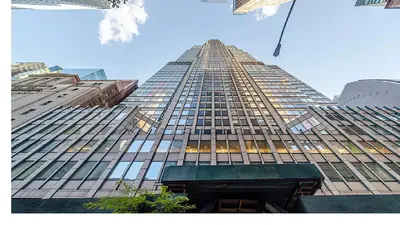
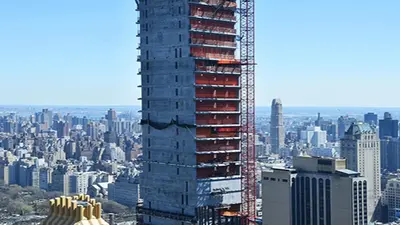
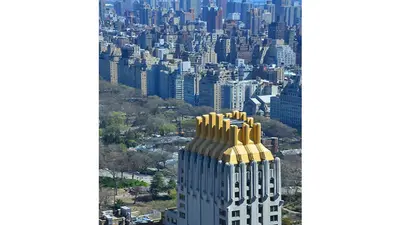
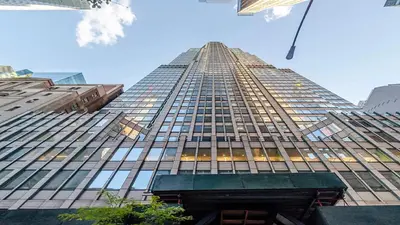
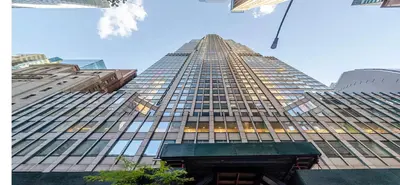
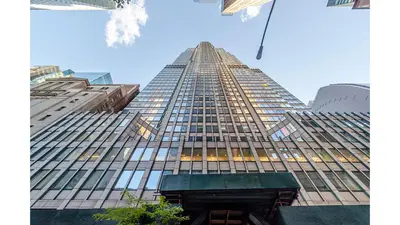
One of the city's most controversial buildings, CitySpire became the city's tallest mixed-use building when it opened in 1988.
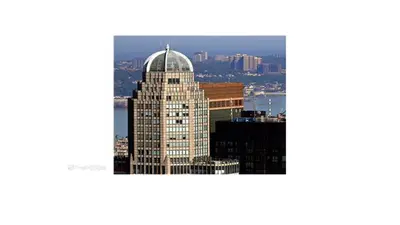
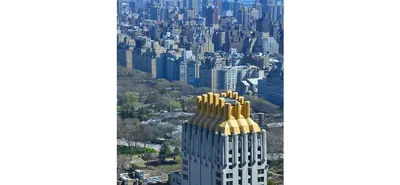
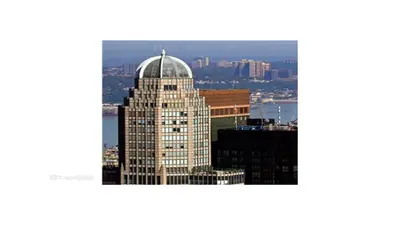
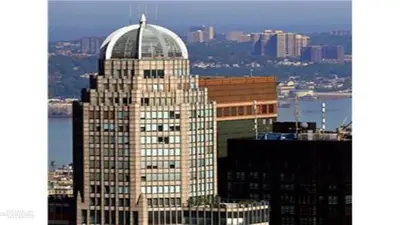
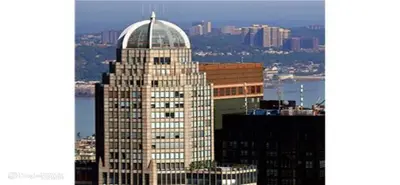
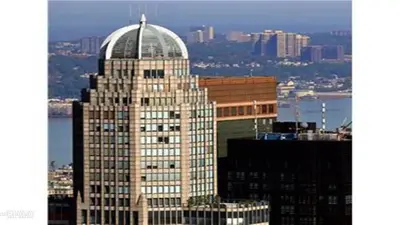
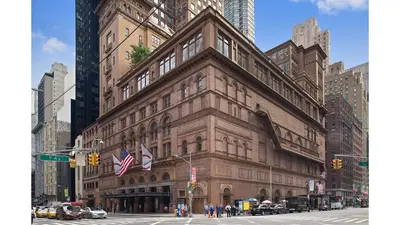
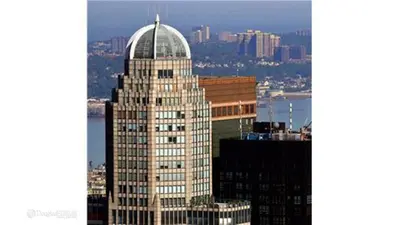
It was designed by Helmut Jahn of Murphy/Jahn, the Chicago-based architect and its slender pinnacle is reminiscent of one of that city's older skyscrapers. Jahn is best known for his high-tech designs, but this was one of his forays into Post-Modernism, at least in its domed top, a reference to the great dome roof of the City Center for The Performing Arts on 55th Street whose air rights were used in the project. (The City Center building was built in 1924 as the Ancient and Accepted Order of the Mystic Shrine and was designed by Harry P. Knowles and Clinton & Russell.)

Jahn is a master architect who invariably experiments with building elements and colors.
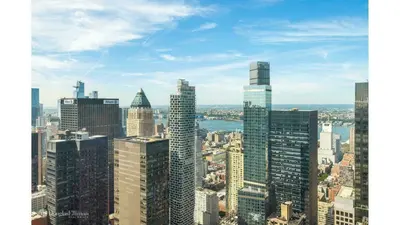
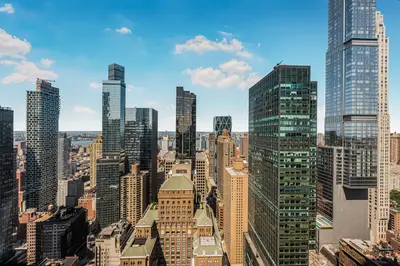
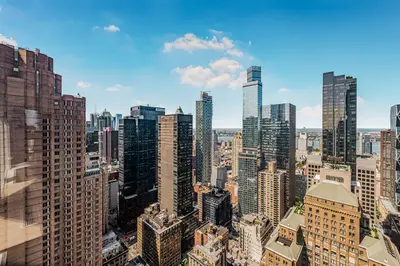
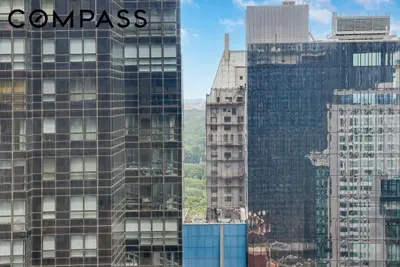
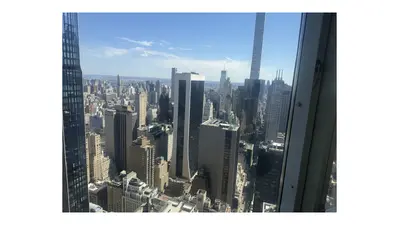
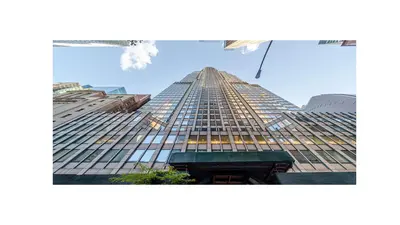
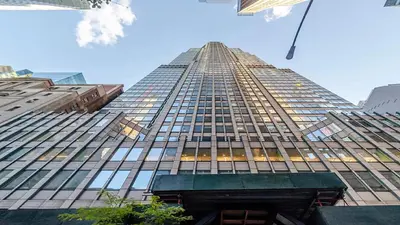
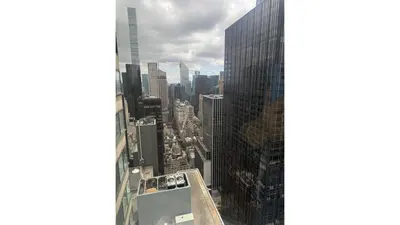
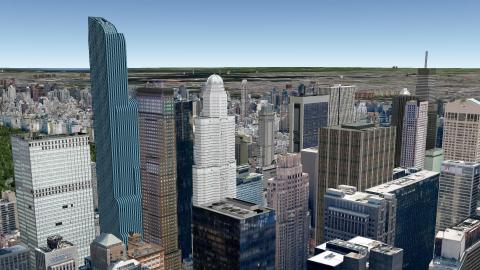
Here, he has mixed angles with purple façade elements in a dizzyingly thin slab tower. The tower's broad-shouldered form is quite powerful, but much of its élan is lost because of its mid-block site directly across from two slightly smaller, but more prominent towers, Carnegie Hall Tower and the Metropolitan Tower, both through-block buildings with major entrances on 57th Street.

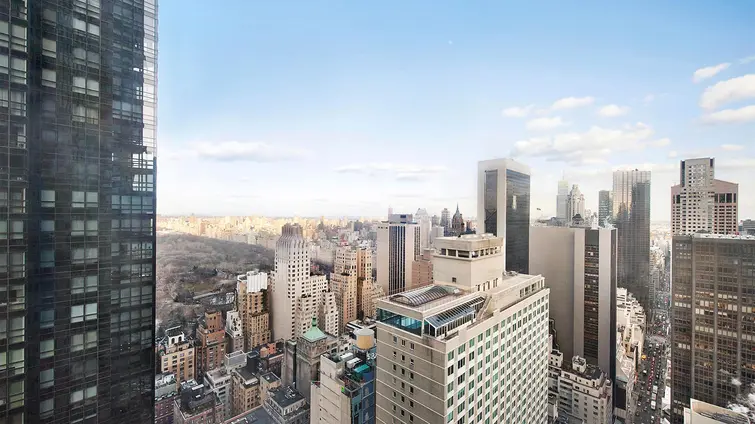
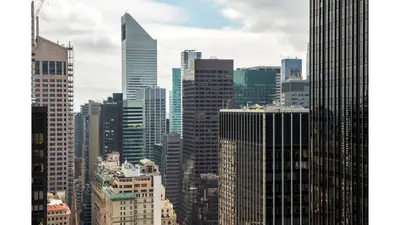
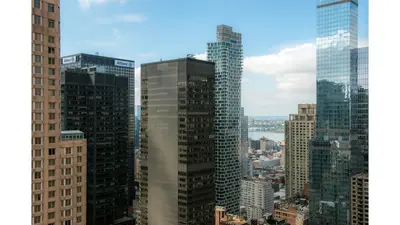
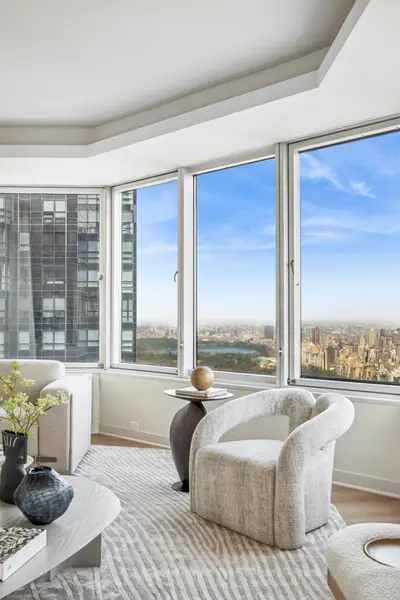
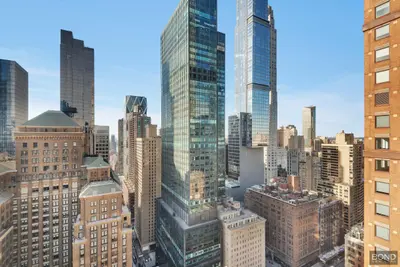
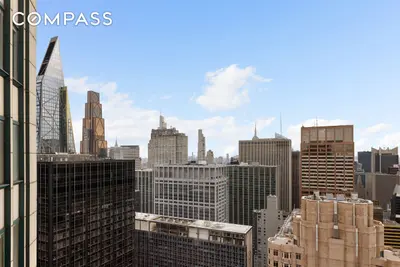
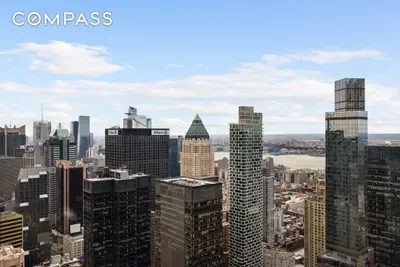
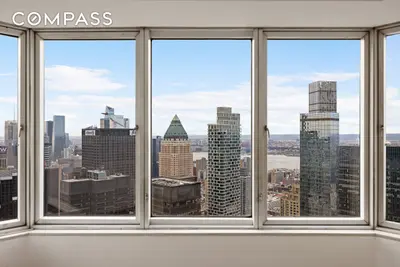
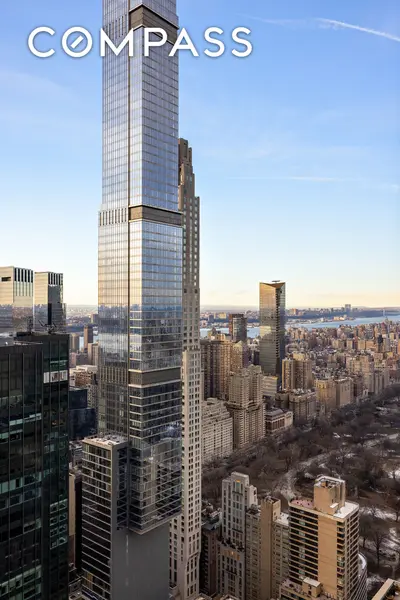
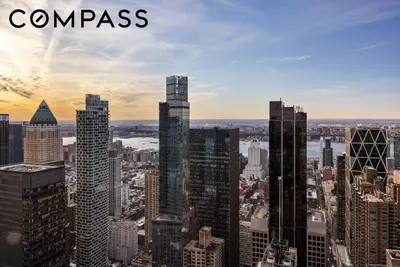
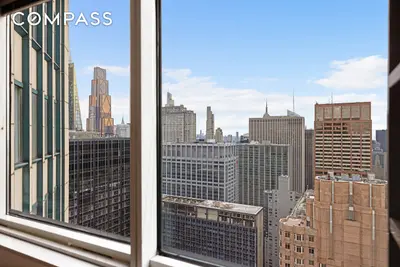
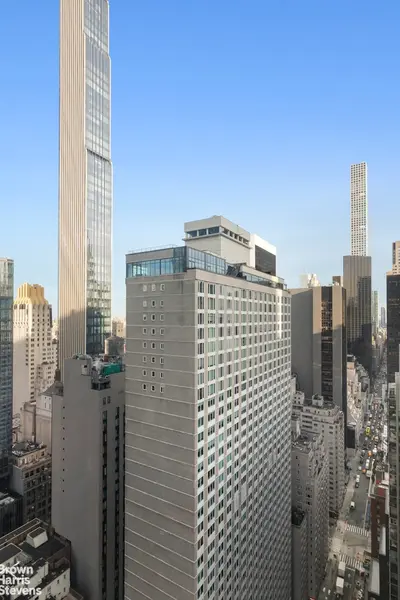
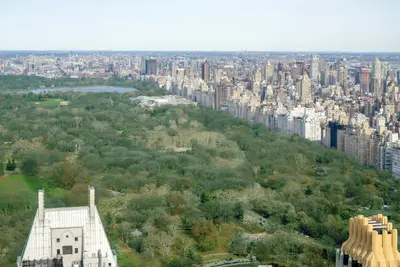
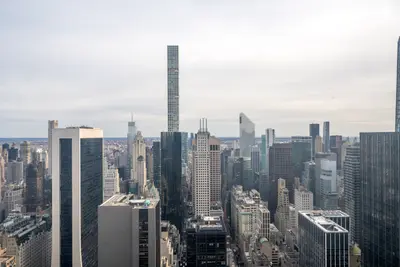
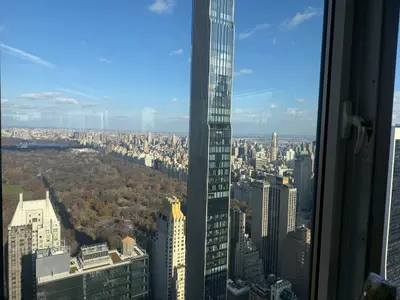
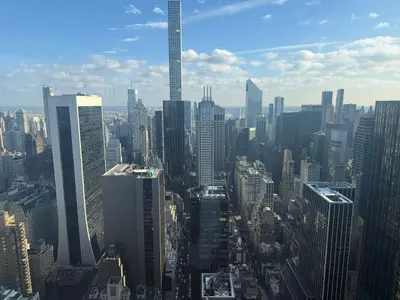
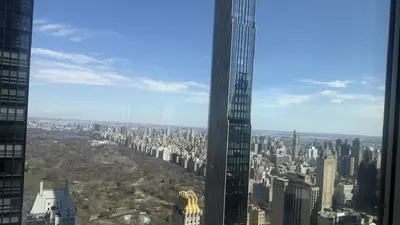
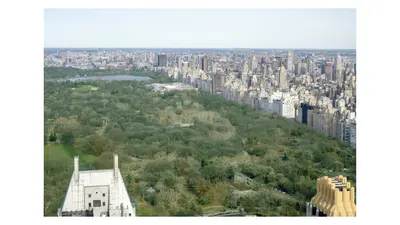
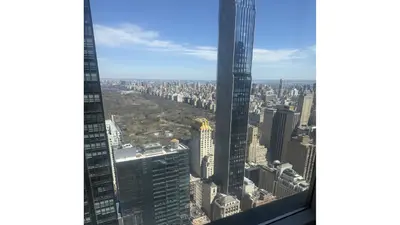
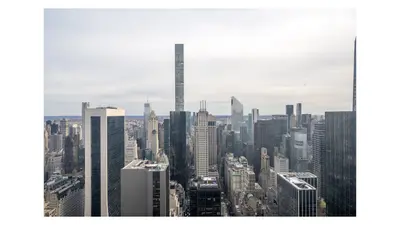
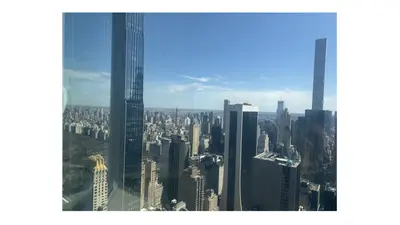
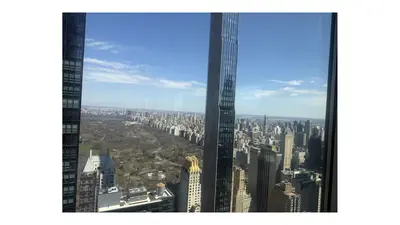
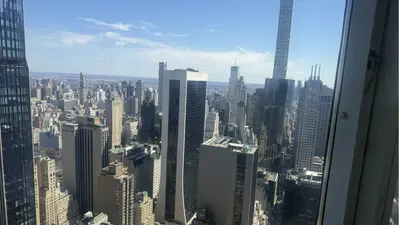
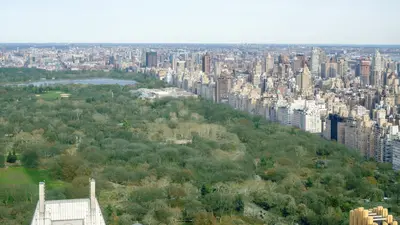
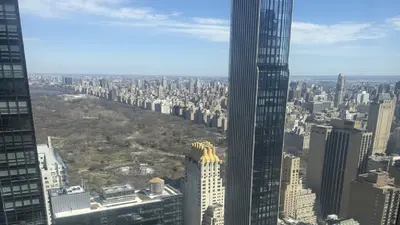
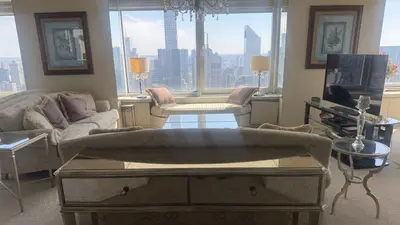
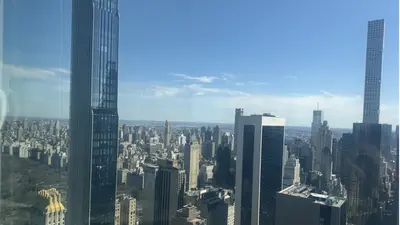
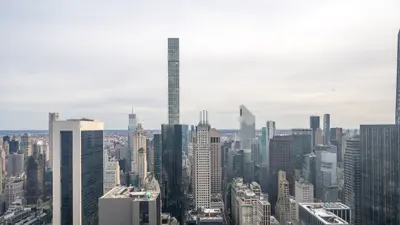
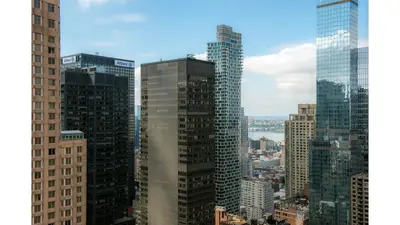
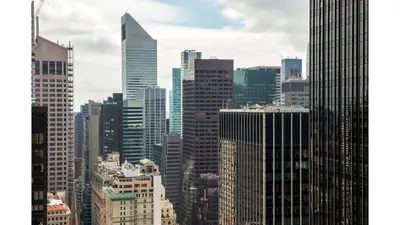
The trio is midtown's most staggering and awesome grouping of skyscrapers and one wonders what in the world planners were doing at the time. Not only are the three towers drastically different from one another, but also they jostle with one another to the detriment of all. Most of the important Central Park views to the north in CitySpire are obstructed significantly by the two other towers.
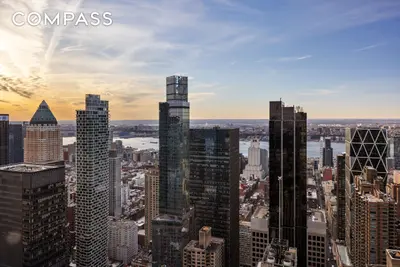
They, in turn, are dwarfed somewhat by CitySpire, the tallest of the three, and they detract and interfere with each other's perspectives from many vantage points. The three would seem more at home in the Wall Street area where vertiginous propinquity is rife. Here, they signaled a shift in the midtown skyline. That shift was not only vertical, but also horizontal as their presence lent great vitality to the westward spread of the Plaza District and its ultimate linkage to the Lincoln Center area once the New York Coliseum site was eventually redeveloped with the Time Warner Center.
While not everyone is a high-rise enthusiast, these buildings are sensational despite themselves, individually and in the aggregate. While most would agree that Carnegie Hall Tower is the most attractive and most finely detailed, the Metropolitan Tower's rakishly sharp edge and Darth Vader continence is awesome and CitySpire is no less impressive, despite some flaws.
One of those flaws was the dome. It was too high, according to city planners who wanted the developer, Ian Bruce Eichner, to lower it after it was built. It also whistled, according to some neighborhood residents.
The controversies extended to its air rights agreement with the adjoining City Center for which it was to provide additional rehearsal space and there were also quibbles over how many "official" floors the building had. The center sued the developer in 1986 for peeling paint, leaky steam valves and tried to prevent the city from granting certificates of occupancy for the tower's "hostage" floors, containing 95 of its 340 condominium apartments, created by the air rights transfer.
The building made use of a variety of zoning "techniques" to achieve its mass and height on the site, one of which was the provision of a through-block arcade that finally opened in late 1997, nine years after the building was initially occupied.
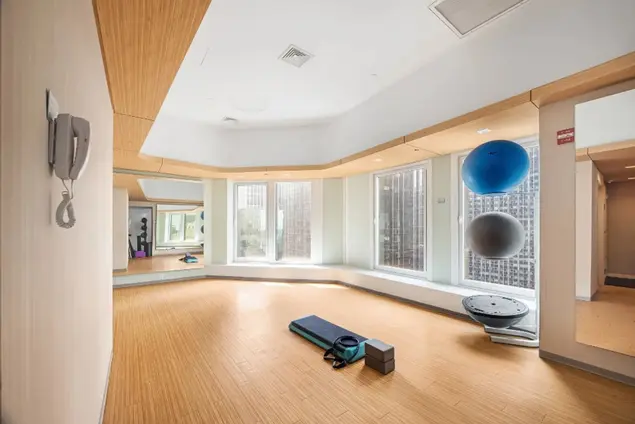
The original special permit issued by the city for the project called for an 803-foot-high tower. In 1987, the building was discovered to be 814 feet tall and some civic activists demanded that the "too-tall" tower, already topped out, give back the offending space and not merely by cutting from the top. The developer explained that the height had been increased because engineering studies indicated the very slender tower needed thicker floors for better structural bracing to minimize swaying in the wind. The added height, however, did not add any additional zoning space, such as floors, or rooms, the developer maintained. The city finally decided that the developer should add three floors of new dance studios over a passageway adjoining his tower and give them to the city's Cultural Affairs Department to compensate for the "violation" of the special permit.
Despite such problems, to say nothing of having to market high-rise apartments surrounded by other nearby towers, CitySpire has survived and the area around it has dramatically improved, making it a far more attractive location than when it opened.
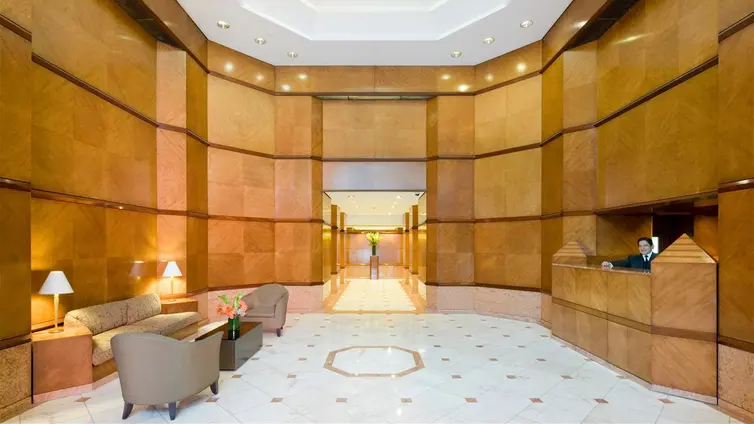
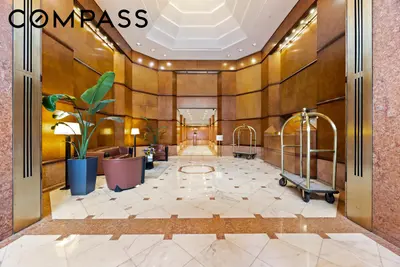
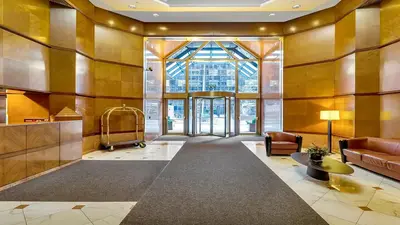
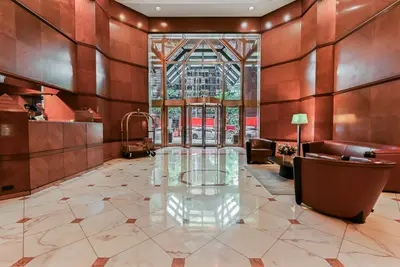
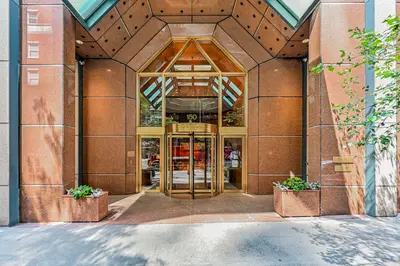
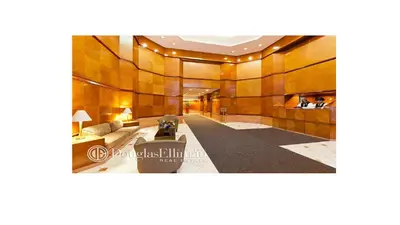
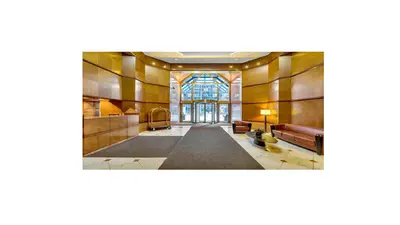
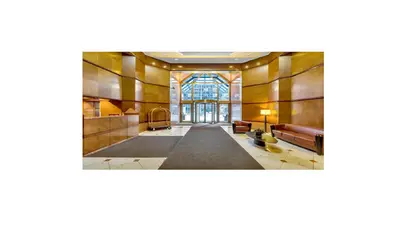
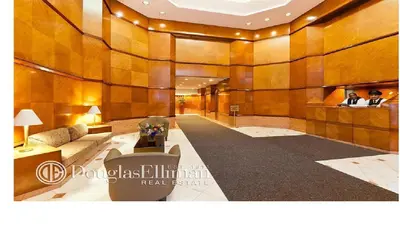
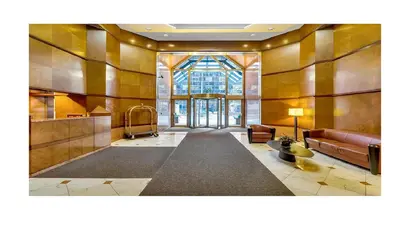
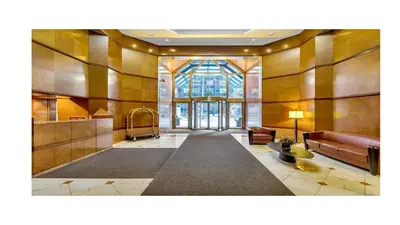
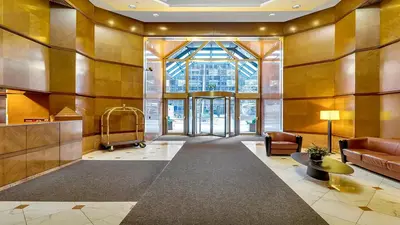
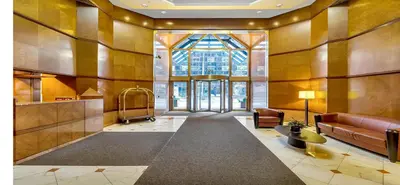
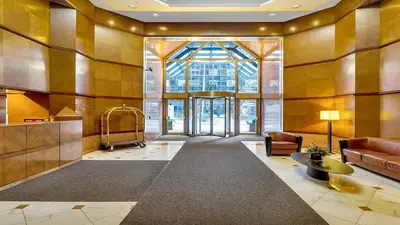
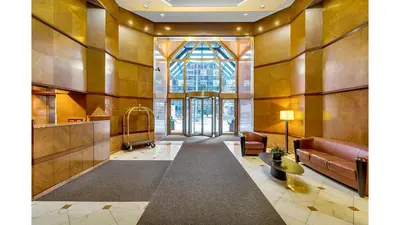
Its real strength is its lobby, one of the most attractive in the city, a warm, richly wooded, domed space that is extremely elegant despite a very ungainly and unattractive glass entrance marquee.
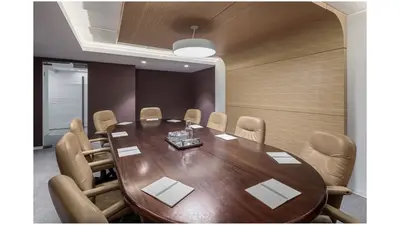
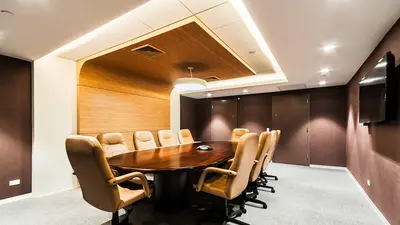
The lower 24 floors of the tower are commercial space. The office building lobby, which is at 156 West 56th Street, is very large, bright, impressive and elegantly appointed with rich marbles.
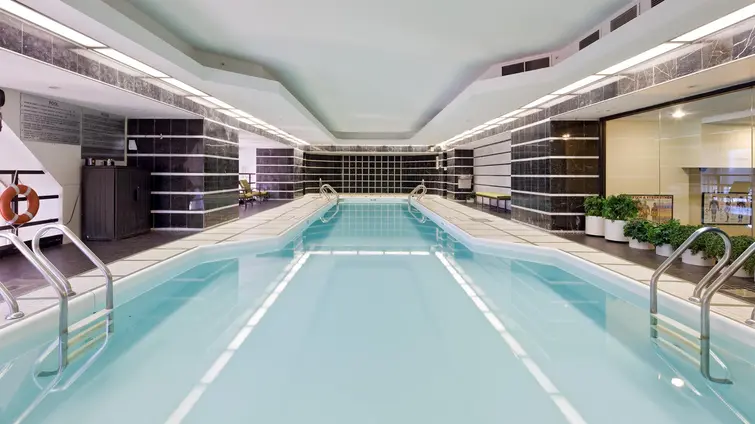
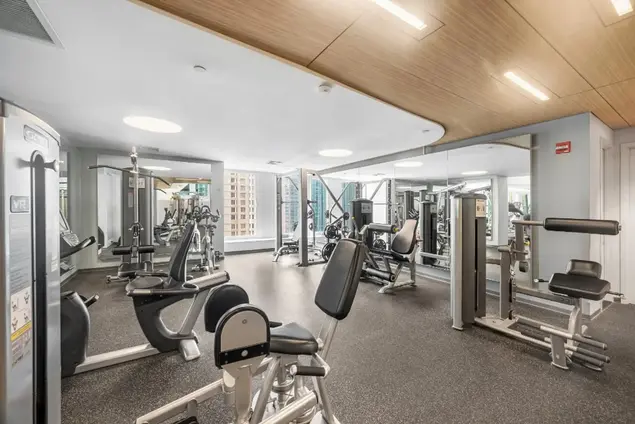
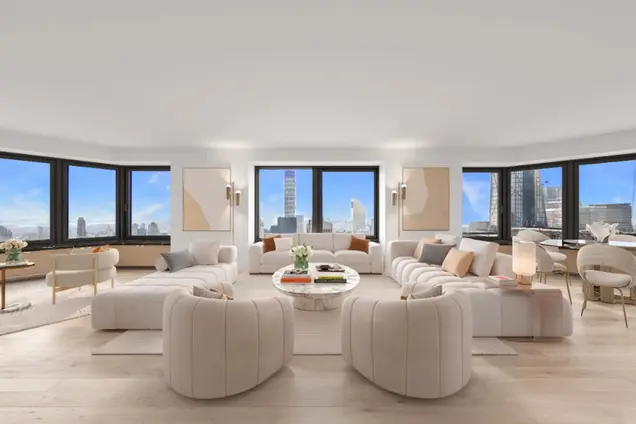
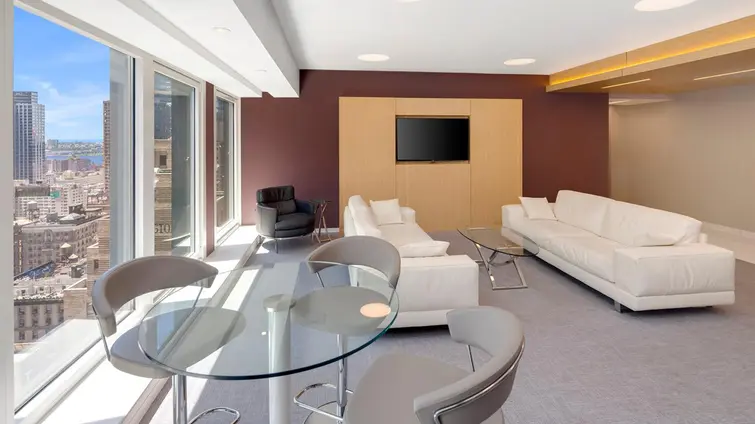
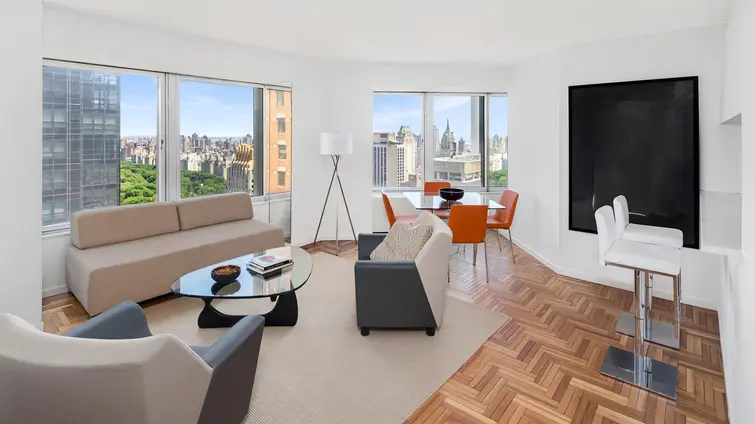
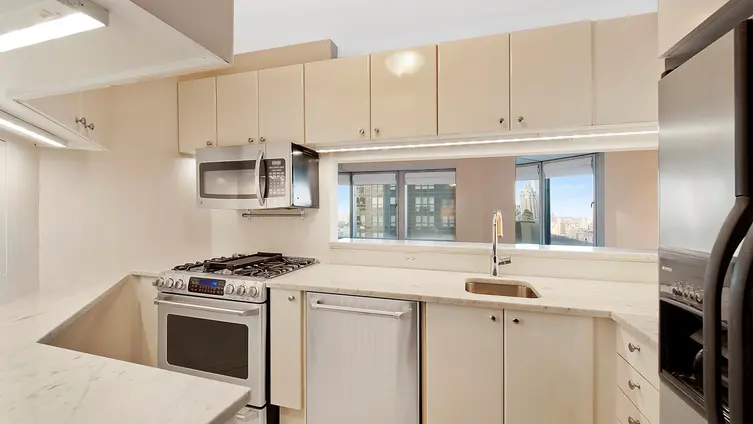
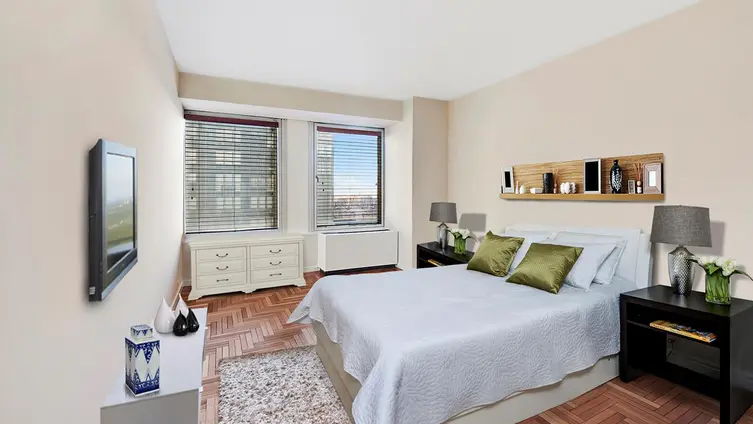
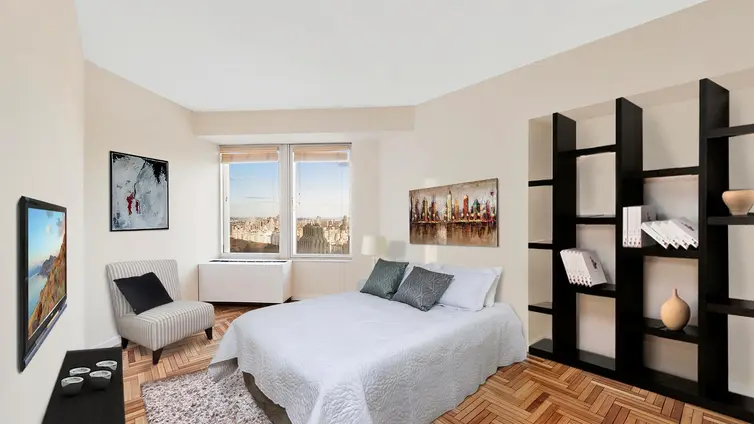
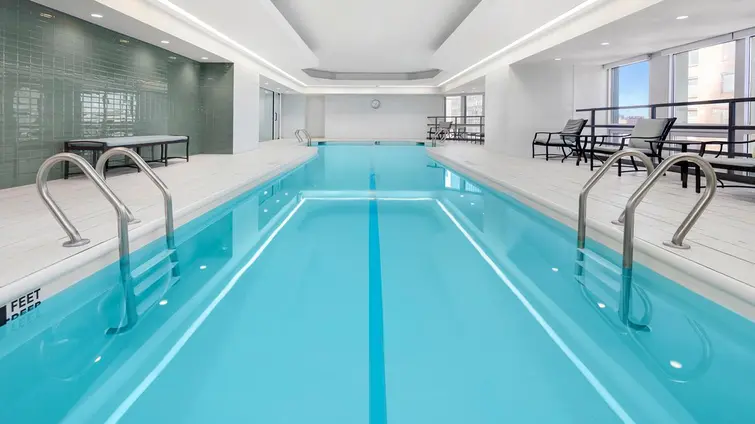
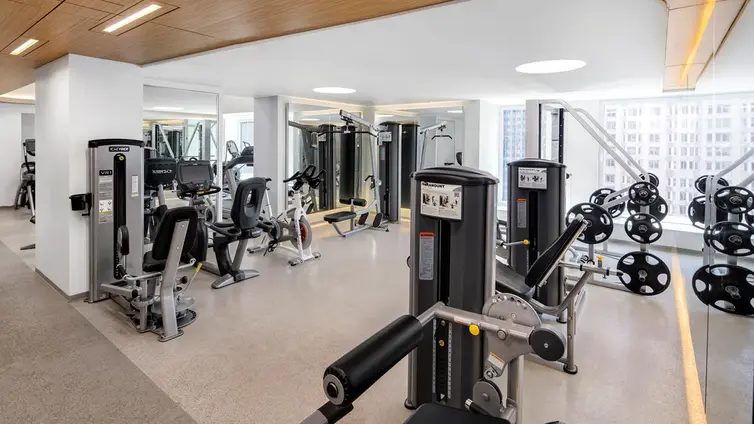
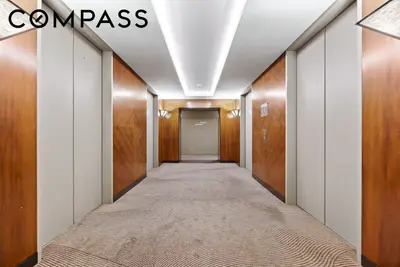
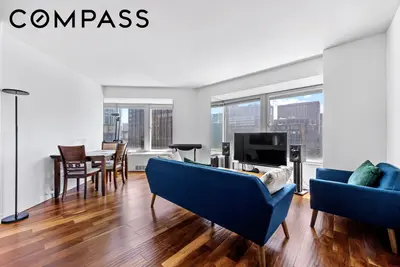
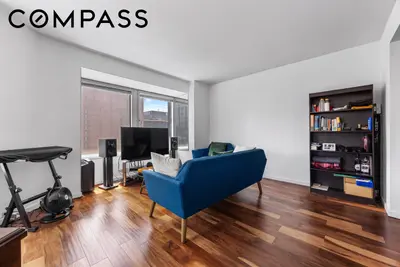
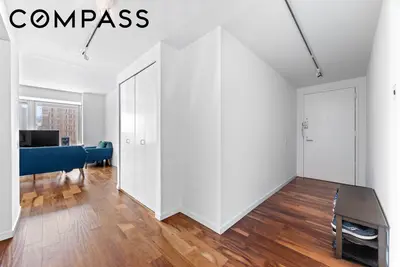
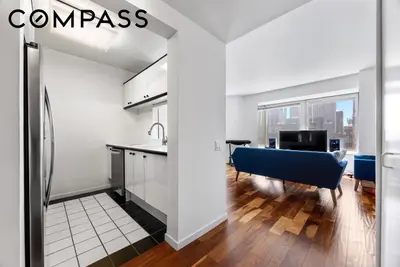
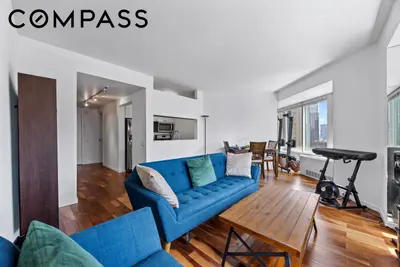
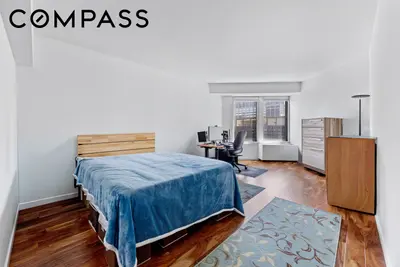
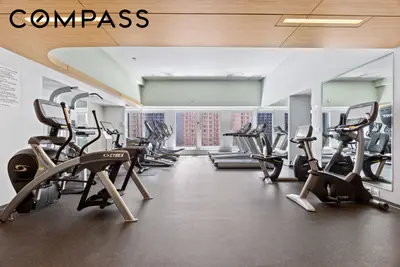
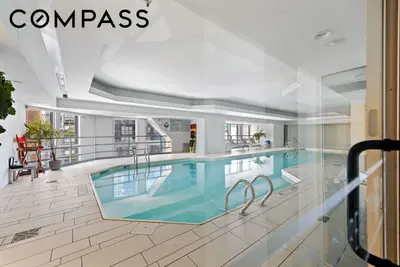
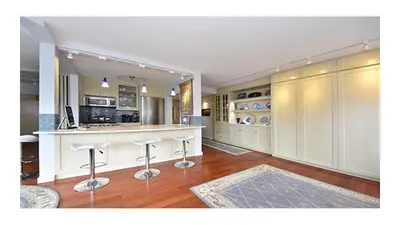
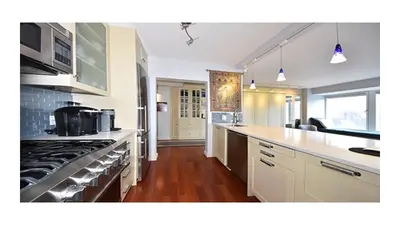
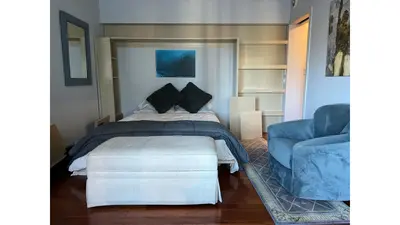
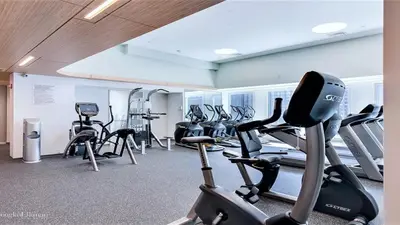
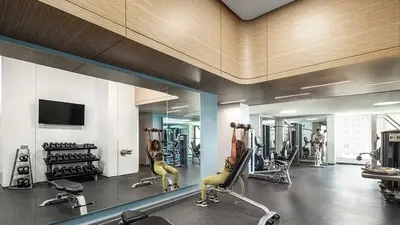
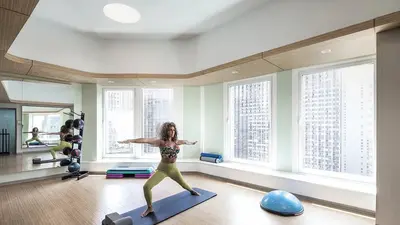
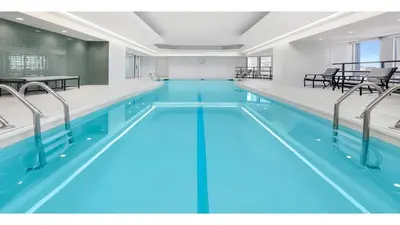
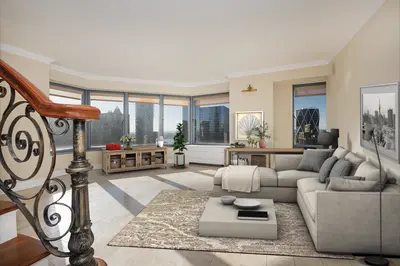
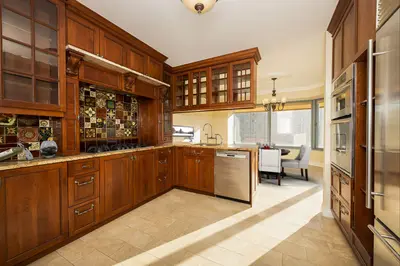
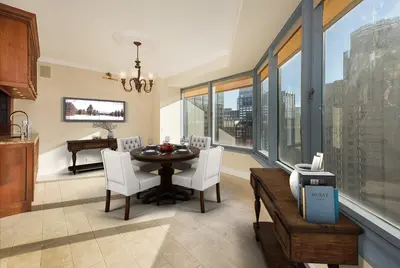
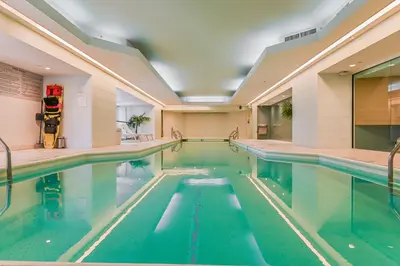
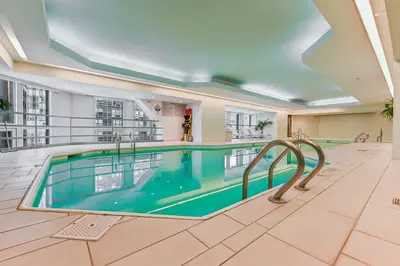
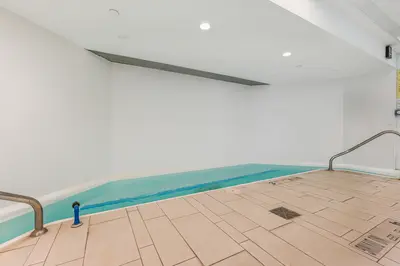
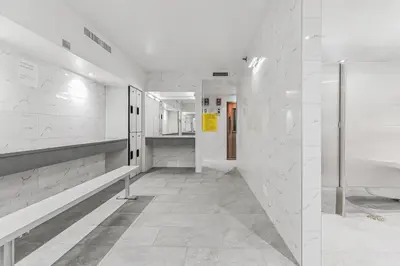
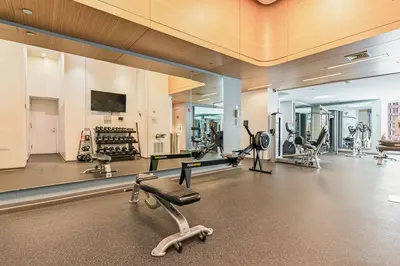
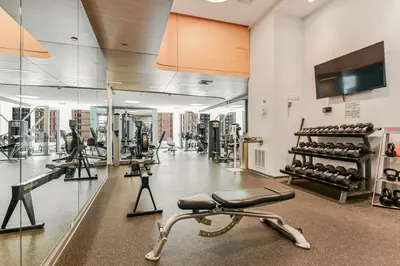
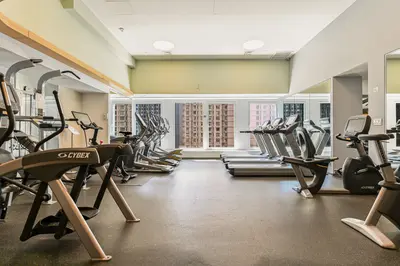
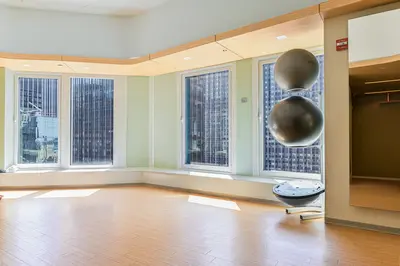
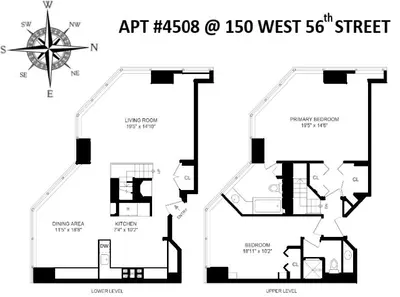
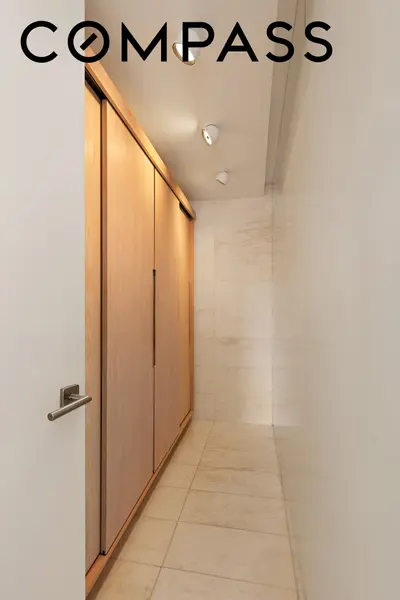
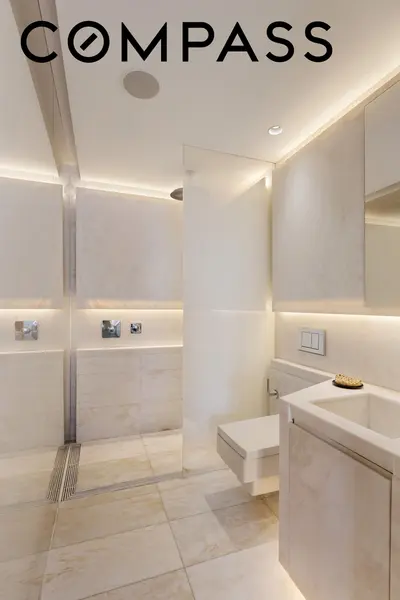
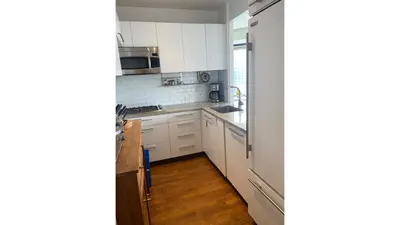
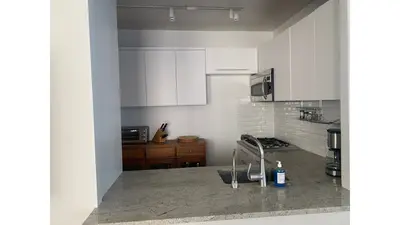
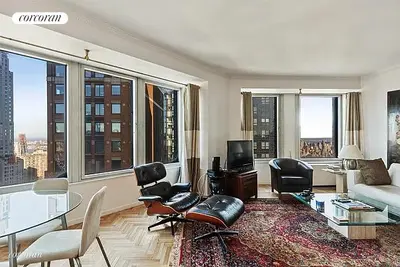
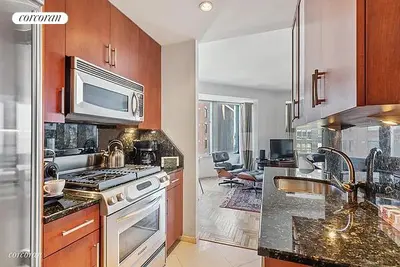
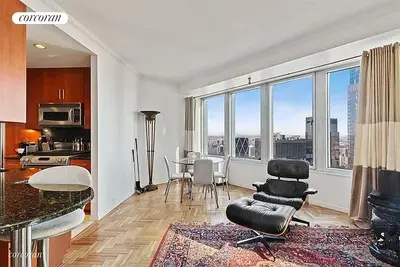
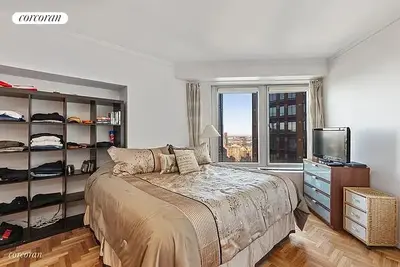
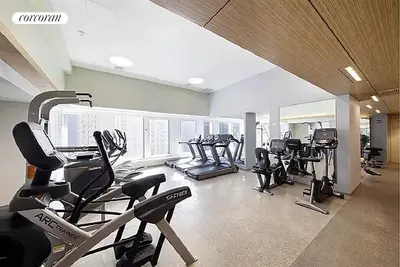
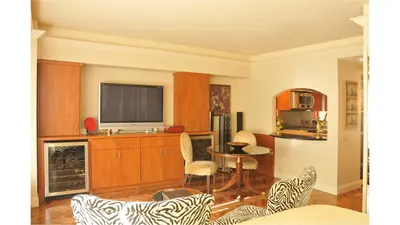
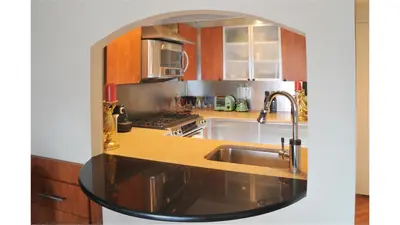
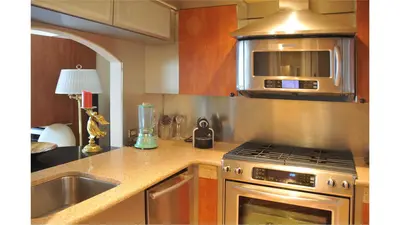
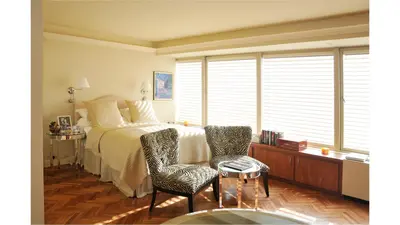
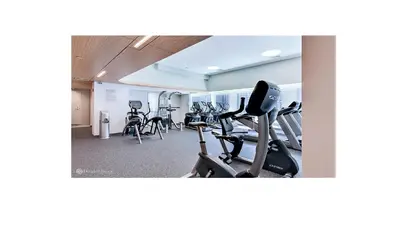
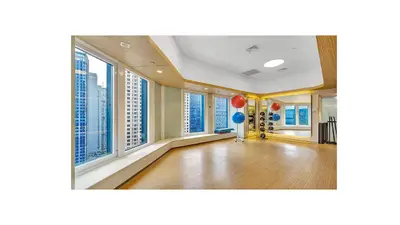
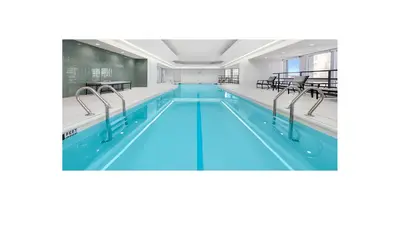
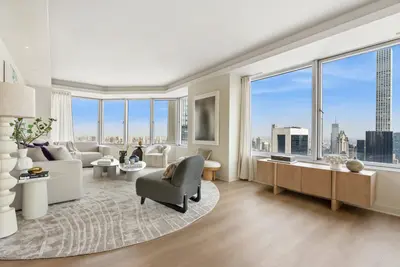
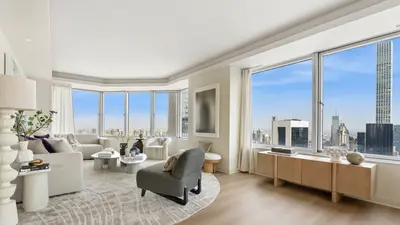
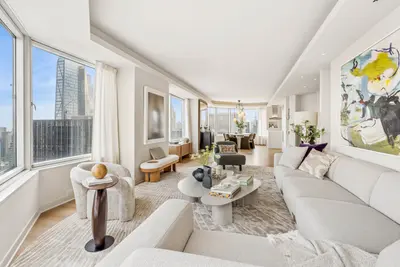
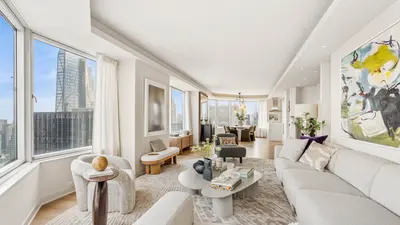
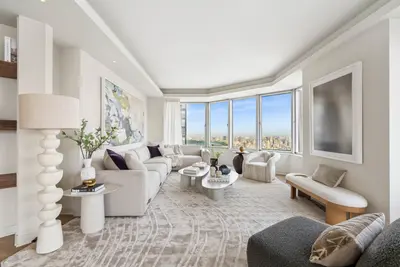
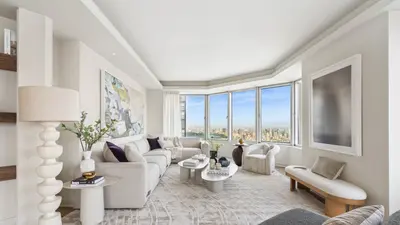
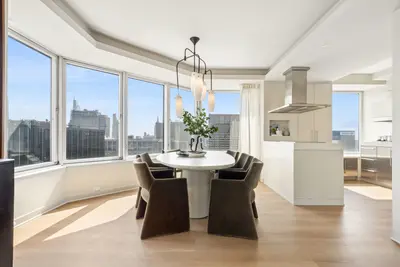
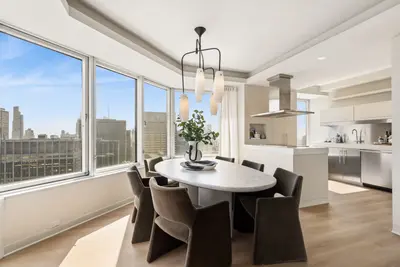
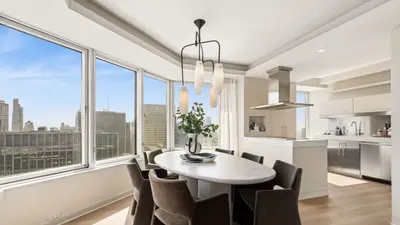
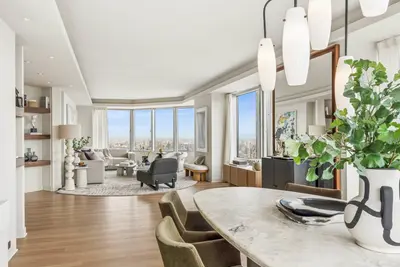
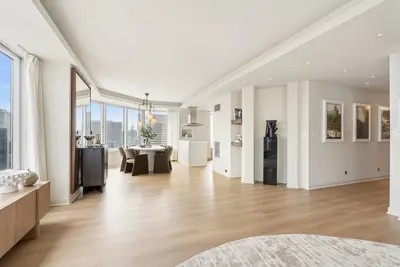
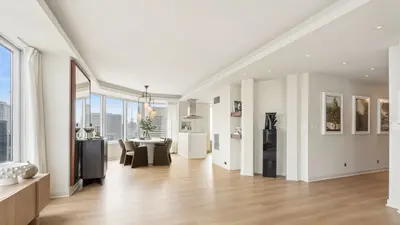
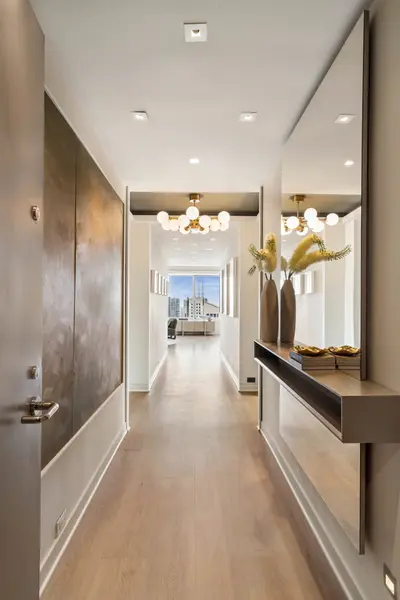
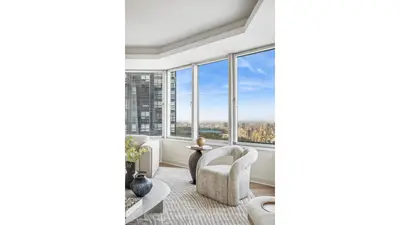
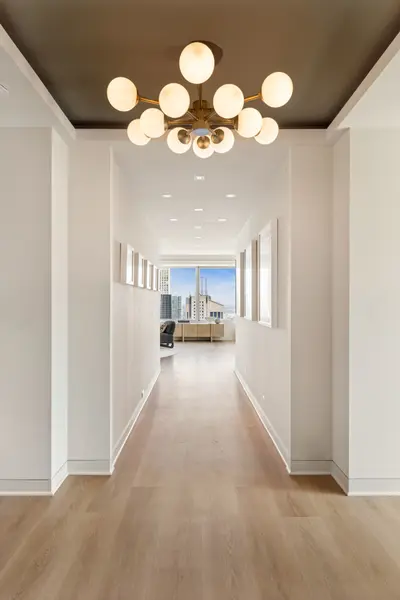
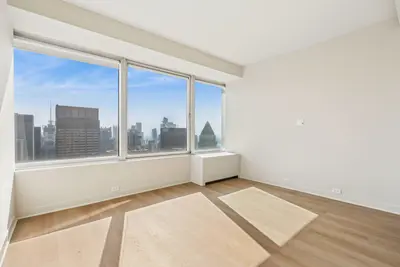
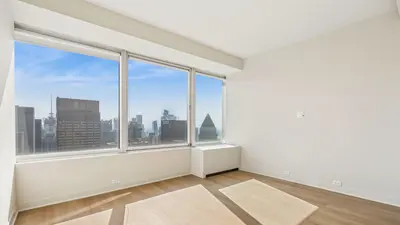
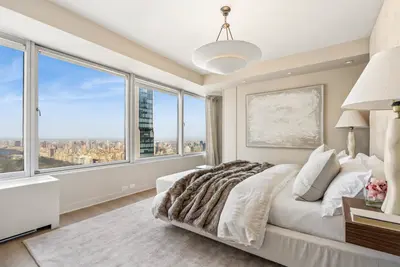
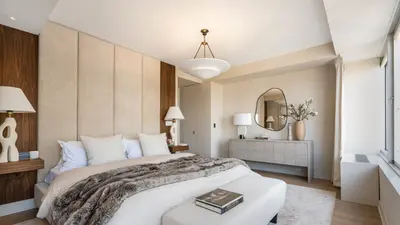
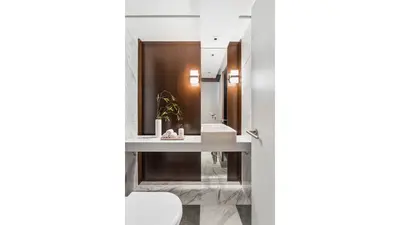
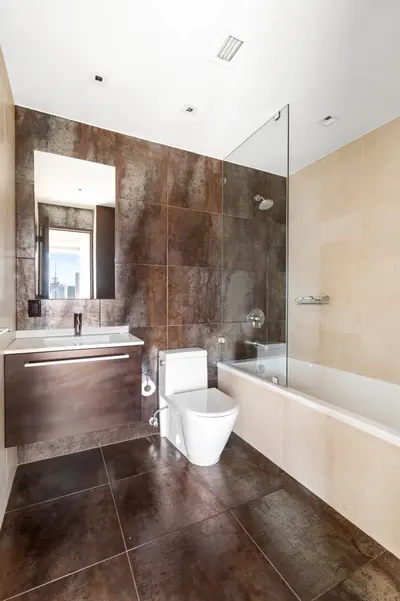
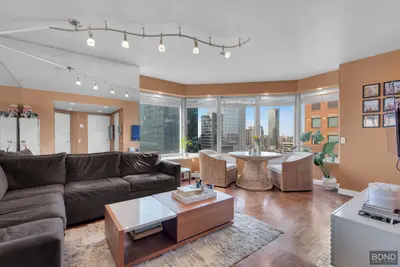
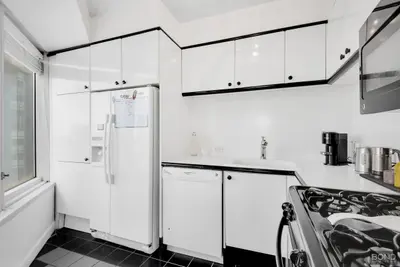
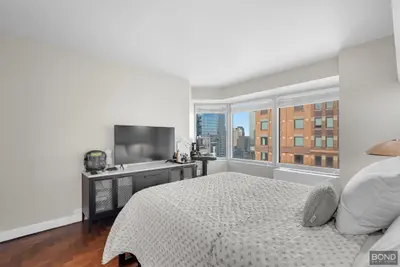
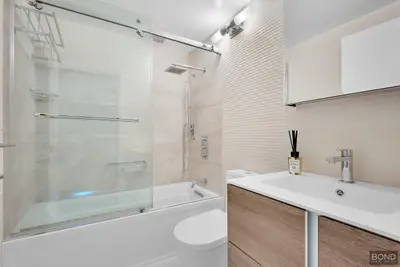
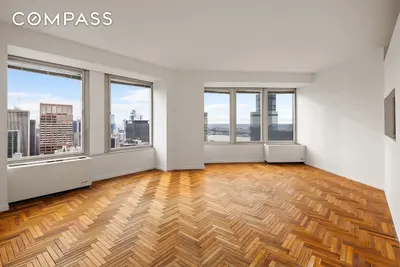
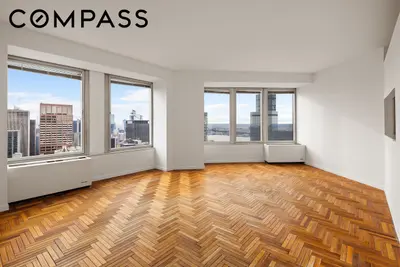
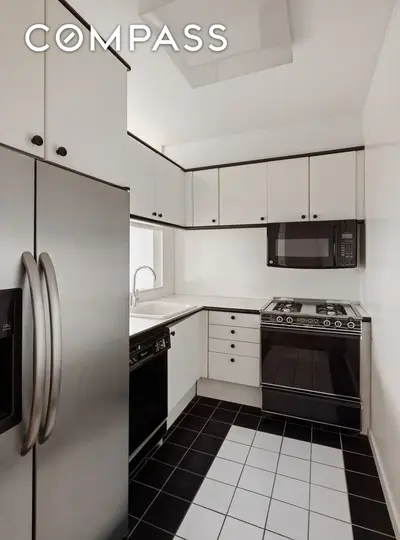
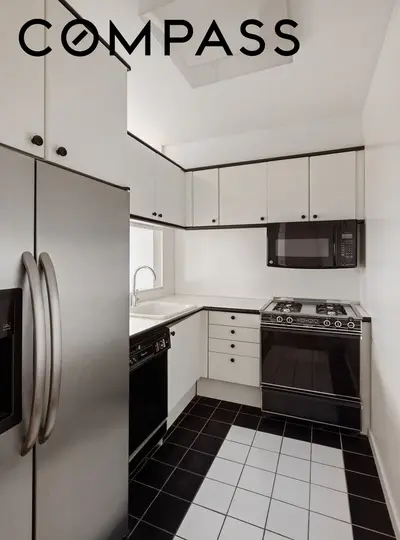
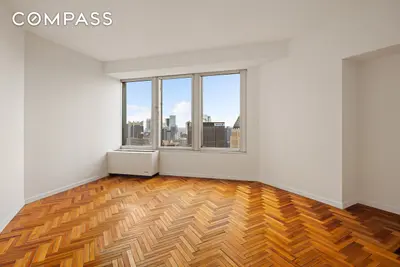
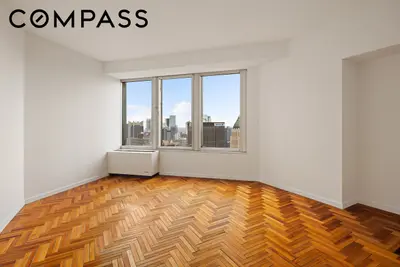
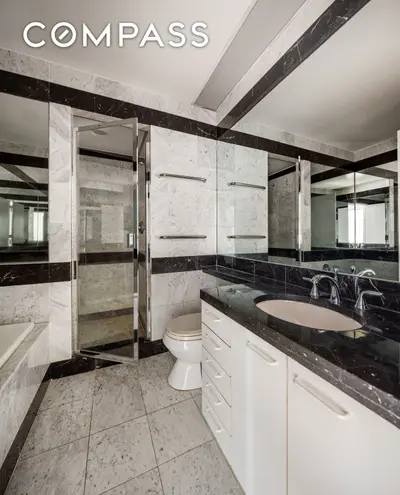
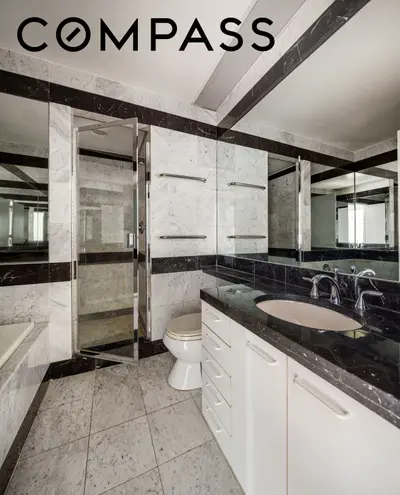
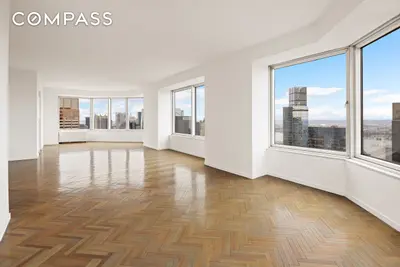
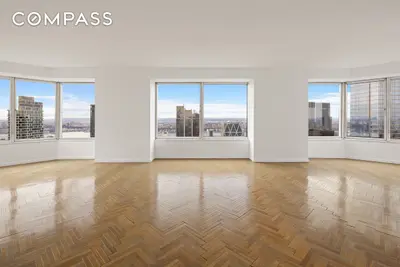
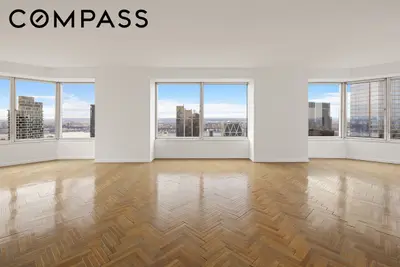
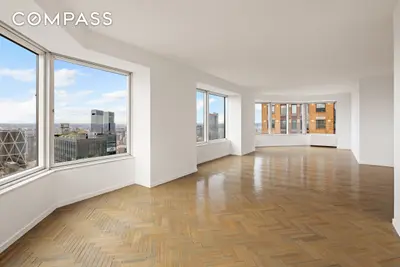
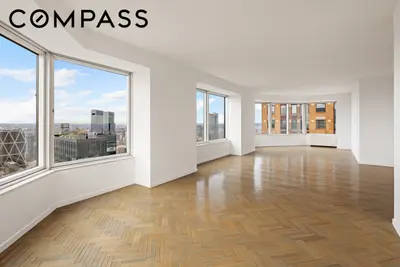
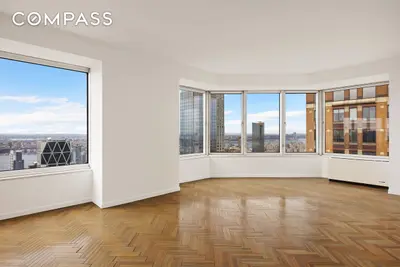
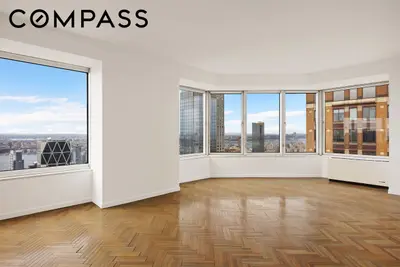
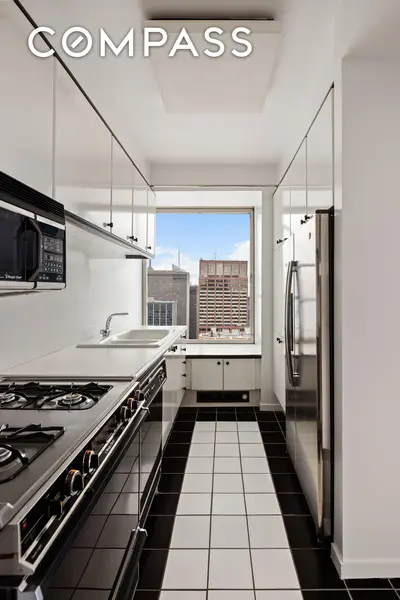
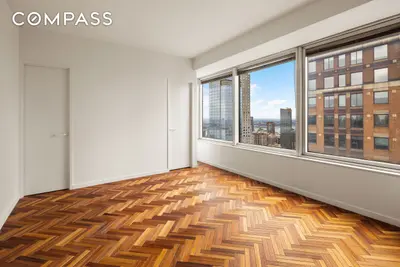
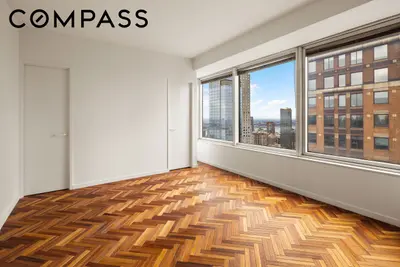
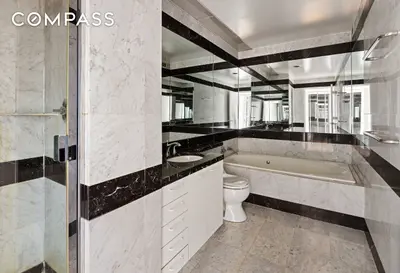
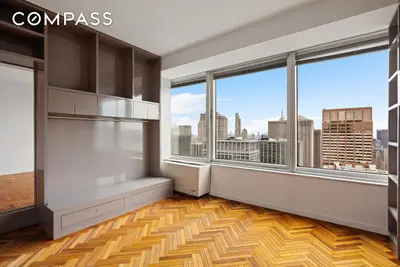
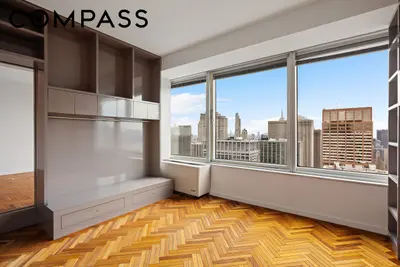
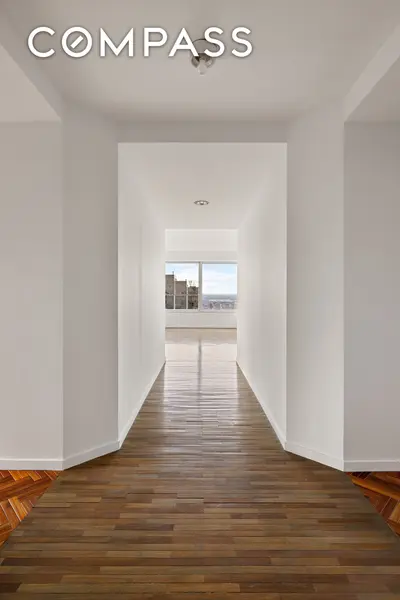
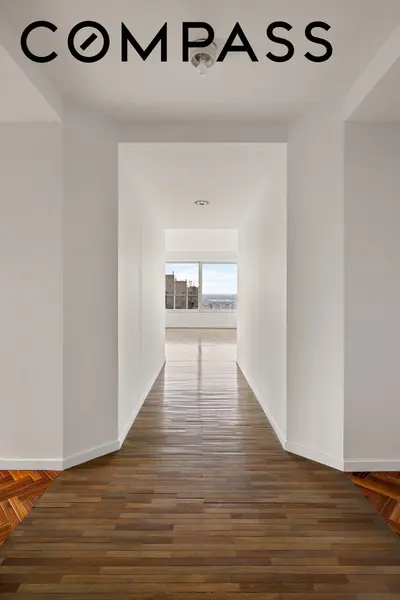
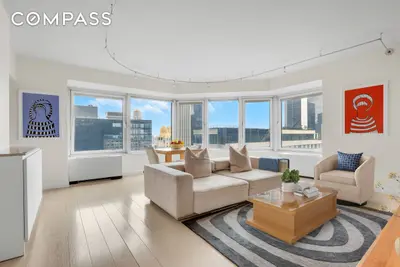
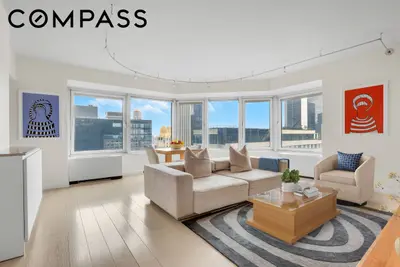
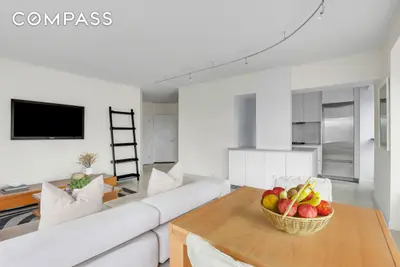
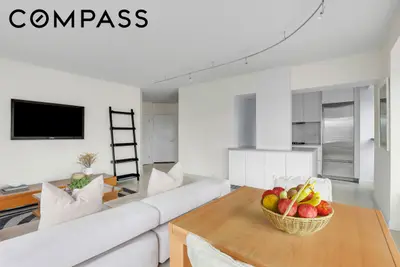
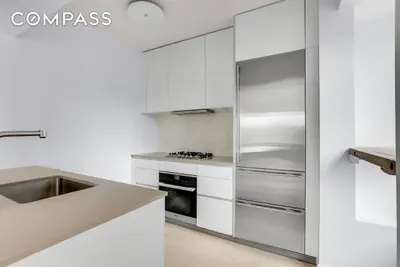
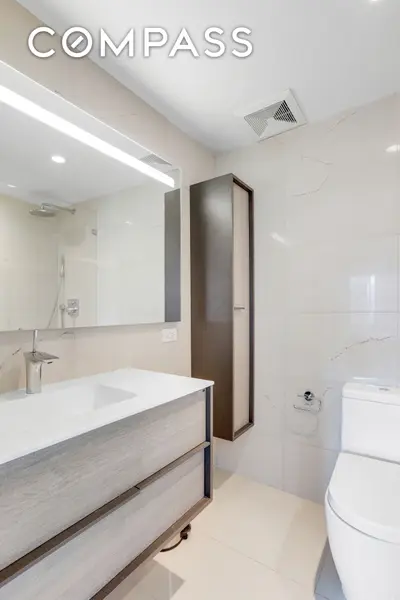
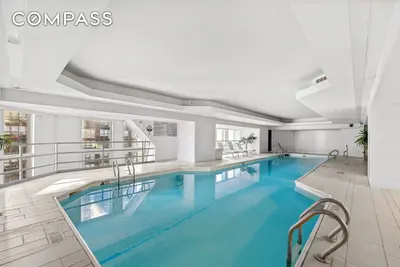
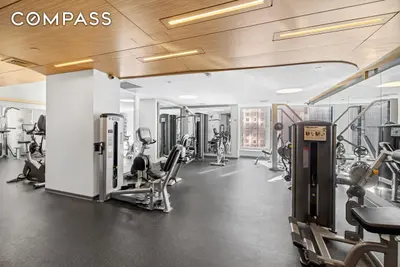
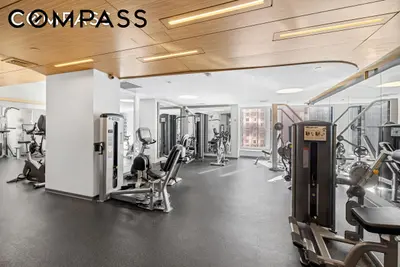
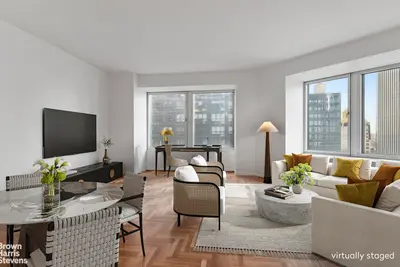
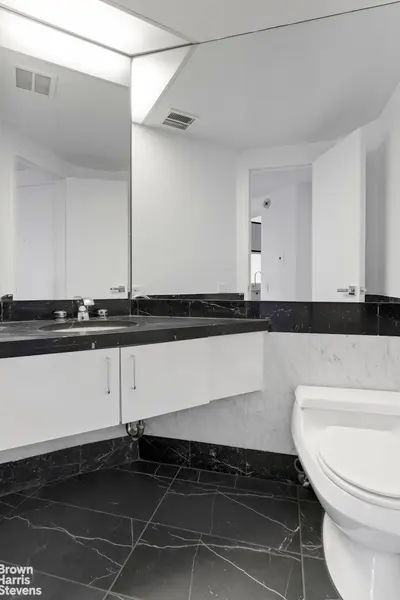
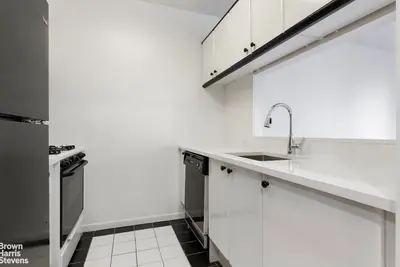
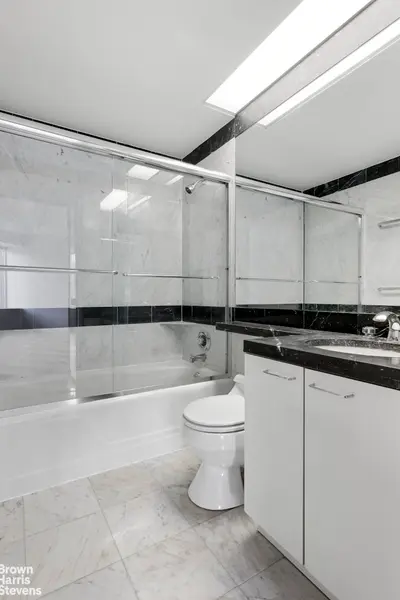
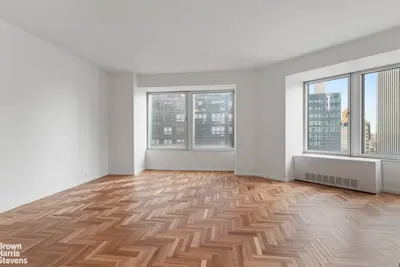
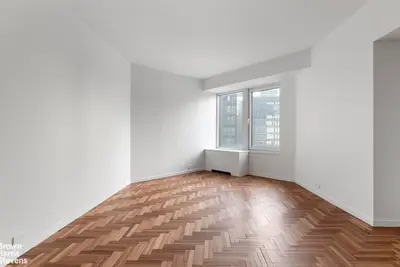
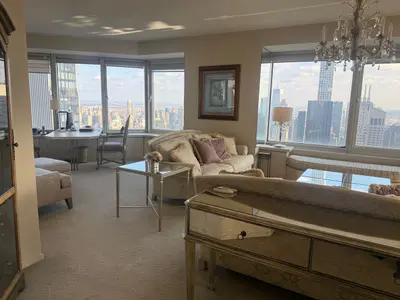
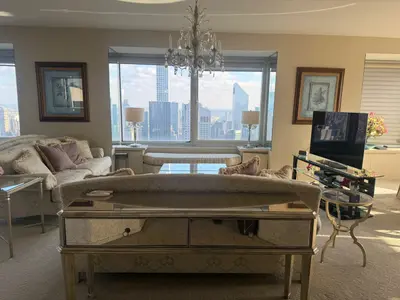
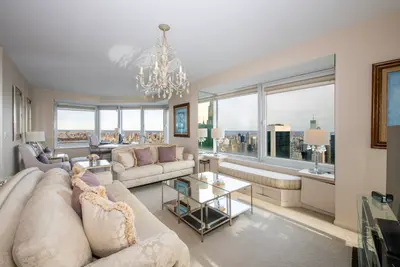
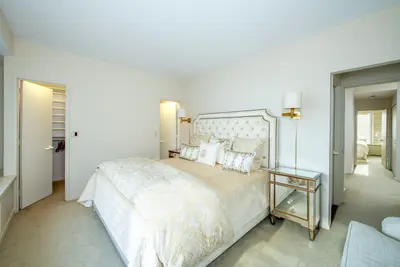
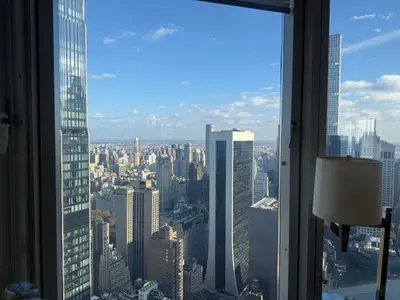
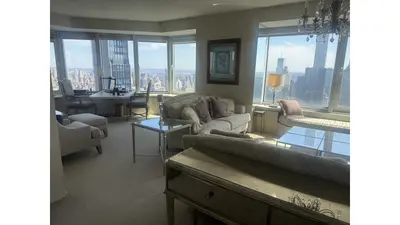
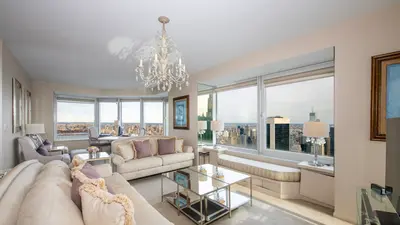
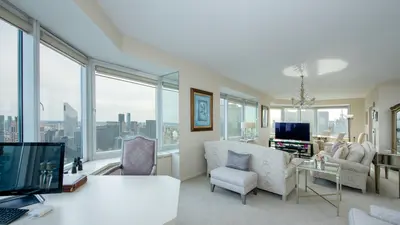
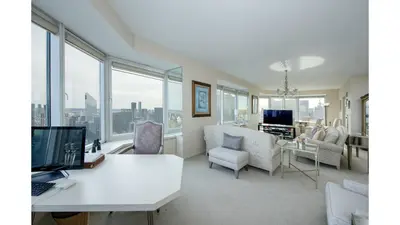
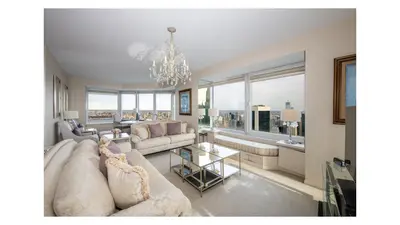
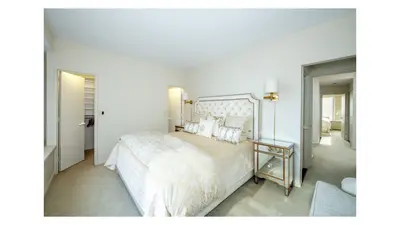
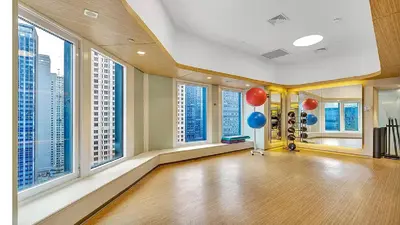
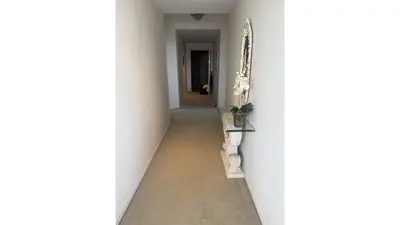
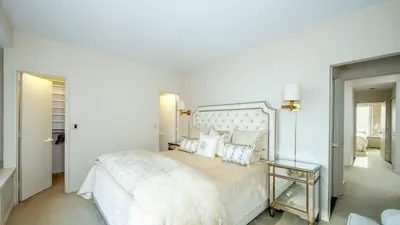
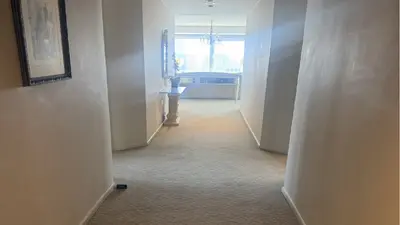
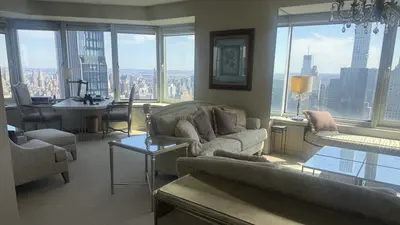
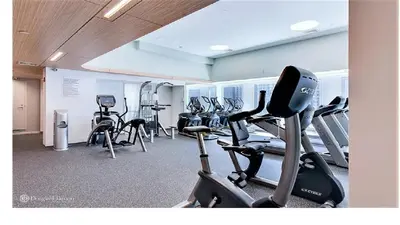
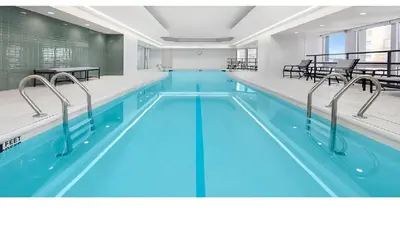
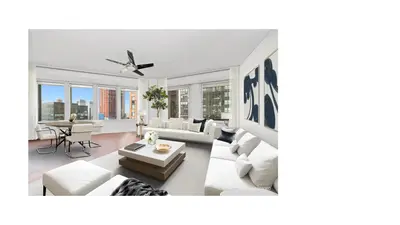
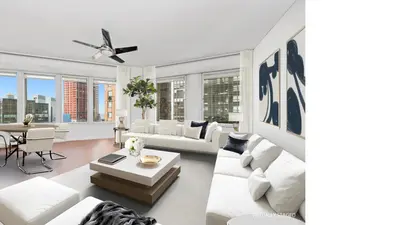
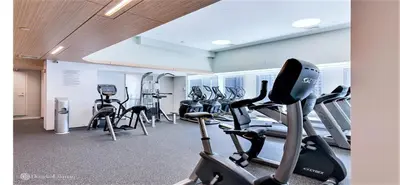
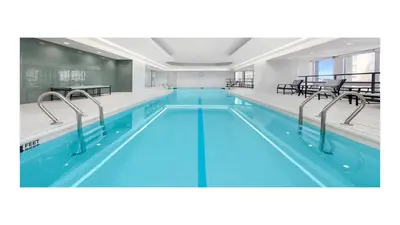
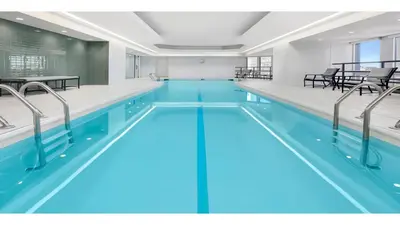
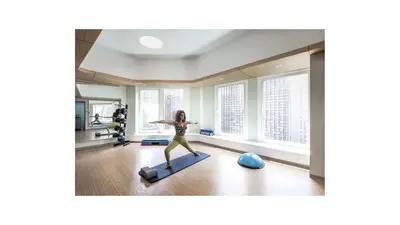
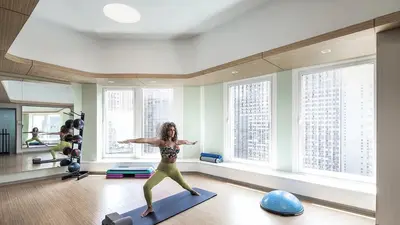
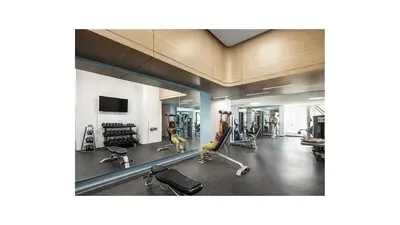
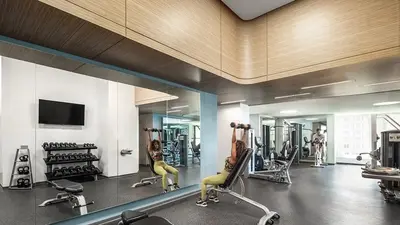
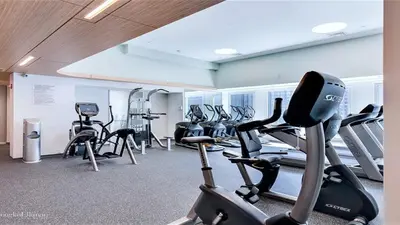
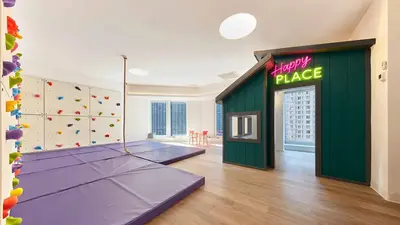
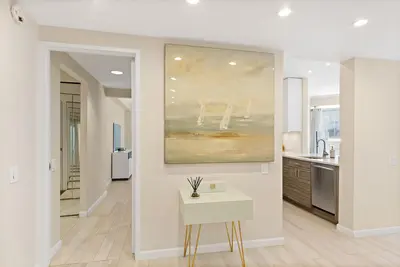
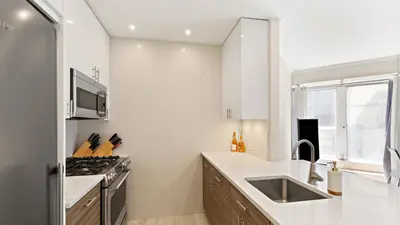
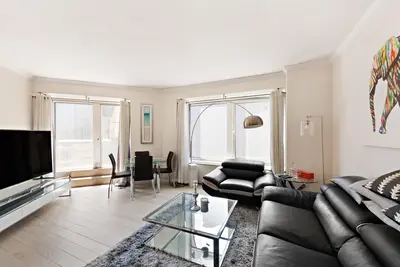
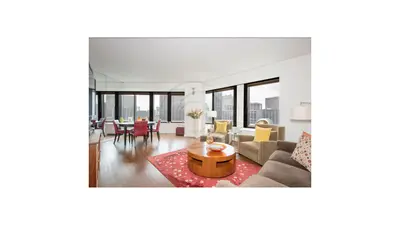
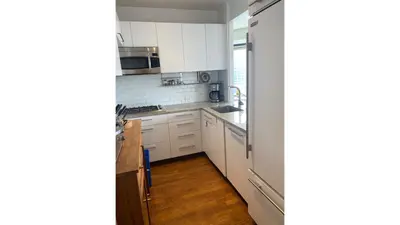
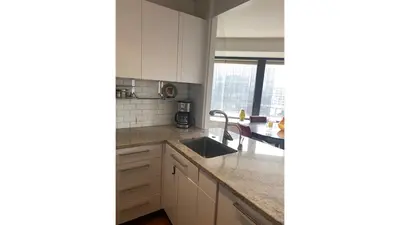
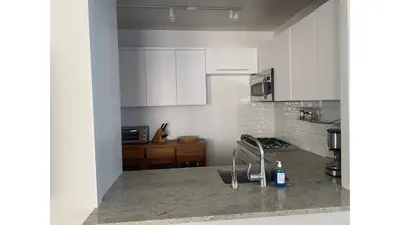
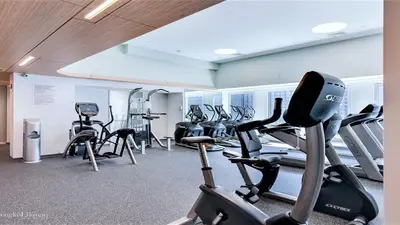
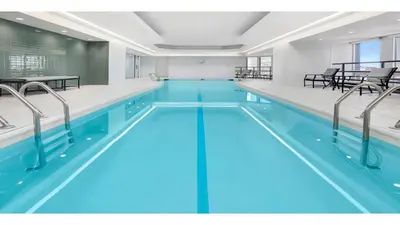
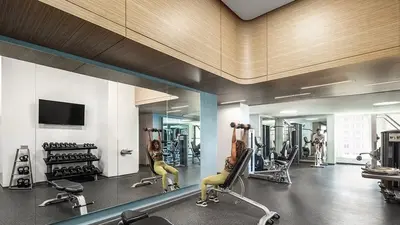
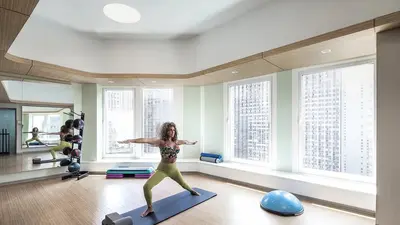
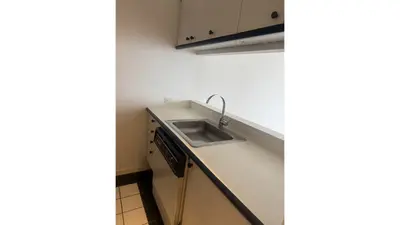
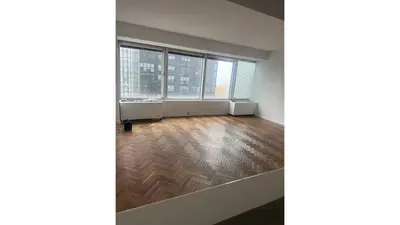
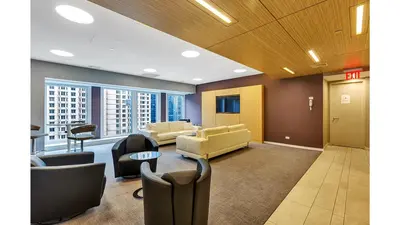
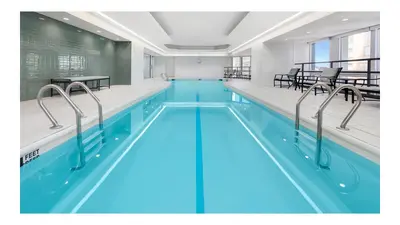
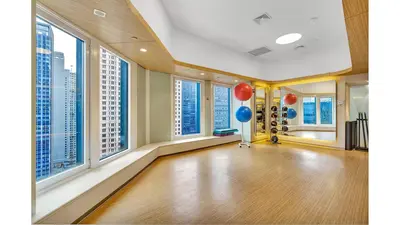
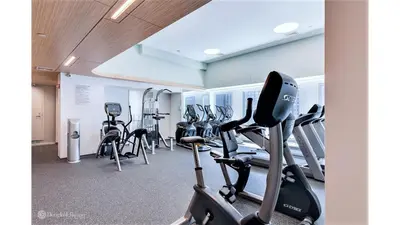
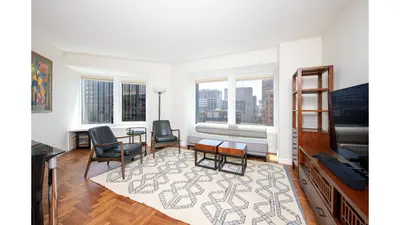
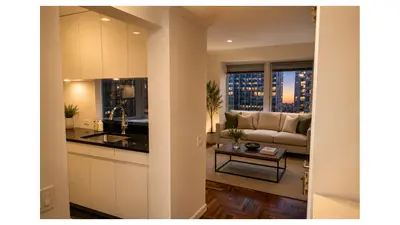
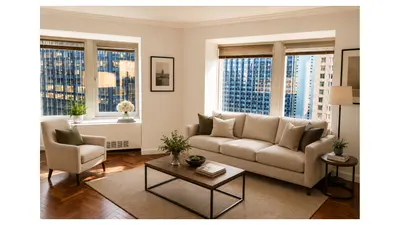
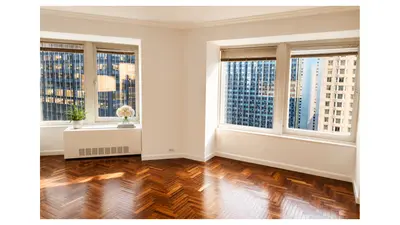
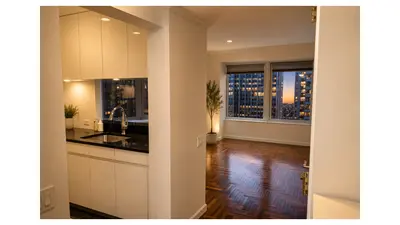
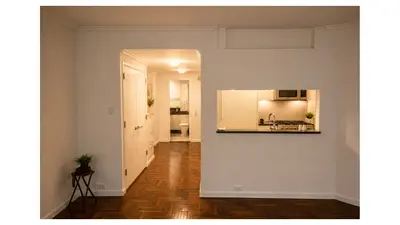
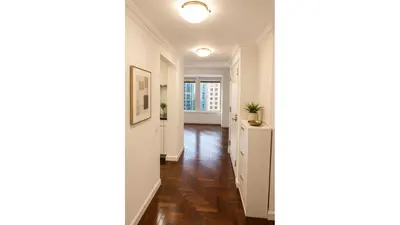
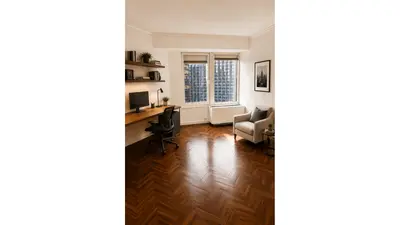
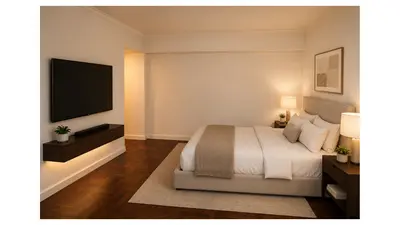
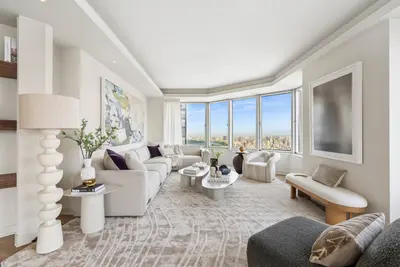
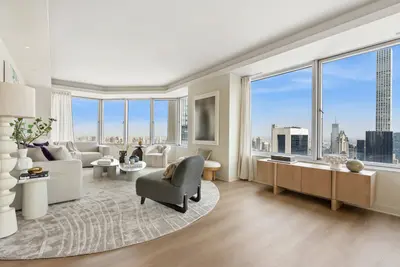
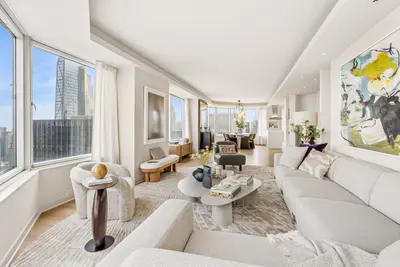
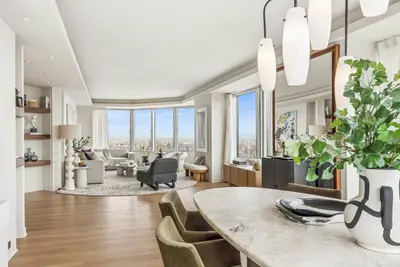
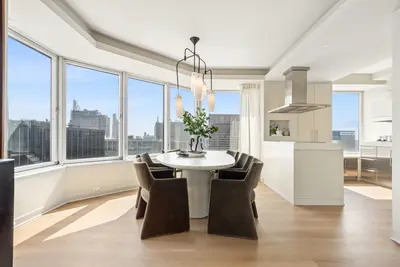
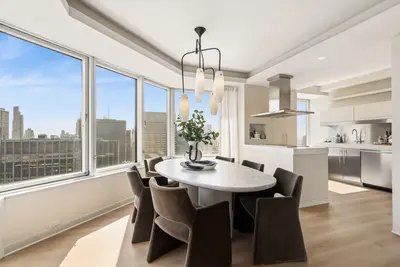
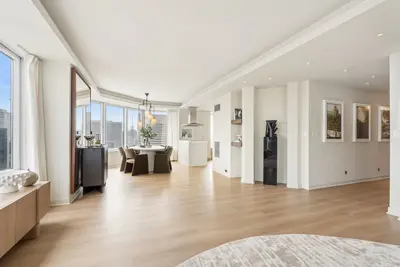
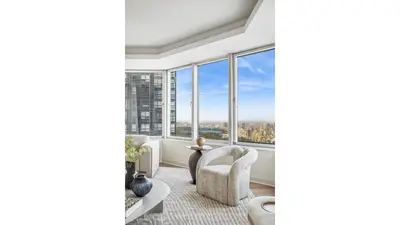
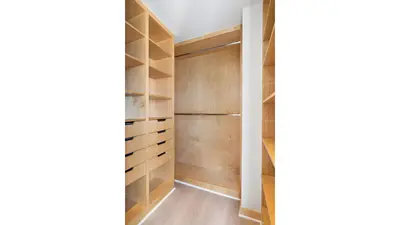
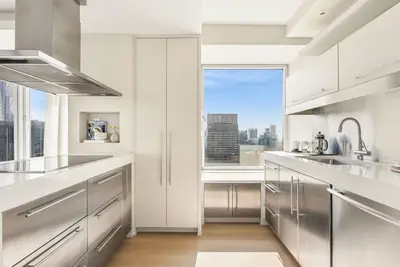
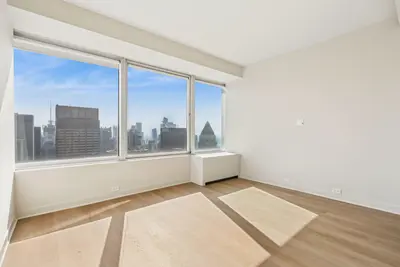
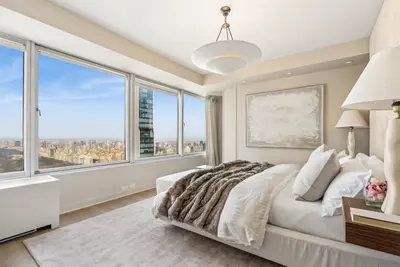
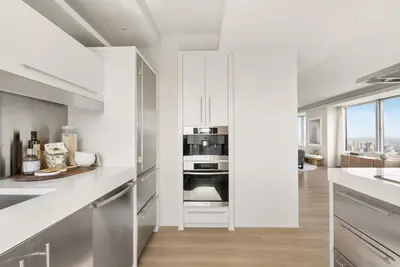
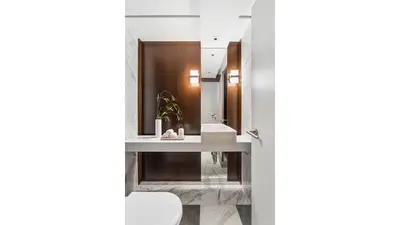
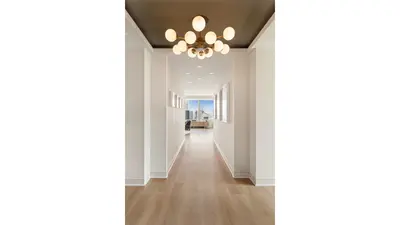
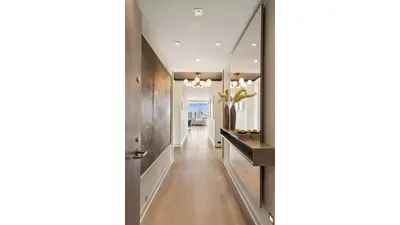
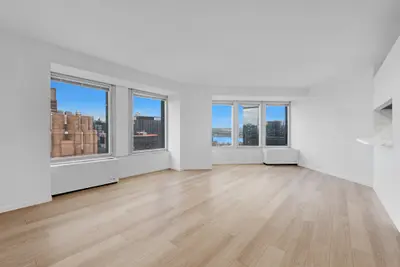
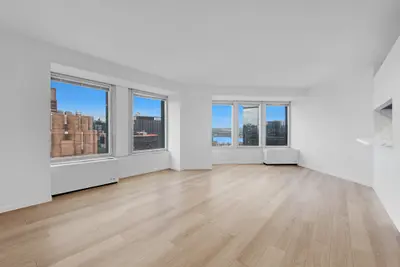
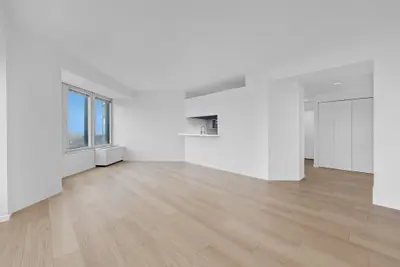
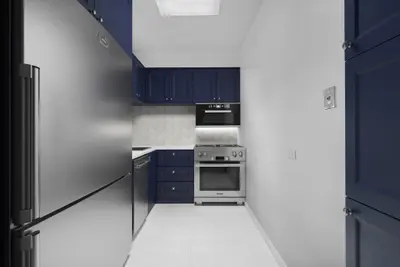
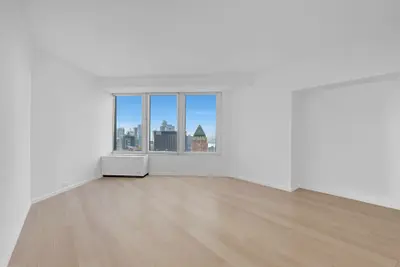
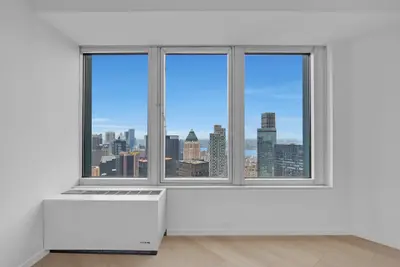
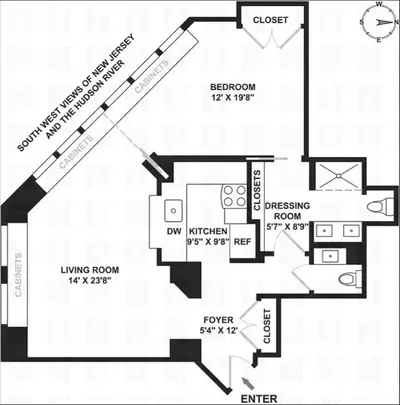
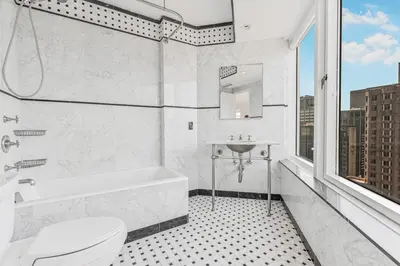
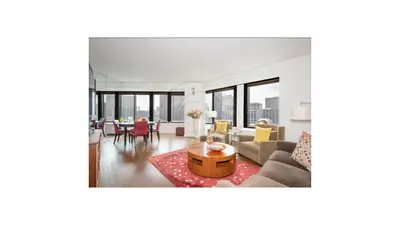
Both sections offer a high degree of service and the residential portion has a health club and pool. The condominium apartments are conventional and small in size, but many have angled windows and the octagonal motifs are carried through in the hallways.
The dome top, which is illuminated from within at night, is no longer a subject of much ridicule and in fact is a nice, legitimate gesture to City Center. The building's form and proportions are really not bad. What detracts from its greater success is the dark blue-green color of parts of the façade, the detailing of the non-lobby areas, and the blocking towers to the north. Such concerns, however, do not influence people in search of a pièd-a-terre in such a "hot," centrally located neighborhood.
|