
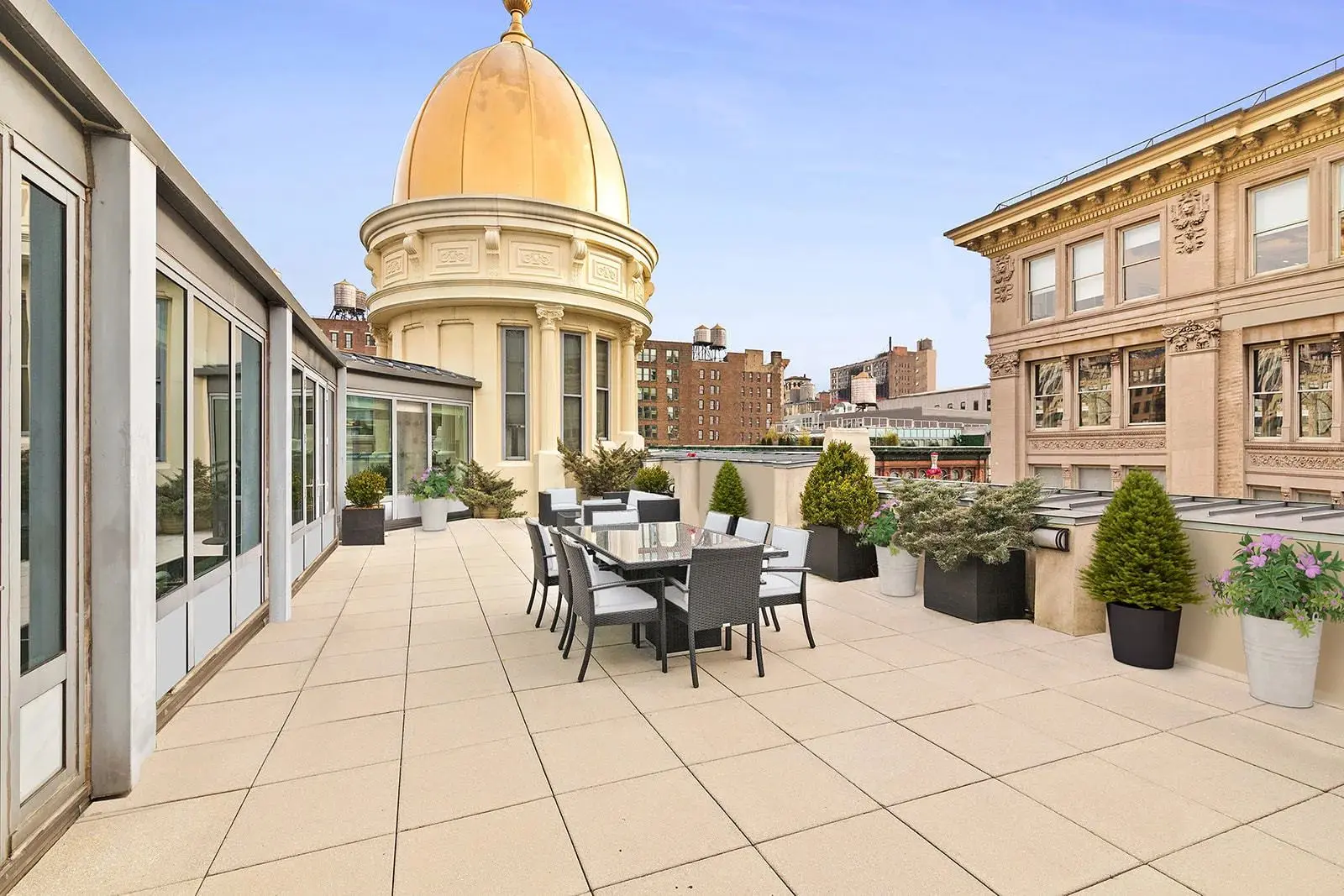
The O'Neill Building, an architectural landmark at 655 Sixth Avenue between West 20th and 21st Streets, was originally constructed in 1887 as Hugh O'Neill's Dry Goods Building. Designed by Mortimer C. Merritt, it stands as the oldest and most distinguished of the major department stores that once lined Ladies' Mile, the historic retail district along Sixth Avenue. The building's distinctive cast-iron façade features Corinthian columns, ornate architectural details, and its signature beehive-style domes atop almost cylindrical towers at both corners.
The structure's history reflects the evolution of the neighborhood - from retail glory to manufacturing use by the 1920s. The original four-story building received a fifth-floor addition in 1895, and the iconic domes were removed in the early 20th century. In 2003, Elad Properties acquired the property for $37 million and undertook an ambitious conversion project.
Completed in 2007, the conversion by developer Miki Naftali and architects Cetra/Ruddy transformed the historic structure into 49 luxury condominiums while restoring the building's distinctive domes. The renovation included a two-story rooftop addition, made possible through an agreement with the Congregation of Shearith Israel, owners of the adjacent cemetery.
Today, the seven-story luxury condominium offers full-service amenities including 24-hour doorman service, concierge, and a 4,000-square-foot landscaped roof deck with outdoor kitchen and dining areas. The building's prewar character is preserved in its soaring ceiling heights, oversized windows, and architectural details, while residences feature modern luxury finishes.
The building's location in Chelsea places it at the intersection of several desirable neighborhoods including the Flatiron District and Greenwich Village. Residents enjoy proximity to numerous restaurants, shopping options including Trader Joe's and Whole Foods, and excellent public transportation access.
The O'Neill Building falls within the Ladies' Mile Historic District, designated in 1989, and stands across from the landmarked Church of the Holy Communion complex. Its historic façade was painted white to resemble stone, and the building's name remains emblazoned in relief on its pediment, serving as a reminder of its significant role in New York City's commercial history.
For screen reader users all content above is visible so you may ignore the show more button below.
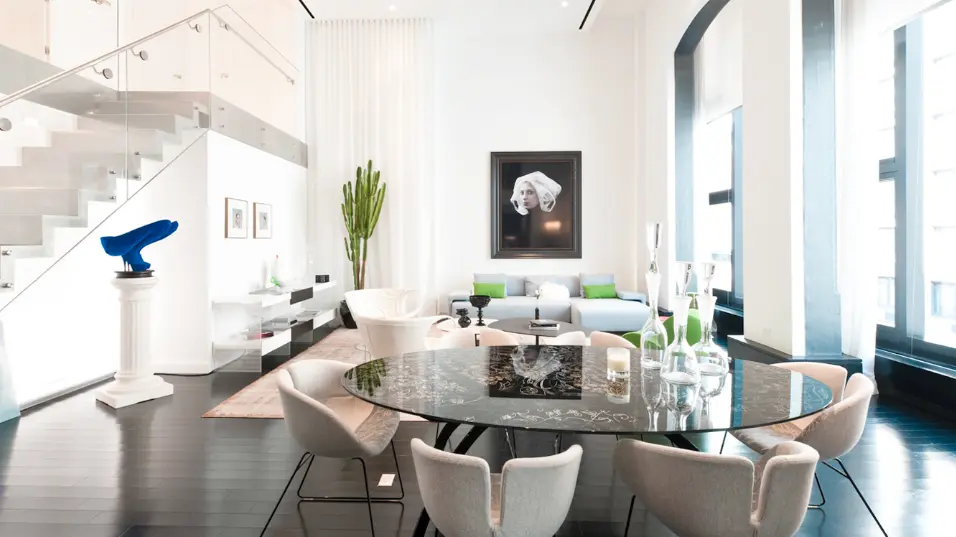
15 Union Square West is a boutique condominium located at the west side of Union Square at 15th Street.
Residences boast varied and open floor plans filled with natural light. They also have high ceilings and were custom designed by Vicente Wolf to mimic the feel of a townhome; apartments in the upper floors have fireplaces and offer views of the nearby park. Open kitchens are equipped with oversized islands, energy efficient LED lighting and stainless steel appliances; large master bathrooms have stone floors and walls and double sink vanities. Some units have touches like glass staircases and powder rooms with additional laundry rooms.
15 Union Square West has a 24-hour doorman on staff and concierge service from Luxury Attache, and amenities include a spa with a 50-foot-long lap pool and oversized Jacuzzi; a massage and spa treatment room; and a gym with a yoga/Pilates studio and boxing room. Many shops, restaurants, movie theaters and bars are nearby.
For screen reader users all content above is visible so you may ignore the show more button below.
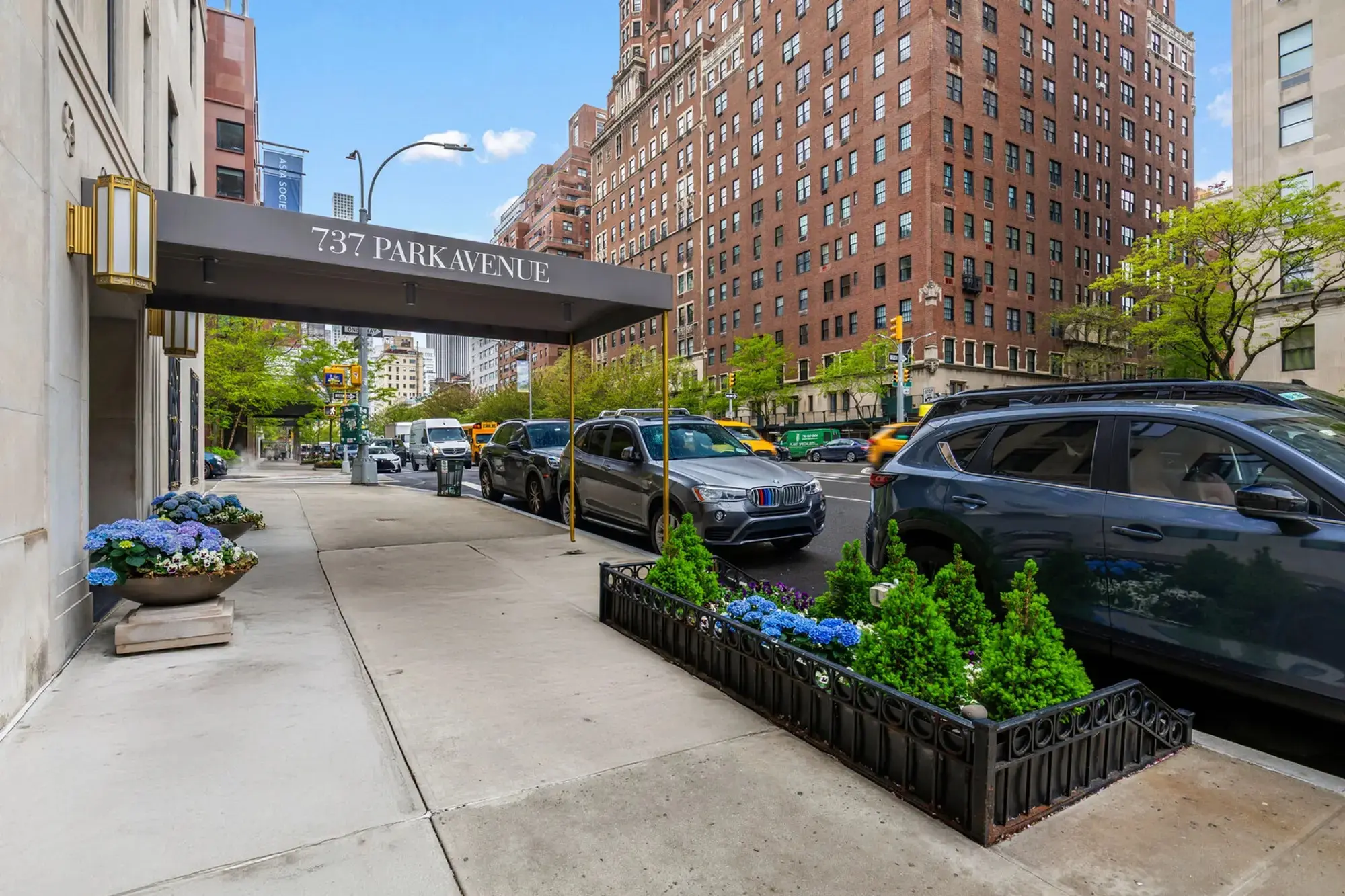
737 Park Avenue is a distinguished 20 story prewar condominium built in 1940 and designed by Sylvan Bien for Samuel Minskoff. Positioned on the prestigious northeast corner of Park Avenue and 71st Street, the building sits directly across from the legendary 740 Park Avenue in the heart of Manhattan's most coveted residential district. The red brick structure features a sophisticated four story stone base and elegant architectural details, including attractive pediments on the top floor and a distinctive circular rooftop water tank enclosure. Harry Macklowe converted the building to condominium ownership in 2014, reducing the original 100+ apartments to 60 larger, more luxurious residences.
The building offers white glove service with a 24 hour doorman, elevator attendants, and a resident manager. Amenities include a skylit fitness center, children's playroom, and a unique garden room with catering kitchen adjacent to a landscaped courtyard. The attractive lobby features burled wood paneling and white terrazzo floors, setting an elegant tone for residents and guests. Additional conveniences include private storage, bicycle storage, and various entertaining spaces.
Apartments throughout the building showcase consistent high end finishes, including Varenna kitchens with marble floors, countertops, and backsplash, complemented by Miele stainless steel appliances and glass and aluminum cabinetry. Bathrooms feature heated floors, statuary Italian marble, custom Varenna vanities, and Dornbracht polished chrome fixtures. Most units include rift and quartered solid oak flooring, custom casement windows, and central air conditioning systems.
The residences range dramatically in size, from approximately 1,552 square feet to the spectacular penthouse with 6,003 square feet of interior space plus 2,271 square feet of wraparound terraces. Many of the larger apartments feature wood burning fireplaces, and corner units boast extensive Park Avenue frontage with multiple exposures. Several units offer particularly impressive layouts, such as Residence 12A with its 51 foot long living room and 22 foot long kitchen, demonstrating the grand scale typical of prewar Park Avenue living.
For screen reader users all content above is visible so you may ignore the show more button below.
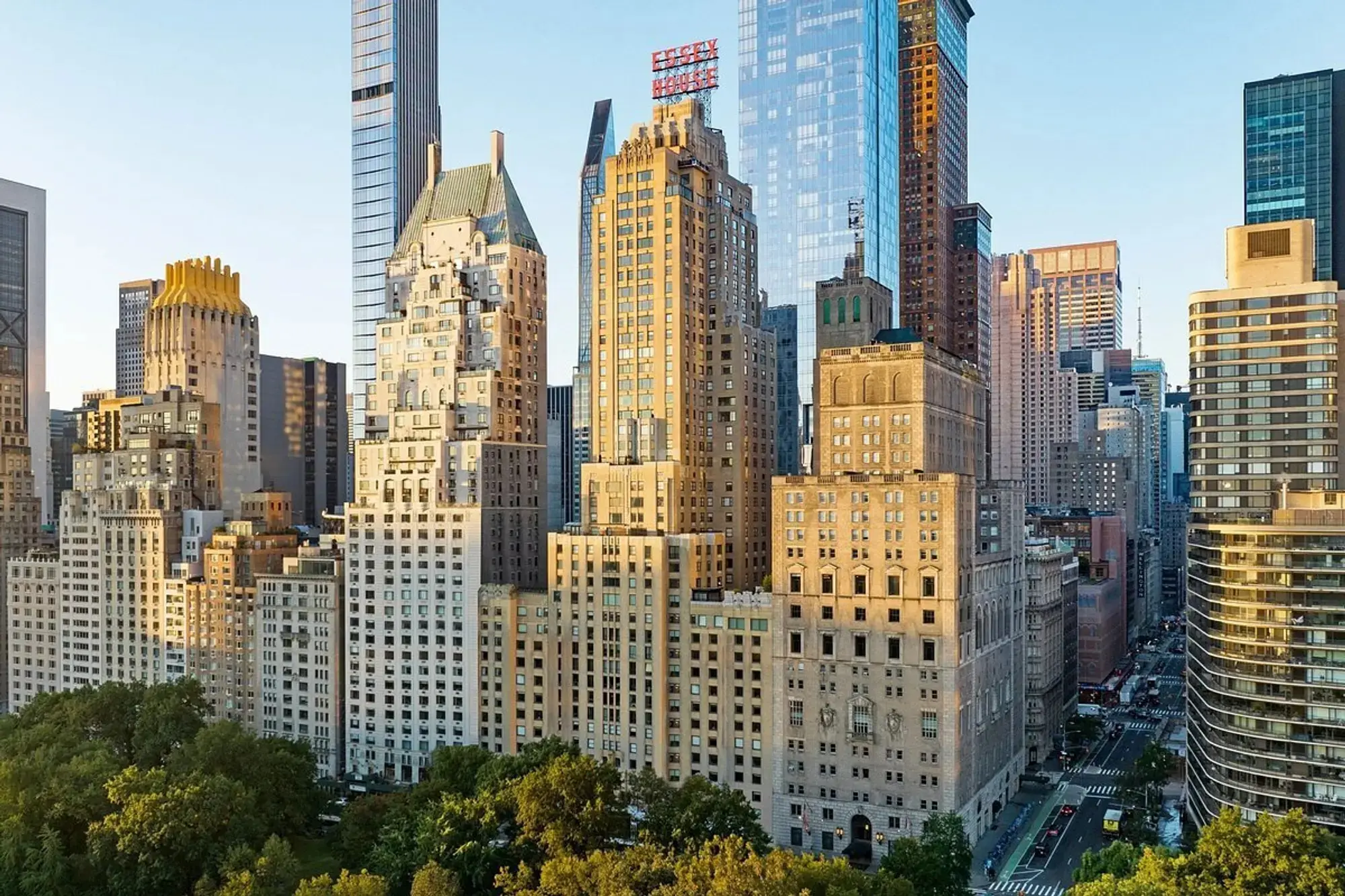
The J.W. Marriott Essex House at 160 Central Park South is a distinguished 43-story Art Deco tower designed by Frank Grad that opened in 1931. Originally called Park Tower and later Seville Towers, this iconic building is instantly recognizable by its six-story-high red neon rooftop sign that has crowned the structure since 1932. The beige brick tower features numerous setbacks and attractive Art Deco decorative elements at its base, along with an impressive lobby that extends through to 58th Street, complete with distinctive black marble columns and handsome Art Deco elevator cab doors.
The building operates as both a luxury hotel and residential condominium, housing approximately 247 residential units on floors 19-39 and 509 hotel rooms. Notably, it became the first condo hotel tower in NYC in 1974 during its initial conversion. The property has changed hands multiple times, with Strategic Hotels and Resorts currently owning it and contracting Marriott International to operate the hotel portion. Over the years, the Essex House has attracted notable residents including George Burns, Bing Crosby, David Bowie, Iman, and Liam Gallagher, with one legendary recording artist finding inspiration in the spectacular park views.
Residential apartments at the Essex House are known for their generous room sizes and unique layouts, with no two units being identical. Many feature expansive living spaces, with some boasting 28-foot-long dining rooms, 27-foot-long living rooms, and impressive terraces up to 48 feet long. Higher-floor units offer unobstructed Central Park views through floor-to-ceiling windows, while several apartments include distinctive features like solariums, bay windows, and private terraces. The building's apartments range from one-bedroom units to expansive three-bedroom homes spanning over 2,300 square feet, many with multiple bathrooms and sophisticated finishes including marble countertops, custom cabinetry, and high-end appliances.
Residents enjoy full access to five-star hotel services, including 24-hour room service, concierge service, housekeeping, a spa and fitness center, valet parking, and the award-winning Southgate restaurant. The building permits short-term rentals with a 30-day minimum, making it attractive to investors and pied-à-terre owners. Located in one of Manhattan's most prestigious blocks between Sixth and Seventh Avenues, the Essex House offers proximity to Carnegie Hall, Lincoln Center, Fifth Avenue shopping, and the Time Warner Center, with utilities typically included in common charges.
For screen reader users all content above is visible so you may ignore the show more button below.
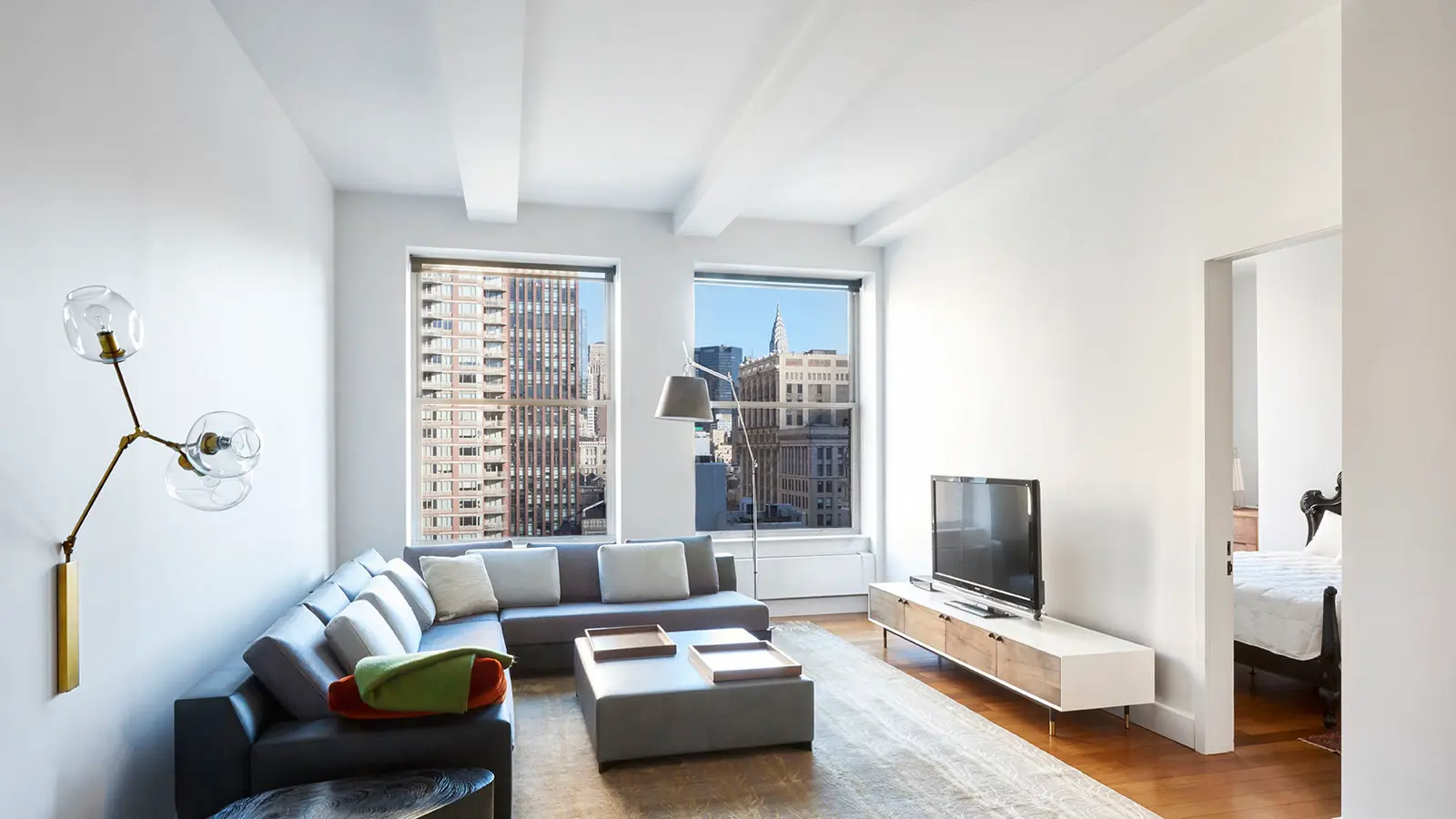
The top 12 floors of the 20-story pre-war office building known as 15 Madison Square North have been converted to one-to-four-bedroom luxury condominium apartments overlooking Madison Square Park and the Flatiron Building in one of the city’s hottest residential neighborhoods. The building, erected in 1910, begins with a 24-hour attended lobby. Residents also get a 24-hour doorman and concierge, a landscaped roof deck, a state of the art fitness center, a wine storage and tasting room and a children's playroom. In addition to being within steps from nearly every subway line in the city, the surrounding neighborhood is home to a bustling interior design district and popular destinations like Dover Street Market, ABC Kitchen and Gramercy Tavern.
For screen reader users all content above is visible so you may ignore the show more button below.
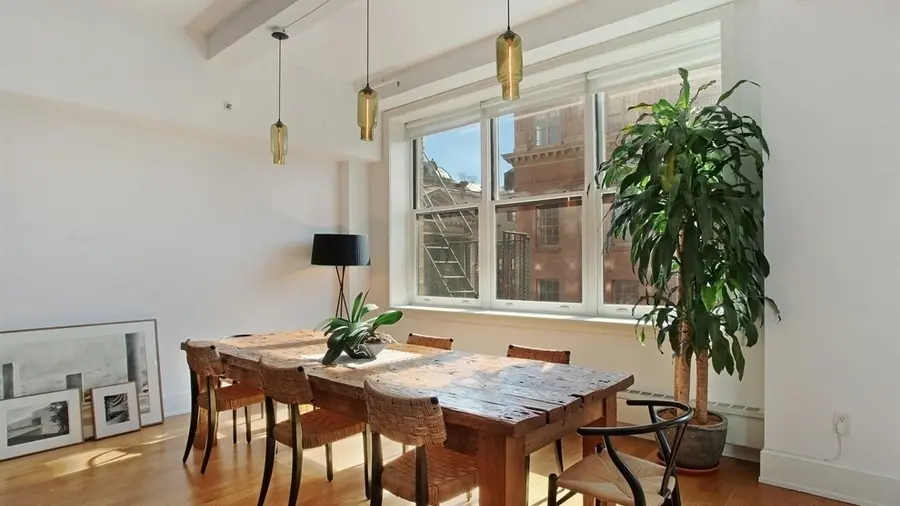
The Solita is a boutique condominium located at 161 Grand Street, positioned at the intersection of SoHo and NoLIta, with easy access to Chinatown, NoHo, and the Lower East Side. This pet-friendly building features a range of amenities including a landscaped roof deck, video intercom, and a live-in super who accepts packages. The building, originally constructed in 1911, was reimagined as condominiums in 2001 and now comprises just 18 residences, providing an intimate living experience.
Units in The Solita vary in size, with layouts from half floors of approximately 1,800 square feet to full floors exceeding 3,600 square feet. Many apartments boast 11.5-foot ceilings, oversized windows, and fireplaces, creating a spacious and airy atmosphere. The kitchens are equipped with high-end appliances from brands like Sub-Zero and Viking, while bathrooms often feature luxurious finishes such as marble and soaking tubs.
Notable residents include filmmaker Sofia Coppola and musician Thomas Mars, adding a touch of celebrity allure to the building's history. The location is surrounded by some of the city's best dining and shopping options, with renowned establishments like Balthazar and Prince Street Pizza just steps away. Public transportation is easily accessible, with multiple subway lines nearby, enhancing the convenience of urban living.
Overall, The Solita offers a unique blend of historic charm and modern luxury, making it a desirable choice for those seeking a vibrant lifestyle in one of New York City's most coveted neighborhoods.
For screen reader users all content above is visible so you may ignore the show more button below.
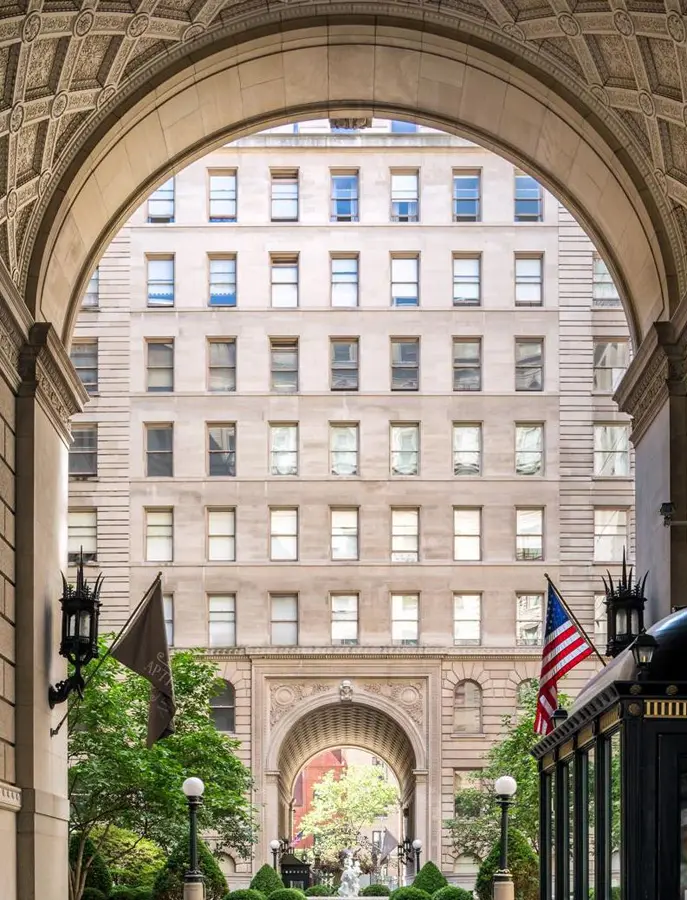
The Apthorp, built in 1908 by William Waldorf Astor, is one of New York City's most prestigious landmark buildings, occupying an entire block between 78th and 79th Streets on the Upper West Side. This Italian Renaissance Revival masterpiece, designed by architects Clinton & Russell, is distinguished by its limestone façade, iconic wrought-iron gates, and magnificent central courtyard with fountains and landscaped gardens.
The 12-story building contains 163 residences, accessed through four separate attended lobbies. Apartments feature soaring 11-foot ceilings, many with original architectural details including mosaic-tiled entry galleries, glass-paneled French doors, decorative fireplaces, and intricate crown moldings. Units range from one to six bedrooms, with many offering formal dining rooms and grand entertaining spaces.
The building was converted to condominiums in 2008 and now offers extensive amenities including a 6,500-square-foot suite with spa, fitness center, yoga studio, entertainment space with catering kitchen, children's playroom, and private storage. The building provides white-glove service with 24-hour doormen, hand-delivered mail, and on-site parking. Located between Central Park and Riverside Park, The Apthorp offers convenient access to the Upper West Side's cultural institutions, dining, shopping, and transportation.
For screen reader users all content above is visible so you may ignore the show more button below.
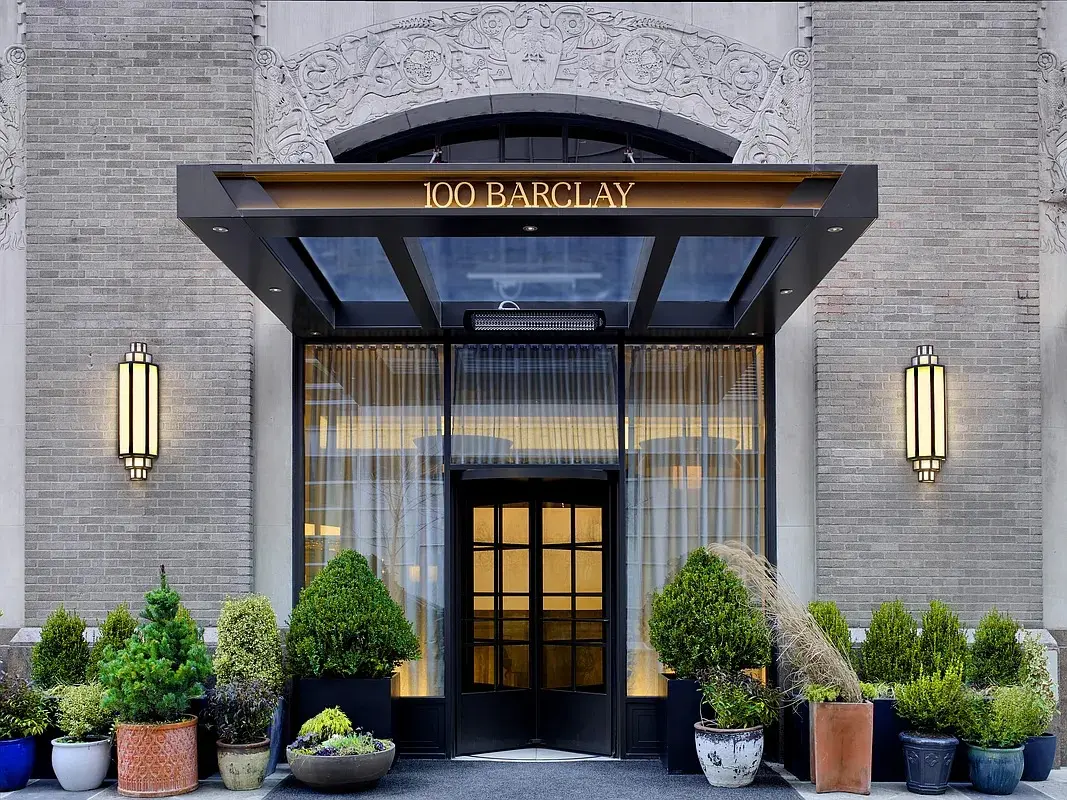
One Hundred Barclay Tribeca, completed in 1927, stands as one of New York City's first Art Deco skyscrapers. Designed by Ralph Walker, who was dubbed 'Architect of the Century' by the American Institute of Architects, the building originally served as the New York Telephone Company headquarters. The landmark structure features an opulent Jazz Age lobby with remarkable ceiling murals depicting the history of human communication, intricate ornamental details, and distinctive architectural elements including carved limestone, brick piers, and elaborate setbacks.
In 2014, the building's upper 22 floors were acquired by Magnum Realty and CIM Group for $274 million and subsequently converted into luxury residences. The conversion, designed by Ismael Leyva and DXA Studio, created sprawling loft-style homes that begin 170 feet above street level, featuring high ceilings, custom details, and views spanning from the Hudson River to the Midtown skyline.
The building offers over 40,000 square feet of amenities, including a fitness center by The Wright Fit, an 82-foot lap pool with adjacent children's pool, spa facilities, and extensive club level features on the 18th floor. The club level houses a billiards room, club lounge with bar and dining room, four outdoor terraces, children's playroom, teen lounge, media lounge, wine tasting room, and music practice rooms.
Located at the intersection of the Financial District, Tribeca, and Battery Park City, the building provides convenient access to Westfield World Trade Center, Fulton Center, and Brookfield Place, as well as the waterfront promenade at Battery Park City. The building maintains its historic status while functioning as a modern luxury residence, with Verizon retaining office space on the lower floors.
For screen reader users all content above is visible so you may ignore the show more button below.
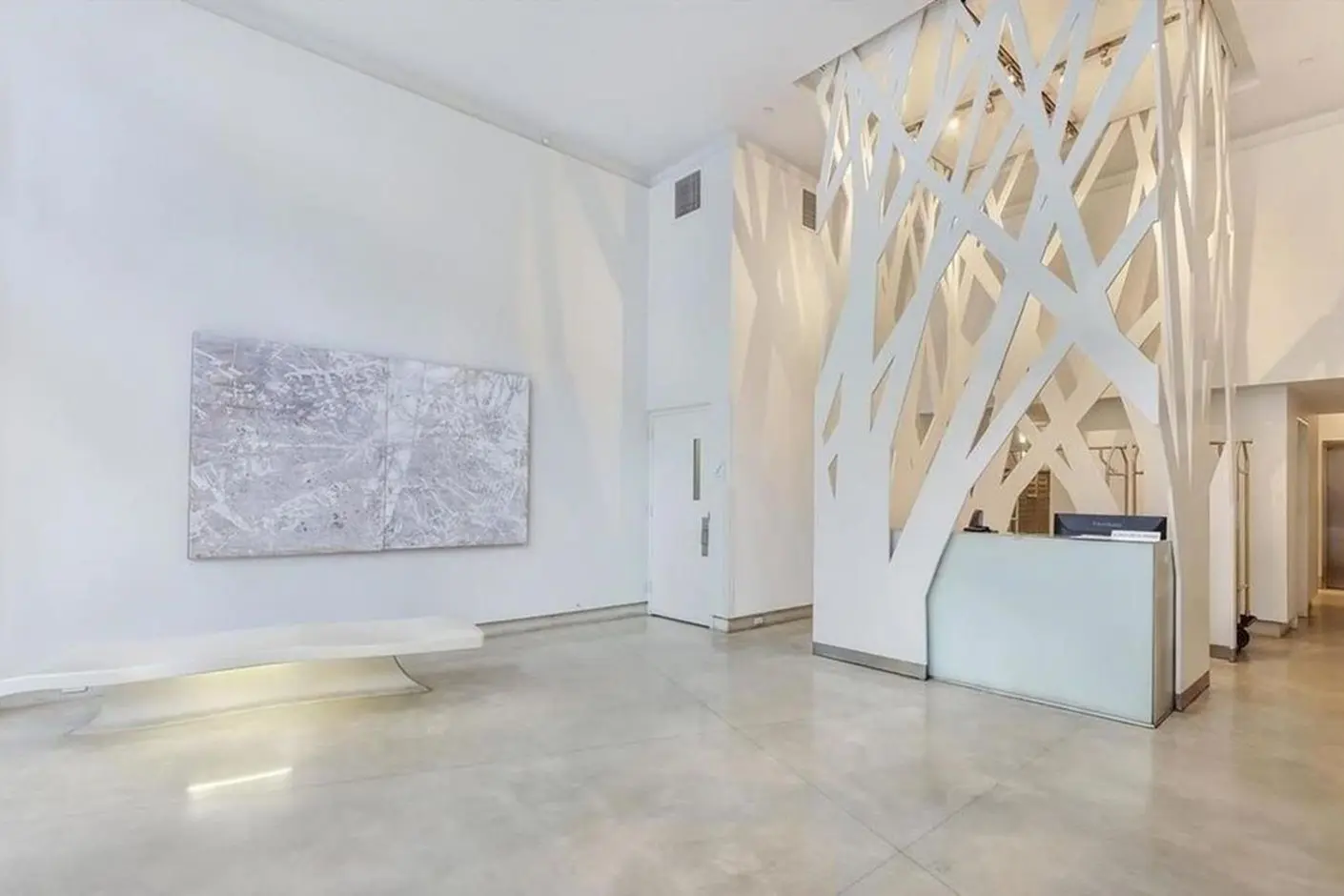
Located in the heart of Chelsea, the conversion of the landmarked Cammeyer at 650 Sixth Avenue, which was once the world's largest shoe store, was completed in 2008. It contains 67 apartments.
There are approximately thirteen units on each floor, with three terraced penthouses on the seventh floor. Studios, one-, two- or three-bedroom units emphasize open space. Residences have ceilings that are 10 feet and higher, oversized, energy efficient windows and generous layouts. White is the prominent color in these units, from white fixtures in bathrooms to white wood flooring and white, modern appliances in kitchens.
650 Sixth Avenue amenities include a 24-hour concierge and doorman, an on-site wine cellar and a private gym with state-of-the-art equipment. Apartments also have additional storage space on the same floor. The seventh floor has a common 3,600-square-foot roof deck with stunning open city views and all services are provided by “Quintessentially Concierge Service,” a worldwide company that specializes in providing luxury amenities.
Located on the southwest corner of 20th Street and Sixth Avenue, 650 Sixth Avenue is in the heart of the Ladies Mile Historic District. It is also a short distance from Madison Square Park, popular retail and dining in the Flatiron District and NoMad, Chelsea nightlife, and the Union Square transportation hub.
For screen reader users all content above is visible so you may ignore the show more button below.
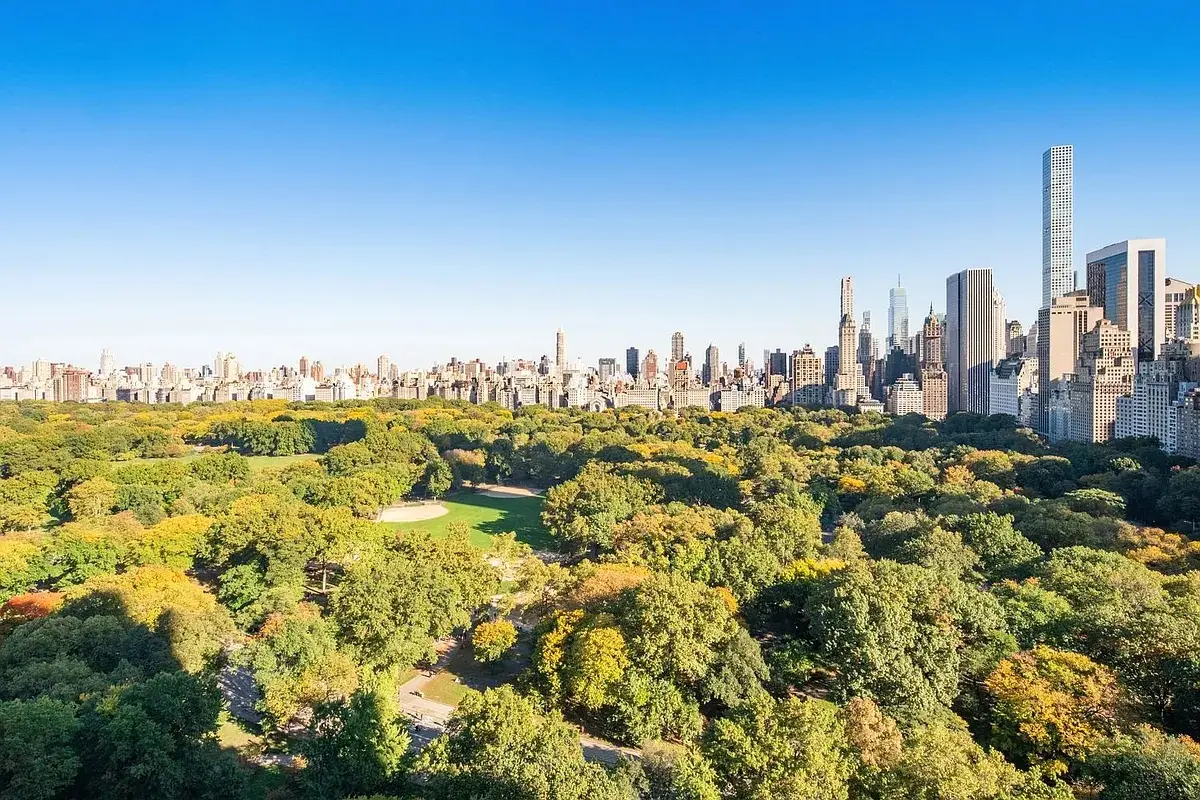
The Century is located on Central Park West near Columbus Circle.
The apartments at 25 Central Park West feature step-down living rooms, formal dining rooms, windowed eat-in kitchens and gracious entry galleries. Newly installed windows – many of which are bay windows – capture intimate views of Central Park and its own private garden.
The Century is a white-glove building staffed with a 24-hour doorman, live-in superintendent, concierge, and handyman. Laundry service and in-building storage are also available. Pets are permitted, as are subletting, investors, and pied-a-terres.
In addition to The Century’s compelling Art Deco architecture, it is distinctive for its prime Central Park location. The shops, restaurants, Whole Foods, and transportation of Columbus Circle are a few blocks away, as is the culture and entertainment found in Lincoln Center and the surrounding area. Local schools, playgrounds and opportunities for family activities and outings are also some of the best in the city.
For screen reader users all content above is visible so you may ignore the show more button below.
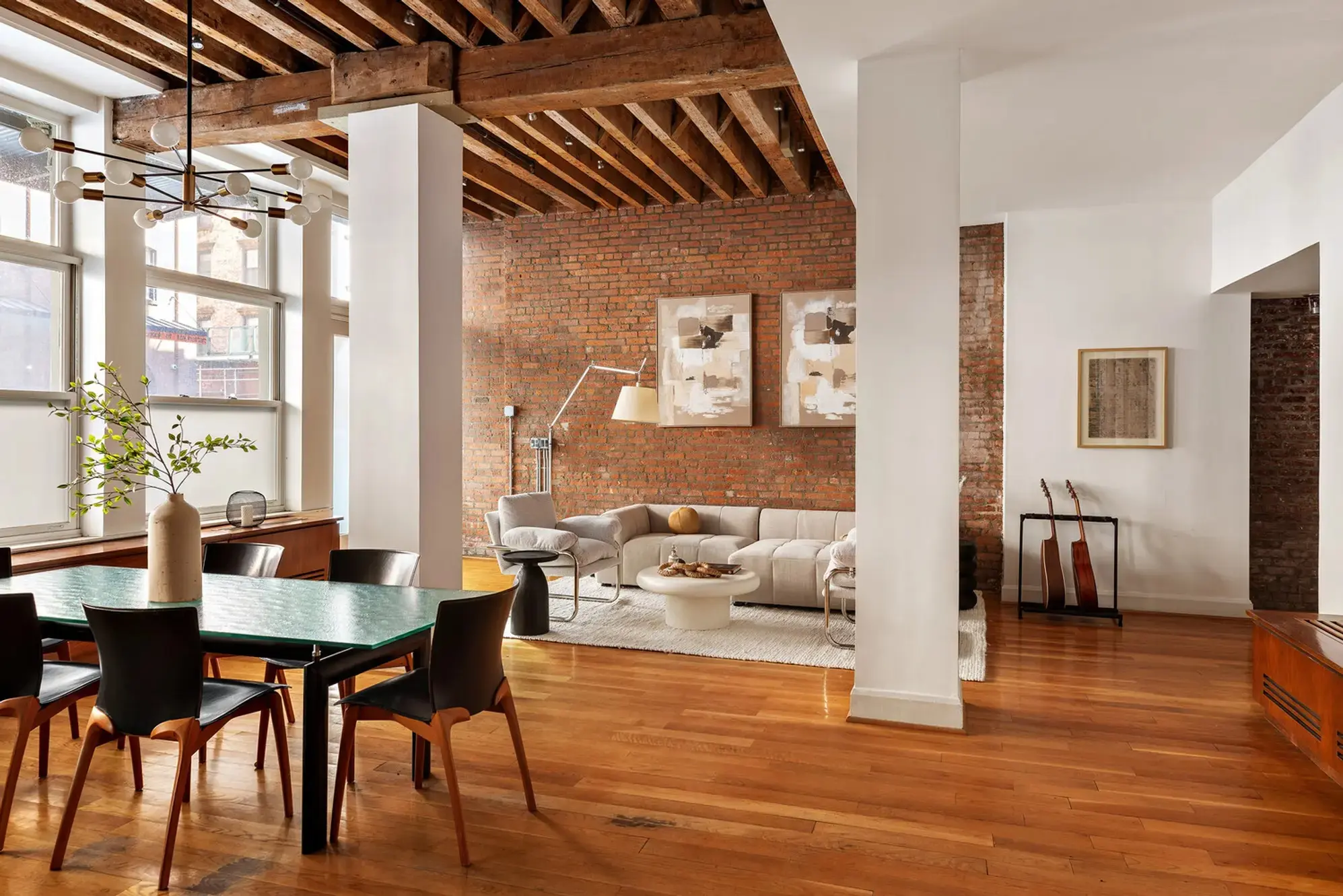
The Fischer Mills Building at 393-397 Greenwich Street is a historic pre-war structure dating back to 1860, originally serving as a coffee, tea, and spice warehouse. Located in the Tribeca West Historic District, the building artfully combines three distinct historic buildings into a single residential condominium, converted under the direction of developer Arthur Fefferman with BKSK Architects' Harry Kendall.
The building's distinctive architectural character is preserved through its exposed structural elements, including cast-iron columns, enormous rough-hewn timber beams with hand-chiseled joinery, and graceful brick archways. These industrial elements are complemented by modern finishes such as maple flooring and Thermopane windows throughout the residences.
Comprising 35 units, the building offers homes ranging from 1,400 to 4,300 square feet, with 24 units featuring private outdoor spaces. Two notable townhouse-style apartments boast soaring 15-foot ceilings, private gardens, and direct street access. The residences feature high-end finishes including stone countertops, oversized French farm sinks in kitchens, and bathrooms with radiant heated stone floors and six-foot cast-iron tubs.
As a full-service condominium, the Fischer Mills Building provides residents with full-time door attendants, a live-in superintendent, bicycle storage, private storage facilities, and a shared roof deck. While the building lacks a garage, it benefits from its proximity to the Hudson River Greenway, Pier 25, and various transportation options in the heart of Tribeca.
For screen reader users all content above is visible so you may ignore the show more button below.
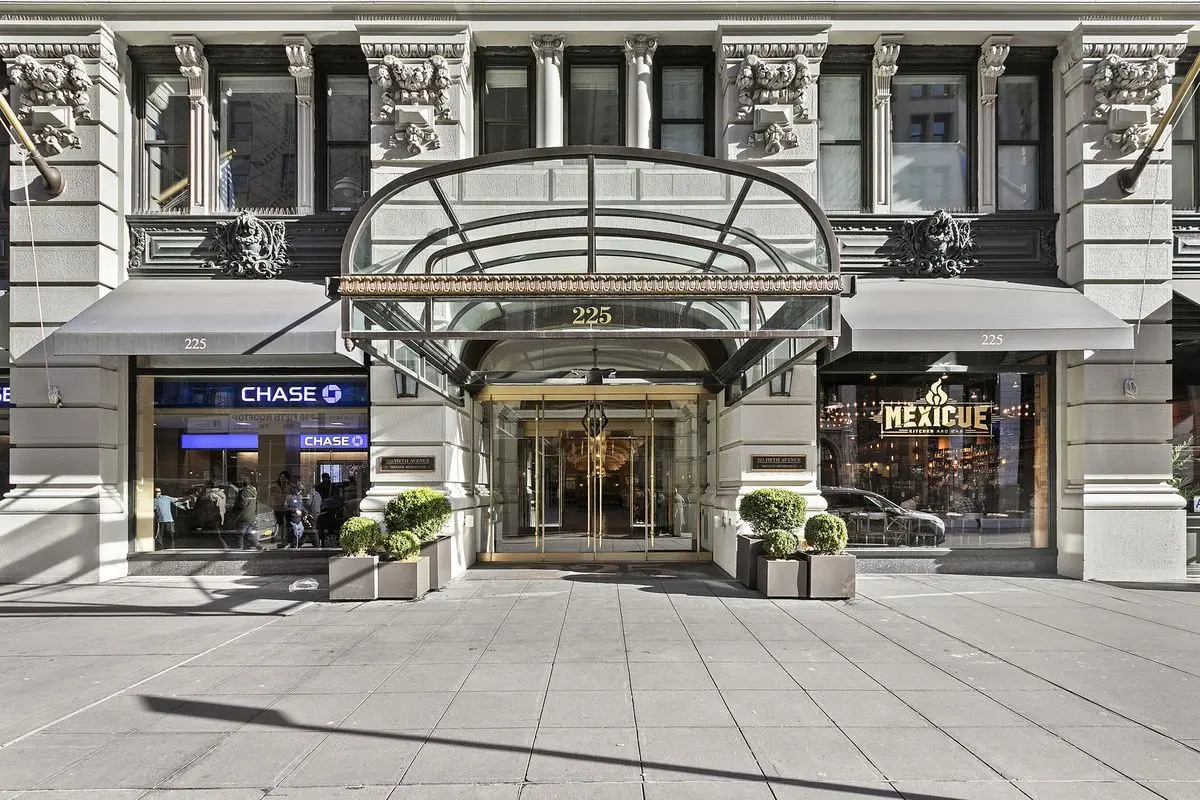
Grand Madison at 225 Fifth Avenue is a Renaissance Revival landmark building that occupies an entire blockfront between 25th and 26th streets, directly overlooking Madison Square Park. Originally constructed in 1906 as the Brunswick Hotel by architects Francis H. Kimball and Harry E. Donnell, the red-brick building with limestone base later served as elegant showrooms for the gift industry before Elad Properties acquired it for approximately $125 million in 2004 and converted it into 190-192 condominium apartments.
The building's apartments typically feature 10-foot ceilings, Poggenpohl kitchens with Viking and Bosch appliances, wide plank oak hardwood floors, and marble bathrooms, often in Carrara marble. Units range from spacious one-bedrooms to impressive duplex penthouses, with the latter offering multiple terraces up to 252 square feet and views of iconic buildings like the Empire State Building and Flatiron Building. Many apartments showcase the building's showroom heritage with exceptionally long entrance galleries - some stretching up to 33 feet - and expansive living spaces that can accommodate both living and formal dining areas.
Grand Madison provides white-glove service with 24-hour doorman and concierge, a fitness center, landscaped courtyard, and roof deck. The building notably housed the first Derek Jeter-branded gym in 2008, a 28,000-square-foot facility that was part of the 24 Hour Fitness chain. Additional services include in-house dry cleaning, daily housekeeping, and a live-in superintendent, though the building lacks a parking garage.
The location places residents at the heart of the revitalized NoMad district, with Eataly directly across the street and Madison Square Park's original Shake Shack steps away. Notable residents have included news anchor Lester Holt. The building's prime position offers easy access to the dining and cultural attractions of both the Flatiron District and Chelsea, while multiple subway lines provide convenient transportation throughout the city.
For screen reader users all content above is visible so you may ignore the show more button below.
The 1915 masonry tower at 90 Franklin Street in TriBeCa was converted from office space into 25 apartments in 2001.
Rising without setbacks, Franklin Tower has one unit on its 11th through 16th floors; each lower floor contains two apartments. Residences range from 1,900-square-foot one-bedrooms and 2,600-square-foot two- to four-bedrooms, to 5,000-square-foot floor-through lofts with four exposures. Full-floor apartments have 23-by-33-foot living rooms that open onto 23-by-13-foot libraries with fireplaces and four bedrooms. Maid's quarters have a separate entrance.
Interiors boast 10-foot ceilings with recessed lighting, oversized banks of thermal pane windows, double and quadruple exposures and good city or river views. Stainless steel kitchens feature imported cabinetry and are outfitted with center islands topped in polished stone. Bathrooms have Waterworks fixtures and oversized glass steam showers and deep soaking tubs. Residences also have washers and dryers.
Amenities include a 24-hour doorman, concierge service, a rooftop deck with expansive views and a fitness center. It is also close to public transportation, restaurants and the Hudson River, which has running and biking paths.
For screen reader users all content above is visible so you may ignore the show more button below.

 6sqft delivers the latest on real estate, architecture, and design, straight from New York City.
Like us on Facebook to keep up with the trends and
6sqft delivers the latest on real estate, architecture, and design, straight from New York City.
Like us on Facebook to keep up with the trends and 