
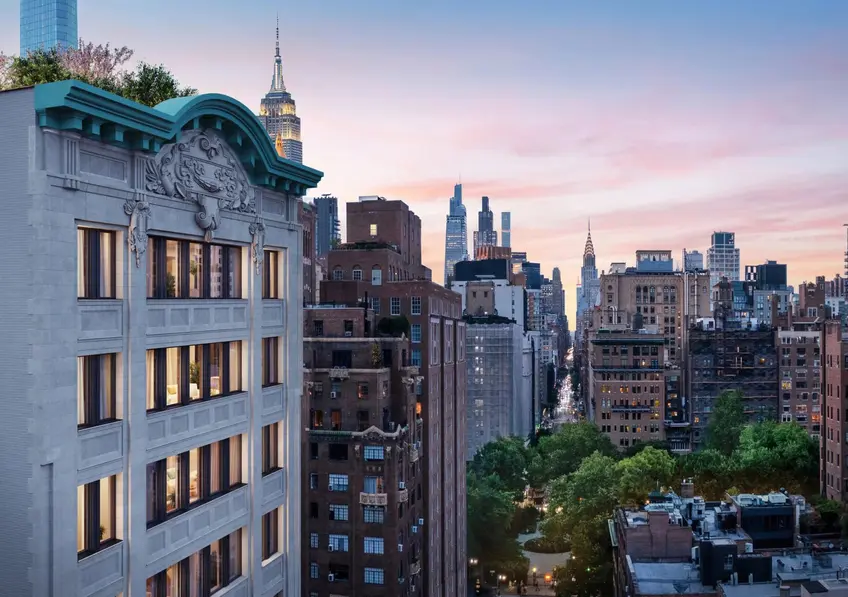
As part of the wave of office-to-residential conversions sweeping over Manhattan, few buildings have been as primly positioned for for-sale residences as 67 Irving Place. Sales officially launched last week on the building's eleven expansive one-per-floor residences designed by Morris Adjmi Architects. All homes are three- and four-bedroom layouts, nearly all with private elevator landings, and most offering partial views of Gramercy Park. Prices start at $6.85 million with occupancy anticipated for summer 2027. The 12-story former printing factory sits just south of Gramercy Park and east of Union Square, on one of the neighborhood’s most quietly elegant blocks.
Originally designed by architect Charles Volz and completed in 1910, the building rose during a period when the area was transitioning from single-family homes for the upper classes into a more mixed-use district of light manufacturing, office, and multi-family apartment buildings.
Originally designed by architect Charles Volz and completed in 1910, the building rose during a period when the area was transitioning from single-family homes for the upper classes into a more mixed-use district of light manufacturing, office, and multi-family apartment buildings.
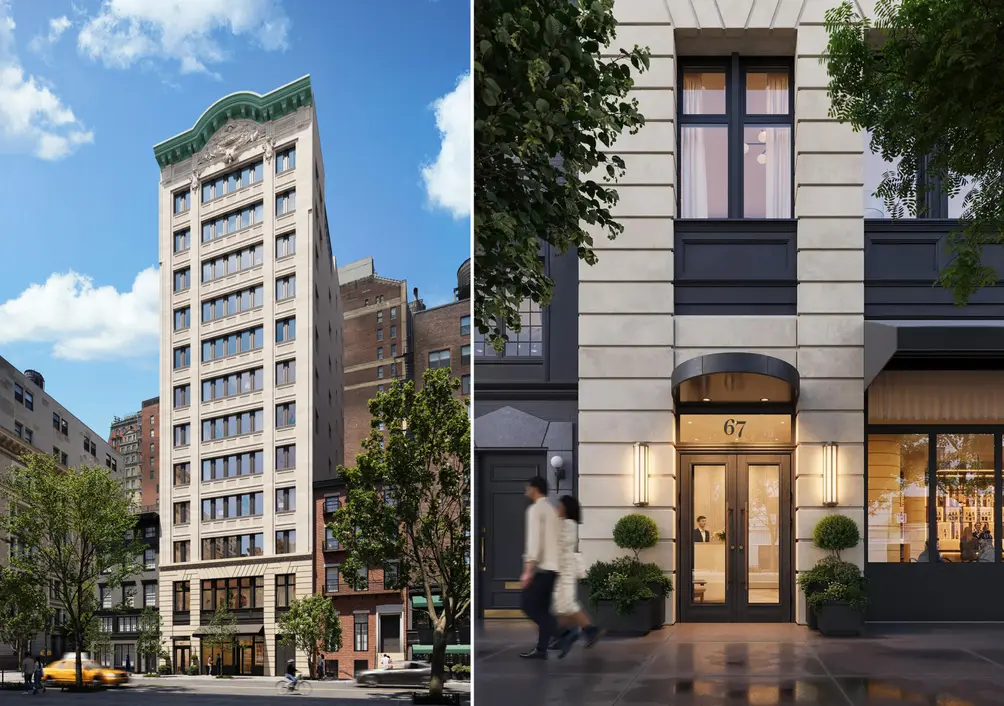 Image credit: Hayes Davidson for CIM Group
In this article:
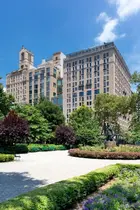

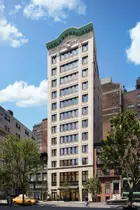
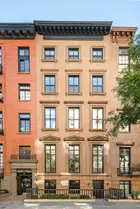
Standing 165 feet tall and spanning 46 feet wide, the stately structure replaced a pair of rowhouses, similar to the ones still standing on either side. Styled in the ostentatious Beaux-Arts style, the building is clad in terracotta, limestone, and brick. Along Irving Place, the facade boasts rusticated lower floors, rows of large picture windows, paneled spandrel sections, and a noteworthy crown anchored by an elaborately carved stone cartouche with scrolling foliage and floral motifs, flanked by symmetrical relief details.
At its apex is a boldly projecting copper cornice, painted a soft green. Overall, the building is a handsome but simple affair that unfortunately seems too hard/expensive for developers to pull off today. Even the lot-line walls of 67 Irving are well articulated.
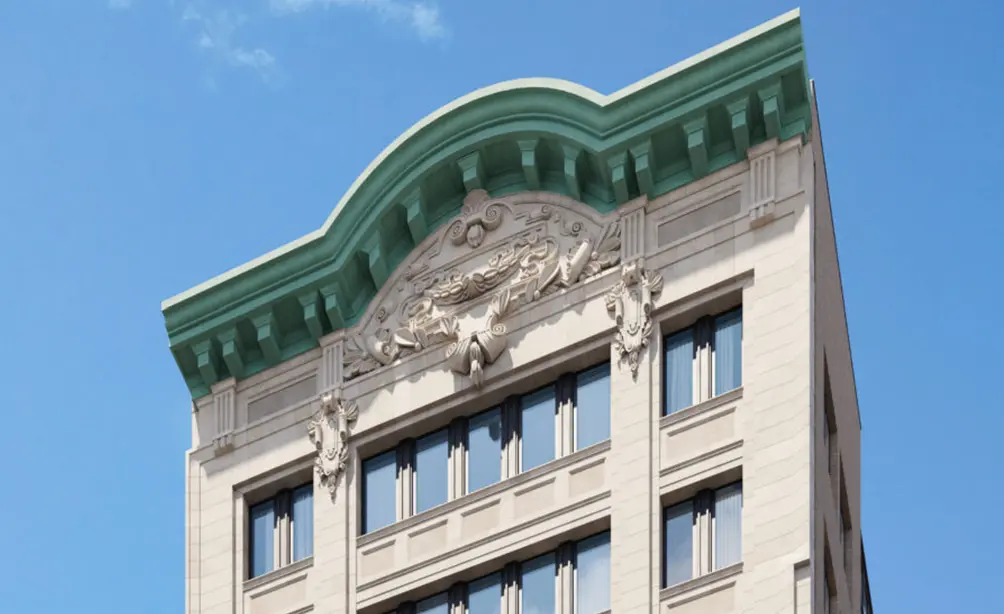 Close up at the restored Beaux Arts crown at 67 Irving Place | Credit: Hayes Davidson for CIM Group
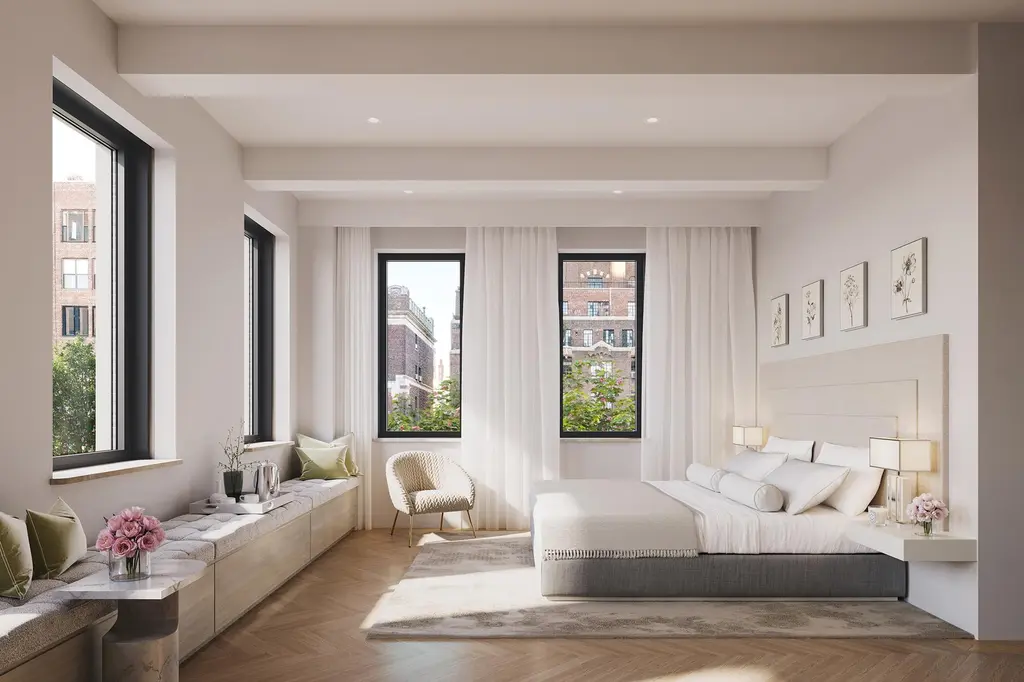
Behind its handsome facade and charming, centrally located address, the residences aim to deliver a heightened level of contemporary comfort. According to the development team, the Morris Adjmi–designed interiors embrace a “jewel box” sensibility, with an emphasis on proportion and craftsmanship. The first public availabilities show a 2,747-square-foot three-bedroom asking $6,850,000, and two full-floor four-bedrooms priced from $9,750,000.
Homes feature private elevator landings that open to gracious foyers, 11-foot-5-inch ceilings, European white oak herringbone floors with brass inlays, and mudrooms with generous coat closets. Powder rooms and an abundance of pocket doors allow spaces to flow without interruption.
Homes feature private elevator landings that open to gracious foyers, 11-foot-5-inch ceilings, European white oak herringbone floors with brass inlays, and mudrooms with generous coat closets. Powder rooms and an abundance of pocket doors allow spaces to flow without interruption.
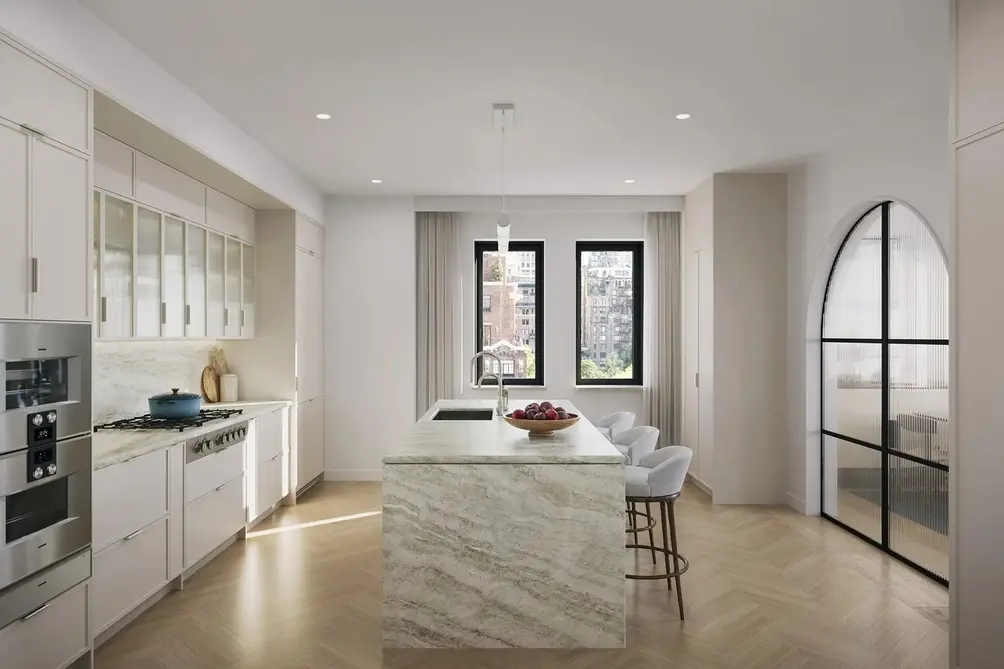 Typical kitchen separated by custom arched pocket doors |Credit: Hayes Davidson for CIM Group
Separate, windowed kitchens feature custom profiled cabinetry, Madreperola quartzite waterfall-edge islands, and state-of-the-art Gaggenau appliances. Beautiful arched steel pocket doors allow the kitchens to be fully closed off from the dining and great rooms when desired.
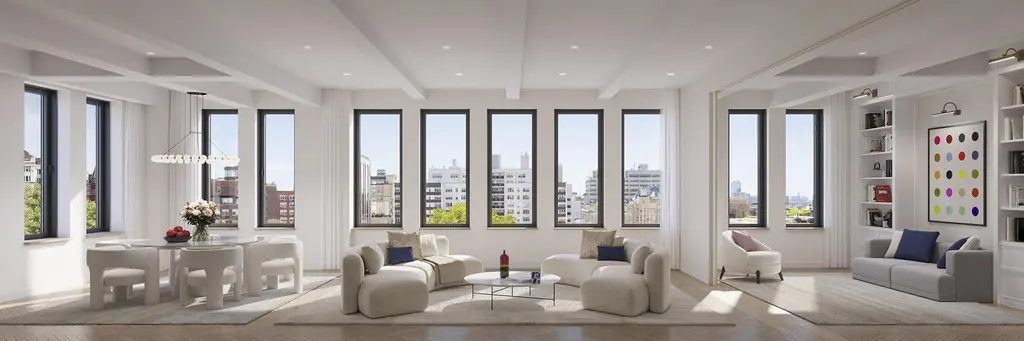
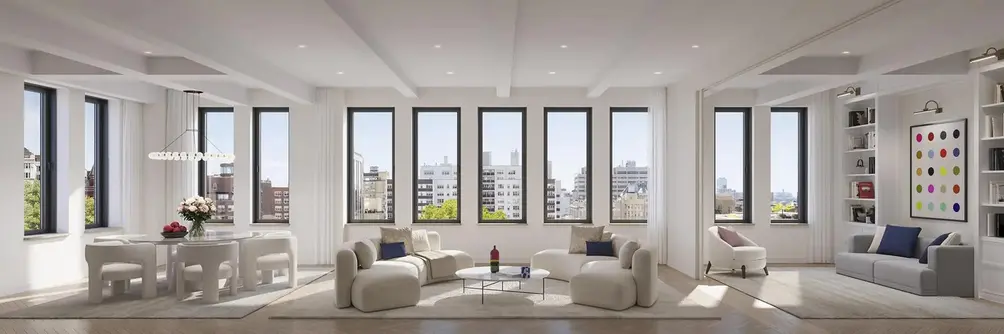 The great rooms typically measure 31 feet long | Credit: Hayes Davidson for CIM Group
Great rooms, measuring more than 30 feet in length, face Irving Place, while bedrooms overlook quiet rear yards and lightly trafficked East 18th Street. All bedrooms include en-suite marble-clad baths with heated floors and Dornbracht fixtures. Corner primary suites feature walk-in closets and five-fixture baths, including freestanding soaking tubs positioned near windows with views toward Gramercy Park.
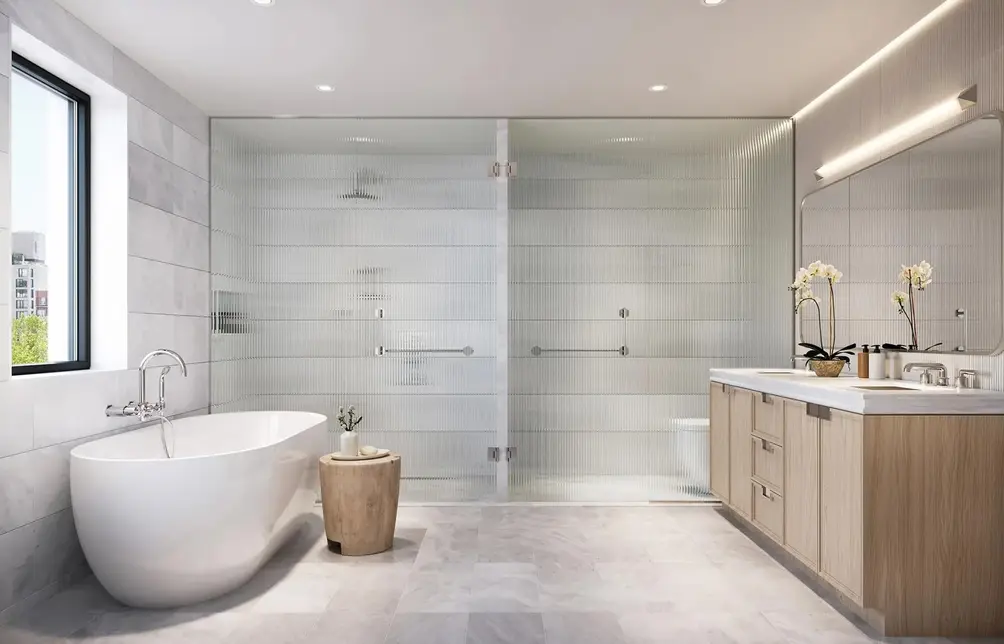 Primary 5-fixture bath with freestanding tub | Credit: Hayes Davidson for CIM Group
In four-bedroom layouts, the fourth bedroom, located off the elevator landing, can function as a guest room, den, library, or home office. The sponsor and marketing team explain that living spaces were intentionally designed for future flexibility, allowing the formal dining area to be converted into a larger eat-in kitchen and the fourth bedroom into a library or study.
The top floor will house a grand penthouse with loftier ceilings and an immense original 1910 wraparound skylight above the kitchen. Its private rooftop terrace will present majestic views of Gramercy Park and up Lexington Avenue to the Chrysler Building.
Amenities include a 24-hour concierge and attended lobby, reportedly finished with cream-colored leather-wrapped reception desks, Taj Mahal stone flooring, and hand-applied plaster walls. Other shared in-house comforts for residents include a fitness center, screening room, children's playroom, and a common roof deck with views of Union Square Park.
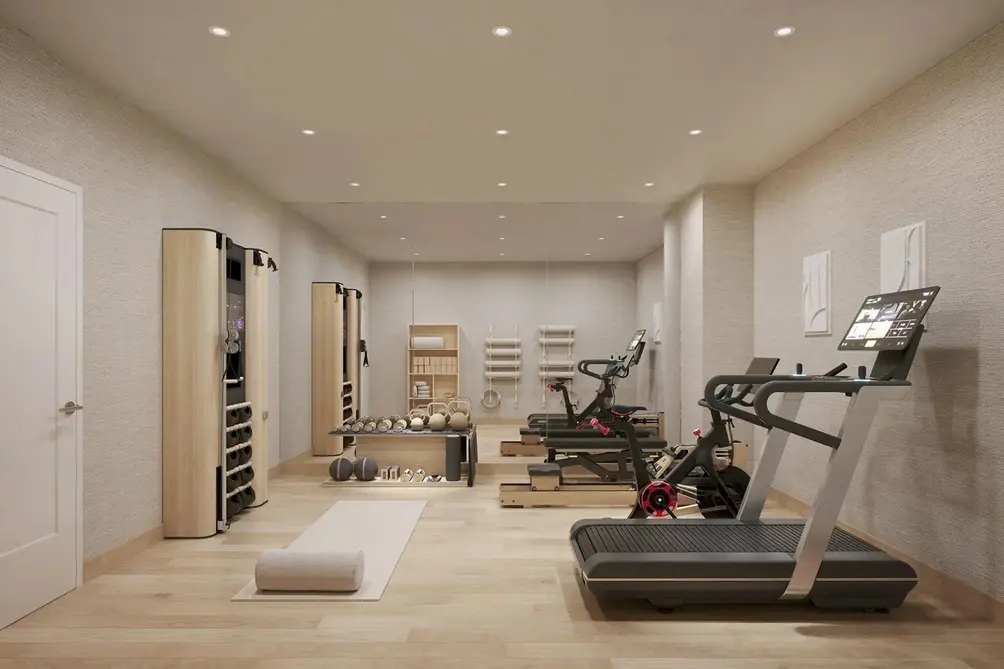 Fitness center | Credit: Hayes Davidson for CIM Group
Would you like to tour any of these properties?
Just complete the info below.
Or call us at (212) 755-5544
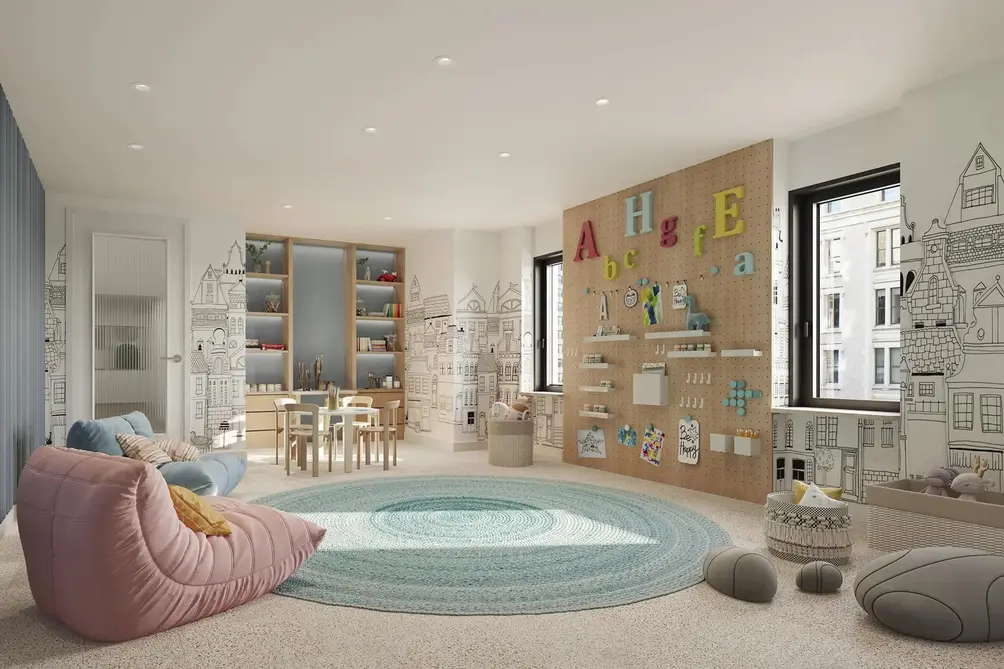 Children's playroom | Typical kitchen separated by custom arched pocket doors | Credit: Hayes Davidson for CIM Group
At street level, restaurateur Danny Meyer’s Maialino will anchor the building. The beloved Roman-style trattoria first opened in the Gramercy Park Hotel in 2009 and closed in March 2020 alongside the hotel. Its return to the neighborhood will take place within the building’s stately ground-floor space.
Meyer told Surface magazine that Maialino was born out of conversations with hotelier Ian Schrager and inspired by his deep personal connection to Rome. “In Rome, there are thousands of trattorias,” Meyer said. “What’s interesting is that the menu overlap is about 90 percent. It’s not about inventing something unfamiliar, but about doing something people already know extremely well. Can you be the trattoria that feels like a home away from home? That’s hospitality.”
Meyer also noted the appeal of being part of a residential building. “I’m excited to be part of a project where the building itself is the center point of the community,” he said. Maialino will offer food delivery to residents, reservation privileges, and waived corkage fees for those enjoying their own bottles at the restaurant.
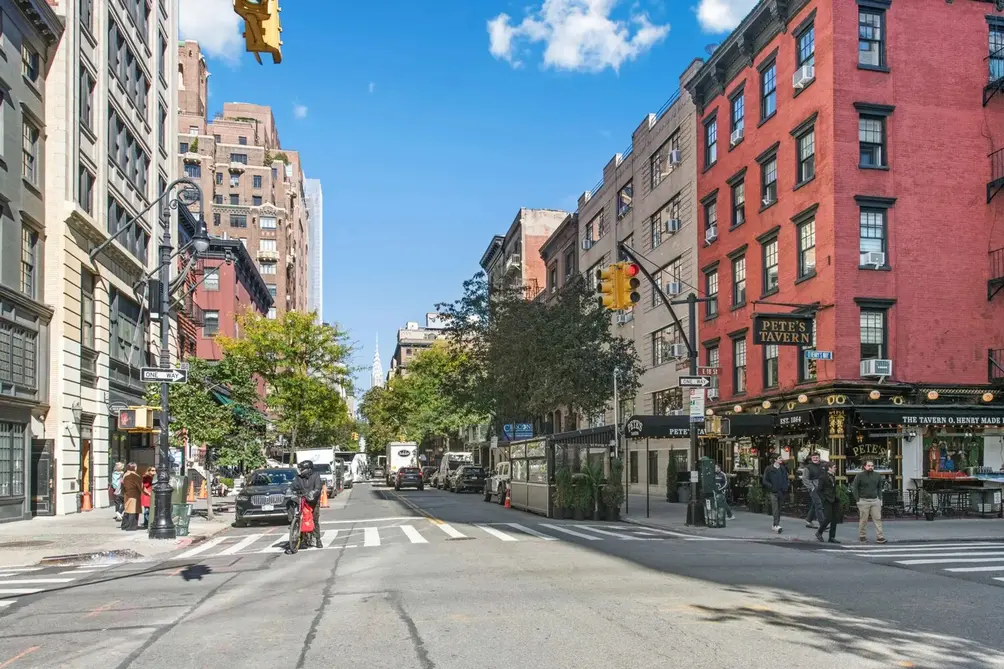 Irving Place and East 18th Street with 67 Irving to the left
Last but not least is 67 Irving's compelling location. Bound by Gramercy Park to the north and 14th Street to the south, Irving Place effectively functions as a dead end at both terminals, creating a welcome break from through traffic. Only about 30 buildings line the block, many of them low-rise townhouses draped in ivy.
Irving Place and Lexington Avenue were not part of the original 1811 Manhattan grid plan. They were added in the early 1830s at the urging of Samuel Bulkley Ruggles, a lawyer and real estate developer who petitioned the New York State Legislature to approve a new north-south avenue between Third and Fourth Avenues, from 14th to 30th Streets. The southern portion, opened in 1833, was named after Ruggles’s friend Washington Irving, then at the height of his literary fame.
Irving, the author of Rip Van Winkle and The Legend of Sleepy Hollow, never lived on the street that bears his name, despite local legend and the presence of the Irving House at No. 122. However, Edgar Irving, sometimes identified as his nephew, lived next door at No. 120 and named his son Washington.
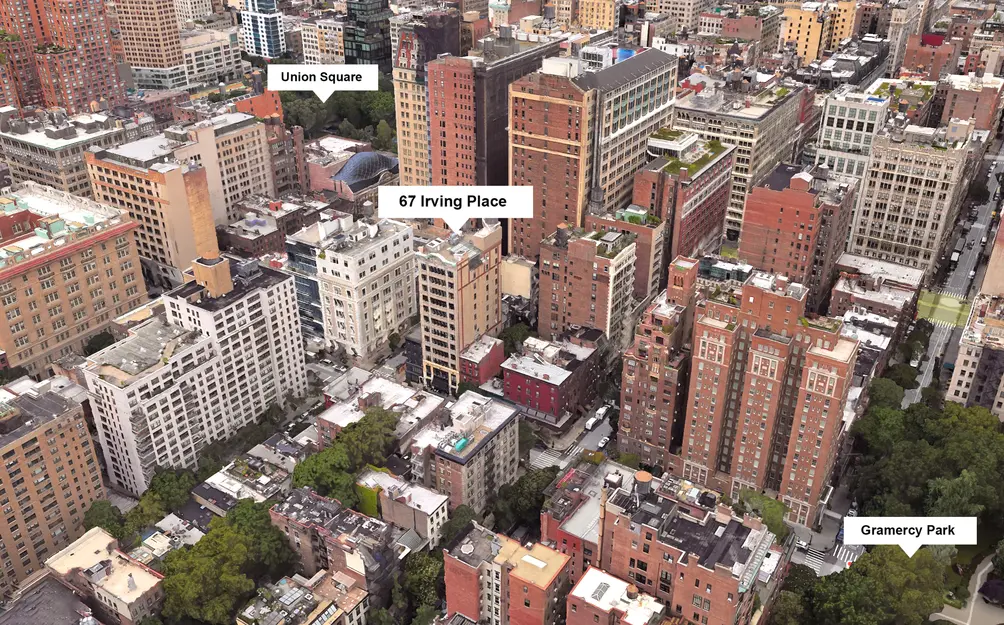 Google Earth aerial looking west at 67 Irving Place
Following the opening of Union Square in 1839, the area became one of the city’s most desirable residential districts, a status further heightened by the development of Gramercy Park to the north and Stuyvesant Square to the east. Most houses in the district were built in the decades that followed, primarily in the Greek Revival and Italianate styles, with later apartment buildings adopting the Renaissance Revival. According to Forgotten New York, by 1938, all single-family homes in the district had been converted to apartment buildings.
Directly across from 67 Irving is the iconic Pete’s Tavern, said to be New York City’s oldest surviving saloon, where O. Henry is said to have conceived “The Gift of the Magi” and which famously survived Prohibition disguised as a flower shop. The building dates to 1829 and operated as a grocery by 1851, with a saloon in place by 1864.
Ruggles himself purchased the swampy land surrounding what would become Gramercy Park, envisioning a planned community of townhouses encircling a private park. Borrowing the idea from London’s St. John’s Park, he granted surrounding homeowners keys to their own tax-exempt “pleasure ground,” significantly enhancing property values. Housing around the park followed in the 1840s.
North of Gramercy Park, the thoroughfare becomes Lexington Avenue, opened in 1836 and named after the Battle of Lexington from the Revolutionary War. Unlike Lexington Avenue, the six-block stretch of Irving Place from 14th to 20th Street carries two-way traffic and remains distinctly local in character, with the residences of 67 Irving poised to meld beautifully into this fabric.
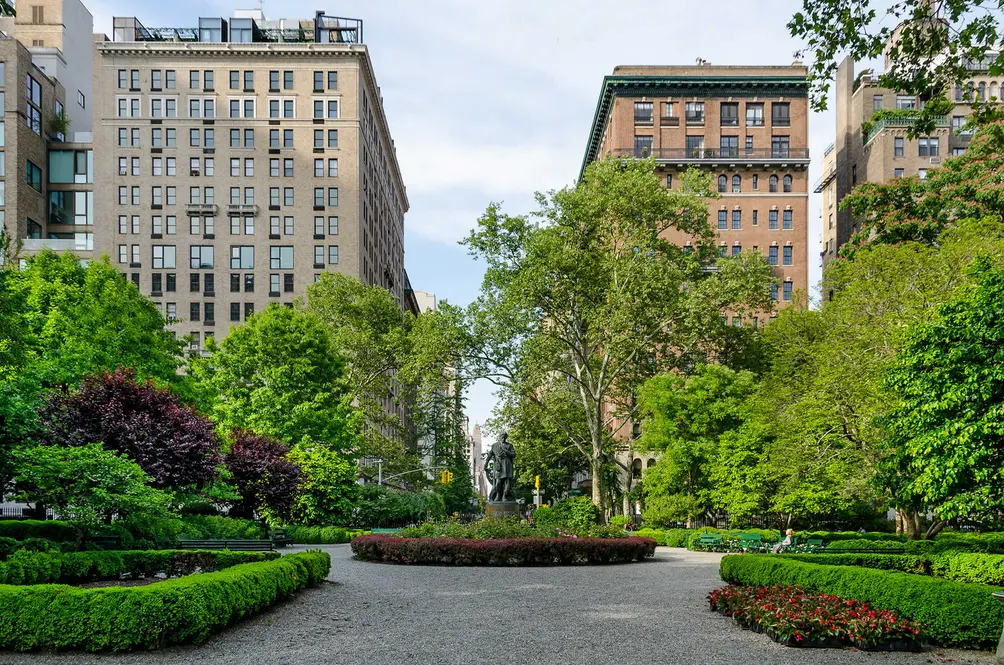 Gramercy Park looking north up Lexington Avenue
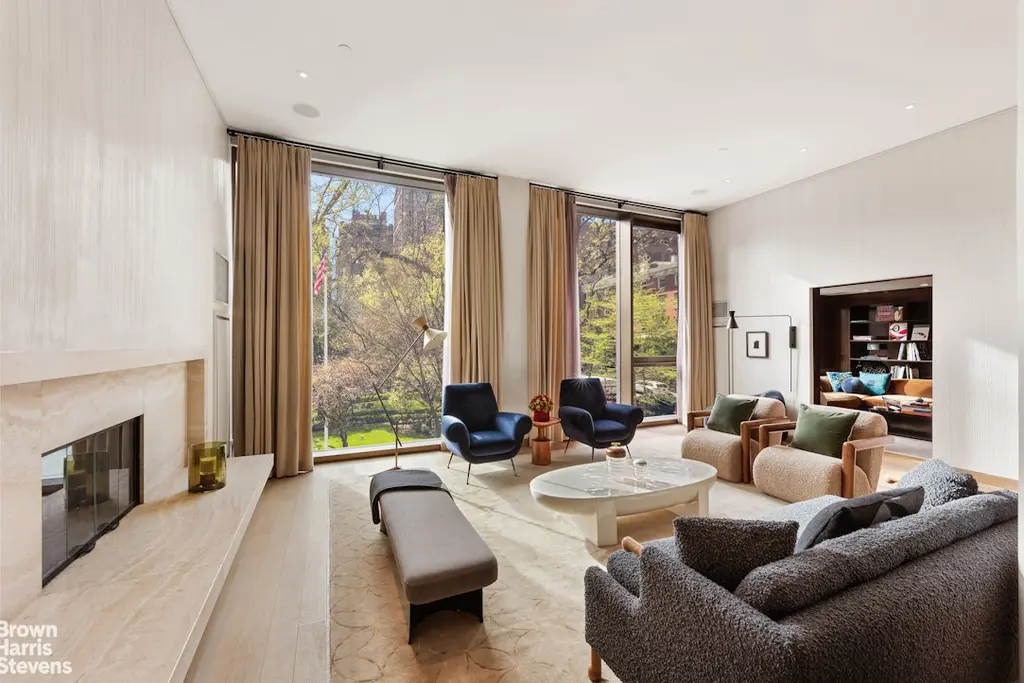
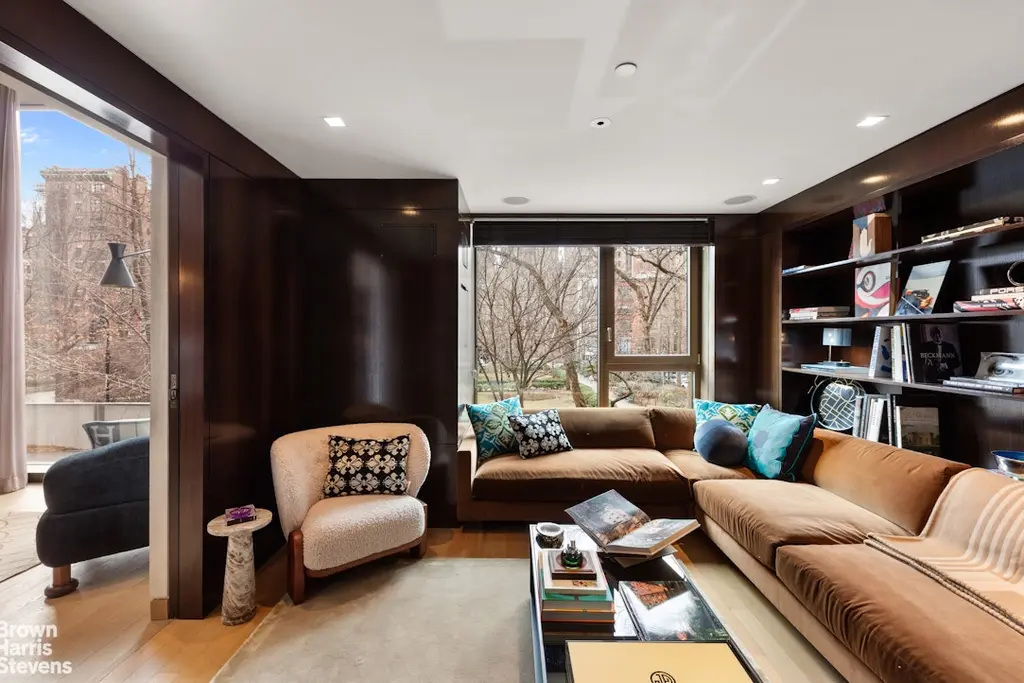
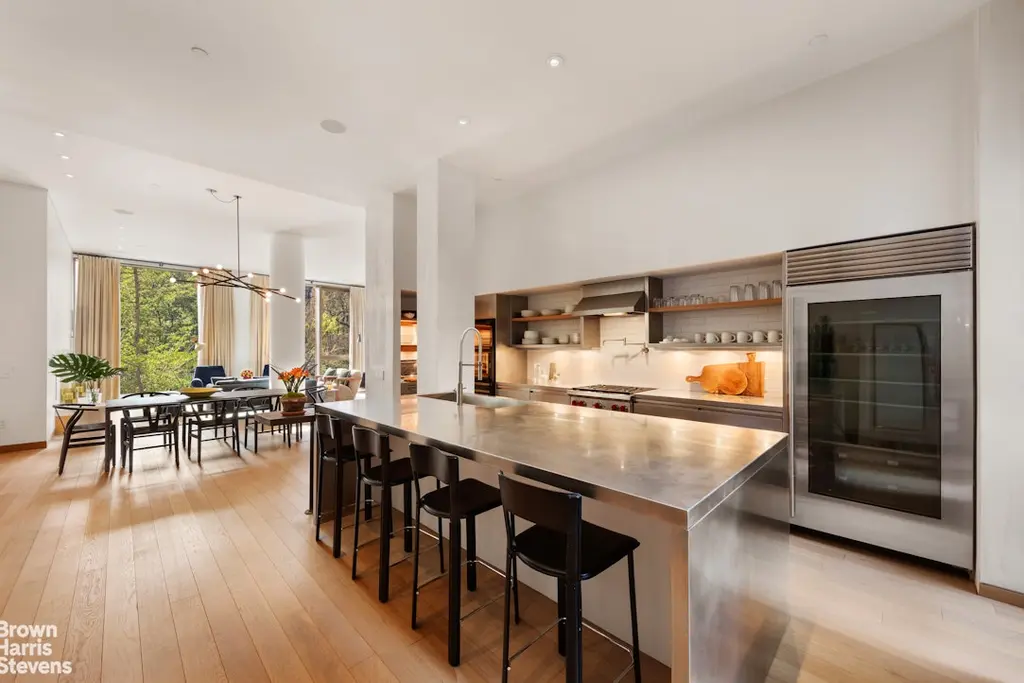
Select listings around Irving Place and Gramercy Park
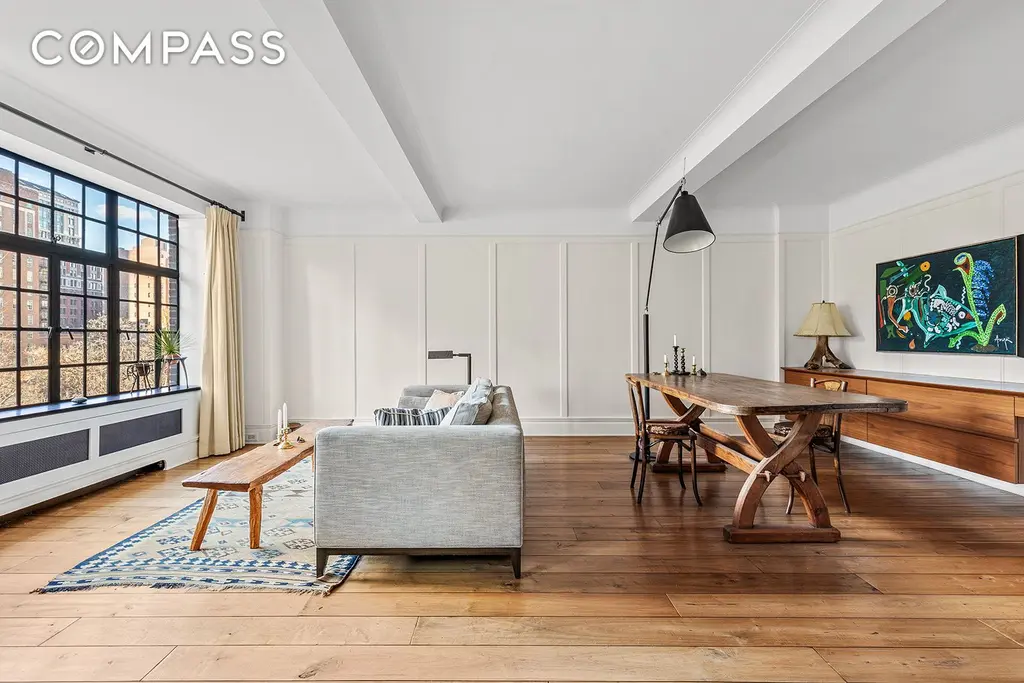
44 Gramercy Park North, #8B (Compass)
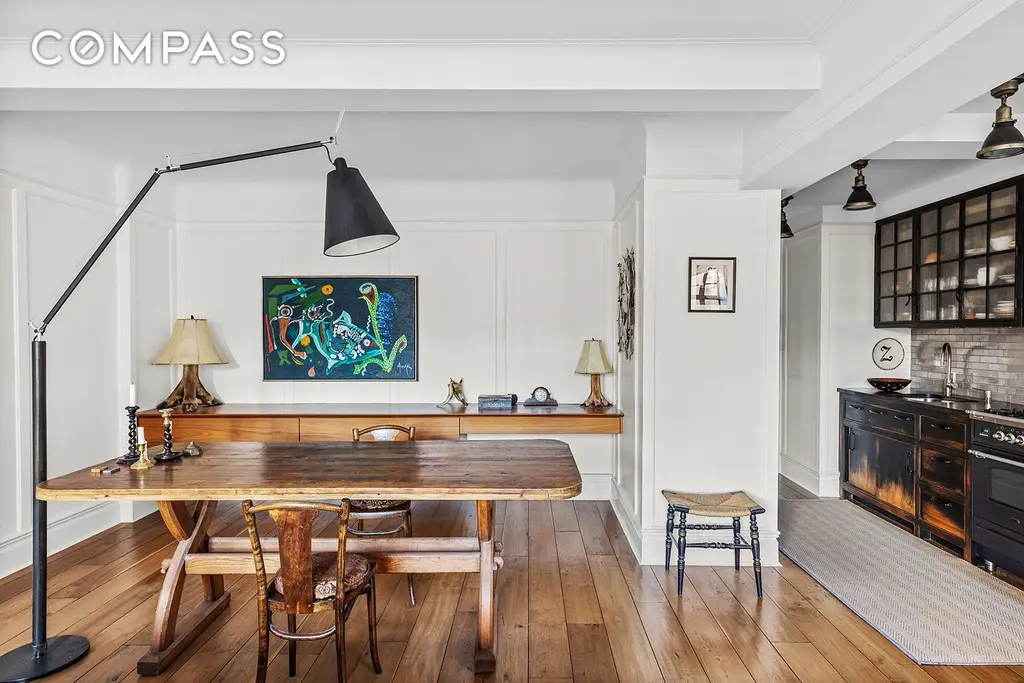
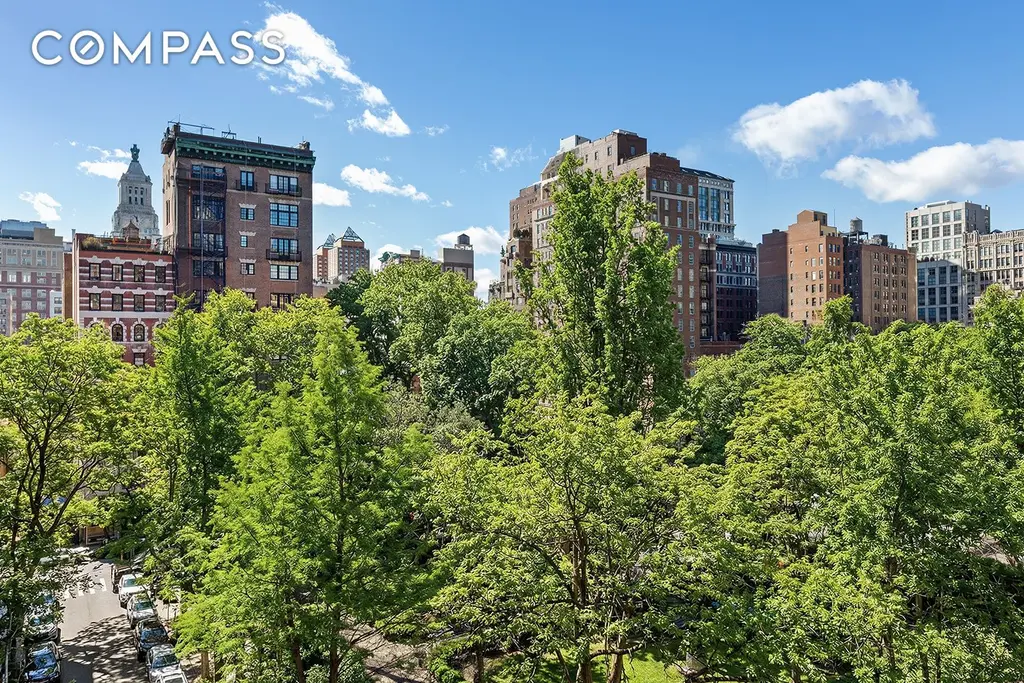
50 Gramercy Park North, #3B (Brown Harris Stevens Residential Sales LLC)
67 Irving Place, #3 (Reuveni LLC)
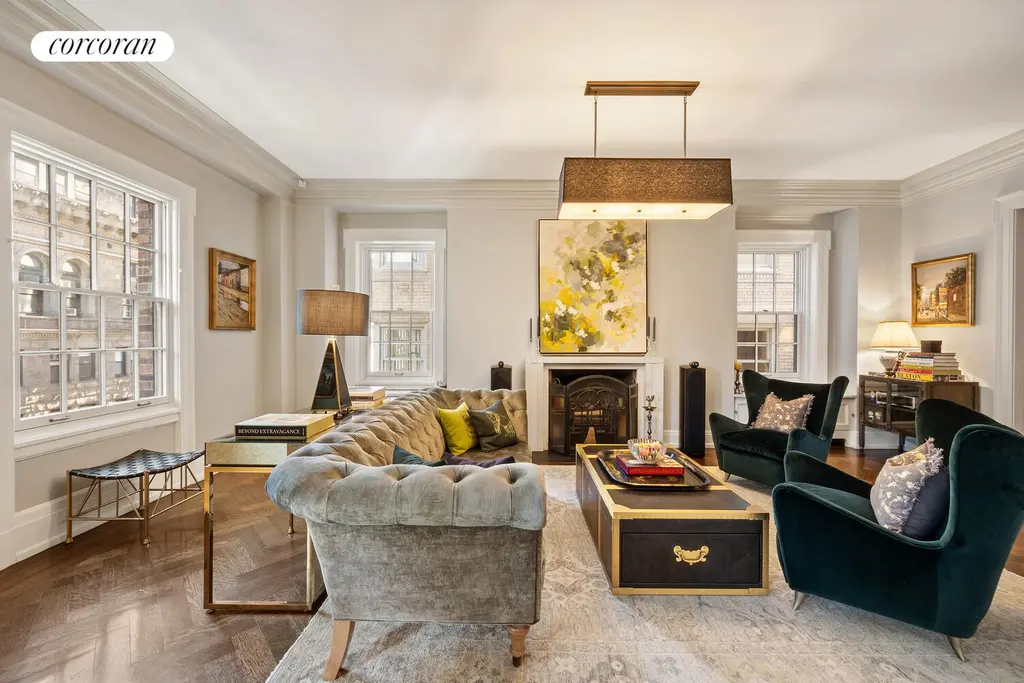
1 Lexington Avenue, #89CD (Corcoran Group)
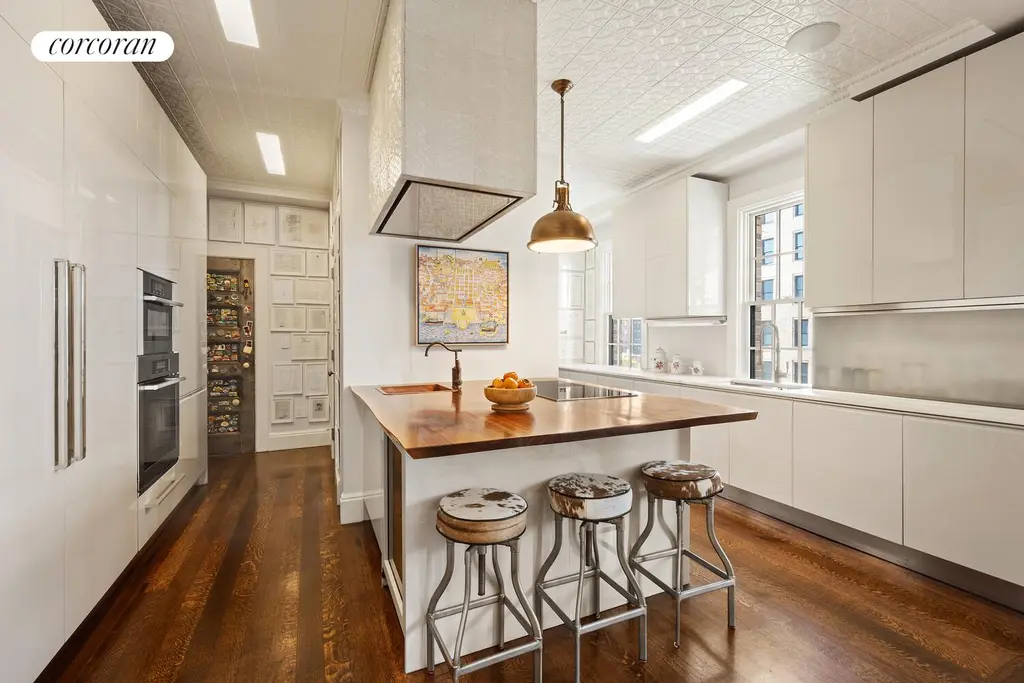
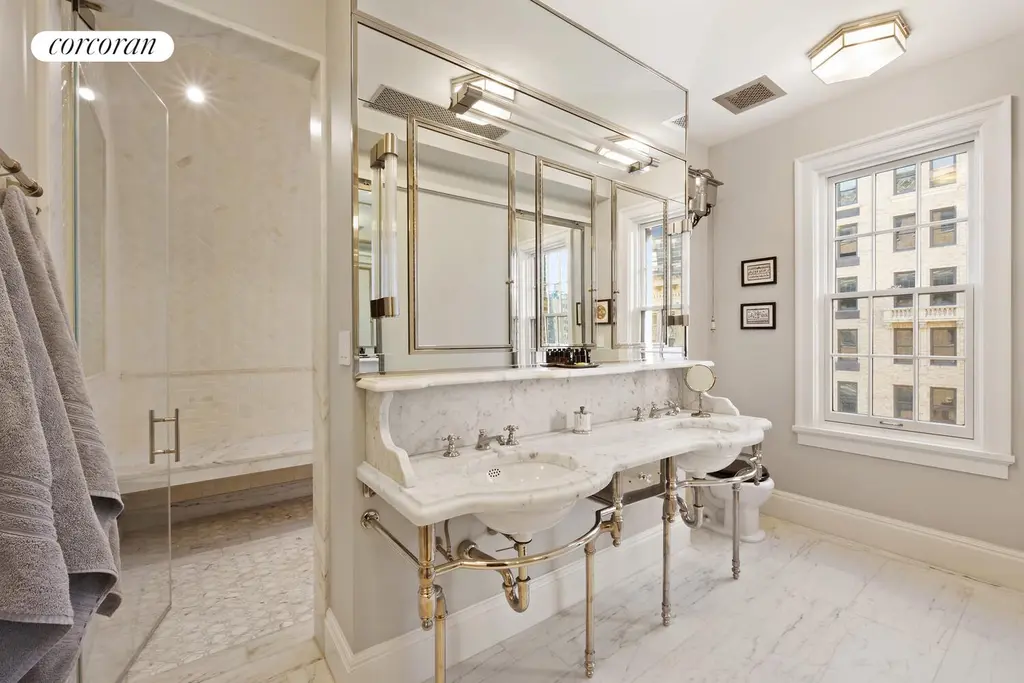
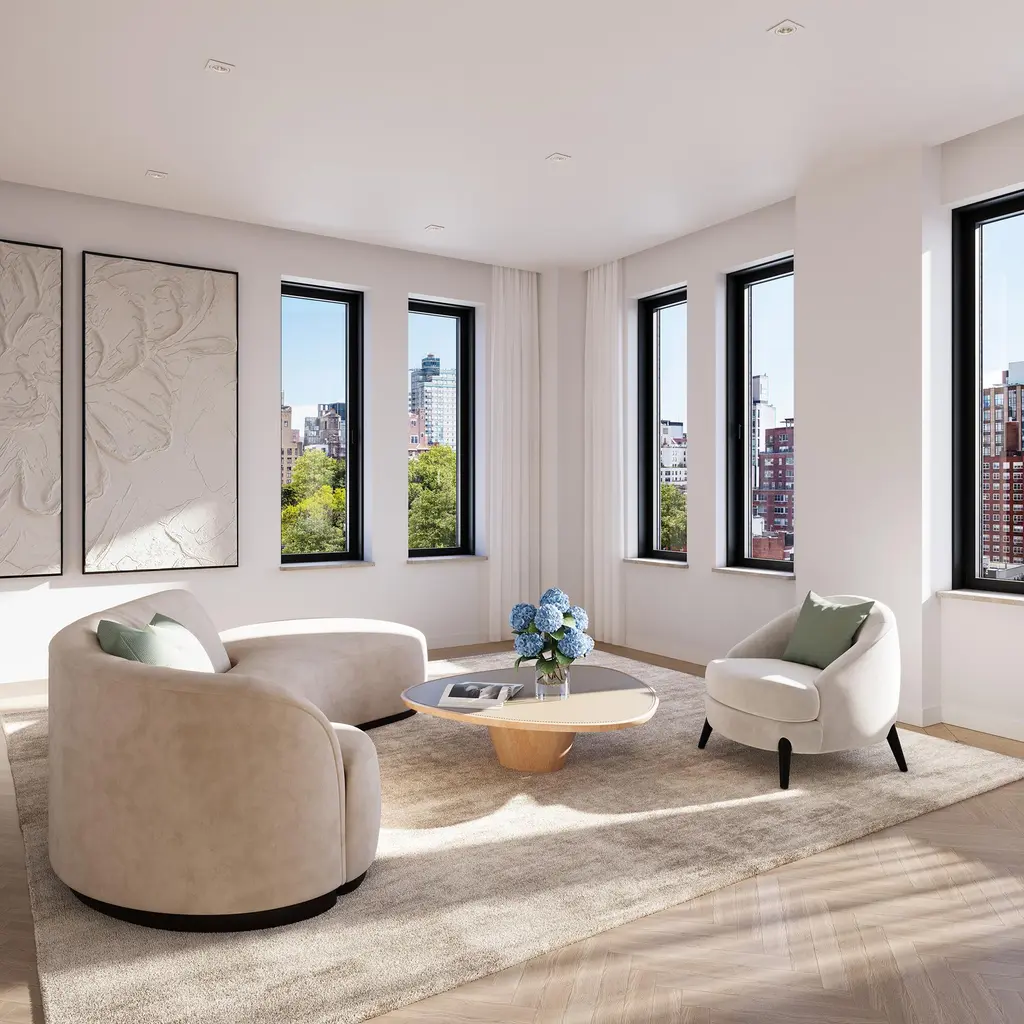
67 Irving Place, #6 (Reuveni LLC)
Irving Place, #PH910 (Compass)
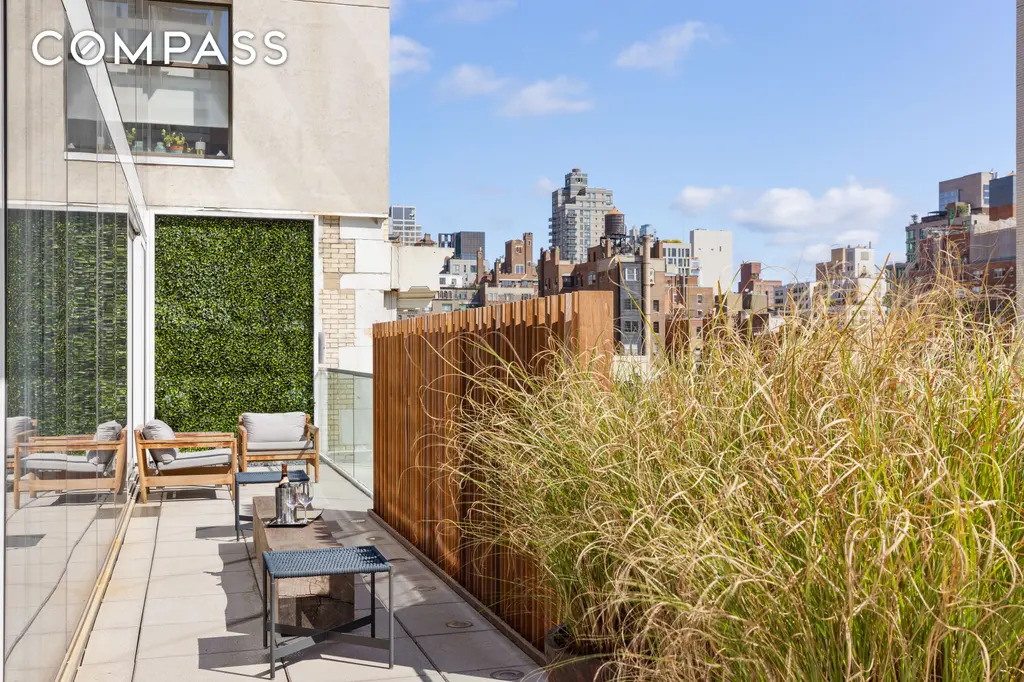
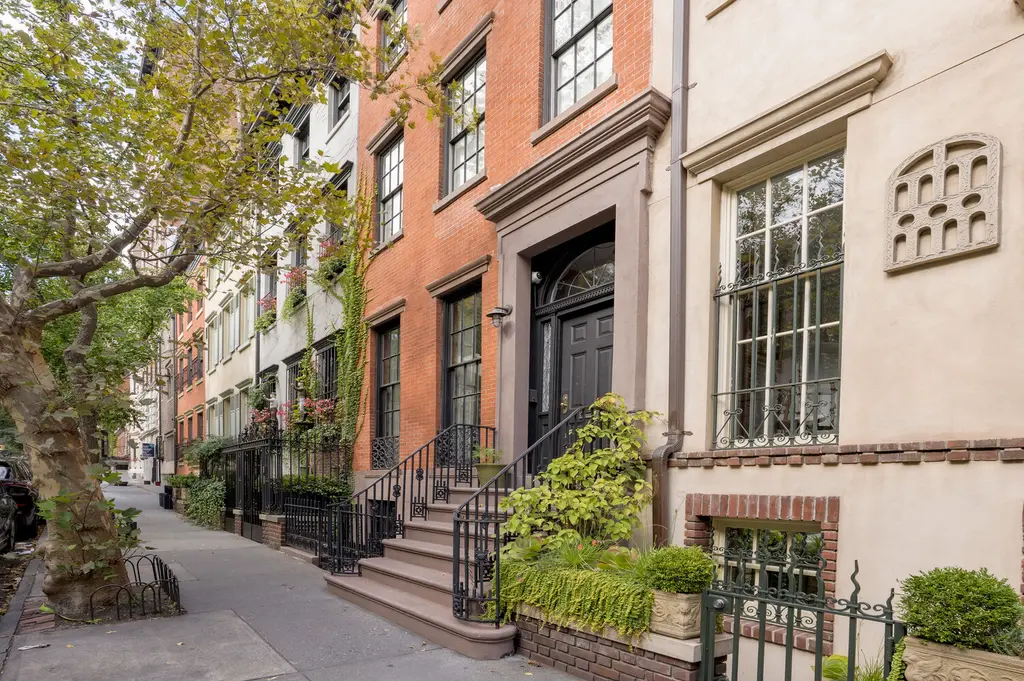
143 East 19th Street, # (Leslie J Garfield & Co Inc)
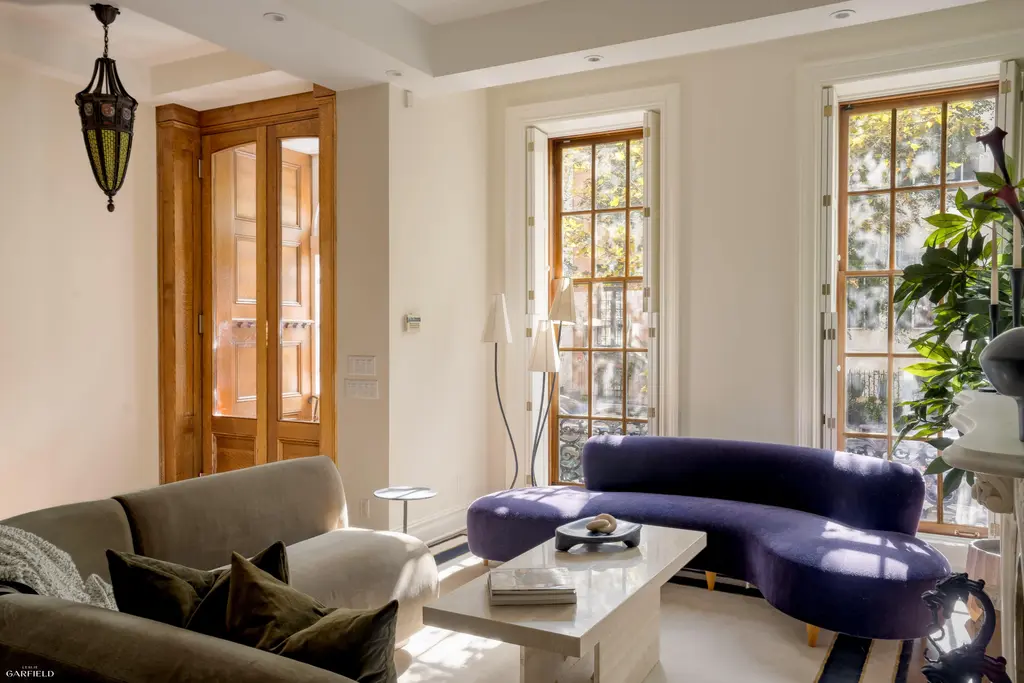
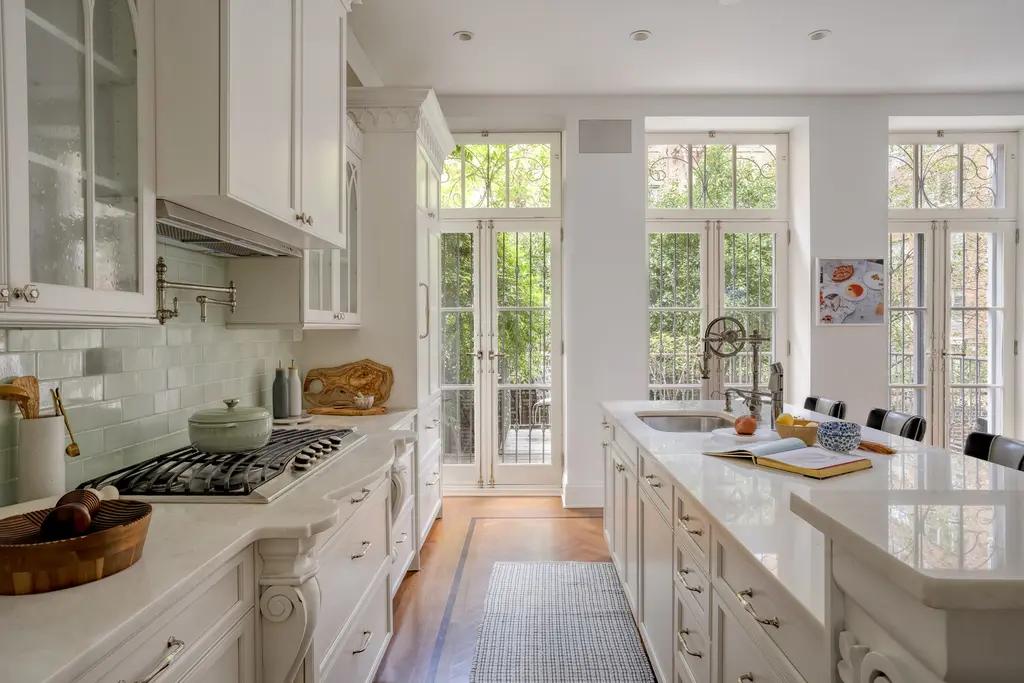
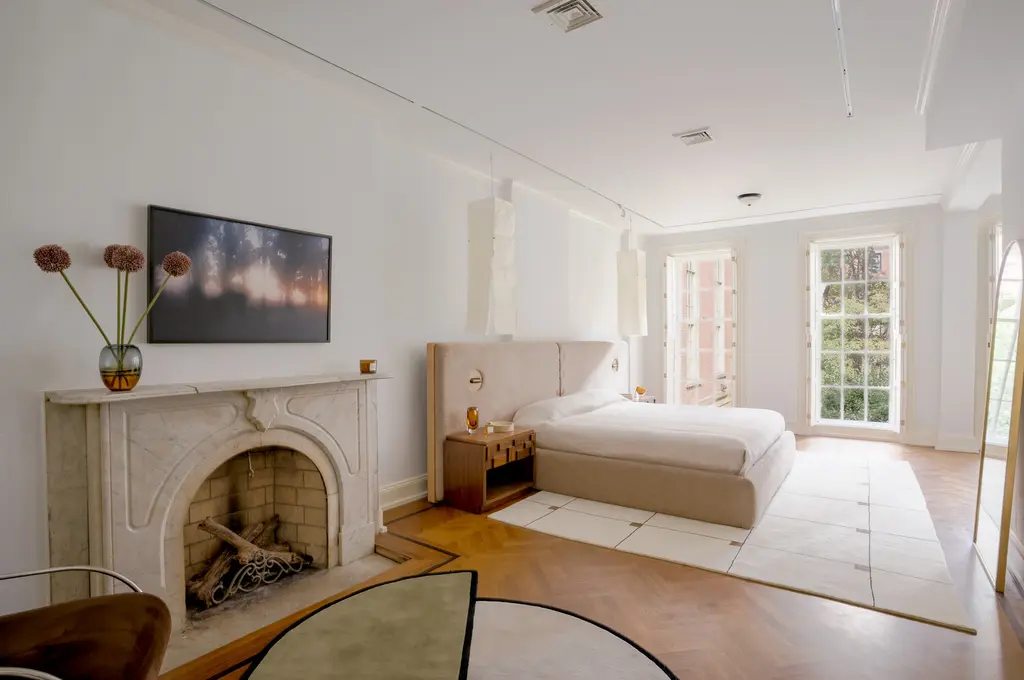
11 Gramercy Park South, #TH
$29,500,000
Gramercy Park | Townhouse | 6+ Bedrooms, 6+ Baths | 12,250 ft2
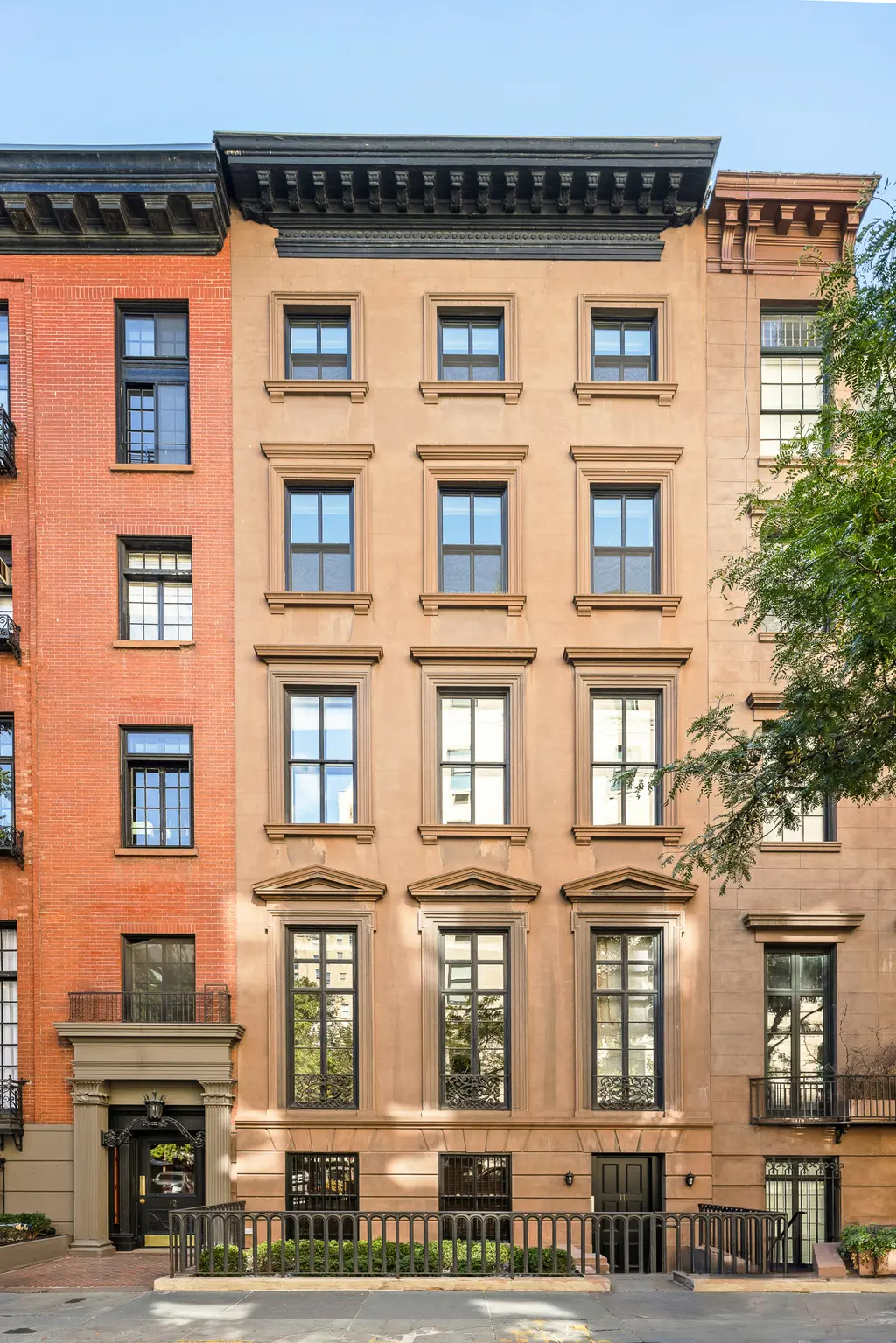
11 Gramercy Park South, #TH (Modlin Group LLC)
Related Articles
Get To Know
The risks and benefits of buying in an NYC building currently undergoing façade repairs
Thursday, August 13, 2026
Future New York
Another quiet summer contract week amidst pied-a-terre tax lawsuit; $40.5M full-floor at 1122 Madison finds a buyer
Monday, August 10, 2026
Get To Know
Six ways to add value to your NYC apartment before selling + Weekend open houses include 100 Barclay penthouses
Saturday, August 1, 2026
Future New York
Price Cuts: Steve Wynn relists Ritz Carlton penthouse $20M below initial ask; Final availabilities at The Elisa marked down
Thursday, July 9, 2026
Future New York
Best June for Manhattan contracts; David Bowie's former Essex House condo finds a buyer
Friday, June 26, 2026
Future New York
Price Cuts: Former Kips Bay Decorator Showhouse down by $9.5M; Karim Rashid to take loss on Hell's Kitchen condo
Thursday, June 11, 2026
Future New York
Over $600M in Manhattan contracts include FiDi penthouse with indoor slide and Mish Fine Jewelry founder’s Village co-op
Wednesday, June 10, 2026
Get To Know

 6sqft delivers the latest on real estate, architecture, and design, straight from New York City.
