
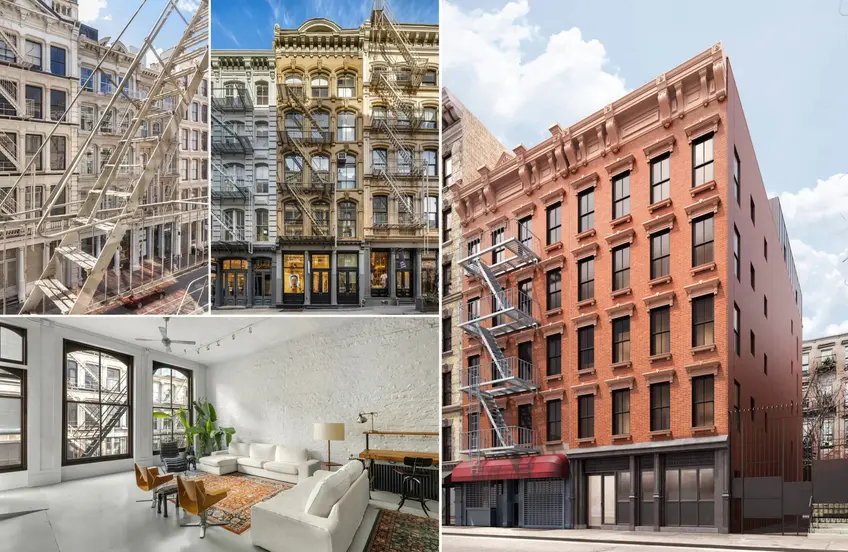
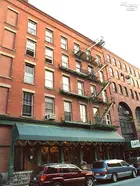
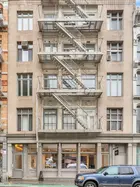
 Buildings with fire escapes in SoHo and 139 Thompson Street which is proposed to be rebuilt without its exterior fire esape
New York City’s fire escapes are a quintessential part of our urban fabric. Seen in countless films, photographs, and cultural iconography, the iron appendages are both utilitarian and sometimes unexpectedly beautiful, especially when their lacy ironwork catches the right light or is trimmed in fresh snow.
Fire escapes had their heyday following the Tenement Housing Act of 1867, which required multi-family buildings to provide a fire escape for each unit as a second means of egress, in addition to a window for every room.
The New York City Building Code of 1938 then required all new buildings to have enclosed, fire-protected stair shafts discharging occupants directly to the exterior or safe areas. This code made exterior fire escapes generally unnecessary for new construction. Older buildings that have only one interior stairway, which does not meet current code requirements for required means of egress, must maintain their exterior fire escape as the secondary means of egress.
The New York City Building Code of 1938 then required all new buildings to have enclosed, fire-protected stair shafts discharging occupants directly to the exterior or safe areas. This code made exterior fire escapes generally unnecessary for new construction. Older buildings that have only one interior stairway, which does not meet current code requirements for required means of egress, must maintain their exterior fire escape as the secondary means of egress.
In this article:
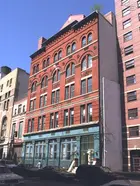
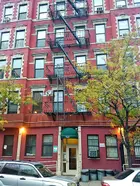
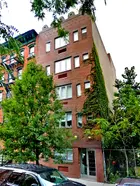
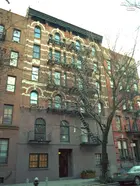
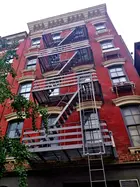


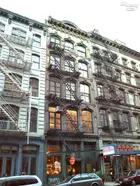


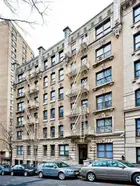
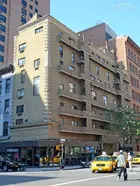
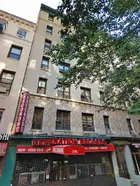
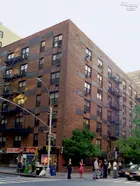
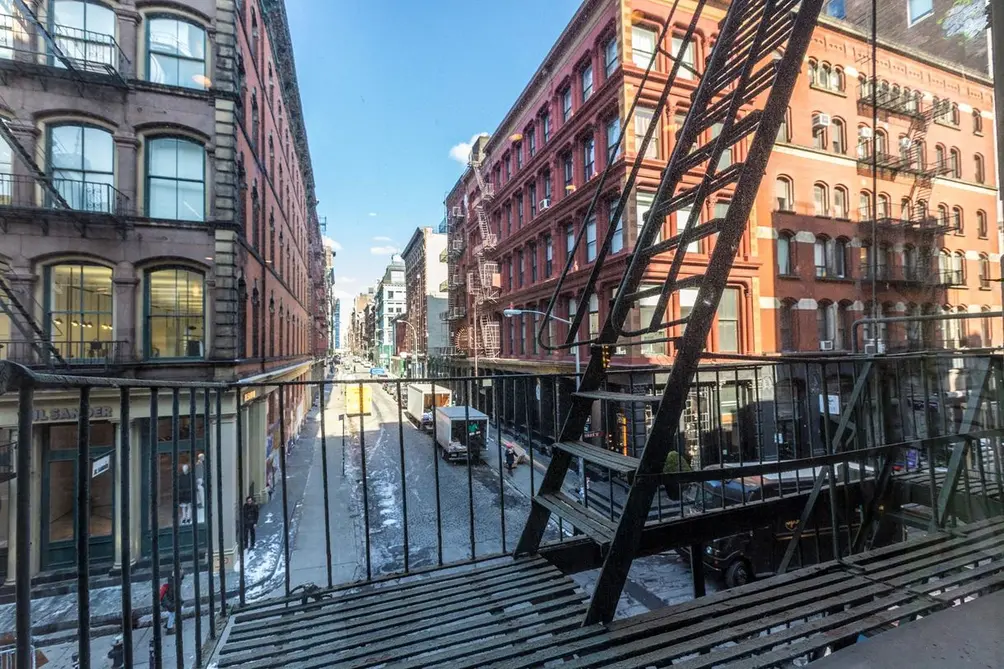
Fire escapes further faded in importance as the New York City Building Code of 1968 banned exterior fire escapes on most new construction, and allowed only for the repair of existing ones, not the addition of new installations. The rationale was that exterior fire escapes were no longer accepted as a primary means of egress for new buildings because they were considered less reliable and safe due to being exposed to weather, corrosion, smoke, flame, and access limitations.
Since then, many developers and landlords upgrading older buildings have brought their buildings up to code, thus allowing exterior fire escapes to be removed. In historic districts, where alterations to a building's exterior must be approved by the Landmarks Preservation Commission (LPC), owners routinely petition the body to remove fire escapes entirely. Such requests are considered only after the Department of Buildings confirms that safe internal egress is provided.
One such Landmarks hearing occurred this past Tuesday, where commissioners reviewed a proposal to remove fire escapes from at 29 Willow Street, an Italianate and Neo-Grec-style tenement building within the Brooklyn Heights Historic District that dates back to 1887.
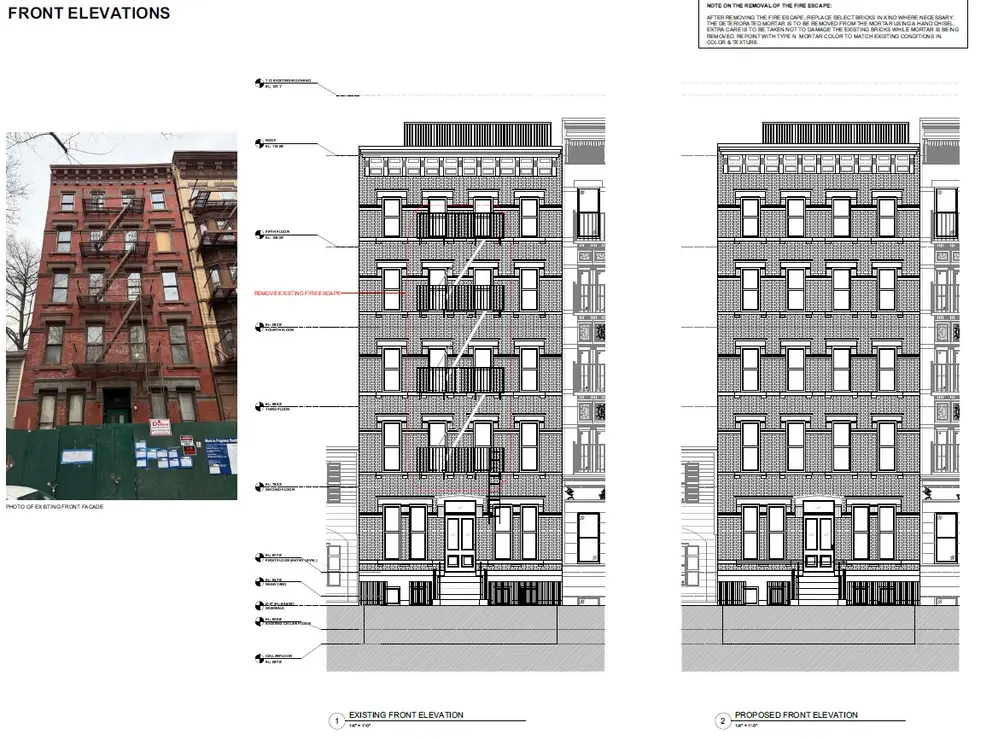 29 Willow Street, where its owner intends to convert the 10-unit rental tenement into a two-unit condo. As part of the conversion, the building will be upgraded and its exterior front fire escape will be removed.
The Italianate and Neo-Grec-style building dates back to 1887. Ko Sullivan presented on behalf of owner Carlos Seedra, arguing that 29 Willow's fire escape was likely a later safety addition rather than an original feature, and that its removal would reveal the obscured brownstone lintels/details and provide for a cleaner facade. Judy Stanton of The Brooklyn Heights Association supported the application to remove, noting that although the fire escape may well have been original, its removal was appropriate given the building’s conversion into a two-unit condominium. She did, however, note that such vestiges of earlier uses lend streetscapes a layered authenticity beyond pure utility.
The commission voted six to one in favor of removal, determining that the fire escape was not a defining feature of either the building or the district’s characteristic groupings.
Another application scheduled to come before the Landmarks Preservation Commission next month proposes not only the removal of an exterior fire escape, but the full demolition and rebuild of an 1875 tenement building at 139 Thompson Street, located within the Sullivan-Thompson Historic District in SoHo.
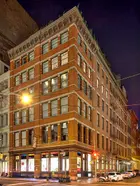
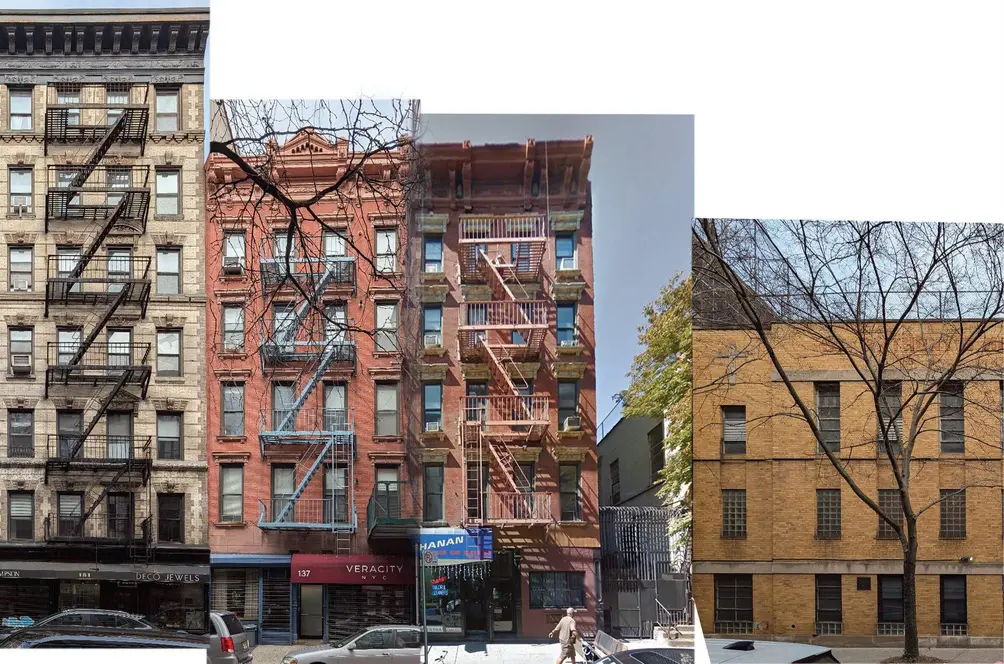 139 Thompson Street (center) is proposed to be demolished and rebuilt without its fire escape and with far fewer apartments
The property is currently a 19-unit rental building, 12 of which are rent-regulated. The owner is seeking approval to replace the structure with a similarly scaled building containing six larger residential units.
Village Preservation has raised concerns about the proposal. In materials submitted regarding the application, the group states that the demolition request “is based on unfounded claims that it’s in too bad a state of disrepair to fix, even though he’s owned the building for approximately two decades, neglected it, and racked up building code violations for conditions there.” The organization argues that demolition would result in the loss of rent-regulated housing and a historic structure within the district.
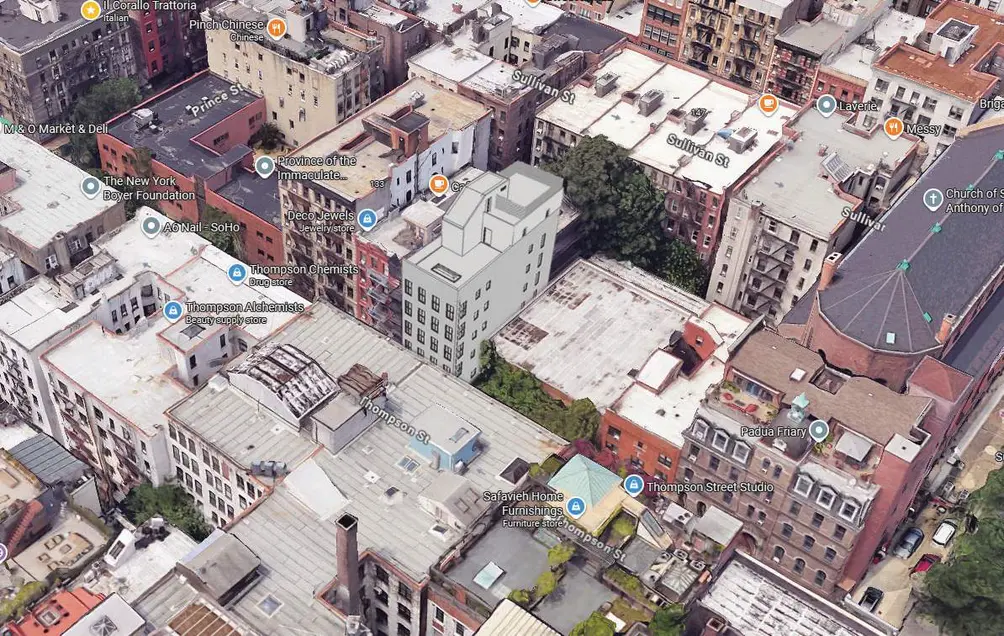 Bird's eye view showing the scale of the rebuilt 139 Thompson Street
According to presentation materials, the proposed replacement building would largely reflect the fenestration pattern and ornamental character of the existing structure and the adjacent building at 137 Thompson Street. However, drawings indicate that the exterior fire escape would not be reconstructed. The ground floor would be more historically appropriate, and a single-story rooftop addition, modern in appearance, would be deeply set back from the street.
Would you like to tour any of these properties?
Just complete the info below.
Or call us at (212) 755-5544
The application, originally scheduled to be heard this past Tuesday, has been postponed and is now set for review on March 17, 2026.
The gradual erasure has not dimmed the fire escape’s hold on the city’s imagination. Films such as West Side Story and Breakfast at Tiffany’s, produced before the 1968 code change, immortalized iron balconies as stages for romance and escape. Decades later, both the film adaptation of Rent and the remake of West Side Story relied on fire escapes to signal the authenticity of older New York buildings.
During the pandemic, when theaters and music venues fell silent, local performers famously reclaimed their fire escapes as makeshift stages, serenading healthcare workers and neighbors below. For residents, fire escapes have long doubled as unofficial patios and places for plants. Before widespread air conditioning, New Yorkers slept on them during oppressive summer nights.
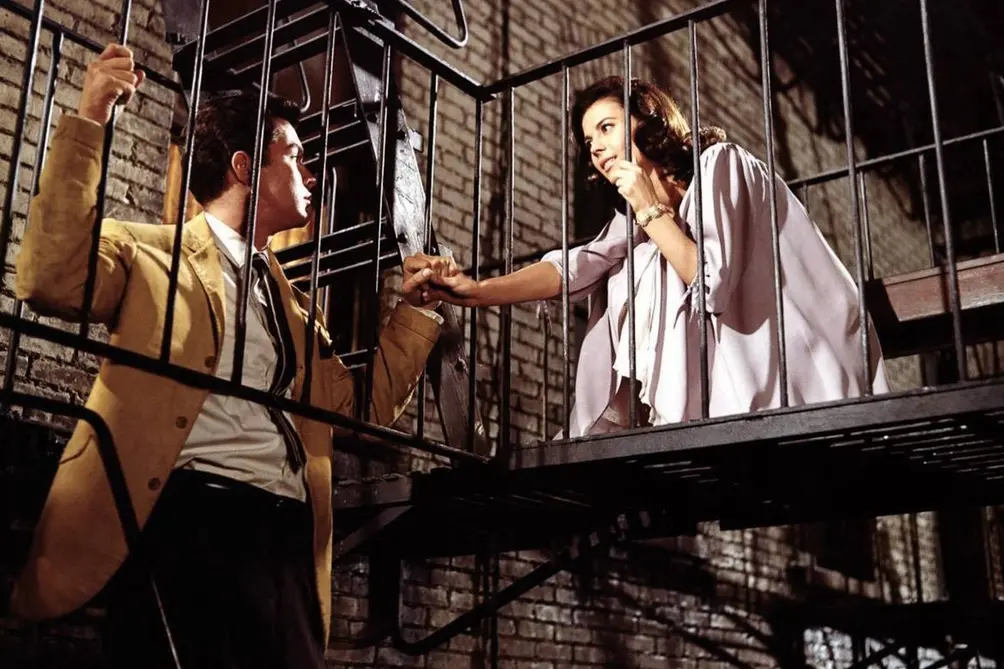 One of the most memorable appearances of an NYC fire escape was in West Side Story + via New York Habitat | https://www.nyhabitat.com/blog/2015/11/23/5-things-know-fire-escapes-renting-apartment-nyc/
However, it is important to remember that fire escapes were conceived for safety purposes first. When an older building’s staircase burned away, fire escapes were often the only chance for apartment-dwellers living above the ground floor to leave the building safely. Today, it is illegal to obstruct the fire escape inside or out, store anything on it (in other words, no grilling out there!), or enclose it as a pet exercise area.
Between removals in conversions/renovations and the demolition of aging tenements, fire escapes are becoming rarer across the city. Still, in historic districts and older stable neighborhoods, their silhouettes will persist, offering an enduring glimpse of the city's layered past..
Select New York City apartments with fire escape views
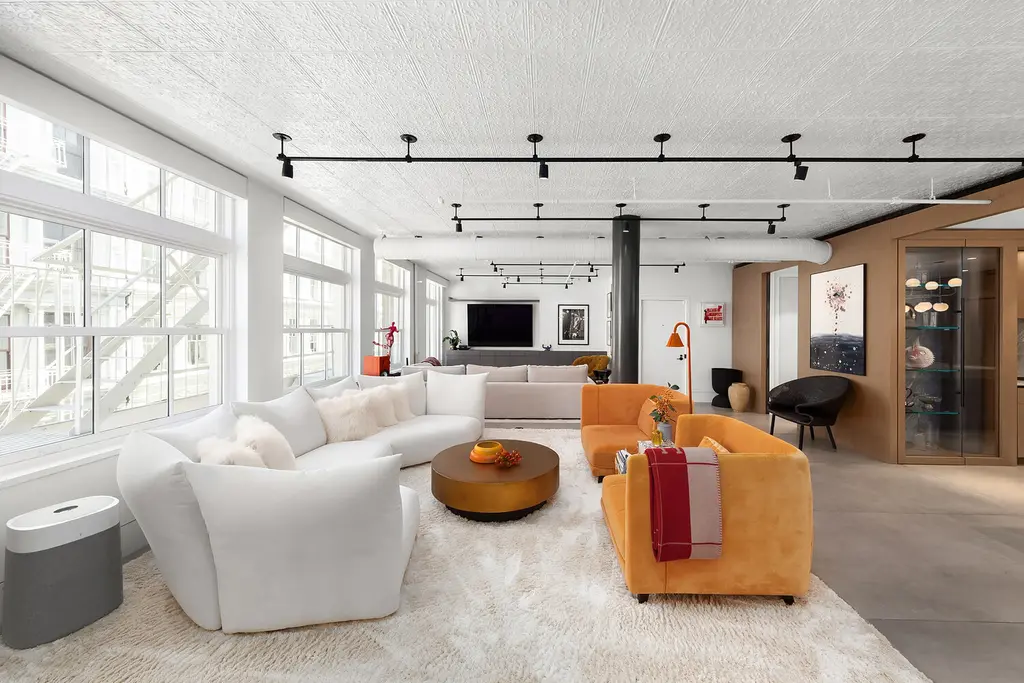
75 Grand Street, #4W (Serhant)
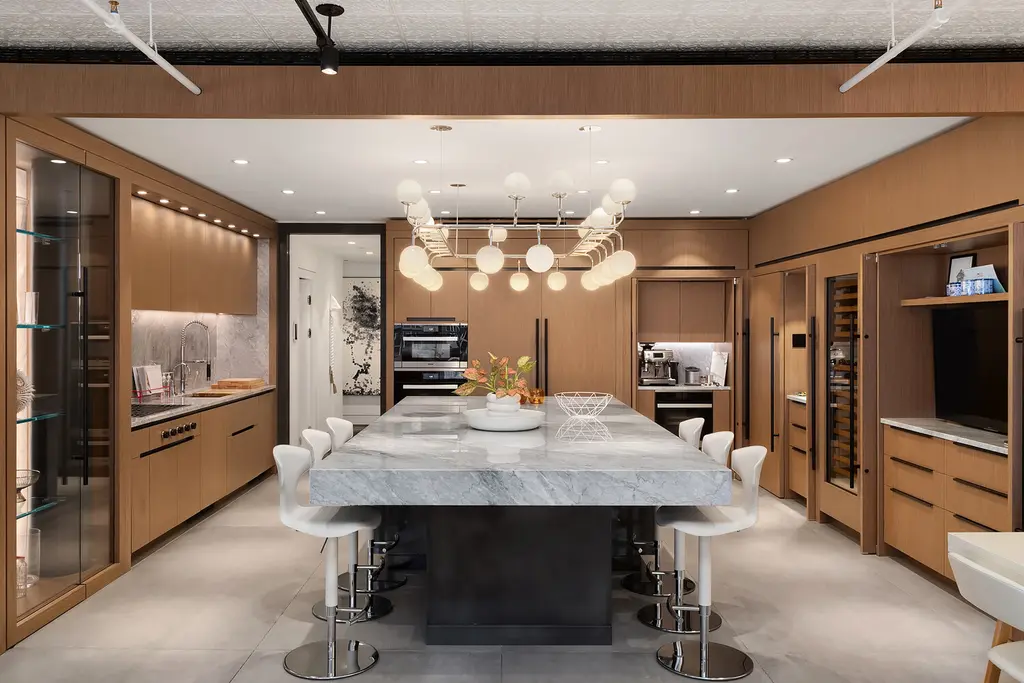
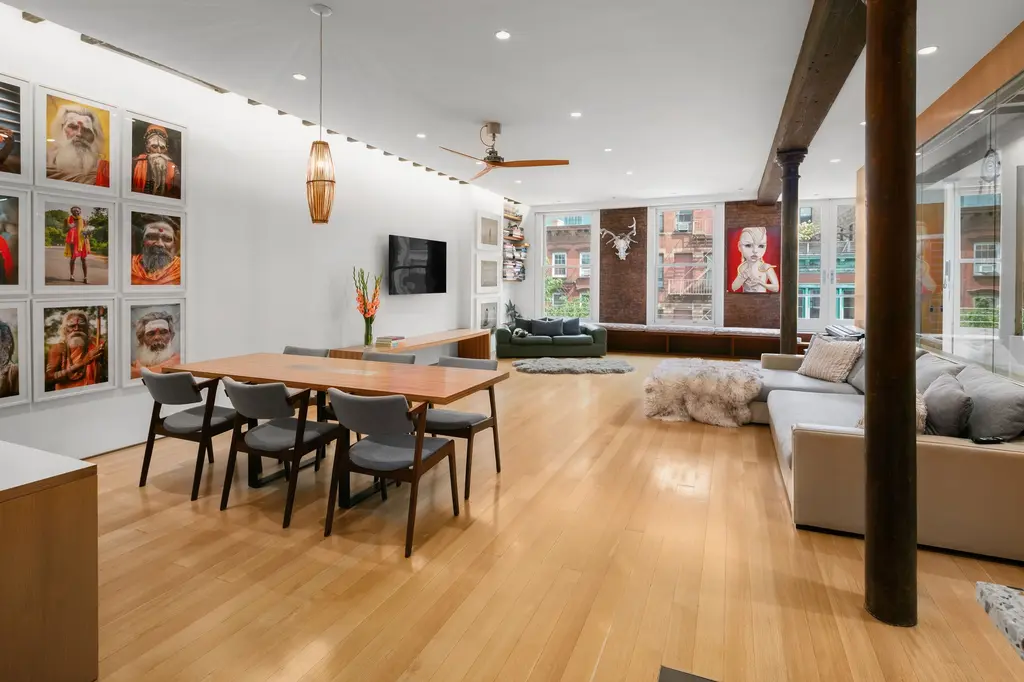
150 Thompson Street, #4N (Nest Seekers LLC)
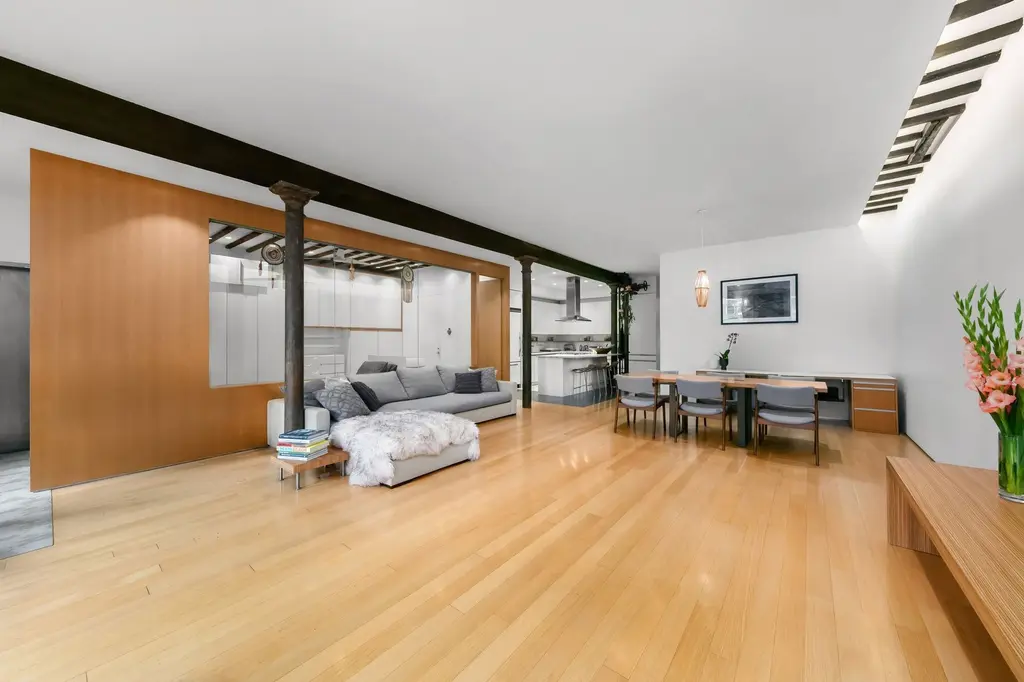
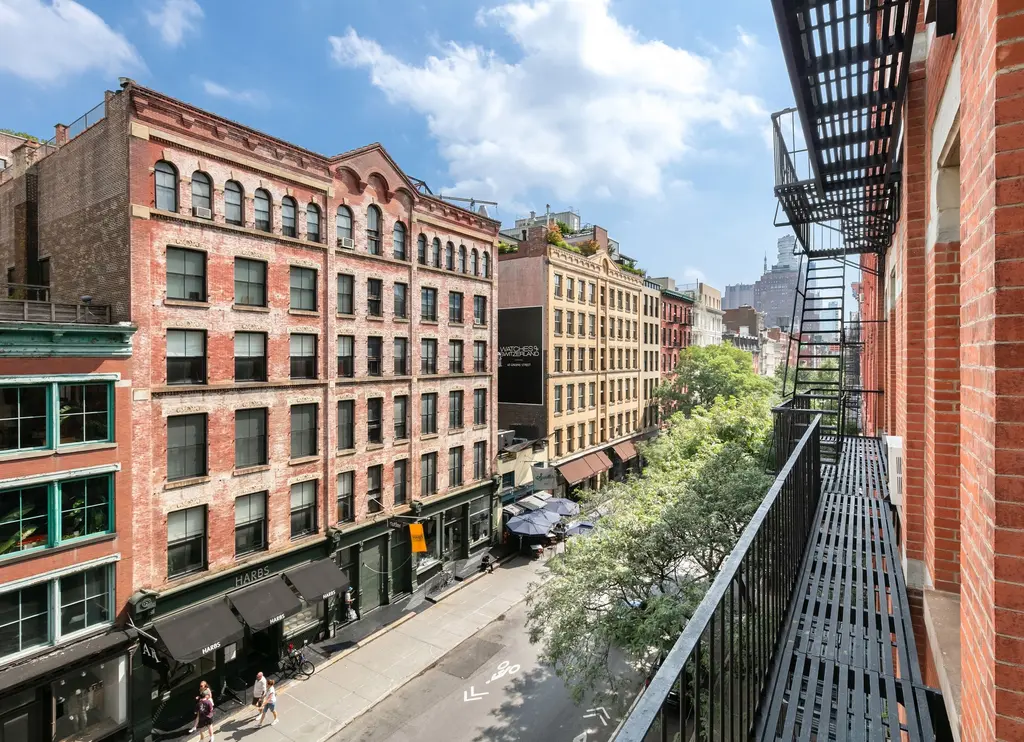
142 Fifth Avenue, #2
$3,495,000 (-4.9%)
Flatiron/Union Square | Cooperative | 3 Bedrooms, 3.5 Baths | 2,719 ft2
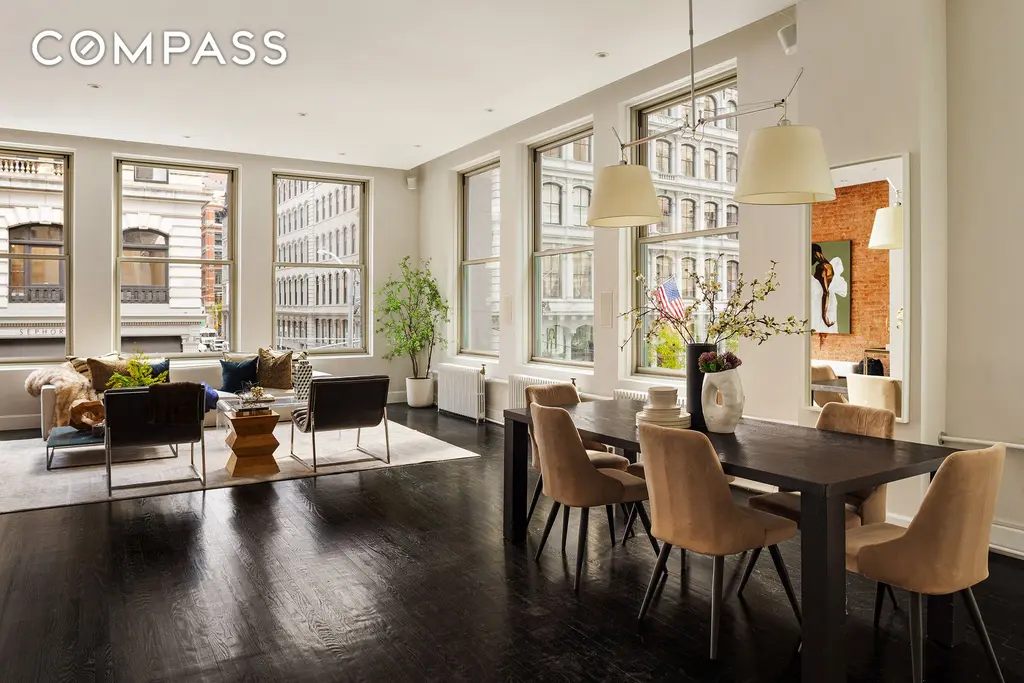
142 Fifth Avenue, #2 (Compass)
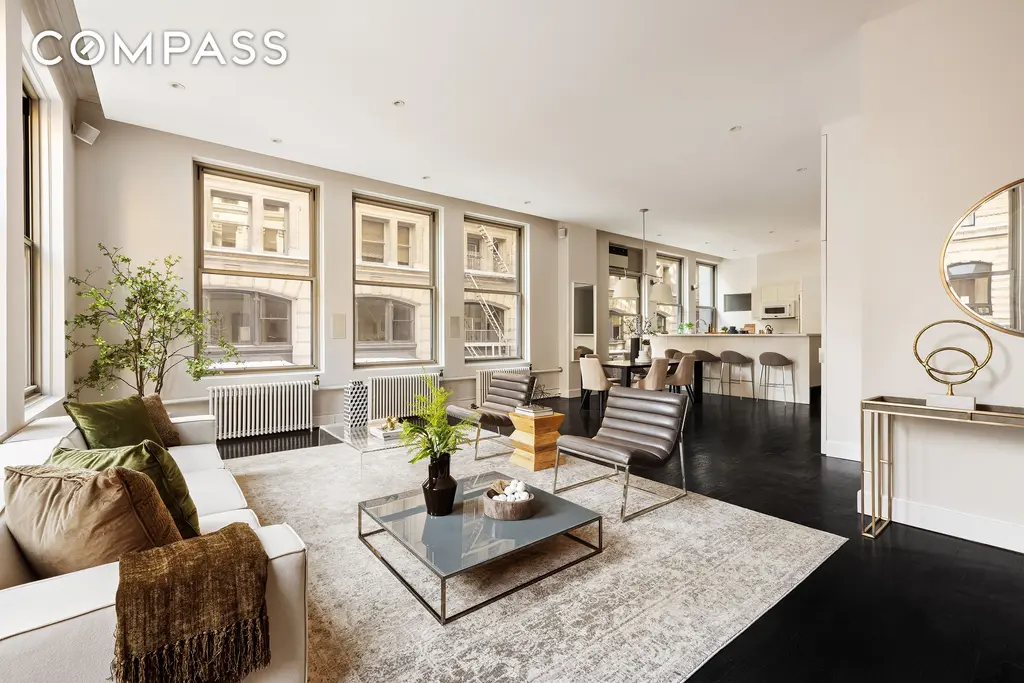
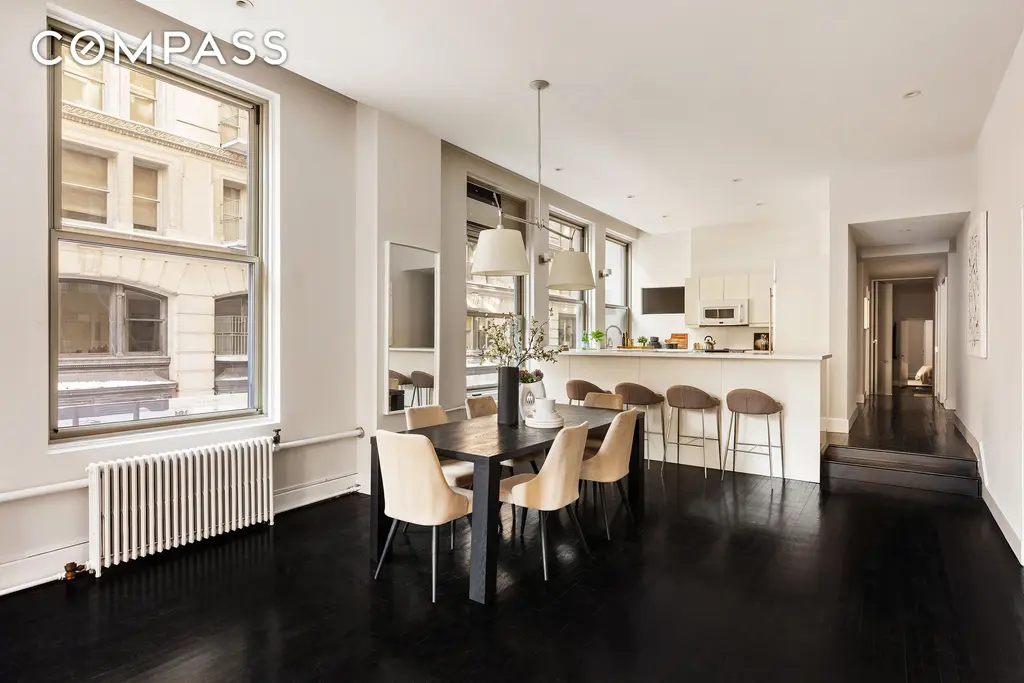
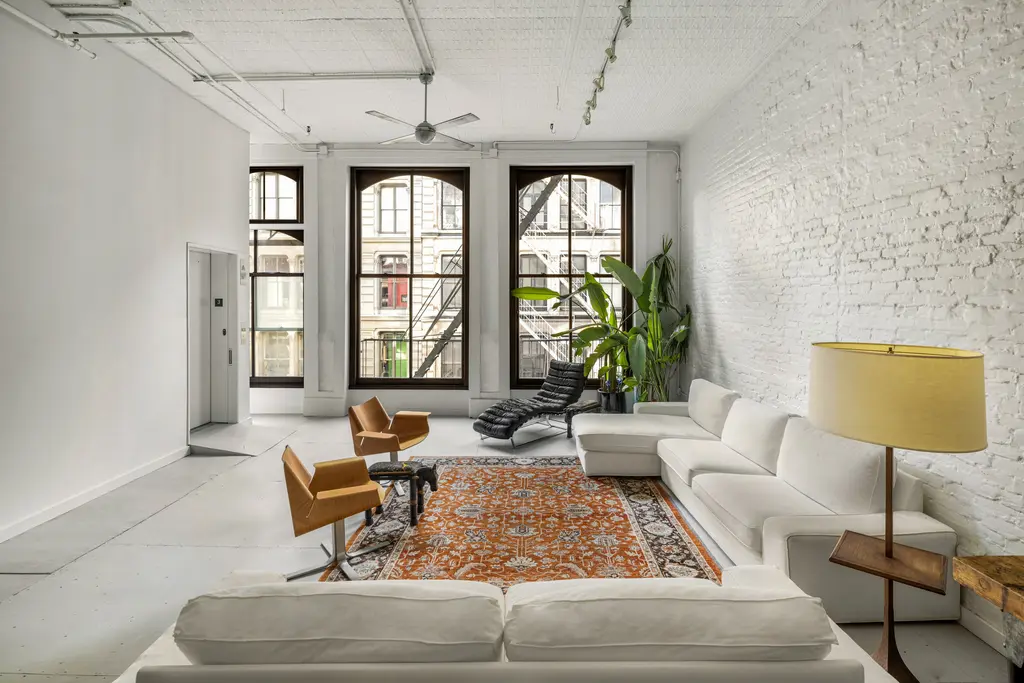
458 Broome Street, #3 (Modlin Group LLC)
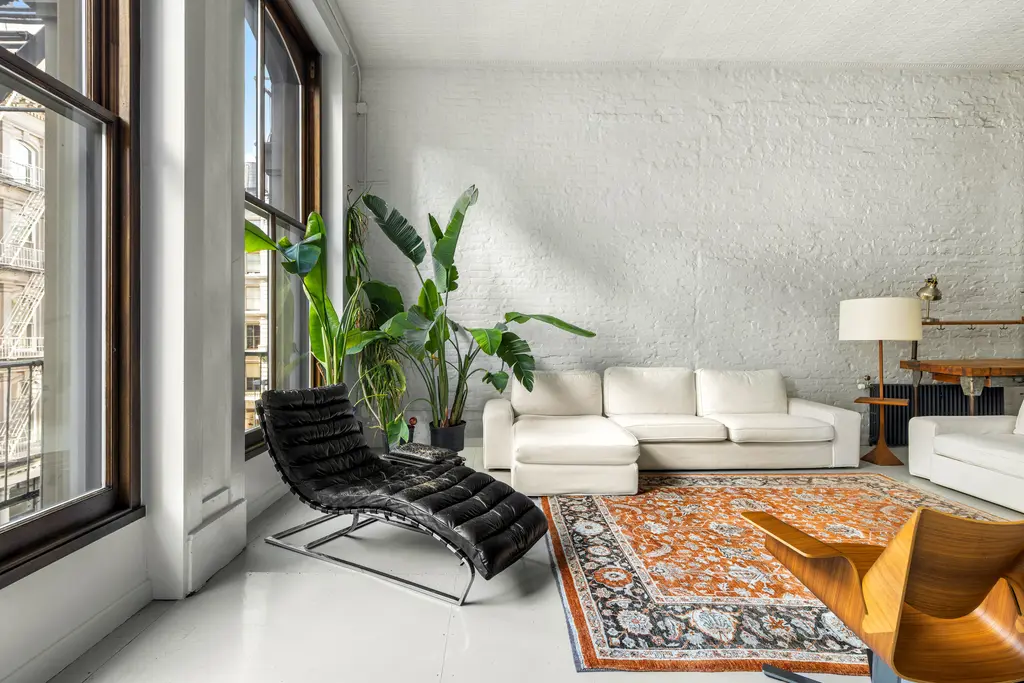
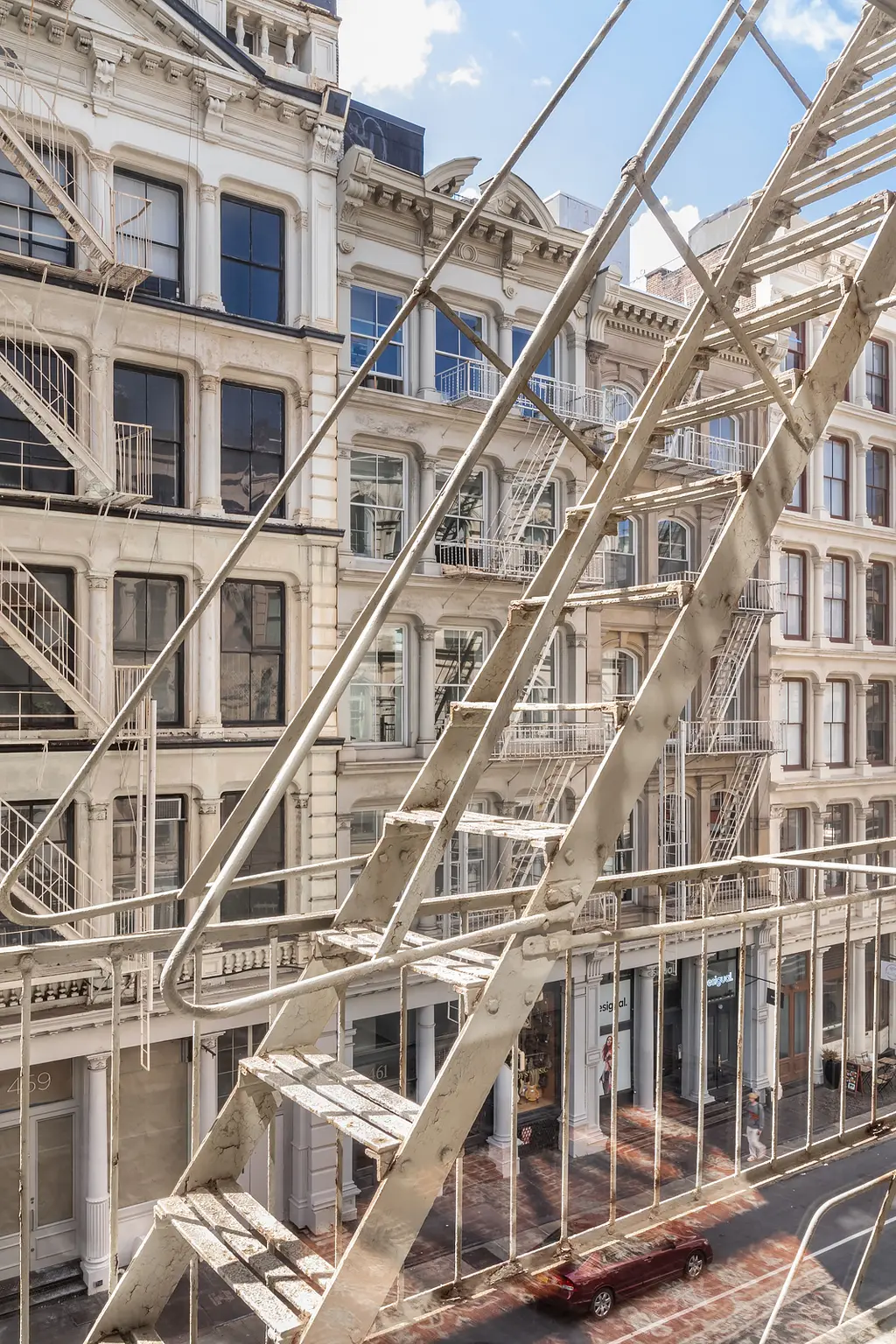
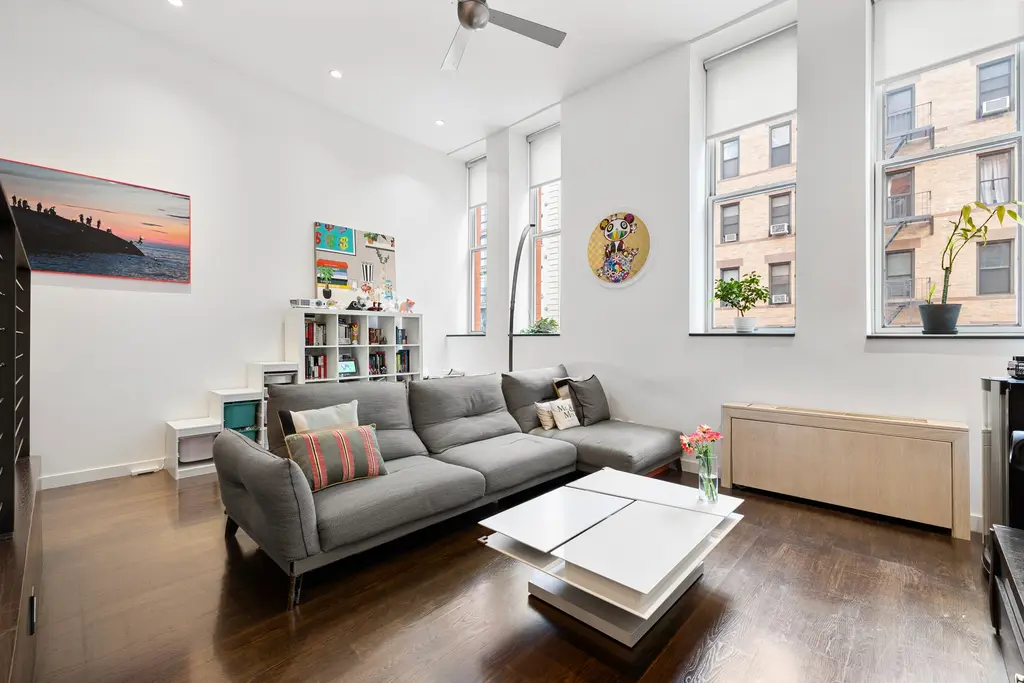
The Zachary, #2A (POWERED BY DMT LLC)
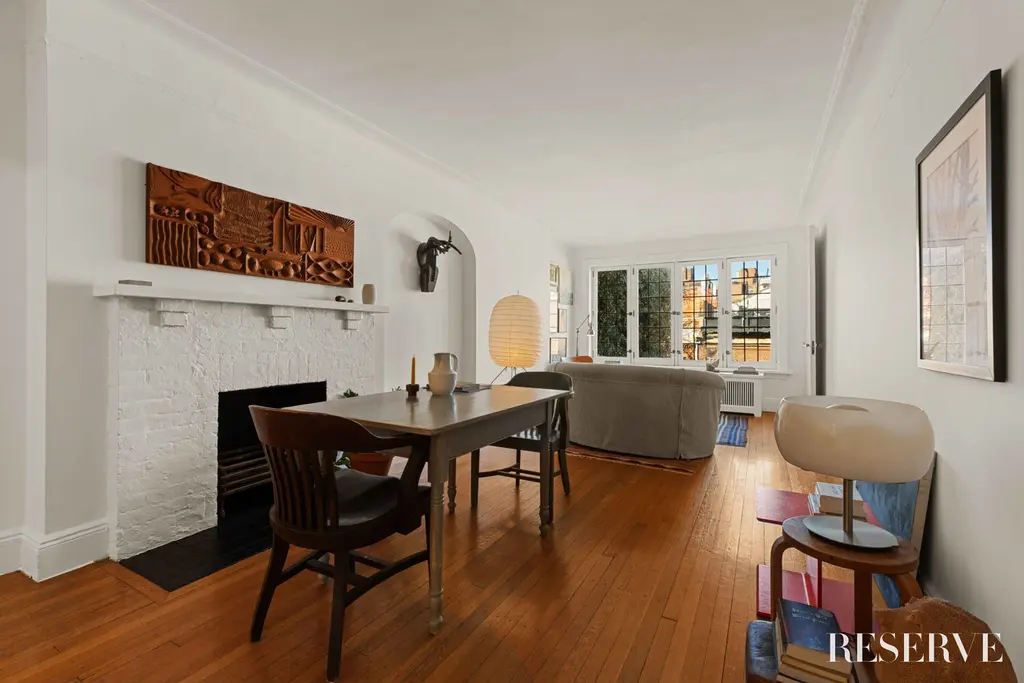
29 Perry Street, #5R (Reserve Partners)
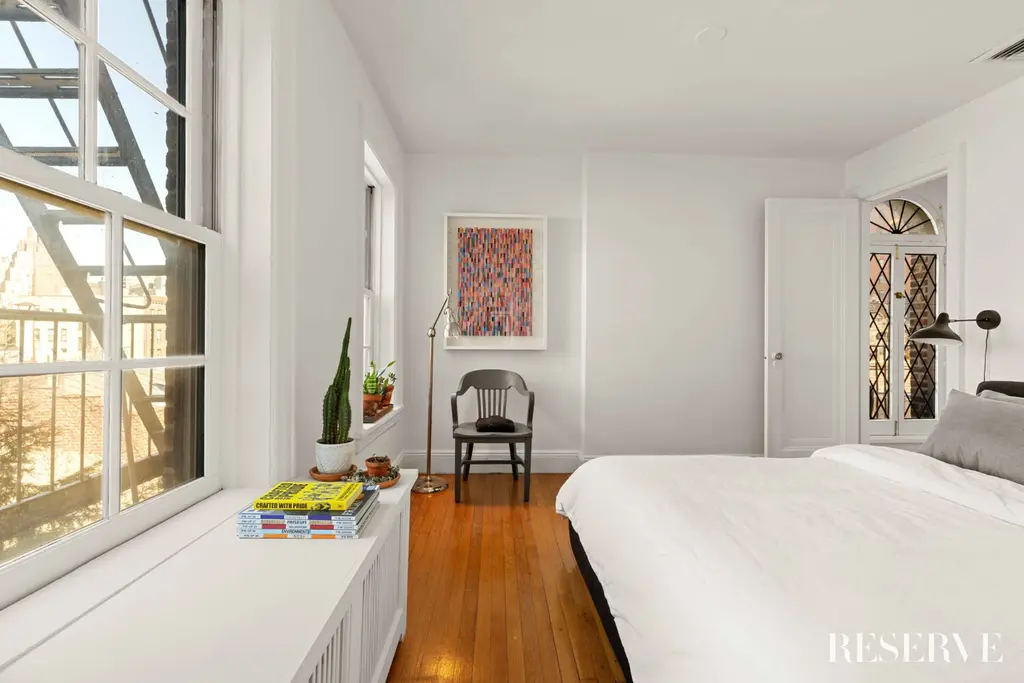
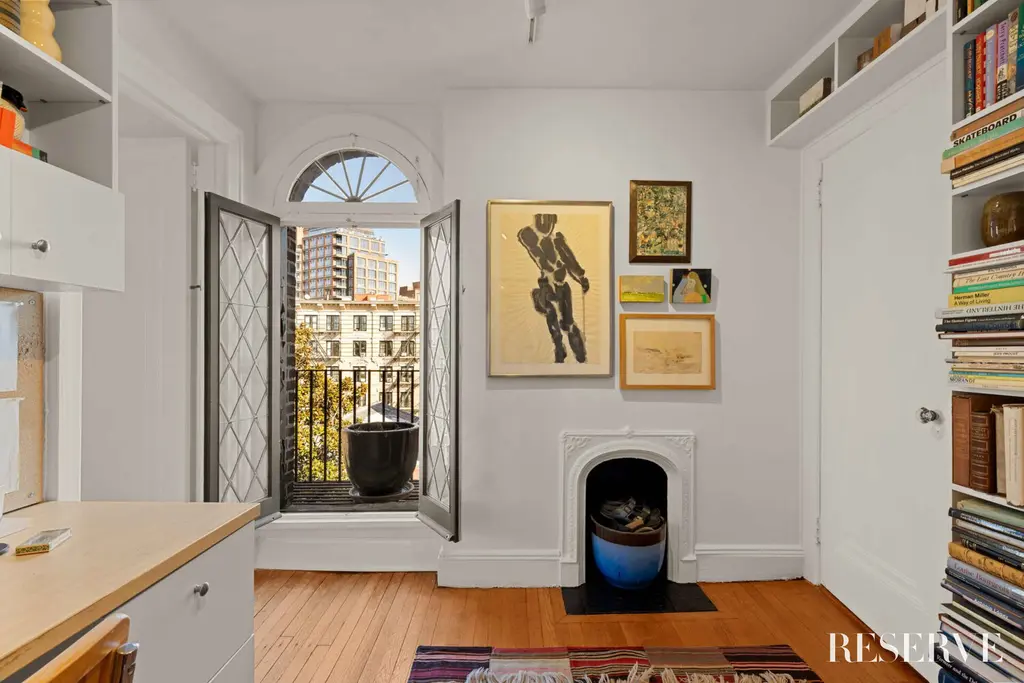
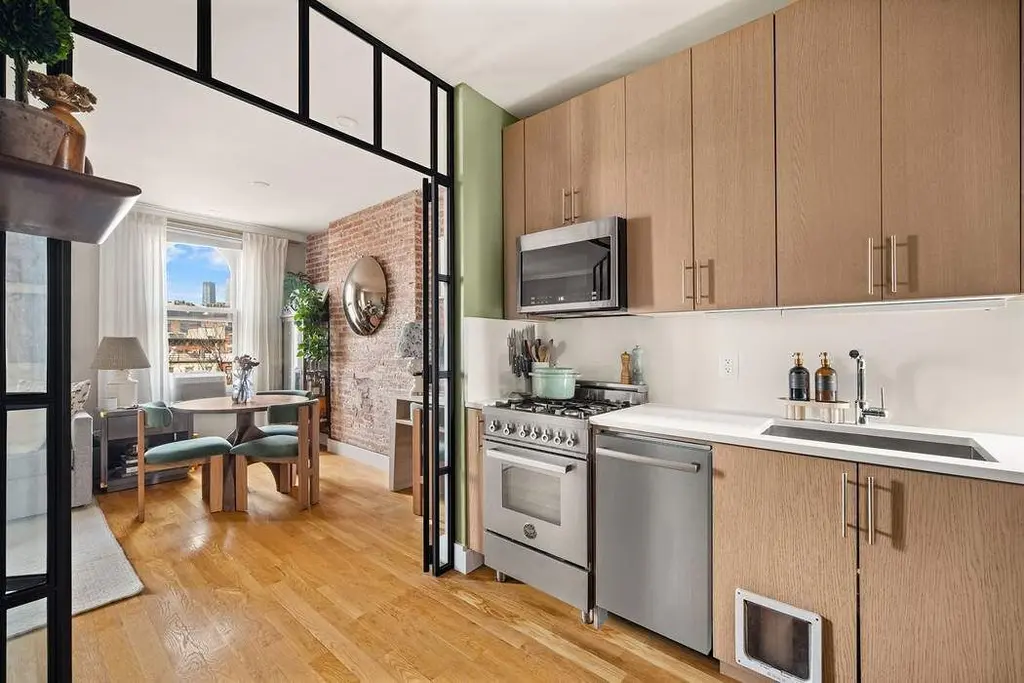
84 Charles Street, #21 (Sothebys International Realty)
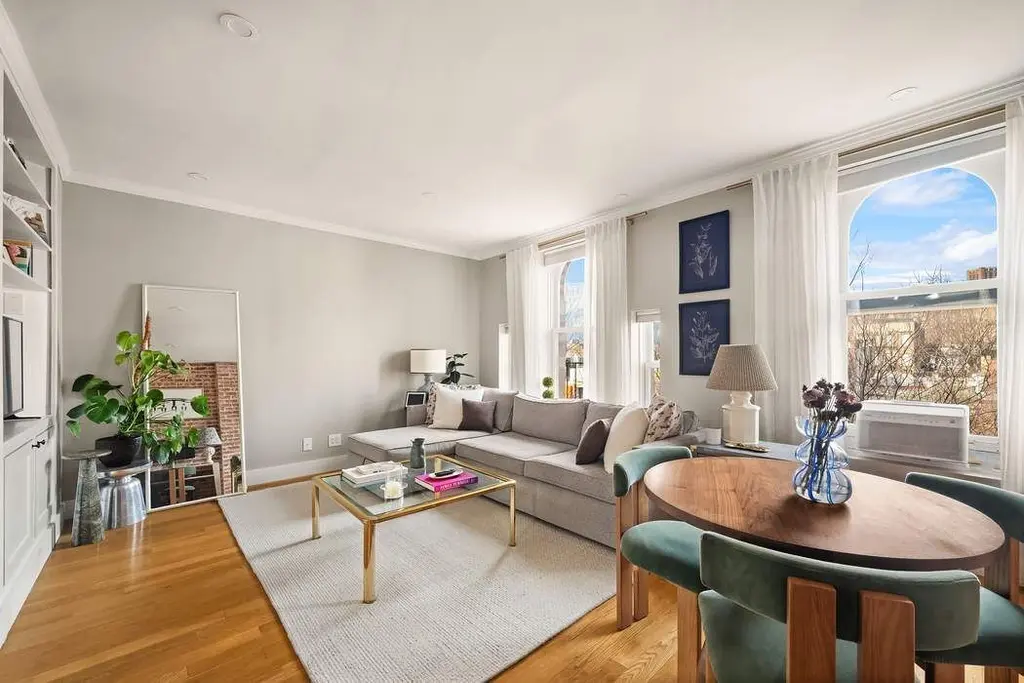
384 Maple Street, #2B
$1,049,000
Prospect Lefferts Gardens | Condominium | 3 Bedrooms, 2 Baths | 1,566 ft2
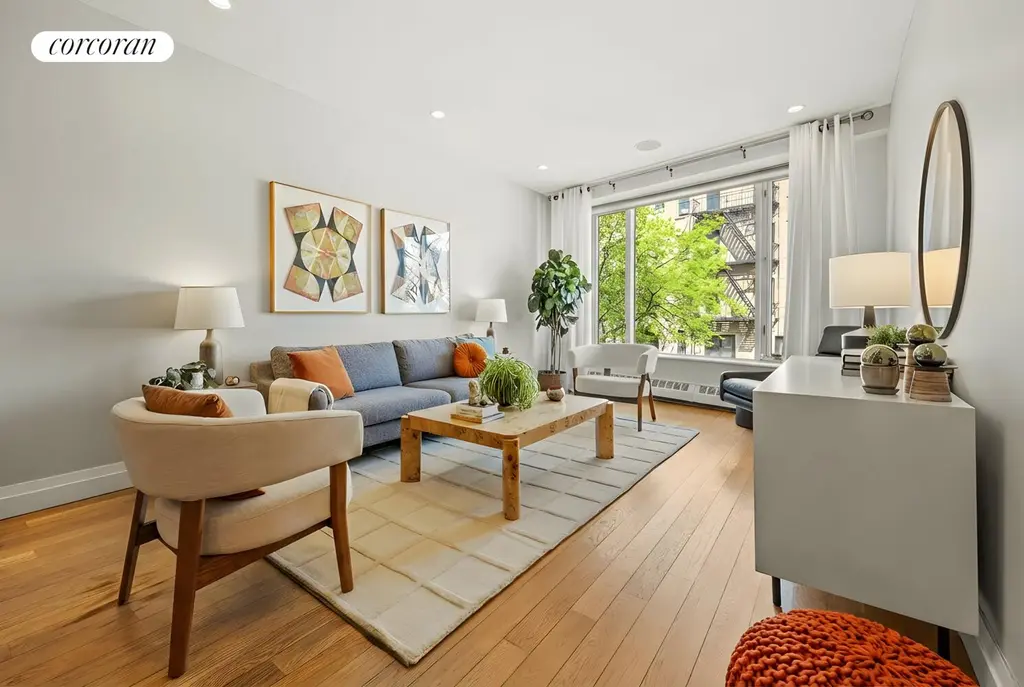
384 Maple Street, #2B (Corcoran Group)
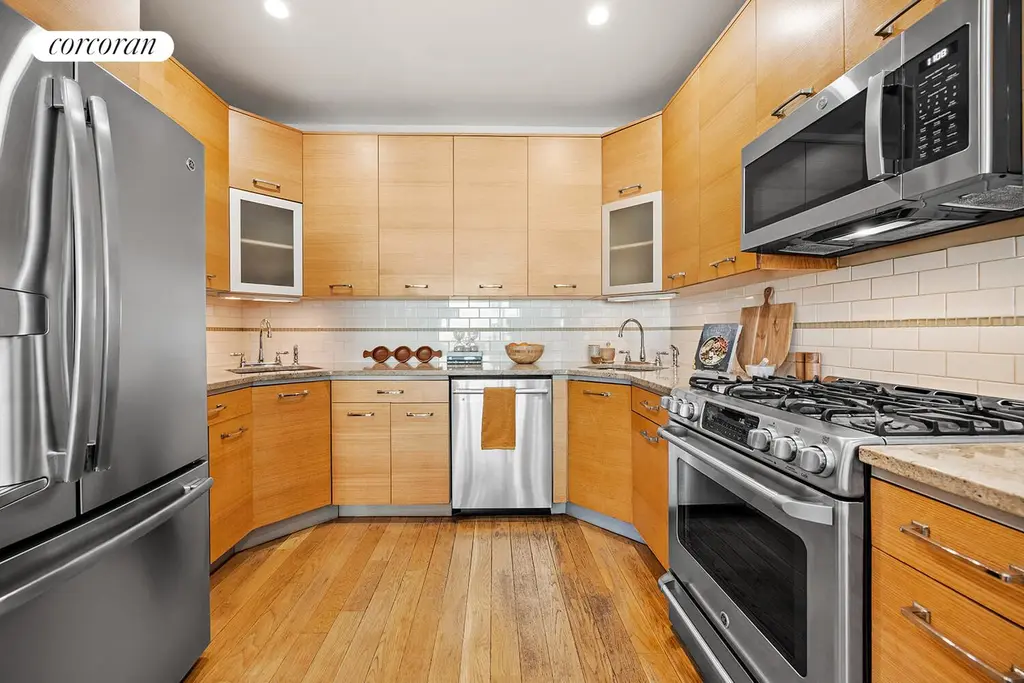
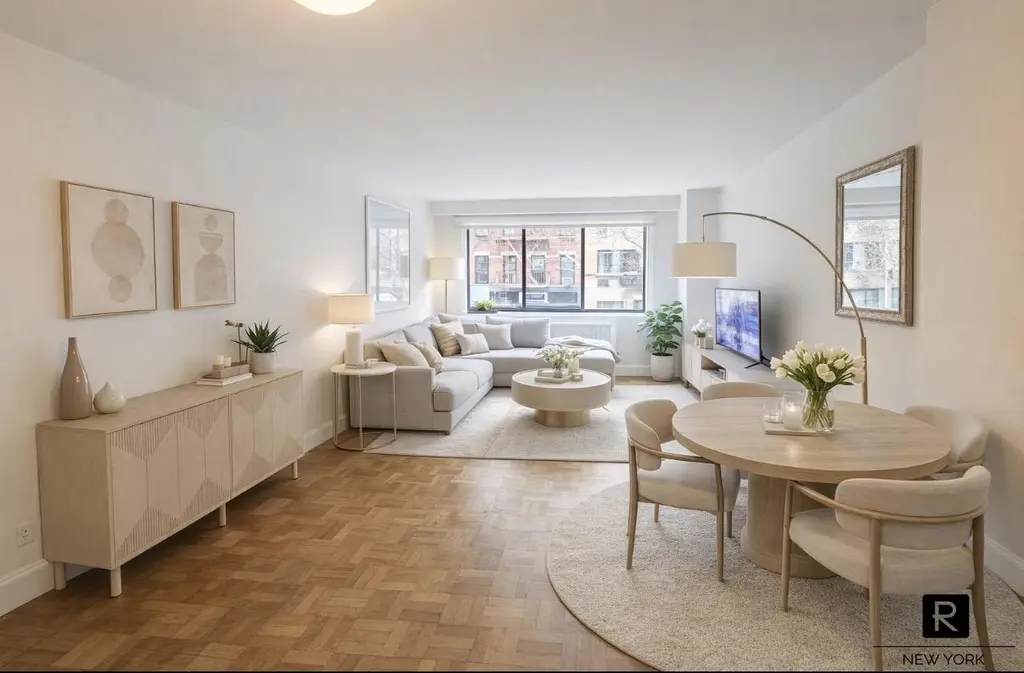
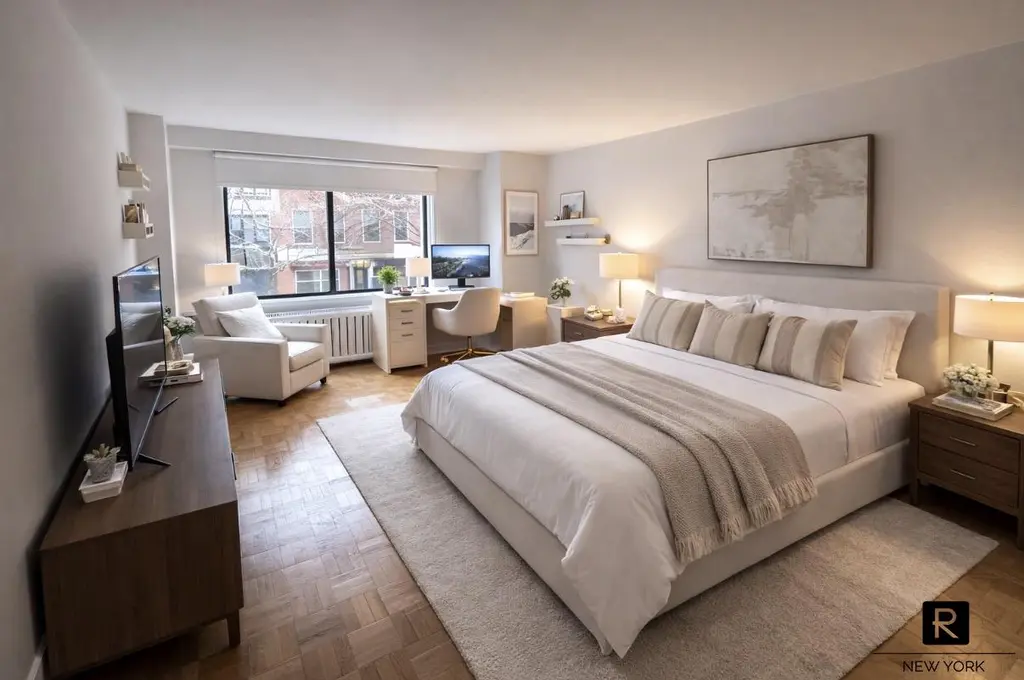
Morad Diplomat, #3F (R New York)
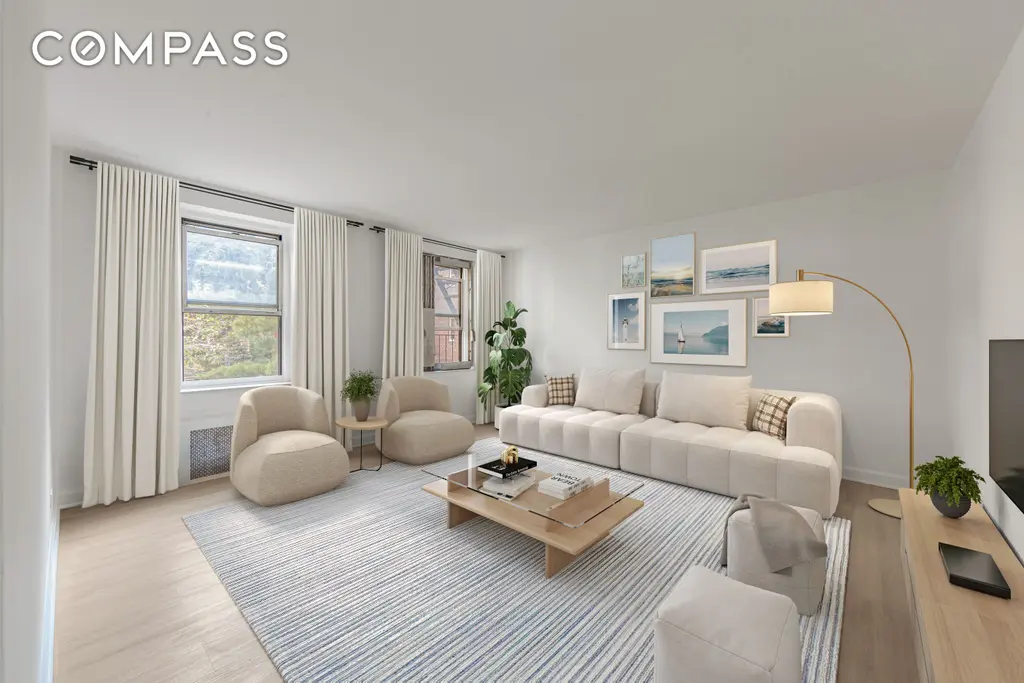
Versailles Gardens, #2H (Compass)
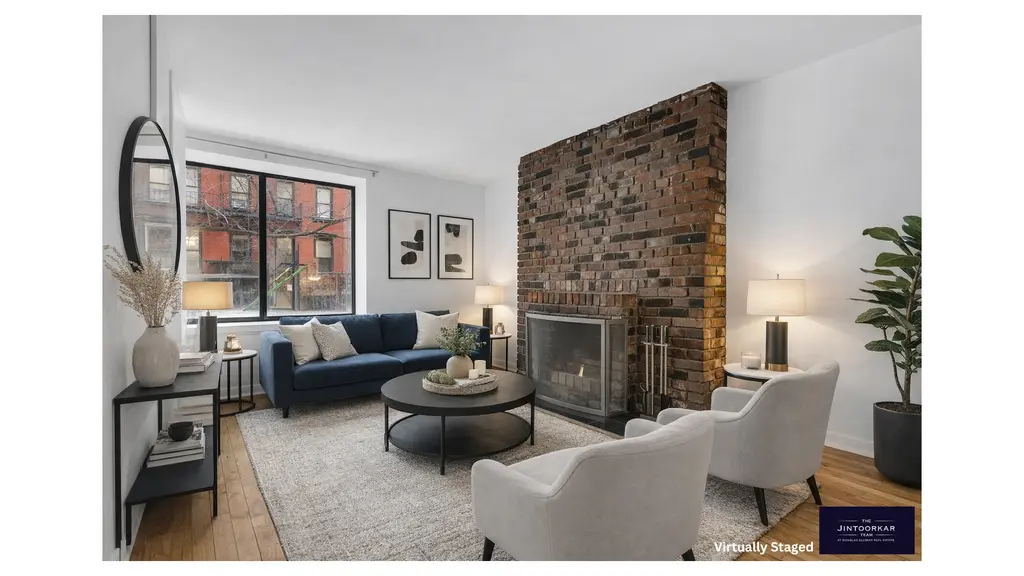
160 East 26th Street, #2F (Douglas Elliman Real Estate)

Plymouth Hall, #5B (Brown Harris Stevens Brooklyn LLC)
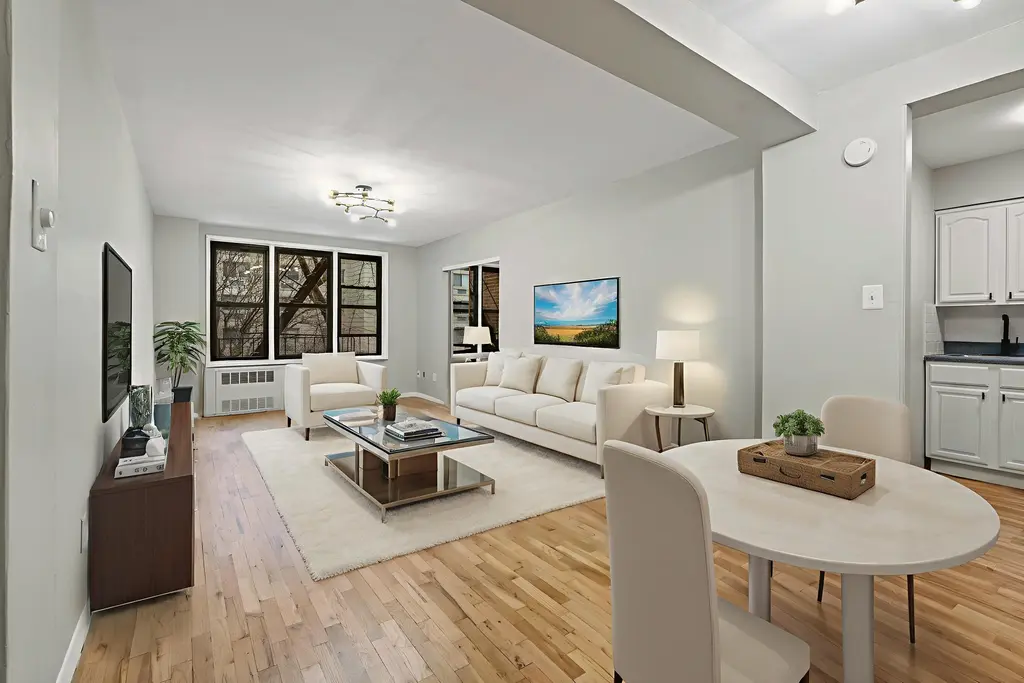
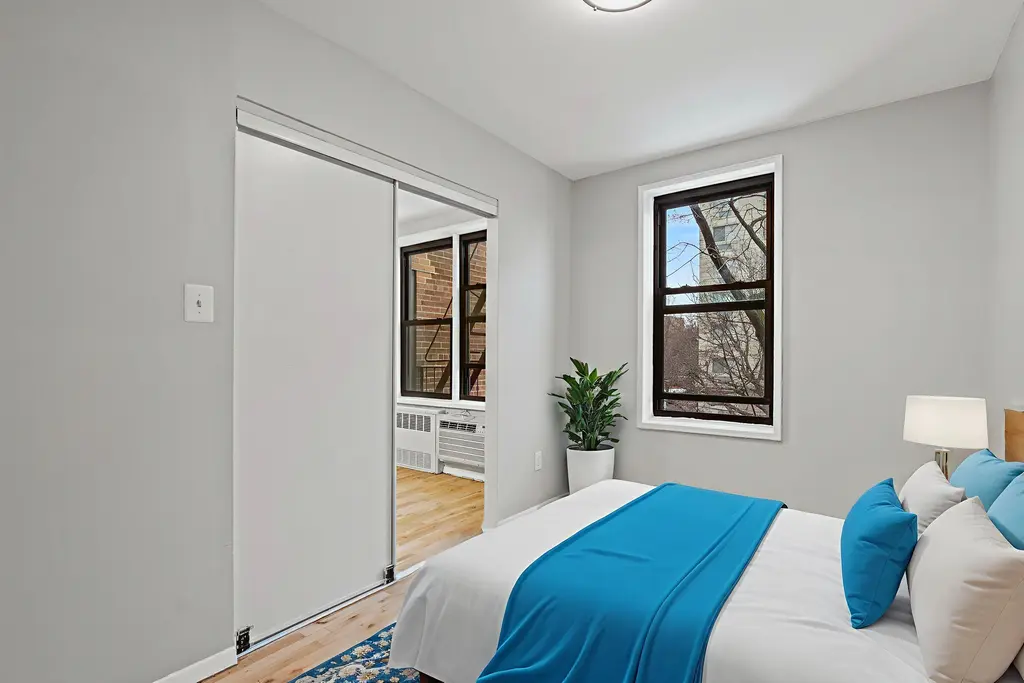
58-03 Calloway Street, #4-M (Nest Seekers LLC)
Would you like to tour any of these properties?
Just complete the info below.
Or call us at (212) 755-5544
Would you like to tour any of these properties?

 6sqft delivers the latest on real estate, architecture, and design, straight from New York City.
