
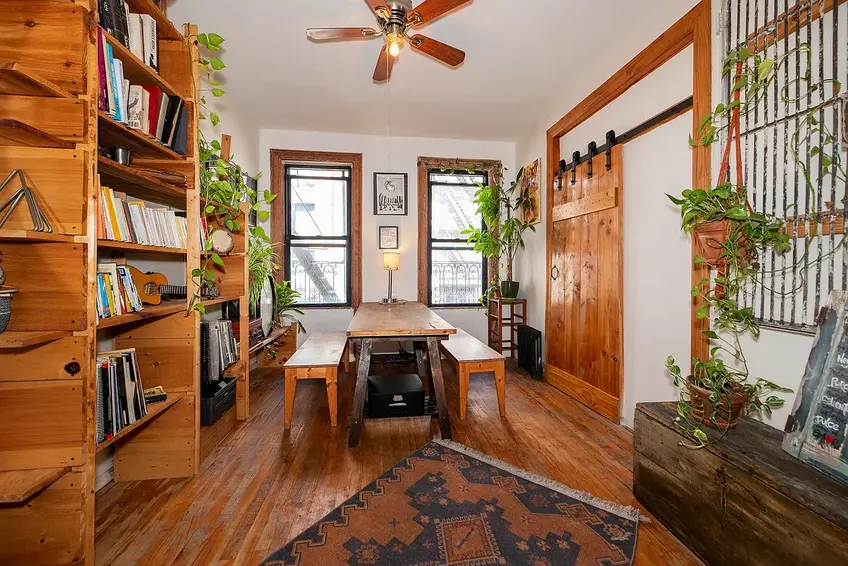
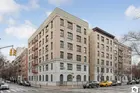
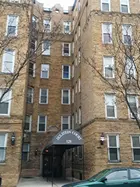
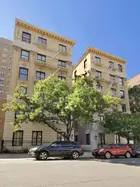
A two-bedroom co-op on the Upper West Side has a windowed kitchen, generous closet space, an address near Central Park, and an asking price of under $800K. An April Fool's joke listing? Is it haunted or the former scene of a crime? No to all - this is a Housing Development Fund Corporation (HDFC) apartment priced well below market average ($2.48 million for two-bedroom co-ops in Central Park West, per CityRealty data).
But while HDFCs present dramatically low sticker prices, calling them “affordable” might be a stretch considering the highly specific conditions under which they may be bought and sold. In fact, over time, HDFC units have paradoxically become the most and least affordable housing option on the New York City housing market. This article tackles five frequently asked questions about HDFC units, as well as a selection of listings in HDFC buildings.
In this article:











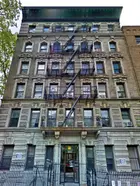
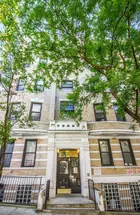


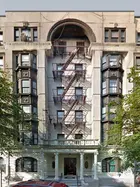
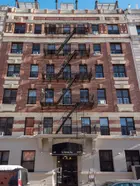

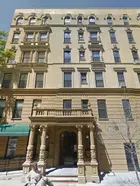




1. Can anyone buy an HDFC Unit?
The short answer is no, but understanding why is a bit more complex and varies from building to building. To begin, consider a two-bedroom unit on Mott Street in Nolita that was listed for $875,000. If this sounds like a great deal, it is. According to CityRealty data, the average price of a two-bedroom co-op in the neighborhood is $4.07 million. Unfortunately, if you are looking to take advantage of this great deal, you likely make too much money to qualify: The income cap on this specific unit was $34,992.
How can someone who makes less than $35,000 annually get a mortgage for $700,000? In reality, they can’t and if they could, it still seems unlikely they could easily meet the combined monthly mortgage and coop payments of $4,556, which coincidentally exceeds the income restriction on the unit by approximately $20,000 annually. The only way to purchase this unit would be in a cash-only deal and even then, the buyer would need to have an extremely low-income or be living primarily off of donations and gifts.
How can someone who makes less than $35,000 annually get a mortgage for $700,000? In reality, they can’t and if they could, it still seems unlikely they could easily meet the combined monthly mortgage and coop payments of $4,556, which coincidentally exceeds the income restriction on the unit by approximately $20,000 annually. The only way to purchase this unit would be in a cash-only deal and even then, the buyer would need to have an extremely low-income or be living primarily off of donations and gifts.
Of course, not all HDFC units are located in luxury neighborhoods. In fact, many of these units are located in moderately priced neighborhoods such as Harlem, Hamilton Heights, and Crown Heights. In these neighborhoods, it is often still possible to find a two-bedroom or larger HDFC unit for less than $500,000. Also, in most cases, the income restrictions are much higher than they are on the Mott Street unit because they are based on the area median income (AMI). Still, even many of these moderately priced units remain out of reach but for a different reason: When the units go on the market, they are often priced below market averages but either don’t permit financing or only permit 20% to 40% financing, which means buyers must both meet the AMI and be in the position to bring a large amount of cash to the deal.
2. Why have affordable units on the market if most New Yorkers—even those with modest incomes—don’t qualify to purchase them?
To appreciate why HDFC units exist, you have to go back to a very different New York City—the New York of the late 1970s when the economy was sluggish and thousands of landlords had abandoned their properties or had them seized by the city. To prevent the mass relocation of low-income residents, especially in the Lower East Side, Upper Manhattan, Brooklyn, and the South Bronx, the city decided to make modest improvements to create a program that enabled tenants to buy their units for just $250—yes, $250 not $250,000. To ensure the units stayed affordable, the city also imposed income ceilings and a huge flip-tax that essentially made selling the units undesirable.
For most of the 1980s and 1990s, HDFCs allowed people who would otherwise have been displaced to stay in their neighborhoods and own their homes. But in the 2000s, around the time New York City's housing market started to rebound, units once purchased for $250 were coming on the market in gentrifying neighborhoods below market prices but still well above anything the original tenants had paid. While this was great news for many low-income tenants looking to retire and relocate, HDFC units priced at $300,000 and even above $800,000 were no longer attracting low-income tenants. Instead, these units, once meant for people living on low incomes, were increasingly only viable for retirees, young people with big gifts from their families, and occasionally, modest-income people who had just come into an inheritance.
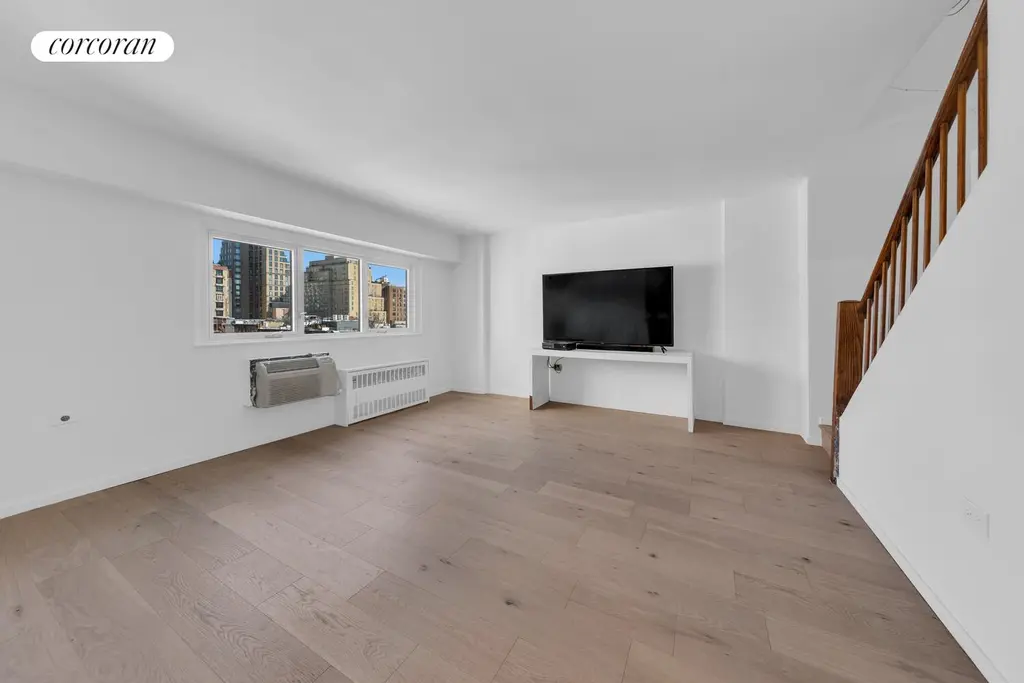
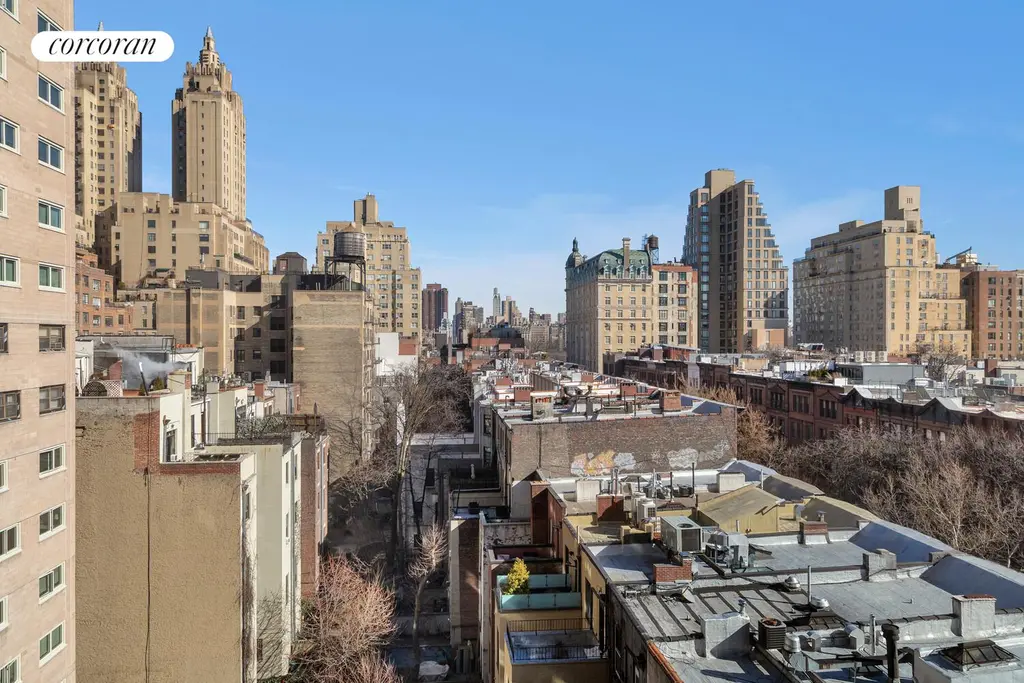
The Turin House, #8Q (Corcoran Group)
3. Who determines prices, income caps and restrictions, and financing terms on HDFC units?
According to NYC Housing Preservation & Development, HDFC cooperatives have “no statutory or regulatory restrictions on HDFC resale prices.” However, reforms are expected in the next decade that will create controls on resale prices.
Income restrictions are another matter and depend on the HDFC’s original agreement with the City. Most HDFCs have a regulatory agreement with the City of New York and as such, establish income maximums at either 120% or 165% of the area median income (AMI). However, some HDFCs use a different and more convoluted formula. This formula essentially maintains that shareholders can’t earn more than 6 or 7 times (depending on family size) the monthly maintenance, plus utilities, plus six percent of the original $250 purchase price of the apartment, all multiplied by 12 to represent every month of the year. (This formula might possibly account for the particularly low-income cutoff on the Mott Street unit mentioned earlier in the article).
Finally, there is the question of financing terms. Like all coops, HDFC coops have a lot of say over financing terms and tenant selection. Because HDFCs are often in desperate need of cash to cover overdue repairs or debt, boards often demand all-cash deals or deals that at the very least ask the buyer to bring a lot of cash (often 60% to 80% of the deal).
Income restrictions are another matter and depend on the HDFC’s original agreement with the City. Most HDFCs have a regulatory agreement with the City of New York and as such, establish income maximums at either 120% or 165% of the area median income (AMI). However, some HDFCs use a different and more convoluted formula. This formula essentially maintains that shareholders can’t earn more than 6 or 7 times (depending on family size) the monthly maintenance, plus utilities, plus six percent of the original $250 purchase price of the apartment, all multiplied by 12 to represent every month of the year. (This formula might possibly account for the particularly low-income cutoff on the Mott Street unit mentioned earlier in the article).
Finally, there is the question of financing terms. Like all coops, HDFC coops have a lot of say over financing terms and tenant selection. Because HDFCs are often in desperate need of cash to cover overdue repairs or debt, boards often demand all-cash deals or deals that at the very least ask the buyer to bring a lot of cash (often 60% to 80% of the deal).
4. Is buying an HDFC unit a good investment?
While most New Yorkers will never even qualify for an HDFC unit, some do; and, in the current market, money can be made on HDFC units. For example, a currently listed HDFC unit in Harlem at 1809 Adam Clayton Powell Jr. Boulevard is asking $1,200,000. While this may sound a bit steep, bear in mind that this is a five-bedroom unit measuring 1,750 square feet. The unit also appears to be rapidly gaining value. The unit was listed for $375,000 in May 2016, sold well above the asking price for $435,000 in September 2016, and is now being put back on the market for $895,000. In just over two years, this HDFC unit has more than doubled its market value. But can you make money off an HDFC?
In the past, HDFC units were only considered good long-term investments, but with prices surging, this rule of thumb is no longer the case. Indeed, if the seller of 145 West 105th Street does get the asking price, they will likely see a good return on their investment, even after paying their building’s flip-tax, which in most HDFC buildings is 30 percent but can be as high as 50 percent in some buildings, especially when I buyer chooses to turn around their unit in less than five years.
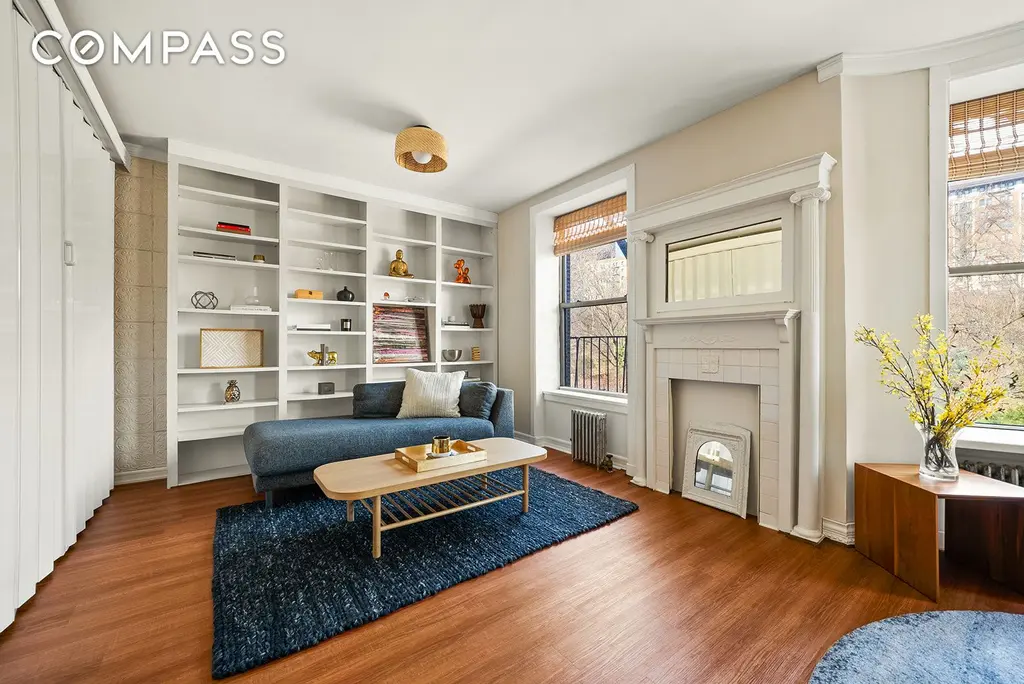
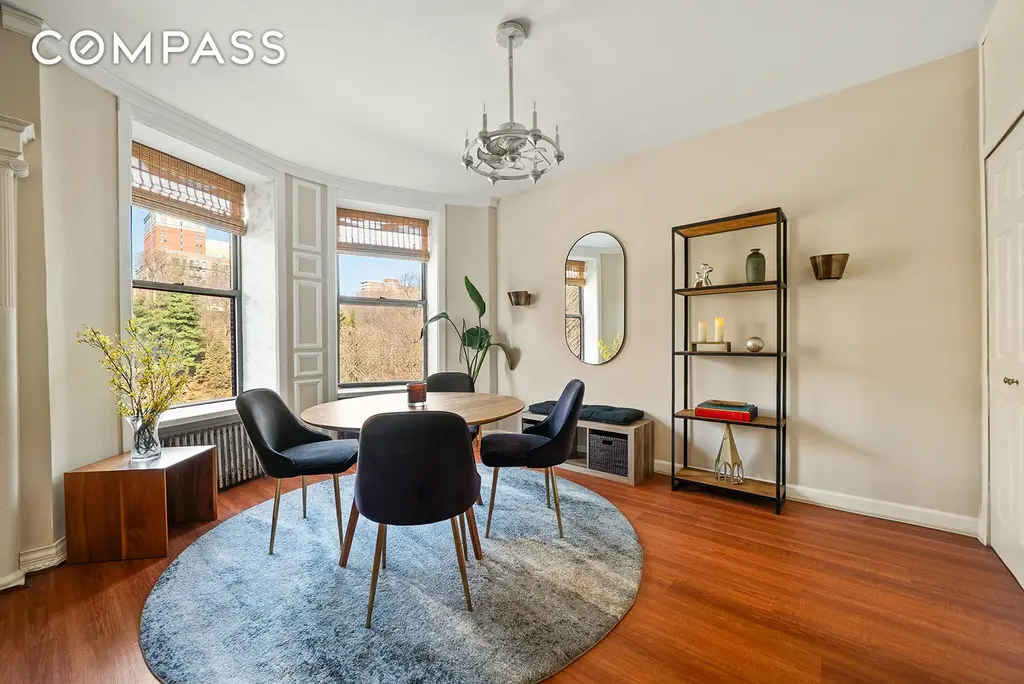
364 West 121st Street, #4A (Compass)
#5. Where can I find an HDFC unit?
When perusing co-op listings, keep an eye out for apartments in highly desirable neighborhoods with price tags a fraction of comparable listings. Moreover, while Housing Connect is well known for affordable housing lotteries concerning rentals, the occasional HDFC co-op lottery takes place through here.
The Housing Connect lotteries span original HDFC buildings and some newer projects. Starting in 2012, the Affordable Neighborhood Cooperative Program (ANCP) was established to enable the City to rehabilitate city-owned, occupied, multi-family properties into affordable, tenant-controlled, HDFC cooperatives for low- and moderate-income households. Tenants who already live in an ANCP building have the option to buy their apartments for as little as $250; vacant units are made available through city-sponsored affordable housing lotteries. Please be advised that CityRealty is not affiliated with the lotteries.
Current HDFC Lotteries
The Renaissance, Harlem
One- to three-beds from $487K - $927.5K
Apply to resale waitlist here; deadline April 3, 2026
One- to three-beds from $487K - $927.5K
Apply to resale waitlist here; deadline April 3, 2026
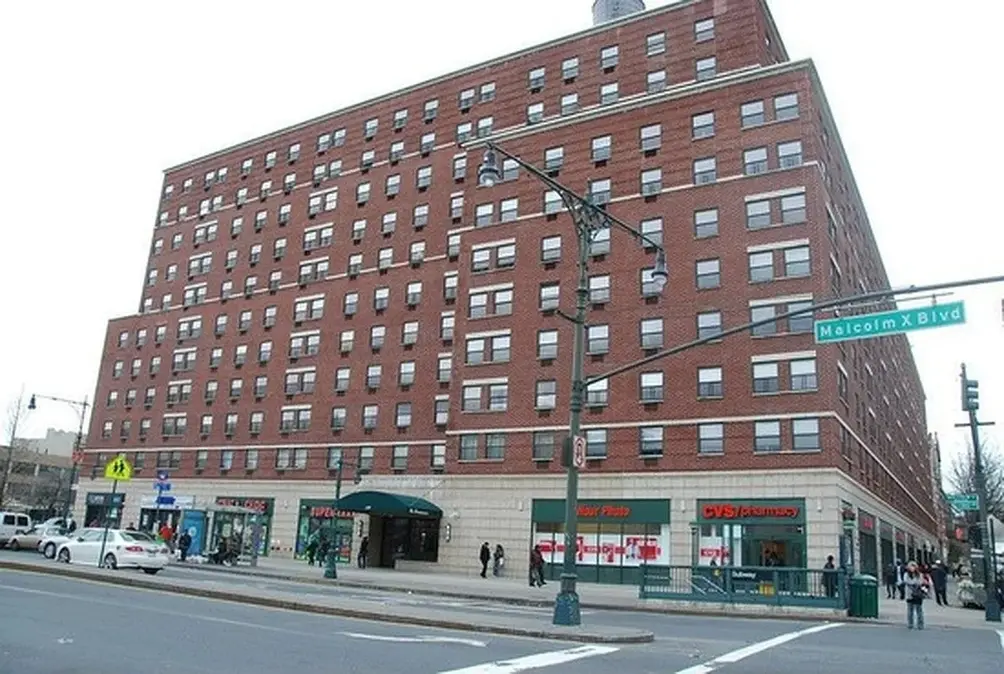 The Renaissance (Housing Connect)
Would you like to tour any of these properties?
Just complete the info below.
Or call us at (212) 755-5544
Morningside ANCP, Harlem
Two- to three-beds from $220.6K - $288.3K
Apply Here: Deadline April 13, 2026
Two- to three-beds from $220.6K - $288.3K
Apply Here: Deadline April 13, 2026
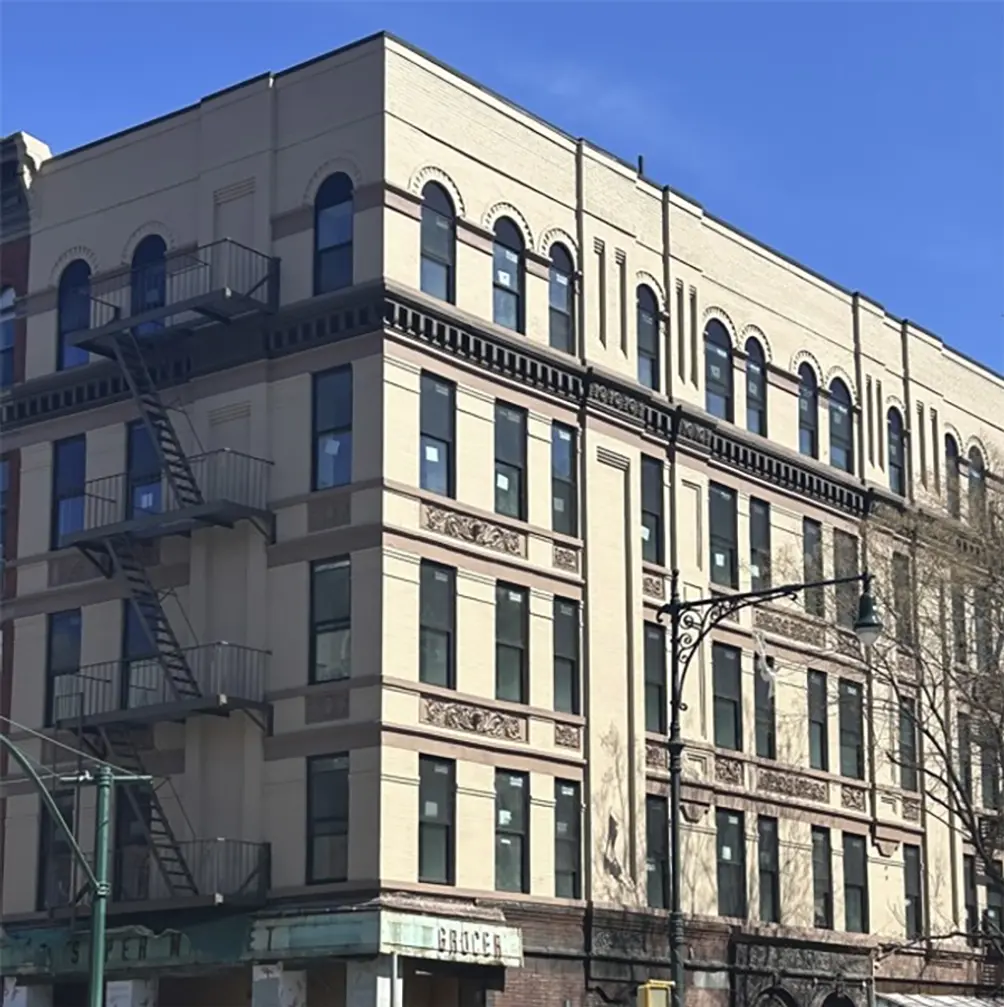 Morningside ANCP (Housing Connect)
Park Towers, Hamilton Heights
One- to five-beds from $100.8K - $156.3K
Apply Here: Deadline May 26, 2026
One- to five-beds from $100.8K - $156.3K
Apply Here: Deadline May 26, 2026
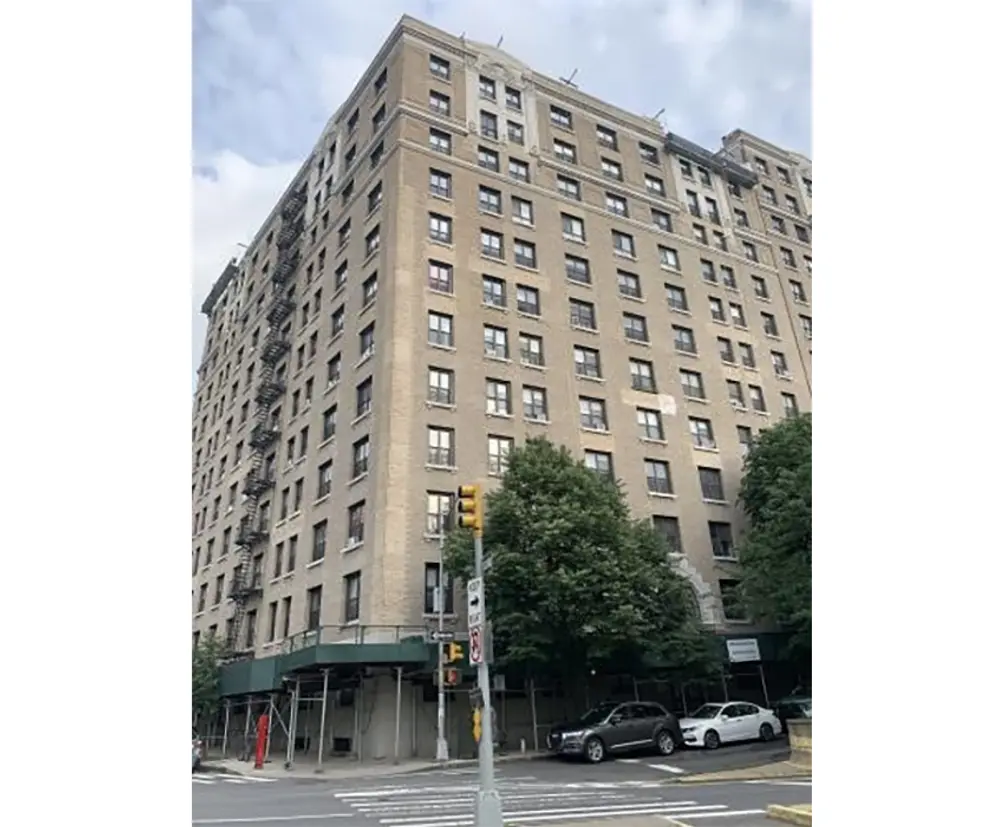 Park Towers HDFC (Housing Connect)
HDFC Listings
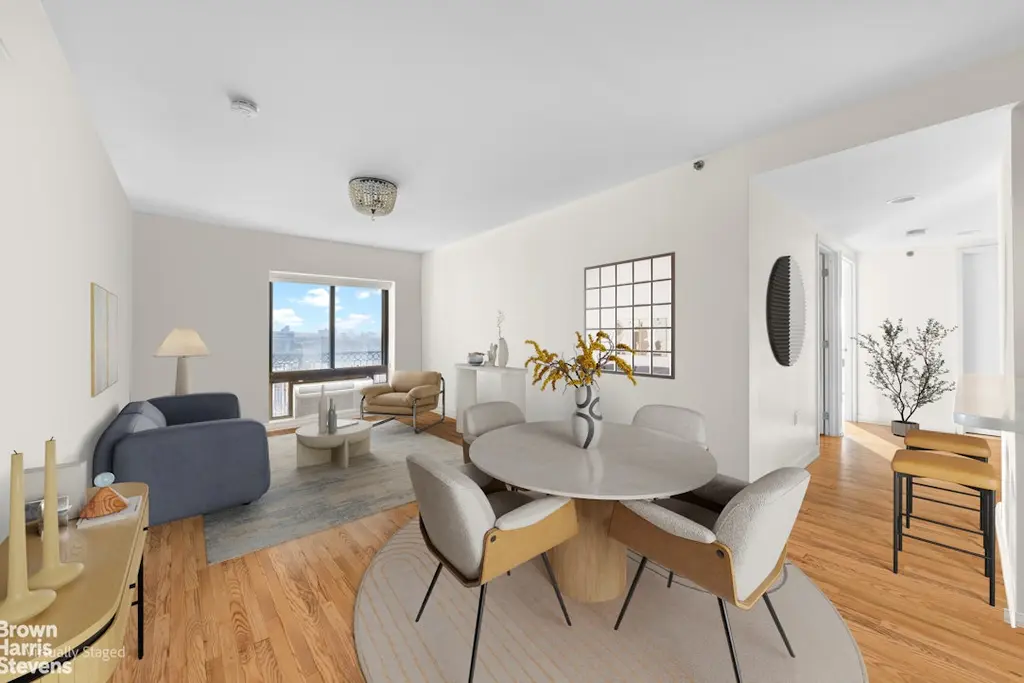
The Shelton, #8E (Brown Harris Stevens Brooklyn LLC)
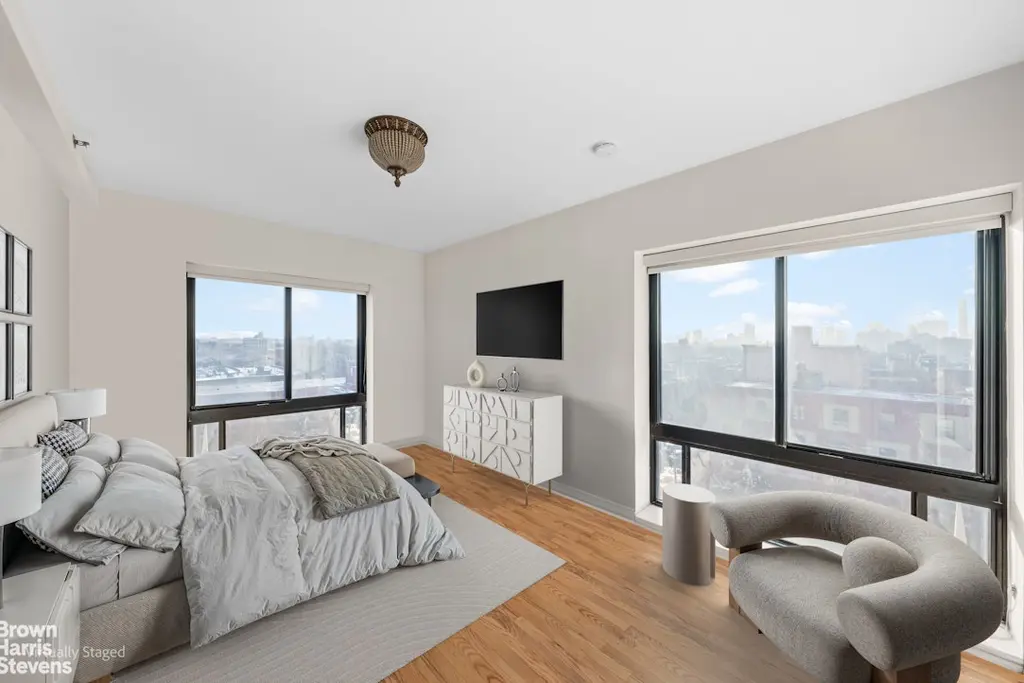
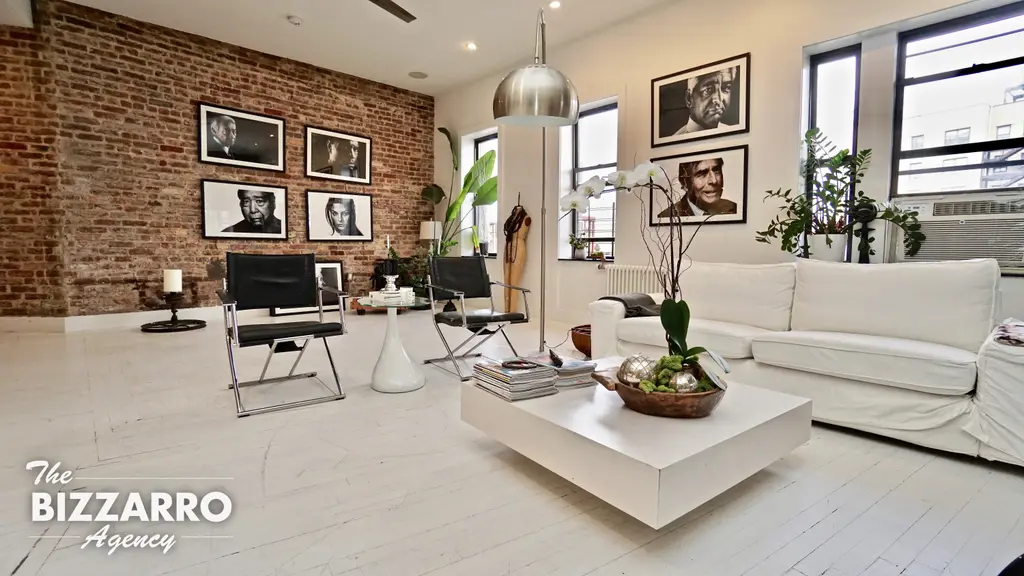
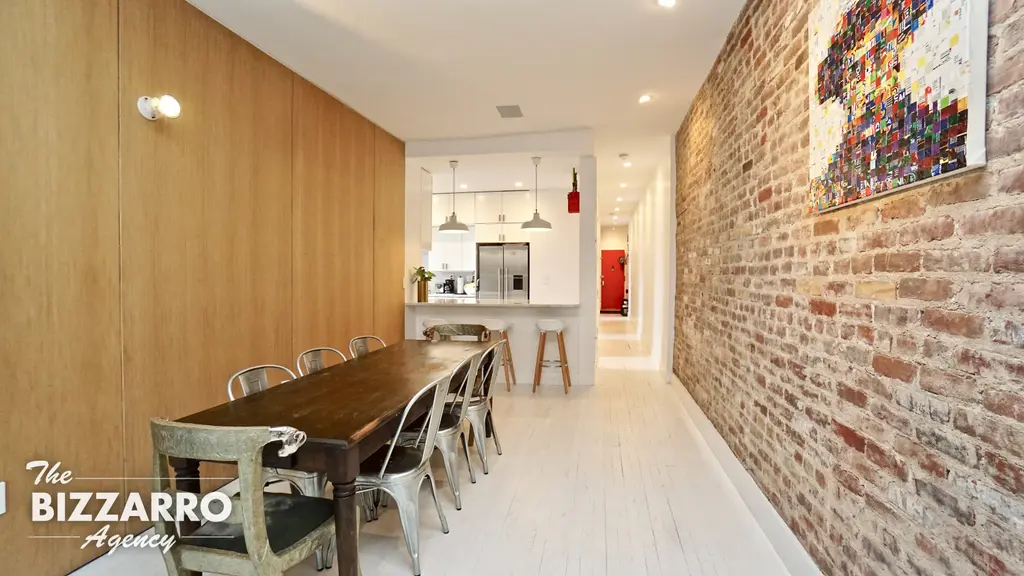
47 Fort Washington Avenue, #61 (Bizzarro Agency LLC)
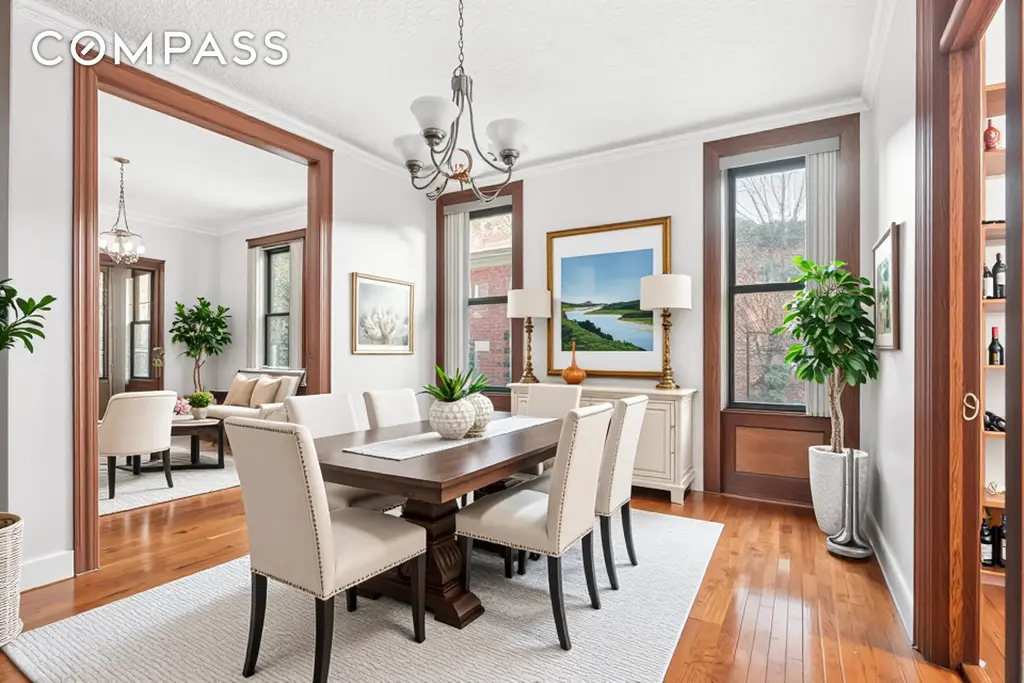
527 West 143rd Street, #31
$750,000
Hamilton Heights | Cooperative | 3 Bedrooms, 1.5 Baths | 1,290 ft2
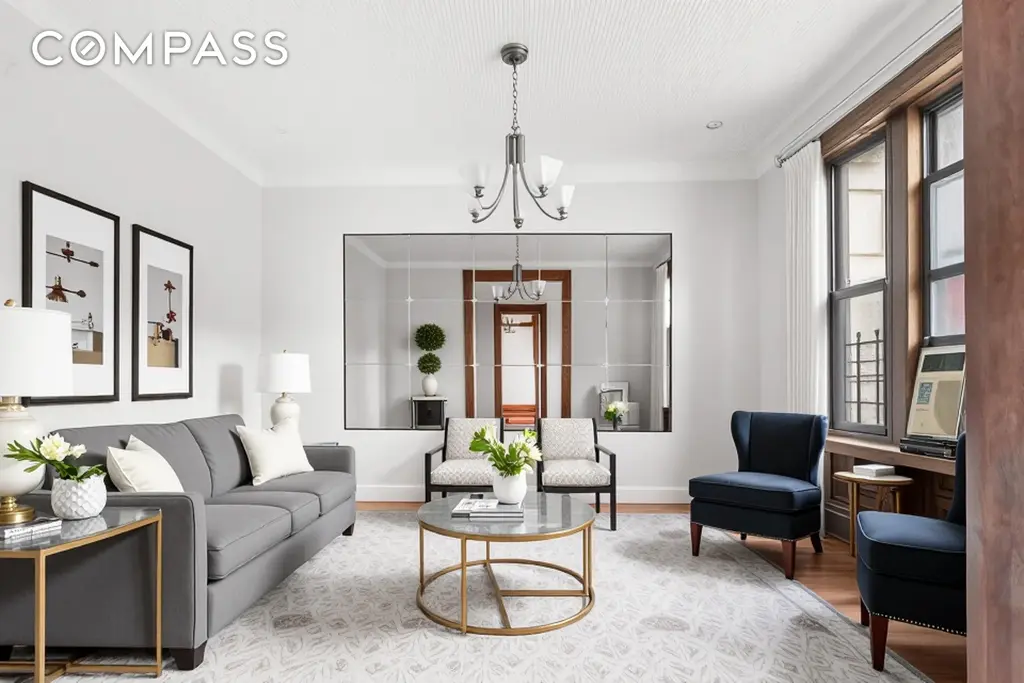
527 West 143rd Street, #31 (Compass)
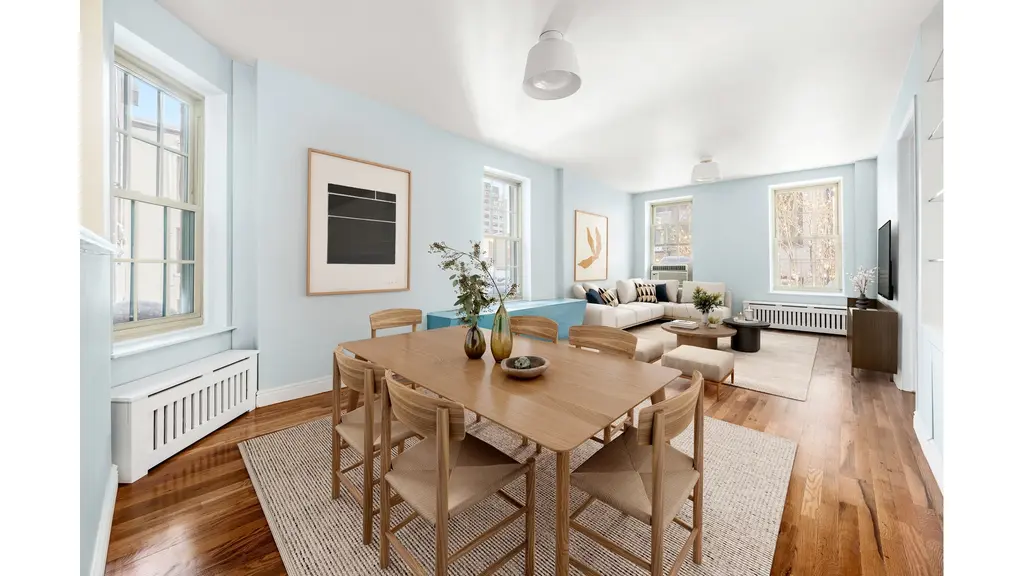
325 West 43rd Street, #4B (Douglas Elliman Real Estate)
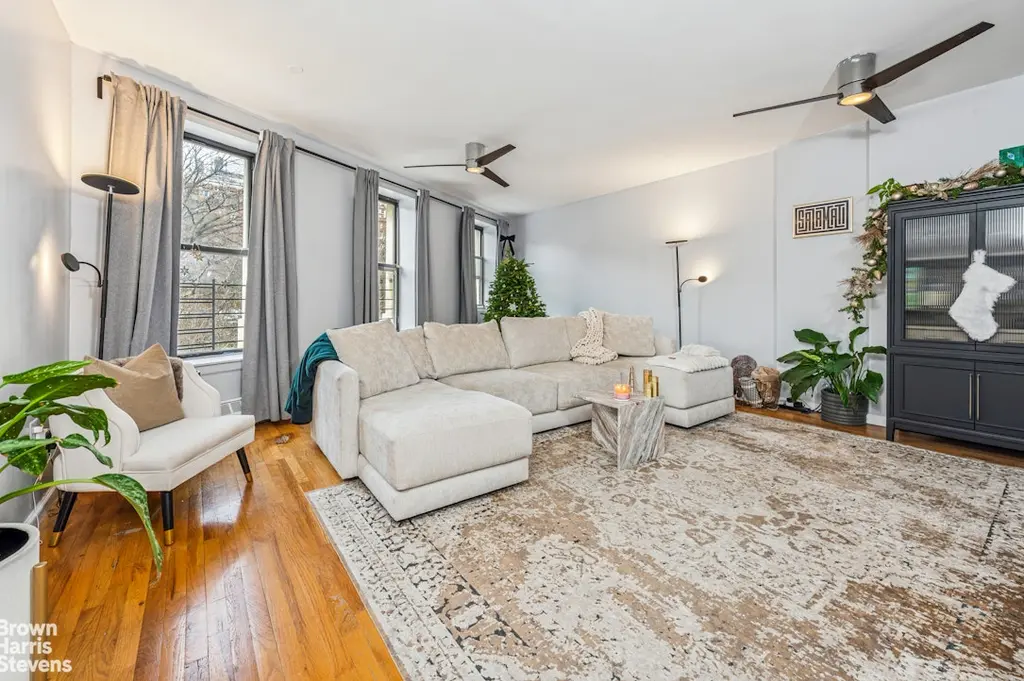
16 Morningside Avenue, #6N (Brown Harris Stevens Residential Sales LLC)
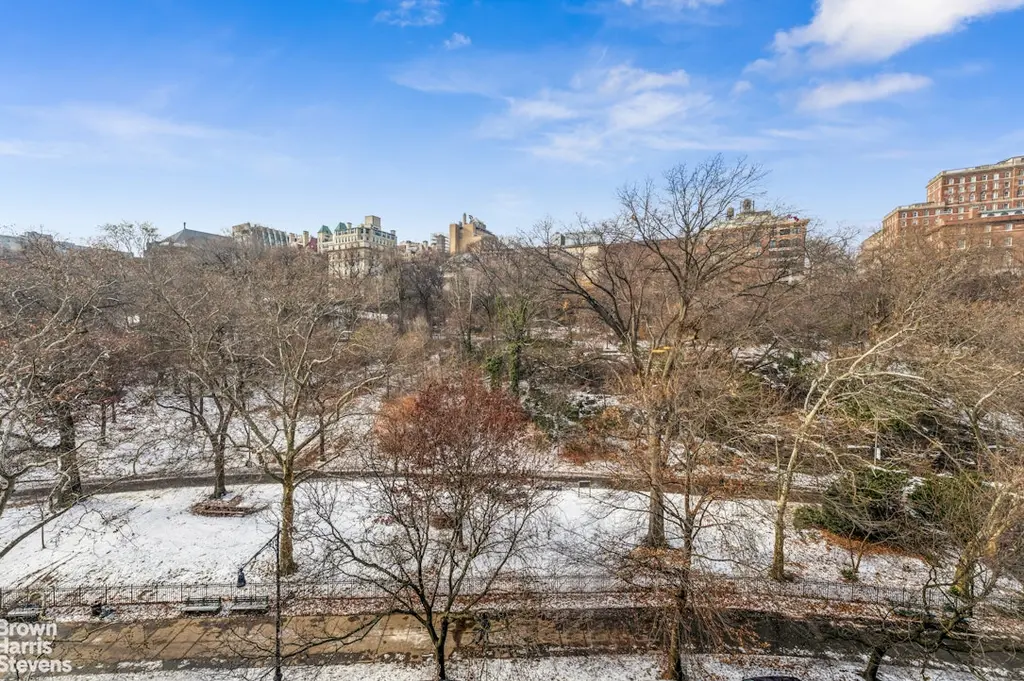
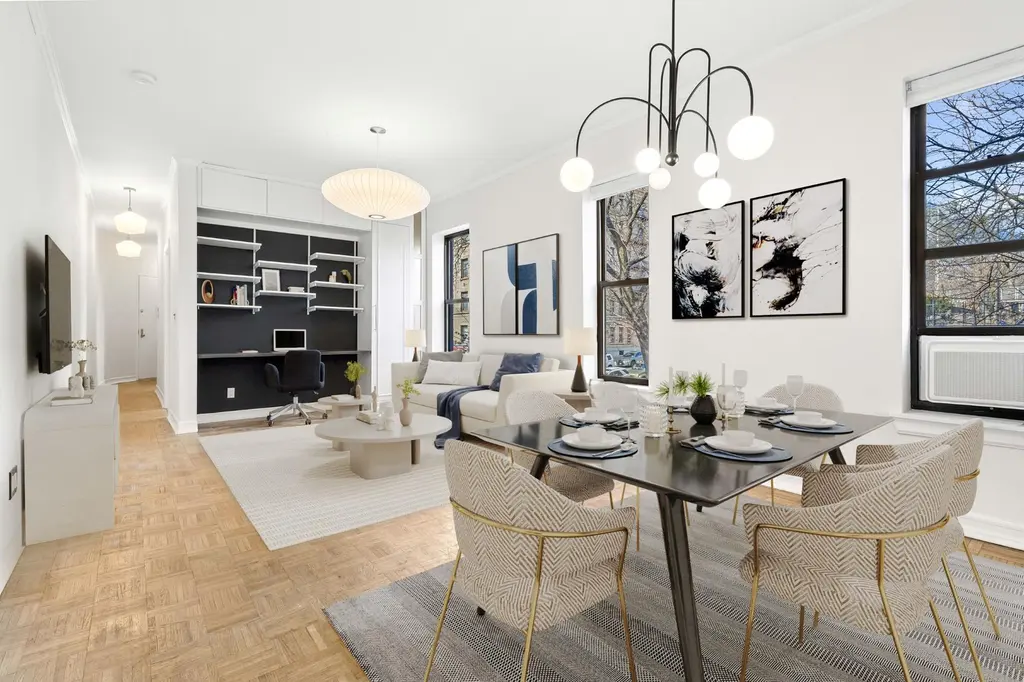
10 Saint Nicholas Terrace, #3 (Weichert Properties)
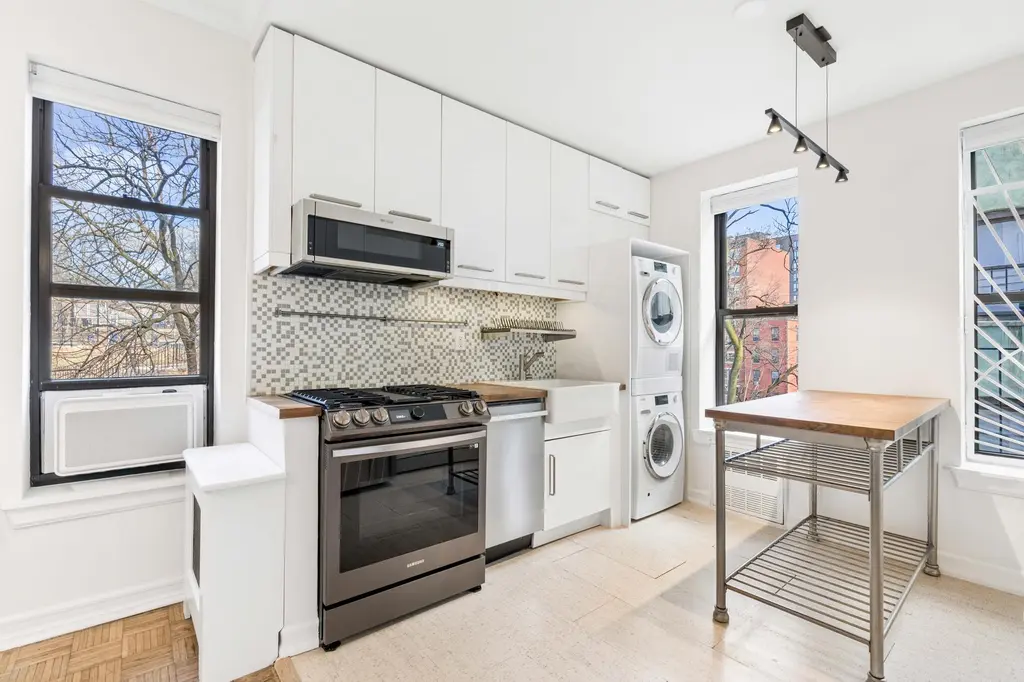
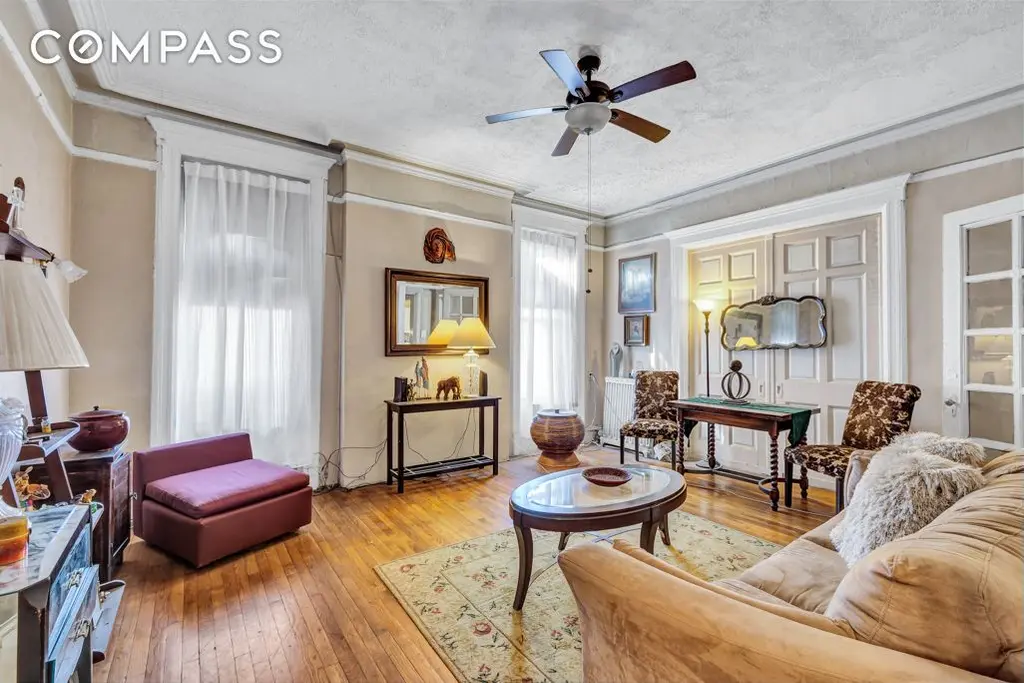
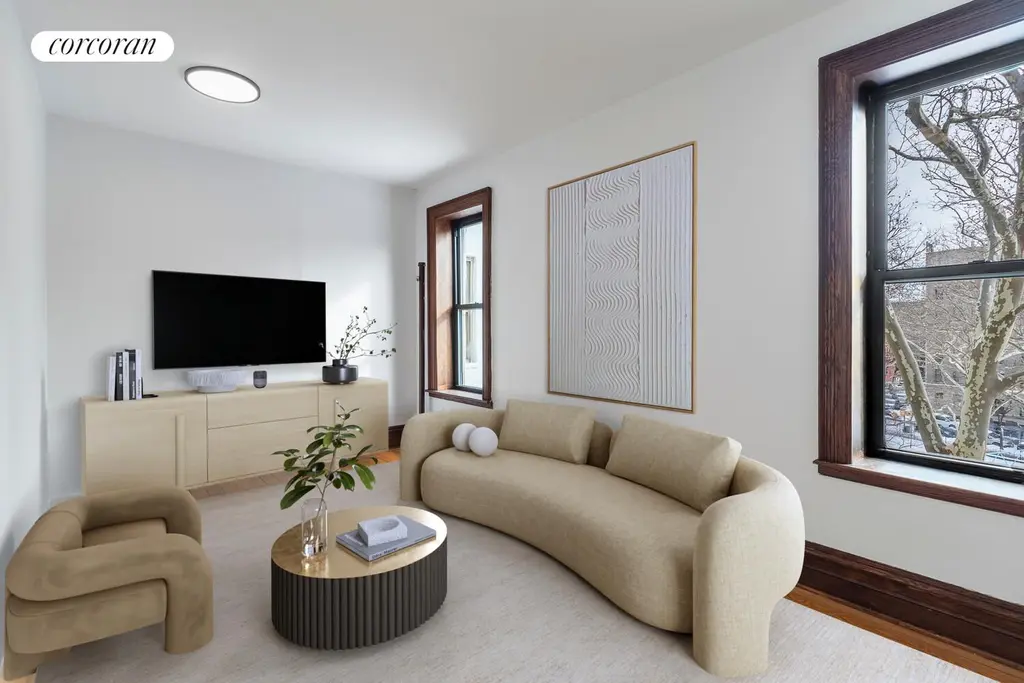
552 West 141st Street, #6B (Corcoran Group)
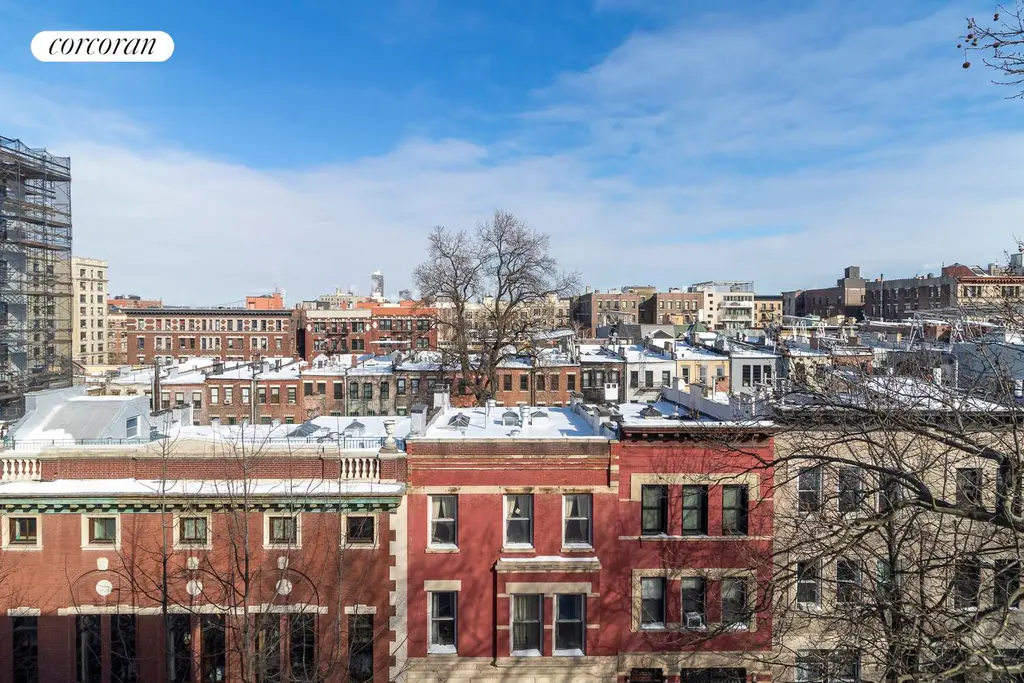
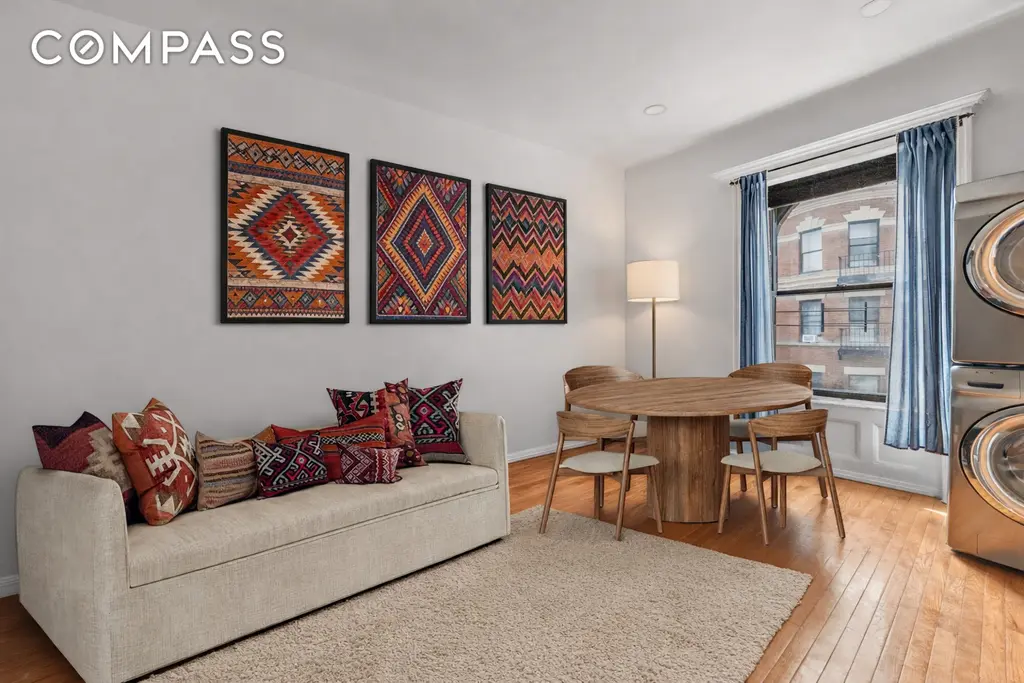
361 West 121st Street, #4S (Compass)
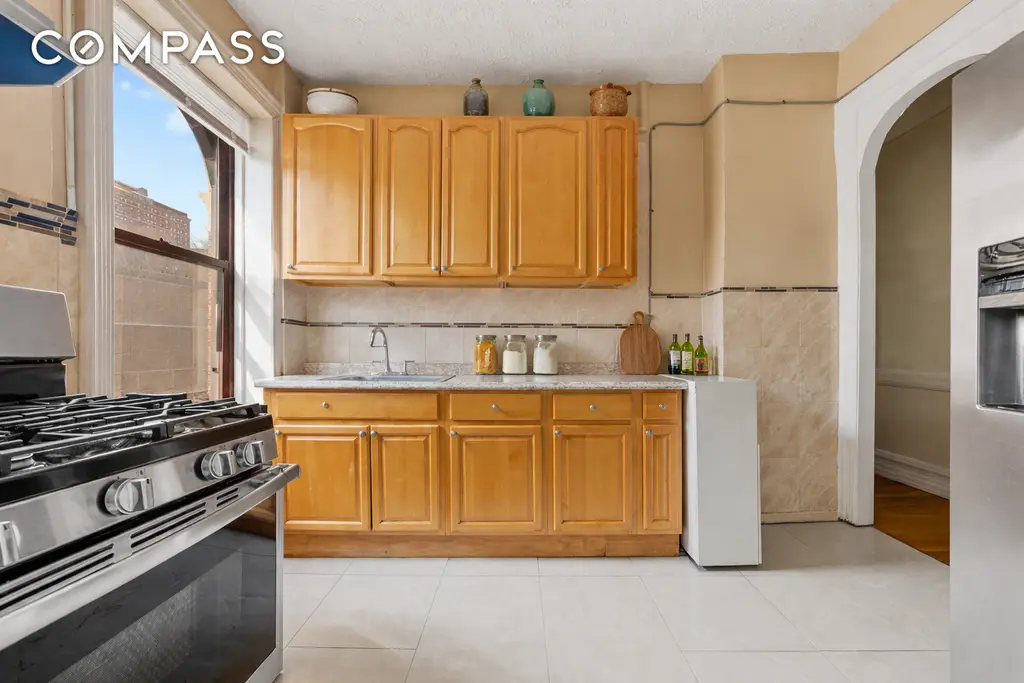
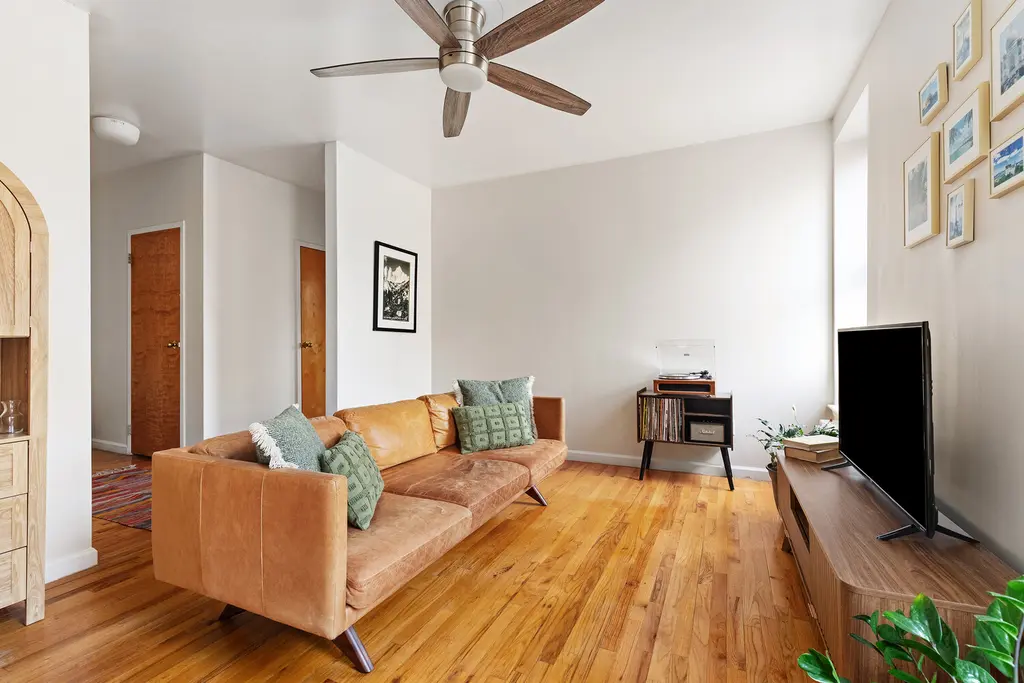
101 West 115th Street, #4C (Serhant)
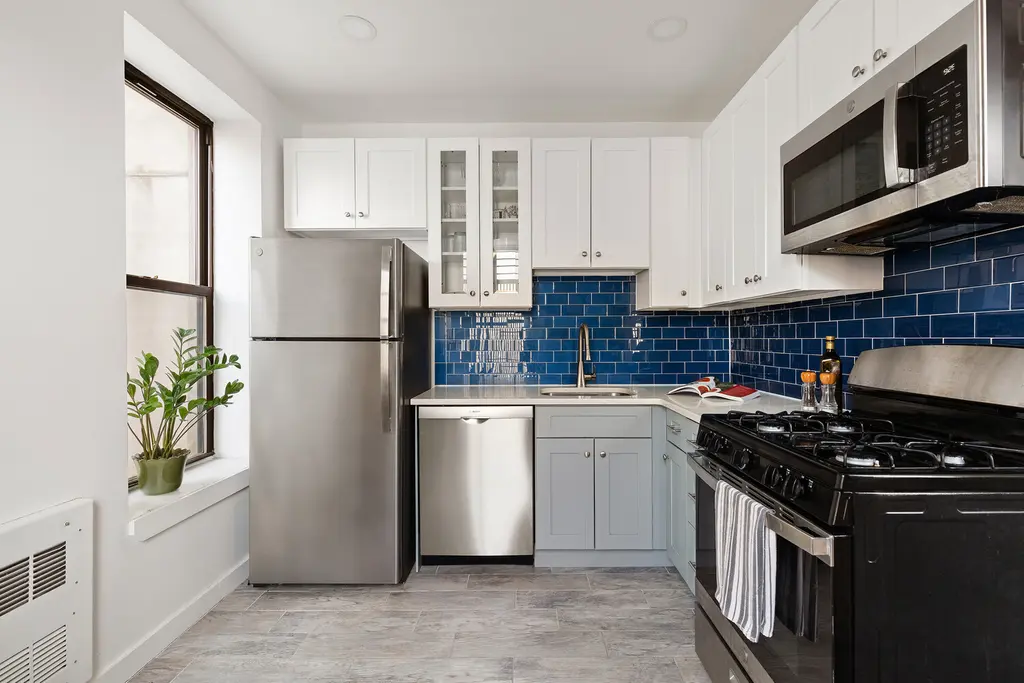
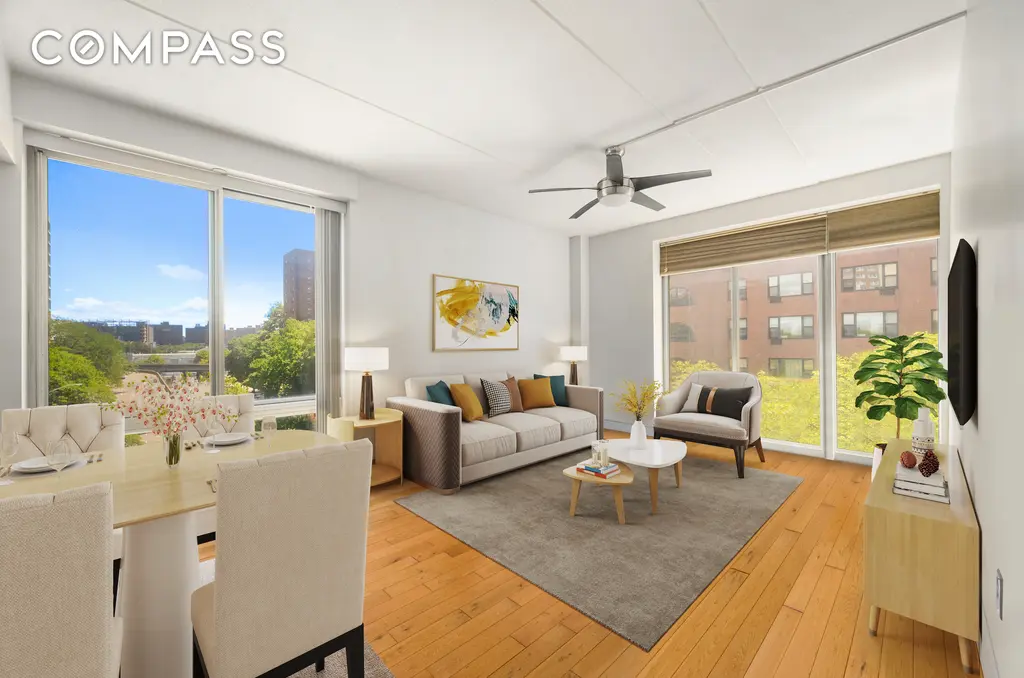
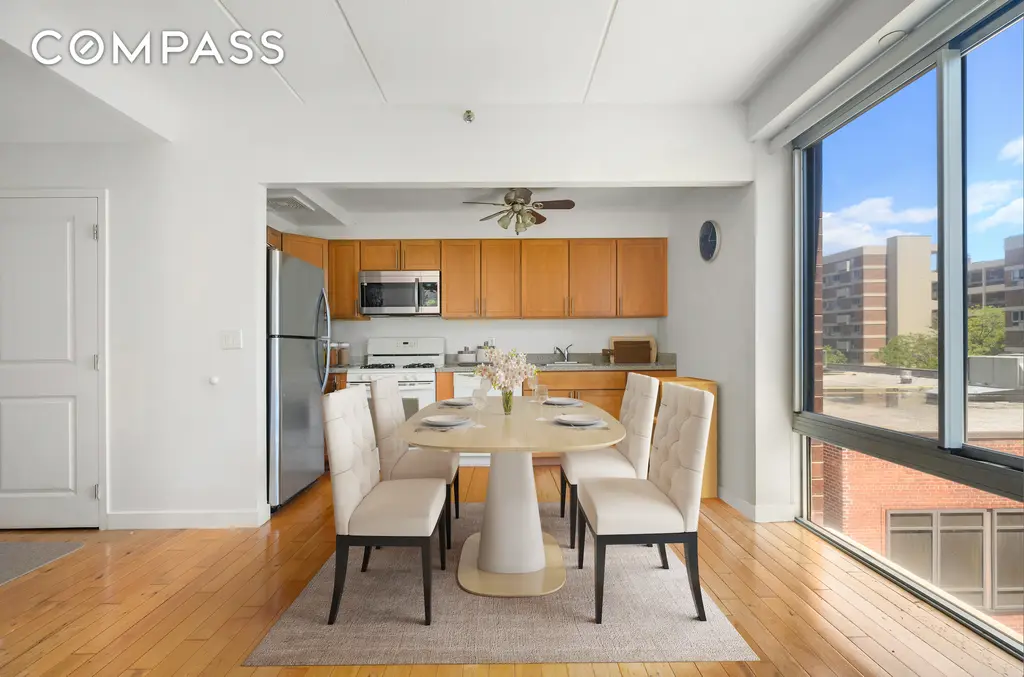
Beacon Towers, #5A (Compass)
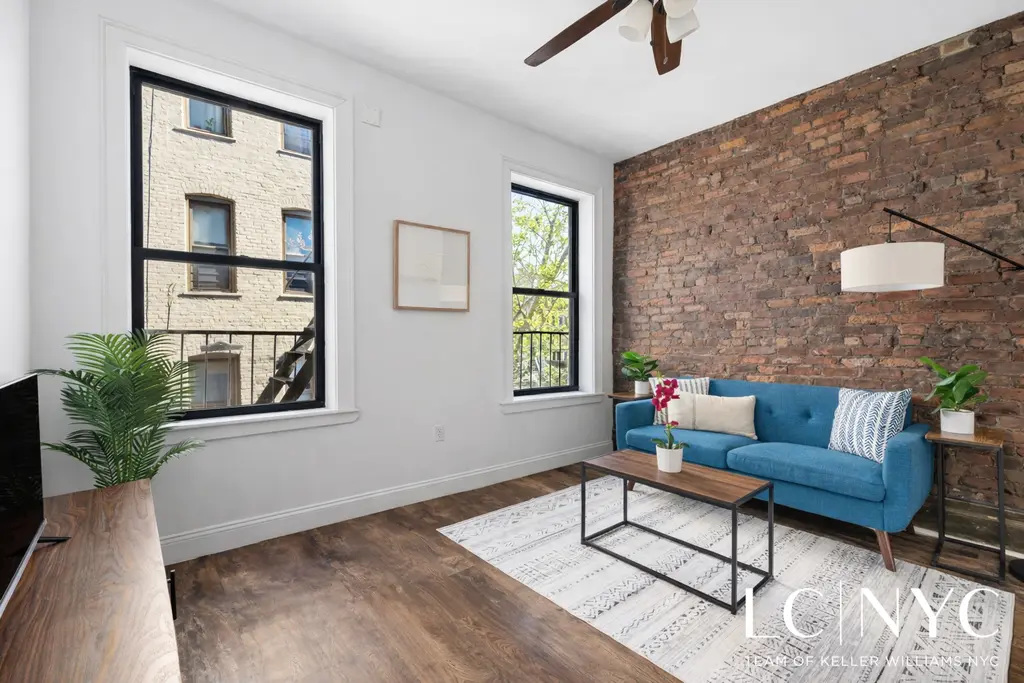
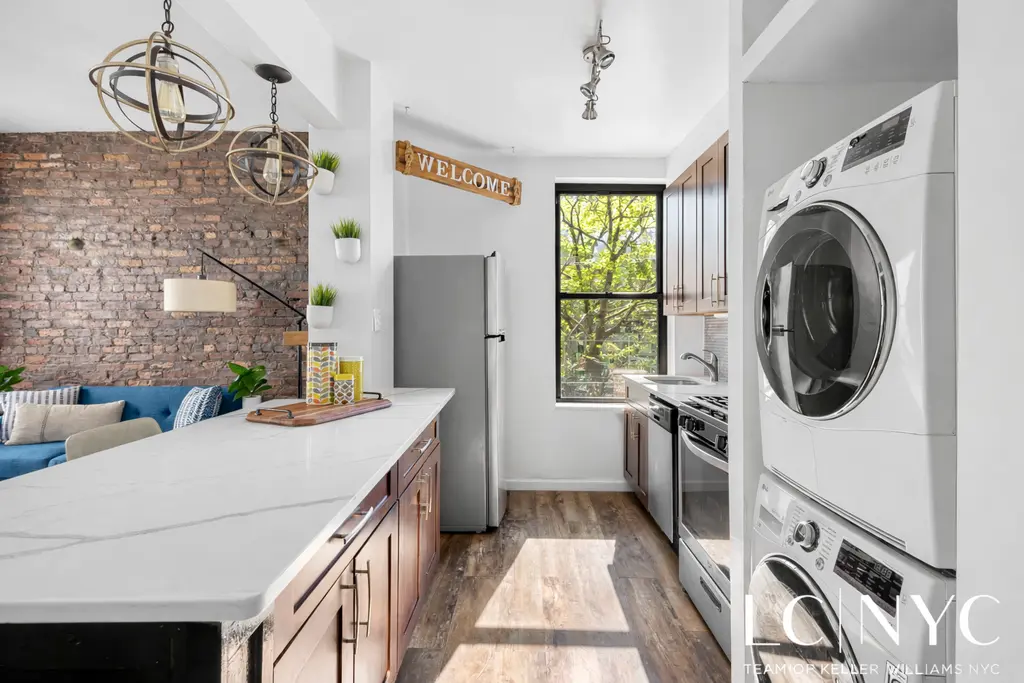
557 West 140th Street, #3C (Keller Williams NYC)
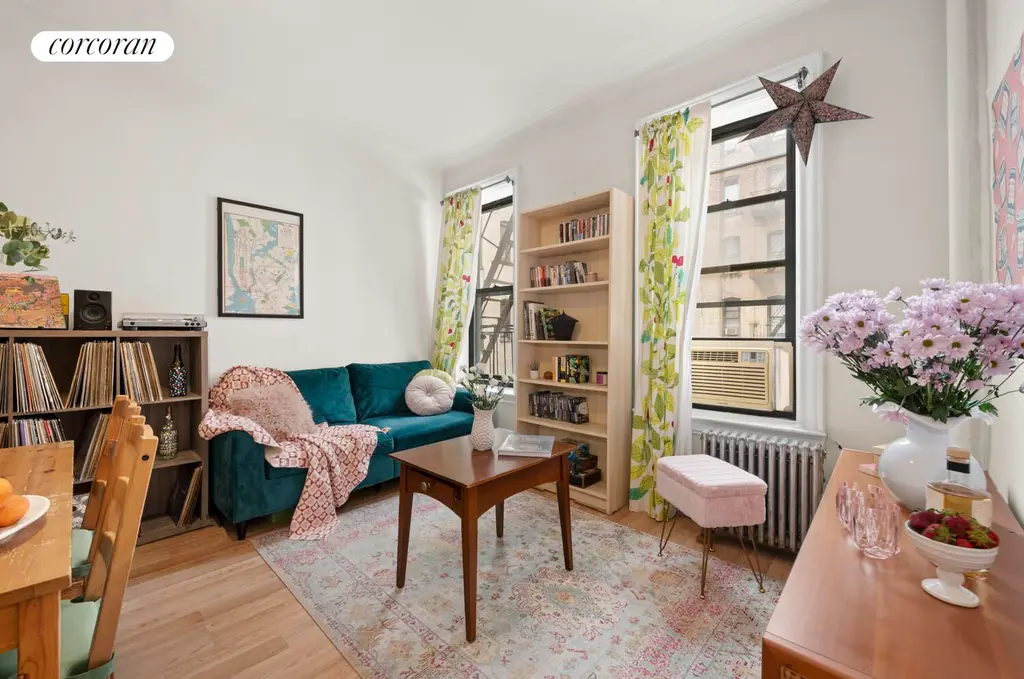
35 Crown Street, #3C (Corcoran Group)
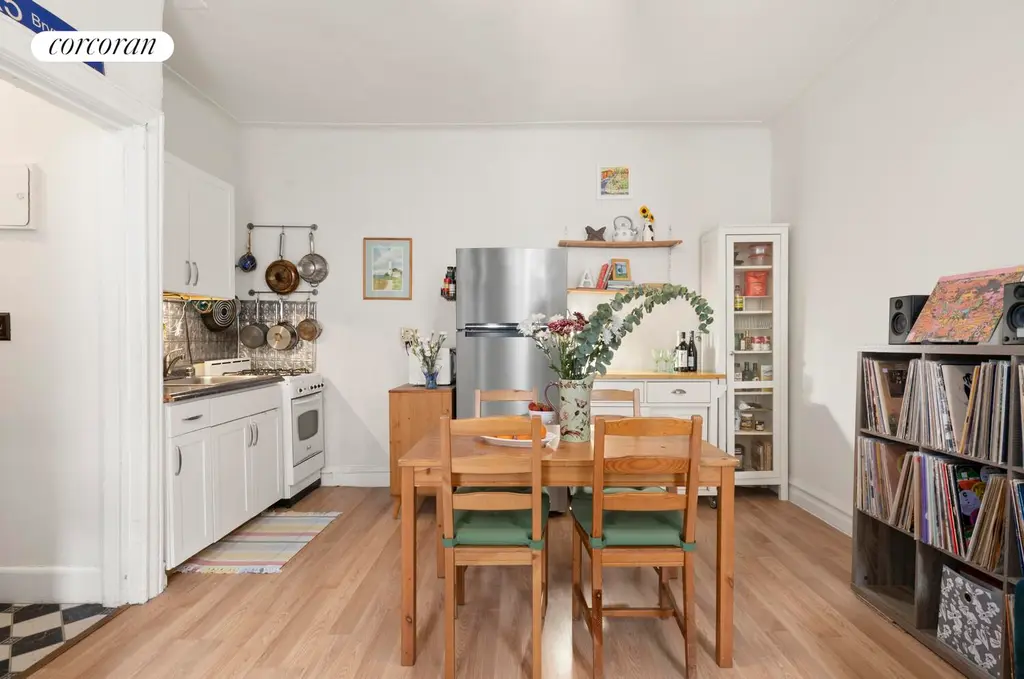
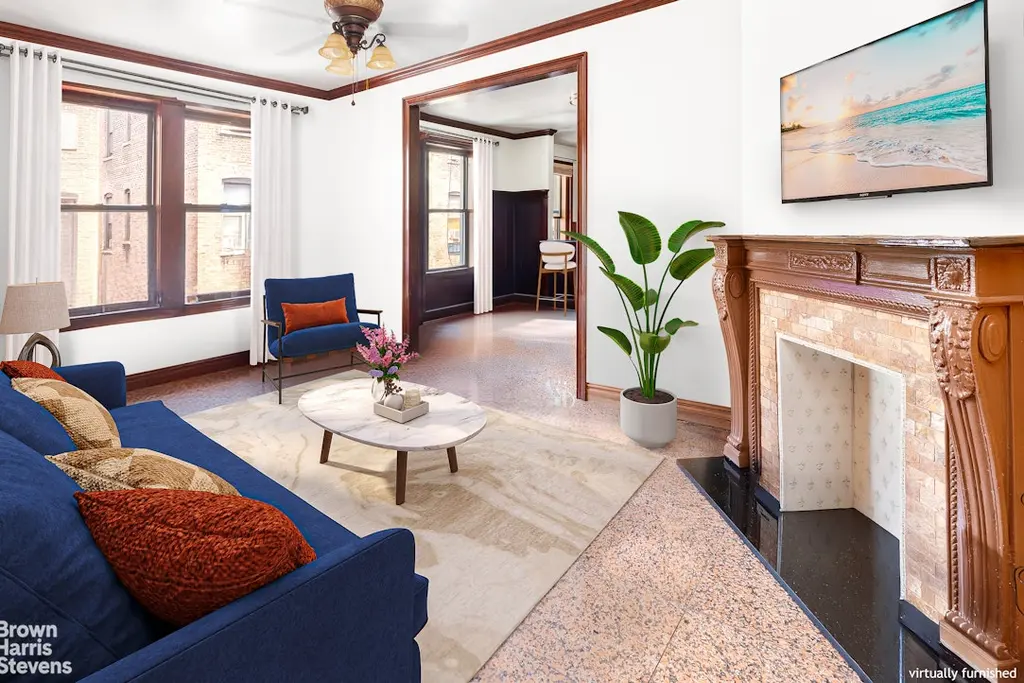
The Goya, #55A (Brown Harris Stevens Residential Sales LLC)
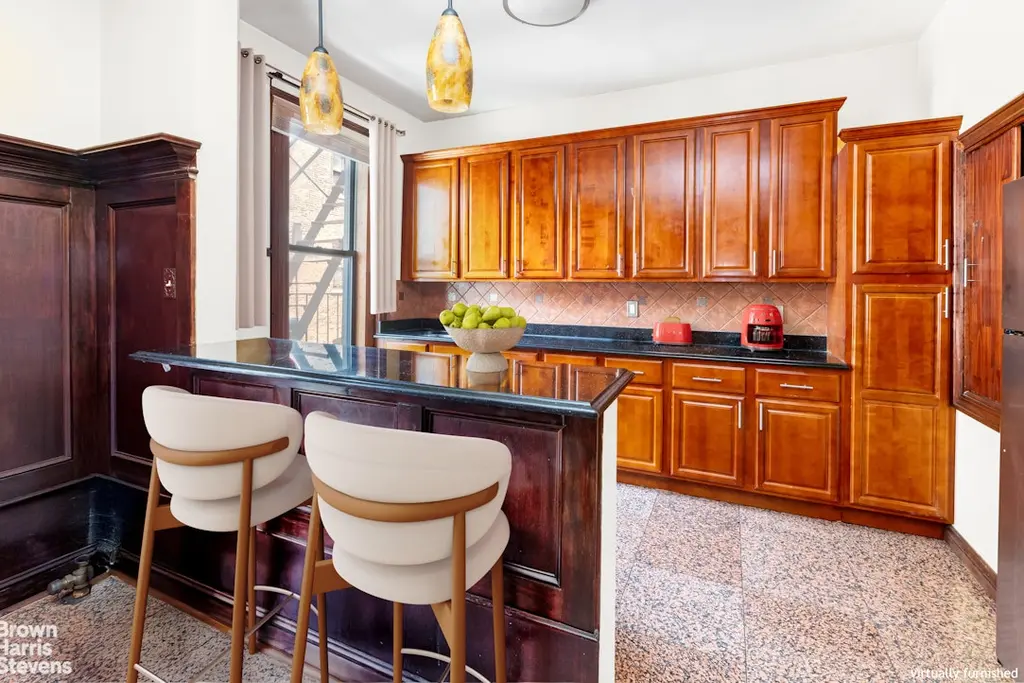
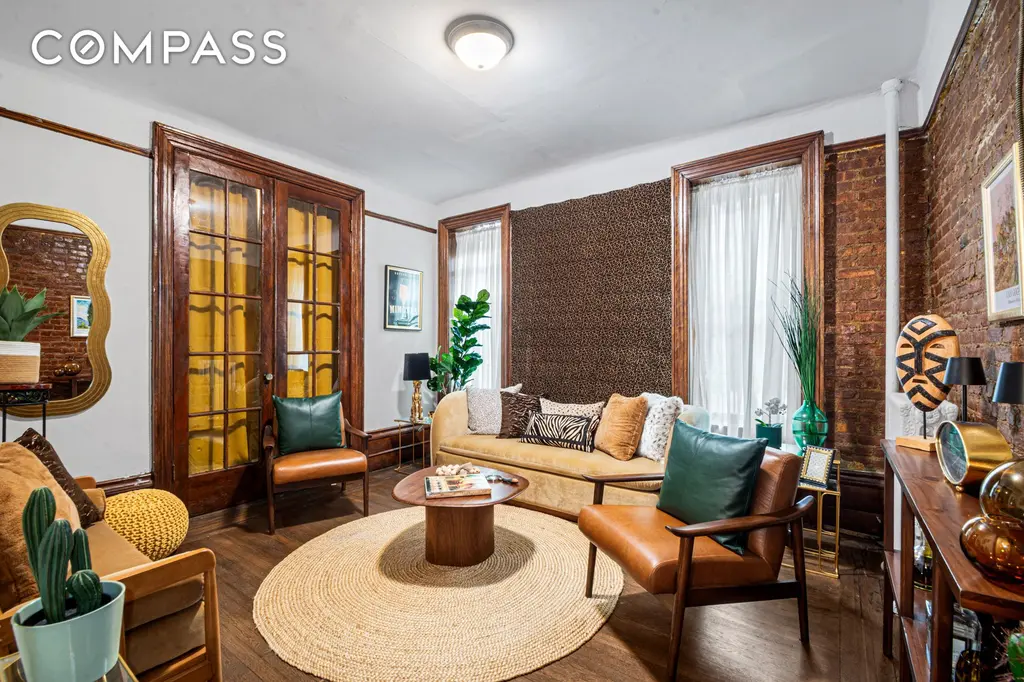
527 West 143rd Street, #1 (Compass)
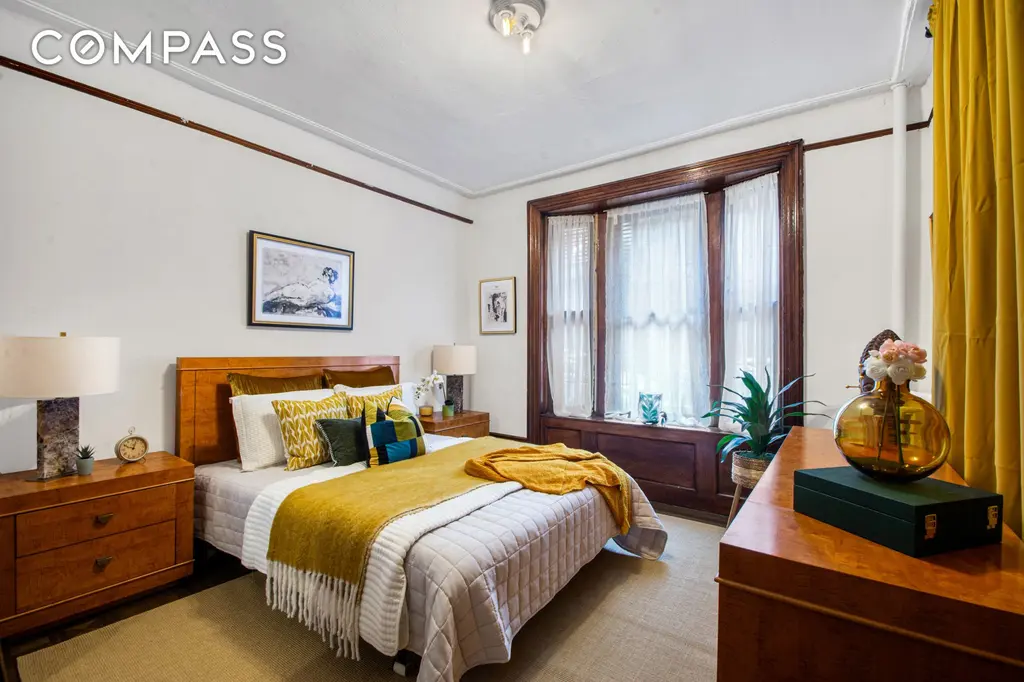
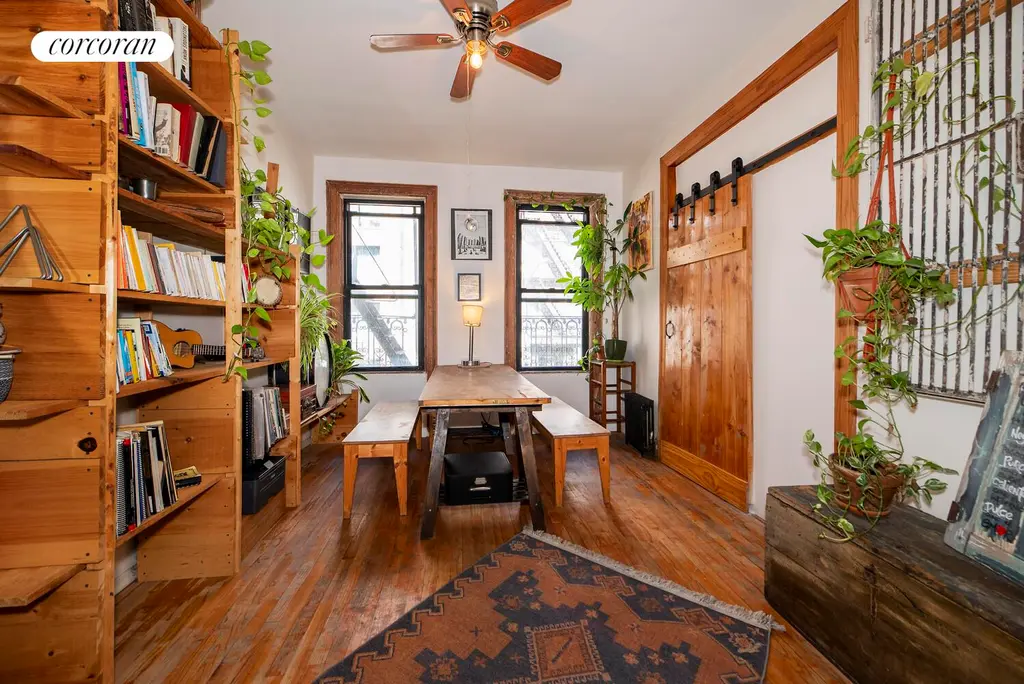
518 West 134th Street, #21 (Corcoran Group)
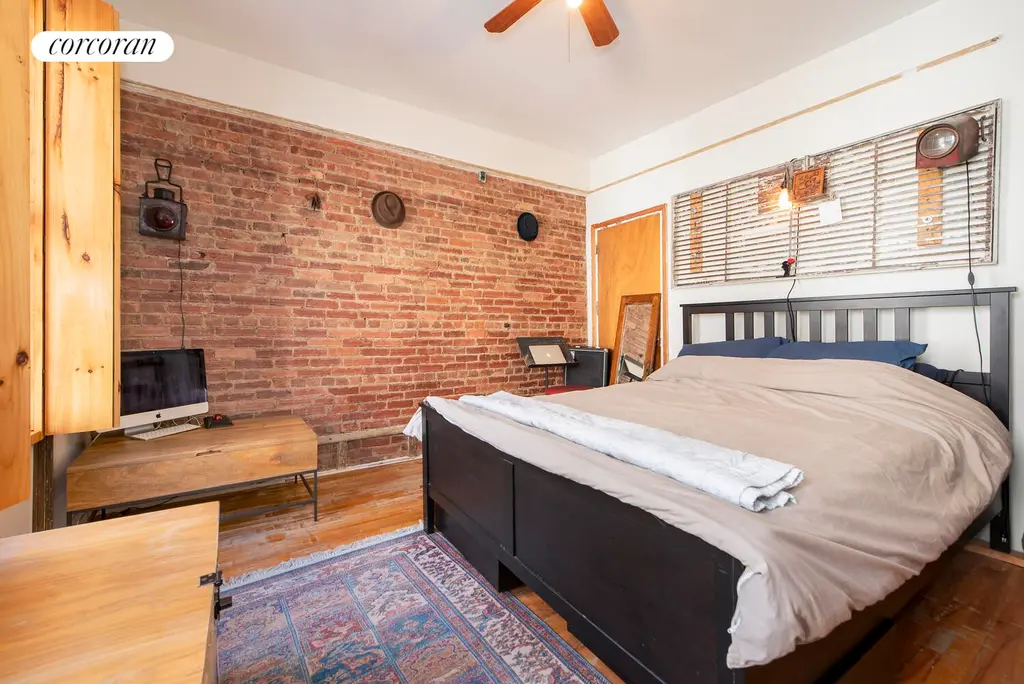
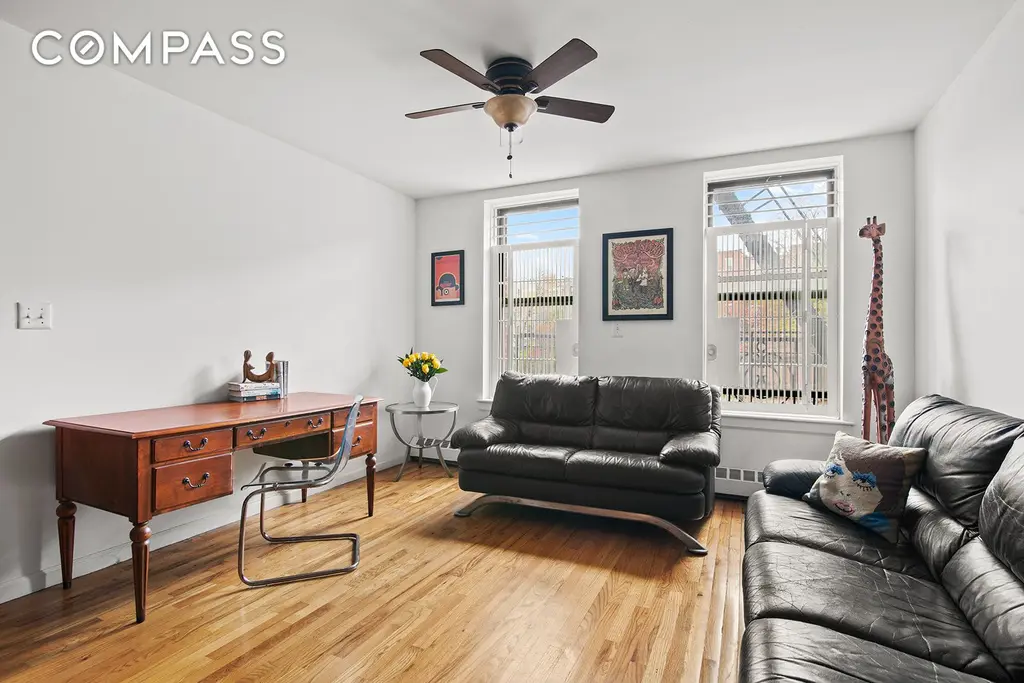
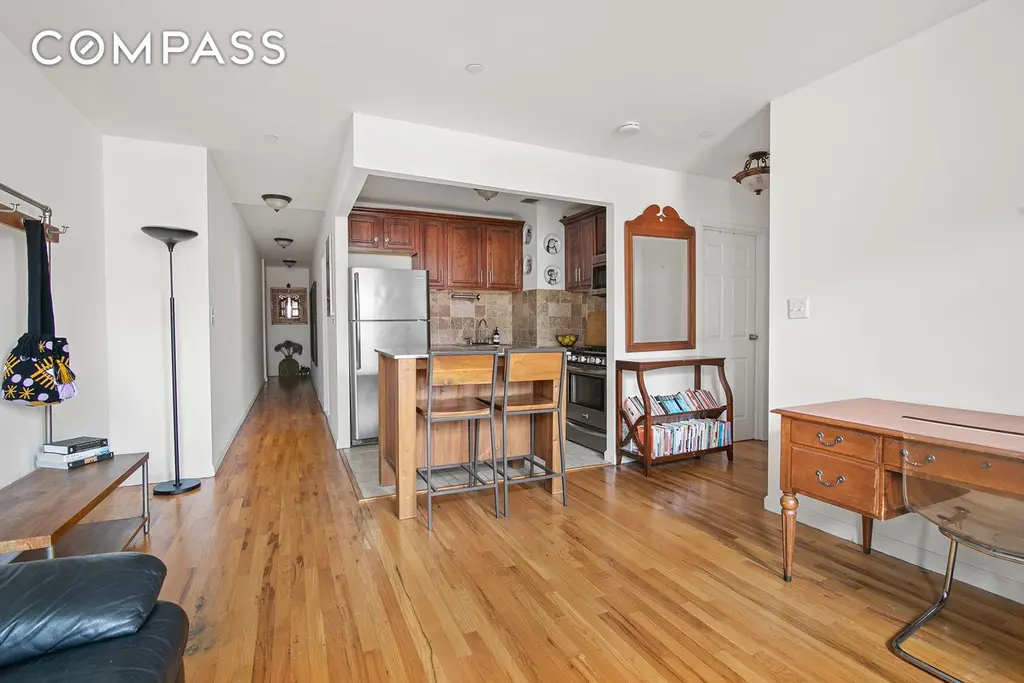
660 Saint Nicholas Avenue, #54 (Compass)
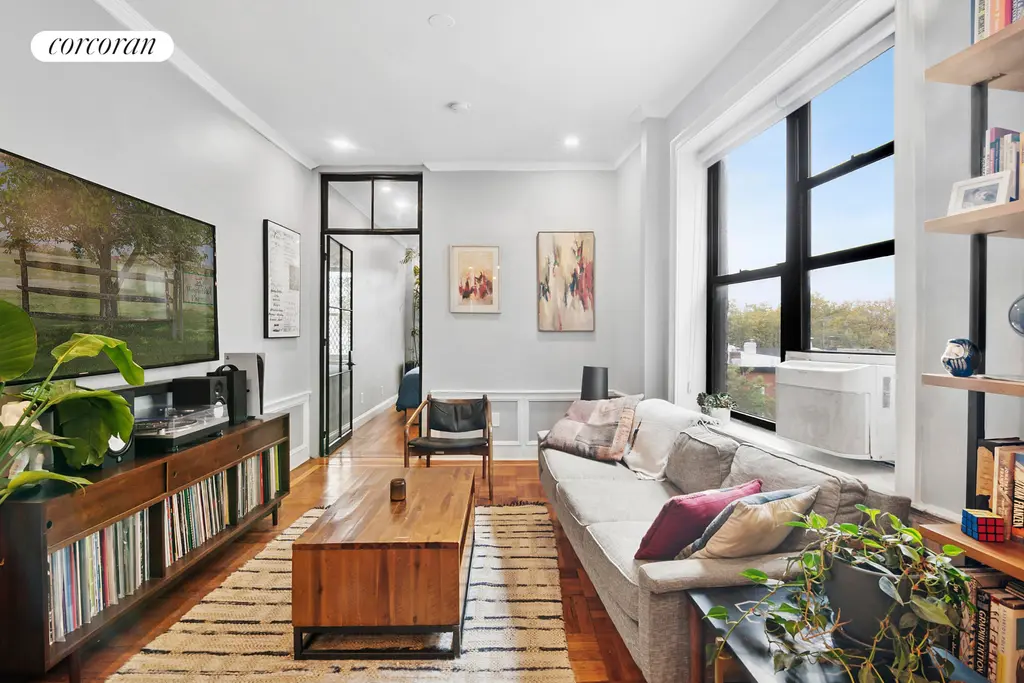
952 Saint Marks Avenue, #D7 (Corcoran Group)
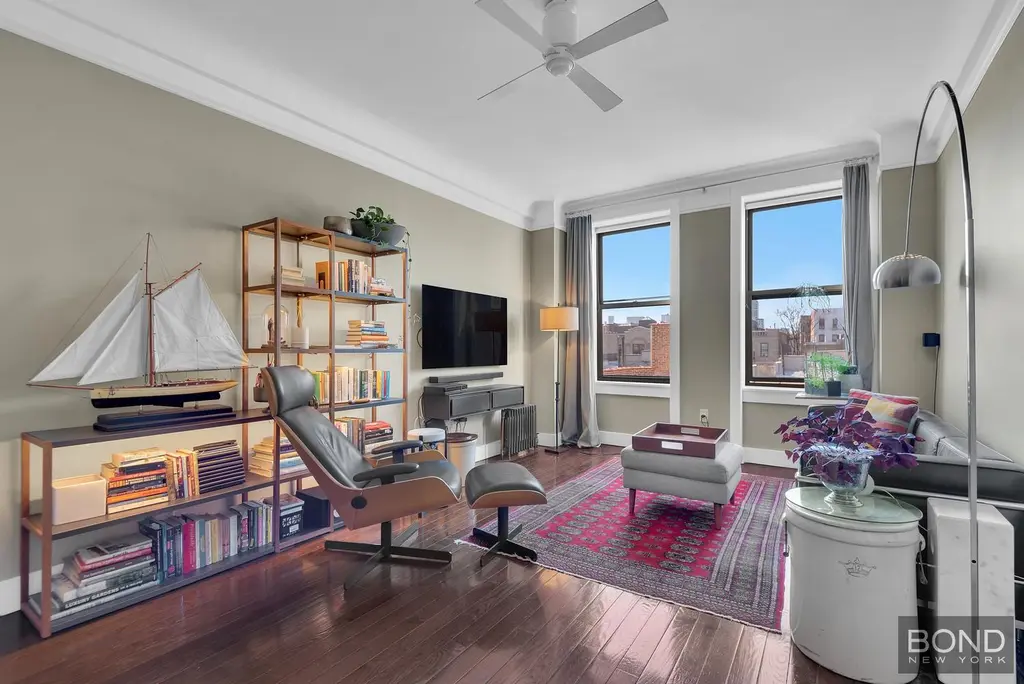
409 Edgecombe Avenue, #7G (Bond New York Properties LLC)
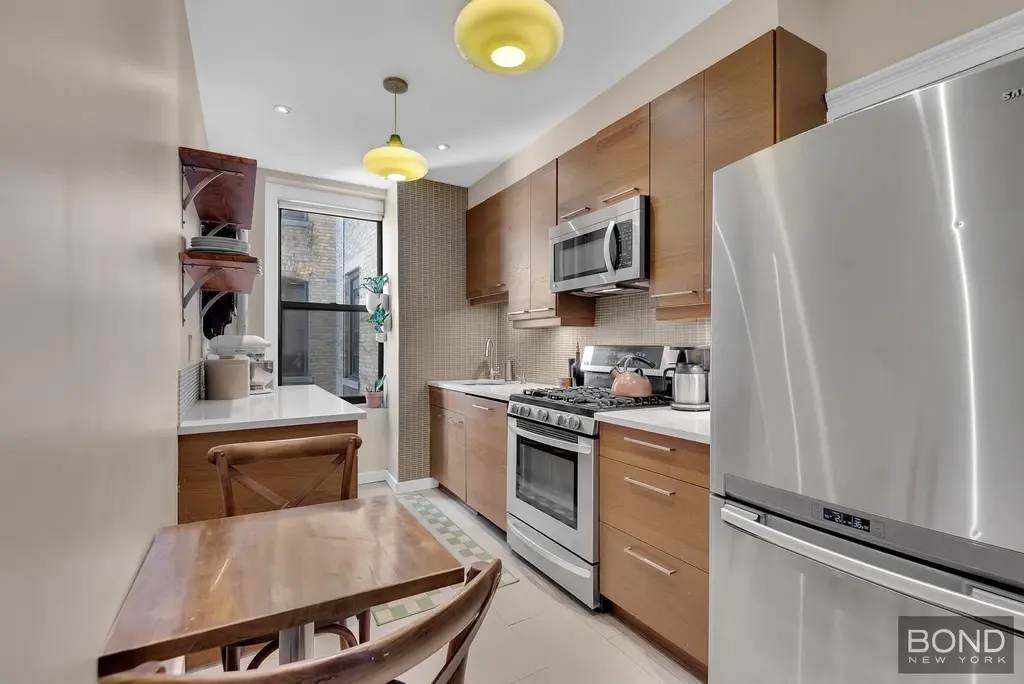
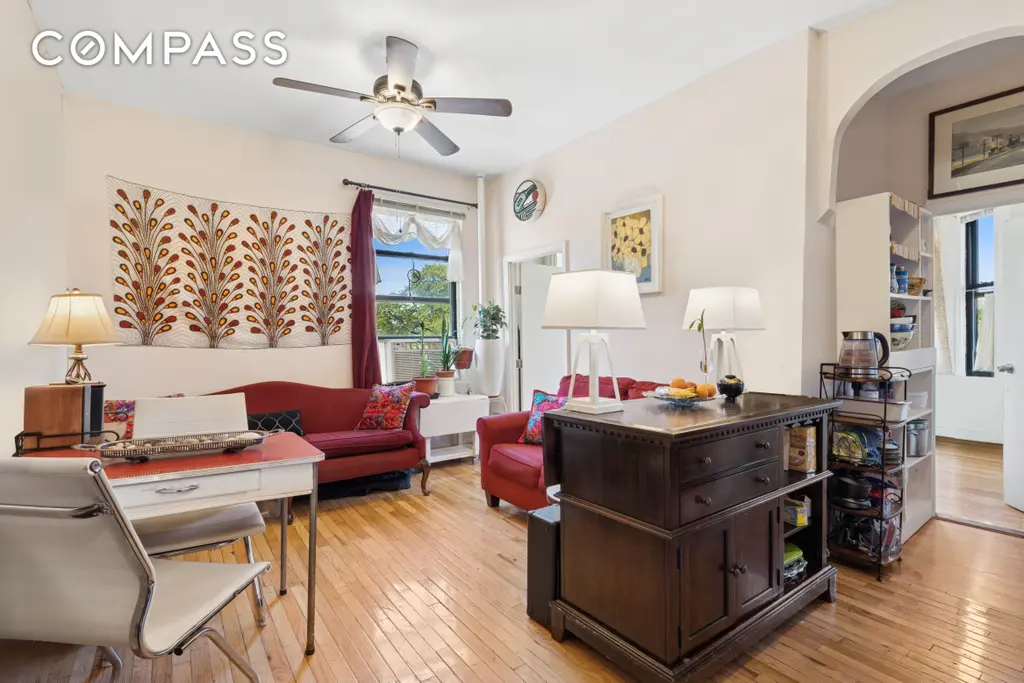
550 West 153rd Street, #34 (Compass)
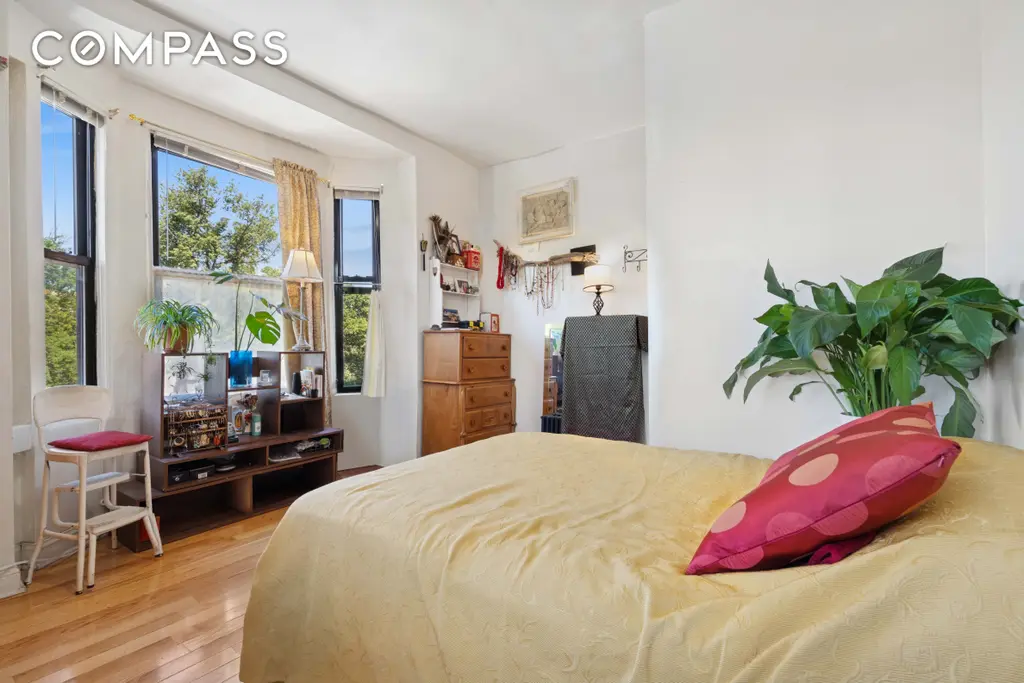
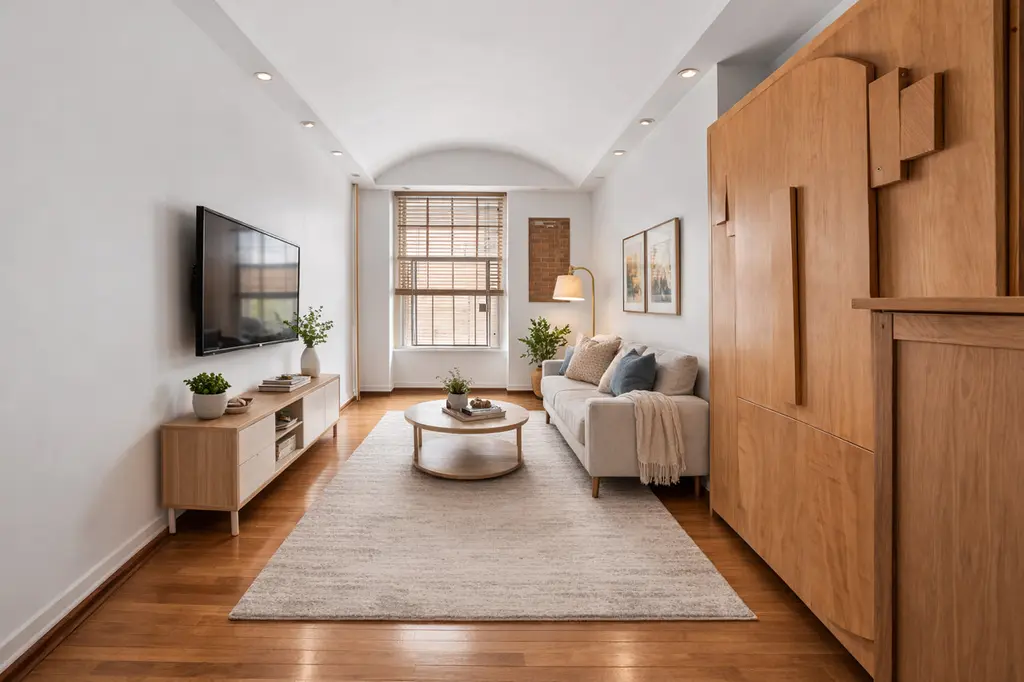
114 East 98th Street, #1W (Berkshire Hathaway HomeServices New York Properties)
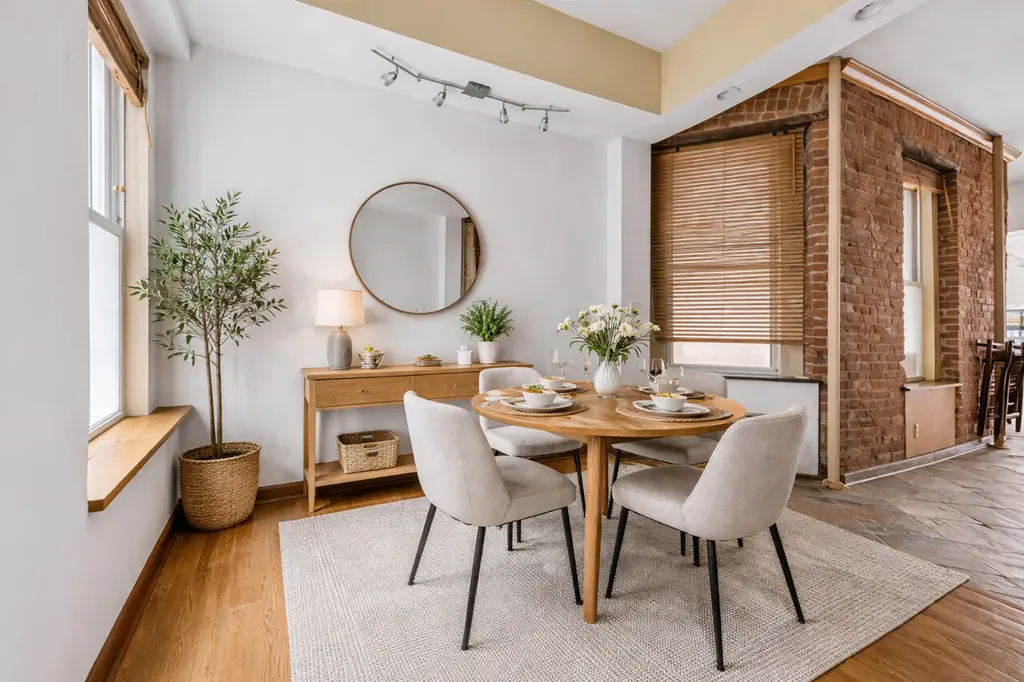
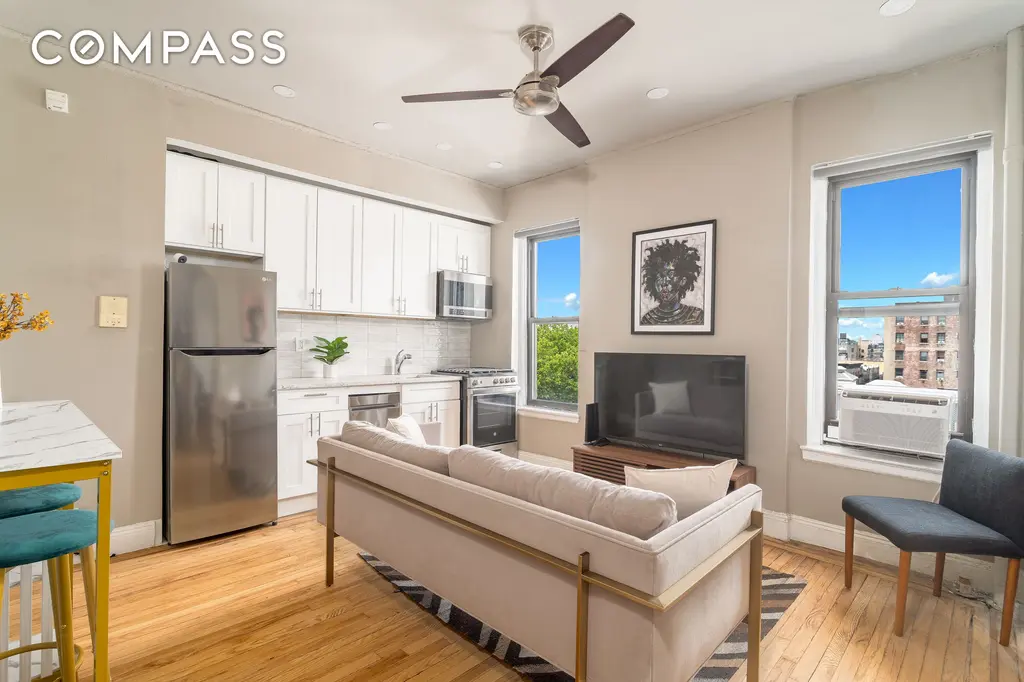
The Kaaterskill-South, #6E (Compass)
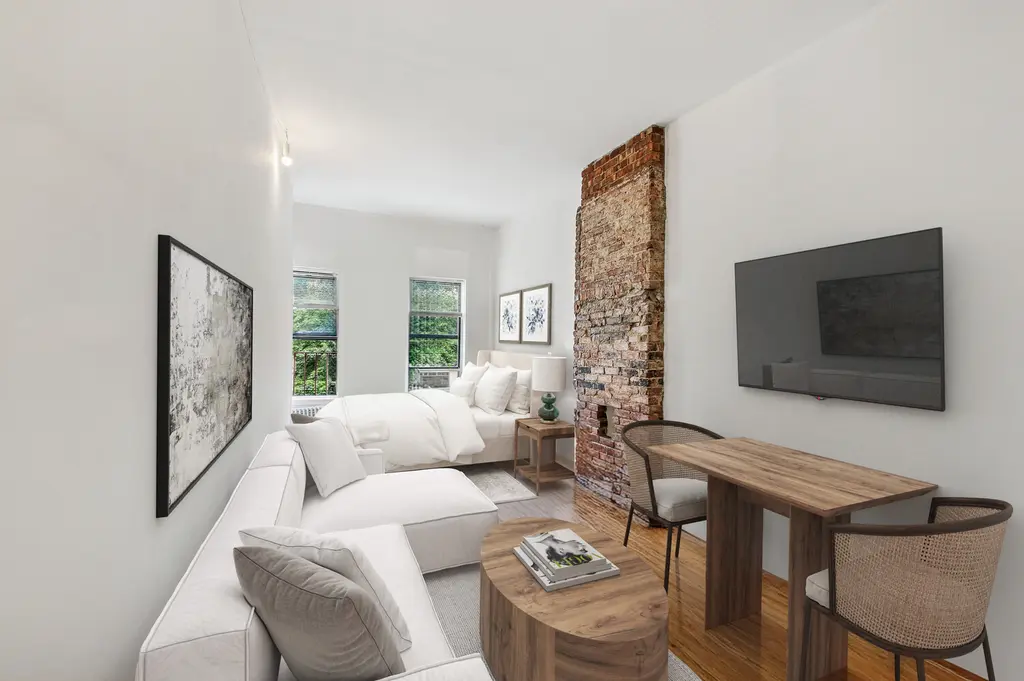
424 East 115th Street, #4B (Platinum Properties)
Would you like to tour any of these properties?
Just complete the info below.
Or call us at (212) 755-5544
Would you like to tour any of these properties?
Related Articles

Coney Island
Knicks in Five: 35 NYC condo and rental buildings with basketball courts
Thursday, June 18, 2026
Future New York
Price Cuts: Baz Luhrmann’s Gramercy townhouse slashed by $7M; New discounts at Brooklyn and Queens’ tallest towers
Thursday, June 18, 2026
New Jersey
Willow House: Boutique rental in Hoboken's resurgent North End launches with two months free rent
Thursday, June 18, 2026
Future New York
What's old is new again: Mass timber construction in NYC as Timberburg readies to launch sales
Tuesday, June 16, 2026
Get To Know
What New York’s transparency bill could mean for whisper listings + Public listings with open houses
Friday, June 12, 2026
Get To Know
What the pied-à-terre tax could mean for Manhattan prices + NYC penthouse listings from $499K
Friday, June 12, 2026
Future New York
Price Cuts: Former Kips Bay Decorator Showhouse down by $9.5M; Karim Rashid to take loss on Hell's Kitchen condo
Thursday, June 11, 2026
Great Listings

 6sqft delivers the latest on real estate, architecture, and design, straight from New York City.
