
It is hard to ignore the sidewalk sheds that have become a familiar sight across New York City. As a buyer, it is also natural to feel less than excited about buying in a building currently undergoing façade repairs because, let’s be frank, sidewalk sheds—even those designed to look more attractive—have little to no curb appeal. But the real problem isn’t the ugly sight of sidewalk sheds, but rather the less visible consequences that often accompany façade repairs.
Depending on the building’s condition and finances, façade work can result in steep assessments, higher levels of building debt, and limited mortgage options. Still, this doesn’t mean should never buy in a building undergoing repairs. While repairs are underway, you have a chance to assess how well a building performs under financial pressure, which can help identify a co-op or condo’s long-term stability.
In this article:
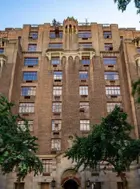
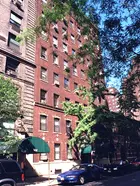
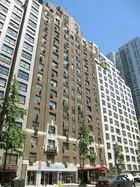
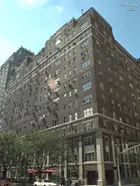

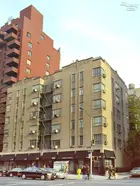
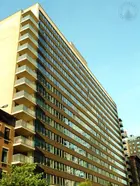
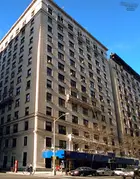
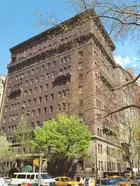
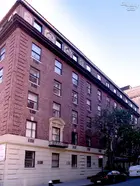
NYC condos and co-ops undergoing facade work
CityRealty analyzed active Department of Buildings permits describing façade repair, façade restoration, masonry work, and other Local Law 11 work. As of August 9, 2026, our analysis identified 1,011 co-op and condo buildings with active façade-repair projects citywide, including 591 co-ops and 420 condos. It is important to note that not all buildings are facing the same type or scale of work. Some are completing limited repairs that were anticipated and fully covered by reserves, while others are undertaking extensive restoration projects.
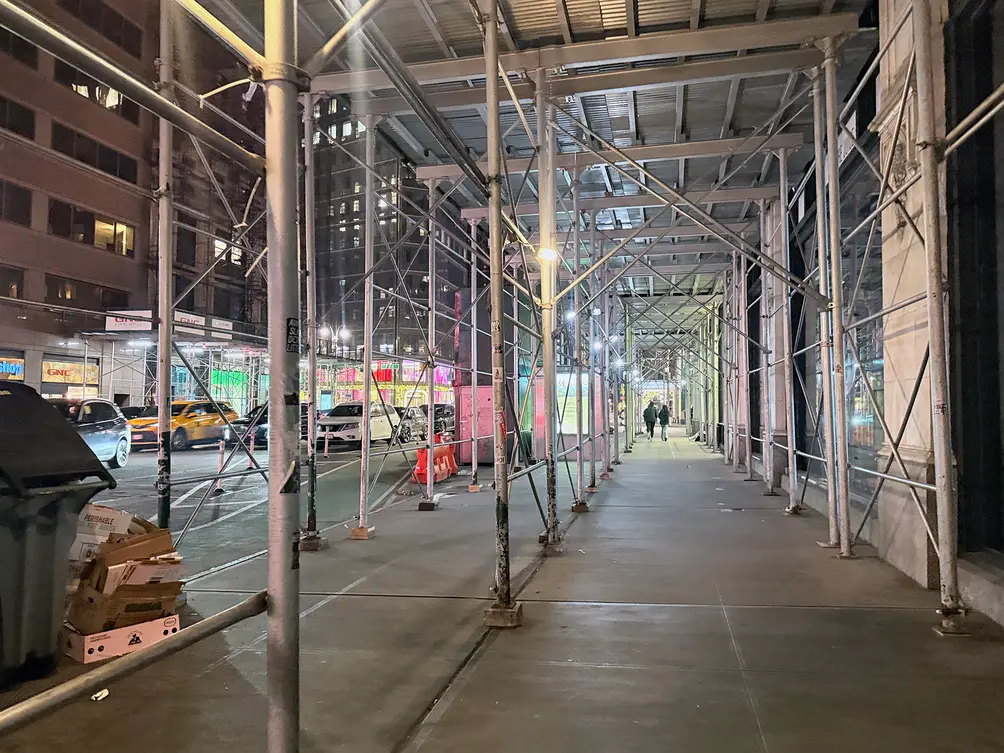 The miles of sidewalk bridges for Local Law 11 work found throughout the city
Façade repairs can limit mortgage options
Façade repairs aren’t just an eyesore and an inconvenience to current residents. In some cases, they can compromise the financial health of a co-op or condo—and even make it more difficult or impossible for buyers to obtain mortgages for units in the building. Of the 1,011 buildings identified by CityRealty, 819 could be reliably matched to recent city façade-inspection records. Among those matched buildings, 200 (24.4%) had an unsafe designation associated with their façade history (this is usually based on a failure to address a needed repair within the mandated 90-day period).
For prospective buyers, an unsafe designation is a concern for two reasons. To begin, no one wants to buy in a building with an unresolved condition, even though the entire building may not be structurally unsafe or uninhabitable. However, it is important to point out that some buildings receive an unsafe designation based on a localized condition (e.g., the need for repairs in one level of the building’s parking garage).
Whether or not an unsafe designation means a building is truly unhabitable, the designation itself can limit financing options. As a result, if you are thinking about bidding on a co-op or condo undergoing façade work and require financing, you should first determine whether the building has an active unsafe designation and whether lenders are even providing mortgages on the building.
While it may seem unfair to withhold financing from co-ops and condos that are deemed fully habitable for current residencies but nevertheless unsafe due to overdue repairs, there is little that can be done about this situation. Fannie Mae and Freddie Mac, which set the eligibility criteria that influence most major lenders, classify co-op and condo projects needing critical repairs as ineligible for financing. Fortunately, most buildings currently undergoing facade repairs are not deemed unsafe nor ineligible for financing.
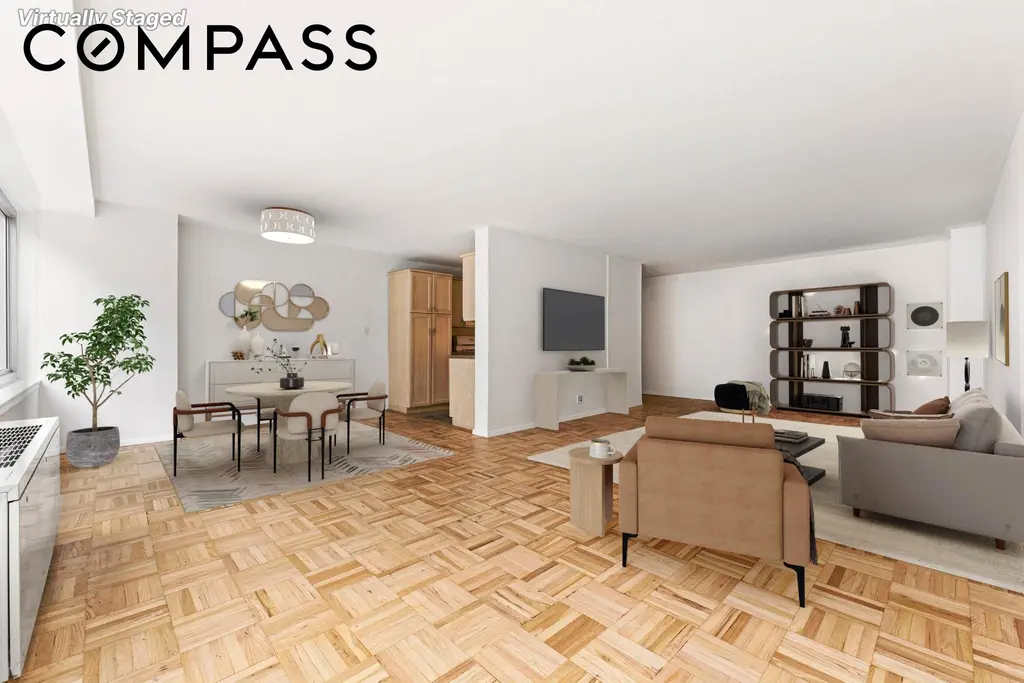
Presidential Towers, #2D
$799,000 (-6%)
Riverside Dr./West End Ave. | Cooperative | 1 Bedroom, 1 Bath

Presidential Towers, #2D (Compass)
Façade repairs can compromise a building’s financial stability
In addition to potentially compromising a building’s eligible for financing, in some cases, extensive façade repairs can compromise a building’s financial stability.
First, before making an offer on a co-op or condo undergoing façade repairs, find out if there is a current assessment (i.e., an additional co-op fee or HOA) on the building. If you can’t find out, your attorney will be able to when they gain access to the building’s board and financial records.
Once your attorney has access to the building’s records, they should also carefully assess whether the façade work has forced the building to spend down most of its reserves, increase maintenance or common charges, postpone other capital projects, or assume additional debt. Unfortunately, when façade work is underway, there is even more reason to investigate these conditions.
City Realty matched 589 of the 591 co-ops undergoing active façade repairs to records in the Automated City Register Information System (ACRIS). Among the 589 co-ops, 86 buildings (14.6%) recorded a building-level mortgage within the previous 12-month period. While the ACRIS records do not prove that every mortgage taken out was done so to pay for façade work, they do suggest a potential relationship between façade work and increased building debt.

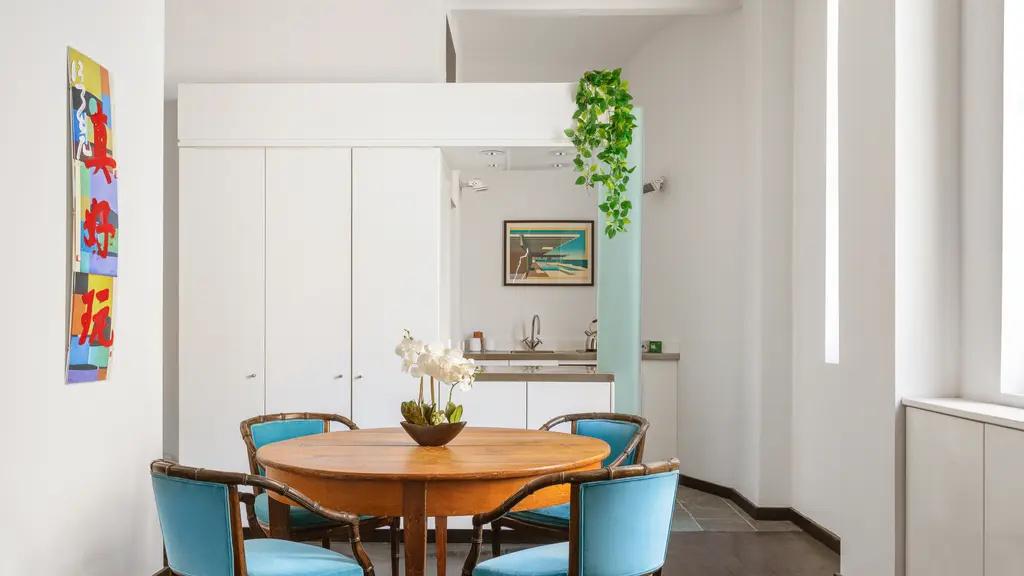
27 West 67th Street, #8REW (Douglas Elliman Real Estate)
Would you like to tour any of these properties?
Just complete the info below.
Or call us at (212) 755-5544
It's not all bad news
While there are many reasons to proceed with caution when looking at a unit in a building undergoing façade repairs, it can also be a great time to buy. While façade repairs do not automatically result in price drops, scaffolding, which generally reduces curb appeal, can discourage some buyers. As a result, it may reduce competition and even open up greater negotiating room for buyers.
There is also a potential timing advantage. Since Local Law 11 inspections generally operate on a five-year cycle, a building that has nearly completed a comprehensive façade restoration may be less likely to face another major project in the immediate future.
Most importantly, when you buy in a building undergoing façade repairs, you are seeing that building at its worst. After all, you are seeing it when the exterior is obstructed, residents are inconvenienced and, depending on the extent of the repairs, the building may be under financial pressure. If the building remains appealing and has managed the project without depleting its culture or financial reserves, it is likely a very good indication that the building is well managed and fiscally responsible.
Listings in buildings with recently completed Local Law 11 compliance
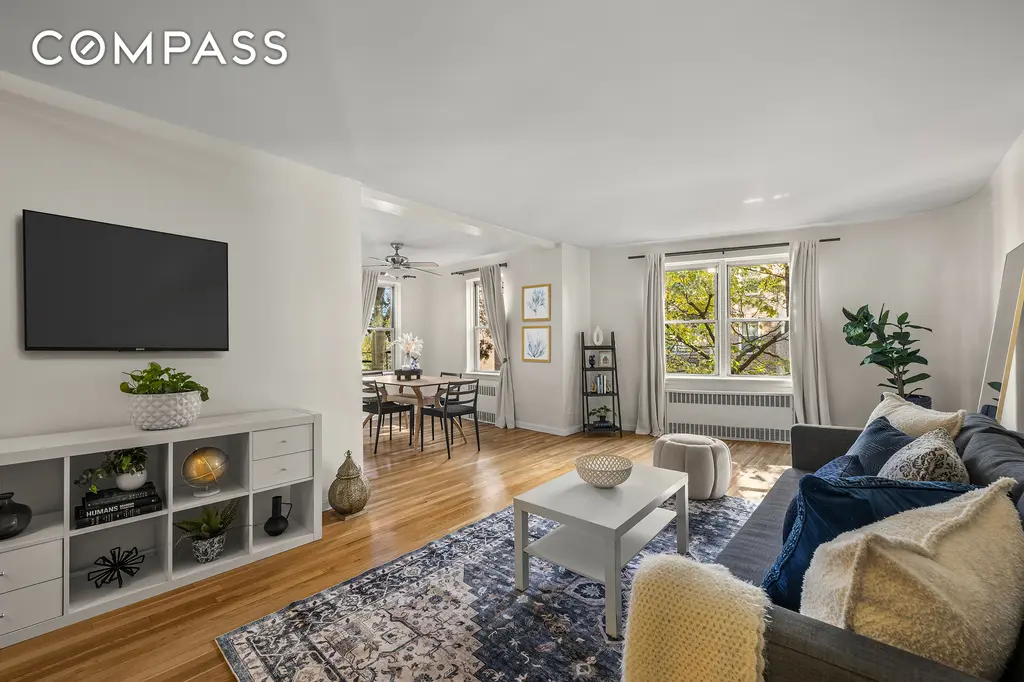
800 Grand Concourse, #2BS (Compass)

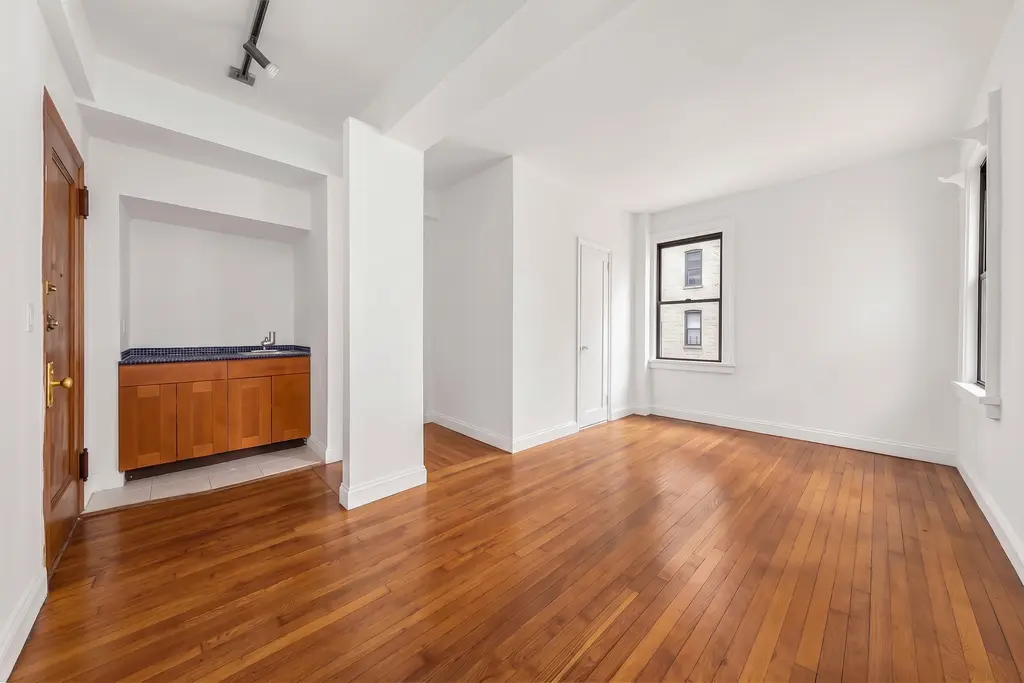
35 East 30th Street, #5D (Douglas Elliman Real Estate)
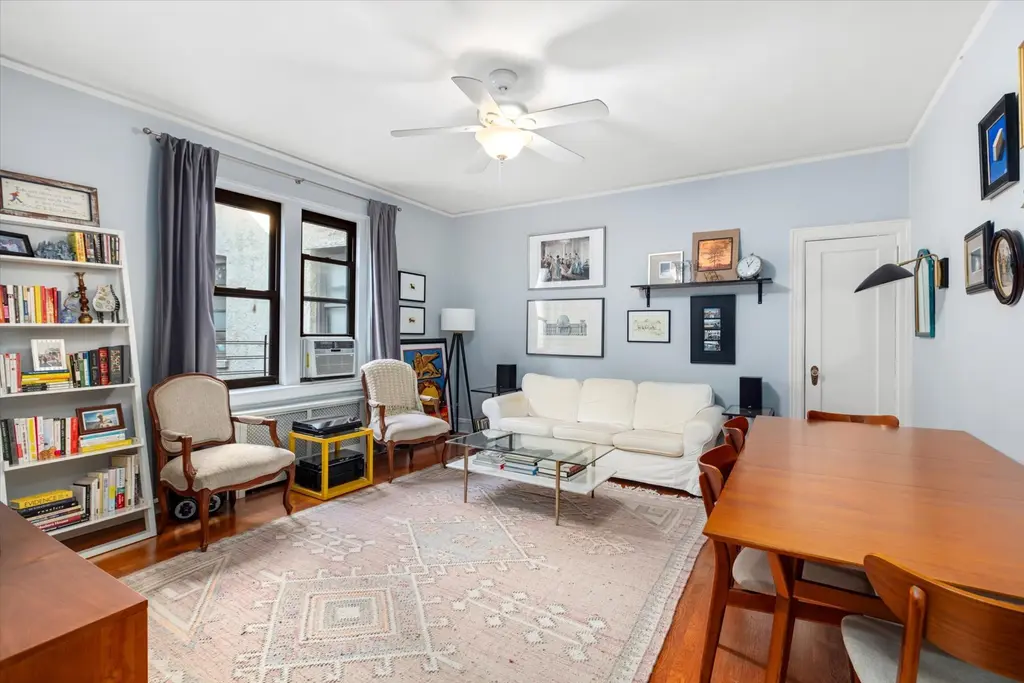
854 West 181st Street, #5D (Bizzarro Agency LLC)
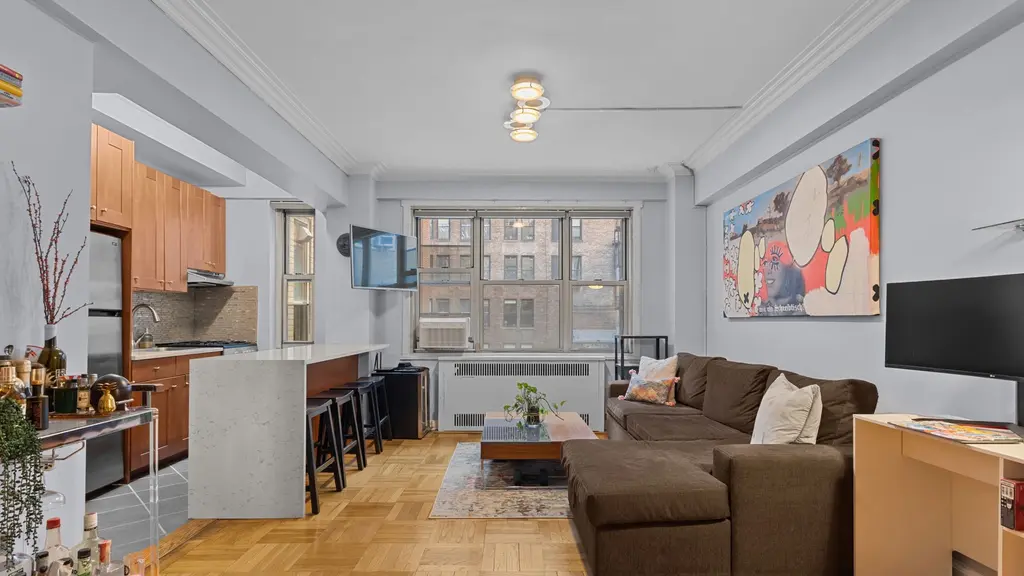
The John Murray House, #4D (Douglas Elliman Real Estate)
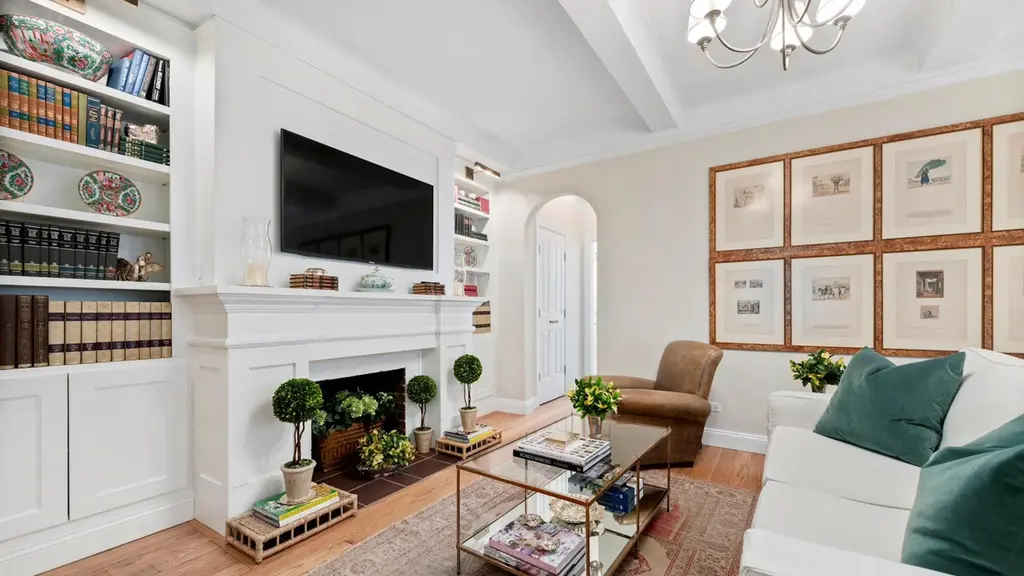
155 East 73rd Street, #1D (Douglas Elliman Real Estate)
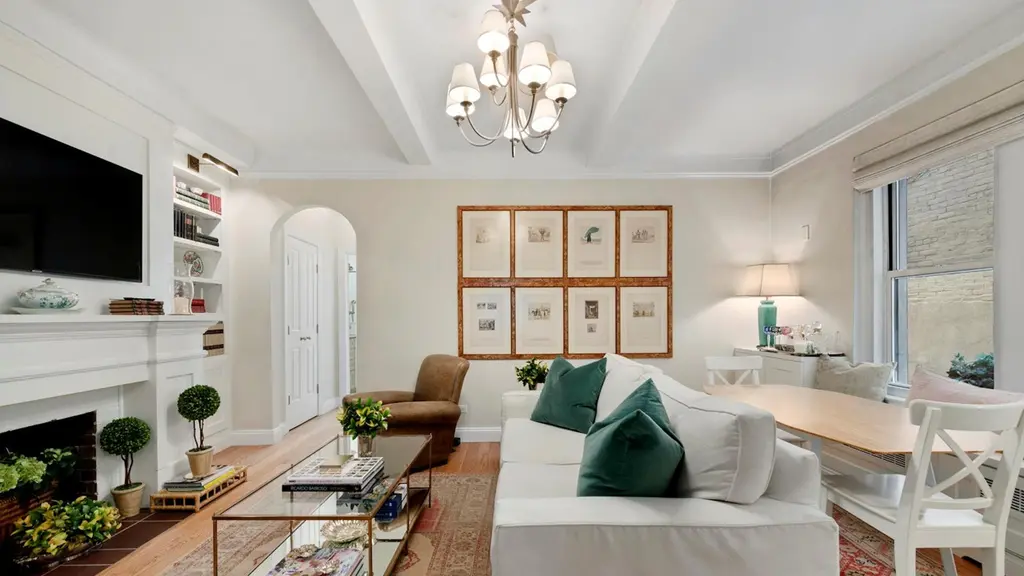
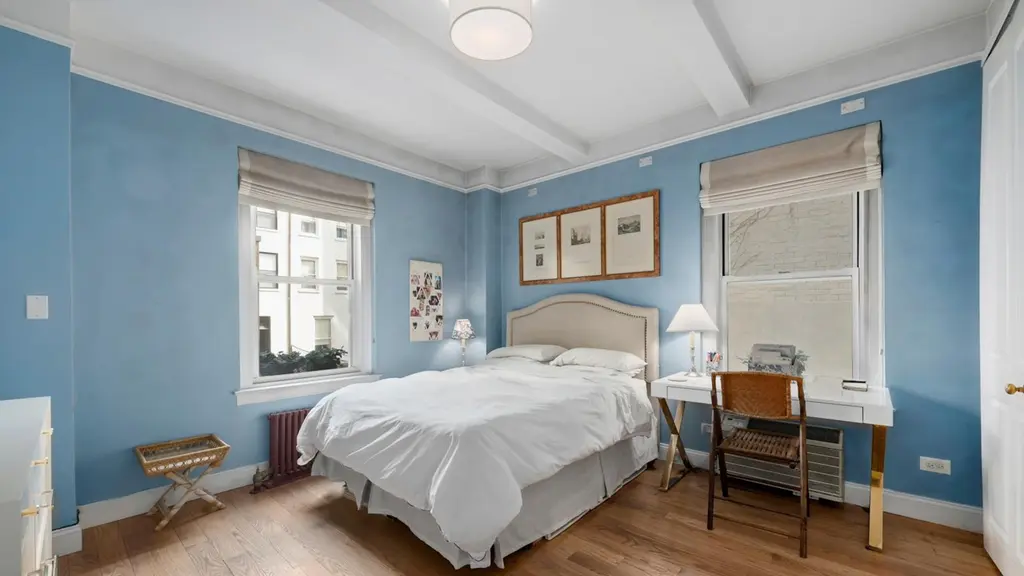
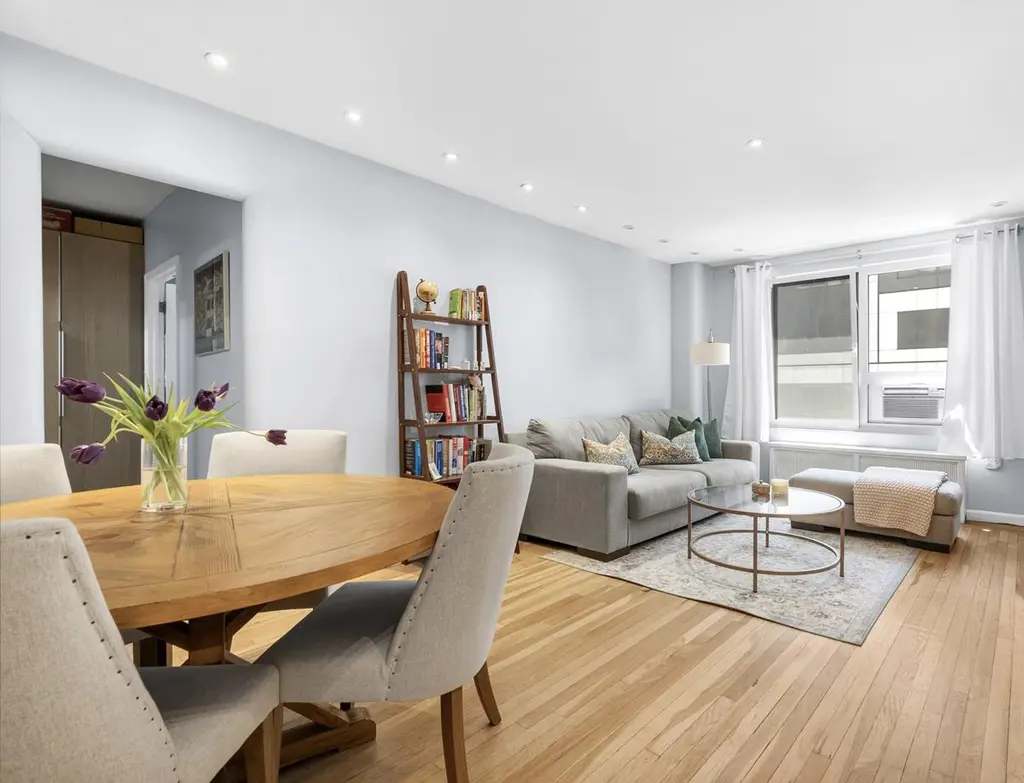
227 East 57th Street, #5D (William Raveis New York City LLC)
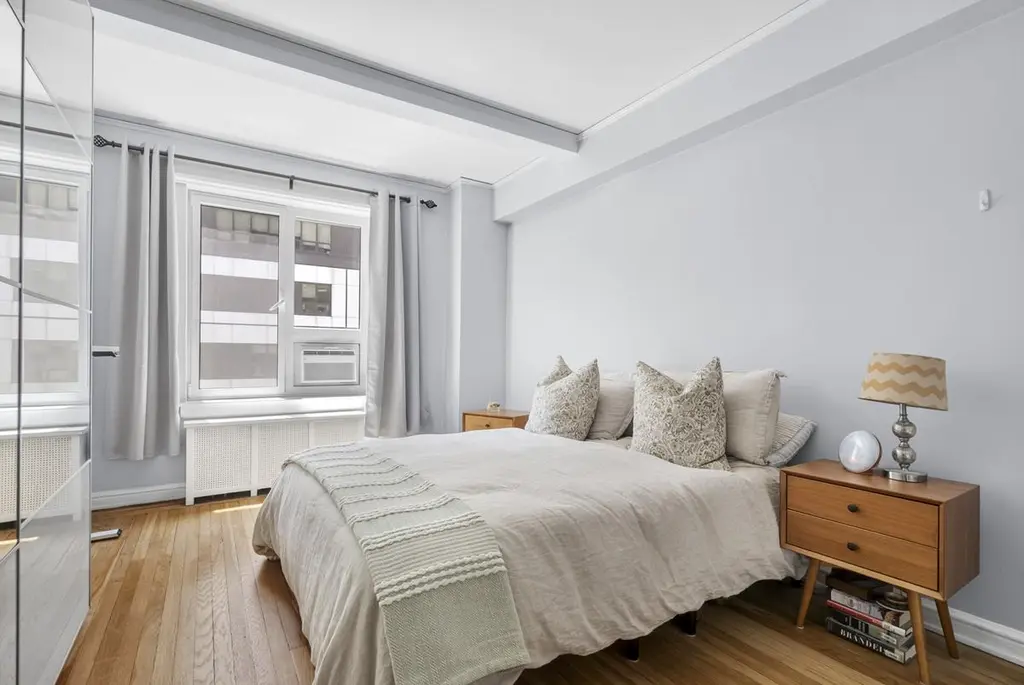

The John Murray House, #3Q (Brown Harris Stevens Residential Sales LLC)

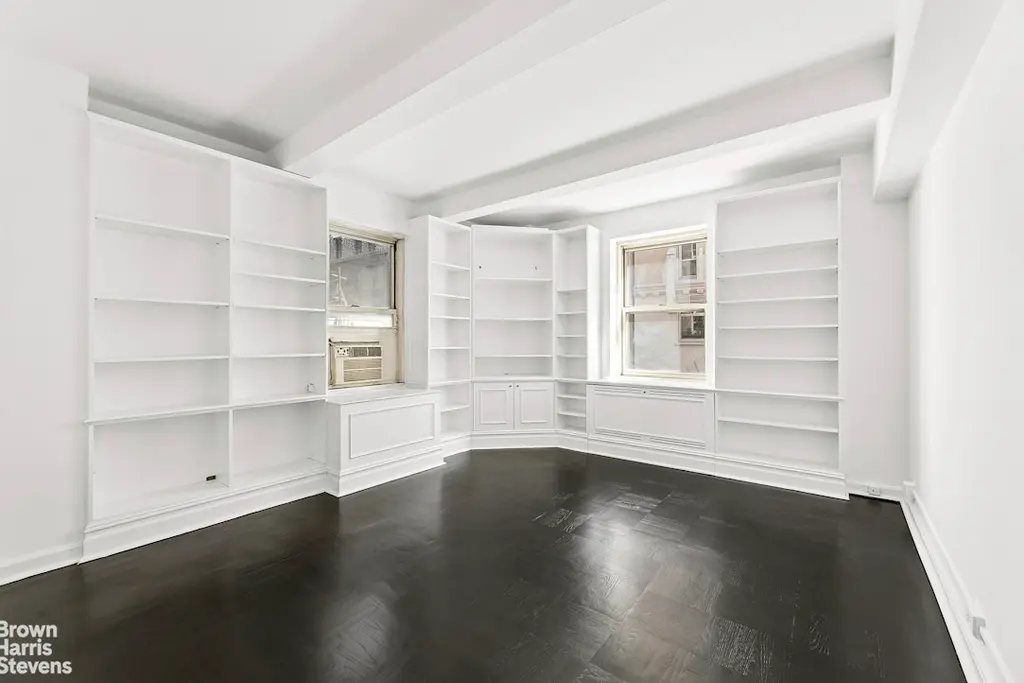
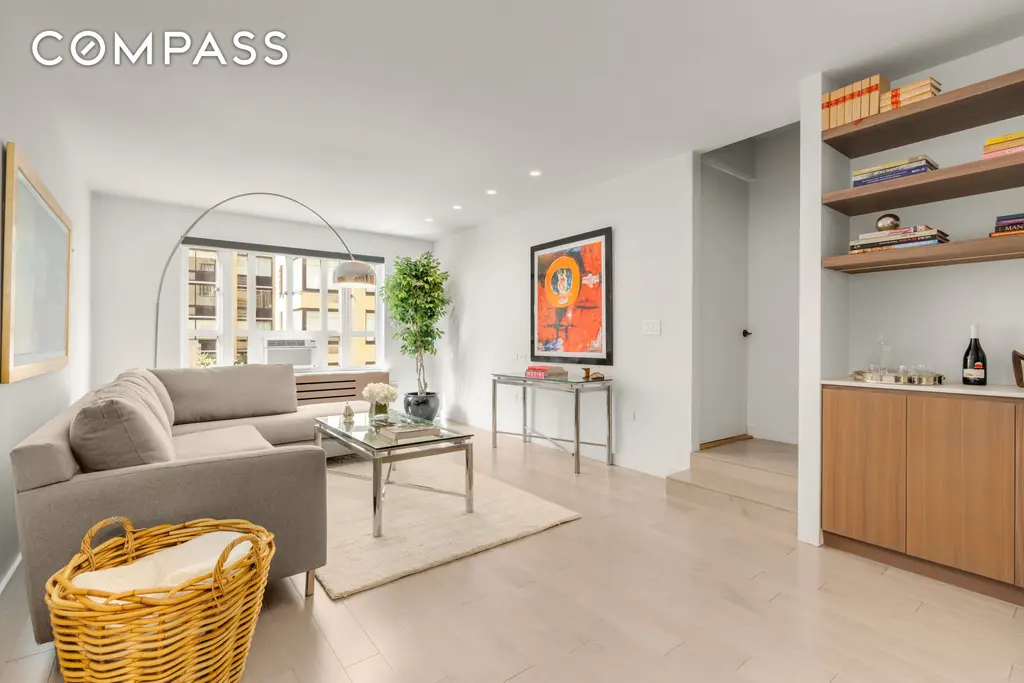
The Chelsea Warren, #6H (Compass)
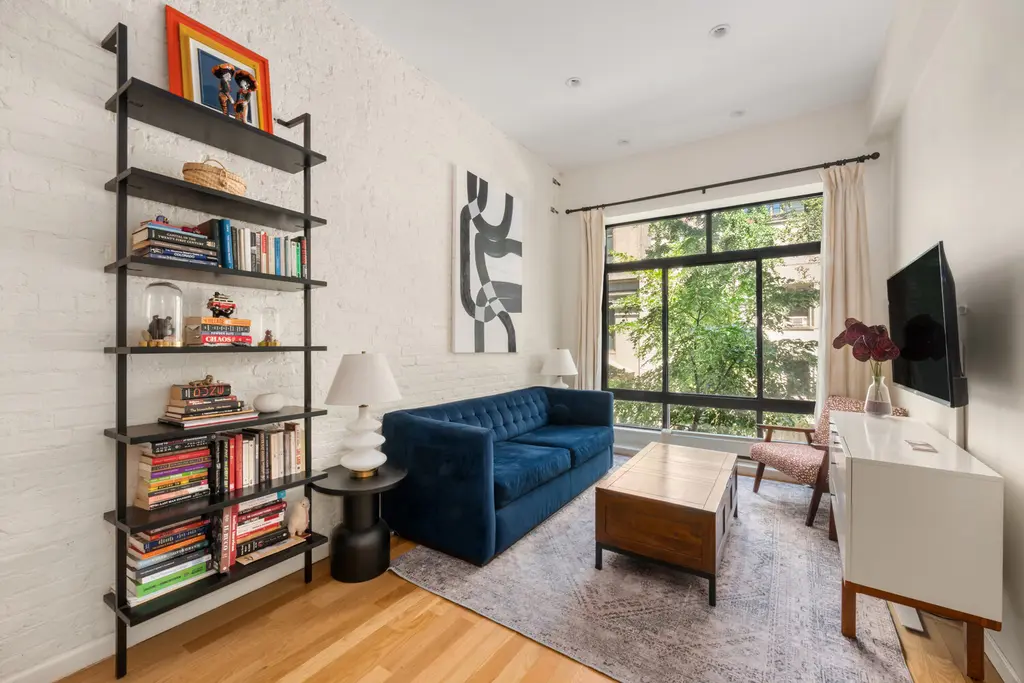
The Albert, #3D (Corcoran Group)
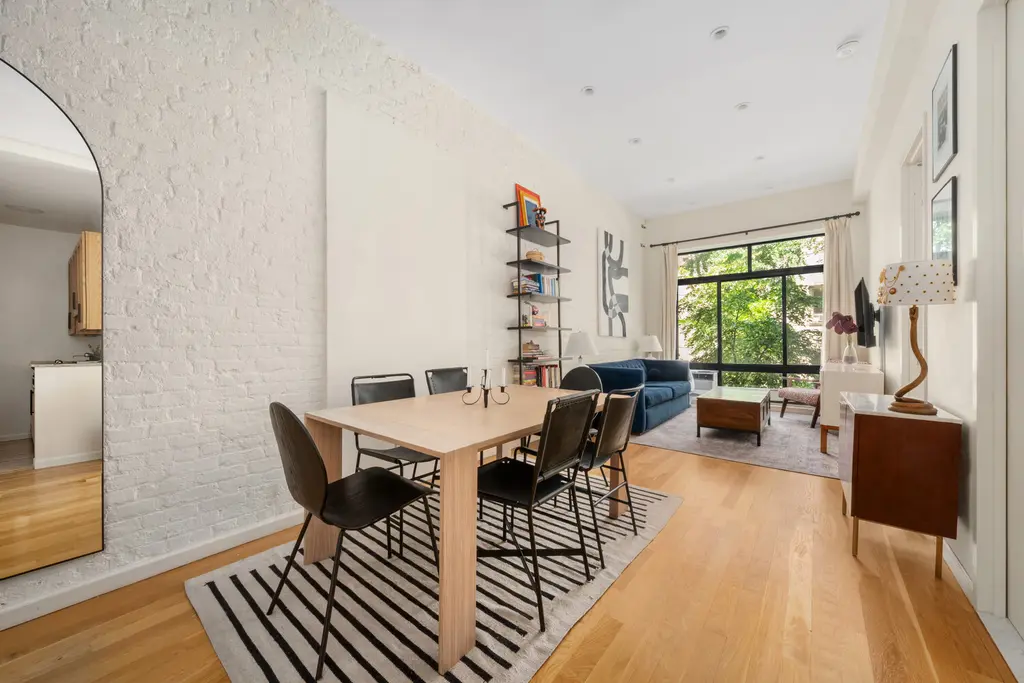
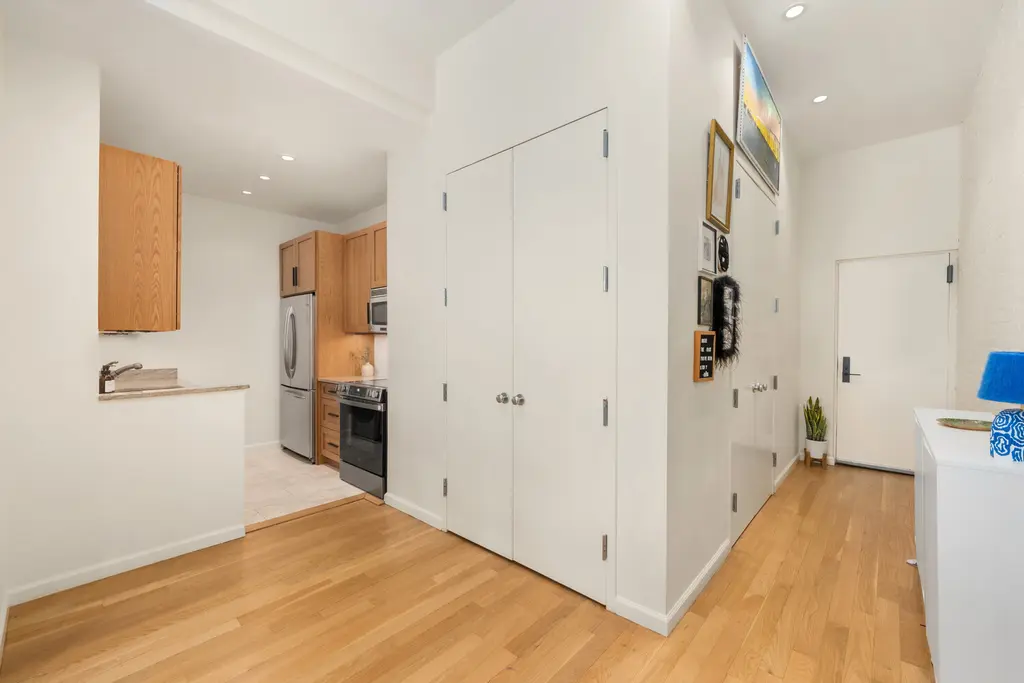
885 West End Avenue, #GC
$1,650,000 (-10.8%)
Riverside Dr./West End Ave. | Cooperative | 3 Bedrooms, 2 Baths
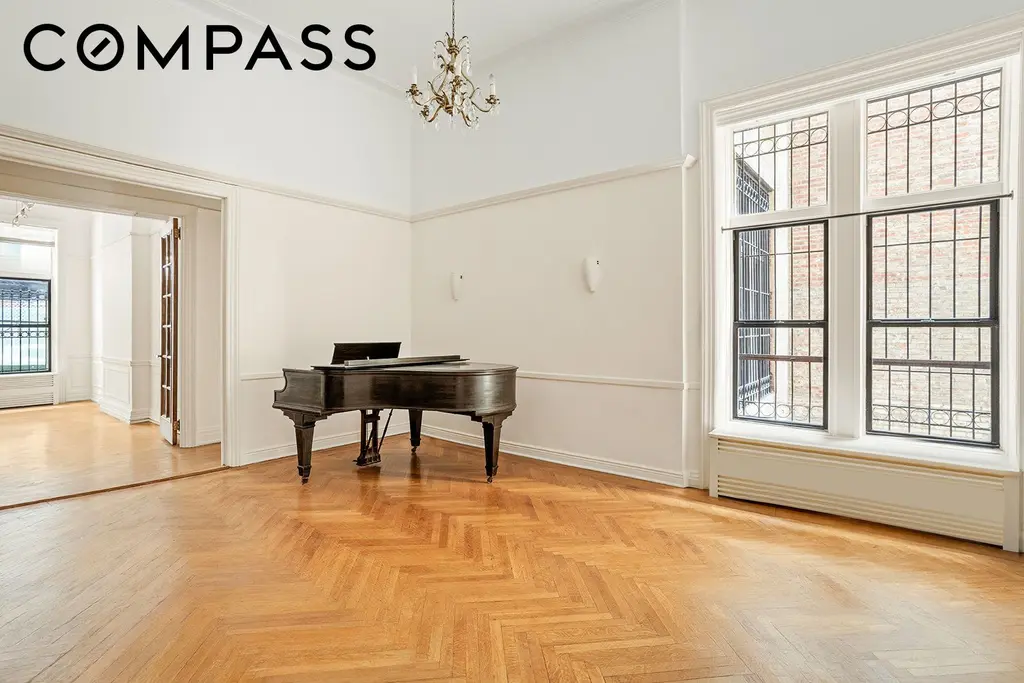
885 West End Avenue, #GC (Compass)
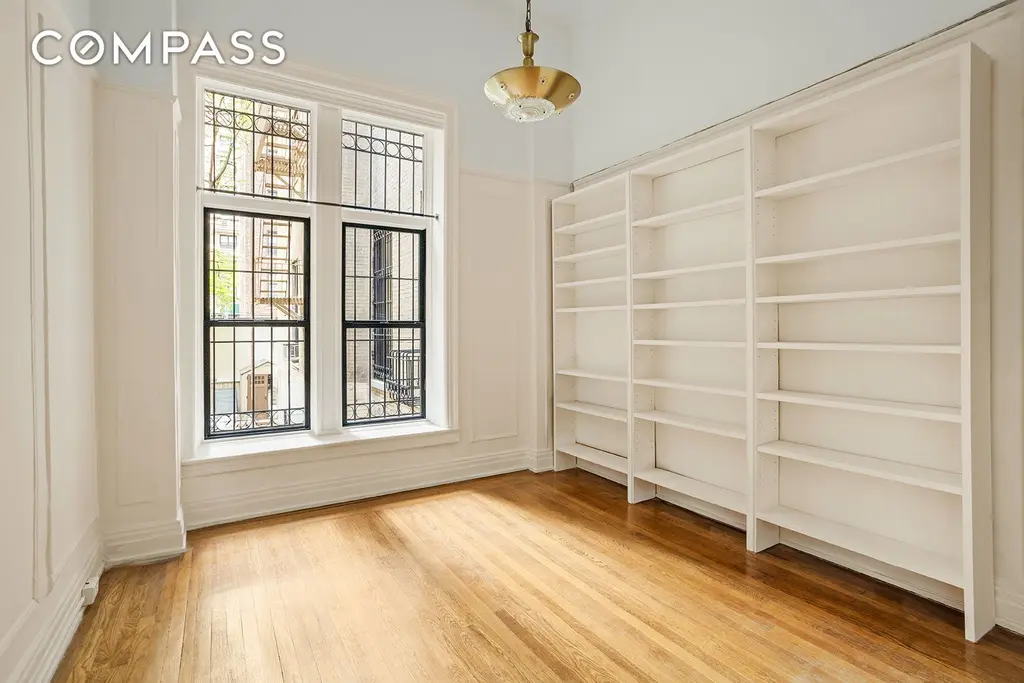
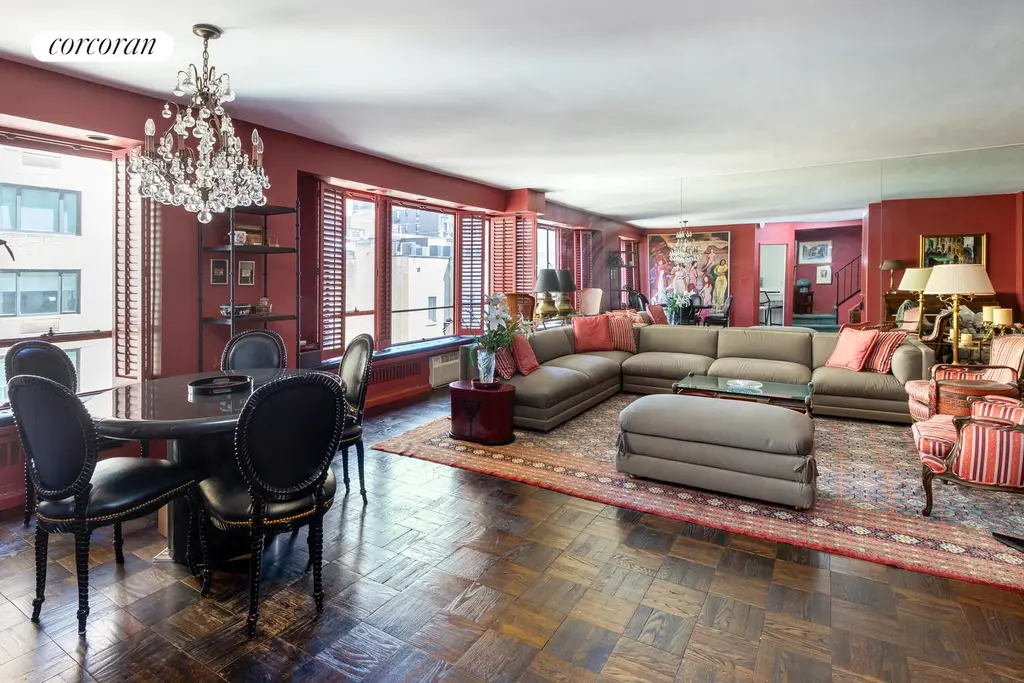
1050 Fifth Avenue, #11/12A (Corcoran Group)
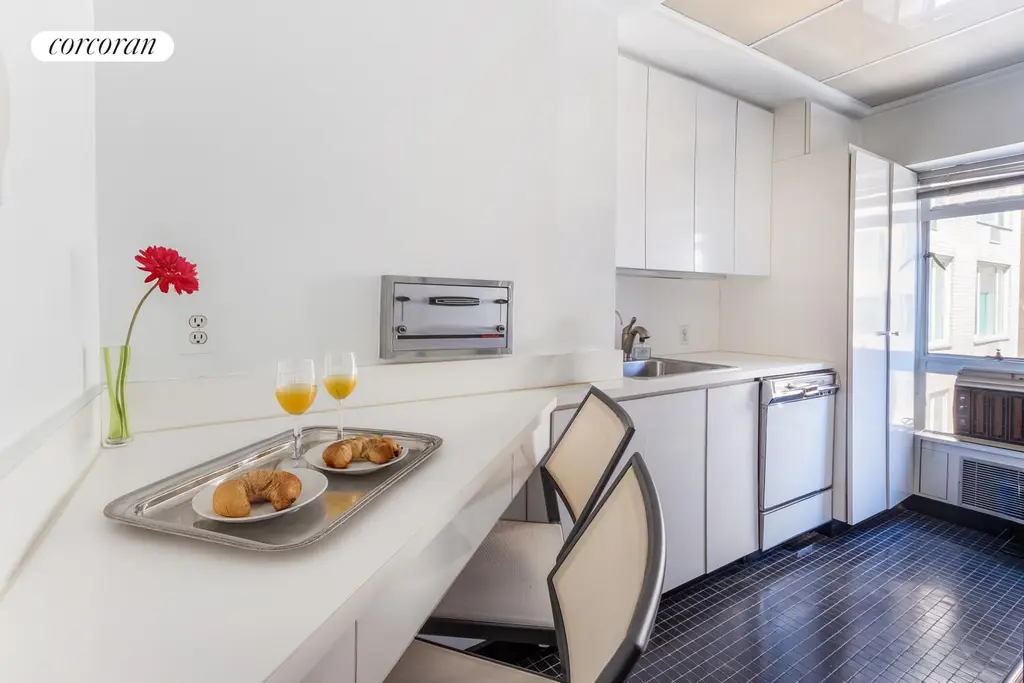
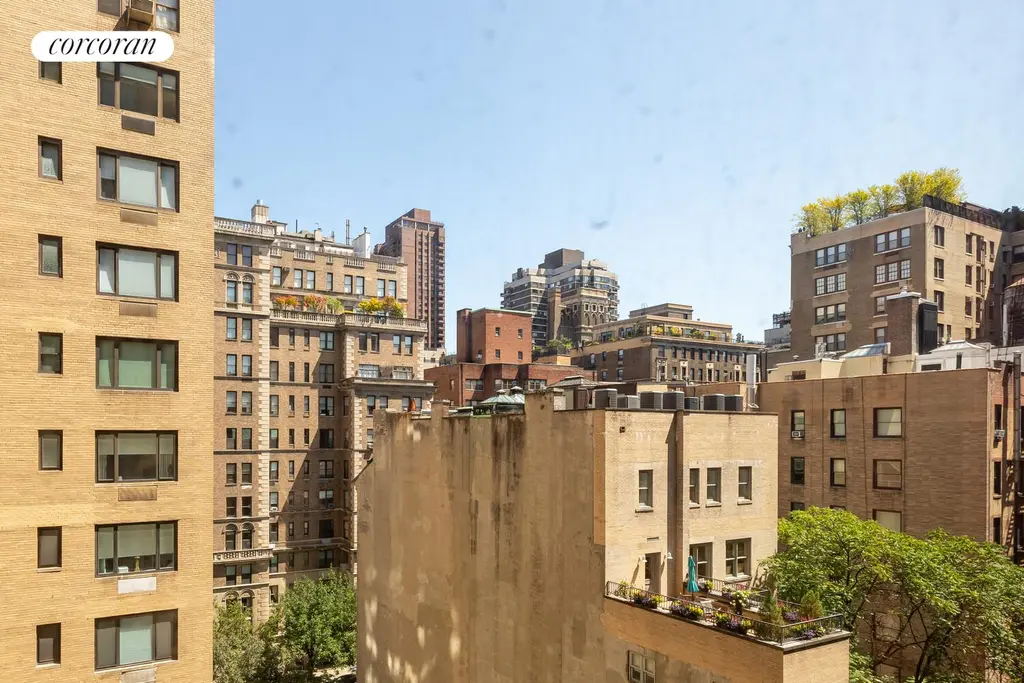
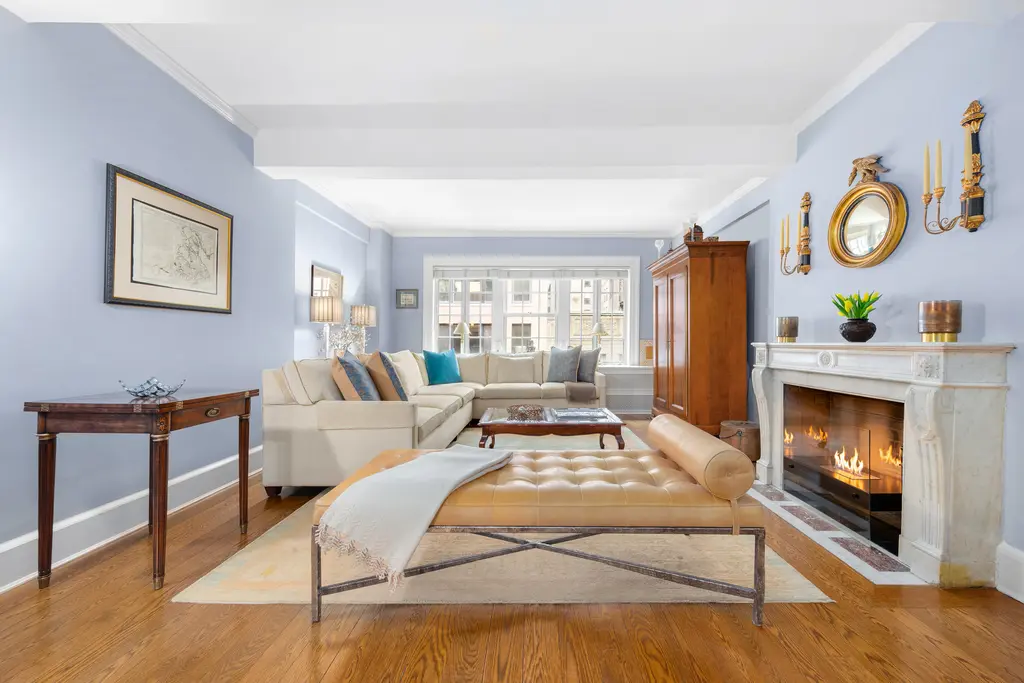
35 East 30th Street, #5C (Douglas Elliman Real Estate)
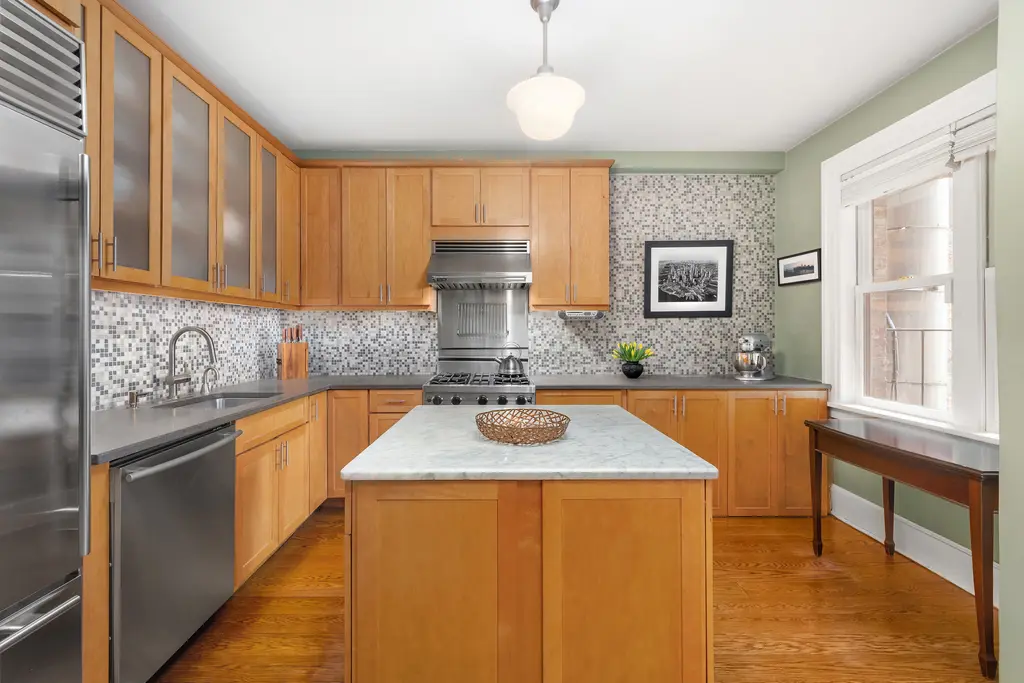
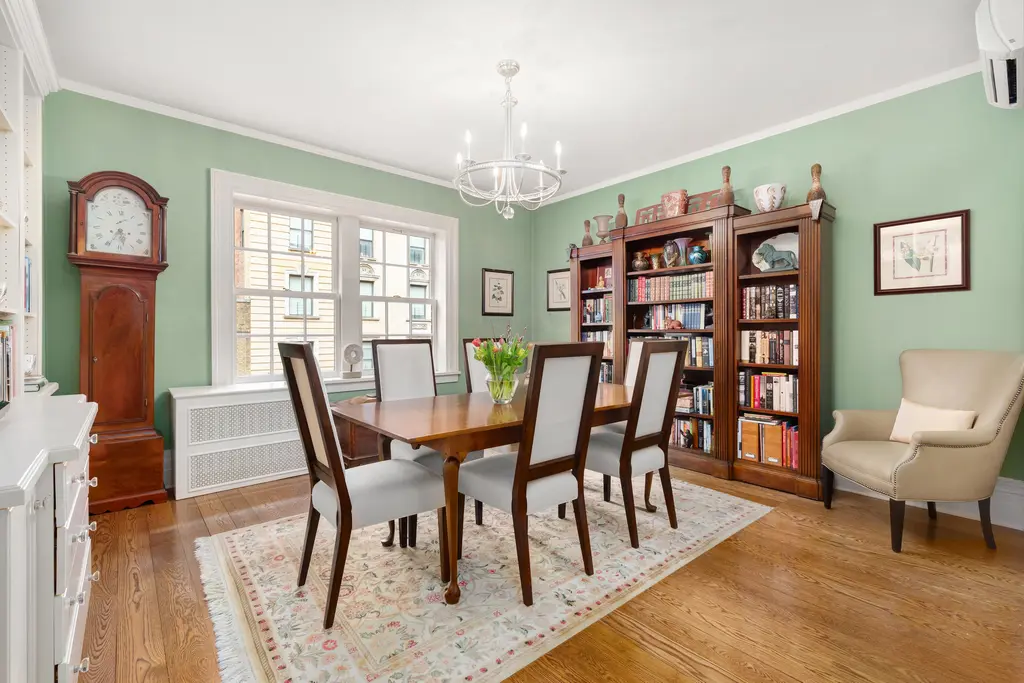
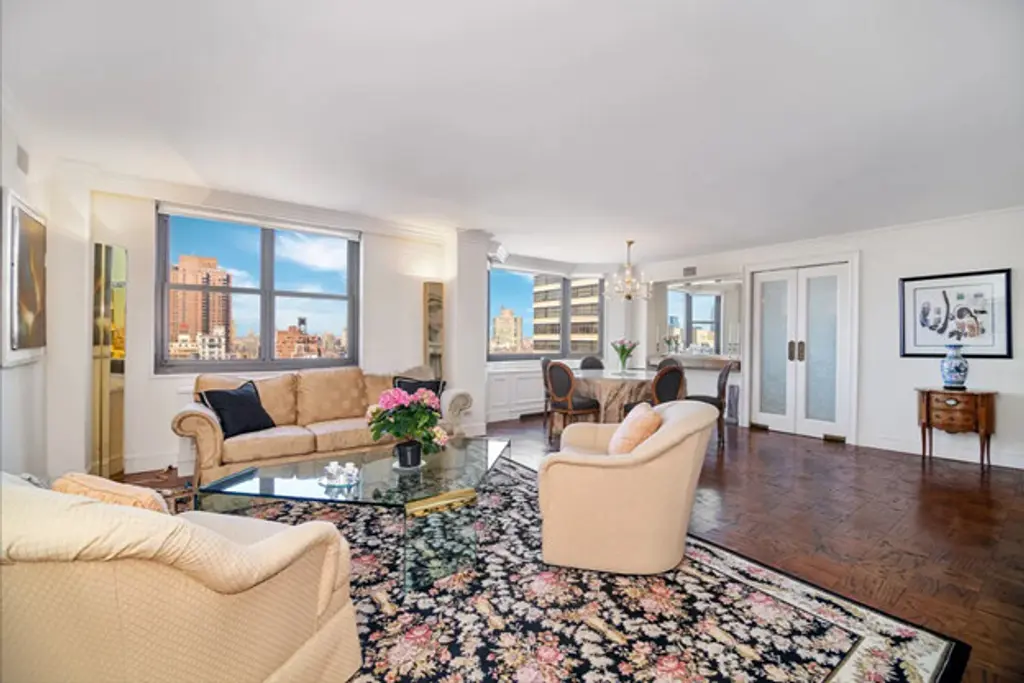
The Whitney, #27GH (Kleier Residential Inc)
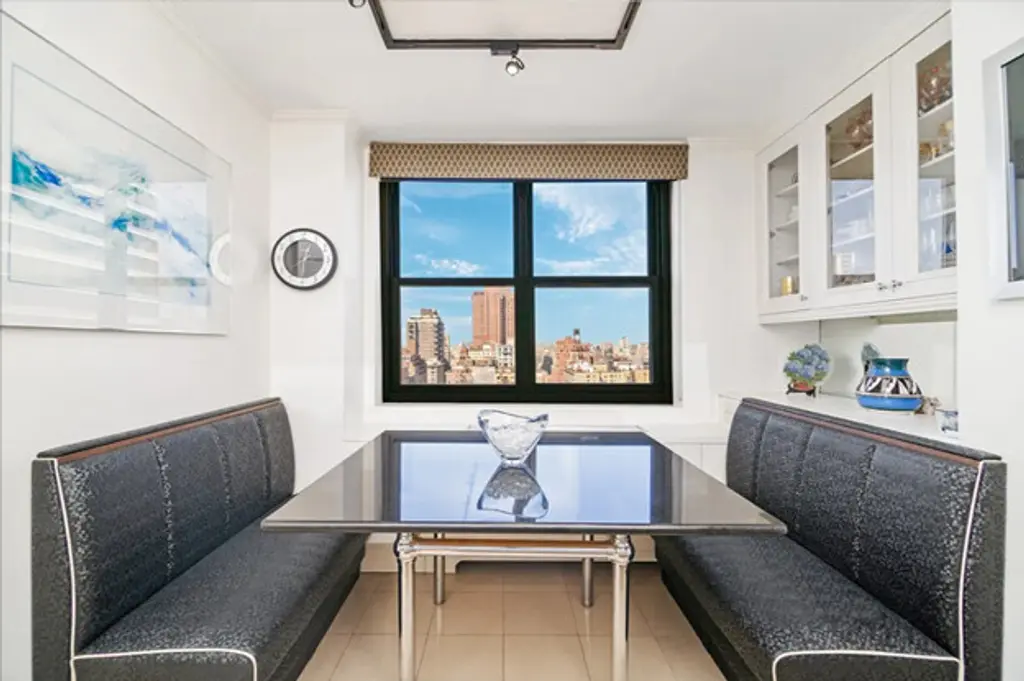

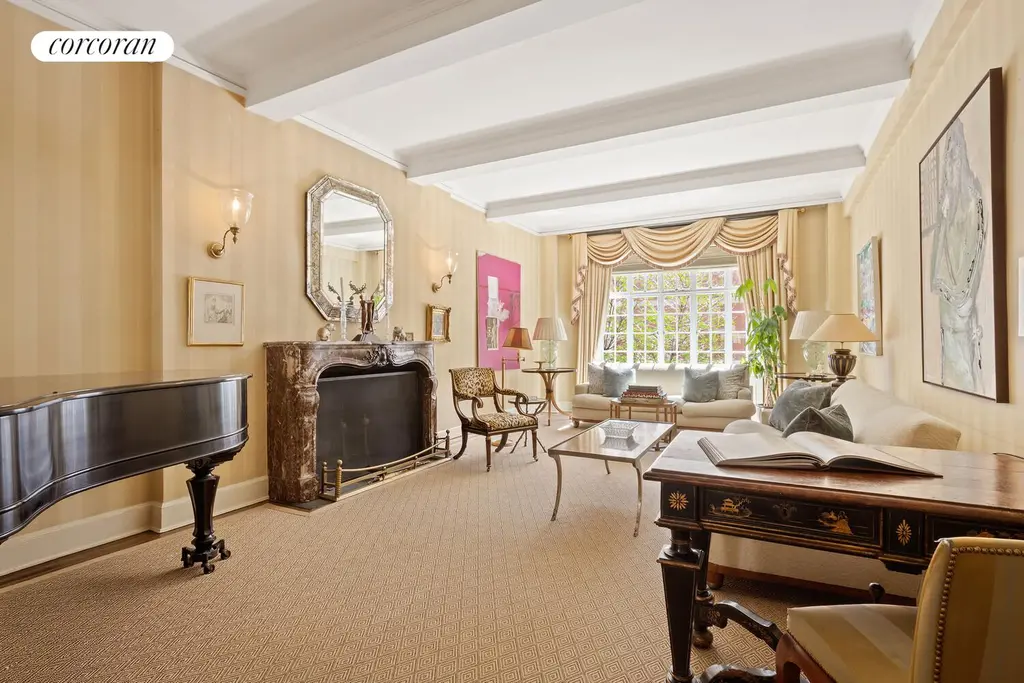
Millan House, #34D (Corcoran Group)
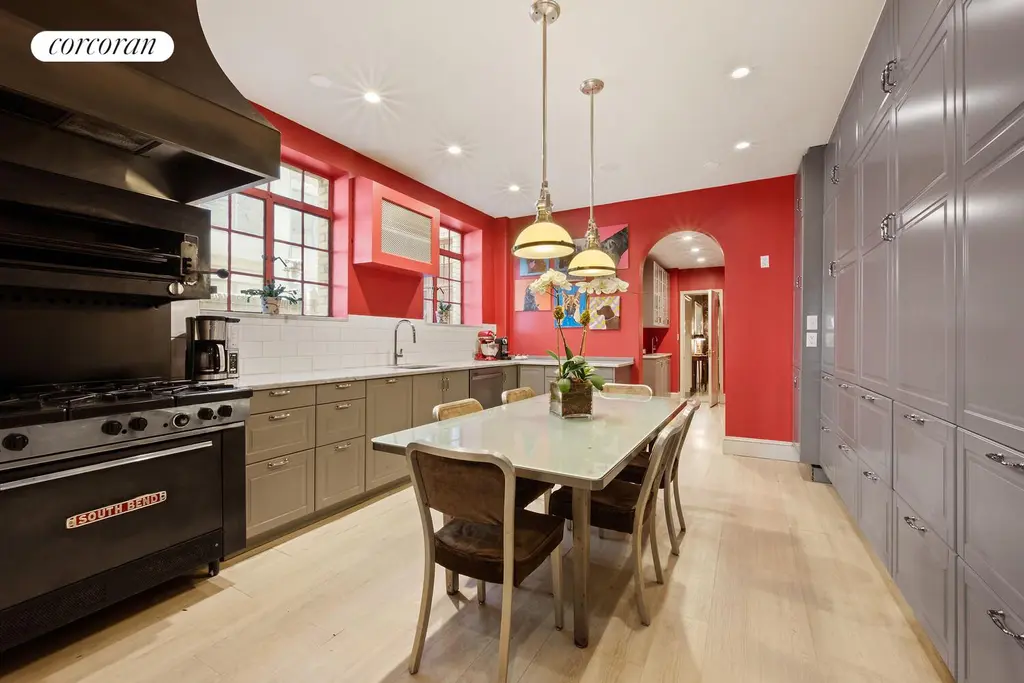
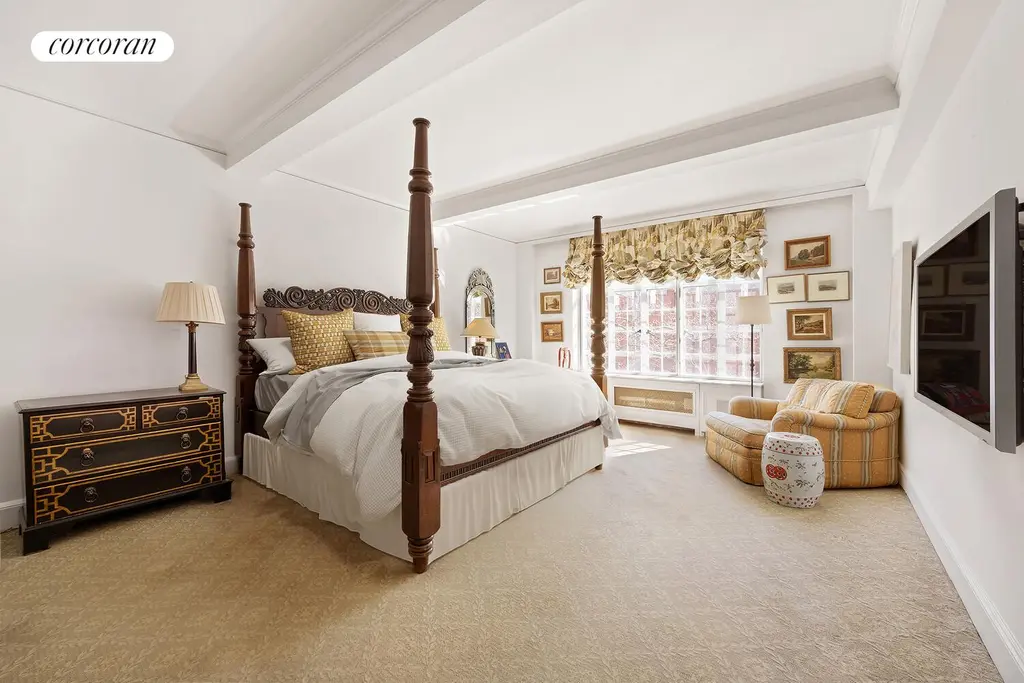

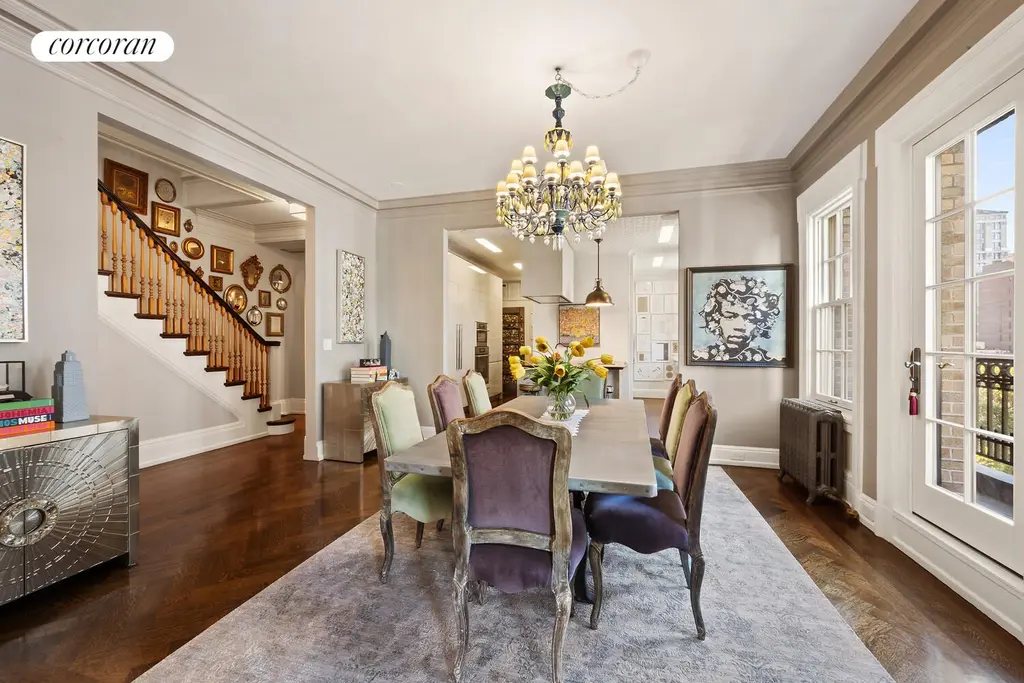
1 Lexington Avenue, #89CD (Corcoran Group)
Related Articles

Get To Know
Dramatic NYC apartments for sale with sunken living rooms from $369K
Friday, September 25, 2026
Get To Know
What is a classic six apartment? Why NYC buyers still covet this prewar layout
Tuesday, September 22, 2026
Get To Know
Is that apartment real? AI-altered listing photos face growing scrutiny
Tuesday, September 22, 2026
Future New York
Pocket doors and eat-in kitchens make a comeback as sales launch at 175 East 82nd Street
Friday, September 18, 2026
Get To Know
No Board Approval Required: Sponsor co-ops from $500K as The Veridian launches sales in Bay Ridge
Tuesday, September 15, 2026
Get To Know
A Fresh Start: NYC’s best apartment-cleaning services + Estate-condition listings from $340K
Wednesday, September 9, 2026
Future New York
Price Cuts: Debra Messing's Upper East Side co-op trimmed by $500K; The Westbury three-bed reduced by $3.25M
Tuesday, September 8, 2026
Great Listings
Price Cuts: Grand prewar home at 10 Gracie Square now $1.5M off; Half-floor at One57 relists at a loss
Wednesday, September 2, 2026
Contributing Writer
Cait Etherington
Cait Etherington has over twenty years of experience working as a journalist and communications consultant. Her articles and reviews have been published in newspapers and magazines across the United States and internationally. An experienced financial writer, Cait is committed to exposing the human side of stories about contemporary business, banking and workplace relations. She also enjoys writing about trends, lifestyles and real estate in New York City where she lives with her family in a cozy apartment on the twentieth floor of a Manhattan high rise.

 6sqft delivers the latest on real estate, architecture, and design, straight from New York City.
