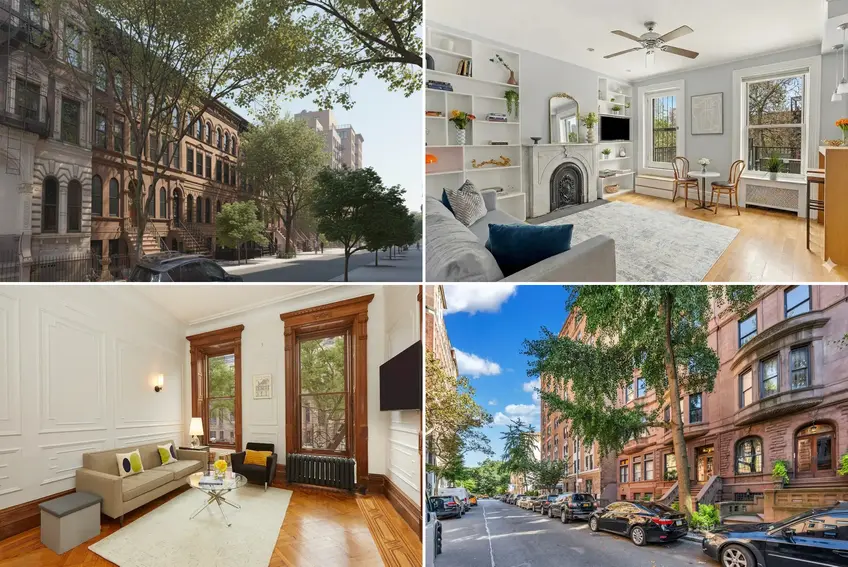
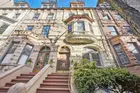
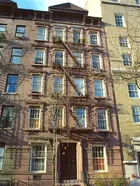
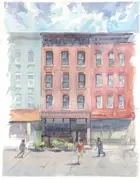
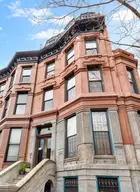
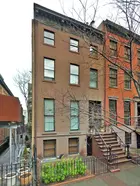
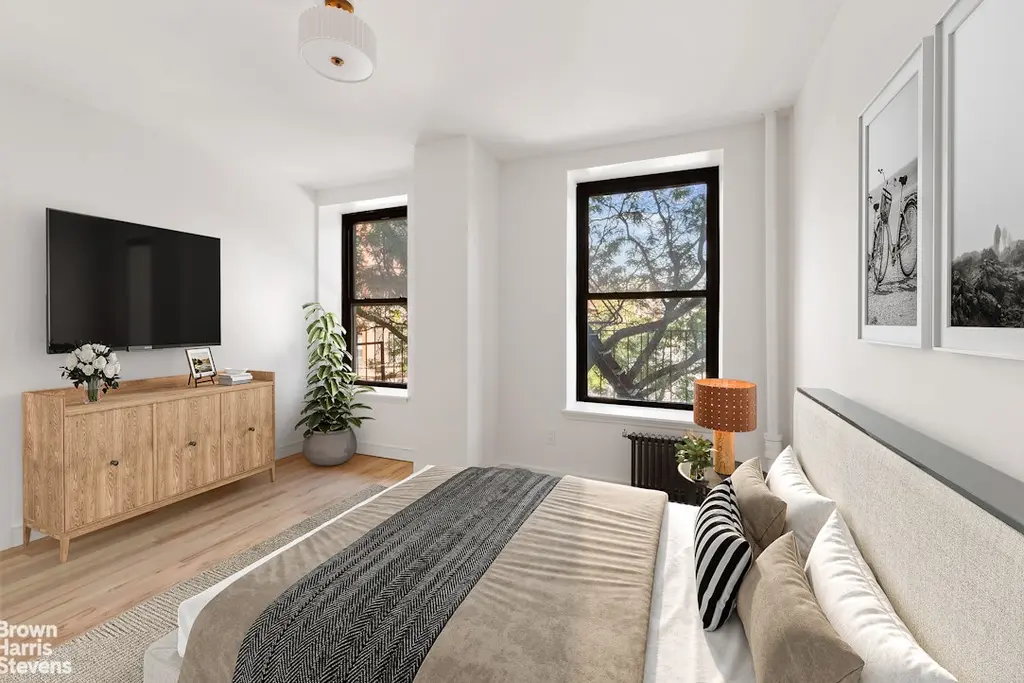
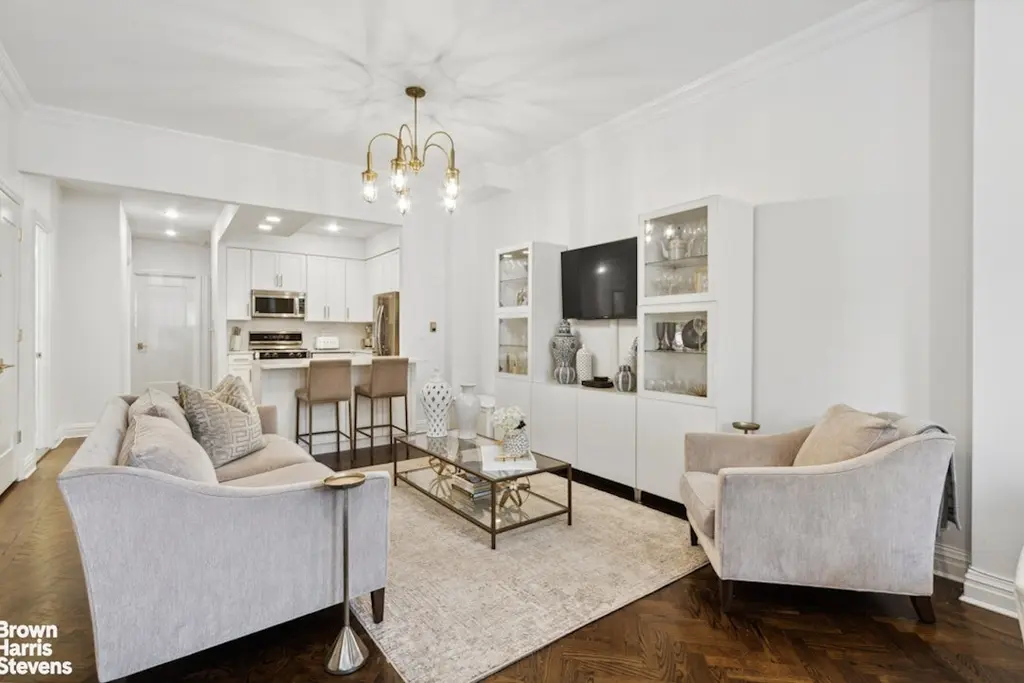
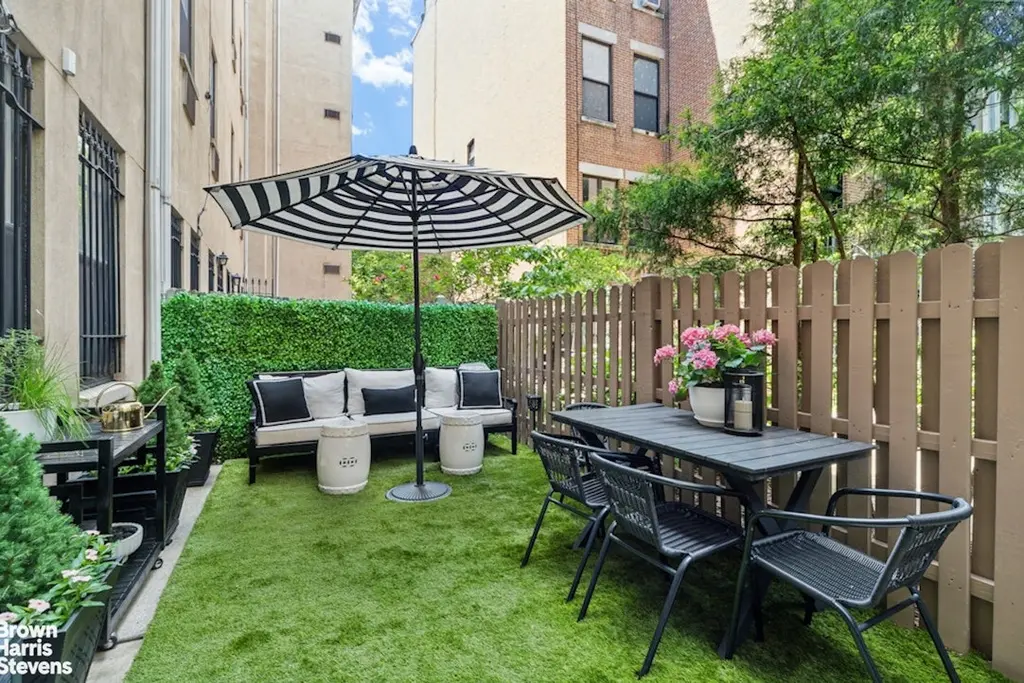
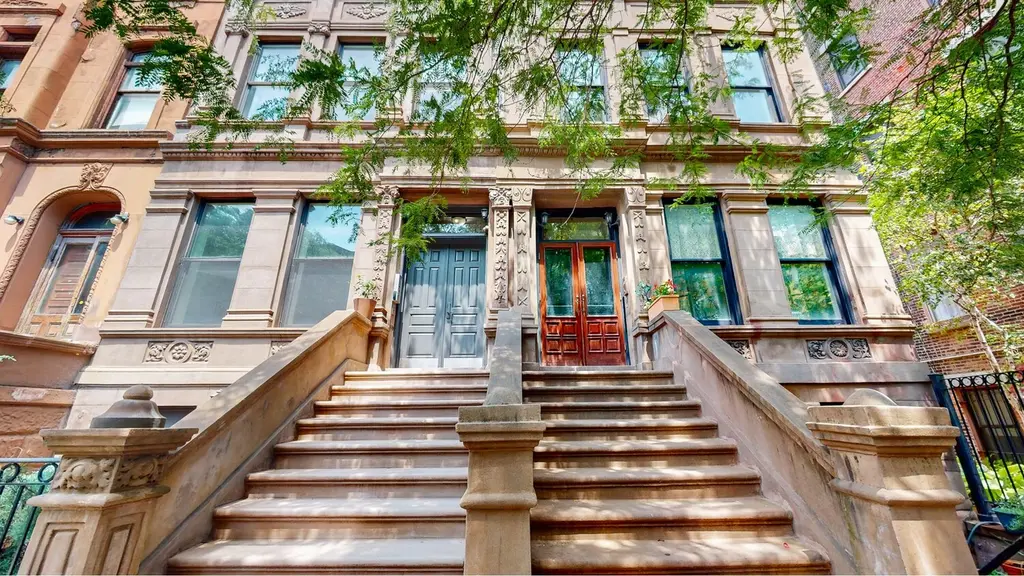
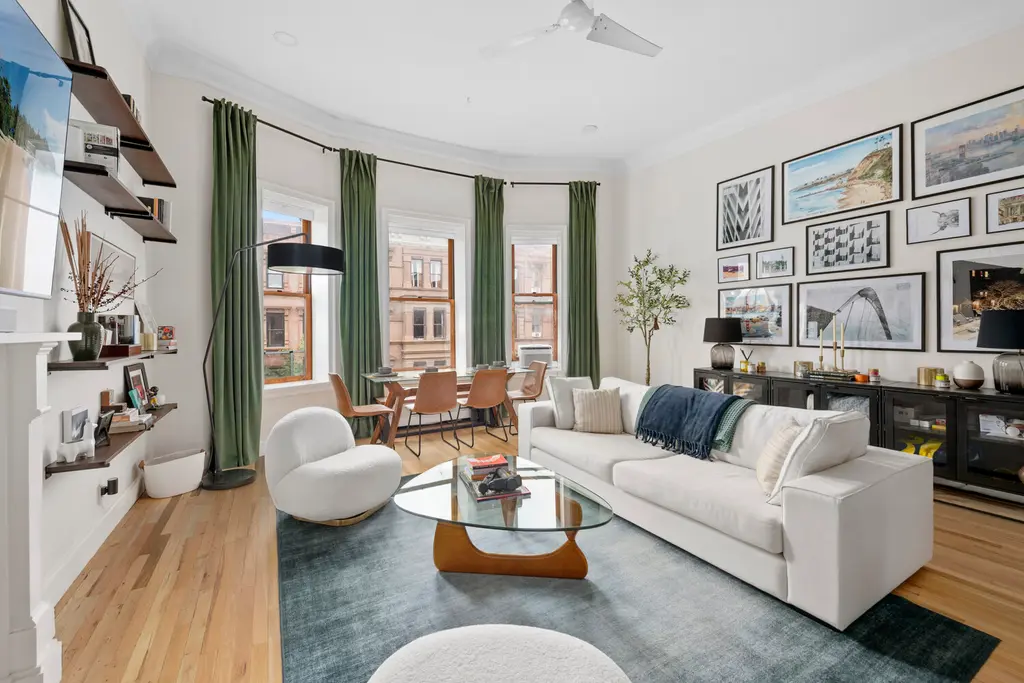
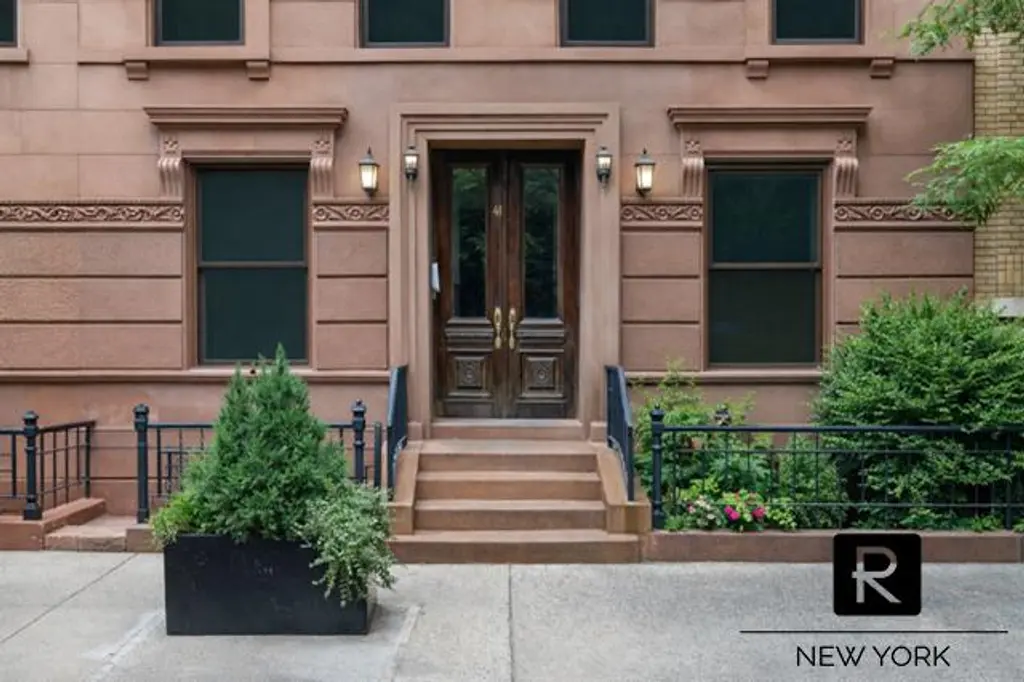
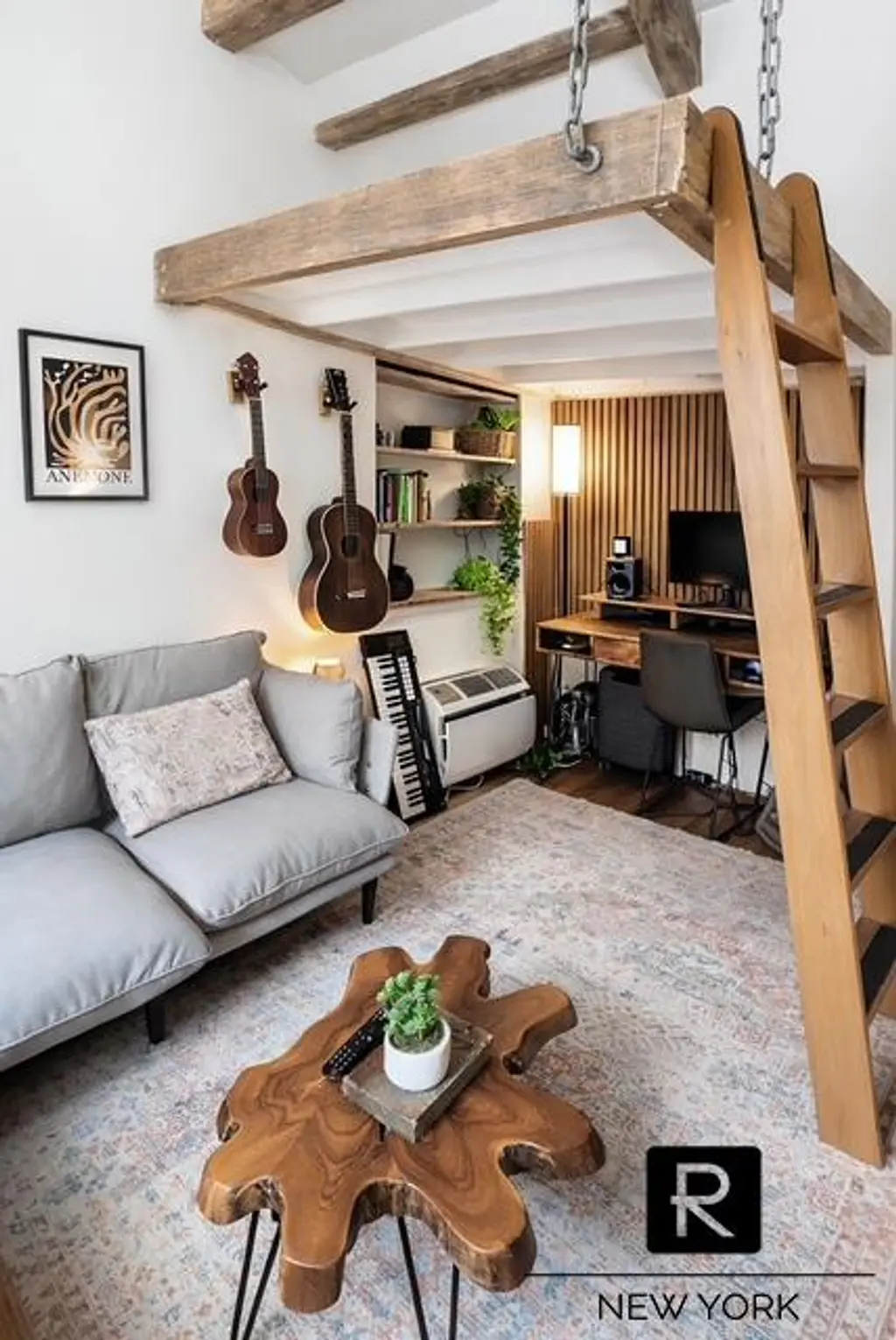
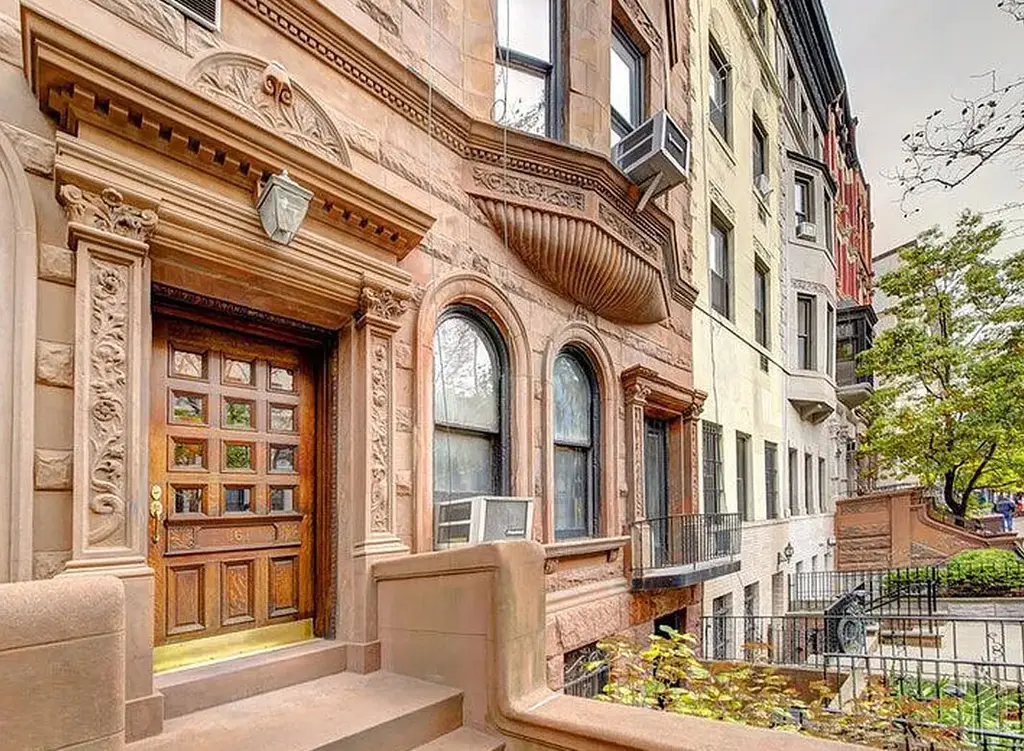
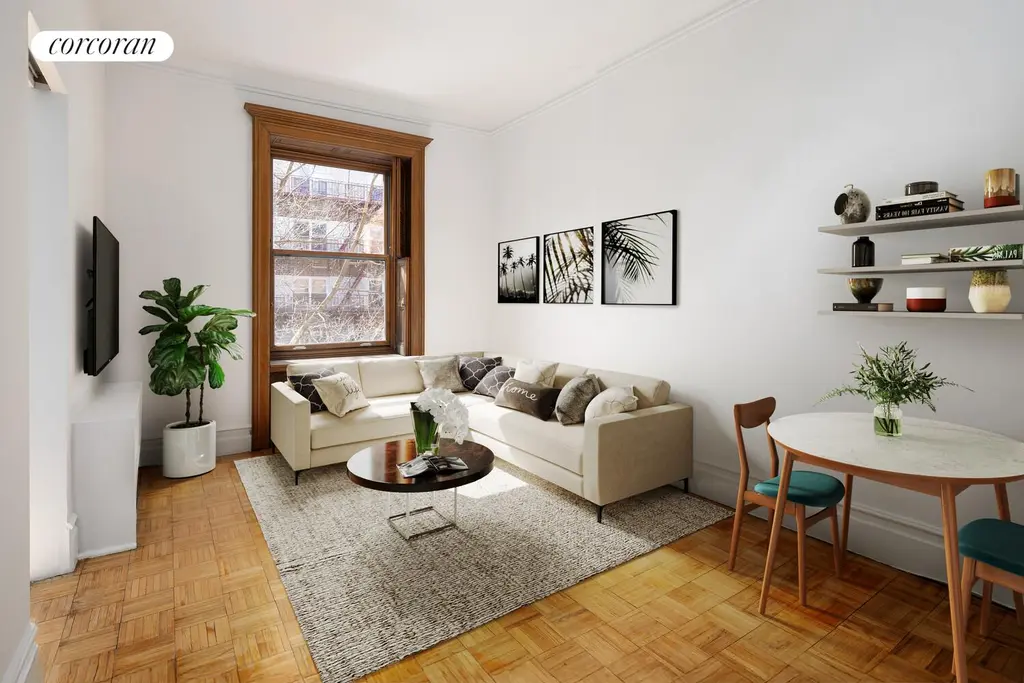
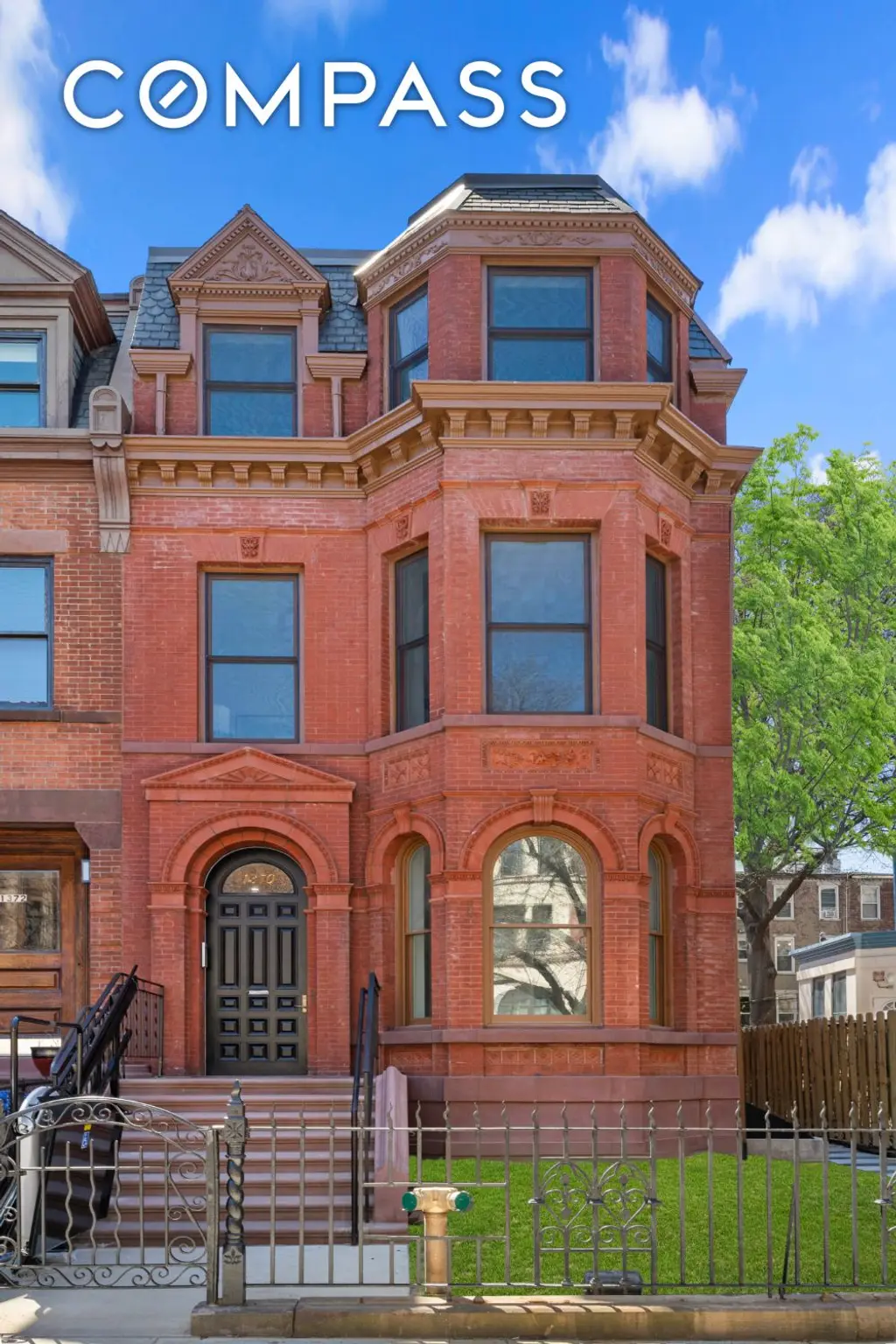
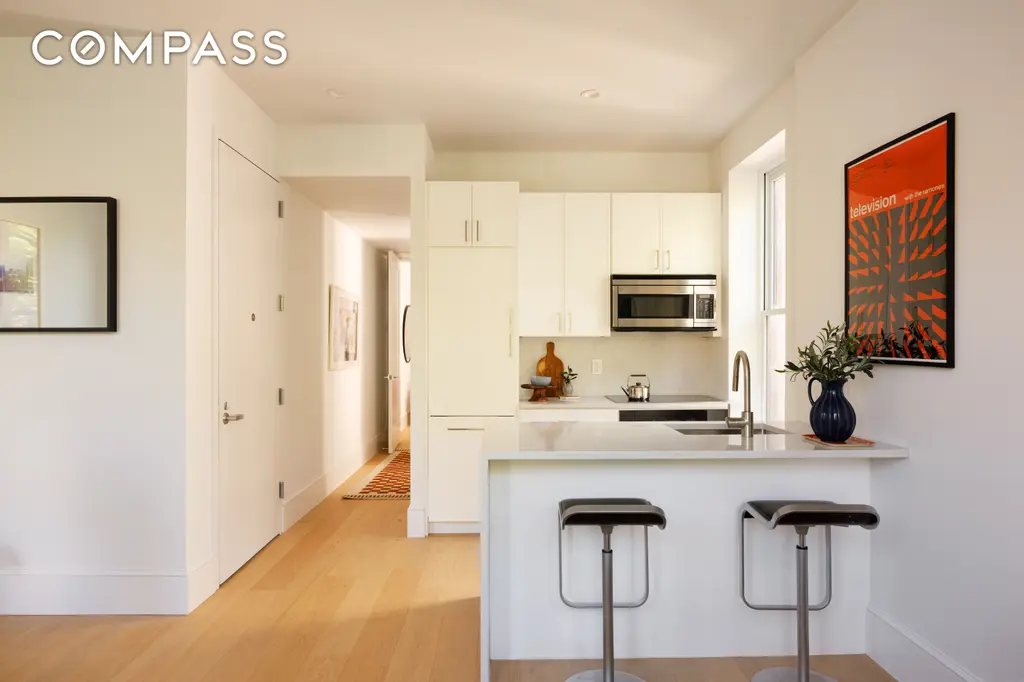
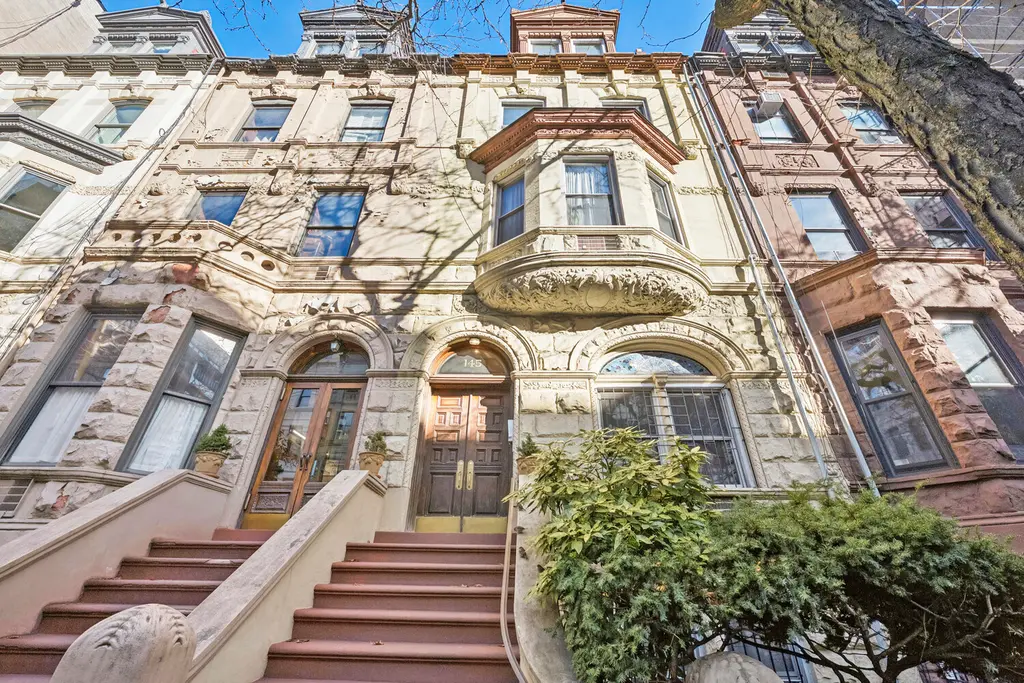
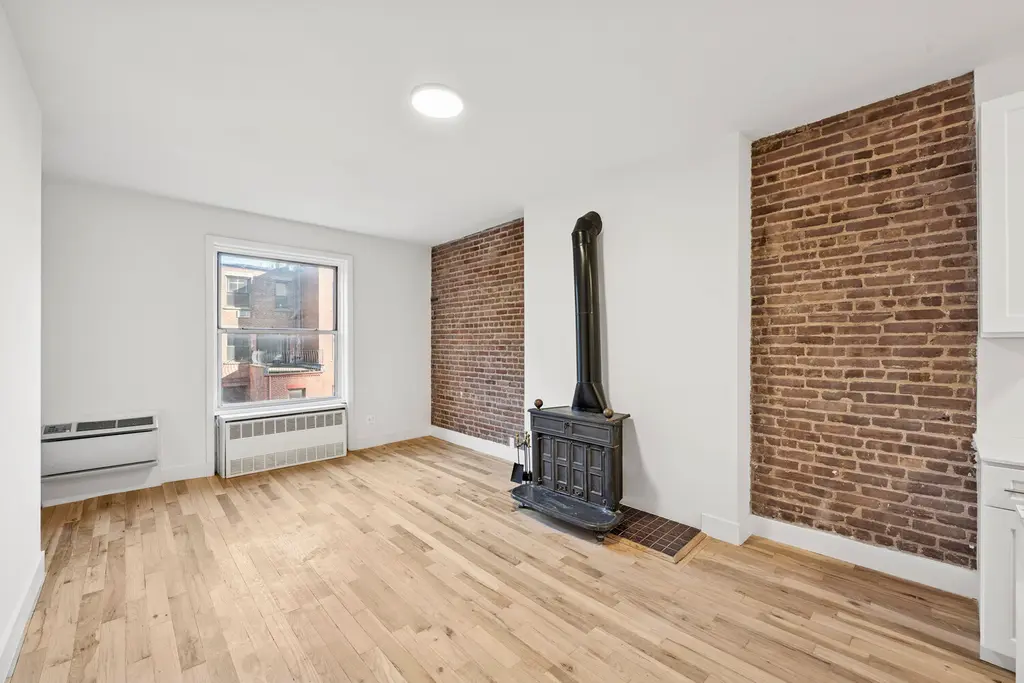
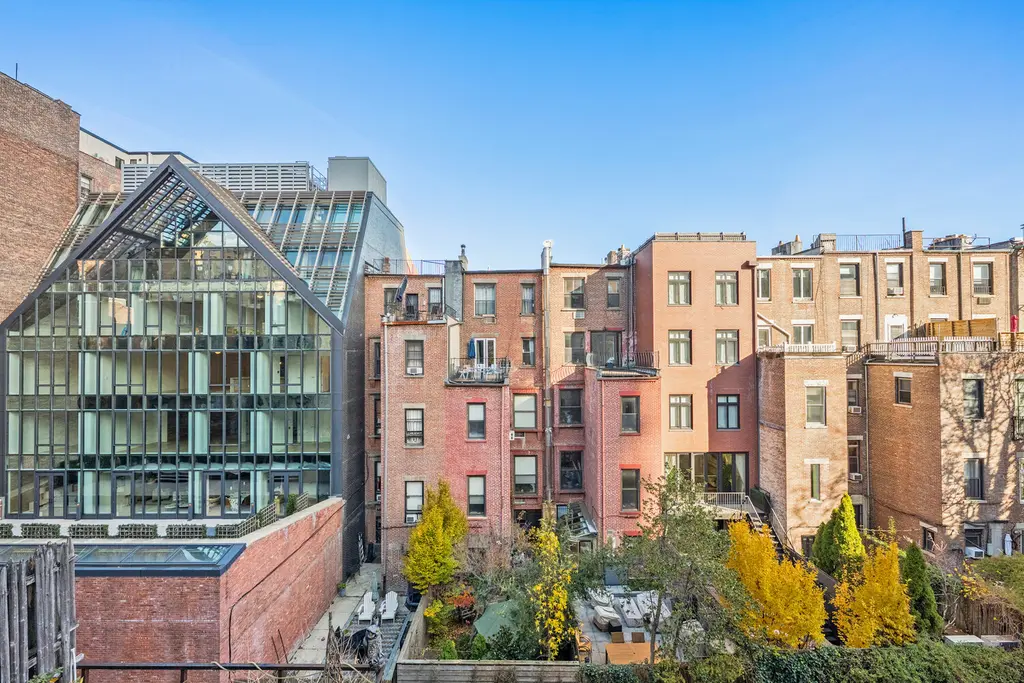
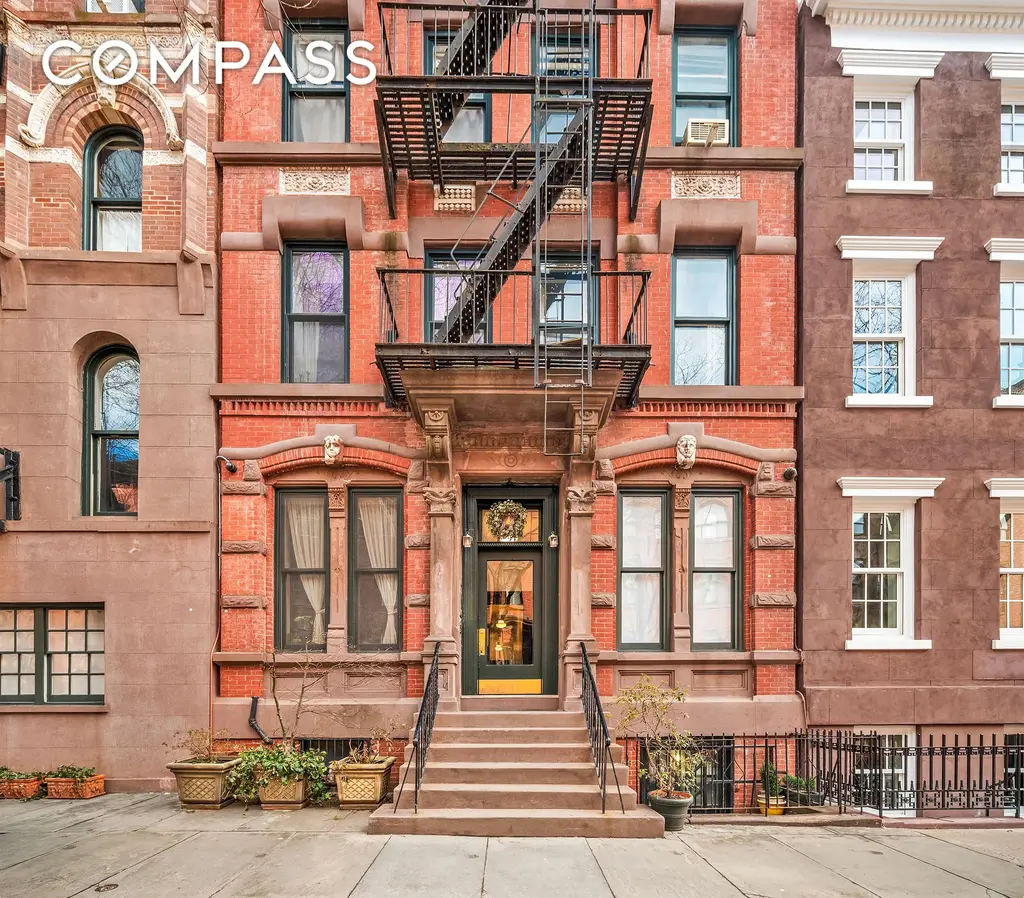
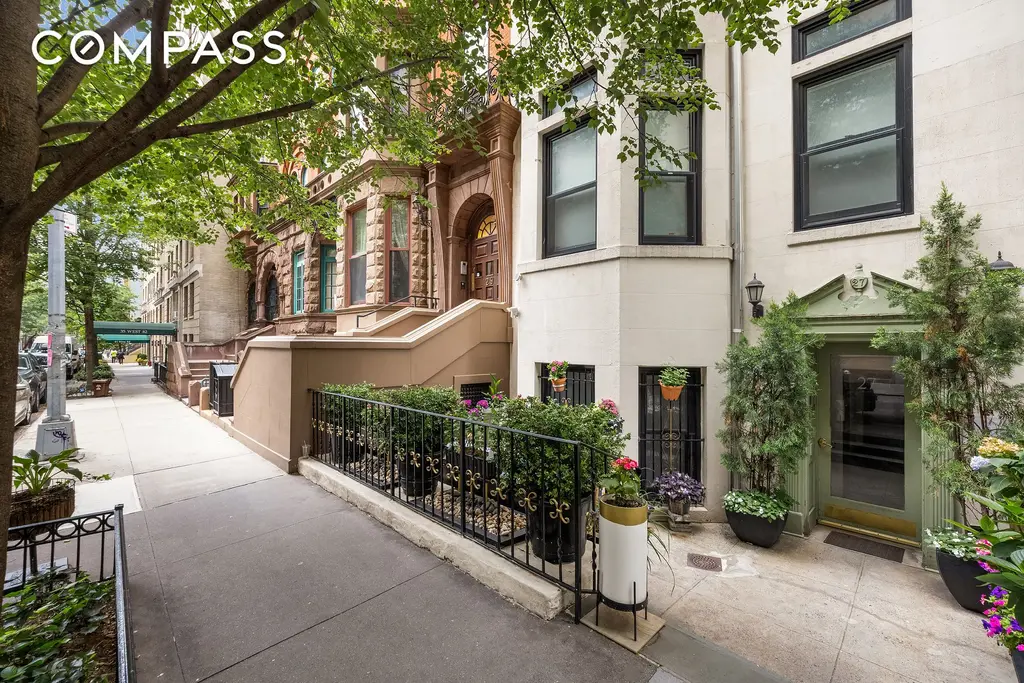
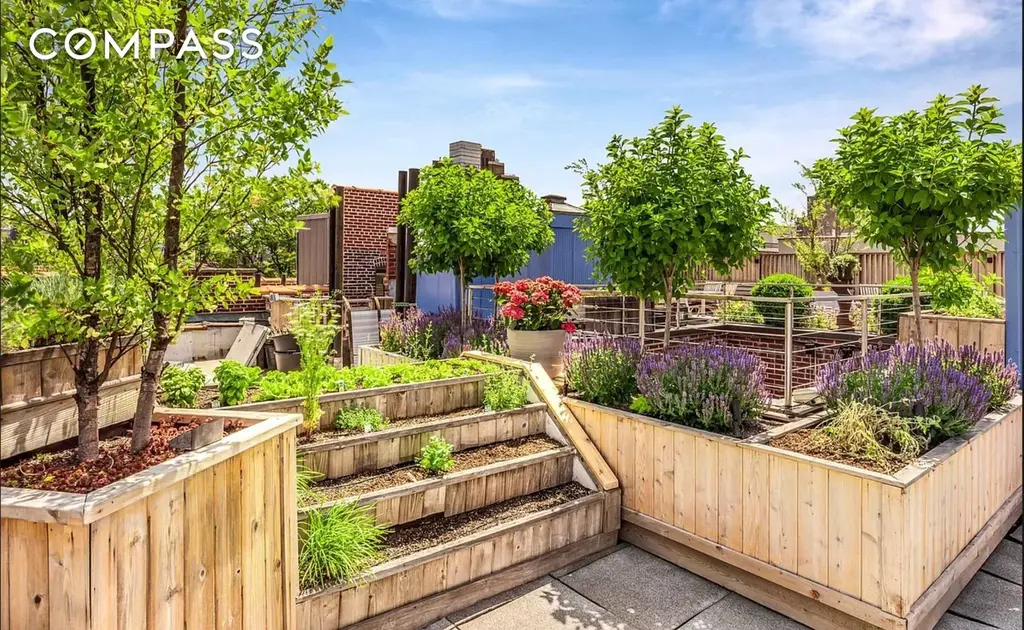
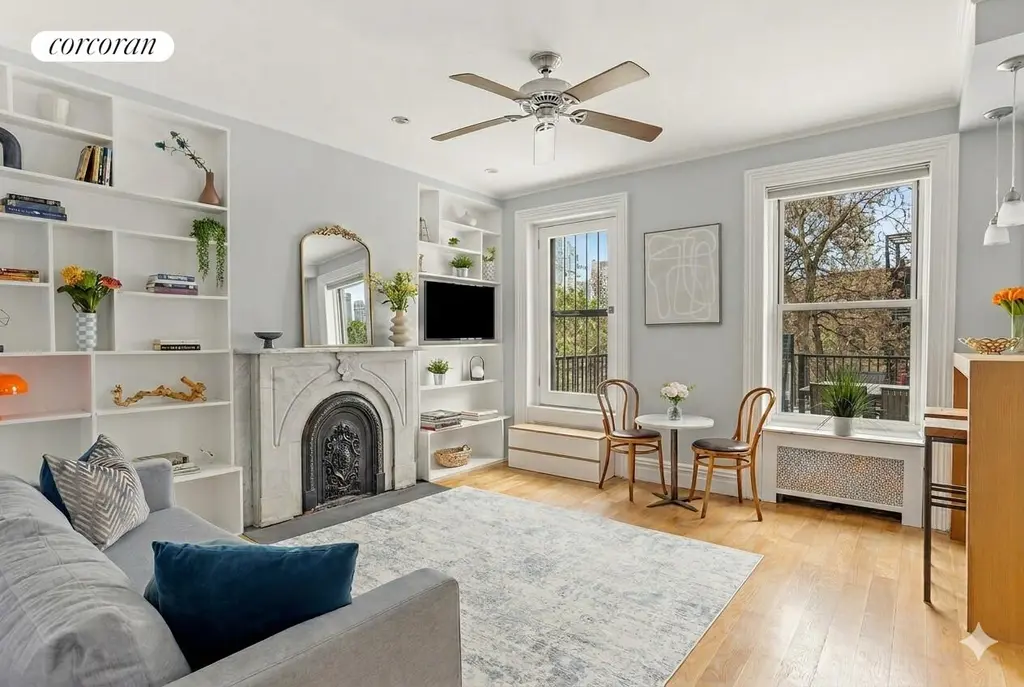
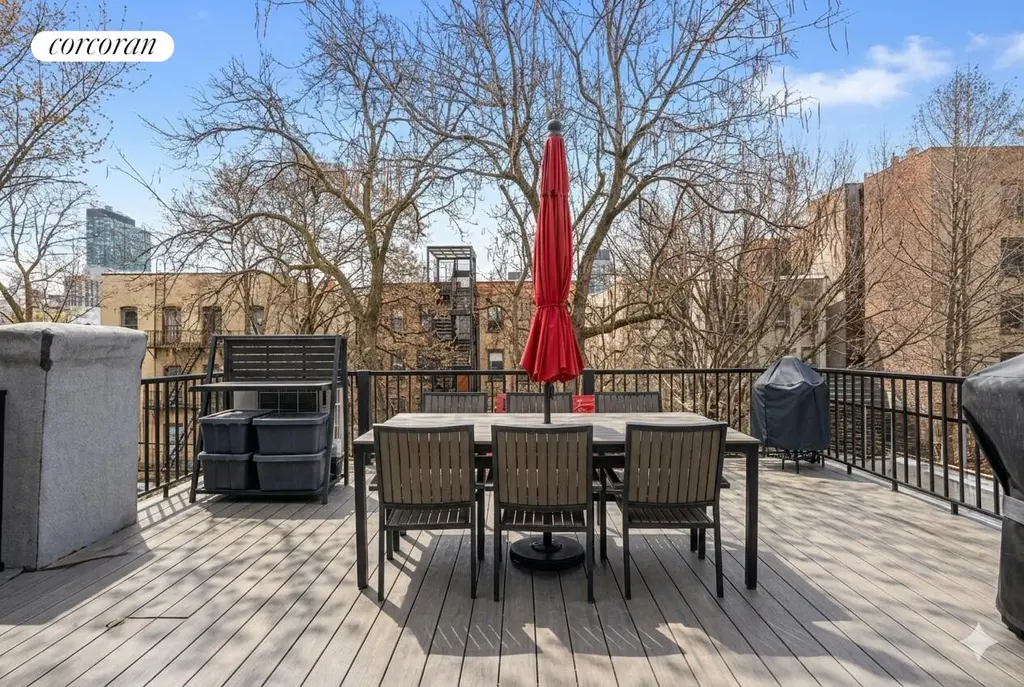
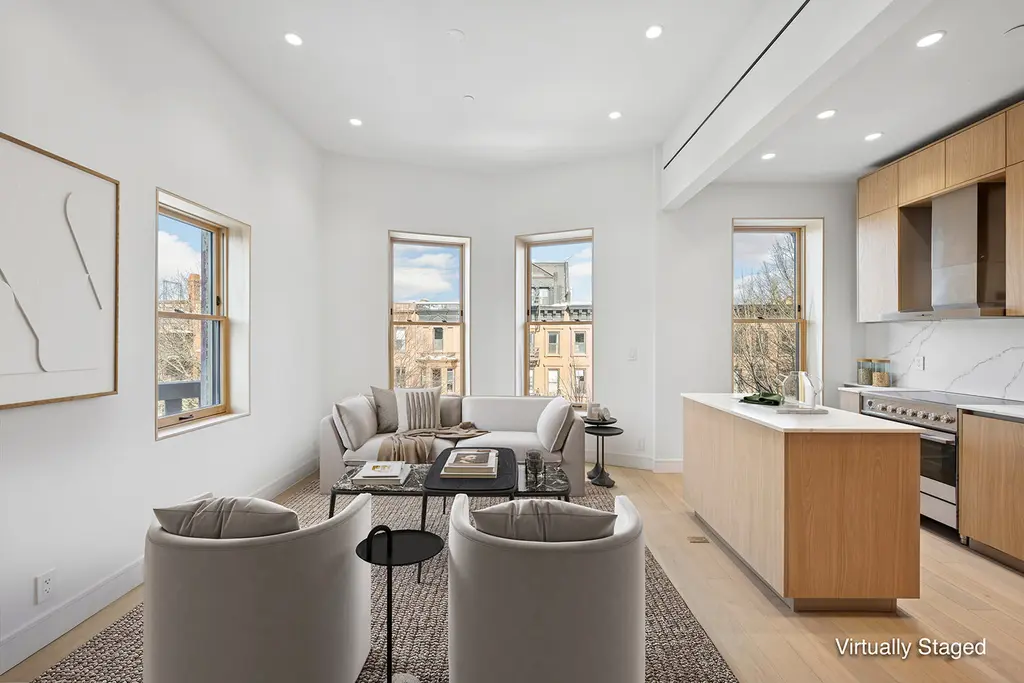
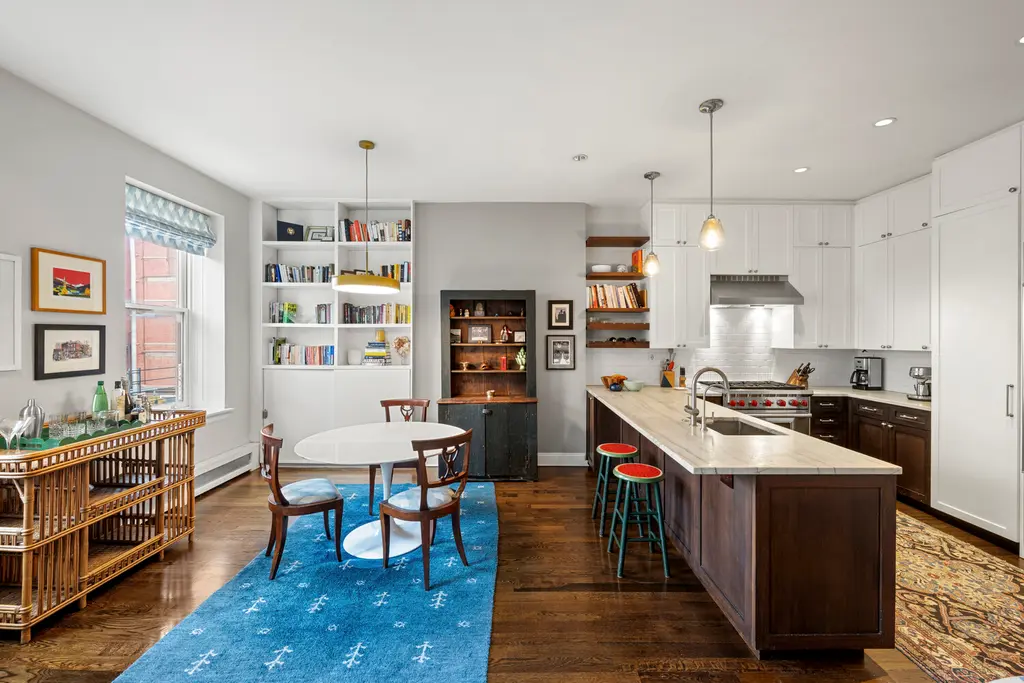
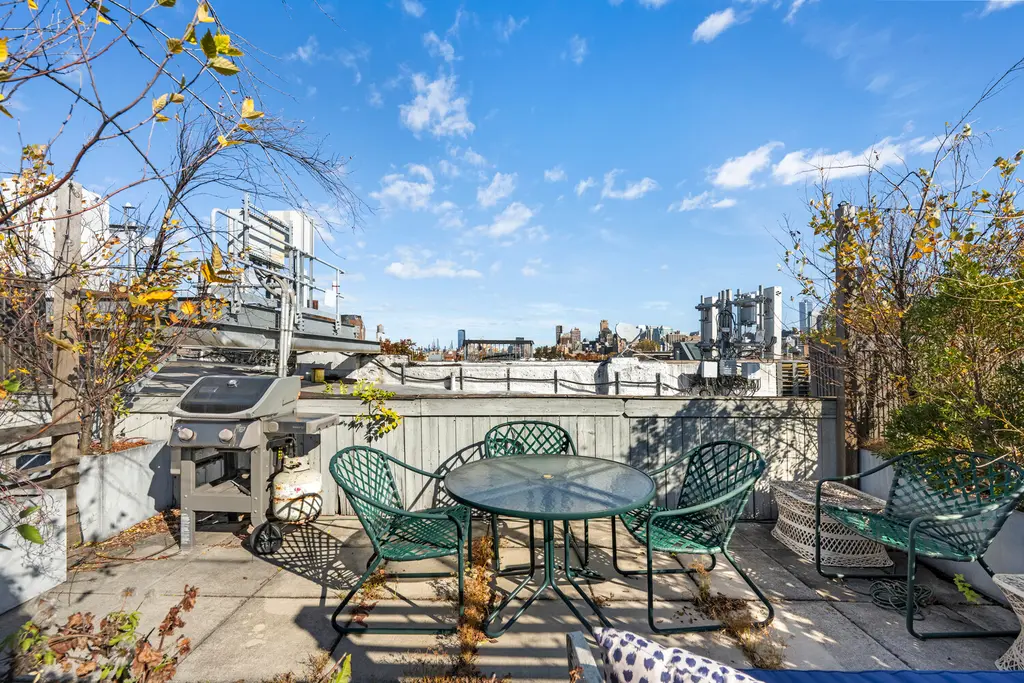
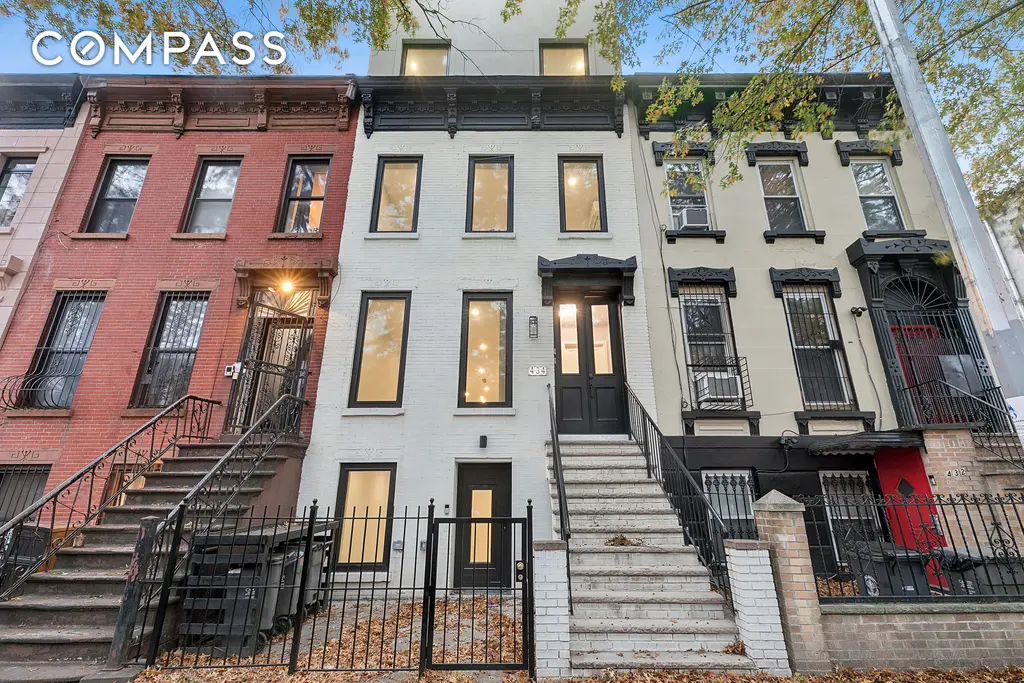
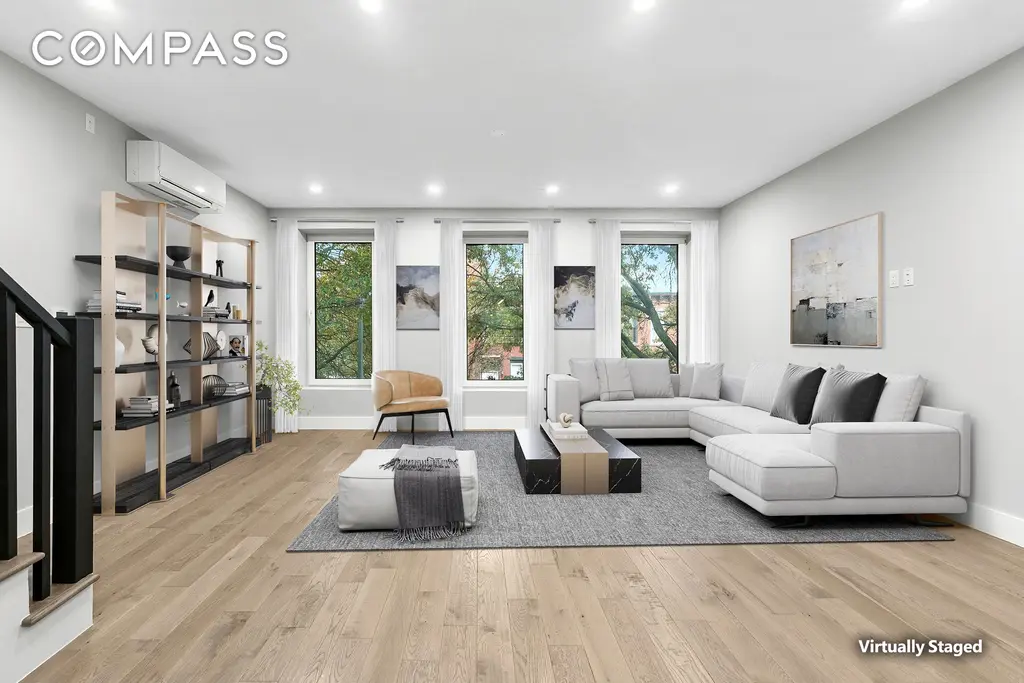
Various brownstone apartments and homes for sale around NYC
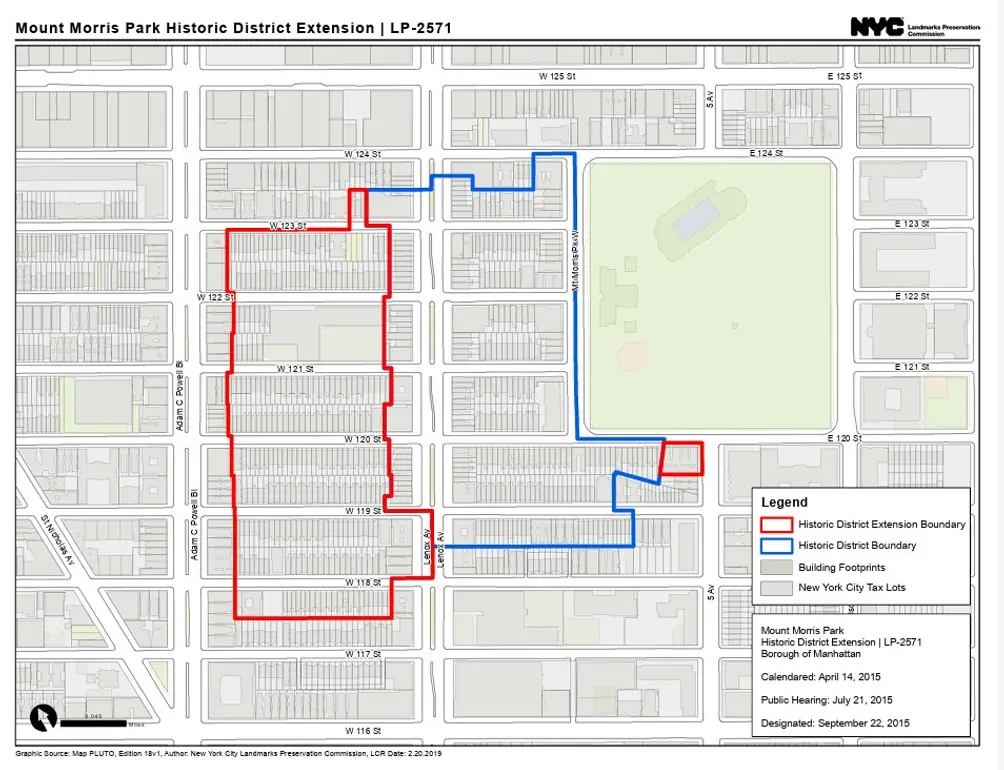
The Mount Morris Park Historic District, stretching roughly from West 119th to West 124th Streets between Lenox Avenue and Mount Morris Park West, is one of New York City's most intact and beautiful historic enclaves. With Marcus Garvey Park as its anchor, the 13-block area offers a rare concentration of late 19th-century rowhouses and churches that still read as a unified whole.
The November 1971 Landmarks Preservation designation report (pdf) notes, this is “a fine residential area which has maintained its attractive late 19th century architectural character remarkably well,” and more broadly “a remarkably interesting cross-section of turn-of-the-century townhouses and churches.”
Map of the Mount Morris Park Historic District and its more recent extension (Landmarks Preservation Commission)
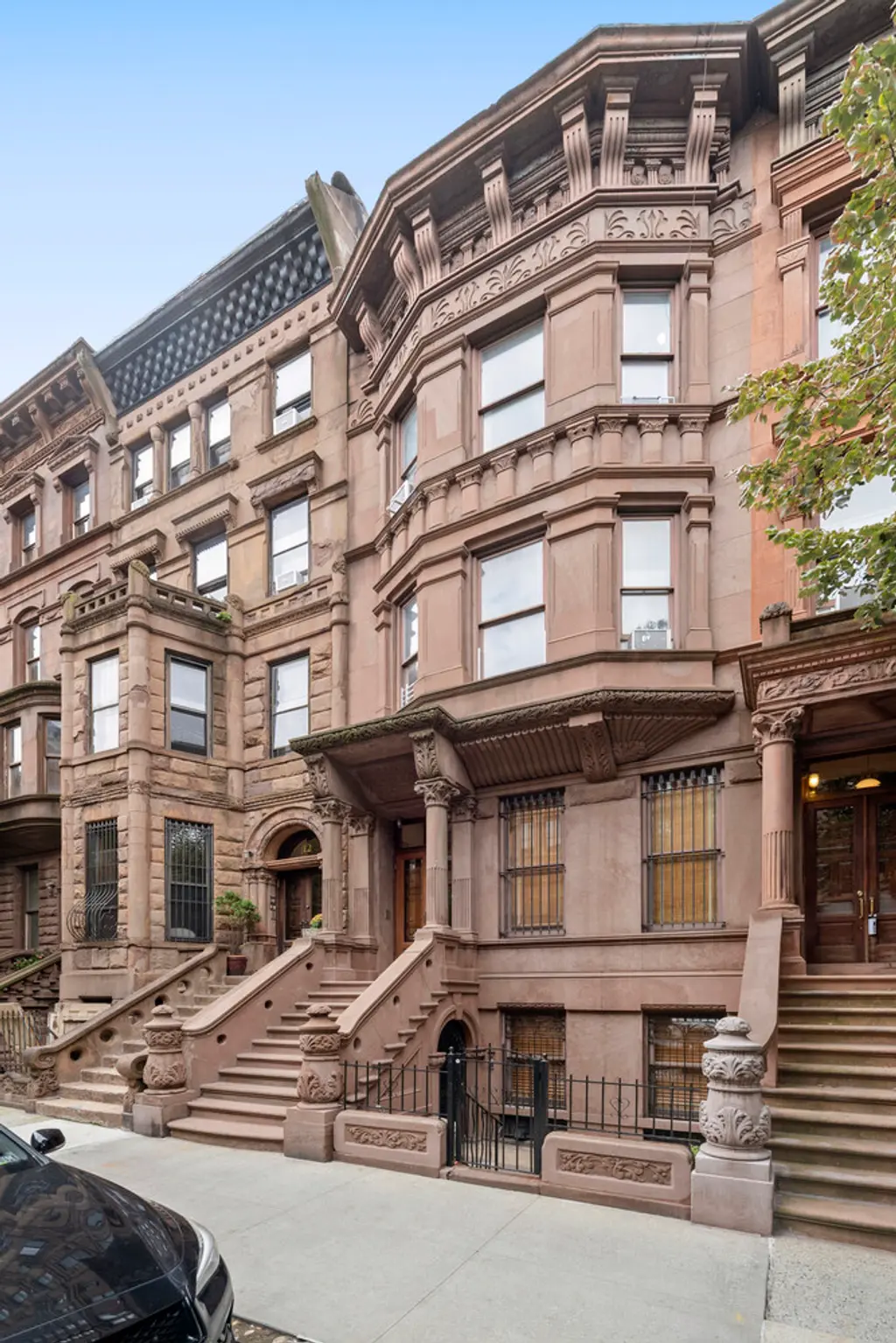
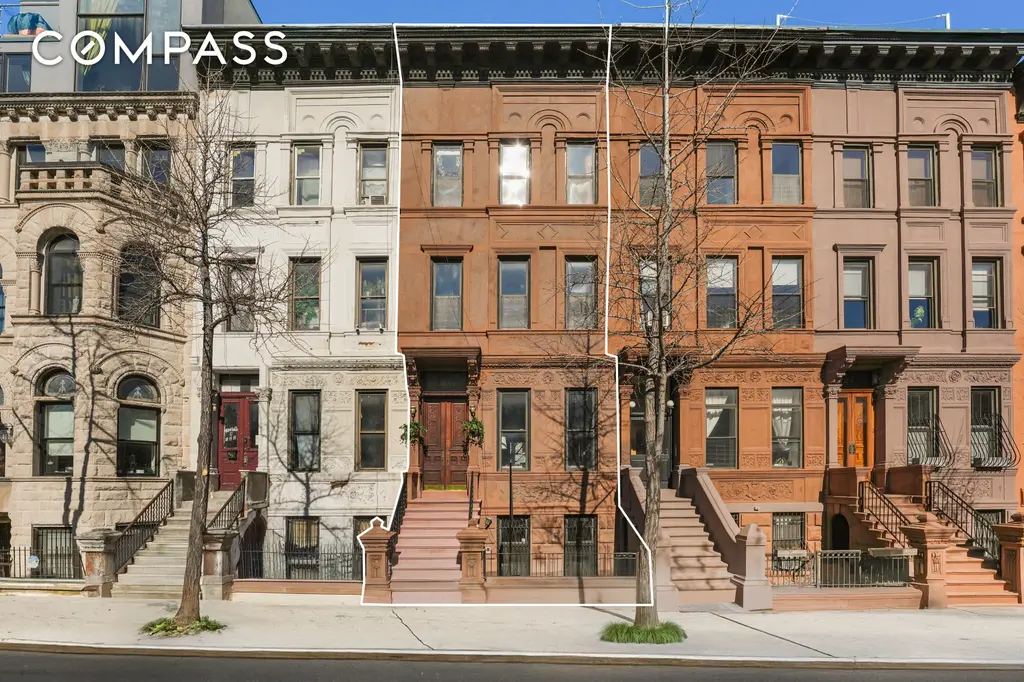
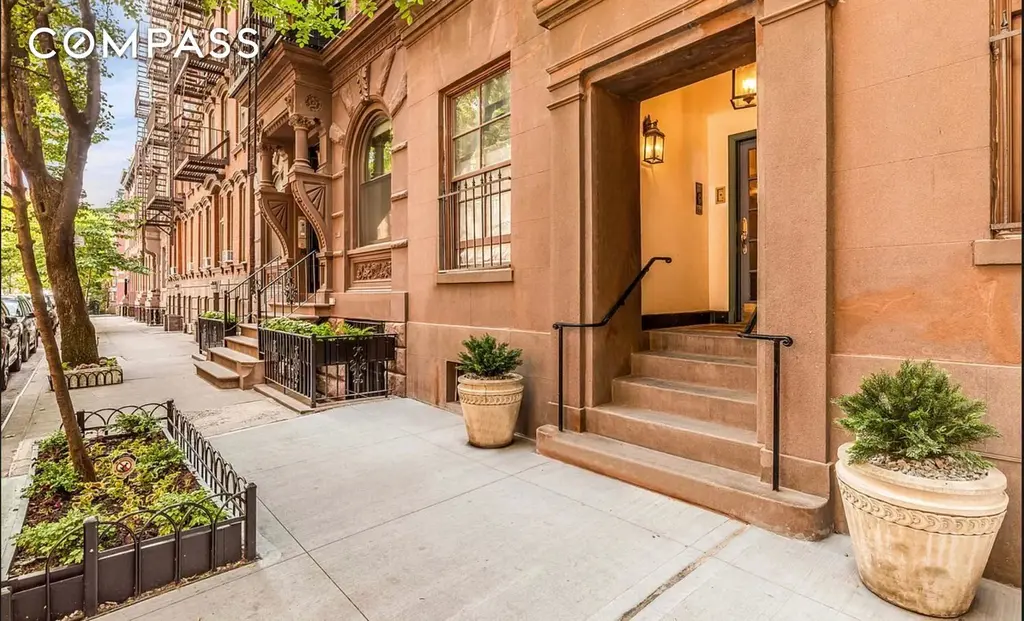
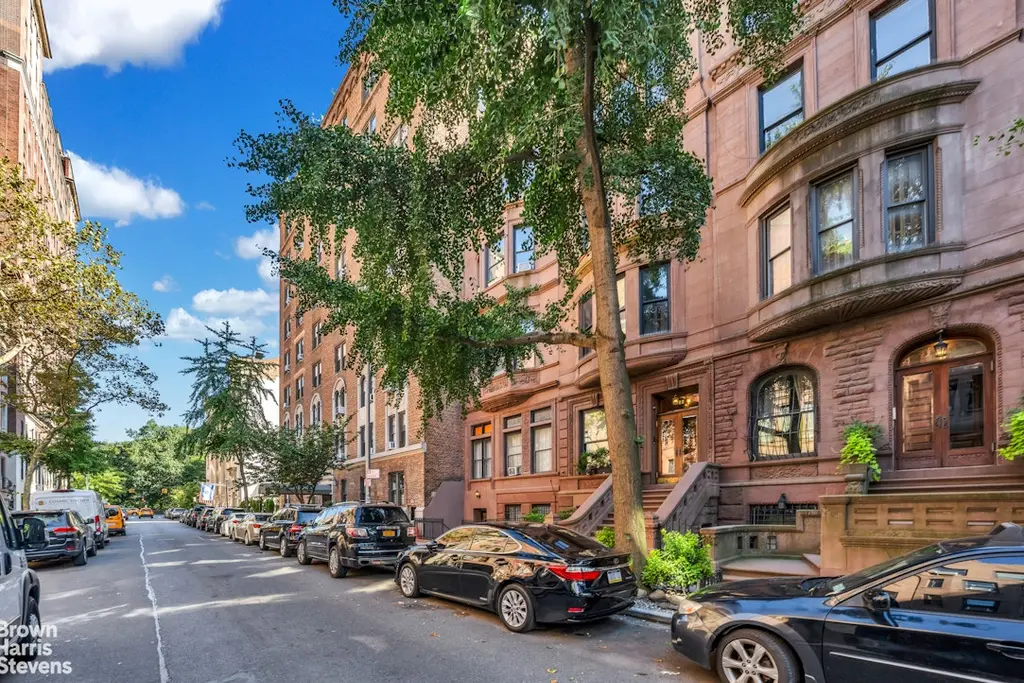
Brownstones on West 121st Street in the Mount Morris Historic District
Its architecture is both cohesive and eclectic. Romanesque Revival, neo-Grec, and Queen Anne styles sit comfortably alongside one another, creating a layered but harmonized streetscape. Landmarks like St. Martin’s Episcopal Church and the Mount Morris Presbyterian Church are focal points the district, while the rows of brownstones on the side streets and facing the park, once compared to Fifth Avenue mansions, remain some of the most delightful urban compositions in upper Manhattan.
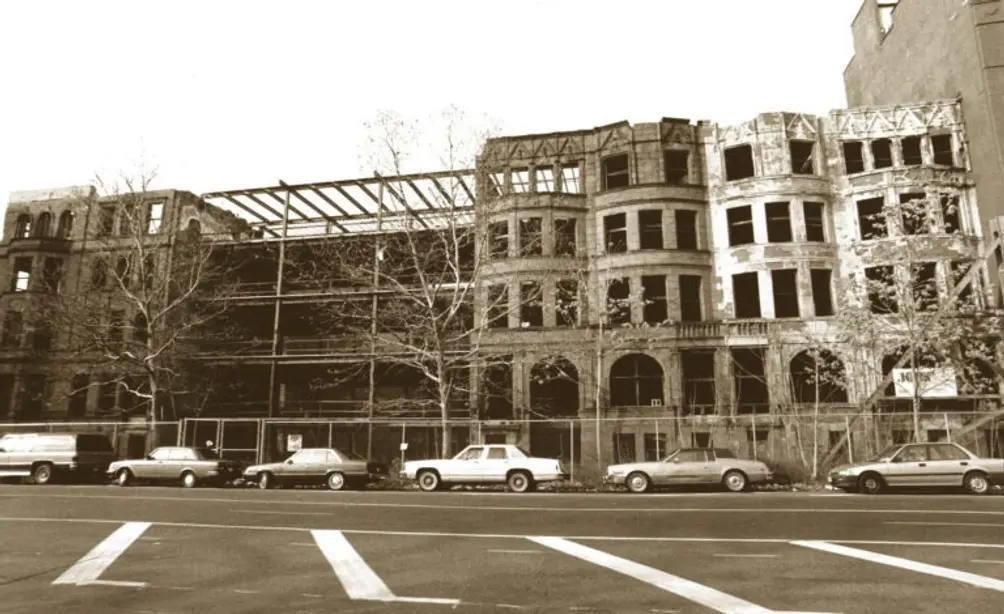
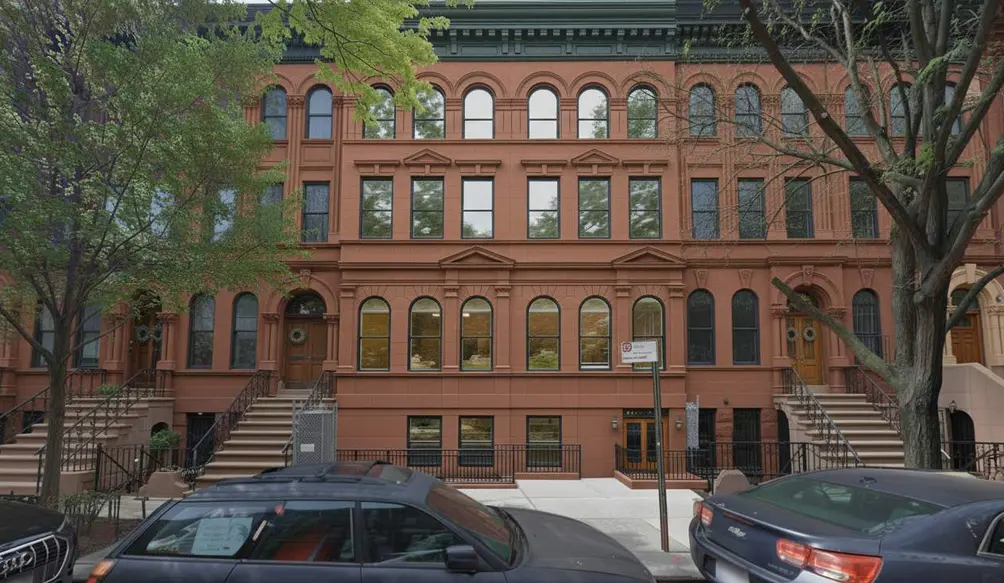
What makes the district especially compelling is not just that it survived, but how it recovered. By the mid-20th century, many of the area's buildings had fallen into disrepair, with some being abandoned and ending up in city ownership. The most notable example was “The Ruins” at 1–9 Mount Morris Park West, a row of nine abandoned brownstones that sat vacant for years before being restored in 2003 as the Mount Morris Park Condominiums. Their revival, along with projects like 16 West 120th Street and 62–64 West 119th Street through HPD’s Homeworks program, shows the fruits of preservation and adaptive reuse, and how many parts of the city has quietly recovered in recent decades.
62-64 West 119th Street were rehabilitated in 2002 under HPD’s Homeworks program | https://thehda.commons.gc.cuny.edu/mount-morris-park/
The turnaround didn’t happen by accident. Public investment, grassroots advocacy from groups like the Mount Morris Park Community Improvement Association, and later private interest all played a role in stabilizing and restoring the neighborhood. The result is a place that feels both historic and lived-in, where the scale, craftsmanship, and rhythm of brownstone streets have been preserved while not feeling too polished and adapting to modern life.
A handful of vacant lots and neglected buildings remain scattered throughout the historic district, presenting opportunities for new construction and rehabilitation. One such project is proposed for 66–68 West 119th Street, a vacant site where two derelict brownstones once stood.
New brownstone residential development proposed at 68 West 119th Street in the Mount Morris Park Historic District
Pre-existing buildings at 66-68 West 119th Street prior to demolition due to safety concerns
Scheduled to go before the Landmarks Preservation Commission in the coming weeks, the published presentation shows a nine-unit building with a brownstone-colored facade, rusticated detailing across its first two stories, arched windows at the first and third floors, and a setback penthouse finished in a more contemporary style. Unlike the former rowhouses on the site and the two restored houses next door, the new building would not recreate front stoops, instead entering through a single ground-floor entrance.
Multi-family project planned at 66-68 West 119th Street
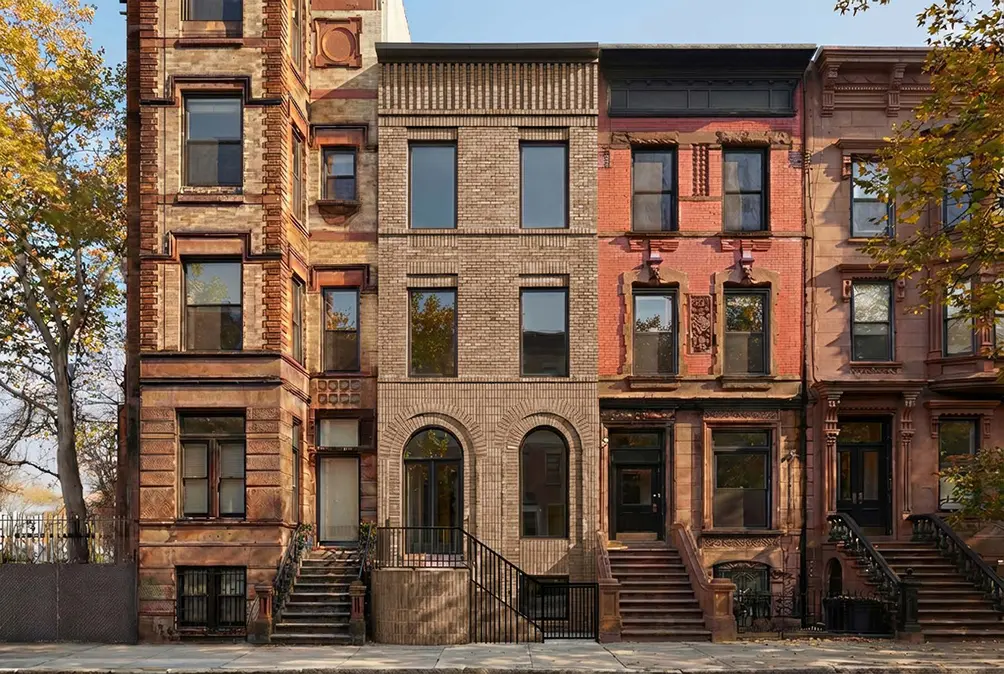
Landmarks-approved design for new townhouse planned for 163 West 122nd Street in the Mount Morris Park Historic District Extension
At a recent Landmarks Preservation Commission hearing on March 10, 2026, a proposed townhouse for the vacant lot at 163 West 122nd Street made clear that the Mount Morris Park Historic District Extension is not locked in amber but capable of absorbing new architecture. In the project's design presentation by Emily Kanner of Kanner Design Works, the project was described as “a new construction contemporary townhouse” that is “simultaneously of its time and deeply respectful of scale, rhythm, and material character of West 122nd Street.”
The design takes cues from both the lost building once on the site and its neighbors, particularly in its aligned cornice and window datums, arched parlor-level openings, and a curved L-shaped stoop that references the former house. The facade is conceived in Belden Quaker brick with varied bond patterns, recessed openings, and a fluted brick cornice, while a penthouse set back 10 feet was designed to remain invisible from the street.
Enlarge Image
Enlarge Image
Enlarge Image
Enlarge Image
Enlarge Image
Enlarge Image
Enlarge Image
Enlarge Image
The commissioners ranged from receptive to the proposal’s overall approach to openly enthusiastic. Commissioner Goldblum called it “a great project” and “a confident modern interpretation of brownstone or townhouse in a tight contextual situation,” praising the "careful brick detailing" and the way the facade remained “clearly contemporary yet… fits in from a textural and contextual point of view.” Commissioner May went even further, describing part of the presentation as “a masterclass in making an argument for appropriateness” and saying the design incorporated “a kind of ghost of the building that has been lost.” Commissioner Chu said it was “a great example of a contemporary new building that fits well in the context of the historic streetscape,” while Commissioner Jefferson said “the idea of the datum to set the materiality on is just magical.” The commission broadly agreed that the project understood the difference between mimicry and interpretation and succeeded by choosing the latter.
Some commissioners had some objections to the starkness of the rear facade
The commissioners' support was not without some criticism. Several commissioners found the rear facade too plain, with Commissioner Chu calling it “a bit too plain and simple,” Commissioner Goldblum saying it felt “a little undercooked,” and Commissioner Wilder warning that EIFS “should be the last option” on a new building.
Preservation groups generally supported the application as well. The Historic Districts Council described it as a “thoughtful contemporary interpretation of the historic rowhouse type,” and the Victorian Society said the house “largely meets” the test of being “a good architectural neighbor.” The commission ultimately approved the project unanimously, with modifications, finding that it would close a gap in the street wall and that its “simple design and materials” would harmonize with the block while adding a distinctly contemporary layer to a neighborhood defined by continuity and change.
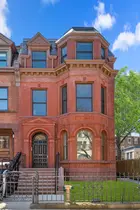
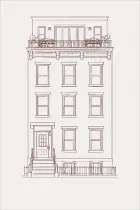
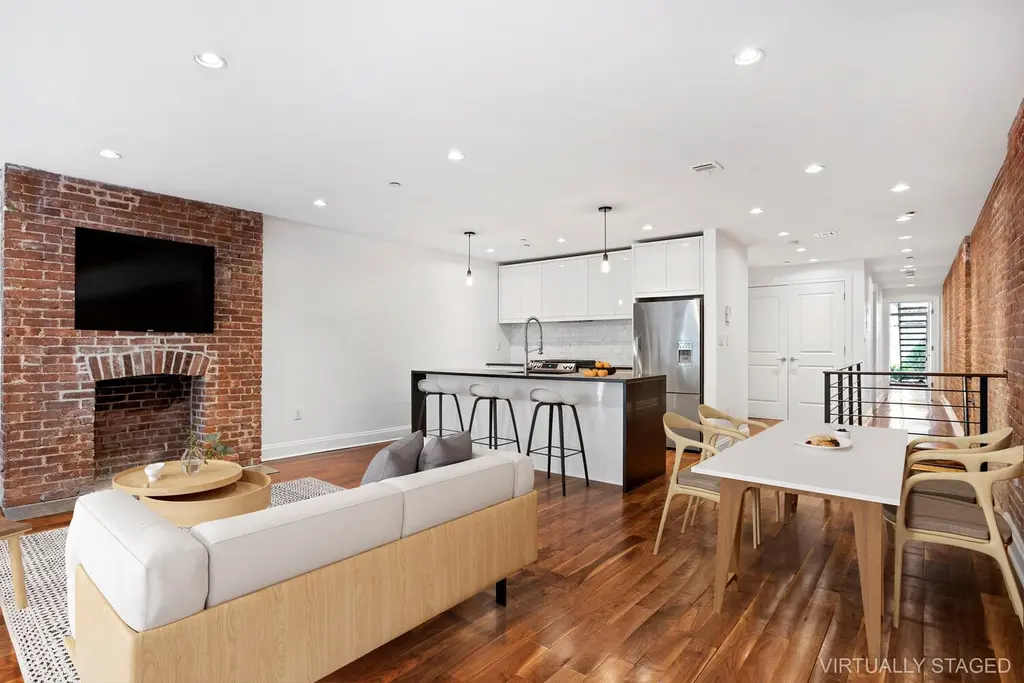
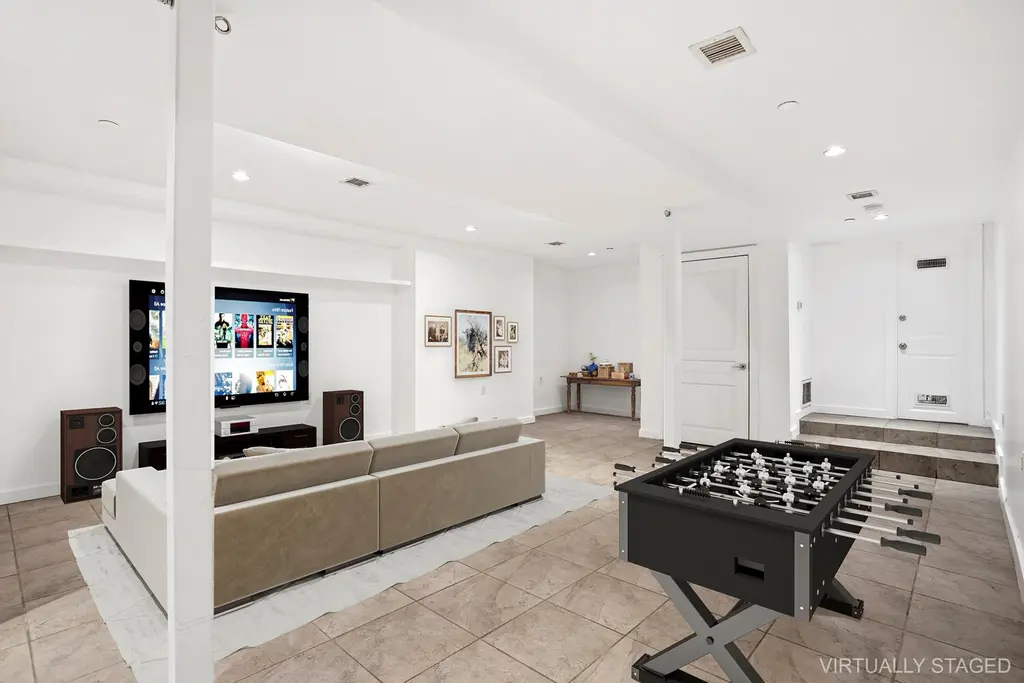
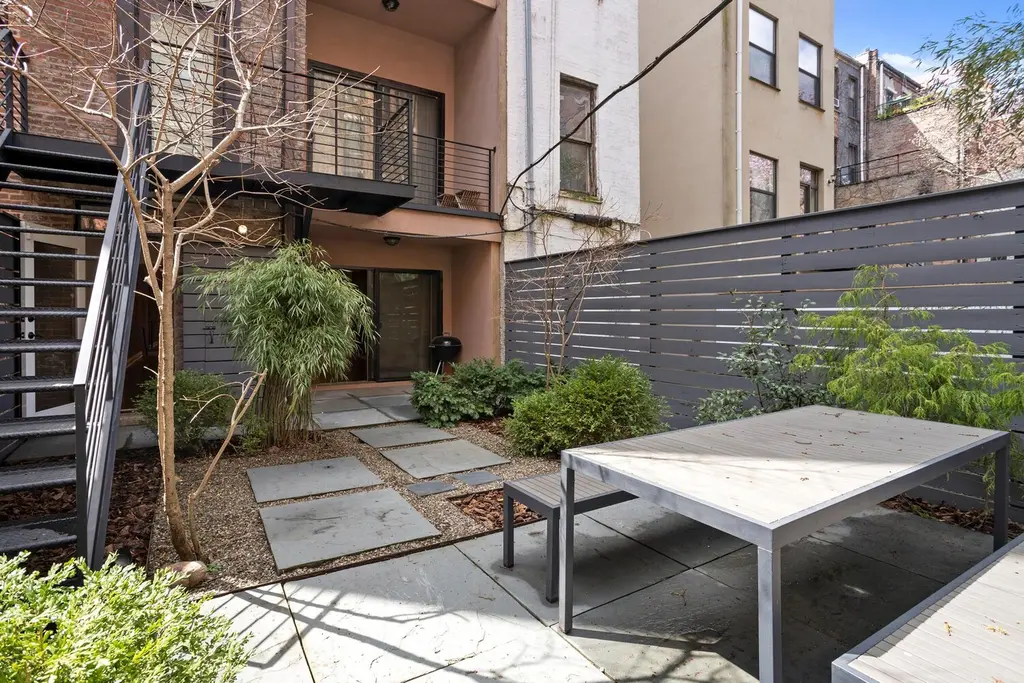
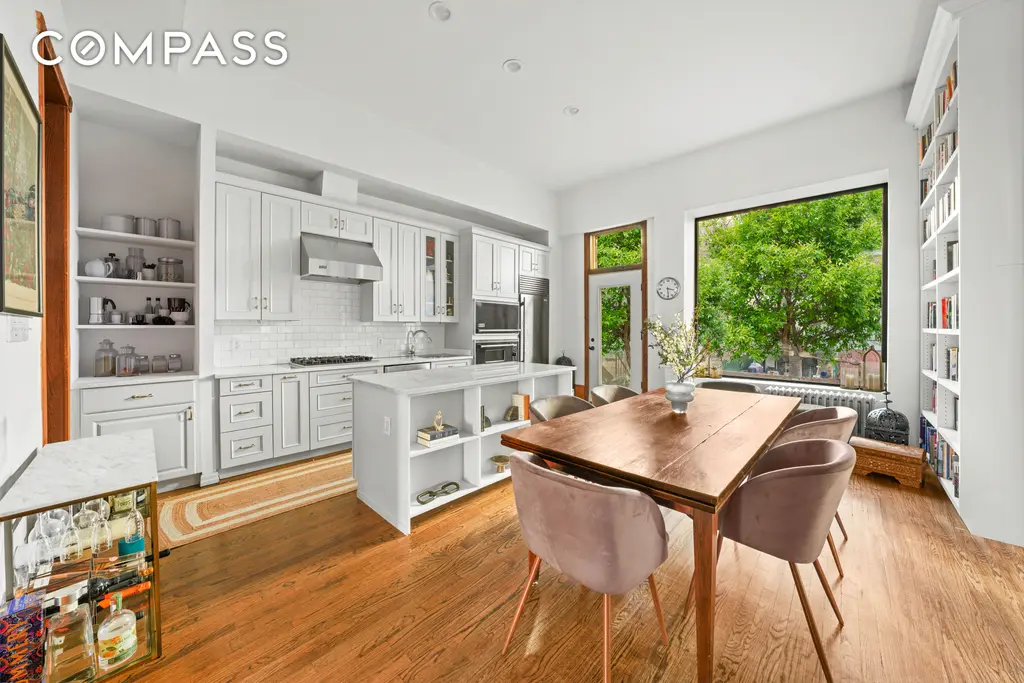
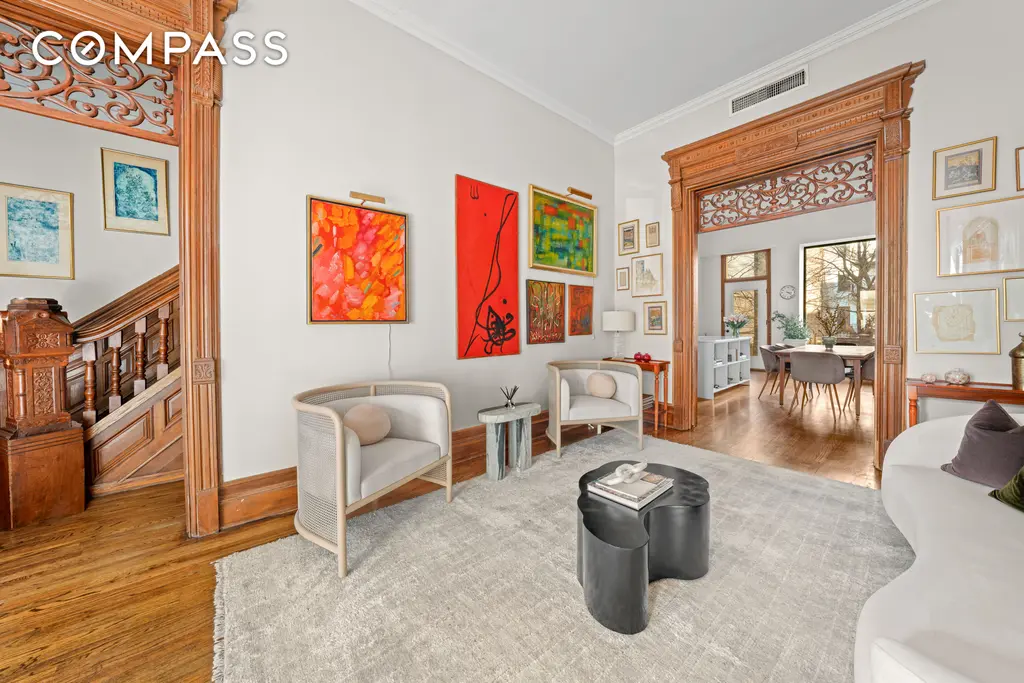
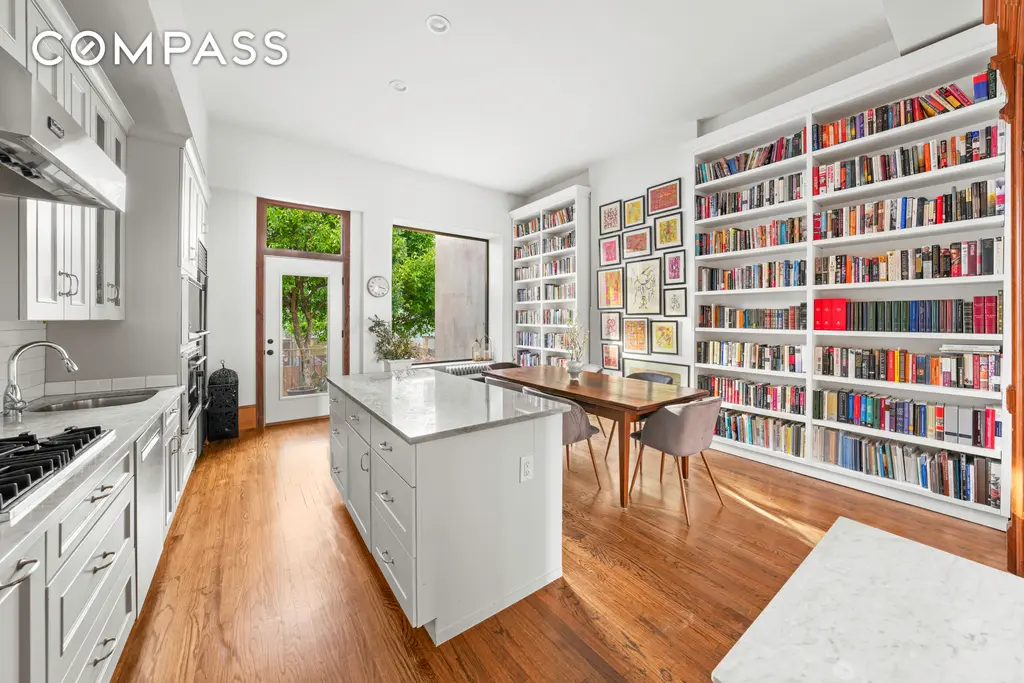
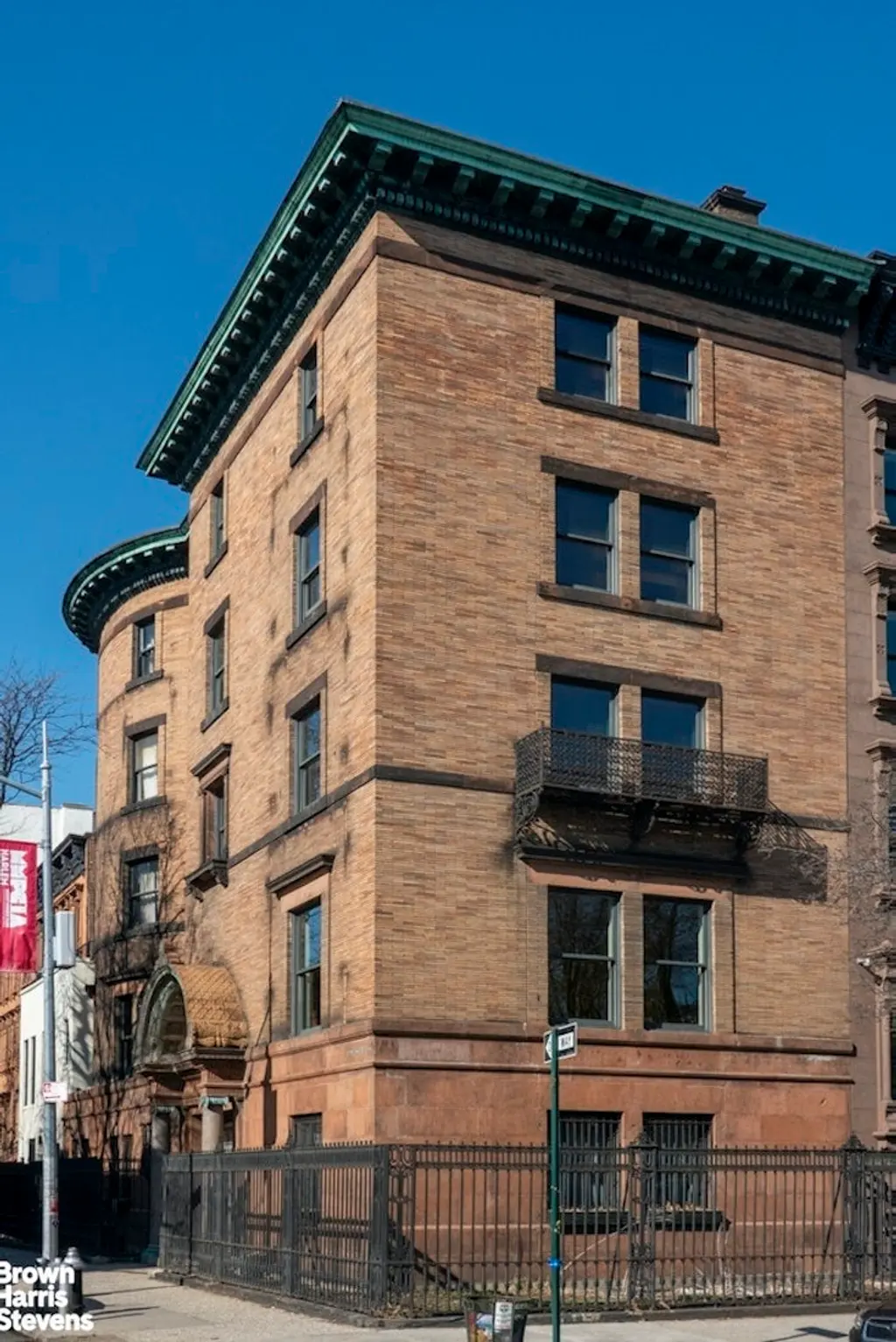
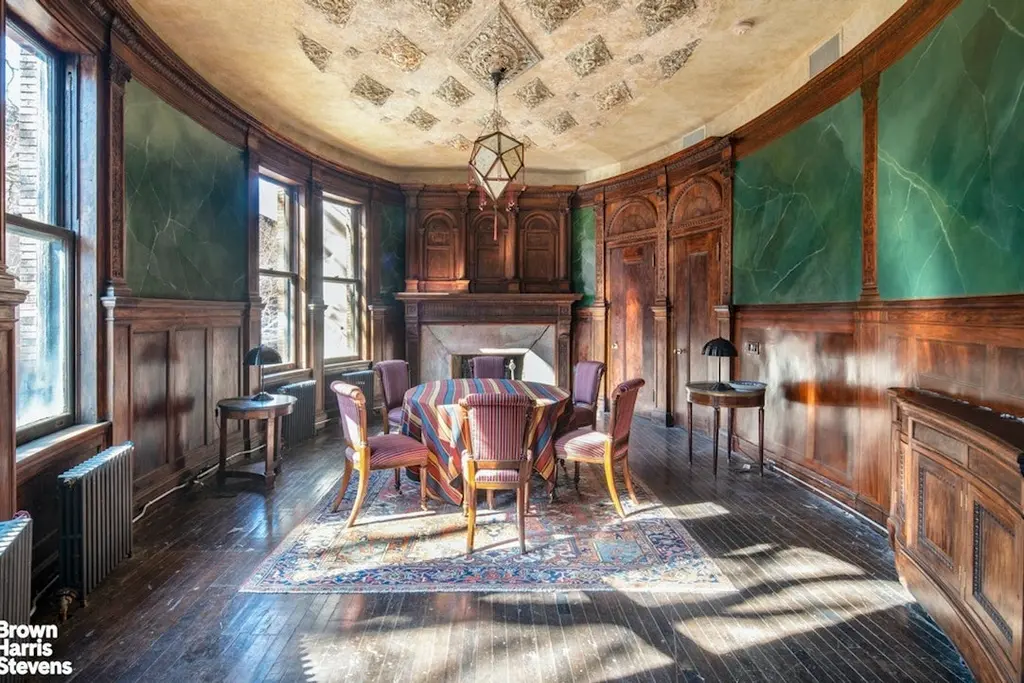
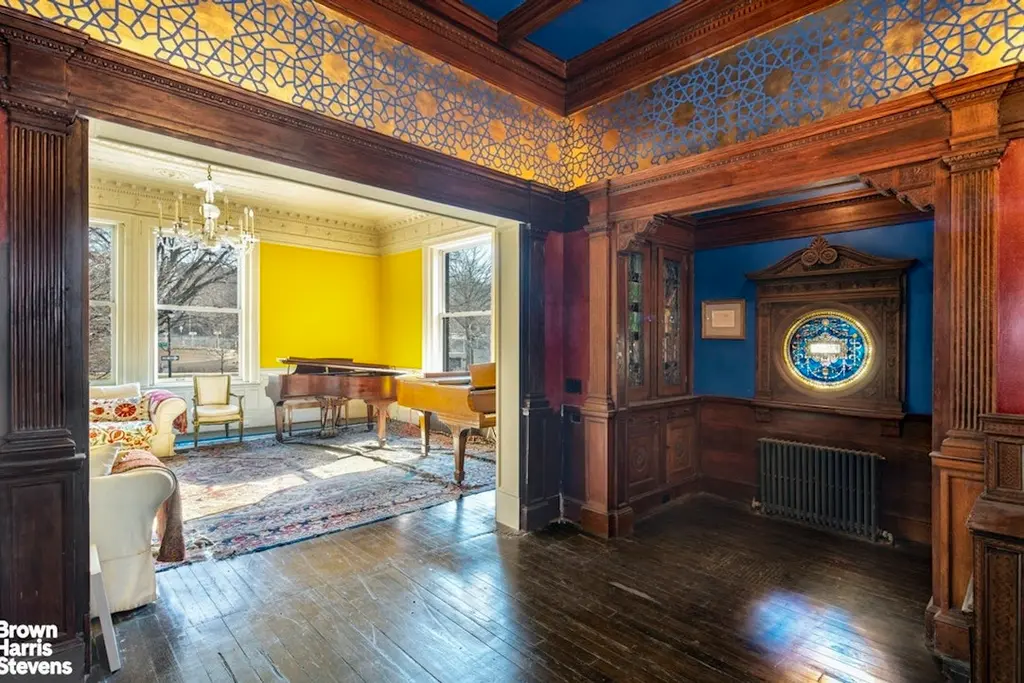
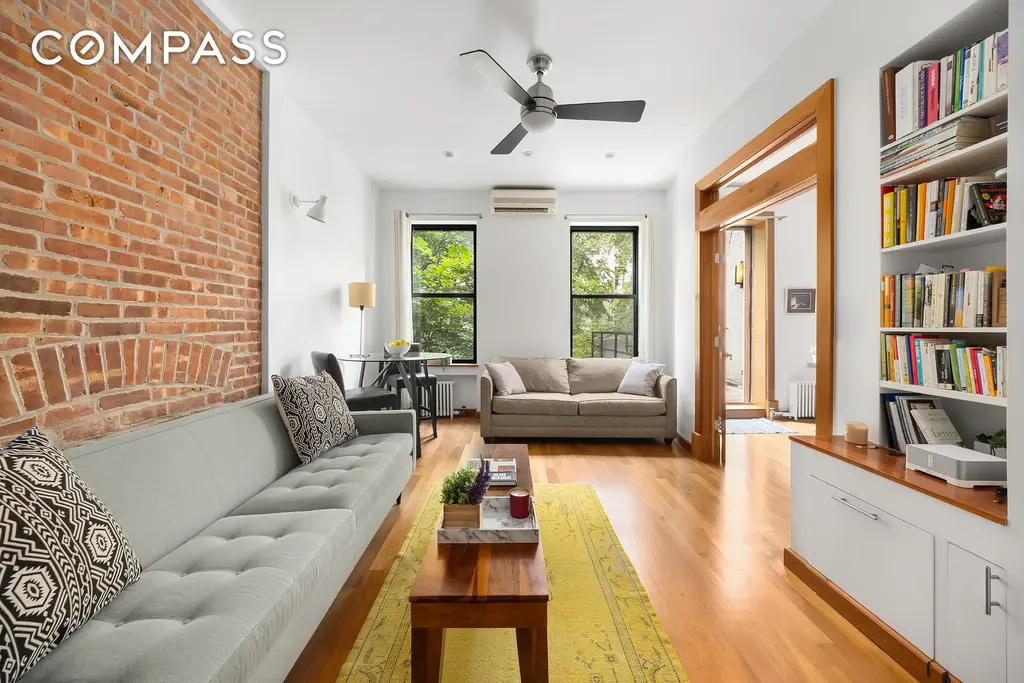
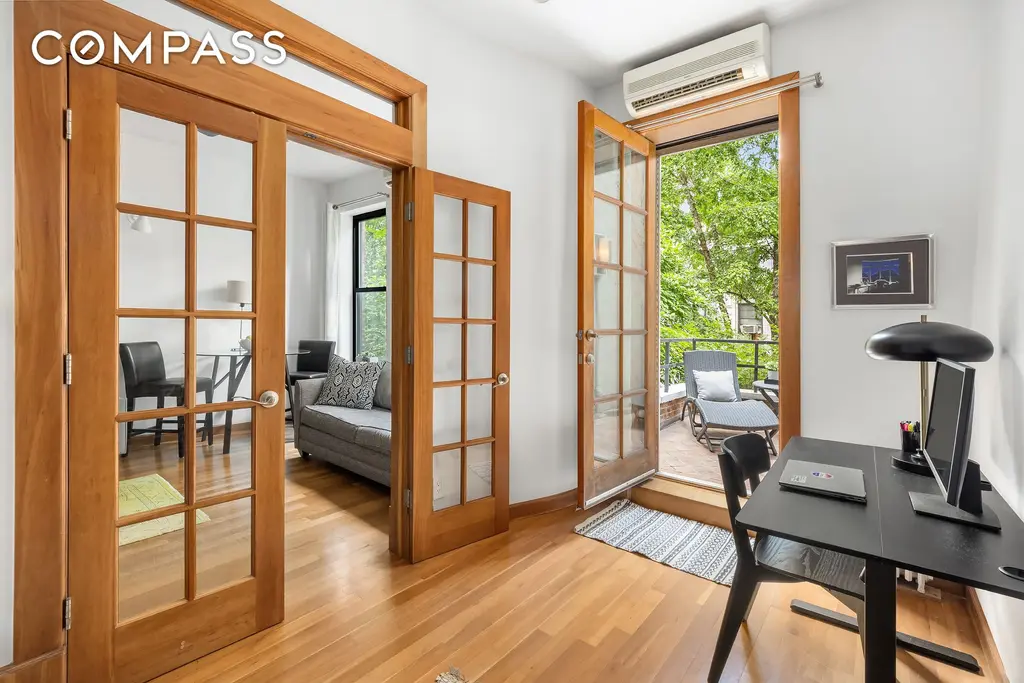
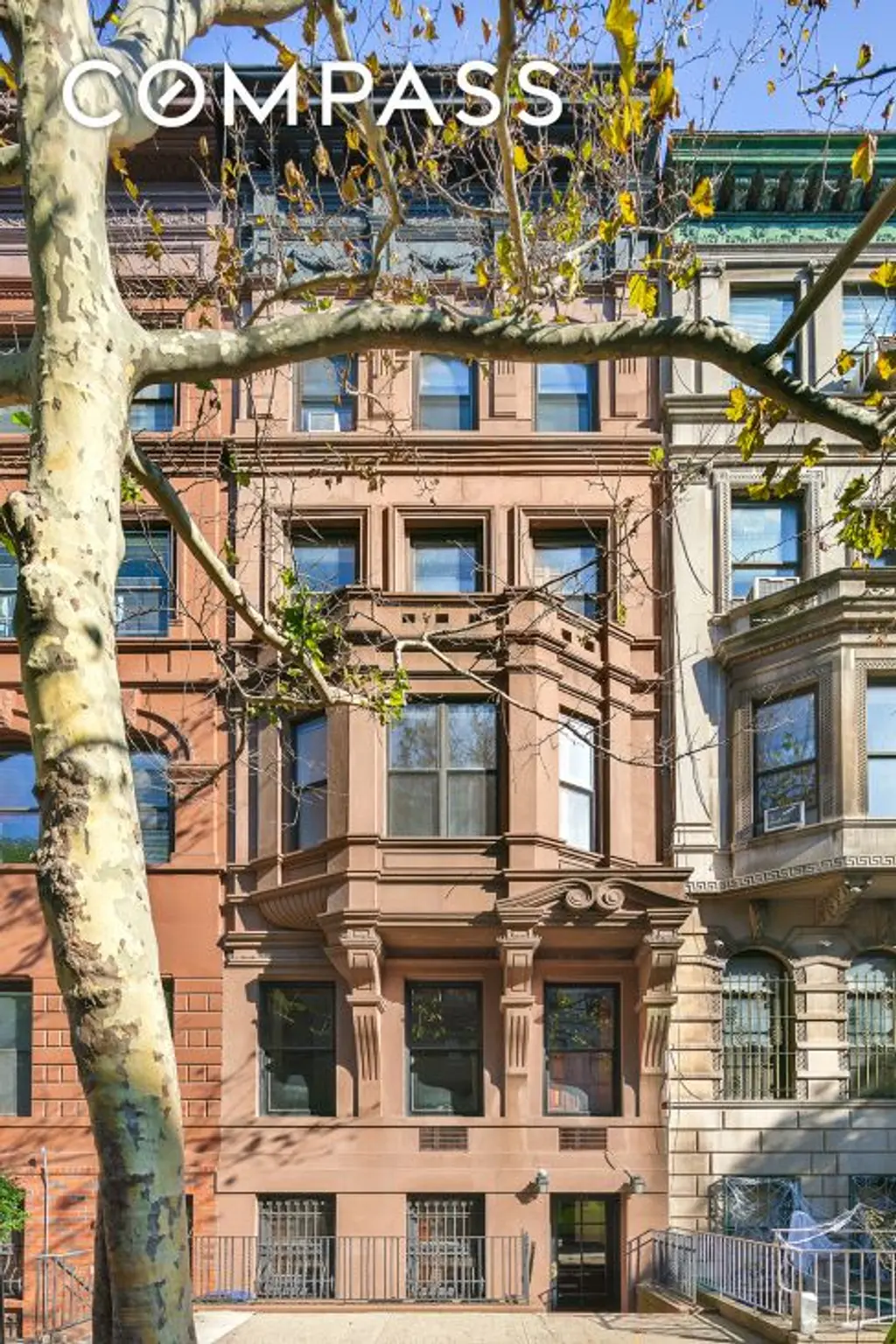
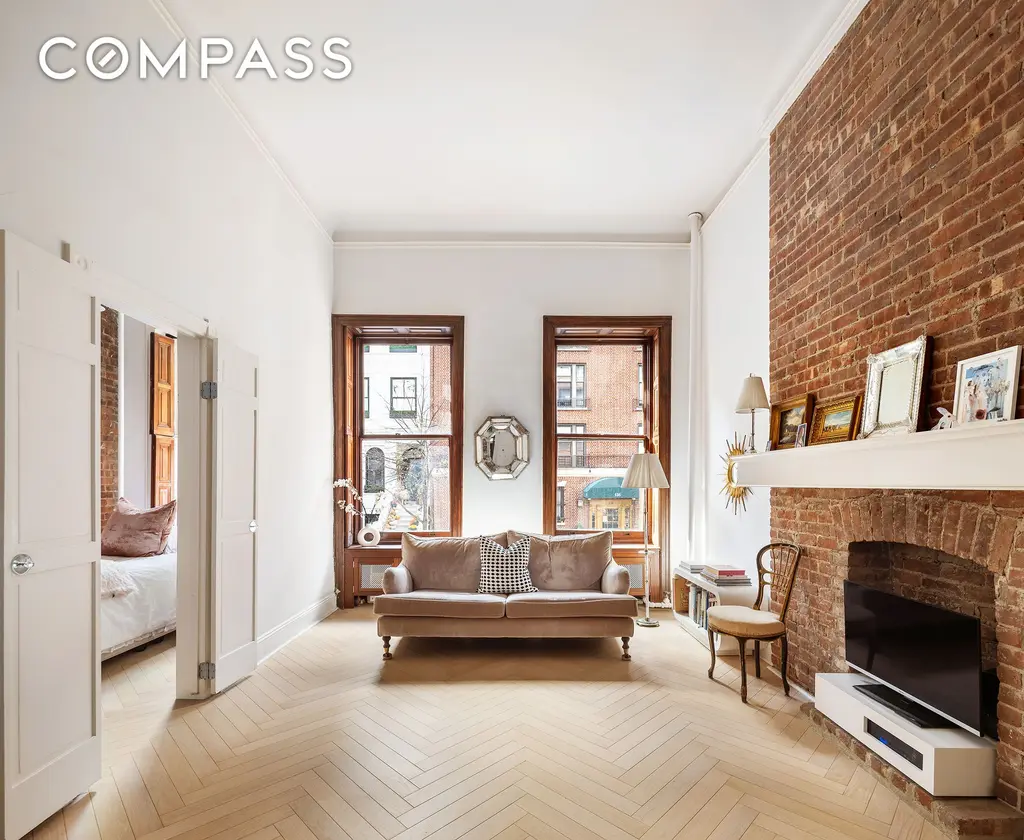
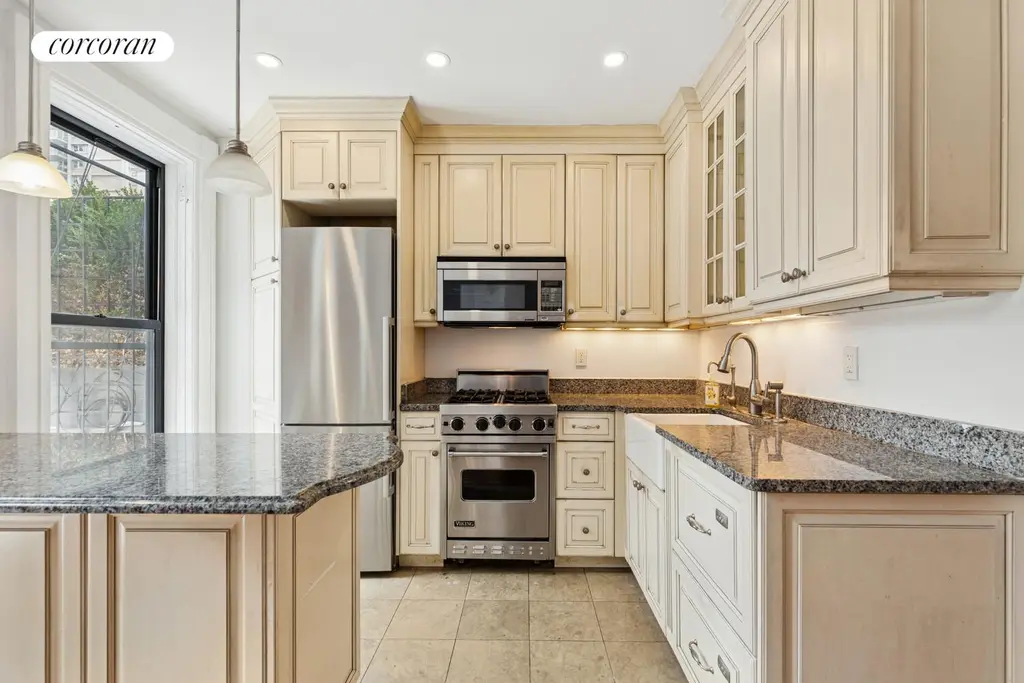
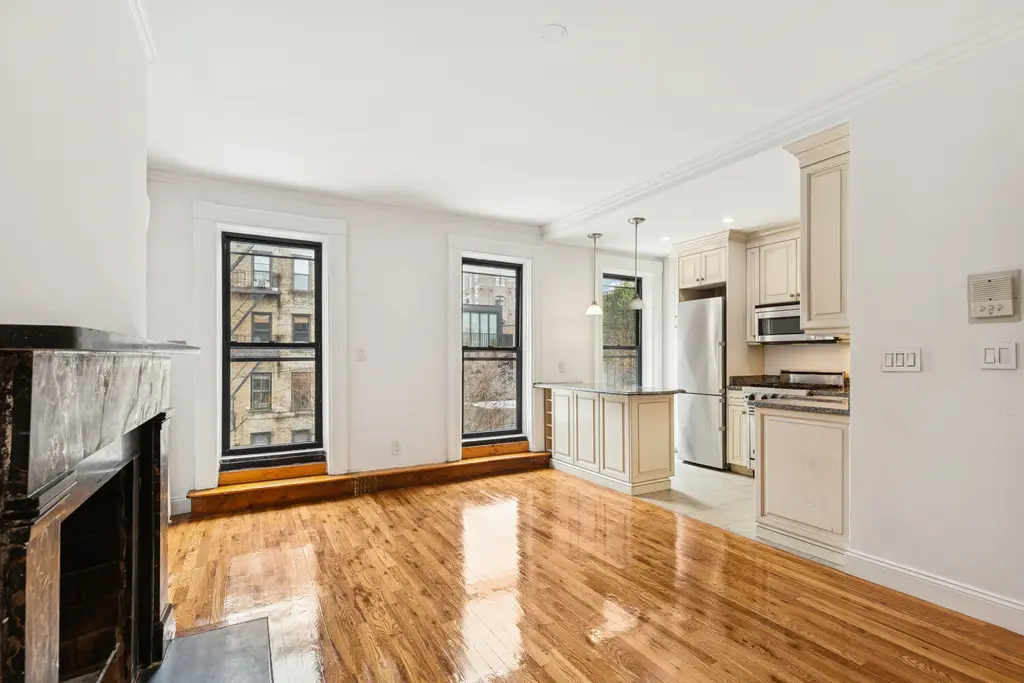
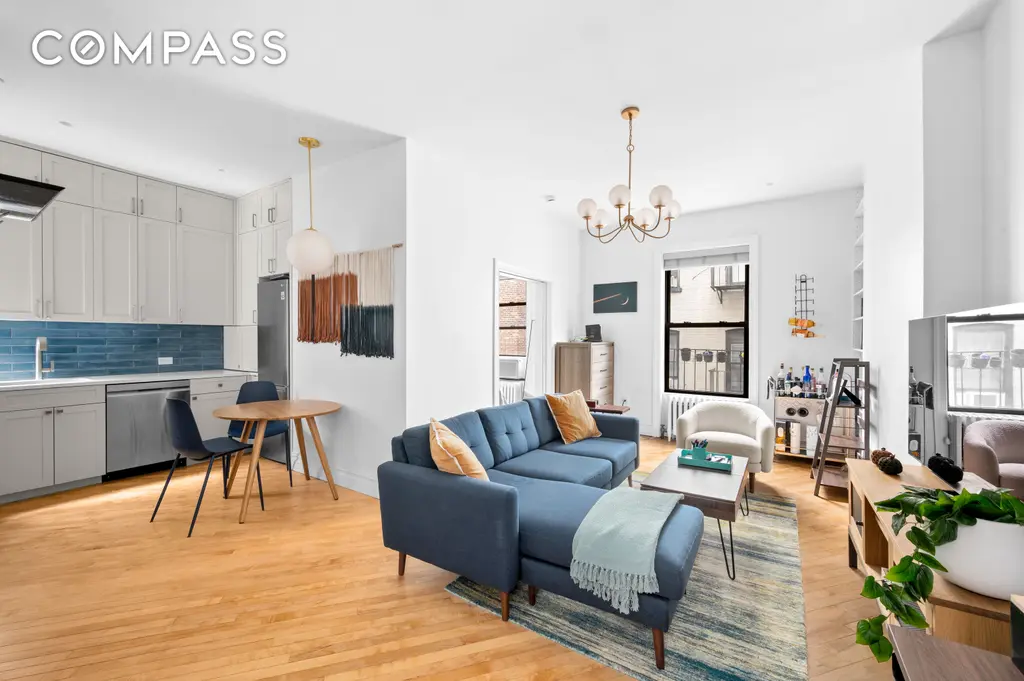
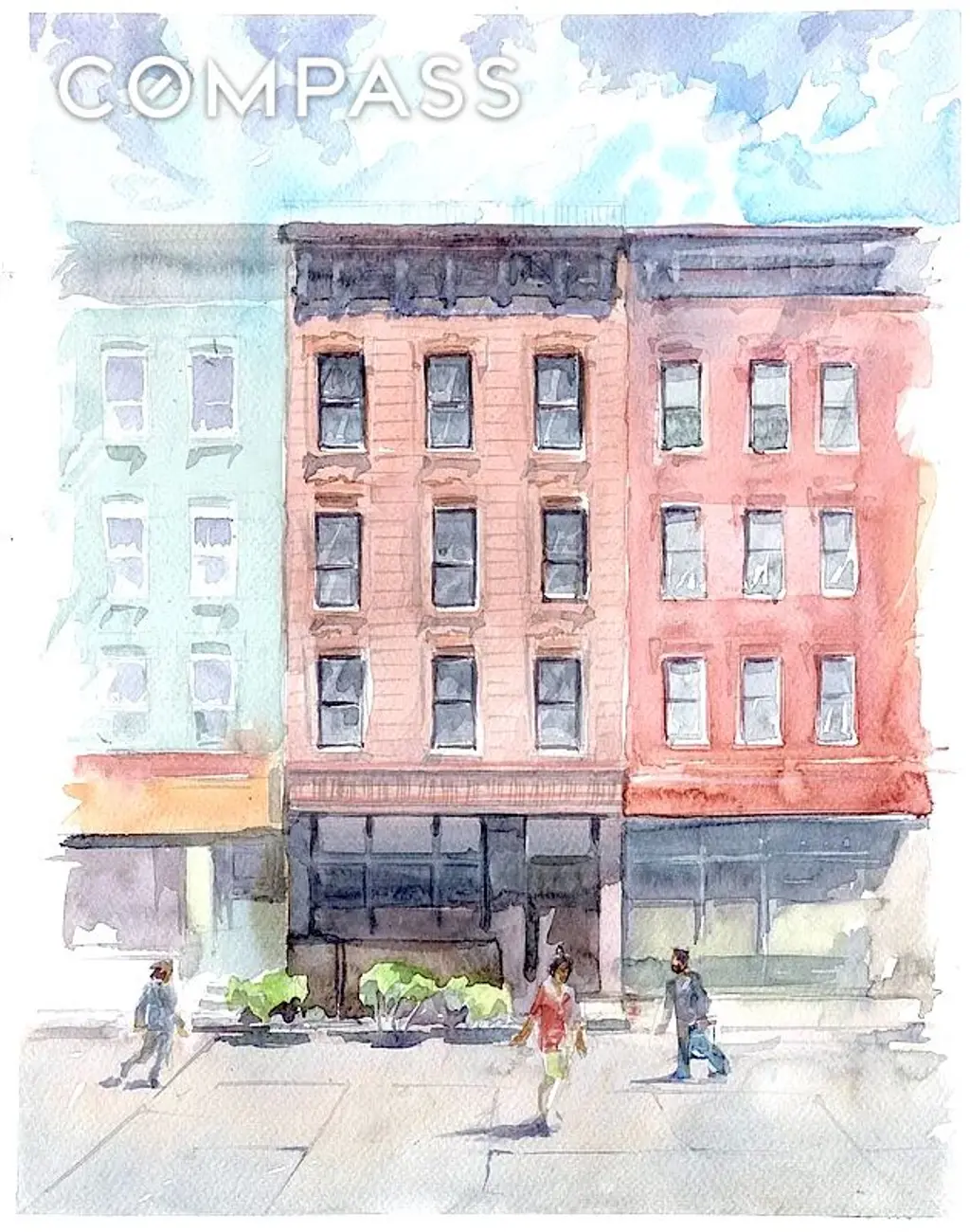
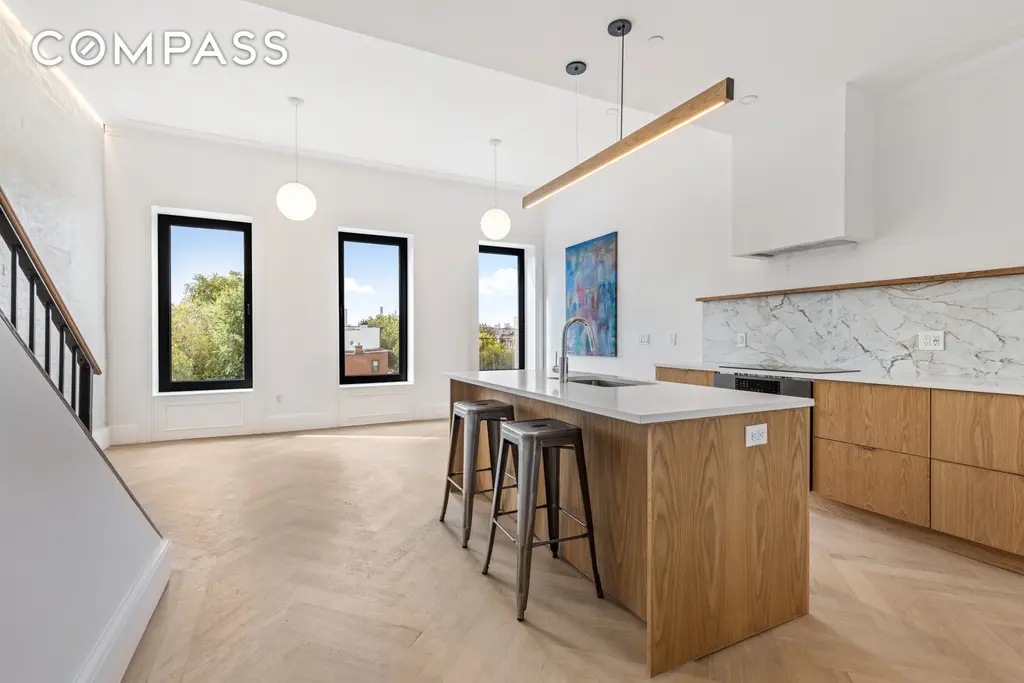
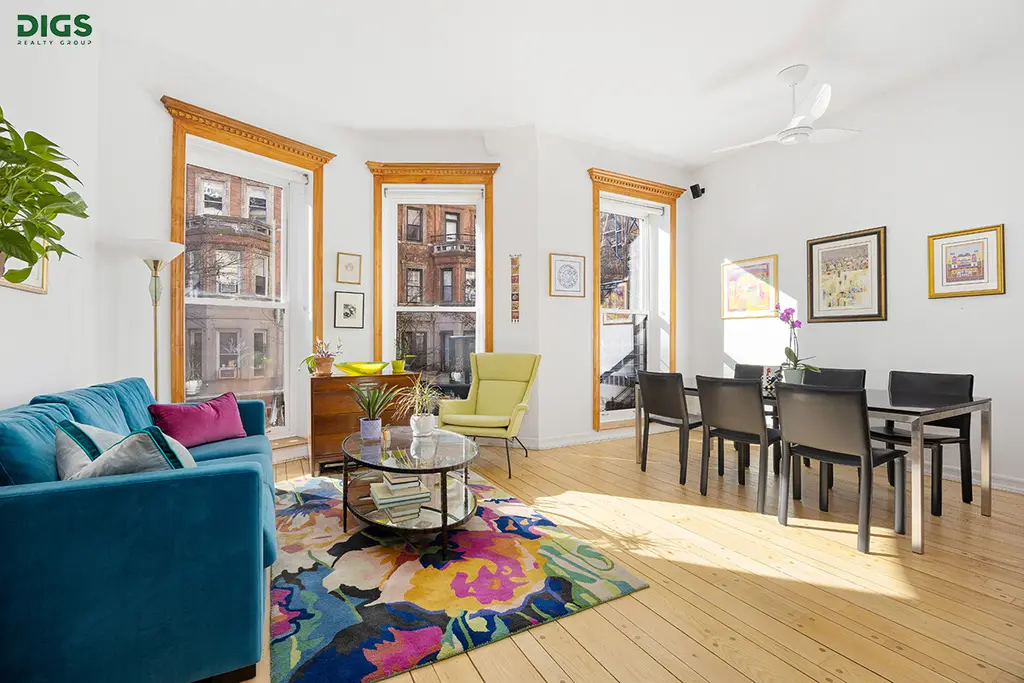
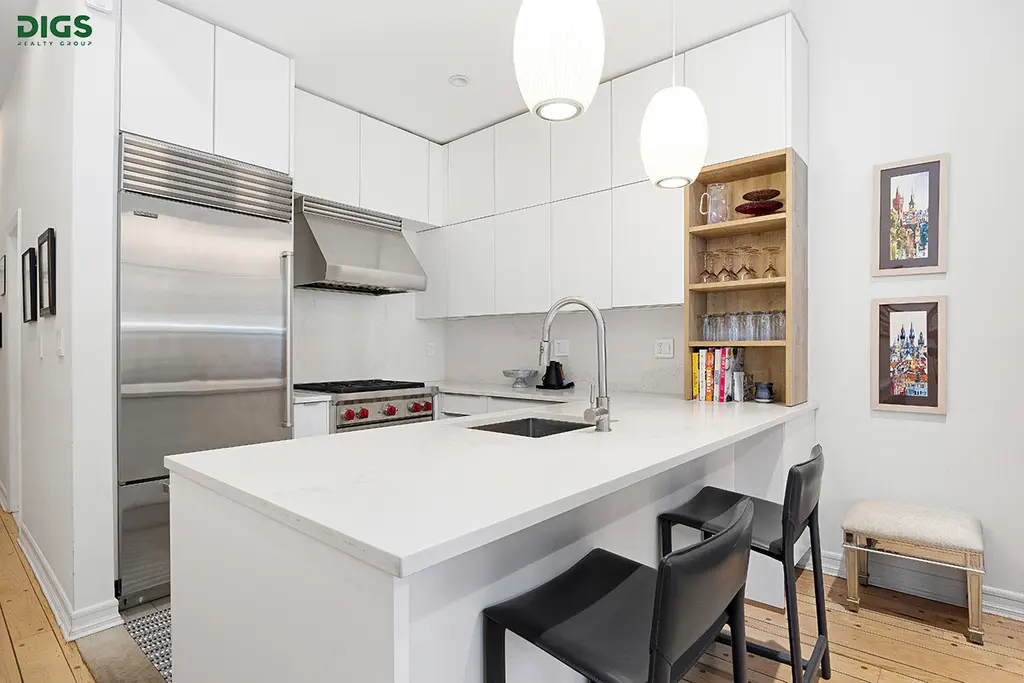
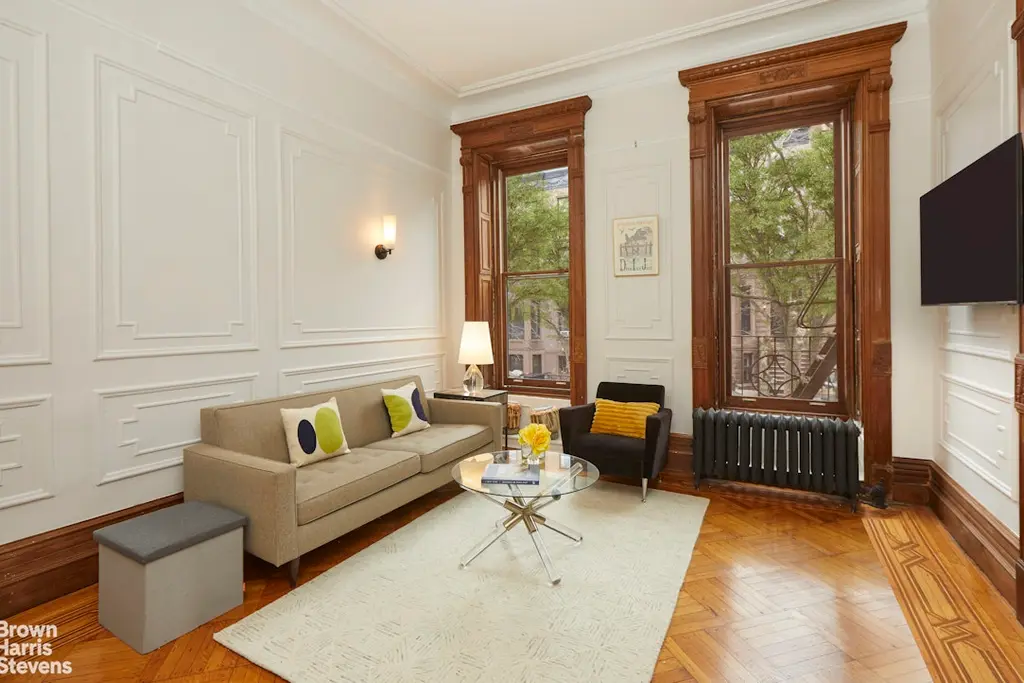
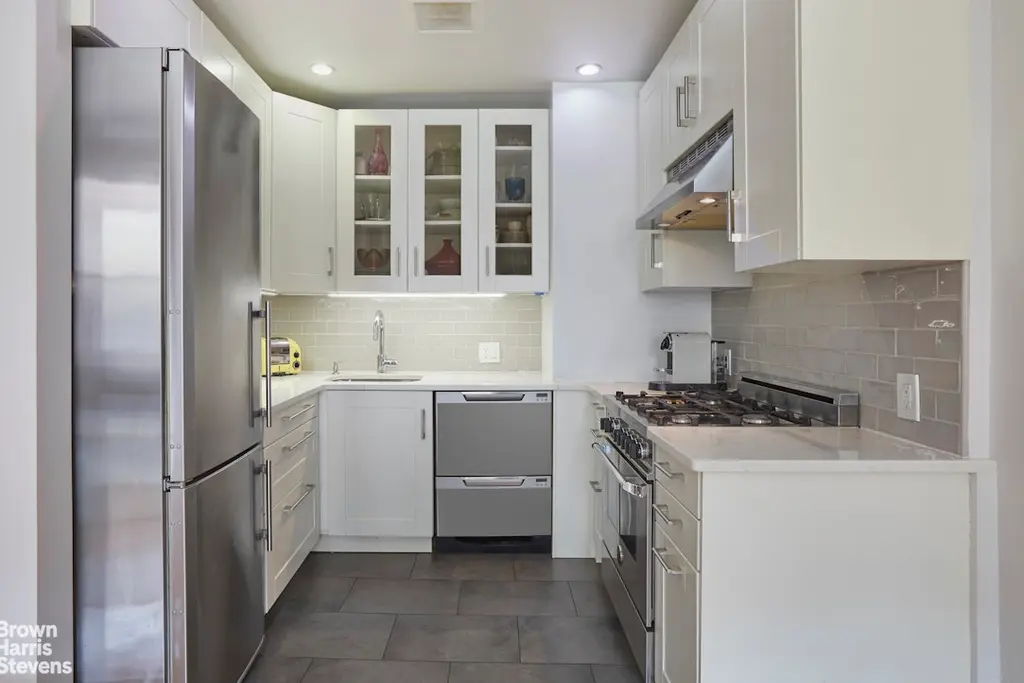
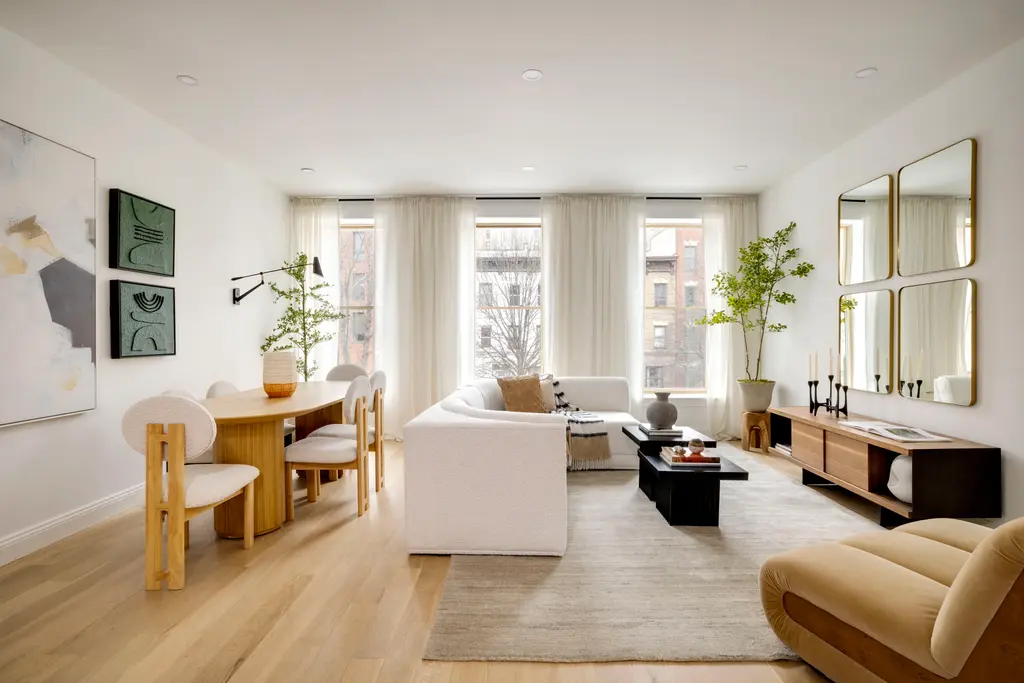
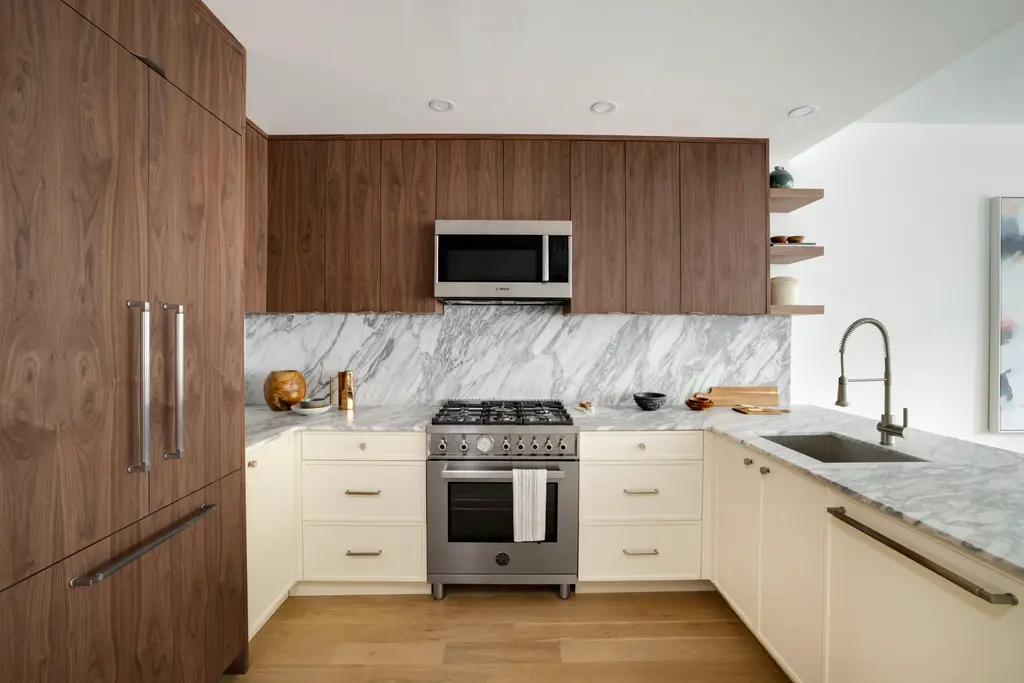
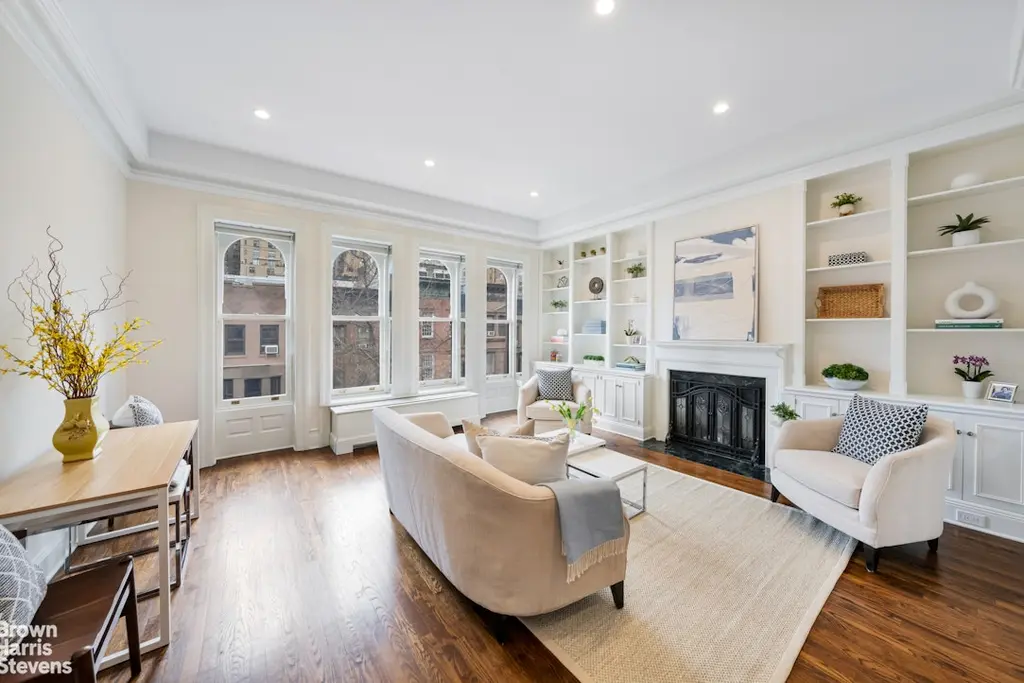
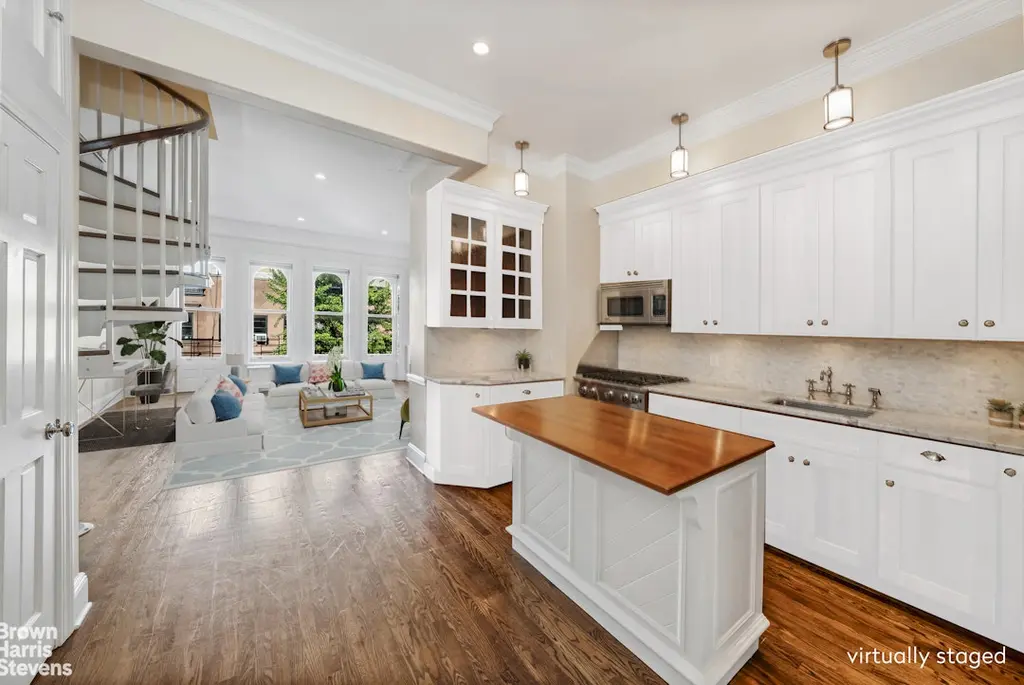
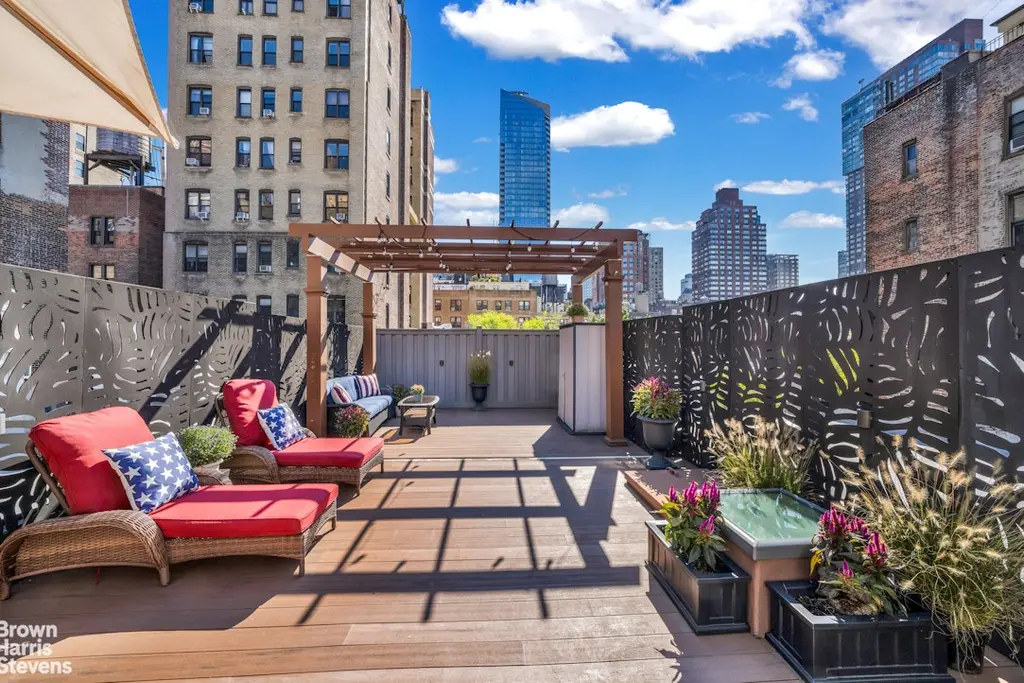
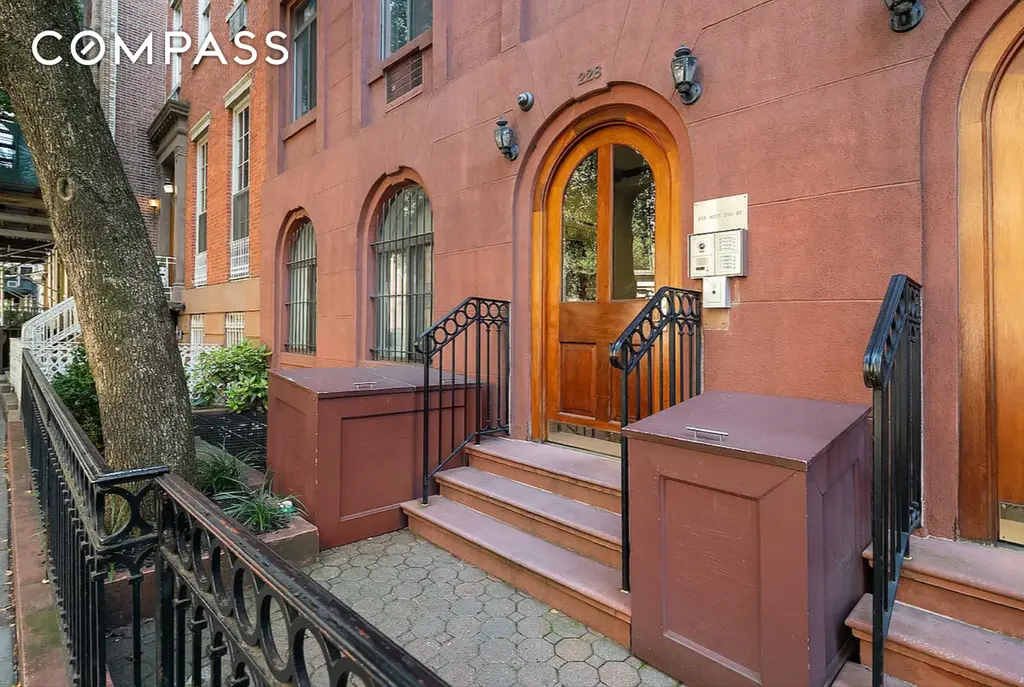
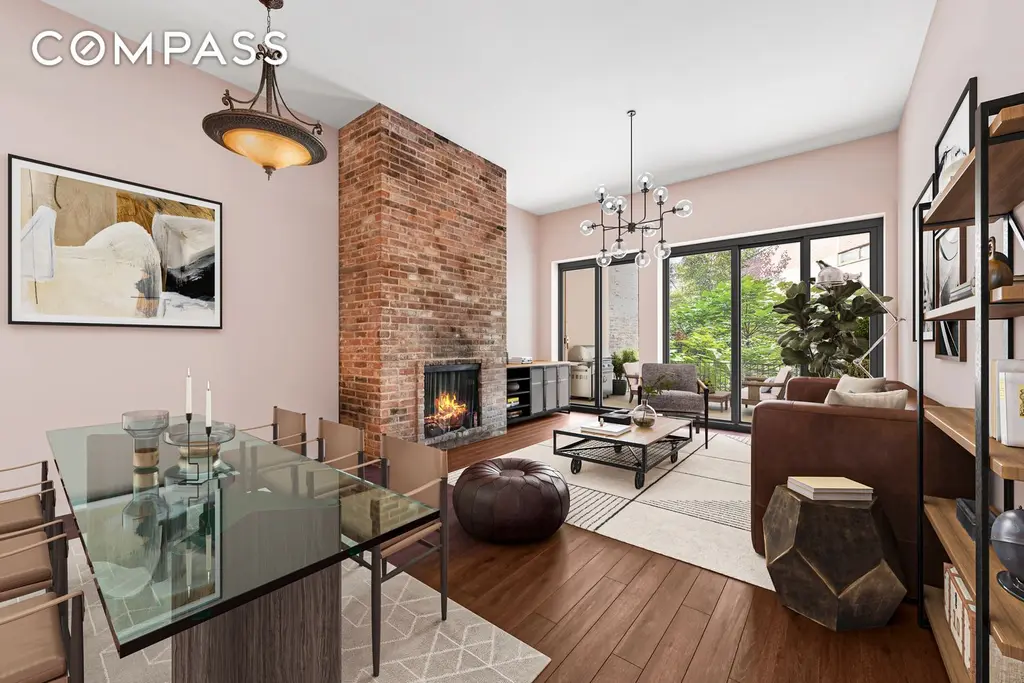
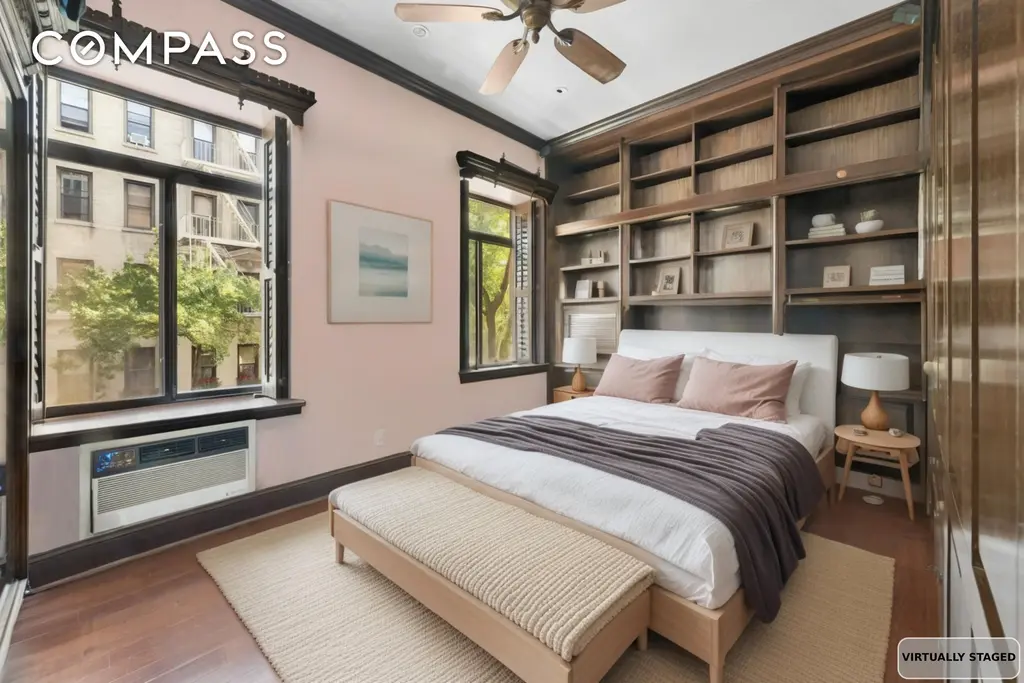
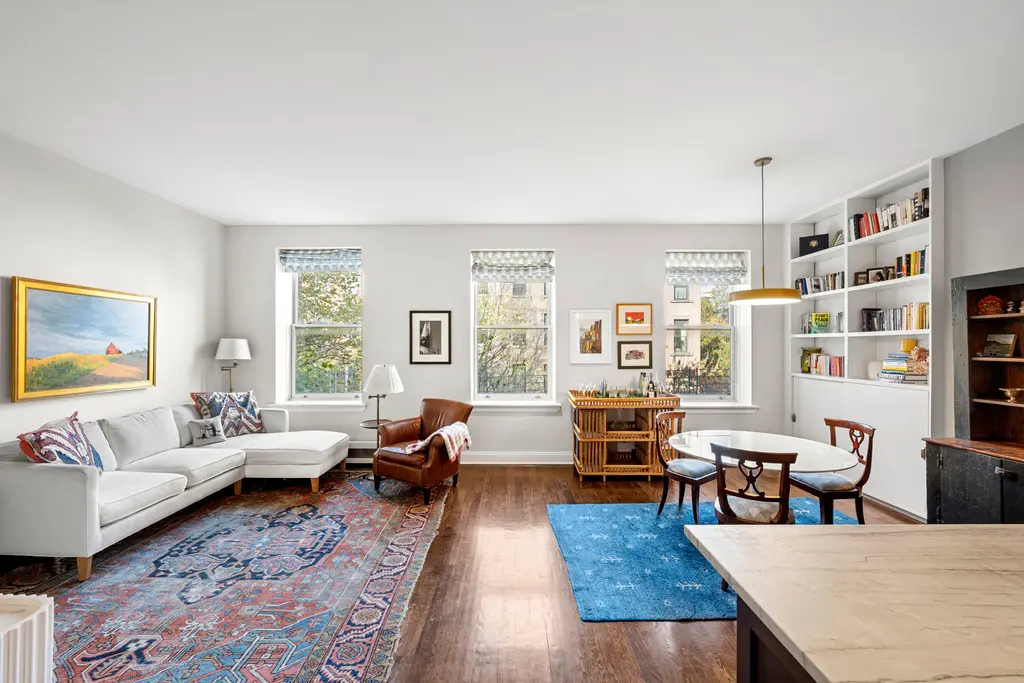
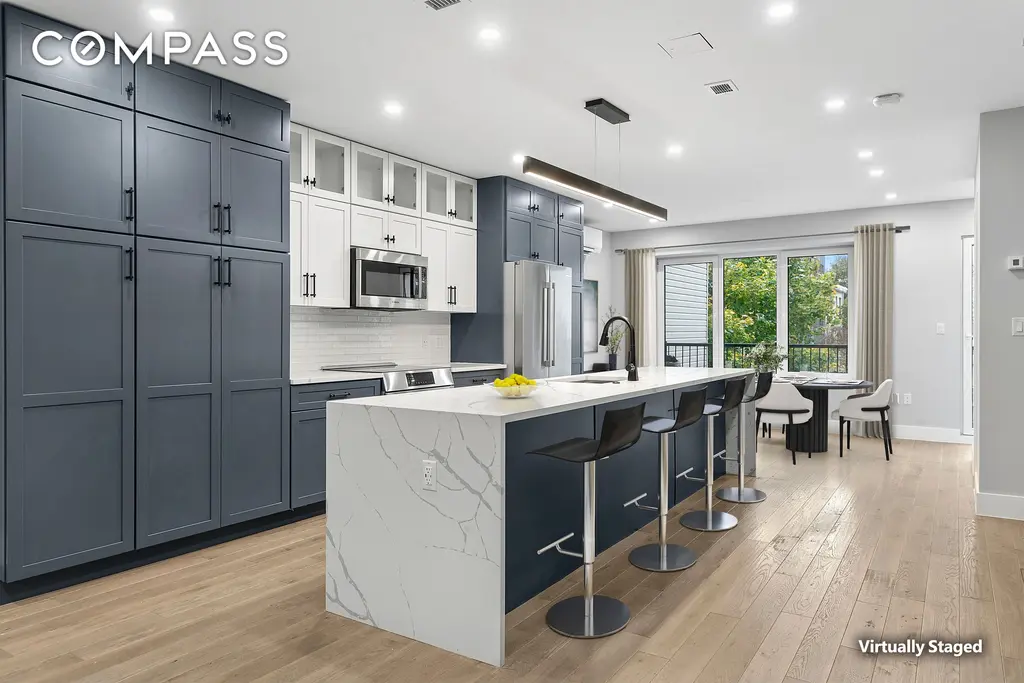
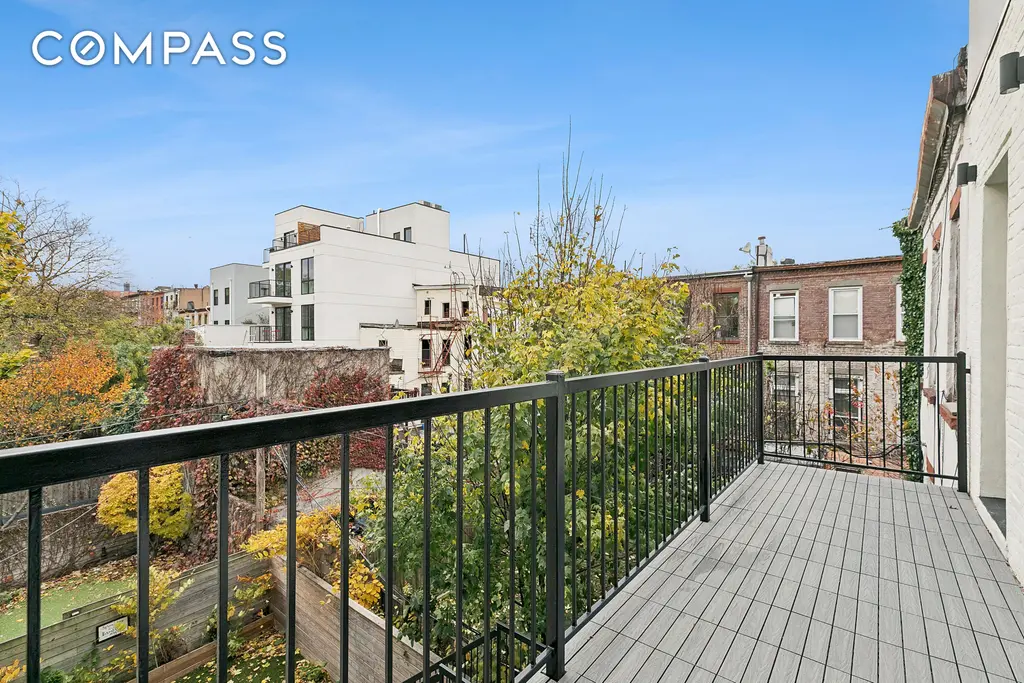
Districts like Mount Morris Park show the appeal of a rich cityscape filled with uplifting architecture, tree-lined streets, broad sidewalks, and park access. Find below the handful of available homes in this Harlem area that often come in at surprisingly approachable price points. Further below, find 20 active listings in brownstone buildings across the city, all asking under $2 million.
Active listings in the Mt. Morris Park Historic District

 Various brownstone apartments and homes for sale around NYC
 Map of the Mount Morris Park Historic District and its more recent extension (Landmarks Preservation Commission)
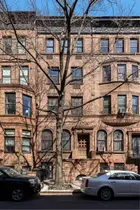
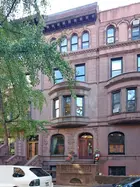
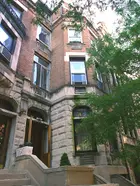
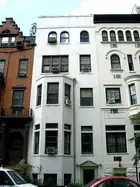
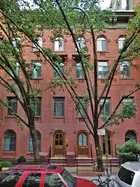
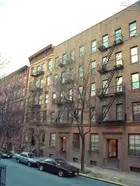
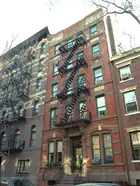




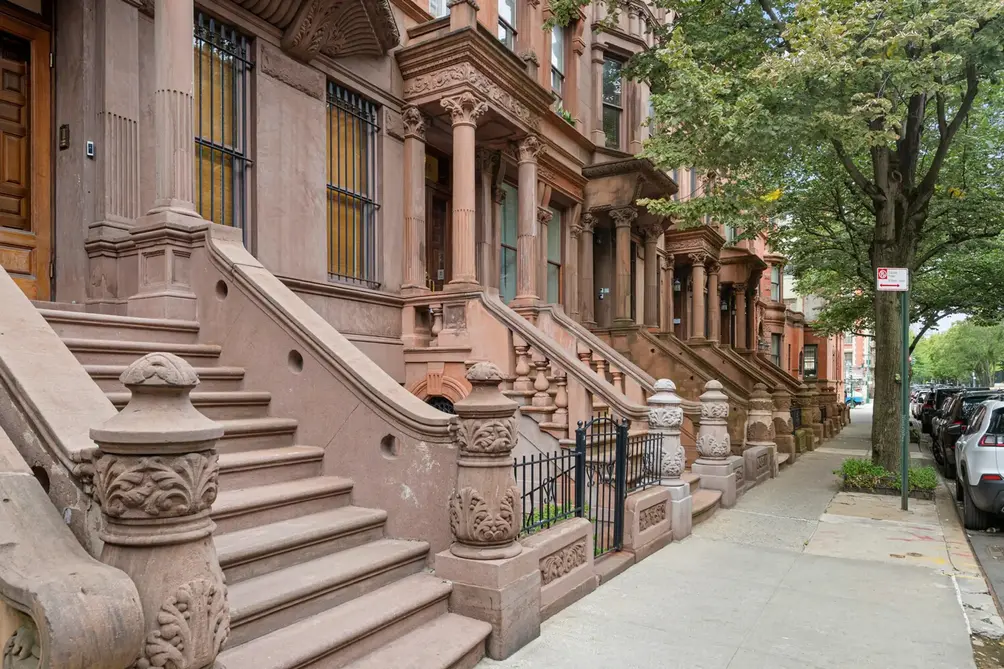 Brownstones on West 121st Street in the Mount Morris Historic District
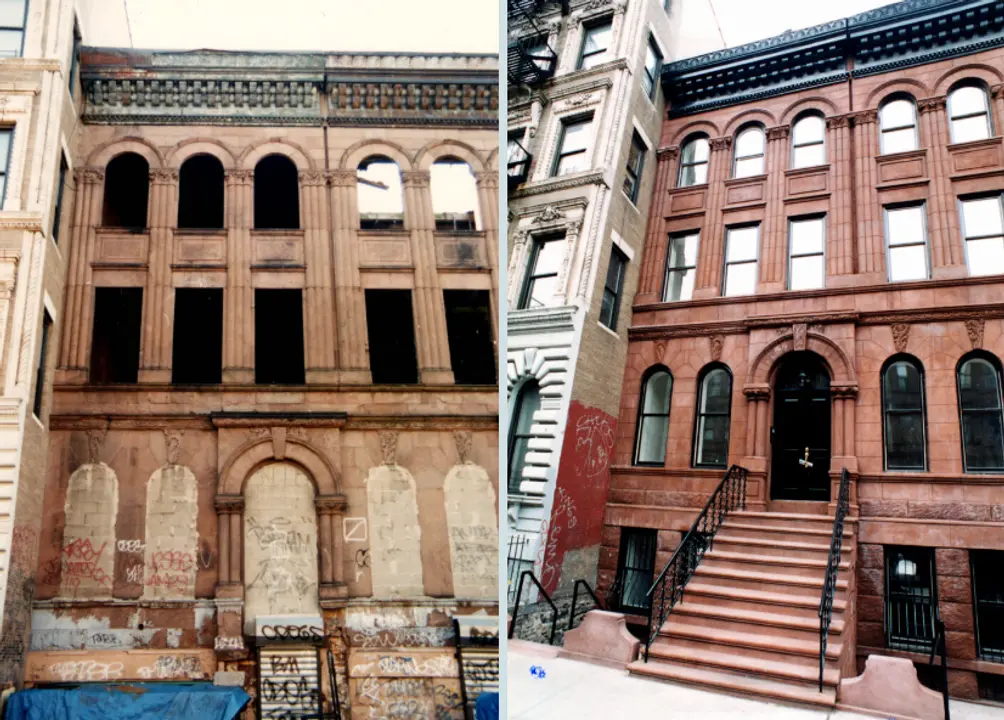 62-64 West 119th Street were rehabilitated in 2002 under HPD’s Homeworks program | https://thehda.commons.gc.cuny.edu/mount-morris-park/
 Multi-family project planned at 66-68 West 119th Street
 Landmarks-approved design for new townhouse planned for 163 West 122nd Street in the Mount Morris Park Historic District Extension



 6sqft delivers the latest on real estate, architecture, and design, straight from New York City.
