
Some of the nation’s most highly valued real estate is located in or near established LGBTQIA+ neighborhoods and vacation destinations. In New York City, Manhattan’s West Village and Brooklyn’s Park Slope are prime examples. But how does a community that often continues to face housing discrimination and housing insecurity, even in liberal-minded cities like New York, help raise property values? This article examines the long and complex history of the LGBTQIA+ community’s impact on the real estate market and highlights just a few of New York City's most sought-after LGBTQIA+ neighborhoods.
In this article:
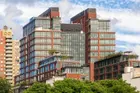
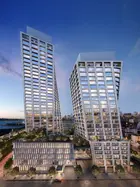
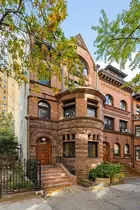
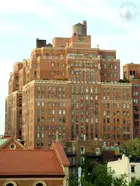

Research on the gay effect on property values
Although research exploring the connection between the LGBTQIA+ community and real estate markets dates back to the 1980s, the idea that gays are good real estate was popularized in the early 2000s when urban studies theorist Richard Florida and colleague Charlotta Mellander published an article introducing the concept of the Bohemian-Gay Index. Florida and Mellander argued that when bohemians (i.e., creatives) or gays move into a neighborhood, property values increase. It isn't surprising that Florida and Mellander reached this conclusion since, from coast to coast, there are plenty of LGBTQIA+ neighborhoods that also happen to be located in highly sought-after real estate markets. Still, some economists question whether this is due to a purely causal effect.Three years after Florida and Mellander published their article on the Bohemian-Gay Index, economists David Christafore and Susane Leguizamon published the findings of a study focusing exclusively on the LGBTQIA+ community's impact on real estate. Like Florida and Mellander, they found a correlation between the presence of gay residents and high property values, but they concluded that the reason why gay is good for real estate values may be more complex.
While many LGBTQIA+ neighborhoods do report higher-than-average property values, Christafore and Leguizamon’s study suggests that this may have less to do with the mere presence of gay residents and more to do with other contextual factors. For example, they found that gays like to reside in "high amenity areas,” which already tend to have higher housing values. In addition, they found that since fewer members of the LGBTQIA+ have children, they tend to have more disposable income available for housing purchases. Finally, Christafore and Leguizamon's study found that the correlation between gays and high property values may not hold across neighborhoods. In fact, while gay residents positively impact property values in liberal neighborhoods, they seem to have the opposite effect in conservative-leaning neighborhoods.
So, do gay residents necessarily raise local property values? In many liberal-leaning urban areas, the correlation may hold true or, as Christafore and Leguizamon suggest, at the very least, a higher proportion of gay buyers may have the resources to purchase homes in neighborhoods where properties already report above-average market values. Still, even if this is true, the gay effect on real estate is likely somewhat exaggerated. As of 2023, members of the LGBTQIA+ community were still less likely to own their own homes than other Americans (more statistics may be found here).
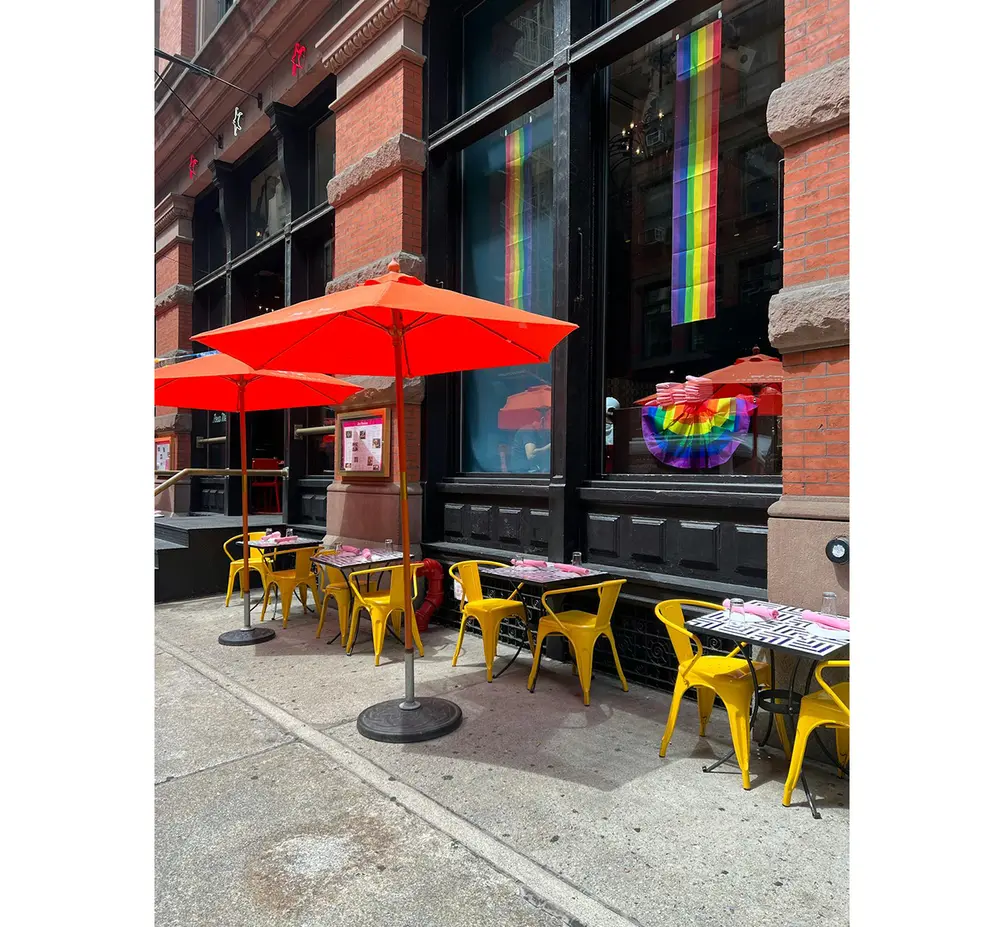 (Pexels - Natalia S)
NYC's top LGBTQIA+ neighborhoods for buyers and renters
Whatever you think about the Bohemian-Gay Index, there is no question that some of New York City's most sought-after neighborhoods for buyers and renters are also LGBTQIA+ destinations.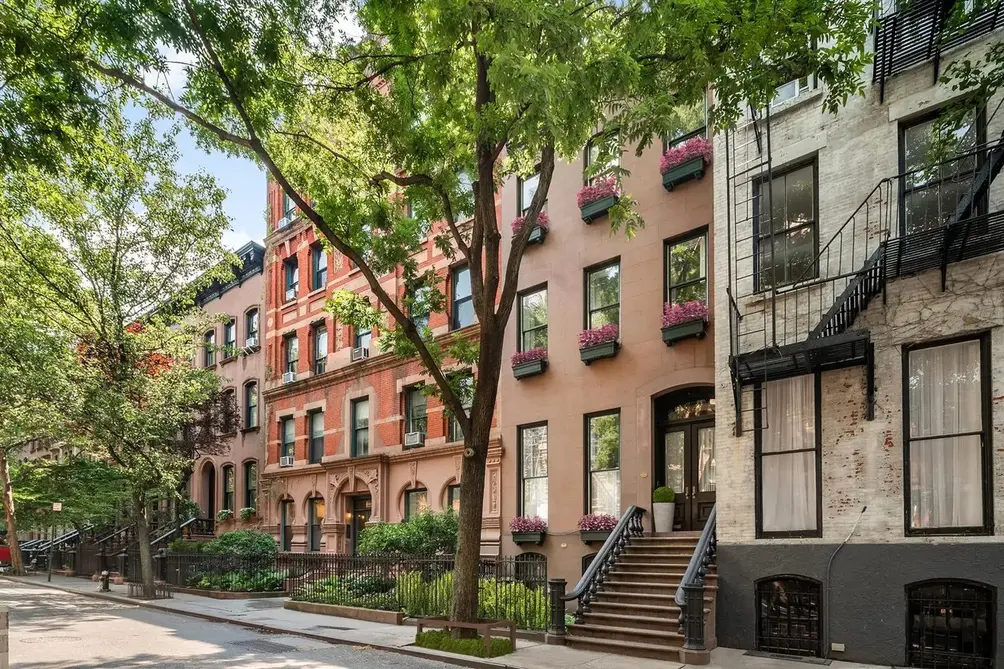 Perry Street in the West Village
By the time the Stonewall Wall riots took place in 1969, the West Village had already been a gay destination for decades. While the far West Village was, until the 1980s, a less desirable neighborhood for renters and buyers and, by extension, more affordable, since the early 2000s, even the outer reaches of the West Village have become desirable for buyers and renters.
But the West Village isn't just a popular destination for the gay community. In 2019, Architectural Digest declared one block on West 11th Street the most "star-studded" address in New York City. More recently, the neighborhood has been home to several of Manhattan's highest-priced sales and deals, and a mega-mansion at 105-107 Bank Street recently sold for $70 million.
But the West Village isn't just a popular destination for the gay community. In 2019, Architectural Digest declared one block on West 11th Street the most "star-studded" address in New York City. More recently, the neighborhood has been home to several of Manhattan's highest-priced sales and deals, and a mega-mansion at 105-107 Bank Street recently sold for $70 million.
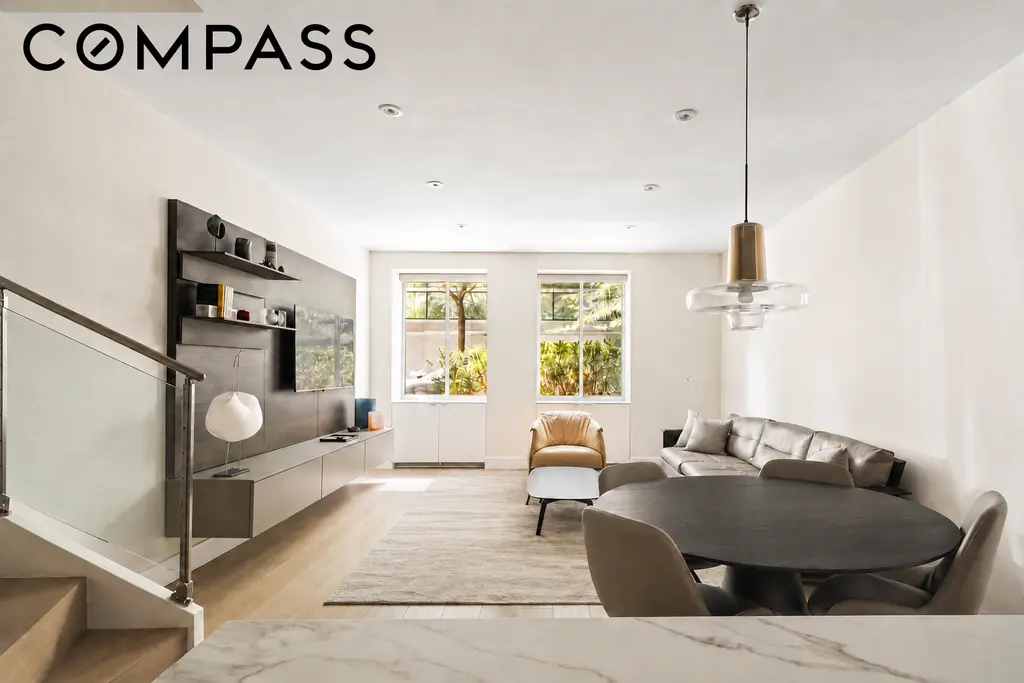
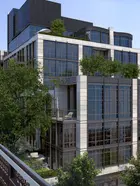
167 Perry Street, #1D/2D (Compass)
Would you like to tour any of these properties?
Just complete the info below.
Or call us at (212) 755-5544
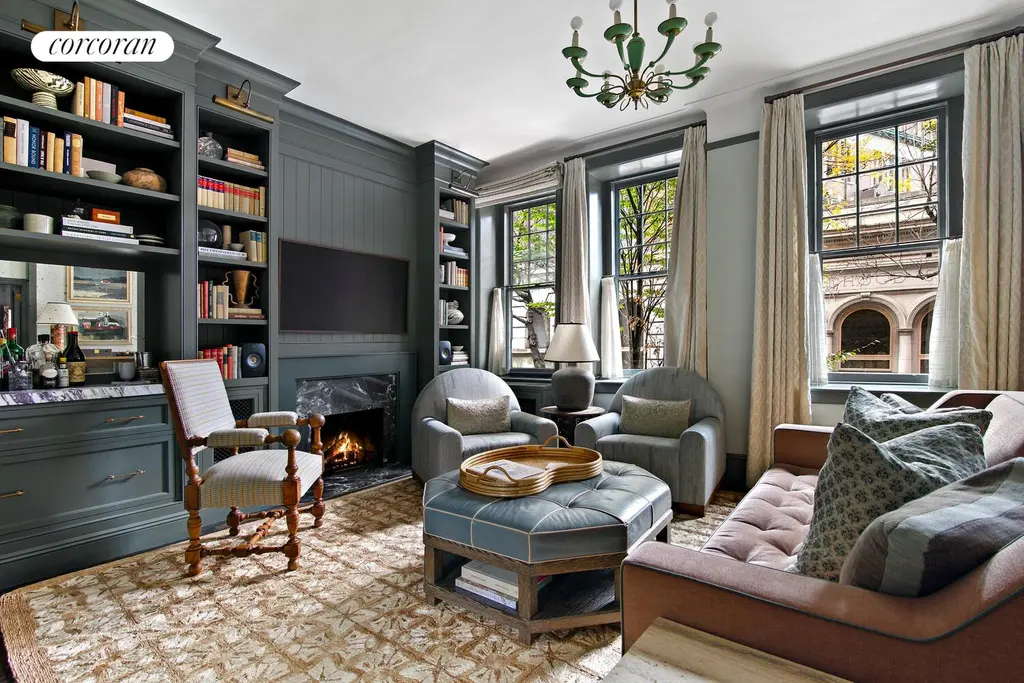
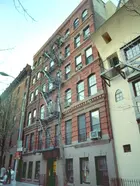
104 Bedford Street, #2DE (Corcoran Group)
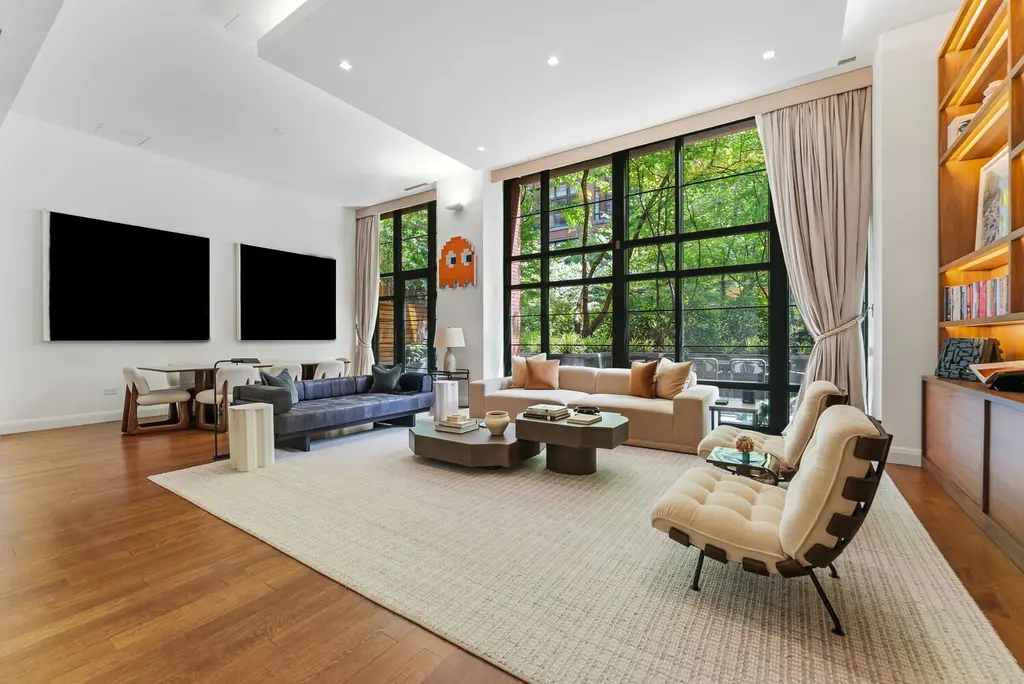
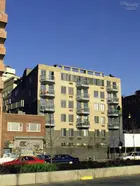
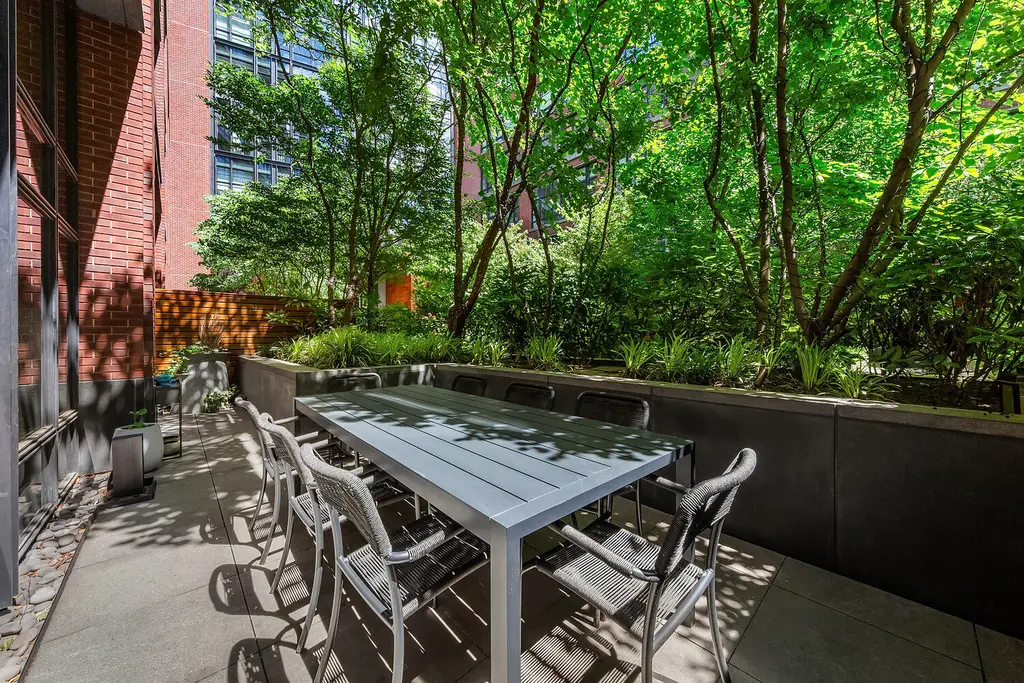
150 Charles Street, #M2 (Serhant)
Chelsea has long been one of the city's gayest neighborhoods. In fact, as the gay community started to get priced out of the West Village, as early as the 1970s, both gay residents and gay business owners started to migrant north. As a result, long before two gay men founded Friends of the High Line in the late 1990s, leading the way for the structure's transformation into an elevated park and eventually leading to the elevation of real estate values throughout the neighborhood, Chelsea was an established LGBTQIA+ destination. Today, Chelsea is still known as an LGBTQIA+ neighborhood and is highly sought after, especially by buyers looking to invest in resale townhouses or new luxury condos.
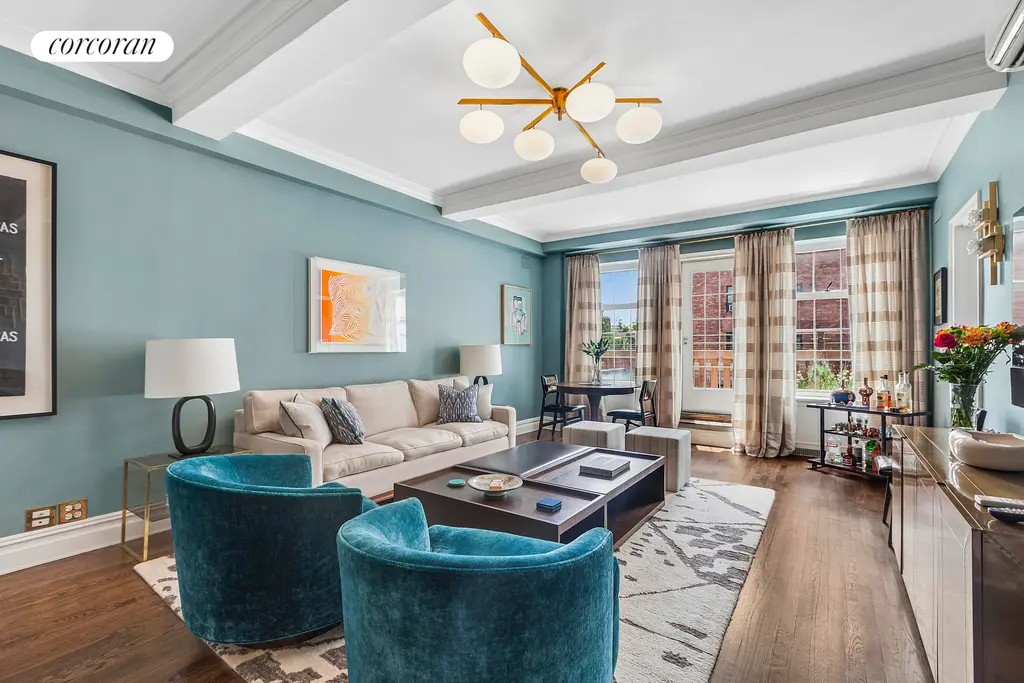
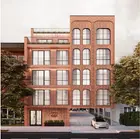
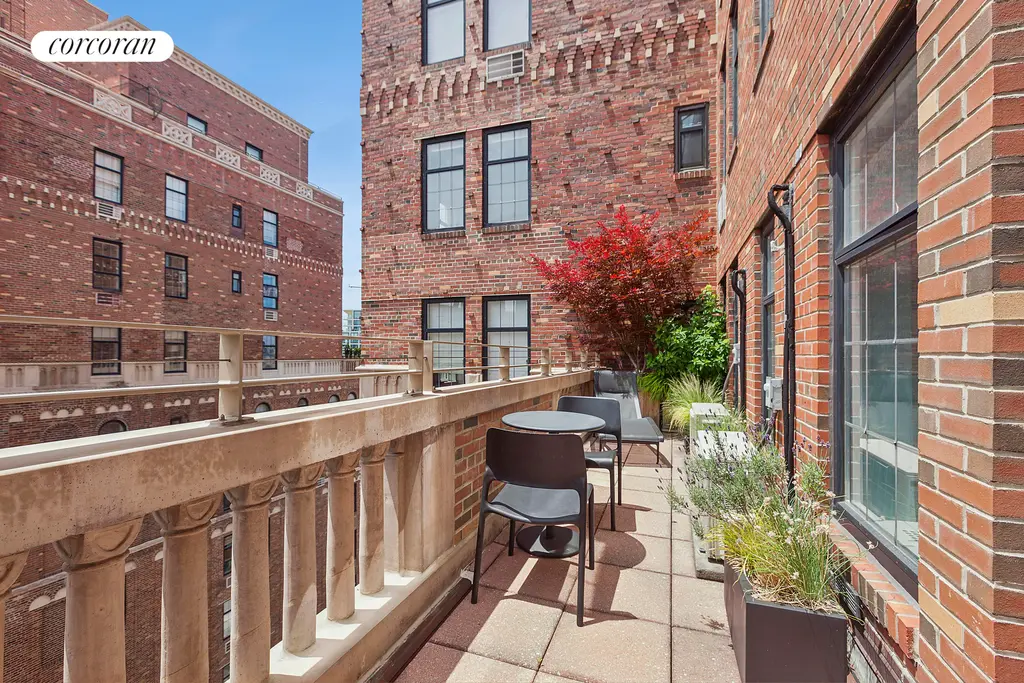
London Terrace Towers, #17D (Corcoran Group)
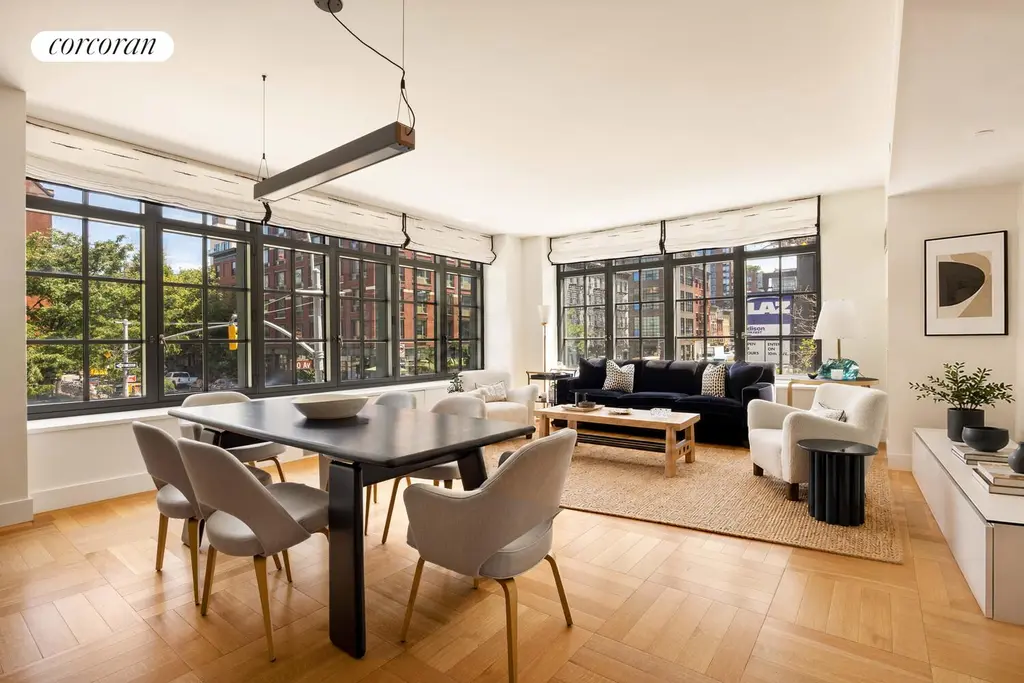
500 West 21st Street, #2G (Corcoran Group)
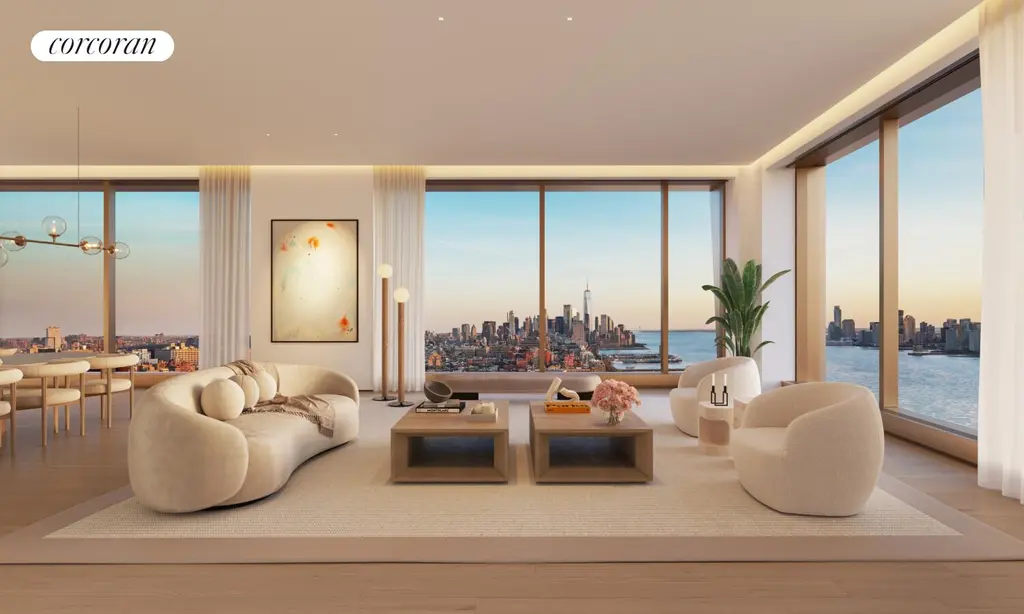
One High Line, #W23C (Corcoran Sunshine Marketing Group)
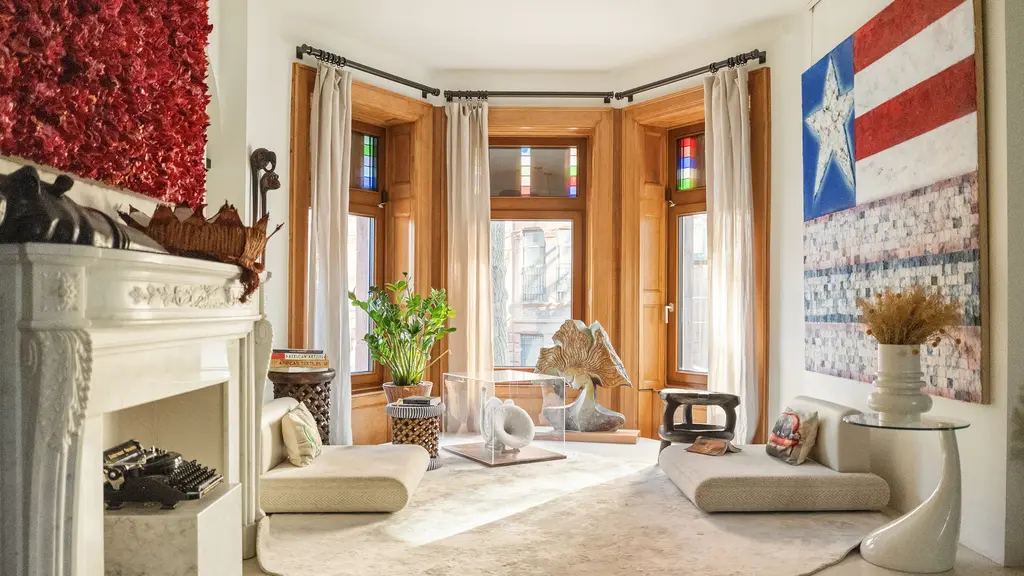
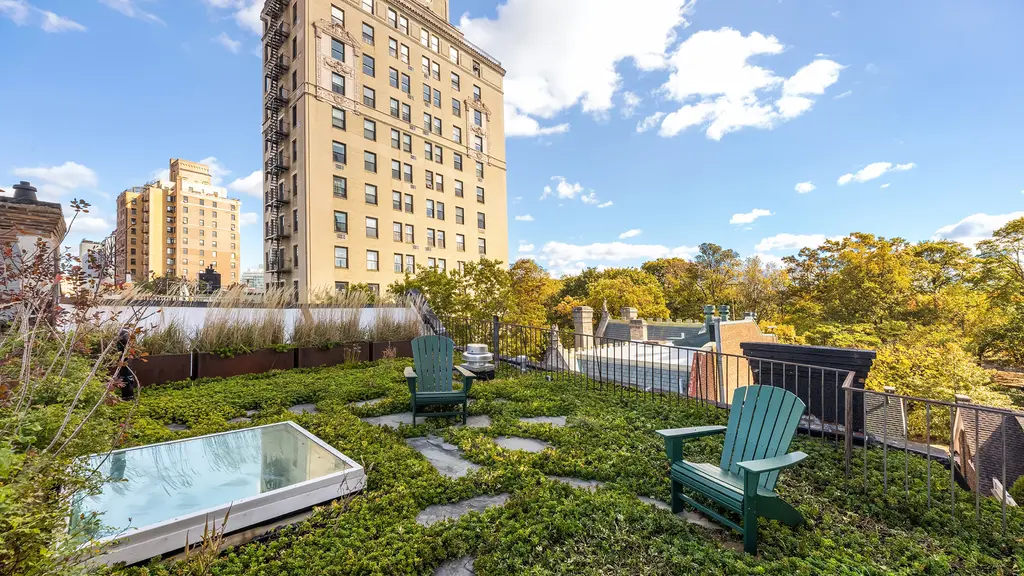
Like Manhattan, Brooklyn is home to many LGBTQIA+-friendly communities. One of the most established LGBTQIA+ communities in Brooklyn is Park Slope. Unlike the West Village and Chelsea, which were historically synonymous with nightlife, Park Slope was known as one of the most family-friendly LGBTQIA+ neighborhoods in North America long before gay adoption or gay marriage were legal. Home to a high surplus of townhouses, amazing services, and great public schools, Park Slope isn't just a sought-after location for 21st-century queer families but for all families.
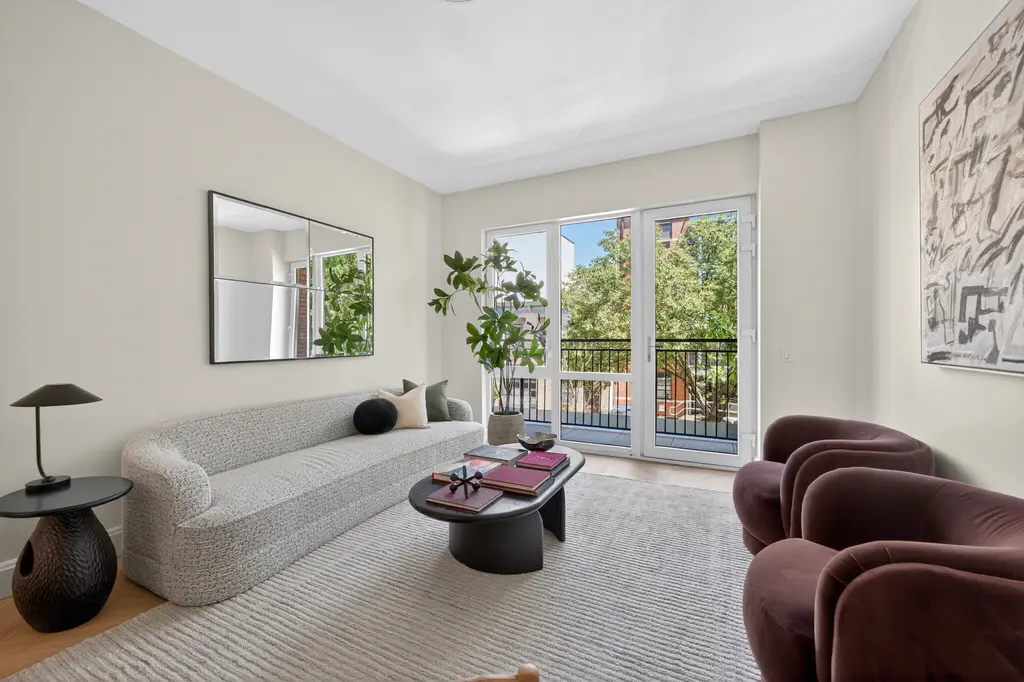
222 16th Street, #3F (Douglas Elliman Real Estate -)
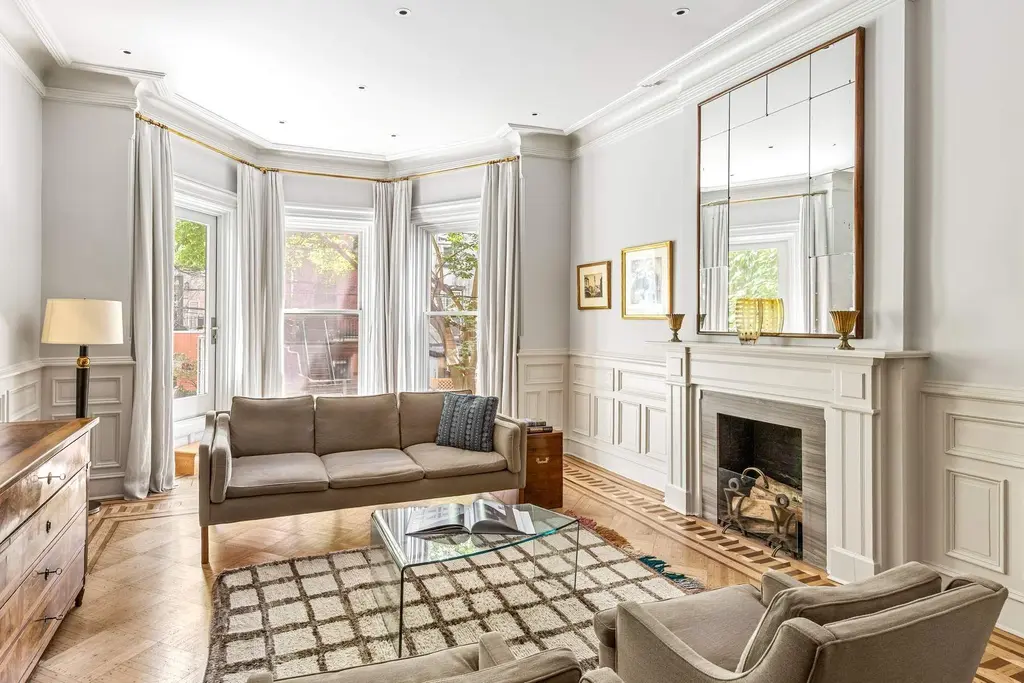
204 Berkeley Place, #1 (Sothebys International Realty)
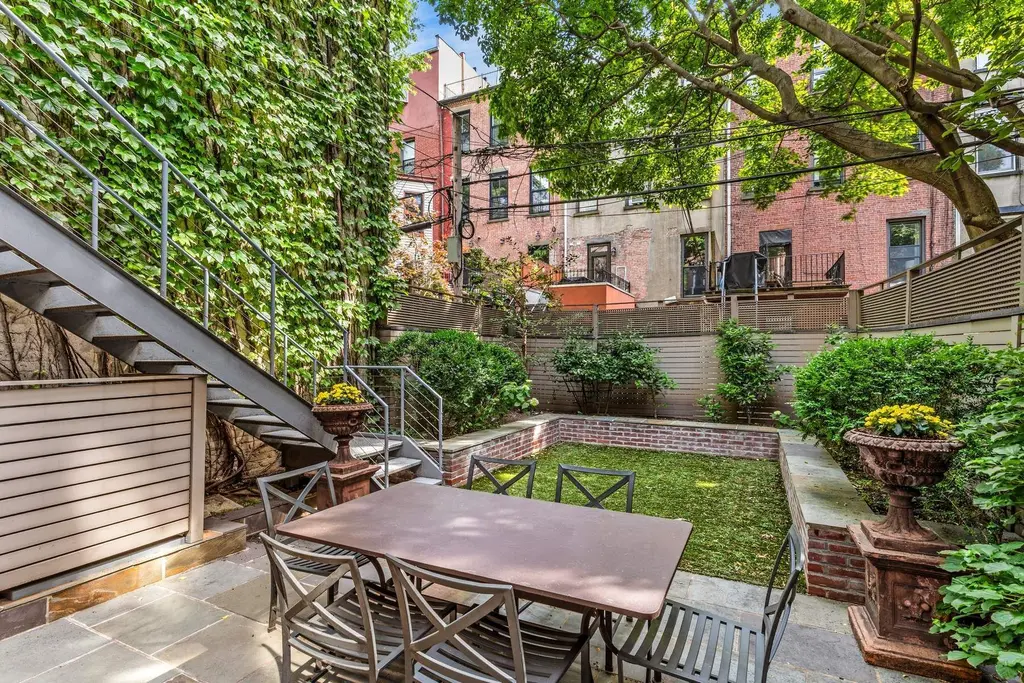
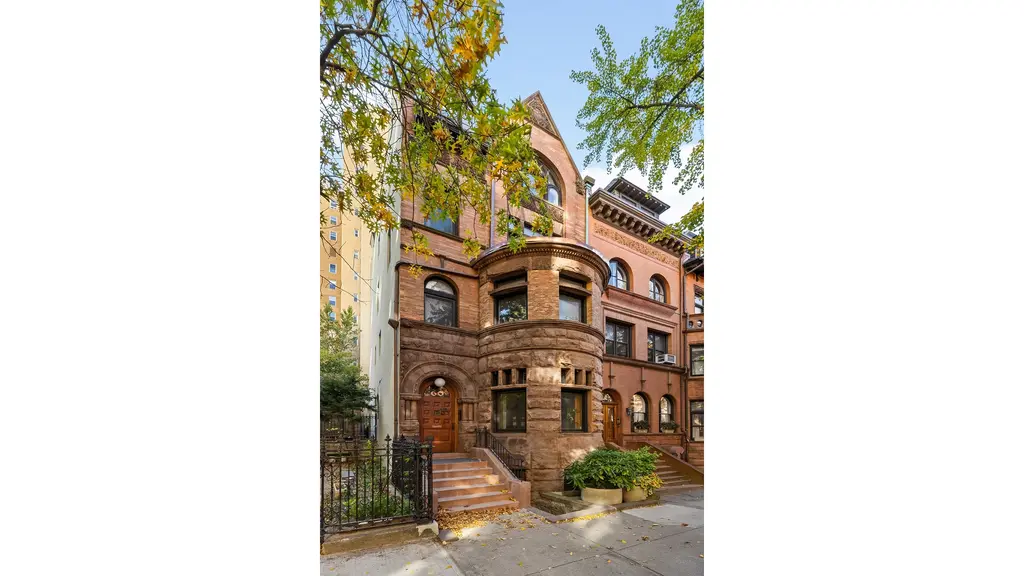
60 Montgomery Place, #TH (Douglas Elliman Real Estate)
Would you like to tour any of these properties?
Just complete the info below.
Or call us at (212) 755-5544
Would you like to tour any of these properties?
Related Articles
Future New York
Brick is Back: NYC developments revive the warmth of masonry; See Morris Adjmi's new design for 277 Canal Street
Friday, June 19, 2026
Future New York
NYC Contracts: $80M trophy penthouse signed at 80 Clarkson; One High Line's last penthouse finds a buyer
Tuesday, June 16, 2026
Get To Know
What the pied-à-terre tax could mean for Manhattan prices + NYC penthouse listings from $499K
Friday, June 12, 2026
Future New York
Over $600M in Manhattan contracts include FiDi penthouse with indoor slide and Mish Fine Jewelry founder’s Village co-op
Wednesday, June 10, 2026
Future New York
Above the Crowd: NYC apartments with skyline views as observation deck boom reaches new heights
Wednesday, June 10, 2026
Future New York
Tower Residences at 50 West 66th Street lead Manhattan sales; West Chelsea co-op trades at 163% profit
Wednesday, June 10, 2026
Great Listings
Price Cuts: Cathedral-like condo in former convent drops below $2M; Fifth Avenue five-bed gets $5M haircut
Wednesday, June 3, 2026
Future New York
Best May for Manhattan contracts since 2023; $85M UWS townhouse among top deals
Tuesday, June 2, 2026
Contributing Writer
Cait Etherington
Cait Etherington has over twenty years of experience working as a journalist and communications consultant. Her articles and reviews have been published in newspapers and magazines across the United States and internationally. An experienced financial writer, Cait is committed to exposing the human side of stories about contemporary business, banking and workplace relations. She also enjoys writing about trends, lifestyles and real estate in New York City where she lives with her family in a cozy apartment on the twentieth floor of a Manhattan high rise.

 6sqft delivers the latest on real estate, architecture, and design, straight from New York City.
