
For a century, the penthouse has been the top rung of New York’s housing ladder, both literally and figuratively. The modern version was born in 1920s Manhattan, when a skyscraper boom and faster elevators turned top floors, once left to water tanks and mechanical equipment, into the most desirable homes in the building. The most famous early example set the bar absurdly high. In 1925, cereal heiress Marjorie Merriweather Post agreed to give up her mansion so a 14-story apartment house could rise at 1107 Fifth Avenue, on the condition that the developer rebuild it on the roof. The result was a 54-room triplex considered the city’s first penthouse and still the largest apartment ever built in New York. It also taught an early lesson in penthouse economics: by 1944 the triplex sat vacant, and a few years later it was carved into smaller suites.
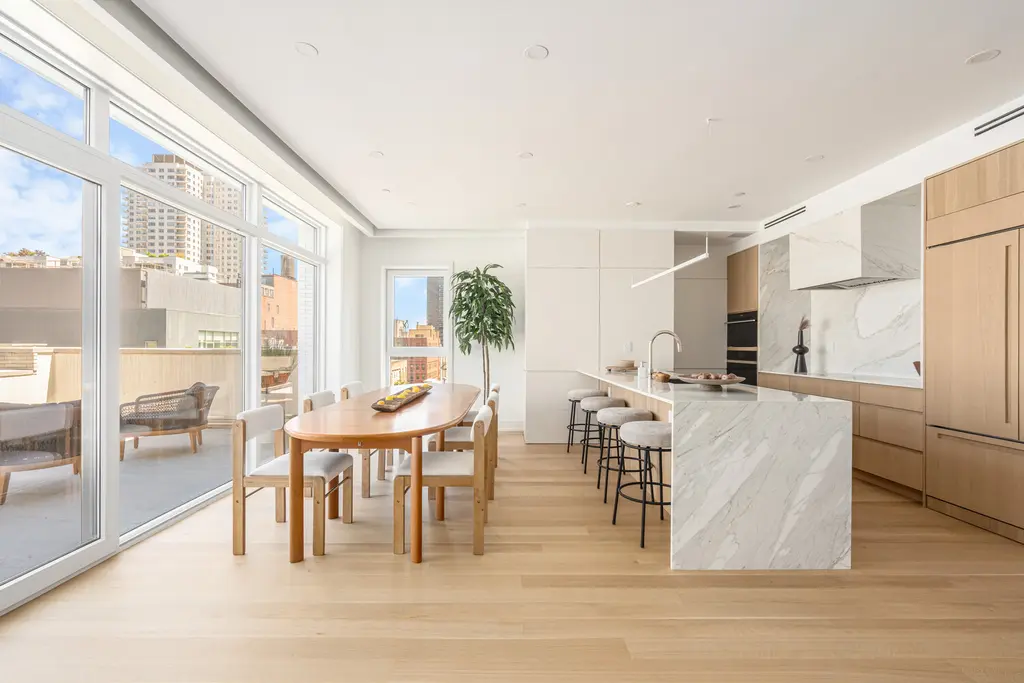
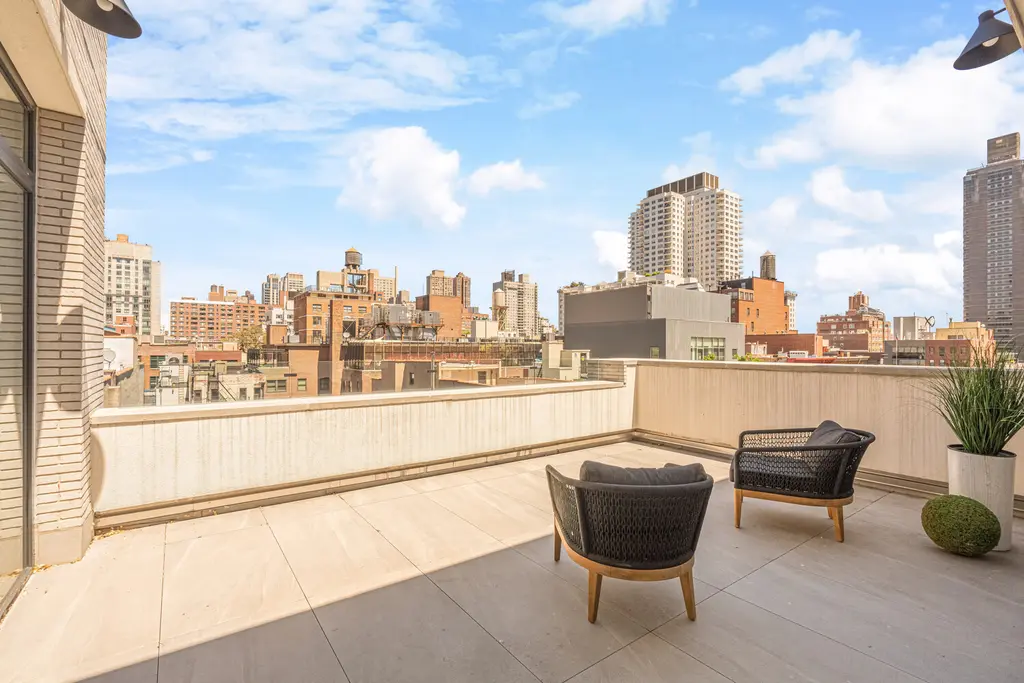
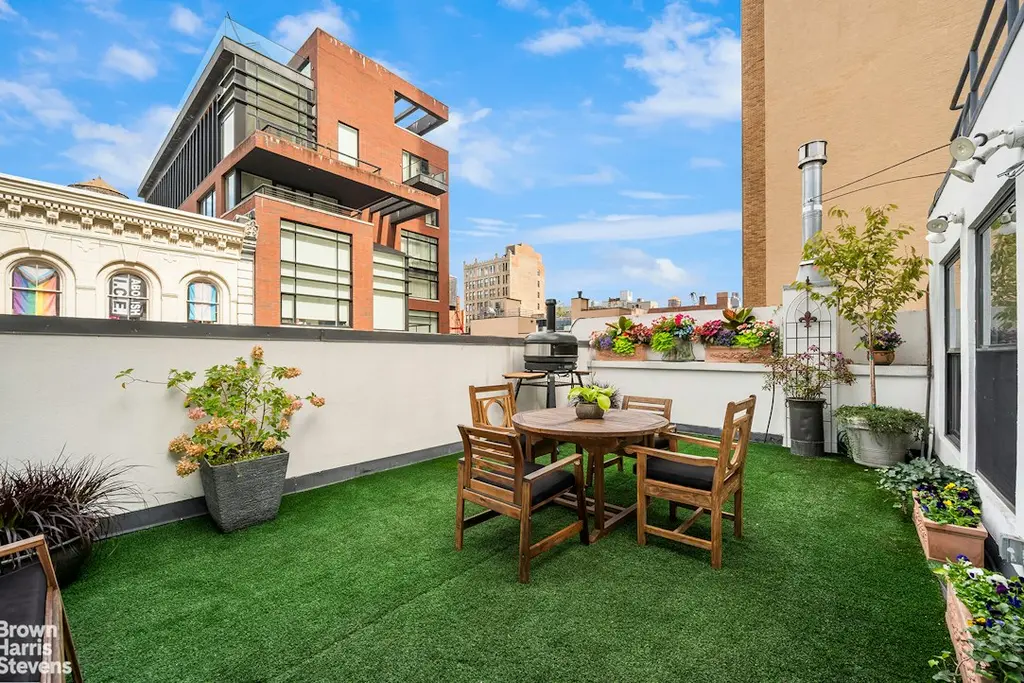
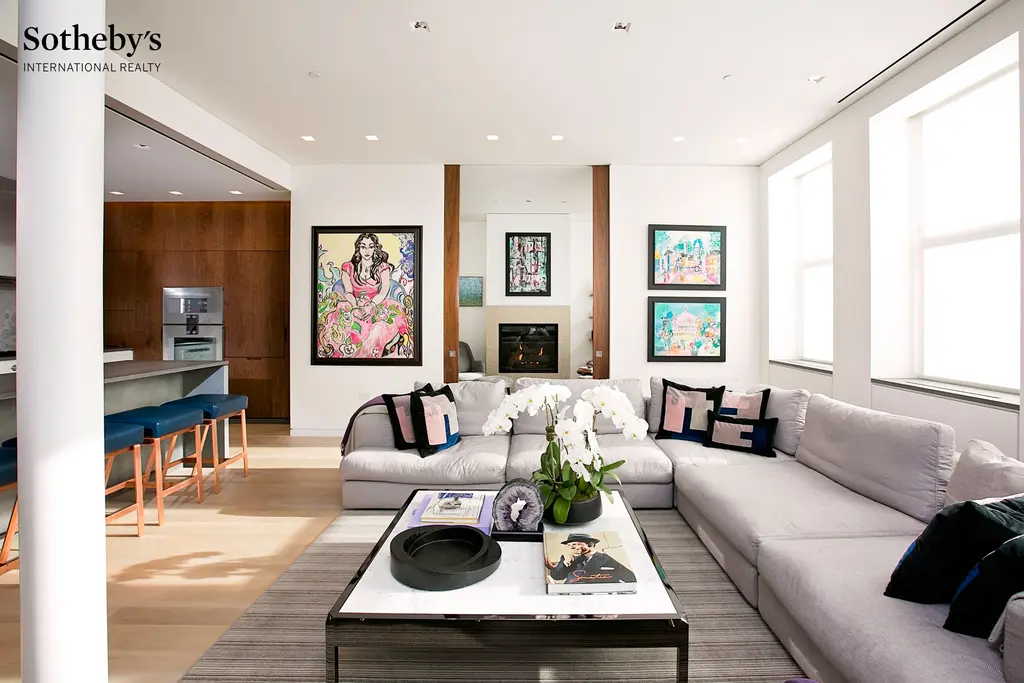
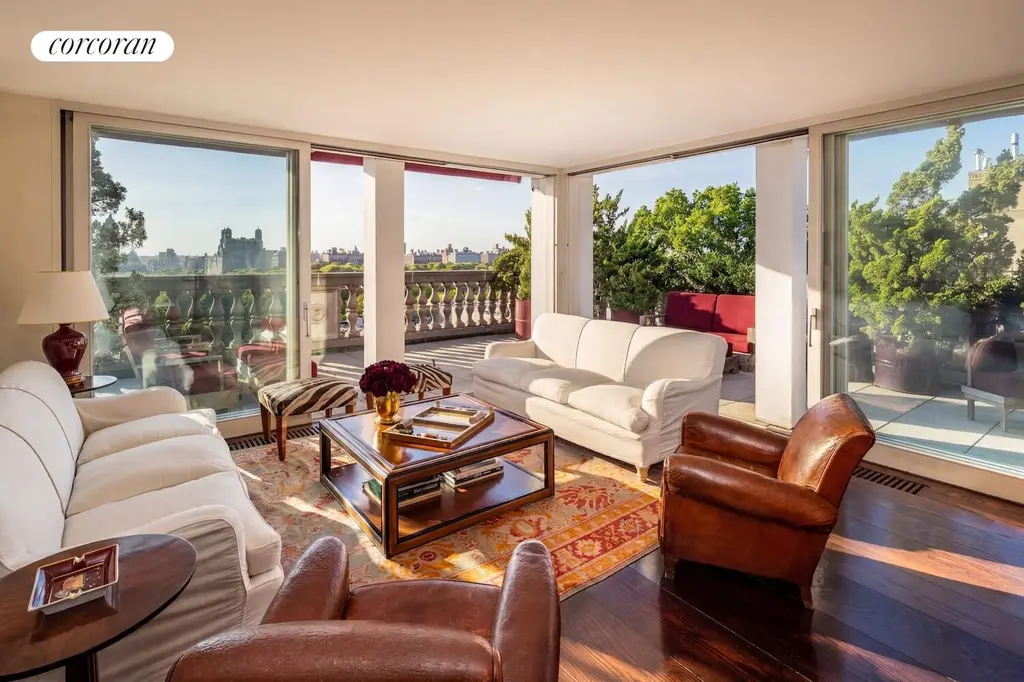
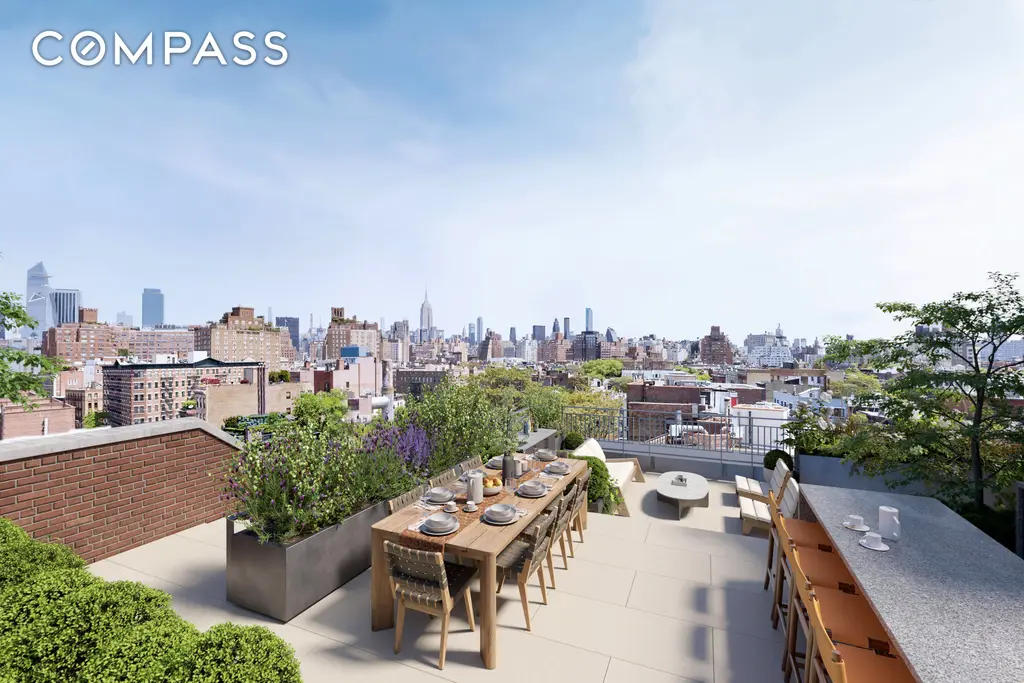
Today’s penthouses are rarely that palatial, but they are no less coveted. They have no neighbors overhead and often none on the same floor, along with higher ceilings, private elevator landings, multiple exposures and terraces that extend the living space outdoors. They are also far roomier: the typical new-development penthouse that closed in Manhattan over the past year measured about 2,550 square feet, roughly twice the 1,300-square-foot median for other new units.
In this article:



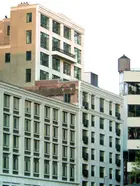


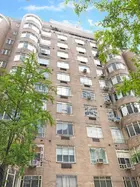





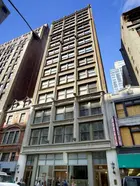
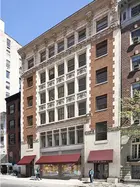
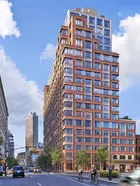
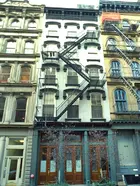
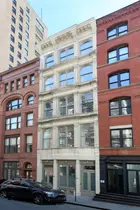

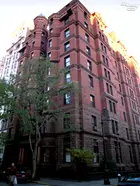
Over the past three years, penthouses sold for a median 23% more per square foot than other units in the same new buildings.
All that space comes at a price. In the 12 months through September 2026, 89 penthouses closed as new-development sales in Manhattan at a median of $7.5 million, or $2,760 per square foot. That was up from $4.65 million and $2,179 a year earlier, a jump fueled by a run of trophy closings. Penthouses made up only about 5% of Manhattan’s new-development closings but roughly 13% of the dollar volume. The largest were a $57 million penthouse at 70 Vestry Street and a $41.75 million unit at 111 West 57th Street. Brooklyn’s 32 new-development penthouse closings had a median of $2.85 million, led by a $7.75 million sale at One Domino Square. Over the past three years, penthouses sold for a median 23% more per square foot than other units in the same new buildings.
Do they gain value? Usually, but modestly. Of 648 Manhattan new-development penthouses bought from the sponsor since 2003 and later resold, about seven in 10 sold for more. The median gain was 15% over roughly seven years, or about 2% a year, almost the same as other units in those buildings. Brooklyn penthouses did better, with a median gain of 22% and 82% reselling at a profit.
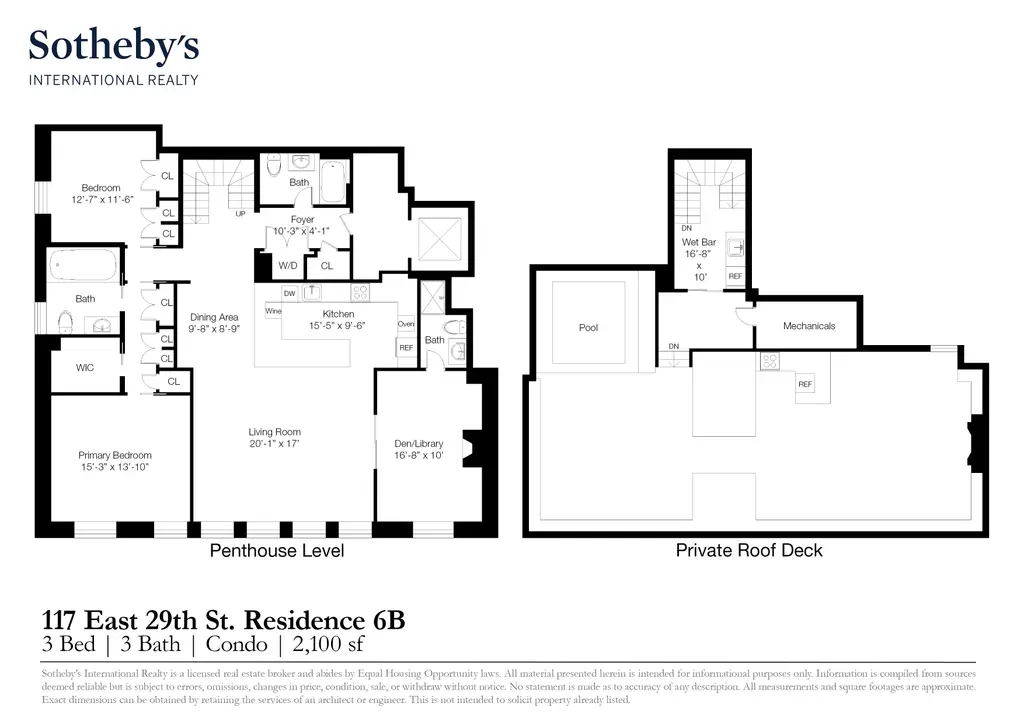
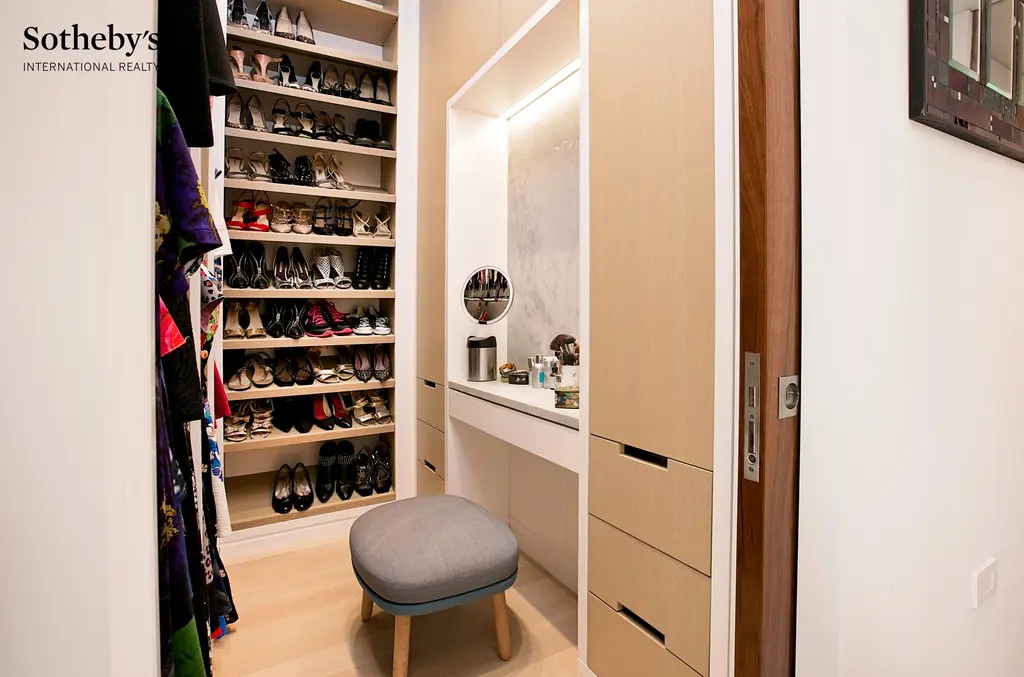
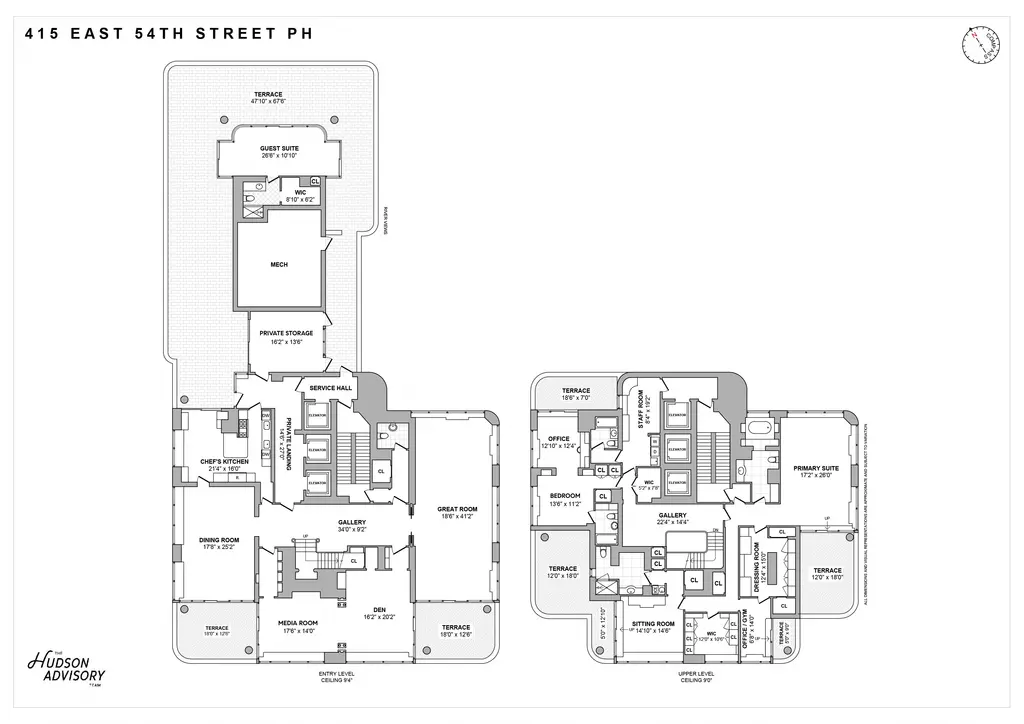
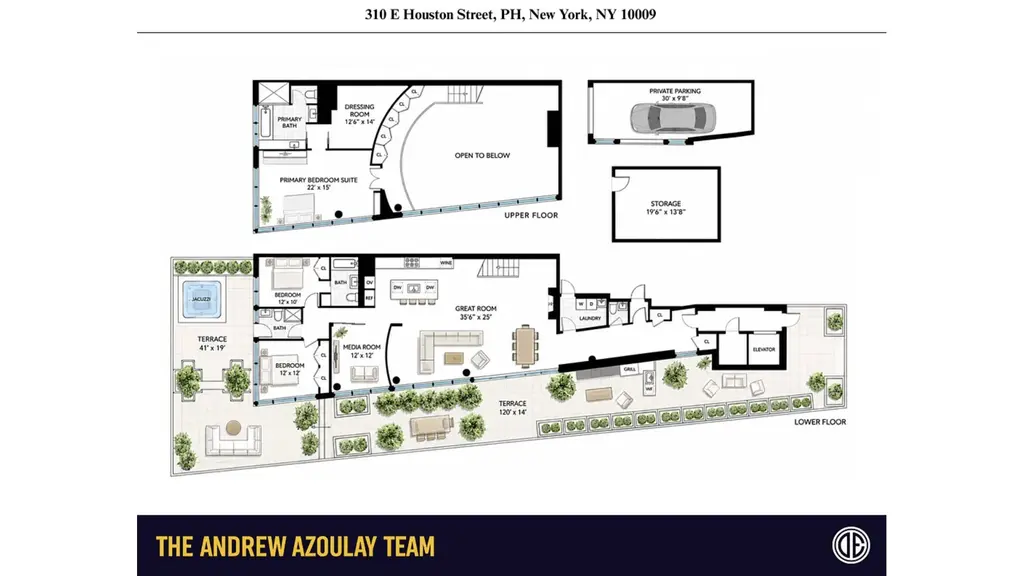
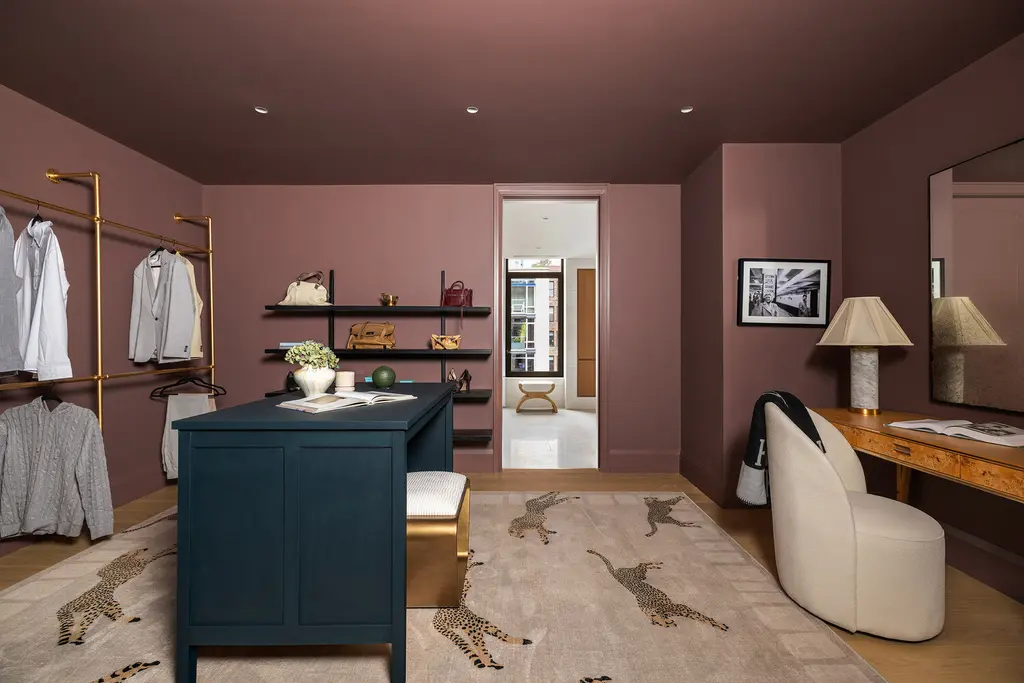
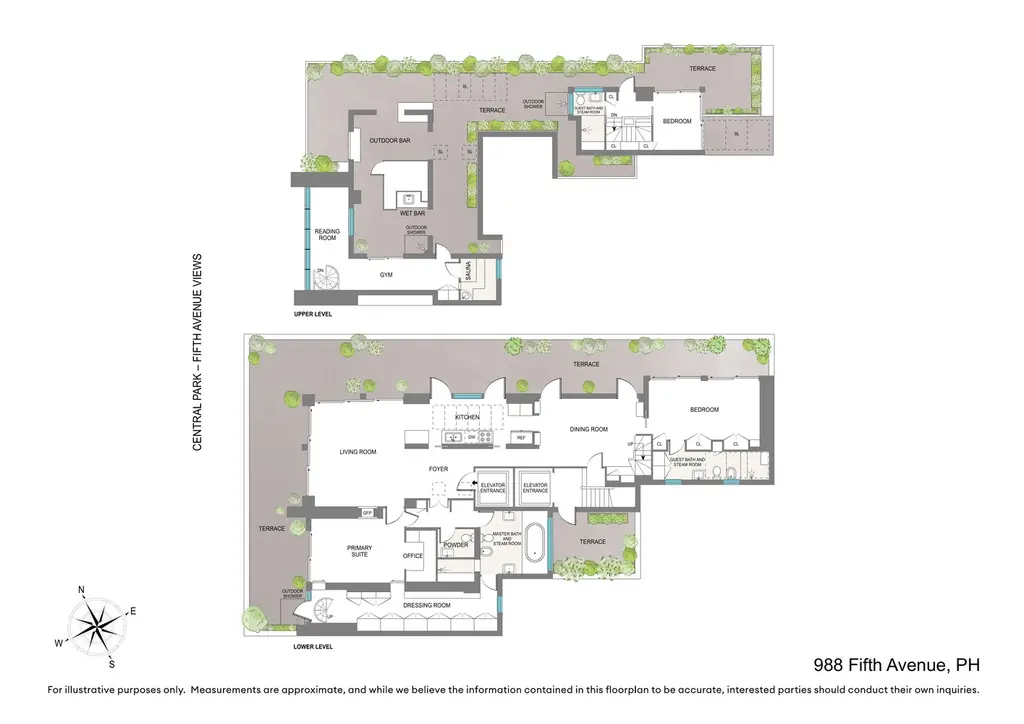
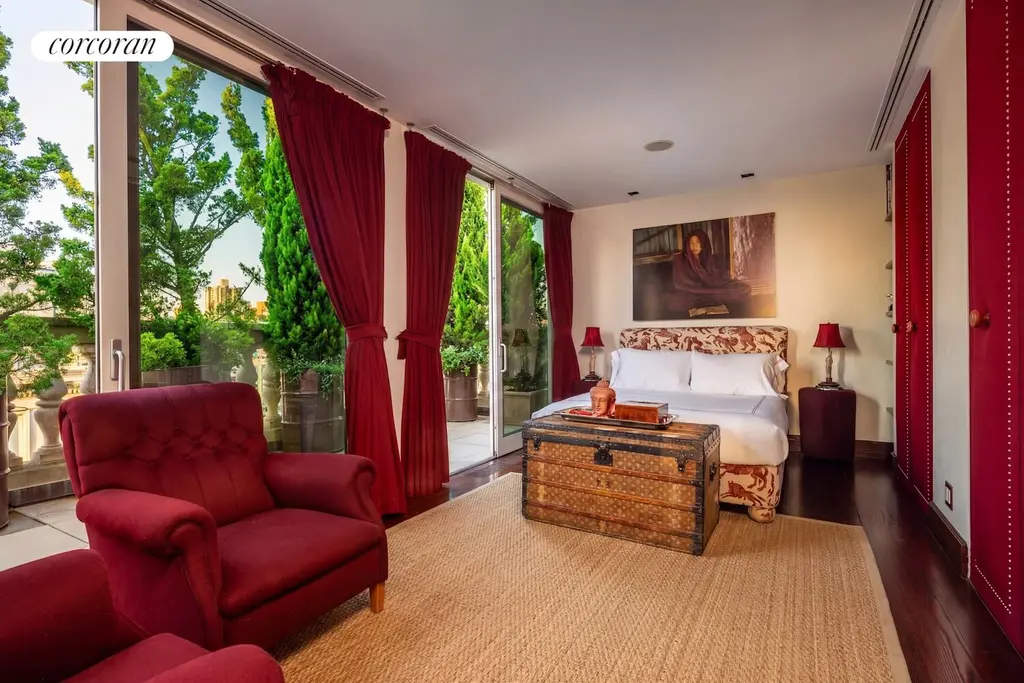
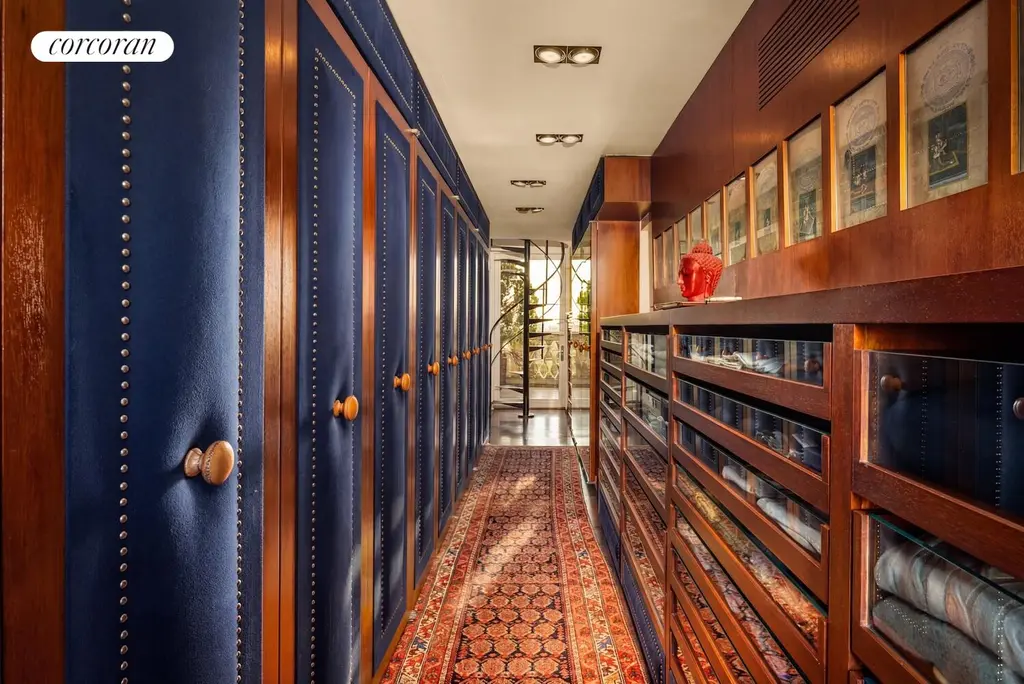
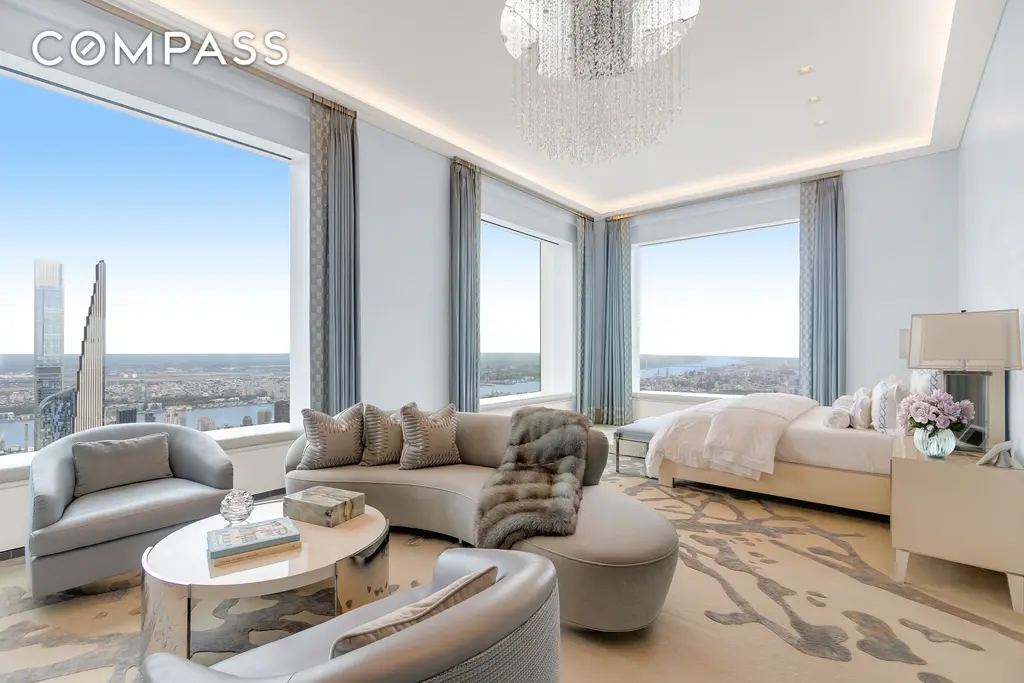
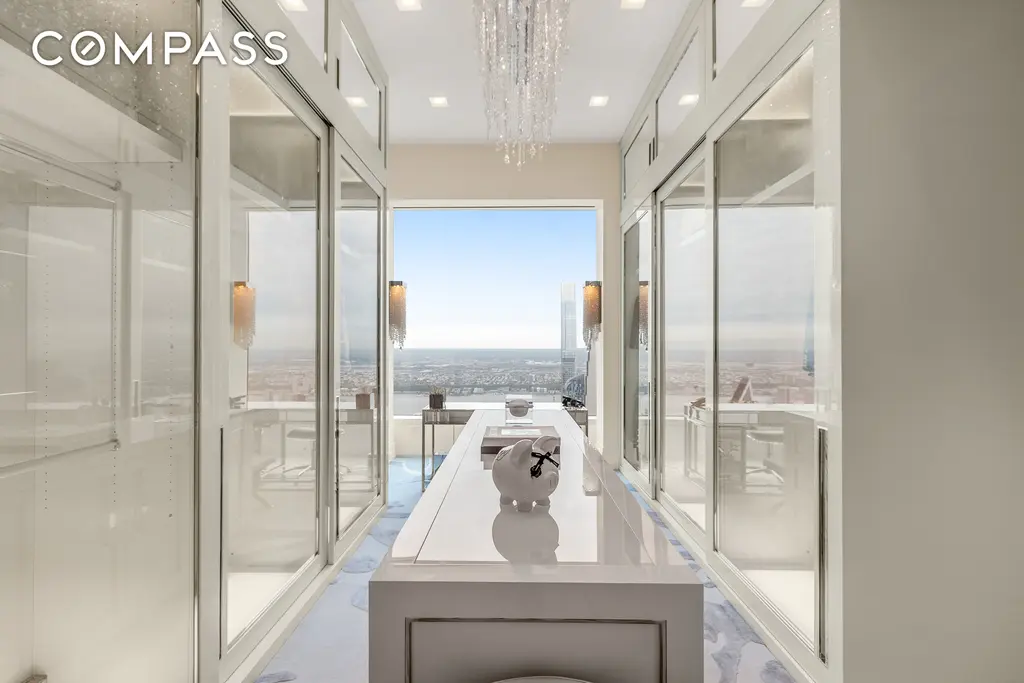
Much of a penthouse’s extra space goes to the primary suite, where the closet has grown into a full dressing room. A legal bedroom in New York City only has to be 80 square feet, and some penthouse dressing rooms are larger than many of the city’s bedrooms. In some primary suites, each partner gets one.
What separates a great dressing room from a glorified closet? It starts with dimensions: designers plan about 24 inches of depth for hanging clothes and a three-foot walkway, with extra room around a center island. Double-hang rods nearly double the space for shirts and jackets, while drawers, adjustable shelves and dedicated shoe storage keep everything in view. Light matters as much as size, so daylight plus layered LED lighting helps you tell navy from black. A full-length mirror, a place to sit and good ventilation next to a steamy bath finish the job. Below, we look at penthouses where getting dressed comes with a room of its own.
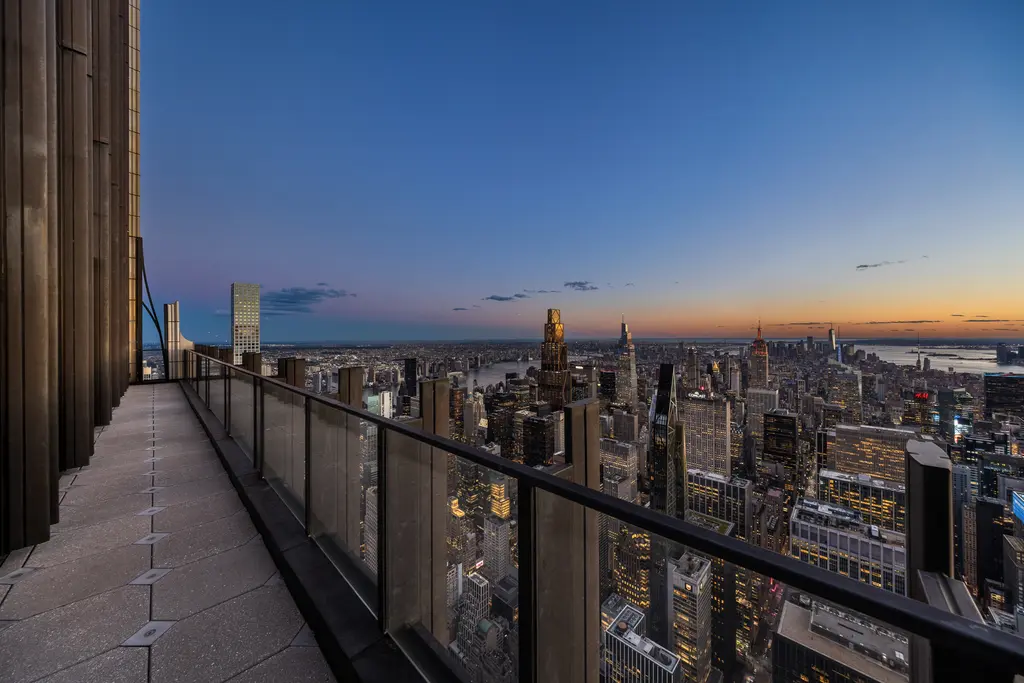
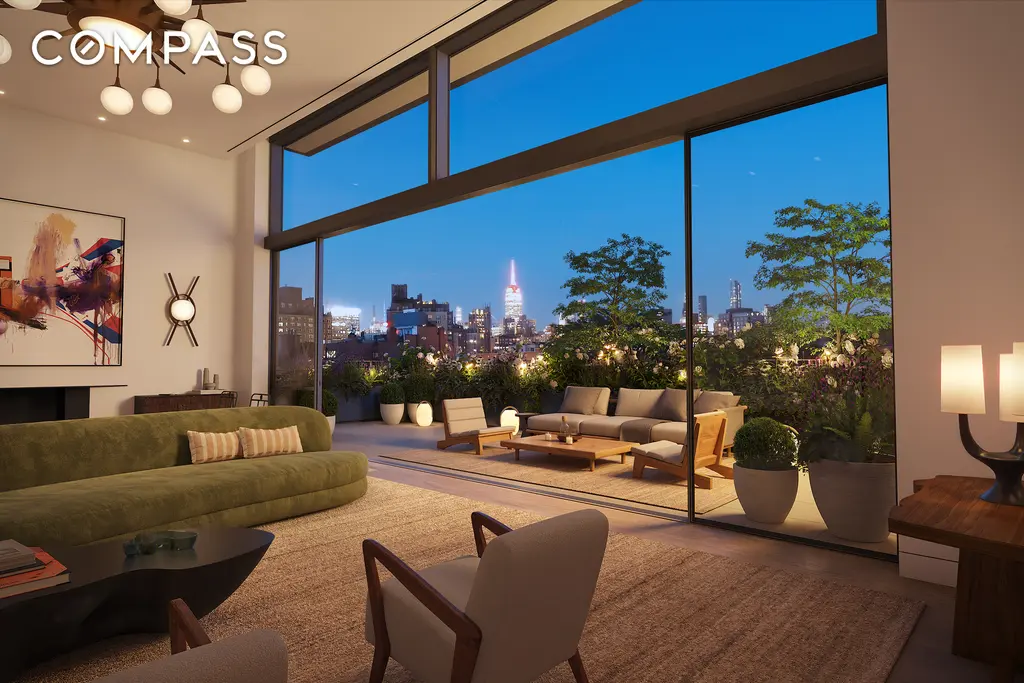
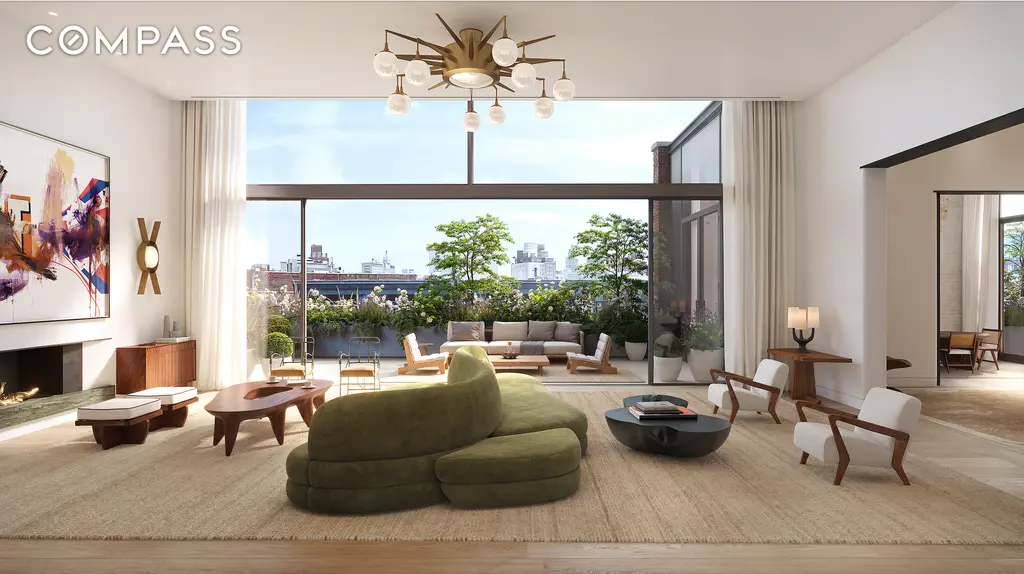
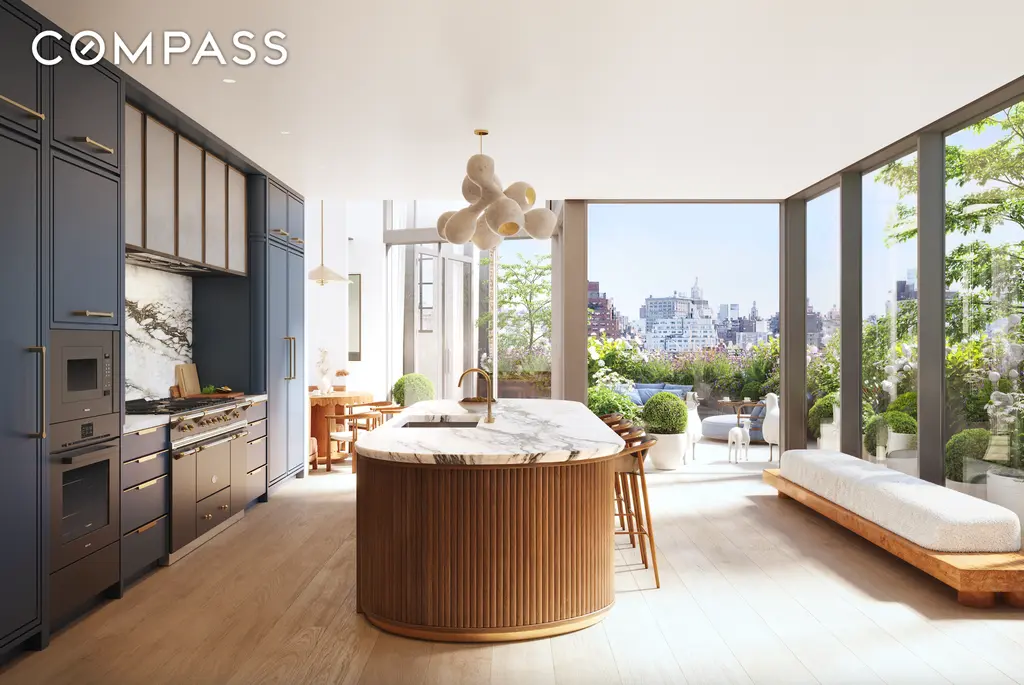
Select penthouse listings with dressing areas and walk-in closets
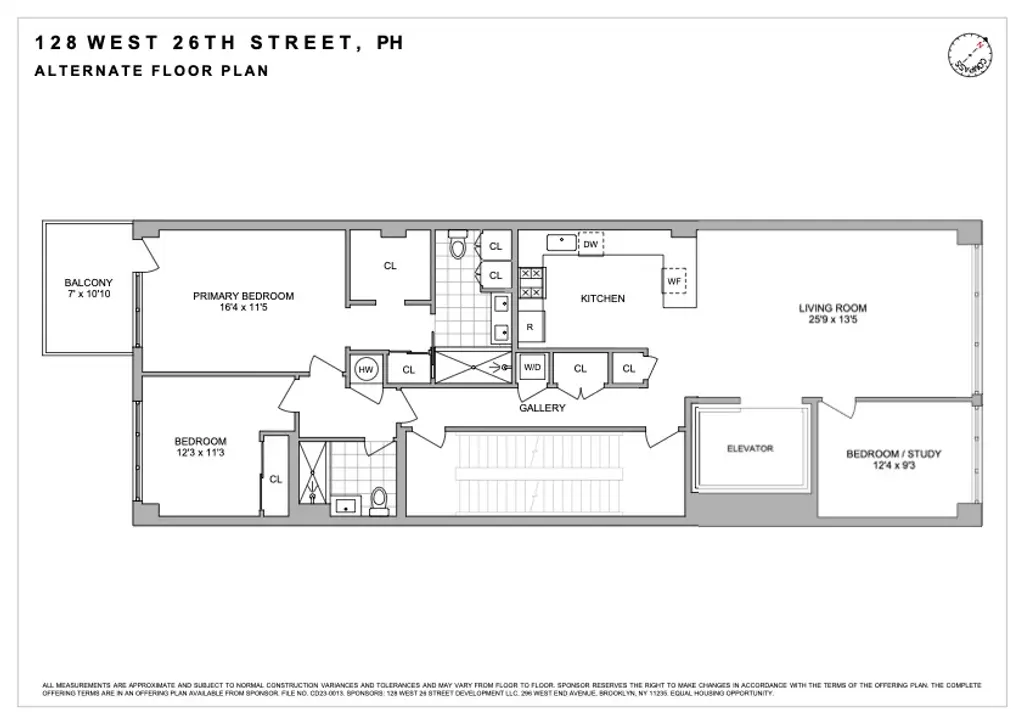
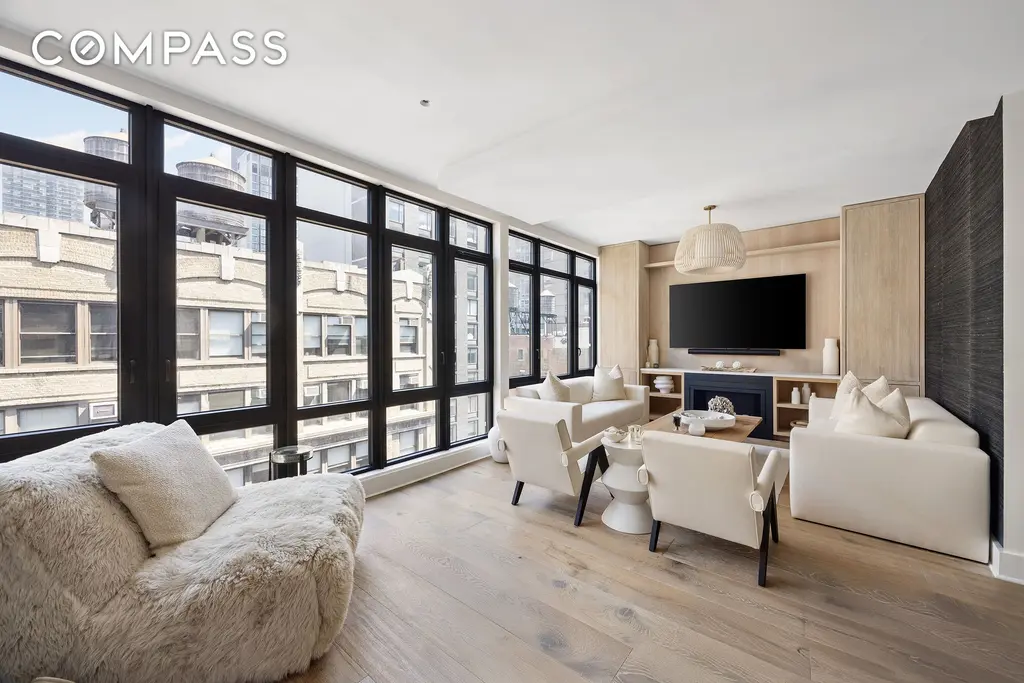
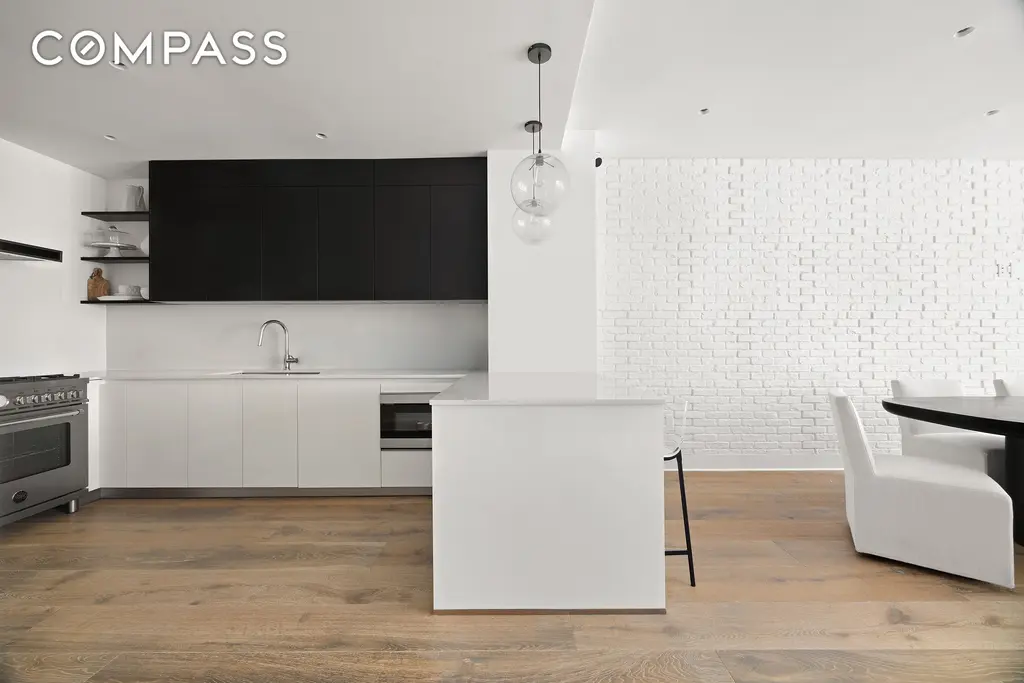
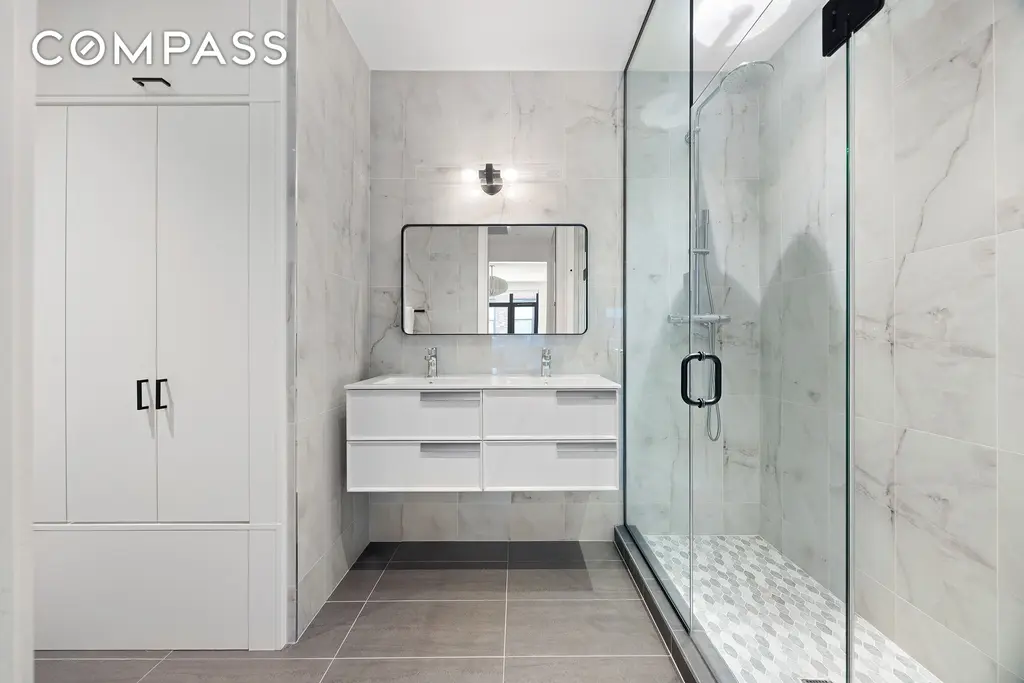
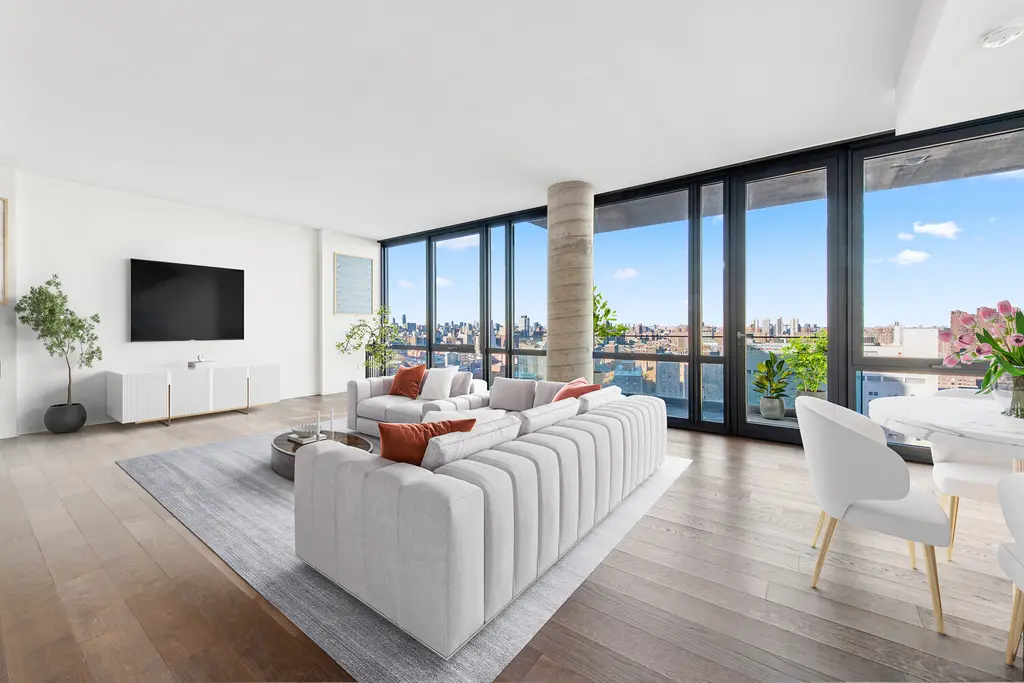
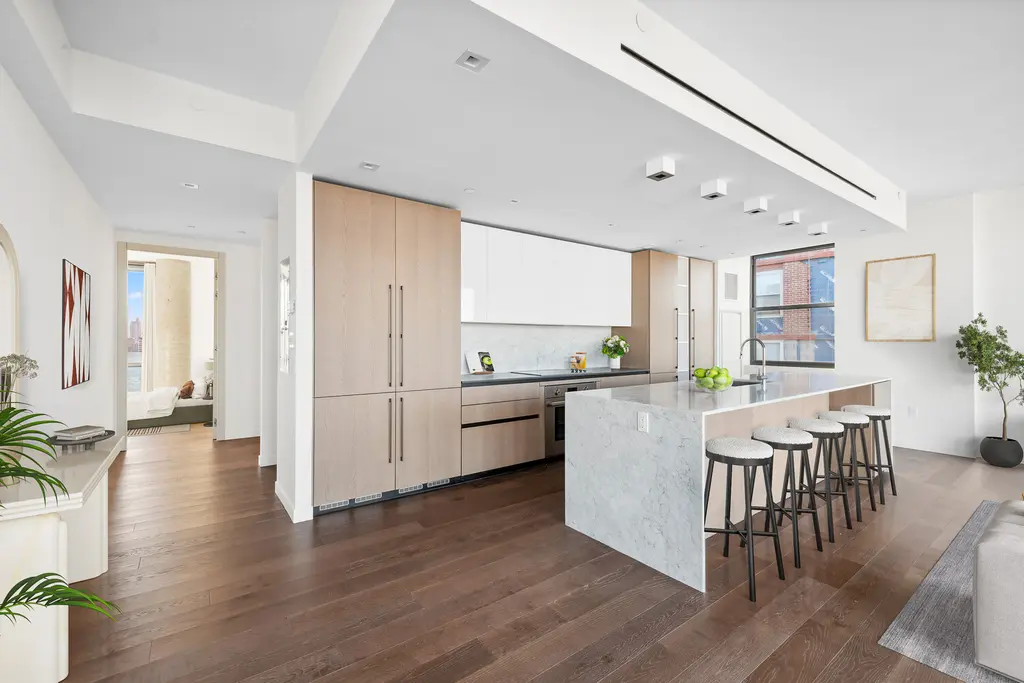
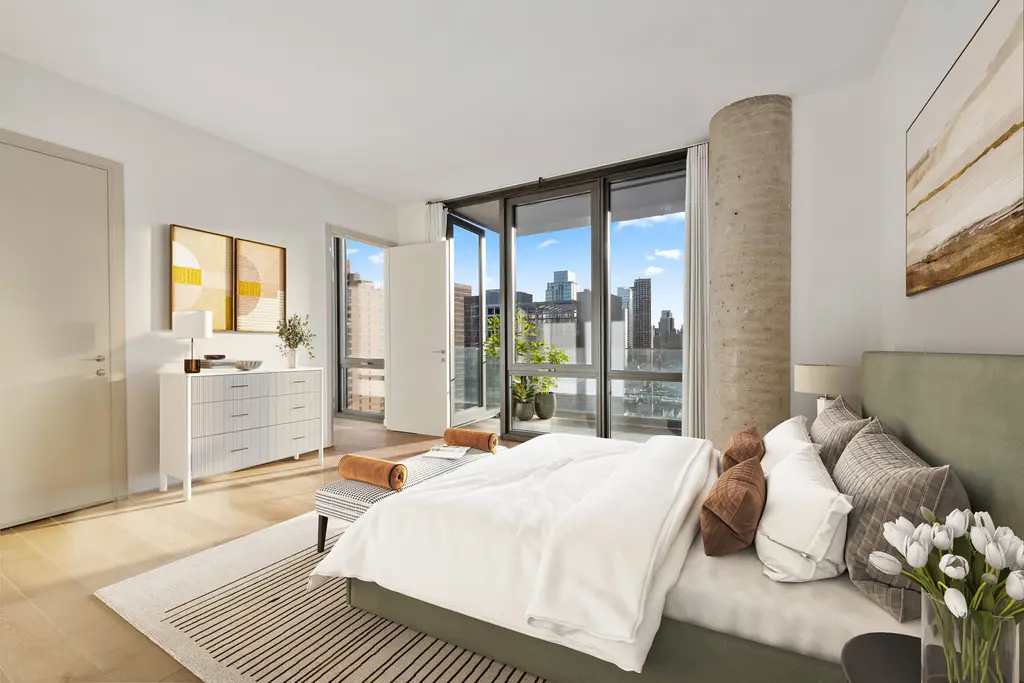
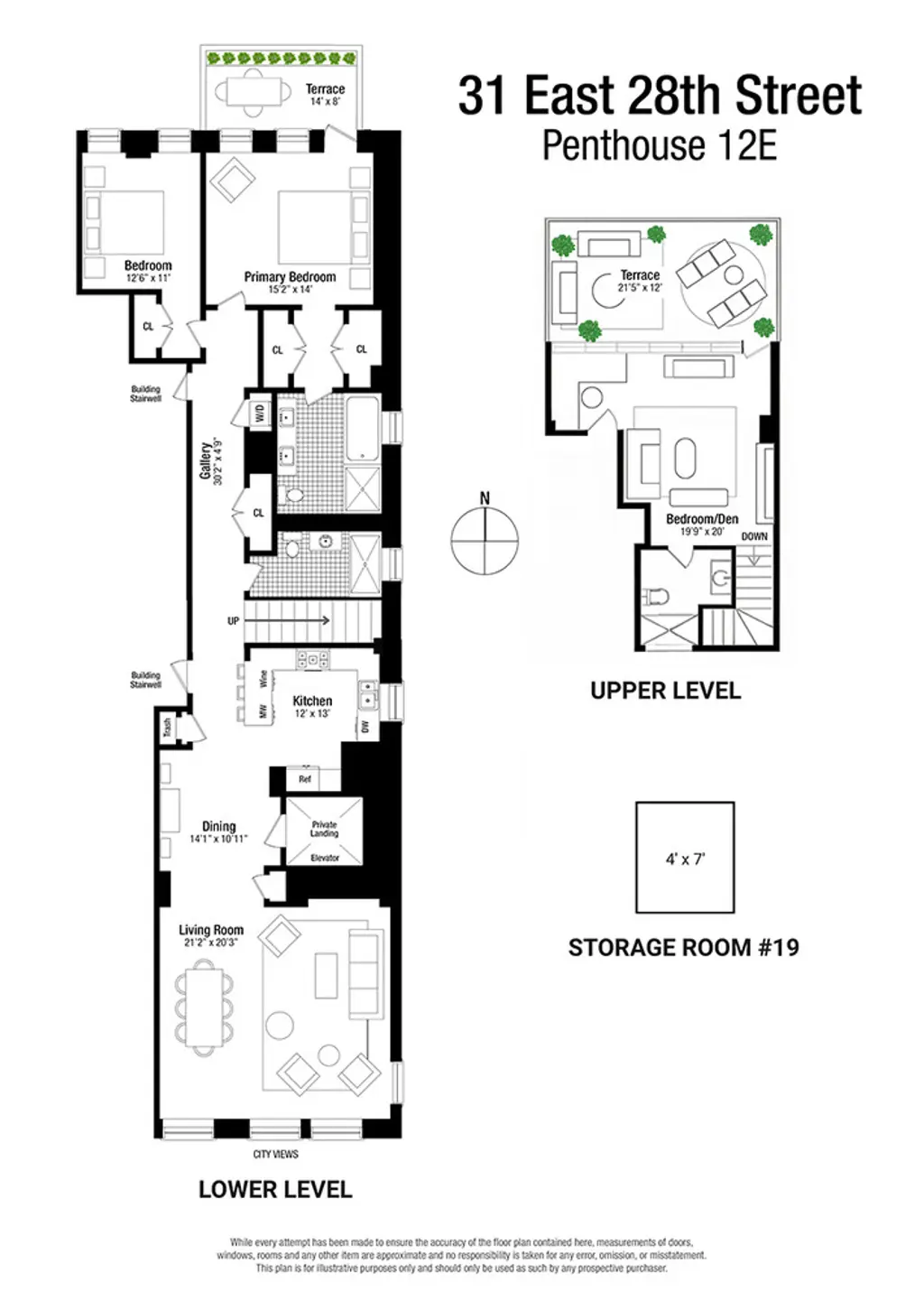
The Parkwood, #PH12E
$3,750,000
Flatiron/Union Square | Condominium | 3 Bedrooms, 3 Baths | 2,541 ft2
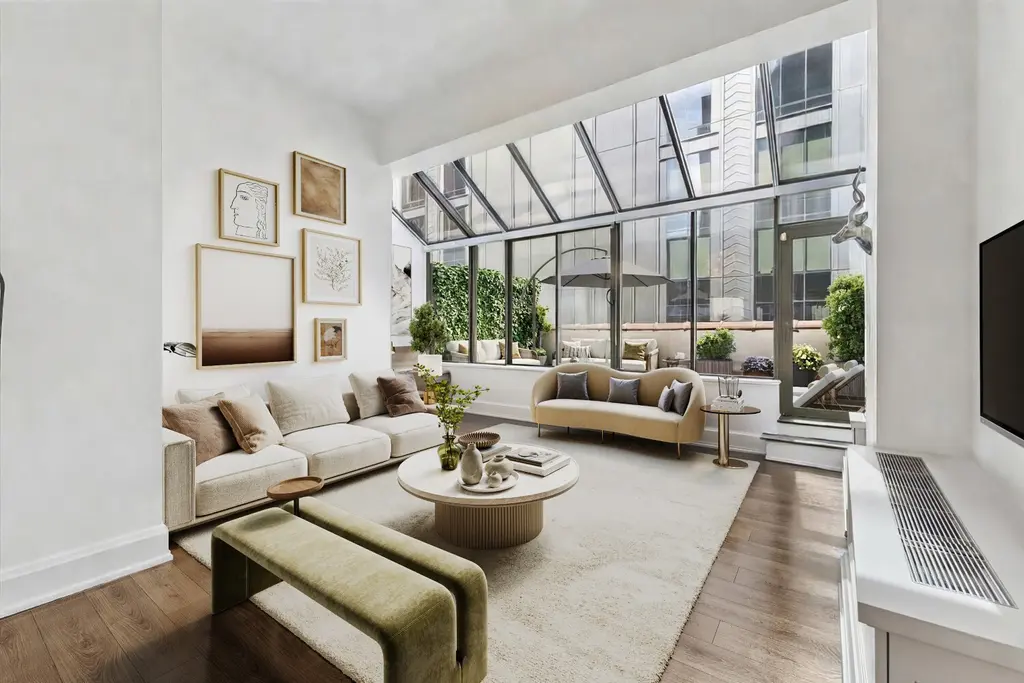
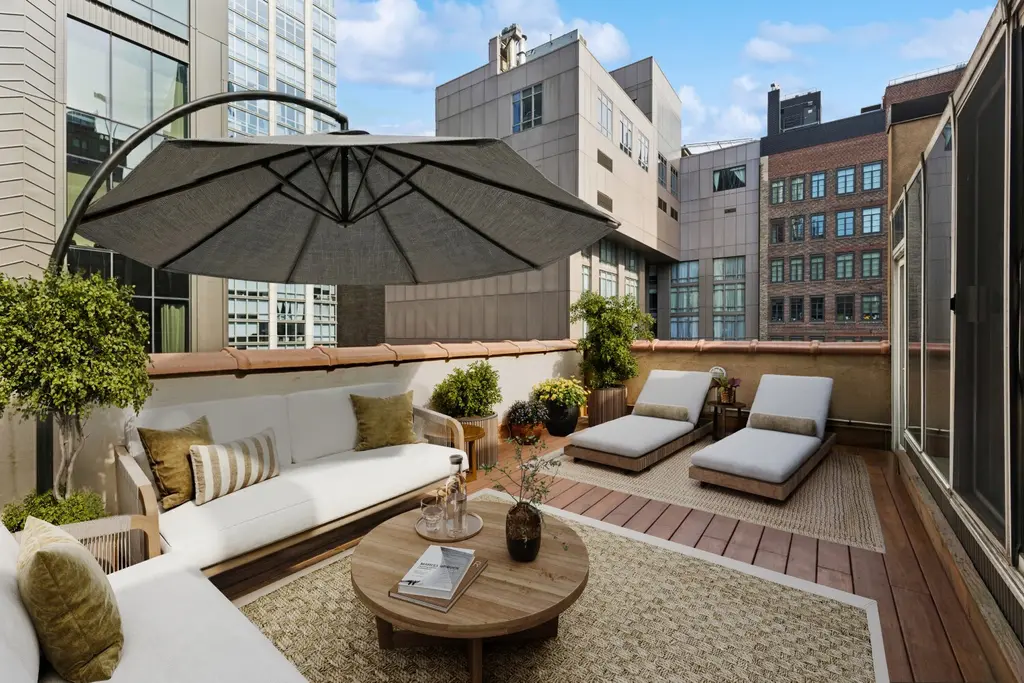
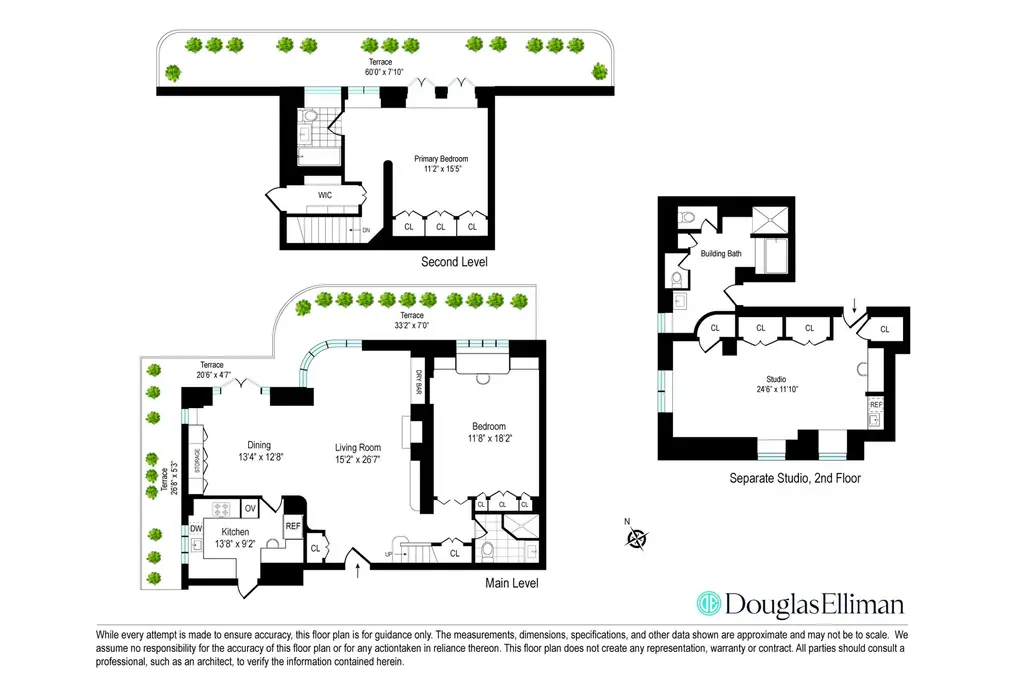
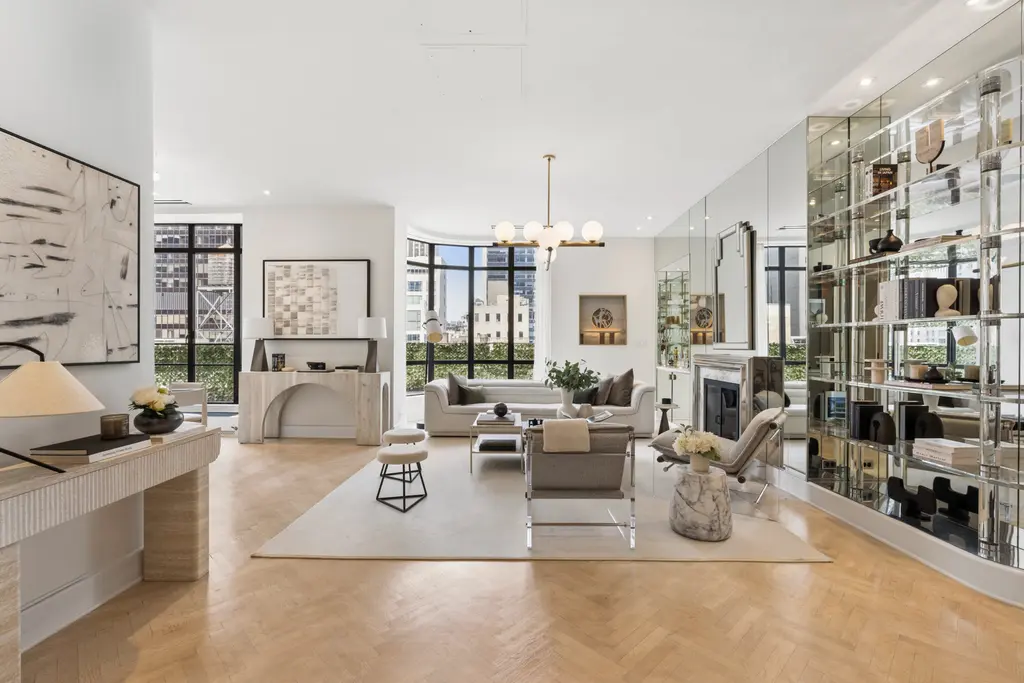
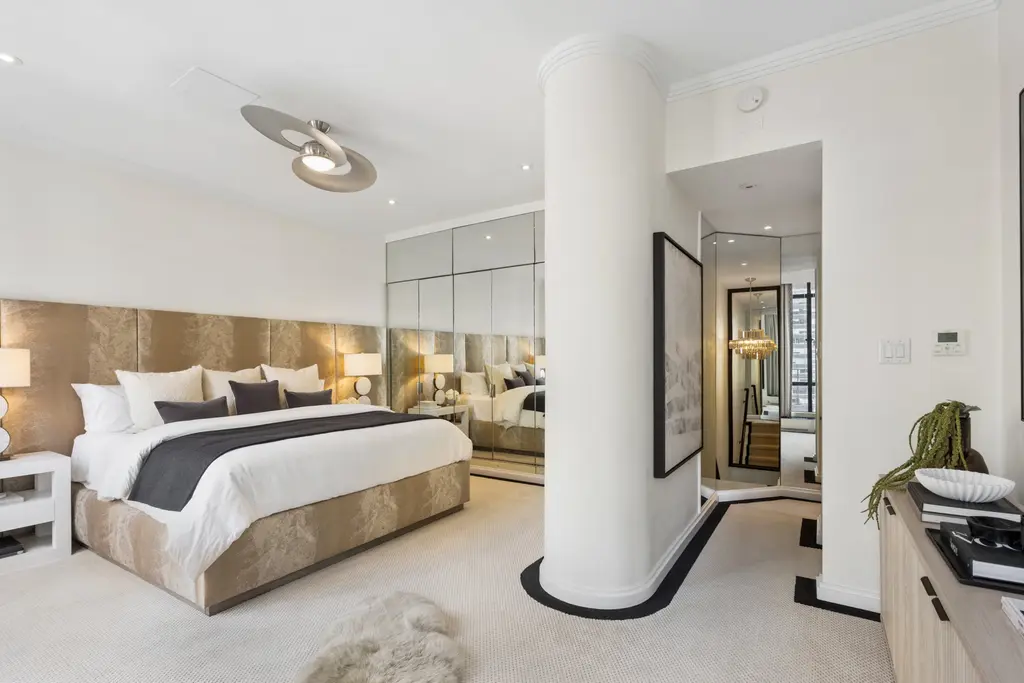
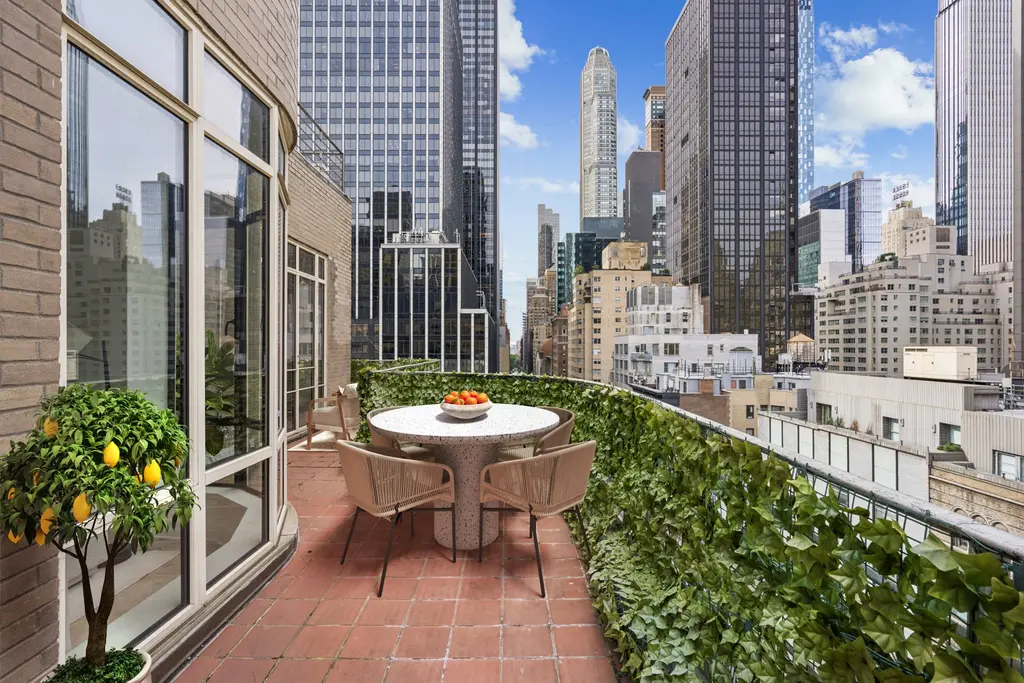
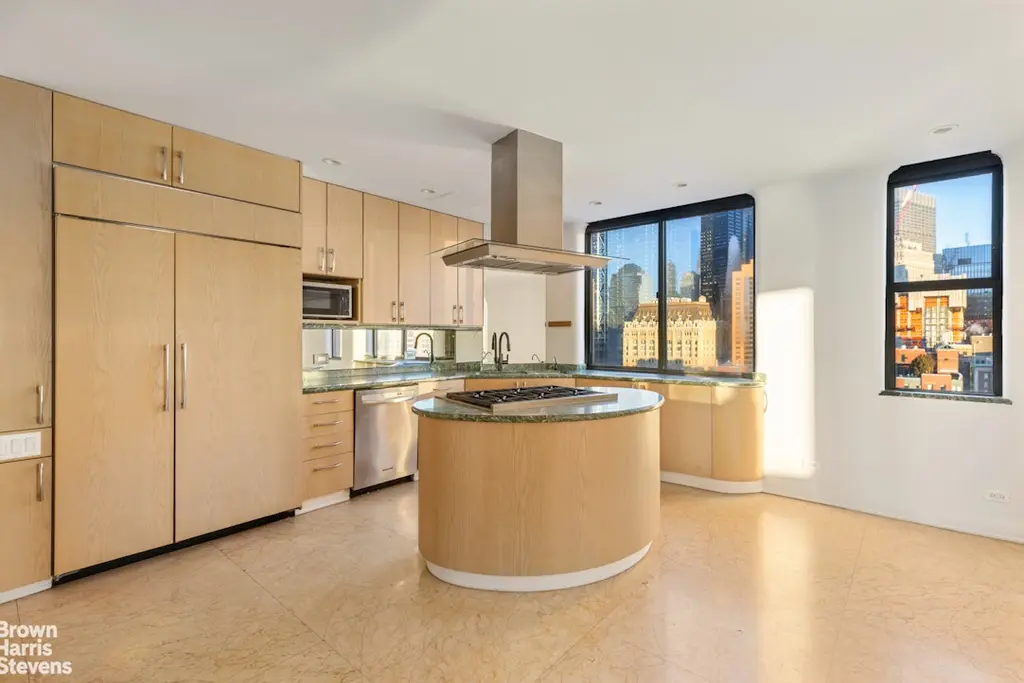
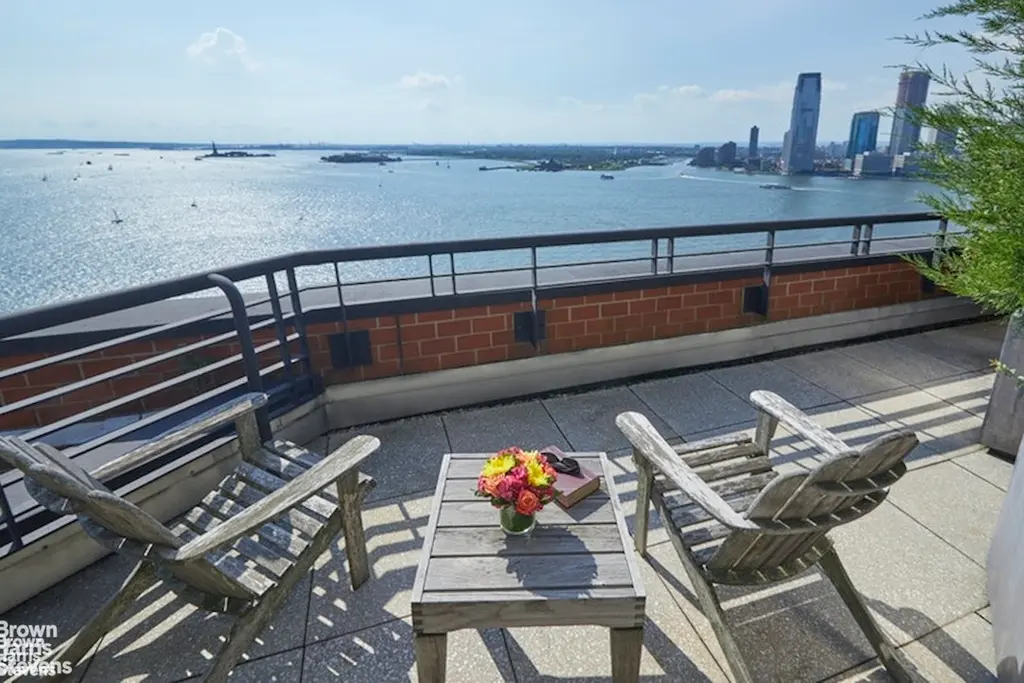
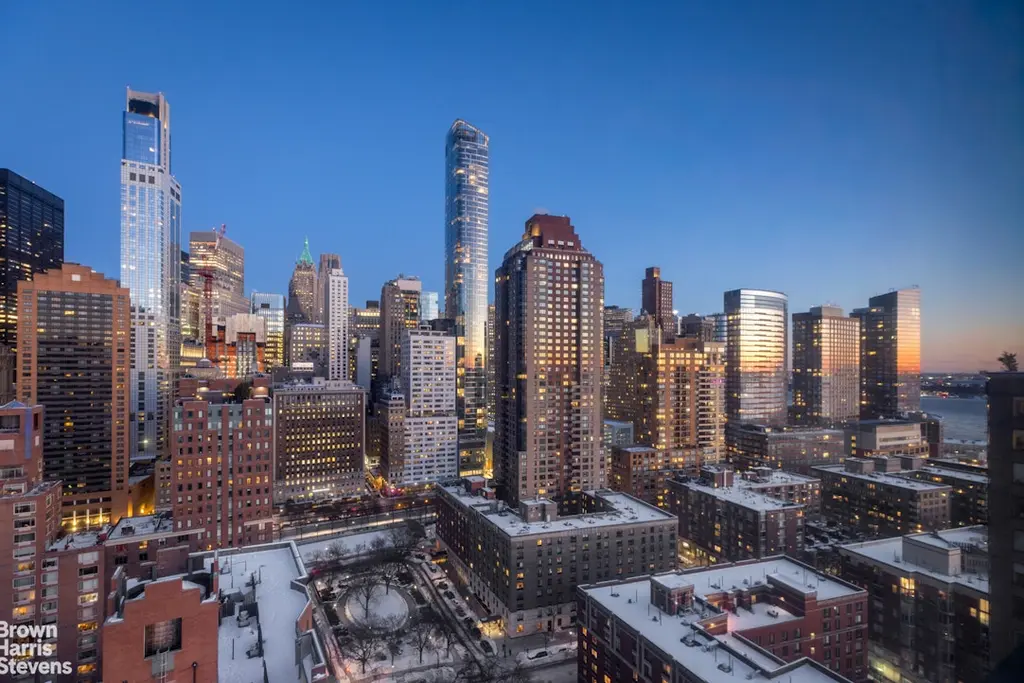
Liberty House, #PHB
$4,299,000 (-4.5%)
Battery Park City | Condominium | 5 Bedrooms, 3.5 Baths | 3,180 ft2
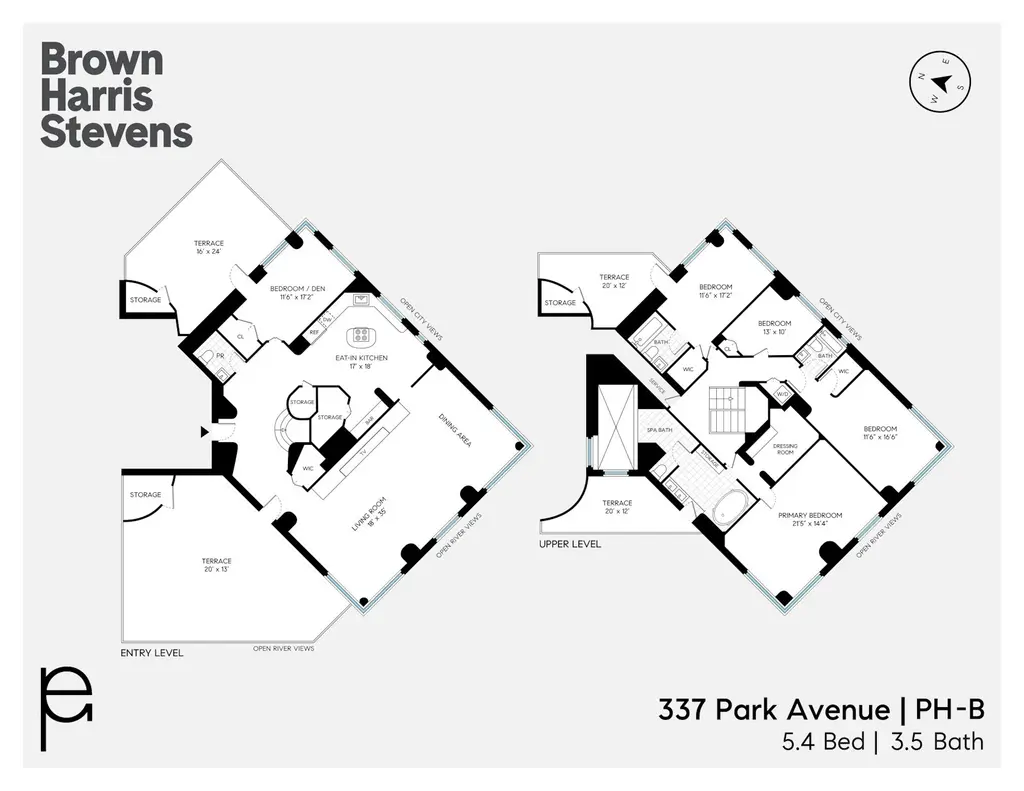
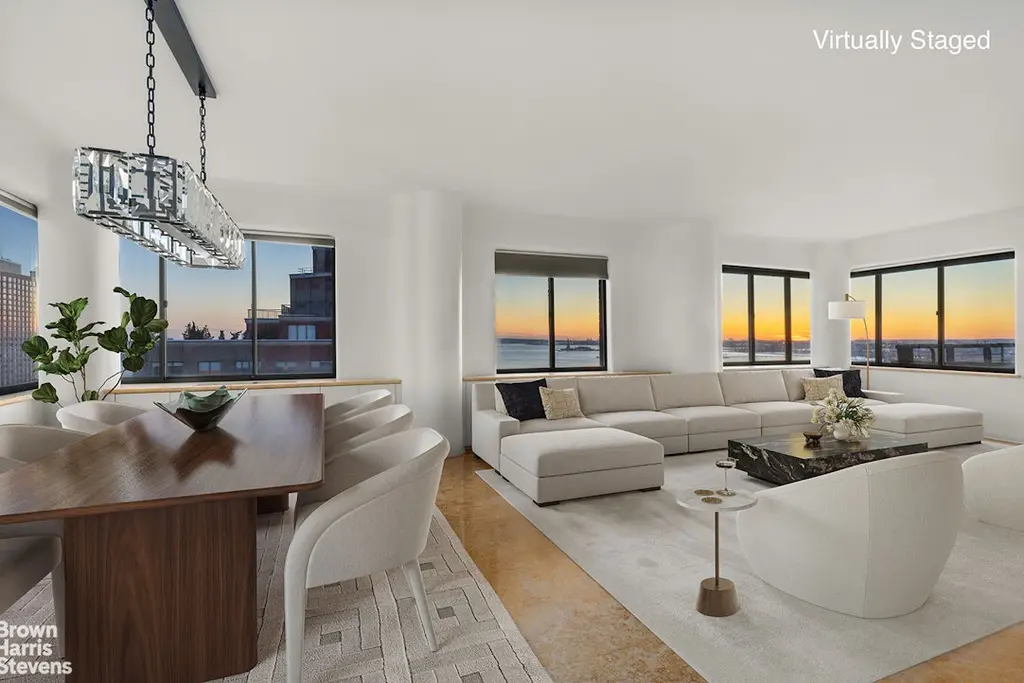
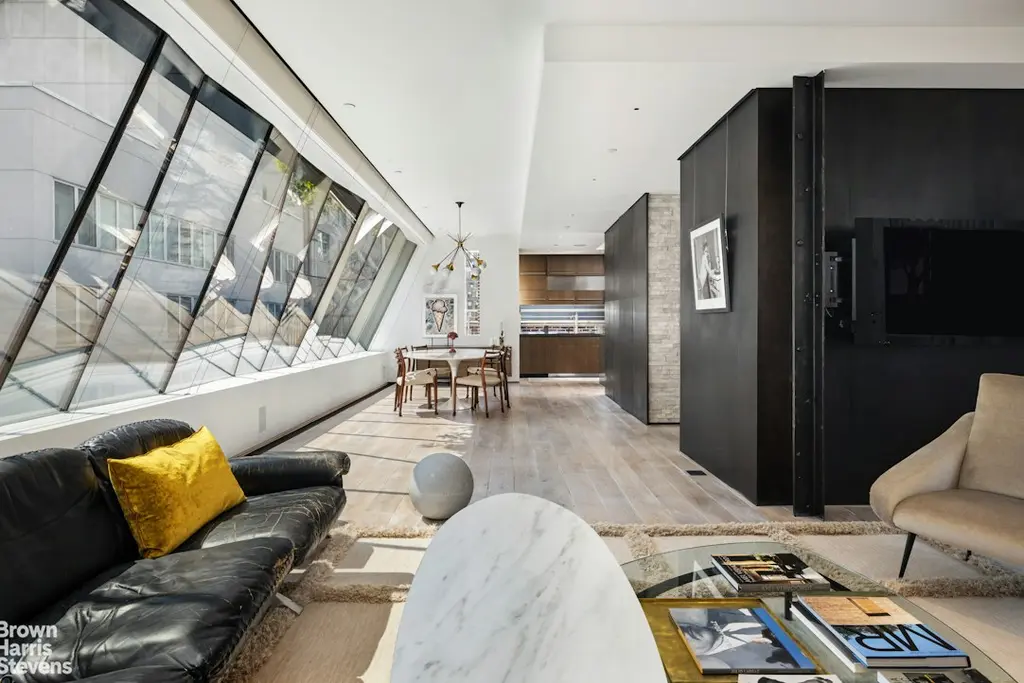
The Wheeler Building, #PHW
$4,395,000 (-10.3%)
Midtown West | Cooperative | 2 Bedrooms, 2.5 Baths | 3,100 ft2

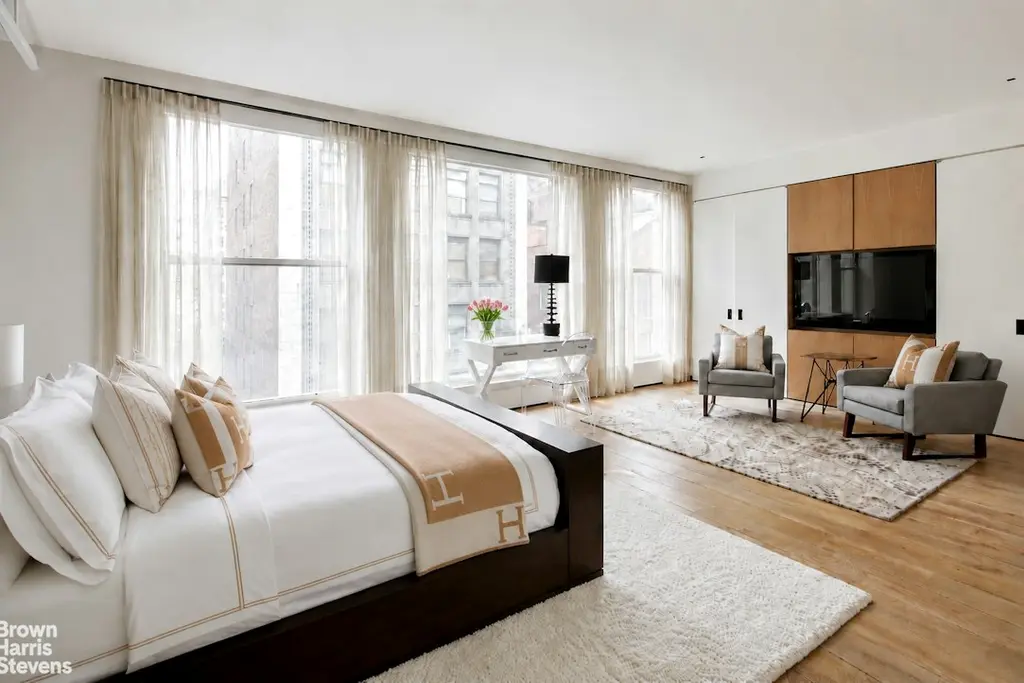
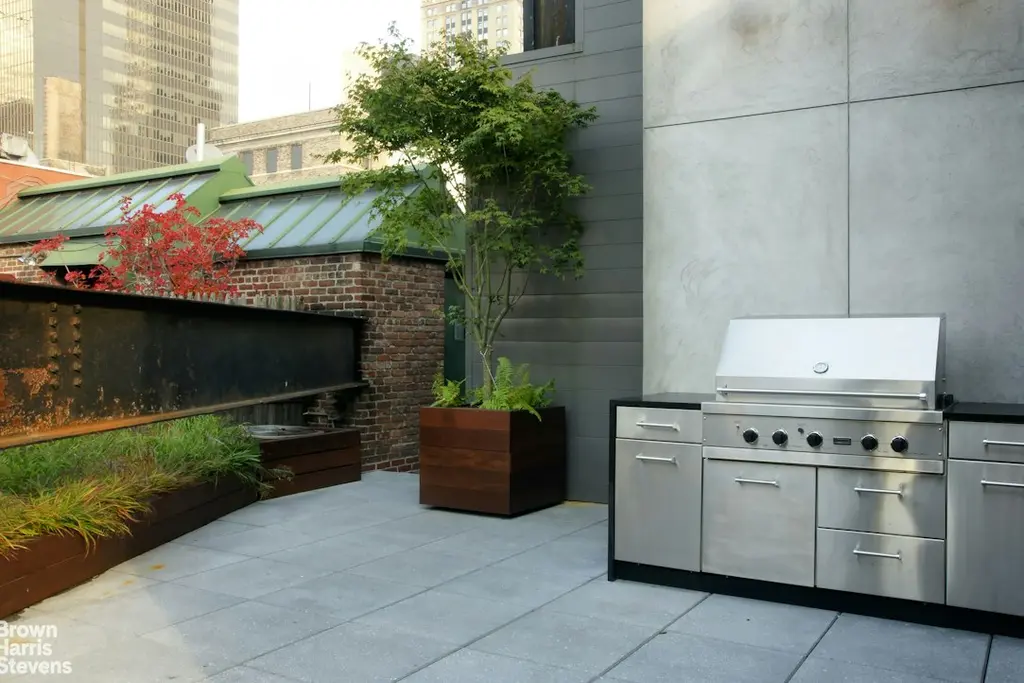
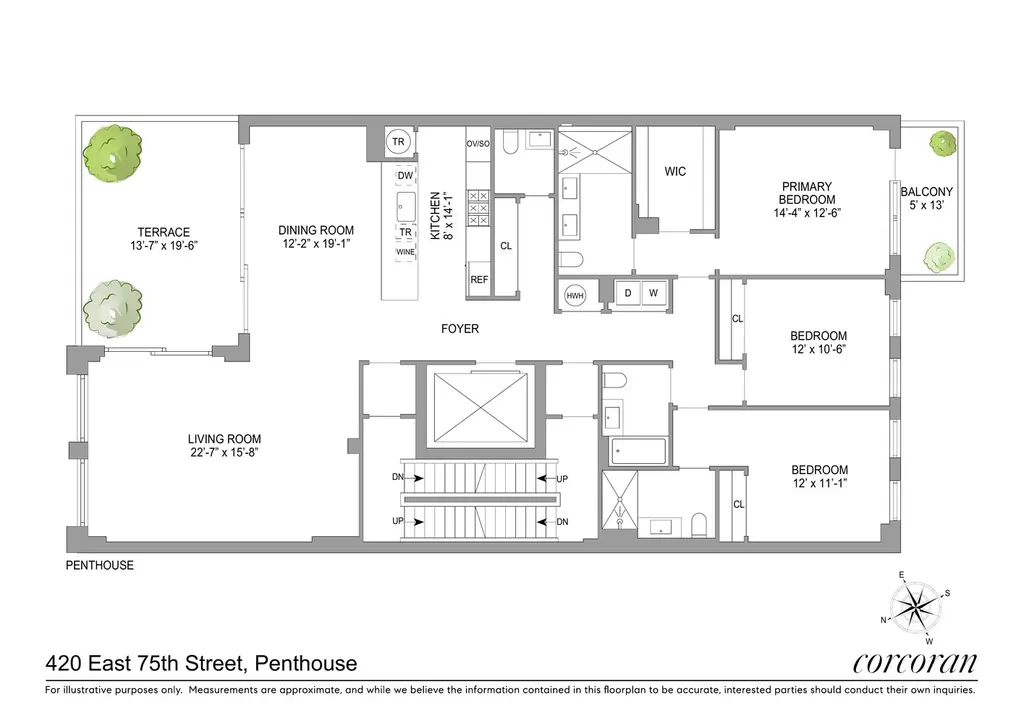
420 East 75th Street, #PH
$4,495,000 (-5.4%)
Lenox Hill | Condominium | 3 Bedrooms, 3.5 Baths | 2,117 ft2
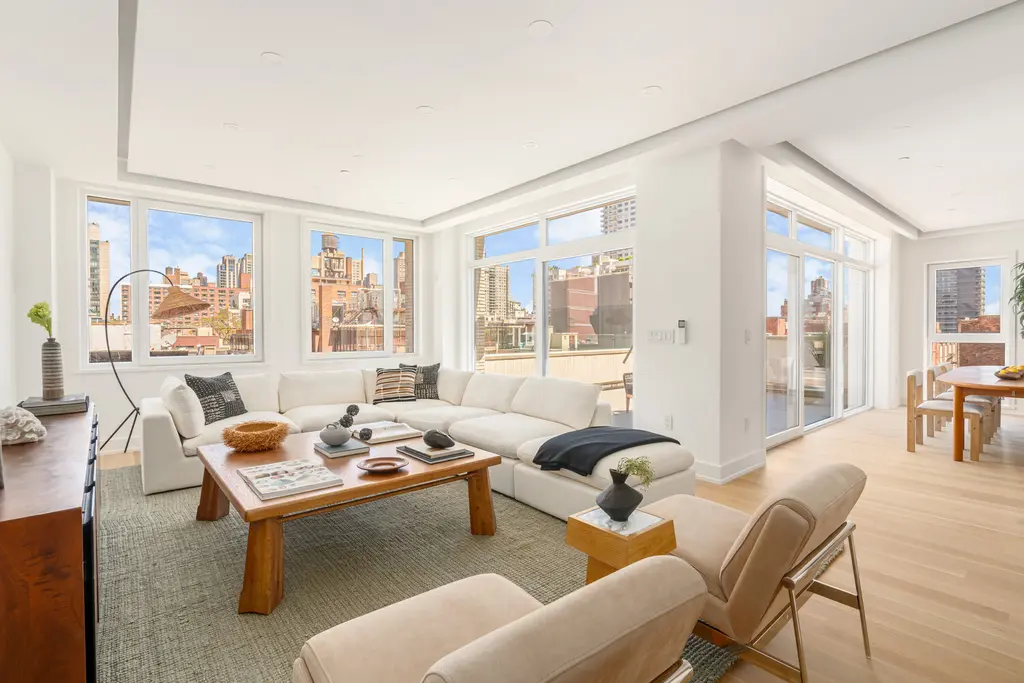
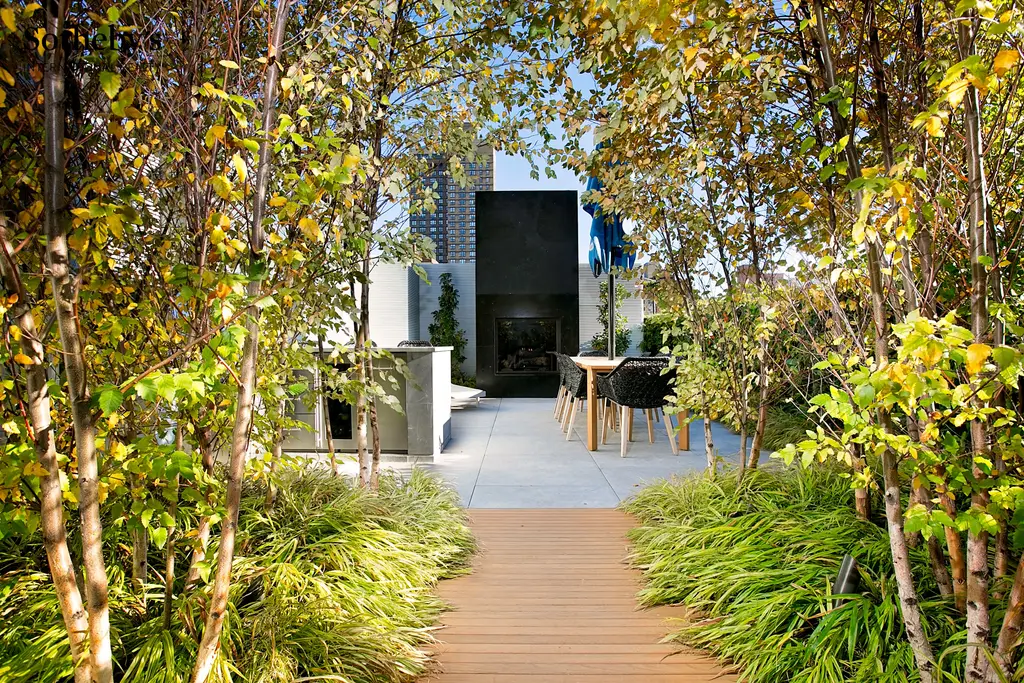
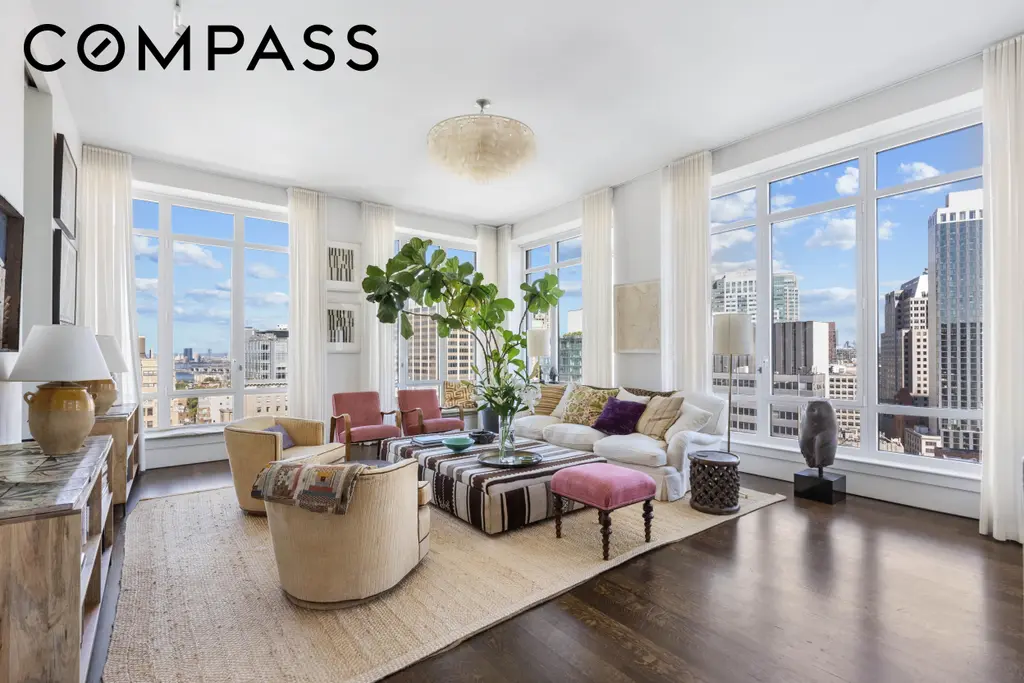
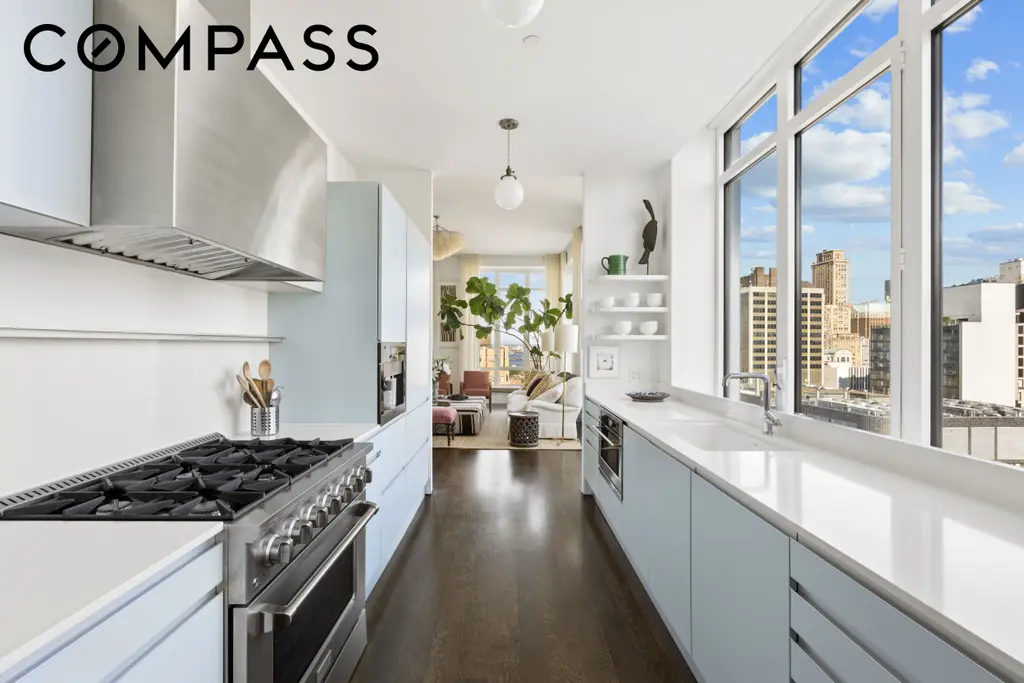
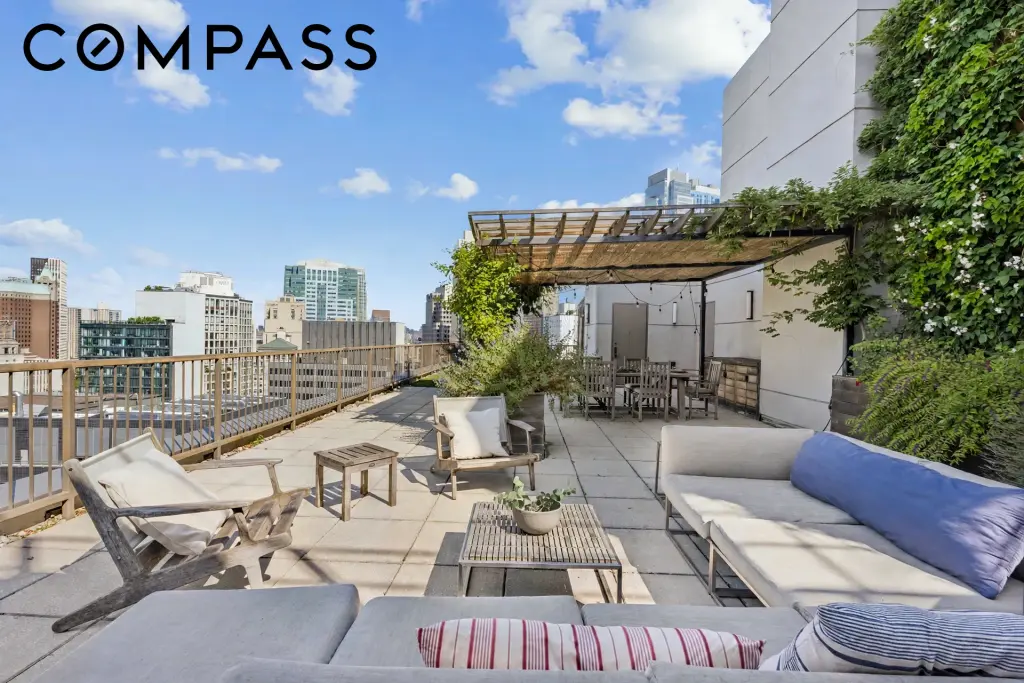
Minuet, #PENTHOUSE
$5,995,000
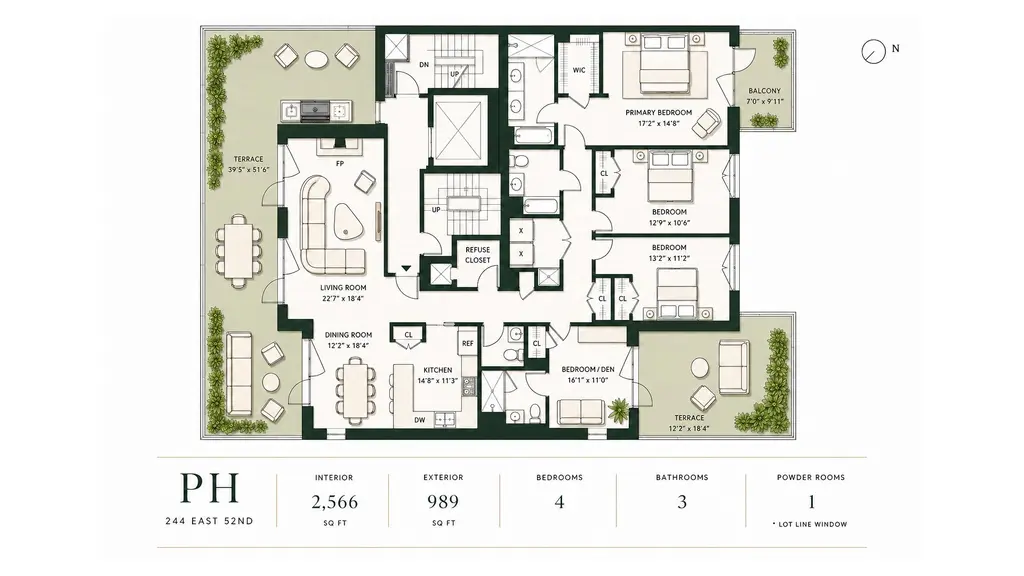
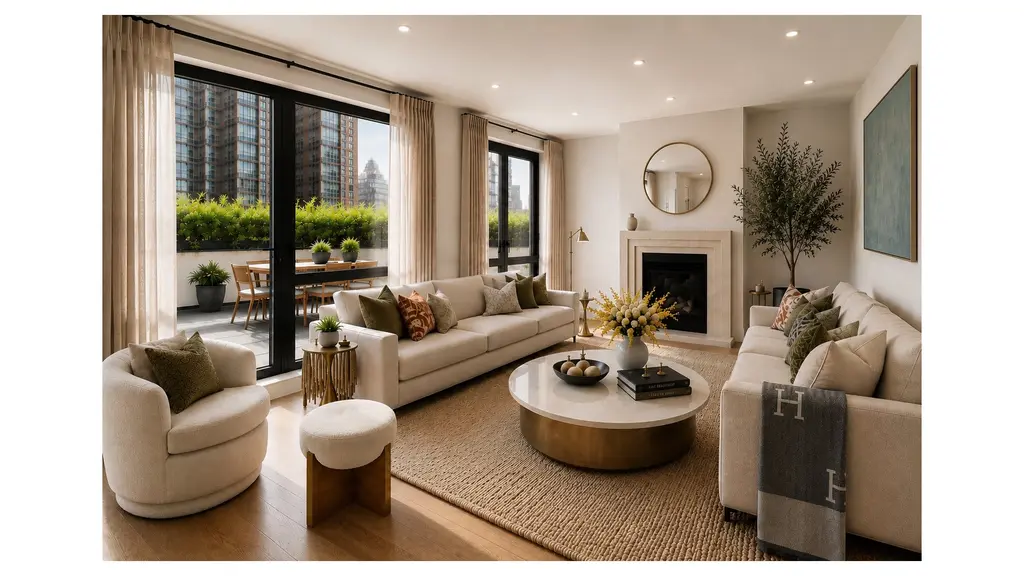
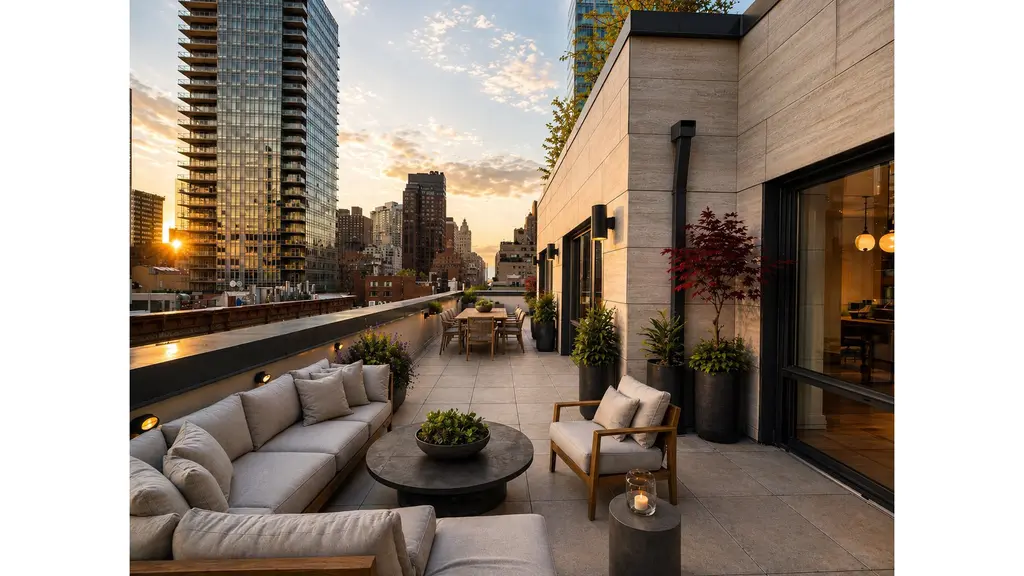
Turtle Bay/United Nations | Condominium | 4 Bedrooms, 3.5 Baths | 2,566 ft2
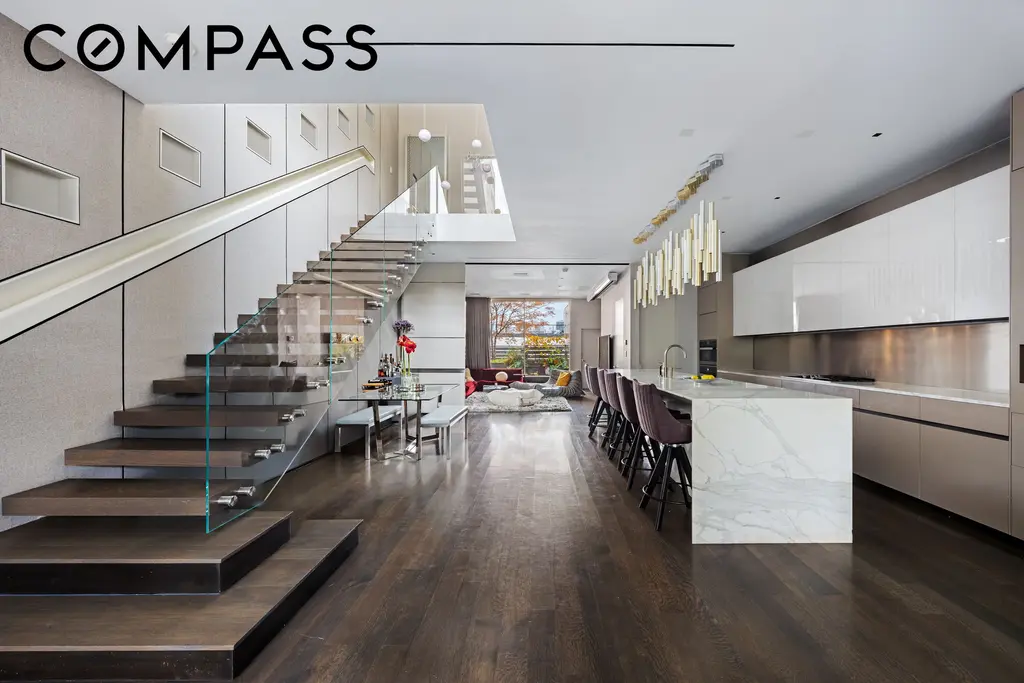
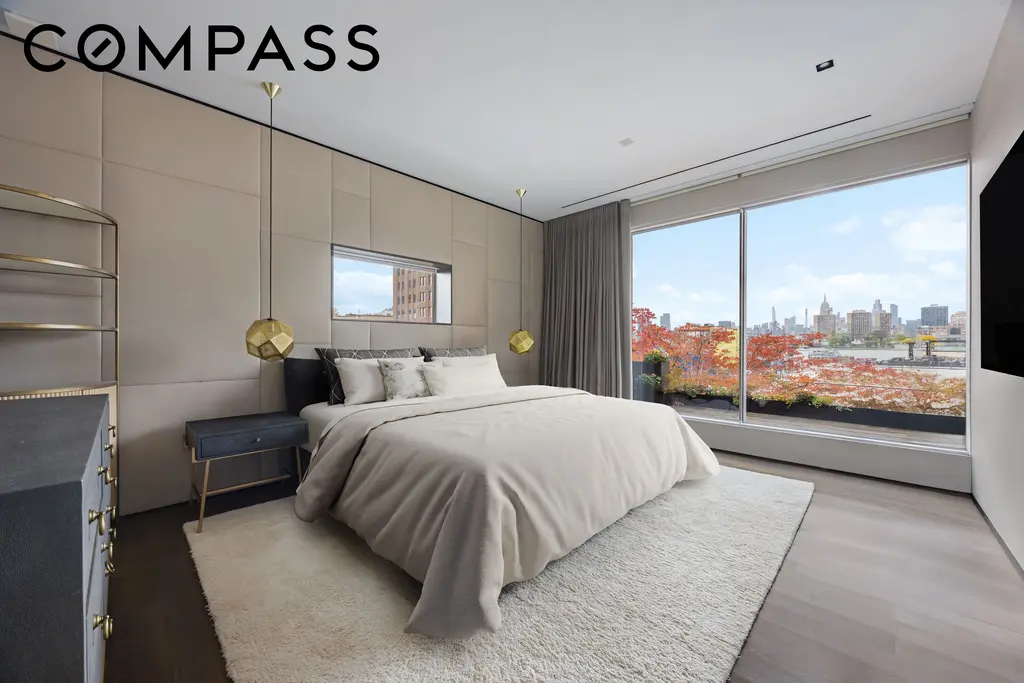
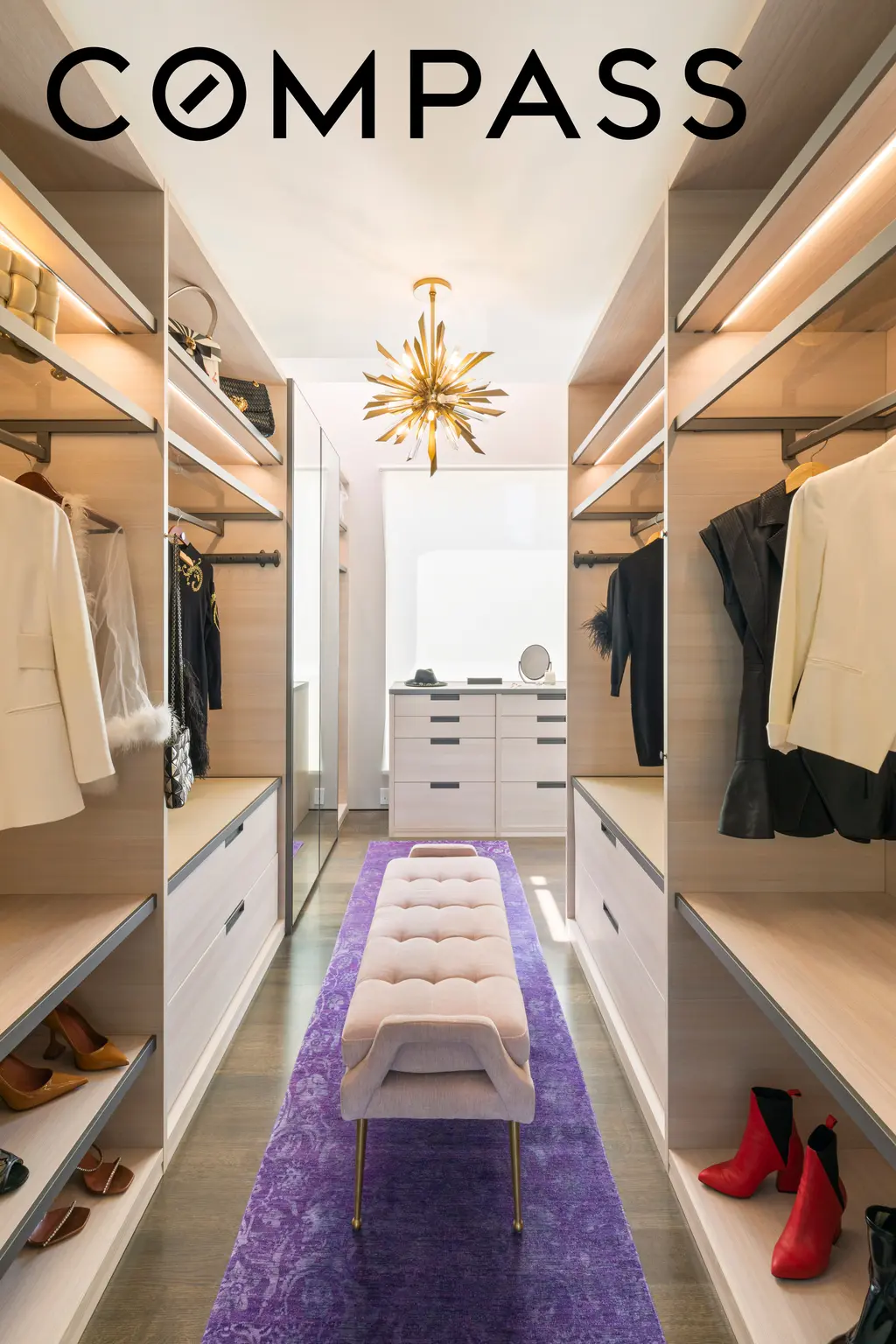
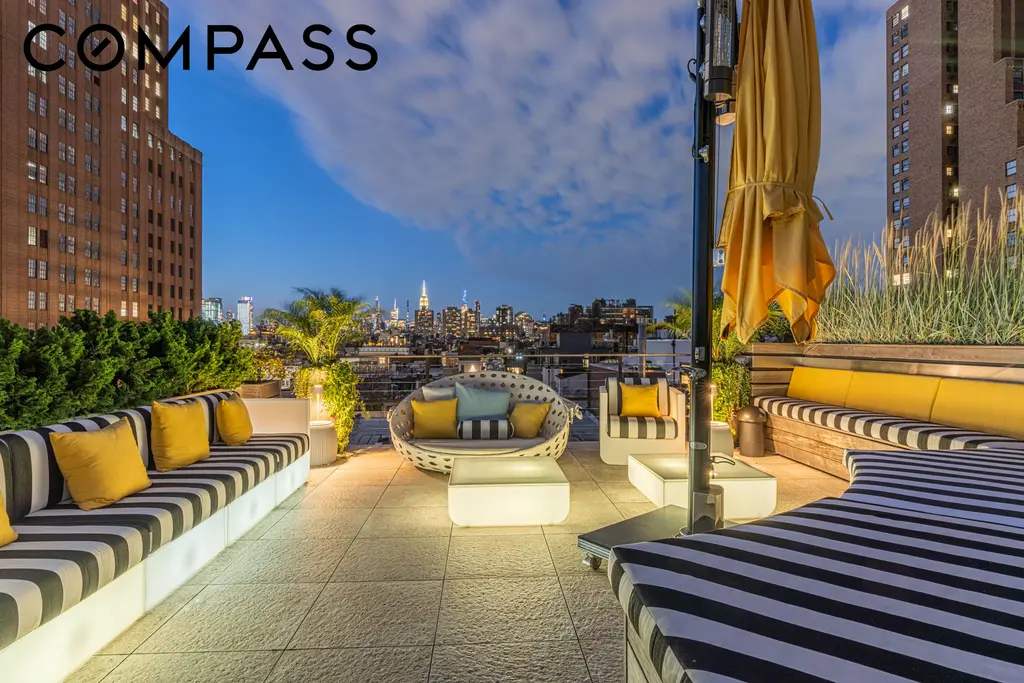
St. James Tower, #PH
$8,500,000
Beekman/Sutton Place | Condominium | 4 Bedrooms, 4.5 Baths | 7,835 ft2
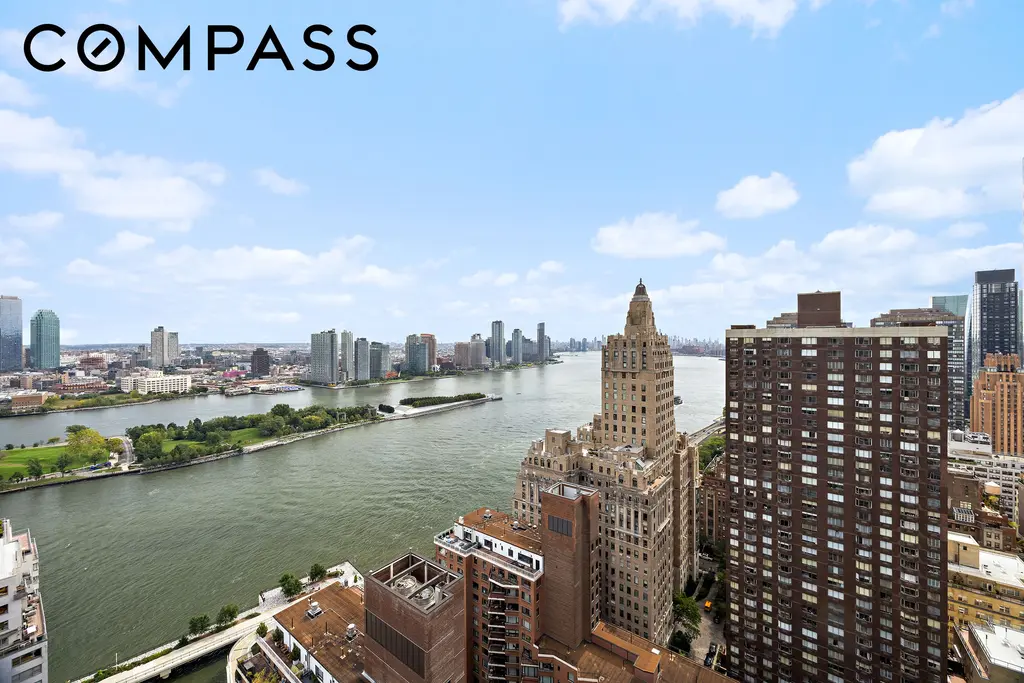
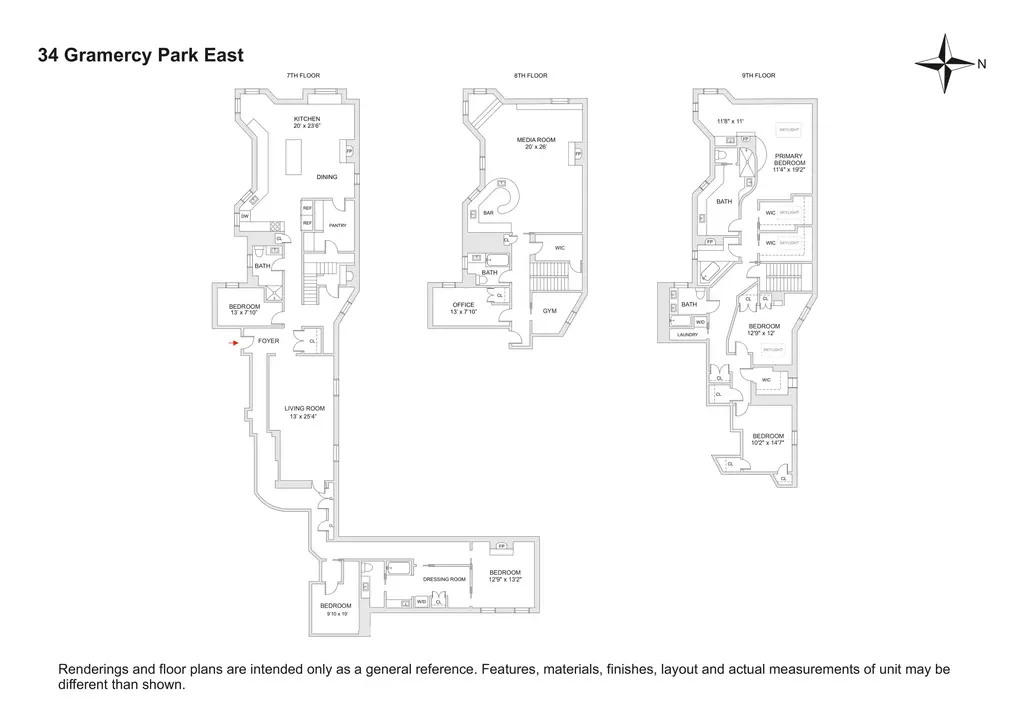
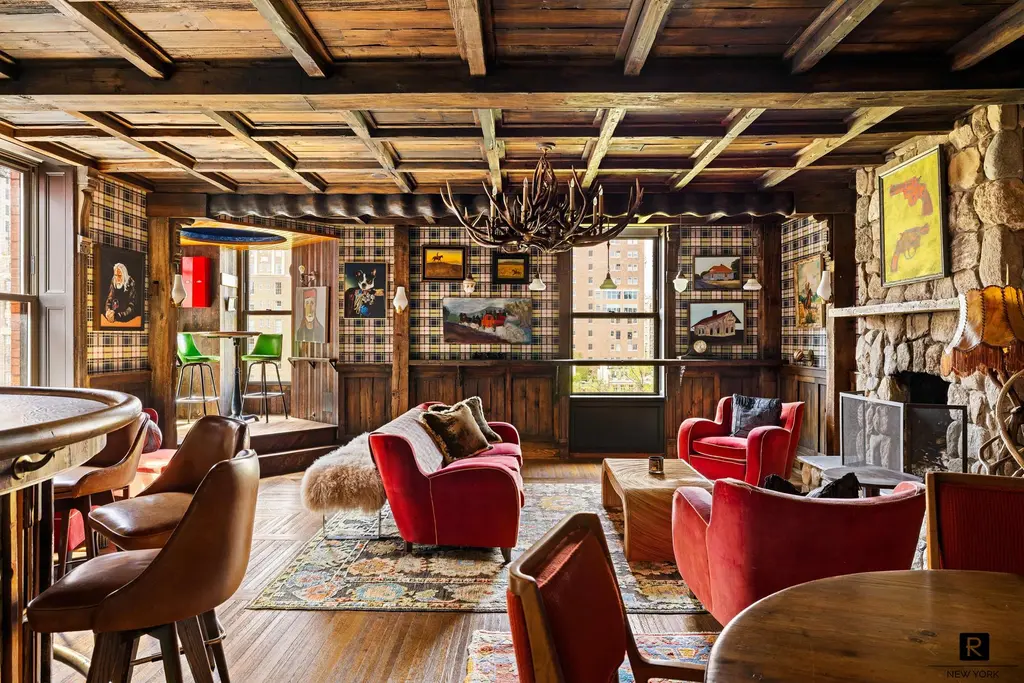

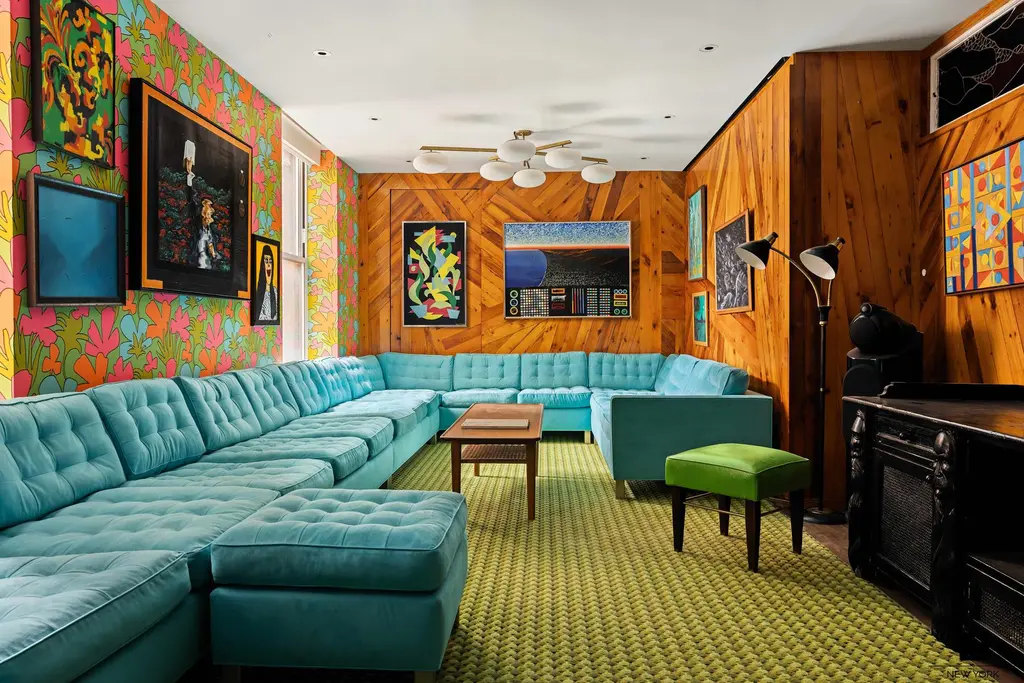
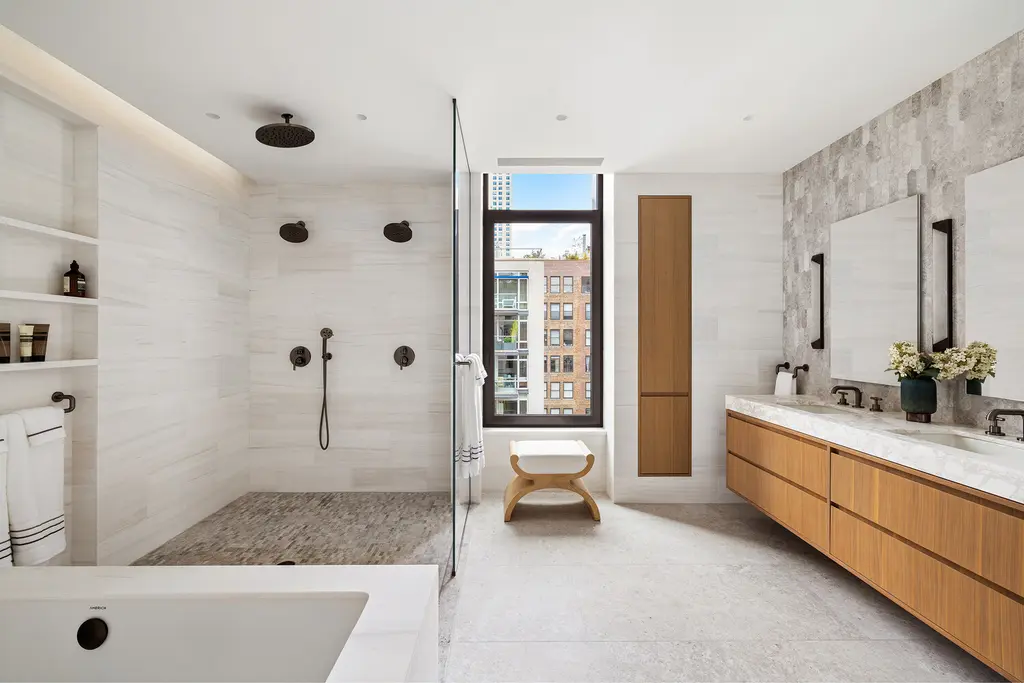
Liberty Lofts, #PH10B
$13,995,000
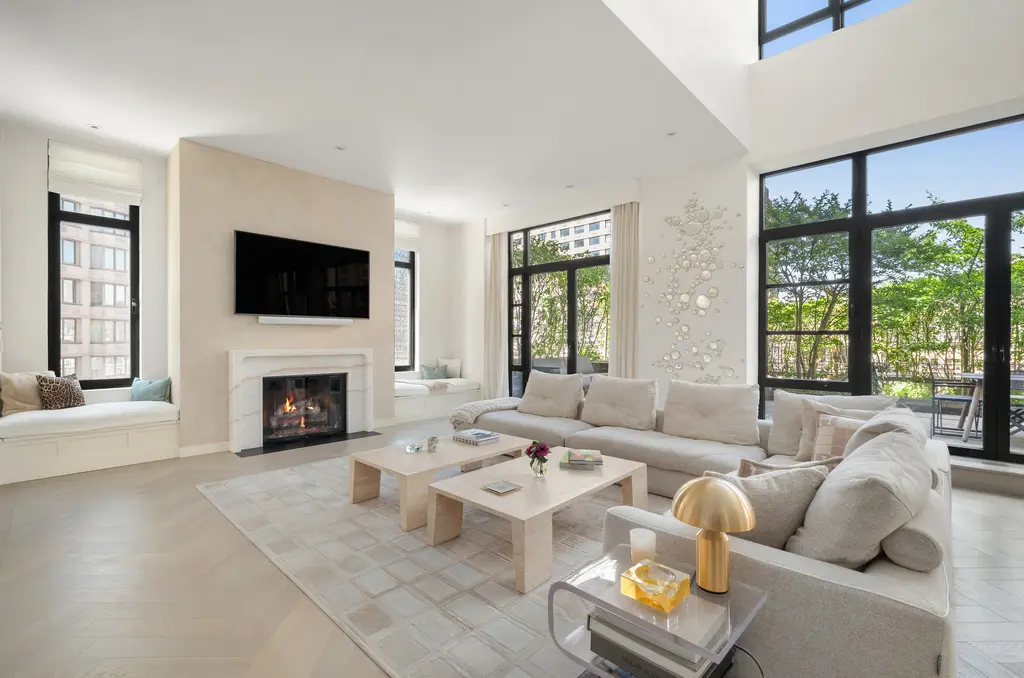
Central Park West | Condominium | 4 Bedrooms, 4.5 Baths | 4,002 ft2
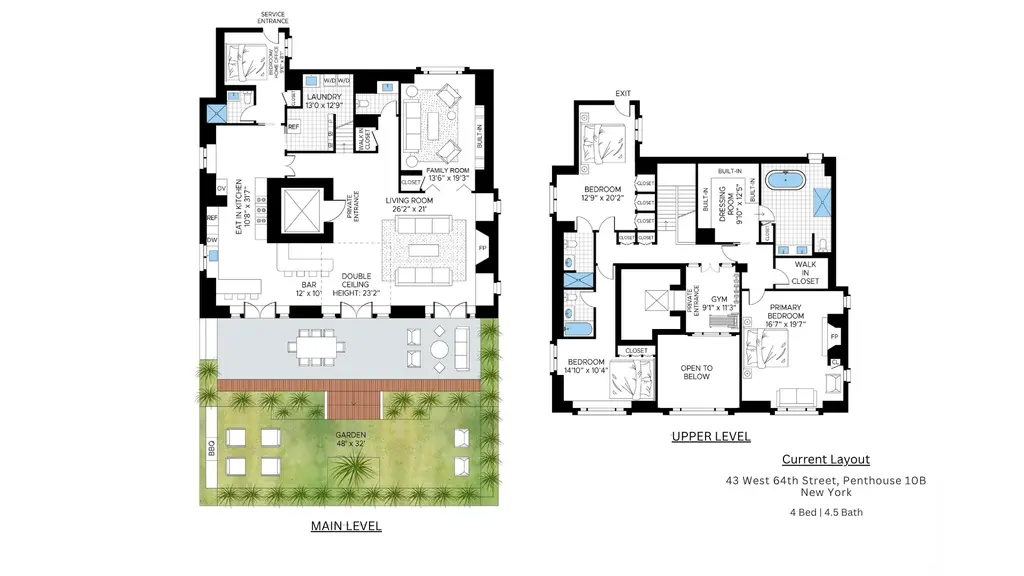
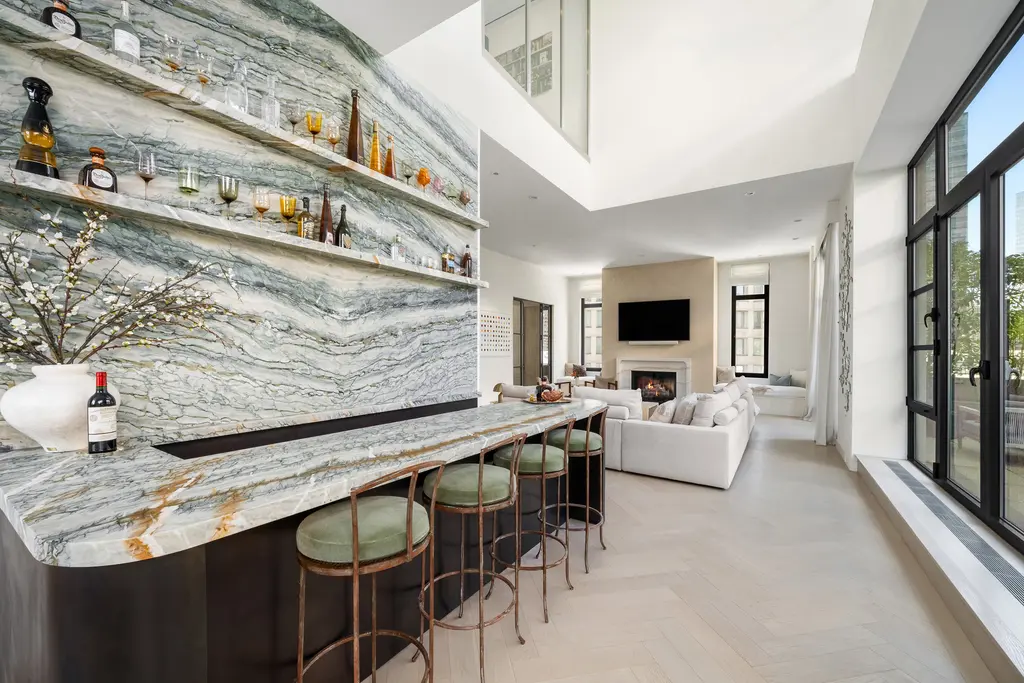
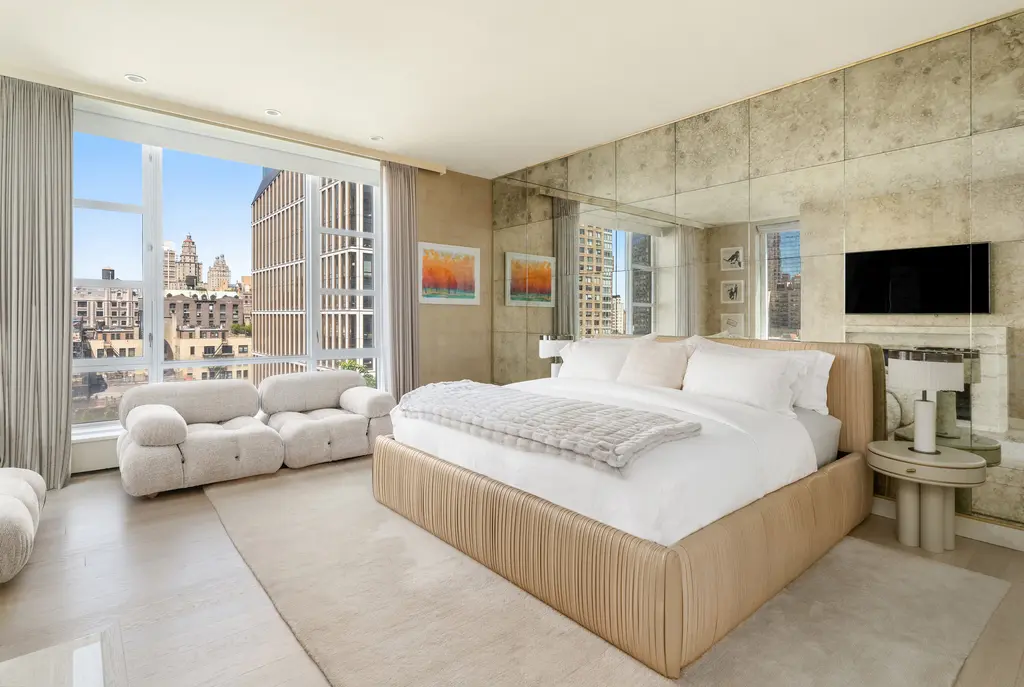
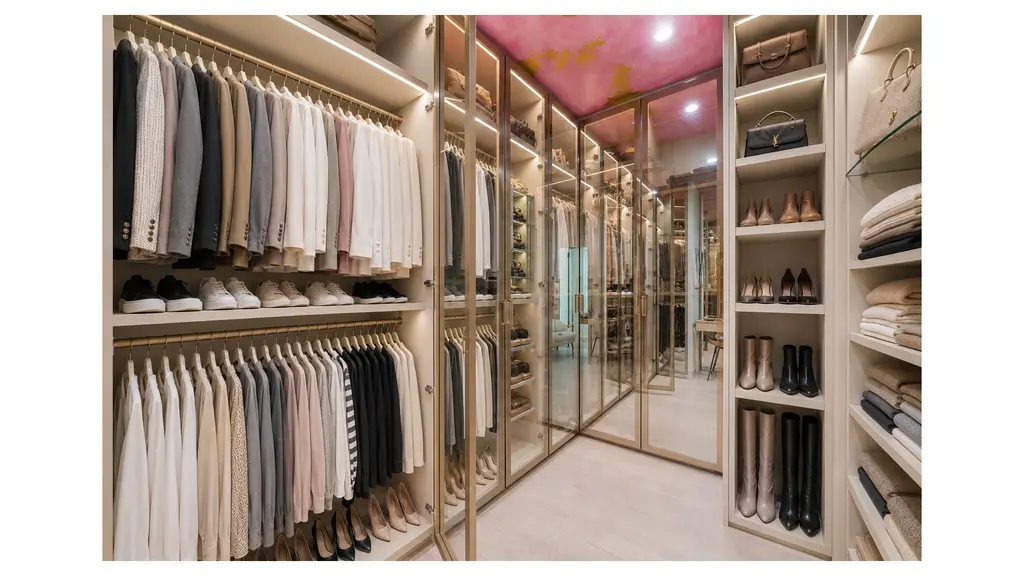
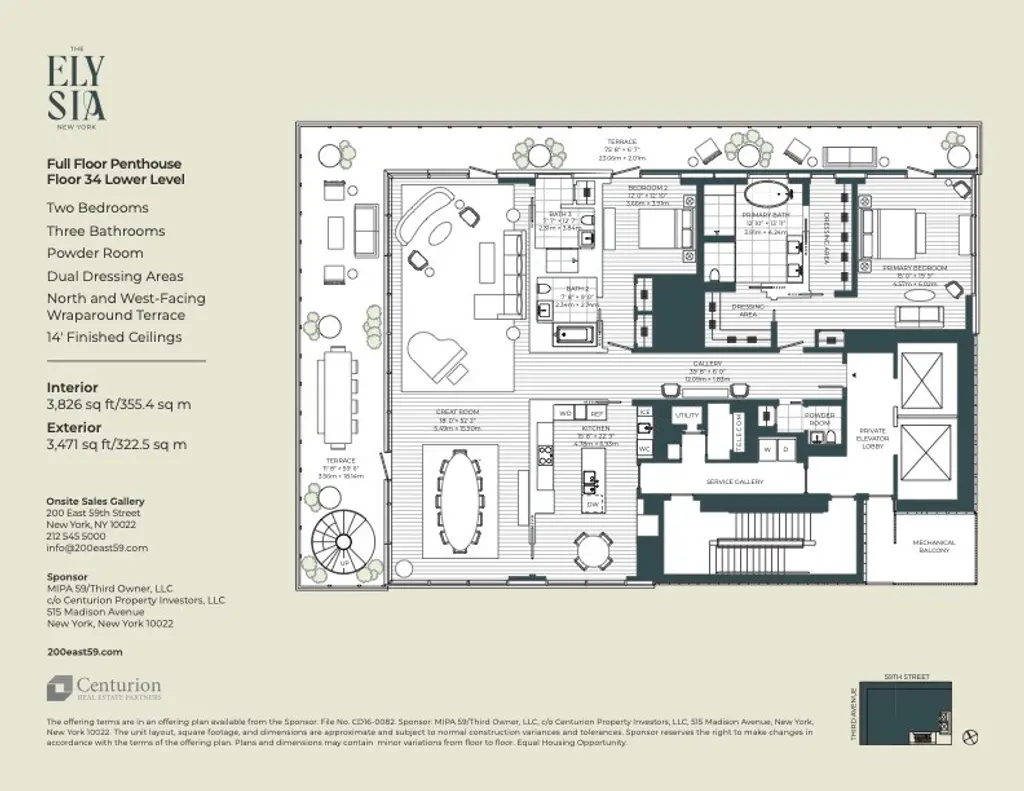
200 East 59th Street, #PH34
$14,500,000
Midtown East | Condominium | 2 Bedrooms, 3.5 Baths | 3,826 ft2
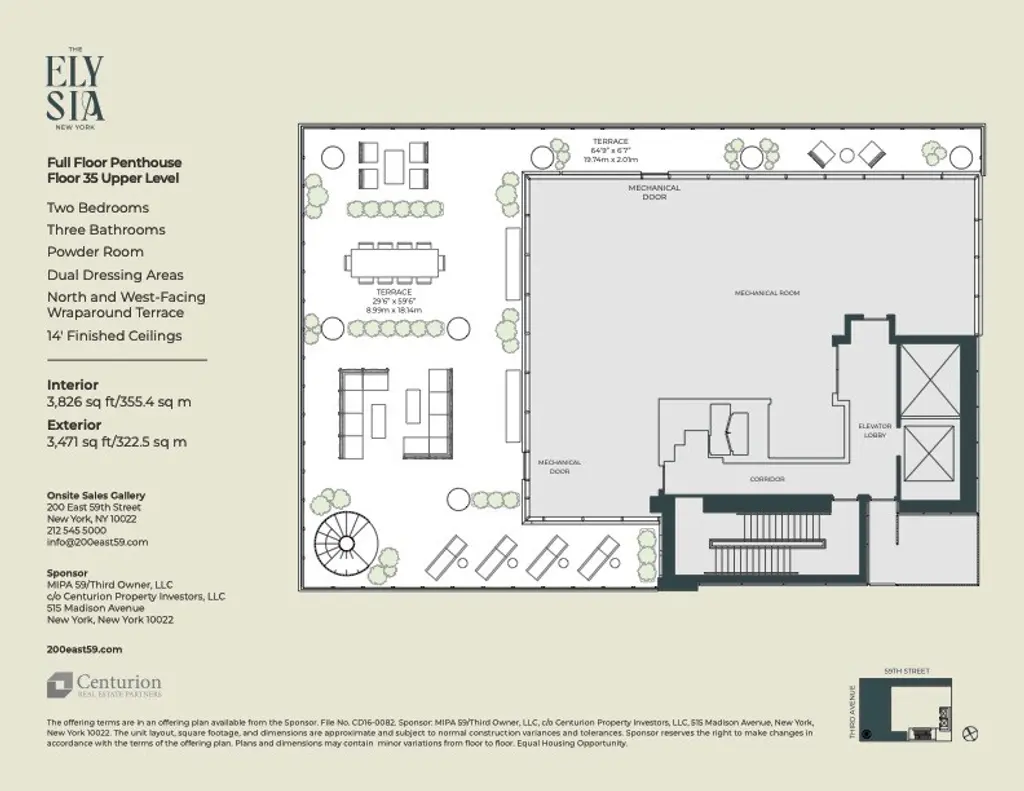
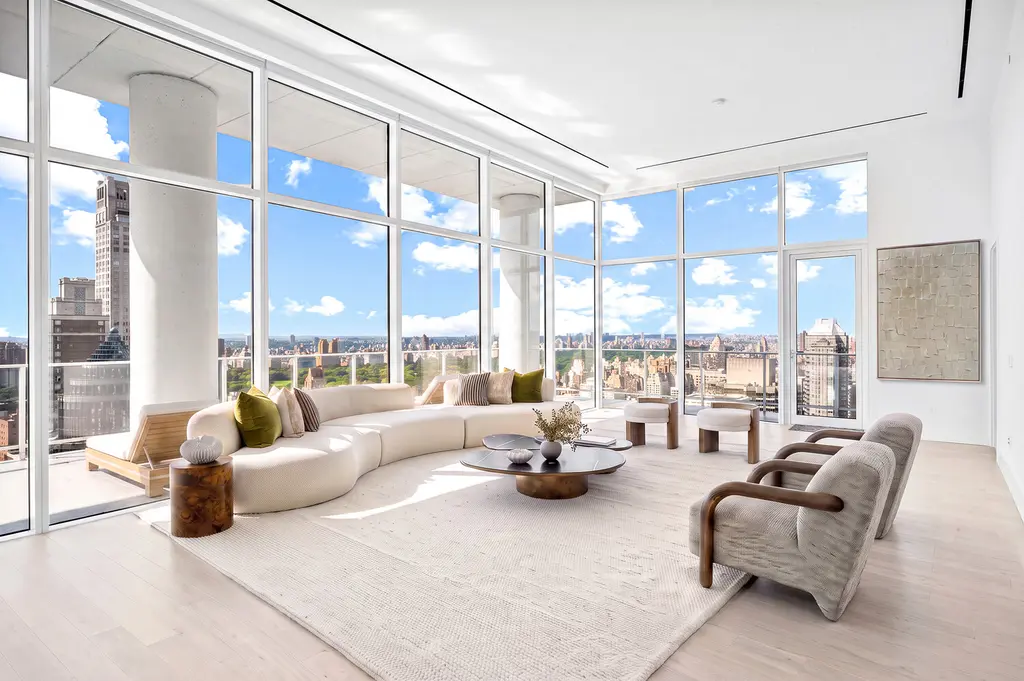
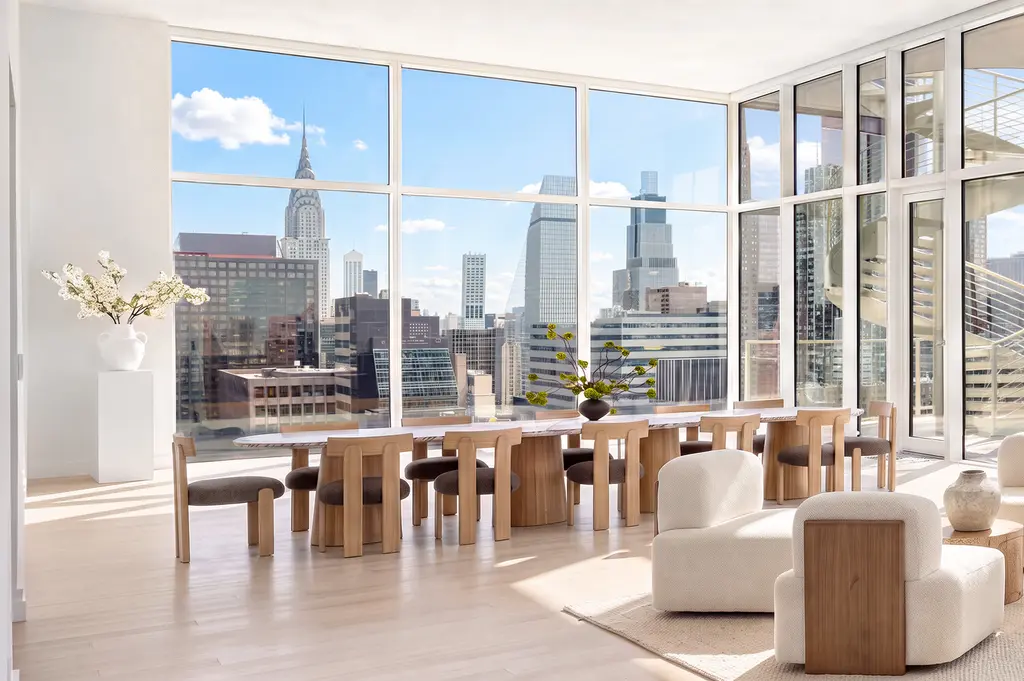
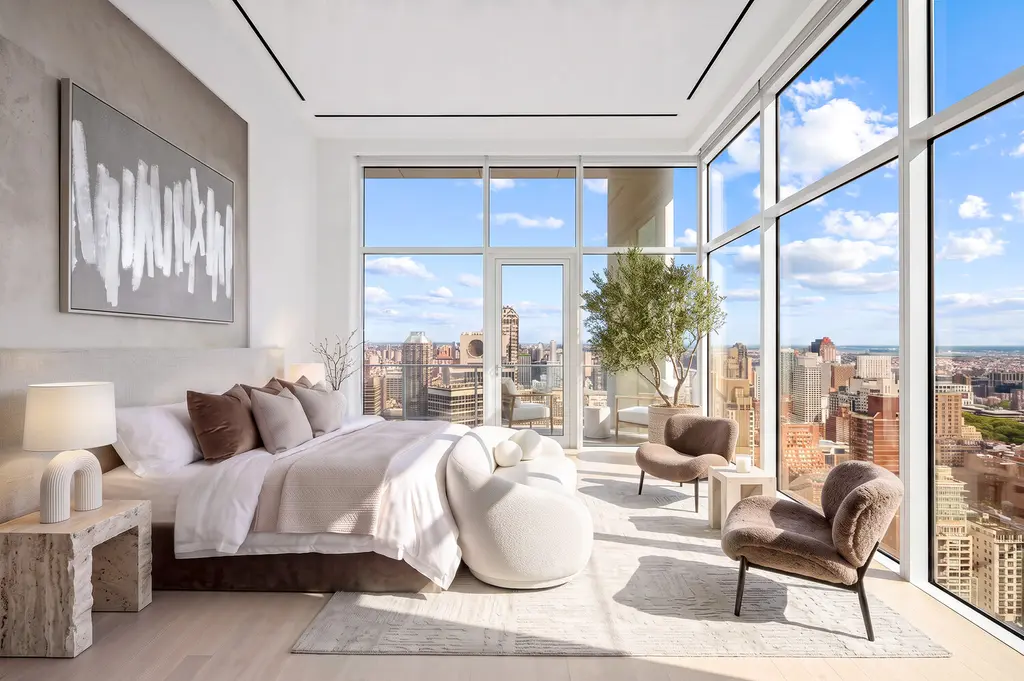
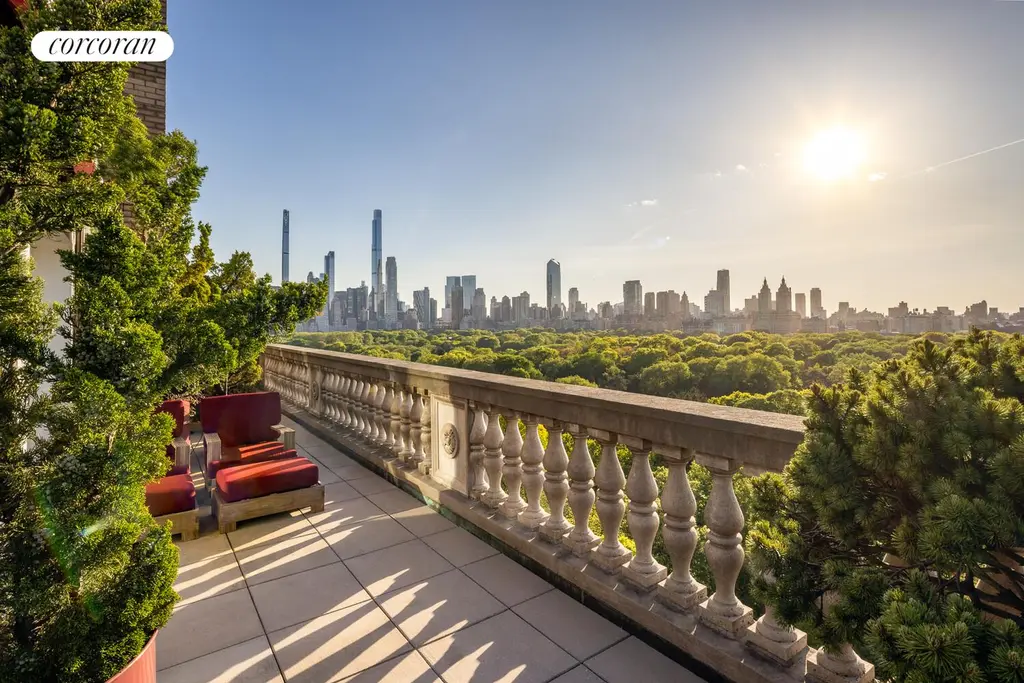
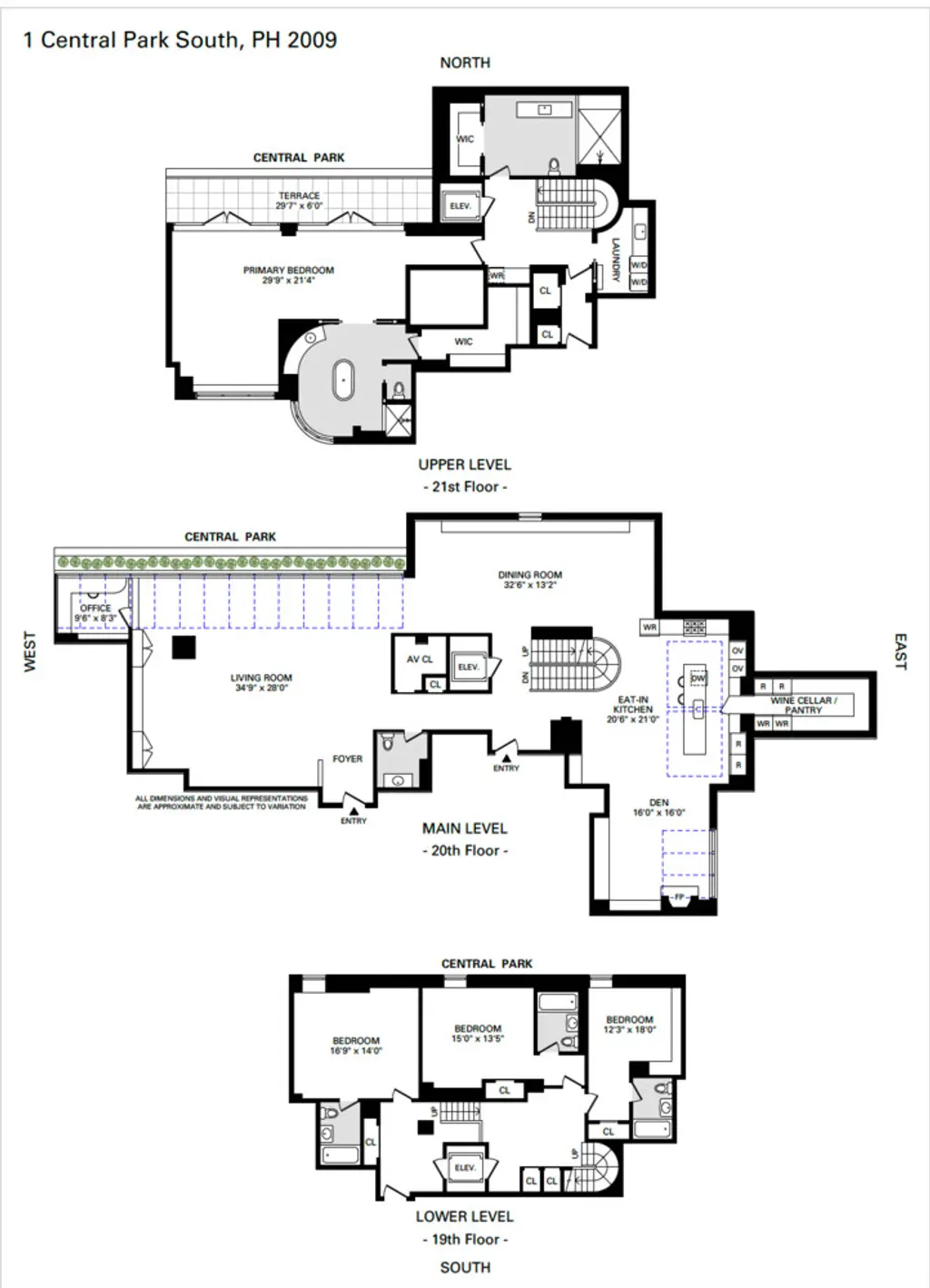
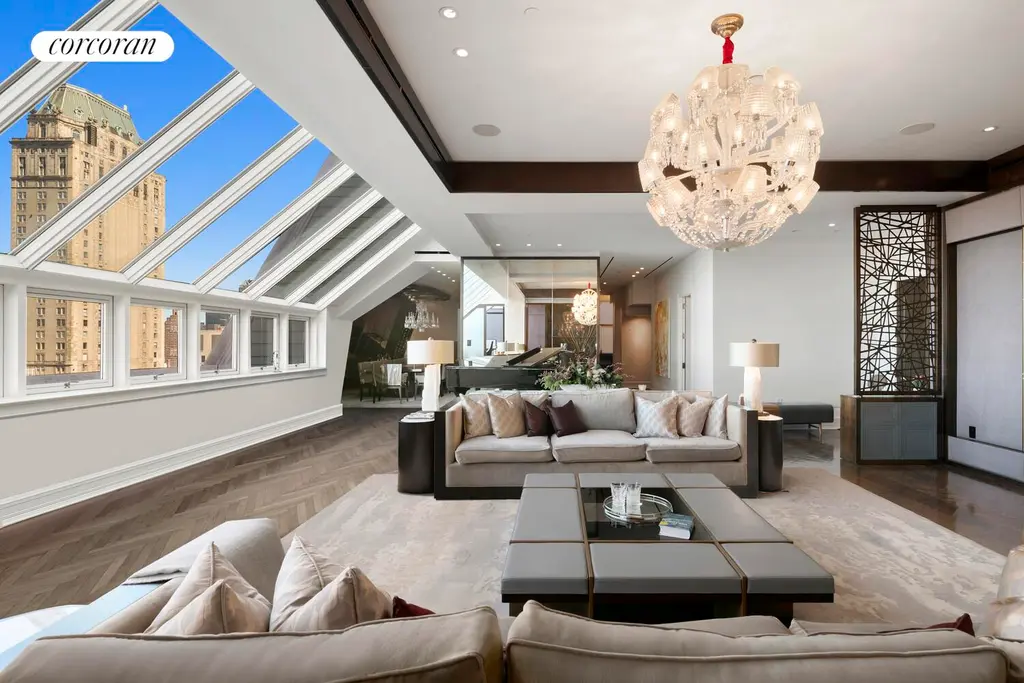
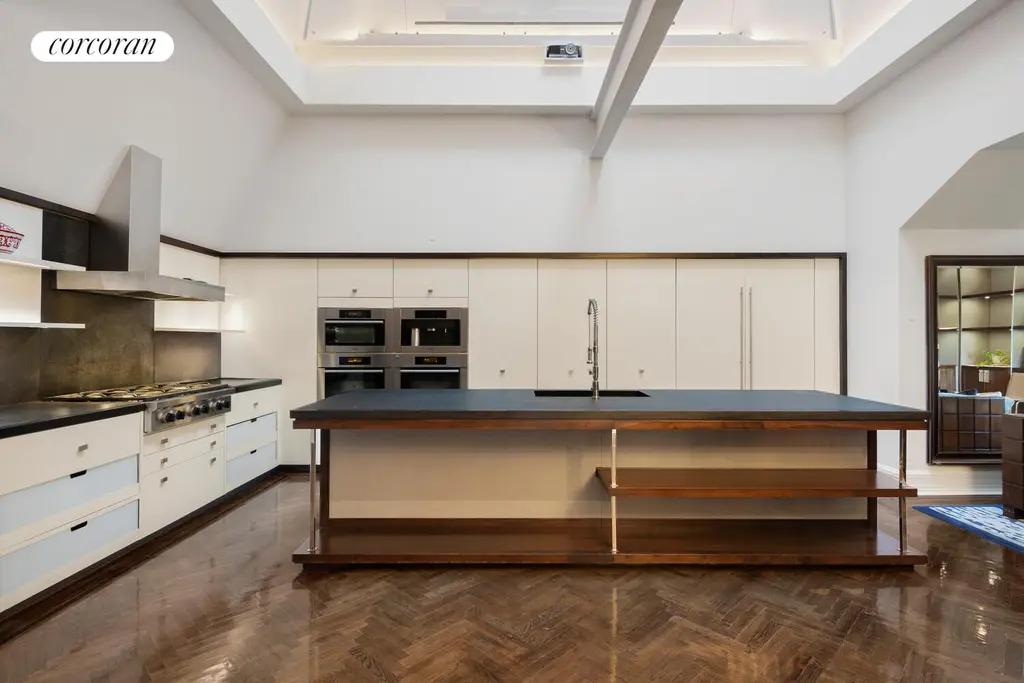
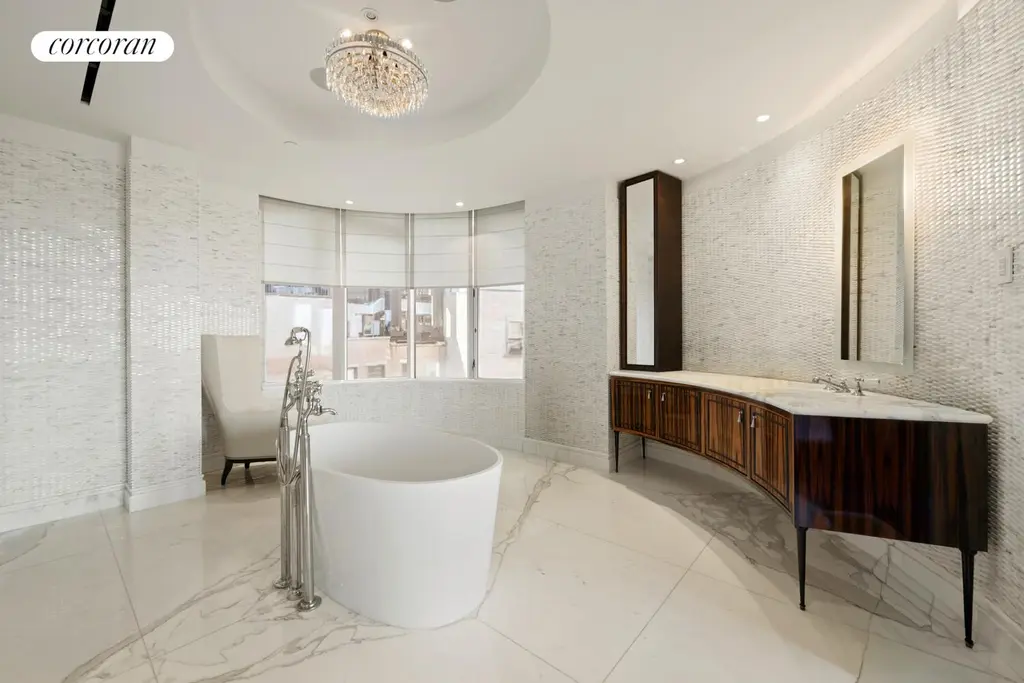
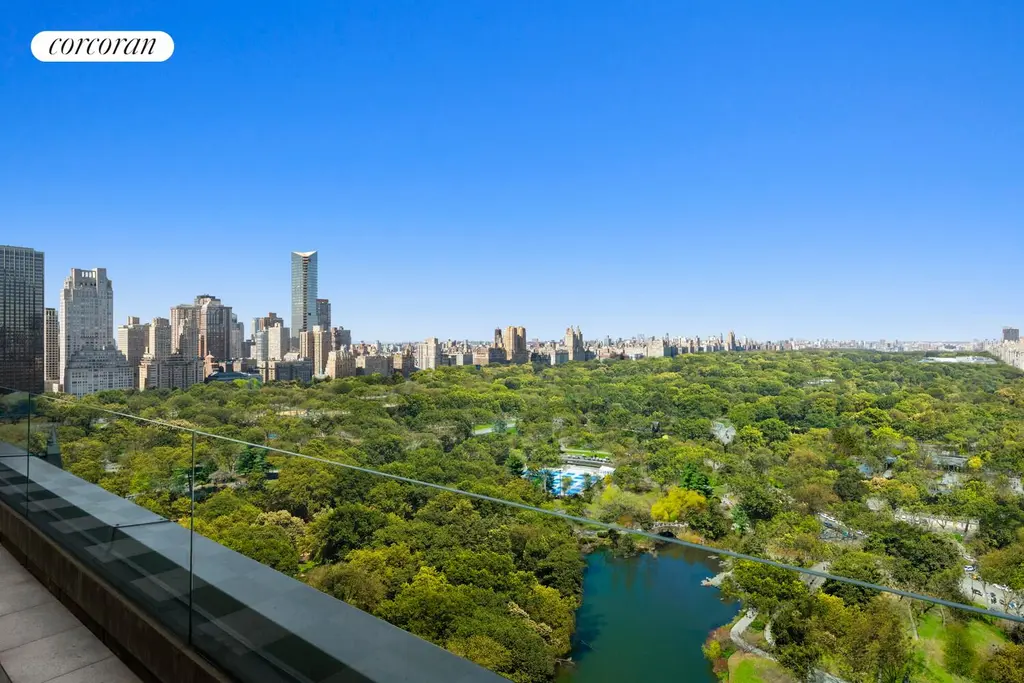
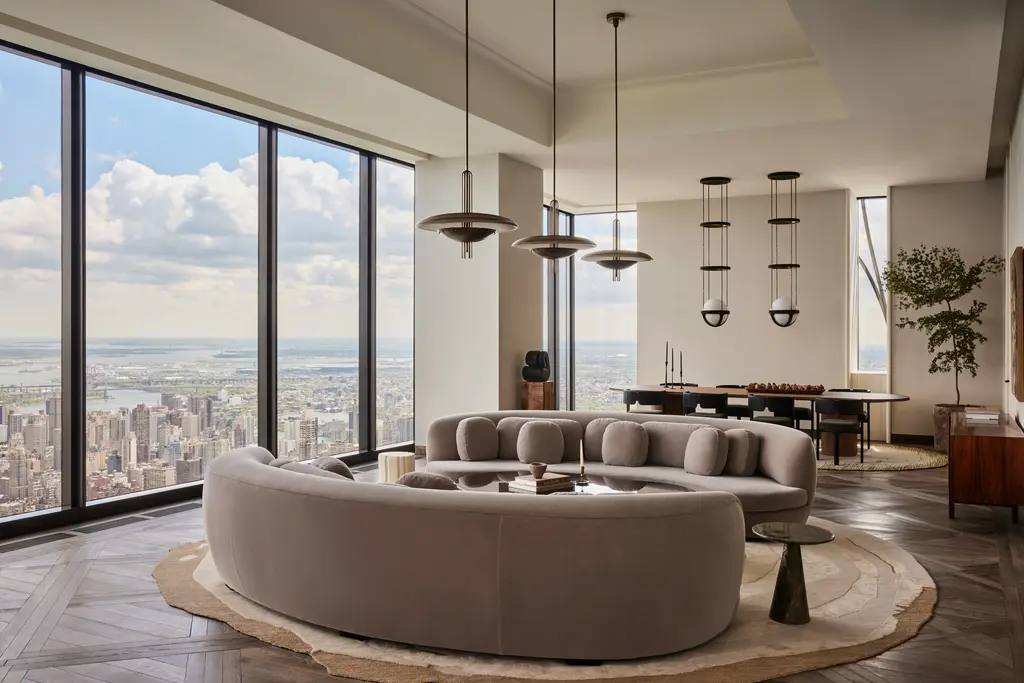
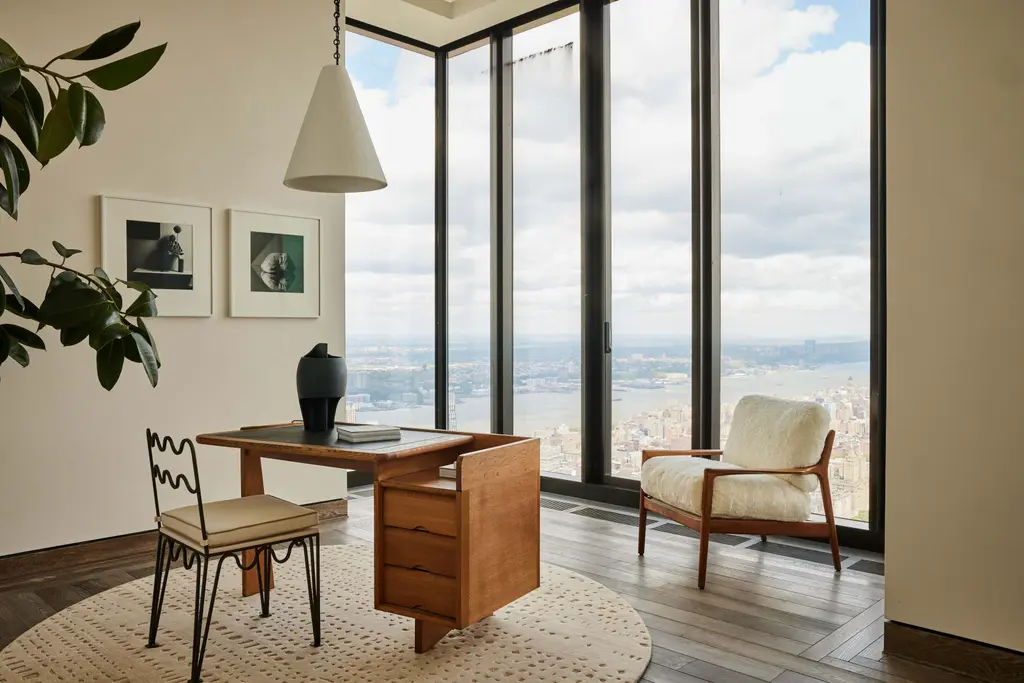
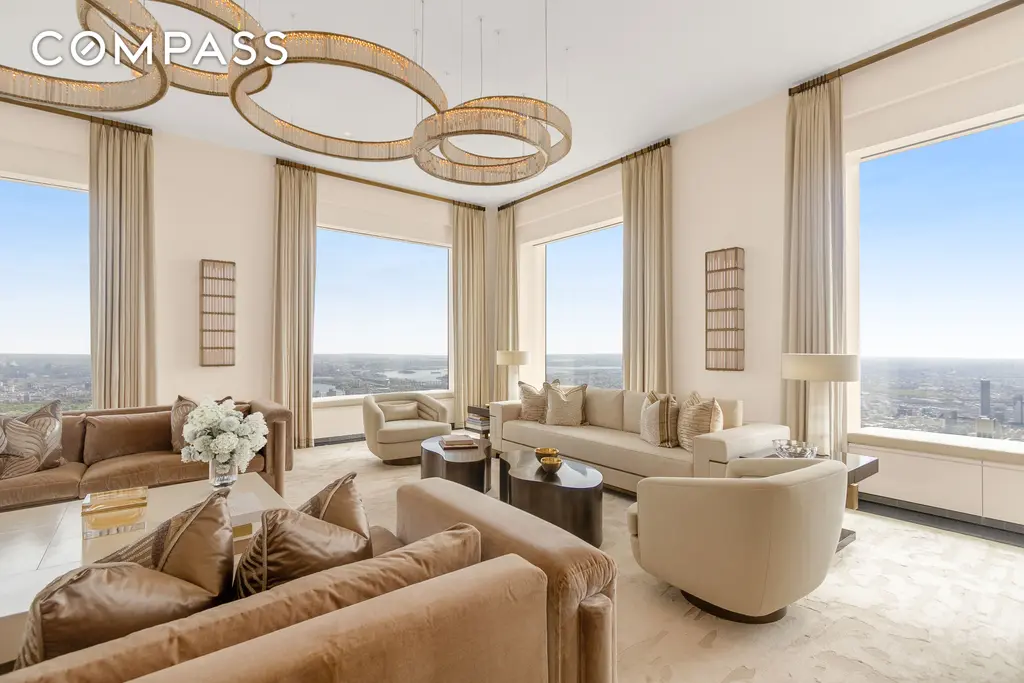
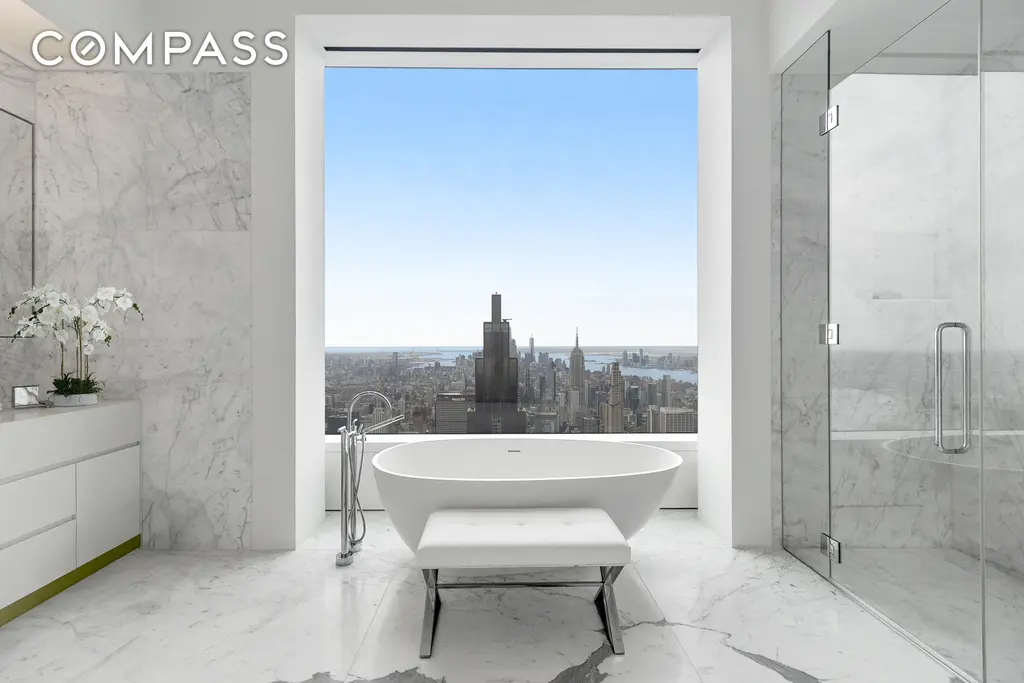
111 West 57th Street, #PH82
$37,500,000
Midtown West | Condominium | 2 Bedrooms, Unknown Baths | 5,586 ft2

Related Articles
Keeping the witches at bay: How finials add drama —and deterrence— to New York’s skyline
Saturday, October 31, 2026
Price Cuts: Tommy Tune's penthouse reduced by 31%; Supertall sells out while other developers slash prices on last availabilities
Wednesday, October 28, 2026
Fireplaces in NYC homes: The romance, reality and listings to warm up to
Sunday, October 25, 2026
Byron Allen’s $34M 220 CPS buy leads over $420M in Manhattan sales; Siggi’s founder buys in Tribeca, Dick Grasso sells
Wednesday, October 21, 2026
Last Chance: Final sponsor condos at 30 nearly sold-out NYC developments
Tuesday, October 20, 2026

 6sqft delivers the latest on real estate, architecture, and design, straight from New York City.
