
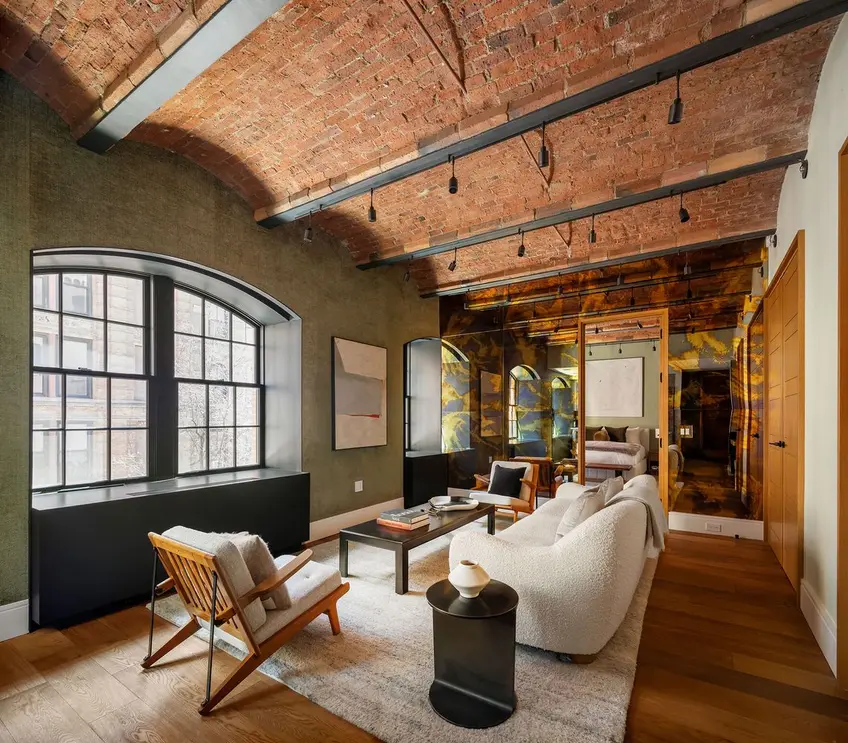
Pistachio is poised to become the defining green of Summer 2025. Following the Brat-inspired chartreuse’s reign in 2024, this softer, more grounded hue is taking center stage in fashion and interiors alike. Harper’s Bazaar credits its rise in part to TikTok’s obsession with pistachio-colored Dubai chocolates, and recent collections by Gucci, Prada, and Chanel. But the trend extends beyond clothing: pistachio is now turning up in sofas, wall colors, and curated artwork, replacing the muted sages of past seasons. And, in New York’s most refined residences, this lush shade is doing more than refreshing palettes, it’s subtly aligning with a broader movement toward sustainability, where "green" is as much about eco-conscious design as it is about color.
The Big Apple is now of the Granny Smith variety. In a city defined by its ever-rising skyline, the color green has played an unexpectedly enduring role in the visual language of New York architecture. From ornamental terra cotta in the early 20th century to today’s living walls and glass towers tinted with sustainability, green facades have moved through styles and centuries, always reflecting the values of their time.
In this article:
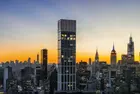
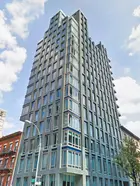

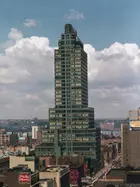
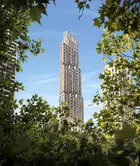
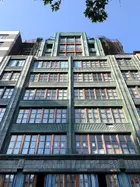
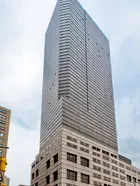
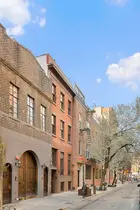
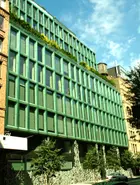
In the Beaux-Arts and early Art Deco periods, green-glazed terra cotta punctuated New York’s facades, often used as ornamental flourishes or tiled friezes. Architects used green to evoke luxury, modernity, and sophistication, often drawing on the rich symbolism of emeralds and jade. Advances in materials like green-glazed terra cotta, oxidized copper, and colored glass made it easier to incorporate vibrant hues into façades and interiors.
Green offered striking contrast against the black, gold, and stone palettes typical of the time, while also aligning with the era’s fascination with exotic motifs and streamlined glamour. In New York City, it became a signature accent in skyscrapers and lobbies, reinforcing Art Deco’s blend of elegance, innovation, and urban dynamism. An enduring symbol of this fetish is the iconic green giant, the McGraw-Hill Building, and the symbol of New York City, the green-tinged crown of the Chrysler Building. Copper, used for cornices, window trims, and rooftops, slowly oxidized into that unmistakable green patina, a now-classic feature of the cityscape. The copper-roofed Helmsley Building and the torch of the Statue of Liberty stand as icons of that enduring transformation.
By midcentury, the architectural mood changed. As the International Style and Brutalism took hold, ornament gave way to minimalism. Steel, concrete, and glass were the materials of the moment, and facades turned monochrome. Green, like so many other colors, was out.
It returned, quietly at first, in the 1980s and ’90s. Postmodernism invited a renewed playfulness with color, and architects began experimenting again. Green-tinted reflective glass, once a novelty, became increasingly common in curtain wall construction. Pritzker Prize laureate Philip Johnson and others folded shades of teal and jade into their work, often more in reference to the past than a call to the future.
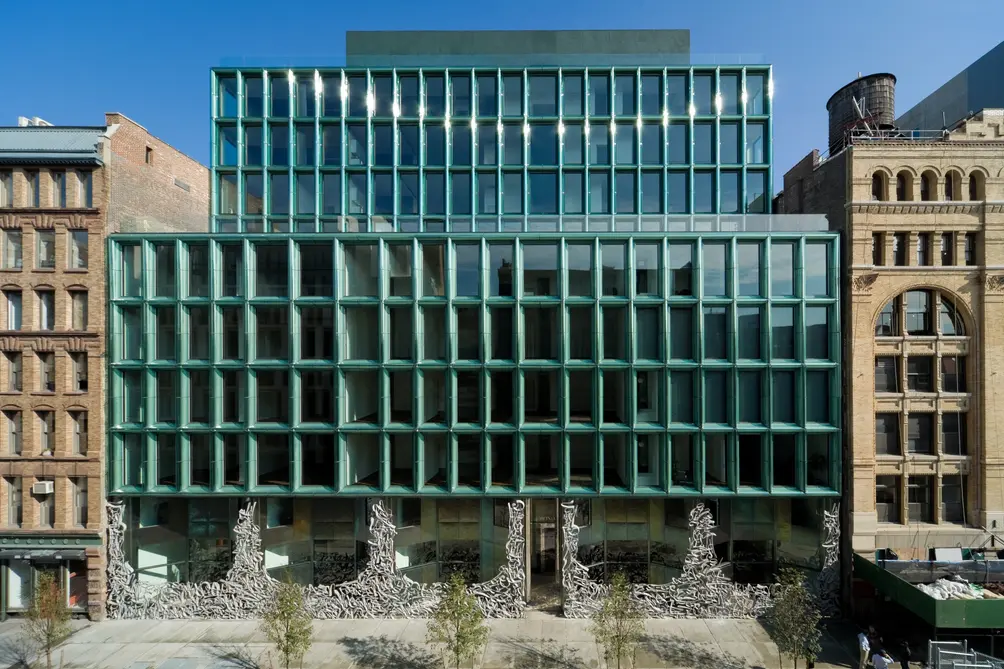 40 Bond Street
That call came in the early 2000s. As the conversation around sustainability deepened, green facades took on new meaning, not just as a visual gesture, but as a performance tool. Herzog & de Meuron chose a striking bottle-green glass façade for 40 Bond Street as a contemporary reinterpretation of the cast-iron architecture typical of SoHo and NoHo. Instead of replicating historical materials, they abstracted the neighborhood’s legacy into thick, curved glass panels that function as a rain screen while creating a jewel-like, sculptural presence. The green tint, chosen for its elegance and resonance with luxury, also references the traditional patinas of older buildings and allows the façade to shift with the light throughout the day.
Buildings like One Bryant Park, the city’s first LEED Platinum skyscraper, used green-tinted glass not for style, but for function, controlling solar gain and improving energy efficiency. In the Bronx, projects like Via Verde integrated actual vegetation into their exteriors, combining affordable housing with rooftop gardens and trellised balconies. In Battery Park City, The Visionaire made headlines with its green roofs and fresh-air filtration systems.
Now, “green” in New York architecture is as likely to refer to a building’s environmental rating as its color palette. Yet the hue remains deeply symbolic, one of rebirth, of renewal, of the possibility that even the densest urban fabric can be softened, cooled, and made just a little more humane.
Skidmore, Owings & Merrill’s recently completed 7 Hudson Square is set to become a prominent new anchor in Hudson Square, the transforming neighborhood just west of Soho. Designed as Disney’s new headquarters and dubbed the Robert A. Iger Building, it was intentionally conceived as more solid and grounded than the glass towers rising nearby.
The use of green terra-cotta was a deliberate early design choice, aimed at creating a sense of continuity with the area’s historic façades while offering a refined, modern expression. The matte finish subtly evokes the neighborhood’s industrial past, particularly its roots in printmaking. Architect Justin Koop noted that the glaze shifts with the light, giving the facade a sense of movement and variation not found in the surrounding masonry buildings.
The use of green terra-cotta was a deliberate early design choice, aimed at creating a sense of continuity with the area’s historic façades while offering a refined, modern expression. The matte finish subtly evokes the neighborhood’s industrial past, particularly its roots in printmaking. Architect Justin Koop noted that the glaze shifts with the light, giving the facade a sense of movement and variation not found in the surrounding masonry buildings.
In West Chelsea, The Fitzroy is a striking condominium distinguished by its deep green facade, accented with copper spandrels, window frames, terra-cotta cladding, and subtle Art Deco references. The building’s rich exterior was made possible through the craftsmanship of Boston Valley Terra Cotta, which produced 5,600 individual terra-cotta blocks, 500 of them completely unique. Each piece underwent a precise spray glazing process to ensure an even, consistent finish, then spent time in high-temperature kilns where clay and glaze fused into their final form. Emerging from the kiln with a lustrous, jewel-toned green surface, the terra-cotta elements were ready to become part of The Fitzroy’s distinctive architectural identity.
FXCollaborative’s 303 East 77th Street blends classic New York Art Deco influences with modern sustainable design. Rising 18 stories on the Upper East Side, the luxury tower’s design draws on the scale and proportions of traditional Art Deco architecture, expressed through staggered two-story window groupings that accentuate verticality. A rain screen system clad in Malachite Green phenolic panels adds both color and performance, supporting the building’s goal of achieving LEED Silver certification.
In the shifting landscape of New York’s skyline, green facades have remained a quiet throughline: ornamental, oxidized, reflective, and alive. Their story is, in many ways, the story of the city itself, reinventing, reinterpreting, and always reaching toward the light.
Would you like to tour any of these properties?
Just complete the info below.
Or call us at (212) 755-5544
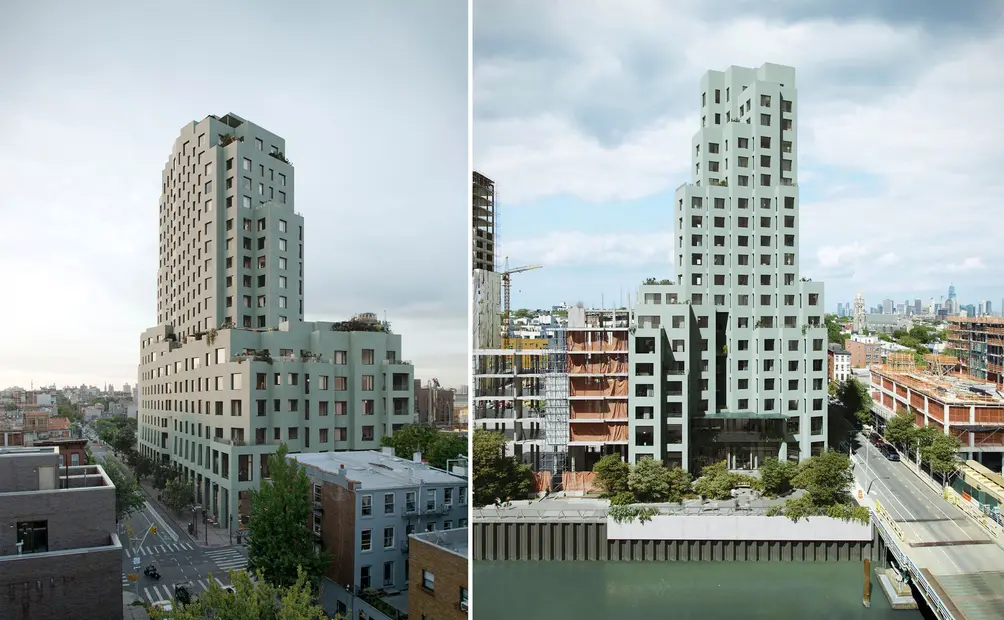 450 Union is an under construction, 158-unit rental tower in Gowanus designed by SO-IL and Magnusson Architects, and developed by Tankhouse with McArthur Holdings
Active listings with splashes of green
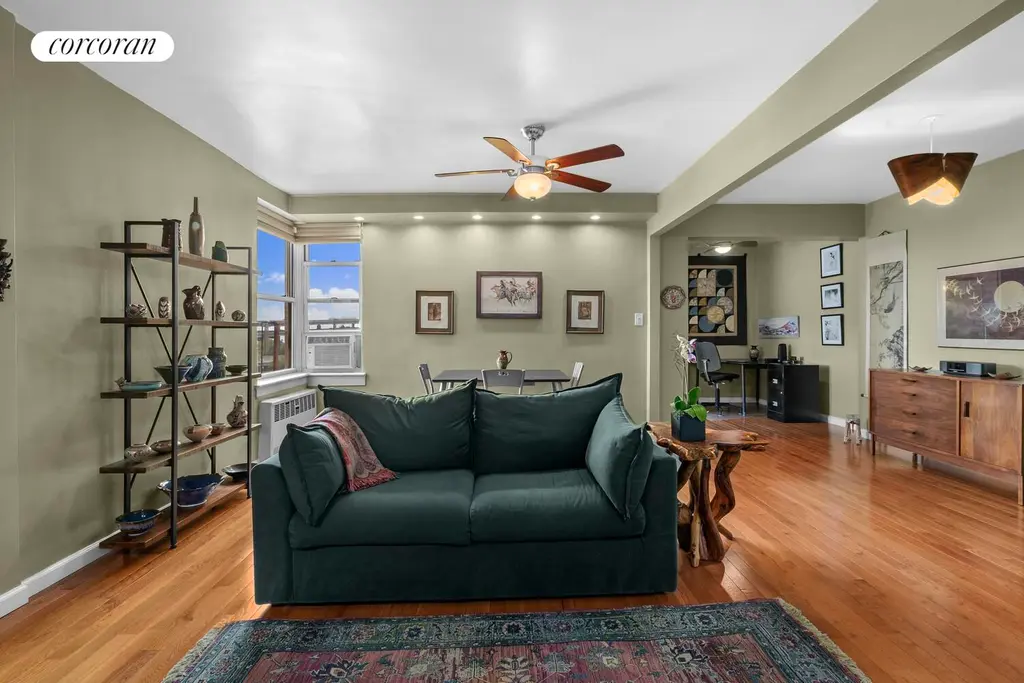
9707 Fourth Avenue, #7H (Corcoran Group)
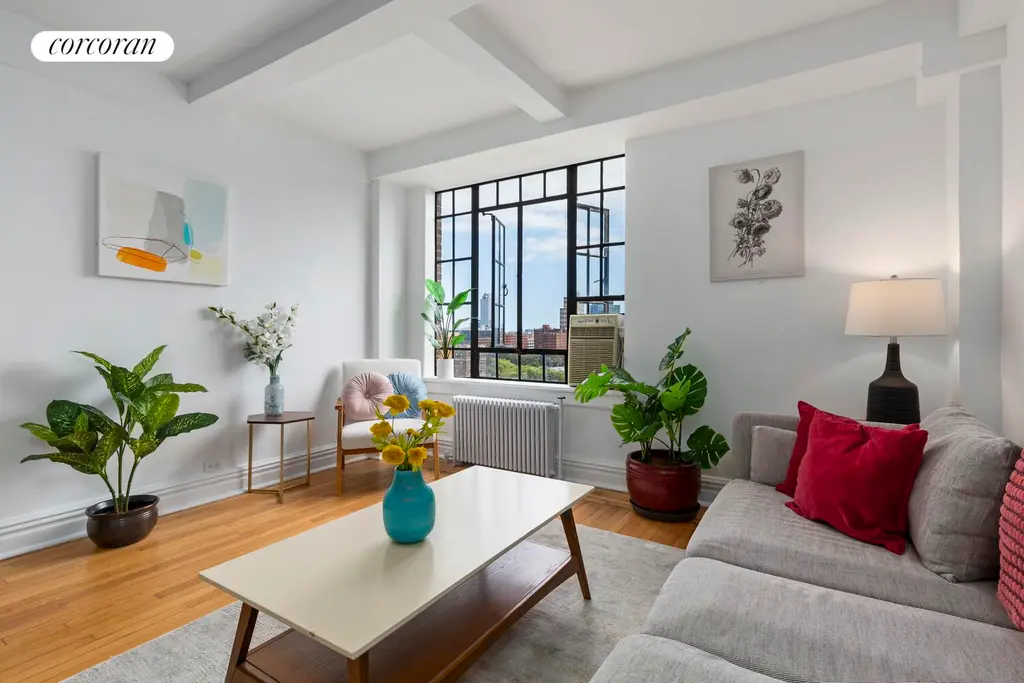
The Griffin, #15B (Corcoran Group)
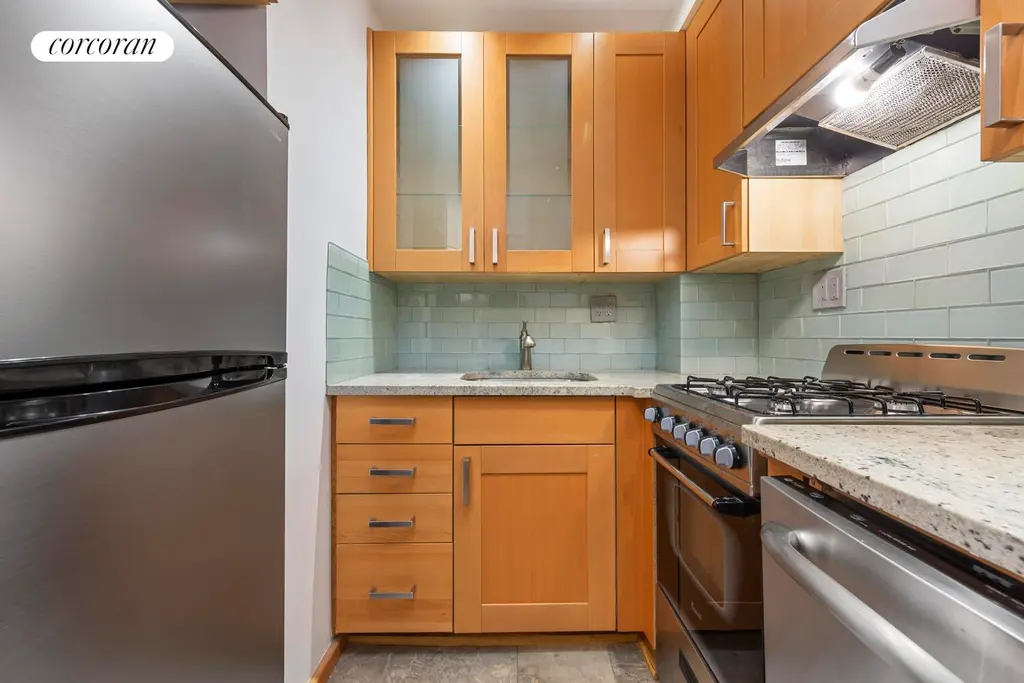
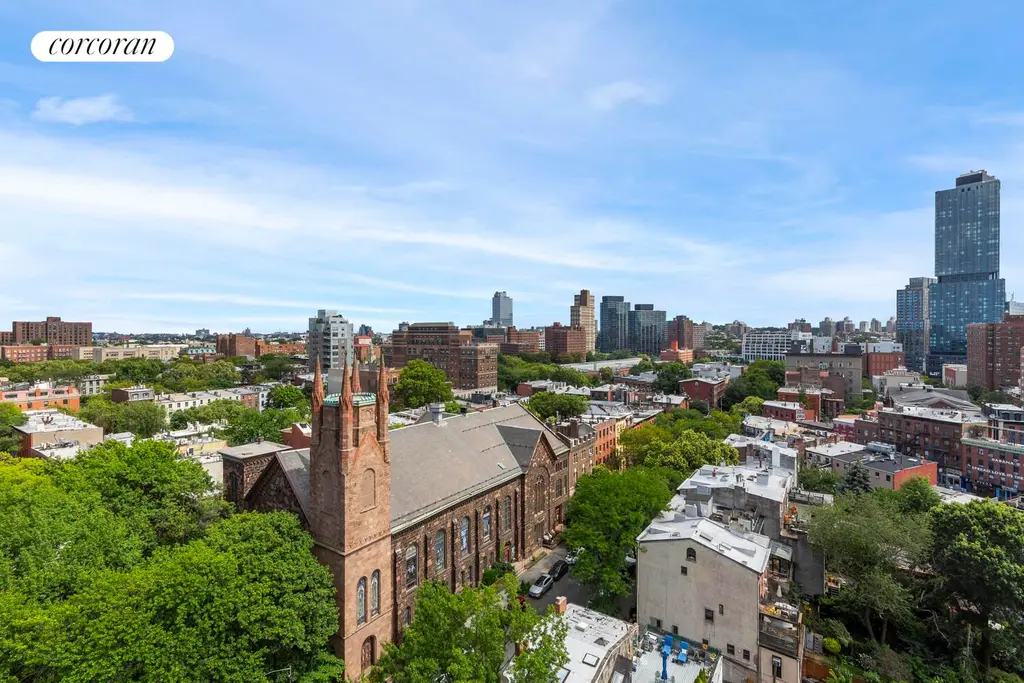
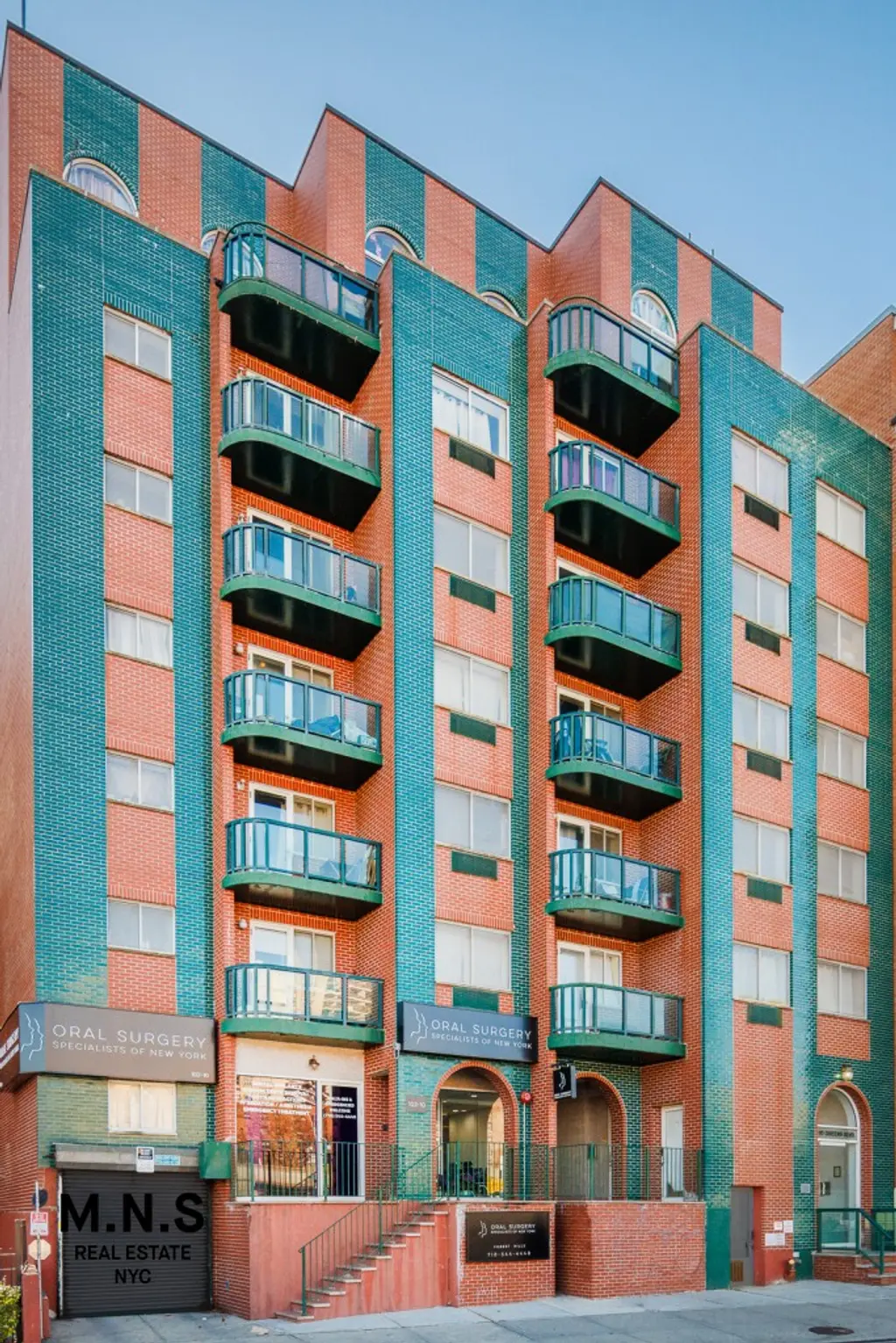
102-10 Queens Boulevard, #704 (MNS)
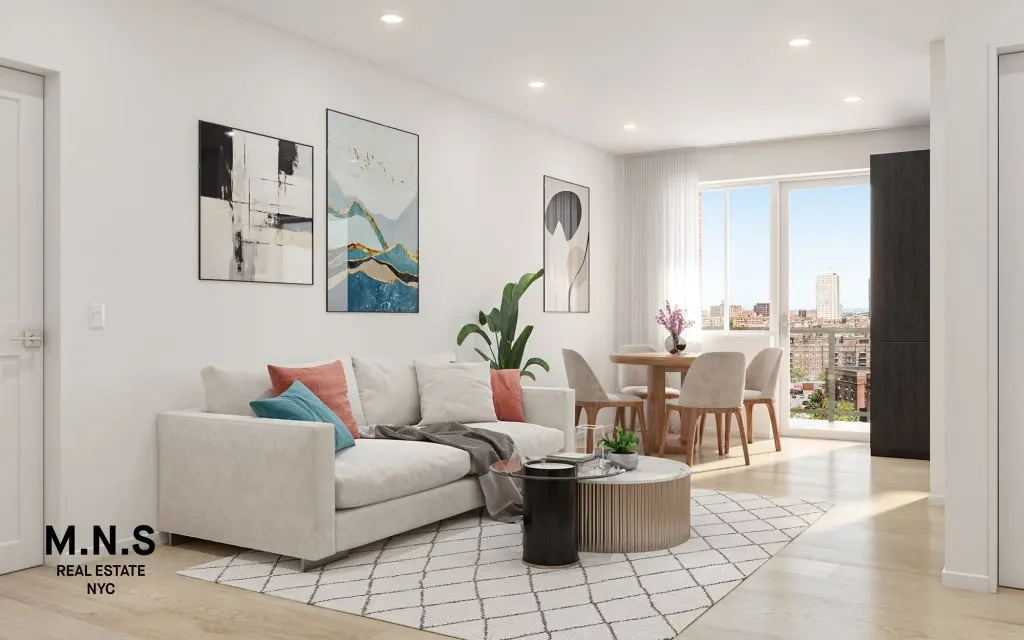
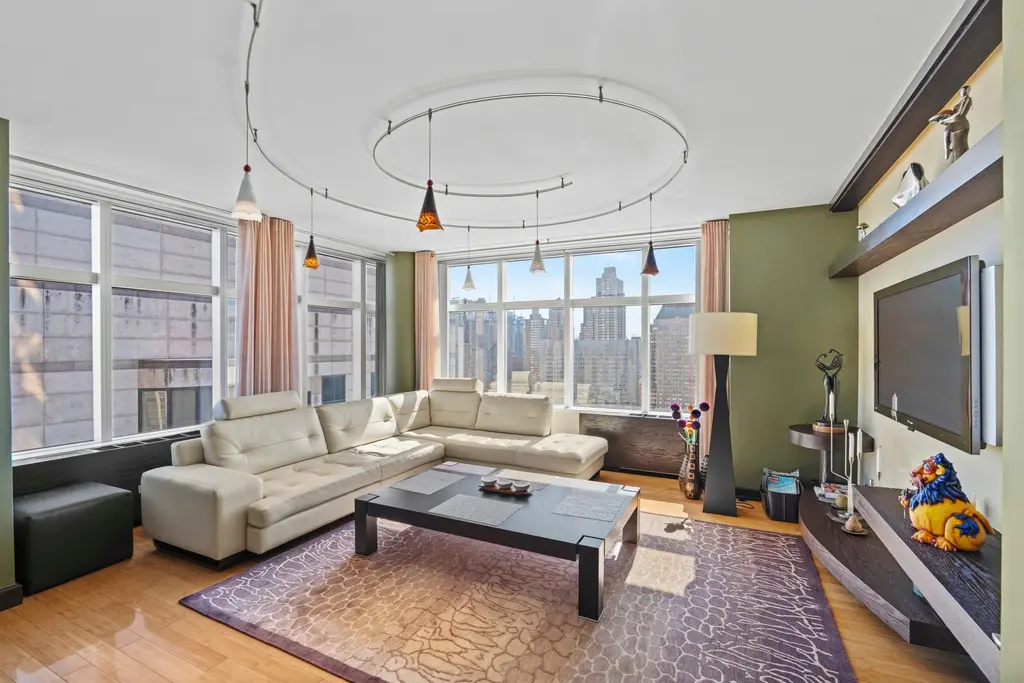
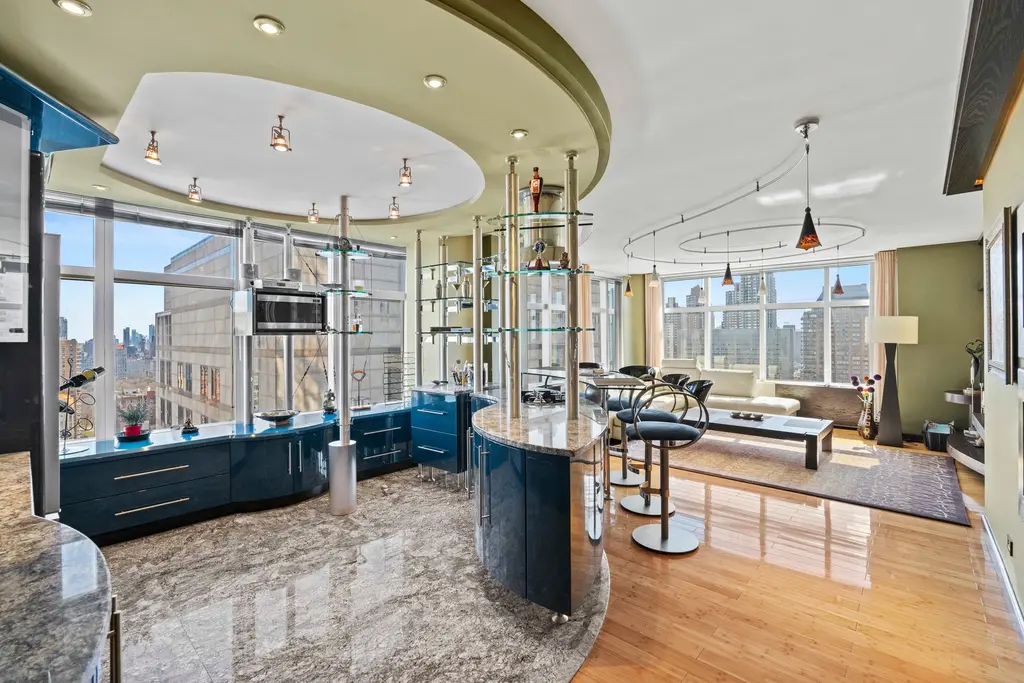
3 Lincoln Center, #34G (Nest Seekers LLC)
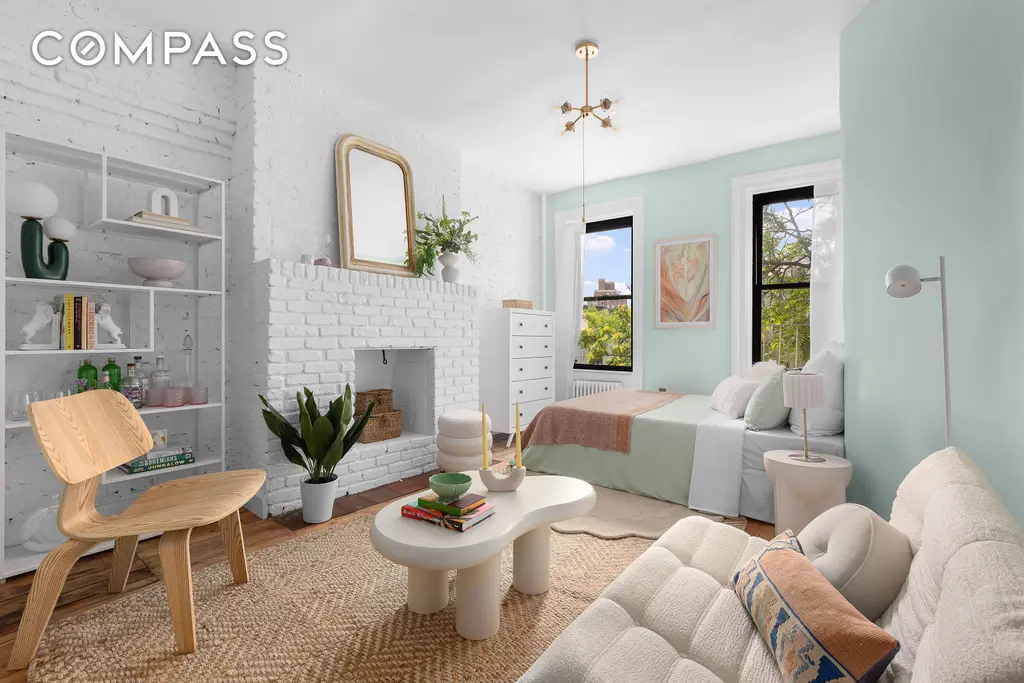
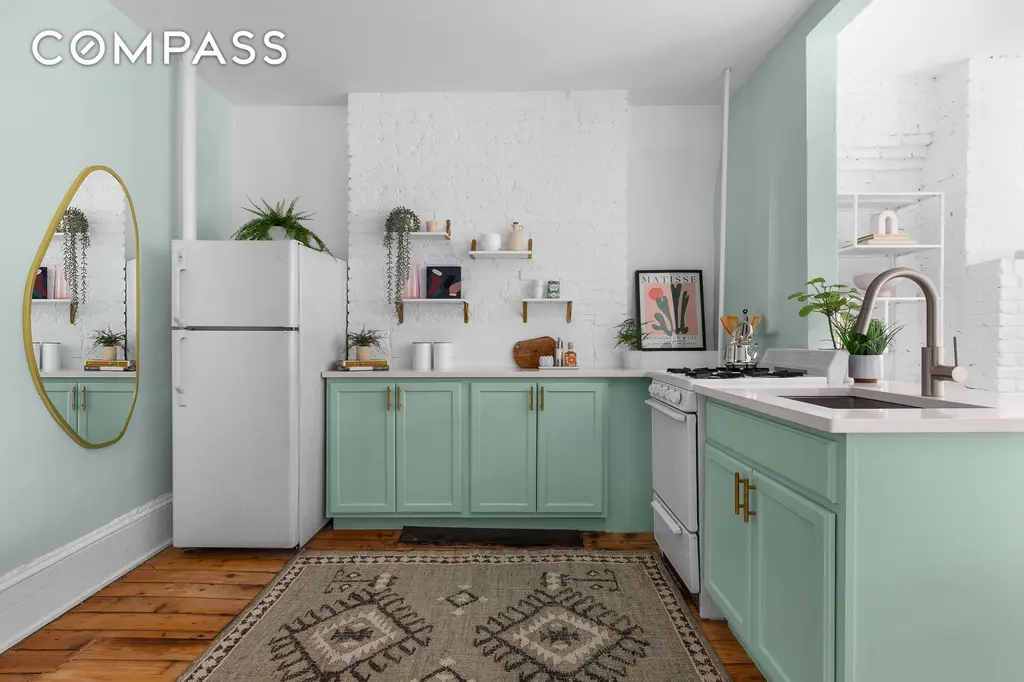
24 Cornelia Street, #13 (Compass)
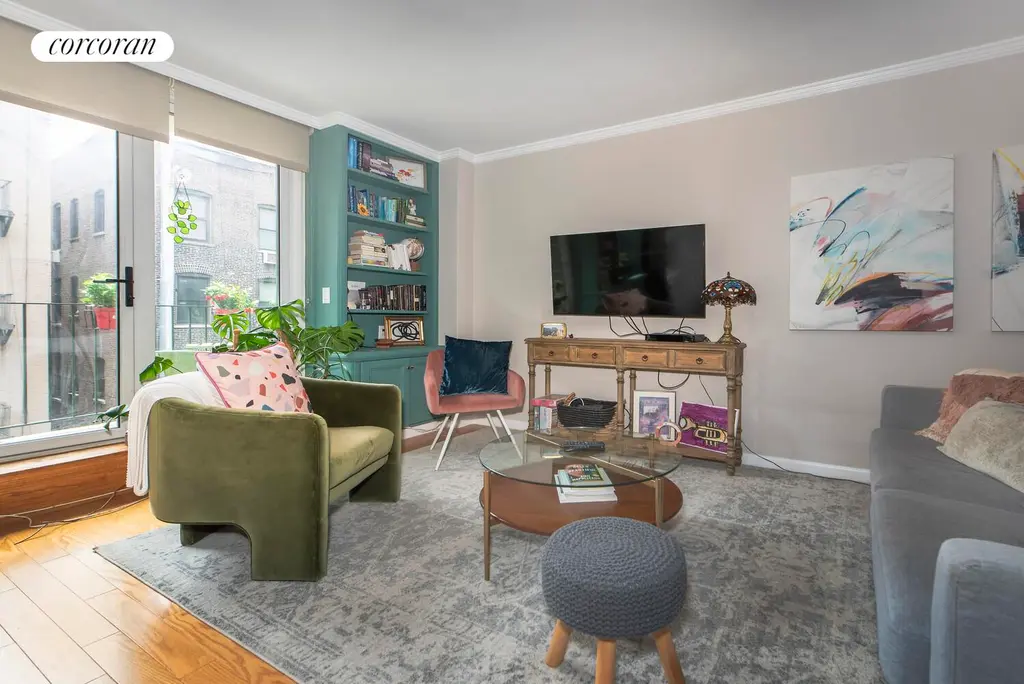
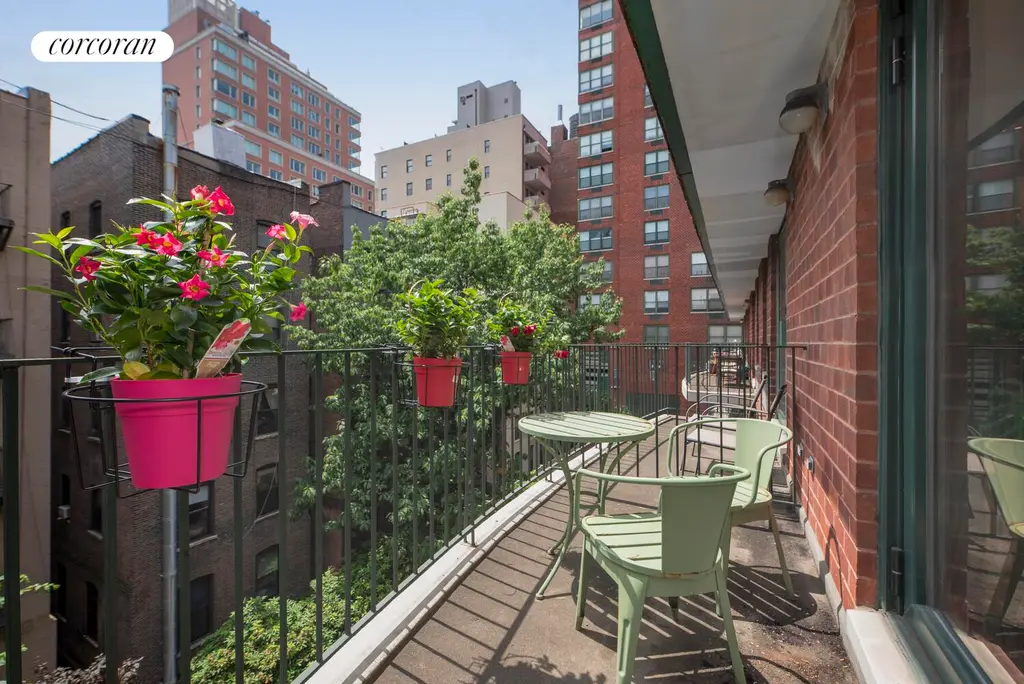
The Broadway, #5K (Corcoran Group)
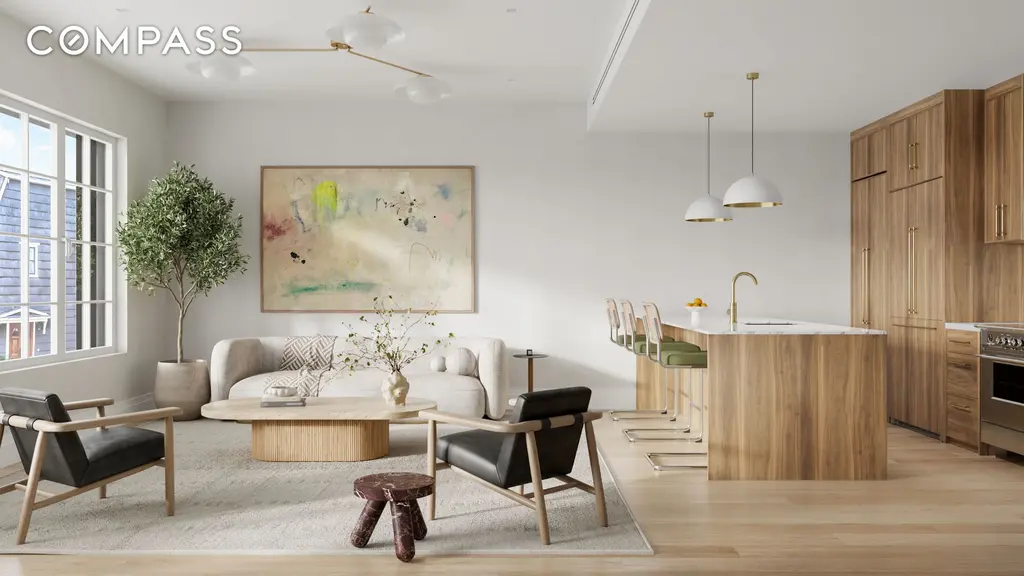
185 Ainslie Street, #PH1 (Compass)
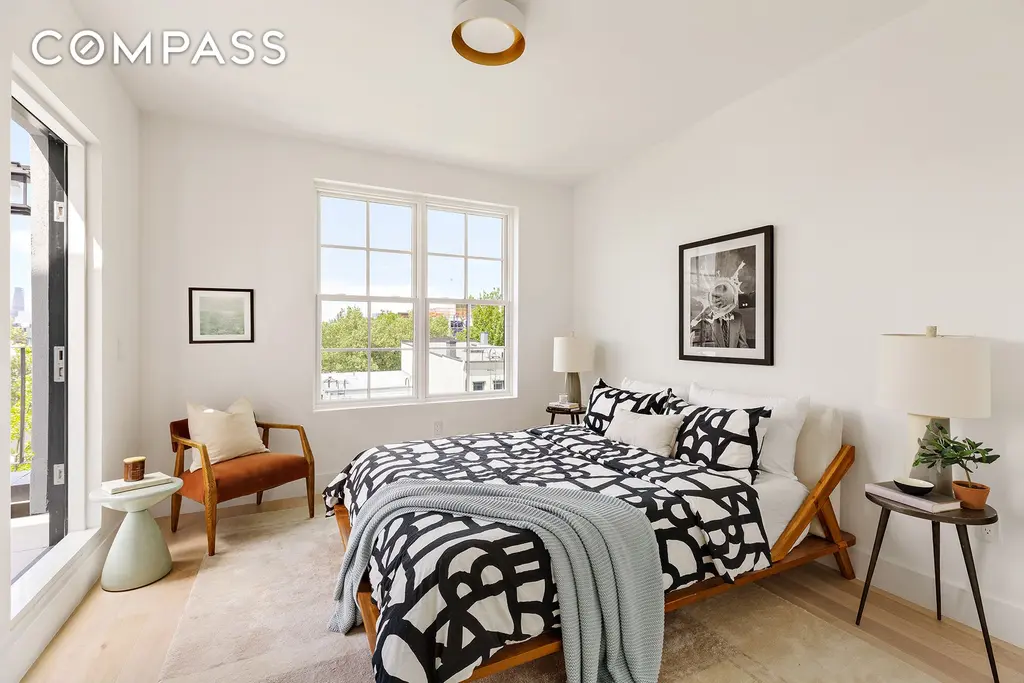
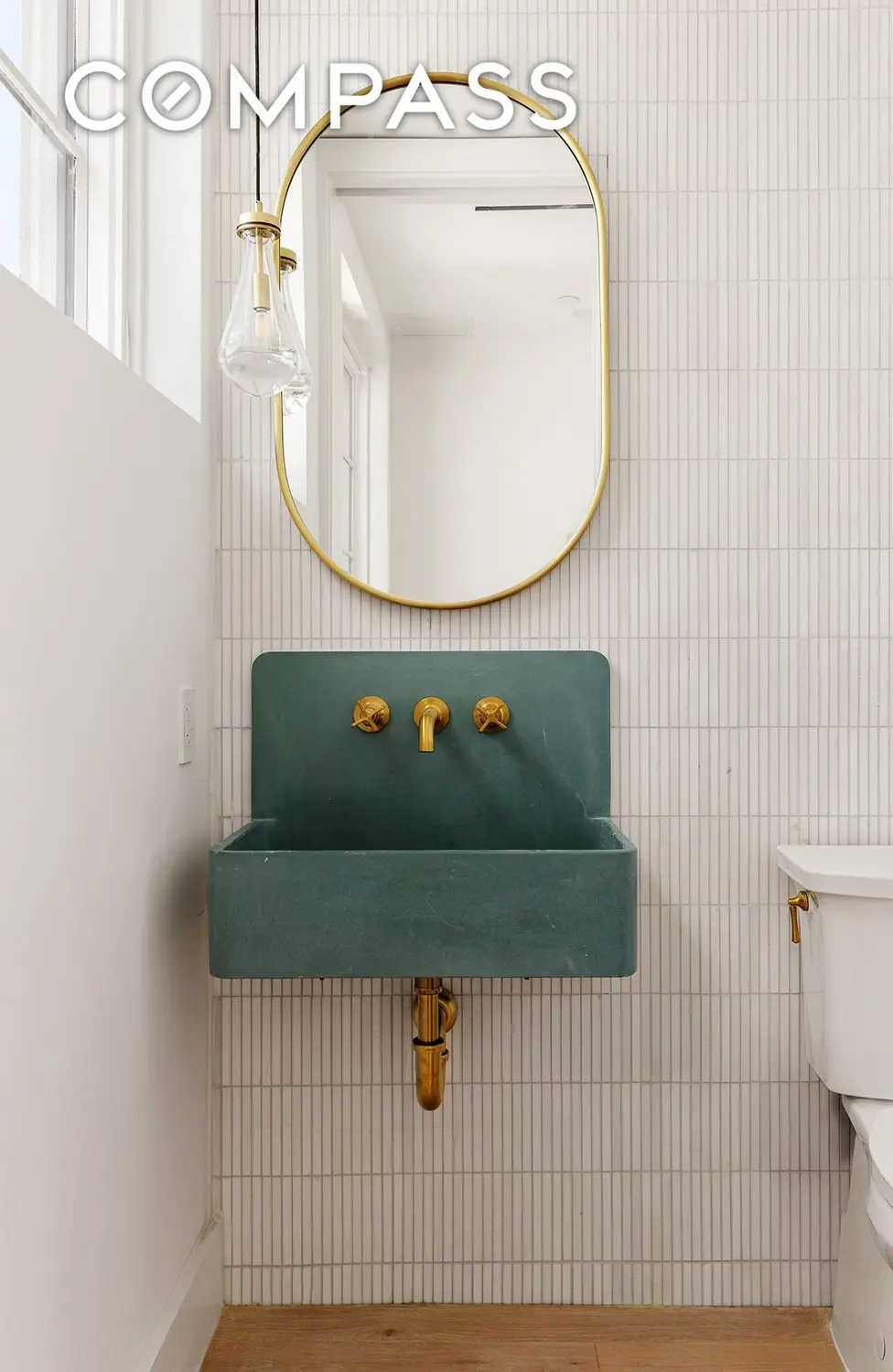
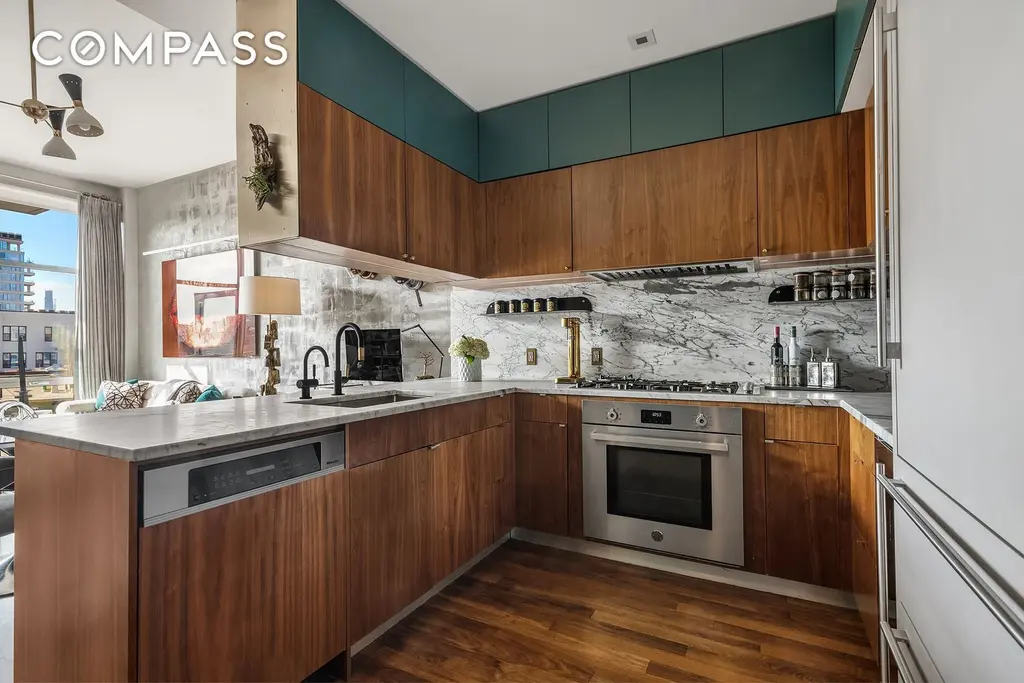
280 Metropolitan Avenue, #5D
$2,695,000 (-5.4%)
Williamsburg | Condominium | 3 Bedrooms, 3 Baths | 1,388 ft2
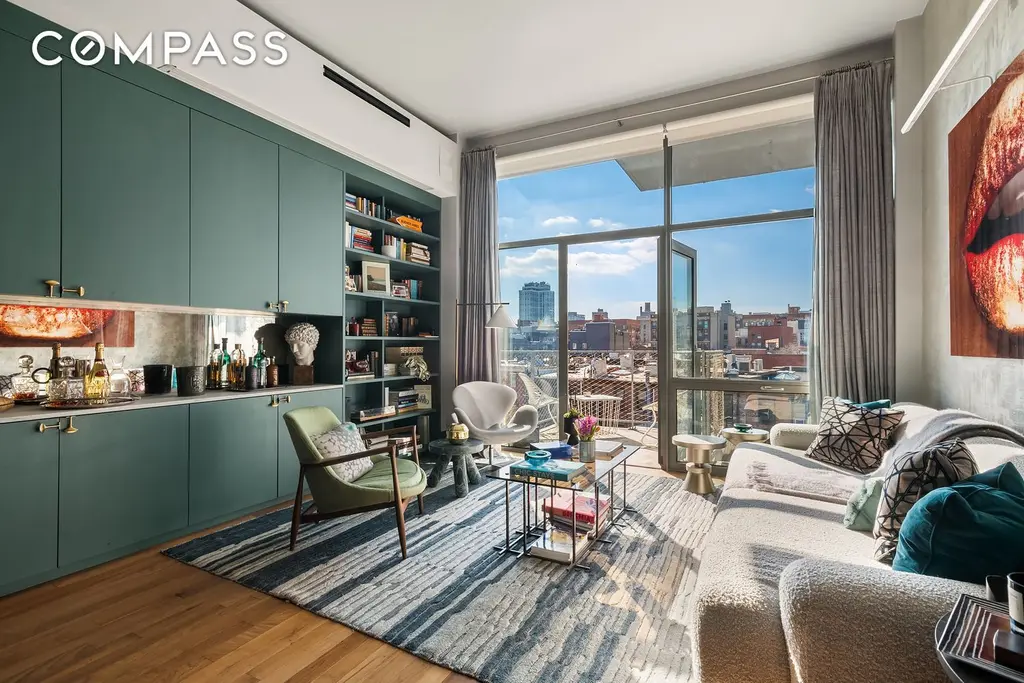
280 Metropolitan Avenue, #5D (Compass)
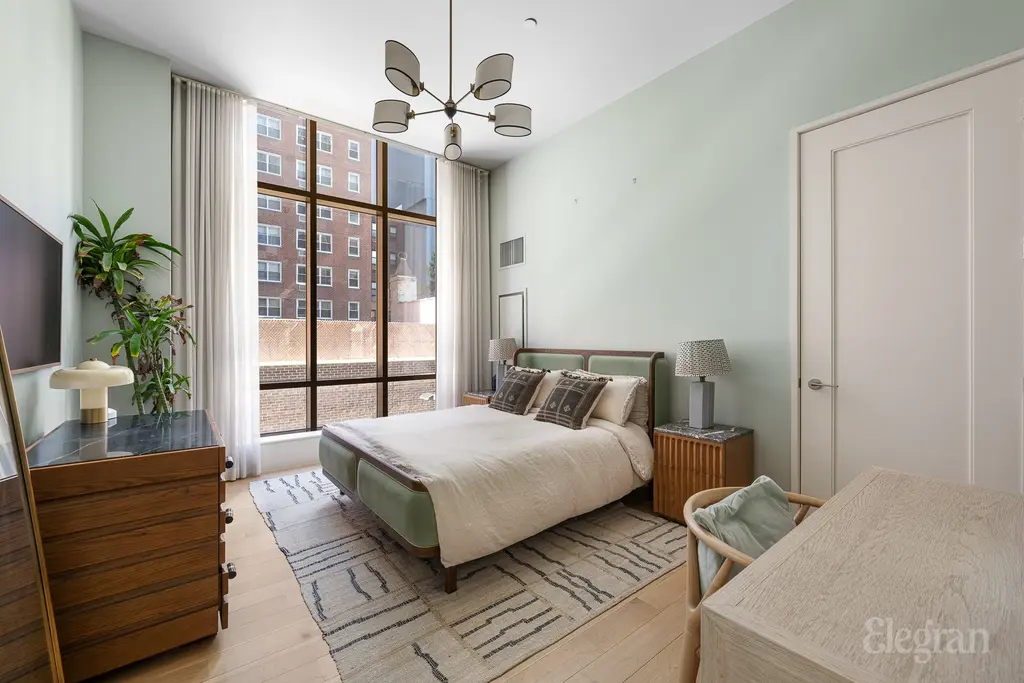
The Tower at Gramercy Square, #2B
$2,790,000 (-6.7%)
Gramercy Park | Condominium | 2 Bedrooms, 2.5 Baths | 1,520 ft2
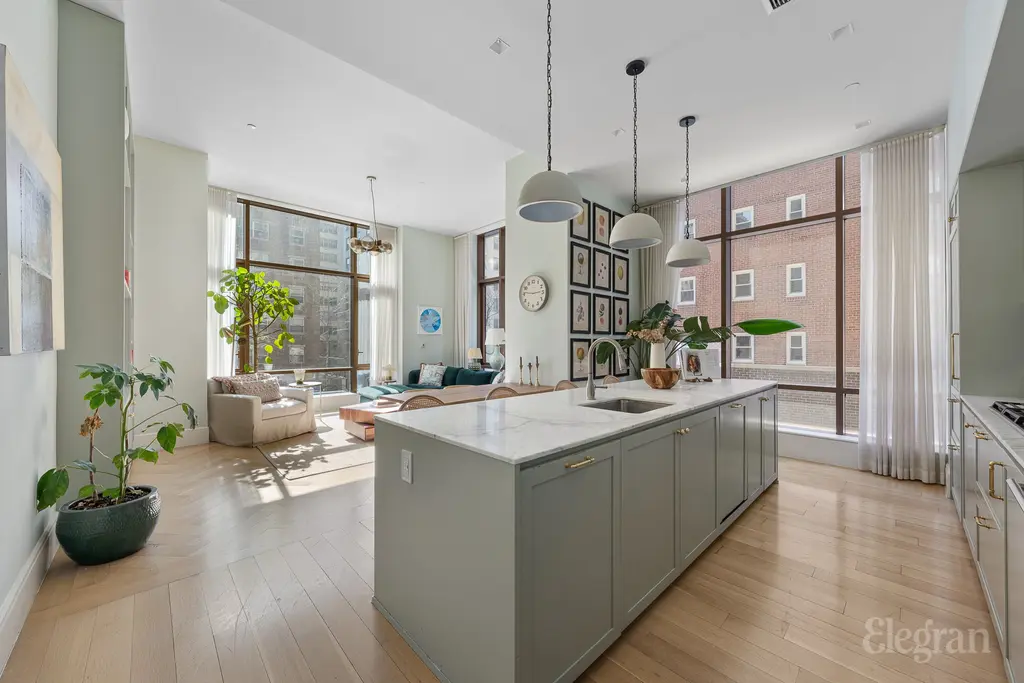
The Tower at Gramercy Square, #2B (Elegran LLC)
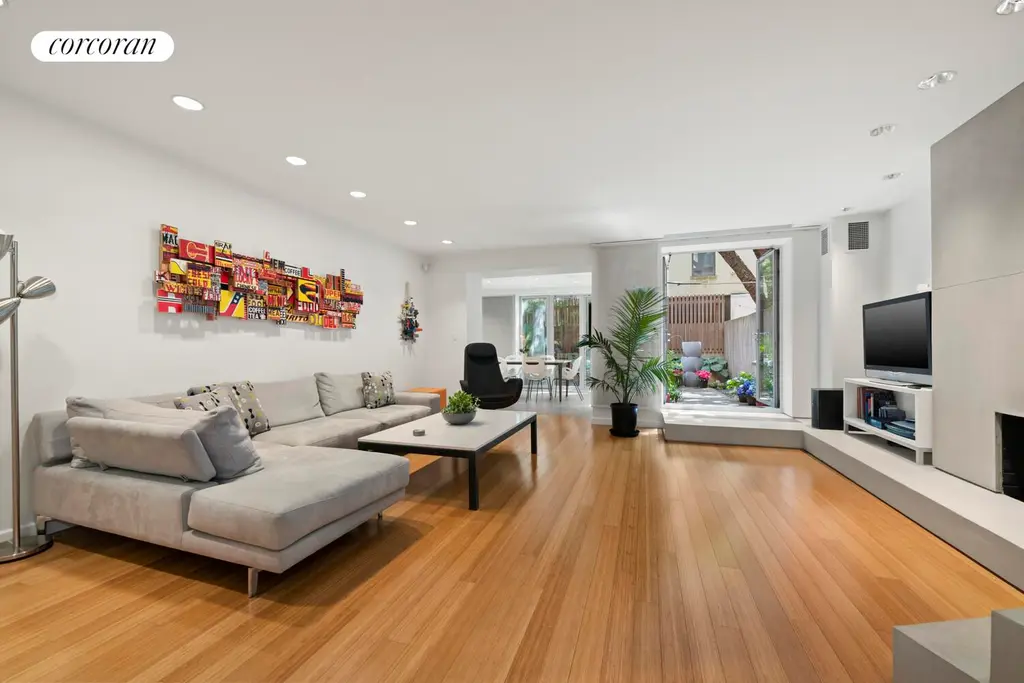
56 West 71st Street, #2A (Corcoran Group)
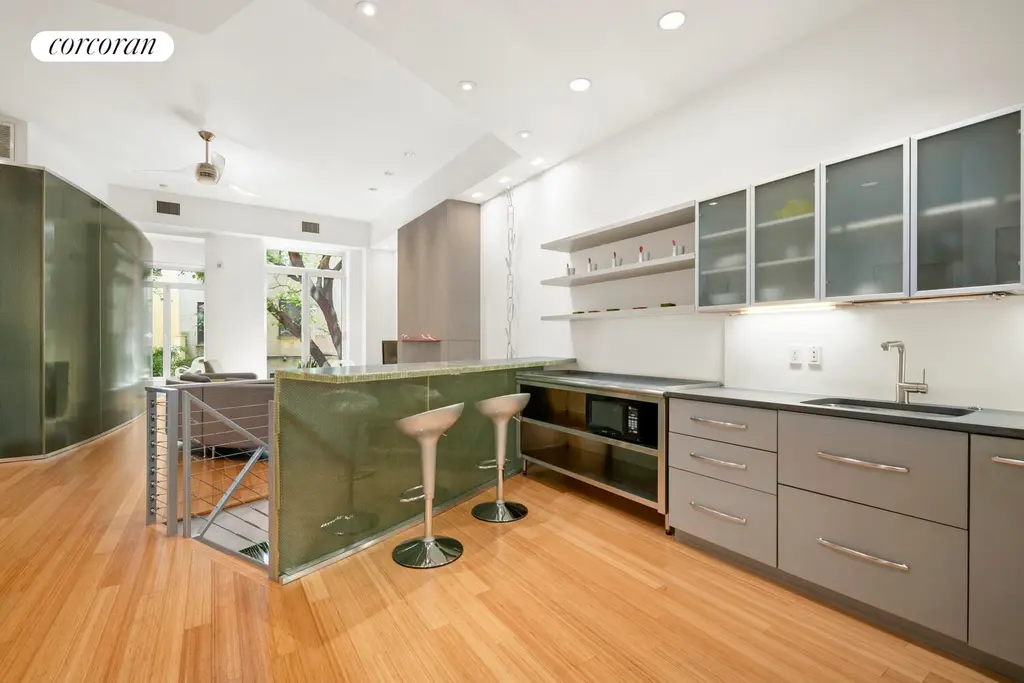
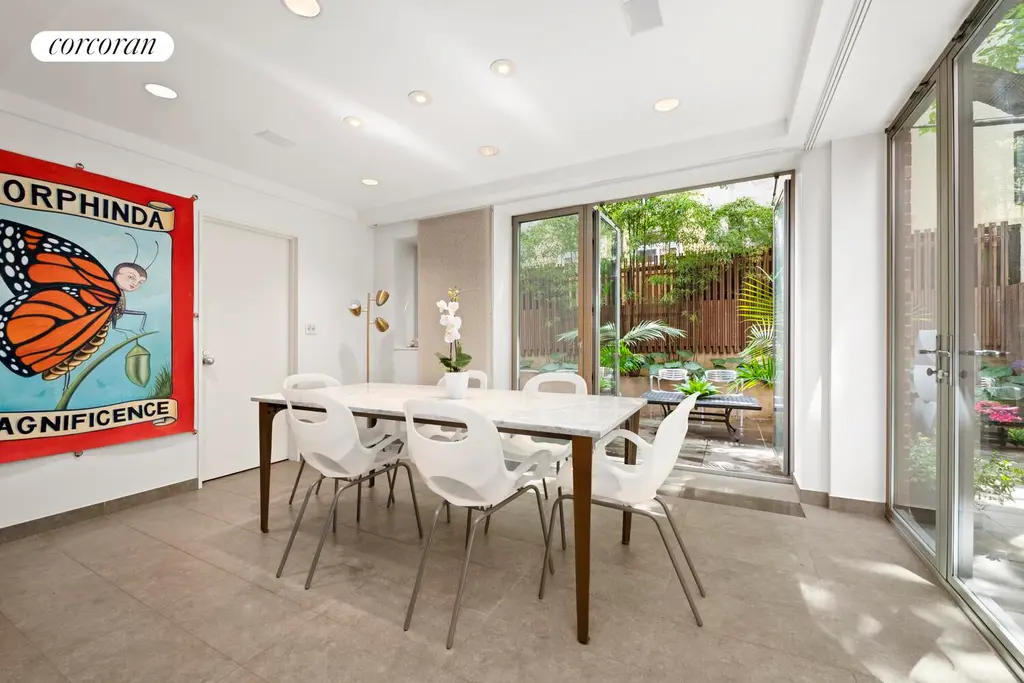
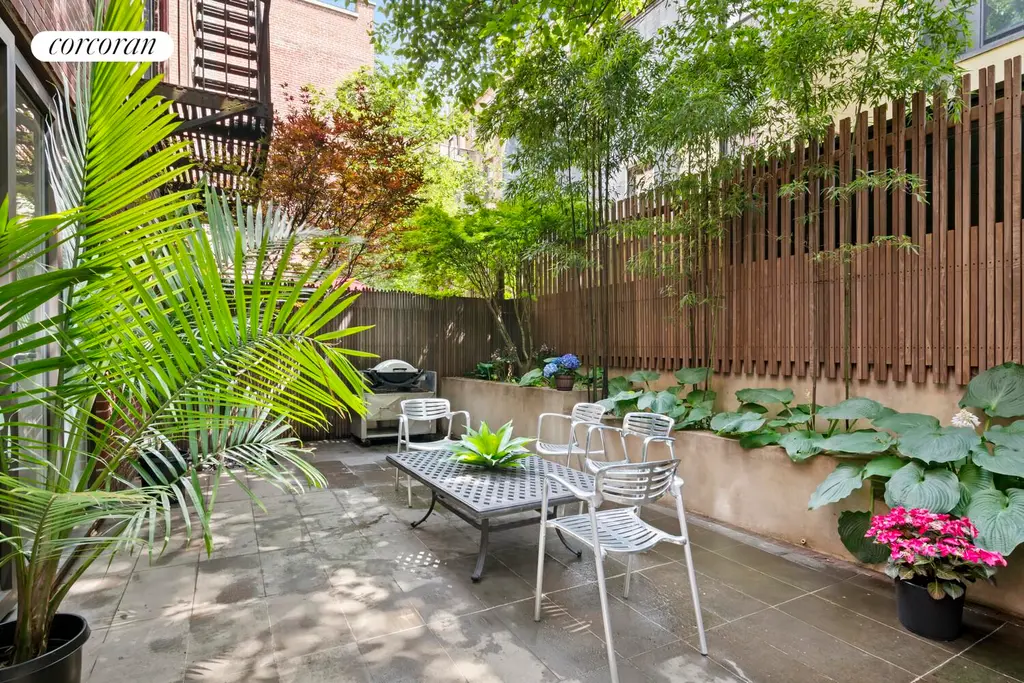
The West Residence Club, #PH8
$2,425,000
Midtown West | Condominium | 2 Bedrooms, 2 Baths | 1,022 ft2
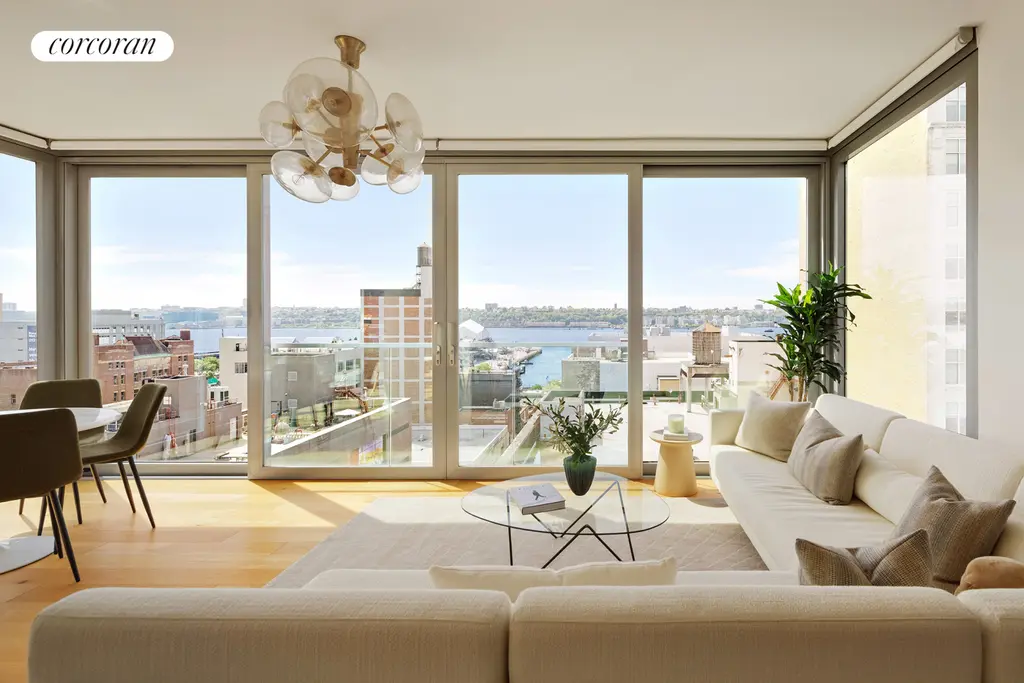
The West Residence Club, #PH8 (Corcoran Sunshine Marketing Group)
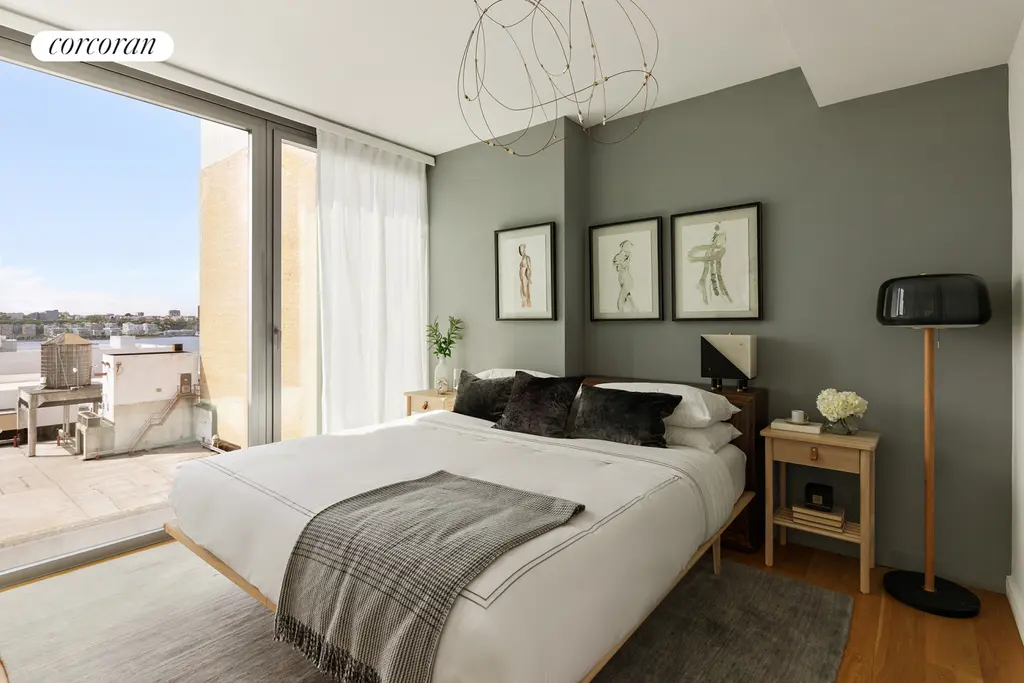
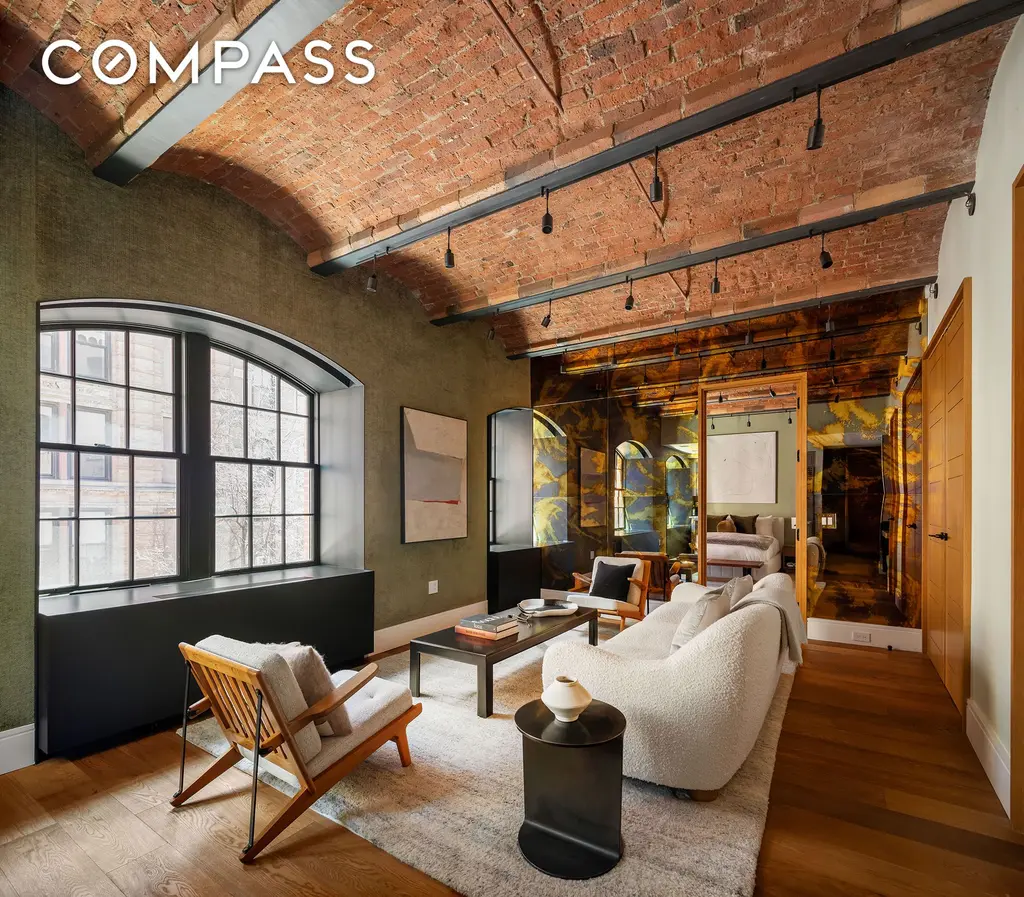
The Schumacher, #3C (Compass)
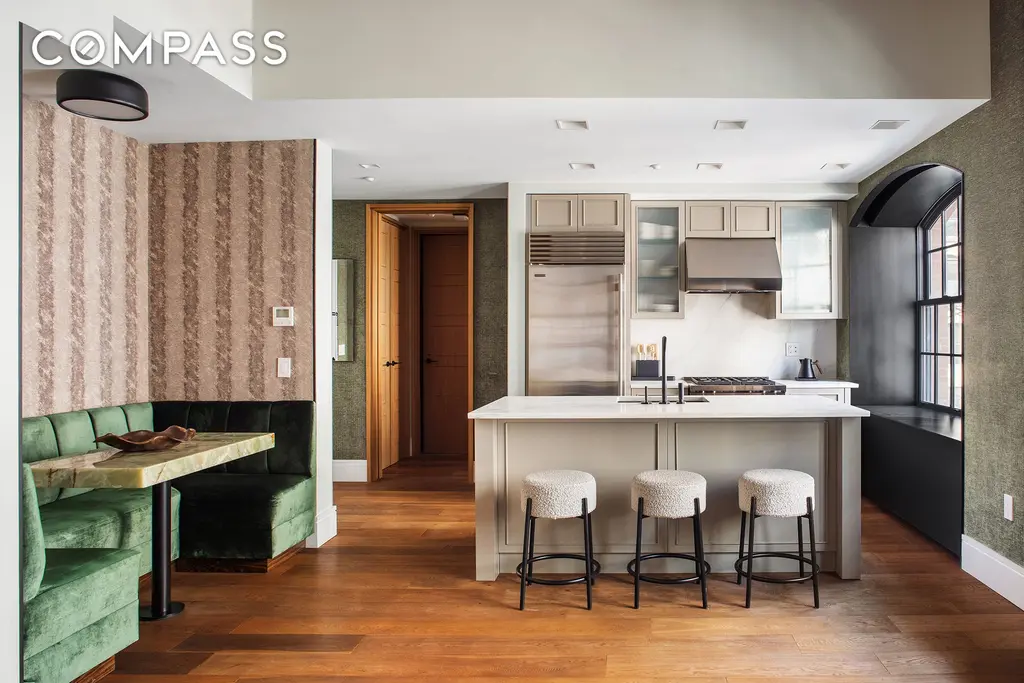
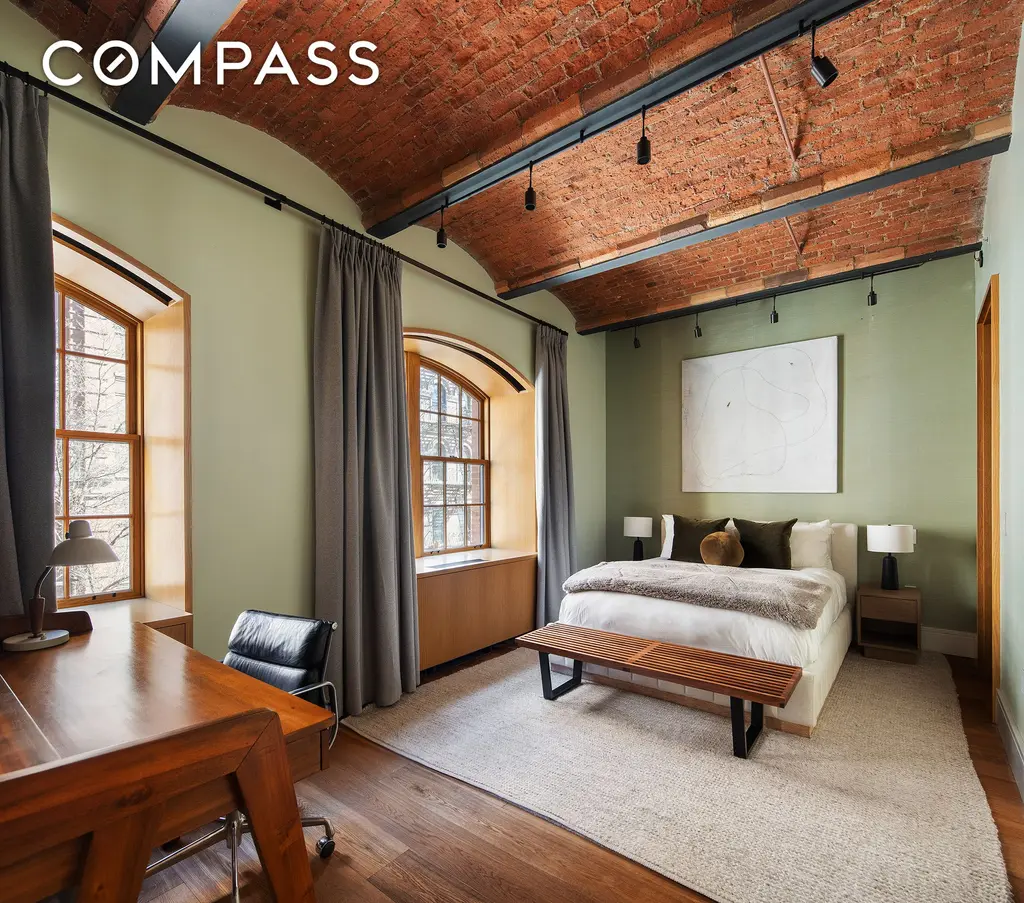
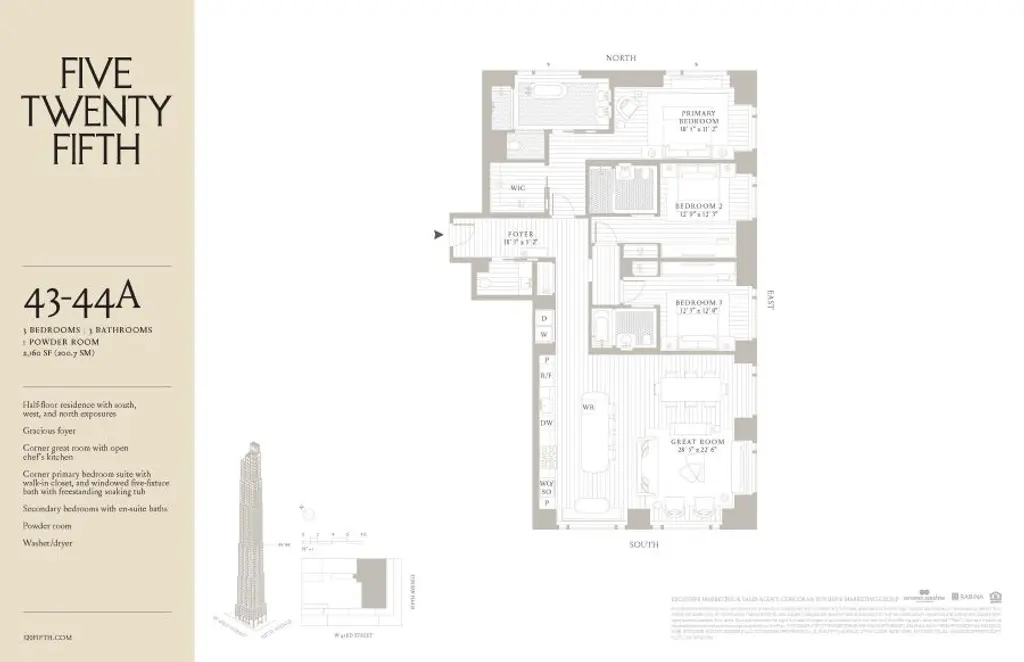
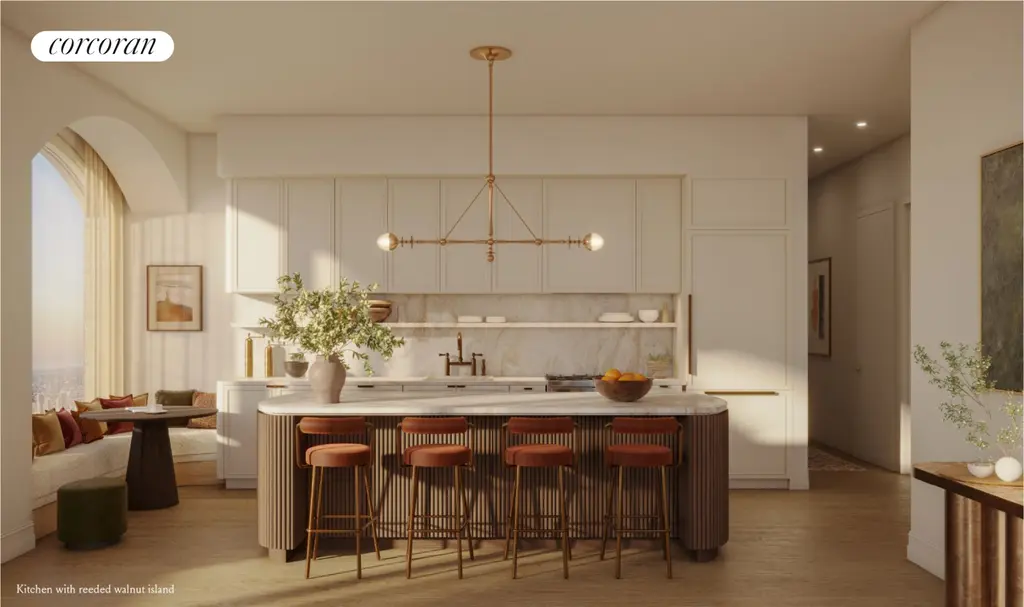
520 Fifth Avenue, #44A (Corcoran Sunshine Marketing Group)
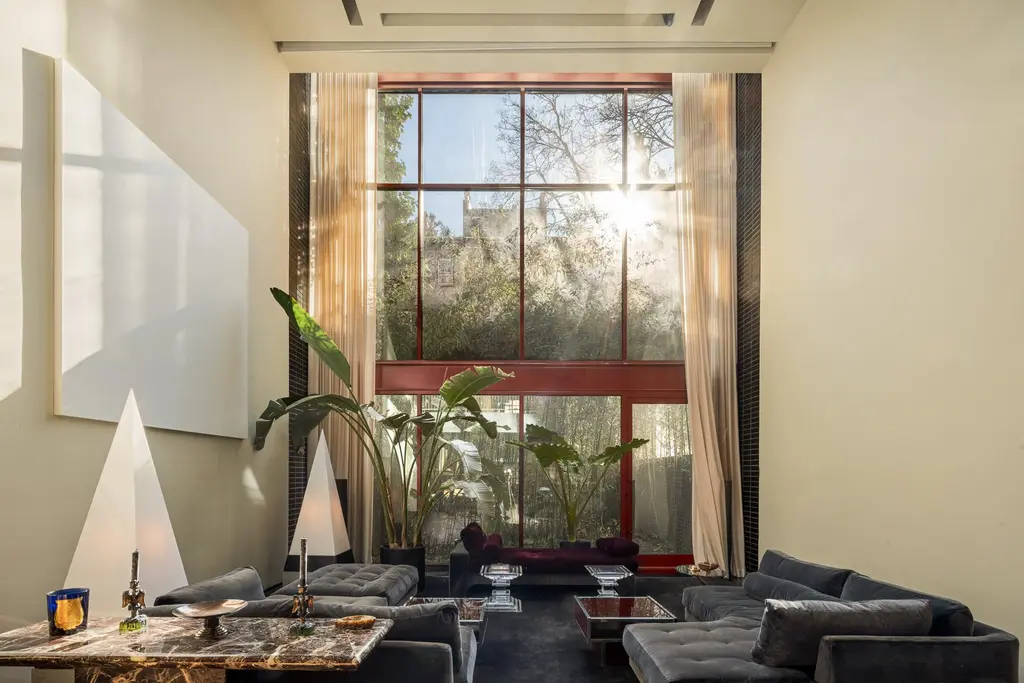
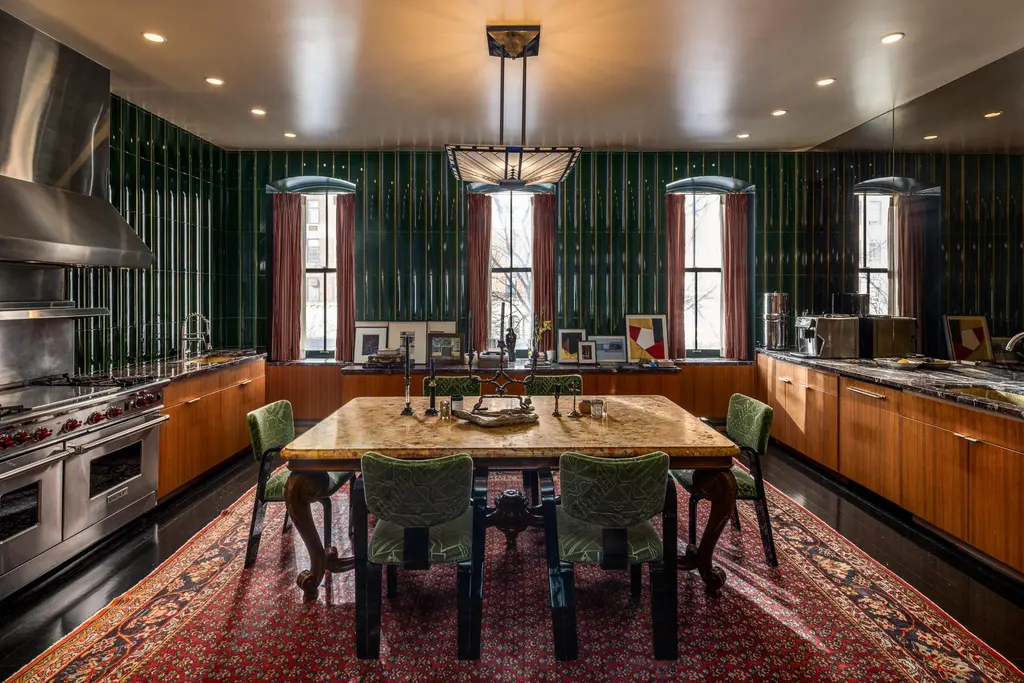
462 West 23rd Street, # (Douglas Elliman Real Estate)
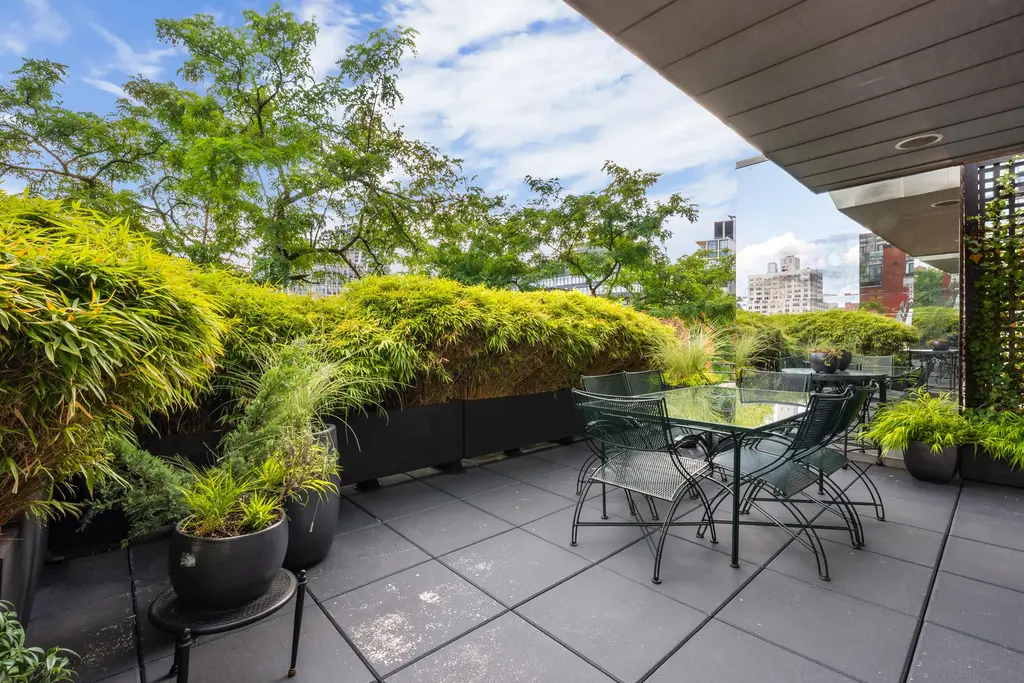
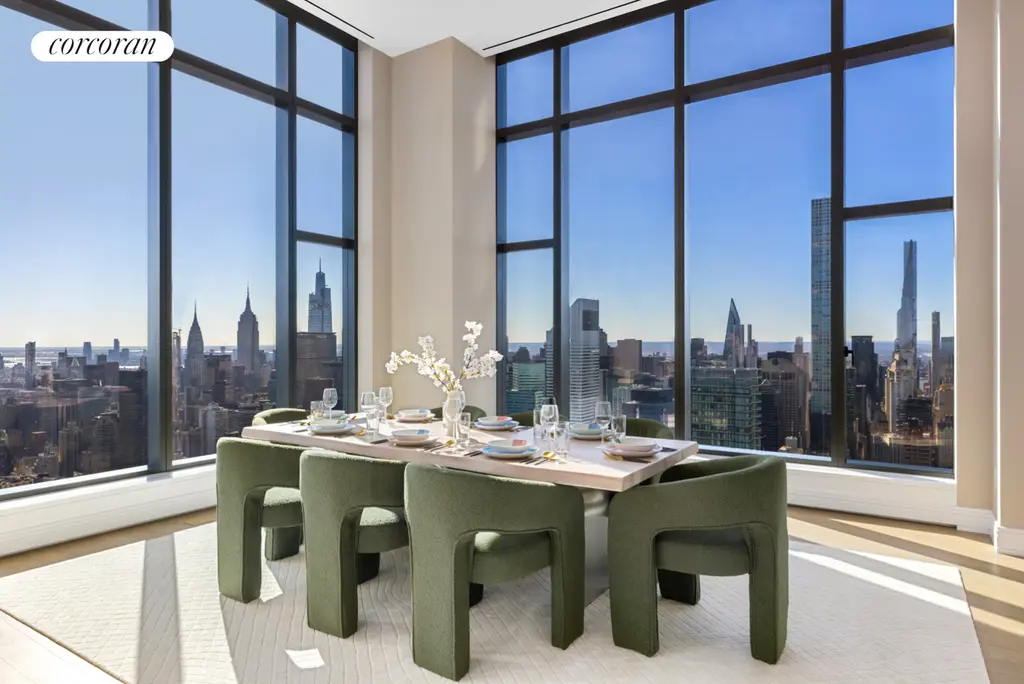
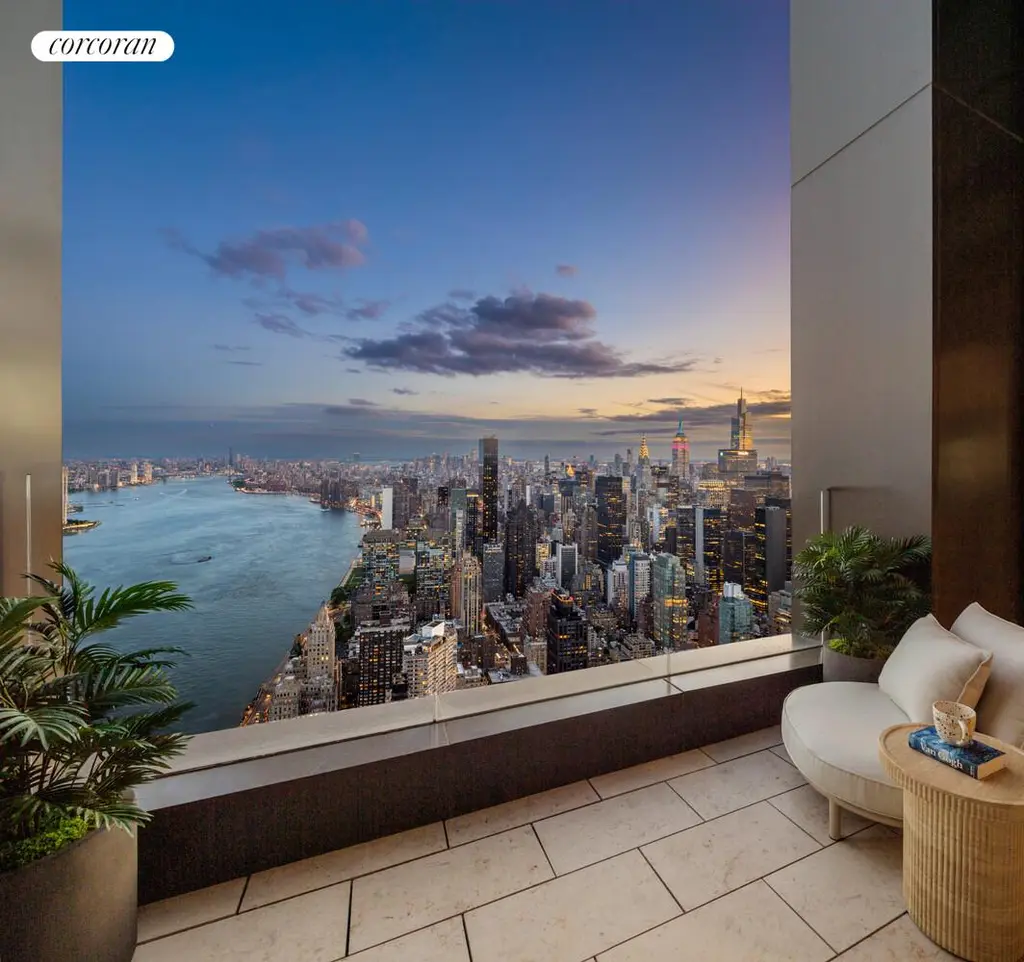
Sutton Tower, #PH80
$65,000,000
Beekman/Sutton Place | Condominium | 5 Bedrooms, 6+ Baths | 9,191 ft2
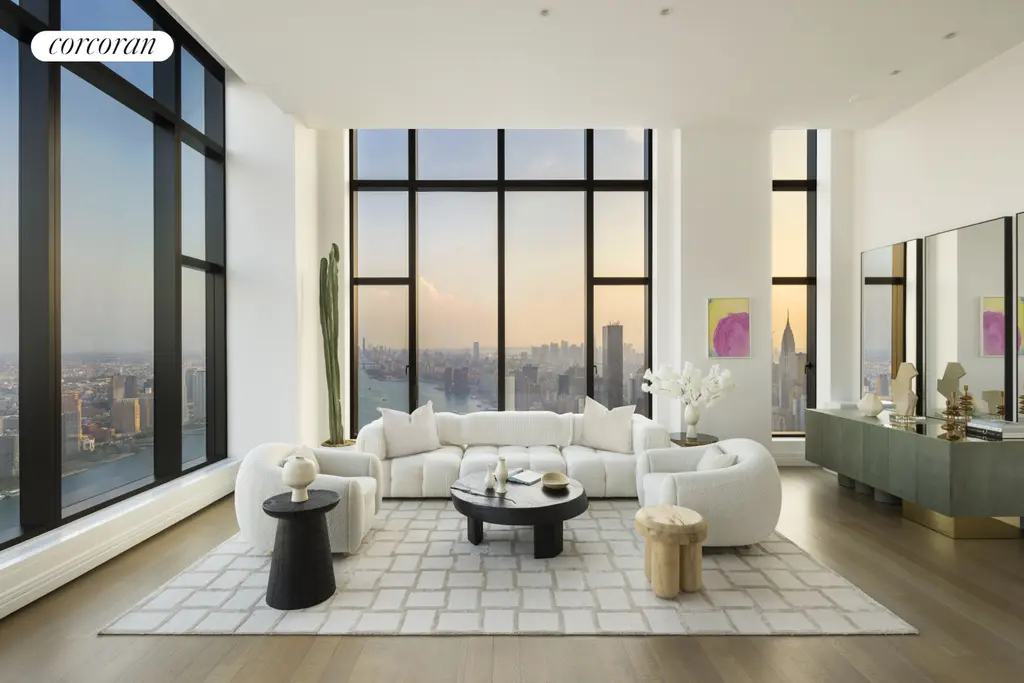
Sutton Tower, #PH80 (Corcoran Sunshine Marketing Group)
Related Articles
Future New York
NYC's top-selling residential buildings of summer 2026; Big money kept flowing despite new tax
Thursday, September 24, 2026
Get To Know
How CDFIs are opening doors to NYC homeownership + Attainable listings under $1M
Thursday, September 17, 2026
Future New York
$28.5M SoHo penthouse leads $500M+ Manhattan sales week; Tech titans trade in Hudson Square
Wednesday, September 16, 2026
Future New York
Top 10 NYC condos with the best yoga amenities
Saturday, September 12, 2026
Future New York
Fire up the grill in these new developments with outdoor kitchens
Monday, September 7, 2026
Future New York
Top 25 NYC condos with the best playrooms and kid-friendly amenities
Thursday, September 3, 2026
Future New York
Manhattan Sales: Trophy Upper East Side homes rule the week; Elie Wiesel’s Fifth Avenue apartment sells for nearly $5M
Wednesday, September 2, 2026
Future New York
Central Park Tower pad tops Manhattan contracts as high-end deals rebound; Floyd Mayweather-adjacent condo finds buyer
Tuesday, September 1, 2026
Contributing Writer
Michelle Sinclair Colman
Michelle writes children's books and also writes articles about architecture, design and real estate. Those two passions came together in Michelle's first children's book, "Urban Babies Wear Black." Michelle has a Master's degree in Sociology from the University of Minnesota and a Master's degree in the Cities Program from the London School of Economics.

 6sqft delivers the latest on real estate, architecture, and design, straight from New York City.
