- Apartments
- Overview & Photos
- Maps
- Building Specialists
- Floorplans
- Sales Data & Comps
- Similar Buildings

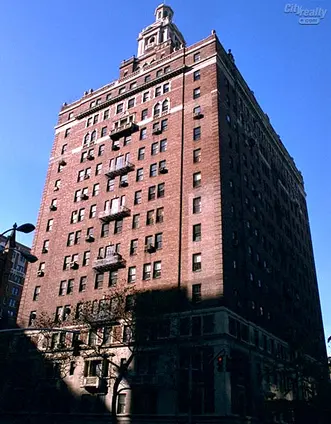
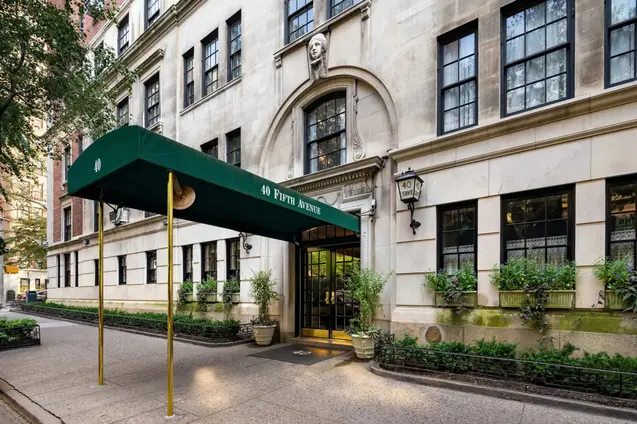
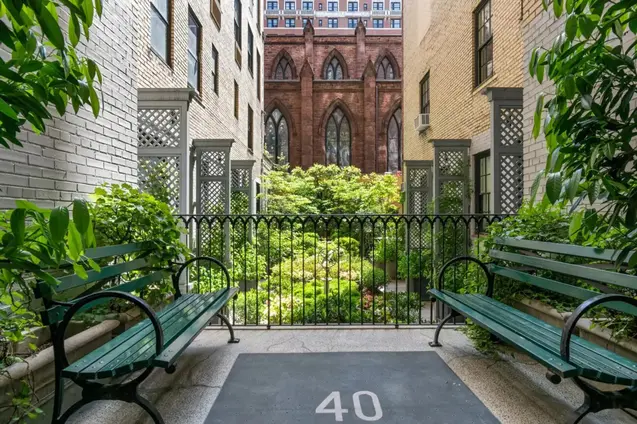
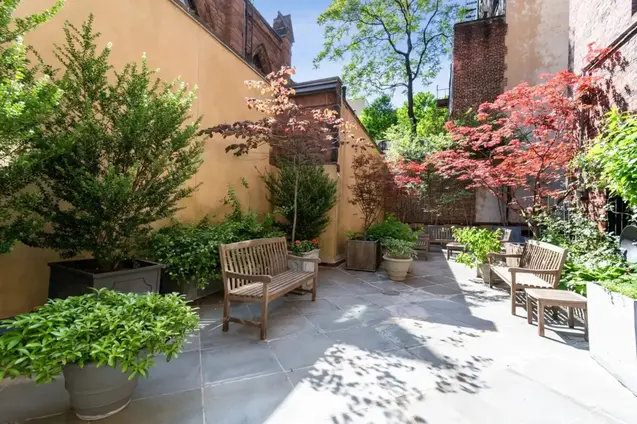
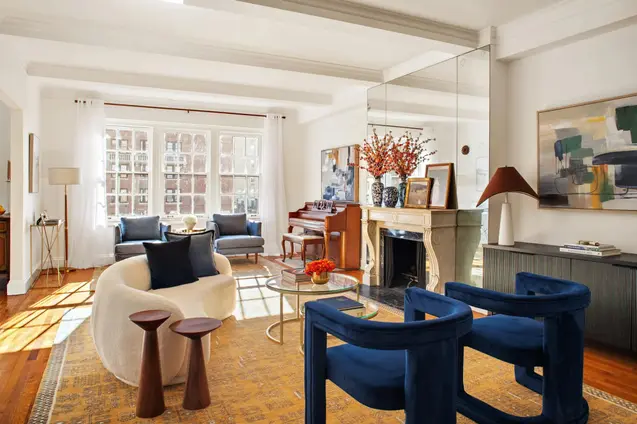
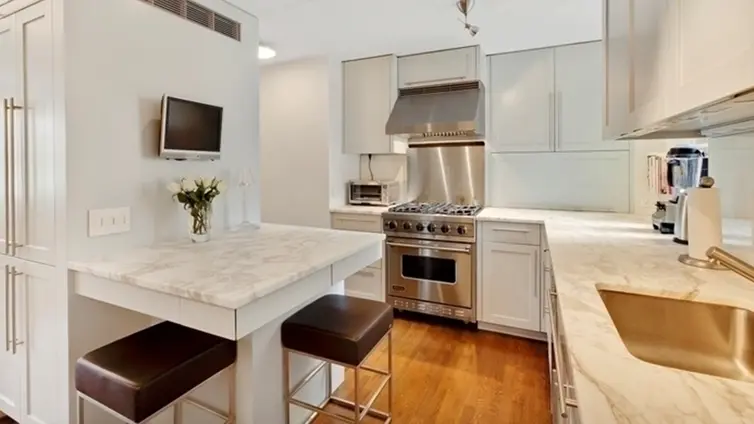
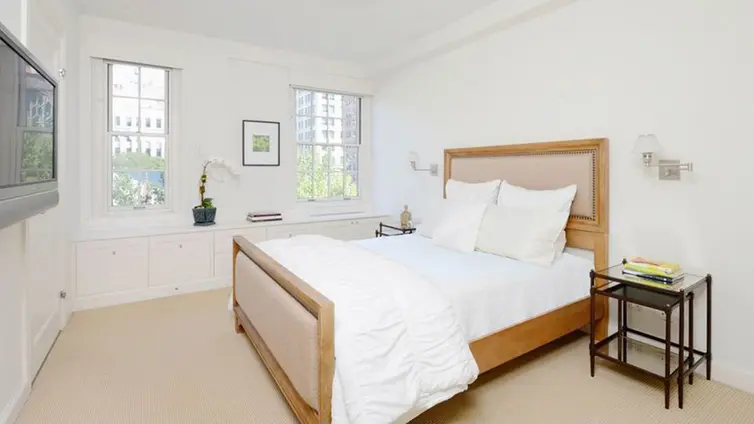
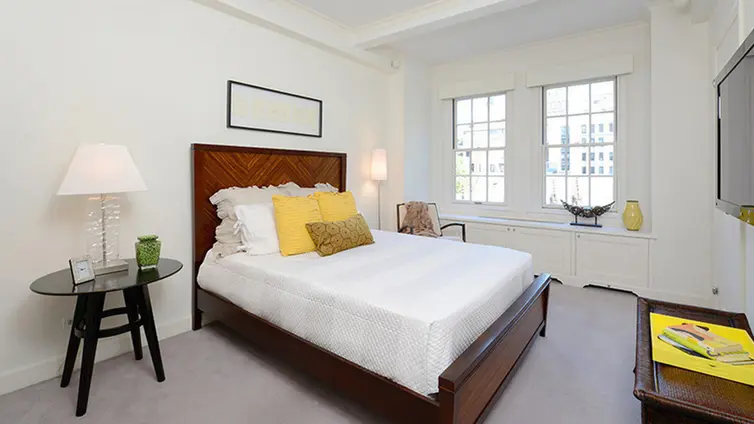
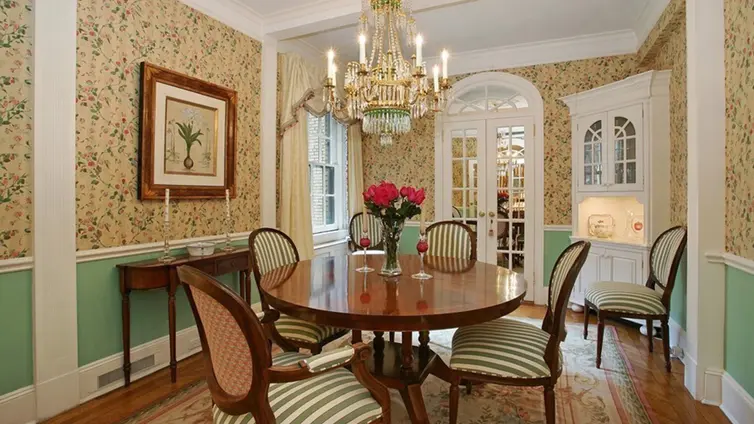
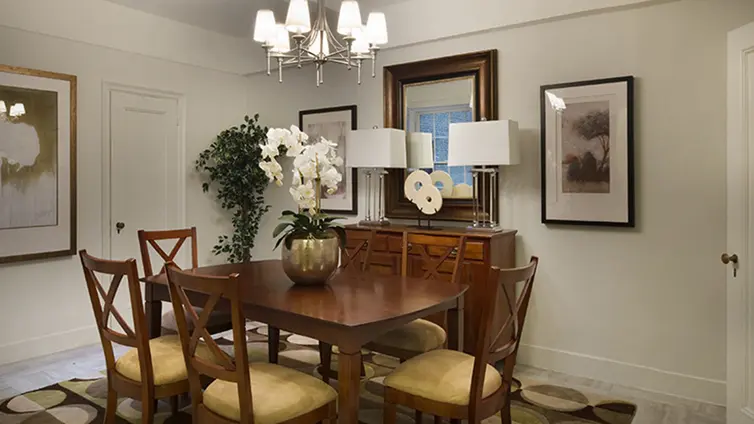
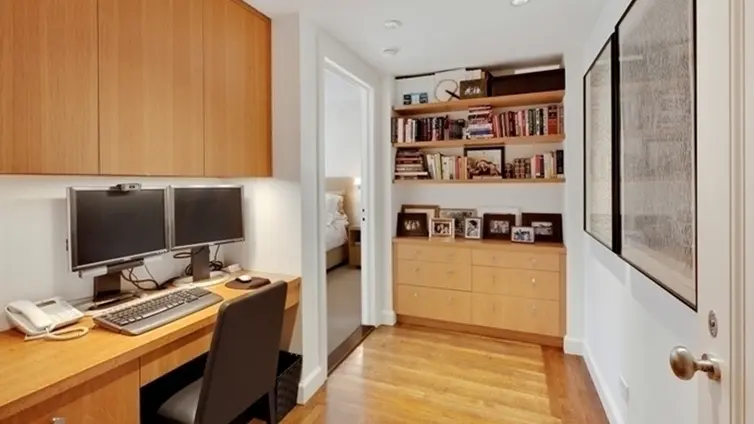
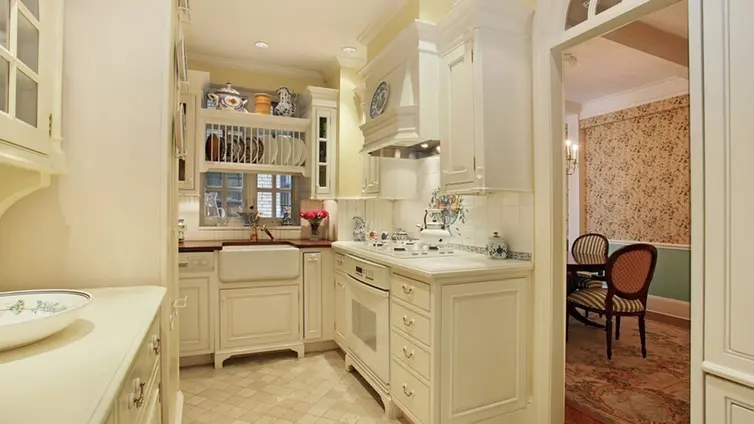
40 Fifth Avenue is a 15-story Neo-Georgian cooperative building completed in 1929 near Washington Square Park. The doorman building features 75 units, a private garden, and is staffed by elevator men and a live-in superintendent.

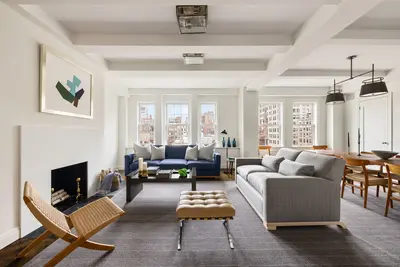
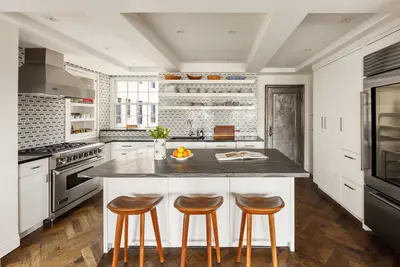
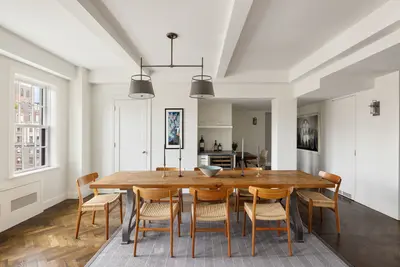
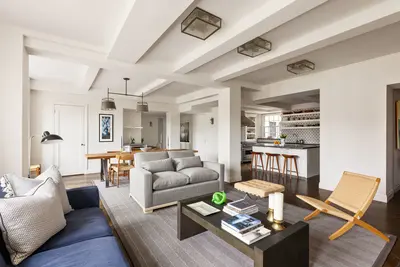
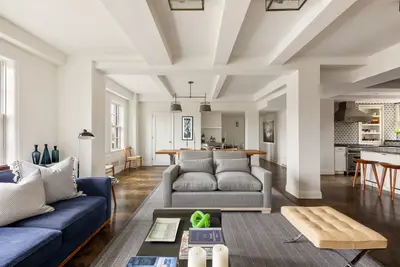
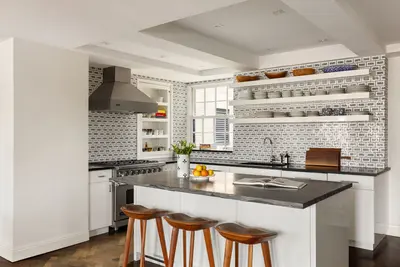
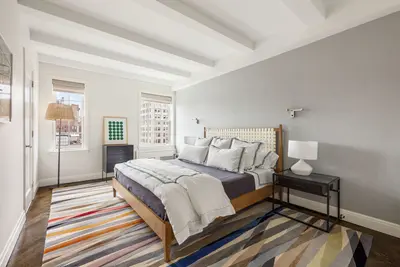
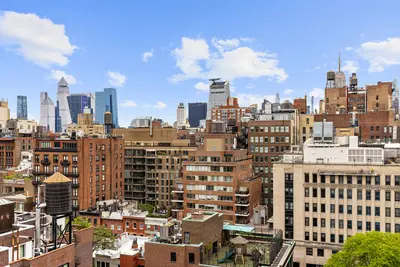
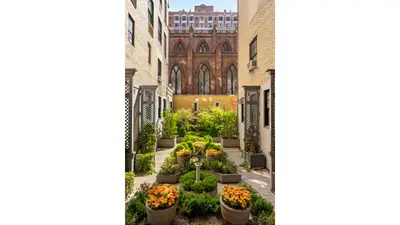
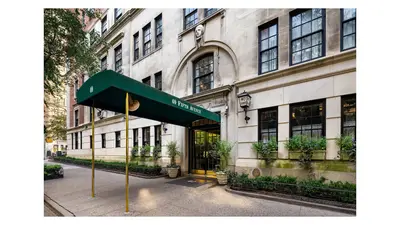
40 Fifth Avenue is a 15 story, 75 unit Neo-Georgian co-op completed in 1929 at the southwest corner of Fifth Avenue and West 11th Street. Architecture critic Paul Goldberger famously described it as looking like a Park Avenue building that came loose in a storm and dropped anchor downtown. The building's distinctive watertower enclosure and elegant limestone and red brick façade make it a landmark presence in Greenwich Village, rising above the historic First Presbyterian Church to the north and Ascension Episcopal Church to the south. Its setting maximizes views over tree lined streets, church spires, and the surrounding Gold Coast neighborhood.
The building offers white glove service with 24 hour doormen, elevator operators, and a live-in superintendent. Residents enjoy access to a private landscaped garden surrounded by hedges, basement storage, and a laundry room. The co-op permits pets and allows 50 percent financing. The building's long façade stretches along West 11th Street, considered one of the prettiest streets in the city, and its location between Washington Square Park and Union Square provides easy access to acclaimed restaurants, shops, and multiple subway lines.
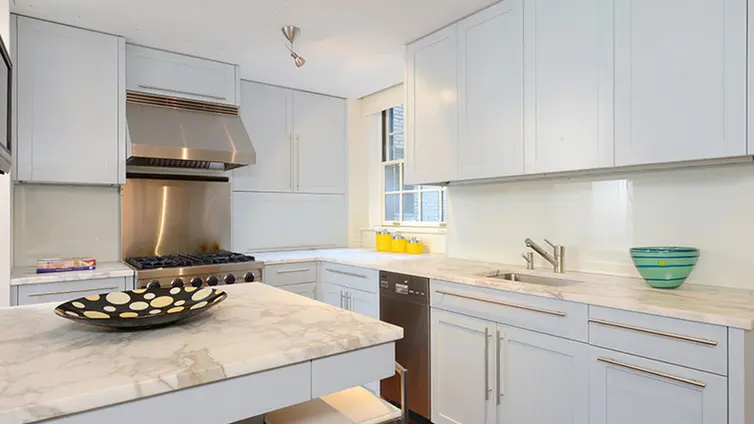
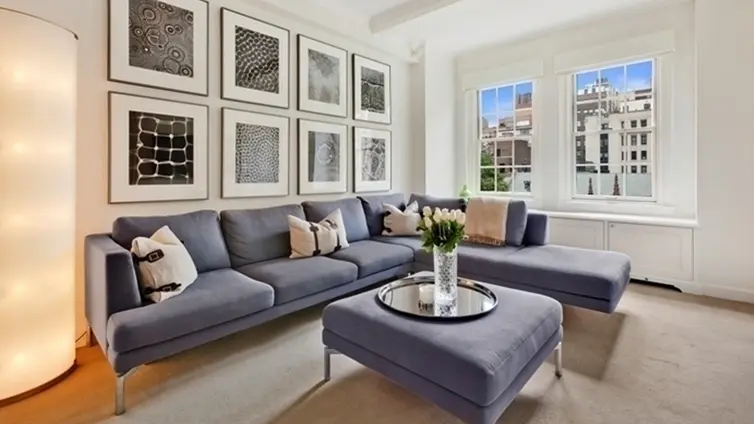
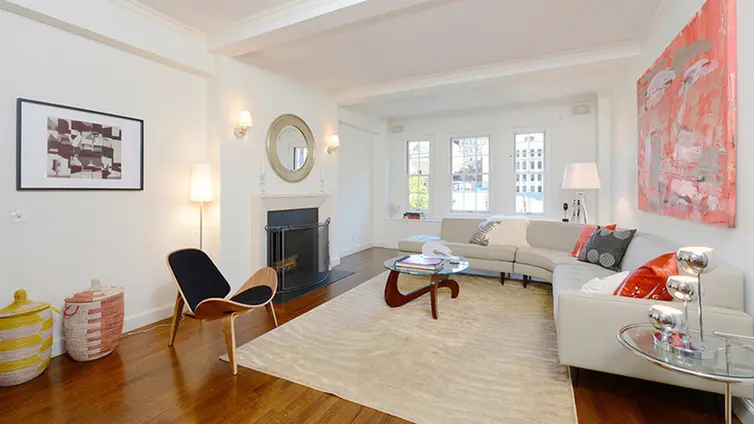
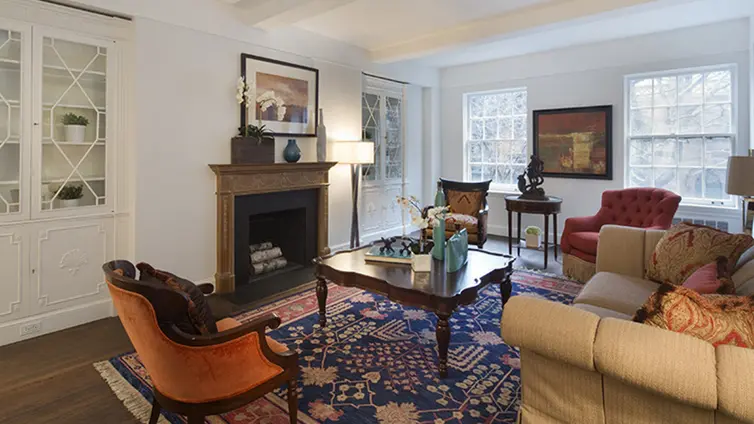
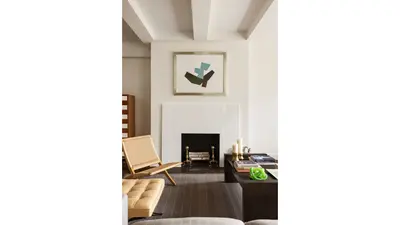
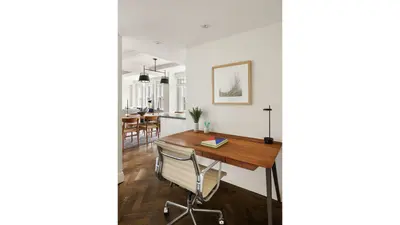
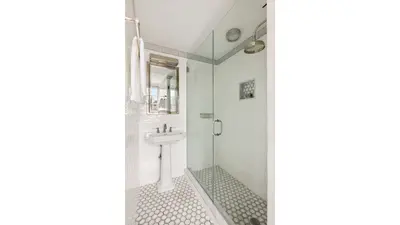
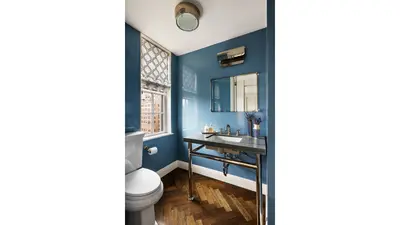
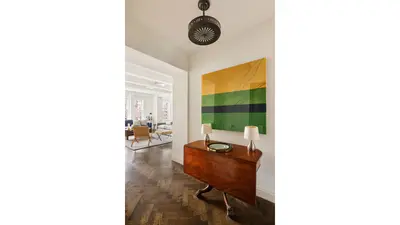
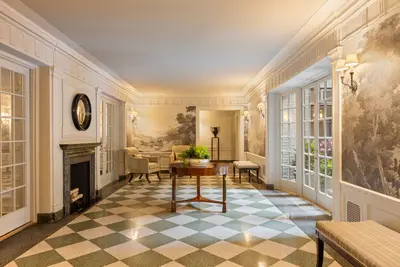
Apartments typically feature classic prewar details including herringbone floors, high beamed ceilings, wood burning fireplaces, and generous proportions. Many units have formal entry galleries, windowed kitchens, and formal dining rooms. Large windows, often in four over four, six over six, or eight over eight configurations, capture northern views of the First Presbyterian Church spires and eastern light over 11th Street. Renovated units commonly include en suite bathrooms with marble finishes and radiant heated floors, walk in closets, and central air conditioning. Notable residents have included Maurice Sendak, who maintained his home and studio in apartment 3B, as well as Graydon Carter, Steven M. Ells, and Fred Hochberg.
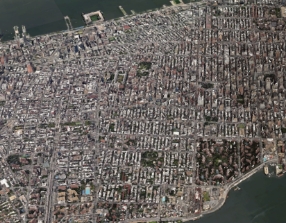
View school info, local attractions, transportation options & more.
Experience amazing 3D aerial maps and fly throughs.
For some co-ops, instead of price per square foot, we use an estimate of the number of rooms for each sold apartment to chart price changes over time. This is because many co-op listings do not include square footage information, and this makes it challenging to calculate accurate square-foot averages.
By displaying the price per estimated room count, we are able to provide a more reliable and consistent metric for comparing sales in the building. While we hope that this gives you a clearer sense of price trends in the building, all data should be independently verified. All data provided are only estimates and should not be used to make any purchase or sale decision.
Notable past and present residents at 40 Fifth Avenue

 6sqft delivers the latest on real estate, architecture, and design, straight from New York City.
Like us on Facebook to keep up with the trends and
6sqft delivers the latest on real estate, architecture, and design, straight from New York City.
Like us on Facebook to keep up with the trends and 