
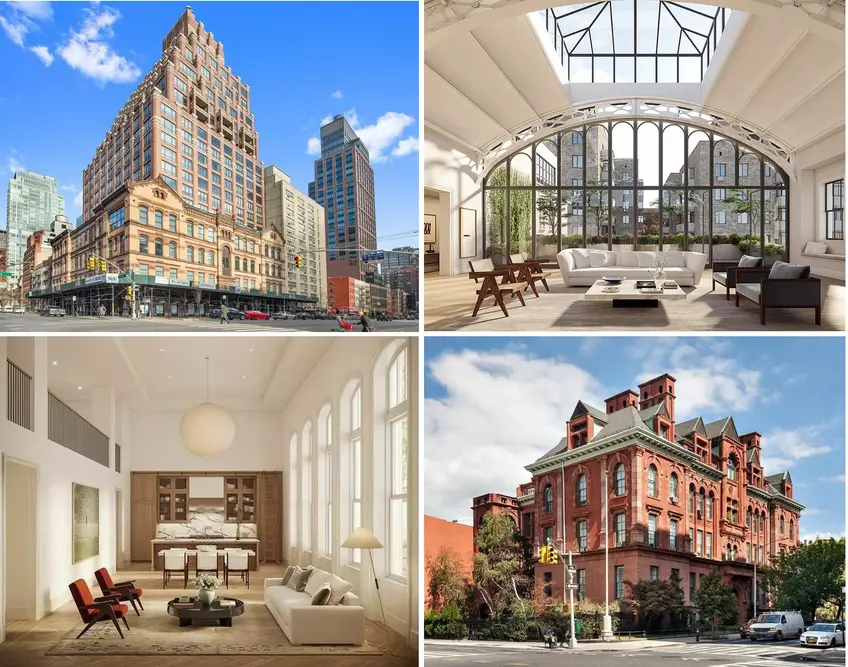
On Thursday, September 10, public and private school students in New York City returned to school. This is unusually late because of the timing of the Labor Day holiday on Monday, September 7, and left several parents scrambling for childcare options in the weeks between the end of most camps and the start of school. However, some charter schools that operate under a different set of rules than state-run schools were already a few weeks into the new academic year by this time.
School buildings themselves tend to be left out of the public/private/charter school debate, but architect Charles B.J. Snyder might argue that they should be part of it. When the New York City Board of Education elected him Superintendent of School Buildings in 1891, many city schools were over capacity and marred by poor ventilation and lighting. Snyder perceived schools as civic monuments for a better society and designed them as such.
To that end, he incorporated opulent architectural details into new school buildings inside and out; they also featured large windows and interlocking staircases. Snyder's embrace of an H-shaped building footprint inspired by the Hotel Cluny de Paris naturally created protected courtyard space, and he also made the most of the space by building rooftop playgrounds.
To that end, he incorporated opulent architectural details into new school buildings inside and out; they also featured large windows and interlocking staircases. Snyder's embrace of an H-shaped building footprint inspired by the Hotel Cluny de Paris naturally created protected courtyard space, and he also made the most of the space by building rooftop playgrounds.
In this article:
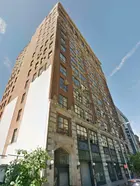
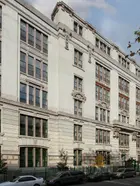
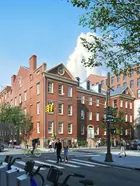
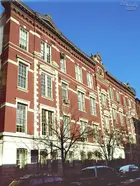
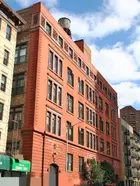
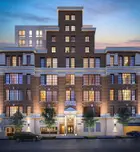
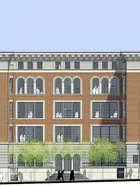
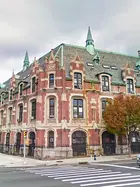

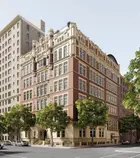
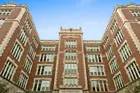
By the time Snyder retired in the early 1920s, he had been credited with the design of hundreds of elementary and high schools in all five boroughs. Future school design has not quite lived up to his legacy; Untapped Cities describes the new school buildings in the decades following his death as "massive brick and concrete boxes." To this day, many of his schools are still in use and buildings like Erasmus Hall in Flatbush have been designated New York City Landmarks.
Enlarge Image
Enlarge Image
Enlarge Image
Enlarge Image
Enlarge Image
Enlarge Image
Enlarge Image
Enlarge Image
Enlarge Image
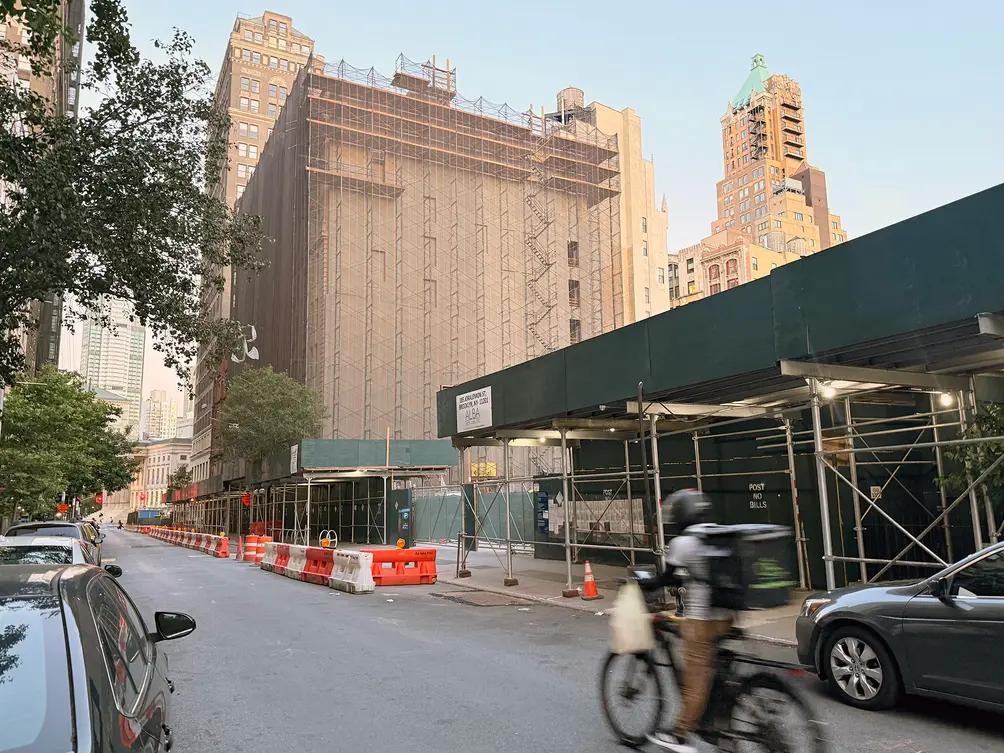 Demolition and pre-construction work commencing at St. Francis' former Brooklyn Heights campus (Summer 2025)
School buildings still rank among New York City's landmarks. A case in point is 176 Remsen Street, the former headquarters of the Brooklyn Union Gas Company that later became part of the St. Francis College campus in Brooklyn Heights. It was part of the five-building parcel developer Rockrose bought from the college in April 2023. Over a year later, they and architect SLCE Architects appeared before the Landmarks Preservation Commission ("Landmarks") with a plan for a residential conversion.
The presentation details use of historically sensitive materials and cites similar examples throughout New York. The application was unanimously approved, and permits for a mixed-use development with ground-floor retail and 747 units were filed in October 2024. The site has been cleared, and permits call for a mix of new construction and adaptive reuse.
The project will include underground parking for 131 cars and 375 bikes. However, it is located in close proximity to the R, 2/3, 4/5, and A/C/F trains. It is also near Brooklyn Bridge Park, Cadman Plaza Park, the Brooklyn Heights Promenade, and popular local restaurants and retail.
The project will include underground parking for 131 cars and 375 bikes. However, it is located in close proximity to the R, 2/3, 4/5, and A/C/F trains. It is also near Brooklyn Bridge Park, Cadman Plaza Park, the Brooklyn Heights Promenade, and popular local restaurants and retail.
“This sale allows us to continue to focus on the future success and growth of the College Driven by Dreams” – Tim Cecere, President, St. Francis College
St. Francis College sold its Brooklyn Heights campus for $160 million amidst a move to a new, state-of-the-art, custom-built campus in Downtown Brooklyn. The sale was not uncommon. In a move similar to churches, schools have seen success selling their real estate holdings in what are now hot New York City neighborhoods to developers to fund moves, renovations, or other projects.
Sometimes the older buildings are in such disrepair that the developer has no choice but to demolish them. But in highly successful cases, the buildings are prime candidates for adaptive reuse. The exteriors are restored to their original glory while original interior details like high ceilings, arches, and exposed brick are kept intact as high-end finishes and state-of-the-art infrastructure are incorporated. Cases in point include Snyder designs like PS90 in Harlem and The Residences at PS 186 in Hamilton Heights.
As the following transformations of city schools into luxurious residences show, the combination is a highly appealing one. Between in-demand addresses, eye-catching architecture, top-of-the-line interiors, and rich histories, availabilities in these buildings are few and far between.
Built in 1886 | Converted in 1981
No public availabilities
No public availabilities
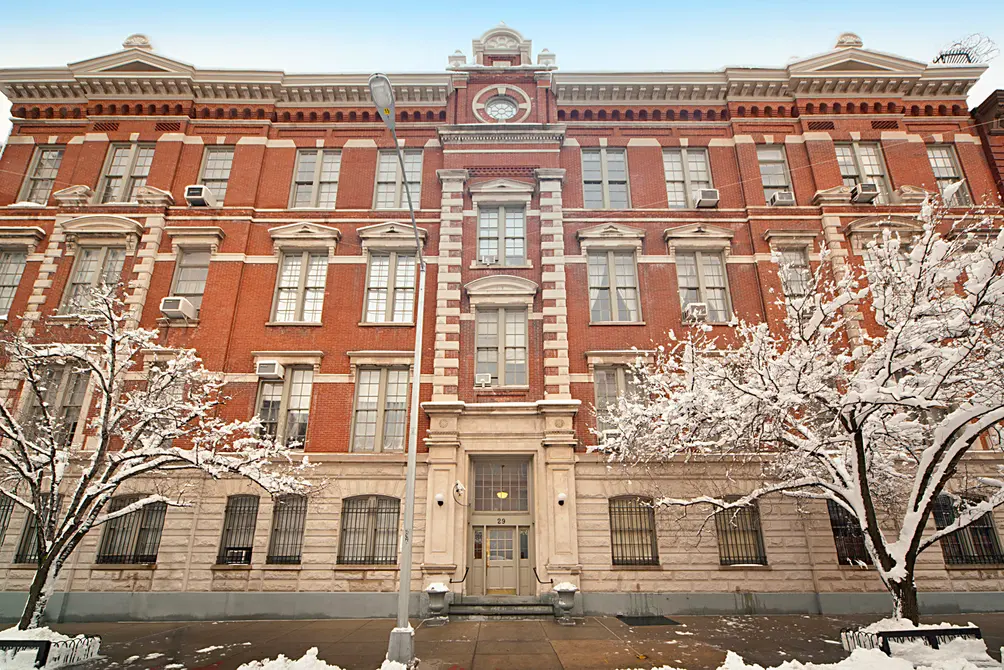 29 King Street (CORE Group Marketing)
New development is going up all over Hudson Square, but this Queen Anne-style building dates back to 1886, when it was built as a grammar school. Nearly 100 years later, the New York City Board of Education auctioned off Public School 8 and The Brodsky Organization bought it. In the present day, apartments show signs of their classroom pasts with soaring ceilings and oversized picture windows. They come outfitted with modern appliances, LED lighting, and generous closet space, but not at the expense of historic elements like exposed brick and oak floors.
34 Prince Street
Built in 1835 | Converted in 2018
1 availability for $11.75M
Built in 1835 | Converted in 2018
1 availability for $11.75M
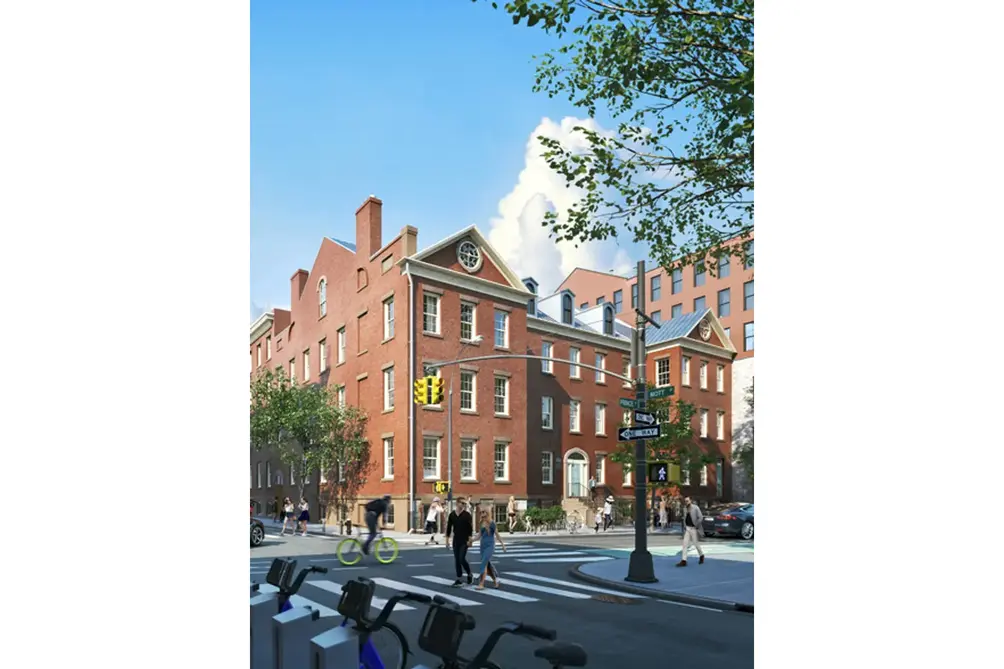 Residences at Prince (CityRealty)
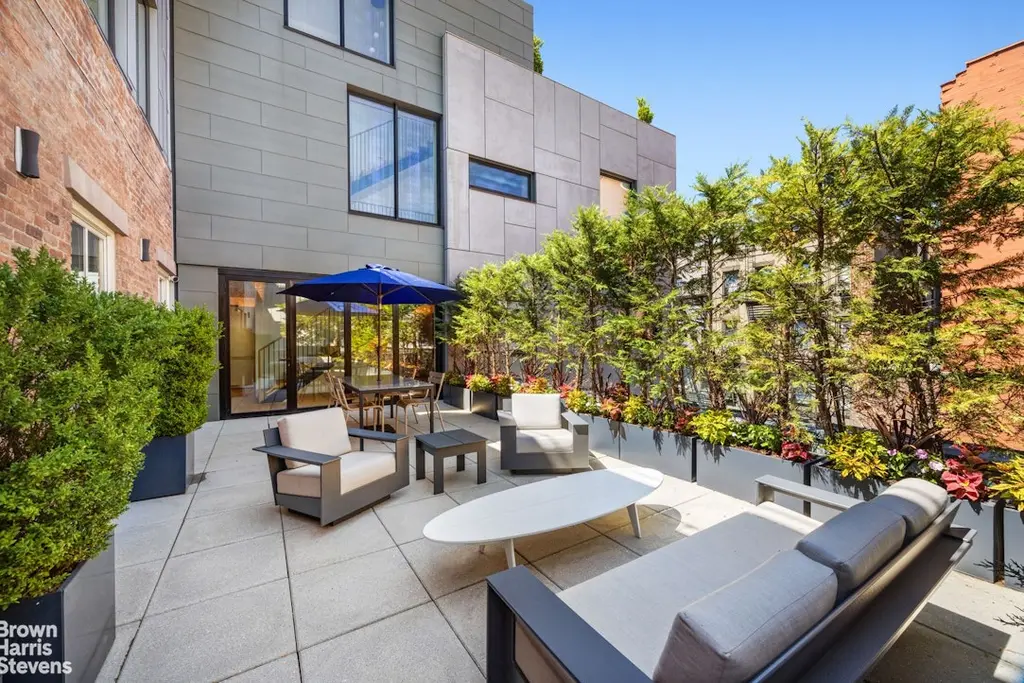
On what is now one of Nolita's trendiest shopping streets, two red brick Federal-style buildings dating back to before the Civil War served as the convent of the Basilica of St. Patrick's Cathedral and the Cathedral School, where Academy Award-winning director Martin Scorsese was reportedly a student. The school closed in 2010; a few years later, an exclusive boutique condominium opened with airy interiors to contrast with the beautifully preserved facade. More recently, a new boutique condominium was approved to rise on the empty lot directly next door.
Residences at Prince, #PH
$11,750,000
NoLiTa/Little Italy | Condominium | 4 Bedrooms, 4.5 Baths | 3,673 ft2
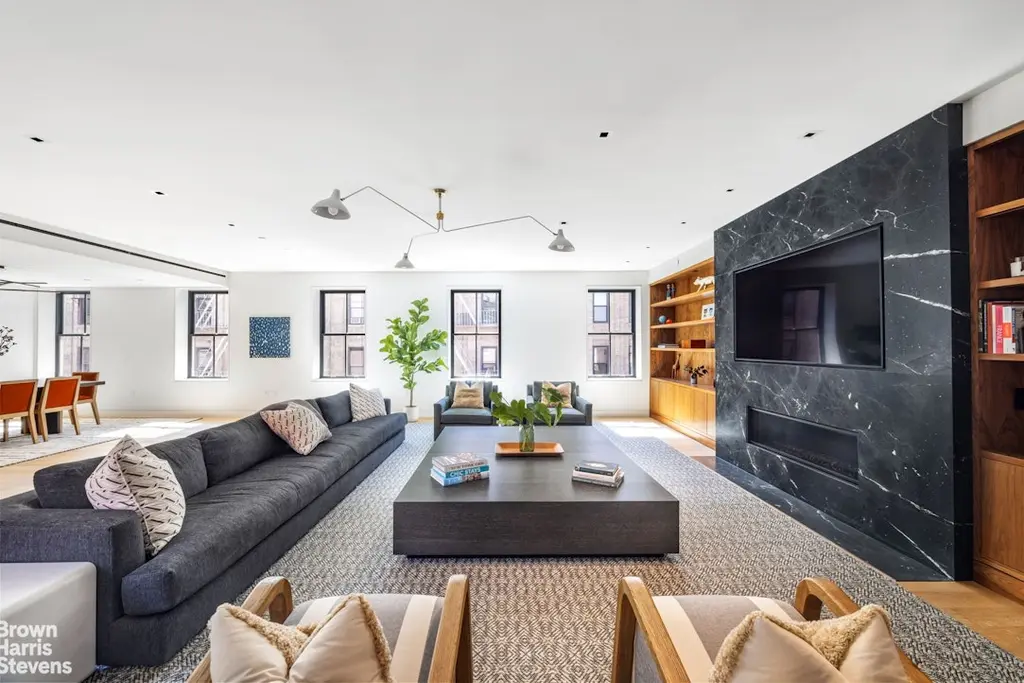
Residences at Prince, #PH (Brown Harris Stevens Residential Sales LLC)
448 West 37th Street
Built in 1914 | Converted in 1982
2 availabilities from $1.65M
Built in 1914 | Converted in 1982
2 availabilities from $1.65M
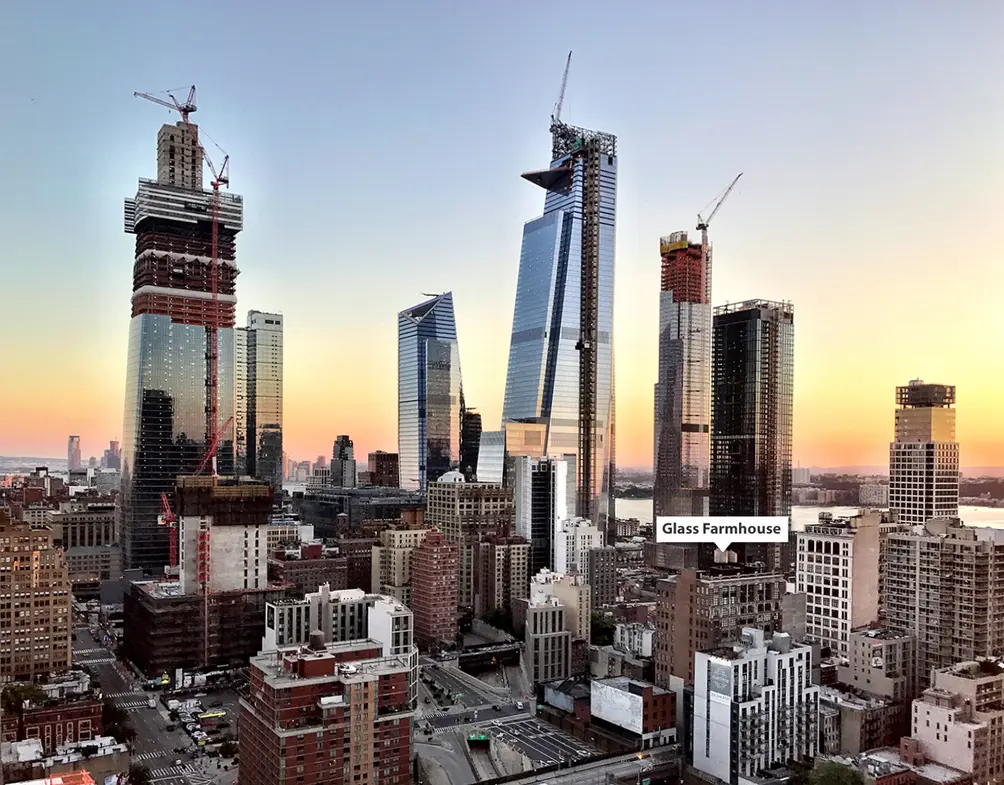 The Glass Farmhouse (Compass)
A few short blocks from Hudson Yards, the High Line, and Hudson River Park, this brick and limestone school building was converted to condominiums with 12' ceilings, light-filled living space, and open skyline views. Industrial details are also on display in the lobby, and the building is crowned with a landscaped roof deck.
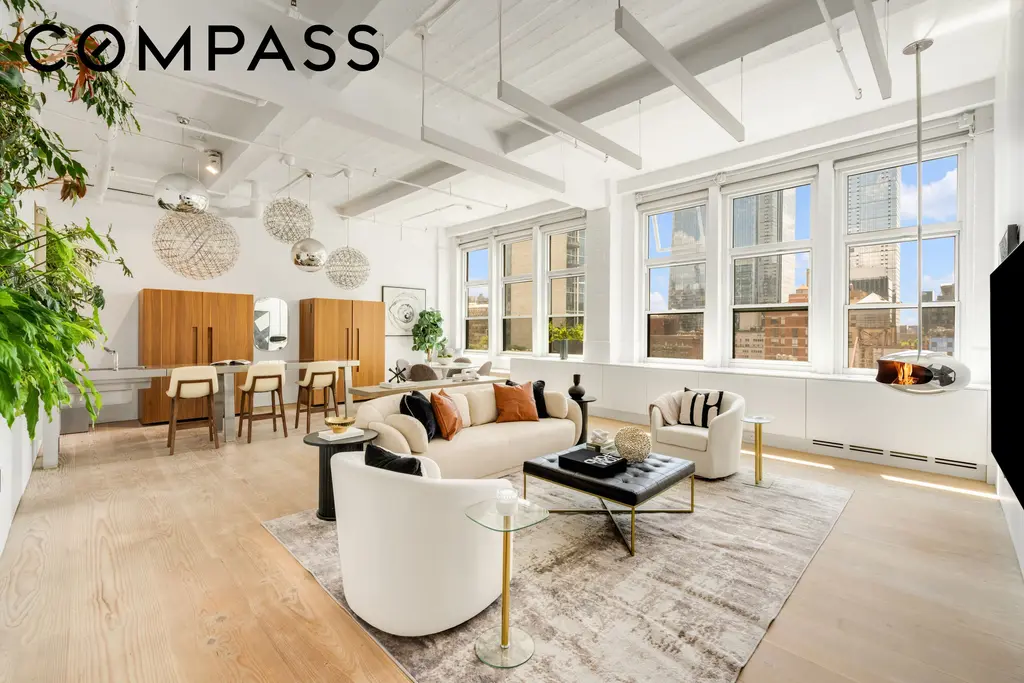
The Glass Farmhouse, #12E (Compass)
520 West 45th Street
Built in 1905 | Converted in 2016
No public availabilities
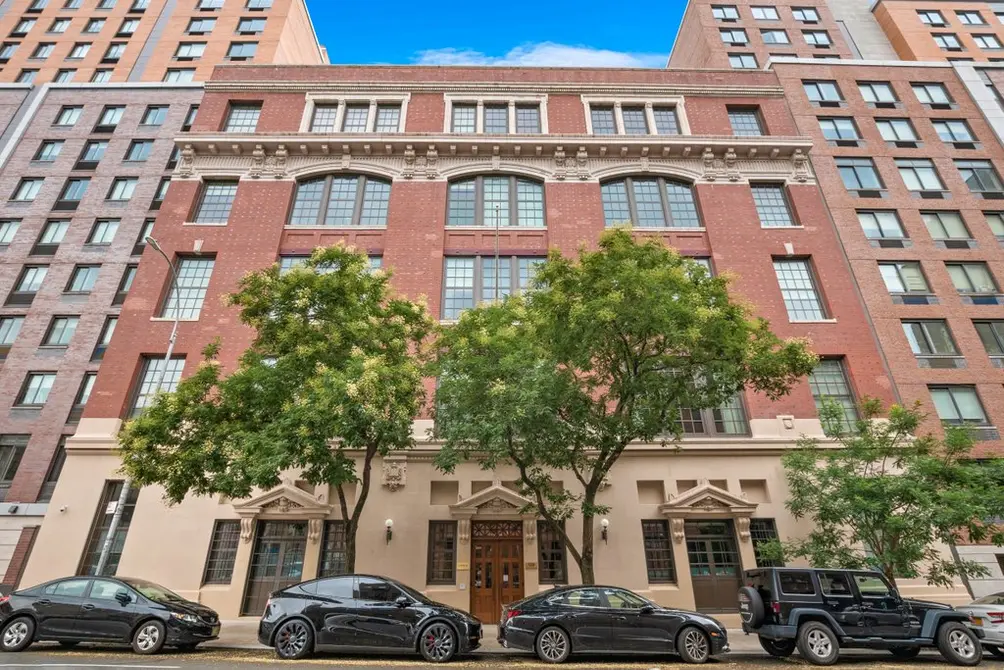 Inkwell (Compass)
When P.S. 51 was originally built at the beginning of the 20th century, it was said to be one of the first New York City schools to serve its students lunch. More than a century later, the Beaux Arts building would be another trend-setter as it got converted from a school to a condominium. A number of features were incorporated into the apartments in the process: Chalkboards have been placed next to the entrance and can be used as grocery lists, cubbies are ideal for storage, and certain units feature rolling ladders for storage.
310 East 46th Street
Built in 1929 | Converted in 1979
6 availabilities from $550K
Built in 1929 | Converted in 1979
6 availabilities from $550K
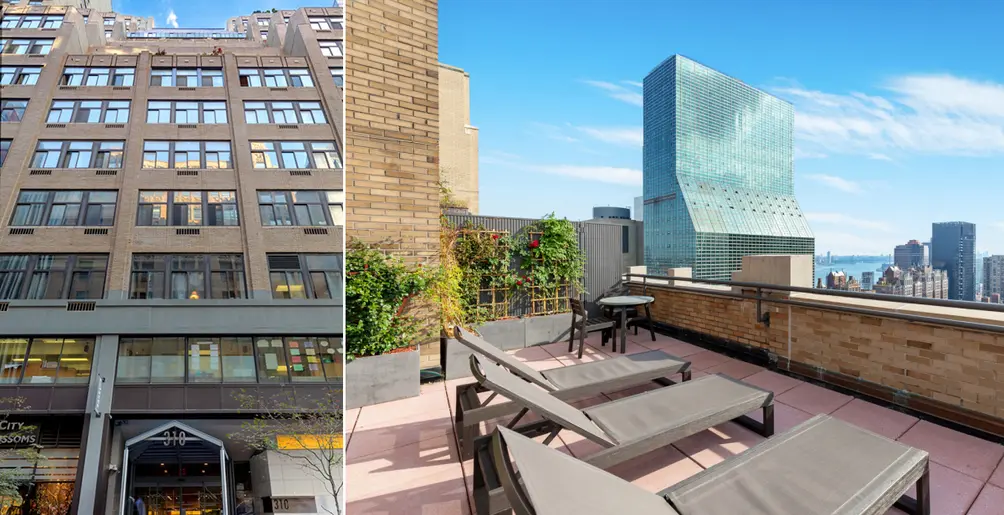 Turtle Bay Towers (Compass)
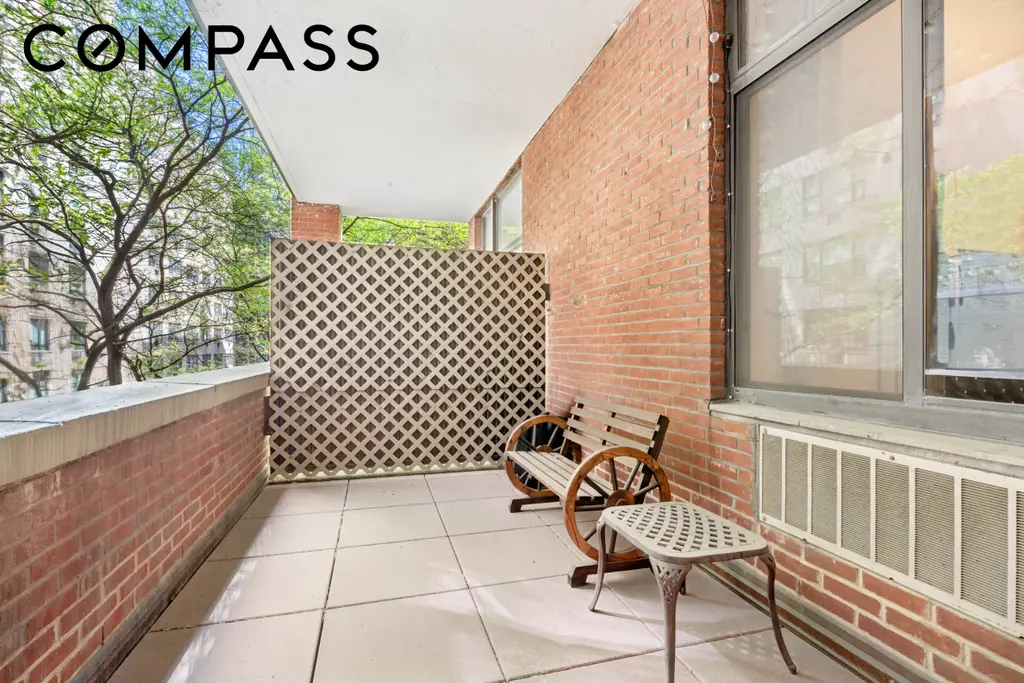
Turtle Bay Towers dates back to 1929, when it was built as a design school. When it was converted to residential use, the careful restoration and conversion was honored with the First Honor Award from the American Institute of Architects. A 24-hour doorman and live-in superintendent are on staff, and amenities include a renovated lobby, storage for rent, a bike room, a parking garage, and a rooftop terrace.
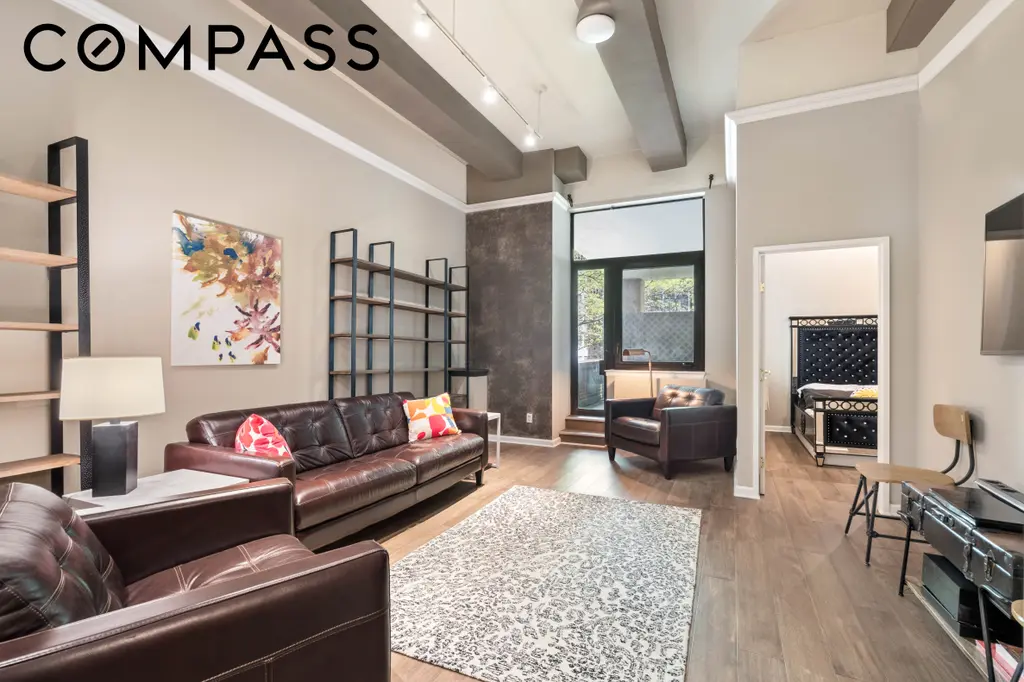
Turtle Bay Towers, #4L (Compass)
351 East 51st Street
Built in 1893 | Converted in 2000
2 availabilities from $1.295 million
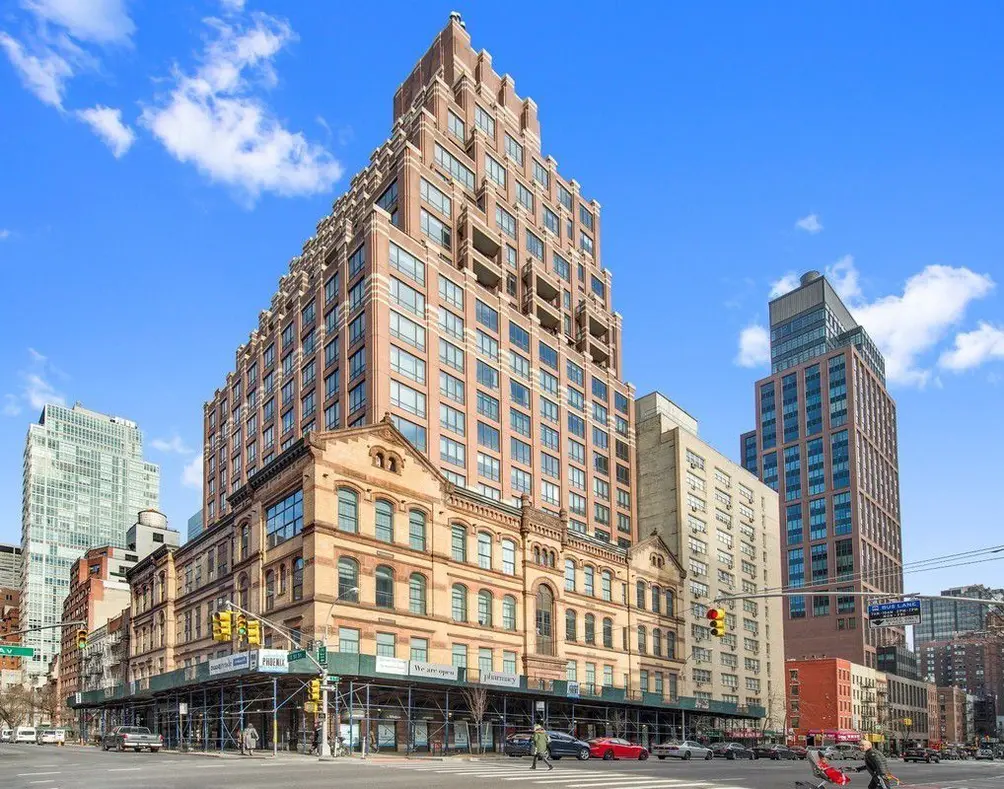 The Beekman Regent (The Corcoran Group)
The Beekman Regent, originally Primary School No. 35, is listed on the National Register of Historic Place and was the 2002 winner of the Mercedes Benz Property Award for "Finest New Redevelopment in the World." One look at its many setbacks and design reminiscent of The Dakota is enough to show how it won.
Most recently, a 26-unit sponsor package of two- to four-bedroom units was unveiled. This package consists of some of the building's largest and grandest residences, including townhouse and penthouse units. Select homes have private outdoor space, and all feature high ceilings, top-of-the-line finishes, and access to the building's acclaimed services and amenities.
Most recently, a 26-unit sponsor package of two- to four-bedroom units was unveiled. This package consists of some of the building's largest and grandest residences, including townhouse and penthouse units. Select homes have private outdoor space, and all feature high ceilings, top-of-the-line finishes, and access to the building's acclaimed services and amenities.
<
The Beekman Regent, #LOFT 5
$2,995,000
Turtle Bay/United Nations | Condominium | 2 Bedrooms, 2.5 Baths | 2,211 ft2
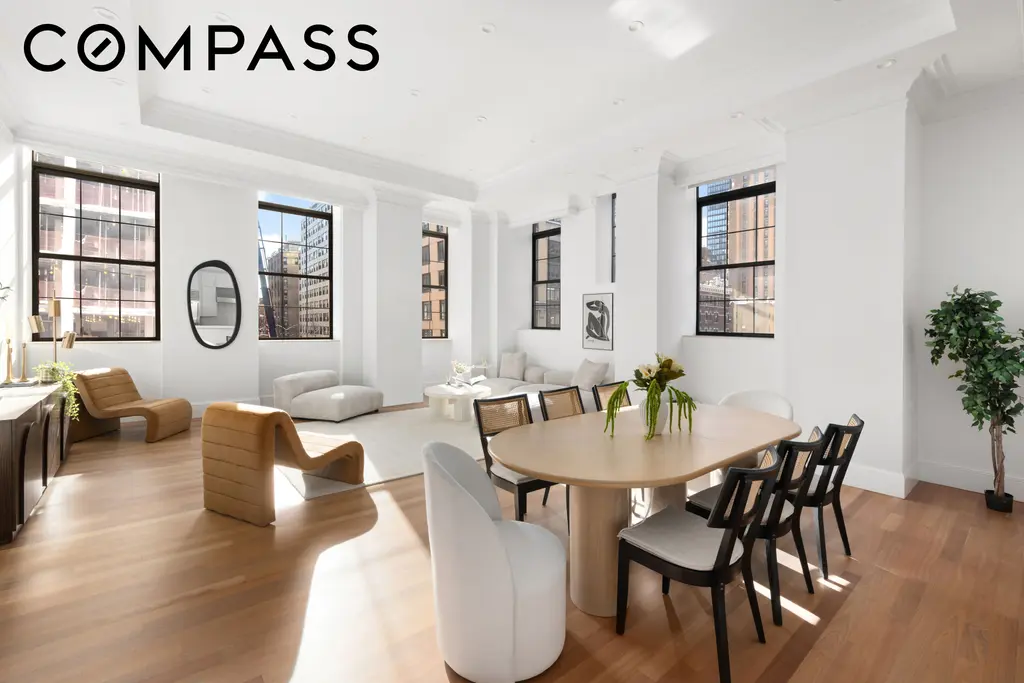
The Beekman Regent, #LOFT 5 (Compass)
Built in 1915 | Converted in 2019
1 availability for $8.75M
 378 West End Avenue (Compass)
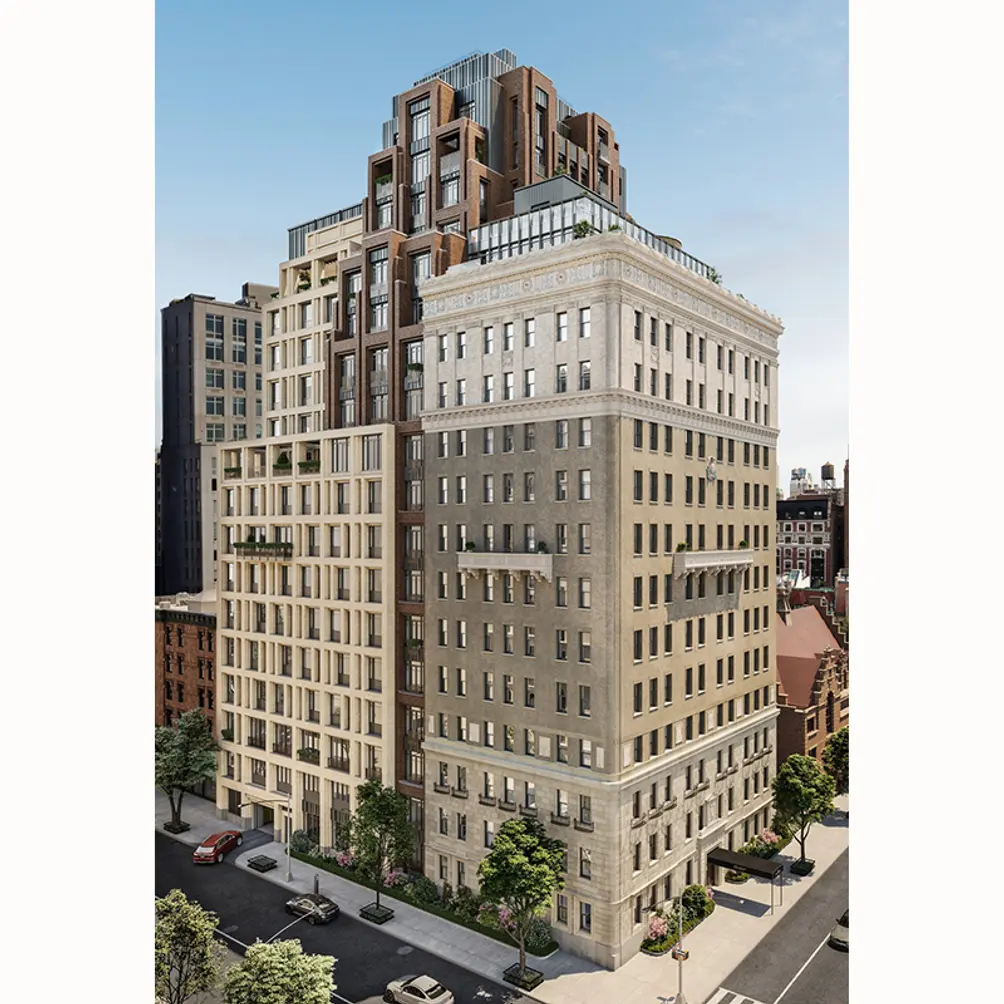
In the heart of the West End-Collegiate Historic District, a Schwartz & Gross-designed building housing the Collegiate School (which has since relocated to Waterline Square) was combined with a new 18-story tower. The result is 378 West End Avenue, a new condominium with a historically sensitive design and health-conscious features like advanced air and water filtration, copper alloy door handles in all common spaces, and touchless entrance to residences. This combination, not to mention the building's luxurious interiors and well-thought amenity package, would prove extremely popular among luxury buyers. The building sold out quickly, and only one resale unit is available as of this writing.
378 West End Avenue, #12C
$8,750,000
Riverside Dr./West End Ave. | Condominium | 4 Bedrooms, 4.5 Baths | 2,970 ft2

378 West End Avenue, #12C (Compass)
Built in 1908 | Converted in 2018
1 availability for $6.995M
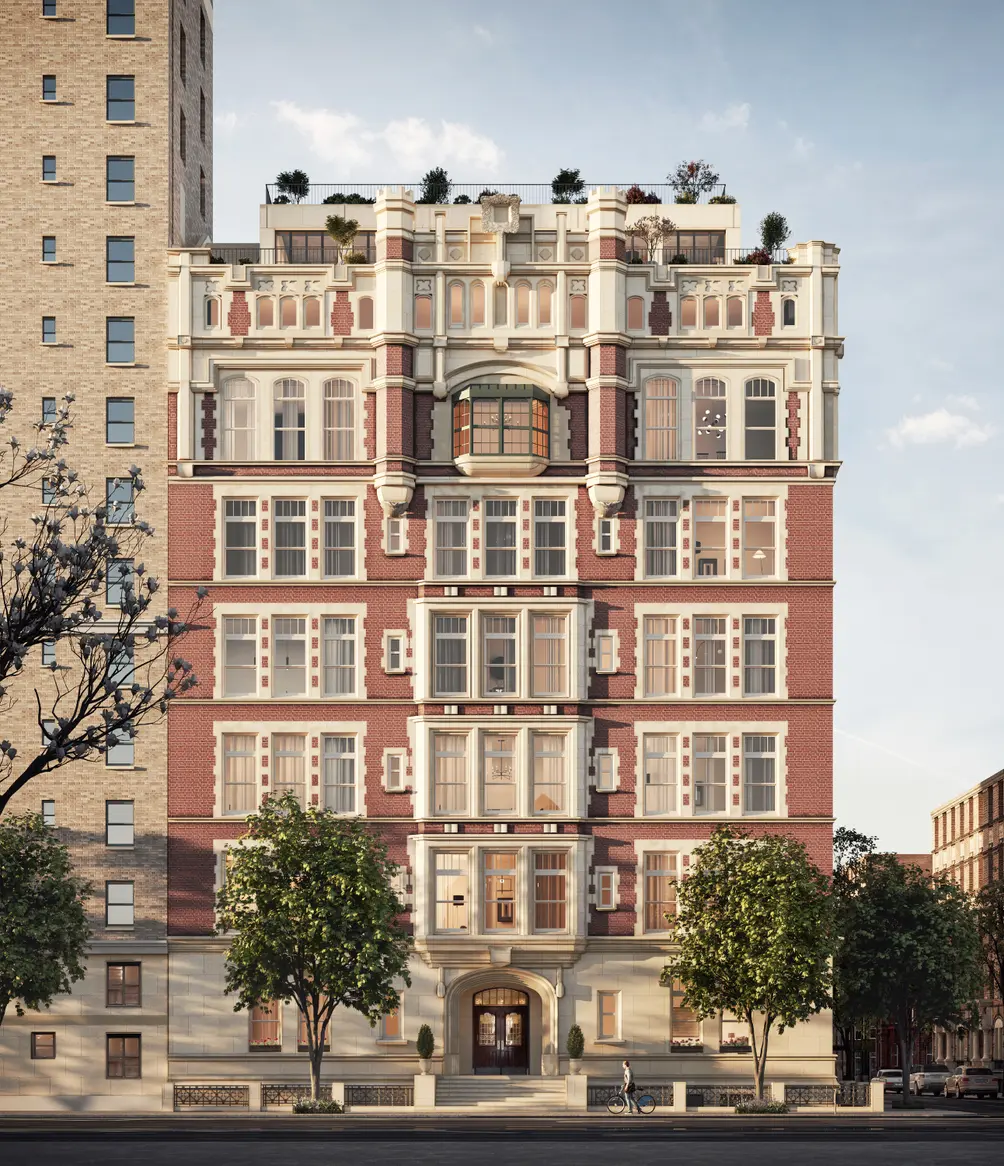 555 West End Avenue (Rendering credit of Hayes Davidson)
Ever since this Upper West Side Catholic school was built at the beginning of the 20th century, residents and visitors have marveled at the carved stone façade elements, parapets, filigreed windows, limestone window bays, and turrets among the eye-catching details of the English collegiate and Gothic style design of William A. Boring's design. Contemporary architecture luminary Cary Tamarkin restored these elements while adding a discreet penthouse and making minor alterations, all with Landmarks' blessing.
555 West End Avenue, #4W
$6,995,000
Riverside Dr./West End Ave. | Condominium | 4 Bedrooms, 4.5 Baths | 2,716 ft2
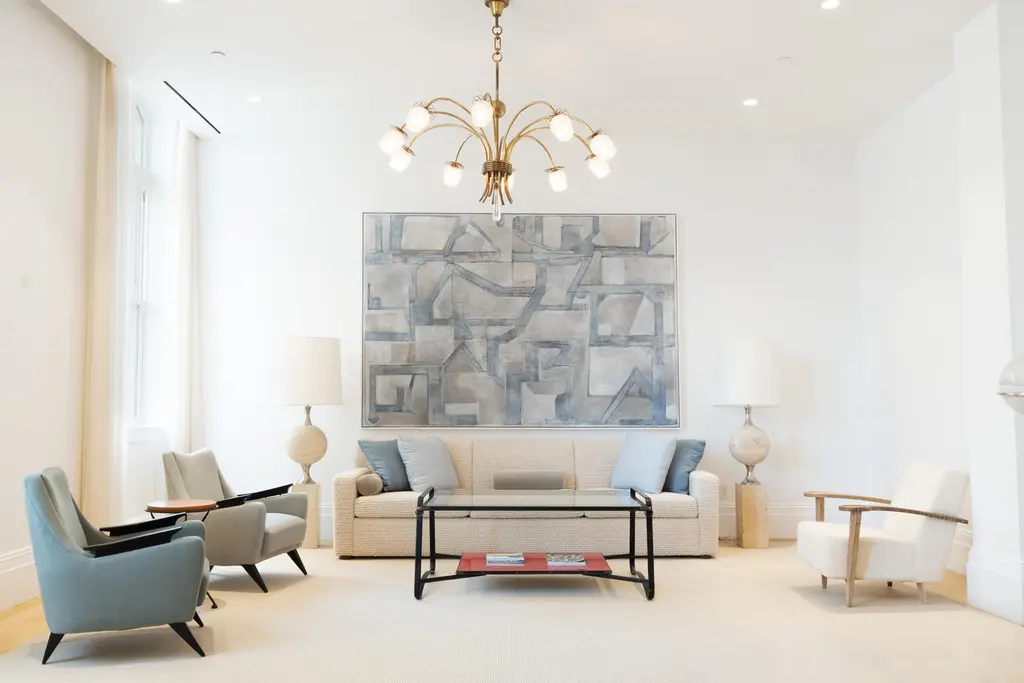
555 West End Avenue, #4W (Douglas Elliman Real Estate)
100 Claremont Avenue
Built in 2023
10 availabilities from $1.2M
Built in 2023
10 availabilities from $1.2M
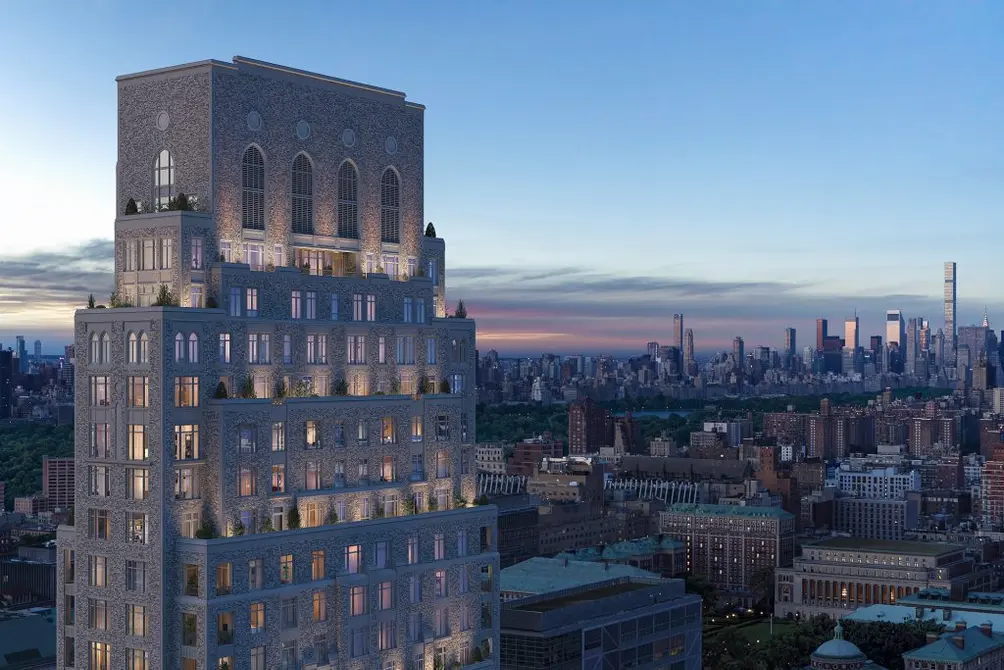 Claremont Hall (Corcoran Group)
Before Claremont Hall took shape, Union Theological Seminary sold approximately 350,000 square feet of development rights to the development team. The seminary used the proceeds to finance a multimillion-dollar renovation of its over 100-year-old campus, and the developers built the tallest tower in Morningside Heights, albeit one with nods to the surrounding Gothic-style buildings.
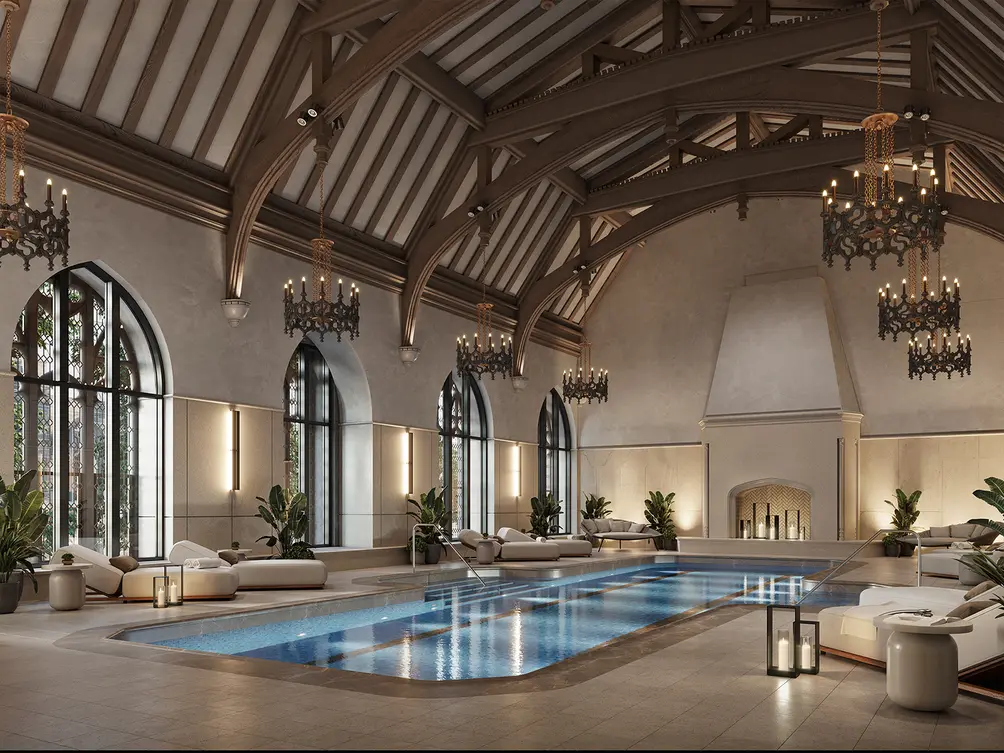
The condos start on top of academic facilities and faculty housing, the better to make the most of Riverside Park and Hudson River views, and residents have access to three floors of wellness and social amenities that include a dining hall converted to an indoor swimming pool with original Gothic ceilings and chandeliers. As of this writing, a penthouse in the building holds a sales record for Morningside Heights.
The condos start on top of academic facilities and faculty housing, the better to make the most of Riverside Park and Hudson River views, and residents have access to three floors of wellness and social amenities that include a dining hall converted to an indoor swimming pool with original Gothic ceilings and chandeliers. As of this writing, a penthouse in the building holds a sales record for Morningside Heights.
Claremont Hall, #36B
$2,995,000
Morningside Heights | Condominium | 2 Bedrooms, 2.5 Baths | 1,514 ft2
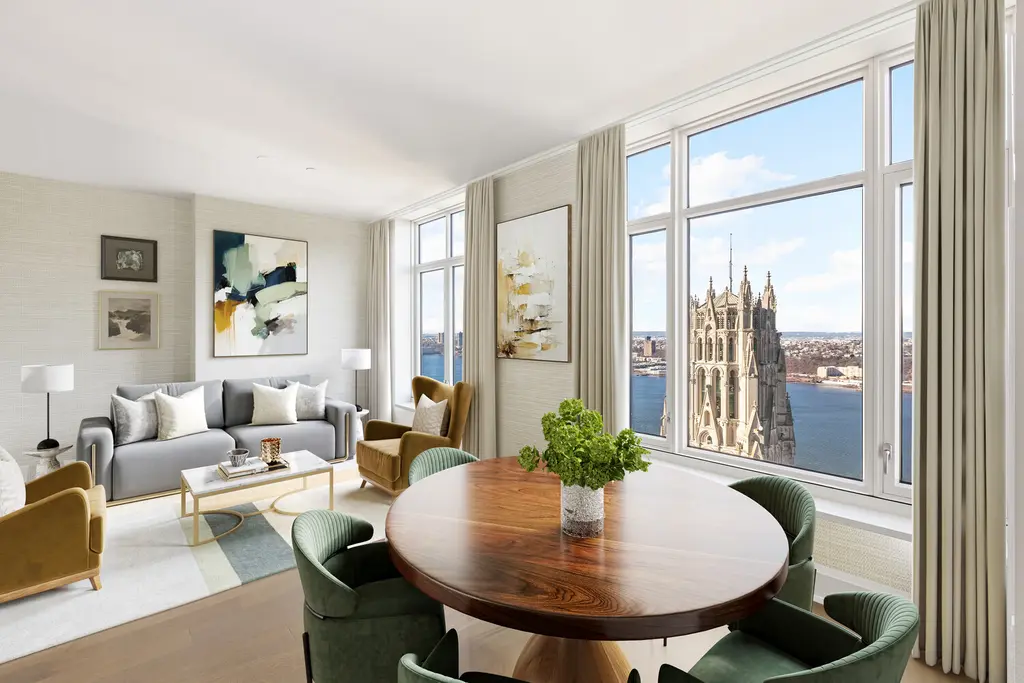
Claremont Hall, #36B (Corcoran Sunshine Marketing Group)
309 East 108th Street
Built in 1889 | Converted in 1987
1 availability for $750K
Built in 1889 | Converted in 1987
1 availability for $750K
Would you like to tour any of these properties?
Just complete the info below.
Or call us at (212) 755-5544
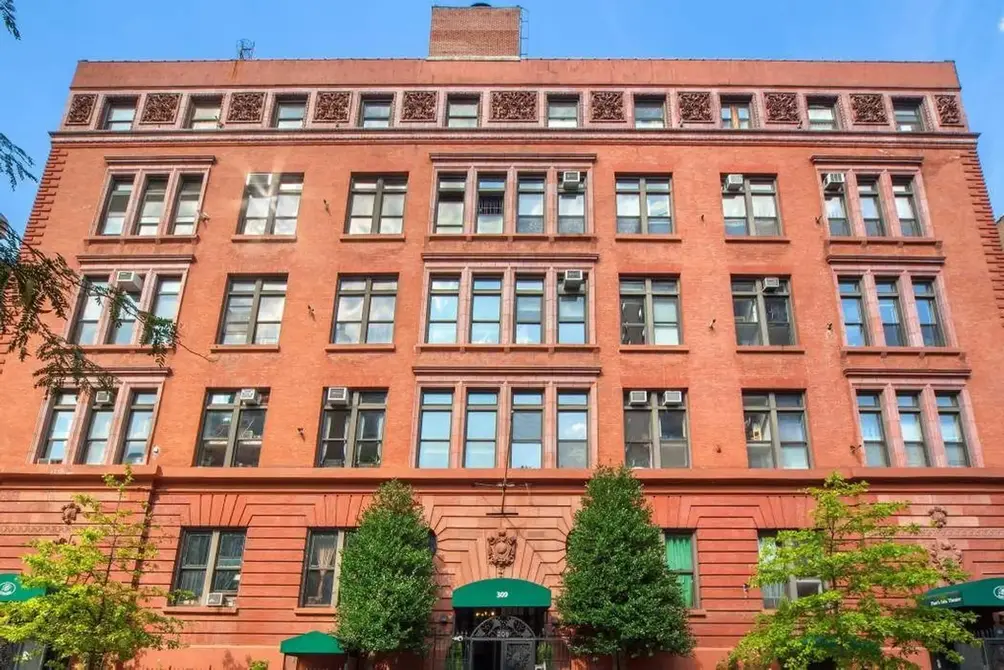 Magnolia Mansion (Sotheby's International Realty)
Nearly 100 years after it was built as a school, the building at 309 East 108th Street was converted to The Magnolia Mansion Lofts, a condominium with a full-time superintendent, modern infrastructure, and common outdoor space. However, original features like a grand entry and statement columns have been beautifully restored.
Magnolia Mansion Lofts, #5C
$750,000 (-3.7%)
East Harlem | Condominium | 3 Bedrooms, 2 Baths | 1,800 ft2

Magnolia Mansion Lofts, #5C (Coldwell Banker Warburg)
220 West 148th Street
Built in 1905 | Converted in 2009
4 availabilities from $595K
Built in 1905 | Converted in 2009
4 availabilities from $595K
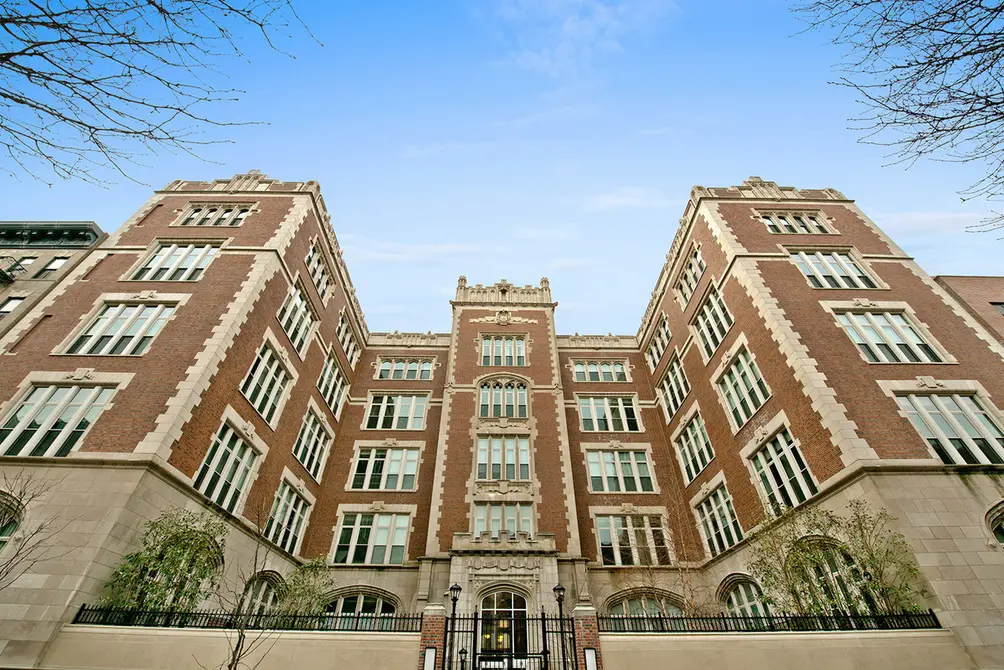 PS90 (Compass)
Between its H-shaped footprint, elaborate masonry and architecture, and soaring ceilings, the school at 220 West 148th Street is a prime example of Snyder's work.
Most recently, it graduated to a highly desirable doorman condominium. Its elaborately ornamented terra cotta and limestone exterior was carefully restored to its original detail, but the interiors had to be torn out and replaced. Nevertheless, the school's grand proportions can be seen in spacious rooms, high ceilings, and oversized windows. In 2011, it received a Lucy G. Moses Award, also known as "the Oscars of preservation."
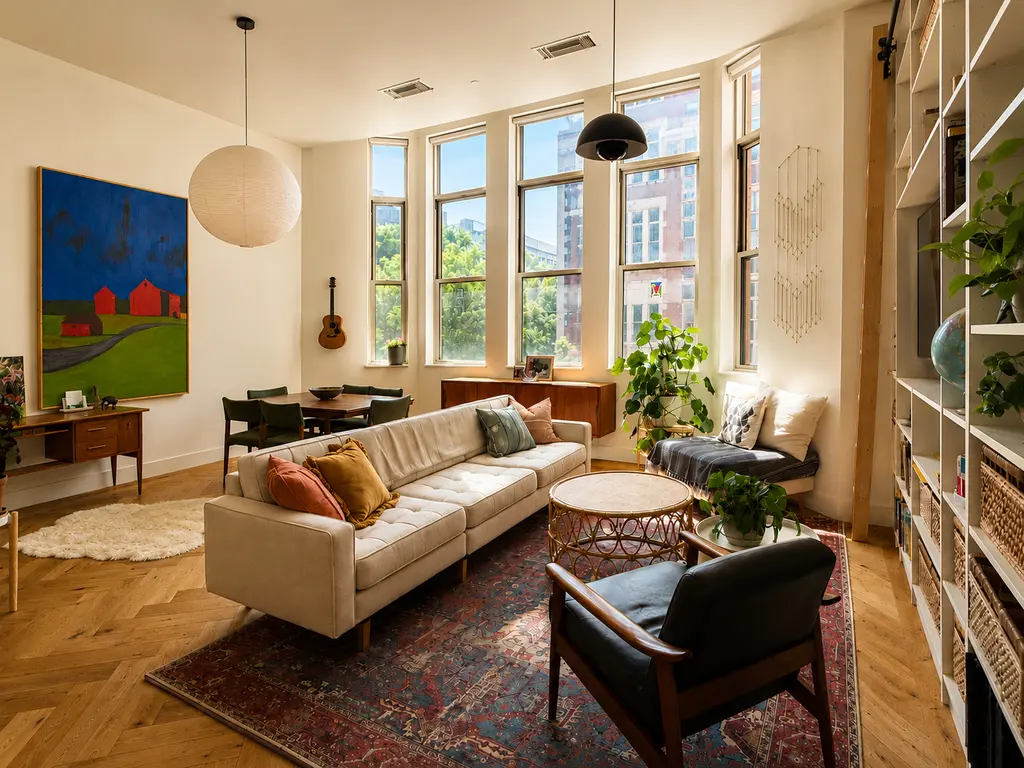
PS90, #2J (Bohemia Realty Group LLC)
96 Schermerhorn Street Street
Built in 1928 | Converted in 1981
No public availabilities
Built in 1928 | Converted in 1981
No public availabilities
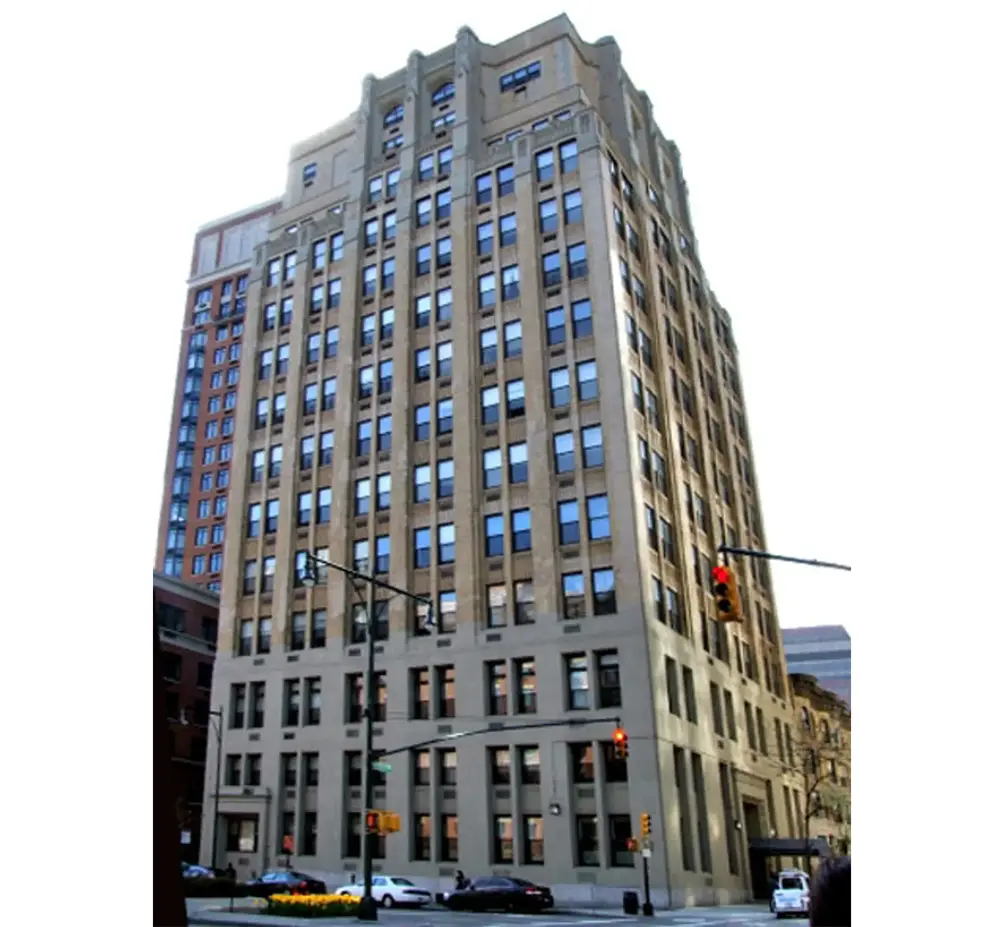 Boerum Court (CityRealty)
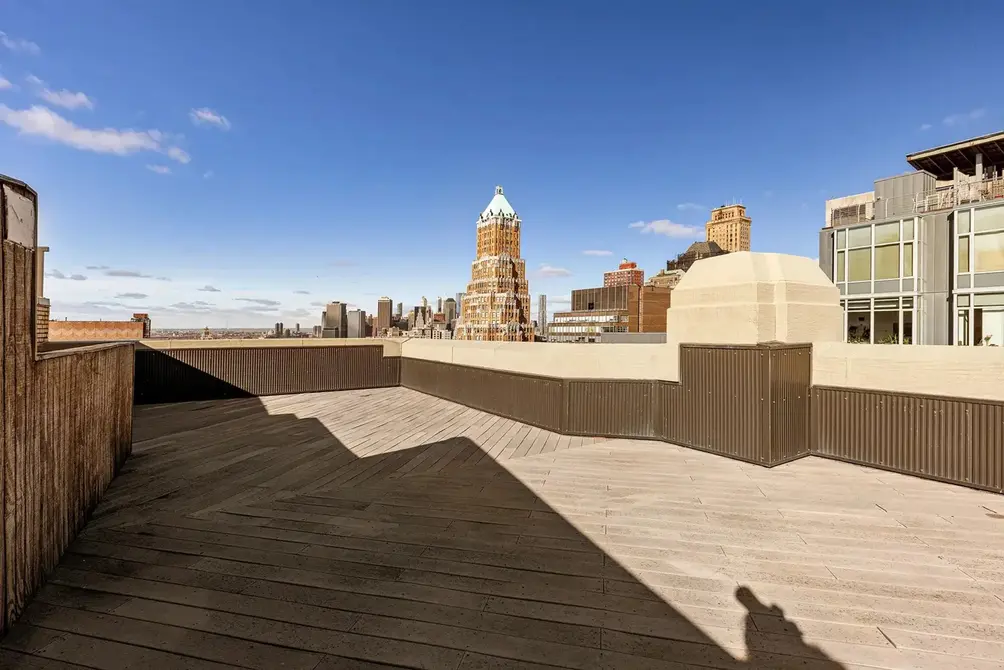
96 Schermerhorn Street was built in 1928 as the main building of St. John's University's Brooklyn campus. St. John's Law School took over the space in 1965, when the undergraduate division moved to Queens, and a developer bought the building in the early 1980s.
The apartments in the residential conversion are rich in original details like soaring ceilings, oversized windows, and concrete floors. Amenities include an attended lobby and common roof deck, but the greatest perk may be its central address at the nexus of Downtown Brooklyn, Boerum Hill, Brooklyn Heights, and Cobble Hill, four of the borough's most desirable neighborhoods.
The apartments in the residential conversion are rich in original details like soaring ceilings, oversized windows, and concrete floors. Amenities include an attended lobby and common roof deck, but the greatest perk may be its central address at the nexus of Downtown Brooklyn, Boerum Hill, Brooklyn Heights, and Cobble Hill, four of the borough's most desirable neighborhoods.
Built in 1959 | Converted in 2003
No public availabilities
No public availabilities
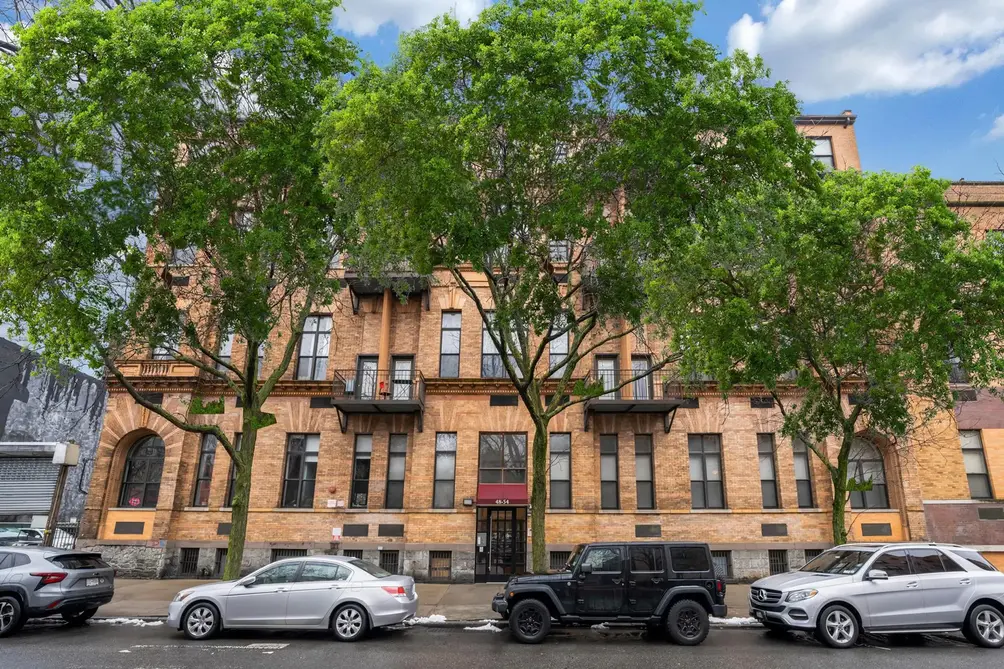 48 Whipple Street (Douglas Elliman)
South Williamsburg is in the midst of a residential renaissance now, but 48 Whipple Street was an early entrant when the school went co-op in 2003. While not quite up to Snyder standards, the post-war building's brickwork remains beautiful, oversized windows allow for abundant light for the homes as they did with the classrooms, and the interiors feature apartments with spacious floor plans and soaring ceilings.
279 Sterling Place
Built in 1893 | Converted in 2006
No public availabilities
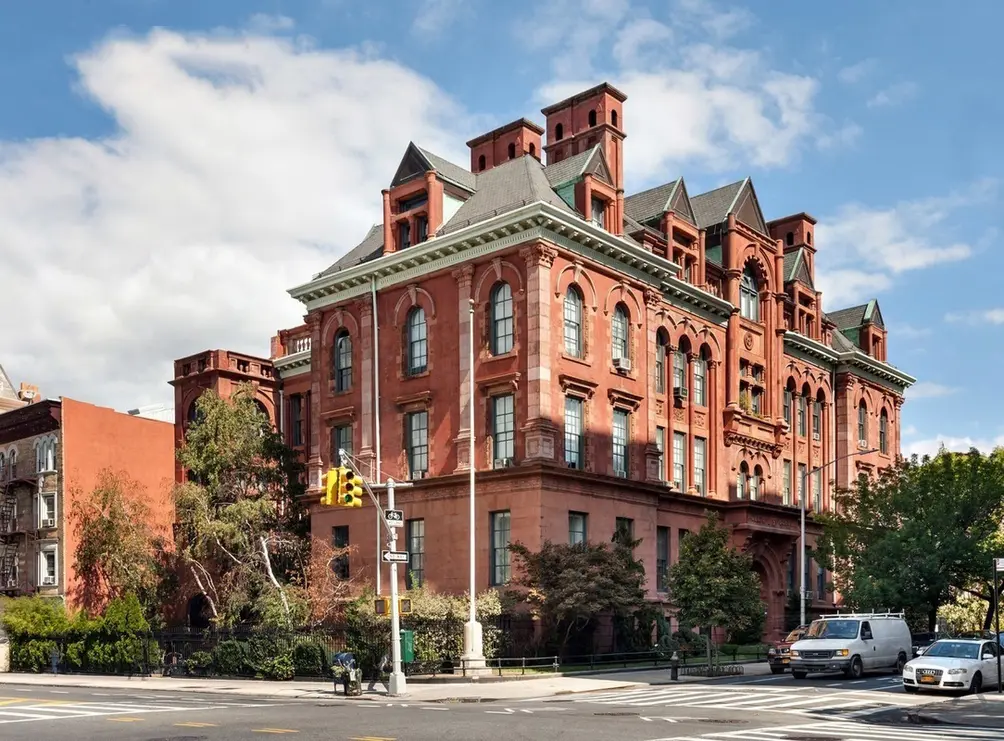 279 Sterling Place (Compass)
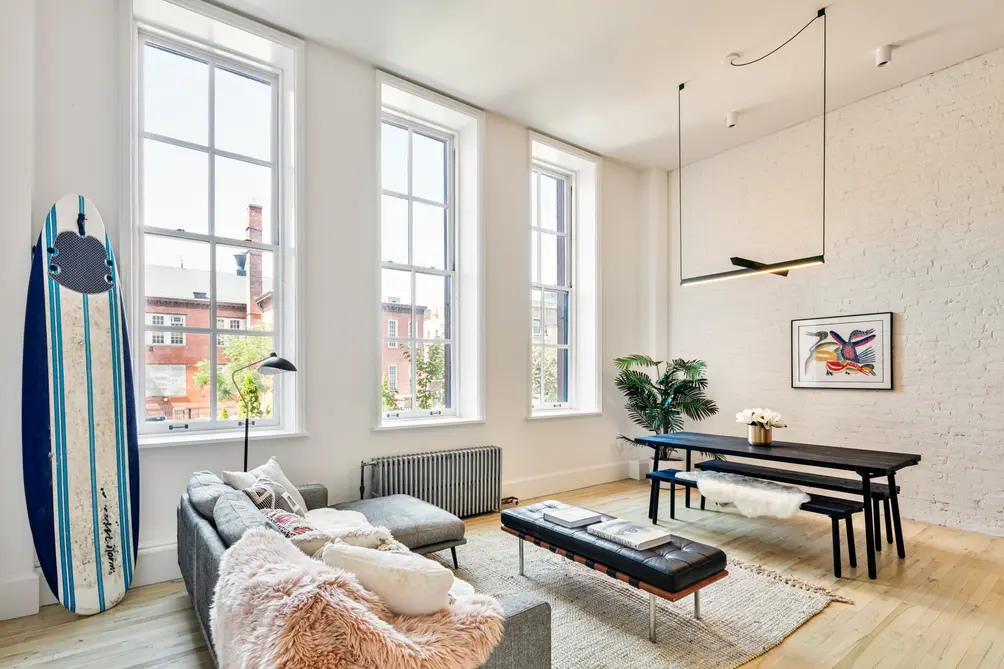
Public School 9 Annex was built out of the necessity to relieve overcrowding at the school across the street. The result is a Romanesque Revival building that would become a New York City landmark and entrant on the National Historic Registry. More recently, the apartments inside are rich in historic details like skylights, exposed brick, and arched entryways.
501 Hicks Street
Built in 1922 | Converted in 1986
No public availabilities
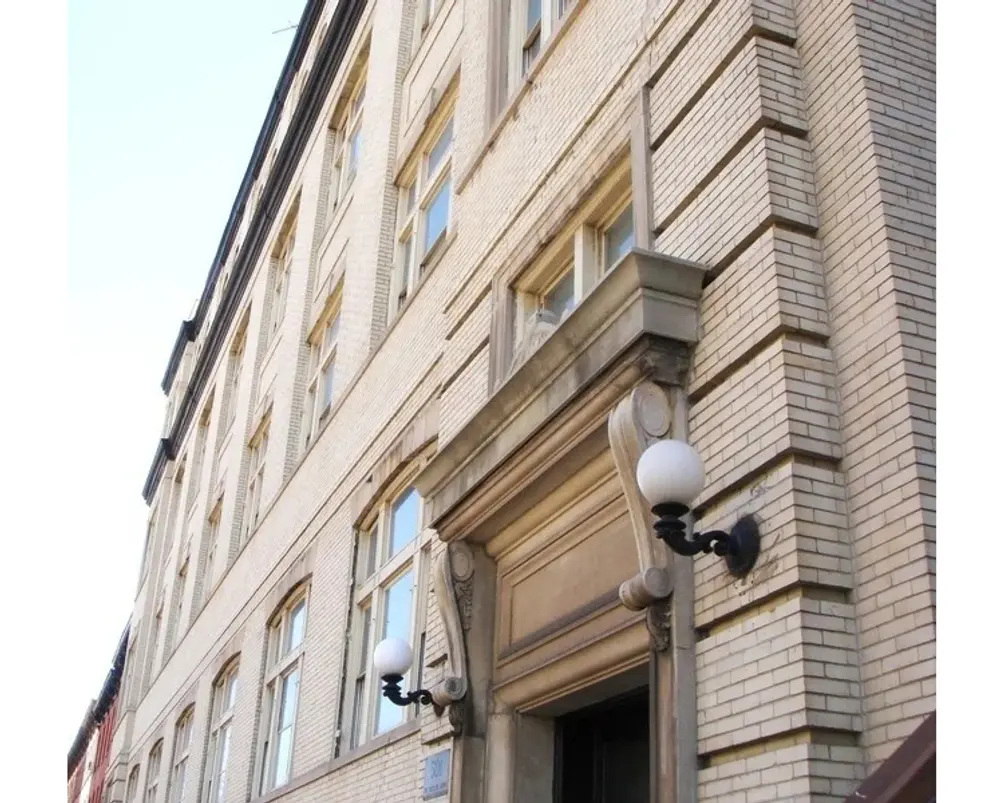 The Cobble Hill School Condo (CMB Development LLC)
In the boundaries of the Cobble Hill Historic District, a schoolhouse was converted to a boutique condominium to accommodate the growing demand for housing. All apartments feature soaring ceilings and loft-like interiors, and amenities include a laundry room, assigned storage units, bike room, and on-site parking.
Built in 1901 | Converted in 1984
No public availabilities
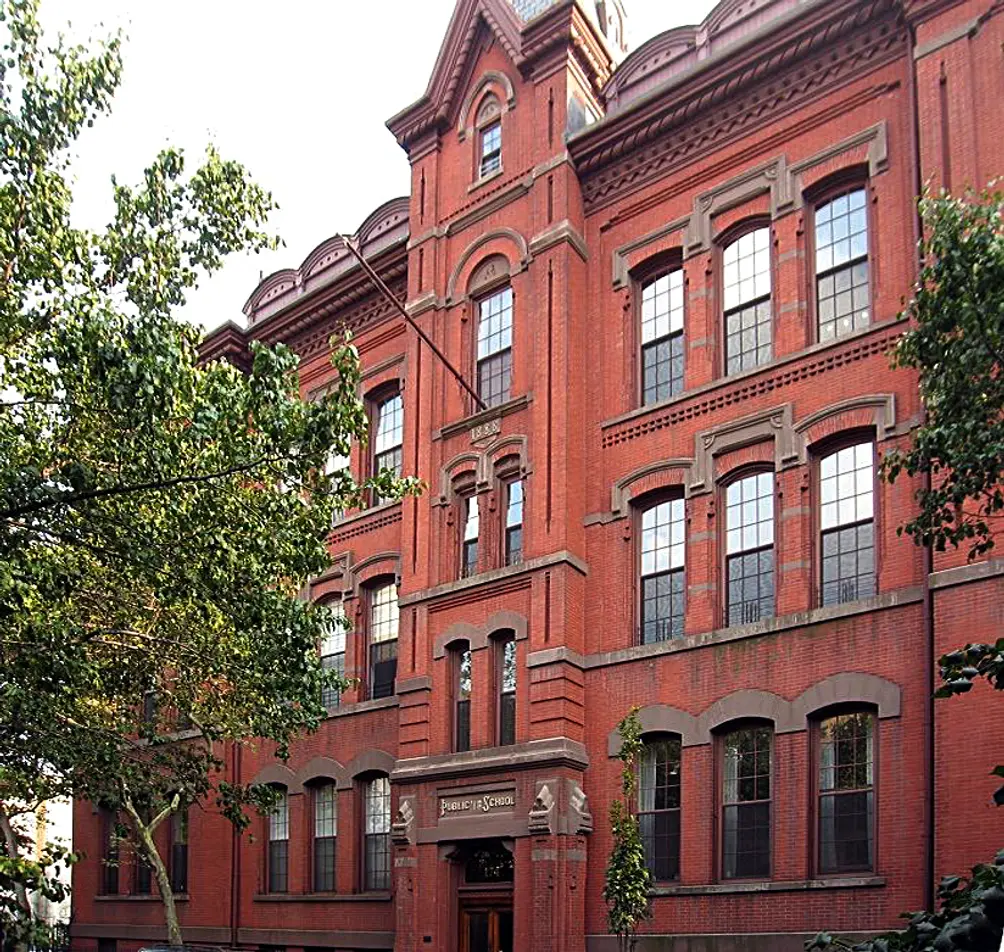 174 Pacific Street (Brown Harris Stevens)
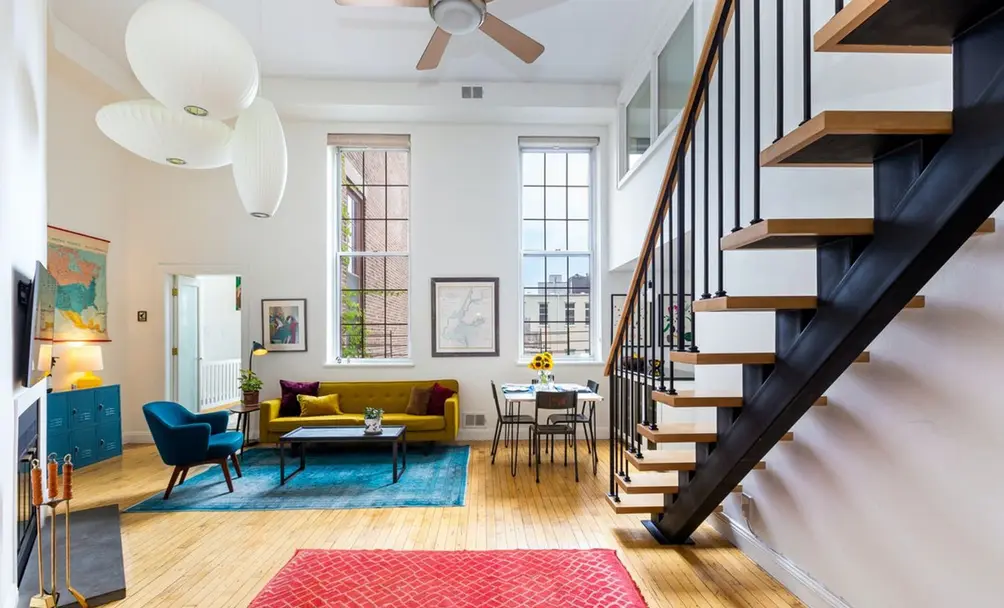
Cobble Hill's onetime P.S. 78 gets an A in renovations! It is now a New York City Landmark with gated parking, and offering excellent access to Trader Joe's, popular restaurants, and top shopping.
788 Willoughby Avenue
Built in 1870 | Converted in 2024
Availabilities from $2,950/month
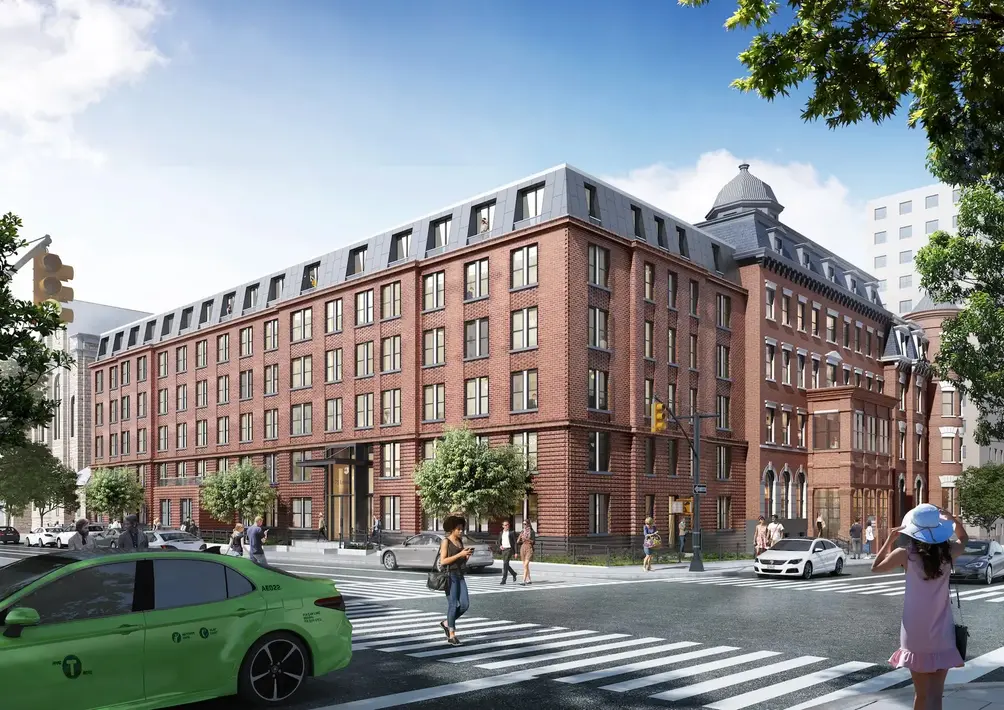 The Hartby (Woods Bagot)
More than 150 years after renowned architect Patrick Keely constructed 788 Willoughby Avenue as part of St. John's College campus, the Romanesque Revival building has been converted to a 205-unit rental. Original features like arched windows and high ceilings add character to the apartments, which also boast such modern features as high-end finishes, top-of-the-line appliances, central air conditioning, and in-unit laundry.
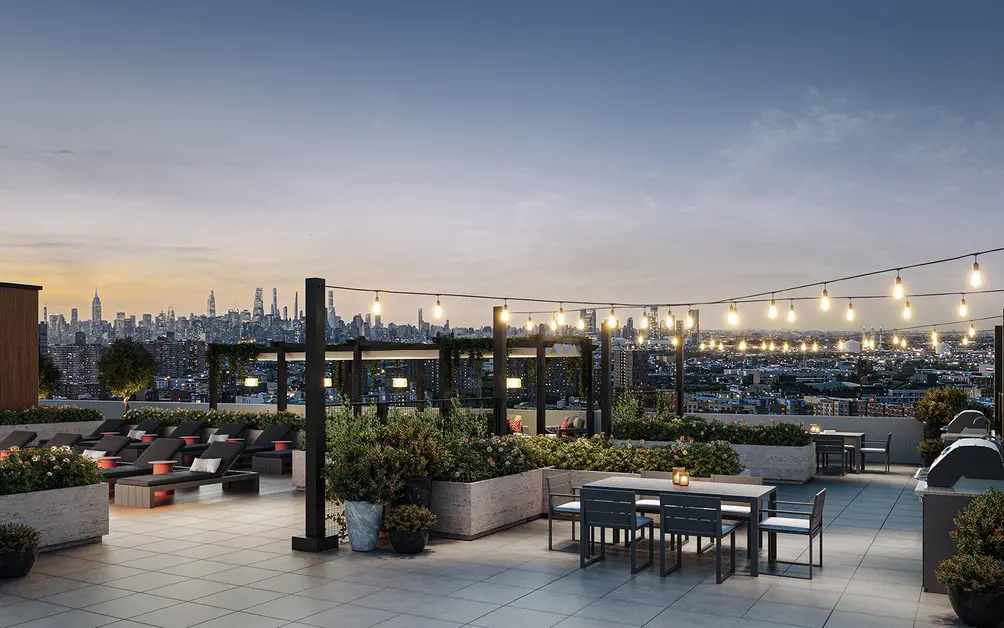
Residential amenities include a double-height lobby with part-time doorman, a fully equipped fitness center, a private party room, a business center, an interior courtyard, and a roof deck with barbecue stations. Additional conveniences include package lockers, bike storage, and on-site parking with electric car charging stations.
Residential amenities include a double-height lobby with part-time doorman, a fully equipped fitness center, a private party room, a business center, an interior courtyard, and a roof deck with barbecue stations. Additional conveniences include package lockers, bike storage, and on-site parking with electric car charging stations.
371 Madison Street
Built in 1908 | Converted in 2014
No public availabilities
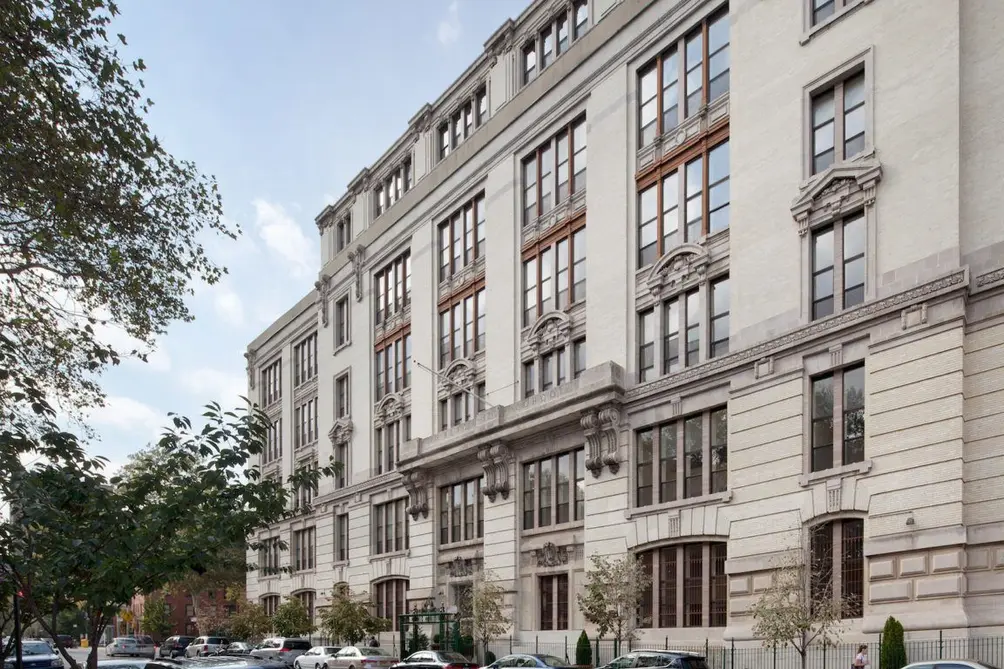 The School House (Modern Spaces)
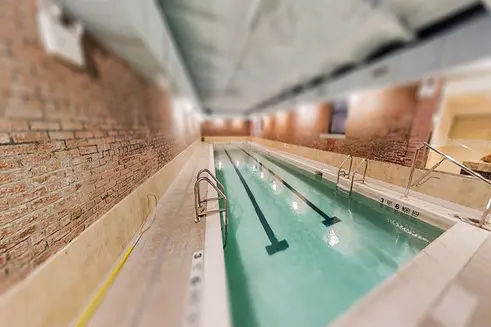 Swimming pool
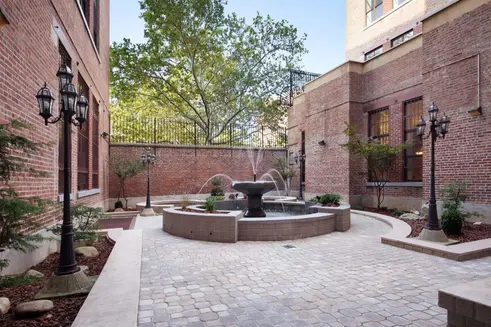 Courtyard
The Lower East Side is one of New York's most vibrant neighborhoods, but this prewar school has been converted to loft-like apartments that act as light-filled oases from the hustle and bustle. It has a full-time doorman, and building amenities include a fitness center, near-Olympic-sized pool, laundry room, on-site parking, bike room, screening room, and courtyard. See further details here.
340 East 117th Street
Built in 1906 | Converted in 2020
Availability for $3,350/month
0.5 month free rent on a 12-month lease
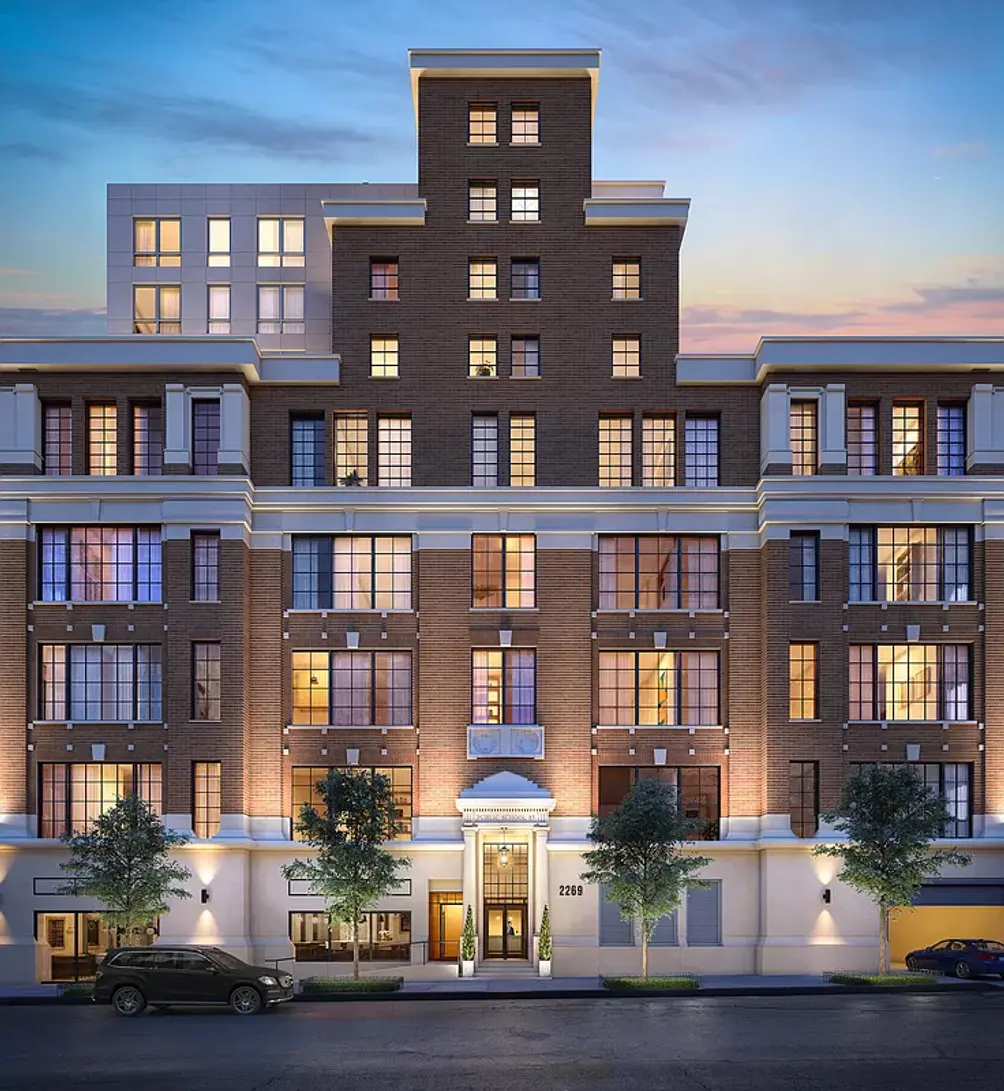 East River Lofts (Living R.E. Group)
East River Lofts is the residential conversion of the former P.S. 85 in East Harlem. A brick and glass addition designed by Issac & Stern Architects has been seamlessly incorporated into the original school, and all sections had new casement windows installed. Amenities include virtual doorman service, bike room, package room, fitness center, lounge, and roof decks with sweeping city views.
526 West 146th Street
Built in 1902 | Converted in 2016
No public availabilities
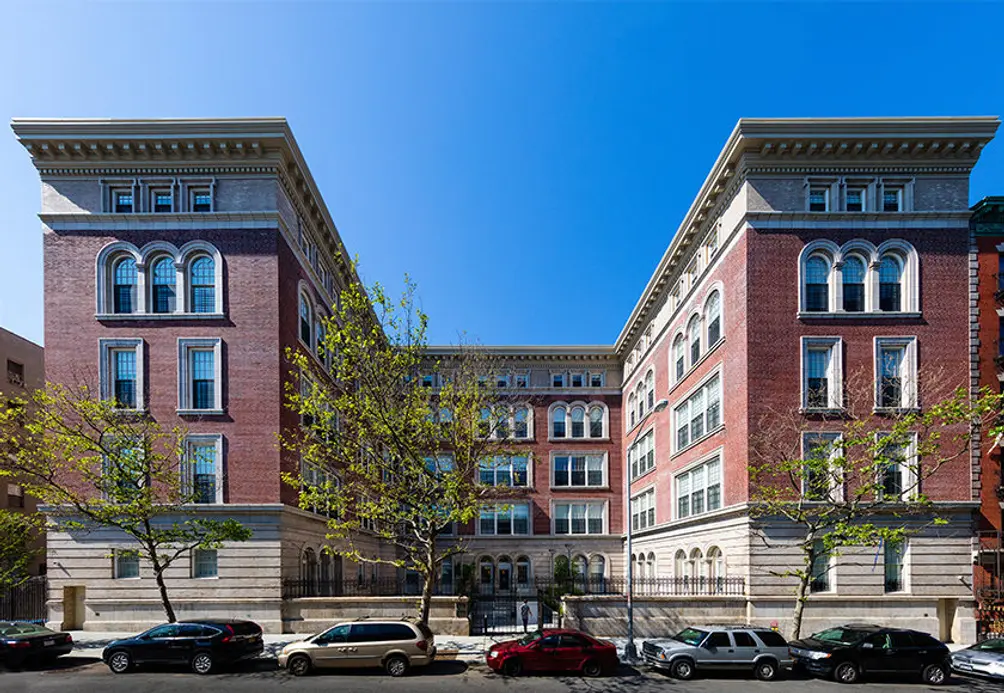 The Residences at PS186 (Dattner Architects)
At the beginning of the 20th century, this Neoclassical school building was among Snyder's extensive portfolio. Over 100 years later, after the structure had fallen into significant disrepair, Dattner Architects took on the task of preserving its historic exteriors and converting the interiors to community space for the Boys and Girls Club of Harlem and affordable apartments. The units boast 14' ceilings, and residential amenities include a video intercom, laundry room, community room, bike room, and the services of a live-in superintendent.
Built in 1906 | Converted in 2016
No public availabilities
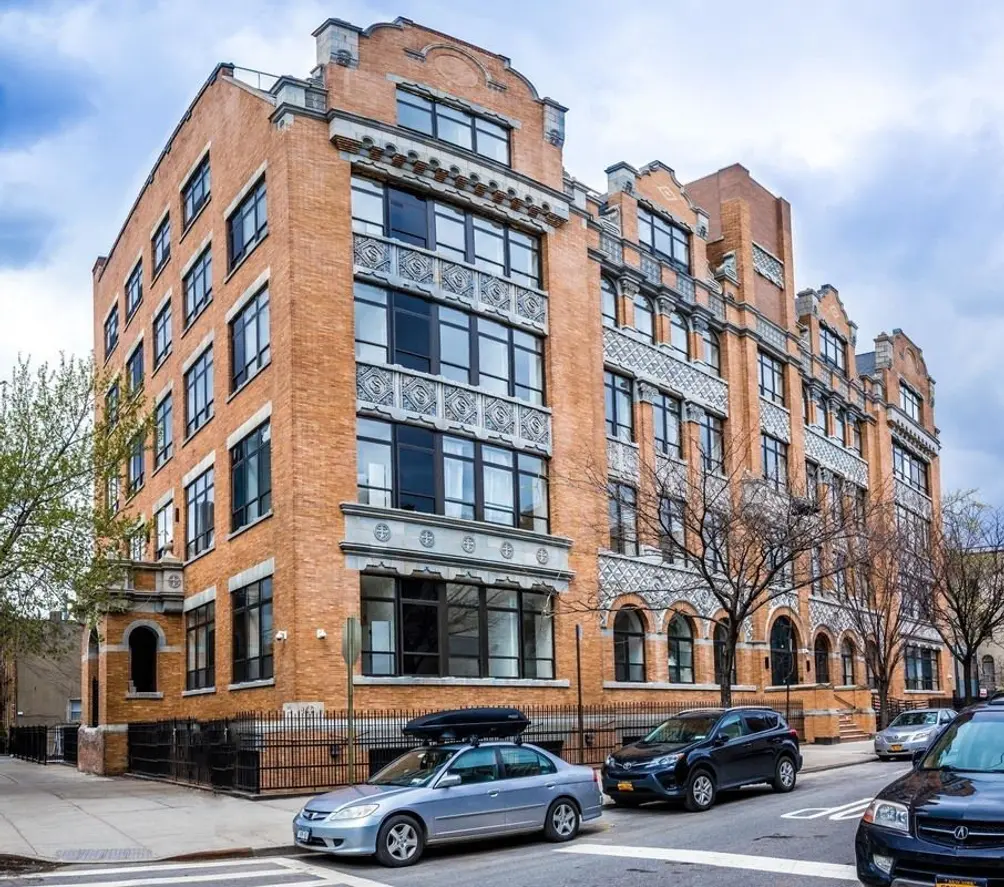 17 Monitor Street (Nooklyn)
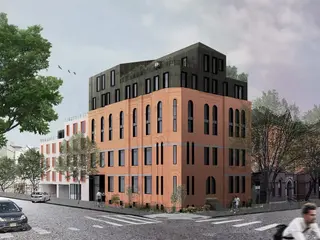
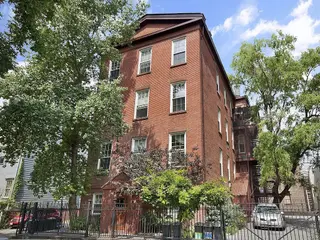
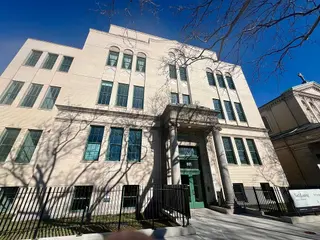
A short distance from the L train, the St. Cecilia Catholic School has been converted to a modern "residential retreat" while honoring its prewar architecture. Amenities include a gym, laundry room, game room, lounge, bike storage, private parking, a common courtyard, and a roof deck with skyline views.
Honorable Mentions
Related Articles

Great Listings
21 NYC condo buildings with golf simulators and golf amenities
Friday, September 25, 2026
Future New York
What $1M can buy in Brooklyn Heights + 5 projects in the pipeline including repairs to the BQE
Tuesday, September 1, 2026
Get To Know
Should you buy first or sell first? + Below-market NYC homes from $299K
Tuesday, August 18, 2026
Great Listings
NYC apartments with leafy views as city sets 30% tree canopy goal
Saturday, August 8, 2026
Get To Know
The Ideal Floor Plan: How to tell if a NYC apartment really works + 25 listings with great layouts
Thursday, July 30, 2026
Future New York
Price Cuts: Andy Warhol’s former townhouse reduced $500K; Sherry-Netherland two-bed slashed 70%
Wednesday, July 29, 2026
Get To Know
Steals & Deals from $345K: Listings with "Motivated Sellers" or "Priced to Sell"
Friday, July 17, 2026
Great Listings

 6sqft delivers the latest on real estate, architecture, and design, straight from New York City.
