
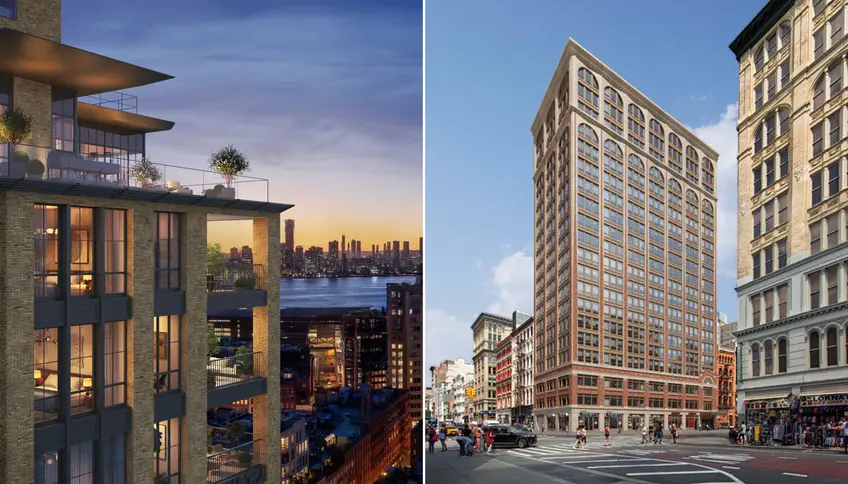
A decade ago, the glass curtain wall seemed to be the default language of new construction in New York. It still has its place, especially in office towers where transparency, skyline views, and bringing natural light to deeper open floor plates remain highly marketable. But in residential architecture, the all-glass look has lost some of its shine. Buyers and renters increasingly want homes that feel warmer, more private, and more rooted in their neighborhoods, not apartments that put daily life on display or rely on shades for a sense of enclosure. Concerns about heat gain, insulation, glare, and long-term comfort have only added to the appeal of more substantial masonry façades.
That has helped bring brick back into the conversation. Not that it ever truly left New York City, where brownstones, walk-ups, warehouses, prewar apartment houses, and Art Deco towers give the city much of its texture, and units in such buildings routinely outprice newer construction. The newest generation of high-end residential buildings are embracing brick not as a nostalgic afterthought, but as a serious design choice. The best of them use it to contextualize massing, add depth, and create a more human-scaled street presence. At a time when many new buildings can look interchangeable, brick can bring a development valuable character and substance before a resident ever steps inside.
In this article:


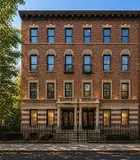
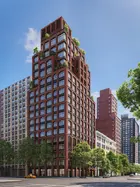
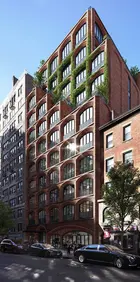
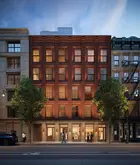

 The Willow (Credit: COOKFOX Architects)
"When we look at brick, it is automatically linked to the history of architecture and the history of city making," says Richard Cook, FAIA, Founding Partner of COOKFOX Architects. Brick’s appeal is emotional. It is one of history’s oldest man-made building materials, made from earth and hardened by fire, and it has been central to construction for more than 9,000 years. Ancient mud bricks helped form early settlements, the Great Wall of China was strengthened with billions of fired clay bricks, and Roman builders used brick with arches and concrete to create the first advanced composite structures.
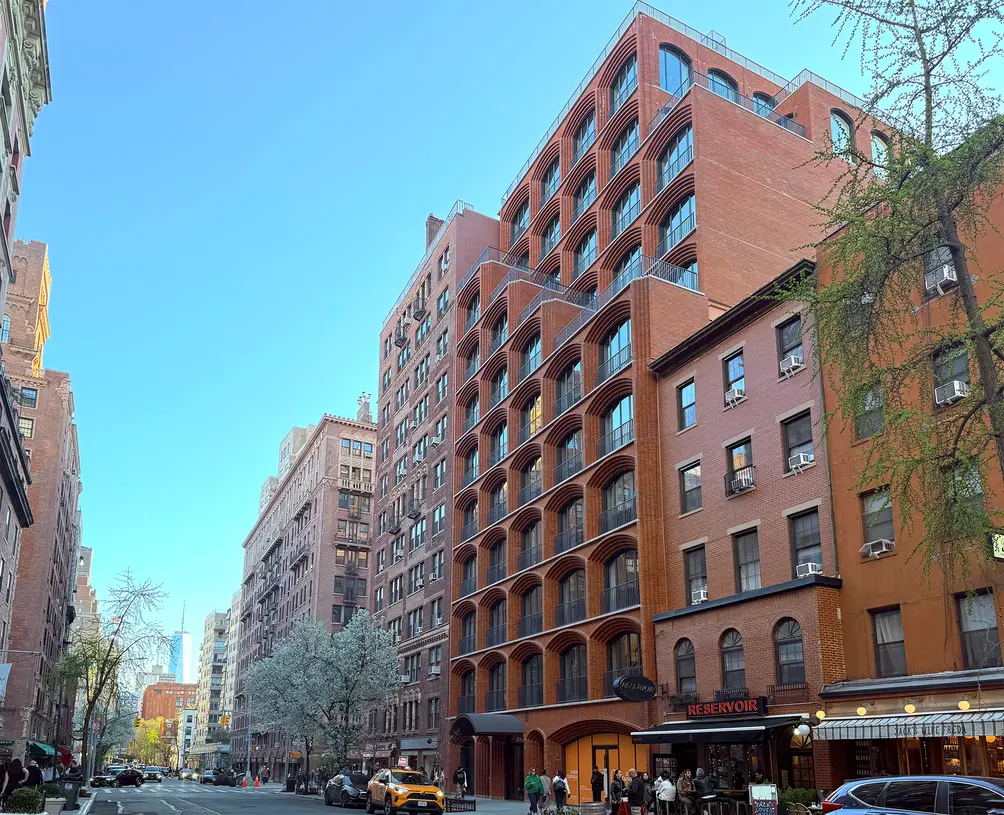 64 University Place (CityRealty)
While Newark may be nicknamed "Brick City," in New York City masonry-clad exteriors carries associations of prewar solidity, craftsmanship, and permanence, From Lower East Side tenements and Brooklyn townhouses to downtown lofts and Park Avenue apartment houses brick is omnipresent and it is mindboggling how many billions of individual bricks compose this city.
Brick also has a practical legacy: Brick is strong in compression, resistant to weather, and virtually fireproof because it has already been fired at extremely high temperatures. Modern bricks are kiln-fired at roughly 1,600 degrees Fahrenheit or more, a process that vitrifies clay particles and turns soft earth into a hard, durable building unit.
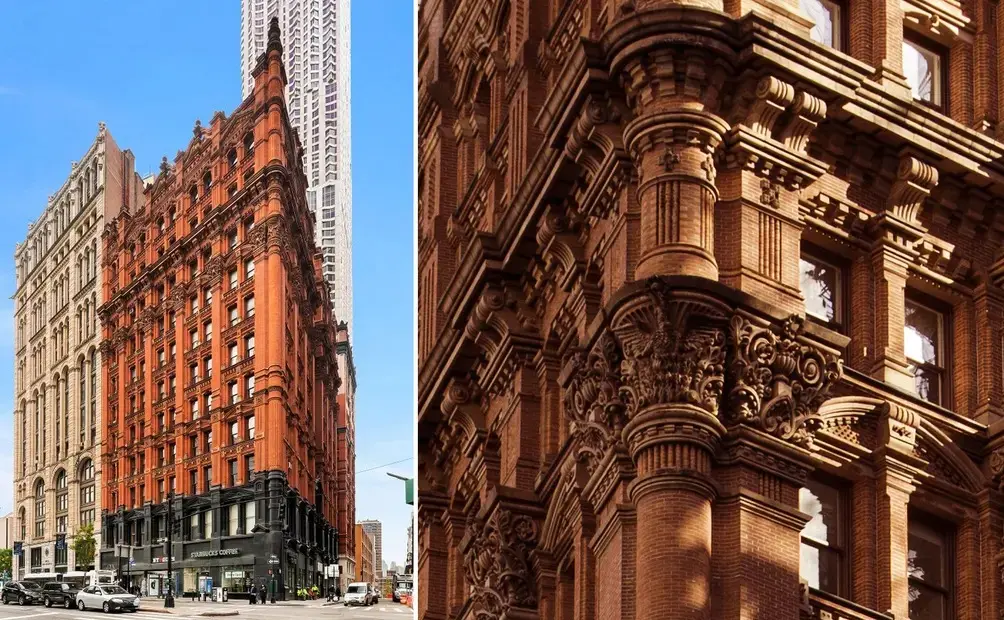 The Potter Building at 145 Nassau was New York's last was the last major building to be supported by load-bearing walls. Its brick and terracotta facade remains one of Downtown's most sumptuous.
However, brick facades today do not work the way they did in masonry buildings prior to turn of the 19th century. Before steel and concrete frames transformed construction, brick walls were often load-bearing. They carried the weight of the building, which limited height and required increasingly thick walls as buildings rose. Chicago’s Monadnock Building, completed in 1892, is often cited as the last great all-brick high-rise, with perimeter load-bearing walls up to six feet thick. As the building began to sink under its own weight, its sheer mass revealed the limits of load-bearing construction just as steel-frame construction was beginning to come to the forefront.
Modern brick residential buildings are typically composite constructions. The steel or reinforced concrete frame carries the structural load, while the brick acts as a durable exterior skin. In that sense, brick has shifted from muscle to expression. It is still protective and long-lasting, but its role is increasingly architectural -- used for texture, color, rhythm, shadow, and neighborhood context. The Chrysler Building remains the ultimate NYC example of this evolution, a steel-framed tower wrapped in brick and Art Deco detailing. The supertall landmark remans the tallest brick building in the world.
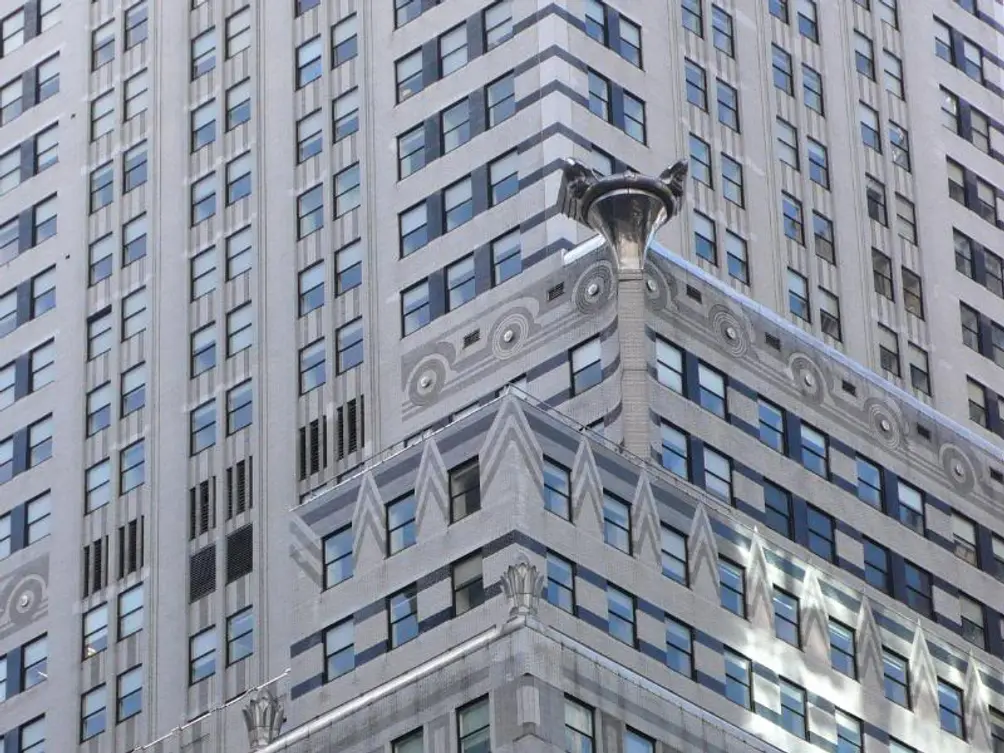 The jazz-era brickwork of The Chrysler Building
Today’s brick façades are also far more technical than they appear. A contemporary brick veneer is commonly built as a cavity wall, with an exterior wythe of brick separated from the inner backup wall (often concrete block) by an air space. That cavity allows water that gets behind the brick to drain away rather than collect inside the wall assembly causing erosion and decay. Flashing, weeps, shelf angles, ties, and waterproofing layers all work together to serve as a rainscreen system.
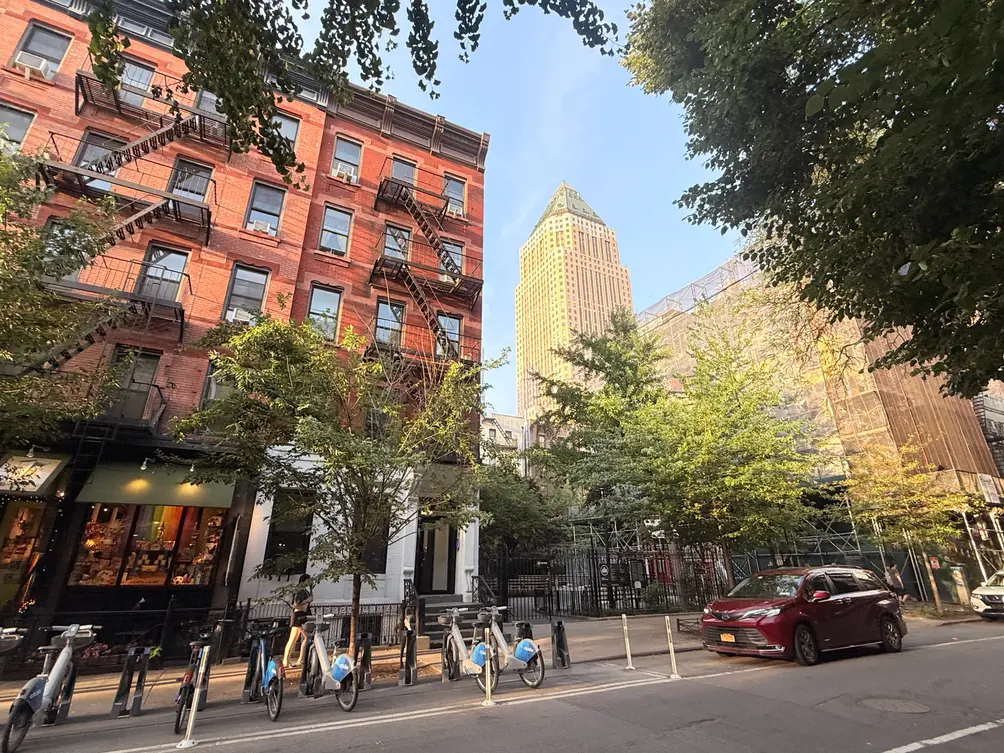 Brick maintenance comes for every building, from towers to tenements
Brick is durable, but as our scaffolding-scarred city shows, is not maintenance-free. Mortar is often the weak point. Over time, joints can crack, wash out, or separate, and that is where water and movement can begin to do damage. Brick is excellent in compression, but weak under lateral movement, vibration, and tension, which is why unreinforced masonry performs poorly in earthquakes and why modern façades rely on steel ties, reinforcement, and structural backup.
In New York City, buildings higher than six stories are subject to periodic exterior wall inspections through the city’s Façade Inspection and Safety Program, commonly associated with Local Law 11, which requires inspections every five years by a Qualified Exterior Wall Inspector.
In New York City, buildings higher than six stories are subject to periodic exterior wall inspections through the city’s Façade Inspection and Safety Program, commonly associated with Local Law 11, which requires inspections every five years by a Qualified Exterior Wall Inspector.
The current brick revival is not about recreating the past exactly. Many of the strongest new residential buildings are using brick with more care and variety than the generic red-brick boxes of recent decades. Architects are experimenting with Roman brick, imported brick, glazed brick, pale brick, handmade textures, varied coursing, recessed panels, corbeling, soldier courses, curved corners, deep window surrounds, and faint ornamentation that catches light without becoming overly decorative.
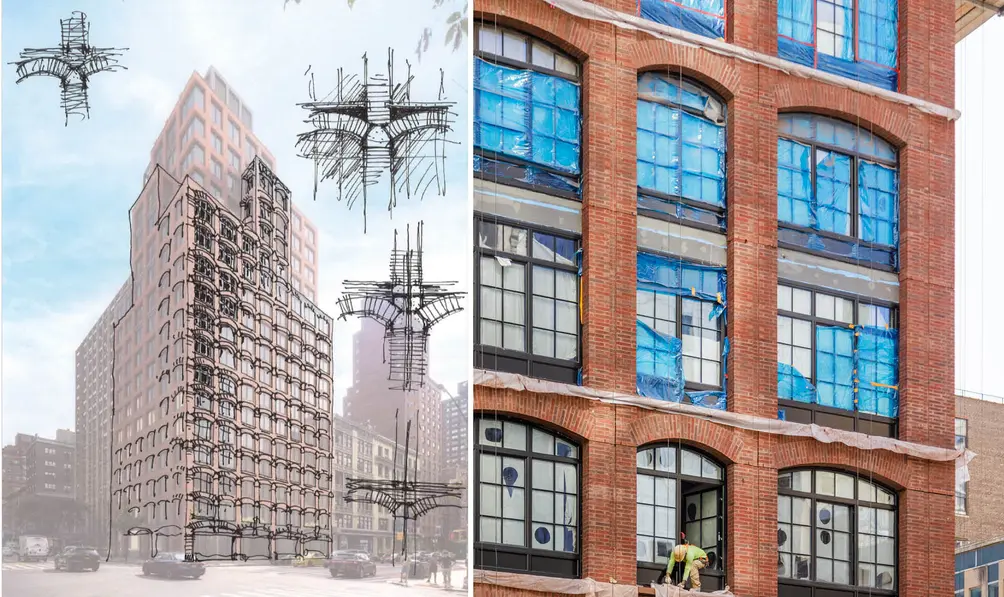
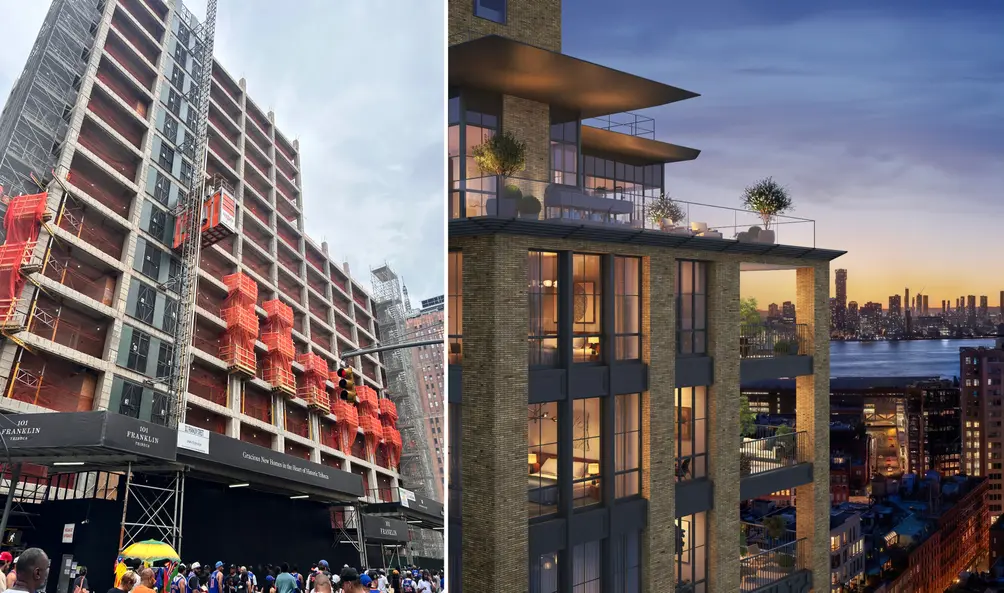 Construction at 101 Franklin this past Thursday; Rendering of 101 Franklin by VISUALISATION ONE
Such projects include the soon-to-launch condo 101 Franklin, which will bring to market 72 two- to five-bedroom condo residences. The exterior by Tribeca-based Steven Harris Architects will clad the former postwar office block with warm Roman brick with metal spandrels, a stone base, and a quintessentially-Tribeca metal awning. “I have lived and worked in Tribeca for decades, and that long relationship has given me a deep appreciation for its history, architecture, and community," says Steven Harris, founding partner of Steven Harris Architects LLP. "At 101 Franklin, our aim is to create a building that reflects that understanding, honors the authenticity of its materials, and adds lasting value for residents and the neighborhood alike.”
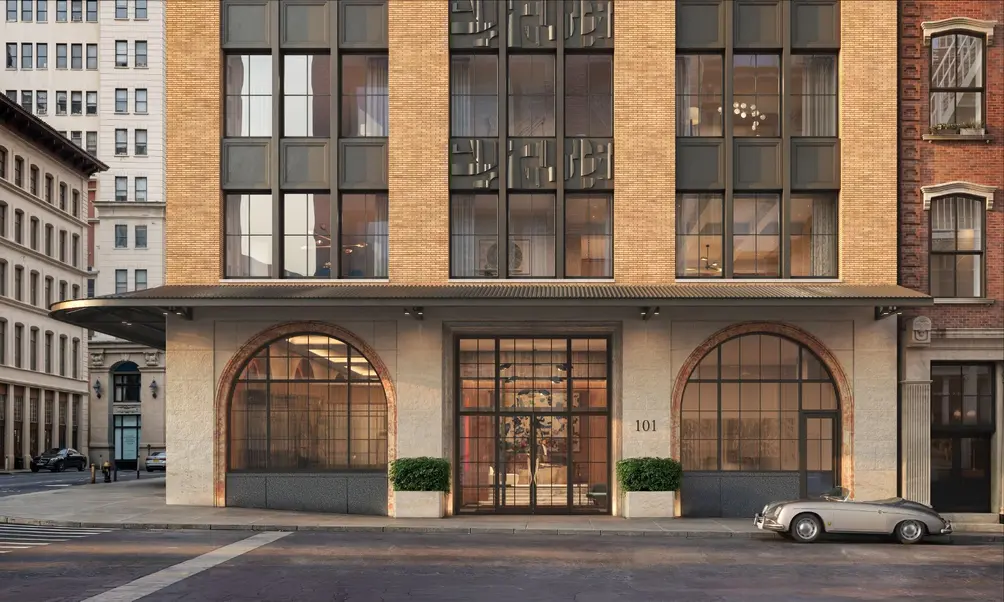 101 Franklin street level detail (Courtesy of VISUALISATION ONE for Steven Harris Architects)
Nearby, at the border between TriBeCa and SoHo, a revised plan for 277 Canal Street, aka 422 Broadway, is headed to the Landmarks Preservation Commission this Tuesday. Situated at the edge of the SoHo-Cast Iron Historic District Extension, the larger mixed-use scope that will take advantage of the city's Zoning for Accessibility program and the Mandatory Inclusionary Housing to gain additional bulk.
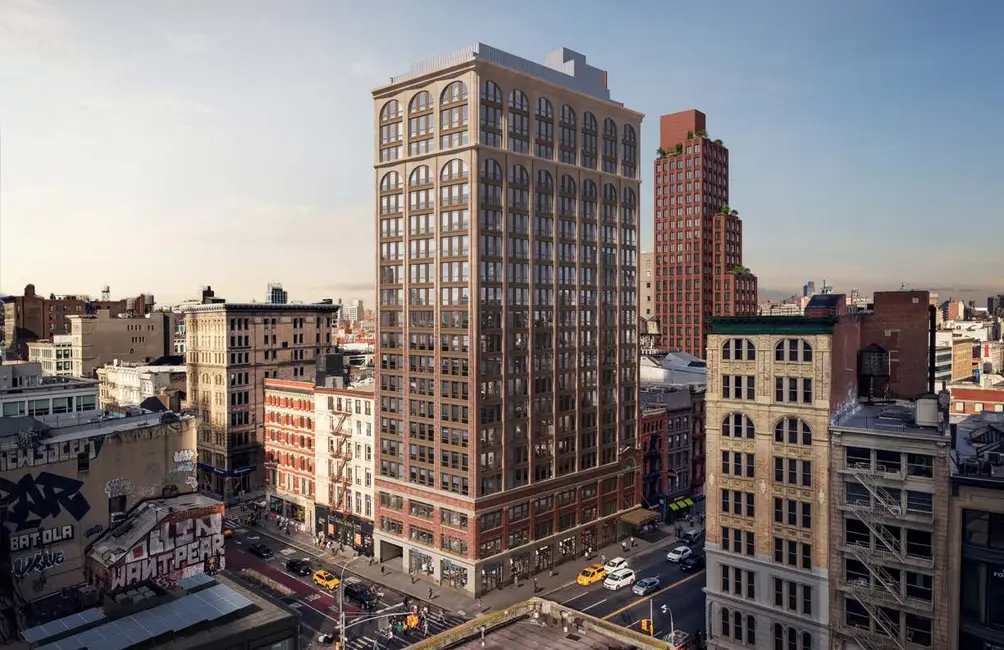 277 Canal Street (Morris Adjmi Architects)
Designed by Morris Adjmi Architects for United American Land, the project would restore the existing late-1920s Oltarsh Building while adding a substantial new residential tower above it. The proposal now calls for 145,880 square feet, including 139,370 square feet of residential space and 6,510 square feet of retail, with an estimated 143 apartments, of which 31 would be permanently affordable.
The additional height and density are also a result of the SoHo/NoHo rezoning and the city’s Zoning for Accessibility program, which allows a floor-area bonus and height waiver in exchange for major transit-access improvements. In this case, the project would include significant on-site capacity and accessibility upgrades to the Canal Street subway station.
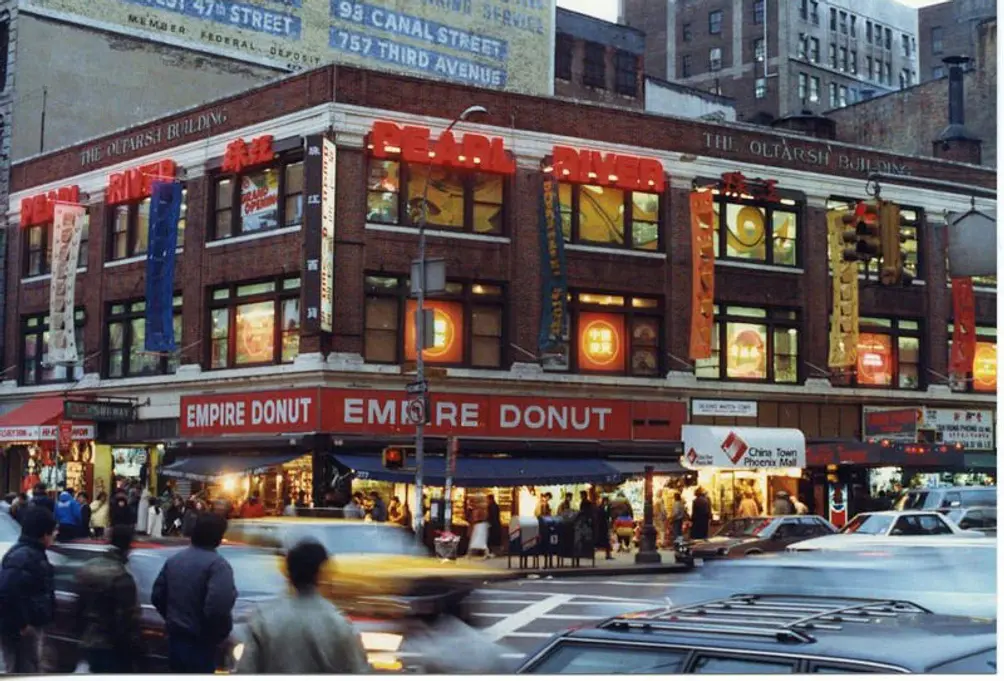 The facade of the existing Oltarsh Building will be preserved and restored
As per the visuals shown in the presentation, the design keeps the corner’s historic base, with plans to clean, repair, and repoint the existing brick façade, restore terra-cotta and granite piers, recreate missing terra-cotta capitals, repair copper signage, install historically configured aluminum windows, and establish a more rhythmic glazed storefront at street level.
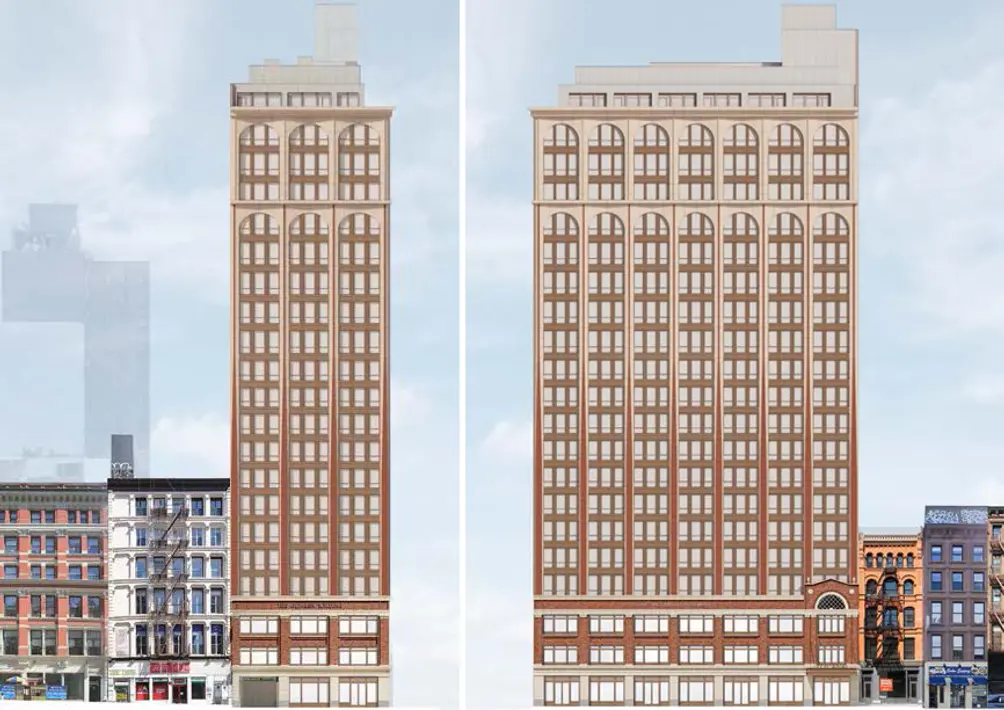 Elevations (Morris Adjmi Architects)
Above, the new tower continues the masonry language in a taller, more vertical composition of brick, that transitions into terra cotta-toned framing, arched upper windows, and a pronounced corniced crown. The proposal builds on the LPC’s prior 2023 approval, which found that the existing three-story building was not representative of the district’s key 19th-century cast-iron period and that Broadway and Canal’s wider streets and larger corner buildings could support greater height.
Brooklyn has seen a large share of the city's residential construction growth in recent years, and firms such as StudiosC, Morris Adjmi Architects, Issac & Stern Architects, and ZArchitecture typically specify interesting brickwork to both contextualize and distinguish their many projects.
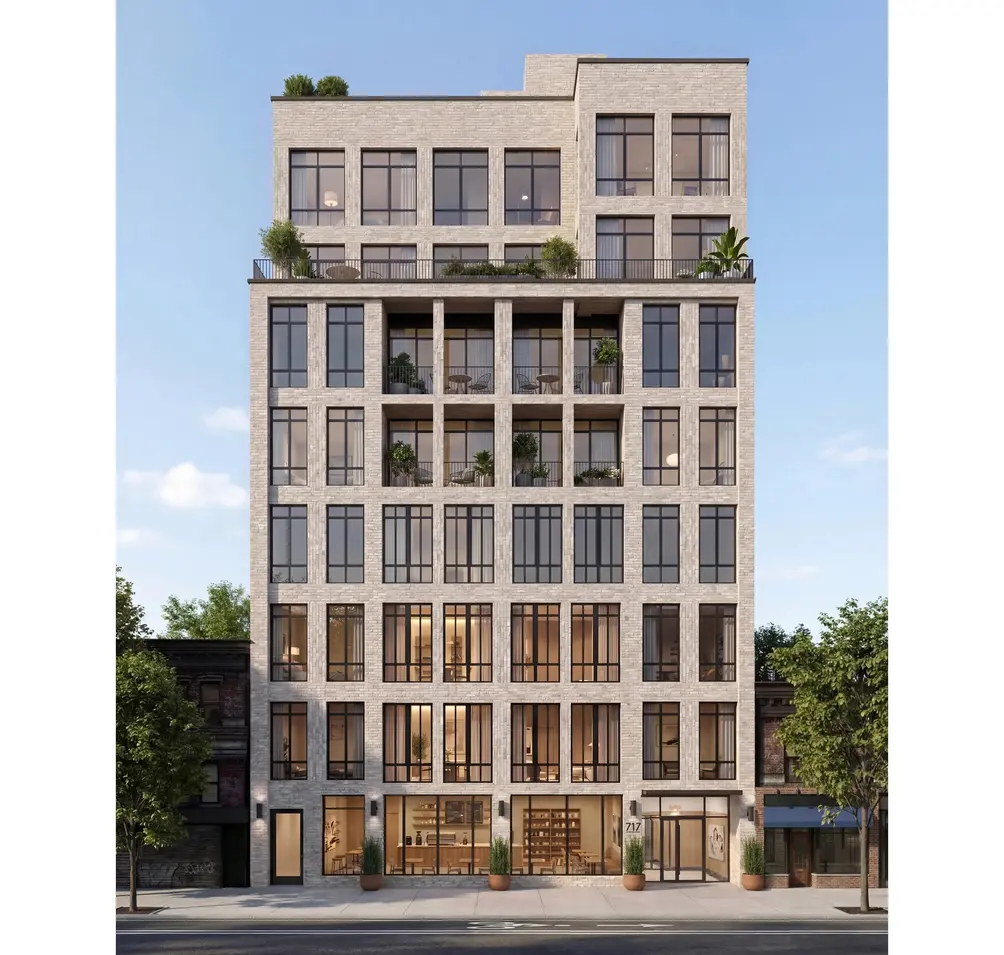 717 Grand Street is a new 23-unit condo about to launch sales in East Williamsburg near the Grand Street L-train station
One new condo about to start sales in the borough's rapidly-upscaling East Williamsburg neighborhood is 717 Grand Street, whose composite facade designed by Isaac & Stern Architects uses an alternating pattern of vertical and horizontal brick coursing, punctuated by multi-pane windows. The project coins its design as one grounded in restraint, materiality, and enduring over time. Inside will host 23 one- to three-bed condominium residence refined by Alchemy Studio said to optimize light, proportion, and flow.
The result has been a new kind of brick building: modern but still connected to the city’s older fabric. However, aesthetically, this new batch of brick buildings still has a way to go to be as interesting prewar icons such as London Terrace Towers, The Plaza, and The Dakota, not to mention the countless historical walk-up buildings with beautiful ornamentation intact. Whether outside on a carefully detailed new façade or inside as a weathered wall behind a living room sofa, brick offers what glass often cannot, a feeling of solidity, permanence, and character. Below, see new development condos bringing brick back to the streetscape.
Select new residential projects with brick facades
44 West 8th Street, Greenwich Village
Developed by T30
Design by INWORKSHOP
5 stories | 5 two- to four-bed condos
Asking prices from nearly $10M
Developed by T30
Design by INWORKSHOP
5 stories | 5 two- to four-bed condos
Asking prices from nearly $10M
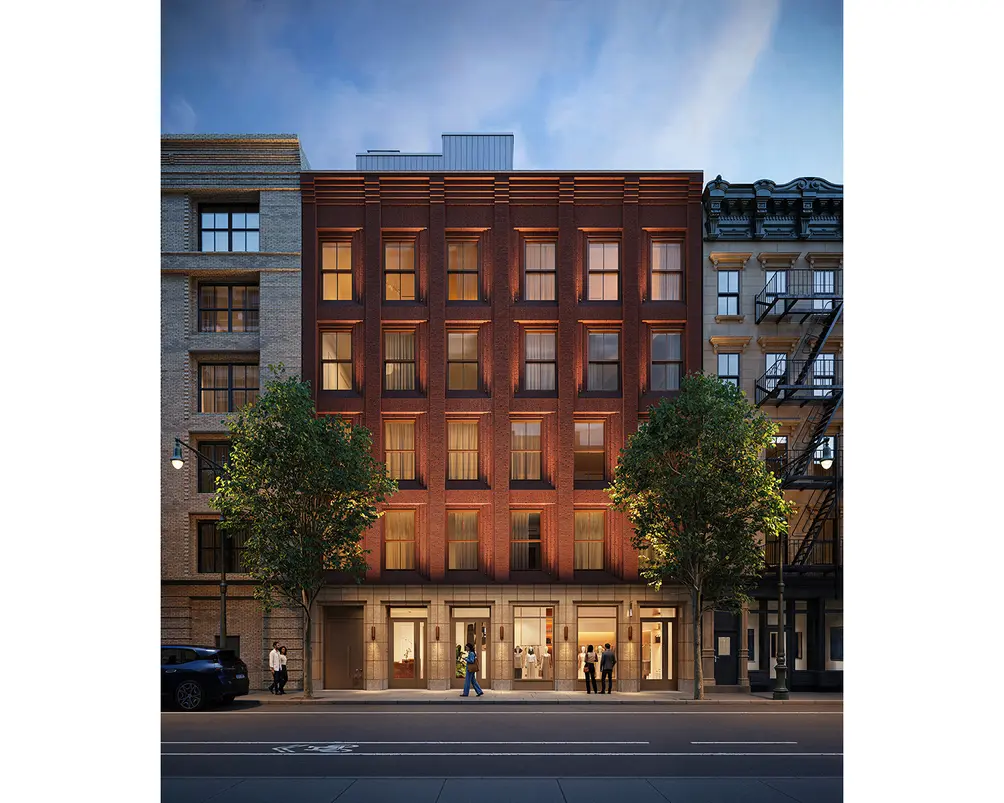 Rendering of 44 West 8th Street (The Boundary)
44 West 8th Street is a new boutique condominium under construction in the Greenwich Village Historic District. The ground-up condominium designed by Inworkshop replaces a non-contributing commercial building with a façade designed to harmonize with the 19th-century tenement on one side and newer construction on the other (181 MacDougal Street).
Handmade Danish Petersen brick, custom terra-cotta detailing, engaged pilasters, and deeply recessed bays bring texture, shadow, and human scale to the 50-foot-wide frontage, subtly recalling the smaller 25-foot lots that once shaped the block. Developed by T30, the building will contain only five residences, including three full-floor four-bedroom homes, a high-floor two-bedroom, and a duplex penthouse. Pricing is expected to begin near $10 million.
Handmade Danish Petersen brick, custom terra-cotta detailing, engaged pilasters, and deeply recessed bays bring texture, shadow, and human scale to the 50-foot-wide frontage, subtly recalling the smaller 25-foot lots that once shaped the block. Developed by T30, the building will contain only five residences, including three full-floor four-bedroom homes, a high-floor two-bedroom, and a duplex penthouse. Pricing is expected to begin near $10 million.
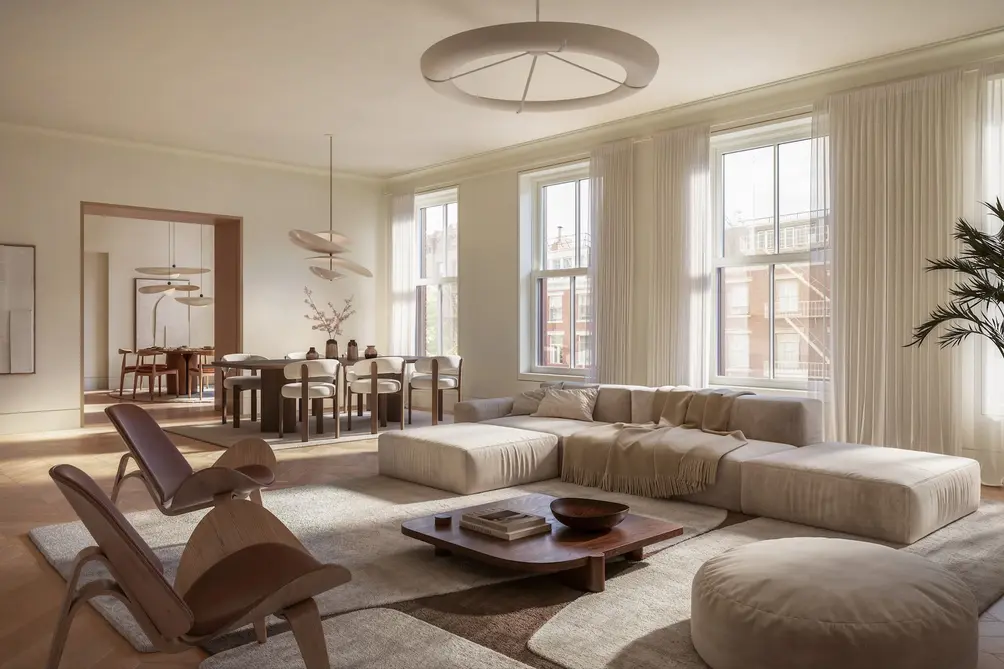 Living room (Credit: Mayo Studios)
Would you like to tour any of these properties?
Just complete the info below.
Or call us at (212) 755-5544
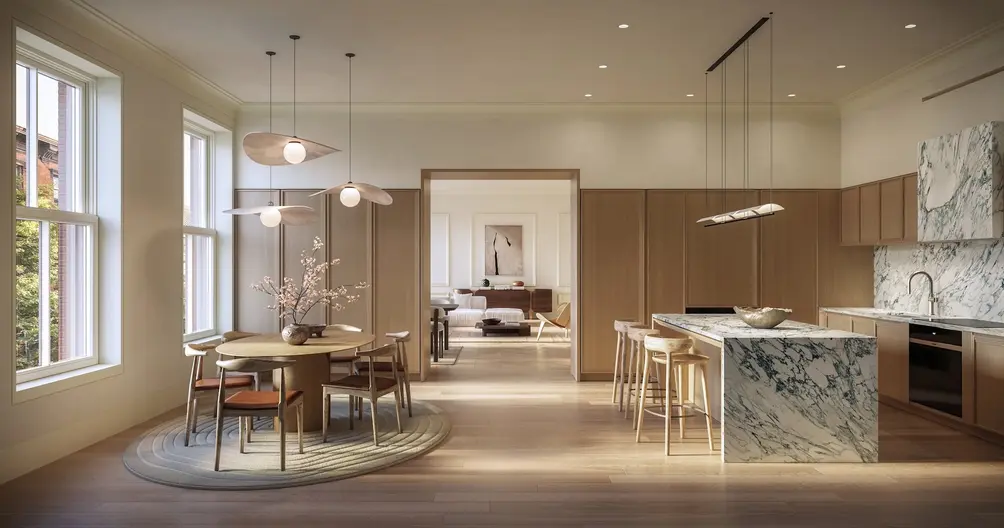 Typical kitchen (Credit: Mayo Studios)
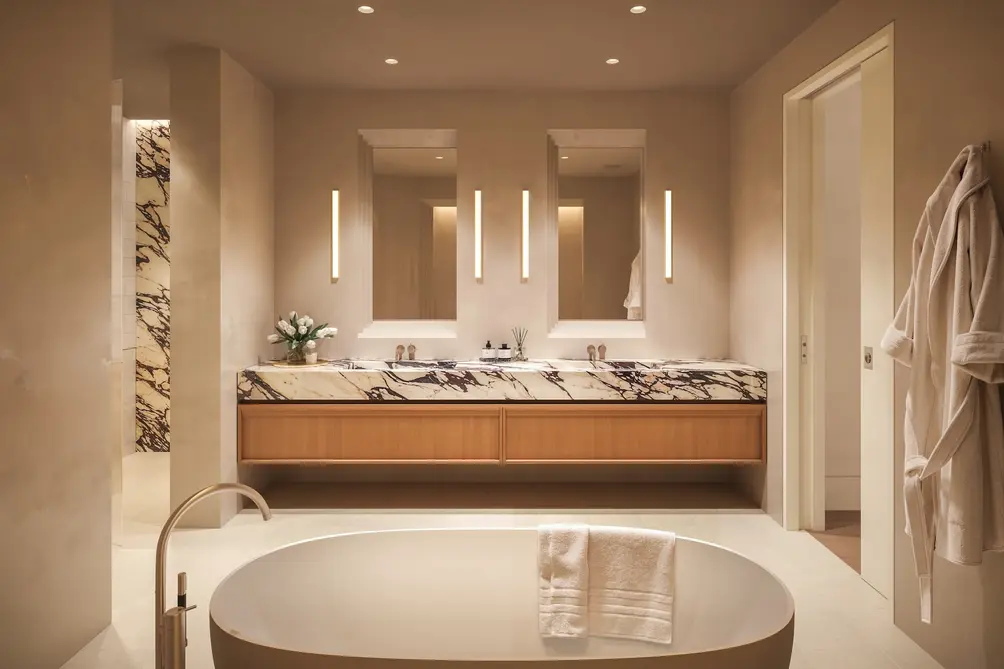 Primary bath (Mayo Studios)
501 8th Avenue, Park Slope
Developed by 501 8th Avenue LLC
Design by Paul Christakos Architecture (renovation)
4 stories | 4 three- to four-bed condos
Availabilities: $3.199M - $3.995M
Developed by 501 8th Avenue LLC
Design by Paul Christakos Architecture (renovation)
4 stories | 4 three- to four-bed condos
Availabilities: $3.199M - $3.995M
Set on a picturesque block close to Prospect Park, this historic Park Slope building at 501 8th Avenue has been converted to condominium residences while preserving the kind of masonry, stone trim, arched detailing, ironwork, and formal entry sequence that make prewar Brooklyn architecture enjoyable. Inside, the building’s generous depth allows for unusually expansive layouts.
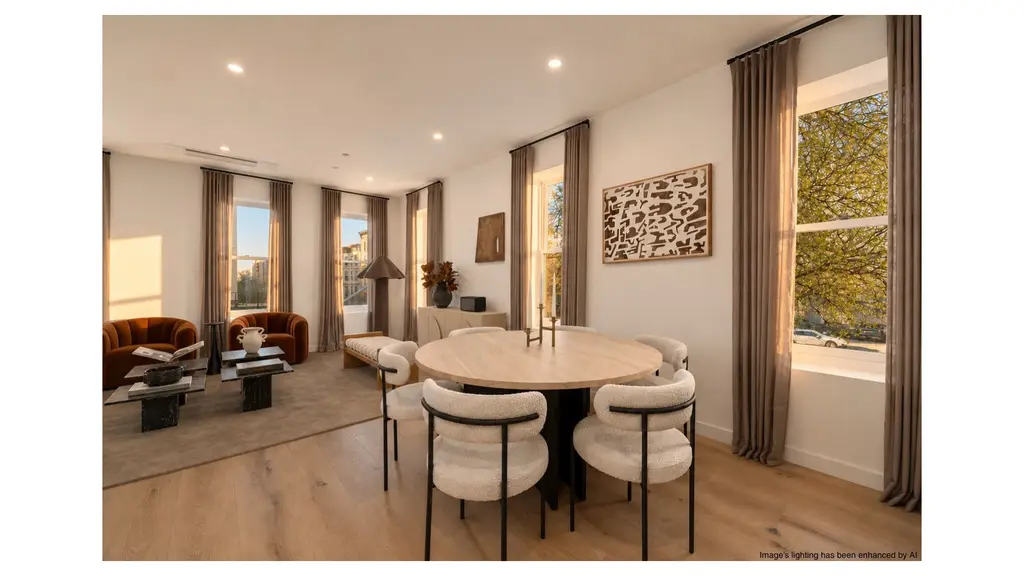
501 8th Avenue, #PH (Douglas Elliman Real Estate -)
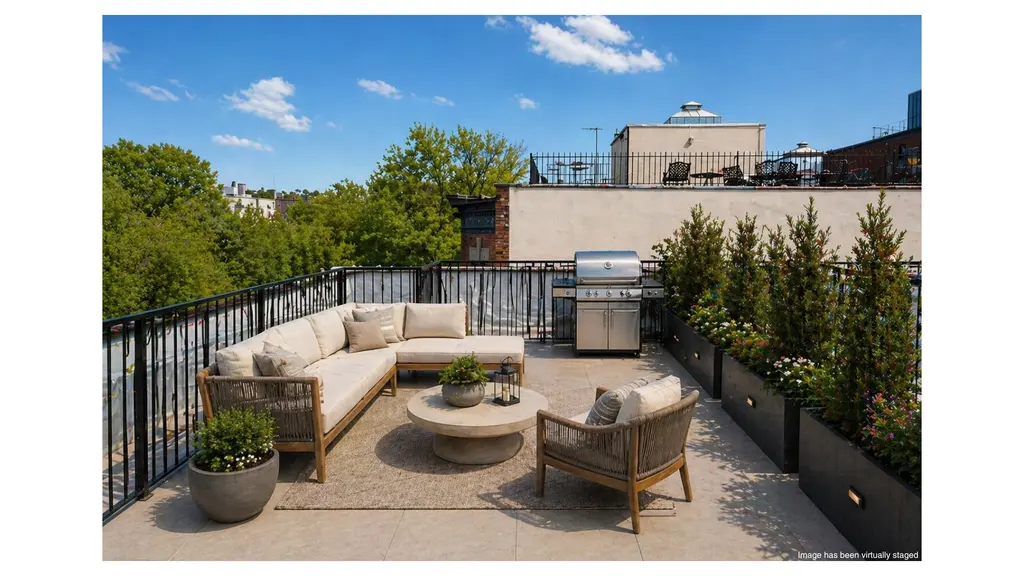
222 16th Street, Park Slope
Developed by 222 16th St LLC
Design by Input Creative Studio
5 stories | 32 one- to three-bed condos
Availabilities: $965K - $1.97M
Developed by 222 16th St LLC
Design by Input Creative Studio
5 stories | 32 one- to three-bed condos
Availabilities: $965K - $1.97M
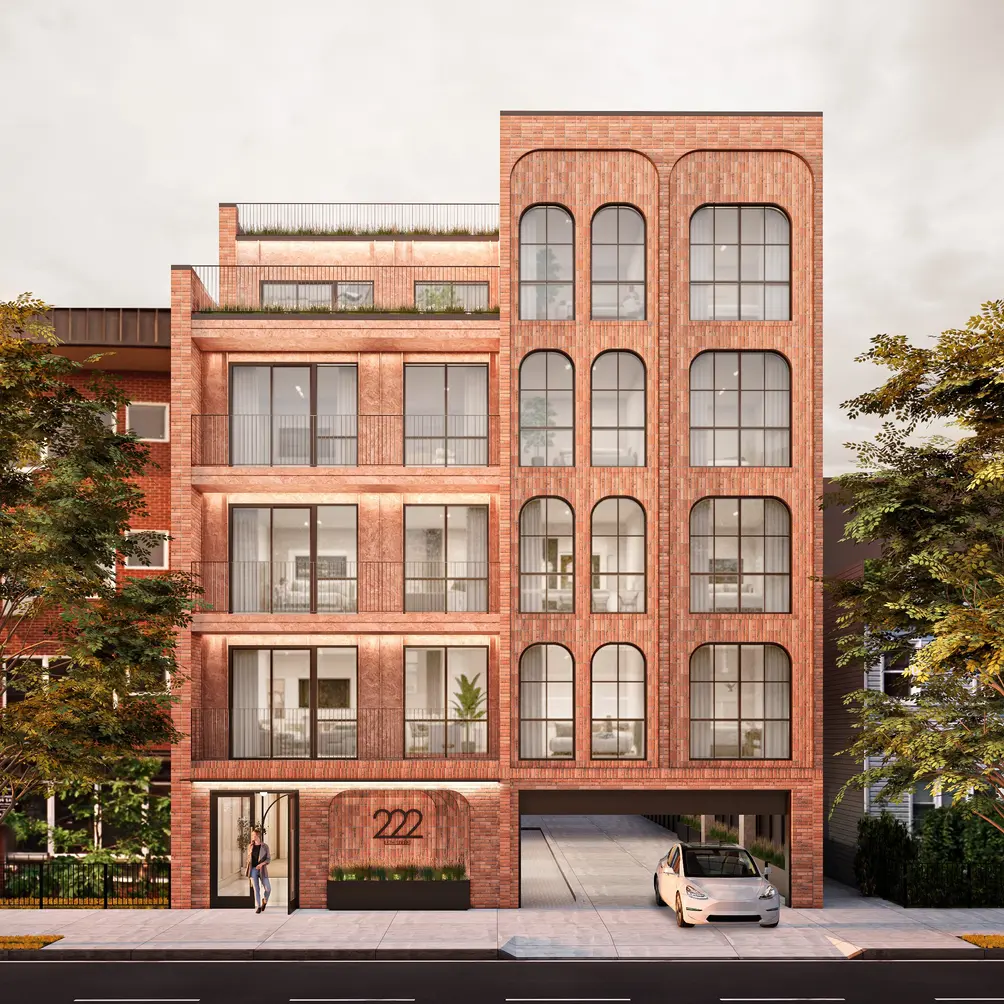 222 16th Street (Input Creative Studio)
At 222 16th Street, red brick and arched openings give this new Park Slope condominium a warm, contextual presence, while oversized windows and private terraces add a contemporary edge. Designed by Input Creative Studio, the five-story building offers 32 one- to three-bedroom homes with European white oak floors, Calacatta Gris kitchens, premium Bertazzoni and Bosch appliances, in-unit laundry, and select private outdoor space. Amenities include a fitness center, residents’ lounge, rooftop terrace, bike storage, private storage, and parking, with Prospect Park, Nitehawk Cinema, and local cafés and restaurants close by.
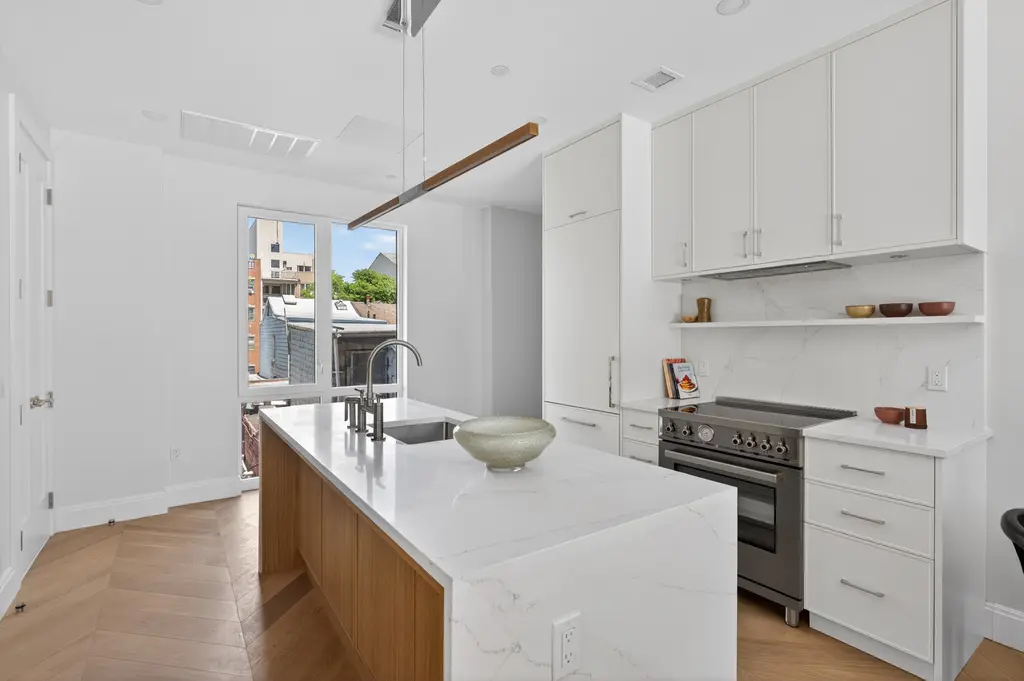
222 16th Street, #3C (Douglas Elliman Real Estate)
256 East 4th Street, East Village
Developed by 89 Development LLC
Design by StudiosC Architecture
6 stories | 6 one- to three-bed condos
Availabilities: $1.195M - $3.35M
Developed by 89 Development LLC
Design by StudiosC Architecture
6 stories | 6 one- to three-bed condos
Availabilities: $1.195M - $3.35M
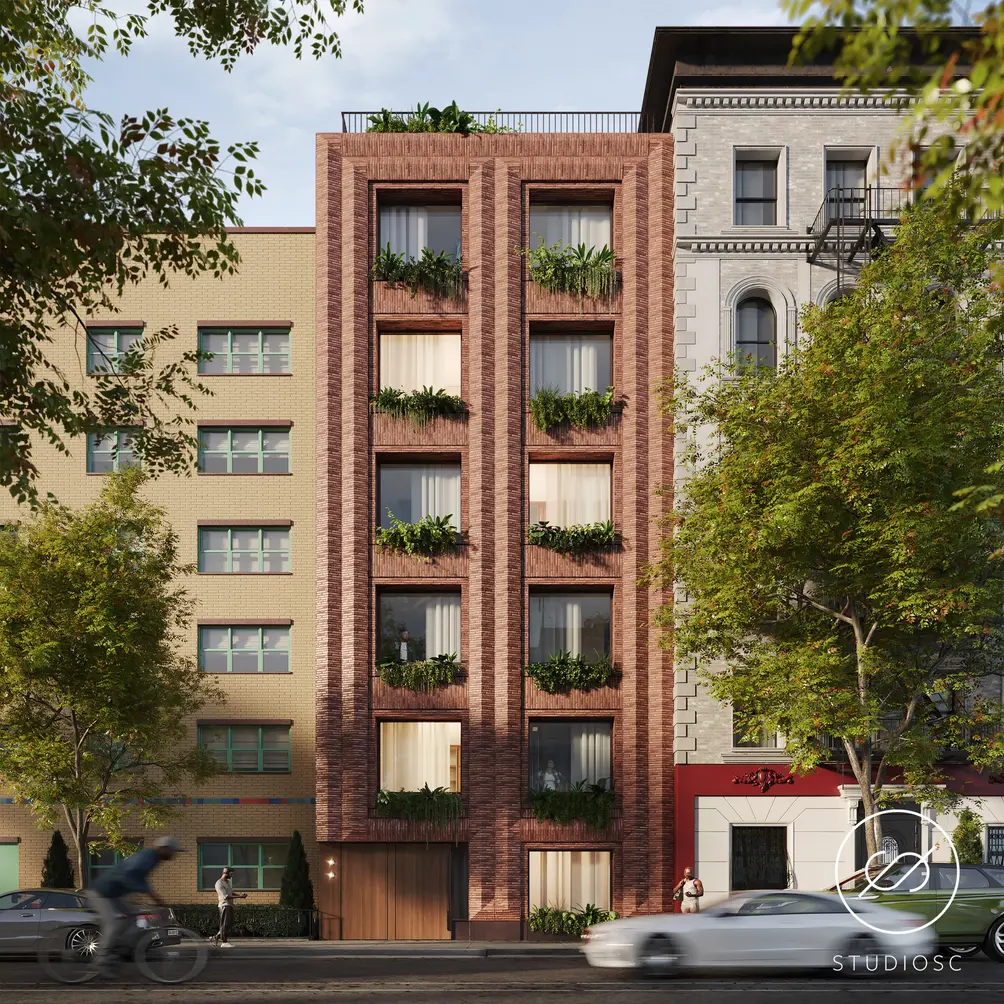 256 East 4th Street (StudiosC)
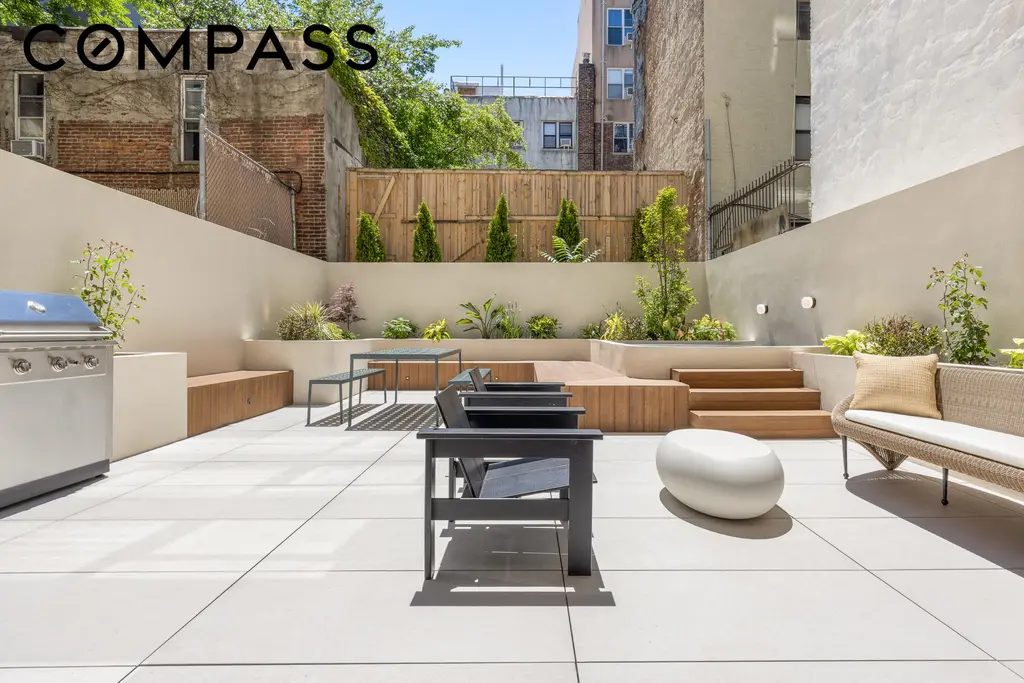
256 East 4th Street brings a compact but well-articulated red brick façade to a site with a historic midblock site in the East Village. The six-story condominium designed by StudiosC was conceived as a bridge between the neighborhood’s older brick building types and a more contemporary architectural language, with deep red Roman-format brick, strong structural piers, sharp vertical and horizontal angles, and built-in greenery softening the street wall. The new building replaces a 1925 red-brick synagogue built for the Ukrainian Lemberger Congregation, later converted into a Spanish-language Baptist church.
Inside, the six residences feature high ceilings, wide-plank oak floors, oversized windows, in-unit laundry, Wolf and Sub-Zero appliances, Calacatta marble kitchens, and radiant-heated baths, while the penthouse is shaped around a double-height social space and mezzanine, bringing light deep into the home.
Inside, the six residences feature high ceilings, wide-plank oak floors, oversized windows, in-unit laundry, Wolf and Sub-Zero appliances, Calacatta marble kitchens, and radiant-heated baths, while the penthouse is shaped around a double-height social space and mezzanine, bringing light deep into the home.
256 East 4th Street, #GARDEN
$3,350,000
East Village | Condominium | 3 Bedrooms, 3.5 Baths | 1,813 ft2
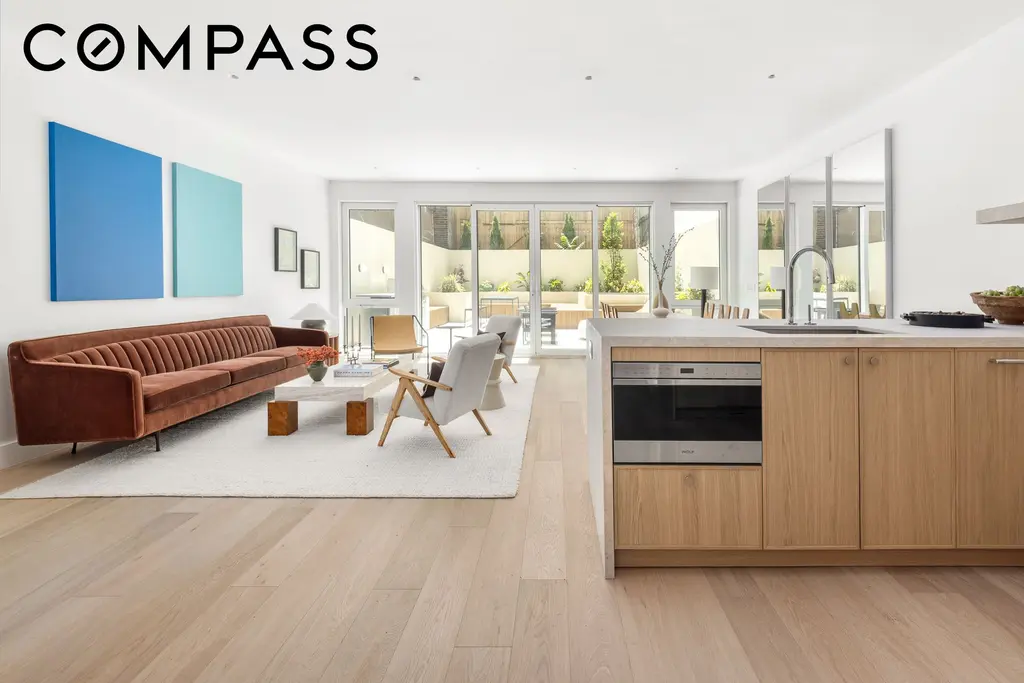
256 East 4th Street, #GARDEN (Compass)
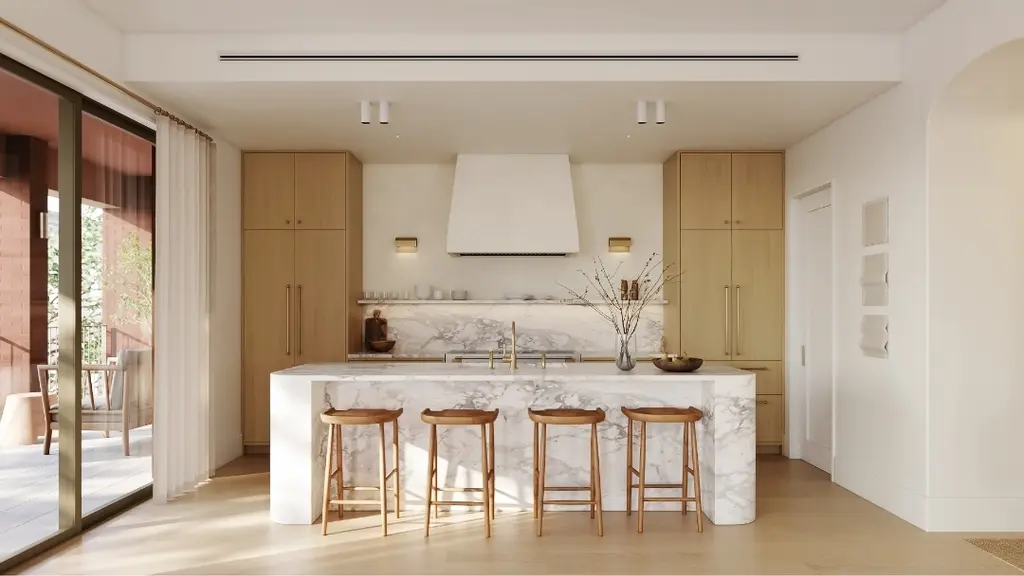
Boerum Place, Cobble Hill
110 Boerum Place
Developed by Avdoo & Partners
Design by Brent Buck Architects
6 stories | 21 one- to five-bed condos
Availabilities: $4.95M - $12M
110 Boerum Place
Developed by Avdoo & Partners
Design by Brent Buck Architects
6 stories | 21 one- to five-bed condos
Availabilities: $4.95M - $12M
Boerum Place bills itself as a love letter to brownstone Brooklyn, using brick, stone, wood, and glass to create a low-rise condominium that feels tied to Cobble Hill’s historic fabric. Developed by Avdoo and designed by Brooklyn-based Brent Buck Architects with landscapes by Brook Klausing, the six-story, 21-residence building spans the full Boerum Place blockfront between Dean and Pacific Streets, with an earth-toned brick façade, soft rounded corners, subtle cornice lines, deeply inset loggias, and a grand arched entry that nods to the neighborhood’s stoops, door hoods, and masonry traditions.
Every residence includes private outdoor space, while interiors feature high ceilings, oversized windows, natural materials, custom white-oak millwork, honed Paonazzo Caldia marble, and select fireplaces and wet bars. More than 11,000 square feet of amenities, including a library, listening lounge, fitness and wellness suites, spa facilities, children’s playroom, and landscaped central courtyard, extend the village-like character of Cobble Hill into a contemporary building designed to feel crafted, calm, and built to last.
Every residence includes private outdoor space, while interiors feature high ceilings, oversized windows, natural materials, custom white-oak millwork, honed Paonazzo Caldia marble, and select fireplaces and wet bars. More than 11,000 square feet of amenities, including a library, listening lounge, fitness and wellness suites, spa facilities, children’s playroom, and landscaped central courtyard, extend the village-like character of Cobble Hill into a contemporary building designed to feel crafted, calm, and built to last.
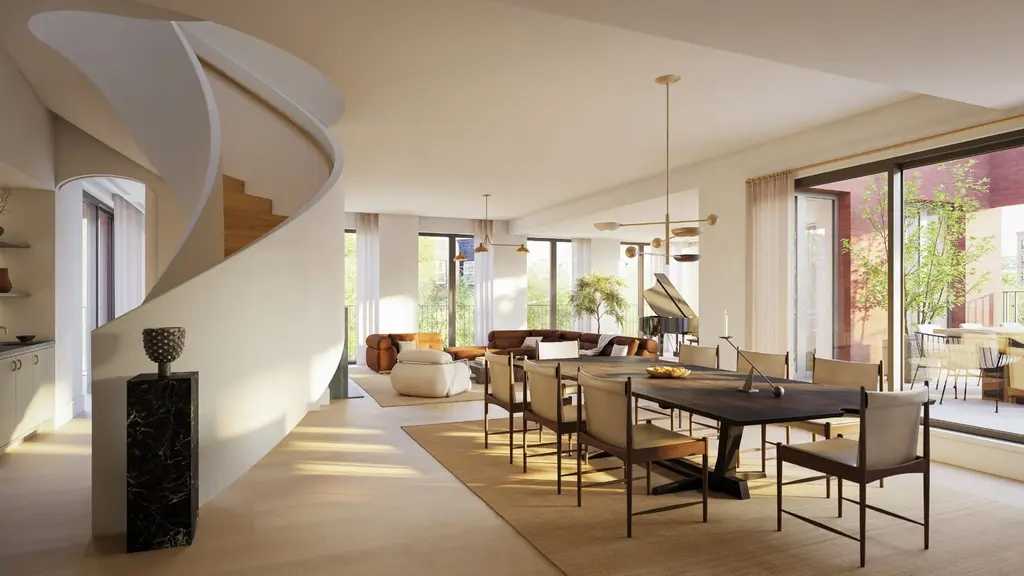
Boerum Place, #PH401 (AVDOO & PARTNERS DEVELOPMENT MARKETING INC)
144 Greenpoint Avenue, Greenpoint
Developed by Double U Development
Design by Building Studio Architects
7 stories | 55 studio to two-bed rentals
Completion estimated for 2028
Developed by Double U Development
Design by Building Studio Architects
7 stories | 55 studio to two-bed rentals
Completion estimated for 2028
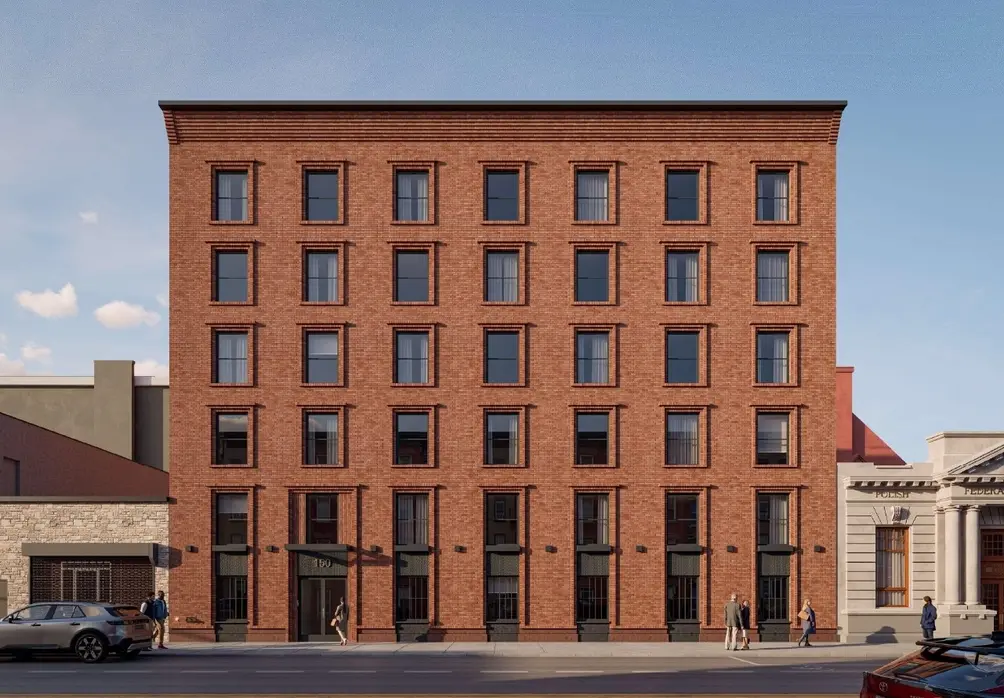 144 Greenpoint Avenue
At 144 Greenpoint Avenue, brick is being used as a bridge between Greenpoint’s layered past and its gentrified future. Set within the Greenpoint Historic District, the six-story building by Building Studio Architects will replace the long-altered Polonaise Terrace, a former wedding and event hall that served the neighborhood’s Polish community before later hosting Brooklyn Bazaar. The new design, recently approved by the Landmarks Preservation Commission, calls for a red brick façade with a cast-stone base, gray cast-stone sills, simulated double-hung windows, corbeled brickwork, and a brick cornice, details intended to echo the vertical rhythm and tenement typology of the surrounding historic streetscape. The project is planned to have 5 rental apartments, including income-restricted rent-stabilized units.
The Village West, Greenwich Village
525 Sixth Avenue
Developed by Izaki Group
Design by BKSKArchitects
13 stories | 68 one- to four-bed condos
Sold Out
525 Sixth Avenue
Developed by Izaki Group
Design by BKSKArchitects
13 stories | 68 one- to four-bed condos
Sold Out
Located just outside the Greenwich Village Historic District, The Village West brings a richly textured brick presence to the southwest corner of Sixth Avenue and 14th Street, using red brick, terra cotta accents, curved corners, arched windows, and wedding cake-style setbacks to nod to Greenwich Village’s prewar character without feeling like a replica. Developed by Izaki Group Investments and designed by BKSK Architects, the 14-story condominium offers 68 one- to four-bedroom residences, many with private terraces or balconies created by the building’s stepped massing.
Residences have wide-plank oak floors with custom Poliform kitchens, Gaggenau appliances, stone slab countertops, and spa-like baths with radiant heated floors. The building's 10,000 square feet of amenities include a 24/7 concierge, fitness center, yoga and spin studios, sauna, steam room, coworking spaces, golf simulator, landscaped courtyard, and roof terrace with outdoor kitchen. , it is a strong example of the current brick revival: contextual, crafted, and warm, but unmistakably built for contemporary downtown living.
Residences have wide-plank oak floors with custom Poliform kitchens, Gaggenau appliances, stone slab countertops, and spa-like baths with radiant heated floors. The building's 10,000 square feet of amenities include a 24/7 concierge, fitness center, yoga and spin studios, sauna, steam room, coworking spaces, golf simulator, landscaped courtyard, and roof terrace with outdoor kitchen. , it is a strong example of the current brick revival: contextual, crafted, and warm, but unmistakably built for contemporary downtown living.
The Willow, Gramercy
301 East 23rd Street
Developed by Naftali Group
Design by COOKFOX Architects
19 stories | 69 one- to four-bed condos
Availabilities: $1.465M - $2.275M
301 East 23rd Street
Developed by Naftali Group
Design by COOKFOX Architects
19 stories | 69 one- to four-bed condos
Availabilities: $1.465M - $2.275M
The Willow brings a hand-laid red brick façade to the corner of East 23rd Street and Third Avenue, using masonry not as a throwback but as a way to extend Gramercy’s historic texture into new construction. Designed by COOKFOX Architects and developed by Naftali Group, the 19-story building uses arched bays, divided-light windows, loggias, varied brickwork, and landscaped setbacks to soften its presence and give the façade a human-scaled rhythm.
Closings have recently commenced on its 69 one- to four-bedroom residences feature wide-plank white oak floors, honed quartz kitchens with Miele appliances, and refined baths with radiant heated floors and Waterworks fixtures, while Rockwell Group-designed amenities include a fireplace-lit library, courtyard garden, screening room, Mermaid Room lounge, Glamercy music room, fitness center with sauna, children’s playroom, and roof terrace.
Closings have recently commenced on its 69 one- to four-bedroom residences feature wide-plank white oak floors, honed quartz kitchens with Miele appliances, and refined baths with radiant heated floors and Waterworks fixtures, while Rockwell Group-designed amenities include a fireplace-lit library, courtyard garden, screening room, Mermaid Room lounge, Glamercy music room, fitness center with sauna, children’s playroom, and roof terrace.
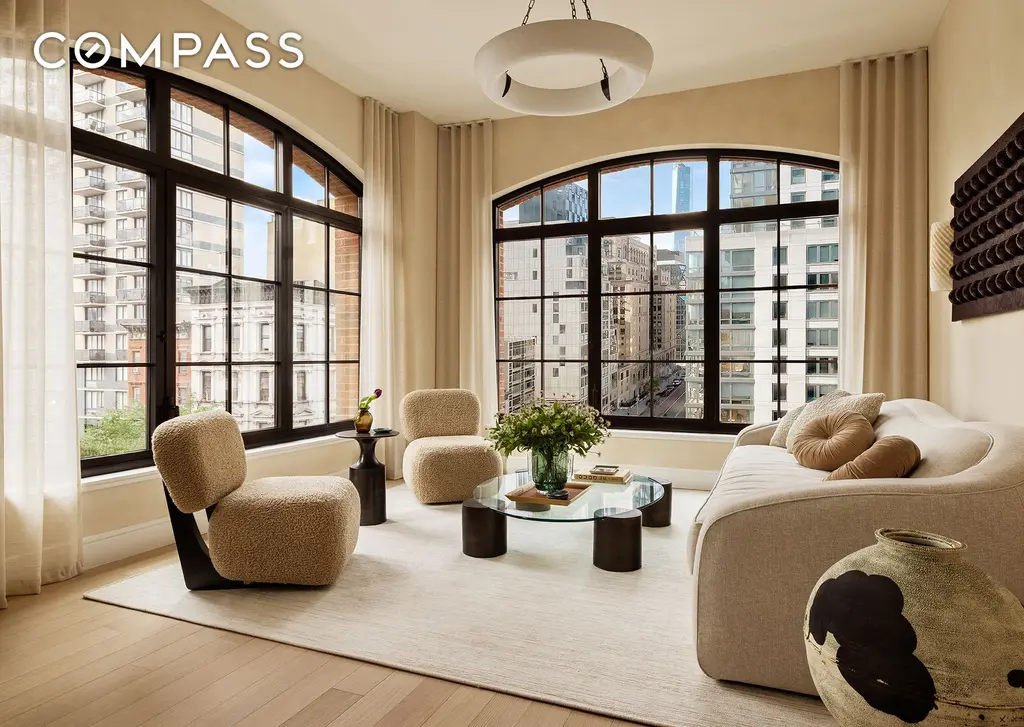
The Willow, #4B (Compass)
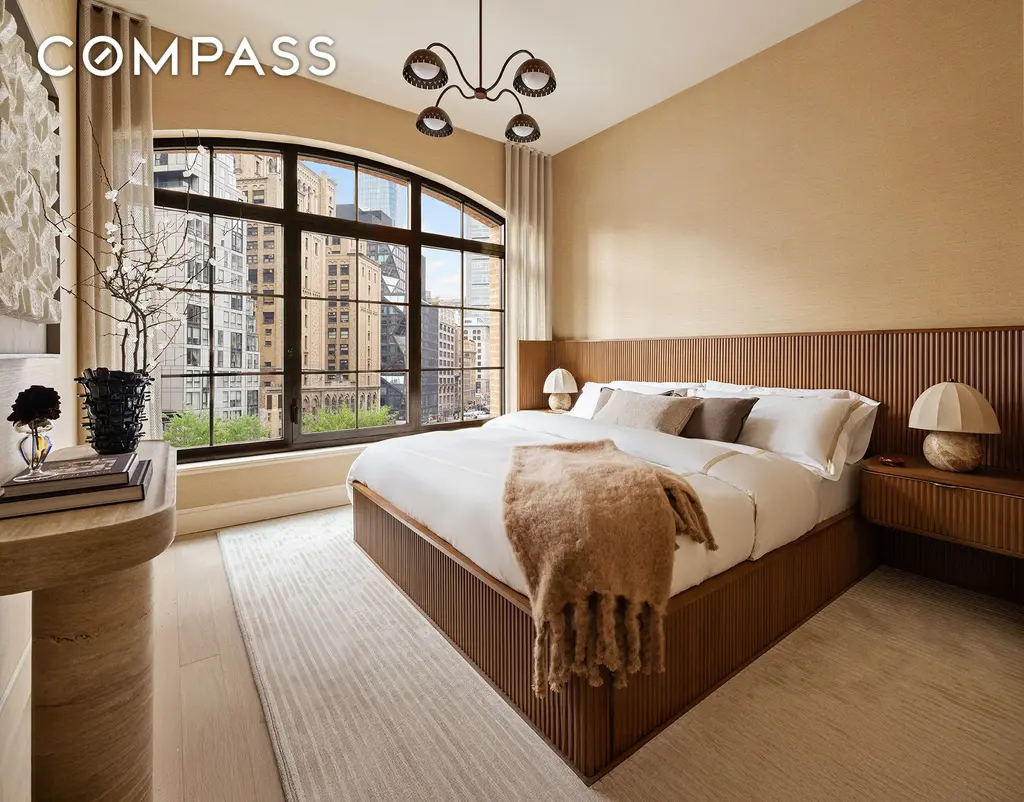
242 East 71st Street, Lenox Hill
Developed by Douglaston Development
Design by CetraRuddy Architecture
39 stories | 73 condos
Completion estimated for 2027
Developed by Douglaston Development
Design by CetraRuddy Architecture
39 stories | 73 condos
Completion estimated for 2027
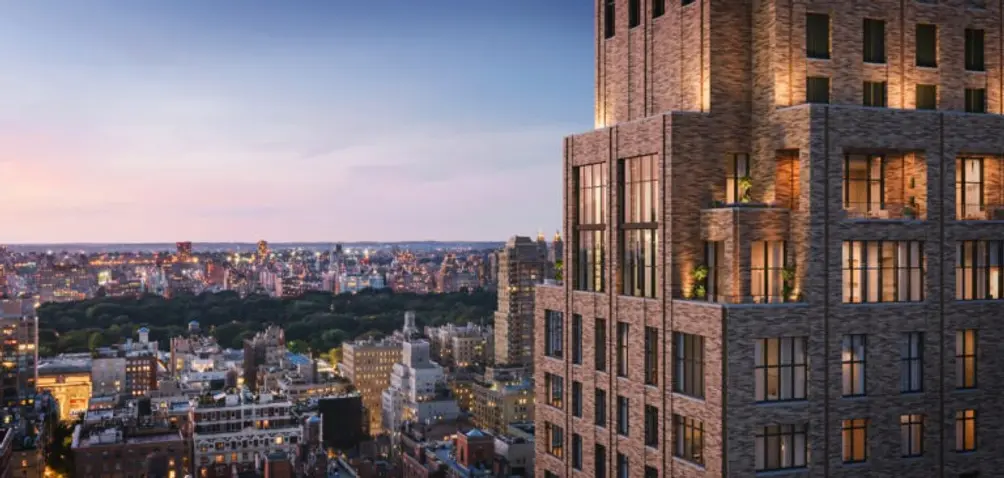 175 East 82nd Street. Rendering courtesy of Hayes Davidson.
At 175 East 82nd Street, brick is being used to give a new Upper East Side tower the texture and permanence of an older neighborhood landmark. Designed by CetraRuddy Architecture and developed by Douglaston Development, the 39-story condominium topped out at Third Avenue and East 82nd Street features a multi-toned masonry façade, an illuminated crown, and upper-level terraces that look west toward Central Park.
The 478-foot tower will offer 73 one- to six-bedroom residences, including three duplex penthouses, along with ground-floor retail and a limestone colonnade-lined lobby. Amenities will span levels 21 and 22, with a swimming pool, fitness center, yoga room, wellness sauna, lounge, outdoor terrace, screening room, and children’s playroom.
The 478-foot tower will offer 73 one- to six-bedroom residences, including three duplex penthouses, along with ground-floor retail and a limestone colonnade-lined lobby. Amenities will span levels 21 and 22, with a swimming pool, fitness center, yoga room, wellness sauna, lounge, outdoor terrace, screening room, and children’s playroom.
100 Vandam Street, Soho
Developed by Jeff Greene
Design by COOKFOX Architecture
25 stories | 72 studio to seven-bed condos
Availabilities: $7.995M - $39.9M
Developed by Jeff Greene
Design by COOKFOX Architecture
25 stories | 72 studio to seven-bed condos
Availabilities: $7.995M - $39.9M
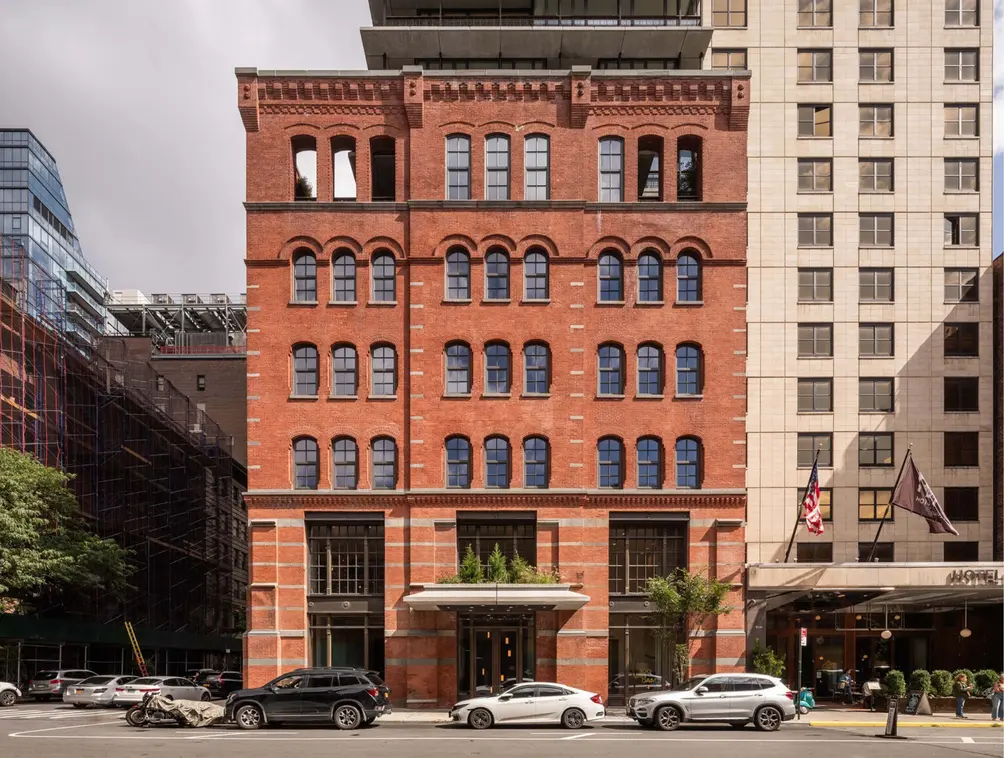 Base of 100 Vandam (COOKFOX Architects)
At 100 Vandam Street, brick is not merely a stylistic reference but a piece of the building’s own history. COOKFOX Architects preserved and reimagined an 1888 Romanesque Revival warehouse that once served as an electric substation and printing factory, pairing its richly textured red brick load-bearing walls, arched windows, and prewar character with a contemporary concrete-and-glass tower wrapped in garden terraces. The result is a thoughtful hybrid near the Hudson Square waterfront.
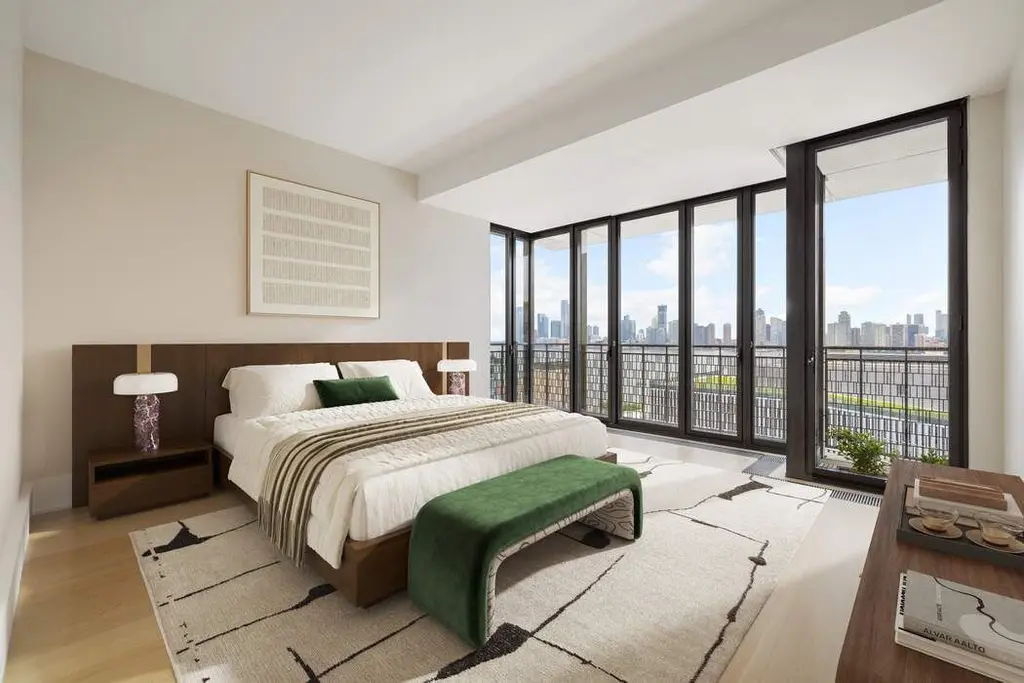
Its 72 residences range from the Historic Collection, with exposed beams and original architectural details, to light-filled Tower Residences with floor-to-ceiling windows. Interiors feature wide-plank oak floors, custom millwork, Poliform kitchens with Bleu de Savoie stone, Gaggenau and Miele appliances, marble baths, multi-zone central air, and in-unit laundry.
Its 72 residences range from the Historic Collection, with exposed beams and original architectural details, to light-filled Tower Residences with floor-to-ceiling windows. Interiors feature wide-plank oak floors, custom millwork, Poliform kitchens with Bleu de Savoie stone, Gaggenau and Miele appliances, marble baths, multi-zone central air, and in-unit laundry.
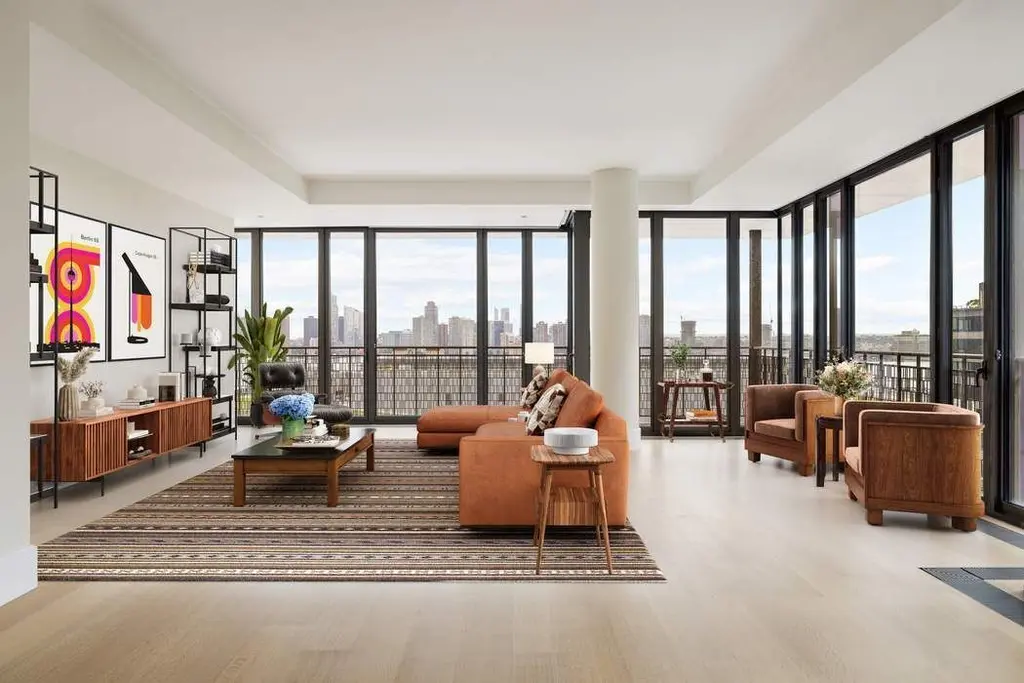
100 Vandam Street, #13A (Sothebys International Realty)
Would you like to tour any of these properties?
Just complete the info below.
Or call us at (212) 755-5544
Would you like to tour any of these properties?
Related Articles
Future New York
Manhattan sales include Emmy-winning producer's CPW co-op; Closings begin at The Willow
Tuesday, June 16, 2026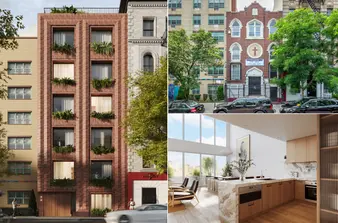
Future New York
Sales launch at 256 East 4th Street; New boutique East Village condo on former synagogue site
Wednesday, June 3, 2026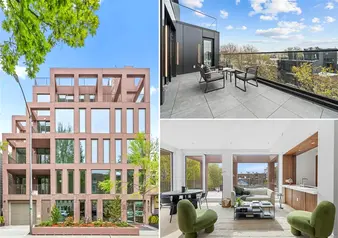
Future New York
25 newly launched and forthcoming condos in Brooklyn as new development inventory and sales plummet
Tuesday, May 26, 2026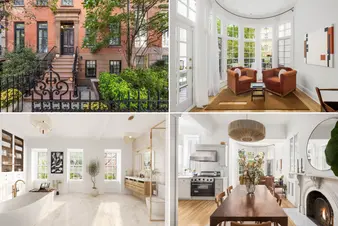
Future New York
Townhouses top NYC contracts; Linda Evangelista's West Chelsea penthouse finds a buyer
Monday, May 4, 2026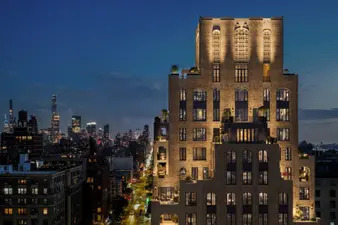
Future New York
New development condos launching on the Upper East and Upper West Side
Friday, May 1, 2026
Great Listings
Brownstones vs. Apartments: Tali Berzak on what buyers need to know + Beautiful Brooklyn listings
Friday, April 24, 2026
Future New York
From $535K: Great new listings with graceful arched windows
Monday, April 20, 2026
Future New York

 6sqft delivers the latest on real estate, architecture, and design, straight from New York City.
