
Before New York City’s current
Comptroller, Mark Levine, became an elected official, he
helped found the Neighborhood Trust Federal Credit Union in Washington Heights
in 1997. Since its founding, the financial institution has provided more than
$100 million in loans to families and small businesses in Northern Manhattan
and the South Bronx. For this reason, it is no surprise that Levine, who now
serves as the City’s top investment and asset advisor, is promoting CDFIs as a
way to help a wider range of borrowers enter New York City’s tough housing
market.
In this article:









What Are CDFIs?
A CDFI (Community Development
Financial Institution) can refer to several different types of financial
institutions. Whatever form they take, they share a common mission: to expand
economic opportunities, provide financial education, and offer affordable
credit to under-resourced communities.
The four primary types of CDFIs
are:
- Community
Development Credit Unions (CDCUs)
These are usually member-owned,
non-profit financial co-ops, often serving specific communities or even workers
in specific professions.
- Community
Development Banks
These are for-profit banks but with
mandates to serve low- and moderate-income communities.
- Community
Development Loan Funds (CDLFs)
These are usually non-profit
organizations that offer financing for specific purposes such as housing or
business purchases rather than a full range of banking services.
- Venture
Capital Funds
While generally associated with the
start-up world, VC funds sometimes also operate as CDFIs, but only if they are
structured with a mandate to invest in businesses operating in under-resourced
communities.
Why They Are Needed
As anyone who has undergone
underwriting knows, getting approved isn’t easy. If you’re a newer immigrant,
earn income from multiple jobs (e.g., 1099 work) rather than a single salaried
position, or have ever run into financial challenges in the past (e.g.,
defaulted on a credit line or loan), it can be particularly difficult to gain
access to mortgage products, even if you are currently a low-risk and
creditworthy candidate. This is where CDFIs often help. By taking a more
individualized and local mission-driven approach to financing, CDFIs help bridge
the financing gap for thousands of creditworthy New Yorkers each year and, in
the process, continue to diversify who owns versus rents citywide.
How CDFIs Make Buying More Affordable and Diversify Ownership
As Mark Levine’s recent report on
CDFIs reveals, CDFIs directly affect who can obtain financing to buy a home in
New York City, but a few statistics are especially notable.
Asian and Pacific Islanders, who
include many of the City’s newest immigrants, are particularly likely to
benefit from access to CDFIs, though many of these loans originate with just
two institutions: Royal Business Bank and Quontic. Among lower-income households,
CDFIs also offer higher mortgage approval rates than non-CDFIs. For example,
applicants making under $75,000 are substantially more likely to qualify for a
CDFI than a non-CDFI loan (88% vs. 69%). In general, as the Comptroller’s
report emphasizes: “Across the
demographic and socioeconomic dimensions…New York’s CDFIs reach further into
populations that are less likely to be able to buy a home with a conventional
bank or credit union.” Also, as more people buy, there are also “positive spillover
effects on nearby property values and neighborhood stability.”
That said, even with higher
approval rates, CDFIs are not entirely advantageous. Between 2018 and 2025, the
average interest rates offered by CDFIs were higher than those on non-CDFI
loans, suggesting that lower-income borrowers may still be penalized by the
very financial institutions designed to lift them up.
The City’s Future Plans for CDFIs
While Comptroller Levine’s current
report doesn’t offer any concrete recommendations on what might come next for
the City’s CDFIs, the recent publication of the report suggests they may play a
key role in Mayor Mamdani’s plan to make housing more affordable to New
Yorkers, including on the buying side of the market. What is clear is
that as housing costs continue to rise and underwriting rules become more
stringent at the federal level, there has never been a greater need for a
community-based approach to lending and consumer lending education.
Top Affordable Listings under $1M
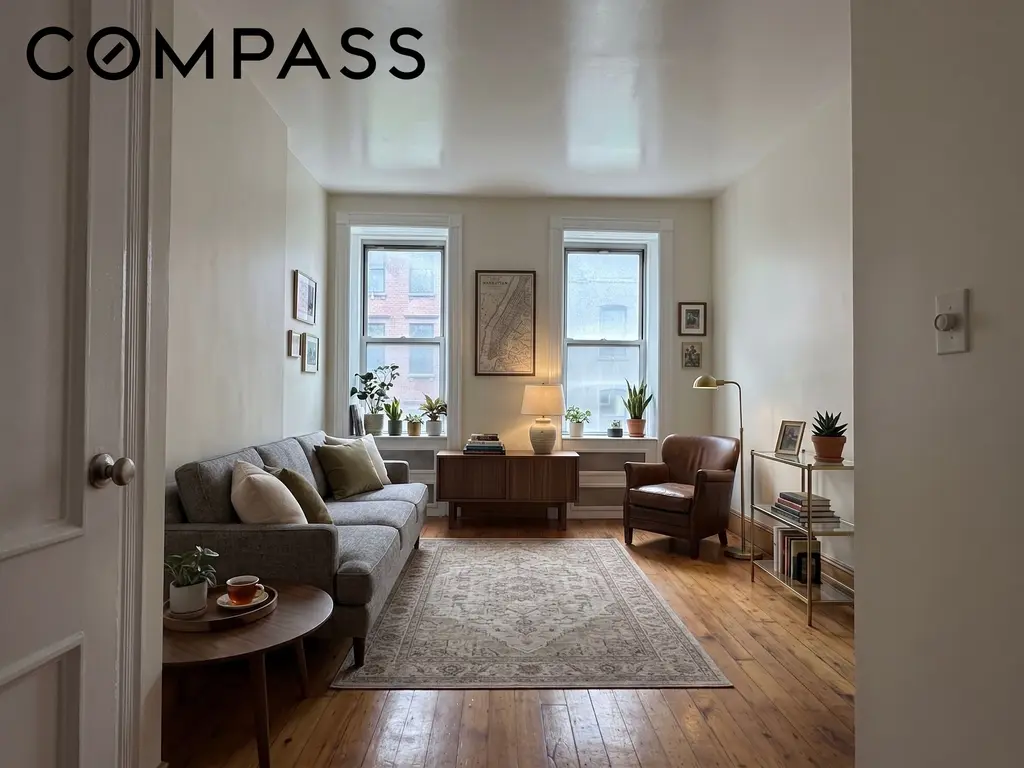




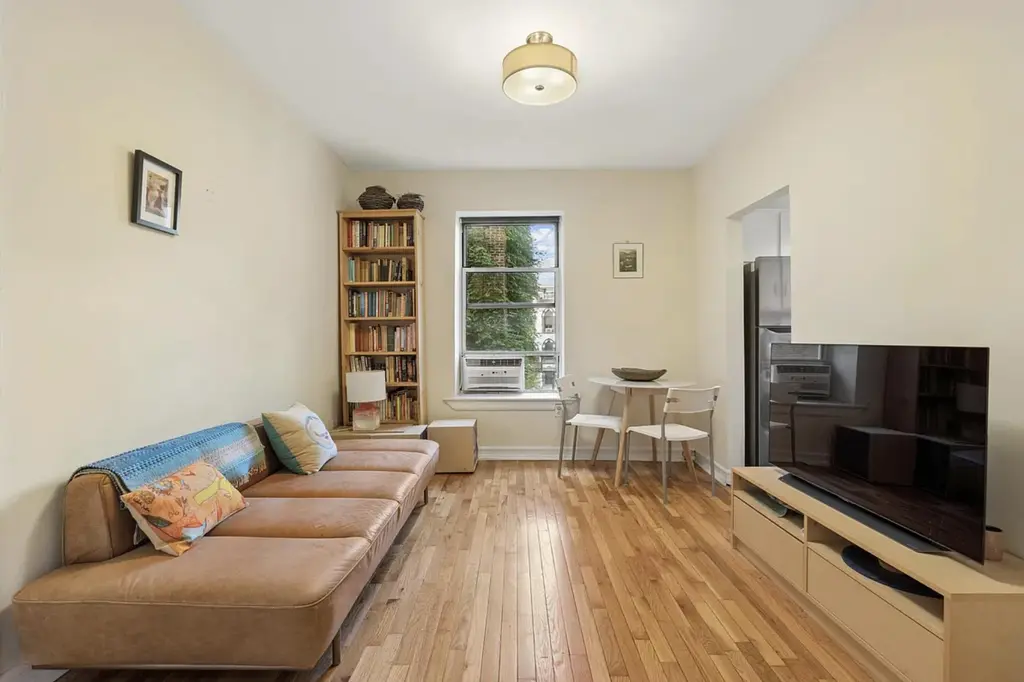
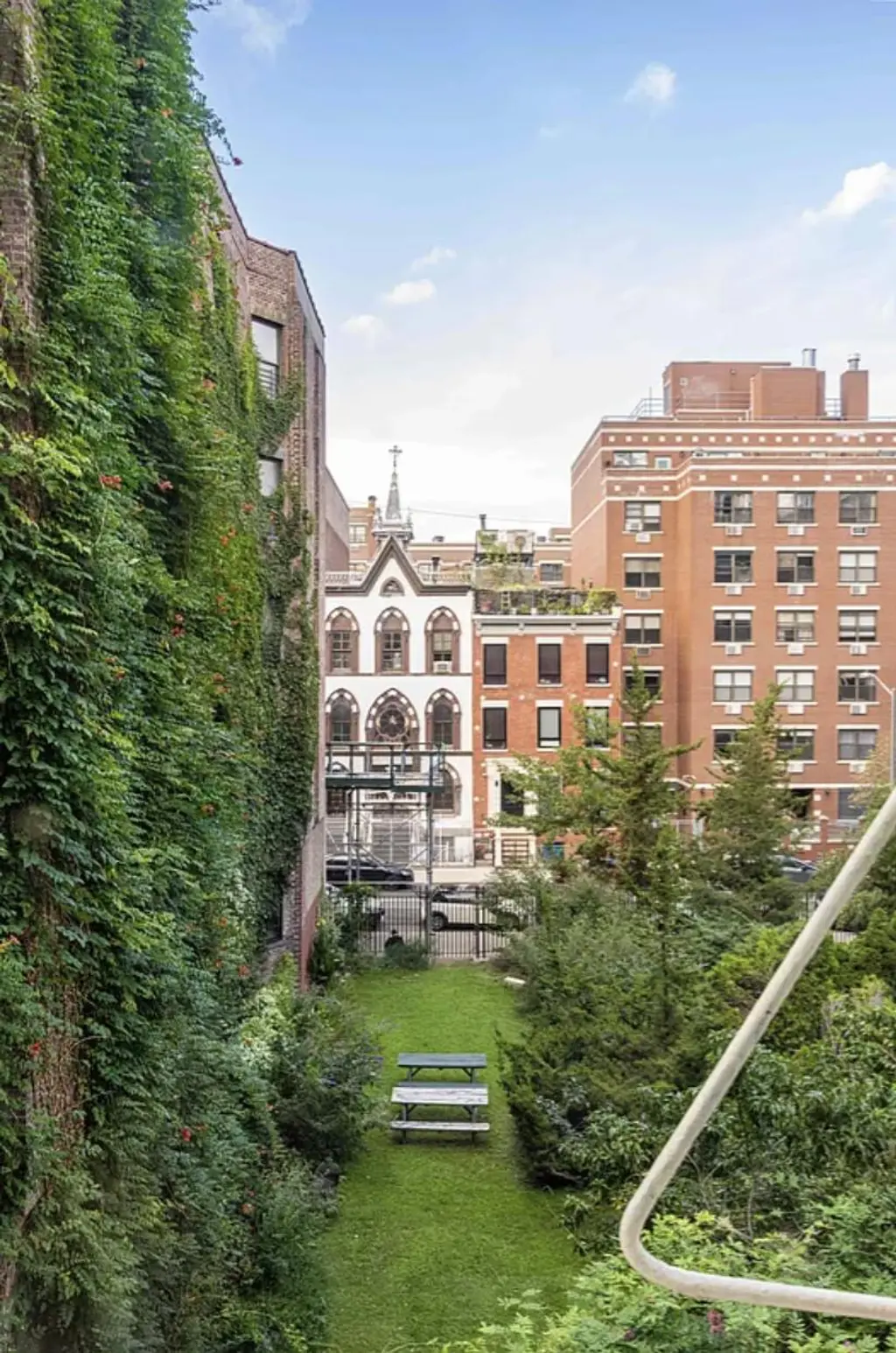

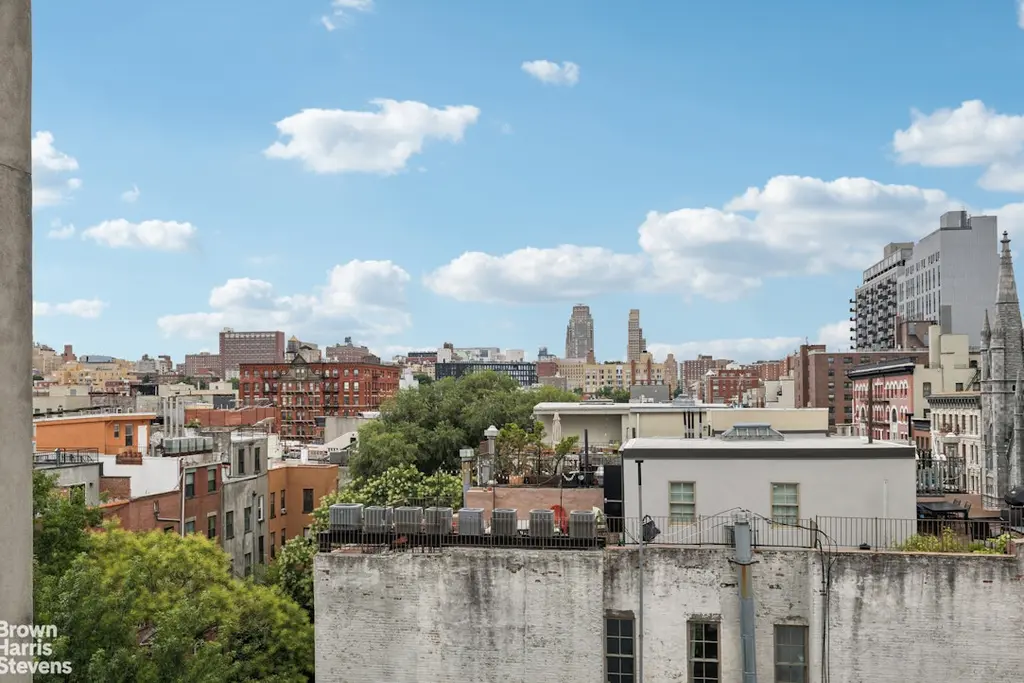
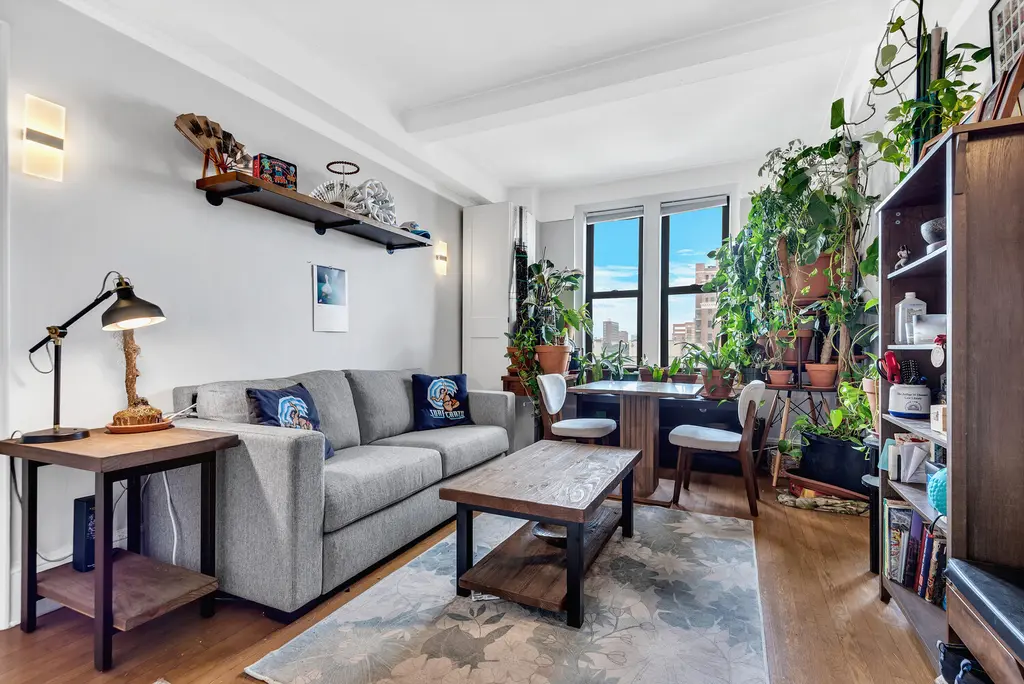

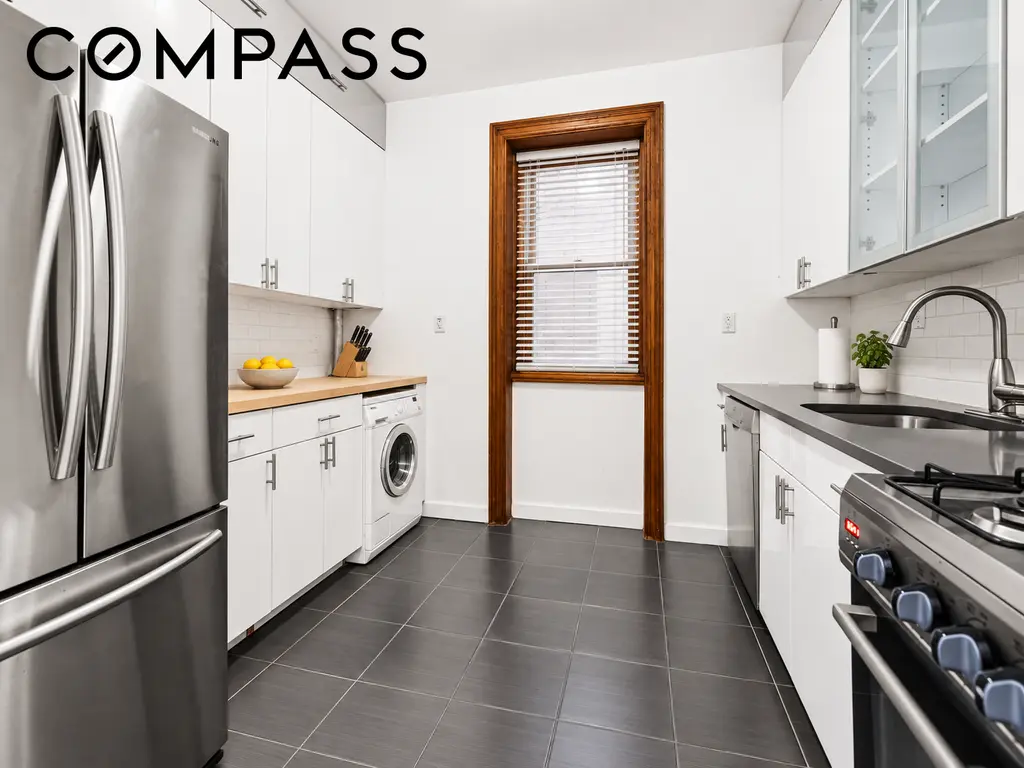
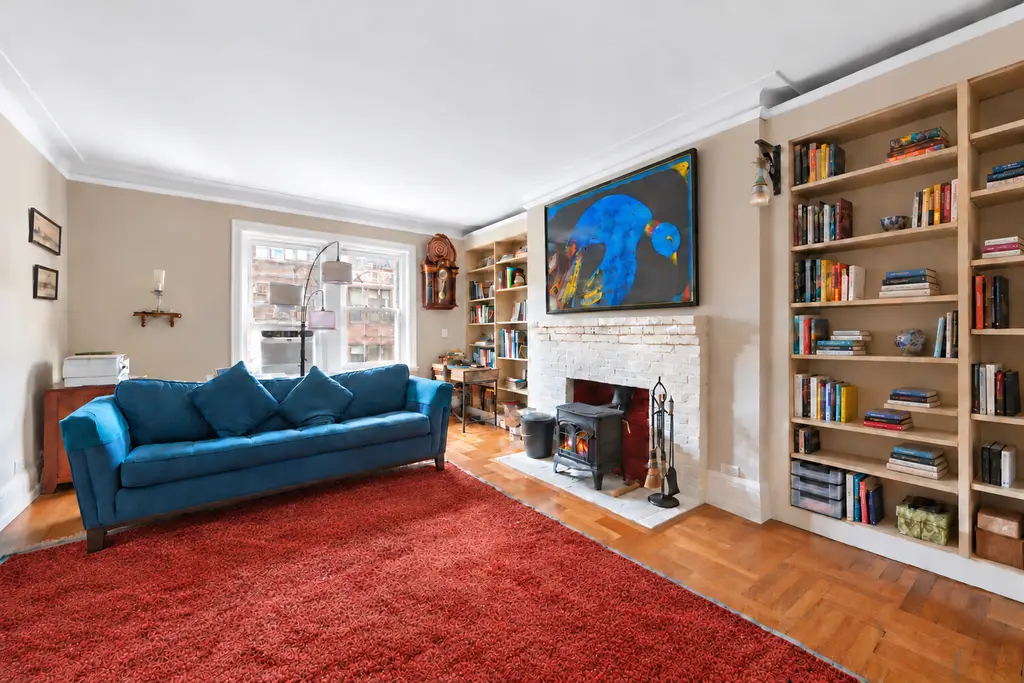
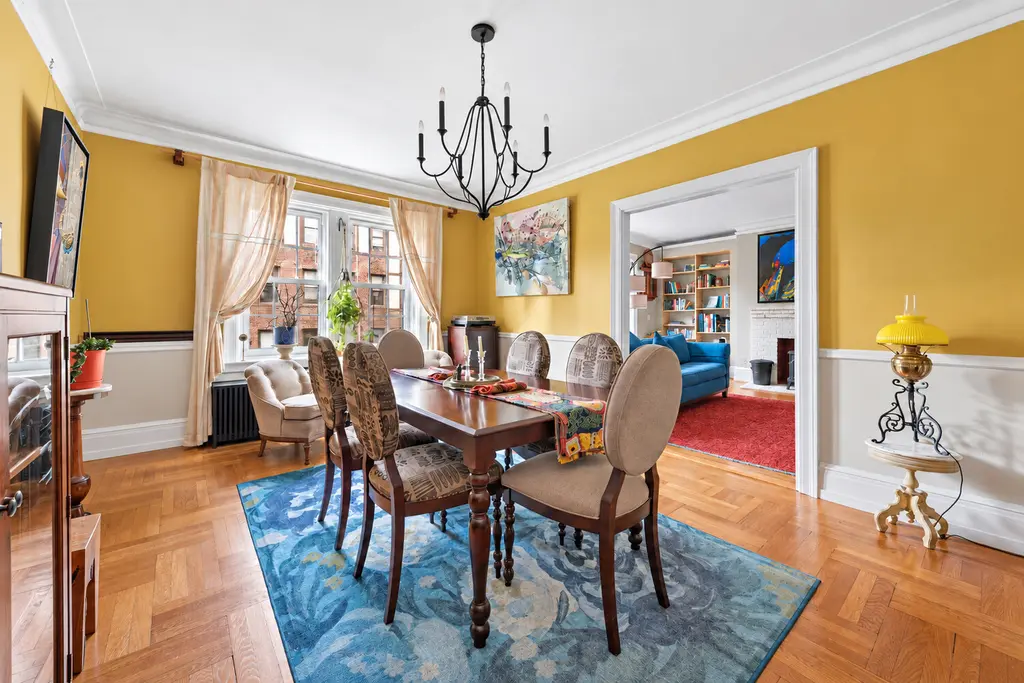


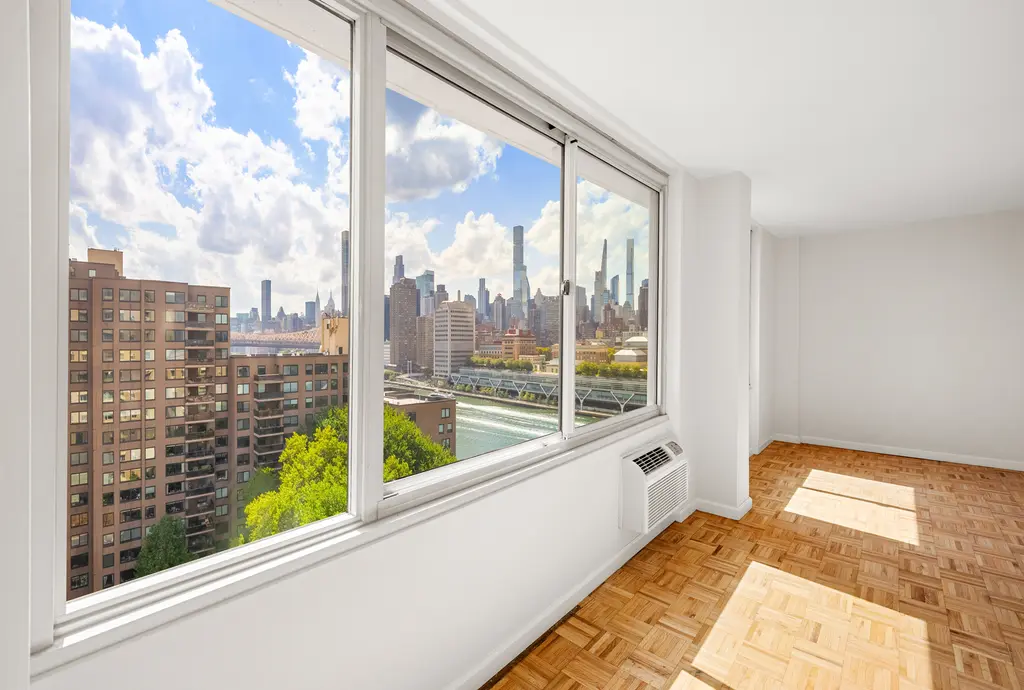
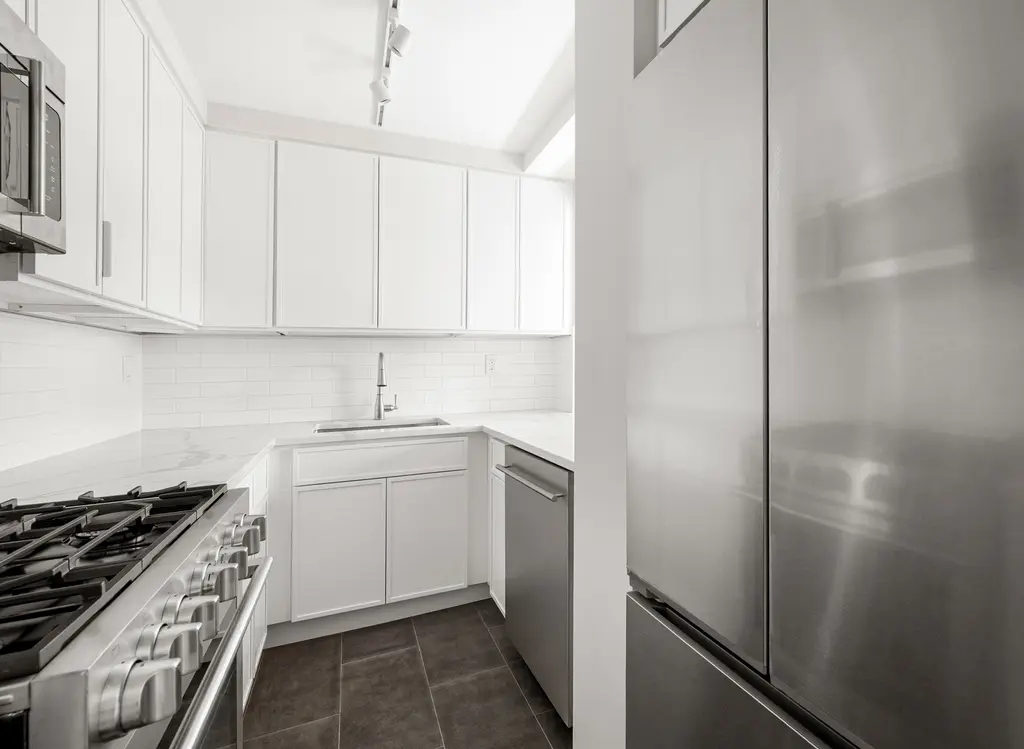
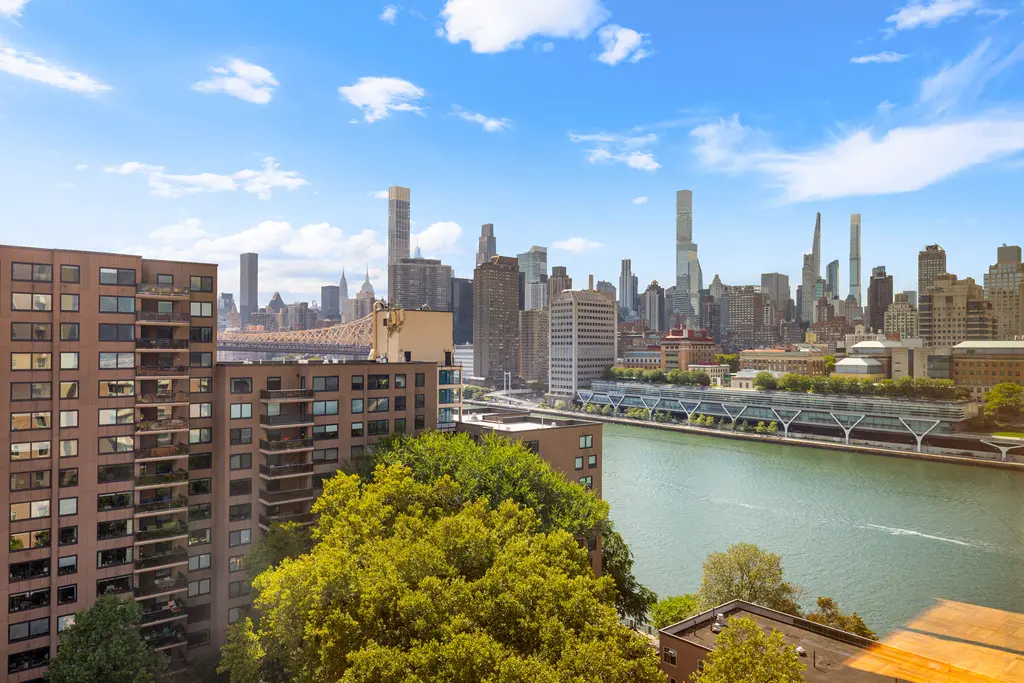
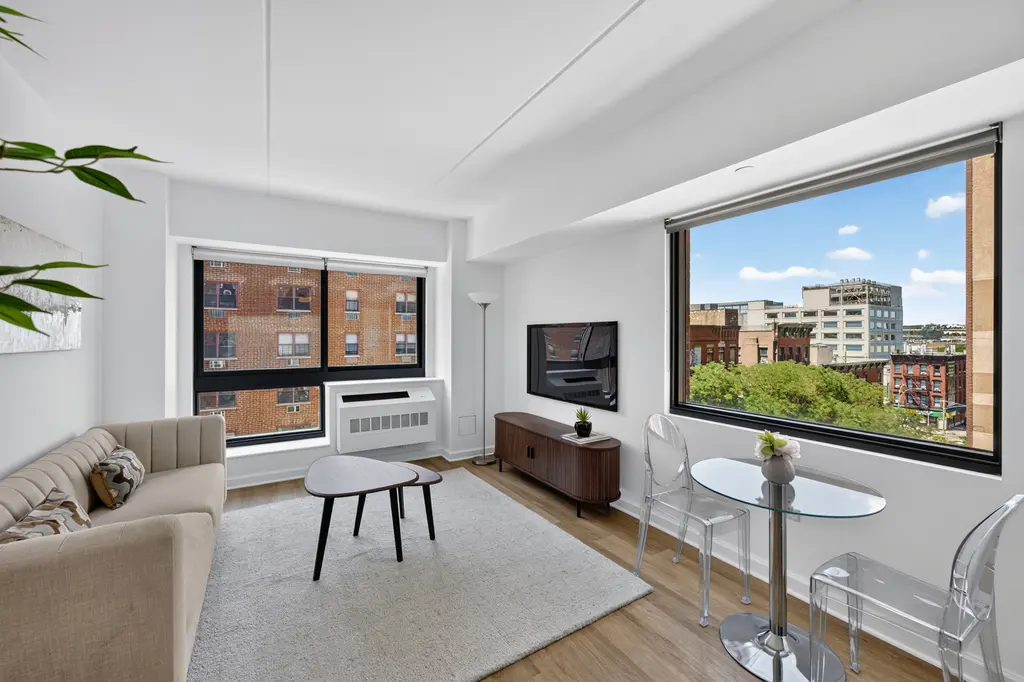
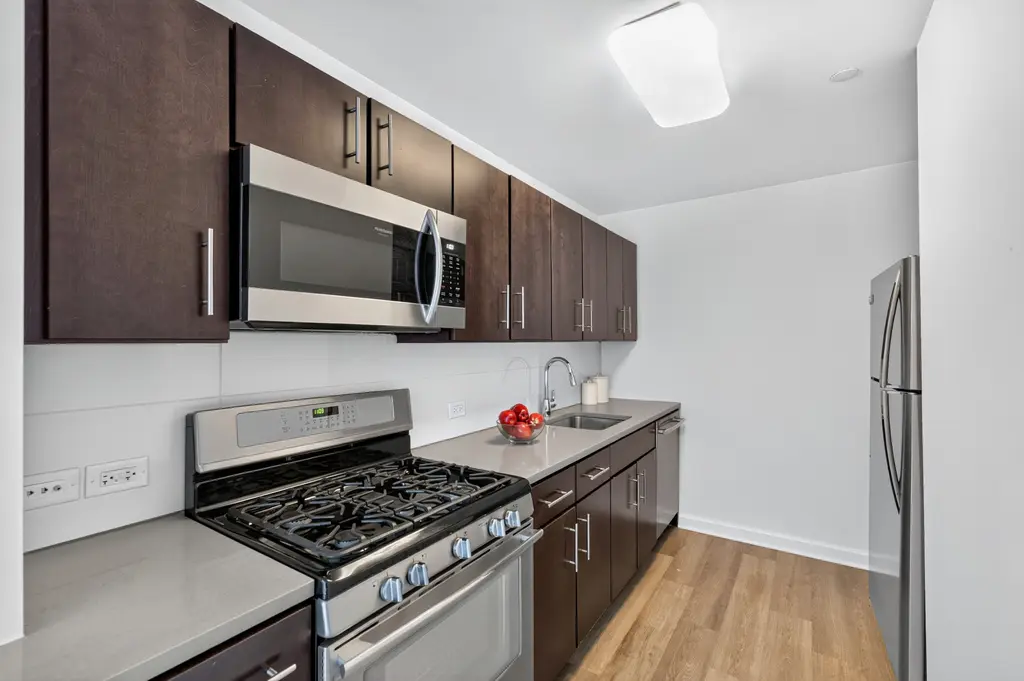
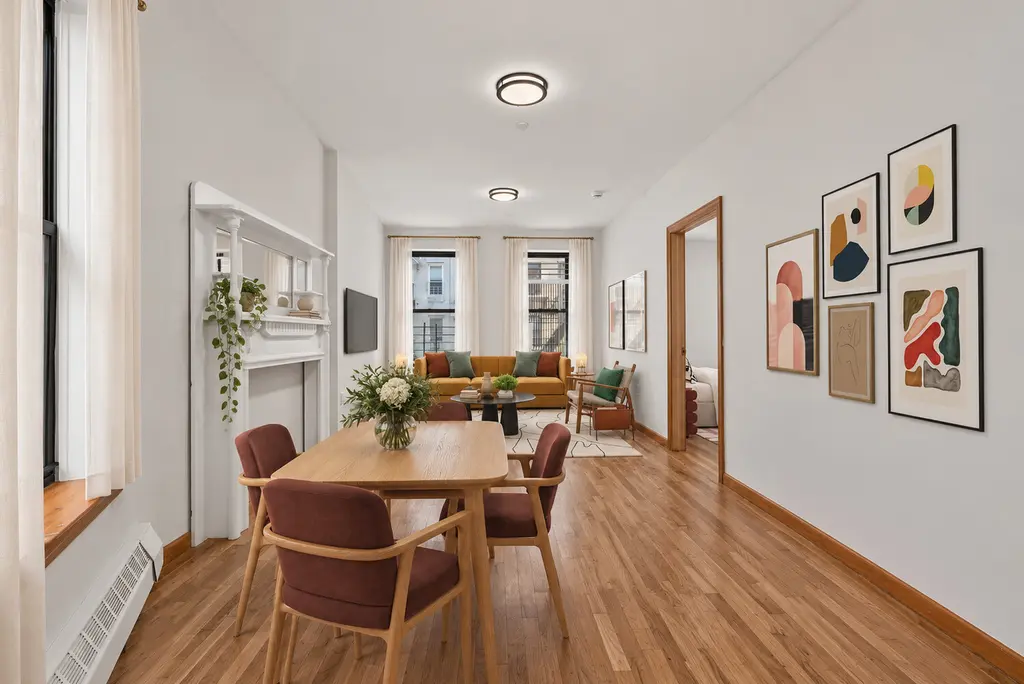




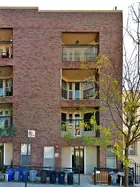
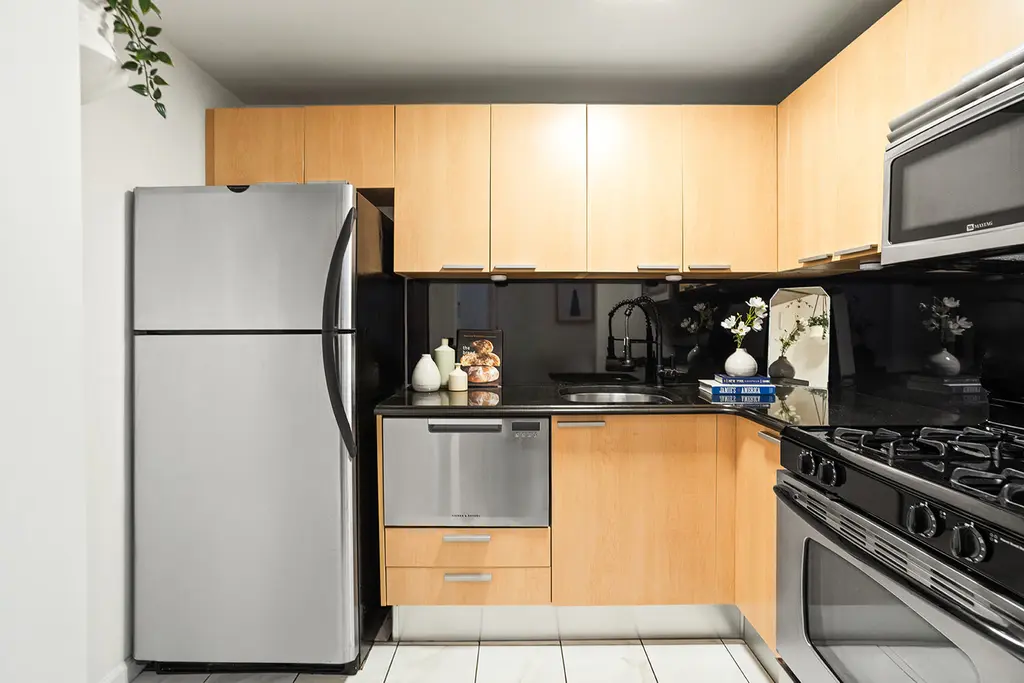
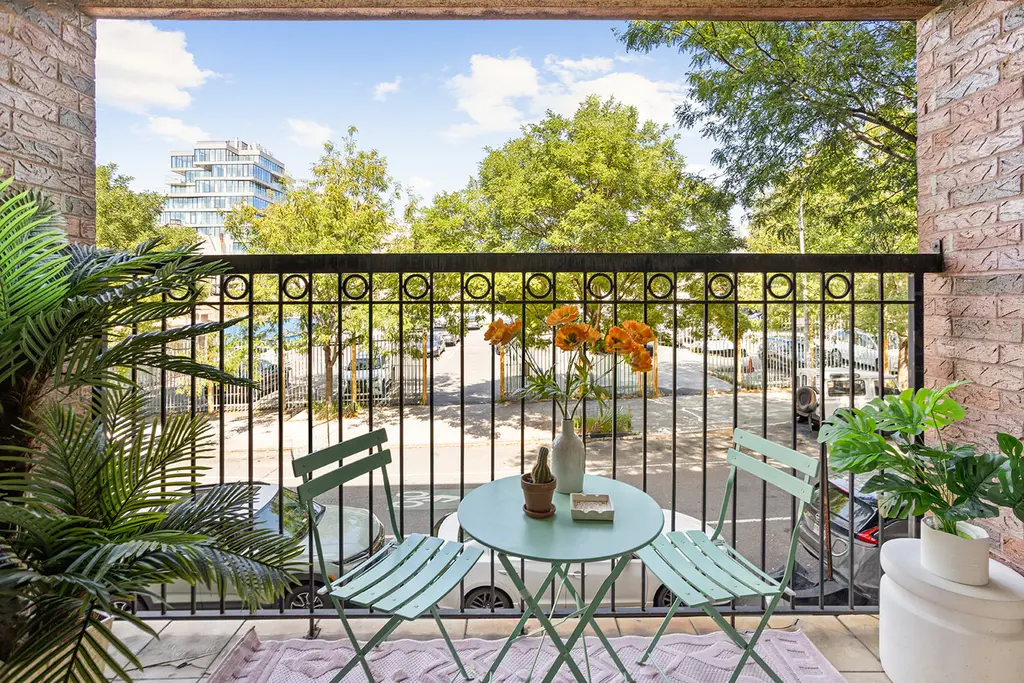
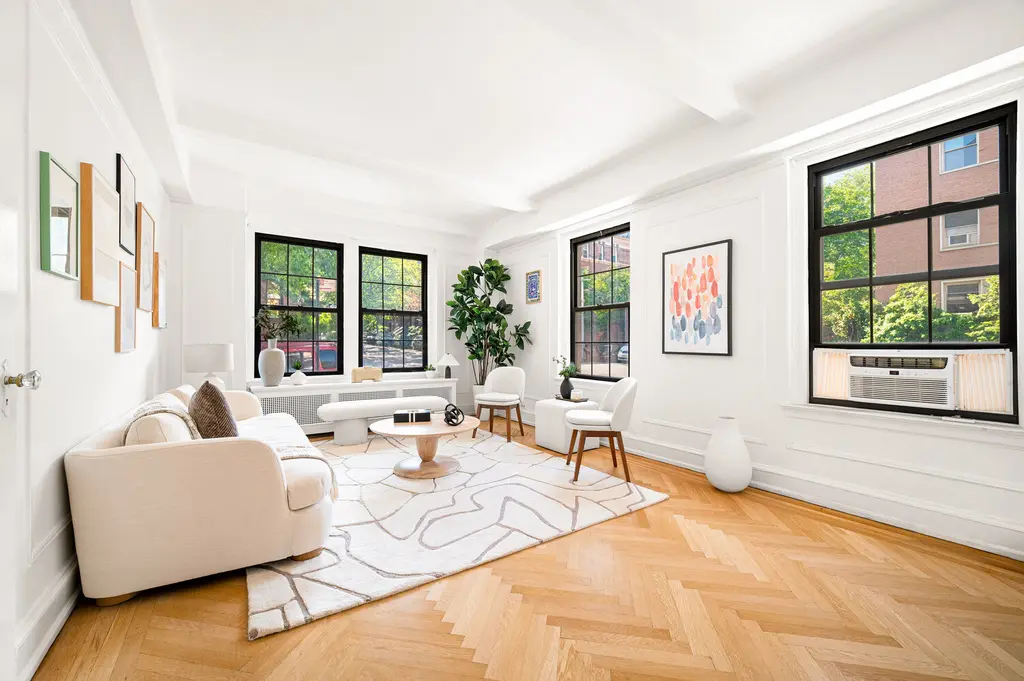
198 21st Street, #2A
$725,000
South Slope - Greenwood Heights | Condominium | 2 Bedrooms, 1.5 Baths | 650 ft2
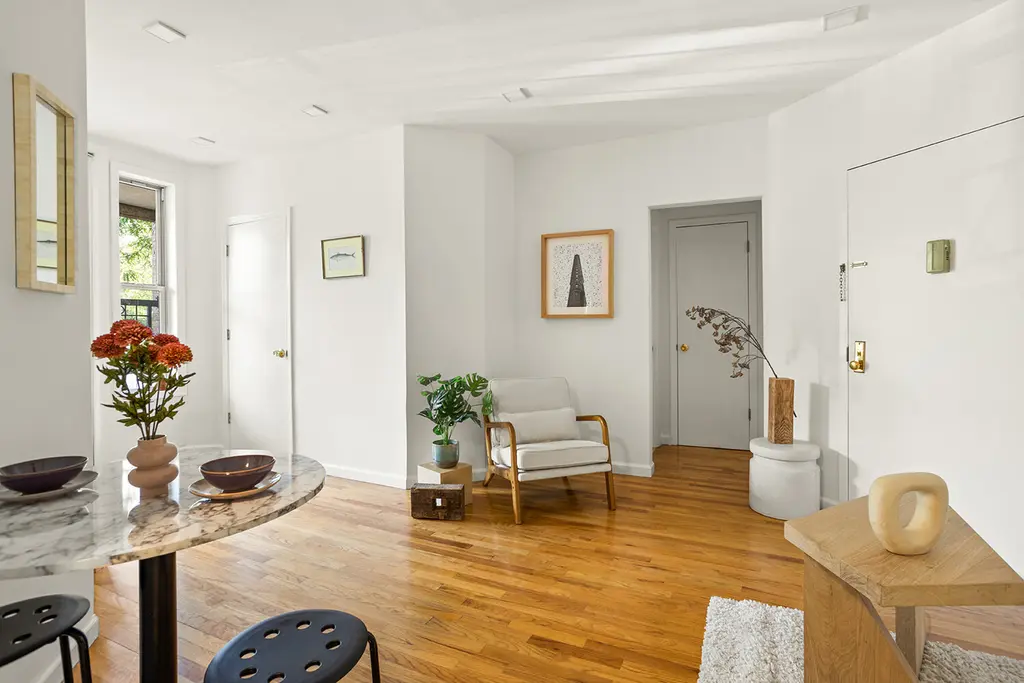

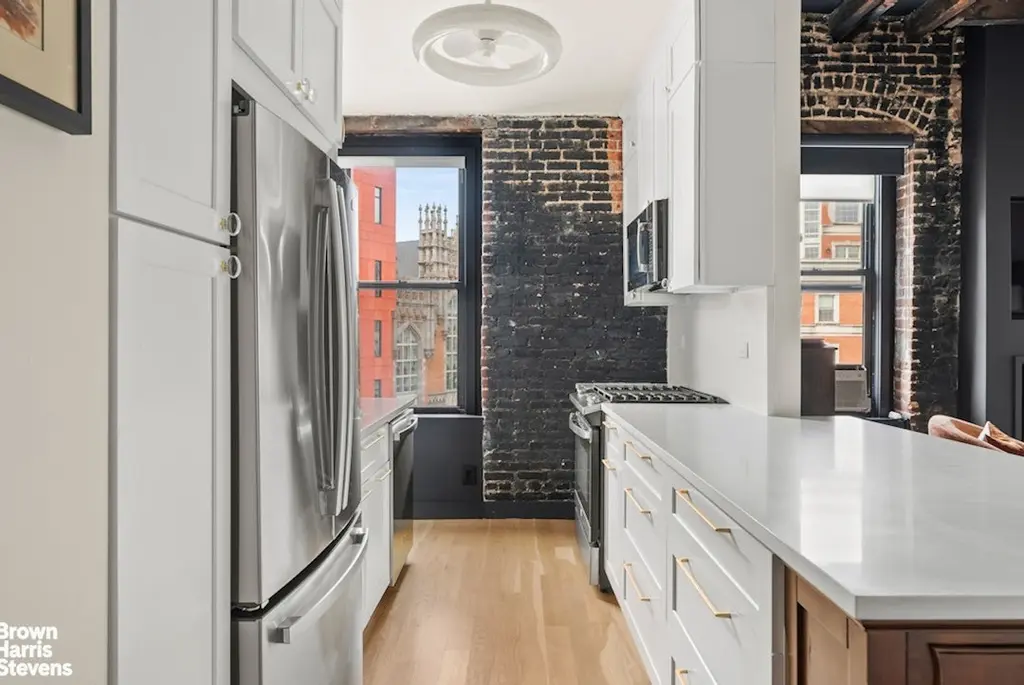


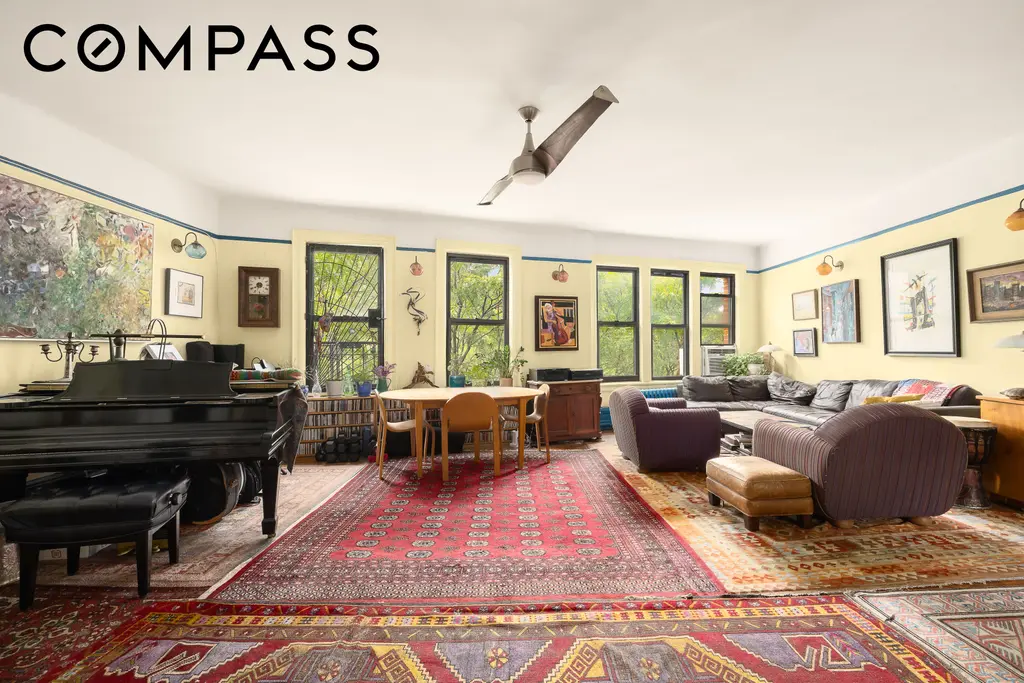
75 Wall Street, #26A
$775,000 (-22.1%)
Financial District | Condominium | 1 Bedroom, 2.5 Baths | 886 ft2
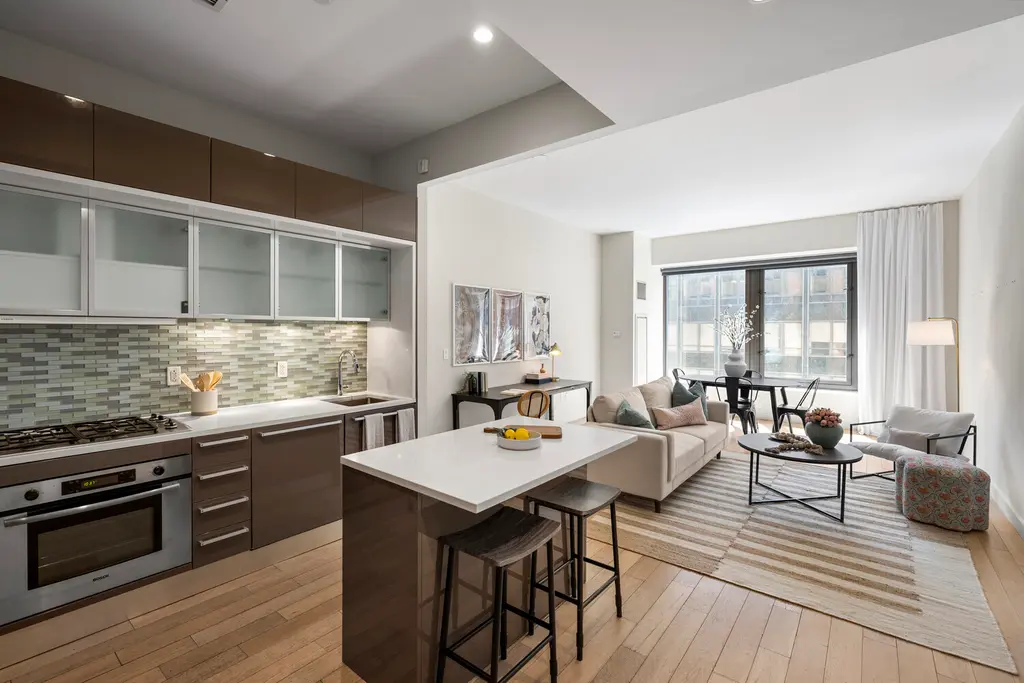

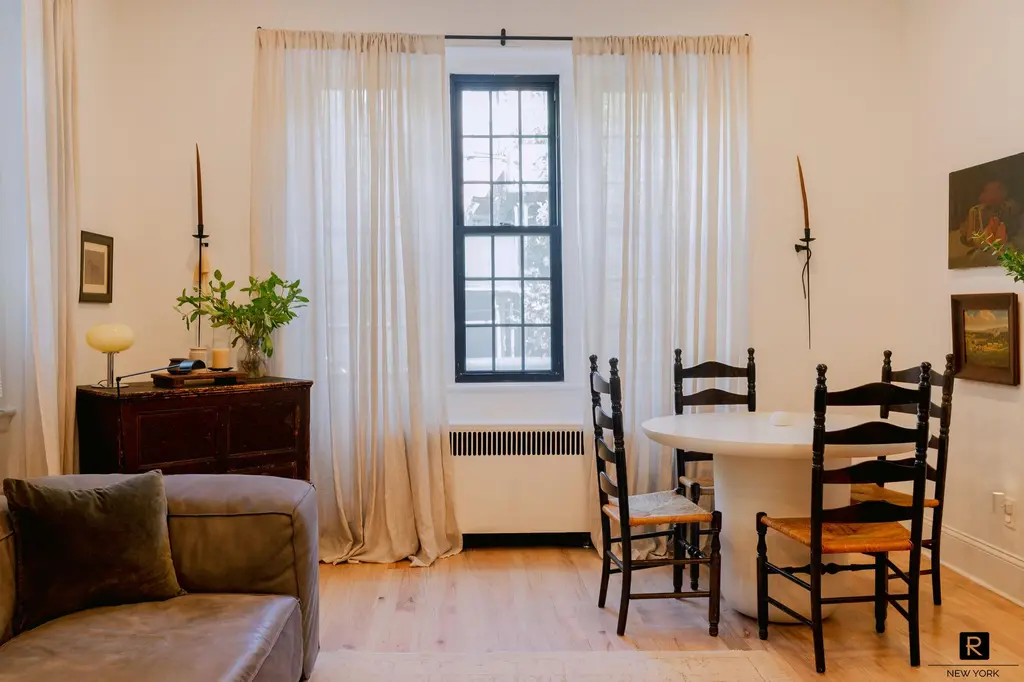
Calvert House, #3F
$875,000 (-2.2%)
Prospect Lefferts Gardens | Condominium | 2 Bedrooms, 1 Bath | 883 ft2



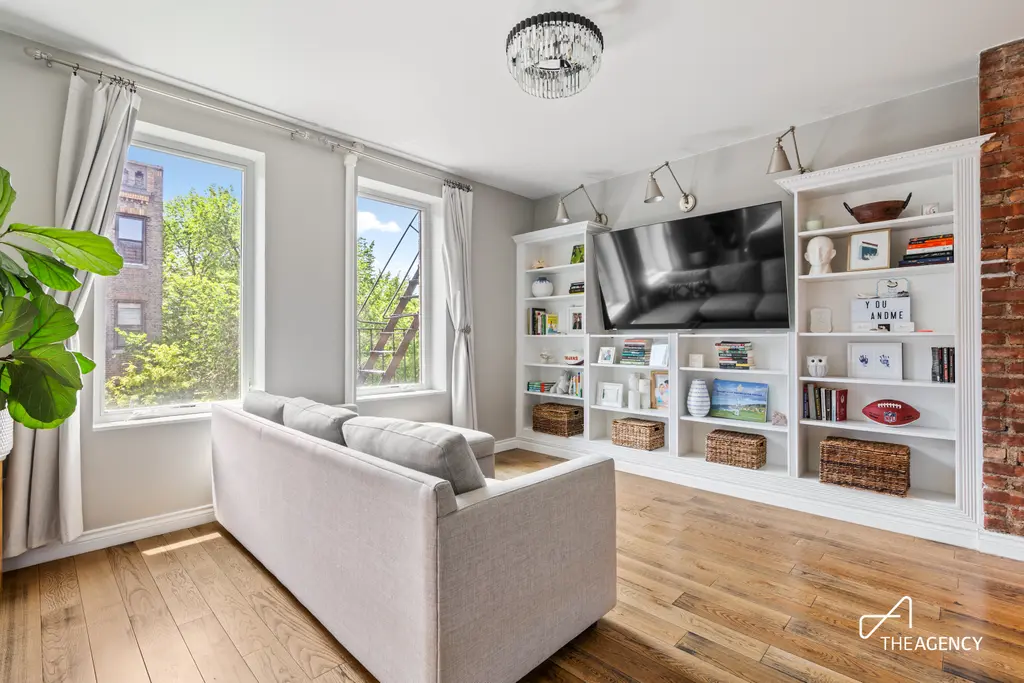

The Broad Exchange Building, #11O
$925,000
Financial District | Condominium | 1 Bedroom, 1 Bath | 789 ft2









Related Articles

Top 10 NYC condos with the best yoga amenities
Saturday, September 12, 2026
Fire up the grill in these new developments with outdoor kitchens
Monday, September 7, 2026
Price Cuts: Grand prewar home at 10 Gracie Square now $1.5M off; Half-floor at One57 relists at a loss
Wednesday, September 2, 2026$45M "Horizontal Mansion" and two 520 Fifth Avenue penthouses lead Manhattan sales; AMC executive buys NoMad condo
Monday, August 24, 2026
Back to School: Discounted NYC apartments with home offices perfect for homework and hybrid schedules
Saturday, August 22, 2026
For the Love of Loggias: Rare New York City listings with private outdoor rooms
Tuesday, August 4, 2026
Six ways to add value to your NYC apartment before selling + Weekend open houses include 100 Barclay penthouses
Saturday, August 1, 2026
The Ideal Floor Plan: How to tell if a NYC apartment really works + 25 listings with great layouts
Thursday, July 30, 2026

 6sqft delivers the latest on real estate, architecture, and design, straight from New York City.
