
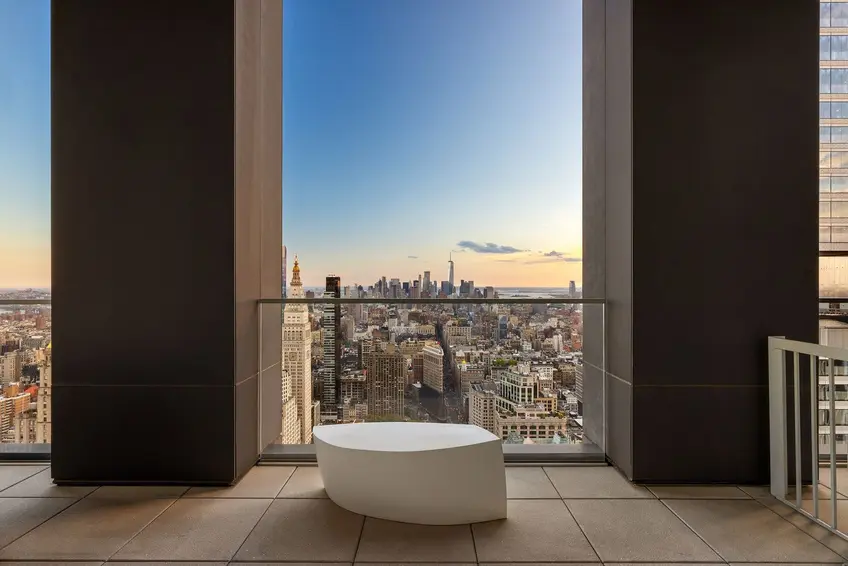
Loggias have been desirable architectural features for centuries. When done right, they create an elegant middle ground between indoor space and the outdoors. And since New York City doesn't quite have a Mediterranean climate, in residential buildings, loggias can offer more shelter from wind, noise, drizzle, and the peeping eyes of your neighbors than a typical balcony or terrace. Simply put, their depth and semi-enclosure provide more privacy and comfort than other types of private outdoor space.
Let’s backtrack. In apartment listings, a loggia describes a recessed, covered outdoor room that is more sheltered than a projecting balcony and more architectural than a simple terrace. It is typically carved into the building rather than hung off the facade. That can make it more useful for residents and more elegant and discreet from the perspective of passersby. We all know how junky balconies can look once residents start using them for supplemental storage.
In this article:


















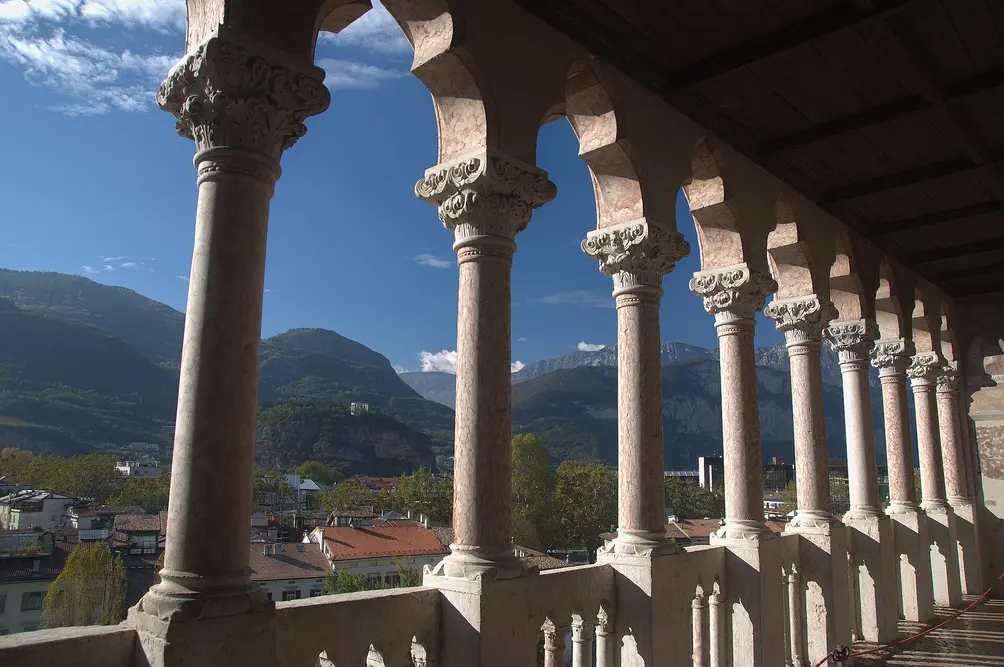 The Venetian Gothic loggia of the Buonconsiglio Castle in Trento, Italy (Photo by Paolo Villa | https://en.wikipedia.org/wiki/Loggia
While loggias have been growing in popularity in New York City new construction in recent years, especially at the high end, they are not new. Just look at the incredible villas around Lake Como, for instance. In Italian Renaissance architecture, especially in palazzi, villas, and civic buildings, loggias offered shade, air, views, and ceremony without fully exposing occupants to the street or weather. They served as places to pause, entertain, observe, and be observed, which made them both practical and socially charged.
As we mentioned, they also appear more elegant and intentional from the outside. Unlike a balcony, which projects outward, a loggia is usually recessed or integrated into the architecture. It can give depth to a facade, create shadow and rhythm, and makes an exterior wall feel less flat and formulaic. In warmer climates, loggias were especially valuable because they protected indoor spaces from solar heat gain and created shaded outdoor rooms. In colder and denser cities like New York, the perk is they offer some of the pleasures of outdoor space with more privacy, enclosure, and architectural dignity than a standard balcony.
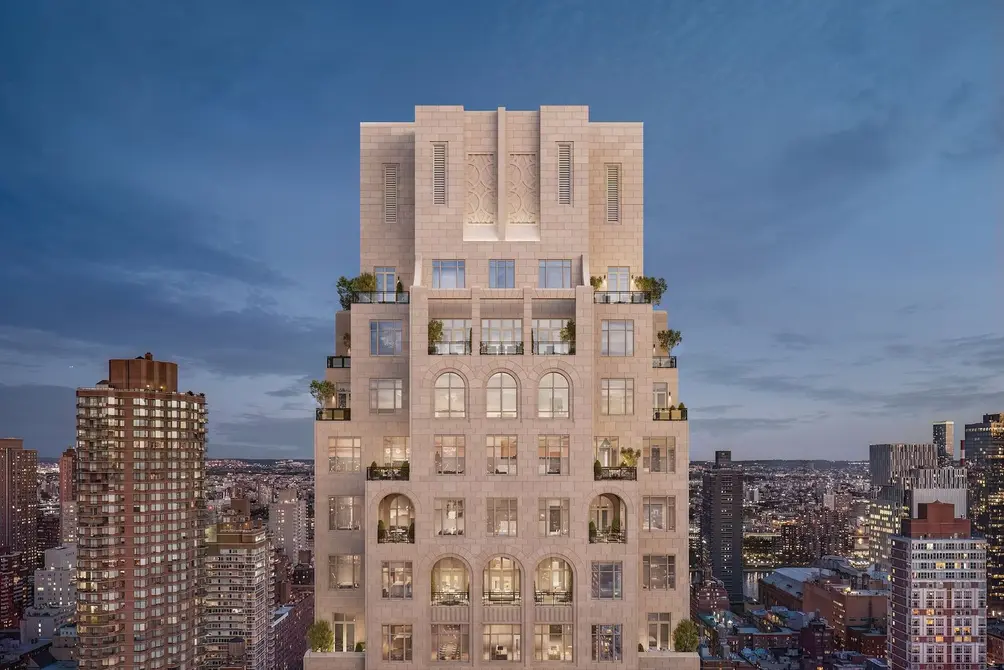 Loggias are thoughtfully incorporated into the facade of the recently finished condo 255 East 77th Street on the Upper East Side (RAMSA)
Developers have also latched on to their appeal because loggias are an ingenious way to create semi-enclosed space without adding zoning floor area to a development. And in New York City residential development, every square foot counts, especially considering that some well-heeled buyers will pay more than $10,000 per square foot for it.
Several dozen recent condo developments have employed loggias, most notably The Park Loggia near Lincoln Center and 277 Fifth Avenue, where the only breaks in its severely vertical facade are loggias for select units. At 432 Park Avenue, the interstitial spaces on mechanical floors can read almost like loggias from the street, though those are not occupiable residential outdoor spaces and serve to mitigate wind shear on the super-slender supertall. Several recent condominiums designed by Robert A.M. Stern Architects, including 255 East 77th Street, 30 Park Place, and 200 East 83rd Street, also make handsome use of loggias for some of their most opulent units.
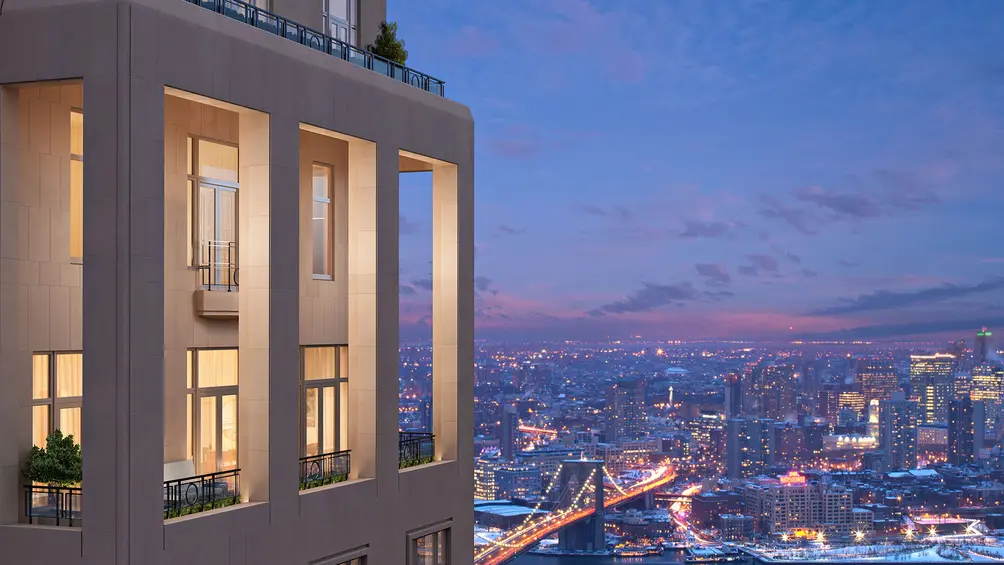 Rendering capturing the romance of the loggia at the penthouse of 30 Park Place
In New York City’s Zoning Resolution, loggias are generally treated in the same family as balconies, open or roofed terraces, porches, and similar open spaces. The main issue for our bureaucratic floor-area bean counters is how enclosed the space is. The zoning code says floor area includes floor space in exterior balconies or open or roofed terraces if more than 67% of the perimeter is enclosed. In other words, private outdoor spaces can be excluded from floor area if not more than 67% of the perimeter is enclosed, with compliant parapets, railings, or transparent safety guards. For roofed balconies or terraces, there also has to be an opening of at least 40% of the height between the underside of the roof and the finished floor level.
There are also size and design limits. For a recessed balcony, which is the closest zoning cousin to the modern loggia, the Zoning Resolution allows the balcony to be recessed into the building wall up to a maximum depth of six feet, provided that at least 33% of its perimeter remains unenclosed, except for permitted parapets, railings, or safety guards.
Because they are so zoning-efficient, loggias don't seem to be going away anytime soon. Future new developments expected to use them include the recently revealed Greenwich Spire in the Village, developed by Legion and designed by Kohn Pedersen Fox, and 65 Franklin Street, a long-awaited Tribeca development off Broadway whose block-long site was recently acquired by Simon Dushinsky’s Sky Equity Group.
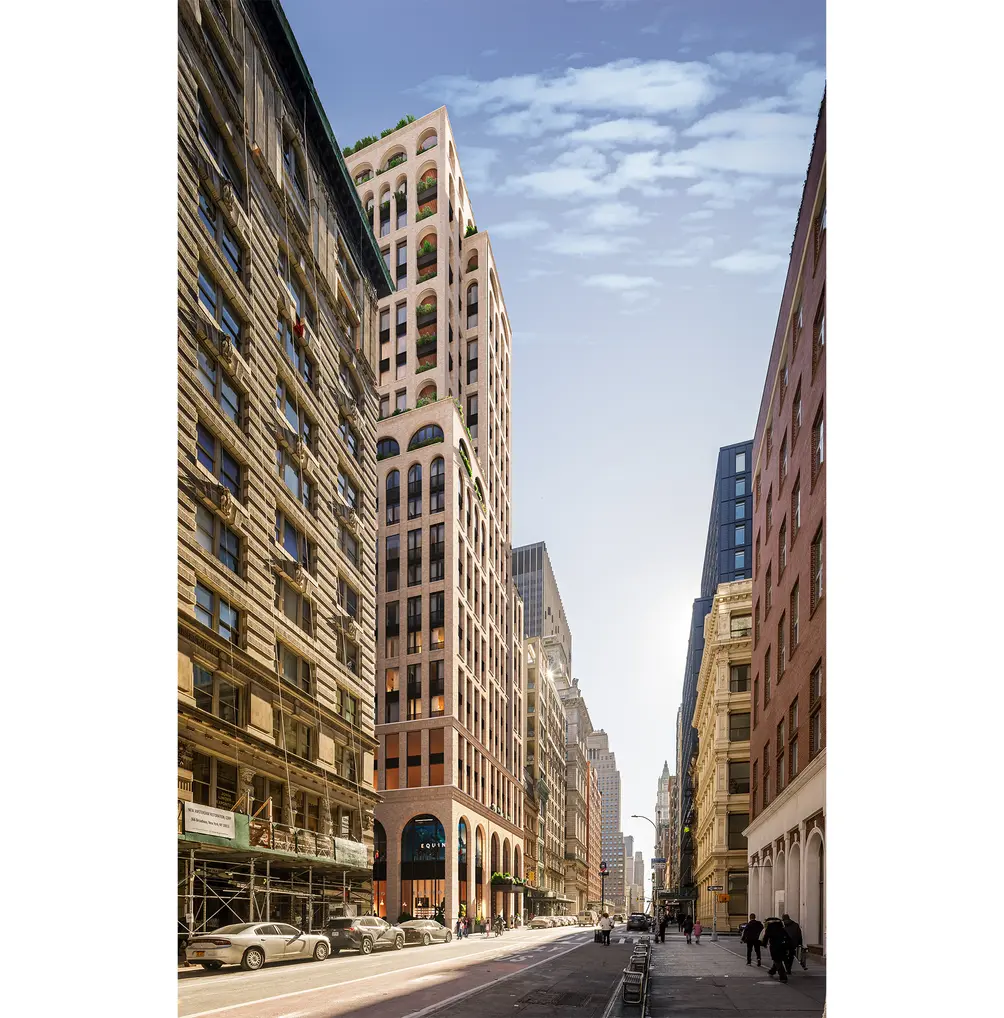 Rendering looking south down Broadway of Sky Equity Group's now rising condo development 65 Franklin. Many upper floor residences will have loggias. (COOKFOX / Sky Equity Group)
Now on the rise as a 24-story condominium, the COOKFOX Architects-designed building is set to launch sales next year and will offer 106 one- to five-bedroom homes, many with private outdoor spaces, including loggias. As we often mention here, New York City residential developers have increasingly turned to designs that are more sympathetic to and reflective of the heritage of the neighborhoods they occupy. At 65 Franklin Street, the architects specified a hand-laid brick facade with landscaped loggias incorporated throughout the upper levels. COOKFOX is known for its commitment to environmental sustainability, so expect more of that important green stuff here too. Amenities will include a swimming pool, private porte-cochère entrance, and parking, because this is New York luxury after all.
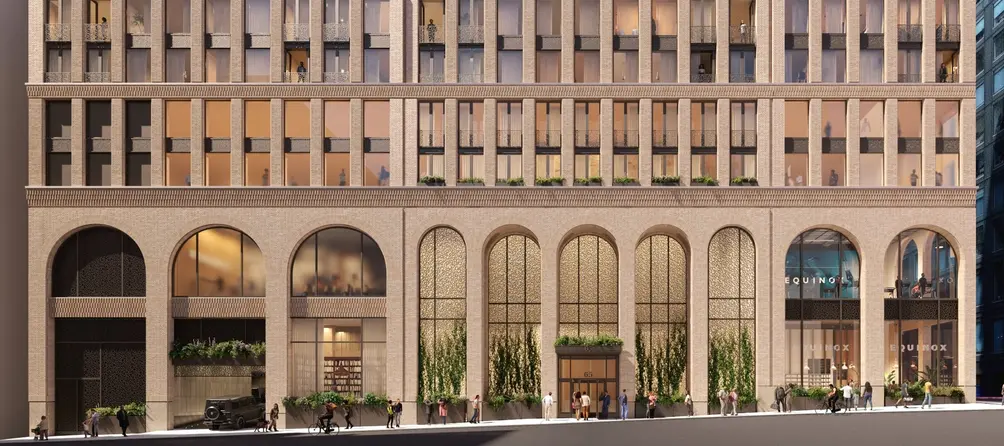 Down below, the base of 65 Franklin reminds us of a classical arcade (Credit: Courtesy of Sky Equity Group)
For residents, and prospective buyers for a loggia-laden home, the positives are obvious. A loggia is more private, more protected from wind and rain, and more usable as an outdoor room. Because it is recessed, it often feels more connected to the apartment’s interior living space and less exposed to neighbors or the street. The drawbacks mostly concern light, size, and openness. A deep loggia can reduce natural light into the adjacent room, especially if it is low-ceilinged, narrow, or heavily covered. It will not deliver the same open-air feeling or expansive views as a projecting balcony or full terrace. Loggias also need proper drainage, waterproofing, and maintenance; otherwise, they can become places where water, dirt, leaves, and our official city bird (the pigeon) will gather.
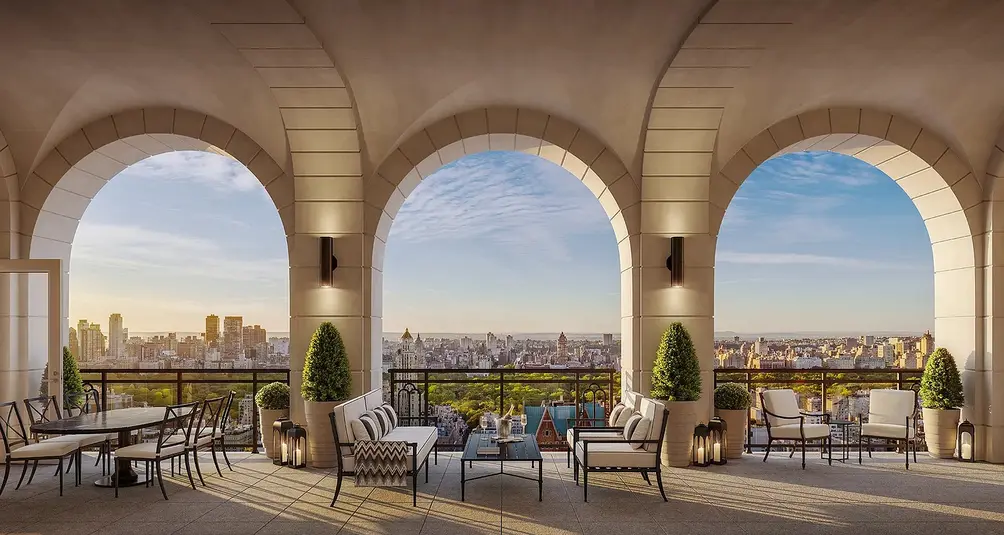 Rendering of a loggia space at a sold penthouse at 255 East 77th Street
So for buyers, the question is whether the loggia feels like true usable outdoor space. A good one should be wide enough to furnish, open enough to feel airy, and connected to the right room, ideally a living room, dining area, or primary suite. A bad one can feel dark, cramped, or like the layout was sacrificed for a marketing feature. Good private outdoor space remains rare and expensive in Manhattan, and the active listings with loggias shown below sure make that clear.
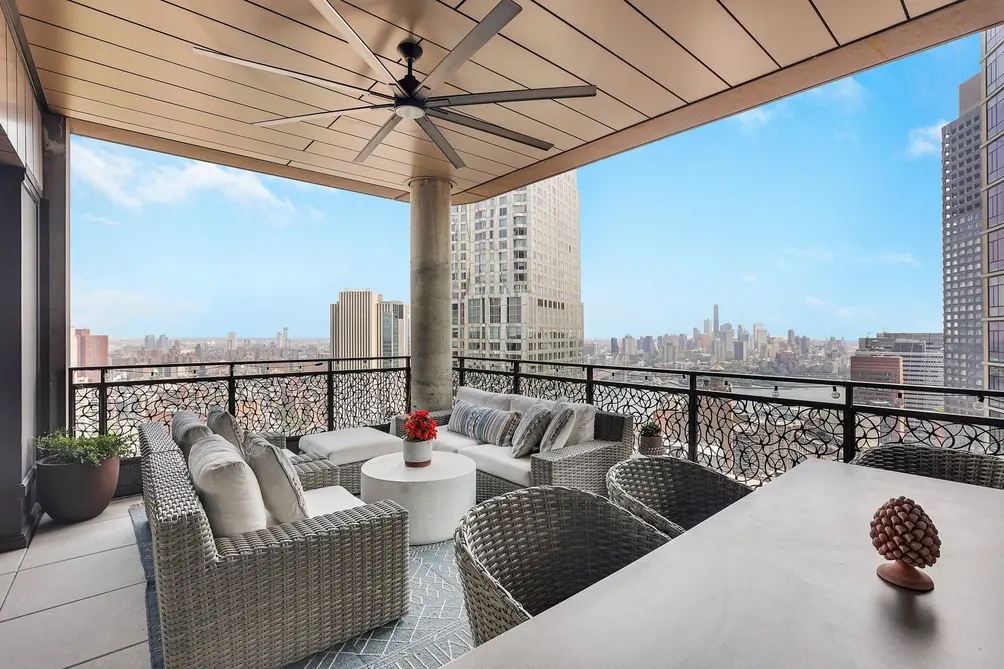 25 Park Row, #33C | https://www.cityrealty.com/nyc/financial-district/25-park-row/77071/33C/DrJlXMNorvFuV
And for those who are unsure how to pronounce loggia:
Would you like to tour any of these properties?
Just complete the info below.
Or call us at (212) 755-5544
Active NYC listings with loggias
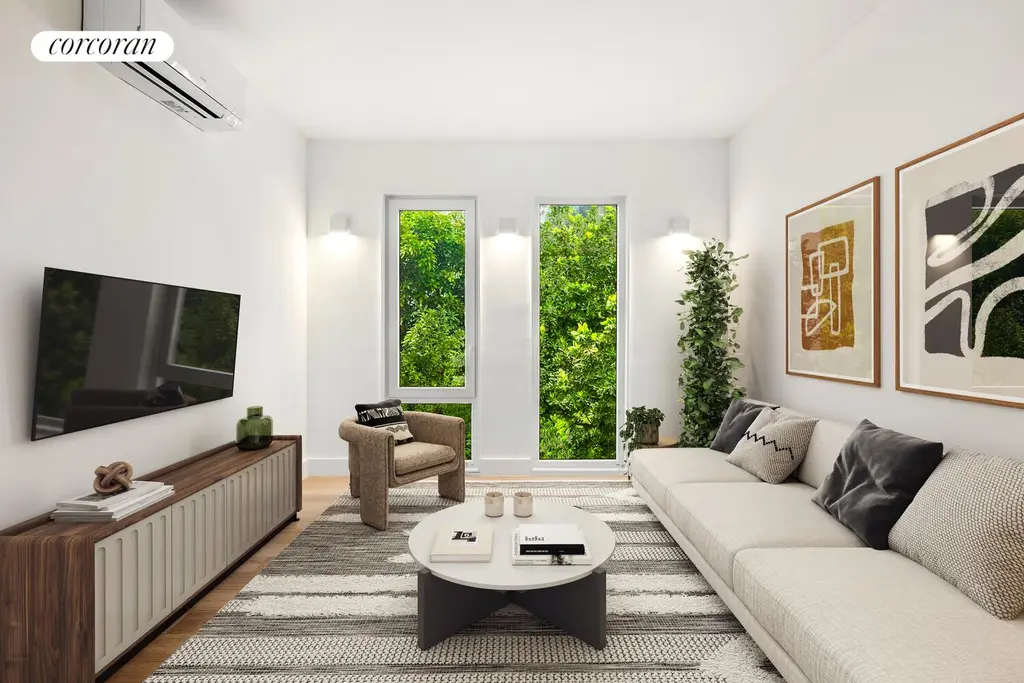
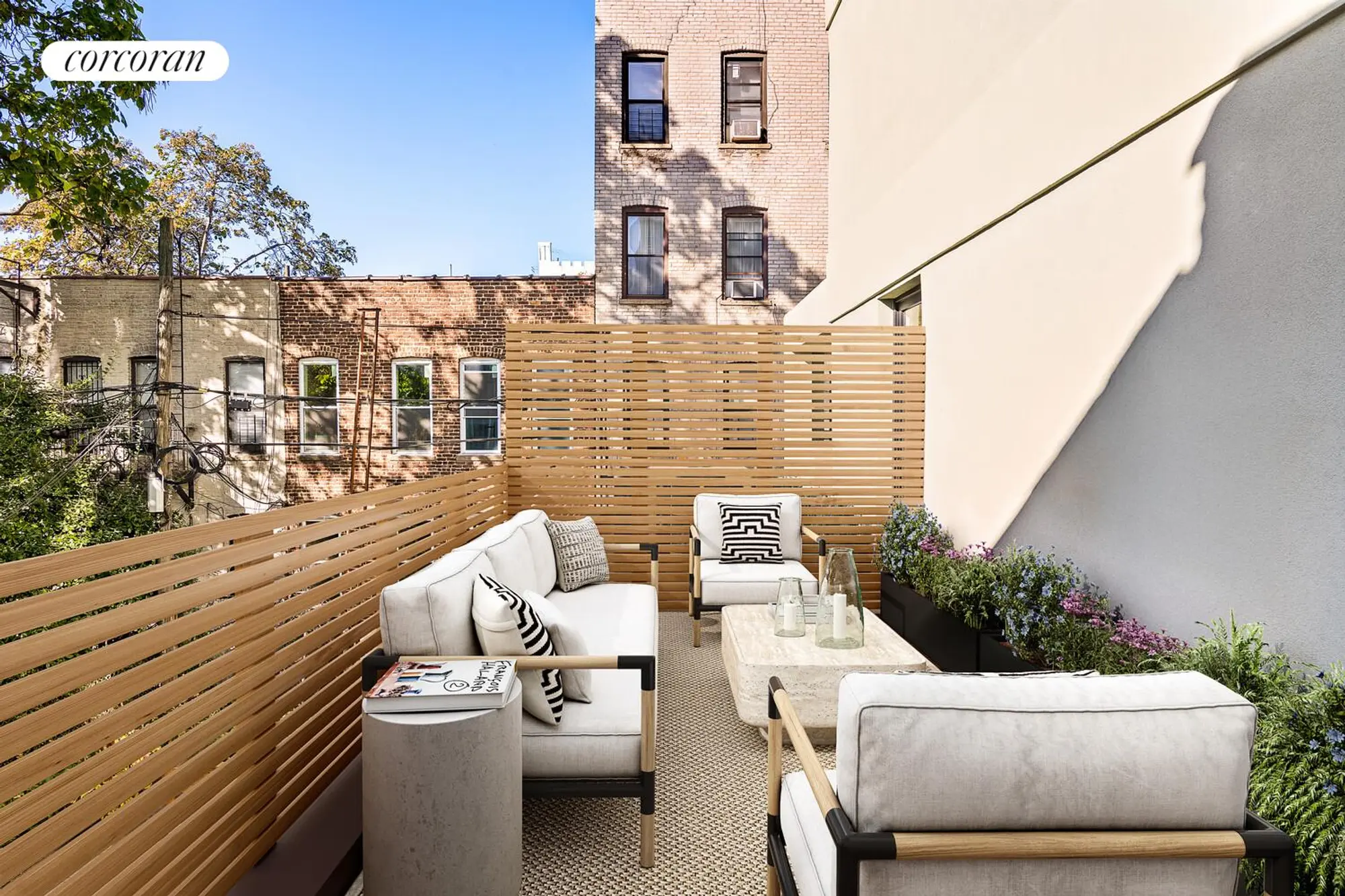
Calvert House, #4K
$675,000 (-3.6%)
Prospect Lefferts Gardens | Condominium | 1 Bedroom, 1 Bath | 641 ft2
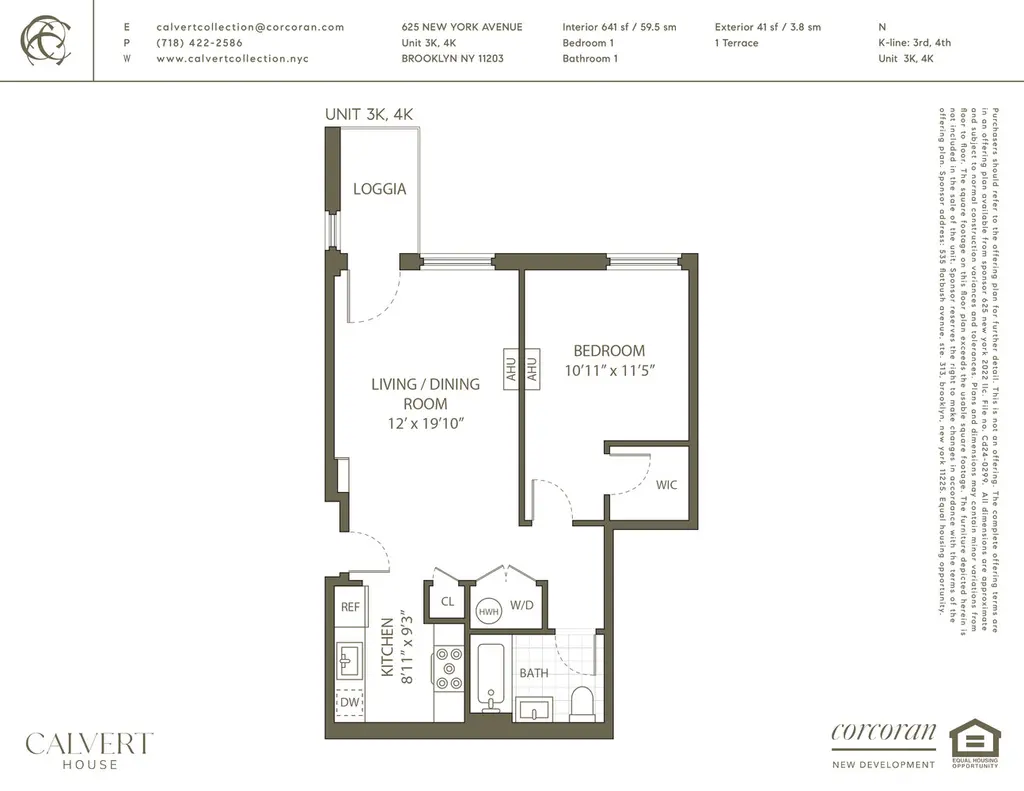
Calvert House, #4K (Corcoran Group)
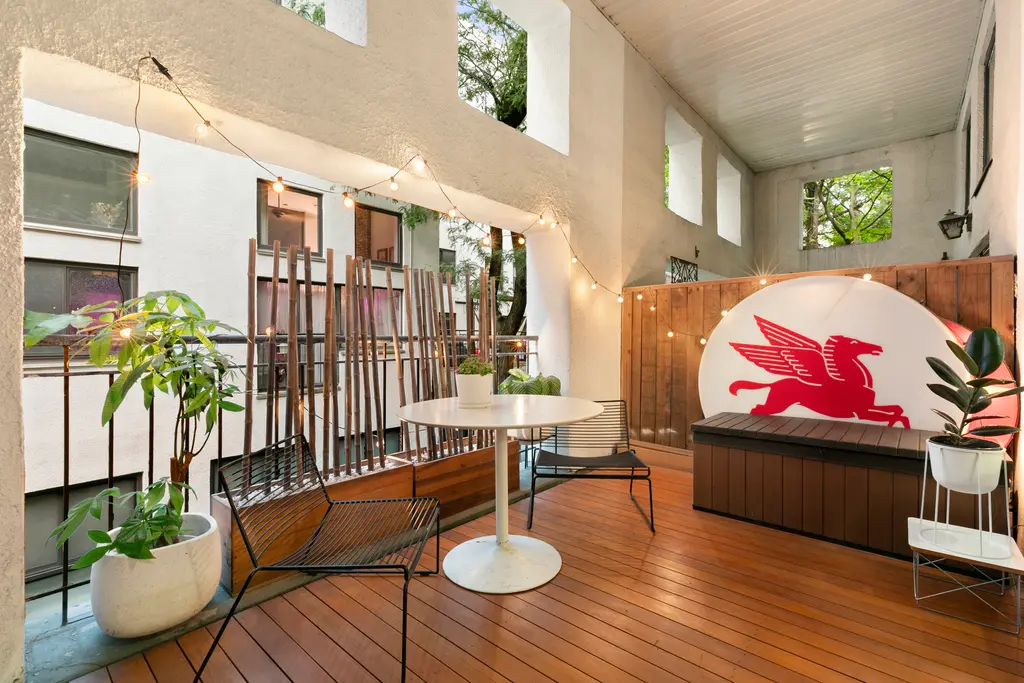
121 Pacific Street, #P1B (Douglas Elliman Real Estate)
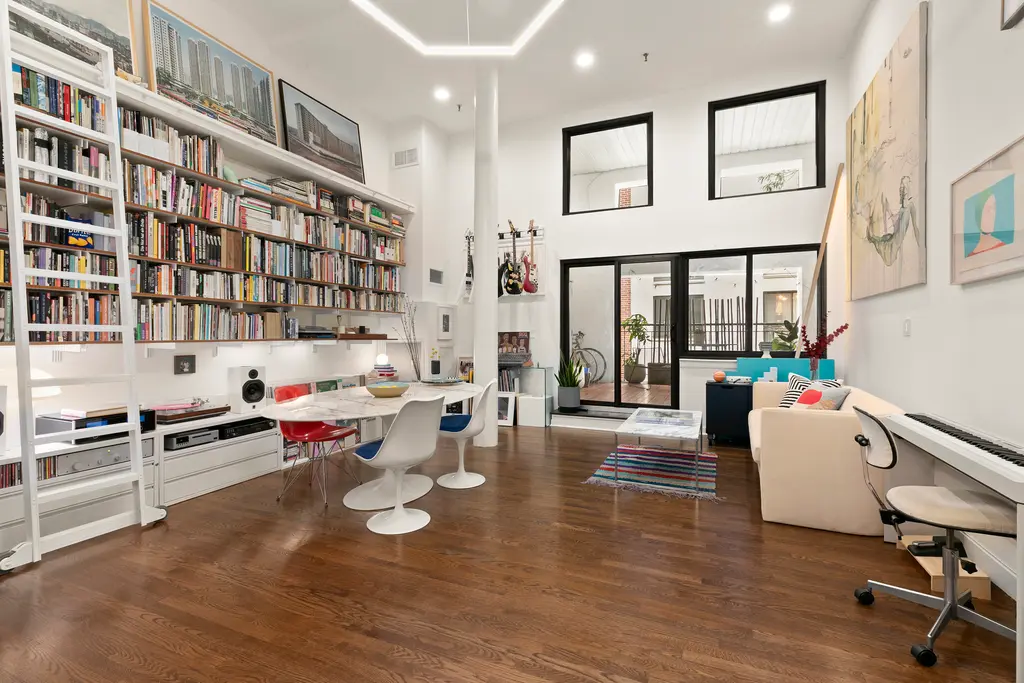
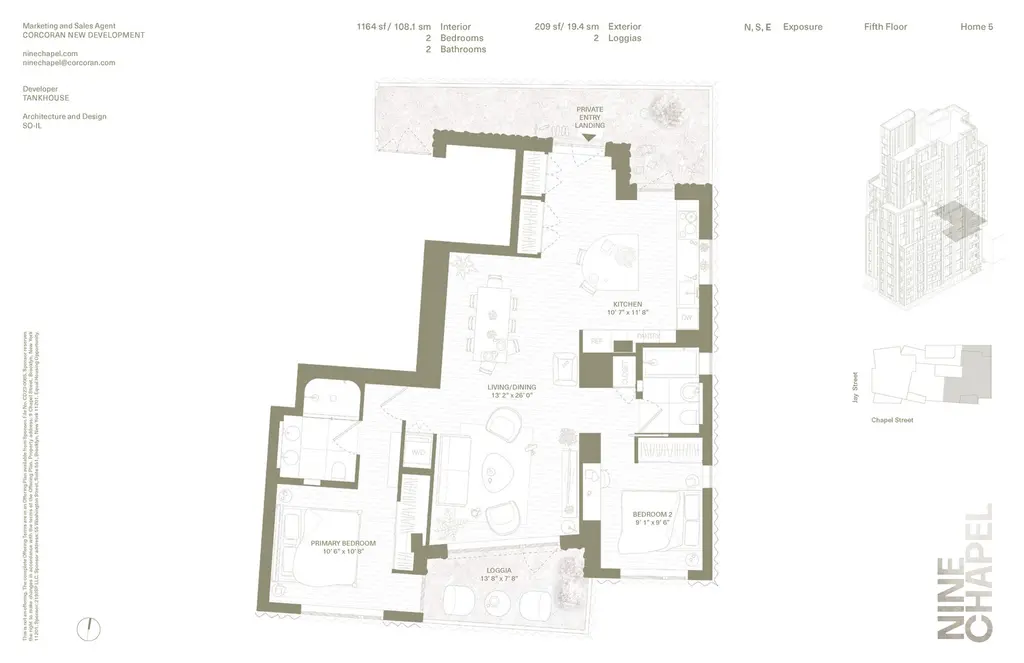
Nine Chapel, #5 (Corcoran Group)
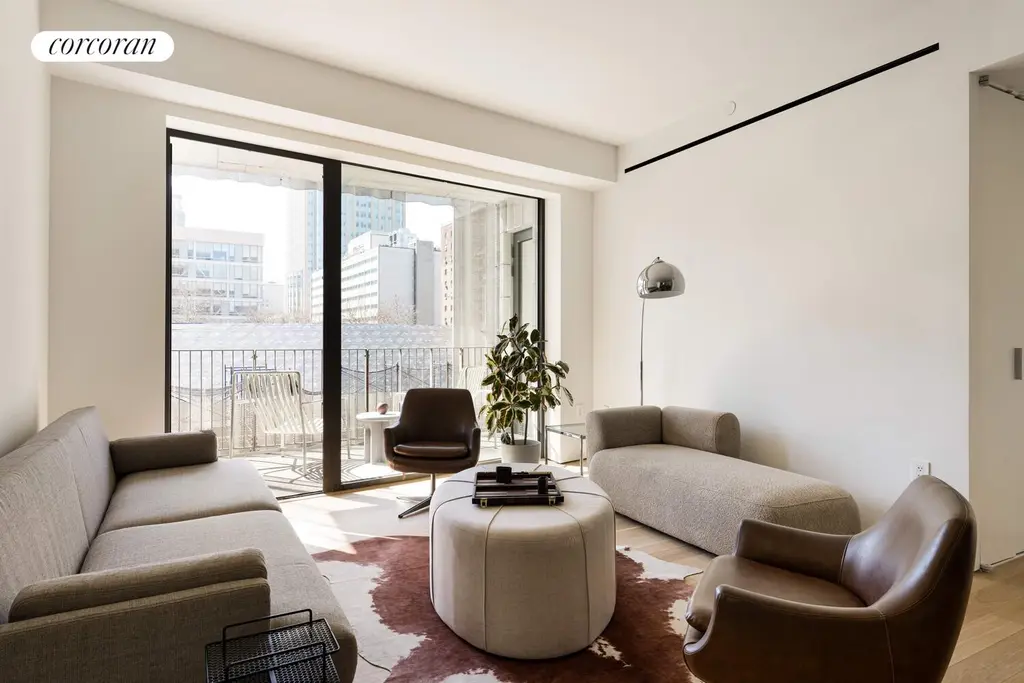
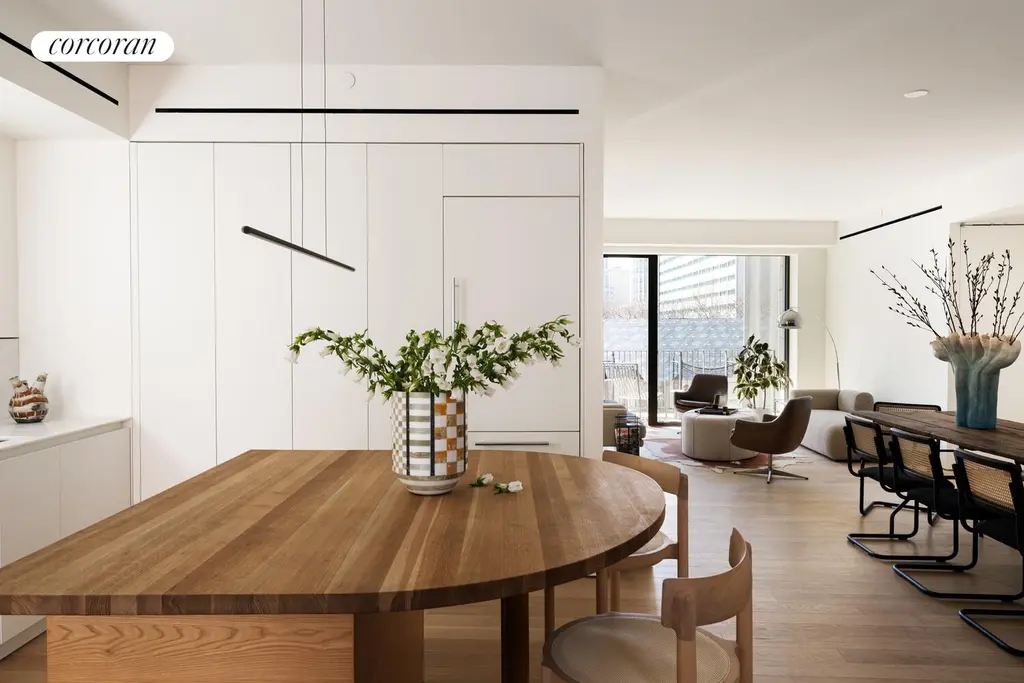
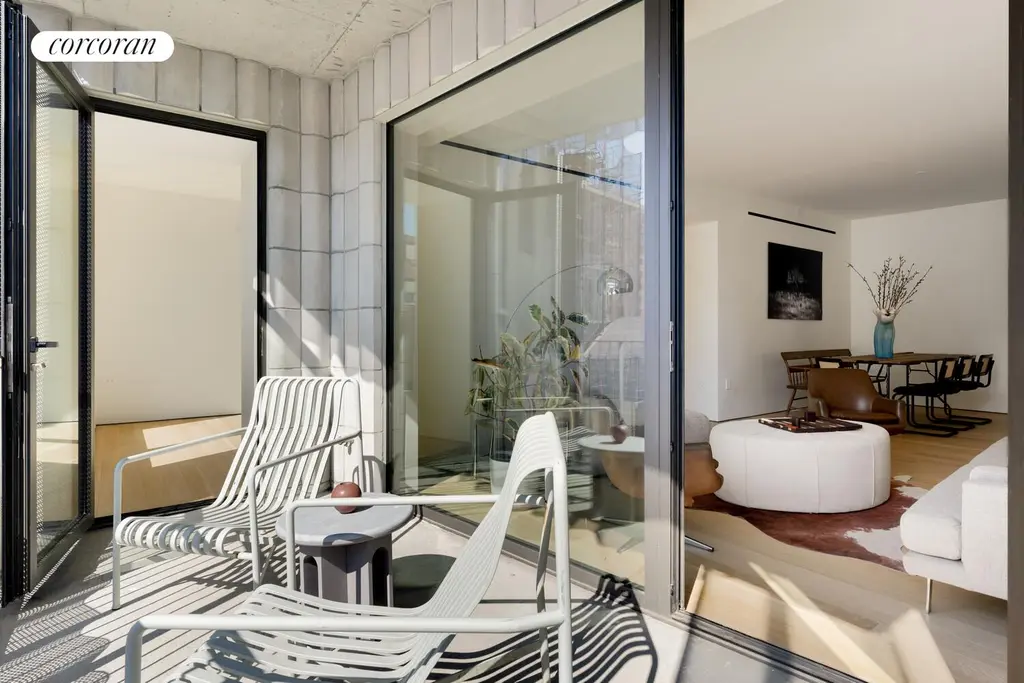
Nine Chapel, #6C
$1,750,000 (-3.8%)
Downtown Brooklyn | Condominium | 2 Bedrooms, 2 Baths | 1,164 ft2
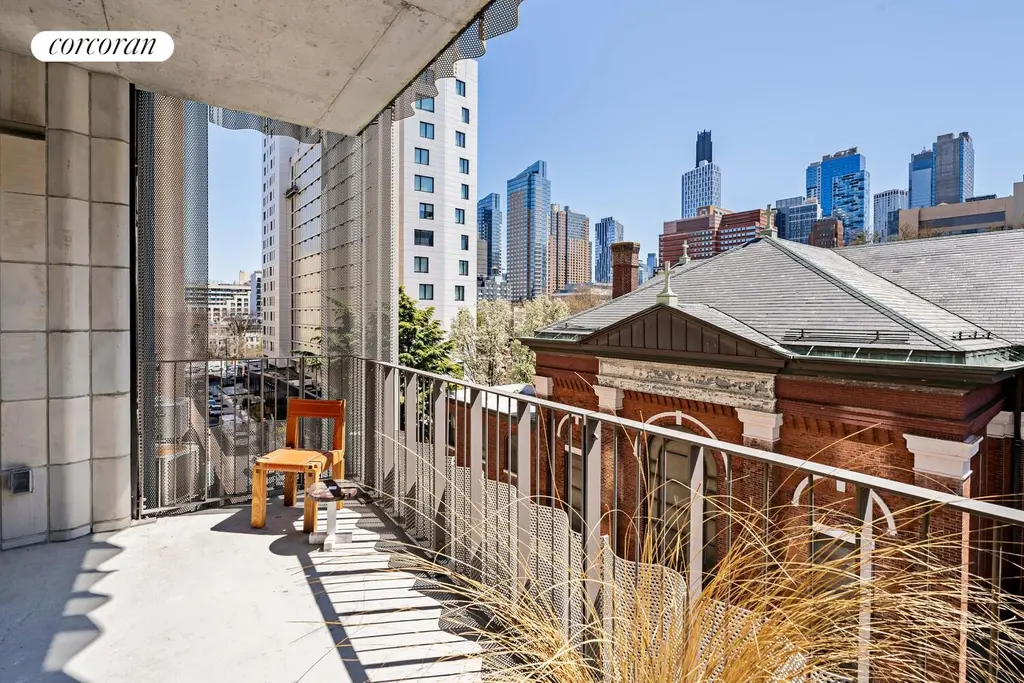
Nine Chapel, #6C (Corcoran Group)
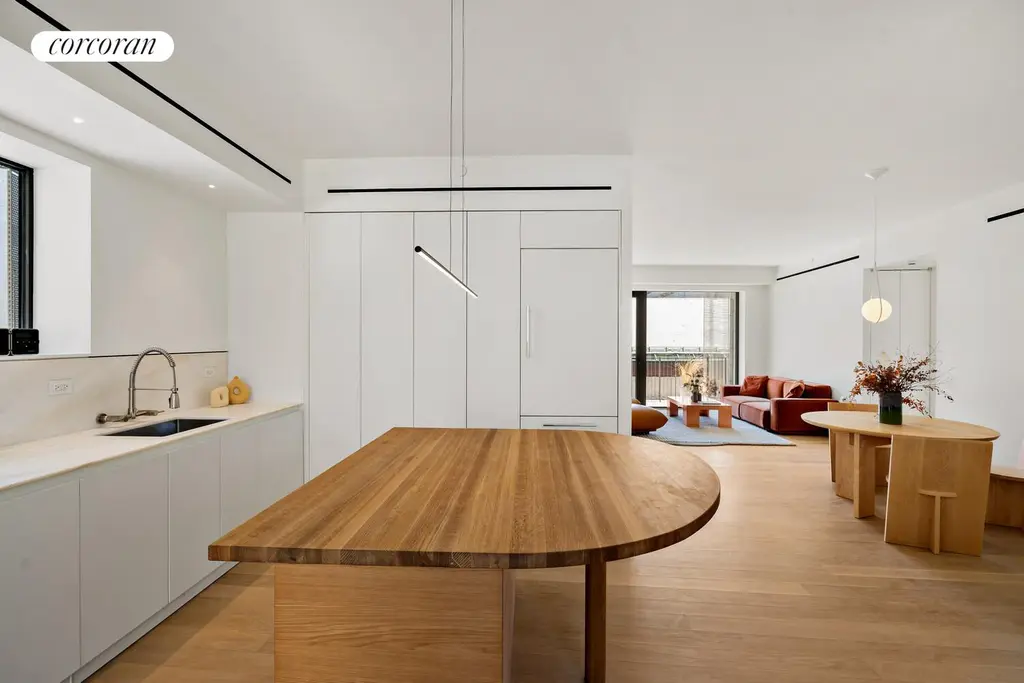
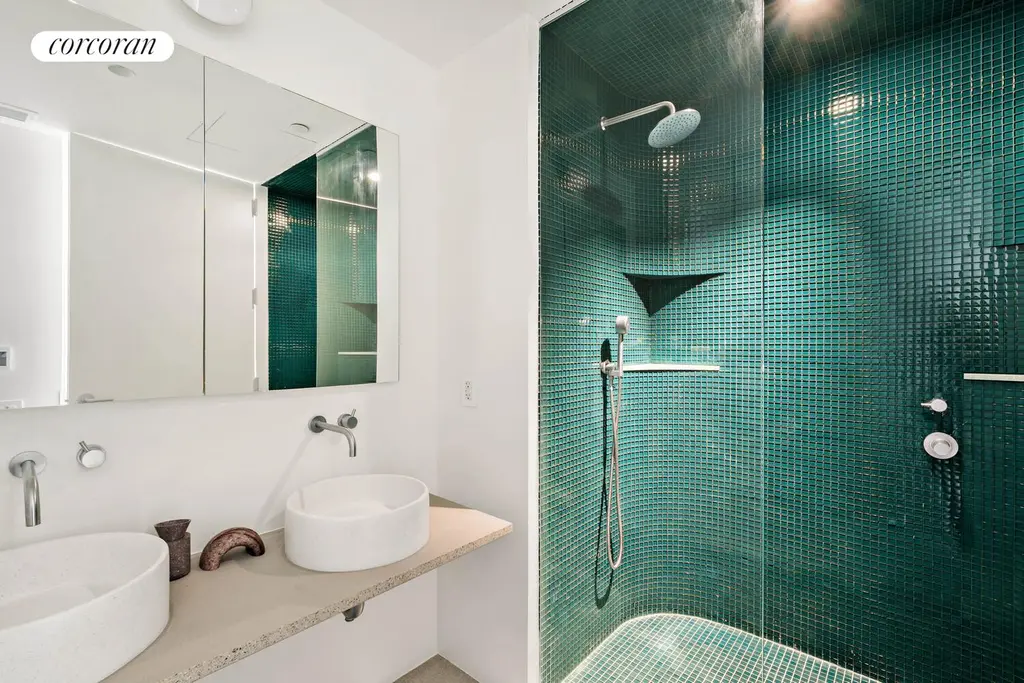
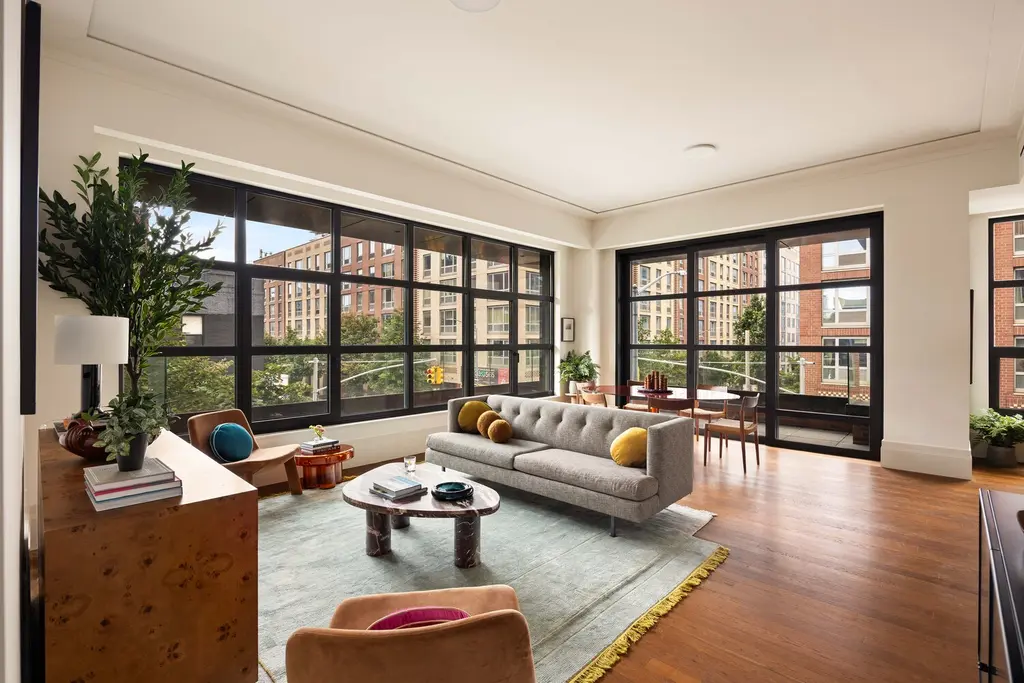
The Sixth, #2B (Corcoran Group)
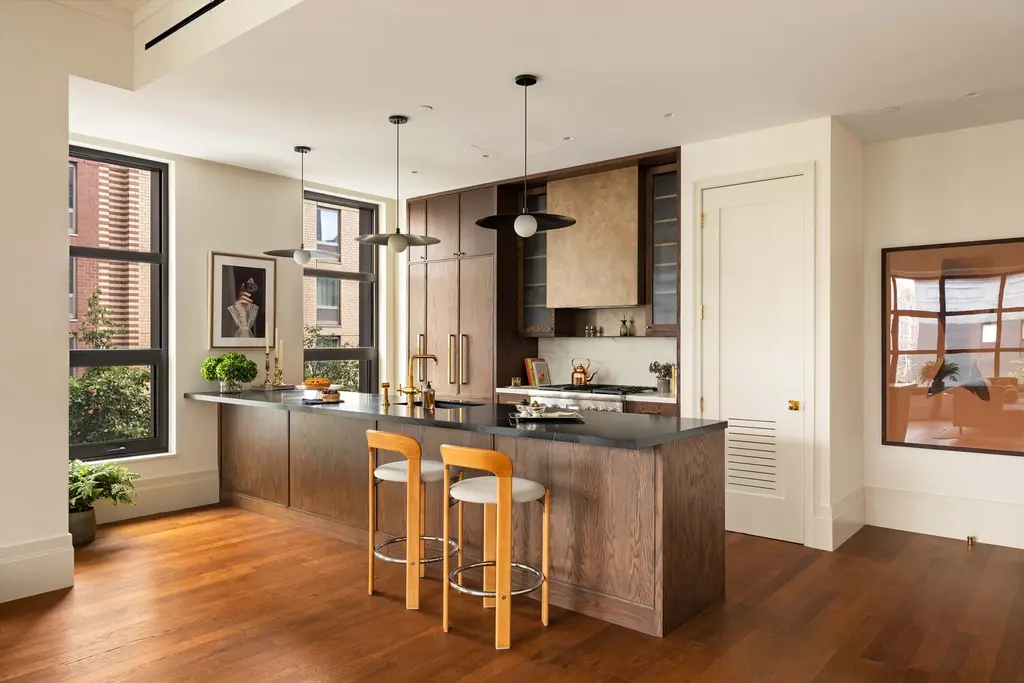
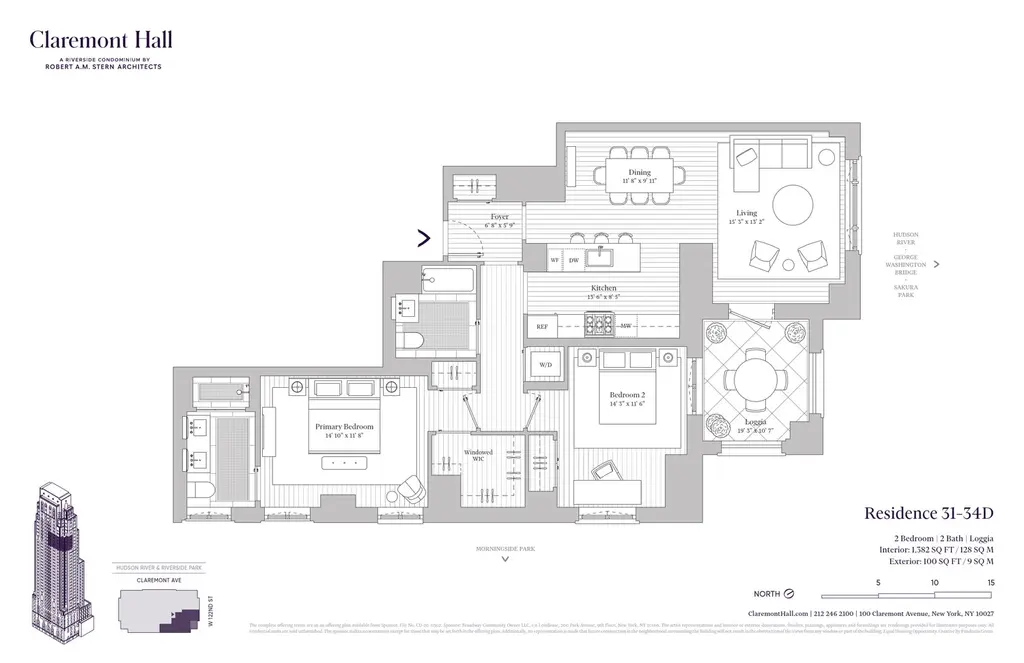
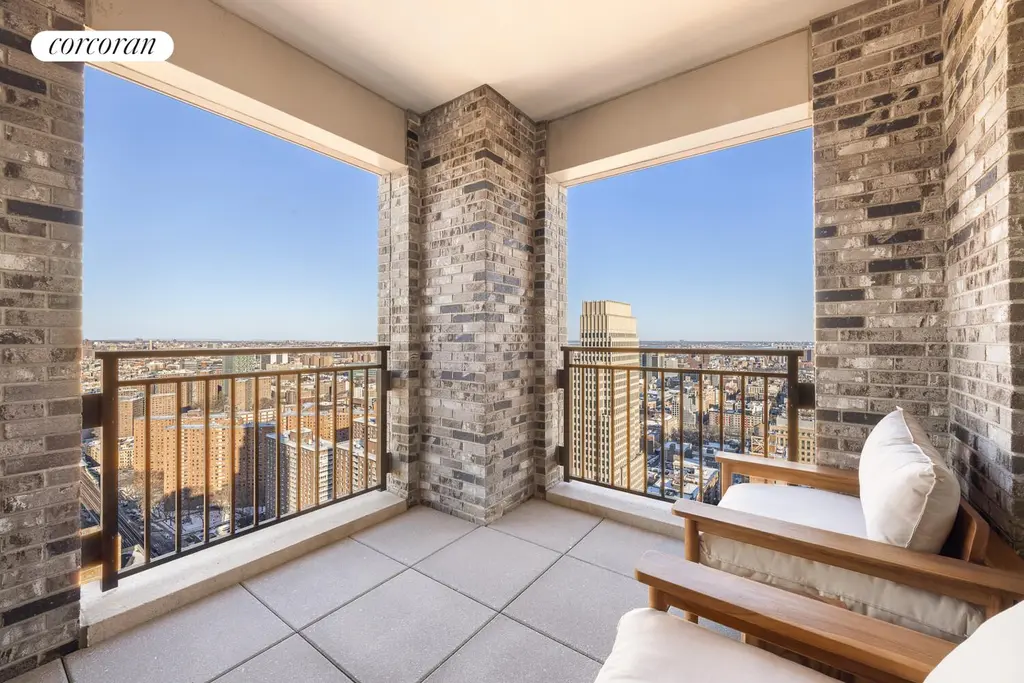
Claremont Hall, #31D (Corcoran Sunshine Marketing Group)
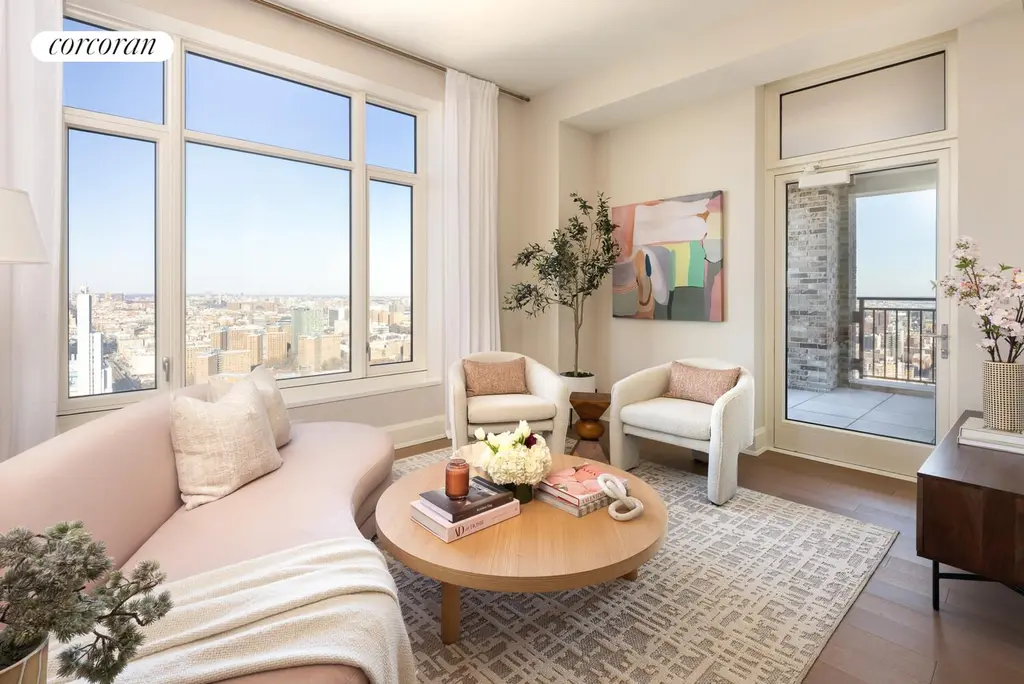
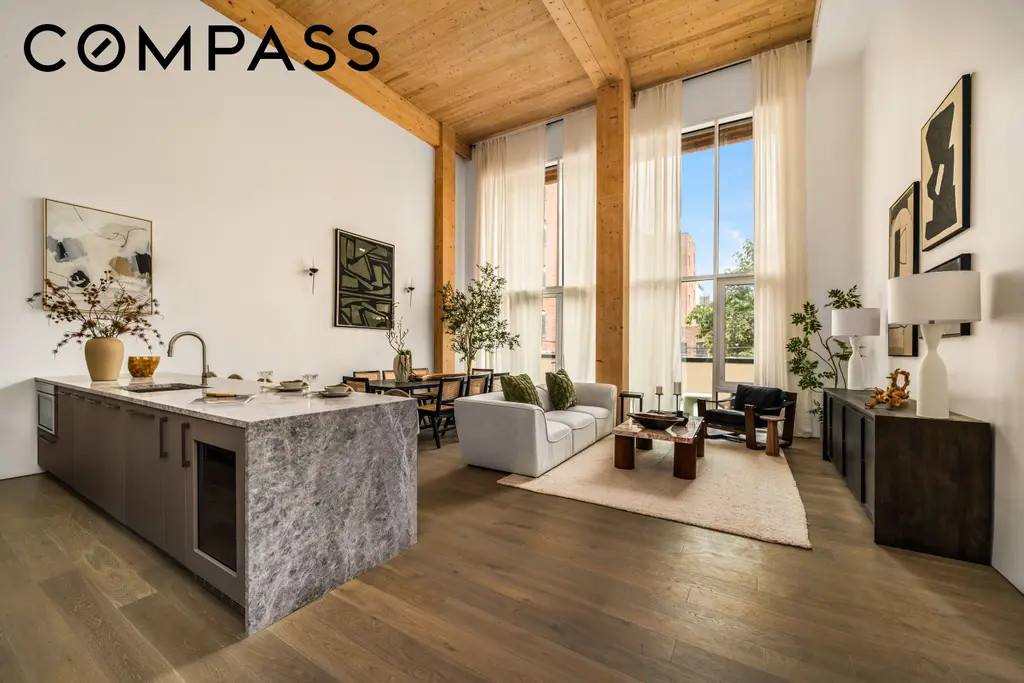
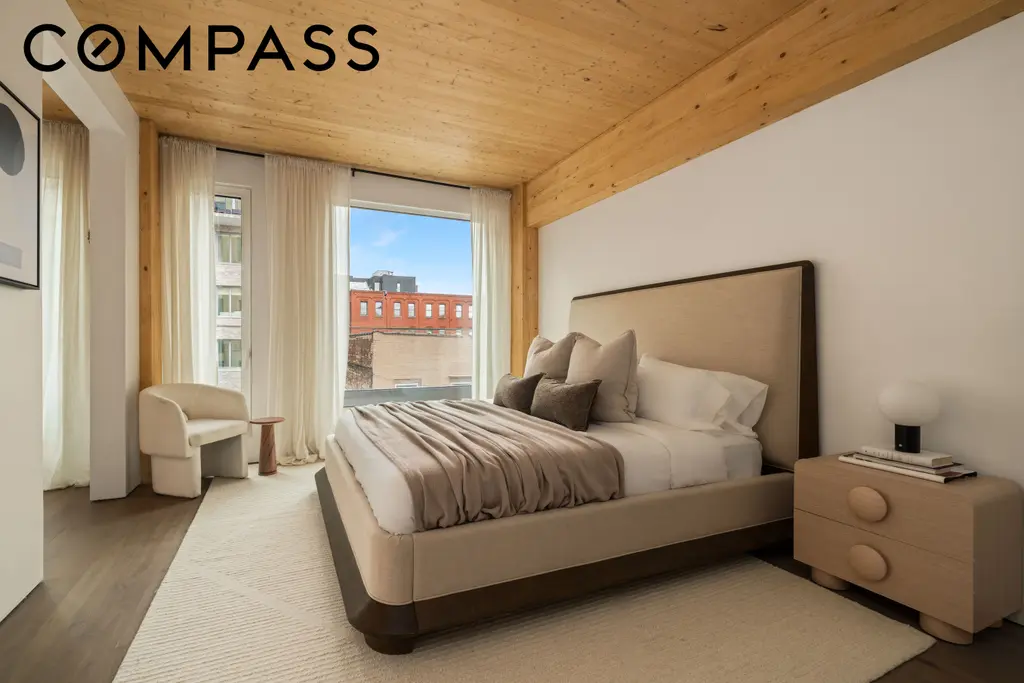
Timberburg, #4C (Compass)
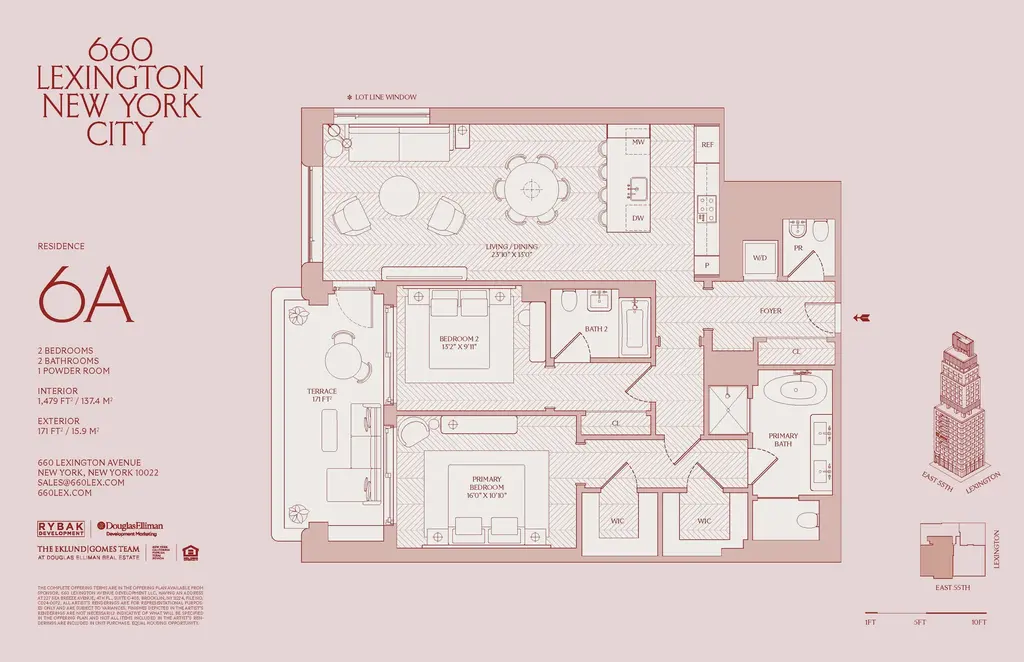
660 Lexington Avenue, #6A (Douglas Elliman Real Estate)
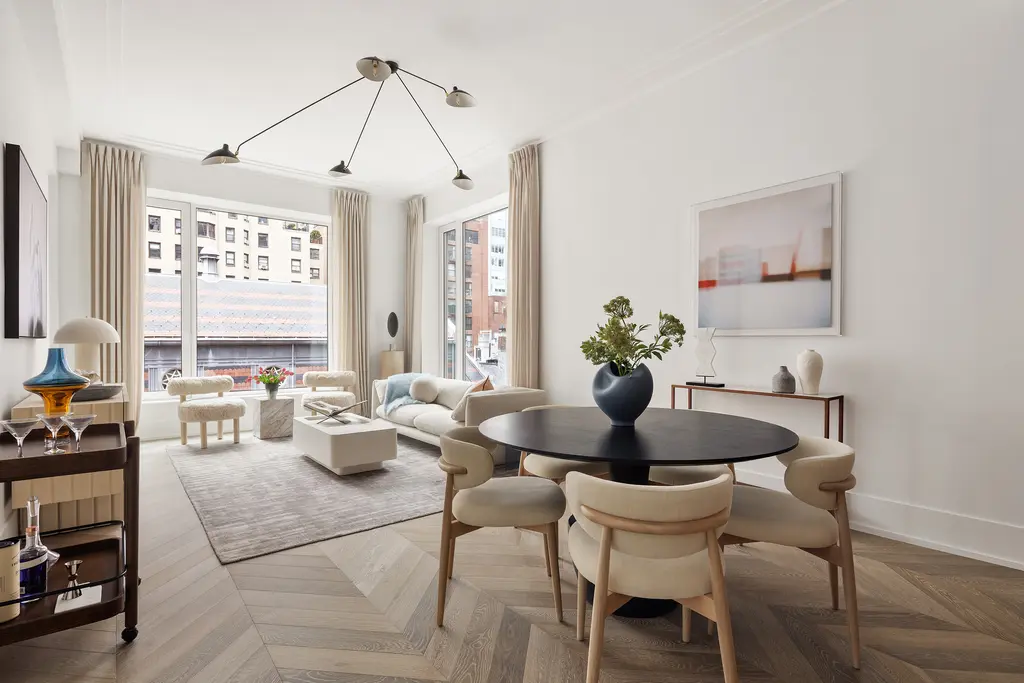
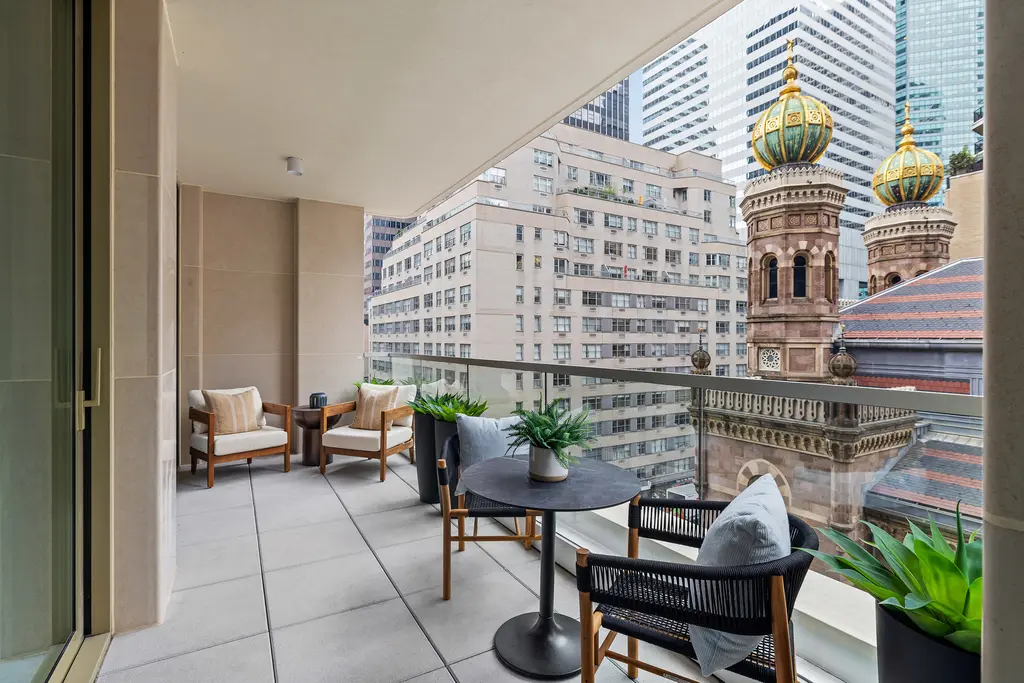
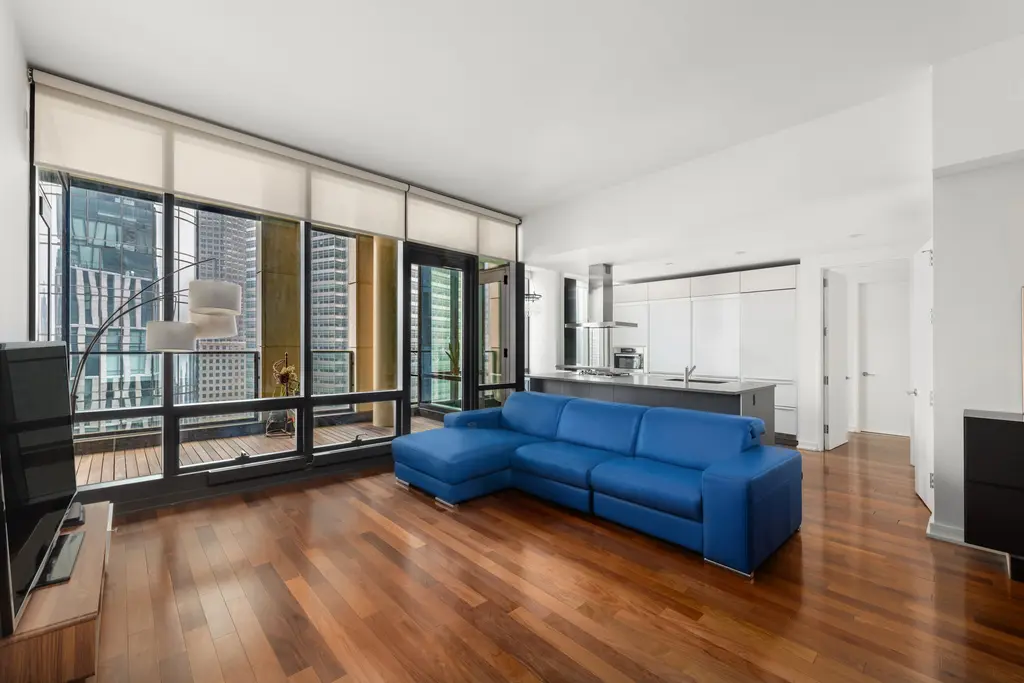
101 Warren Street, #3140 (Douglas Elliman Real Estate)
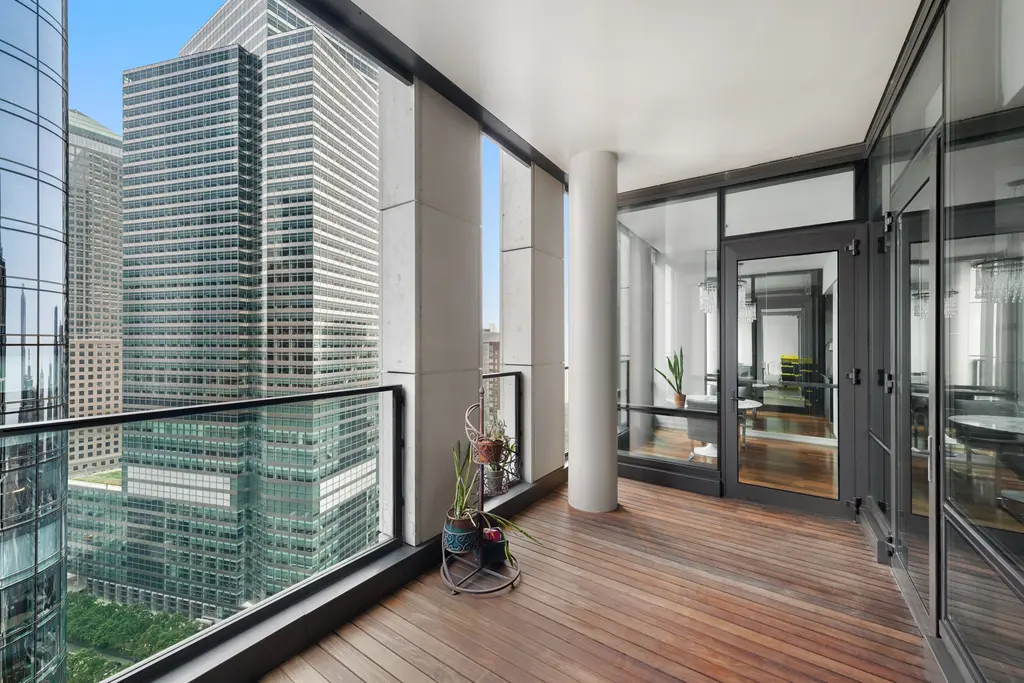
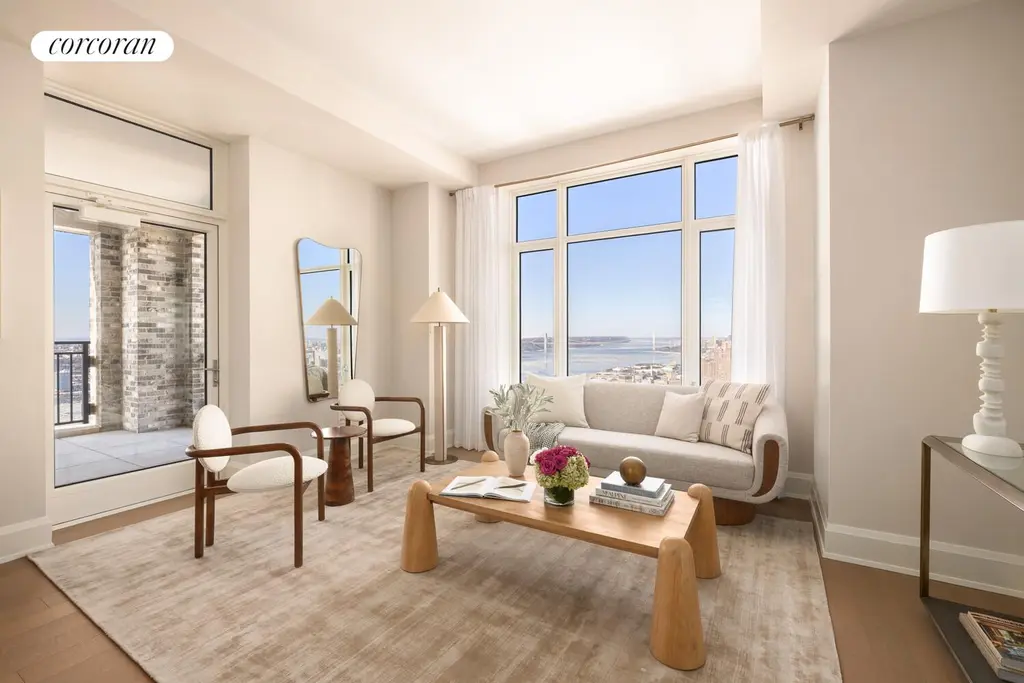
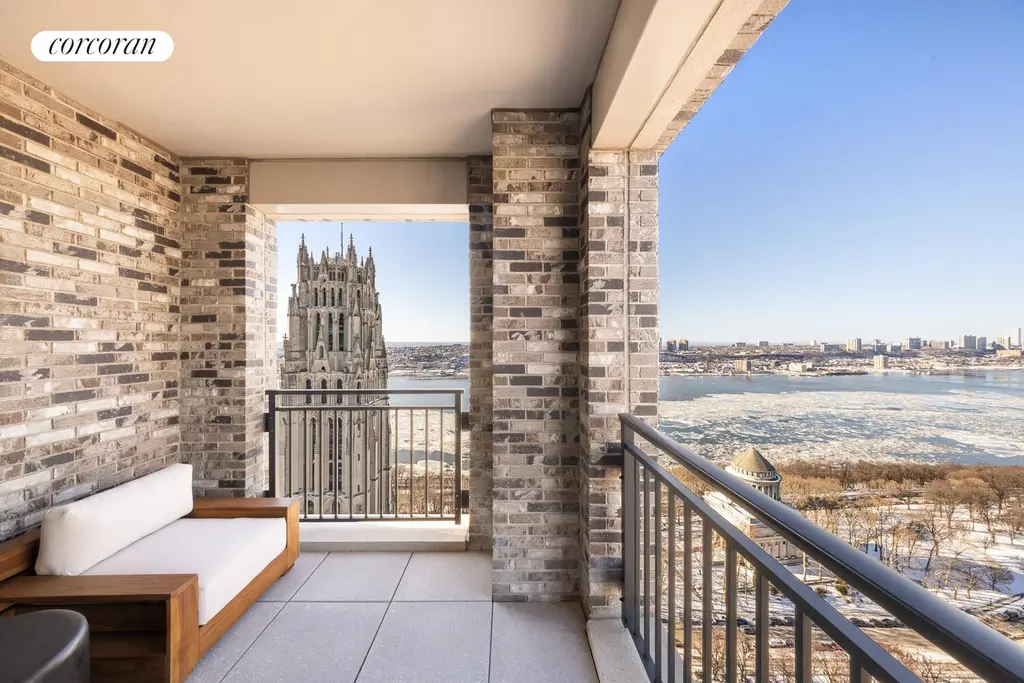
Claremont Hall, #31C
$3,975,000
Morningside Heights | Condominium | 3 Bedrooms, 2.5 Baths | 1,663 ft2
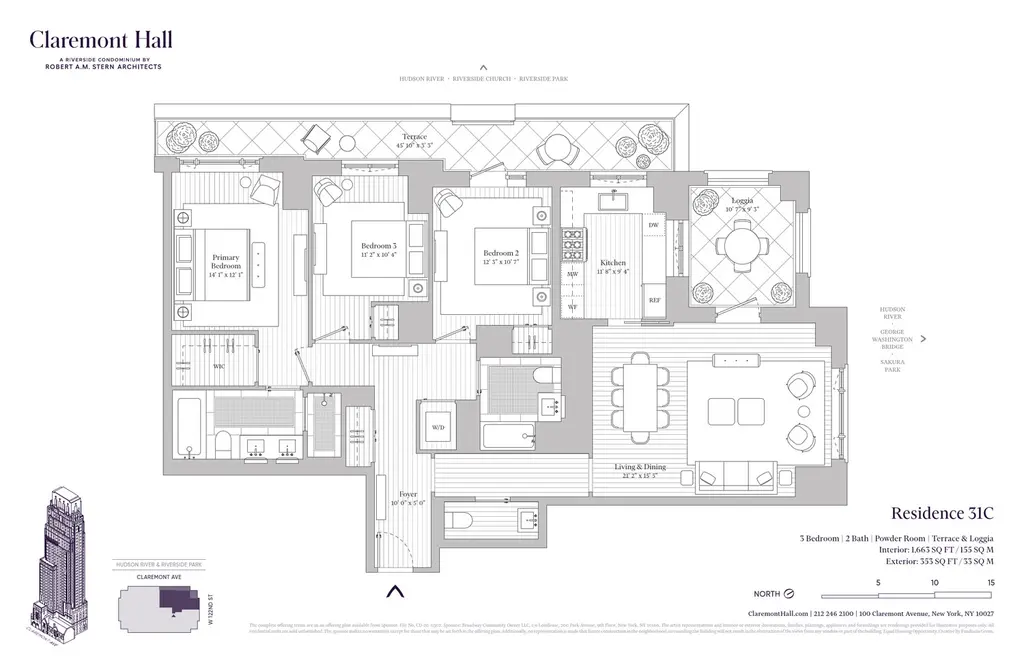
Claremont Hall, #31C (Corcoran Sunshine Marketing Group)
25 Park Row, #33C
$4,695,000 (-3.2%)
Financial District | Condominium | 2 Bedrooms, 2.5 Baths | 1,725 ft2
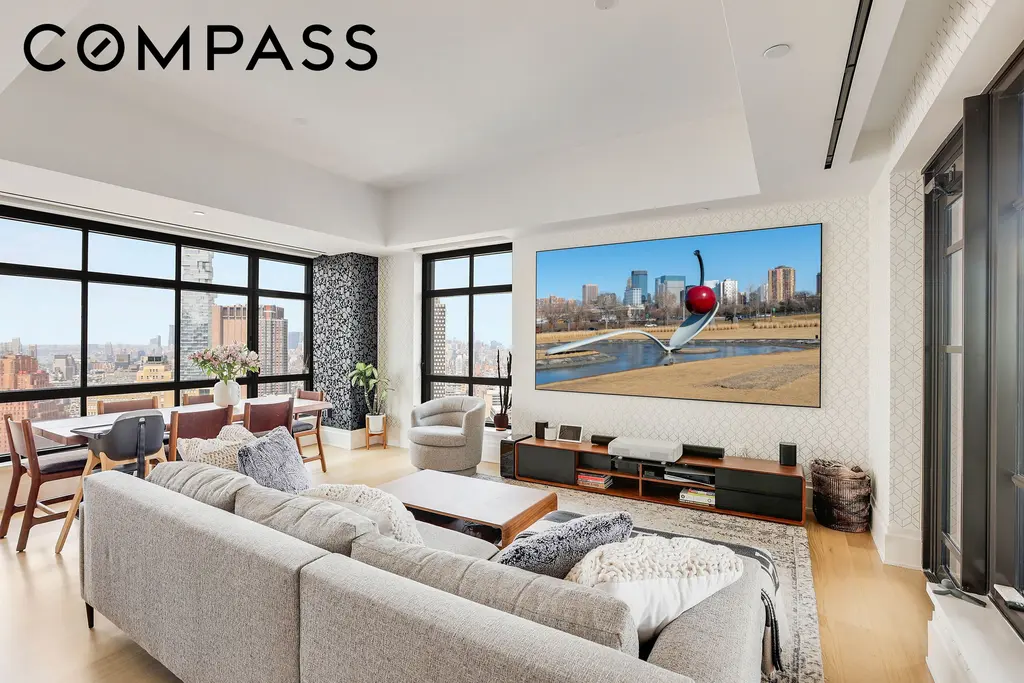
25 Park Row, #33C (Compass)
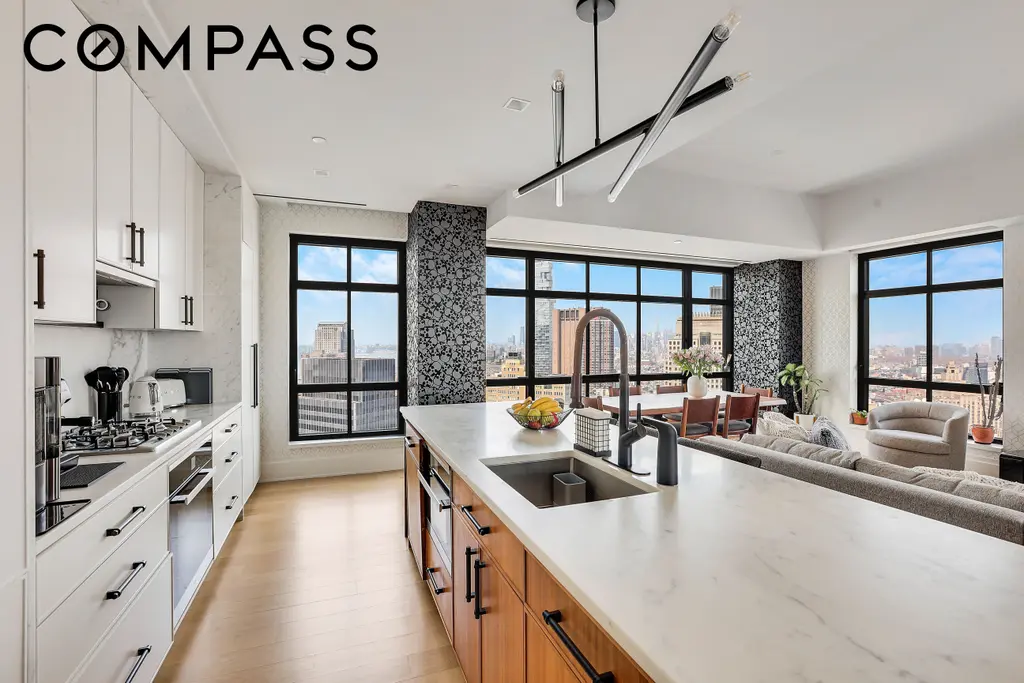
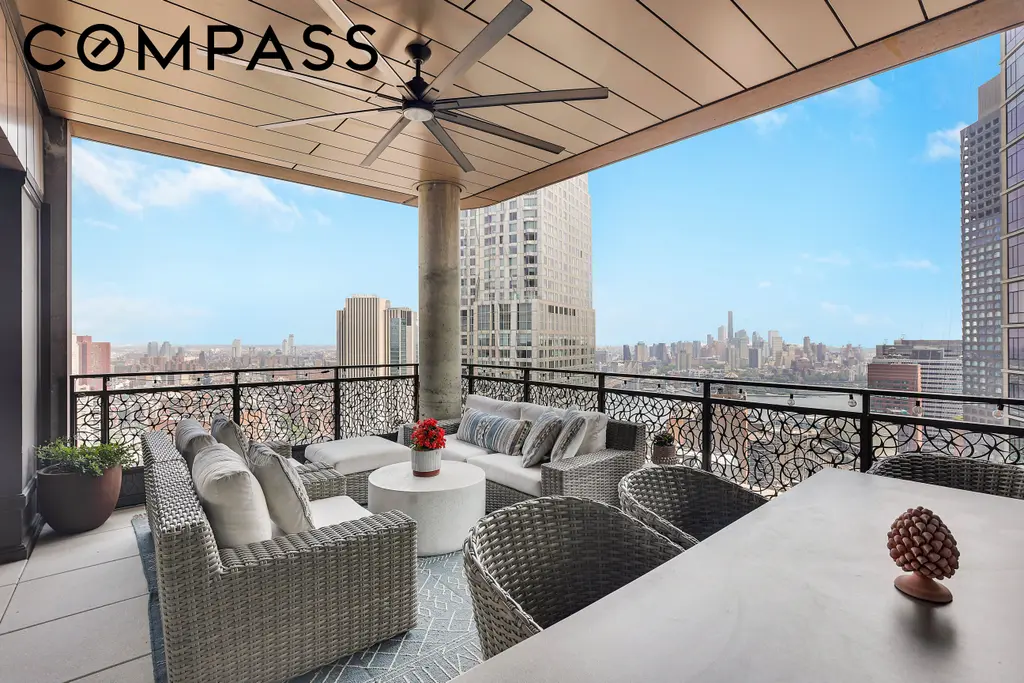
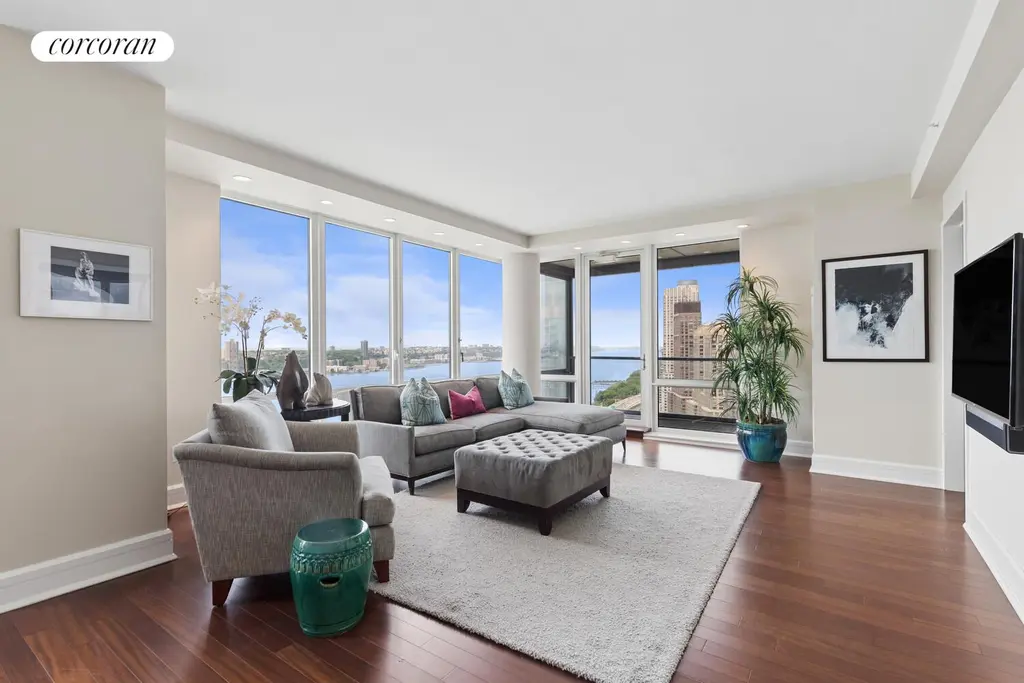
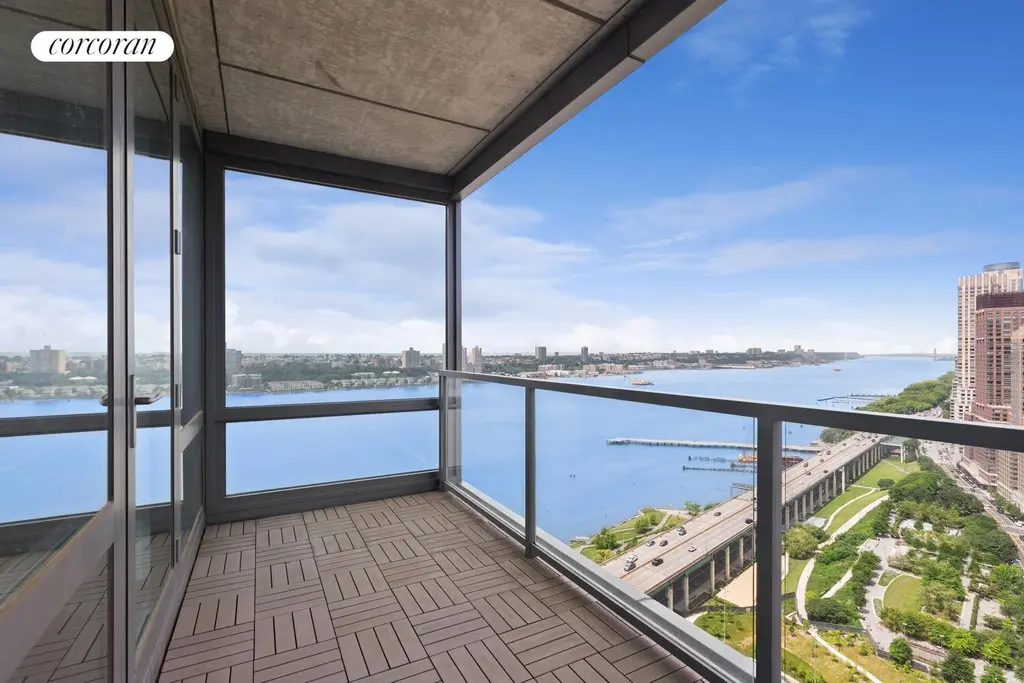
The Aldyn, #3101
$4,850,000
Riverside Dr./West End Ave. | Condominium | 4 Bedrooms, 4 Baths | 2,255 ft2
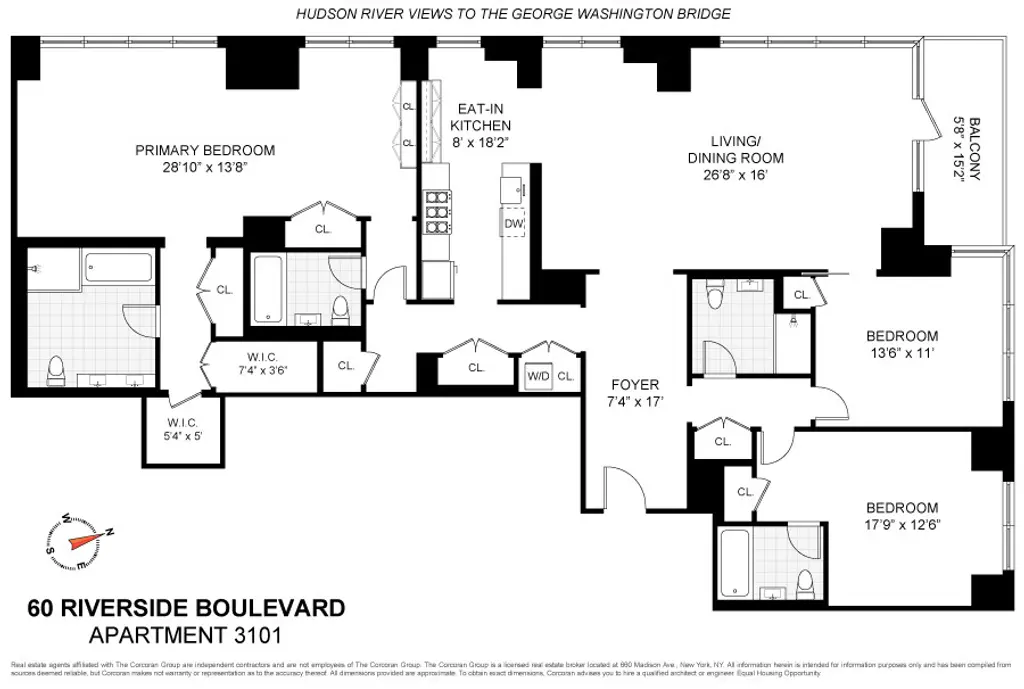
The Aldyn, #3101 (Corcoran Group)
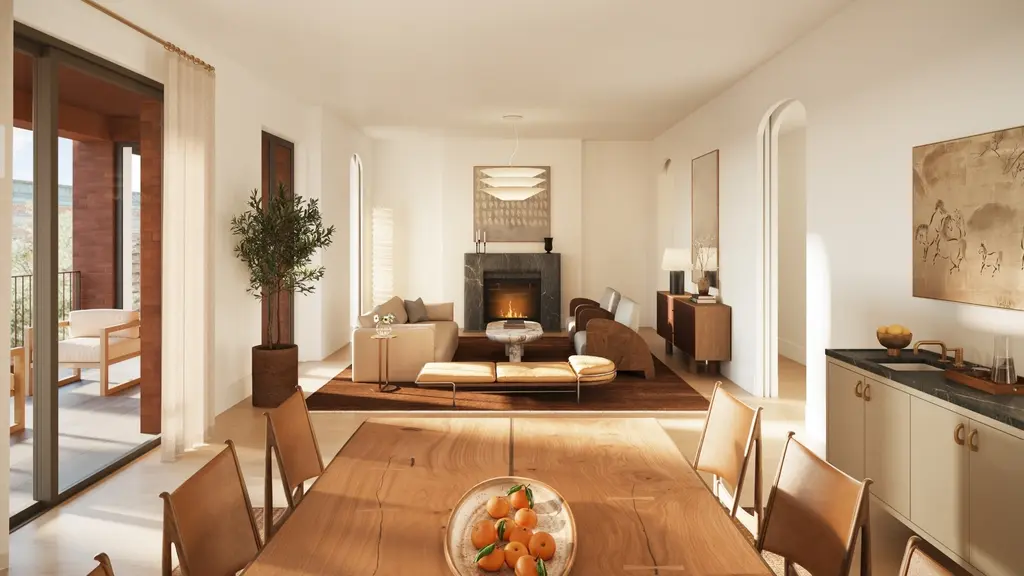
Boerum Place, #203 (AVDOO & PARTNERS DEVELOPMENT MARKETING INC)
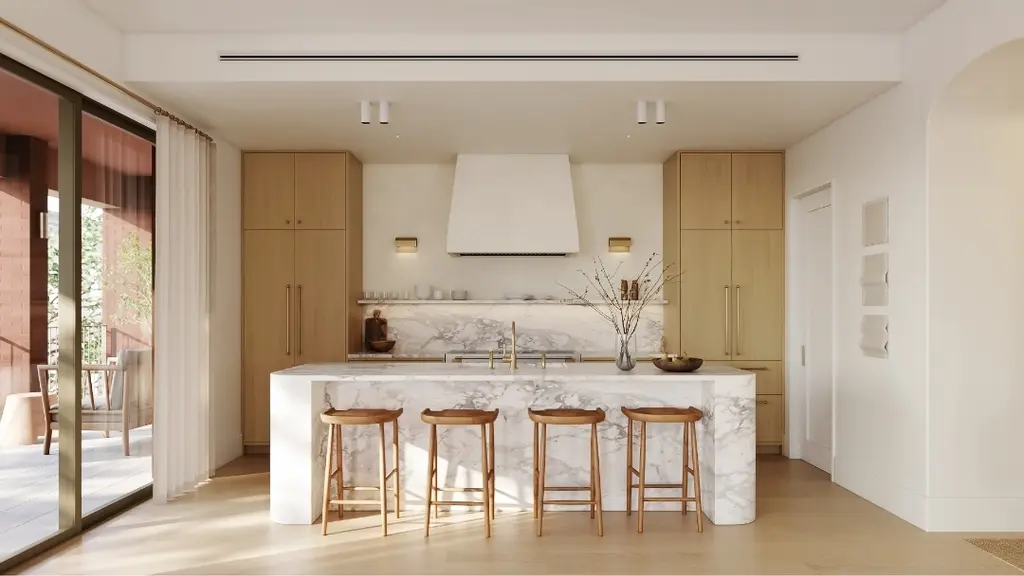
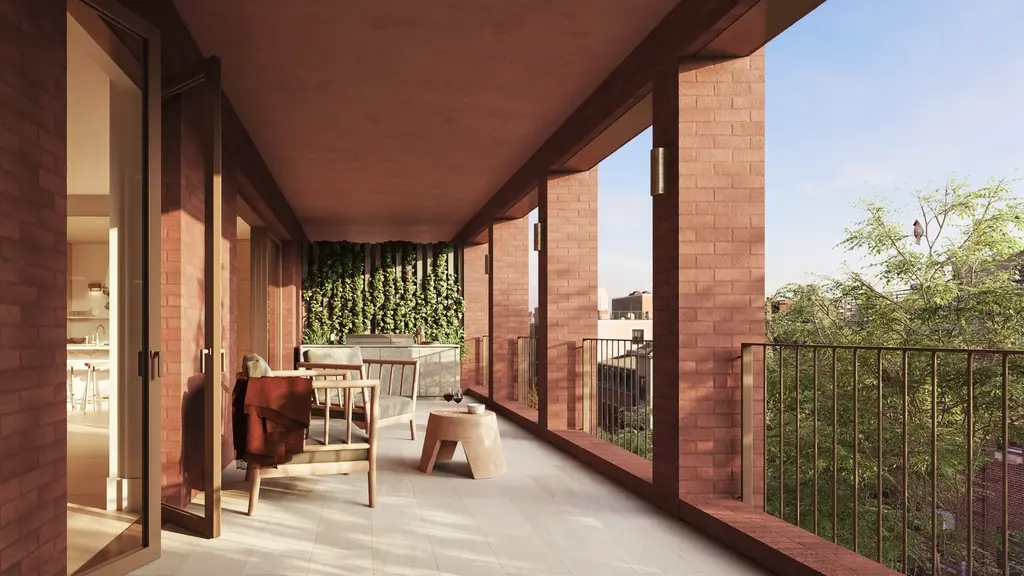
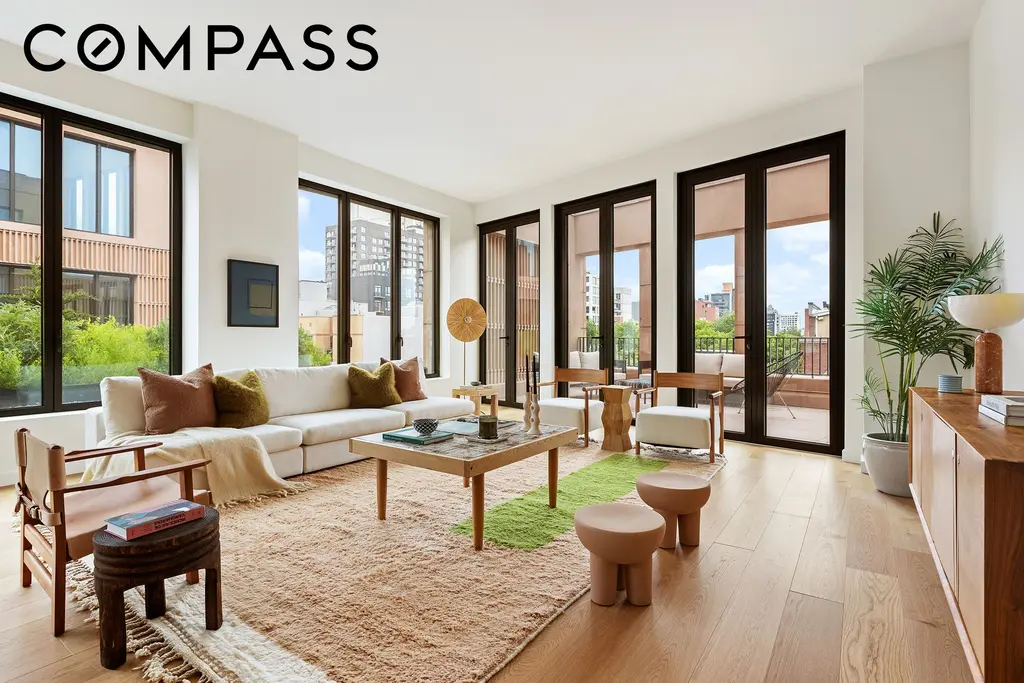
Bergen Brooklyn, #PH601W (Compass)
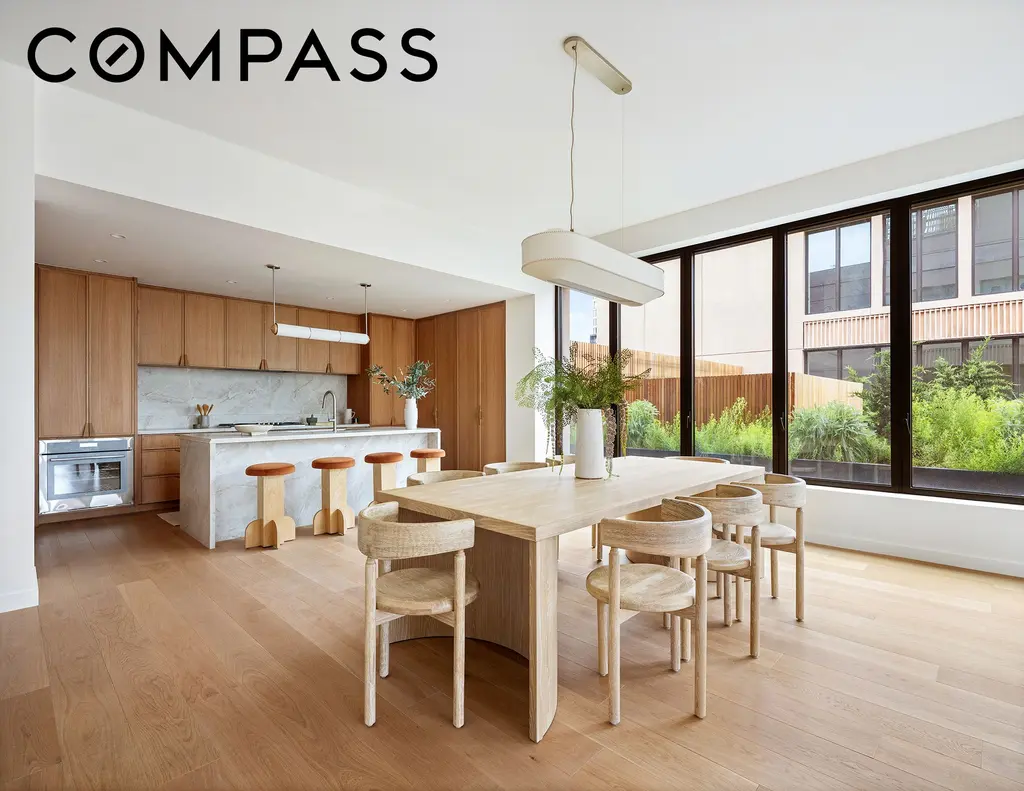
1289 Lexington Avenue, #7D
$5,495,000
Carnegie Hill | Condominium | 3 Bedrooms, 3.5 Baths | 2,428 ft2
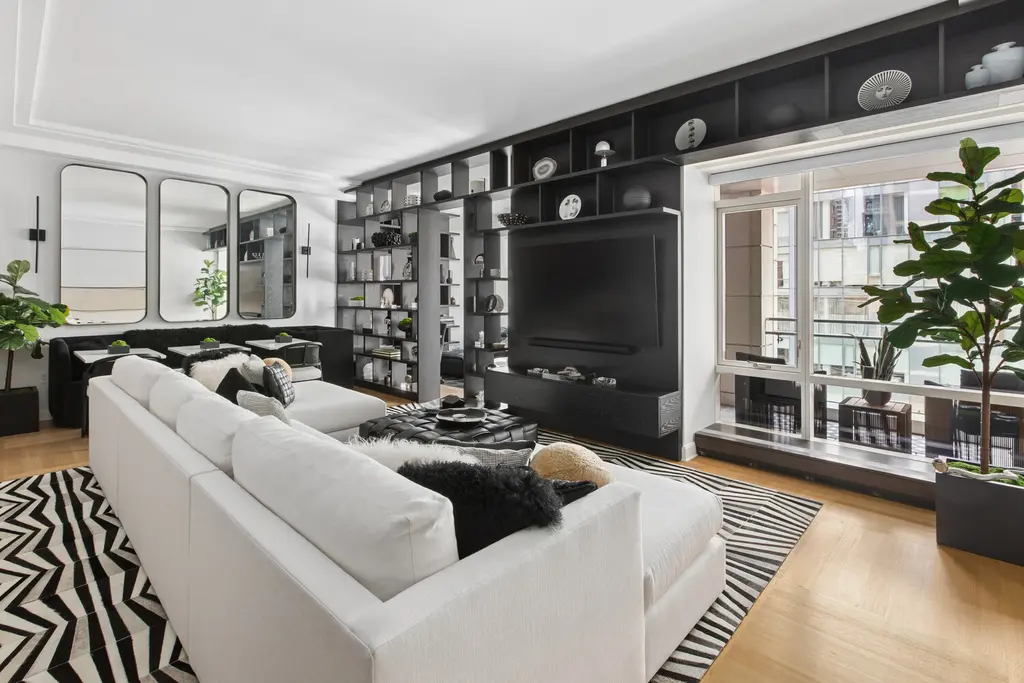
1289 Lexington Avenue, #7D (Corcoran Group)
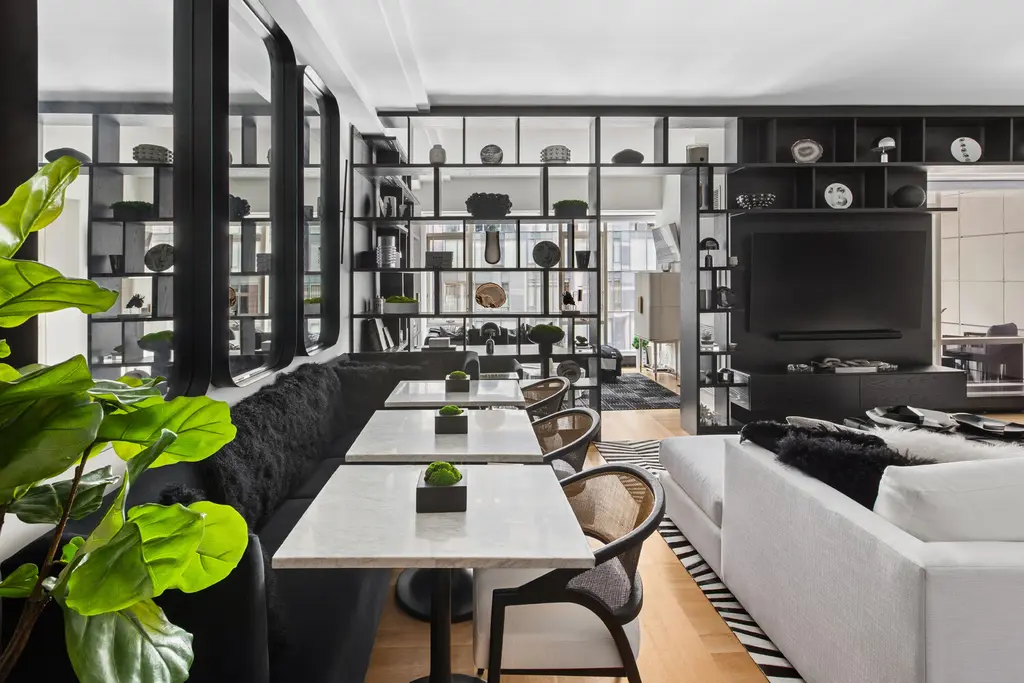
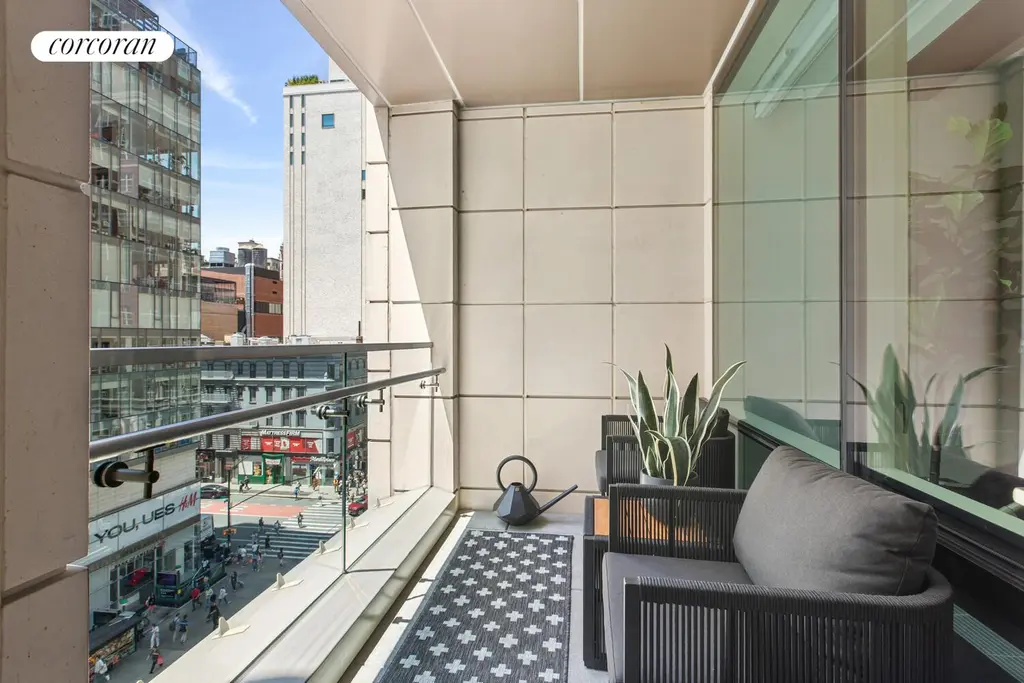
77 Greenwich Street, #PH
$9,500,000 (-2.6%)
Financial District | Condominium | 4 Bedrooms, 5.5 Baths | 3,531 ft2
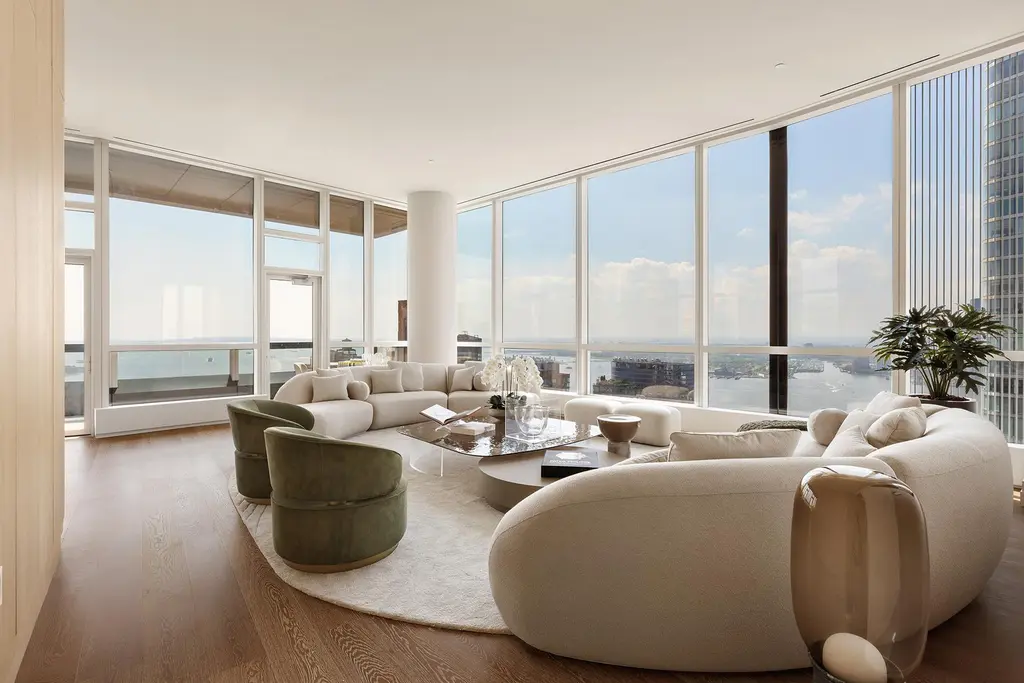
77 Greenwich Street, #PH (Reuveni LLC)
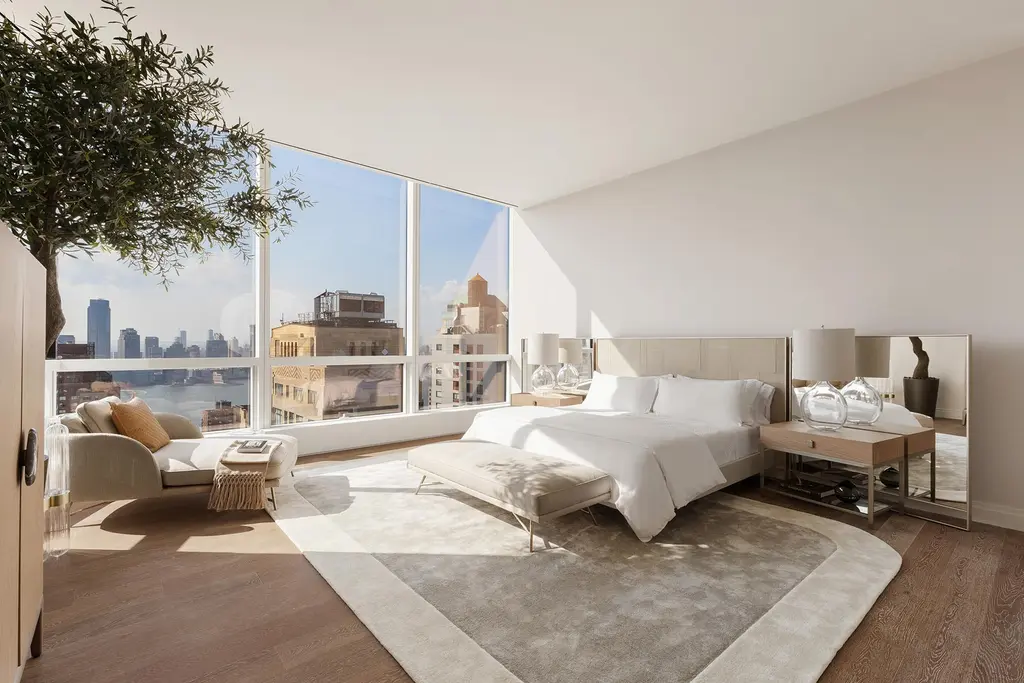
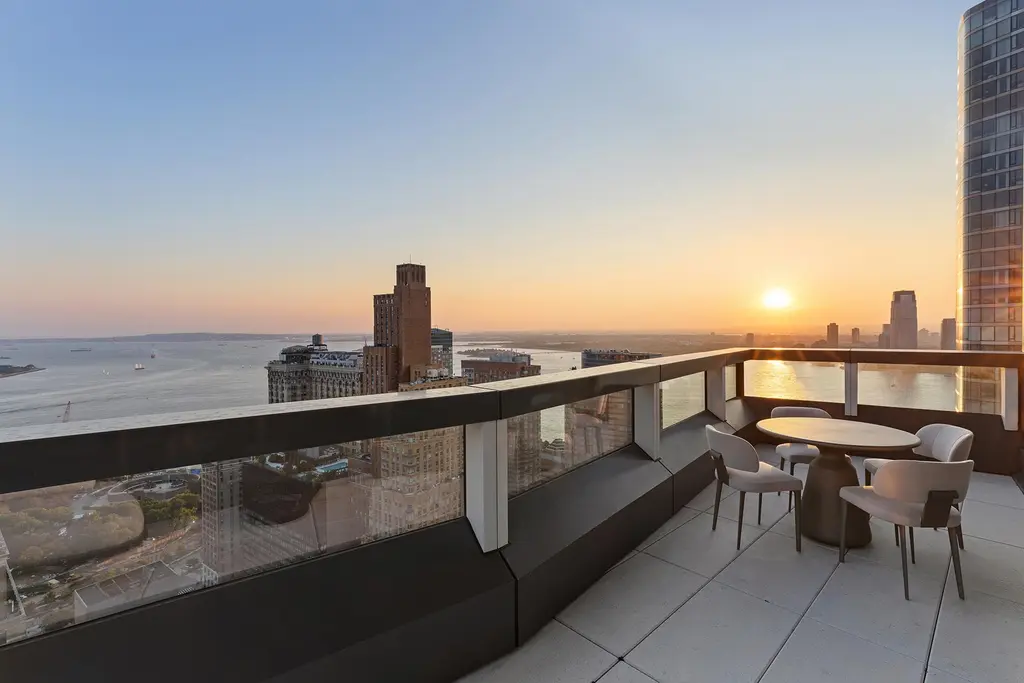
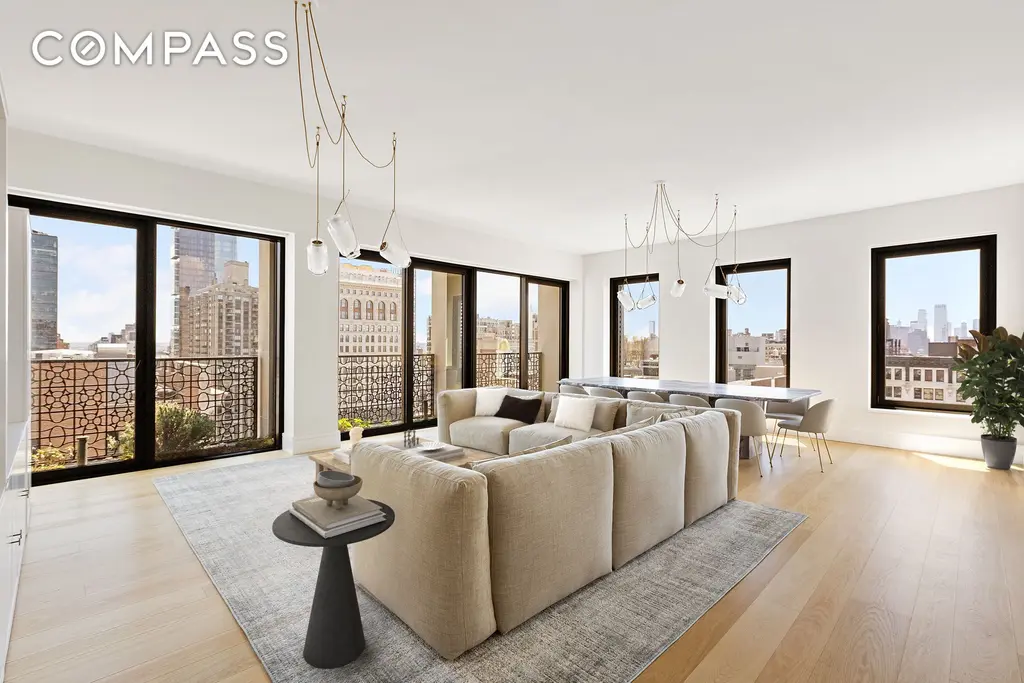
Flatiron House, #21A (Compass)
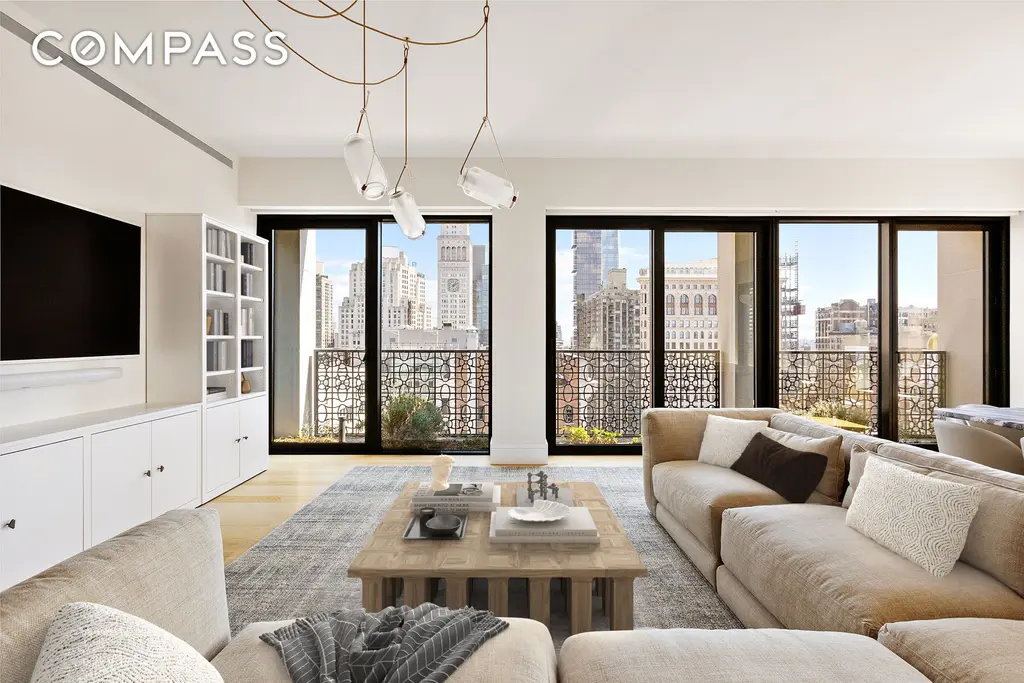
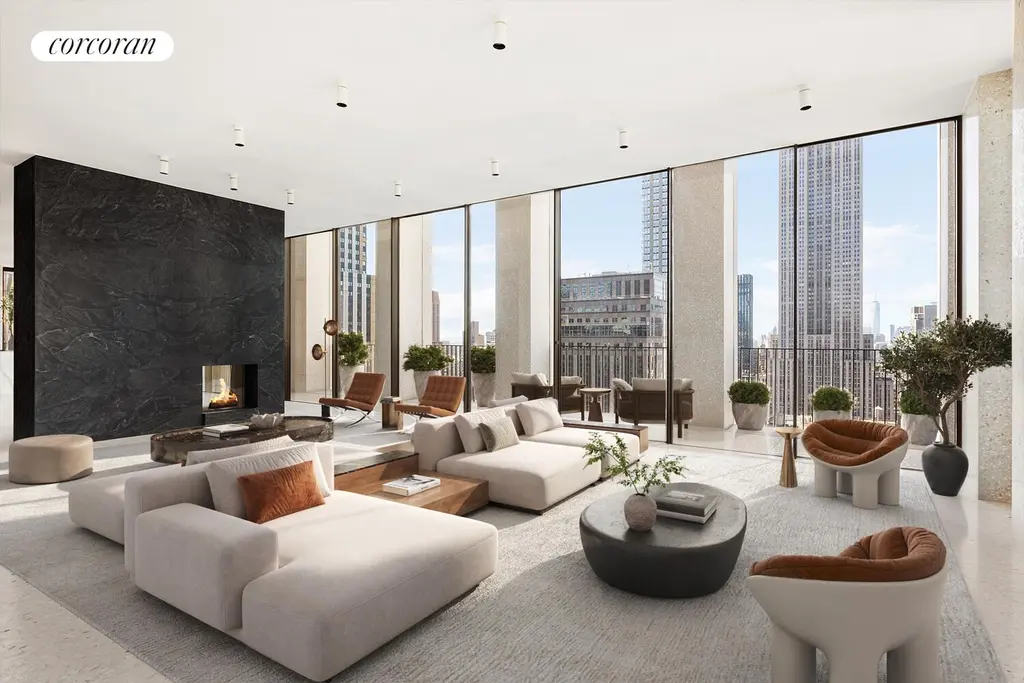
The Bryant, #PHS (Corcoran Sunshine Marketing Group)
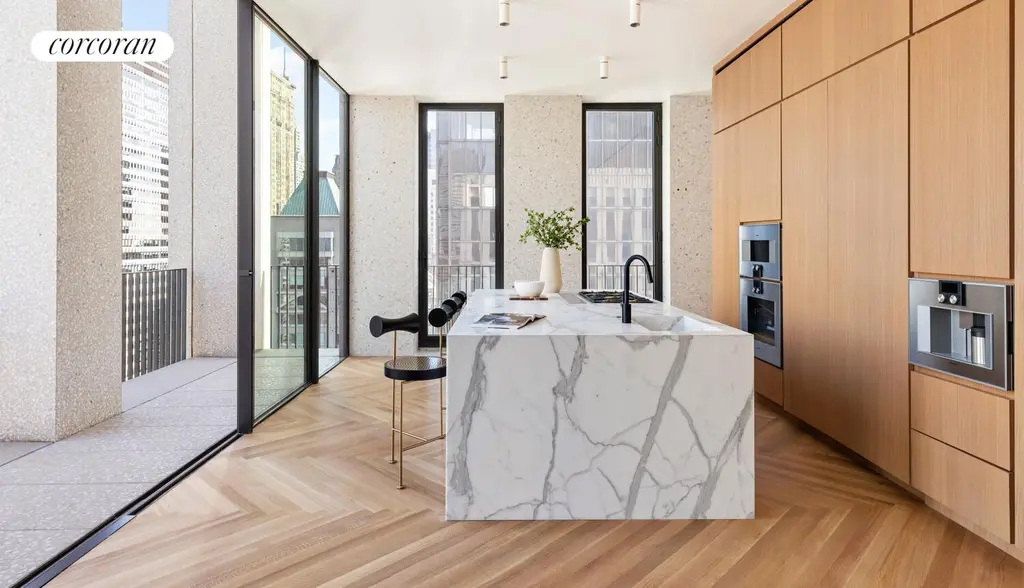
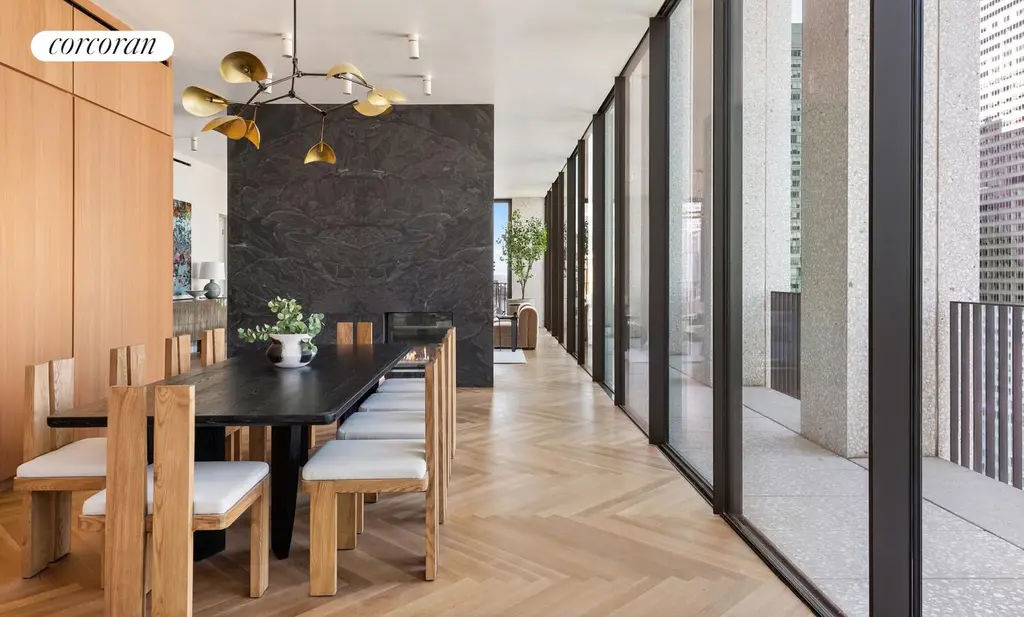
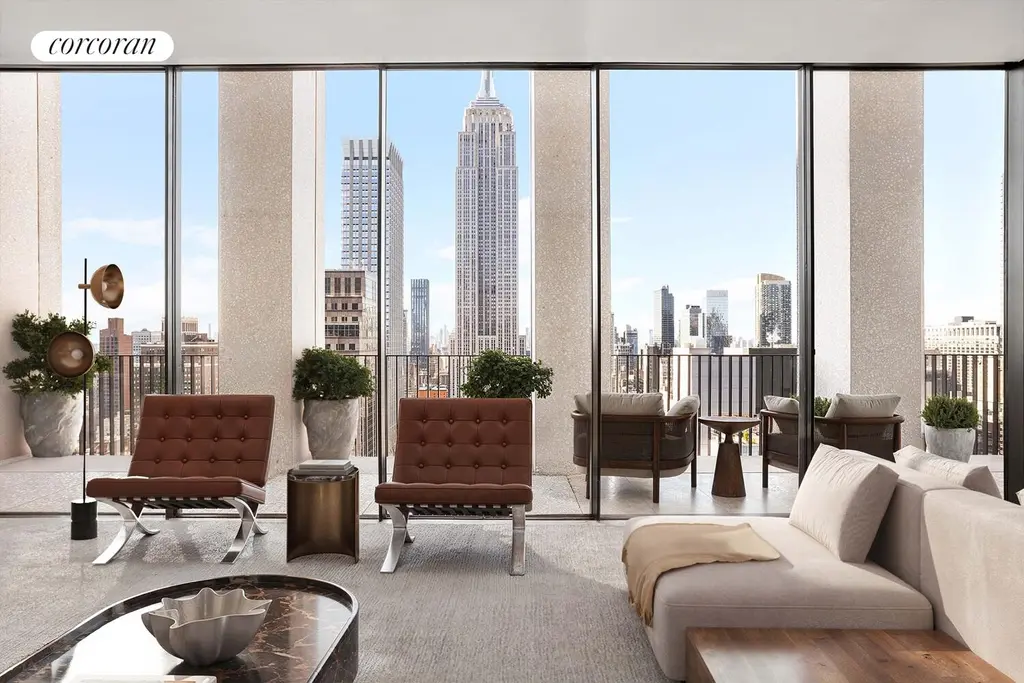
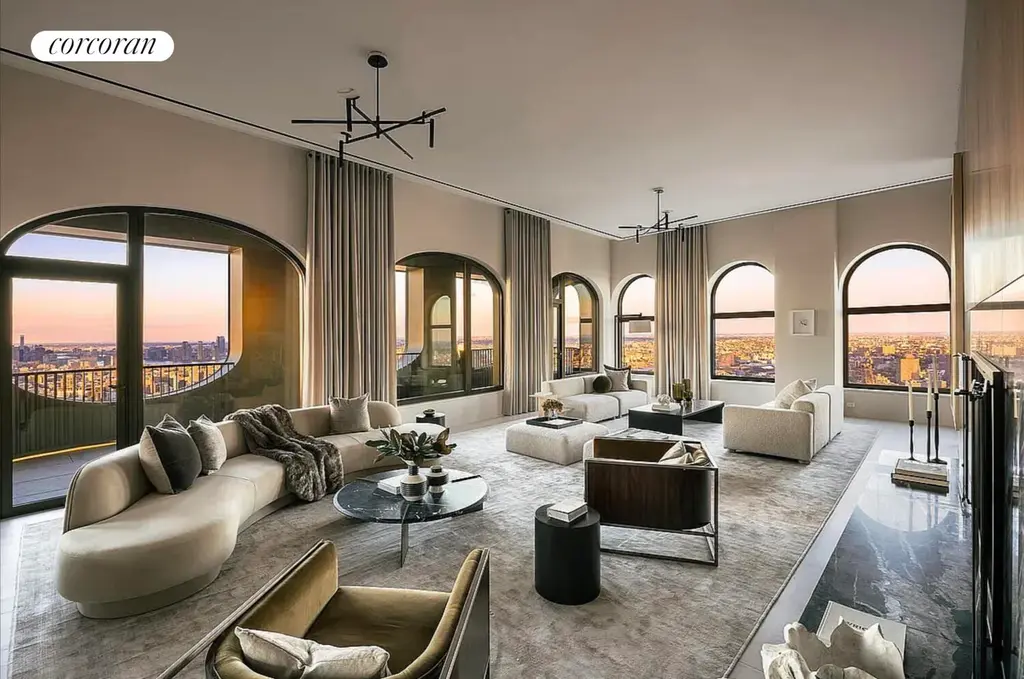
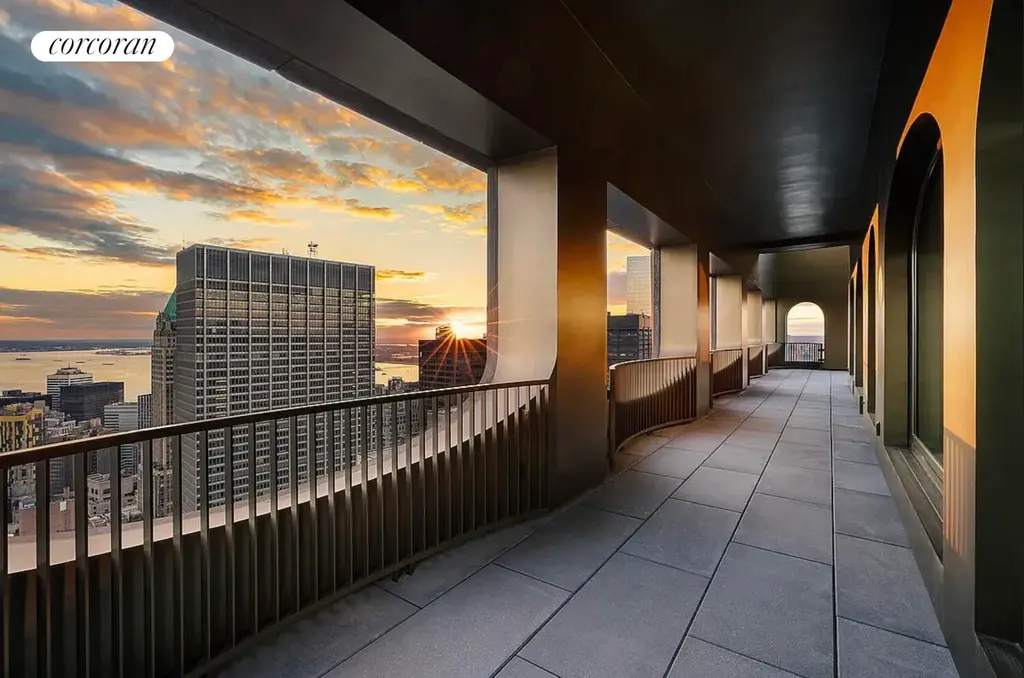
130 William, #PH65 (Corcoran Sunshine Marketing Group)
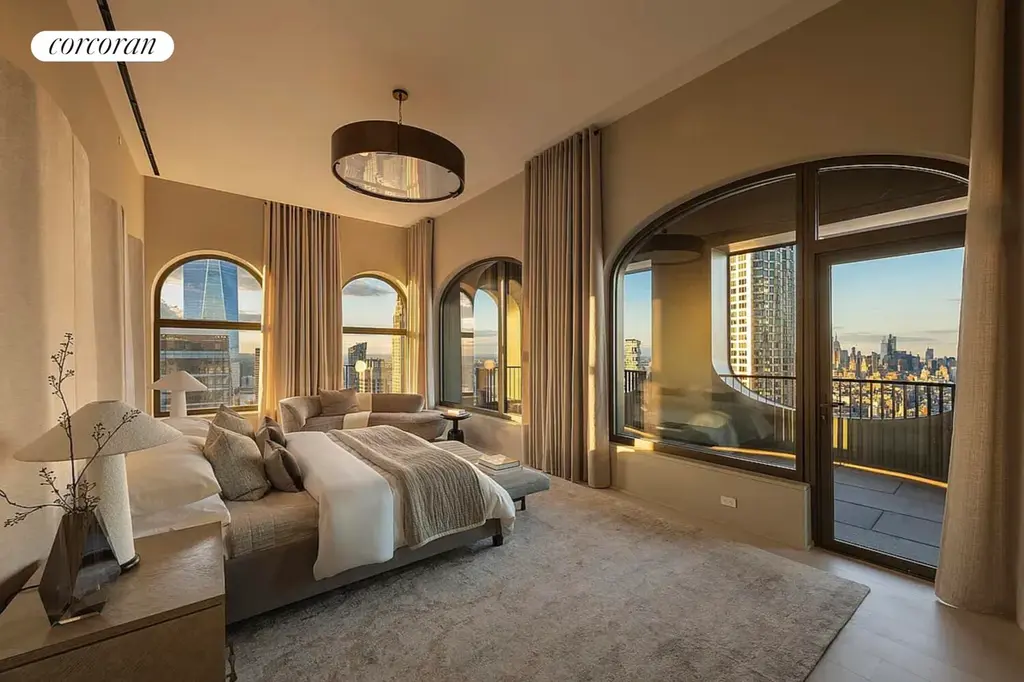
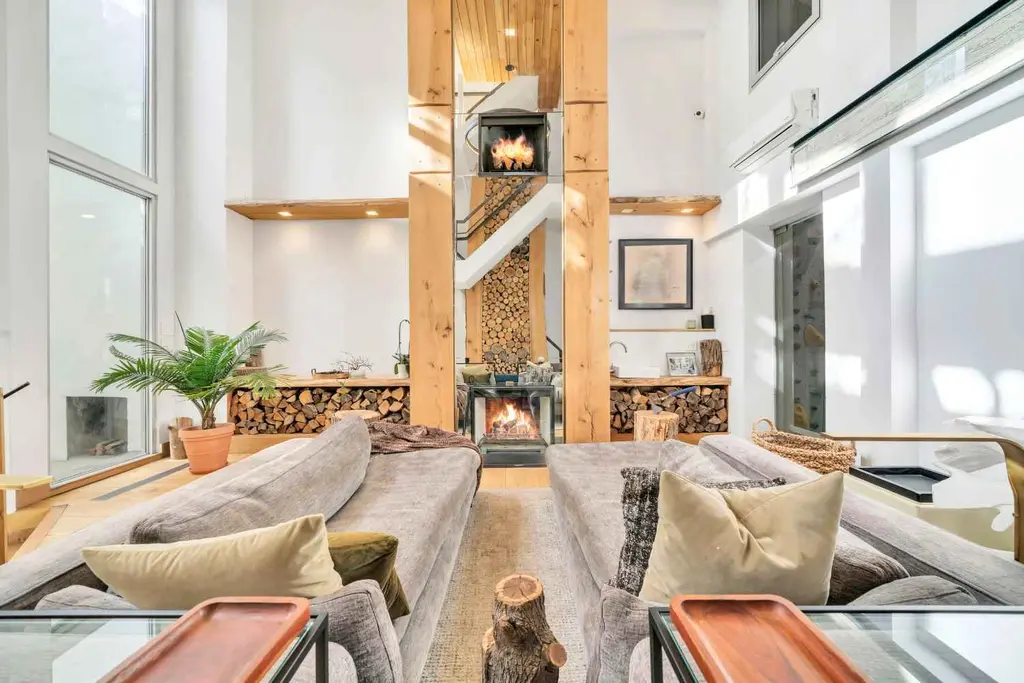
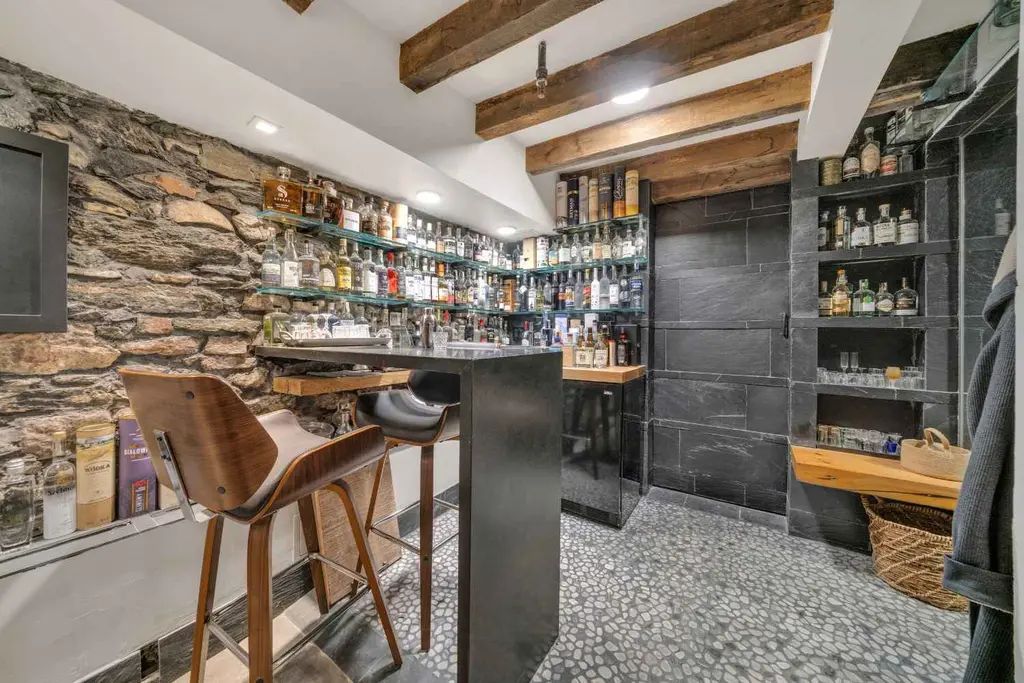
16 Minetta Lane, # (Keller Williams NYC)
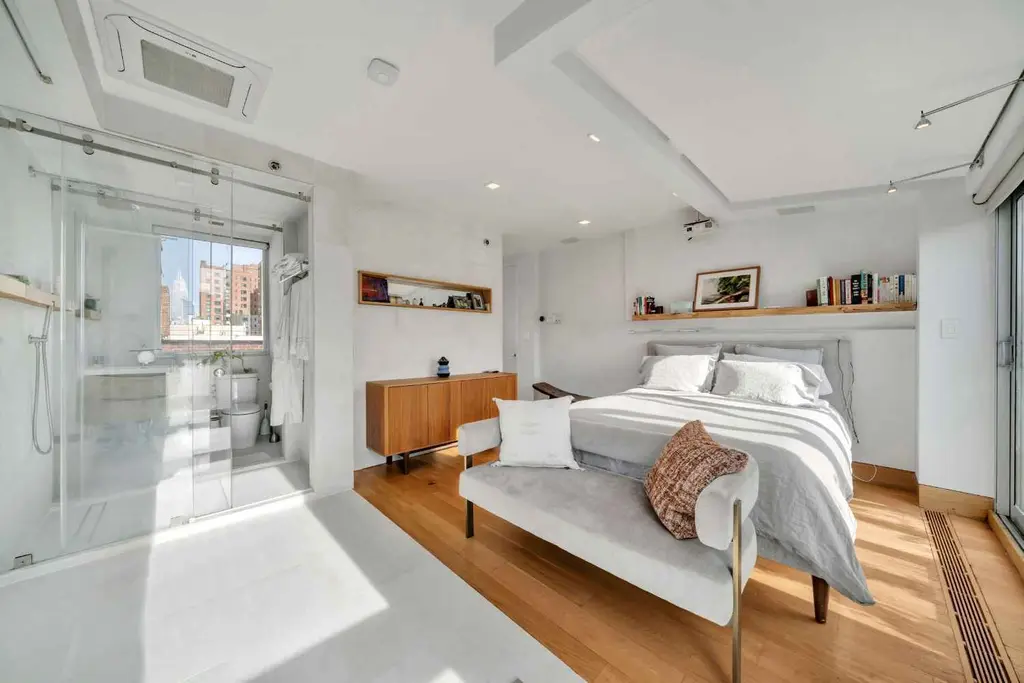
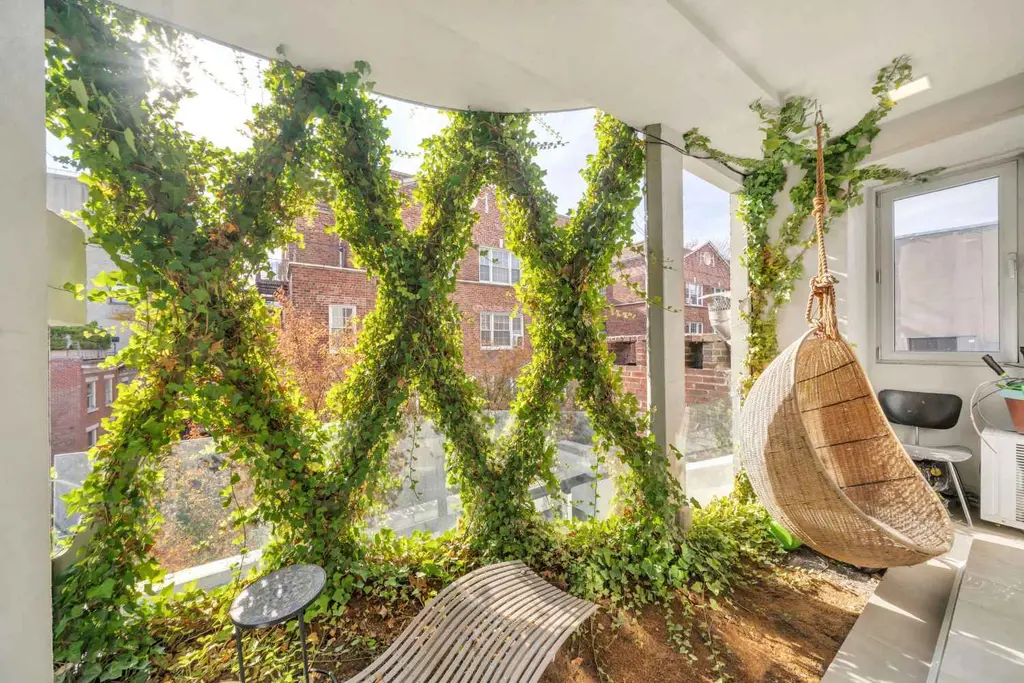
277 Fifth Avenue, #PH55
$22,500,000
Flatiron/Union Square | Condominium | 4 Bedrooms, 4.5 Baths | 4,520 ft2
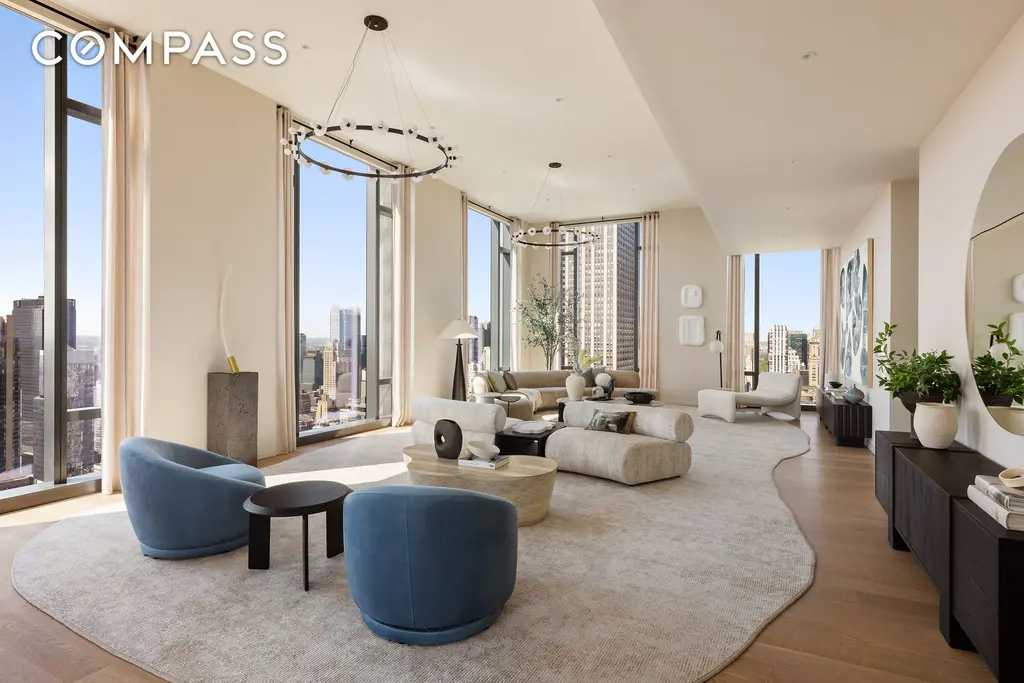
277 Fifth Avenue, #PH55 (Compass)
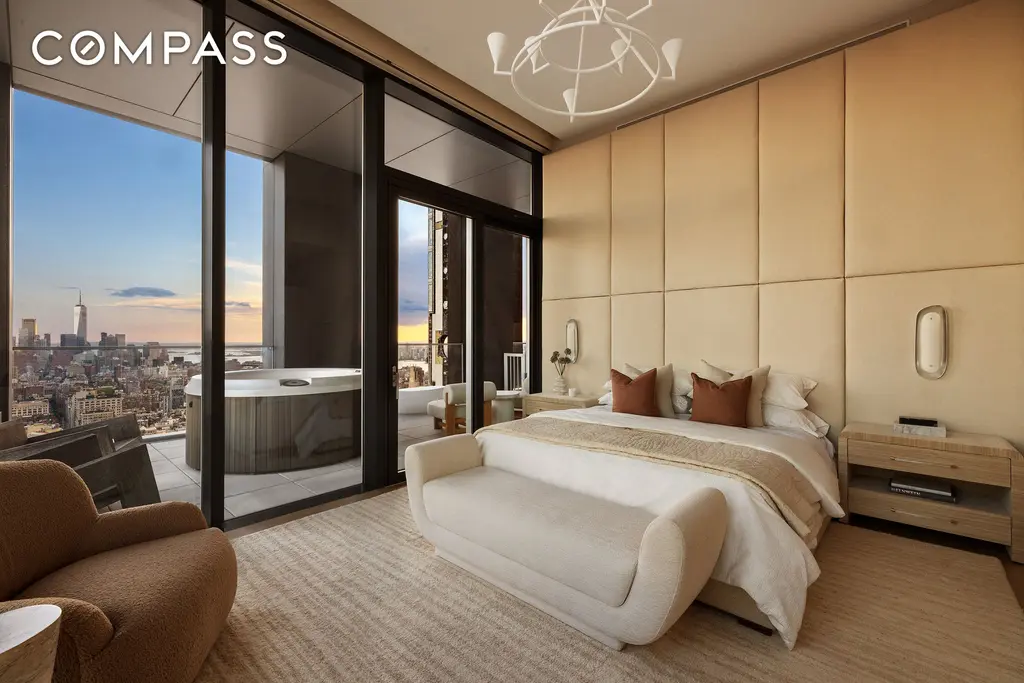
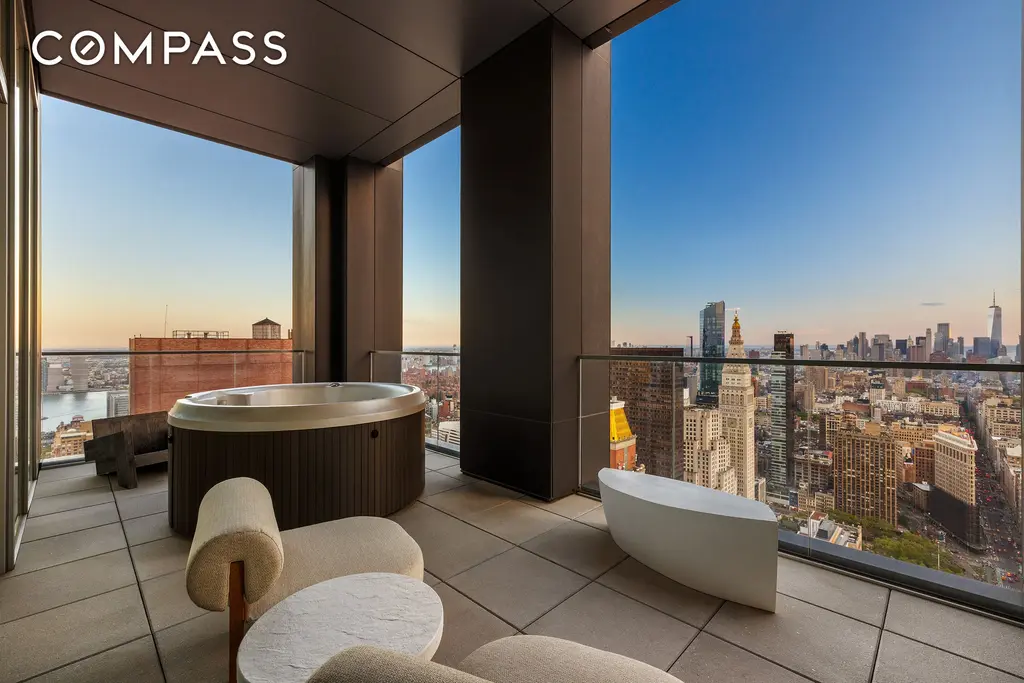
One Hundred Barclay Tribeca, #PHSOUTH
$25,950,000
Tribeca | Condominium | 5 Bedrooms, 5.5 Baths | 7,062 ft2
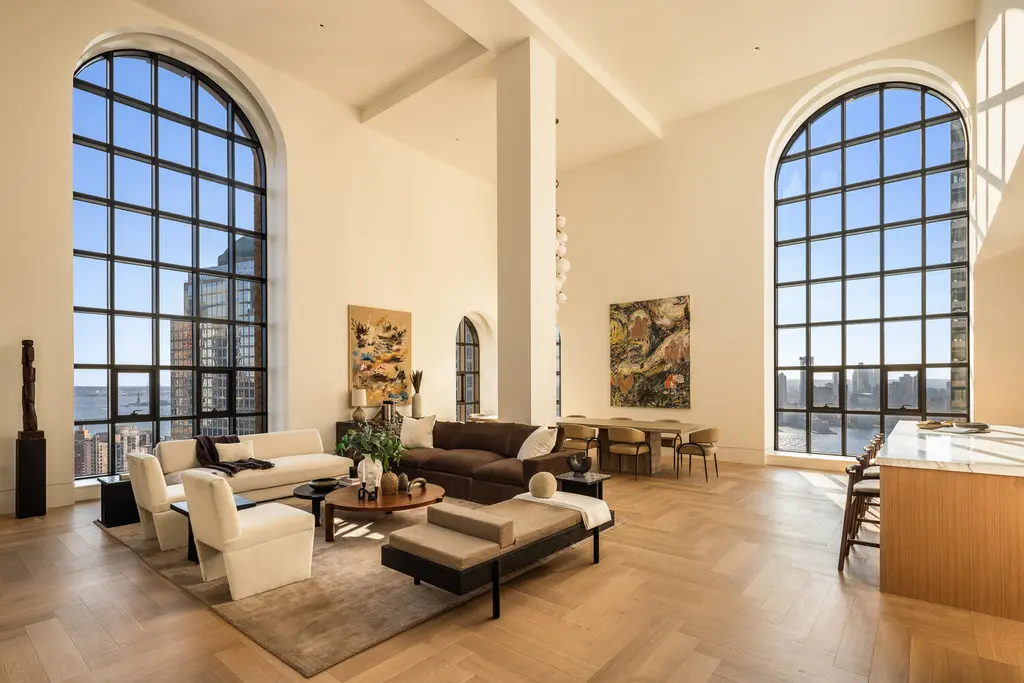
One Hundred Barclay Tribeca, #PHSOUTH (Corcoran Group)
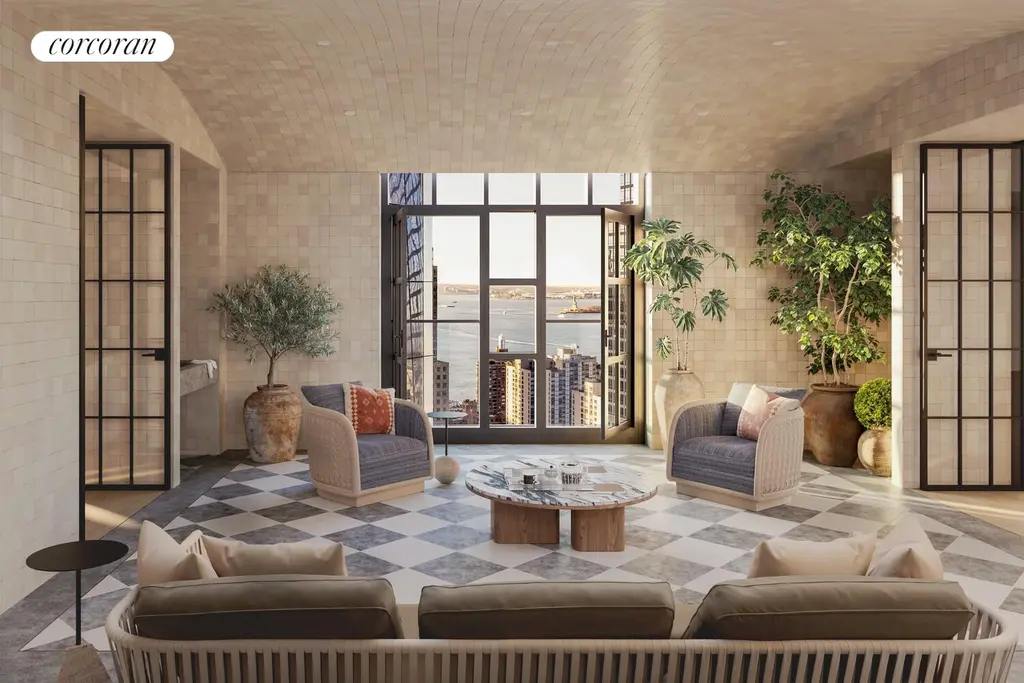
One Hundred Barclay Tribeca, #PHNORTH
$32,950,000
Tribeca | Condominium | 6+ Bedrooms, 6+ Baths | 8,304 ft2
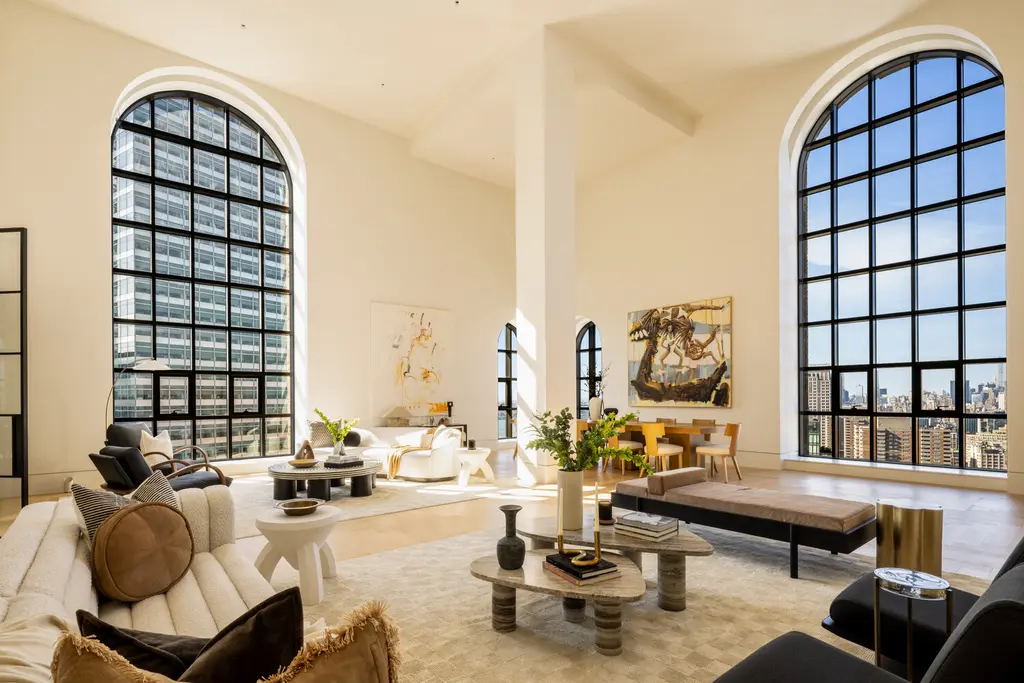
One Hundred Barclay Tribeca, #PHNORTH (Corcoran Group)
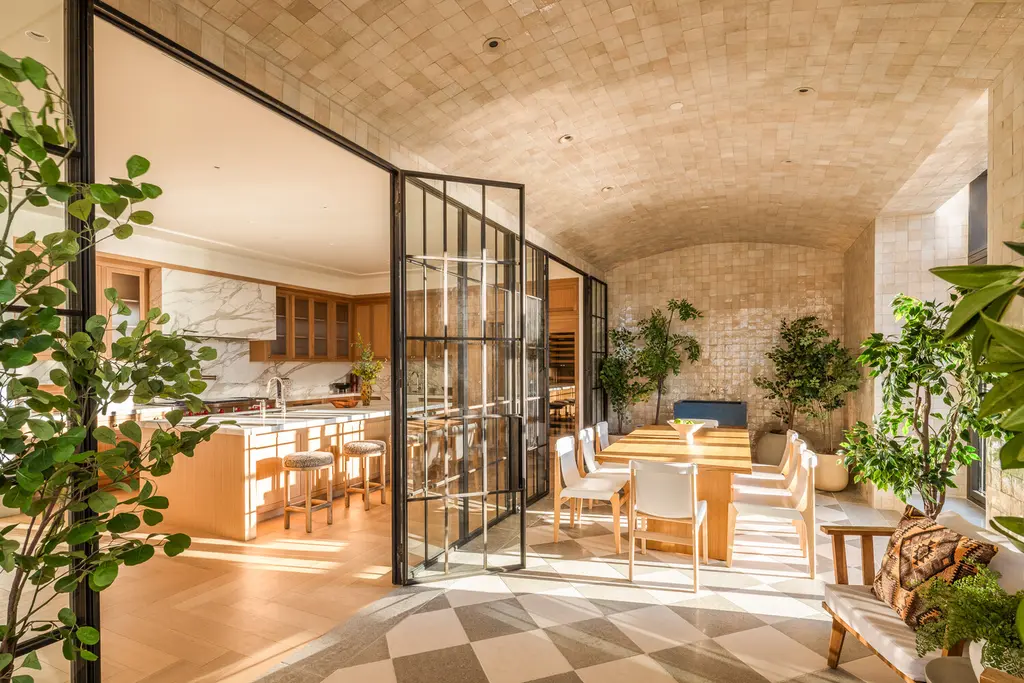
50 West 66th Street, #56S
$37,500,000
Central Park West | Condominium | 5 Bedrooms, 6+ Baths | 4,982 ft2
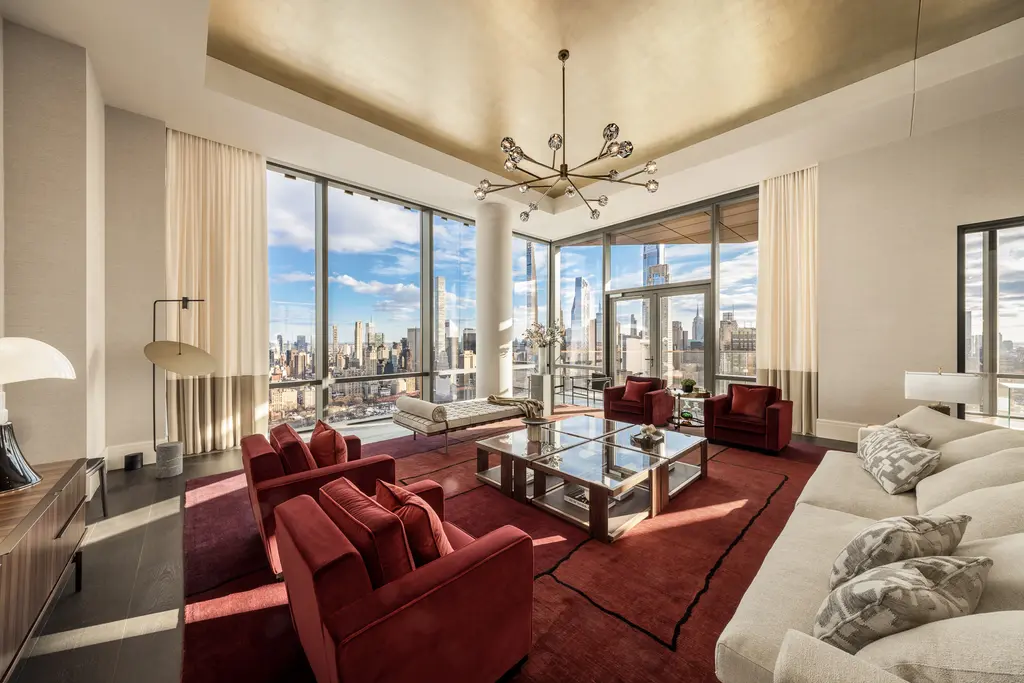
50 West 66th Street, #56S (Extell Marketing Group LLC)
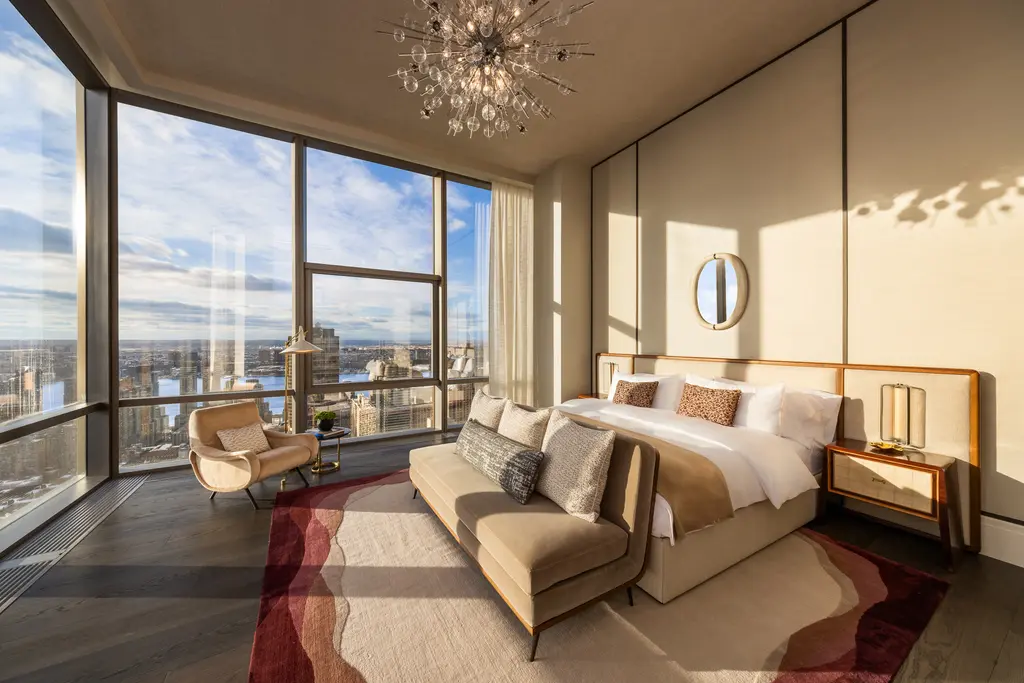
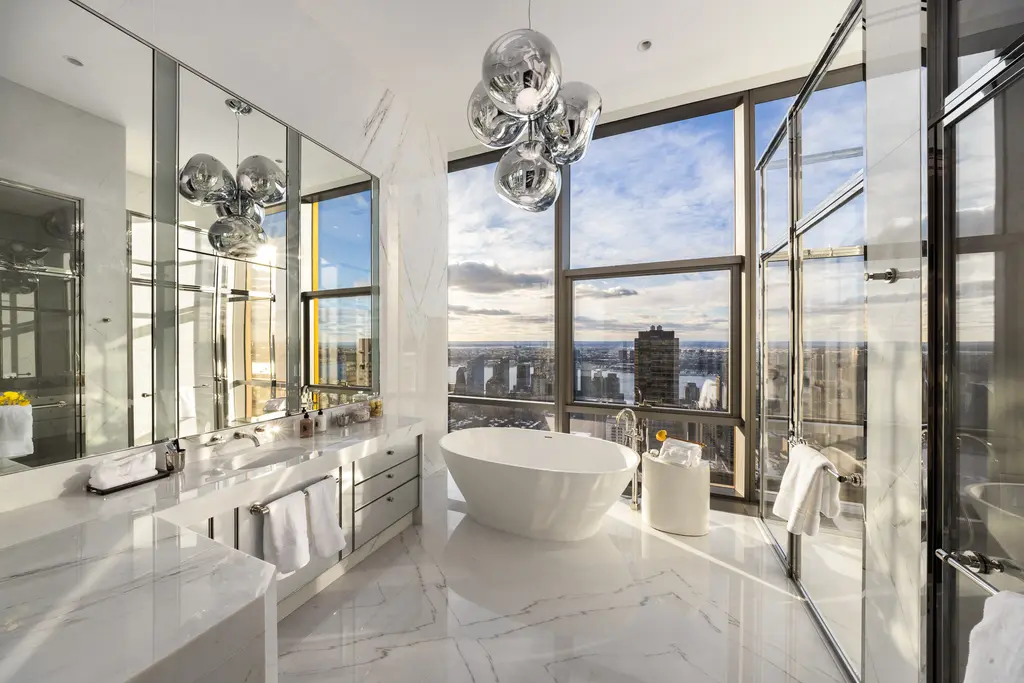
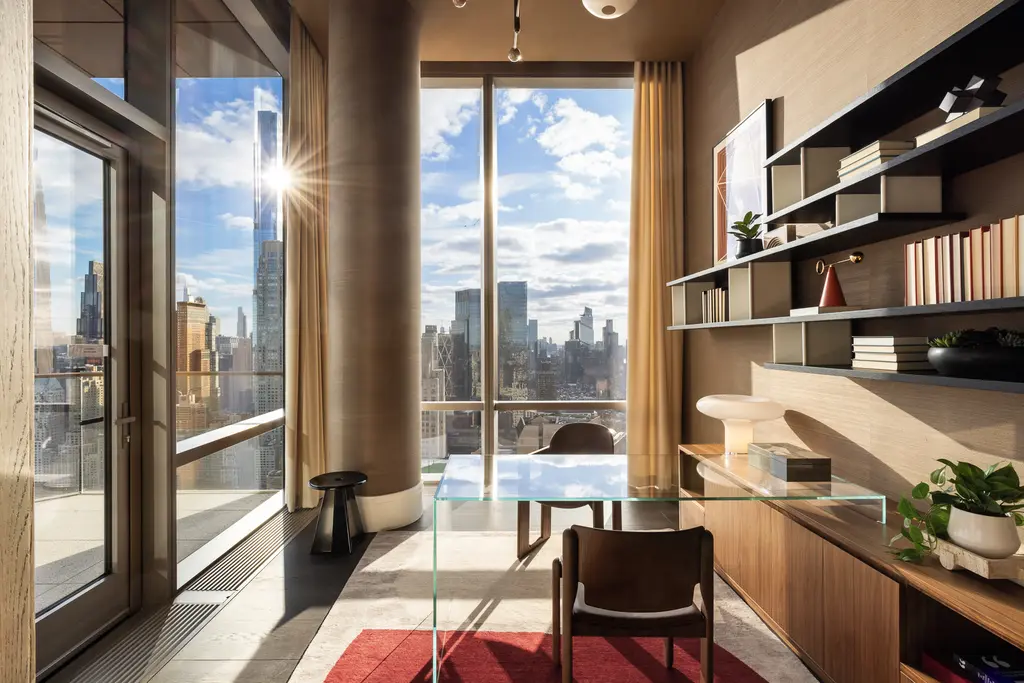
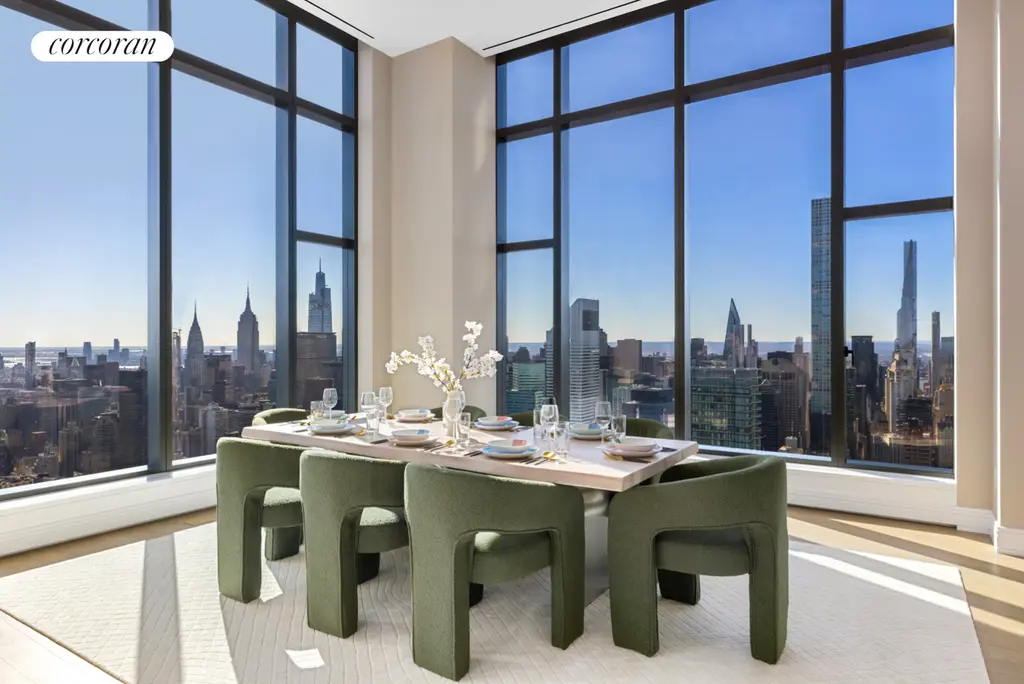
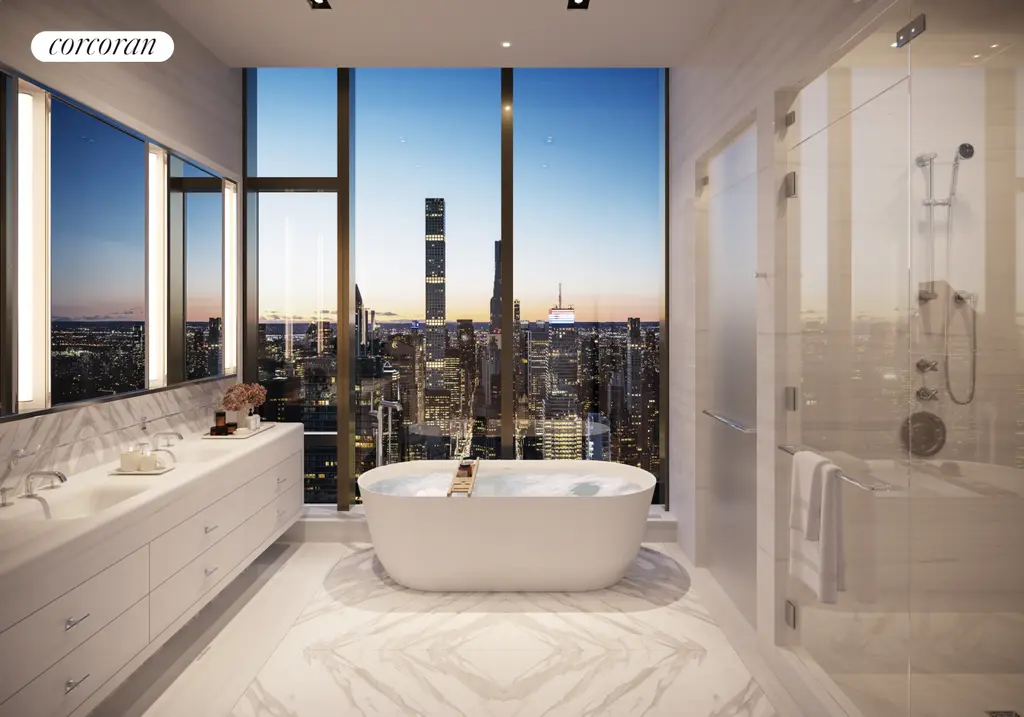
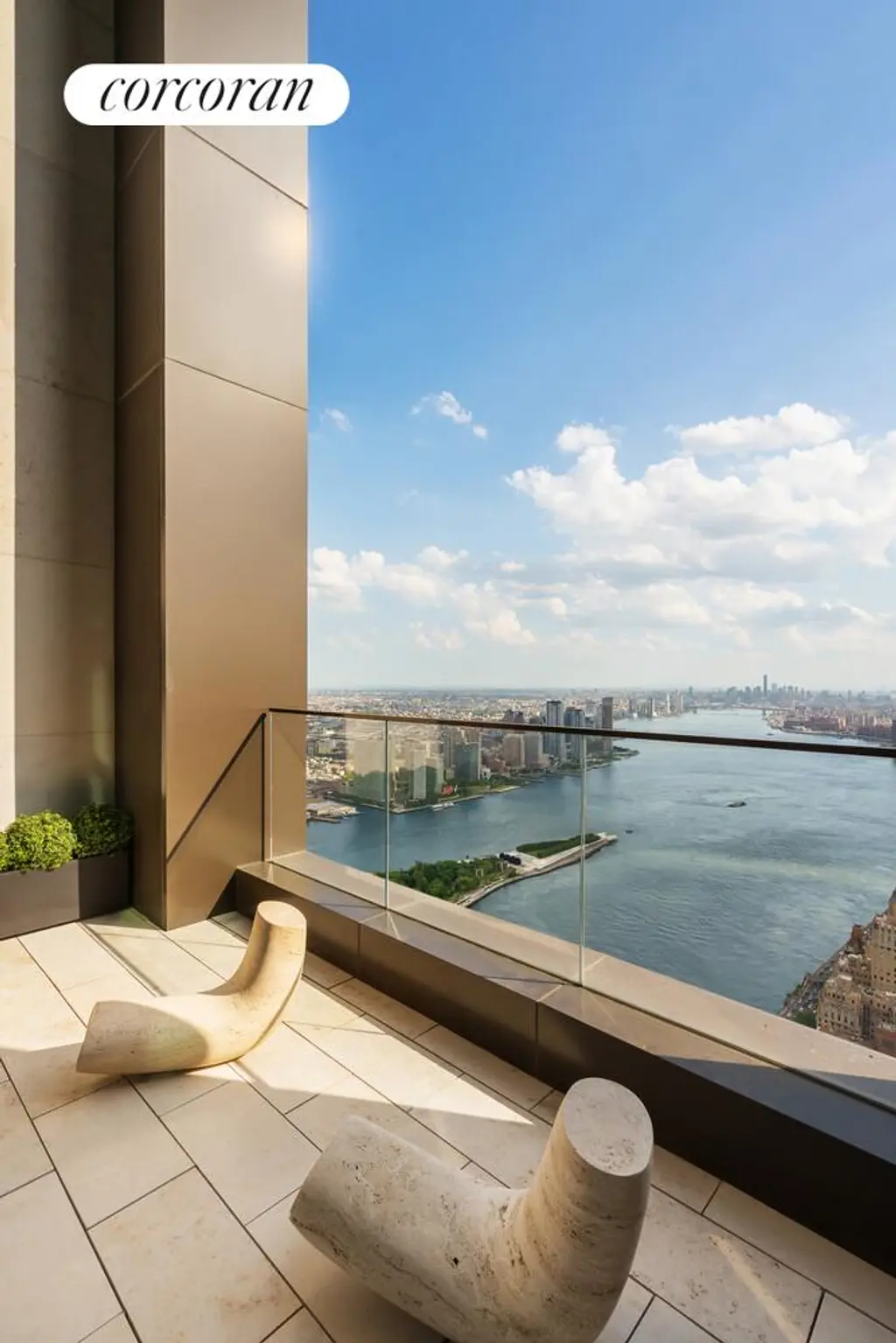
Sutton Tower, #PH80
$65,000,000
Beekman/Sutton Place | Condominium | 5 Bedrooms, 6+ Baths | 9,191 ft2
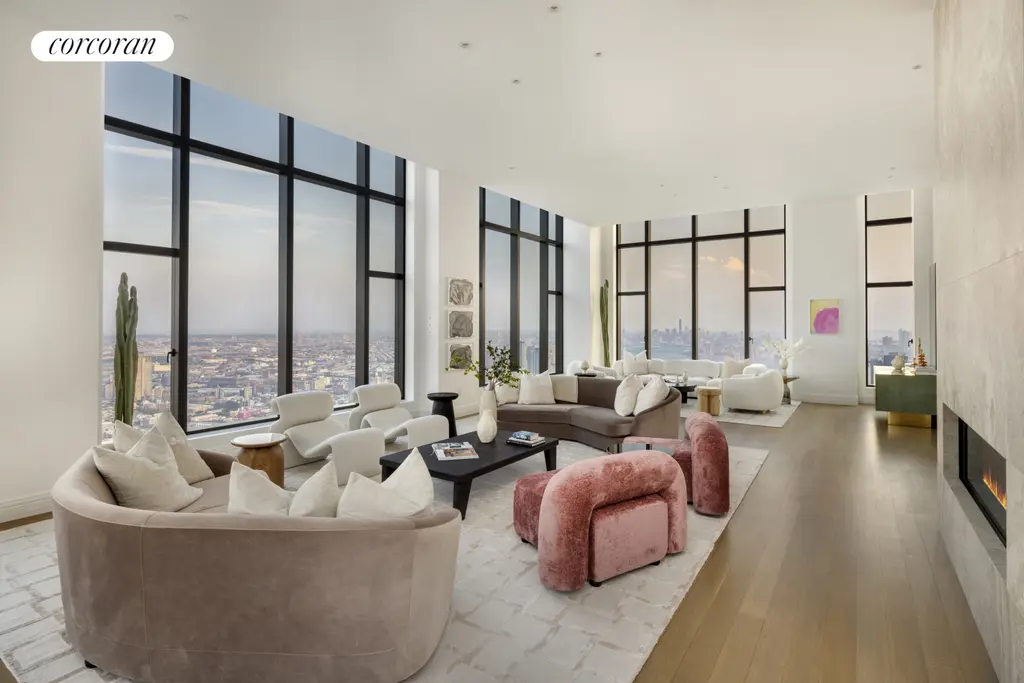
Sutton Tower, #PH80 (Corcoran Sunshine Marketing Group)
Related Articles
Get To Know
Six ways to add value to your NYC apartment before selling + Weekend open houses include 100 Barclay penthouses
Saturday, August 1, 2026
Midtown West
Sublet or pay up? How homeowners could avoid the 2nd-home tax + Luxury listings for rent in condo/co-op buildings
Thursday, July 30, 2026
Future New York
Quiet Manhattan contract week as pied-a-terre tax implementation begins; Fashionable addresses lead NYC deals
Monday, July 27, 2026
Future New York
Views, Light, and Value: A Q&A with Kayla Lee on what today’s NYC buyers really want
Friday, July 24, 2026
Future New York
Greenwich Village leads nearly $700M in Manhattan sales; Tribeca penthouse tops the week at $13.25M
Wednesday, July 22, 2026
Future New York
Urban Edens: 20 NYC condo developments with lush resident gardens; Sales launch at The Morgan from $975K
Monday, July 20, 2026
Future New York
Top 10 new development condos with common roof decks for grilling and lounging
Friday, July 10, 2026
Future New York

 6sqft delivers the latest on real estate, architecture, and design, straight from New York City.
