

A great view has always carried a certain magic. A sweep of the Manhattan skyline, the upper floors of the Empire State Building, the Chrysler Building in the distance, or a riverfront panorama can turn an apartment from practical to unforgettable. But in today’s market, views are not simply a romantic extra. They are increasingly tied to wellness, privacy, floor height, layout efficiency, and how buyers imagine spending time at home.
That change has become even more pronounced since the pandemic, as buyers spend more time in their apartments and think more carefully about natural light, usable space, and what they see every day. To better understand how views affect value, how buyers are weighing light against square footage, and what makes a floor plan feel intelligent, we caught up with SERHANT agent Kayla Lee, who has worked on a range of new development projects and is currently seeing strong buyer response at The Paragon on Long Island City's East River waterfront.
In this article:























Ondel: What is the most valuable view in New York today? And what is your personal favorite?
Kayla Lee: I usually like seeing iconic Manhattan buildings. Although water views in general are nice, I feel like it's very different if you are living in Long Island City and you have the entire Manhattan skyline and the river. That is insanely beautiful.
But there are always those units where you have to bend your head around the window and see a little bit of water. For me, that does not do much.
Seeing the Chrysler Building or the upper portions of the Empire State Building is still pretty thrilling to me, even though I see them on a daily basis. I love seeing the classic buildings of New York.
But there are always those units where you have to bend your head around the window and see a little bit of water. For me, that does not do much.
Seeing the Chrysler Building or the upper portions of the Empire State Building is still pretty thrilling to me, even though I see them on a daily basis. I love seeing the classic buildings of New York.
How much can a great view add to the value of an apartment?
It really depends on the property and the building. You will always have that small co-op that somebody may find difficult to sell. It could be a studio, but it might have an amazing Empire State Building view, and that will not necessarily transform its value.
But let’s say you have a luxury new development, and the entire east side of the building has that view. I think you could probably increase the price by 10 to 15 percent compared with something that does not have that type of view, depending on the original price point.
People want to be happy. They want to be in love with what they see outside. It is a daily thing.
But let’s say you have a luxury new development, and the entire east side of the building has that view. I think you could probably increase the price by 10 to 15 percent compared with something that does not have that type of view, depending on the original price point.
People want to be happy. They want to be in love with what they see outside. It is a daily thing.
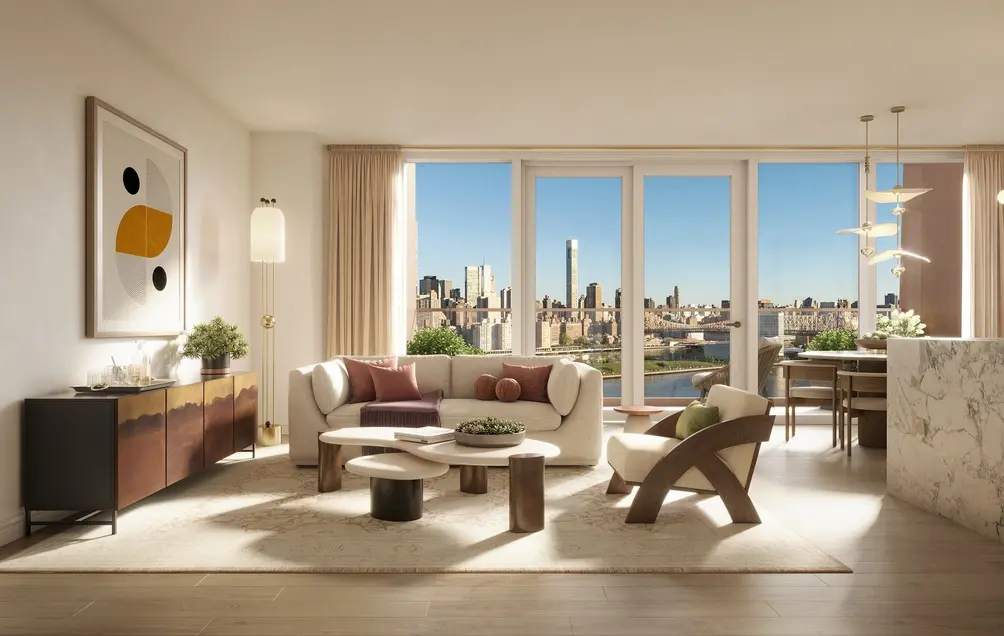 Rendering of a living room with a Midtown Manhattan view at The Paragon
“When you walk into the unit and you see a direct view of the Empire State Building, you can’t really pull that from AI.”
Have buyers become more willing to sacrifice space for light and views?
After COVID, I feel like a lot of our brains switched into a different gear. Before, people were at work most of the time. They came home, and it was more about location and proximity to everything. They did not care too much if it was a fifth-floor walk-up with no view. They wanted to live in the West Village or Soho for the vibes.
Now there is more emphasis on wellness and this need for light. People are spending more time at home and more time in front of a window. More people are saying, “I want natural light and great views. It just makes me happy.” Even at the cost of the size of the unit.
That is where it has been trending for the last few years. Before, we would get more questions about the size of the unit. Now we do not get that question as much outright.
People are looking for an intelligent, functional home more than just sheer size. They don't want wasted space in hallways. They want the maximum usable, livable square footage. If the apartment is efficient, they do not care as much that it is smaller.
Now there is more emphasis on wellness and this need for light. People are spending more time at home and more time in front of a window. More people are saying, “I want natural light and great views. It just makes me happy.” Even at the cost of the size of the unit.
That is where it has been trending for the last few years. Before, we would get more questions about the size of the unit. Now we do not get that question as much outright.
People are looking for an intelligent, functional home more than just sheer size. They don't want wasted space in hallways. They want the maximum usable, livable square footage. If the apartment is efficient, they do not care as much that it is smaller.
Buyers now have access to more pricing data than ever. Can the value of a view be captured in the comps?
Buyers have become so savvy. A lot of buyers used to talk about absolute price and size. Now they are asking, “What is the price per square foot?” as they walk in the door. It has become regular lingo.
There is more data at their fingertips. They pull their own comps. They are using AI to negotiate.
At the end of the day, the broker’s job is going to pivot. The comps are what they are. That is a data set. But when you walk into the unit and see a direct view of the Empire State Building, you cannot really pull that value from AI.
There is more data at their fingertips. They pull their own comps. They are using AI to negotiate.
At the end of the day, the broker’s job is going to pivot. The comps are what they are. That is a data set. But when you walk into the unit and see a direct view of the Empire State Building, you cannot really pull that value from AI.
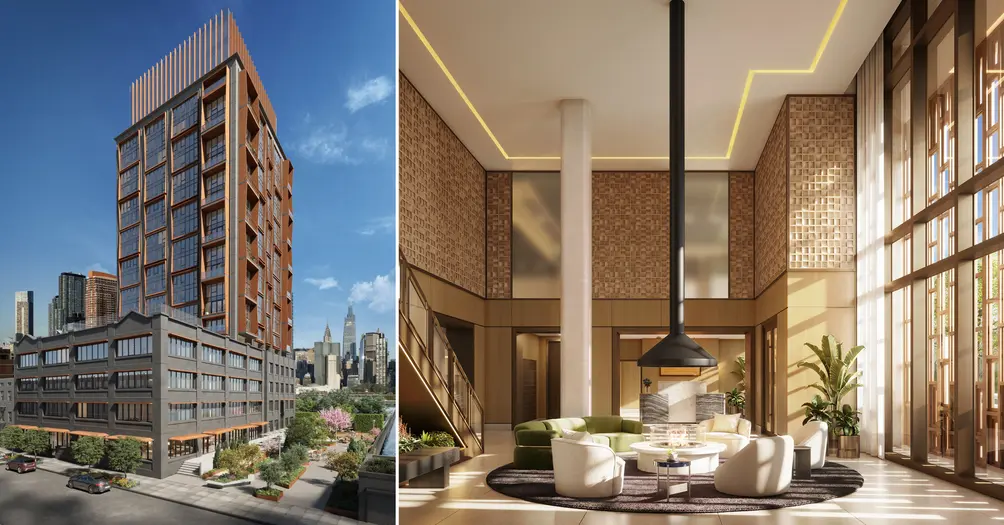 Rendering of Paragon and its double height lobby
How do developers put a dollar value on the skyline? Is there a standard increase from one floor to the next?
Typically, in Long Island City, you find an increase of about $10,000 to $15,000 per floor. In Manhattan, it tends to be more like $20,000 to $25,000, and maybe even $30,000 or $35,000 per floor, depending on the building.
Especially when you are looking at a skyscraper, seeing the middle of the Empire State Building does not really do much. You have to see the upper third for it to really signify something.
People like being on a high floor because you bypass all the low-rise buildings. Floor height really matters. On a lower floor, you may get less light, you may be facing into another building’s window, and you get less privacy.
Because people work from home or want to stay home more, they value privacy a lot.
Especially when you are looking at a skyscraper, seeing the middle of the Empire State Building does not really do much. You have to see the upper third for it to really signify something.
People like being on a high floor because you bypass all the low-rise buildings. Floor height really matters. On a lower floor, you may get less light, you may be facing into another building’s window, and you get less privacy.
Because people work from home or want to stay home more, they value privacy a lot.
Does the premium accelerate once an apartment clears the surrounding buildings?
Yes, because once you clear the lower buildings, you are not only getting a better view. You are getting more light and more privacy.
On a lower floor, you may be looking directly into somebody else’s apartment. Once you get higher, you have a more open outlook and do not feel as though you are living in somebody else’s window.
People would also rather have a nice corner apartment, oversized windows, natural light, or a home office. They want different spaces that can serve different purposes. The view is important, but it is part of the total experience of the home.
On a lower floor, you may be looking directly into somebody else’s apartment. Once you get higher, you have a more open outlook and do not feel as though you are living in somebody else’s window.
People would also rather have a nice corner apartment, oversized windows, natural light, or a home office. They want different spaces that can serve different purposes. The view is important, but it is part of the total experience of the home.
“The key is people are looking for an intelligent, functional home more than just sheer size.”
Can an apartment ever be too high?
I do not think I have ever heard anyone say, “This is too high.”
They might say, “We do not mind going down a few floors because of the price difference,” especially if they can have a very similar view and save $80,000. But if the price were the same, I think they would always opt for the higher floor.
However, we do have people who do not want to be on the top floor. They may be concerned that there is an outdoor roof upstairs and they could hear noise through the windows. They may worry about leaks because they are the closest unit to the roof.
There is also a concern that if the roof is black, it absorbs heat and the apartment may feel warmer. Some people just stay away from the top floor. They do not even bother asking whether there is going to be a roof deck. They simply say, “I do not want the top.”
It is interesting because the top floor is usually the penthouse.
They might say, “We do not mind going down a few floors because of the price difference,” especially if they can have a very similar view and save $80,000. But if the price were the same, I think they would always opt for the higher floor.
However, we do have people who do not want to be on the top floor. They may be concerned that there is an outdoor roof upstairs and they could hear noise through the windows. They may worry about leaks because they are the closest unit to the roof.
There is also a concern that if the roof is black, it absorbs heat and the apartment may feel warmer. Some people just stay away from the top floor. They do not even bother asking whether there is going to be a roof deck. They simply say, “I do not want the top.”
It is interesting because the top floor is usually the penthouse.
 Rendering showing the common roof deck at The Paragon and its river and Manhattan views
If a buyer had an additional $500,000 in the budget, with no increase in family size, would you recommend a larger apartment or a better view?
For many buyers, I think a smaller, intelligently designed apartment with better light and views is going to be more compelling than a larger apartment with wasted space.
But it is different in the luxury sector. Luxury buyers love having that wow factor when they walk in. They like the foyer because they are getting a bigger apartment, they are spending more, and they want that arrival experience.
They want guests to have a separate place to put their coats and settle in before entering the entertaining space. That is different from somebody looking for an efficiently sized home where every square foot matters.
So it depends on the market. But outside the very high-end luxury sector, people are increasingly willing to prioritize light, views, privacy, and a good layout over size alone.
But it is different in the luxury sector. Luxury buyers love having that wow factor when they walk in. They like the foyer because they are getting a bigger apartment, they are spending more, and they want that arrival experience.
They want guests to have a separate place to put their coats and settle in before entering the entertaining space. That is different from somebody looking for an efficiently sized home where every square foot matters.
So it depends on the market. But outside the very high-end luxury sector, people are increasingly willing to prioritize light, views, privacy, and a good layout over size alone.
When a building is being designed, how early should the views be considered?
The views and the floor plans have to be considered together. Sometimes apartments are cut in a funky way because the developer is trying to give everybody a view.
You may technically have a view, but perhaps you do not see it until you get to the second bedroom. Or the rooms are shaped strangely because the building is trying to pull too many apartments toward the same exposure.
At the Paragon in Long Island City, what has been really great is that they focused on the floor plans. I saw the original plans from when it was going to be a rental more than 10 years ago. The apartments were efficient and small, but the plans were not smart because of where the elevator and stairwell were placed. There was wasted space and smaller windows.
You may technically have a view, but perhaps you do not see it until you get to the second bedroom. Or the rooms are shaped strangely because the building is trying to pull too many apartments toward the same exposure.
At the Paragon in Long Island City, what has been really great is that they focused on the floor plans. I saw the original plans from when it was going to be a rental more than 10 years ago. The apartments were efficient and small, but the plans were not smart because of where the elevator and stairwell were placed. There was wasted space and smaller windows.
When ZD Jasper purchased the site, they redid the entire floor plan. They thought about the smallest details.
In the bedrooms, for example, the closet doors do not open into the space next to the bed and bang into the nightstand. The primary closets are walk-ins and open from the other side, which gives you a long wall where you can put a king bed and two nightstands.
That is the kind of detail that makes a home feel intelligent and functional. A view should not come at the expense of an apartment that actually works.
In the bedrooms, for example, the closet doors do not open into the space next to the bed and bang into the nightstand. The primary closets are walk-ins and open from the other side, which gives you a long wall where you can put a king bed and two nightstands.
That is the kind of detail that makes a home feel intelligent and functional. A view should not come at the expense of an apartment that actually works.
Would you like to tour any of these properties?
Just complete the info below.
Or call us at (212) 755-5544
How should buyers evaluate the risk of losing a view in a rapidly growing neighborhood?
Make sure you like everything about the property and assume you are going to get blocked very soon.
Sometimes you see a property and the listing agent or seller says, “Do not worry about this for 15 years.” But they cannot guarantee that. You have to assume you are going to lose it soon.
If the view is one of the main reasons you are buying the apartment, you have to investigate what can be built nearby. Buyers should pay attention to the adjacent lots, the surrounding buildings, and whether the exposure depends on somebody else’s property remaining the way it is.
You should not buy the apartment only because of a view that may not be there in the future.
Sometimes you see a property and the listing agent or seller says, “Do not worry about this for 15 years.” But they cannot guarantee that. You have to assume you are going to lose it soon.
If the view is one of the main reasons you are buying the apartment, you have to investigate what can be built nearby. Buyers should pay attention to the adjacent lots, the surrounding buildings, and whether the exposure depends on somebody else’s property remaining the way it is.
You should not buy the apartment only because of a view that may not be there in the future.
Can you explain why lot-line windows require particular caution? Does the owner have to pay to brick them in if another building goes up?
When somebody says “lot-line window,” you have to assume it could be gone.
I was selling a condo where there was a lot-line window in the living room, and it served as one of the main windows. However, there was an easement because the space next door was the driveway of the neighboring condo. There was almost no realistic way that something would be built there, but legally it still had to be called a lot-line window.
We explained that and put it in writing. That situation made sense.
But if I were representing a buyer, I would tell them to think very carefully because a lot-line window means light and air are not guaranteed. If it is in a den or home office, that is more understandable. If it is in a primary bedroom, secondary bedroom, or living room, it is a bigger deal. If it is in a kitchen or den, I think most people are more accepting of it.
I am not sure whether it still always has to be bricked in. In some cases, it may simply be covered.
At the Zipper Building in Long Island City, we had lot-line windows that faced another building only several inches away. They virtually had no light, but they still had glass.
Interestingly, one person said that psychologically they felt better about the bedroom because there was glass. Even though they could not open it and were looking at brick, they felt as though their child had a window.
I was selling a condo where there was a lot-line window in the living room, and it served as one of the main windows. However, there was an easement because the space next door was the driveway of the neighboring condo. There was almost no realistic way that something would be built there, but legally it still had to be called a lot-line window.
We explained that and put it in writing. That situation made sense.
But if I were representing a buyer, I would tell them to think very carefully because a lot-line window means light and air are not guaranteed. If it is in a den or home office, that is more understandable. If it is in a primary bedroom, secondary bedroom, or living room, it is a bigger deal. If it is in a kitchen or den, I think most people are more accepting of it.
I am not sure whether it still always has to be bricked in. In some cases, it may simply be covered.
At the Zipper Building in Long Island City, we had lot-line windows that faced another building only several inches away. They virtually had no light, but they still had glass.
Interestingly, one person said that psychologically they felt better about the bedroom because there was glass. Even though they could not open it and were looking at brick, they felt as though their child had a window.
Can additional density increase property values even if some residents lose their views?
For sure. There are a lot of neighborhoods where people simply want to be.
Greenpoint is getting hotter and hotter. Long Island City has seen a lot of growth, and even when I talk to overseas buyers, they have heard of this place called Long Island City. That blows my mind sometimes because it is not Soho or the West Village, but people have heard of it.
People hear about a place and want to be there. That increases value even when a particular apartment does not have the best view.
There is still that feeling of, “I need to be in this location. It is close to the train. It is where all my friends live.”
Location remains very important. But more people are also considering privacy and intelligently designed spaces than they did in previous years. The hotspots are still going to be hot.
Greenpoint is getting hotter and hotter. Long Island City has seen a lot of growth, and even when I talk to overseas buyers, they have heard of this place called Long Island City. That blows my mind sometimes because it is not Soho or the West Village, but people have heard of it.
People hear about a place and want to be there. That increases value even when a particular apartment does not have the best view.
There is still that feeling of, “I need to be in this location. It is close to the train. It is where all my friends live.”
Location remains very important. But more people are also considering privacy and intelligently designed spaces than they did in previous years. The hotspots are still going to be hot.
“People want to be happy. They want to be in love with what they look outside at. It’s a daily thing.”
Select active listings with skyline views
Central Park Tower, #127128
$128,000,000
Midtown West | Condominium | 6+ Bedrooms, 6+ Baths | 11,535 ft2
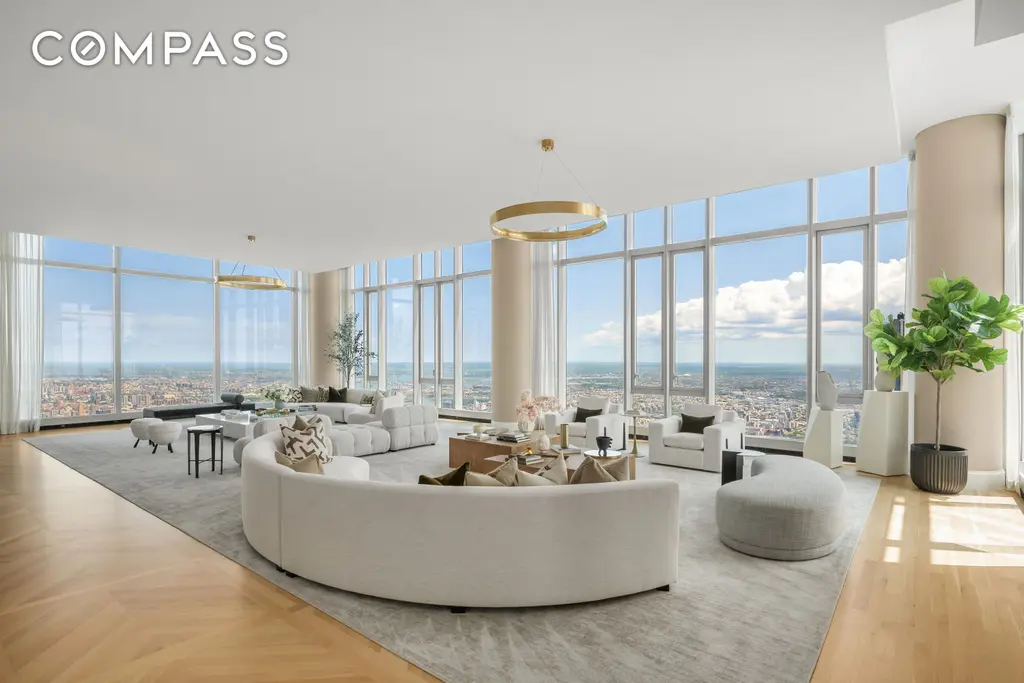
Central Park Tower, #127128 (Compass)
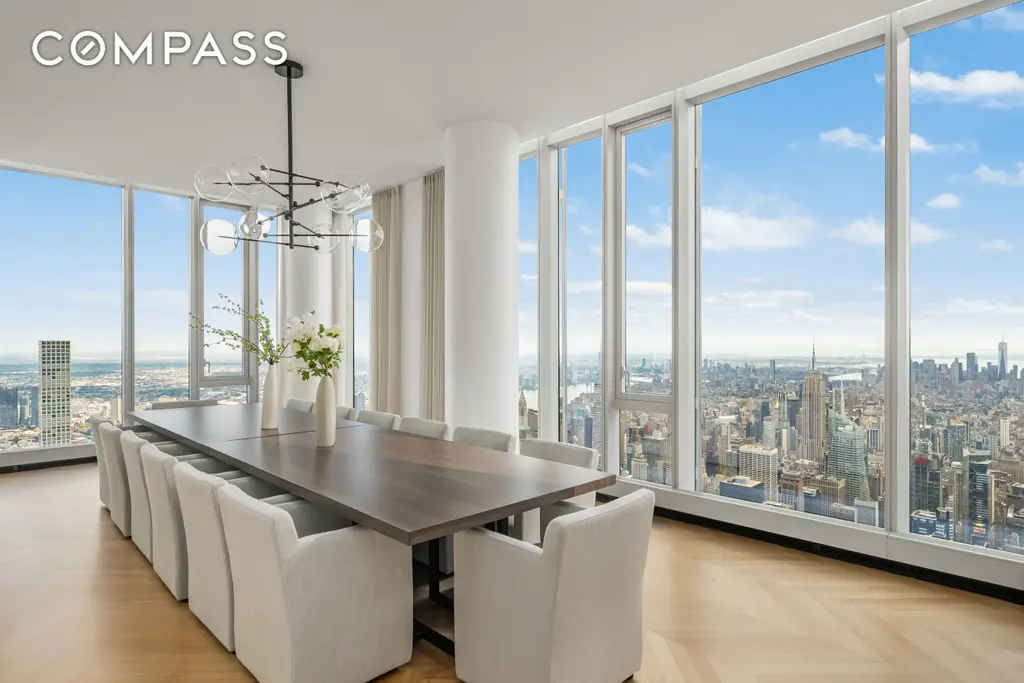


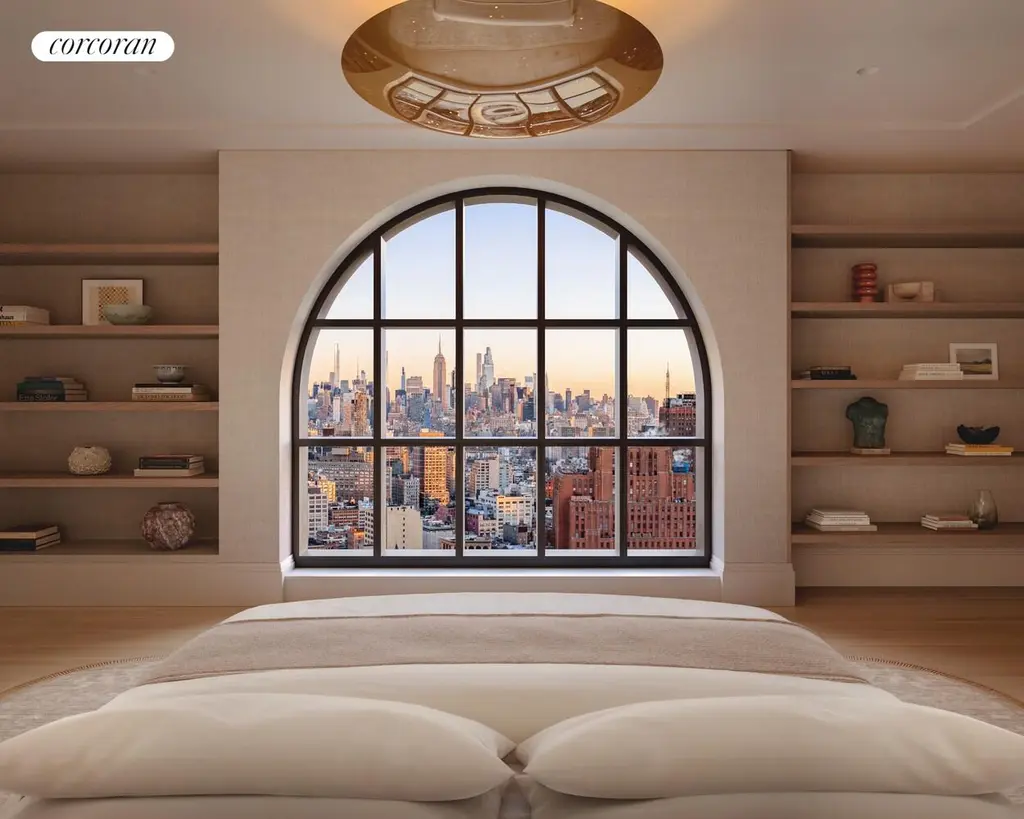
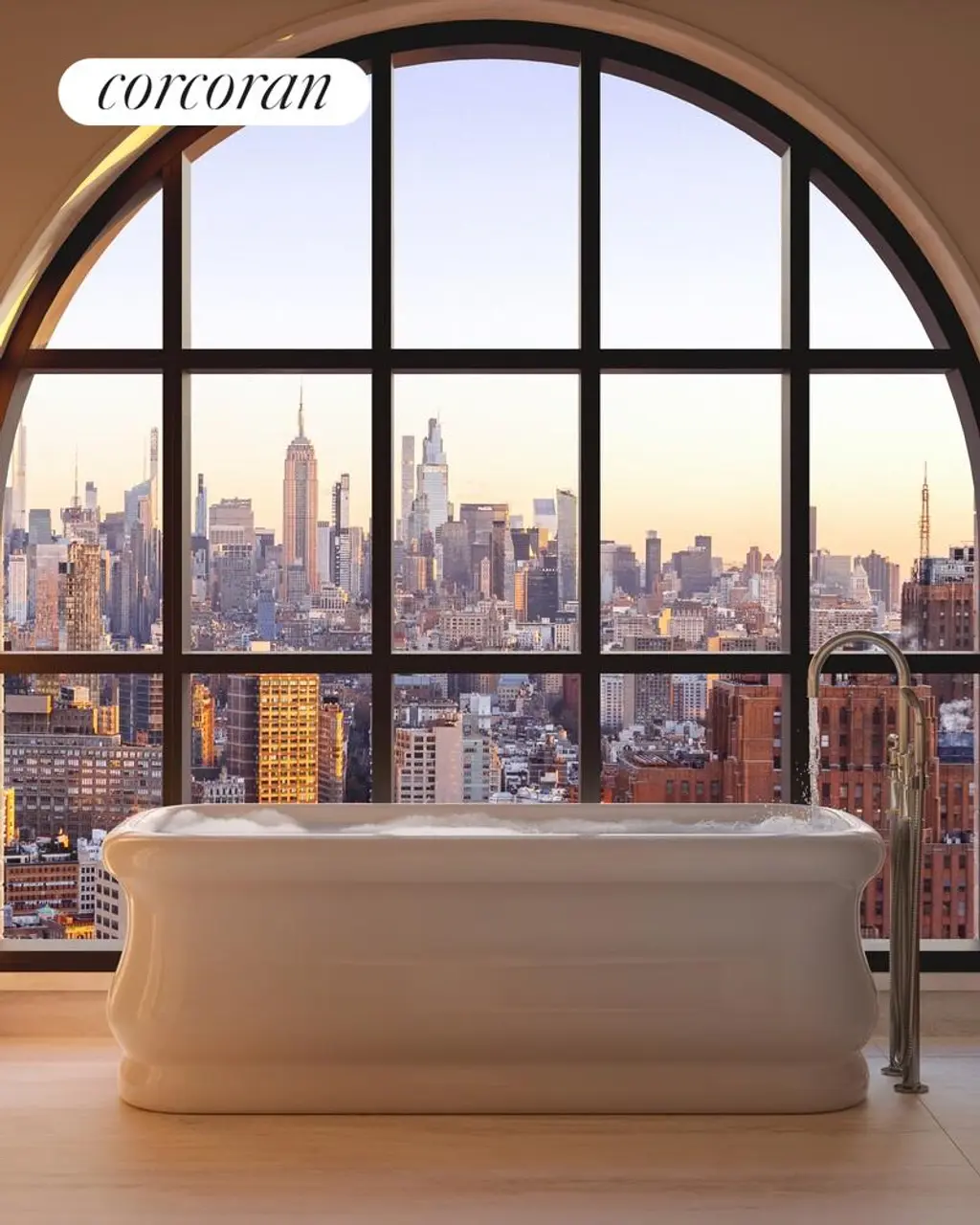
One Hundred Barclay Tribeca, #PHNORTH
$32,950,000
Tribeca | Condominium | 6+ Bedrooms, 6+ Baths | 8,306 ft2
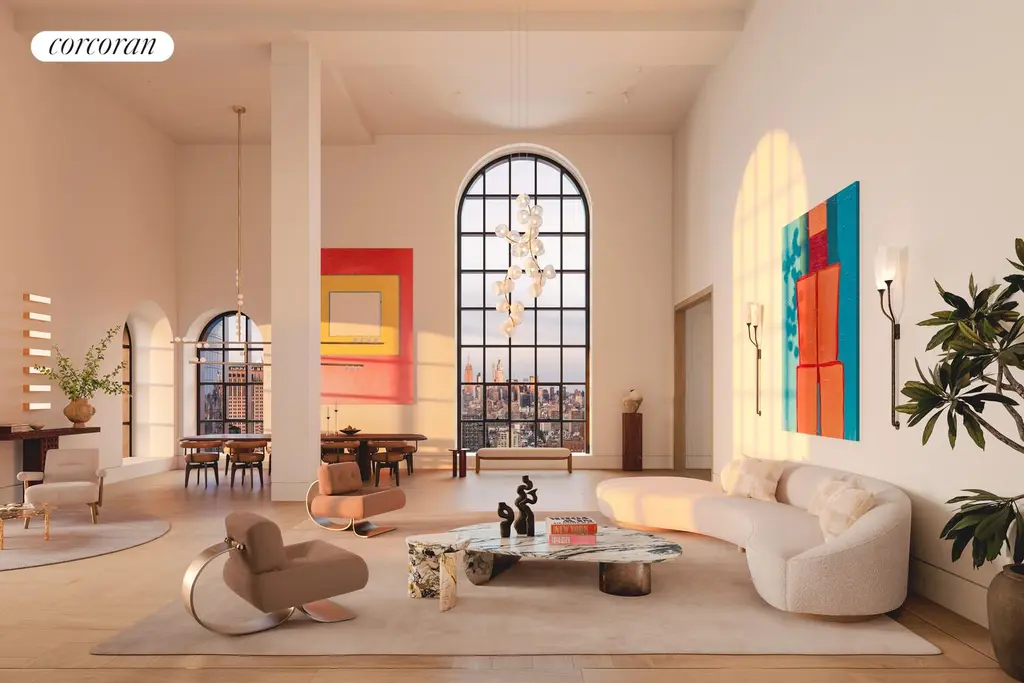
One Hundred Barclay Tribeca, #PHNORTH (Corcoran Group)
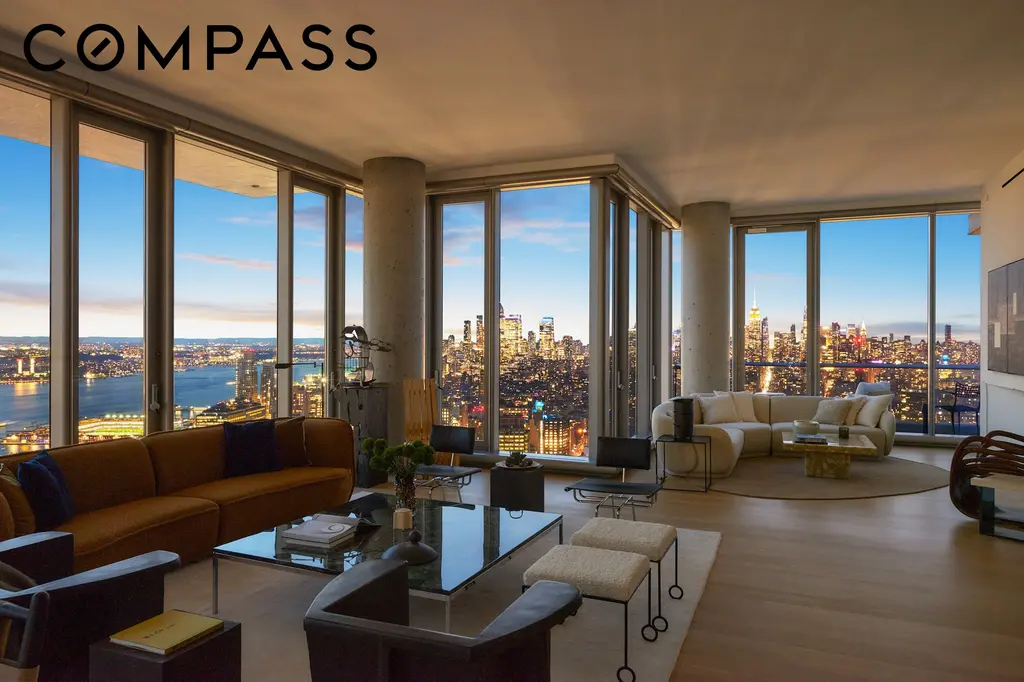
56 Leonard Street, #47W
$16,950,000 (-3.1%)
Tribeca | Condominium | 4 Bedrooms, 4.5 Baths | 3,576 ft2
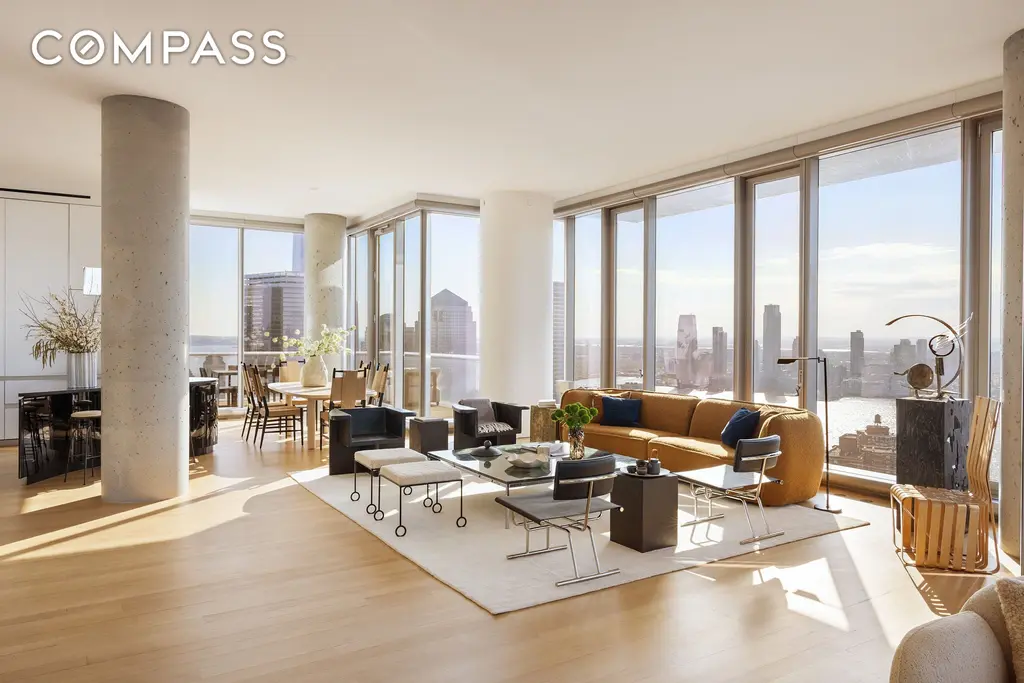
56 Leonard Street, #47W (Compass)

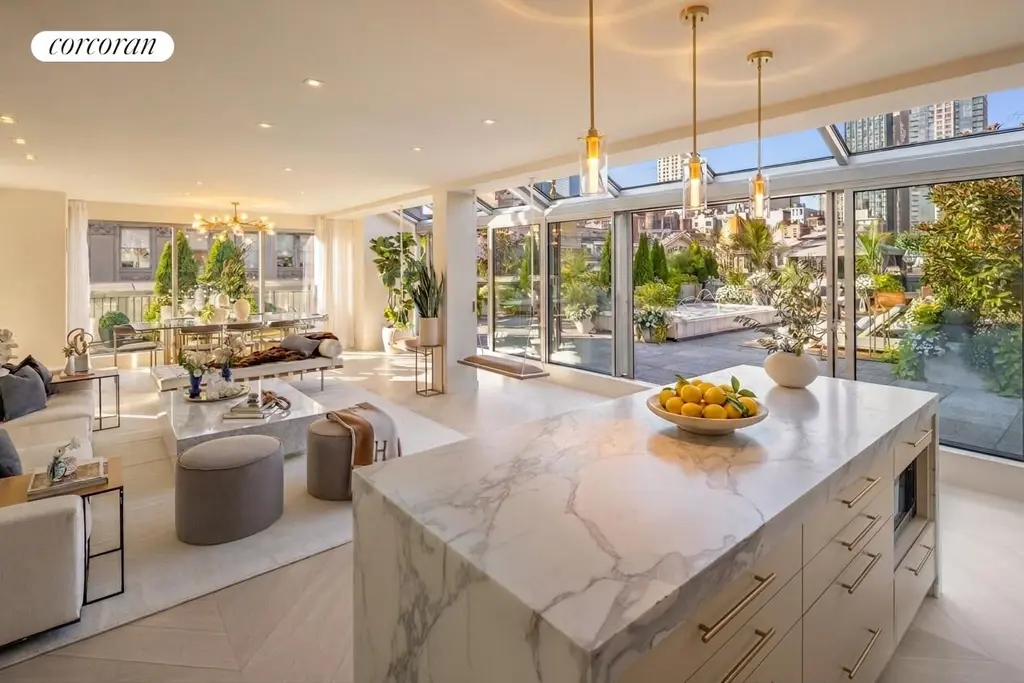
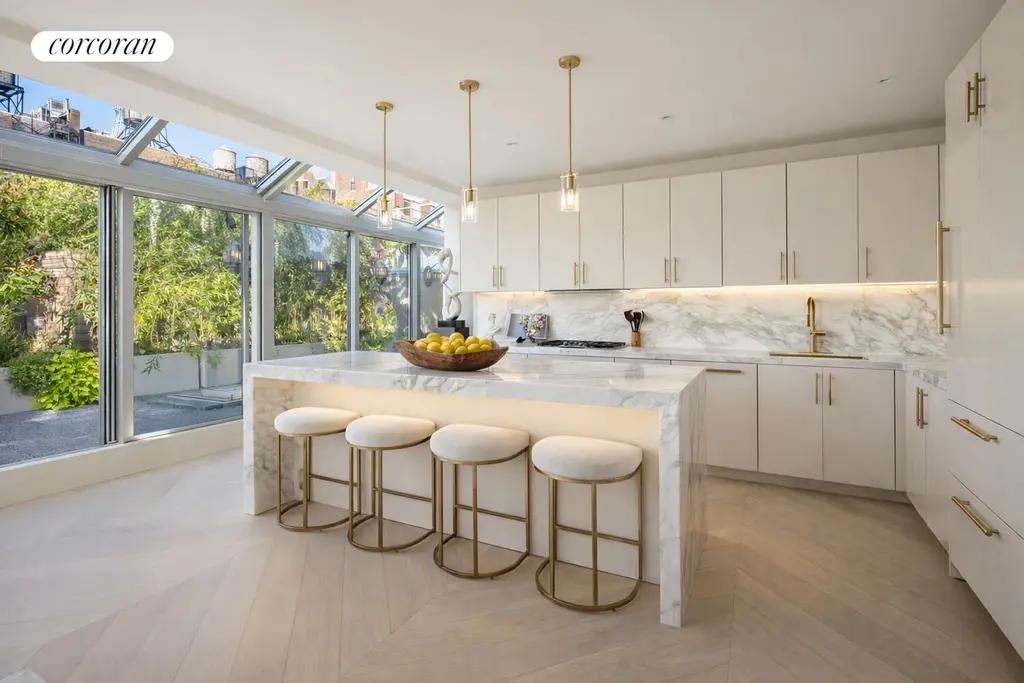
The Cammeyer, #PHA (Corcoran Group)

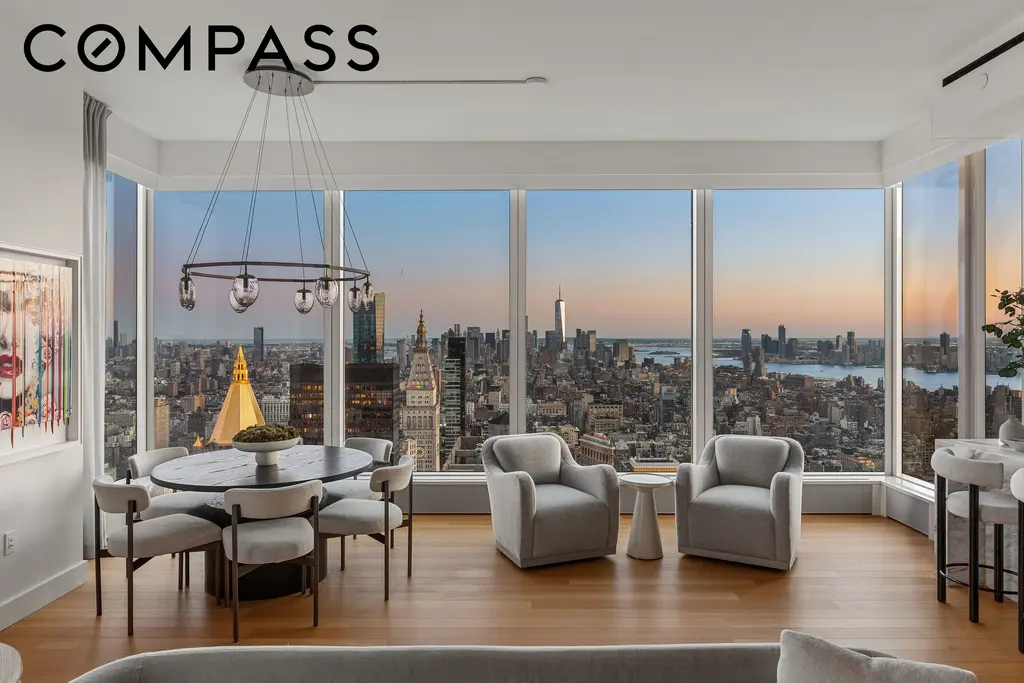
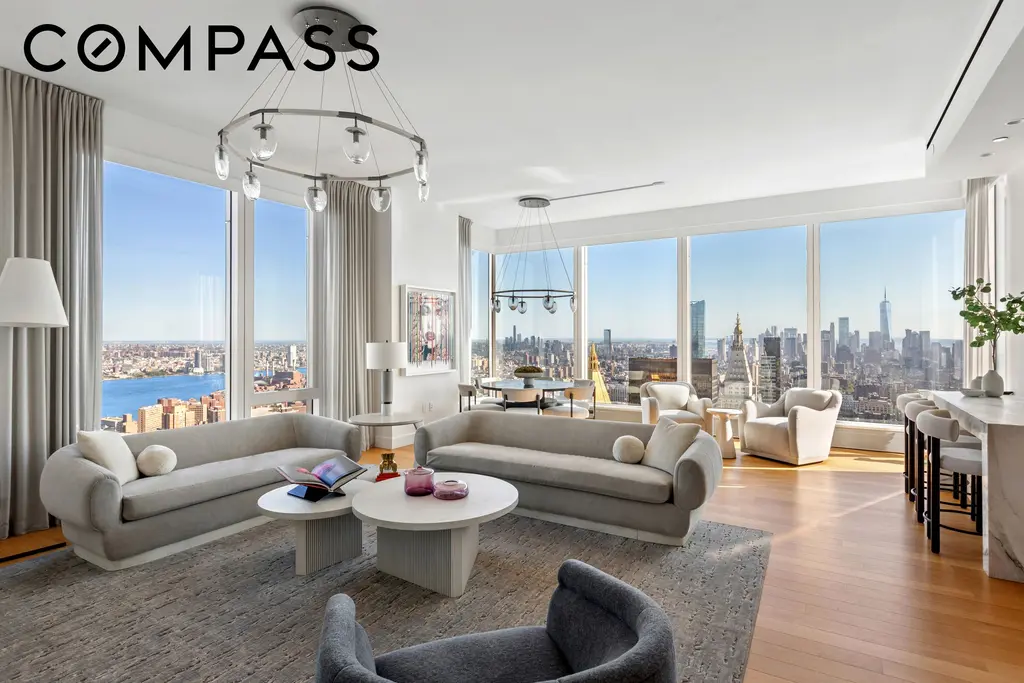
Madison House, #54B (Compass)

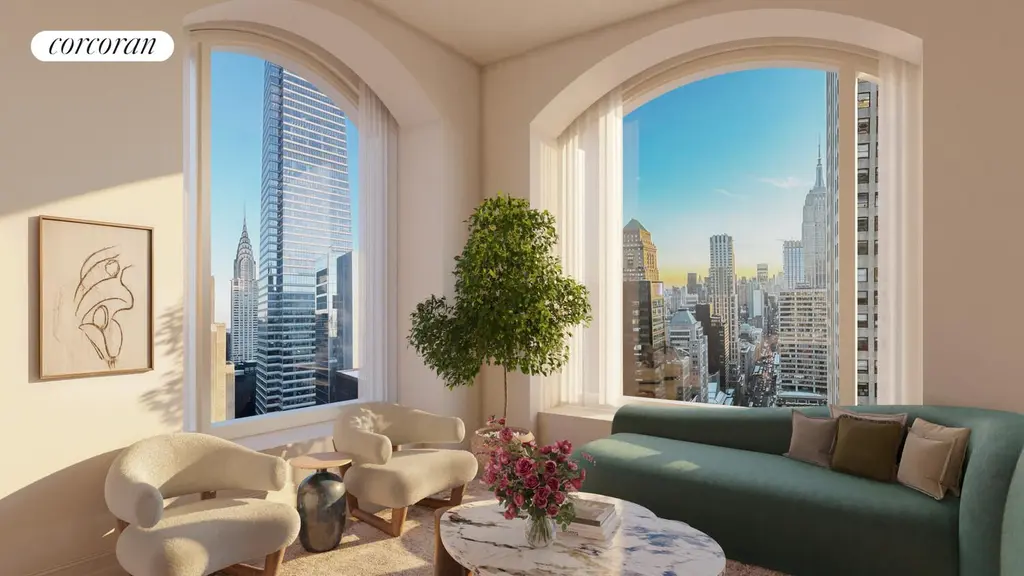
520 Fifth Avenue, #44A (Corcoran Sunshine Marketing Group)
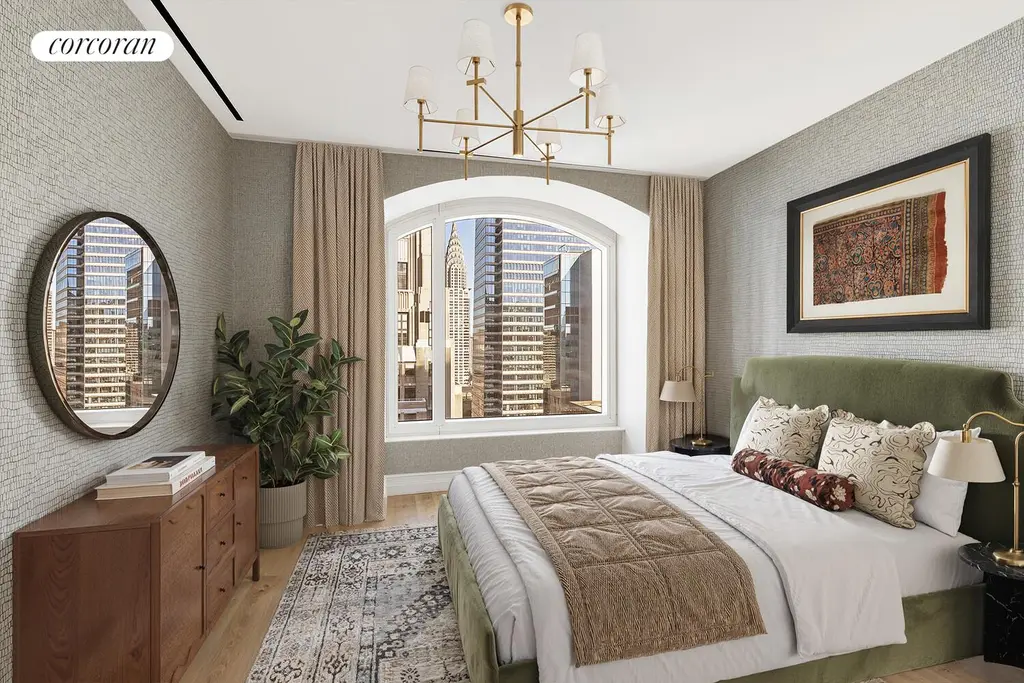
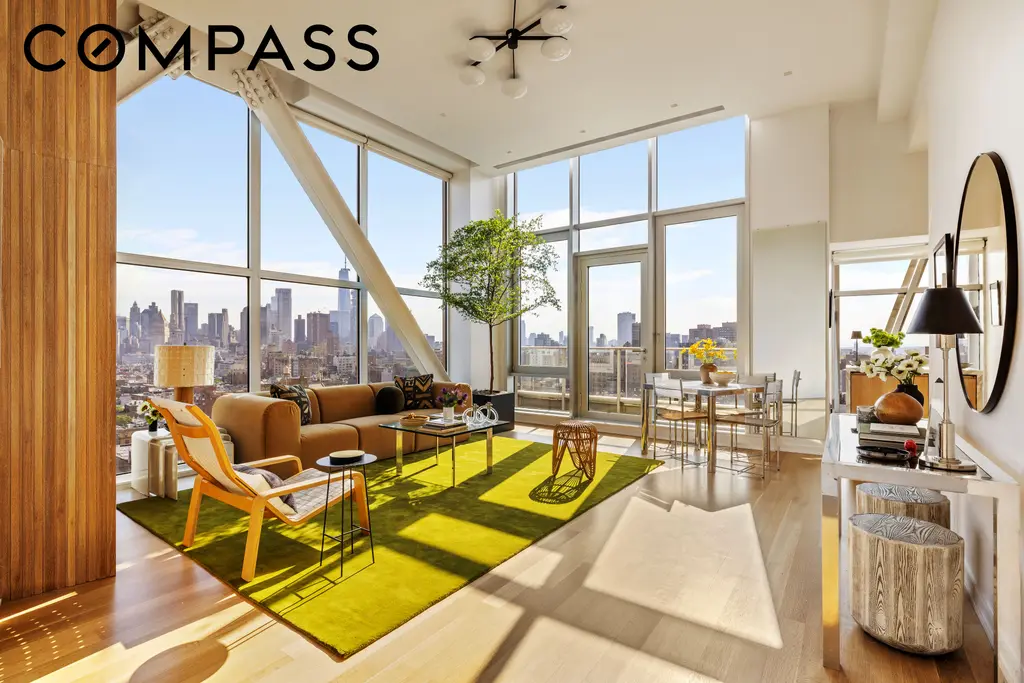


The Four Seasons Private Residences, #62D
$3,999,999 (-5.9%)
Tribeca | Condominium | 2 Bedrooms, 2.5 Baths | 1,538 ft2
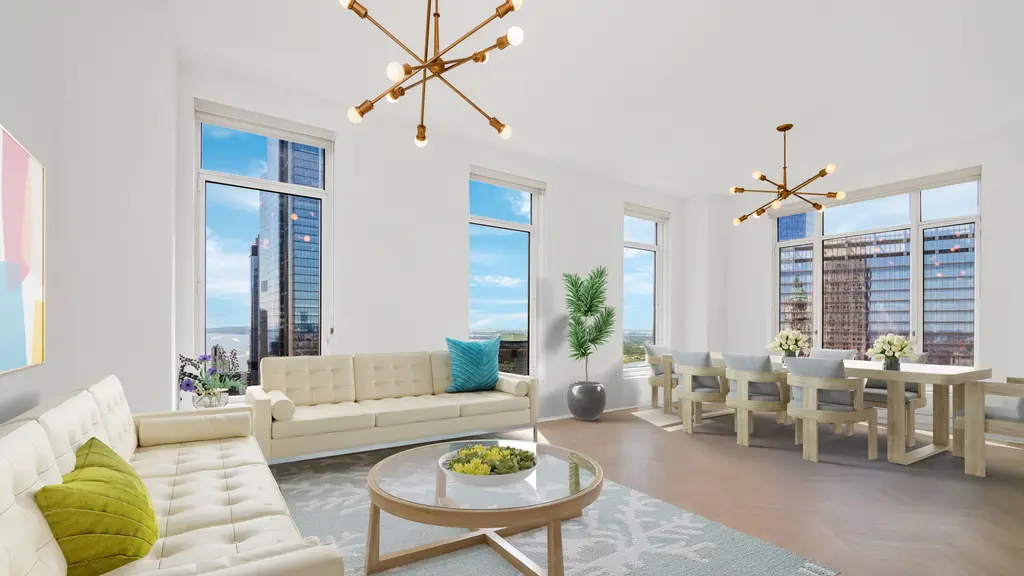
The Four Seasons Private Residences, #62D (Douglas Elliman Real Estate)

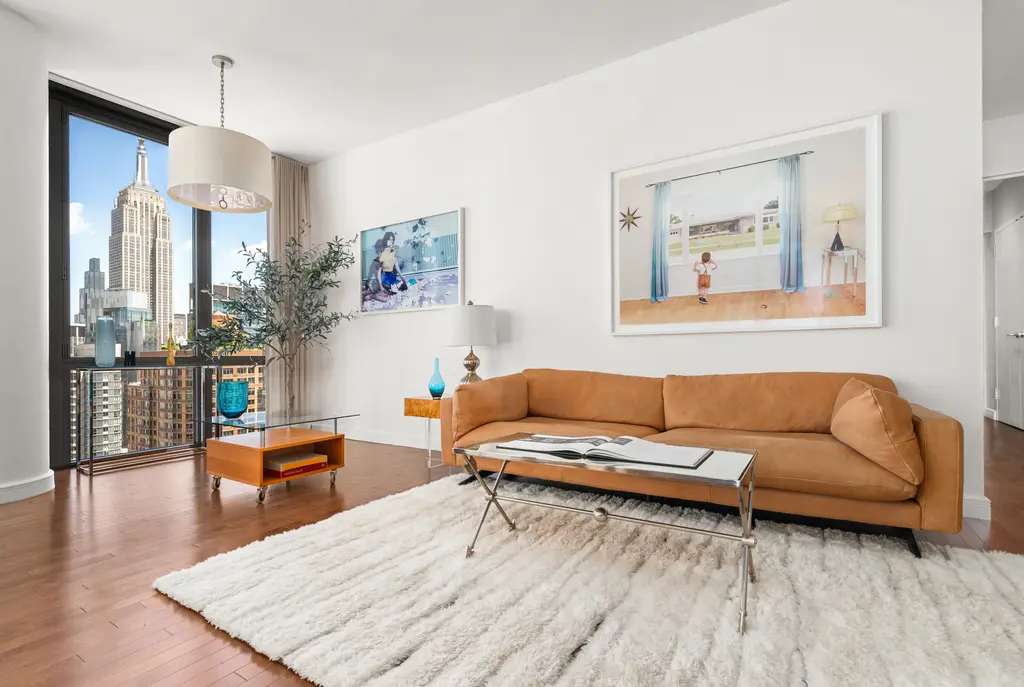
Chelsea Stratus, #36A (Douglas Elliman Real Estate)
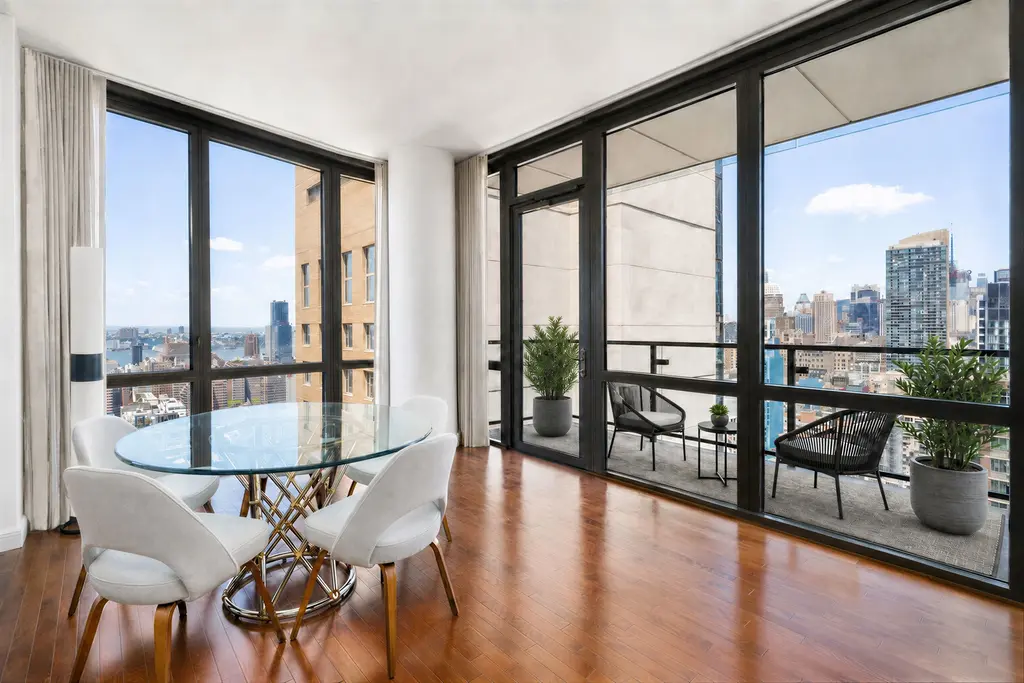
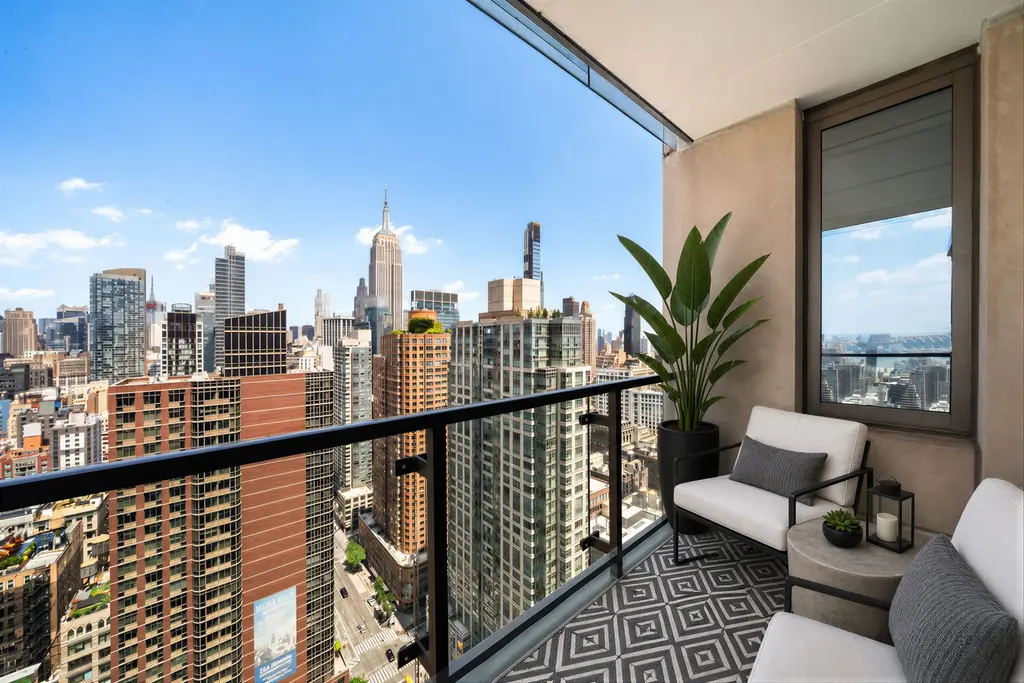
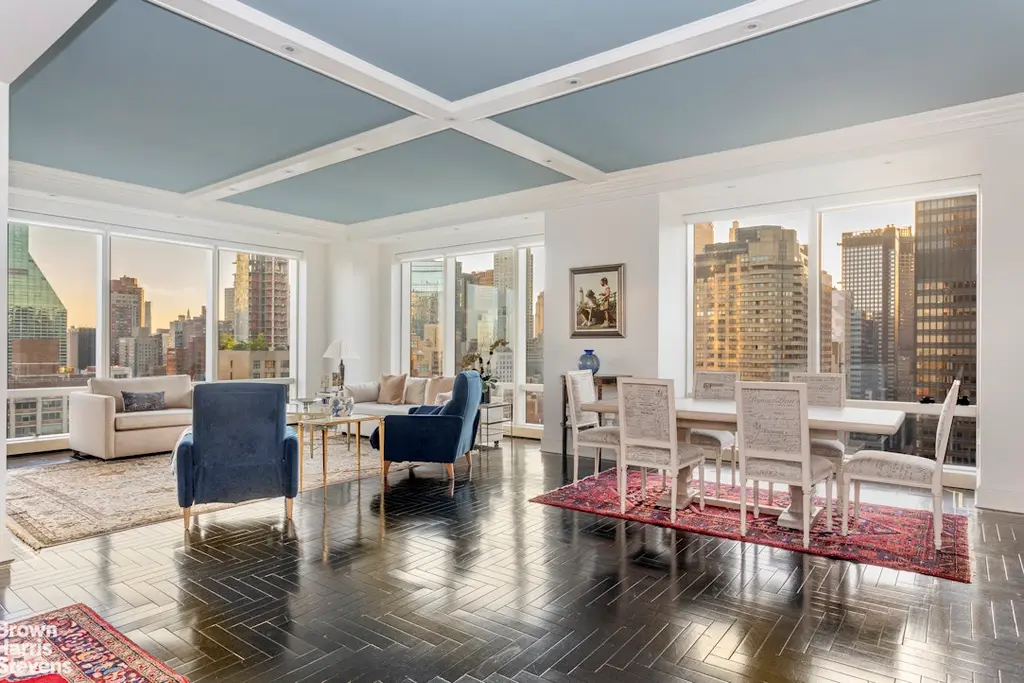
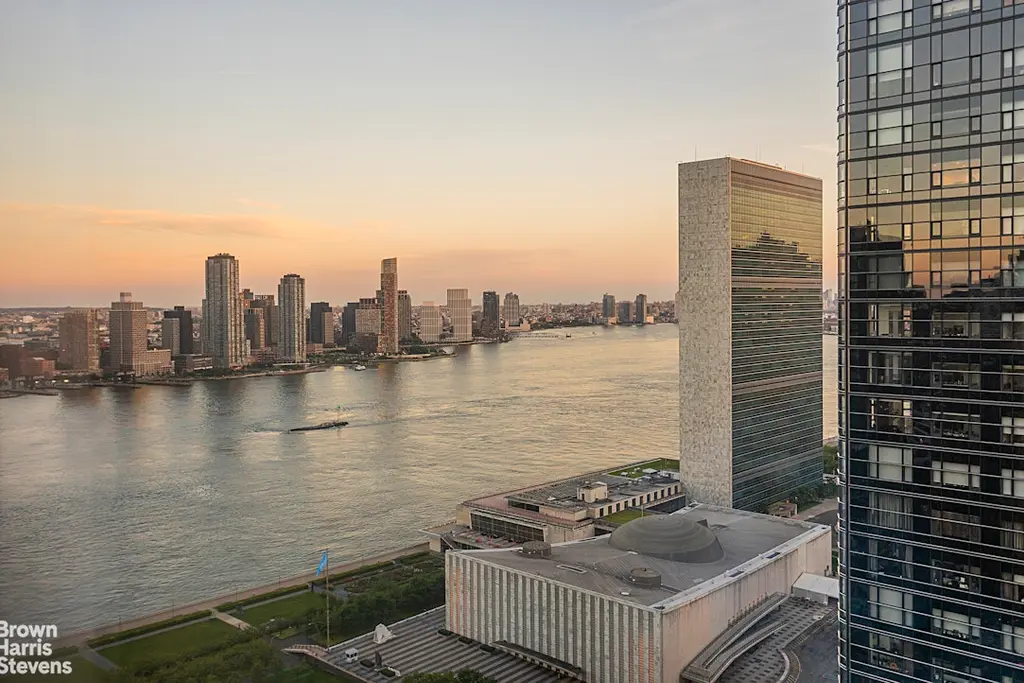
Trump World Tower, #37C (Brown Harris Stevens Residential Sales LLC)

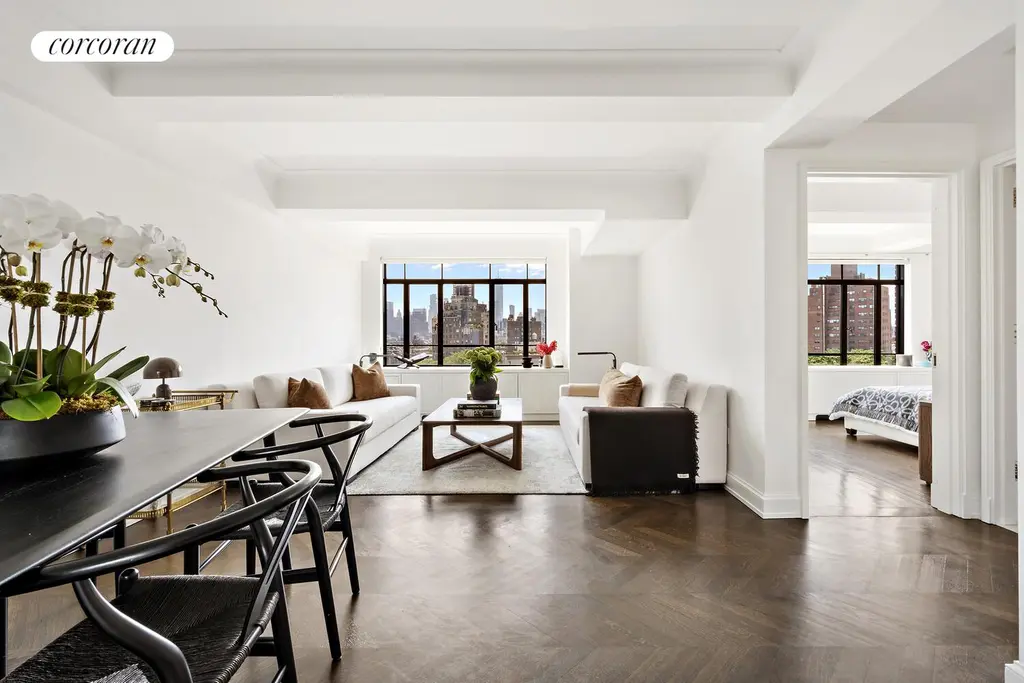
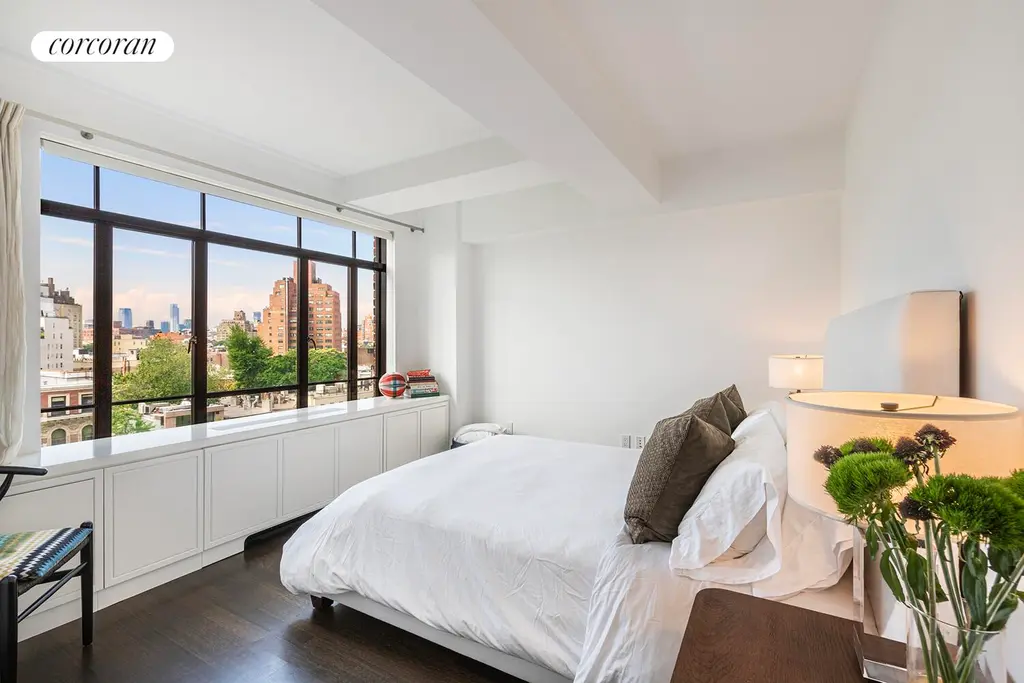
130 West 12th Street, #10D (Corcoran Group)

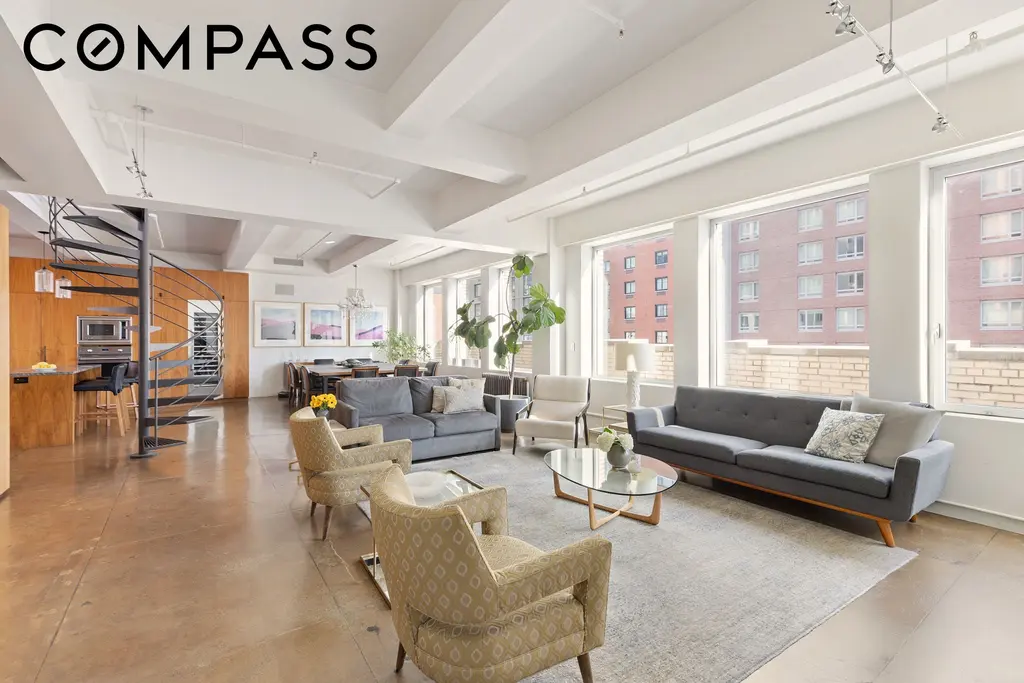
347 West 39th Street, #PHNE (Compass)

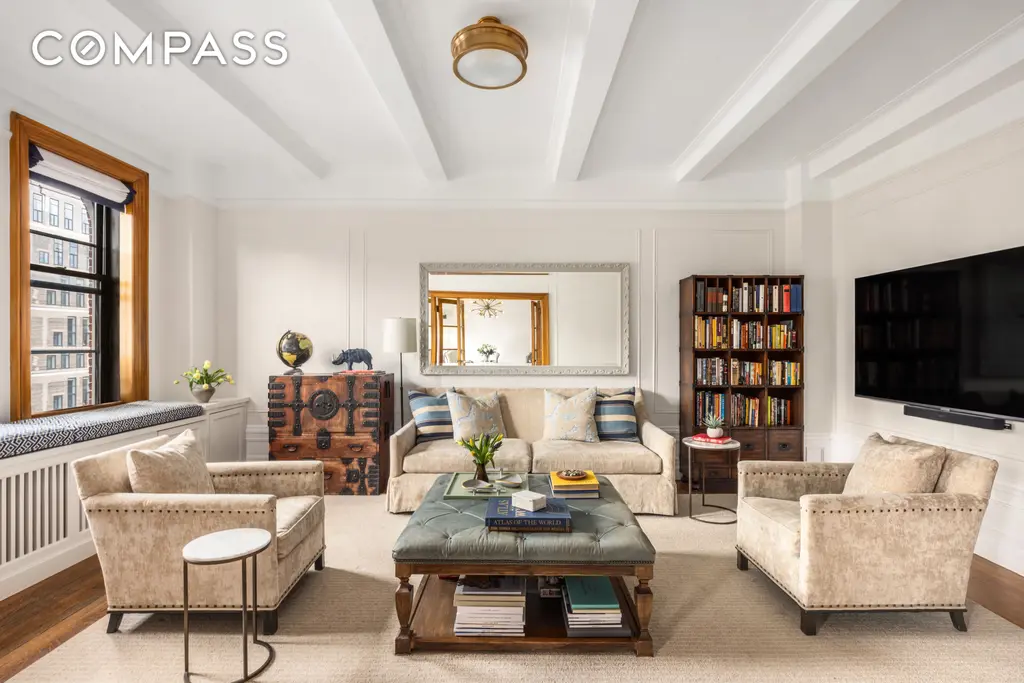
119 West 71st Street, #9B (Compass)
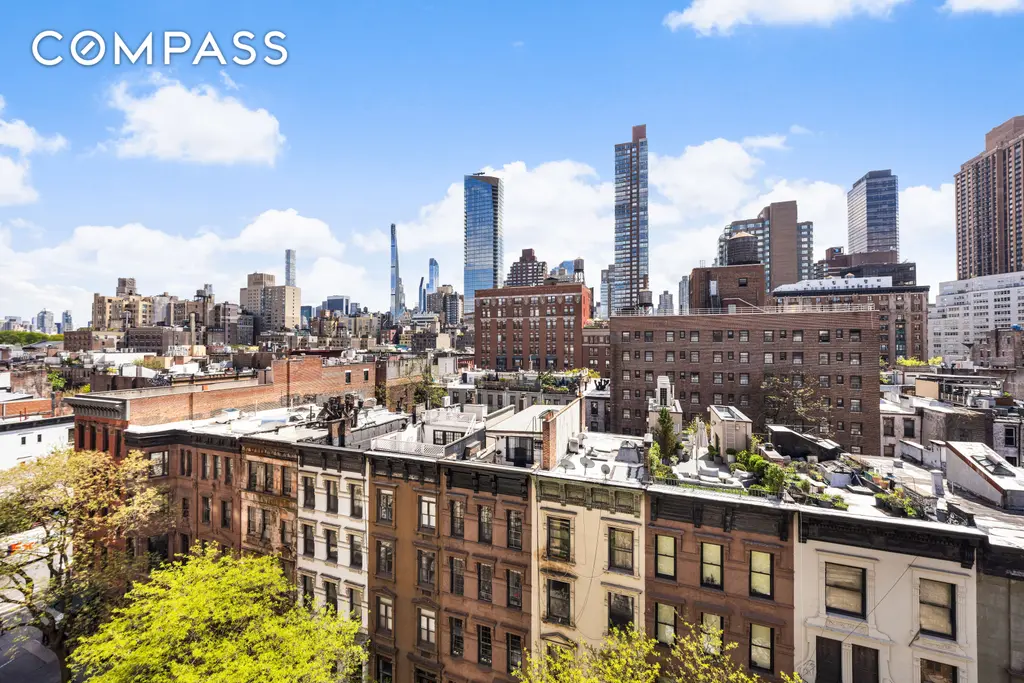
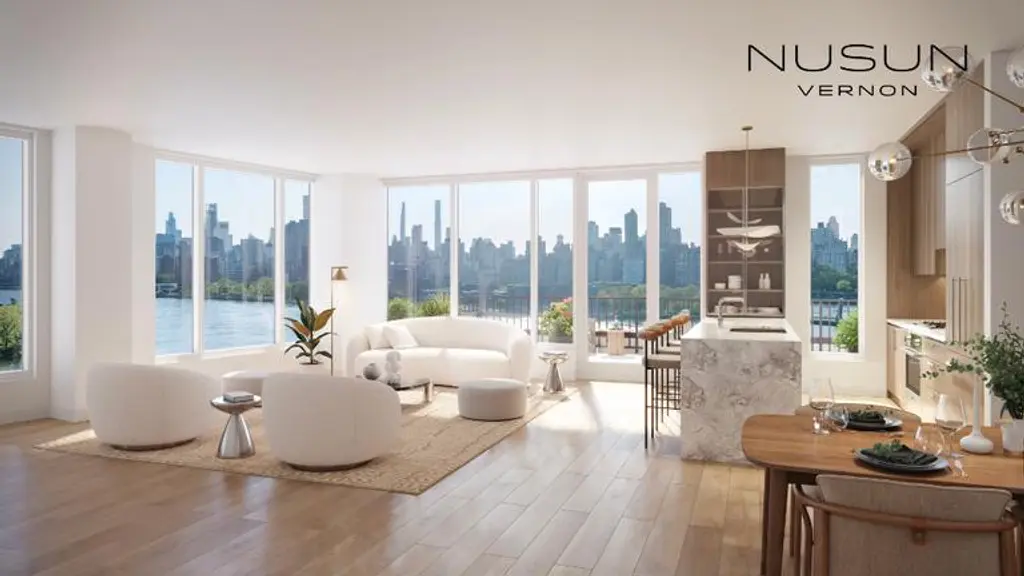
NuSun Vernon, #7M (GLOBAL REAL ESTATE VENTURES GROUP LLC)
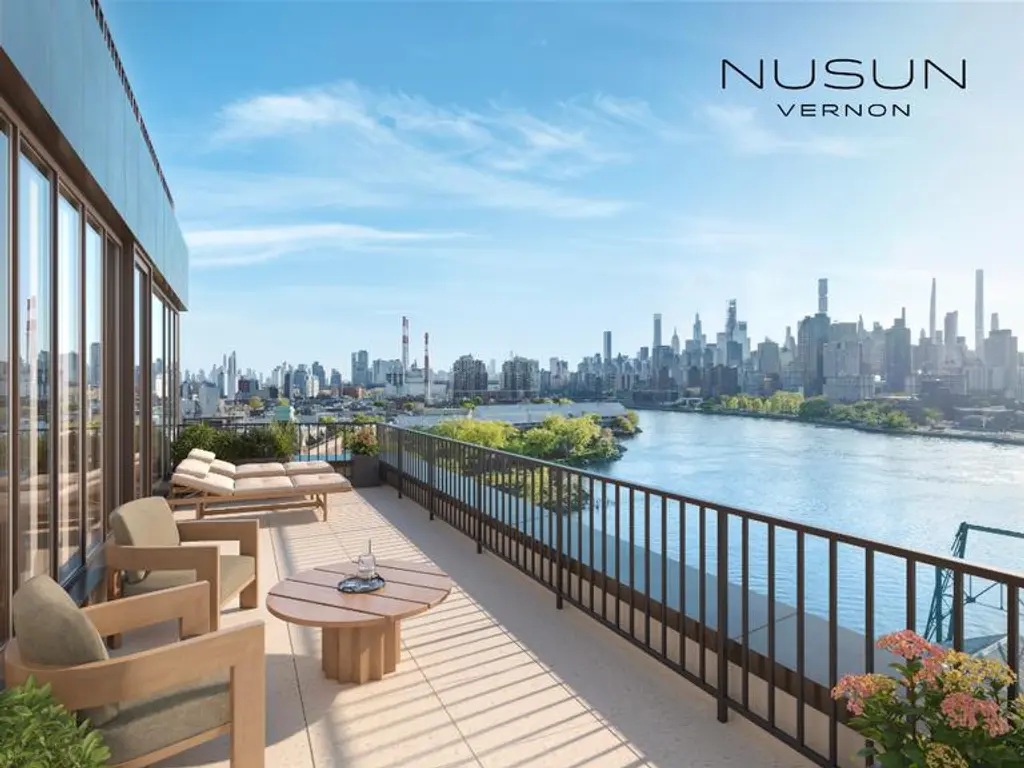
One Manhattan Square, #36-SOUTH
$2,995,000 (-7.8%)
Lower East Side | Condominium | 3 Bedrooms, 3 Baths | 1,487 ft2
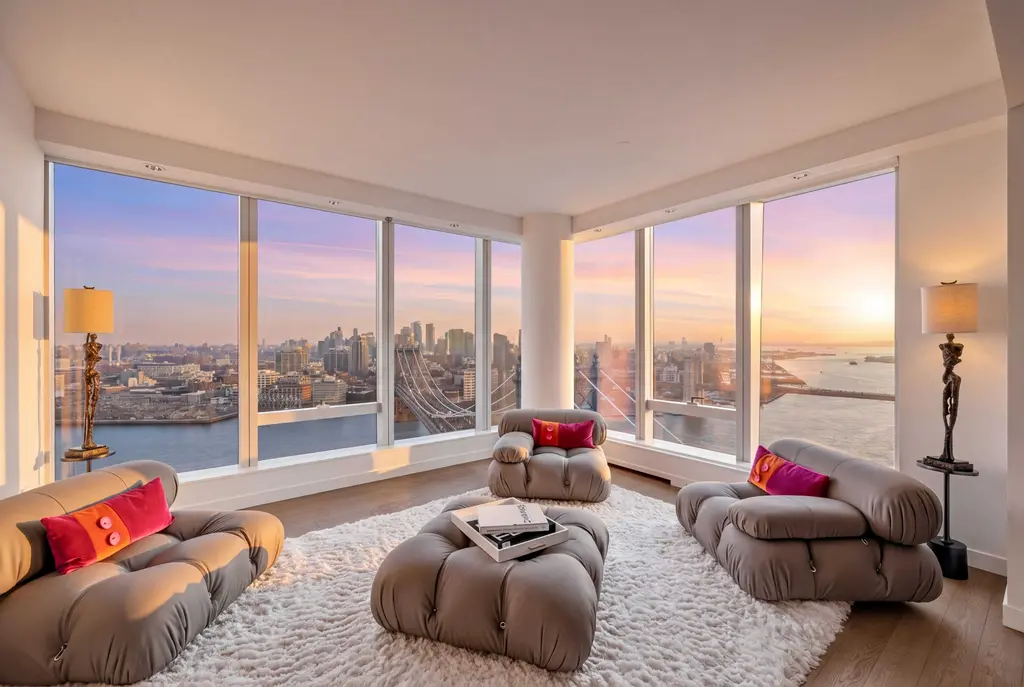
One Manhattan Square, #36-SOUTH (CHARNEY REAL ESTATE LLC)
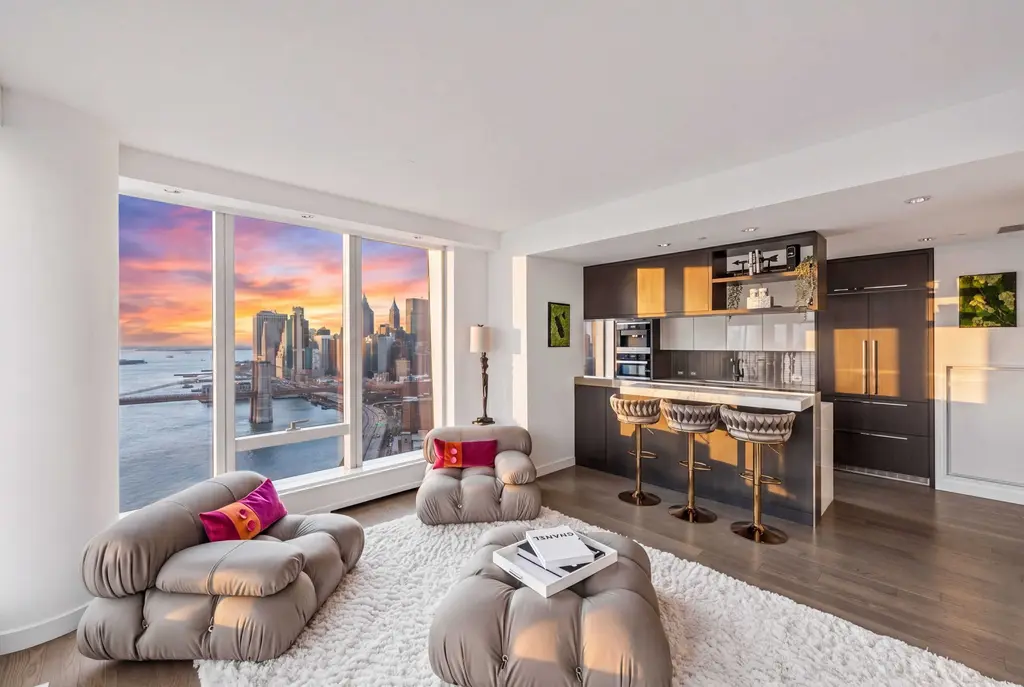
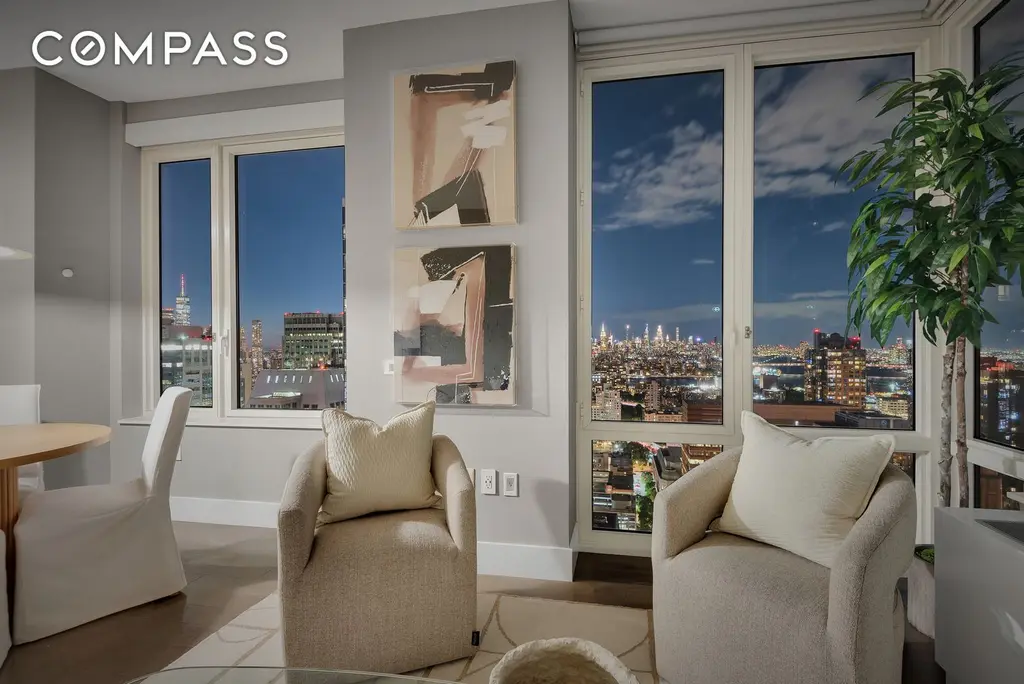
388 Bridge Street, #39G (Compass)
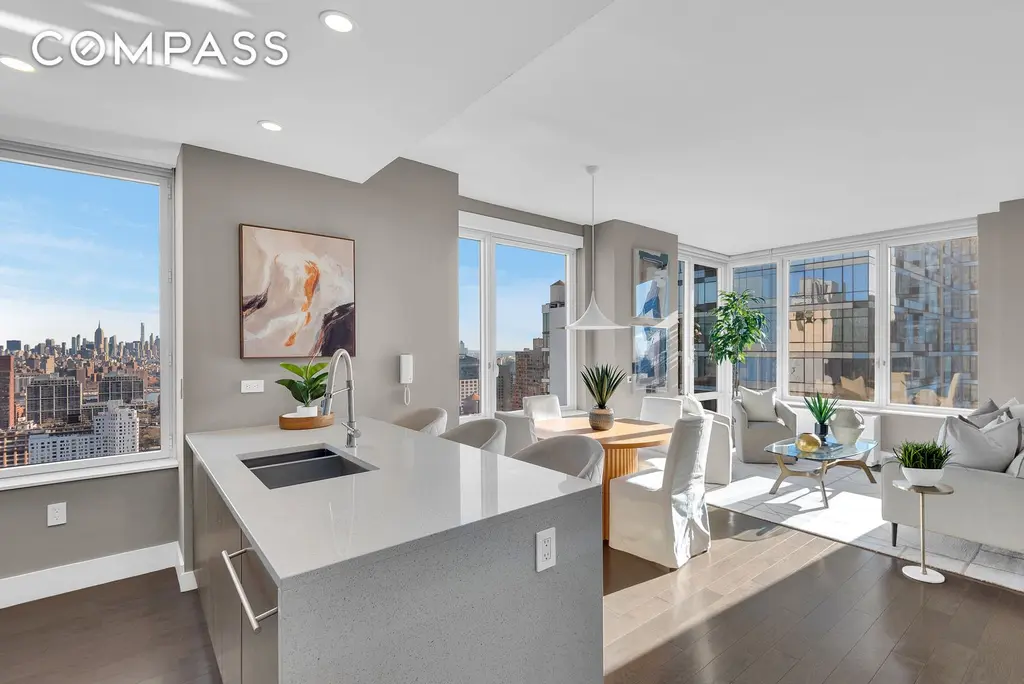

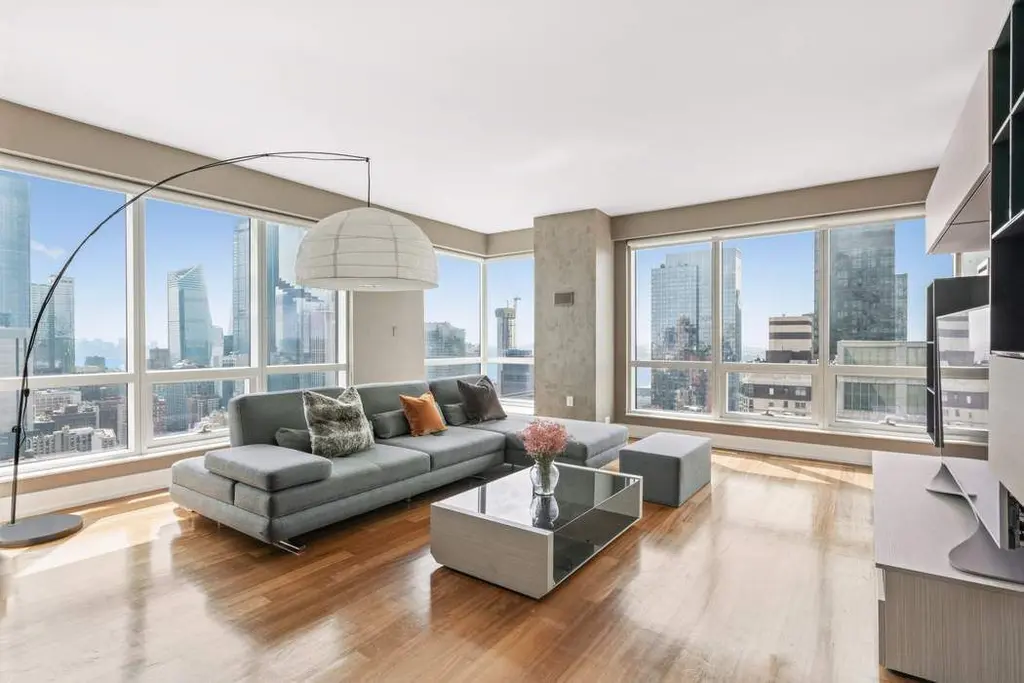
The Orion, #40A (Sothebys International Realty)

The Corinthian, #47C (Douglas Elliman Real Estate)
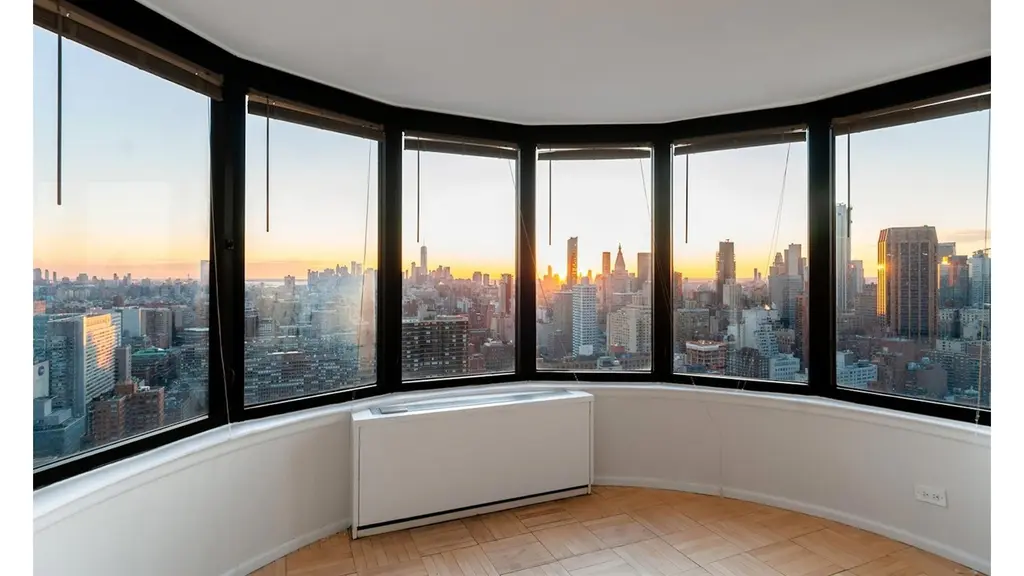

Manhattan View at MiMa, #51H
$1,050,000 (-8.7%)
Midtown West | Condominium | Studio, 1 Bath | 566 ft2
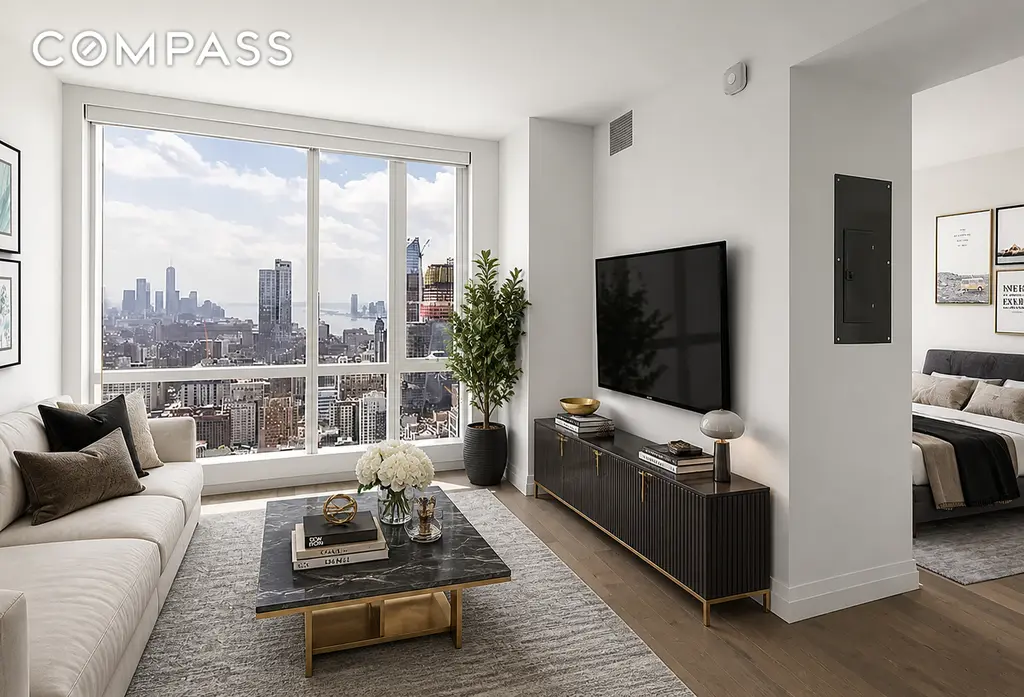
Manhattan View at MiMa, #51H (Compass)

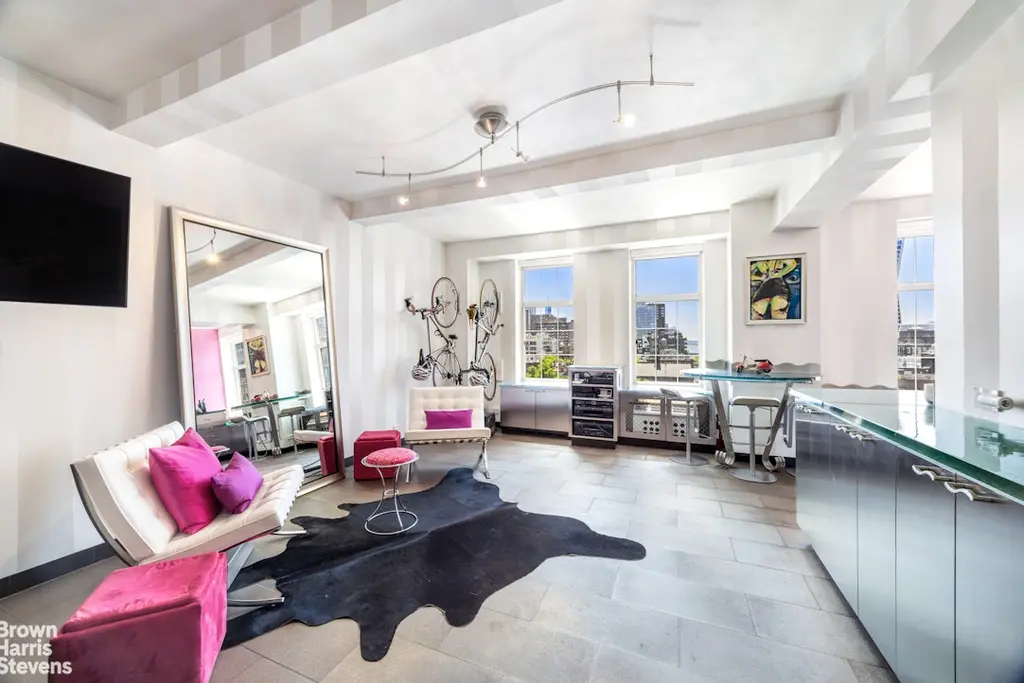
London Terrace Towers, #12D (Brown Harris Stevens Residential Sales LLC)
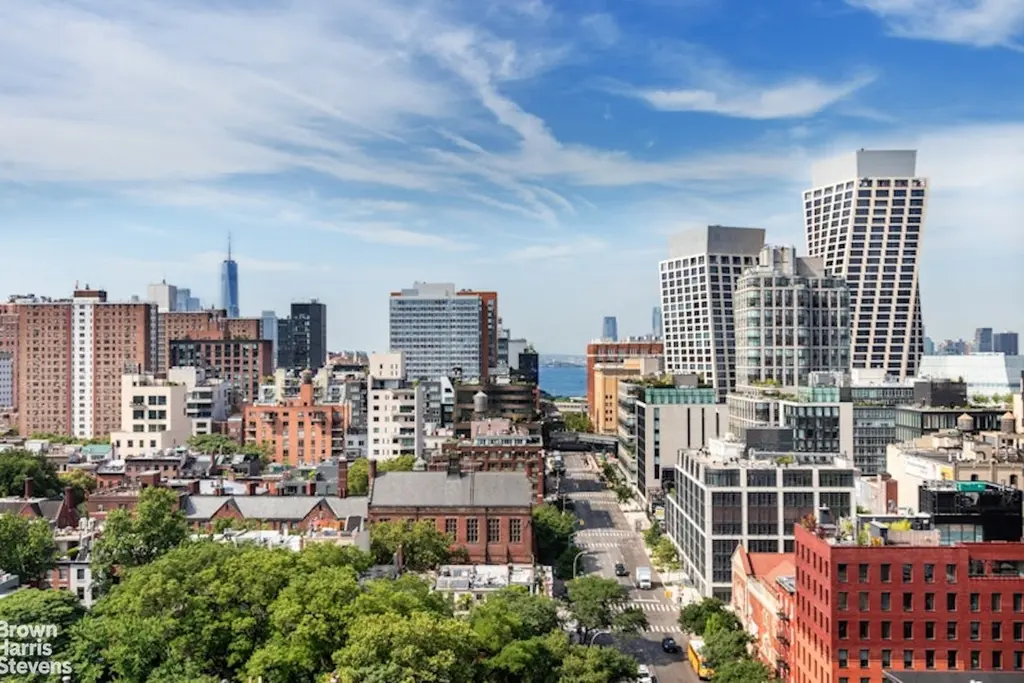
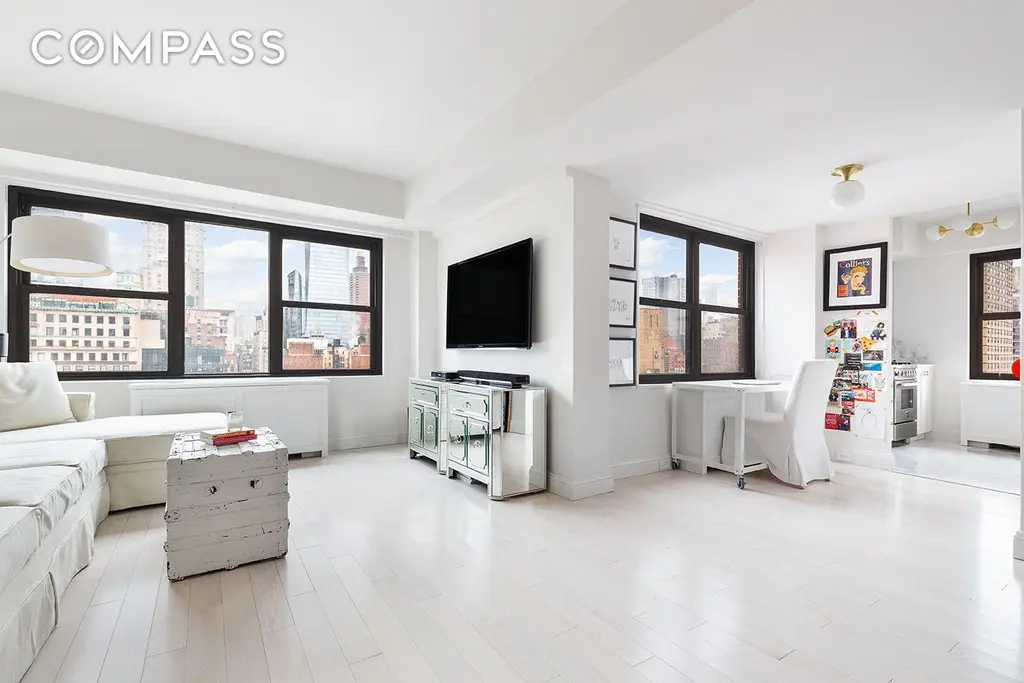
Victoria House, #19C (Compass)

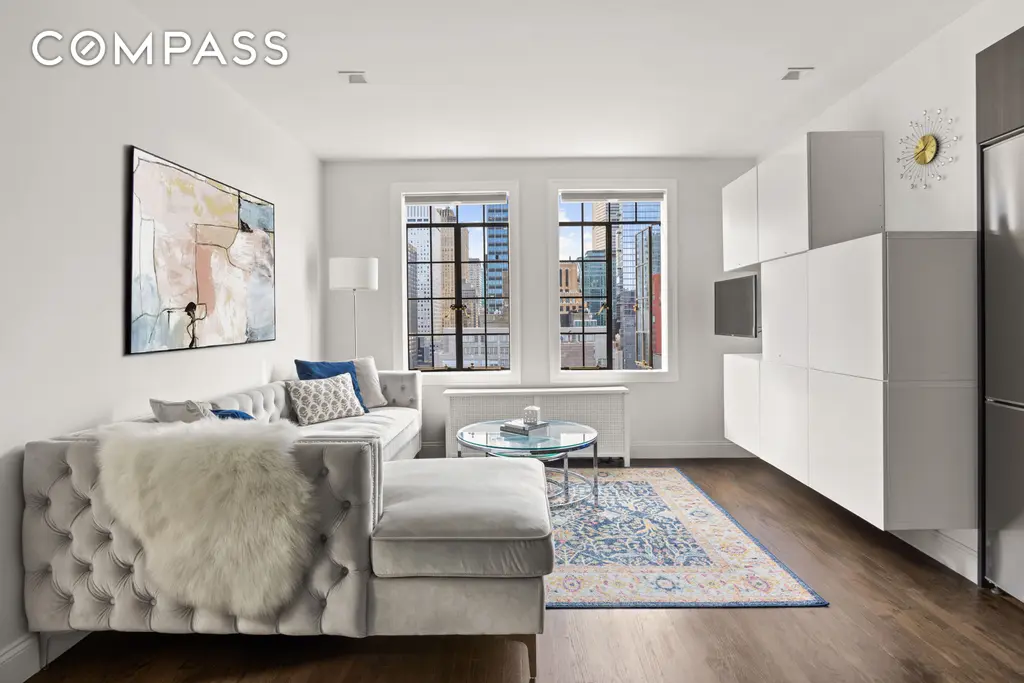
Prospect Tower, #2111 (Compass)

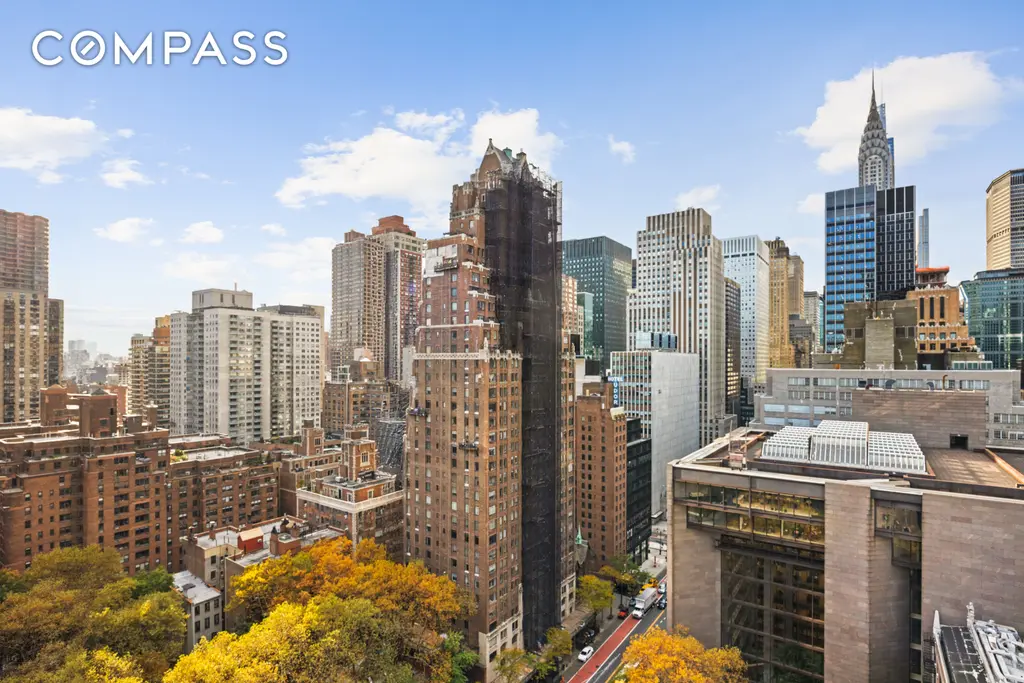
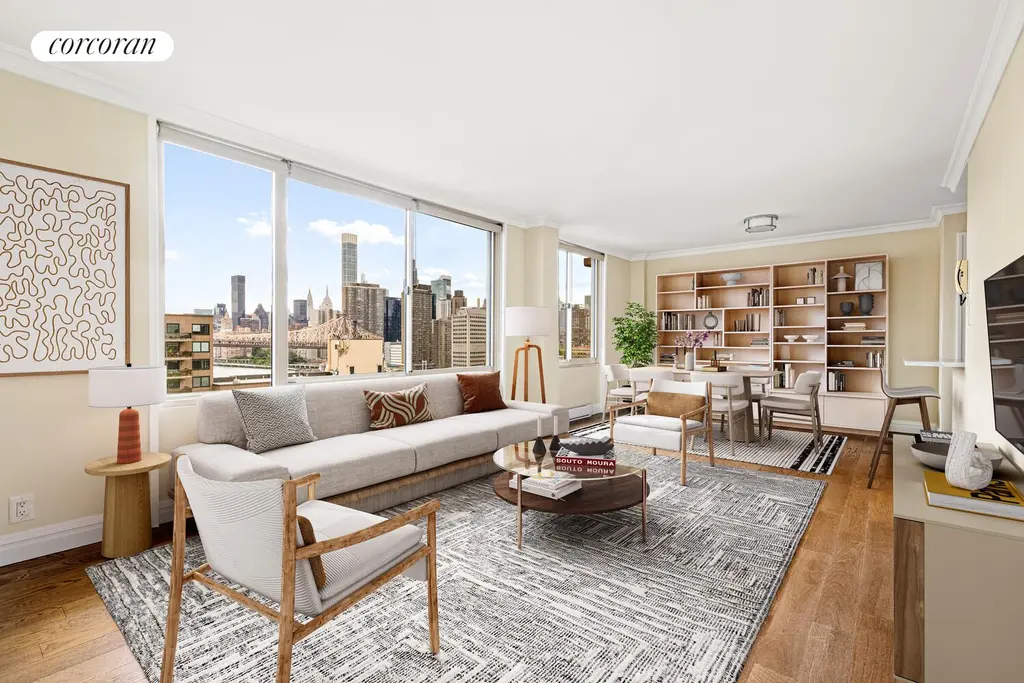
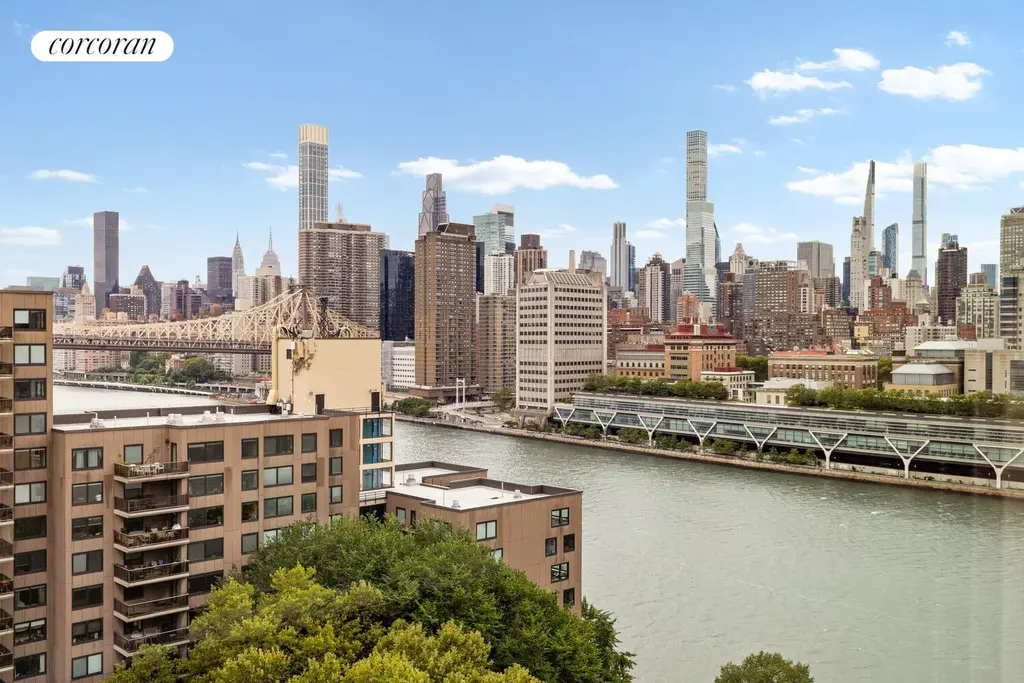
The Island House, #1608 (Corcoran Group)
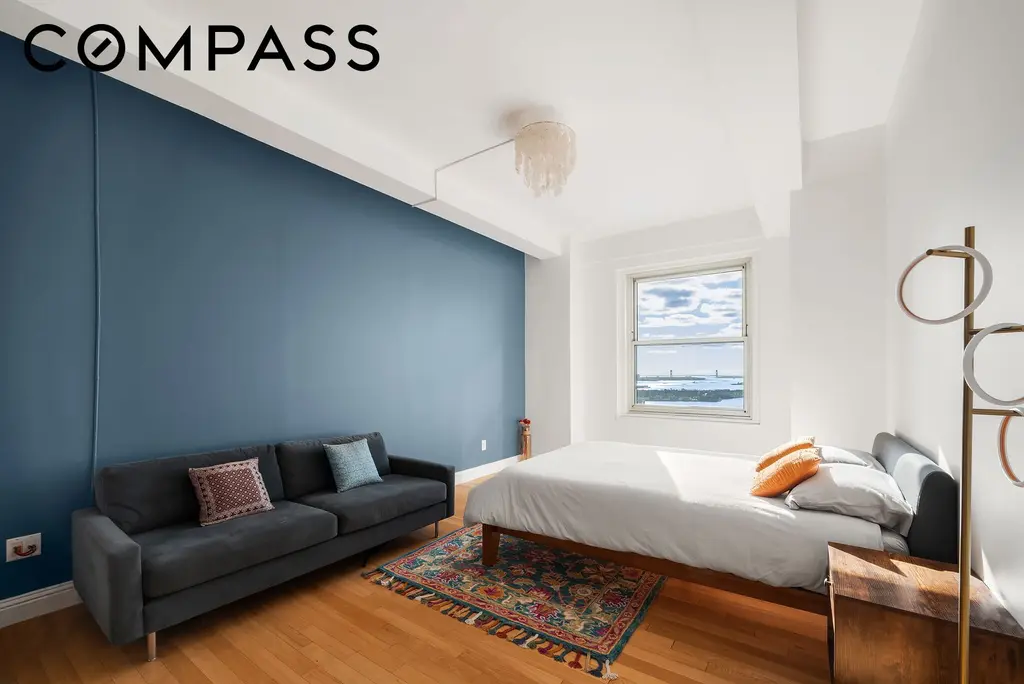
Greenwich Club, #2903 (Compass)

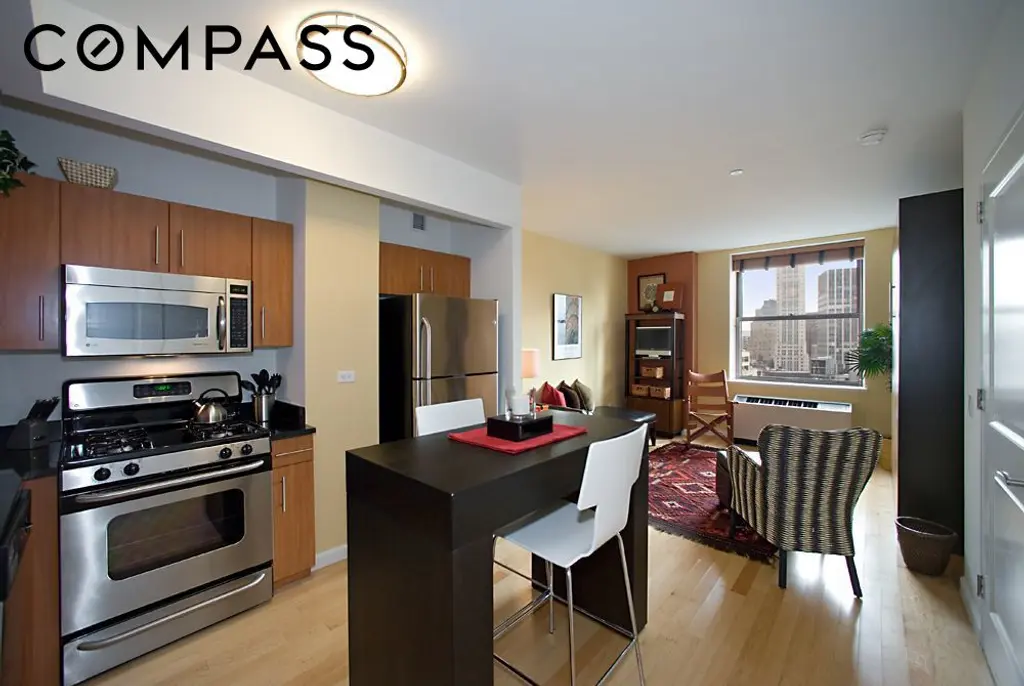
Downtown Club, #35G (Compass)

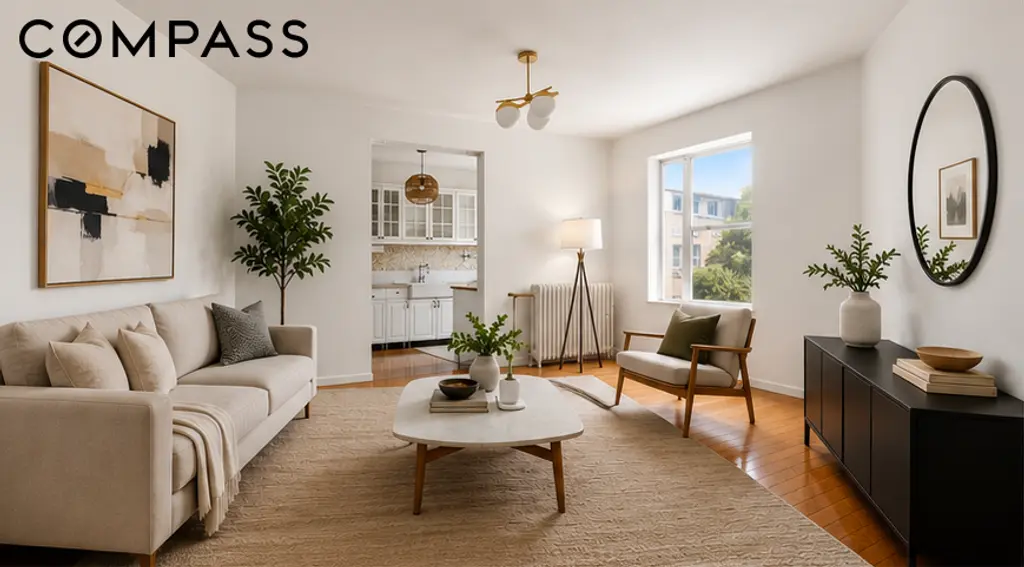
45-08 40th Street, #D51 (Compass)
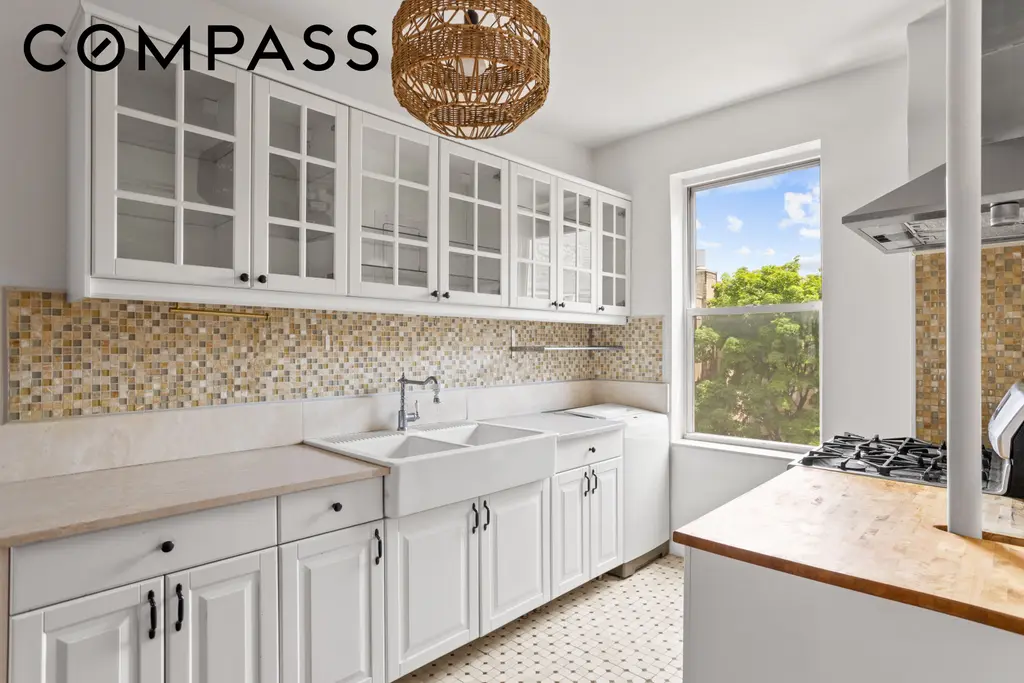

Related Articles

Future New York
Byron Allen’s $34M 220 CPS buy leads over $420M in Manhattan sales; Siggi’s founder buys in Tribeca, Dick Grasso sells
Wednesday, October 21, 2026
Future New York
Price Cuts: Millions slashed off trophy penthouses at One Hundred Barclay Tribeca; Historic Gramercy townhouse down by $9M
Wednesday, October 21, 2026
Future New York
Price Cuts: "Bachelor maiden's" former Gramercy carriage house reduced by $2M; Gold Coast duplex now 39% off
Thursday, October 1, 2026
Future New York
The sun'll come out tomorrow? Higher rates chill Manhattan contracts as "Annie" creator's townhouse goes into contract
Tuesday, September 29, 2026
Future New York
Linda Evangelista sells Chelsea penthouse once rented to Keanu Reeves; Green Dot founder buys at Central Park Tower
Monday, September 28, 2026
Great Listings
21 NYC condo buildings with golf simulators and golf amenities
Friday, September 25, 2026
Future New York
NYC's top-selling residential buildings of summer 2026; Big money kept flowing despite new tax
Thursday, September 24, 2026
Future New York

 6sqft delivers the latest on real estate, architecture, and design, straight from New York City.
