The Hampshire House, 150 Central Park South - Midtown West
- Apartments
- Overview & Photos
- Maps
- Floorplans
- Sales Data & Comps
- Similar Buildings
- All Units
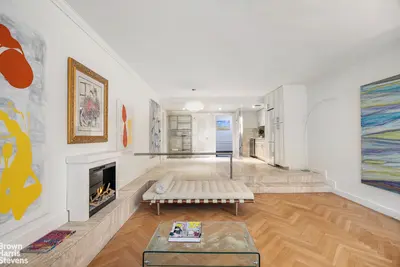
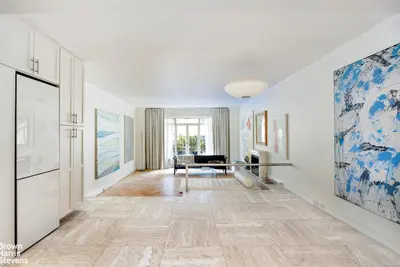
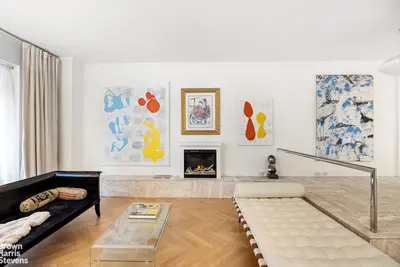
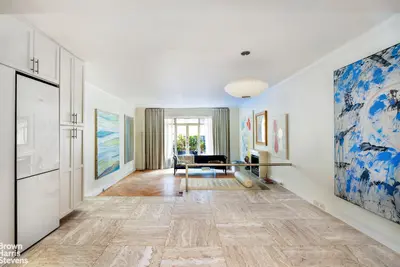
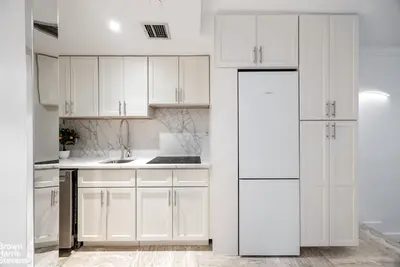
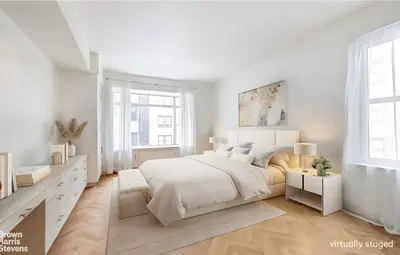
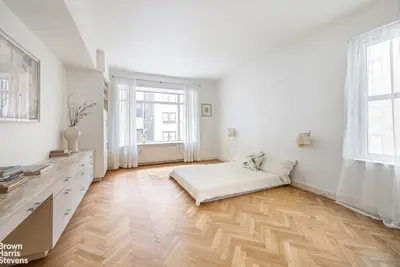
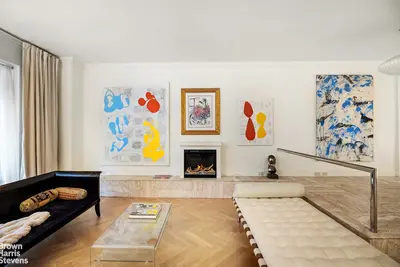
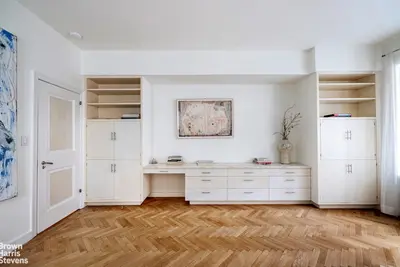
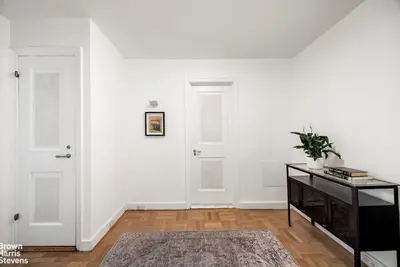
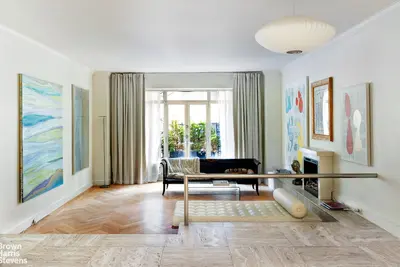
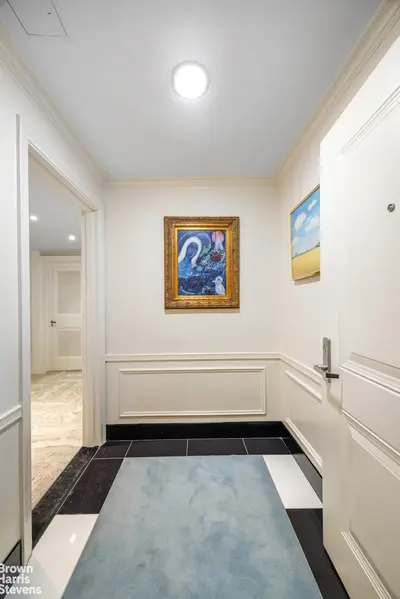
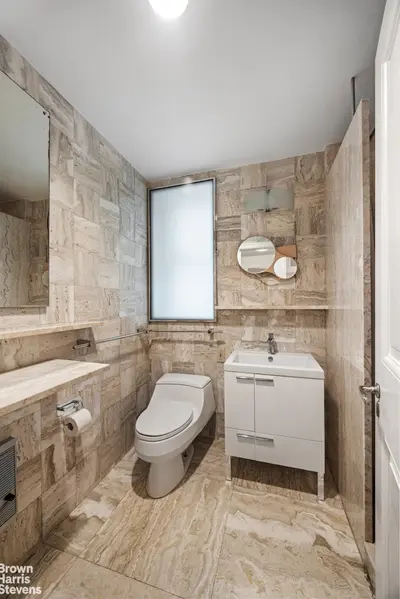
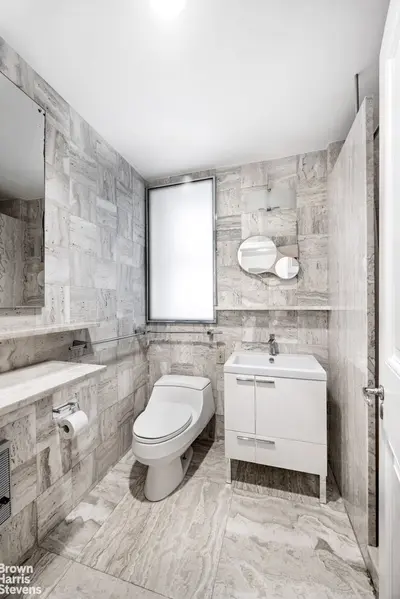
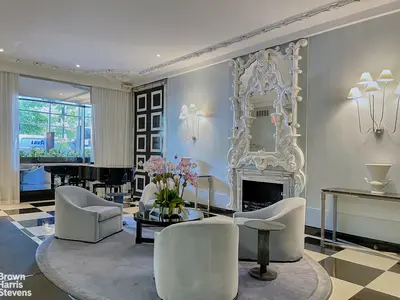
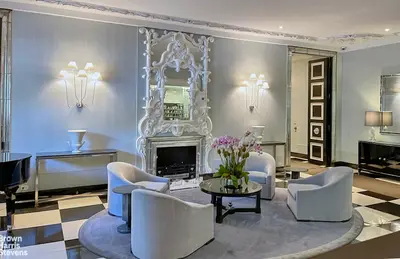
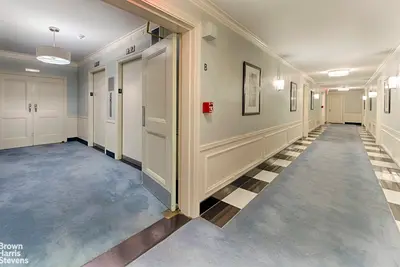
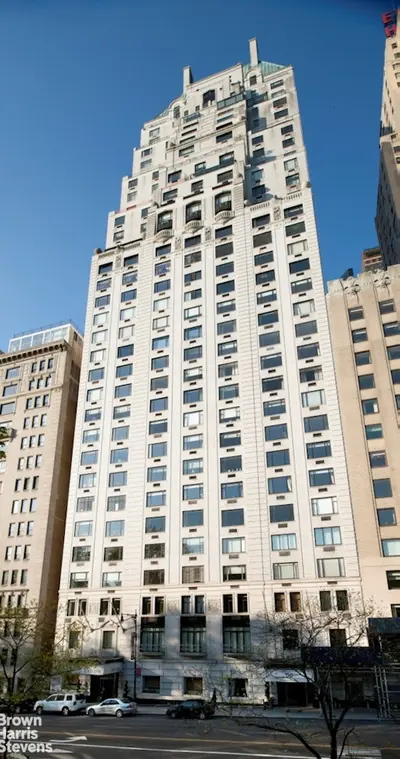
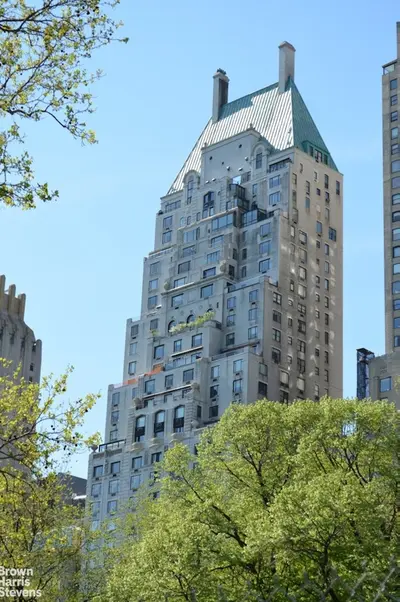
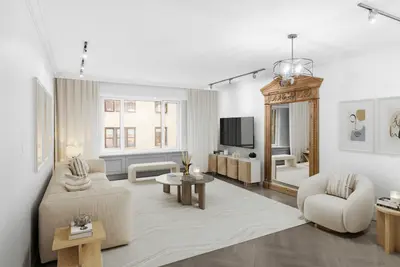
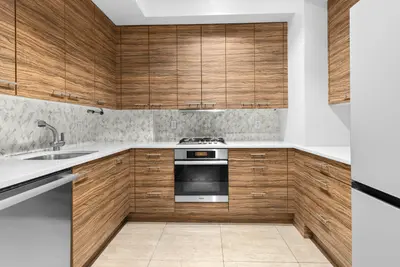
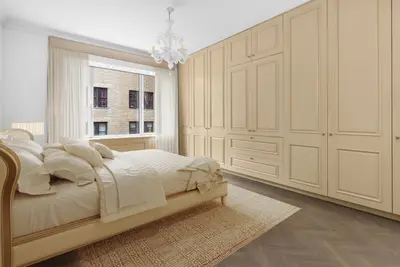
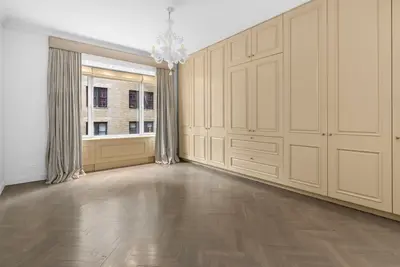
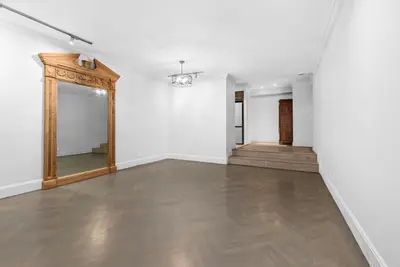
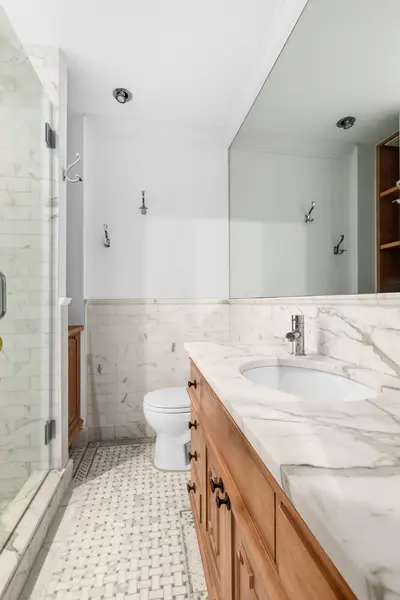
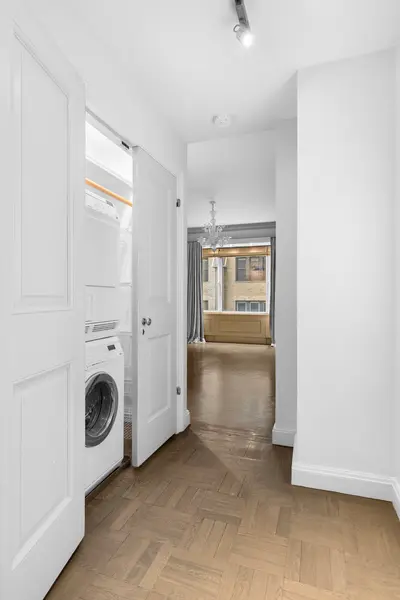
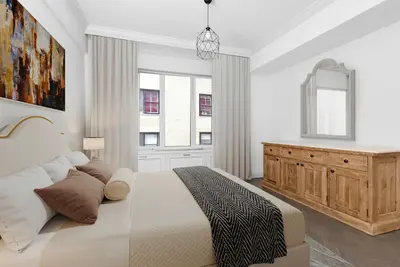
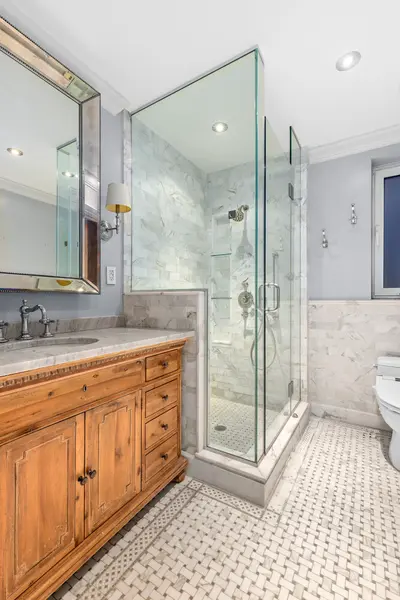
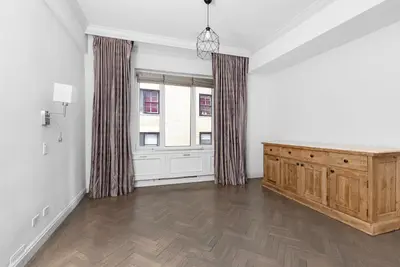
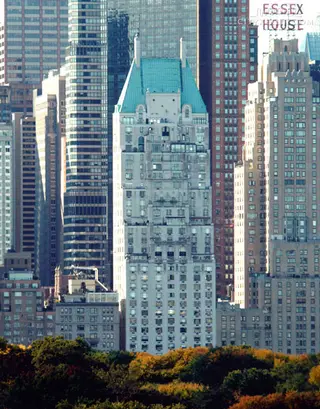
The Hampshire House, completed in 1940, stands as one of New York City's most distinctive skyline landmarks at 150 Central Park South. The 37-story cooperative building is renowned for its dramatic steeply-pitched copper roof crowned by twin chimneys, designed by architects A. Rollin Caughey and William F. Evans Jr. The building has an intriguing history, having started construction in 1931 but standing derelict for several years before being completed and converted to a cooperative in 1937.
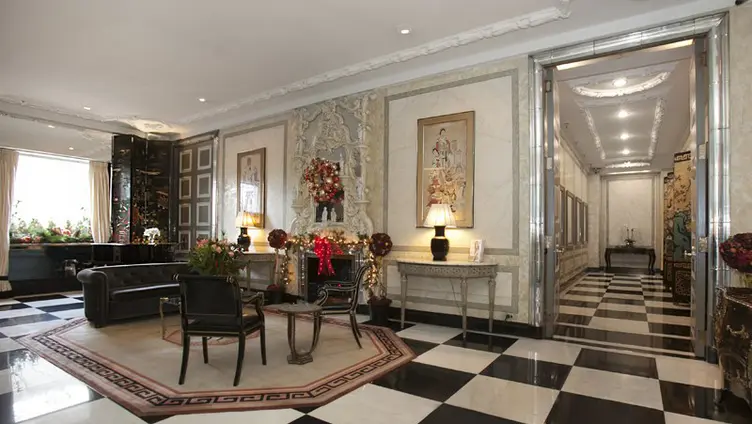
The building's striking architecture features white brick construction with a cascade of setbacks leading to a rectangular tower. Its base showcases rusticated white marble walls, aluminum fixtures, and polished black granite trim, while Spanish Baroque dormers accent the upper floors. The legendary interior designer Dorothy Draper created the building's elegant lobby, which maintains its original black and white details with oversized plaster carvings and cast clear glass door moldings.
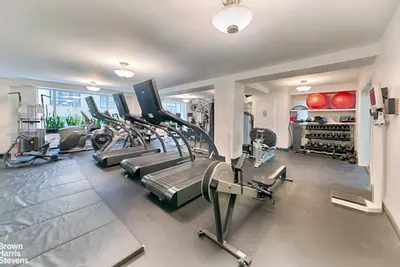
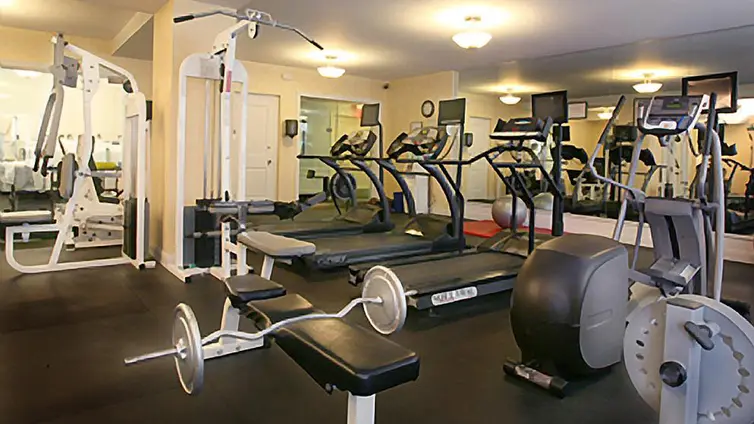
Throughout its history, Hampshire House has been home to numerous celebrities, including Frank Sinatra, Ava Gardner, Marilyn Monroe, and Joe DiMaggio. The building contains 175 units and offers residents a comprehensive suite of amenities including 24-hour doorman service, concierge, bell captain, fitness center, and optional housekeeping services. A house car is available for Manhattan destinations.
The building maintains high standards of luxury living while accommodating modern needs. It allows pied-à-terre ownership, is pet-friendly, and permits subleasing after two years of residency. Financing up to 50% is allowed with board approval, and maintenance fees include utilities, basic cable, and window washing.
Its prime location directly across from Central Park offers residents spectacular views and easy access to Manhattan's cultural landmarks. The building sits within walking distance of Carnegie Hall, Lincoln Center, Columbus Circle, and the Time Warner Center, providing convenient access to high-end shopping, dining, and entertainment options.
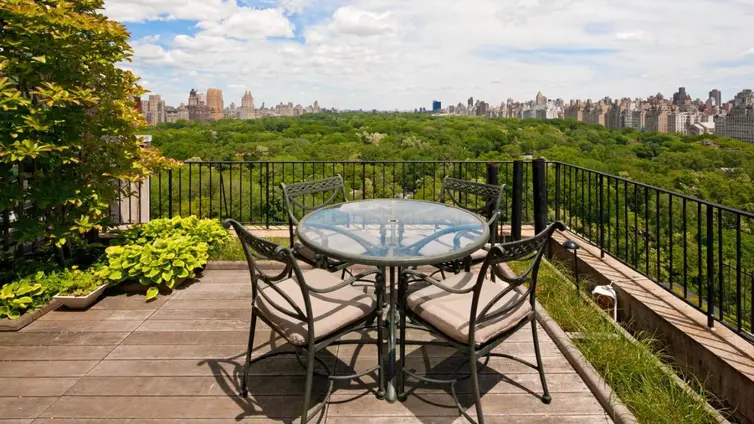
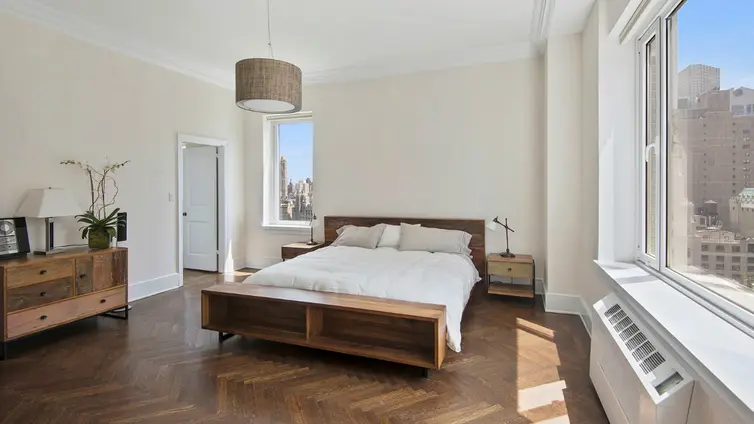
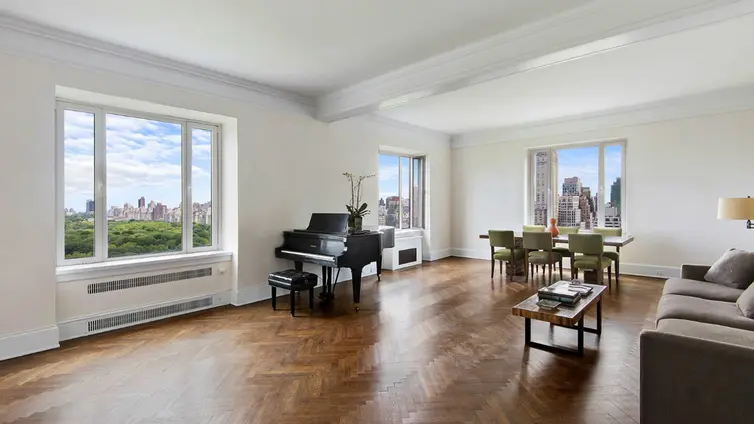
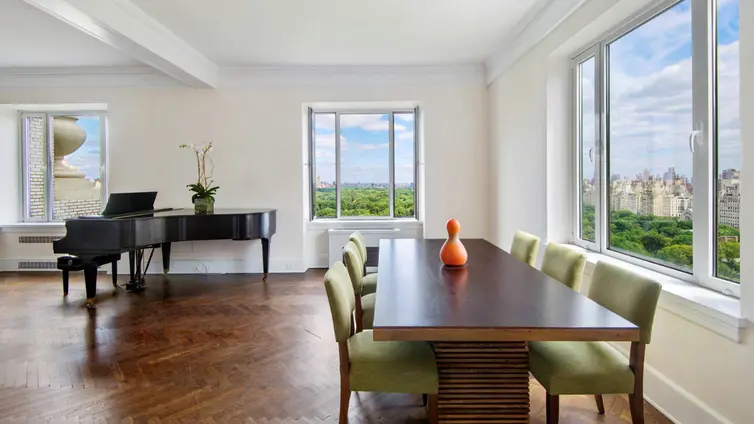
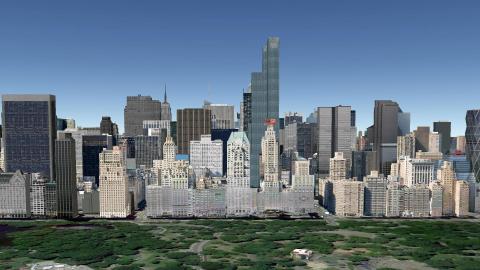
View school info, local attractions, transportation options & more.
Experience amazing 3D aerial maps and fly throughs.
For some co-ops, instead of price per square foot, we use an estimate of the number of rooms for each sold apartment to chart price changes over time. This is because many co-op listings do not include square footage information, and this makes it challenging to calculate accurate square-foot averages.
By displaying the price per estimated room count, we are able to provide a more reliable and consistent metric for comparing sales in the building. While we hope that this gives you a clearer sense of price trends in the building, all data should be independently verified. All data provided are only estimates and should not be used to make any purchase or sale decision.
Notable past and present residents at The Hampshire House

 6sqft delivers the latest on real estate, architecture, and design, straight from New York City.
Like us on Facebook to keep up with the trends and
6sqft delivers the latest on real estate, architecture, and design, straight from New York City.
Like us on Facebook to keep up with the trends and 