- Apartments
- Overview & Photos
- Maps
- Building Specialists
- Floorplans
- Sales Data & Comps
- Similar Buildings
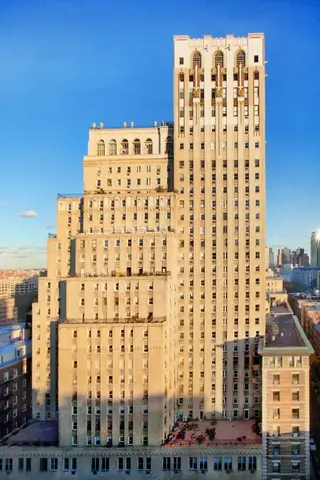
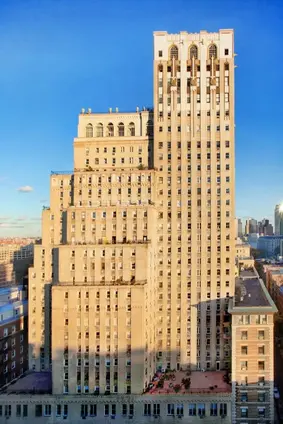
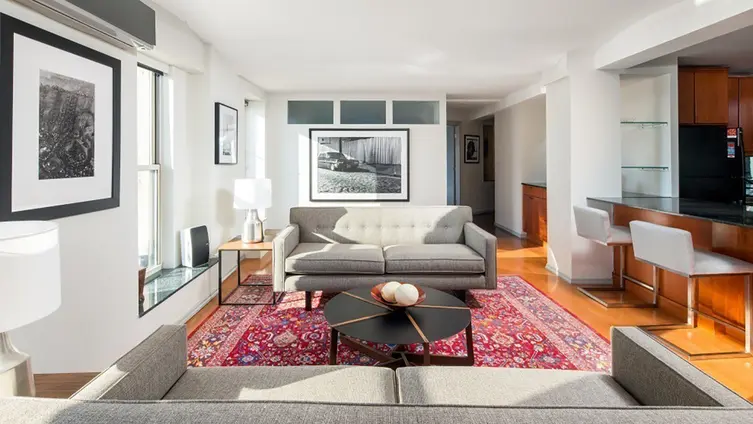
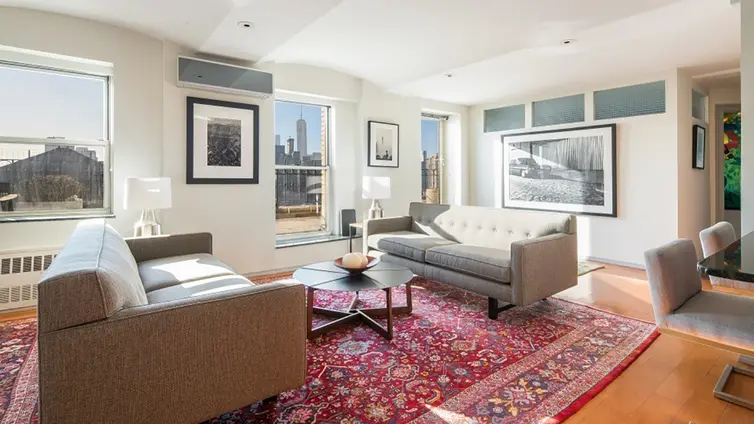
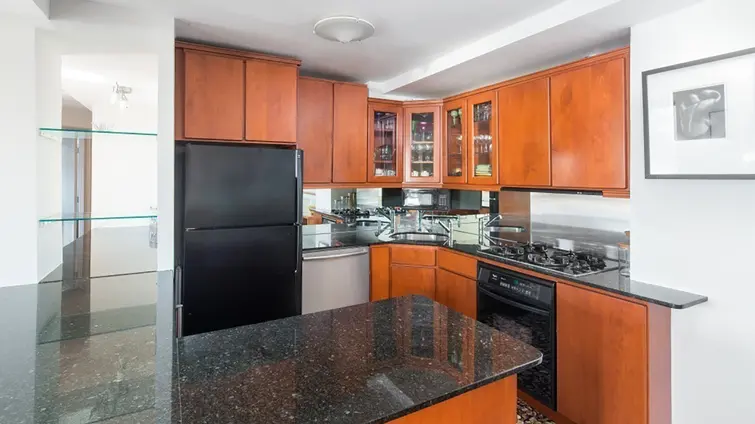
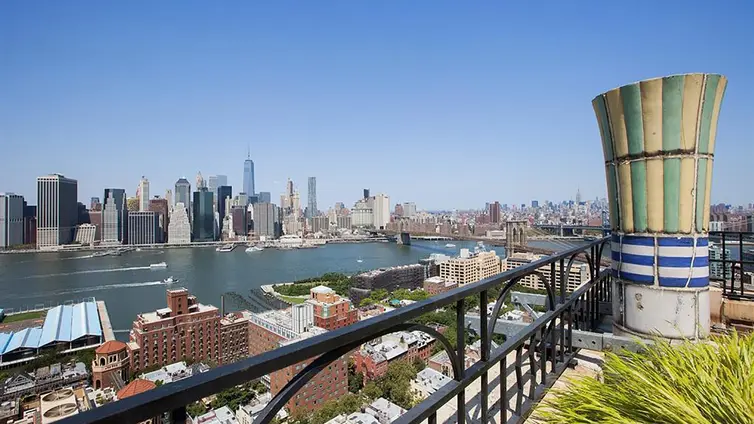
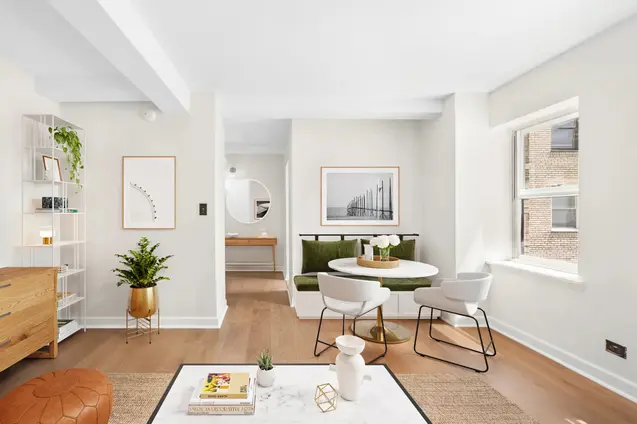
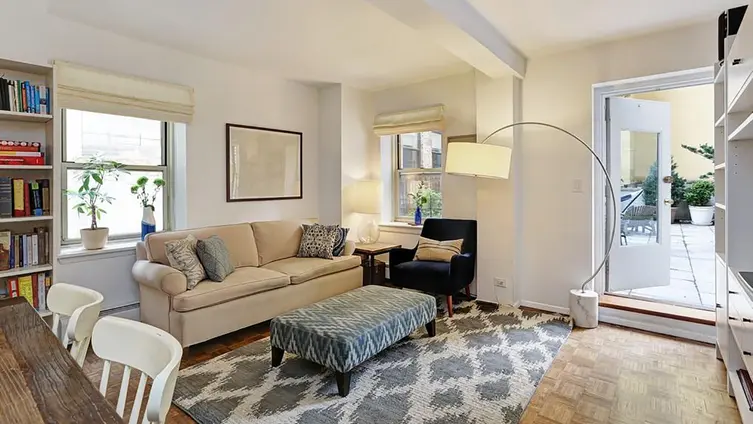
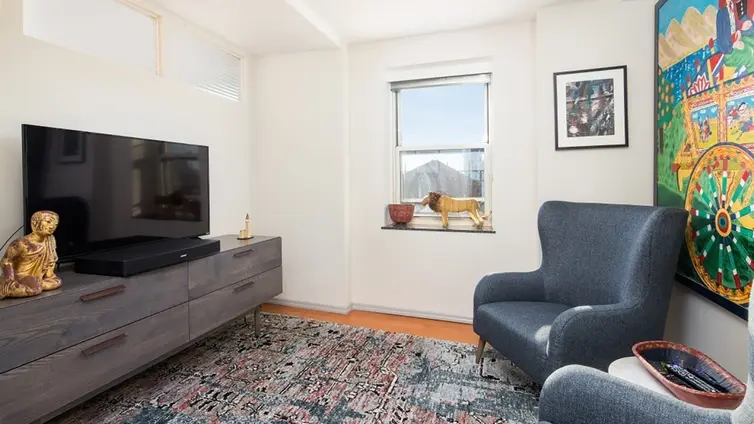
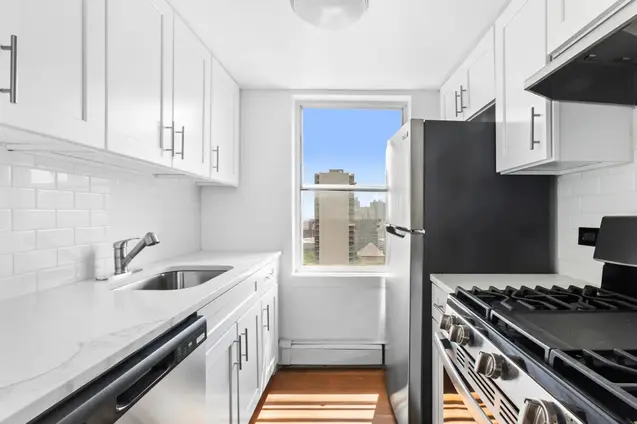
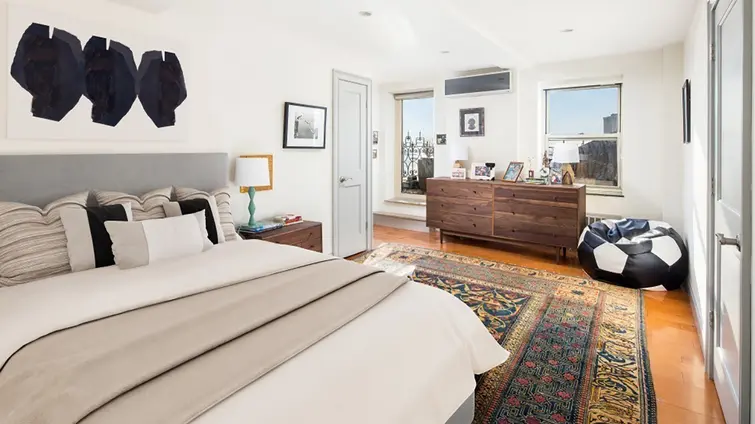
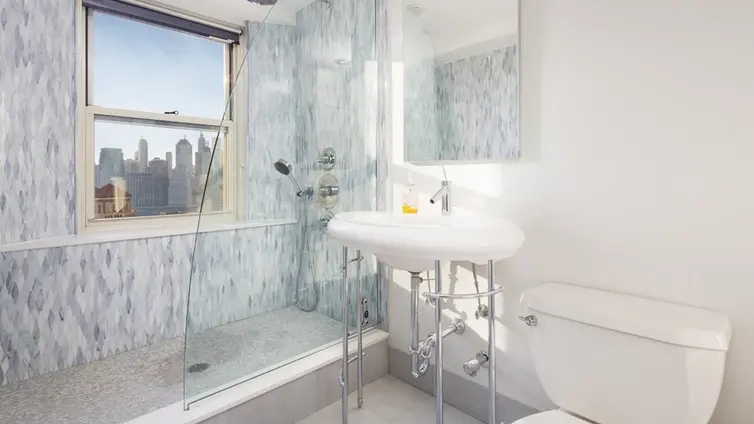
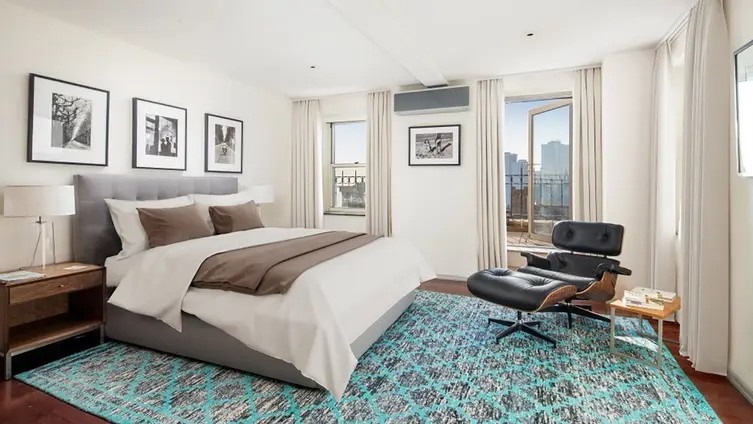
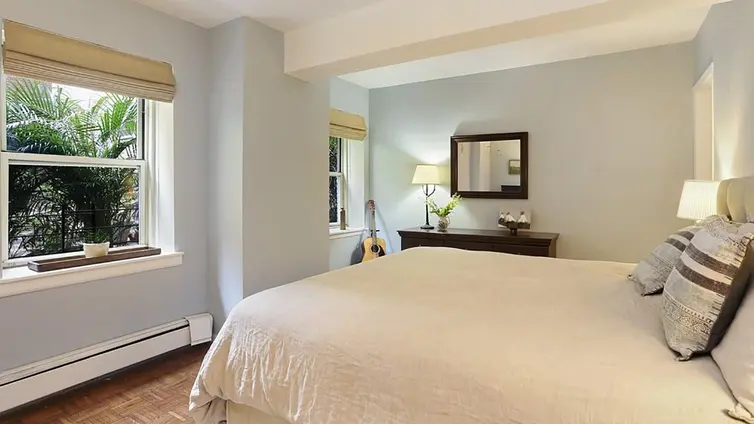
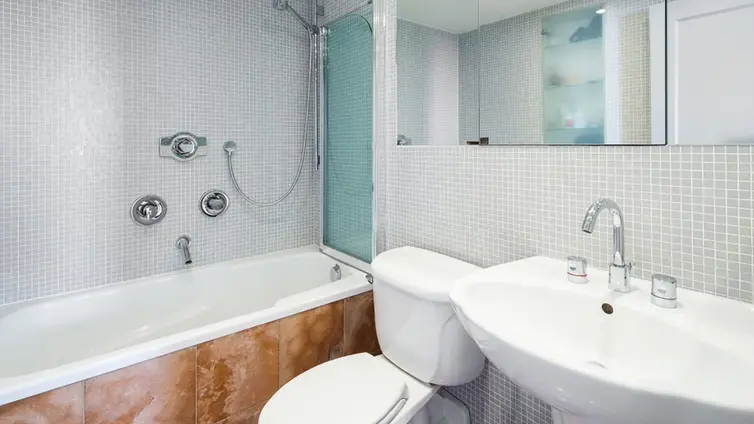
This 30-story tower, designed by Emery Roth in 1929, was once part of the full-block St. George Hotel complex in Brooklyn Heights. Originally the largest hotel in the city, it now contains 275 co-operative apartments and is part of the Brooklyn Heights Historic District. Currently, 4 apartments are for sale.

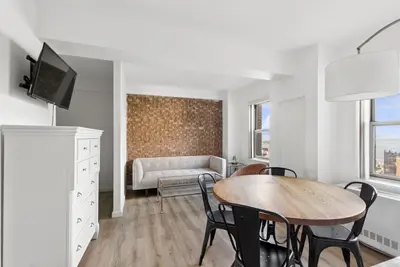
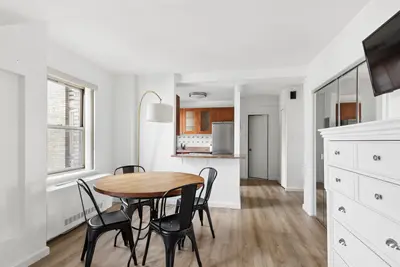

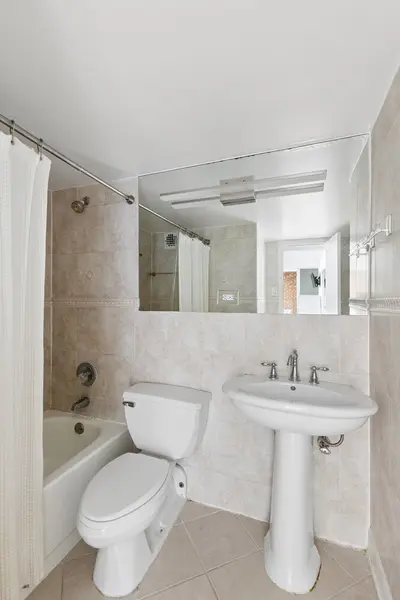
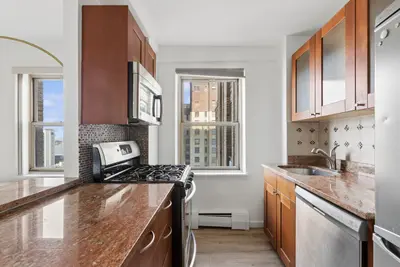
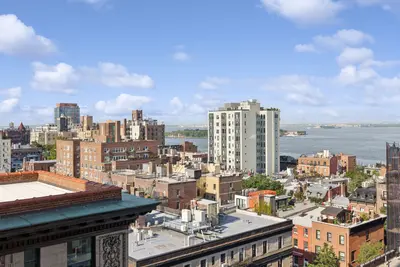
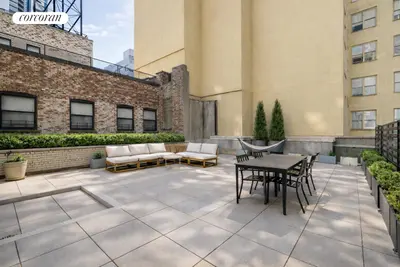
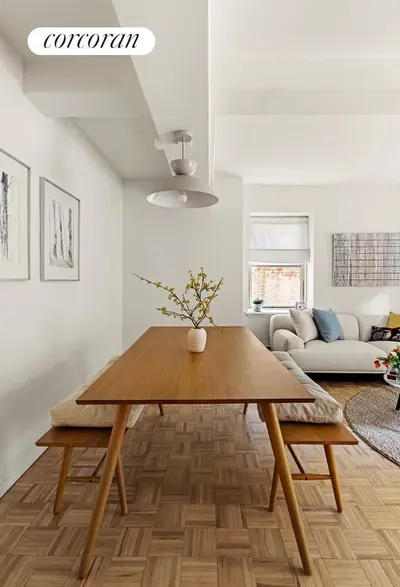
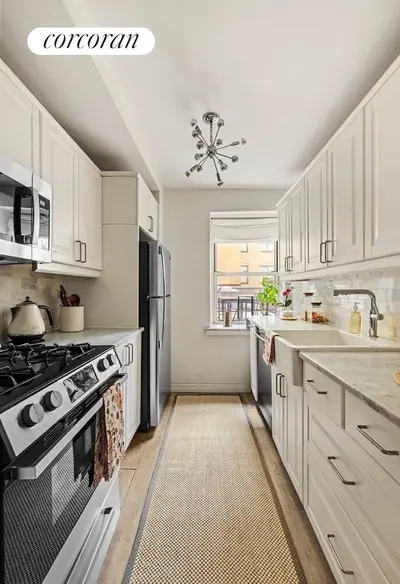
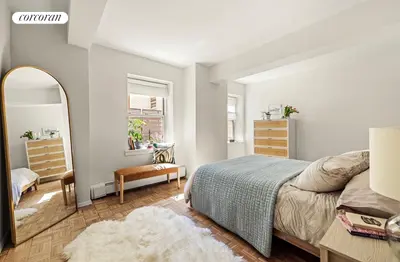
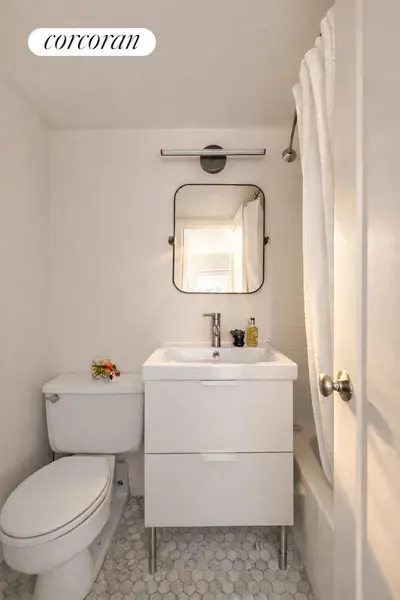
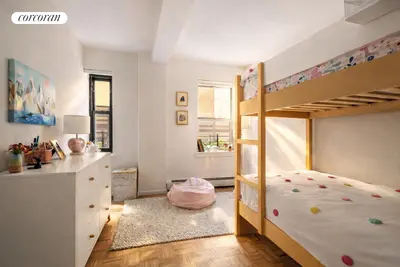


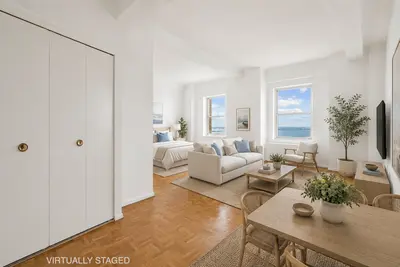
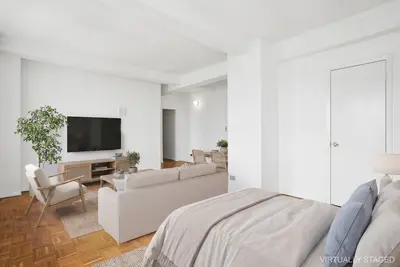
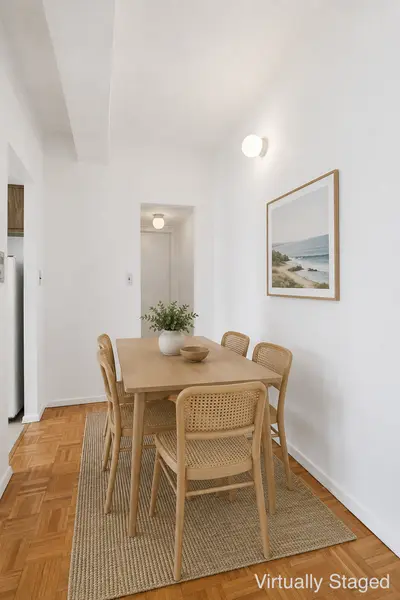

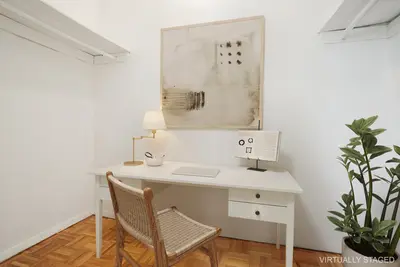
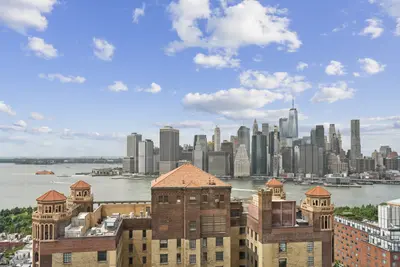
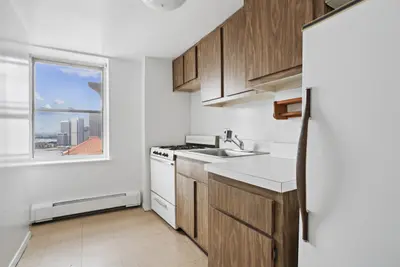
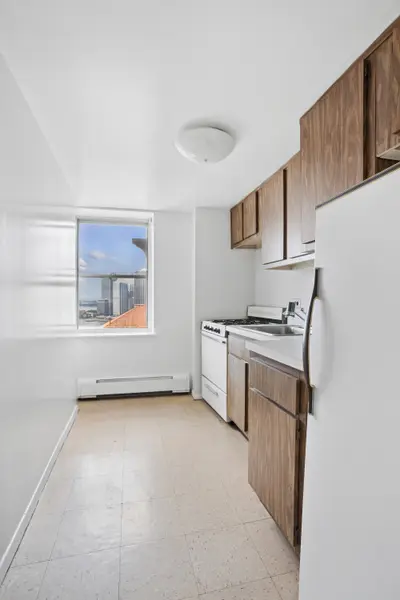
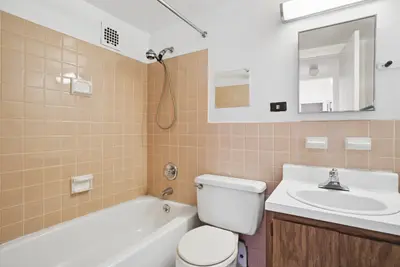
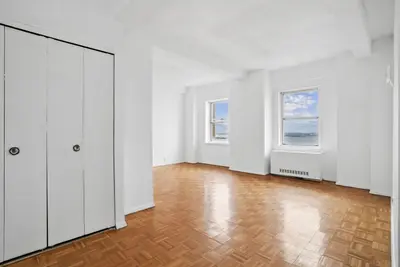
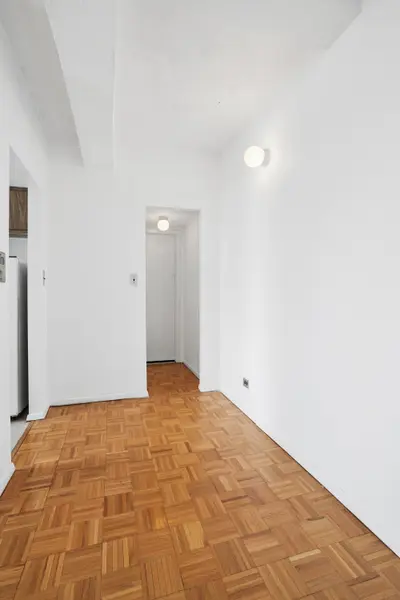
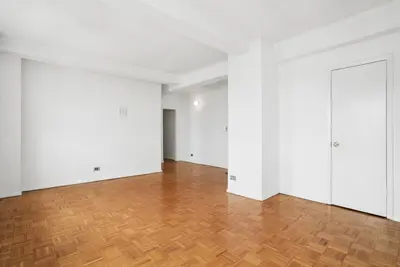
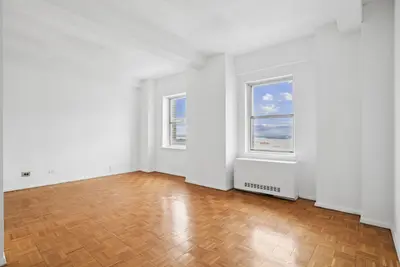

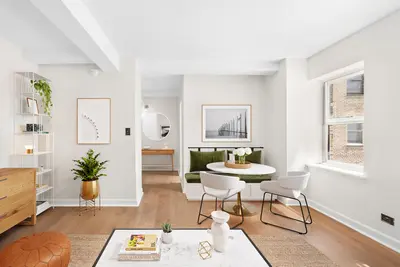
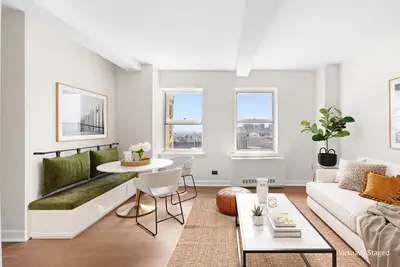
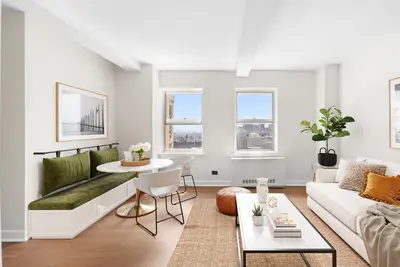
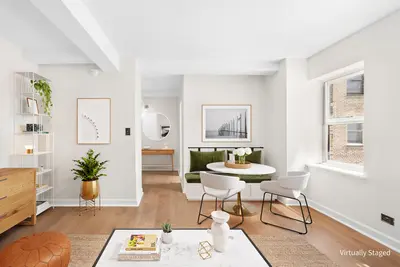
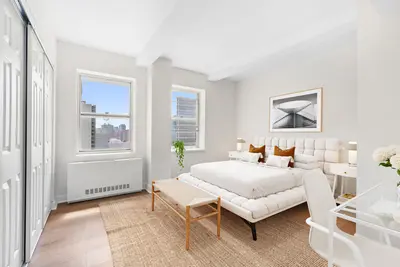
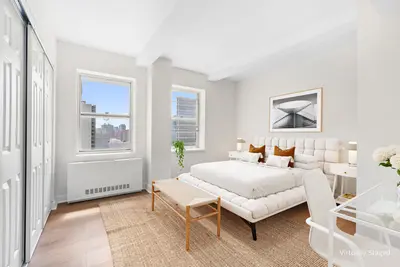
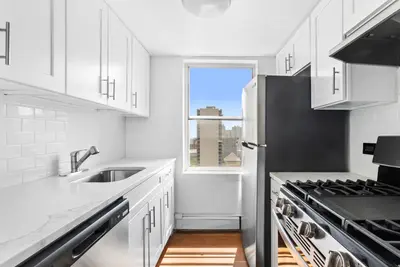
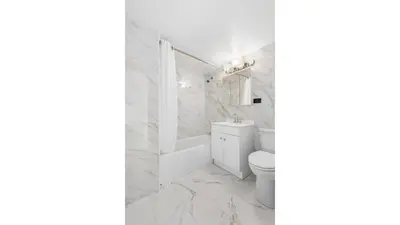
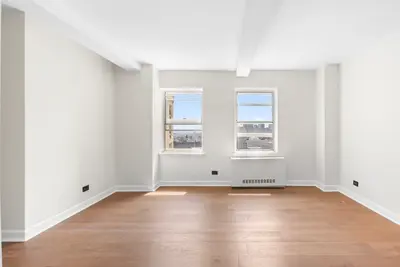
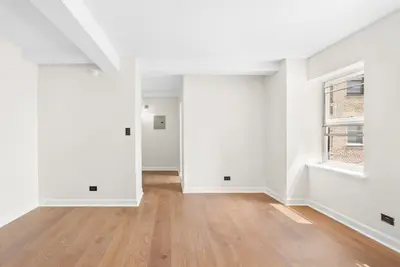
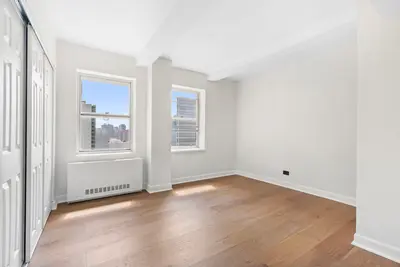
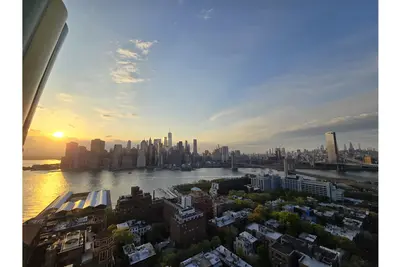
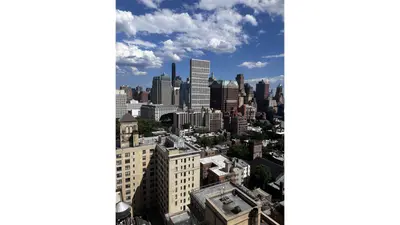
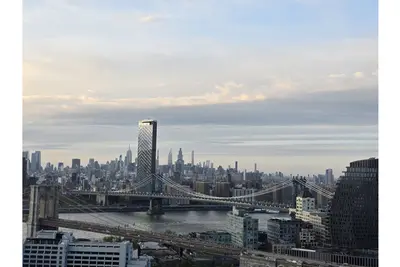
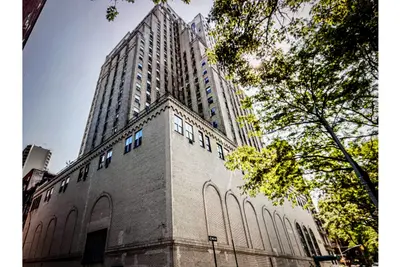
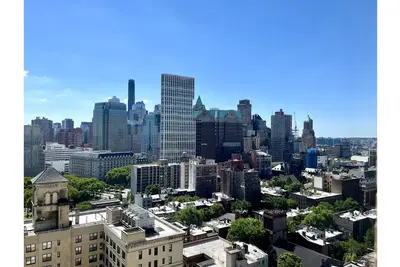
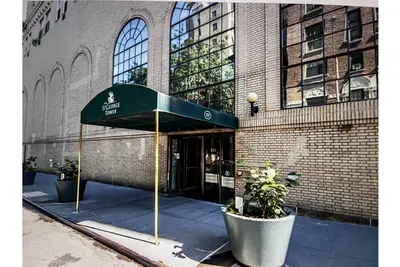
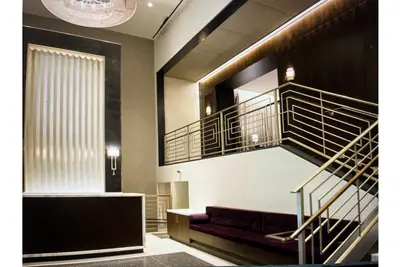

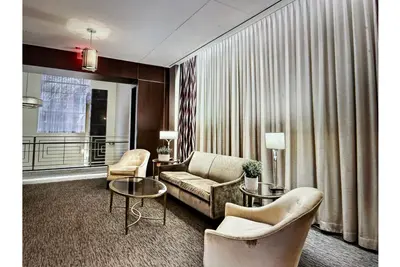
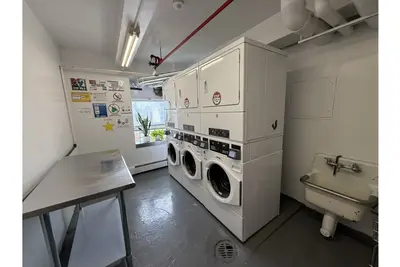

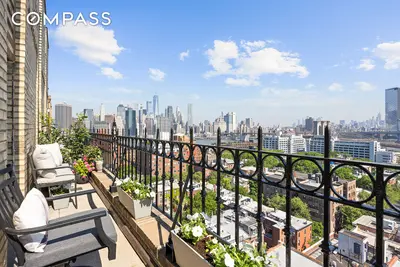
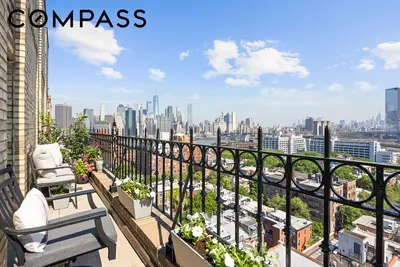
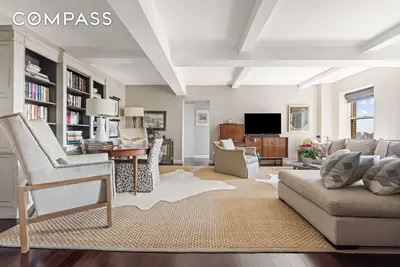
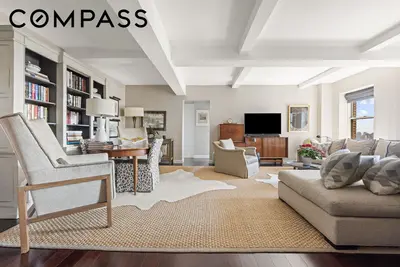


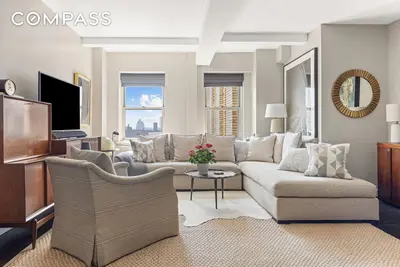



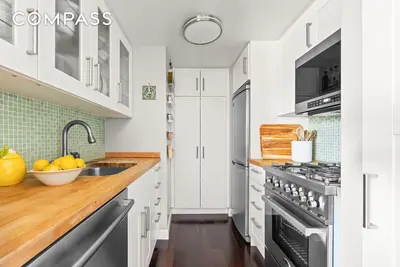
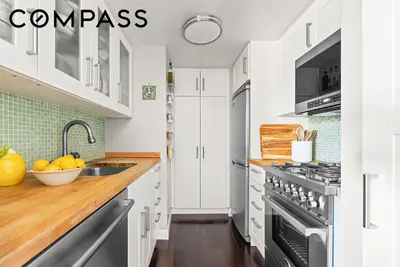
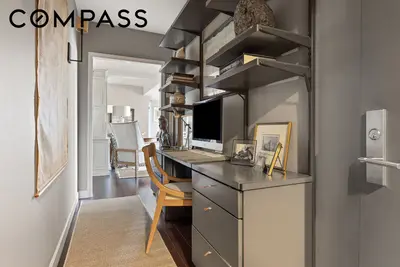
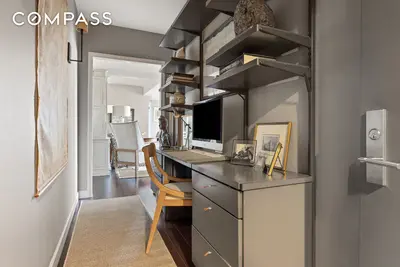




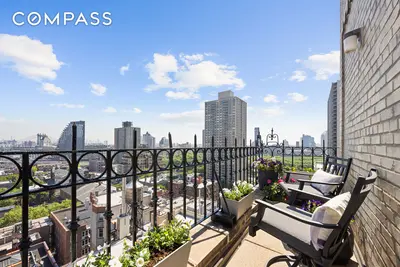
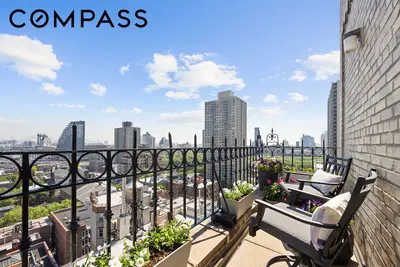
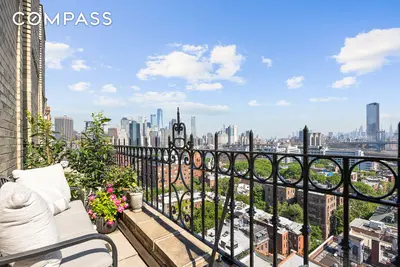
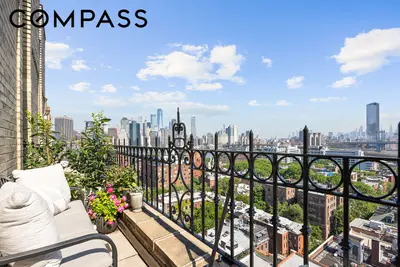
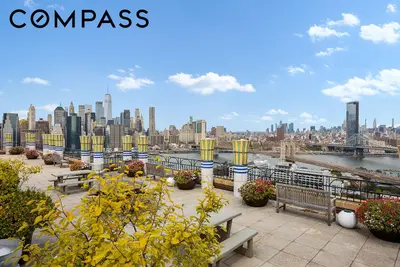

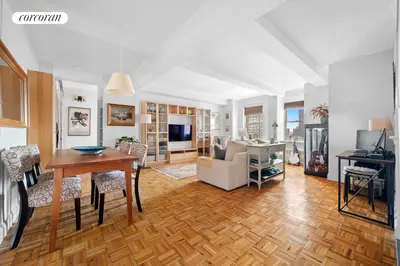
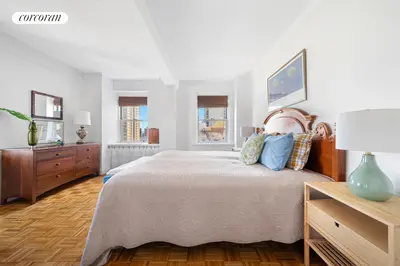
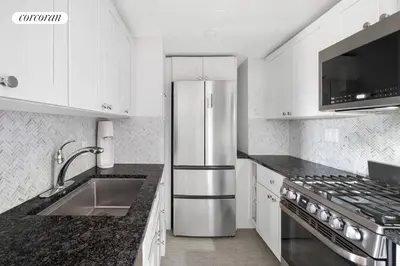
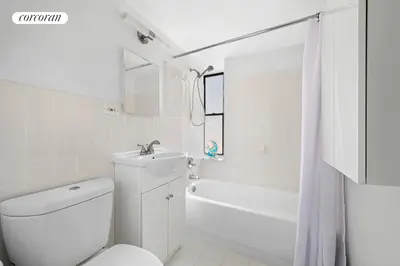
The St. George Tower, located in Brooklyn Heights, is a 30-story Art Deco masterpiece designed by renowned architect Emery Roth and completed in 1929. The tower was originally part of the St. George Hotel complex, which was once New York City's largest hotel, occupying an entire city block bounded by Henry, Clark, Hicks, and Pineapple streets. The site's history dates back to 1776-1783 when it housed the St. George's Tavern.
The hotel's development began with Captain William Tumbridge in 1885, with subsequent additions by architect Montrose Morris in the 1890s. In 1922, real estate developers Bing & Bing acquired the property and commissioned Roth to design the tower. The building was notable for its innovative construction, working around existing subway infrastructure and featuring what was then the city's largest indoor salt-water swimming pool, complete with gold mirrors, emerald green tiles, and dramatic lighting effects.
The hotel's most spectacular feature was its Art Deco ballroom, designed by Winold Reiss, which featured innovative color-changing lighting effects and was considered one of New York's most striking interiors of its era. The complex hosted numerous notable guests, including Hetty Green, America's wealthiest woman of her time, and Mary White Ovington, a founder of the NAACP.
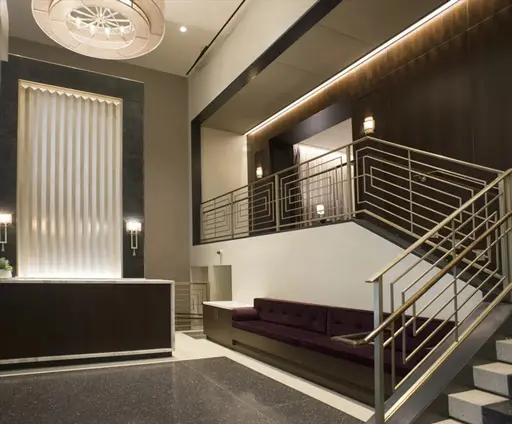
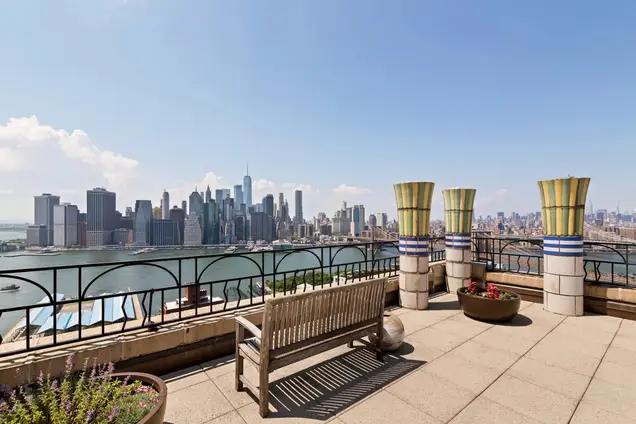
By the 1970s, the hotel's prominence had declined, and in 1984, the Tower and Grill buildings were converted to cooperative apartments. Today, the 275-unit St. George Tower operates as a full-service cooperative with 24-hour doorman service, a live-in superintendent, and modern amenities including a spectacular roof deck with 360-degree views of New York City.
Located within the Brooklyn Heights Historic District (the city's first designated historic district), the building stands as a testament to New York's golden age of hotel architecture. The building maintains its architectural significance while serving as a prime residential address, situated near Brooklyn Bridge Park, the Promenade, and multiple subway lines.
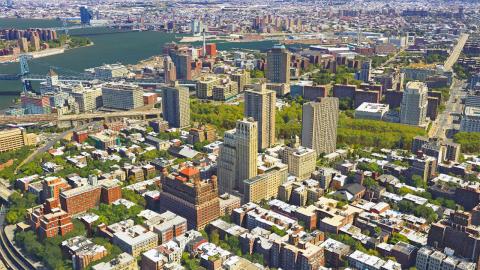
View school info, local attractions, transportation options & more.
Experience amazing 3D aerial maps and fly throughs.
For some co-ops, instead of price per square foot, we use an estimate of the number of rooms for each sold apartment to chart price changes over time. This is because many co-op listings do not include square footage information, and this makes it challenging to calculate accurate square-foot averages.
By displaying the price per estimated room count, we are able to provide a more reliable and consistent metric for comparing sales in the building. While we hope that this gives you a clearer sense of price trends in the building, all data should be independently verified. All data provided are only estimates and should not be used to make any purchase or sale decision.

 6sqft delivers the latest on real estate, architecture, and design, straight from New York City.
Like us on Facebook to keep up with the trends and
6sqft delivers the latest on real estate, architecture, and design, straight from New York City.
Like us on Facebook to keep up with the trends and 
Broker & Buyer Comments