- Apartments
- Overview & Photos
- Maps
- Building Specialists
- Floorplans
- Sales Data & Comps
- Similar Buildings
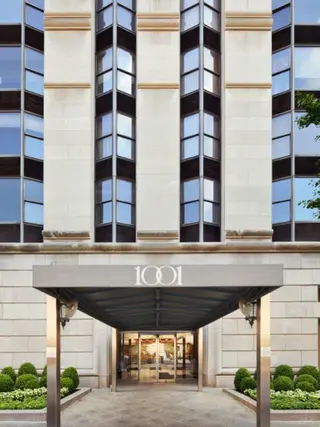
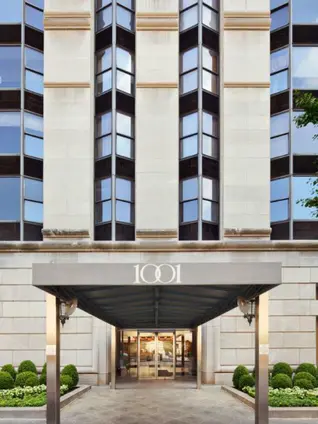
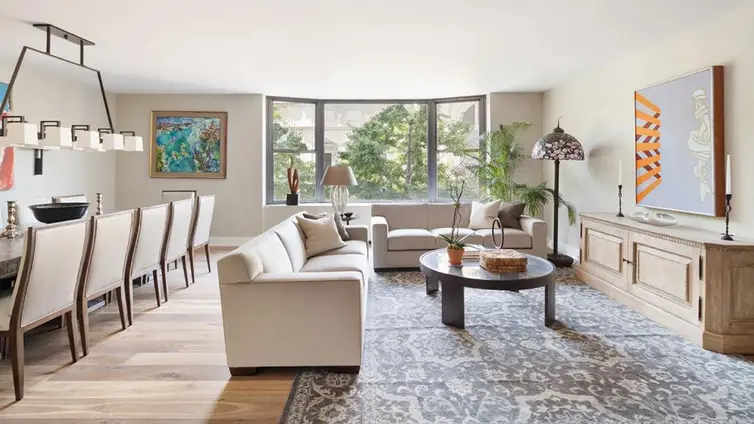
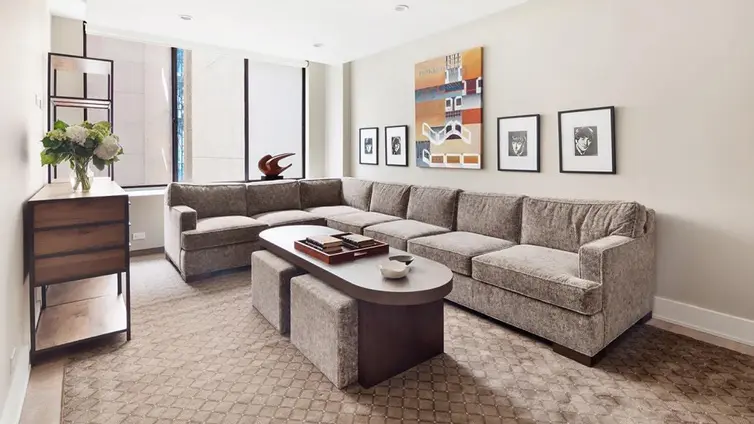
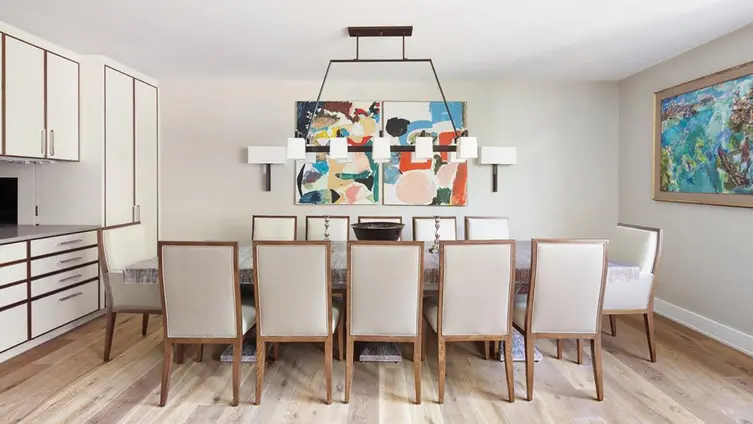
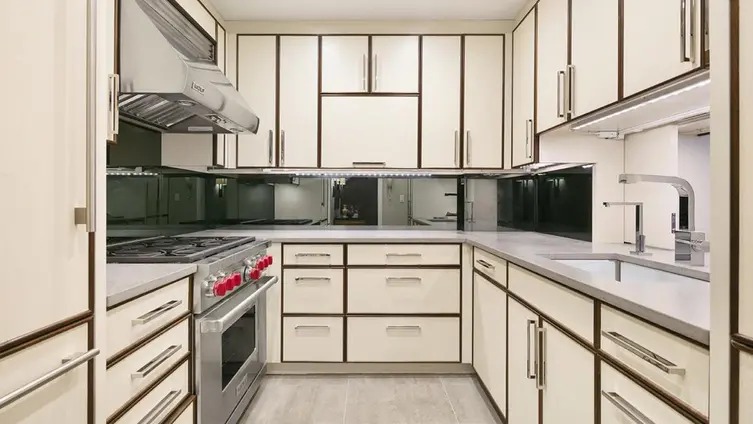
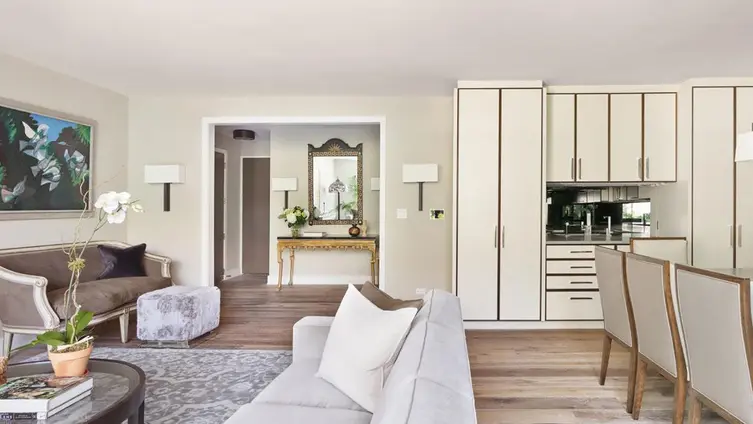
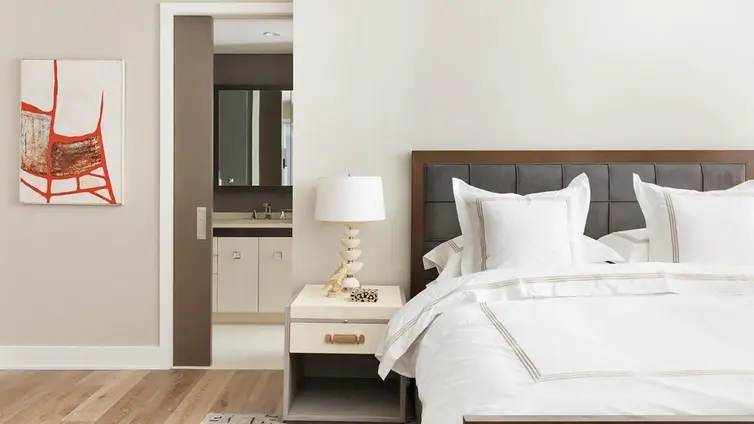
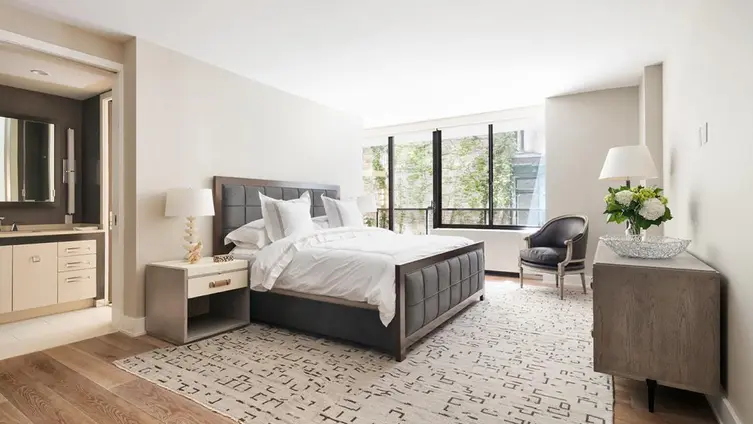
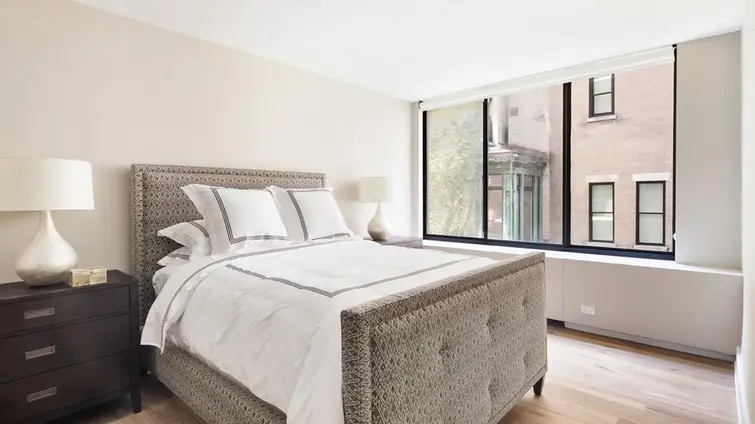
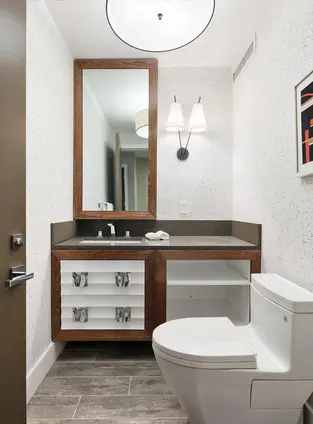
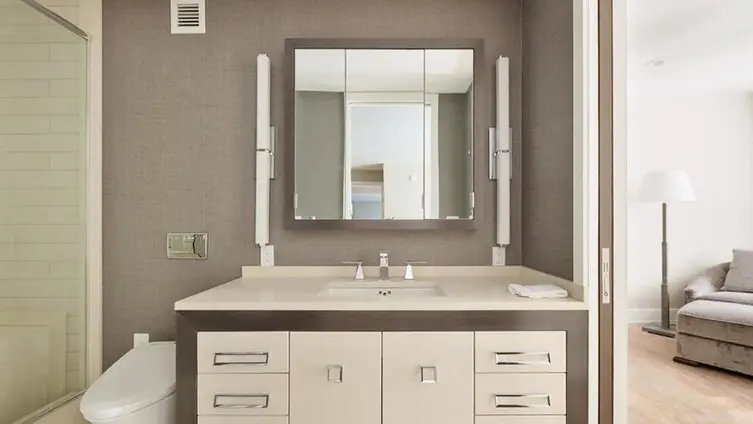
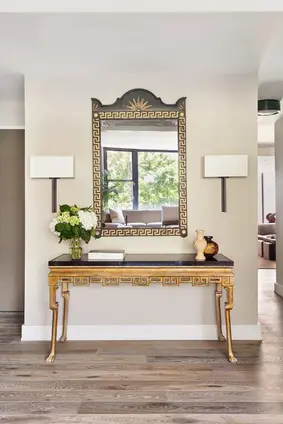
1001 Fifth Avenue is a post-war cooperative designed by Philip Johnson with a fitness center. The building is near Central Park, Museum Mile, and Madison Avenue shopping, allowing pets and pied-a-terres. Currently, 4 apartments are for sale.


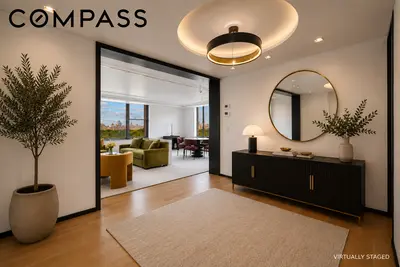
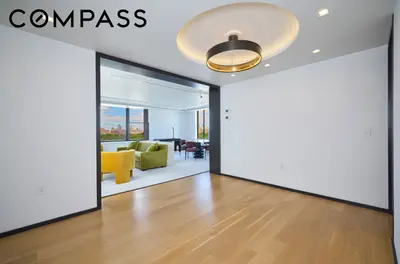
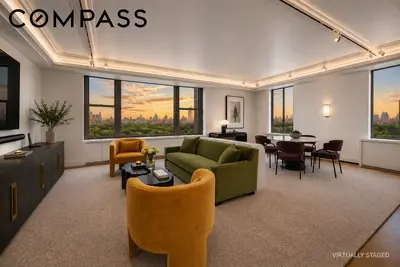
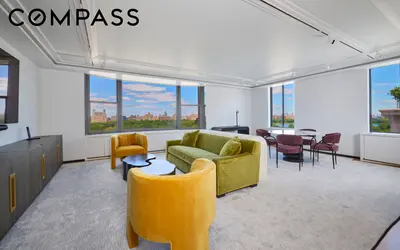
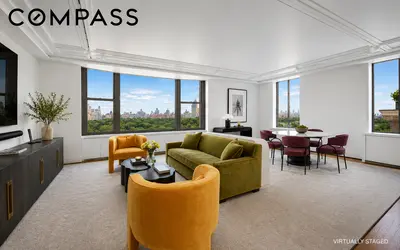
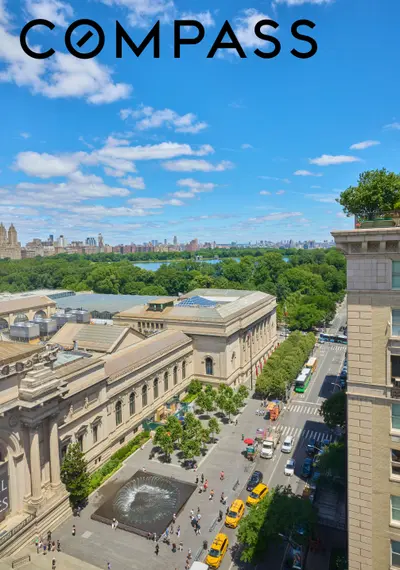
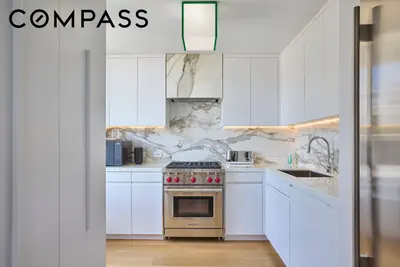

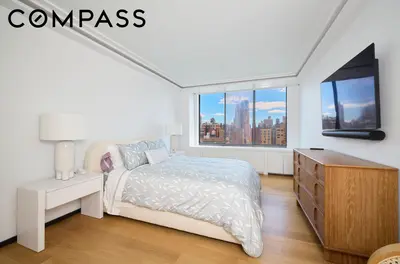


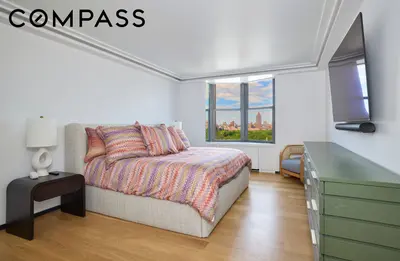

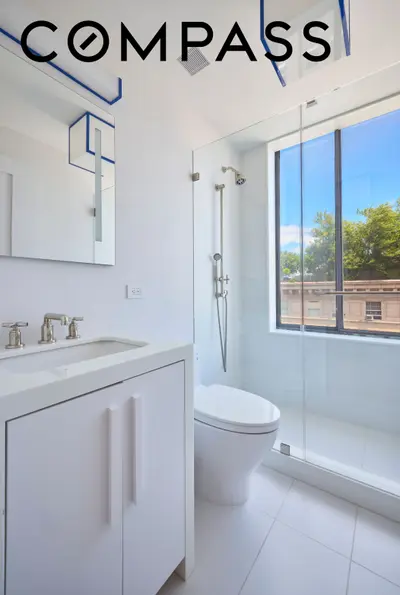
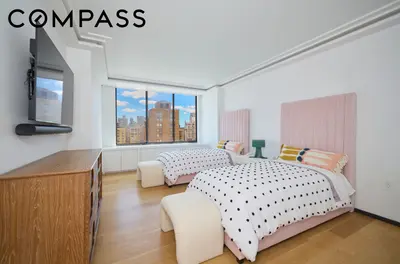

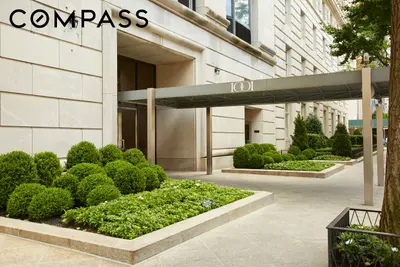
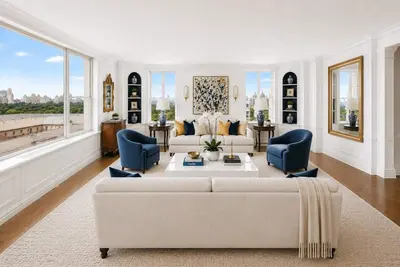
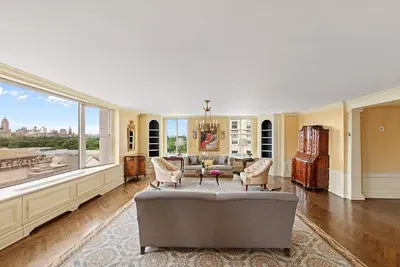

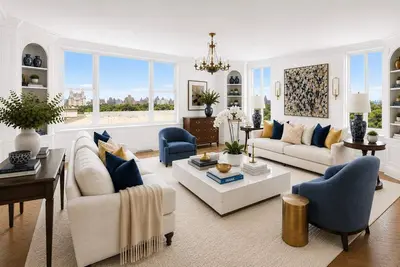
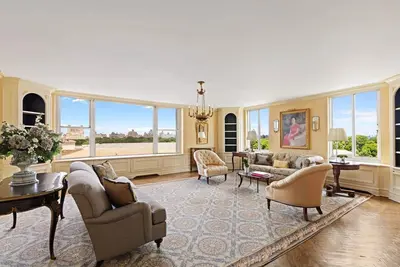
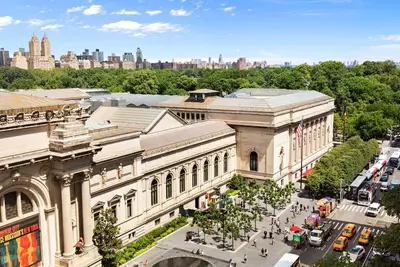
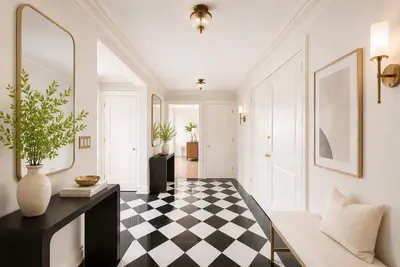
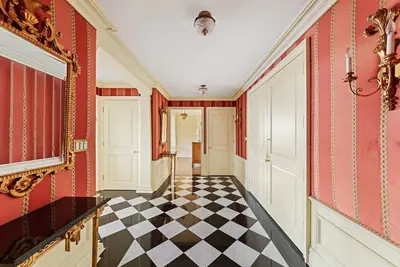
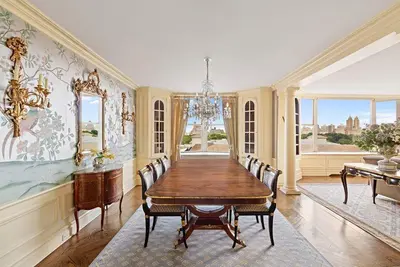
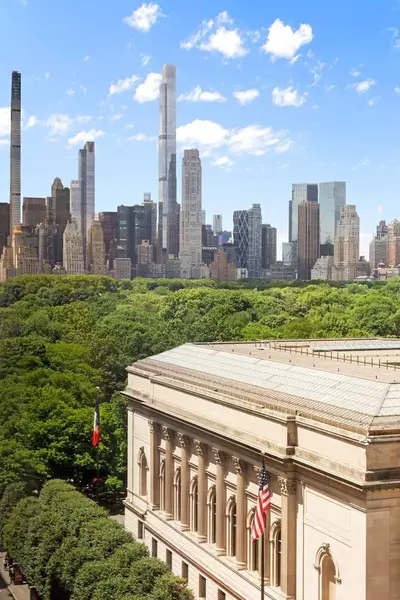
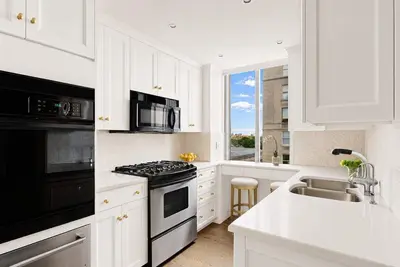
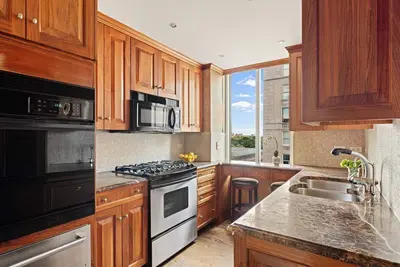
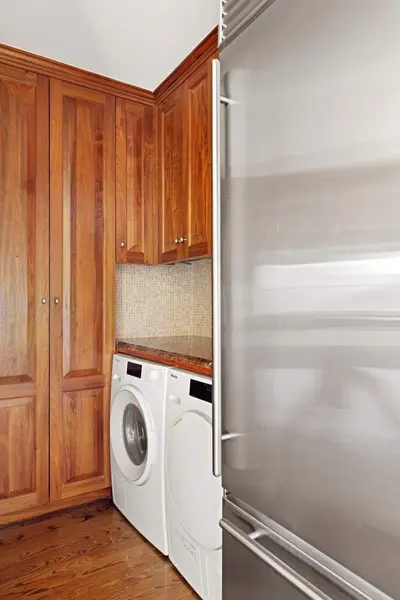
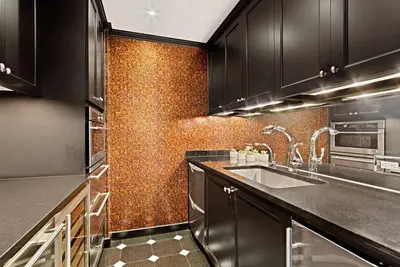
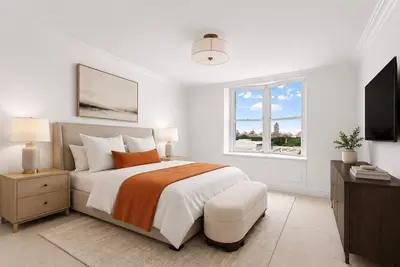
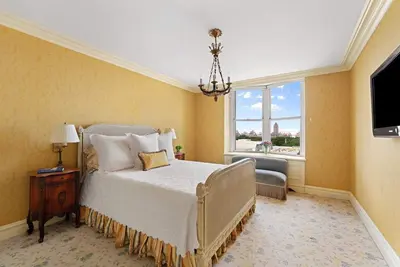
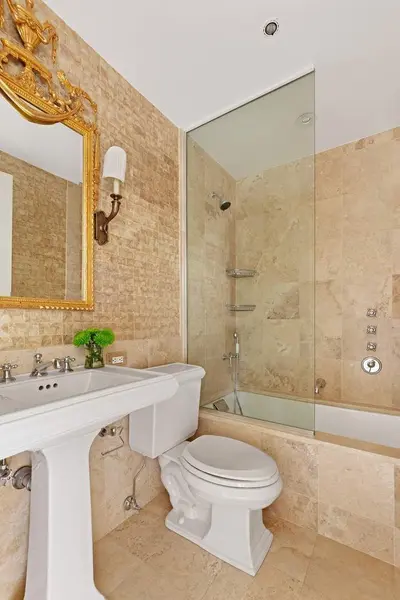
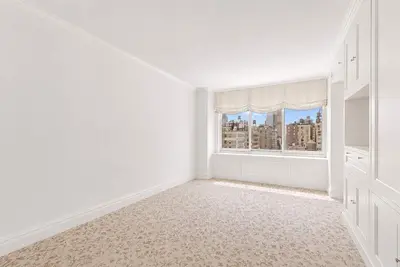
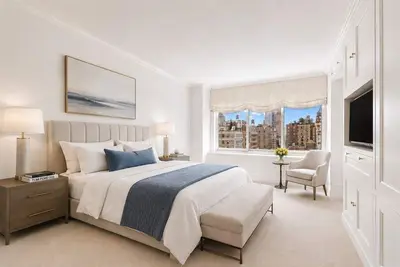

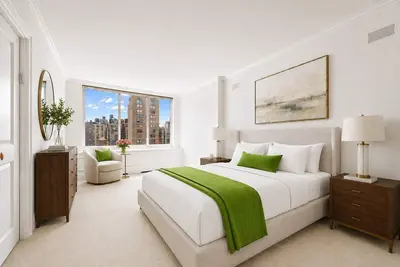
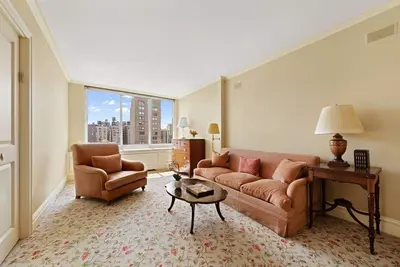
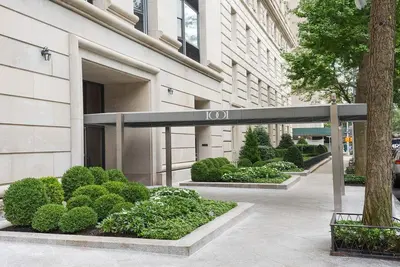


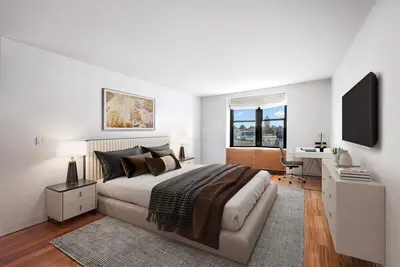
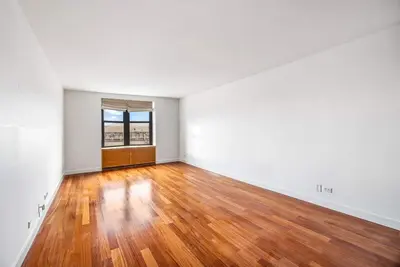
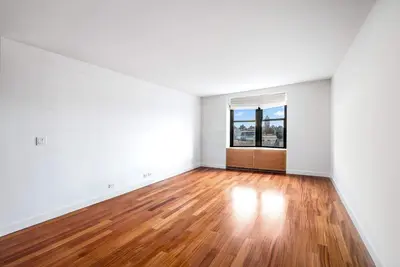
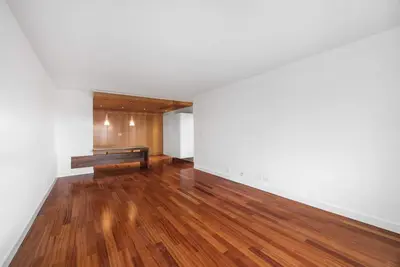
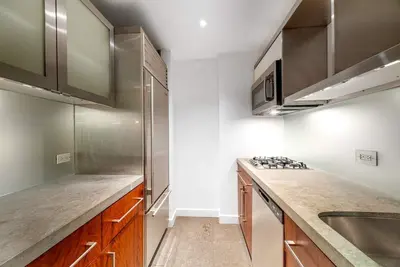
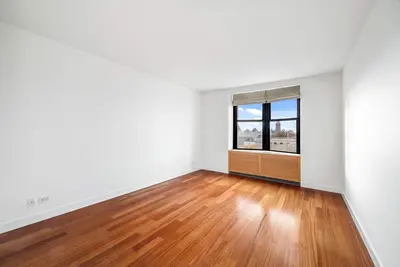
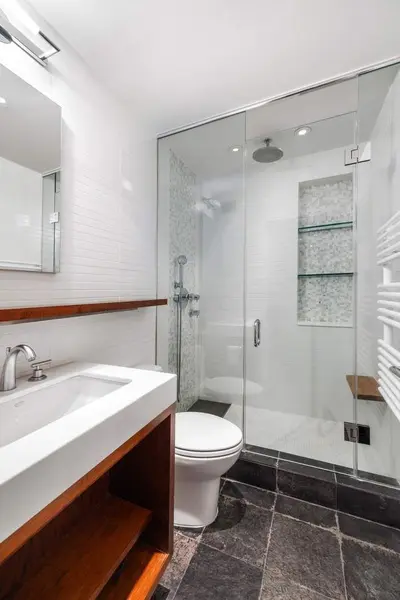

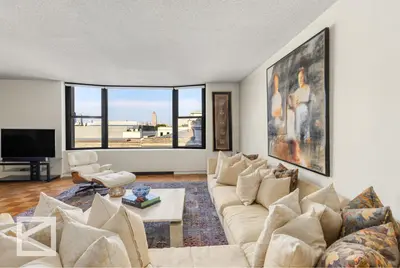
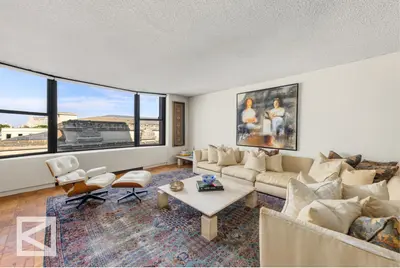
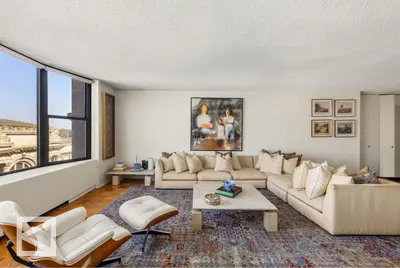
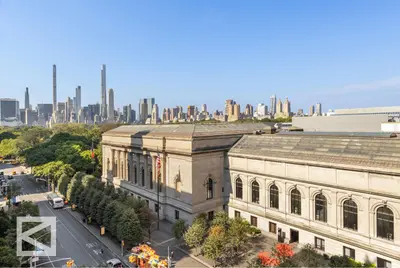
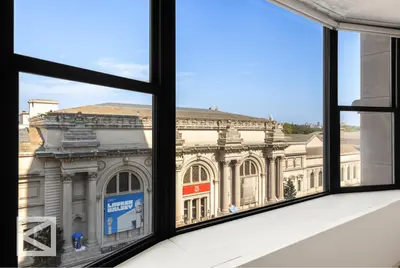
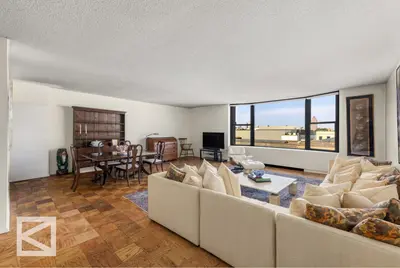
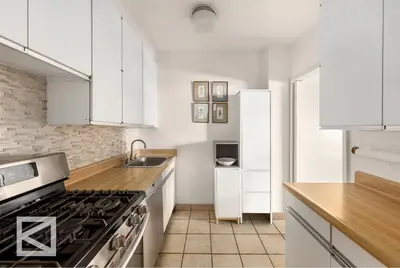
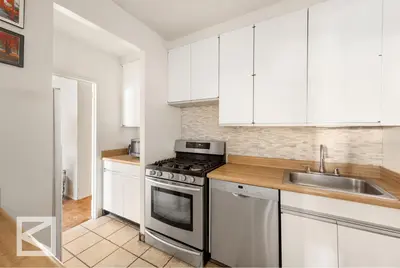
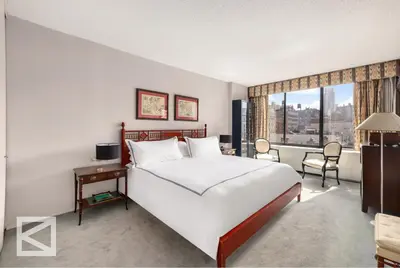
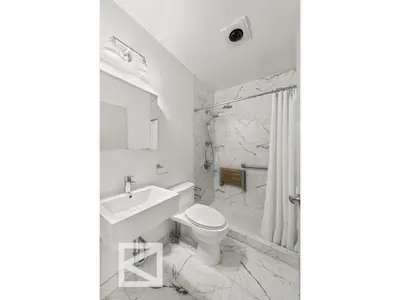
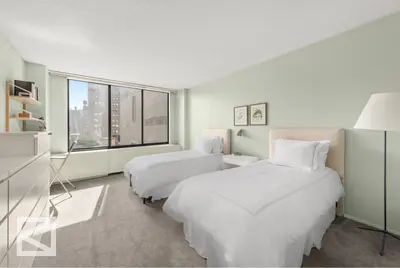
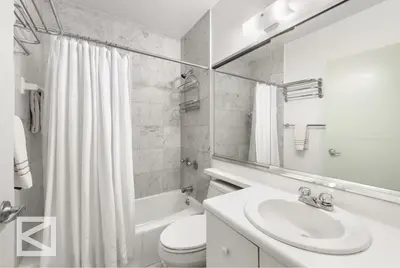
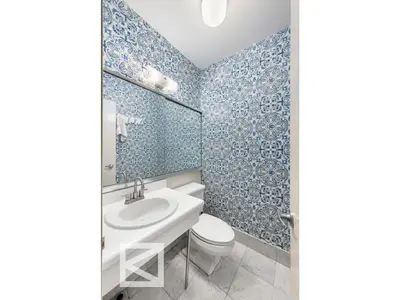
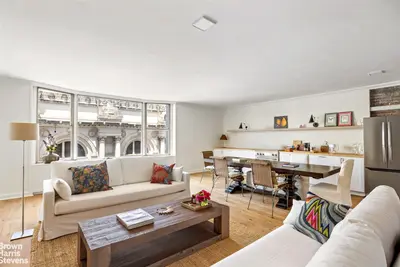
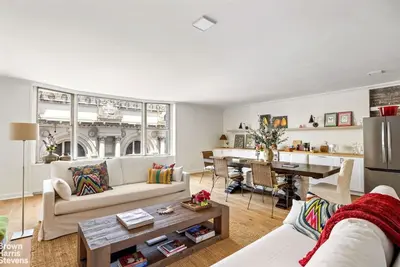
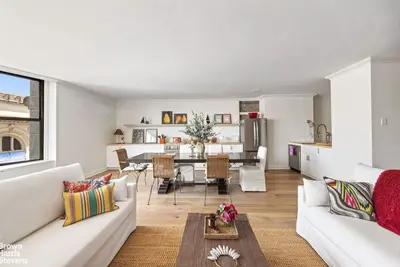
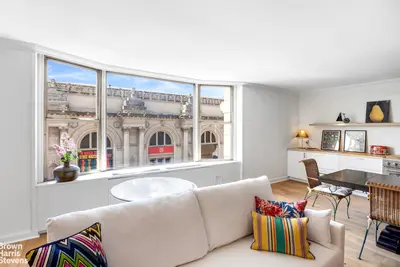
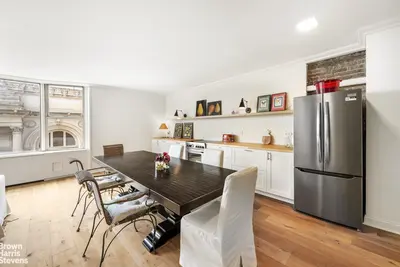
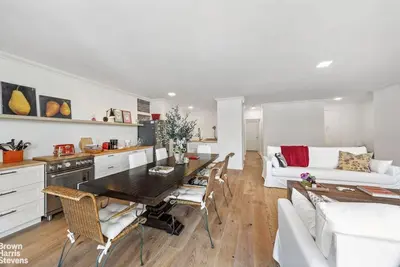
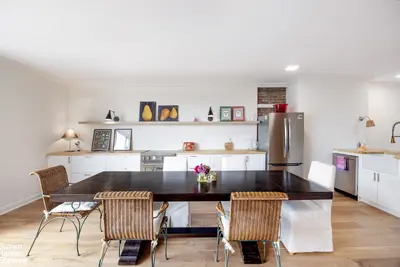


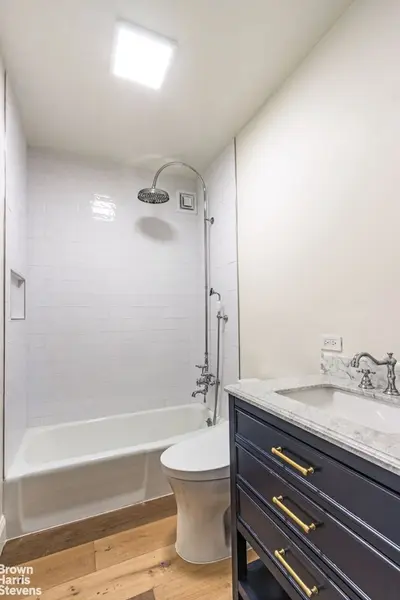


1001 Fifth Avenue stands as one of New York's most architecturally significant and controversial post war cooperatives. Designed by renowned architect Philip Johnson with Philip Birnbaum as associate architect, this 23 story limestone clad building was completed in 1979 by developer Peter Kalikow. Located directly across from the Metropolitan Museum of Art, the building gained notoriety for its distinctive "false front" mansard roof design that mirrors the genuine mansard roof of the neighboring Benjamin N. Duke mansion. While widely criticized by architectural critics as "architectural conceit raised to new heights," the building's contextual approach marked a significant shift toward traditional architectural language in post war construction.
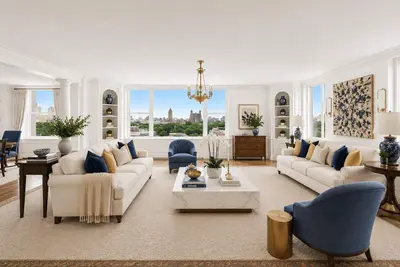
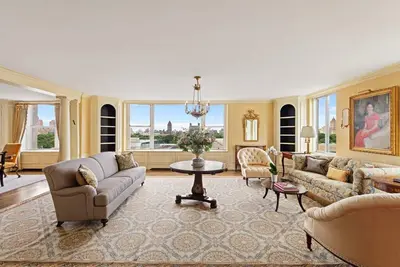
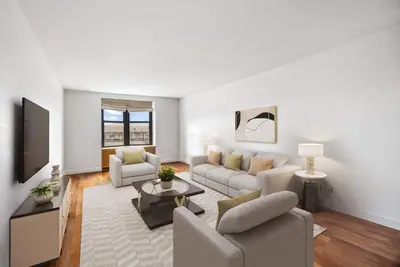
The building's 76 unit cooperative offers residents a rare luxury on Fifth Avenue: bay windows facing Central Park, which provide spectacular unobstructed views of the park, reservoir, and Metropolitan Museum. Apartments typically feature spacious living and dining rooms, with some units having fireplaces. Higher floor residences command particularly impressive vistas. The building's limestone façade on the avenue side contrasts with buff brick on the remaining elevations, while dark gray bay windows and metal spandrels create strong vertical elements throughout the structure.
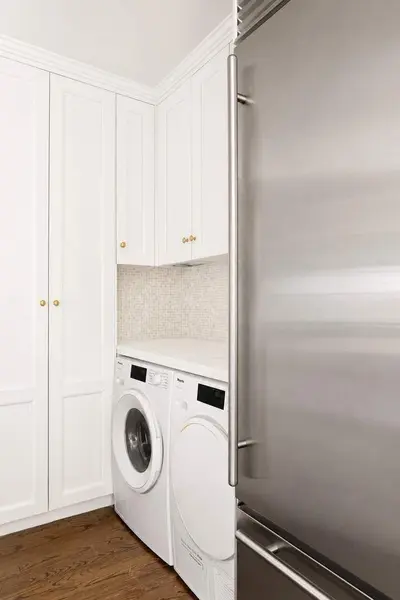
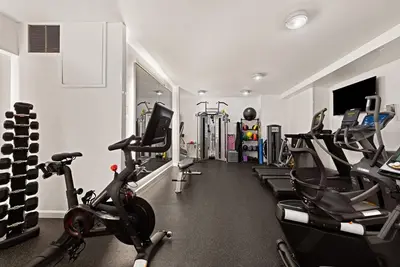
As a white glove full service building, 1001 Fifth Avenue provides residents with comprehensive amenities including a 24 hour doorman and concierge, live-in superintendent, fitness center on the second floor, bike storage, and laundry facilities. The co-op is both pet friendly and welcomes pied-à-terre ownership, with a standard 2% flip tax paid by buyers. The building's prime location offers immediate access to Central Park, and Madison Avenue shopping, making it one of the Upper East Side's most coveted addresses despite its polarizing architectural legacy.
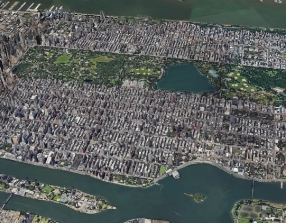
View school info, local attractions, transportation options & more.
Experience amazing 3D aerial maps and fly throughs.
For some co-ops, instead of price per square foot, we use an estimate of the number of rooms for each sold apartment to chart price changes over time. This is because many co-op listings do not include square footage information, and this makes it challenging to calculate accurate square-foot averages.
By displaying the price per estimated room count, we are able to provide a more reliable and consistent metric for comparing sales in the building. While we hope that this gives you a clearer sense of price trends in the building, all data should be independently verified. All data provided are only estimates and should not be used to make any purchase or sale decision.

 6sqft delivers the latest on real estate, architecture, and design, straight from New York City.
Like us on Facebook to keep up with the trends and
6sqft delivers the latest on real estate, architecture, and design, straight from New York City.
Like us on Facebook to keep up with the trends and 