
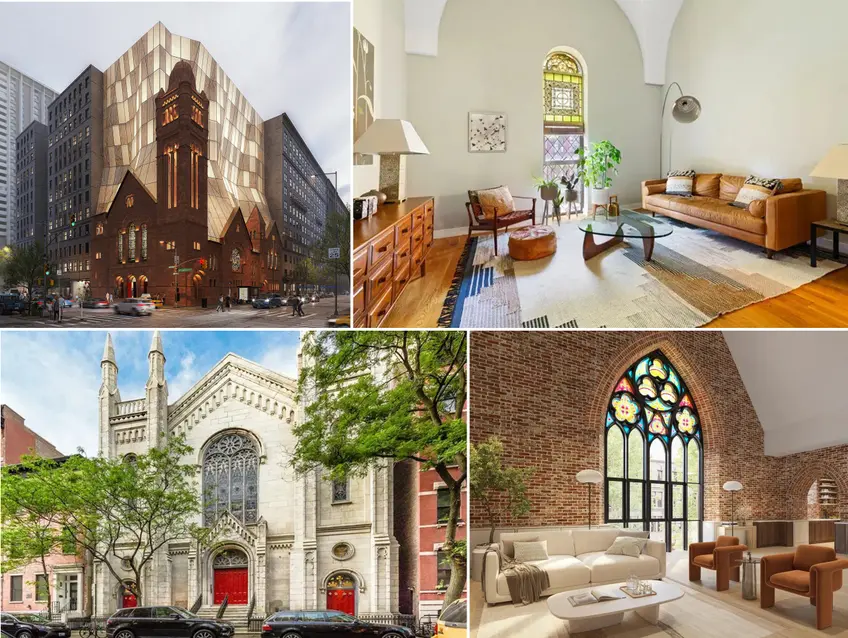
Midway through July 2025, Frederick A. Bland, Partner Emeritus at Beyer Blinder Belle, stepped down from the Landmarks Preservation Commission ("Landmarks") after 17 years on the panel. In a speech reflecting on his years on the panel and time as Vice Chair, he said that churches and other religious structures are among the hardest buildings to save for future generations. He likened the task to reviewing plans for the new Meatpacking District, where buildings constructed for one purpose aren't needed for that anymore, but the land and real estate are more valuable than ever. In such a landscape, Mr. Bland suggested that current and future commissioners relax their standards for preservation if they wish to see the buildings preserved at all.
In this article:
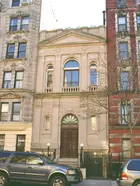
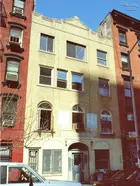
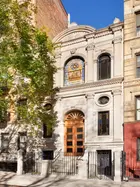

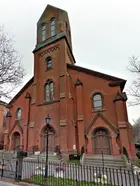
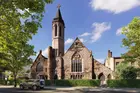
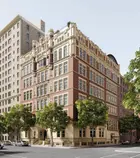
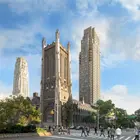
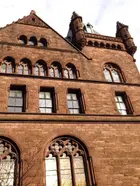
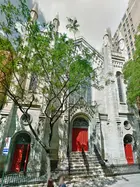
"The most difficult aspect the commission will face, has faced, is facing immediately, and will face for the foreseeable future is this issue of religious architecture in a city which, like it or not, has decreasing needs for these extraordinary buildings, many of which are landmarked" - Frederick A. Bland
Statistics have emerged to prove Mr. Bland's point about how these buildings may not be needed for their original purpose. According to a Gallup poll from 2024, less than one third of U.S. adults say they attend religious services regularly, and those citing no religious affiliation more than doubled in the past two decades (h/t Crain's New York Business). Add in New York City's housing crunch that shows no sign of abating, and it's little wonder developers are looking at churches for conversion opportunities.
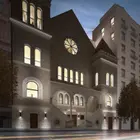
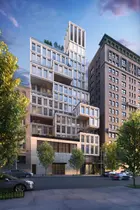
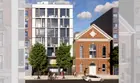
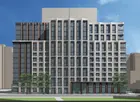
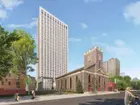
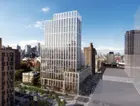
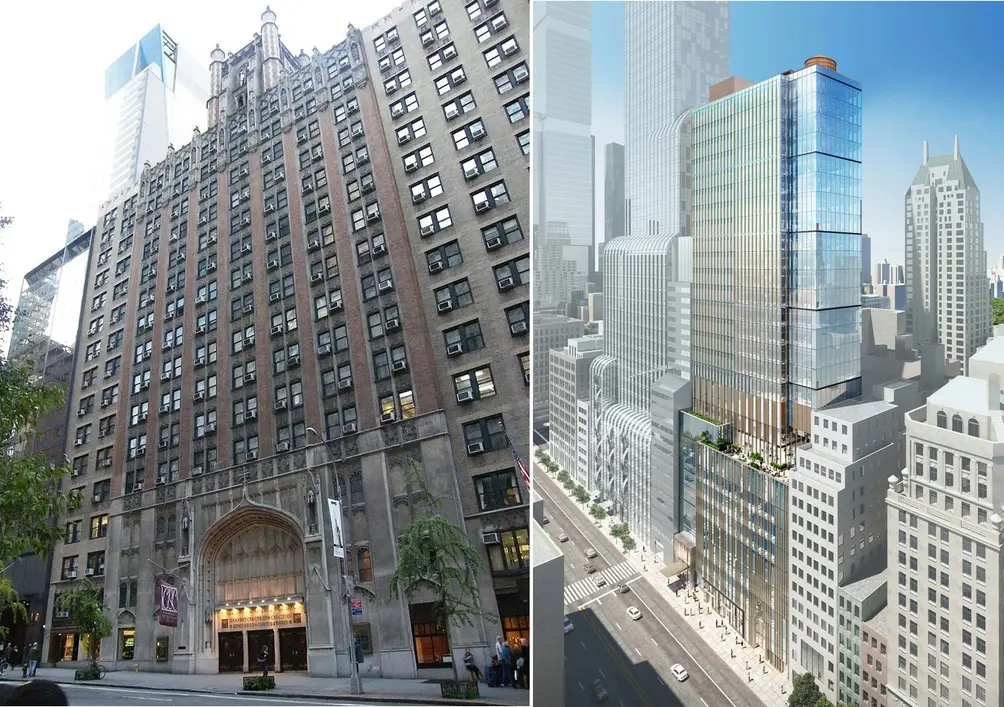 (l-r) Cavalry Baptist Church (Americasroof at English Wikipedia, CC BY-SA 3.0, https://commons.wikimedia.org/w/index.php?curid=8058266); office tower rendering (Alchemy Properties)
Moreover, preservationists tend to be fiercely protective of their neighborhood churches. One of the most tragic demolitions in recent history was that of Cavalry Baptist Church and Salisbury Hotel at 125 West 57th Street. It came down to make way for a new glass box Billionaires' Row office tower, and few communities want a repeat of that in their backyard.
However, sometimes the religious institutions themselves are most eager to sell their real estate, air rights, or both. In an era of declining congregations, such deals can help churches pay off long-standing debts, fund new programs, and even secure worship space in a new building. Cases in point may be found in Harlem, where 10 Lenox Avenue rose on the former site of Second Canaan Baptist Church (it now occupies two floors in the new building), and 145 Central Park North rose on the former site of New York United Sabbath Day Adventist Church.
However, sometimes the religious institutions themselves are most eager to sell their real estate, air rights, or both. In an era of declining congregations, such deals can help churches pay off long-standing debts, fund new programs, and even secure worship space in a new building. Cases in point may be found in Harlem, where 10 Lenox Avenue rose on the former site of Second Canaan Baptist Church (it now occupies two floors in the new building), and 145 Central Park North rose on the former site of New York United Sabbath Day Adventist Church.
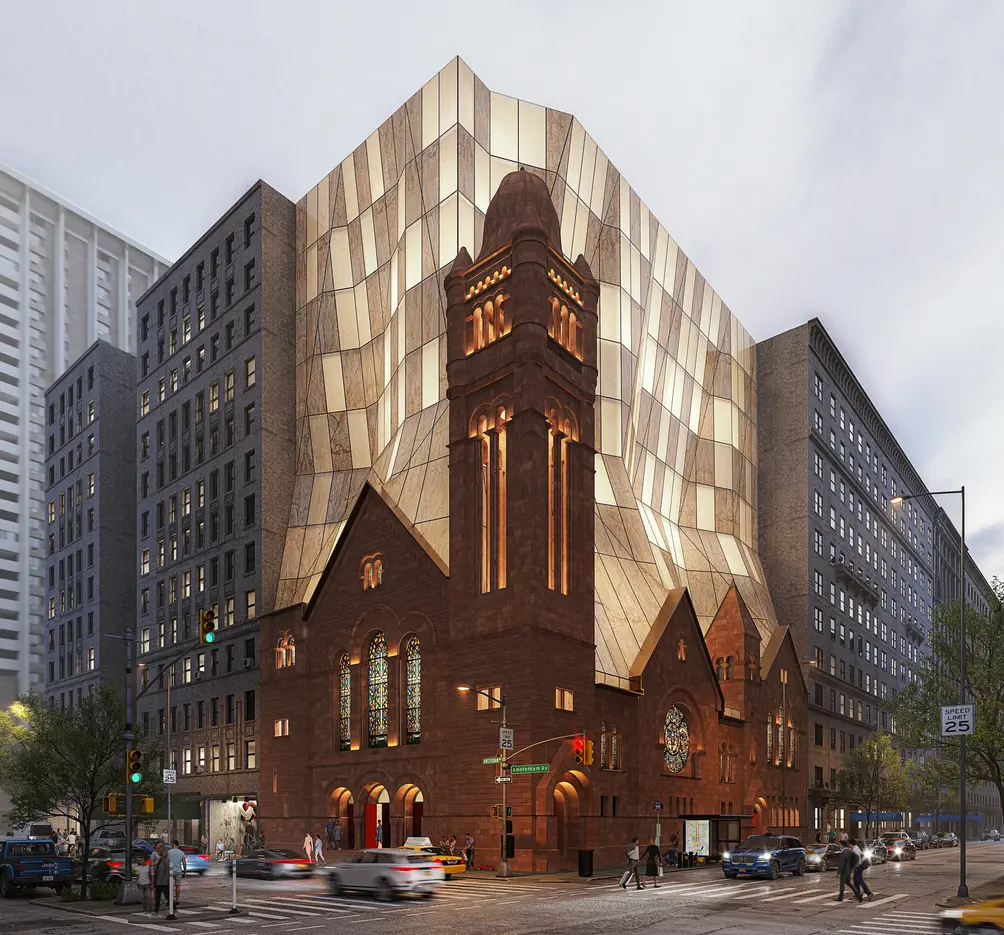 Concept to save the exterior of West Park Presbyterian Church by DXA Studio | https://dxastudio.com/project/west-park-presbyterian-church
Adaptive reuse would appear to be the best of both worlds; but even if a building is in good enough condition for such a step, this requires careful consideration and execution. When done well, the results can be stunning. A case in point is The Abbey, the recently launched boutique condo conversion of a landmarked Fort Greene church where original details like exposed brick and stained glass windows have been preserved, while incorporating original building materials into modern apartment interiors. But in Greenpoint, locals are outraged by the changes made amidst Park Church Co-op's forthcoming residential conversion, with one calling it "an affront to God."
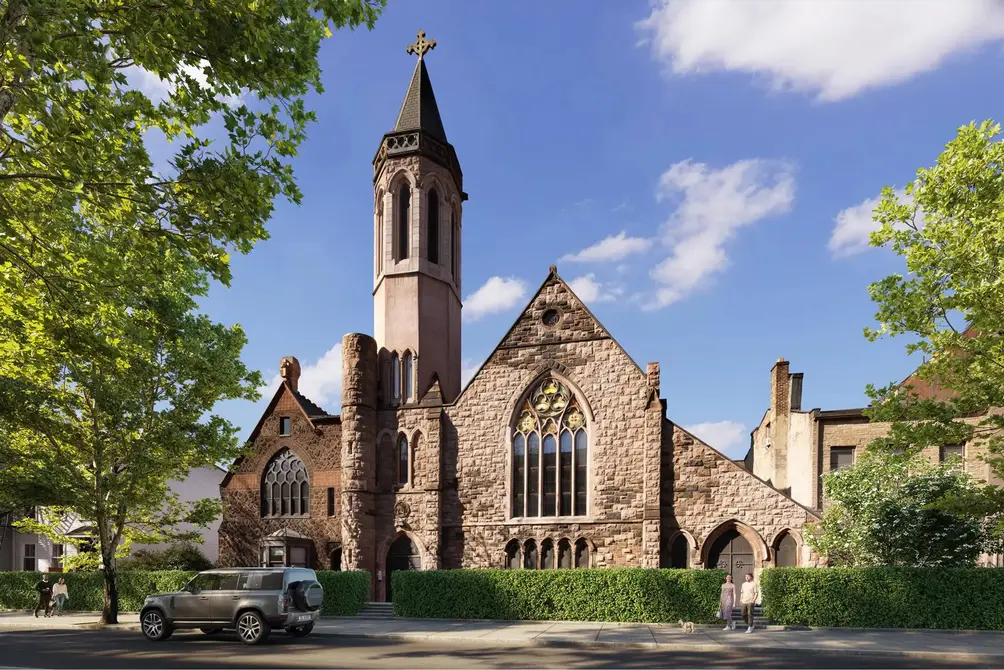 The Abbey (Douglas Elliman)
There are dozens of houses of worship across the city whose near future might be housing. Below, are some successful examples of adaptive reuse as well as new buildings (some tragically awful) that have risen on former house of worship sites.
Coming Soon
Then: St. Augustine's Church annex, circa 1961 | Now: Affordable housing tower developed by Fulcrum Partners
21 stories | 130 units
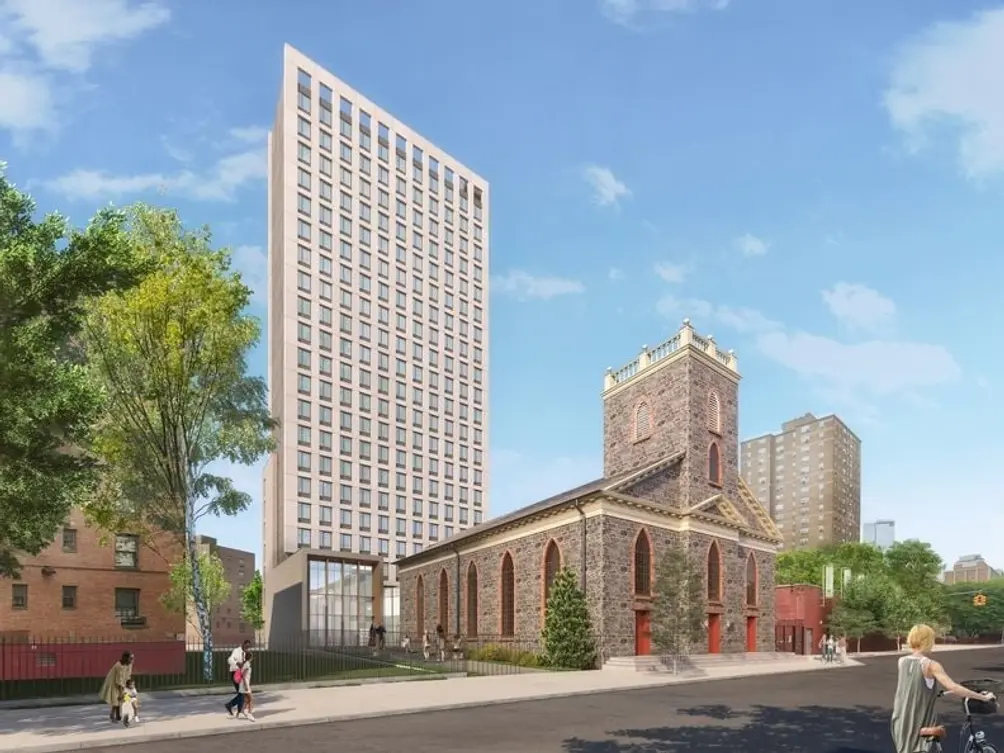 Rendering of 290 Henry Street (Fulcrum Properties)
Nearly 200 years after St. Augustine's Church was built, the Lower East Side Church has teamed up with developer/architect Fulcrum Properties on an ambitious project. They plan to raze an adjacent two-story classroom annex to make way for a 21-story tower with retail space, a community facility, and more than 100 units of affordable housing.
The project also involves renovating and restoring the church to its original glory. This includes the preservation and restoration of original historic details like a stained glass lunette window on the rear facade. The site is already zoned to allow for residential uses, but Crain's New York Business notes that a special permit is required because of the church's status as an individual landmark. Landmarks both approved the demolition plan and new tower and voted to issue a favorable report to the City Planning Commission in June 2023.
The project also involves renovating and restoring the church to its original glory. This includes the preservation and restoration of original historic details like a stained glass lunette window on the rear facade. The site is already zoned to allow for residential uses, but Crain's New York Business notes that a special permit is required because of the church's status as an individual landmark. Landmarks both approved the demolition plan and new tower and voted to issue a favorable report to the City Planning Commission in June 2023.
Then: Lemberger Shul, circa 1925 | Now: Boutique condominium developed by 89 Development LLC
6 stories | 6 units
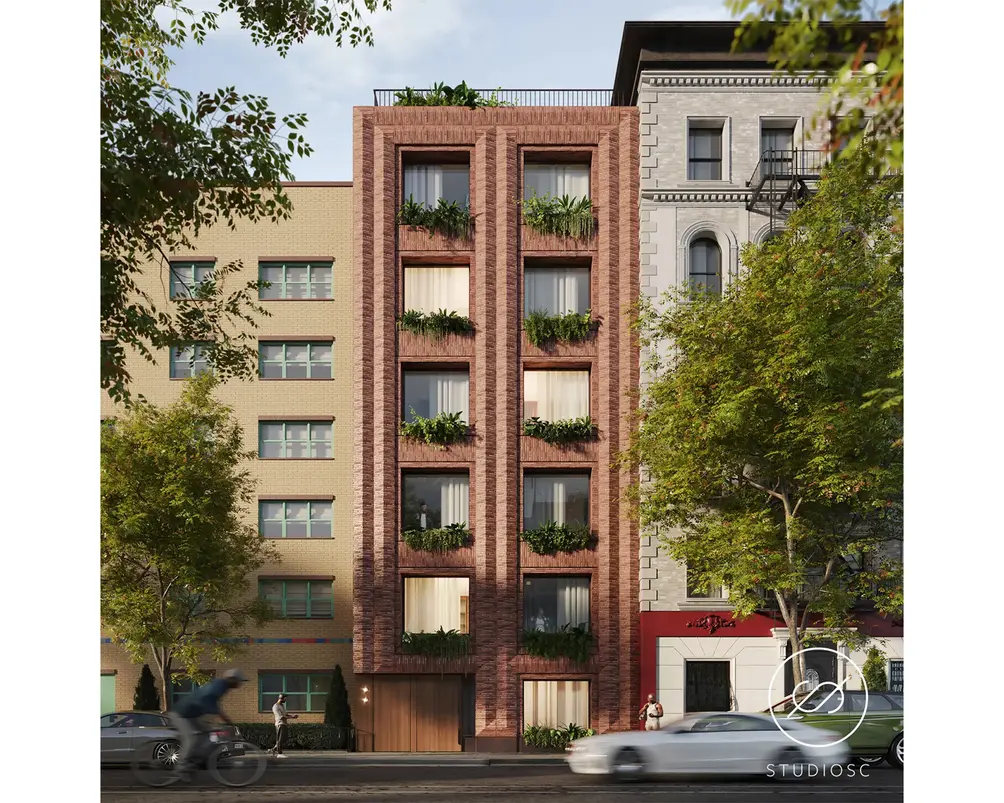 Rendering of 256 East 4th Street (StudioSC)
It may be possible to trace the demographics of the East Village/Alphabet City through the building at 256 East 4th Street. In 1925, it was built as a shul/synagogue for the Ukrainian Lemberger Congregation. In the 1970s, as the neighborhood's Puerto Rican population grew, it became Iglesia Evangelica Bautista, a Spanish Baptist church. Most recently, at a time when luxury condominiums are on the rise, permits have been filed to turn it into a six-story, six-unit boutique condominium. Sadly, the neo-Gothic facade was too damaged to be preserved; in its place will be a brick facade with flower box walls.
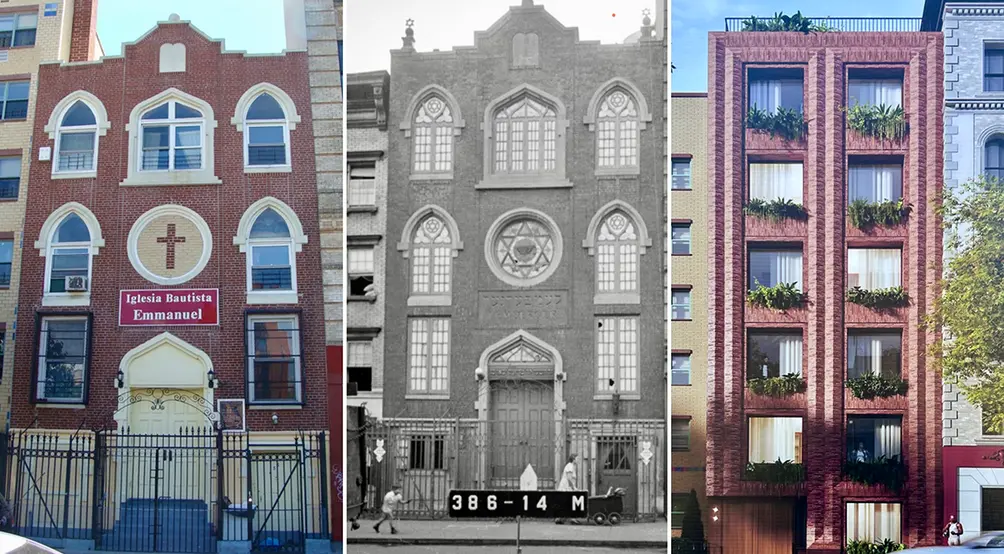 256 East 4th Street past and future (Village Preservation)
Then: Roman Catholic Church of St. Columba convent, rectory, and school | Now: Rental developed by Timber Equities
10 stories | 198 units
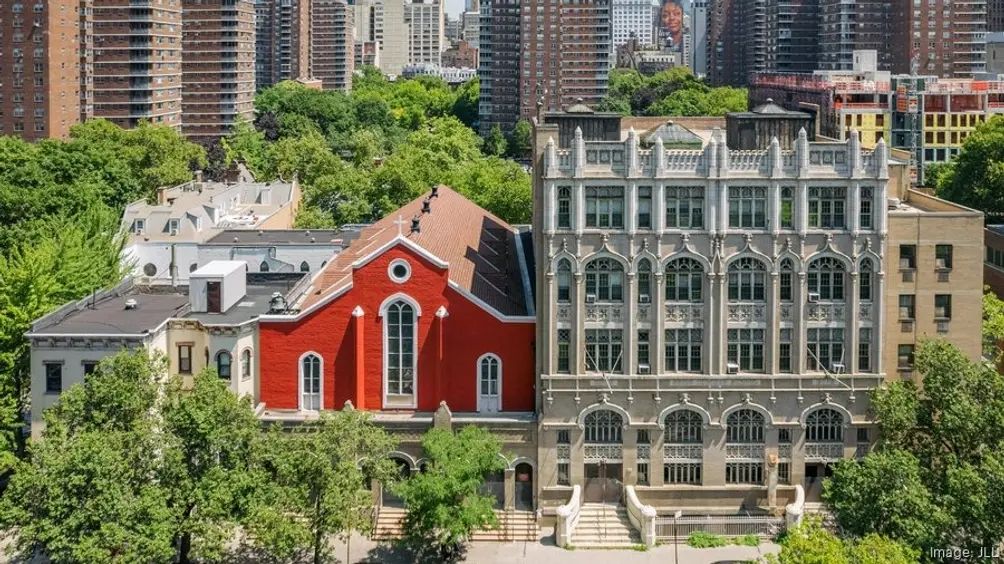 An incredibly tragic and short-sighted development (JLL)
Following several sex abuse lawsuits, the Catholic Church has been selling buildings across New York to raise money for millions of dollars in claims. The latest case in point is the Roman Catholic Church of St. Columba's convent, rectory, and school in West Chelsea. Developer Timber Equities secured financing for the project in July 2025, and the new project will feature an all-electric infrastructure. The 198 units will include 40 permanently rent-stabilized apartments.
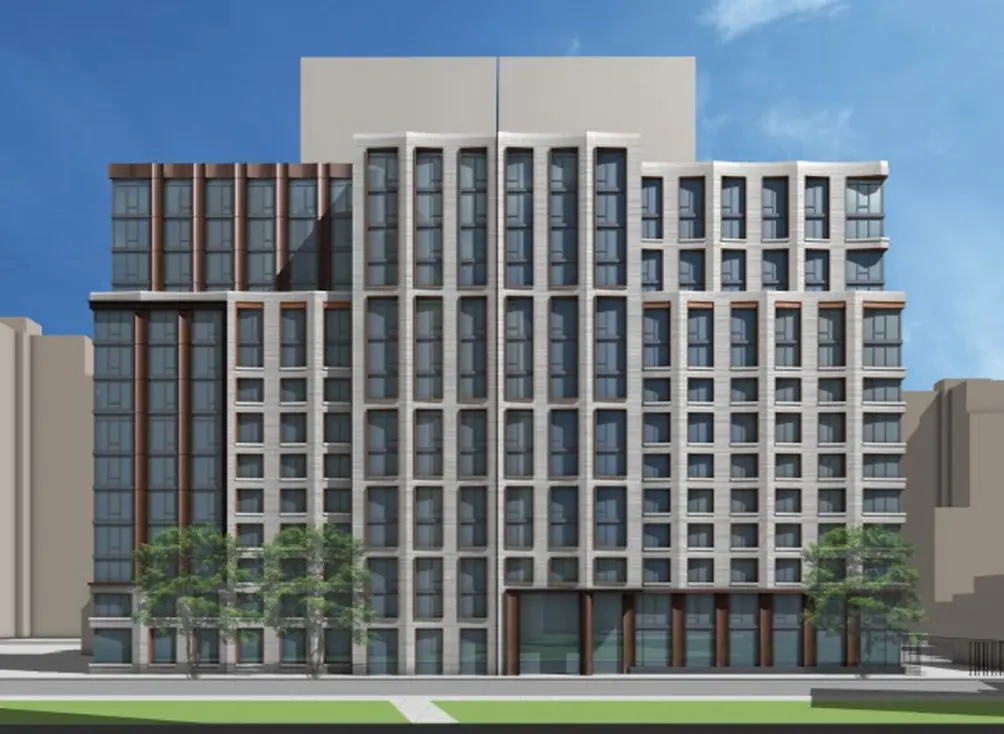 Rendering of 329-341 West 25th Street (Timber Equities)
Then: Community Church of New York, circa 1825 | Now: Condominium developed by Continuum Company
10 stories | 198 units
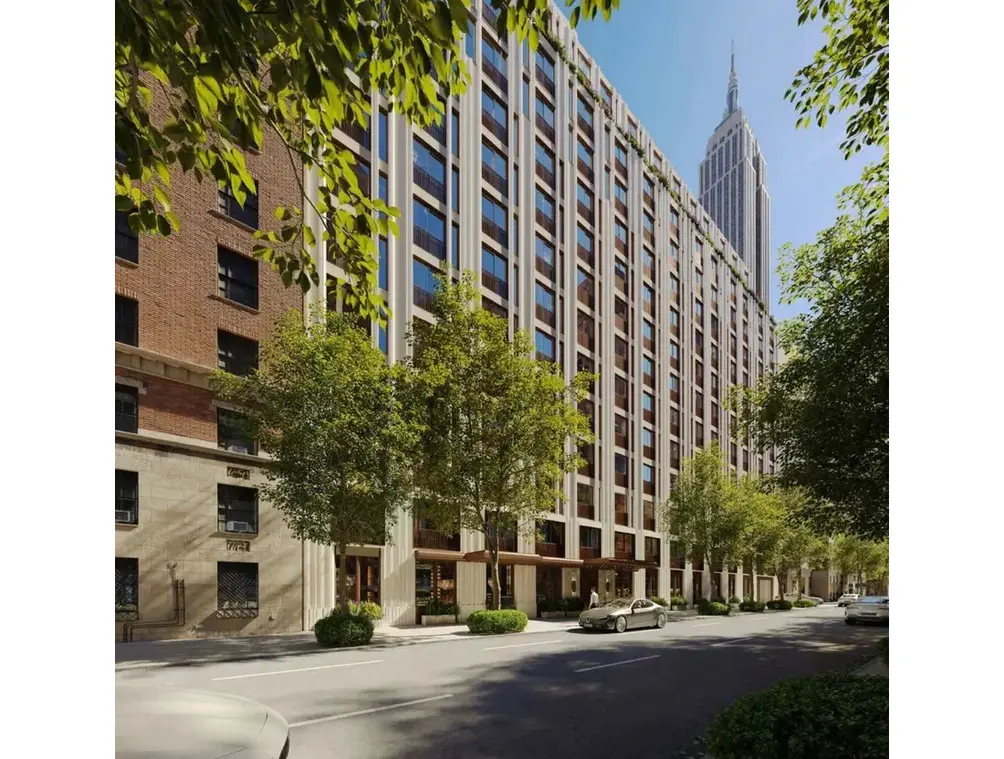 Rendering of 40 East 35th Street (Continuum Companies)
In Murray Hill, Continuum Company is hard at work on an 18-story condominium down the street from the Morgan Library & Museum. It is rising on the former site of the Community Church of New York, which has long served as a hub for civil rights, having hosted the likes of Pete Seeger, Nelson Mandela, and a debate between activists Malcolm X and Bayard Rustin. Preservationists and historians were sorry to see it go, but the congregation ultimately (albeit contentiously) voted to sell the church and four adjacent brownstones due to a dwindling congregation and the high cost of repairs the building would have required.
Then: St. Benedict the Moor Church, circa 1869 | Now: Boutique condominium developed by JMM Charitable Foundation
7 stories | 10 units
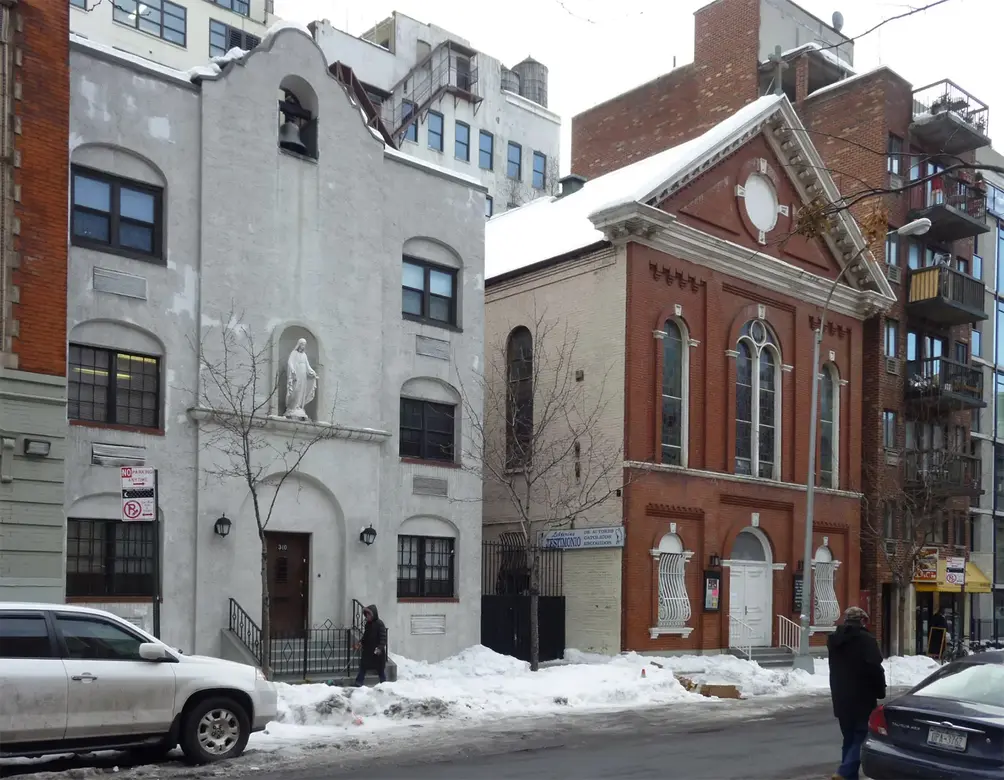 Photo by James Russiello on WikiCommons
Over 150 years after it was built as the first Black Catholic church north of the Mason-Dixon line, the former St. Benedict the Moor Church in Hell's Kitchen sold to developer Walter Wang's JMM Charitable Foundation for $16 million (h/t 6sqft). More recently, in February 2025, the Department of Buildings approved a partial demolition of a neighboring building to make way for a seven-story, 10-unit boutique-style building.
According to the terms of the sale agreement, the church itself must remain intact for at least 20 years; to that end, the prewar structure will continue as a church.
Then: Roman Catholic Church of Saint Paul and Holy Rosary, circa 1899 | Now: Residential building developed by Shimshon Grunstein
6 stories | 88 units
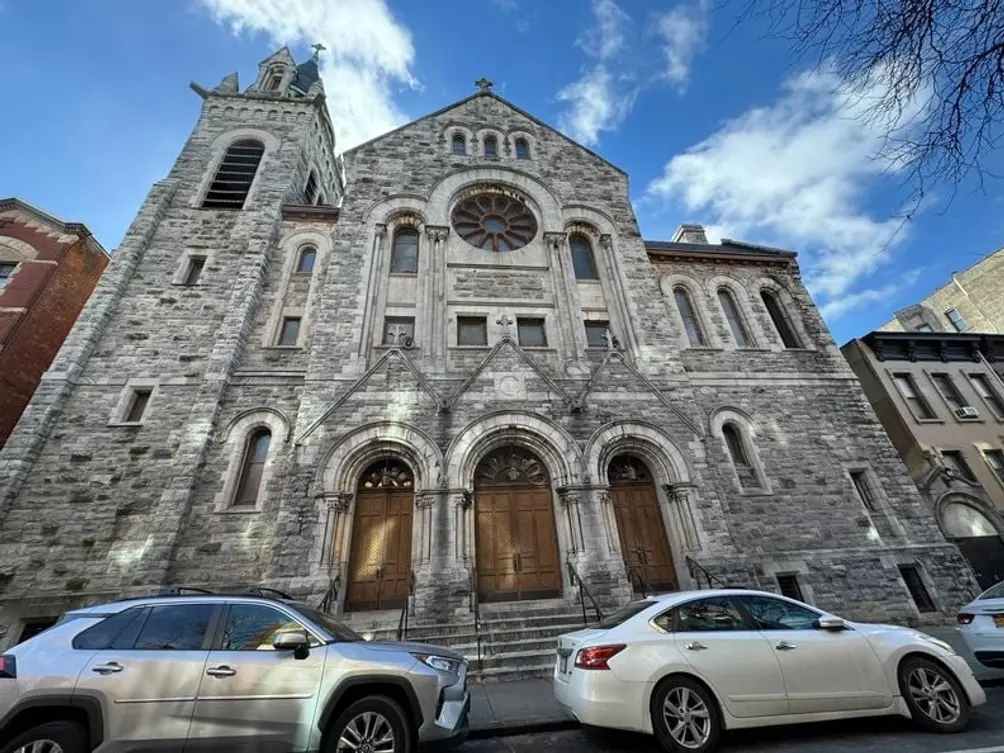
In June 2025, Brooklyn-based developer Shimson Grunstein purchased East Harlem's Roman Catholic Church of Saint Paul and Holy Rosary for $5 million in an all-cash deal. Less than a month later, he filed permits to add three floors to the existing Romanesque Revival structure, as opposed to the demolition a former potential owner wanted, and convert the interiors to residences.
While the demolition permits have been withdrawn, a full construction schedule for the expansion is not yet available; however, Crain's New York Business notes that the block is already zoned for residential use, which will save some time. The church was deconsecrated in 2017, and the congregation merged with a nearby East Harlem parish.
While the demolition permits have been withdrawn, a full construction schedule for the expansion is not yet available; however, Crain's New York Business notes that the block is already zoned for residential use, which will save some time. The church was deconsecrated in 2017, and the congregation merged with a nearby East Harlem parish.
Then: English Evangelical Lutheran Church of the Messiah, circa 1907 | Now: Boutique condominium developed by GW Russell LLC
4 stories | 10 units
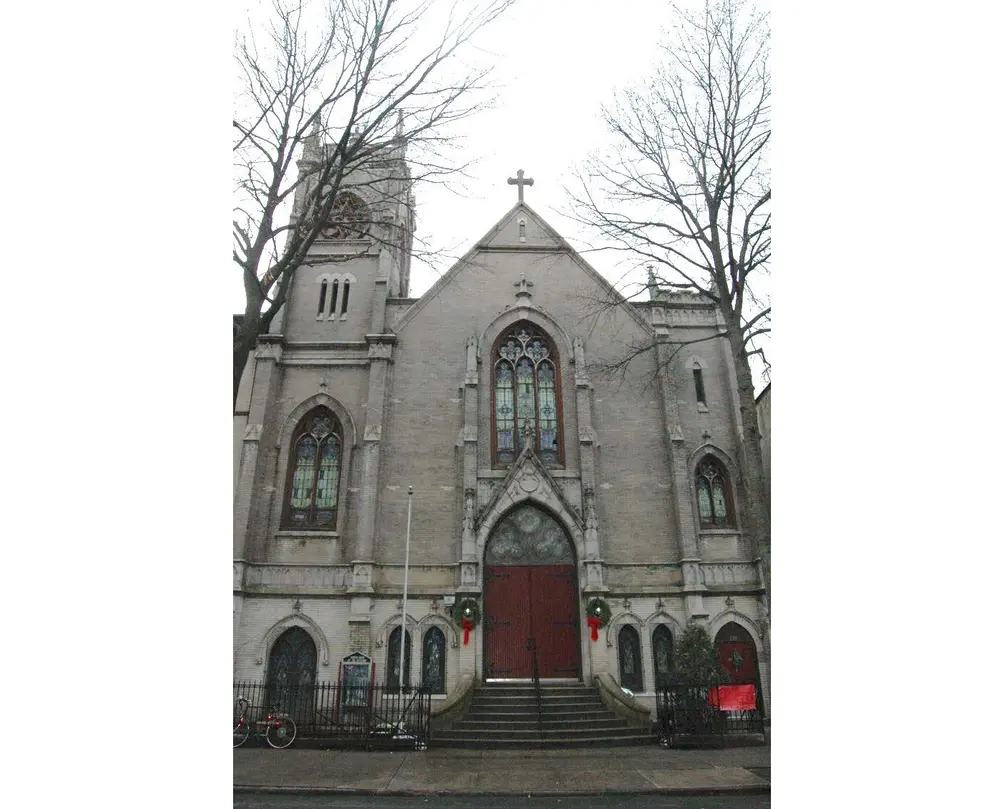 Original building (Park Church Co-op)
For over 100 years, the church on the west side of Monsignor McGolrick Park in Greenpoint has welcomed community members for worship, as well as served as an arts venue, soup kitchen, and affordable day care. After the church closed in 2022 amidst a dwindling congregation, local activists successfully lobbied to save it from demolition. But despite this victory, they were unable to raise the money to protect the building, and it sold to a developer. Construction is still underway, but locals are highly displeased at the removal and alteration of original elements.
Then: St. Luke's Evangelical Church, circa 1899 | Now: Residential building developed by Geneva Transatlantic Holdings and Orange Management
4 stories | 16 units
 Rendering of 257 Washington Avenue (Combined Architecture and Interiors for Landmarks Preservation Commission)
The third time is the charm for a residential conversion of a church in the Clinton Hill Historic District. When a joint venture between Geneva Transatlantic Holdings and Orange Management bought the former St. Luke's Evangelical Lutheran Church for $9 million this June, Crain's New York Business noted that the property has changed hands three times in the past six years. Previous owners experienced trouble with investors and defaulted on loans, and the pandemic cannot have helped matters.
Following their purchase, Geneva Transatlantic Holdings founder Michael Levy told Crain's that they plan to make the most of the 34,000 square feet of development space the site can support. To that end, the new project will include 12 apartments in the former church, four townhouse units with rooftop solar panels in the former parish house, and new connector additions. However, this will not come at the expense of the neo-Gothic church's historic architecture; the limestone facade and stained glass windows will be restored to their original glory.
As this plan differs from one approved in 2018, the team had to re-submit it to Landmarks. They appeared before the commission in July 2025, and the proposal was unanimously approved with modifications. Commissioner Bland called it a master class in adaptive reuse.
Following their purchase, Geneva Transatlantic Holdings founder Michael Levy told Crain's that they plan to make the most of the 34,000 square feet of development space the site can support. To that end, the new project will include 12 apartments in the former church, four townhouse units with rooftop solar panels in the former parish house, and new connector additions. However, this will not come at the expense of the neo-Gothic church's historic architecture; the limestone facade and stained glass windows will be restored to their original glory.
As this plan differs from one approved in 2018, the team had to re-submit it to Landmarks. They appeared before the commission in July 2025, and the proposal was unanimously approved with modifications. Commissioner Bland called it a master class in adaptive reuse.
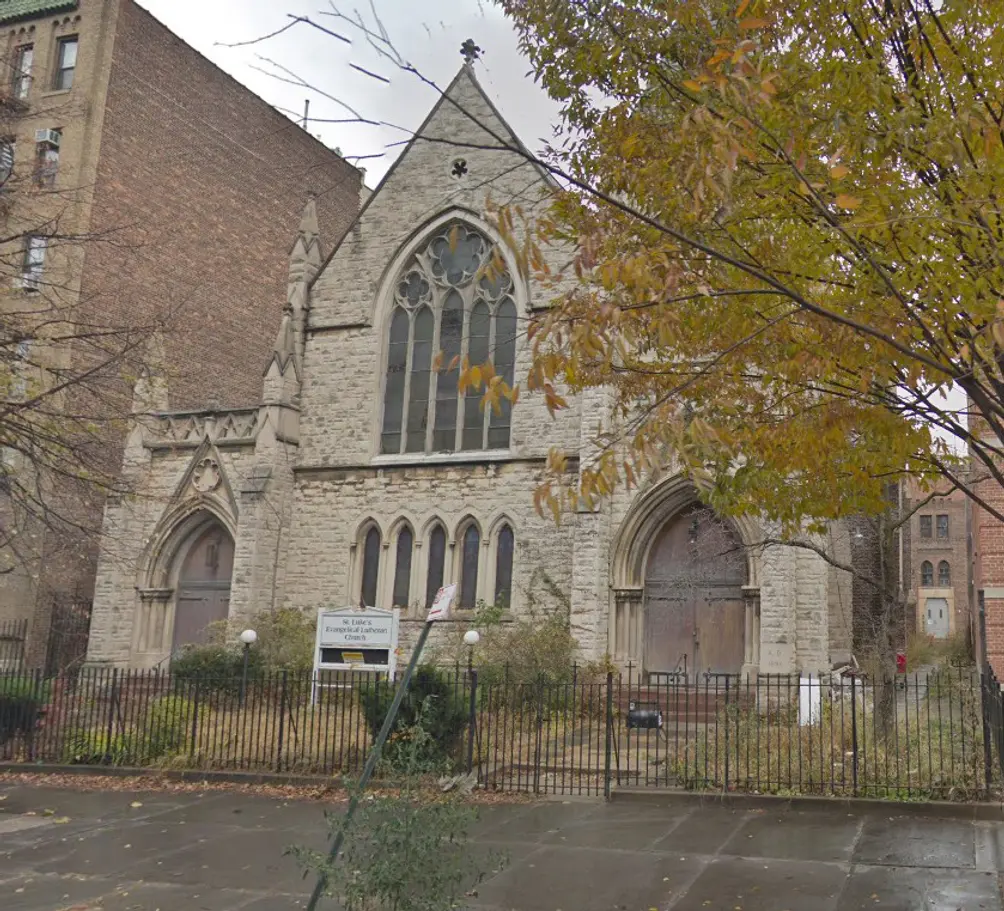 Current conditions at 257 Washington Avenue (Combined Architecture and Interiors for Landmarks Preservation Commission)
West Park Presbyterian Church, Upper West Side
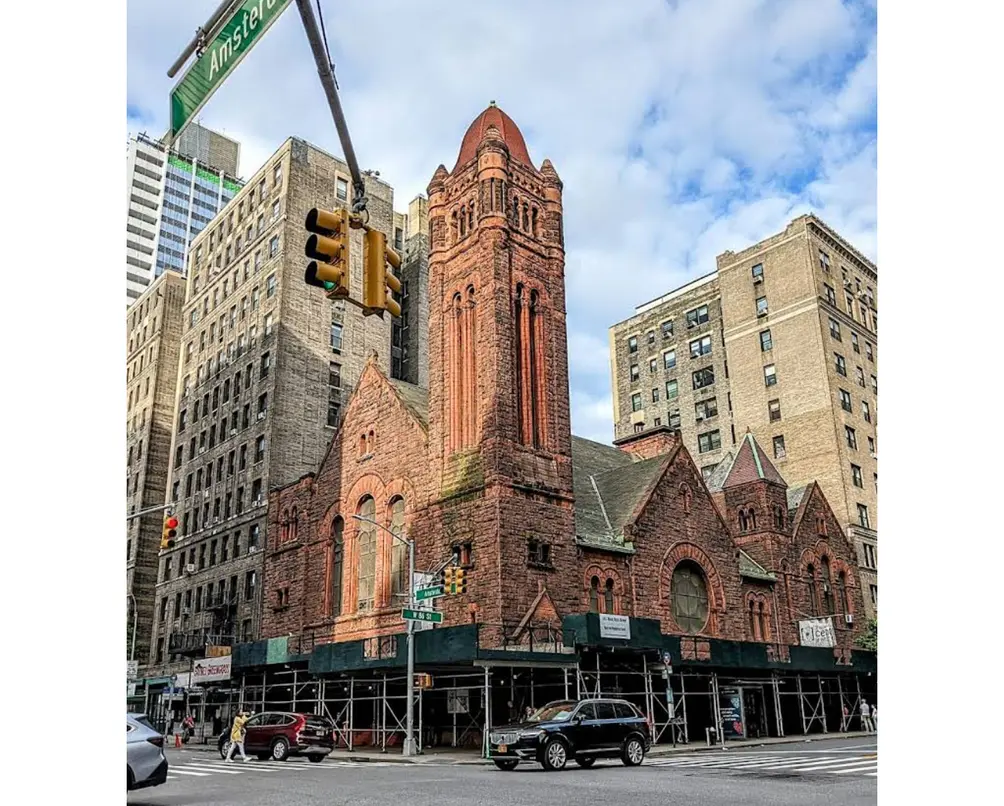 Google Streetview of West Park Presbyterian Church
In 2020, the Upper West Side's West Park Presbyterian Church voted to sell their landmarked Romanesque Revival building to Alchemy Properties for $33 million. The developer planned to demolish the building and replace it with a 19-story market-rate apartment building with worship space for the church. Local preservationists and celebrity activists protested the loss of the over 130-year-old building, which has been at the center of the antiwar and LGBTQ equality movements. However, the building has fallen into significant disrepair and the church has seen its congregation dramatically dwindle.
In June 2022, the church filed a hardship application with Landmarks asking the commission to rescind the building's individual landmark status. The church abruptly withdrew its application in January 2024; but in July 2025, arts and culture non-profit The Center at West Park announced that it had left the premises following an eviction order. If the church decides to reapply for a hardship application, the absence of a tenant makes its approval more likely.
In June 2022, the church filed a hardship application with Landmarks asking the commission to rescind the building's individual landmark status. The church abruptly withdrew its application in January 2024; but in July 2025, arts and culture non-profit The Center at West Park announced that it had left the premises following an eviction order. If the church decides to reapply for a hardship application, the absence of a tenant makes its approval more likely.
Adaptive Reuse
Then: Adas Yisroel Anshe Mezritch Synagogue, circa 1910 | Now: Condominium developed by East River Partners
5 stories | 3 units
No current availabilities
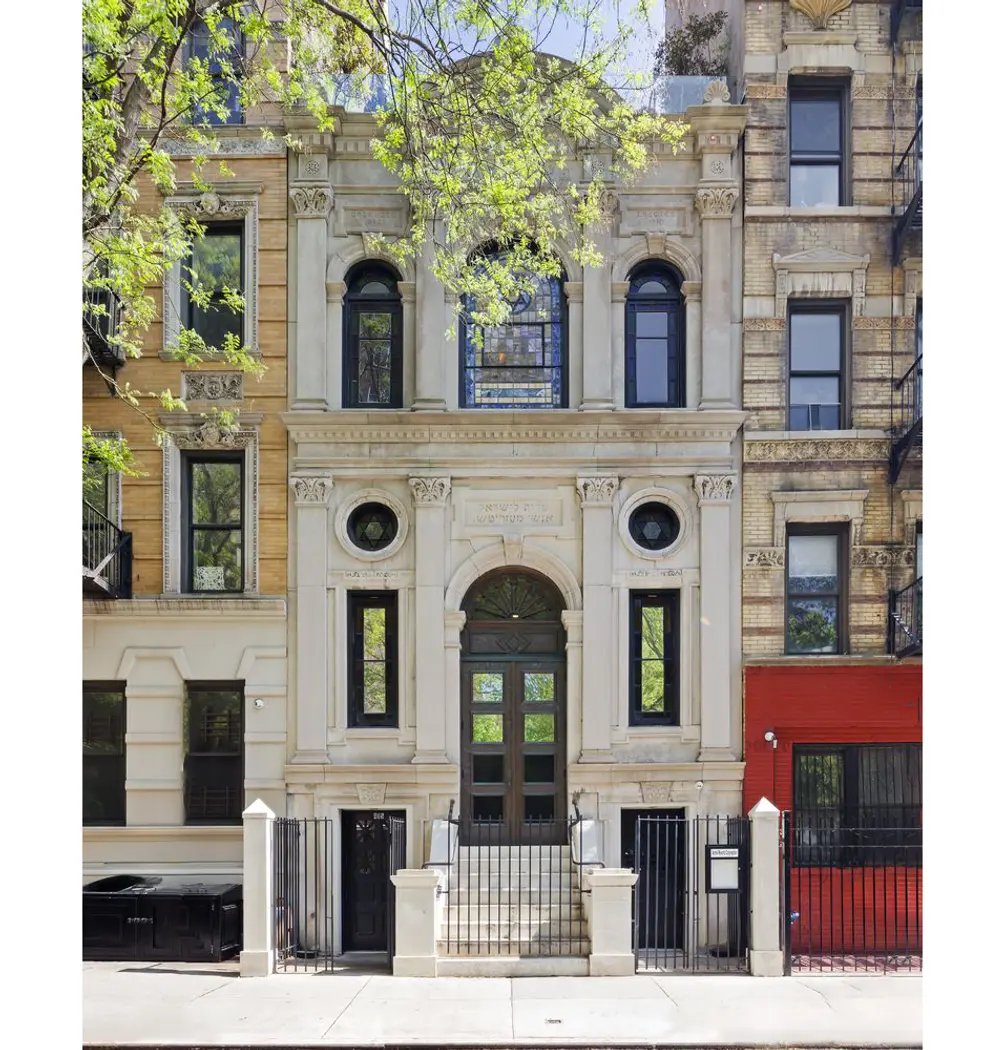 415 East 6th Street (Compass)
Between low attendance and high financial difficulties, the owners of Adas Yisroel Anshe Meseritz Synagogue sold the building, which the Greenwich Village Society of Historic Preservation calls "historically significant," to a developer to be converted to residential use. But this familiar narrative takes a happier turn: As part of the agreement, developer East River Partners agreed to renovate the ground and basement floors in a move that would prevent the congregation from closing its doors. Today the neo-classical elements of the building have been beautifully restored, congregants can go to services through a separate entrance, and the apartments have been designed to marry historic elements with modern finishes and appliances. Between the unique homes and prime East Village location, it is little wonder the building attracted attention from the likes of Natasha Lyonne and Alexander Skarsgård.
Then: Center of the Proskurover Zion Congregation, circa 1920 | Now: Cooperative
4 stories | 4 units
No current availabilities
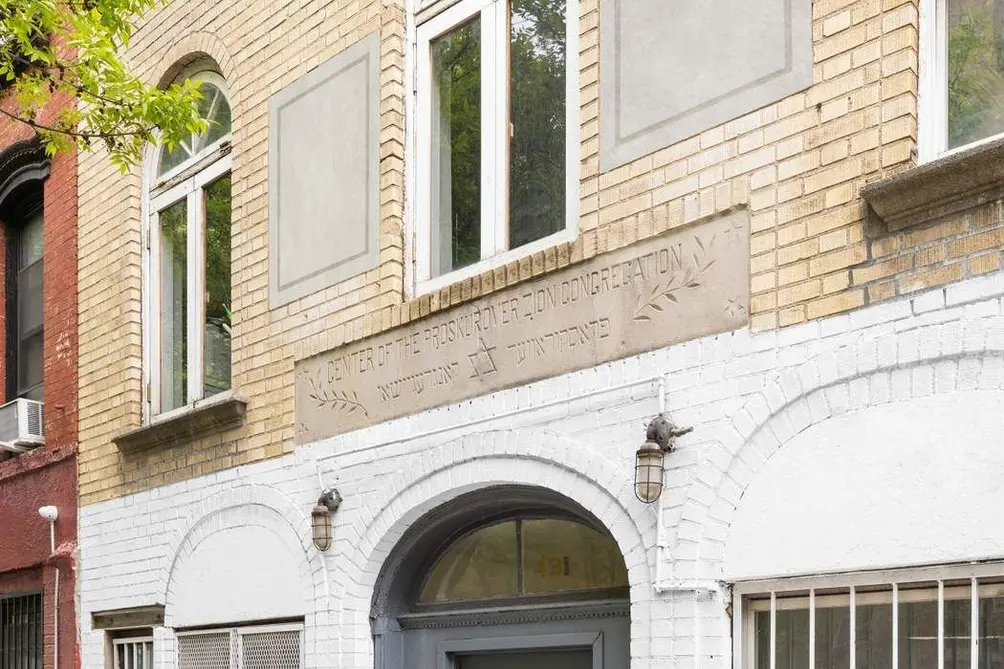 431 East 6th Street entrance (Compass)
In the 1980s, when East Village real estate prices were a tiny fraction of what they are today, a group of artists purchased an abandoned synagogue and turned it into a tenancy-in-common building with live/work space. Original architectural features like soaring ceilings, arched windows, stained glass windows, decorative moldings, and skylights allowed for abundant natural light, not to mention inspiration, for artists like William Wegman, Jack Sal, Paola Igliori, and Maria Von Hartz.
Then: Congregation Beth Hamedrash Hagadol Anshe synagogue, circa 1905 | Now: Cooperative
3 stories | 5 units
1 availability for $2.45M
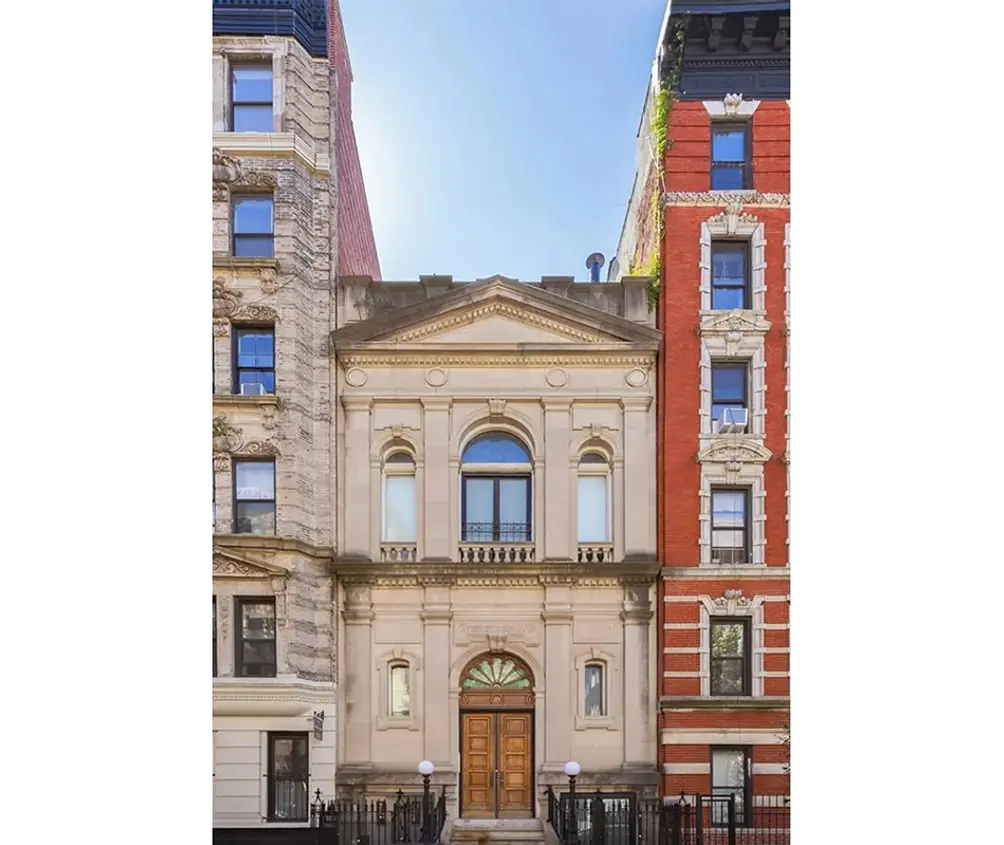 242 East 7th Street (Douglas Elliman)
Eighty years after this East Village building was built as a synagogue, it was converted to a boutique cooperative with beautifully maintained and preserved architectural details. The apartments inside enjoy soaring ceilings and original architectural elements like stained glass windows. The top two units have private outdoor space, and all residents benefit from close proximity to Tompkins Square Park.
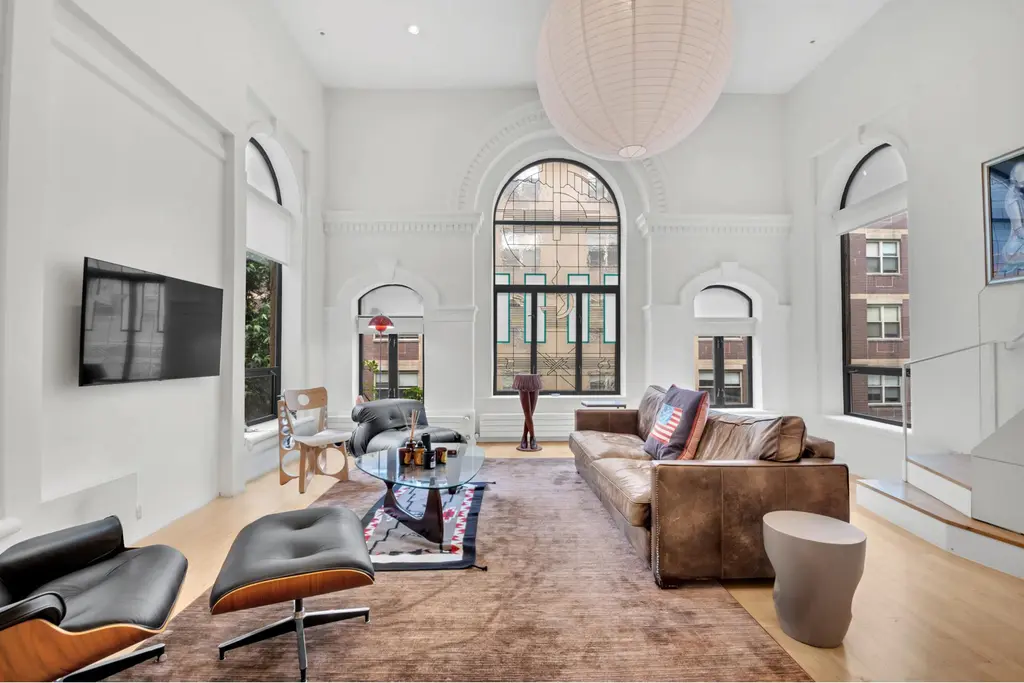
242 East 7th Street, #PH (Douglas Elliman Real Estate)
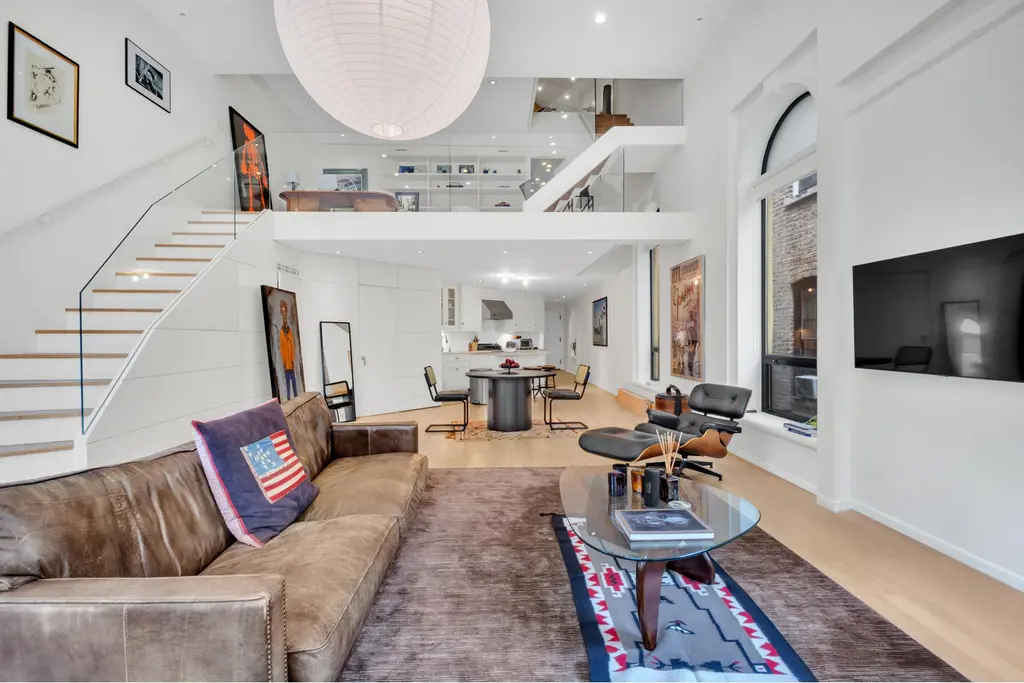
135 West 4th Street
Then: Washington Square United Methodist Church, circa 1860 | Now: Condominium designed by Flank Architects
5 stories | 8 units
One availability for $2.95M
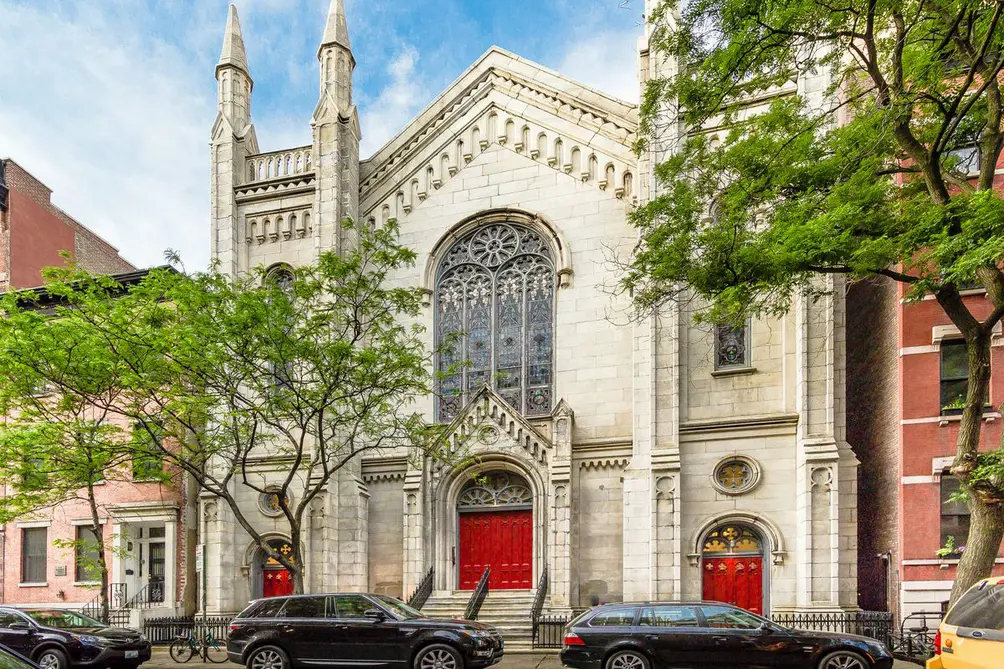 All images of Novare via Compass
The word Novare is Latin for "to be reborn," and was aptly given to this church one block from Washington Square Park. The facade has been beautifully restored following a 2008 condo conversion, but the interiors were demolished to give way to dramatic apartments that would come to attract celebrities like Jude Law.
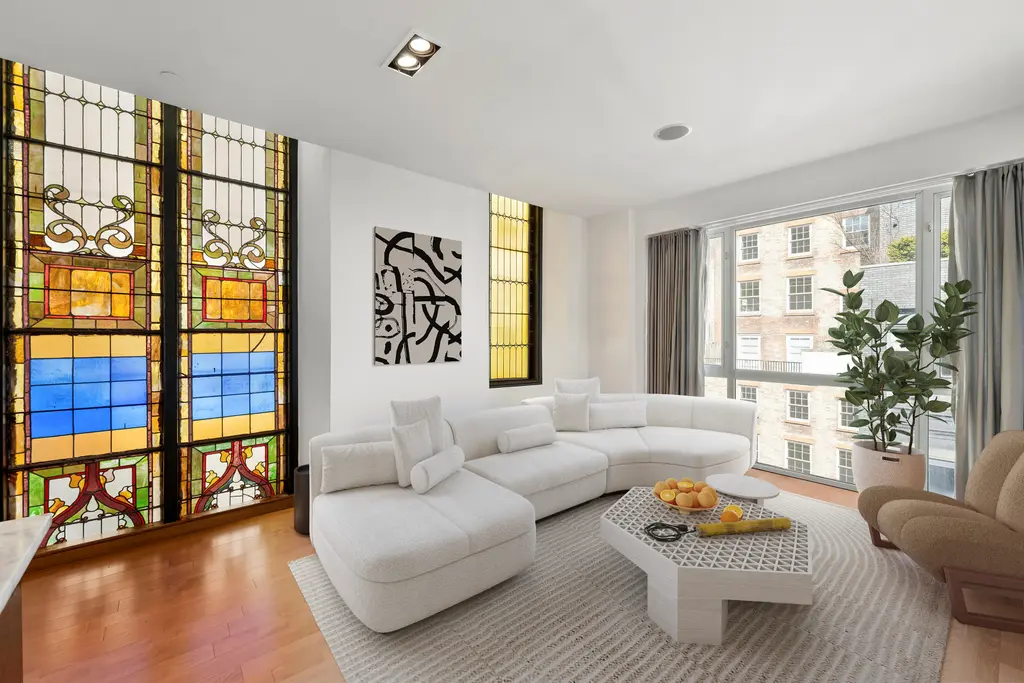
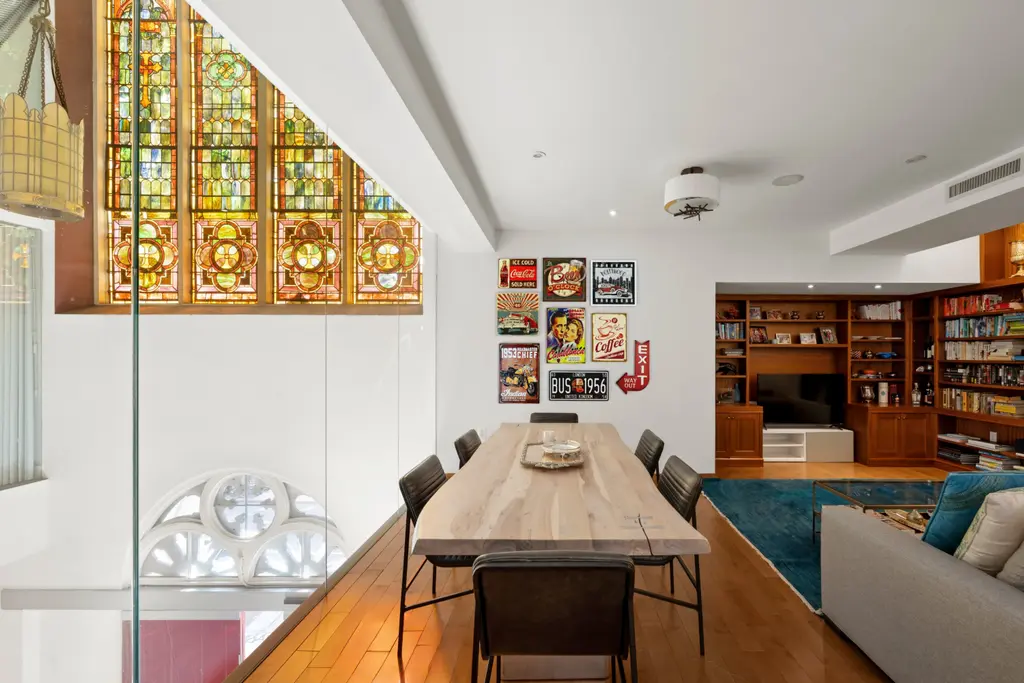
205 East 16th Street
Then: St. George's Church parish house, circa 1888 | Now: Condominium developed by Herbert W. Hirsch Enterprises
5 stories | 31 units
1 availability for $1.9M
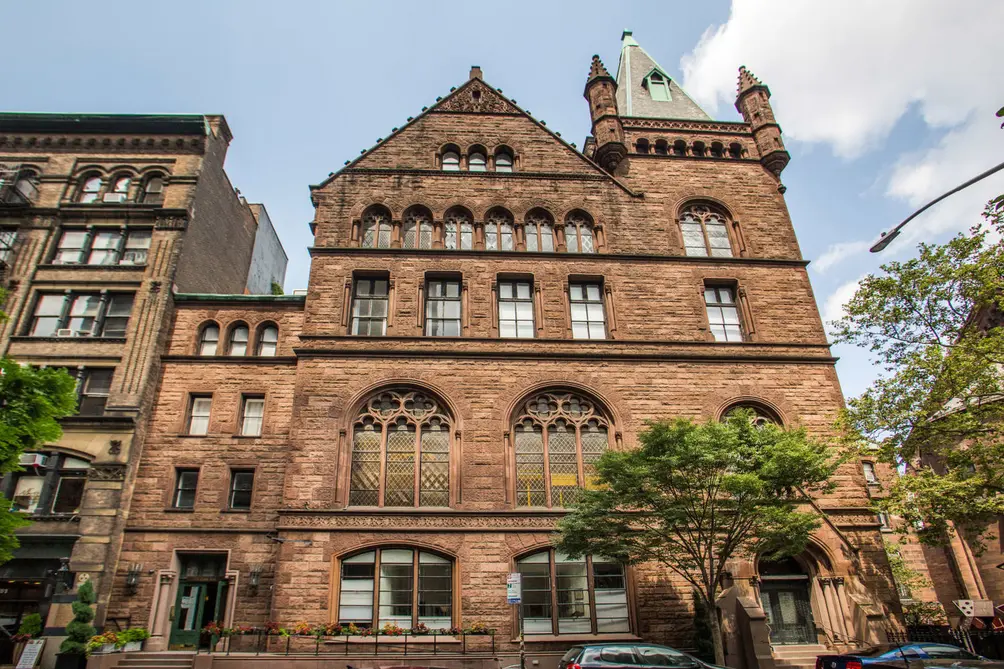 The Abbey (Compass)
In the mid-1880s, J.P. Morgan entered an agreement to finance social services at St. George's Church. During its rich history, it hosted a number of social services, not to mention the weddings of daughters of the Morgan and Phipps families. The parish house served as a women's residence in the 1960s; decades later, it was converted to a condominium with original architectural details preserved.
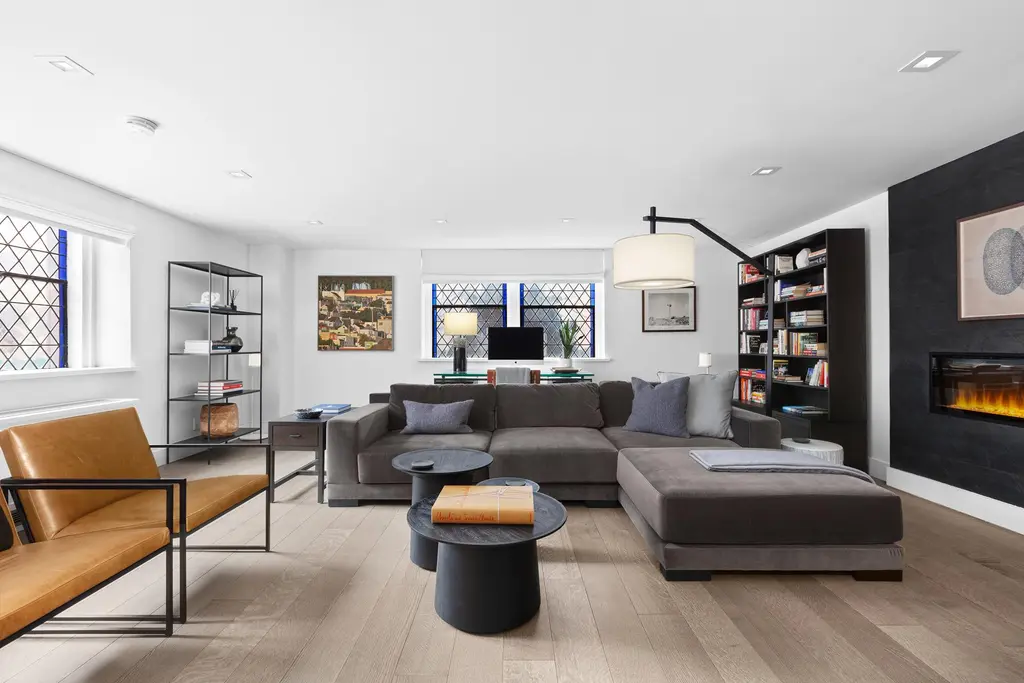
The Abbey Condominium, #2A (Douglas Elliman Real Estate)
Formerly: Mt. Pleasant Baptist Church, circa 1891 | Now: Condominium developed by Ekstein Development
7 stories | 5 units
5 availabilities from $6.65M - $10M
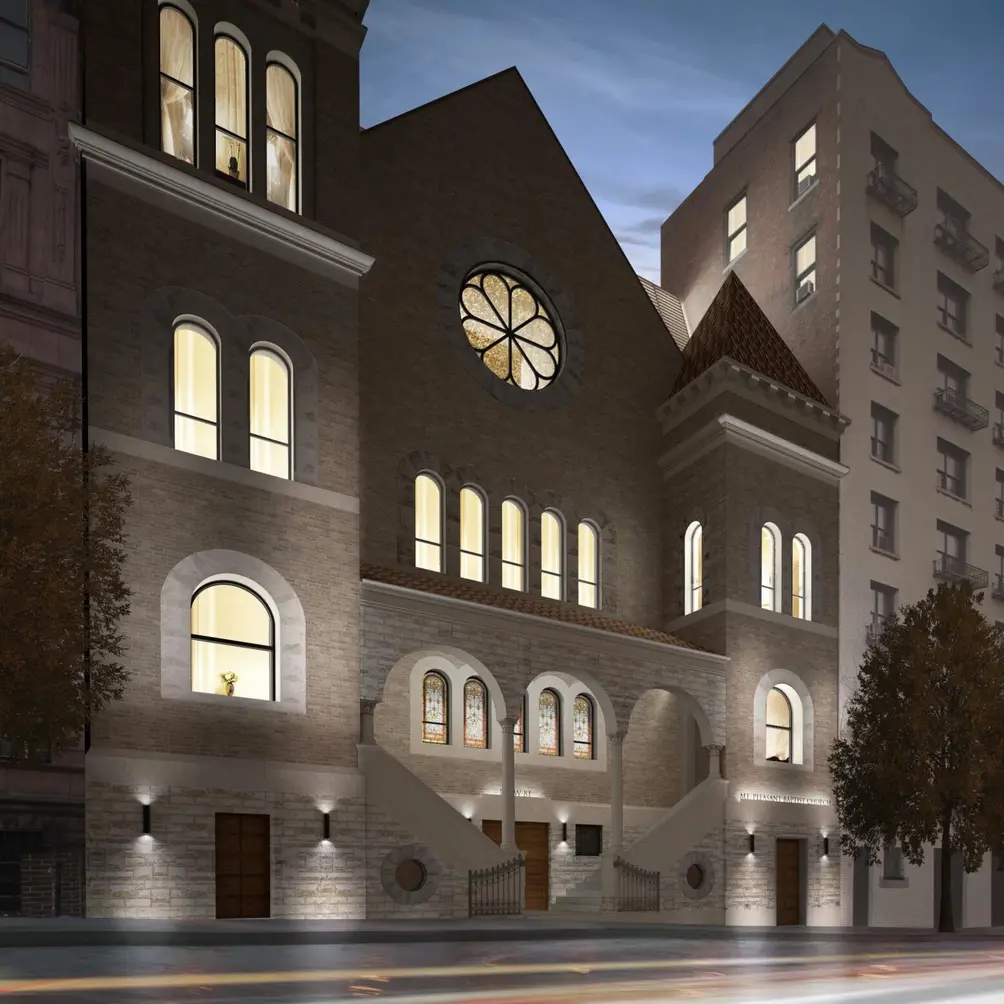 140 West 81st Street (Modlin Group LLC)
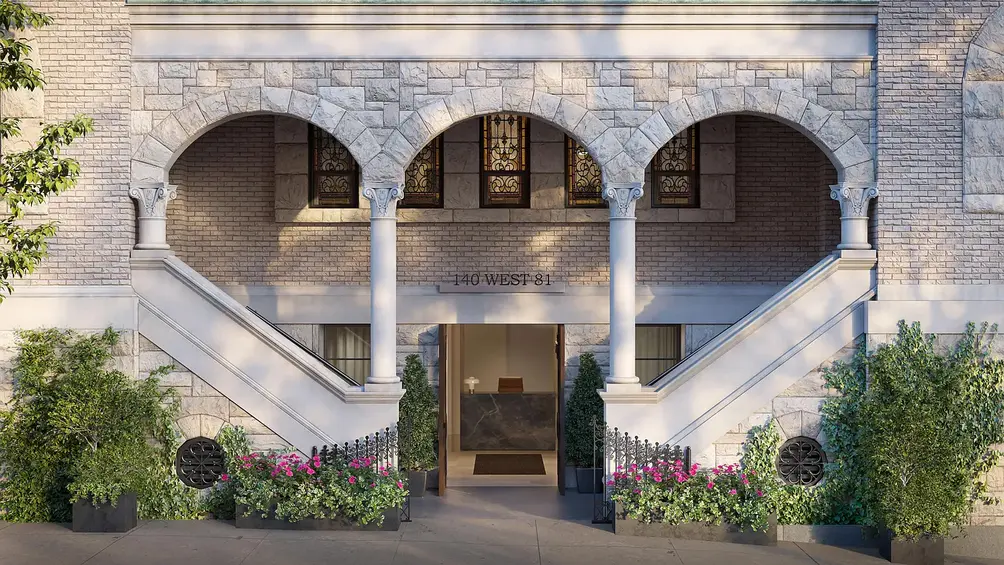
Exactly 125 years after it was constructed for original tenant Third Universalist Society, 140 West 81st Street has been converted to a boutique condominium in what is now a prime Upper West Side location. As much of the building's facade was preserved, many units feature distinct architectural details -- e.g., soaring ceilings or turrets. Residential amenities include an attended lobby, a fitness center, and private storage.
140 West 81st Street, #5
$8,995,000
Broadway Corridor | Condominium | 4 Bedrooms, 5 Baths | 3,608 ft2
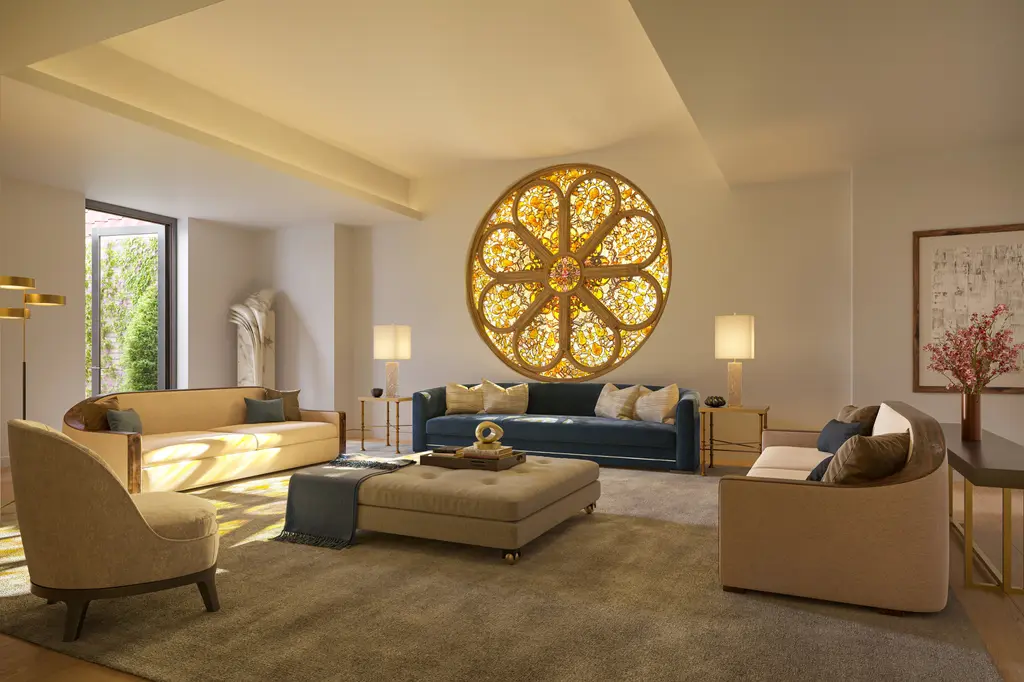
140 West 81st Street, #5 (Modlin Group LLC)
Formerly: St. Agnes Boys Catholic High School, circa 1908 | Now: Condominium designed and developed by Cary Tamarkin
8 stories | 13 units
3 availabilities from $7M - $18M
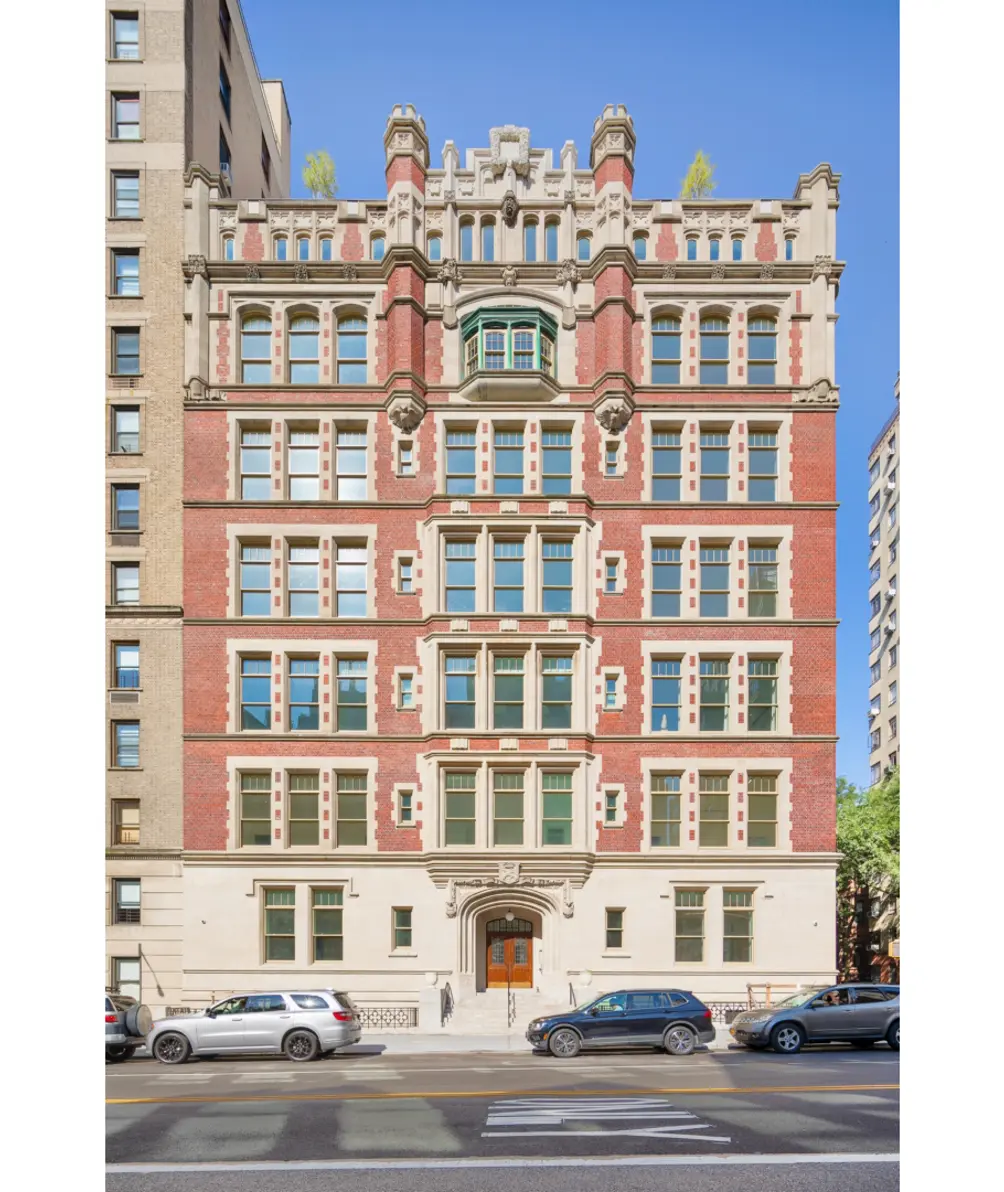
The former Collegiate-style private Catholic high school at 555 West End Avenue has long served as an unofficial landmark for Upper West Side residents, and its address in the Riverside-West End Historic District required developer Cary Tamarkin to appear before Landmarks before embarking on the restoration and adaptation. The result is a historic building restored to its former glory and unique apartments within. The school's library and gym have been turned into some of the most dramatic apartments in the city, and all units feature grand proportions and Christopher Peacock kitchens.
555 West End Avenue, #THESOLARIUM
$18,000,000
Riverside Dr./West End Ave. | Condominium | 3 Bedrooms, Unknown Baths | 3,420 ft2
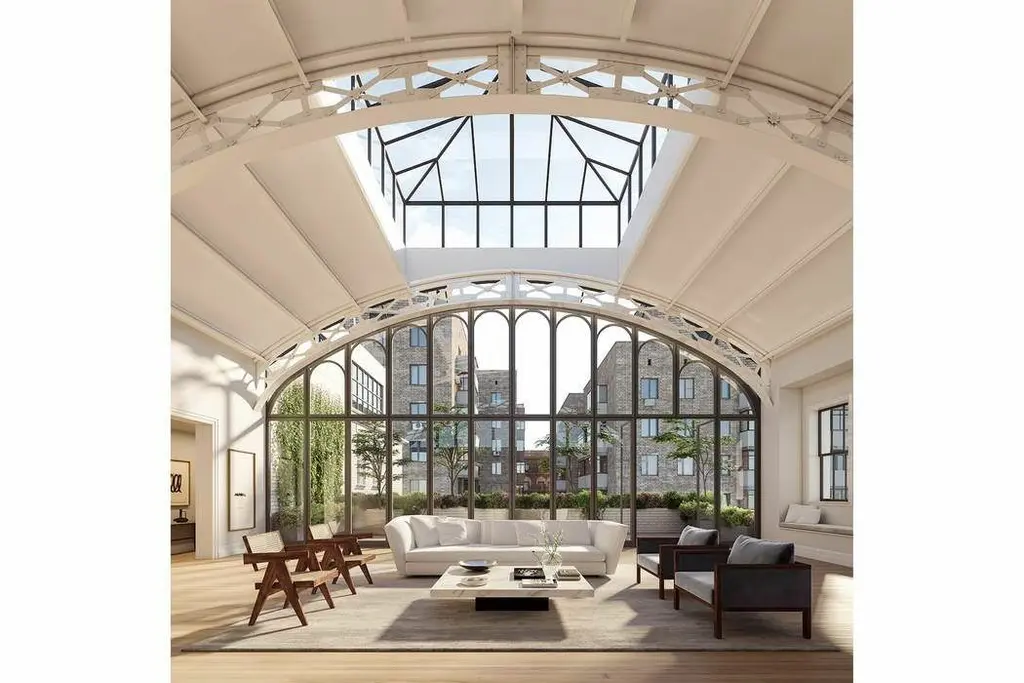
555 West End Avenue, #THESOLARIUM (Sothebys International Realty)
Then: Convent building, circa 1912 | Now: Condominium renovated by Alexander Compagno Architecture
5 stories | 14 units
8 availabilities from $525K - $964K
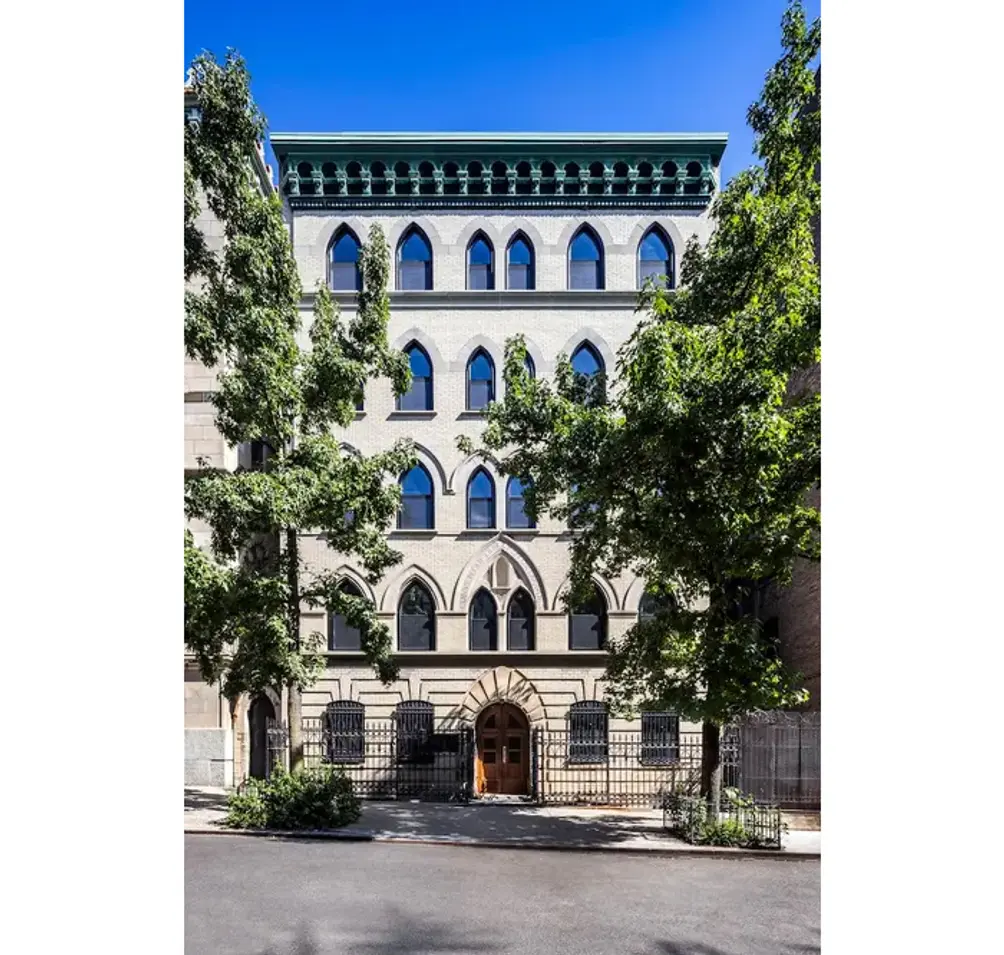 463 West 142nd Street (Brown Harris Stevens)
In Hamilton Heights, a neo-Gothic convent building has been reborn as a 14-unit boutique condominium. The pointed arched windows and white brick facade have been beautifully restored, but the interiors have been transformed into modern homes with double-hung windows, white oak floors, kitchens with Calacatta quartz countertops and modern appliances, baths with high-end materials, energy-efficient, multi-zone heating and cooling, and dedicated washer and dryer closets.
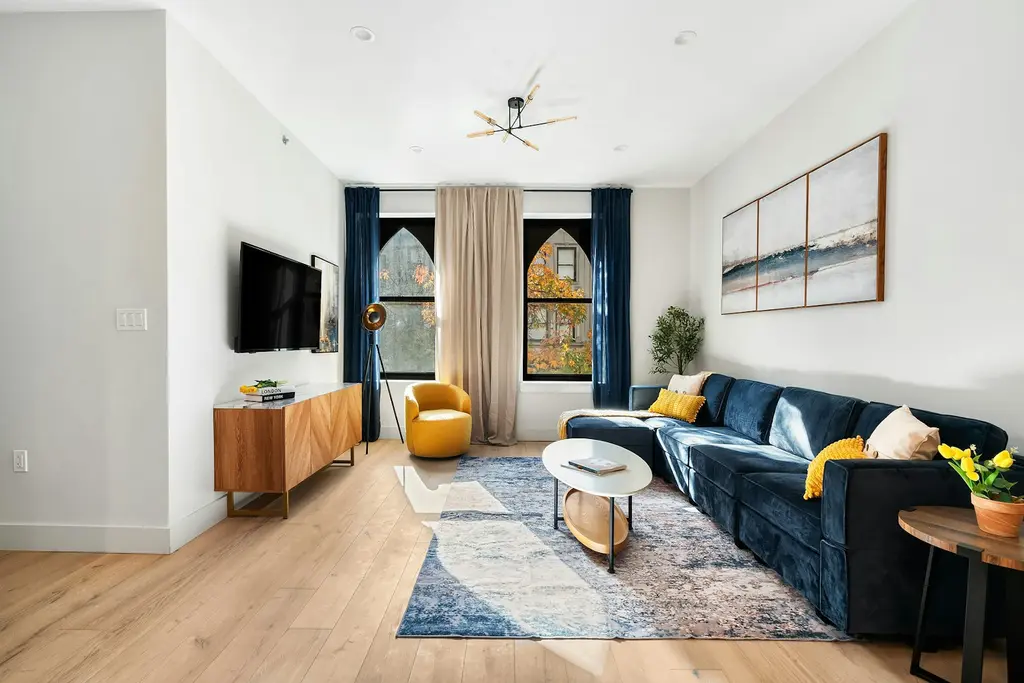
463 West 142nd Street, #2A (Brown Harris Stevens Development Marketing LLC)
Would you like to tour any of these properties?
Just complete the info below.
Or call us at (212) 755-5544
360 Furman Street
Then: Jehovah's Witness printing center, circa 1928 | Now: Condominium developed by RAL Companies
14 stories | 449 units
8 availabilities from $700K - $14.5M
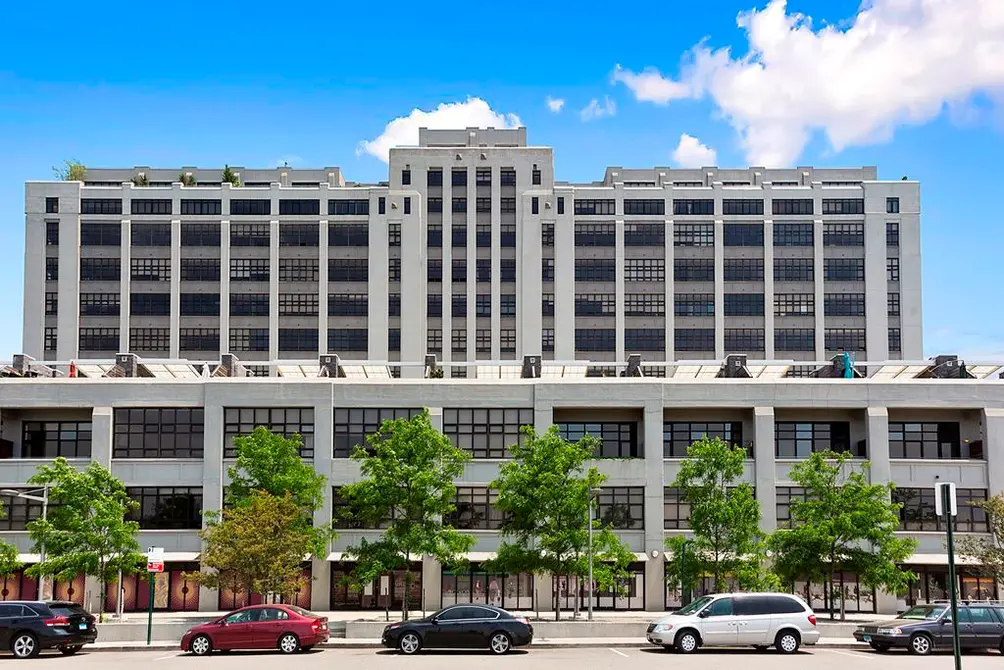 One Brooklyn Bridge Park (Compass)
Churches looking to offload their real estate assets may have drawn inspiration from the success of the Jehovah's Witnesses: Over 100 years after setting up headquarters in Brooklyn Heights, they funded their move to a larger plot in upstate New York by selling their real estate to commercial and residential developers alike. This included 360 Furman Street, the printing and distribution center that would become an amenity-rich jewel of Brooklyn Bridge Park with spectacular views of the greenery, river, and Manhattan skyline.
One Brooklyn Bridge Park, #508
$2,745,000 (-1.8%)
Brooklyn Heights | Condominium | 3 Bedrooms, 3 Baths | 1,847 ft2
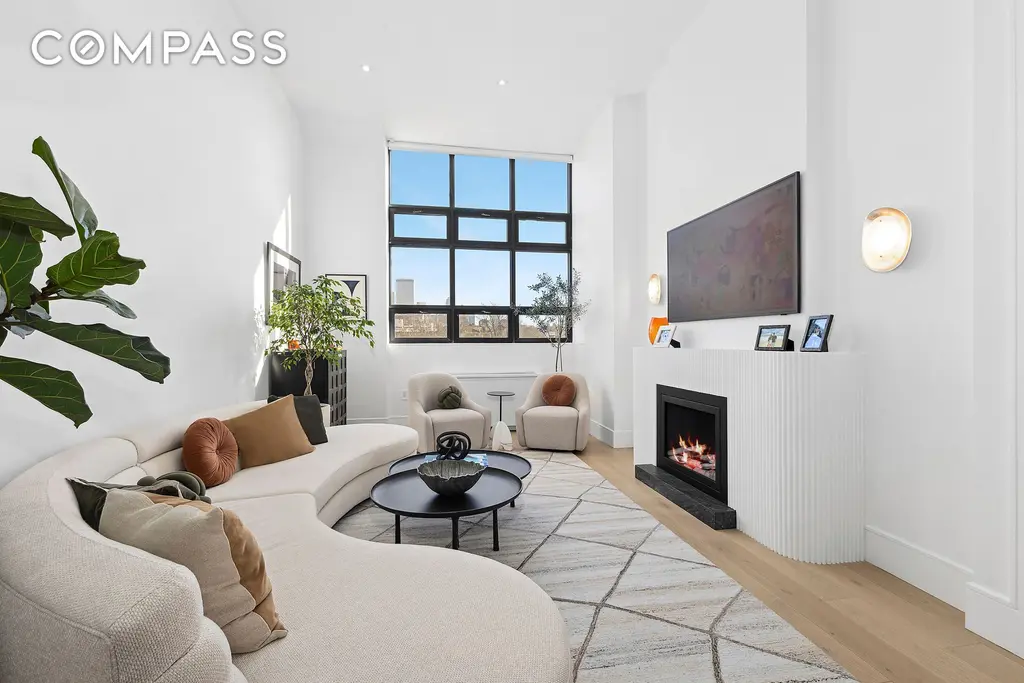
One Brooklyn Bridge Park, #508 (Compass)
99 Clinton Street
Then: Spencer Memorial Presbyterian Church, circa 1850 | Now: Cooperative
3 stories | 10 units
No current availabilities
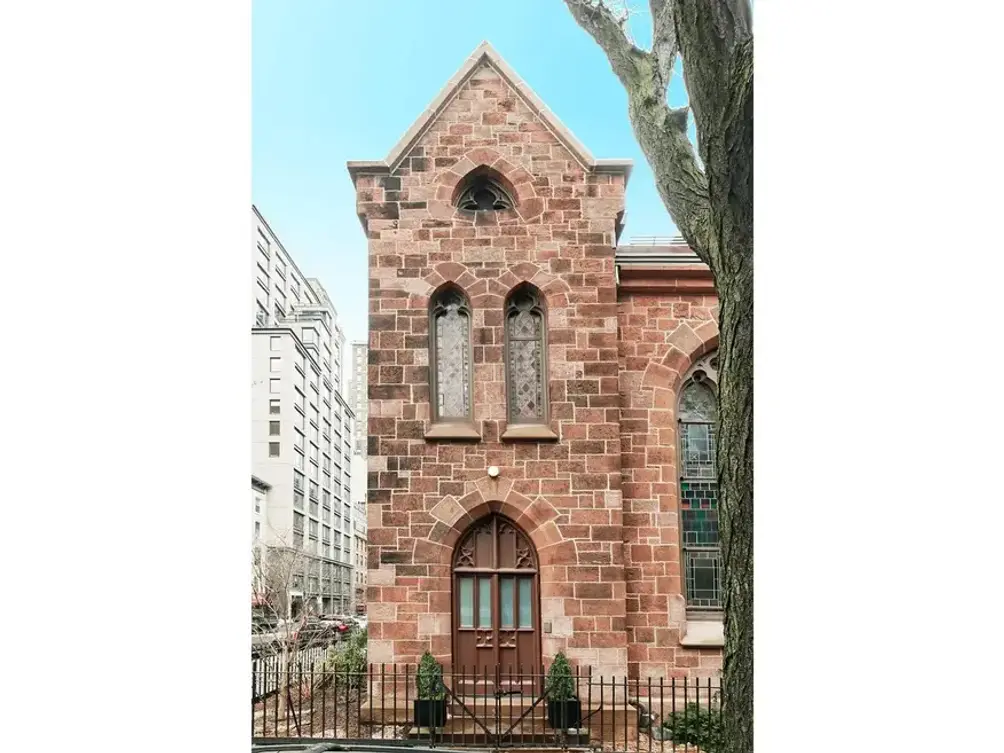 99 Clinton Street (CityRealty)
In the heart of the Brooklyn Heights Historic District, the Gothic Revival-style church at 99 Clinton Street has a rich history all its own: Brownstoner notes that shortly before the church closed its doors in the mid-1970s, it was a meeting place for the Gay Alliance of Brooklyn, one of New York's first gay rights groups outside Manhattan. When it was converted to a cooperative, original features like high ceilings, exposed stone, and stained glass windows were preserved.
232 Adelphi Street
Then: Catholic Mews Church, circa 1888 | Now: Boutique condominium developed by KSR
3 stories | 12 units
4 availabilities from $1.2M - $2.4M
The Abbey (Douglas Elliman)
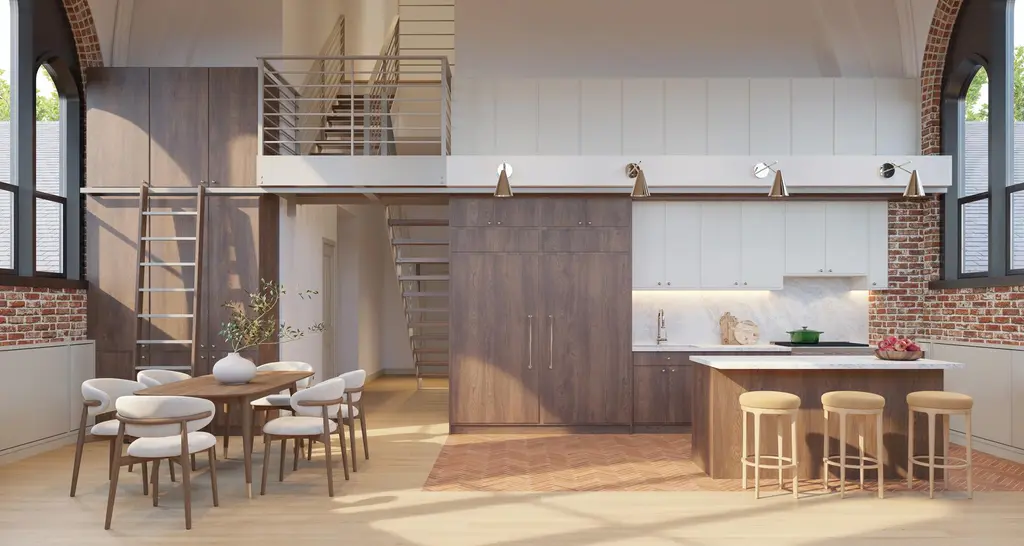
Sales have just launched at The Abbey, a condo conversion of a landmarked Fort Greene church. Original details like exposed brick and stained glass windows were beautifully preserved amidst the conversion. For the apartments, these architectural elements pair beautifully with modern conveniences like keyless entry, kitchens with high-end appliances, spa-like primary baths, and stacked in-unit washers and dryers. The conversion has yielded amenities like a fitness center and private storage, but the greatest perk may be the prime address near Fort Greene Park, City Point retail, Dekalb Avenue dining, and the Barclays Center-Atlantic Avenue transportation hub.
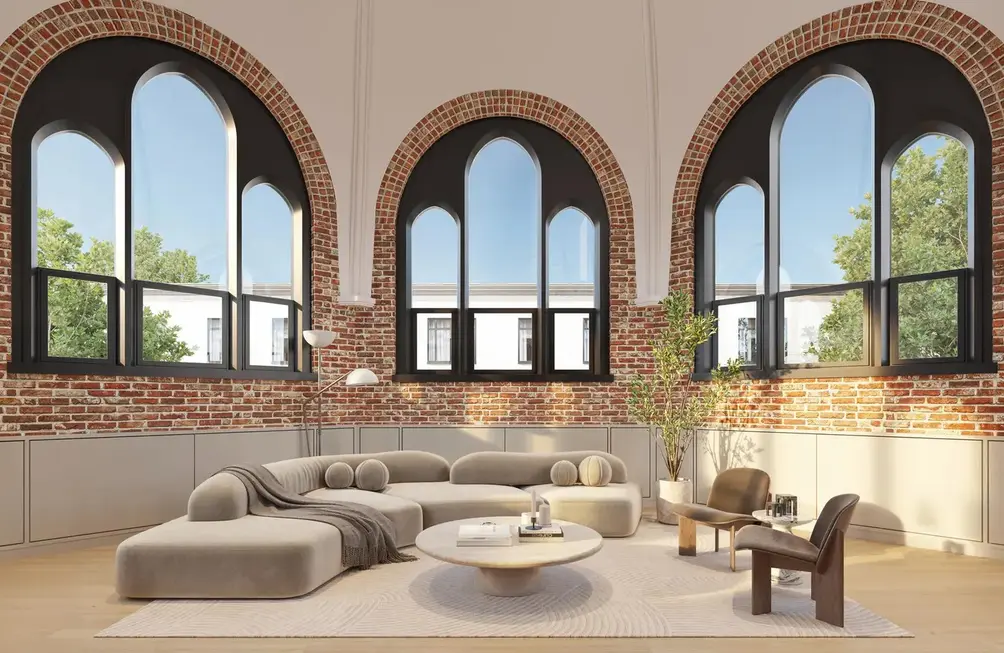
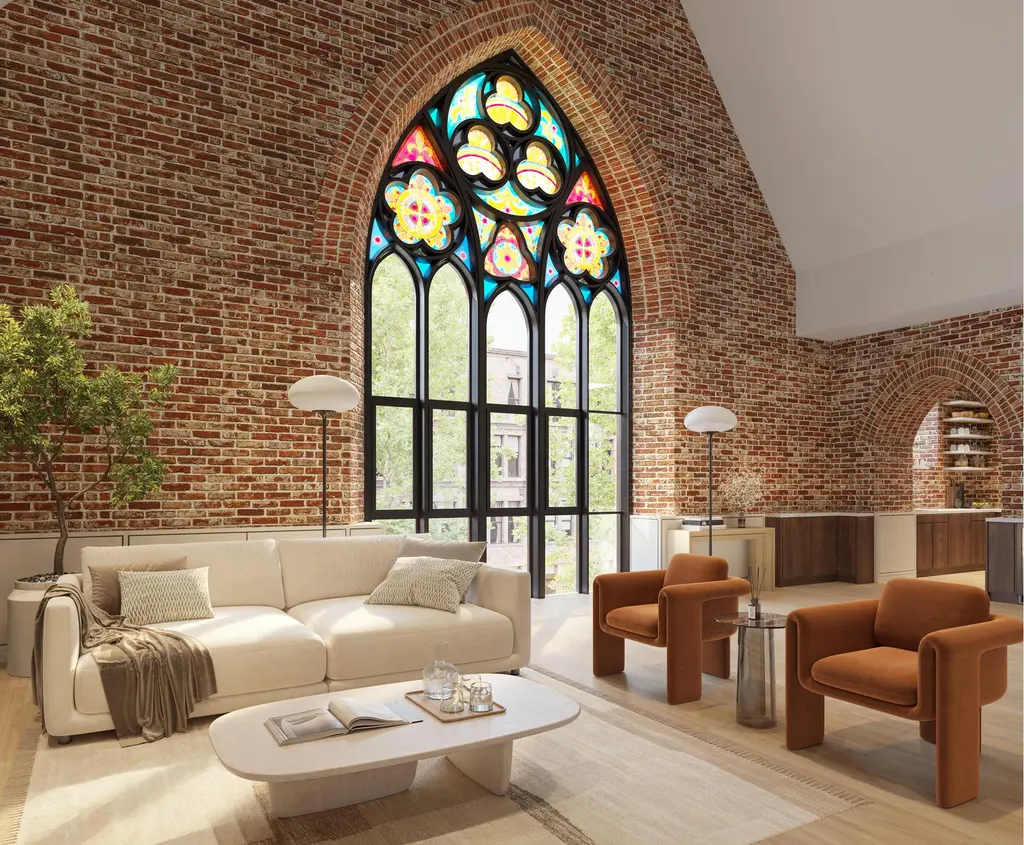
The Abbey, #7 (Douglas Elliman Real Estate)
Then: Norwegian Seaman's Church | Now: Cooperative
4 stories | 33 units
No current availabilities
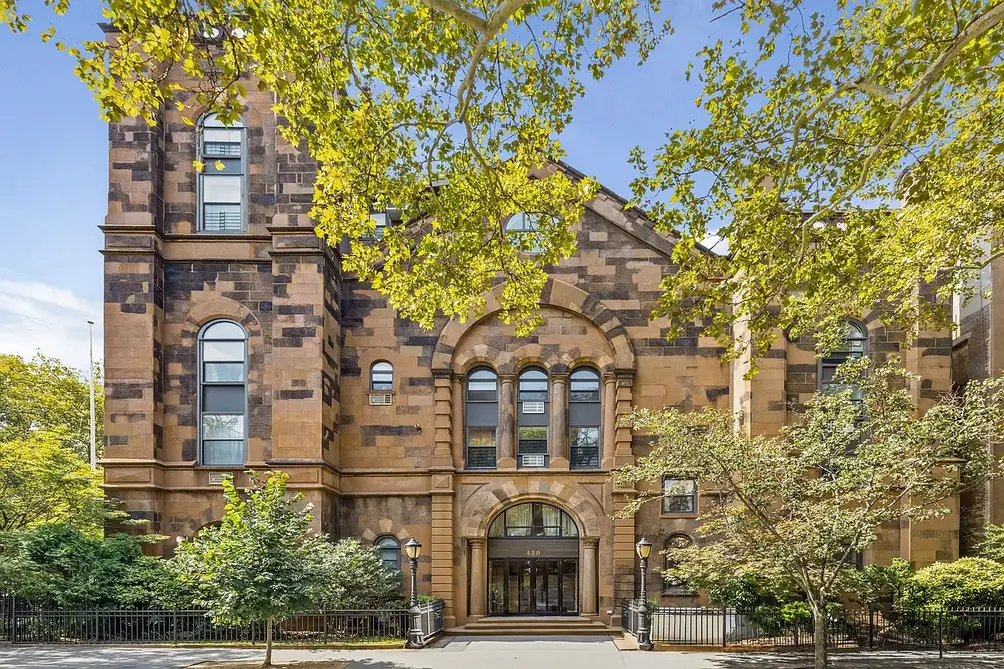 450 Clinton Street (Compass)
The Romanesque Revival church on the corner of Clinton Street and 1st Place took shape at a time when this stretch of Brooklyn was mostly farmland, albeit with a number of ships docked at its waterfront. Today, as the neighborhood has become increasingly residential, the church was beautifully repurposed into a cooperative with rich architectural details and an enormous private garden.
360 Court Street
Then: South Congregational Church, circa 1857 | Now: Condominium
3 stories | 26 units
No current availabilities
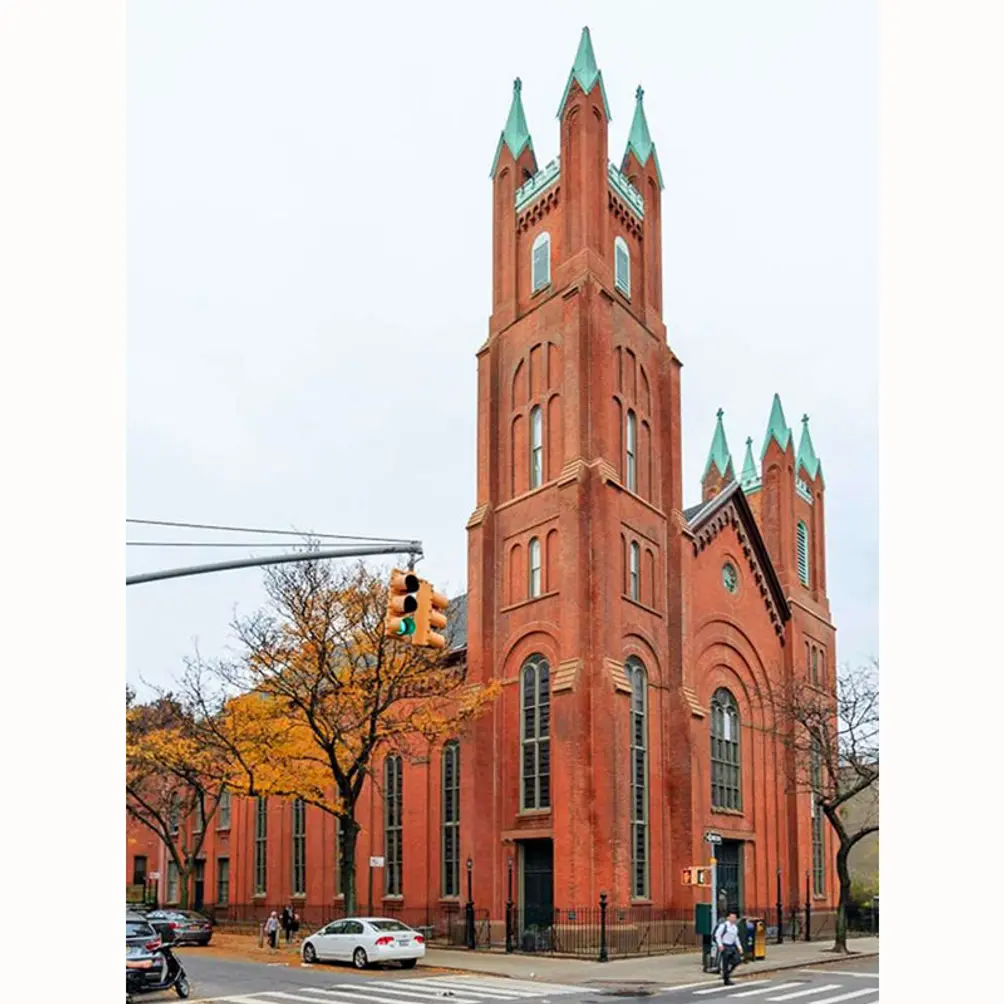 The Carroll Gardens Landmark Condominiums via CityRealty
The Romanesque Revival-style church on the corner of Court and President Streets has been a visual anchor in Cobble Hill for over 160 years. Even after its 2008 conversion into condos, the red brick facade and towering steeple continue to captivate. Inside, the 26
apartments are filled with historic charm, featuring soaring ceilings and grand mullioned arched cathedral windows that flood the space with natural light.
58 Strong Place
Then: Baptist church, circa 1851 | Now: Condominium designed by CWB Architects
4 stories | 23 units
No current availabilities
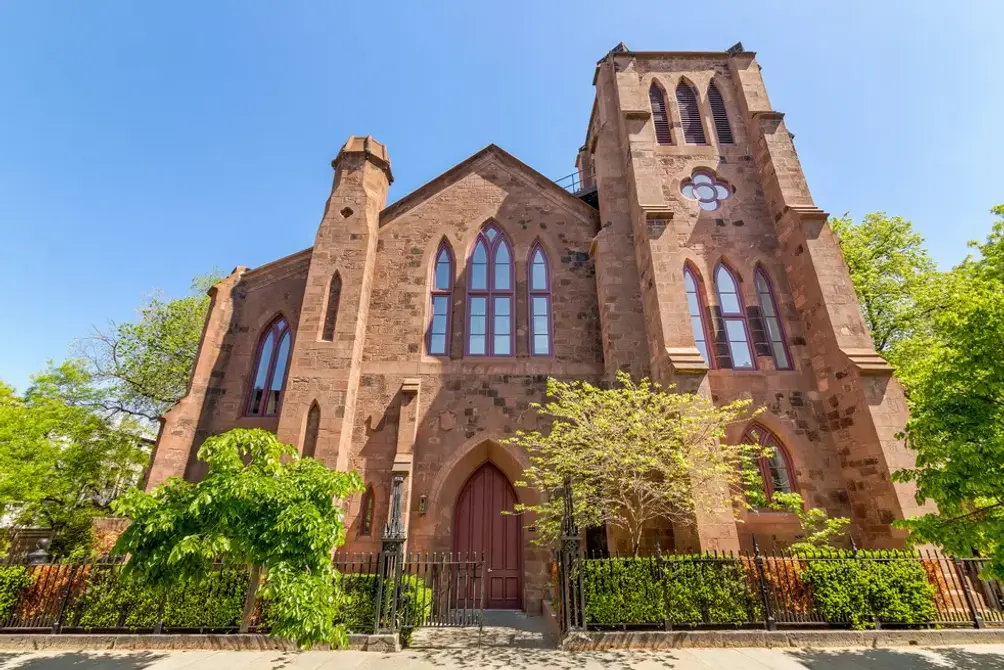 The Landmark at Strong Place (The Corcoran Group)
In the heart of the Cobble Hill Historic District, the church at 58 Strong Place has long served as an early example of English Gothic Revival-style architecture. Between the beauty of the building and its location in a protected neighborhood, the developers took great pains to preserve it amidst the residential conversion. This would come to the delight of buyers - a 2011 article in The Real Deal raved about the speed of contract signings and the crowded open houses.
401 Hicks Street
Then: St. Peter's Church, circa 1858 | Now: Condominium developed by Triangle Equities and designed by Scarano and Associates
3 stories | 59 units
No current availabilities
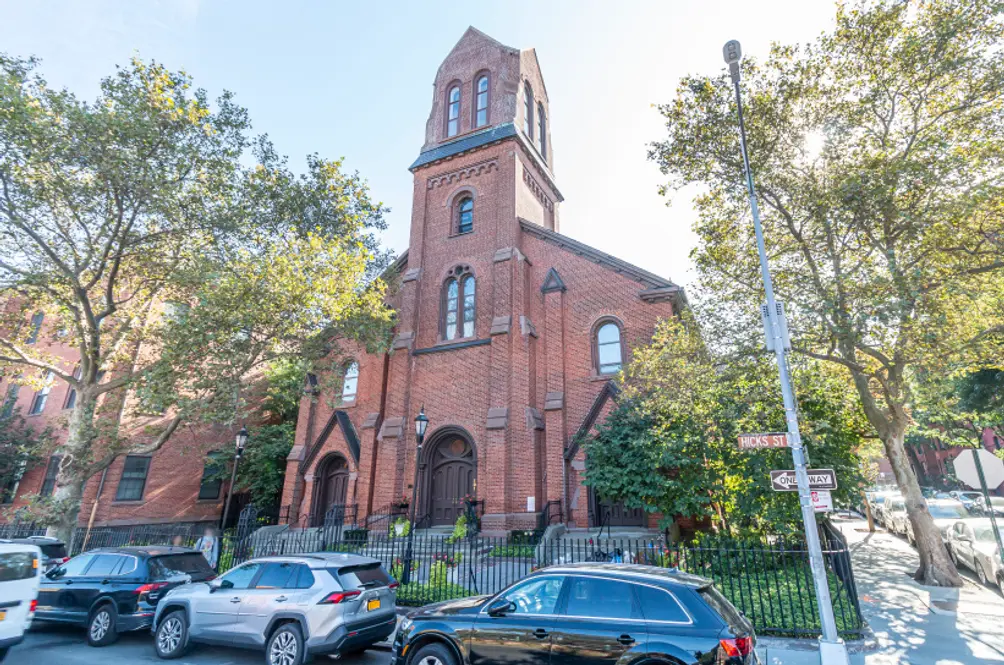 All images of The Arches at Cobble Hill via Compass
In 2005, a three-building complex that included St. Peter's Church, its rectory, and a nursing academy was meticulously transformed into a condominium with historical appeal. The preservation of architectural elements like stained glass windows and wood trusses played a key role in securing unanimous approval from the Landmarks Commission, and a modest extension allowed for additional housing units.
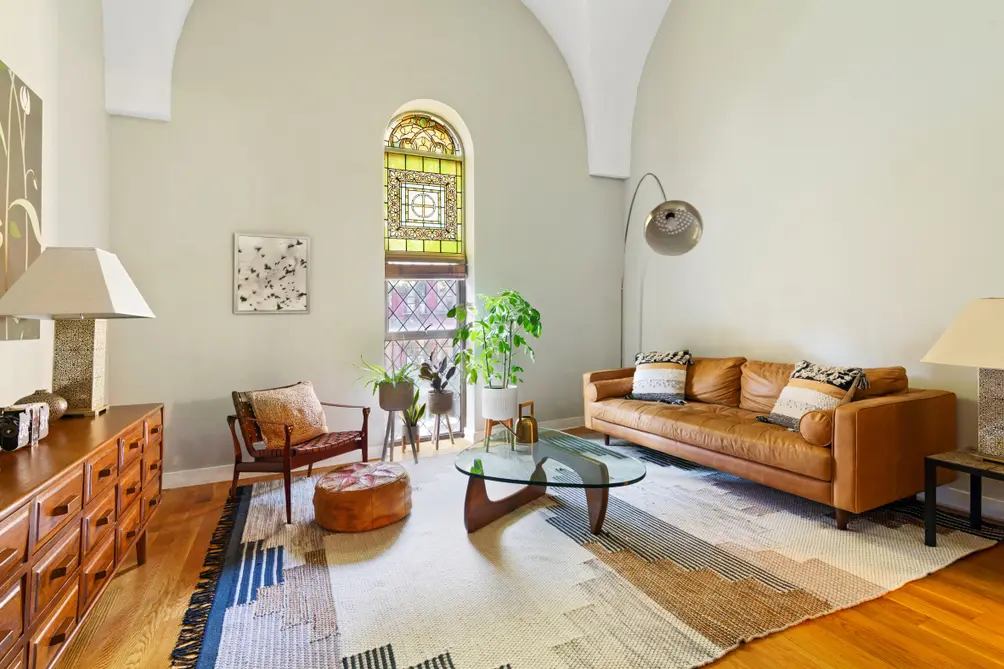
167 North 6th Street
Then: St. Vincent de Paul Church, circa 1869 | Now: Rental developed by Heritage Equity Partners and designed by Anthony Morali
5 stories | 40 rental units
No current availabilities
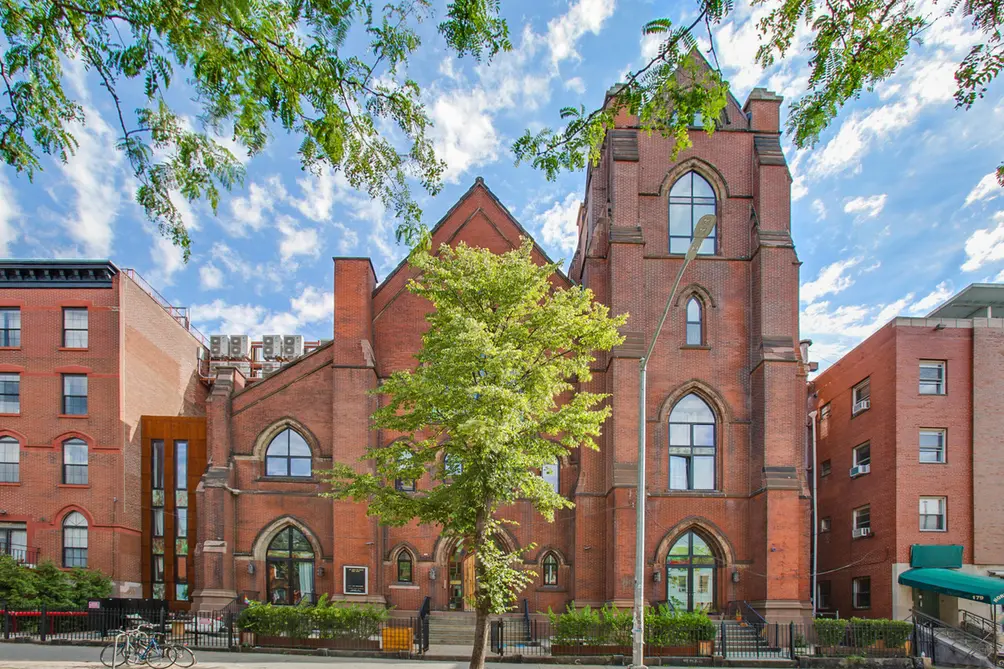 The Spire Lofts via All Year Management
To look at this Williamsburg rental, one might think services are still in session. It is an easy mistake to make - the 19th century building's structure was well-maintained at the time of its conversion, and the building is held together with angled wooden beams and cast iron catwalks. Interiors make excellent use of salvaged materials like original exposed brick, custom steel work, Heart Pine pillars and beams, and arched stain glass windows in almost all units. Residents enjoy loft-like apartments, stylish kitchens, in-unit washer/dryers, virtual doorman service, and easy access to popular Williamsburg shopping, dining, and the Bedford Avenue L train.
626 Bushwick Avenue
Then: Lutheran Church, circa 1900 | Now: Rental developed by Cayuga Capital Management and designed by Arctone Group
7 stories | 99 units
1 availability for $3,500/month
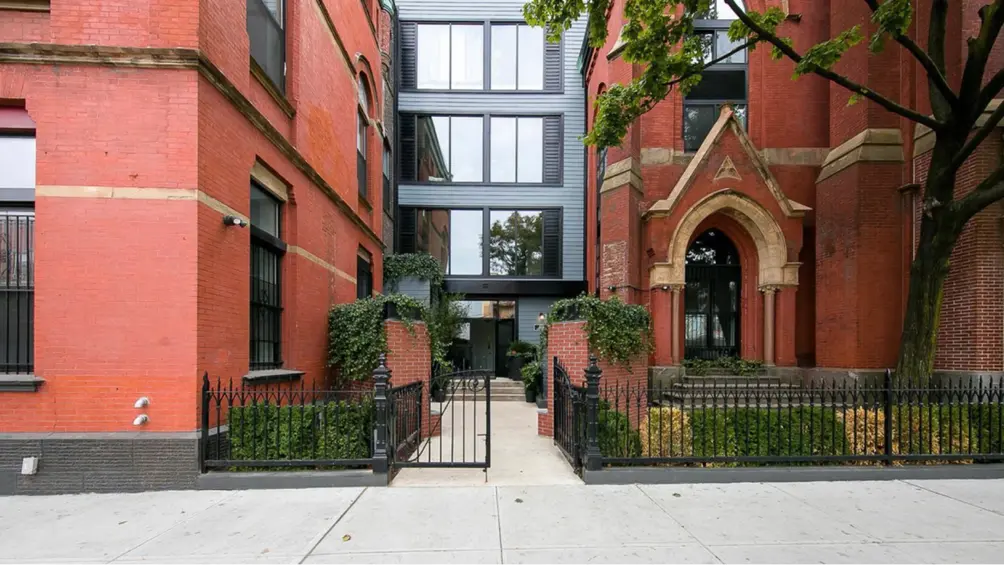 The Saint Marks (Nooklyn)
Much like at any other rental that has recently sprung up in Bushwick, residents of The Saint Marks enjoy amenities like a bike room, a common roof deck, and garage with Zipcar on premises. They also enjoy rich architectural details like soaring ceilings, airy layouts, exposed brick, and restored windows thanks to the building's history as a church and adjoining school. A four-story infill was added during the residential conversion, and the original buildings have been beautifully preserved.
 The Saint Marks, #121 (CCM Property Management)
From the Listing: Stunning 2br / 1.5 bath duplex with a private outdoor patio and unique layout! This apartment is built into a 150 year old church and schoolhouse that was masterfully converted into apartments, making it a one-of-a-kind space that you won't find anywhere else.
This apartment is perfect for anyone who wants a lot of space, with 1 bedroom and a full bath plus a living room and kitchen upstairs, and an extra recreation room and half bath downstairs that be used a second bedroom. See floor plan and full details here.
361 Central Park West, Central Park West
Then: First Church of Christian Scientist | Now: Future home of the Children's Museum of Manhattan
Enlarge Image
Enlarge Image
Enlarge Image
Enlarge Image
Enlarge Image
While a Landmarks designation is vital to the protection of New York's historic buildings, it can sometimes prove overly restrictive. The First Church of Christian Scientist's New York outpost knows that firsthand. Its designation as an individual landmark prevented the church from making changes, and the church's leadership sold the building for $14 million in 2004. A planned residential conversion was nixed in the years that followed, and the popular Children's Museum of Manhattan purchased the building for $45 million at the end of 2017 with expansion plans in mind.
It took a few trips to Landmarks, but the adaptive reuse was ultimately approved with modifications in June 2020. Commissioners were largely supportive of the project, but would only allow the museum to remove the overly religious-themed stained-glass windows; the remainder of the decorative cartouches were required to be retained. Indeed, the latest renderings show carefully preserved historic details.
In October 2024, the museum announced that philanthropist/founding board chair Laurie Tisch had donated $50 million to the museum's $300 million capital campaign. Opening of the expanded space is estimated for 2028.
It took a few trips to Landmarks, but the adaptive reuse was ultimately approved with modifications in June 2020. Commissioners were largely supportive of the project, but would only allow the museum to remove the overly religious-themed stained-glass windows; the remainder of the decorative cartouches were required to be retained. Indeed, the latest renderings show carefully preserved historic details.
In October 2024, the museum announced that philanthropist/founding board chair Laurie Tisch had donated $50 million to the museum's $300 million capital campaign. Opening of the expanded space is estimated for 2028.
New Buildings
30 East 31st Street
Then: Madison Avenue Baptist Church parish house, circa 1905 | Now: Condominium developed by the Ekstein Development Group and The Pinnacle Group; designed by Morris Adjmi Architects
42 stories | 42 units
1 availability for $4.5M
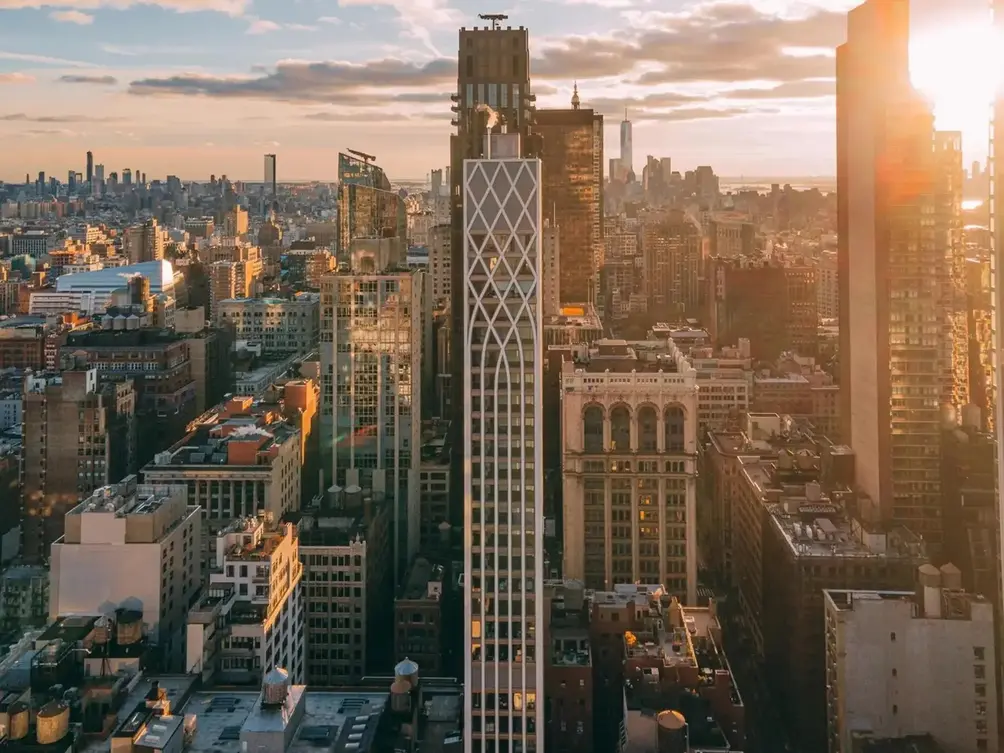 All images of 30E31 via Reuveni Real Estate
When 30E31 was on the rise, architecture enthusiasts lamented the loss of the Romanesque Revival parish house that had a history of providing space to arts organizations. But upon seeing the Gothic elements that the context-sensitive Morris Adjmi Architects incorporated into the soaring tower, archutecture critic Carter Horsley came around to the new design. Full-floor units feature 10' ceilings, floor-to-ceiling windows, custom kitchens, and spa-like baths.
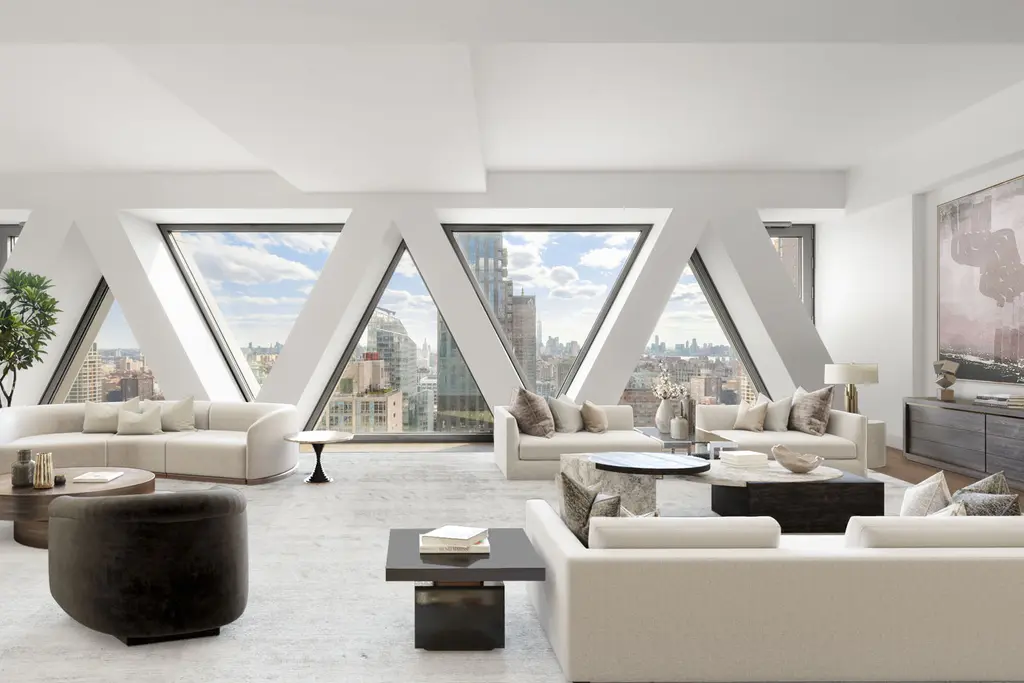
30E31, #PH (Modlin Group LLC)
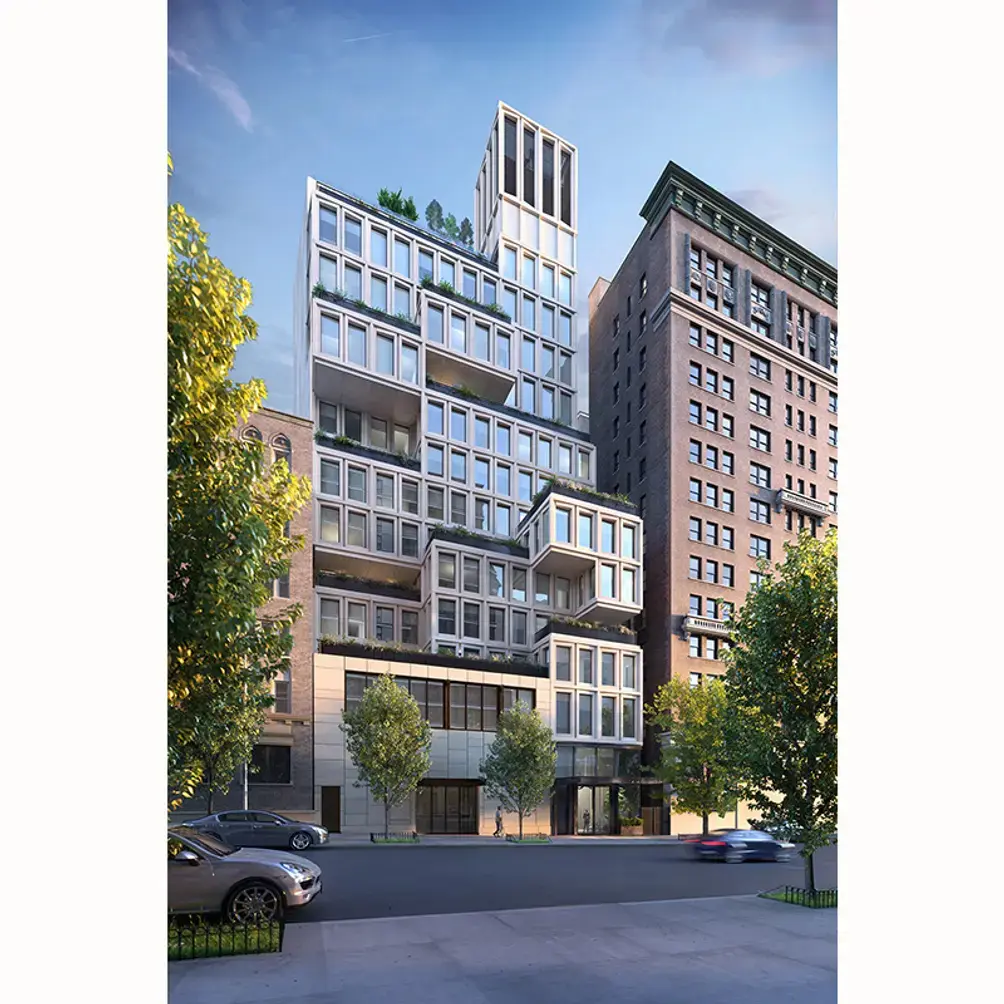
Then: Park Avenue Christian Church rectory | Now: Condominium developed by Extell; designed by Beyer Blinder Belle
15 stories | 11 units
No current availabilities
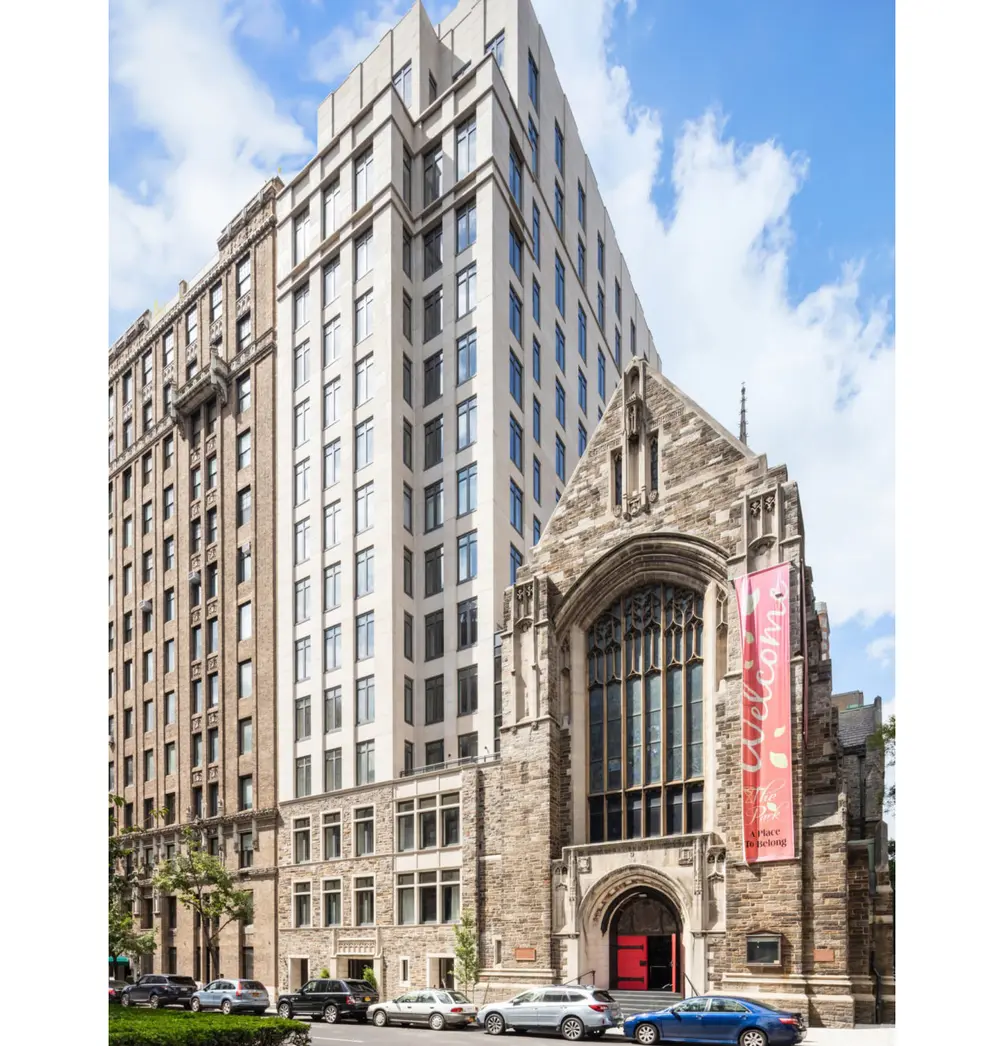 Rendering of 1010 Park Avenue via Williams New York
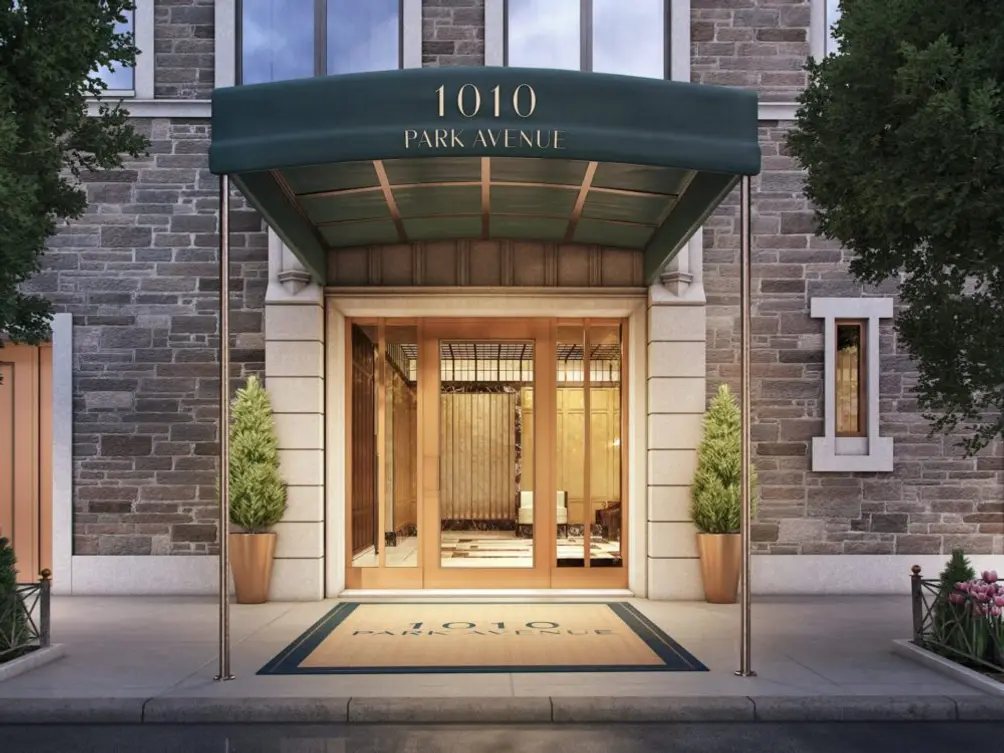
In 2014, the Upper East Side's Gothic Revival-style Park Avenue Christian Church sold its adjacent rectory to Extell for just under $25 million in the wake of financial hardship. The rectory's demolition and residential replacement took some time before Landmarks, but the project was approved after Extell dropped a controversial plan to have the new building cantilever over the church's roof. The design was inspired by classic Park Avenue cooperatives and features cladding in the same local stone and limestone trim in the rectory. The church was promised a new street-level entrance and two below-grade community spaces in the new building.
Then: Shaare Zadek synagogue | Now: Condominium developed by Landsea Homes and Leyton Properties; designed by ODA Architects
14 stories | 20 units
4 availabilities from $2.8M - $5M
 212 West 93rd Street (Douglas Elliman)
Before the new condominium took shape at 212 West 93rd Street, local preservationists lobbied to save the Neo-Classical synagogue from demolition. However, representatives of Congregation Shaare Zadek claimed selling the building to the developer was the only way to resolve their financial hardships. The building now contains 20 luxury condominium units, not to mention a new worship space with a separate entrance.
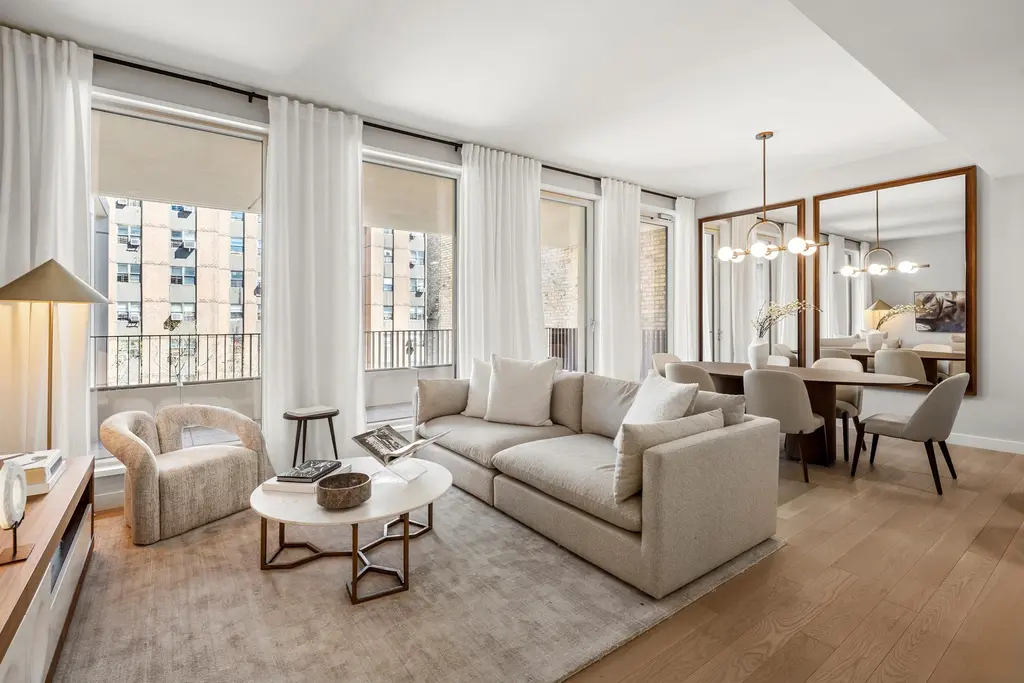
212W93, #7A (Douglas Elliman Real Estate)
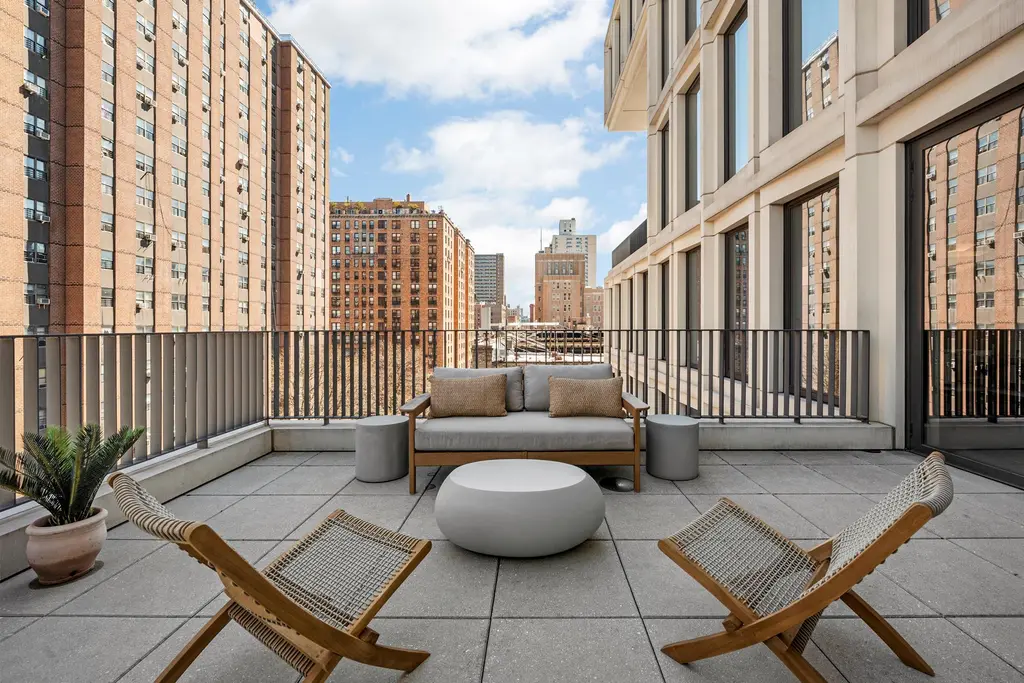
100 Claremont Avenue
Then: Space on Union Theological Seminary campus | Now: Condominium developed by Lendlease and Daiwa House; design by Robert A.M. Stern Architects
42 stories | 175 units
15 availabilities from $1.13M - $5.15M
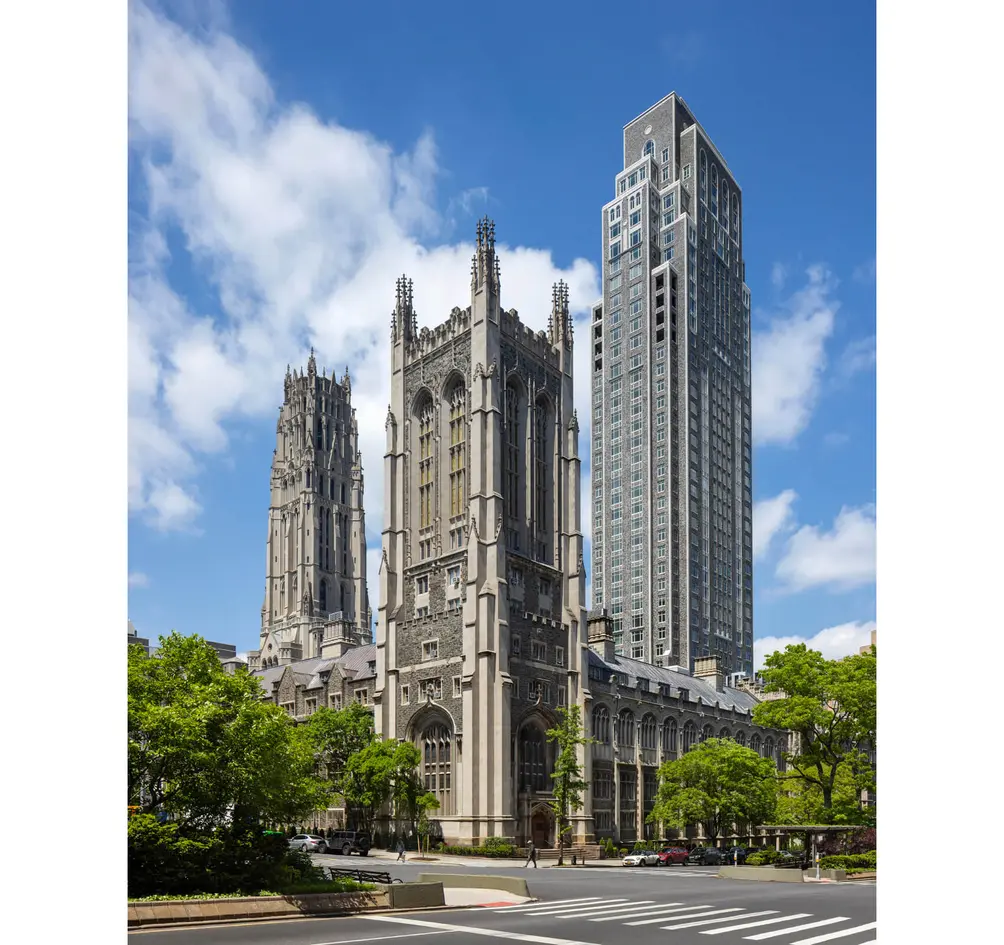 Claremont Hall (The Corcoran Group)
More than 100 years after its Morningside Heights campus was constructed, Union Theological Seminary has used the proceeds from its sale of development and air rights to finance a multi-million-dollar renovation. The resulting condominium is the tallest building in Morningside Heights, but the facade designed by Robert A.M. Stern Architects nods to the Gothic style of the other buildings on the seminary's campus. Additionally, the building's indoor saltwater pool is housed in a converted dining hall that retains its original Gothic ceilings, chandeliers, and ceiling beams.
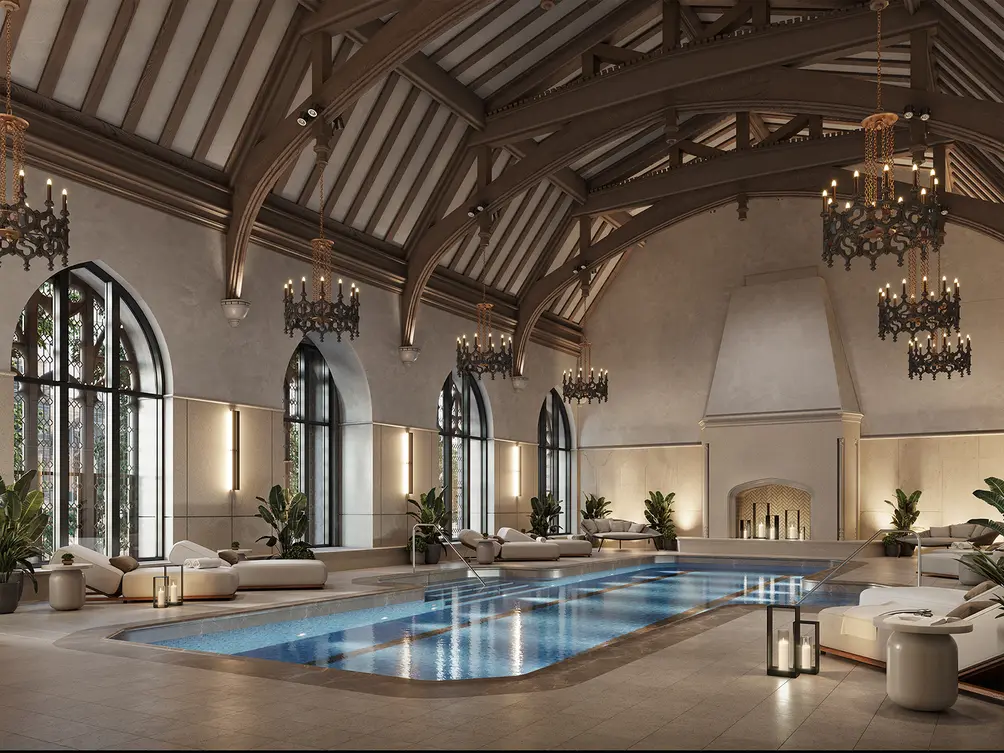
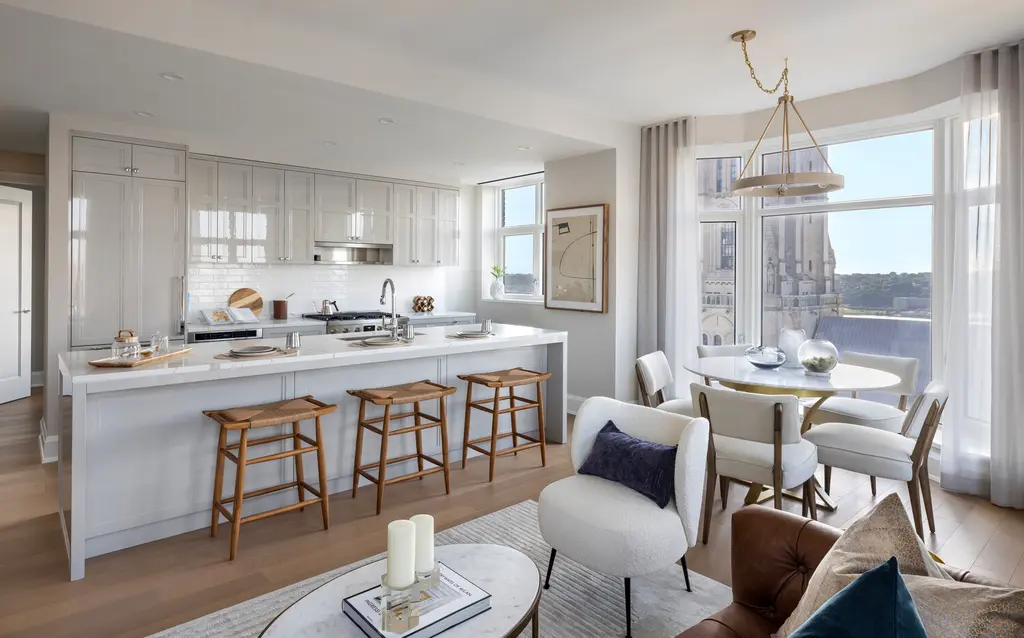
Claremont Hall, #12F (Corcoran Sunshine Marketing Group)
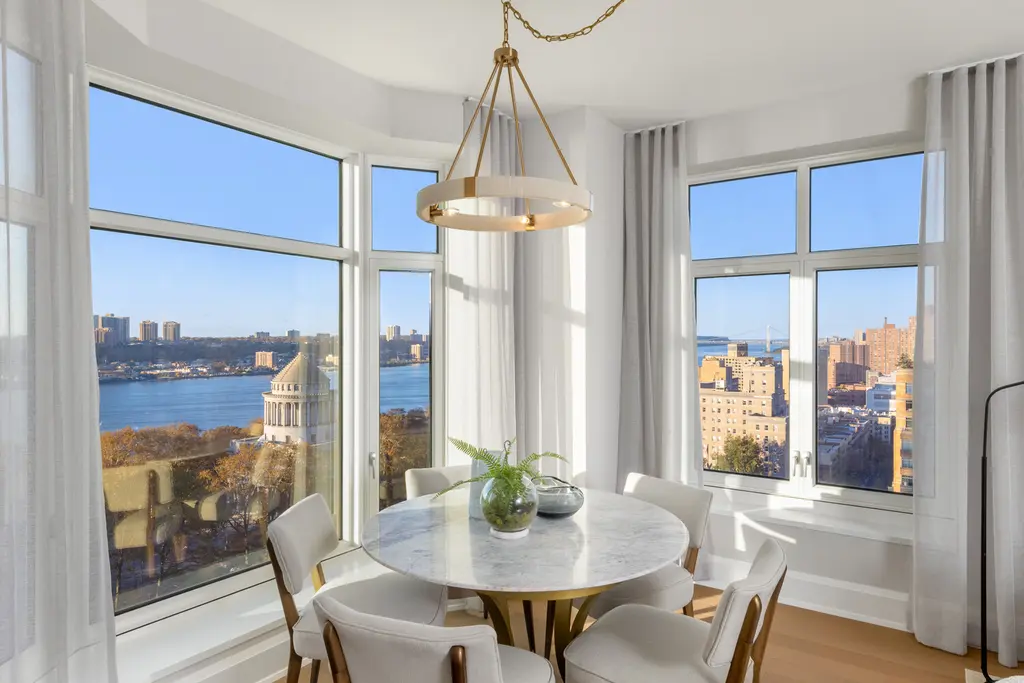
64 Norfolk Street
Then: Beth Hamedrash Hagadol Synagogue | Now: Affordable senior housing building
16 stories | 115 units
No current availabilities
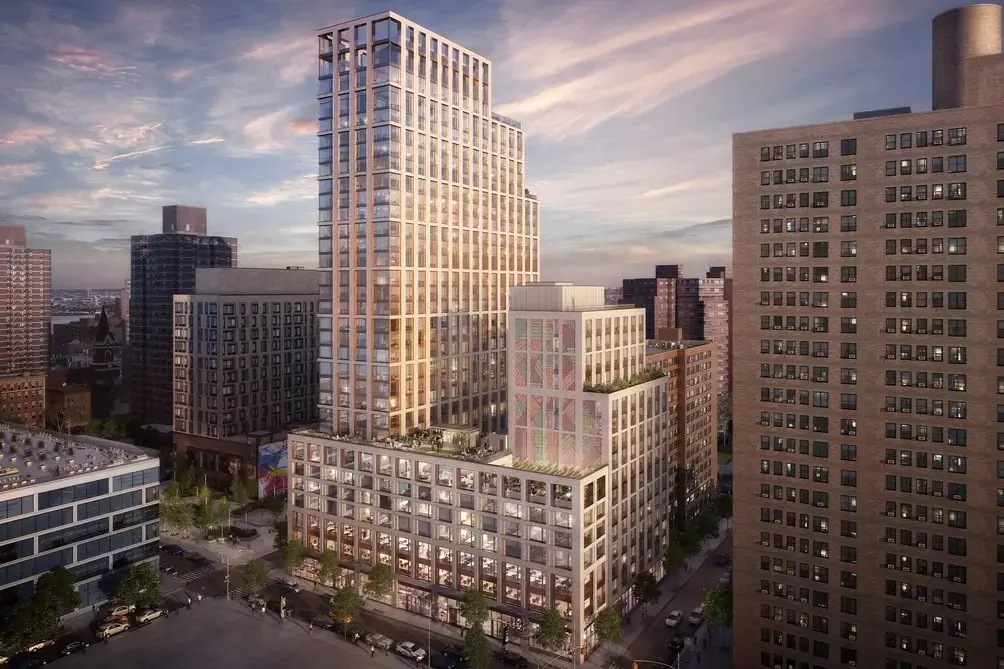 The Norfolk (Housing Connect)
Years after the landmarked Beth Hamedrash Hagodol synagogue was destroyed in an intentionally set fire, and after Landmarks approved further demolition of the damaged shell, a new building has risen on the site. A lottery for affordable senior housing units took place in fall 2022, and the new building also includes a new worship space and cultural heritage center for Beth Hamedrash Hagodol.
Then: Land owned by St. Paul’s Evangelical Church | Now: Rental developed by Parkview Management; design by Syndicate Architecture and DXA Studio
16 stories | 63 units
2 availabilities from $3,595 - $4,200
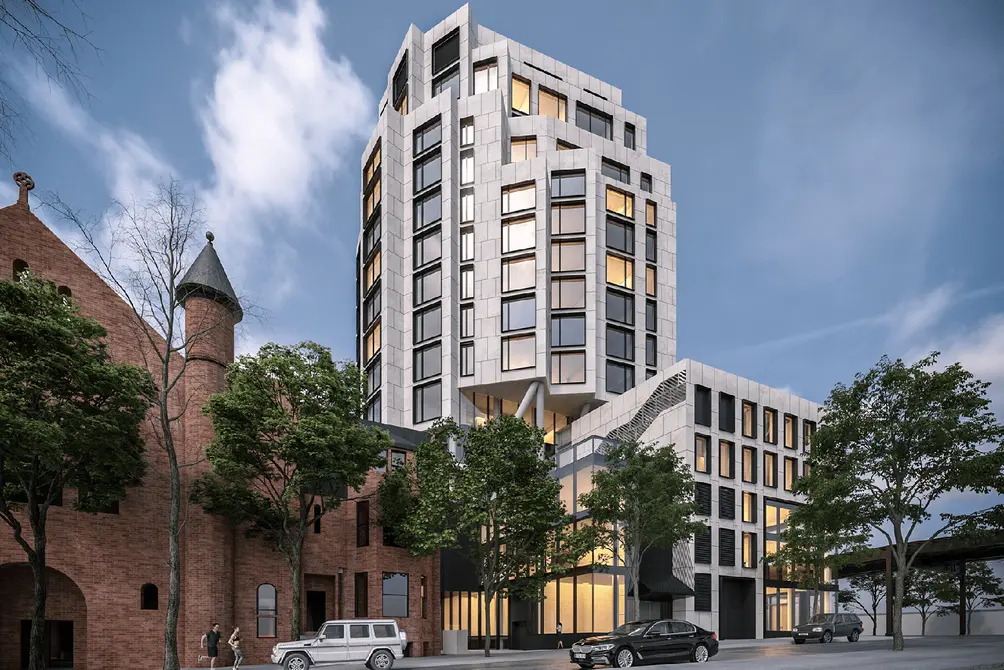 329 Broadway (EXR)
329 Broadway is a new rental building next door to the landmarked St. Paul's Evangelical Church in South Williamsburg. The church sold its air rights to the developer in a deal that financed restoration and maintenance projects (h/t Brownstoner), and the taller tower allows for more expansive views. An expansive amenity package includes a gym with yoga room, a lounge, and a roof terrace with grills.
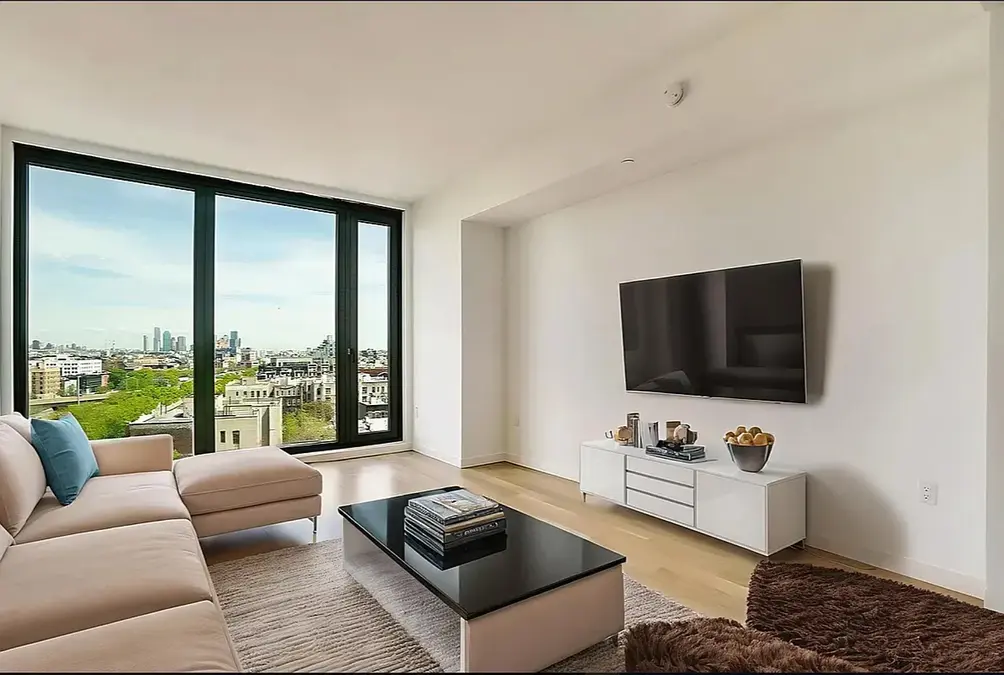 329 Broadway (EXR)
Then: Sts. Peter and Paul Church | Now: Rental building developed by Watermark Capital Group; design by nd_architecture
19 stories | 133 units
4 availabilities from $5,900 - $12,500/month
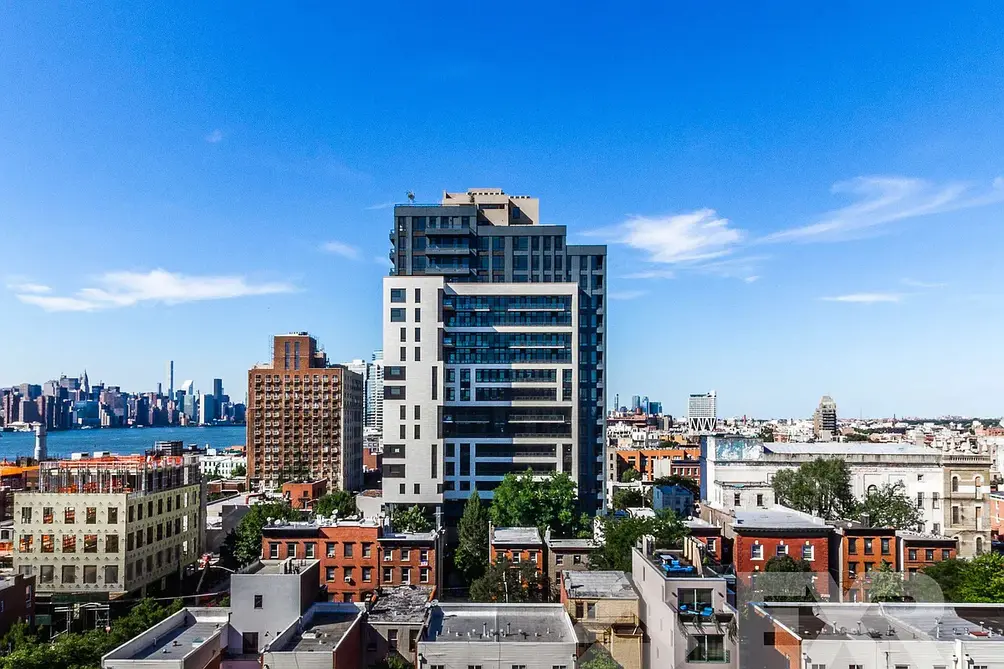 321 Wythe Avenue (Nooklyn NYC)
In 2015, developer Watermark Capital Group leased the land at 321 Wythe Avenue in south Williamsburg from Saints Peter and Paul Church for $2.1 million per year up to 10 years. Most recently, the single-story building has come down to make way for a towering 19-story rental, one of Williamsburg's tallest buildings not located on the waterfront. Two floors of amenities include a gym with sauna, a rock-climbing wall, a business lounge with conference room, a media room, and a communal patio with cabanas, a bocce court, a firepit, and a grilling/dining area.
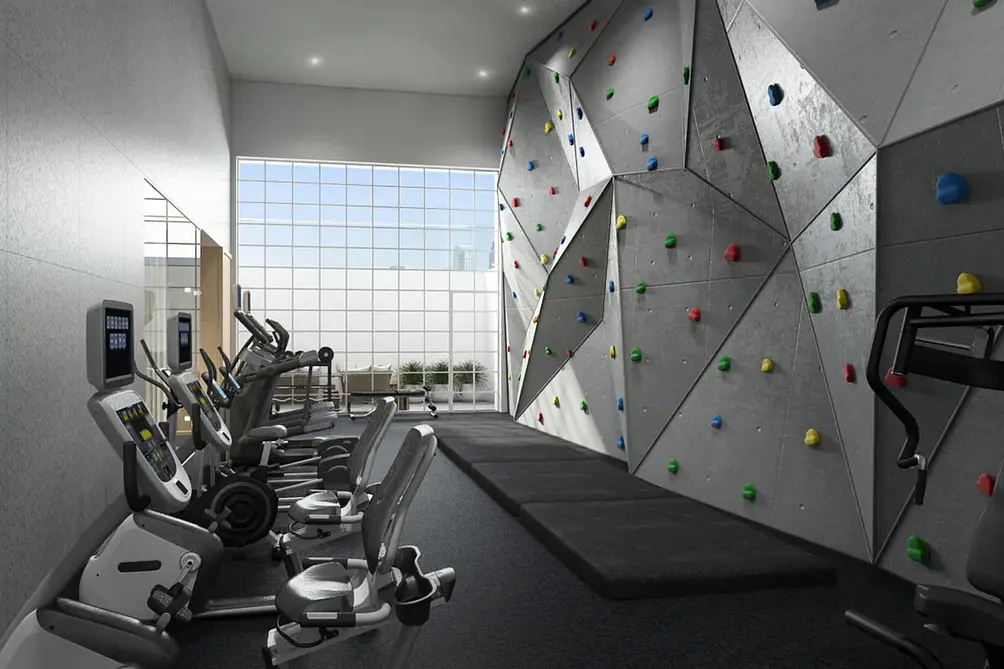
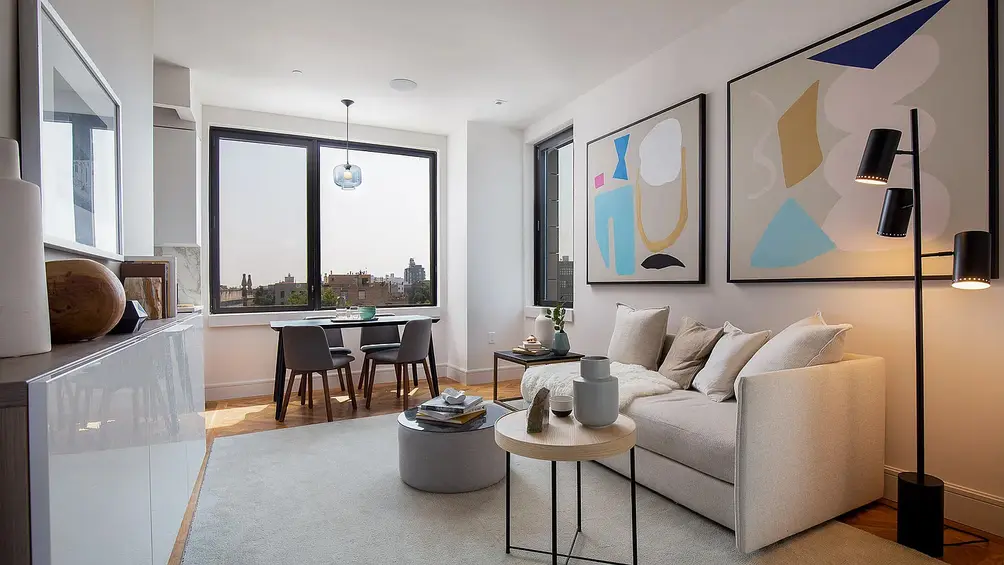 321 Wythe Avenue, #504 (Nooklyn NYC)
From the Listing: Welcome to 321 Wythe. This 19 story luxury building boasts 130 rental units from studios to 3 bedroom apartments. The building is situated on South 2nd Street and Wythe Avenue in Williamsburg, New York's most vibrant neighborhood. 321 Wythe offers over 7000 square feet of indoor and outdoor amenities, including the grand lobby with 20' ceilings, a recreational lounge, business center, and a fully equipped gym with rock wall. See floor plan and full details here.
Then: Land owned by St. Mary's Episcopal Church | Now: Rental building developed by Quinlan Development Group; design by DXA Studio
19 stories | 133 units
3 availabilities from $3,895 - $6,100/month
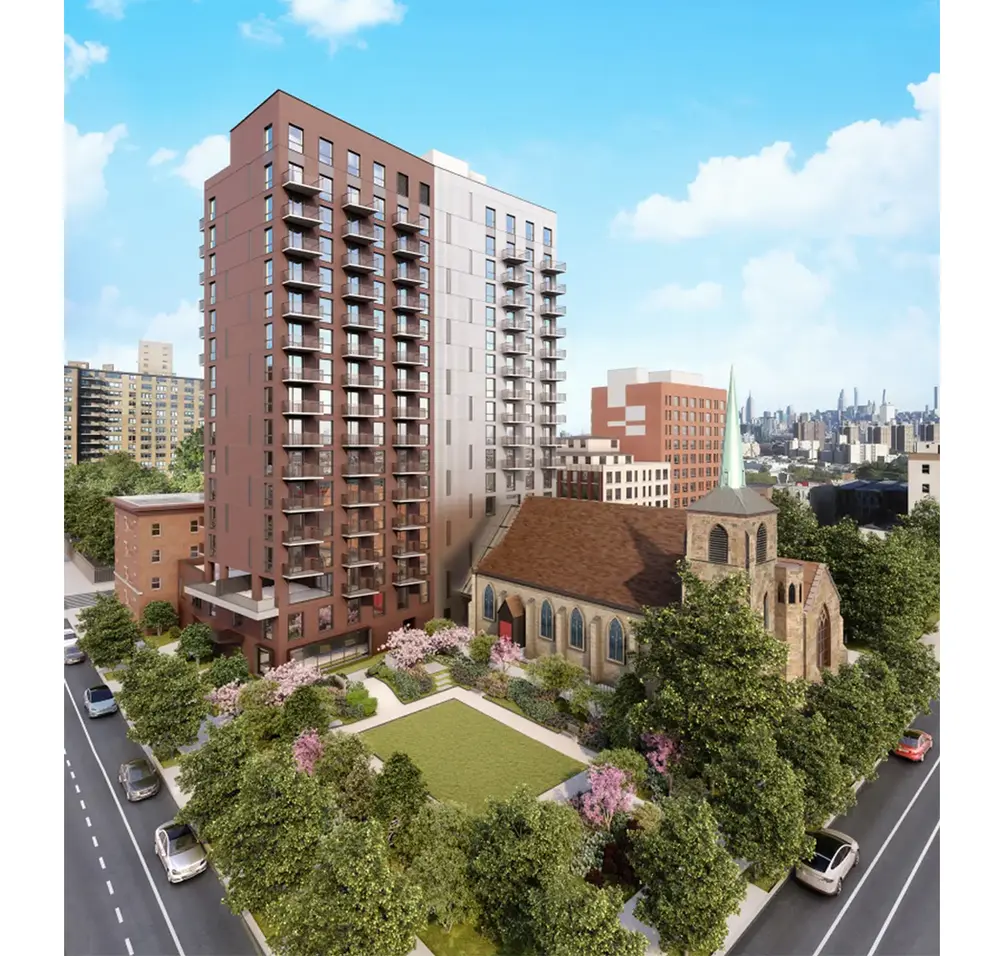 Parish House (Corcoran Group)
In Clinton Hill, new development rental Parish House shares a corner lot with the landmarked St. Mary's Episcopal Church. However, a thoughtful design by DXA Studio creates a contextual relationship between the two different buildings, not to mention allows for beautiful views. In addition to the apartments, the new building includes space for the church in the podium, over 20,000 feet of indoor and outdoor amenities, and a large private park.
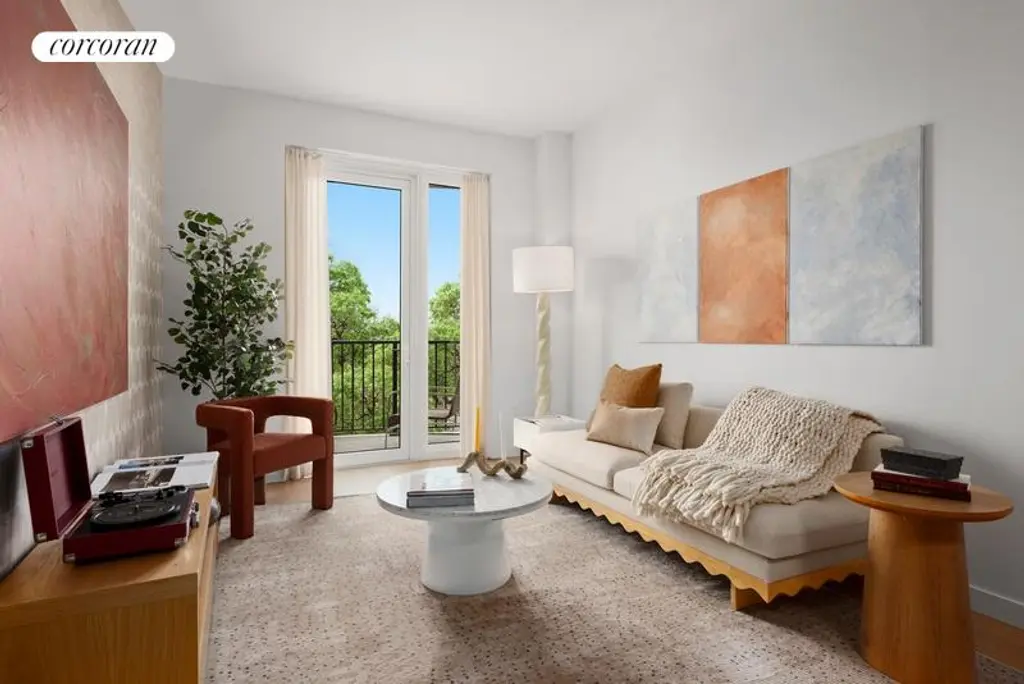
Parish House, #11D (Corcoran Group)
Would you like to tour any of these properties?
Just complete the info below.
Or call us at (212) 755-5544
Would you like to tour any of these properties?
Related Articles
Great Listings
NYC homes with bay windows to let the sun shine in
Saturday, June 27, 2026
Future New York
New York’s Classical Revival: See the new Penn Station and traditional designs reshaping the luxury residential market
Wednesday, June 24, 2026
Great Listings
Where would the Knicks live? See the ultimate NYC apartments for watch parties
Thursday, June 11, 2026
Future New York
Above the Crowd: NYC apartments with skyline views as observation deck boom reaches new heights
Wednesday, June 10, 2026
Great Listings
Easy Escapes: NYC apartments with private roof decks and cabanas under $2 million
Tuesday, May 26, 2026
Future New York
When, why, and how to hire a home inspector + Great new listings with outdoor space from $595K
Saturday, May 9, 2026
Future New York
Which exposure is right for you + Open houses with abundant natural light
Saturday, May 2, 2026
Future New York

 6sqft delivers the latest on real estate, architecture, and design, straight from New York City.
