

MaryAnne Gilmartin, the CEO and Founder of MAG Partners, is no stranger to reshaping New York City’s skyline. As the former CEO of Forest City Ratner, she led the development of landmarks like Barclays Center, the New York Times Building, and 8 Spruce Street. Today, she’s forging a new chapter with MAG Partners and marking a major milestone with the simultaneous leasing launch of two residential towers in Manhattan: Anagram Turtle Bay ("Anagram") and Mabel in Chelsea.
Anagram, developed in partnership with Global Holdings, rises at 300 East 50th Street with 194 apartments. 30% of which fall under the Affordable NY program, and a lottery is underway until August 21, 2025. On the ground floor, a new concept from the beloved Serafina restaurant group, Serafina Mare, brings a seafood-focused twist to the classic New York eatery.
In this article:



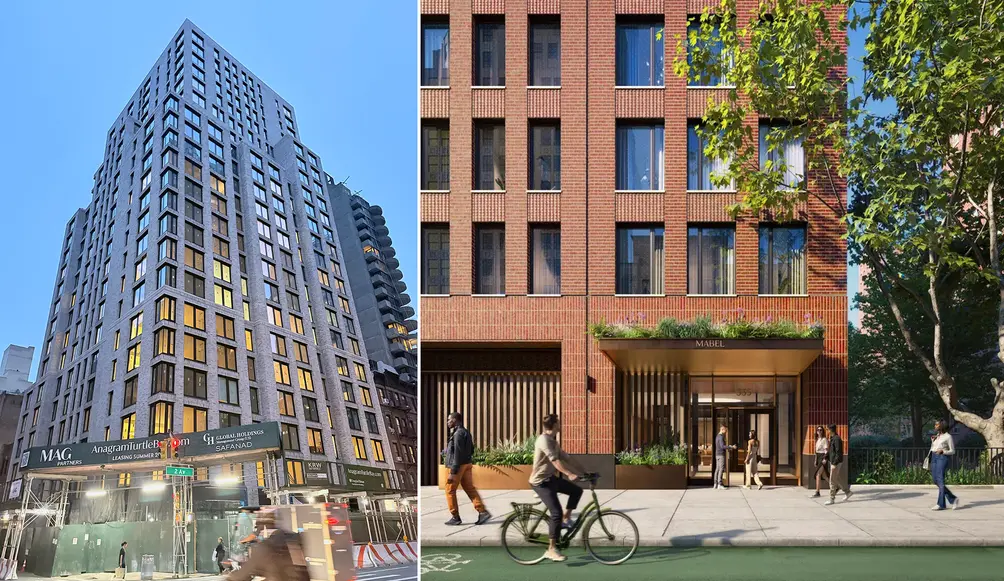 Images of Anagram Turtle Bay (l) and Mabel in Chelsea (r) (Credit DBOX via MAG Partners)
Across town, Mabel, a tribute to an influential woman in New York City history, sits at 335 Eighth Avenue in Chelsea and was built to achieve Passive House and LEED Gold certifications. Like Anagram, it also reserves 30% of its units for affordable housing. This lottery is underway until August 26, 2025.
For Gilmartin, buildings are more than brick and steel—they're narratives, layered with intention, place, and people. We sat down with her to discuss the rare moment of launching two projects at once, what sets each building apart, and the values that continue to guide her practice.
What is it like having two buildings launch on the same day?
It’s beyond humbling and truly amazing to have these two buildings launching at the same time. Creating a building is never a small feat. It takes extraordinary people to do extraordinary work, and I’m honored to represent the many who poured their hearts into these projects. They are both labors of love. This is a huge moment for us, each building holds a thousand stories. We’re genuinely gobsmacked.Beyond what may be the first dual launch in the city, you’re a woman in a male-dominated field. Did that add any difficulty?
Being a woman in this field is interesting. I never got the memo that I should feel intimidated stepping into real estate development, an industry still largely dominated by men. I tend to be hyper-focused, surrounded by excellence. I knew it was my time. I believed I could lead a company and build amazing things with amazing people. But the kind of work I wanted to do didn’t fit into the quarterly demands of public markets, where the focus is always “What have you done for me lately?”Development is a long game. And in the public realm, you’re often better off as an operating company dabbling in development, not leading with it. That realization became my impetus for leaving. At my core, I’m a builder. I needed the freedom to build on my own terms, in the private market. That was seven years ago.
 Groundbreaking for Mabel (via Urban Atelier Group (UAG))
In my seven years at MAG, we’ve delivered 1,000 units. That’s a monumental effort, especially with a global pandemic, the expiration of 421a, and countless other headwinds. We've been navigating a historic series of challenges. And still, we managed to complete three buildings. It’s a testament to resilience and vision.
At the heart of our mission is a belief: you can build beauty, you can add real value…and you can do it with a team that reflects the city we live in. That’s what we stand for. That’s what we’re out to prove.
What do you see as the biggest differences between the two projects?
The differences start with geometry and site constraints. The Midtown site, Anagram, is tightly woven into the urban grid - every inch mattered. It was like choreographing a daily ballet of machines and people. We didn’t have the luxury of space. Building so close to the UN meant dealing with security shutdowns, holidays, motorcades—it’s classic New York, and Anagram is no exception.In contrast, Chelsea offered a kind of rolling meadow by city standards. It’s lush, green, and we had the space to think expansively. The building is low and wide rather than tall and thin, which gave us logistical freedom and marketing advantages. Even though both buildings have roughly the same number of units, the configurations are totally different.
The Chelsea building is part of a long-standing cooperative community—about 3,500 residents who’ve been living in what I like to call a Kennedy-era model of affordable housing. They care deeply. We were a good match for that project because our team approached it with nuance - not just about construction, but about communication, daily coordination, and mutual respect.
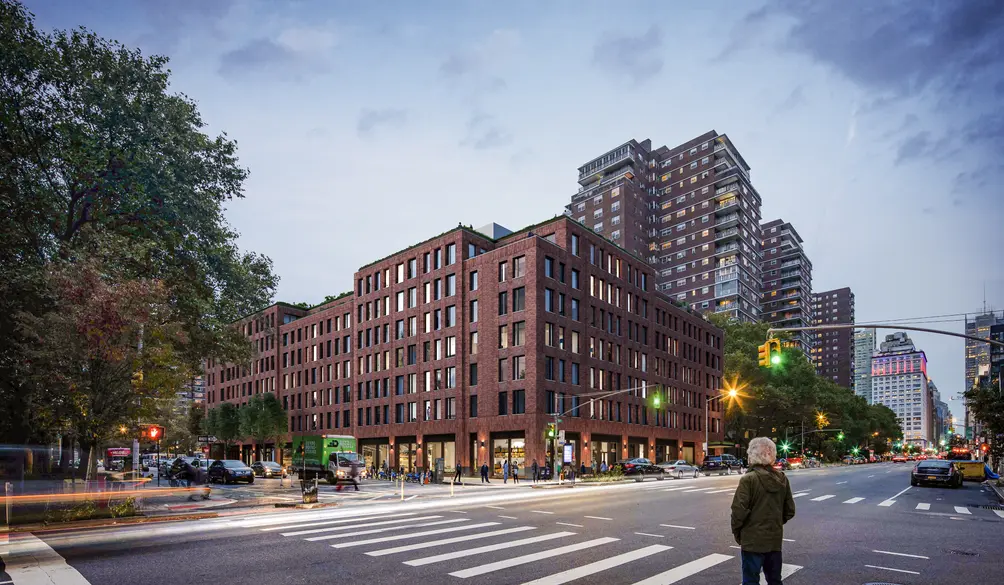 Mabel (DBOX)
Are the similarities between the two just as powerful?
Both projects are deeply embedded in walkable, vibrant communities. They celebrate great architecture and sustainability. They were designed as sanctuaries -when you walk in the door, there’s a palpable sense of serenity. That’s intentional. From the rooftops to the lobbies, to the units themselves, there’s a tenderness in the design. These aren’t transactional spaces, they’re life-giving.Both also feature game-changing retail. In Chelsea, we knew from the beginning that we were in a food desert. Before we even broke ground, we imagined a long floorplate tailored to a grocer. We were approached by the Lidl supermarket brand. That kind of anchor retail took a huge amount of risk out of our underwriting.
At Anagram, it was a different kind of culinary renaissance. Serafina approached us. They were so confident in the building and its audience that they committed not just to a restaurant, but to participating in our hospitality and room service model. That added a new layer of luxury. We’re proud of how we executed the retail vision in both locations.
I believe these buildings will outperform. They’re a cut above. Every detail has been considered—closets, kitchens, light, air, layout. The market will feel that difference through the quality of life and caliber of our tenants.
Do both buildings prioritize sustainability similarly?
Both buildings foster a strong indoor/outdoor connection with thoughtfully integrated green spaces that bring garden culture to life. This is integral to our overall approach. We made a real commitment to building Mabel to Passive House standards. People think Passive House is expensive, and, it is, but the long-term savings for renters are significant.Rick Cook and his team at COOKFOX inspired us with their biophilia. When Rick asked, “Can we try this?” I said yes…even though it came with serious challenges. Every time the budget tightened, there was an option to cut Passive House and hit our numbers. But being the boss means you get to say, “No, we’re not cutting it.”
Our staff would arm wrestle for the chance to work on this. Everyone felt the meaning behind it. We made sacrifices (for example, no pool), but our Passive House speaks to a new generation of residents who care deeply about how they live. For them, sustainability matters more than amenities. That’s why we named the Chelsea building after Mabel Osgood Wright, an unsung environmentalist hero. That won’t be lost on the people who choose to live there. Beyond that, they will save up to 60% on their operating costs. That’s real, provable value.
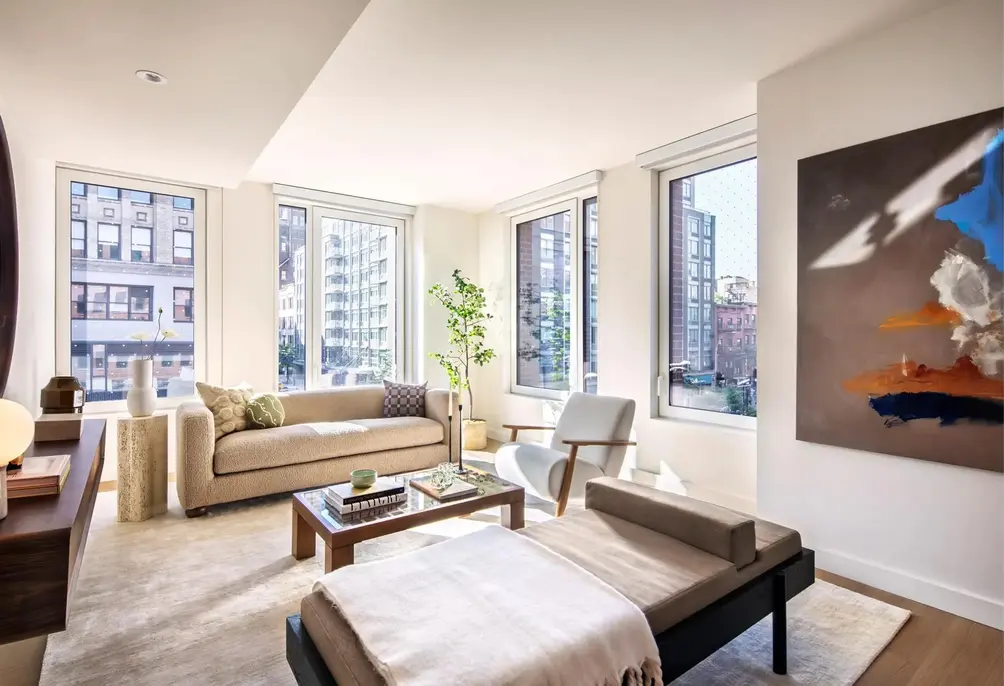 Corner living room at Mabel. Residents can save up to 60% on operating costs, including heating, cooling, and electricity, thanks to the development team's sustainability efforts.
Who is going to live in these buildings?
Each building attracts a slightly different demographic. At Anagram, which we're developing in partnership with Global Holdings, we’re seeing more three-bed inquiries from families. Space is the greatest luxury in New York, and people really value it. Midtown draws a mix of working professionals, the young and not-so-young. And with proximity to offices like JPMorgan. It’s a “15-minute city” concept where everything you need is a 15-minute walk from your home.At Mabel, you’re within the confines of a cooperative community. We think tech workers will gravitate there, especially with hybrid work here to stay. The West Chelsea location also has a big educational draw where students and their families want a safe, sophisticated environment near world-class institutions. That mix of art, education, and community is powerful.
What does the future look like for NYC renters?
I believe these buildings could be bellwethers for what the city wants and needs. Beyond that, affordable housing is core to our mission comprising about 30% of our homes. We’ve studied and hacked the programs to make it possible to build high-quality mixed-income housing across the city. For the first time, I’ve heard every mayoral and gubernatorial candidate acknowledge that the housing crisis is real. And we’re among the best equipped to meet that challenge.Personally, I’d love to do more conversions. My first love was office development, like the New York Times Building. But in my “field of dreams,” I want to lead the next wave: a brand-new, 21st-century vision of housing in New York.
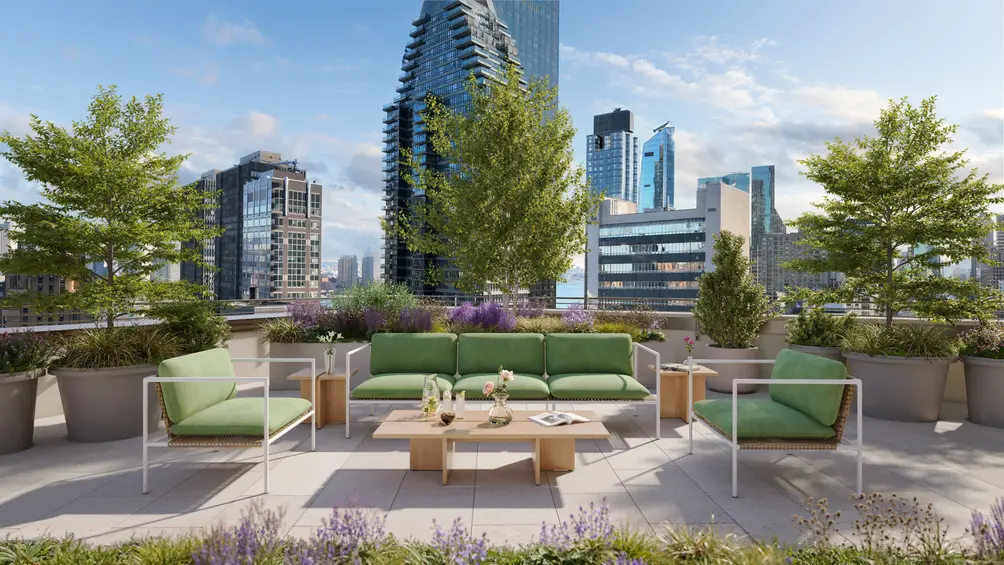 Sundeck at Anagram Turtle Bay
300 East 50th Street Affordable Housing Lottery
Qualifying New Yorkers can apply for the apartments until August 21, 2025
Select availabilities in Anagram Turtle Bay and Mabel
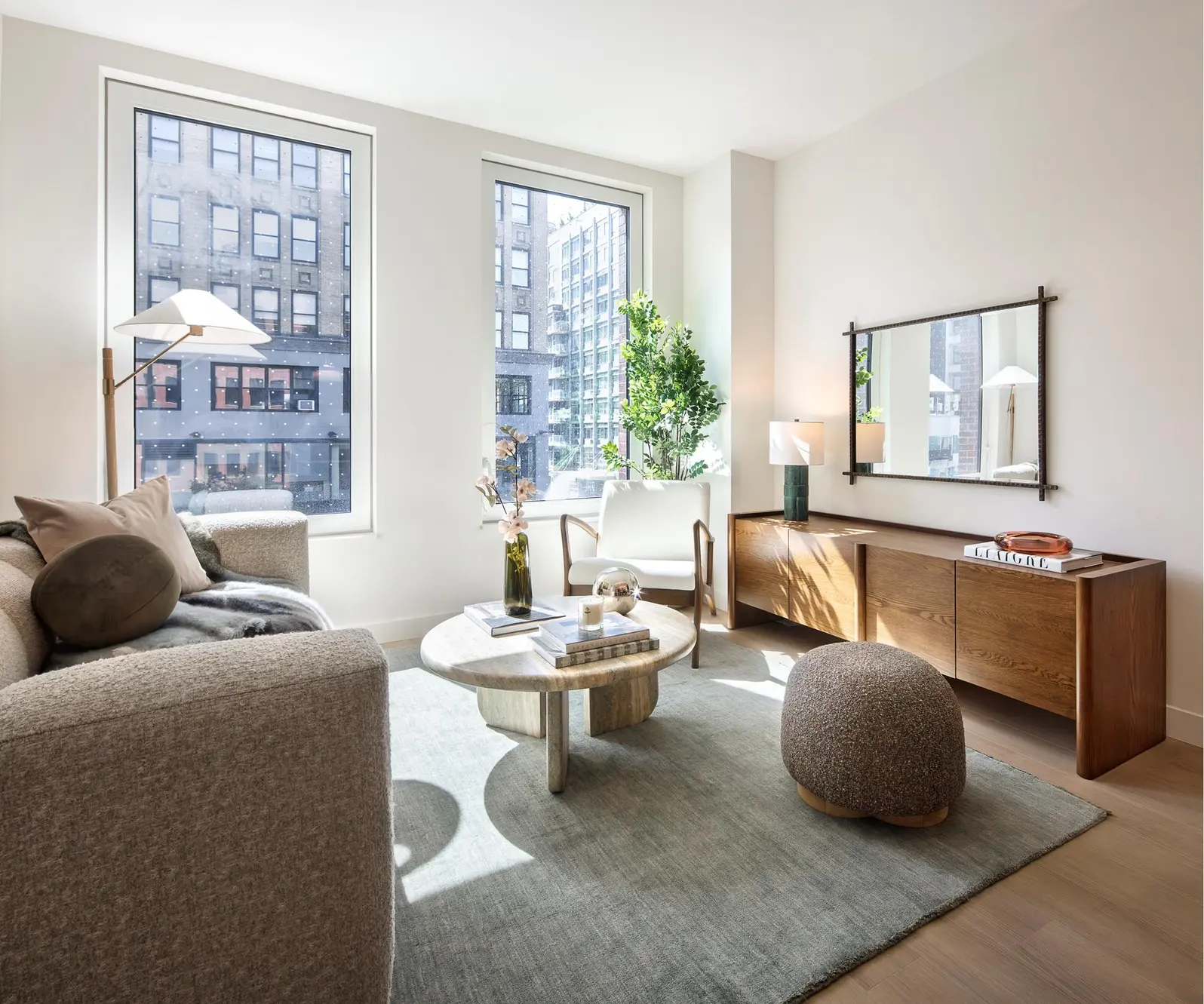
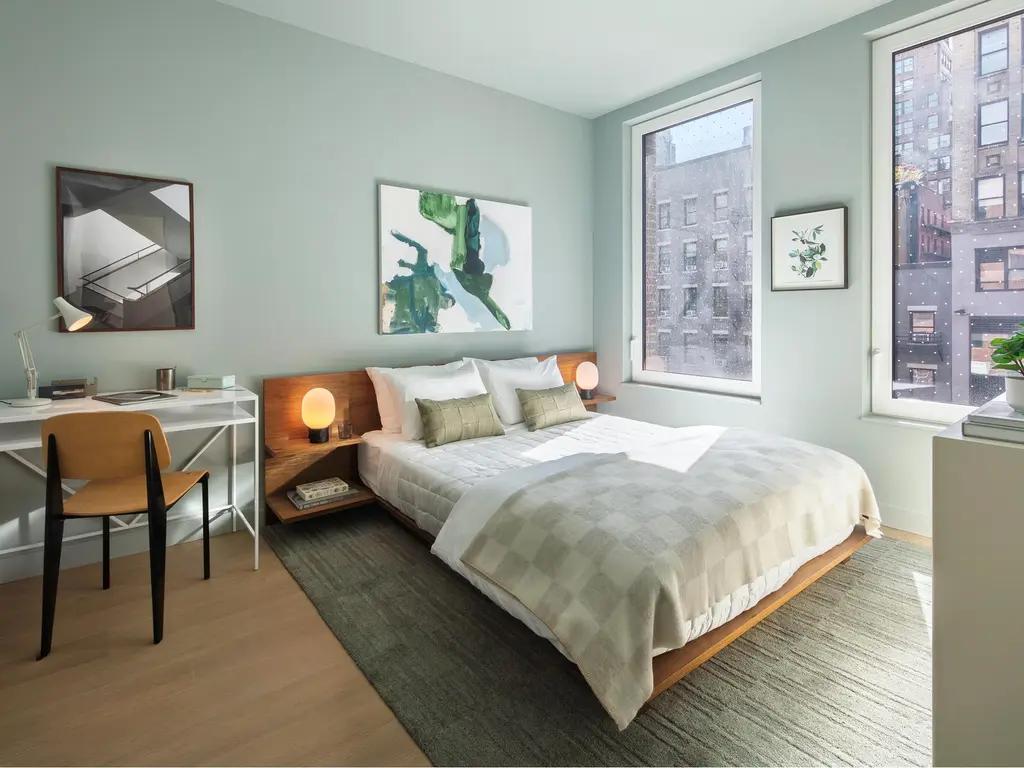
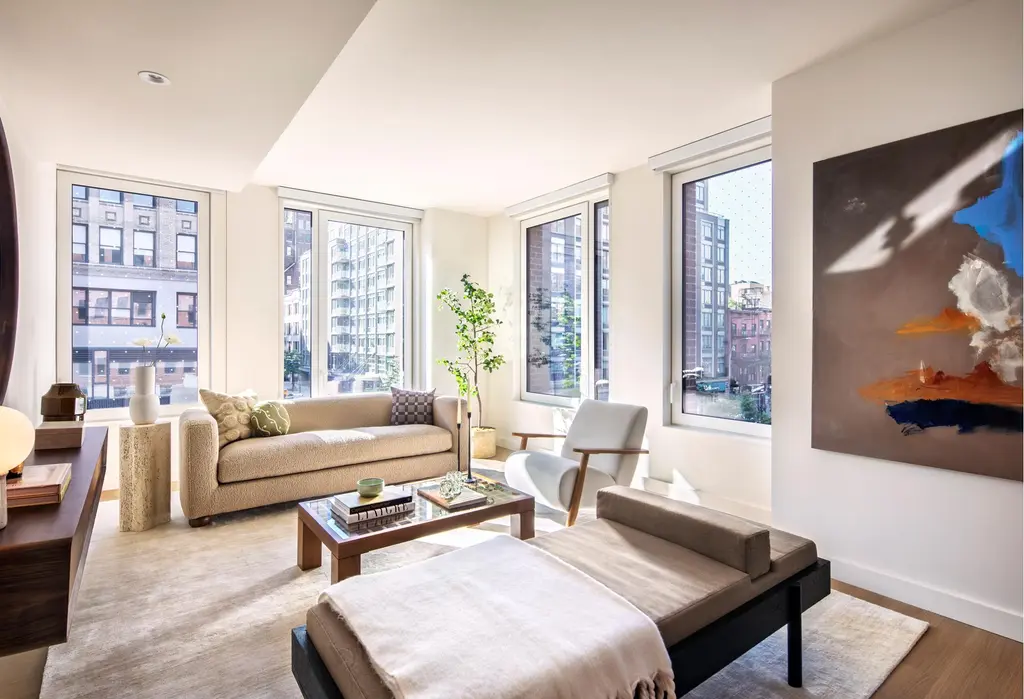
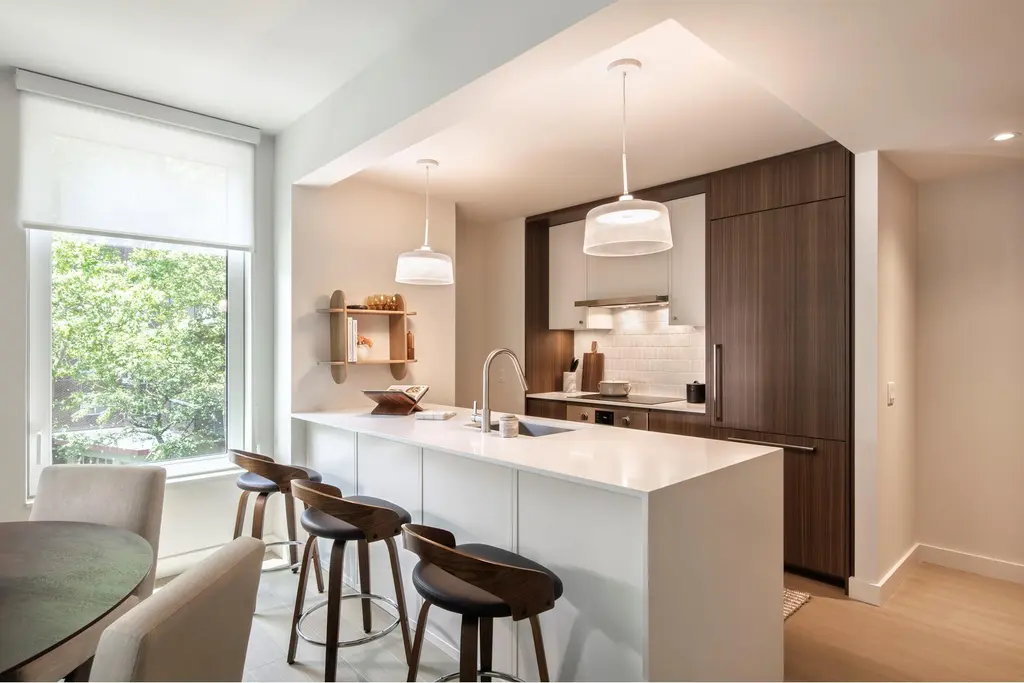
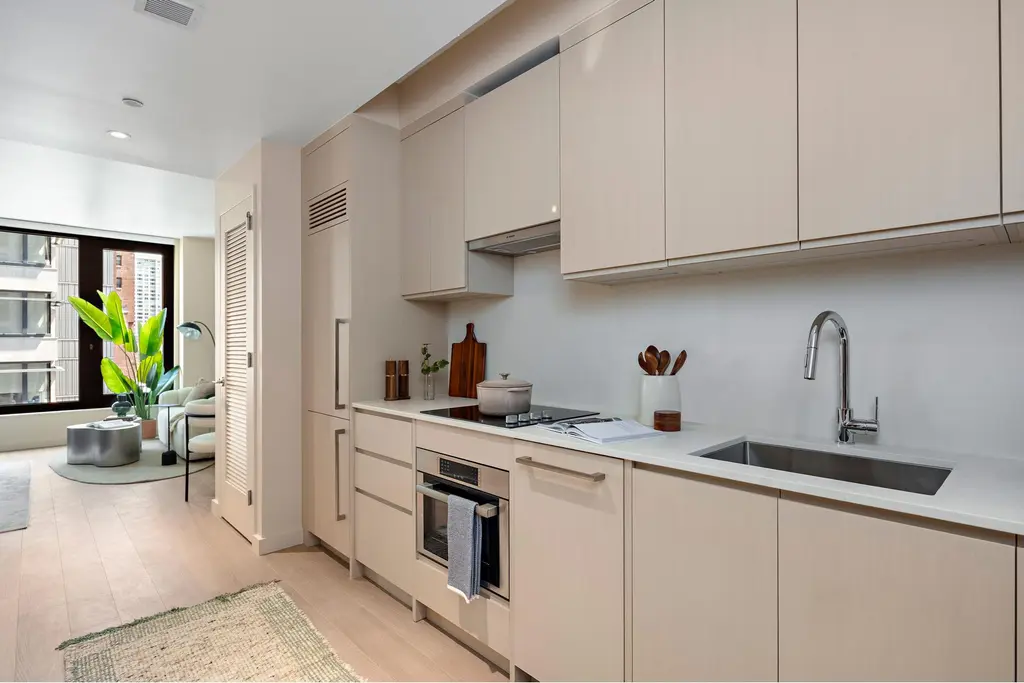
Anagram Turtle Bay, #4F (Douglas Elliman Real Estate)
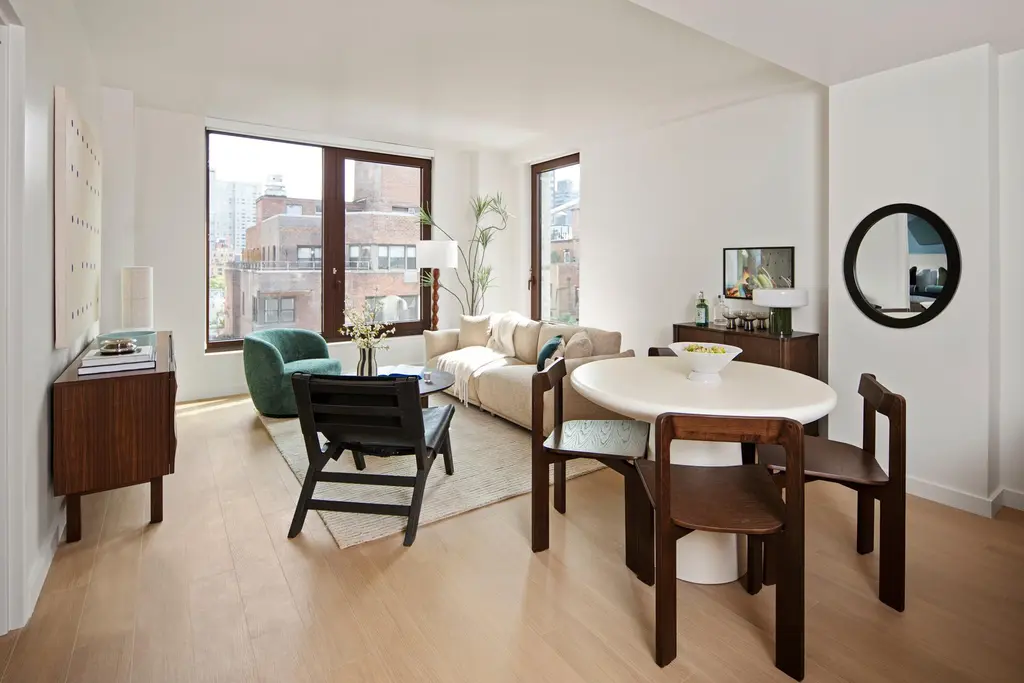
Anagram Turtle Bay, #5E (Douglas Elliman Real Estate)
Related Articles
Downtown Brooklyn
30 NYC rental buildings with rooftop pools; +POOL postponed
Friday, July 31, 2026
Future New York
Top 10 condos in Turtle Bay and Beekman-Sutton Place + New developments and price-reduced listings
Thursday, June 11, 2026
Future New York
Price Cuts: Sandie Tilotson's penthouse at Mandarin Oriental reduced by $15M; UWS brownstone with underground pool now 20% off
Thursday, August 6, 2026
Future New York
INTERVIEW: Avdoo Shlomi on building in New York City with a sense of place
Thursday, August 6, 2026
Future New York
For the Love of Loggias: Rare New York City listings with private outdoor rooms
Tuesday, August 4, 2026
Future New York
Rebound in Manhattan sales includes Harry Belafonte's UWS co-op, a $47M Central Park Tower aerie, and trophy deals in landmarks
Tuesday, August 4, 2026
Future New York
Flatiron Building half-floor leads quiet summer contract week; Sohmer Piano penthouse sells at auction for 64% discount
Tuesday, August 4, 2026
Future New York
Front & York: How DUMBO’s streets, bridges, and warehouses shaped its design
Friday, July 31, 2026
Contributing Writer
Michelle Sinclair Colman
Michelle writes children's books and also writes articles about architecture, design and real estate. Those two passions came together in Michelle's first children's book, "Urban Babies Wear Black." Michelle has a Master's degree in Sociology from the University of Minnesota and a Master's degree in the Cities Program from the London School of Economics.

 6sqft delivers the latest on real estate, architecture, and design, straight from New York City.
