

Co-ops have dominated New York City housing since the early 20th century, and they still account for about half of Manhattan closings. But the case for the co-op is being tested. Condos have pulled ahead on amenities, aging co-op buildings face rising facade and Local Law 97 costs, and this summer brought the city's pied-à-terre tax. It took effect July 1 (with the deadline to file today, October 6, 2026) and, unlike in a condo, makes the co-op itself responsible for collecting the surcharge from shareholders.
With the tax still tied up in court, will New York tilt further toward condos? There are still more than twice as many co-ops as condos, but new development is overwhelmingly condos. So far in 2026, about 90% of Manhattan's new-development closings were condos and fewer than 1% were co-ops. Below, we compare how the two stack up, followed by side-by-side listings so you can judge for yourself.
With the tax still tied up in court, will New York tilt further toward condos? There are still more than twice as many co-ops as condos, but new development is overwhelmingly condos. So far in 2026, about 90% of Manhattan's new-development closings were condos and fewer than 1% were co-ops. Below, we compare how the two stack up, followed by side-by-side listings so you can judge for yourself.
How co-ops differ from condos
Co-ops differ from condos on several levels, but most importantly, when you buy a co-op unit, you’re buying shares in a larger co-operative residential building and, as a shareholder, gaining the right to occupy one of the building’s units. When you buy a condo, you own the unit itself. Due to these differences, co-ops and condos are also subject to different tax laws and are treated somewhat differently by some lenders.
When it comes to taxes, the differences between co-ops and condos tend to favor co-op owners (e.g., co-op buyers are able to avoid certain taxes, including the mortgage recording tax, which can add tens of thousands of dollars to condo closings when lending is required). In addition, co-ops are nearly always less expensive per square foot than comparable condo units. But if co-ops come with notable tax breaks and are less expensive per square foot than comparable condos, why are a growing number of New Yorkers, albeit by no means a majority, now focusing their housing search on condos instead?
Why Condos Are Winning Over Local Buyers
New condos offer buyers much more than an apartment
Even at the turn of the 21st century, a building with a full-time doorman, laundry room, small gym, roof deck, and storage cage would have been viewed as amenity-packed. For many current local buyers, those features are now considered necessities, not luxuries.
Over the past two decades, amenities and services have expanded in condos, resulting in entirely new forms of city living. Today, many New York City condo developments are no longer just selling residential units—they are selling lifestyles. Looking for a fitness center to rival Equinox? A movie theatre? An on-site dog-washing facility or dog run? Need access to an on-site co-working space, library, lounge, TikTok-able test kitchen, podcast studio, music room, bowling alley, or playroom? If so, you can likely find these amenities and more in new condo developments.
In essence, the result is an experiential gap. A co-op apartment often offers larger rooms and in some cases, pre-war charm, but not much beyond the front door. A comparable condo unit, while likely more expensive, may offer access to a state-of-the-art unit and all the amenities and services you and your family need to make living in a hectic city like New York just a bit more convenient and relaxing.
In-unit convenience also matters
The amenities gap between co-ops and condos often doesn’t end with common spaces. Many older co-ops prohibit in-unit washers and dryers, mostly due to older electrical and plumbing systems. Central air conditioning is also often not possible, forcing owners of co-ops, even those worth millions, to spend the summer months with blocked views due to window-unit air conditioners. Multiple bathrooms are also frequently impossible due to restrictive wet-over-dry rules and limited access to sewage lines. By contrast, new condos are nearly always constructed with in-unit laundry, central heating and cooling, multiple bathrooms, and other features that discerning buyers expect.
Co-ops are increasingly likely to present unpredictable costs
Co-ops have traditionally appealed to buyers because they cost less than comparable condos and tend to face fewer tax liabilities. Still, there is no guarantee they will always be less expensive. As CityRealty’s article on why co-op and condo fees have risen sharply reported, many local co-ops are raising their fees due to escalating insurance, labor, and utility costs, as well as several costs that many newer condos don’t typically face—for example, the replacement of old boilers, elevators, roofs, windows, plumbing lines, electrical systems, and, most notably, repairs to aging facades.
The hidden cost of facade and Local Law 97 penalties
New York City’s Facade Inspection and Safety Program requires buildings taller than six stories to have their exterior walls inspected every five years. If unsafe conditions are discovered, owners must install protective measures and complete repairs. Over the past decade, facade work has become increasingly expensive and difficult to predict. A project that begins as routine repointing may reveal deteriorated brick, damaged lintels, unstable parapets, or problems with balconies and terraces. Once work begins, scaffolding and sidewalk sheds can remain in place for months or even years, leading to hefty assessments for residents and affecting their access to light and views, while eroding the curb appeal of the building and even its property values.
Local Law 97, New York City’s ambitious and controversial climate change initiative, is also impacting co-ops more than condos since older buildings, which tend to be co-ops, often must invest more to come into compliance with the law. As CityRealty recently reported, prospective buyers now need to consider both a building’s current emissions status and its plan for meeting future limits.
The new pied-à-terre surcharge adds another co-op complication
A new city surcharge adds a risk that is specific to co-ops. The pied-à-terre tax, which took effect July 1, charges an annual surcharge on condos and co-ops with a Department of Finance value of $1 million or more that aren't used as a primary residence. Because the city's assessed values run well below market prices, that threshold roughly corresponds to homes worth about $5 million. For condo owners, the surcharge is simply added to the unit's own tax bill. A co-op, however, is a single tax lot: the city adds the surcharge to the building's one property tax bill, and the co-op corporation must pay it and then collect it from the shareholder. If a shareholder doesn't pay, the unpaid amount can become a lien on the entire building, not just that apartment, and attorneys warn that could put the co-op in default under its underlying mortgage. The city has declined to give co-ops explicit collection authority, suggesting instead that boards amend their proprietary leases.
Jason Haber, co-founder of the American Real Estate Association and a Manhattan broker who has been a vocal critic of the tax's rollout, says the structure leaves boards with few workable options. A lien, he notes, could also make it hard for buyers in the building to get financing, since lenders are wary of a cloud on title.
"It's impractical, it's unfair, it's punitive, and it really doesn't work. What you're going to see at the end of the day is co-ops just saying, 'You know what, we're just not going to allow pied-à-terres.'" — Jason Haber
For buyers, owners who use the home as their primary residence are exempt from the surcharge, though the exemption isn't automatic and may need to be documented. Buyers planning a part-time home, including the foreign buyers who already tend to find co-op boards less welcoming, may face tighter second-home policies and more detailed residency disclosures. They should also expect an annual cost that, unlike the one-time mansion tax, is hard to build into a purchase price. Exposure is concentrated at the top of the market and most within condo transactions. So far in 2026, about 3% of co-op closings were at $5 million or more, versus 13% of condo closings, according to CityRealty data.
Co-op board interviews may feel out of step for contemporary buyers
Finally, it seems likely that the process of buying a co-op, which nearly always entails a more personalized board process, may simply appear out of step with contemporary consumer expectations. After all, if you’re dropping close to a million dollars or much more and have already undergone a rigorous underwriting process, do you also need to be grilled about the size of your dog, your children’s hobbies, or how often you host loud dinner parties? Worse yet, compared to condos, co-ops are often far less welcoming to foreign nationals, even though foreign nationals own an estimated 10-15 percent of the city’s properties, including some of the city’s most impressive luxury properties.
Is the Co-op vs. Condo Debate Closed? Far From It…
Despite the hidden costs and generally less robust amenities and services, co-ops still make up most local owner-occupied units, and the reason is simple: beyond being more plentiful and affordable, co-ops also often have a strong sense of community. While a few are excessively exclusionary, many co-ops are highly diverse, multi-generational living communities where new and old New Yorkers come together to share not only shares in a brick-and-mortar investment but also a unique urban community.
Condo vs. co-op listings
SoHo
2 Beds | 2 Baths

72 Mercer Street, #4E (Corcoran Group)
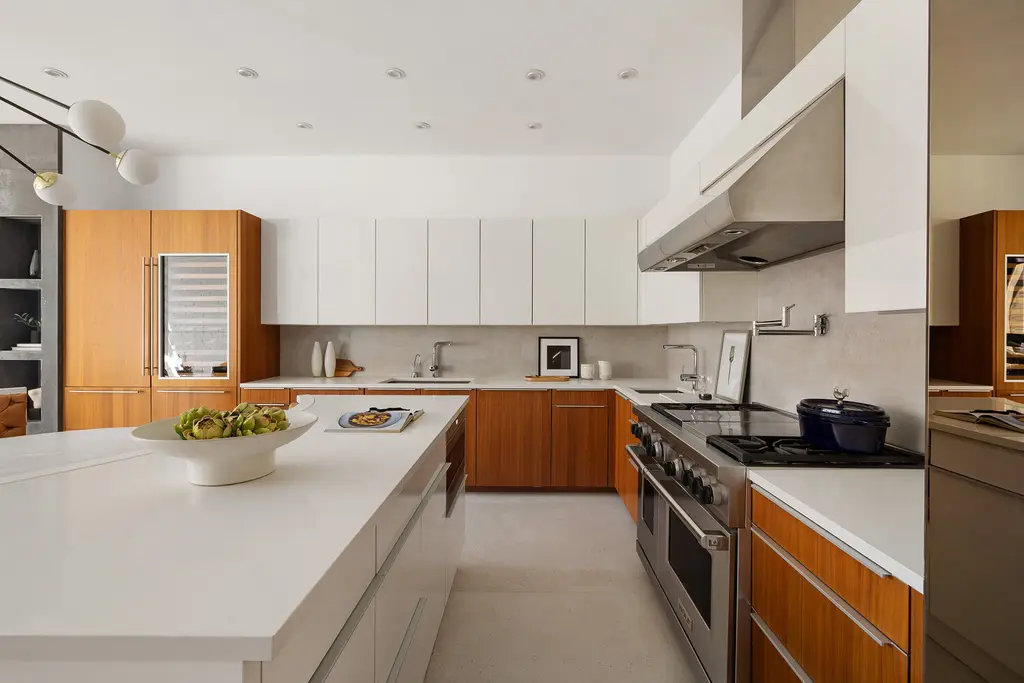

347 West Broadway, #6 (Douglas Elliman Real Estate)

Upper East Side Gold Coast
3 Beds | 3.5 Baths
10 East 70th Street, #3A
$3,000,000
Park/Fifth Ave. to 79th St. | Cooperative | 3 Bedrooms, 3.5 Baths | 2,000 ft2

10 East 70th Street, #3A (Compass)

Chez 66, #8W
$5,200,000
Park/Fifth Ave. to 79th St. | Condominium | 3 Bedrooms, 3.5 Baths | 2,000 ft2

Chez 66, #8W (Corcoran Group)

Lenox Hill
3 Beds | 3 Baths
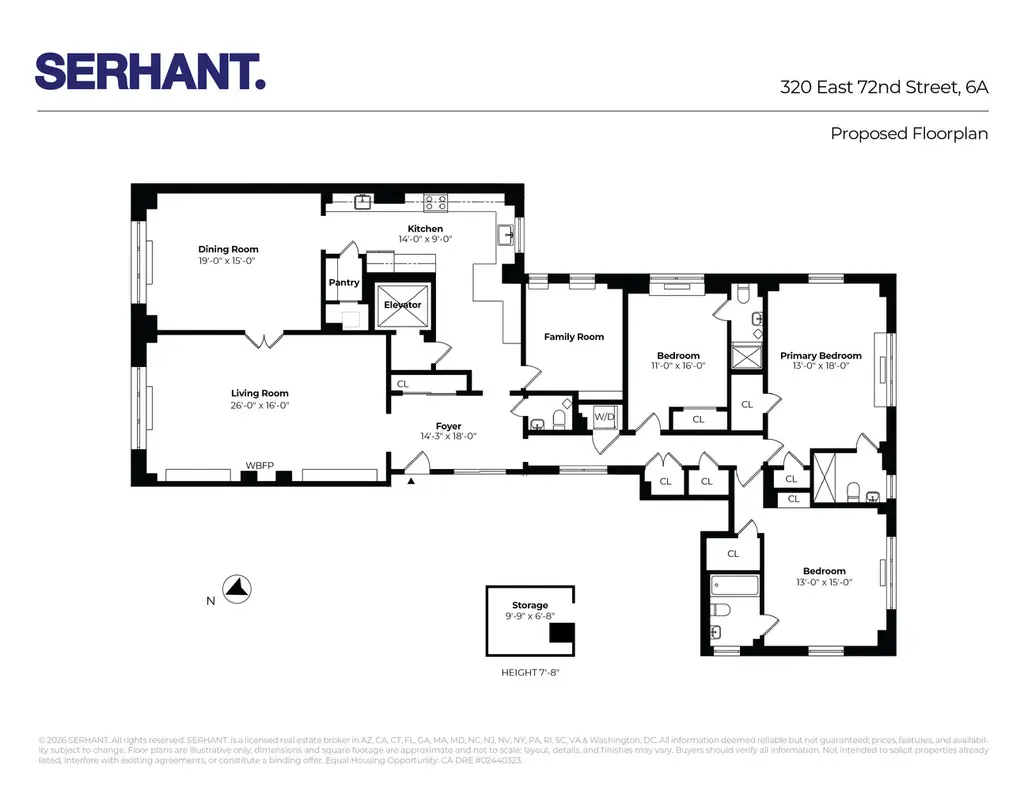
320 East 72nd Street, #6A (Serhant)


Bristol Plaza, #25N (Corcoran Group)


Flatiron/Union Square
2-beds | 2 baths
222 Park Avenue South, #10C
$2,450,000 (-3.9%)
Flatiron/Union Square | Cooperative | 2 Bedrooms, 2 Baths | 1,267 ft2

222 Park Avenue South, #10C (Douglas Elliman Real Estate)

277 Fifth Avenue, #15D
$3,190,000 (-3%)
Flatiron/Union Square | Condominium | 2 Bedrooms, 2 Baths | 1,373 ft2
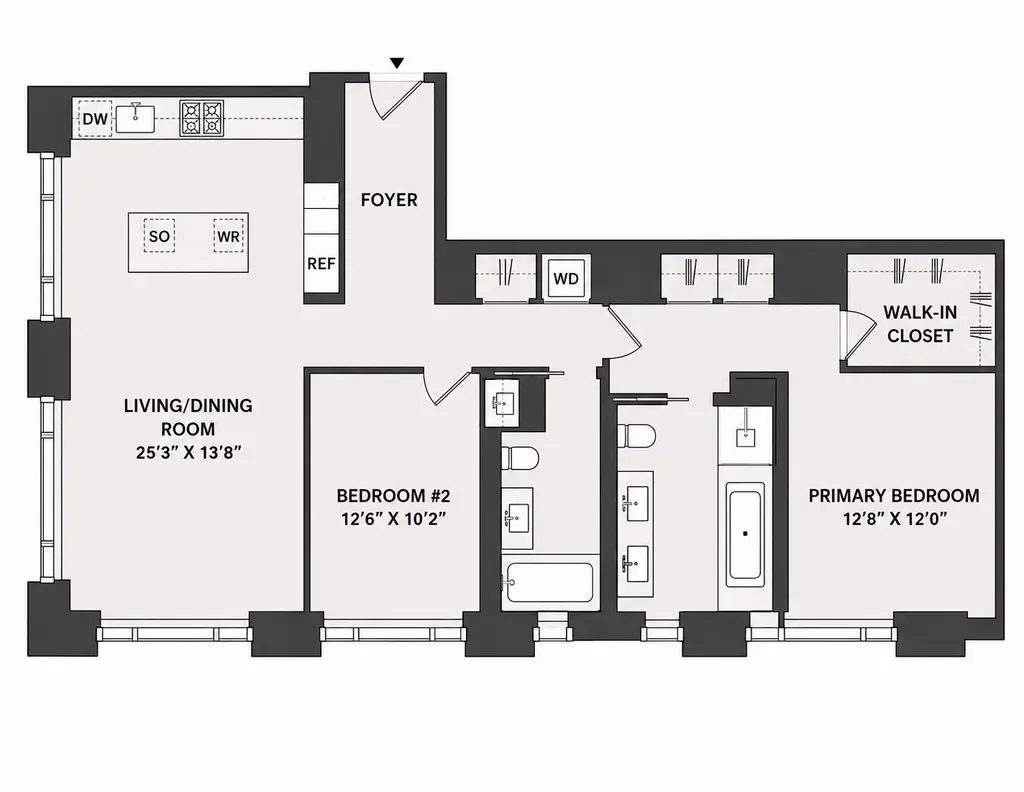
277 Fifth Avenue, #15D (R New York)
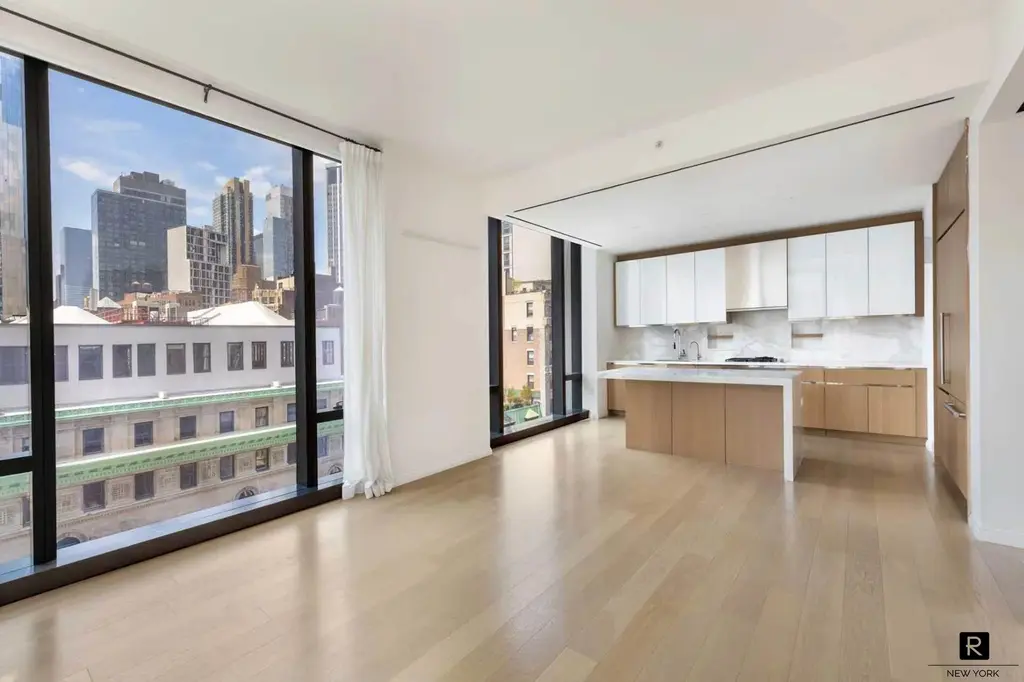
Riverside Dr./West End Ave.
3-beds | 2-baths
334 West 86th Street, #8C
$1,695,000
Riverside Dr./West End Ave. | Cooperative | 3 Bedrooms, 2 Baths | 1,500 ft2

334 West 86th Street, #8C (Douglas Elliman Real Estate)

The Gemstone, #5DE
$2,250,000 (-13.5%)
Riverside Dr./West End Ave. | Condominium | 3 Bedrooms, 2 Baths | 1,475 ft2

The Gemstone, #5DE (Douglas Elliman Real Estate)
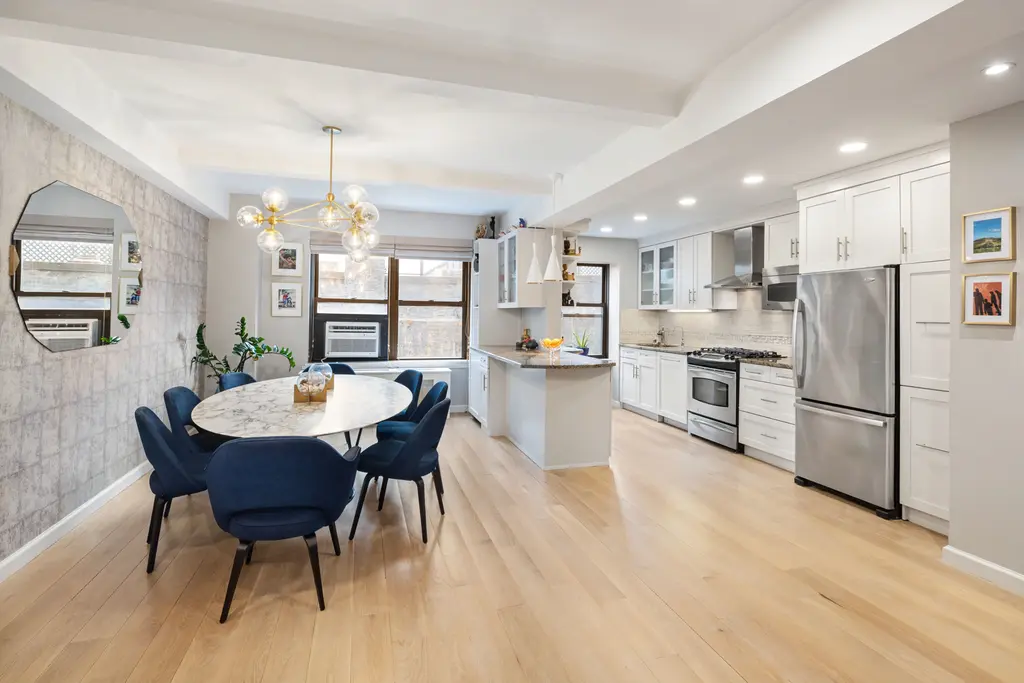
Yorkville
3-beds | 2 baths

Gracie Gardens, #5DE (Rabayah LLC)

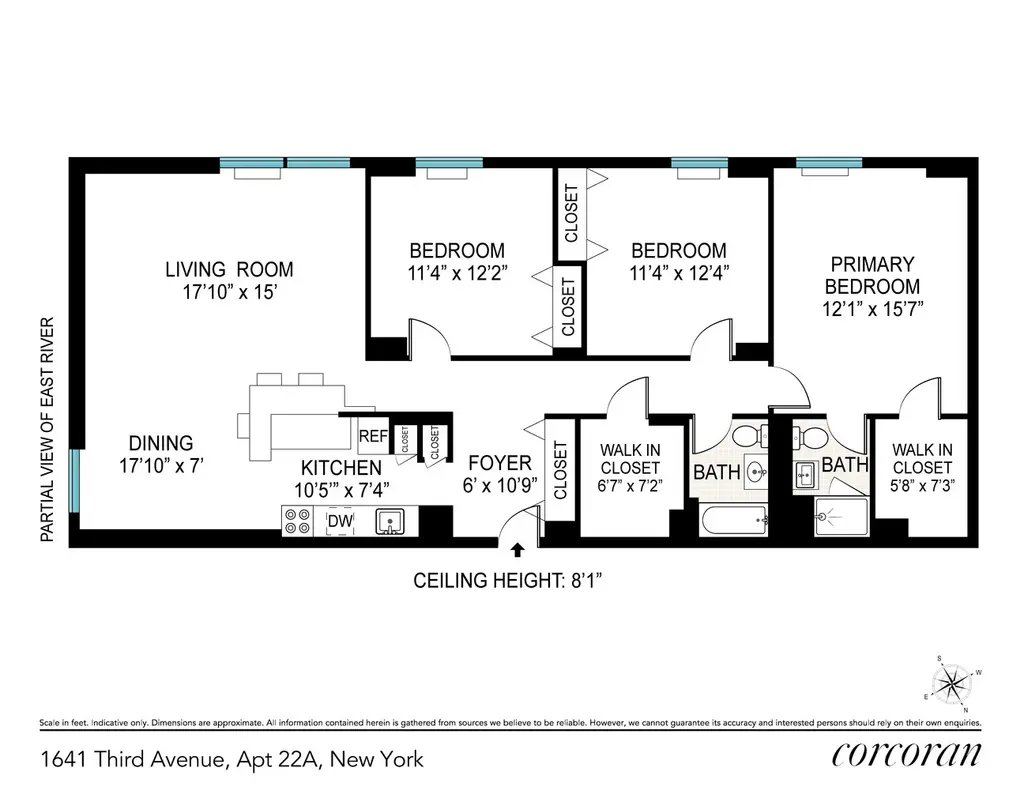
Yorkville Tower 2, #22A (Corcoran Group)
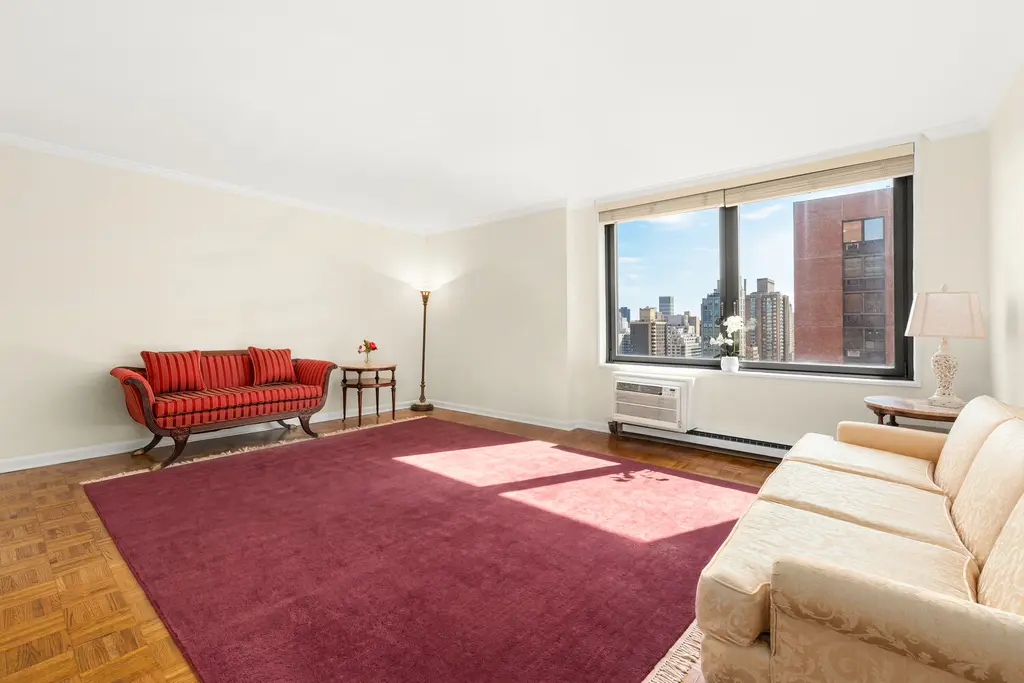

Lenox Hill
2 Beds | 2.5 Baths
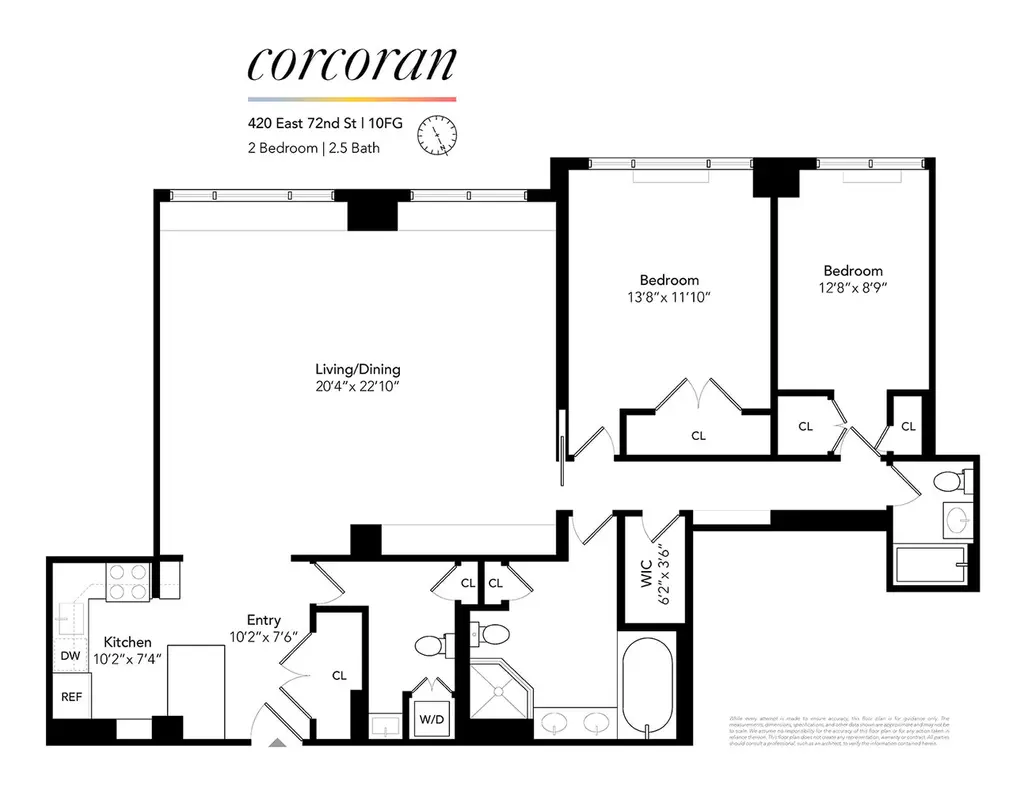
420 East 72nd Street, #10FG (Corcoran Group)

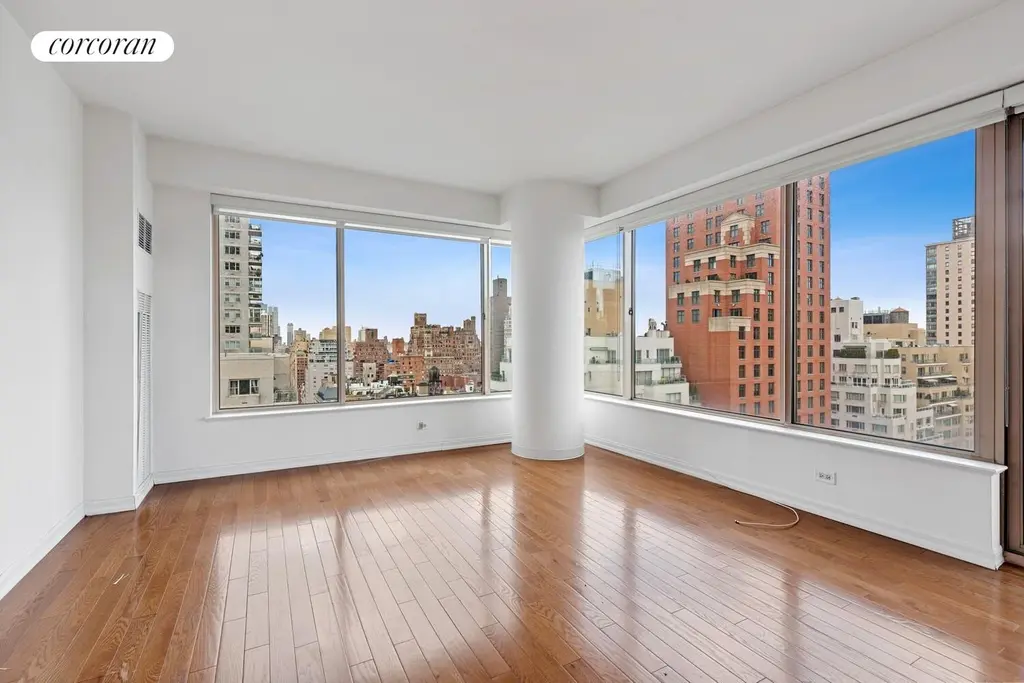
Trump Palace, #21A (Corcoran Group)

UWS' Broadway Corridor
2 Beds | 2 Baths
230 West End Avenue, #8AG
$1,125,000
Broadway Corridor | Cooperative | 2 Bedrooms, 2 Baths | 1,100 ft2
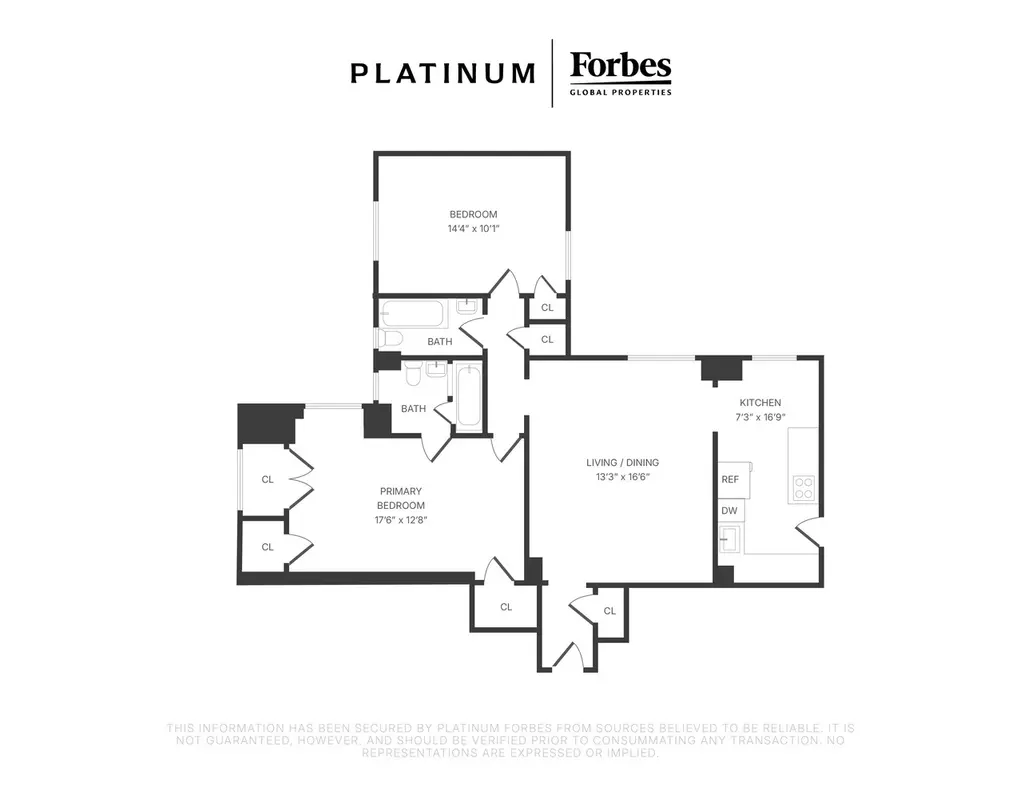
230 West End Avenue, #8AG (Platinum Forbes Global Properties)

Manhattan Tower Condo, #8F
$1,750,000
Broadway Corridor | Condominium | 2 Bedrooms, 2 Baths | 1,101 ft2

Manhattan Tower Condo, #8F (Compass)
Chelsea
1 Bed | 1 Bath

Jensen Lewis Building, #2D (Compass)
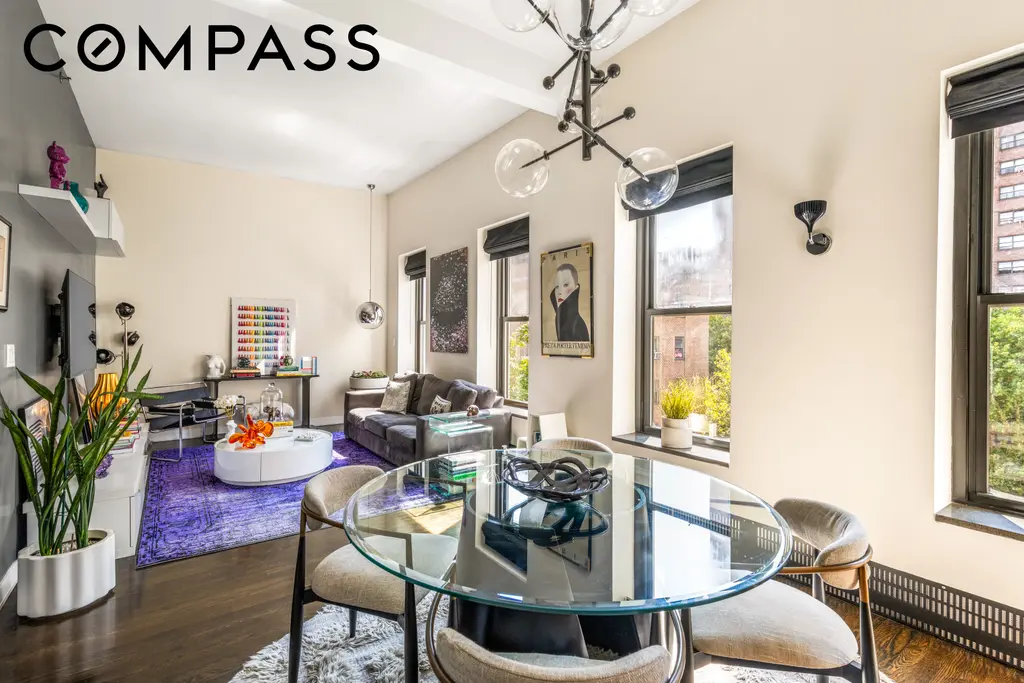
422 West 20th Street, #5G (Compass)

Gramercy
1 Bed | 1 Bath
Parker Gramercy, #609
$749,000 (-6.3%)
Flatiron/Union Square | Cooperative | 1 Bedroom, 1 Bath | 638 ft2
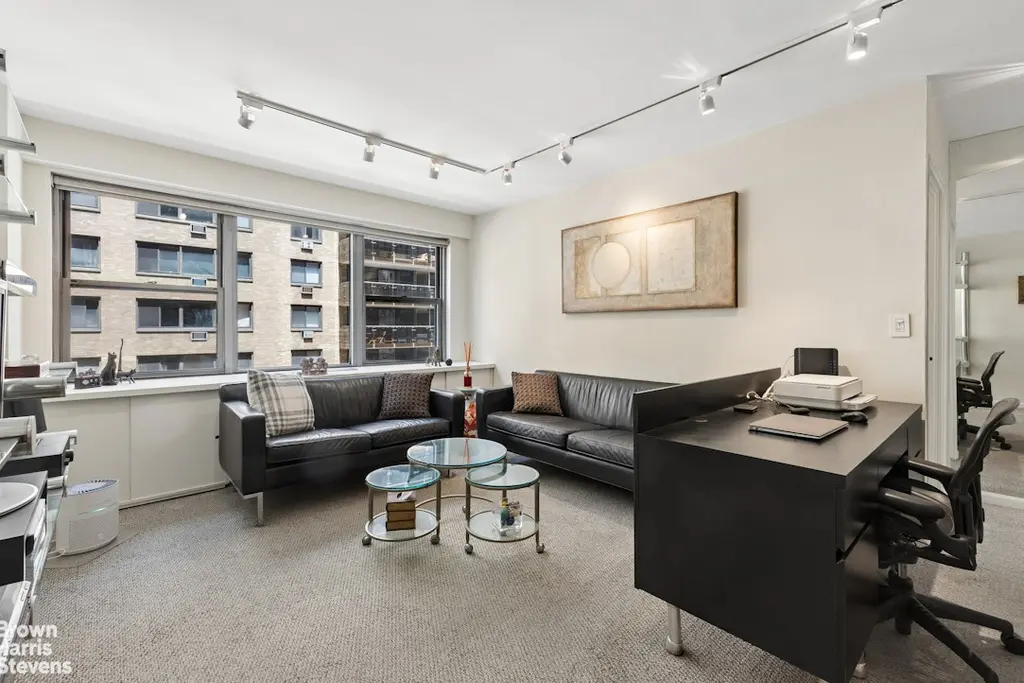
Parker Gramercy, #609 (Brown Harris Stevens Residential Sales LLC)
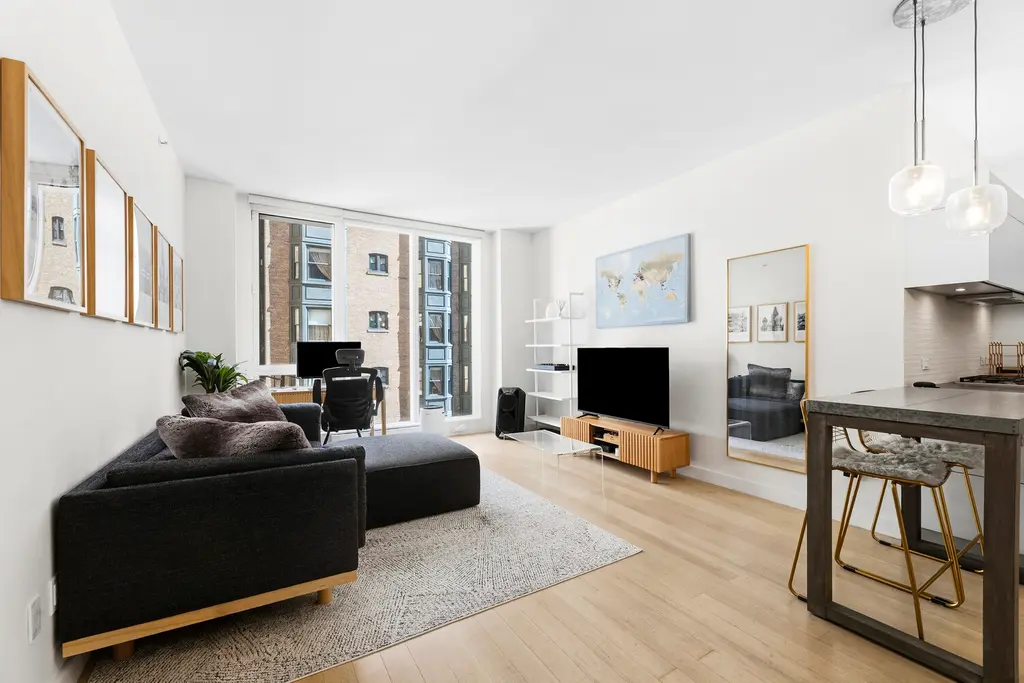
241 FIFTH, #8C (Corcoran Group)
Harlem
2 Beds | 2 Baths

Bradhurst Court, #7L (Corcoran Group)
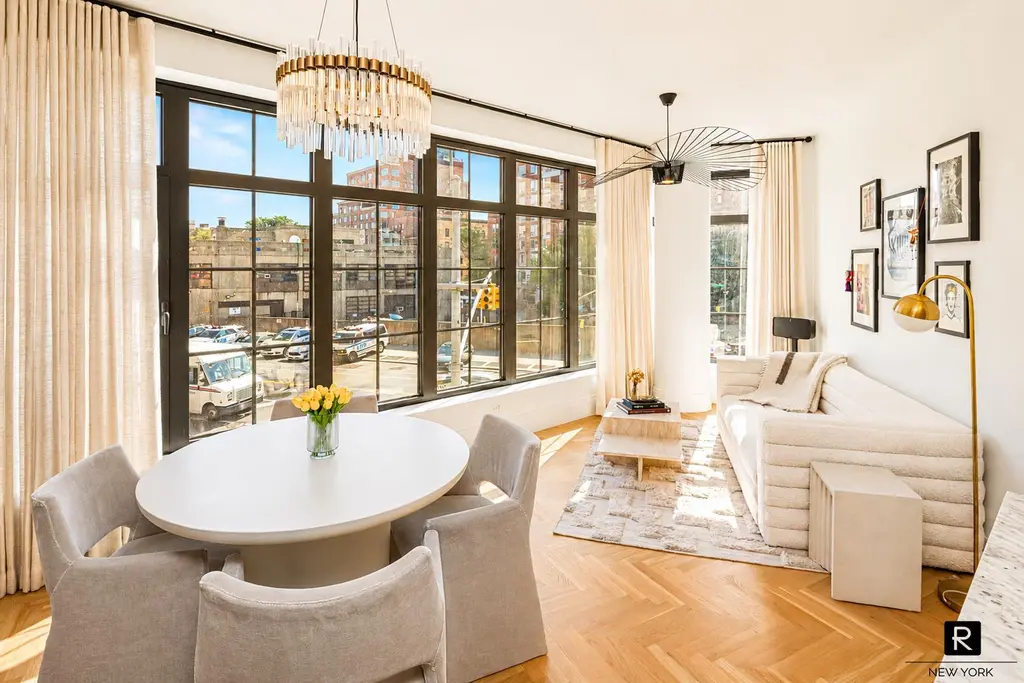
300 West, #3H (R New York)
Forest Hills
2 Beds | 2 Baths
Birchwood Towers - The Kyoto, #8D
$695,000
Forest Hills | Cooperative | 2 Bedrooms, 2 Baths | 1,200 ft2
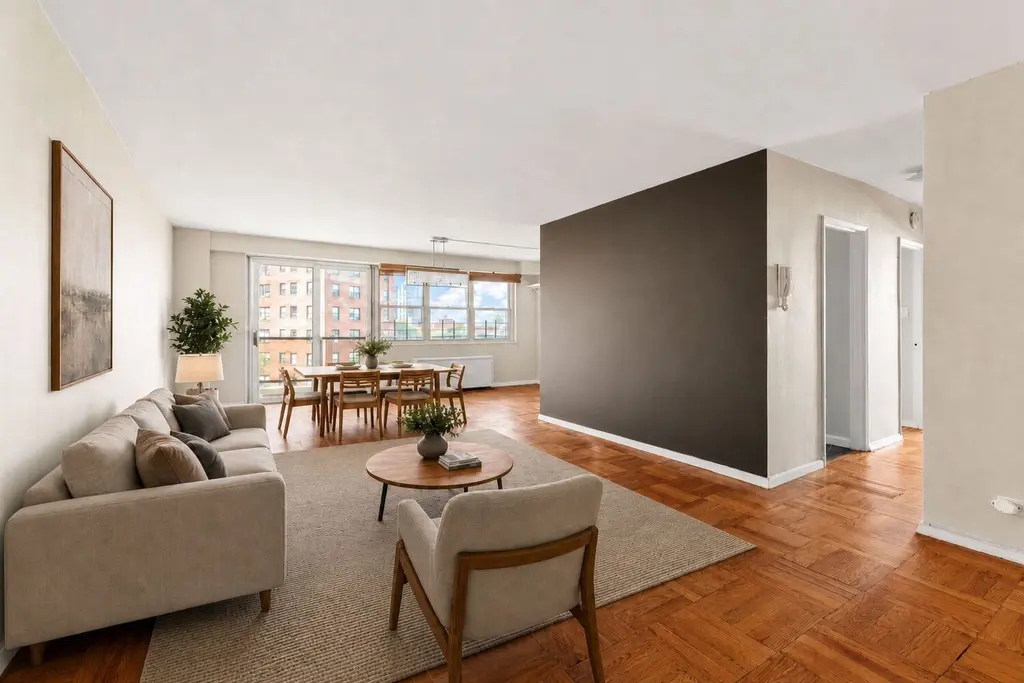
Birchwood Towers - The Kyoto, #8D (Black and White Residential)

Pinnacle Condominium, #21B (Compass)
Greenpoint
1 Bed | 1 Bath
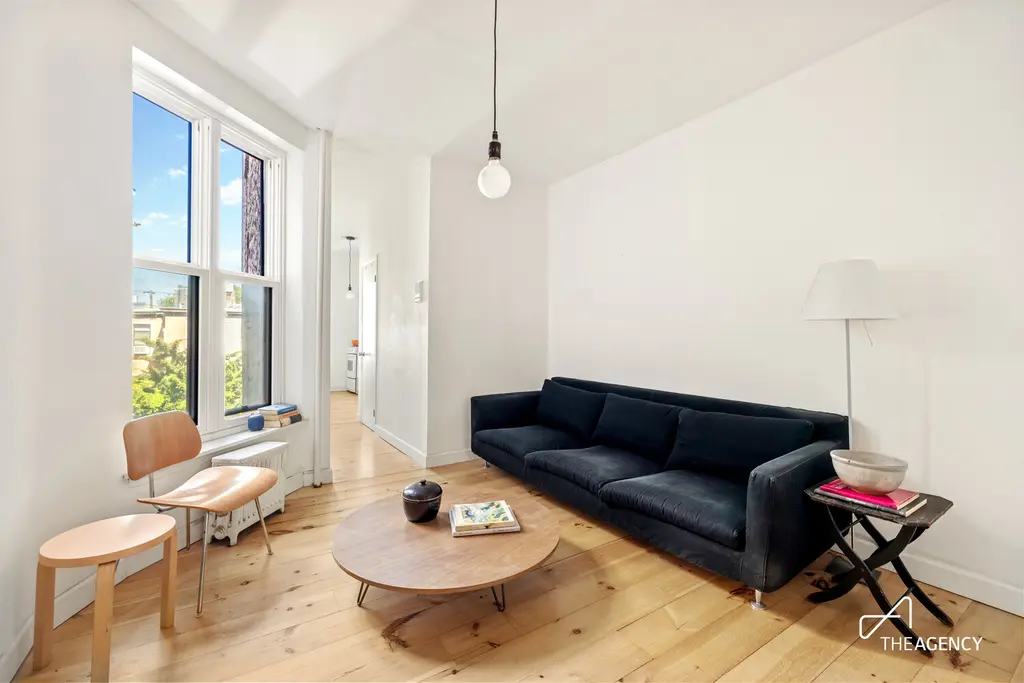
582 Morgan Avenue, #3A (The Agency Brokerage)
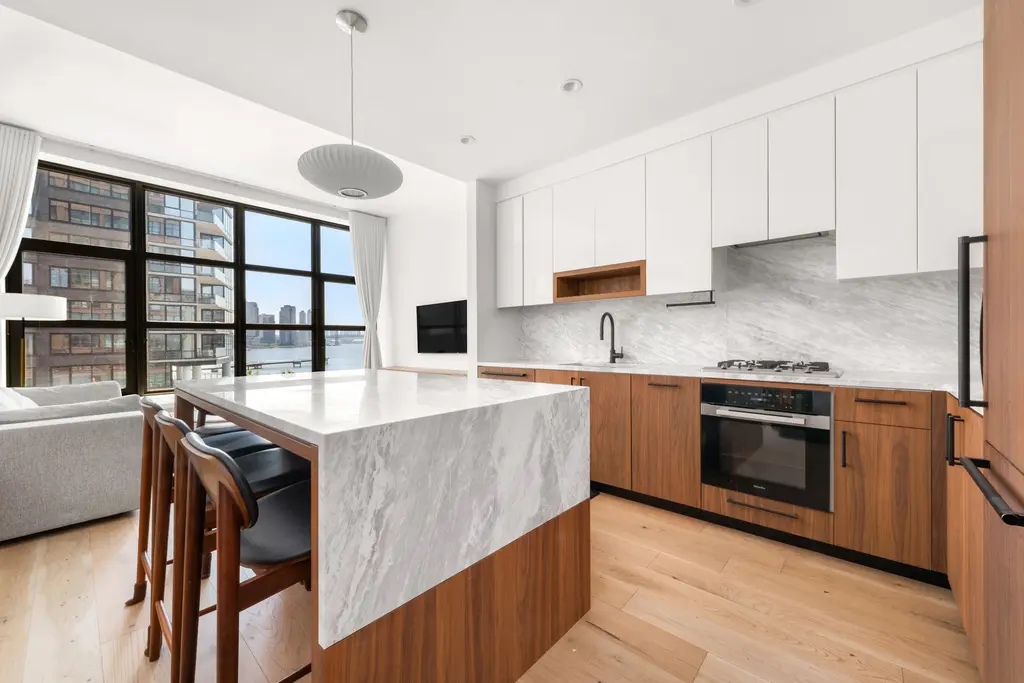
The Huron, #4DW (Douglas Elliman Real Estate)
Lincoln Center
1 Bed | 1 Bath
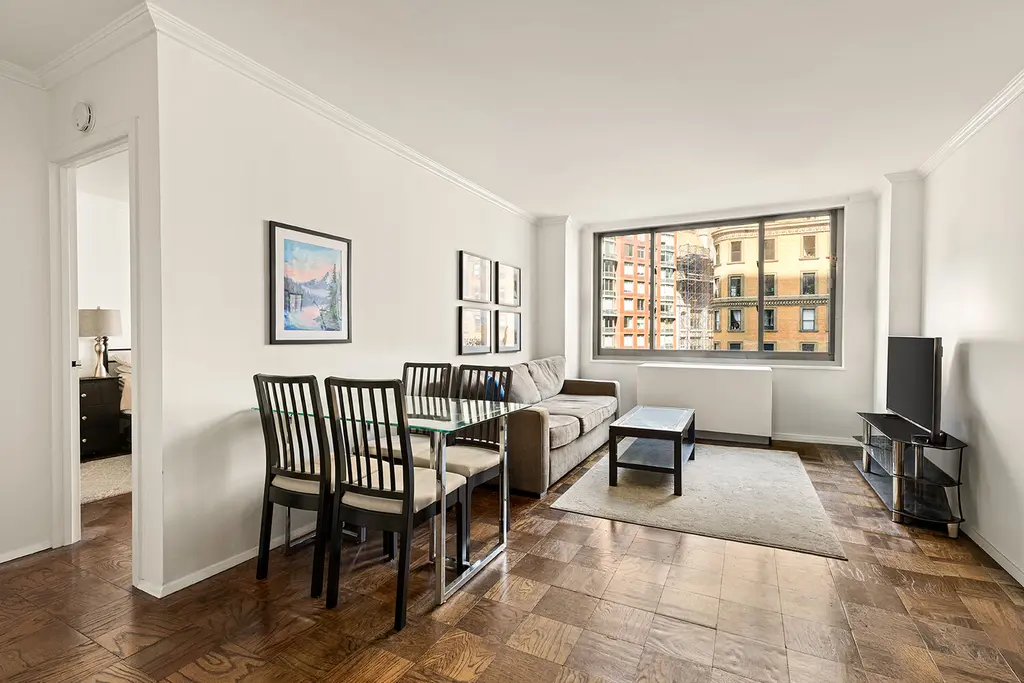
Nevada Towers, #8E (THE BRACHA GROUP)

The Alfred, #6B (Compass)
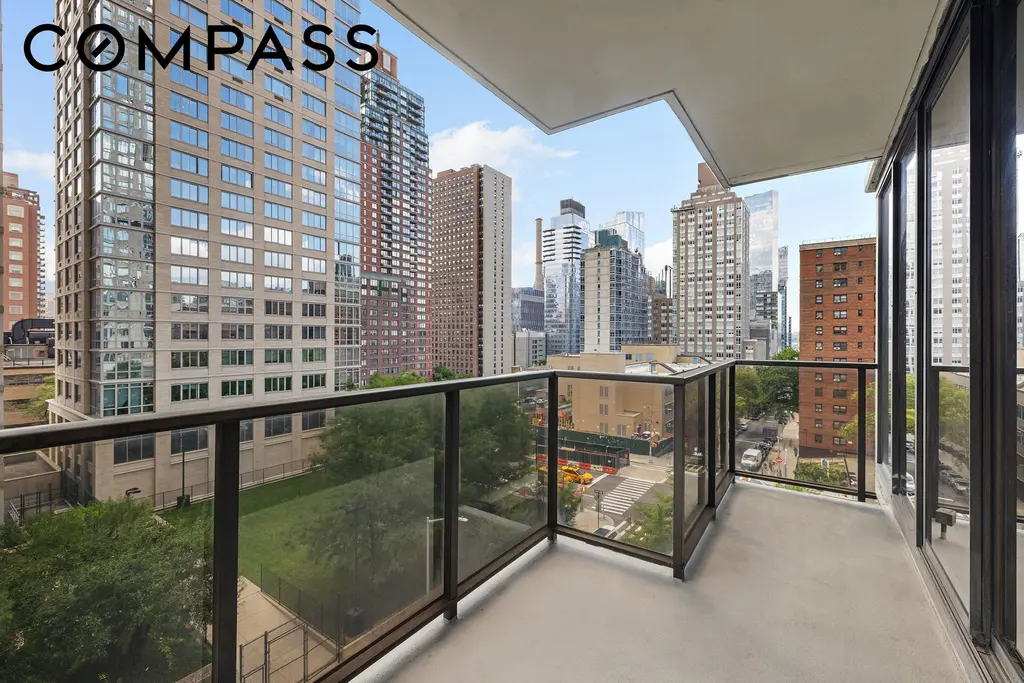
Turtle Bay
1 Bed | 1 Bath
The Hamilton, #2L
$650,000 (-10.3%)
Turtle Bay/United Nations | Cooperative | 1 Bedroom, 1 Bath | 800 ft2

The Hamilton, #2L (CHERYL RODRIGUES REAL ESTATE LLC)
Turtle Bay House, #16E
$850,000
Turtle Bay/United Nations | Condominium | 1 Bedroom, 1 Bath | 782 ft2

Turtle Bay House, #16E (Compass)
Gramercy Park
Studio | 1 Bath

330 Third Avenue, #10J (Brown Harris Stevens Residential Sales LLC)
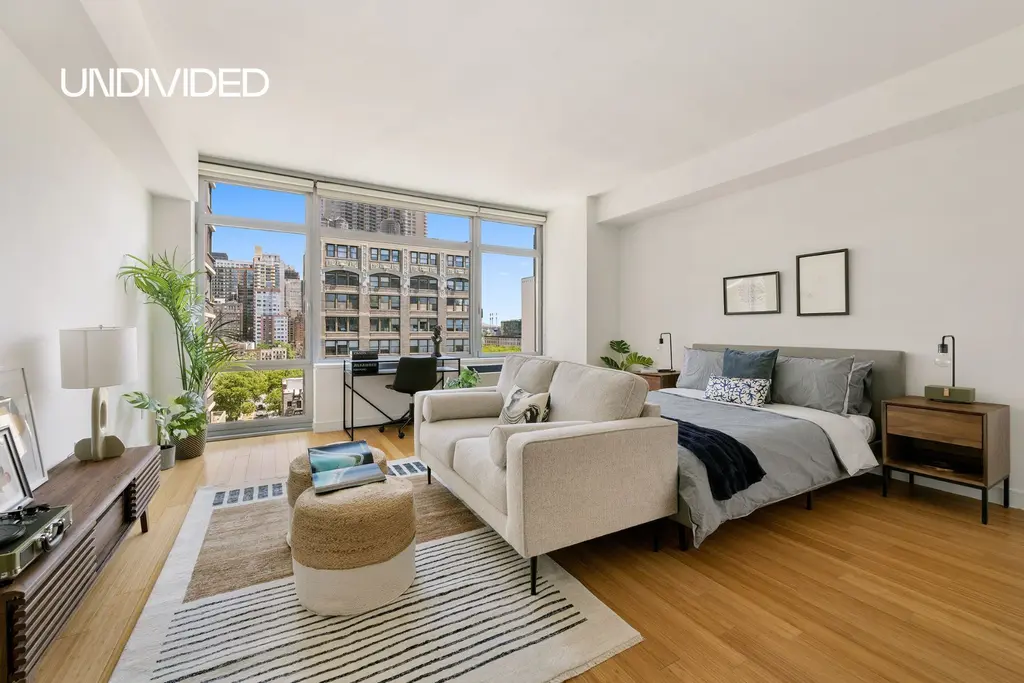
303 East 33rd Street, #11B (UNDIVIDED INC)
Midtown West
Studio | 1 Bath

310 West 56th Street, #10E (Hauseit LLC)
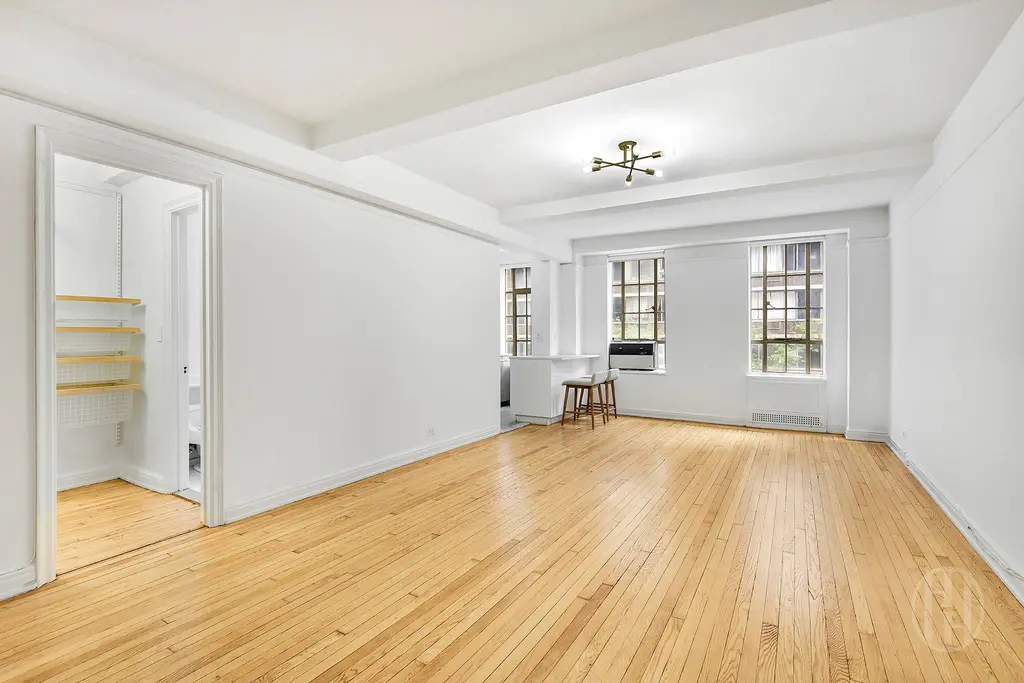
The Parc Vendome, #3H (Howard Hanna NYC)
Downtown Brooklyn
Studio | 1 Bath
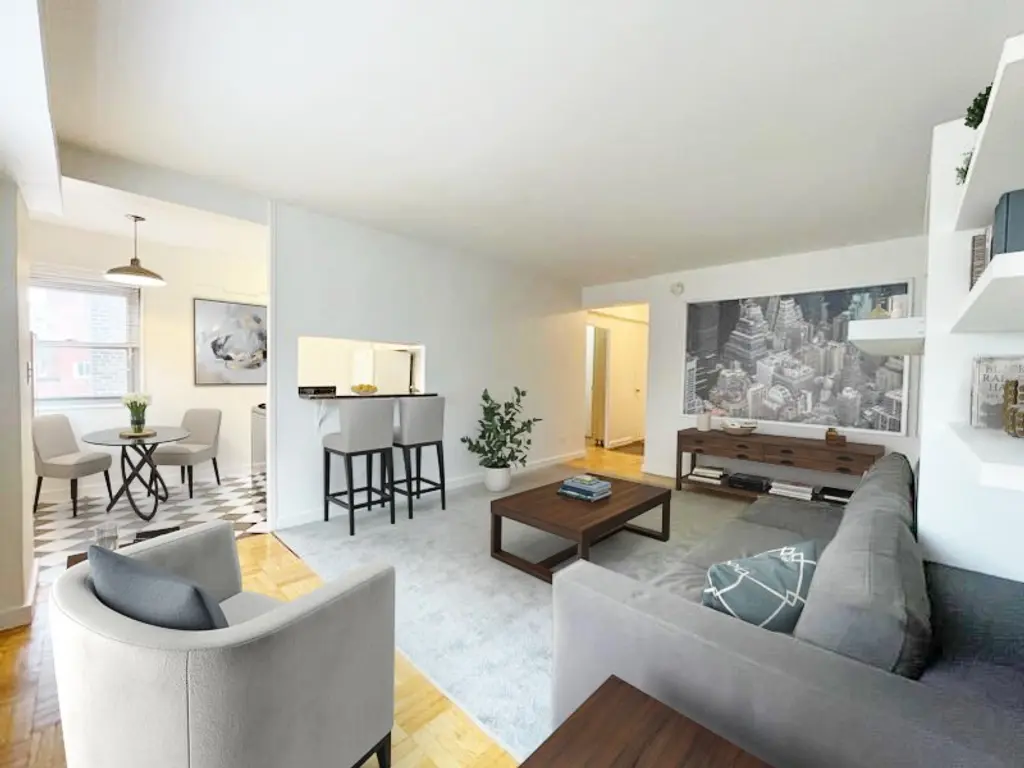
Concord Village, #6D (Corcoran Group)
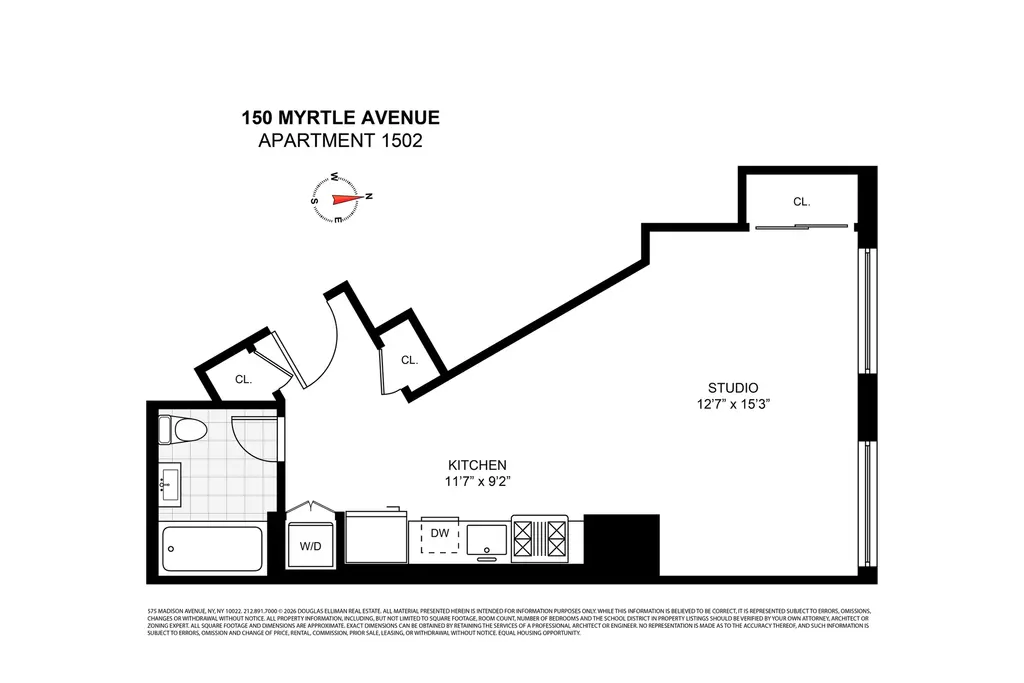
Toren, #1502 (Douglas Elliman Real Estate)

Related Articles

Future New York
20 West 15th Street launches sales: Nine sumptuous condos from $1.995M in Flatiron
Tuesday, October 6, 2026
Get To Know
Five ways to make buying in NYC affordable + NYC listings under $1 million
Monday, October 5, 2026
Get To Know
Who is responsible for pest control in NYC rentals, co-ops, and condos?
Monday, October 5, 2026
Future New York
Rare availabilities in NYC carriage houses as 122 West 3rd Street's conversion gets underway
Saturday, October 3, 2026
Iconic Addresses
Open House New York: Our Must-See Picks + NYC Listings to Tour This Weekend
Saturday, October 3, 2026
Get To Know
Gallery Gossip Girl: Think outside the box
Saturday, October 3, 2026
Future New York
The 25 new Manhattan condos hitting the market in Fall 2026
Thursday, October 1, 2026
Carnegie Hill
Five new and newly renovated Upper East Side rentals raising the bar on apartment living
Thursday, October 1, 2026
Contributing Writer
Cait Etherington
Cait Etherington has over twenty years of experience working as a journalist and communications consultant. Her articles and reviews have been published in newspapers and magazines across the United States and internationally. An experienced financial writer, Cait is committed to exposing the human side of stories about contemporary business, banking and workplace relations. She also enjoys writing about trends, lifestyles and real estate in New York City where she lives with her family in a cozy apartment on the twentieth floor of a Manhattan high rise.

 6sqft delivers the latest on real estate, architecture, and design, straight from New York City.
