
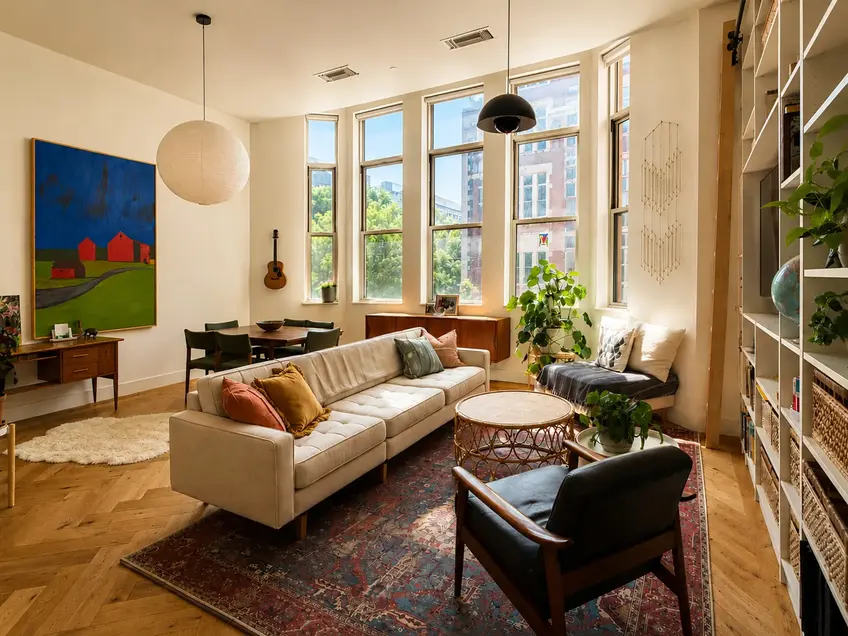
While New York City continues to focus on growing its economy, housing stock, and transit system, over the past two decades the city has also been focused on growing something leafier: its tree canopy. Earlier this week, the city announced its first Urban Forest Plan, which sets a goal of reaching 30 percent tree canopy by 2040. This would be up from 23.4 percent in 2021, when the city’s canopy covered roughly 45,000 acres, or about the size of Brooklyn. The plan treats trees not only as scenery, but as “essential living infrastructure,” a phrase that sounds bureaucratic until you are standing on a treeless block in August wondering whether God is trying to cook you.
In this article:

The ambition is big, and the money to pay for it has not yet been committed. The plan estimates that reaching 30 percent canopy by 2040 will require adding about 700 acres of canopy per year for the next 14 years, faster than the city’s current trajectory, which would not reach that mark until around 2055. A 2022 estimate from the New York League of Conservation Voters put the cost of planting one million trees and reaching the canopy goal at about $500 million.
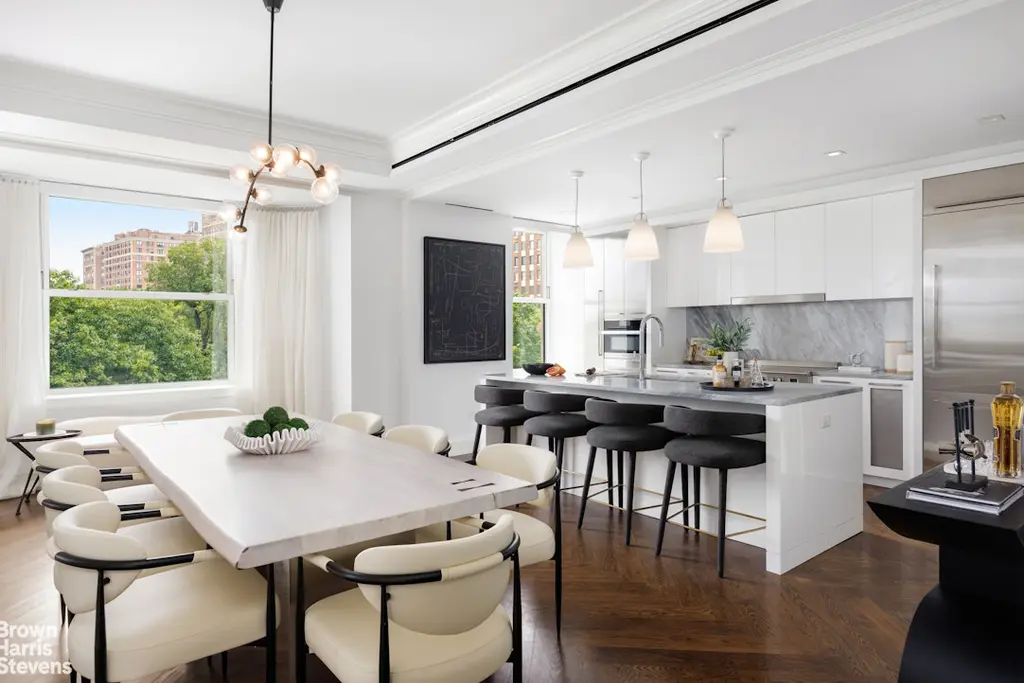
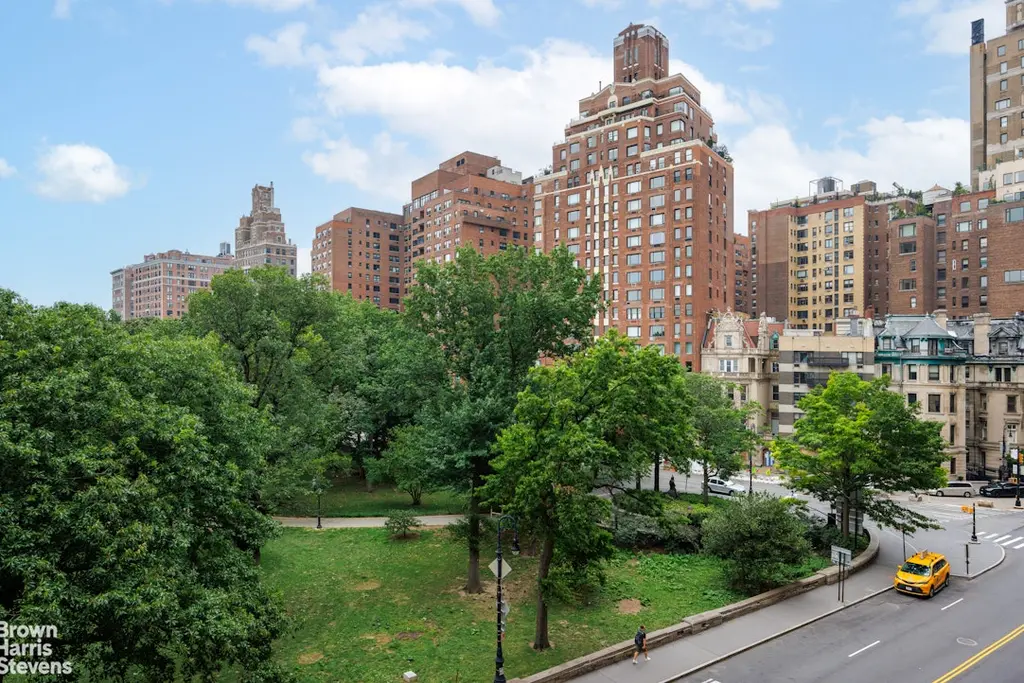
For most residents, the appeal of trees is undeniable. Inside, a treetop view can change the mood of a room, softening the city’s hard edges with leaves, branches, birds, shade, and seasonal drama. Looking out at greenery can offer a small connection to nature even from the sixth floor. The Urban Forest Plan notes that trees are linked to improved mental health, lower stress, better air quality, cooler neighborhoods, wildlife habitat, and reduced energy use. Deciduous trees are especially useful, providing shade in summer and allowing more sunlight into apartments in winter after their leaves drop.
Of course, in typical New York fashion, not everyone will be on board. In a dense city, trees and their roots have to negotiate with sidewalks, pipes, curbs, basements, utilities, cellar doors, and scaffolding. The plan specifically flags conflicts with underground infrastructure as a challenge to planting more trees, and also emphasizes that young trees need sufficient care in their most vulnerable years. Regular maintenance, including pruning branches, repairing sidewalk damage, clearing leaves and debris, and managing storm risk, helps make sure a tree planted today actually lives long enough to become tomorrow’s shade.
The city also has a nifty tree map that bills itself as “the most comprehensive and up-to-date living tree map in the world.” With the map, users can find information about all trees individually managed by NYC Parks, from those lining streets to those growing in landscaped areas of parks. The most common park and street tree is the London plane tree, with about 97,900 trees across the five boroughs. It is followed by the thornless honeylocust, with 71,700; pin oak, with 66,800; Callery pear, with 53,100, though that species is no longer planted or permitted by NYC Parks.
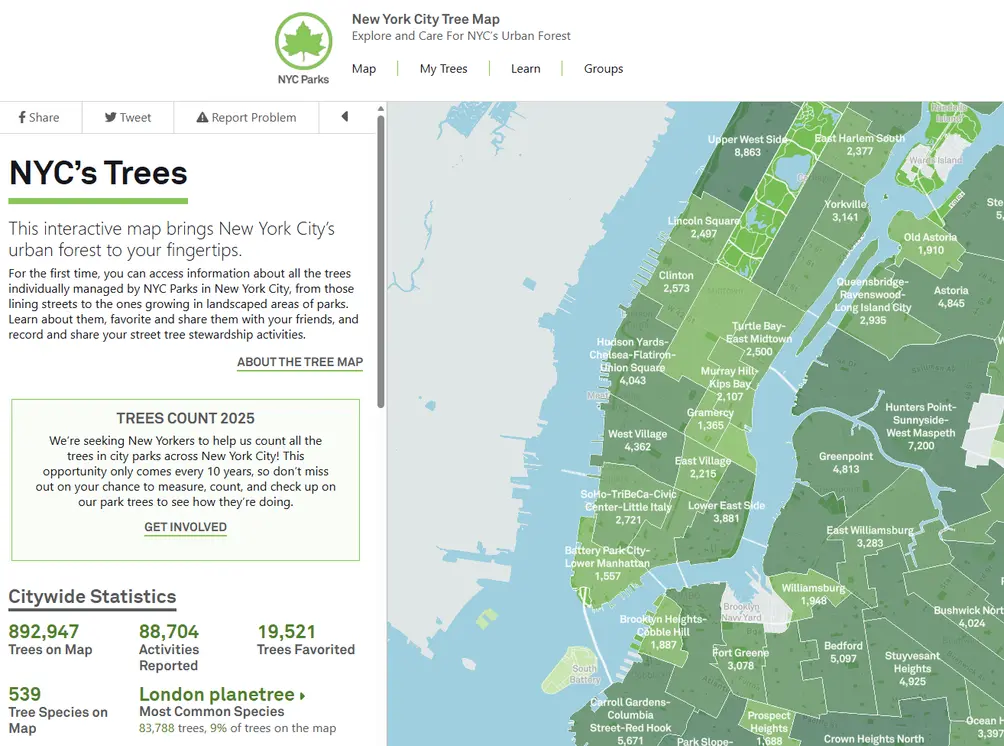 Capture of NYC's Tree Map | https://tree-map.nycgovparks.org/
Altogether, these trees are doing a lot of unpaid work. The plan says New York City’s urban forest removes nearly 1,100 tons of pollution from the air each year, sequesters an estimated 51,000 tons of carbon annually, reduces stormwater runoff, and provides hundreds of millions of dollars in annual benefits.
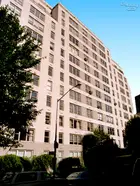
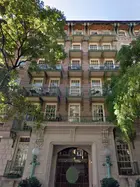
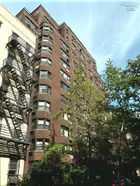
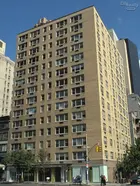
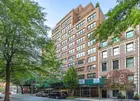
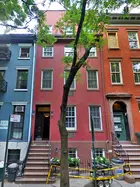
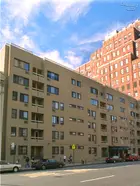
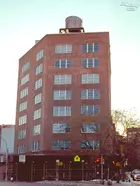
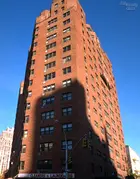
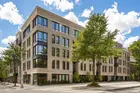
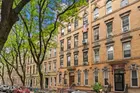
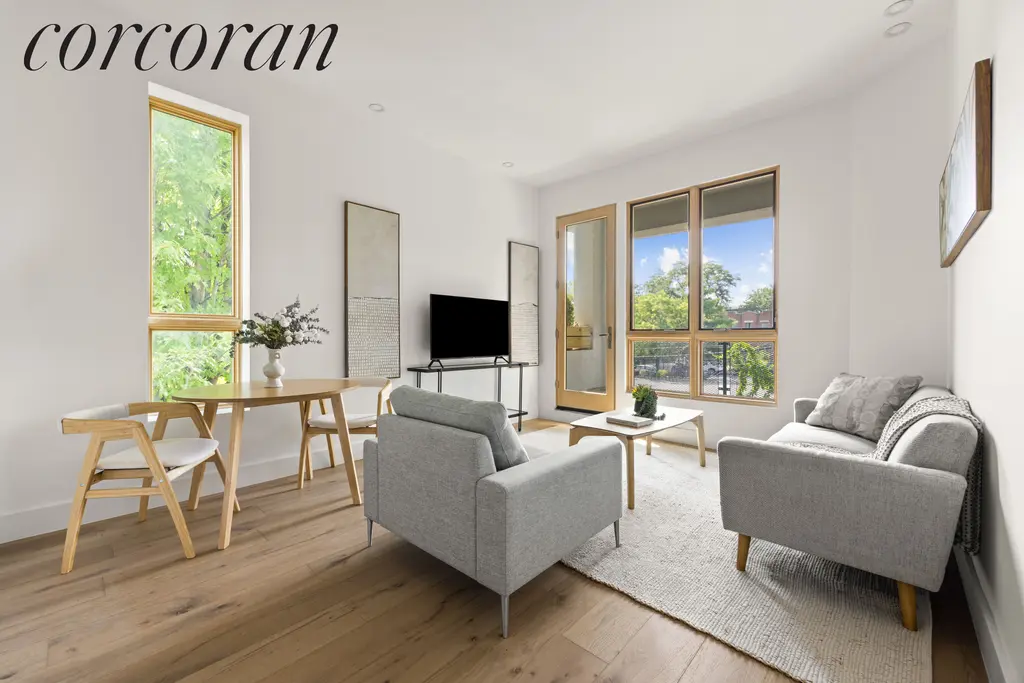
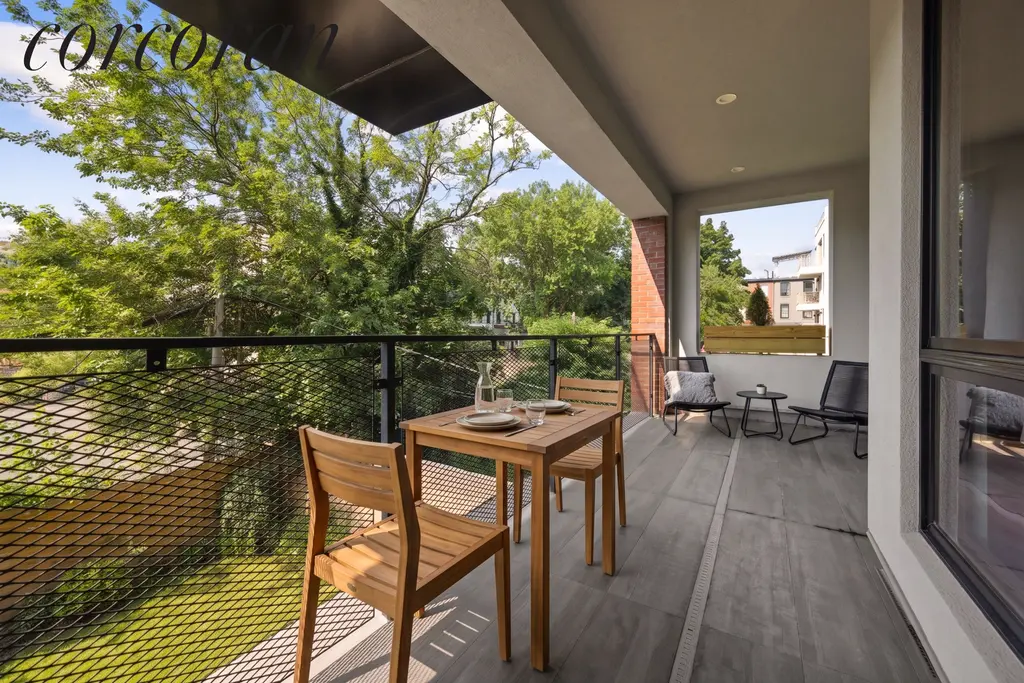
Until every block gets the shade it deserves, some New Yorkers already have a front-row seat to the urban forest from their apartments. In the listings below, treetop views bring a little of the city’s green infrastructure indoors. For those desiring to live on a lower floor and not in the skyline, the actively listed apartments below offer something nicer to look at than a busy street or the brick wall across an air shaft.
Select listings with leafy views
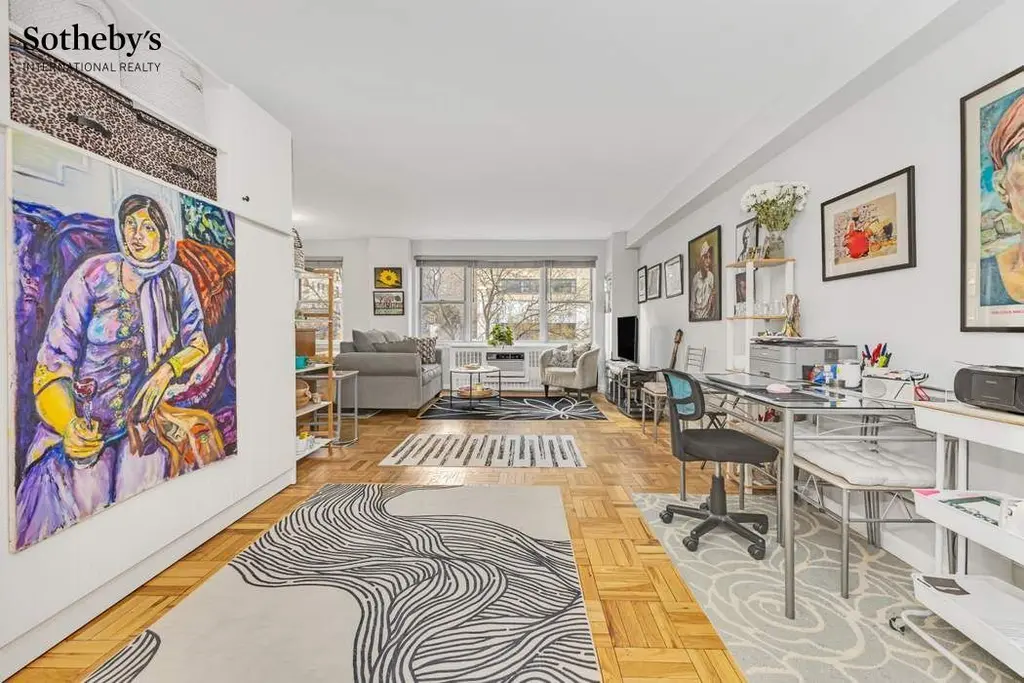
The Wingate, #3F (Sothebys International Realty)
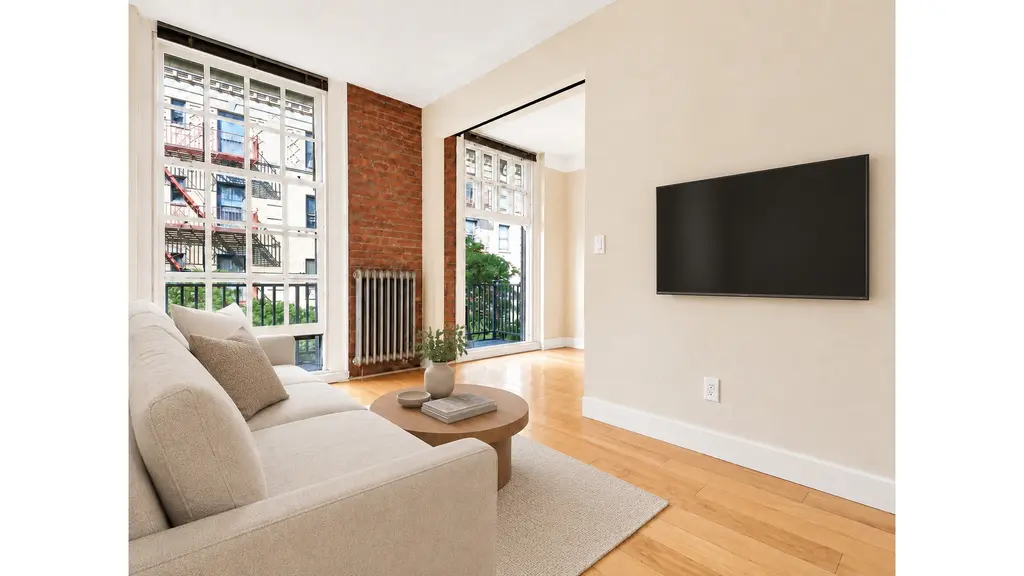
The Cherokee, #4D (Douglas Elliman Real Estate)
Would you like to tour any of these properties?
Just complete the info below.
Or call us at (212) 755-5544
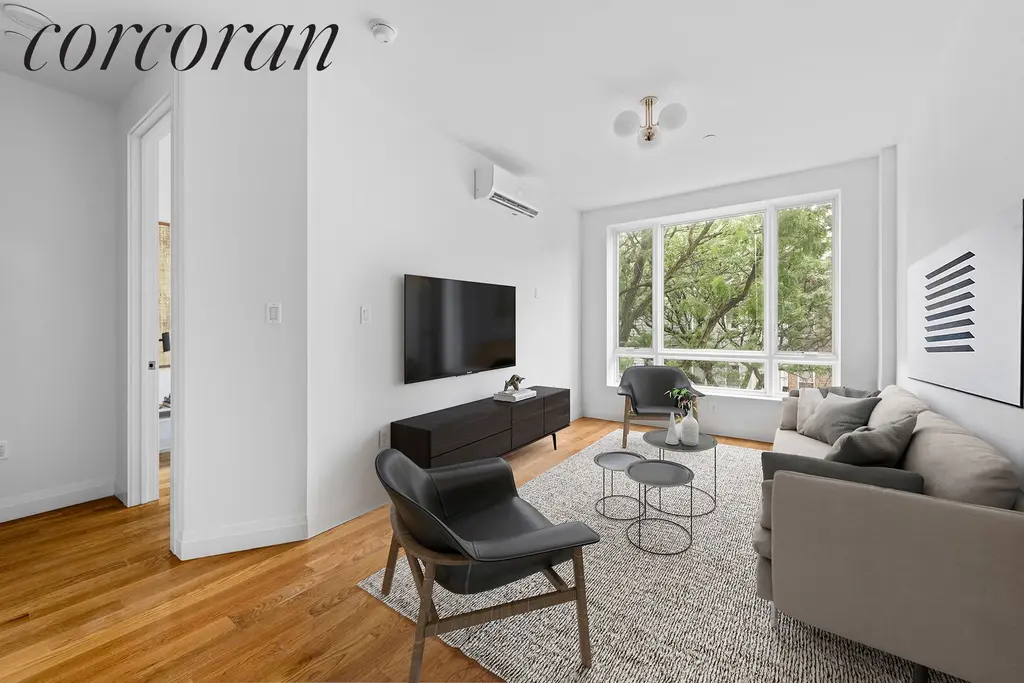
26 Goodwin Place, #4F (Corcoran Group)
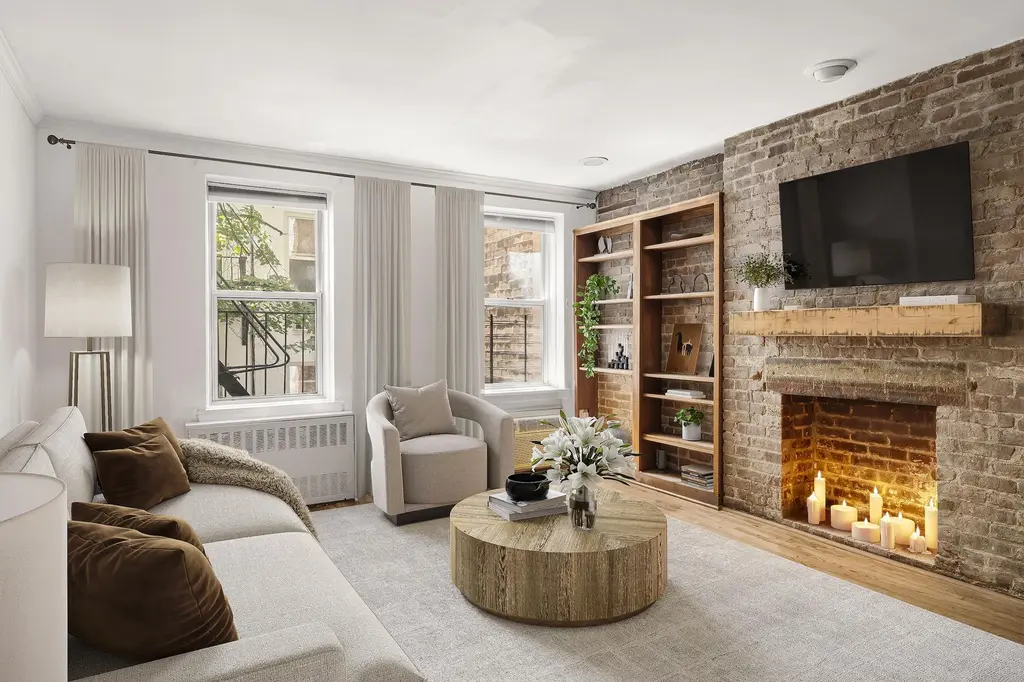
323 East 21st Street, #M4 (The Heller Organization Inc)
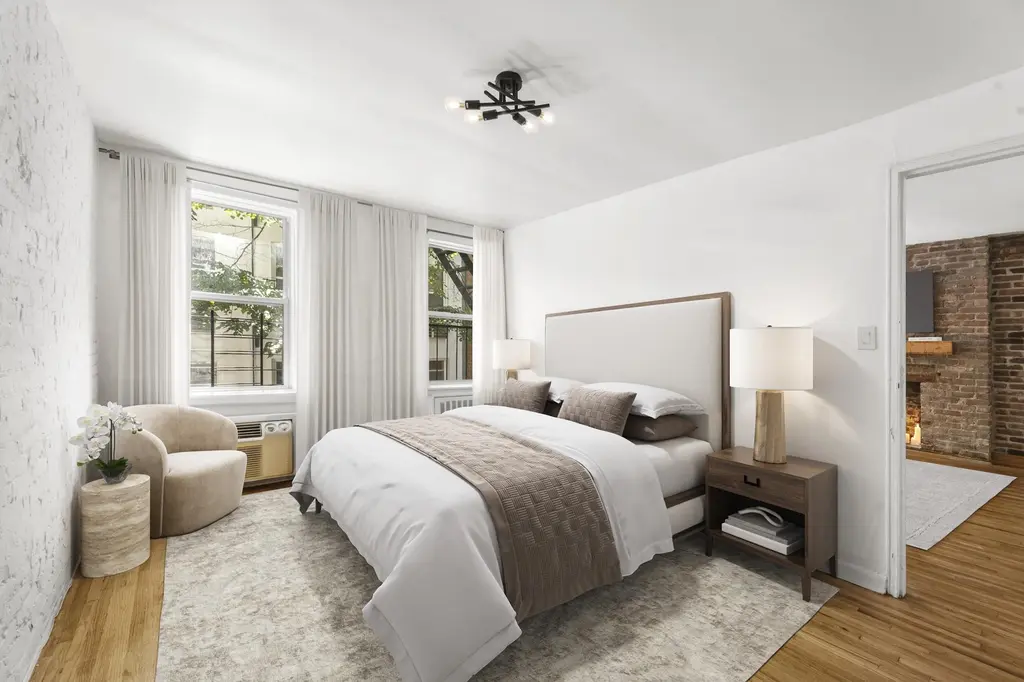
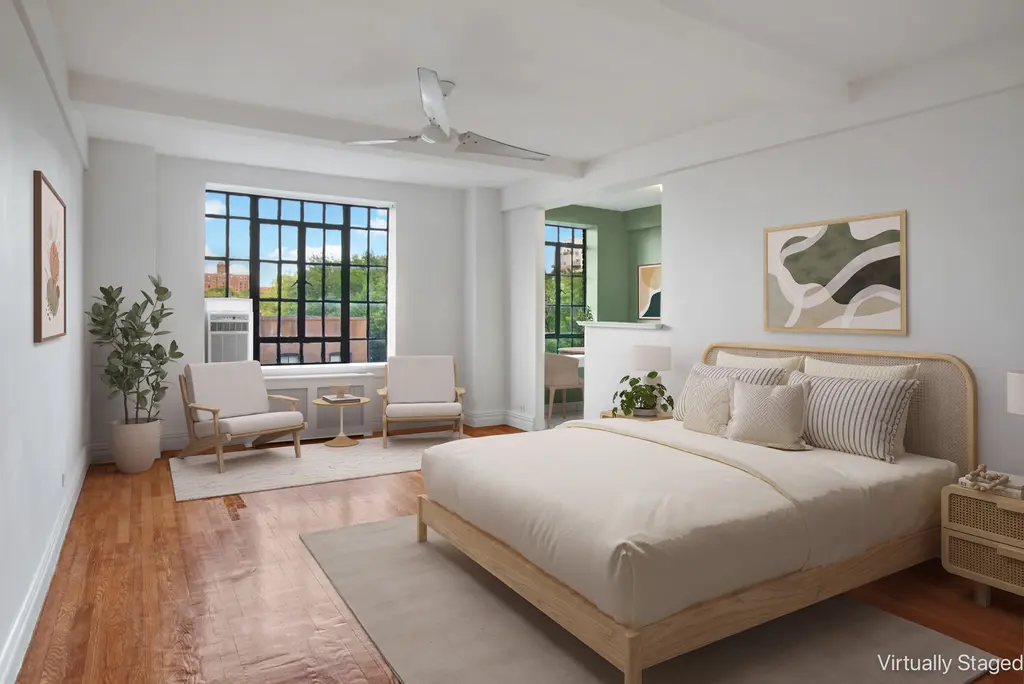
The Griffin, #7E (Corcoran Group)
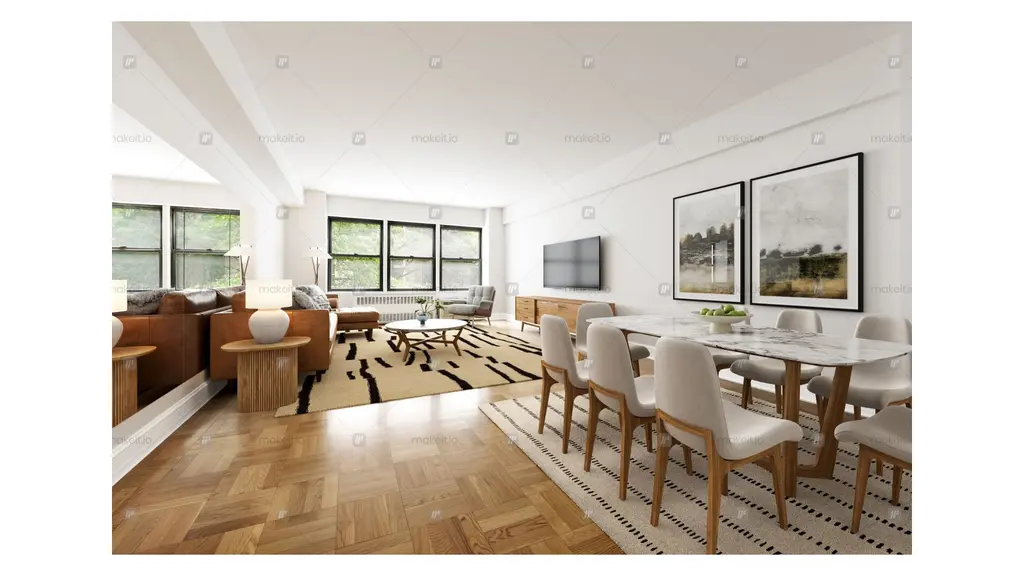
Stimson House, #3D (Douglas Elliman Real Estate)

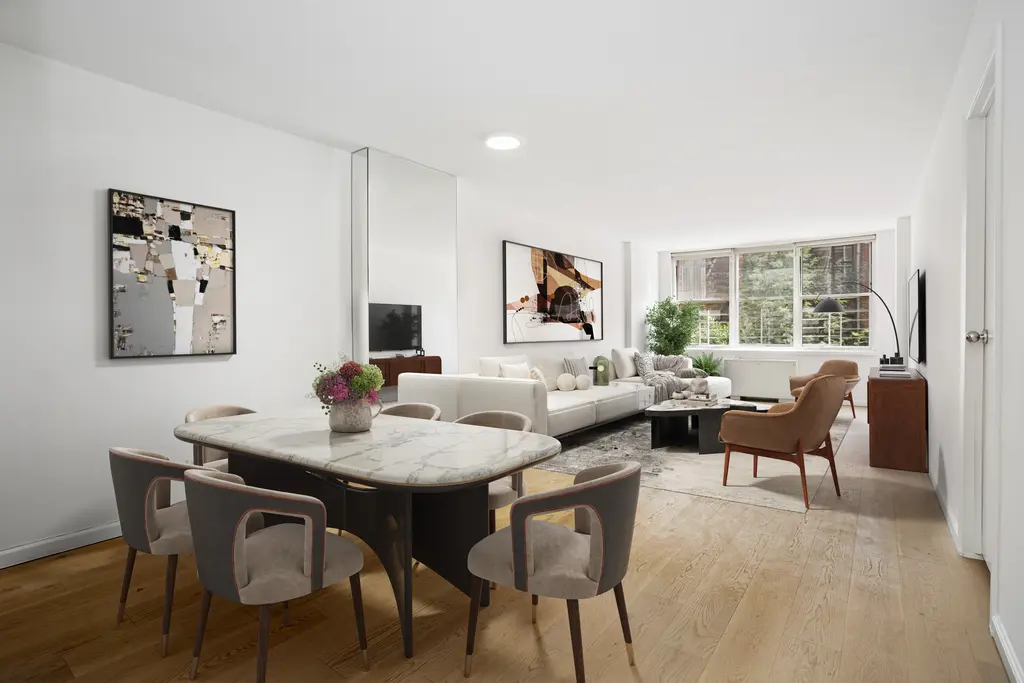
The Mayfair, #2C (Douglas Elliman Real Estate)
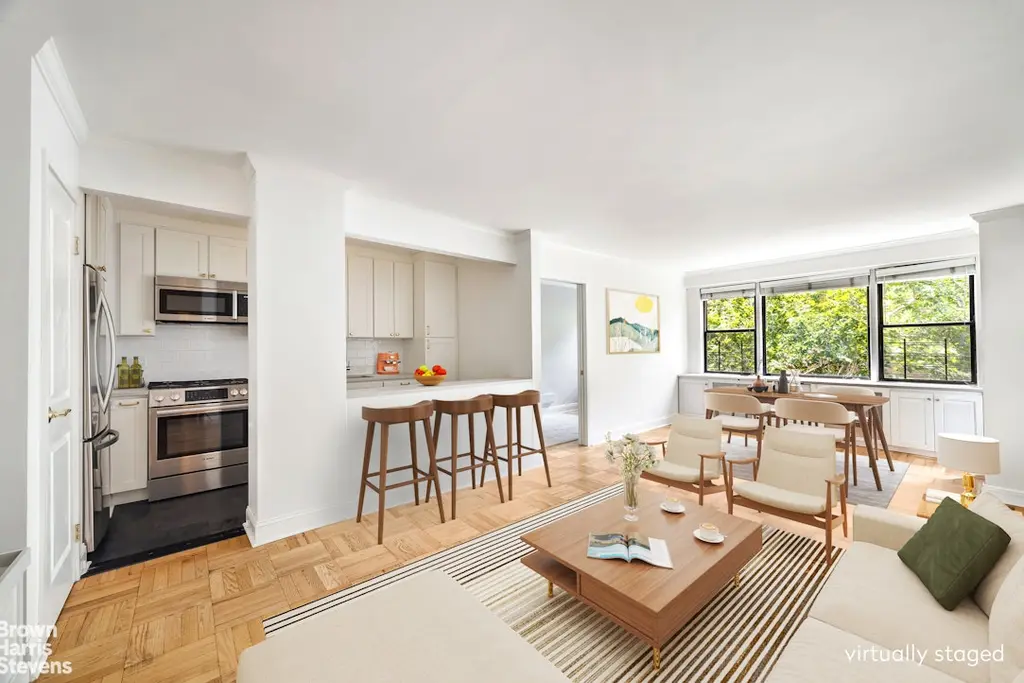
345 East 52nd Street, #5G (Brown Harris Stevens Residential Sales LLC)
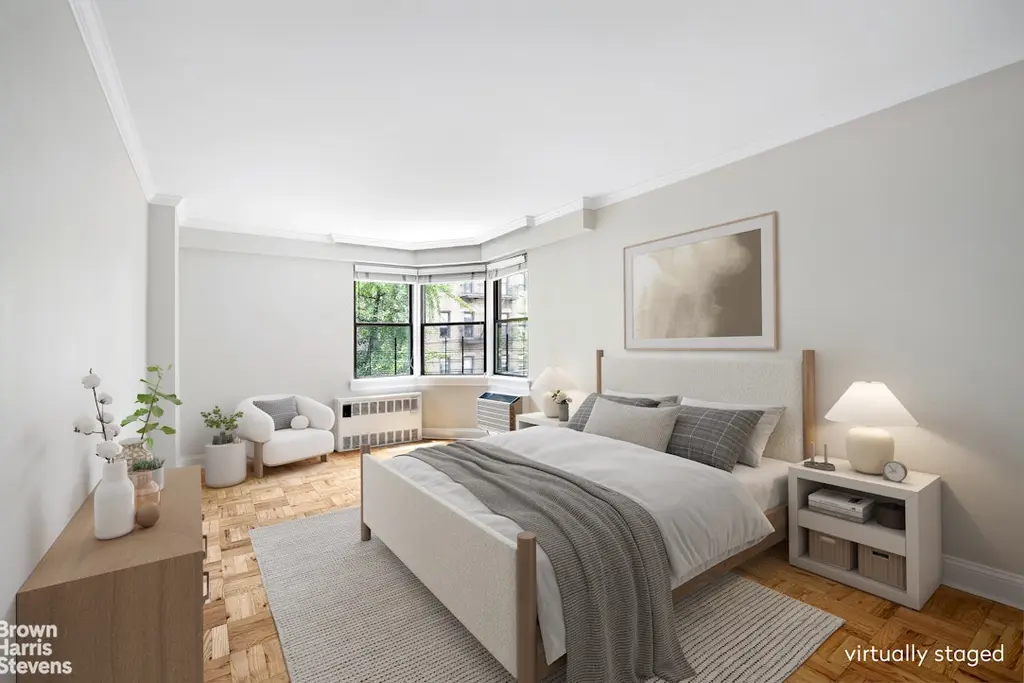
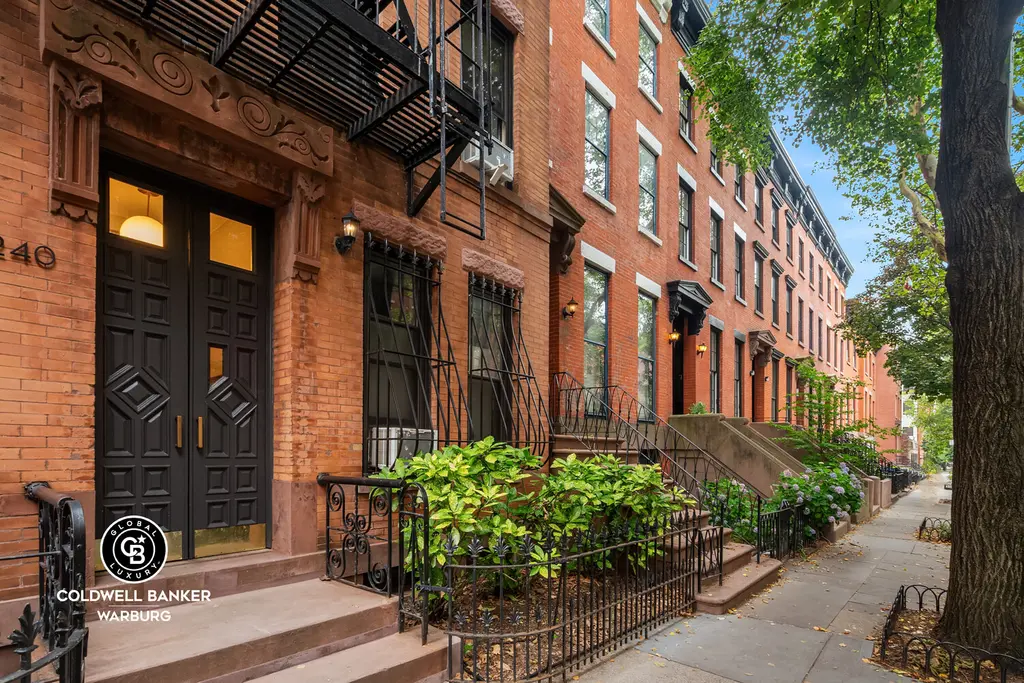
240 Baltic Street, #7 (Coldwell Banker Warburg)
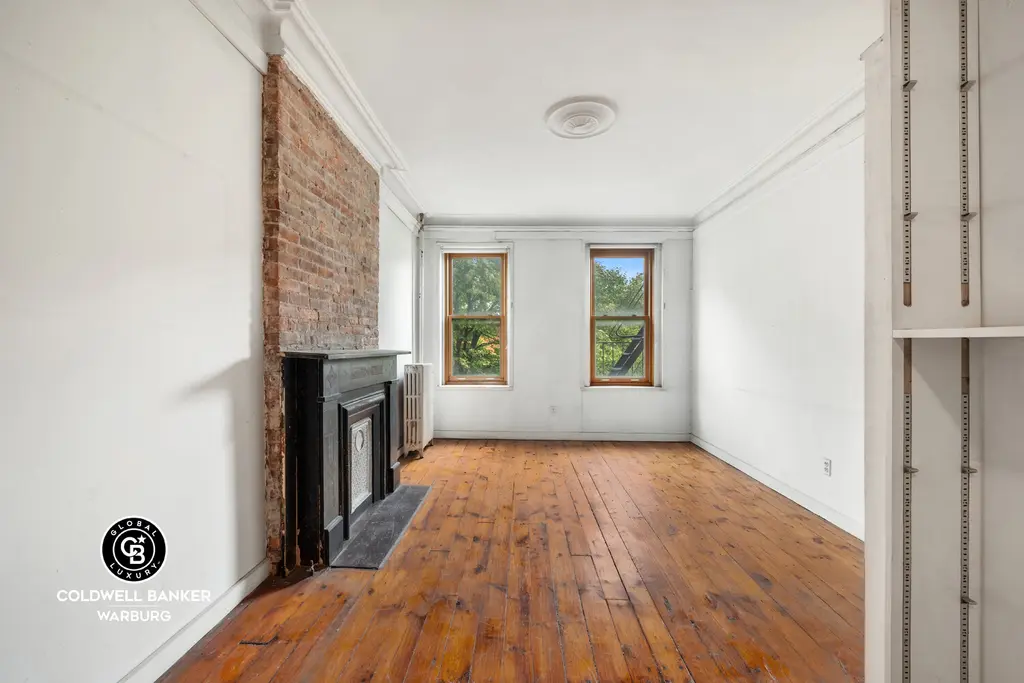
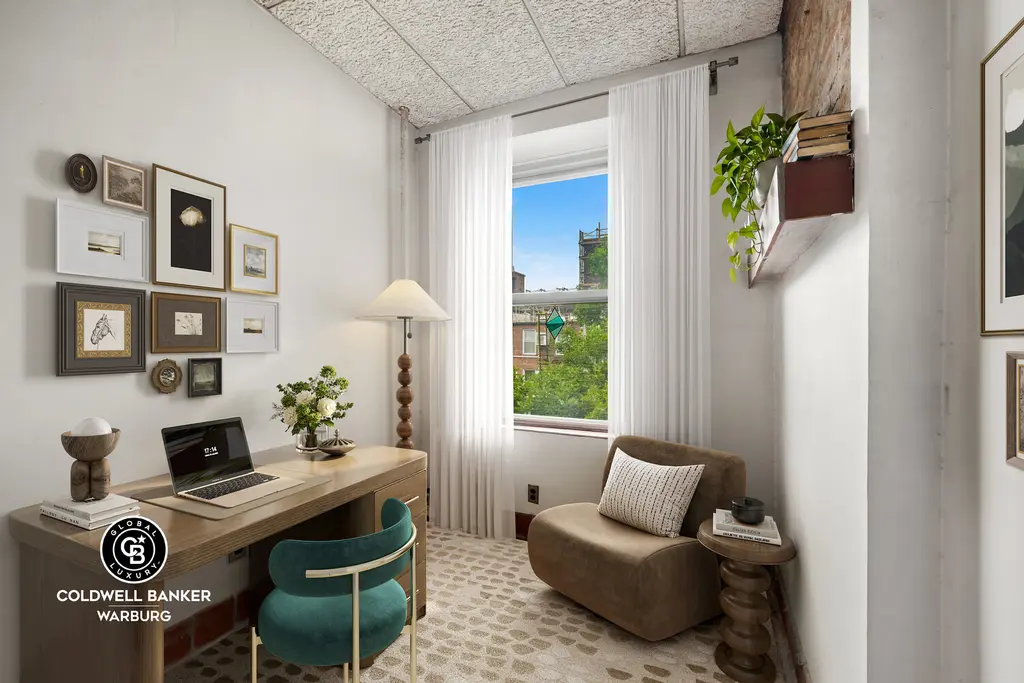
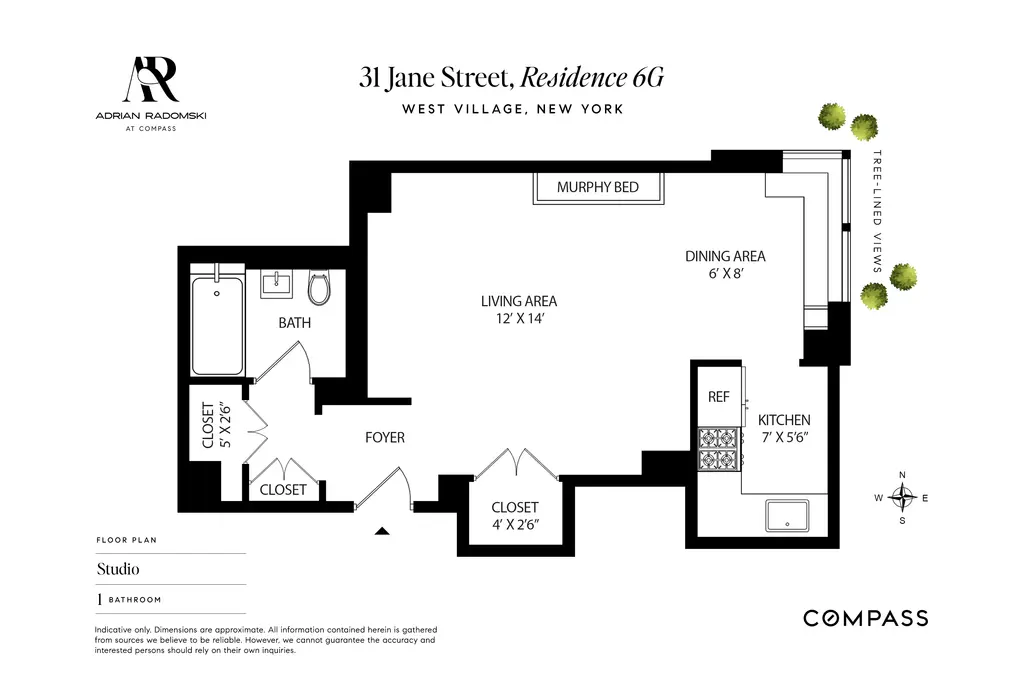
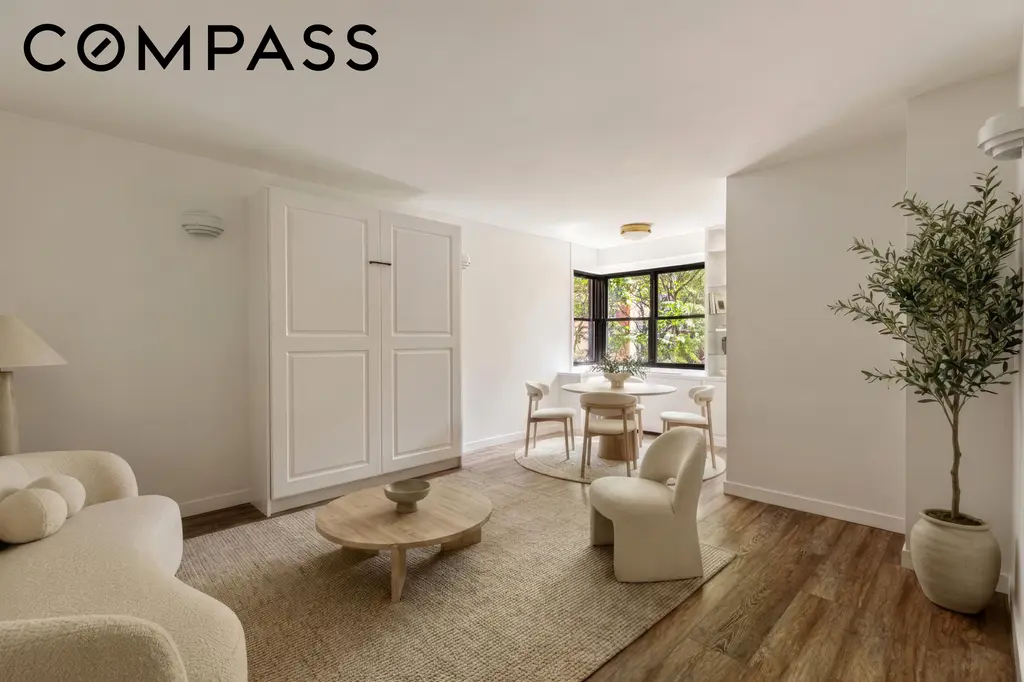
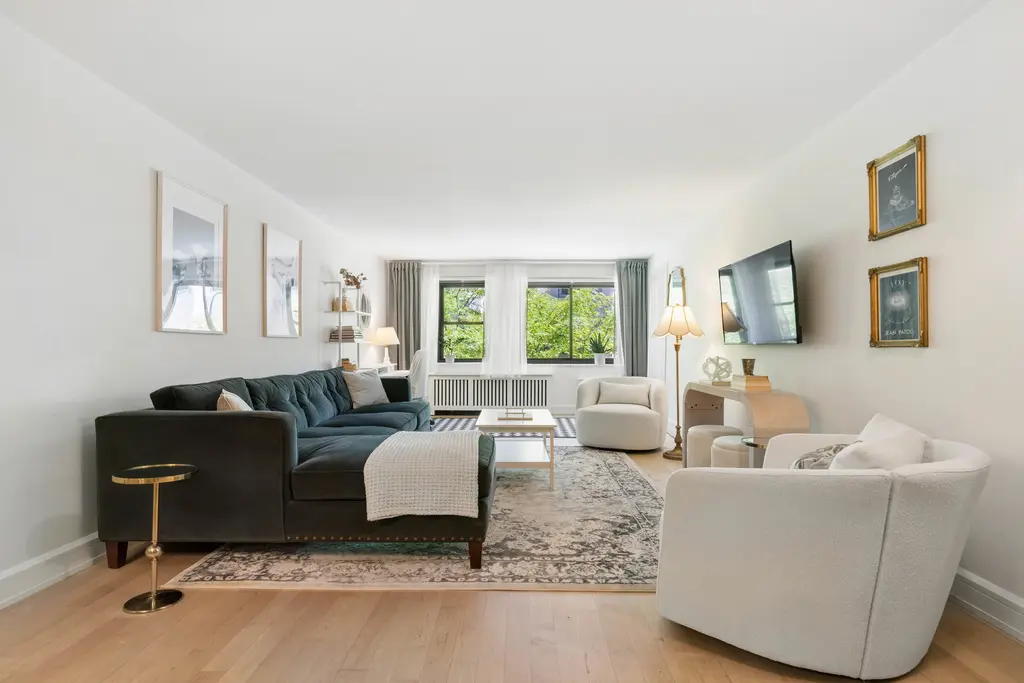
The Thomas Eddy, #3F (Douglas Elliman Real Estate)
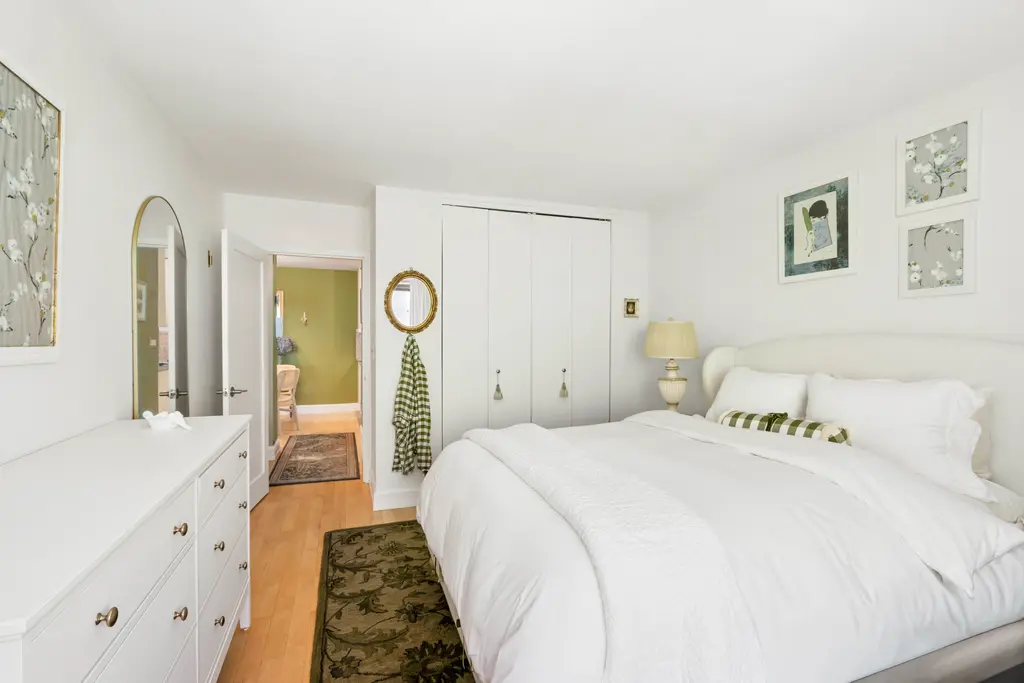
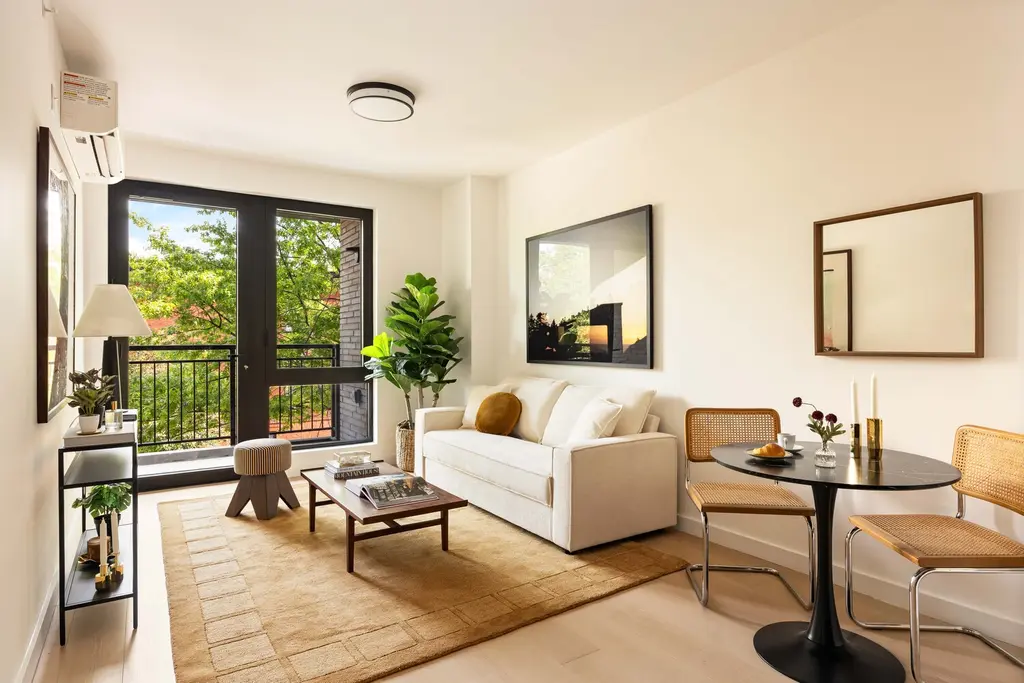
194 Bainbridge Street, #310 (Corcoran Group)
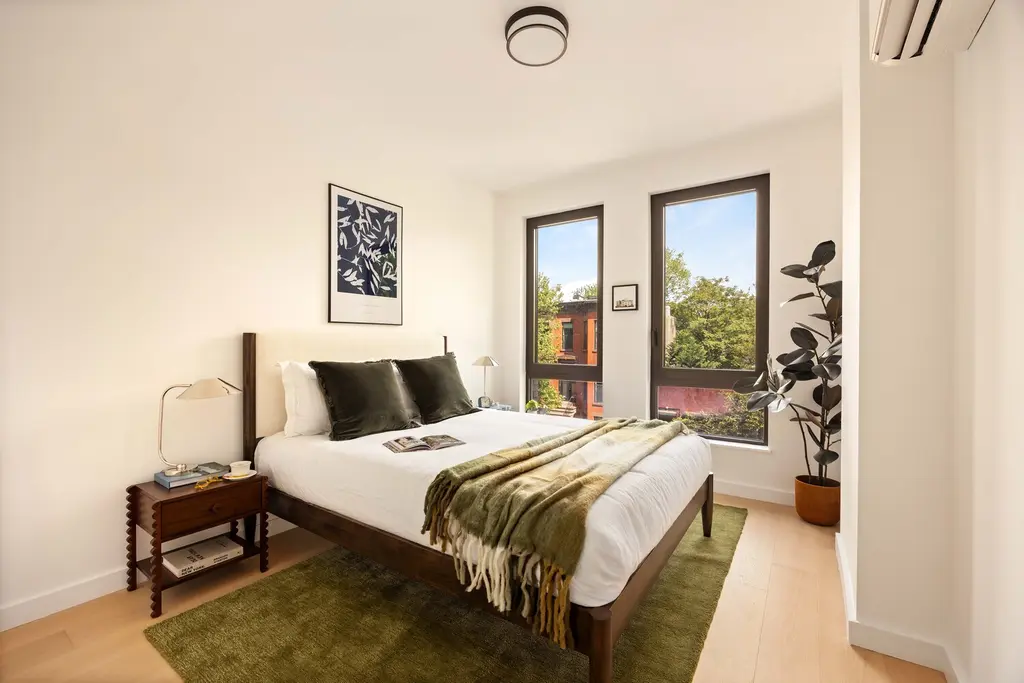

Gramercy 19, #3A (Compass)
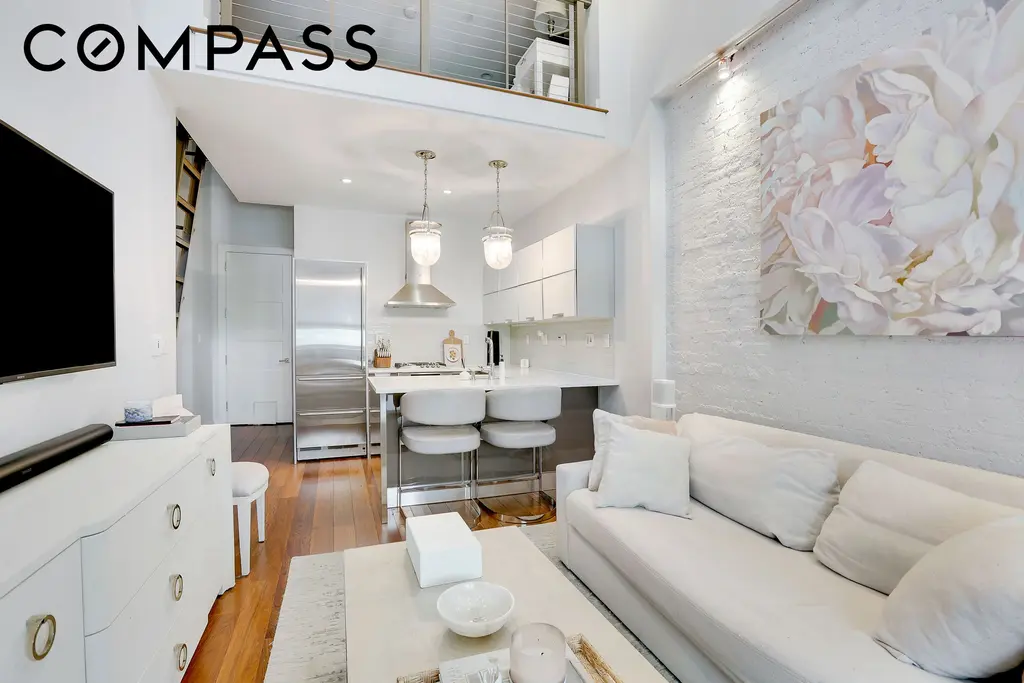
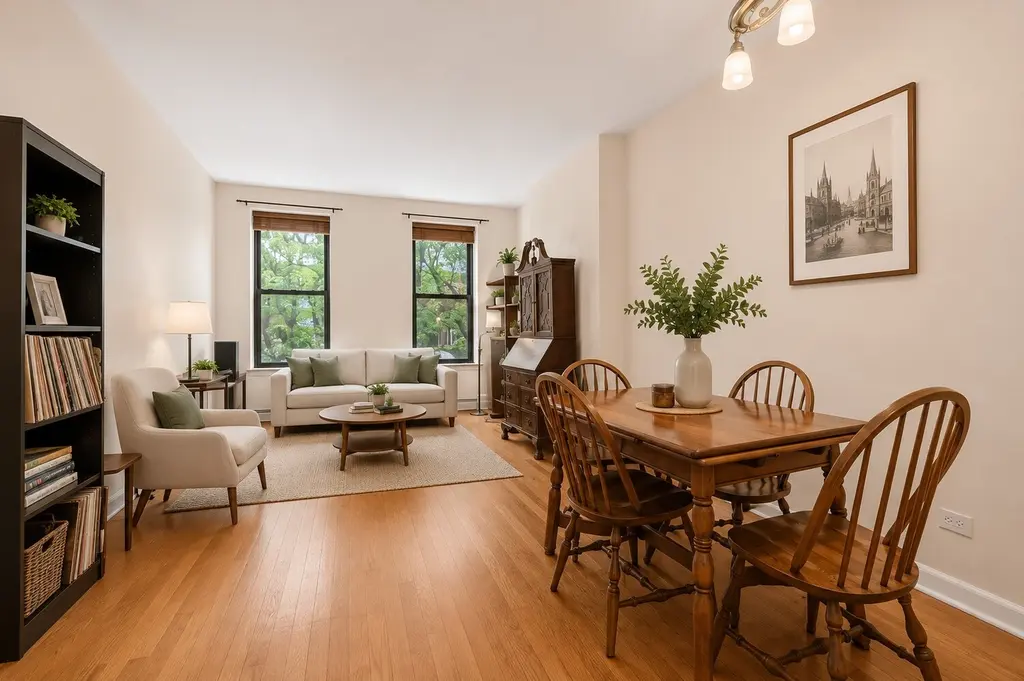
137 Guernsey Street, #3L (Revived Residential)
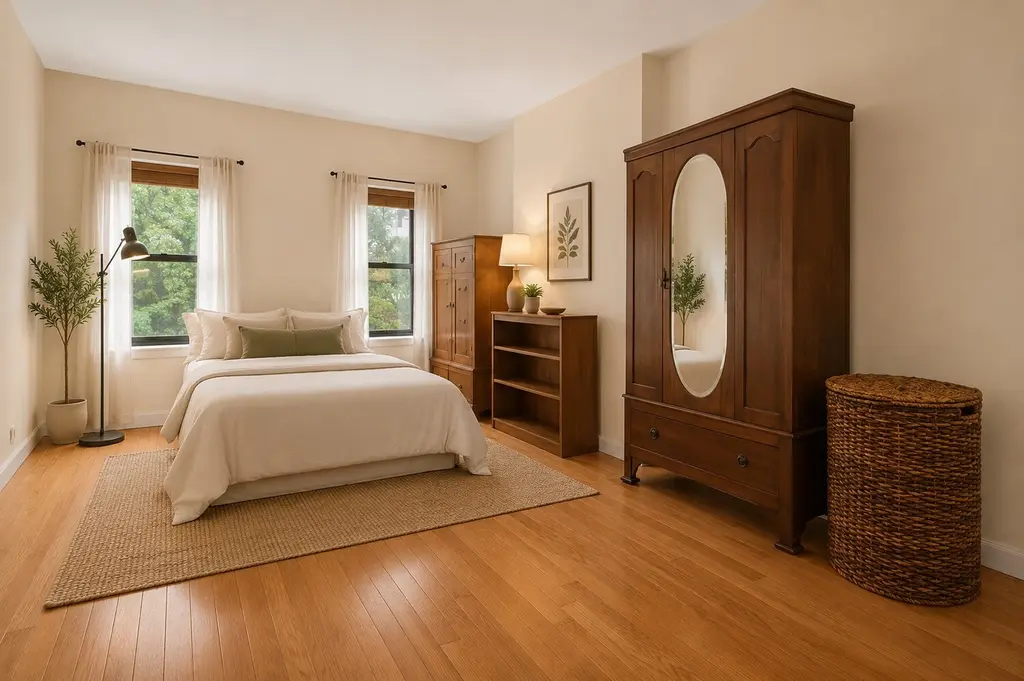
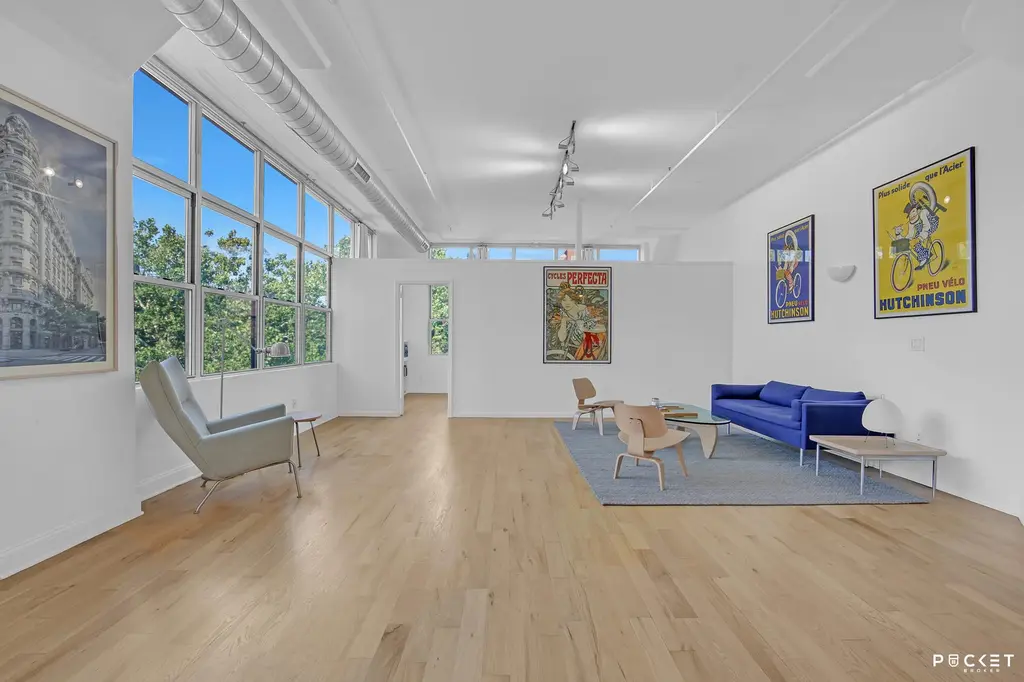
The Toy Factory Lofts, #4A (PocketBroker Inc)
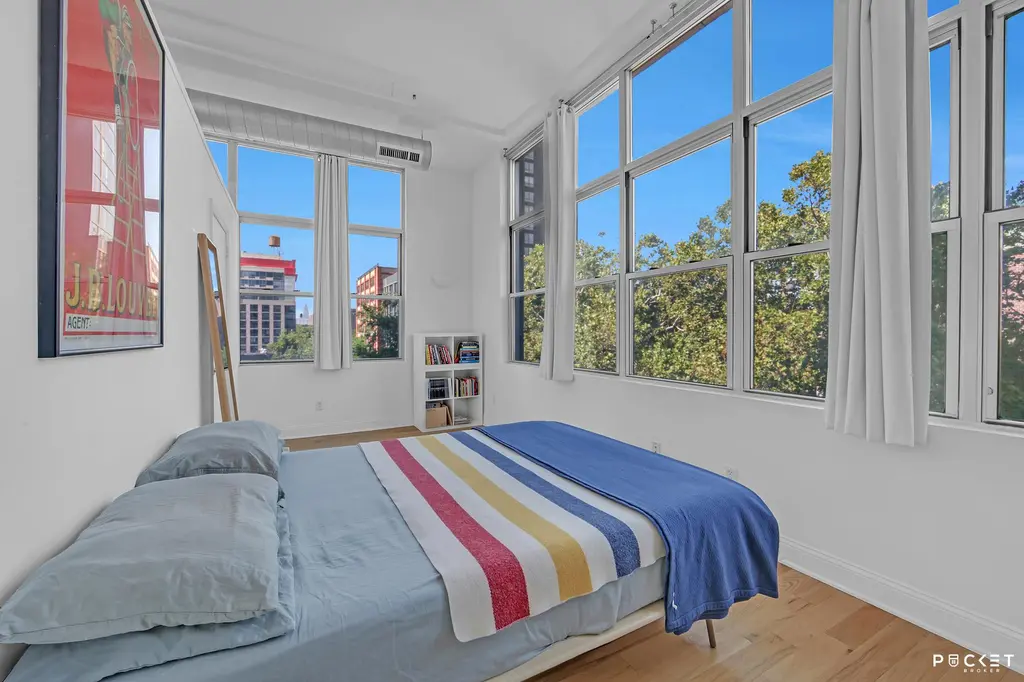
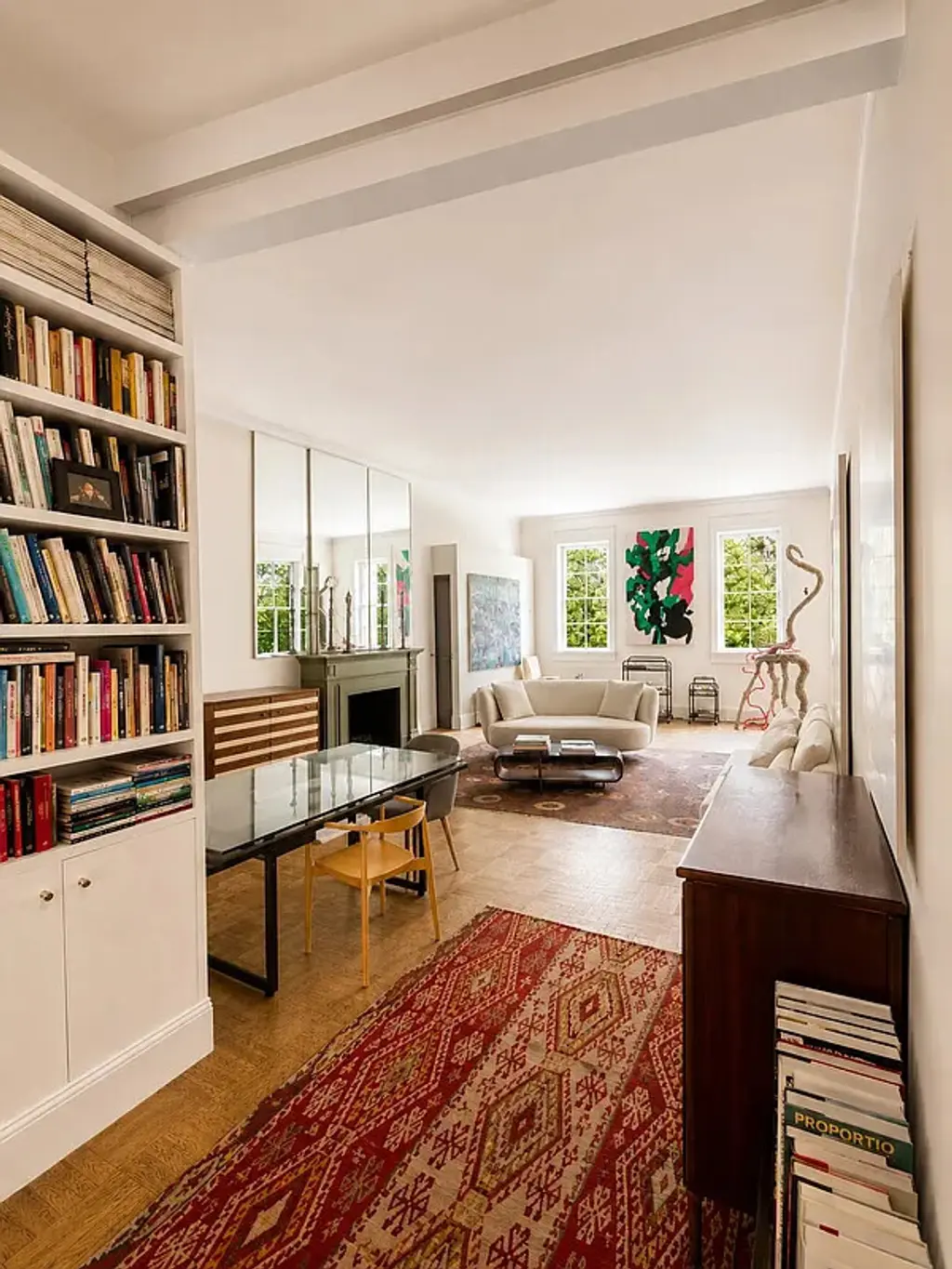
25 East 69th Street, #5T (City Sphere)
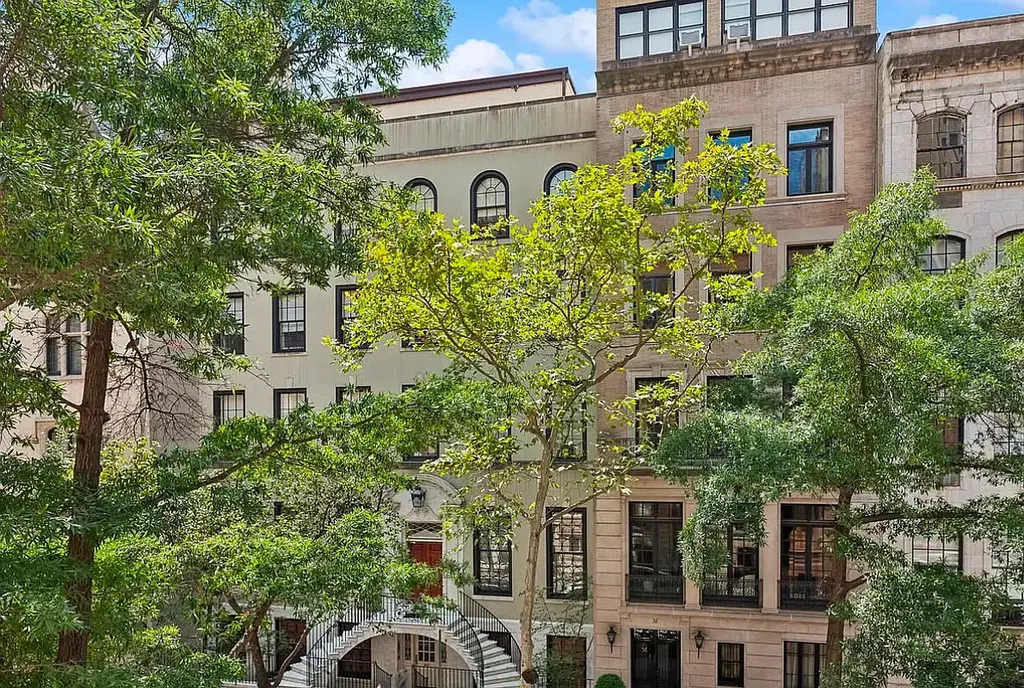

Saint Germain, #2M (Compass)

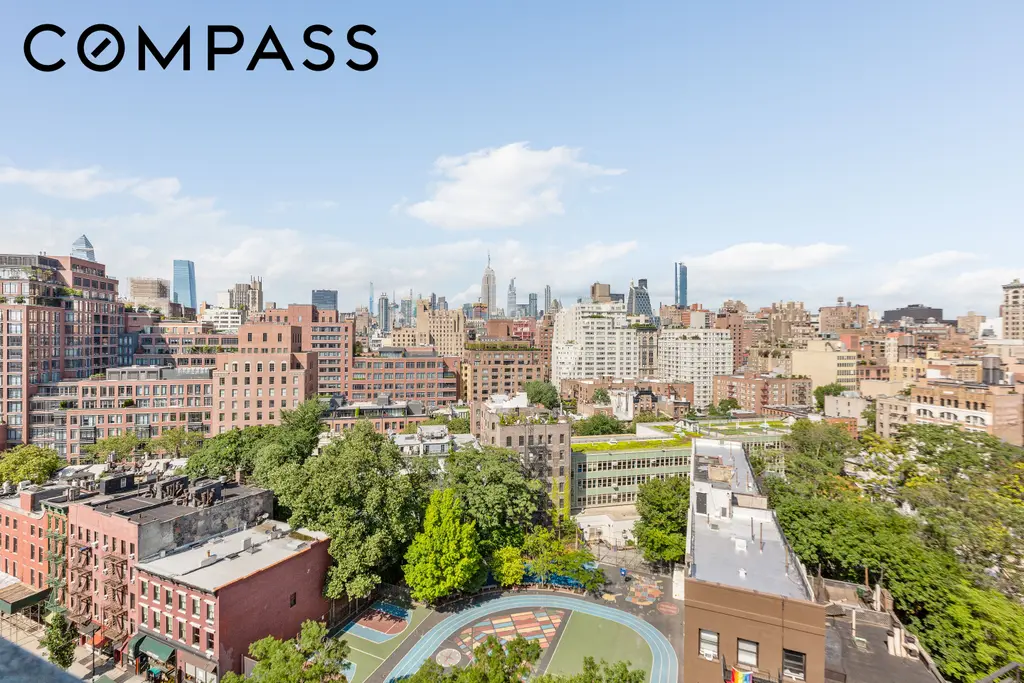
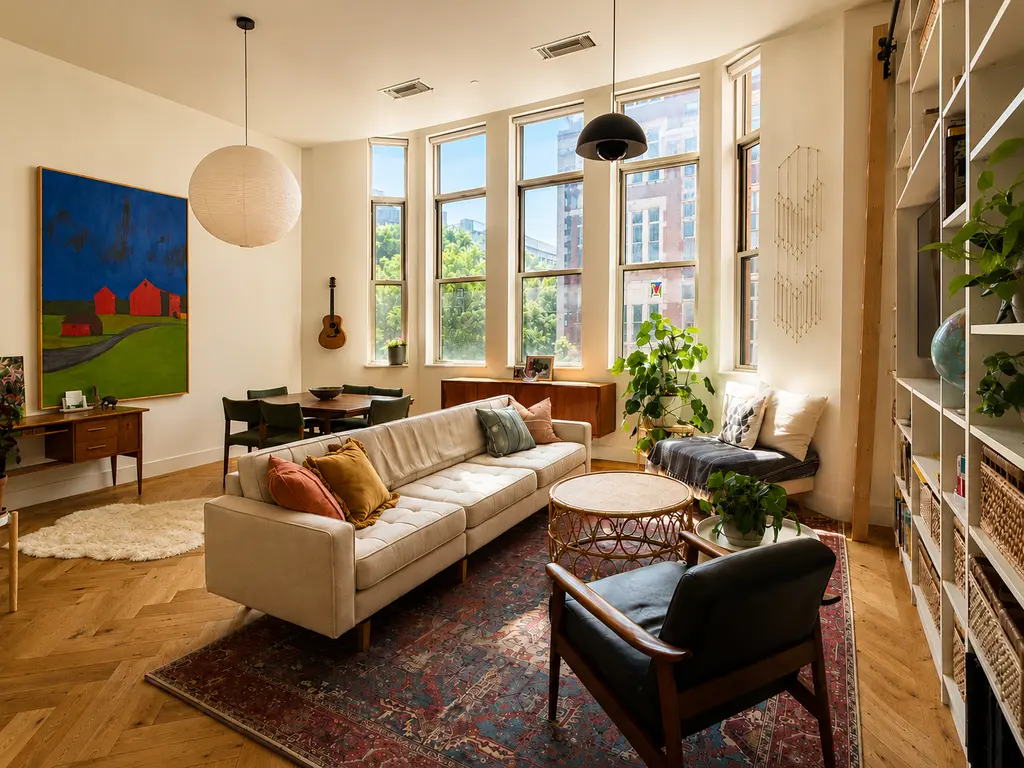
PS90, #2J (Bohemia Realty Group LLC)
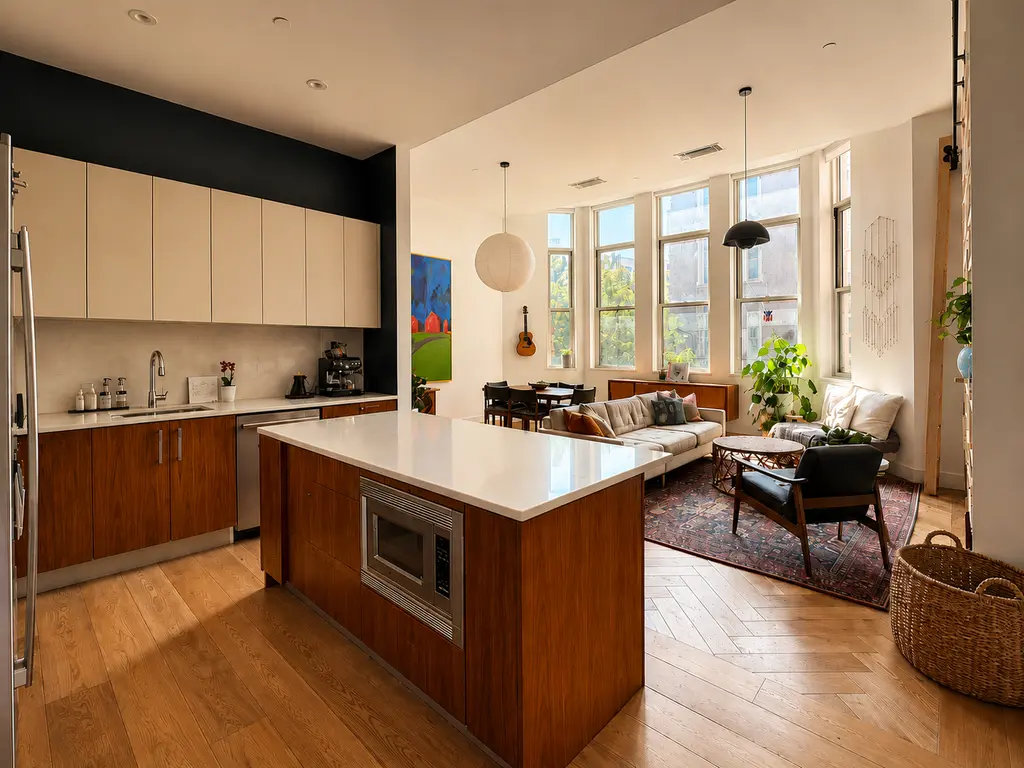
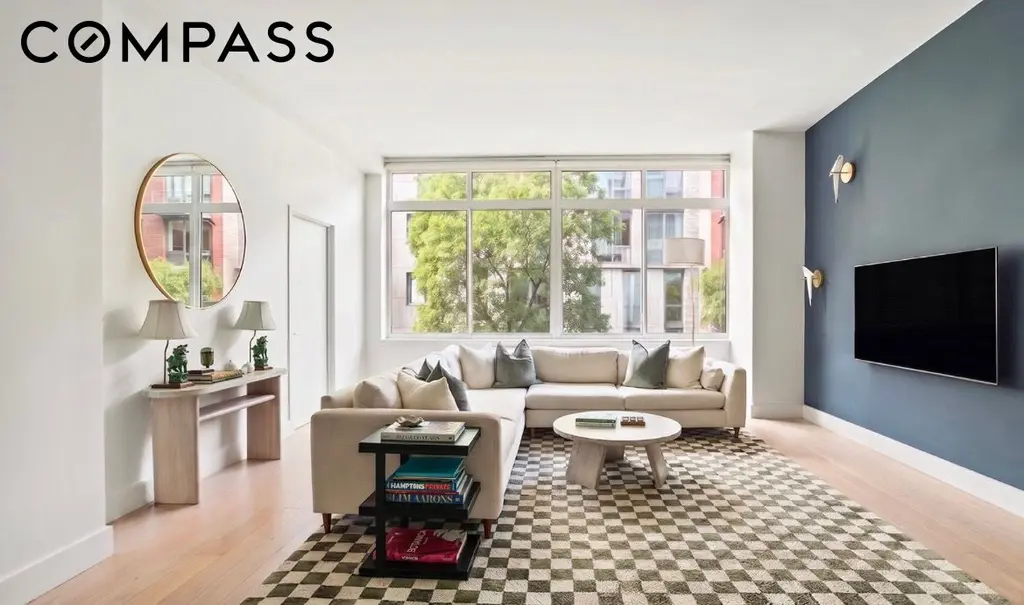
389 East 89th Street, #4C (Compass)
72 Quincy Street, #2 (Corcoran Group)
St. James Tower, #3C
$1,595,000
Beekman/Sutton Place | Condominium | 2 Bedrooms, 2.5 Baths | 1,253 ft2
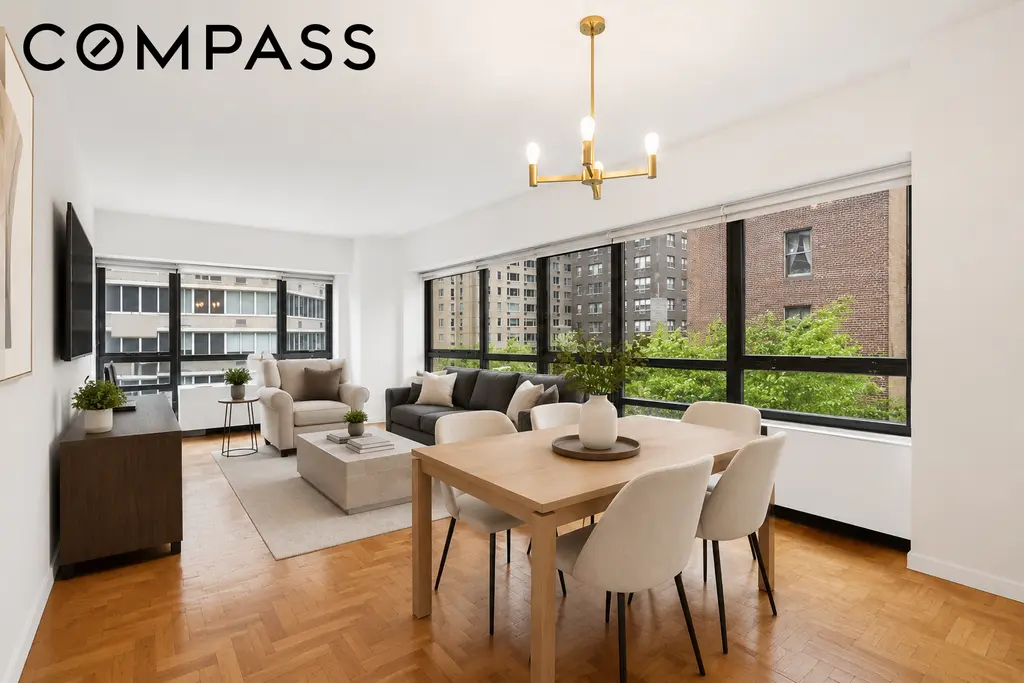
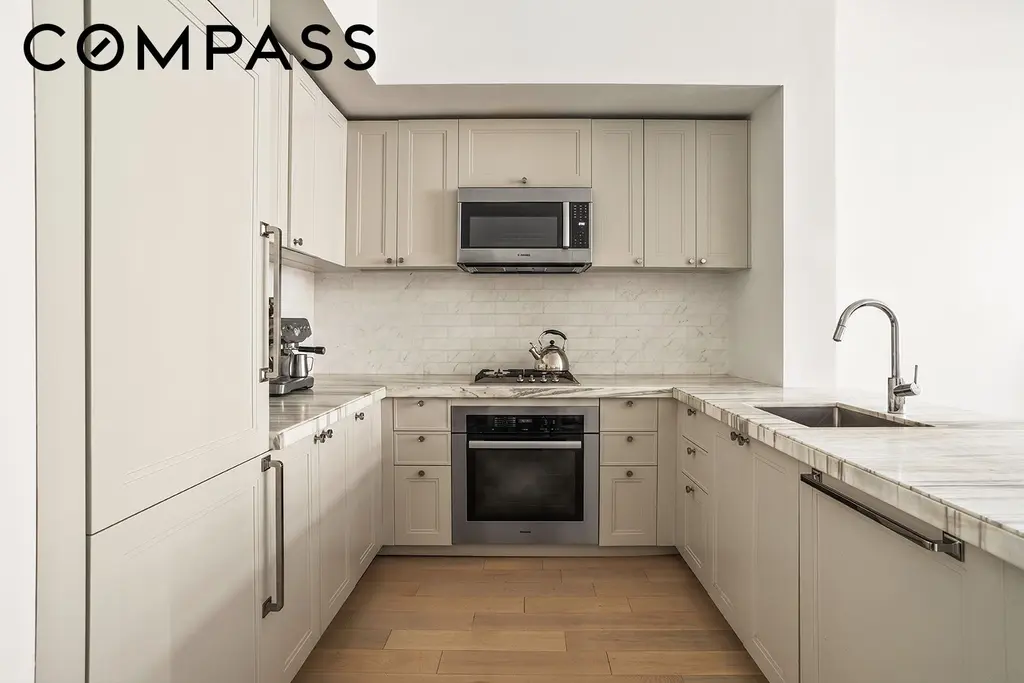
St. James Tower, #3C (Compass)
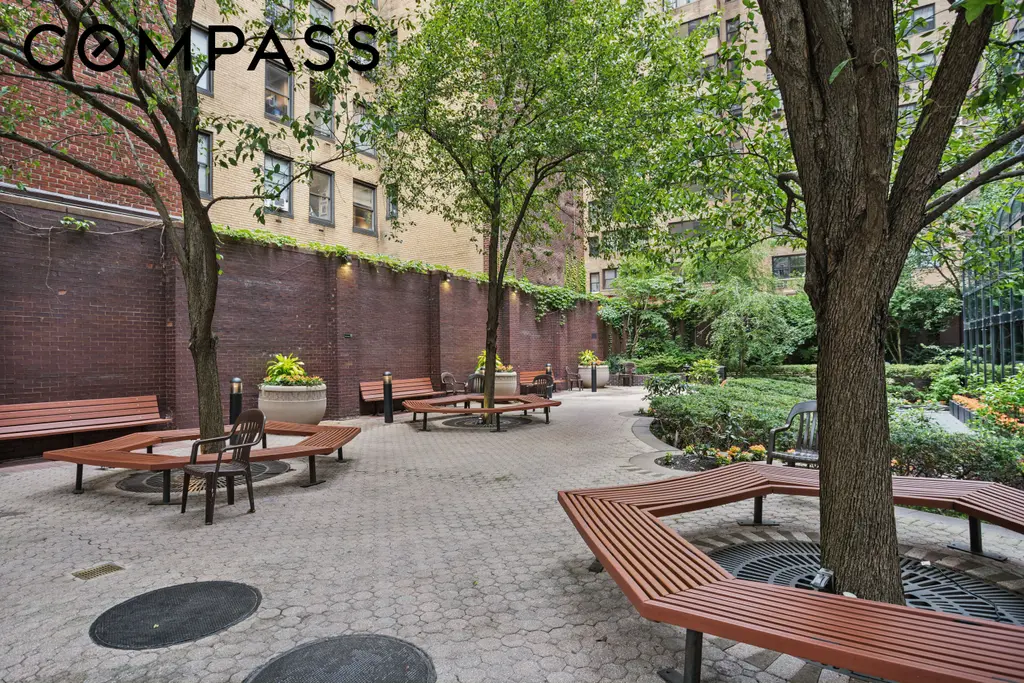
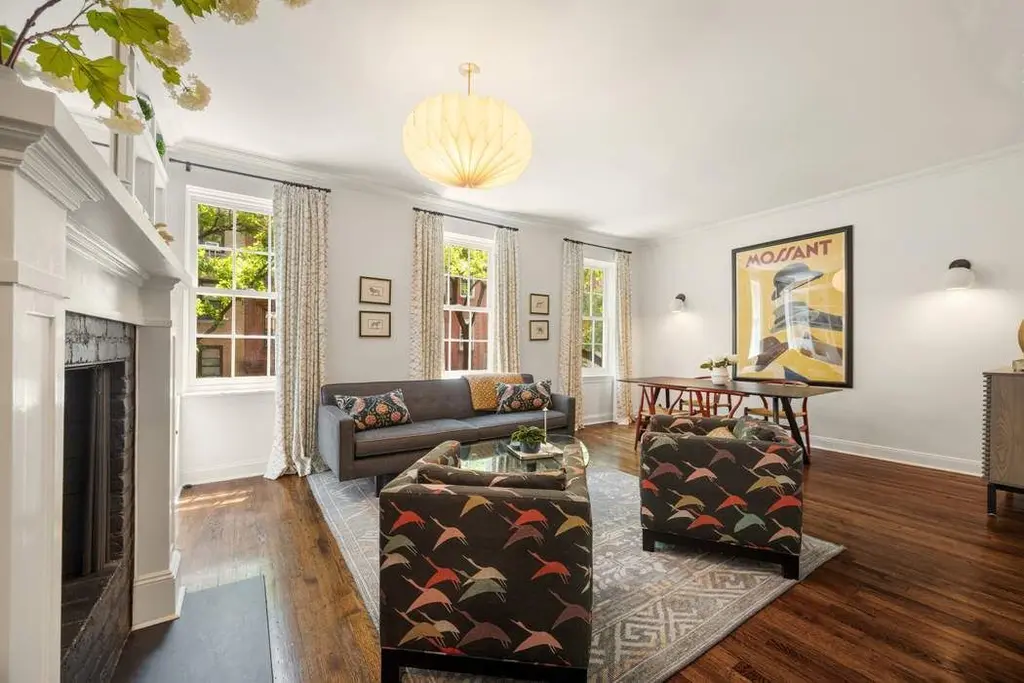
349 West 21st Street, #C (Sothebys International Realty)
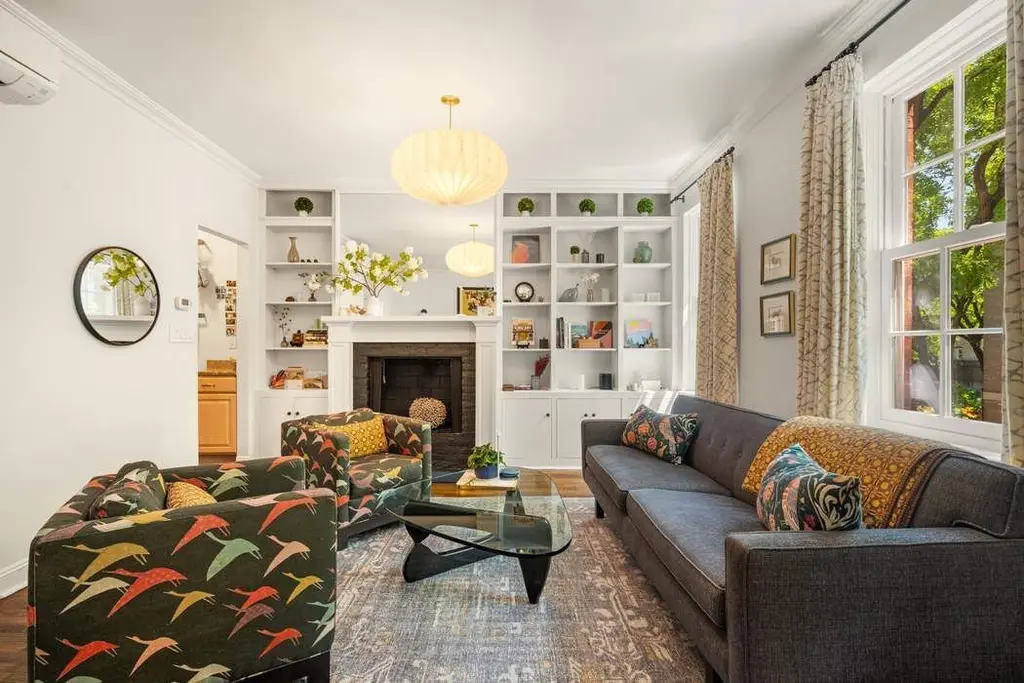
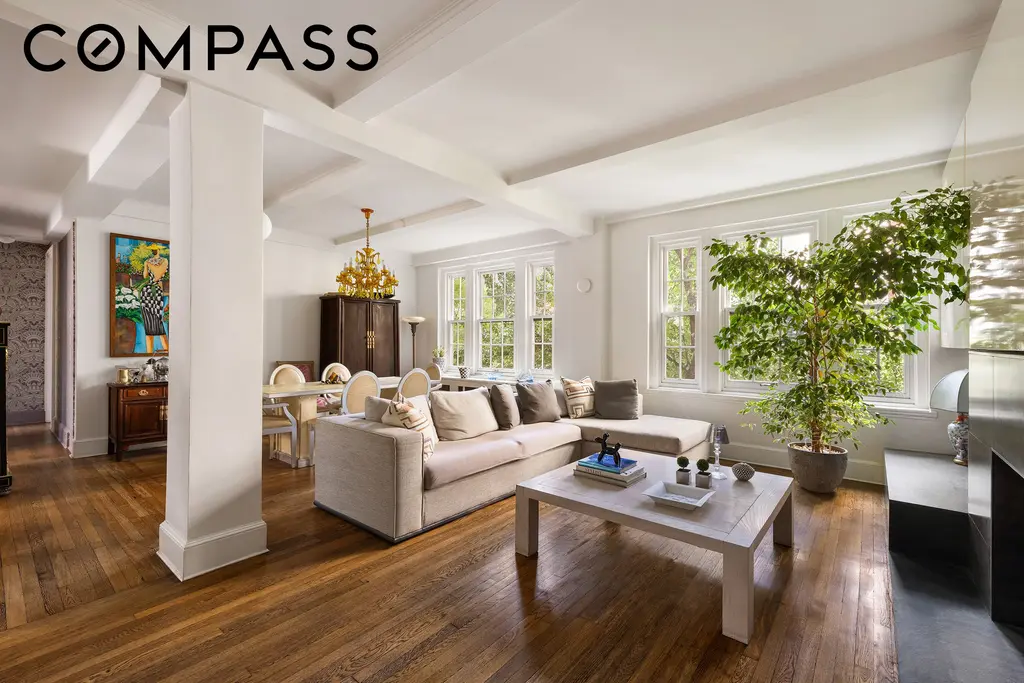
108 East 82nd Street, #4D (Compass)
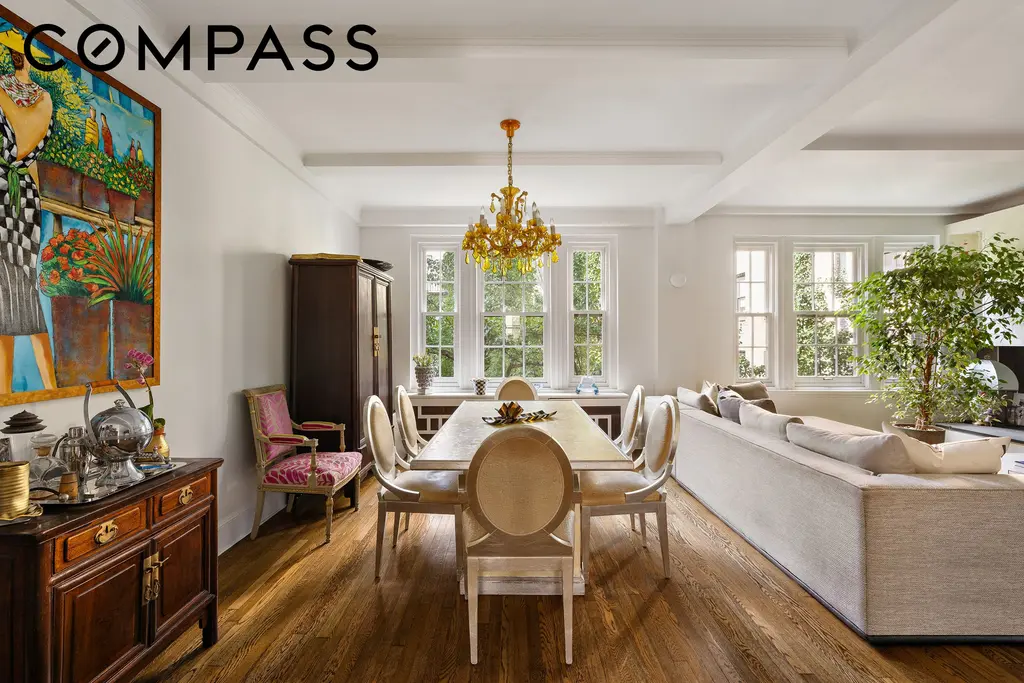
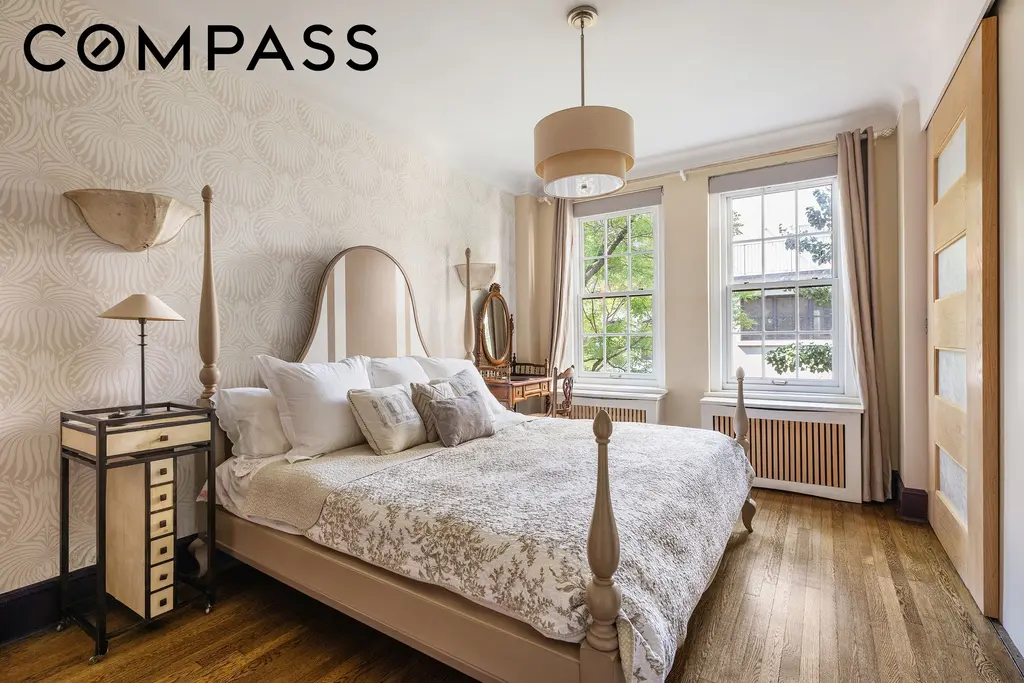

The Volney, #4AF (Compass)
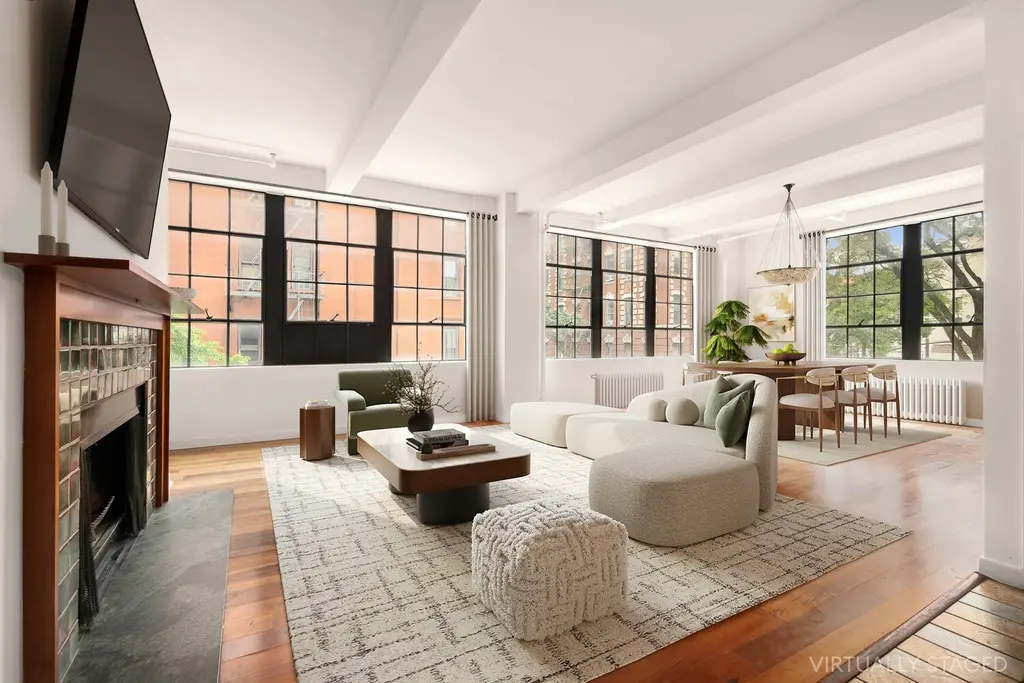
32 Morton Street, #2C (Serhant)
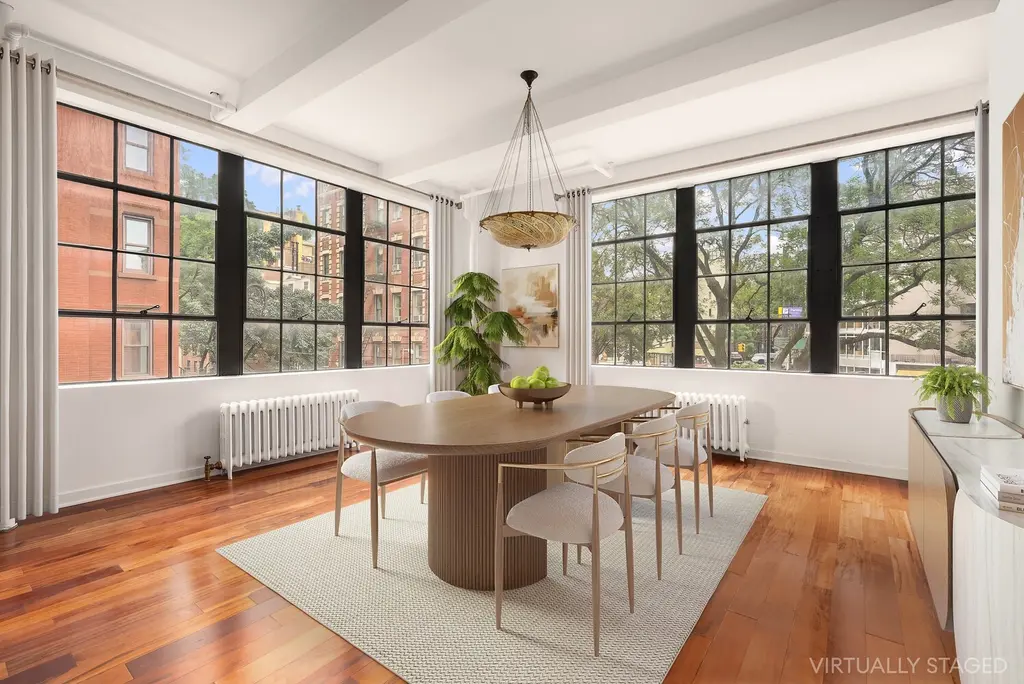
The Chatsworth, #403
$4,995,000
Riverside Dr./West End Ave. | Cooperative | 3 Bedrooms, 3 Baths | 2,440 ft2

The Chatsworth, #403 (Brown Harris Stevens Residential Sales LLC)
Related Articles

Future New York
$28.5M SoHo penthouse leads $500M+ Manhattan sales week; Tech titans trade in Hudson Square
Wednesday, September 16, 2026
Get To Know
No Board Approval Required: Sponsor co-ops from $500K as The Veridian launches sales in Bay Ridge
Tuesday, September 15, 2026
Future New York
As NYC students head back to school, see the city's most impressive school-to-residential conversions
Friday, September 11, 2026
Get To Know
What to know about combining two (or more!) NYC apartments + Unique combination residences available now
Tuesday, August 25, 2026
Future New York
Price Cuts: Andy Warhol’s former townhouse reduced $500K; Sherry-Netherland two-bed slashed 70%
Wednesday, July 29, 2026
Future New York
NYC apartments with on-site parking from $350K as new Empire Bins to claim curb space
Tuesday, July 21, 2026
Get To Know
Steals & Deals from $345K: Listings with "Motivated Sellers" or "Priced to Sell"
Friday, July 17, 2026
Great Listings

 6sqft delivers the latest on real estate, architecture, and design, straight from New York City.
