|
About Trump International Hotel & Tower, 1 Central Park West
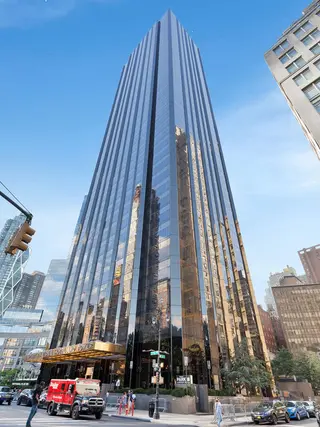
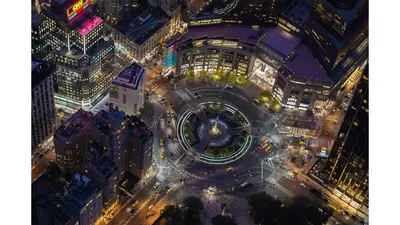
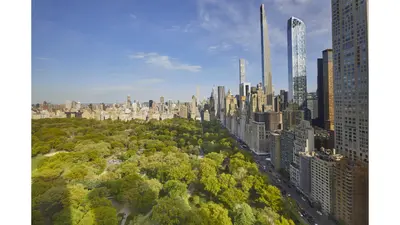
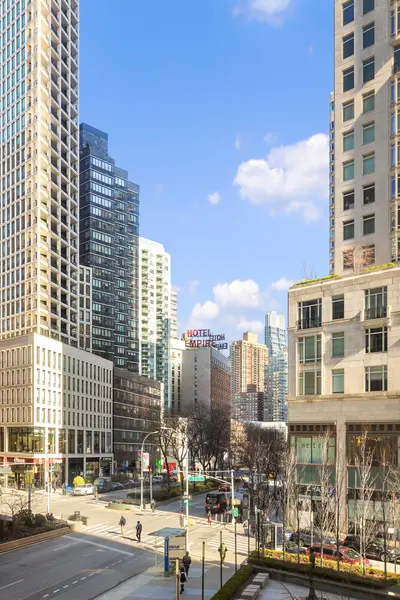
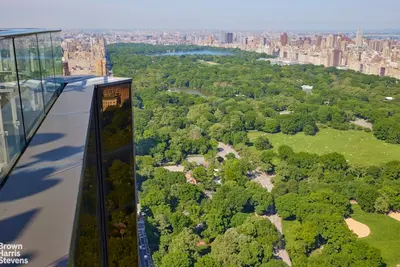
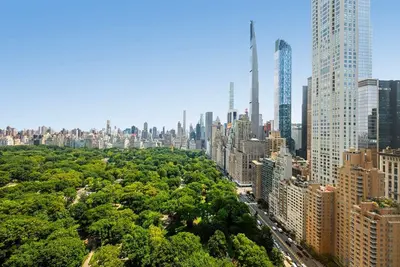
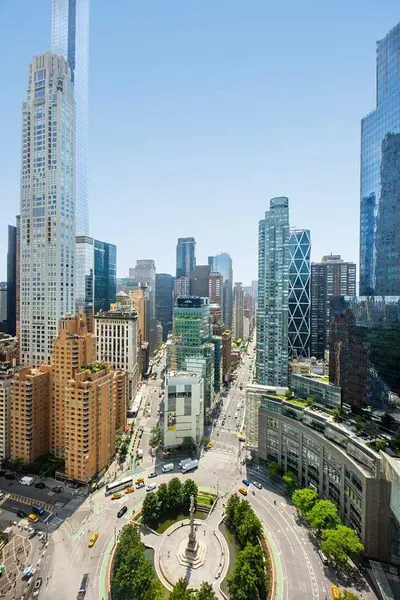
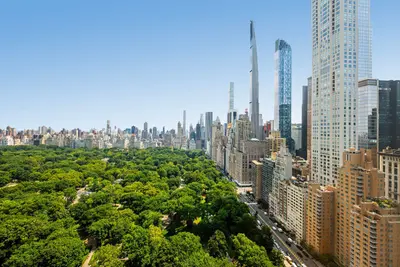
Located at one of the city's premier gateway sites at the southwestern corner of Central Park, this sparkling and impressive, mixed-use tower was converted from a rather drab office building.
The converter was Donald J. Trump and his partners, Daniel M. Galbreath and the G. E. Pension Trust.
The office building had been the 45-story Gulf & Western Building that had been designed by Thomas E. Stanley and erected in 1969 in a style that could best be described as a bargain basement General Motors Building. The only real similarity between the two towers that straddle Central Park South is that they were mostly white and had unusual plazas. While the General Motors Building, which replaced the elegant and glorious Savoy Plaza Hotel, had a sunken plaza, the Gulf & Western Building had a triangular plaza facing Columbus Circle with an open subway entrance as well as a circular sunken plaza entrance to a Paramount movie theater on its Broadway frontage.
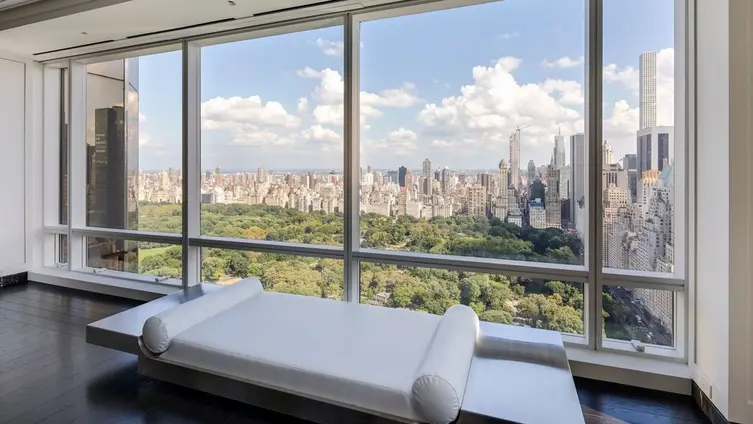
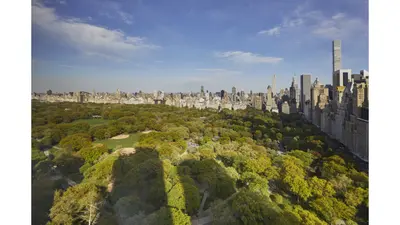
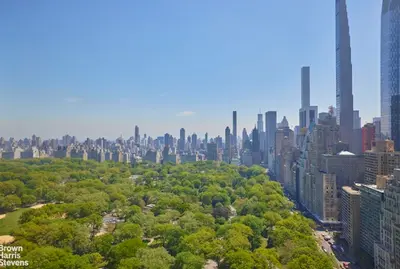
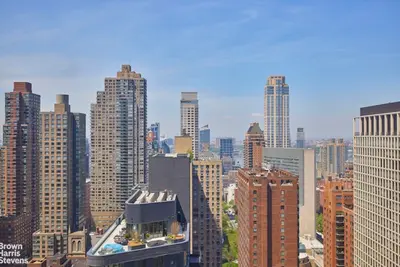
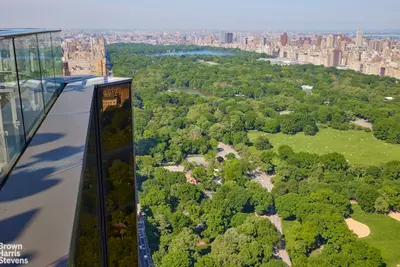
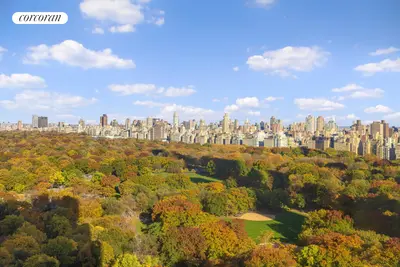
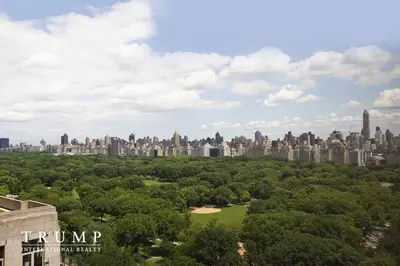
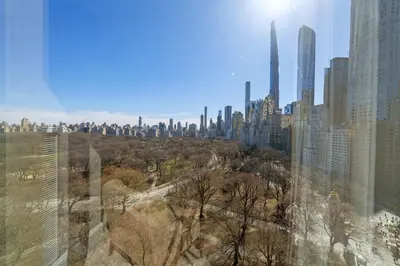
The Gulf & Western Building for several years had a restaurant at its top that offered great vistas of Central Park and Central Park South, but it never really became successful.
The building was best known for structural problems that kept its base in scaffolding for years on end. To its credit, Gulf & Western bought the former Gallery of Modern Art building that housed Huntington Hartford's art collection before it became the New York Cultural Center and gave it to the city as headquarters for its department of cultural affairs. That building was subsequently reclad by the Museum of Arts and Design over the protests of many preservationists.
By general consensus, the Gulf & Western Building ranked not far behind the General Motors Building in public contempt for its uninspired and noncontextual design. Perhaps because of that perception, and also because of the intense controversy over the proposed redevelopment of the New York Coliseum at Columbus Circle, there was somewhat less than the normal fanfare that accompanies a Donald Trump project.
Trump's timing here was on target as the reclad Gulf & Western building opened in late 1997 to a bustling city economy and a heated residential and hotel real estate market.
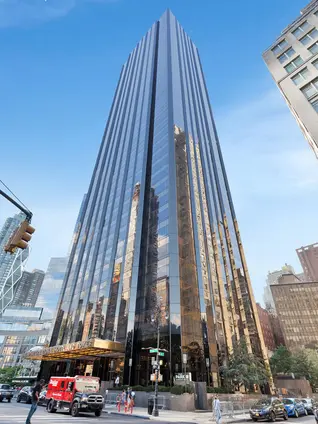
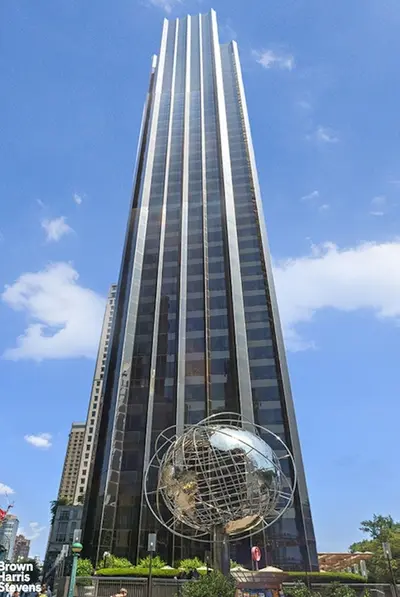
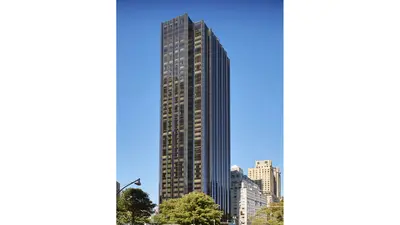
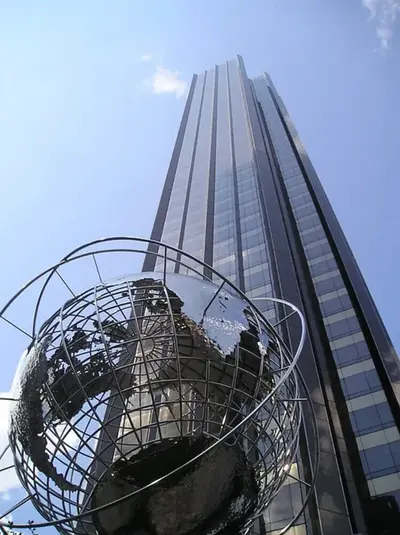
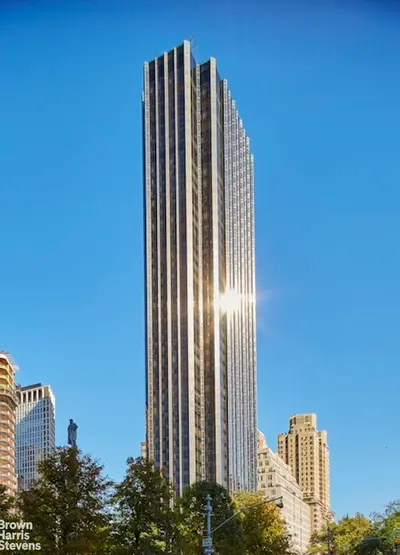
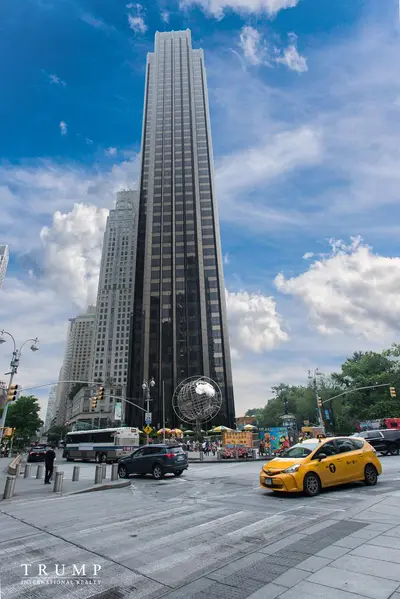
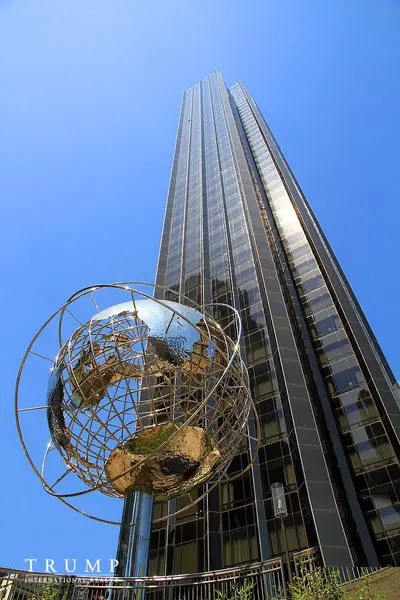
The new building was designed by Costas Kondylis with Philip Johnson Ritchie & Fiore as the design architect. Johnson's new and very sleek glass curtain wall is magnificent and ranks with the sloping façade at 9 West 57th Street designed by Gordon Bunshaft of Skidmore, Owings & Merrill and the curved reflective glass façade at 17 State Street designed by Emery Roth & Sons as the best in the city.
The building's massing was altered slightly by projecting angled piers that gleam in the light and add considerable visual interest to the slab tower.
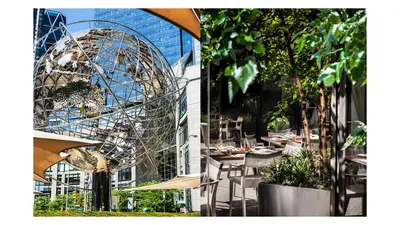
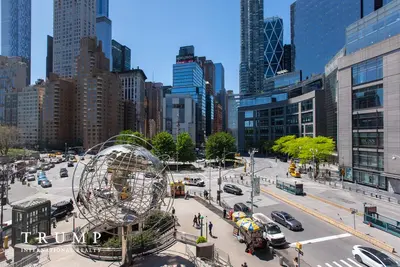
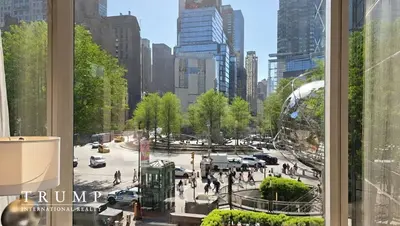
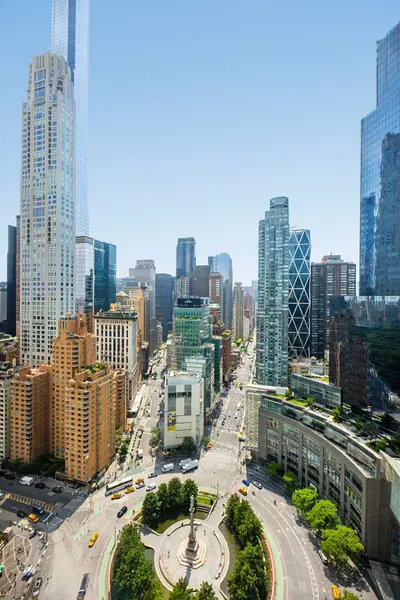
A huge stainless steel, skeletal globe of the world was placed at the prow of the site fronting Columbus Circle. It glistens appropriately, but the hammered metal of the continents diminishes the flare somewhat, but it is not as effective as a smoothly polished surface might have been. Furthermore, one expects the globe to rotate on its axis, which it does not and the view, therefore, from the south side of Columbus Circle is always of an Africa tilted upwards. At first glance, one thinks the globe was taken from the site of the 1964 World's Fair in Flushing Meadows Park, but that very similar but larger and better one was not moved here.
The globe, of course, is a symbol of internationality and Trump has always recognized that his typical "luxury" project is well marketed internationally. (Some of the apartments have bidets, for example.)
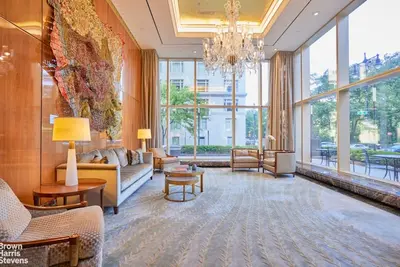
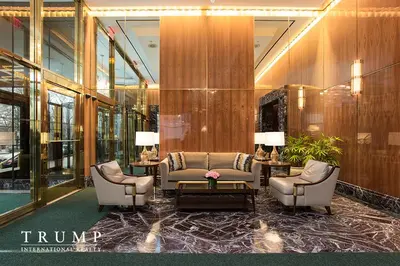
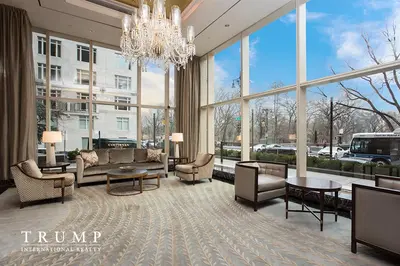
This building is not as interesting as Trump Tower because of its simpler form and its lack of spectacular interior public spaces.
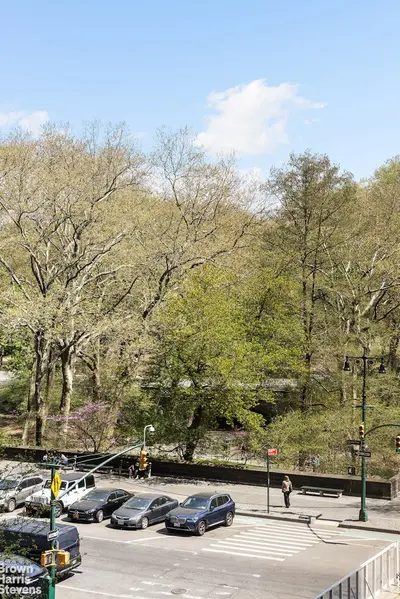
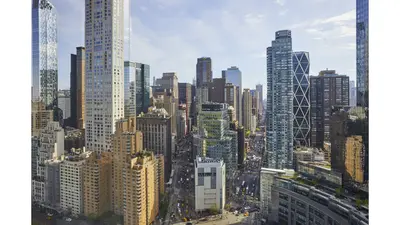
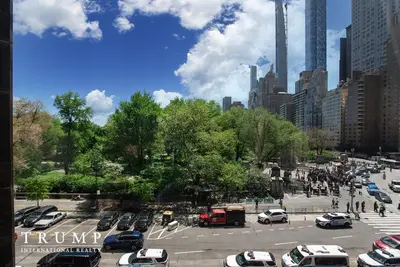
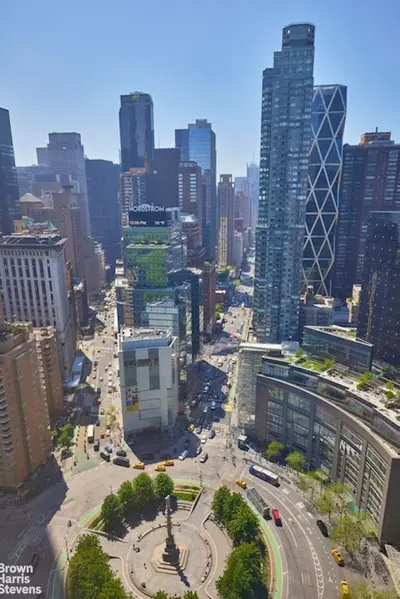
Nevertheless, Trump and his designers have managed to achieve a very substantial upgrading of this long forlorn and miserable location at the gateway to the Upper West Side and one of the two major southern entrances to Central Park.
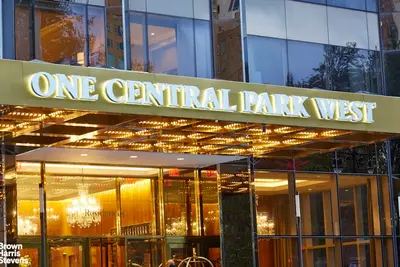
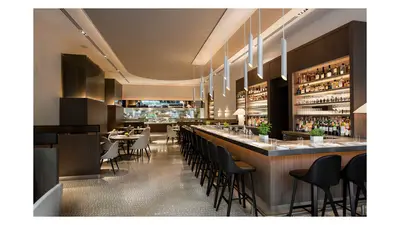
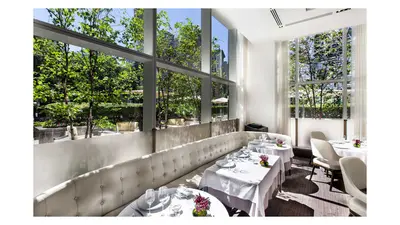
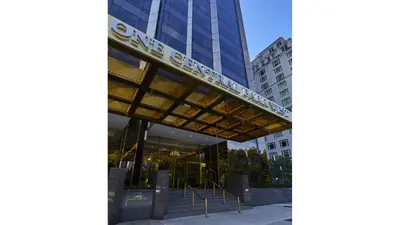
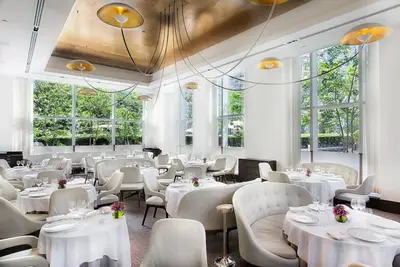
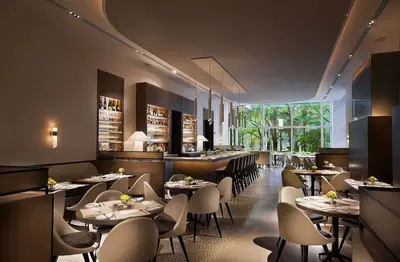
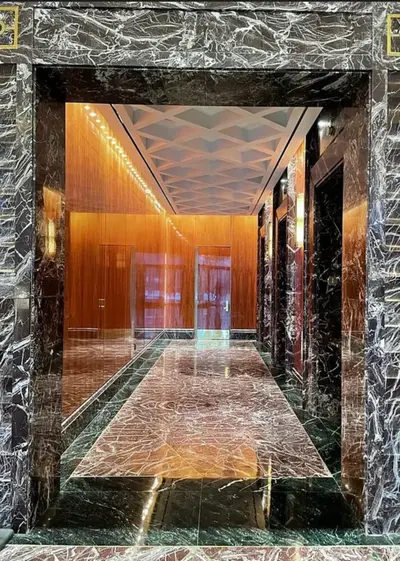
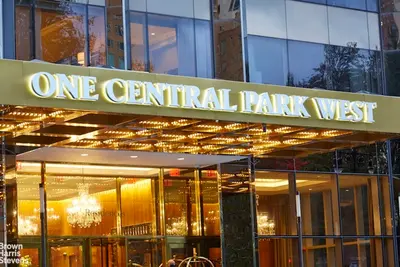
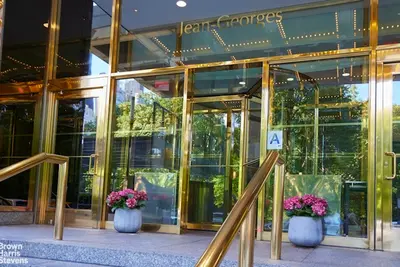
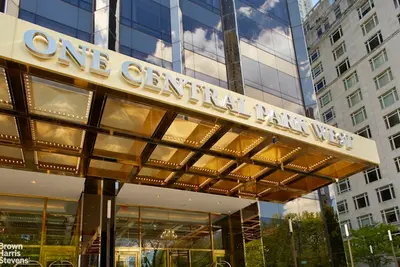
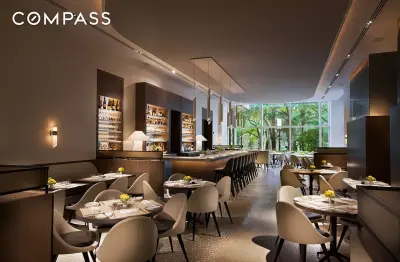
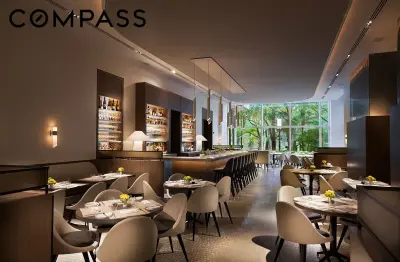
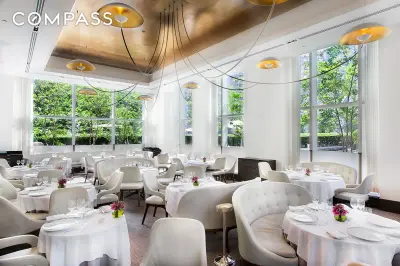
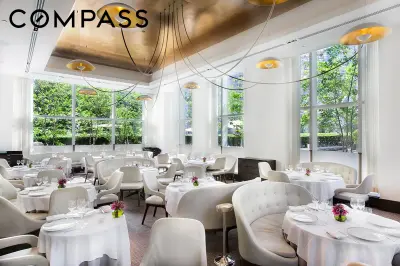
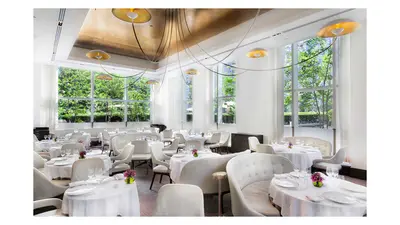
Trump has enlivened the streetscape by devoting a very visible, large double-height section of the building's first floor facing Columbus Circle to a highly-rated restaurant. Furthermore, the separate entrances to the hotel and the apartments are brightly lit and spacious and visible, even though they are a few steps up from the sidewalk. With its golden sheen and the busy intersection, the building radiates activity and the sense of money.
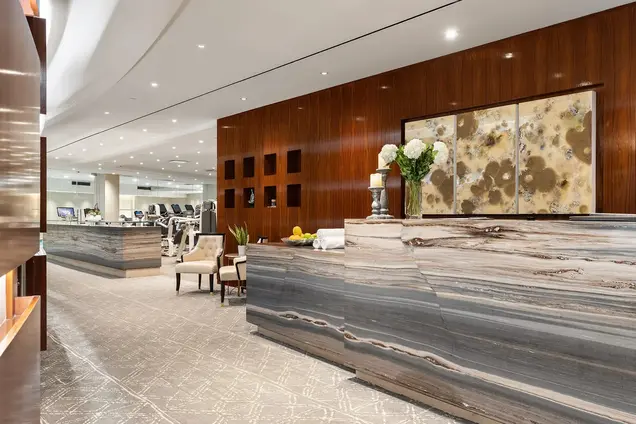
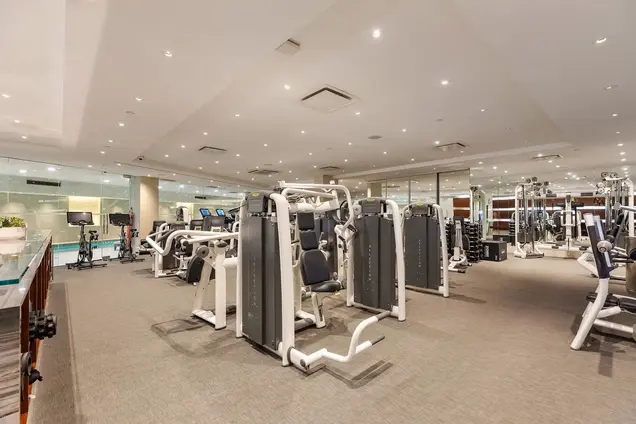
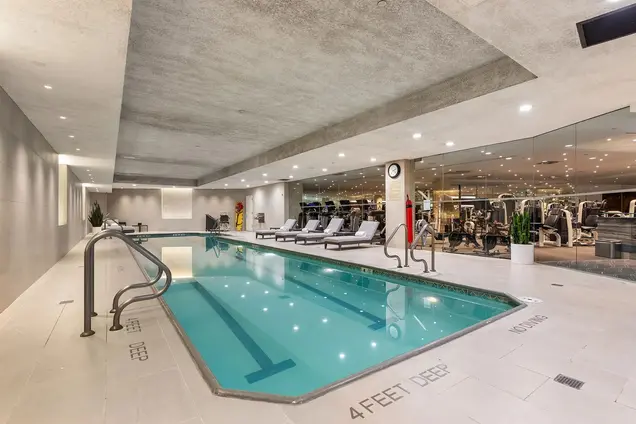
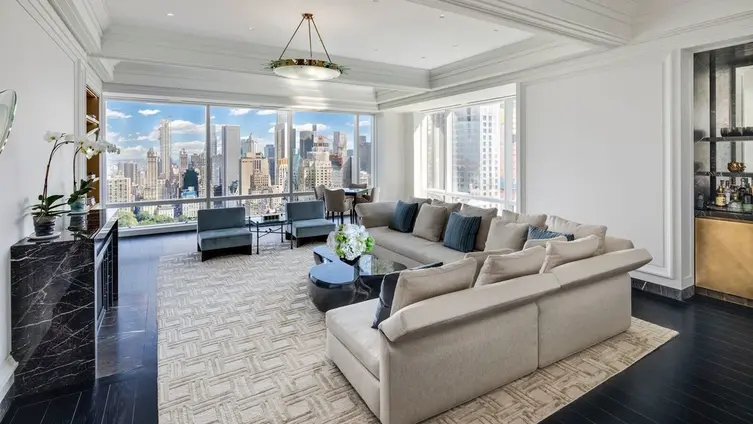
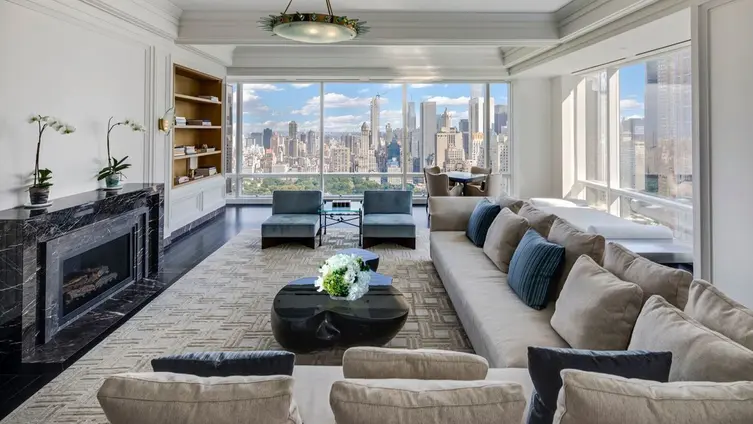
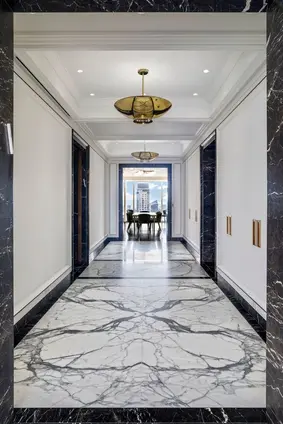
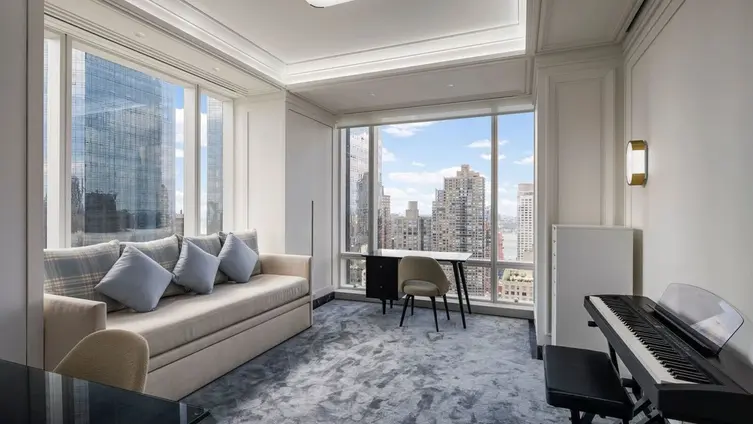
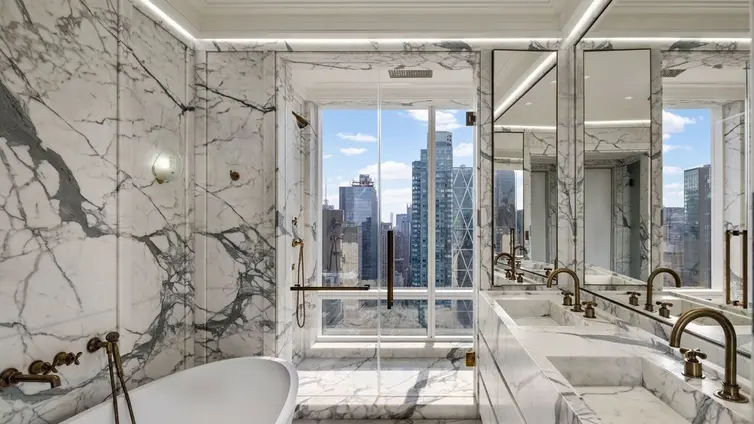
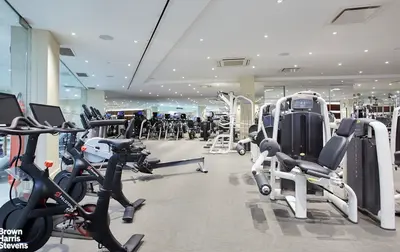
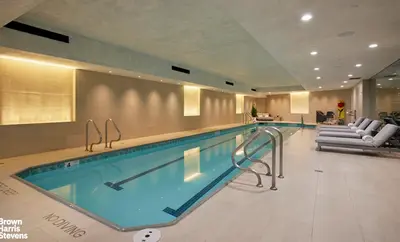
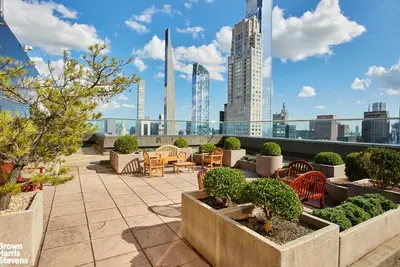
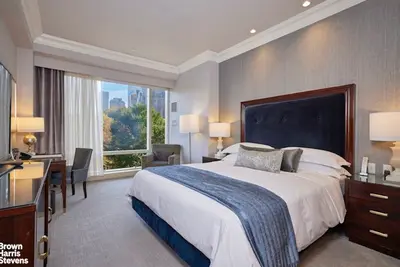
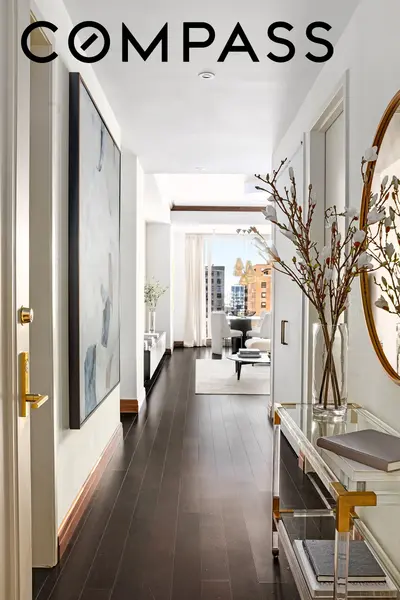
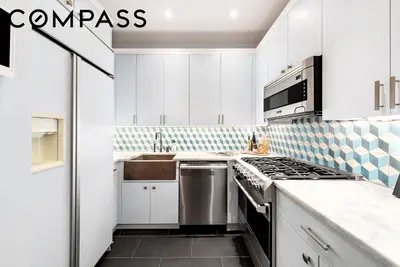
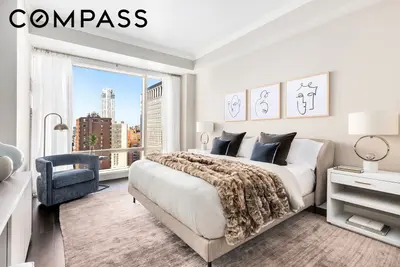
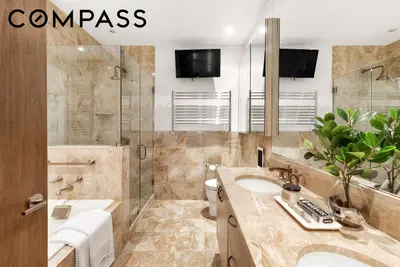
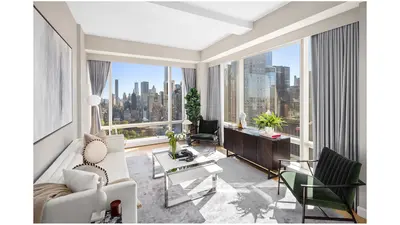
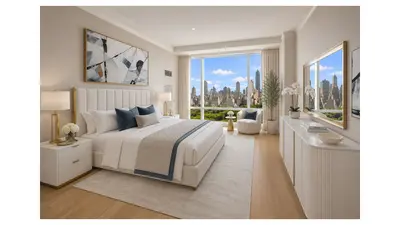
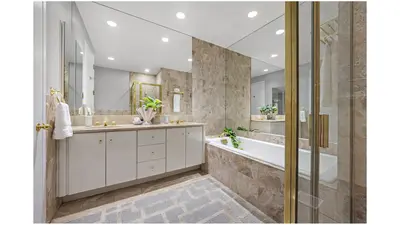
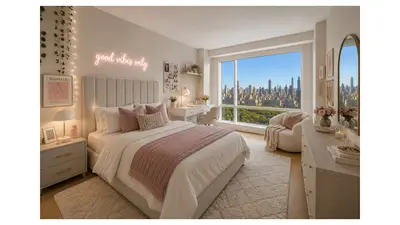
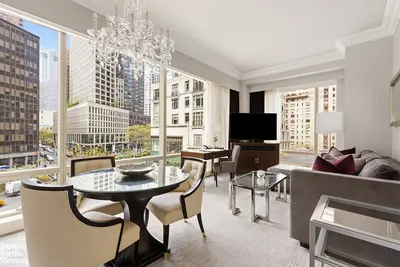
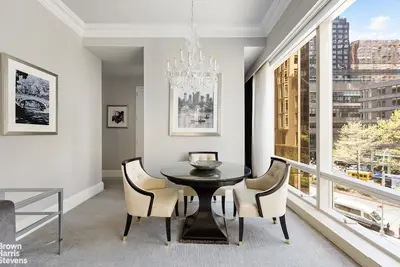
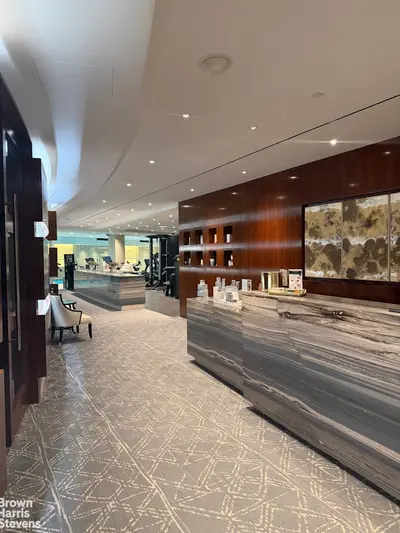
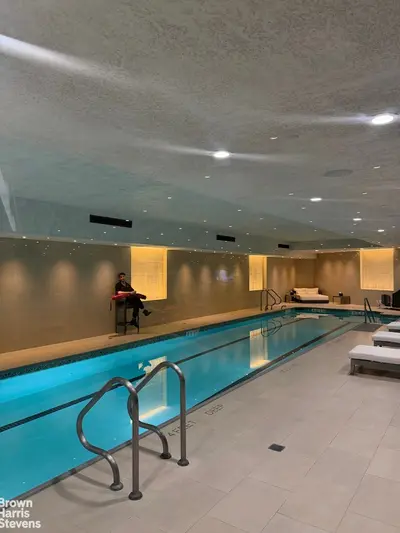
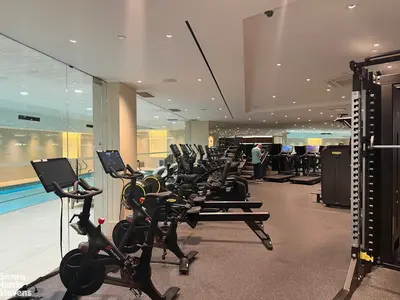
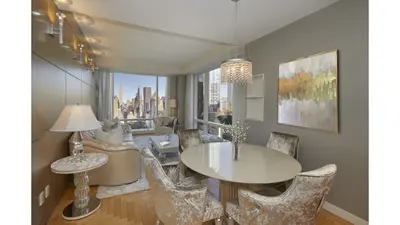
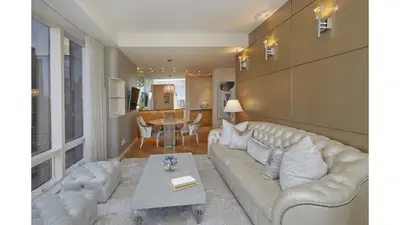
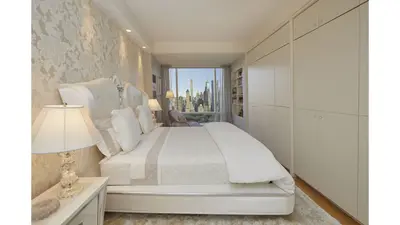
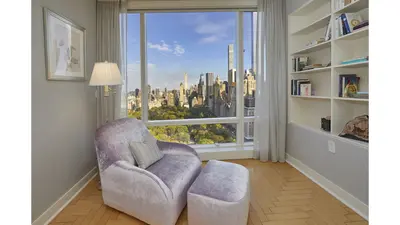
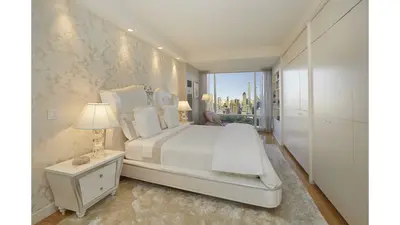
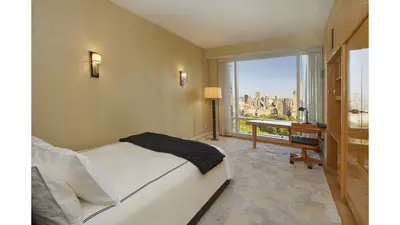
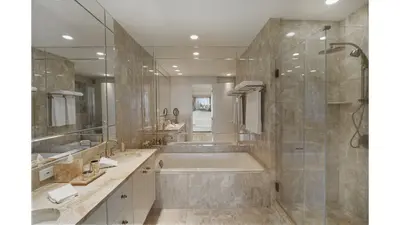
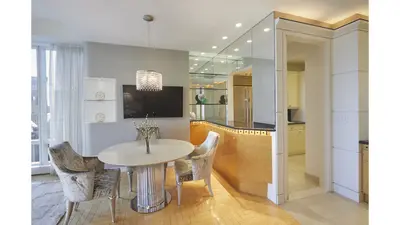
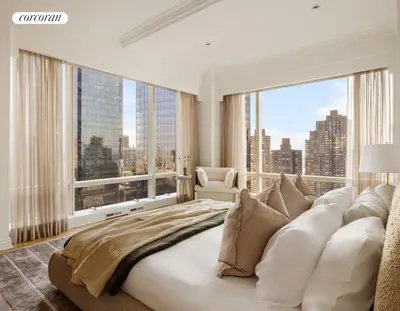
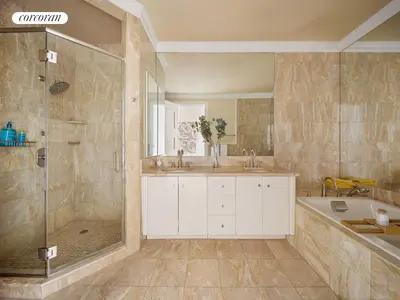
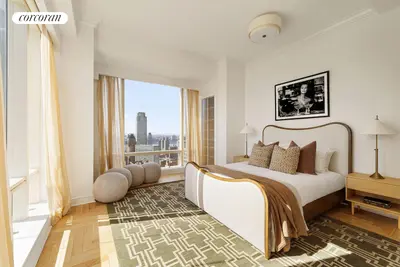
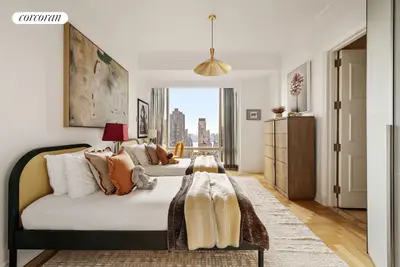
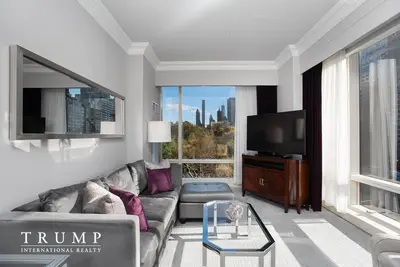
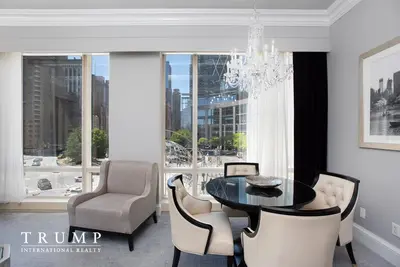
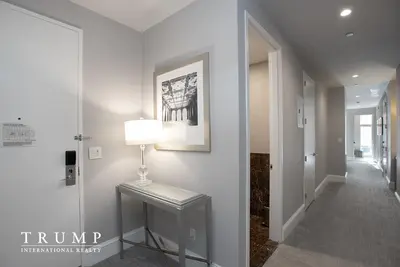
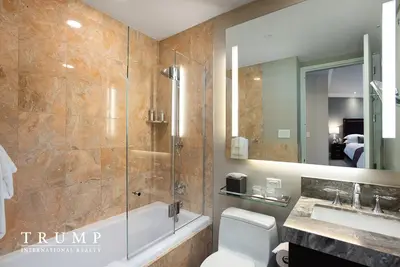
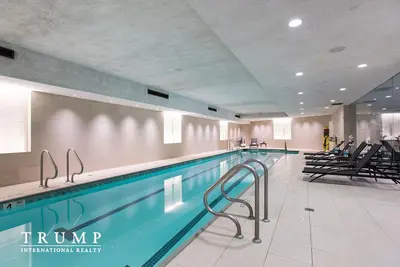
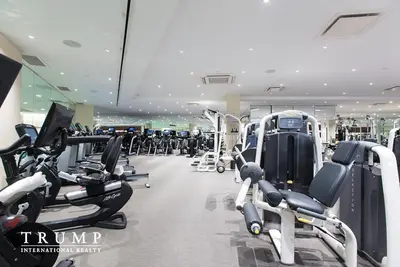
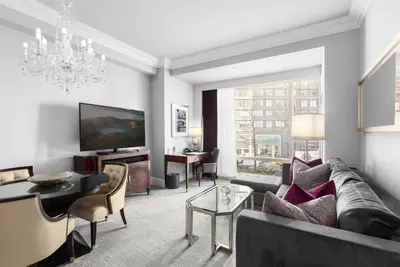
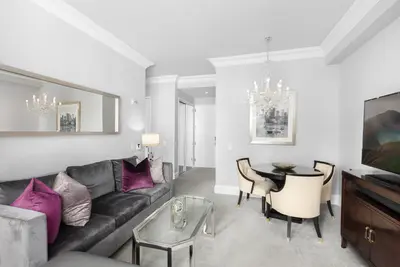
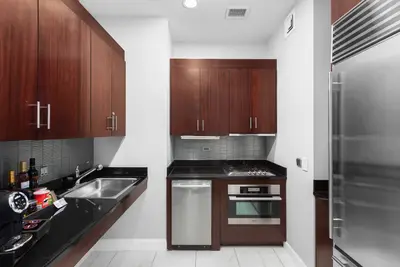
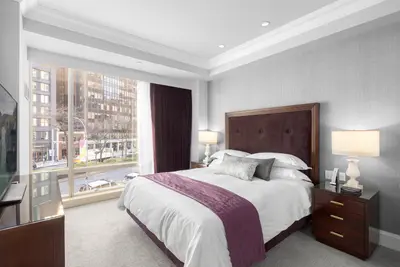
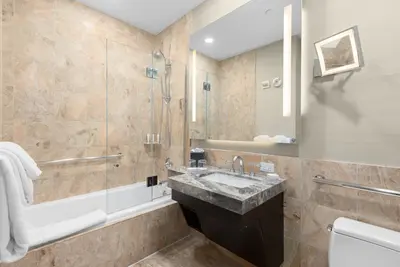
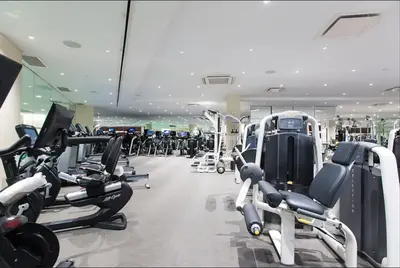
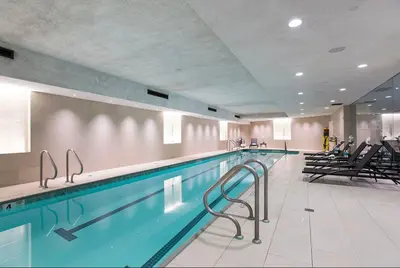
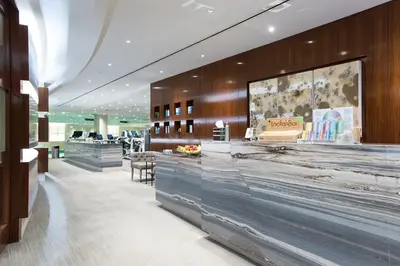
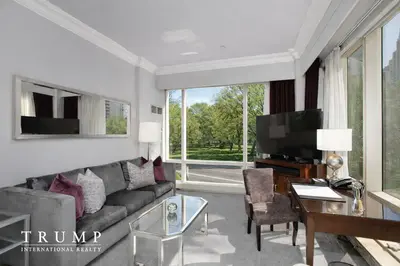
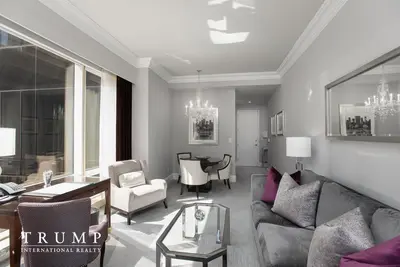
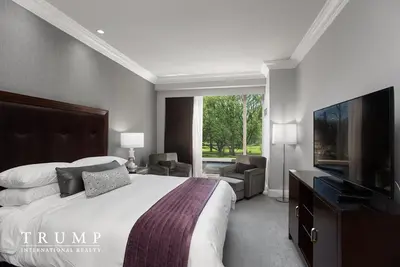
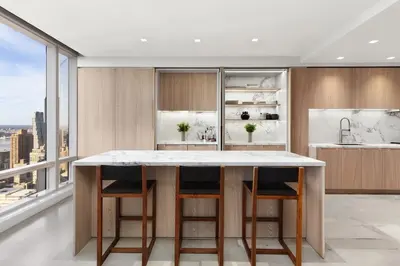
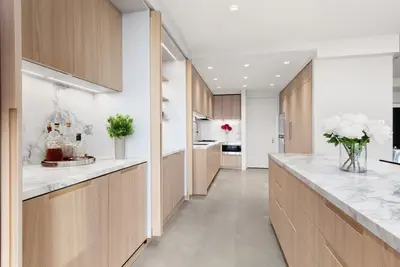
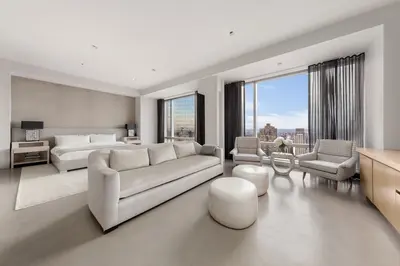
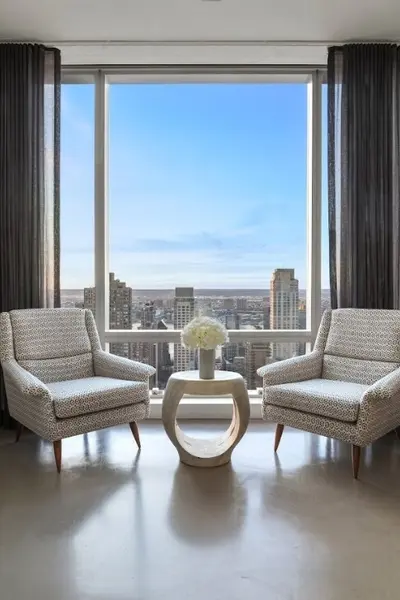
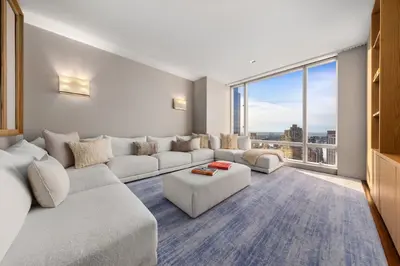
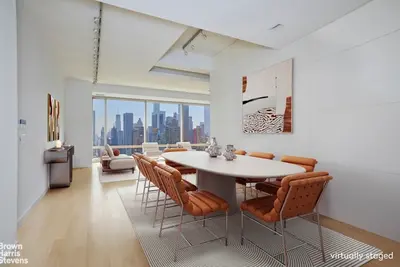
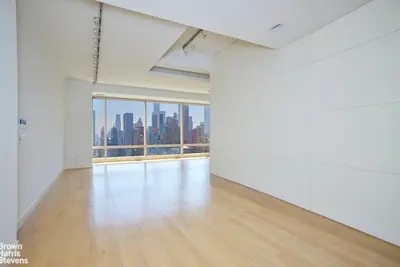
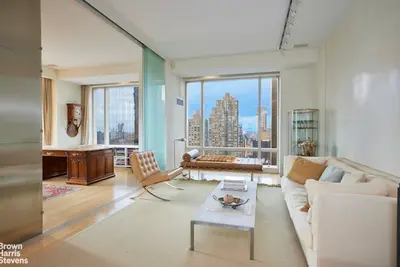
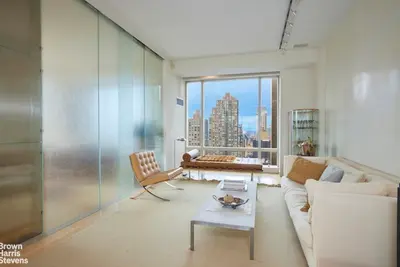
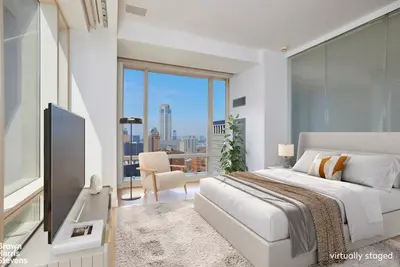
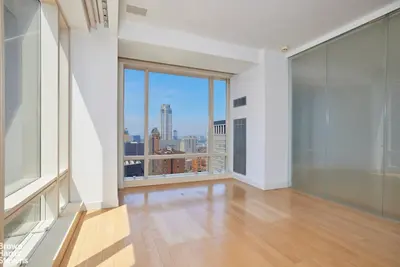
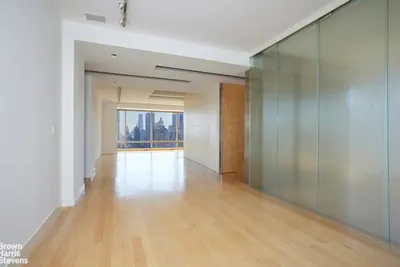
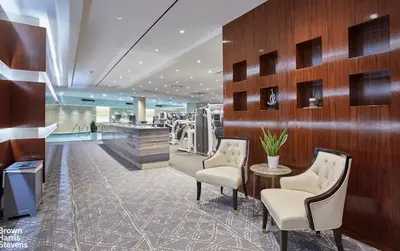
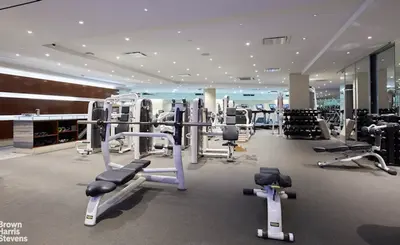
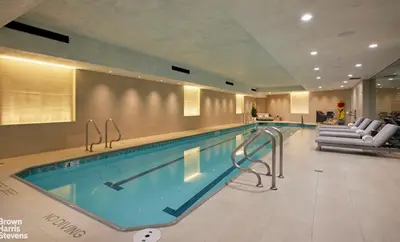
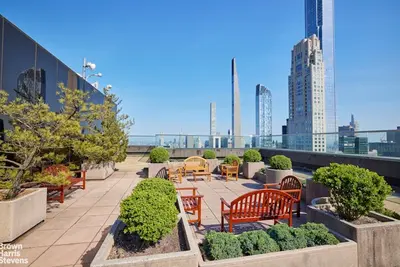
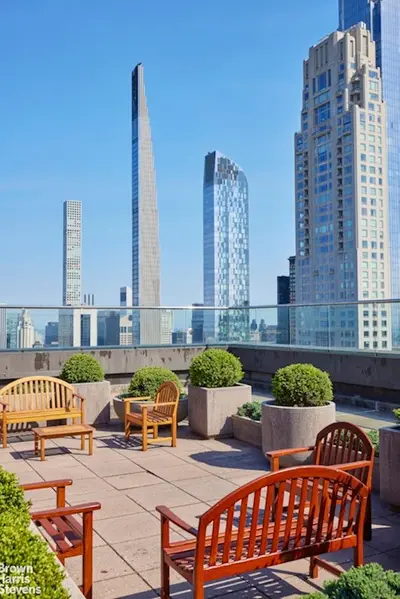
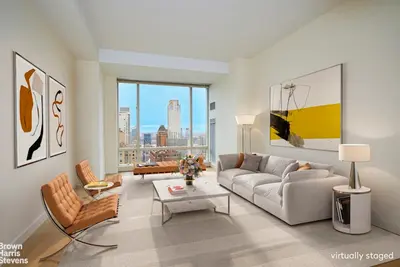
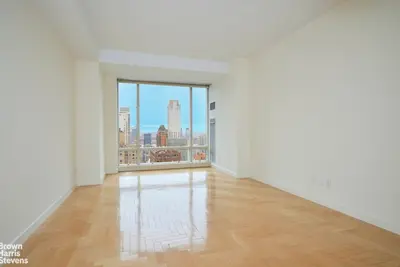
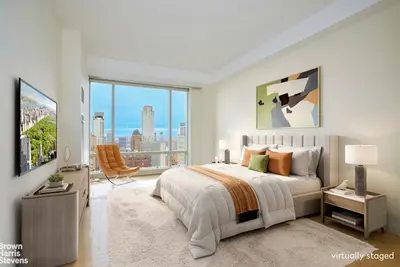
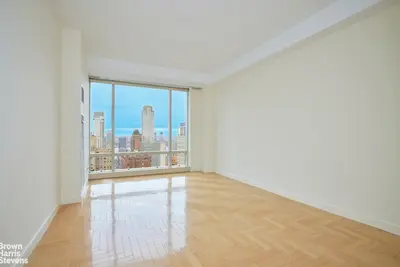
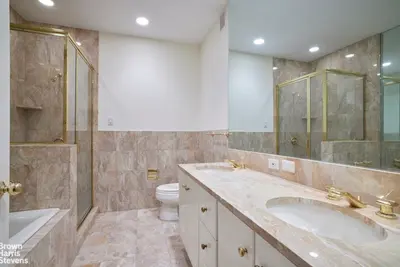
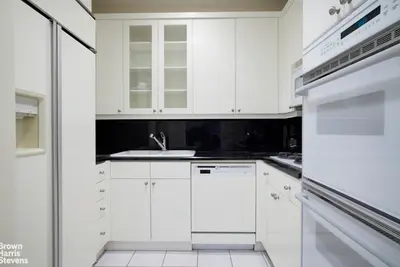
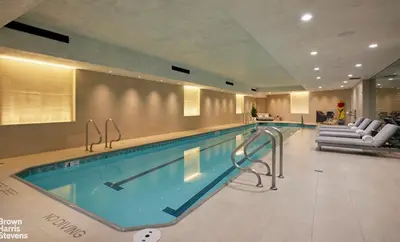
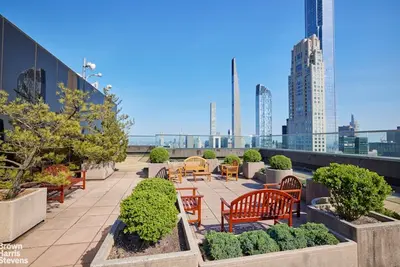
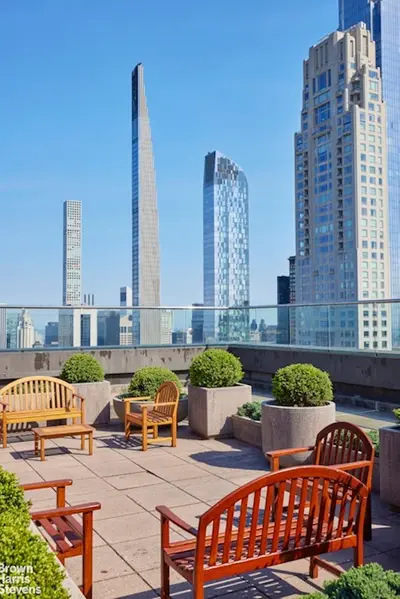
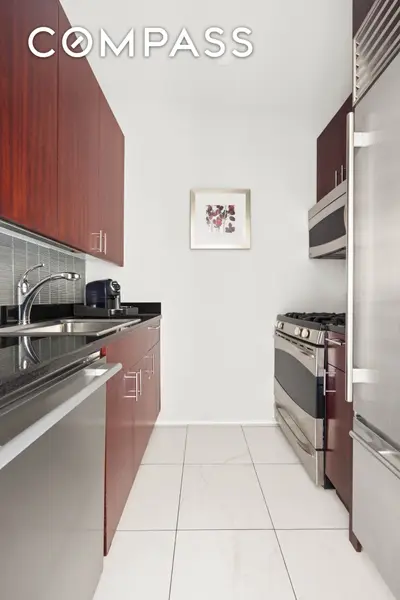
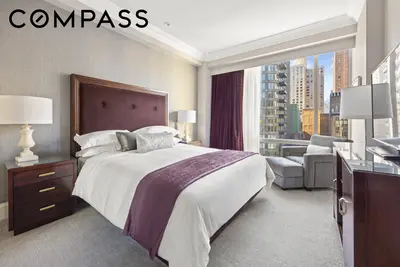
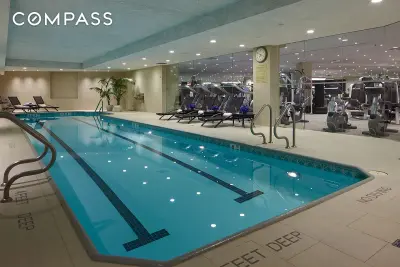
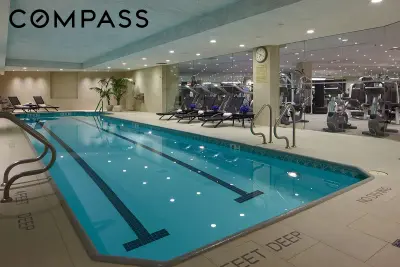
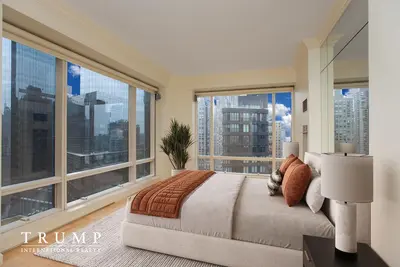
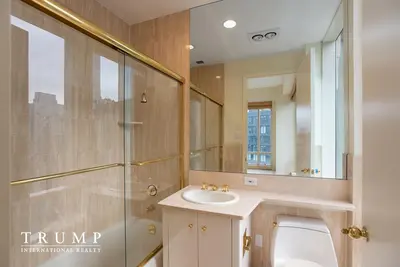
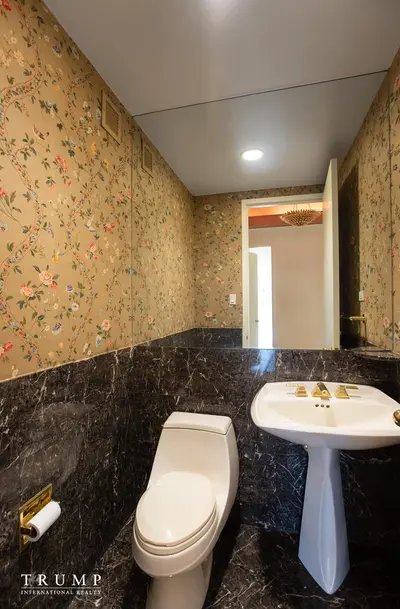
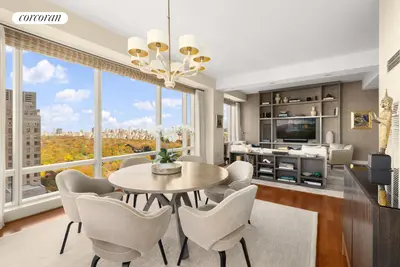
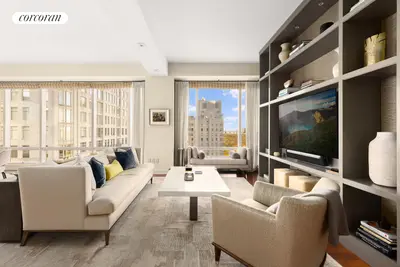
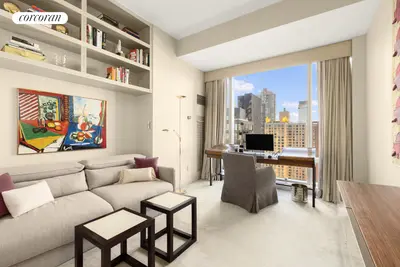
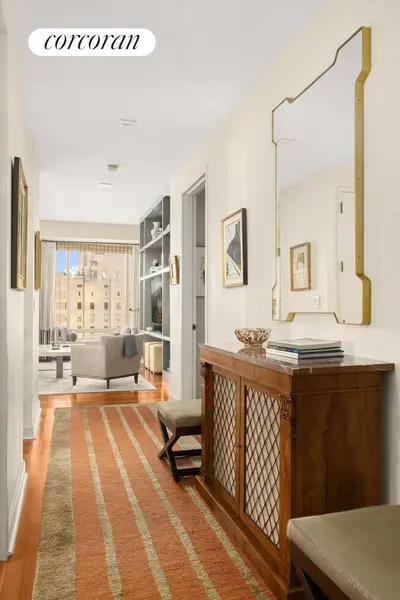
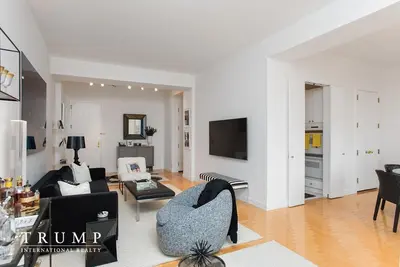
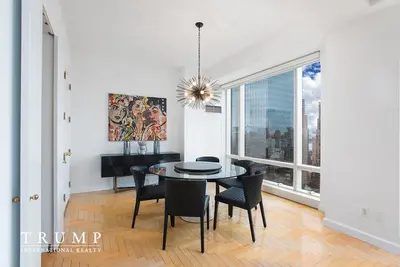
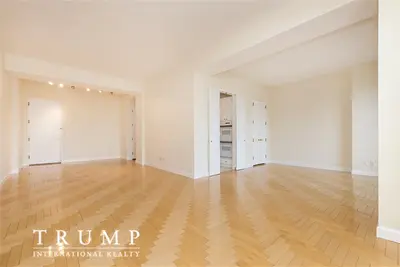
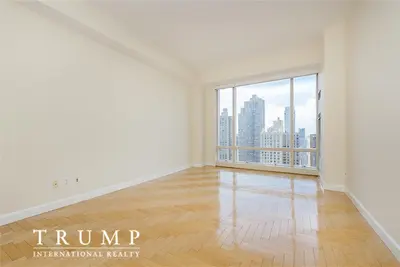
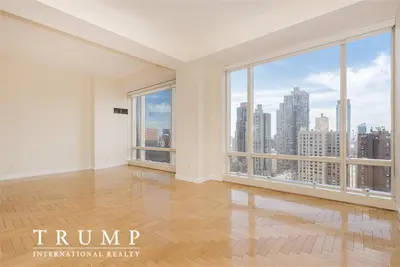
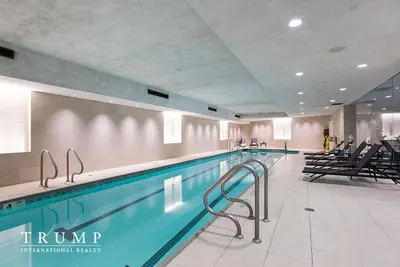
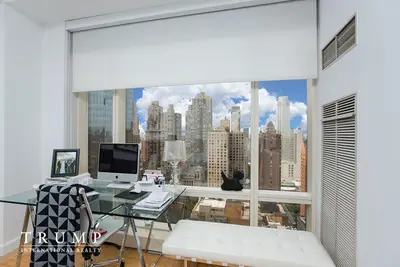
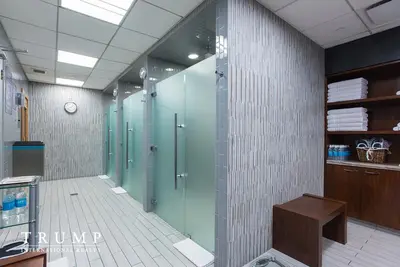
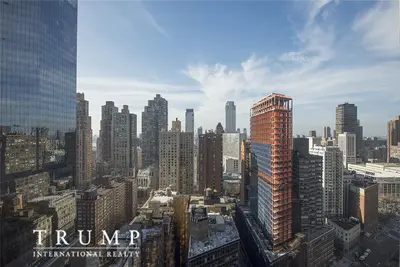
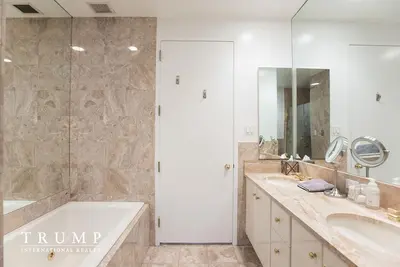
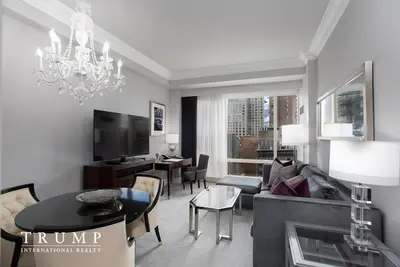
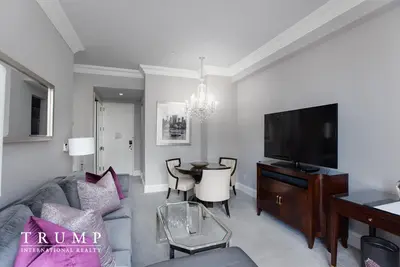
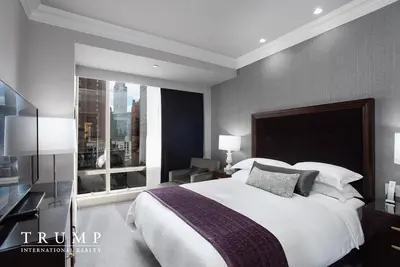
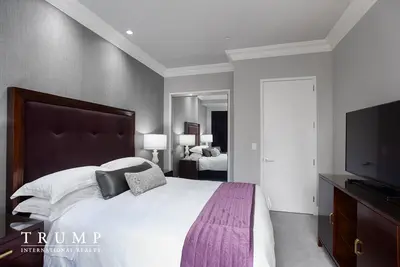
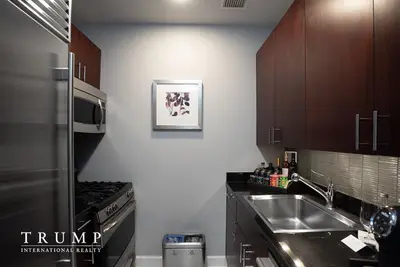
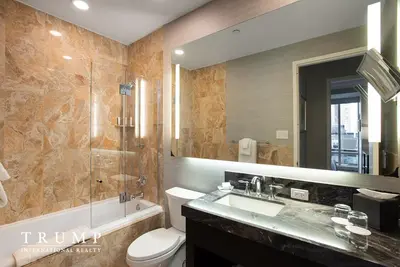
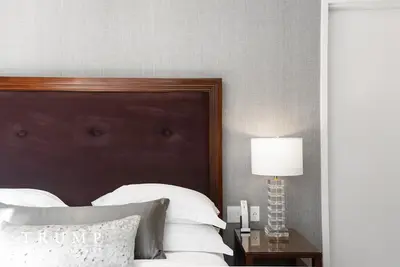
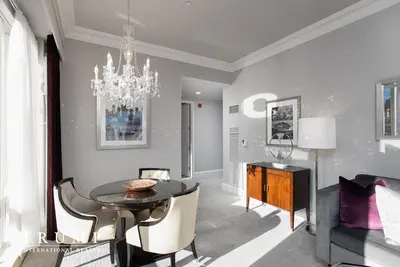
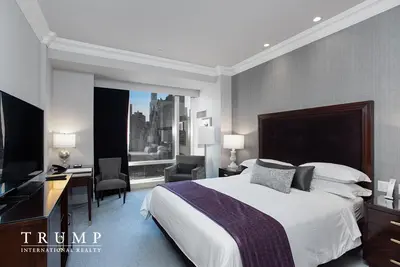
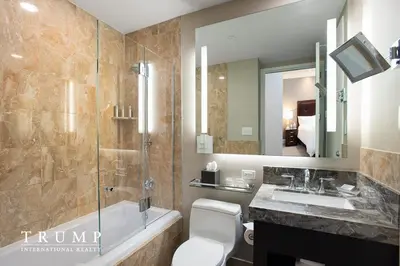
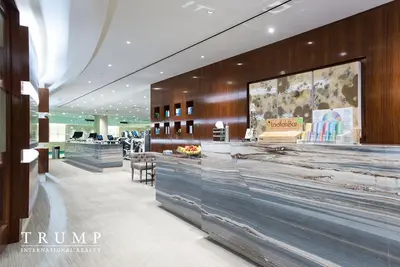
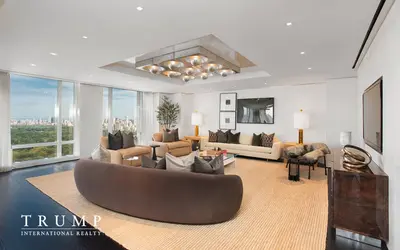
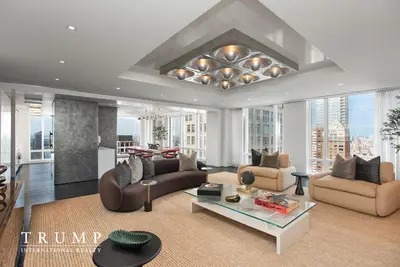
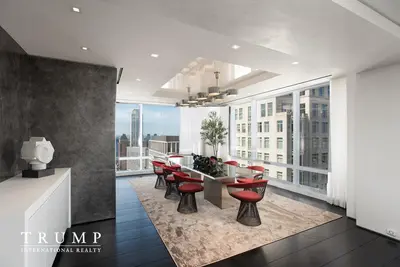
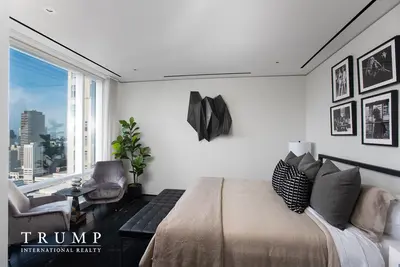
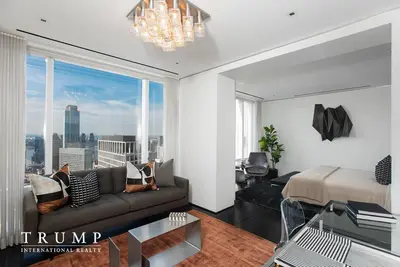
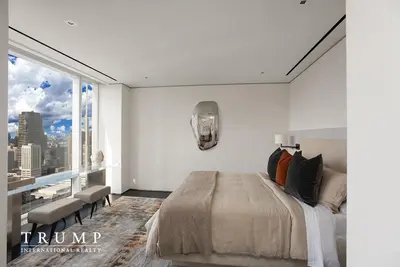
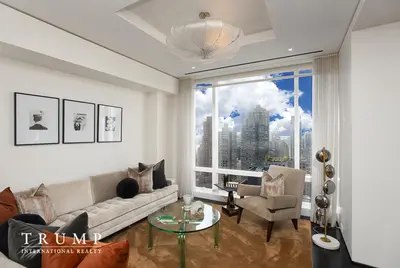
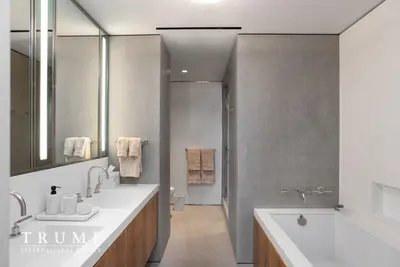
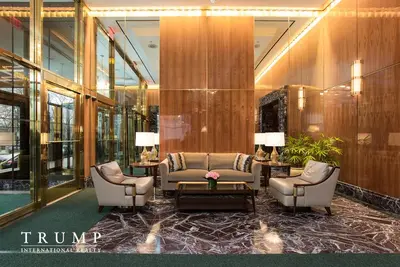
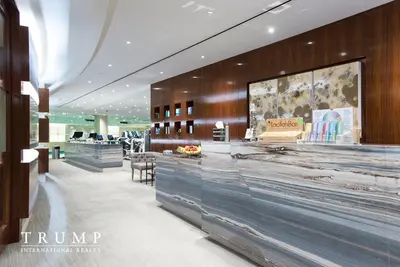
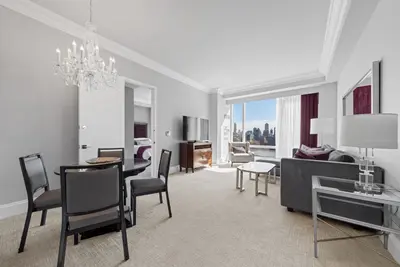
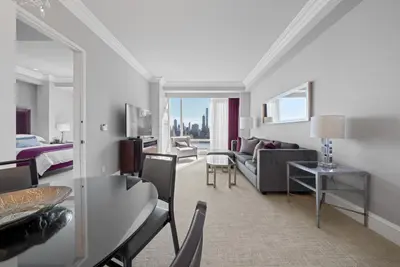
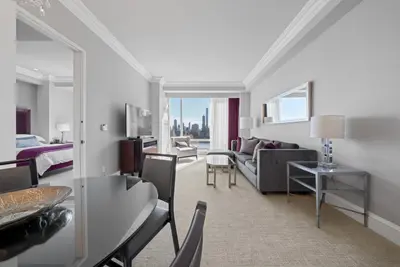
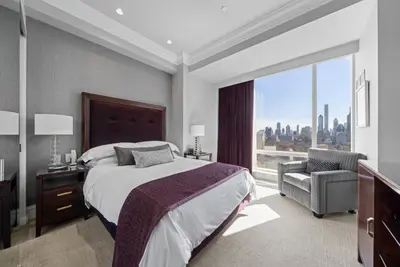
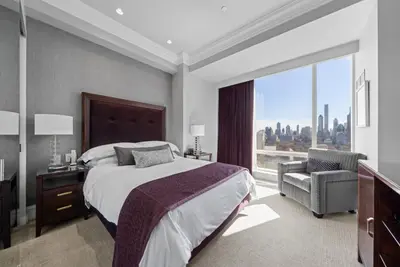
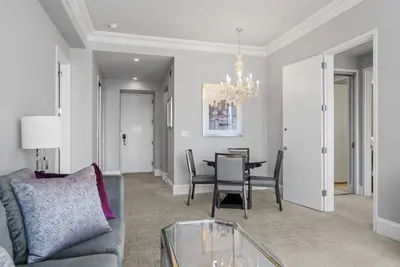
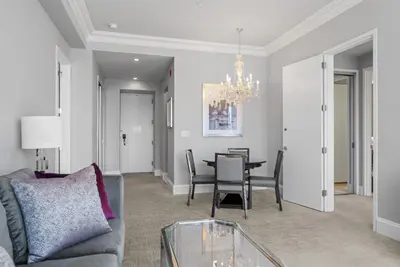
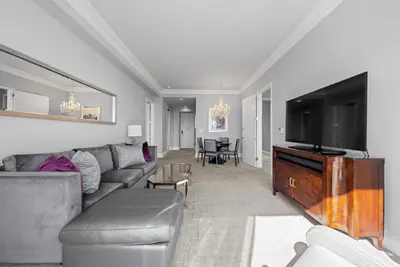
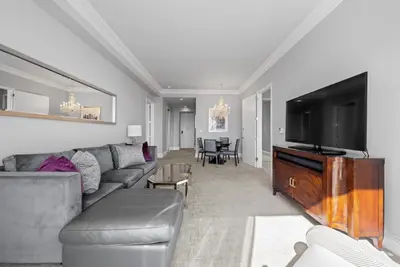
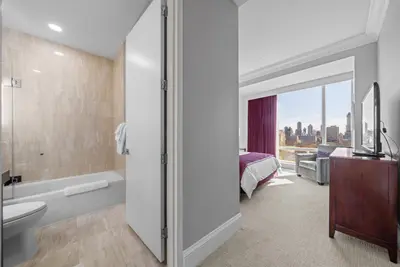
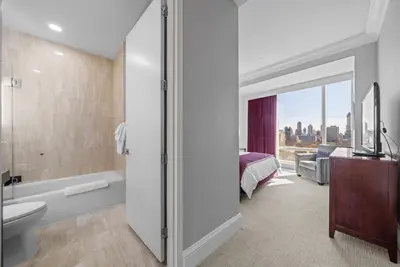
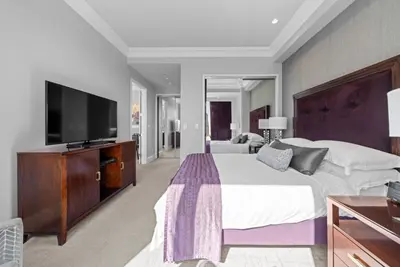
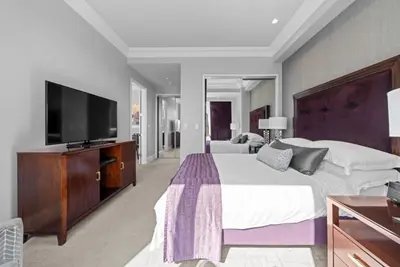
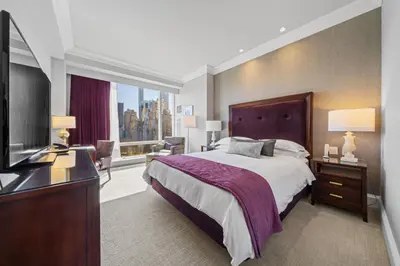
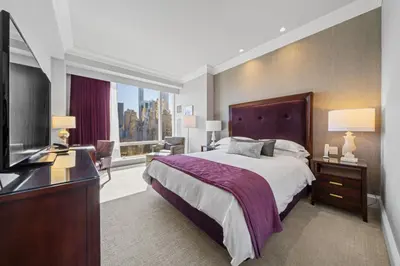
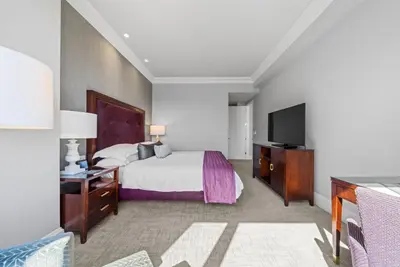
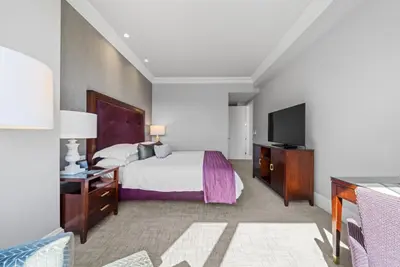
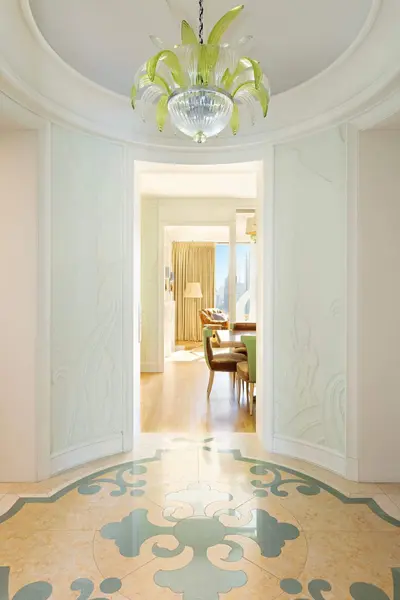
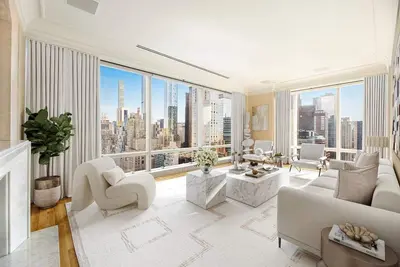
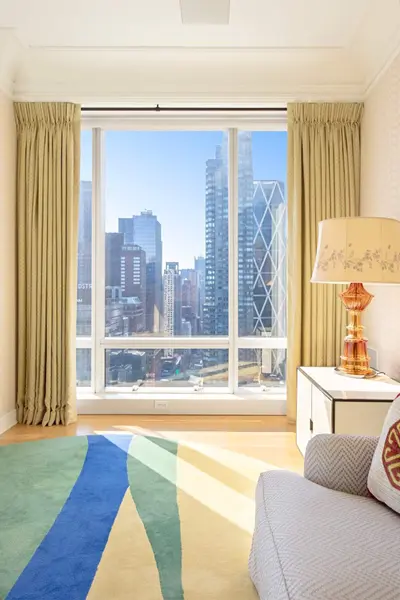
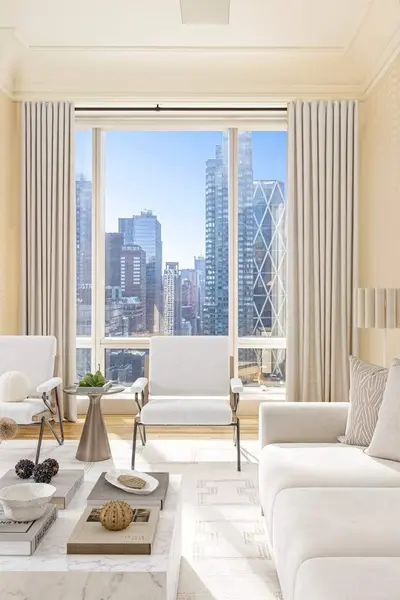
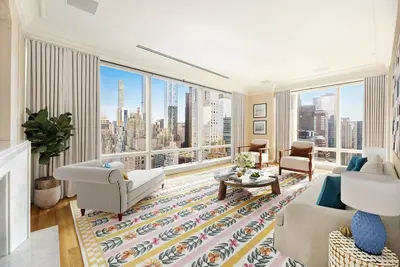
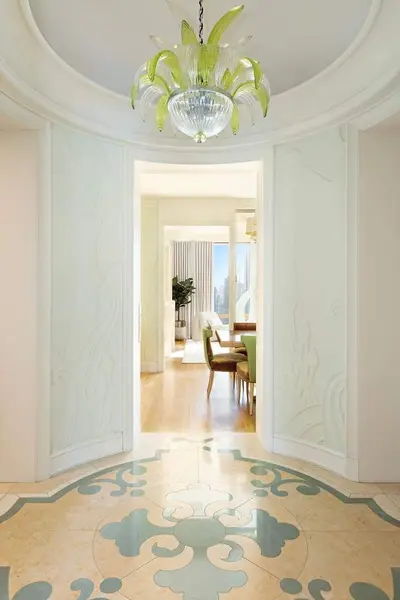
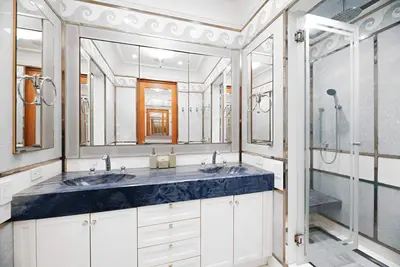
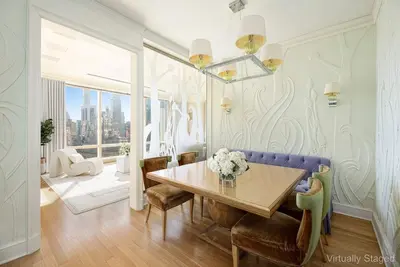
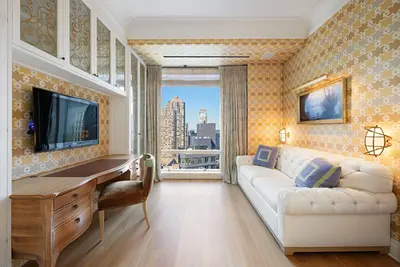
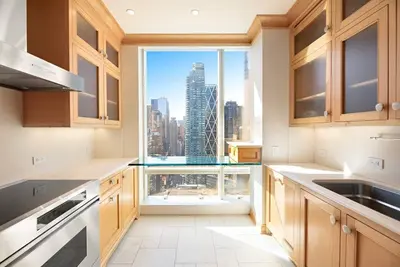
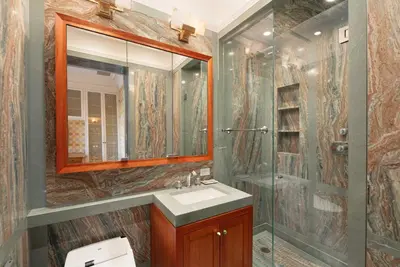
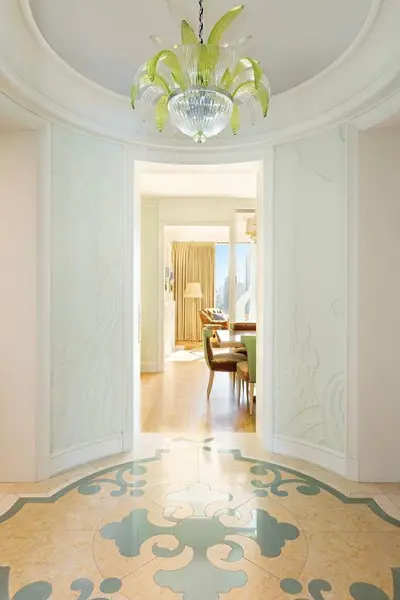
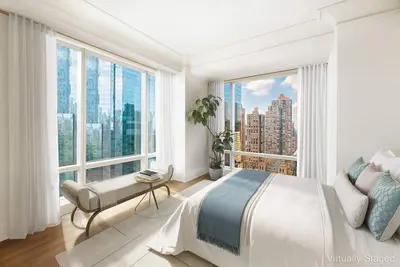
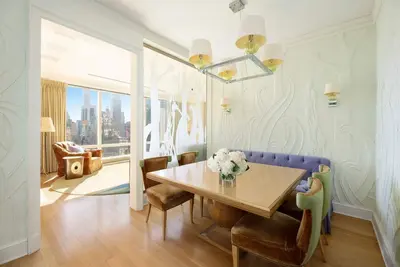
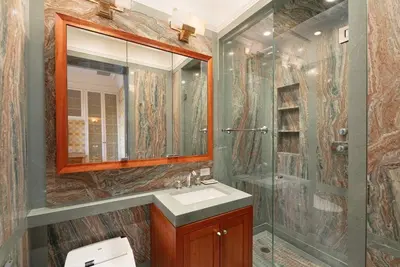
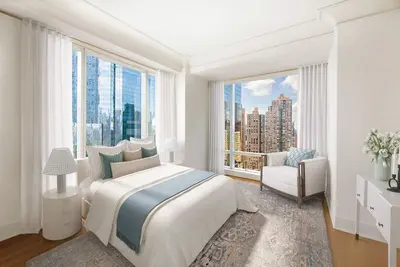
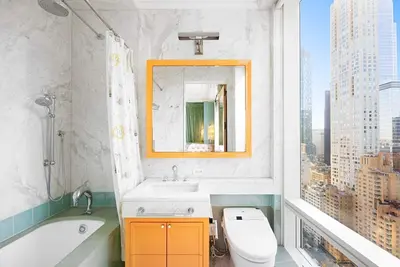
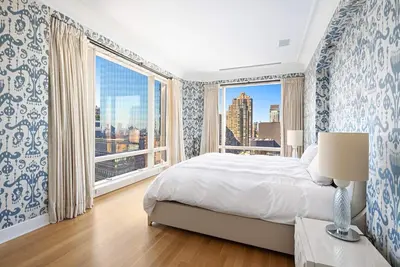
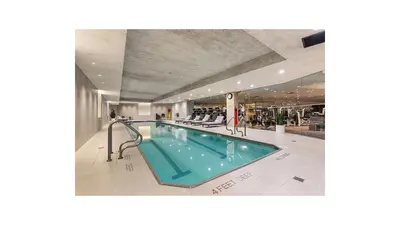
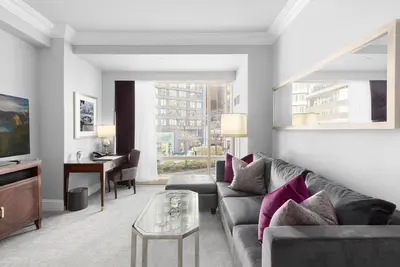
There are 168 hotel units and 166 condominium apartments. The latter start at the 23rd floor and the top five floors of the 52-story structure are "penthouses," albeit without terraces. The building has doormen and concierges, of course, as well as room service, garage with valet parking, maid service and a health club, pool and sundeck.
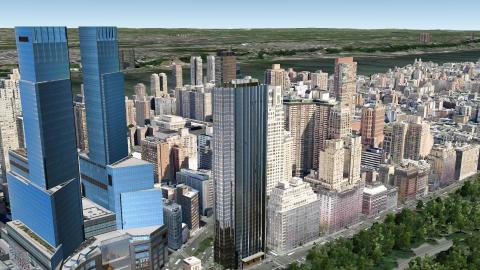
Trump, needless to say, sought to become the developer of the New York Coliseum site and threatened to sue if not successful. That site eventually was developed into the twin-towered, mixed-use Time Warner Center and Mr. Trump delighted in putting up a sign near the top of the western facade of his building teasing the residents in the Time Warner Center whose views were partially blocked by his tower.
Given the existing structure they had to work with, the developers and designers at Trump International squeezed in a few more floors than the office tower had, which is normal since hotel and apartments generally have lower ceilings than offices, but they also did a quite admirable job in turning an eyesore into a pretty dazzling monument.
Perhaps they should have carved the roof up a bit and added some beacons to pay homage to the great architectural heritage of the famous towers of Central Park West. Such a scheme might sound nice in principle, but is not a guaranteed success in its execution. It might also have cost more, and this was not an inexpensive project.
Up close, the tower is very dazzling. From a distance, however, its luster gets lost and it still reads as a large slab under most conditions. This is not the Sherry-Netherlands Hotel, by a long shot. Still, it set a new post-war standard for the Upper West Side until the Zeckendorfs erected their luxury two-building apartment complex at 15 Central Park West on the full block directly north of Trump's tower. The Zeckendorf project was designed by Robert A. M. Stern and is a Post-Modern fusion of pre-war, limestone-clad apartment buildings, but on a large and tall scale. It's a few feet shorter than the Trump building.
The Zeckendorf project sold out quickly at extremely high prices, which, of course, didn't hurt the Trump International's values.
|