
While New York City’s office market remains in flux, new reports indicate that office demand has finally stabilized. However, a "flight to quality" is reshaping the landscape, with business leaders prioritizing premium office spaces to attract and retain talent in the era of hybrid work. As a result, landlords of aging Class B and C buildings are exploring ways to revitalize their properties. Converting outdated offices into residential homes has long been seen as a promising solution—but the challenges of such transformations are daunting, both financially and logistically.
We sat down with Matthew Adell, CEO and founder of Adellco, to discuss what makes a successful office-to-residential conversion, the challenges developers face, and how these transformations will shape the future of the city.
In this article:
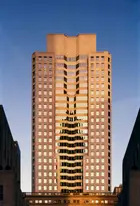

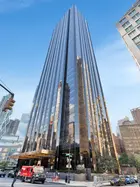
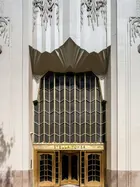
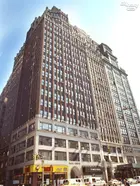
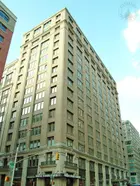


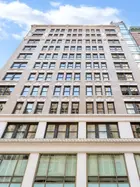
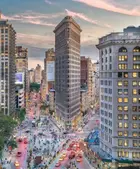

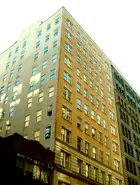
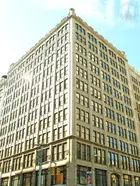
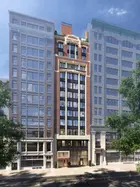
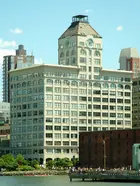


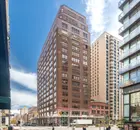
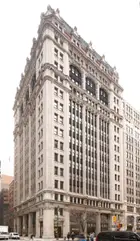
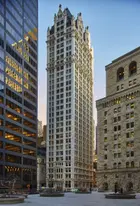



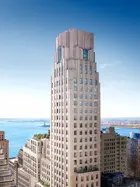
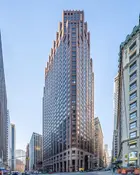
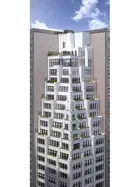
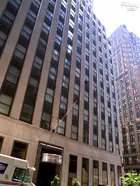
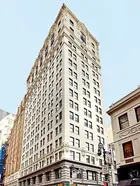
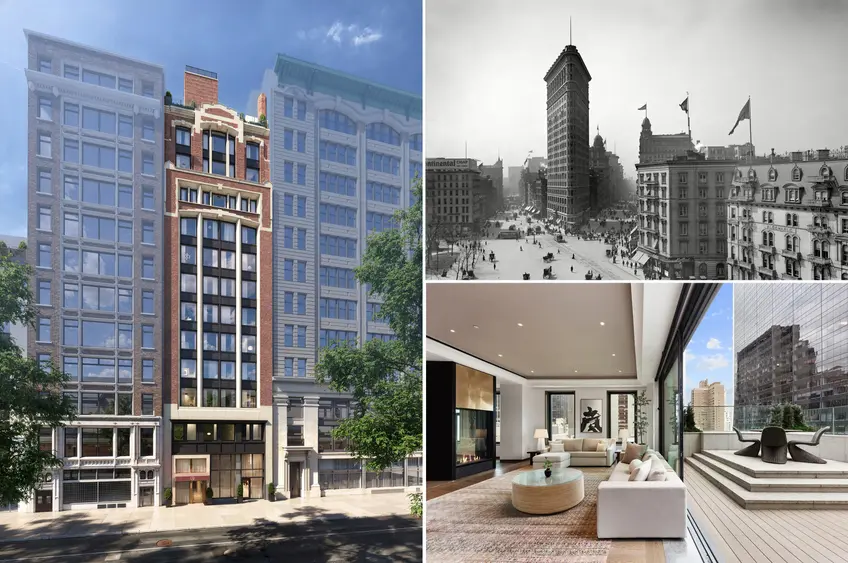
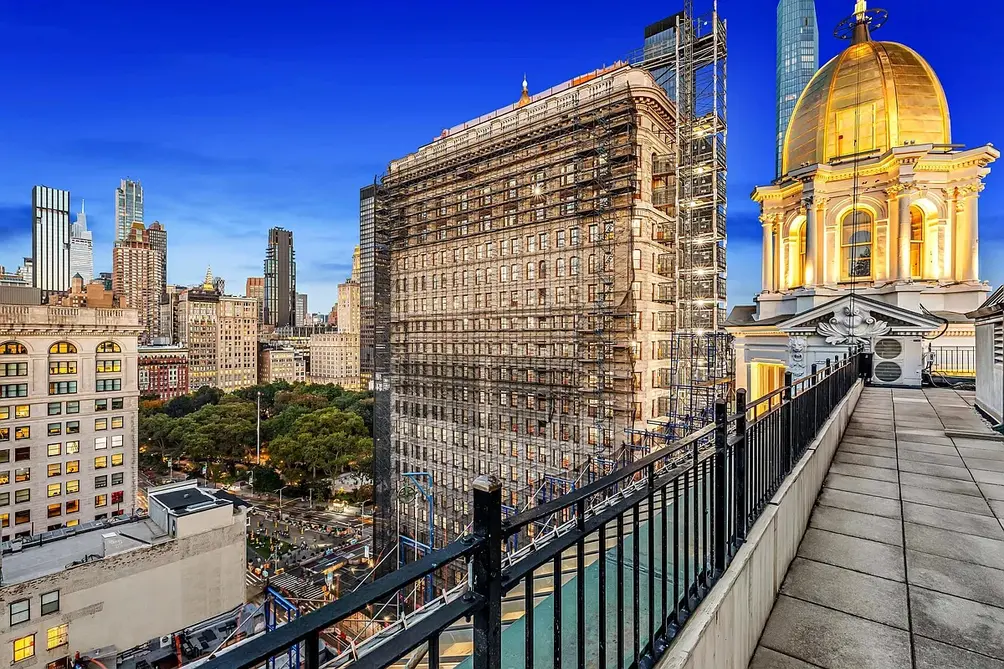 The Flatiron Building, which is undergoing an office-to-condo conversion by The Brodsky Organization. Taken from the Sohmer Piano Building, a completed office-to-residential conversion (Douglas Elliman)
As a developer and investor, we [Adellco] are always looking to find the highest and best use for a property. Taking older office stock that is stressed or distressed and finding a higher and better use is what we do all the time. While converting to other commercial uses is an option, residential conversion is often the best path to rescuing a distressed office building.
For us, we focus on what’s legally possible rather than negotiating with tenants. Some buildings generate enough net operating income to remain viable until leases expire. Buying an occupied building with the intent of converting sometime in the future can be a less risky move
Matthew Adell: It depends. Residential floor plates are very different from office floor plates. Large, deep layouts that worked for office tenants may not be easily adapted for livable apartments.
The feasibility of converting offices to any other use is very building specific. One must weigh the cost of reconfiguring the exterior, the elevator, stair, and mechanical core, while providing the units with enough light. Sometimes it's best to demolish. There’s just no way to generalize.
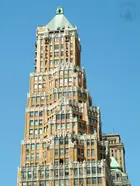
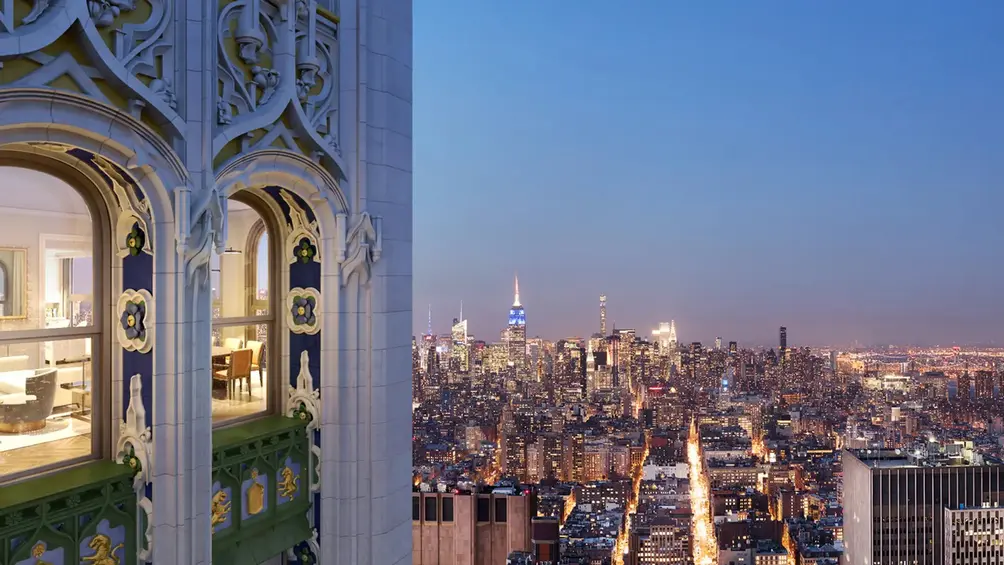 The Woolworth Tower Residences, where in 2018, the slender upper portion of the Woolworth Building was converted into 32 condos starting on the 29th floor by developer Alchemy Properties and architect Thierry W. Despont
Matthew Adell: Whether a condo project pencils out is determined by the cost of the market tier the developer is venturing in.
In rental conversions, longer hallways and efficient spaces may be feasible. However, to create more generously sized residences, developers must carefully project how much revenue each unit can generate per square foot. Creating a unit that is too large may result in an apartment that exceeds market demand.
Condominium buyers consider both price per square foot and the overall cost of a unit. Oversized residences are neither inherently good nor bad, but the market must support them.
Sometimes, you have a beautiful old building that cannot be replicated. If there is value in preserving it and the market is likely to respond positively, then a condo conversion may very well be viable.
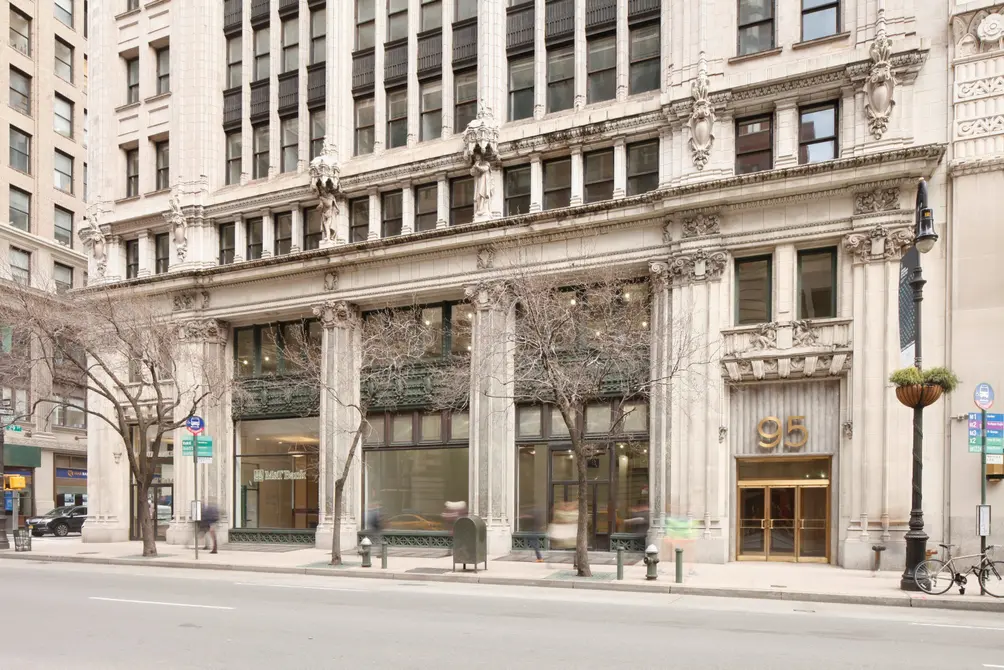 The ornate Emmet Building at 95 Madison Avenue is currently undergoing a condo conversion
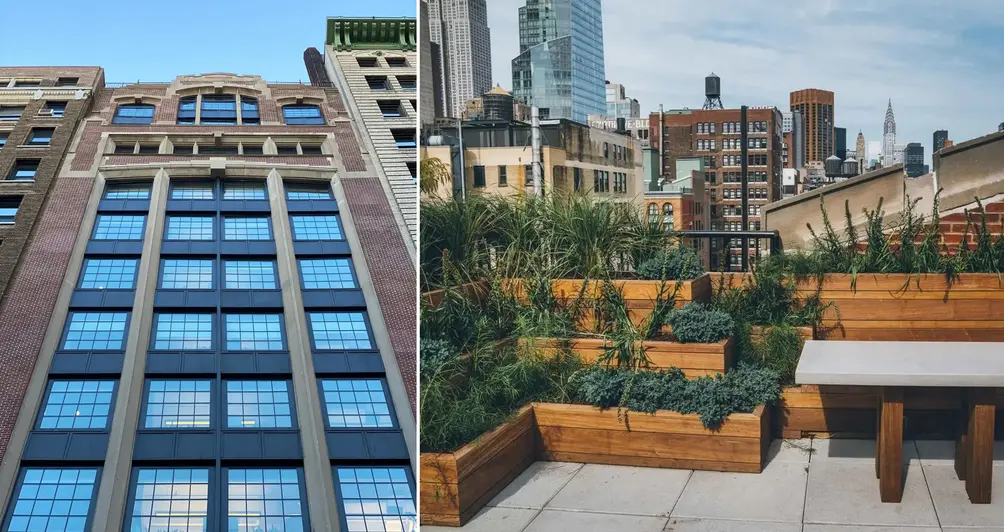 Adellco is converting 114 East 25th Street from a co-working office space, which opened just before the pandemic, into condominium residences. (Credit: Mancini Duffy Architects)
Recently announced office-to-condo conversions
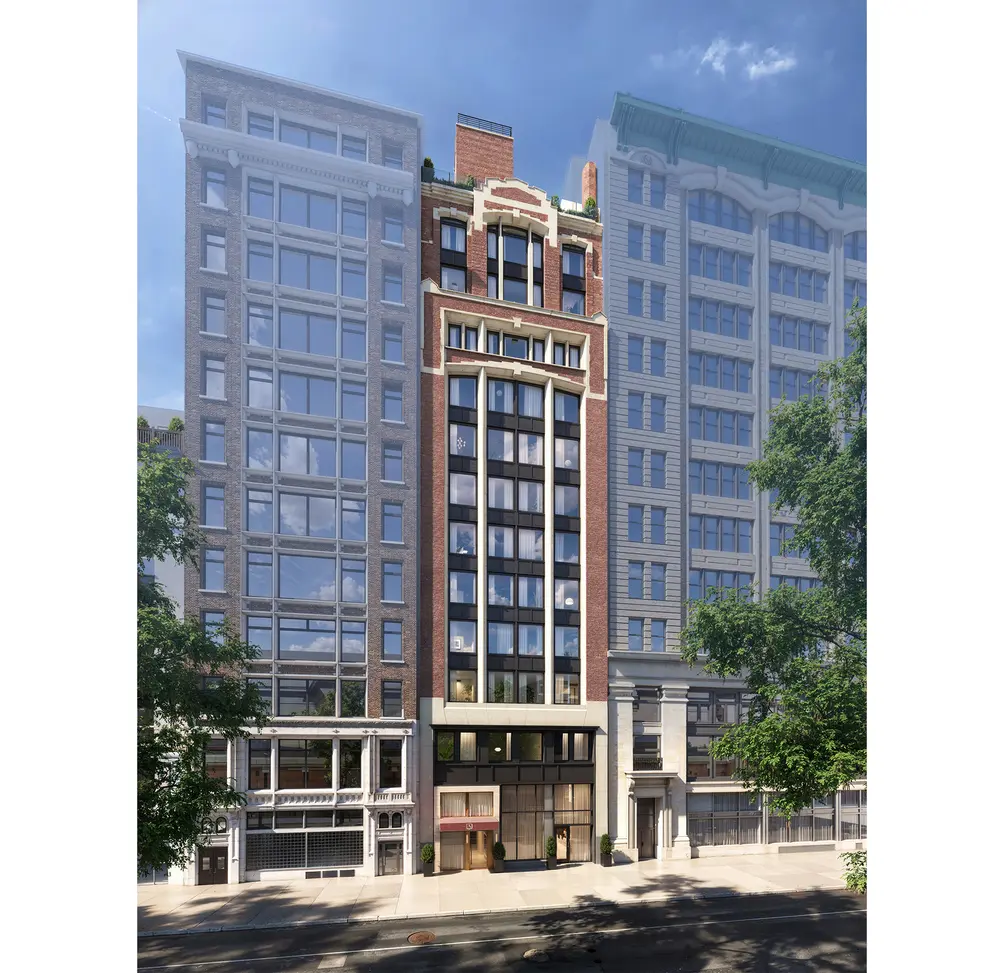 Armorie, Adellco's new office-to-condo conversion in the Flatiron District
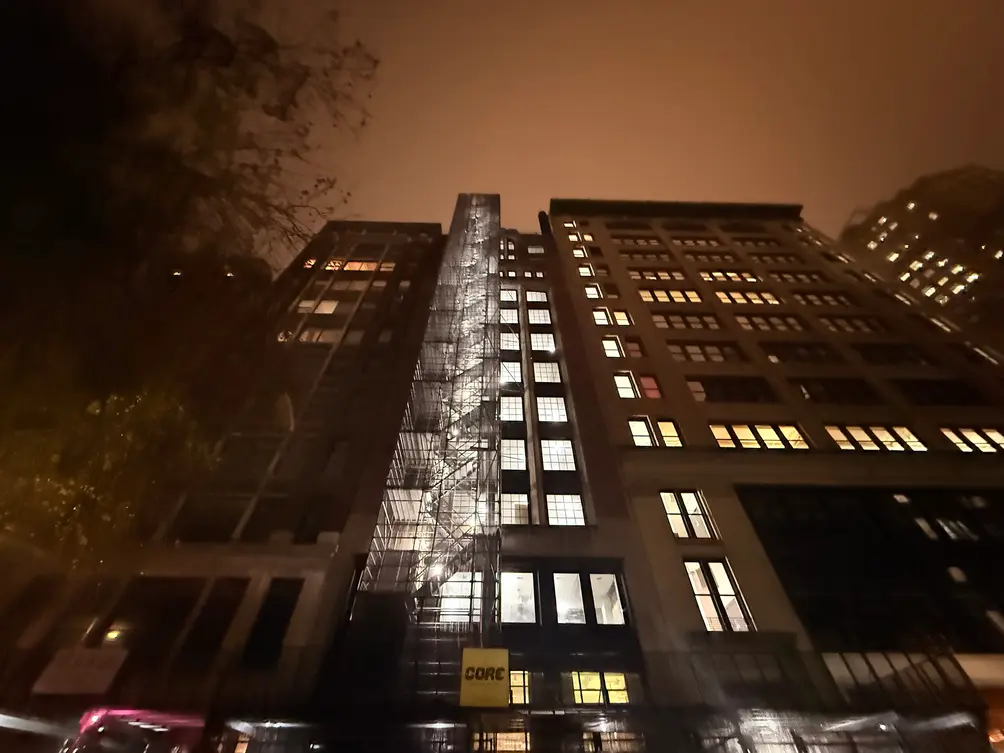 Ongoing work in Dec. 2024 for the conversion of 114 East 25th Street into the Armorie condo residences (CityRealty)
According to filings, the conversion will not involve any demolition, addition, or expansion, just “minor exterior work” and interior renovations to convert the expansive office floors to smaller, more insular layouts. Additionally, the building only has one stairwell so another needs to be installed for safety code. Currently, the interior spaces are floor-through cavernous, tapered triangles. The ground floor will remain commercial, the upper 21 floors will be residential.
The developers, the Brodsky Organization, GFP Real Estate and the Sorgente Group, aim for residents moving in by the end of 2026, according to the New York Observer.
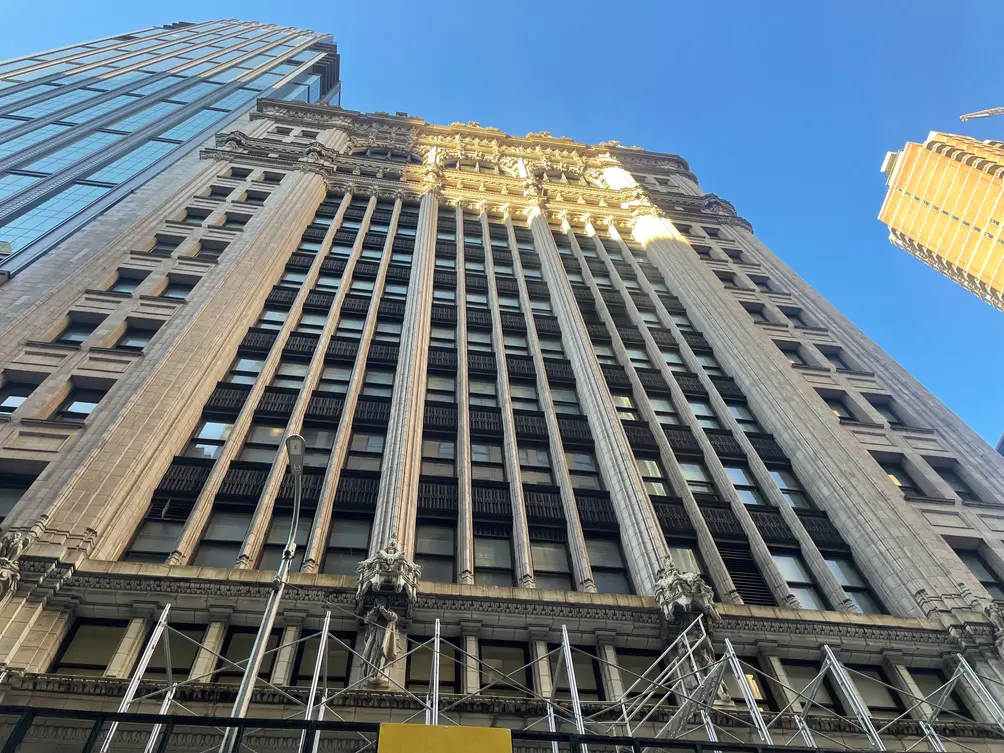 Construction prep work underway as of December 2024
An offering plan has been approved, and sales are anticipated to launch early 2025. Prices will range from about $650K for an efficient studio to over $13.5 million for a palatial four-bedroom penthouse.
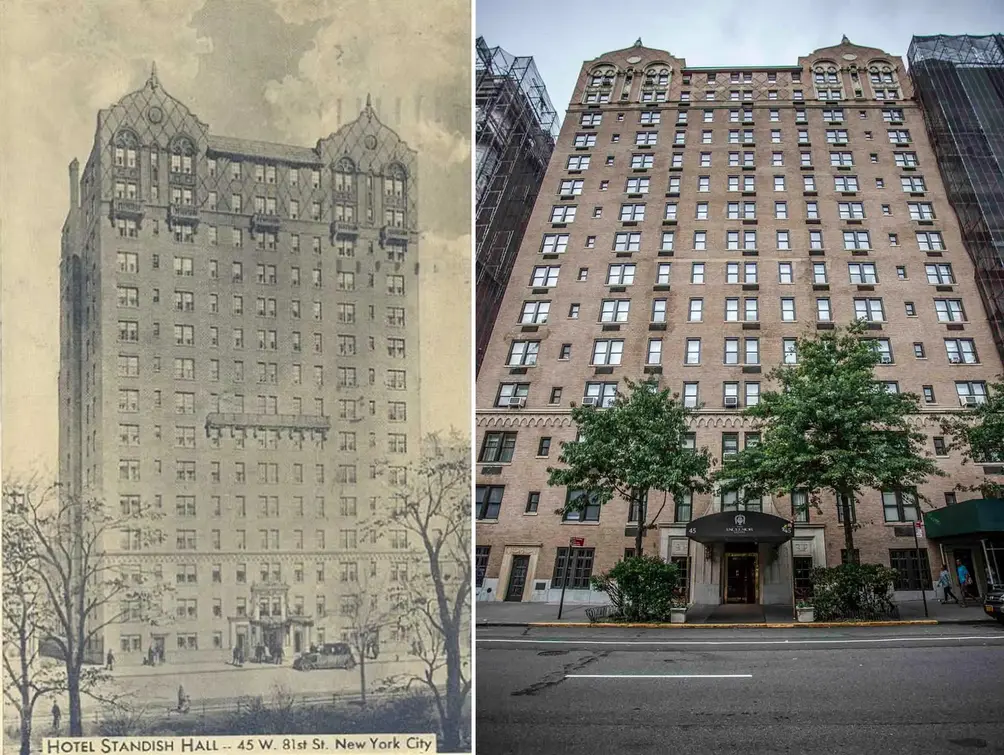
RJ Capital Holdings and Top Rock Holdings have filed plans to convert a 14-story office building at 609 Fifth Avenue into a 29-story mixed-use tower comprising 76 ultra-luxury residential units. The development is located across the street from two iconic properties, Saks Fifth Avenue and Rockefeller Center.
The project will add approximately 93,000 square feet to the former SL Green property, bringing its total size to about 226,000 square feet and increasing its height from 187 feet to 400 feet. Rafael Viñoly Architects, the firm behind 432 Park Avenue, is listed as the architect of record, with design featuring a series of stacked boxes and new glass facade.
The building's new layout is slated to feature apartments on the first, third, and fifth through 28th floors, with offices on the fourth and fifth floors. The 29th floor will be used for storage. The property will include 41 parking spots for bicycles as well.
Despite debuting a registration site in 2019 and garnering interest for its investment potential, central location, and proximity to various transit options as well as Hudson Yards, the project faced significant delays due to the pandemic and the developer's difficulties: The owning entity filed for bankruptcy in January 2024 but sought $15 million to $18 million to complete the development. In April 2024, they filed lawsuits against Shanghai Commercial Bank and Milestone Construction Corp. for fraud and negligence, blaming them for stalling construction on the project (h/t The Real Deal).
Sitting atop Grand Central Terminal, The Helmsley Building is a 35-story skyscraper built in 1929, originally known as the New York Central Building and designed by Warren & Wetmore, who also designed Grand Central in a similar Beaux-Arts style. The landmarked, 34-story debt-burdened building has a stunning marble and bronze lobby and gilded elevators. Imagine how extraordinary the penthouse will be with that copper pyramid roof capped with a cupola and wrap-around terrace.
Its owner, RXR Realty announced plans to partially convert the building into apartments, but in December 2024, the building's mortgage lenders filed a foreclosure action in New York state Supreme Court, according to Crain's New York. A spokesman for RXR told Crain's that RXR “continues to have constructive conversations with the lenders.”
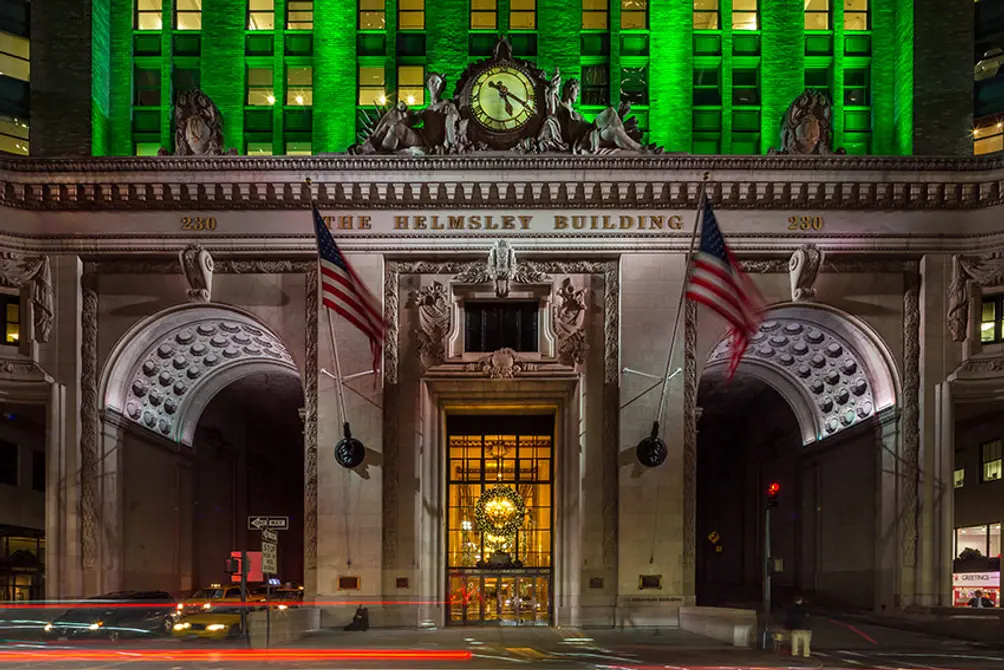 The Helmsley Building which partially may go residential (Evan Joseph)
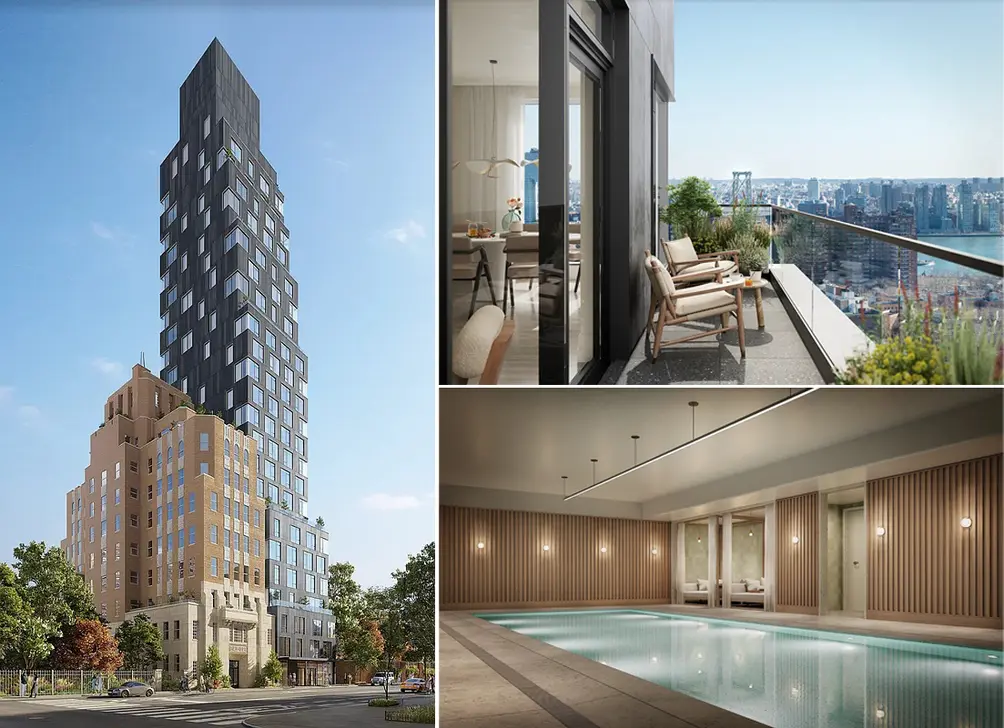
All units feature interiors by Paris Forino, and 222 LES Tower + Lofts offers 14,000 square feet of indoor and outdoor amenities. They include an indoor pool with cabanas, a state-of-the-art fitness center with yoga studio, a screening room with lounge, an indoor children's playroom, an attended lobby, and a private park with playground, barbecue areas, and meditation garden. It is situated two blocks away from the market, cinema, and park at Essex Crossing, and the vibrant shopping and dining districts of Chinatown, Little Italy, and Alphabet City also sit within a short walk. The East Broadway station of the F train, located a block away, offers convenient commute options.
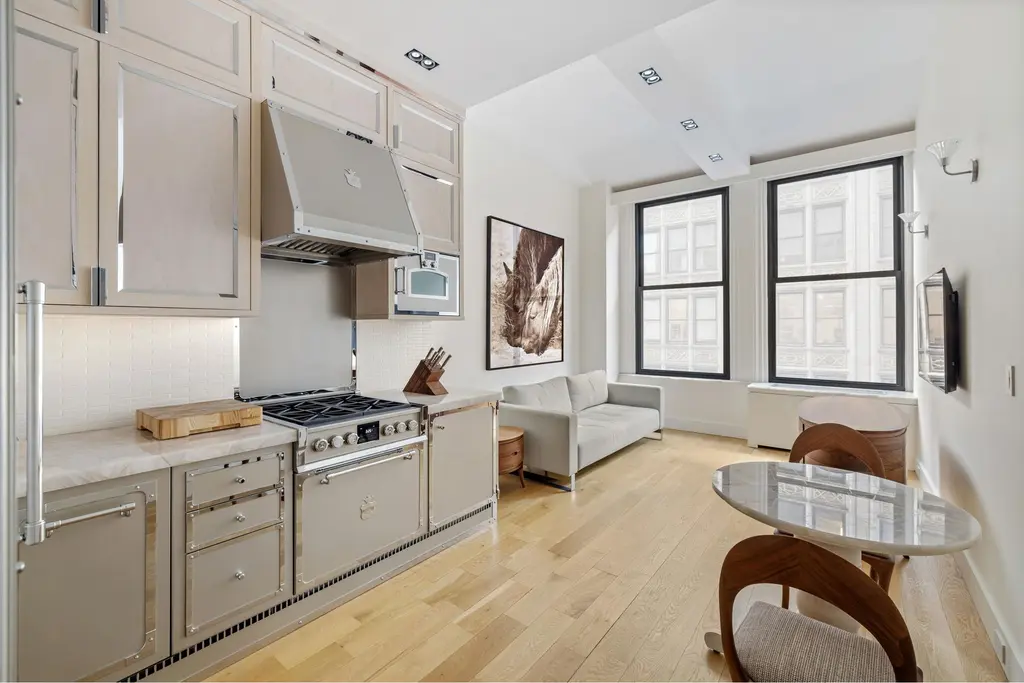
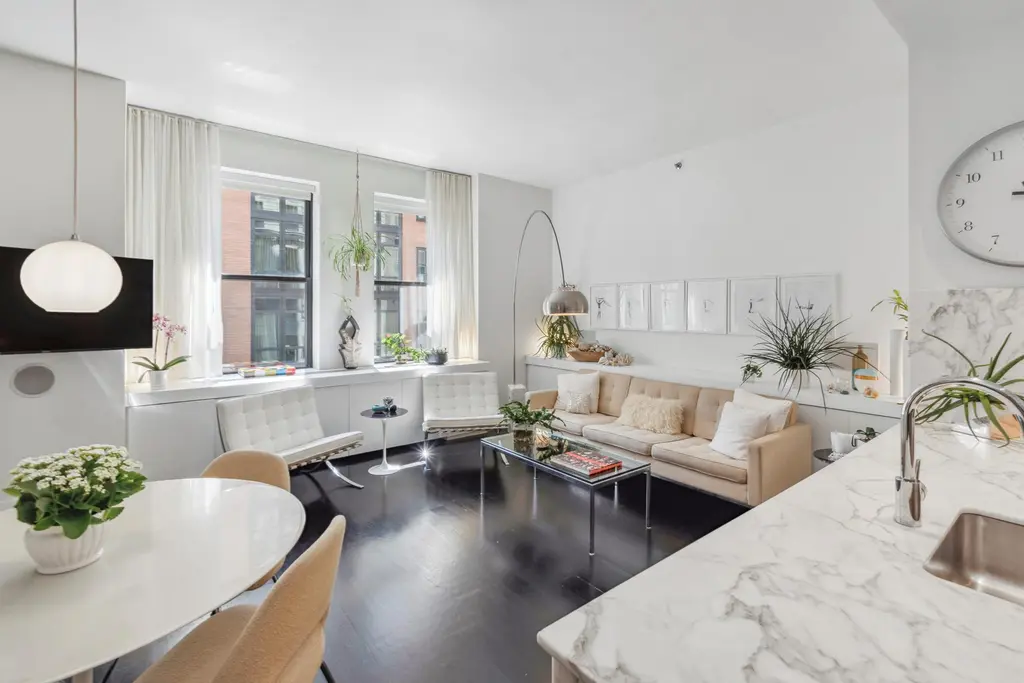
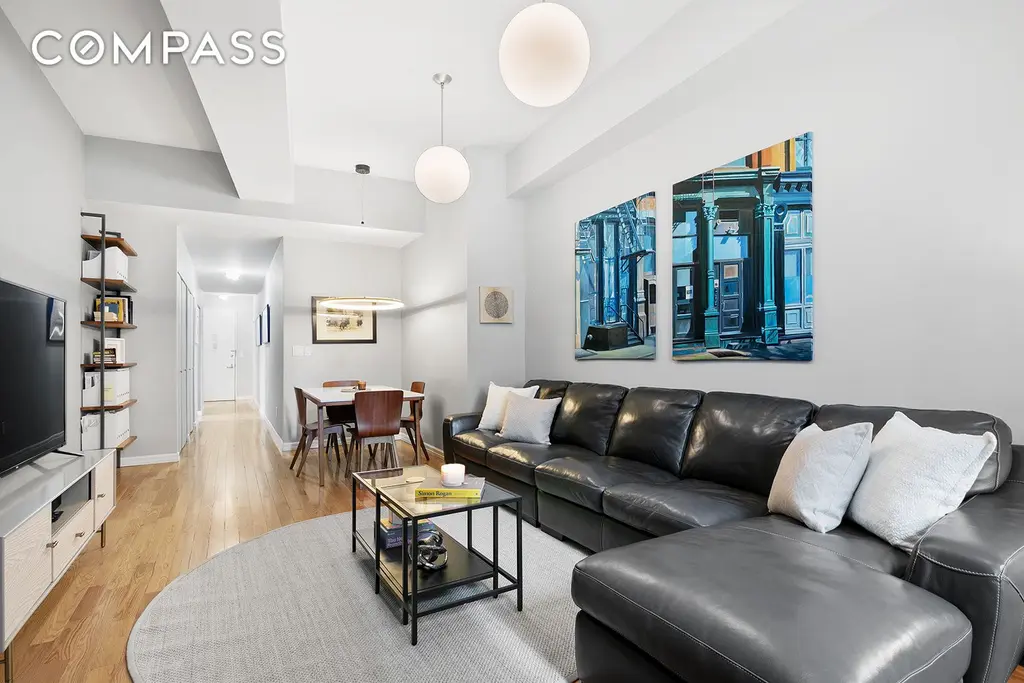
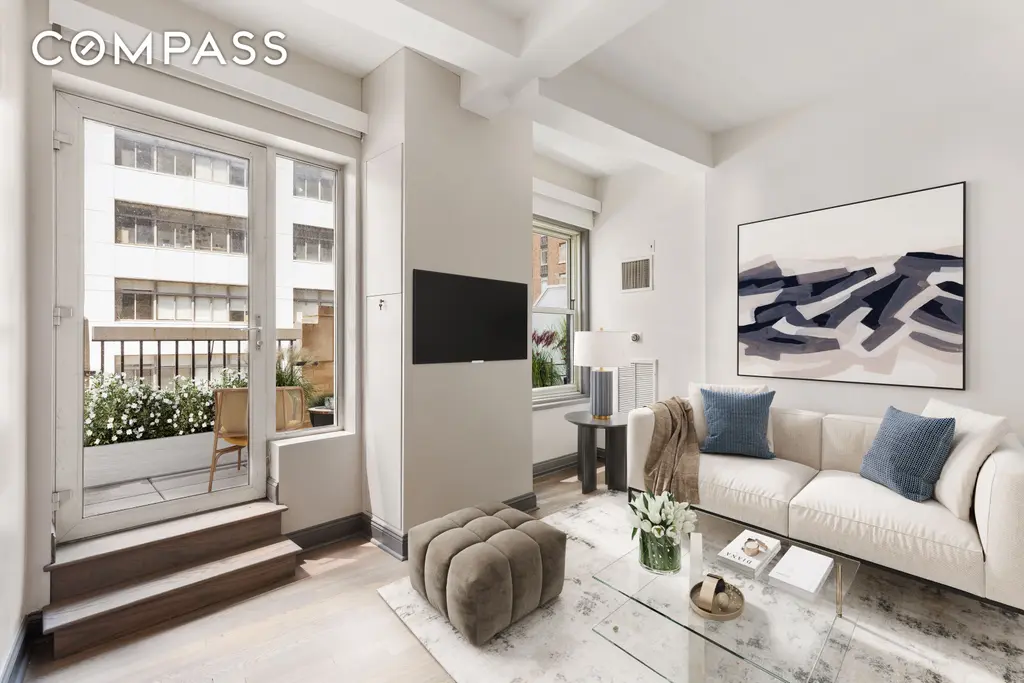
Active sale listings in recent office-to-residential conversions
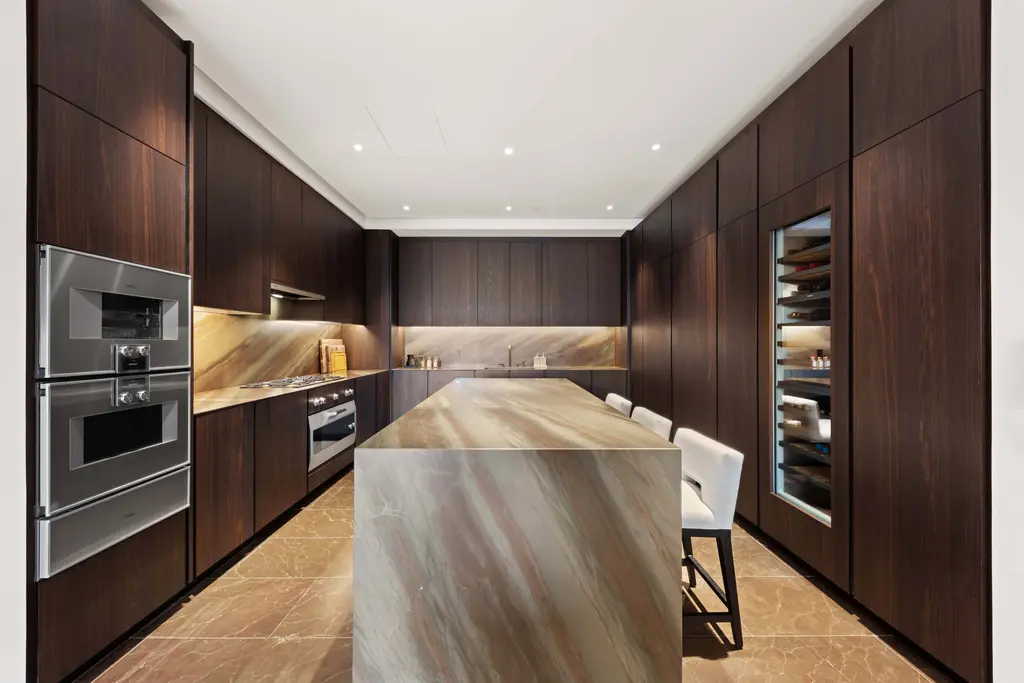
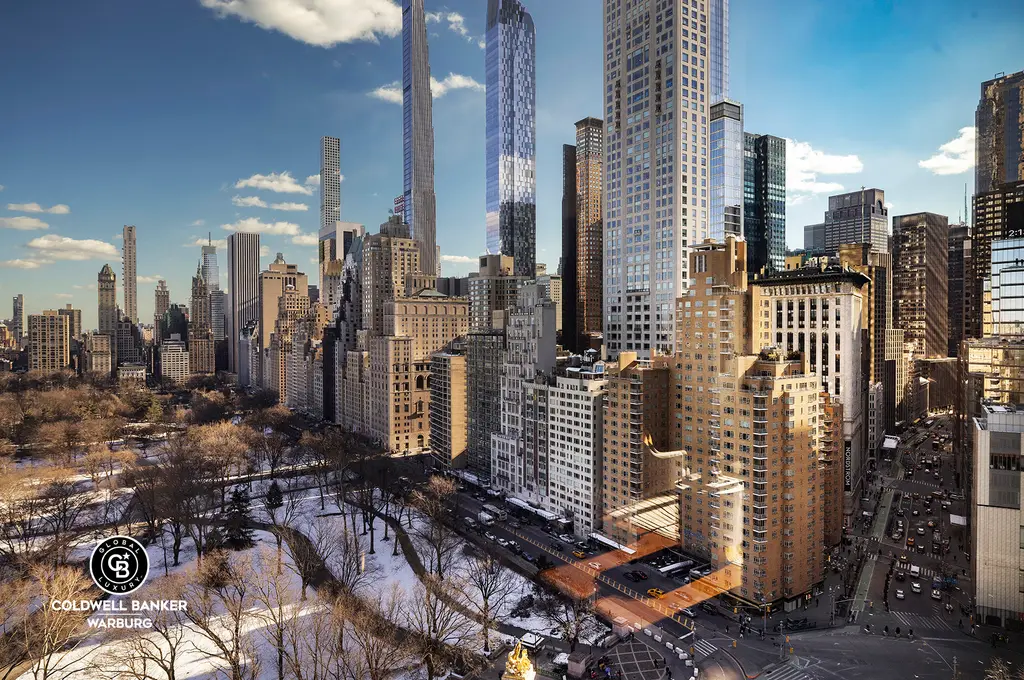
Aman New York Residences, #18B
$27,000,000
Midtown West | Condominium | 2 Bedrooms, Unknown Baths | 3,416 ft2
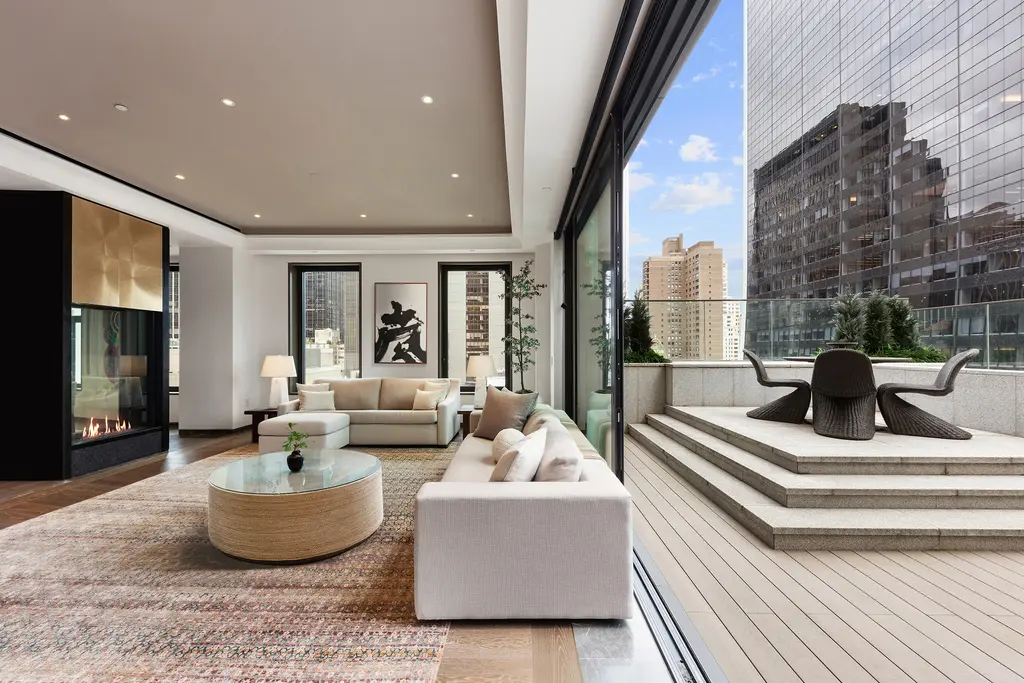
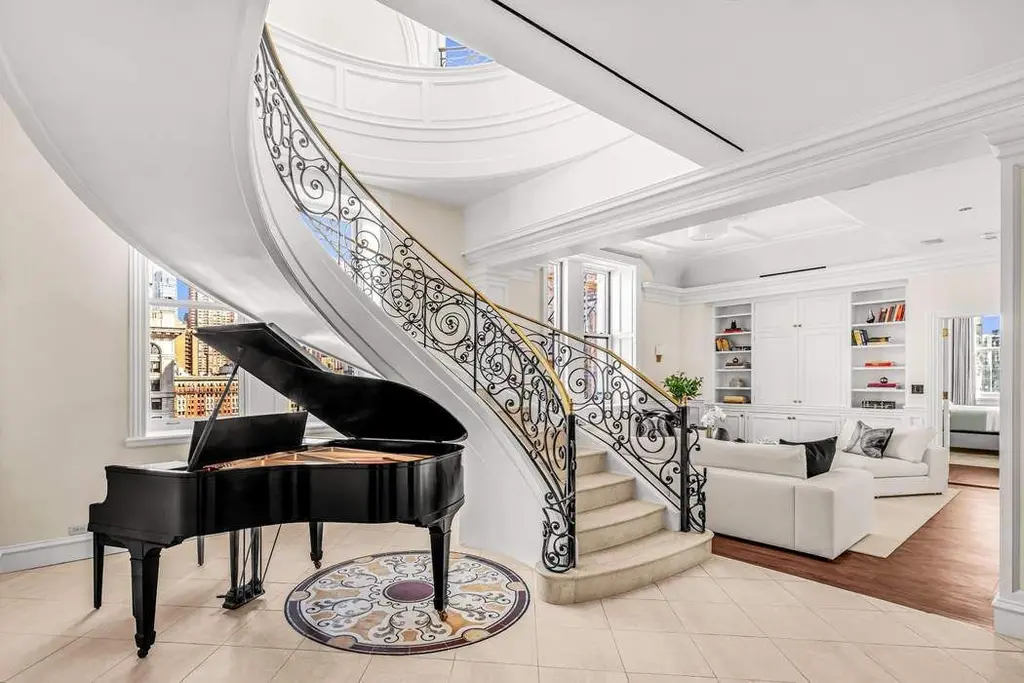
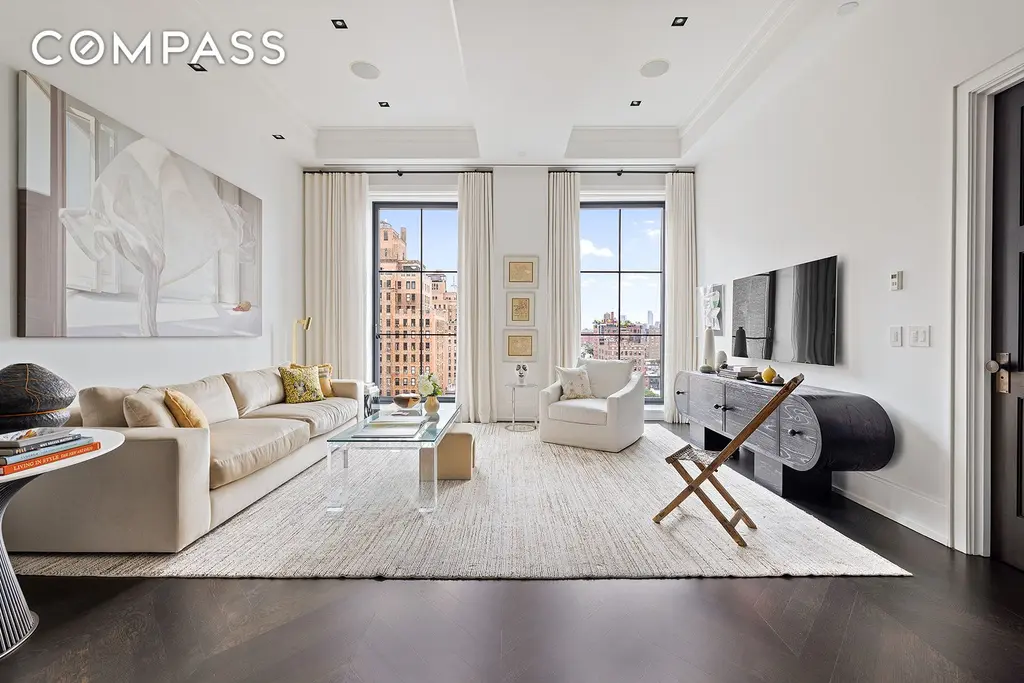
The Sohmer Piano Building, #PH
$25,000,000
Flatiron/Union Square | Condominium | 5 Bedrooms, Unknown Baths | 5,777 ft2


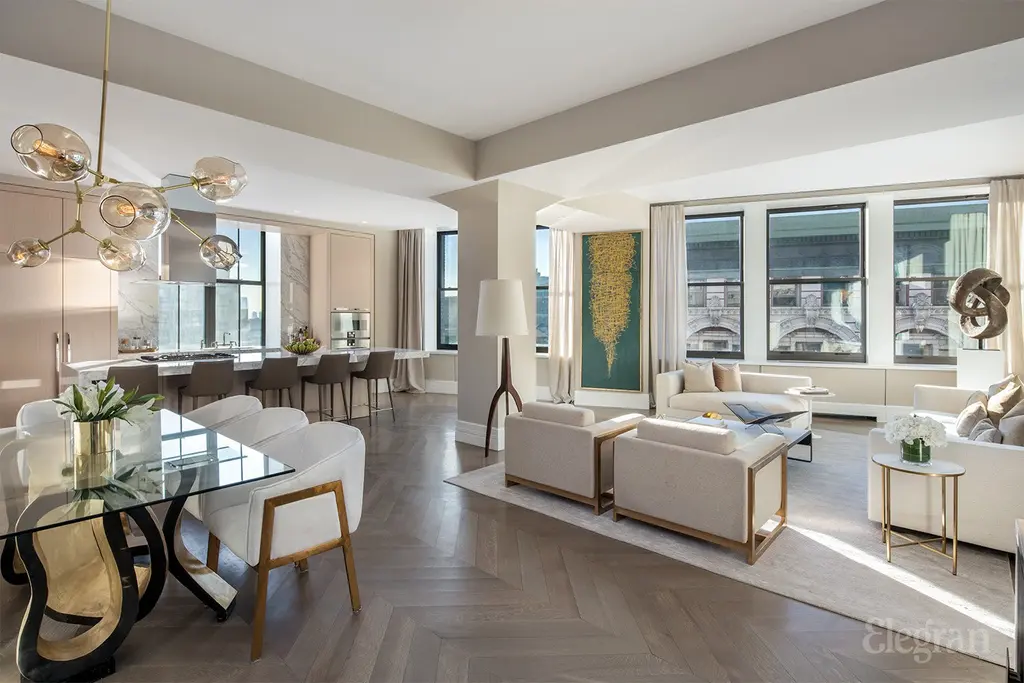
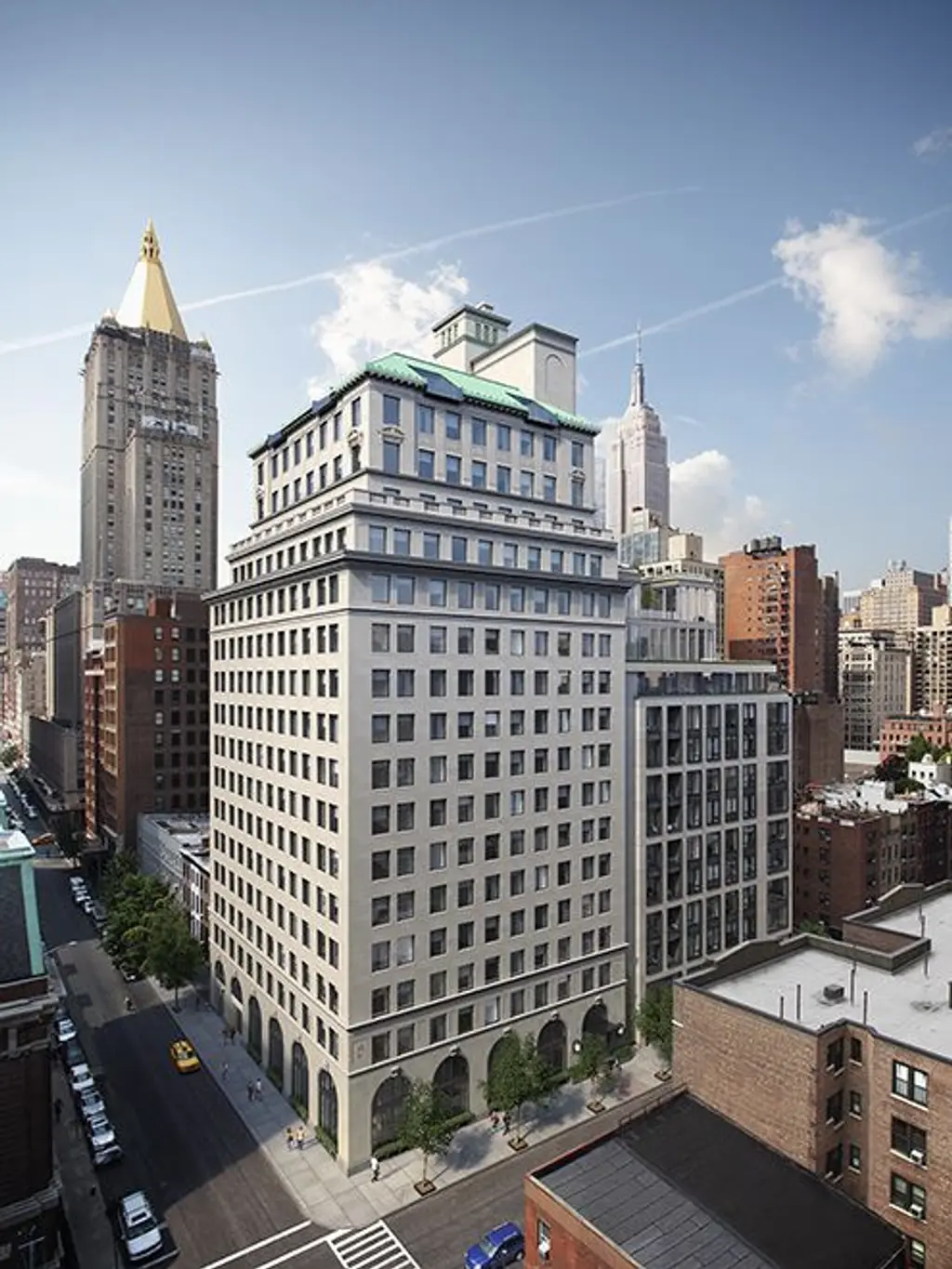
212 Fifth Avenue, #16B
$9,995,000
Flatiron/Union Square | Condominium | 3 Bedrooms, 3.5 Baths | 3,078 ft2
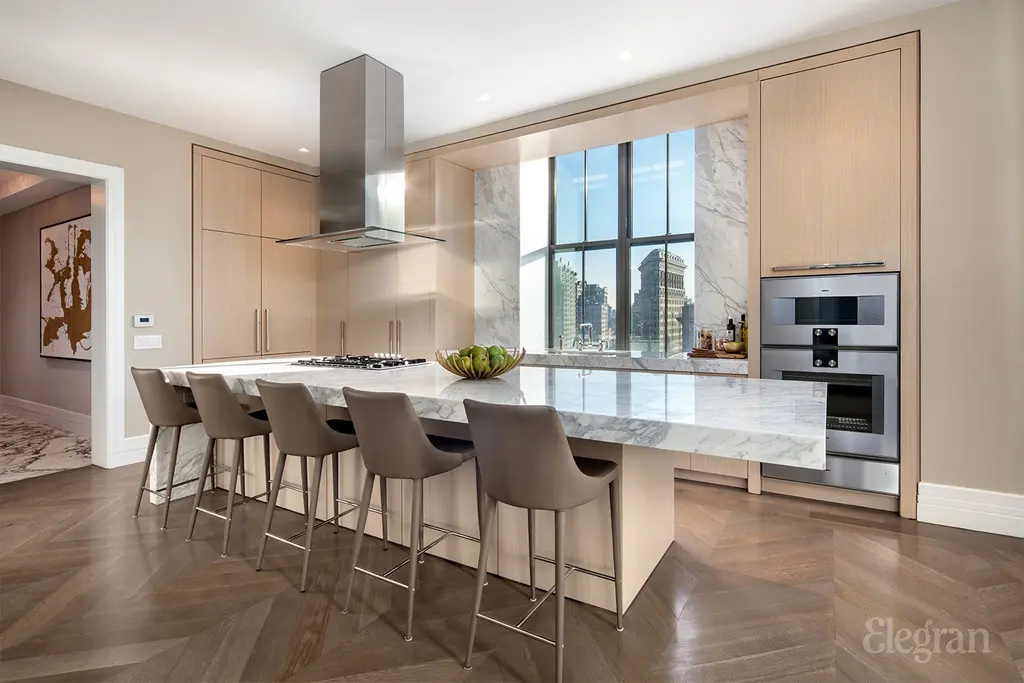
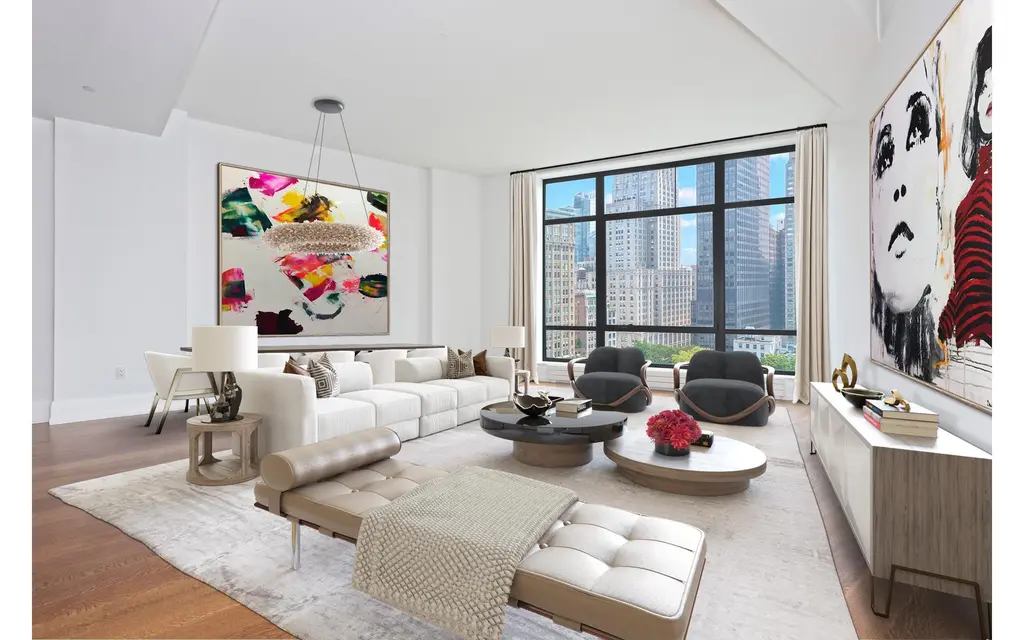
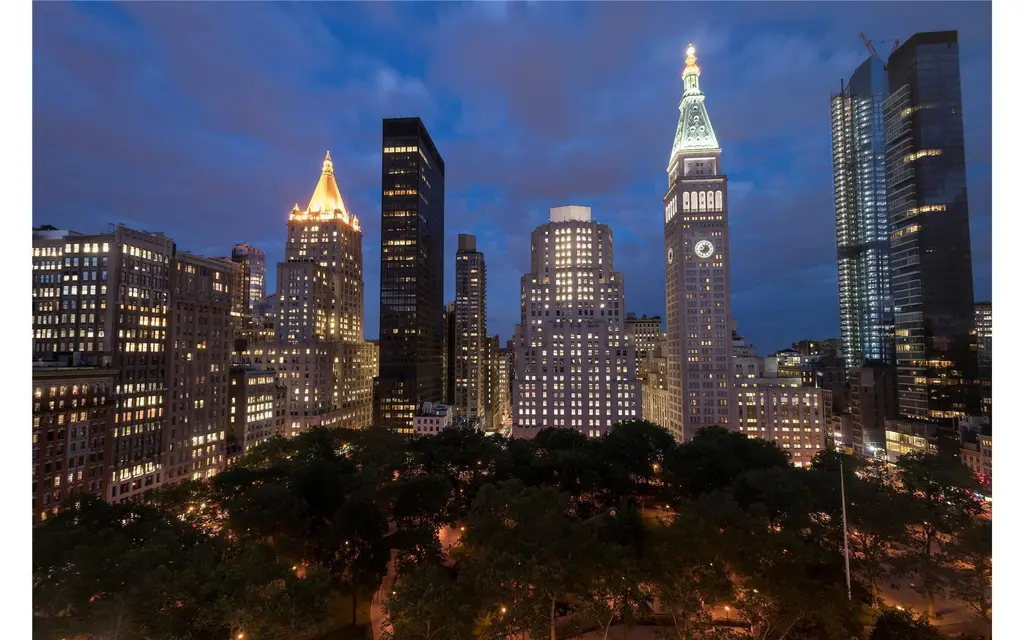
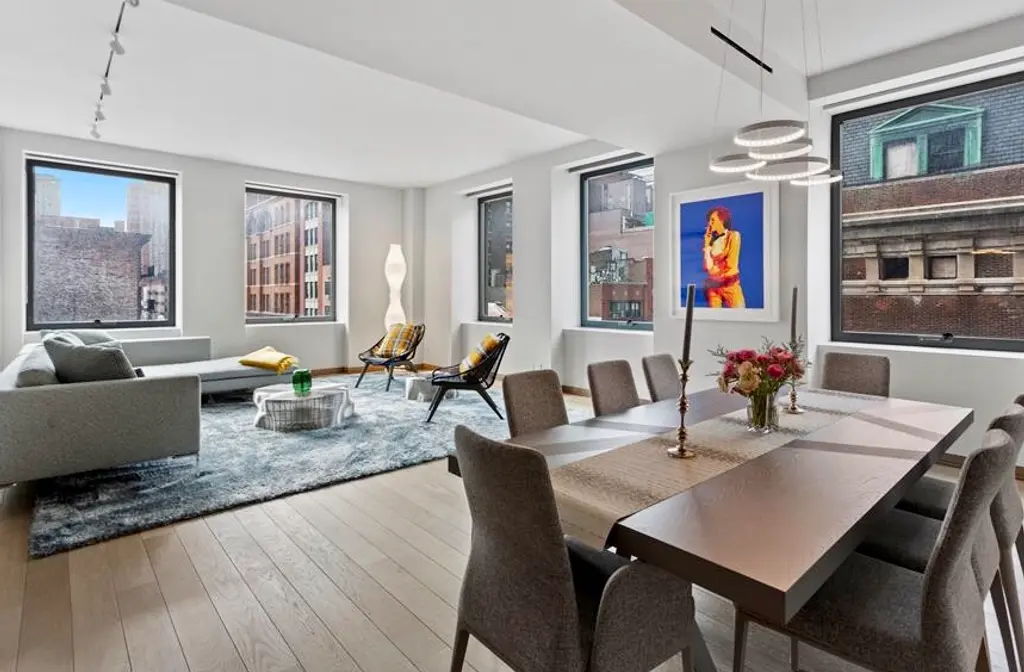
10 Madison Square West, #14F
$7,200,000
Flatiron/Union Square | Condominium | 4 Bedrooms, 4.5 Baths | 2,818 ft2
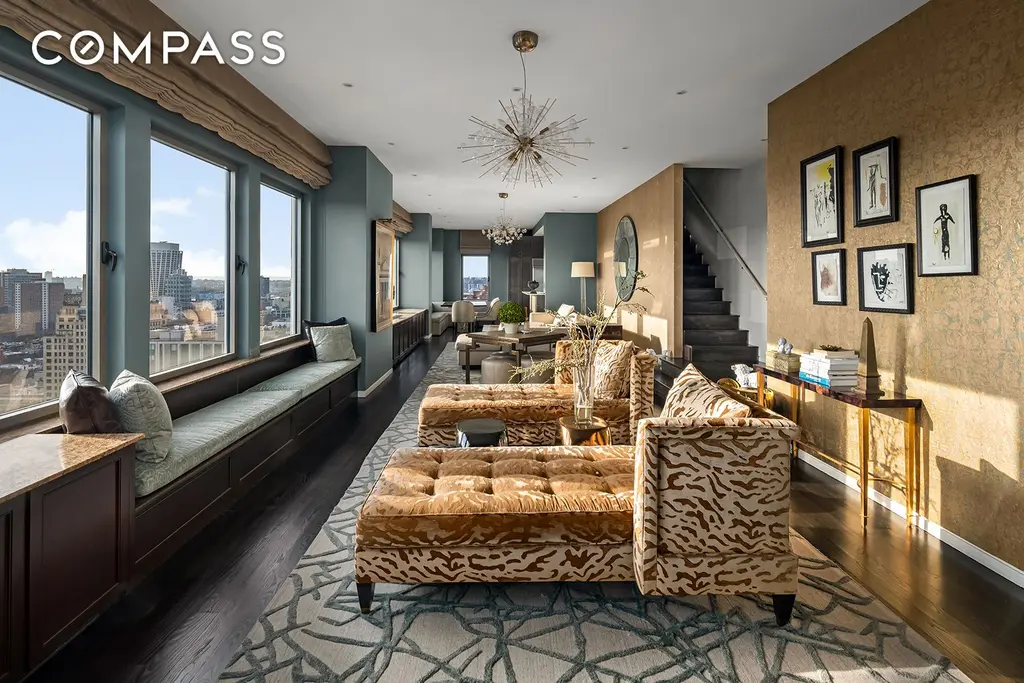
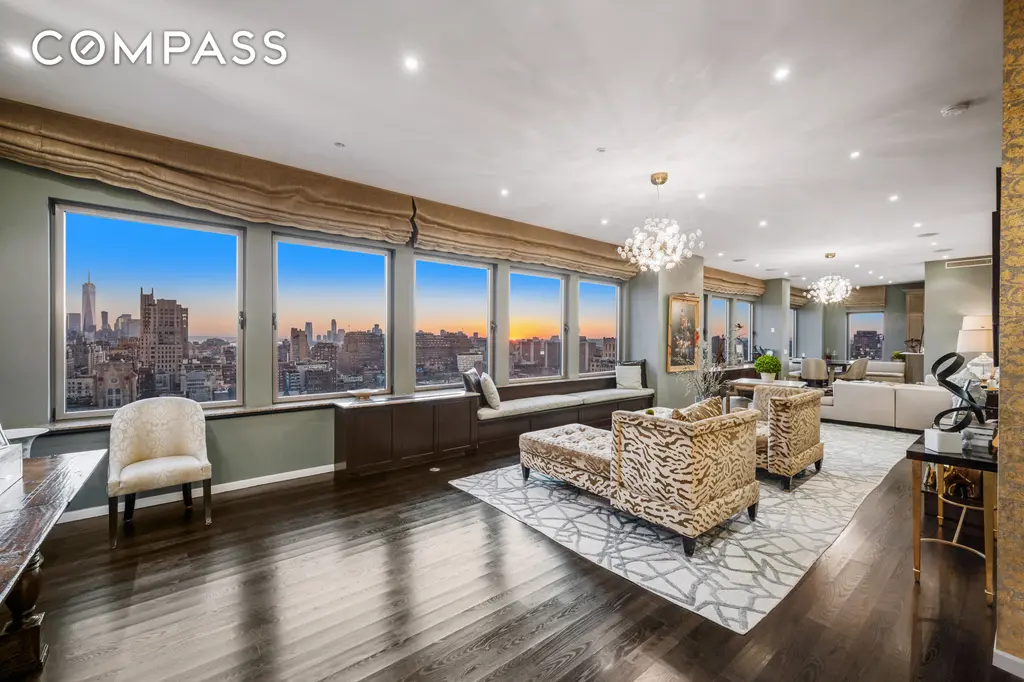
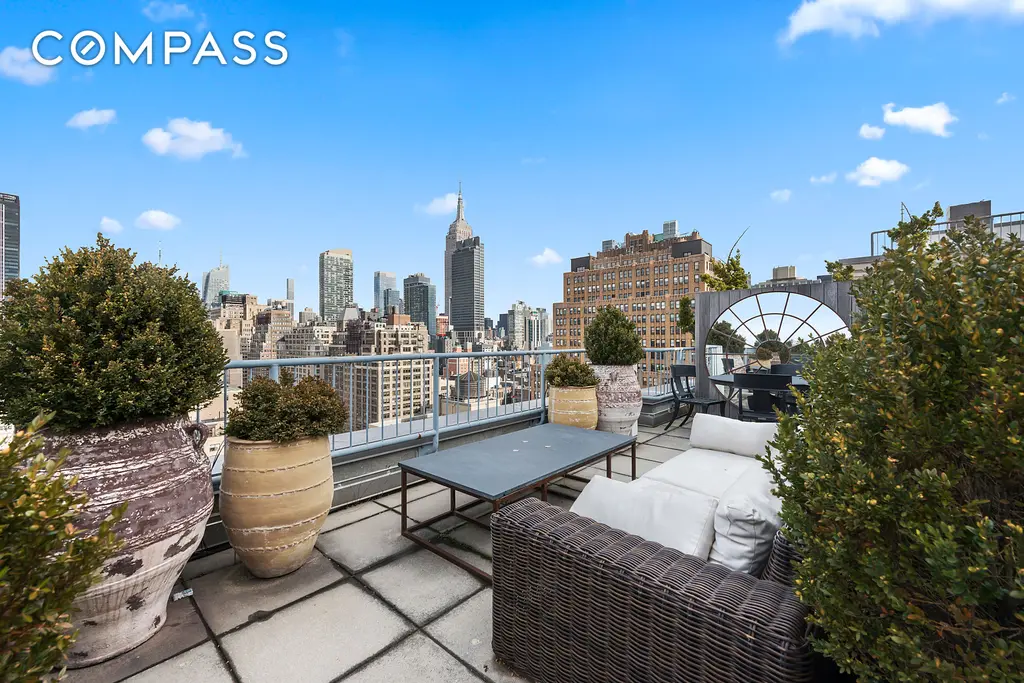
The Chelsea Mercantile, #PHD
$7,600,000 (-4.4%)
Chelsea | Condominium | 5 Bedrooms, 3 Baths | 3,436 ft2
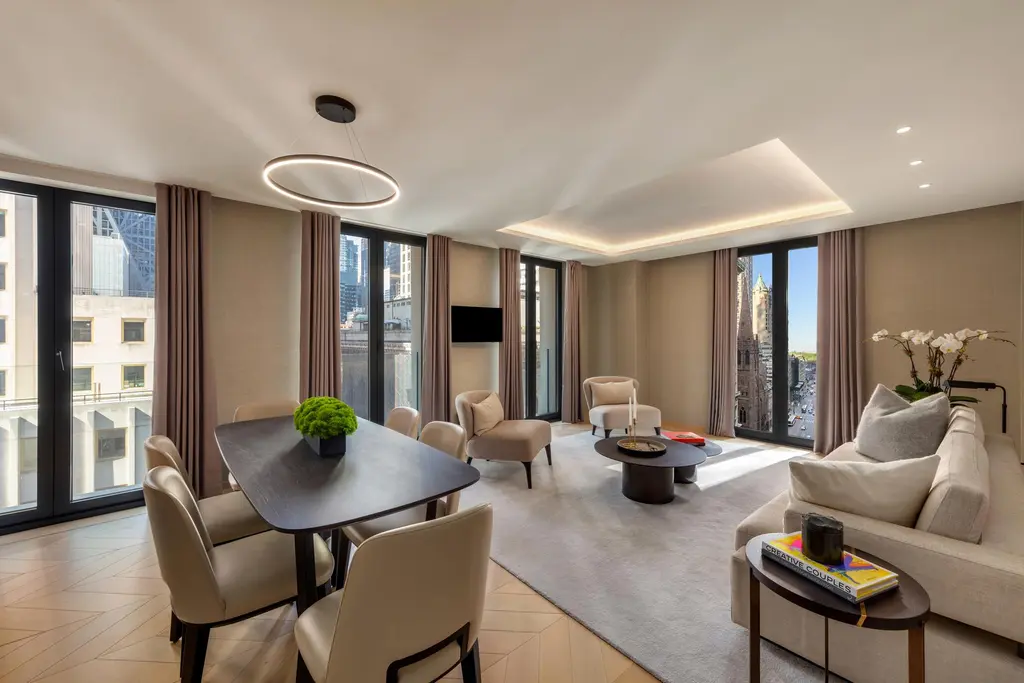
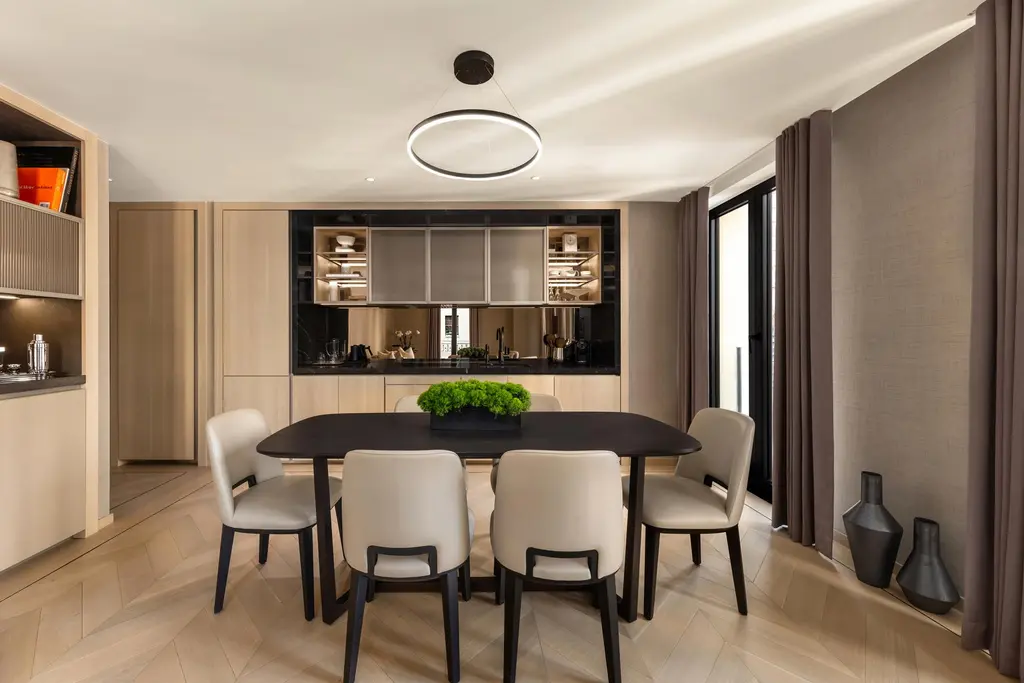
Mandarin Oriental Residences Fifth Avenue, #8A
$6,050,000
Midtown East | Condominium | 2 Bedrooms, 2 Baths | 1,264 ft2
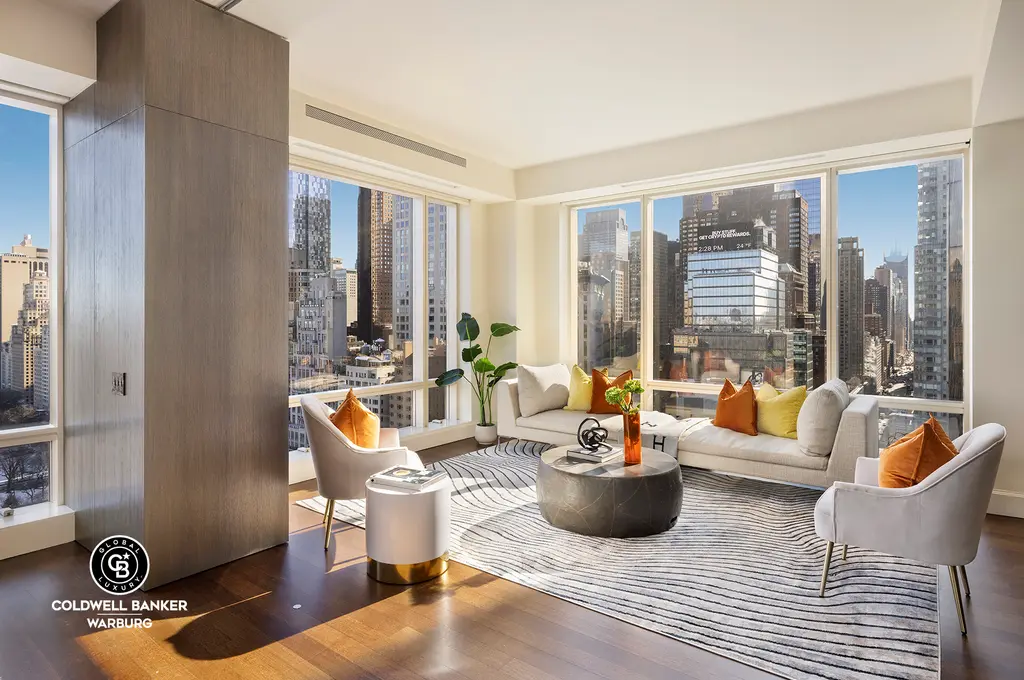
One Central Park West, #25C
$5,900,000 (-5.6%)
Central Park West | Condominium | 2 Bedrooms, 2.5 Baths | 1,591 ft2
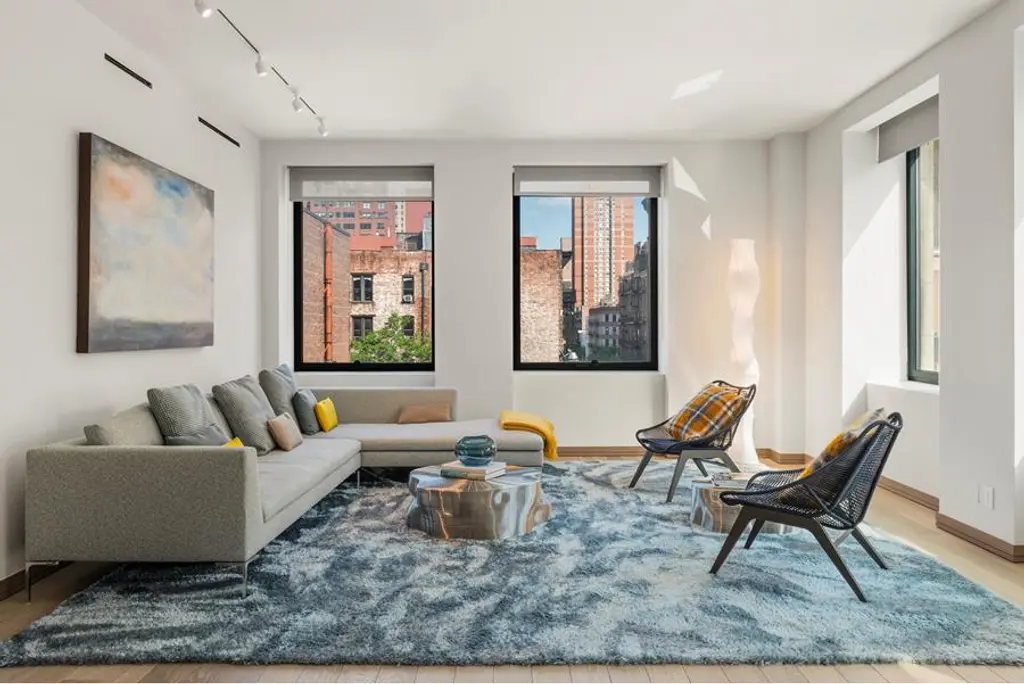
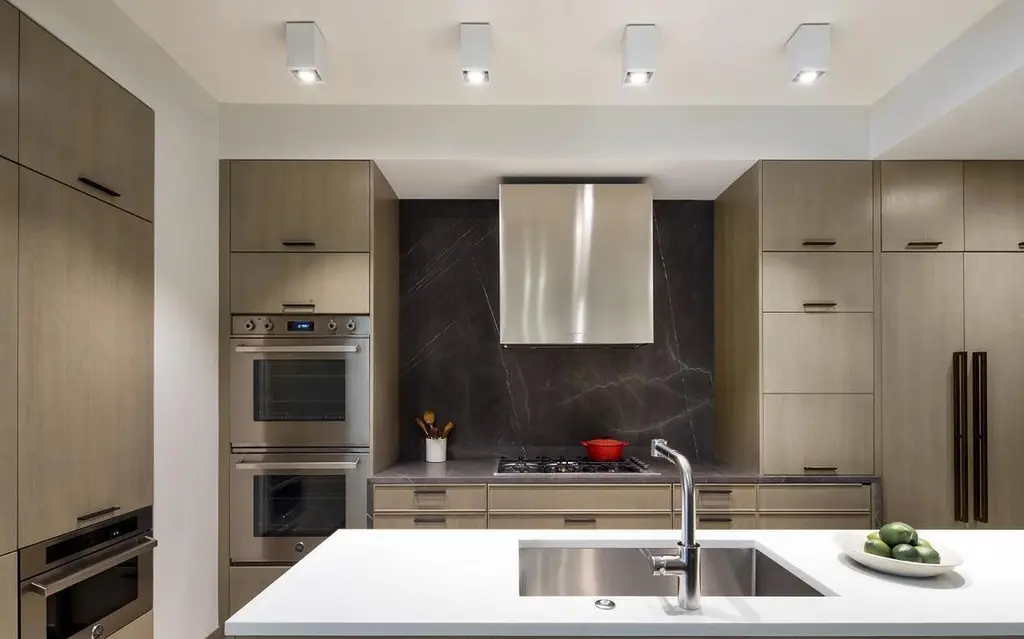
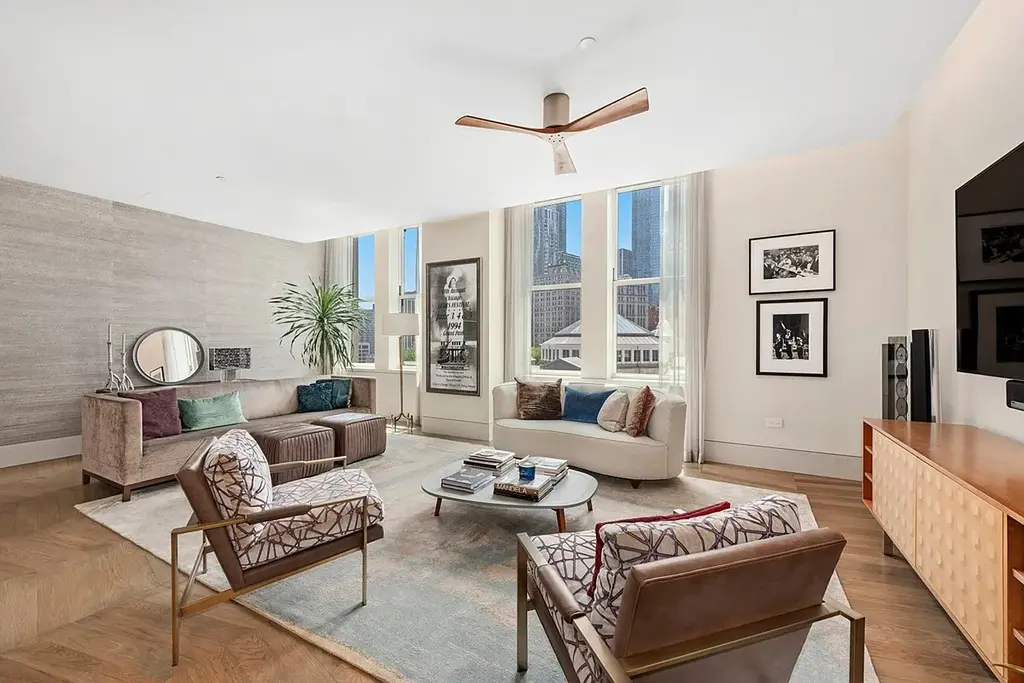
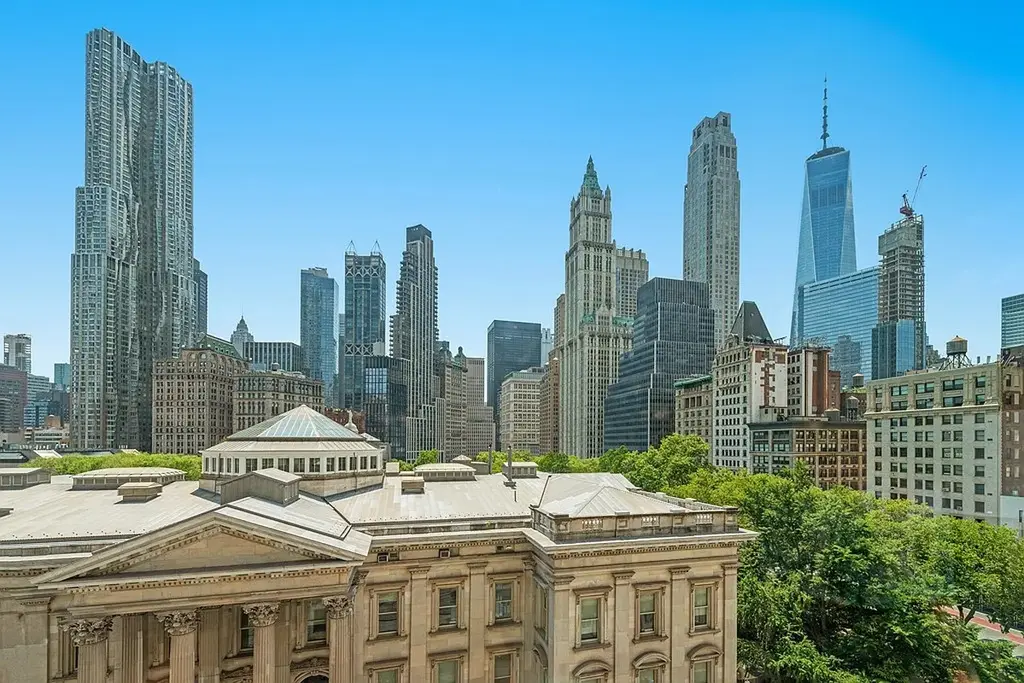
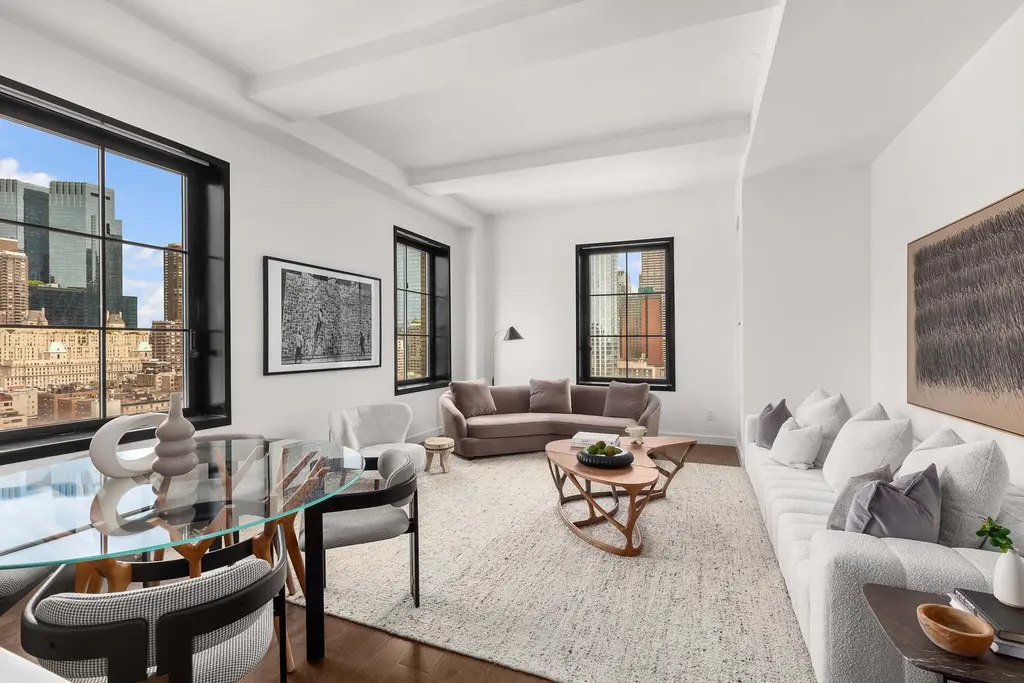
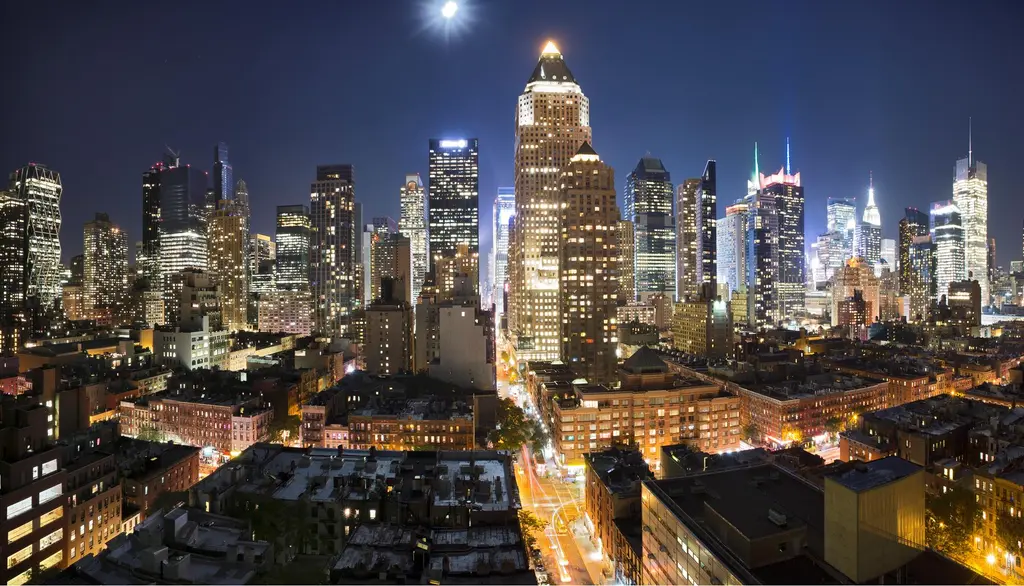
222 LES Tower + Lofts, #5D
$3,250,000
Lower East Side | Condominium | 3 Bedrooms, 2.5 Baths | 1,766 ft2
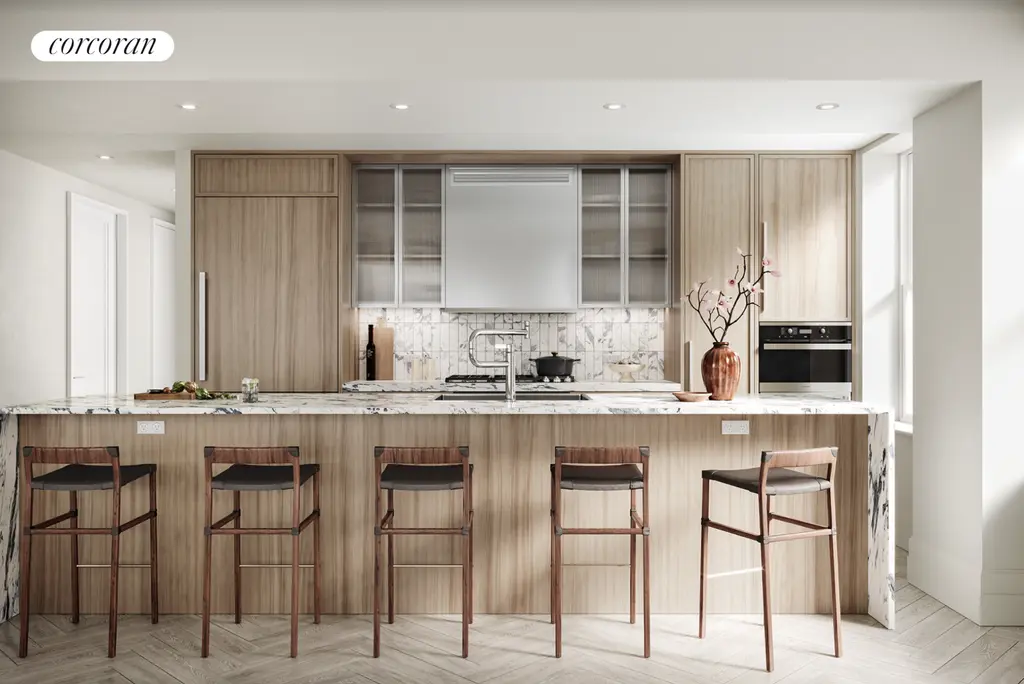
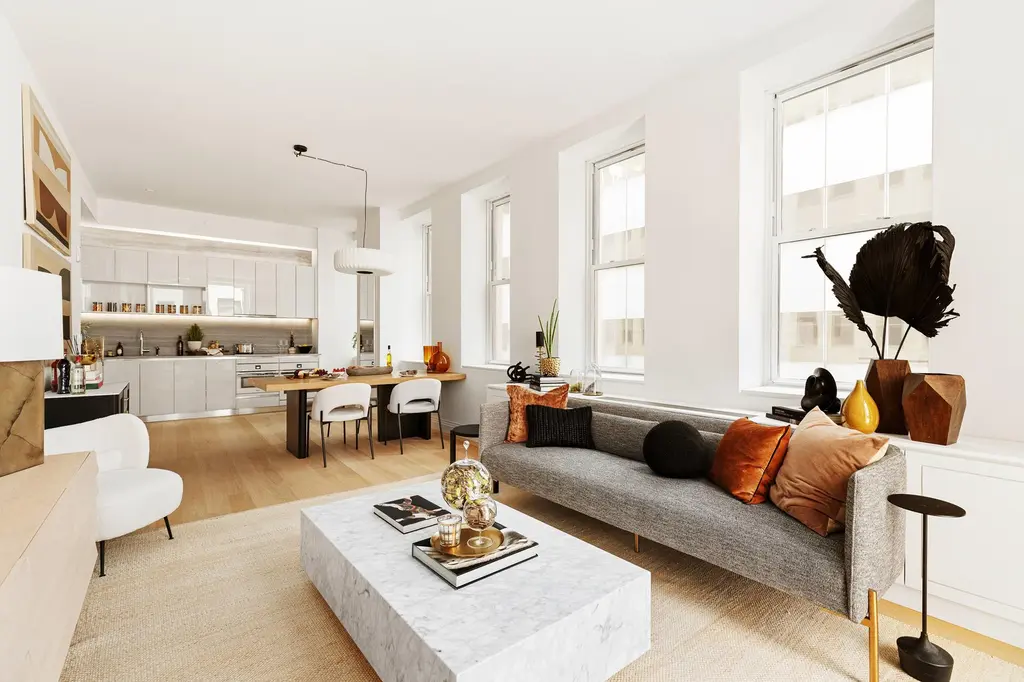
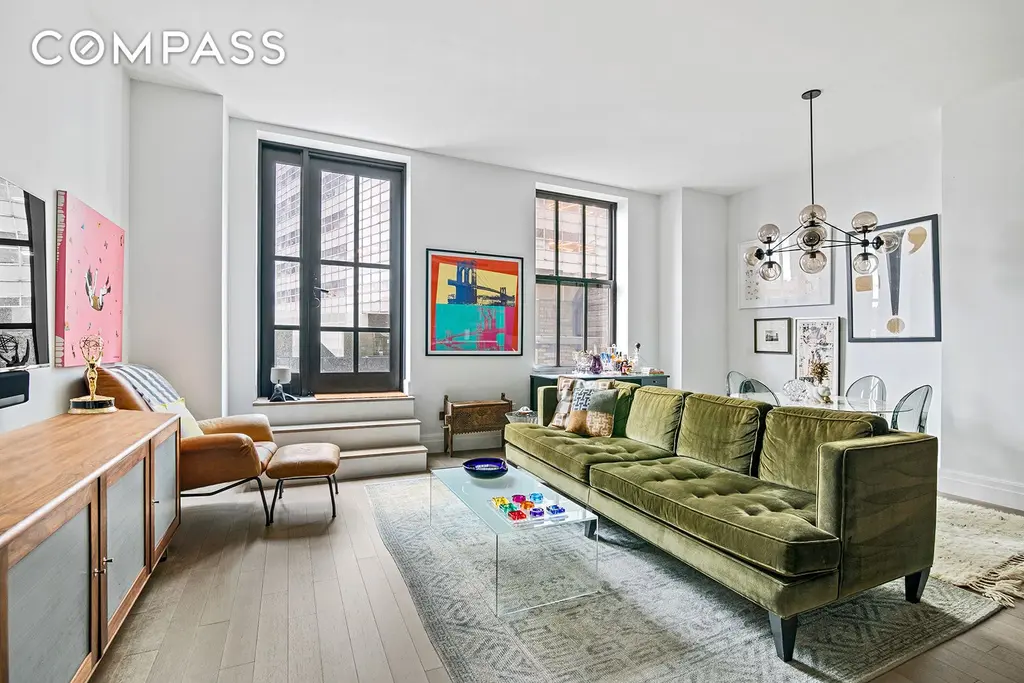
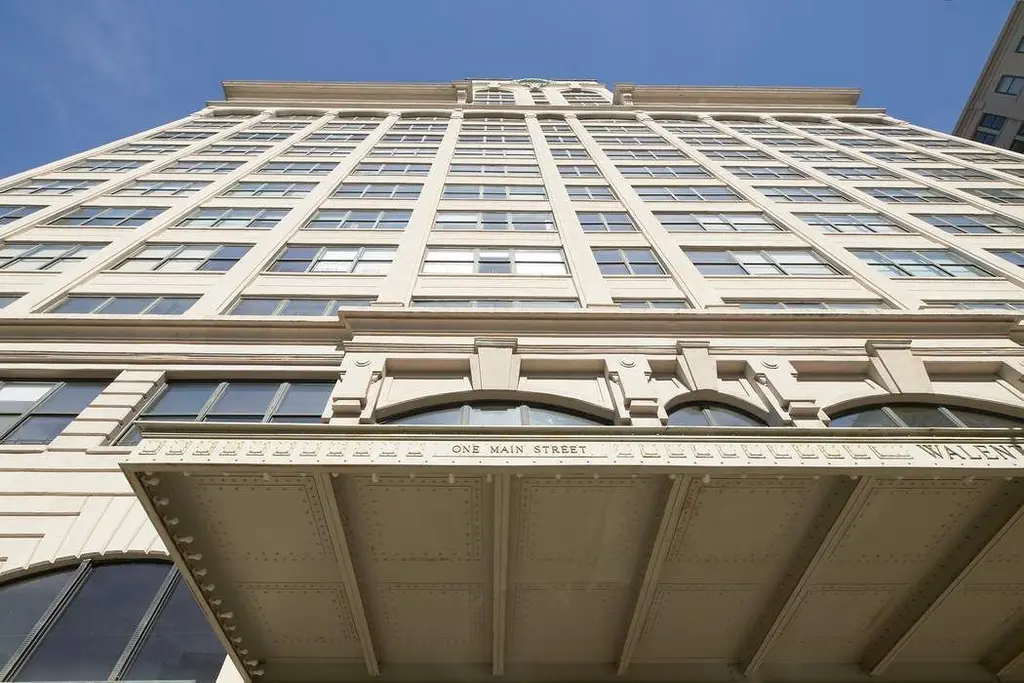
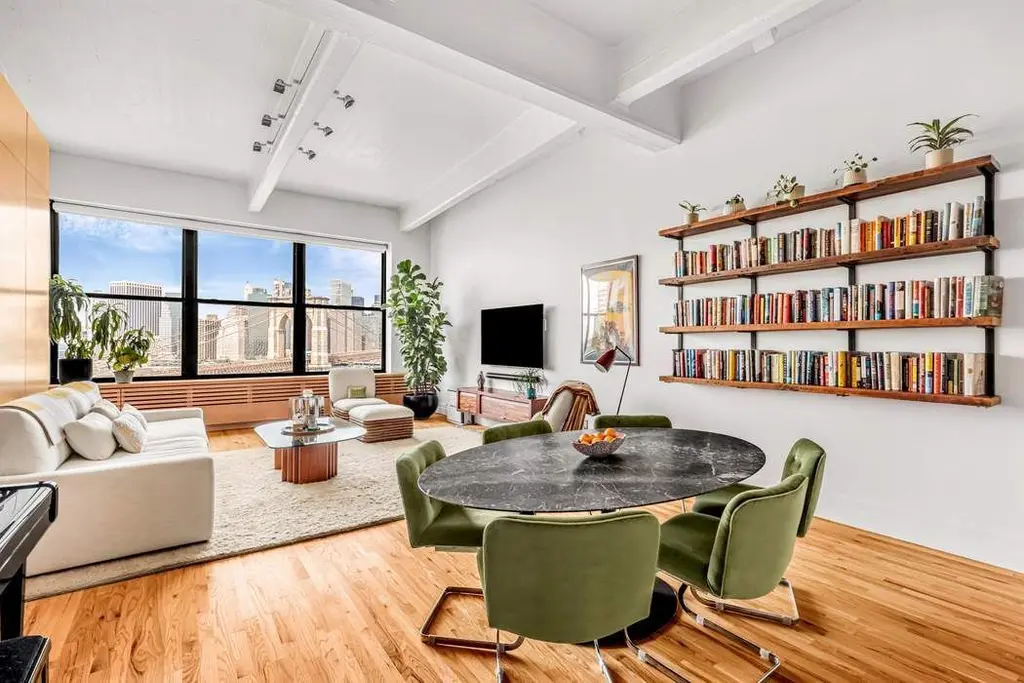
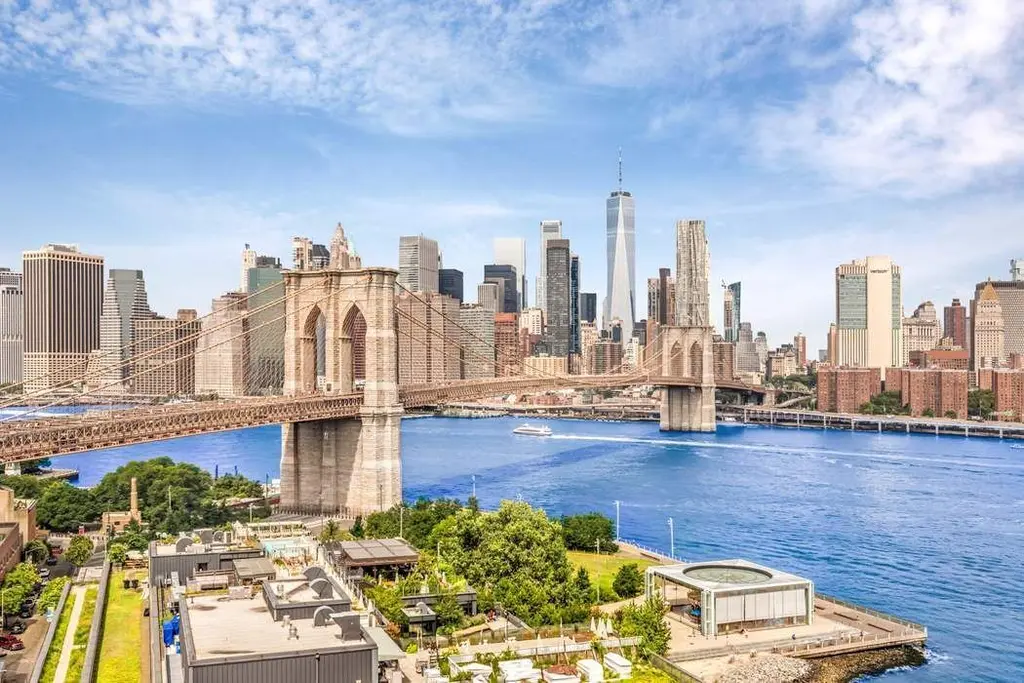
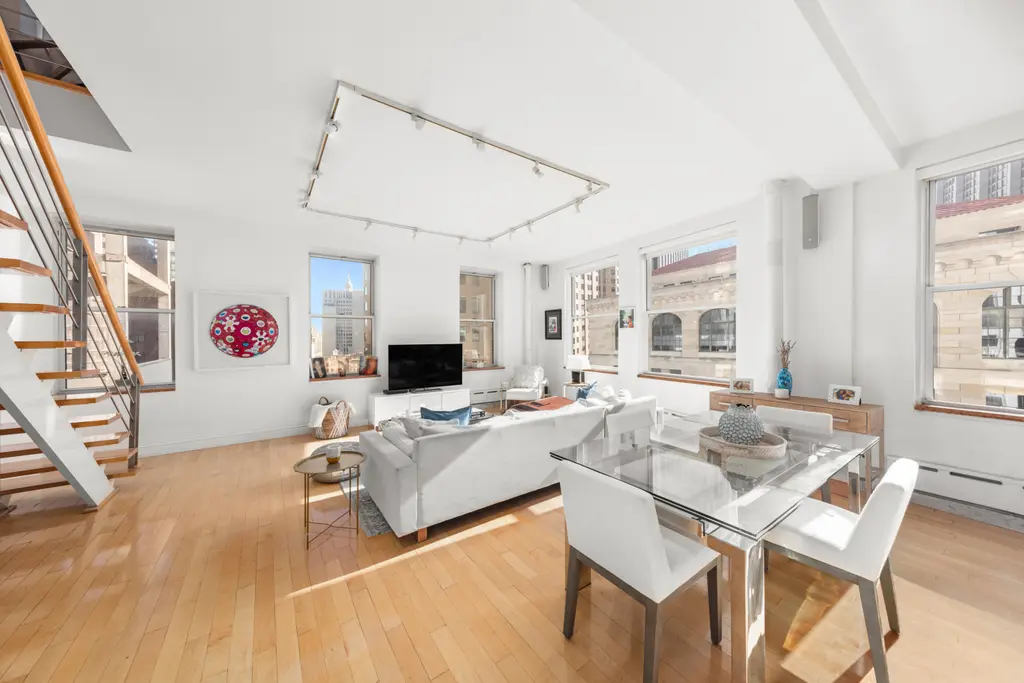
75 Livingston Street, #14C
$2,200,000
Brooklyn Heights | Cooperative | 3 Bedrooms, 2 Baths | 1,694 ft2
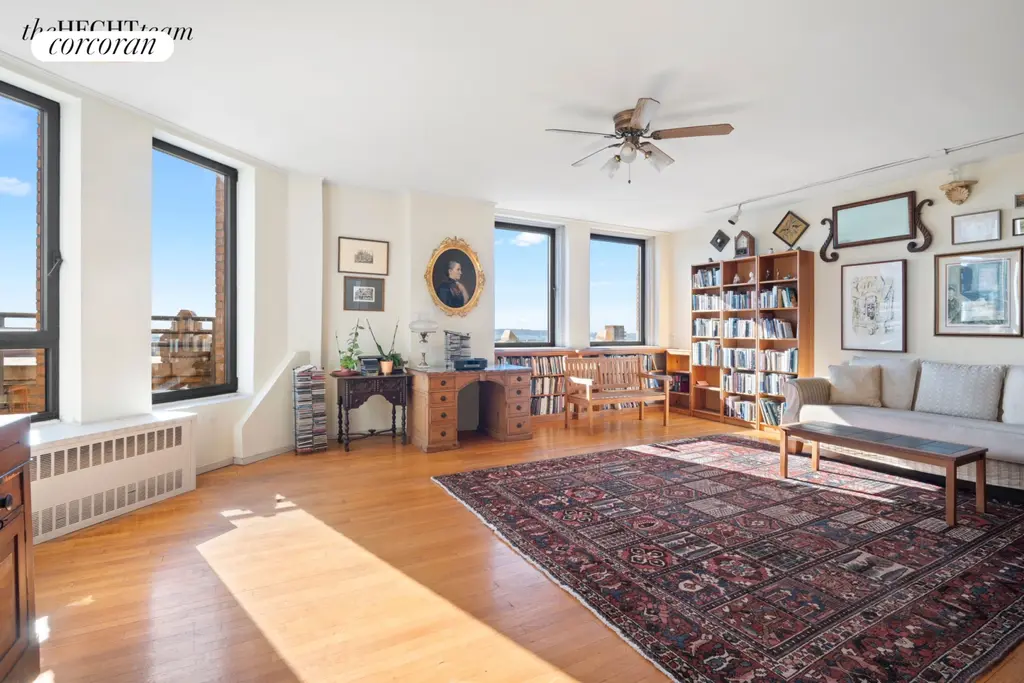
76 Madison Avenue, #7B
$2,100,000 (-20.8%)
Flatiron/Union Square | Condominium | 2 Bedrooms, 2 Baths | 1,328 ft2
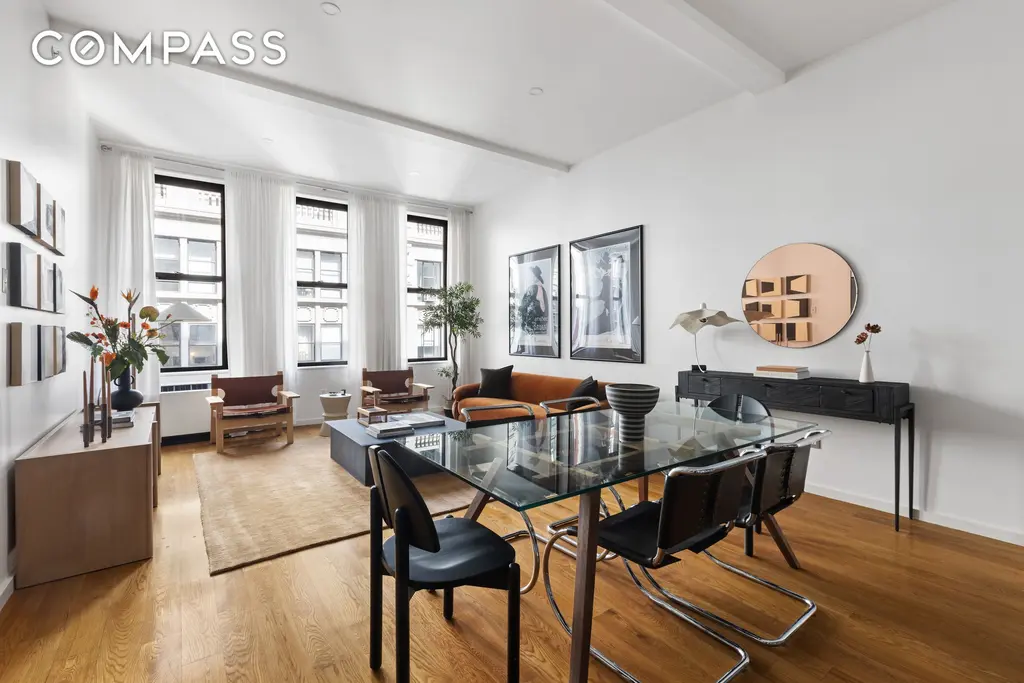
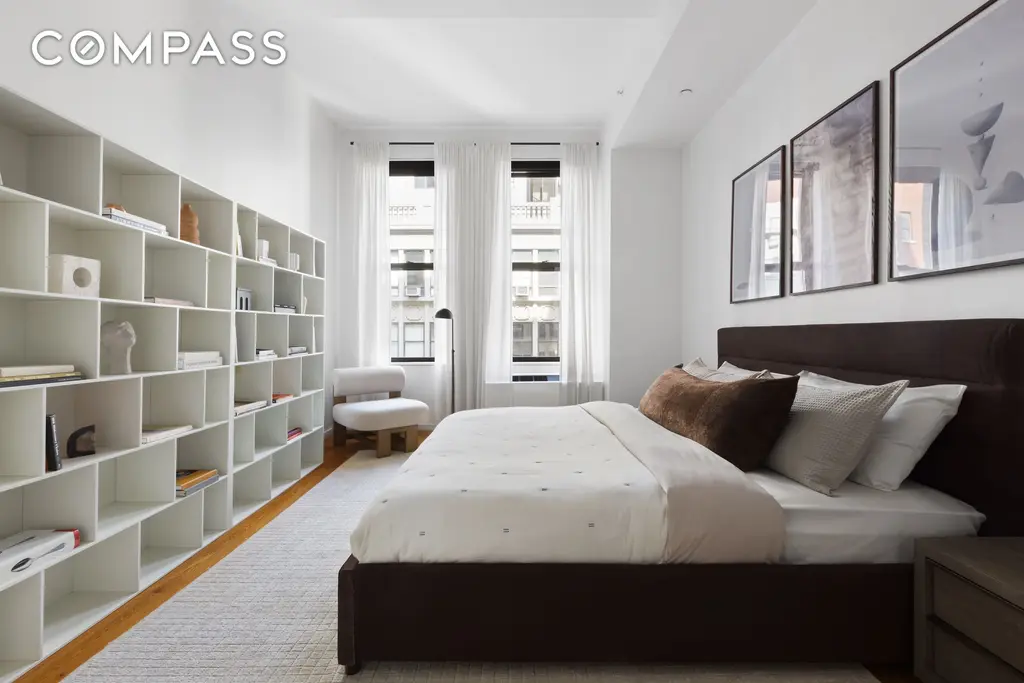
101 Wall by the Water, #11B
$1,699,000 (-10.5%)
Financial District | Condominium | 2 Bedrooms, 2.5 Baths | 1,417 ft2
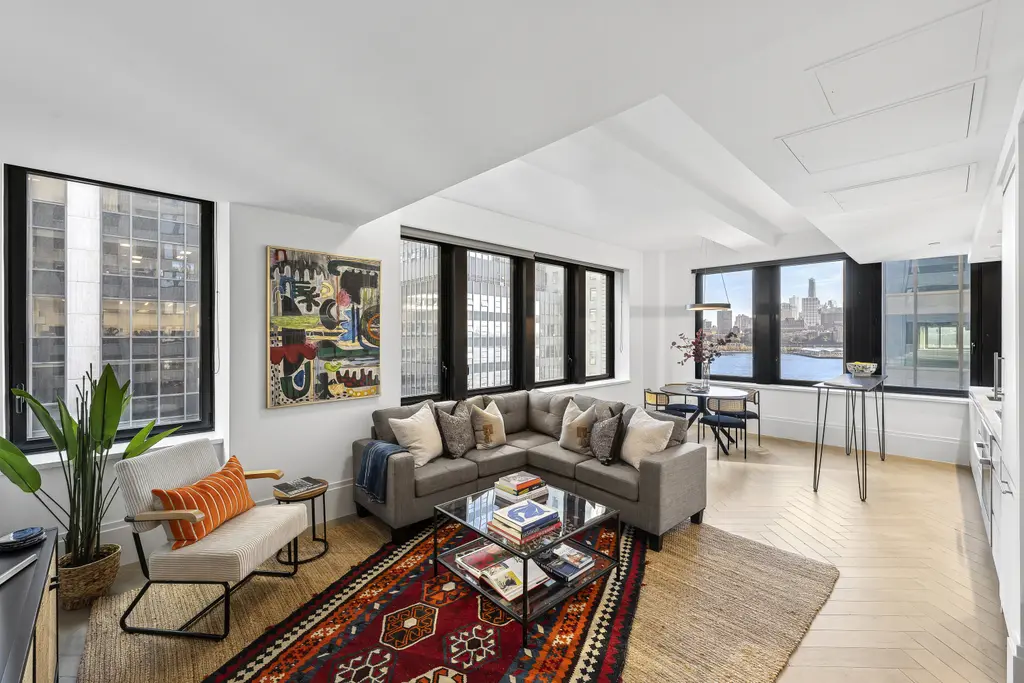
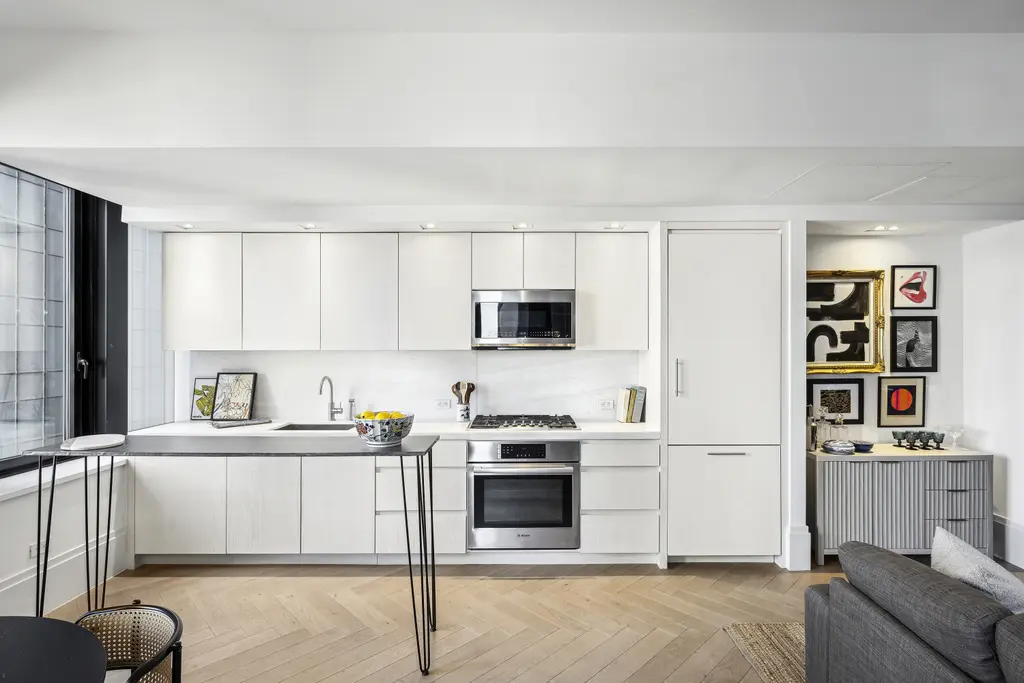
Downtown by Starck, #2416
$1,650,000
Financial District | Condominium | 1 Bedroom, 2 Baths | 1,476 ft2
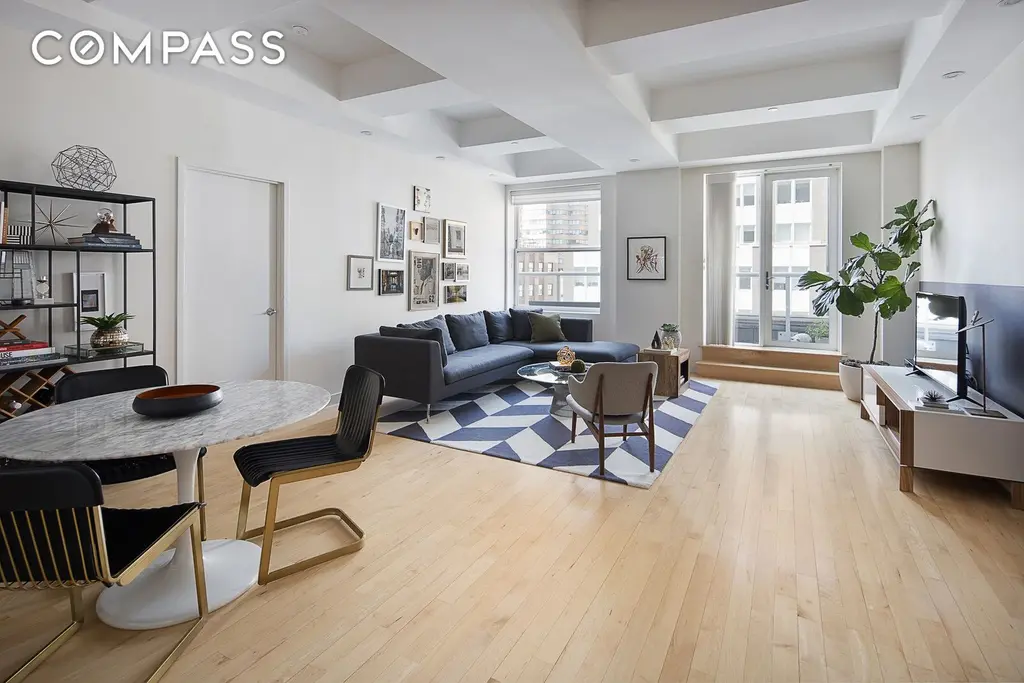
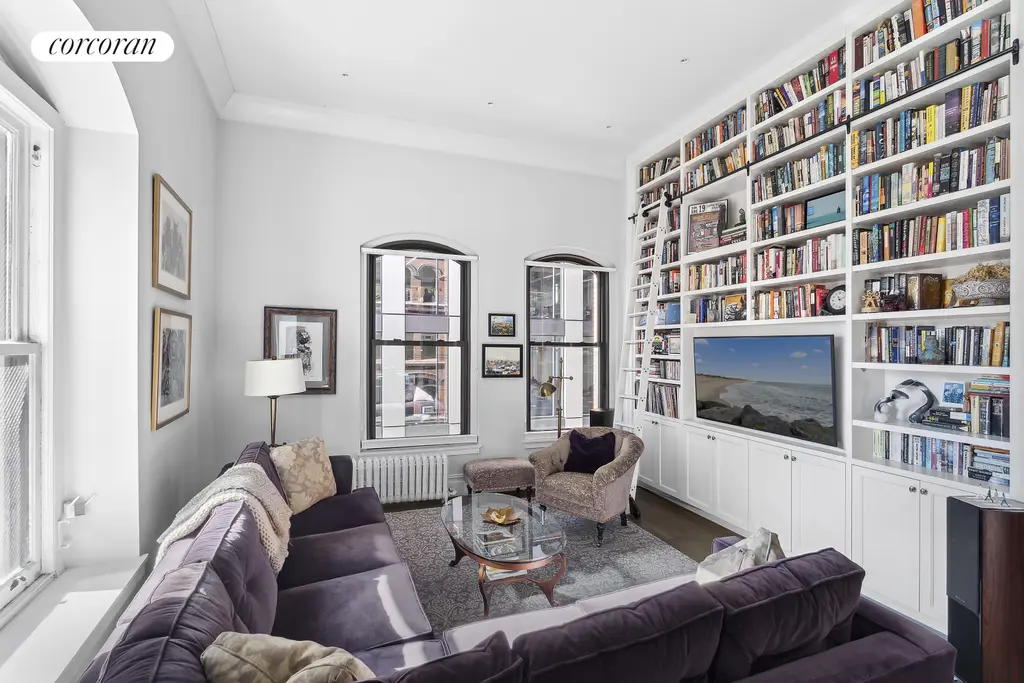
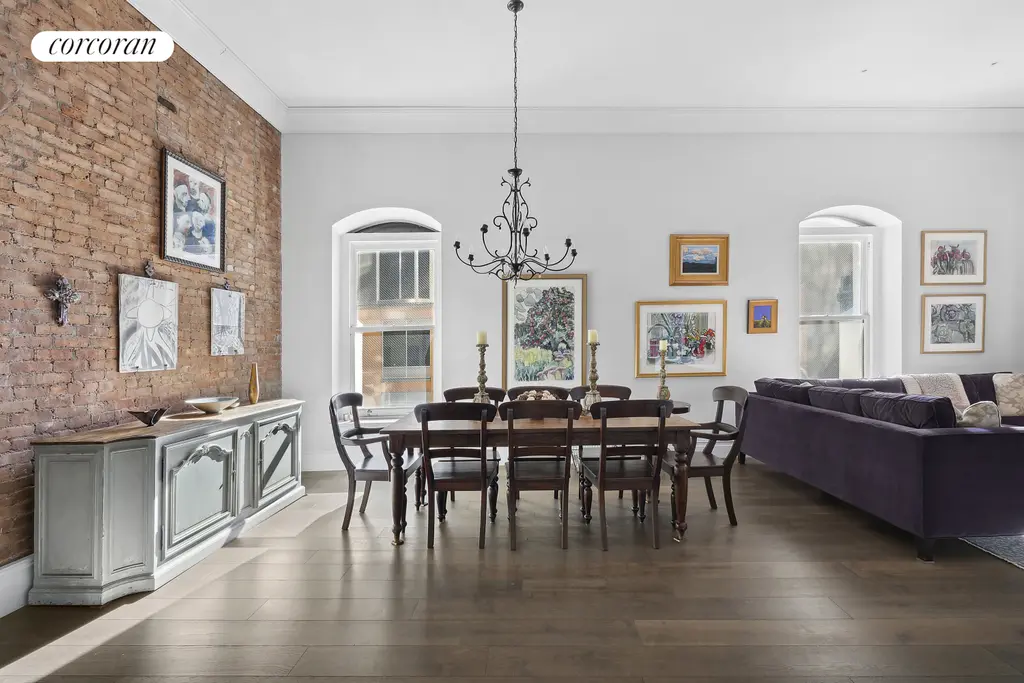
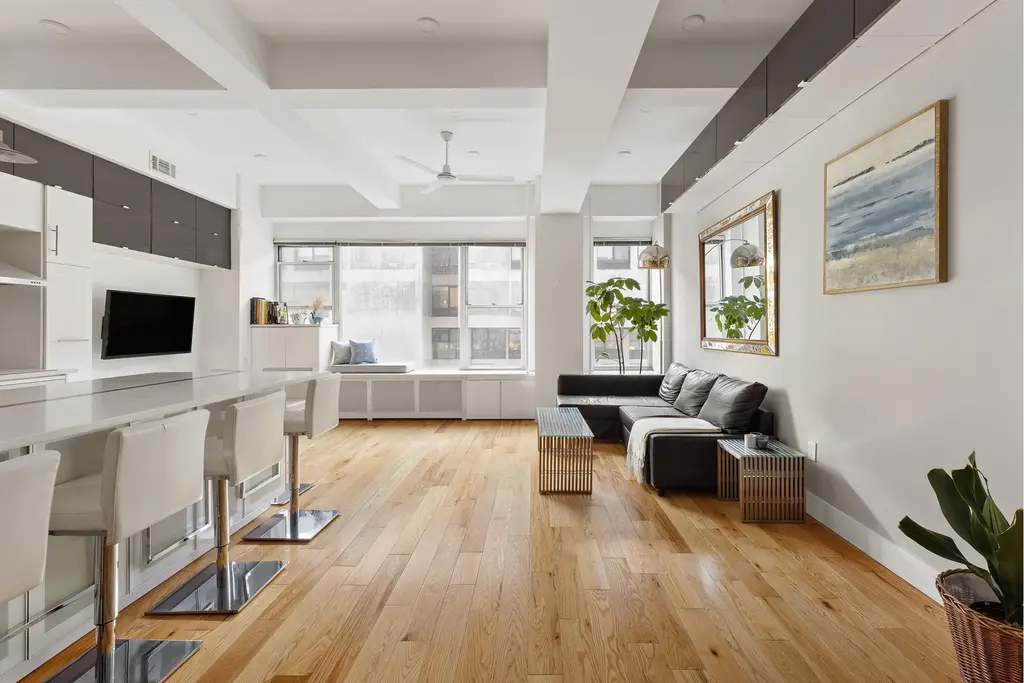
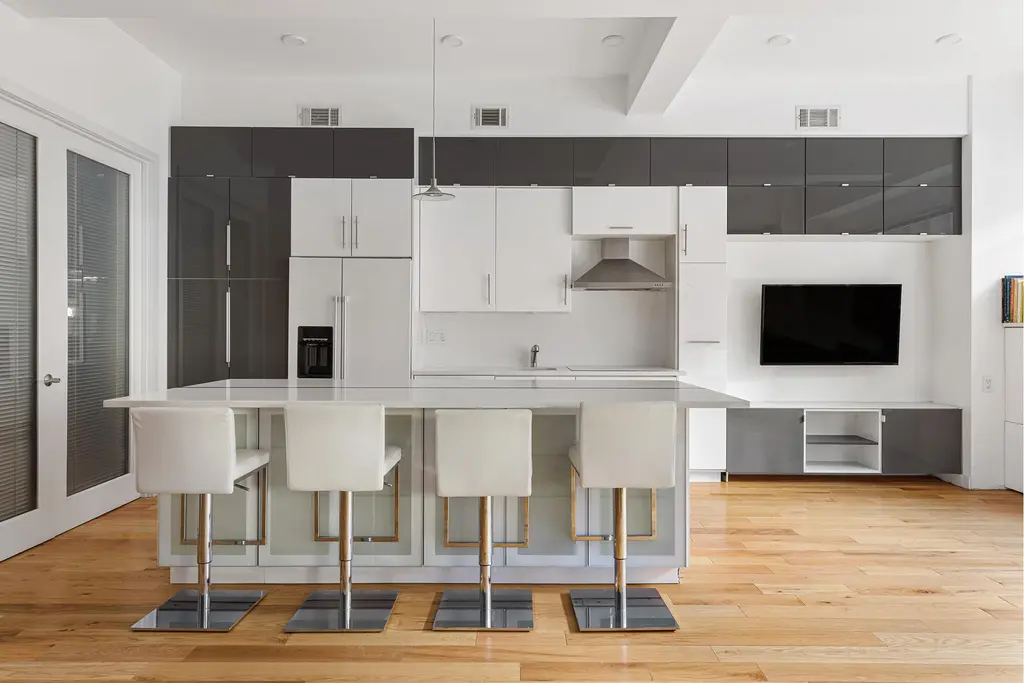
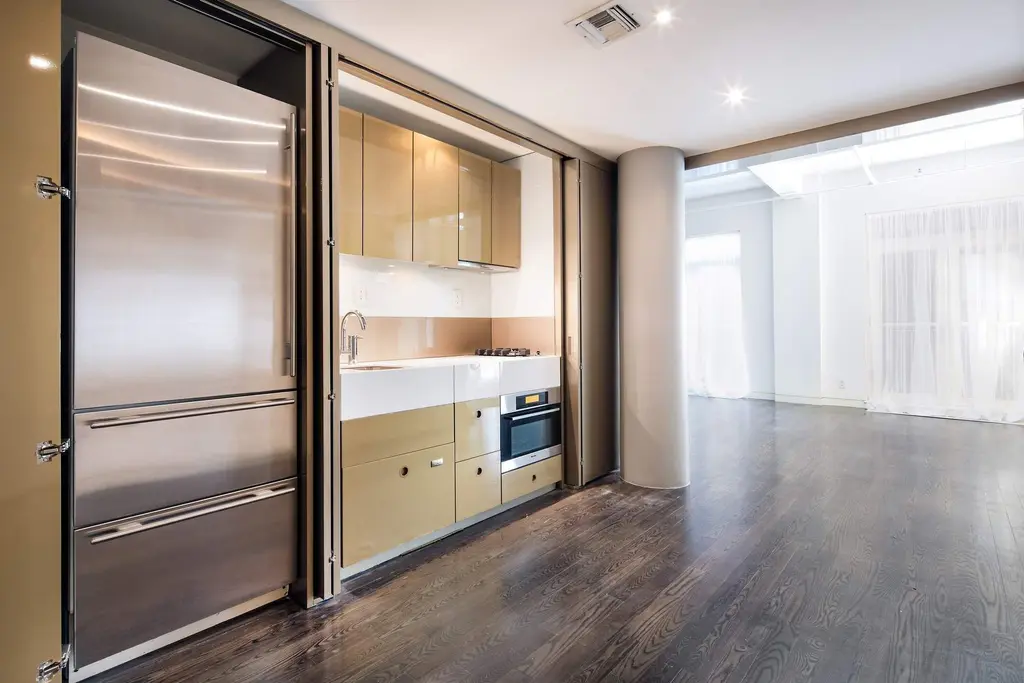
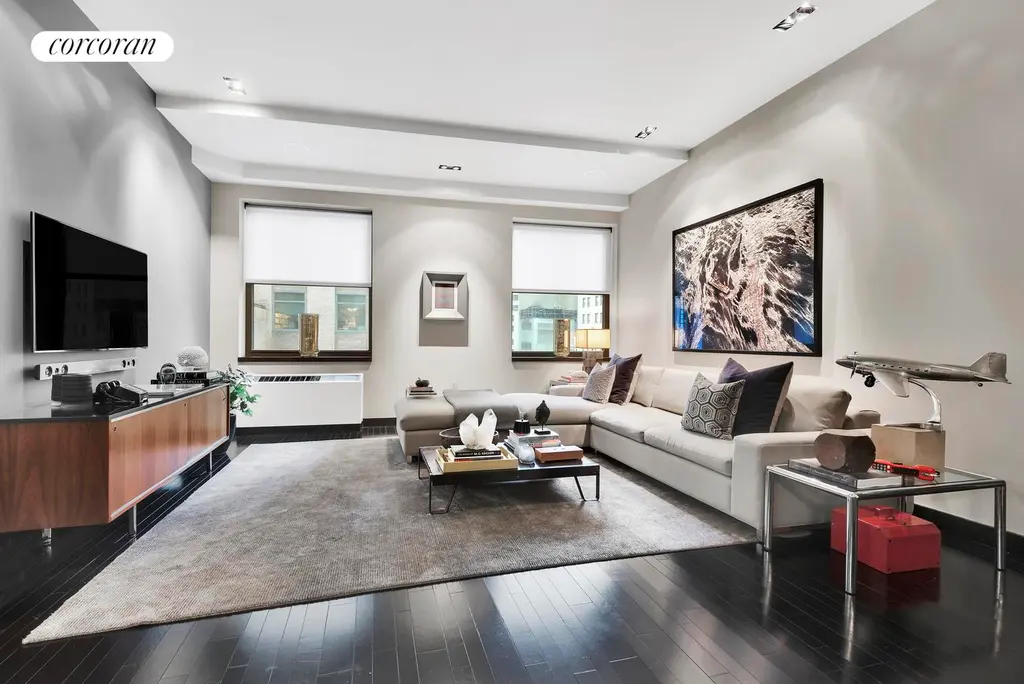
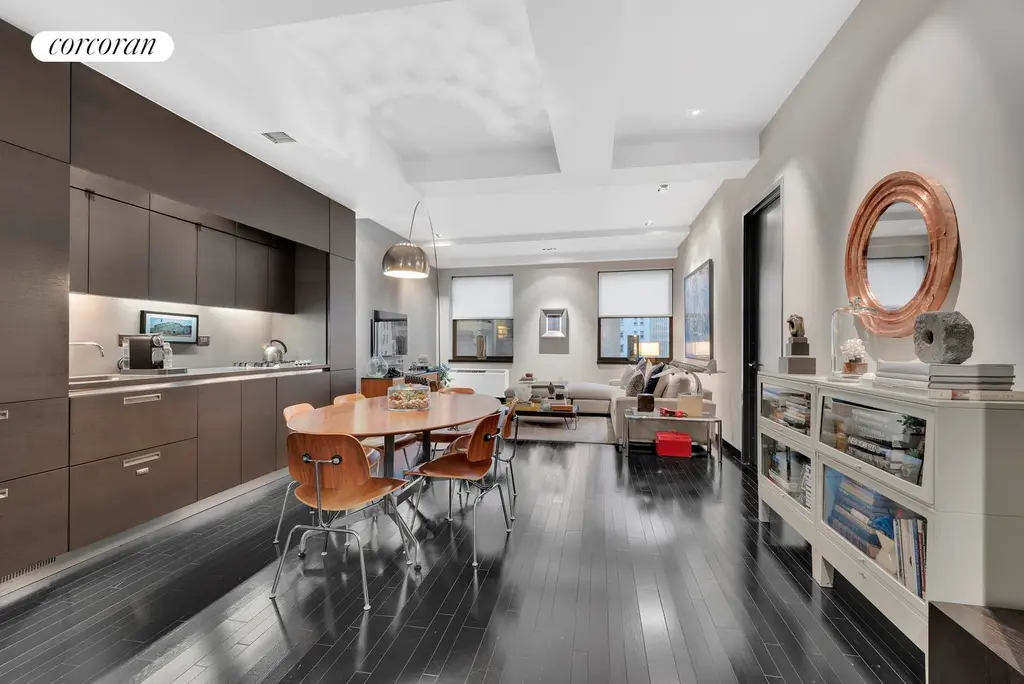
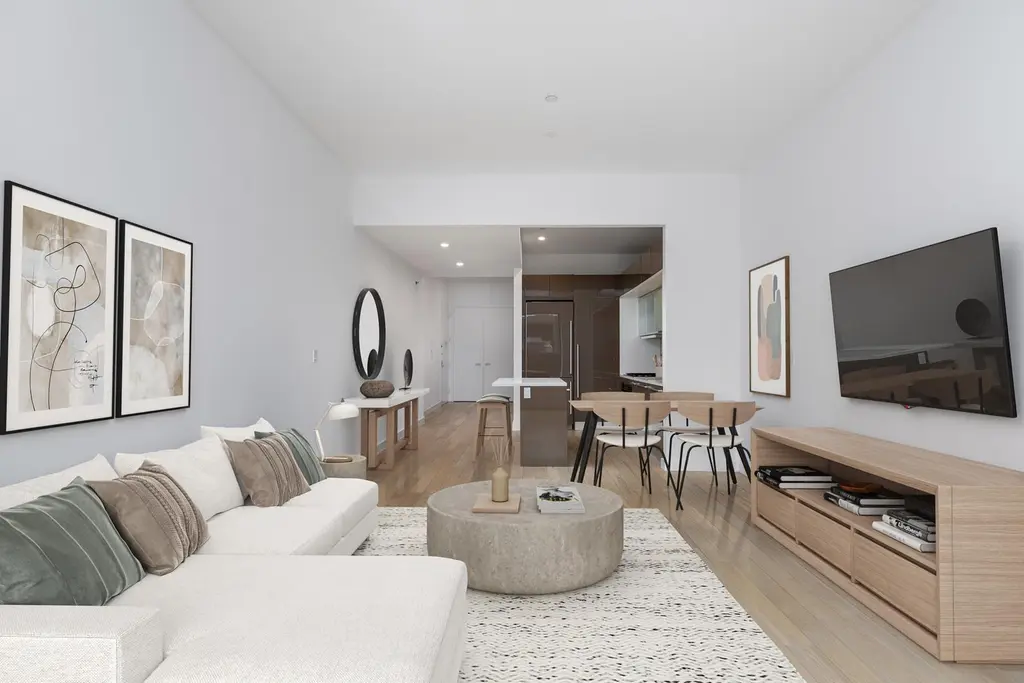
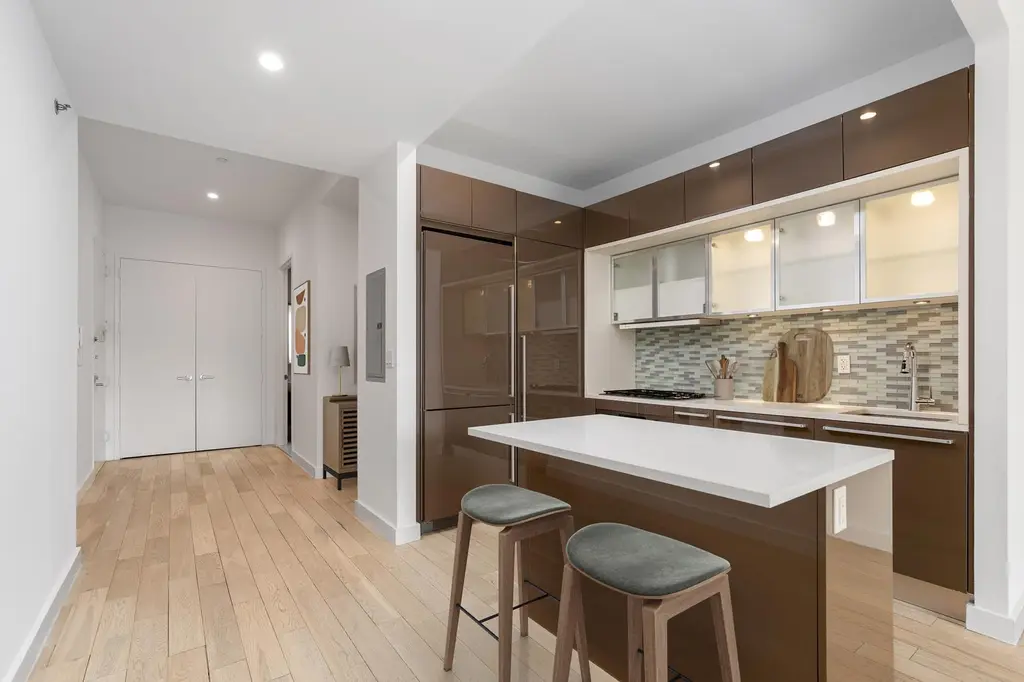
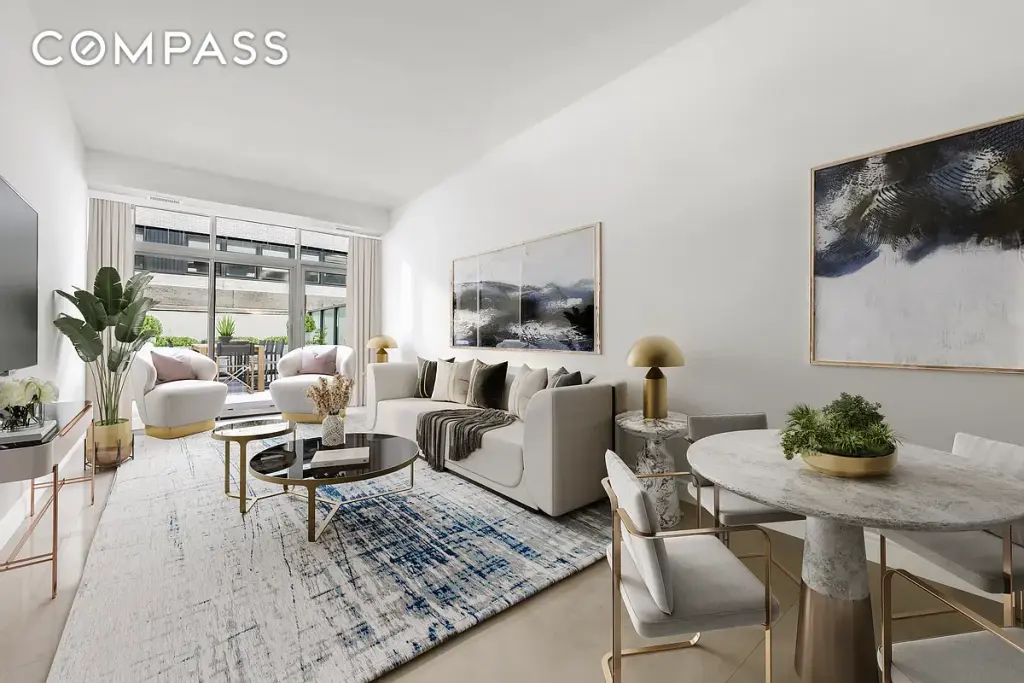
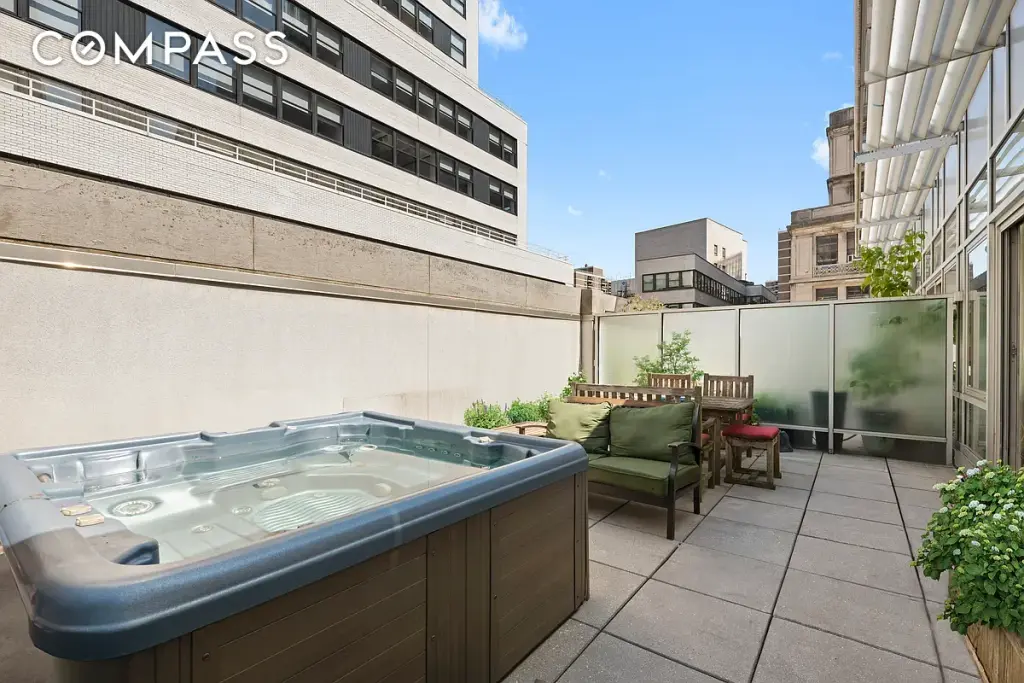
South Star, #9B
$1,175,000 (-4.1%)
Financial District | Condominium | 2 Bedrooms, 2 Baths | 1,056 ft2
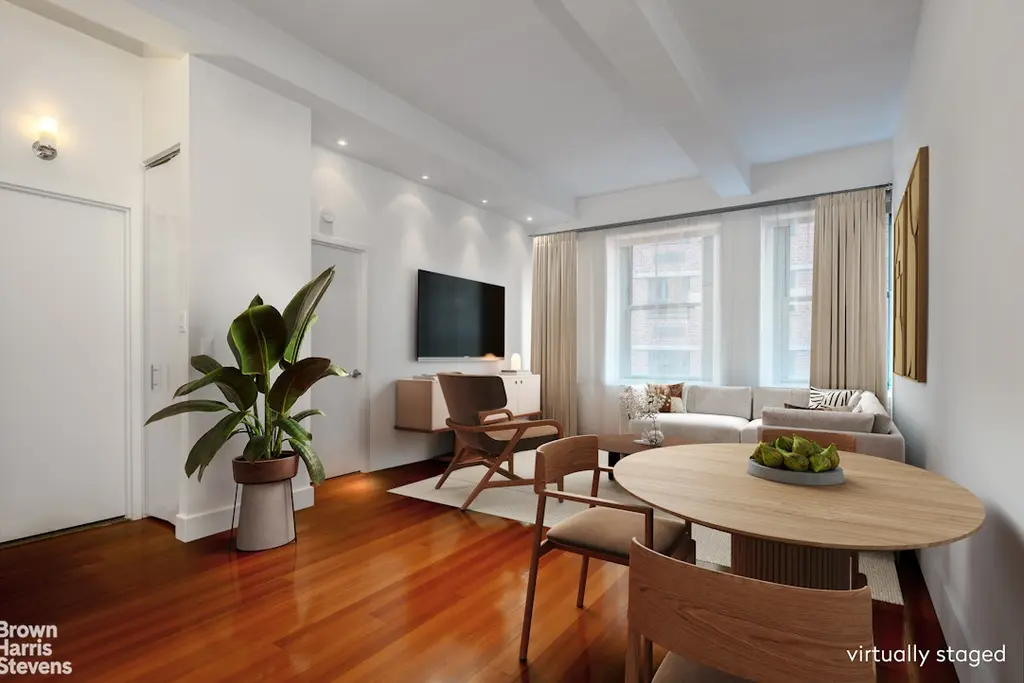
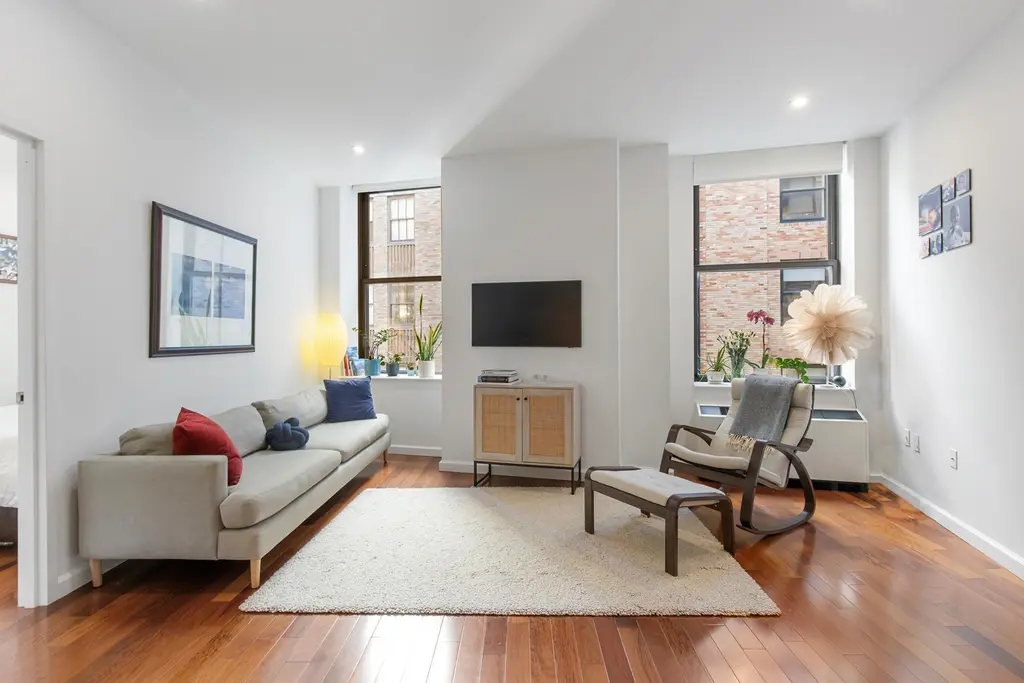
The Broad Exchange Building, #16O
$980,000
Financial District | Condominium | 1 Bedroom, 1 Bath | 789 ft2

Related Articles
Swim with a View: 30 Manhattan buildings with high-floor swimming pools and fitness centers
Saturday, June 20, 2026
NYC Contracts: $80M trophy penthouse signed at 80 Clarkson; One High Line's last penthouse finds a buyer
Tuesday, June 16, 2026
Above the Crowd: NYC apartments with skyline views as observation deck boom reaches new heights
Wednesday, June 10, 2026
Sales launch at 256 East 4th Street; New boutique East Village condo on former synagogue site
Wednesday, June 3, 2026
Upstairs, Downstairs: 25 NYC homes with statement staircases
Tuesday, June 2, 2026
Best May for Manhattan contracts since 2023; $85M UWS townhouse among top deals
Tuesday, June 2, 2026
Price Cuts: O'Neill Building penthouse reduced by $1.25M; Cara Delevingne relists Gramercy penthouse for a loss
Friday, May 29, 2026

 6sqft delivers the latest on real estate, architecture, and design, straight from New York City.
