| |
About Worldwide Plaza, 350 West 50th Street
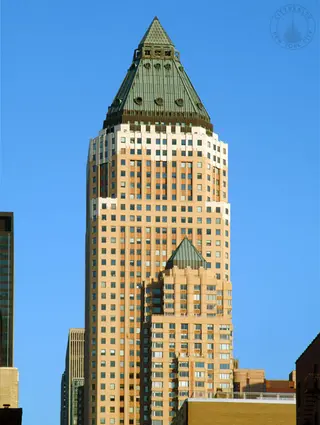
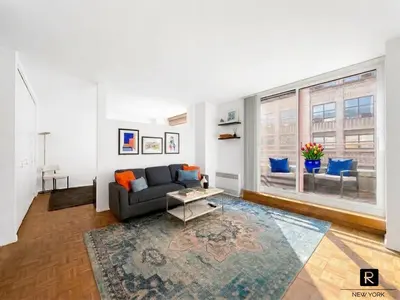
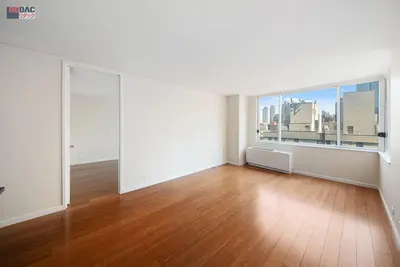
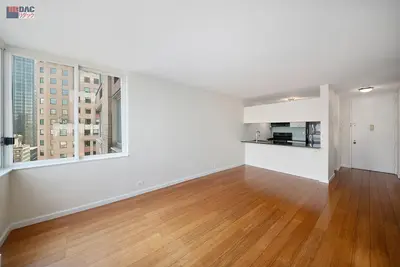
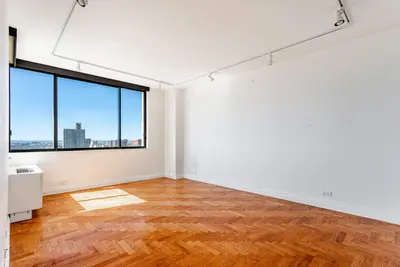
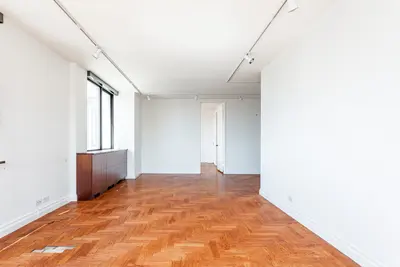
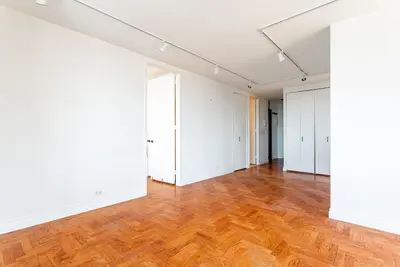
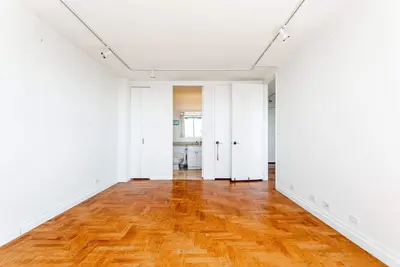
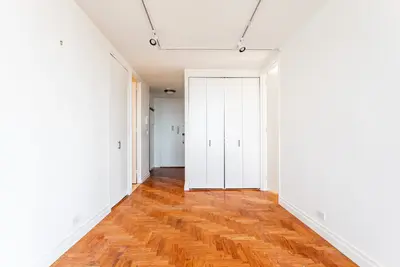
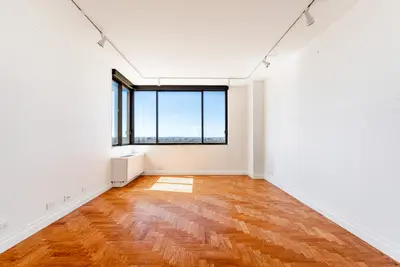
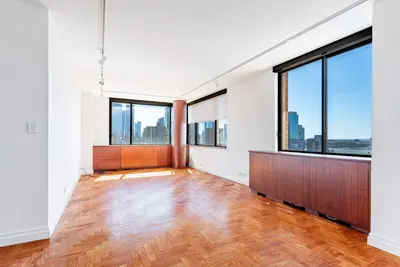
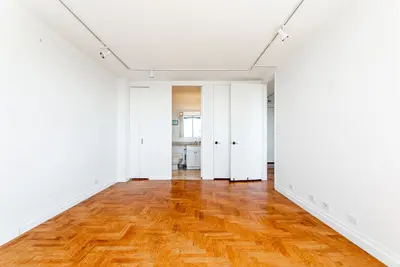
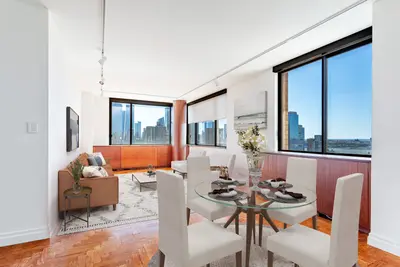
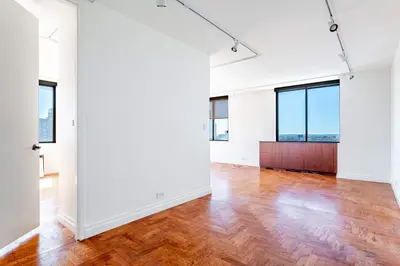
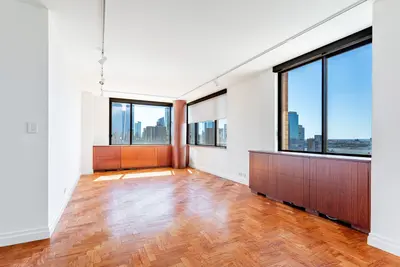
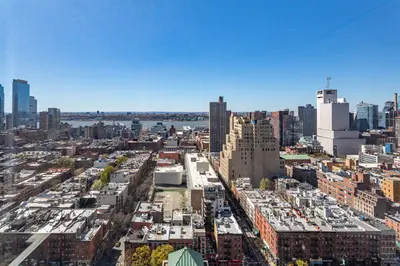
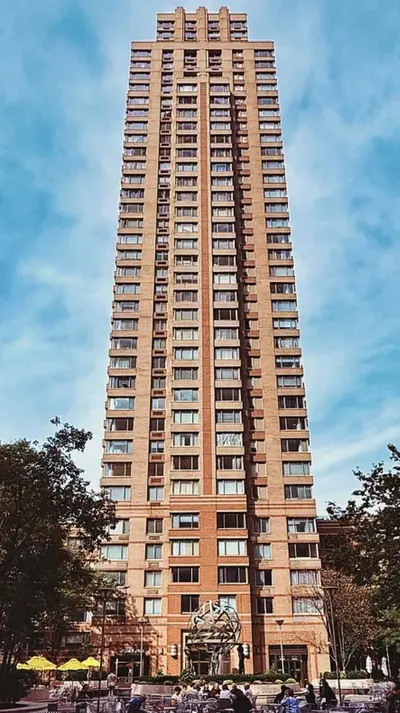
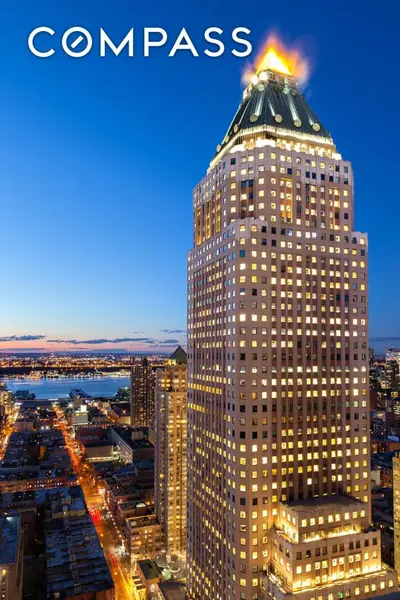
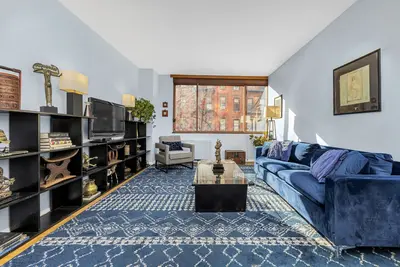
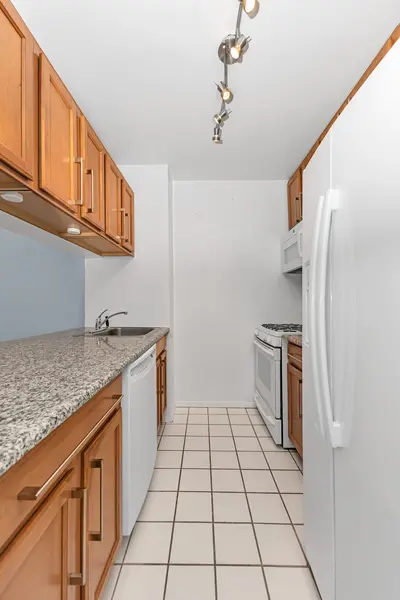
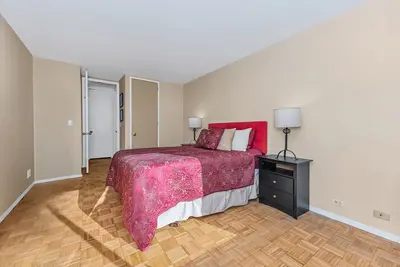
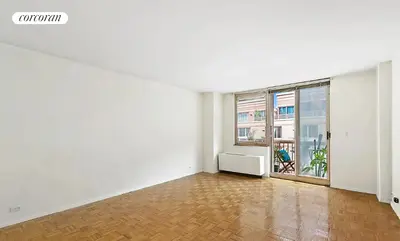
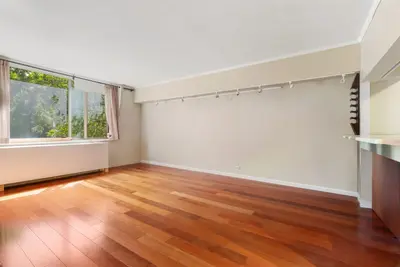
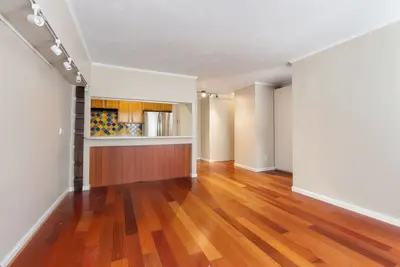
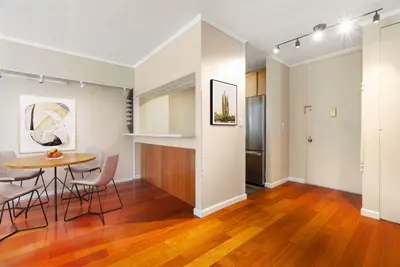
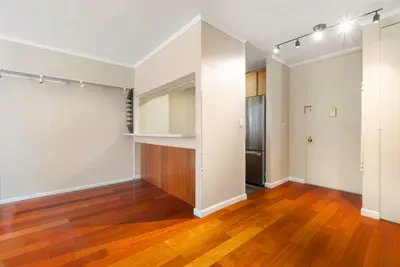
The residential portion, containing 455 condominium apartments, of this major development is one of the most distinguished in midtown.
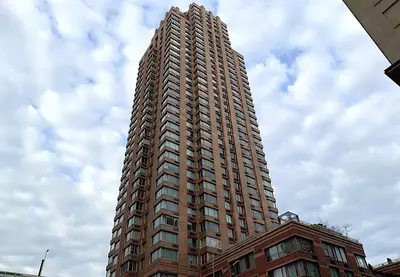
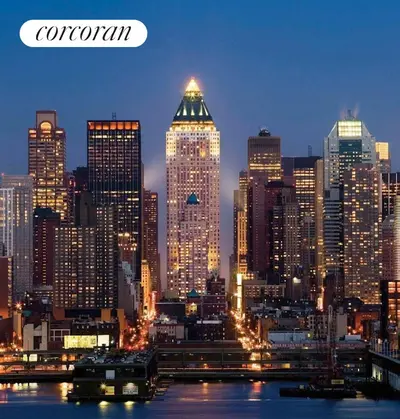
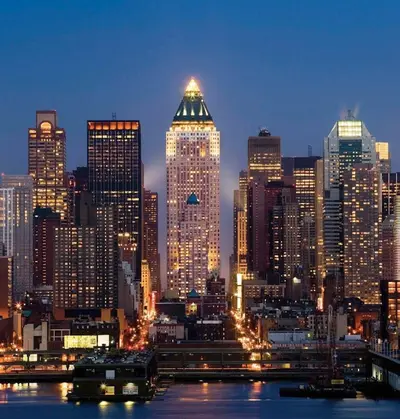
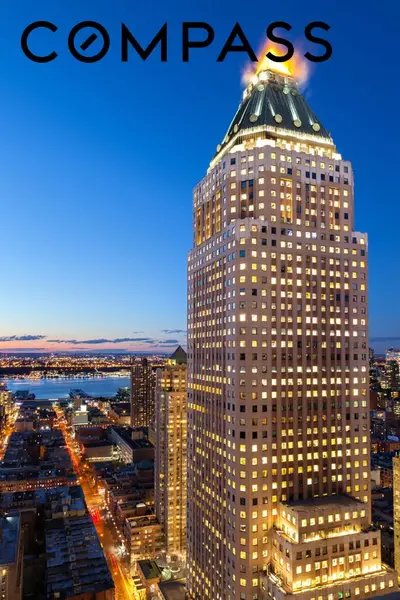
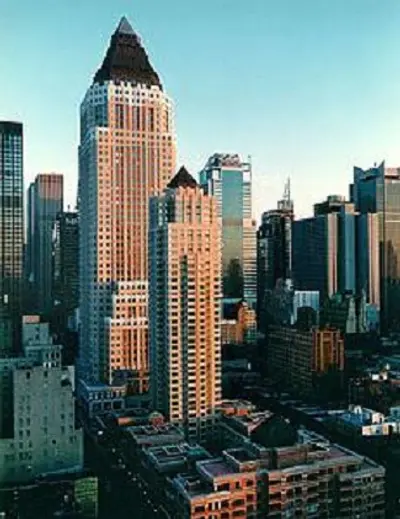
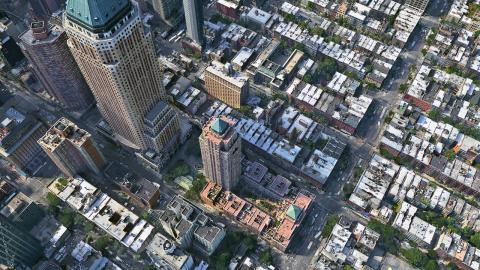
A 38-story tower in mid-block at 393 East 49th Street faces on a very attractive plaza that separates it from the 50-story office building at 825 Eighth Avenue, designed by Skidmore, Owings & Merrill, that has an illuminated crown and is modeled closely after the great New York Life Insurance Company Building on Madison Park at 26th Street.
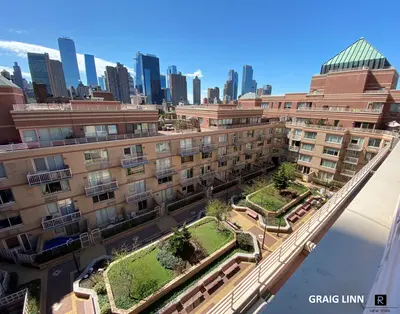
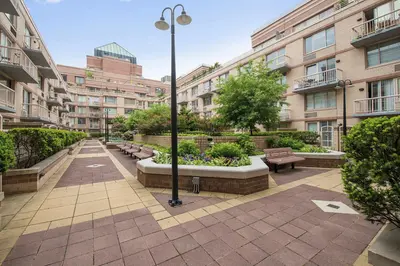
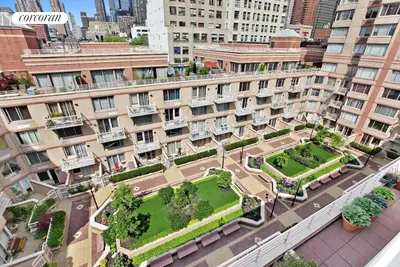
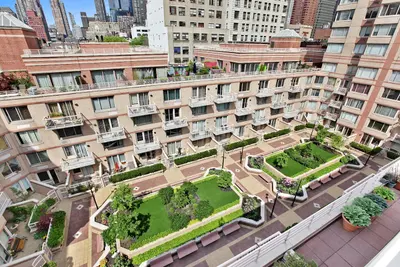
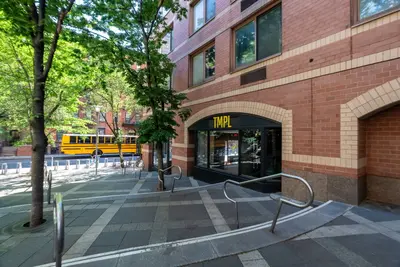
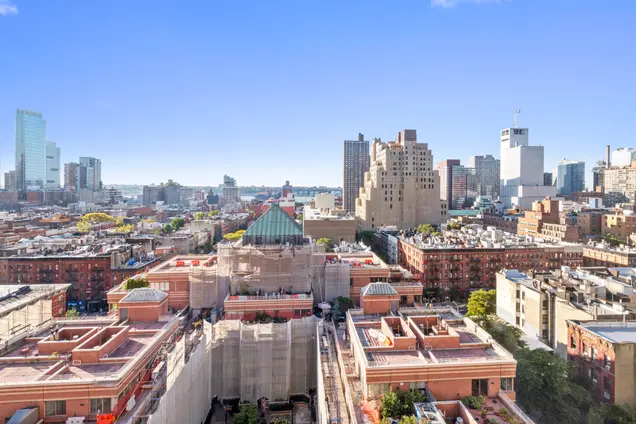
To the east of the residential tower, which was designed by Frank Williams, and which has its own pyramidal top similar, but much smaller, than that atop the office tower, are a group of six-story residential buildings located at 350 West 50th Street that are also part of this important complex that also has a large cineplex in its basement. The low-rise buildings surround their own large central courtyard.
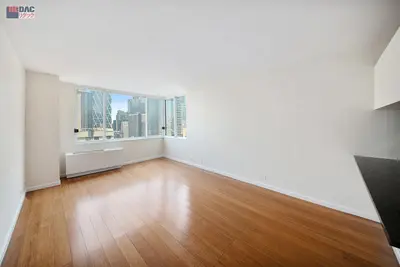
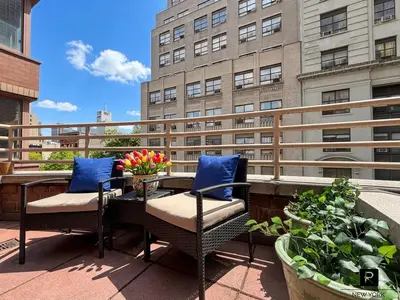
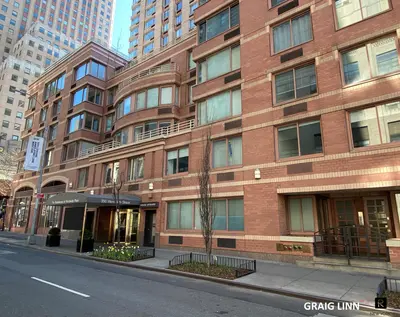
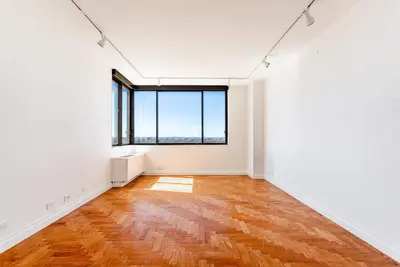
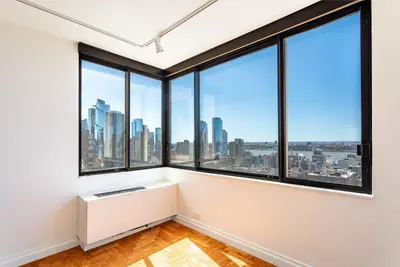
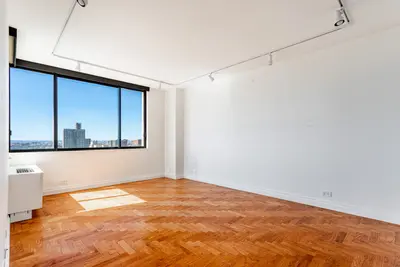
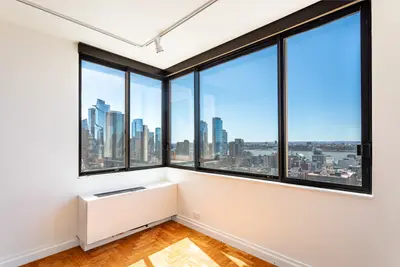
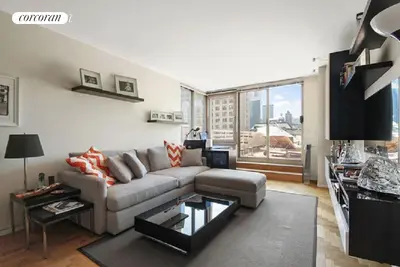
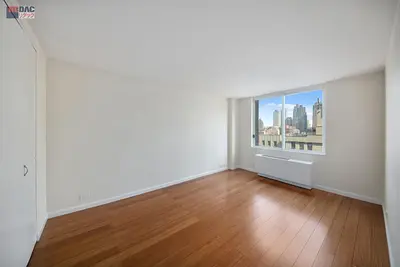
Both the low-rise and high-rise portions of the project have pale orange brick façades with white trim and many corner windows. Although there are no balconies, there are quite a few terraces.
The project was completed in 1989 by William Zeckendorf Jr. The entire complex is on the former, second site (from 1925-1966) of Madison Square Garden, designed by Thomas W. Lamb, which moved to new quarters 17 blocks south on Eighth Avenue.
World Wide Plaza was the key to the redevelopment of Eighth Avenue, which had for decades been one of the city's sleaziest stretches, especially after the relocation of Madison Square Garden, and the avenue in this area had been known mostly for its "porn" emporiums.
The pioneering project was successful in garnering many major prestigious office tenants because of the high quality of its design, its closeness to Rockefeller Center and its relatively low rents at the time of the development.

So important was this project to the future of West Midtown that it was the subject of a book and television special when it was completed.
Eighth Avenue traditionally separated the Clinton residential community from the Theater District and midtown.
Plans to locate a new convention center in the city on the Hudson River at 47th Street were defeated by civic groups who feared that such a major project would lead to the quick redevelopment of the low-rise Clinton neighborhood and the displacement of its many residents. The convention center eventually was located several blocks to the south with its main entrance at 35th Street.
In their wonderful book, "New York 2000, Architecture and Urbanism Between the Bicentennial and the Millennium,' Robert A. M. Stern, David Fishman and Jacob Tilove provide the following commentary:


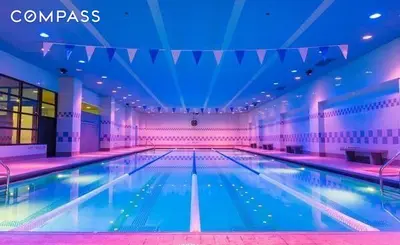
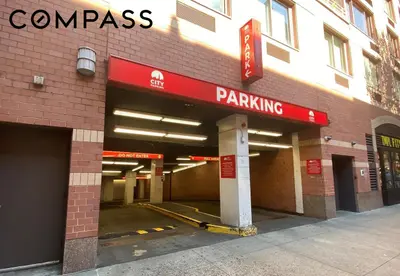
"The neighborhood was marginal at best, squalid even, but in 1984 William Zeckendorf Jr. acquired the site and, in January 1985, chose Skidmore, Owings & Merrill, with design principal David Childs leading the team, to plan for the development of what would be the first office building of any importance to be built west of Eighth Avenue since the completion of Raymond Hood’s McGraw-Hill building in 1931. The building would also be the first significant project for Childs since his move to New York after 13 years of practice in SOM’s Washington office. Though the four-acre site, one of the largest undeveloped properties in single ownership in midtown, had been used as a parking lot since 1967, it had for some time been slated for redevelopment as the future headquarters of the Gulf & Western Corporation, which owned the land. Gulf & Western had, from time to time, indicated its intention to combine an office building with residential and retail uses, and the Skidmore firm had prepared studies. In November 1985, Zeckendorf’s plans were announced at a press conference in City Hall, calling for a forty-give story, 1.5-million-square-foot office tower on Eighth Avenue, a thirty-eight-story apartment tower containing 268 condominiums to the west and seven six- and seven-story residential buildings housing 386 units filling the western end of the block on Fiftieth and Fifty-first Streets and Ninth Avenue. In addition to a landscaped mid-block park, the complex would include, underground, a six-screen movie theater, a 35,000-square-foot health club, and a 450-car garage. While the site was considerably smaller than that of Rockefeller Center, it was nonetheless big enough to sustain some of that landmark’s urbanism. By 1988, with construction well under way, most of the space in the office building was leased to two prestigious tenants, the advertising firm Ogilvy & Mather Worldwide and the law firm Cravath, Swaine & Moore. Ten years before, the firms never would have considered a building on the West side, much less one on the west side of Eighth Avenue. But the flexibility of the internal layout made possible by the building’s very big 30,000-square-foot floors, which gave it an incredible heft on the skyline, was a great attraction. The construction of Worldwide Plaza received international attention as the result of a five-part weekly television series that traced the project’s four-year-long evolution and of Karl Sabbagh’s book accompanying the series, Skyscraper."
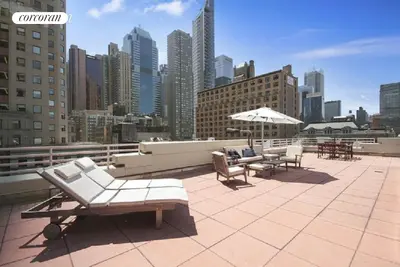
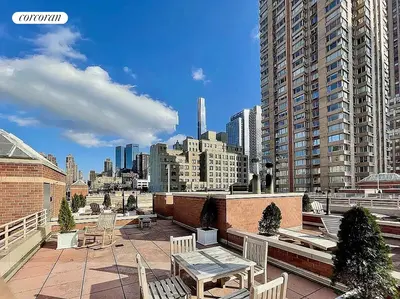
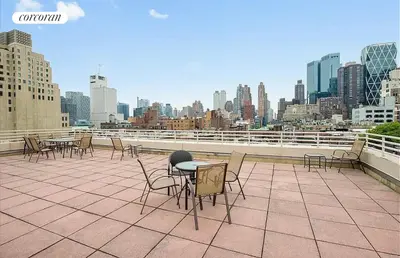
"A hidden asset of the project was the elevated garden reserved for residents that lay to the west of the condominium tower; on the other hand, all New Yorkers could enjoy the residential streetscape of multiple entrances leading to maisonettes and, along Ninth Avenue, the well-proportioned storefronts....In all the hubbub about the office tower, the apartments by Frank Williams, with their warm pink and buff brick façades, stylish, elegantly thin mullioned corner windows, and well-composed setbacks, were largely ignored, though they added a graceful note of humanity to the development as a whole," the authors added.
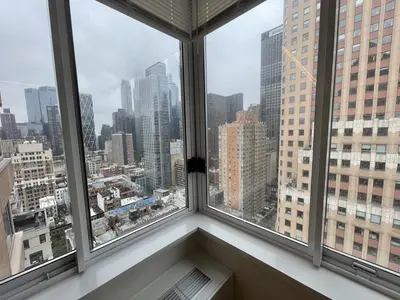
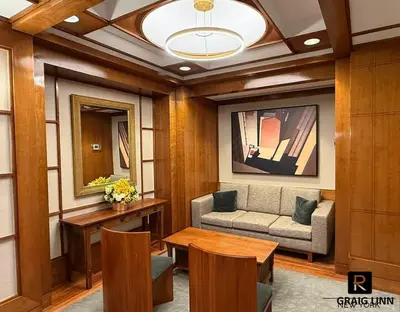
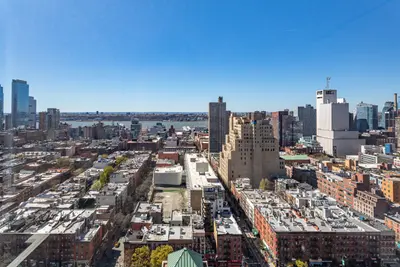
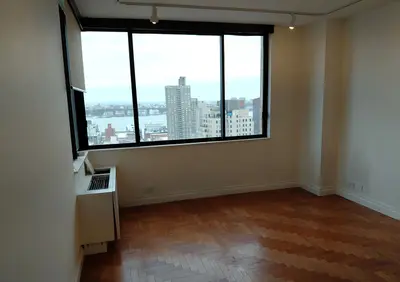
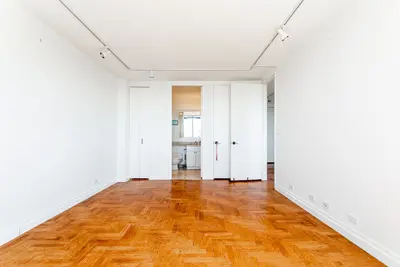
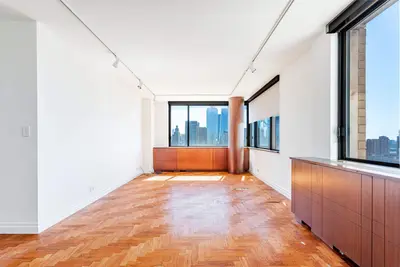
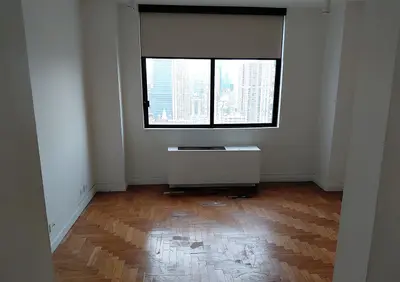
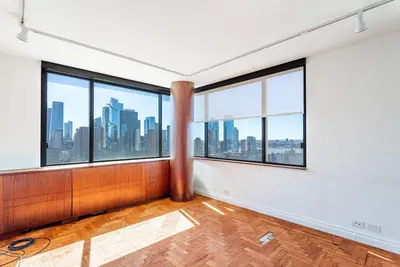
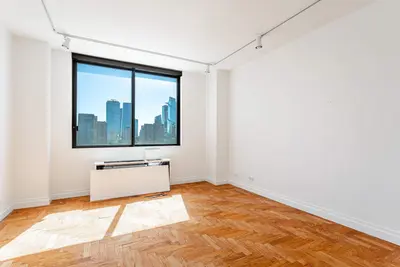
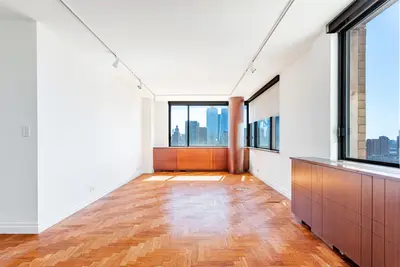
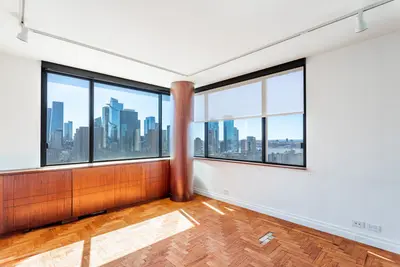
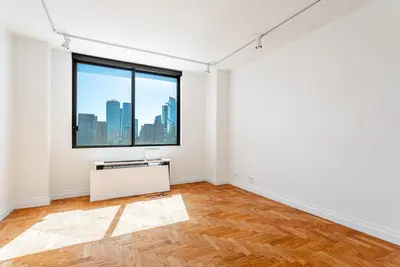
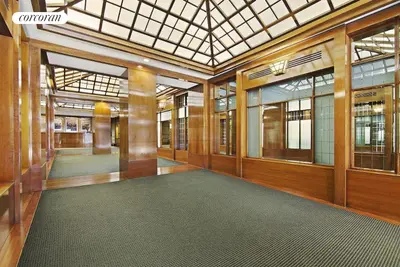
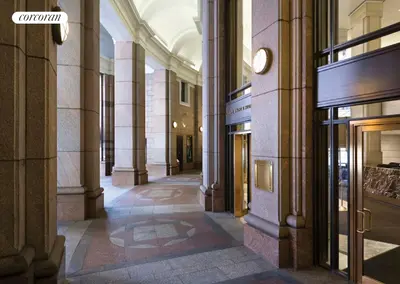
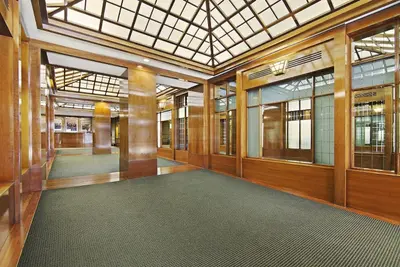
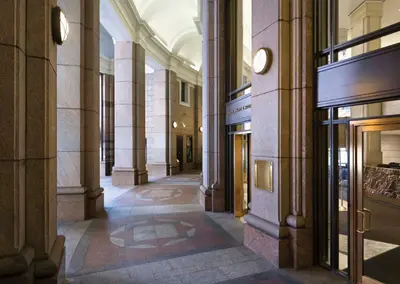
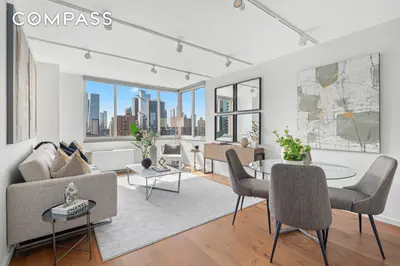
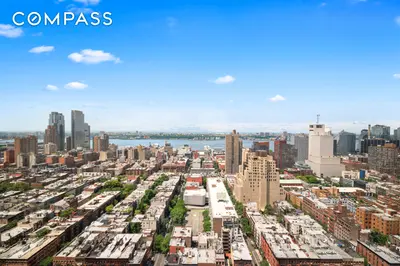
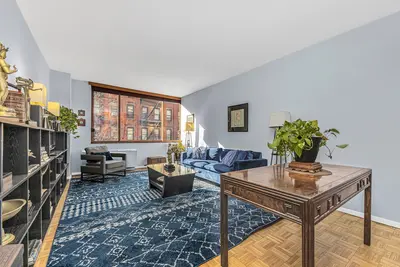
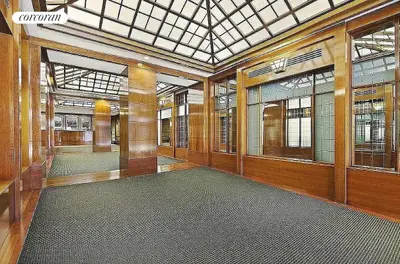
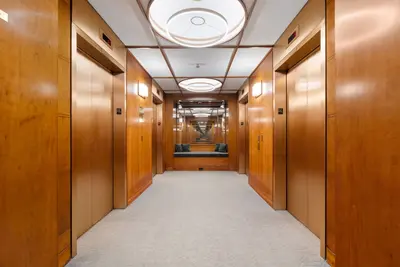
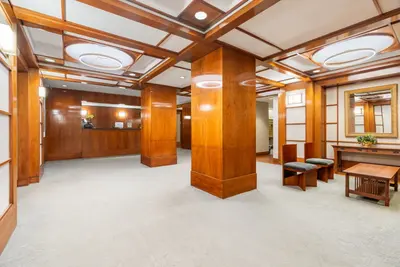
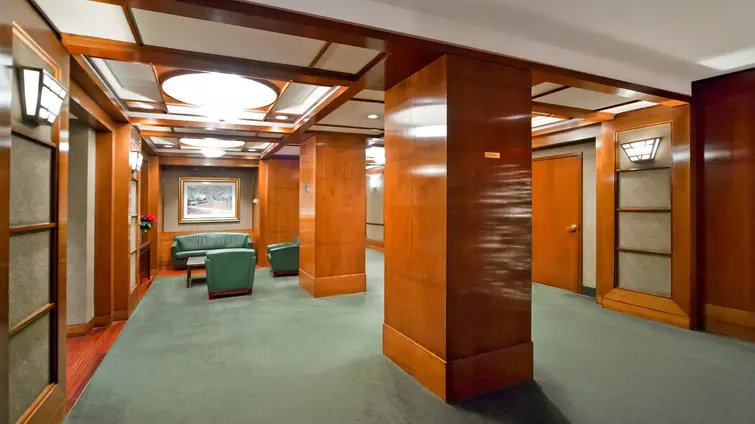
The very large, wood-paneled lobby of the condominium tower is very impressive and because the tower is located mid-block most of its apartments have very spectacular views.
The large mid-block plaza between the condominium tower and the office building has a fountain with a sculpture, “The Seasons,” by Sidney Simon, a founder of the Skowhegan School of Painting and Sculpture in Maine, and two food kiosks with lots of outdoor seating and landscaping.
|