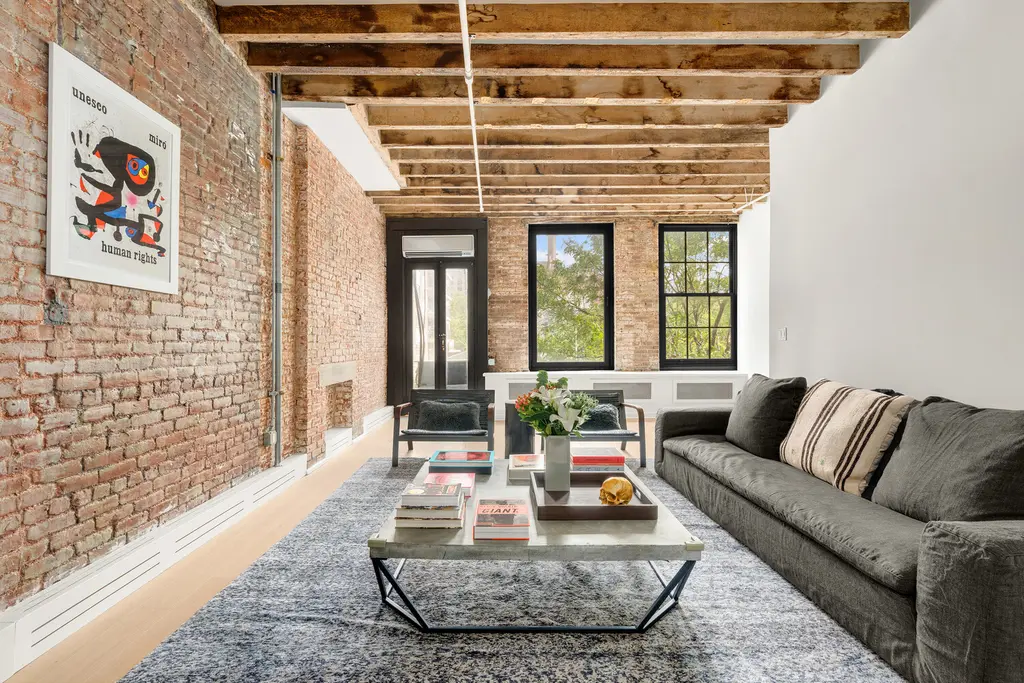
New York City apartments chock full of charm and character have made a strong comeback. While their appeal never truly disappeared, new development teams are increasingly infusing elements such as beamed ceilings, multi-pane windows, and exposed brick to make units feel warmer and more layered, moving away from the no-frills white box aesthetic. Uptown apartments with fireplaces, crown molding, and formal layouts have long attracted a broad market of buyers, while the more industrial Downtown aesthetic has typically appealed to a narrower group, including artists, creative types, and younger buyers comfortable with a rawer look.
The conversion of manufacturing buildings into artists’ lofts in Soho and Tribeca was instrumental in turning those Downtown neighborhoods into some of the world's most sought-after real estate markets. With fewer of those buildings left to adaptively reuse, many designers are now incorporating rustic industrial elements into new construction.
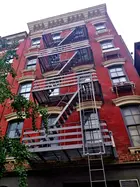
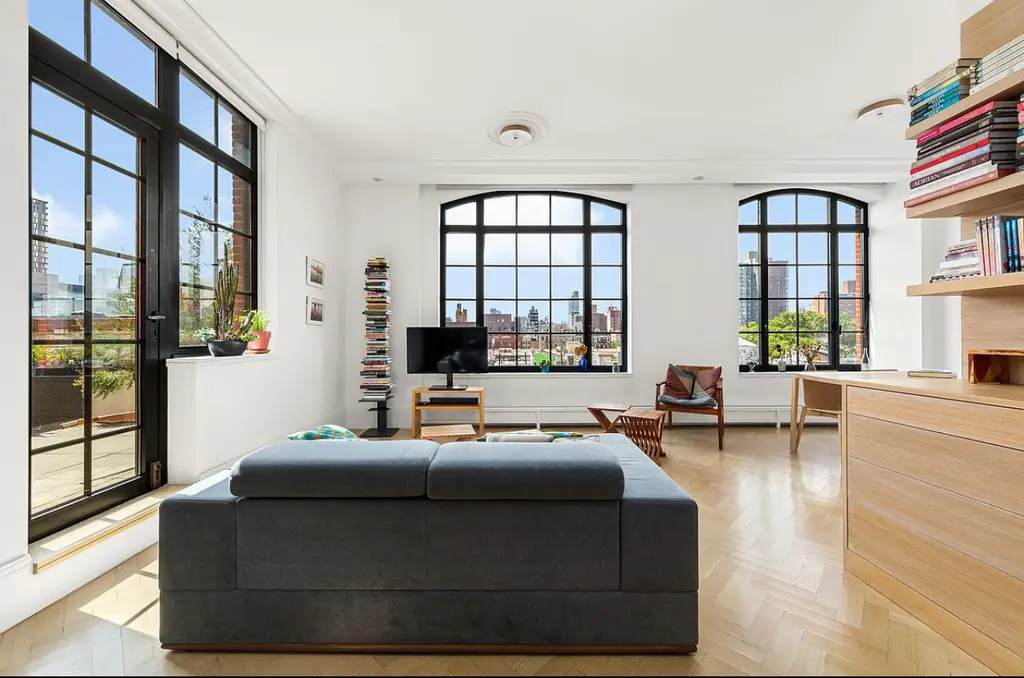
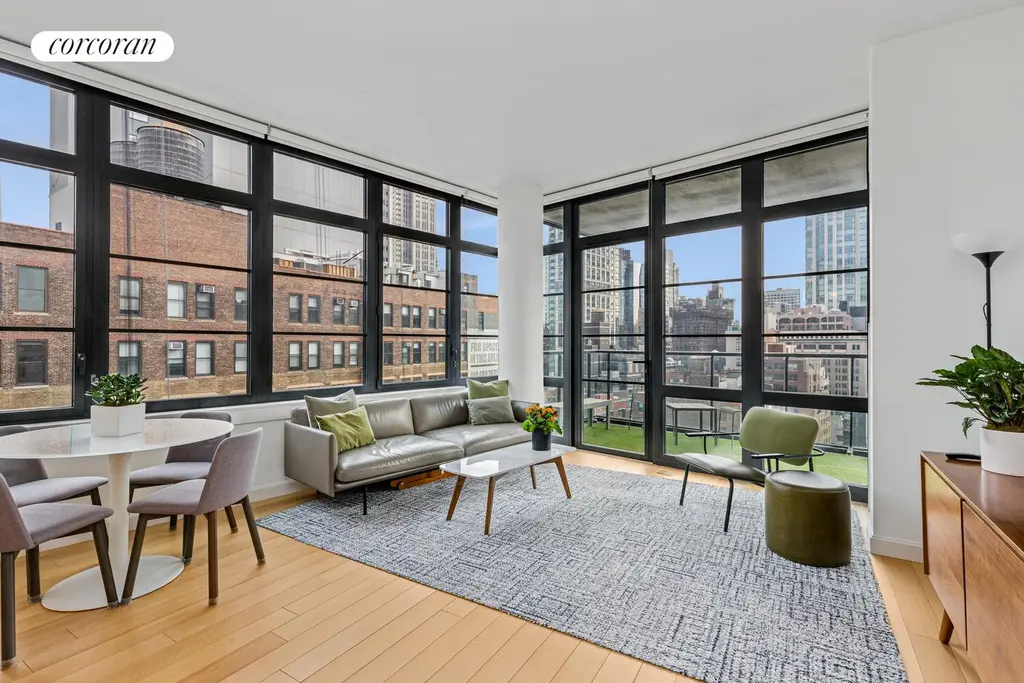
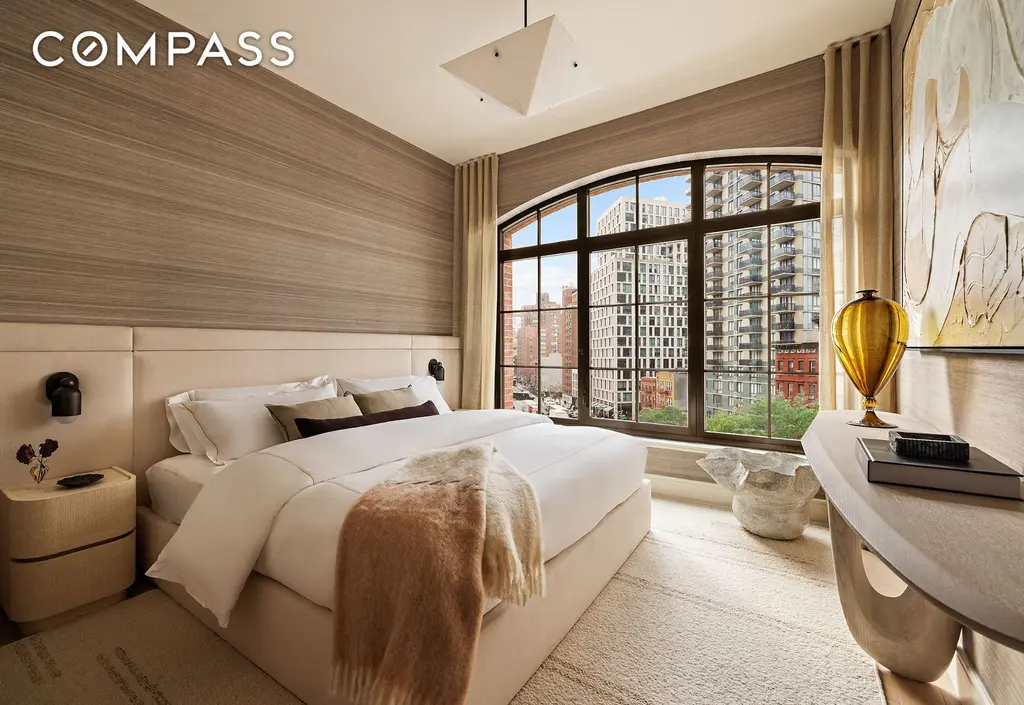
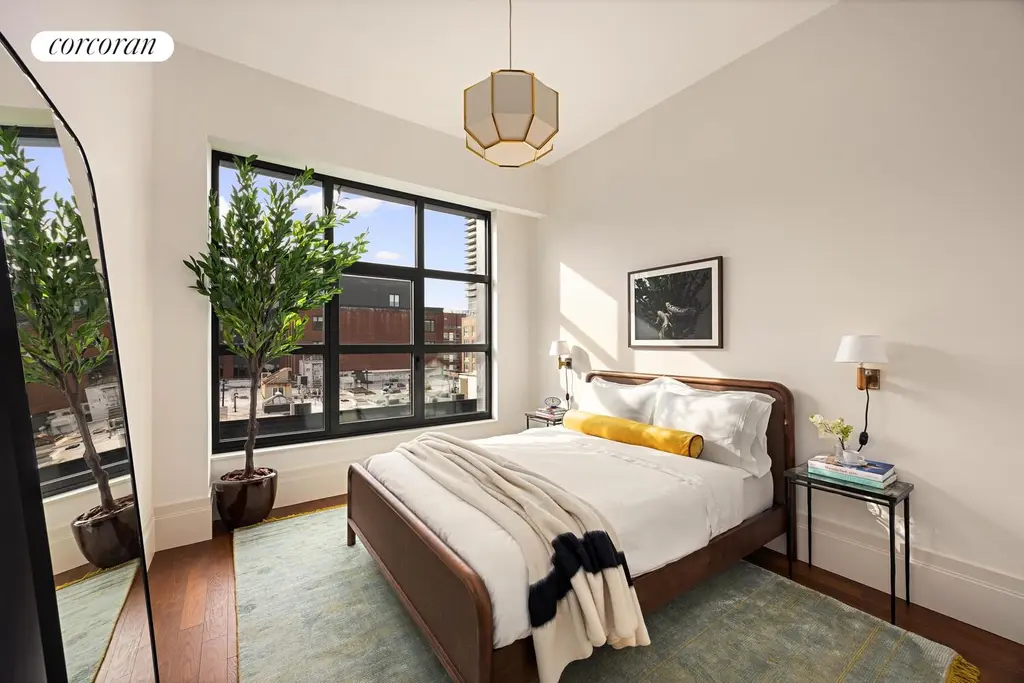
One of the most prominent features is the factory-style window, sometimes described in listings as industrial-style, factory-sash, or multi-pane casement windows. Before air conditioning and the widespread production of large single glass panes, their oversized proportions divided into multiple small panes separated by thin muntins allowed abundant natural light to fill industrial interiors.
As manufacturing retreated from central areas of the city, many of these buildings were converted into offices and residential apartments that benefited from incredible light and a sense of character that connects to the city’s blue-collar history.
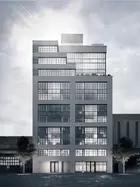
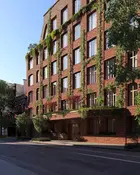
Exterior of 220 East 9th Street (Plomp)
One of the more recent condominium developments to embrace the aesthetic is 220 East 9th Street, an adaptive reuse and expansion of a former 175-car parking garage in the East Village, located on a surprisingly genteel block between Stuyvesant Street and Second Avenue, near Astor Place and St. Mark’s Church in-the-Bowery, the second-oldest church building in Manhattan.
Developed and designed by Arcus, the project significantly transforms the former structure, adding a new floor, completely gutting the interiors, and introducing a Roman red brick facade with Waterstruck bricks hand-crafted in Maine and red sandstone facade accents. It is punctuated by operable factory-style windows ranging from 8 to 10 feet tall; some of the windows are arched, and all of the panes are accentuated by red-colored mullions.
Sales quietly launched last year for its 18 one- to four-bedroom condominium residences. Sensing strong demand for loft-inspired homes Downtown, the team moved much of the inventory off market and has nearly sold out without publicly listing the apartments. The development team describes it as one of the East Village’s first true “power buildings” and attributes its unprecedented success to discretion, direct relationships, and a design-forward product.
"The developer approached the building with a craftsman’s discipline: board-form concrete ceilings, refined material choices, generous ceiling heights, and layouts designed for real living rather than efficiency metrics. The result was a rare combination of scale, texture, and warmth at a price point that had been underserved Downtown" - Ian Lefkowitz, Clayton Orrigo, and Stephen Ferrara, Hudson Advisory Team, Compass
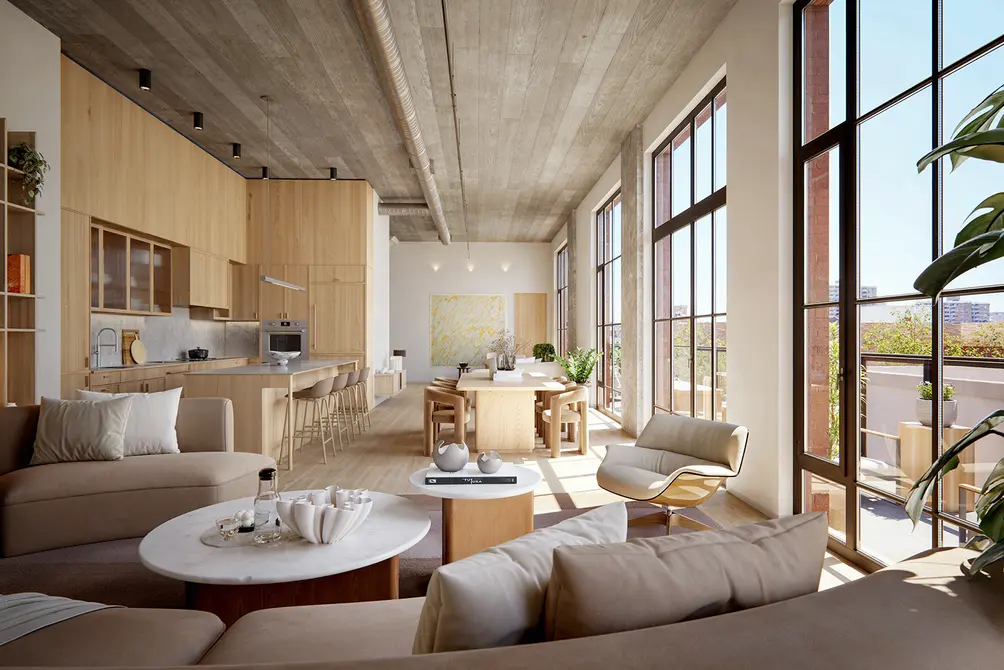
Buyers enjoy open industrial-chic loft interiors and unique floor plans with generous proportions. Select units are accented by board-formed exposed concrete ceilings and exposed spiral steel ducts. Some homes include private terraces, home offices, and gracious foyer or gallery spaces.
The new condo development at 220 East 9th Street has factory-style windows that range from 8.5 to 10 feet tall (Plomb)
One of only two remaining availabilities is Penthouse B, a four-bedroom, three-and-a-half-bath home spanning 2,943 square feet of interior space with 1,342 square feet of private outdoor space. High ceilings and oversized windows fill the interiors with natural light. Other finishes throughout the residences include white oak plank flooring, a custom-crafted oak kitchen with high-end appliances, and spa-like baths.
Residents benefit from an attended lobby, a sauna, a children’s playroom, and a fitness center with a Pilates studio overlooking a Japanese-style rock and bamboo viewing garden. Two parking spaces, the last of the ten in the building, are available for purchase.
Amenity terrace (Plomb)
220 East 9th Street has parking for 10 on-site parking (Plomb)
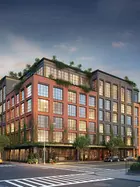
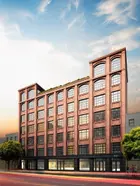
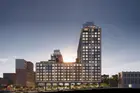
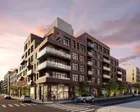
The Sixth at 127 Kent Avenue designed by BKSK Architects
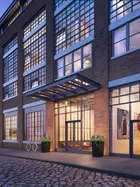
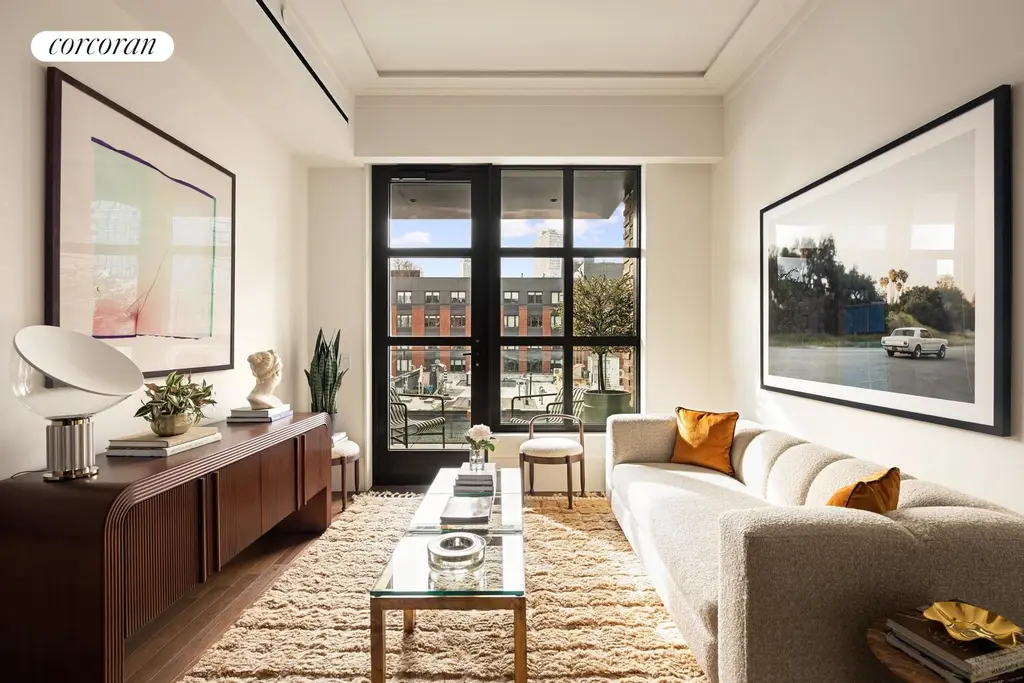
Another new development that goes above and beyond with the industrial aesthetic is The Sixth near the North Williamsburg waterfront. The ground-up condominium designed by BKSK pays homage to the area’s past through factory-style windows, 10- to 12-foot ceilings, vintage wood floors, and brass hardware.
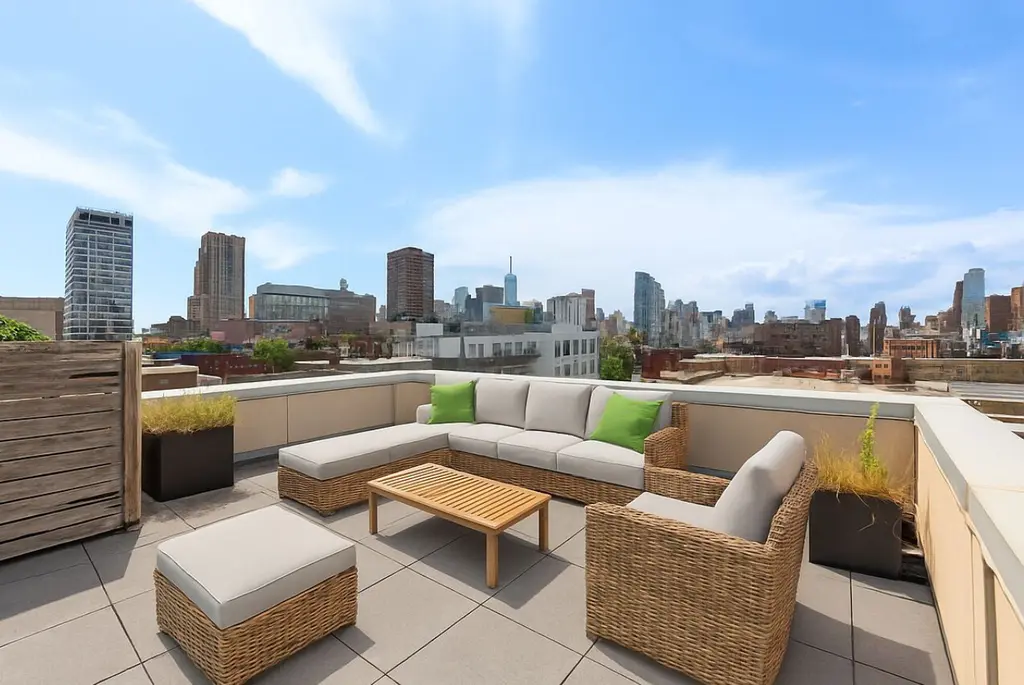
Sales launched earlier this year, and the building is already more than 40 percent sold, with two penthouses priced above $6 million currently in contract. Both penthouses include large private terraces, and all apartments at The Sixth feature private outdoor space in some capacity, whether a balcony, loggia, or rooftop cabana. Public availabilities range from a one-bedroom asking $1.375 million to a three-bedroom penthouse asking $4.5 million.
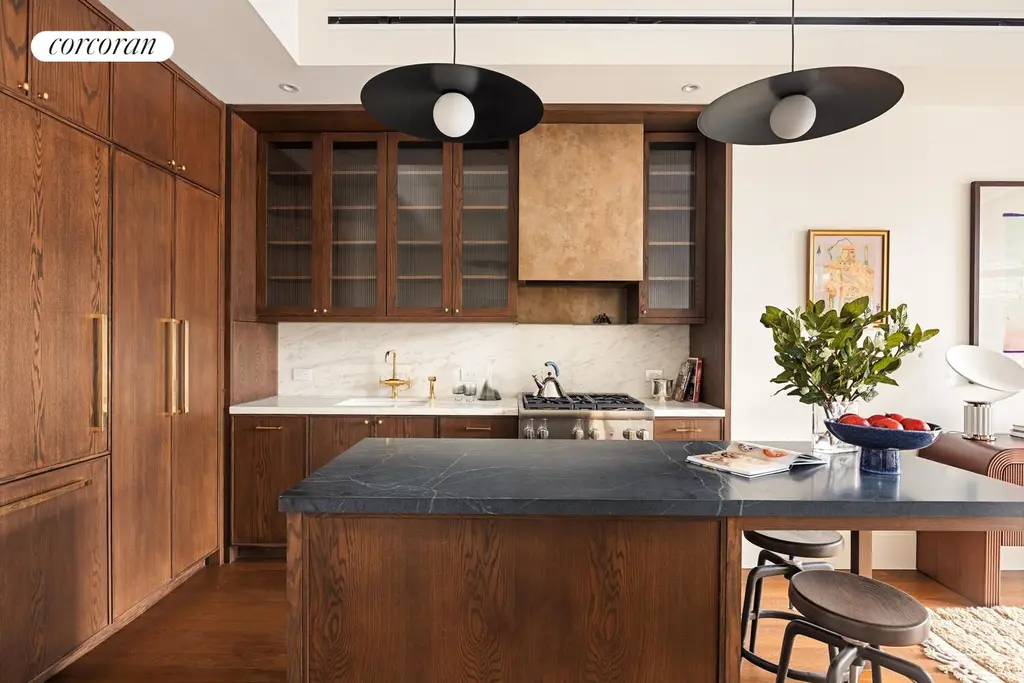
These penthouses, like all units at The Sixth, featured high ceilings, oversized moldings, hardwood floors, generously sized kitchens with professional-grade appliances, and classically styled primary baths. Both penthouses include large private terraces, and all apartments at The Sixth feature private outdoor space in some capacity, whether a balcony, loggia, or rooftop cabana. Public availabilities range from a one-bedroom for $1.375 million to a three-bedroom penthouse for $4.5 million.
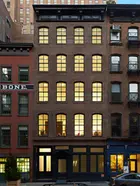
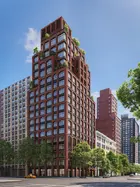
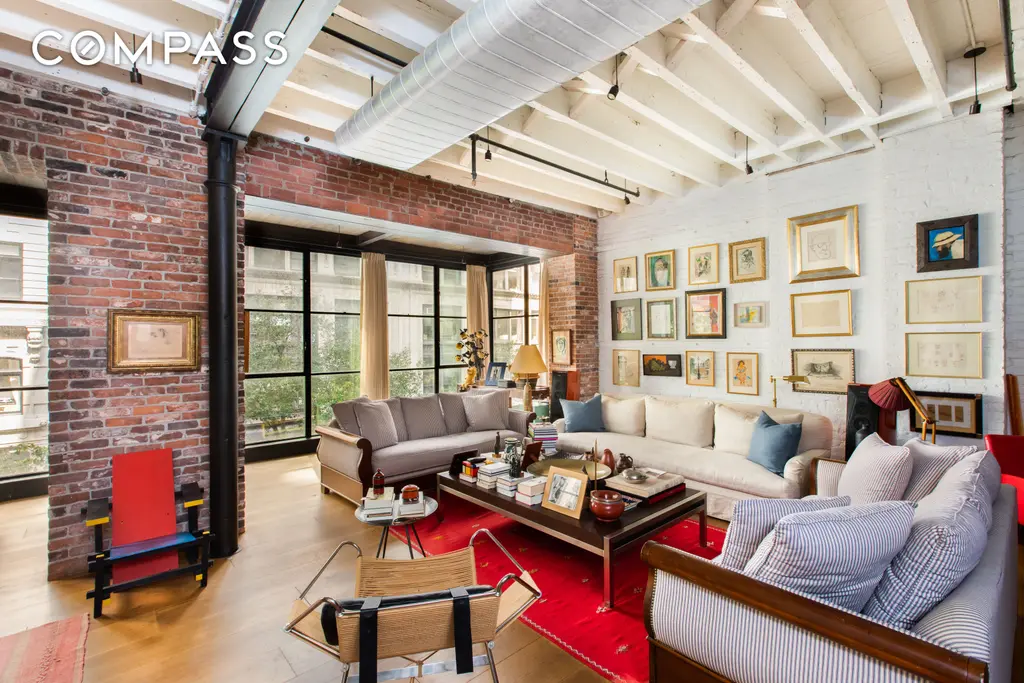
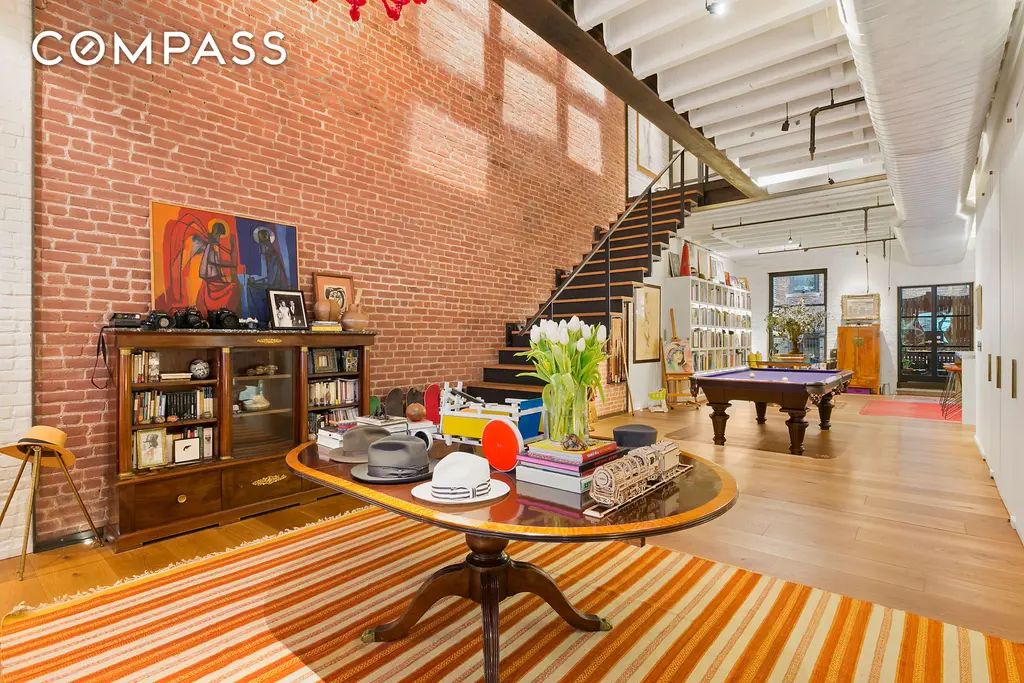
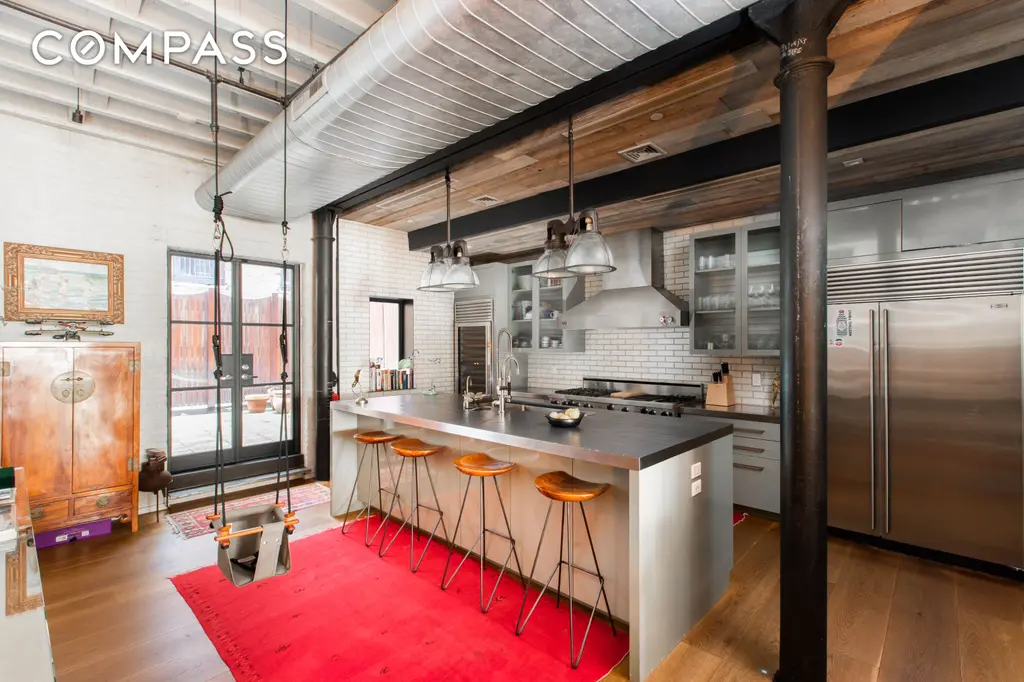
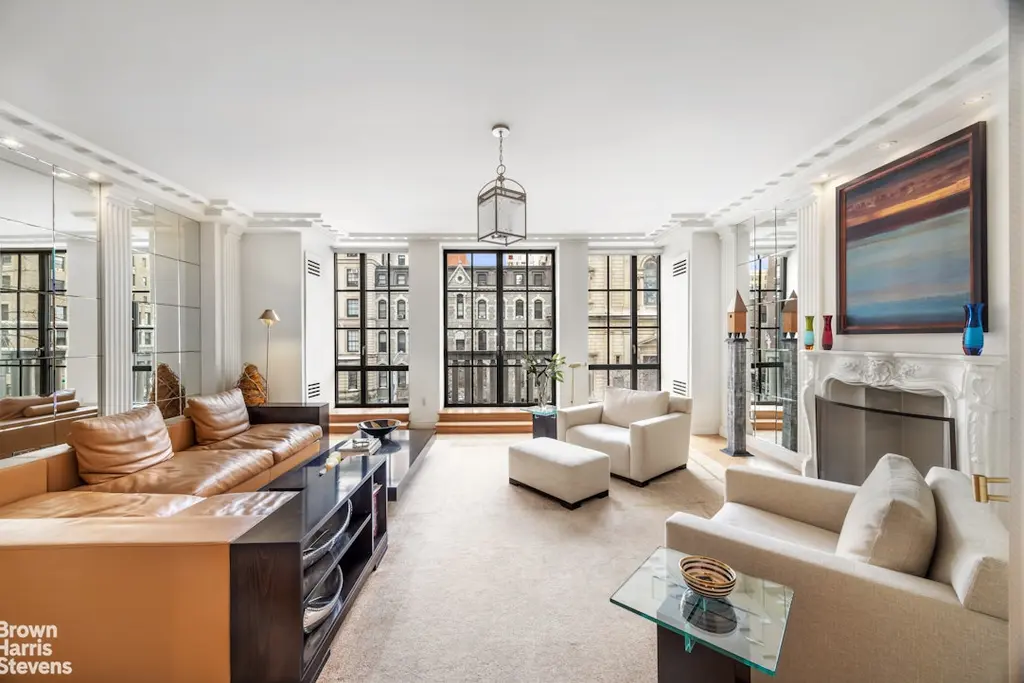
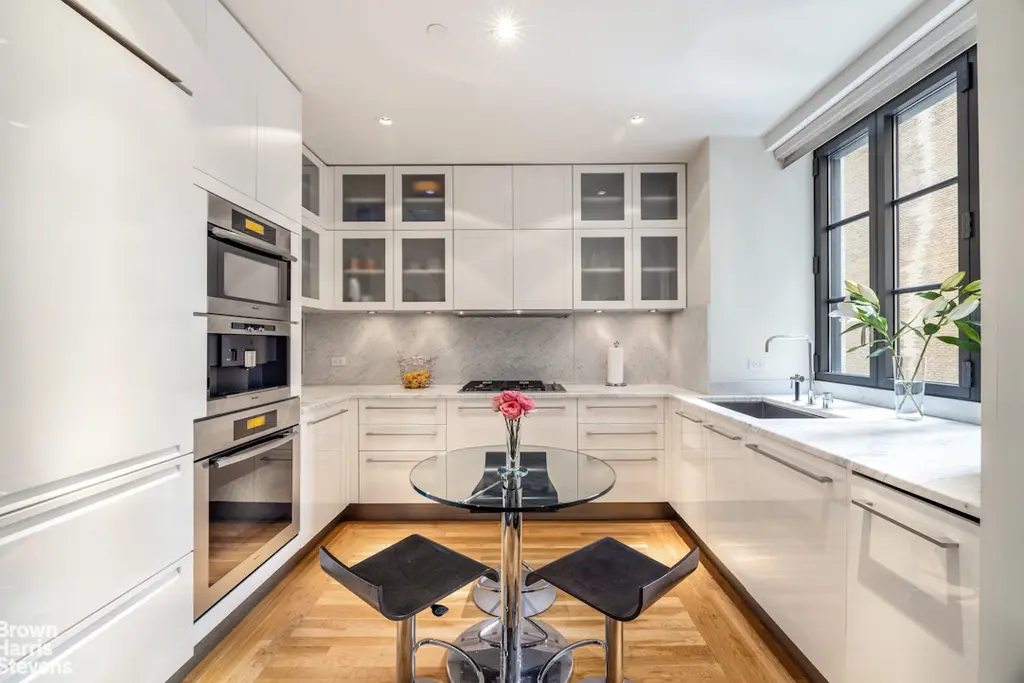
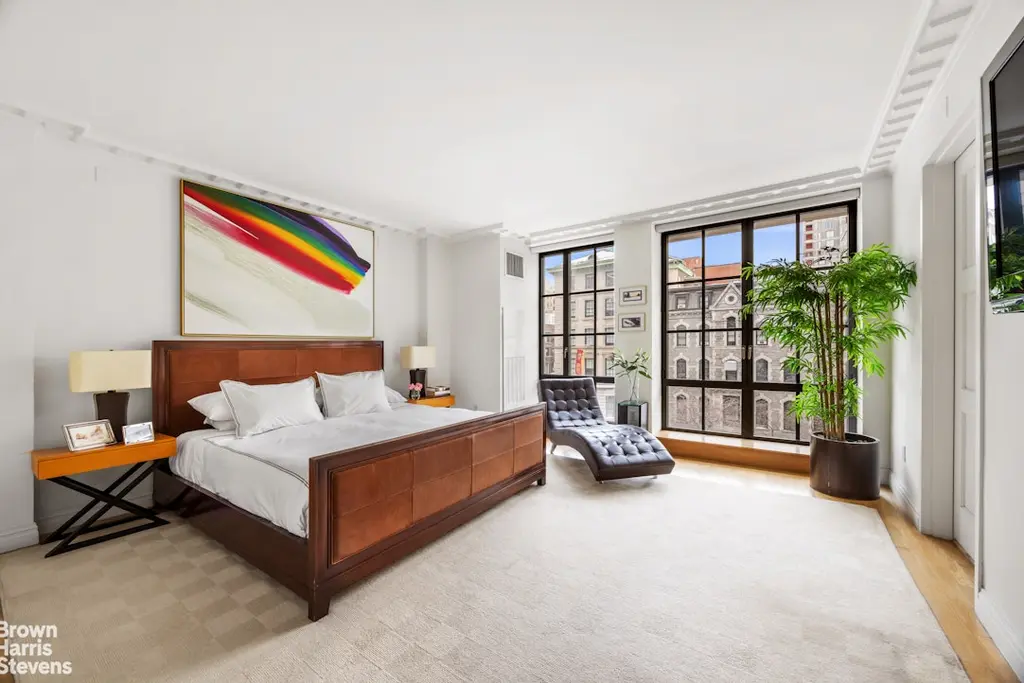
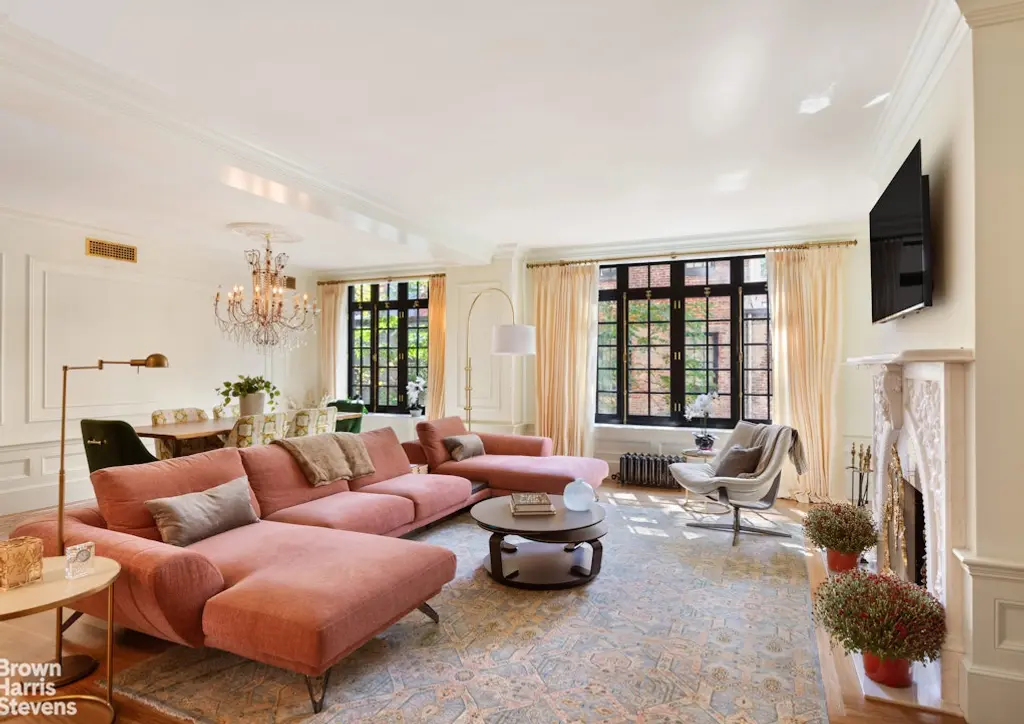
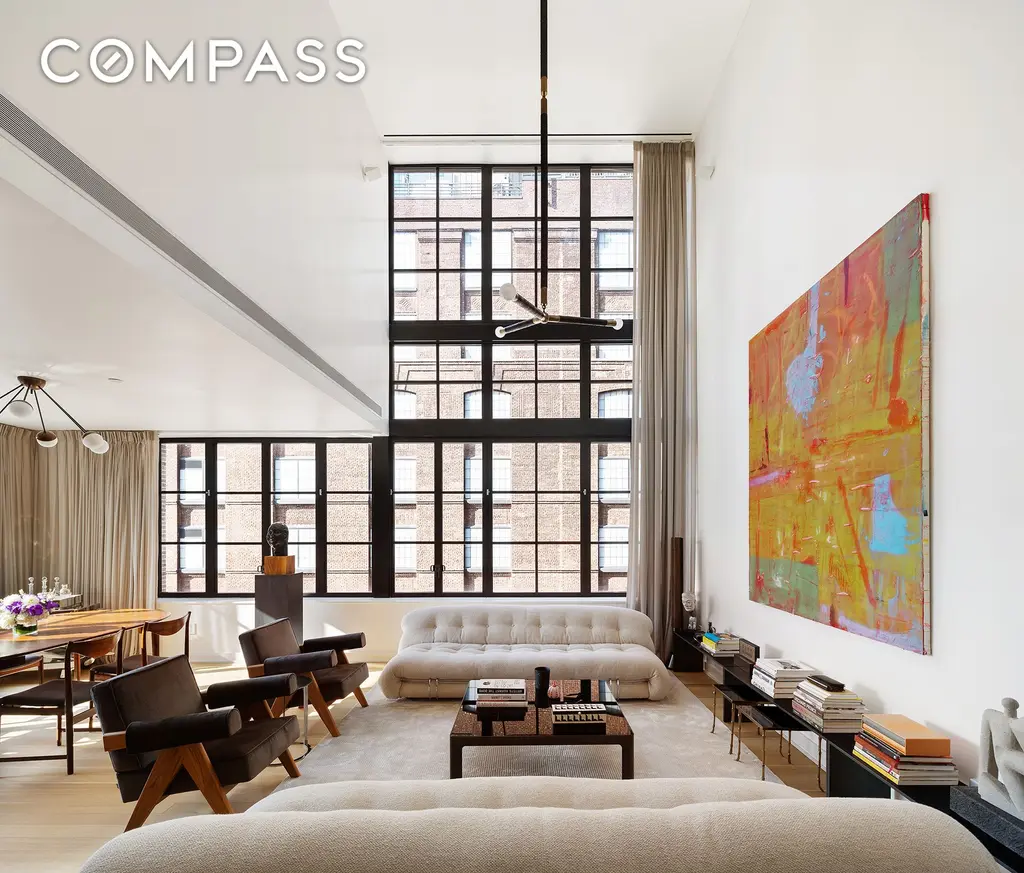
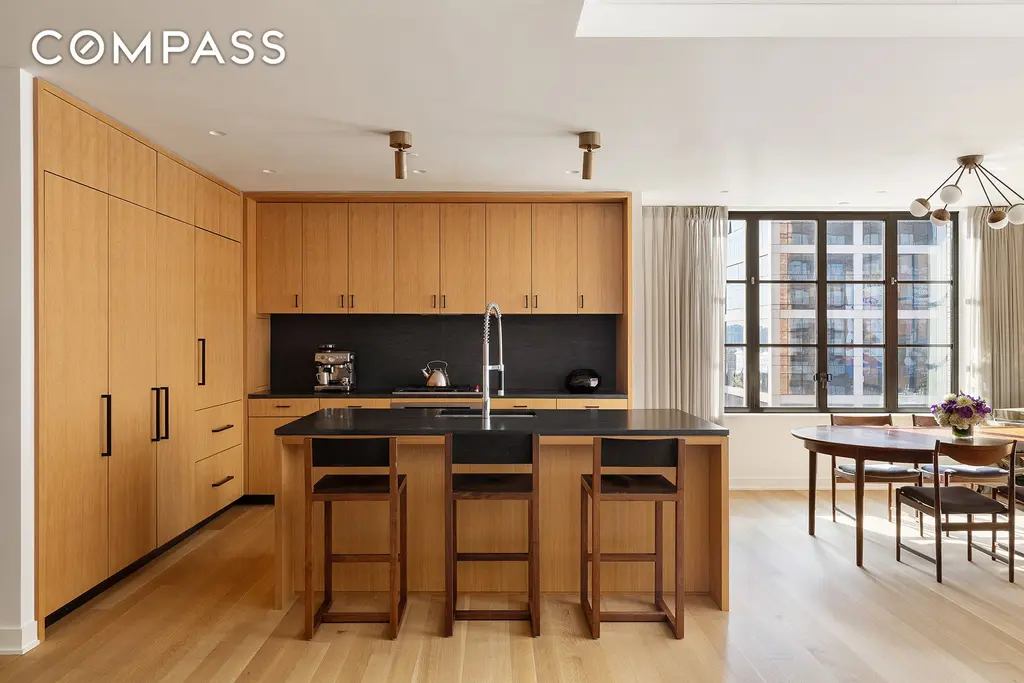
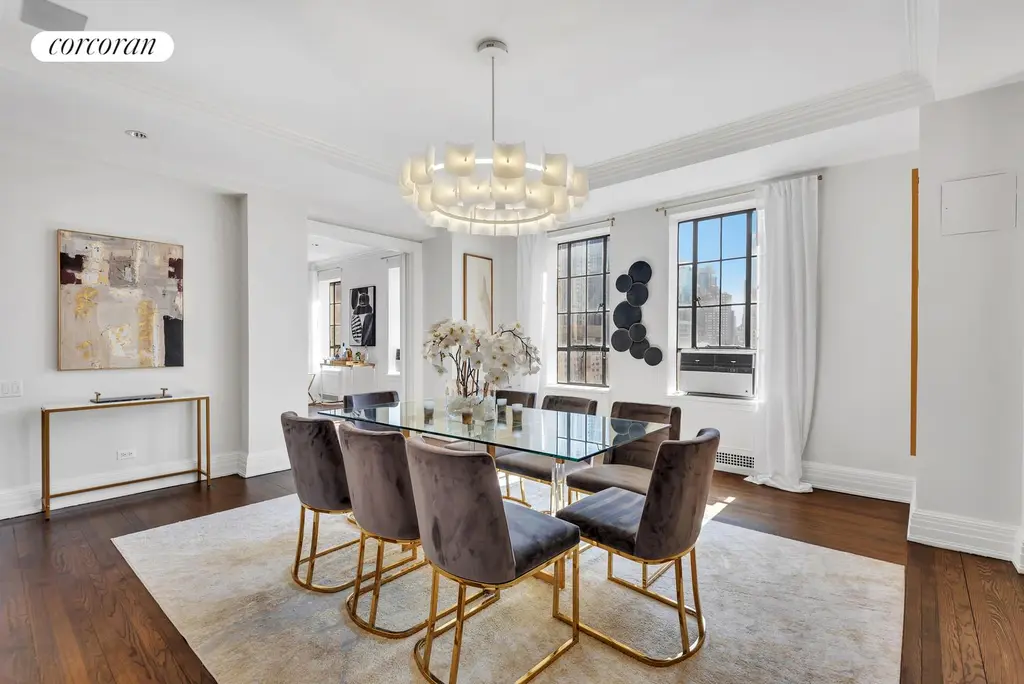
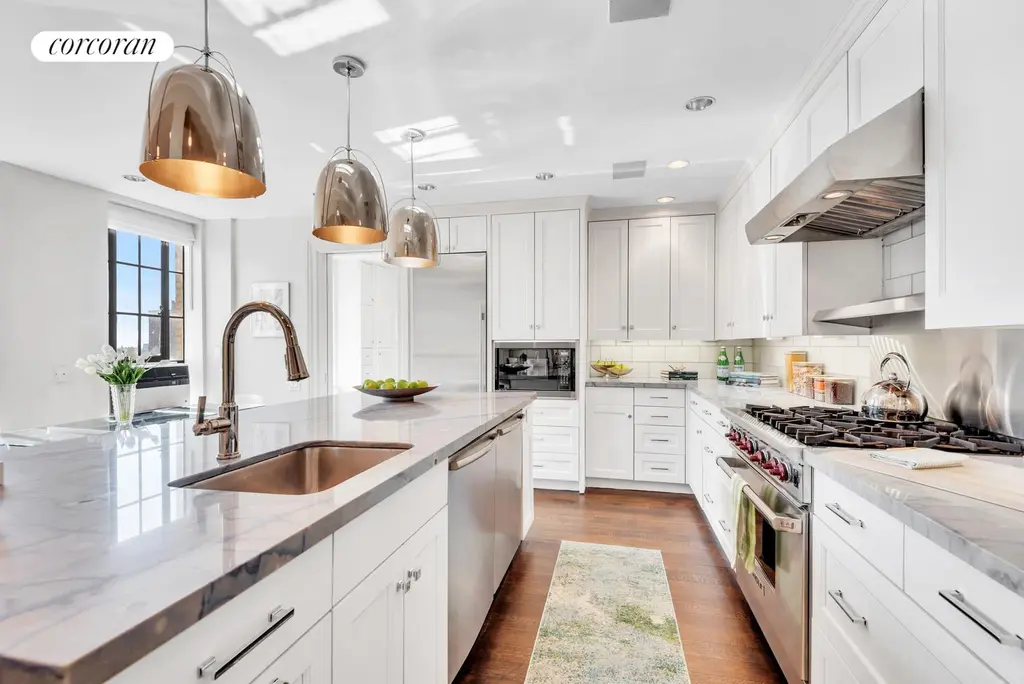
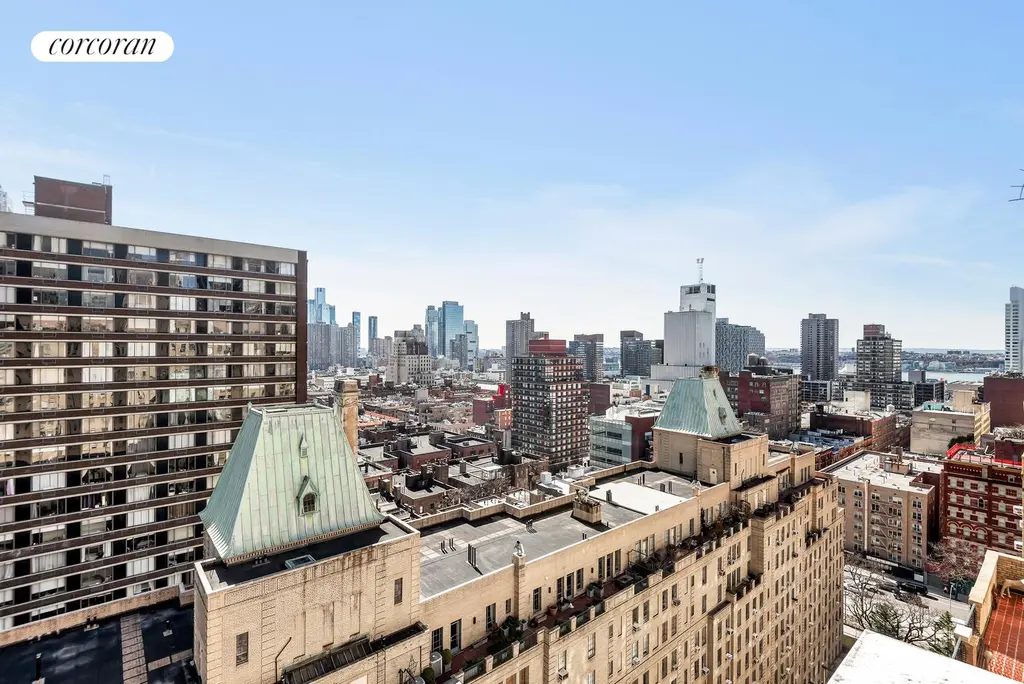
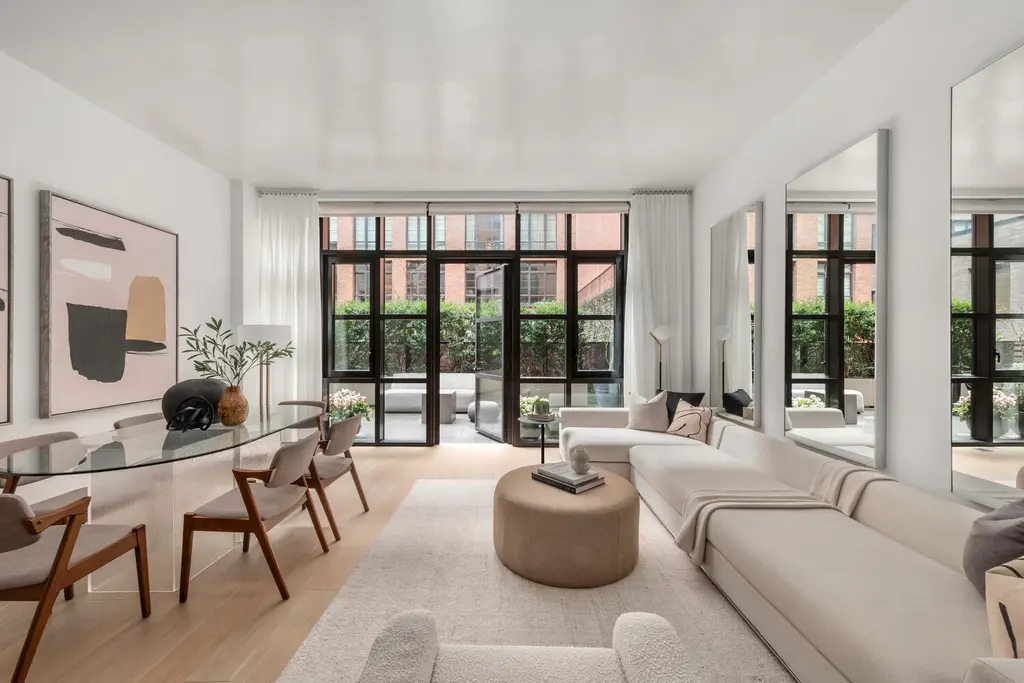
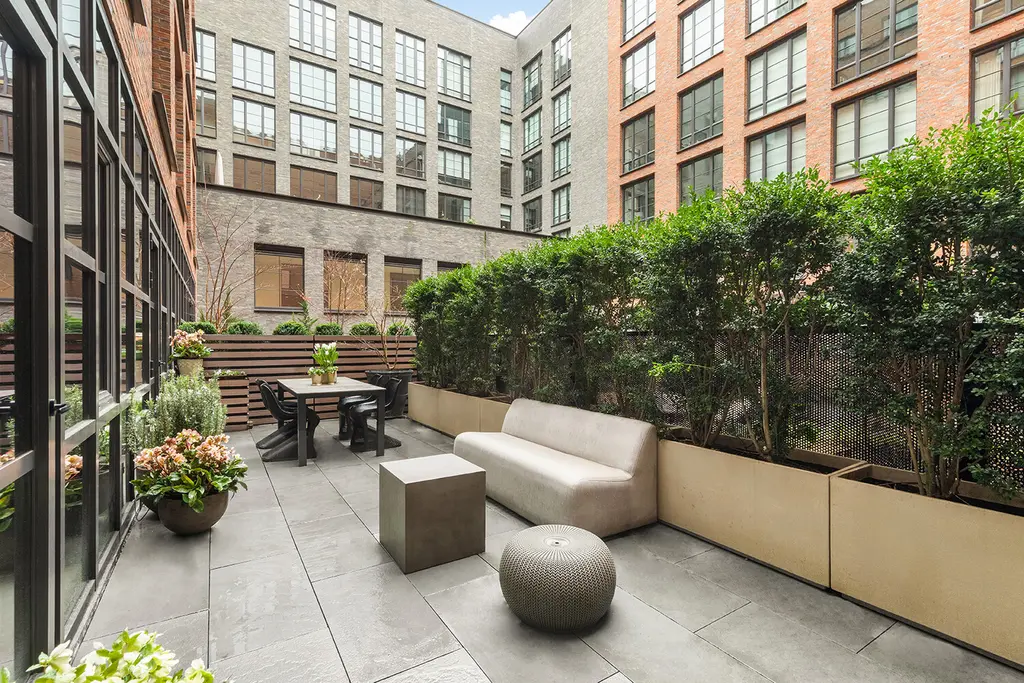
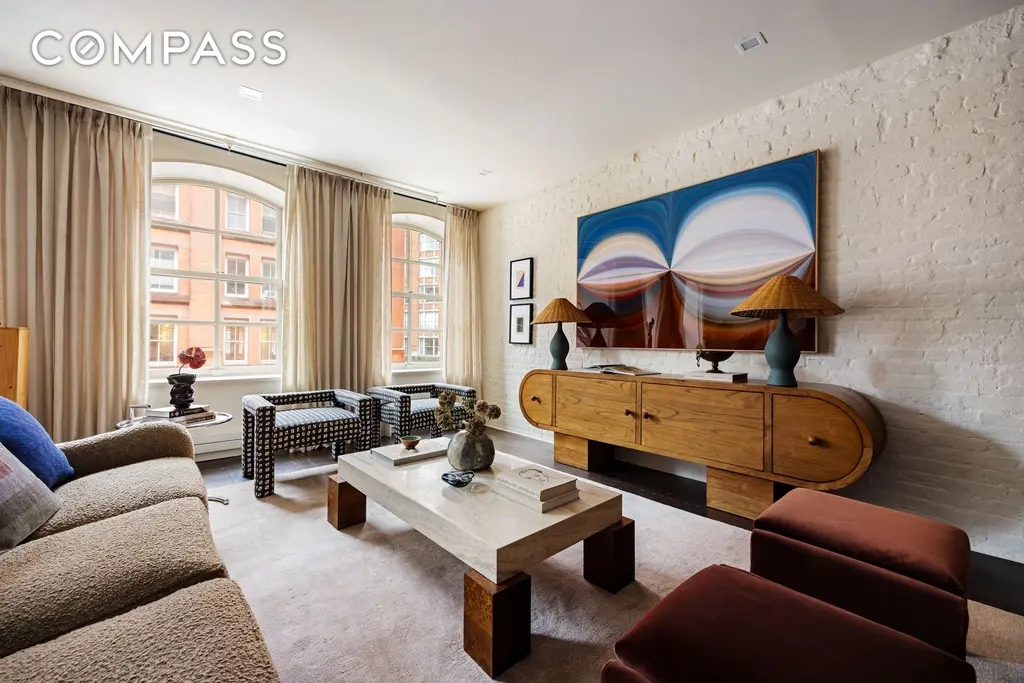
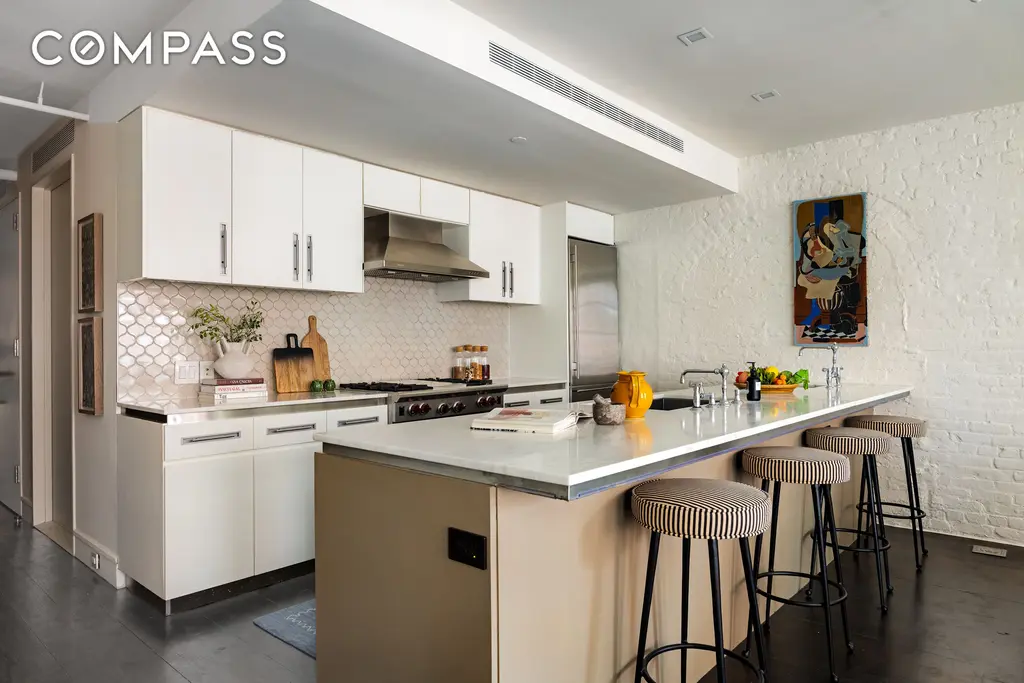
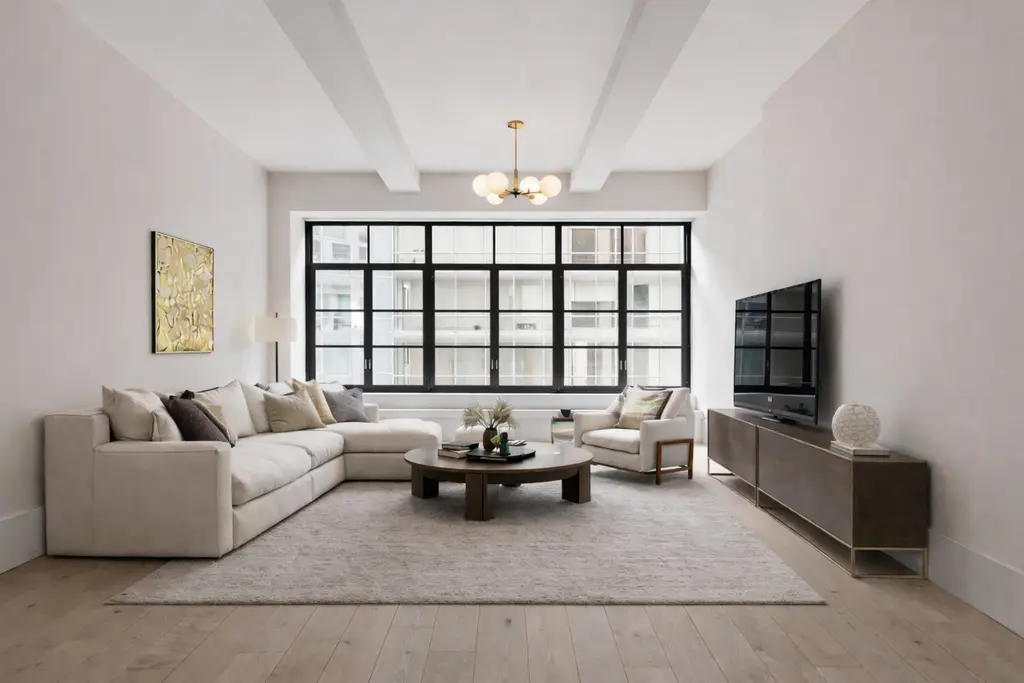
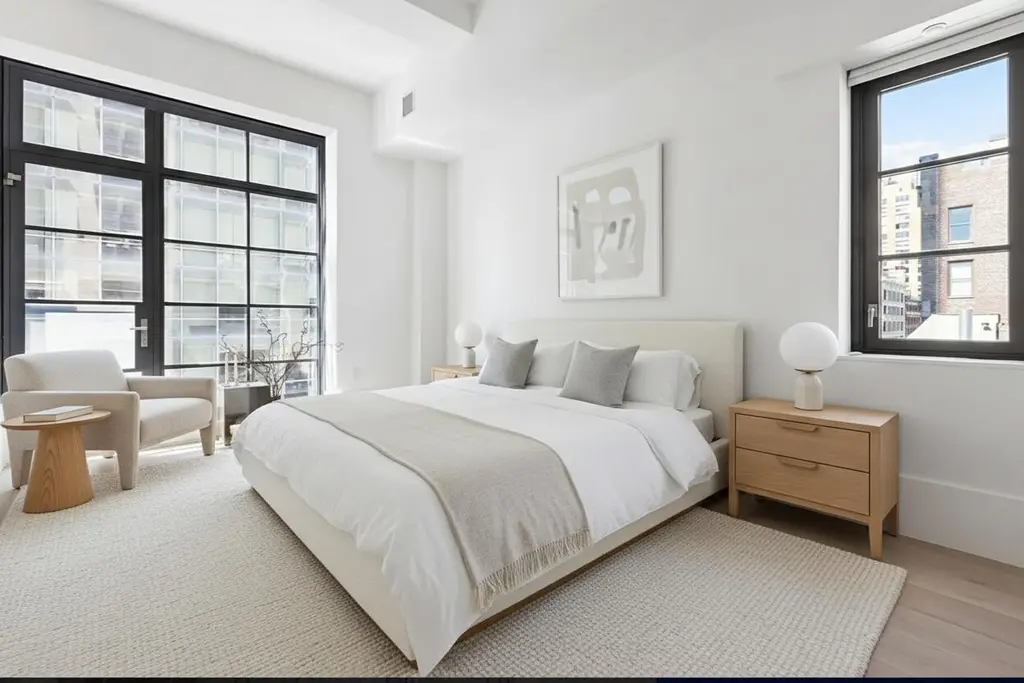
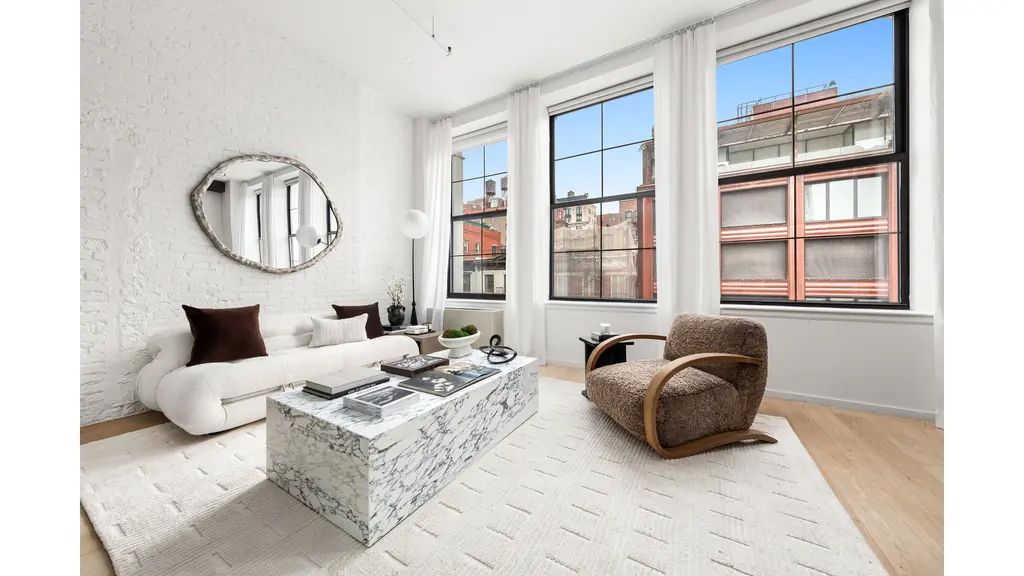
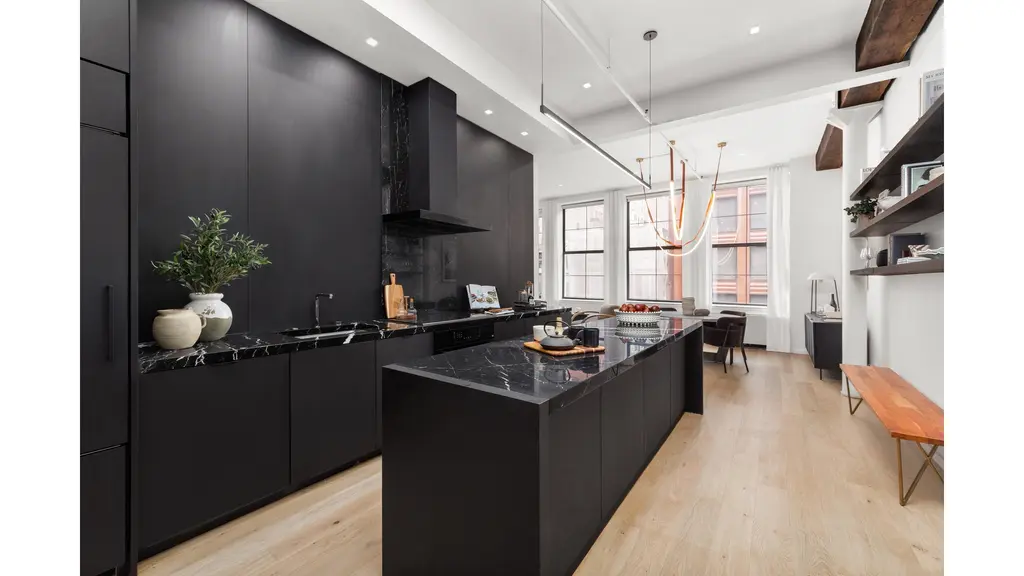
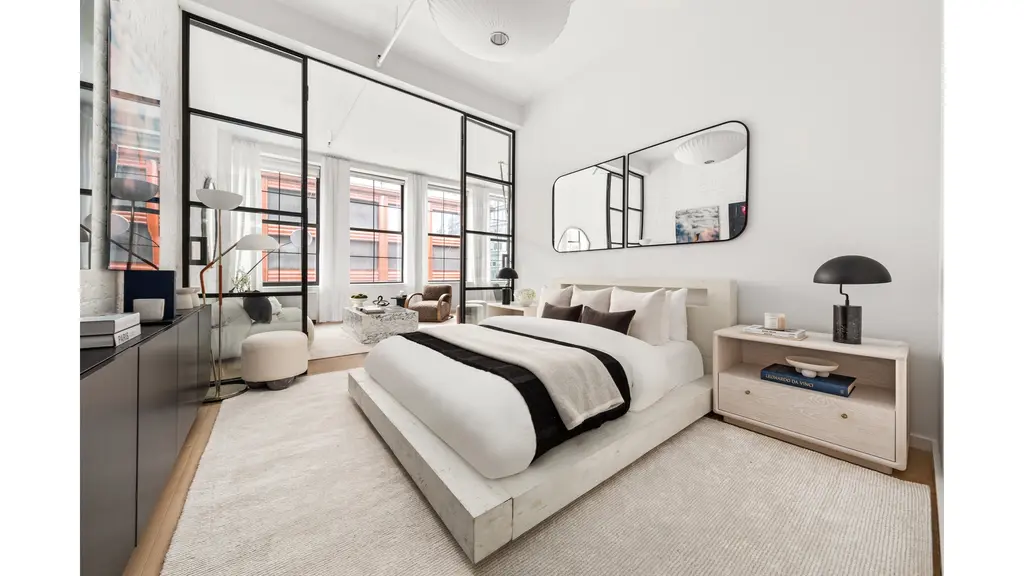
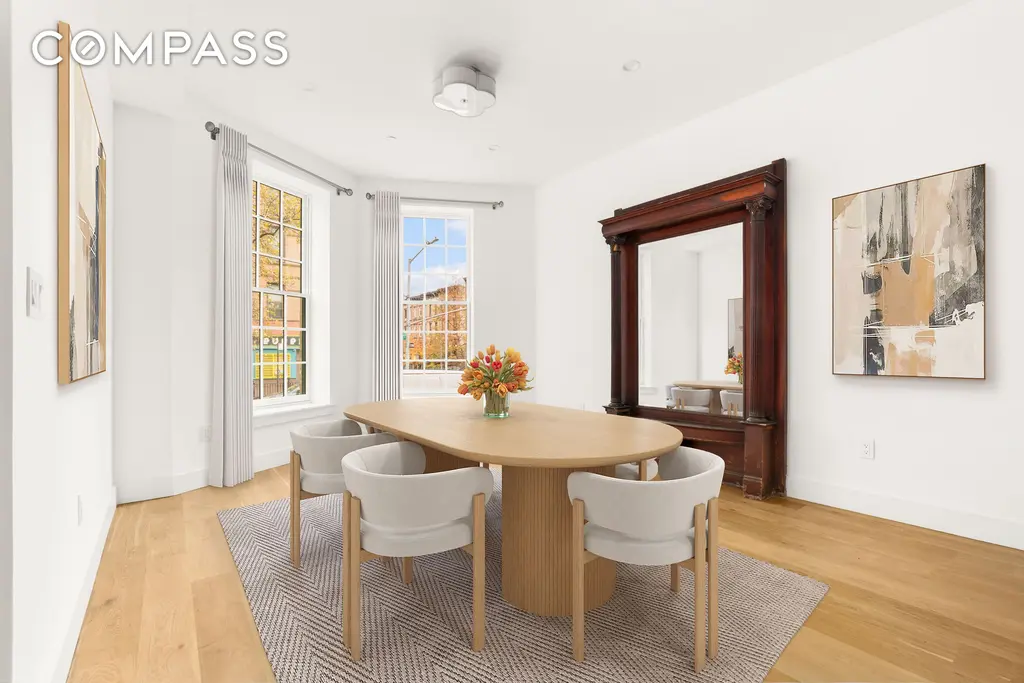
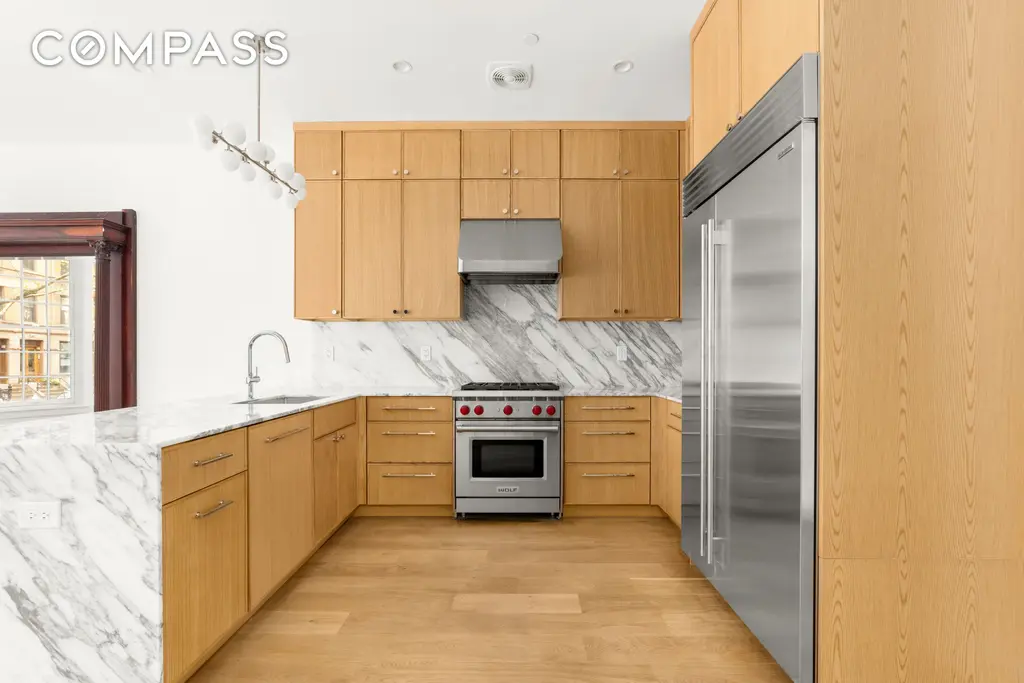
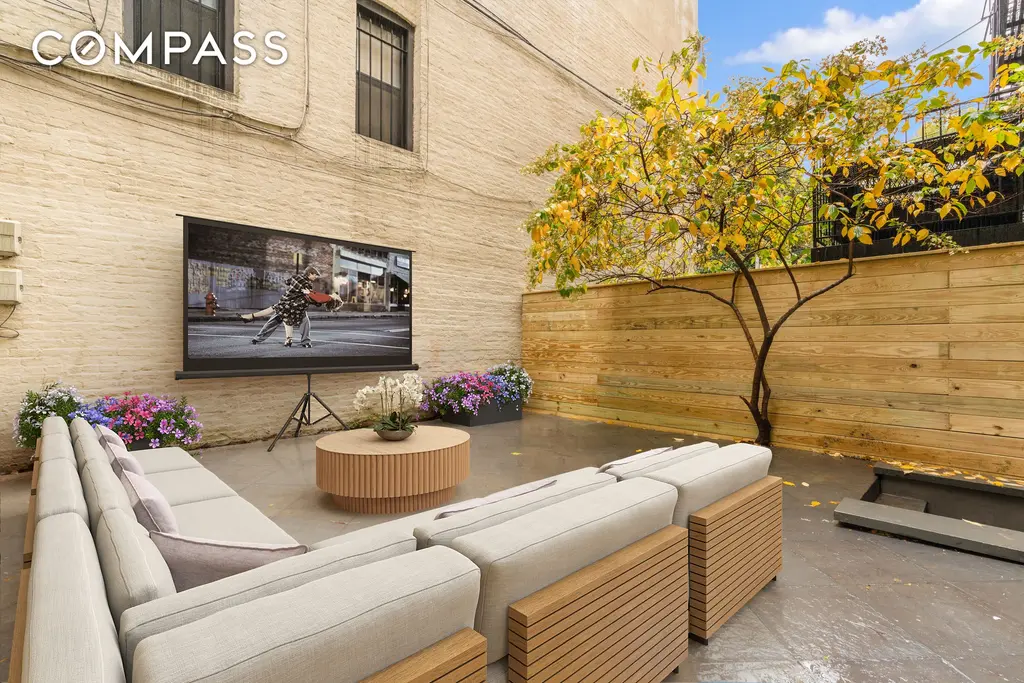
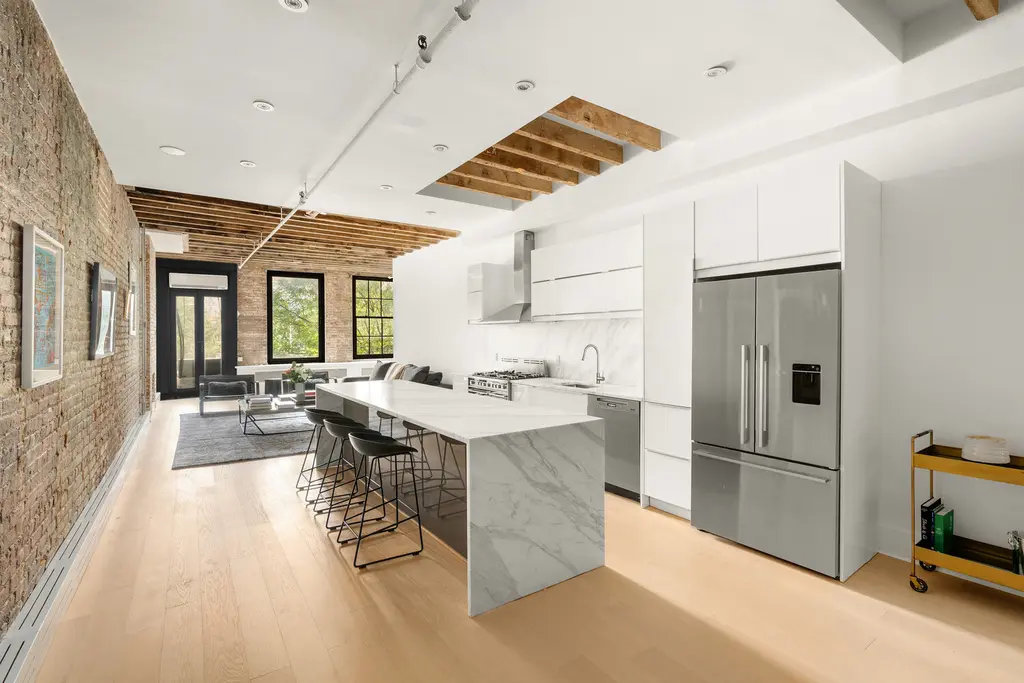
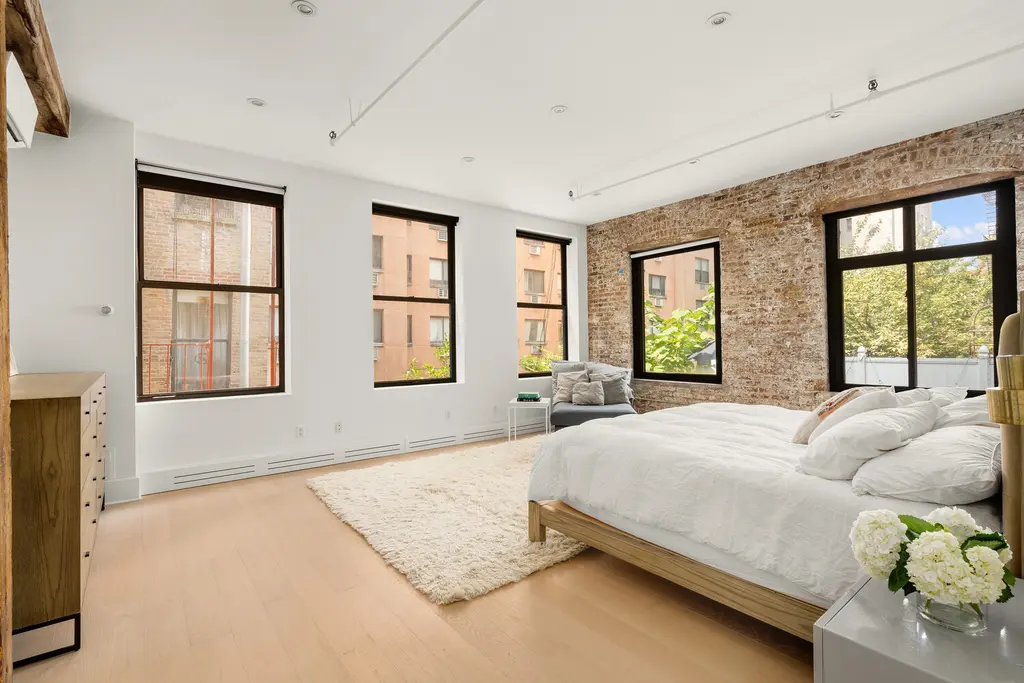
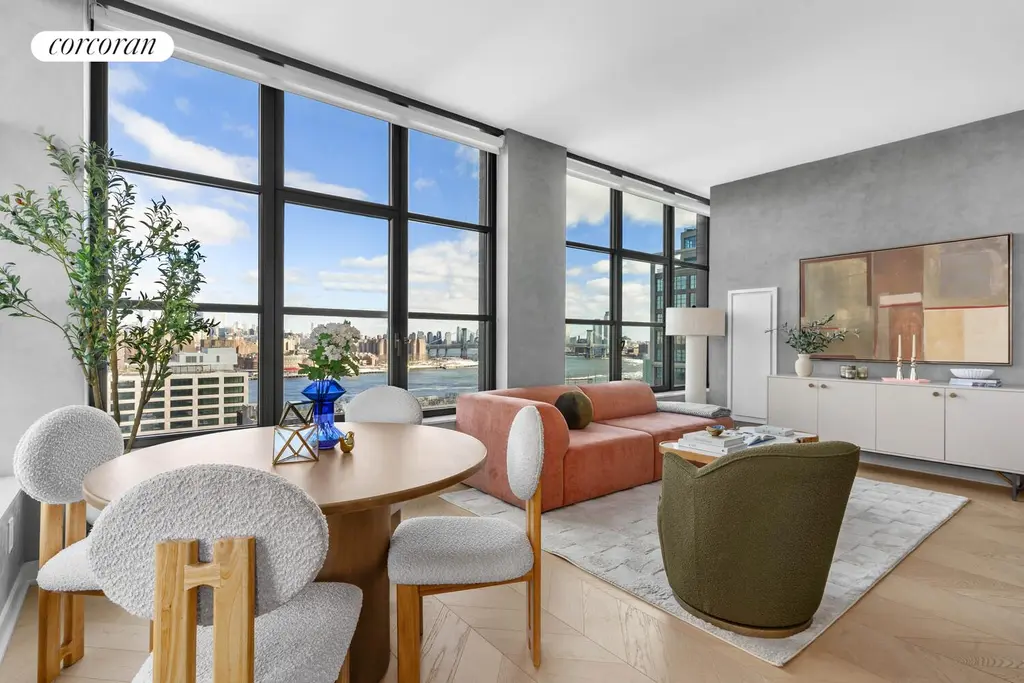
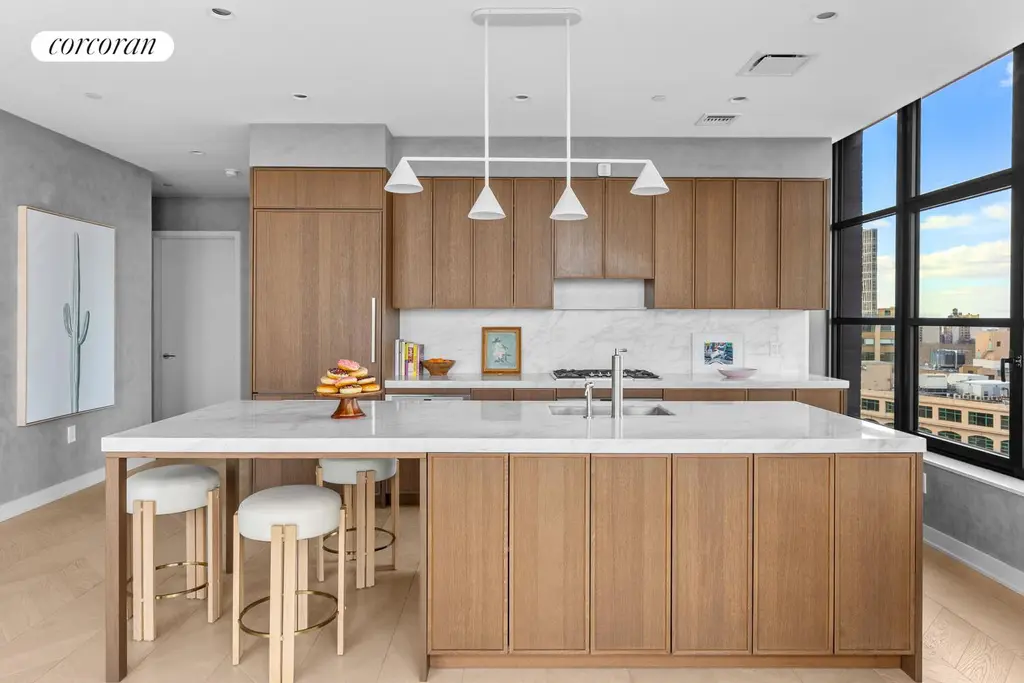
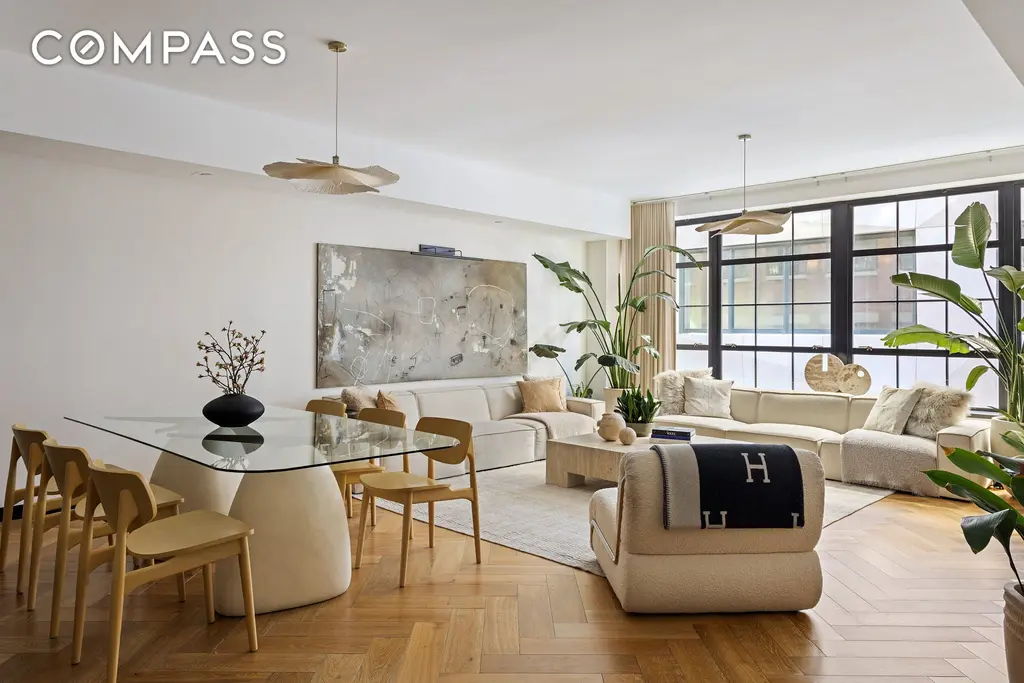
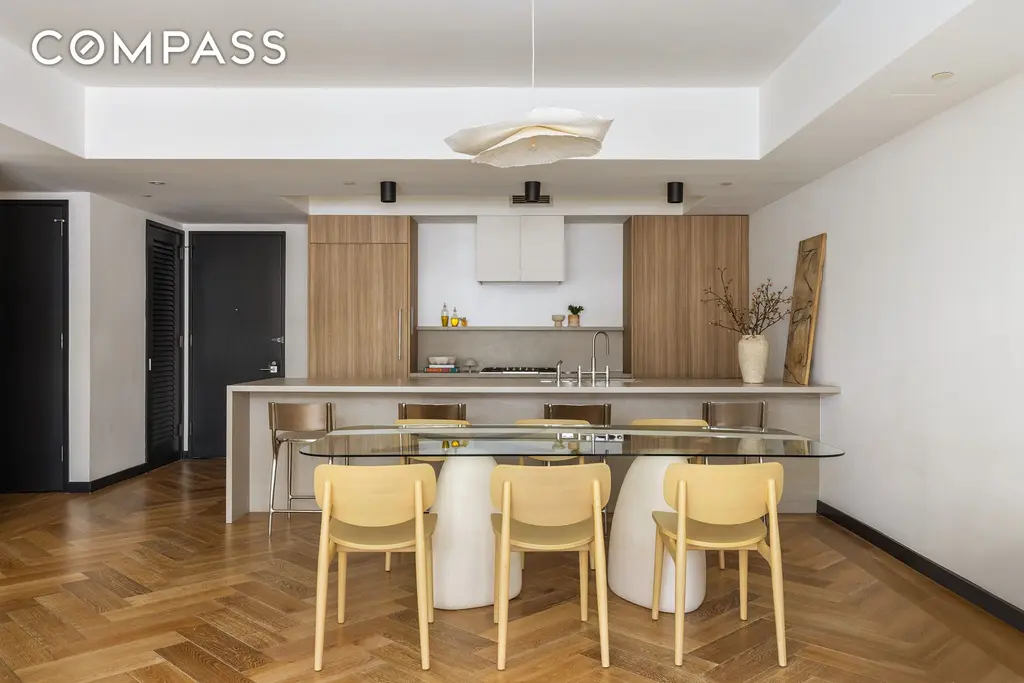
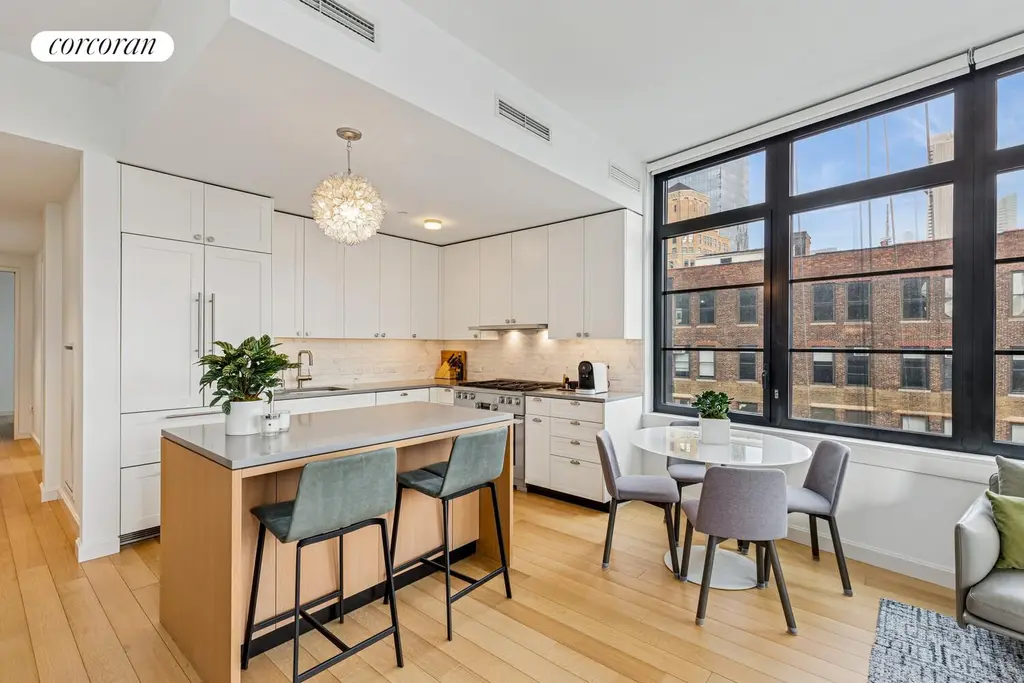
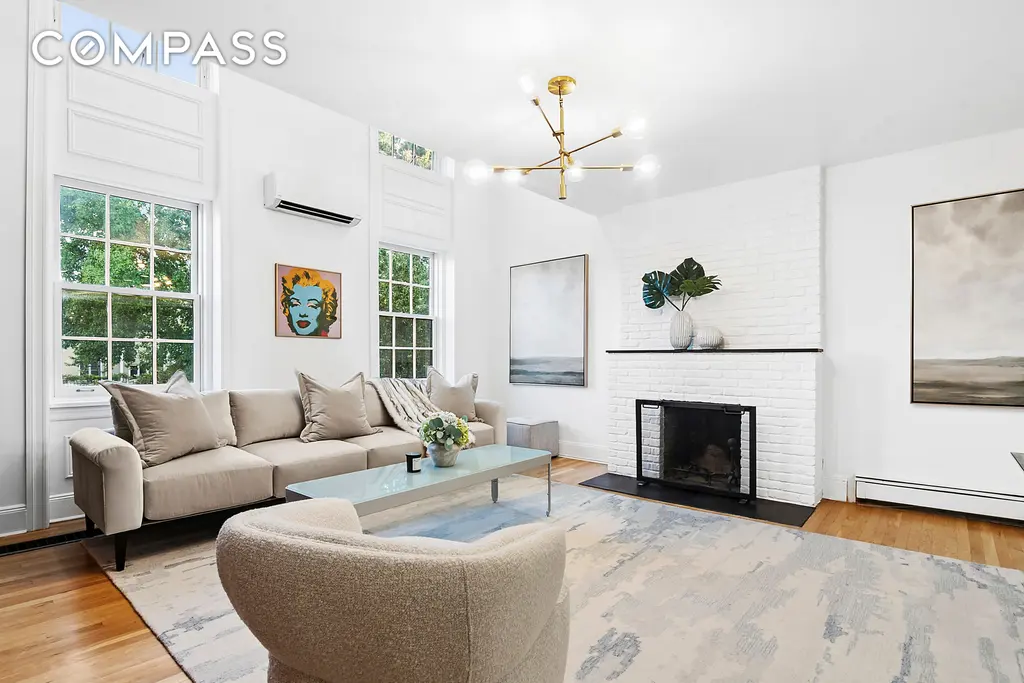
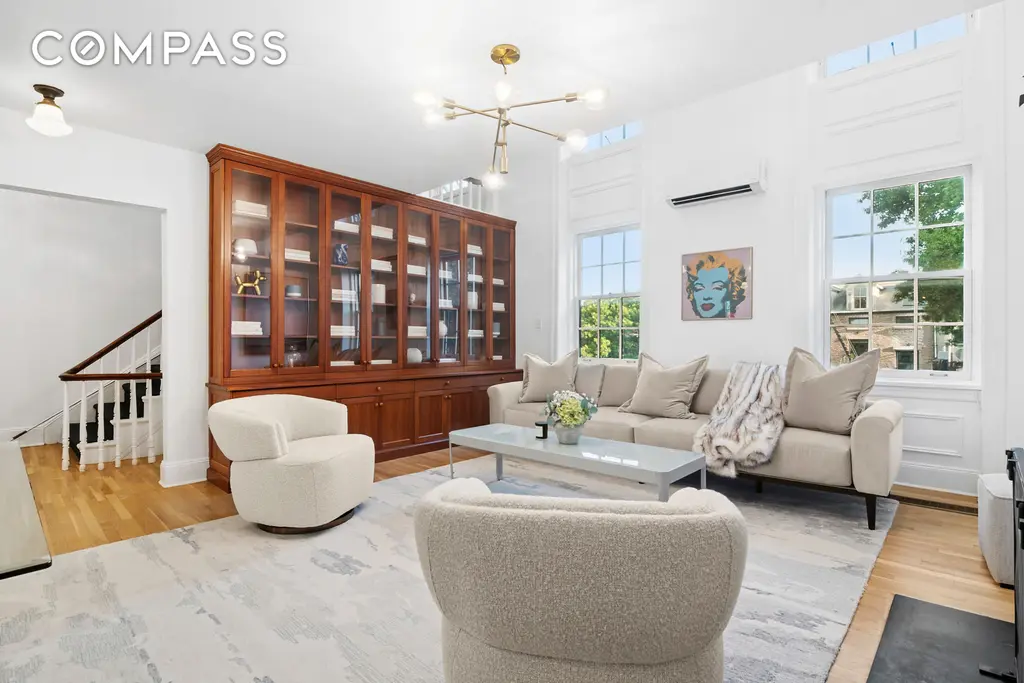
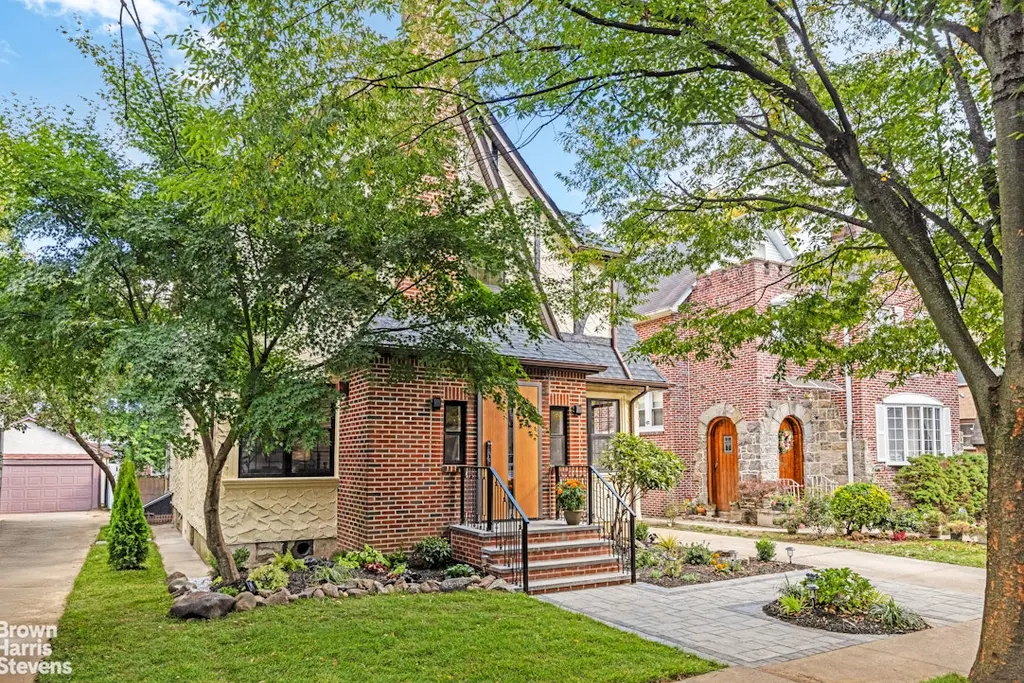
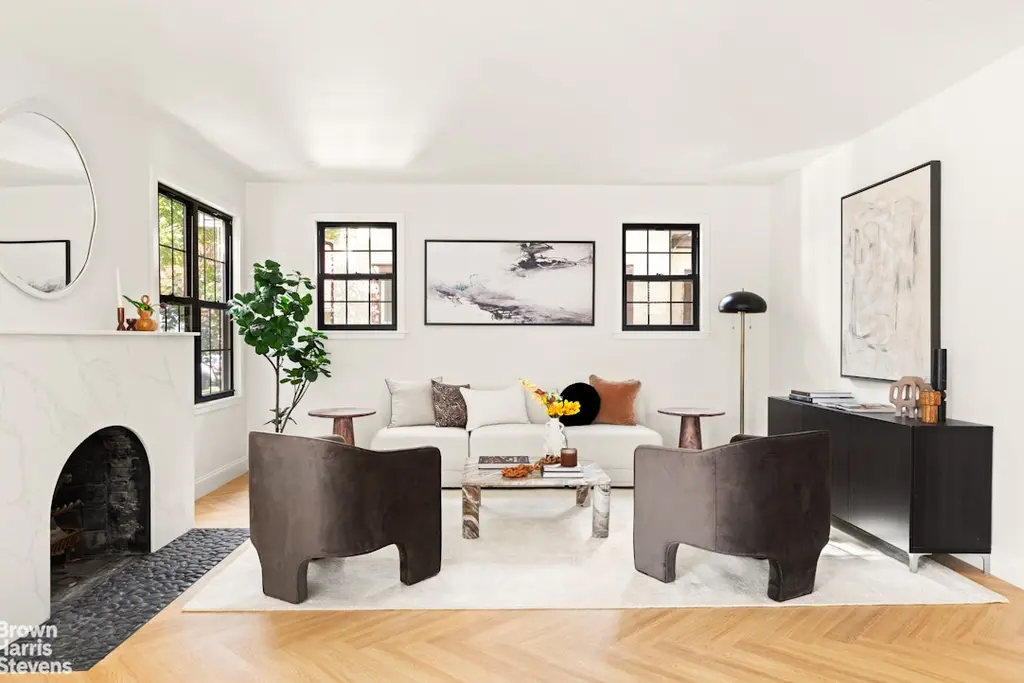
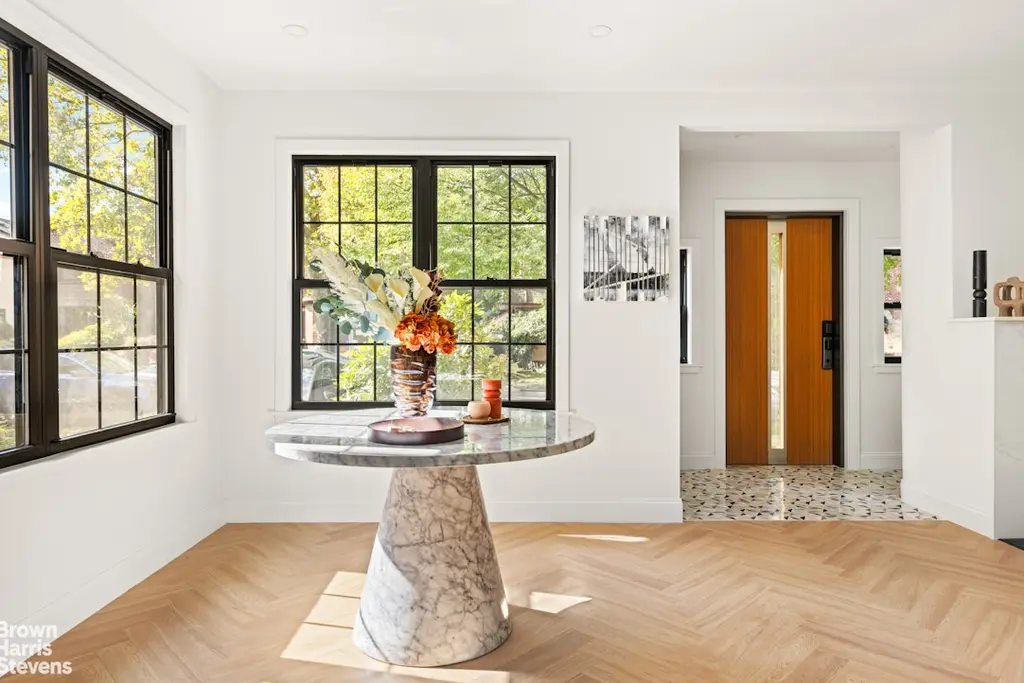
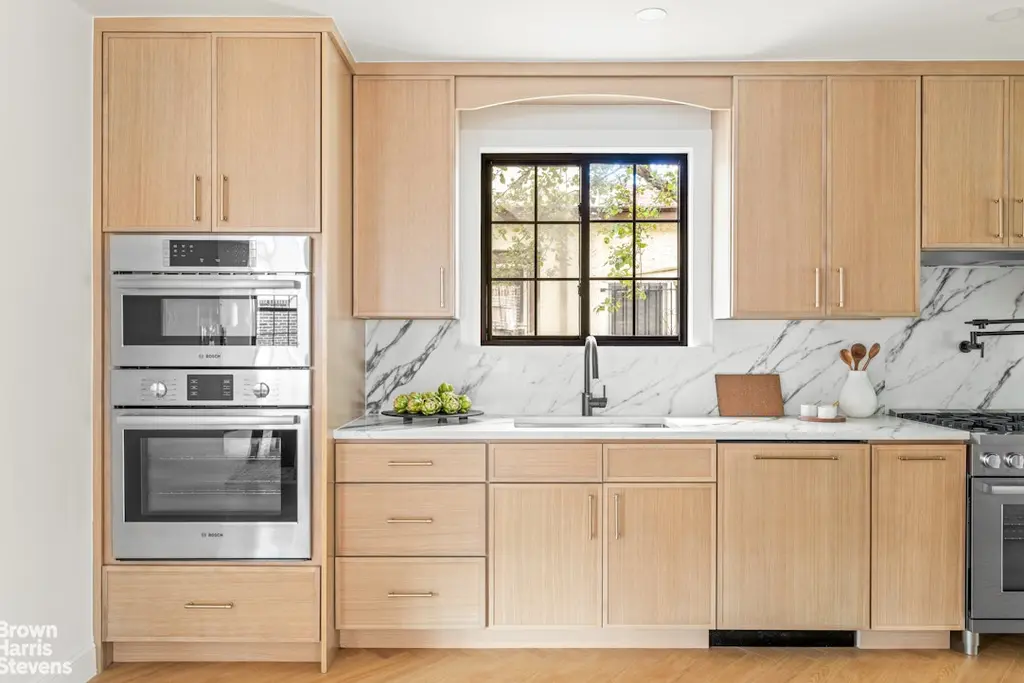
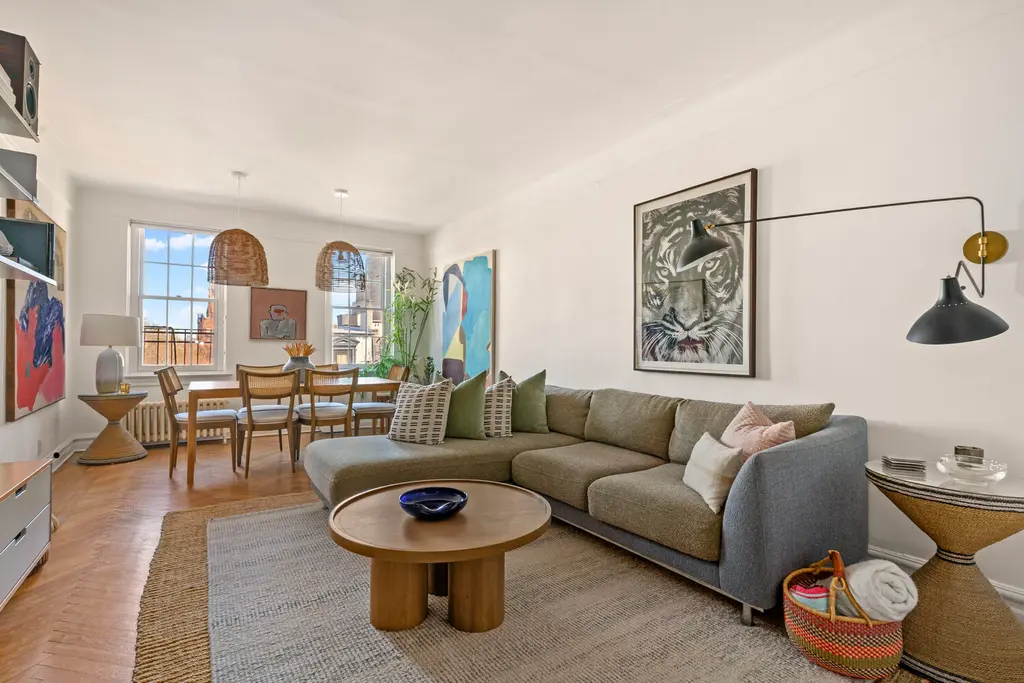
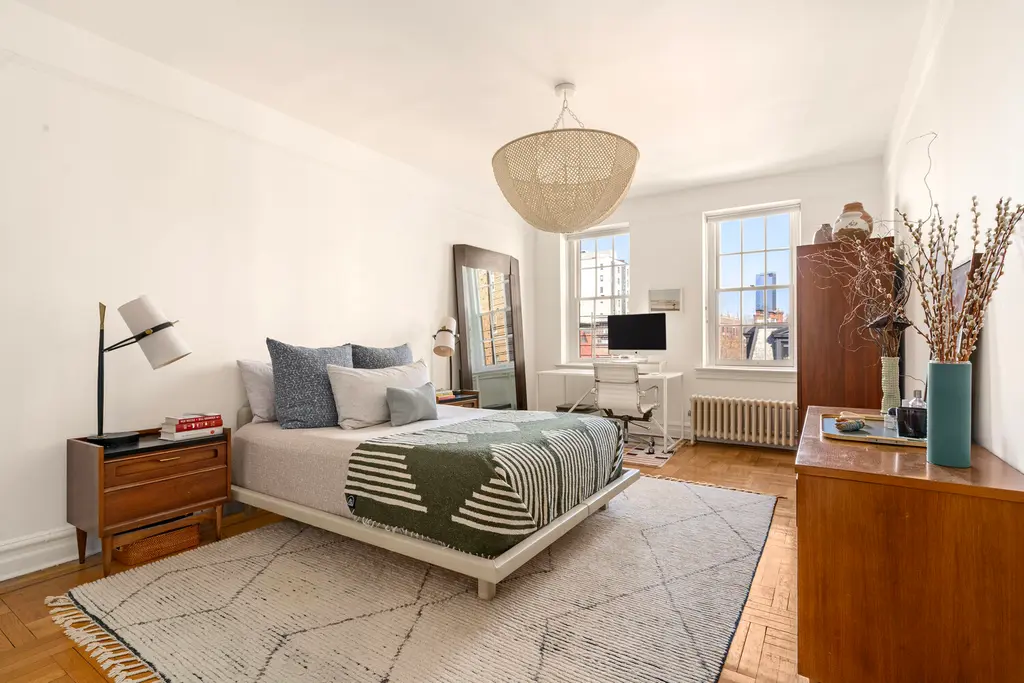
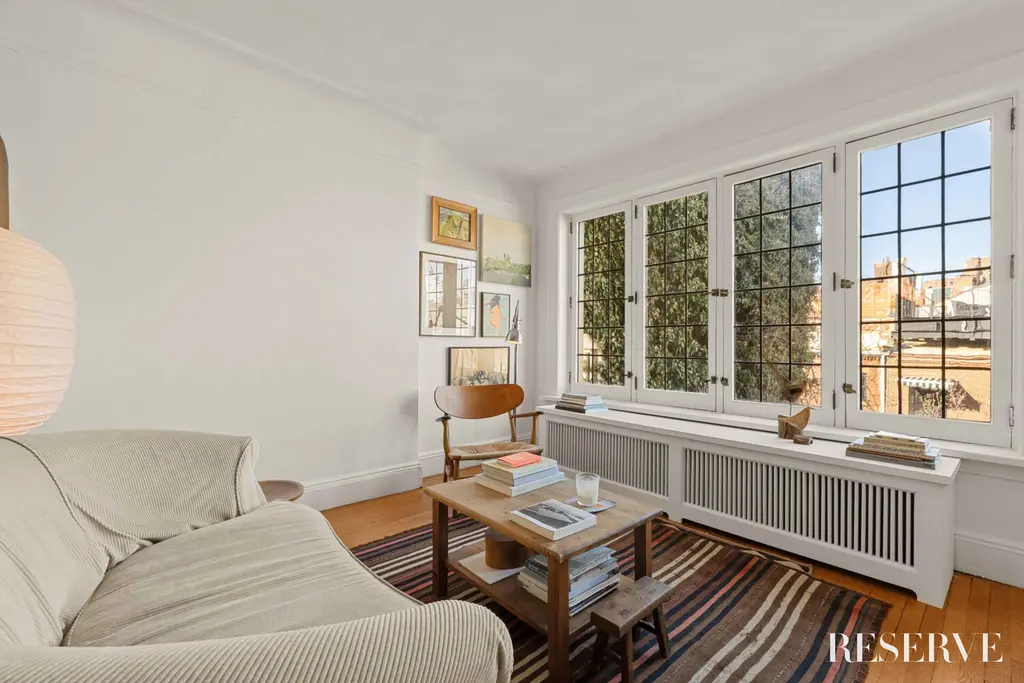
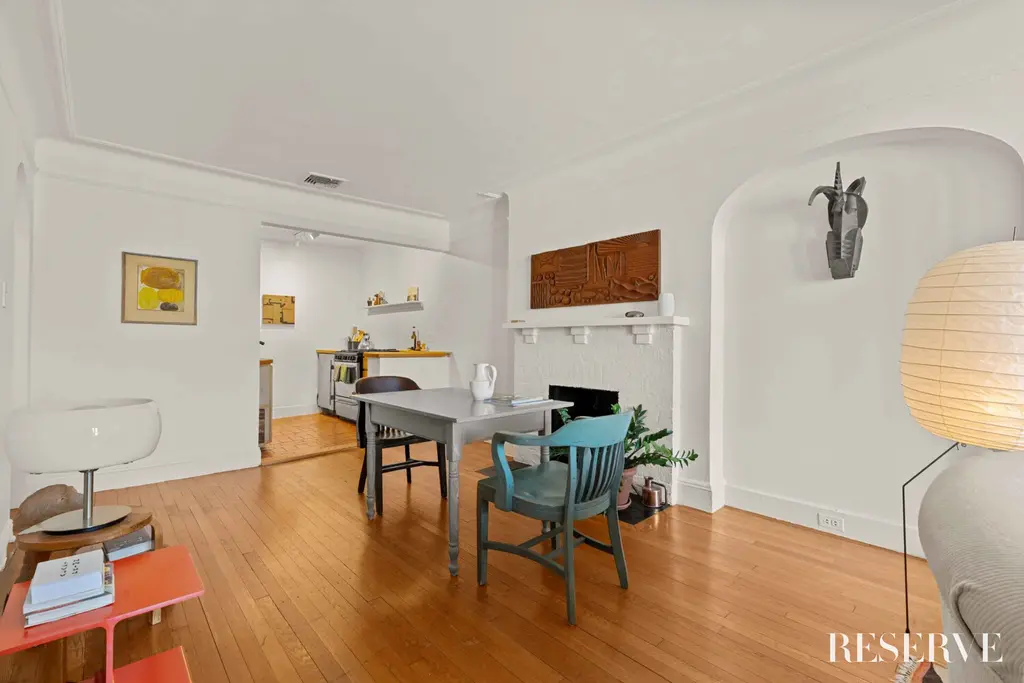
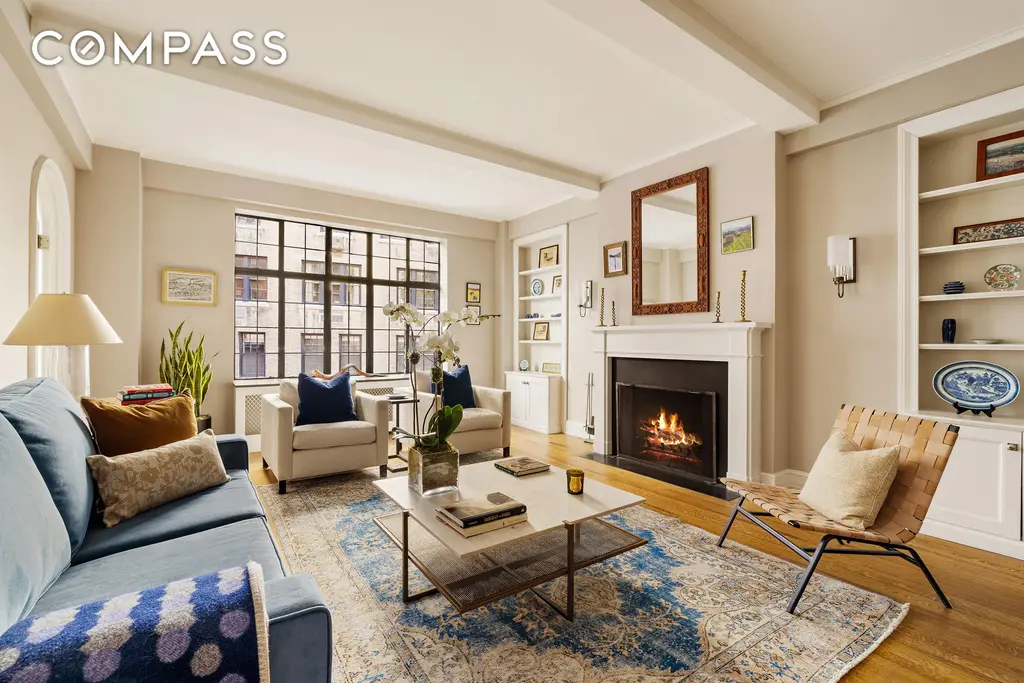
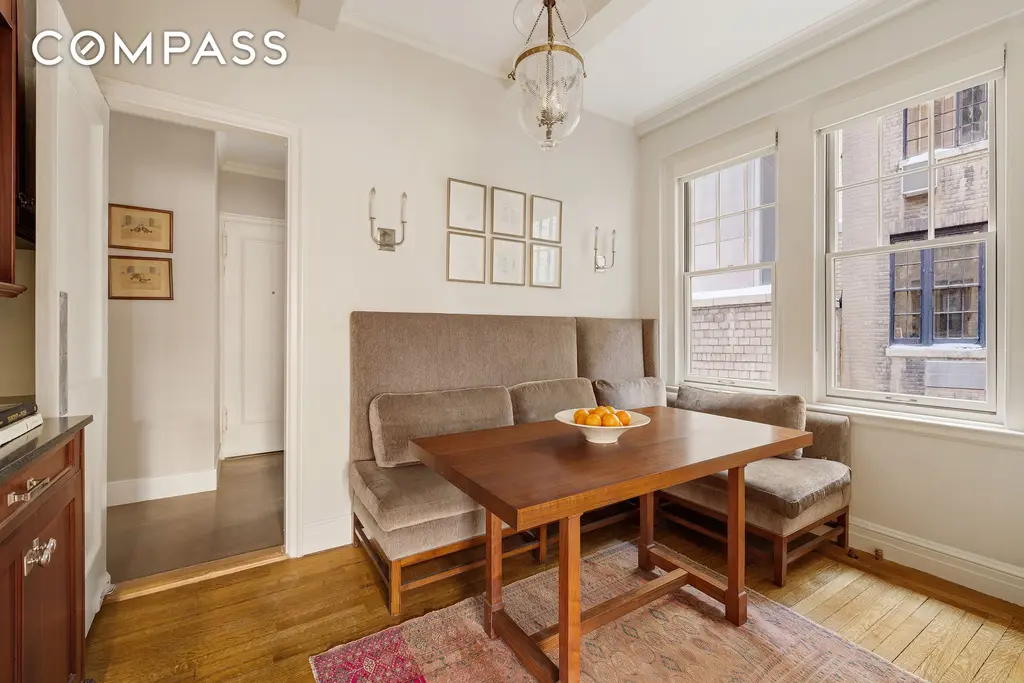
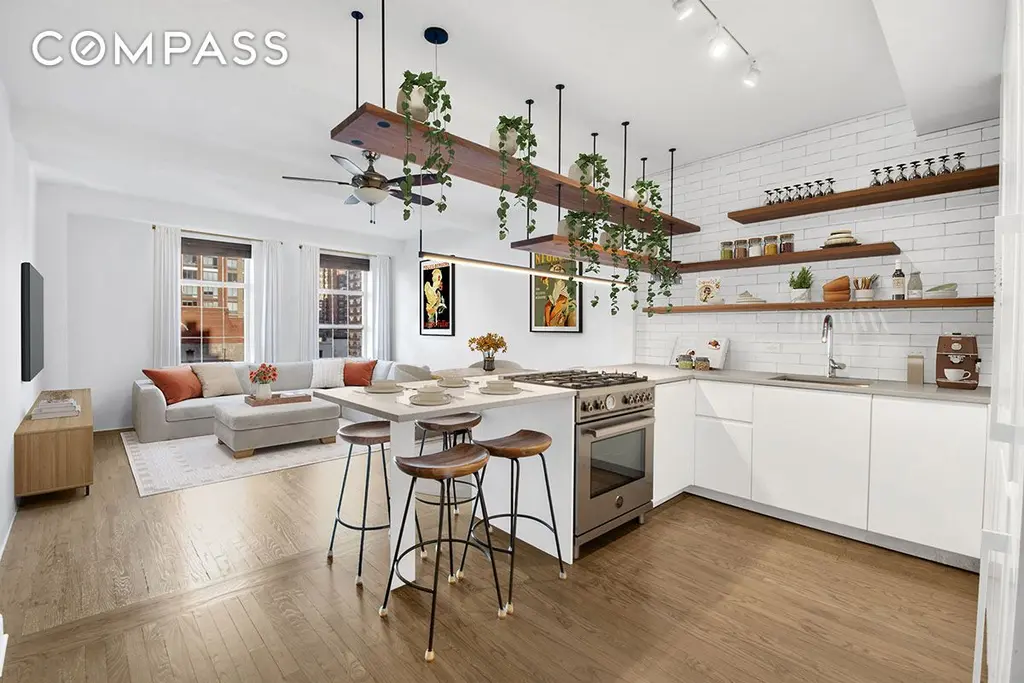
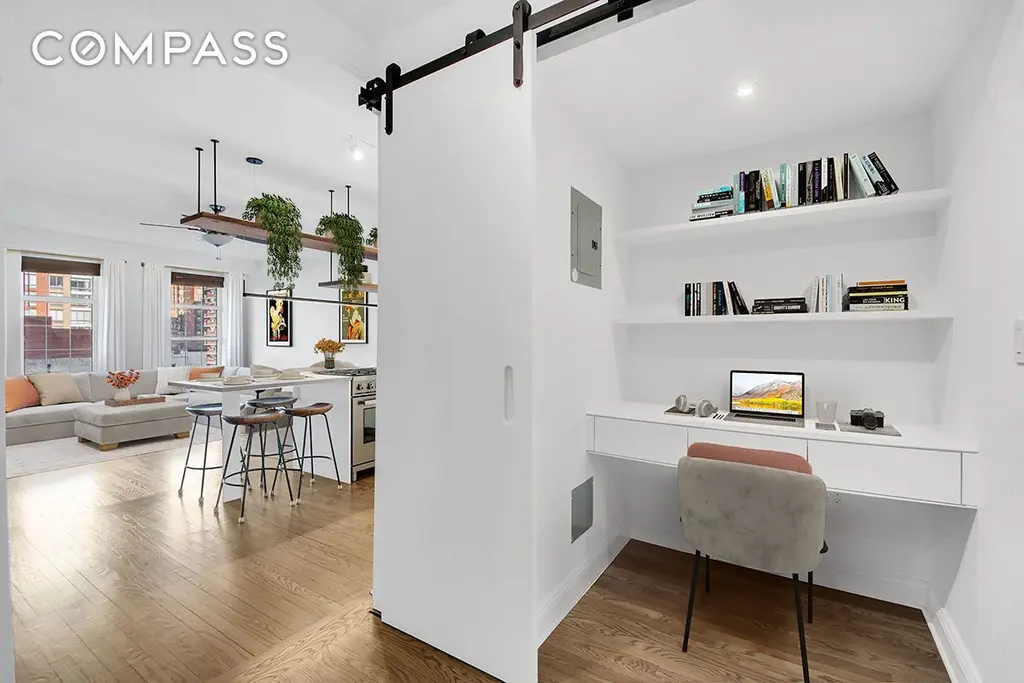
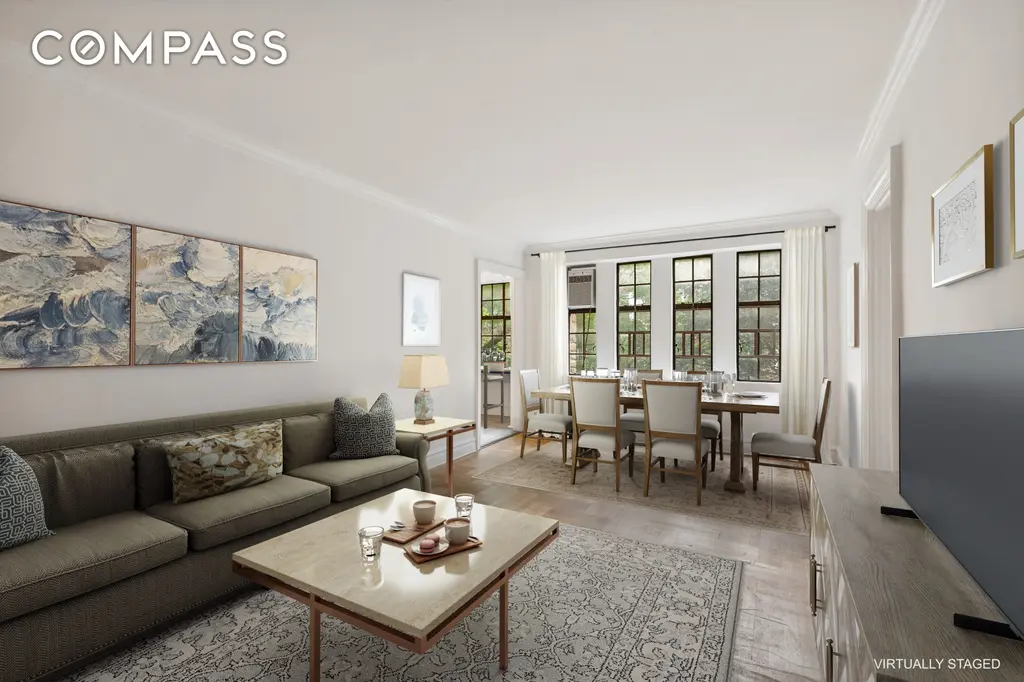
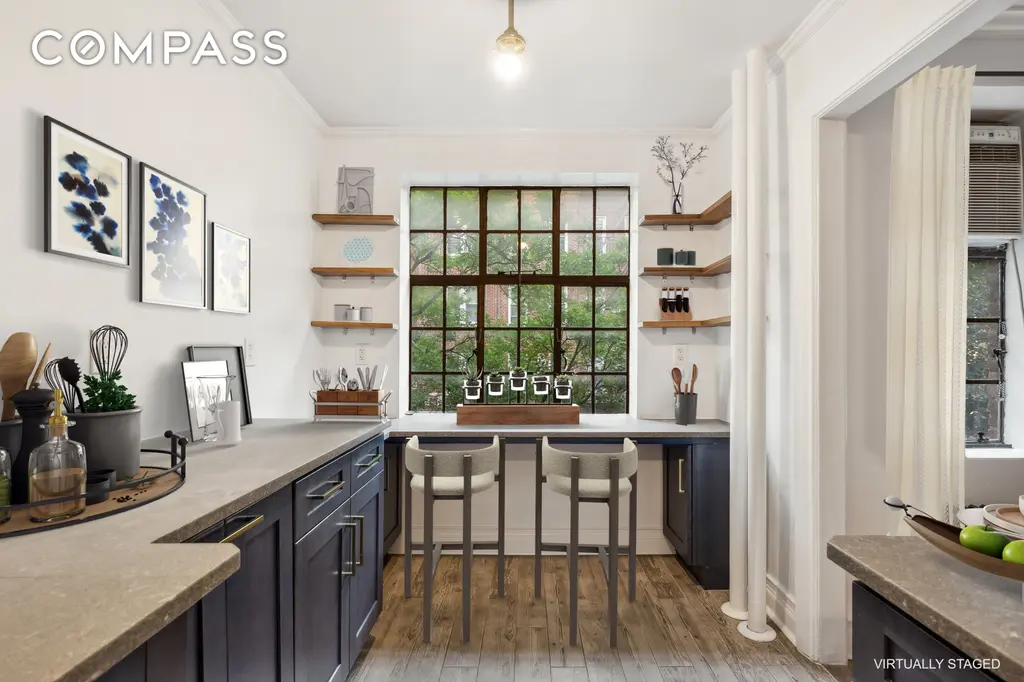
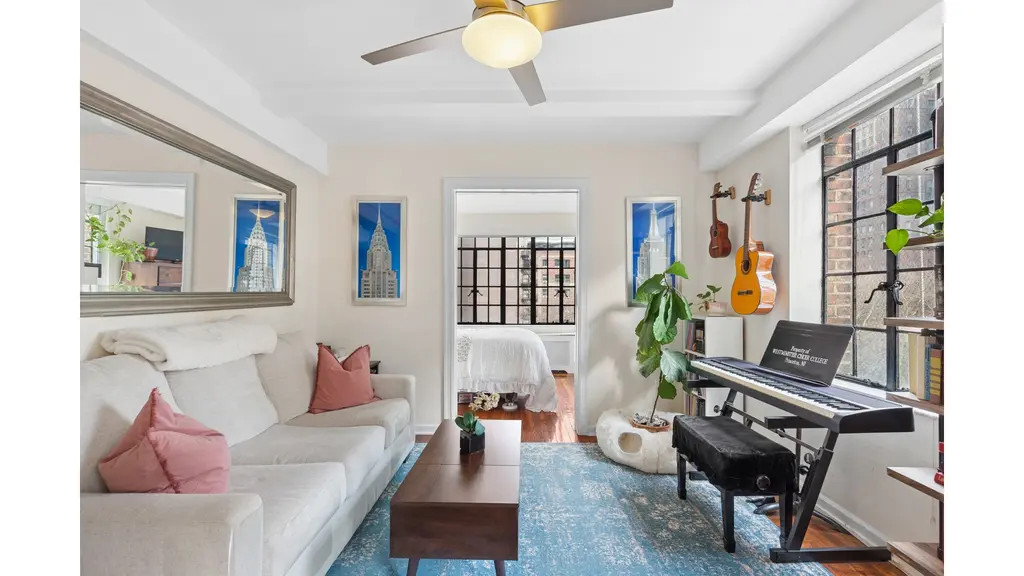
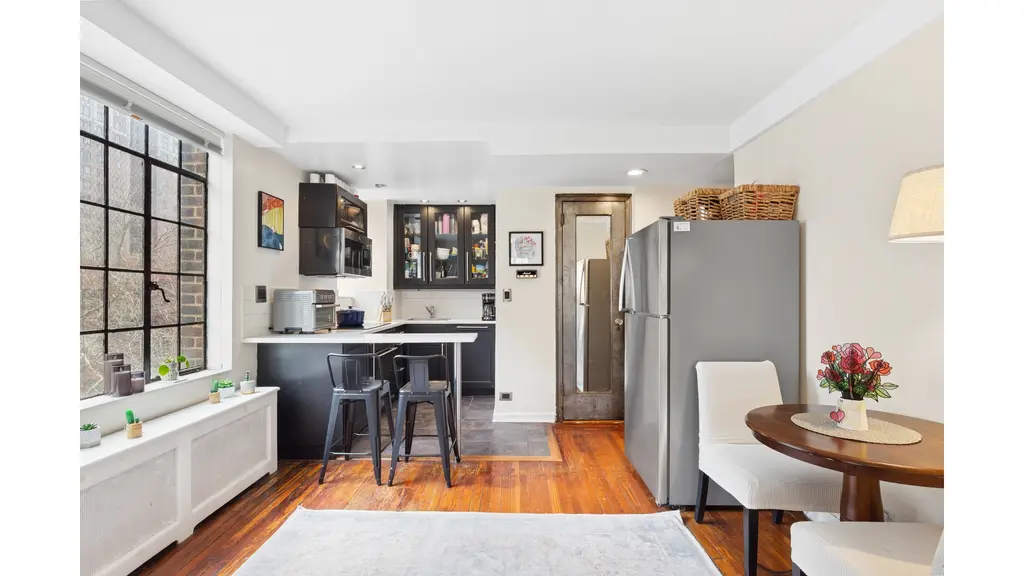
While units in these new developments are selling quickly, the city’s robust stock of converted manufacturing buildings ensures there will always be resales coming to market. Below, find such available listings with industrial-inspired design elements and factory-sash windows in converted loft buildings and new developments alike.

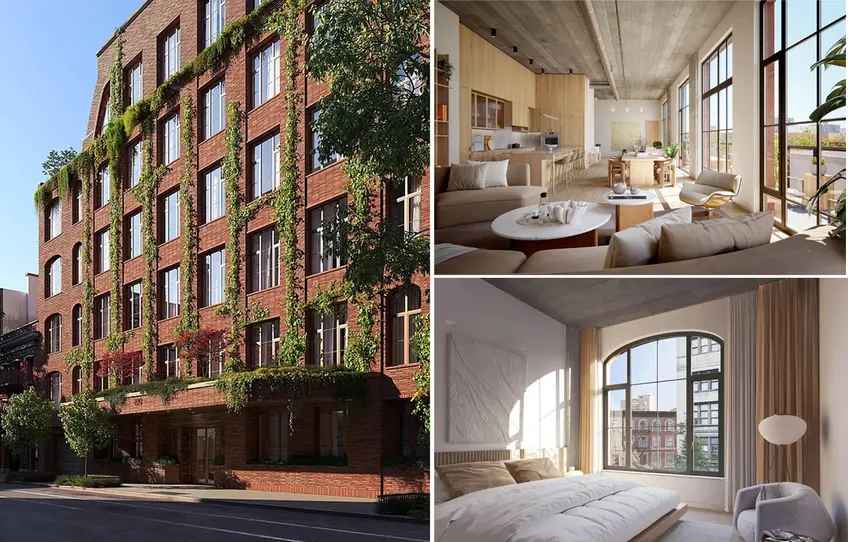 Renderings of 220 East 9th Street (Plomp)


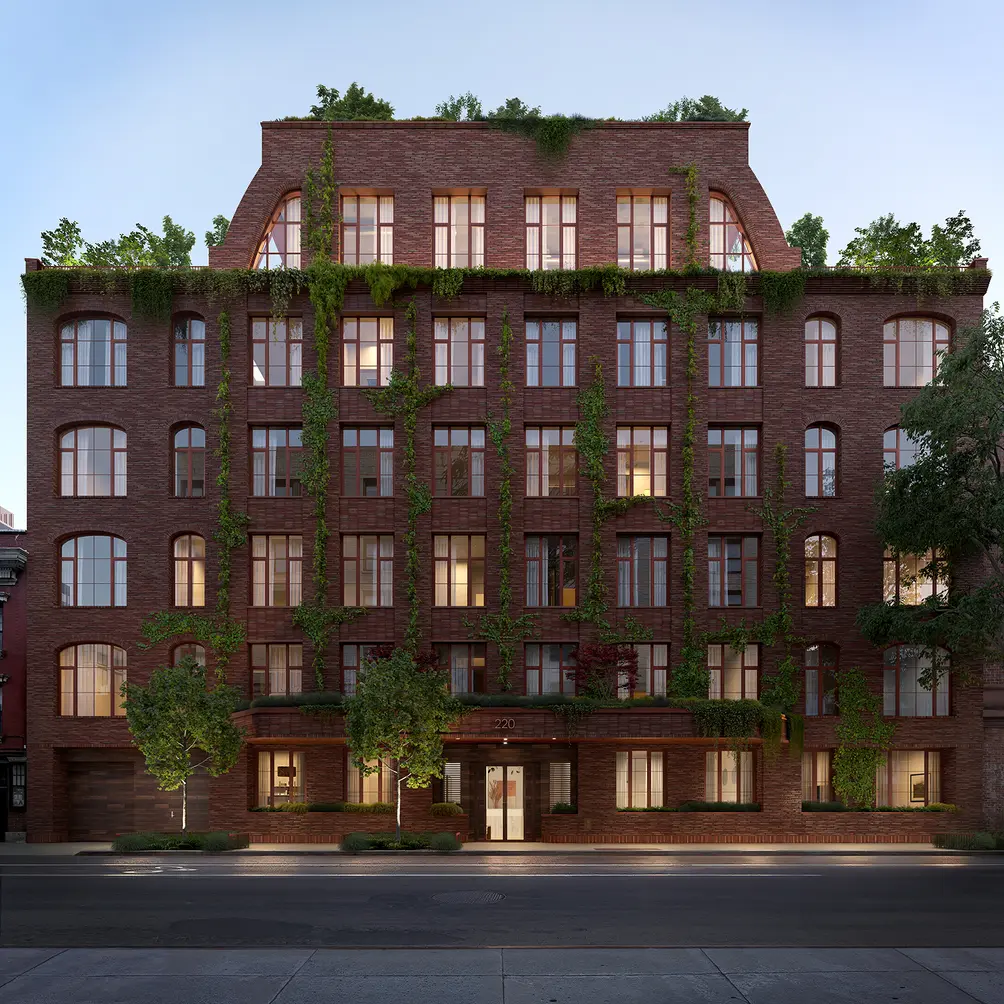 Exterior of 220 East 9th Street (Plomp)
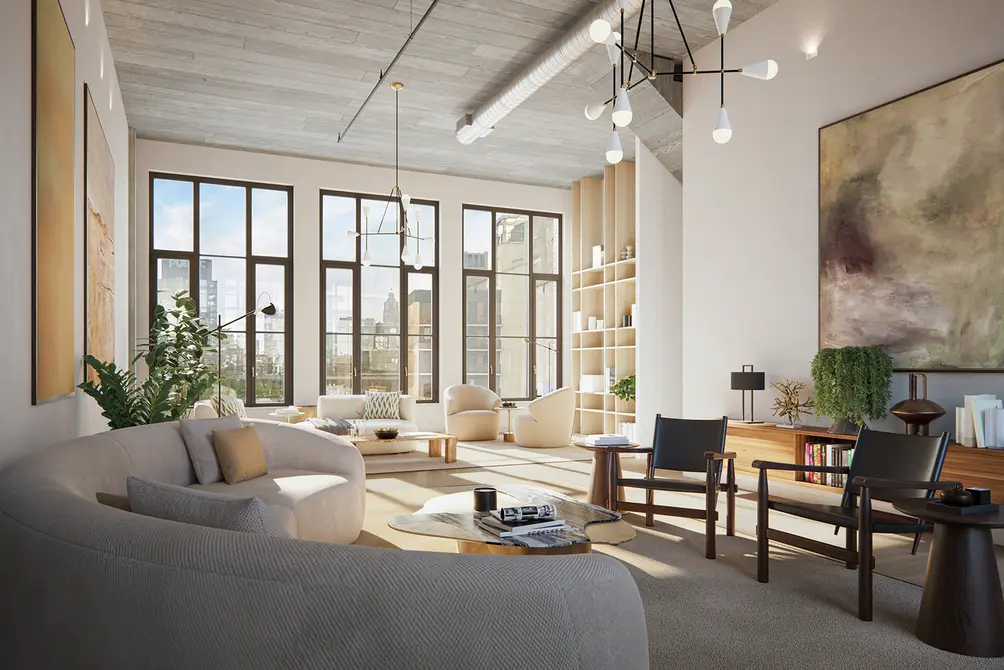
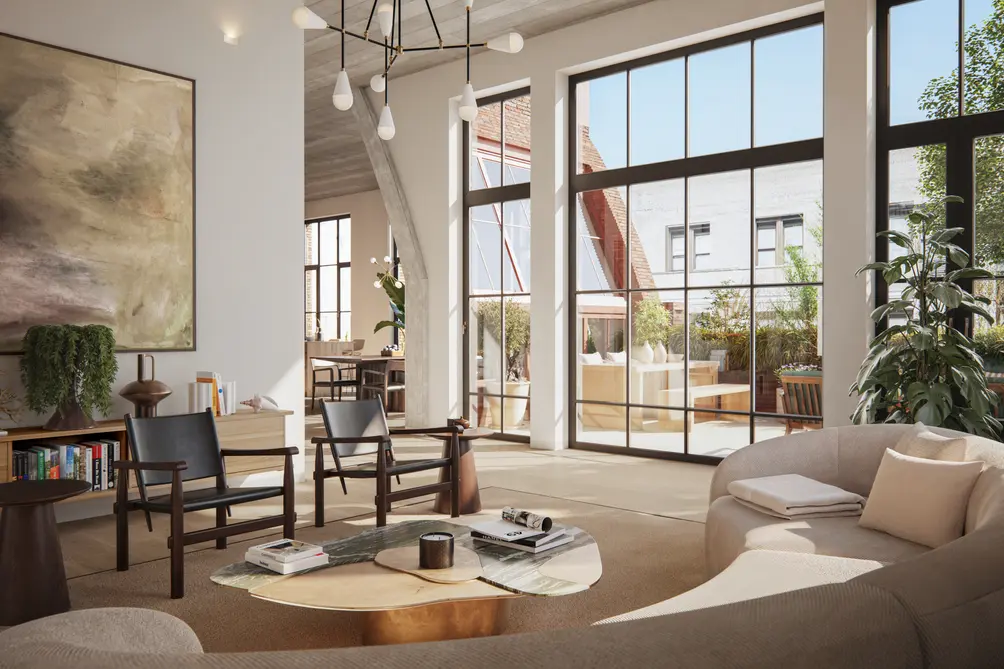 The new condo development at 220 East 9th Street has factory-style windows that range from 8.5 to 10 feet tall (Plomb)
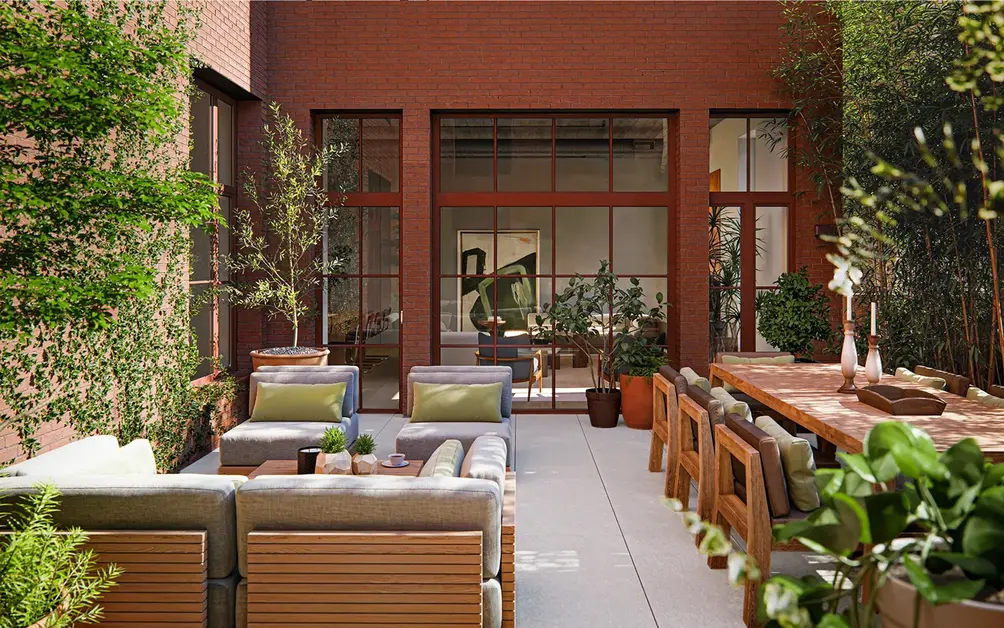 Amenity terrace (Plomb)
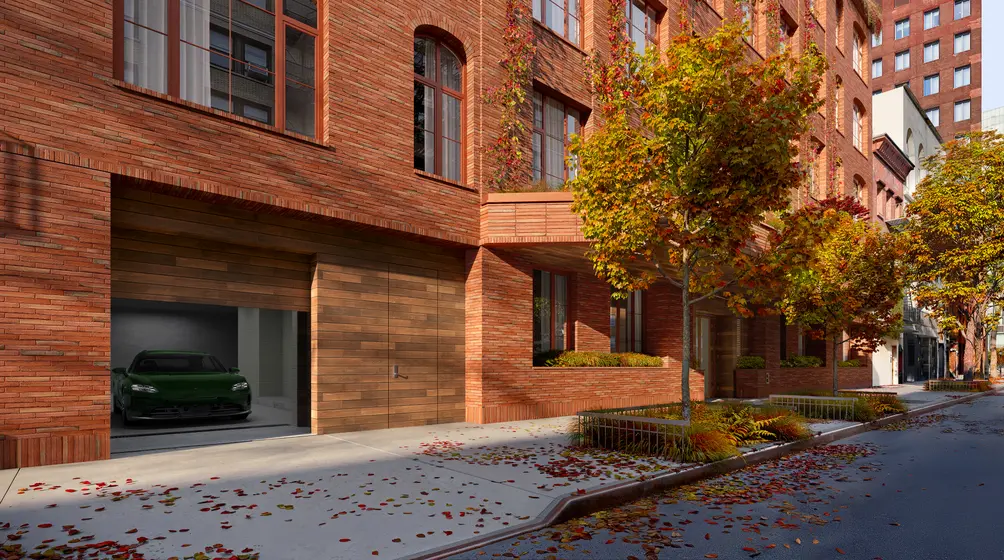 220 East 9th Street has parking for 10 on-site parking (Plomb)
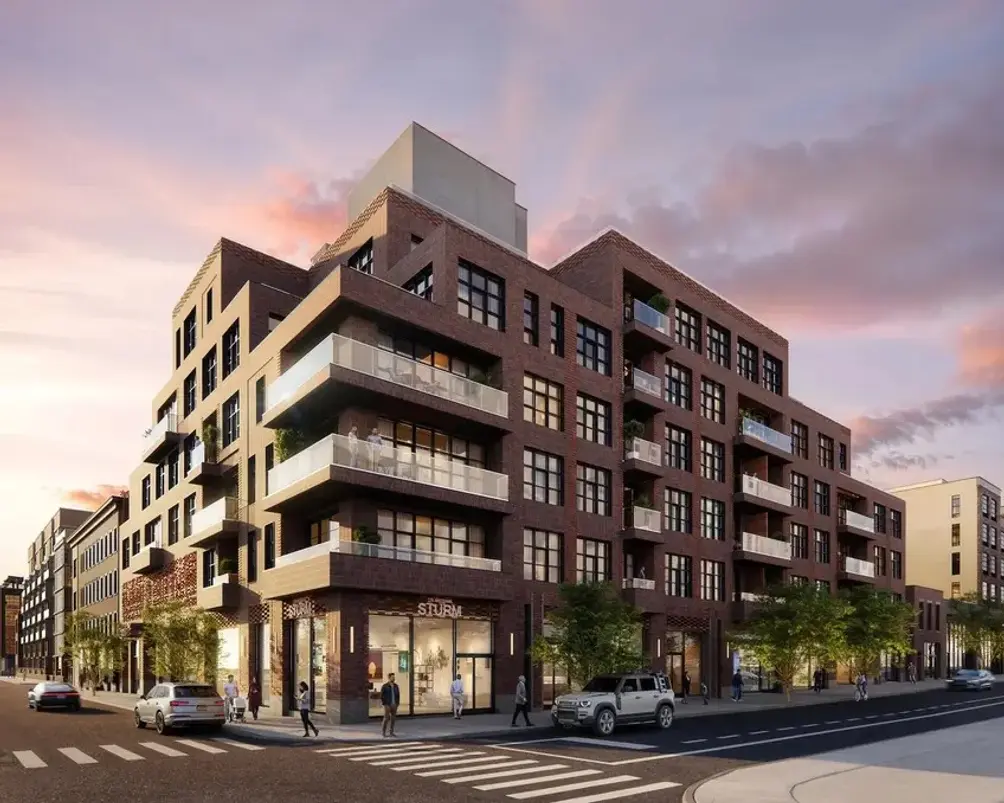 The Sixth at 127 Kent Avenue designed by BKSK Architects
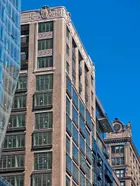
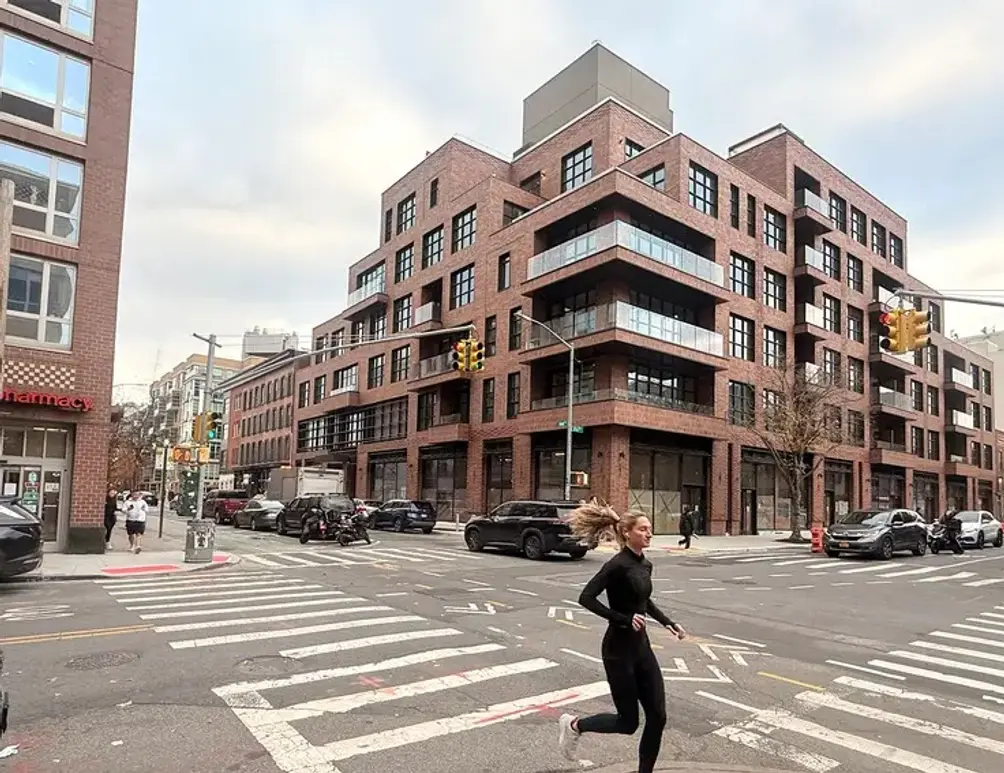 The Sixth, November 2025 (CityRealty)

 6sqft delivers the latest on real estate, architecture, and design, straight from New York City.
